Year 5 Trip
27-03-2026
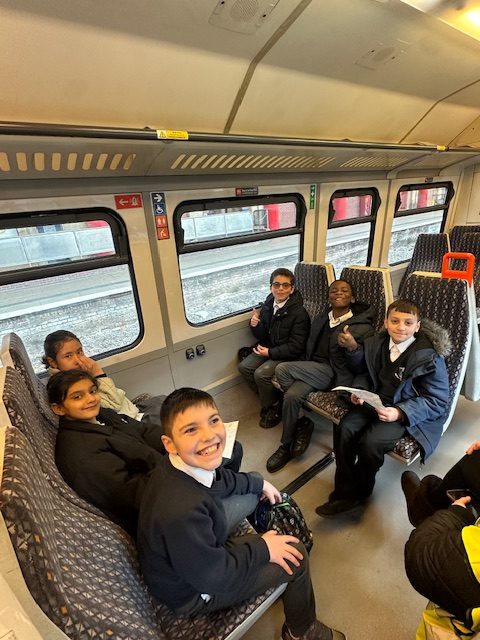
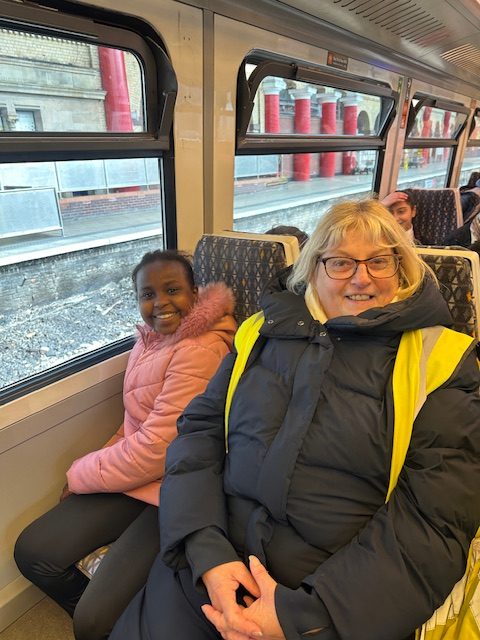
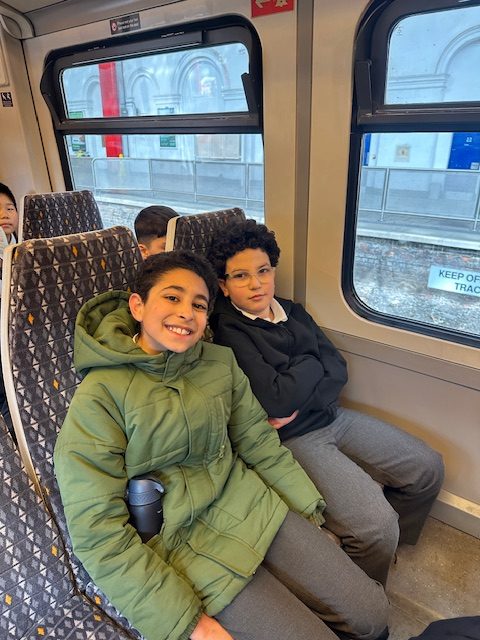
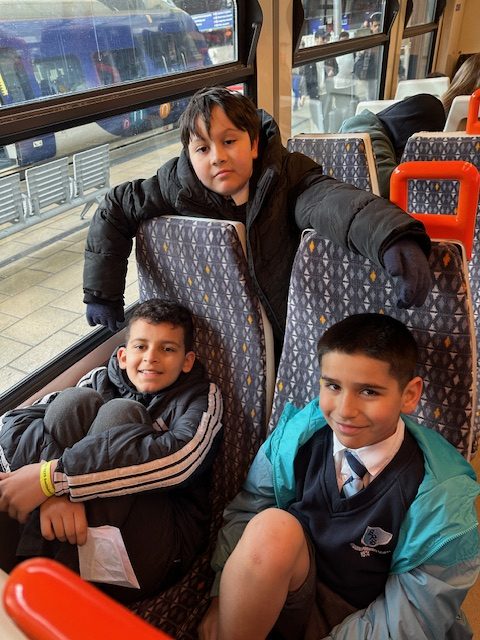
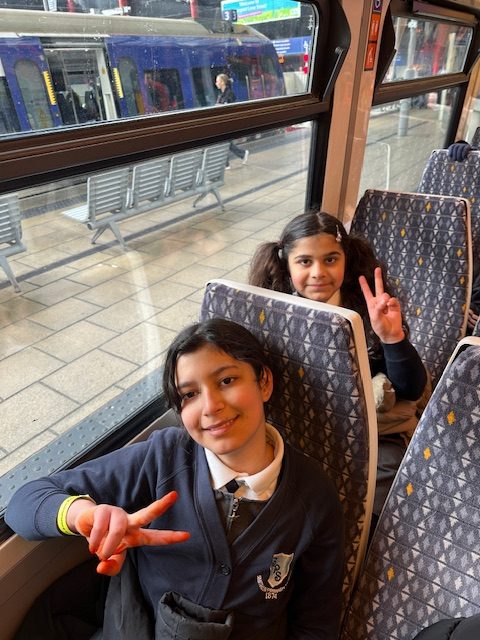
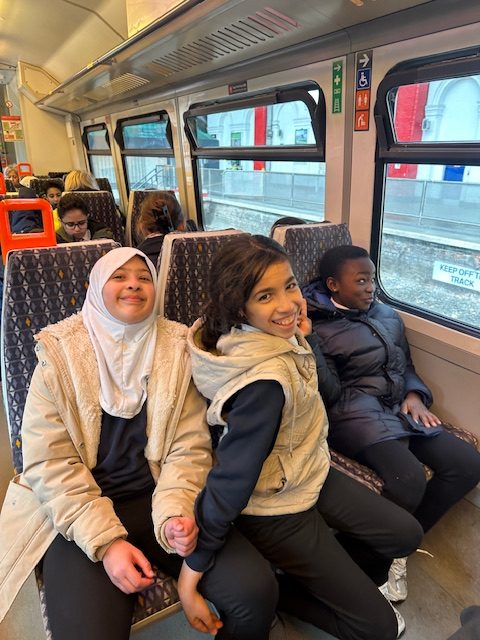
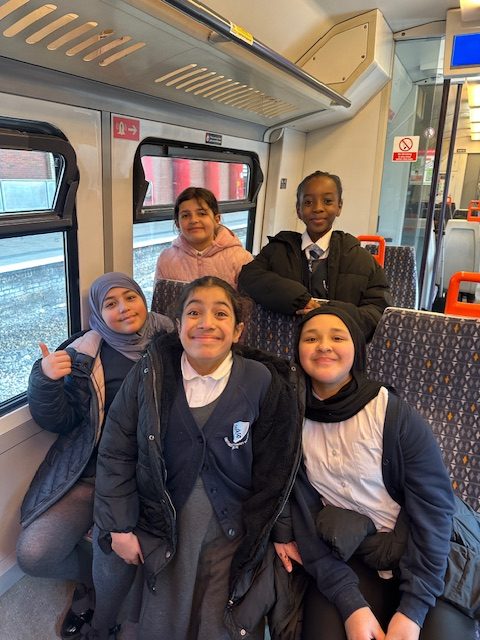
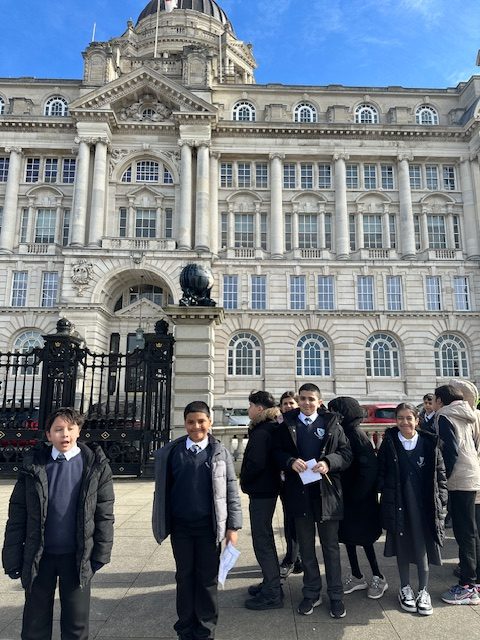
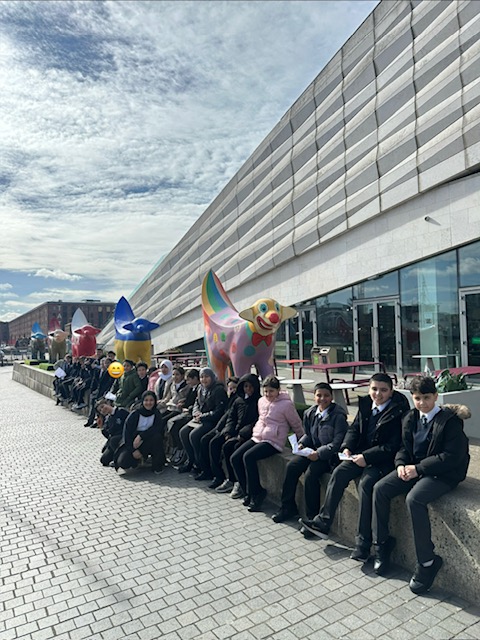
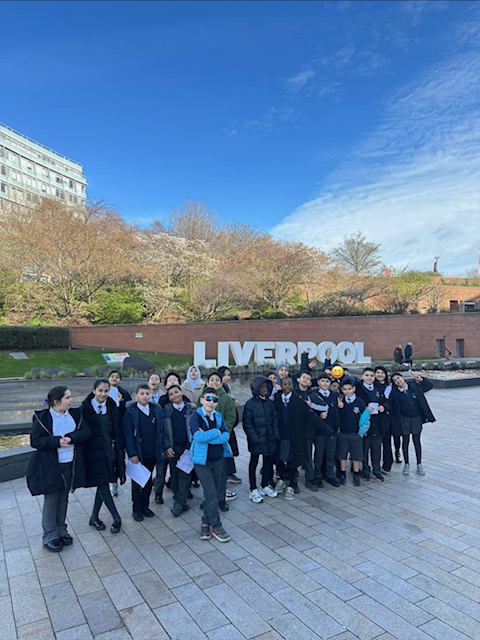
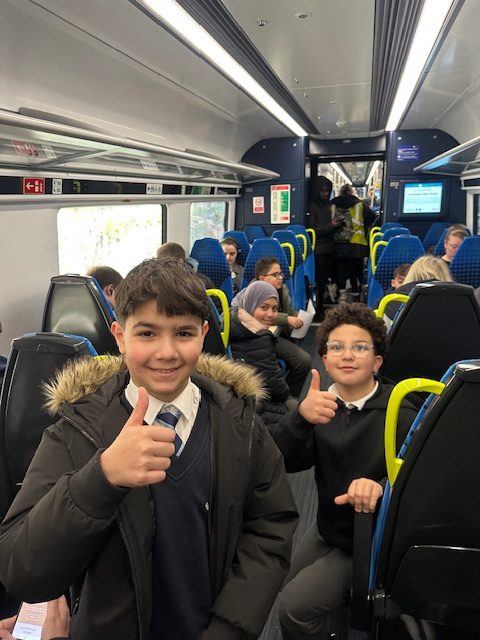
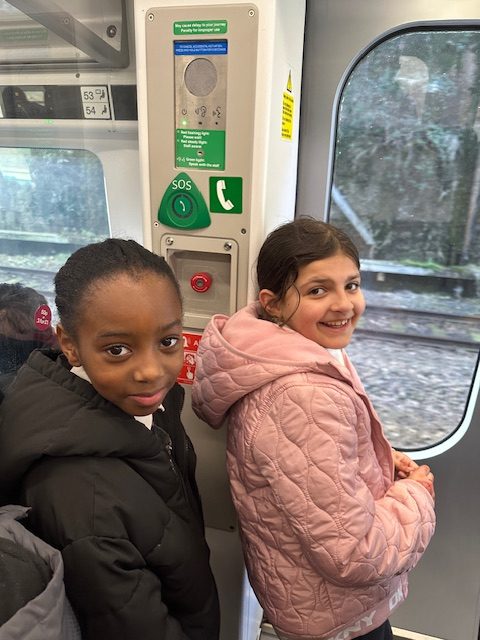
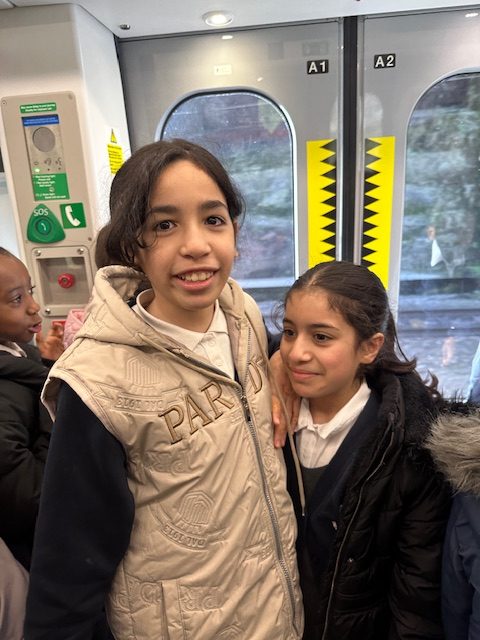
On Thursday, Year 5 took the train to the city centre. We walked around the city exploring Liverpool’s links to the Transatlantic Slave Trade.
We were delighted to have been assessed by the History Association and awarded their Gold quality mark for our outstanding History curriculum.
Here are some comments from the report:
‘The curriculum is well-designed, coherent and progressive across the school. A bespoke detailed long-term plan is designed to ensure depth of learning.’
‘planning is well sequenced to build knowledge and skills’
‘supporting EAL pupils is a clear strength of the school’
‘effective tracking based on valid criteria for progression is a strong feature’
‘History is extremely well managed and organised by subject leaders’
‘The whole school ethos is very much one of constant improvement, tweaking and adapting everything to make it the best it can be for each class of children.’
A
At Smithdown Primary School, together we grow as curious learners who understand how the past has shaped the present. We believe that developing a rich understanding of both local and global history is essential to building a strong sense of identity and belonging.
Through exploring ancient civilisations, significant people and events, and the key moments that have shaped British and world history, our pupils learn to appreciate how our democratic and multicultural society has evolved.
Our History curriculum is fully inclusive and designed to inspire curiosity, critical thinking, and respect for diversity. By linking learning to engaging topics, children investigate and interpret the past, build a secure understanding of chronology, and recognise connections between periods, cultures, and people. They learn what previous societies were like, how they were organised, and how their values and beliefs influenced daily life.
We want our children to see the diversity of human experience — to understand more about themselves, their community, and their place in the wider world. In doing so, they develop cultural capital and the skills needed to think, question, and communicate as historians.
History at Smithdown is taught in carefully planned blocks throughout the year, allowing pupils to achieve depth and coherence in their learning. Teachers identify the key knowledge, vocabulary and disciplinary skills for each unit, ensuring clear progression from EYFS to Year 6.
We use a combination of enquiry-led teaching, storytelling, and hands-on exploration to make history meaningful and memorable. Children are encouraged to:
Ask perceptive questions and think critically about evidence.
Use historical sources such as artefacts, photographs, and documents to form and challenge interpretations.
Explore both local and national history, drawing links between the two.
Use and apply ambitious, subject-specific vocabulary to explain their ideas clearly.
To bring learning to life, pupils take part in educational visits, workshops with historians, and investigations of artefacts. These experiences help children connect emotionally and intellectually with the past.
Throughout the year, teachers review pupil work and progression through book looks, discussions, and assessment of key outcomes to ensure learning builds securely and meets the needs of every child.
By the time pupils leave Smithdown Primary, they have developed the essential characteristics of young historians. They:
Have secure chronological understanding of key periods, people, and events in British and world history.
Can think critically, analyse sources, and form balanced, evidence-based conclusions.
Communicate historical ideas confidently using appropriate vocabulary and concepts.
Demonstrate respect for historical evidence and understand how interpretations of the past are constructed.
Appreciate diversity, democracy, and cultural heritage — seeing history as a living subject that helps them understand the world today.
Most importantly, our pupils enjoy learning about history. Immersive and enriching experiences nurture curiosity, pride, and a lifelong interest in the past — empowering them to grow as reflective, informed citizens.
At Smithdown Primary, history is not just about learning what happened — it’s about understanding who we are, where we come from, and how we can shape the future… together we grow.

On Thursday, Year 5 took the train to the city centre. We walked around the city exploring Liverpool’s links to the Transatlantic Slave Trade.
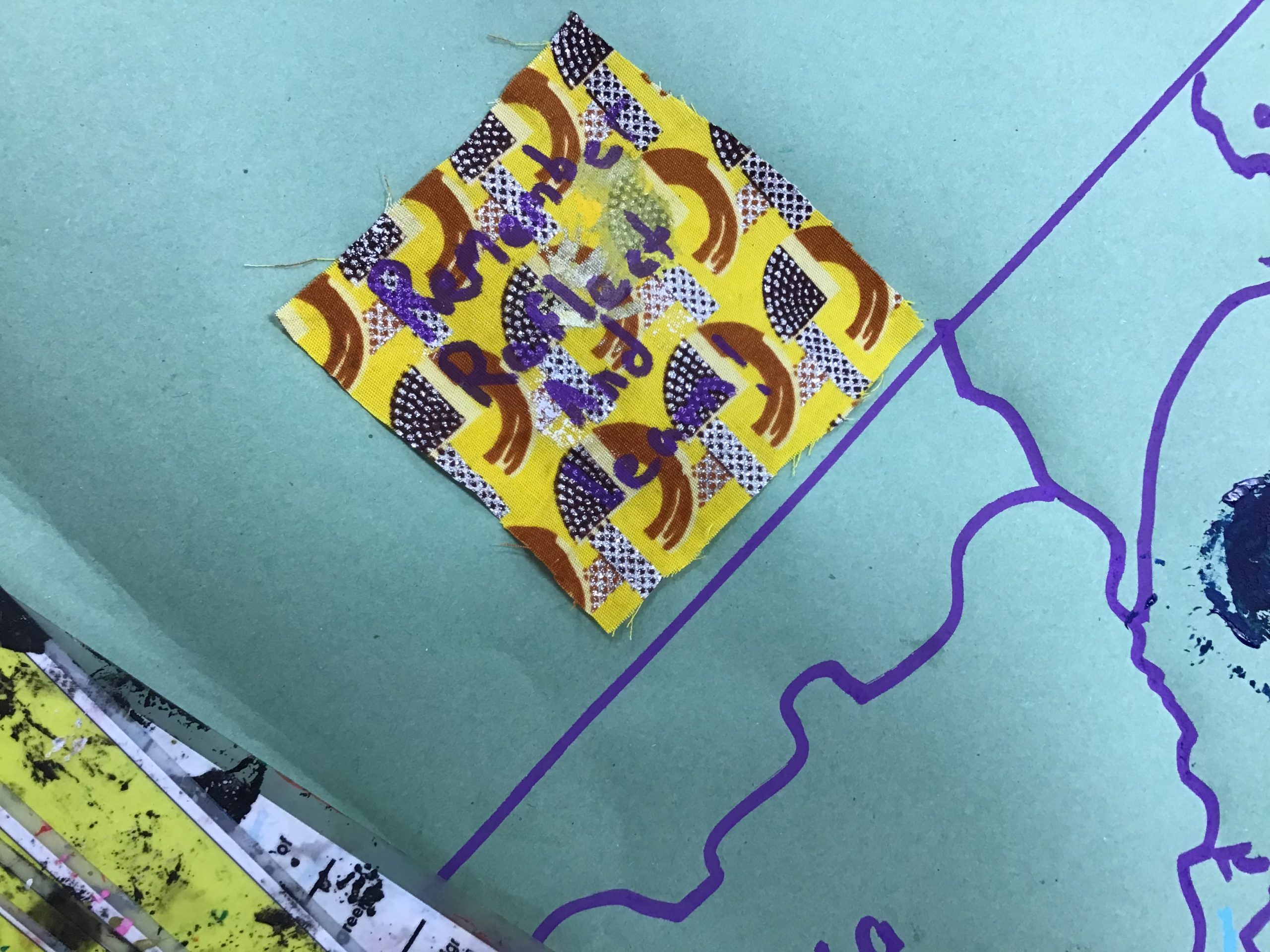
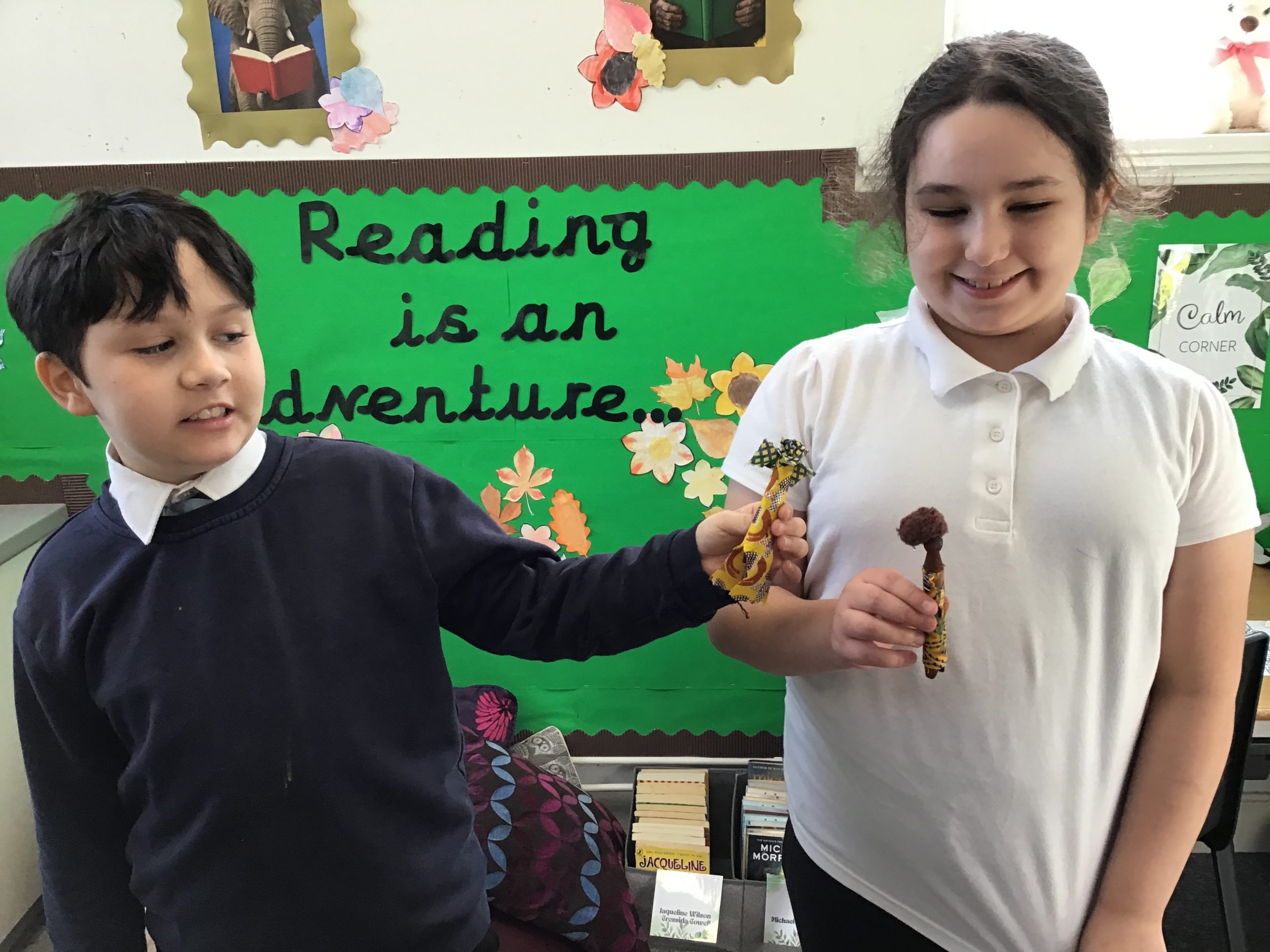
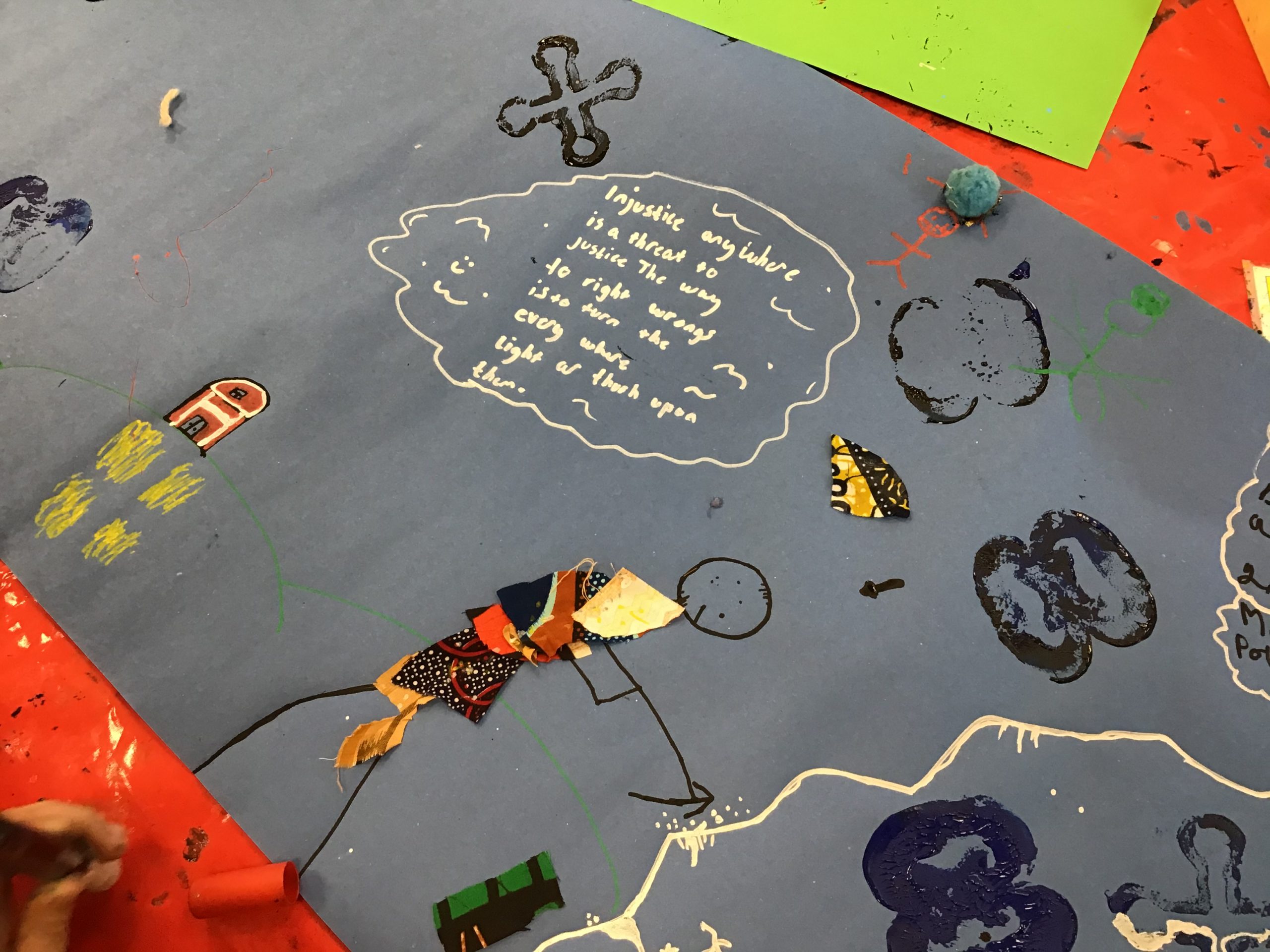
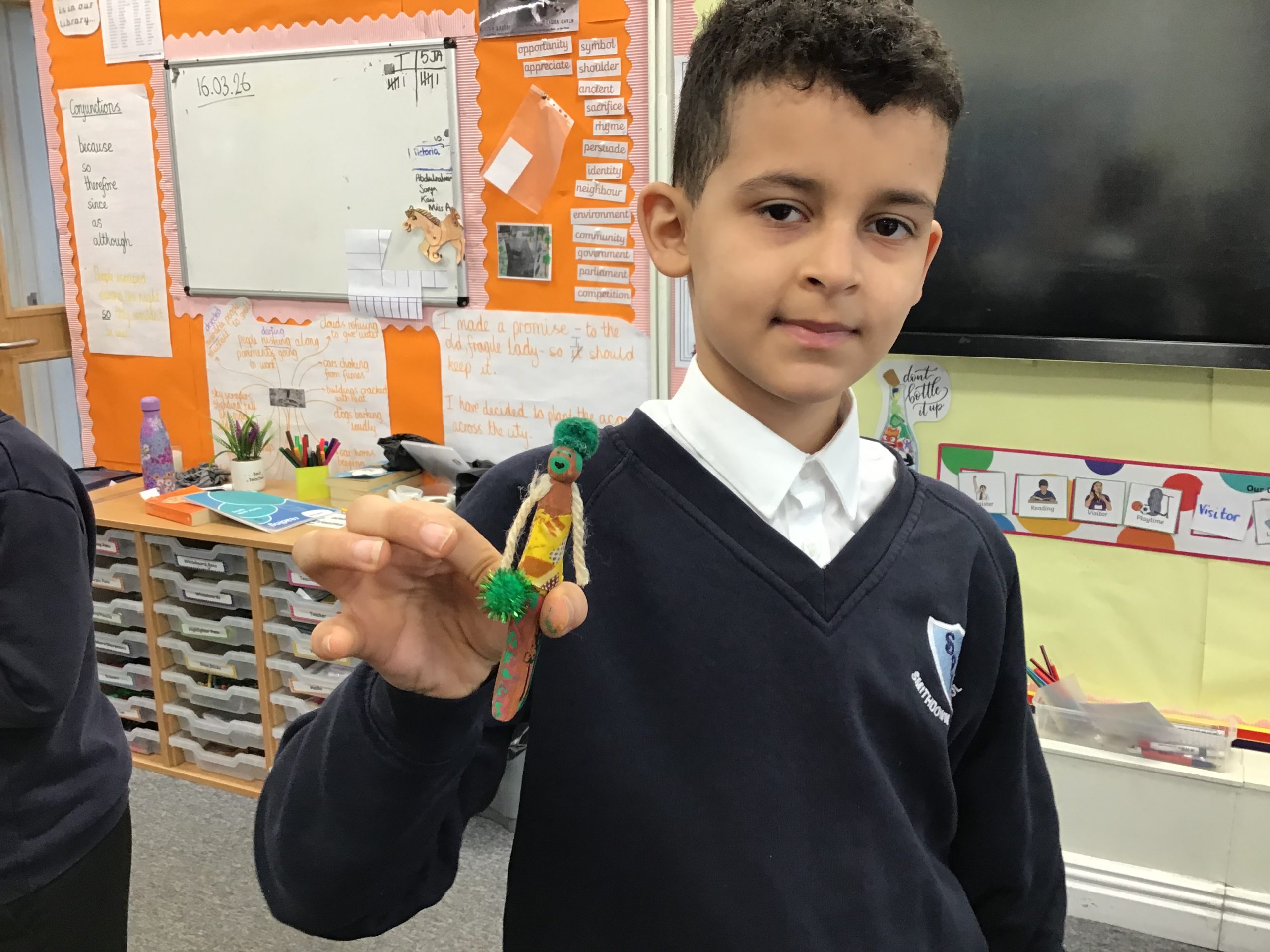
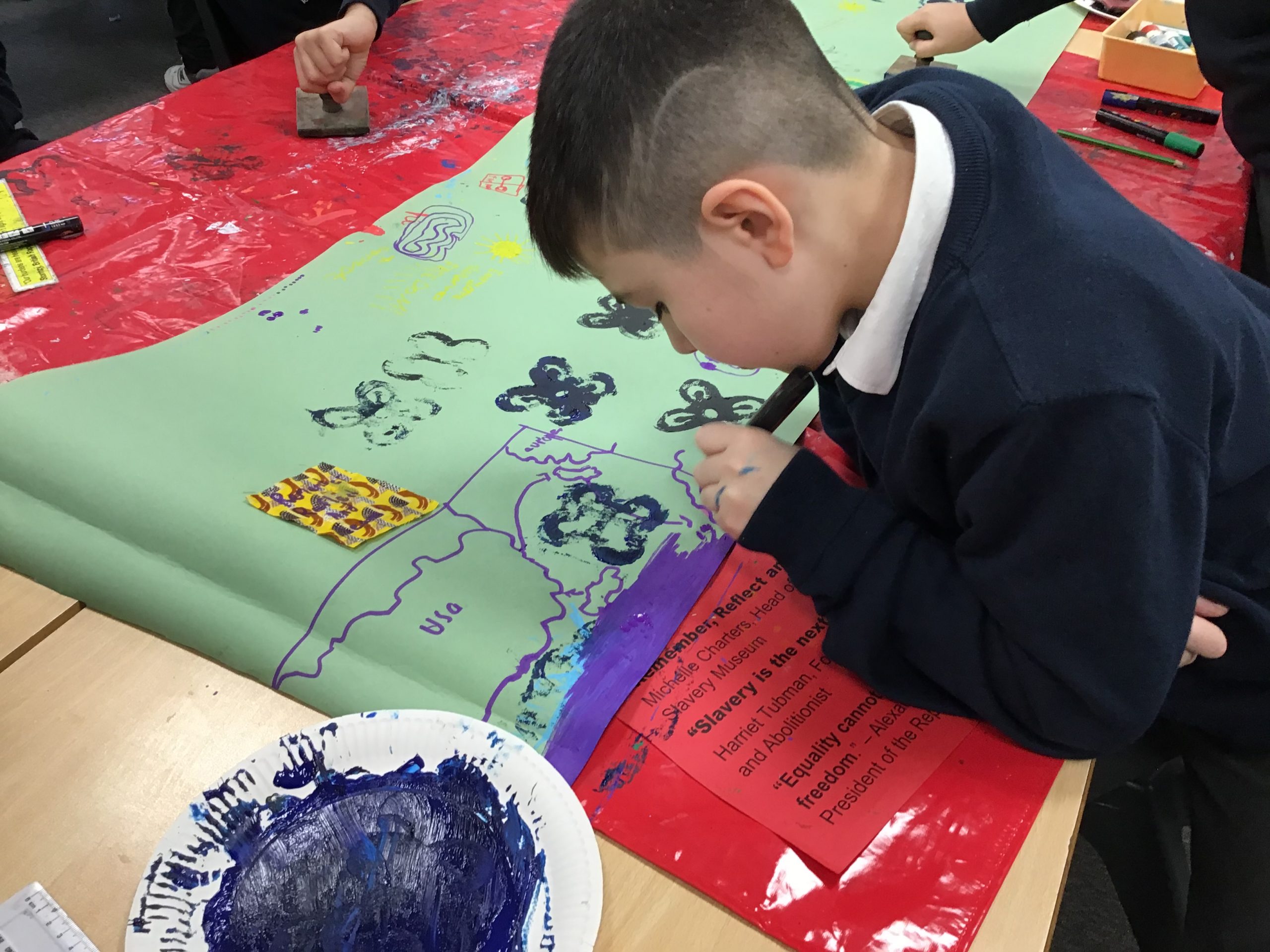
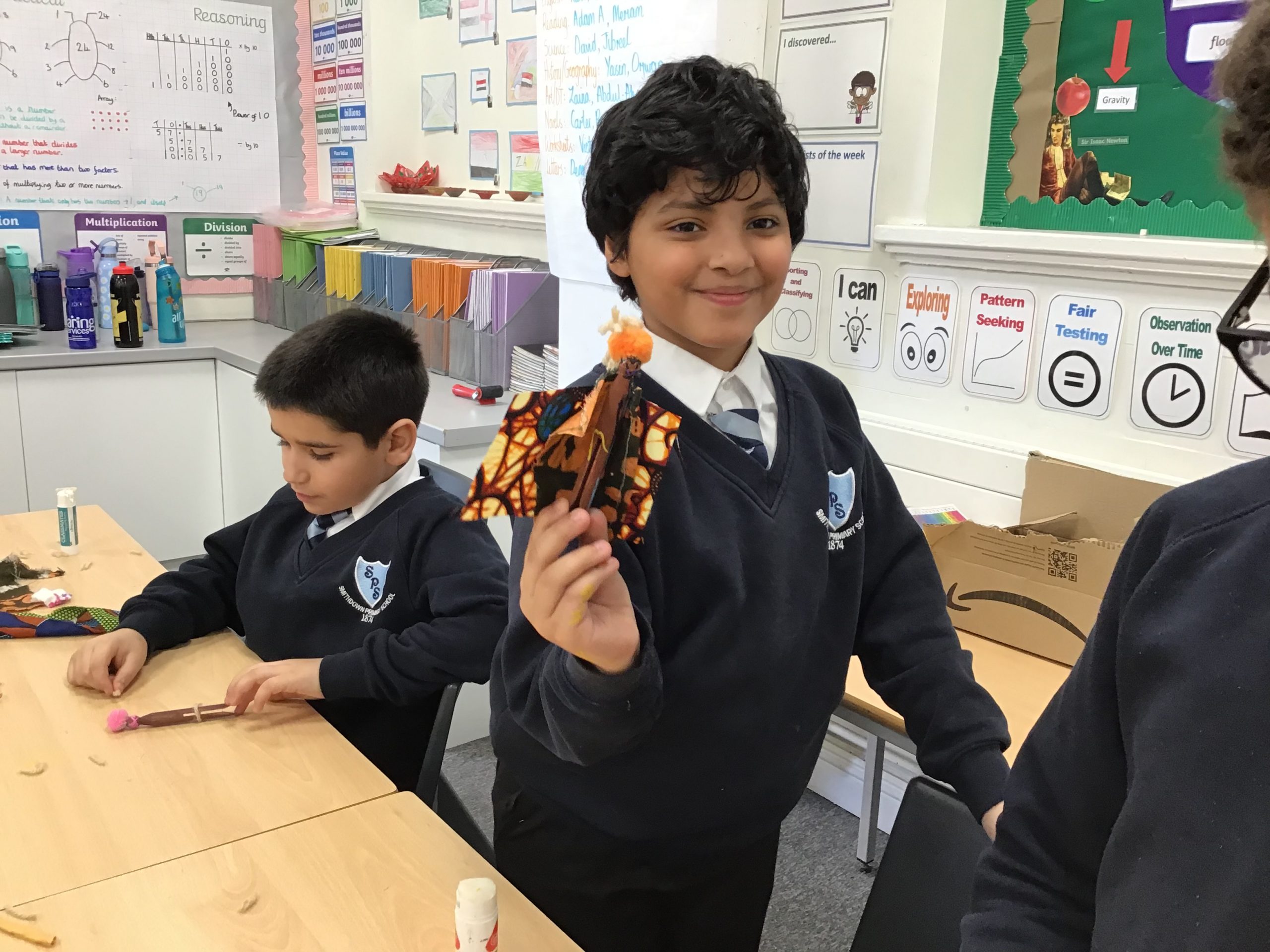
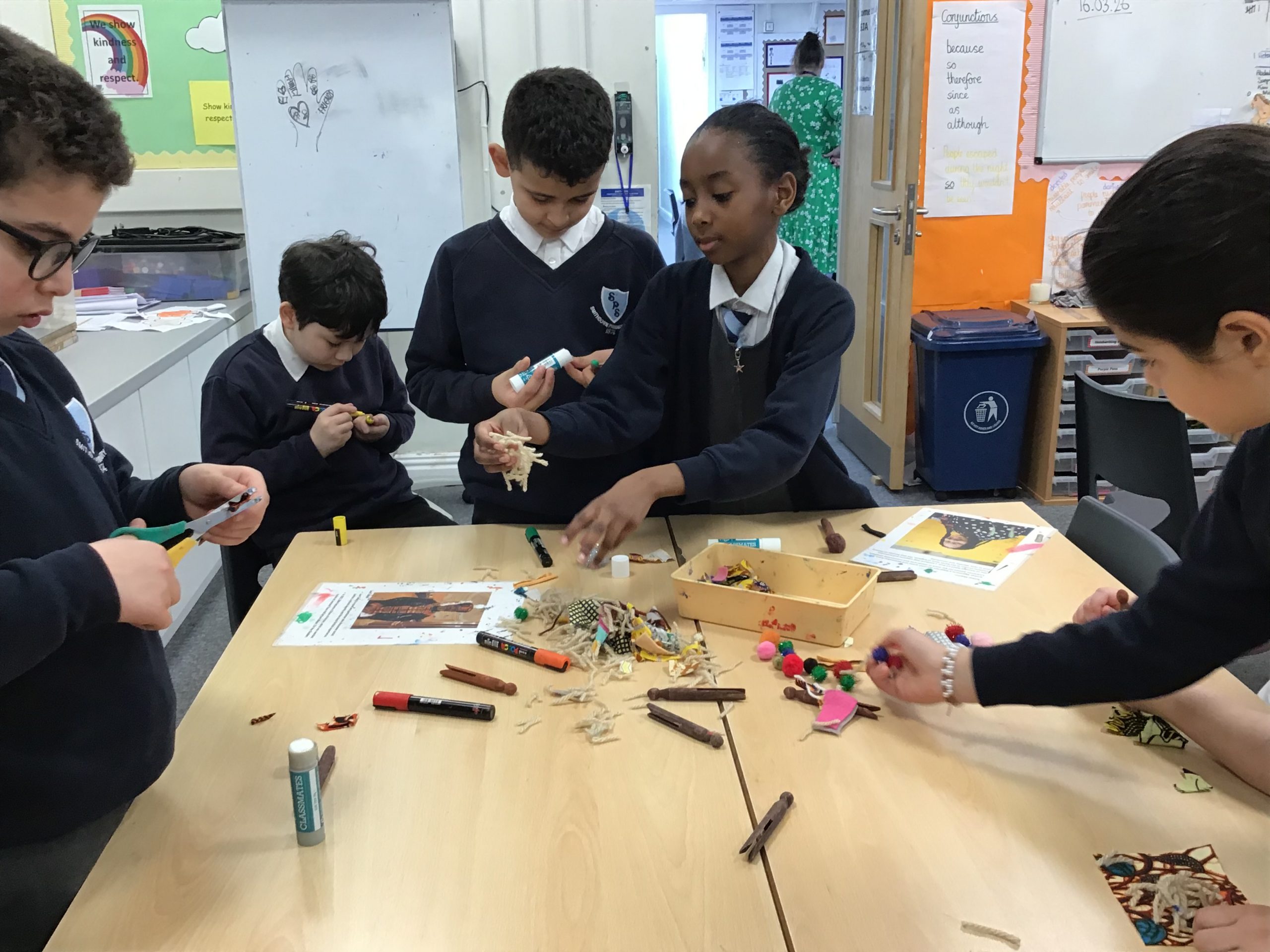
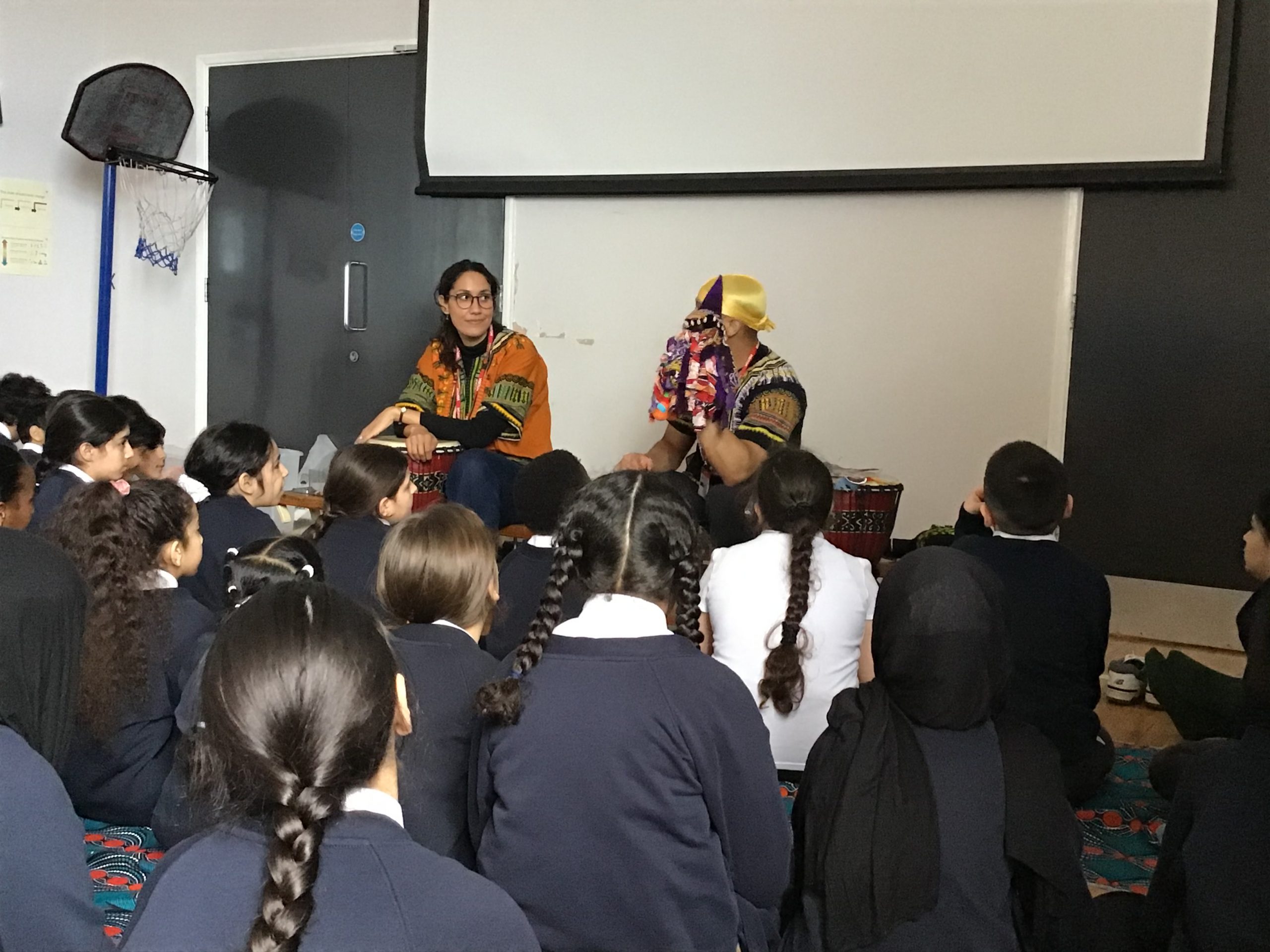
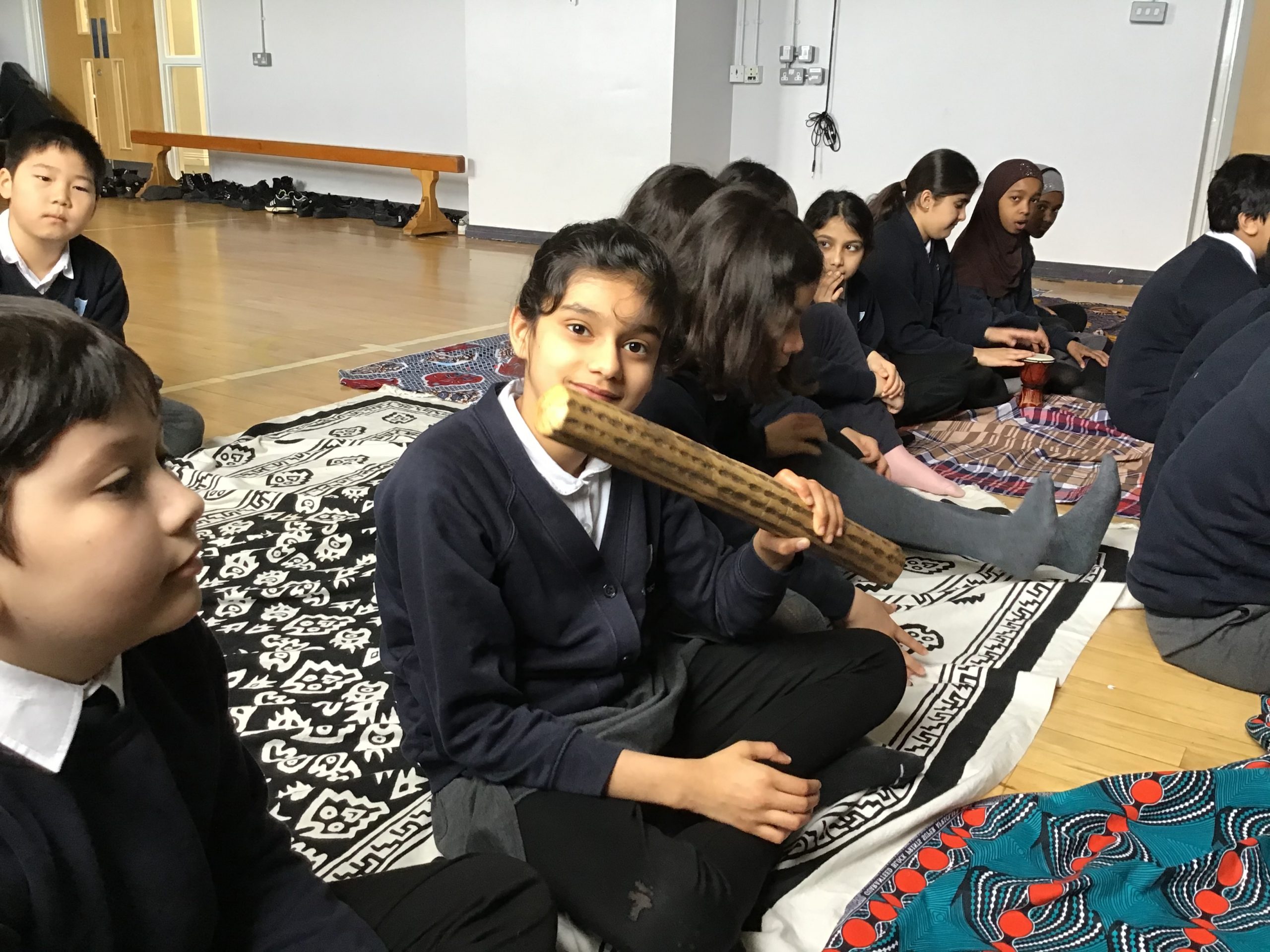
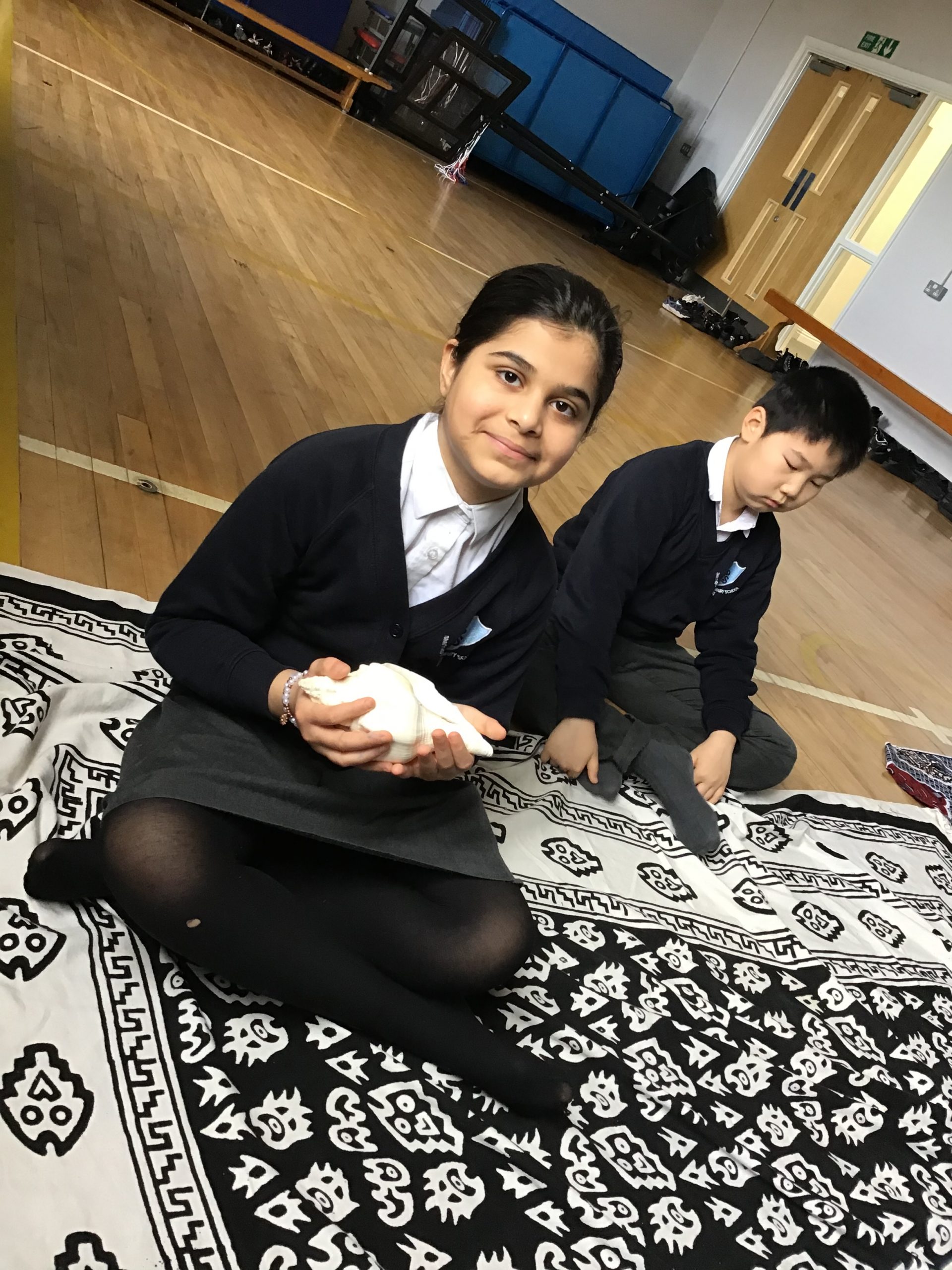
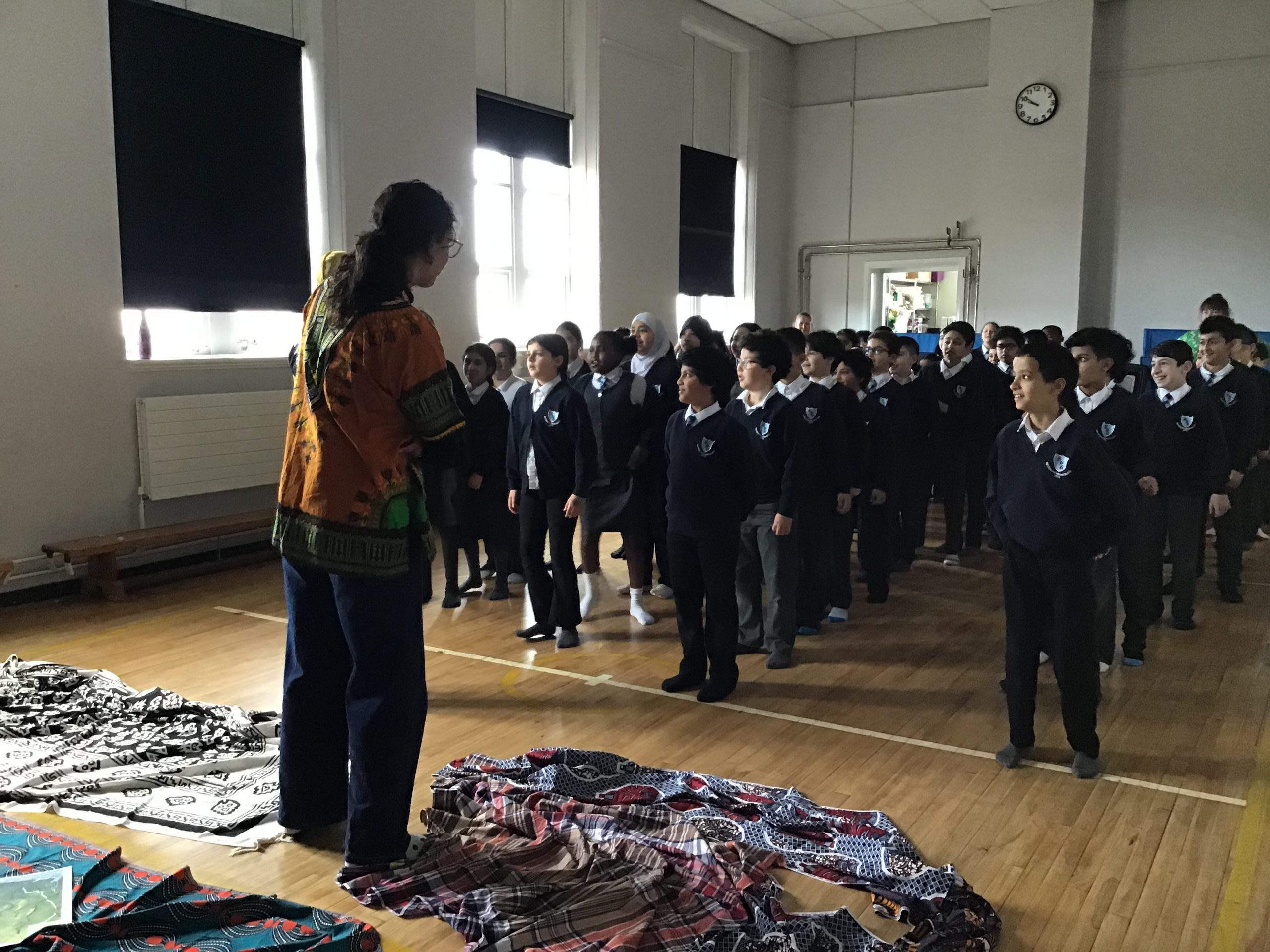
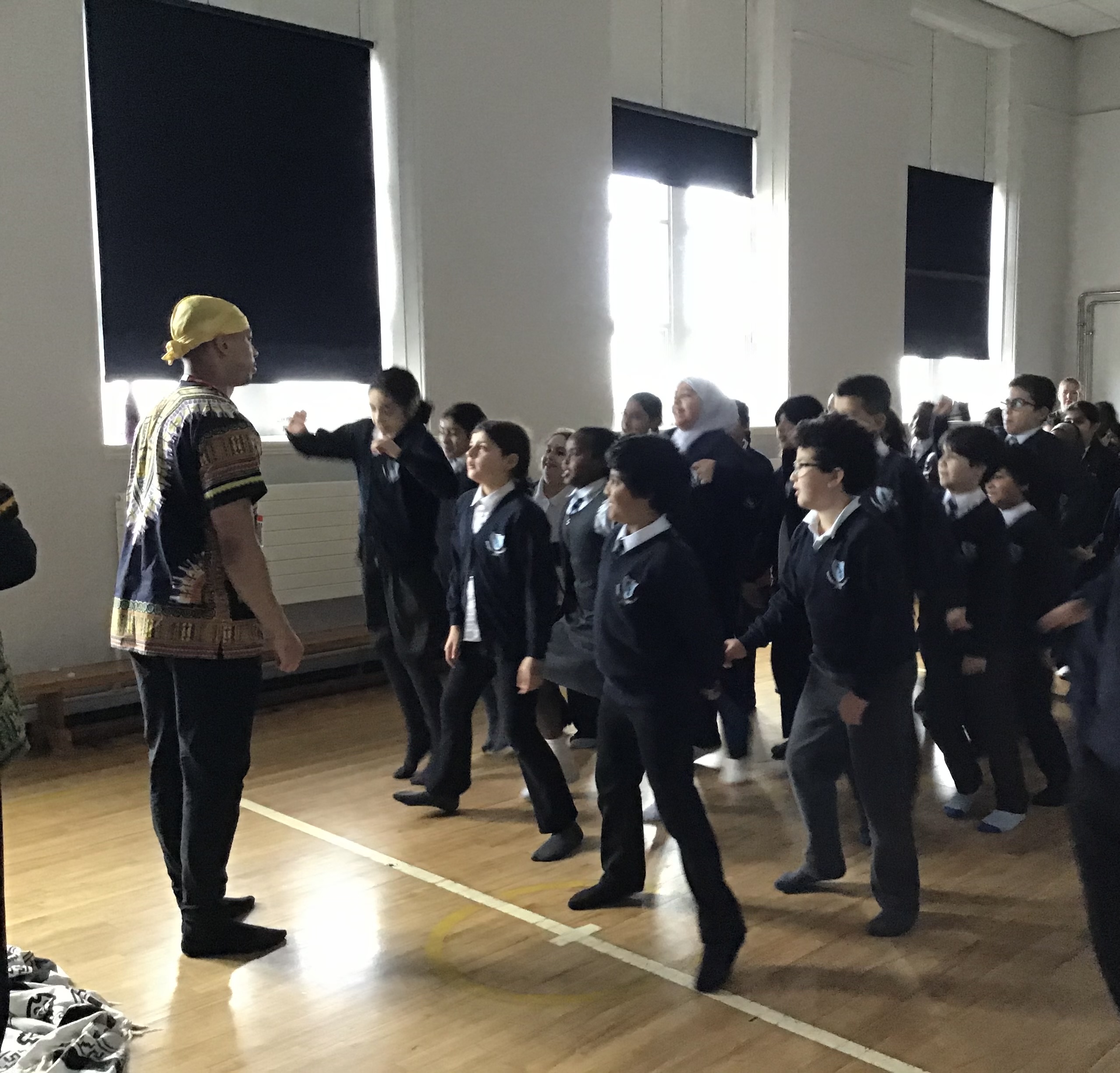
This morning, Year 5 took part in a slavery workshop from The International Slavery Museum. We heard the story of Anansi the spider and completed some fun craft activities.
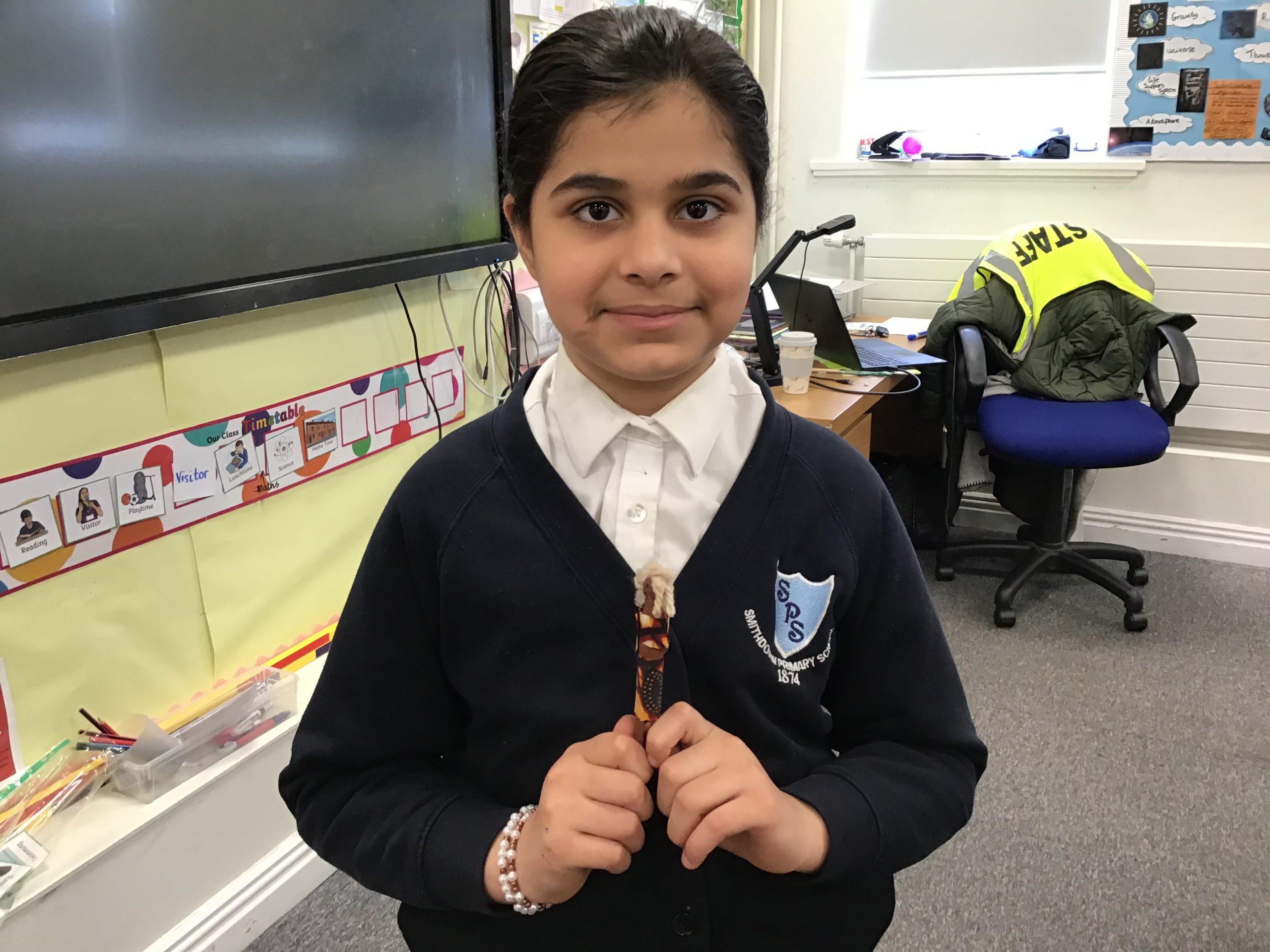
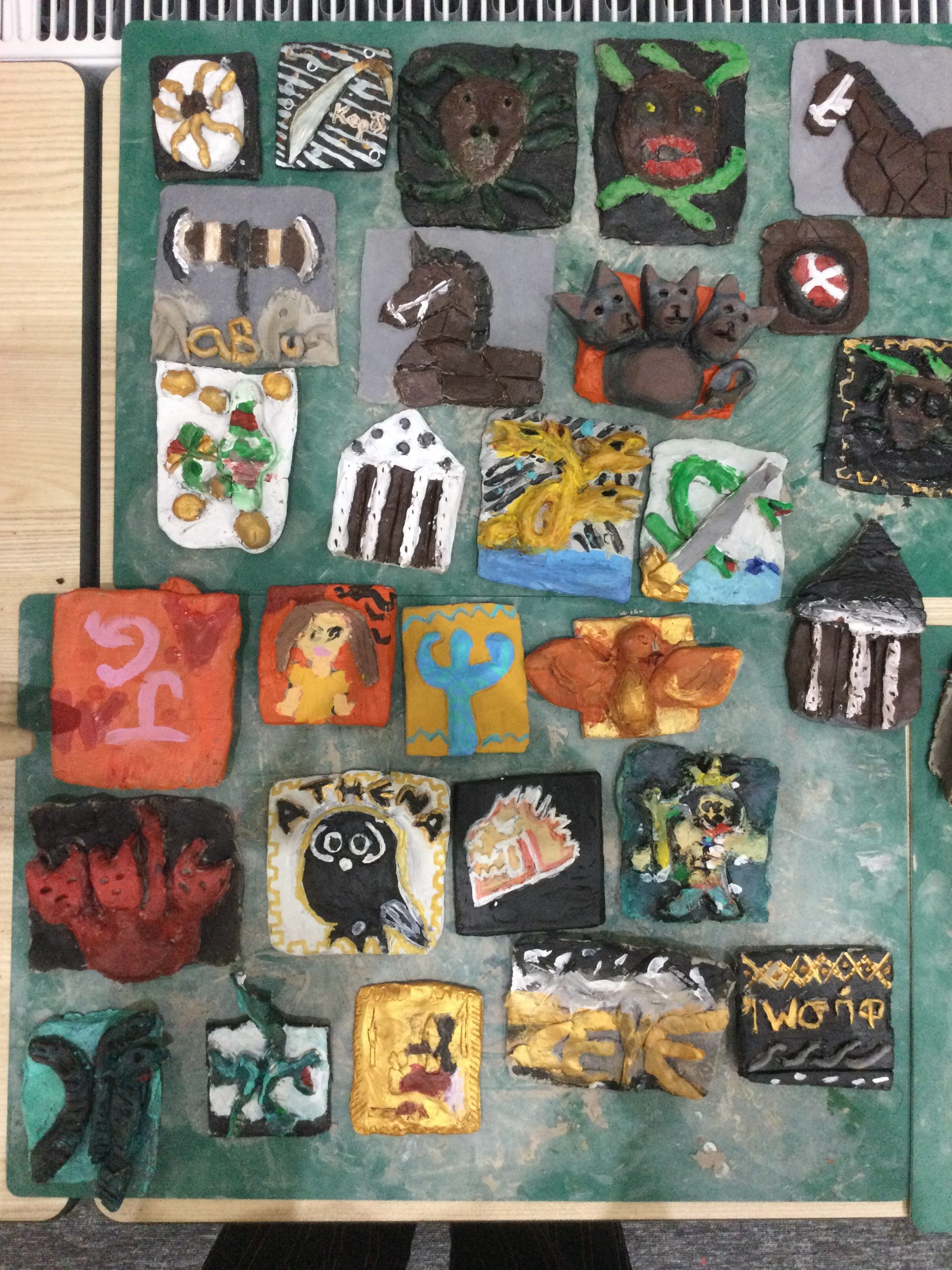
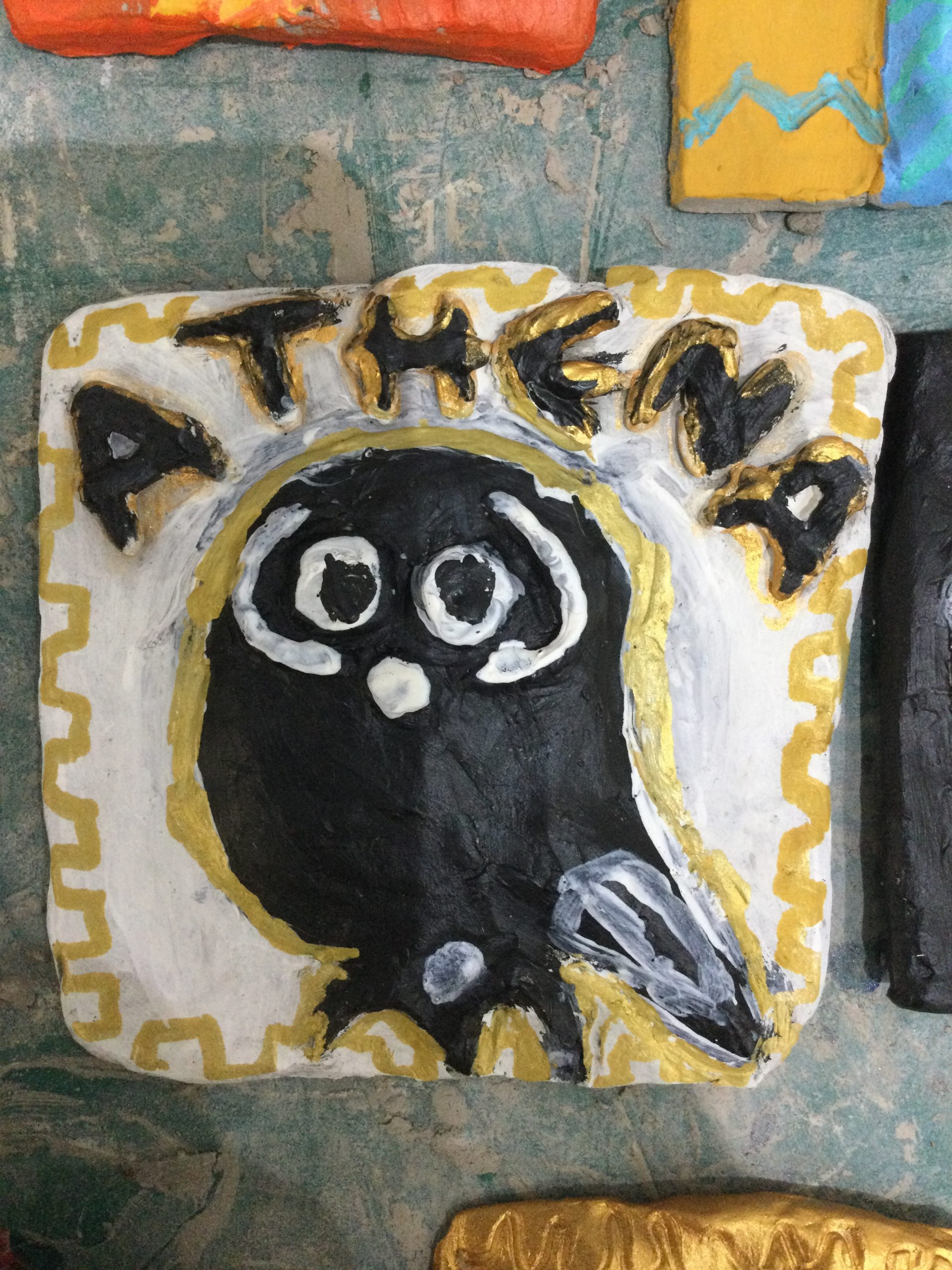
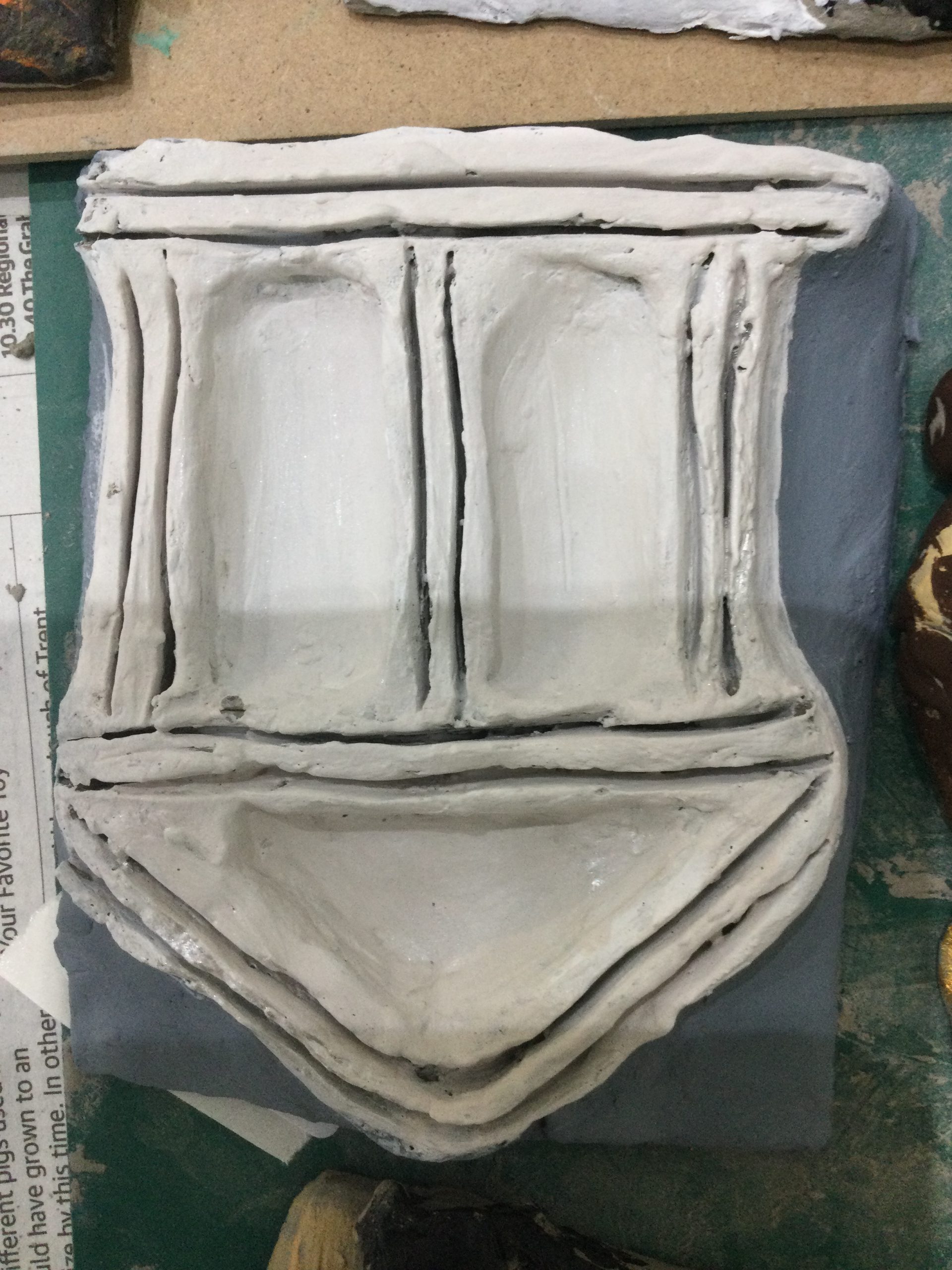
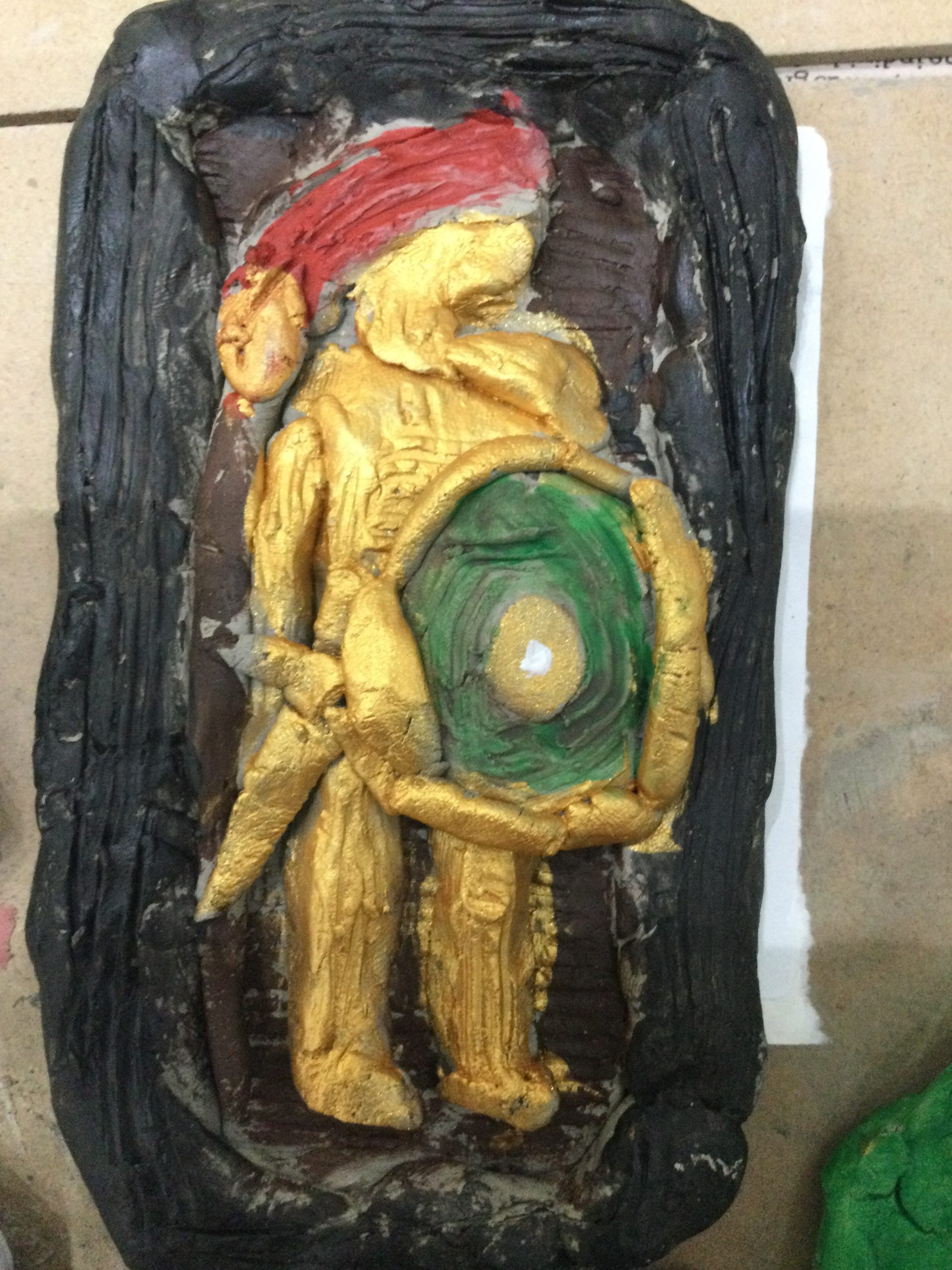
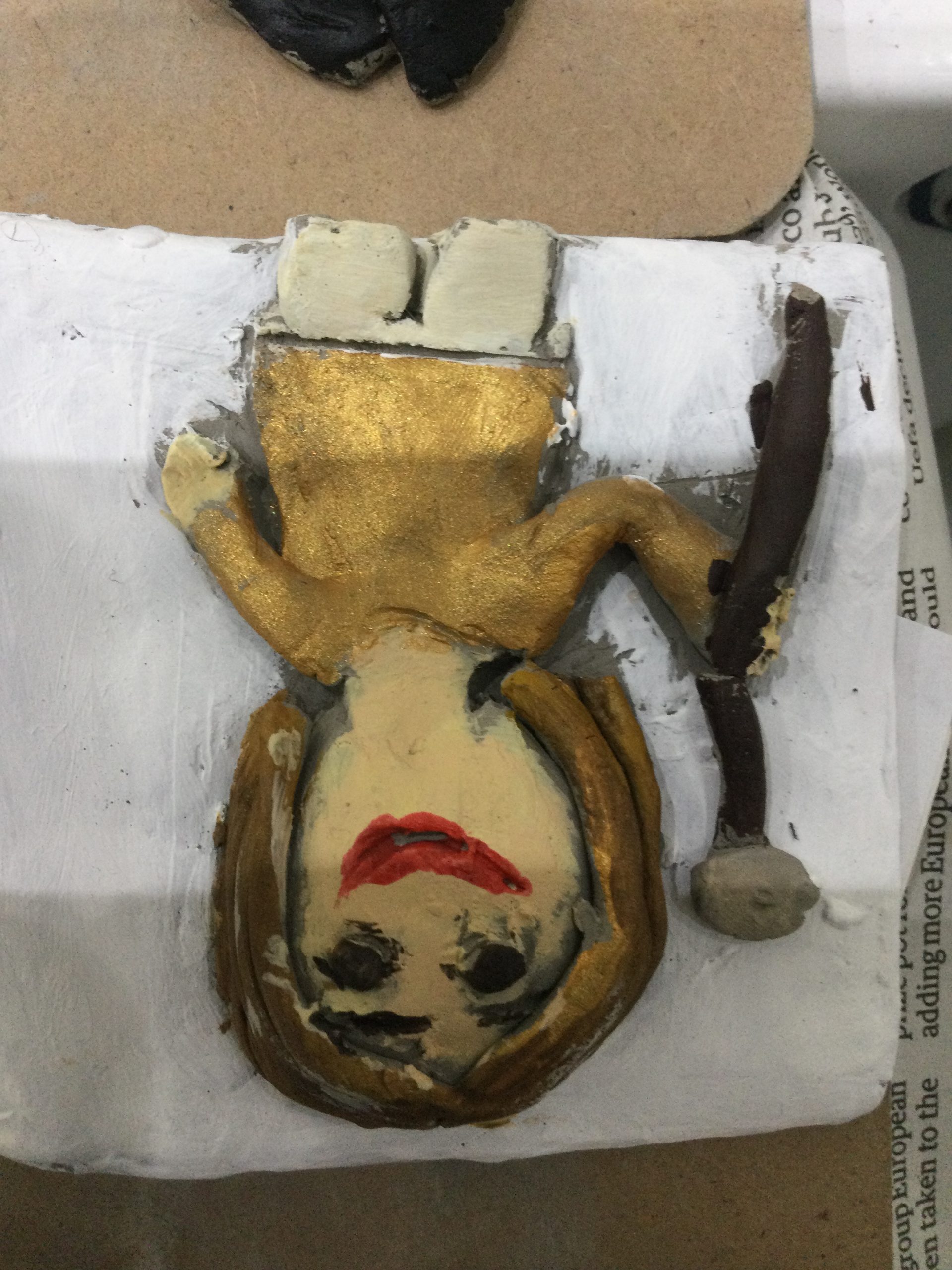
After designing our tiles, we made them out of clay and added the finishing touches of paint/colour today. Can you recognise some famous characters? Odysseus? Athena? Hera? Cerebus? Zeus? Medusa?
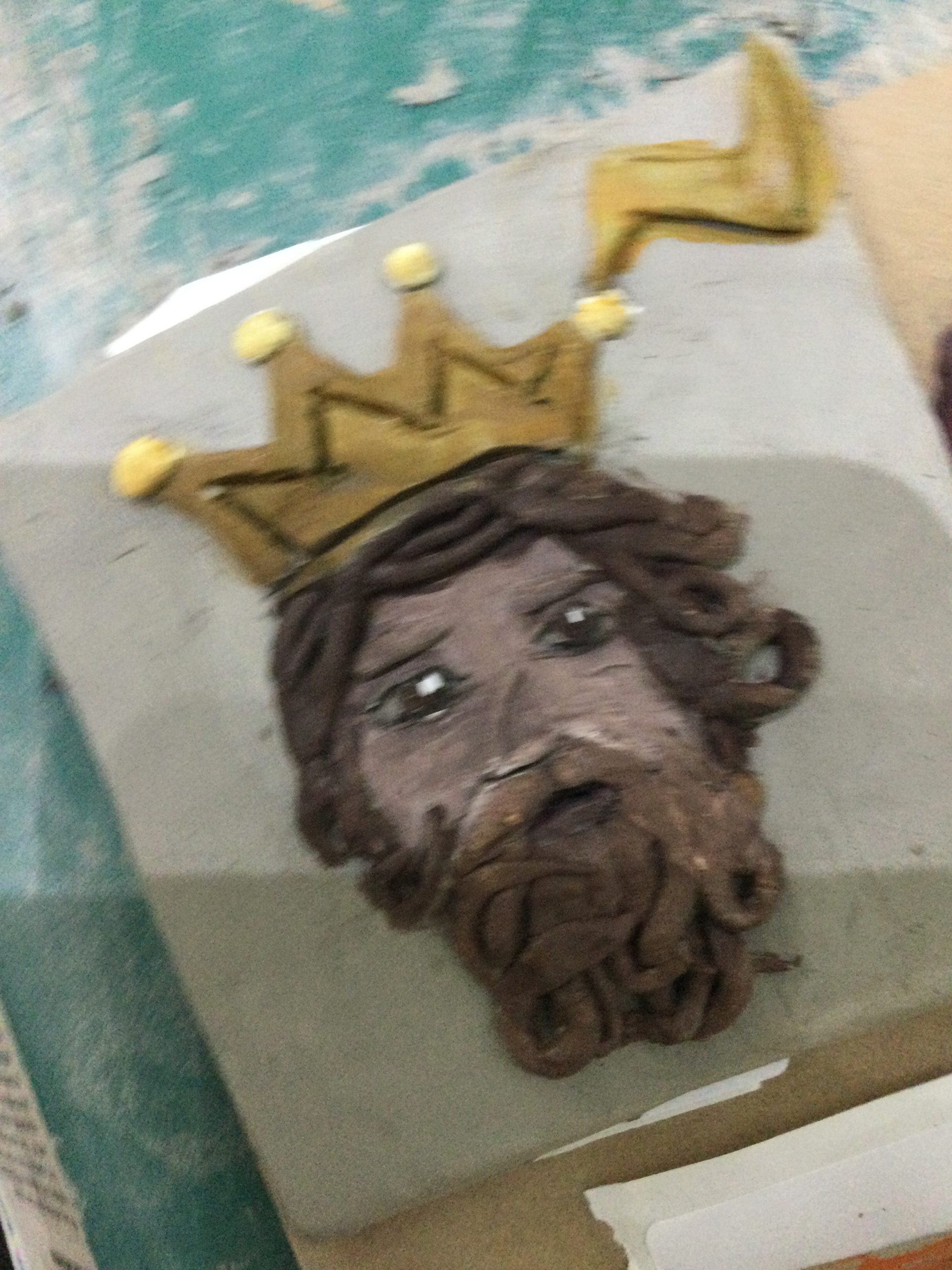
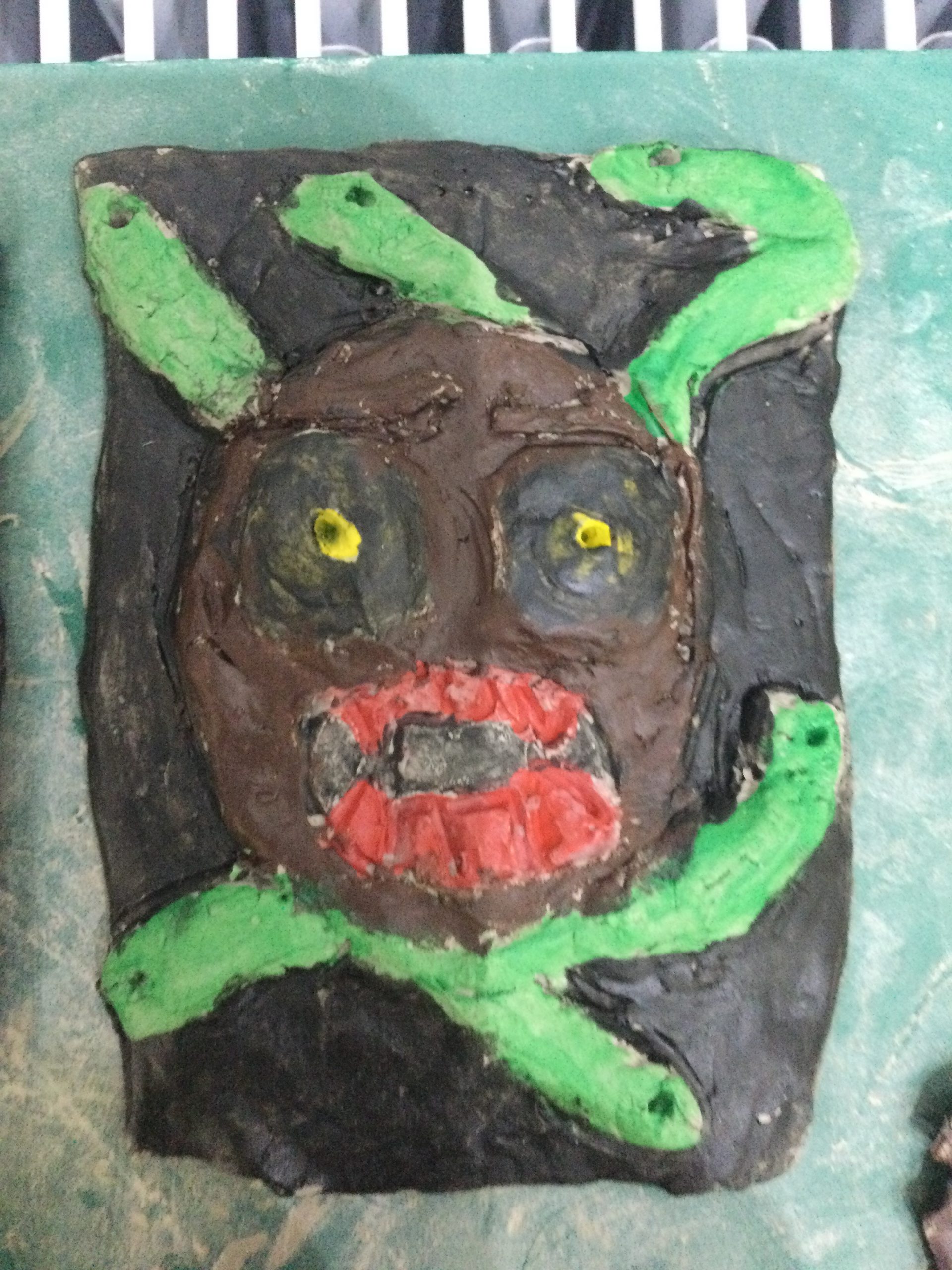
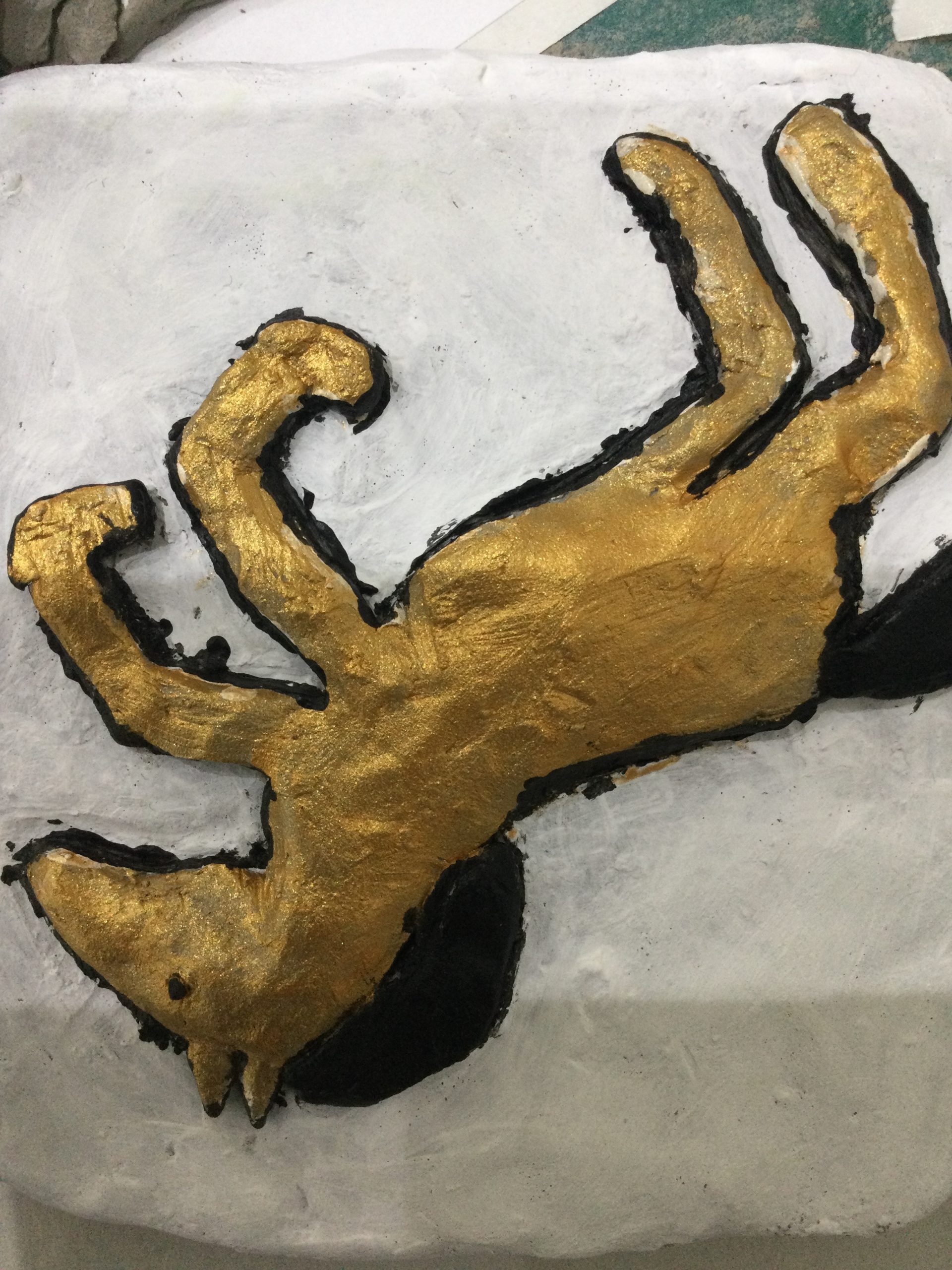
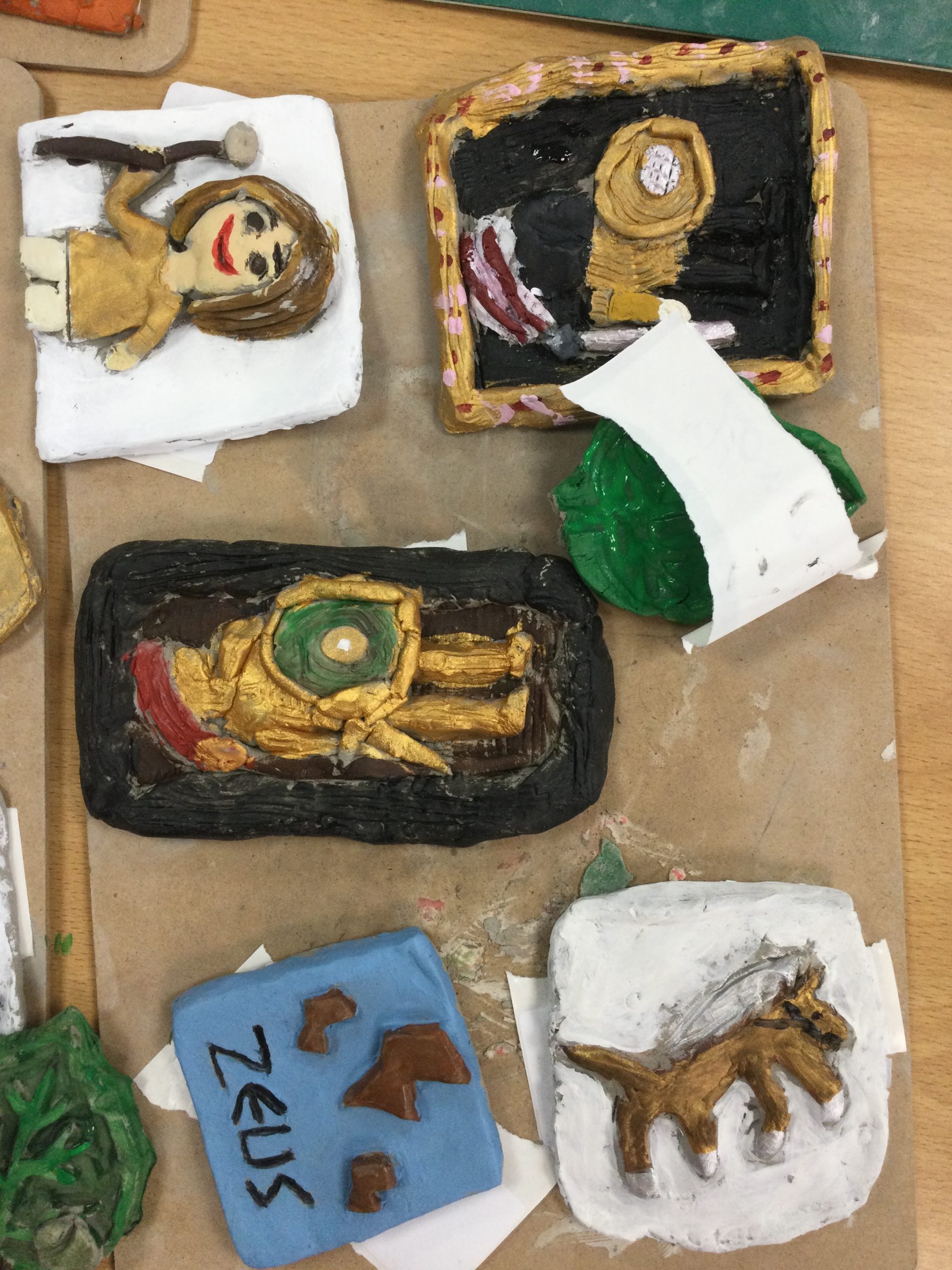
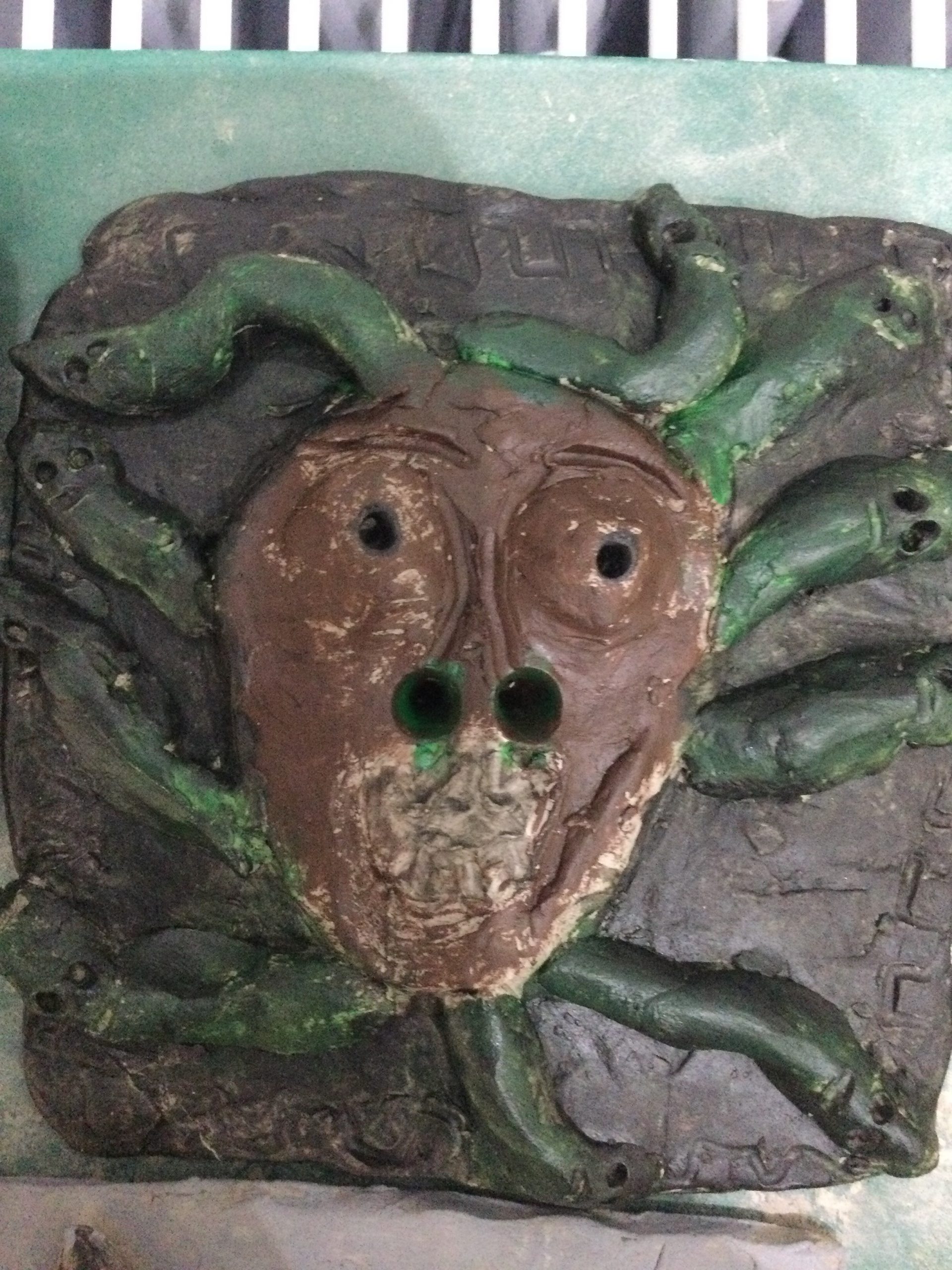
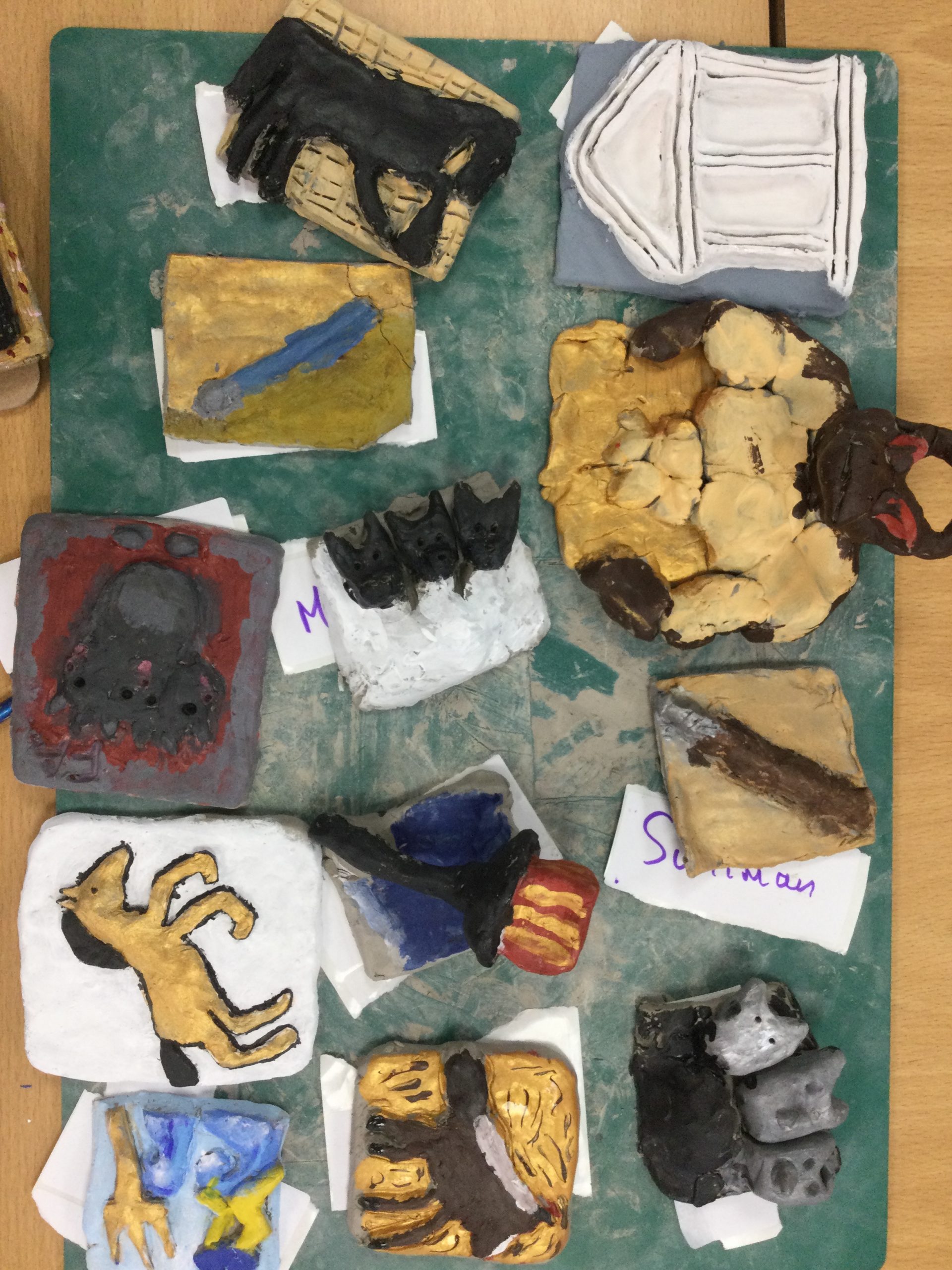
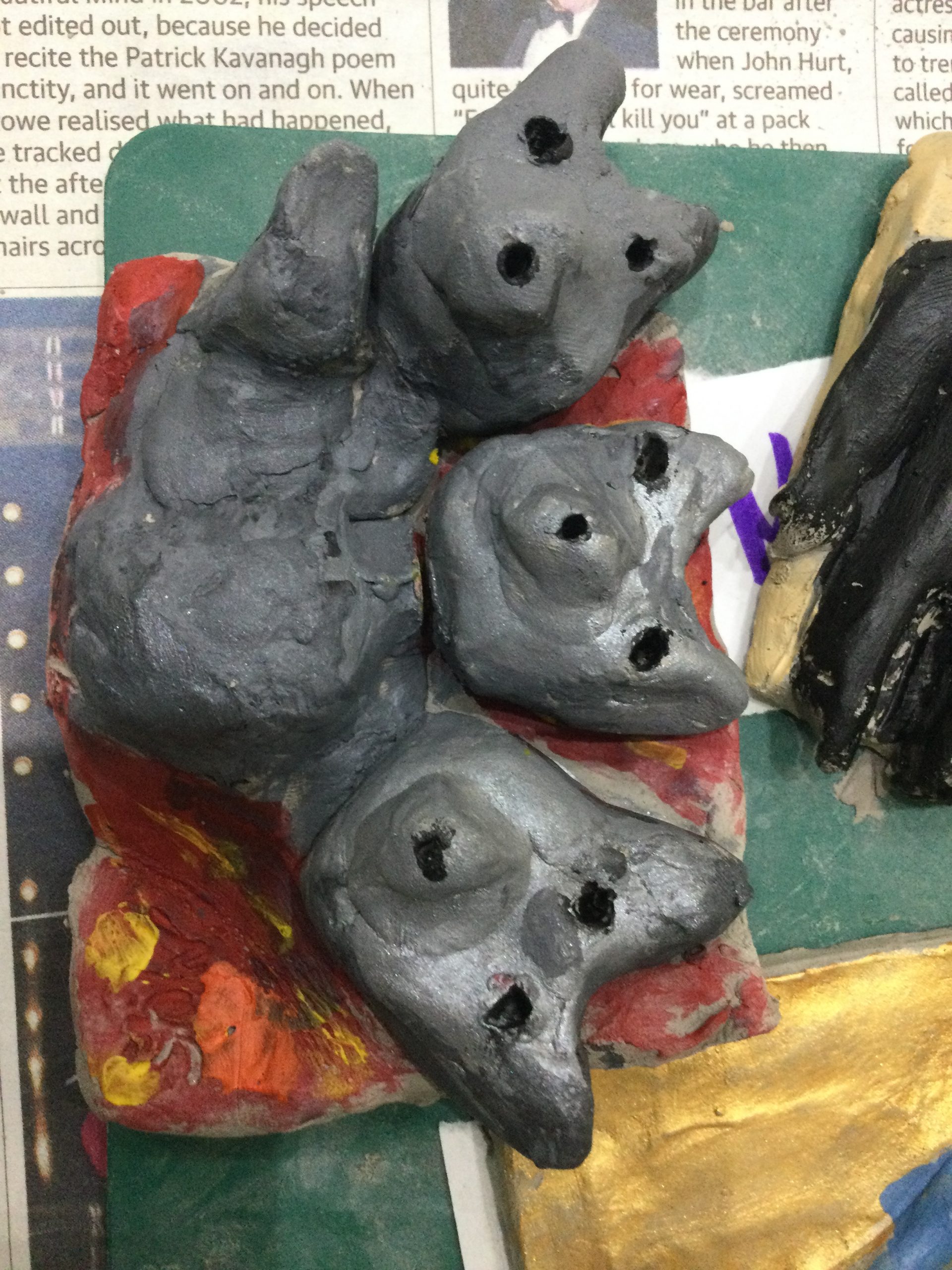
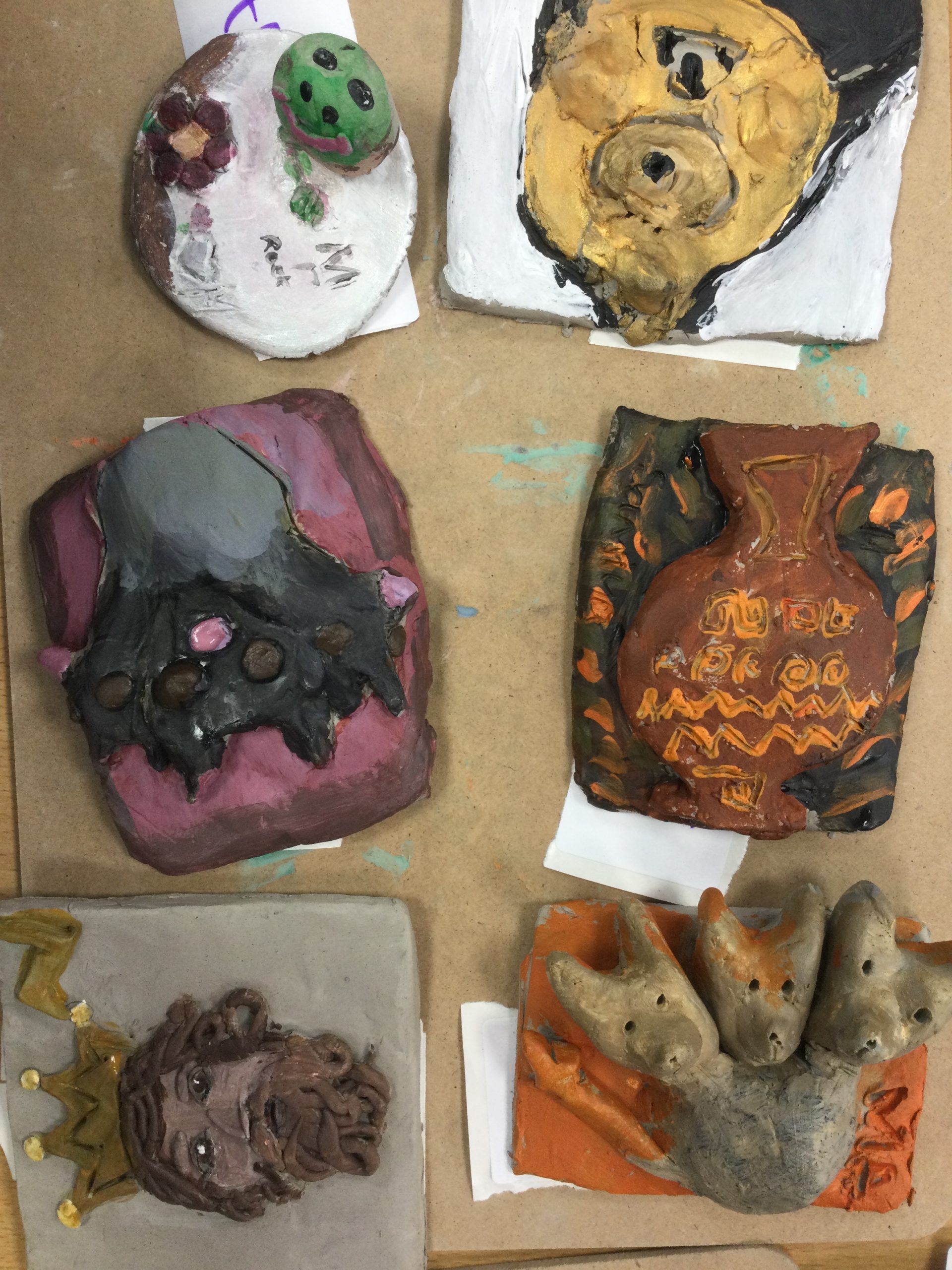
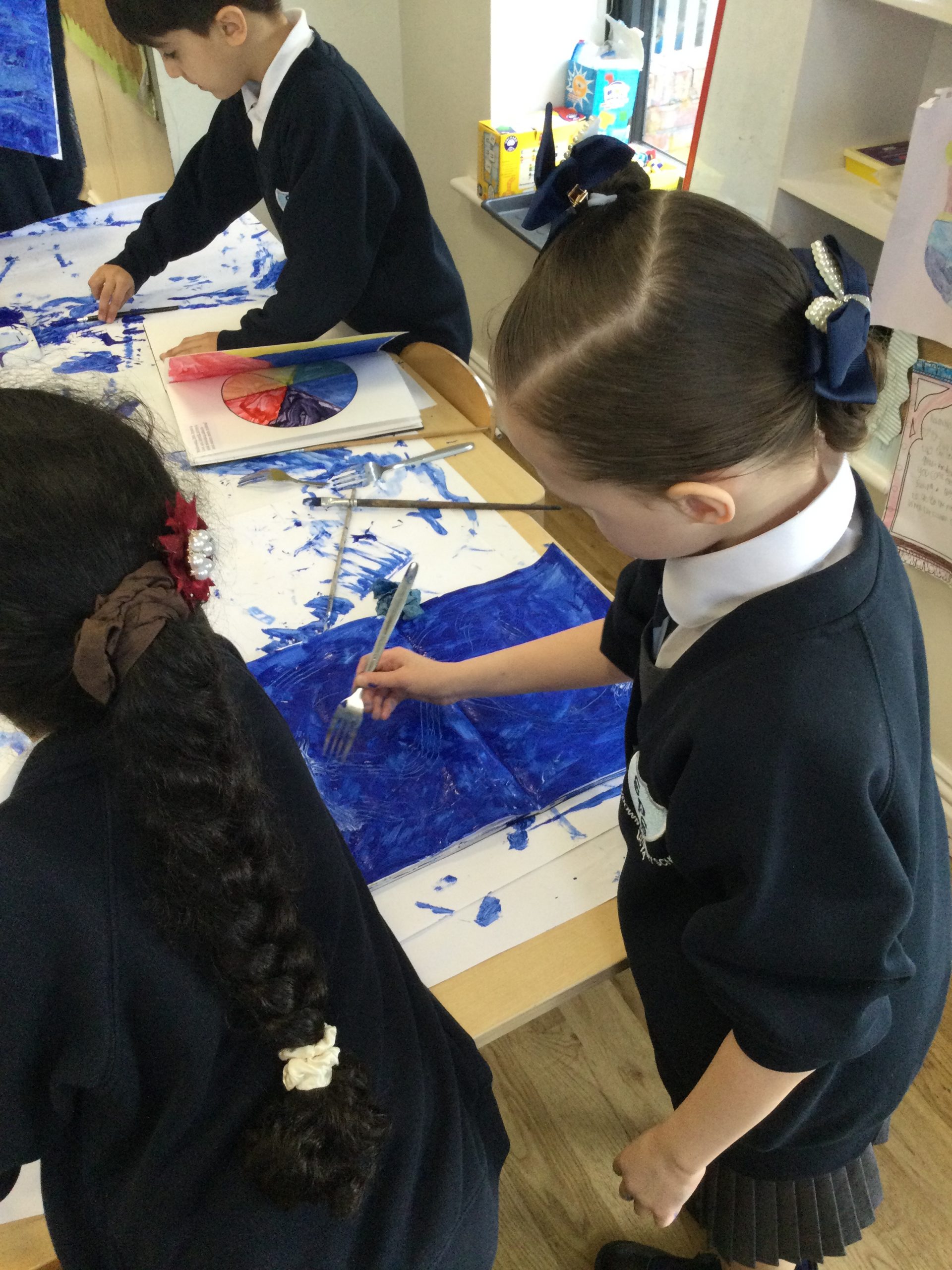
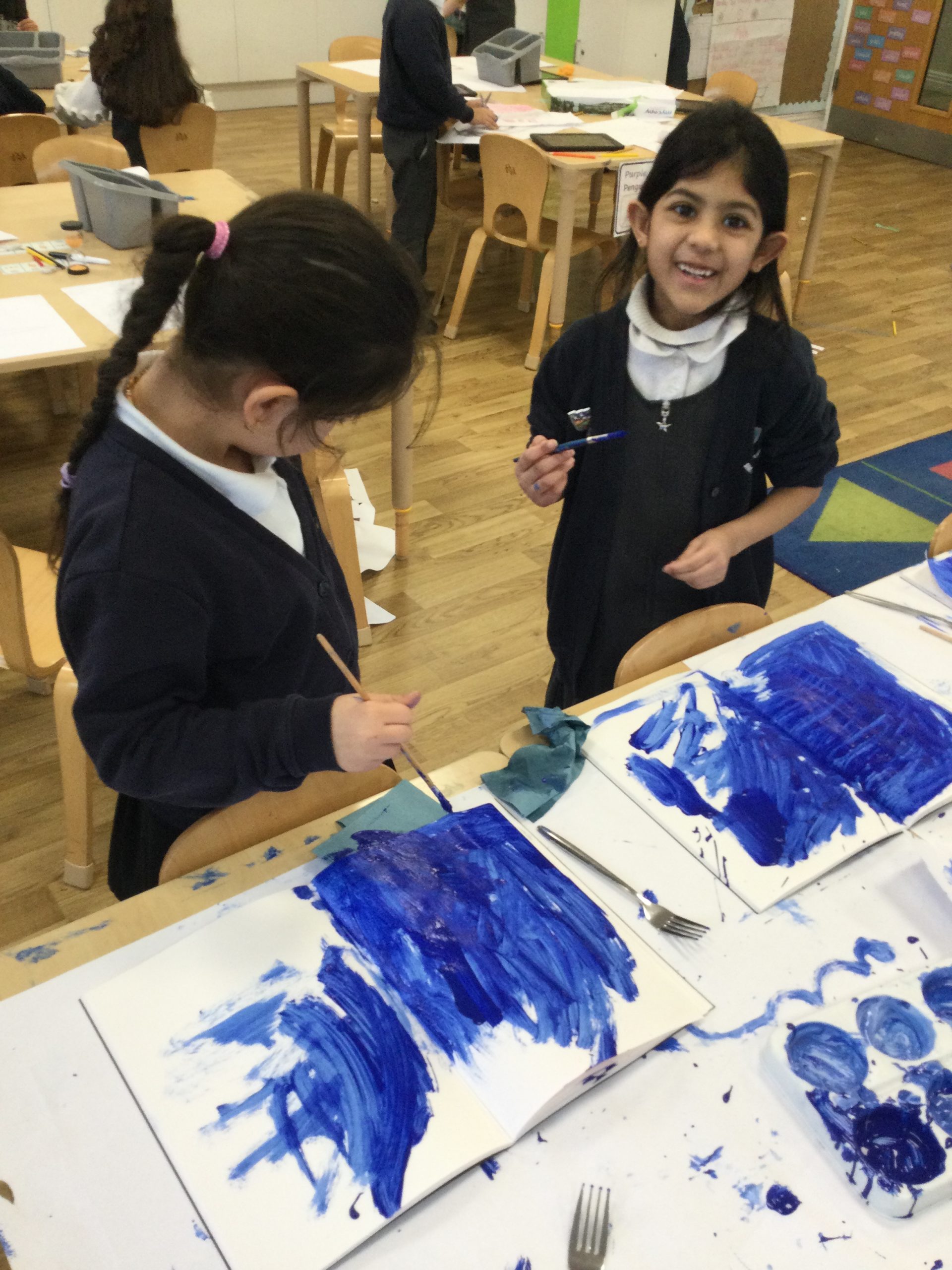
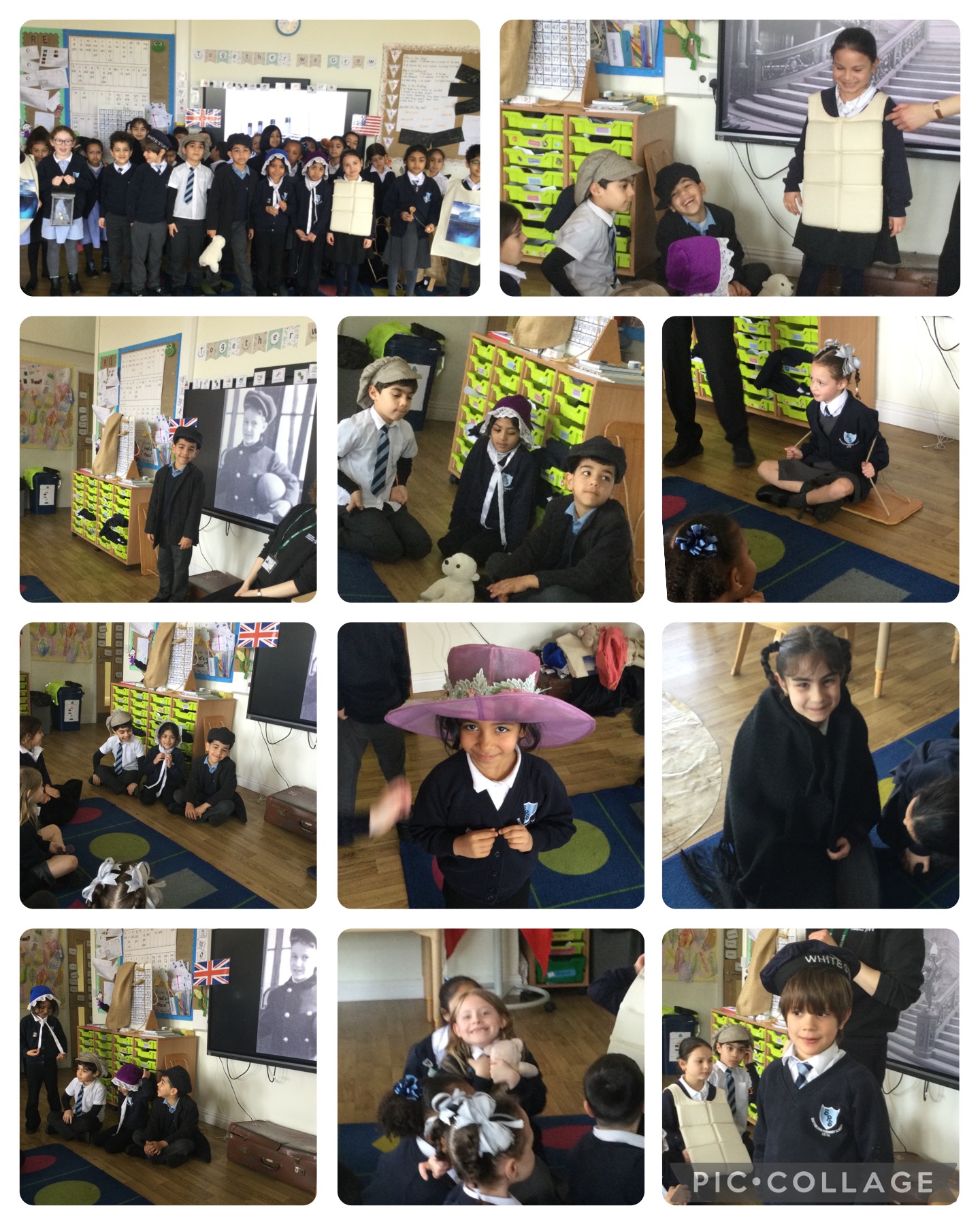
We have enjoyed an afternoon of painting and mark making to create our final art piece about the Titanic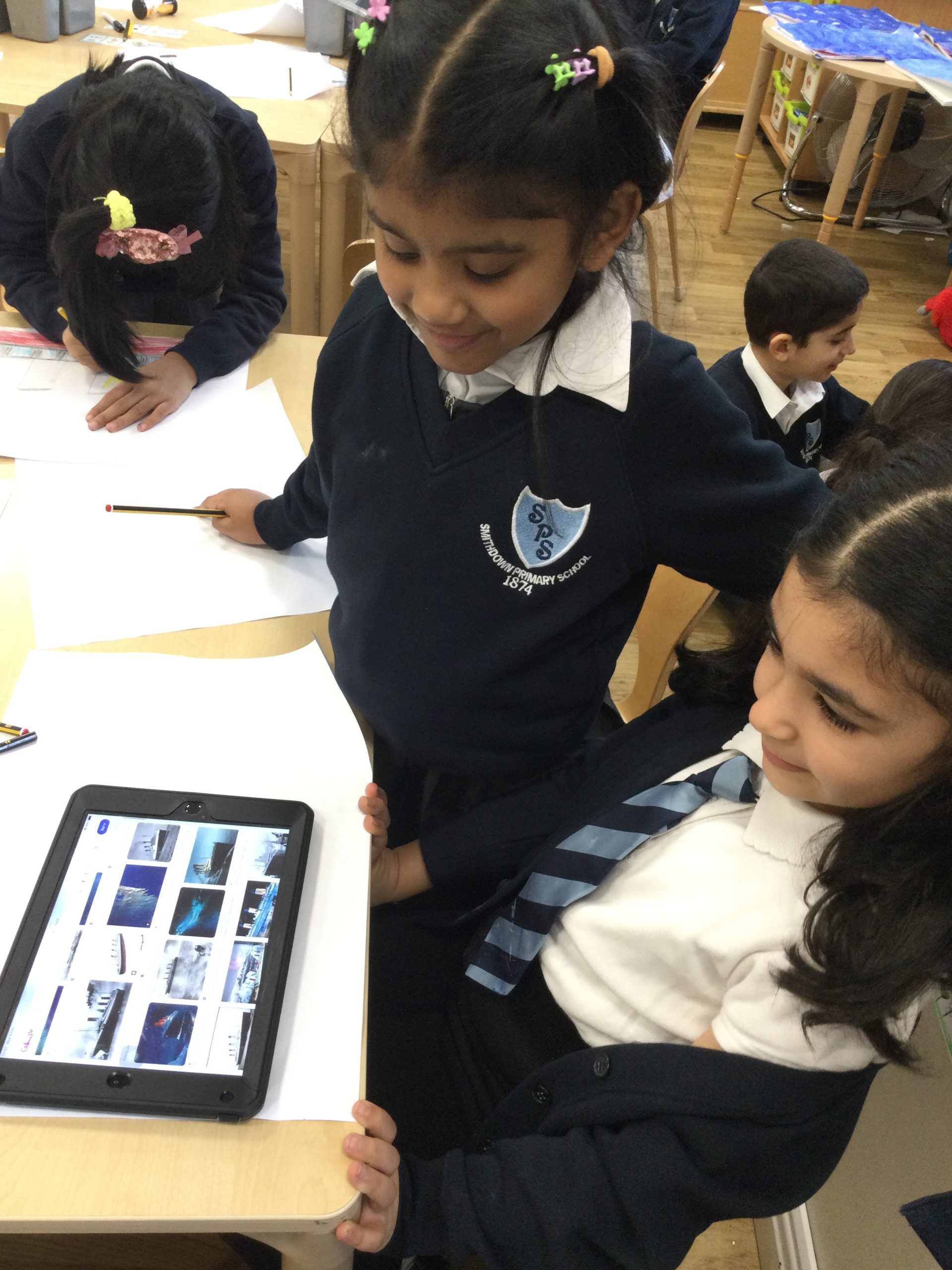
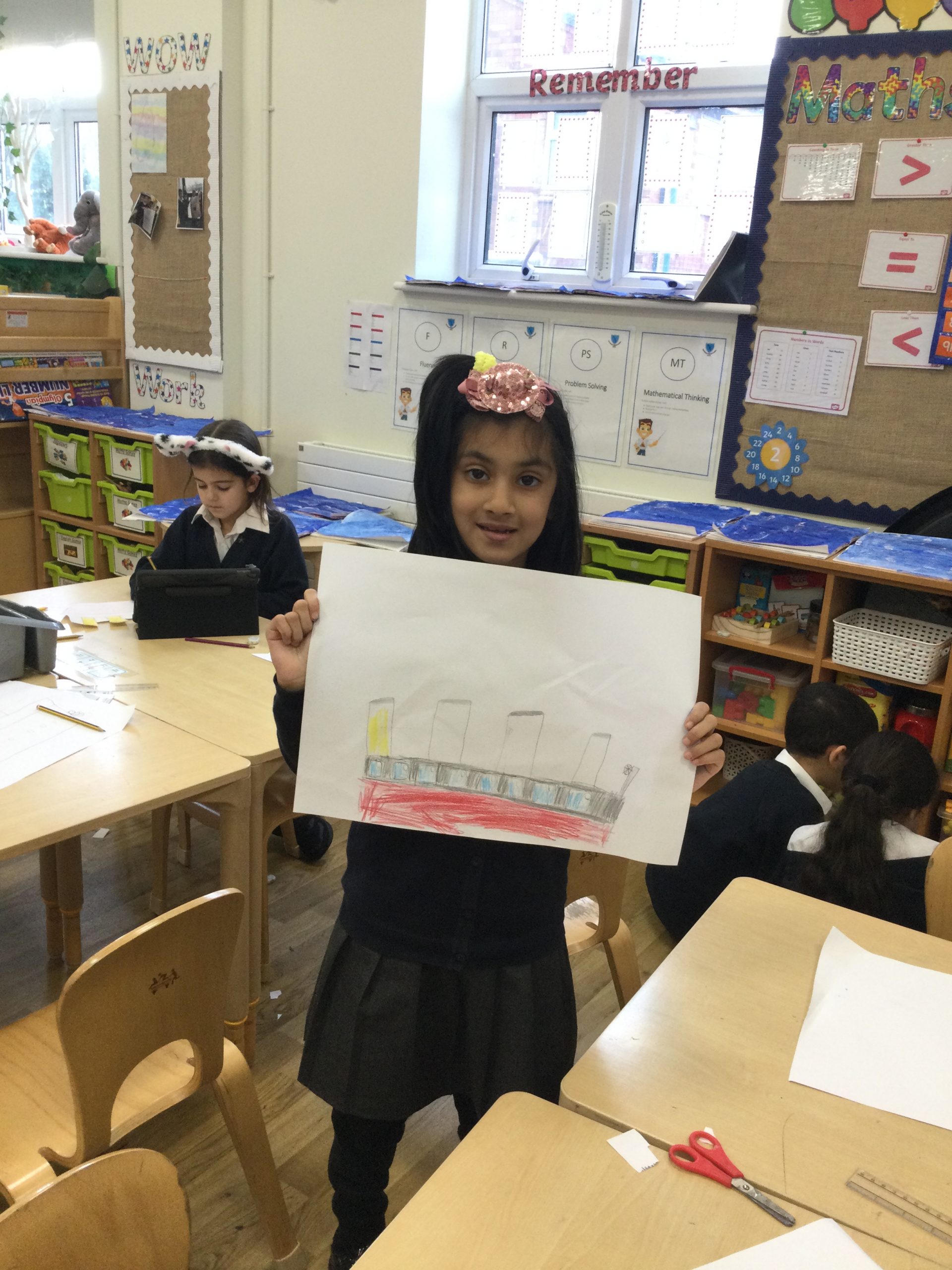
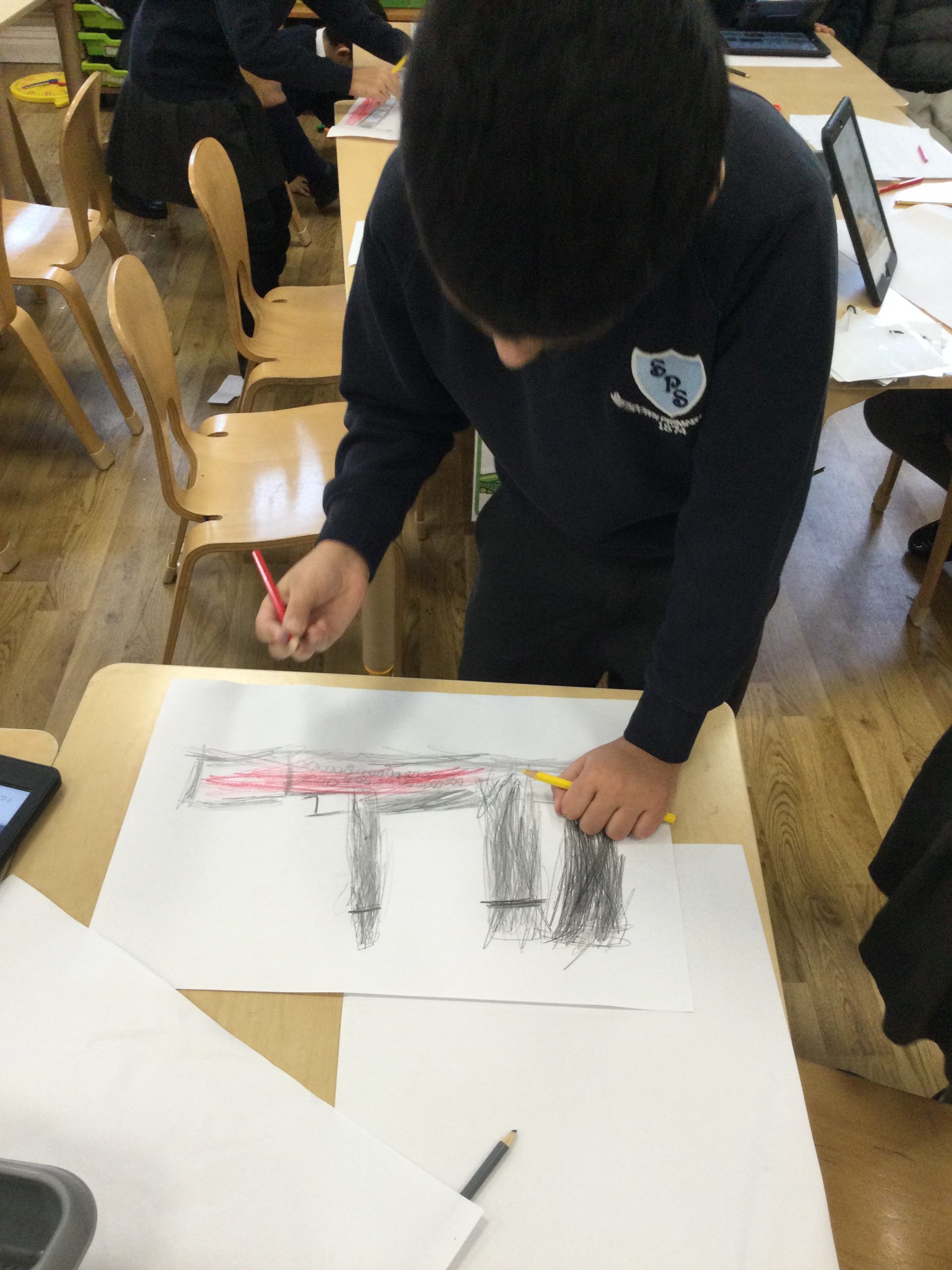
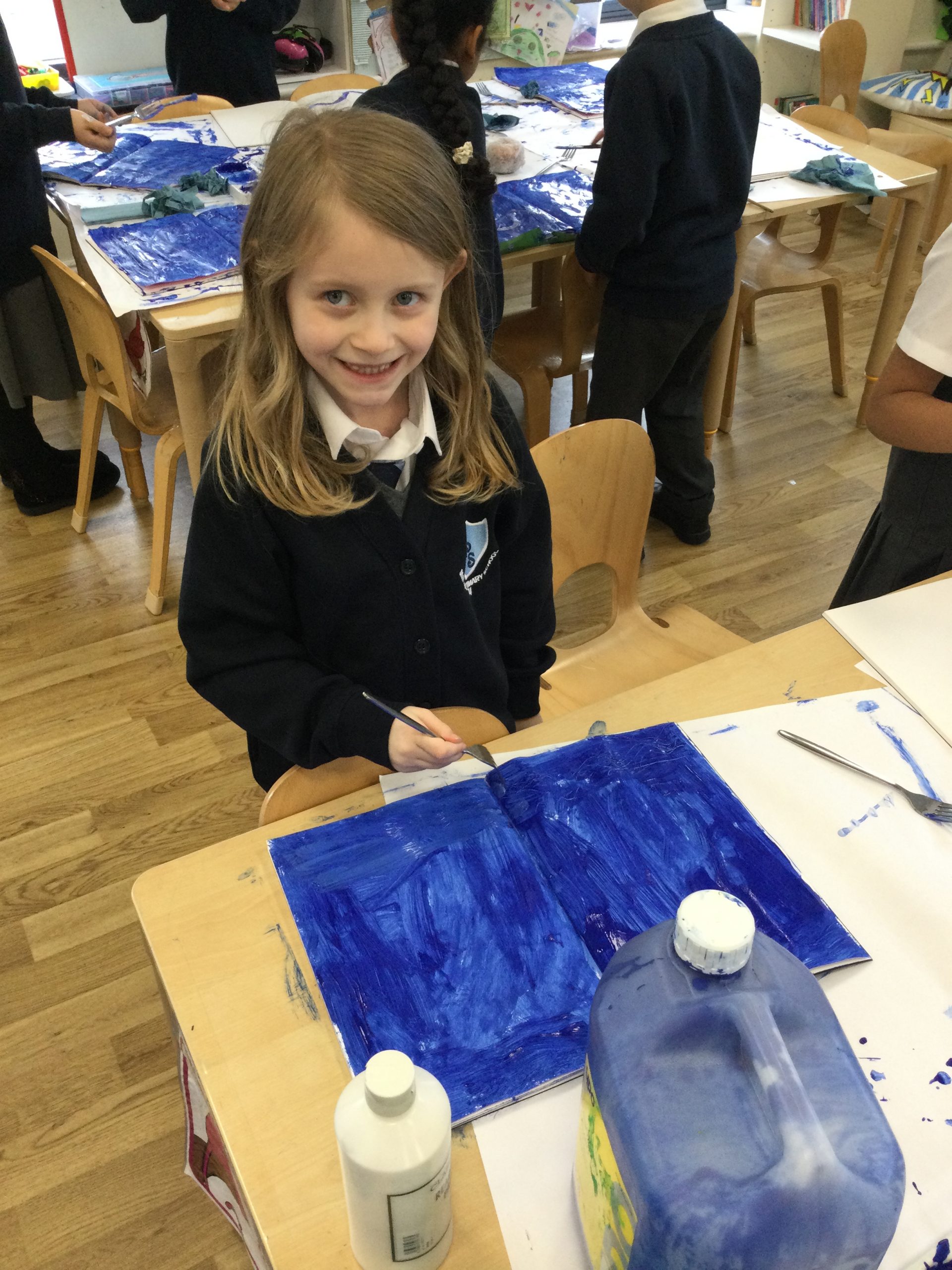
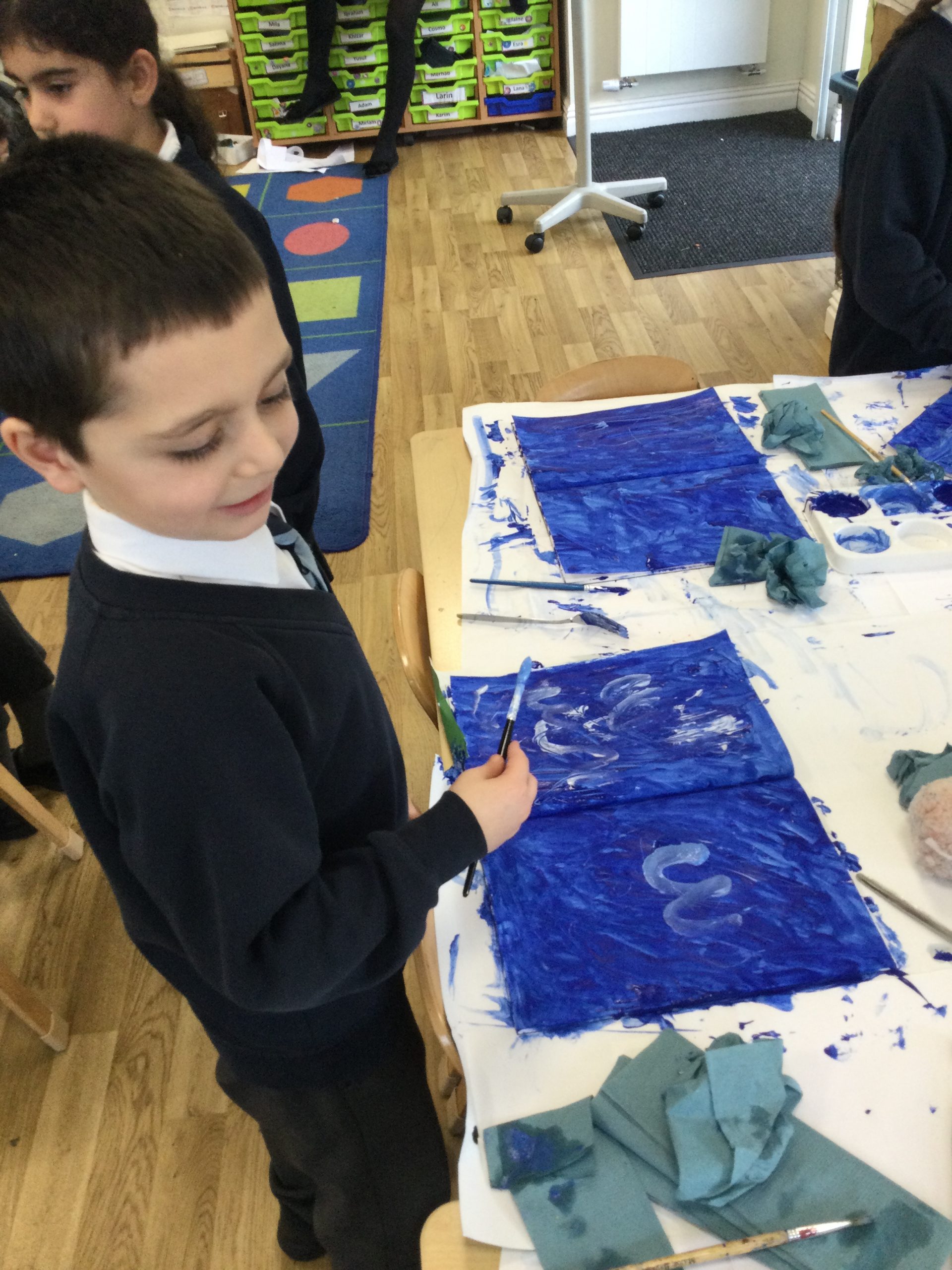
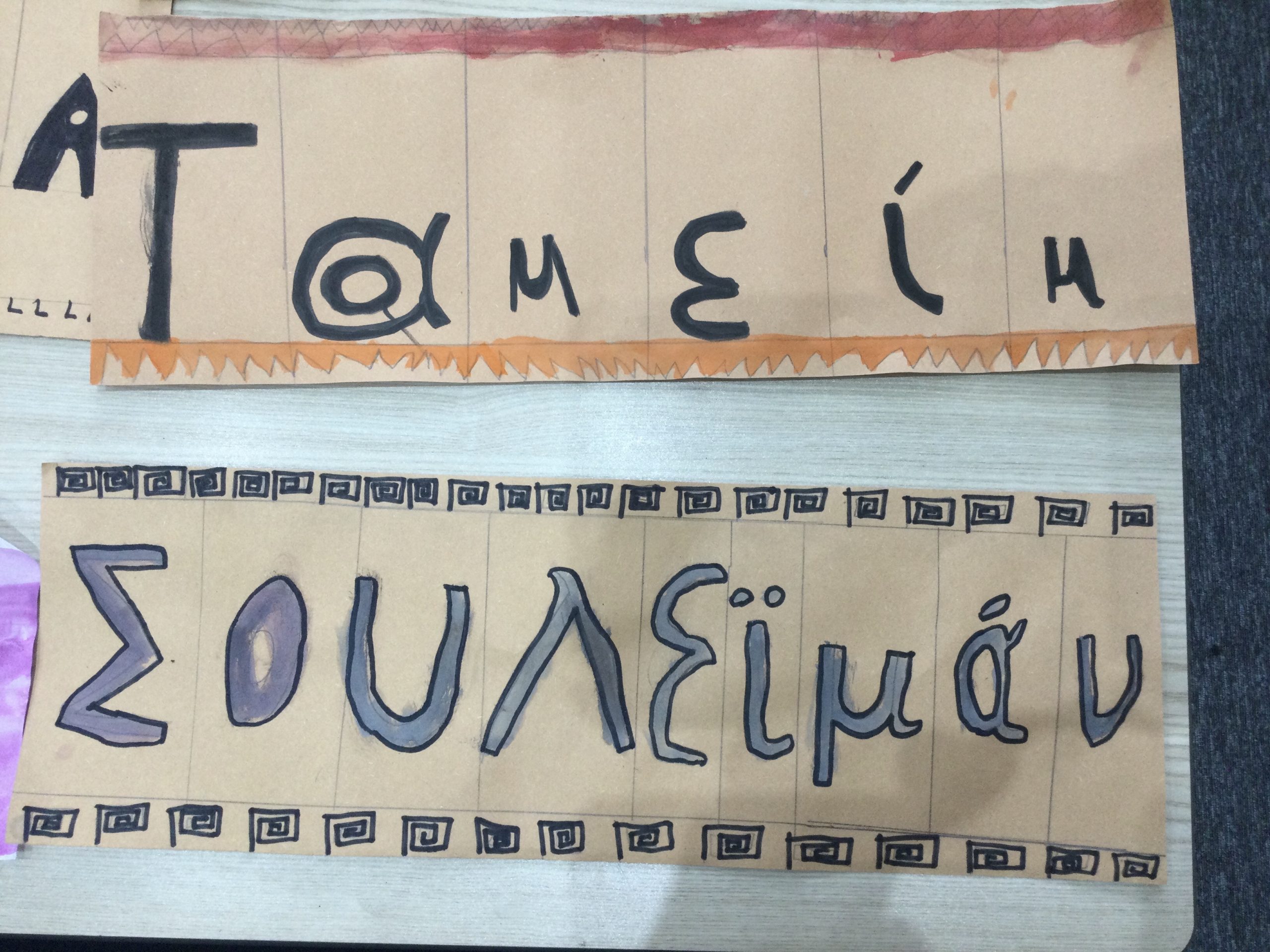
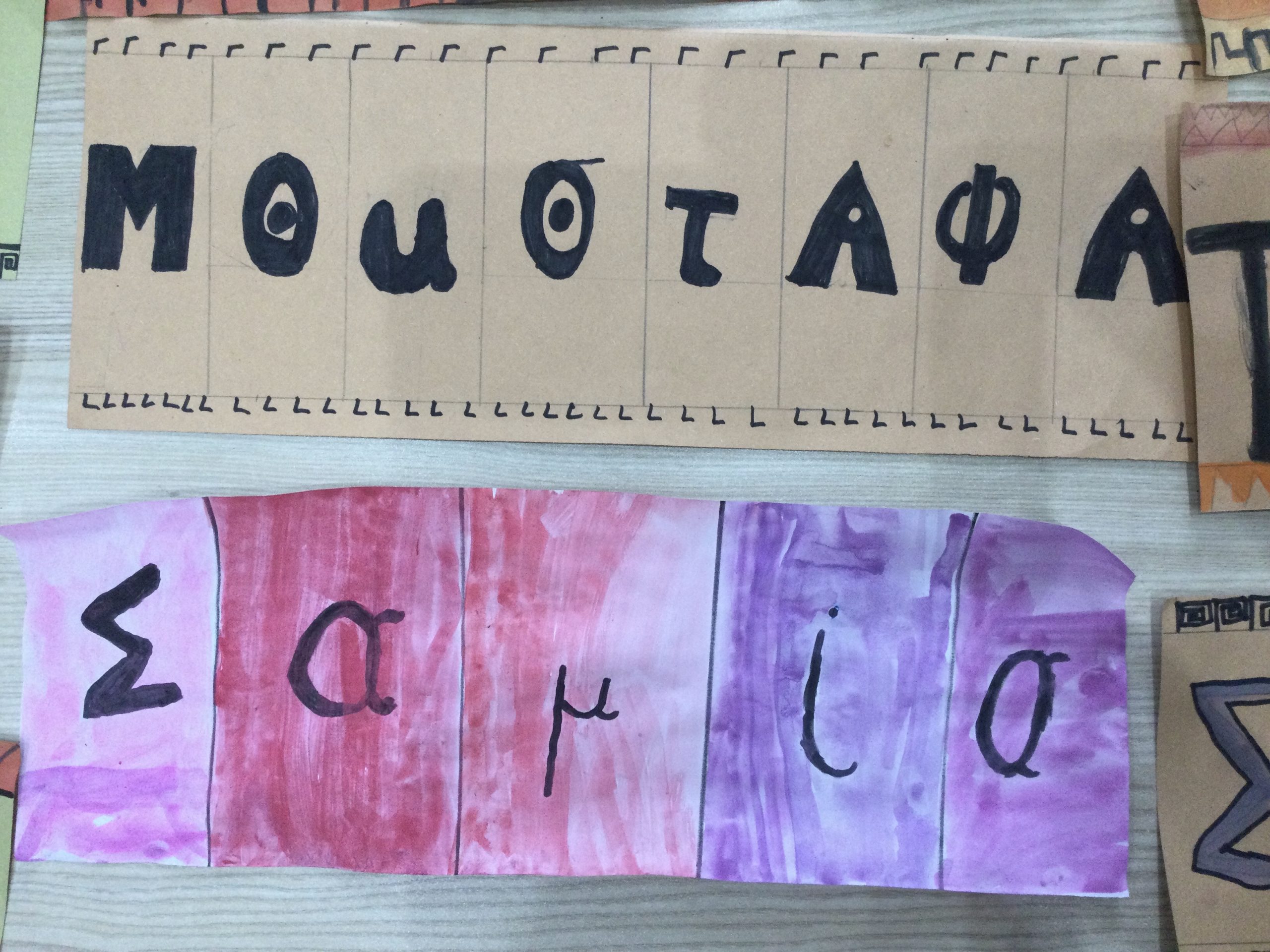
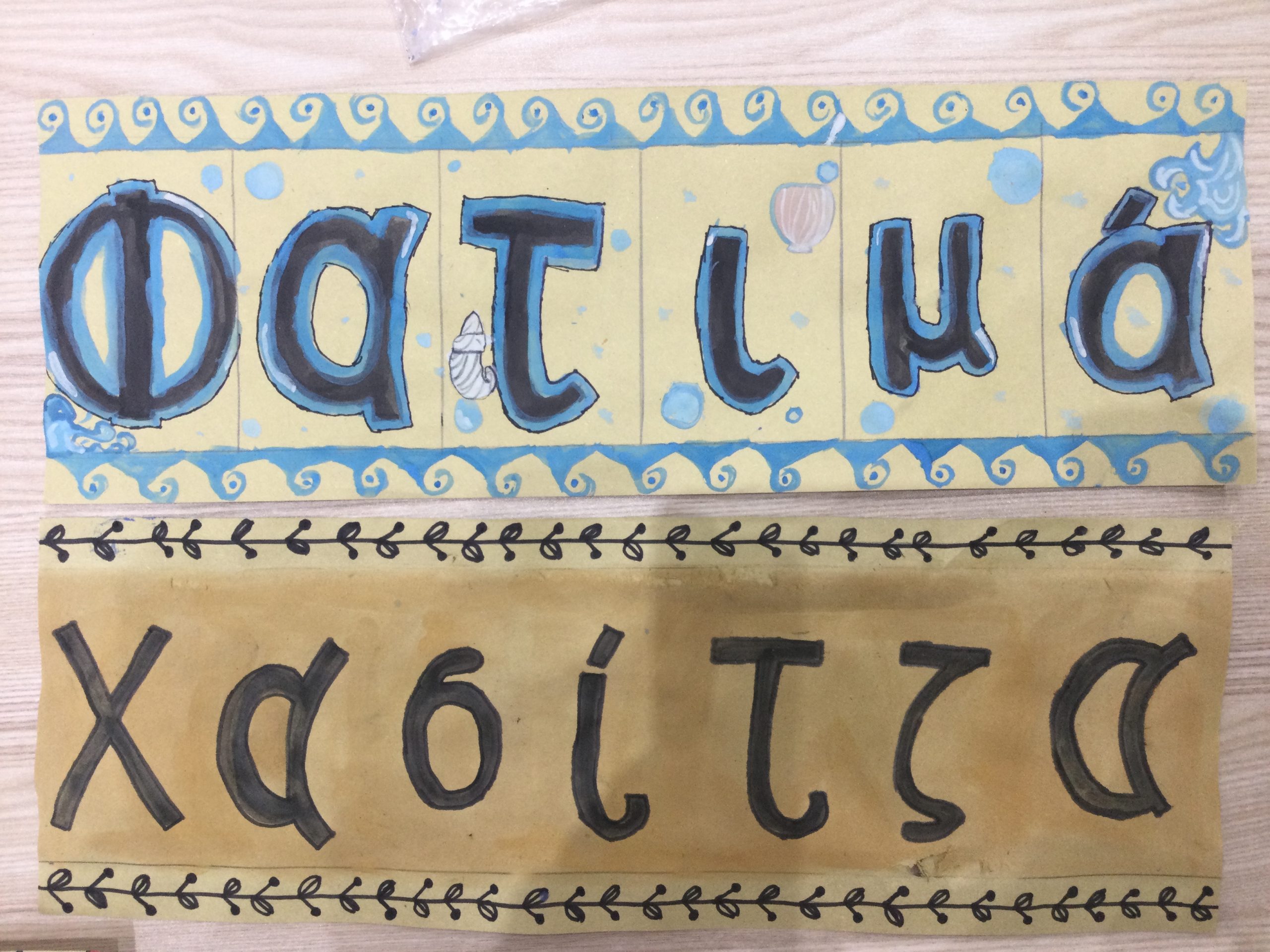
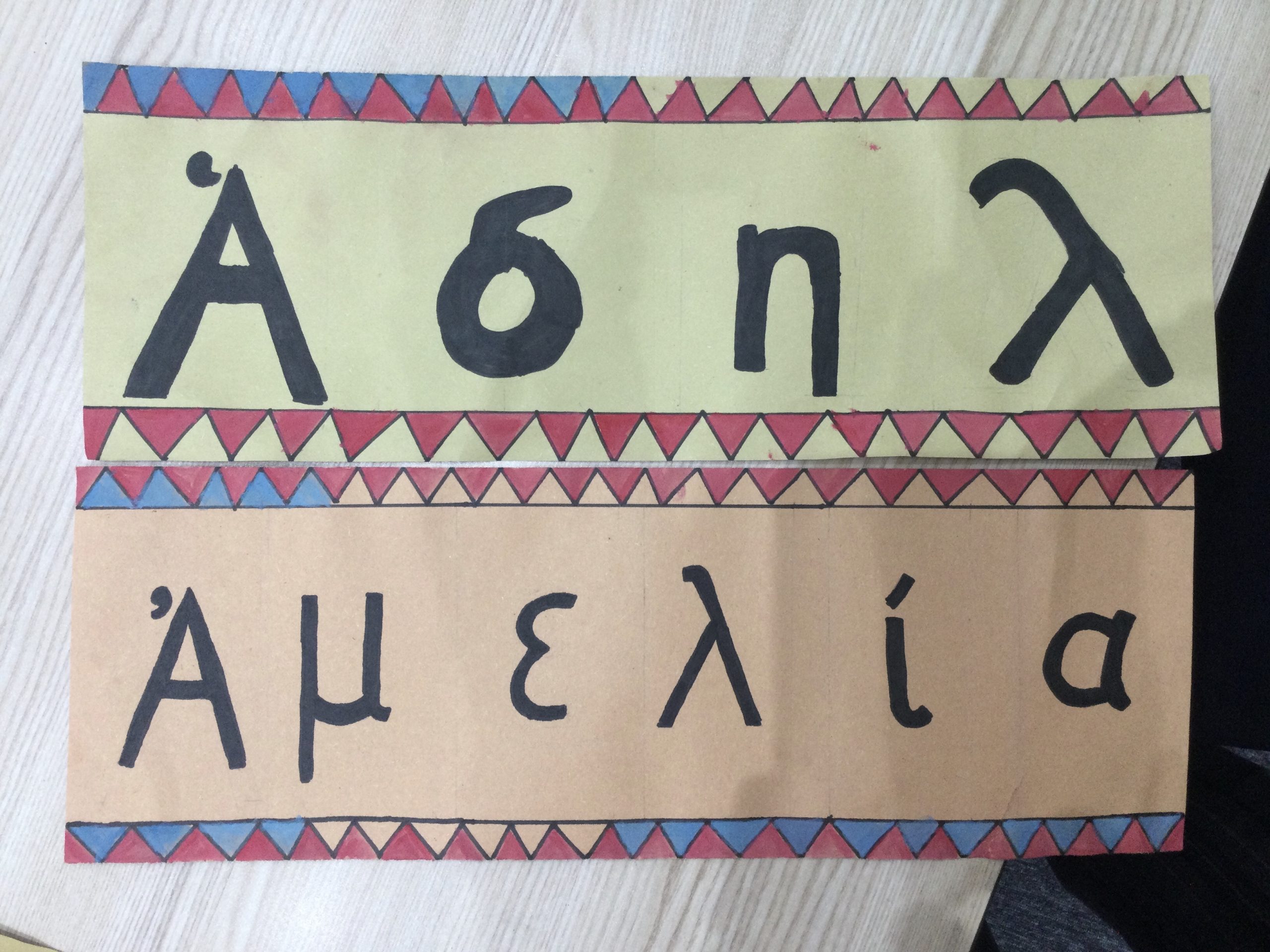
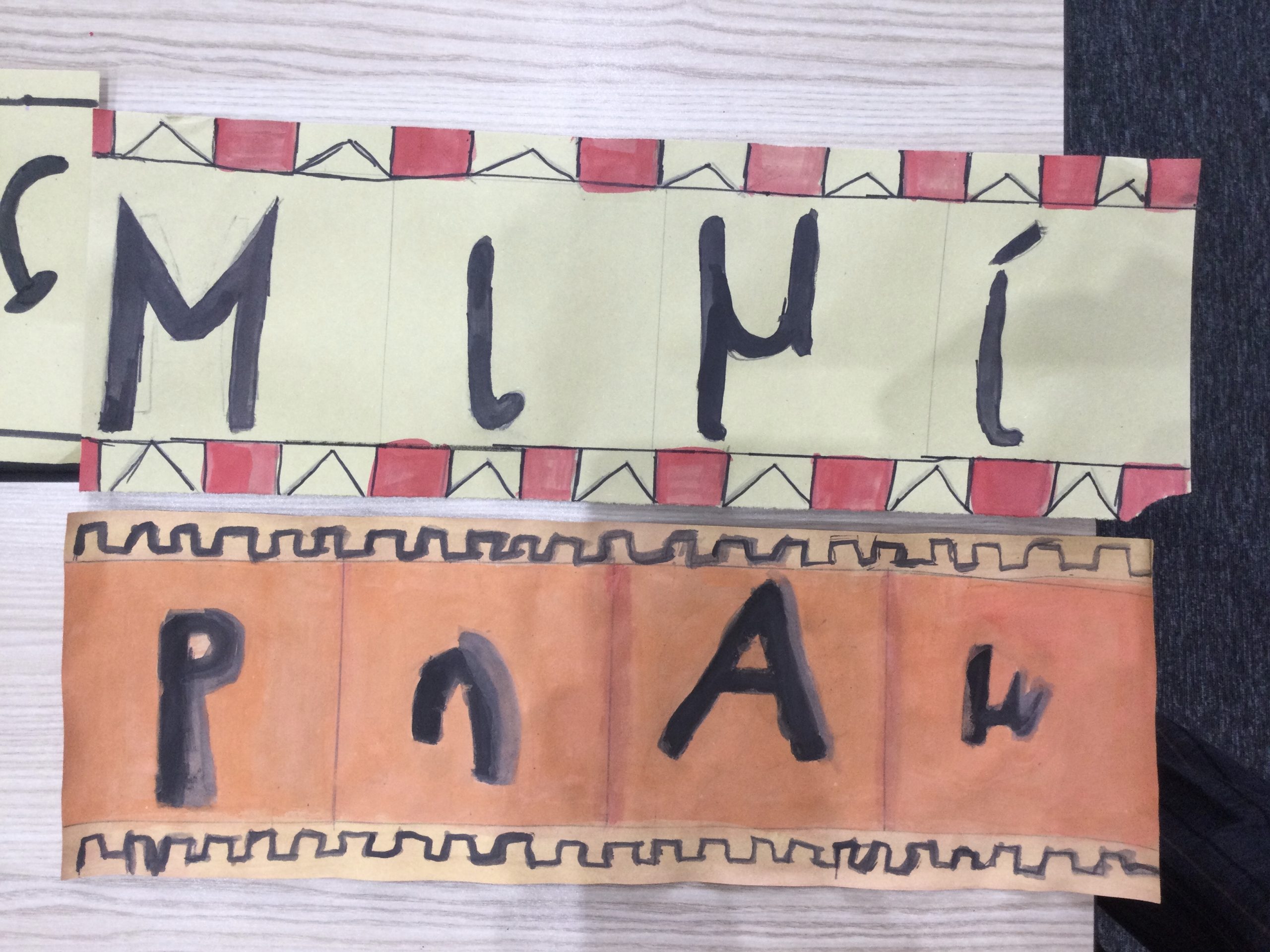
As part of our Ancient Greece unit, we had a go at writing our names in Ancient Greek script.
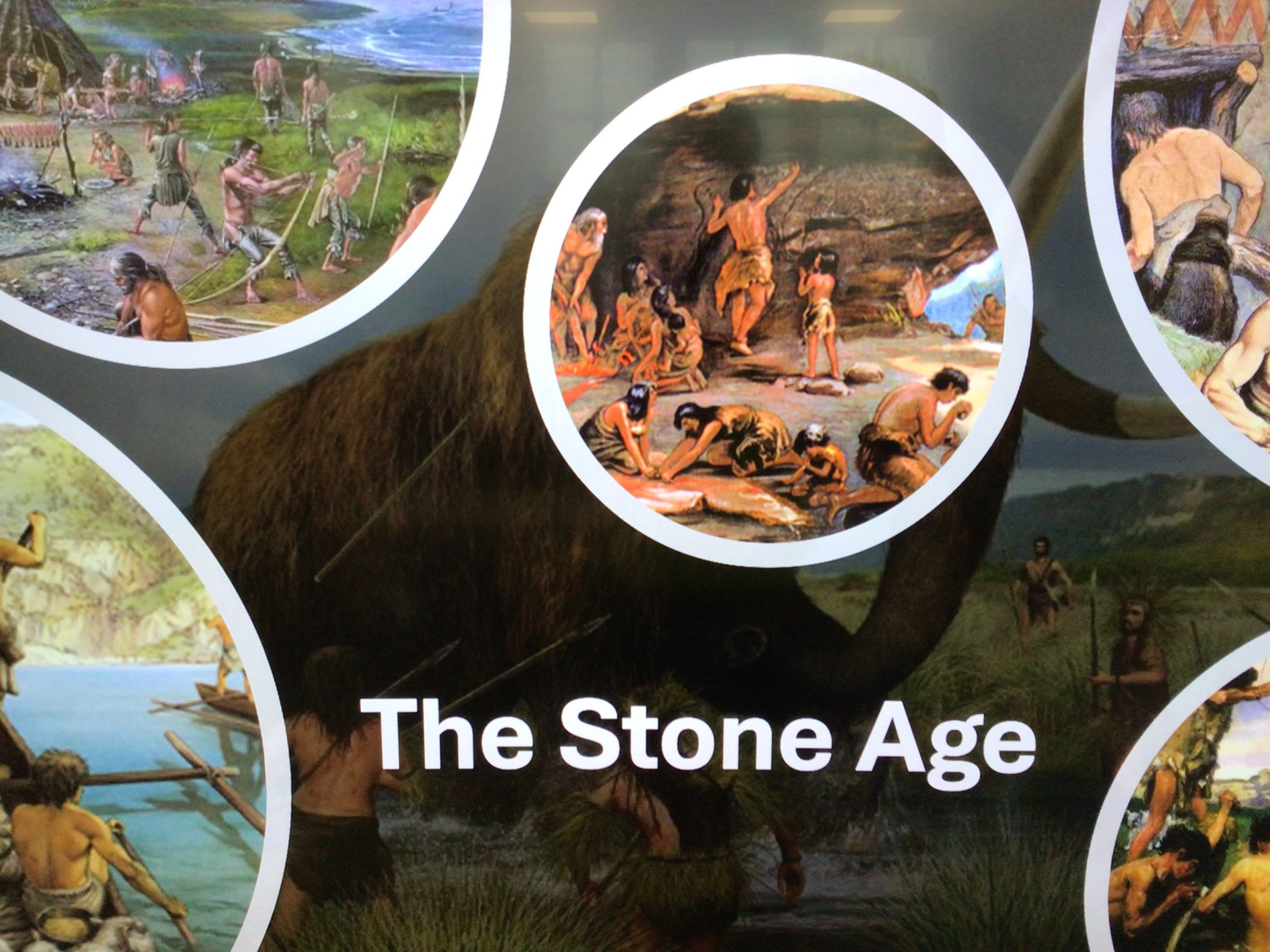
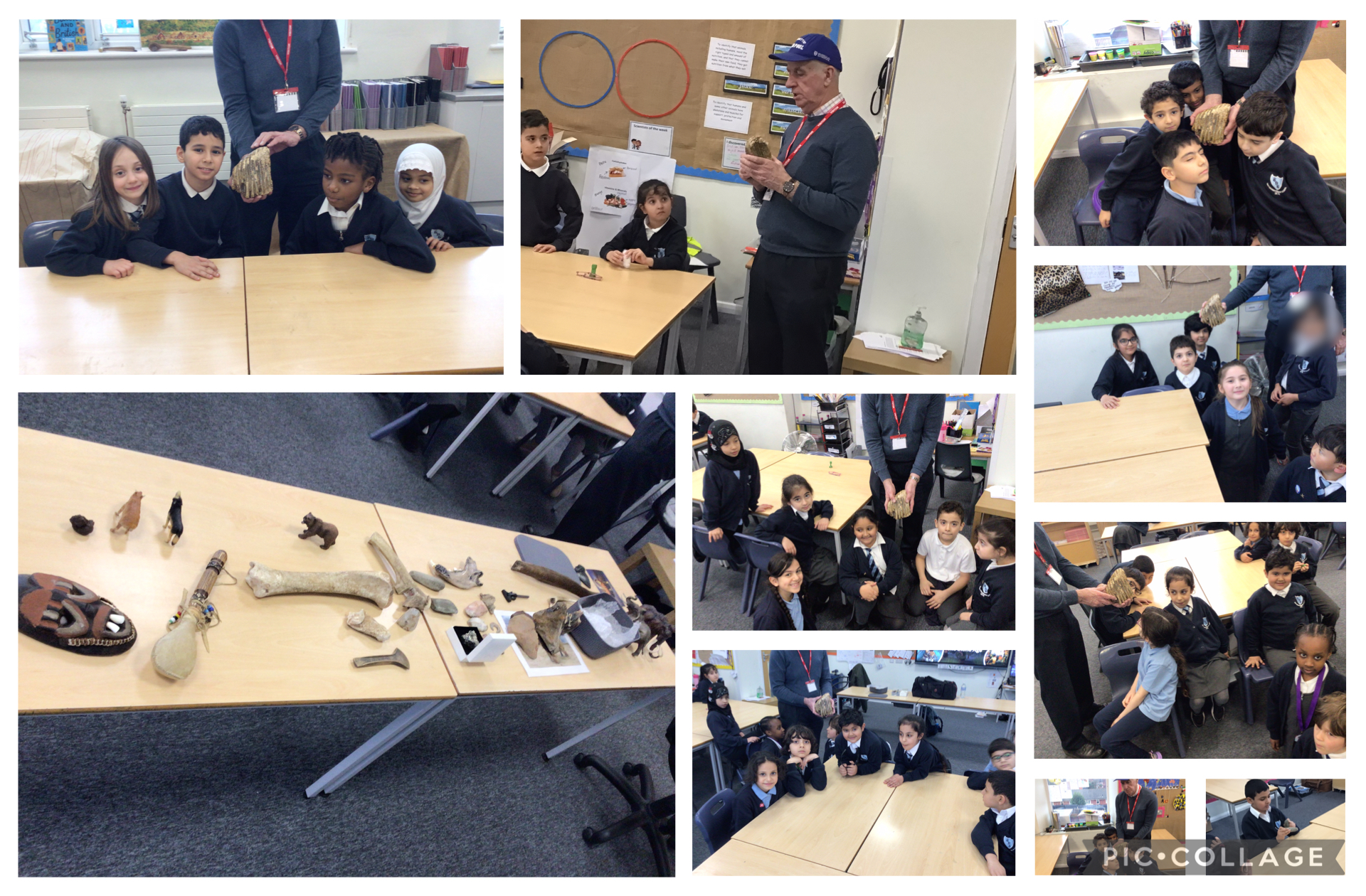
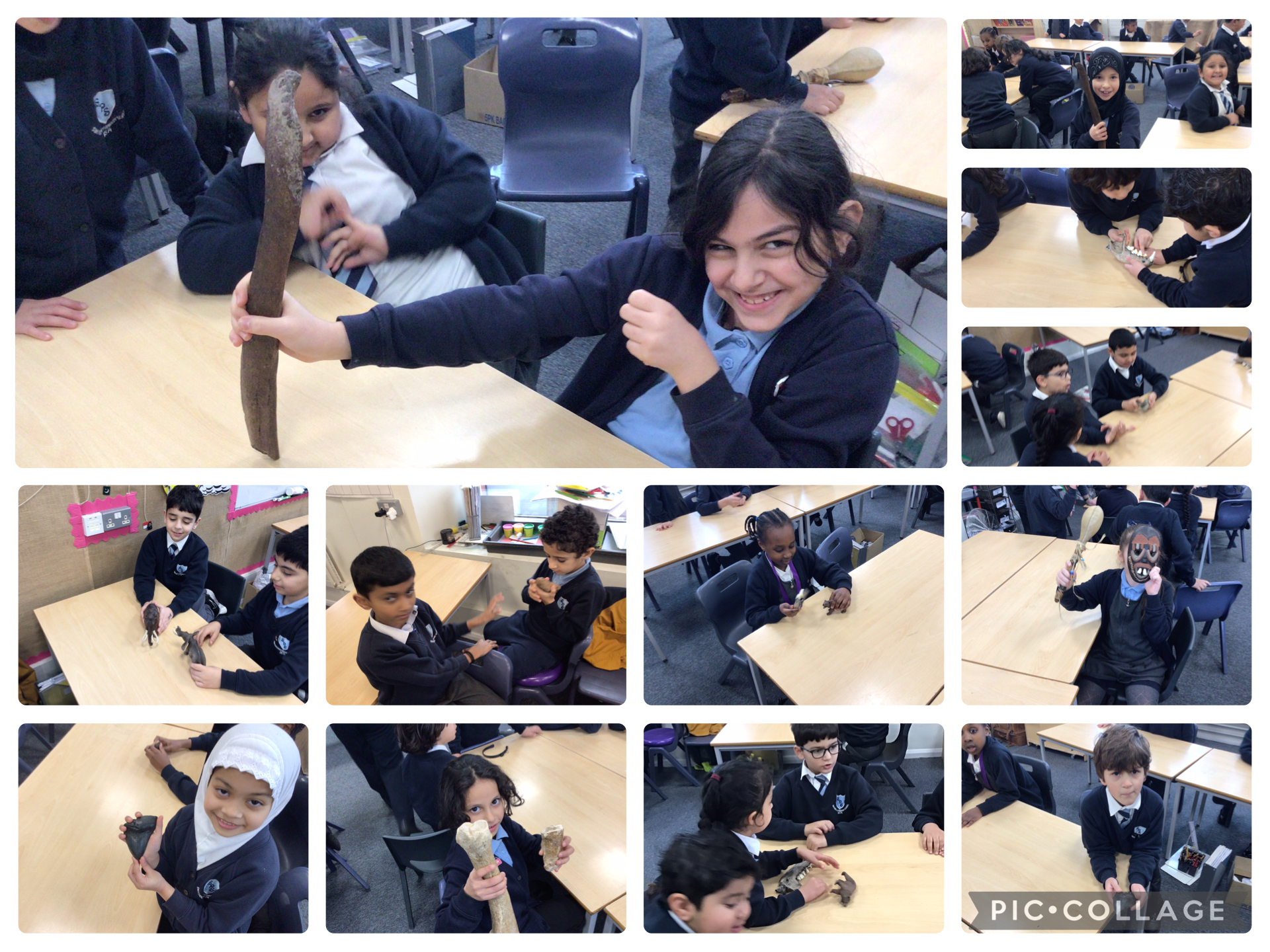
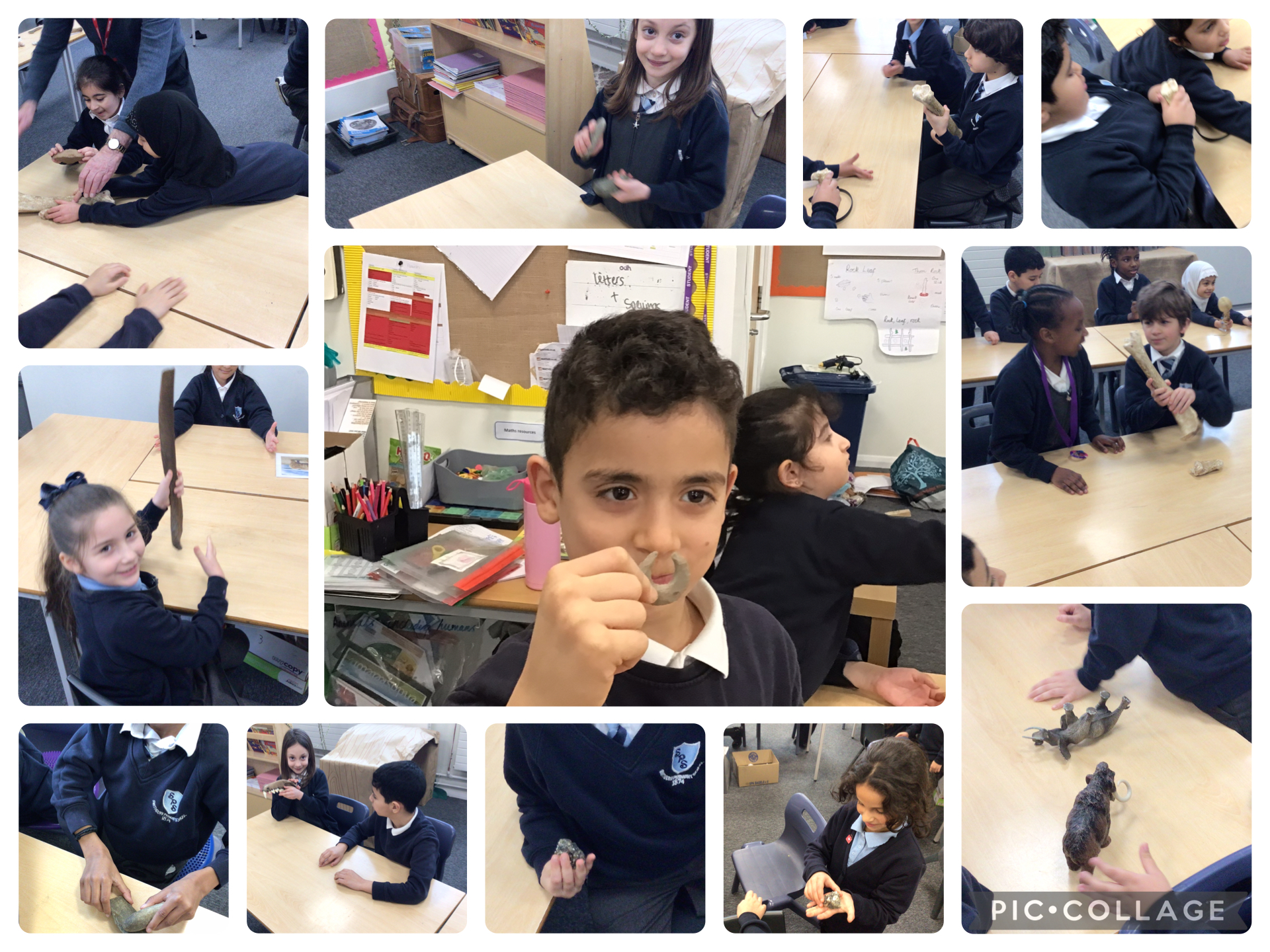
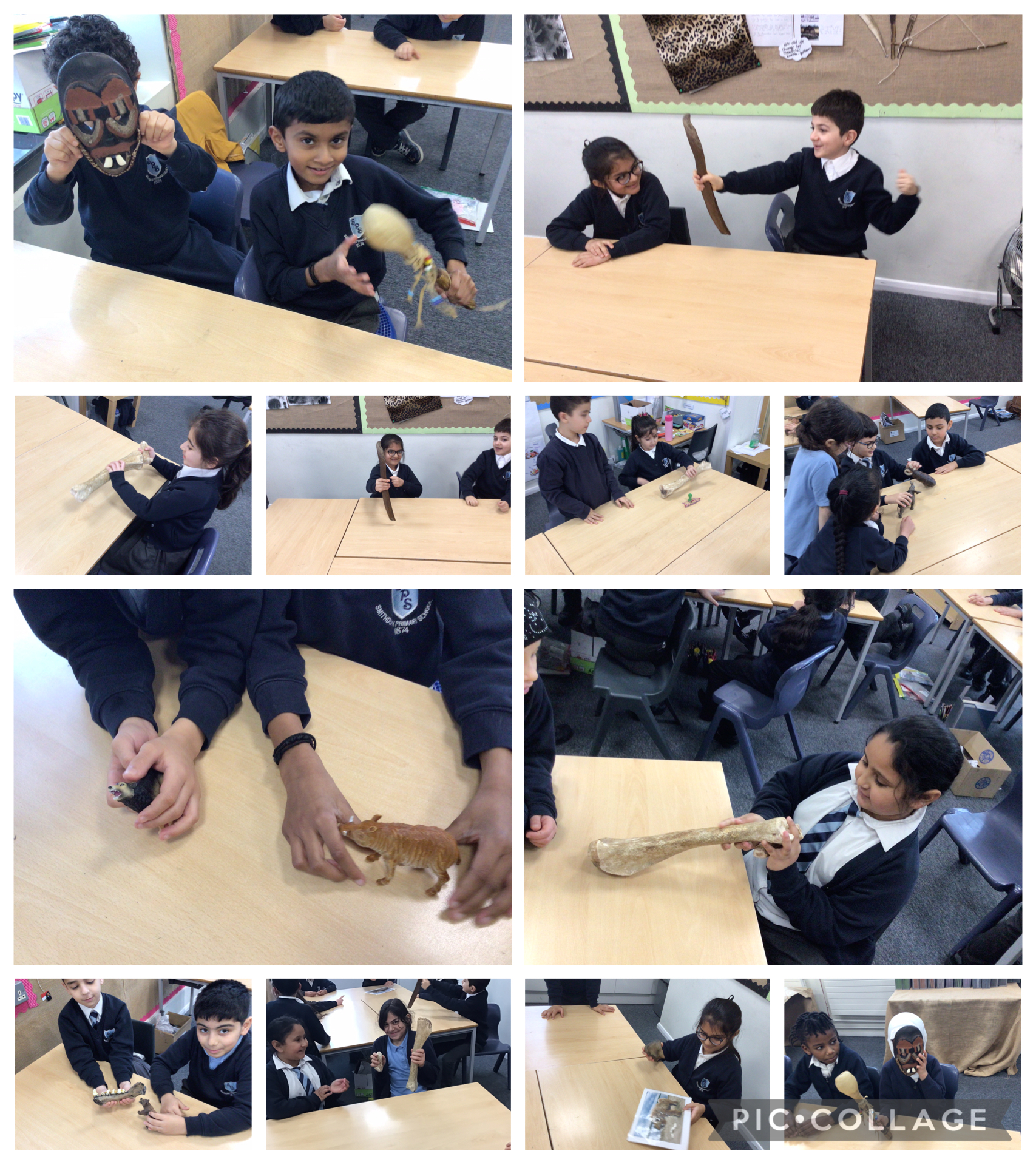
We have had an amazing afternoon! We had a visit from an archaeologist who brought lots of artefacts from the Stone Age. We looked at and held things that were thousands of years old. The children demonstrated a great attitude and an already super knowledge when answering questions.
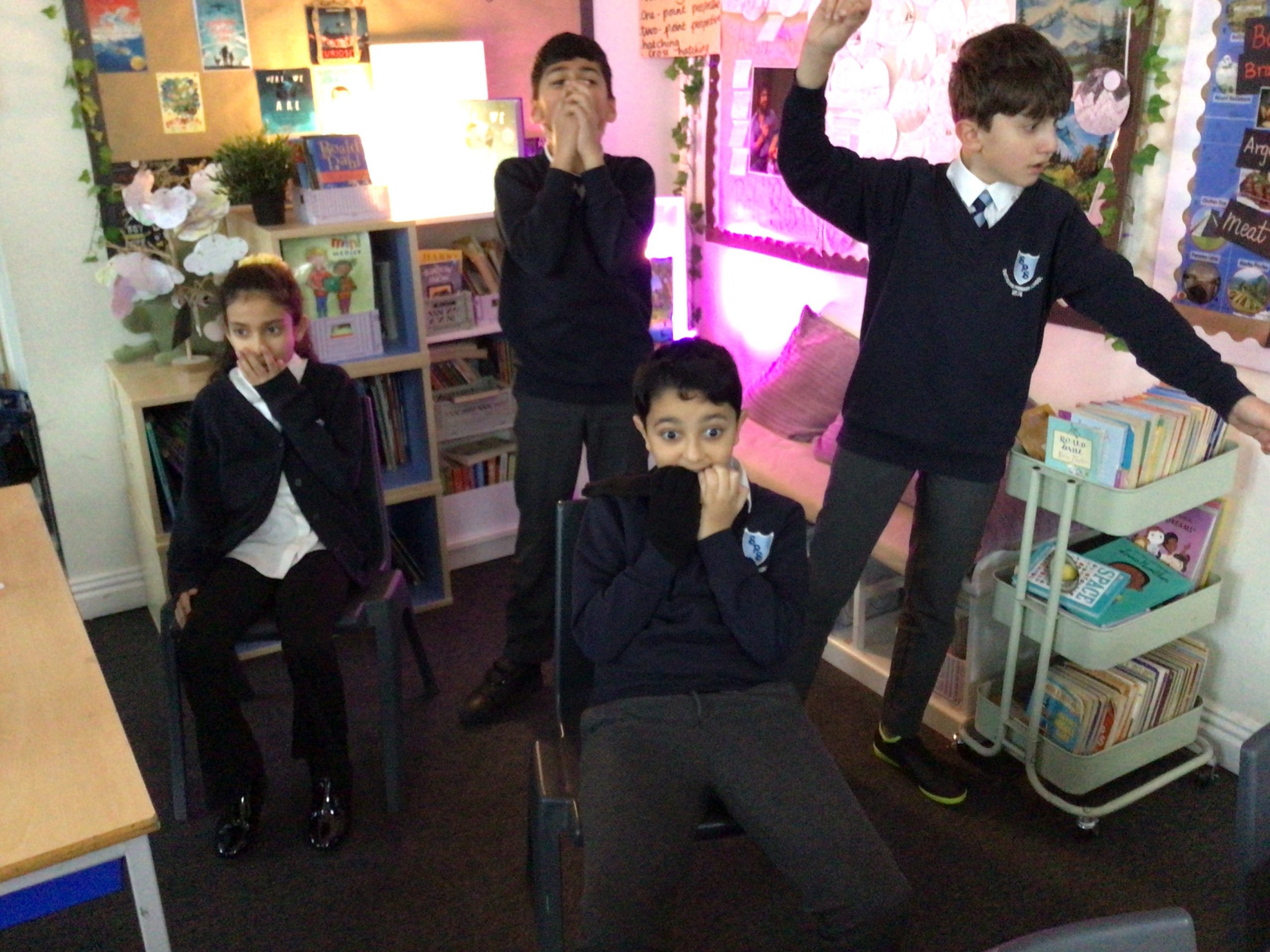
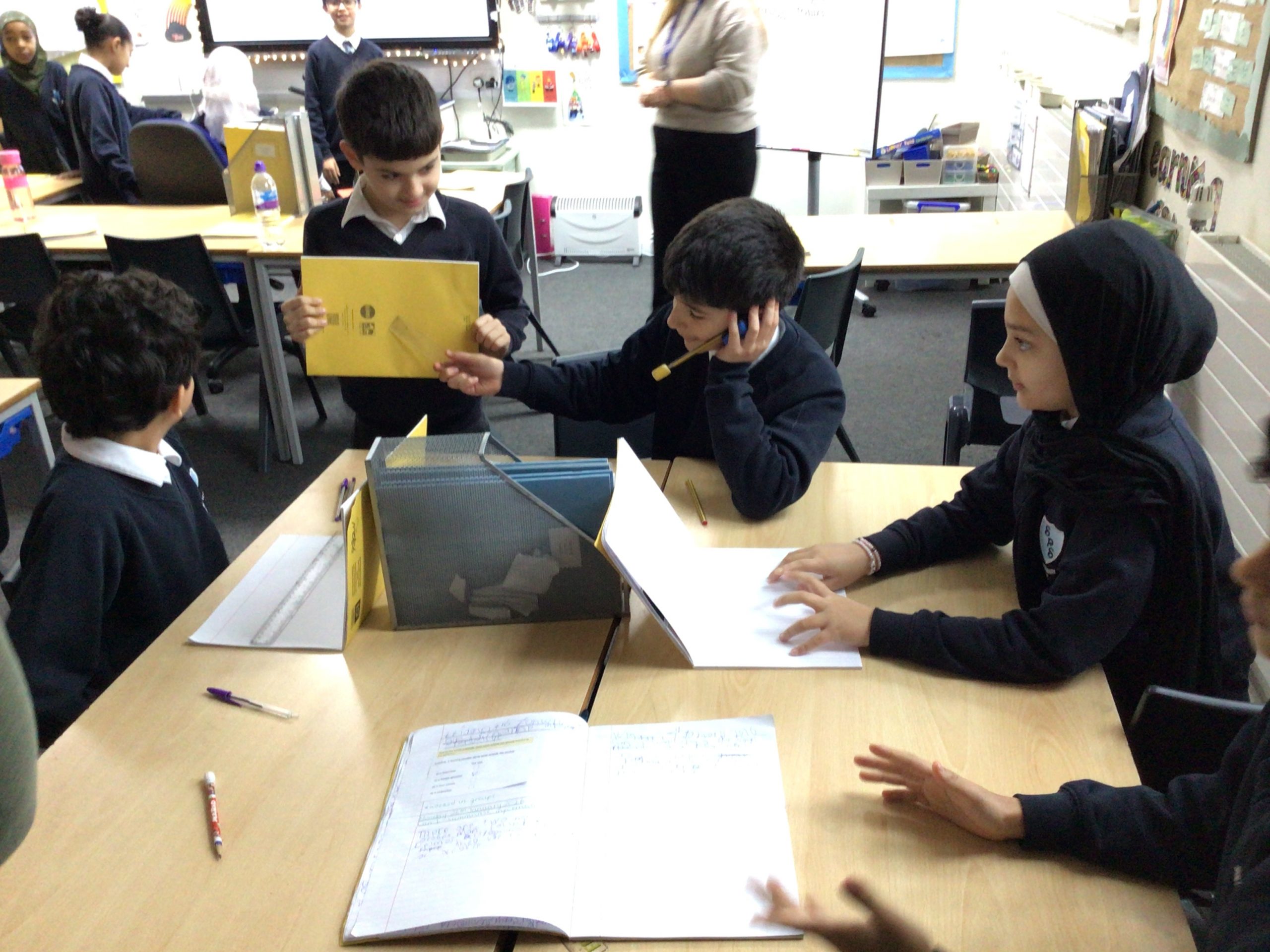
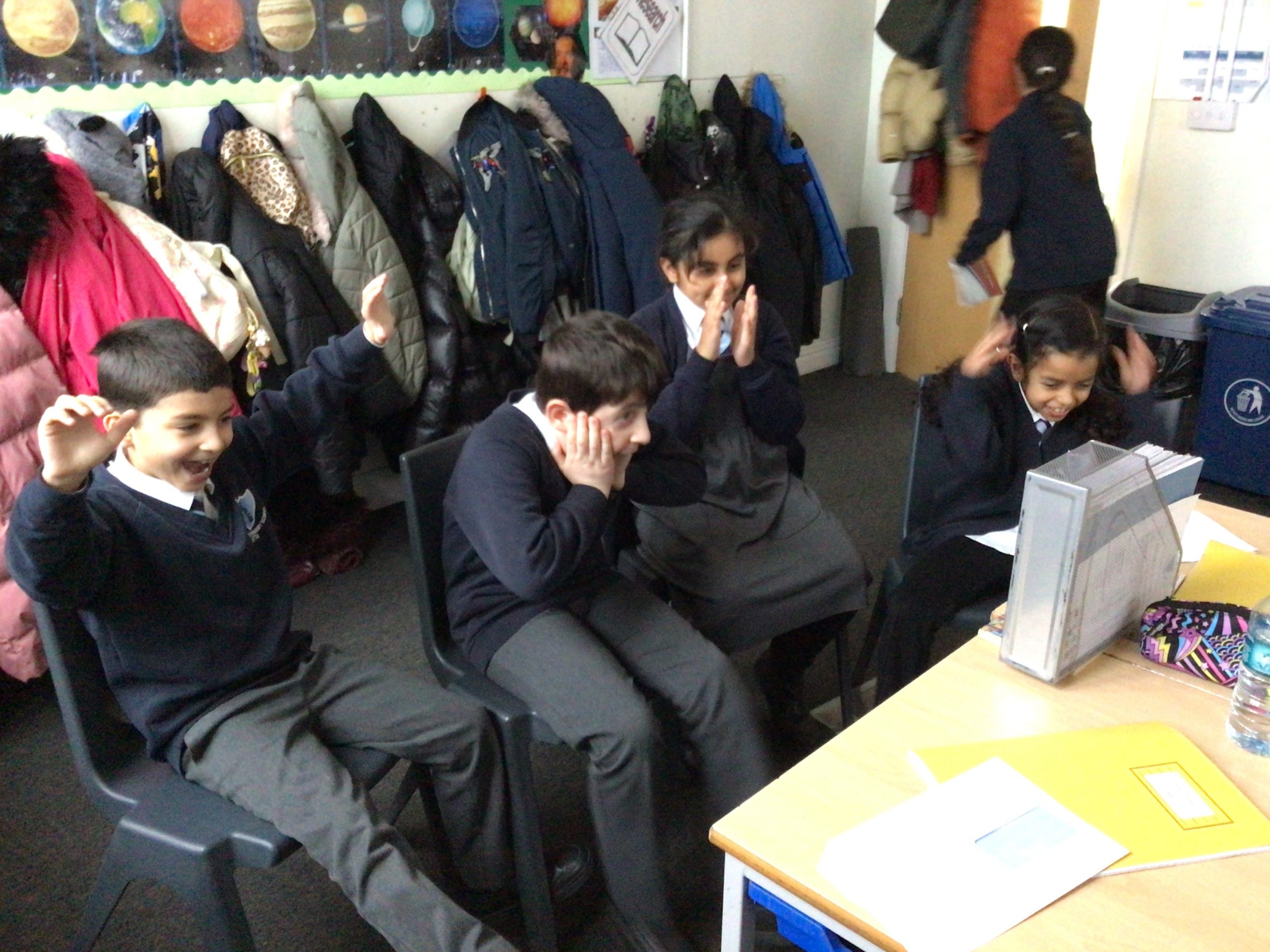
This week, the children worked in groups to create freeze frames. They all thought about thoughts and feelings for the astronauts landing on the moon. Some people heard on the radio, on the TV, some were engineers, the astronauts themselves or their families. 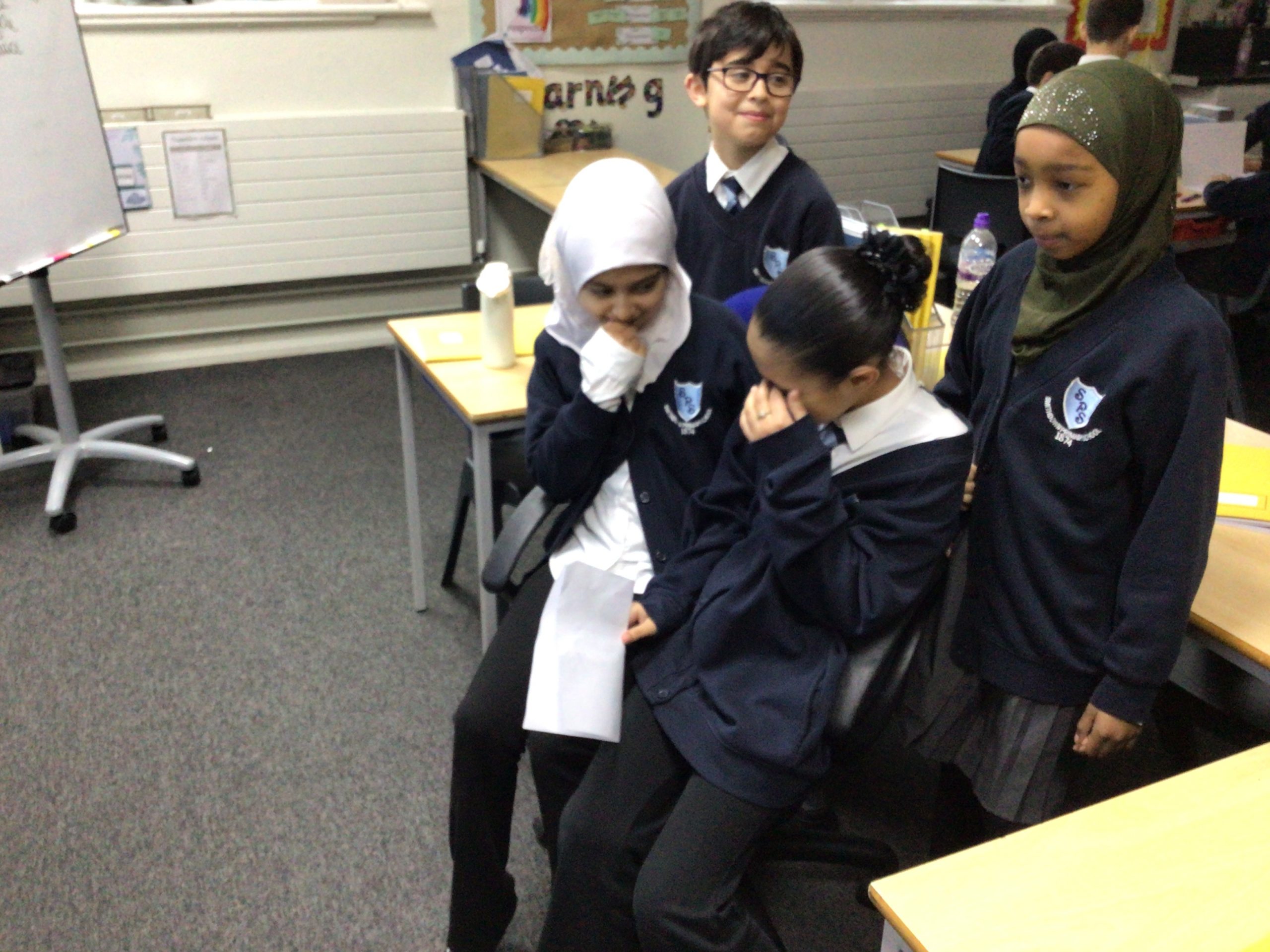
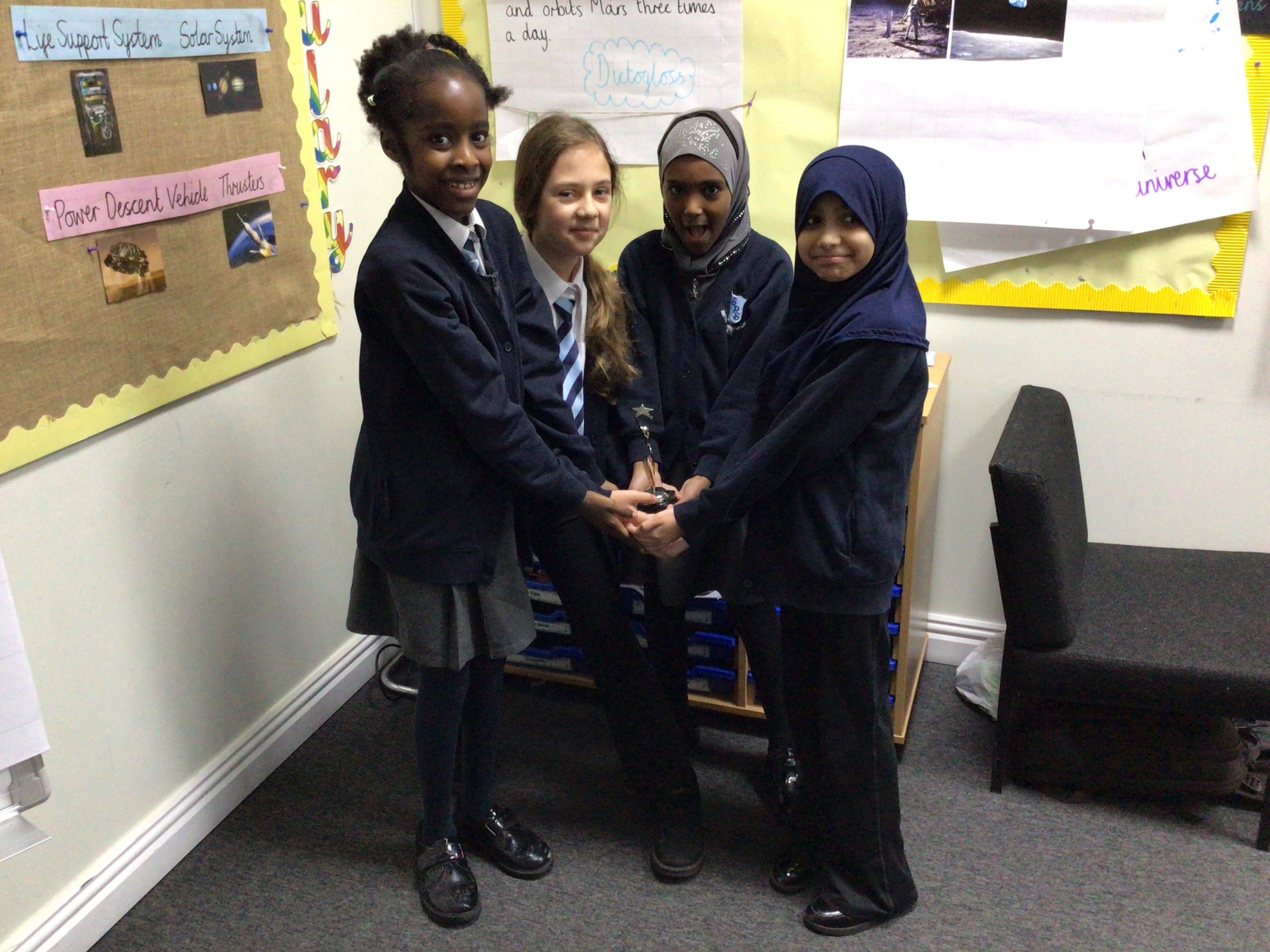
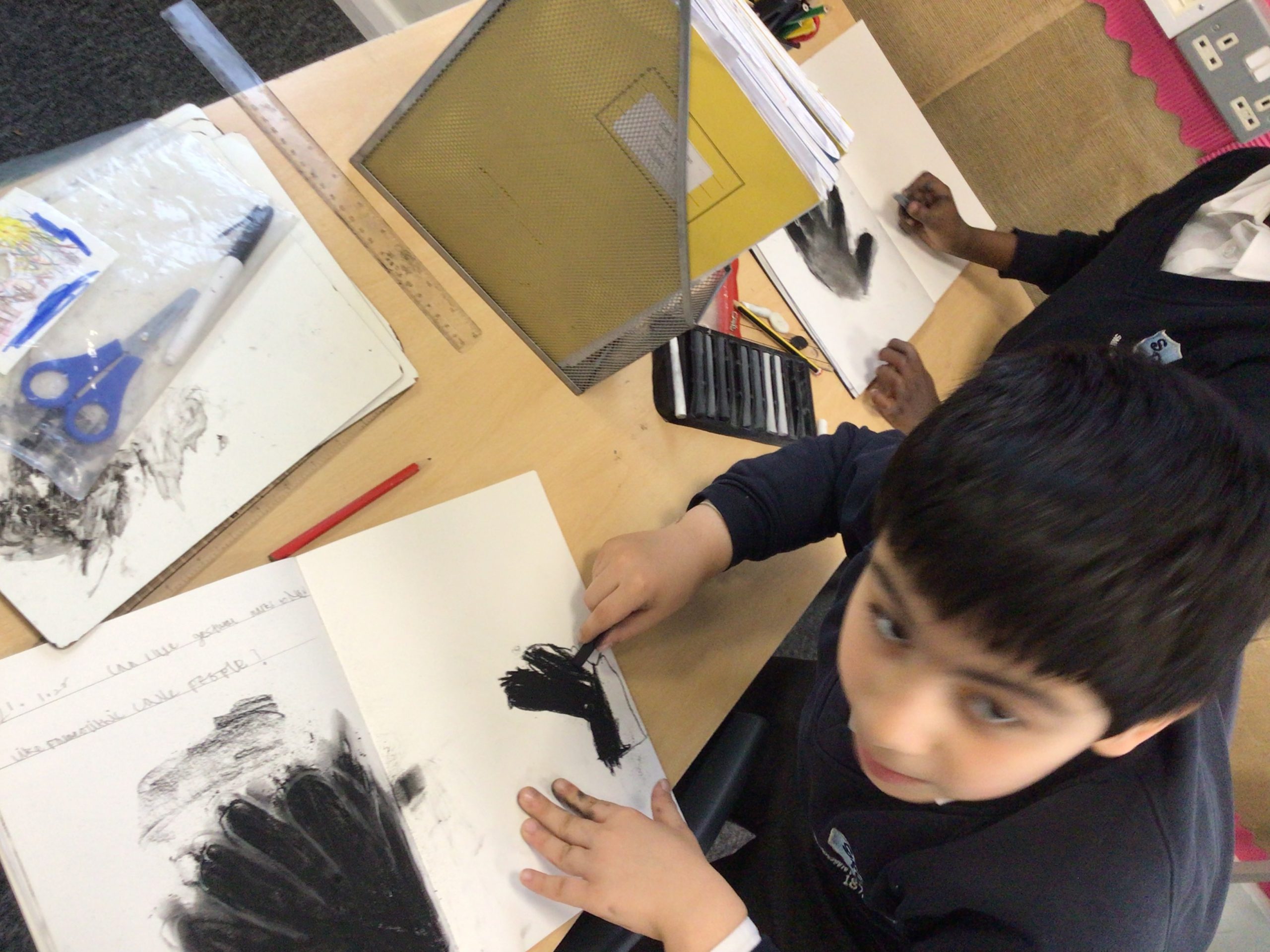
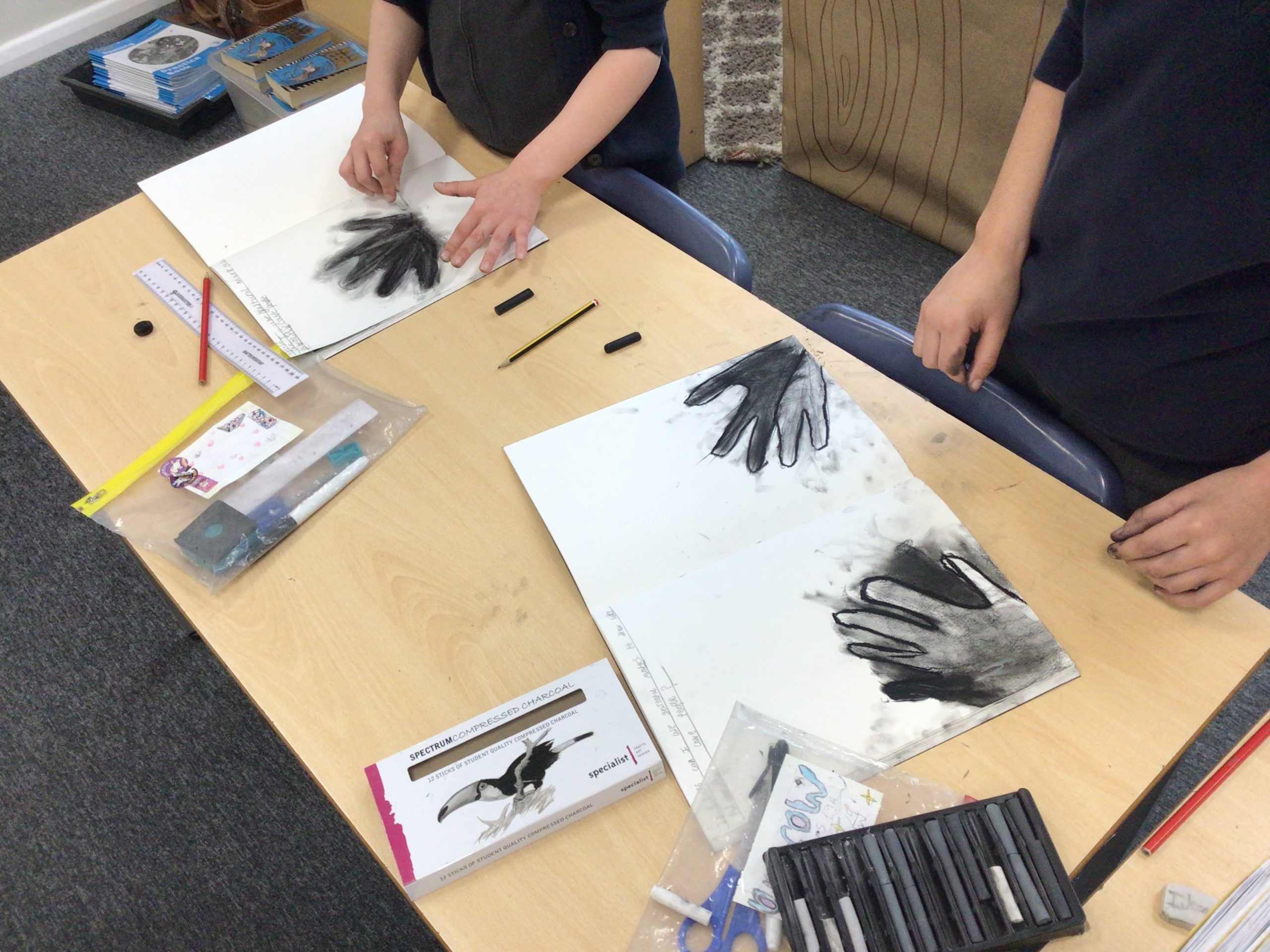
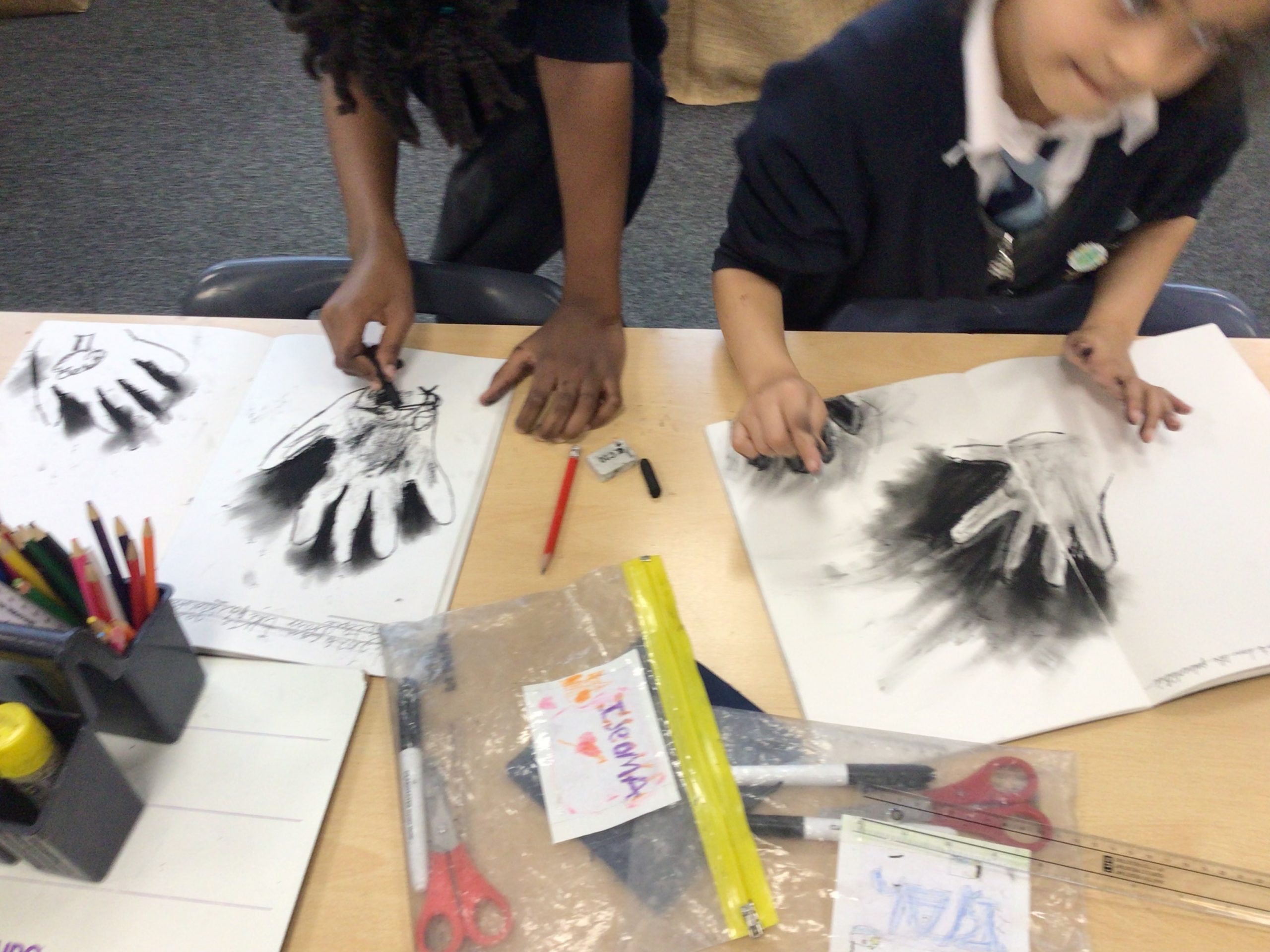
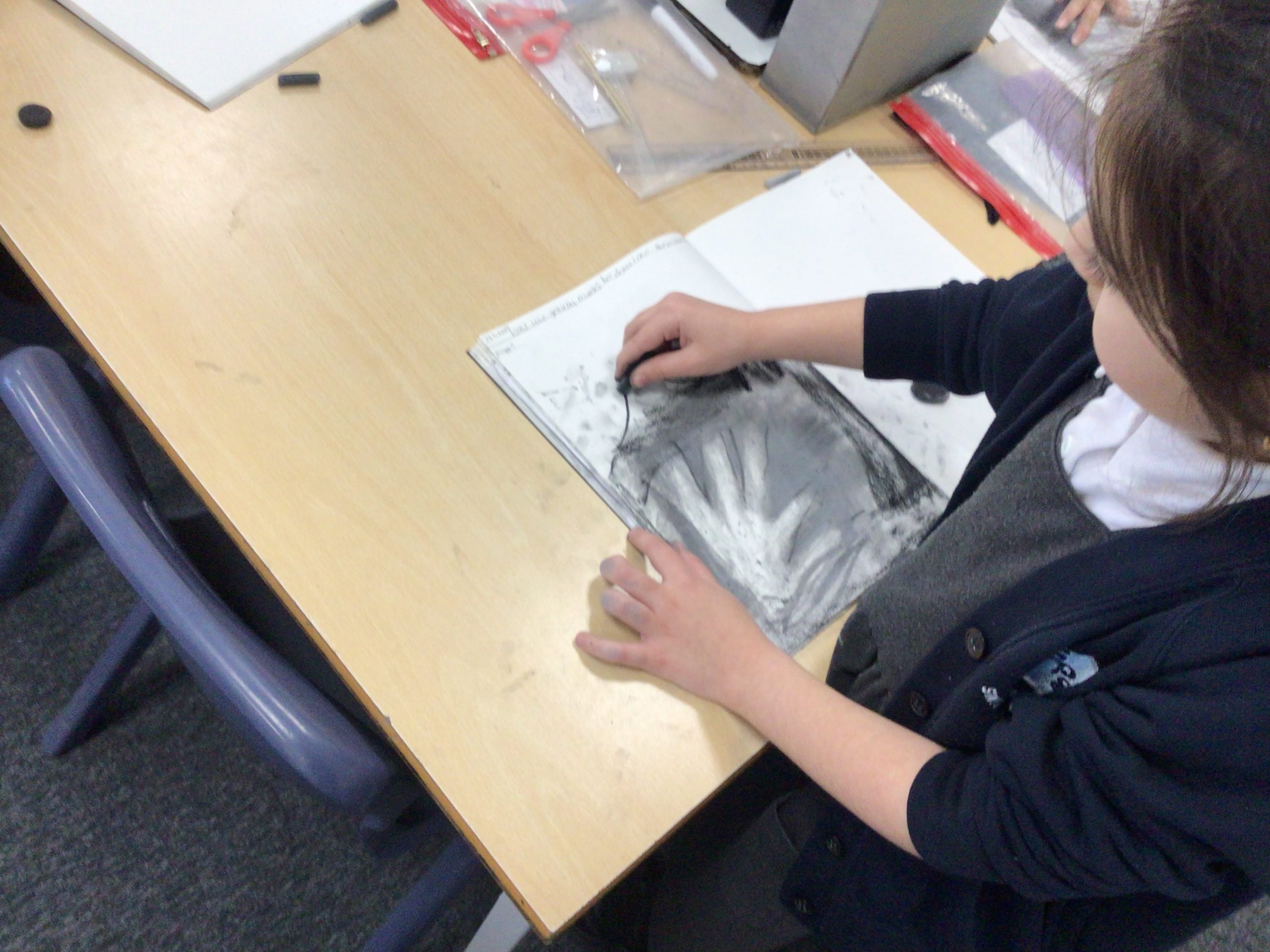
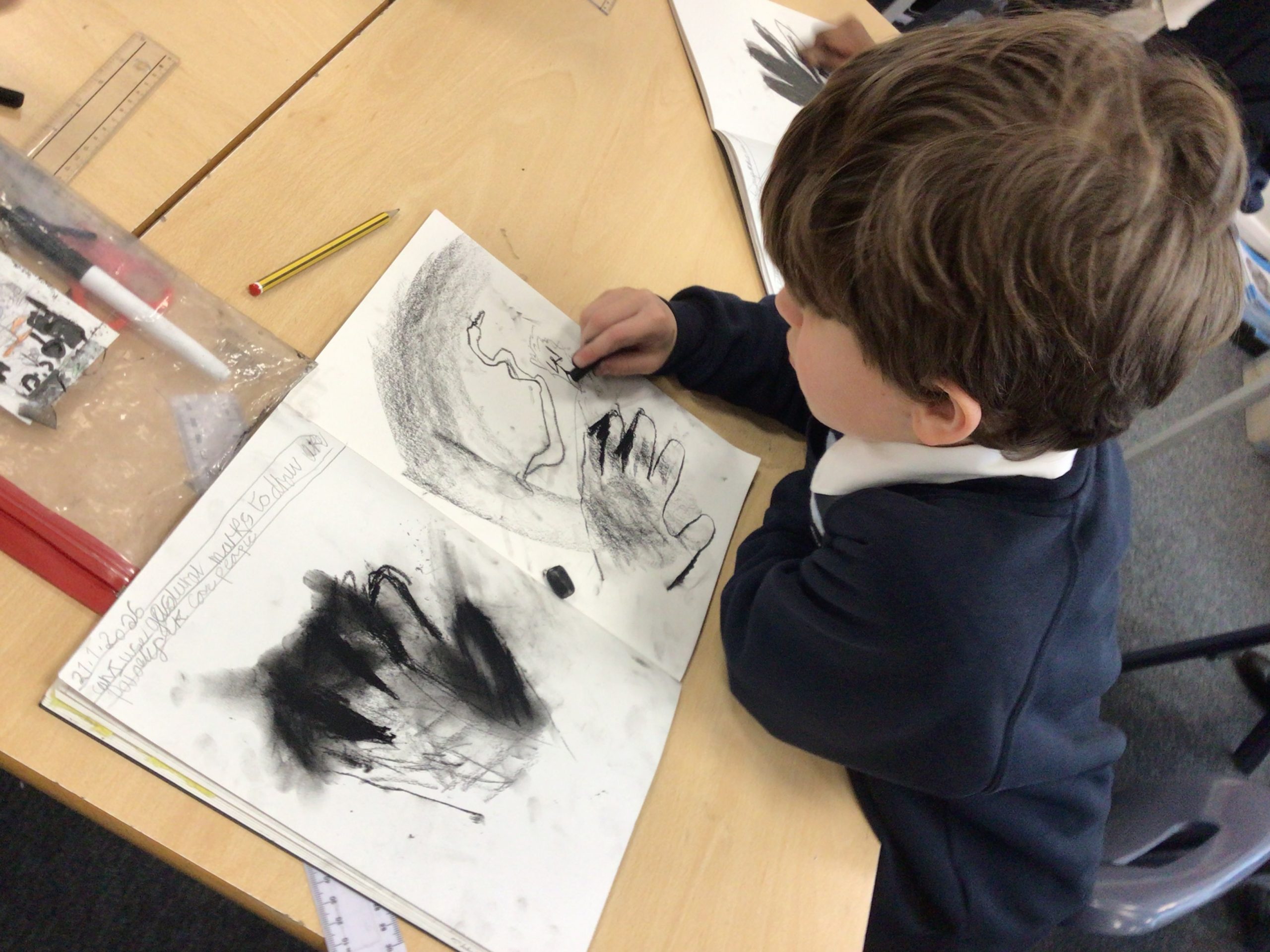
Within our history lesson, we looked at the first stage of the Stone Age. We have then applied what we know to our art lessons where we used different techniques to sketch with charcoal and create some cave art.
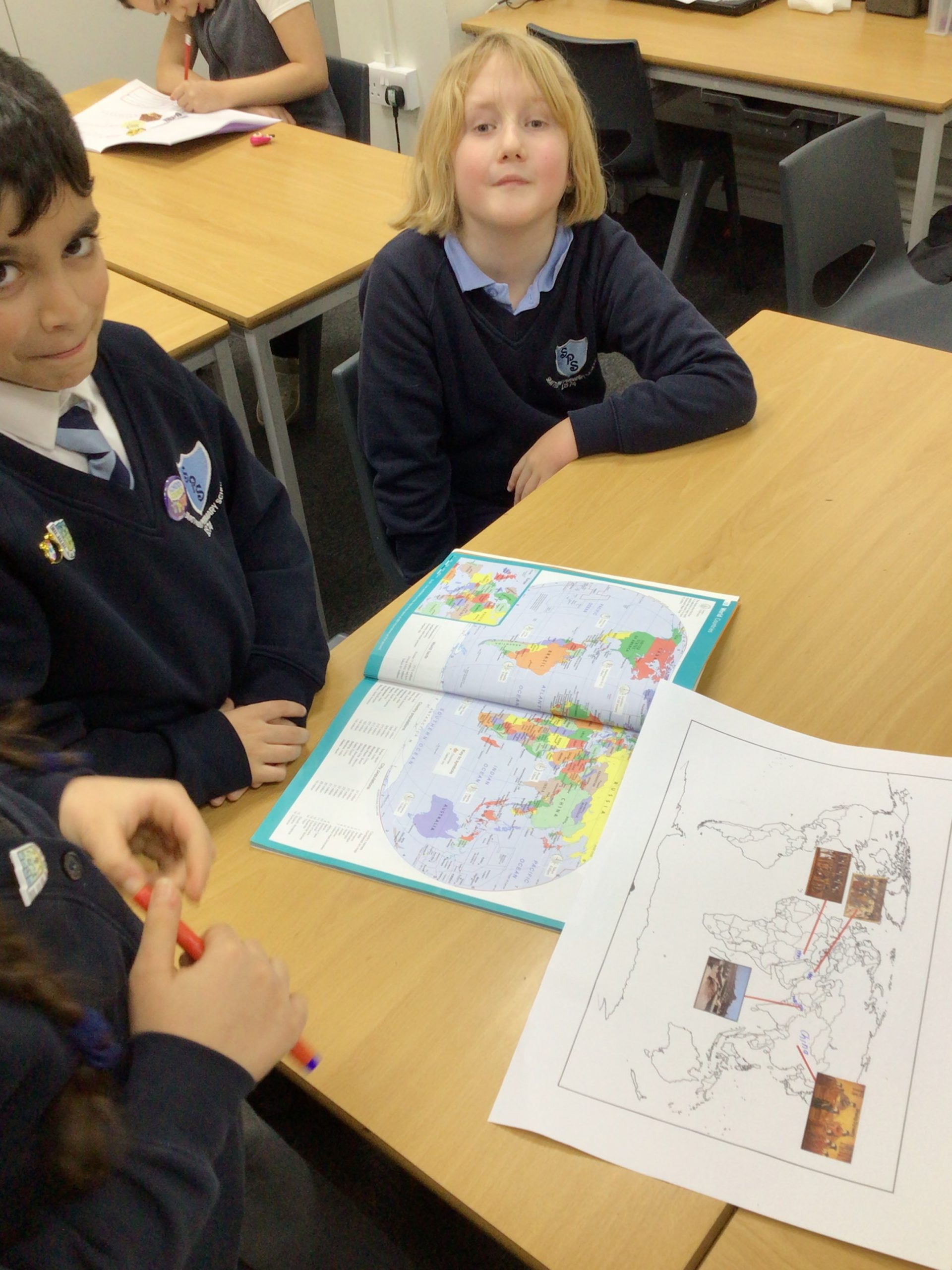
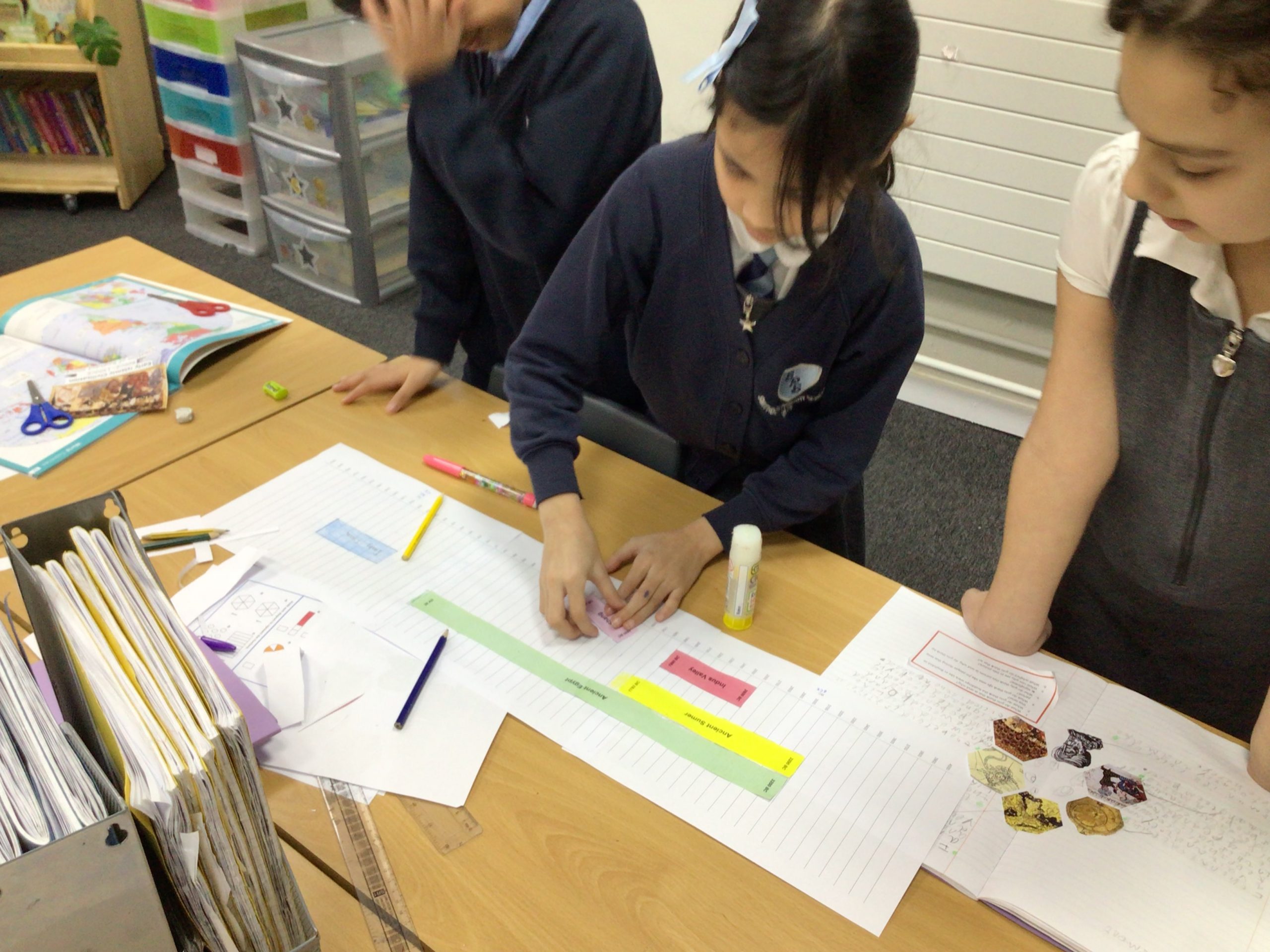
Beginning our new unit of Ancient Greece, we produced scaled timelines to place key periods of history in the correct place in time.
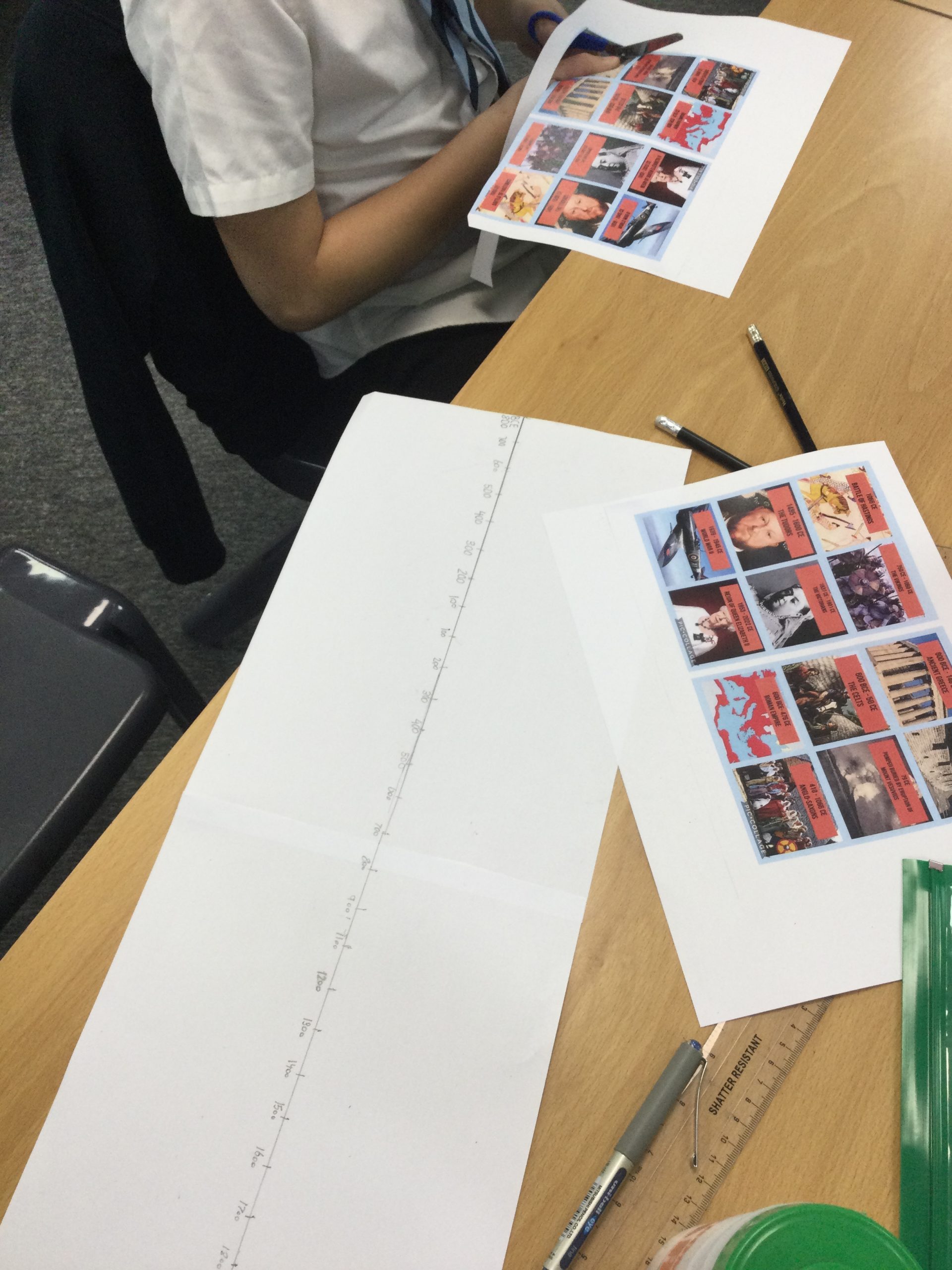
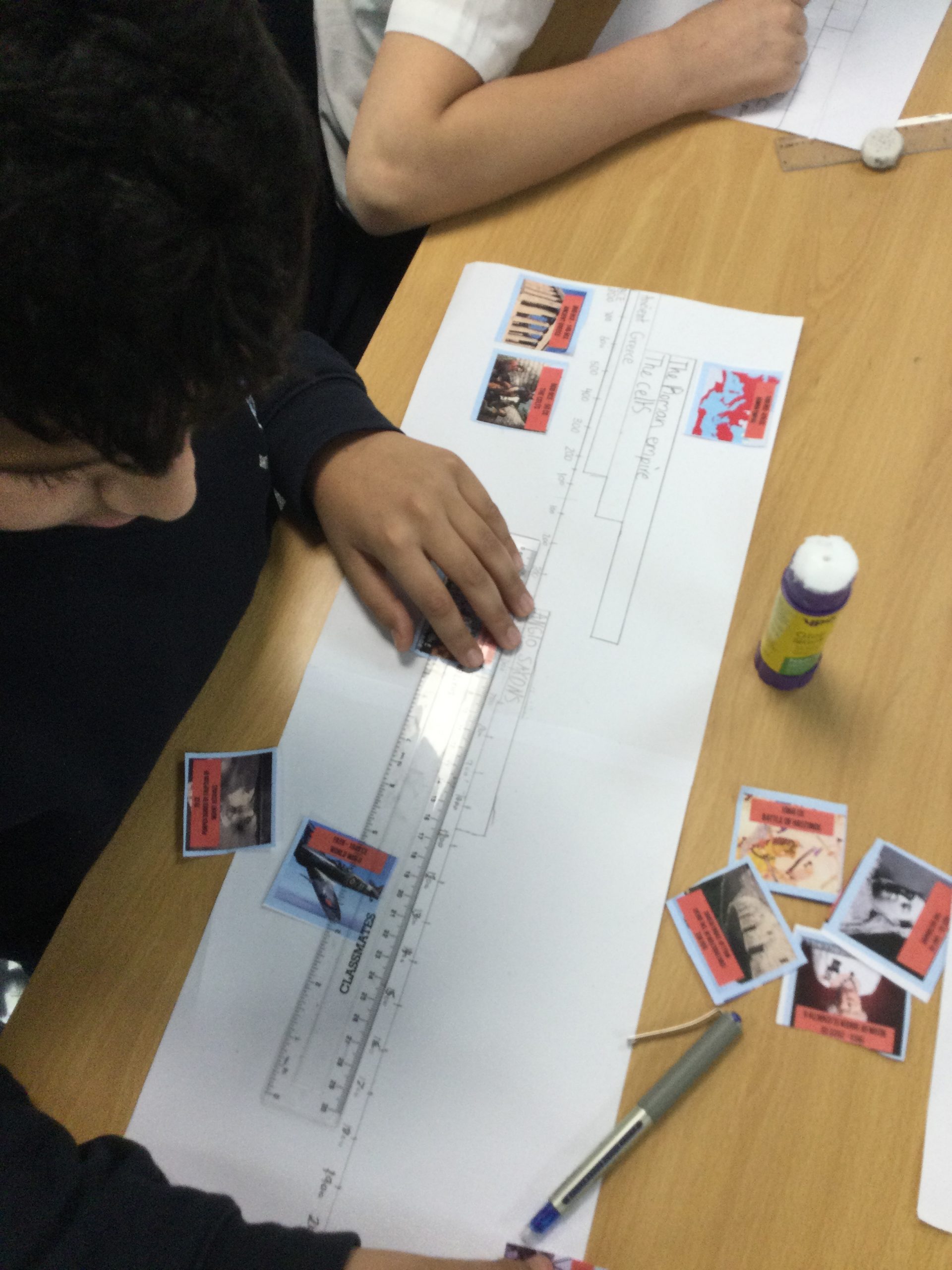
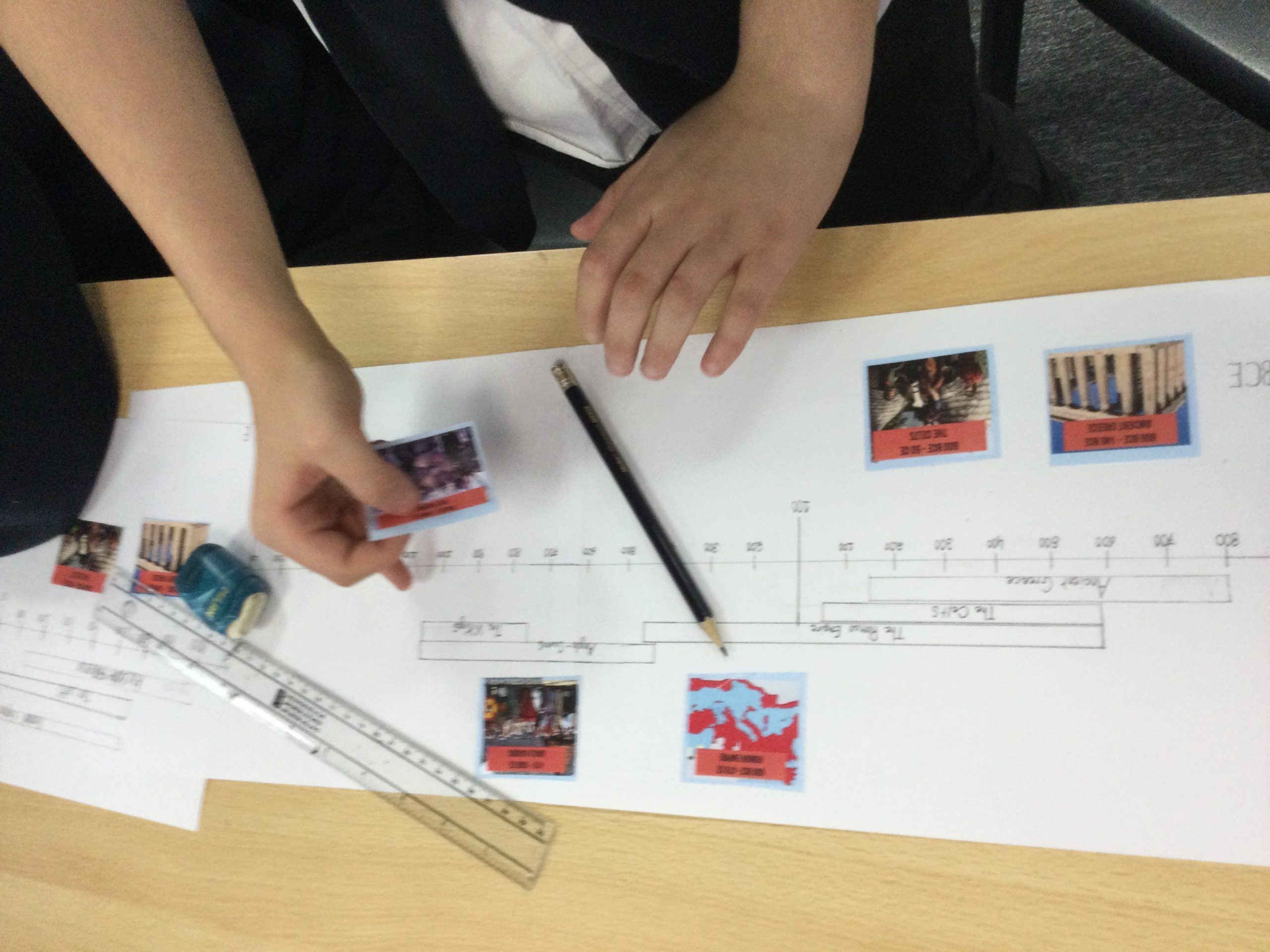
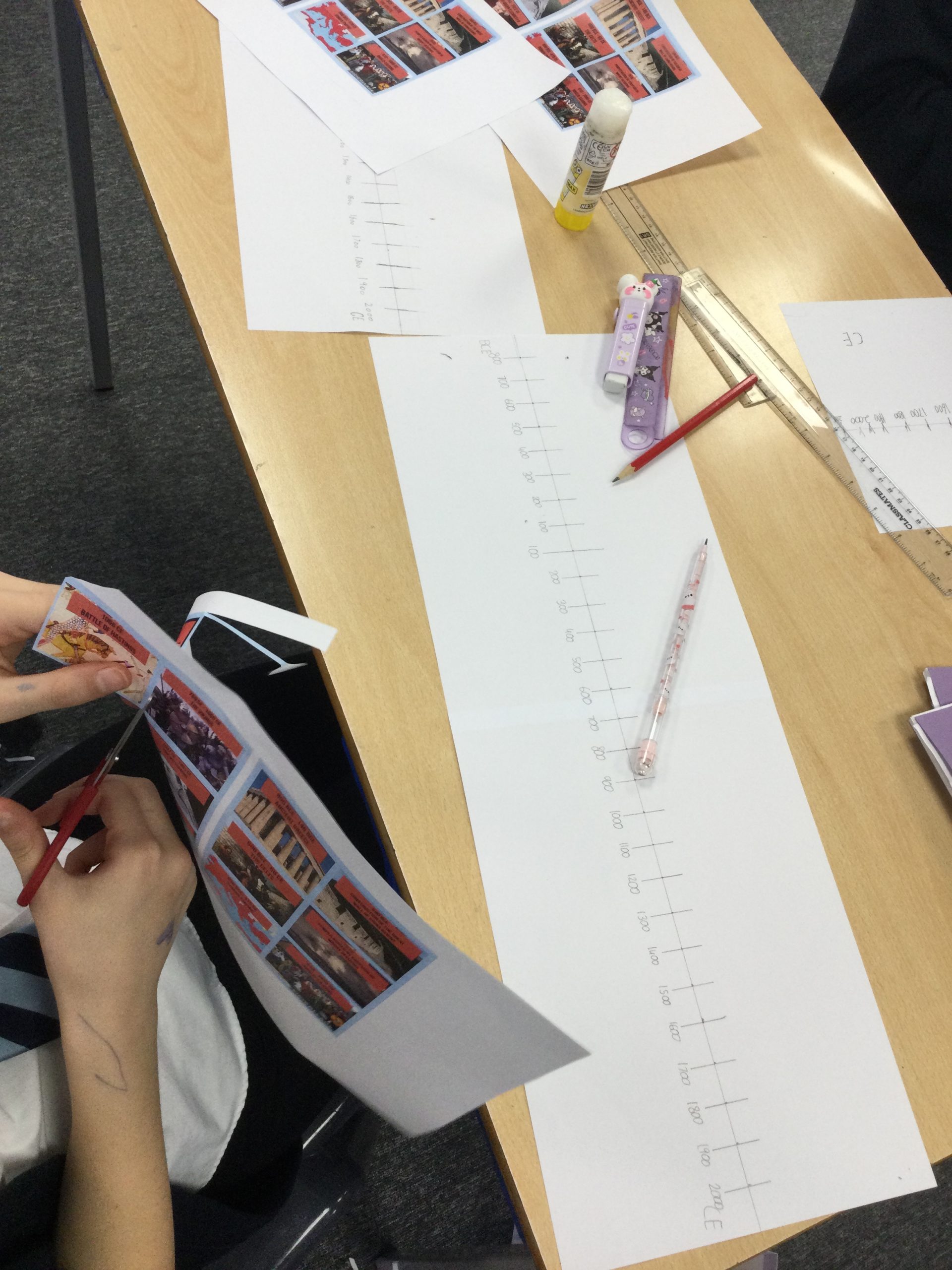
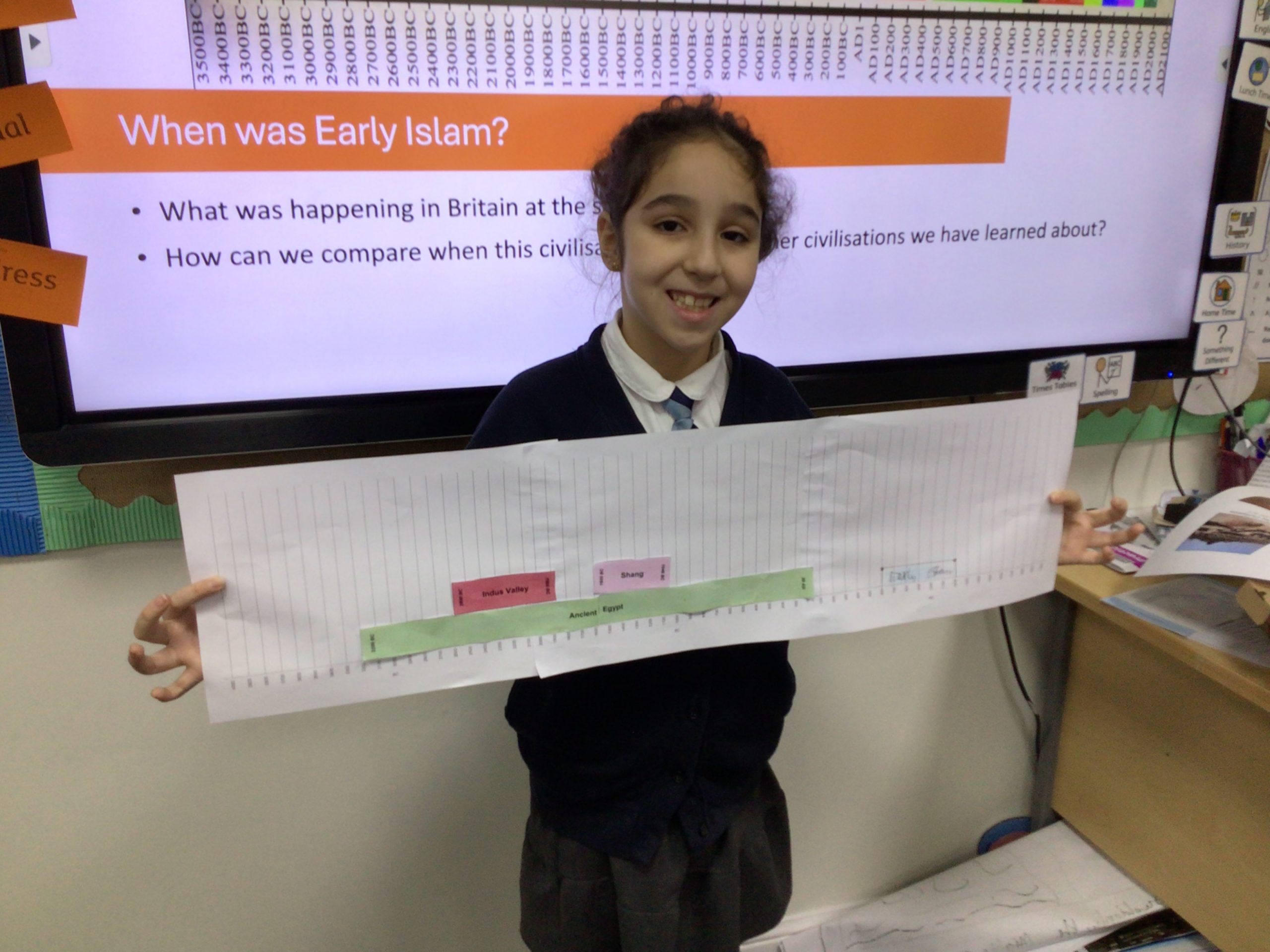
We completed a timeline and can tell you when Early Islam began and how this compares to other ancient civilisations.
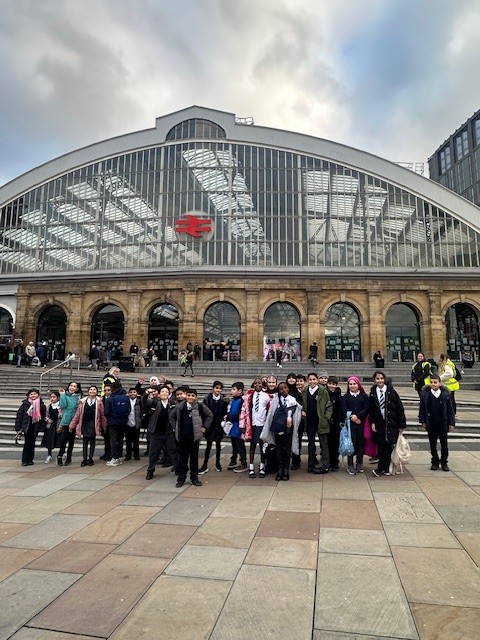
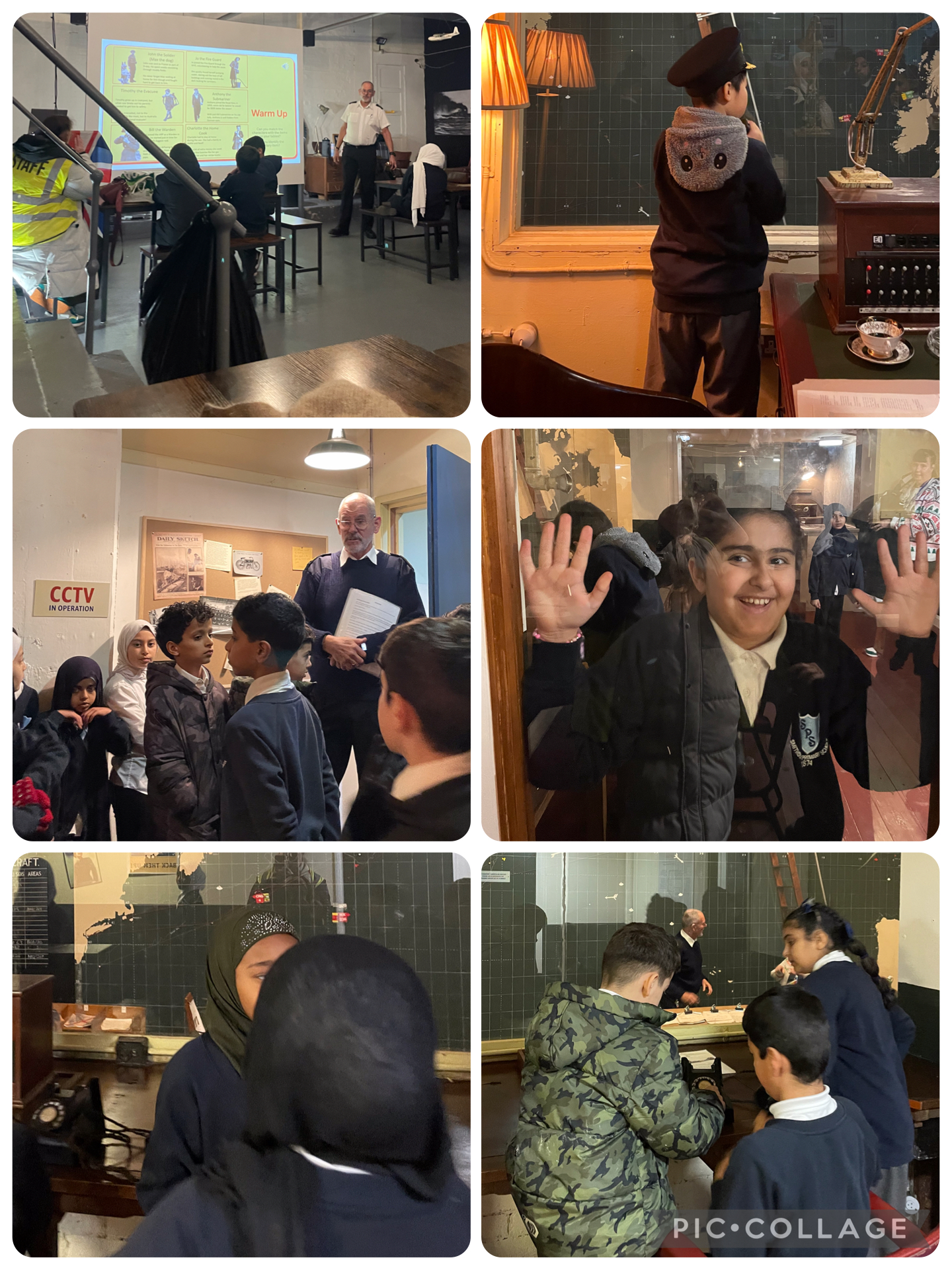
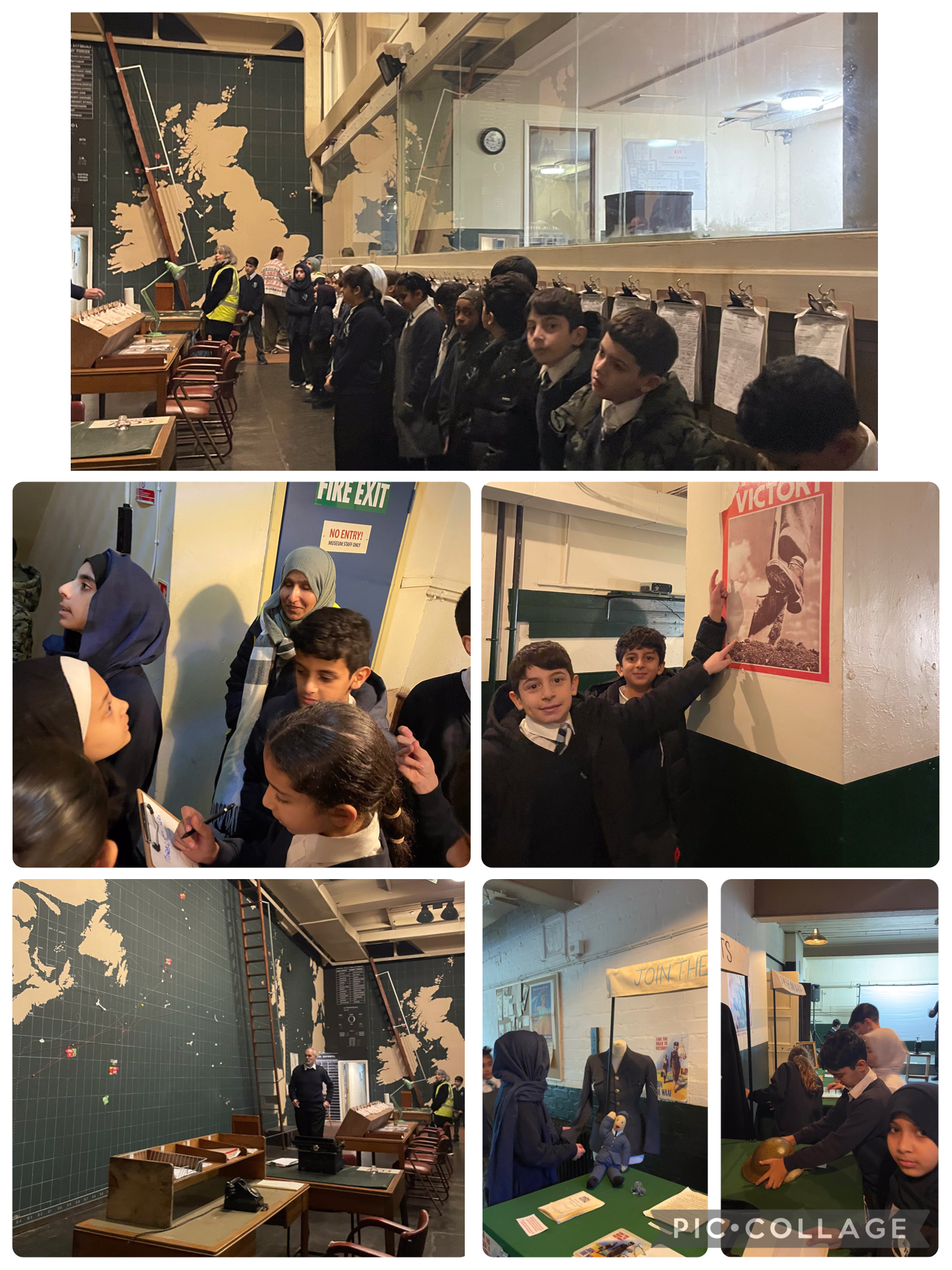
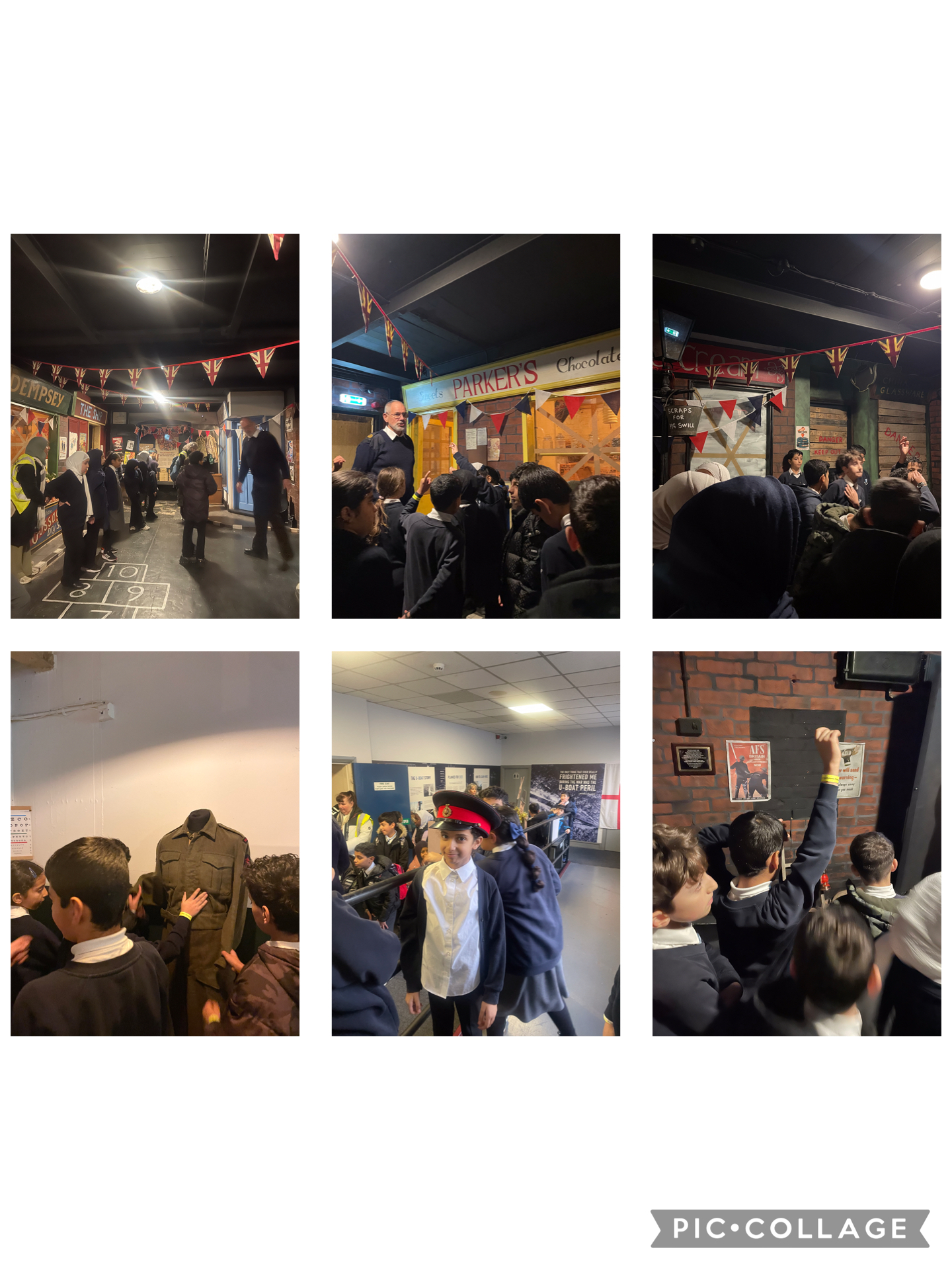
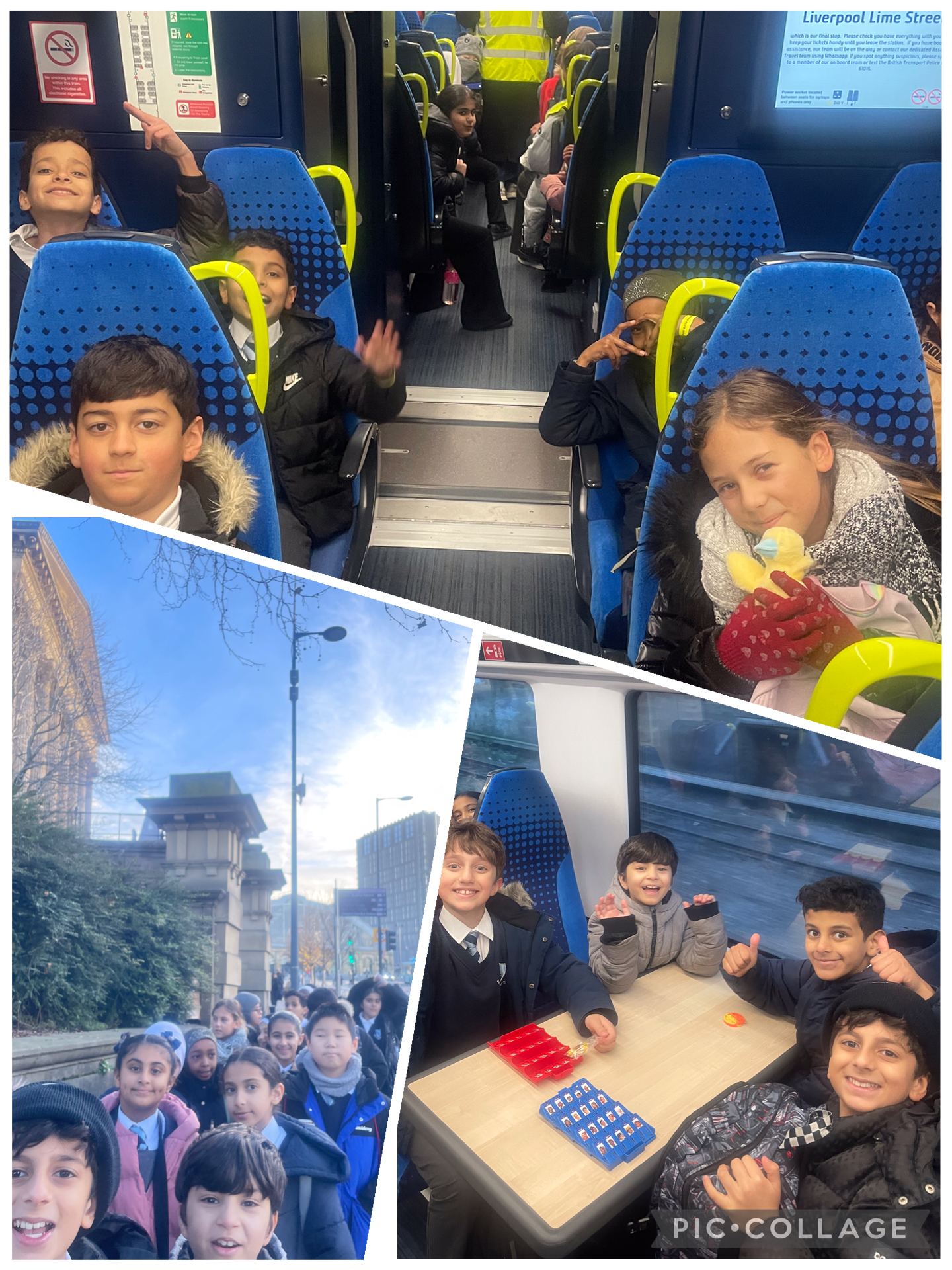
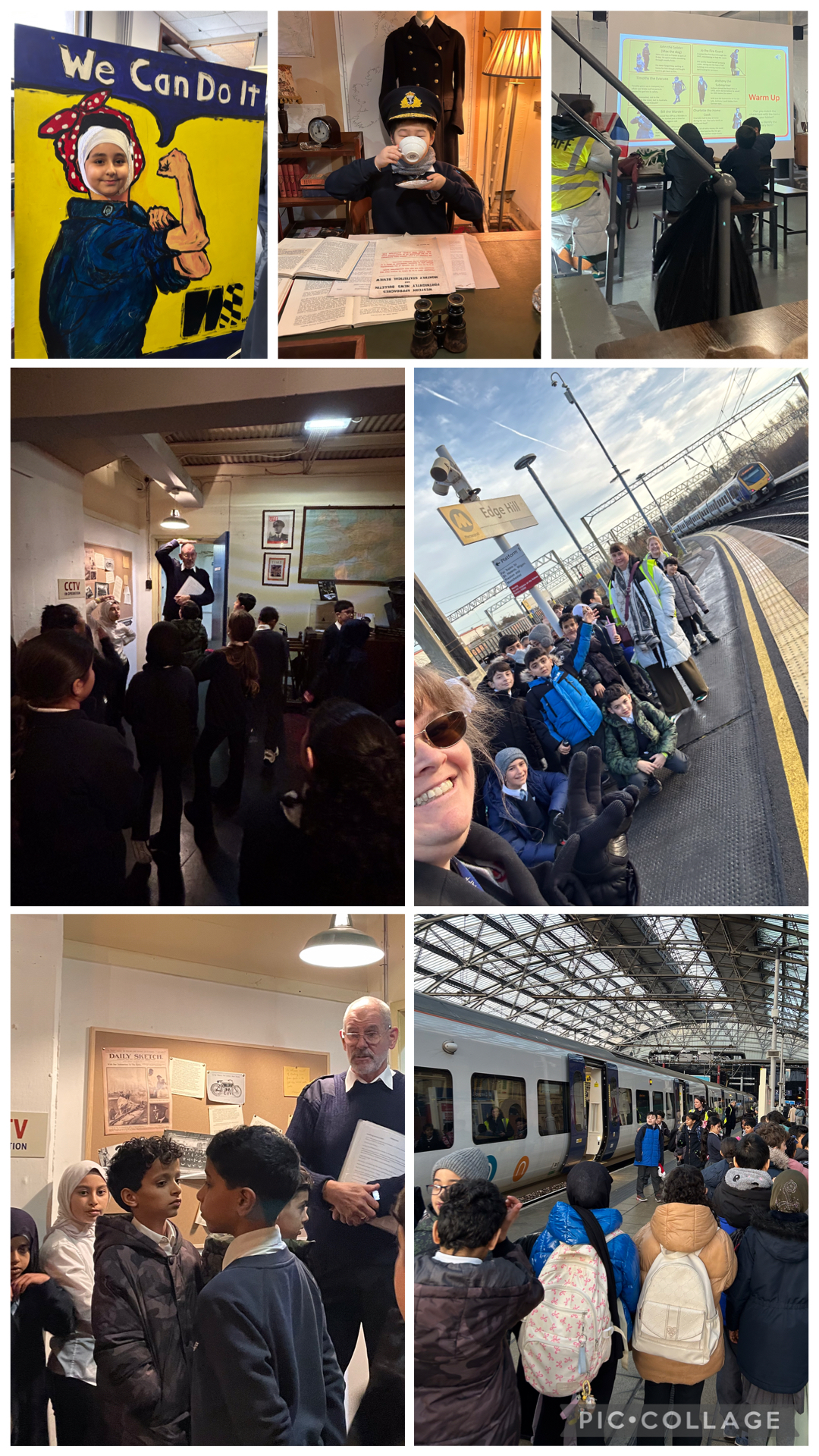
Year 5 had a great time today visiting ‘Western Approaches War Museum’. We enjoyed catching the train into the city centre and walking to see The Liverpool Blitz Memorial before going to the museum.
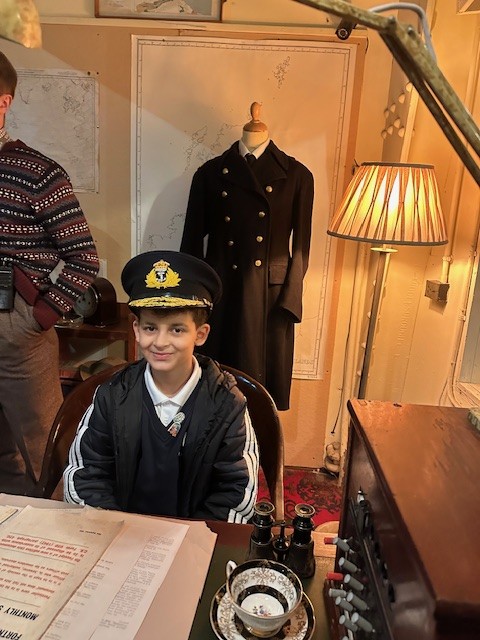
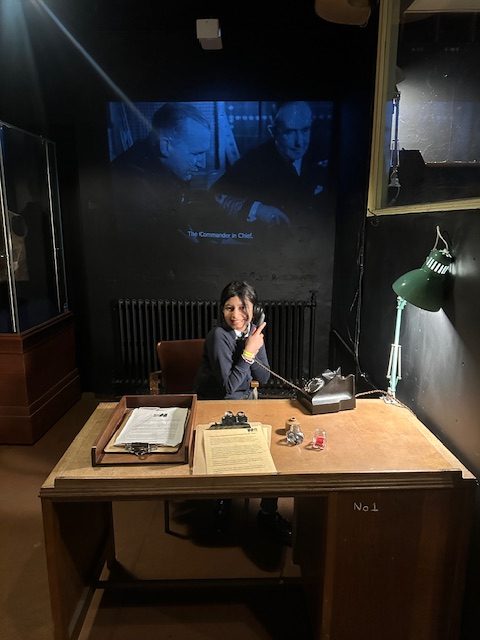
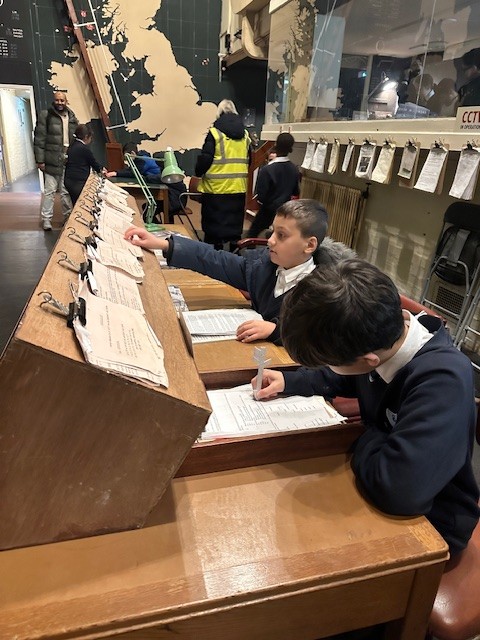
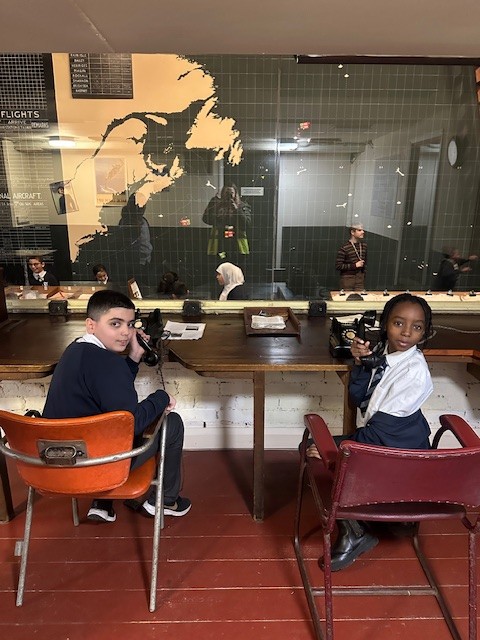
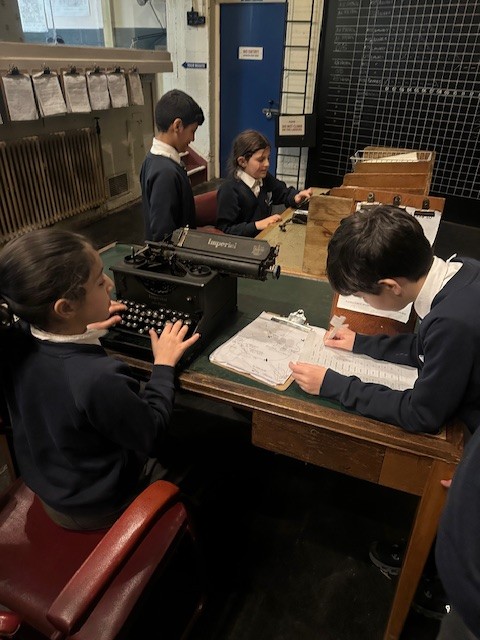
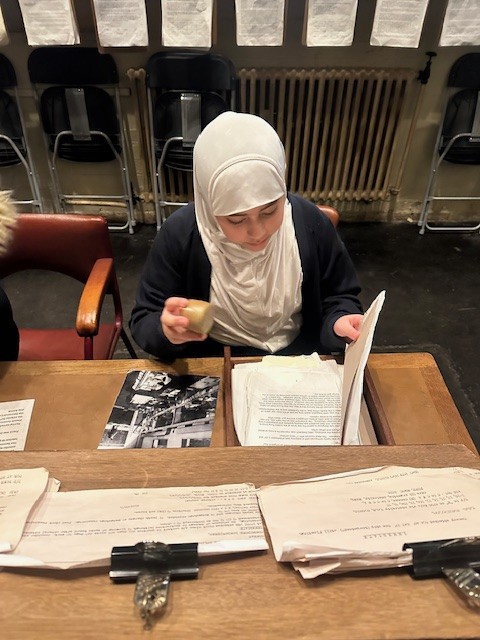
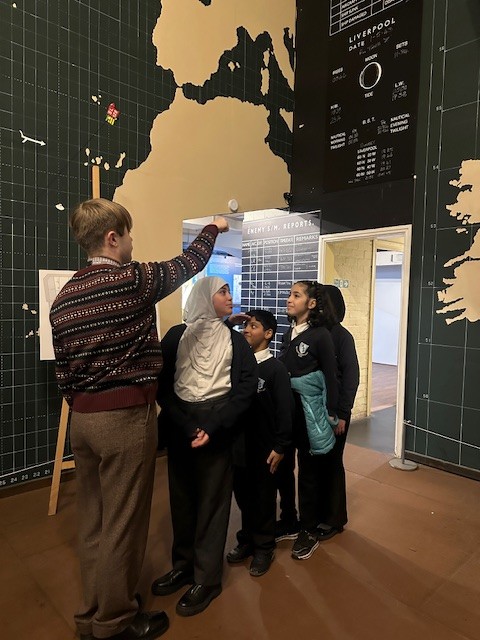
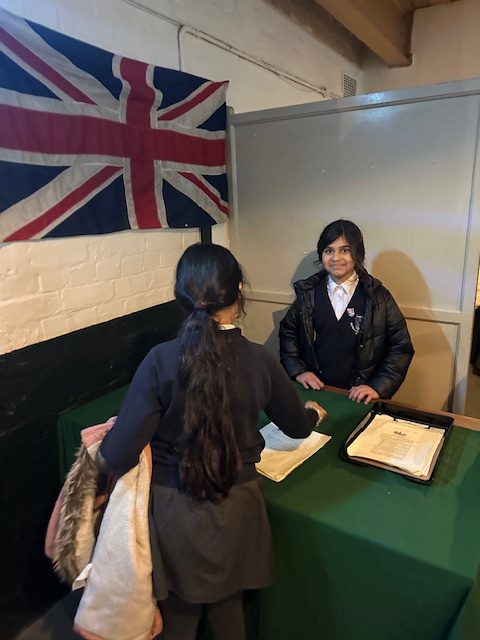
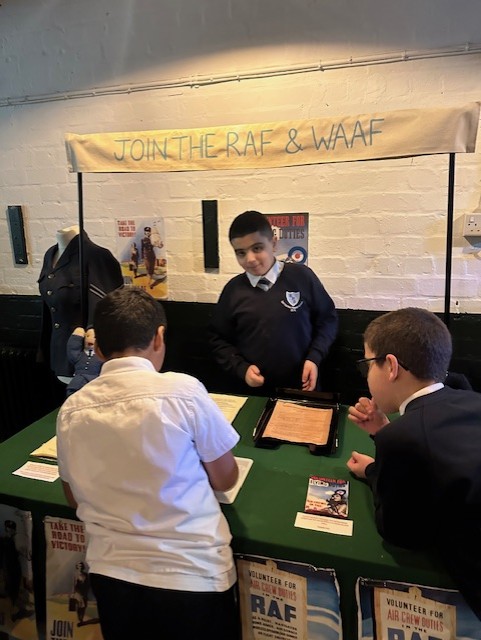
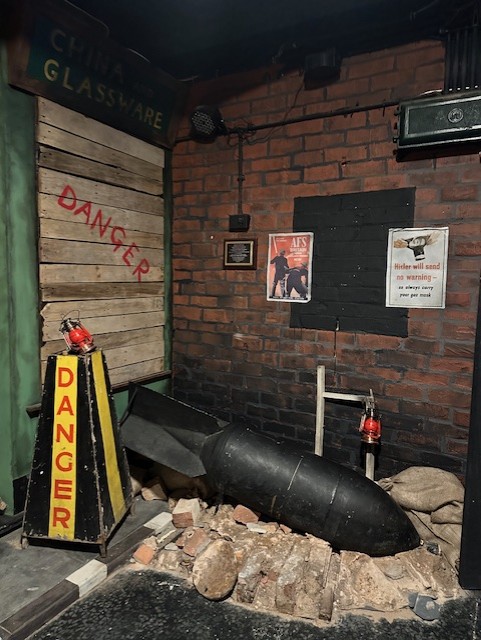
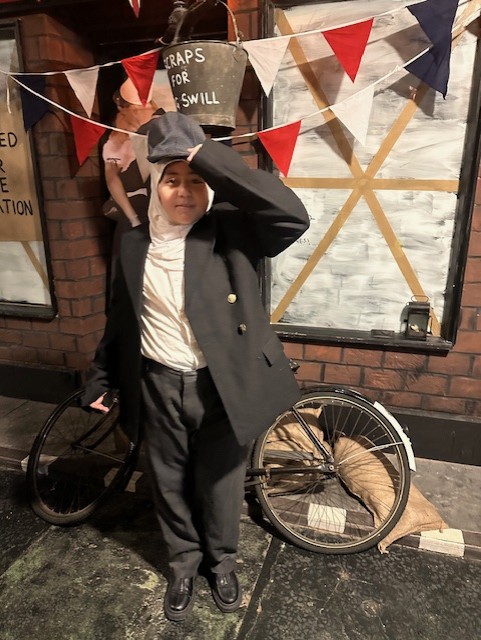
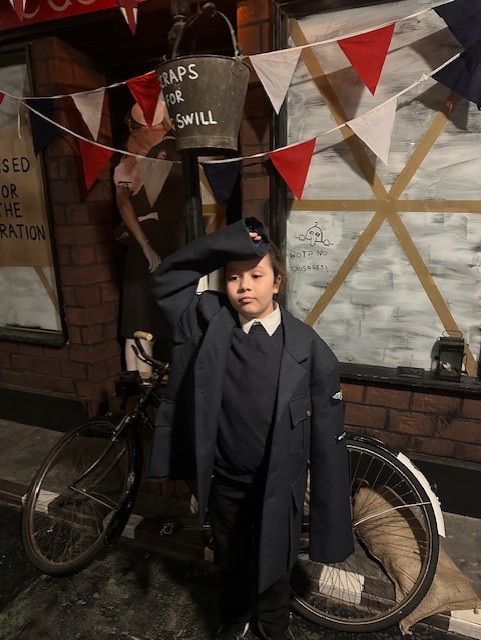
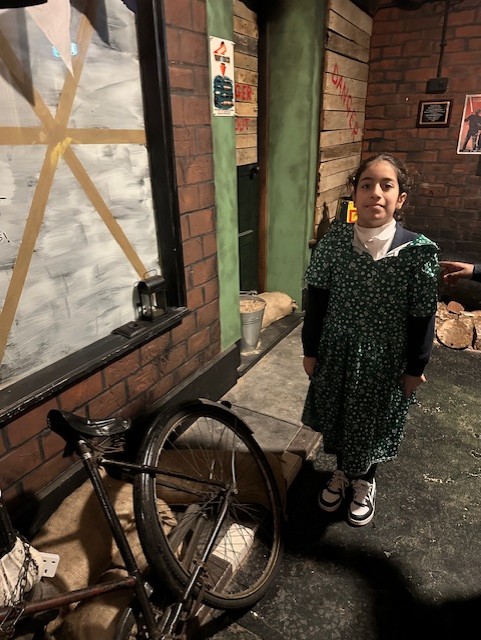
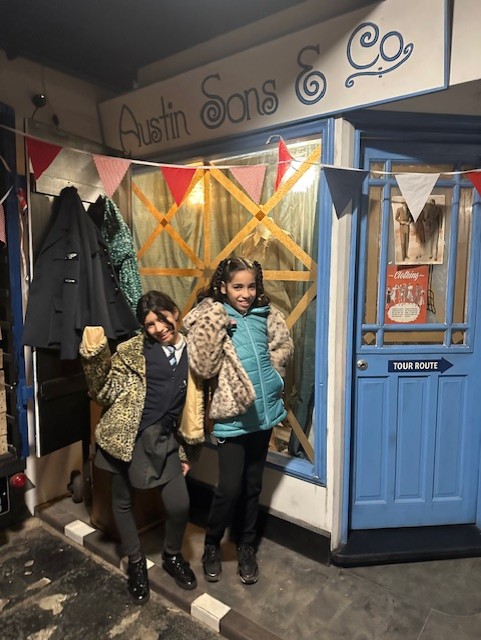
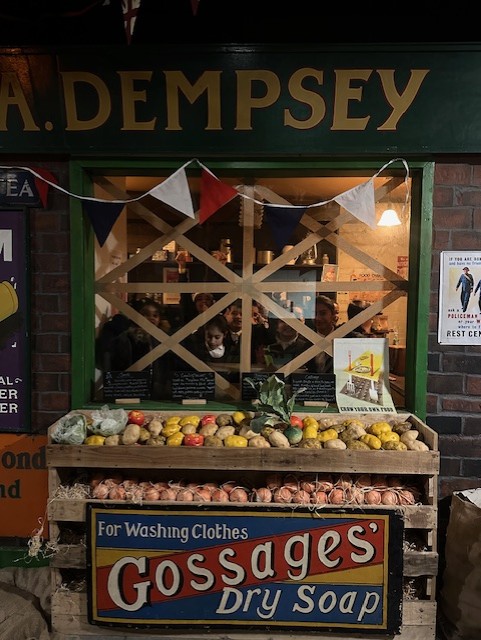
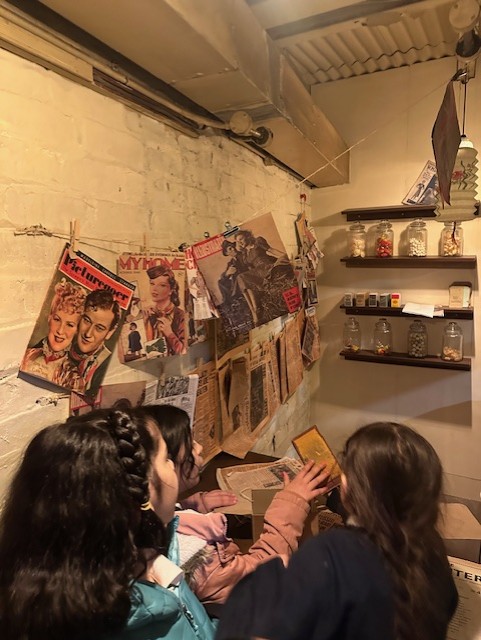
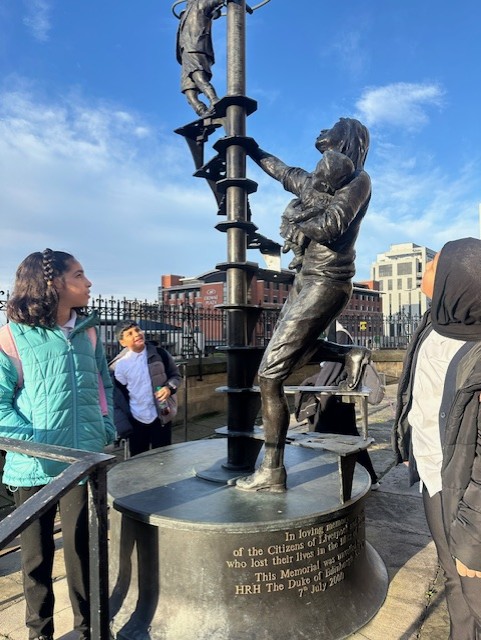
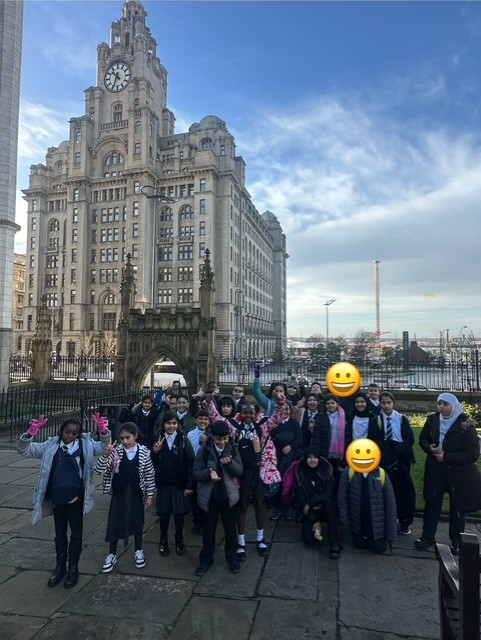
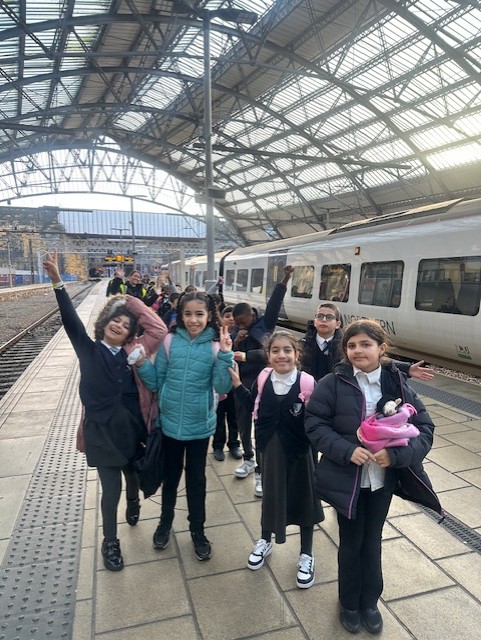
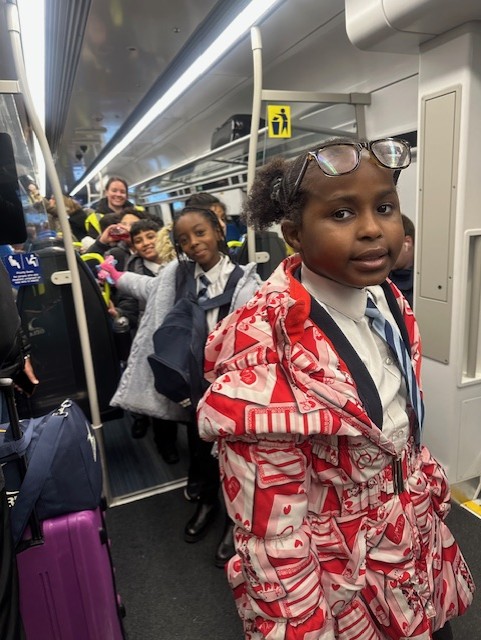
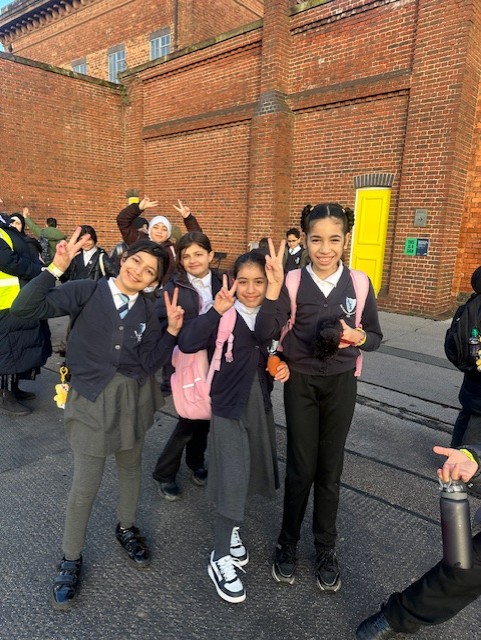
We were blown away with how much the children already knew about WW2 and the impact on Liverpool. They loved seeing the museum and everything in it. Please ask your child about their trip at home. 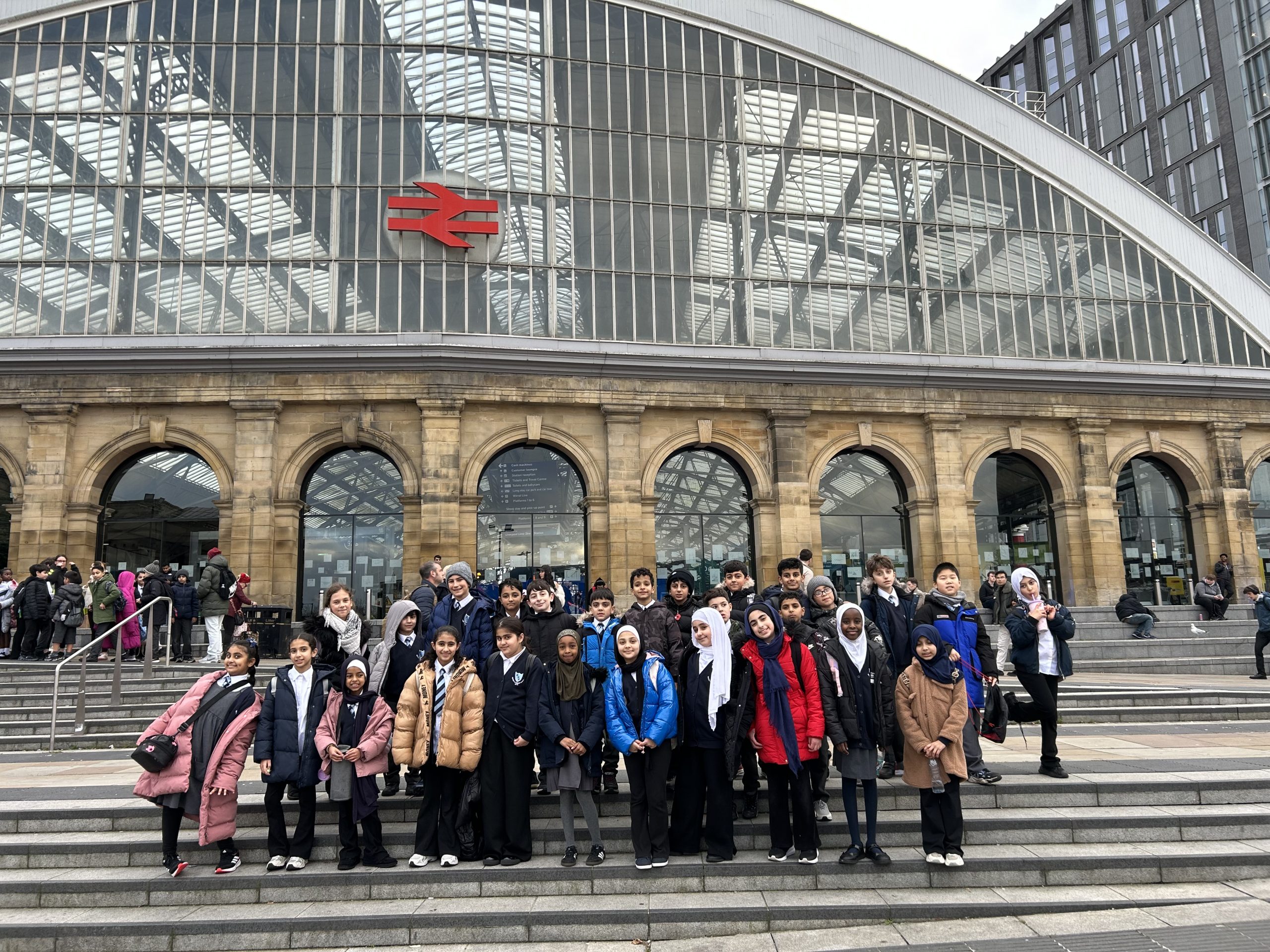
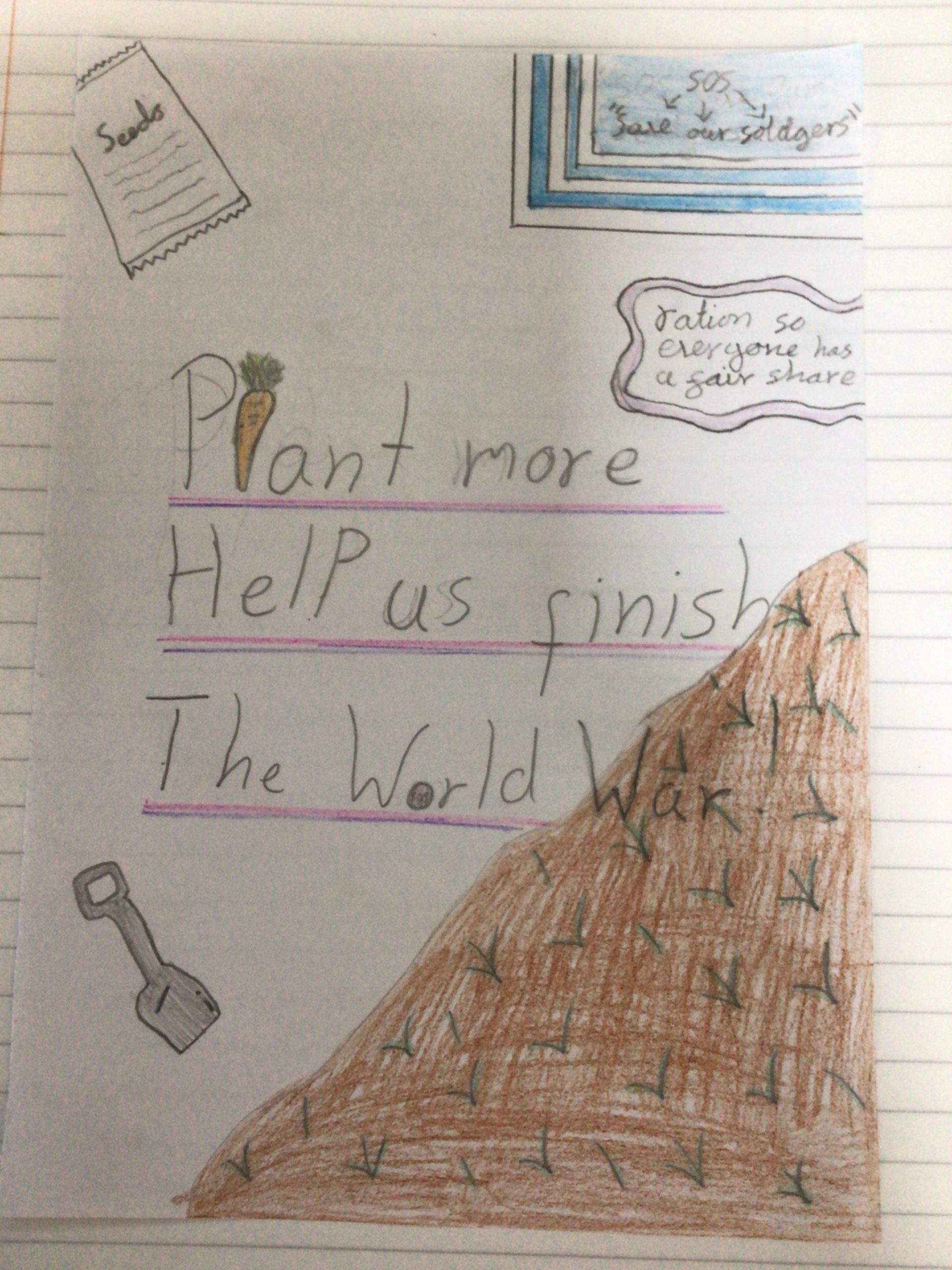
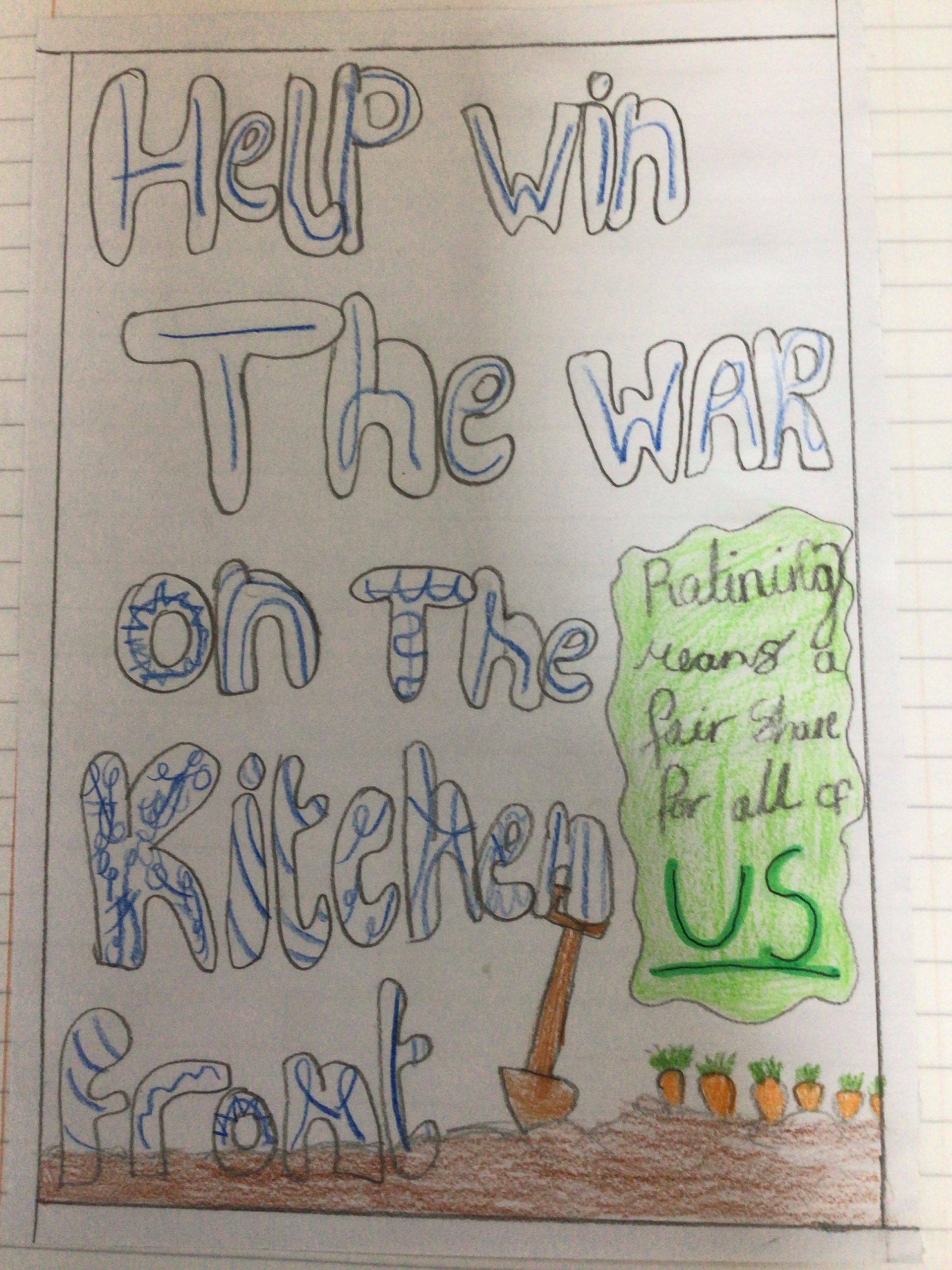
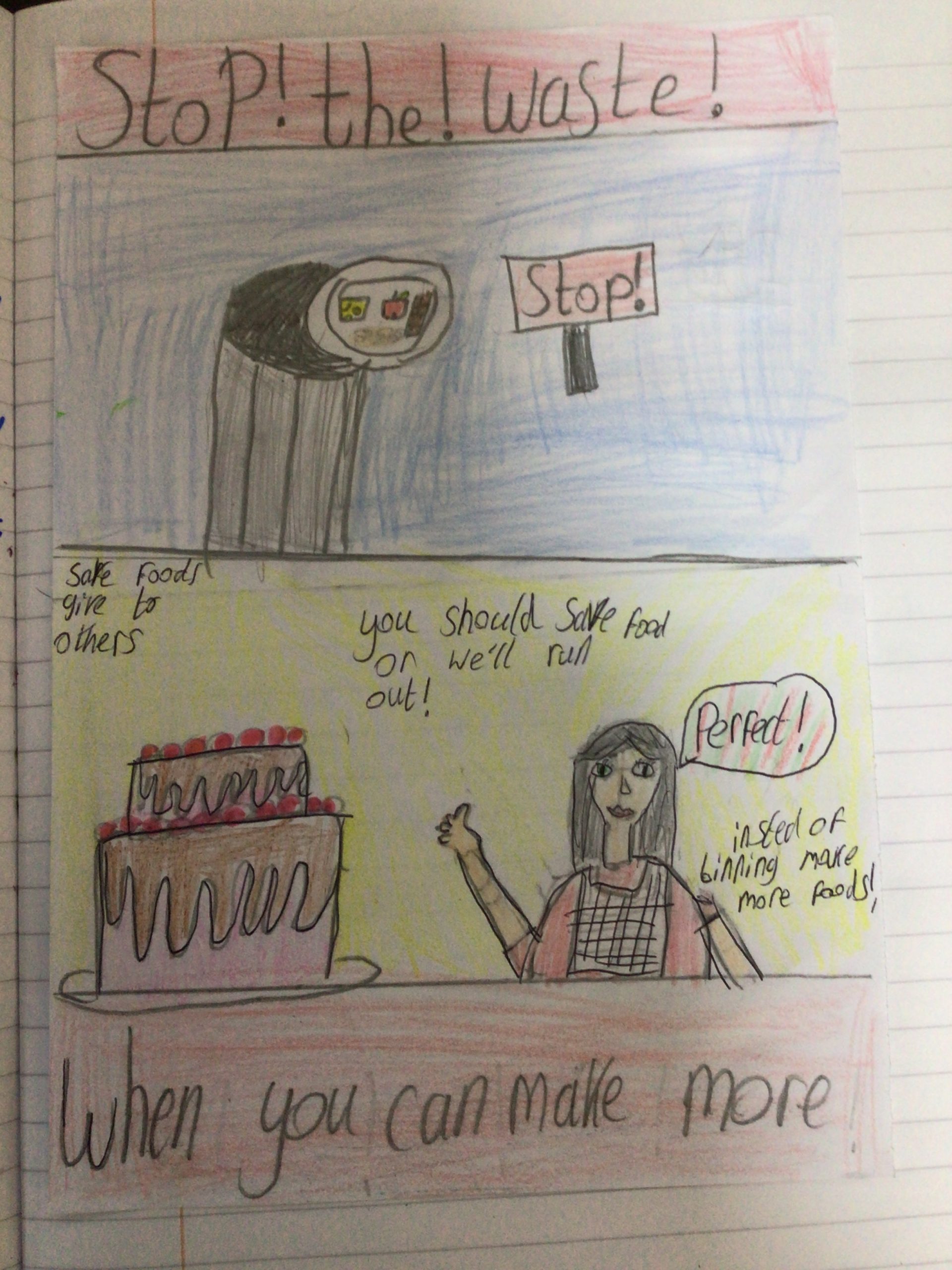
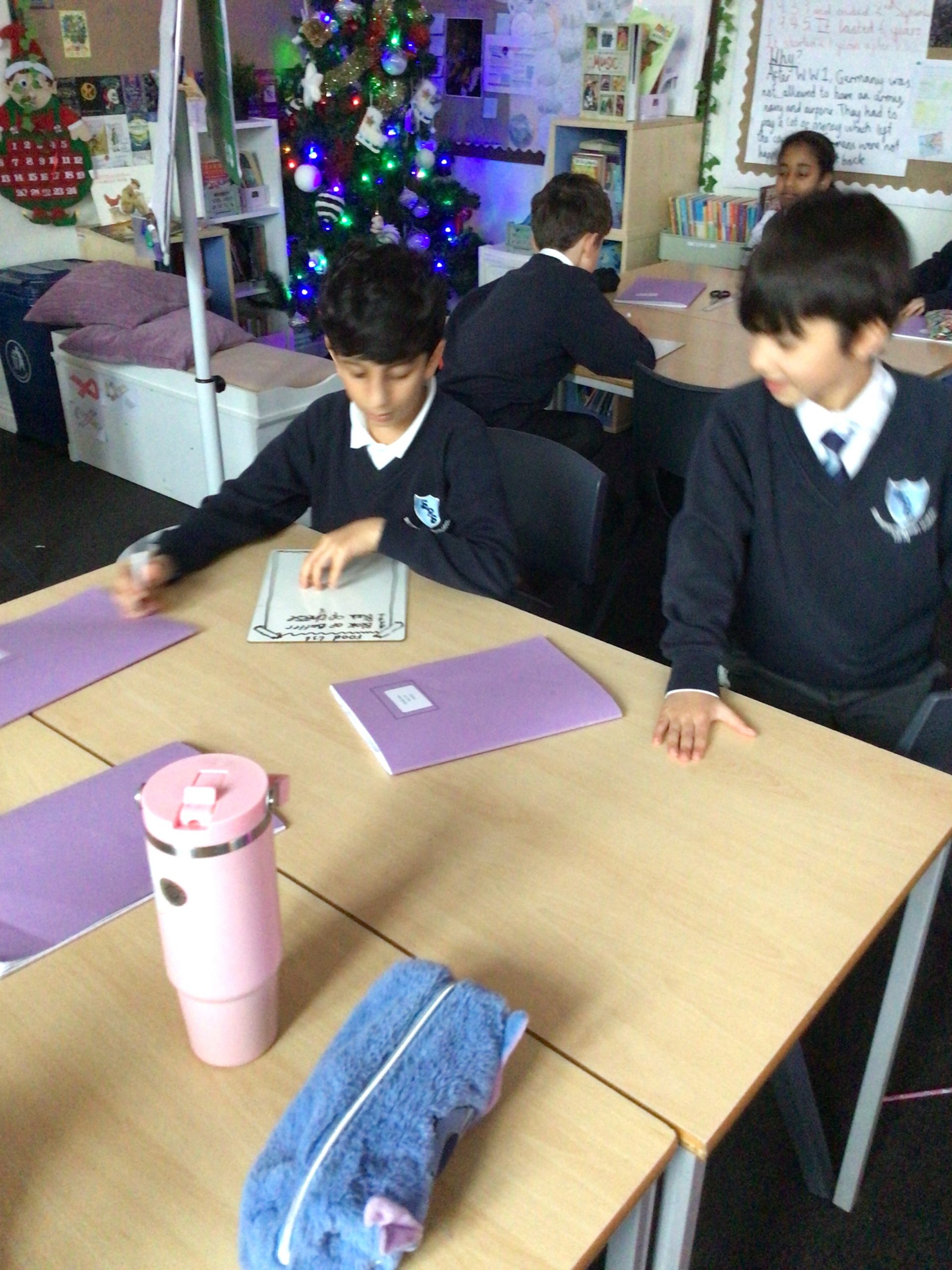
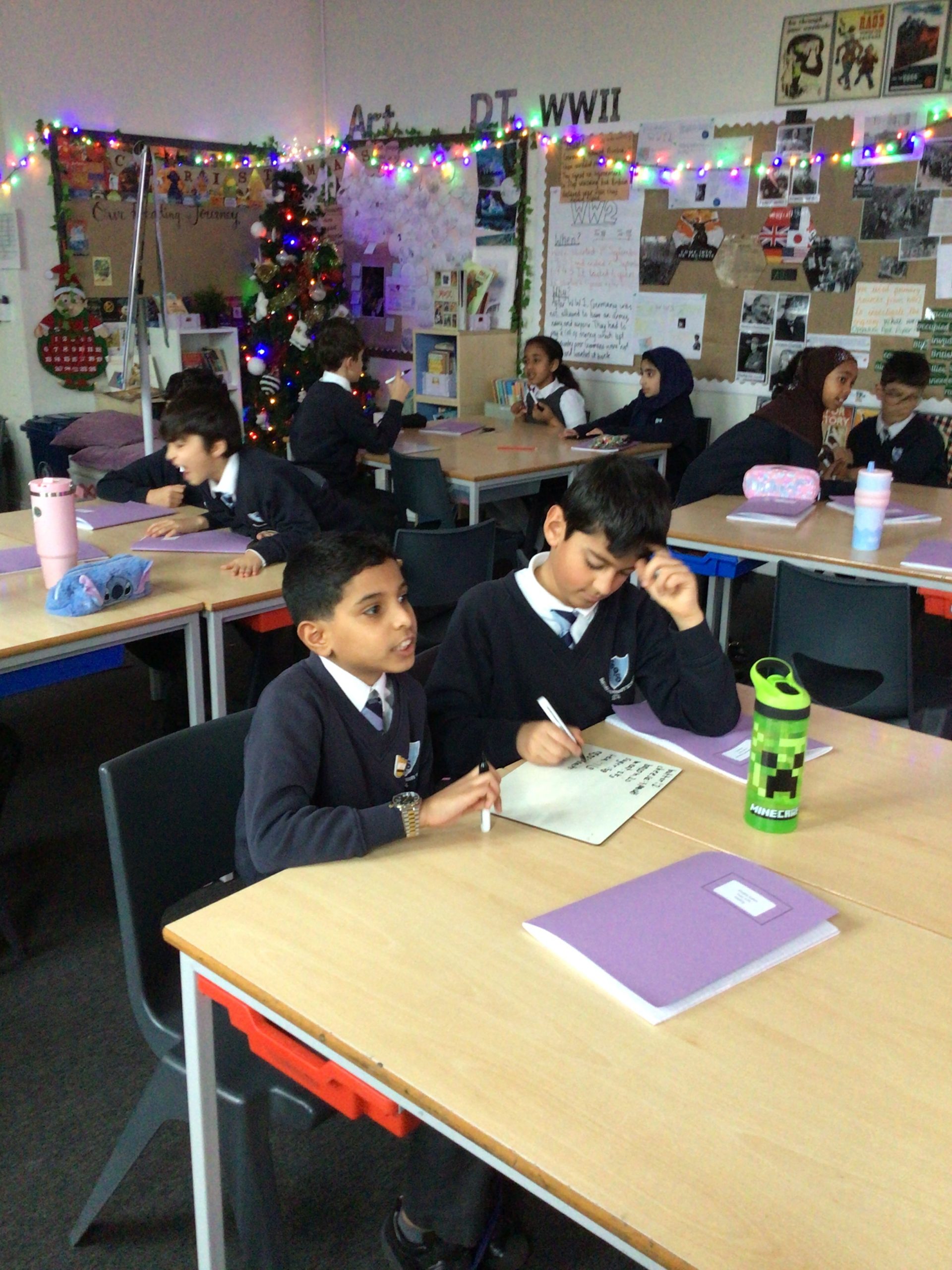
Today we have learnt why Britain rationed during WW2 and why it was so important. Firstly, we guessed how much food people were allowed. We have created rationing posters to convince others! 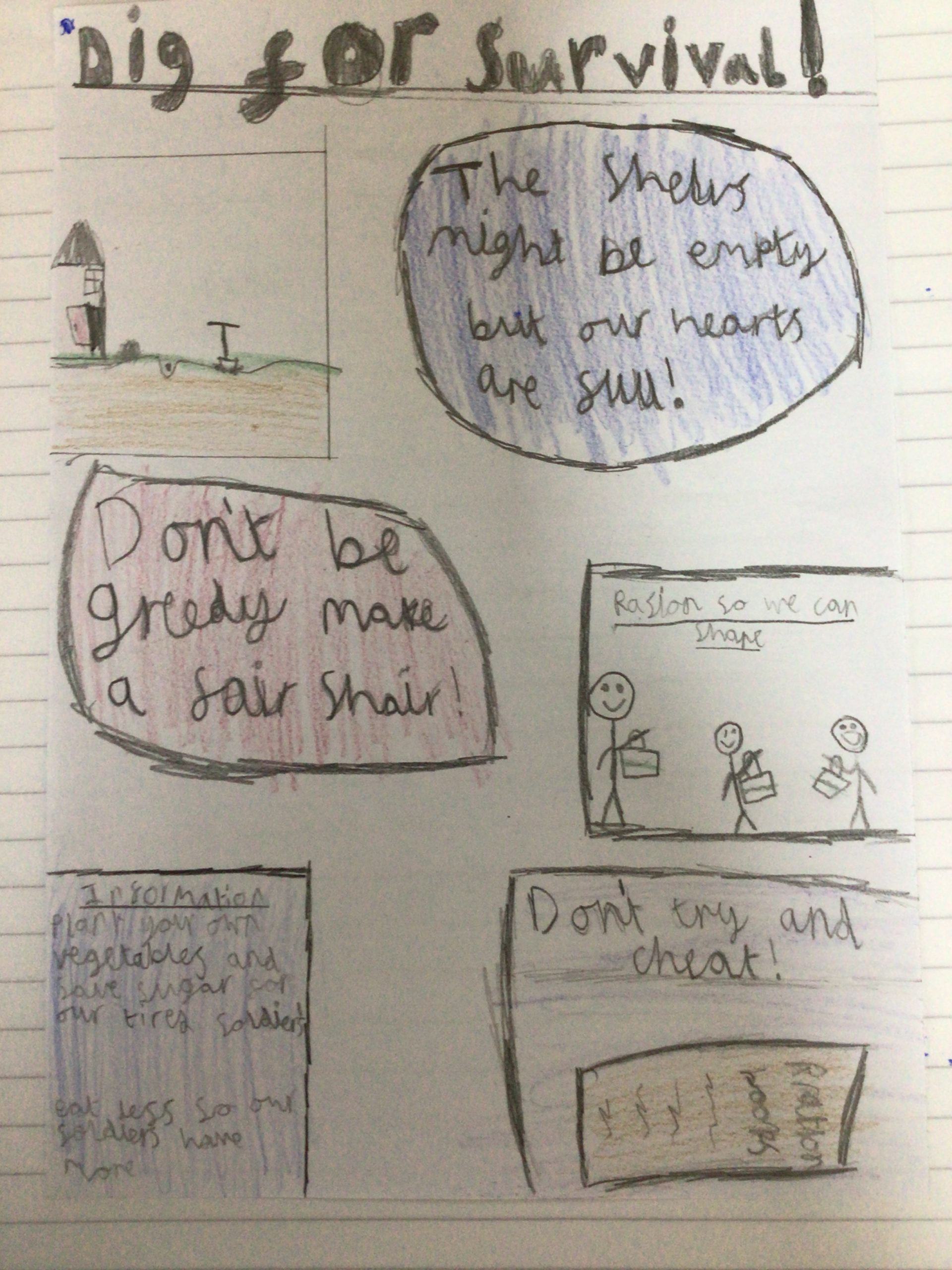
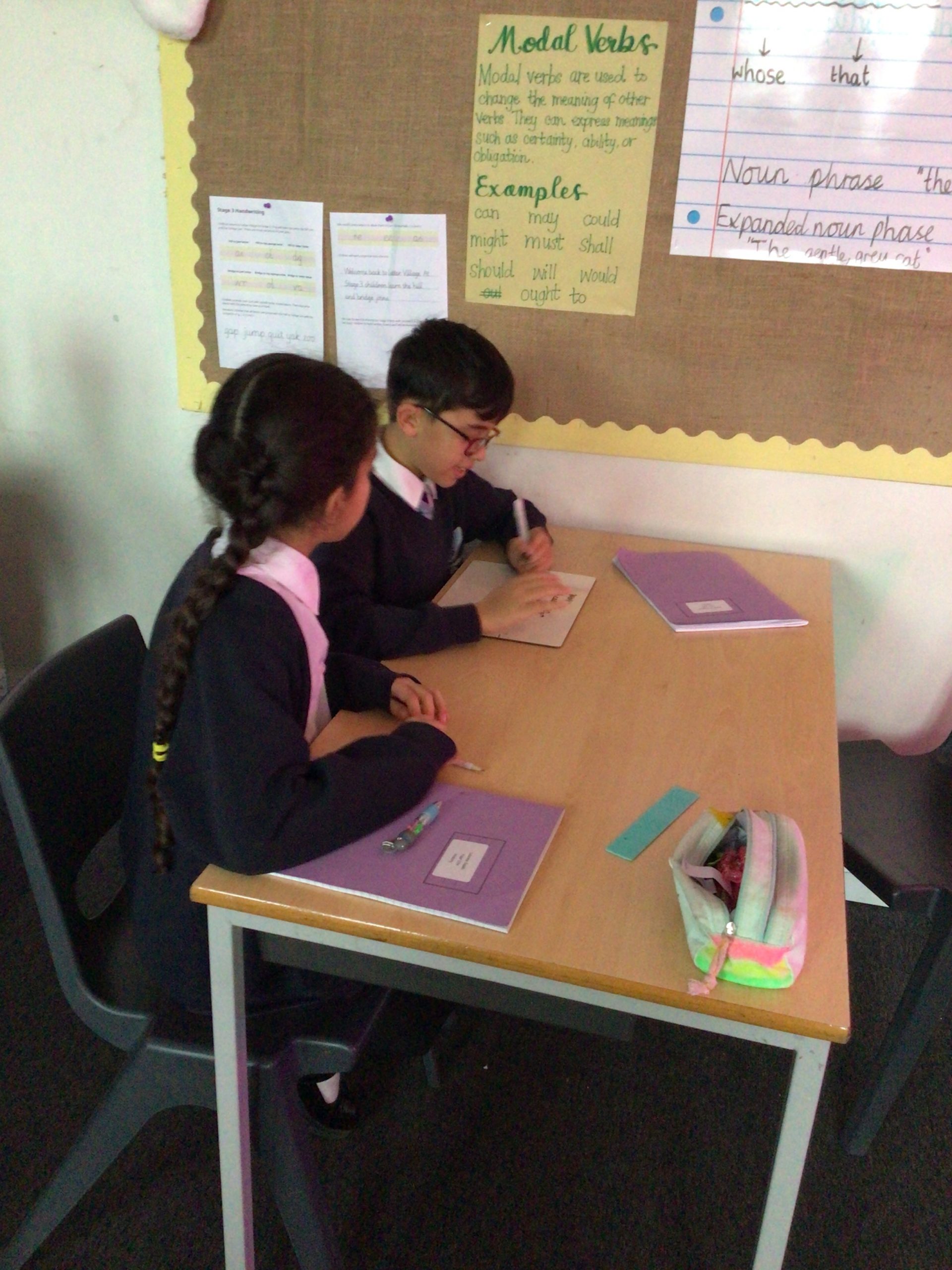
On Friday we learned so much about space and how Neil Armstrong explored the moon. We also used teamwork and communication skills to recreate images about space .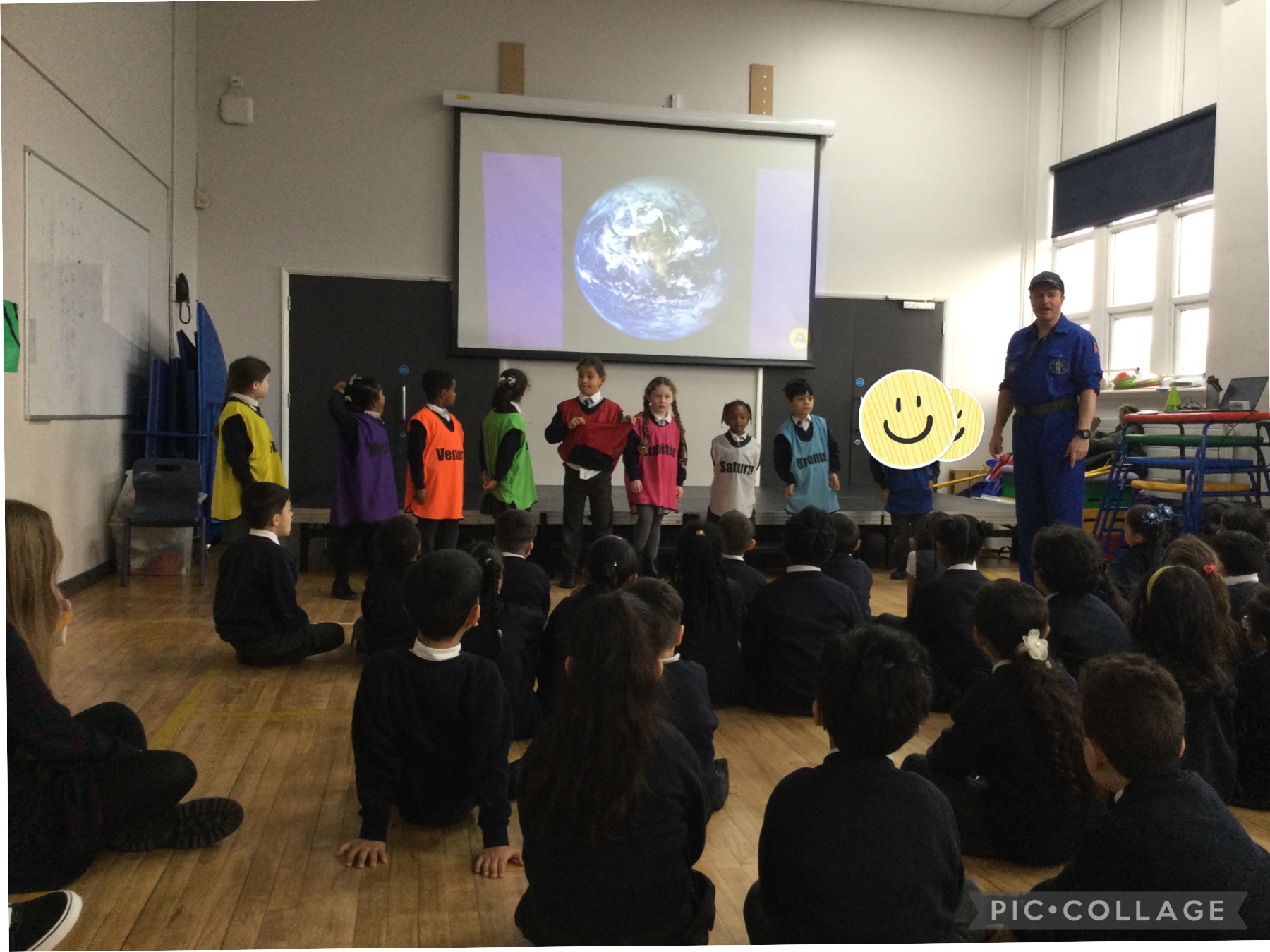
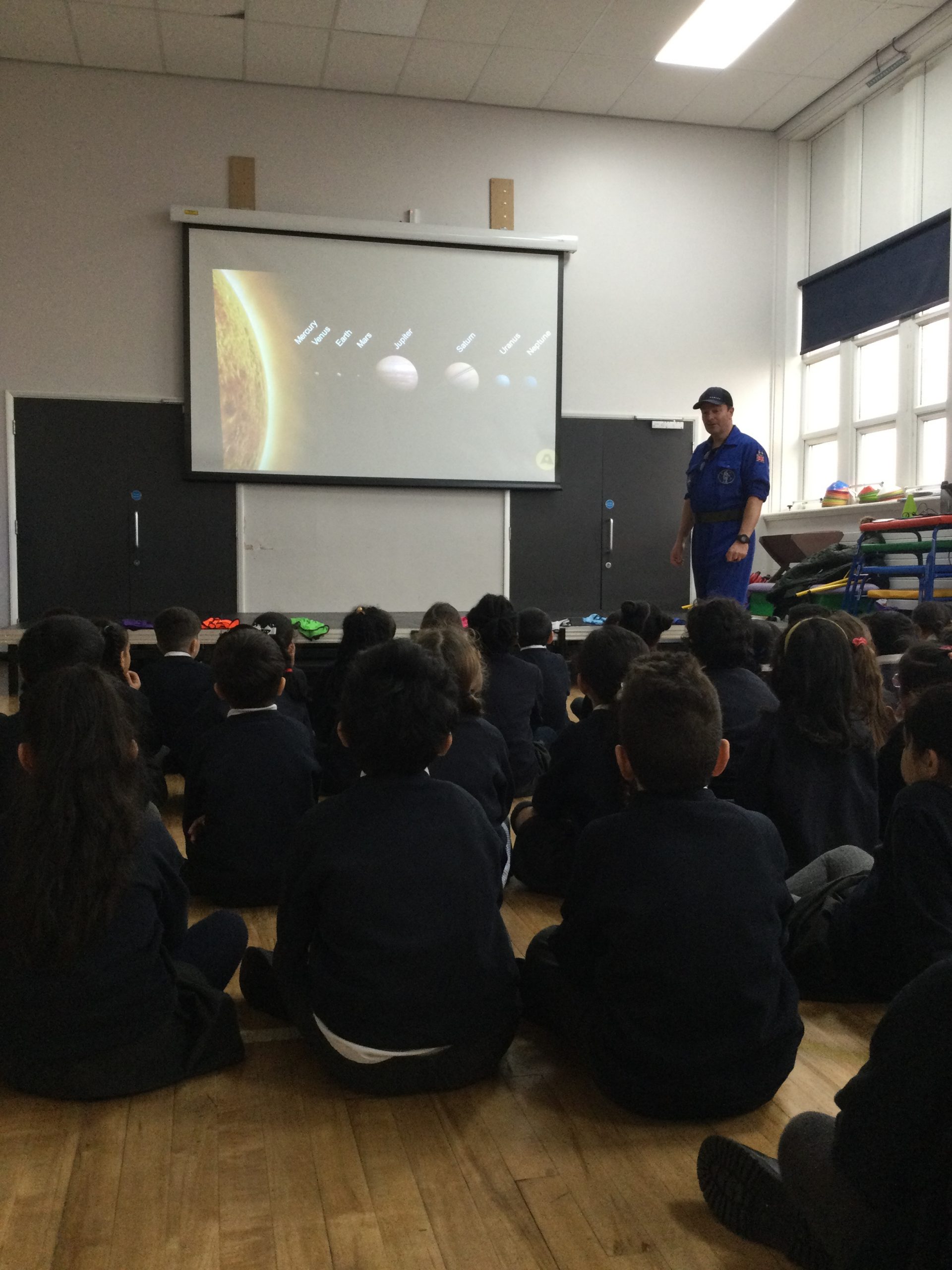
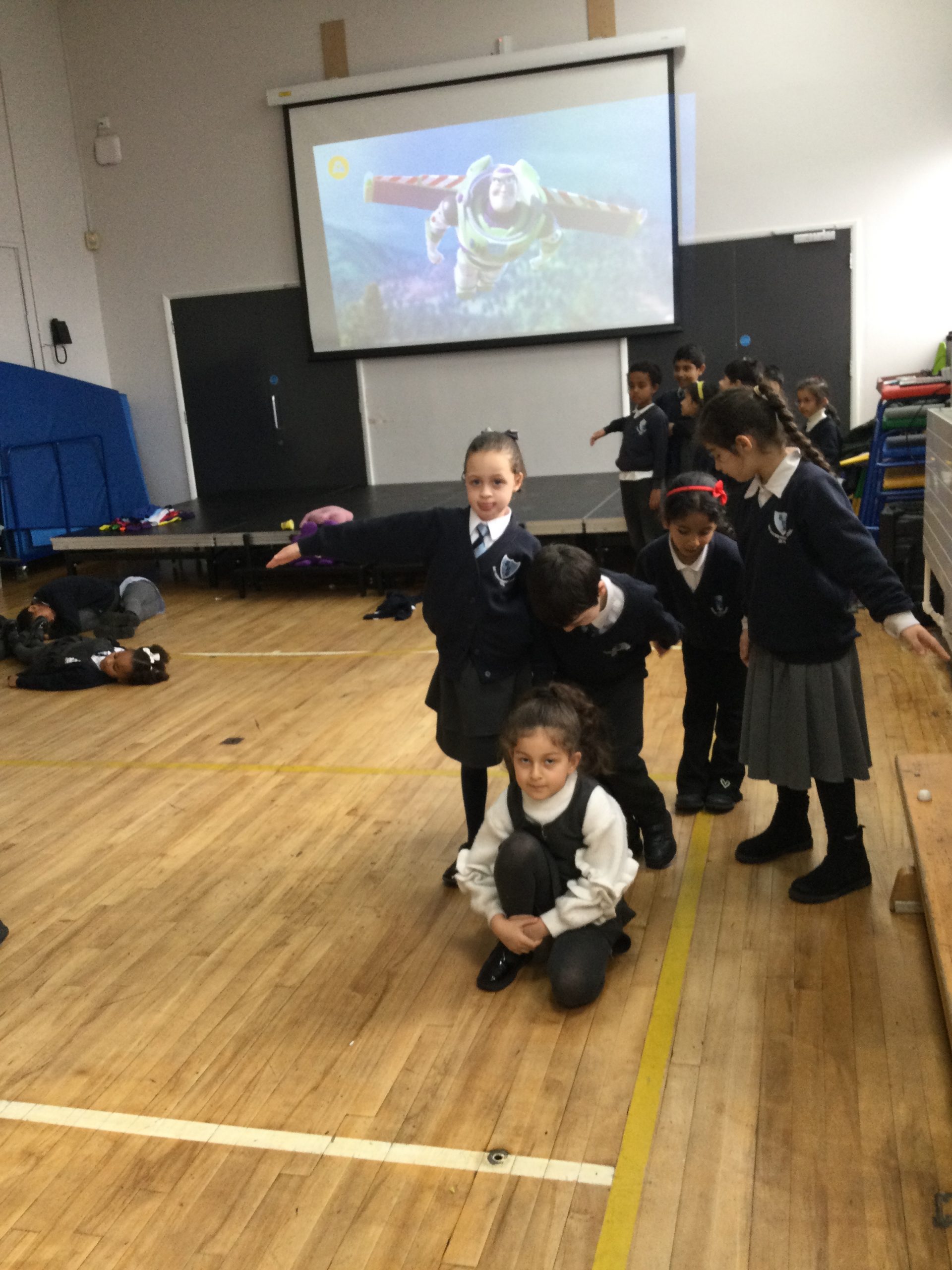
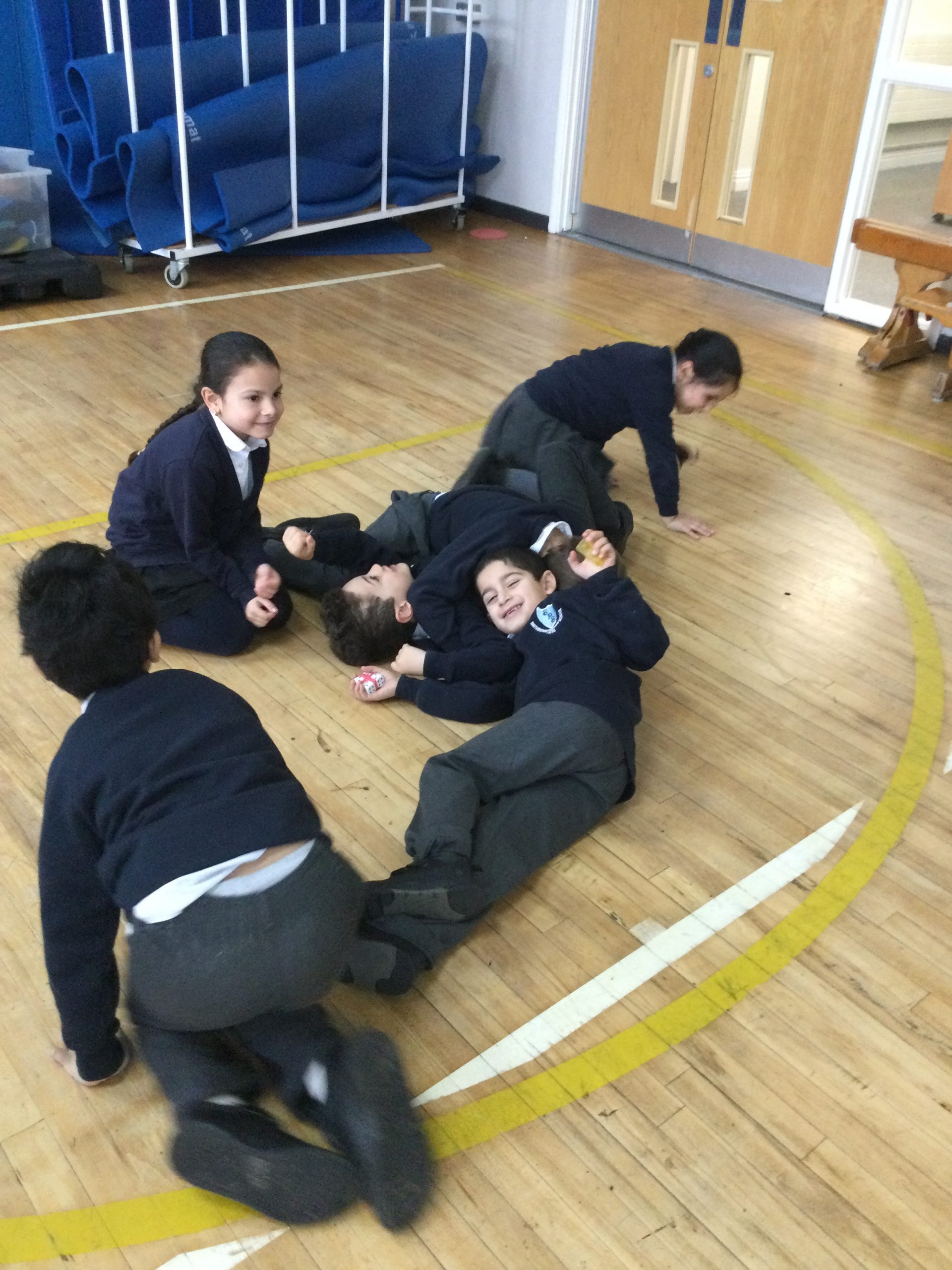
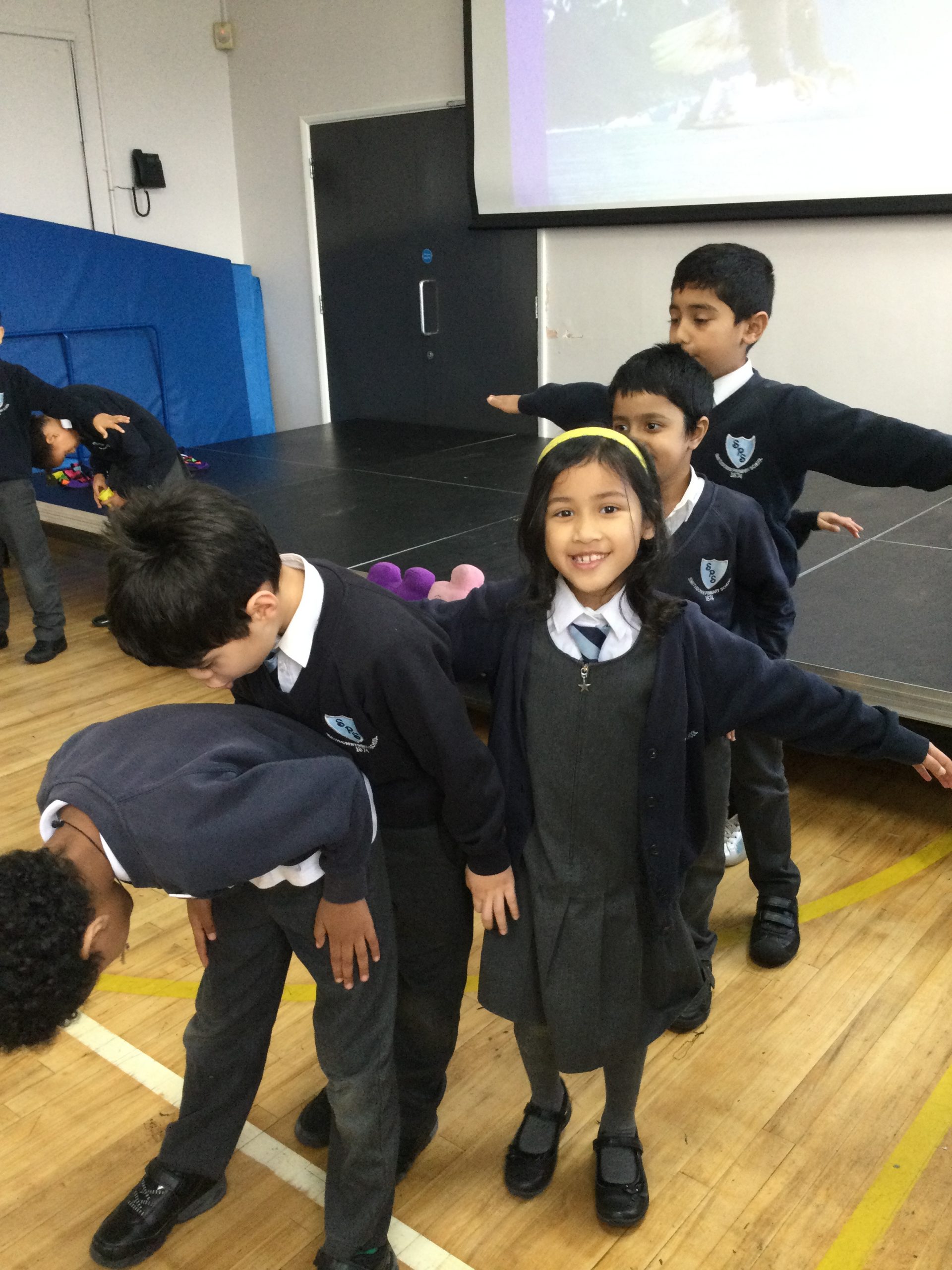
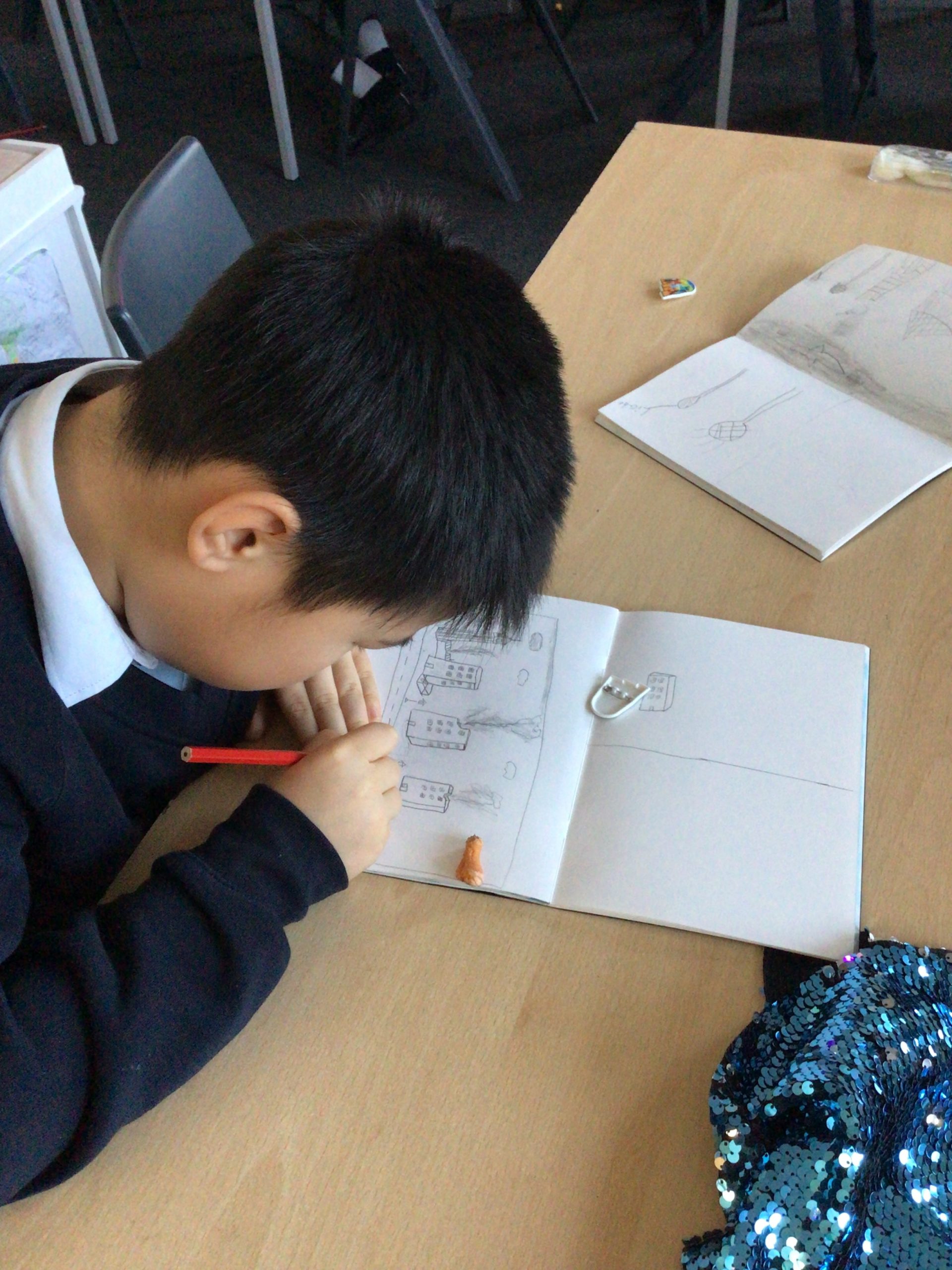
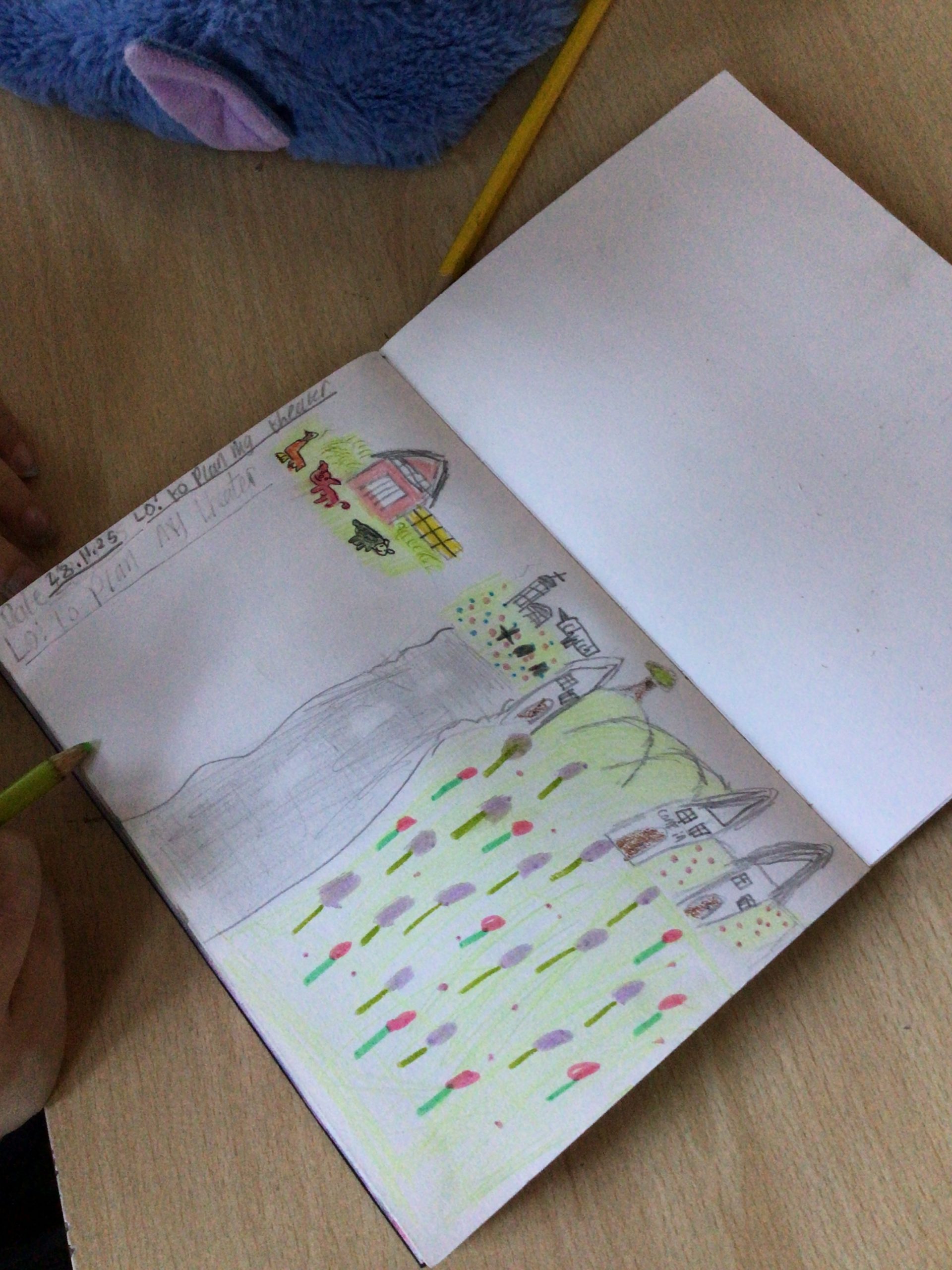
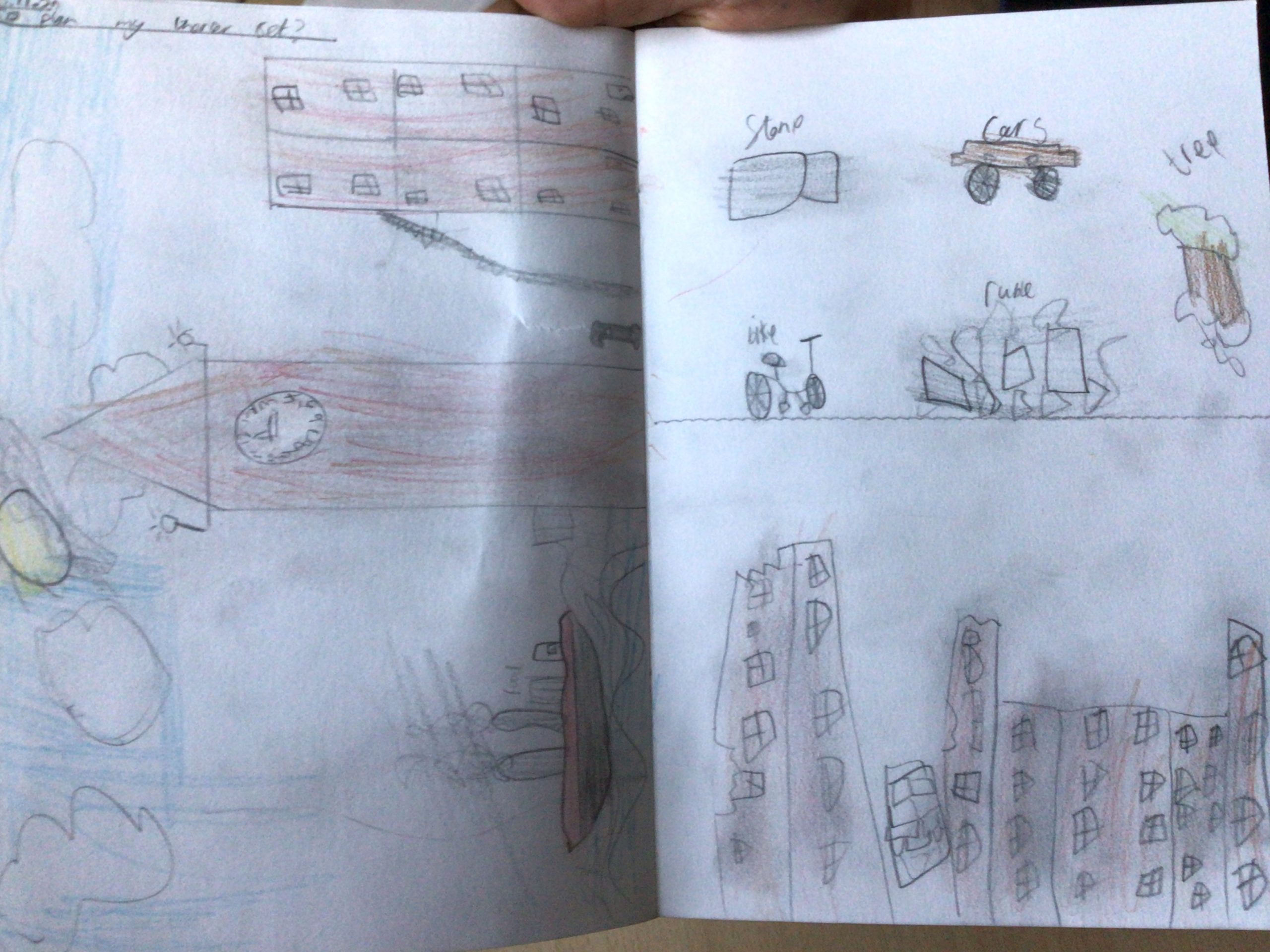
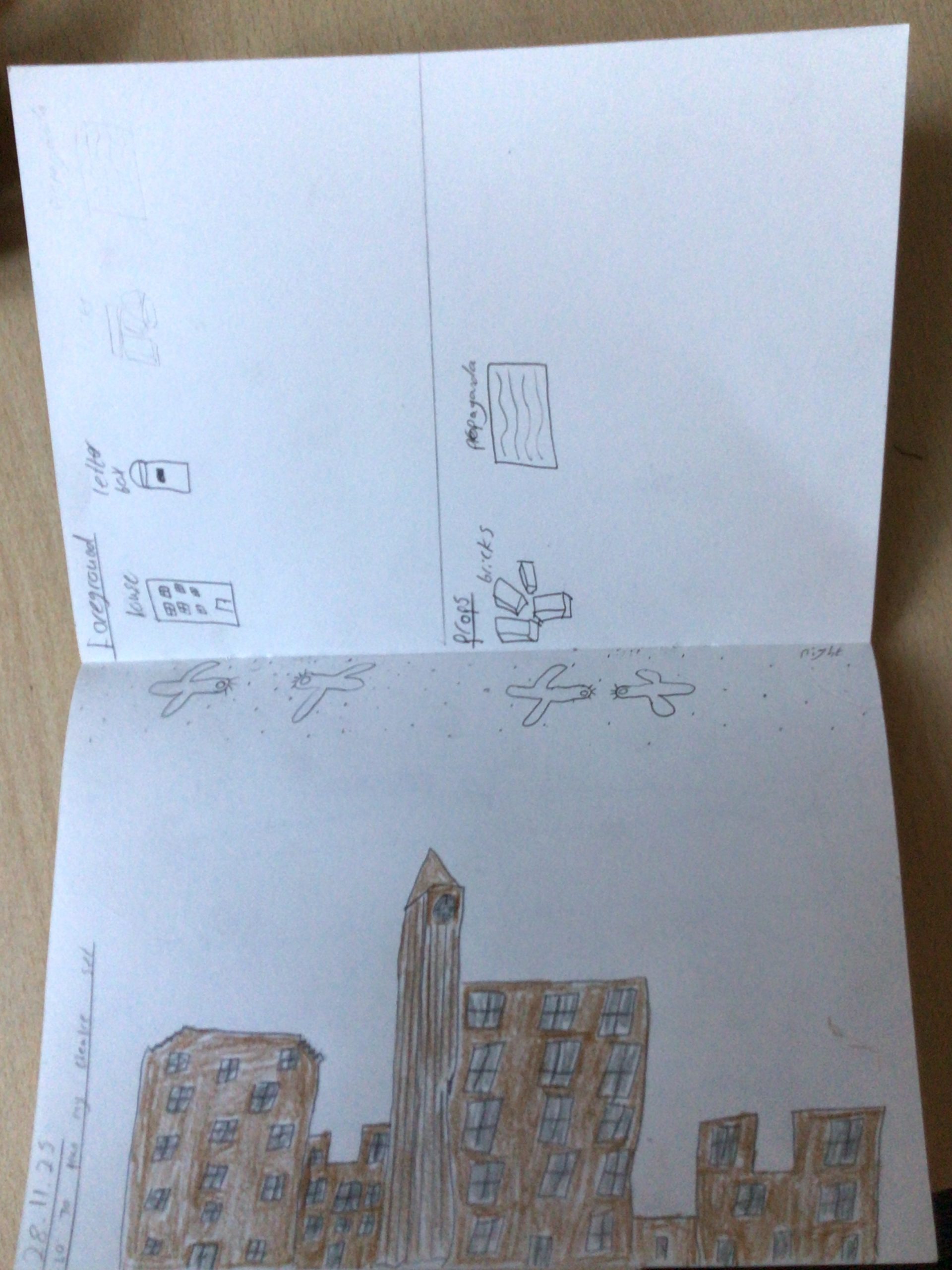
In Year 5, we have been designing our sets for Goodnight Mr Tom, either based in Little Weirwold or London. The children did a fantastic job of thinking of the different dimensions and what props they will be designing. 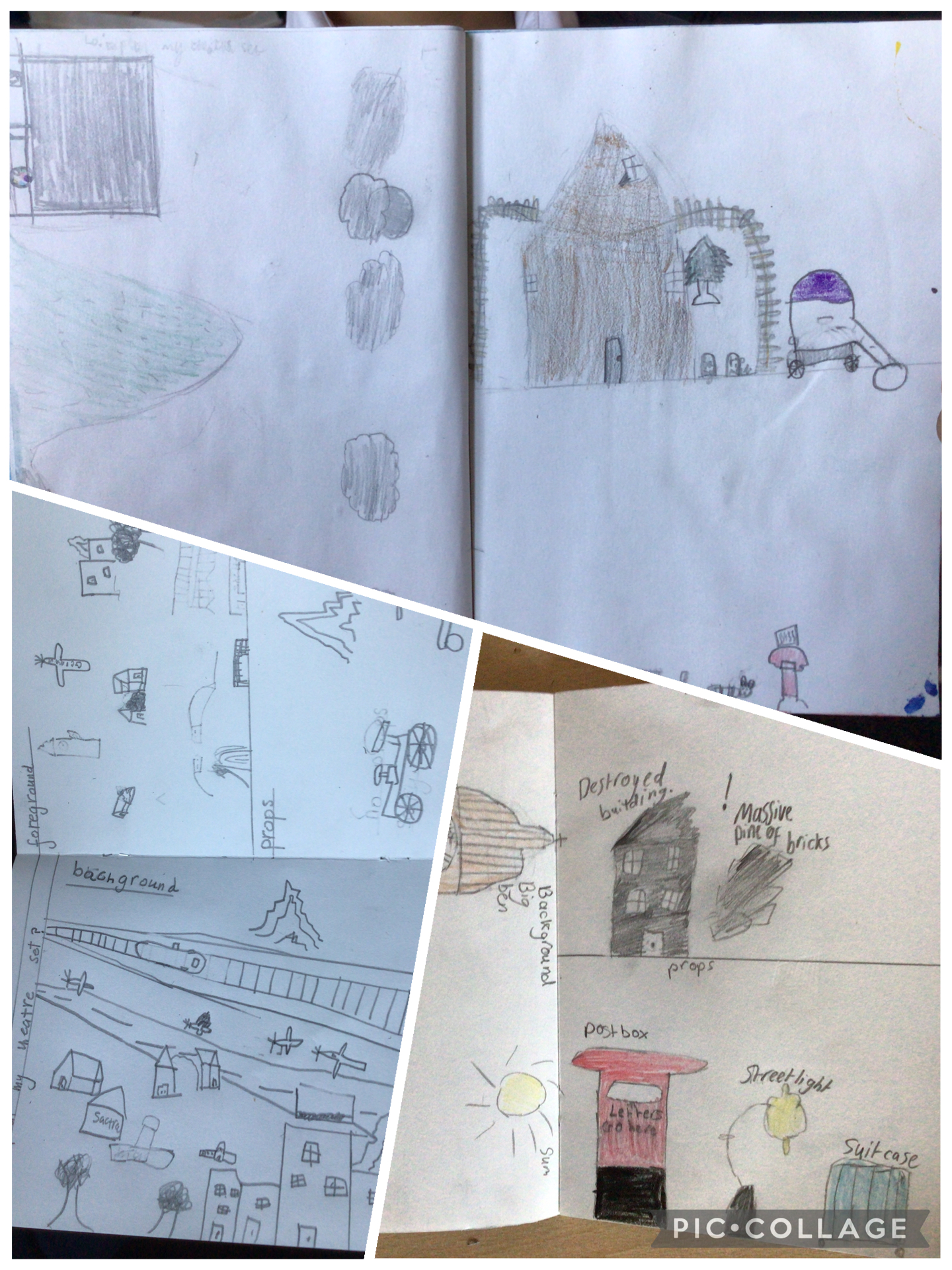
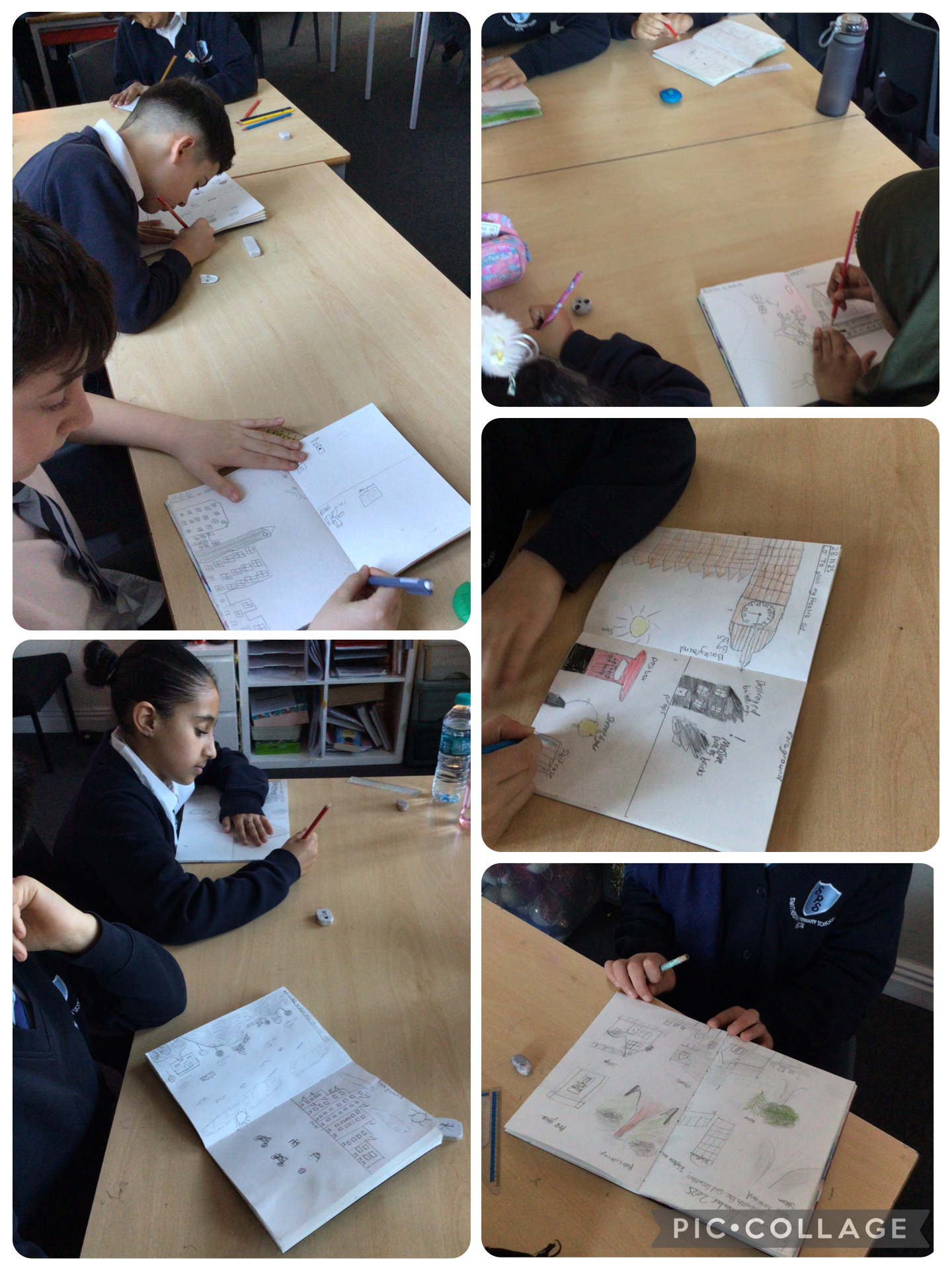
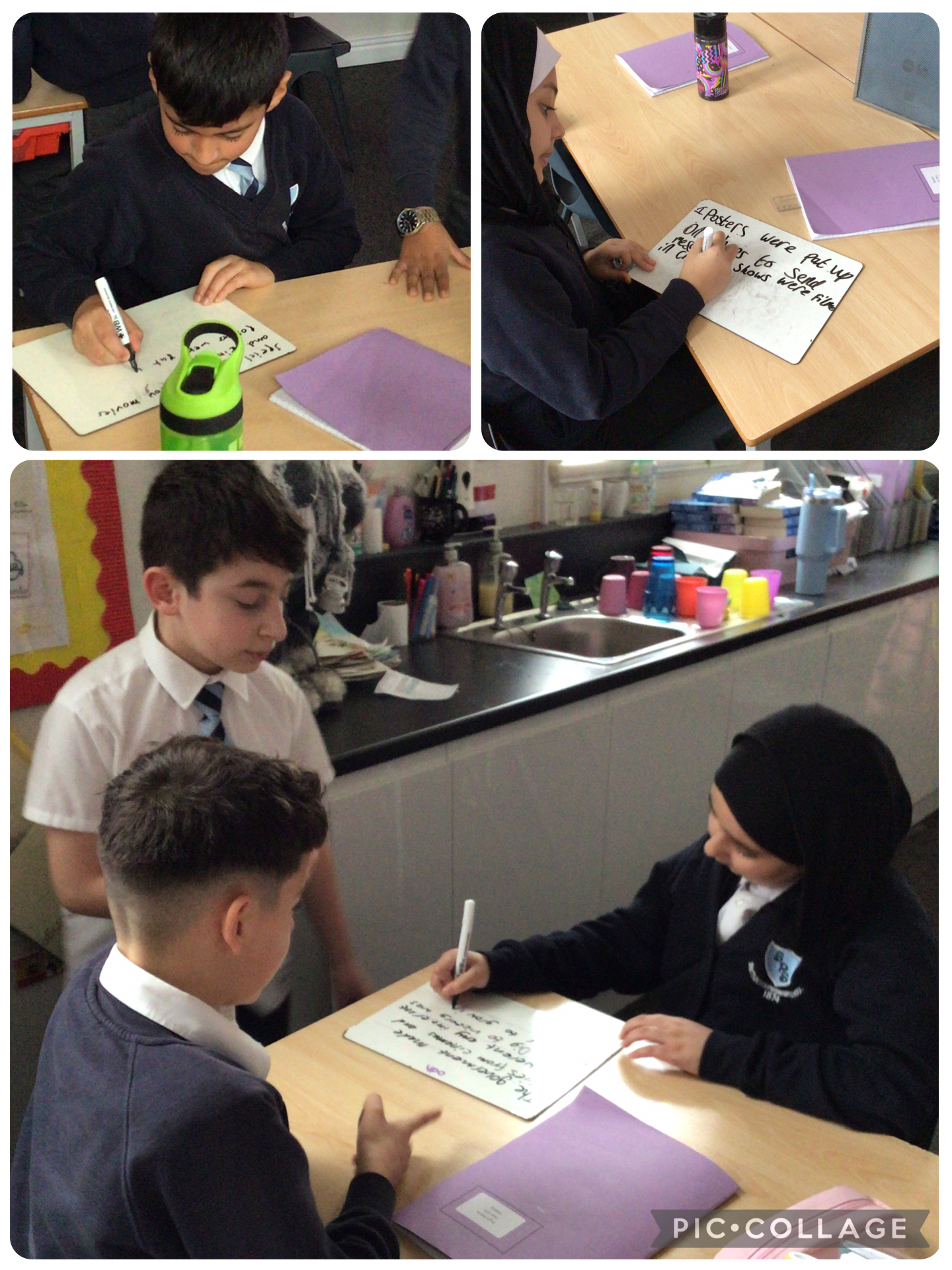
Today the children had to remember their own information about propaganda used in WW2 to share with their tables. The children enjoyed being their own teachers for the lesson! 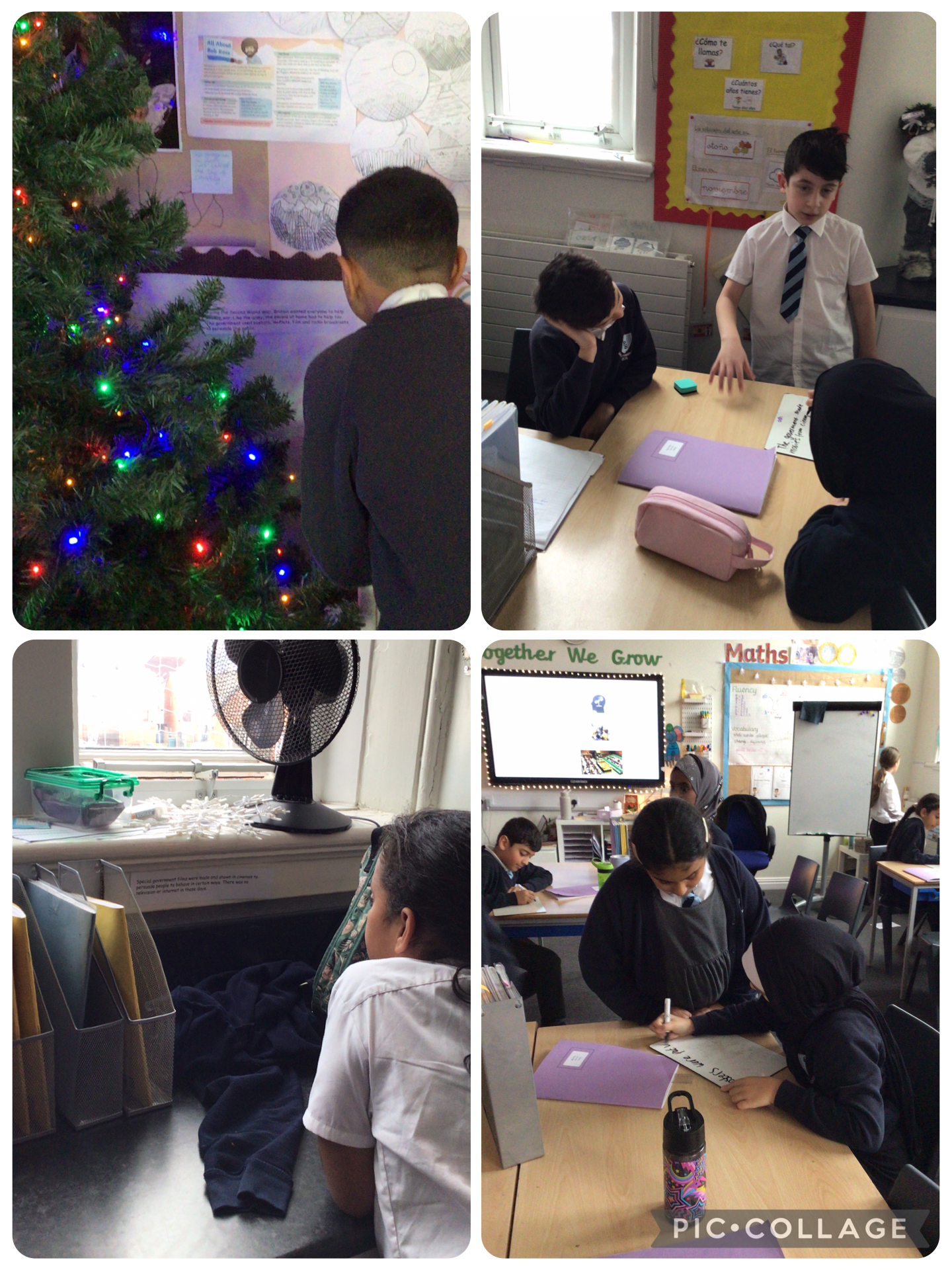
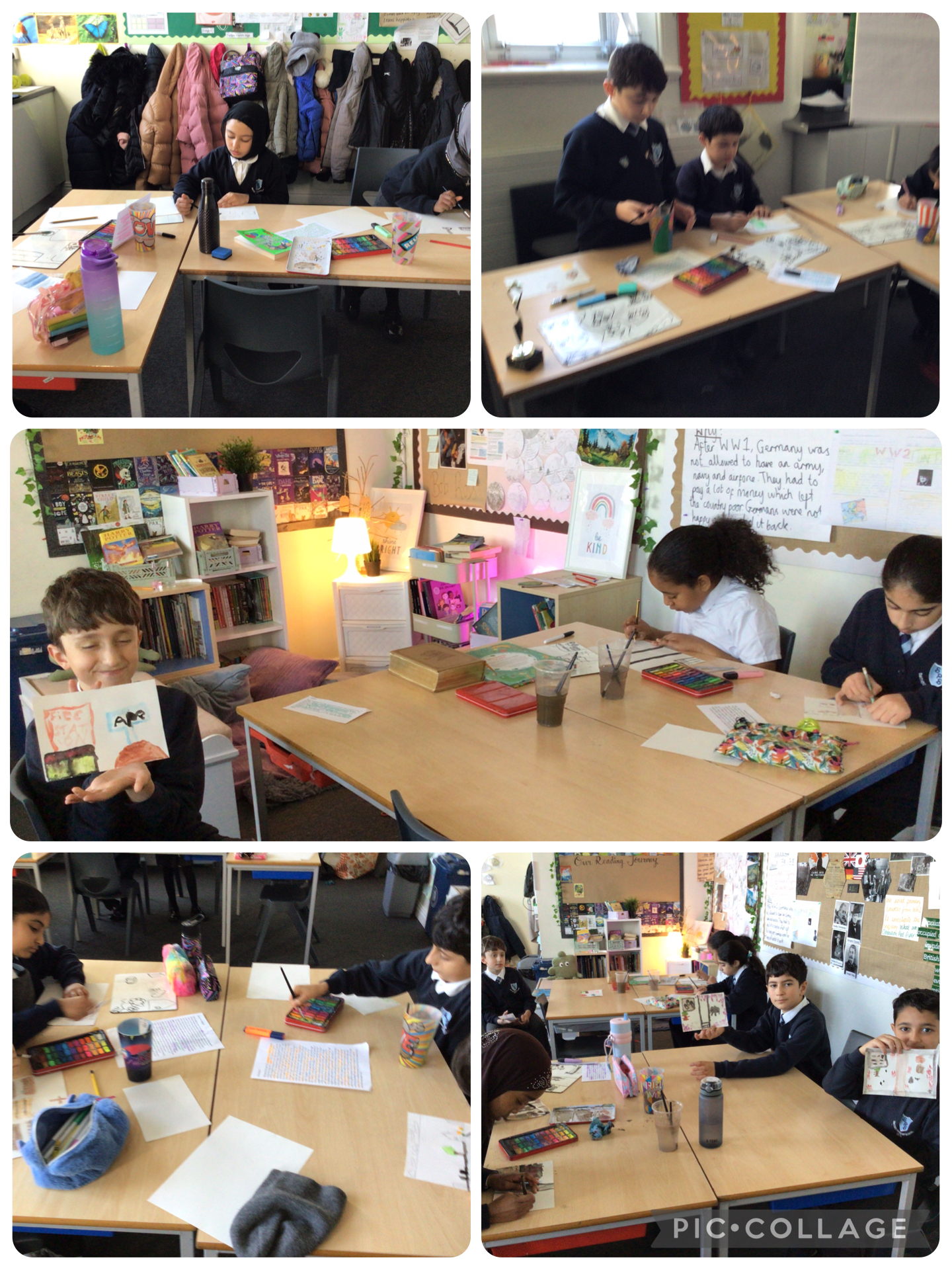
Last week, Y5 created art work using setting descriptions from our class text ‘Goodnight Mr Tom’. We highlighted key phrases then accurately tried to recreate the wonderful village from WW2. 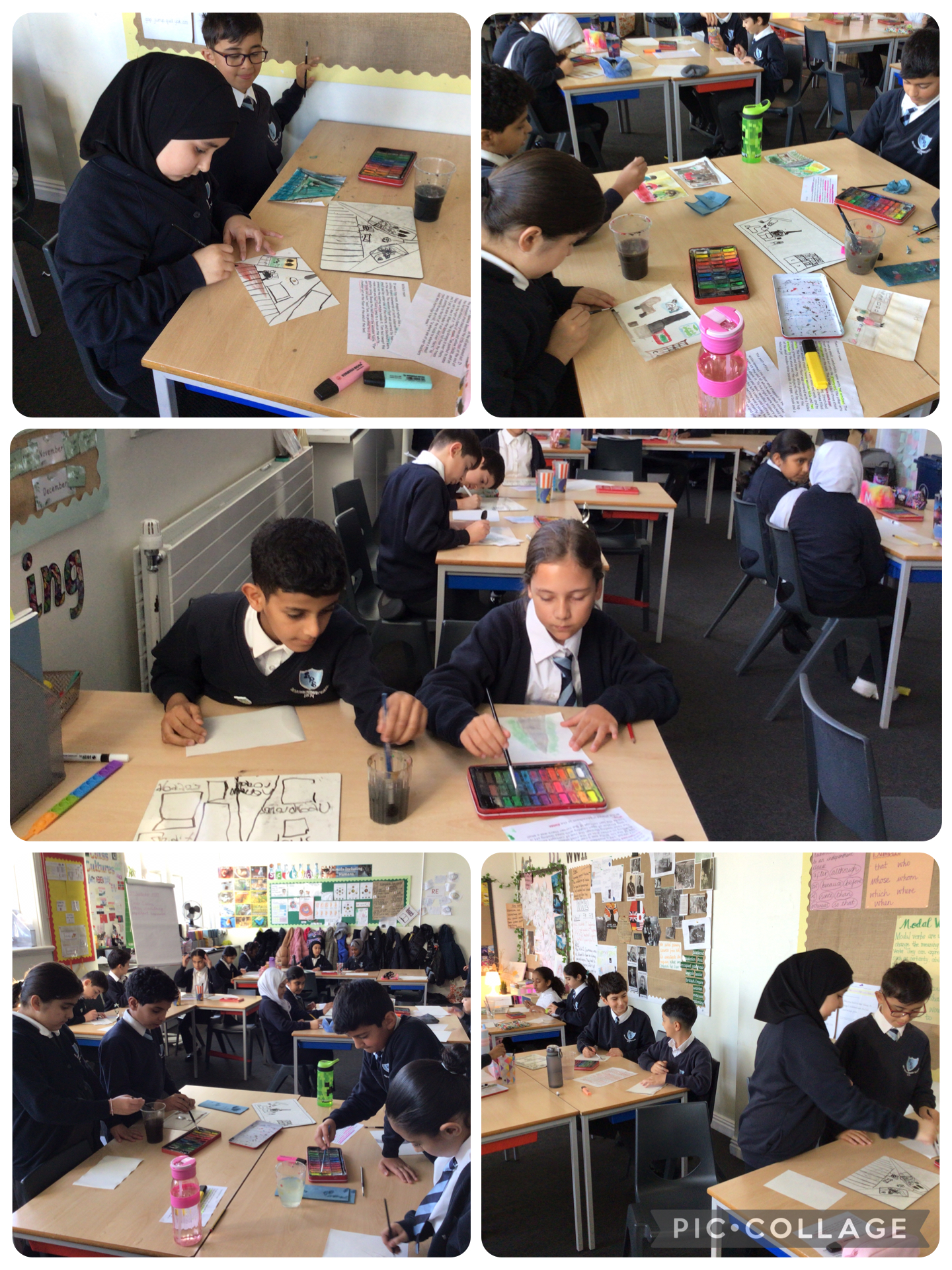
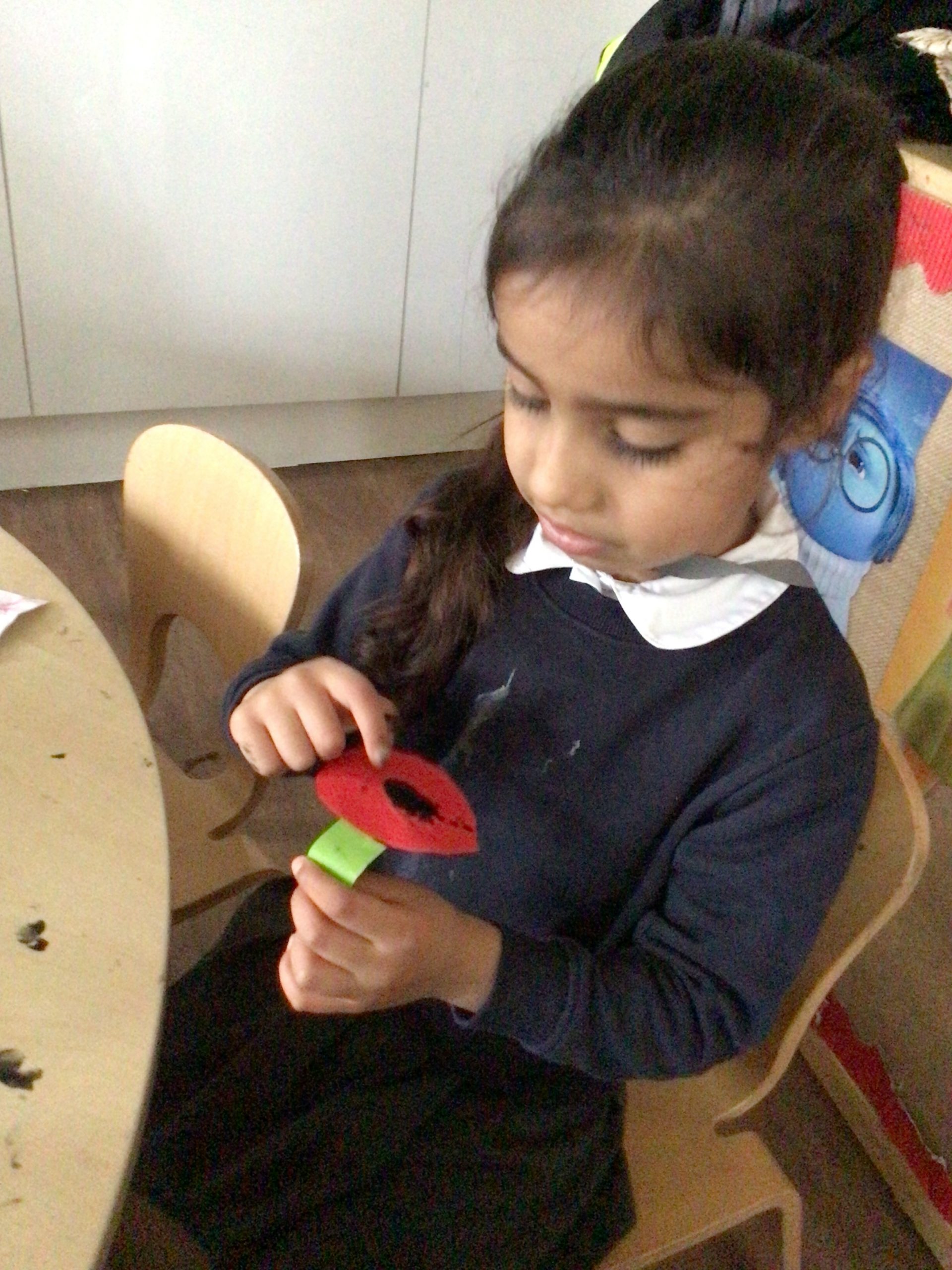
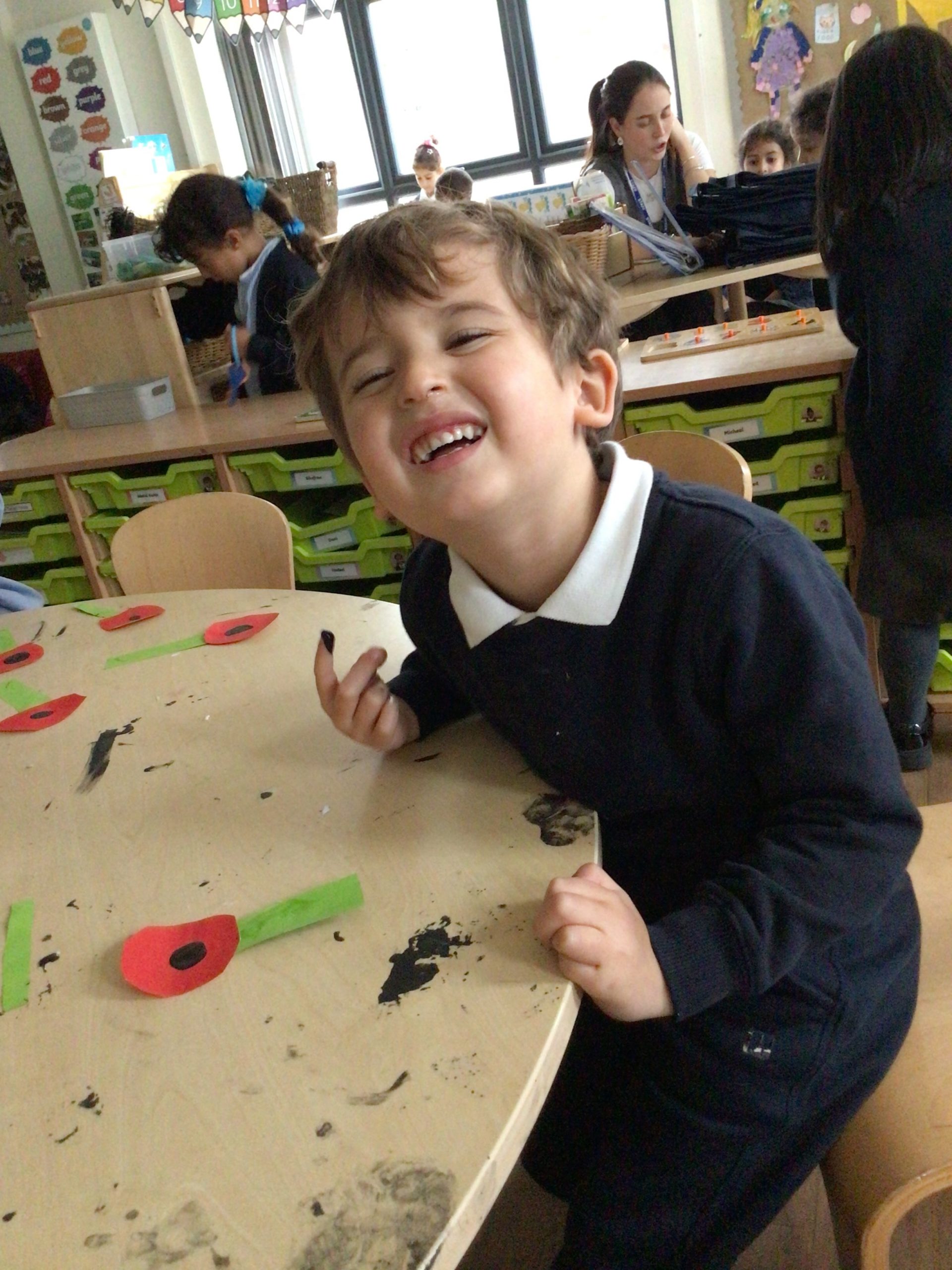
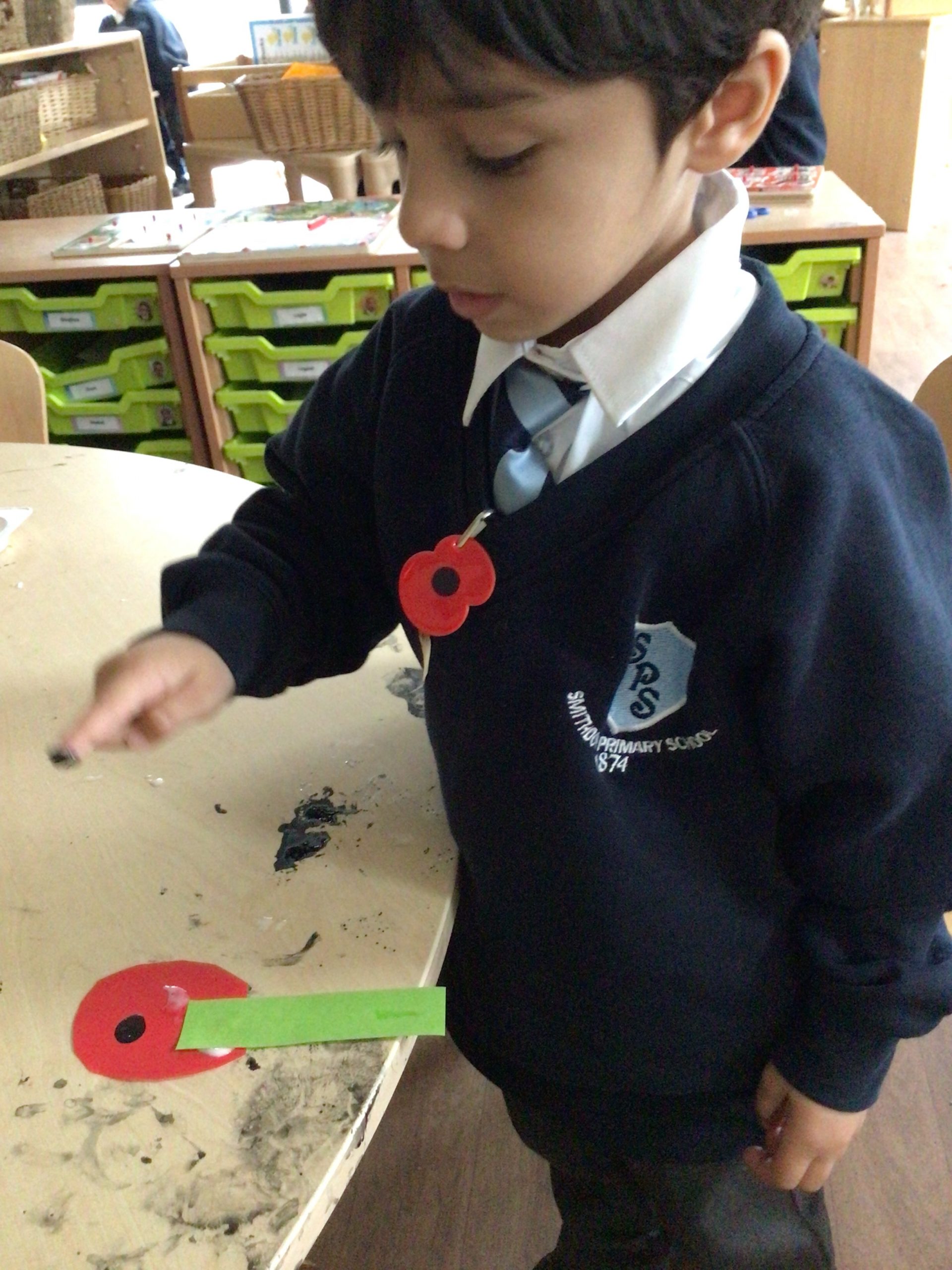
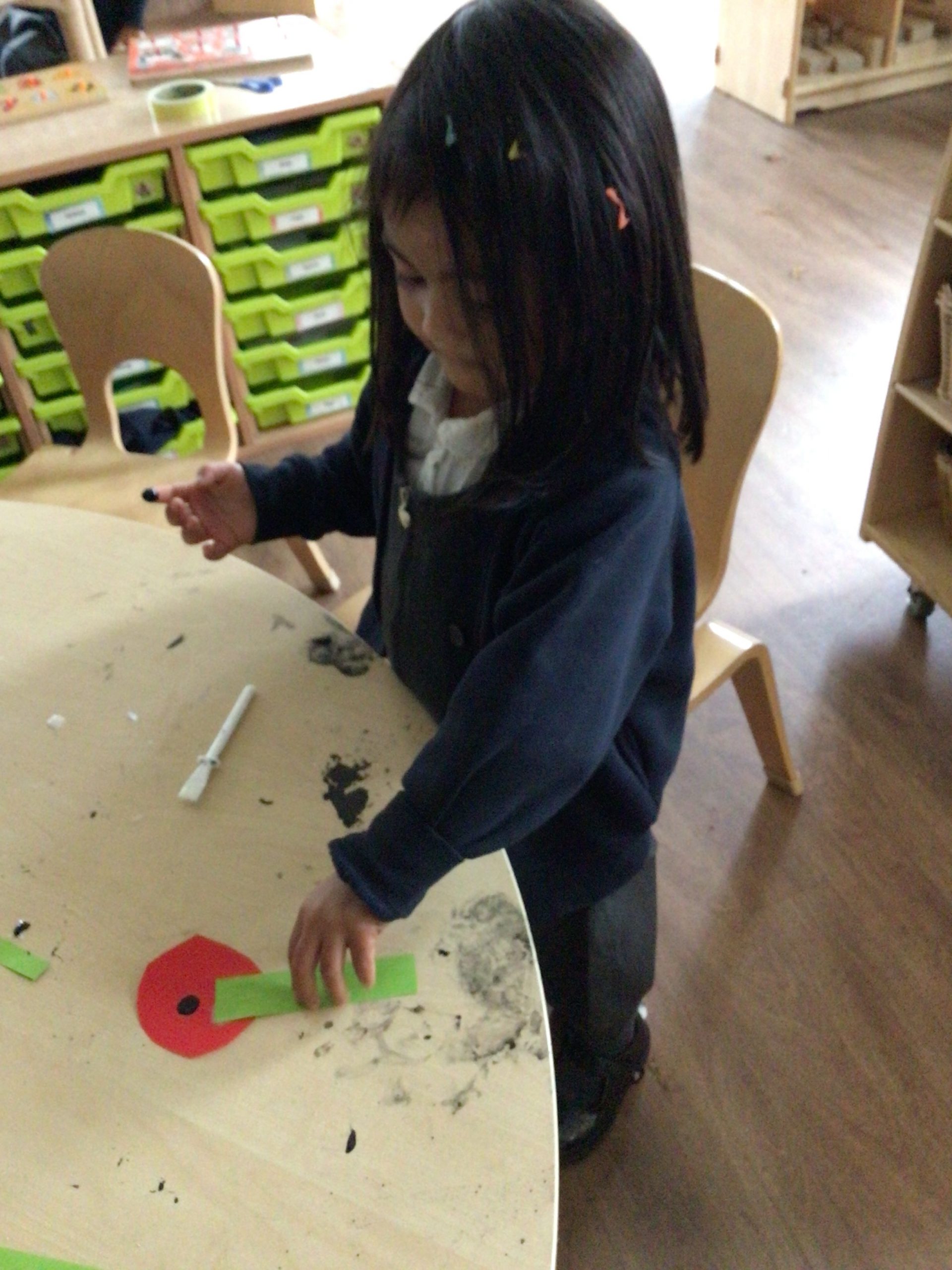
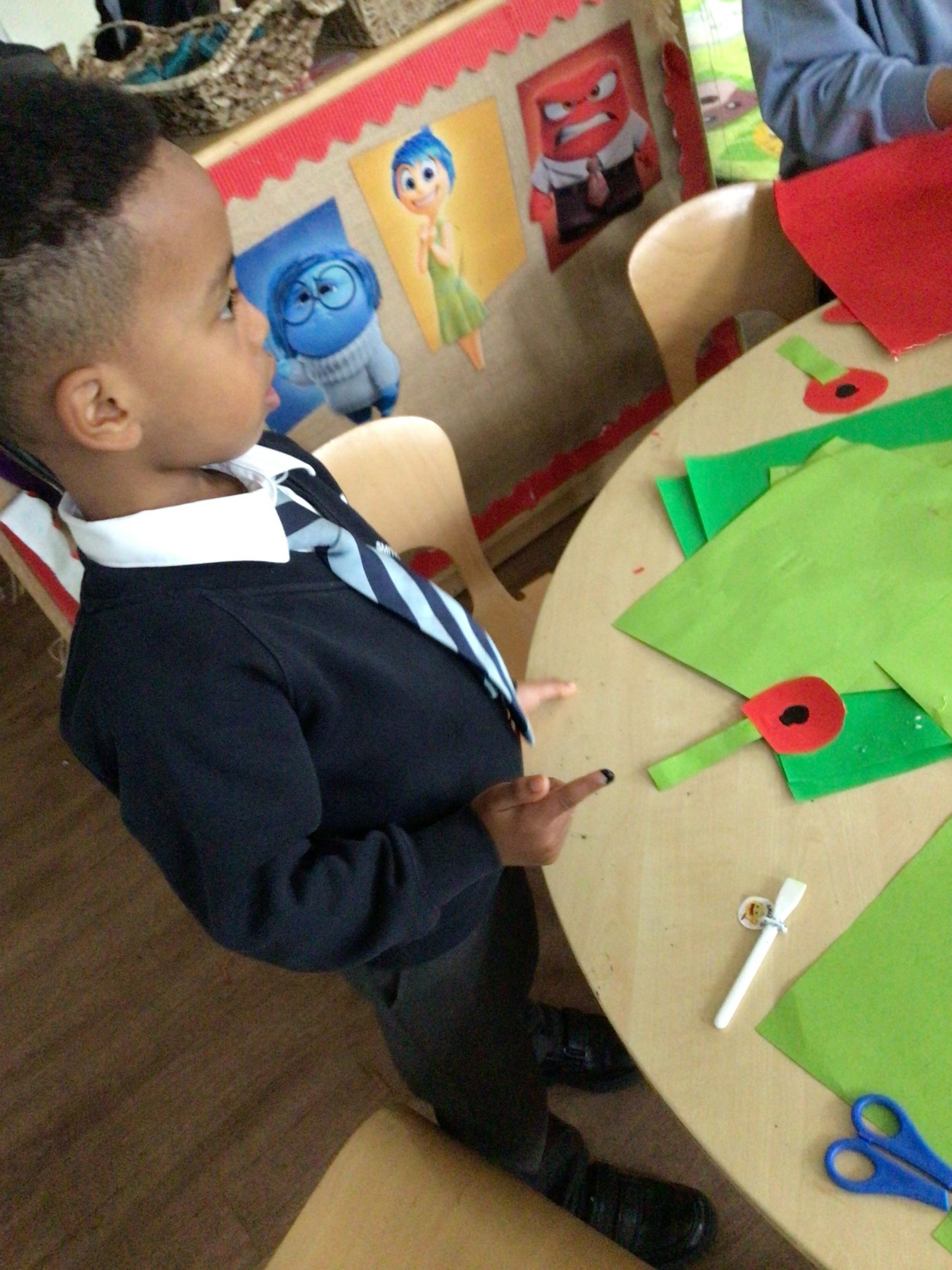
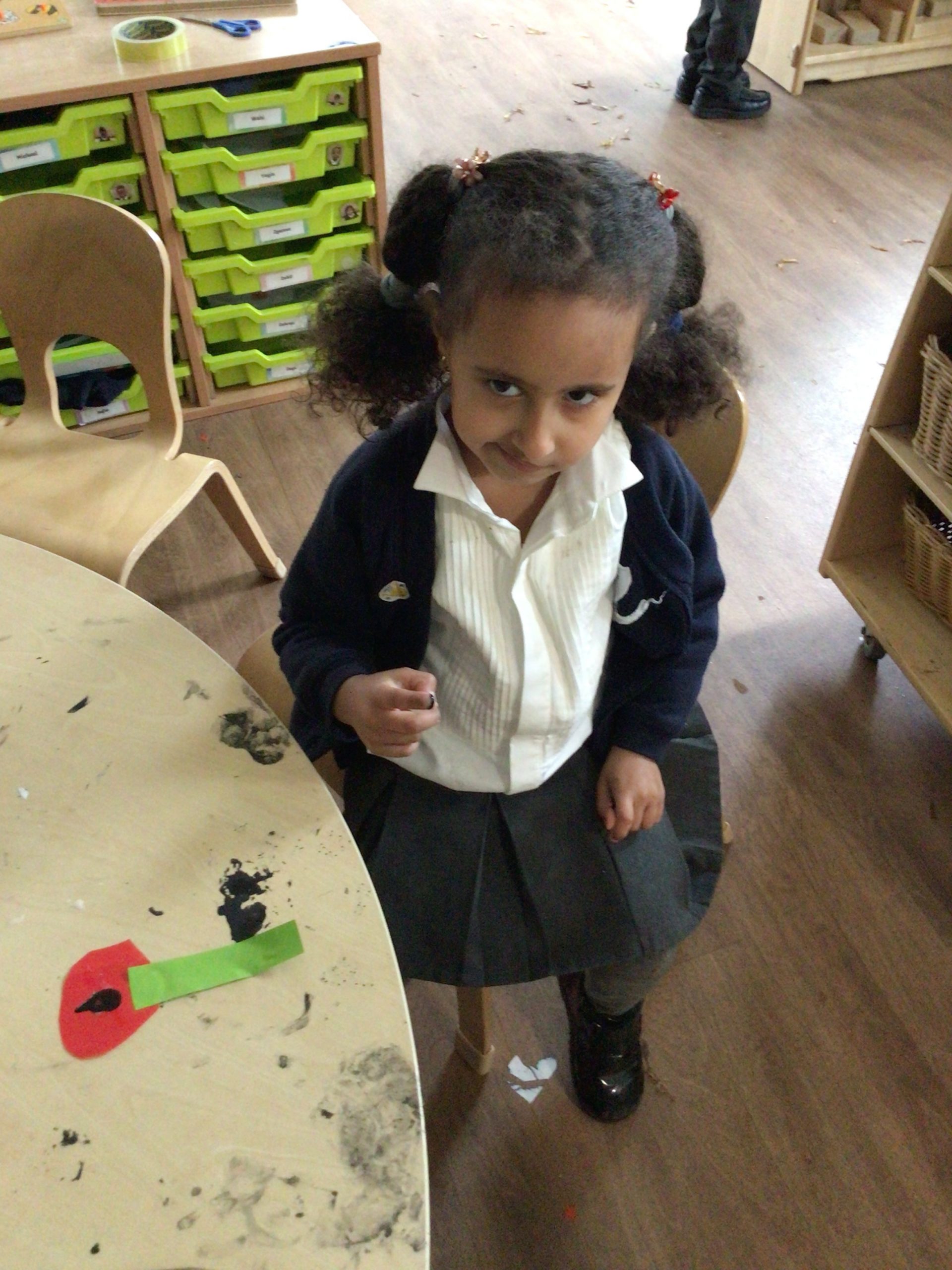
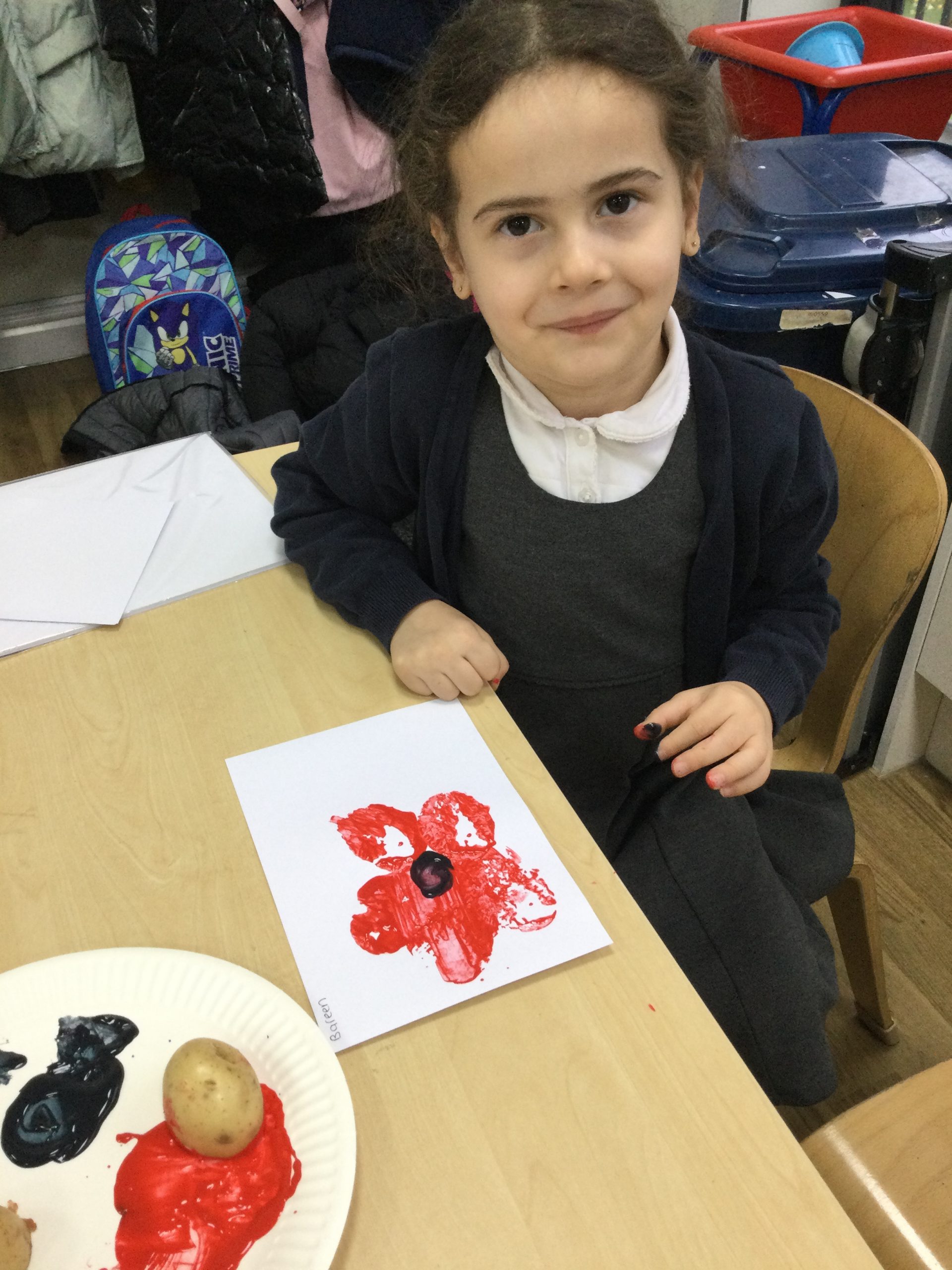
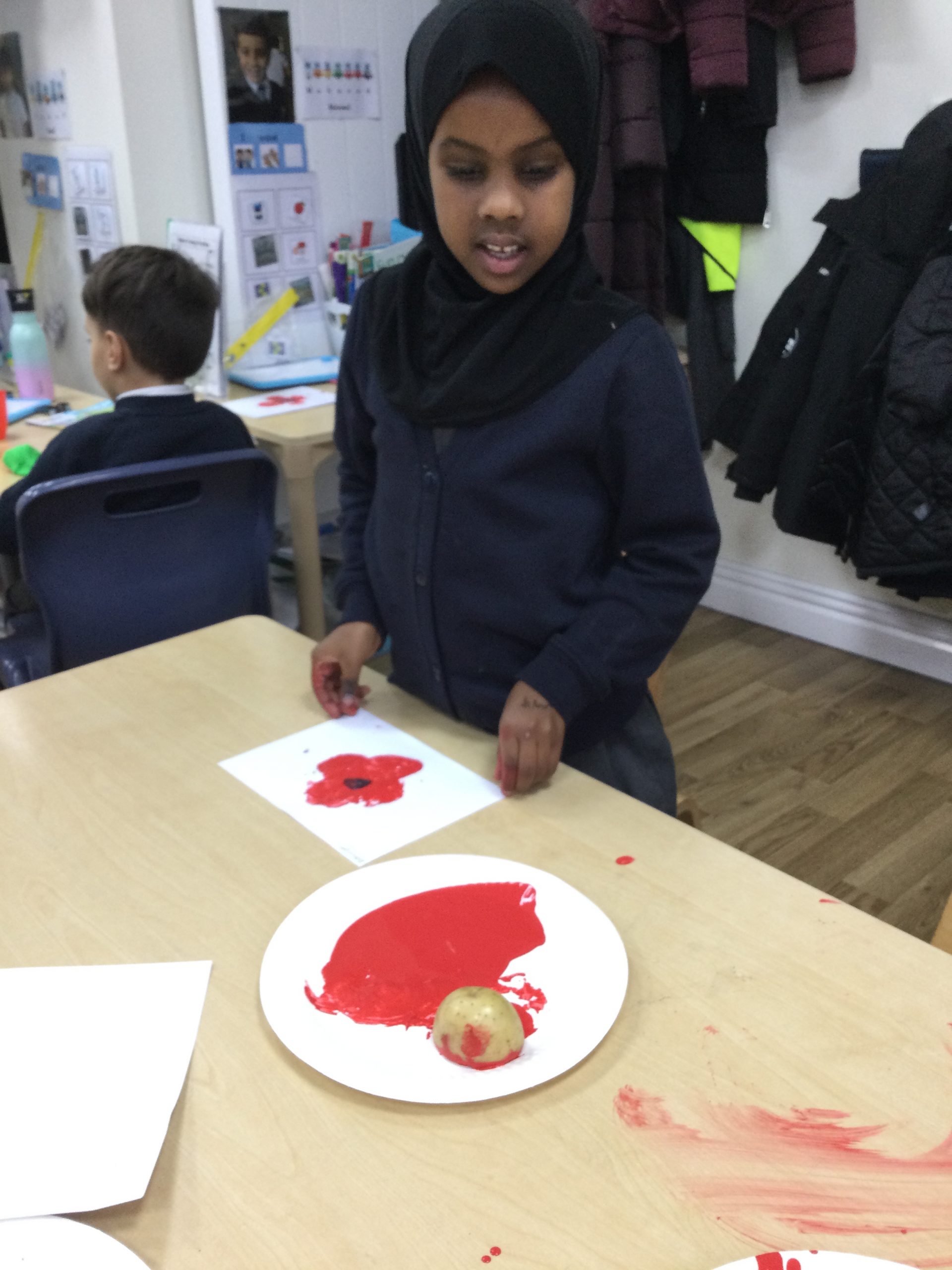
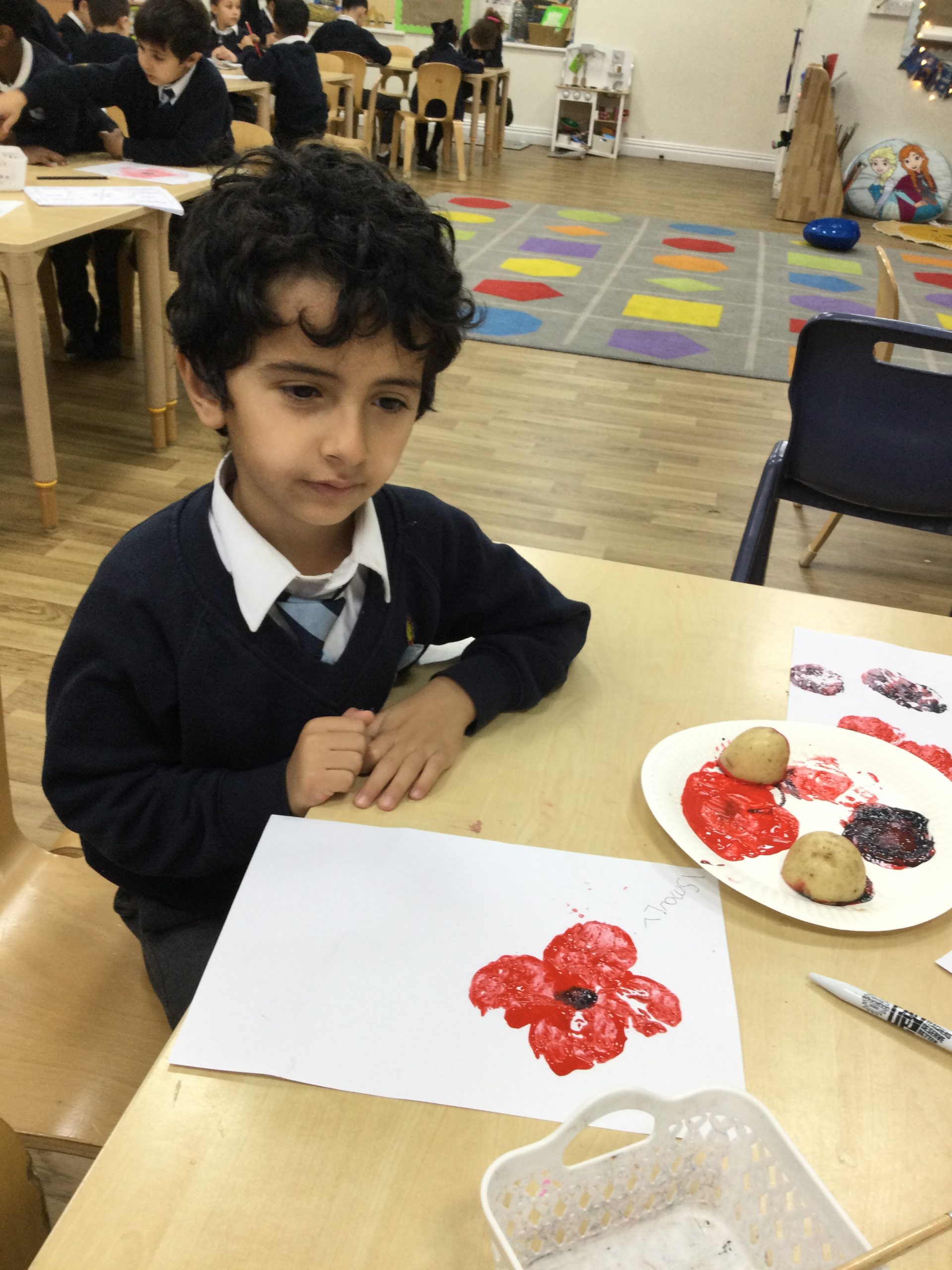
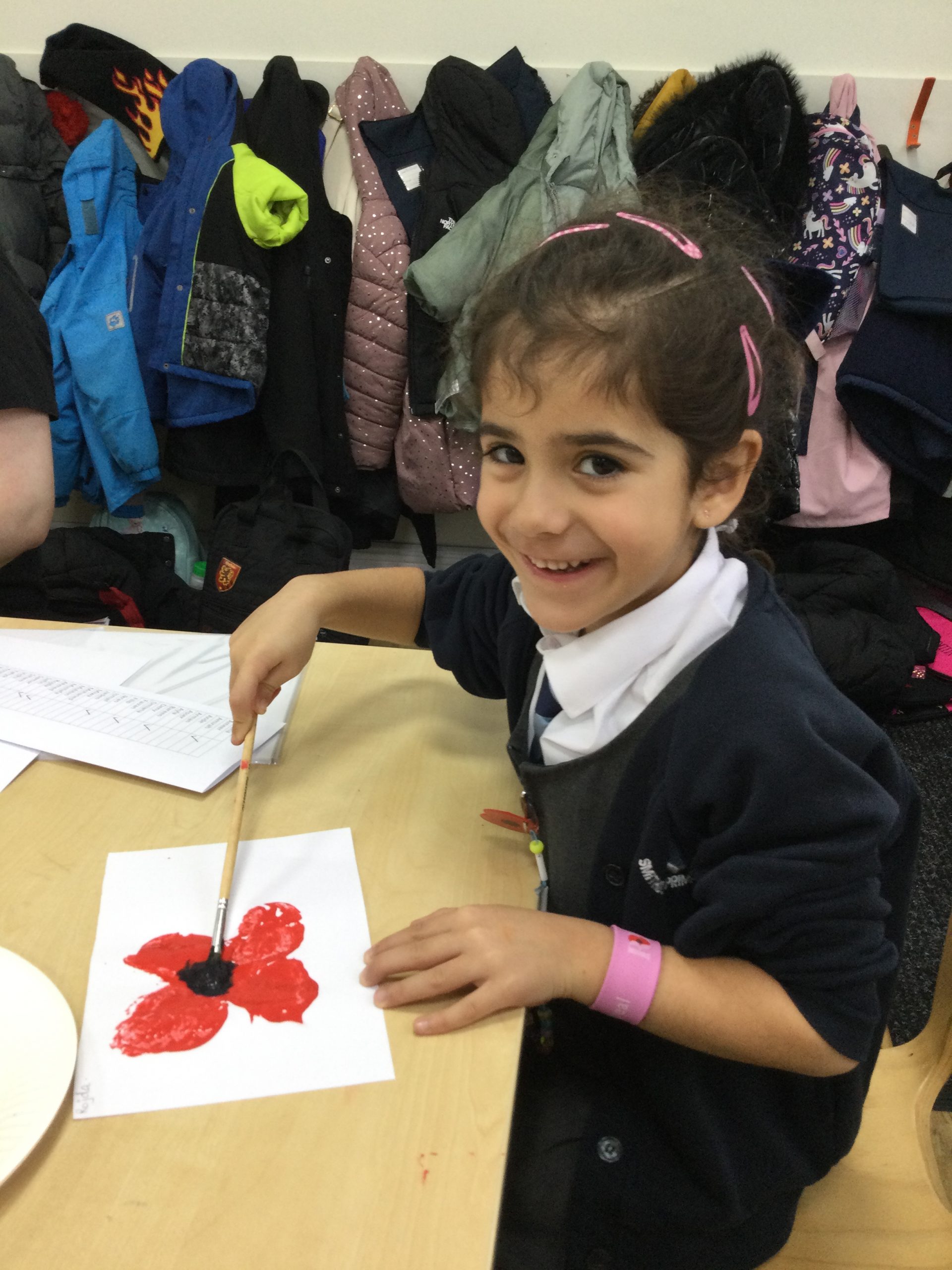
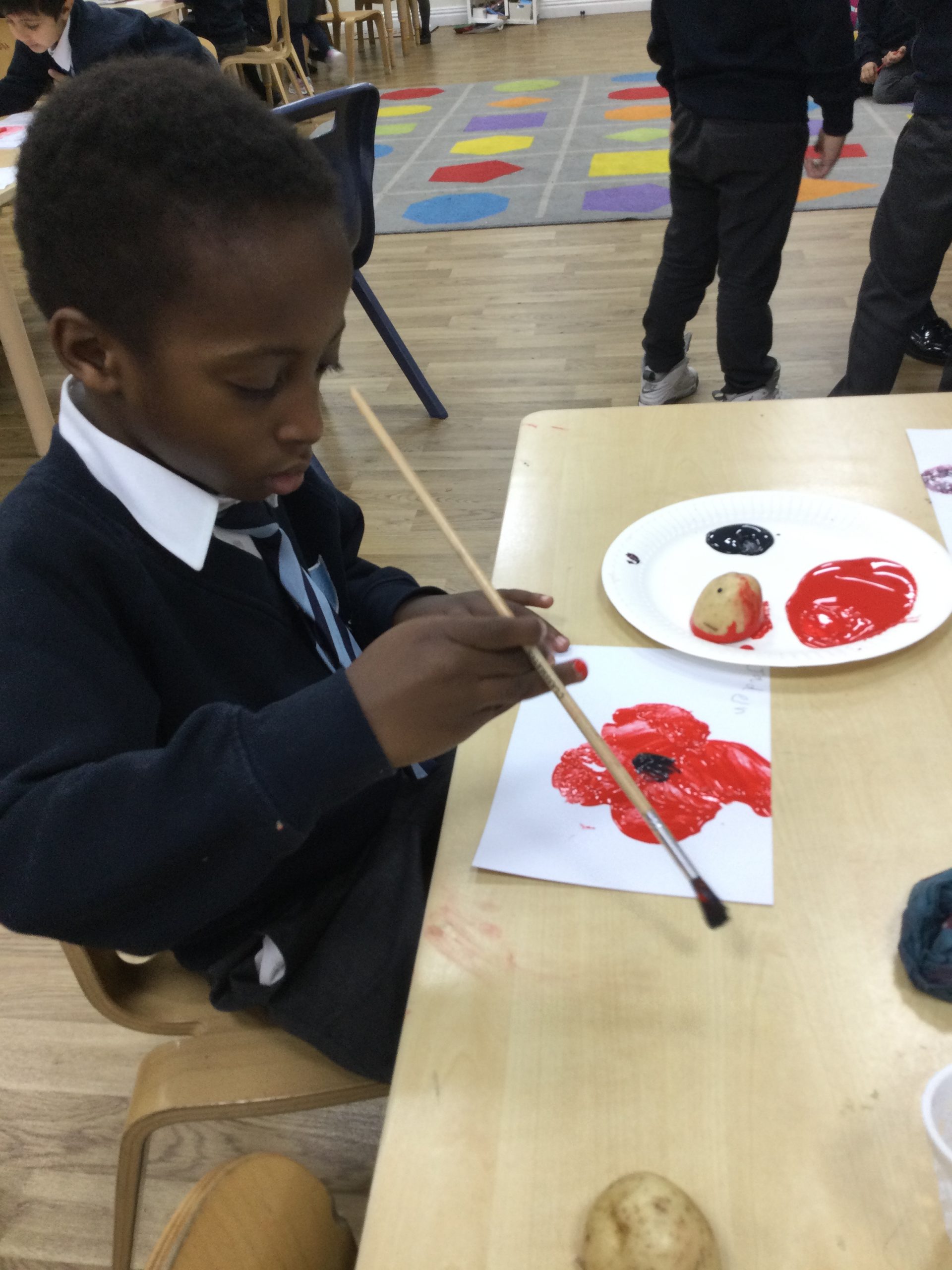
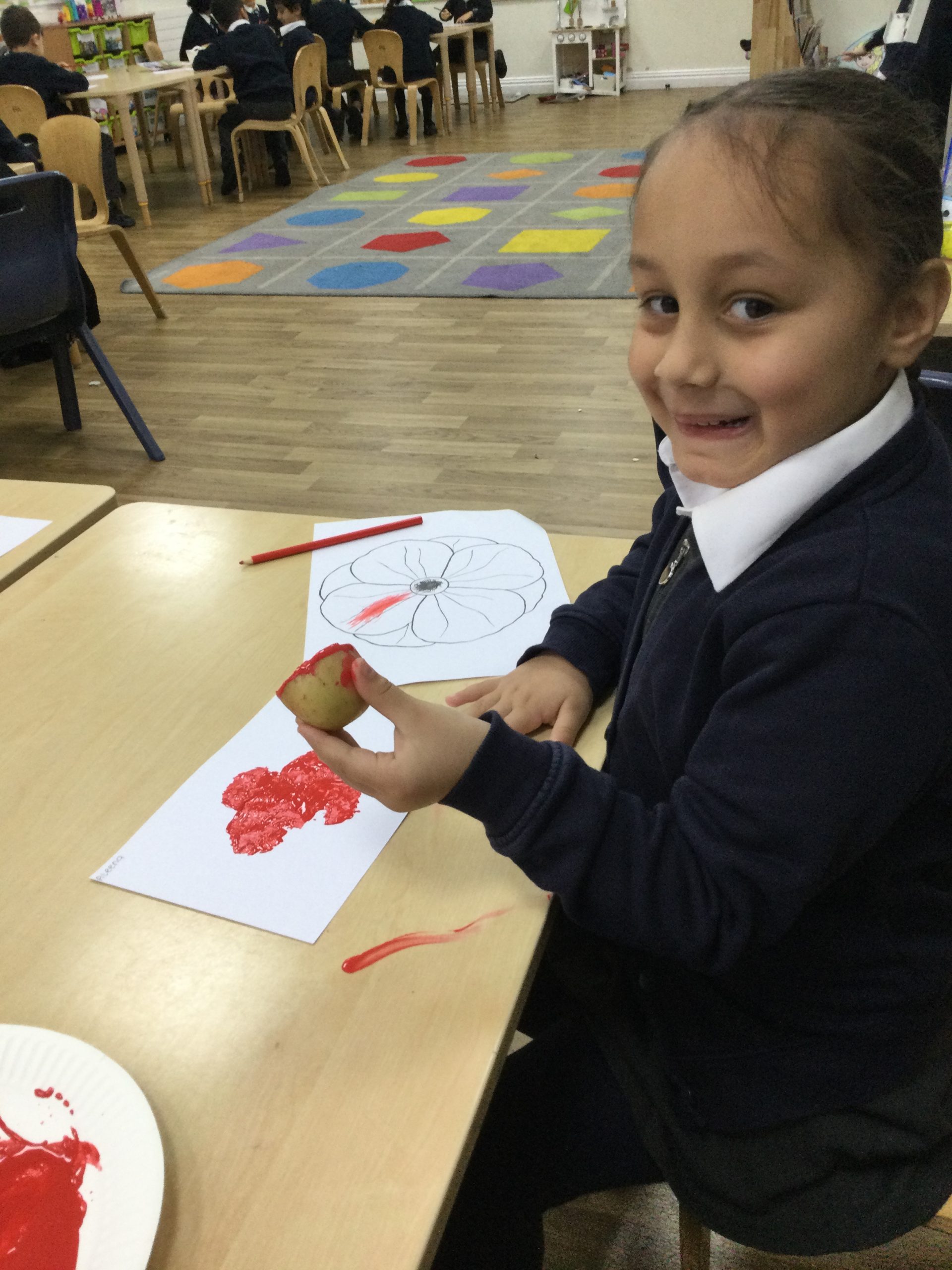
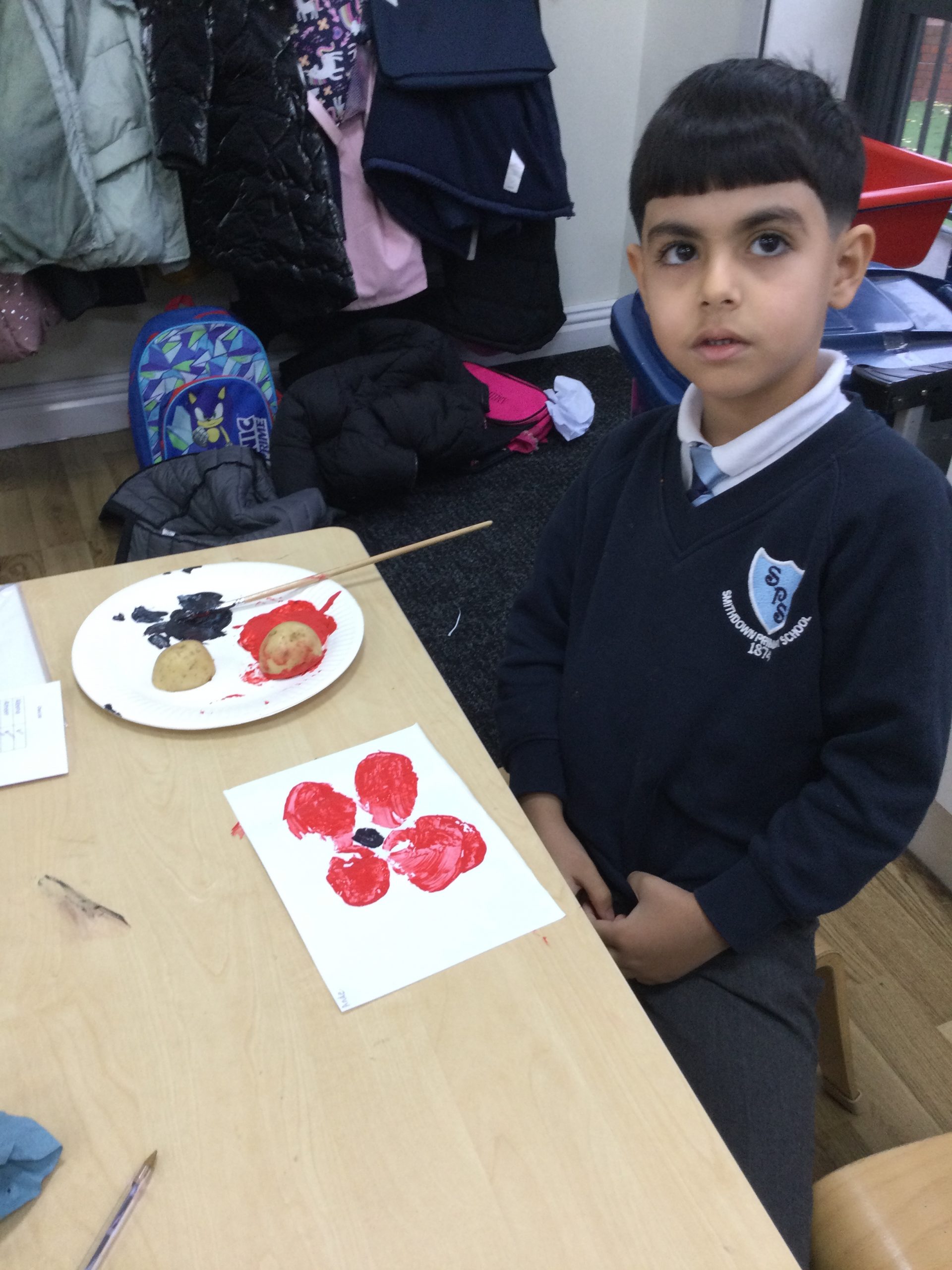
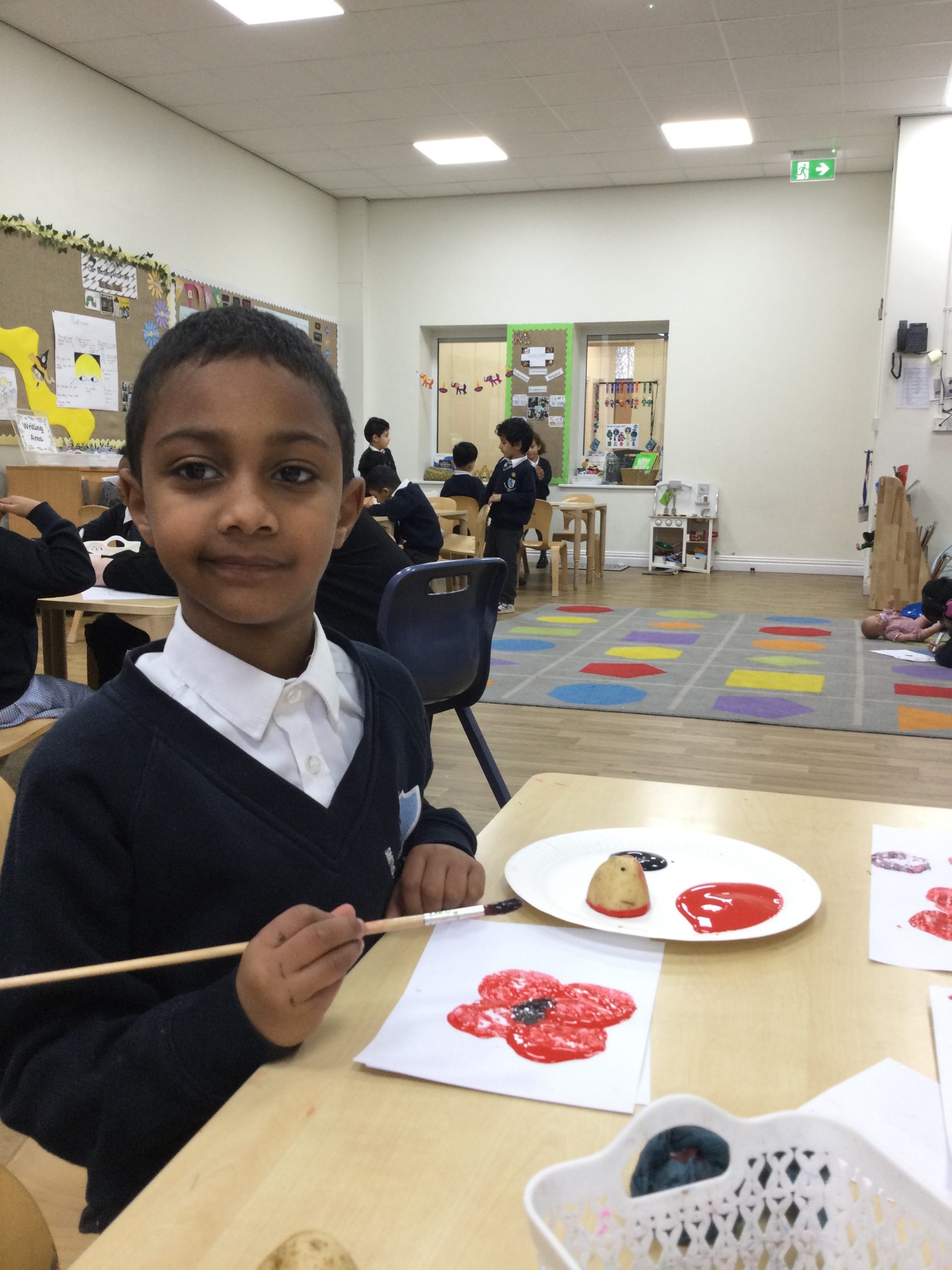
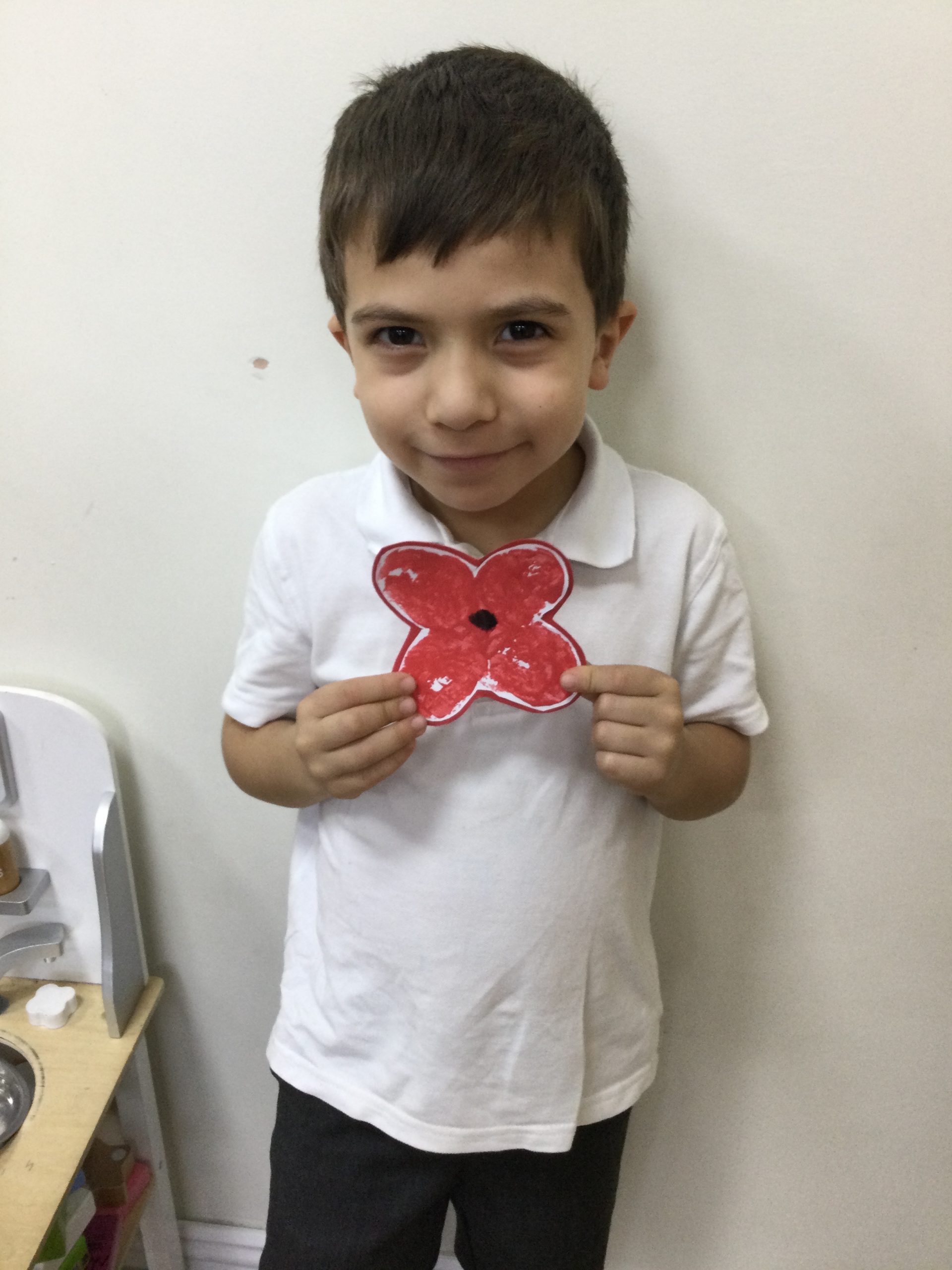
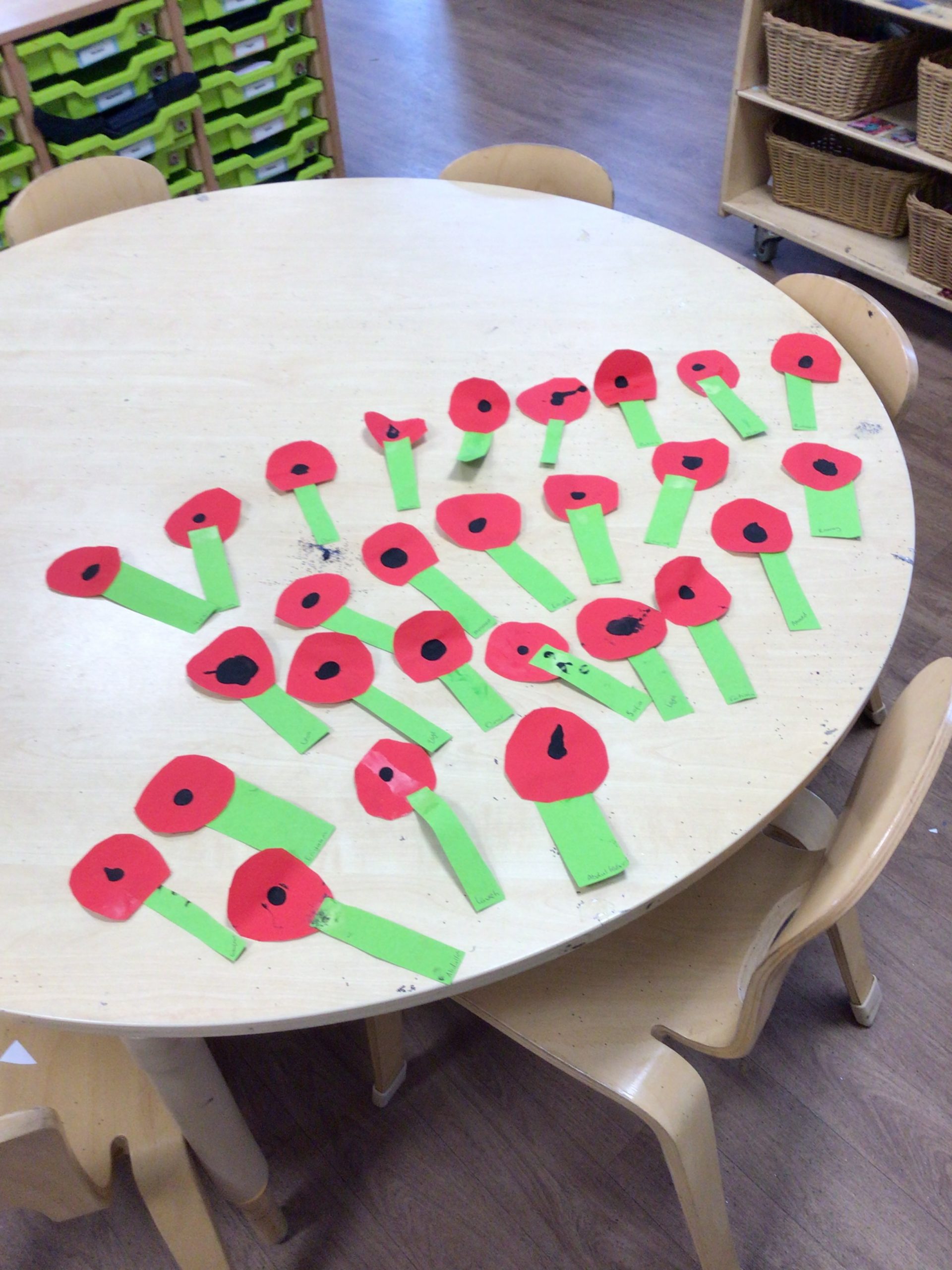 In Reception we remembered the events of the past by making poppies and watching a rabbit animation.
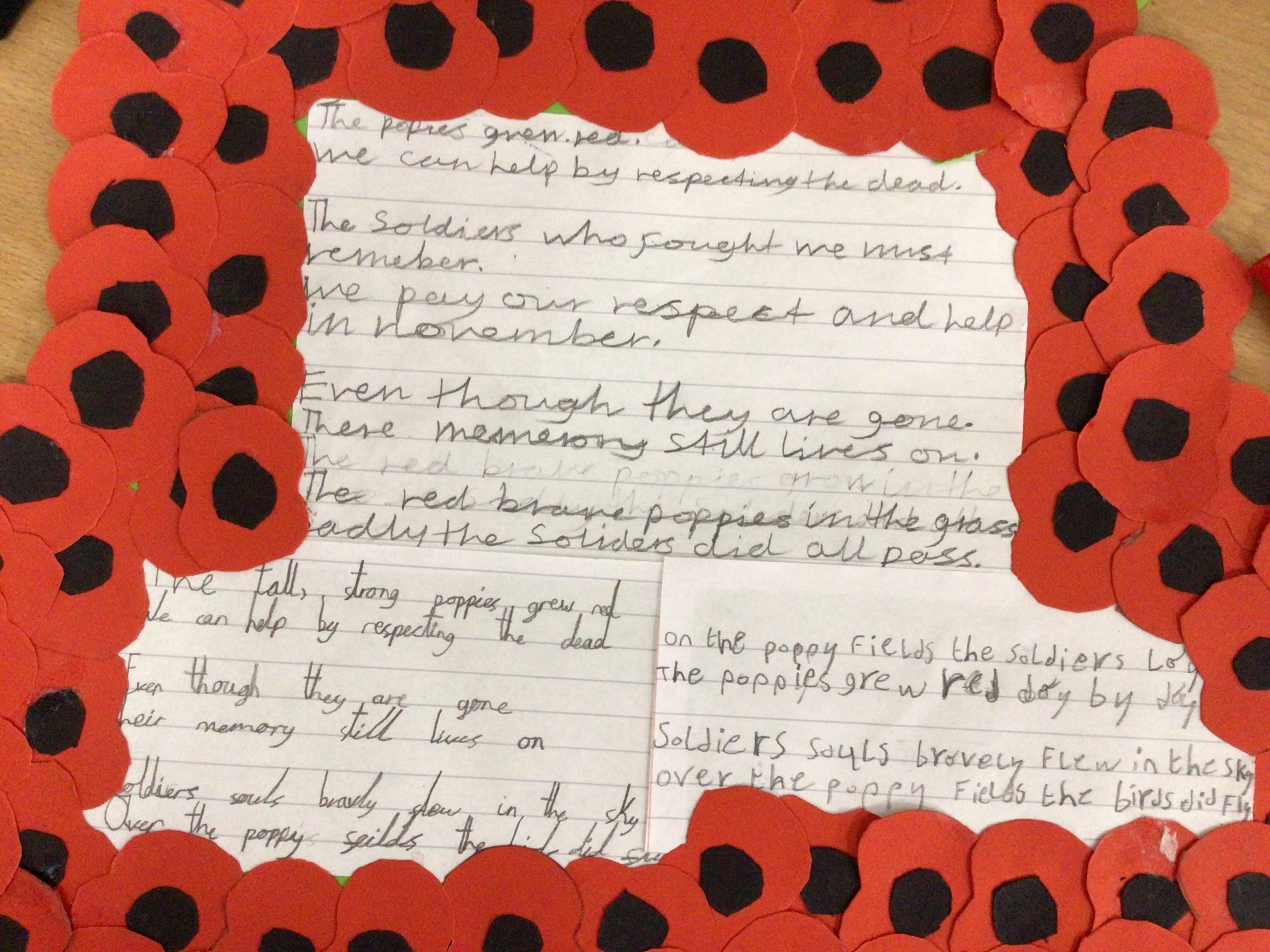
To think about those who have lost their lives, we created some rhyming poetry. We based our poems on poppy fields, just like our art work.
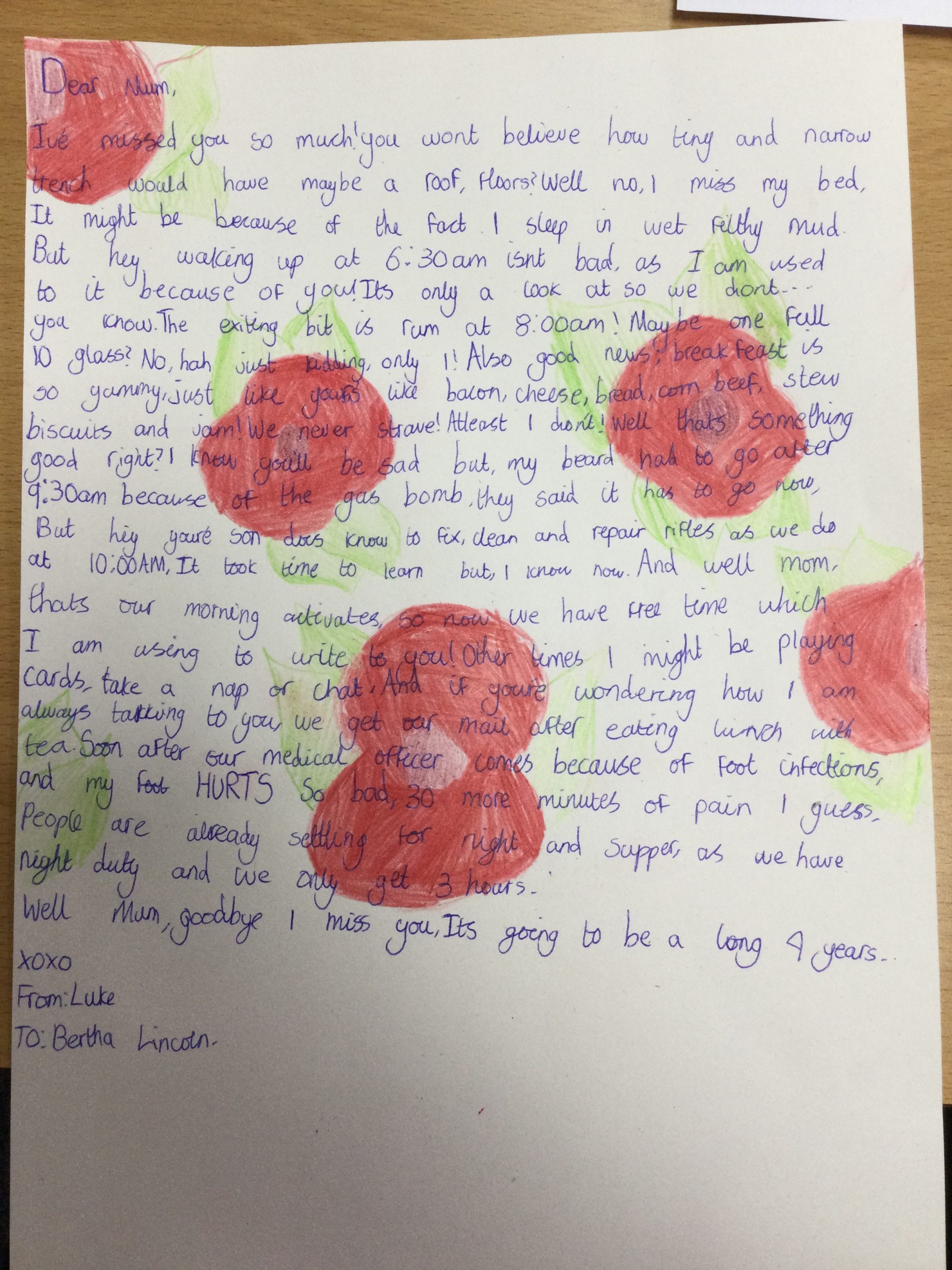
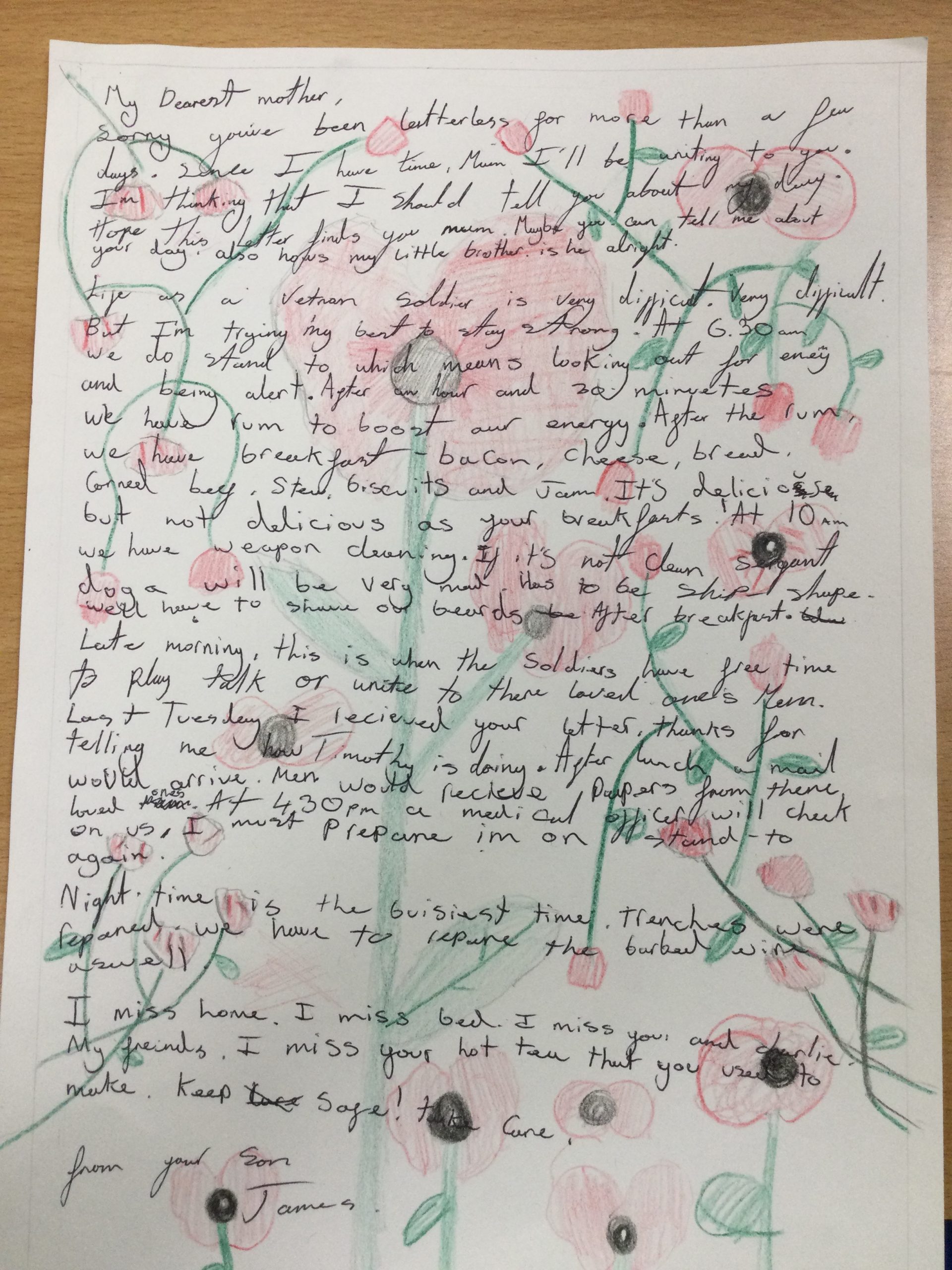
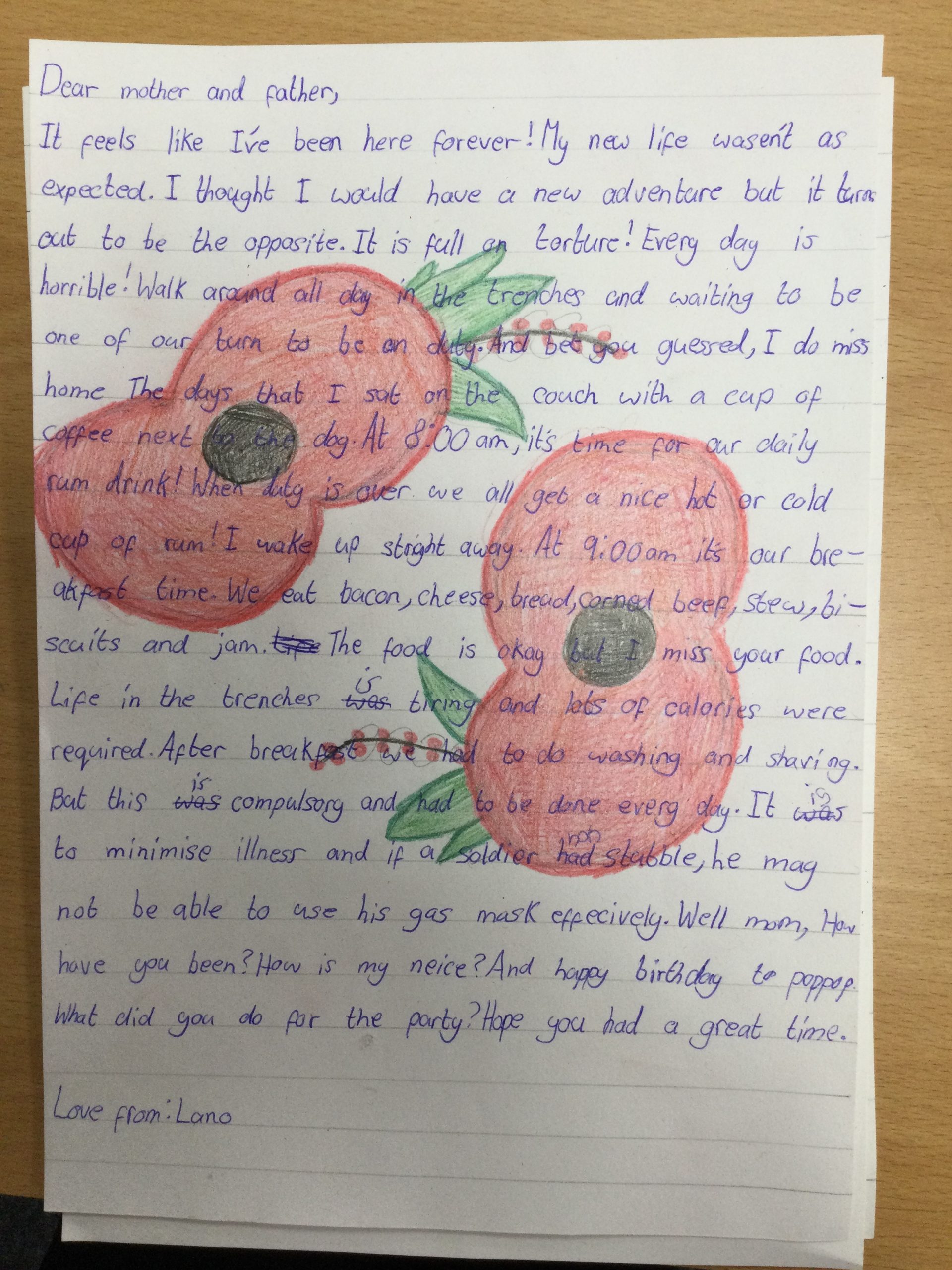
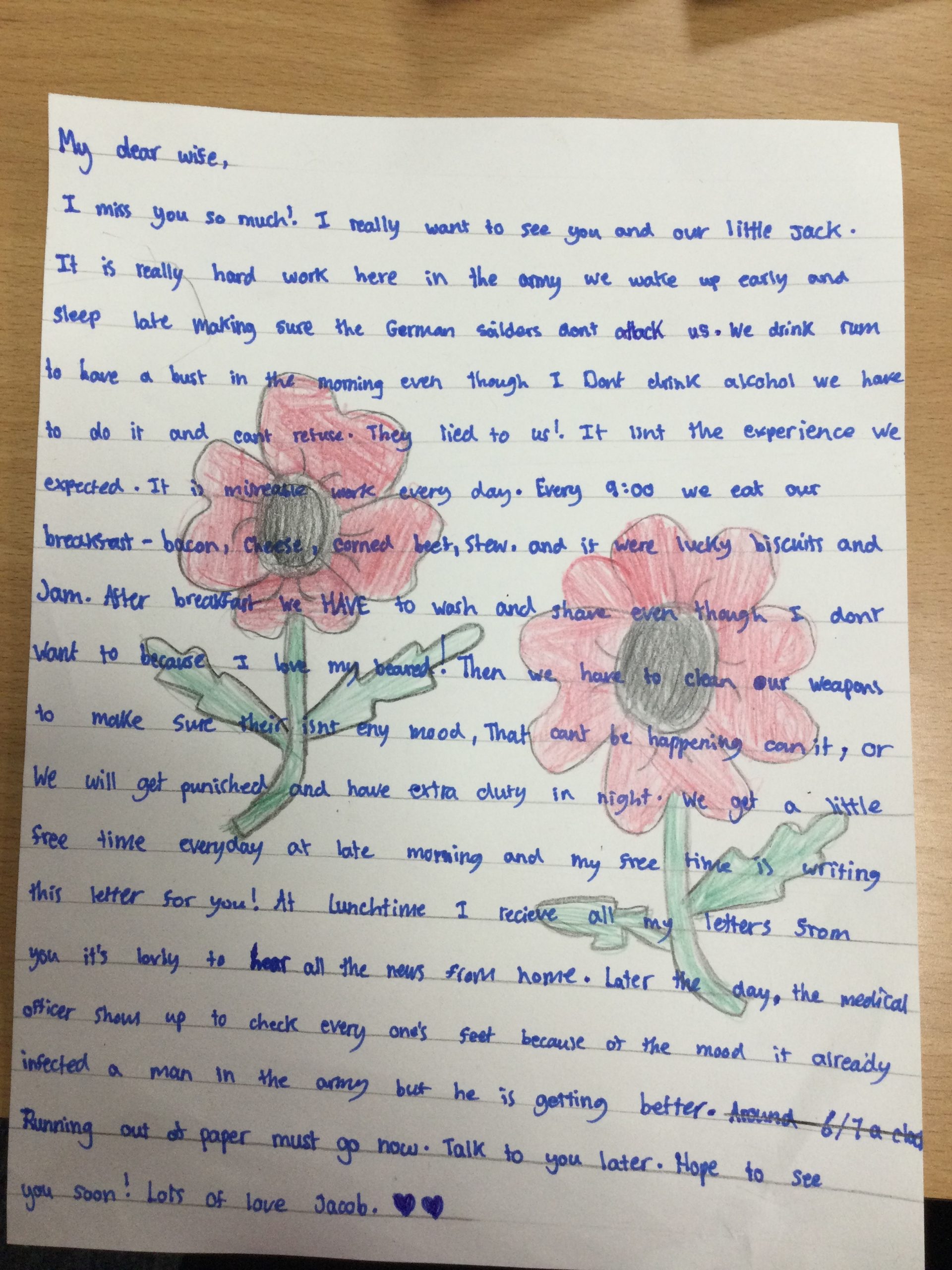
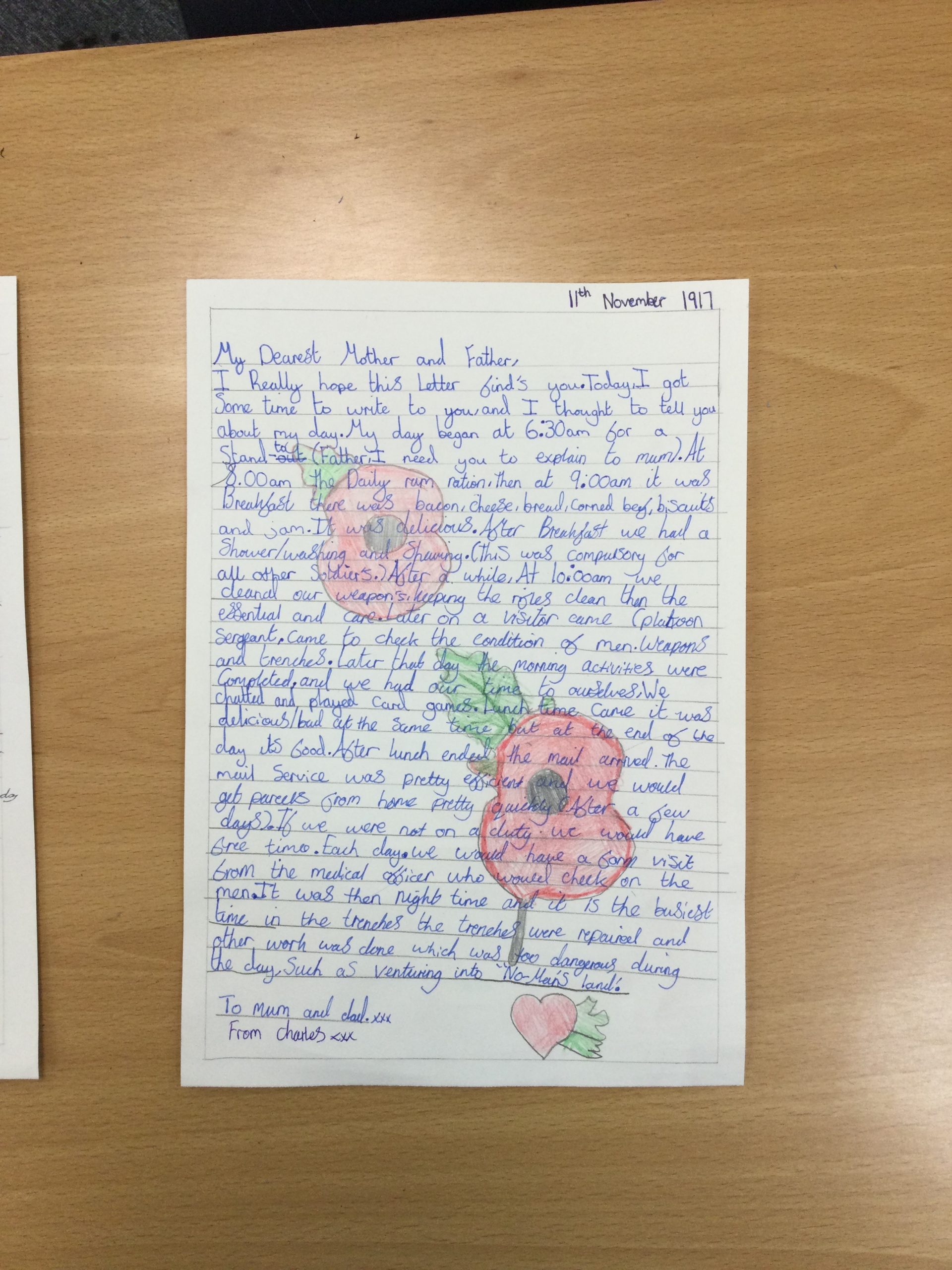
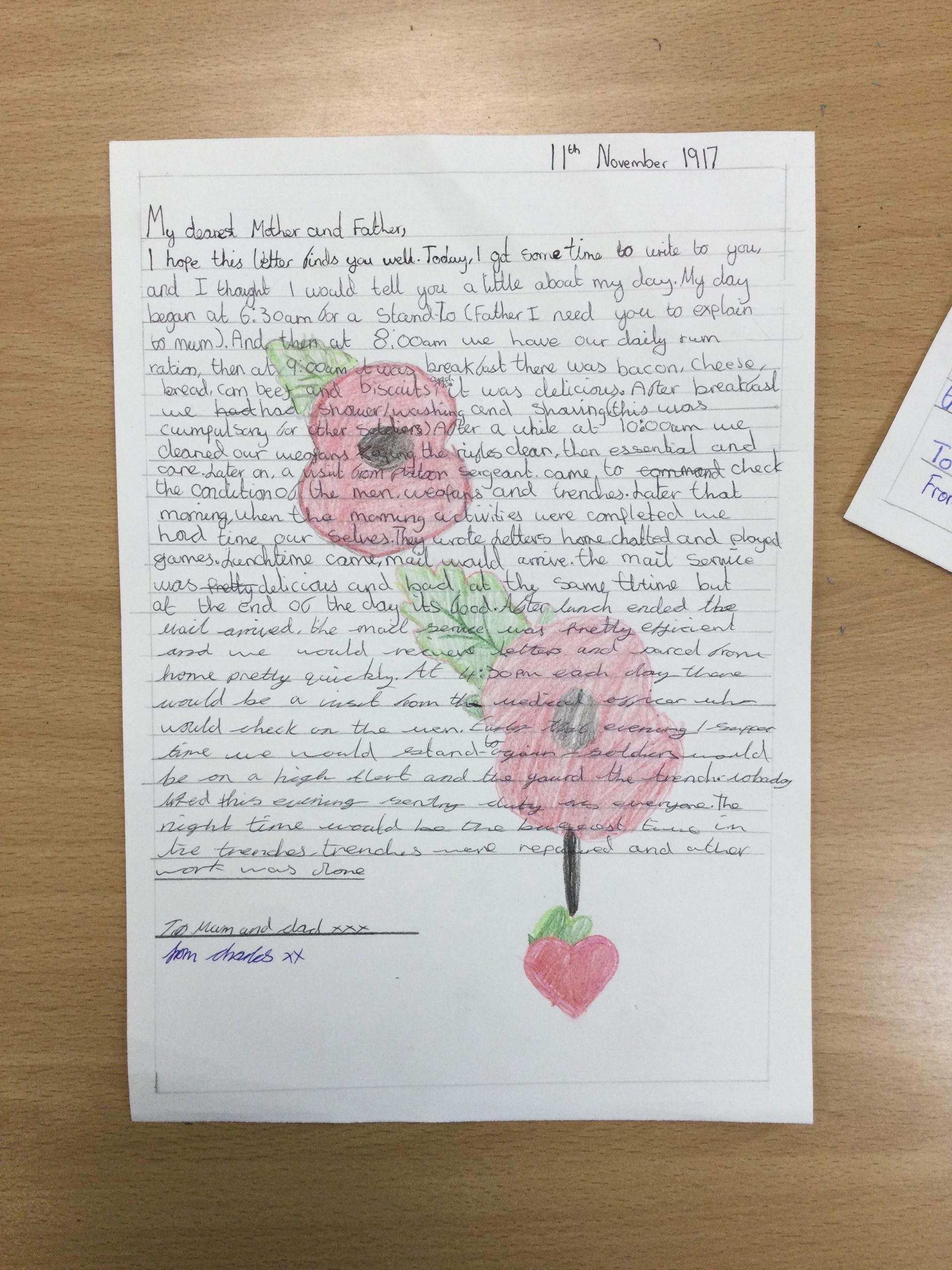
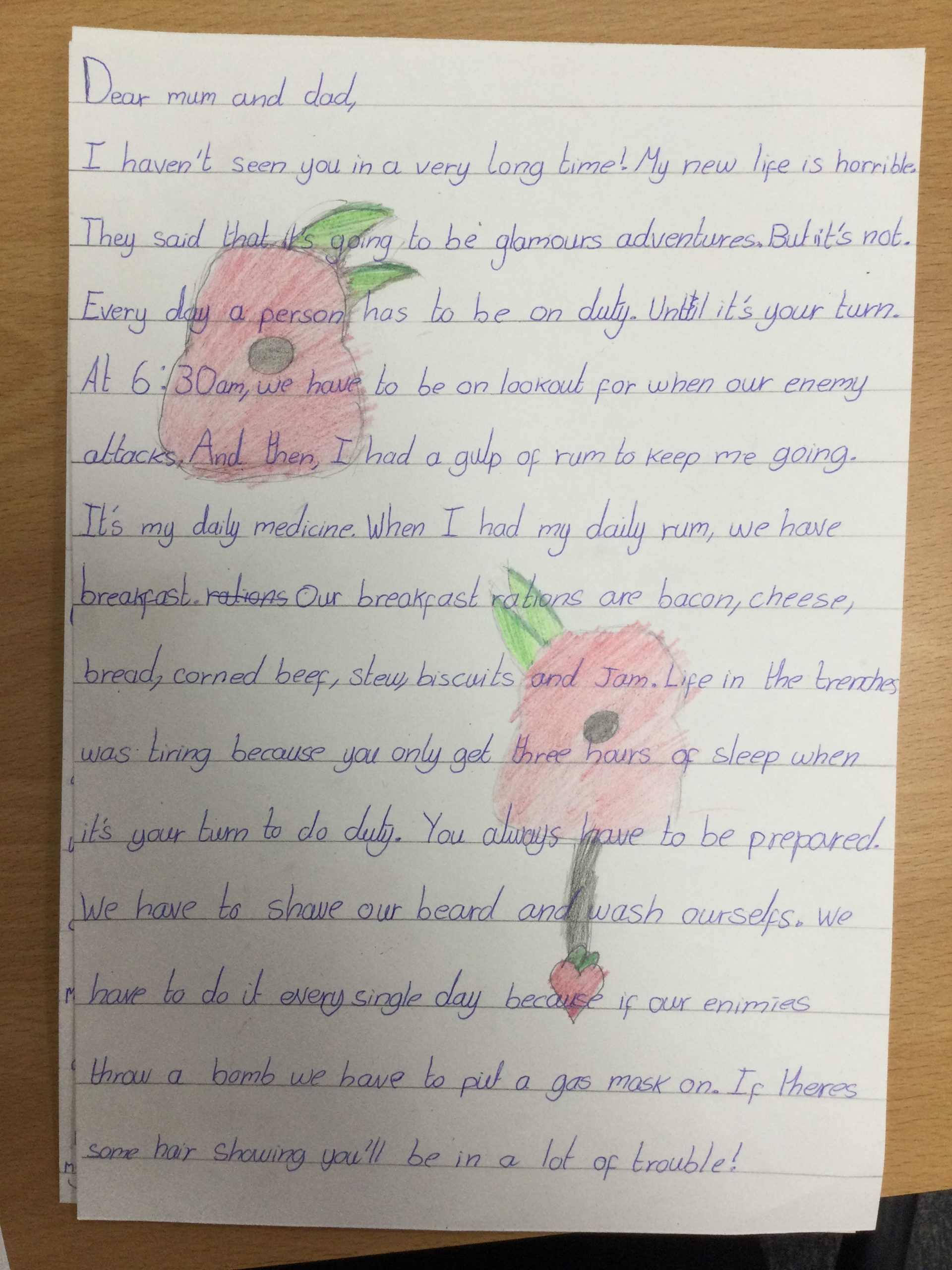
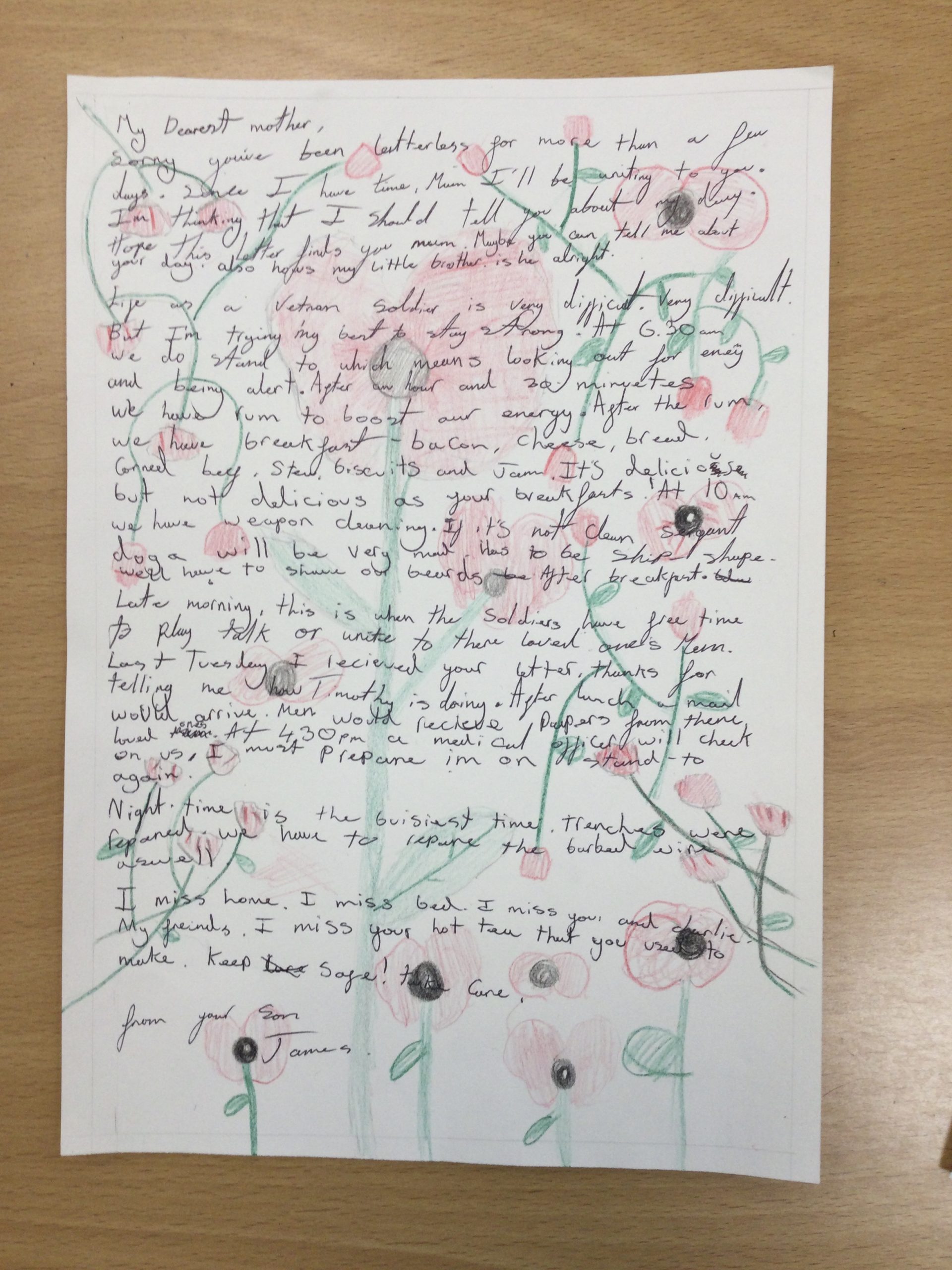
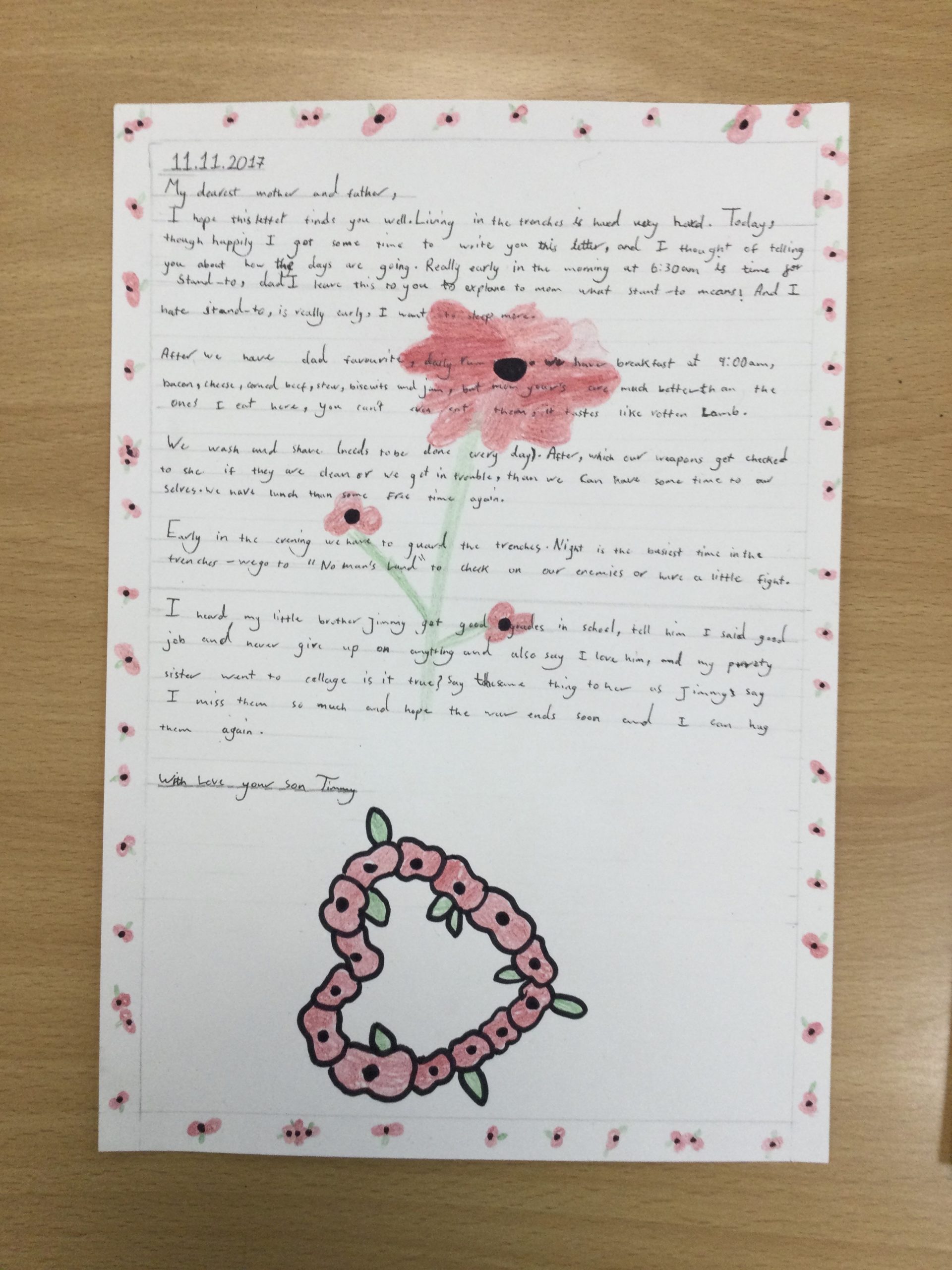
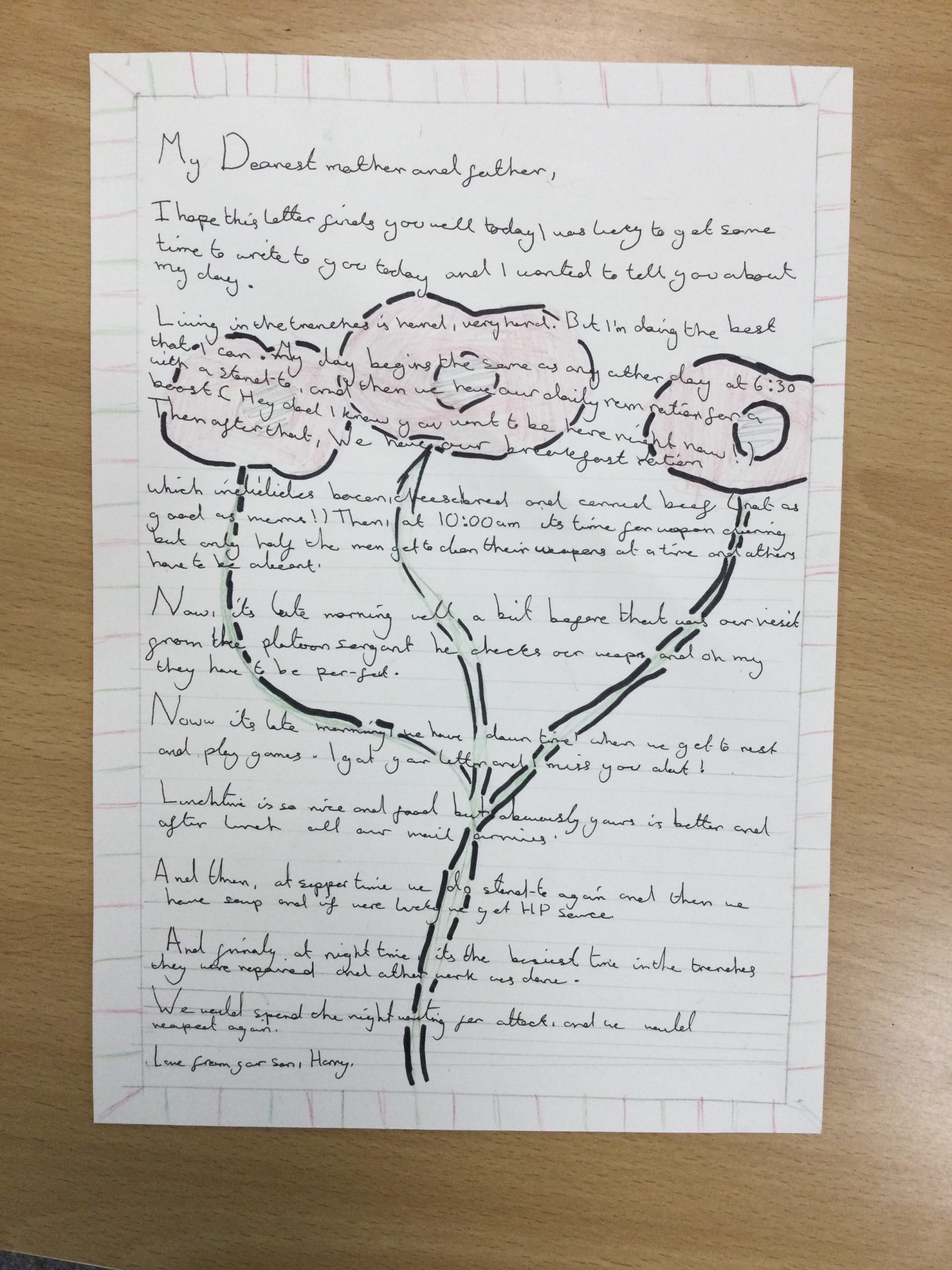
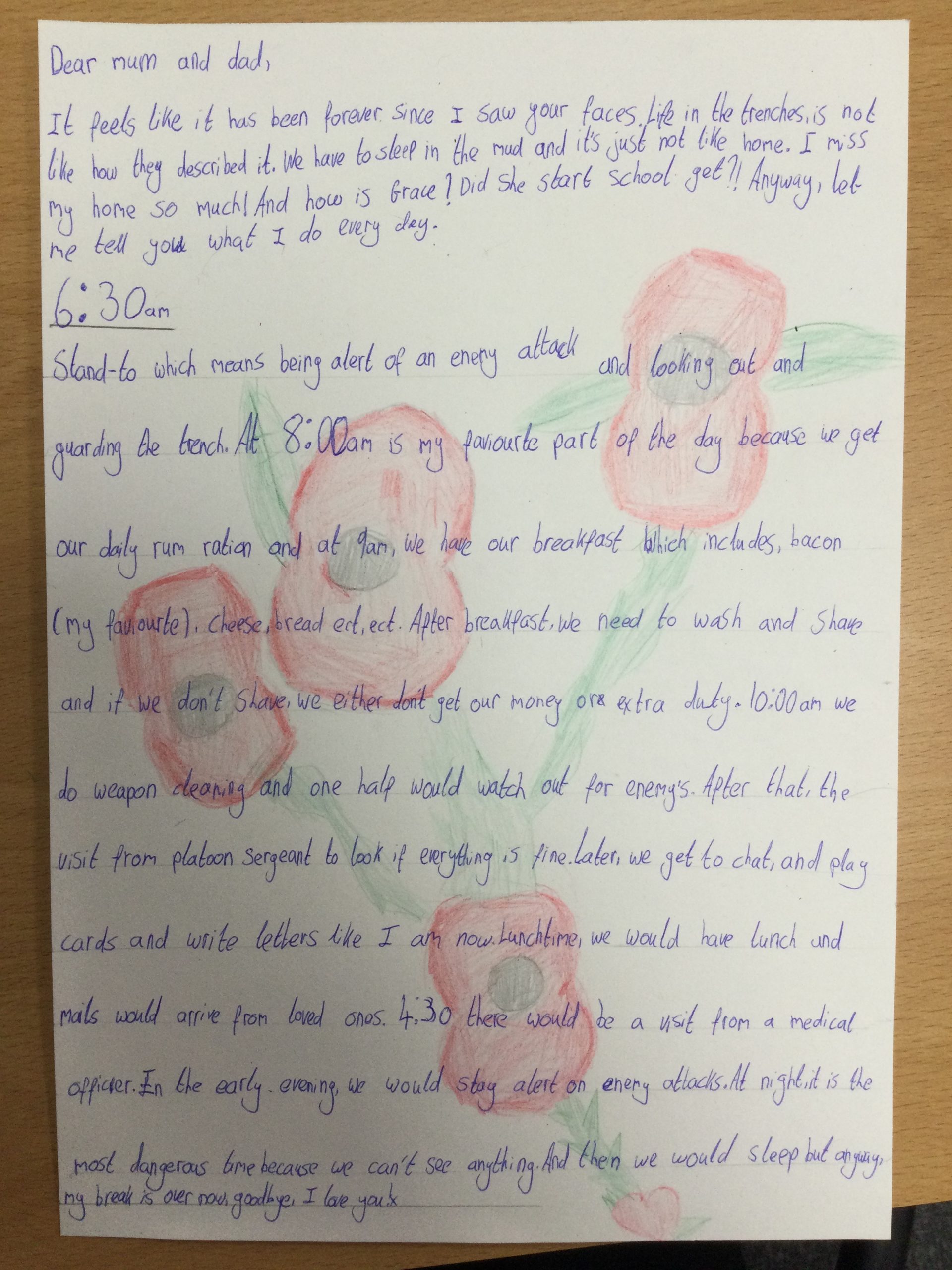
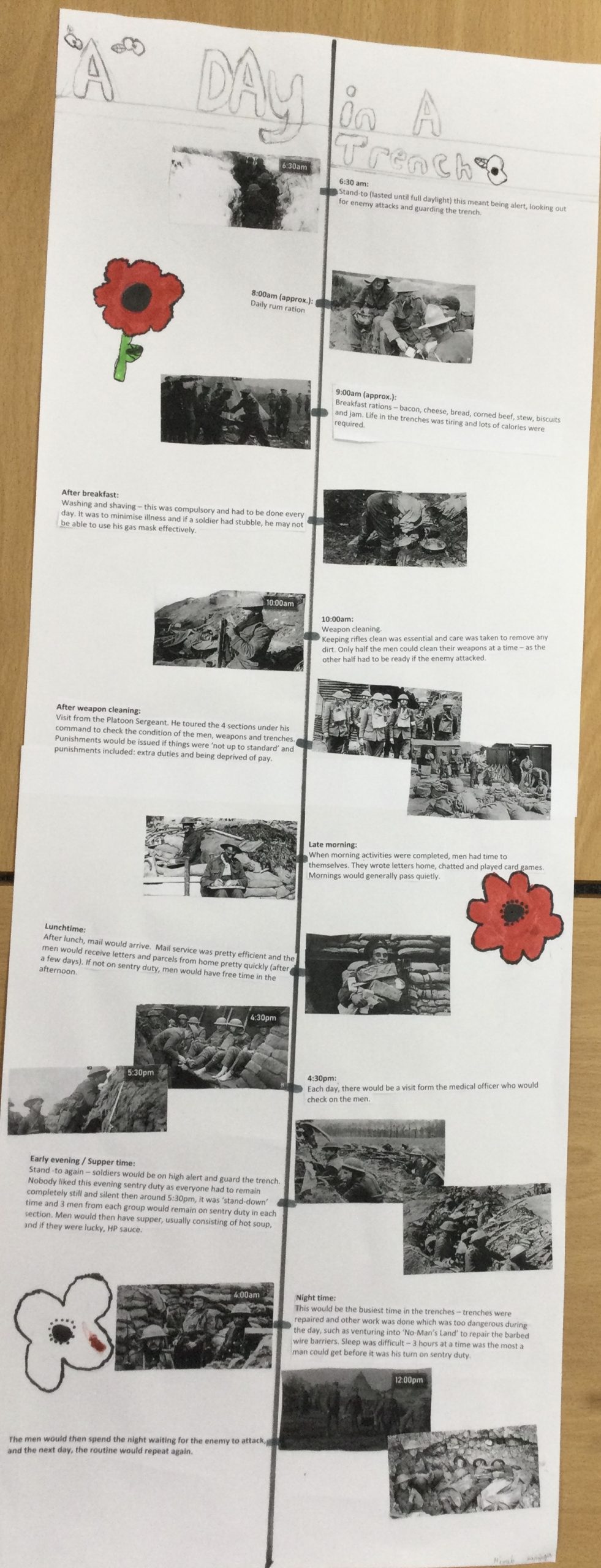
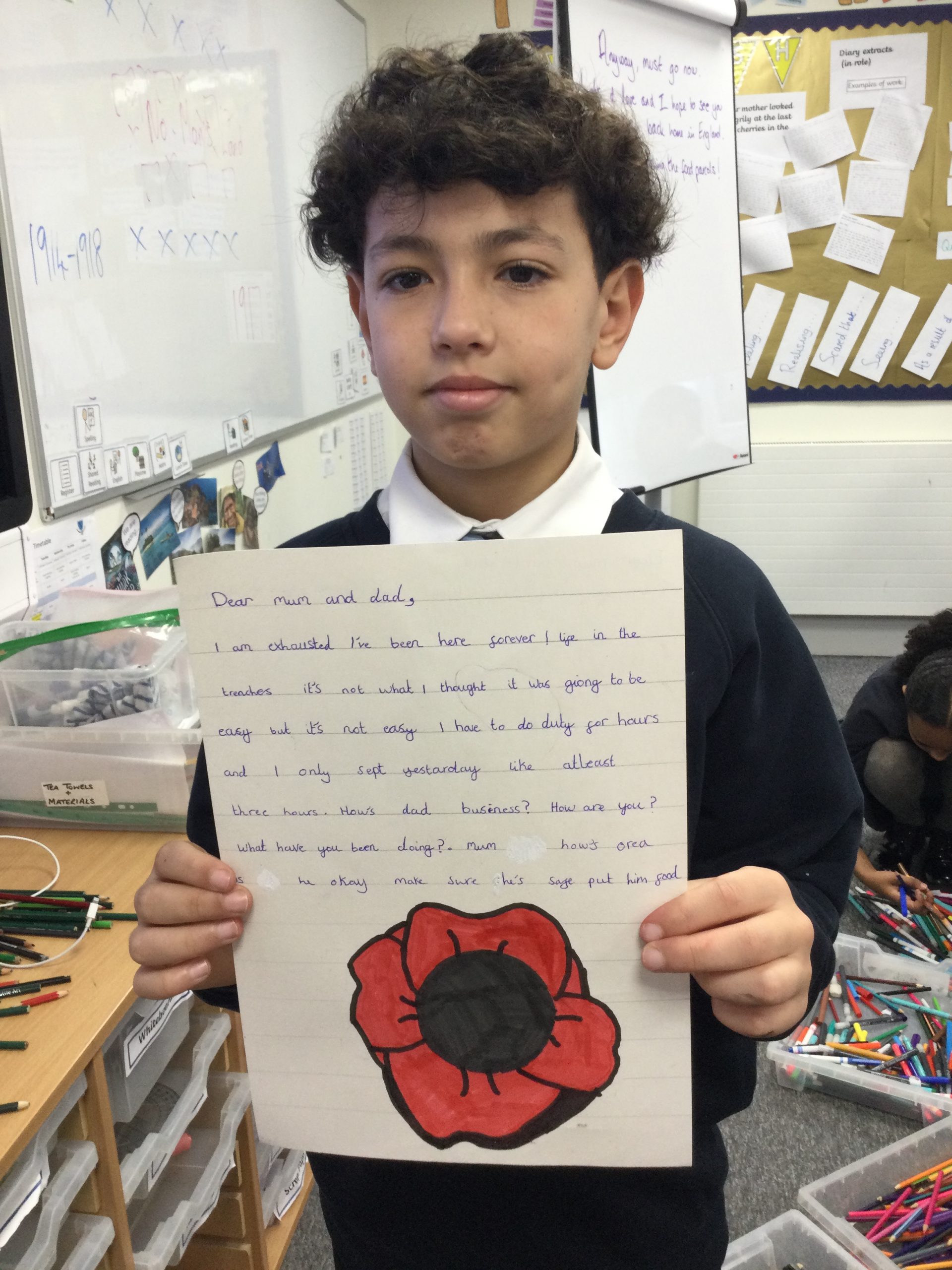
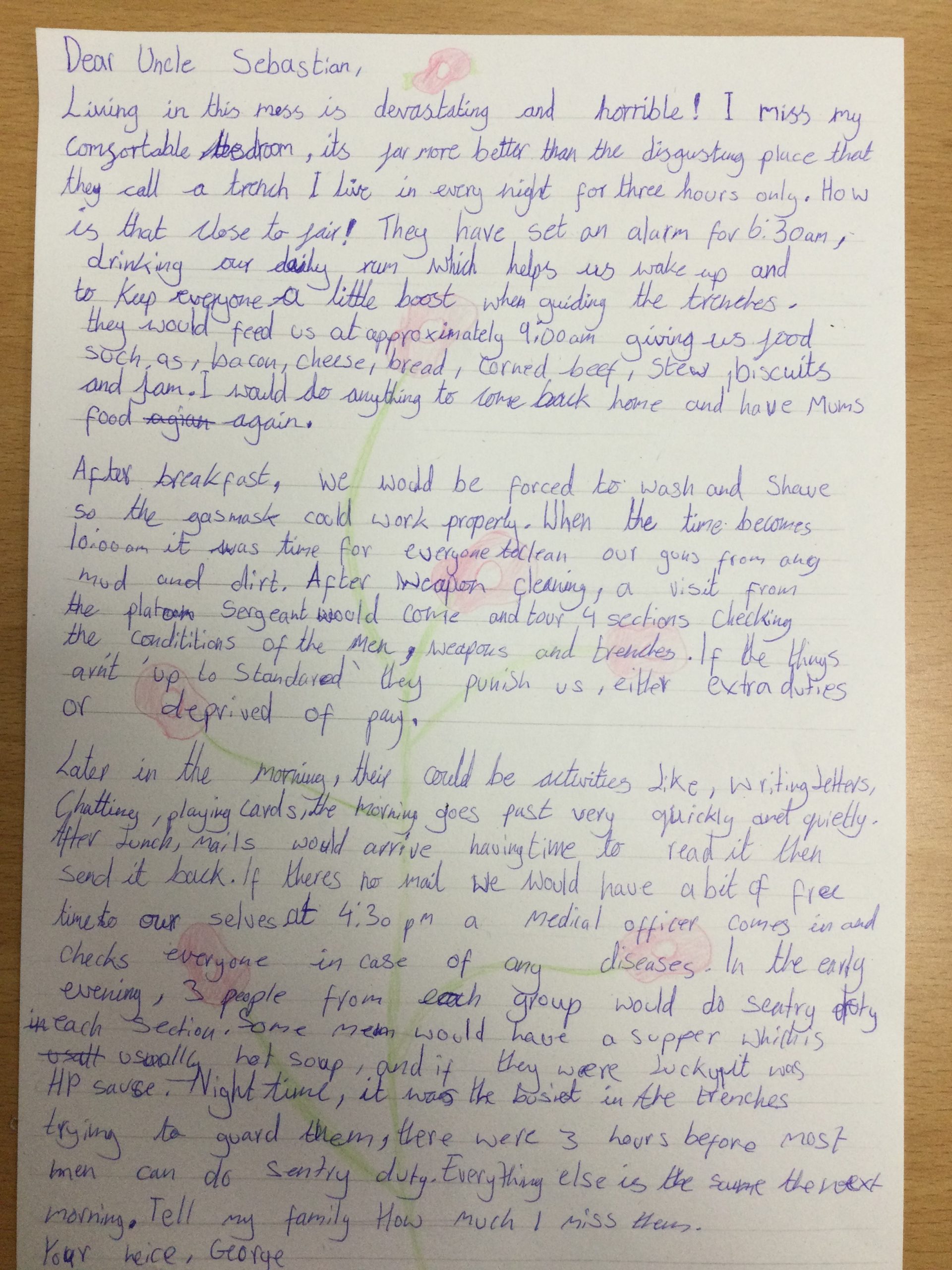
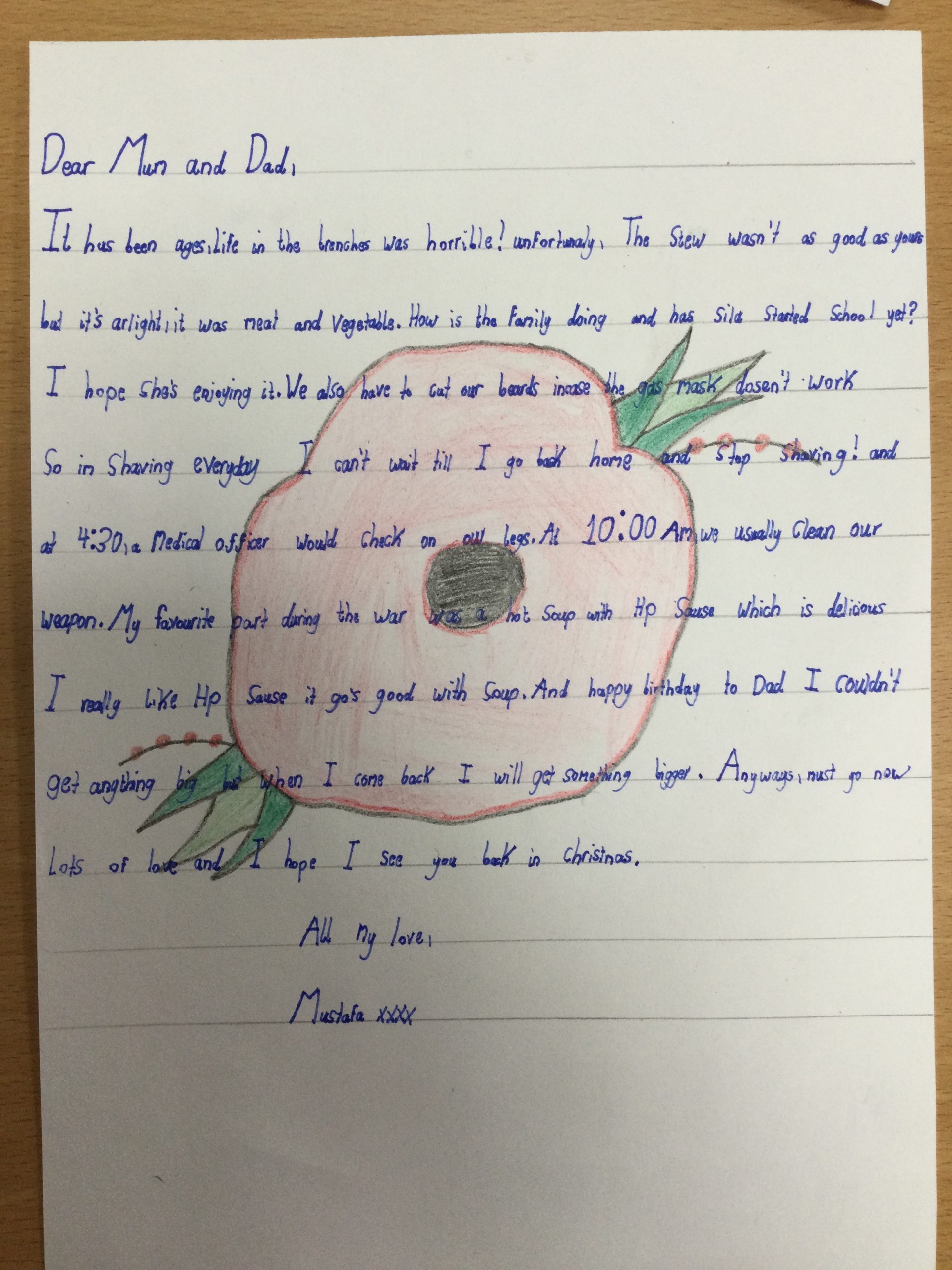
After learning about life in the trenches for the soldiers in WWI, we wrote (in role) letters home to our loved ones …
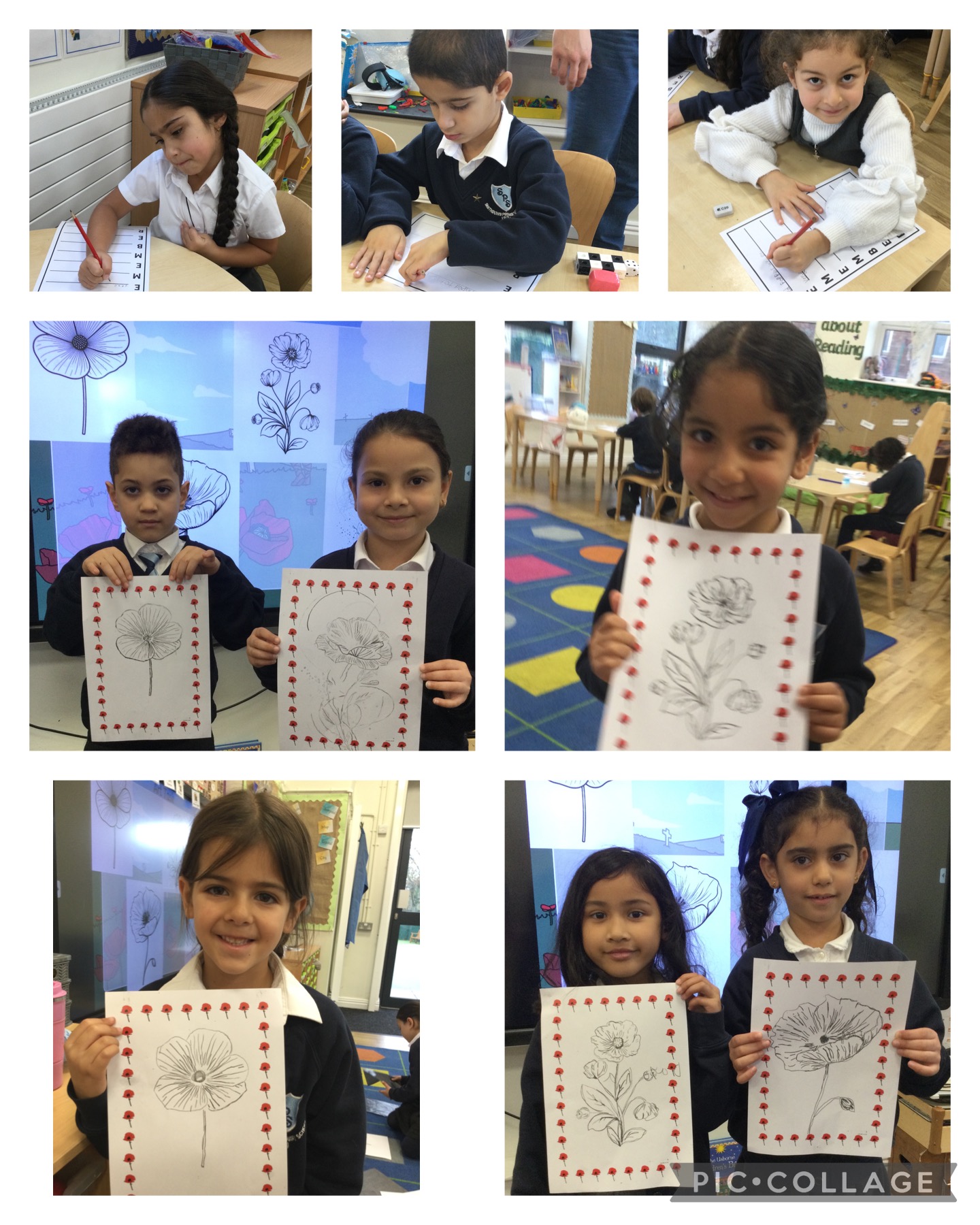
Year 2 had a beautiful remembrance morning. We wrote acrostic poems and created some beautiful poppy artwork.
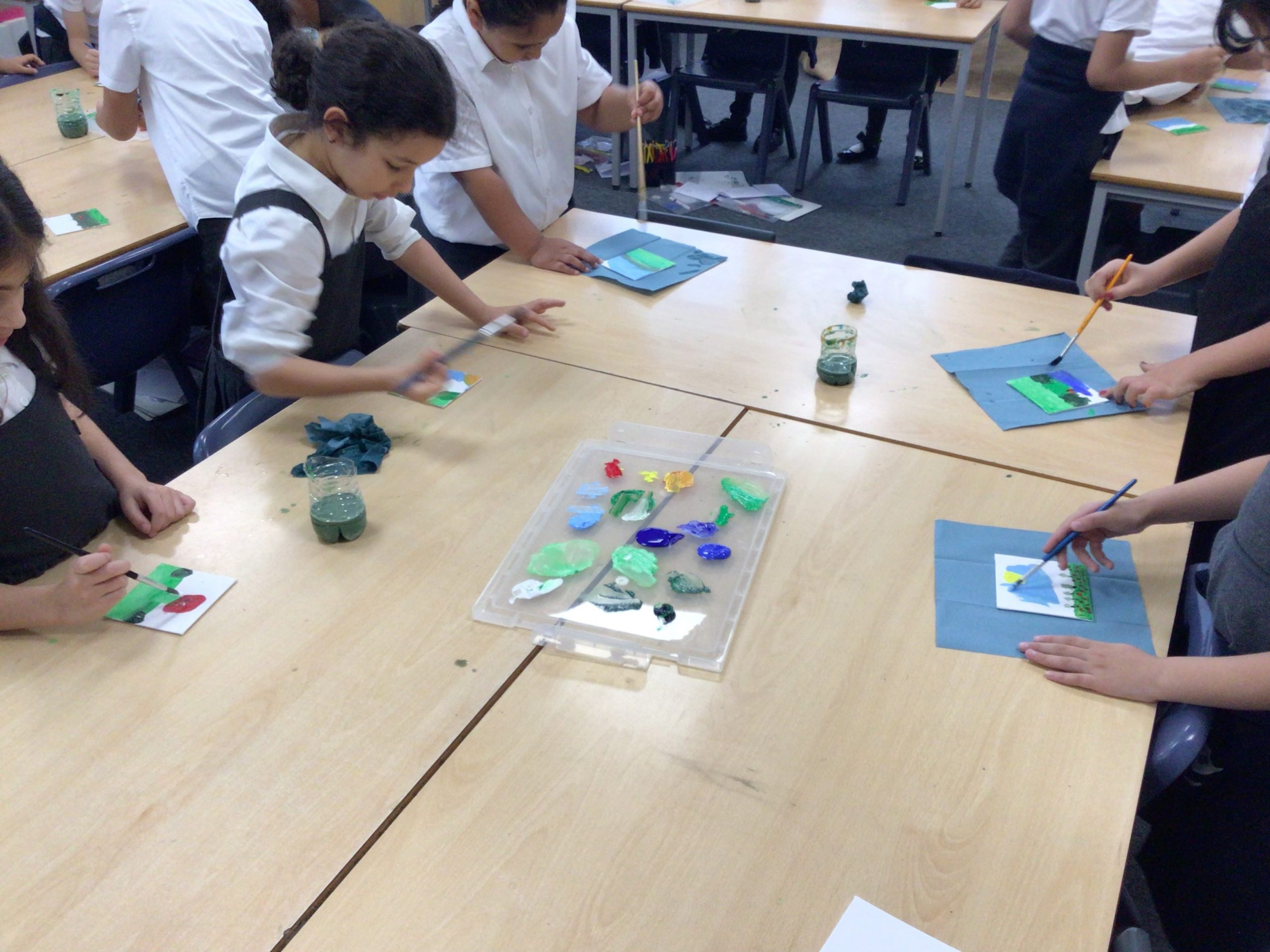
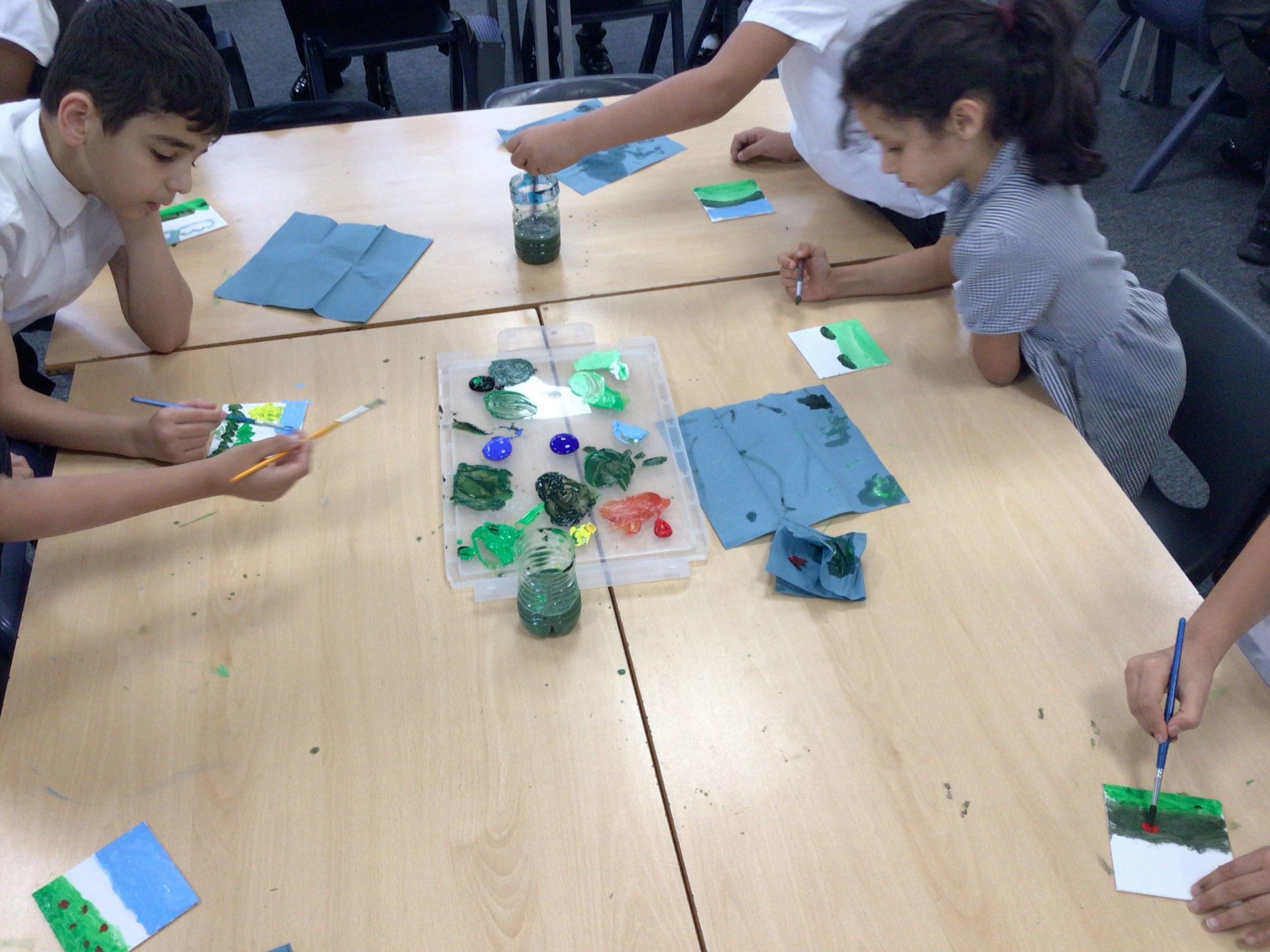
Year 3 have started Remembrance Day by focusing on some art work that uses paint, fabric and stitching. When they are dry we’ll add some stitching on them to add colour and texture.
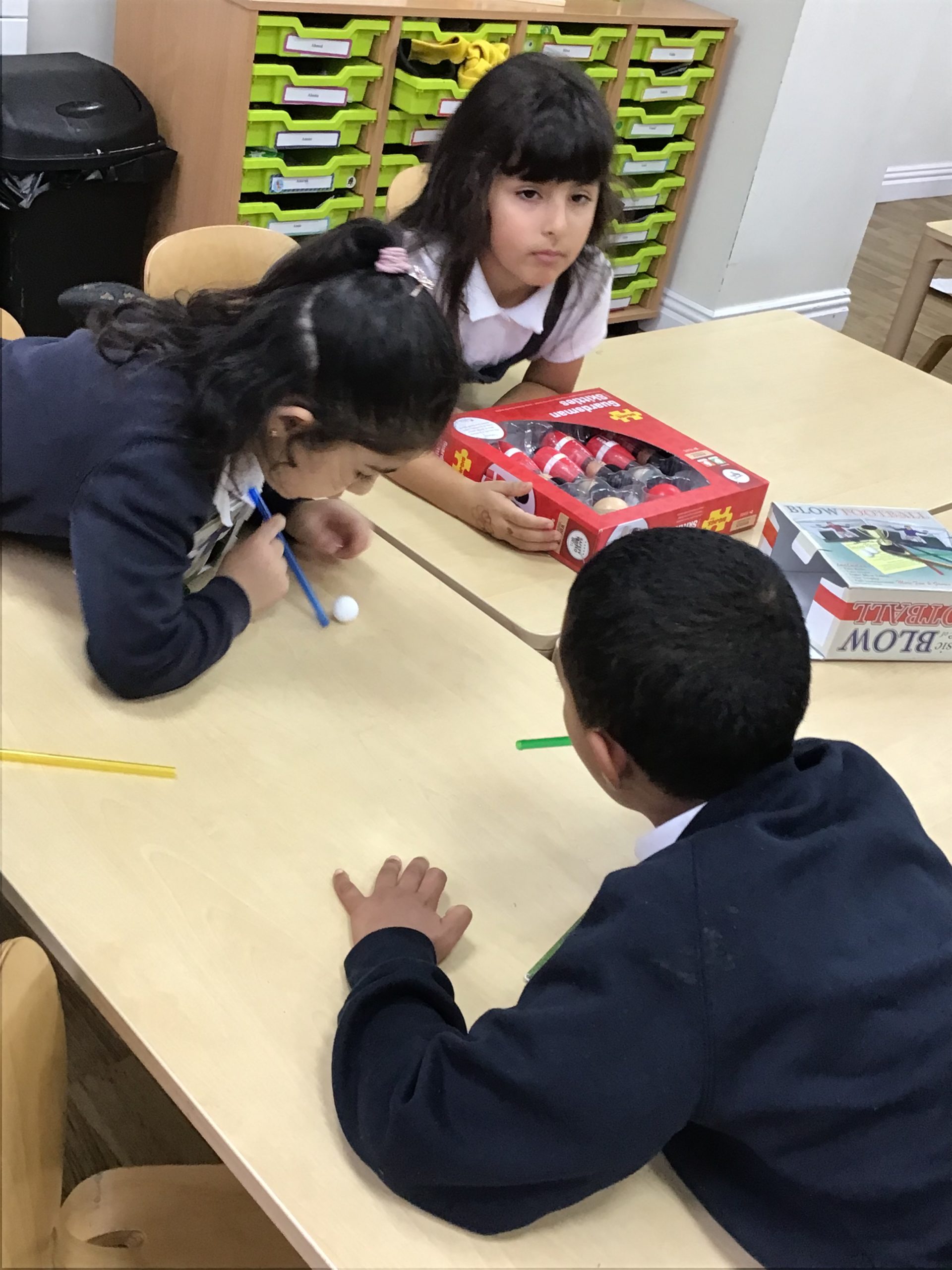
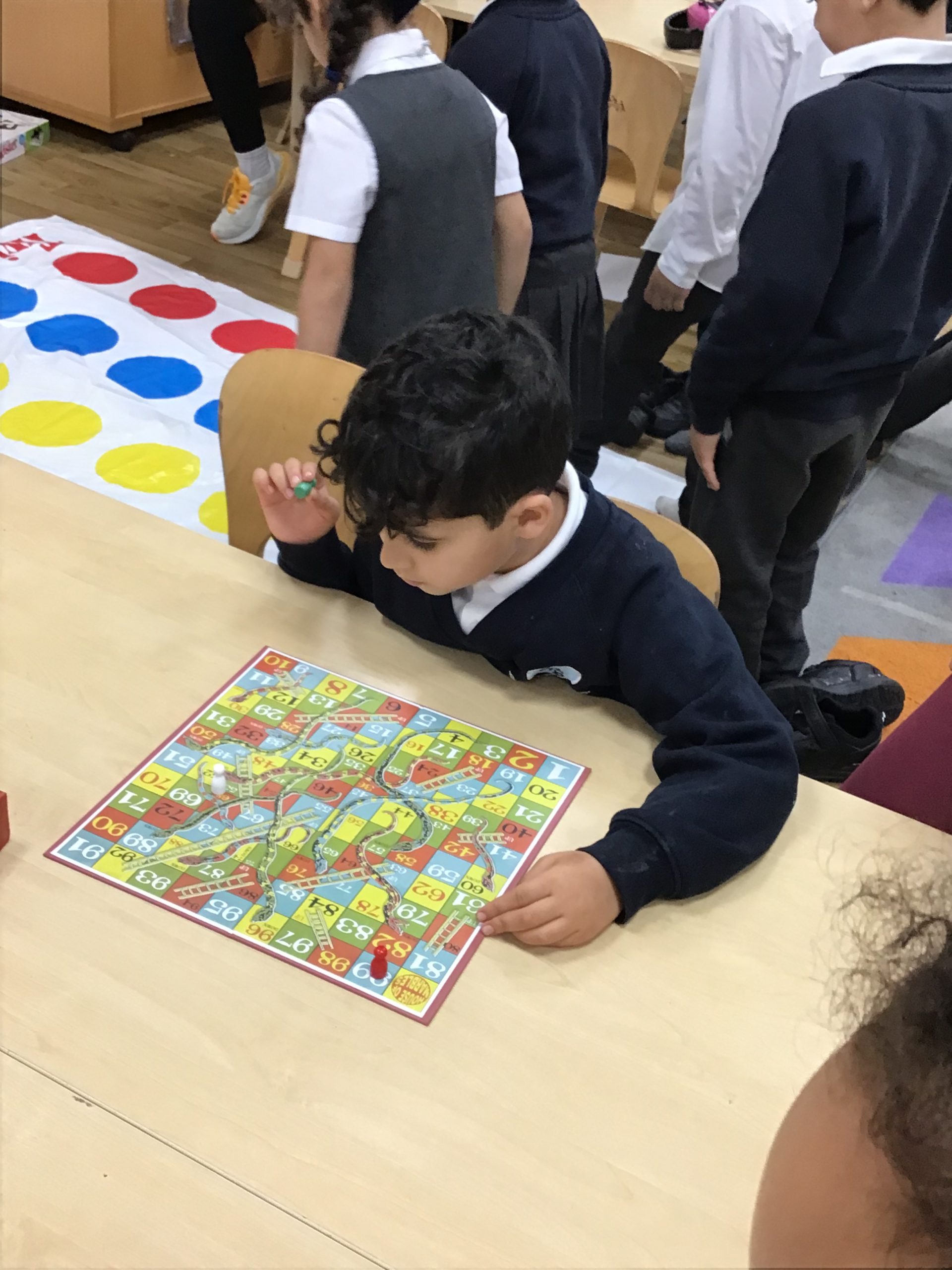
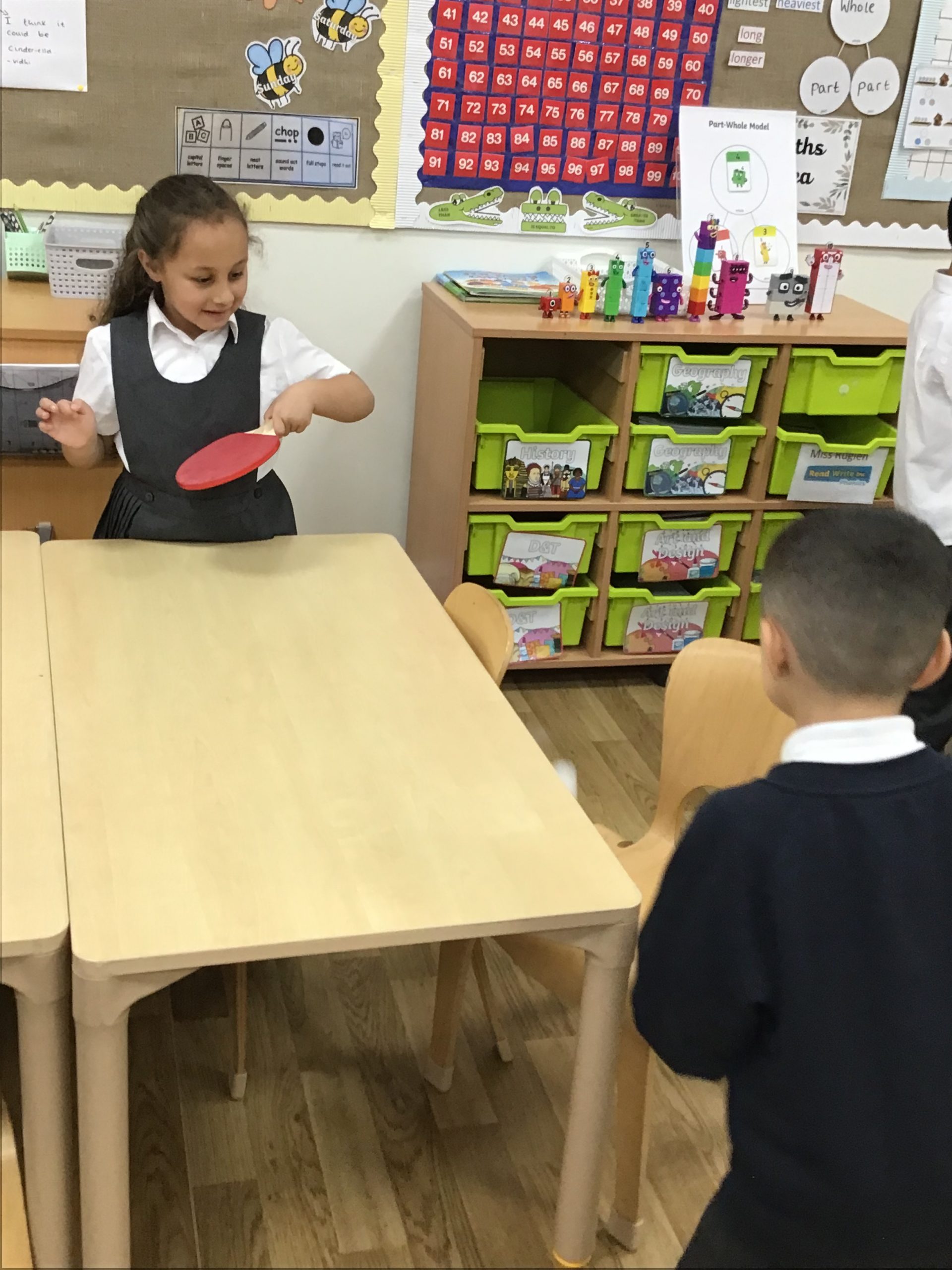
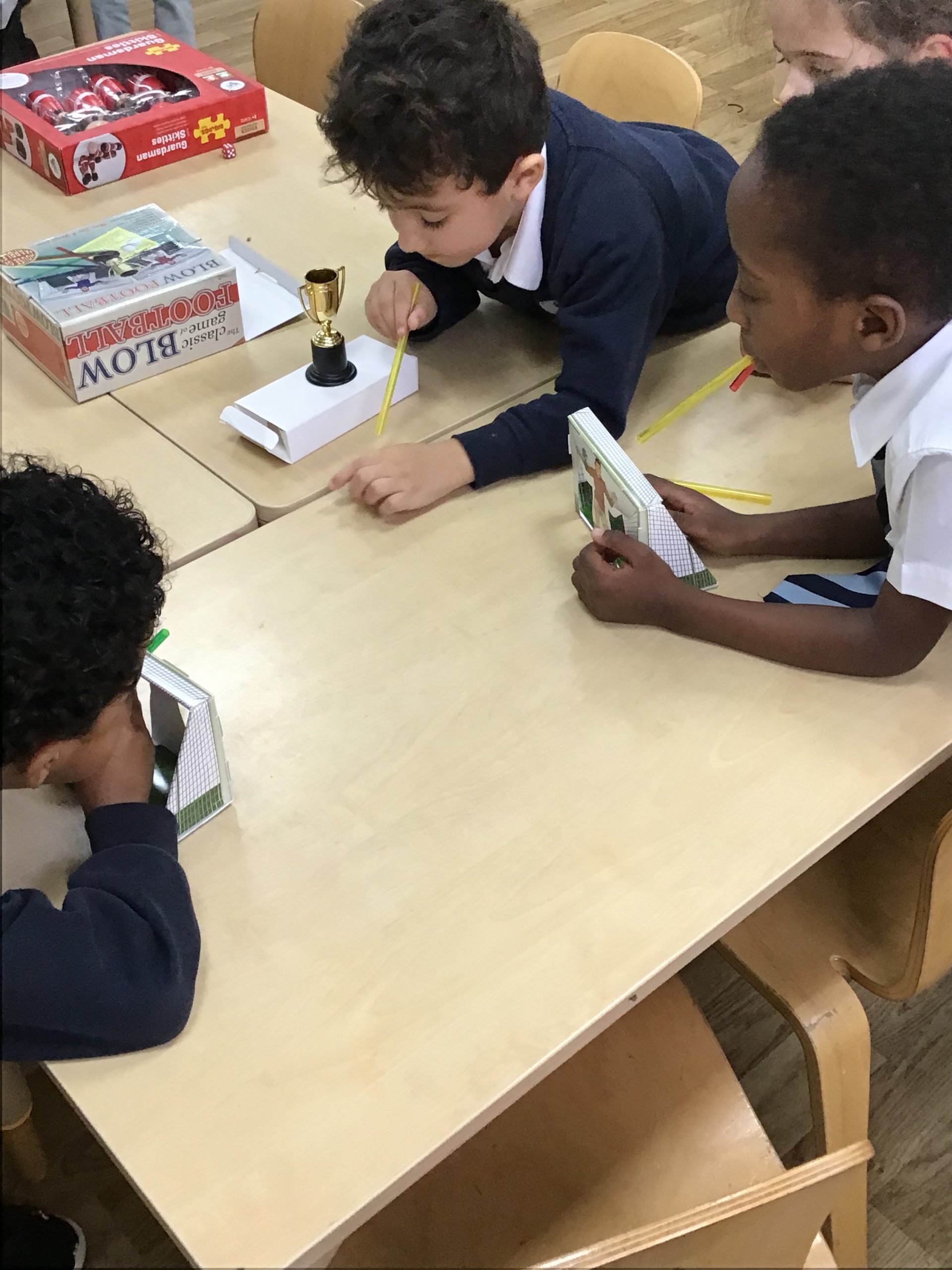
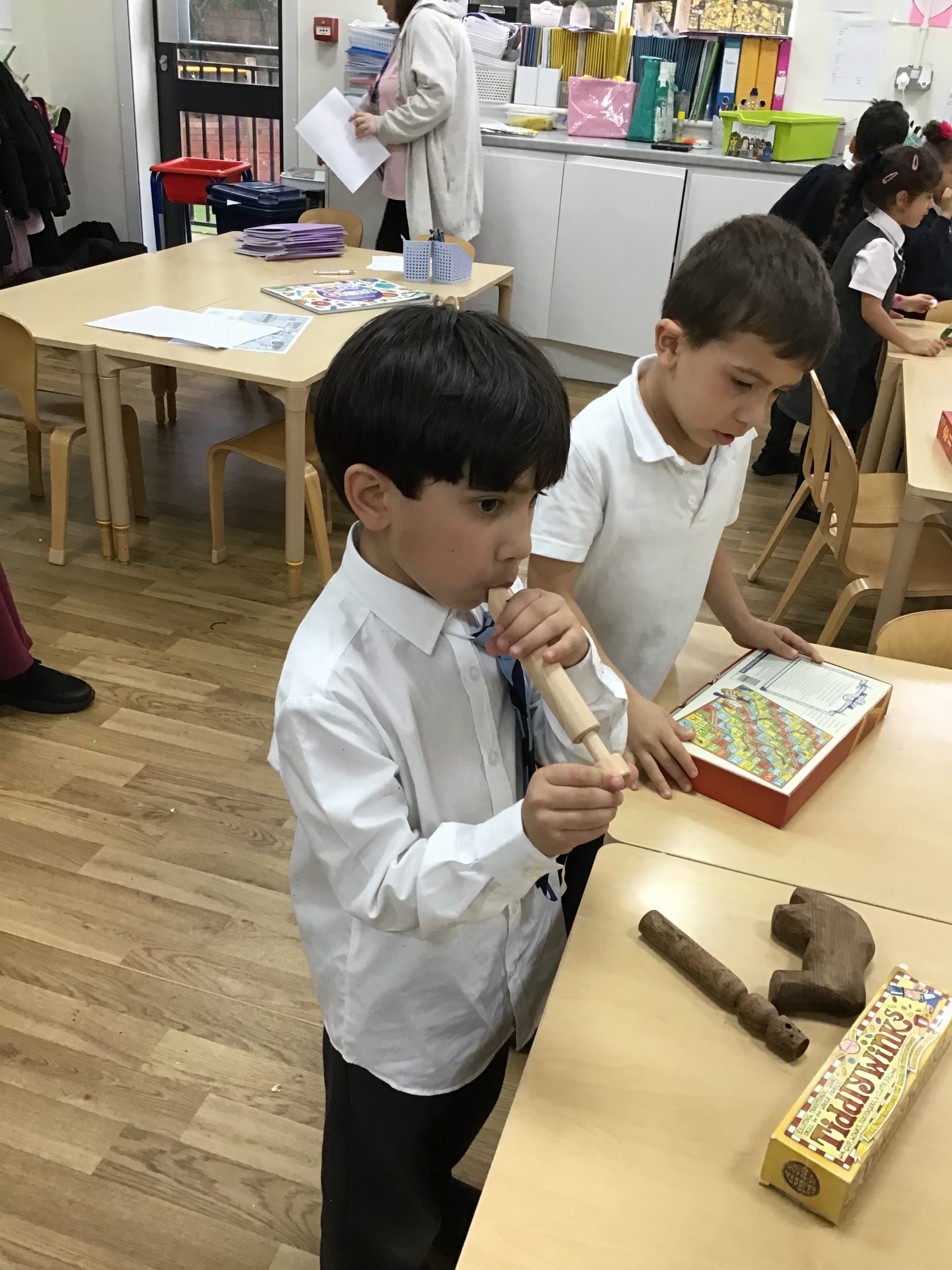
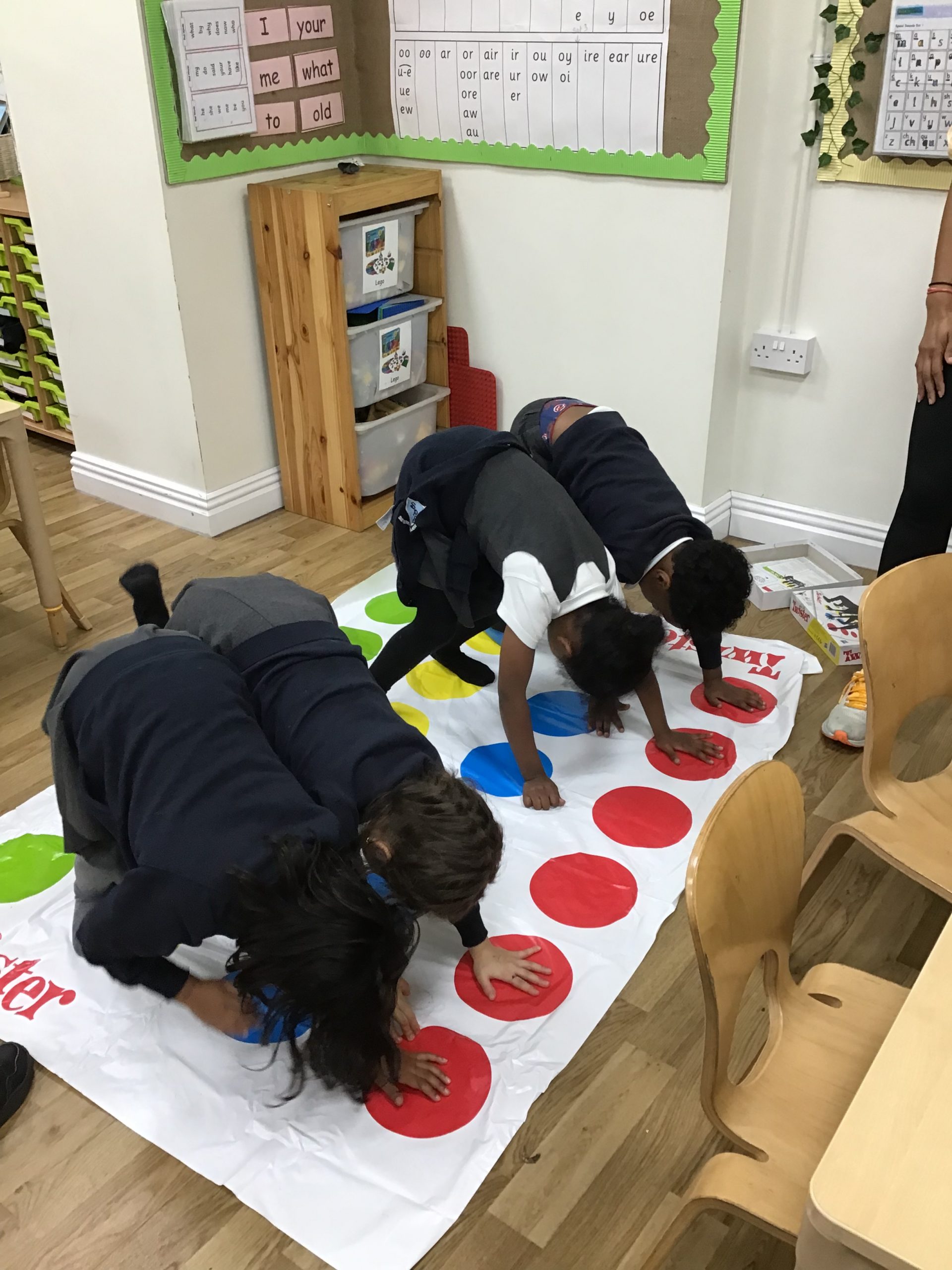
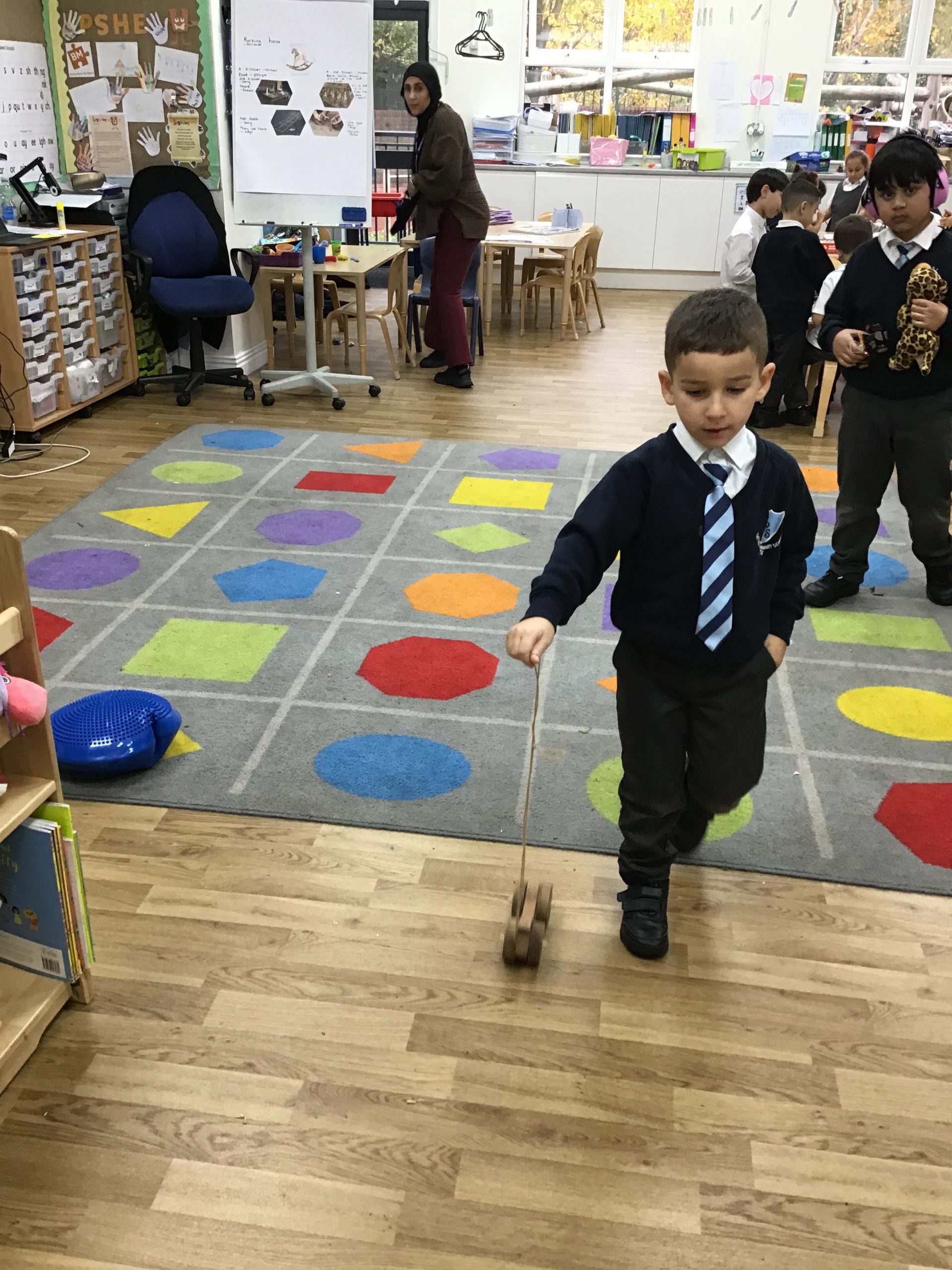
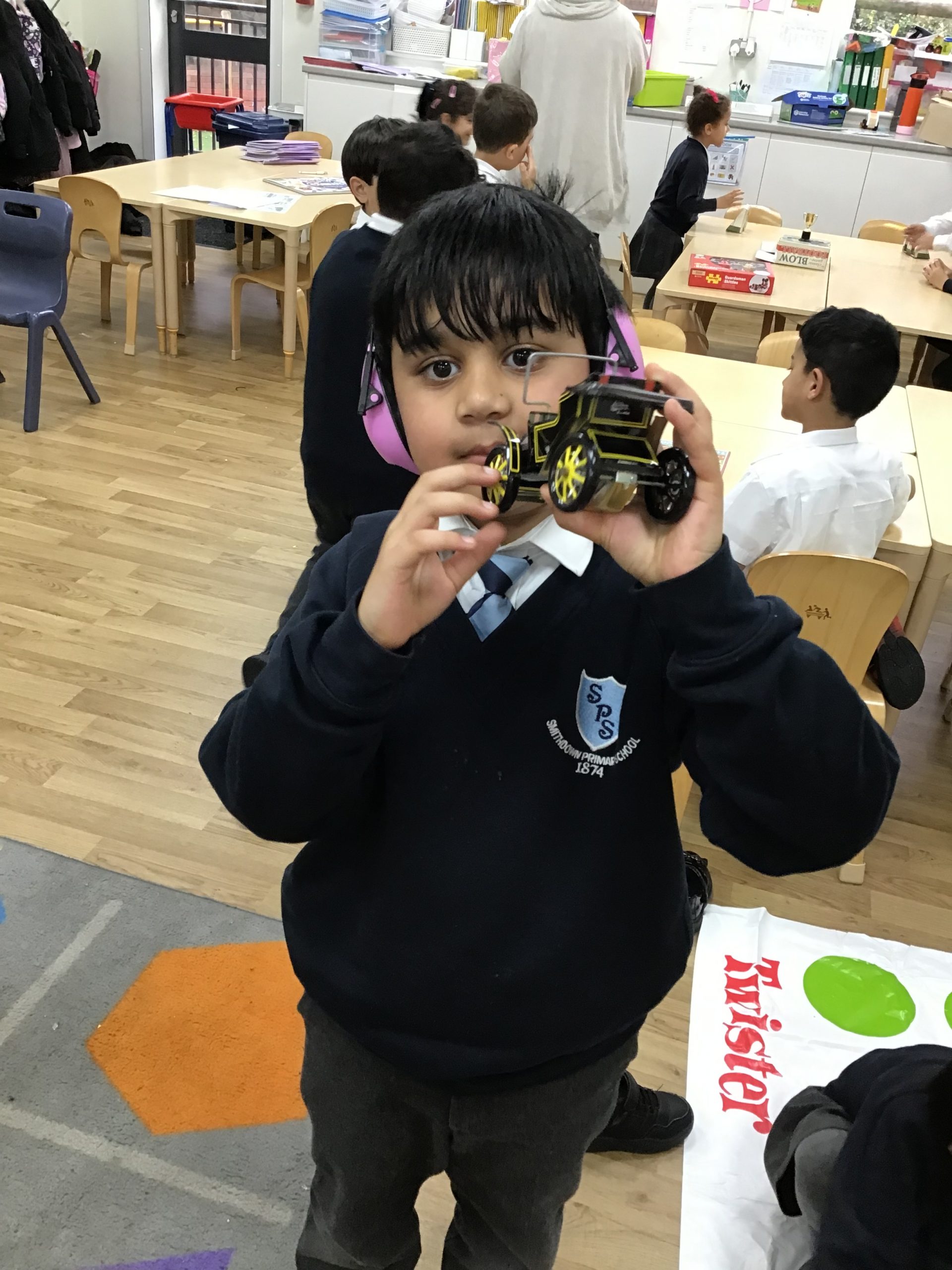
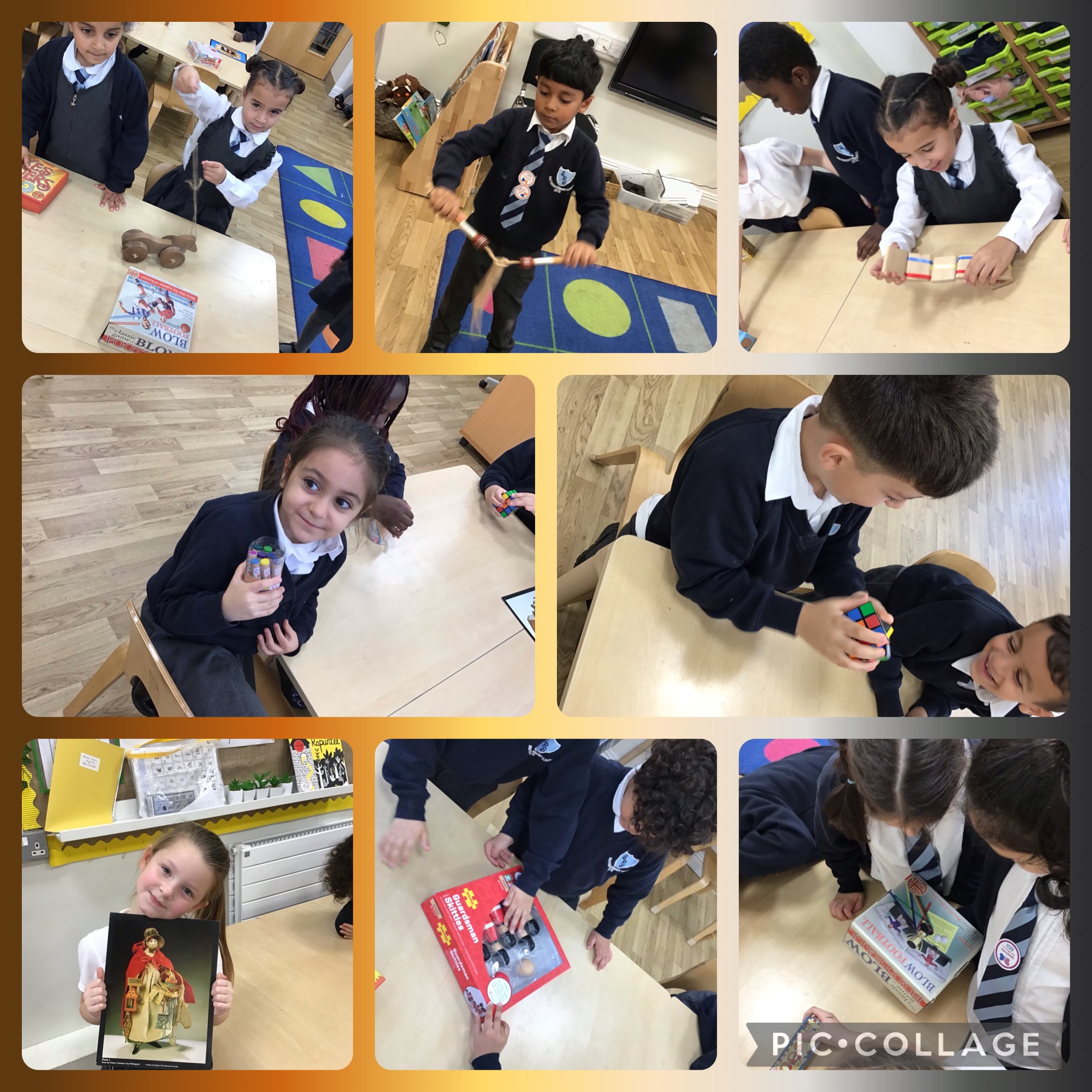
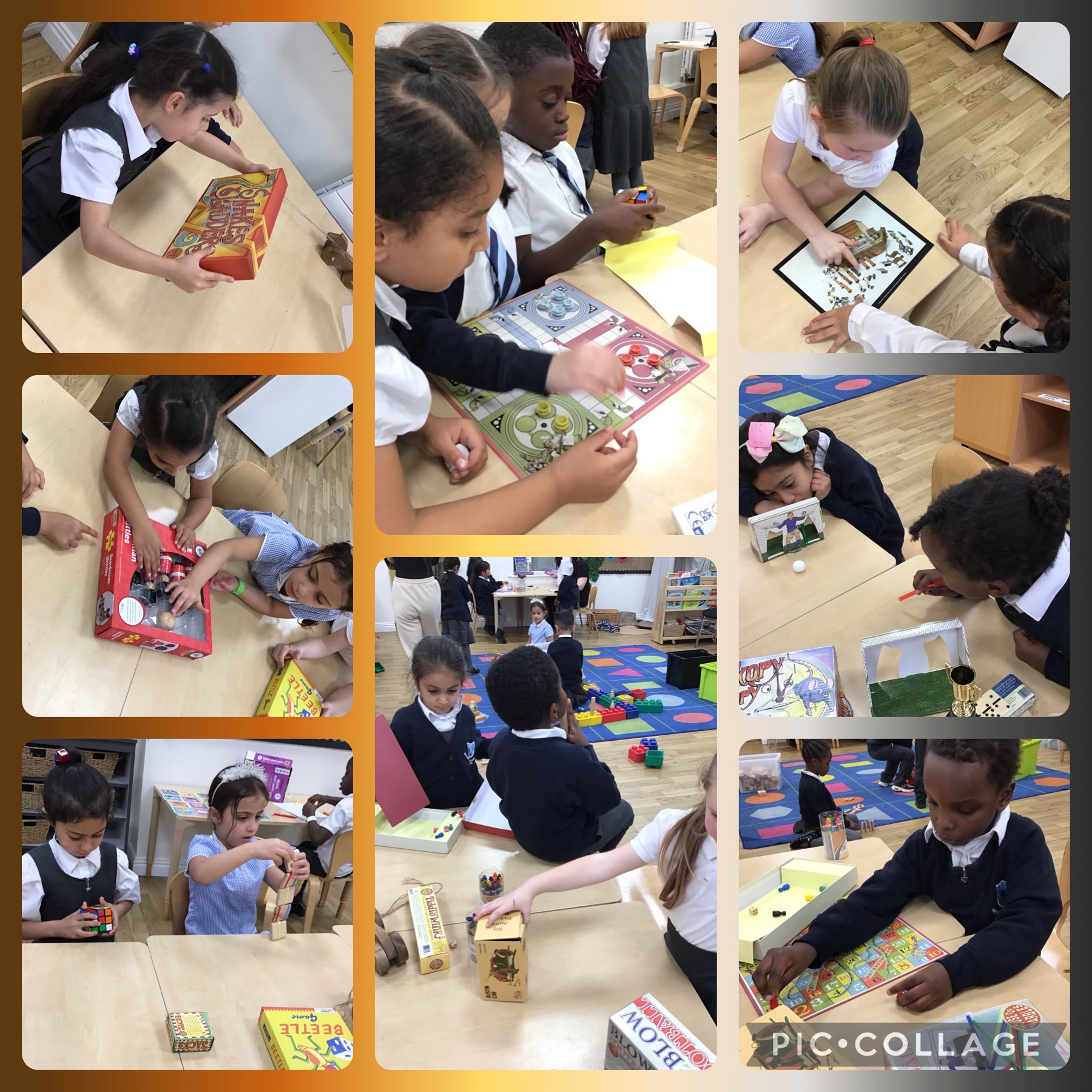
We loved investigating (and playing) with toys from the past.
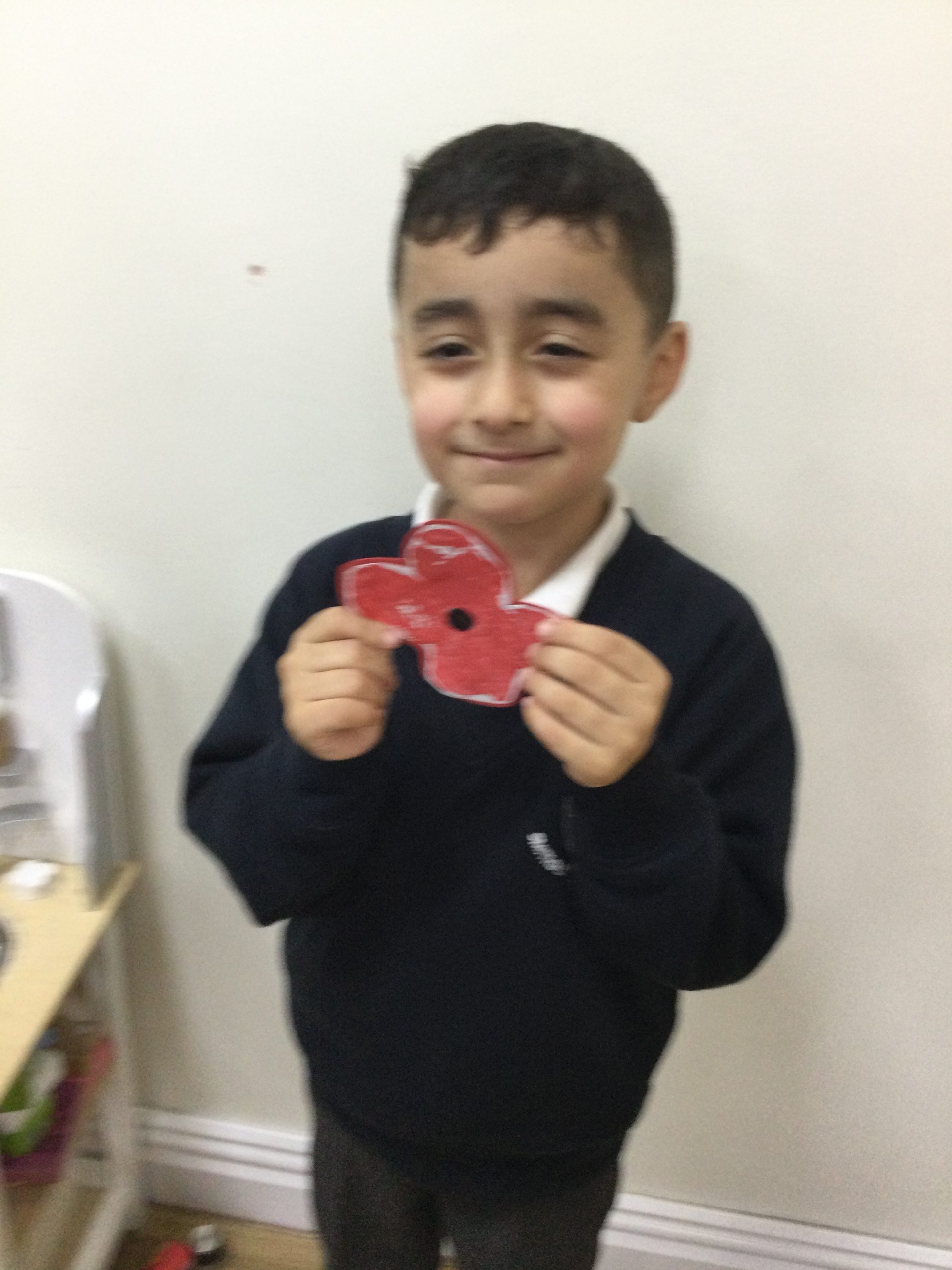
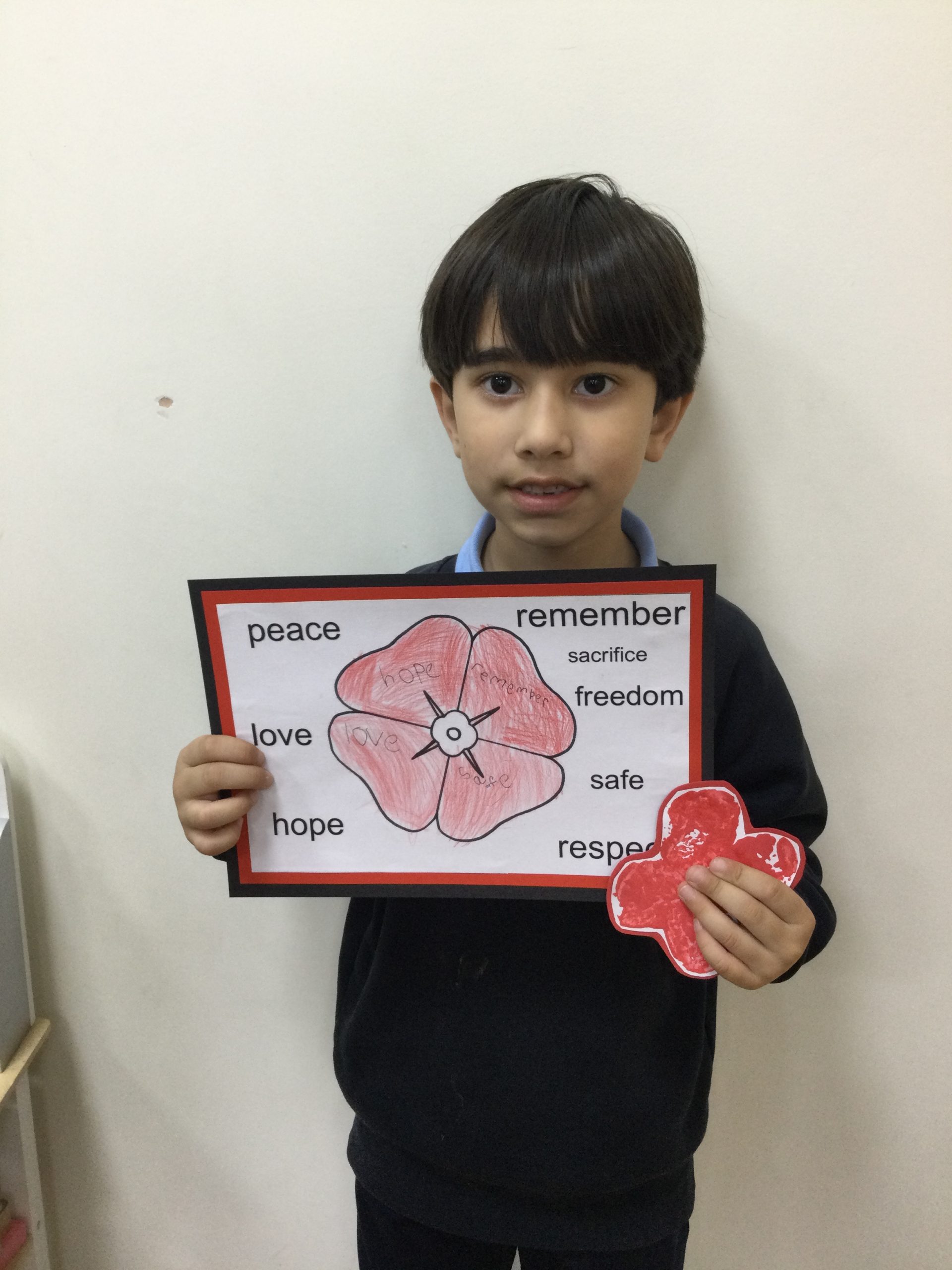
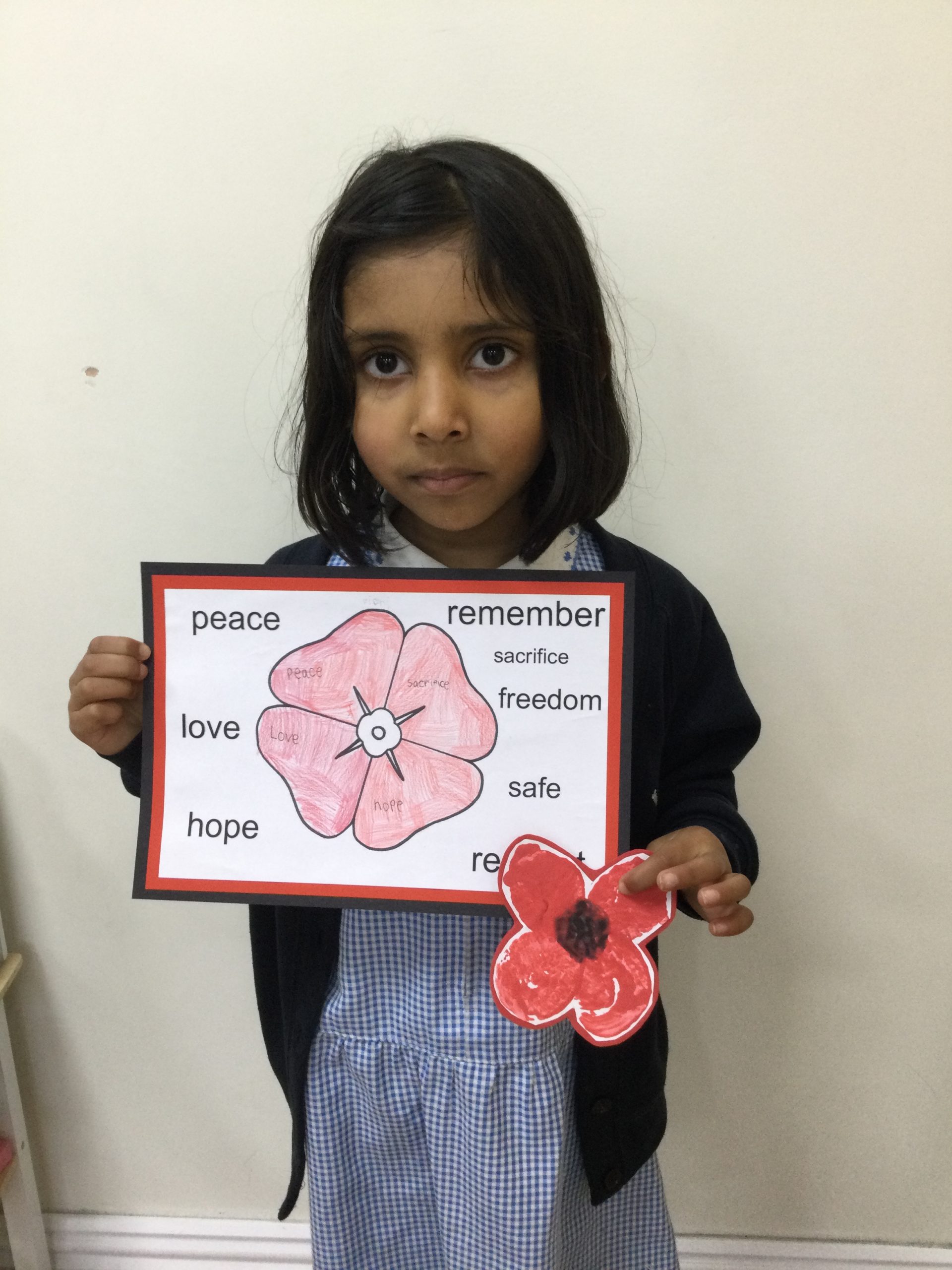
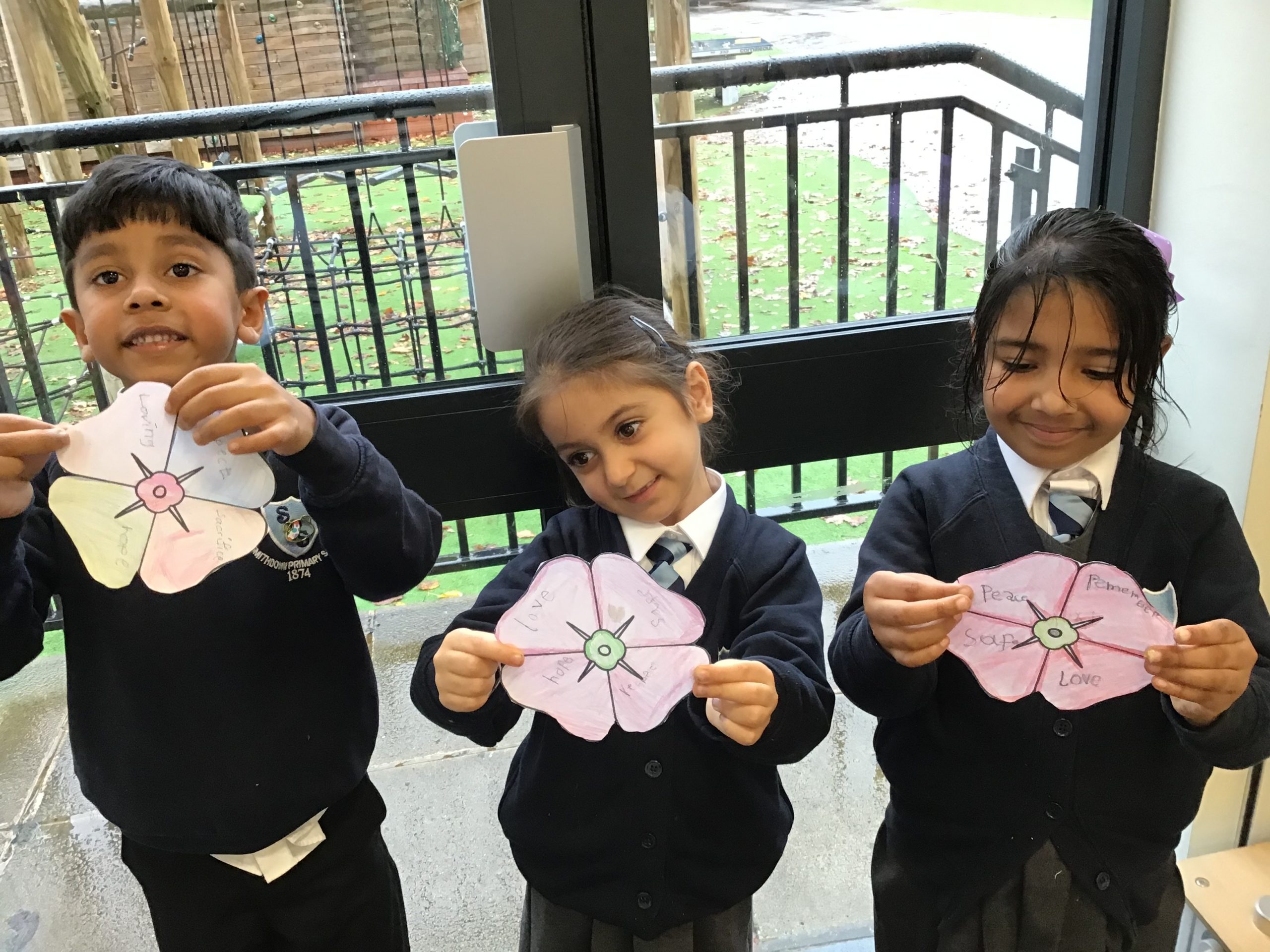
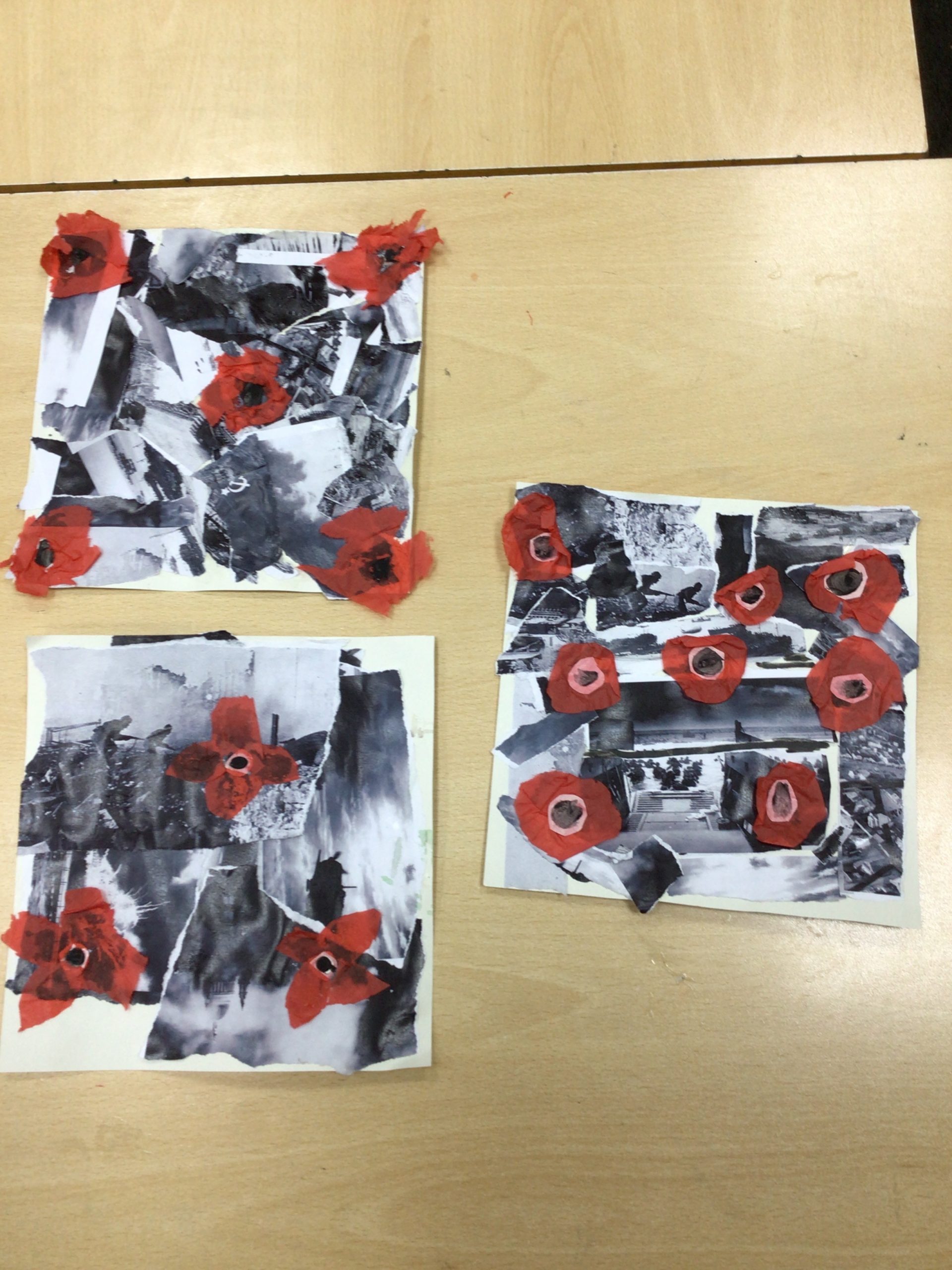
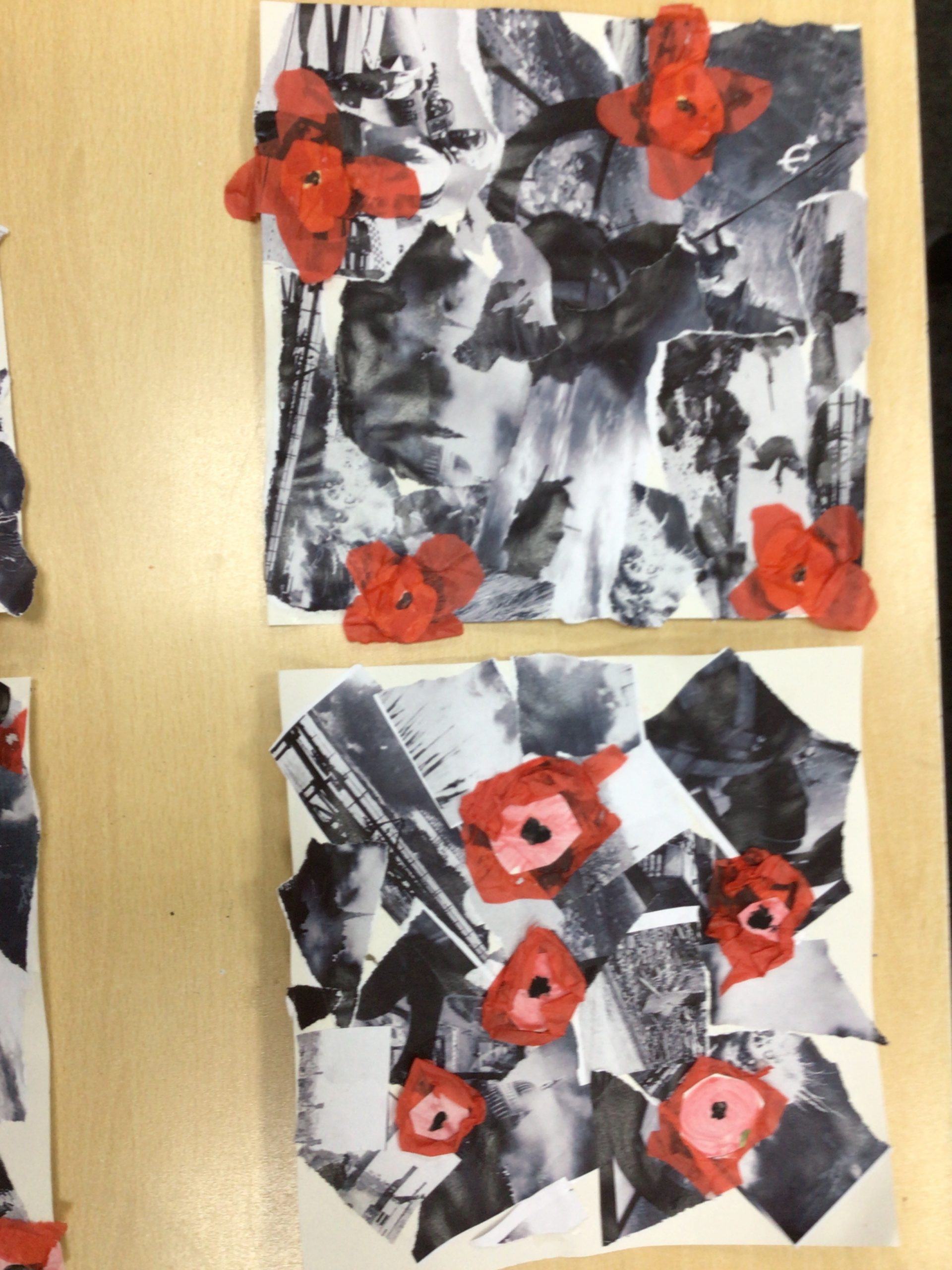
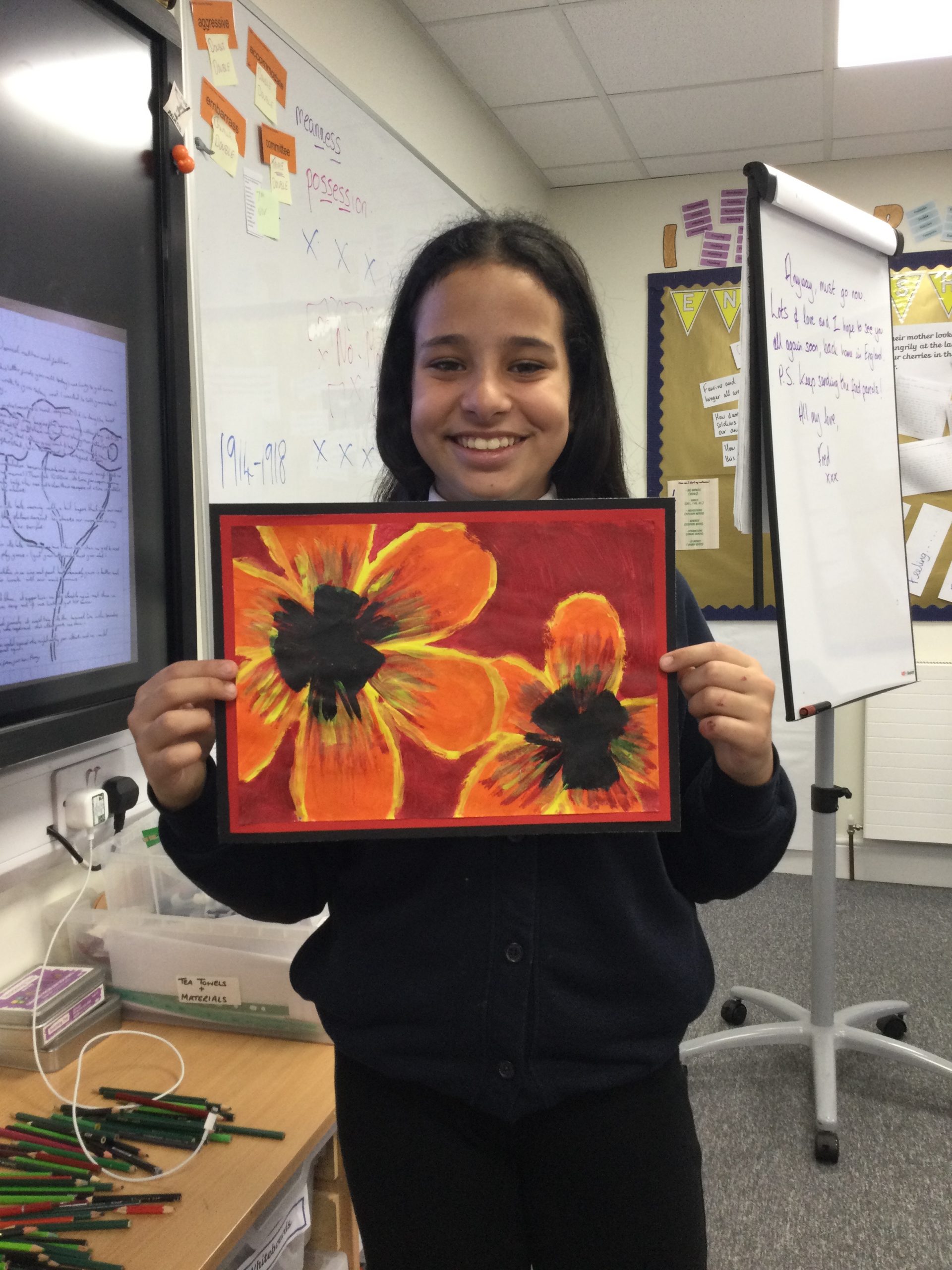
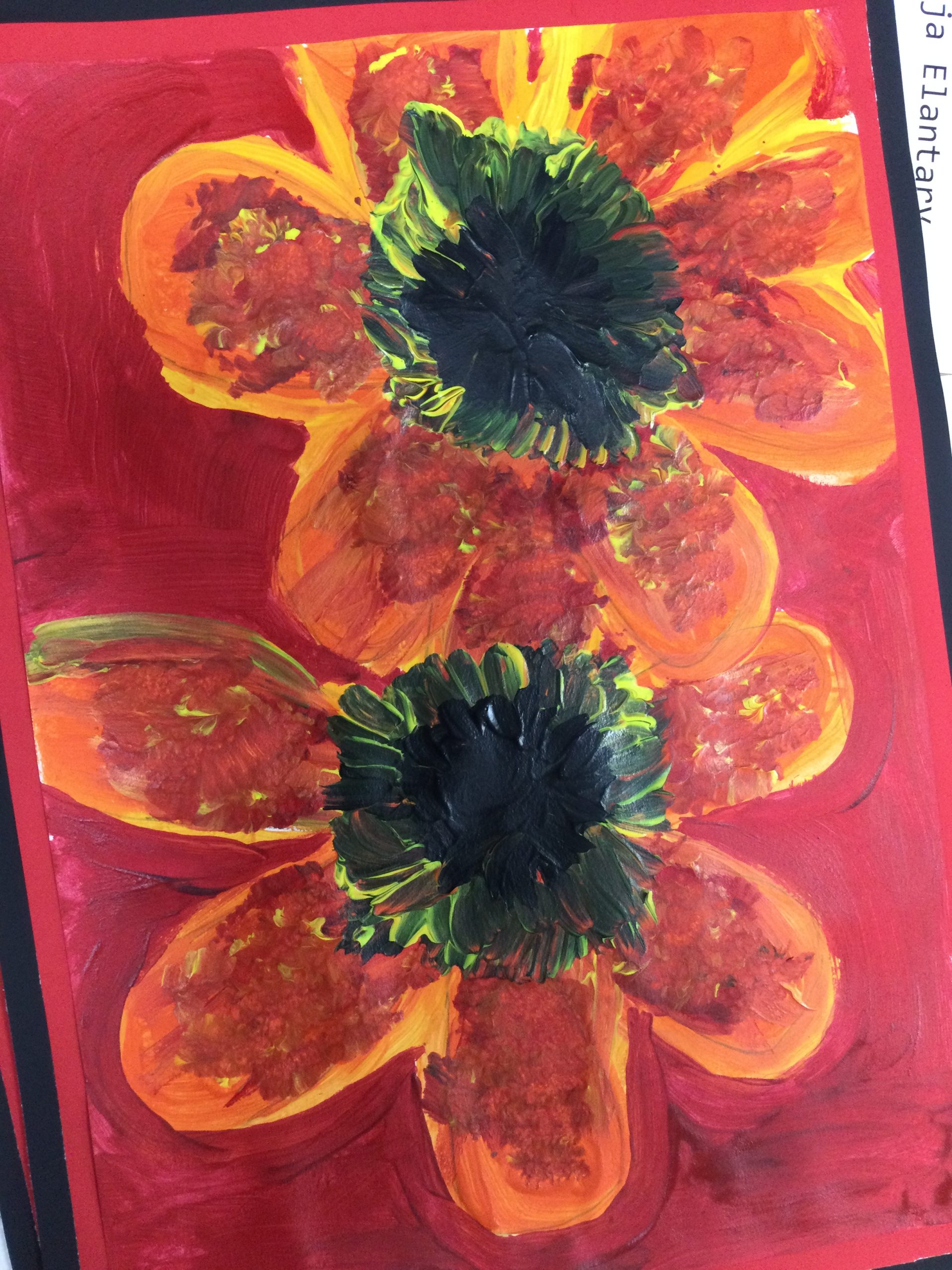
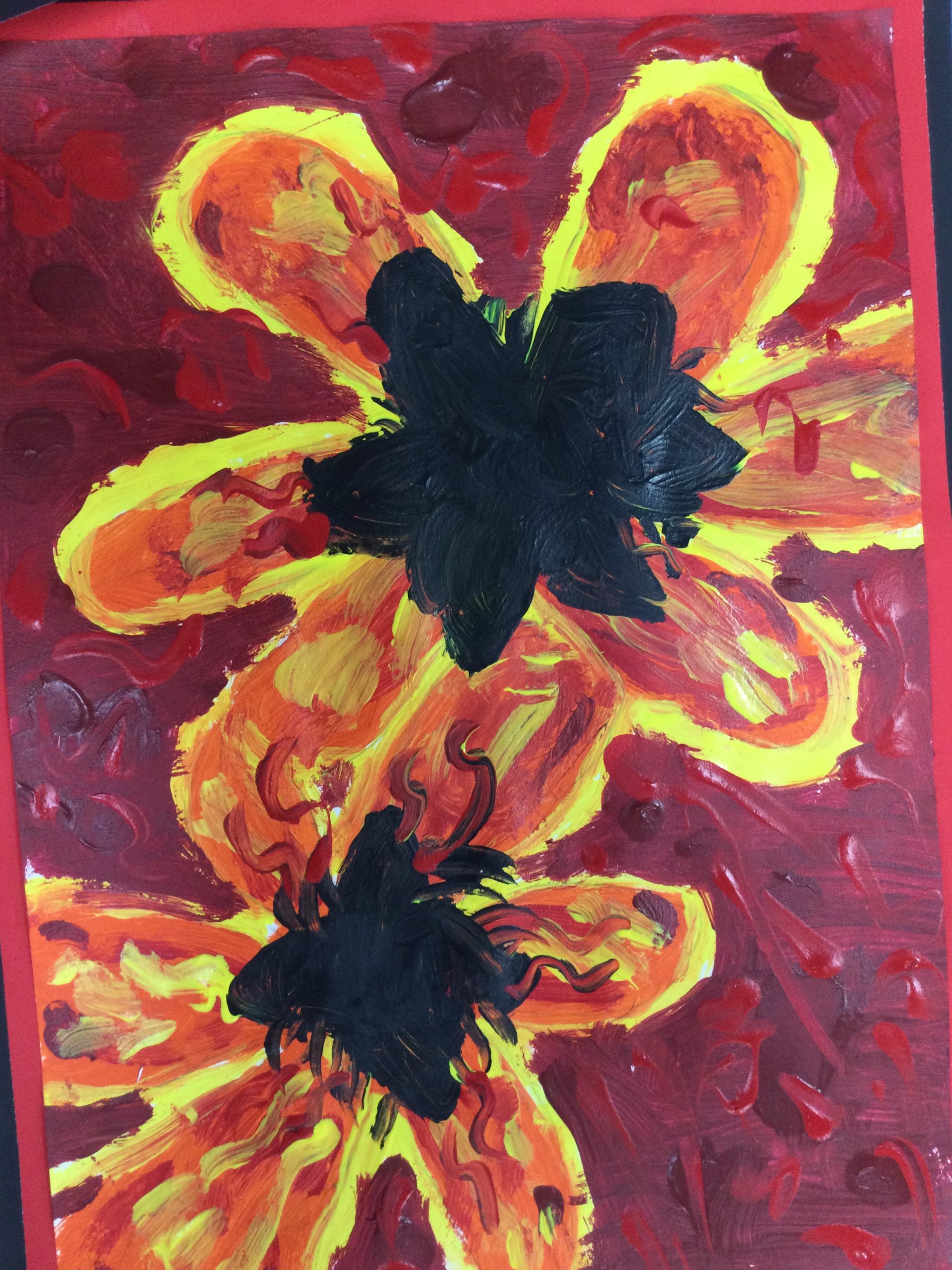
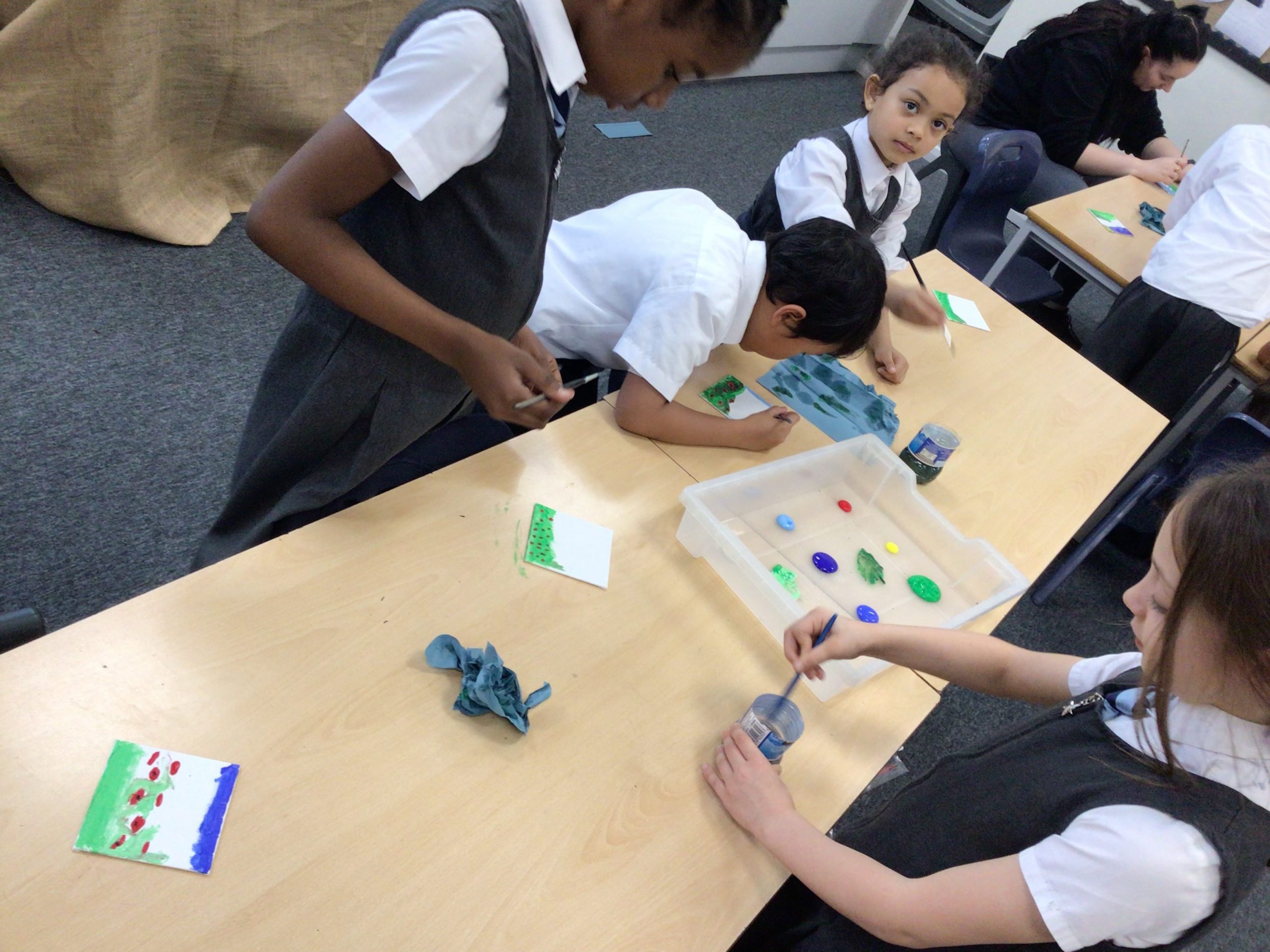
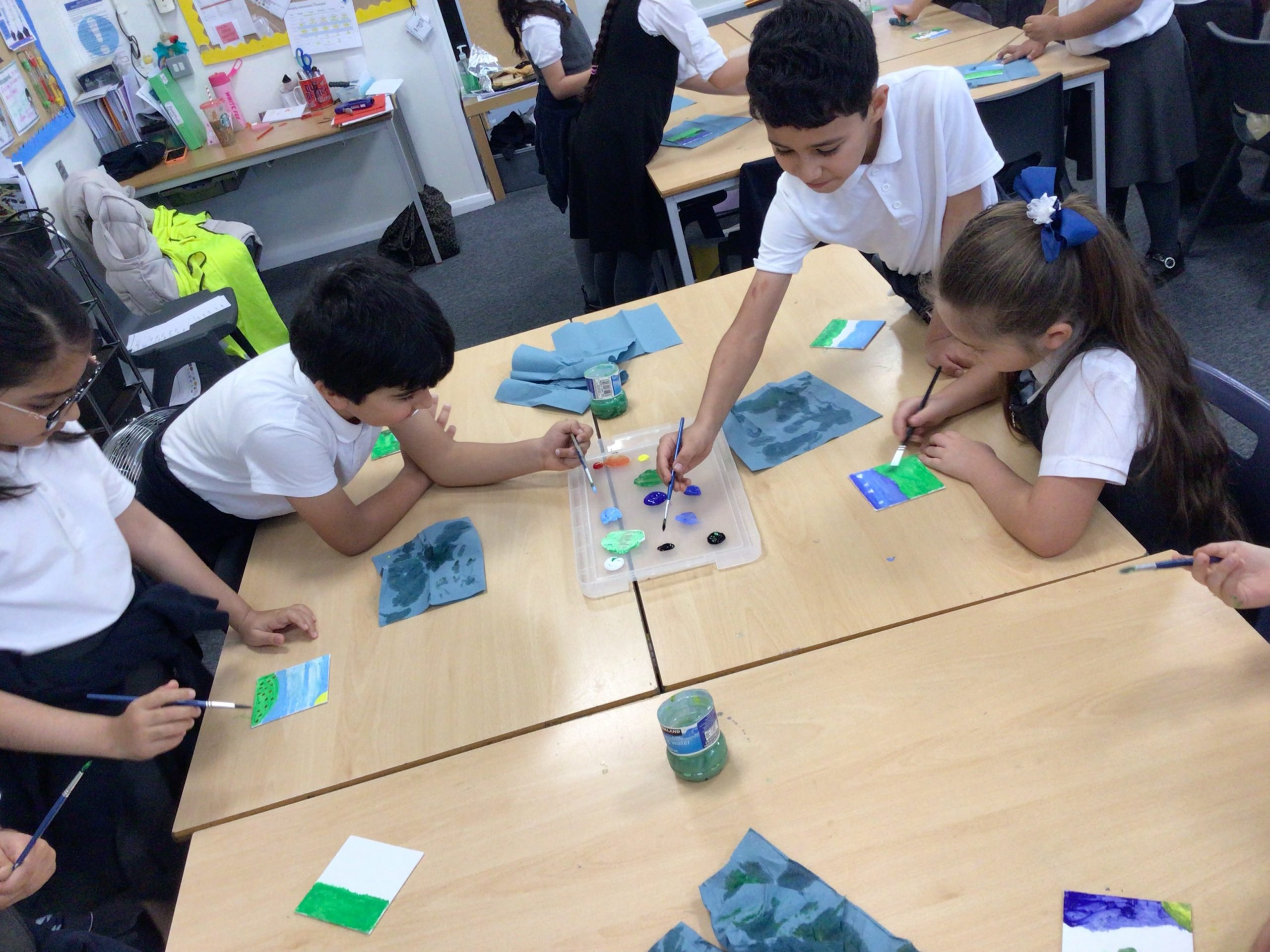
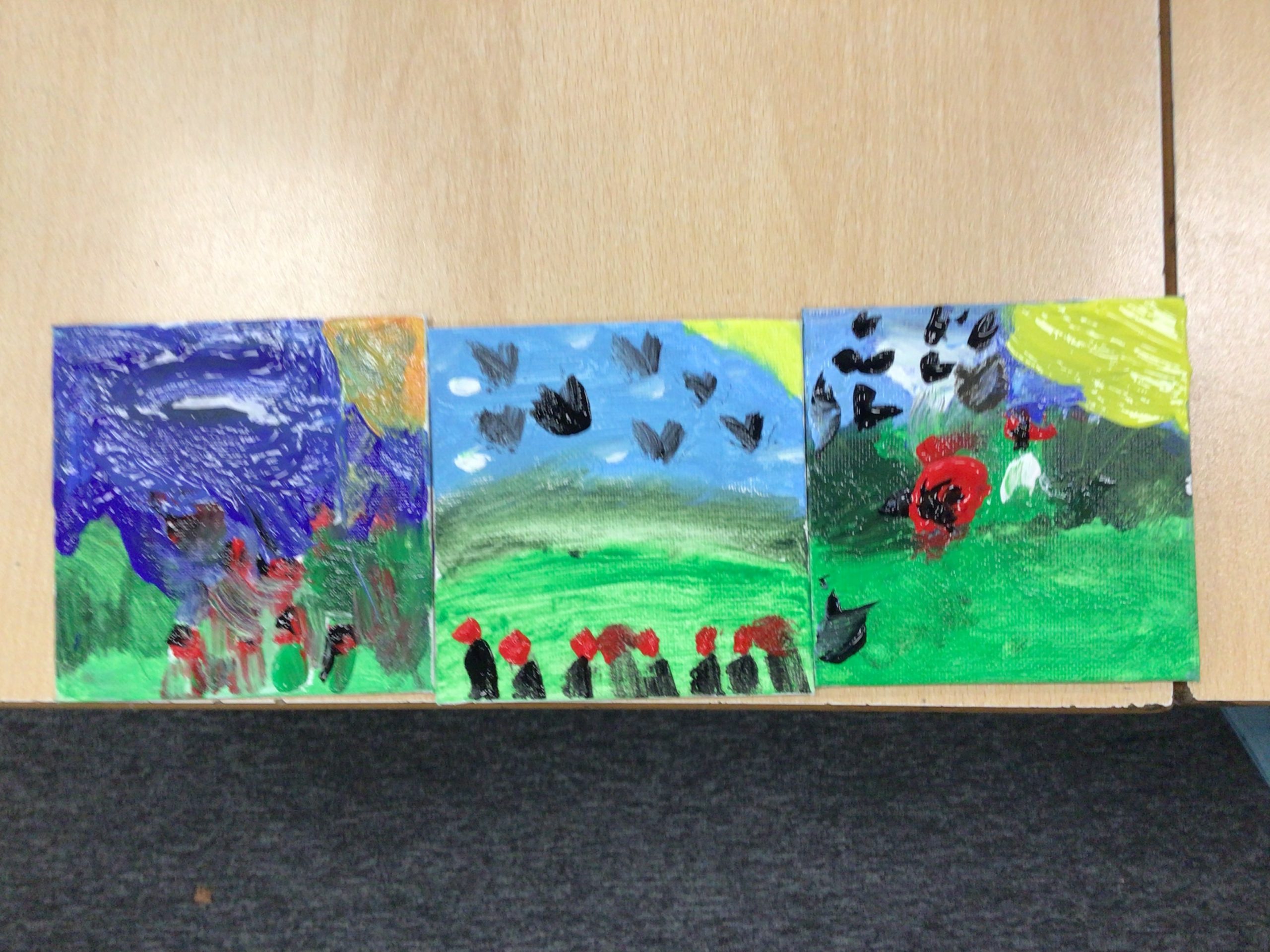
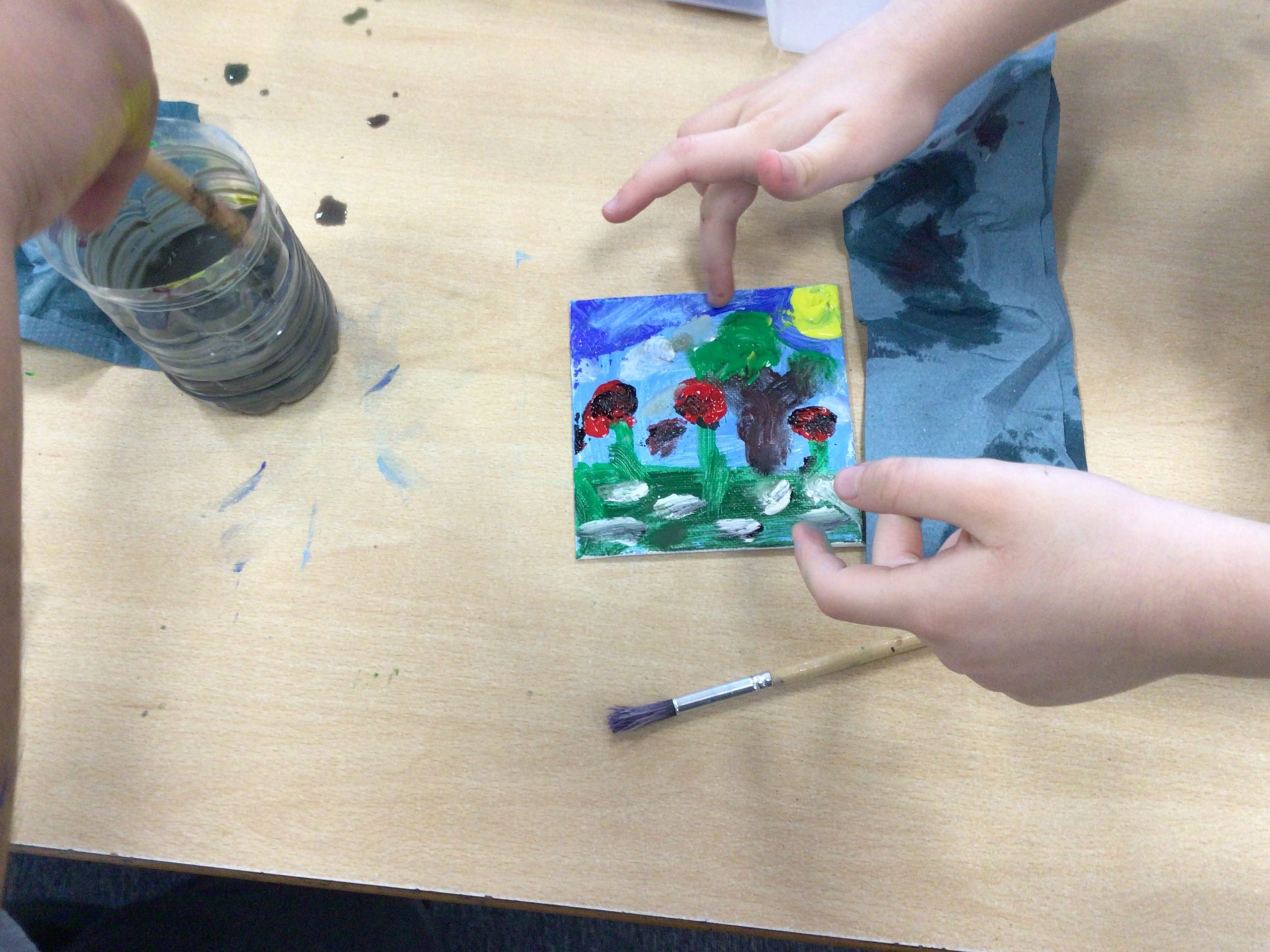
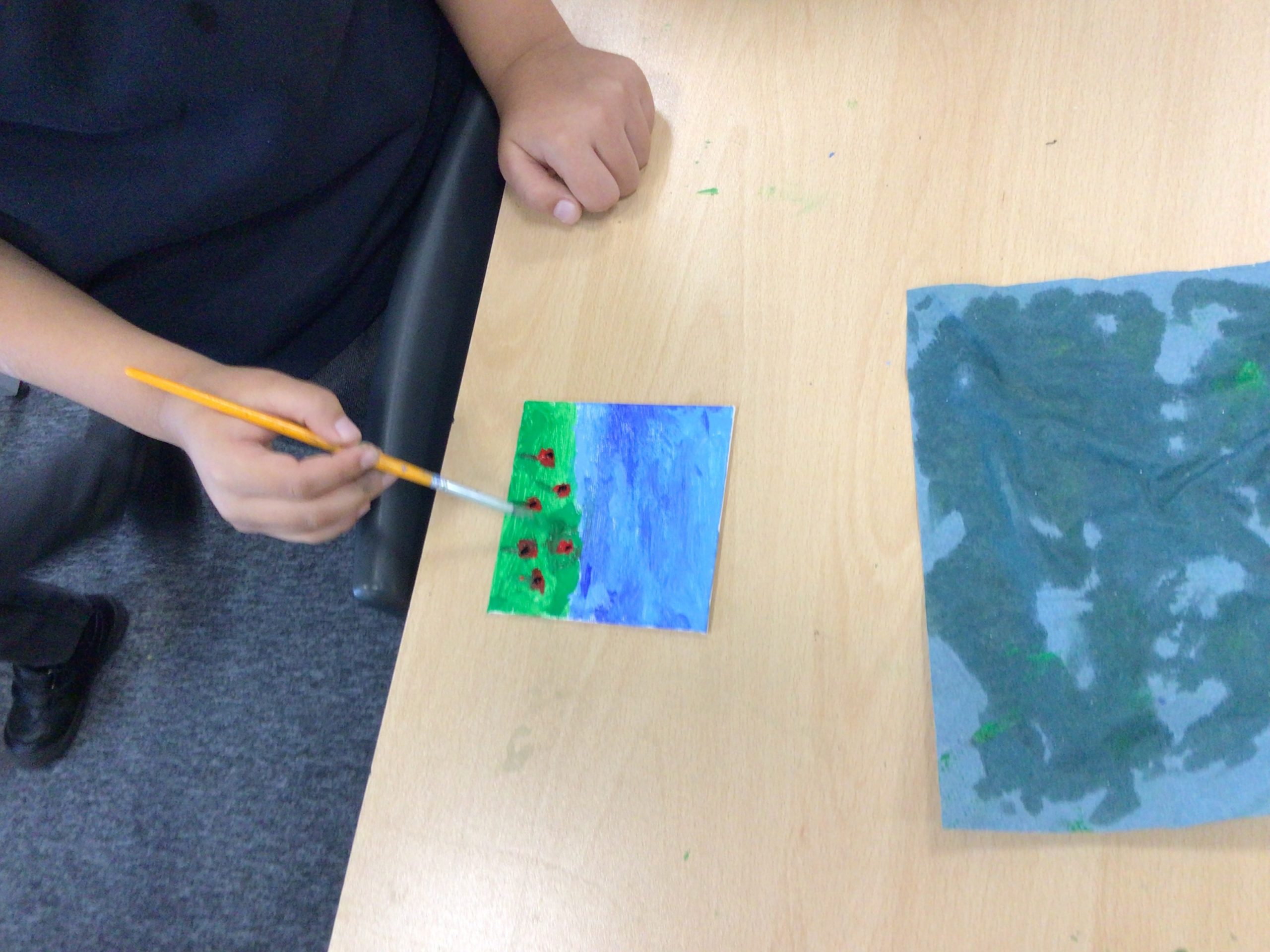
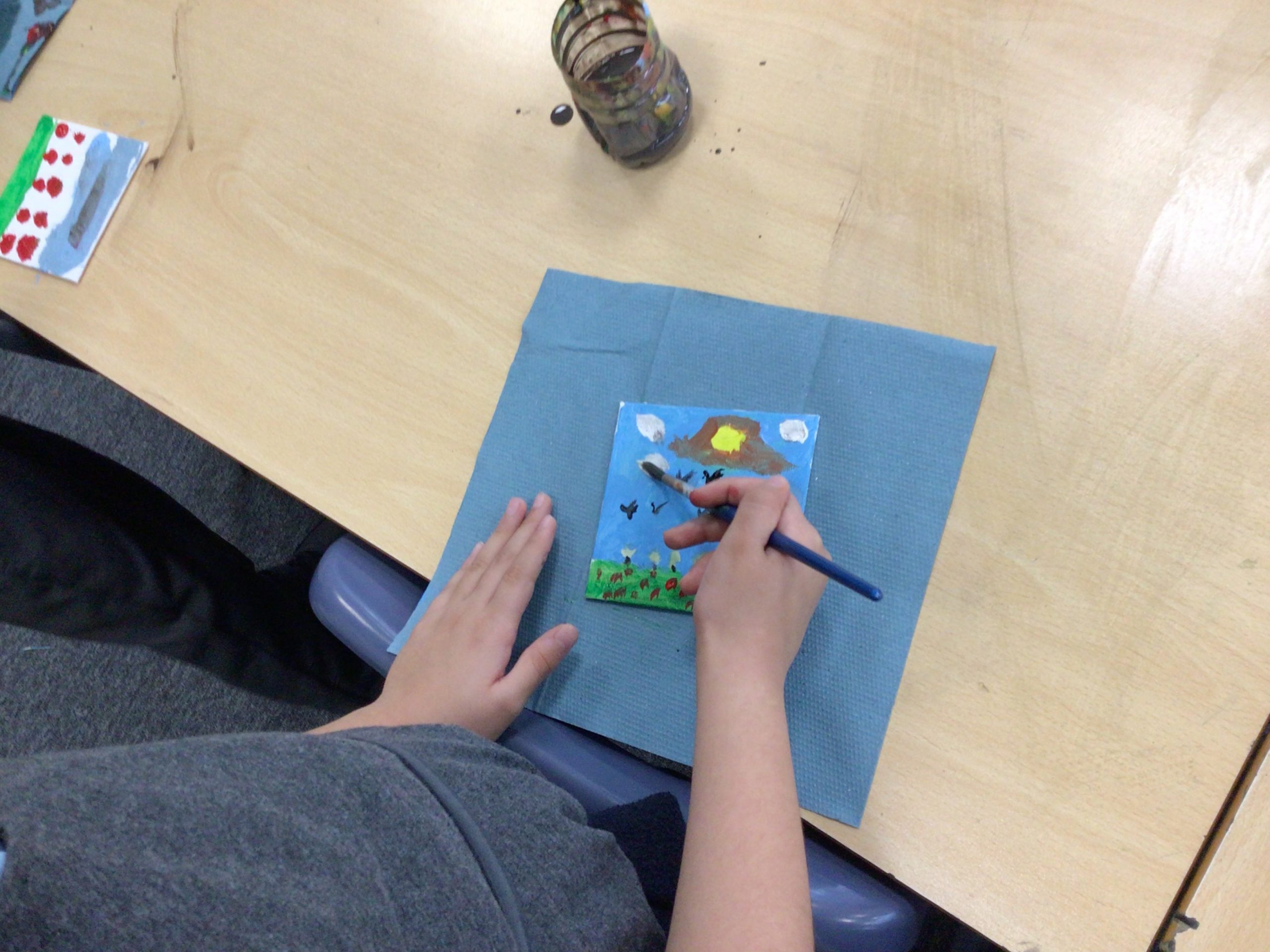
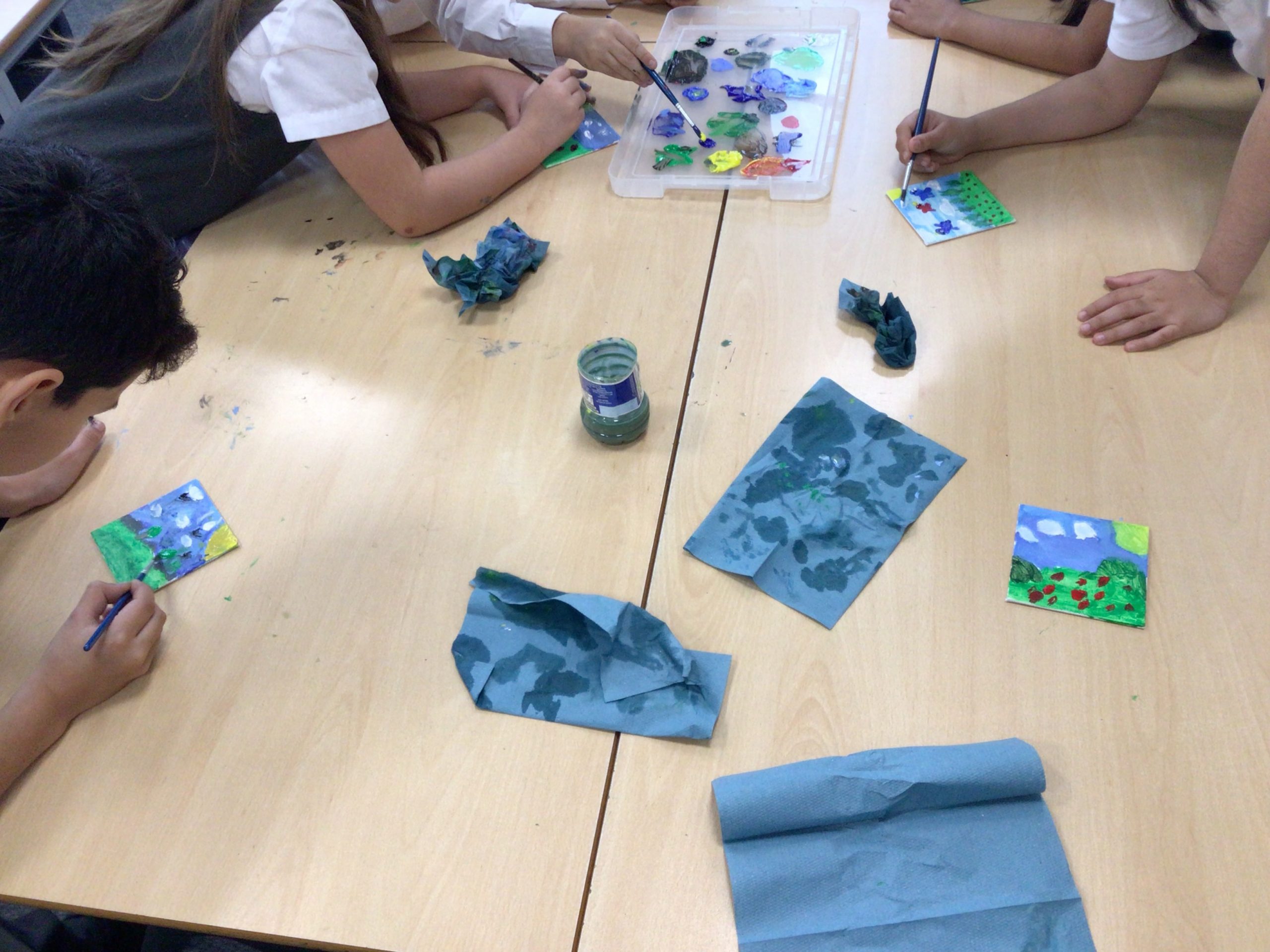
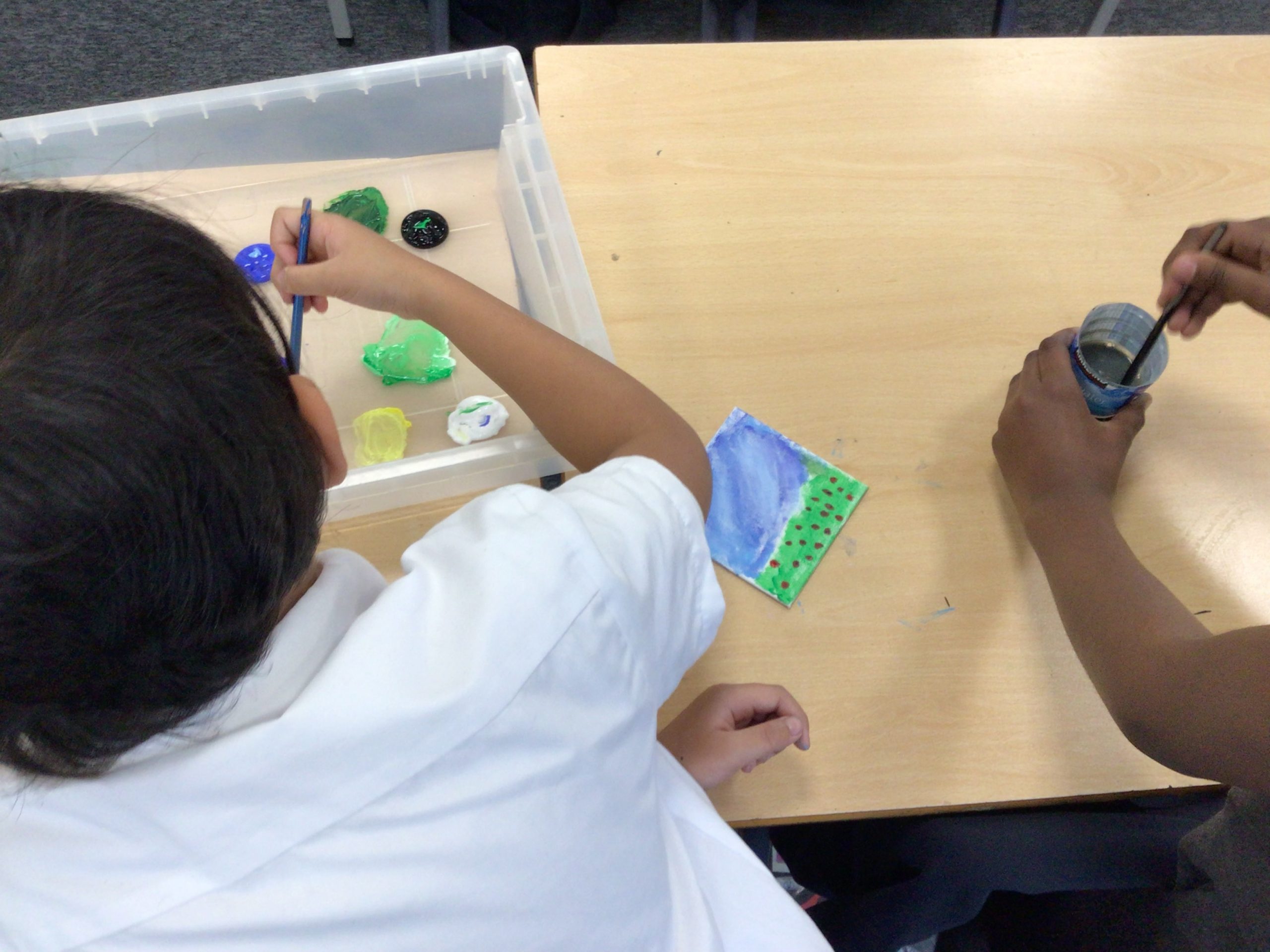
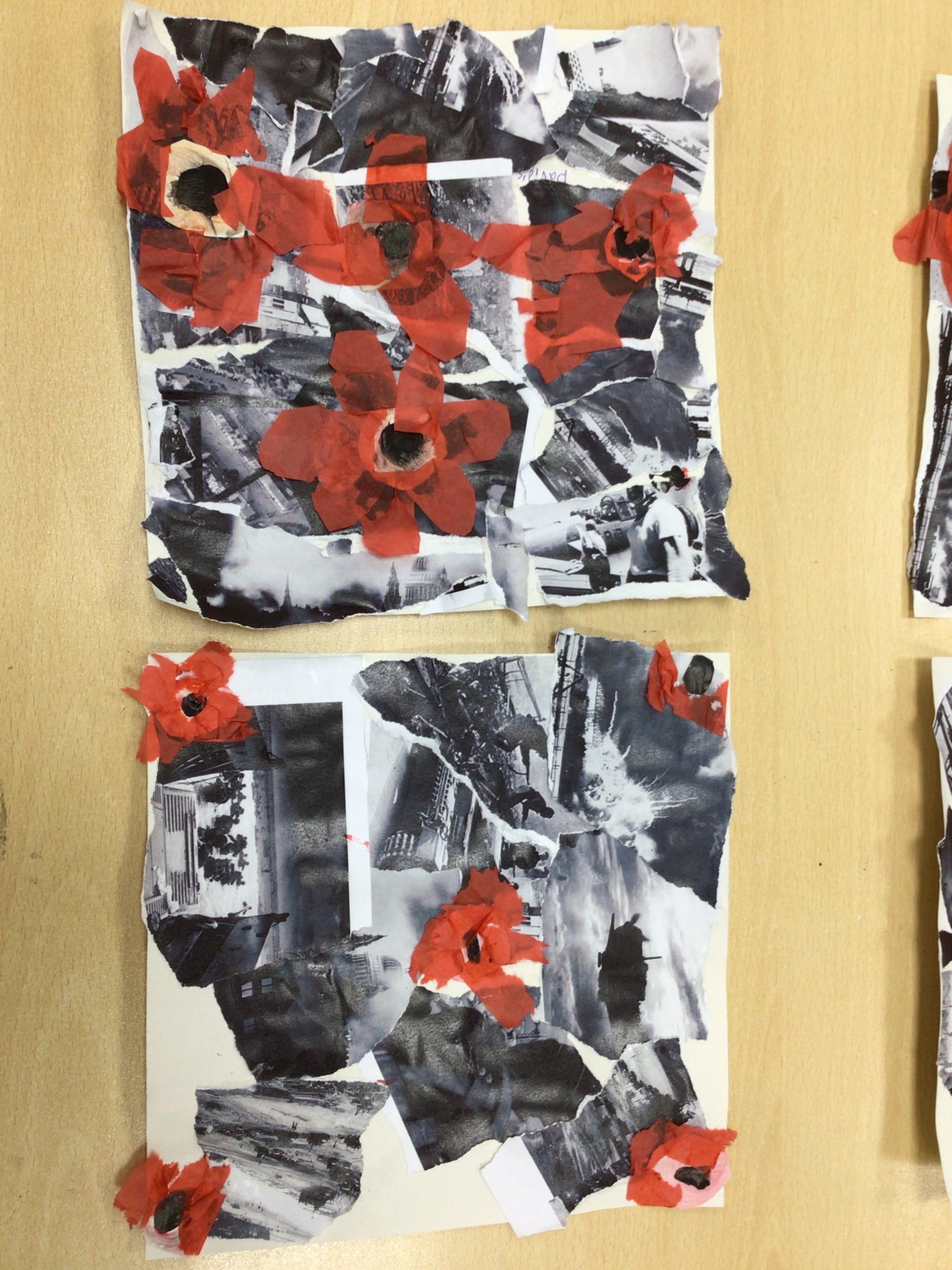 Just a few of our amazing art work from Year 5. using layering to create an effect for Remembrance Day.