Super scientists
19-03-2026
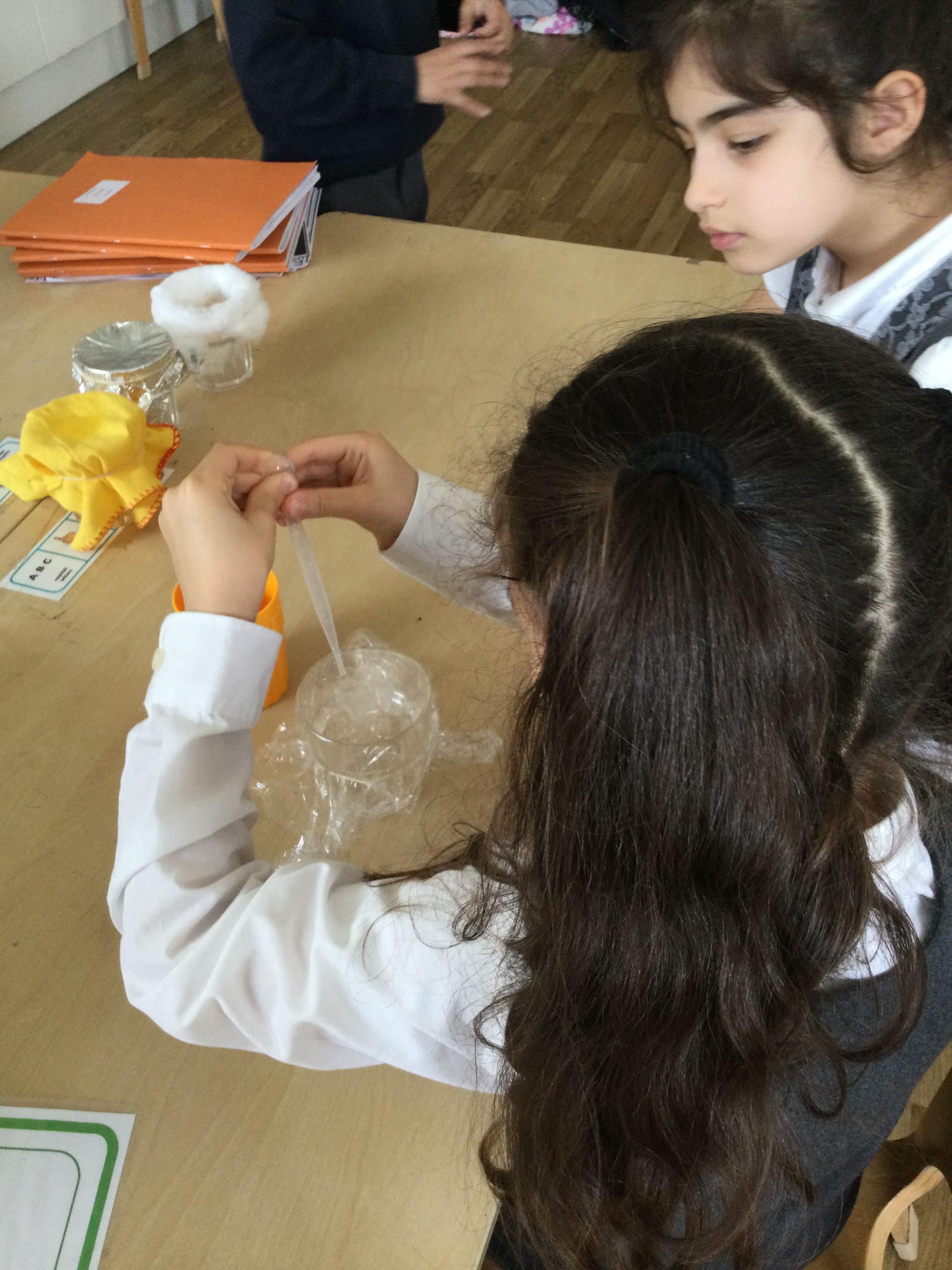
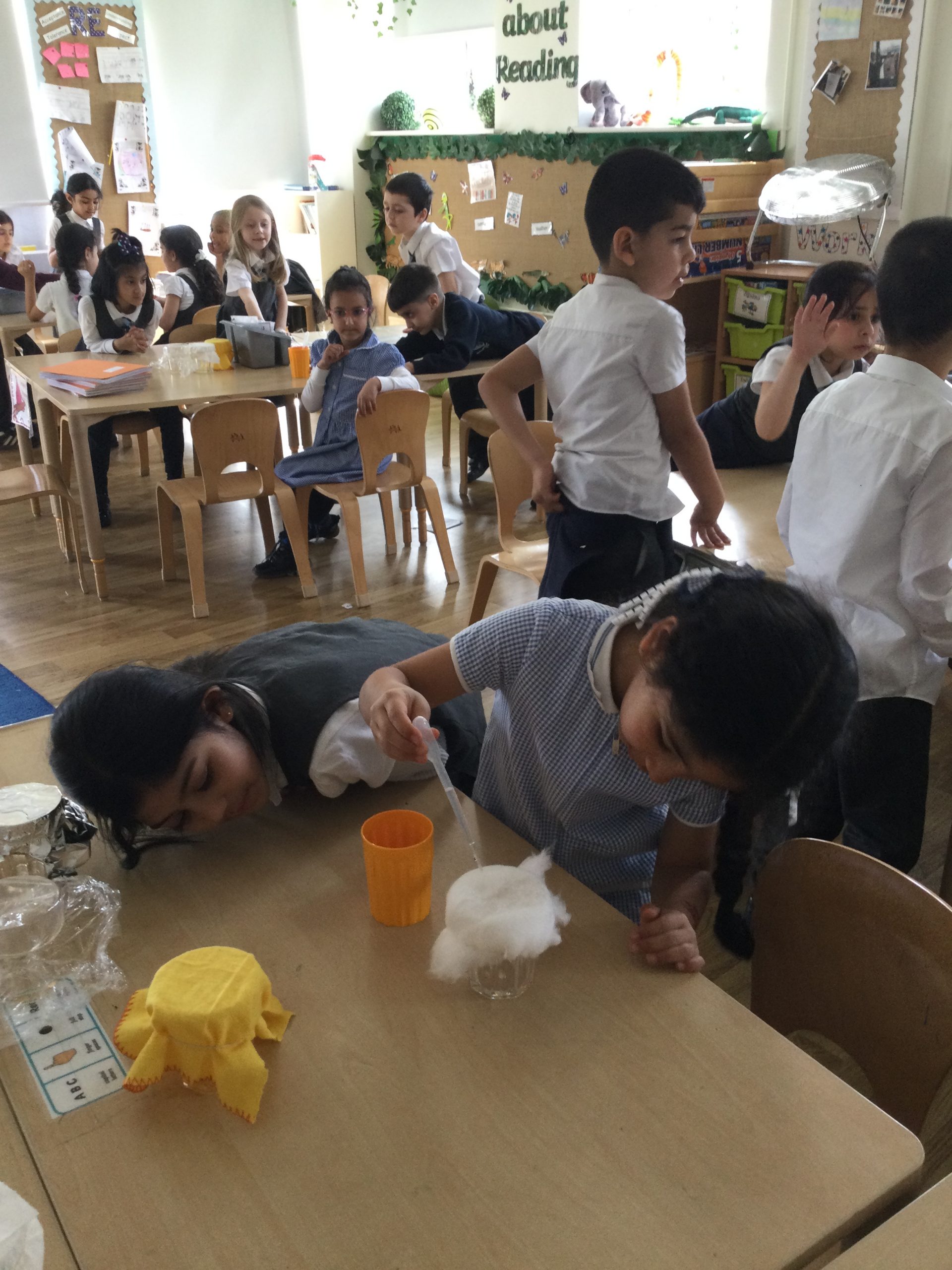
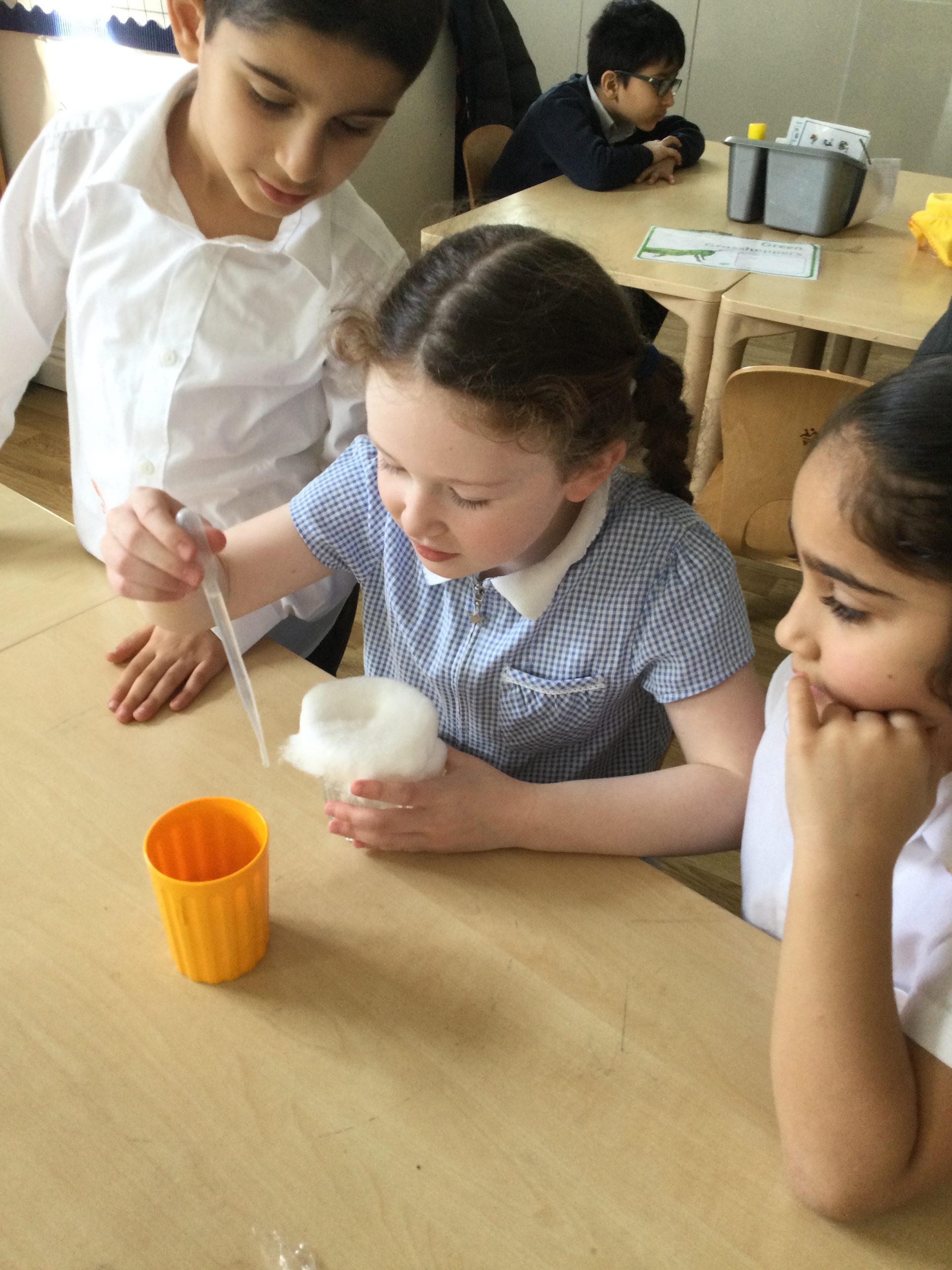
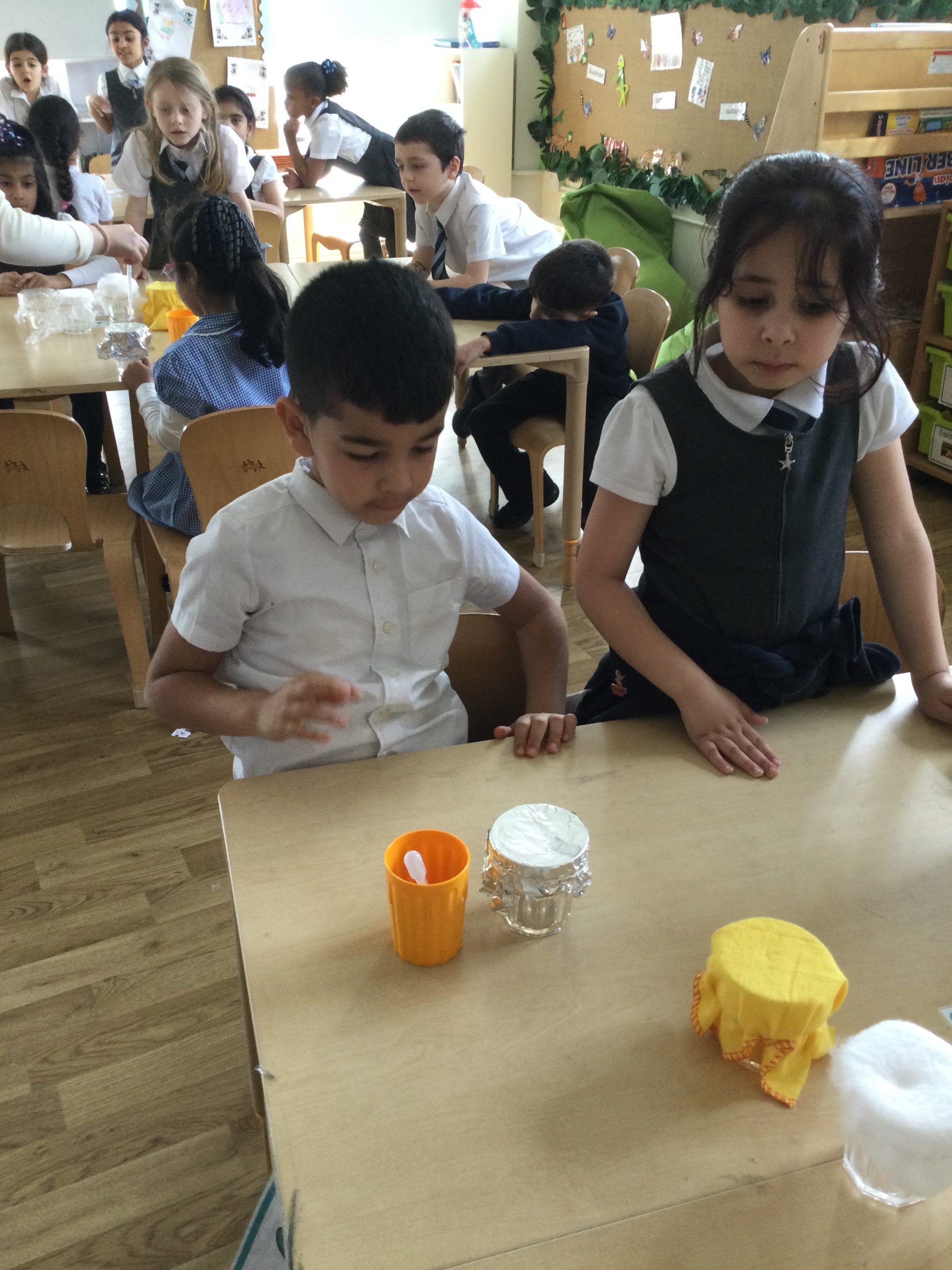
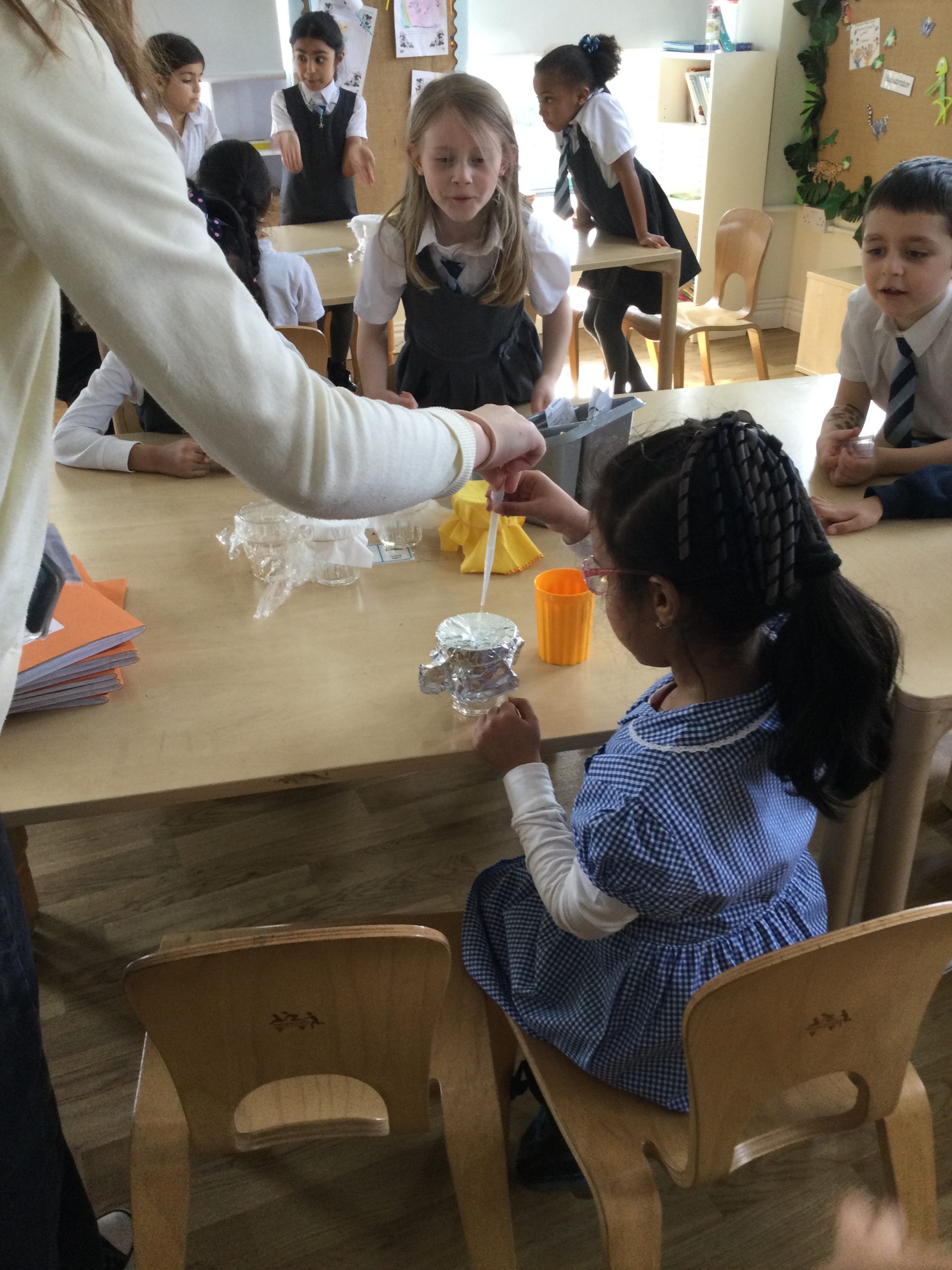
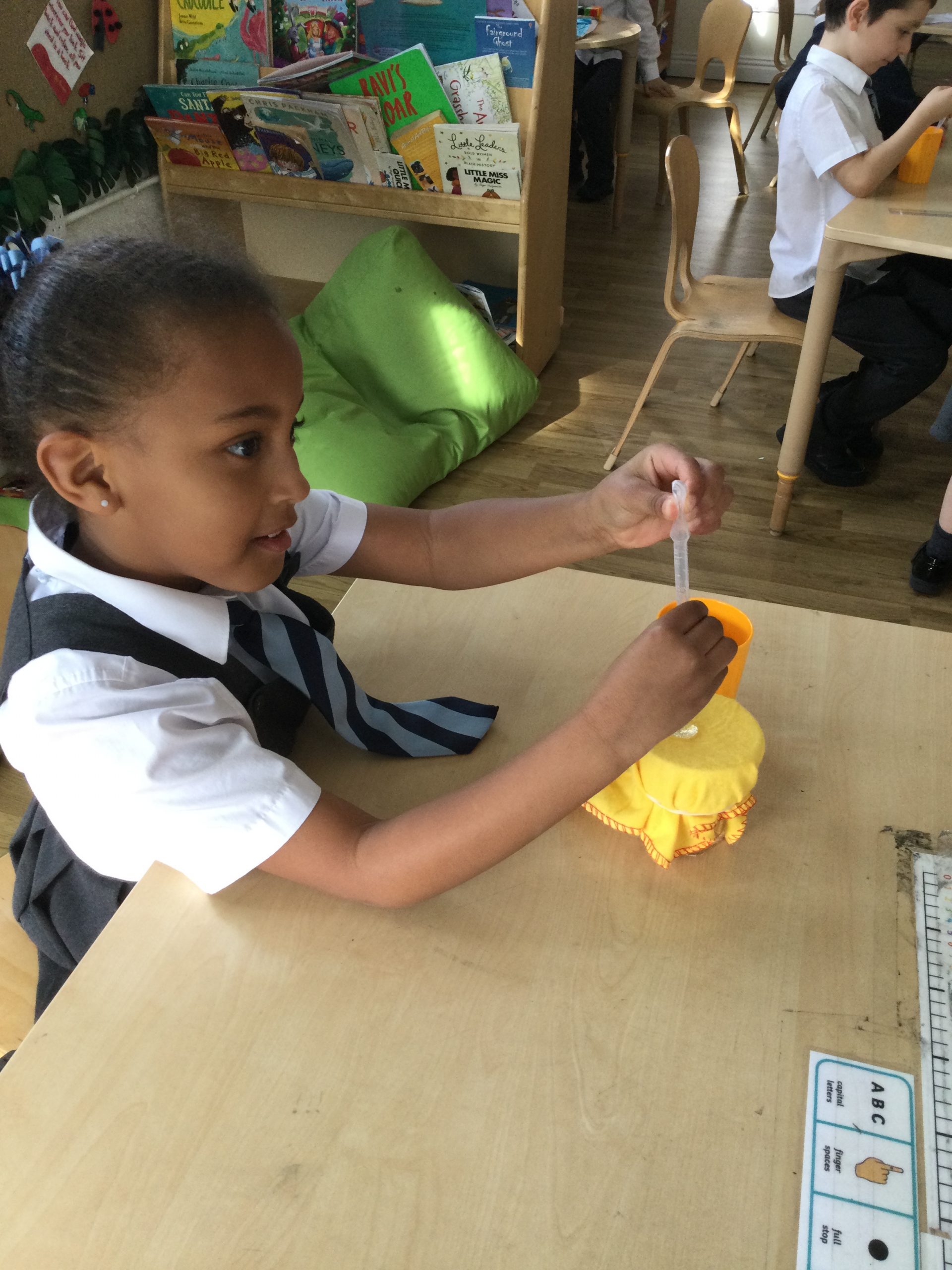
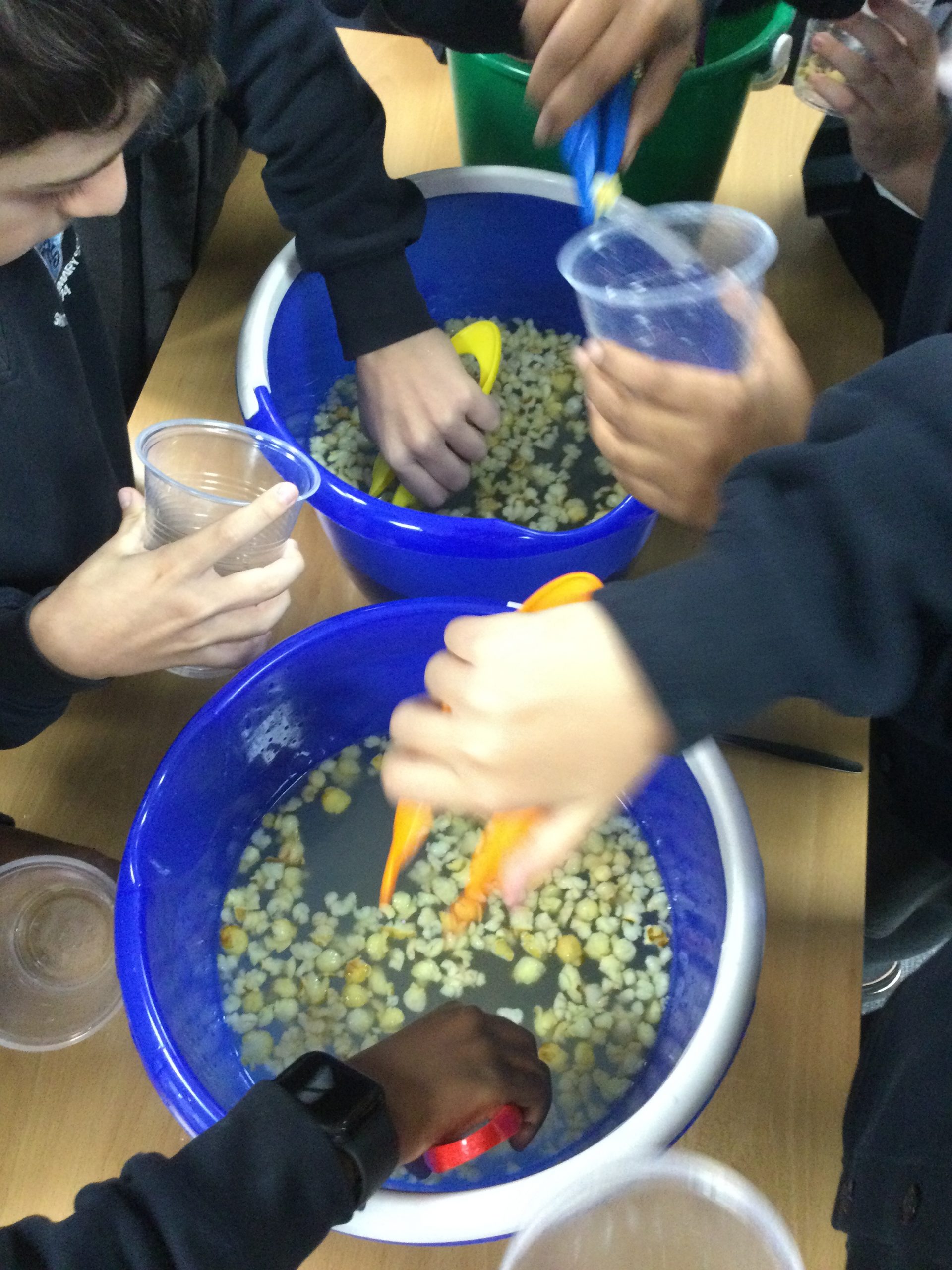
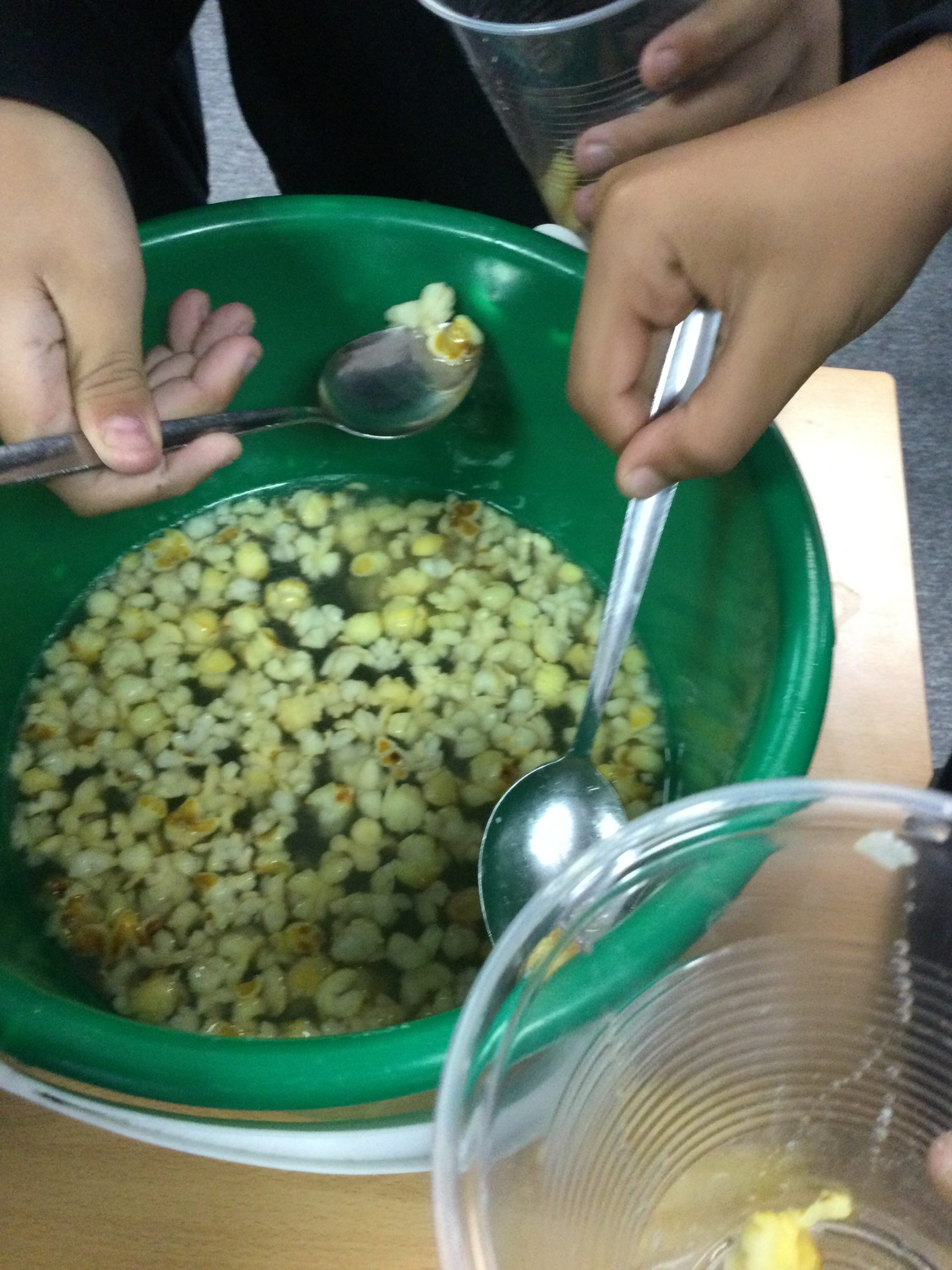
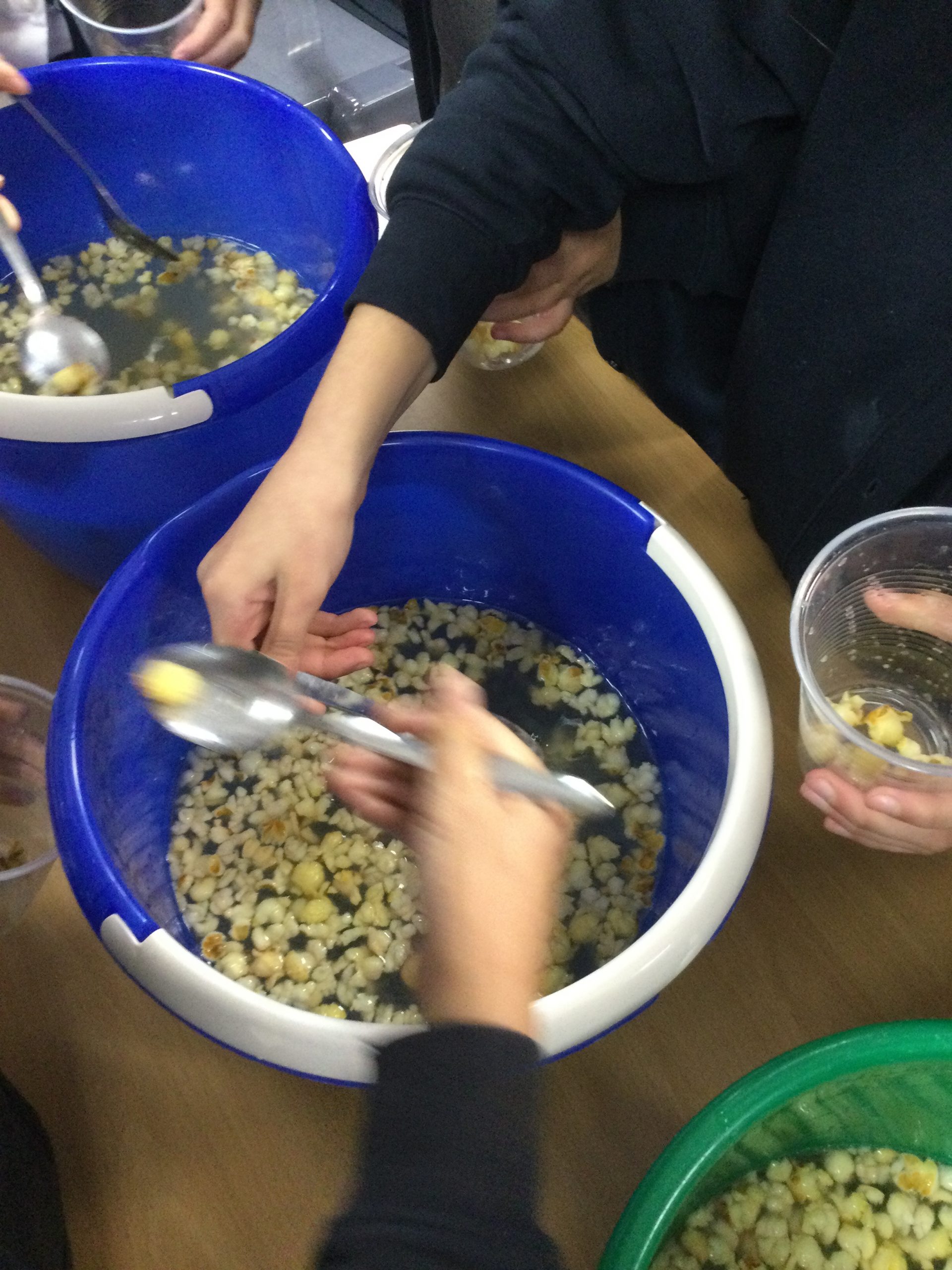
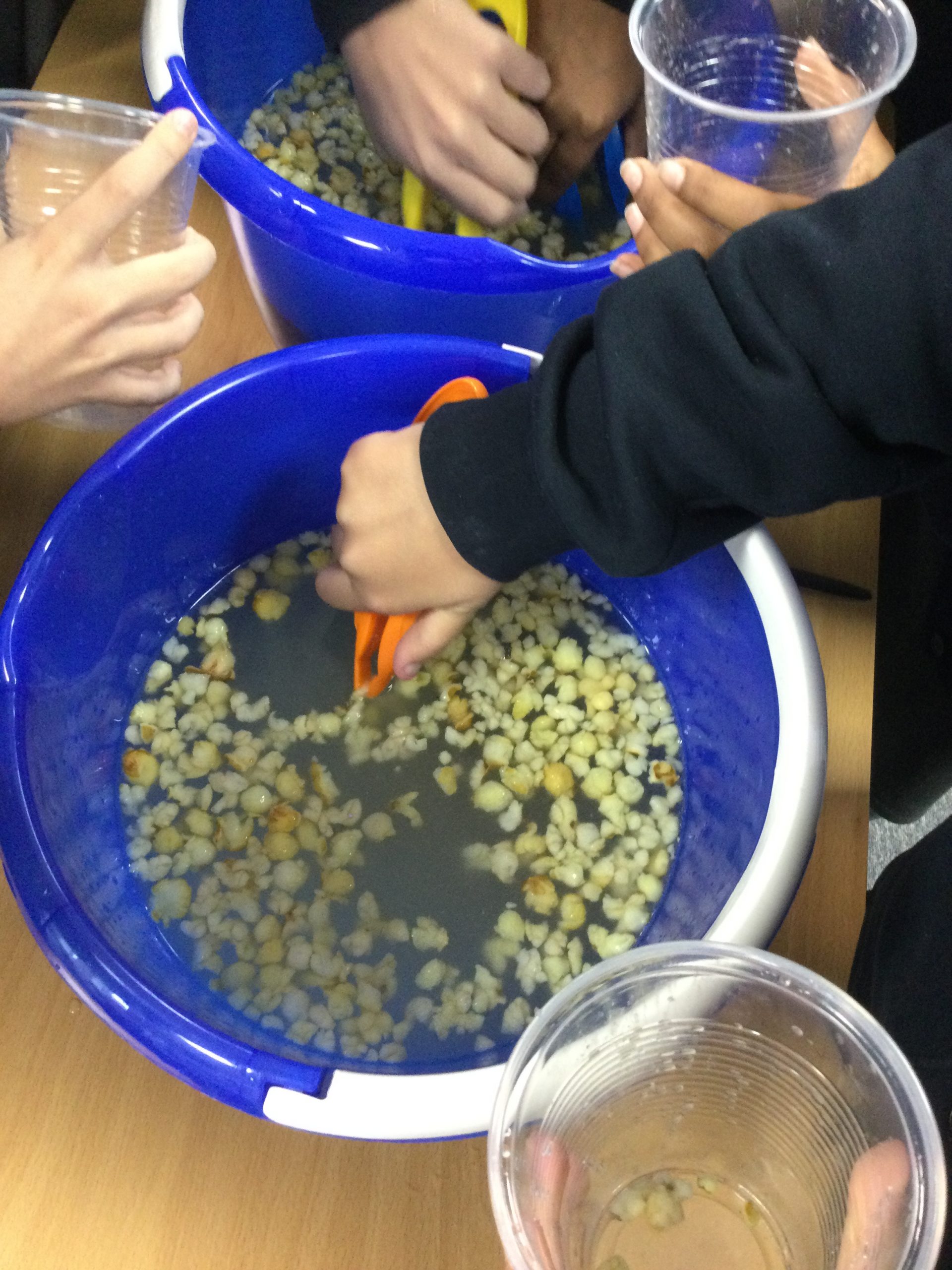
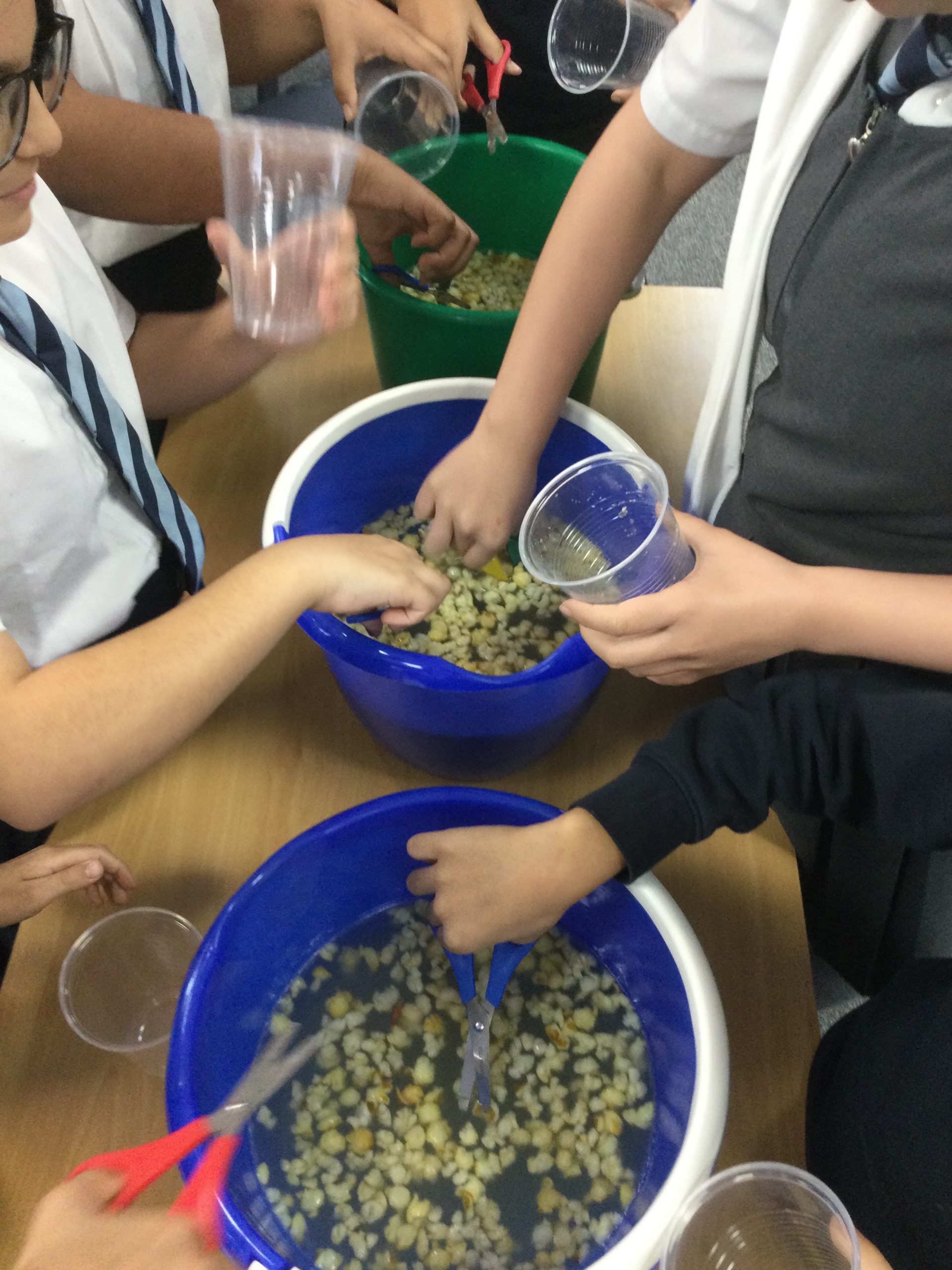
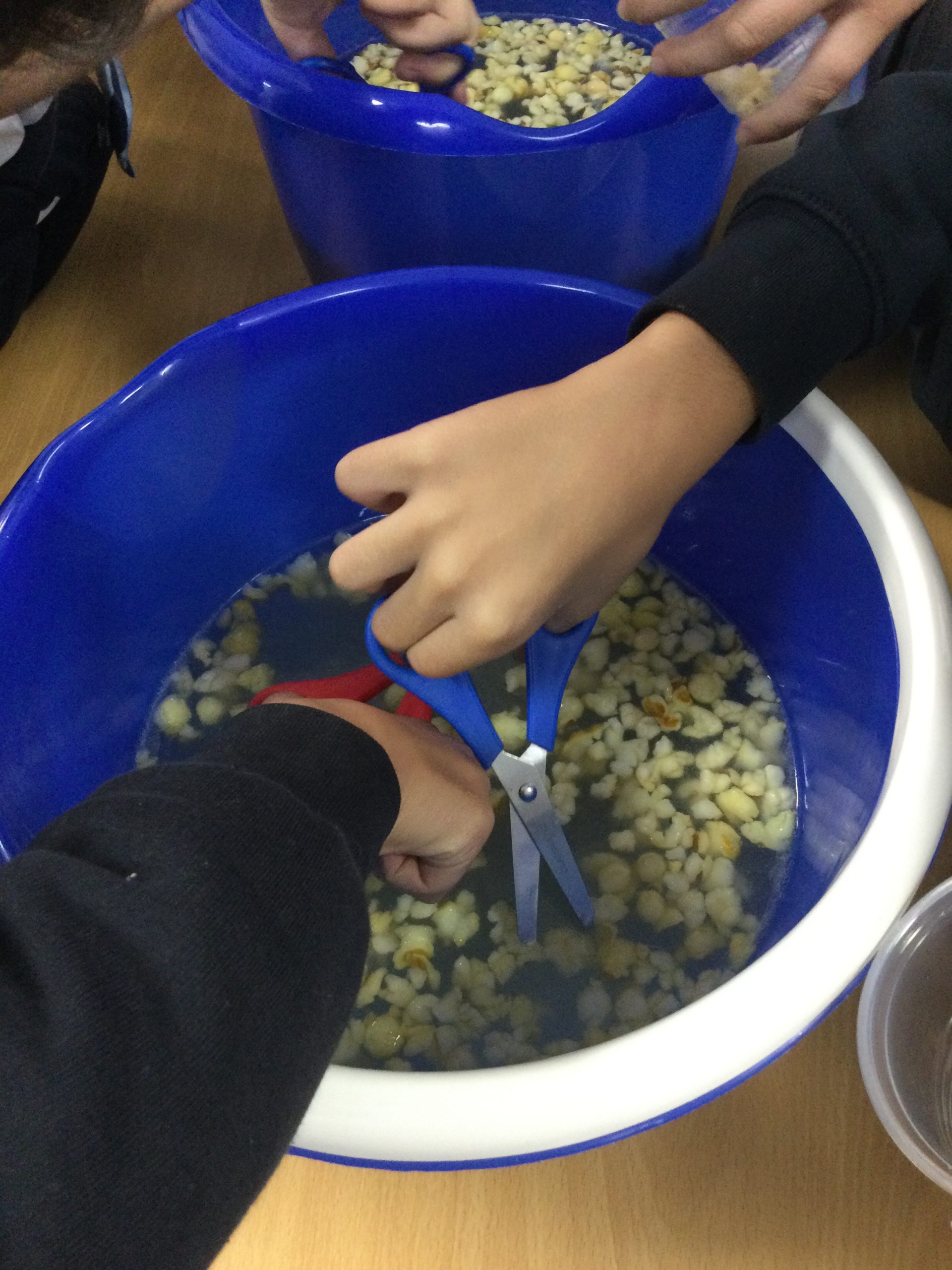
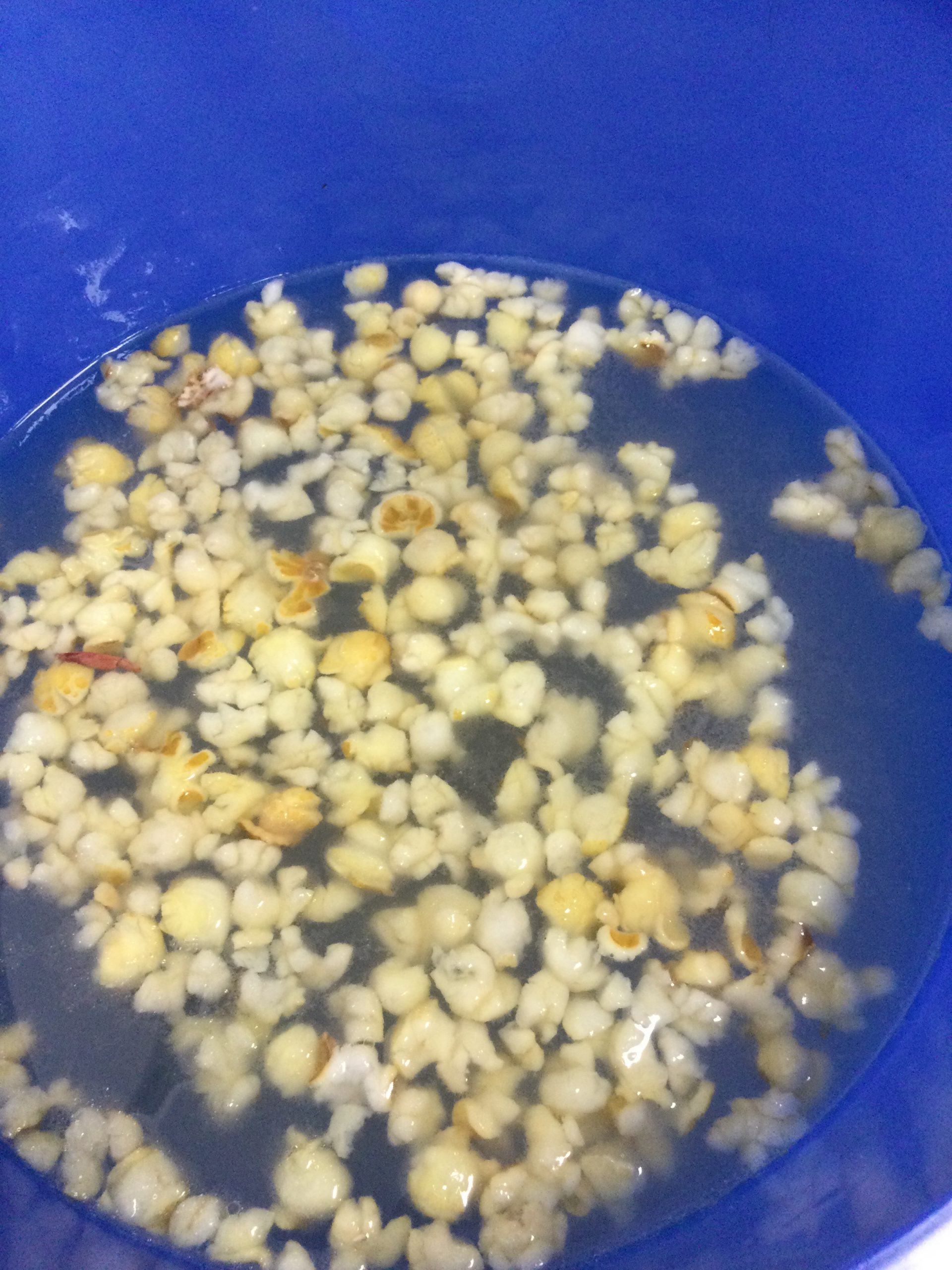
Our super scientists conducted an experiment to test a property of materials. We discovered whether they are waterproof or not.

We were delighted to be awarded the PSQM Gilt award for science teaching across our school.
The Primary Science Quality Mark is led by the University of Hertfordshire, School of Education in collaboration with the Primary Science Teaching Trust.
Jane Turner, PSQM National Director said: “Gaining a Primary Science Quality Award is a significant achievement for a school. The profile and quality of science teaching and learning in each awarded school is very high. Children are engaging with great science both in and outside the classroom, developing positive attitudes towards science as well as secure scientific understanding and skills. Science subject leaders, their colleagues, head teachers, children, parents and governors should be very proud.”
“Science is certainly being fostered in the children at Smithdown Primary and you should all be incredibly proud of the impact your whole school actions have had on every child’s learning journey”
“Children are leading learning, engaging in hands on practical enquiry and showing curiosity and excitement in all that they do..”
“The outdoor environment is used as a resource to enrich learning”
“The school is so fortunate to have such dedicated and
committed staff who are prepared to go above and beyond for the
children”
“You should all feel very proud of what has been achieved and the ethos to learning that has been created. I
have no doubt that there is a tangible buzz of science excitement and curiosity
around school and that children are certainly well supported to be the scientists of
the future.“
At Smithdown Primary School, together we grow as inquisitive, independent thinkers who are inspired by the wonders of the world around us.
Our Science curriculum aims to nurture children’s natural curiosity, encouraging them to ask “Why?” and “How?” while developing a secure understanding of key scientific concepts and processes. We believe that hands-on, investigative experiences are at the heart of great science learning. From the Early Years to Year 6, pupils explore the world through practical enquiry, observation, and experimentation — developing both their scientific knowledge and their ability to think critically and creatively.
We aim for all pupils to:
Develop a deep and lasting curiosity about the natural and physical world.
Build secure knowledge and understanding across the three scientific disciplines: biology, chemistry, and physics.
Learn to work scientifically by asking questions, observing carefully, testing ideas, recording data, and drawing conclusions.
Understand the relevance of science in everyday life and its impact on society, the environment, and the future.
Develop a broad scientific vocabulary to articulate their ideas with confidence.
Recognise that science is a collaborative, evolving discipline open to everyone — helping all pupils see themselves as scientists.
Science is taught weekly as a discrete subject, with carefully planned links to other curriculum areas where appropriate. Each class receives two hours of dedicated science learning per week, allowing pupils to develop both substantive knowledge (scientific facts and concepts) and disciplinary knowledge (how scientists work and think).
Teaching is supported and quality assured by subject leadership expertise, ensuring consistent standards and continual improvement across the school. Our curriculum design draws upon:
The ASE PLAN documents, providing clear progression in knowledge and skills.
Explorify, used to promote discussion, reasoning, and language development.
The TAPS assessment framework, which structures ongoing assessment of Working Scientifically through key enquiry opportunities each half term.
Teachers use formative assessment weekly and summative assessment termly to inform planning, identify misconceptions, and track progress using the Insight assessment tool.
Science at Smithdown is enquiry-driven. Pupils engage in five types of scientific enquiry — observation over time, pattern seeking, identifying and classifying, comparative and fair testing, and researching using secondary sources — ensuring a balance of practical and cognitive challenge.
We place a strong emphasis on vocabulary development, recognising that language is key to scientific thinking and communication. Each unit includes explicit teaching of key terms, reinforced through display, discussion, and writing across the curriculum.
Learning is enhanced through educational visits, workshops, and interactions with scientists and STEM professionals, helping pupils understand the real-world application of their learning. These experiences also support the development of cultural capital, showing children that science is everywhere — in medicine, engineering, the environment, and innovation.
At Smithdown, our Science curriculum ensures that children leave primary school as confident, curious, and capable young scientists who are ready to build on their learning in secondary education and beyond.
By the end of Year 6, pupils will:
Have a secure understanding of key scientific ideas and vocabulary.
Be able to plan, carry out, and evaluate investigations with increasing independence.
Use evidence and reasoning to explain their thinking.
Understand how science influences the world — from environmental issues to technological advancements.
Recognise a diverse range of scientific careers and role models, inspiring future aspirations.
Value collaboration, curiosity, and resilience as essential qualities of a scientific mindset.
We measure the impact of Science through:
Pupil voice – showing enthusiasm, curiosity, and confidence in using scientific language.
Work scrutiny and lesson observations – demonstrating enquiry, progression, and understanding.
Assessment data and moderation – ensuring consistent outcomes across year groups.
Through a combination of high-quality teaching, rich experiences, and reflective practice, our Science curriculum at Smithdown fosters a lifelong love of learning about the world — truly living our motto, “Together We Grow.”
We value the importance of developing inquisitive young minds by giving our children a range of experiences working scientifically. we endeavour to provide our pupils with a range of opportunities to work scientifically- starting in EYFS. Please click on the links below to see how we build on prior learning to ensure progression in working scientifically. .

Our super scientists conducted an experiment to test a property of materials. We discovered whether they are waterproof or not.
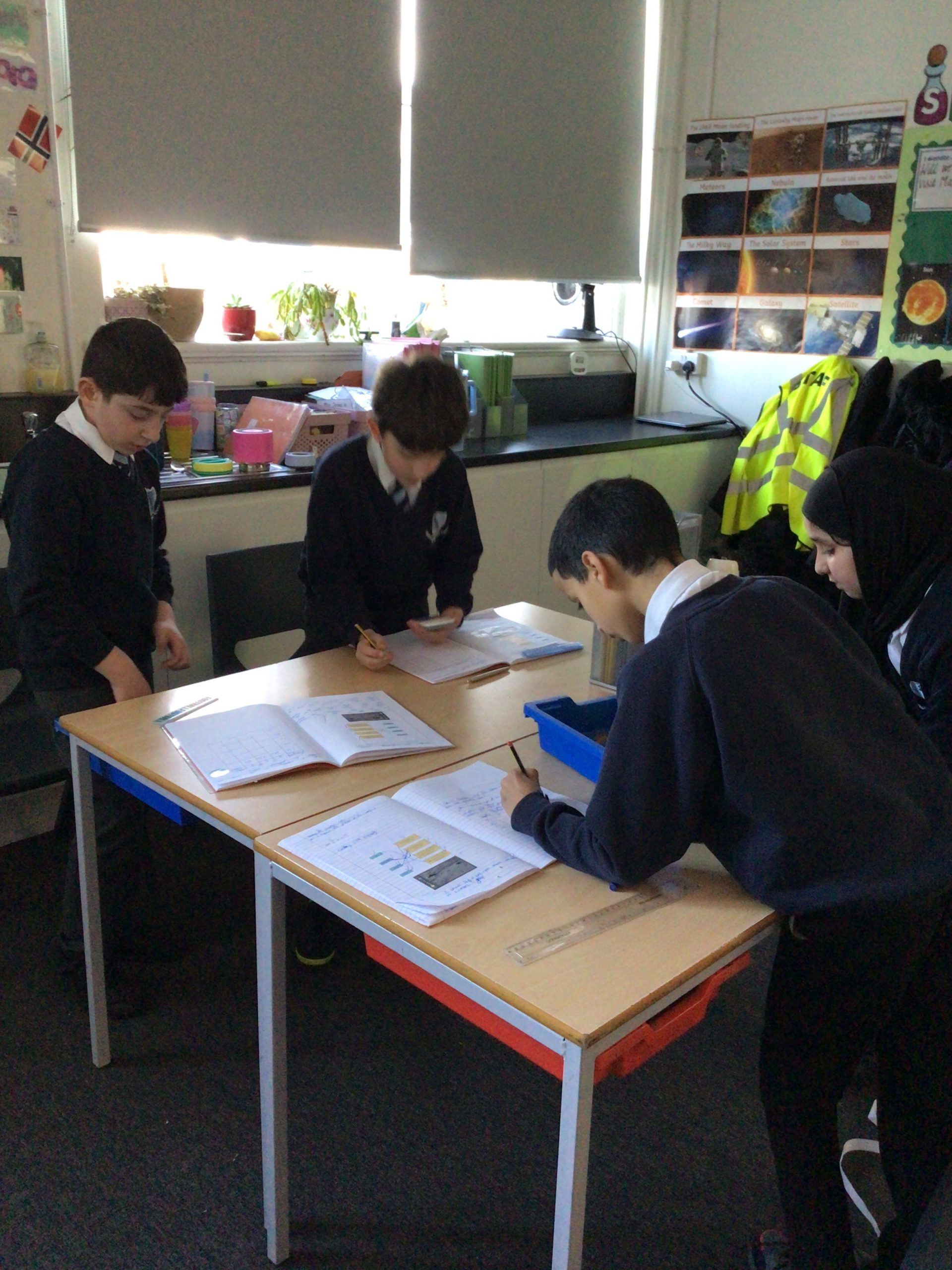
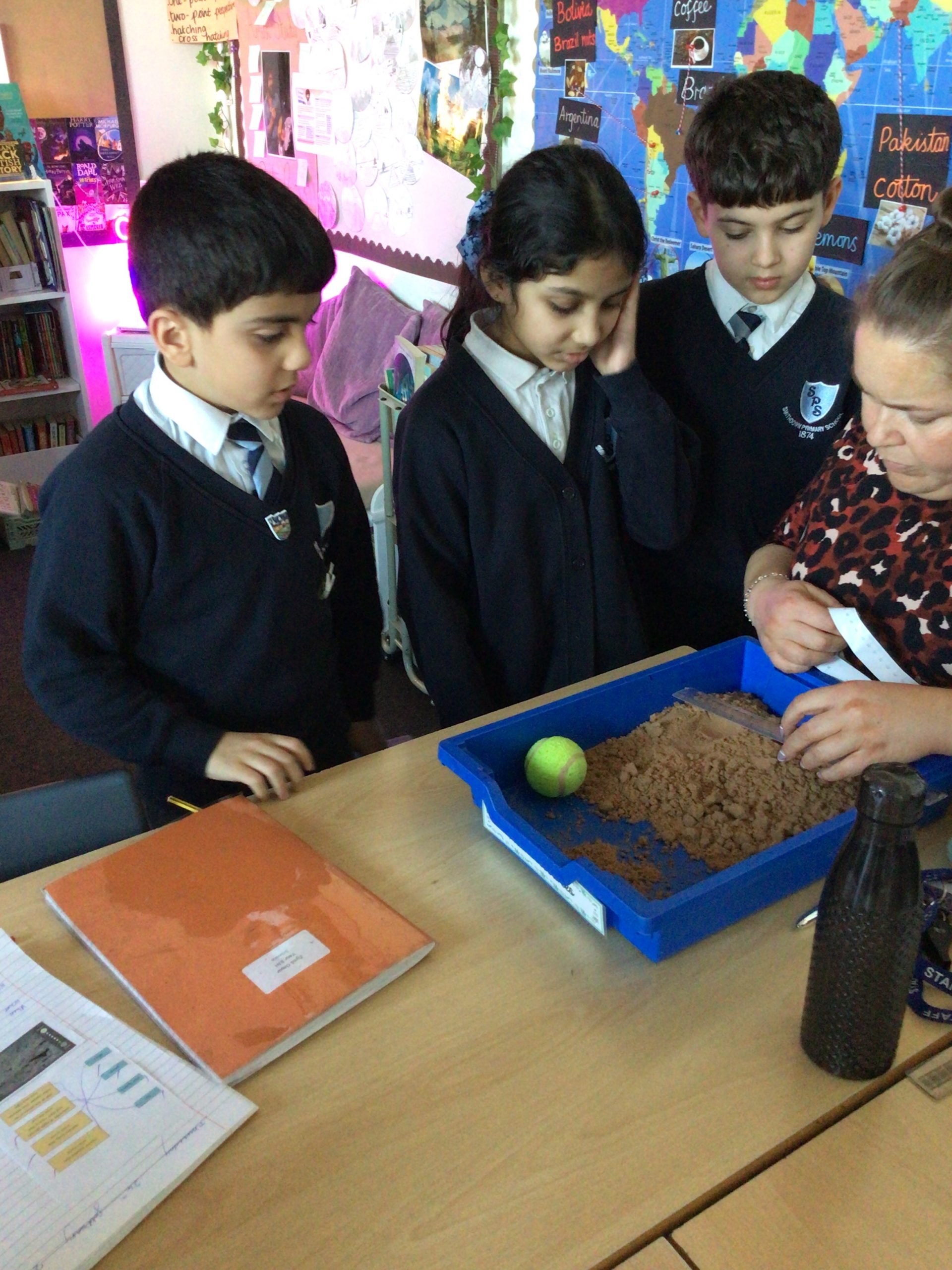
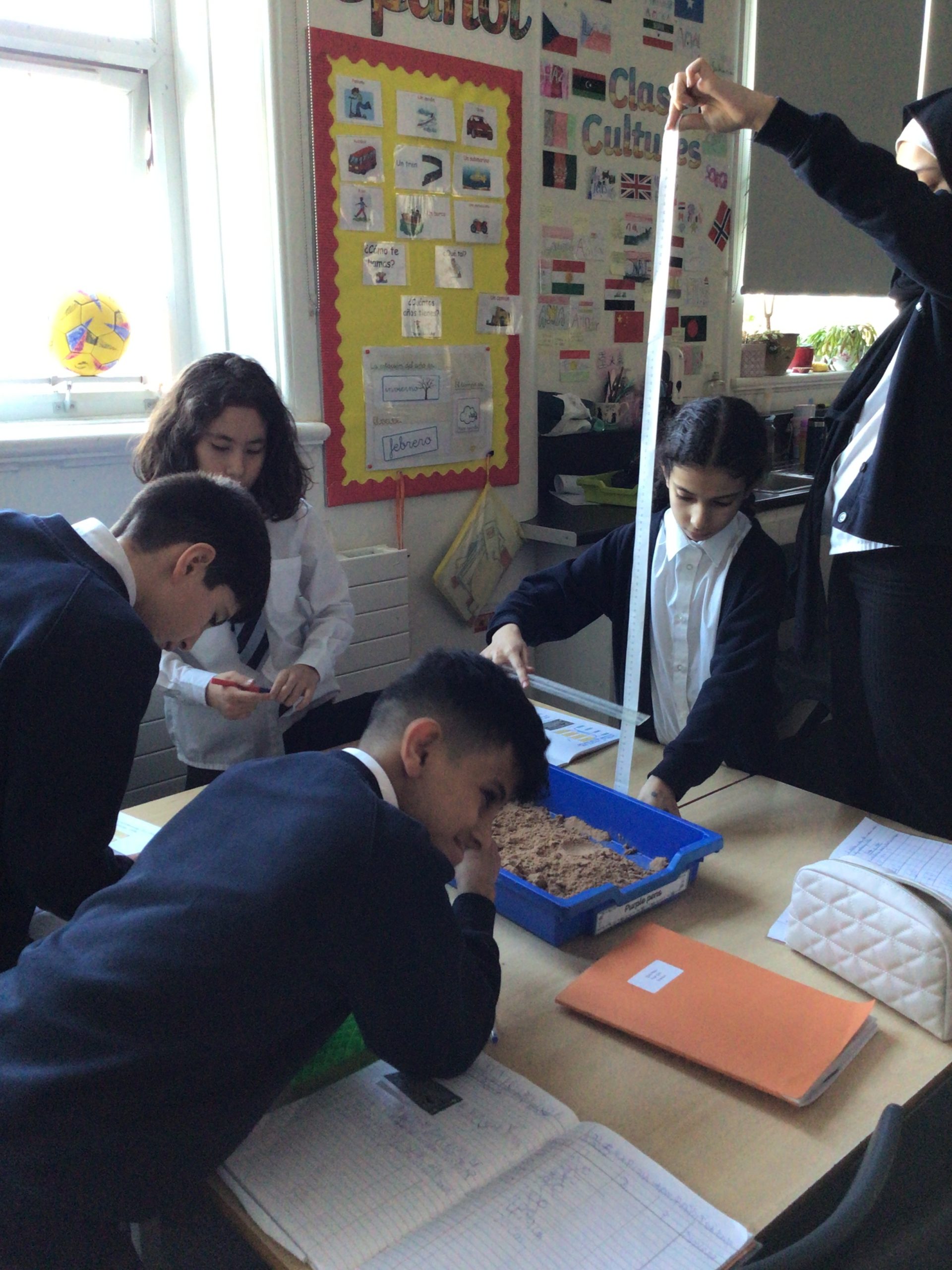
This week we studied how craters are made and even investigated with some of our own. Our investigation included dropping a ball from different heights to see the effect on diameter of the crater. 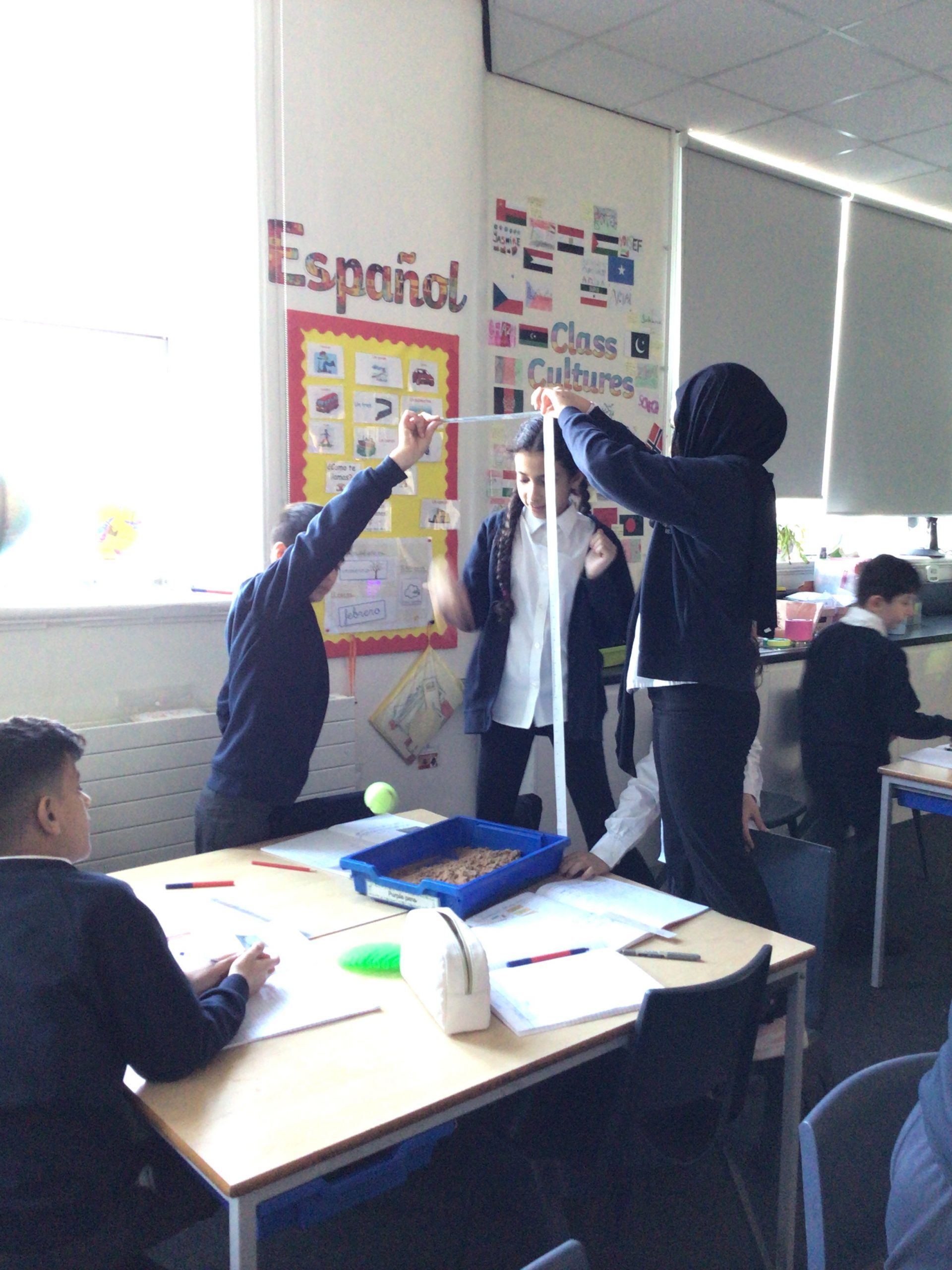
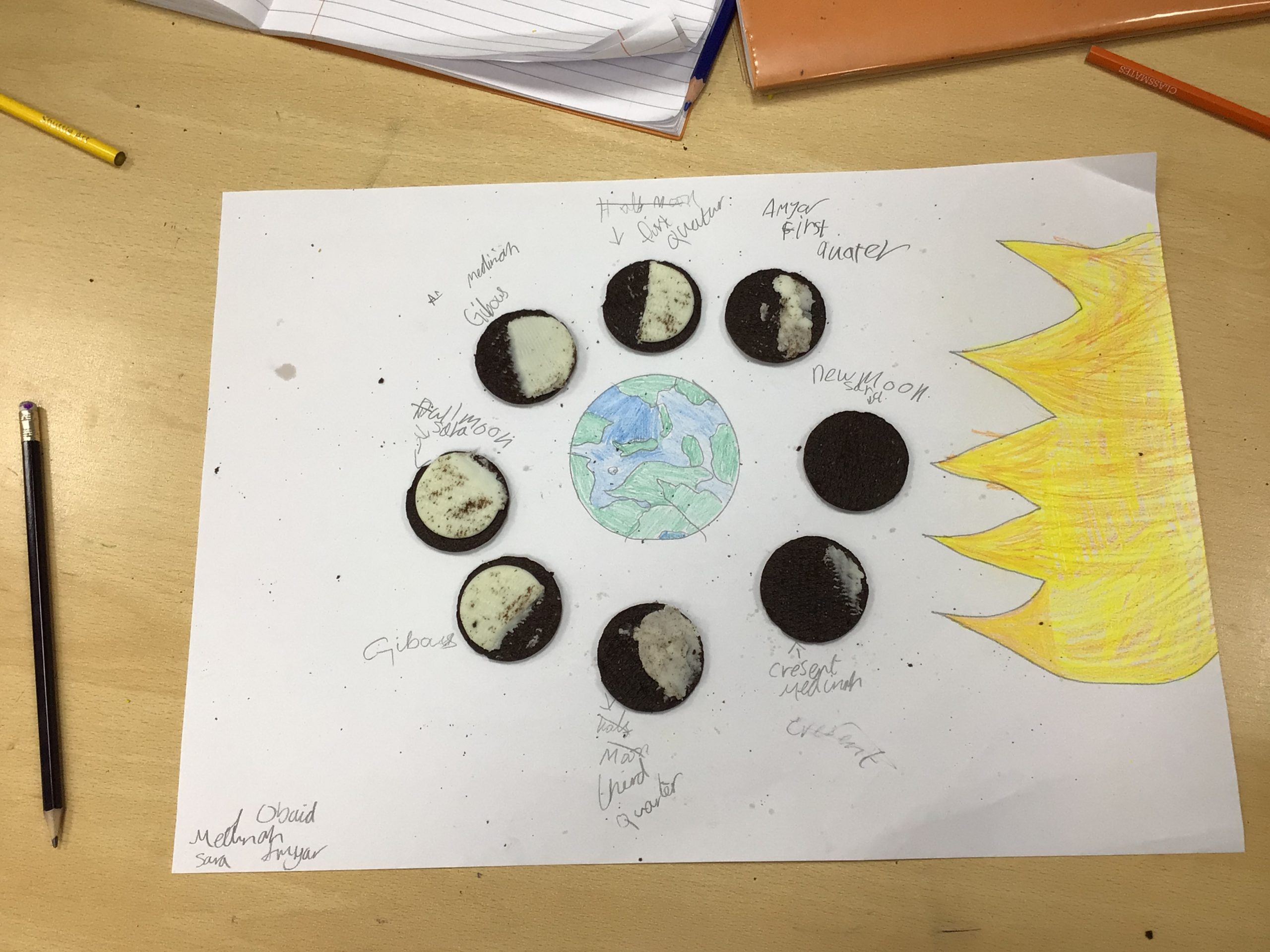
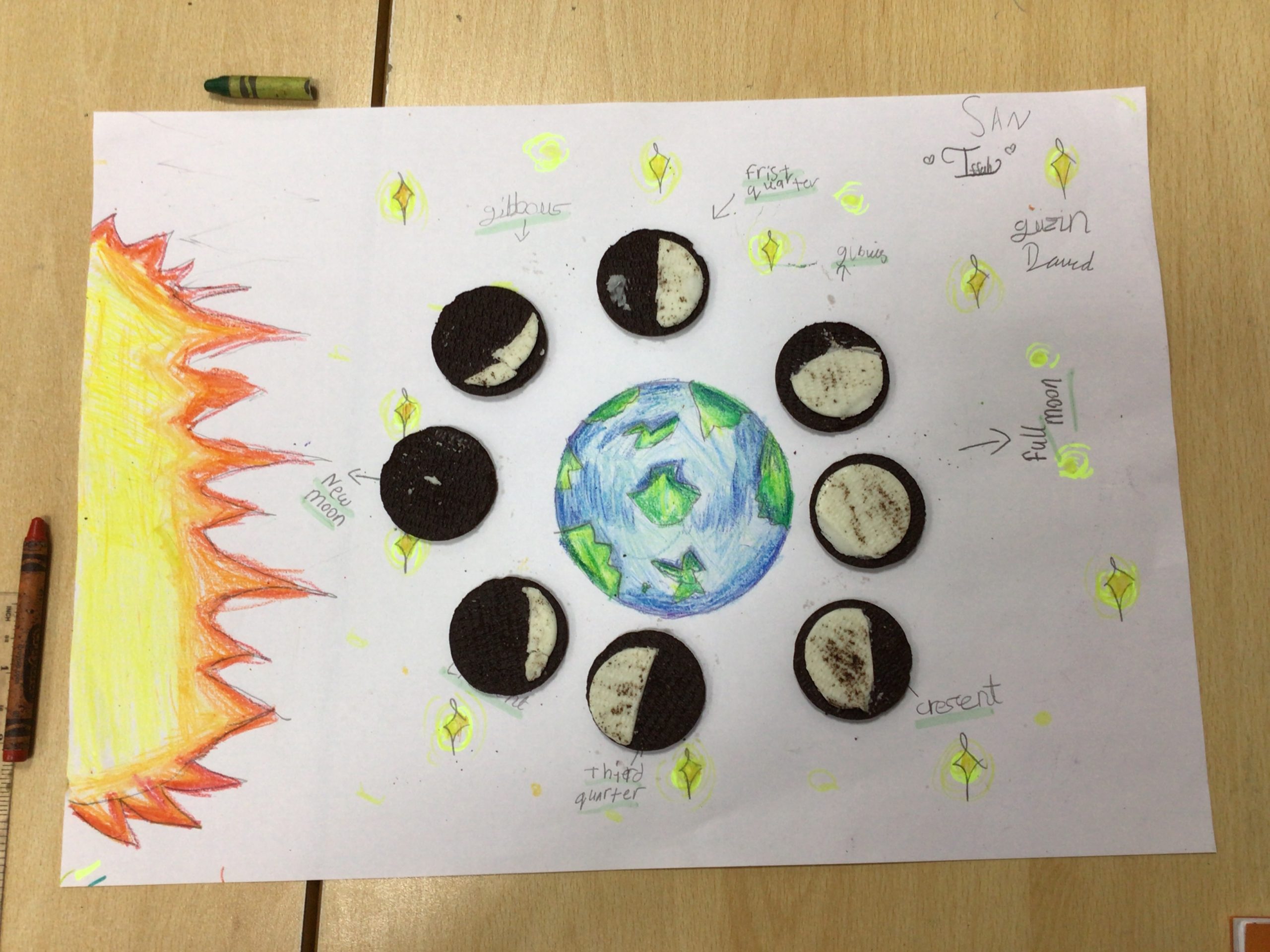
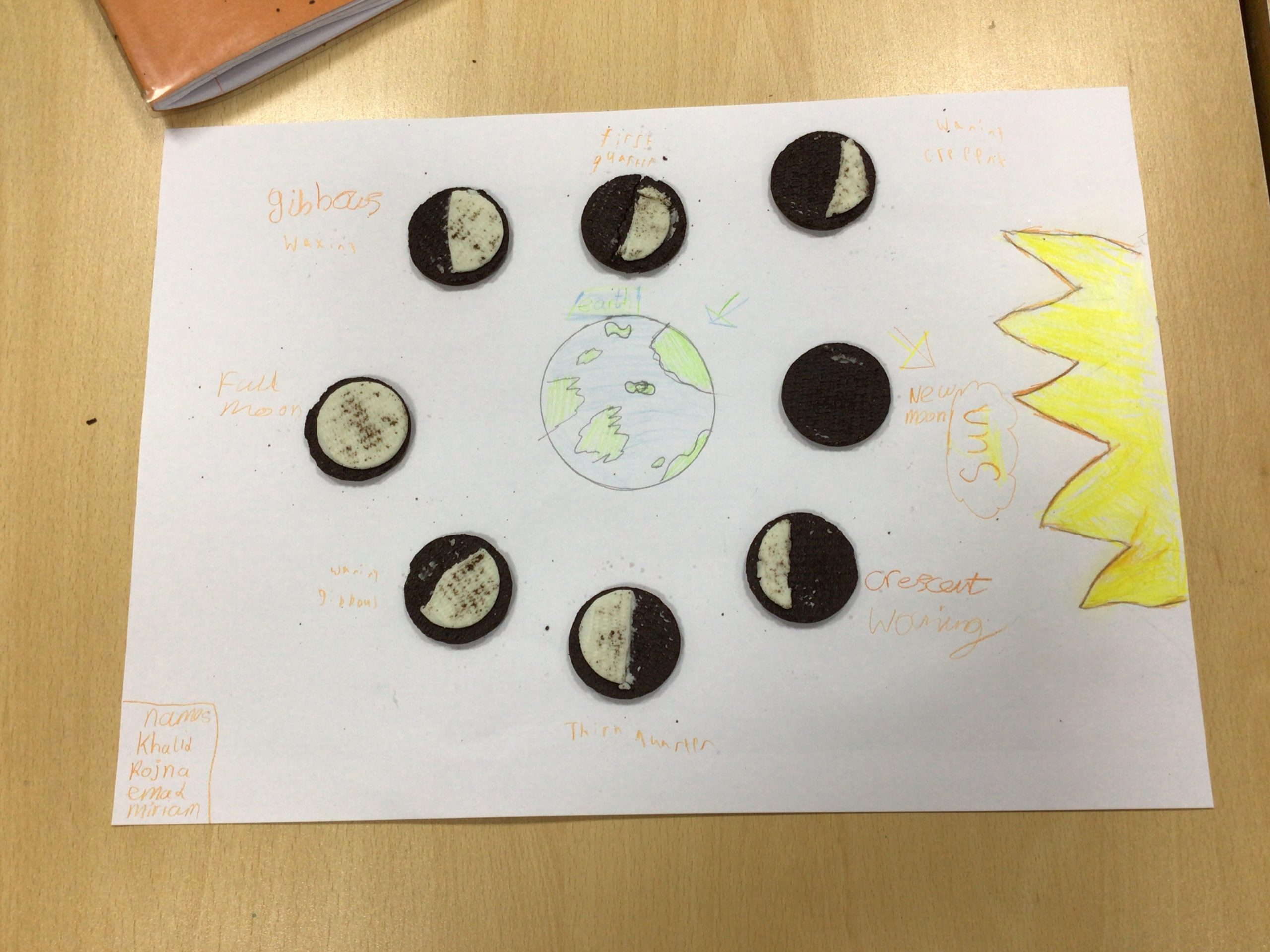
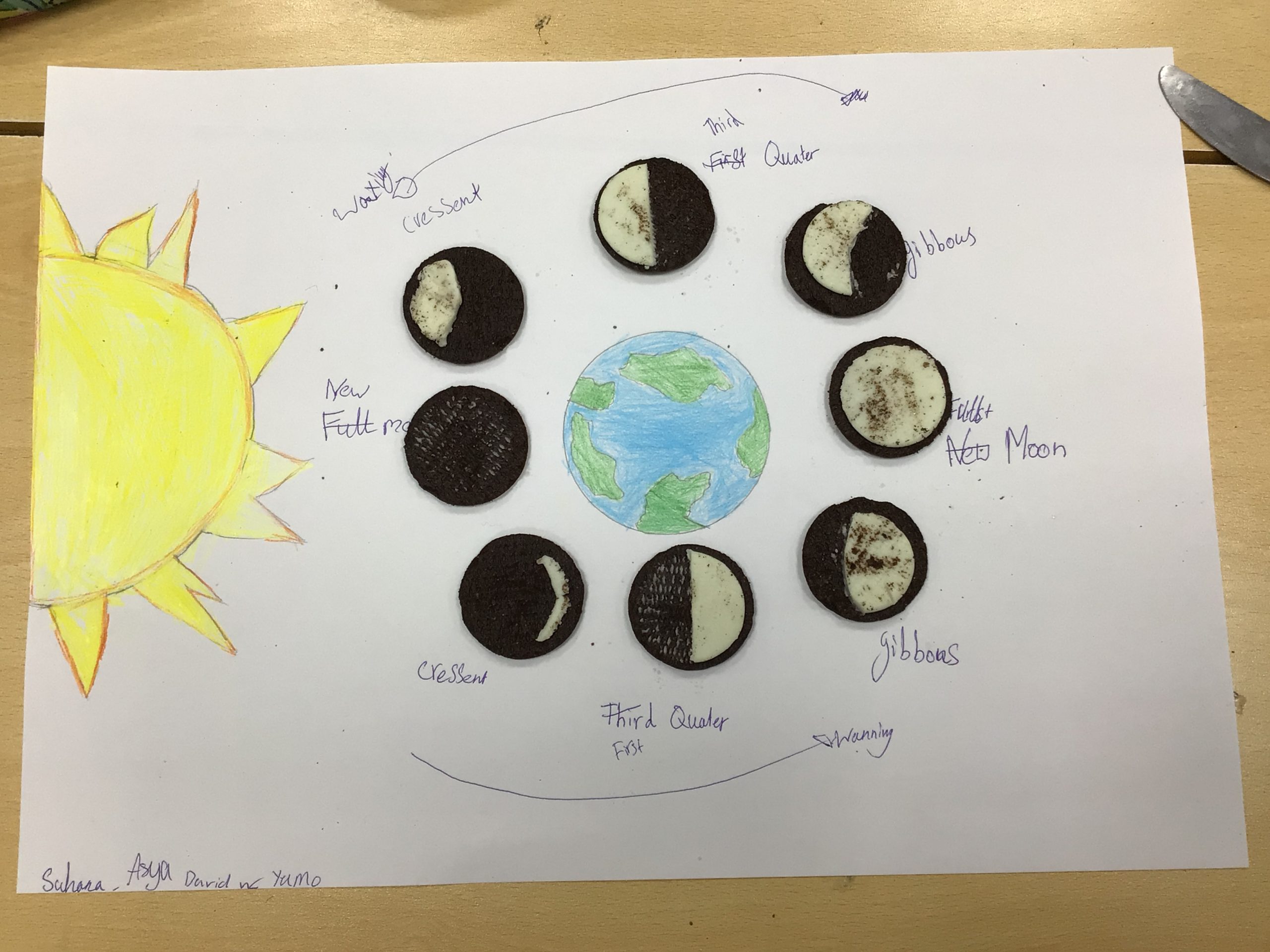
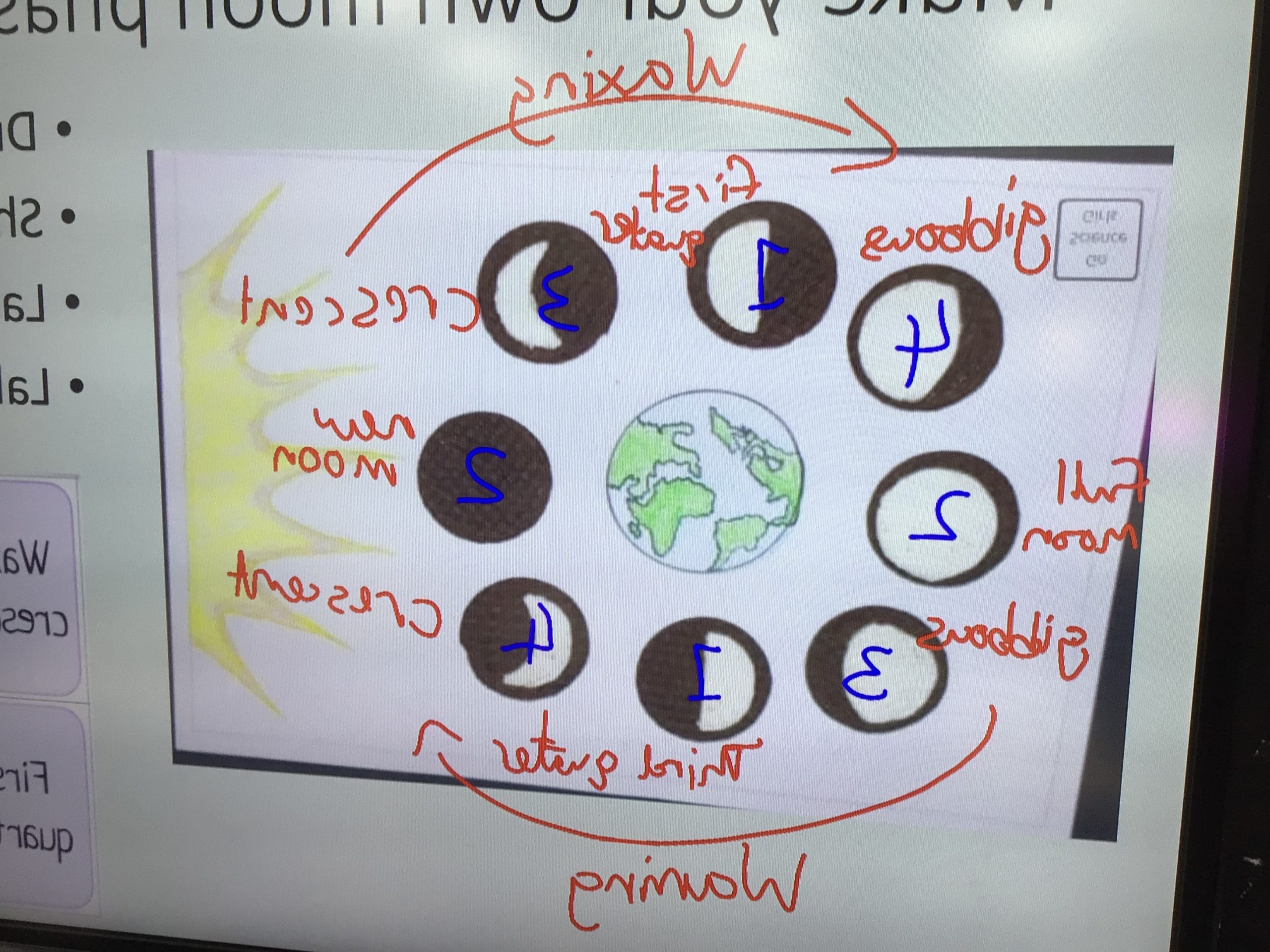
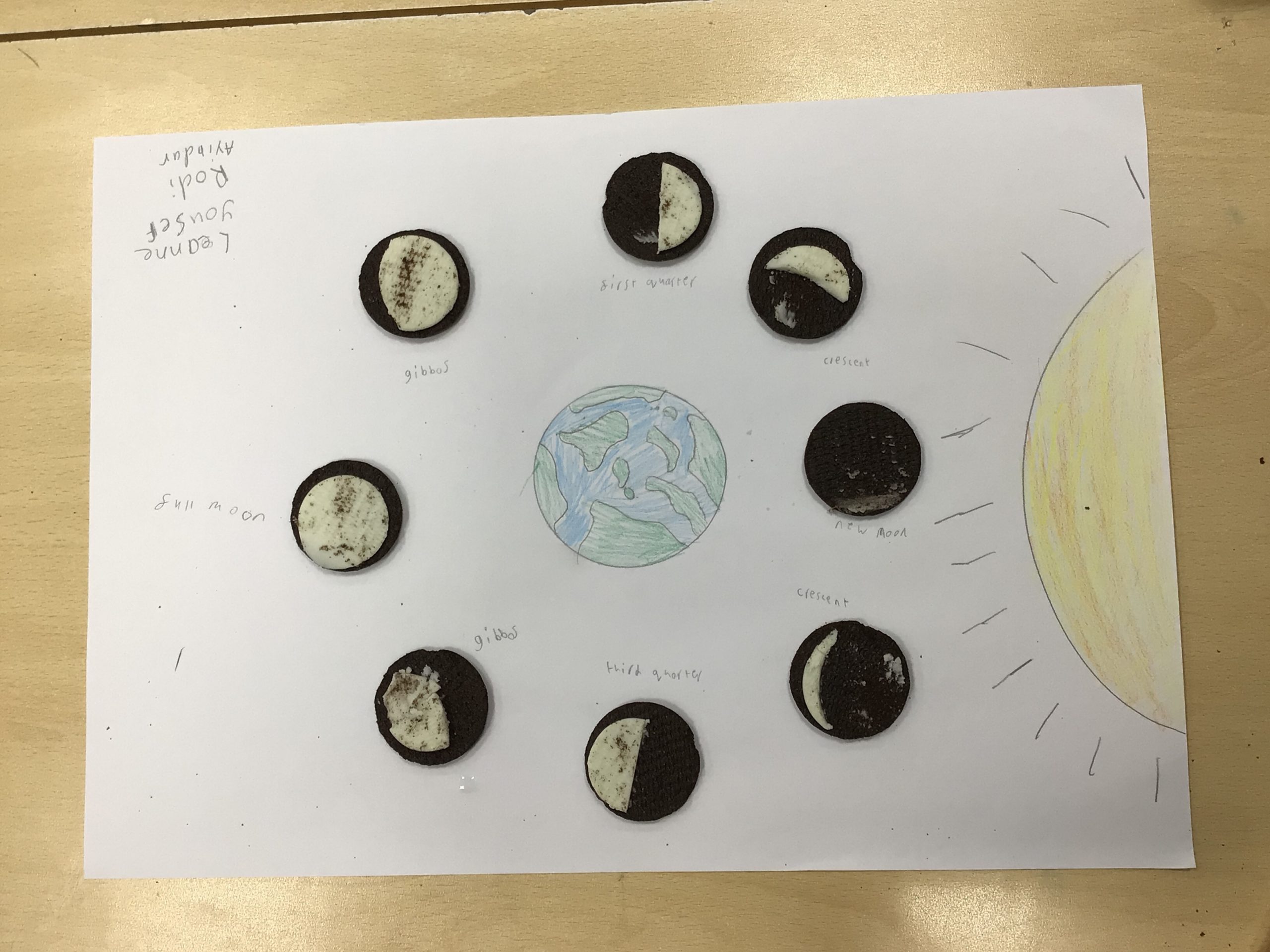
This week, we had a very fun science lesson where we created the phases of the moon using biscuits. Please ask us at home what the phases of the moon are! Can we spot them? 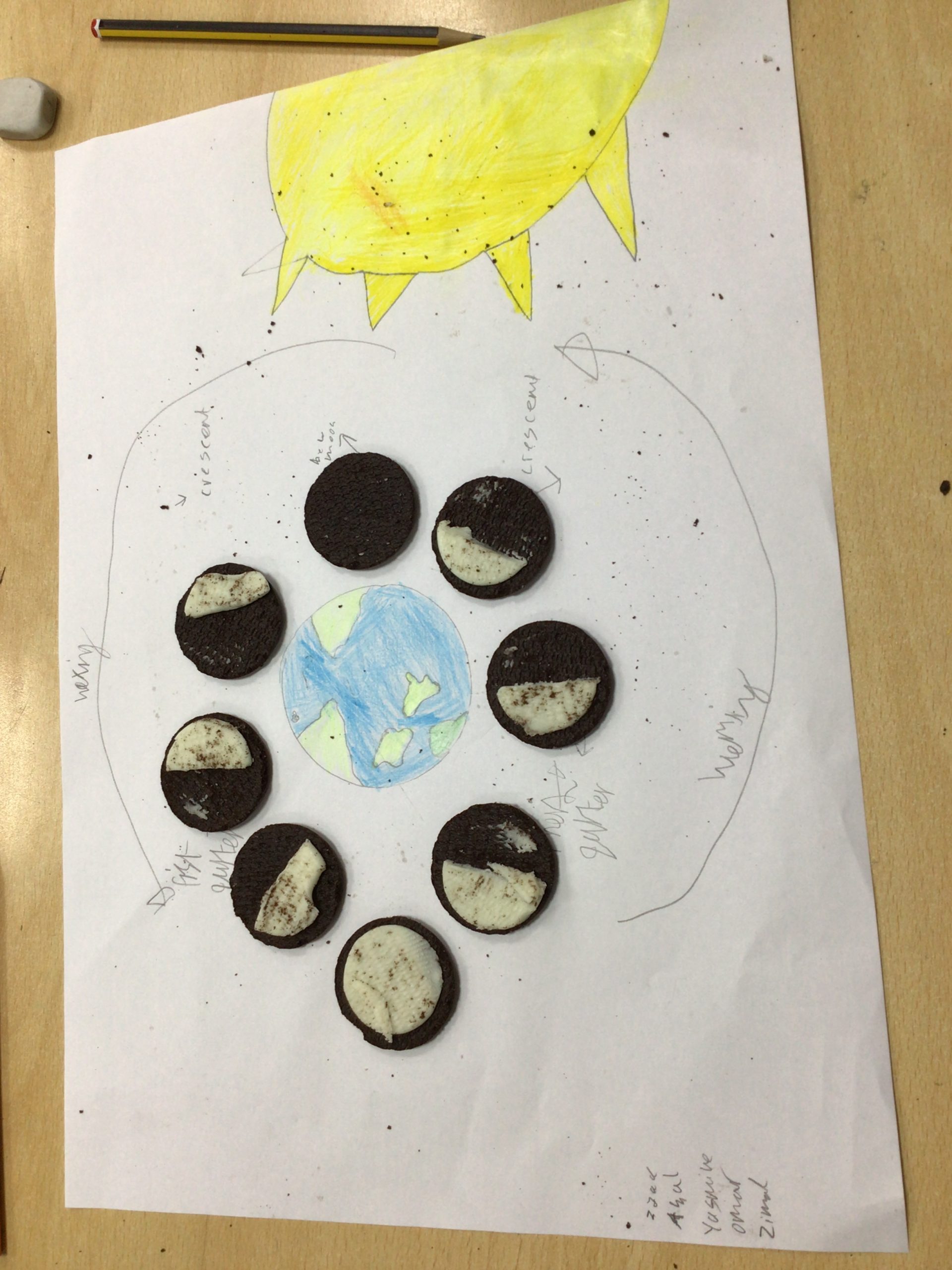
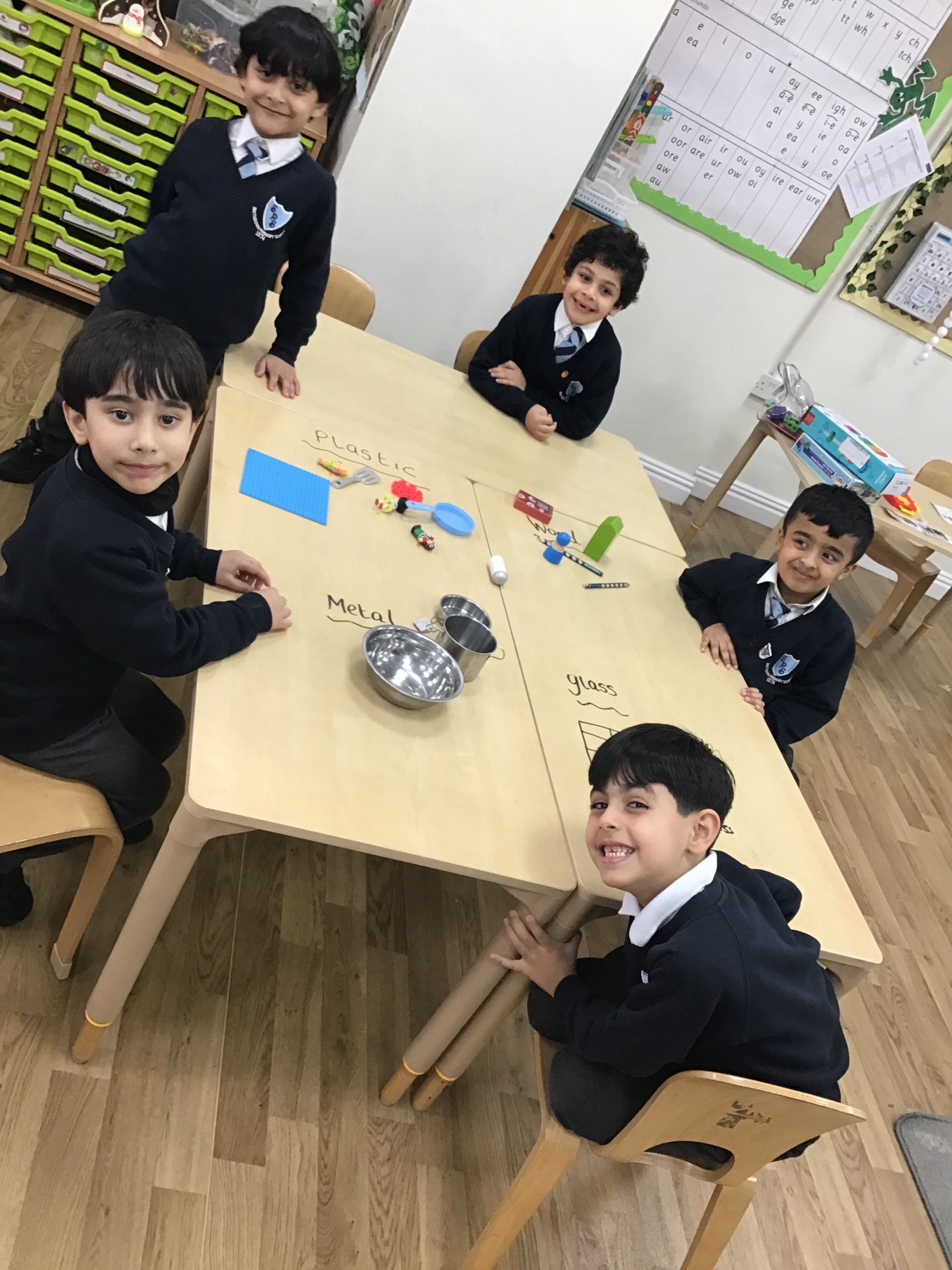
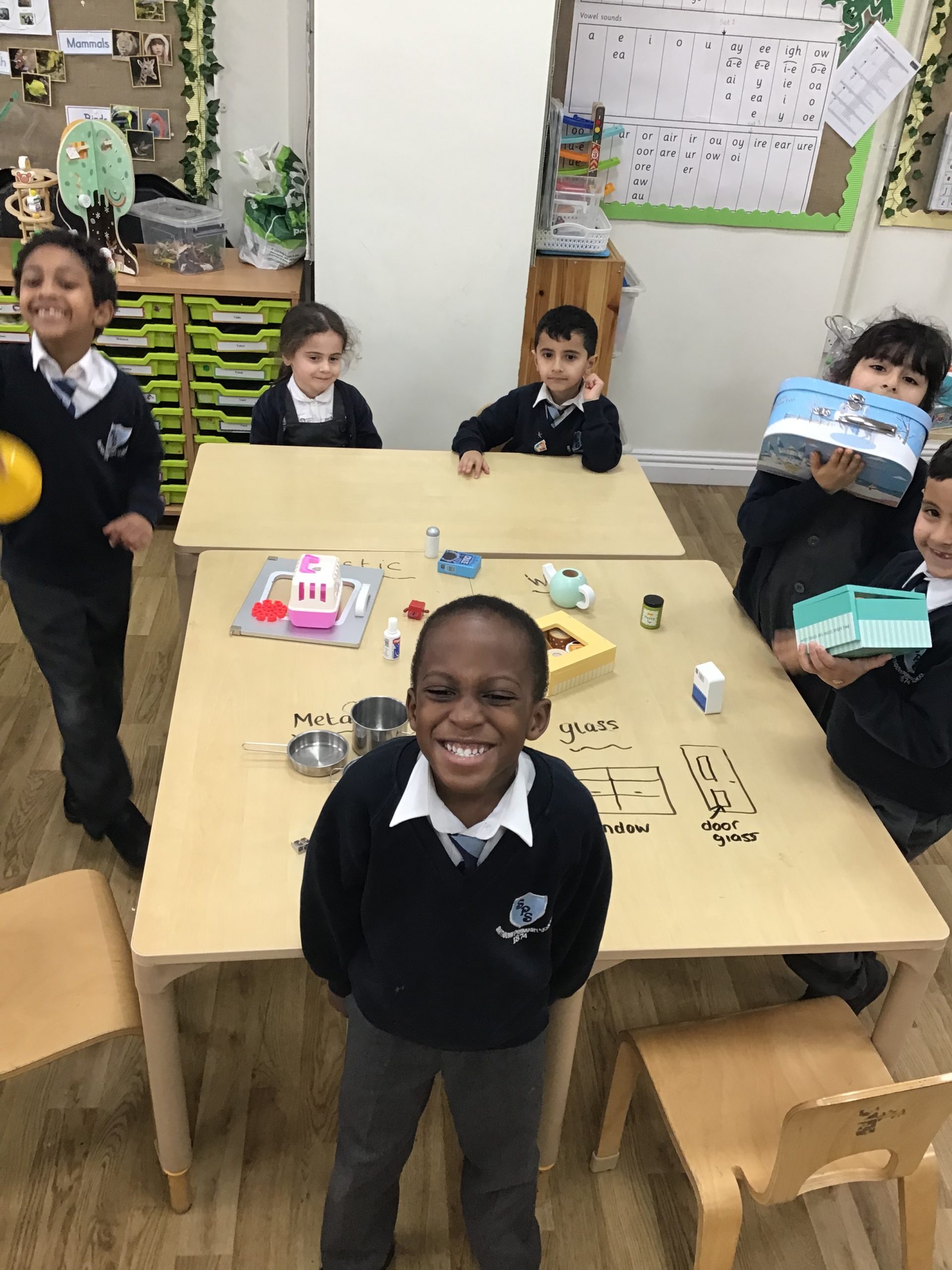
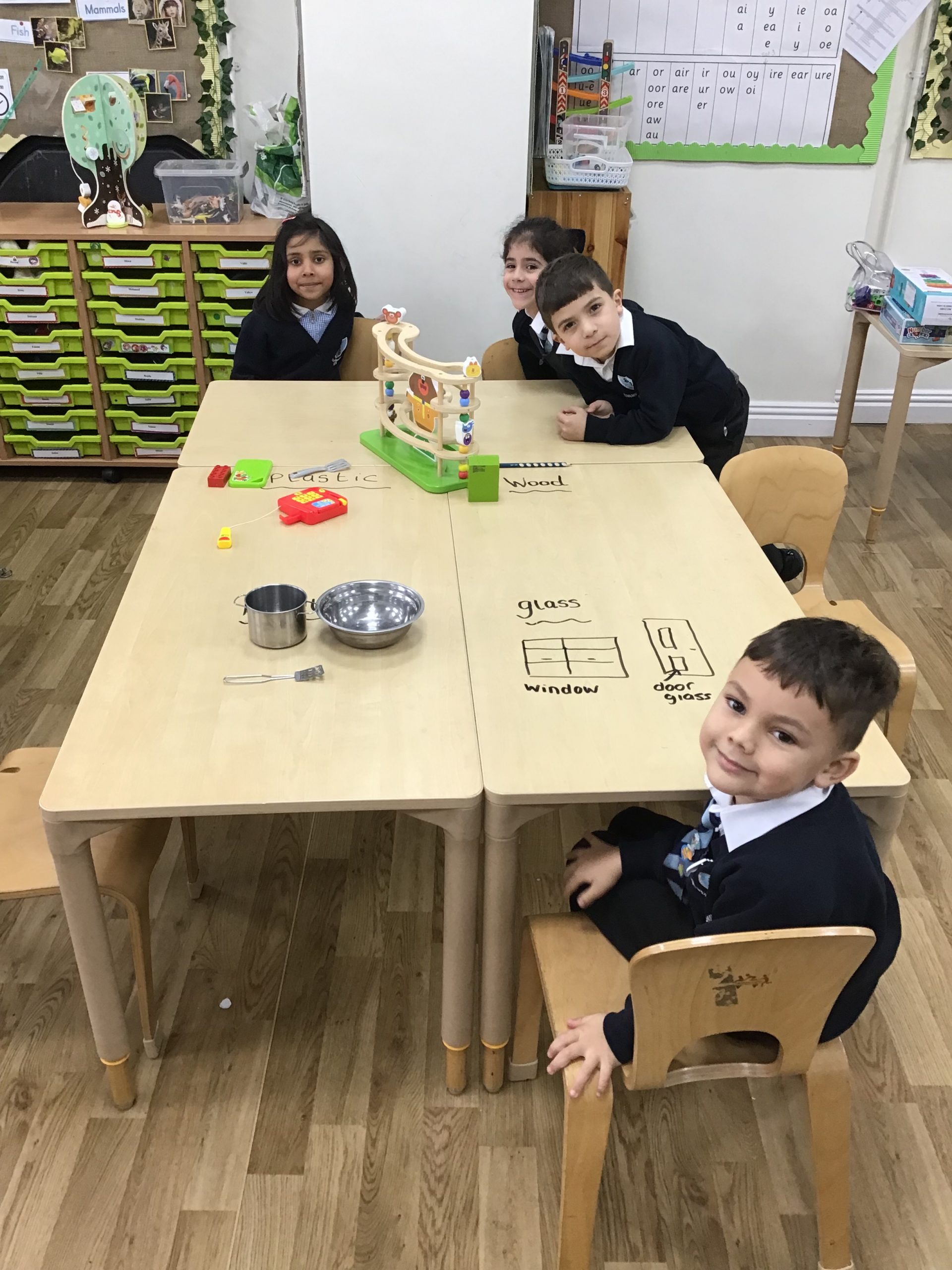
we have loved starting our new topic in science, materials! We went on a search around the classroom to find items made of glass, plastic, metal and wood.
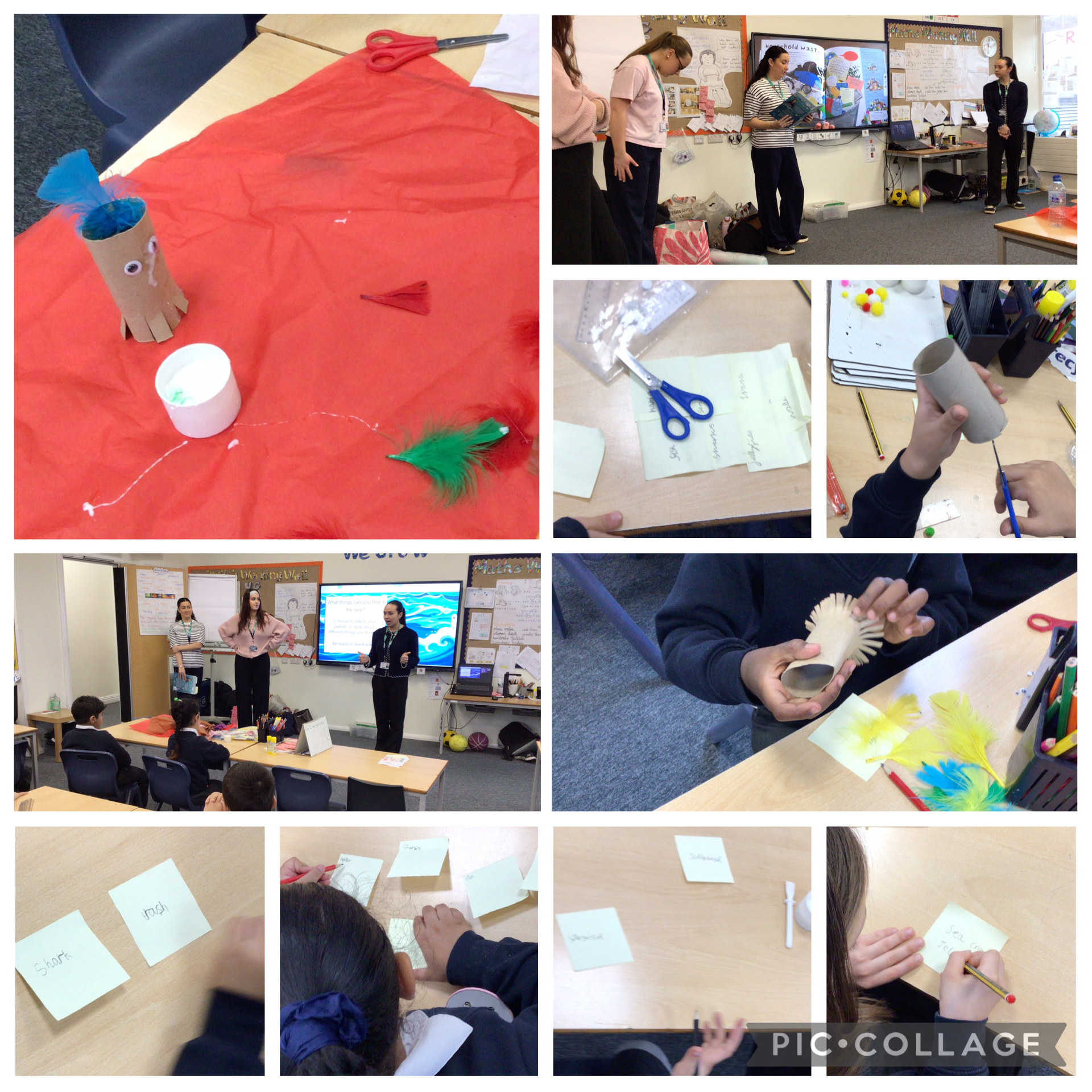
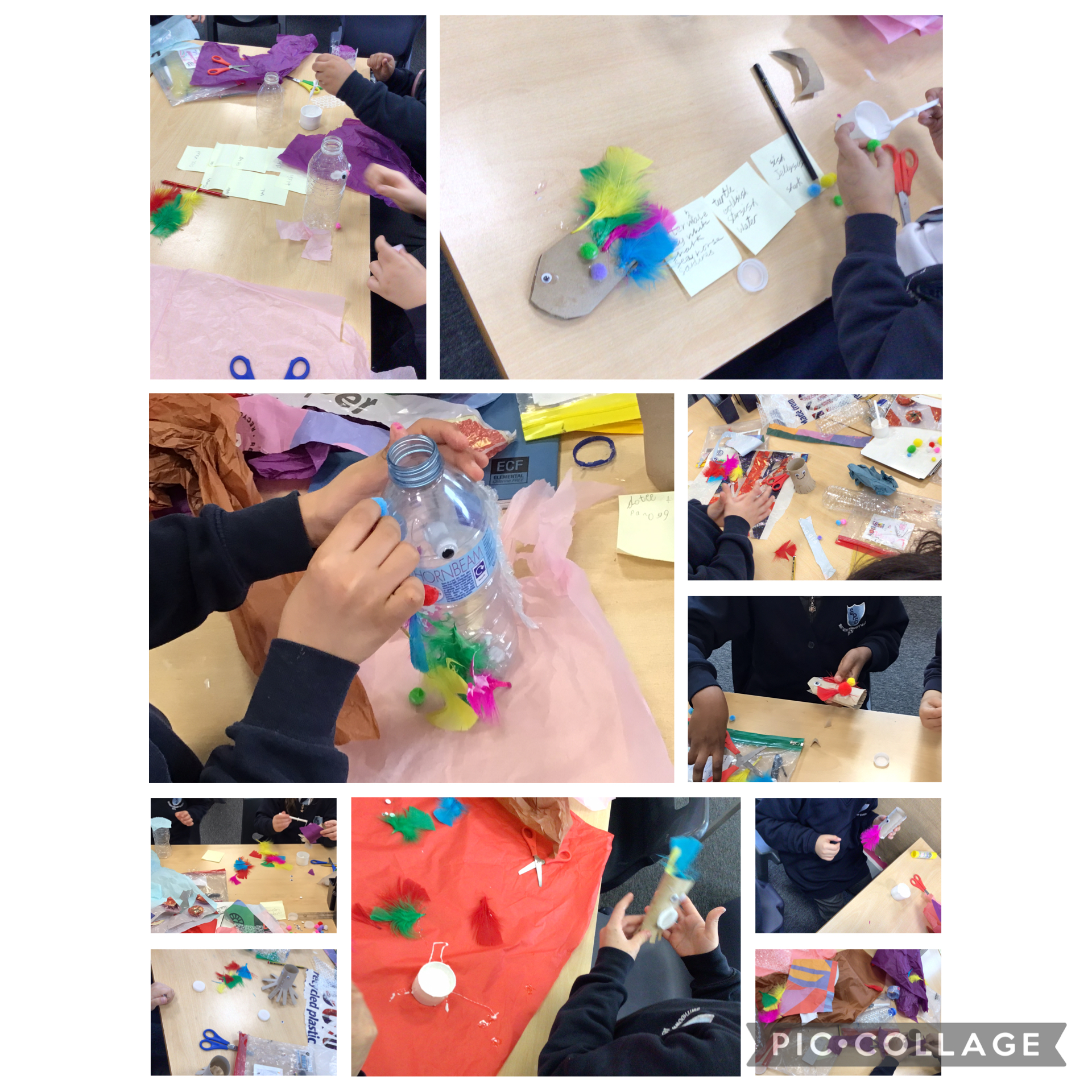
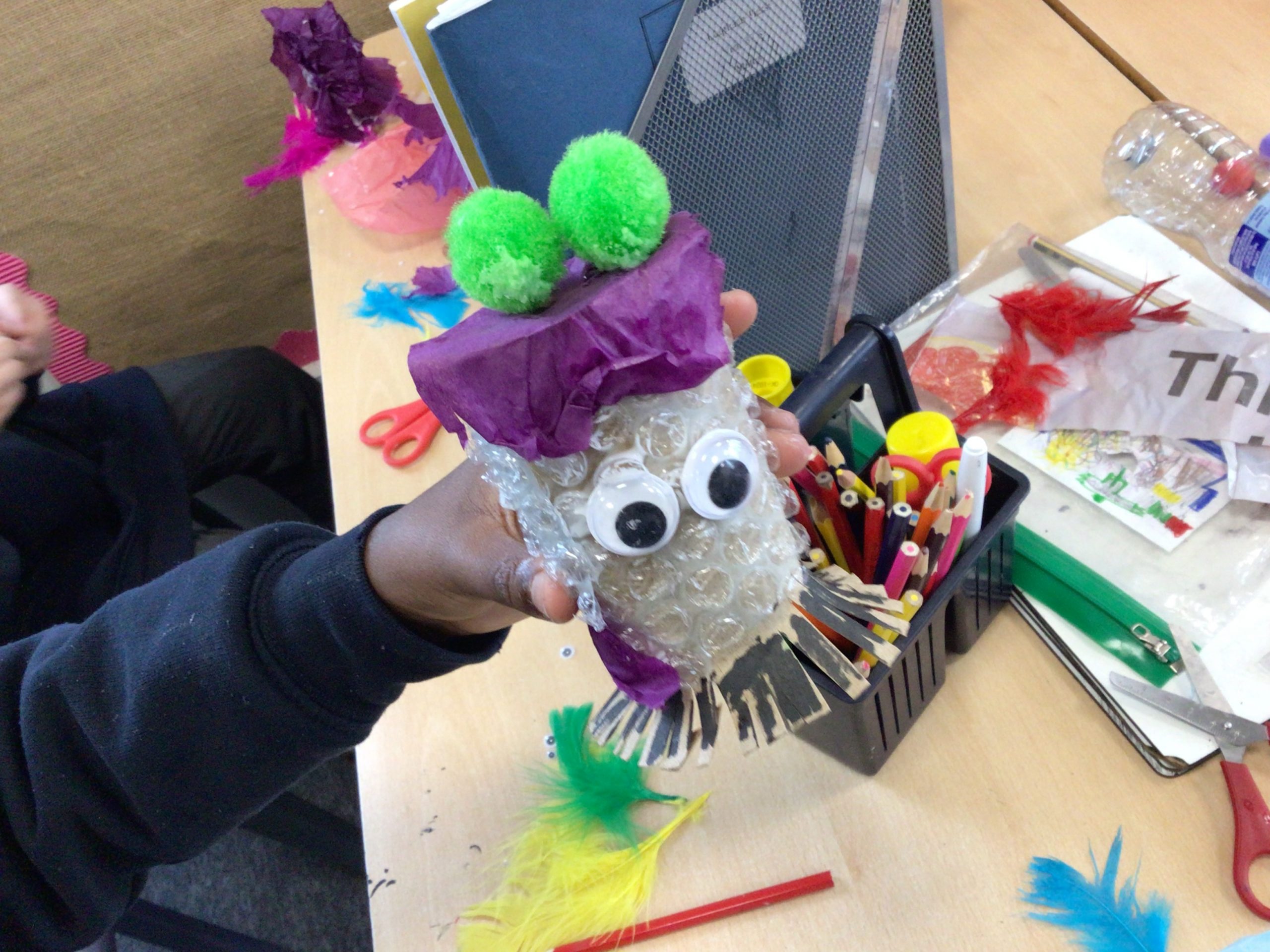
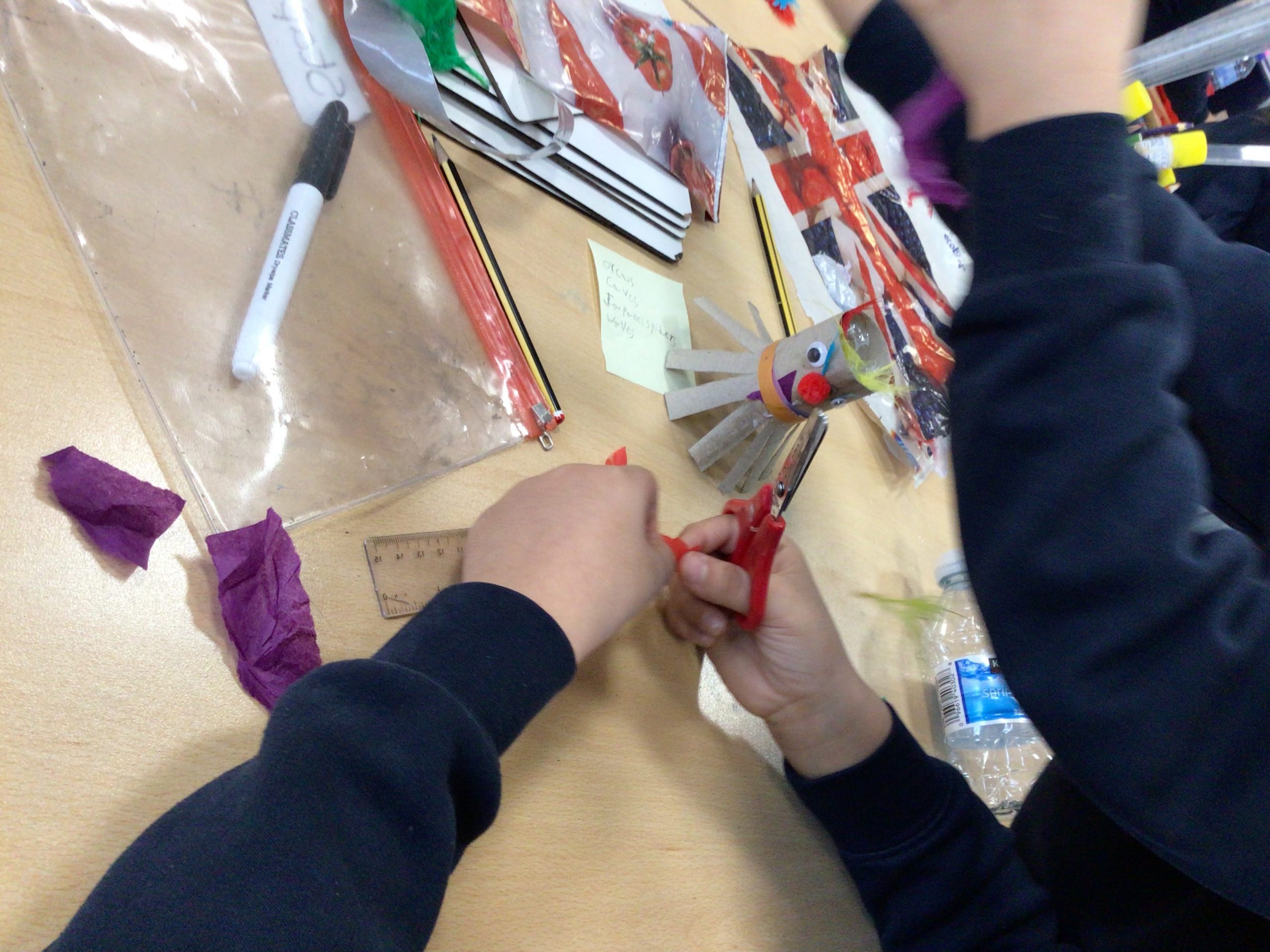
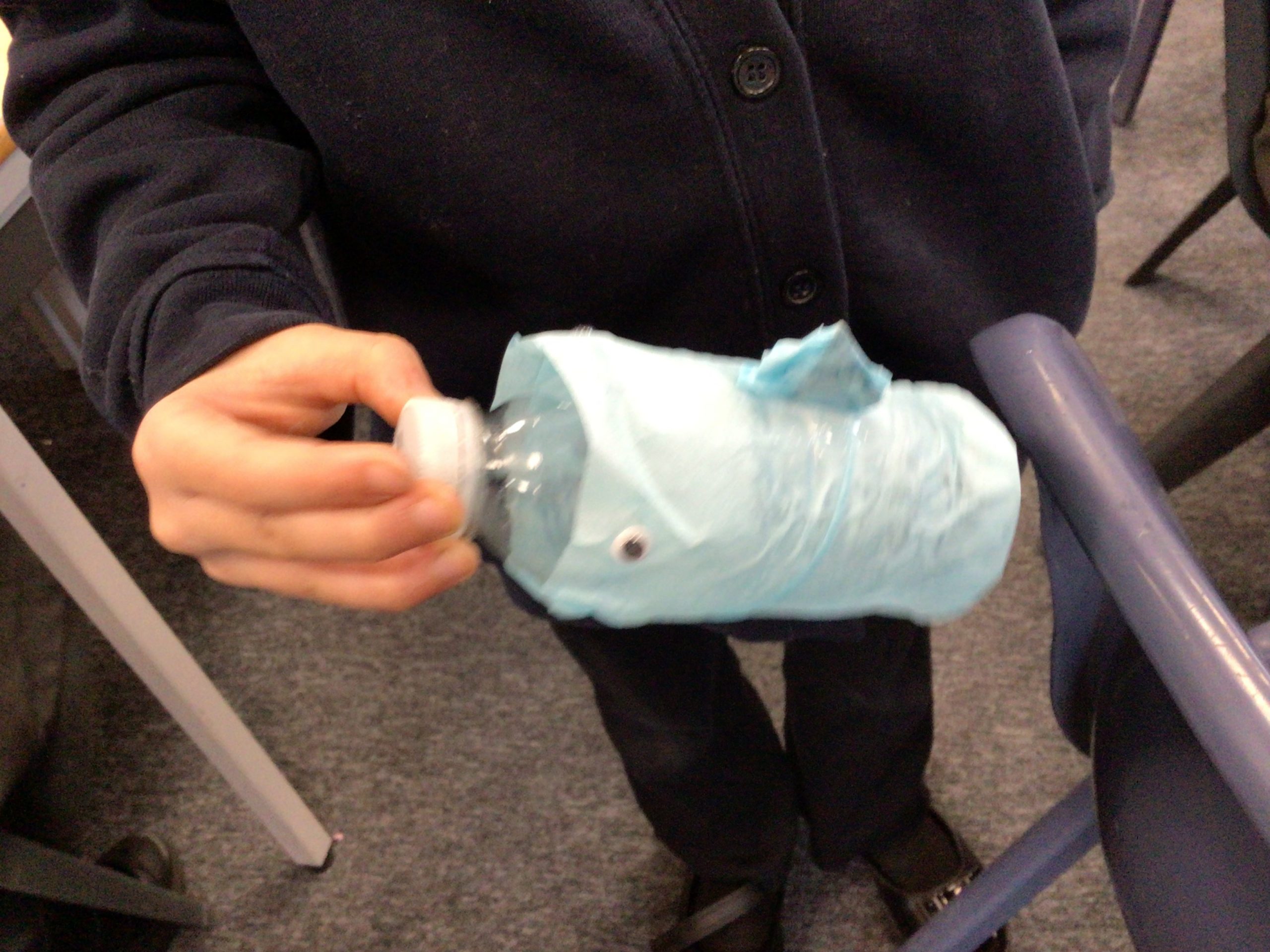
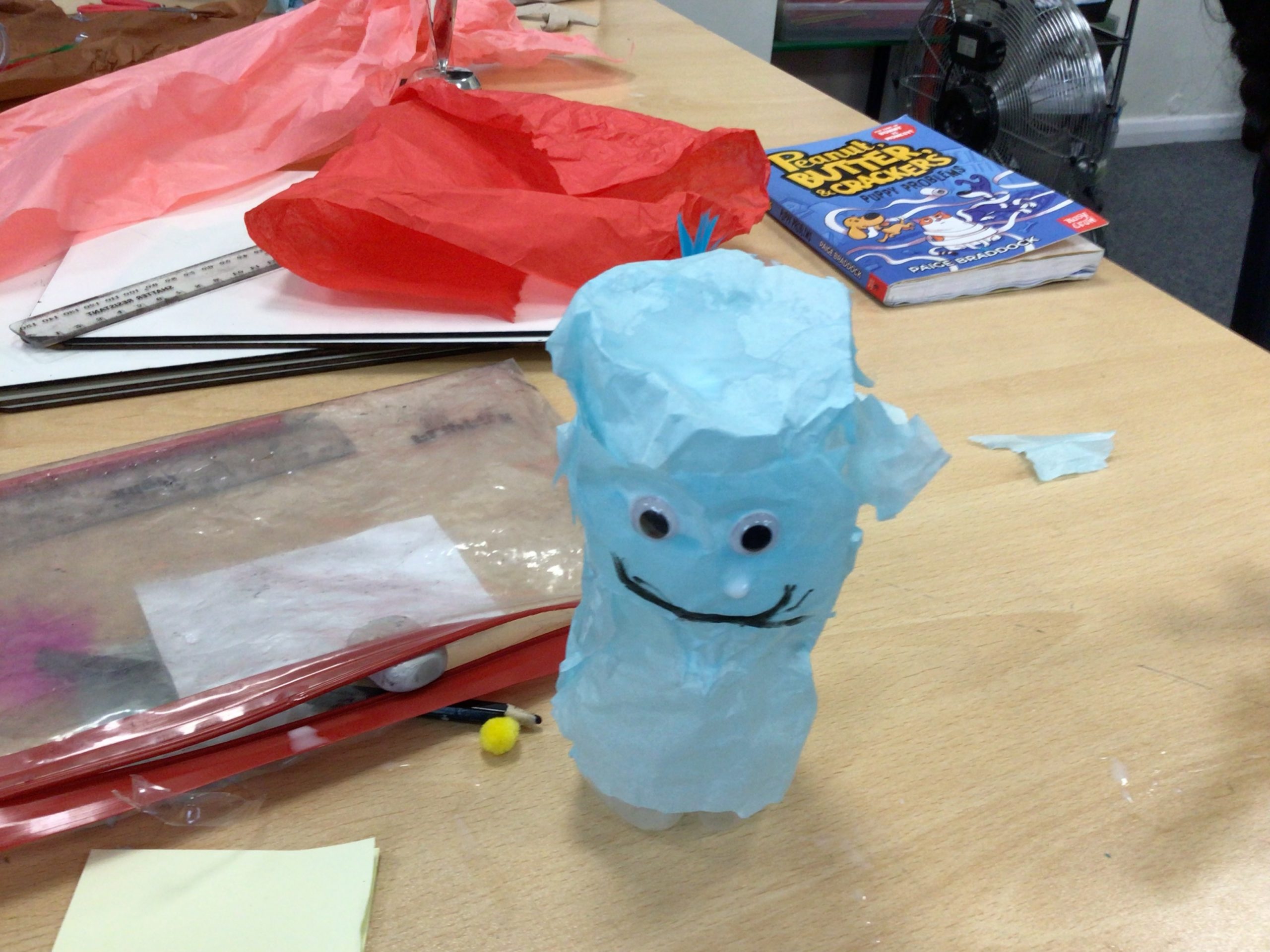
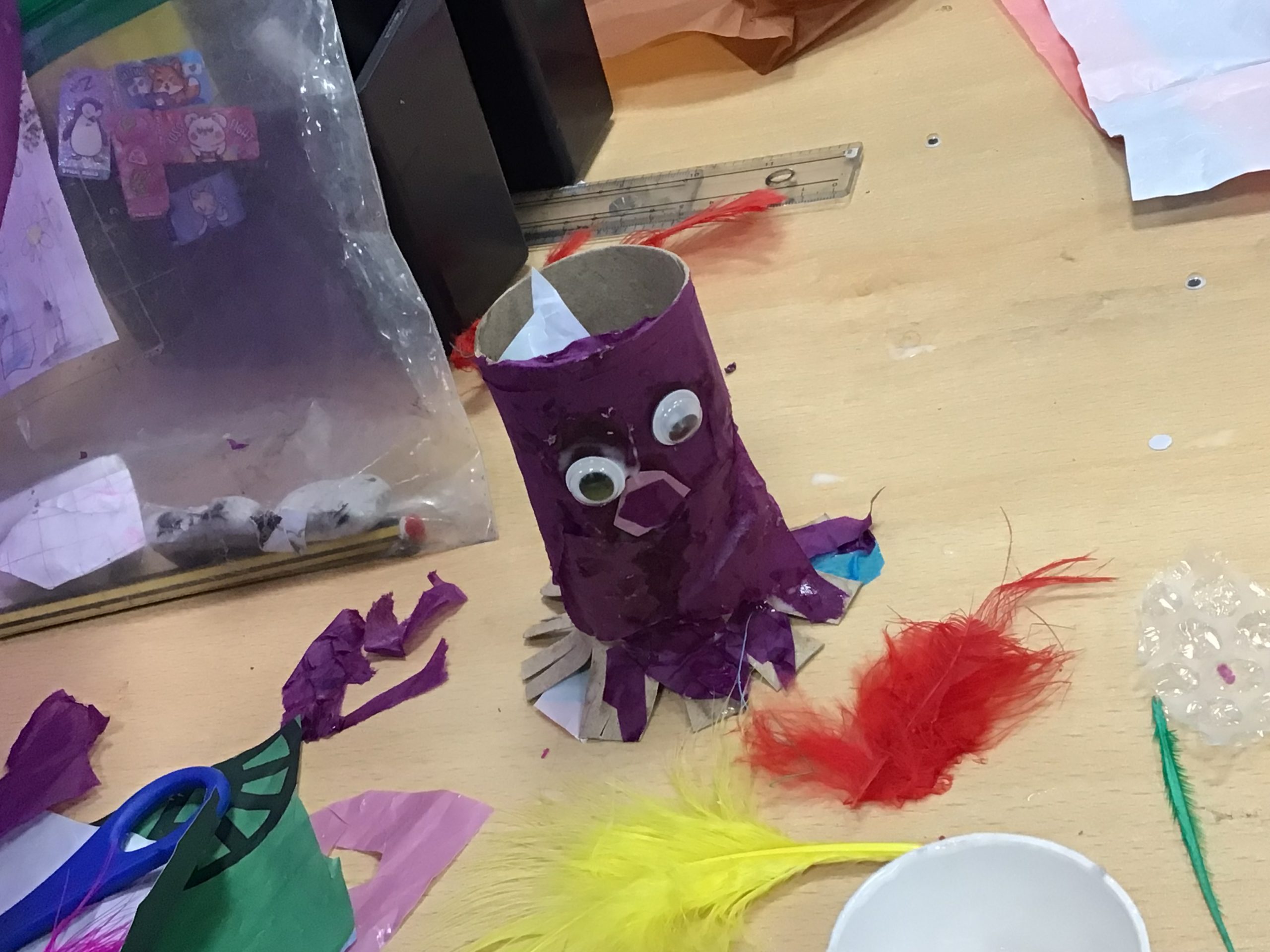
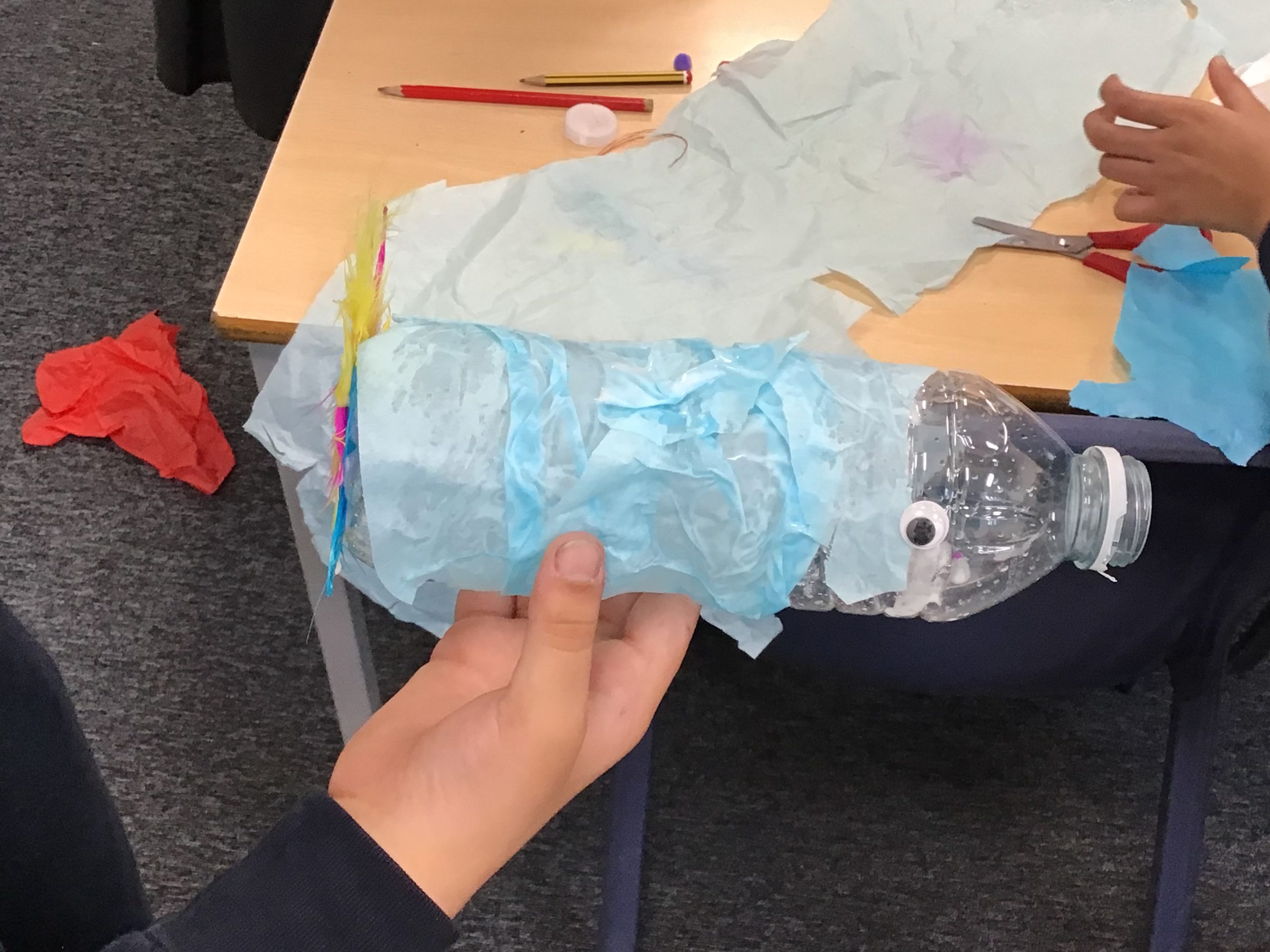
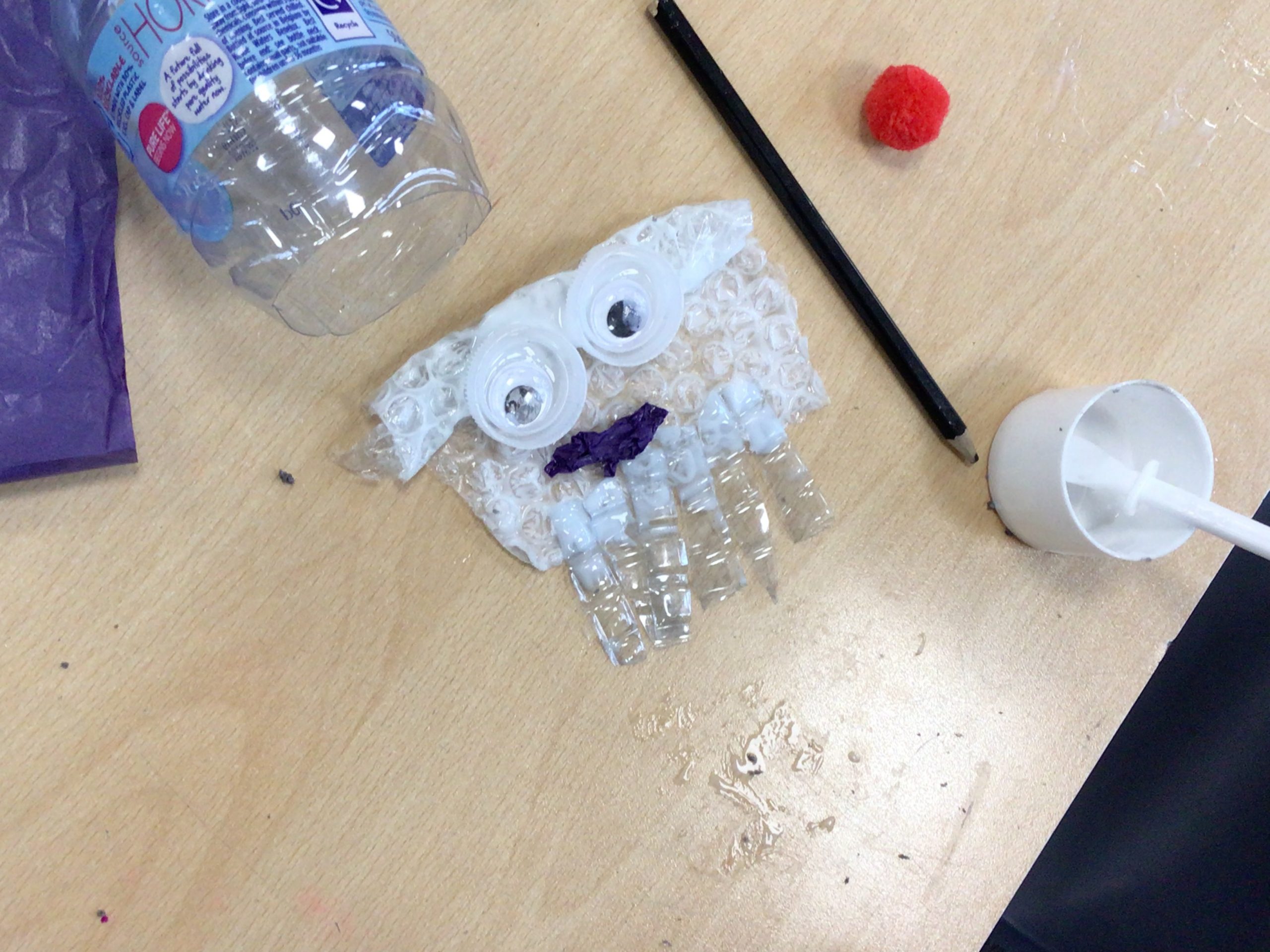
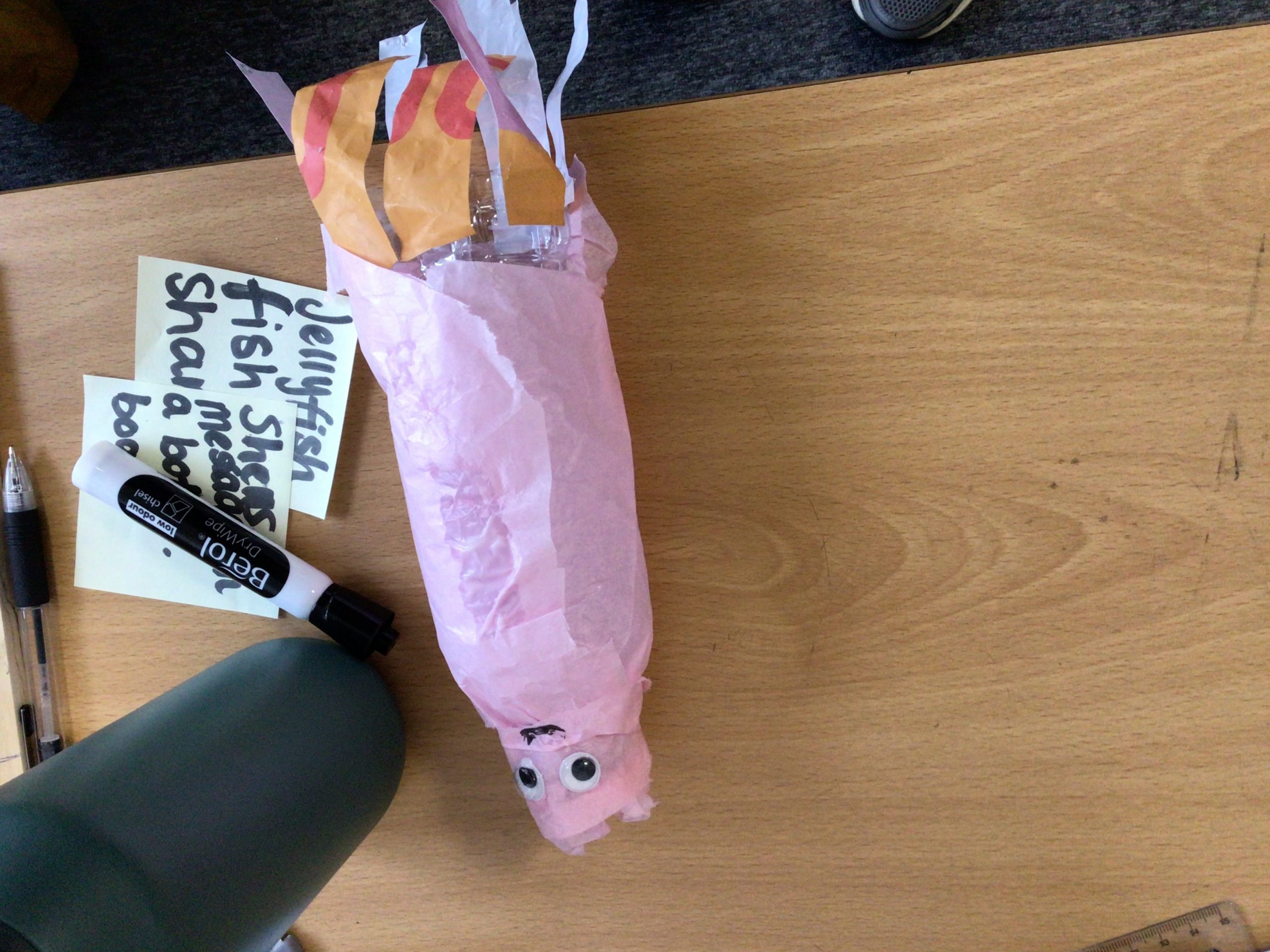
In Year 3 we were very lucky to have some trainee teacher teach us about sustainability and how we can reuse some plastics to prevent them damaging our environment if not recycled properly.
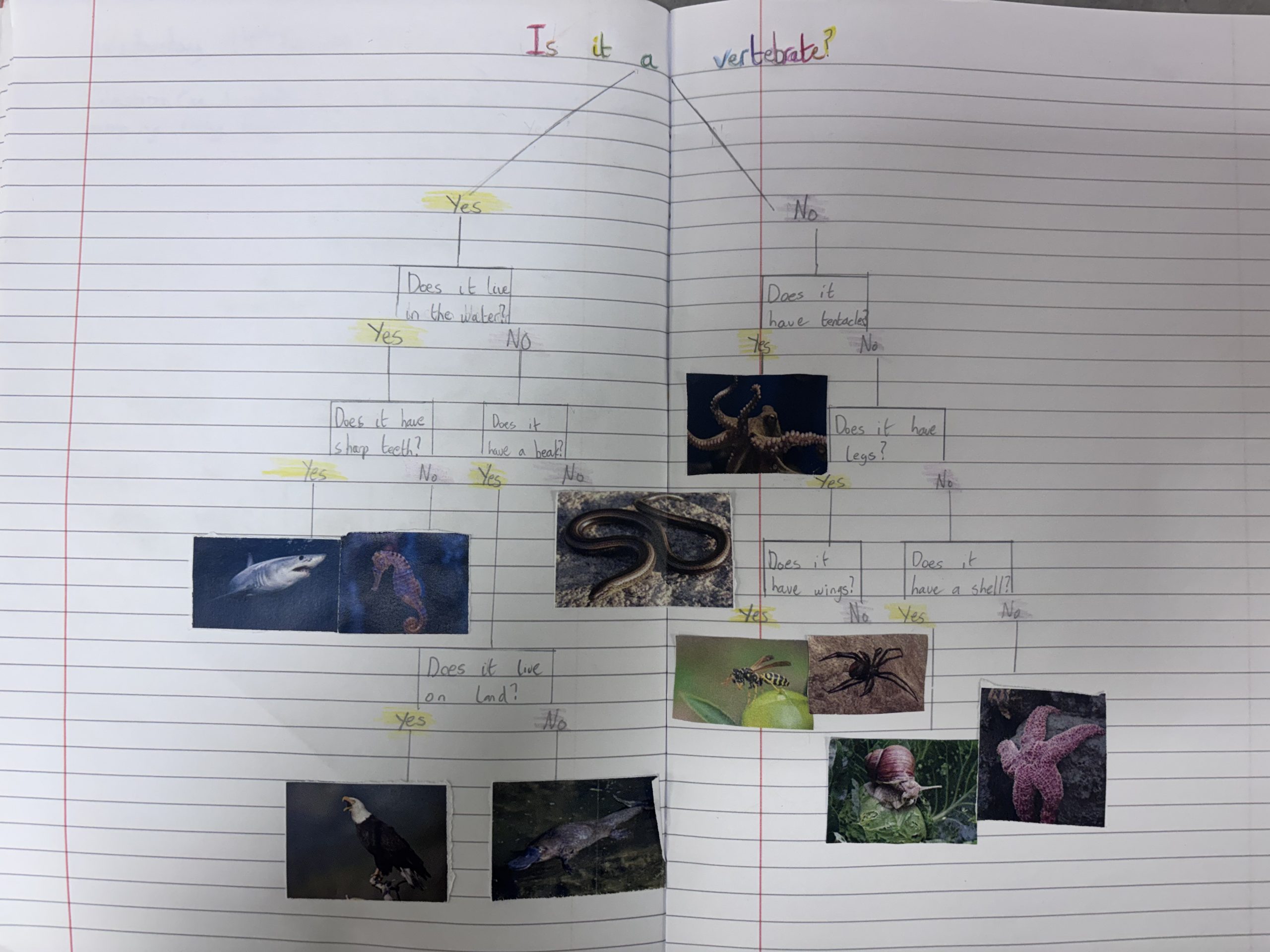
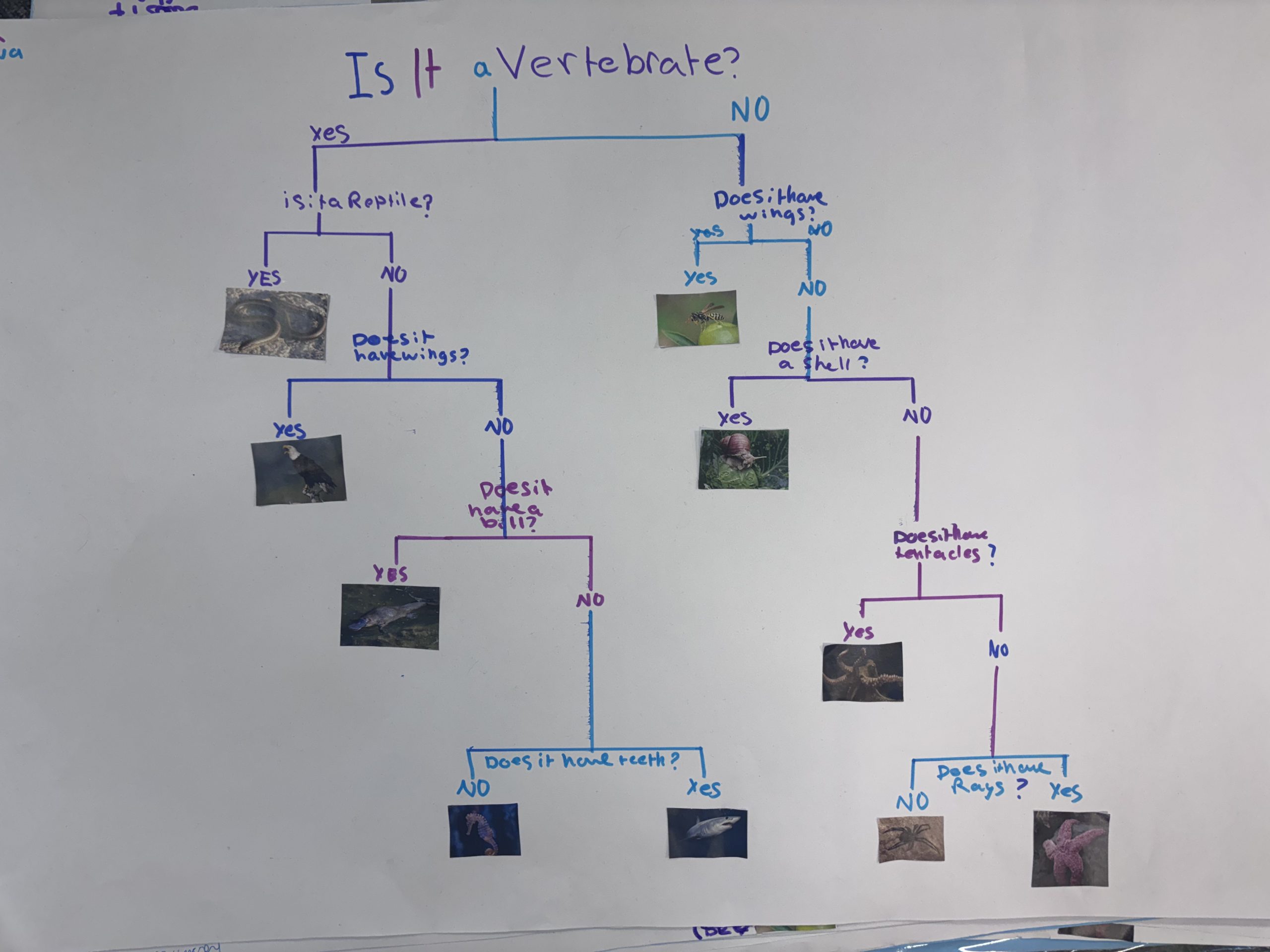
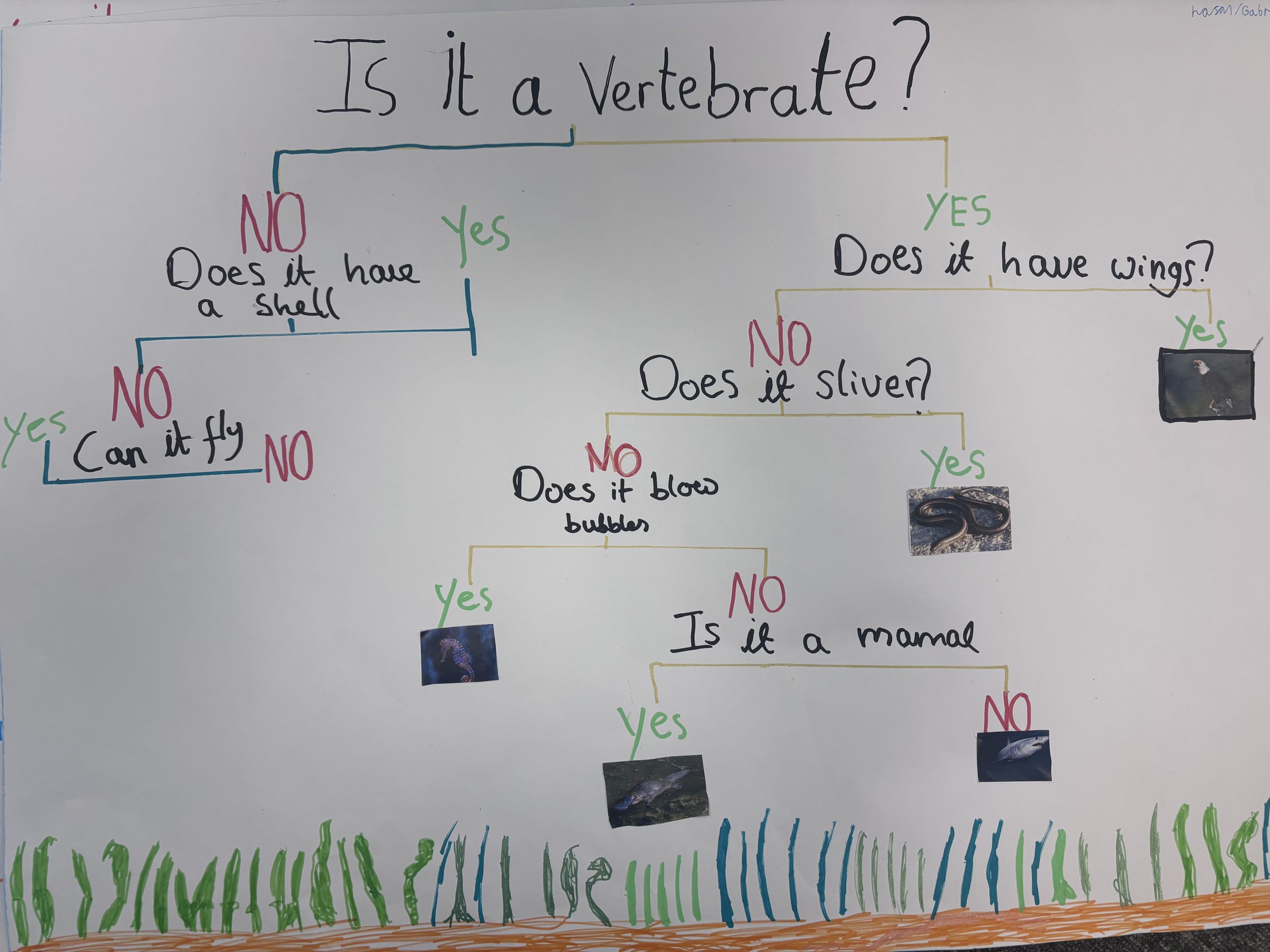
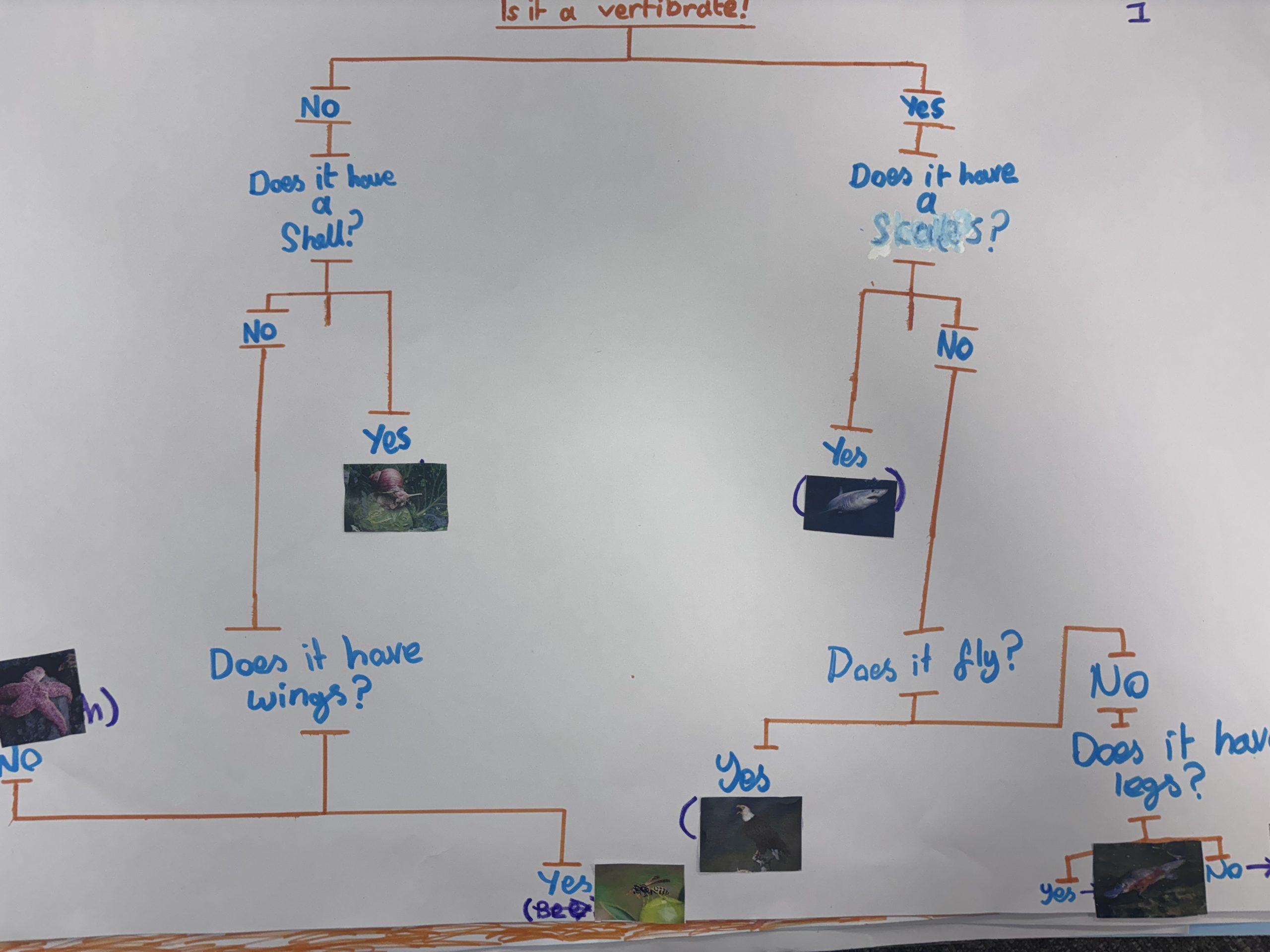
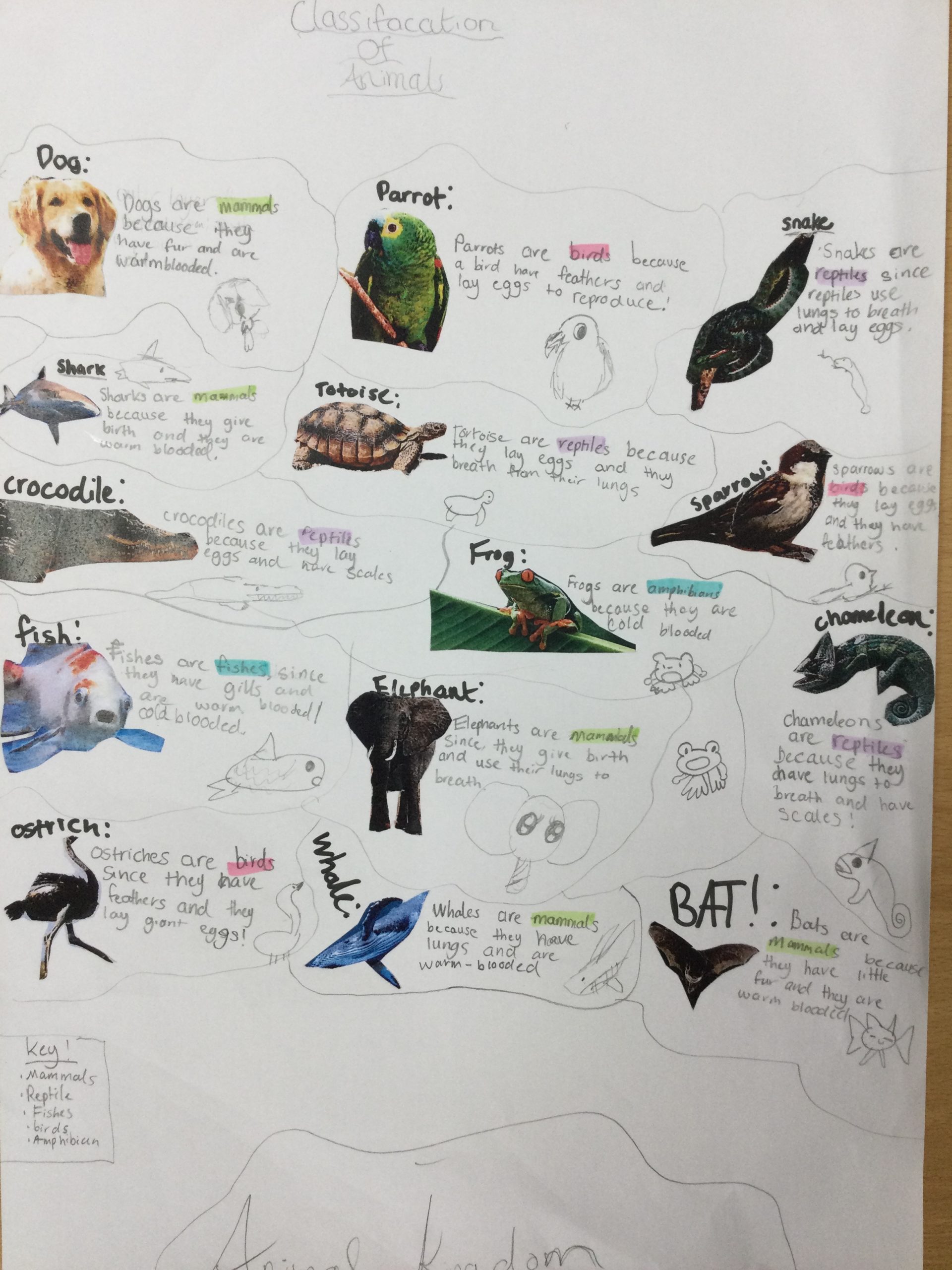
Following on from last week, we tried our hands at sorting animals using classification keys.
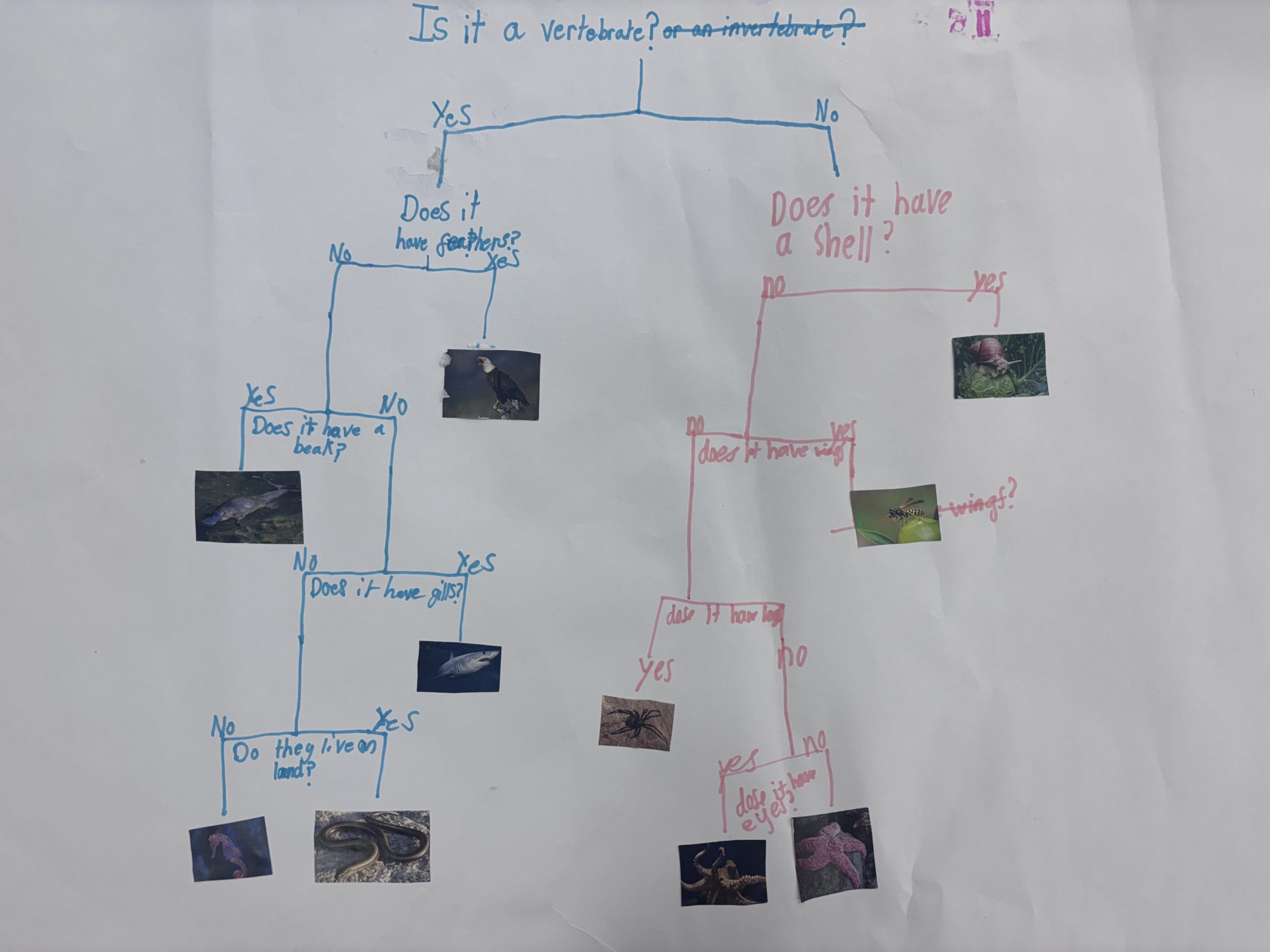
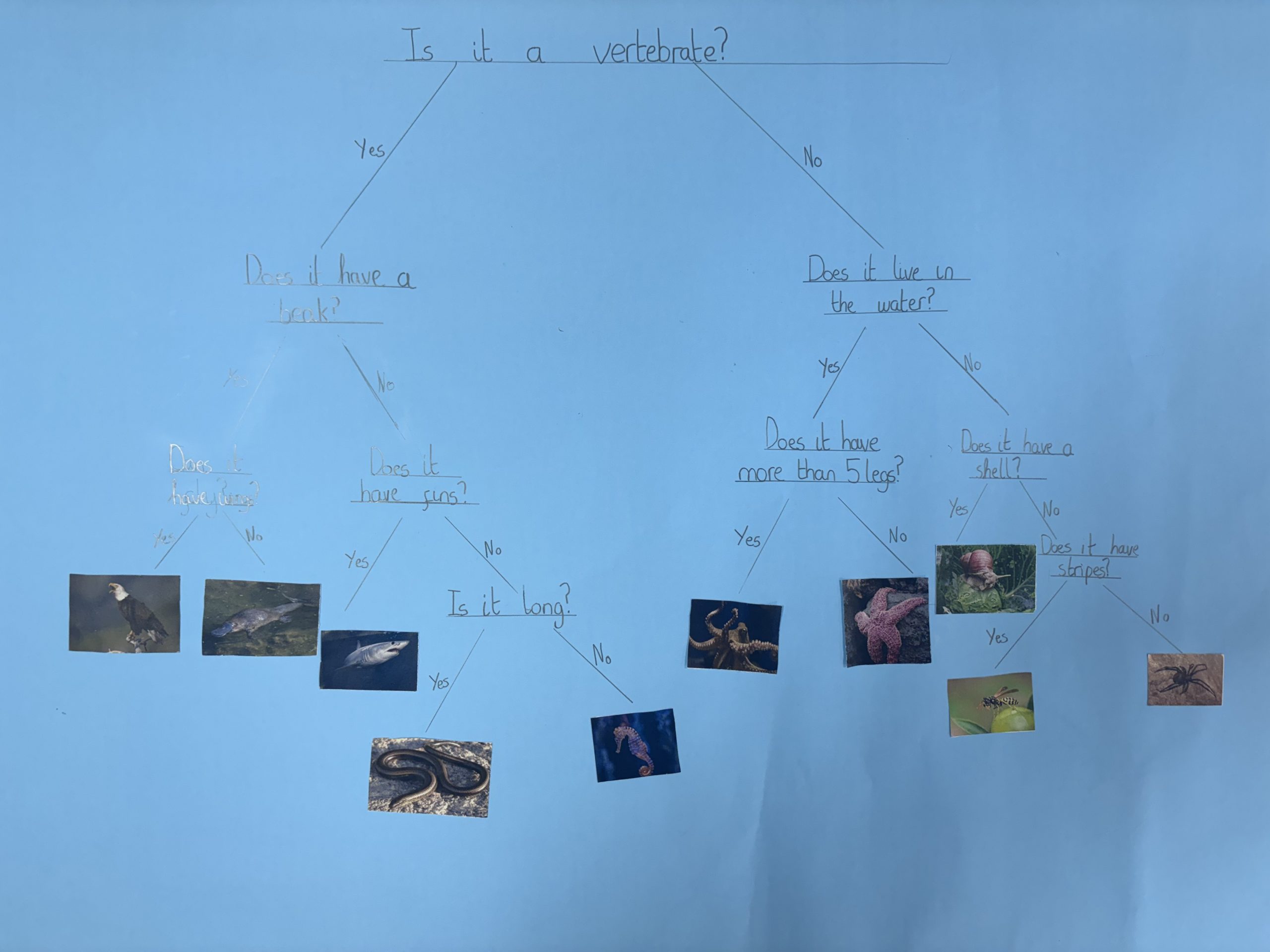
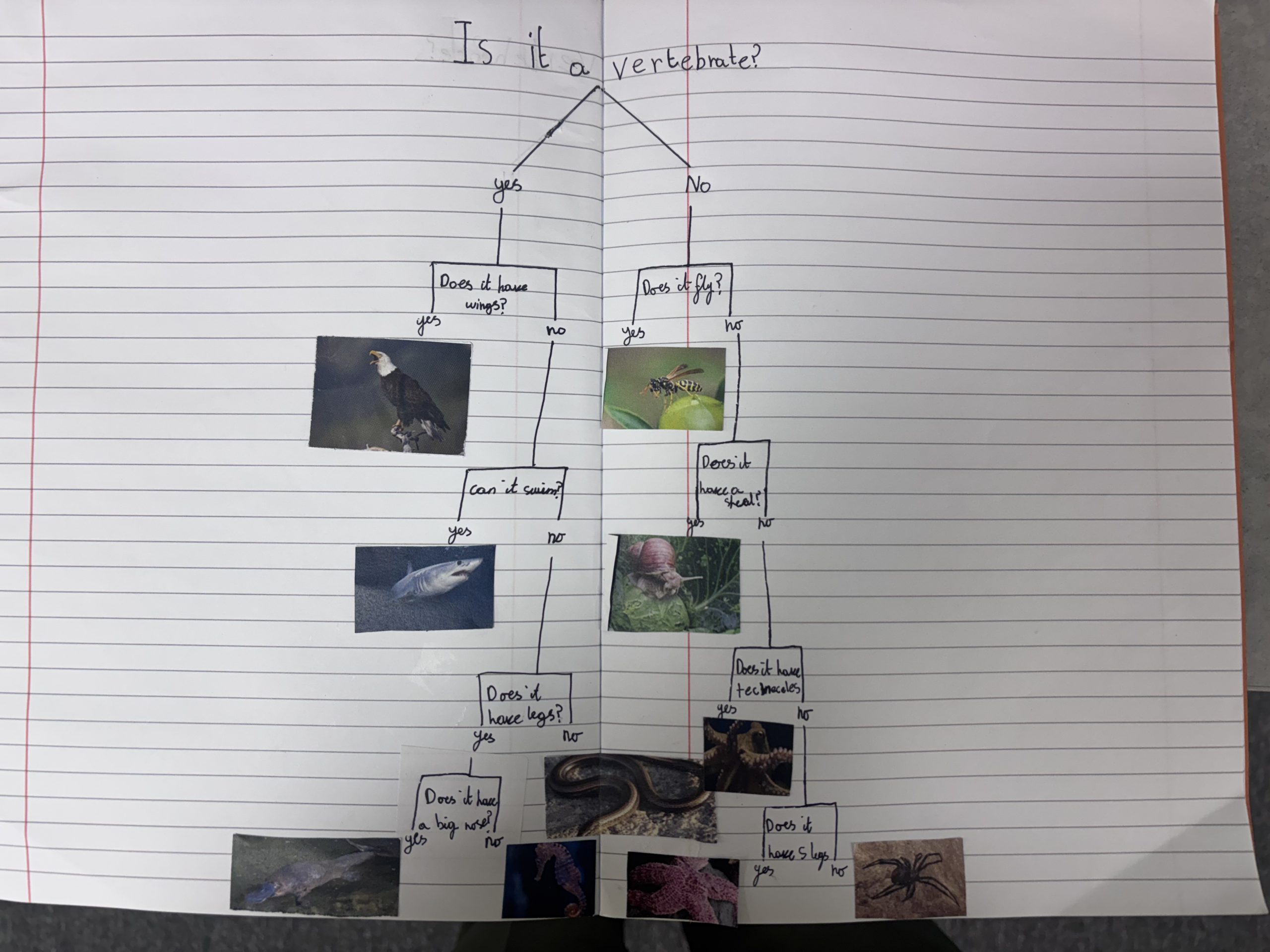
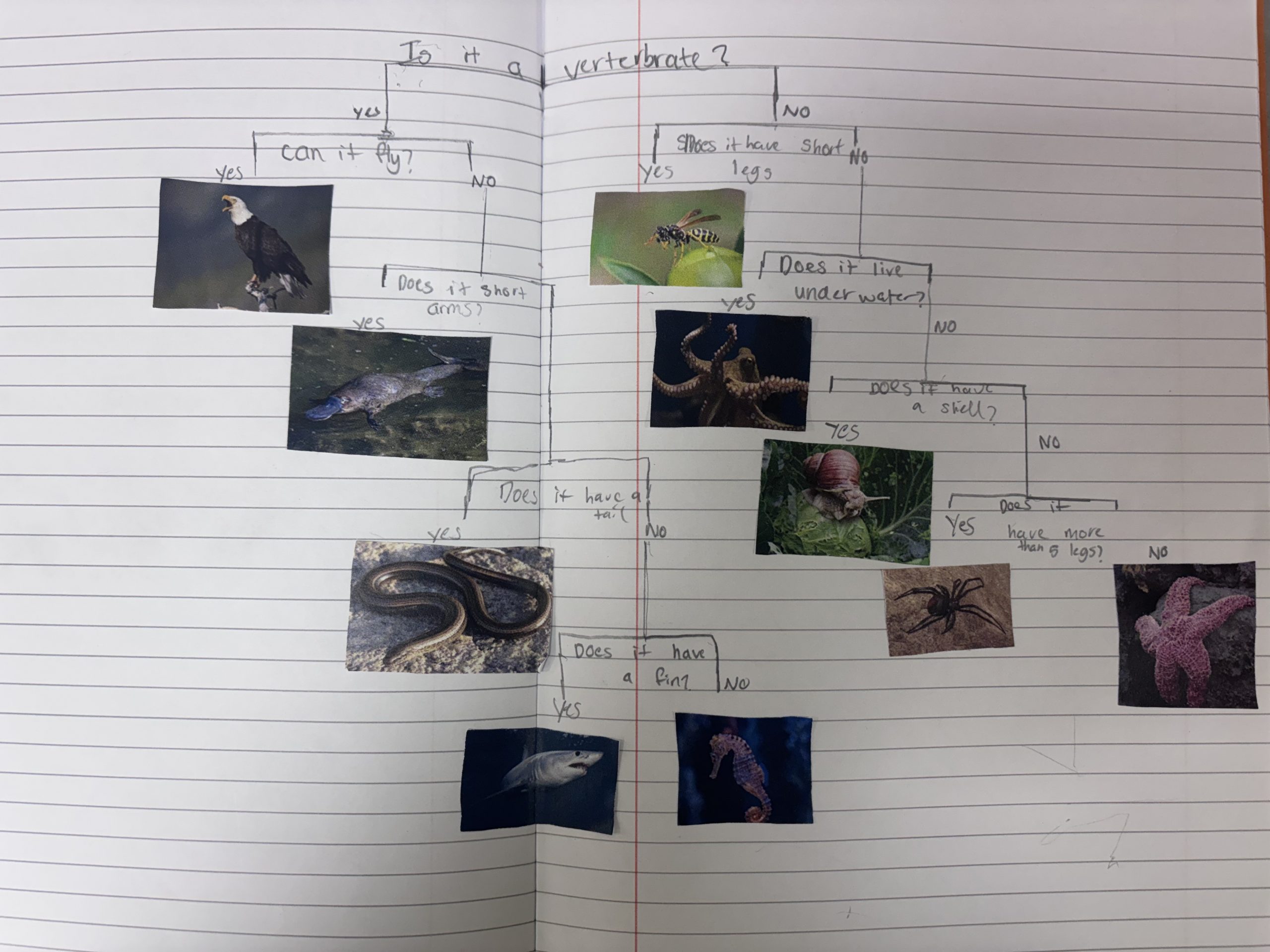
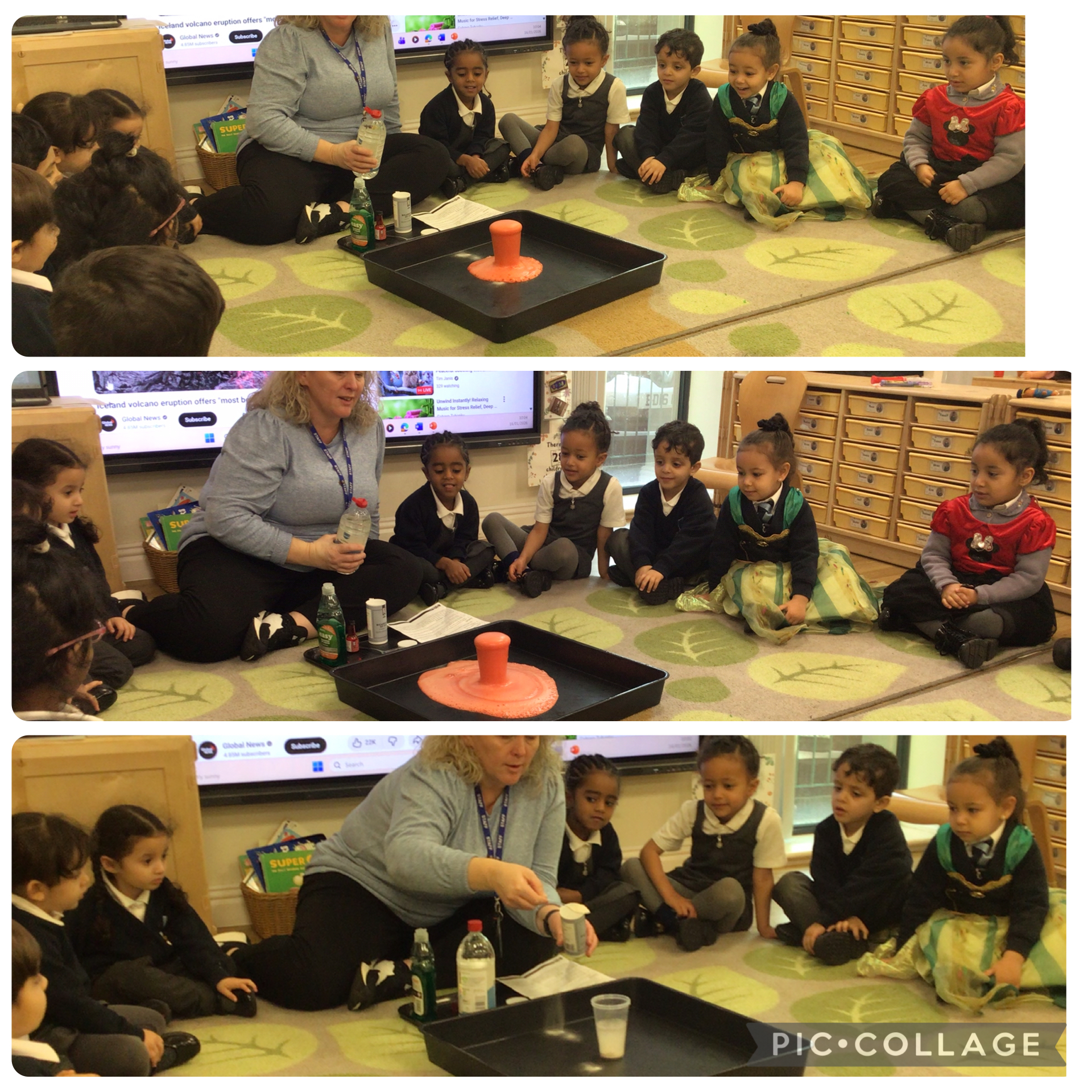
We had lots of fun watching our lava experiment we learnt some new words such as lava, erupting and volcano.
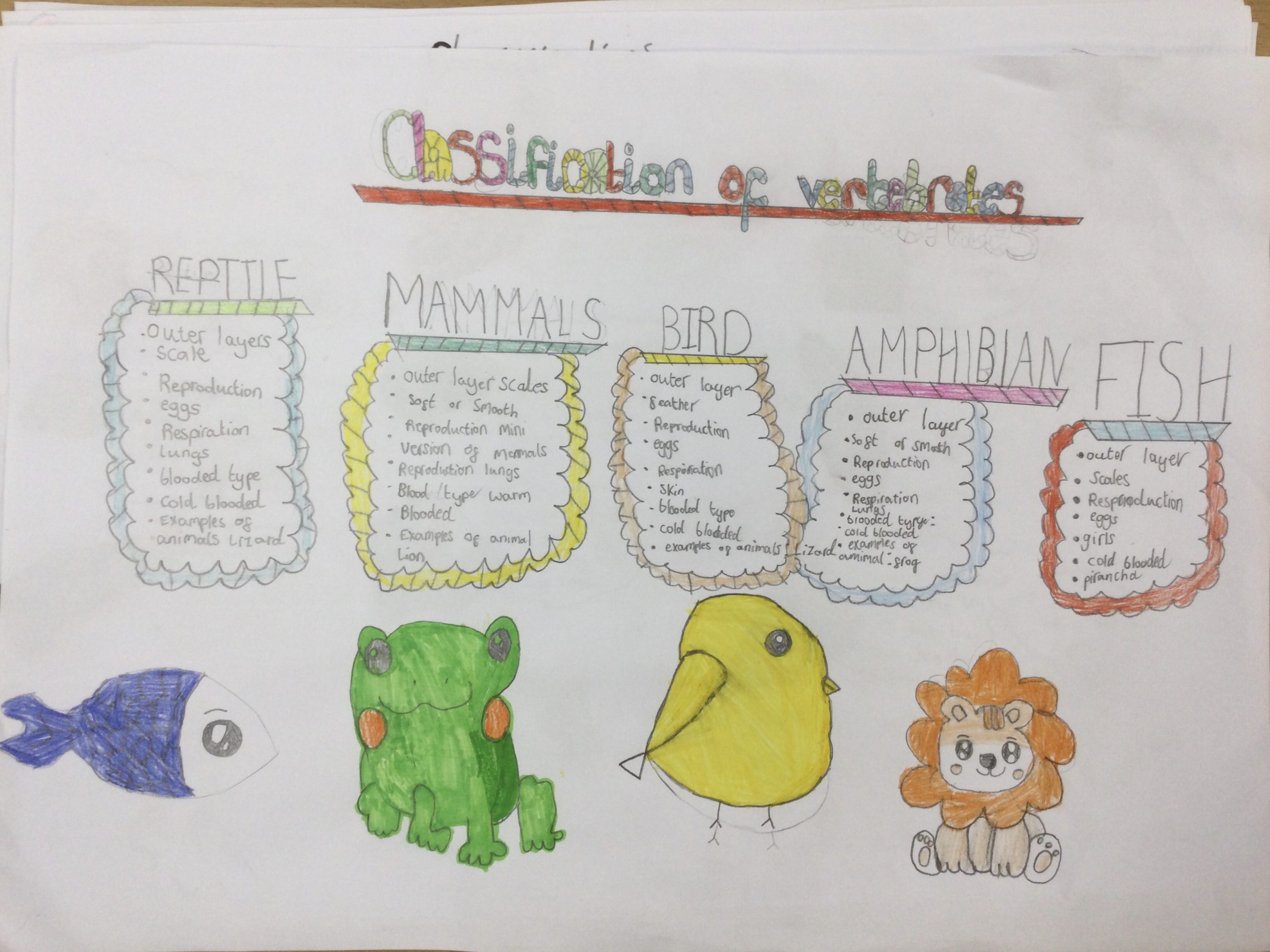
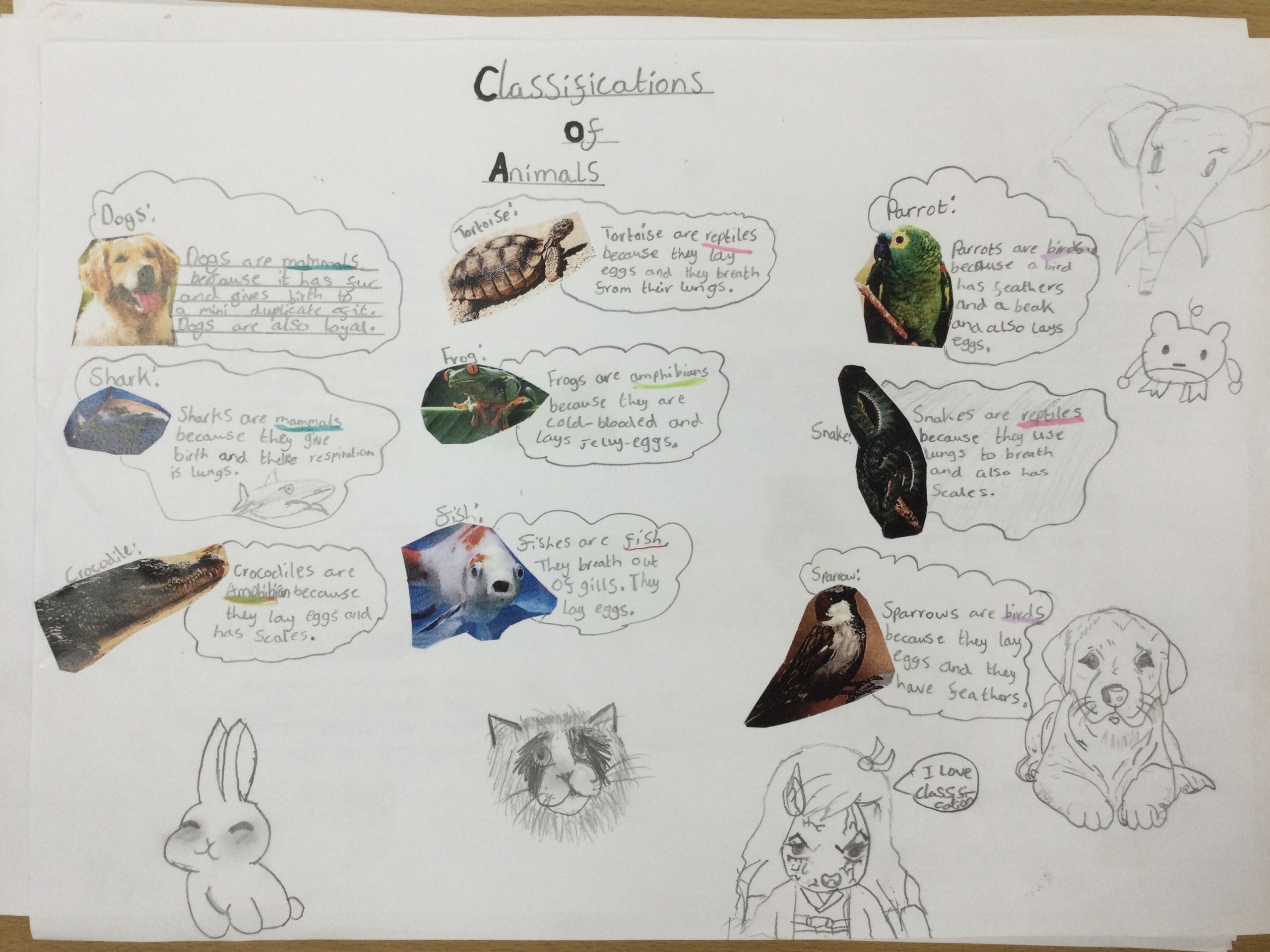
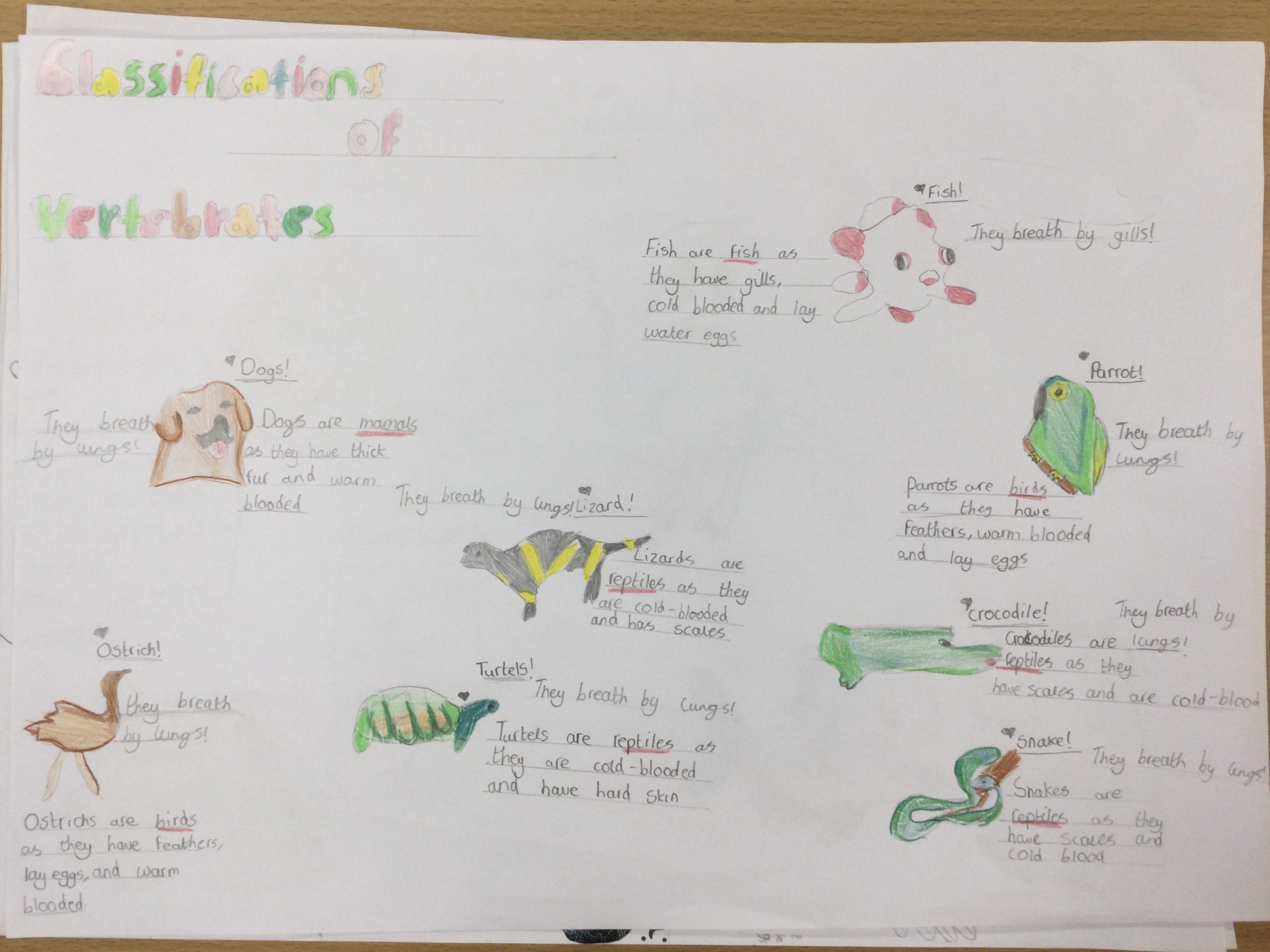
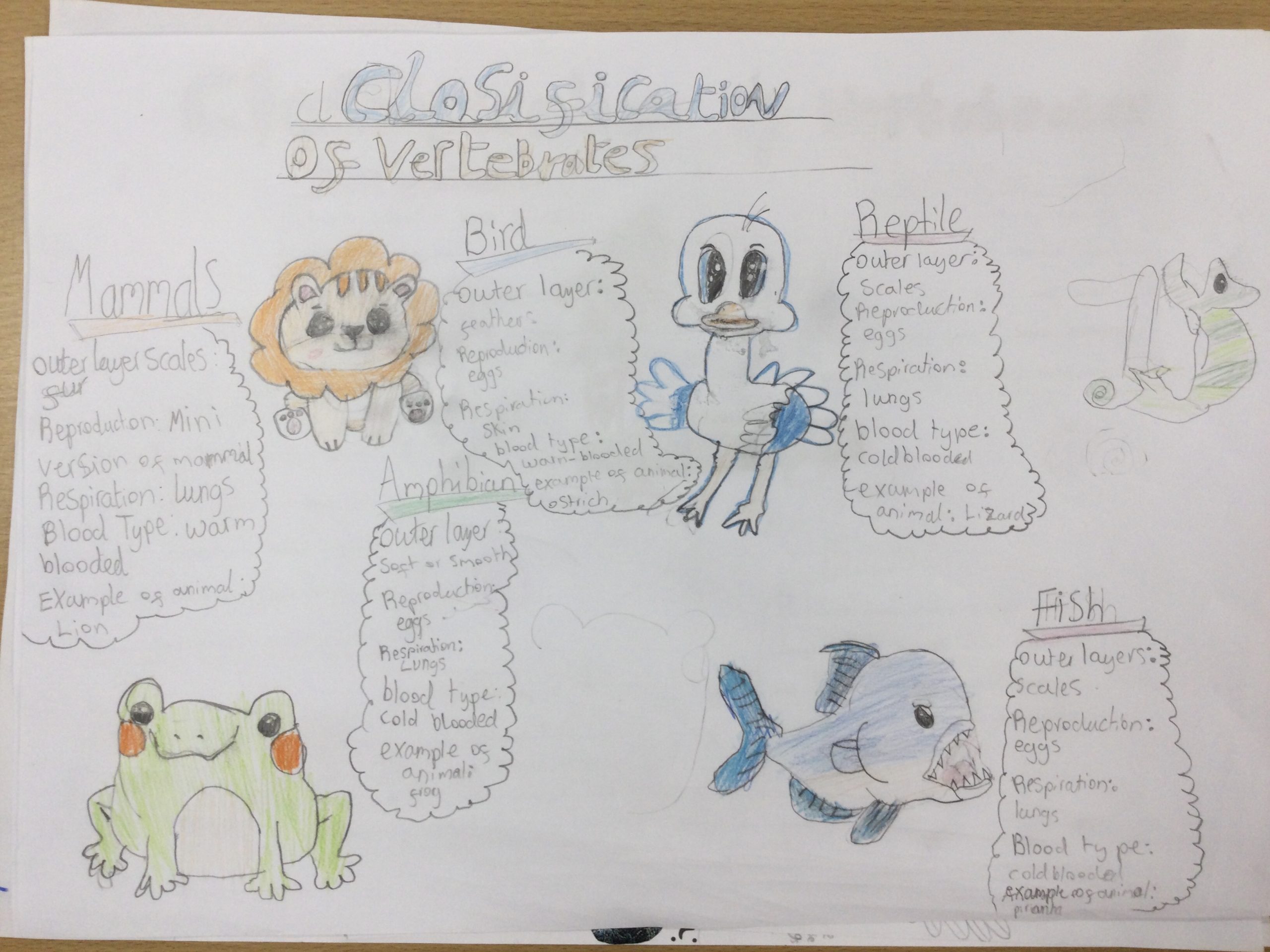
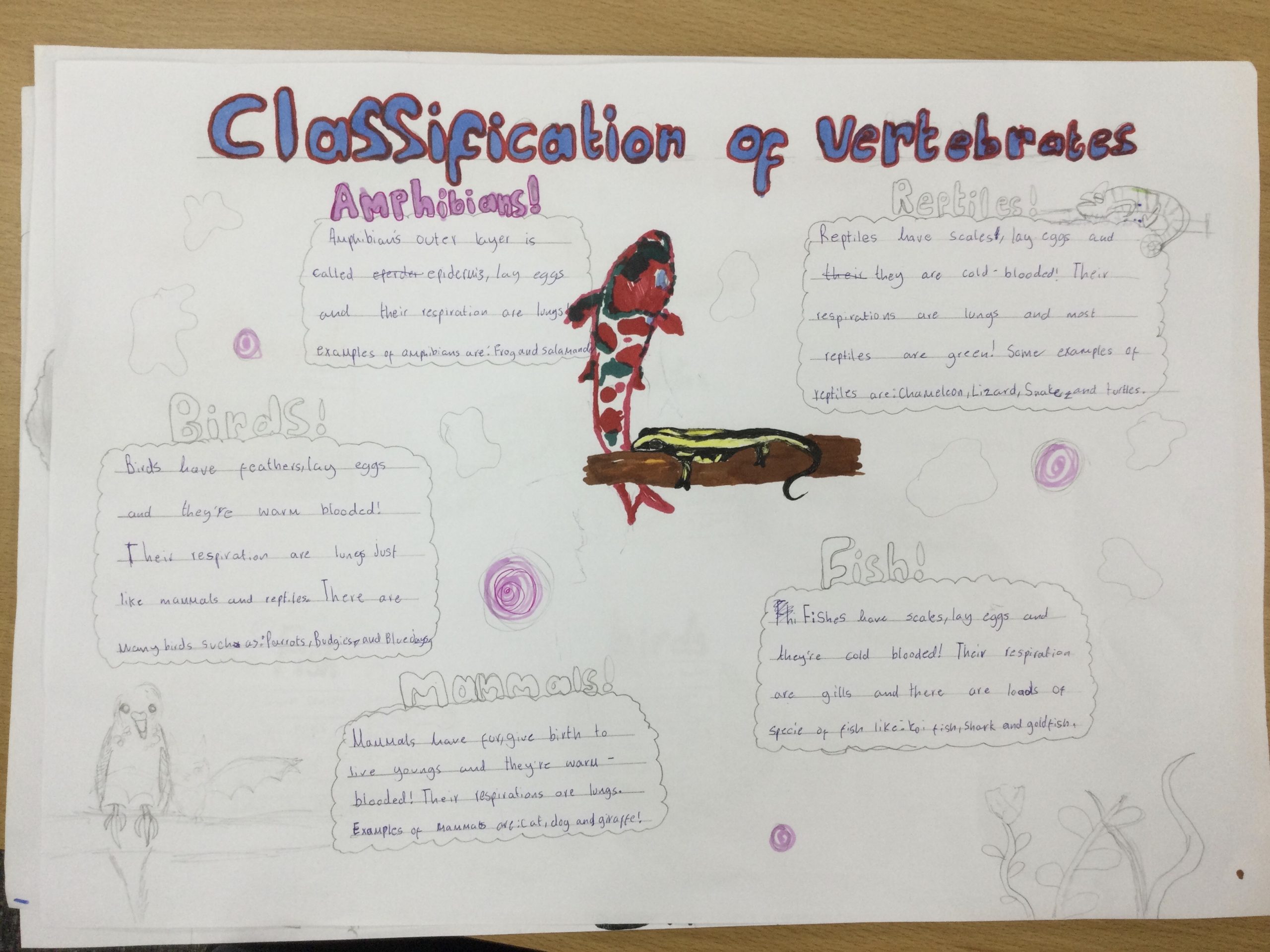
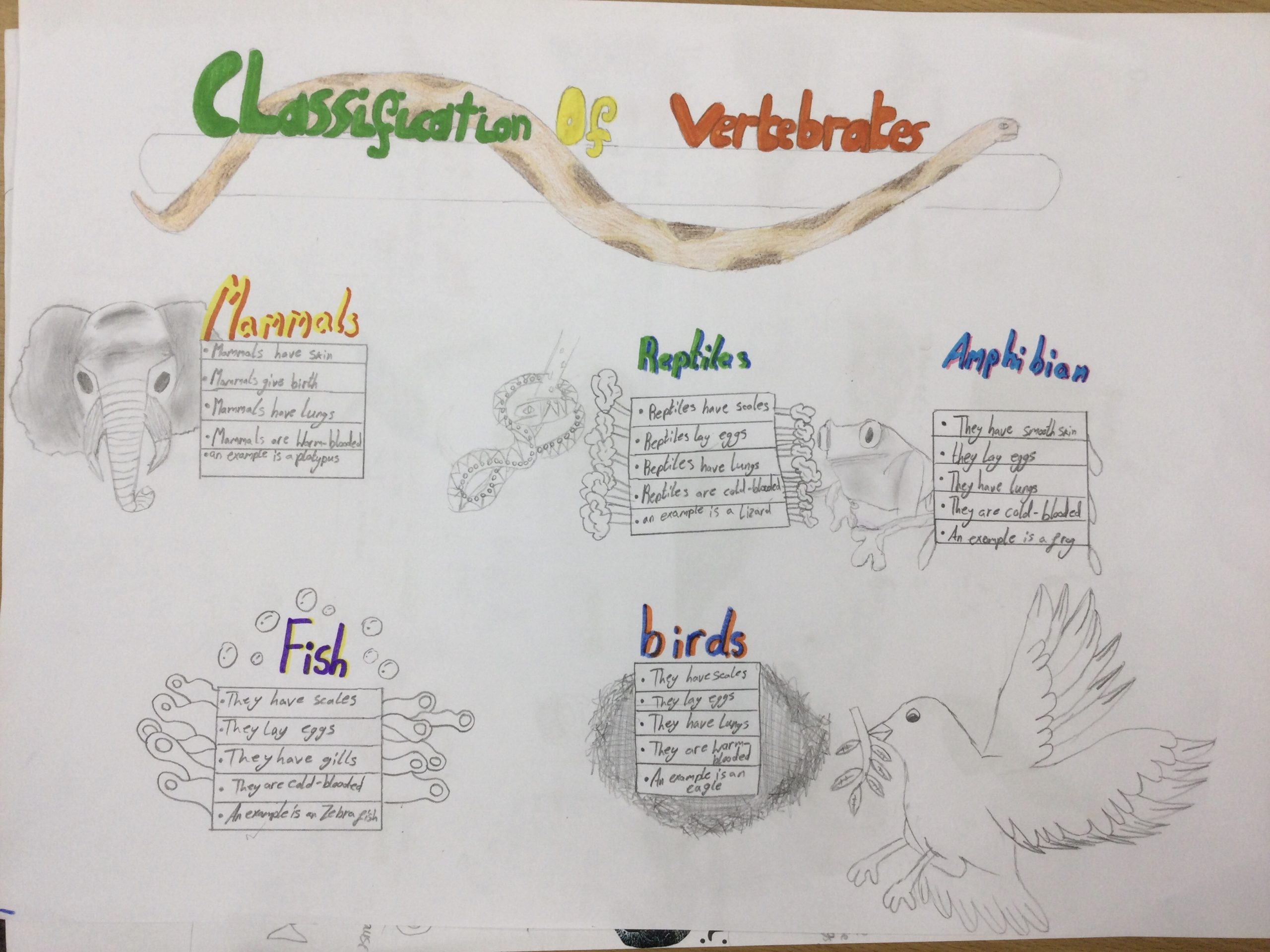
We have started our new unit in Science – and we began by understanding that living things are classified according to their features. We began with the animal group of ‘vertebrates.’

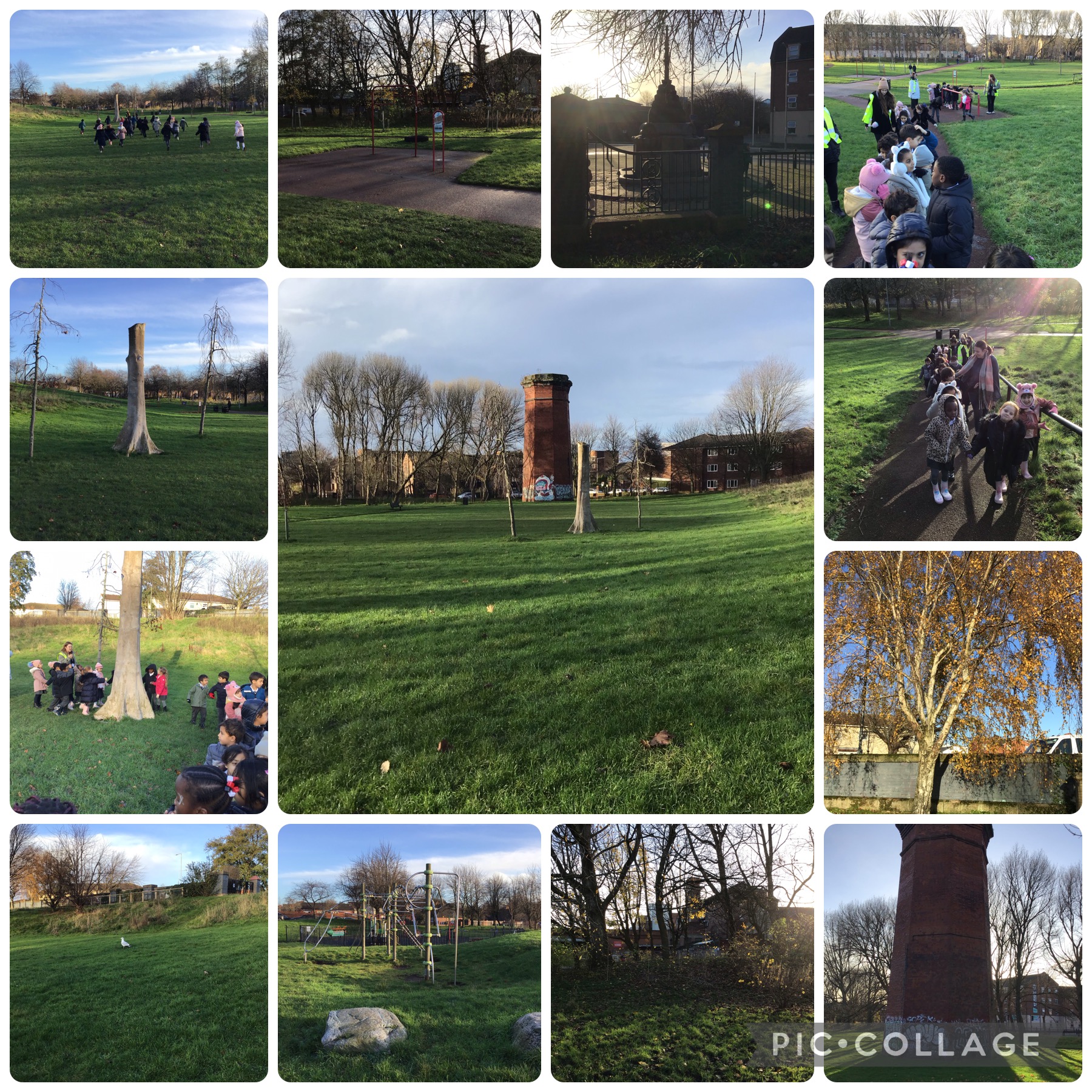
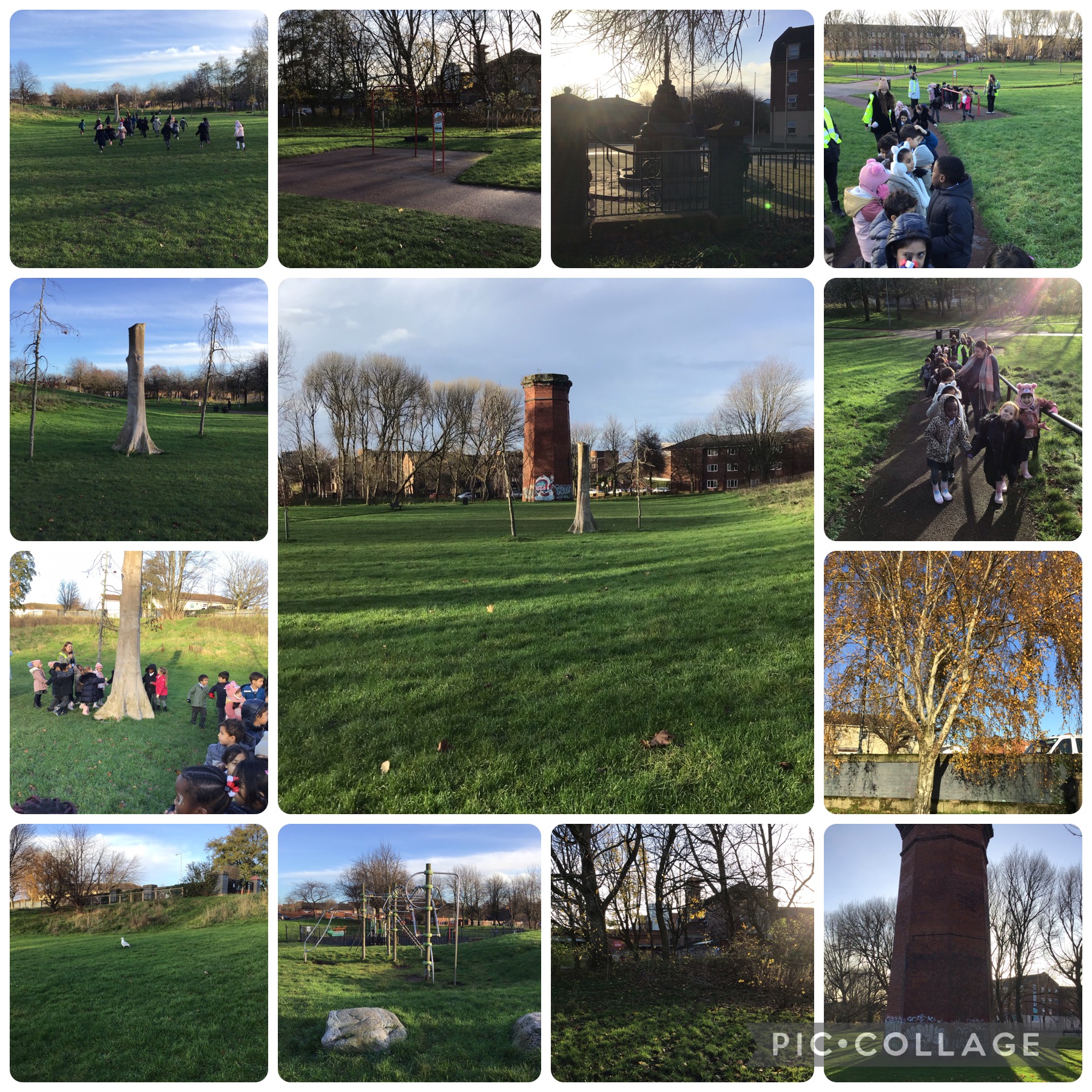
1JR have had lots of fun this afternoon on our walk to our local park. We looked at what we could see when looking north, east, south and west. We also looked at how our environment has changed for winter.
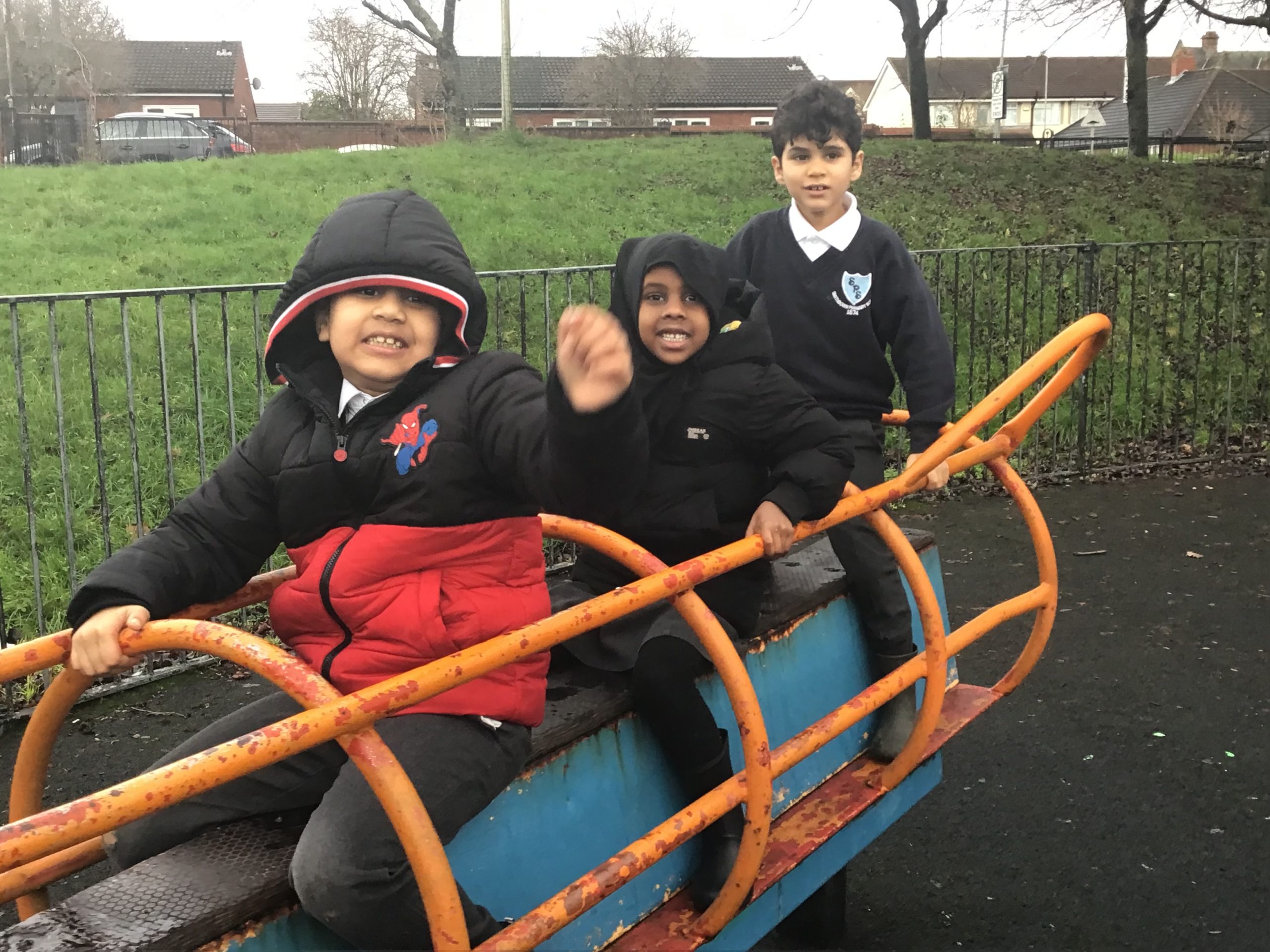
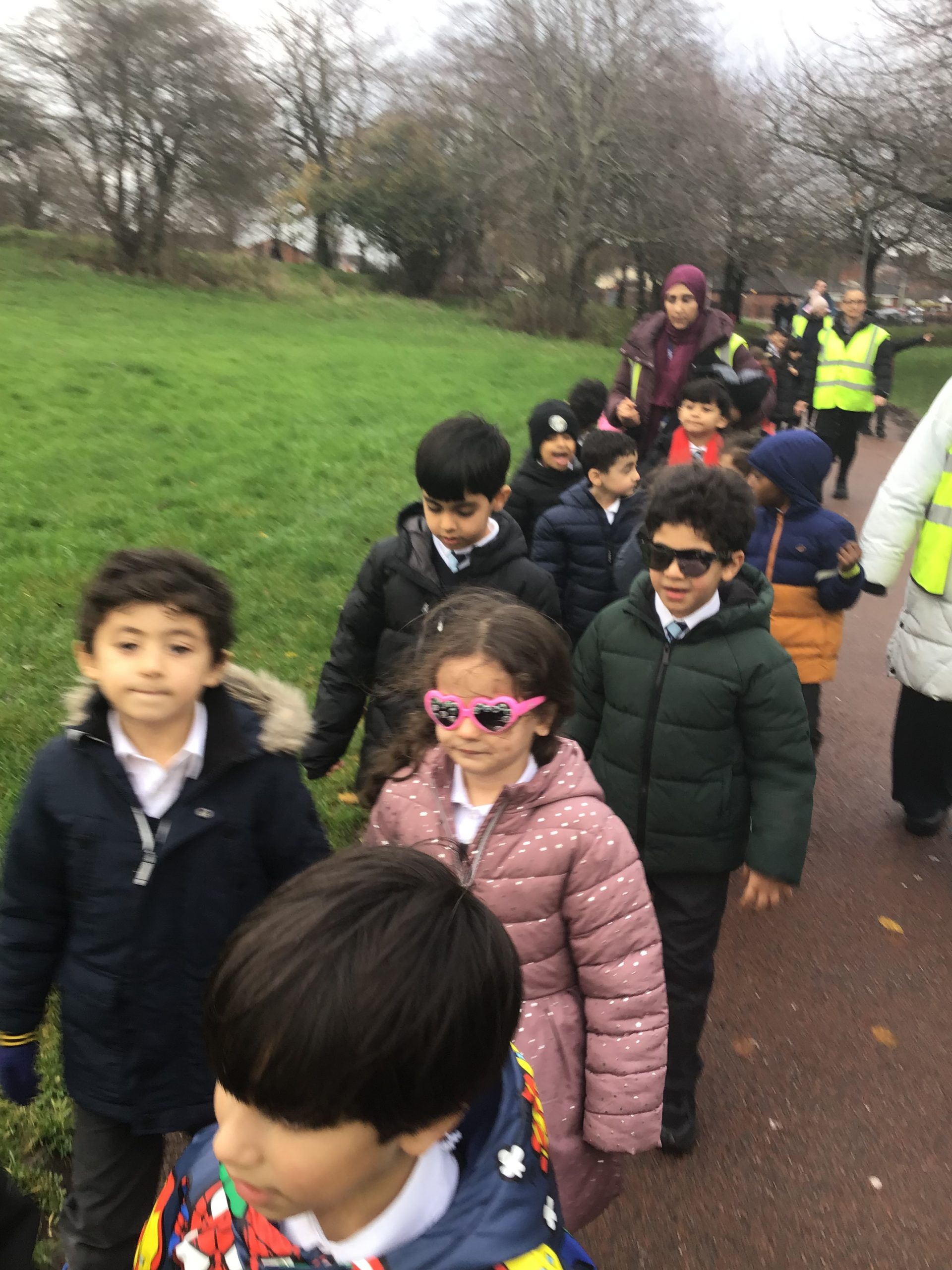
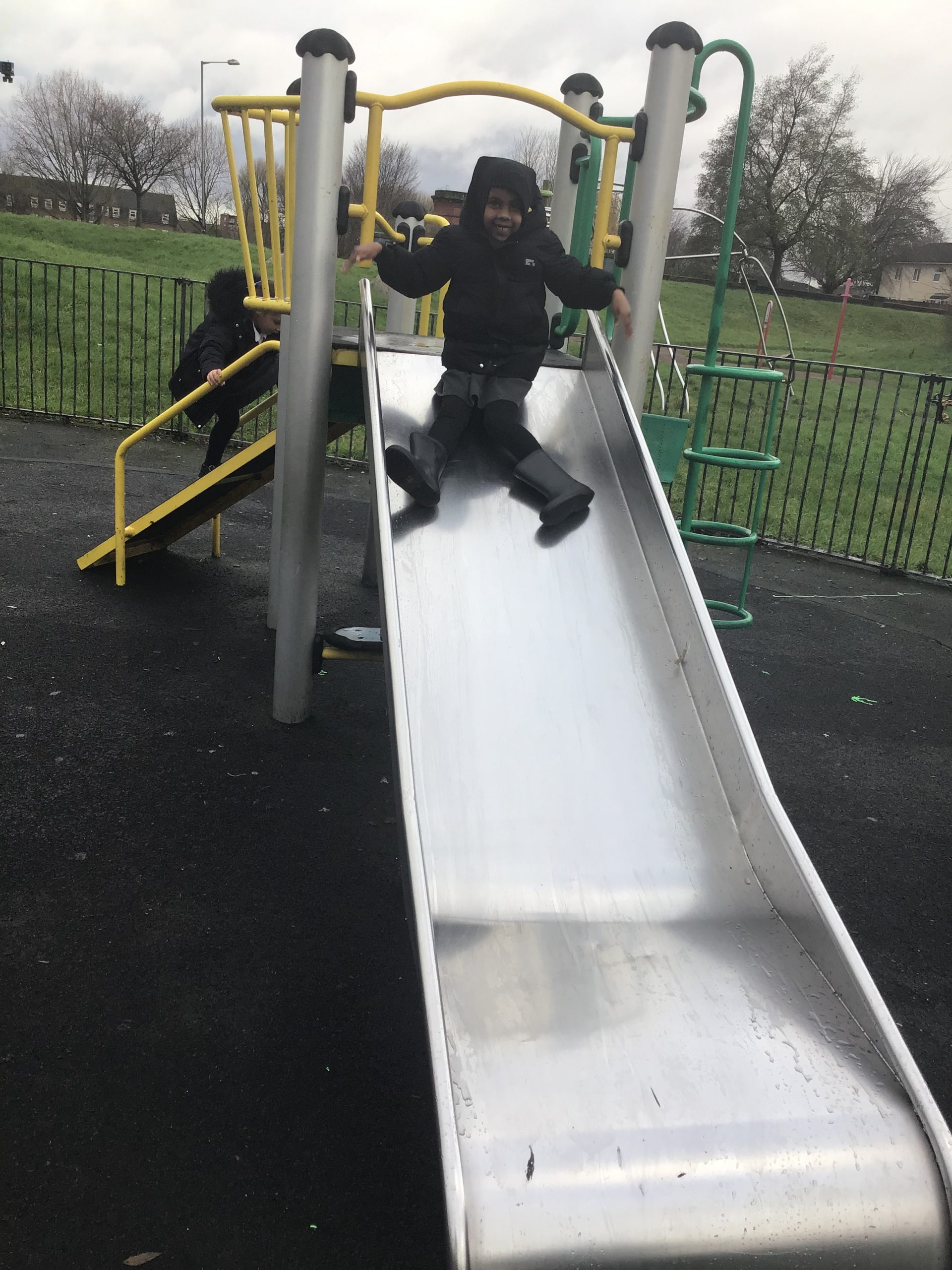
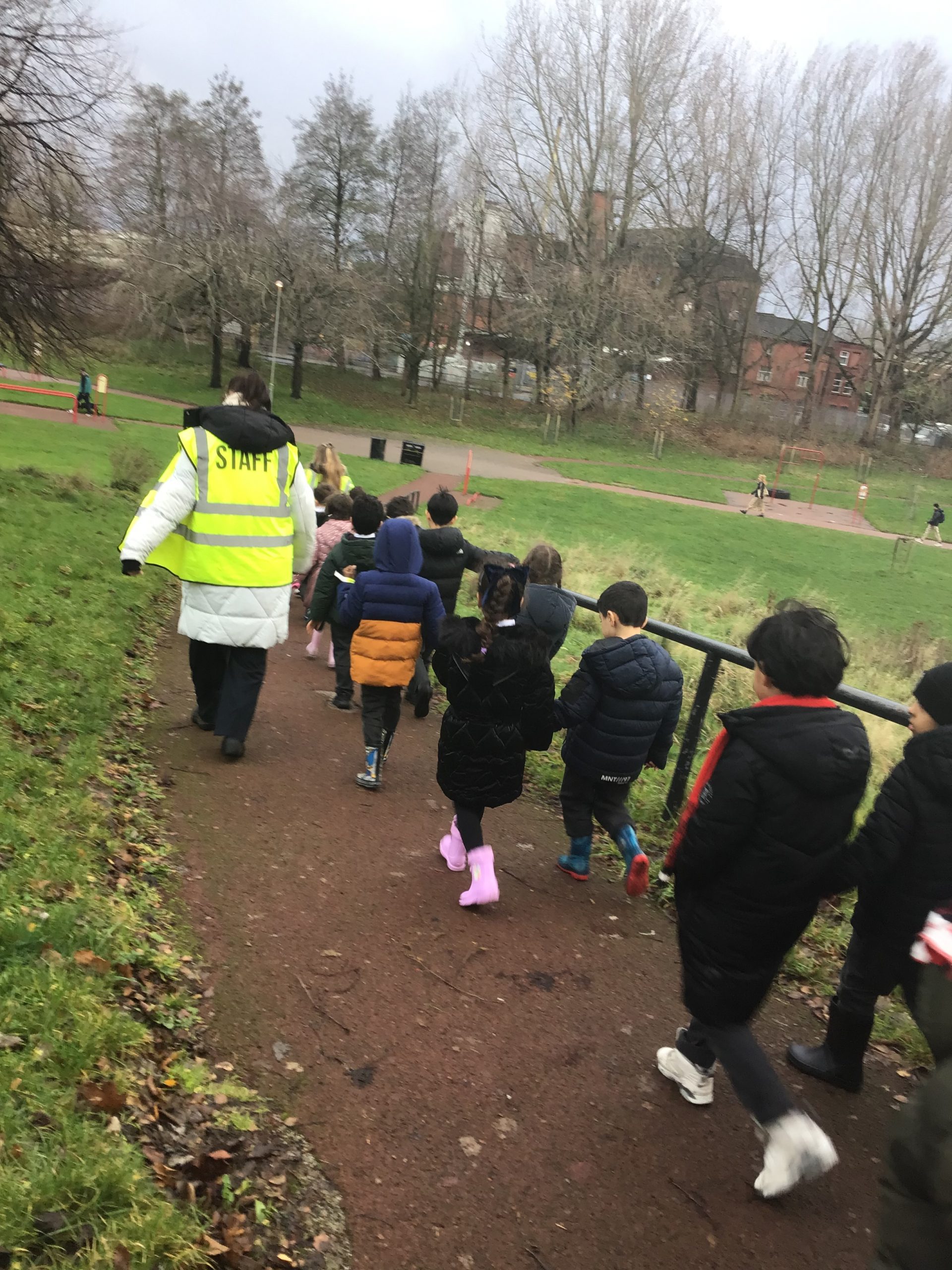
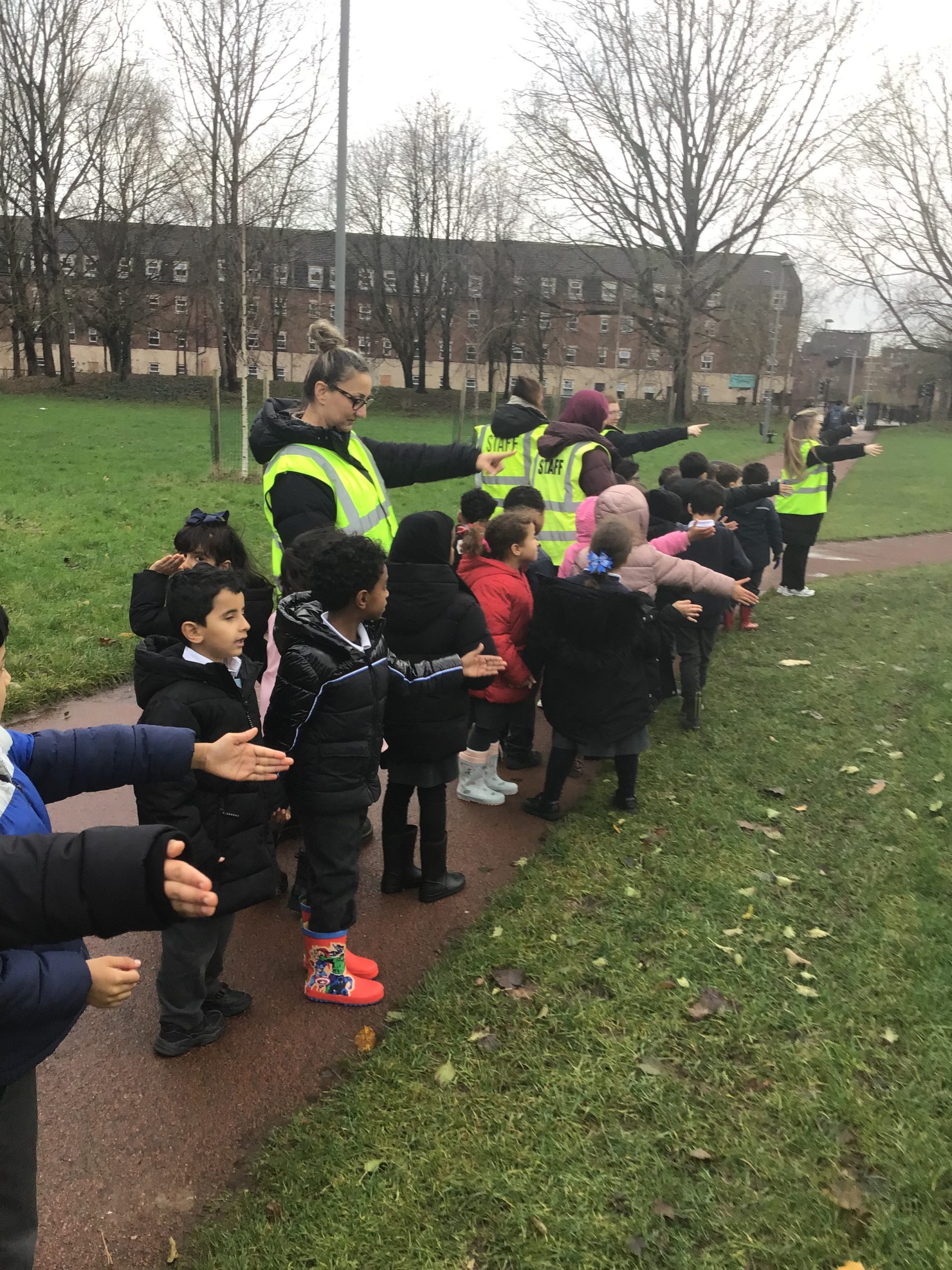
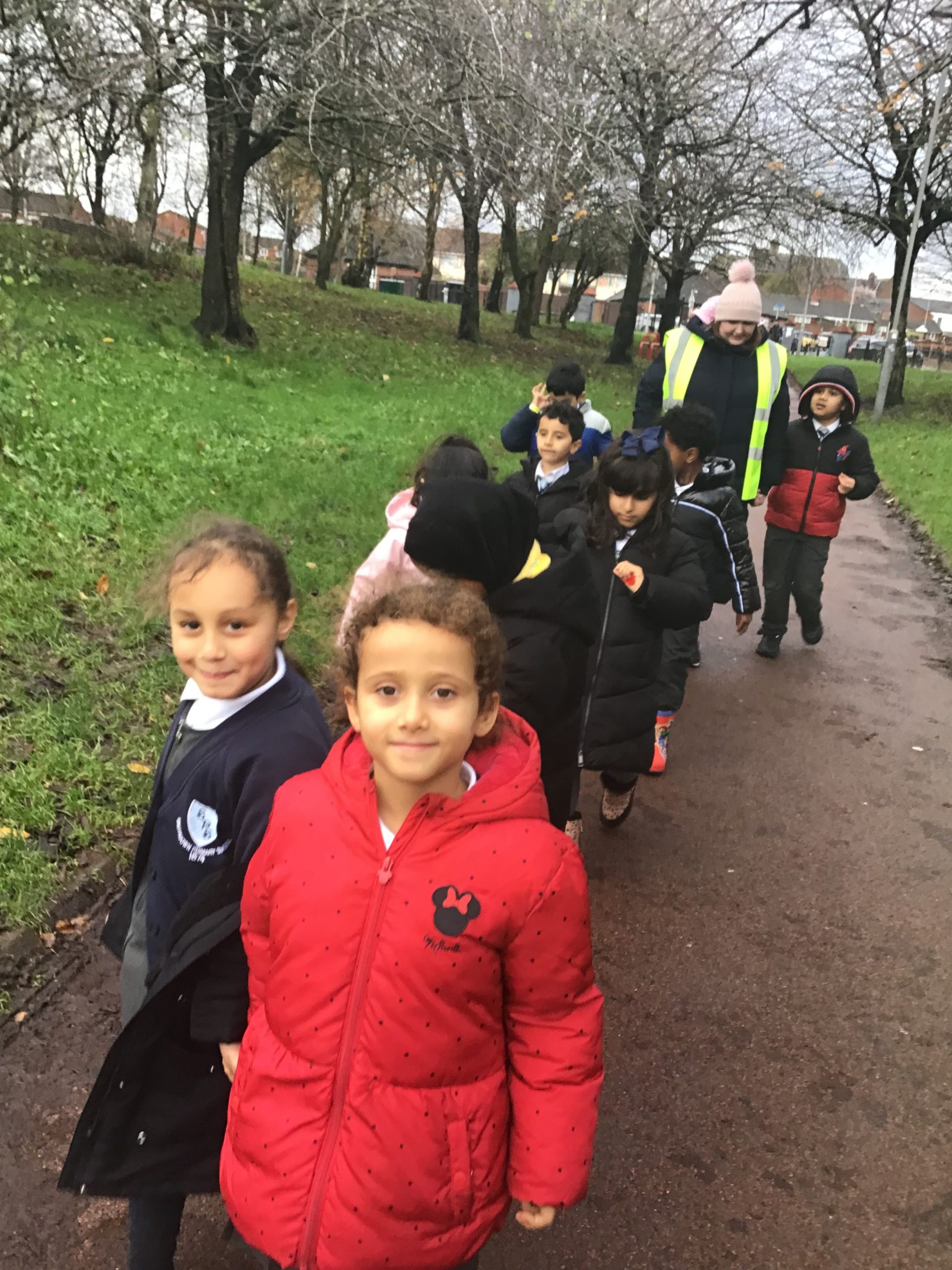
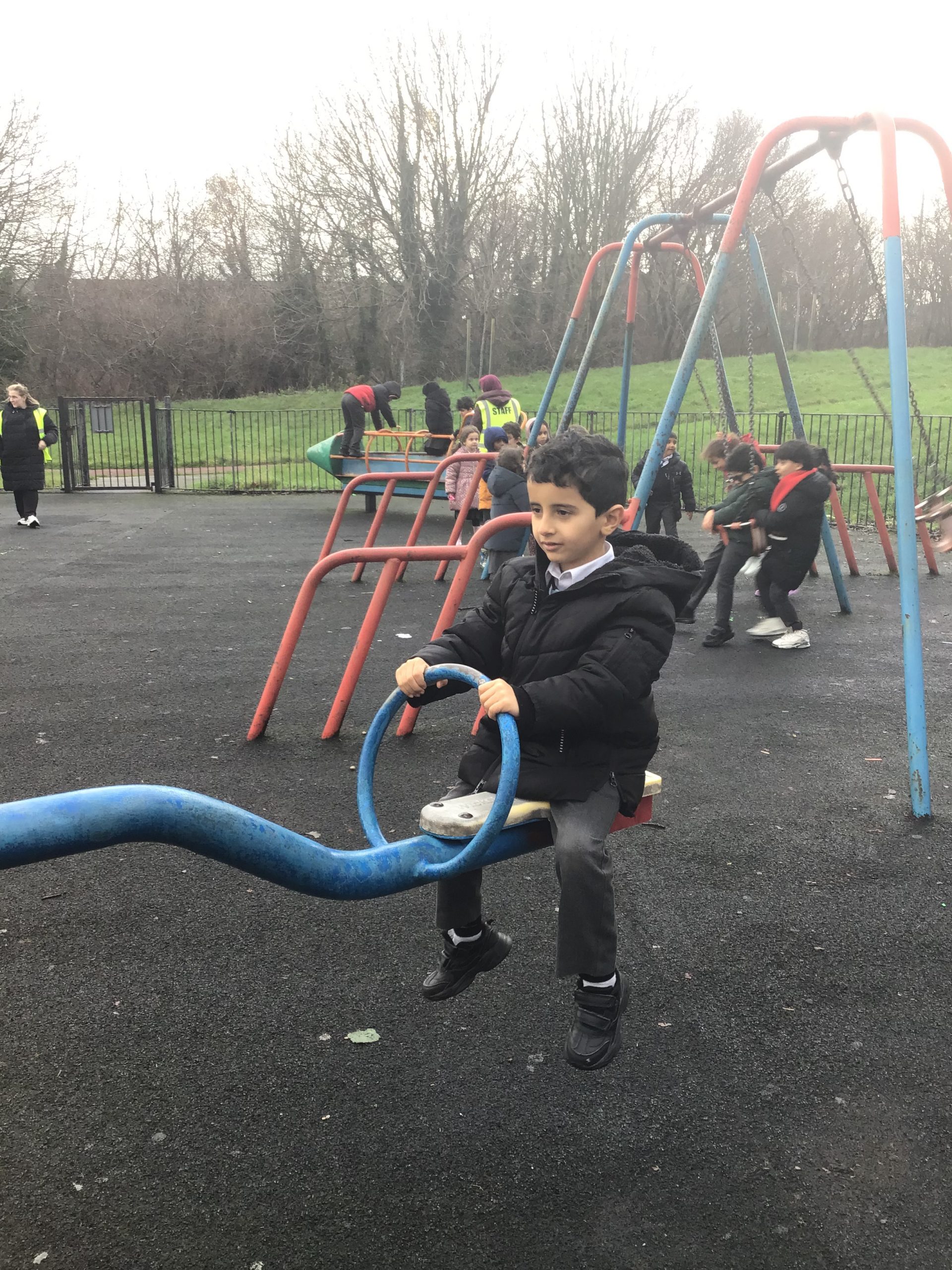
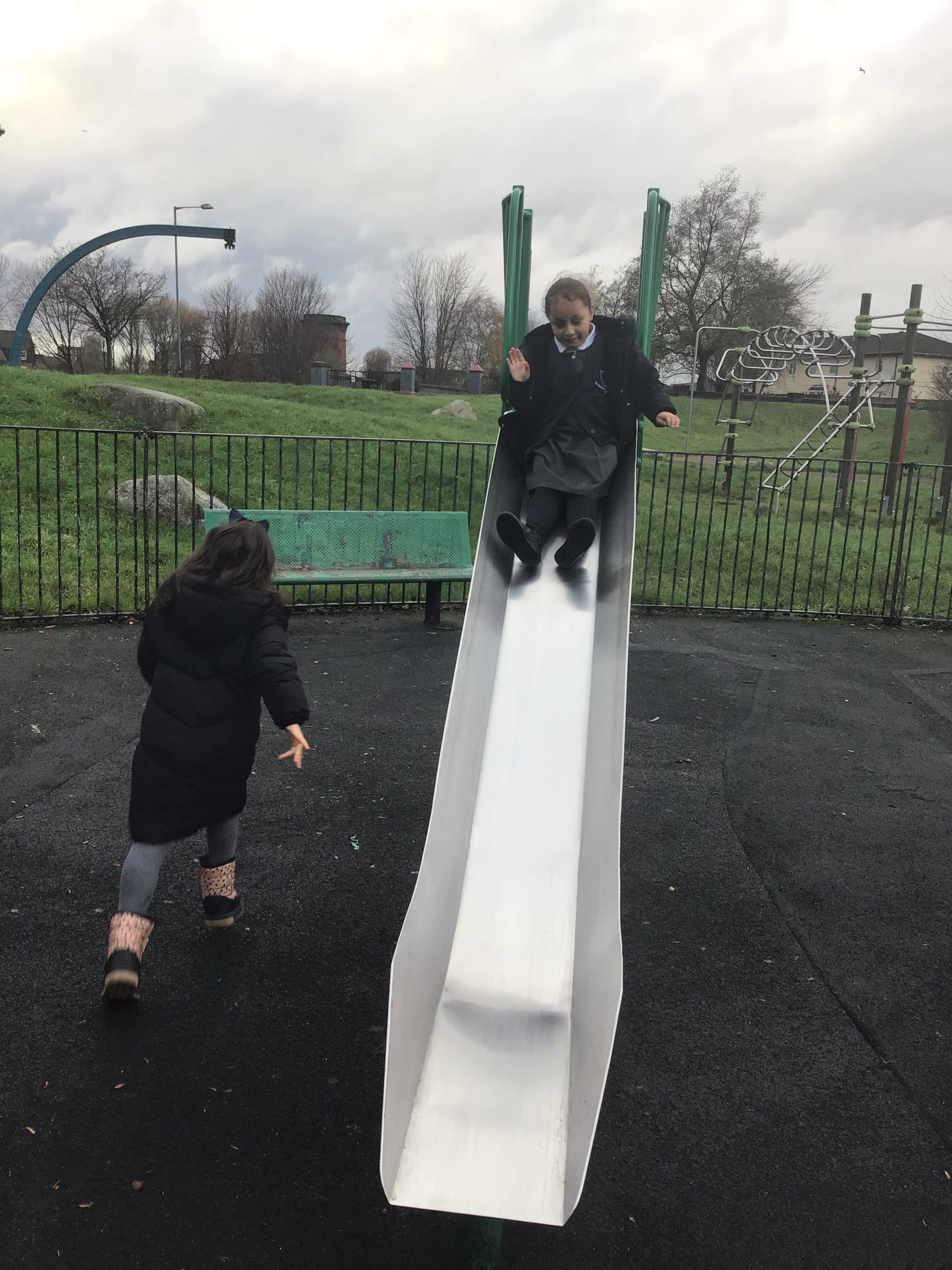
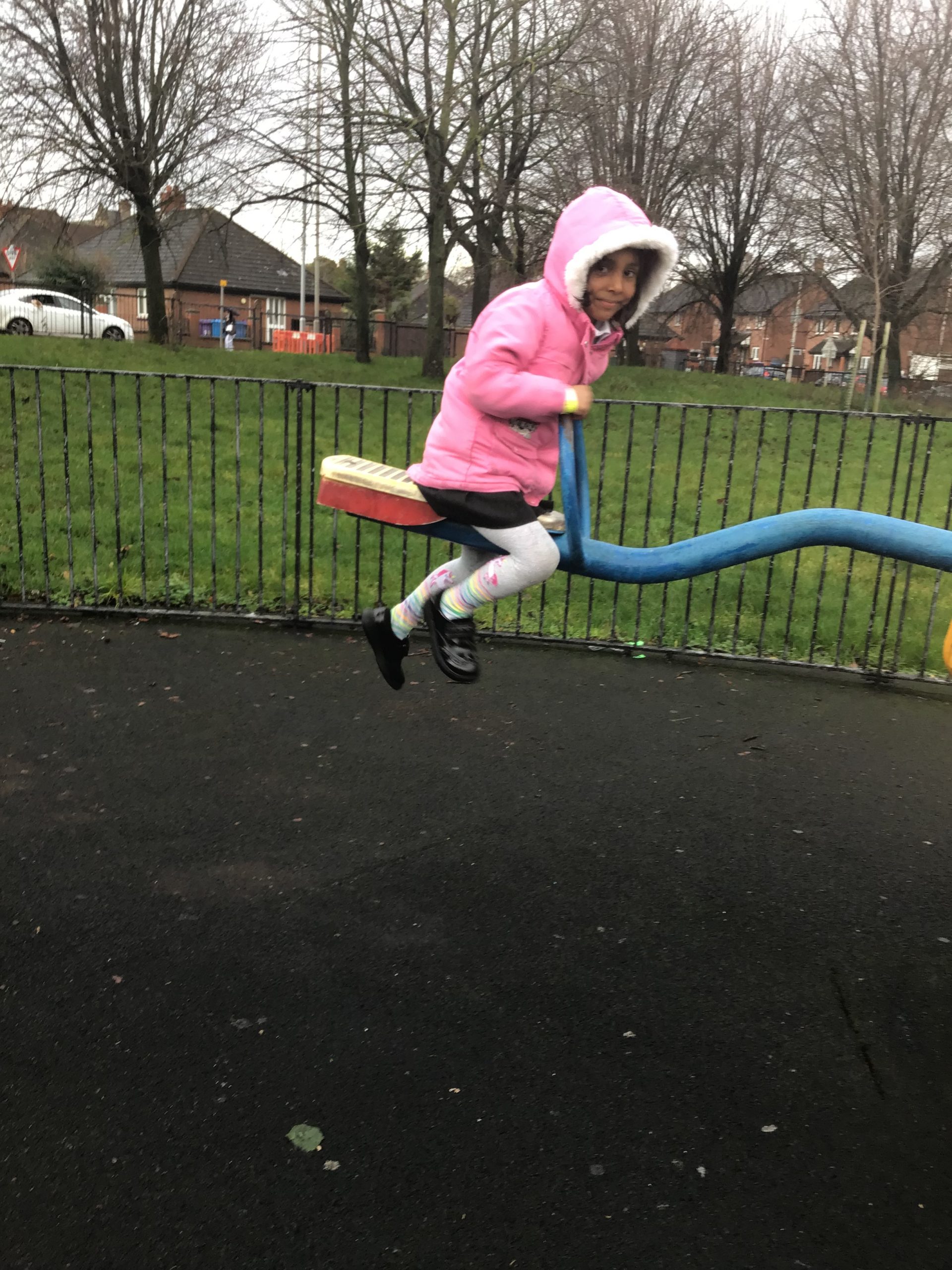

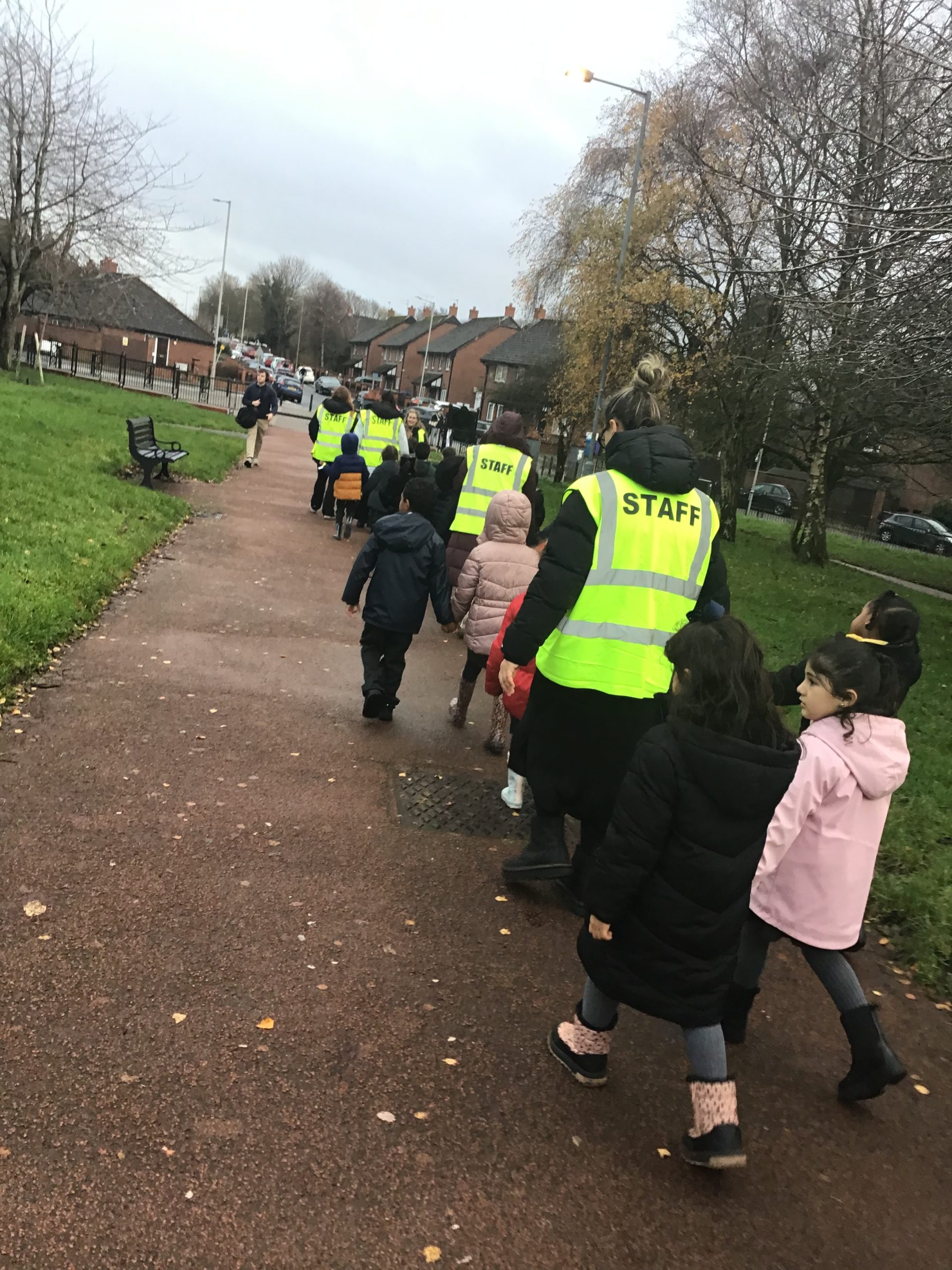
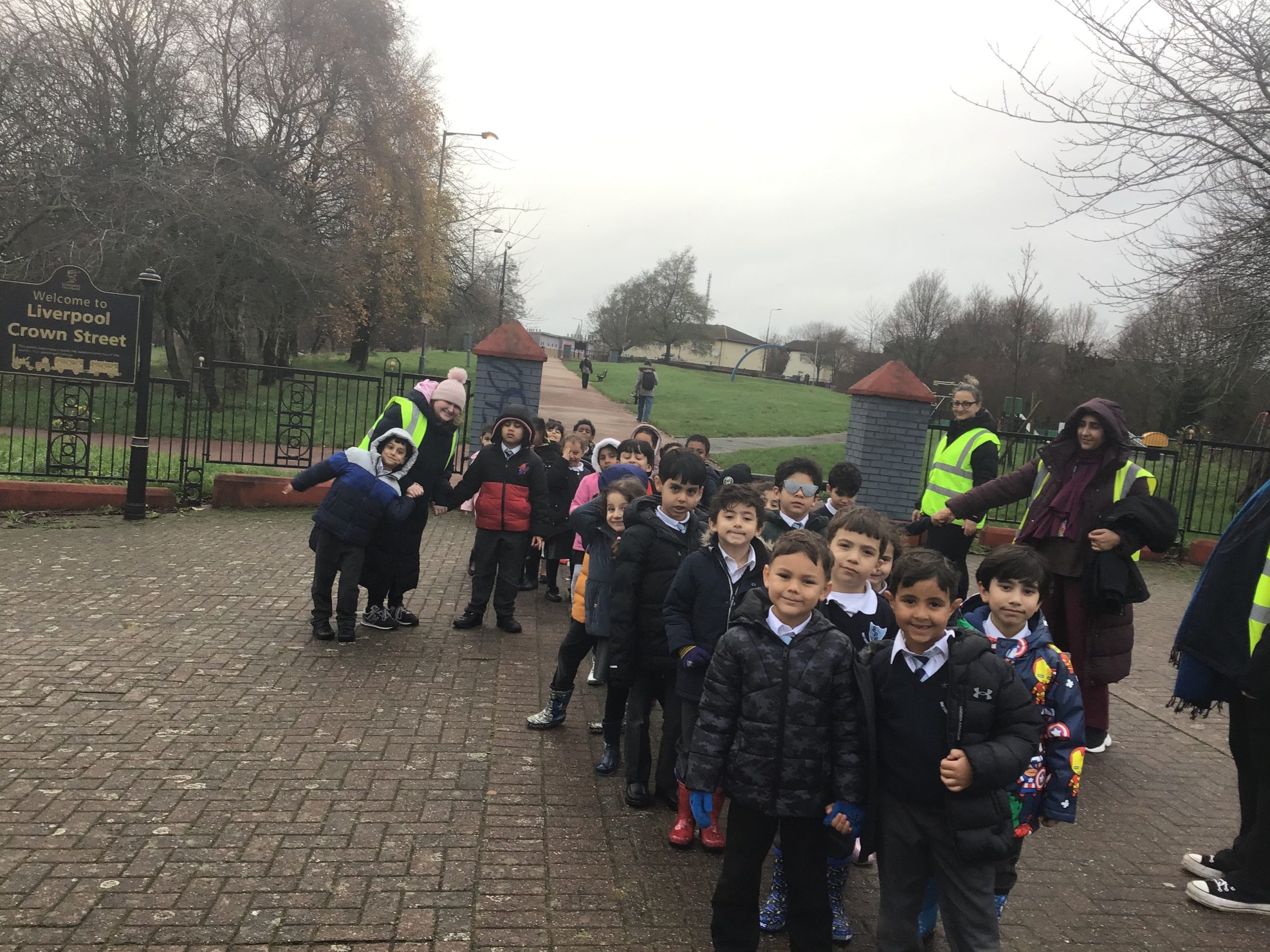
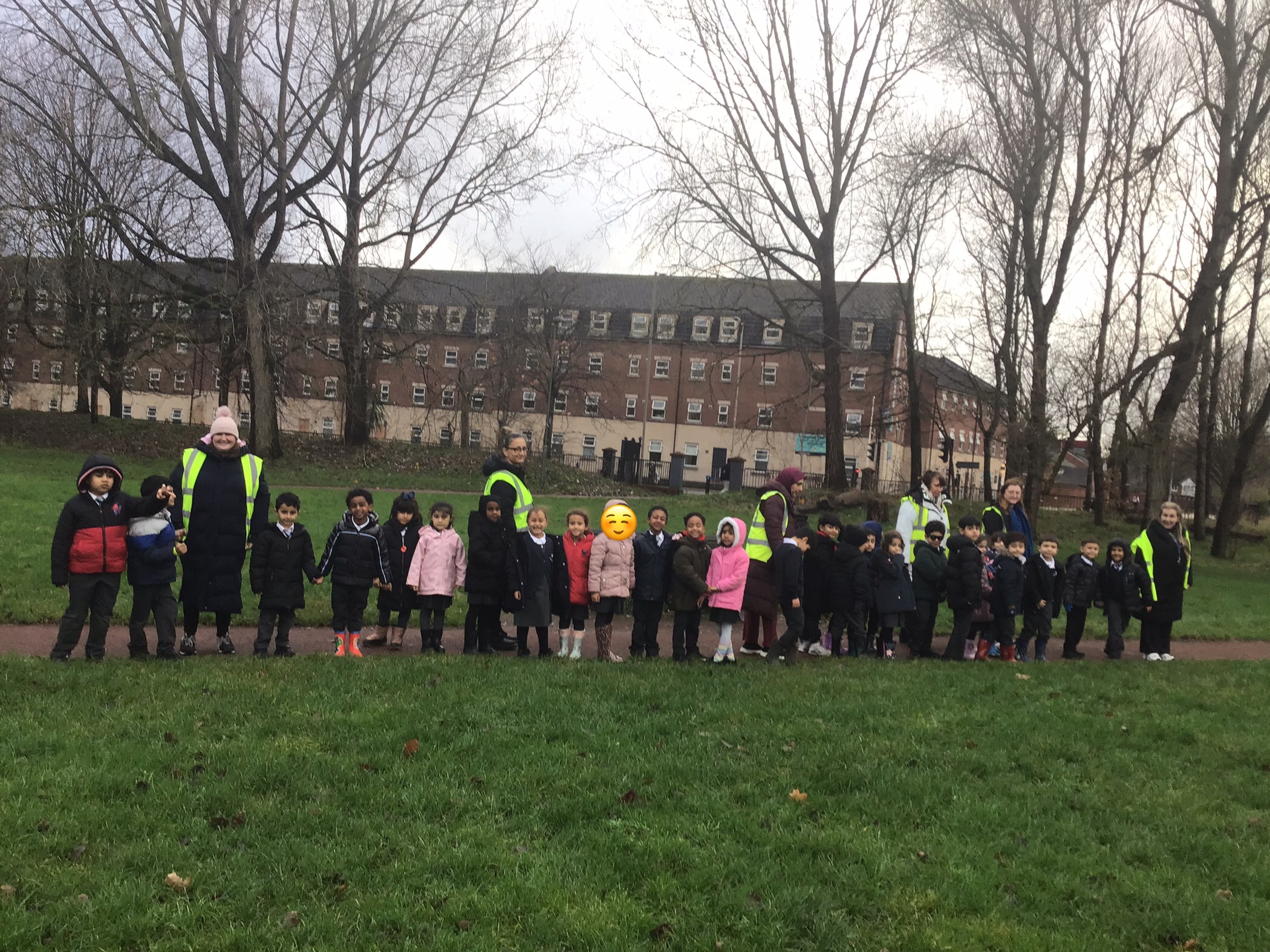
Y1 PK enjoyed a Welly Walk to Crown Street Park. We investigated what we could see travelling North, East, South and West. We also looked for signs of Autumn and how Autumn was changing into Winter.
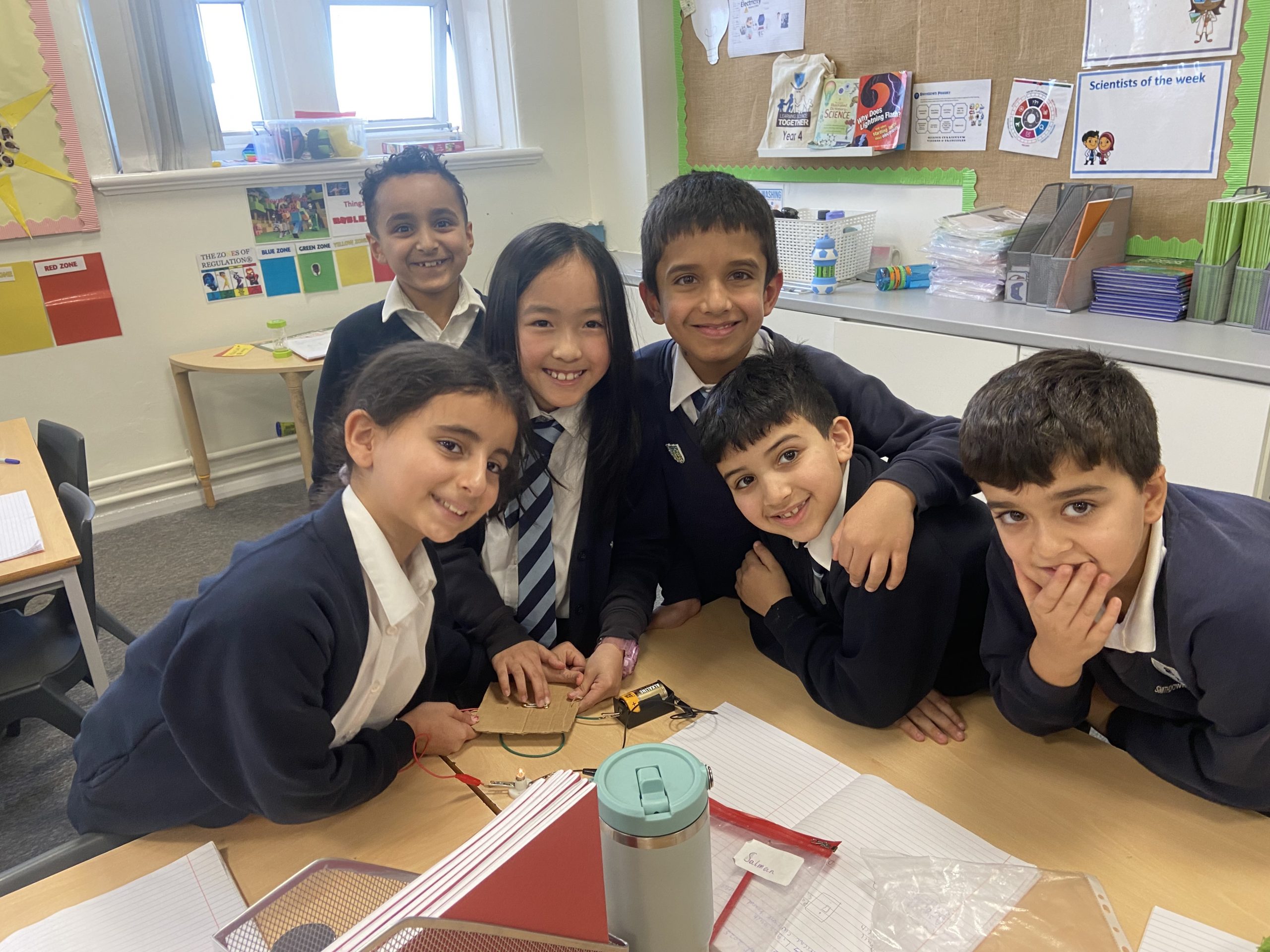
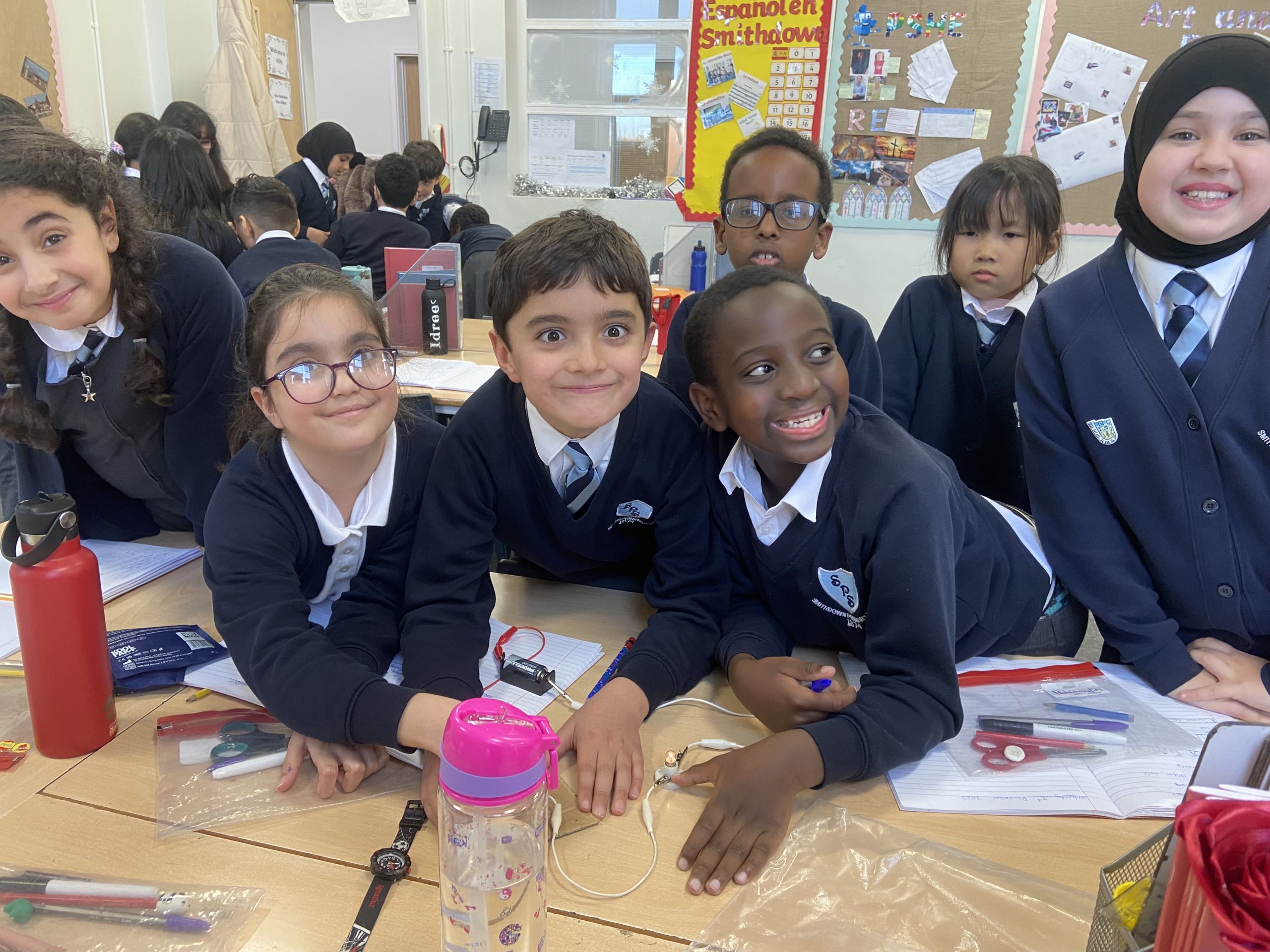
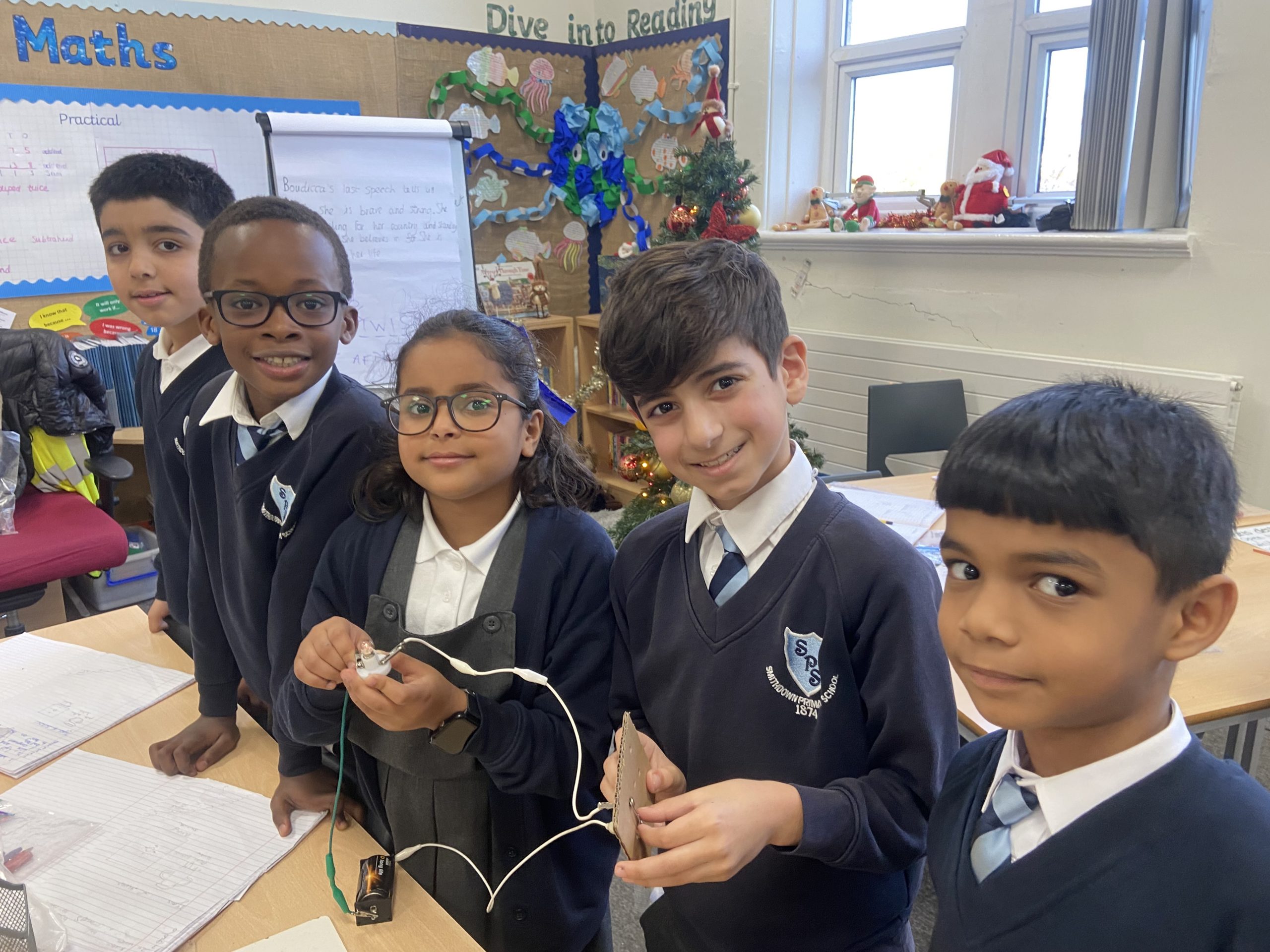
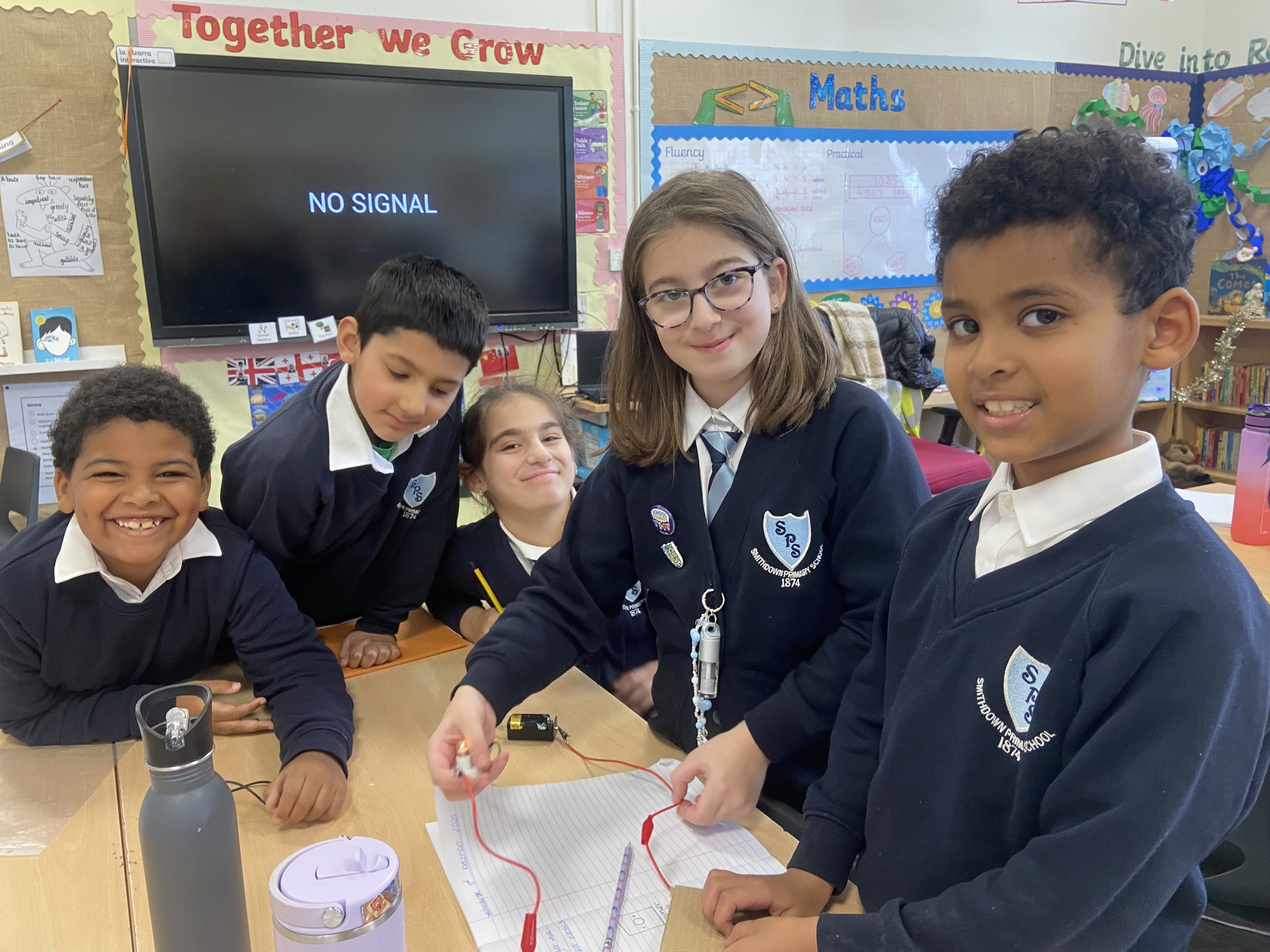
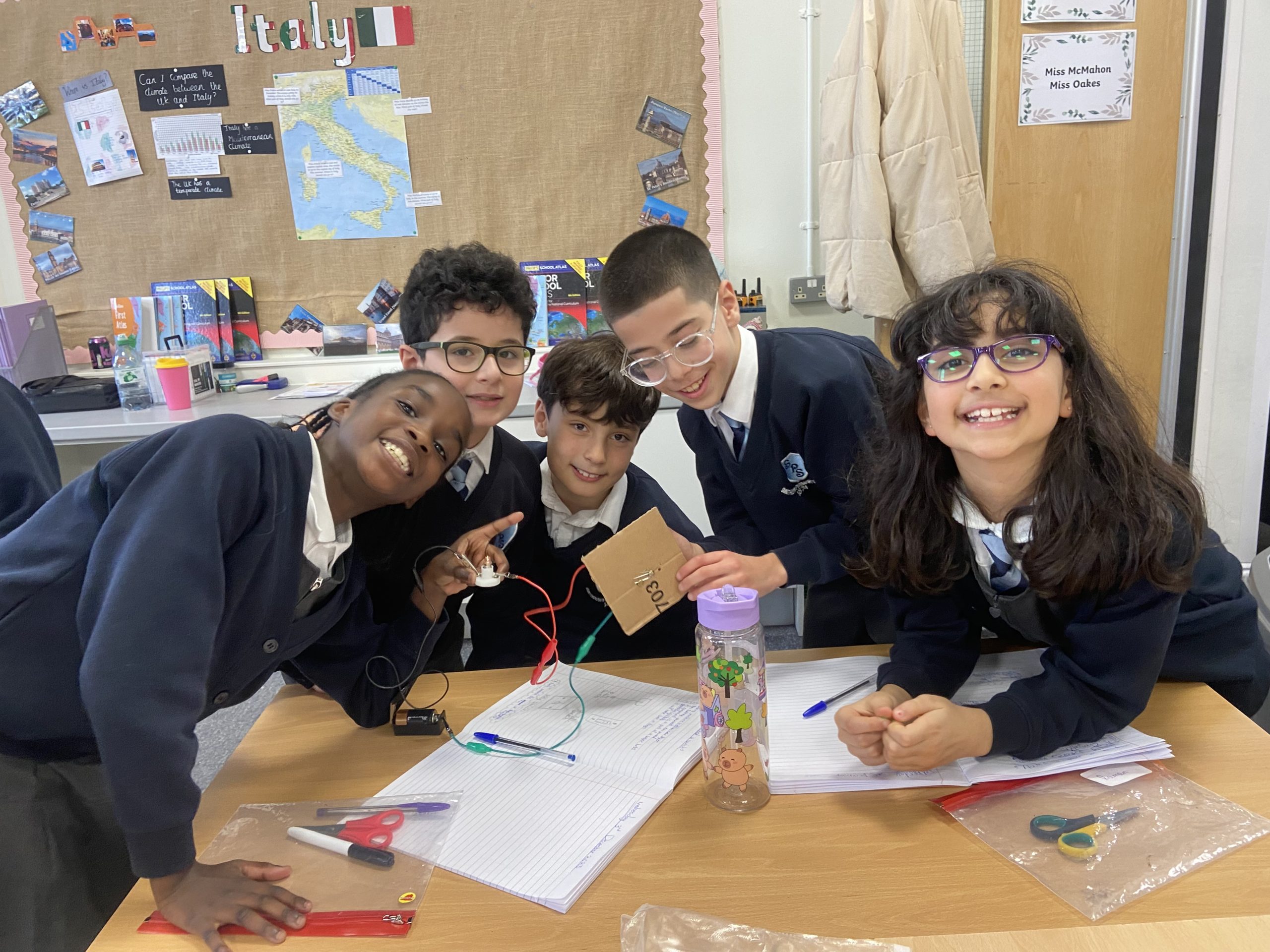
We loved our science experiment this week that involved building a switch. We discussed the different types of switches and how they are used to control a circuit. Then, we built a switch using a paper clip and a split pin.
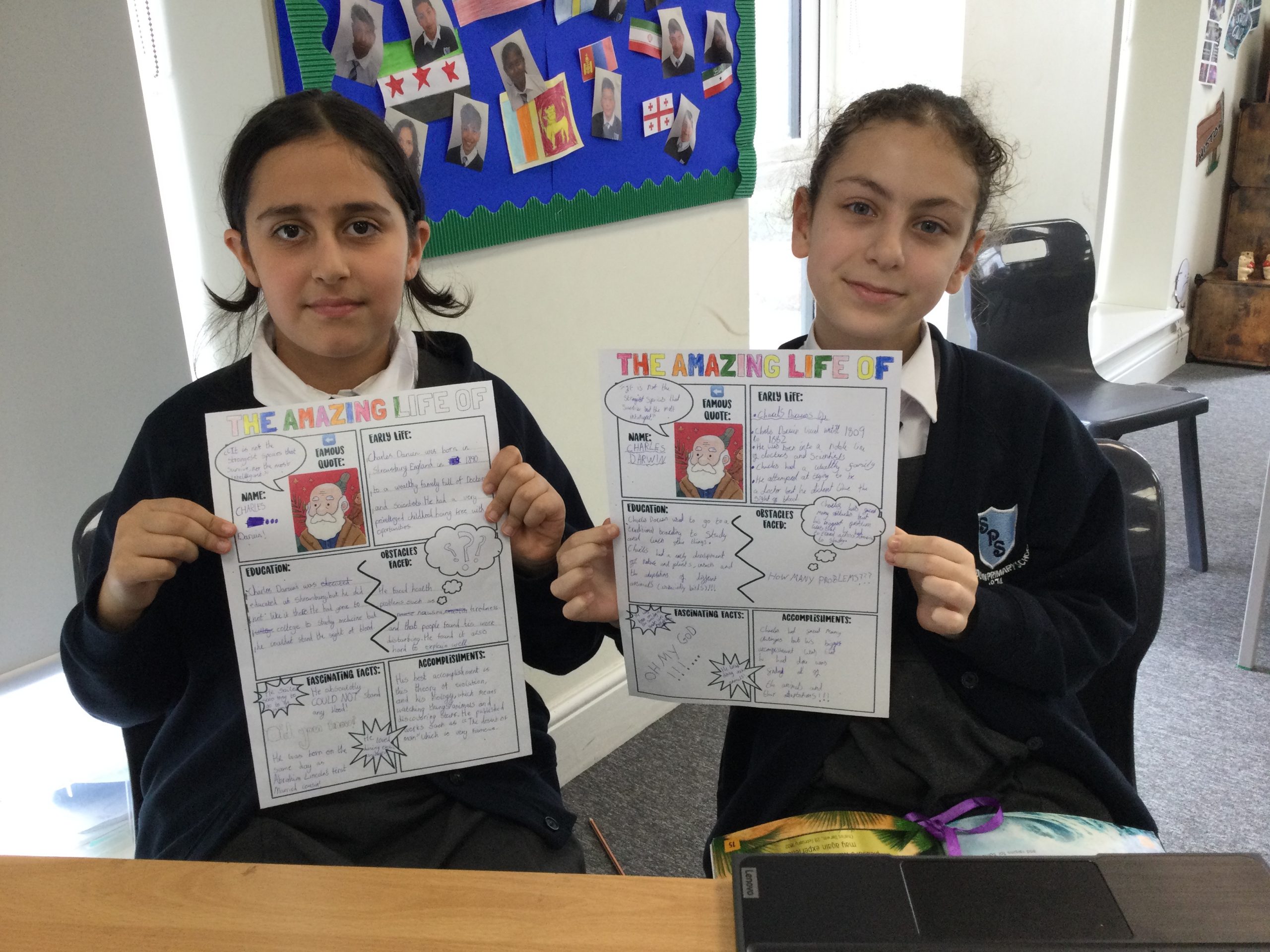
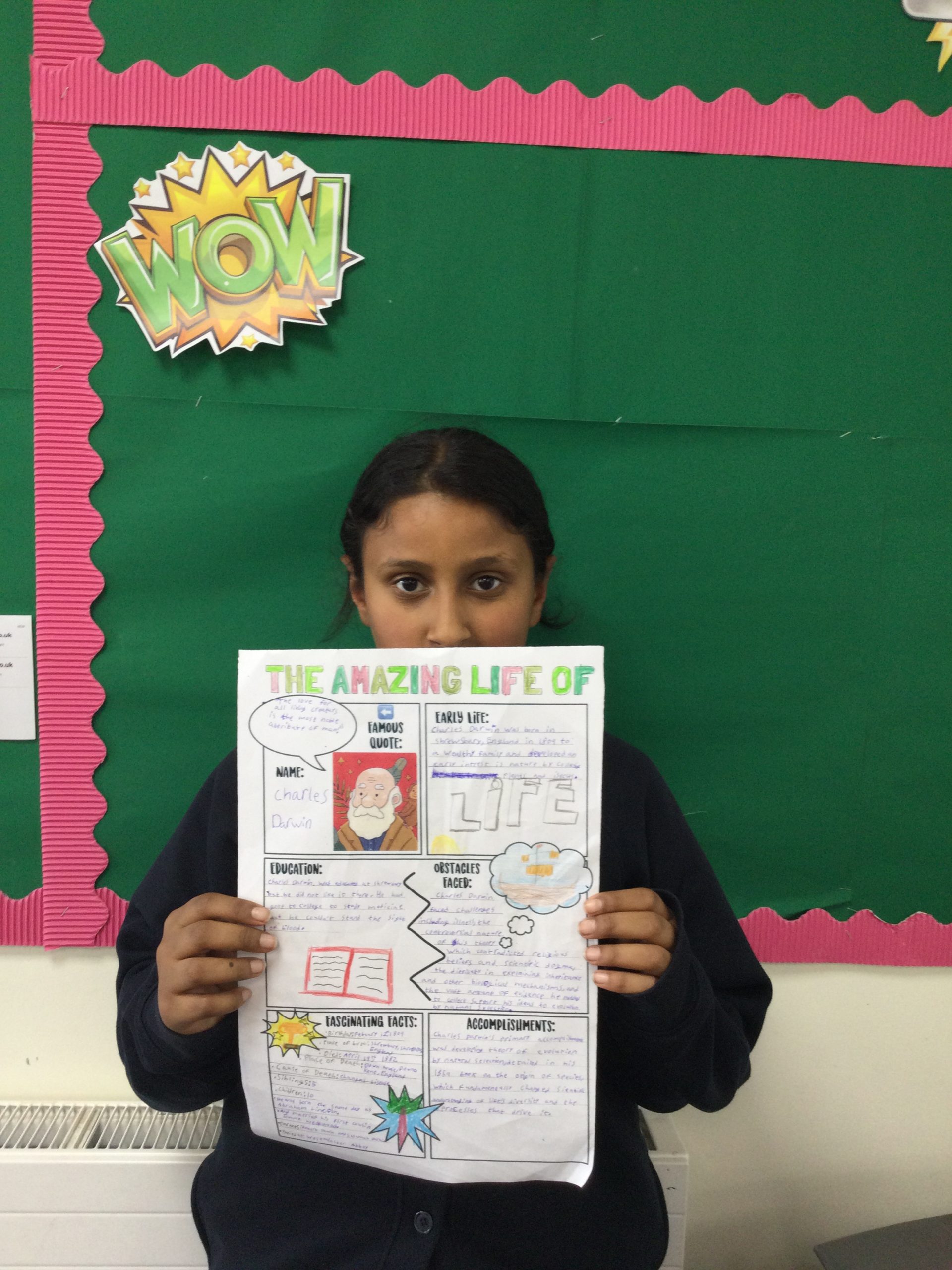
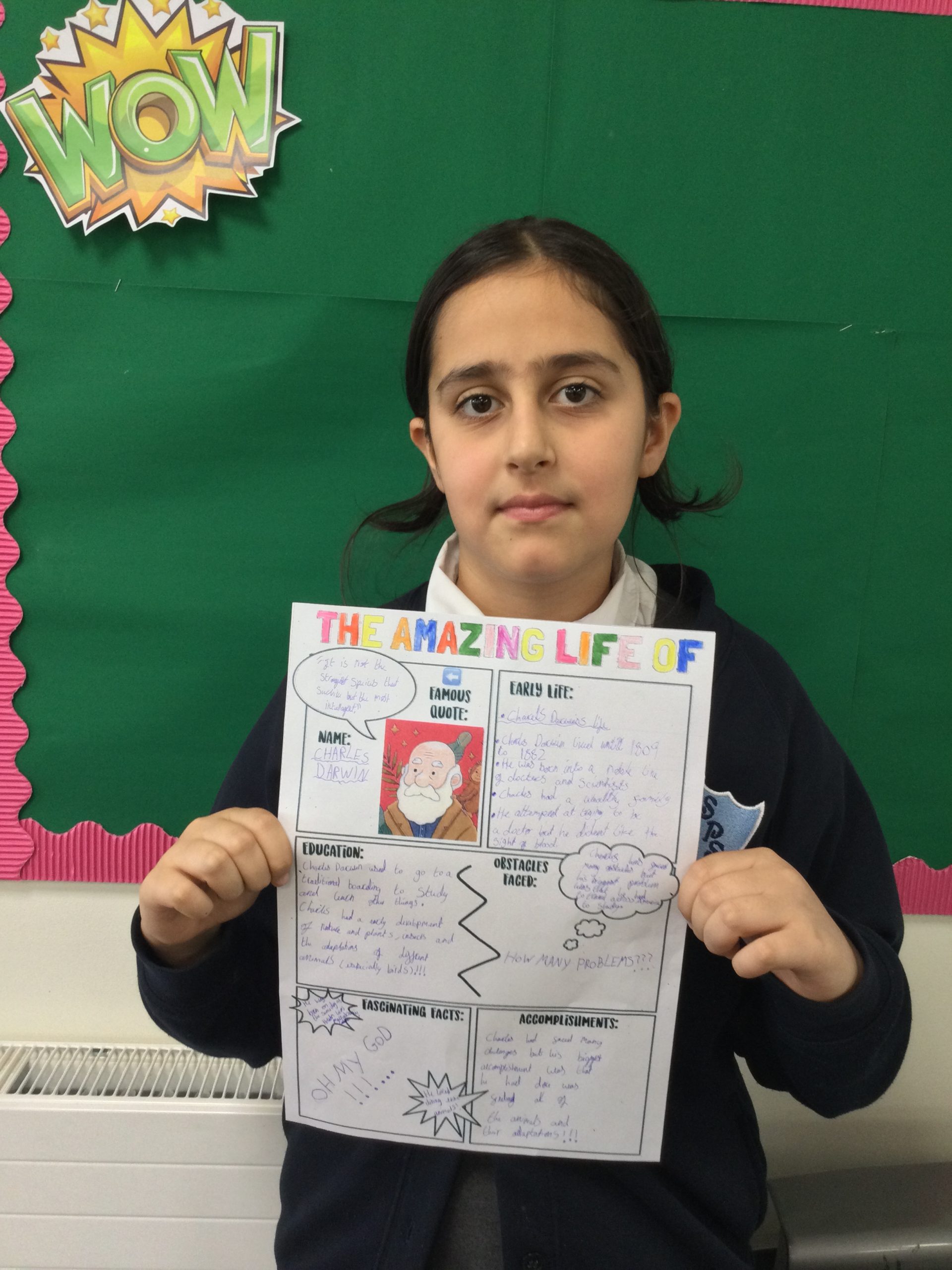
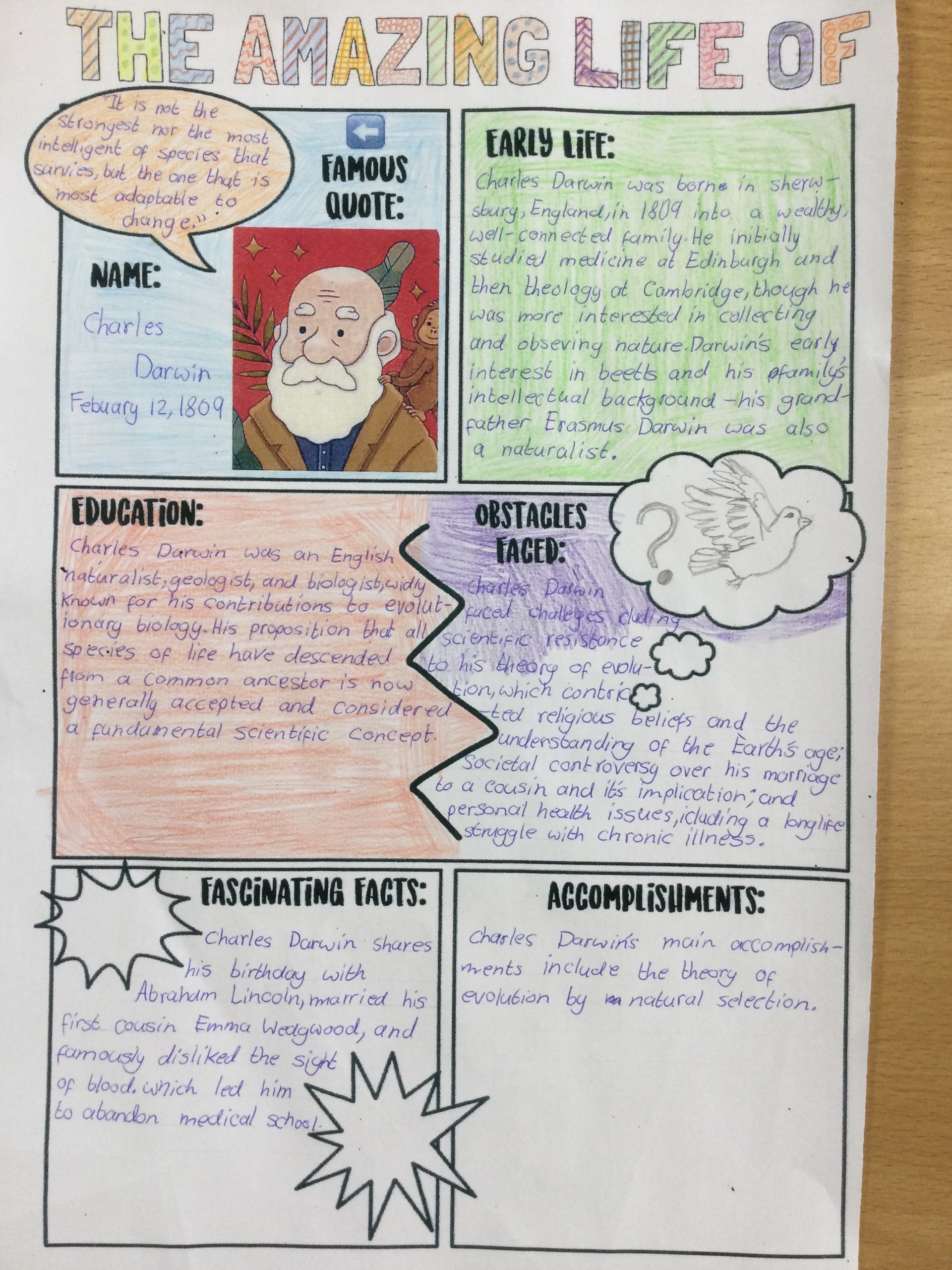
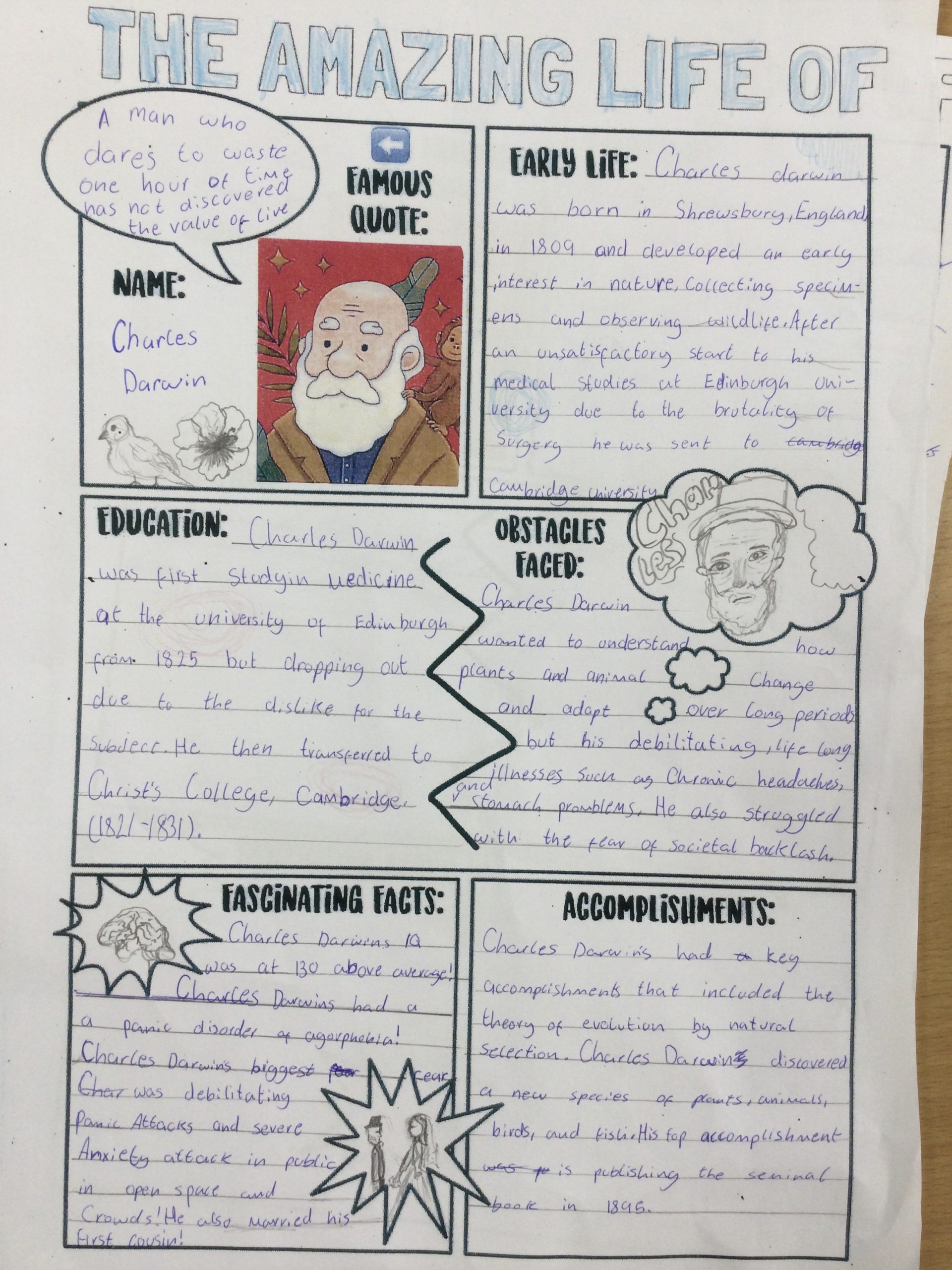
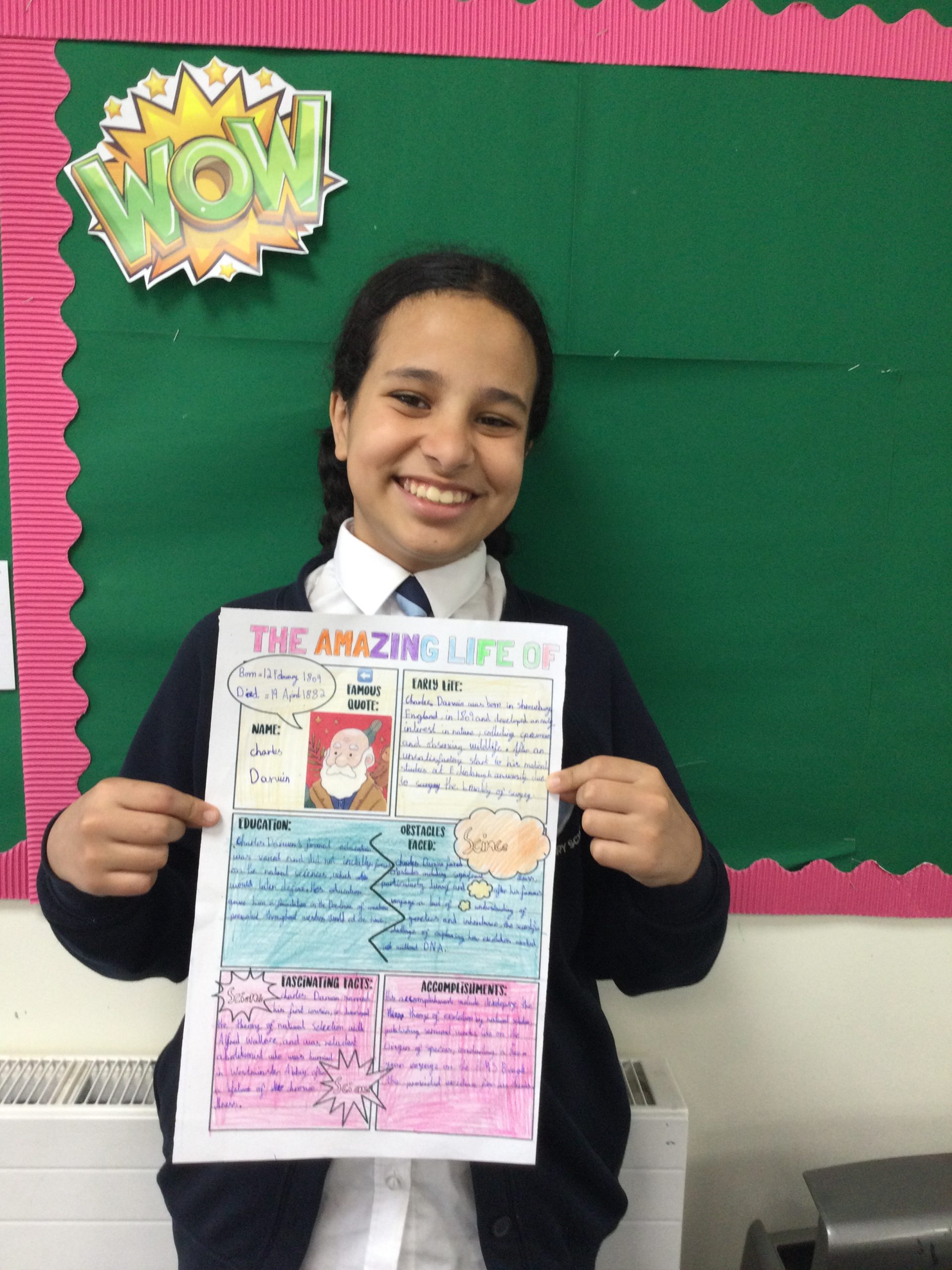
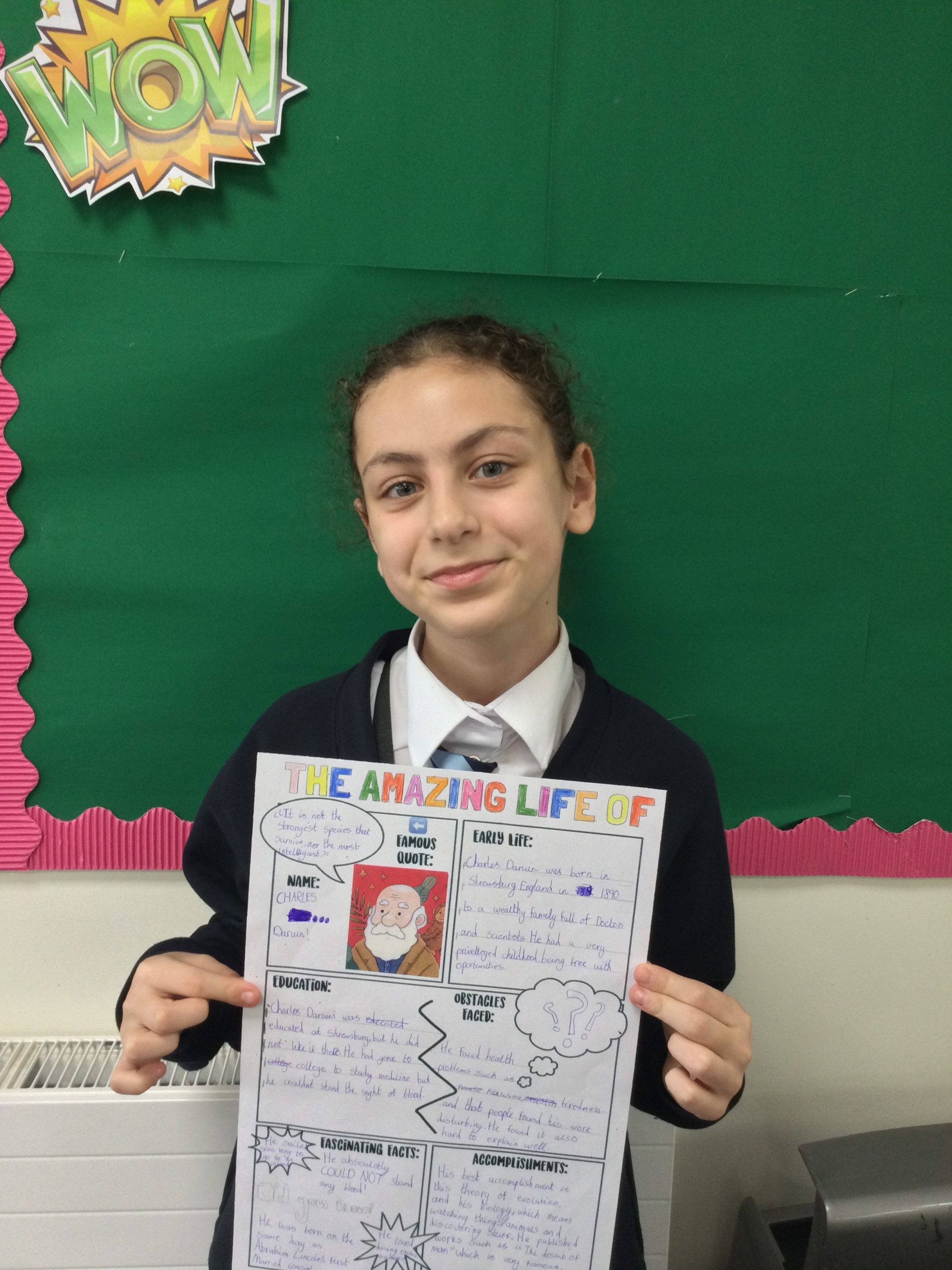
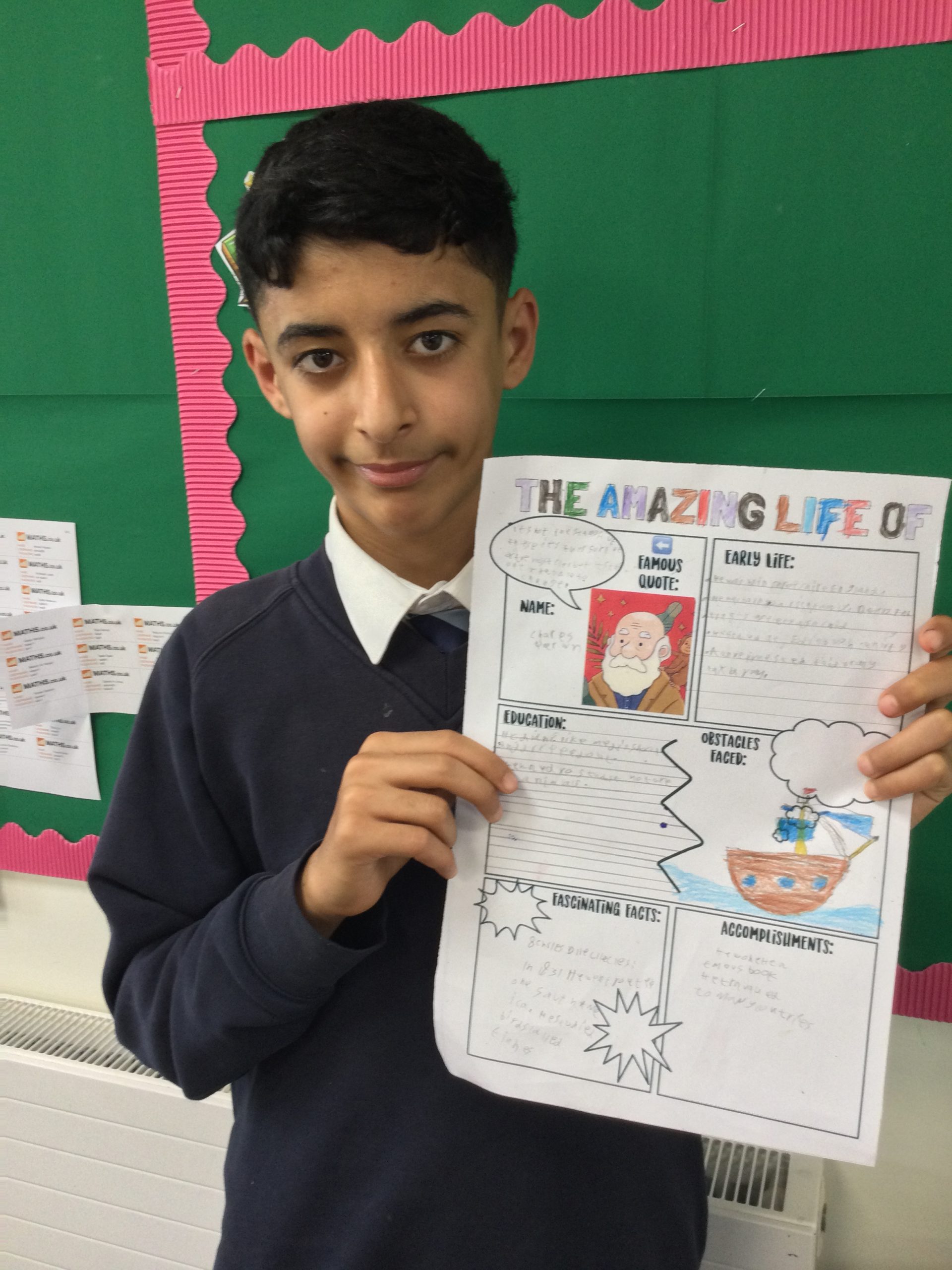
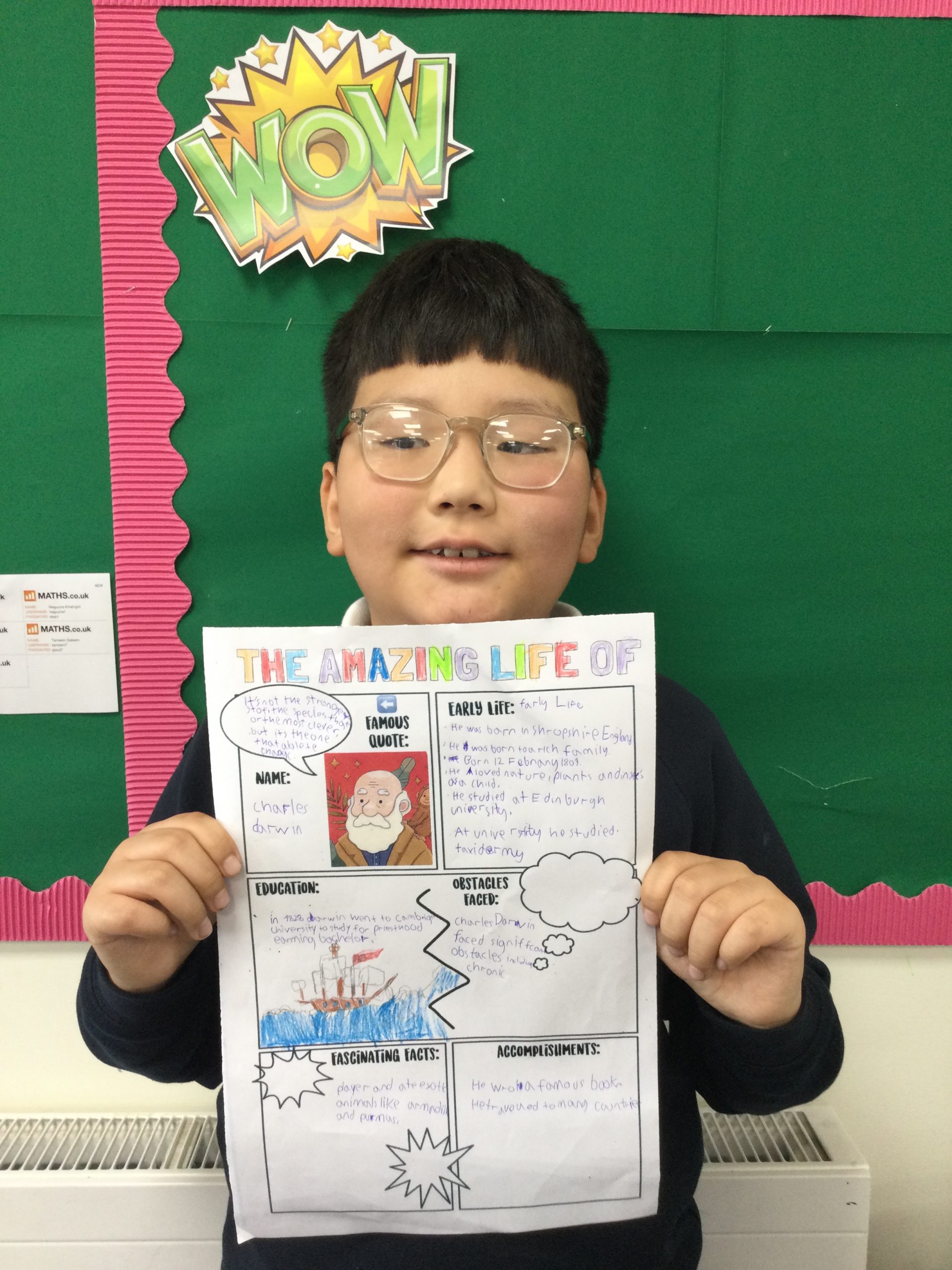
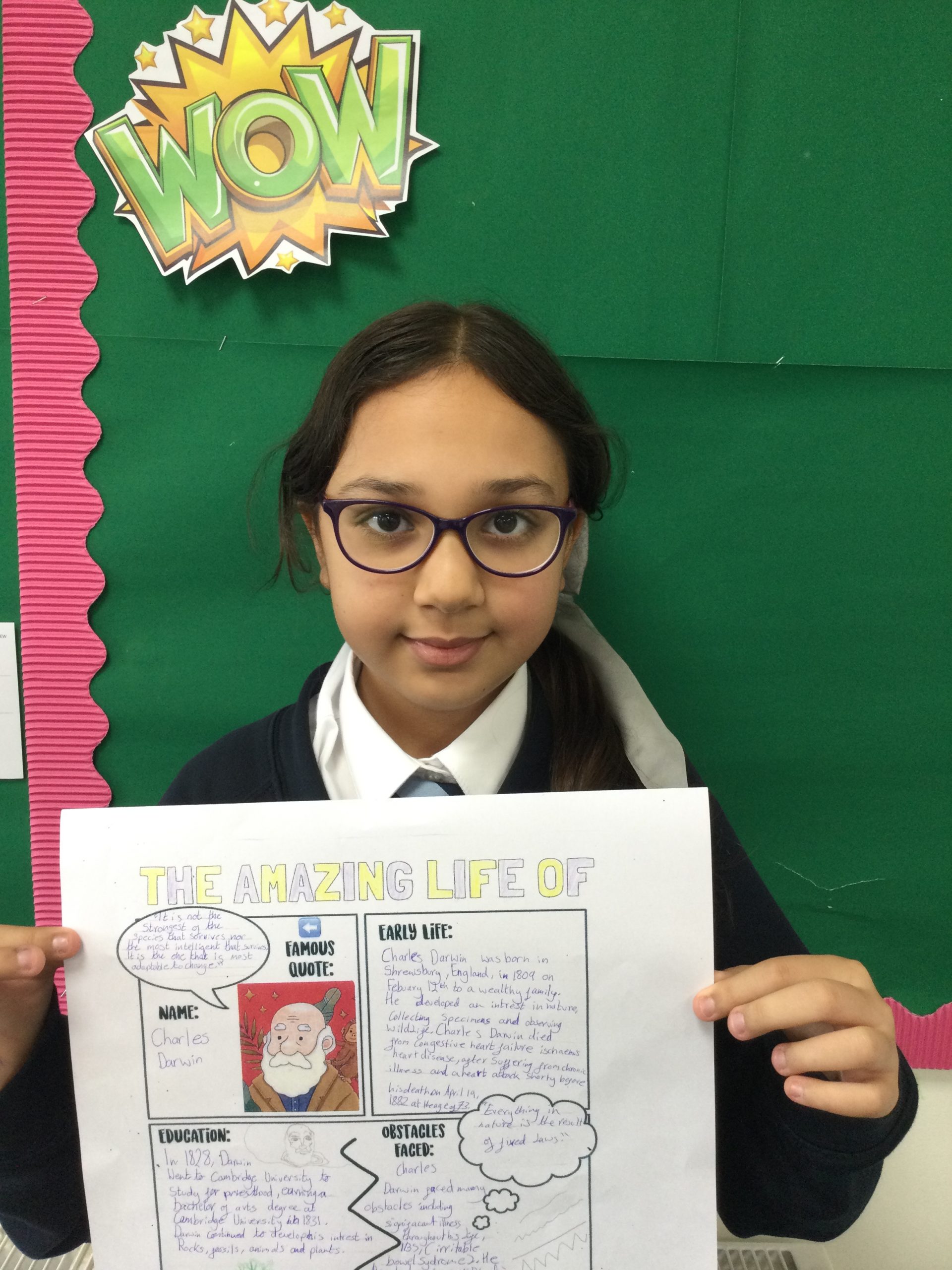
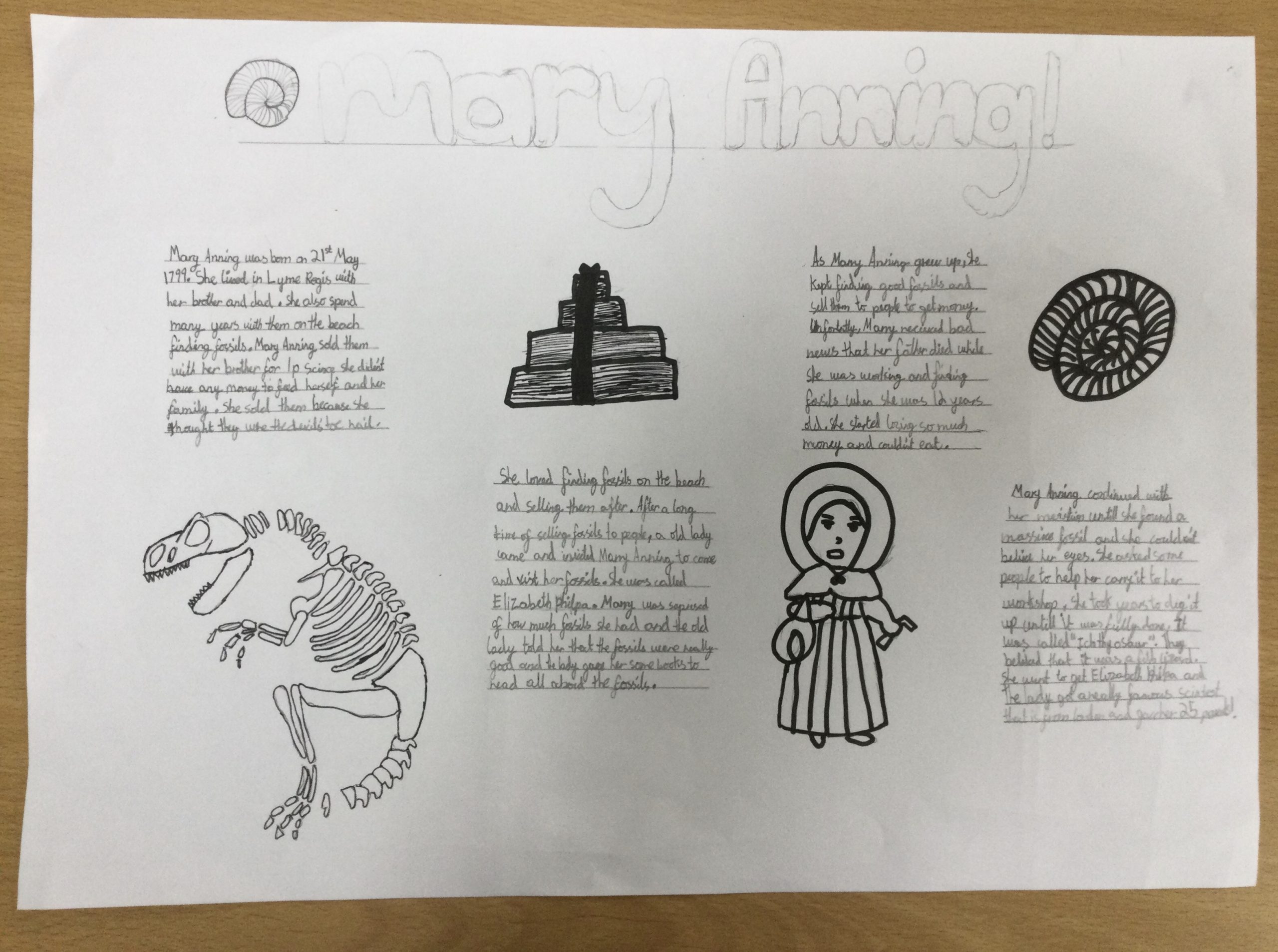
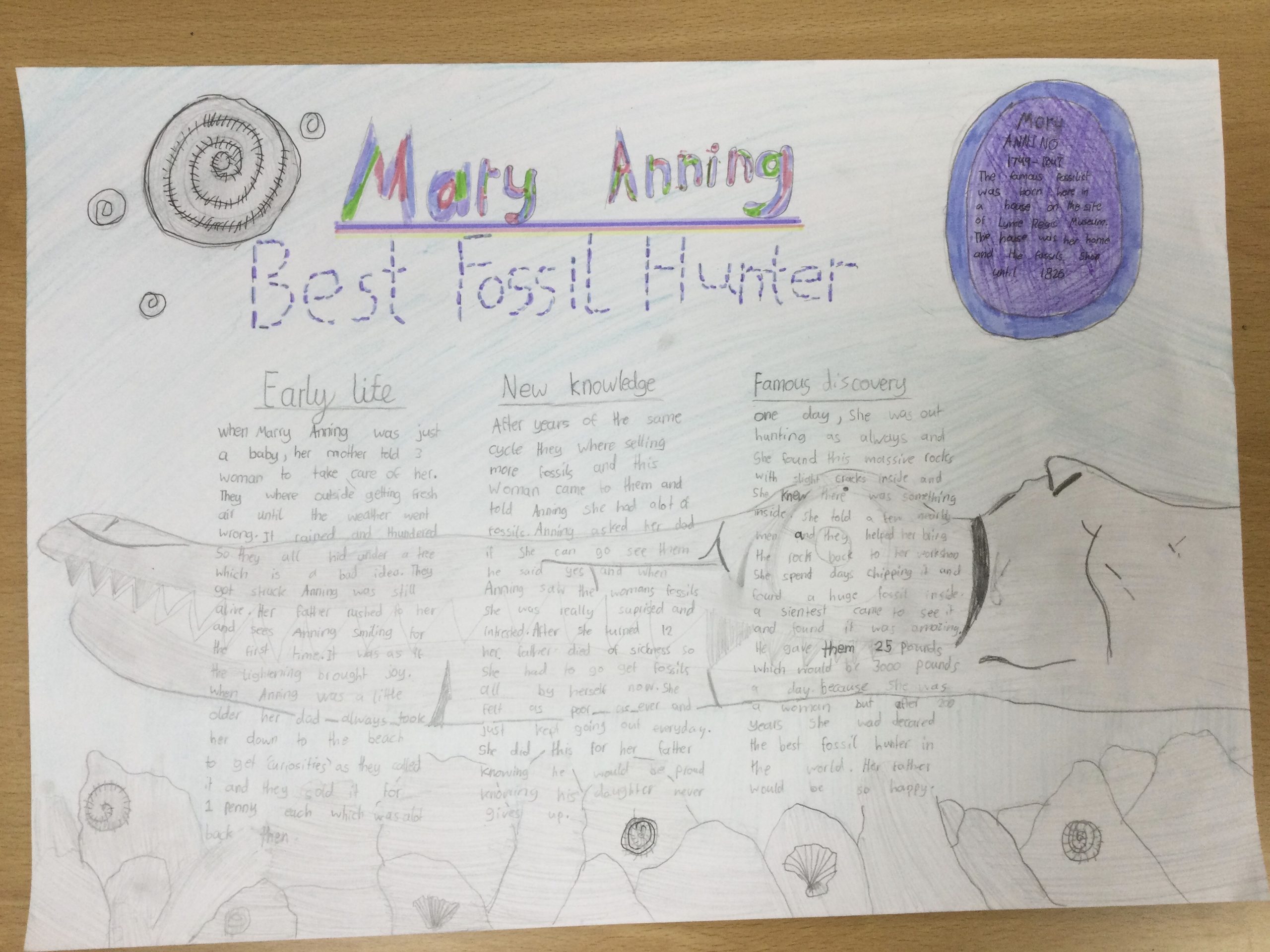
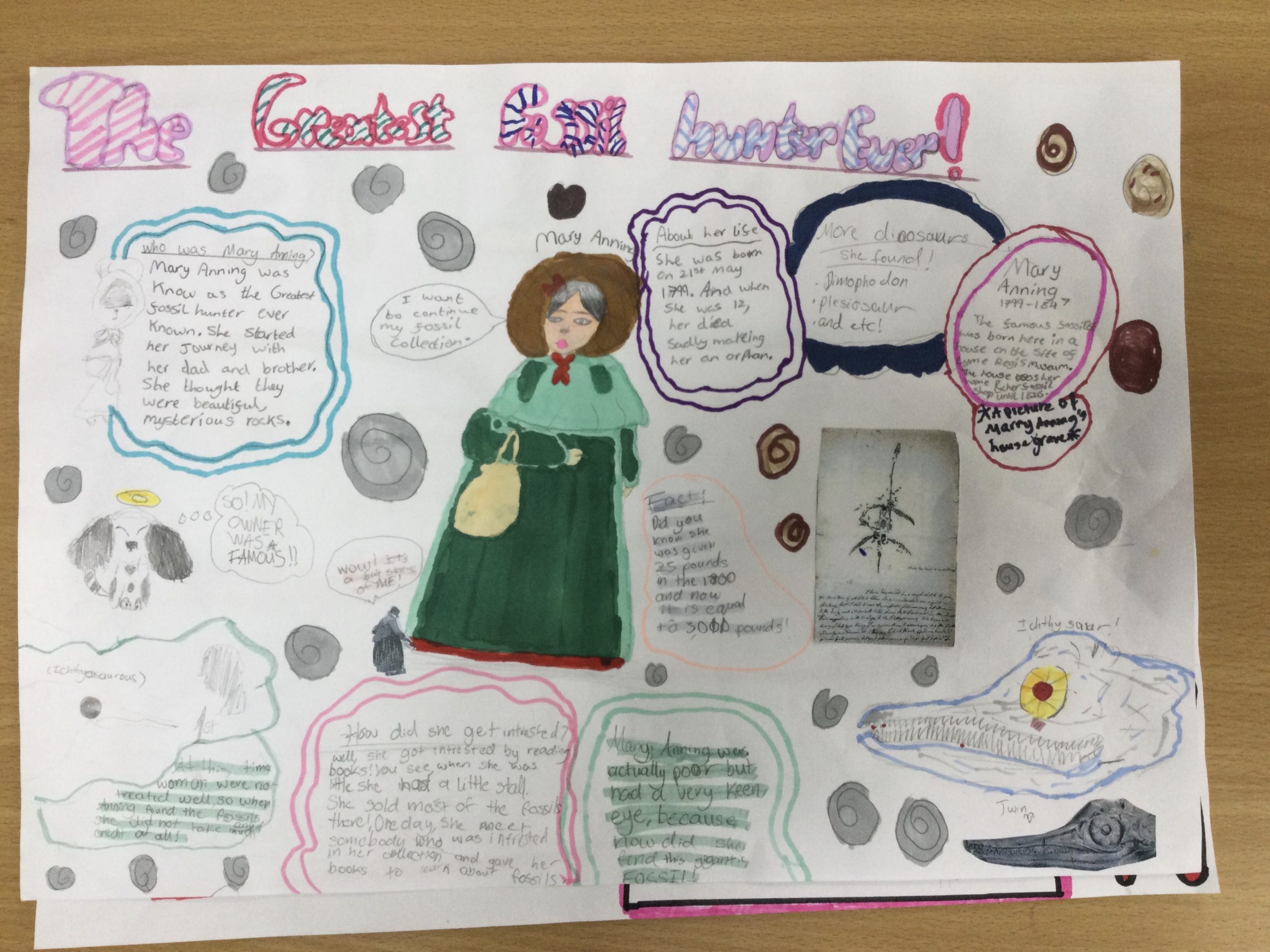
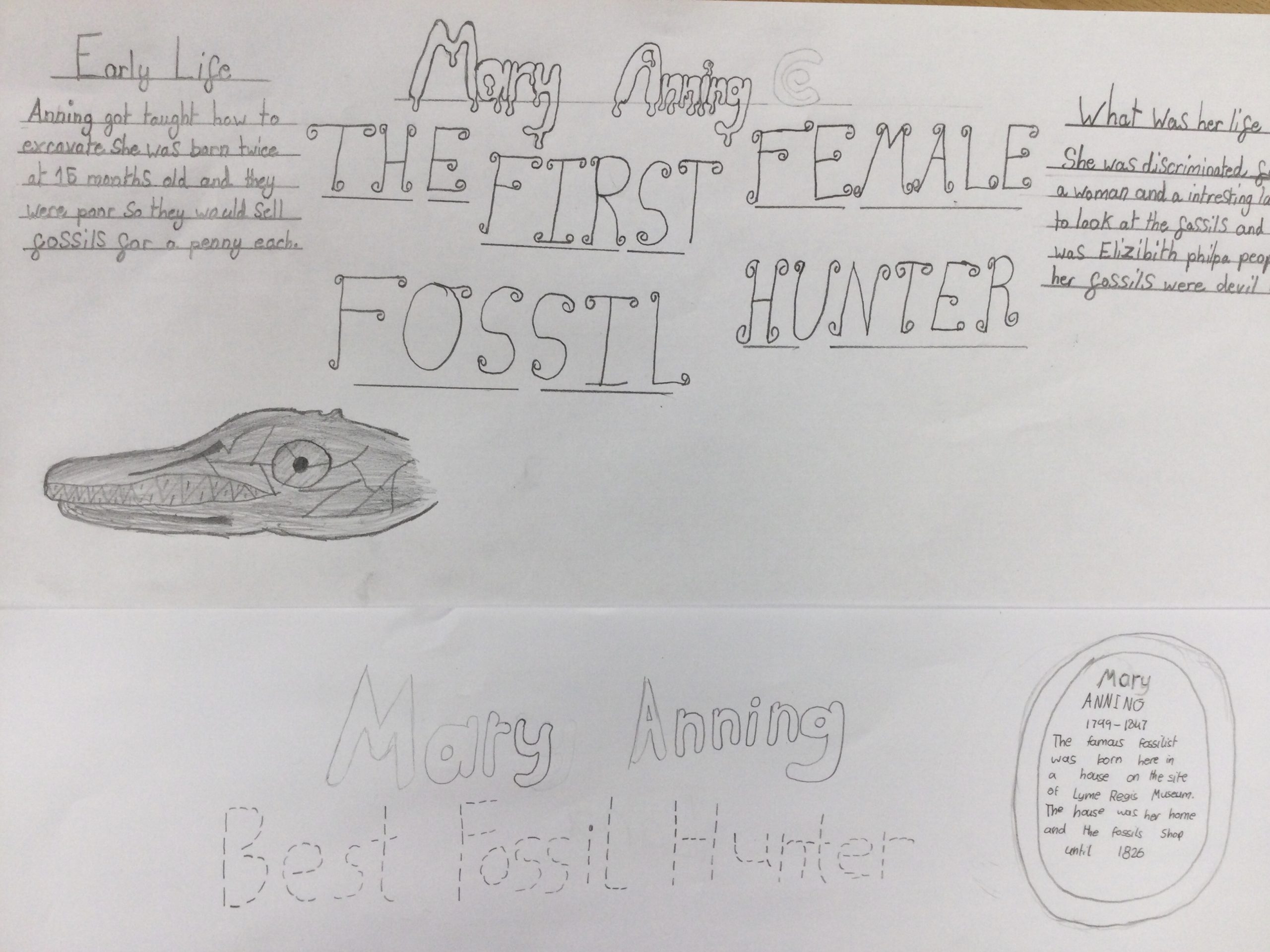
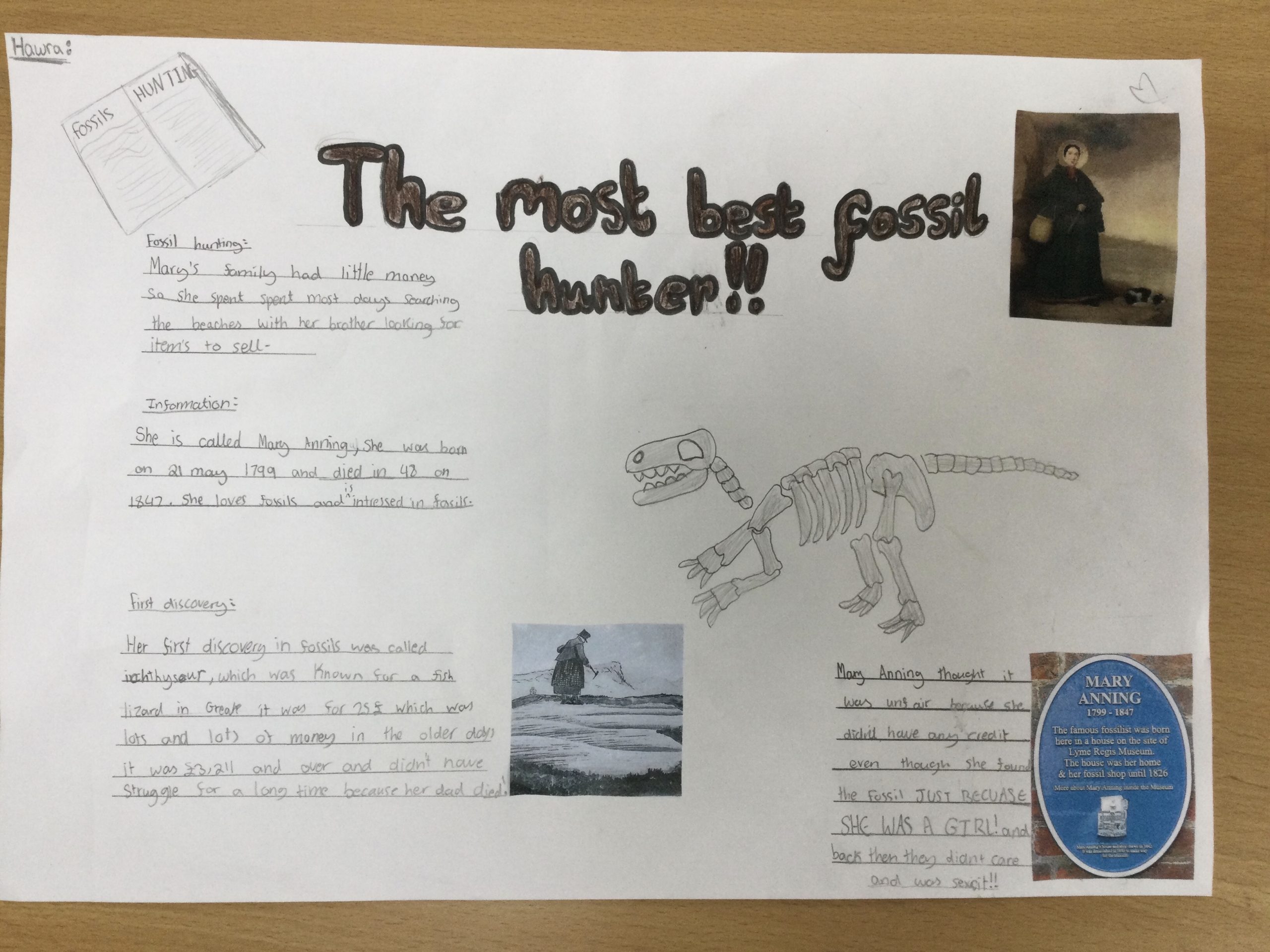
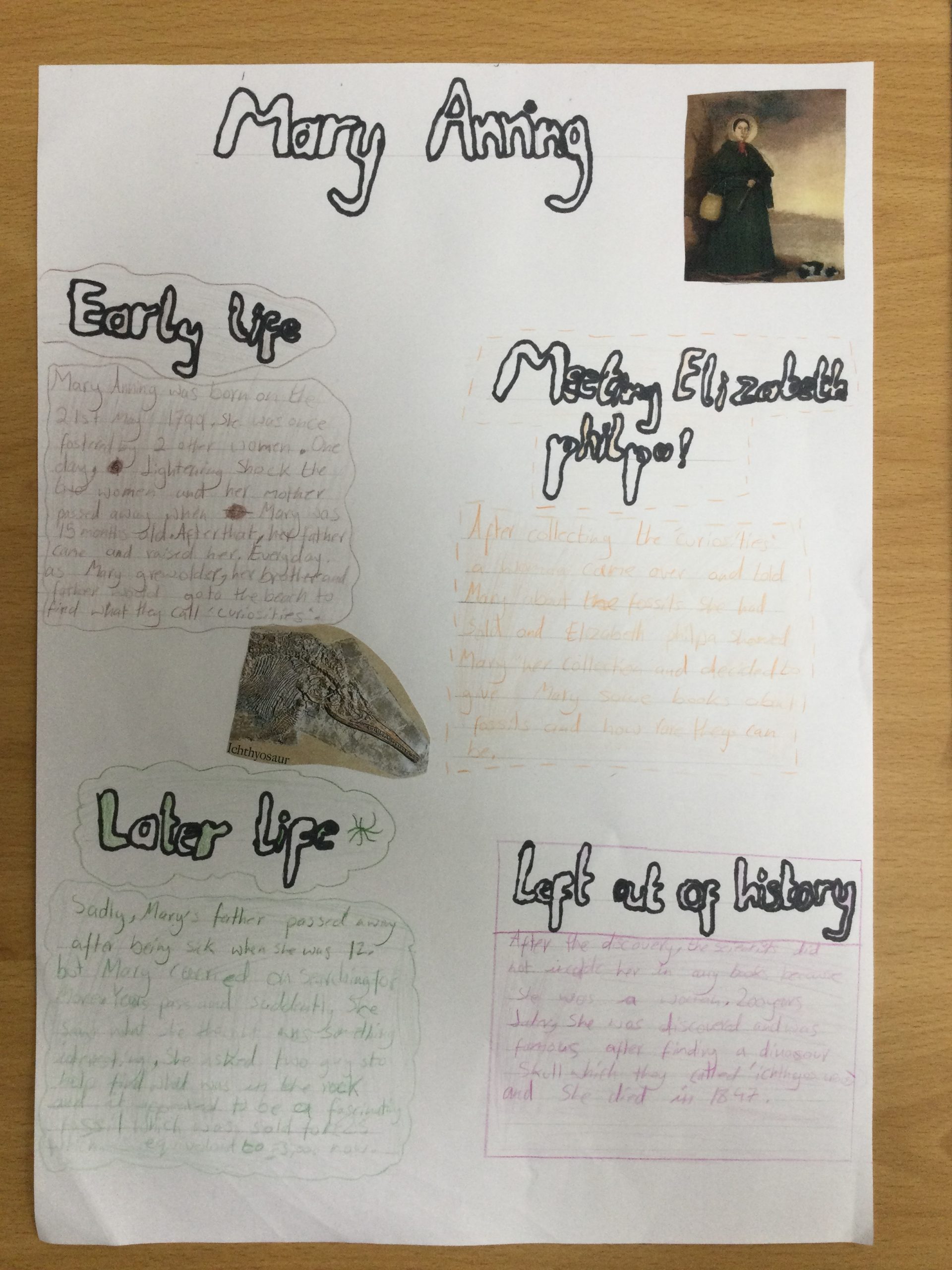
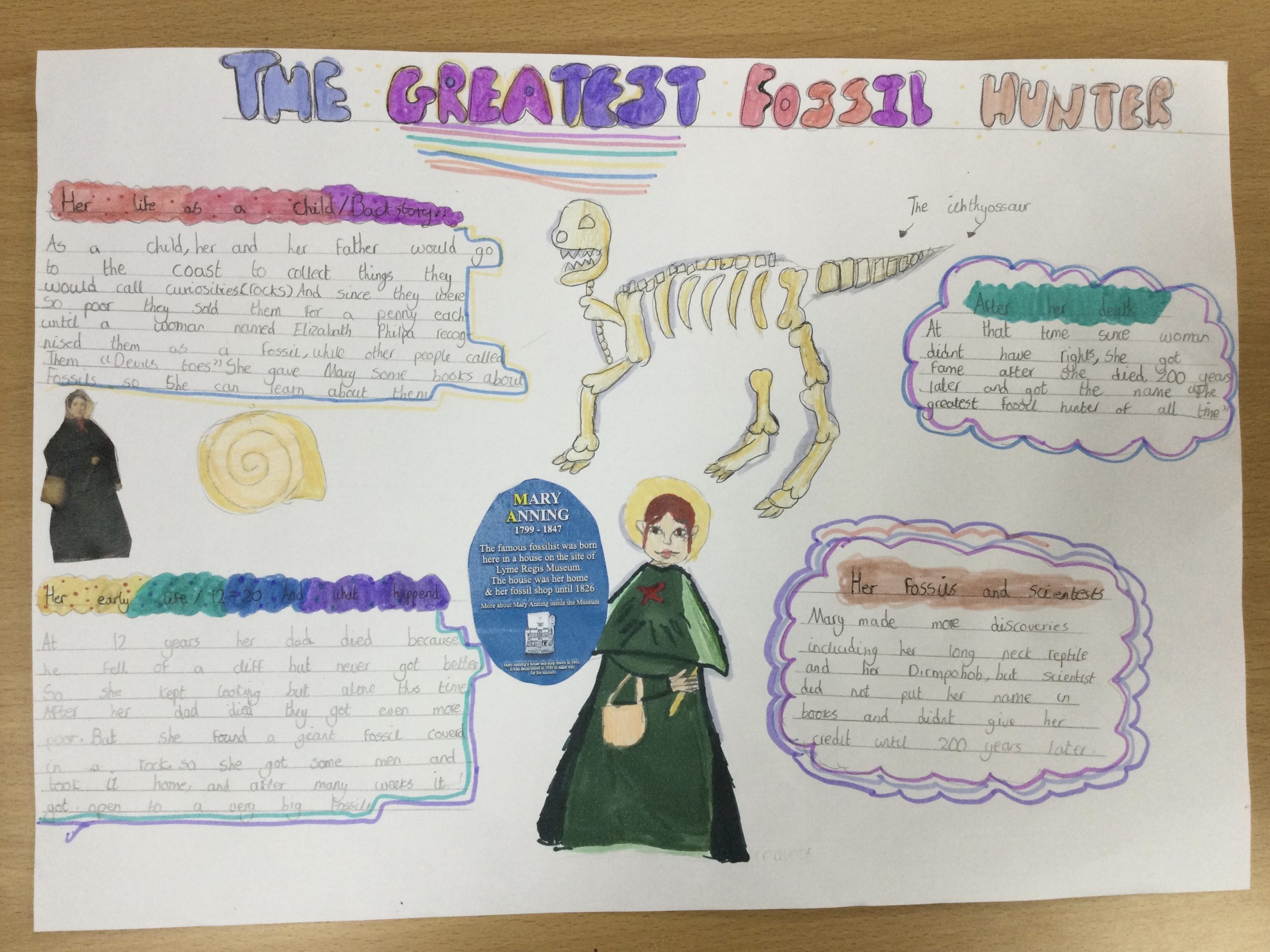
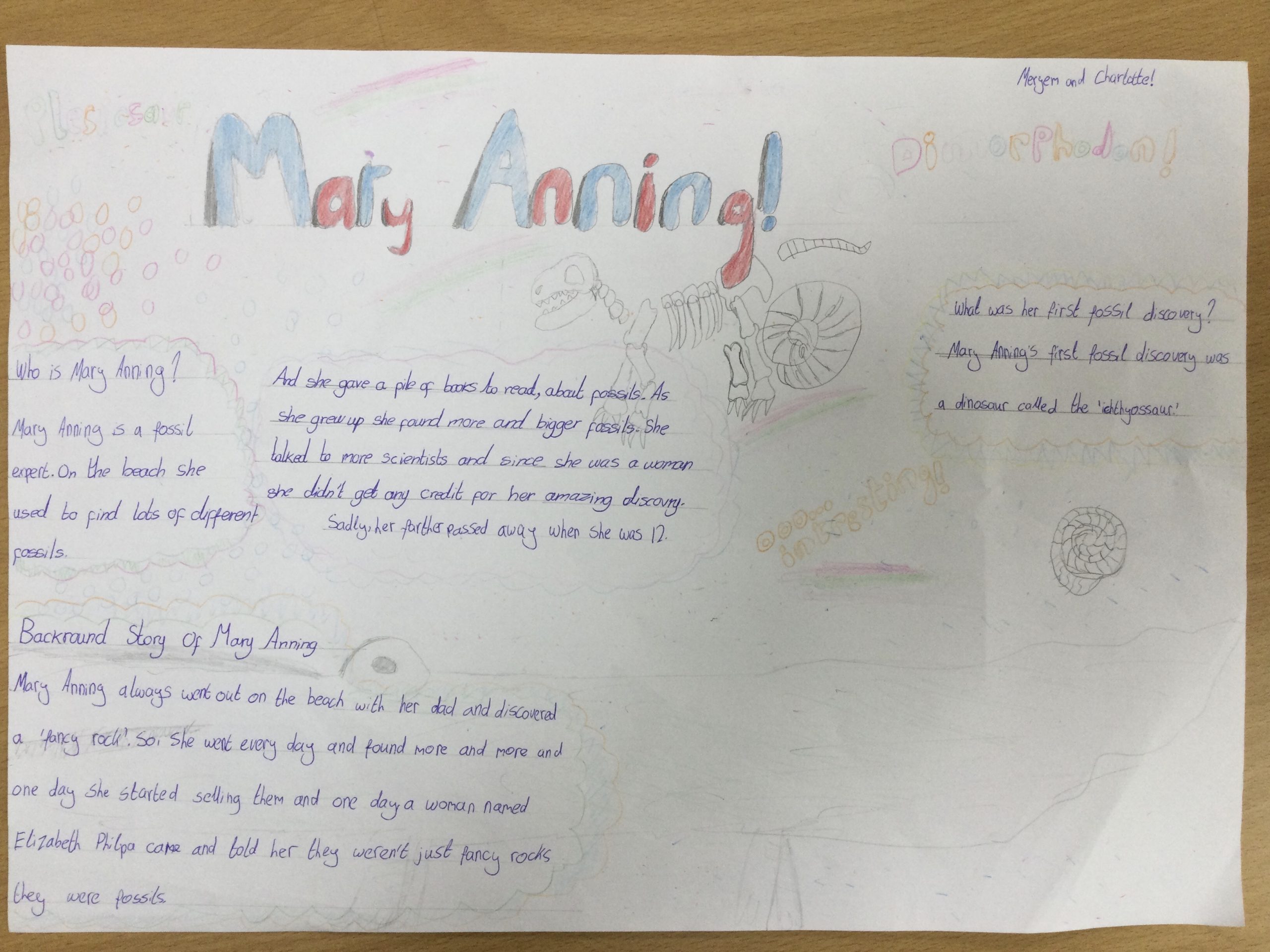
We learnt about Mary Anning in Y3, so as we are currently learning about fossils in Year 6 as part of our Evolution and Inheritance unit, today we revisited our learning with a view to presenting our information to Year 3 to help them in their learning journey.
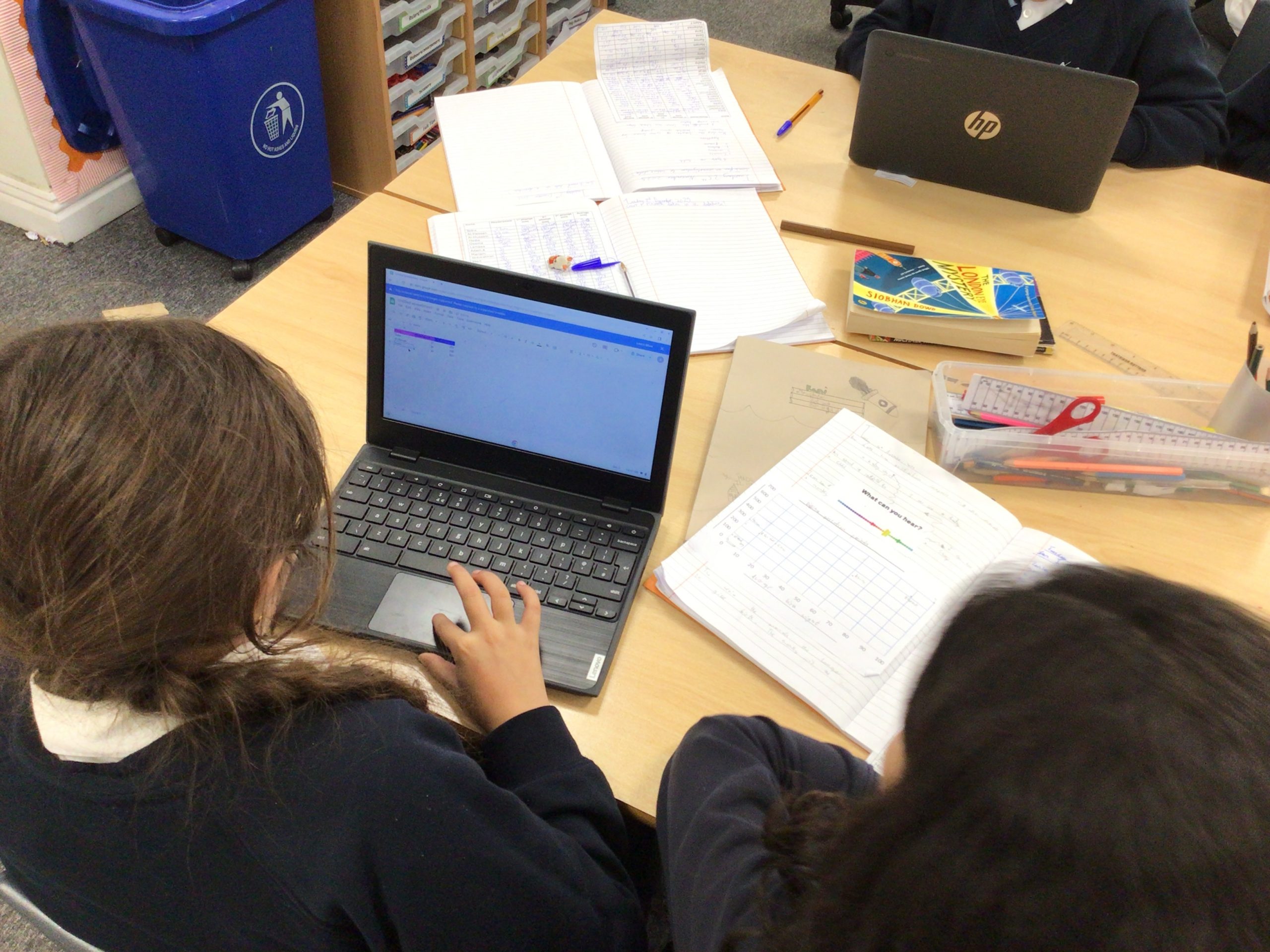
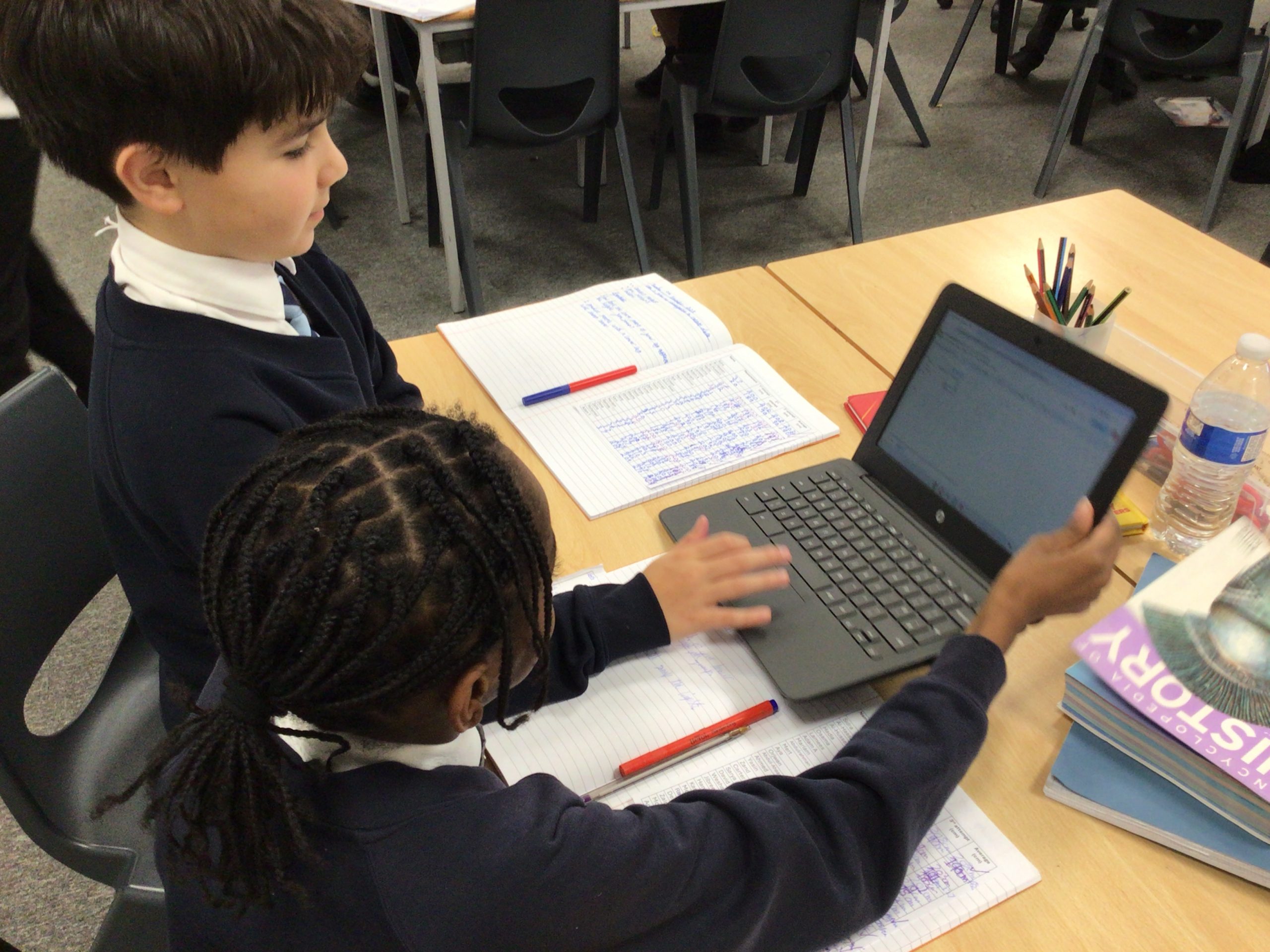
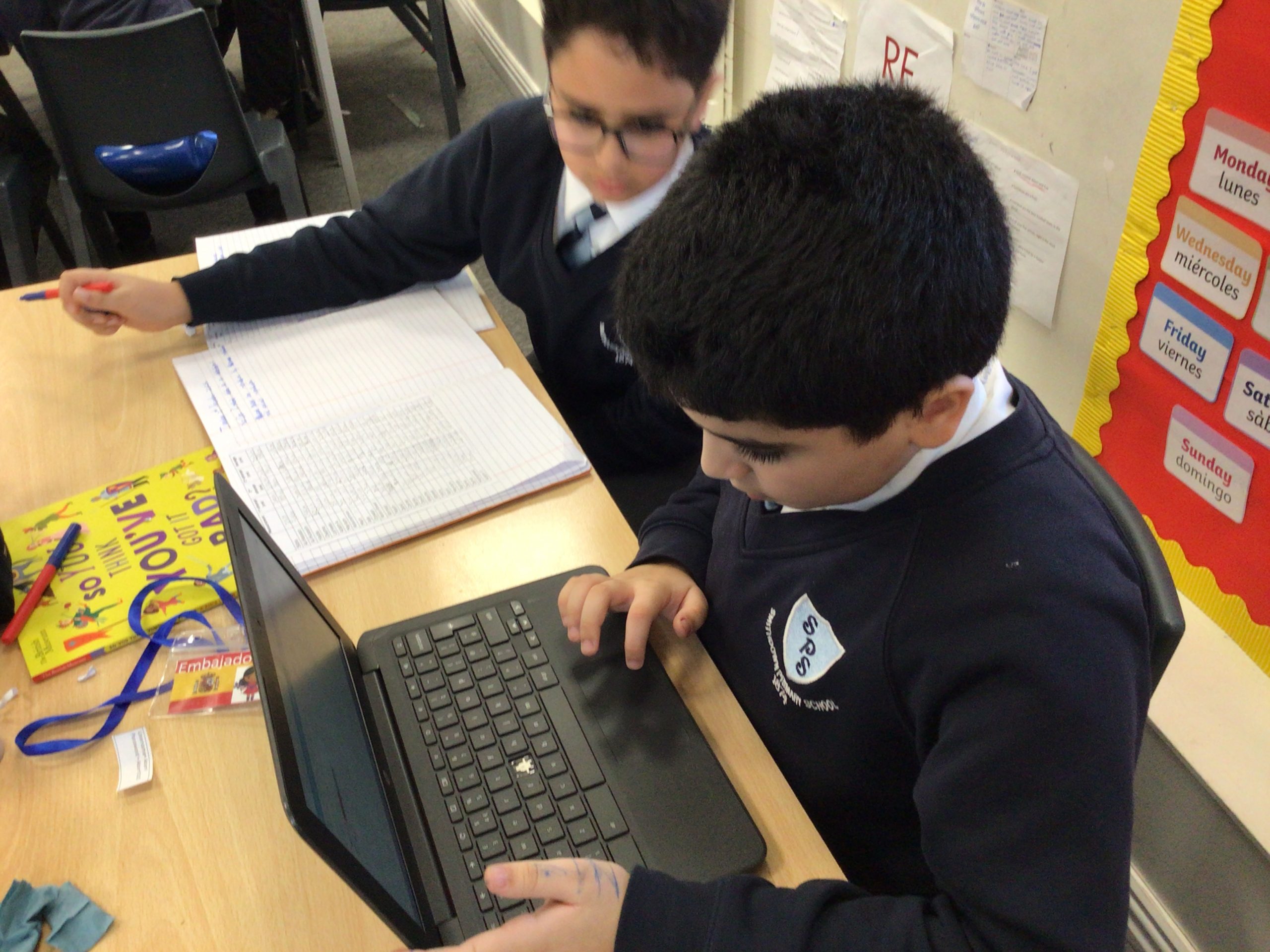
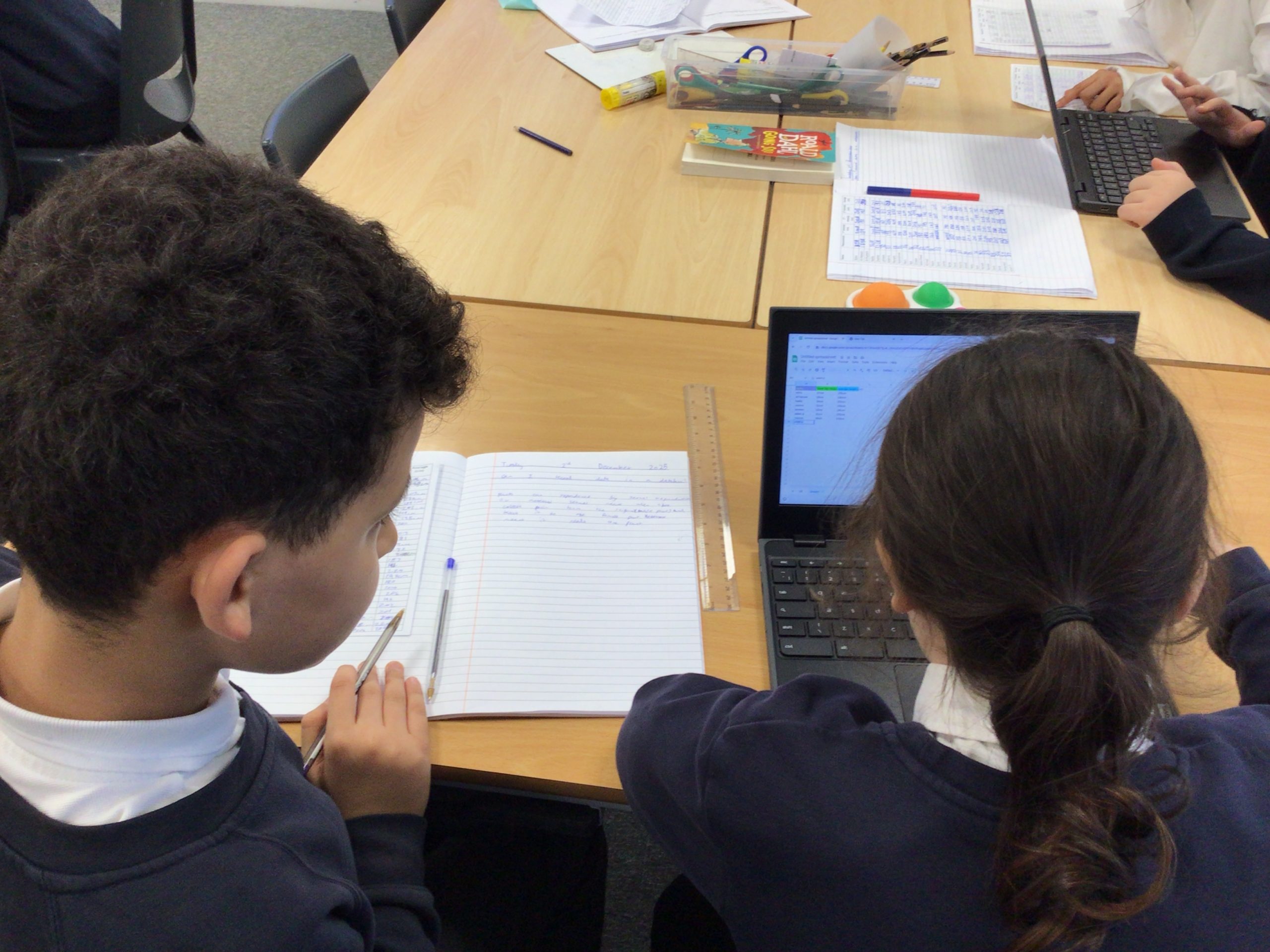
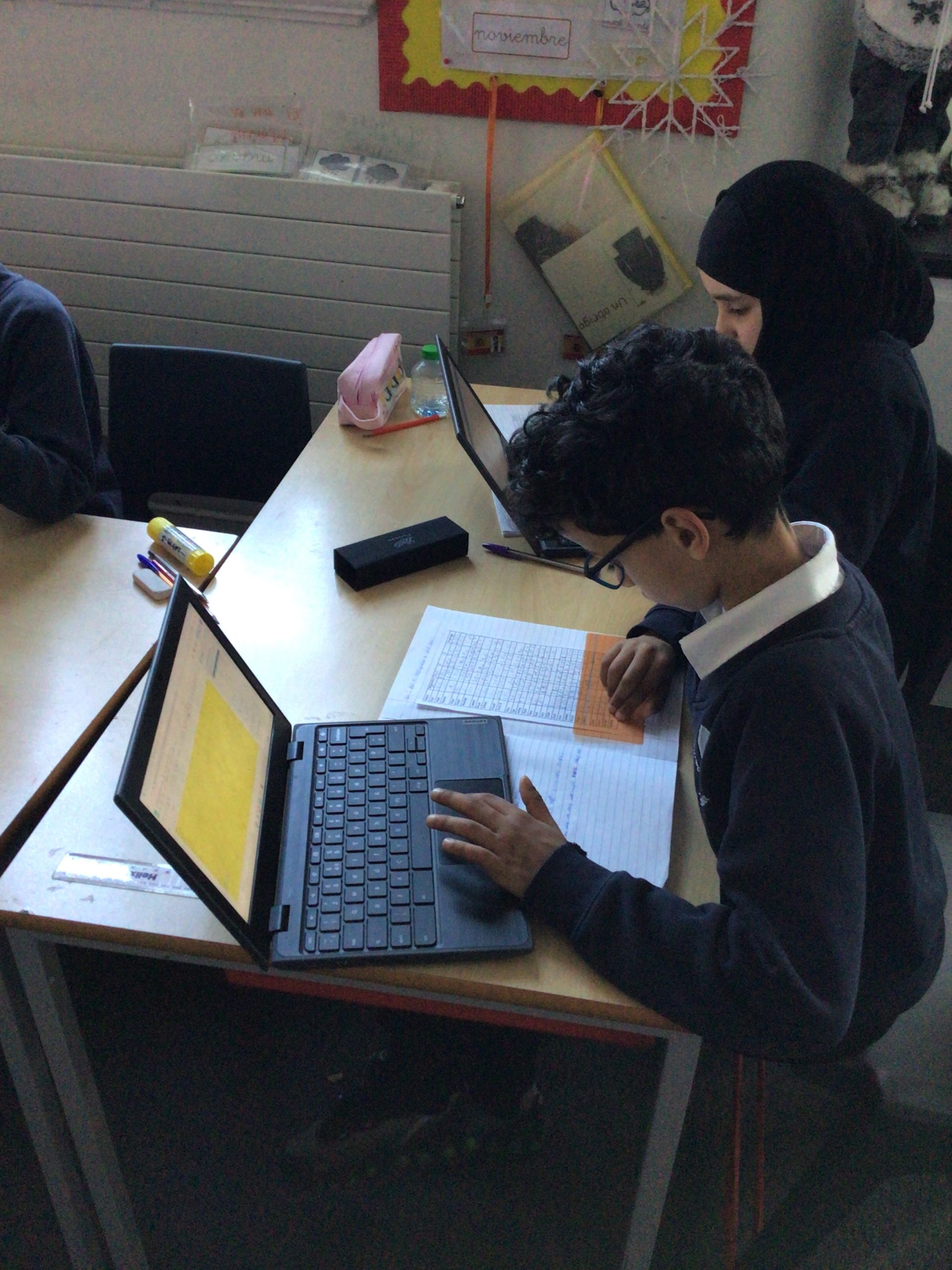
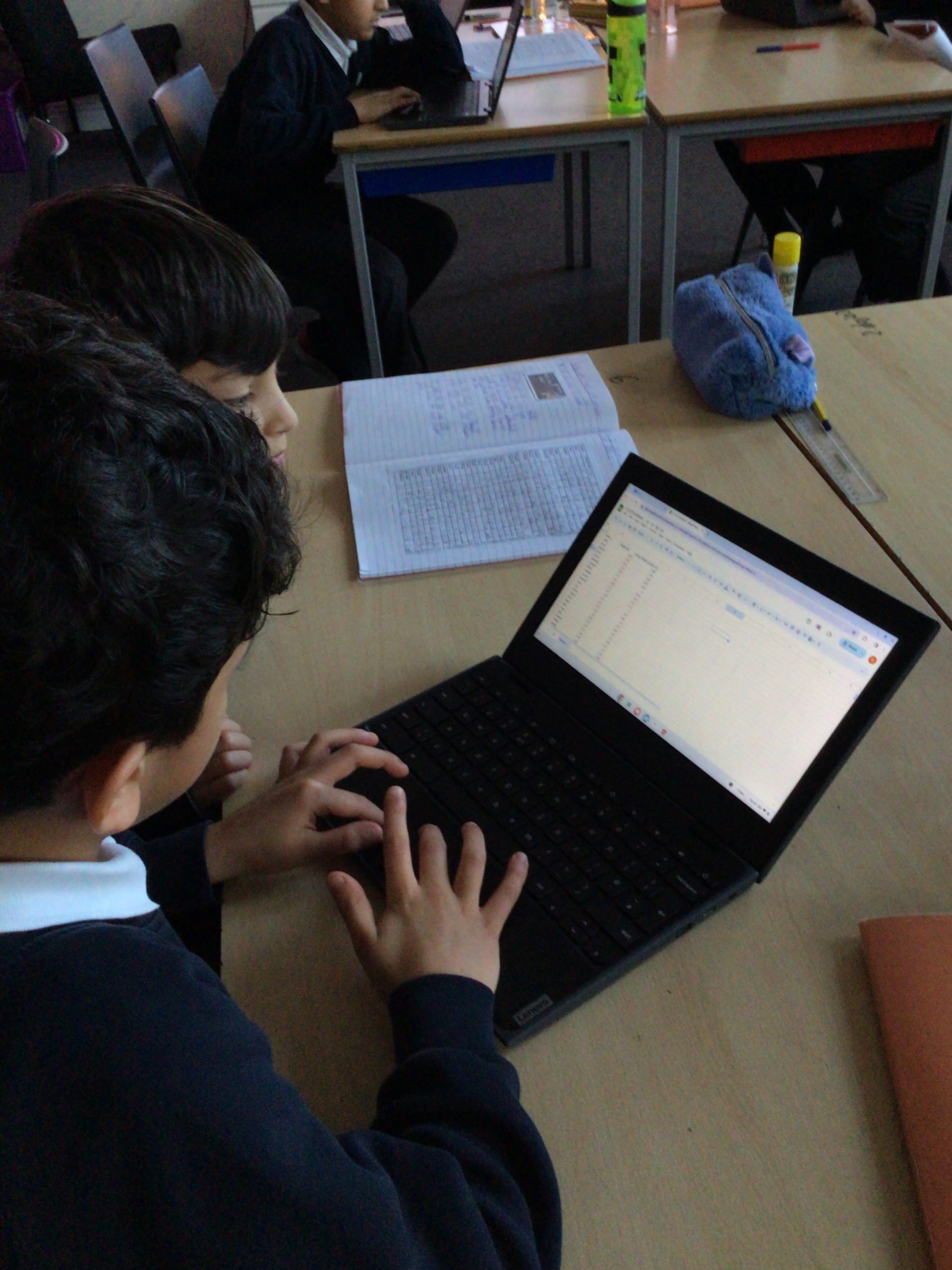
Today we have used data from our investigation to create a database on Google Sheets. We used the database to answer questions such as ‘Who jumped the highest?’ And ‘Who jumped higher than 1.9m’. 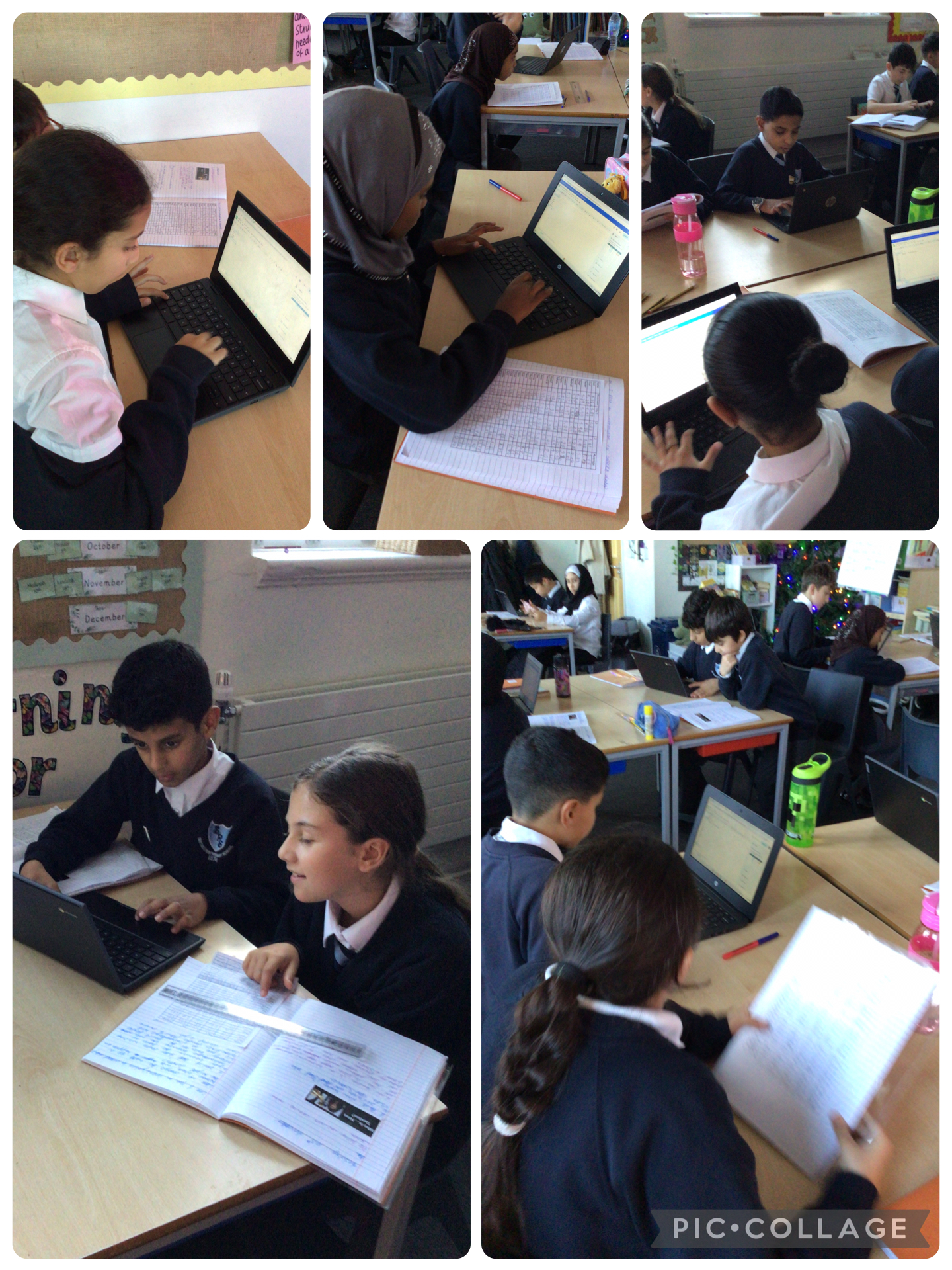
Y1 PK went on a Welly Walk to Crown Street Park. We followed directions – North, South, East, West and spotted what we could see. We also looked for signs of Autumn and that Autumn is changing into Winter.
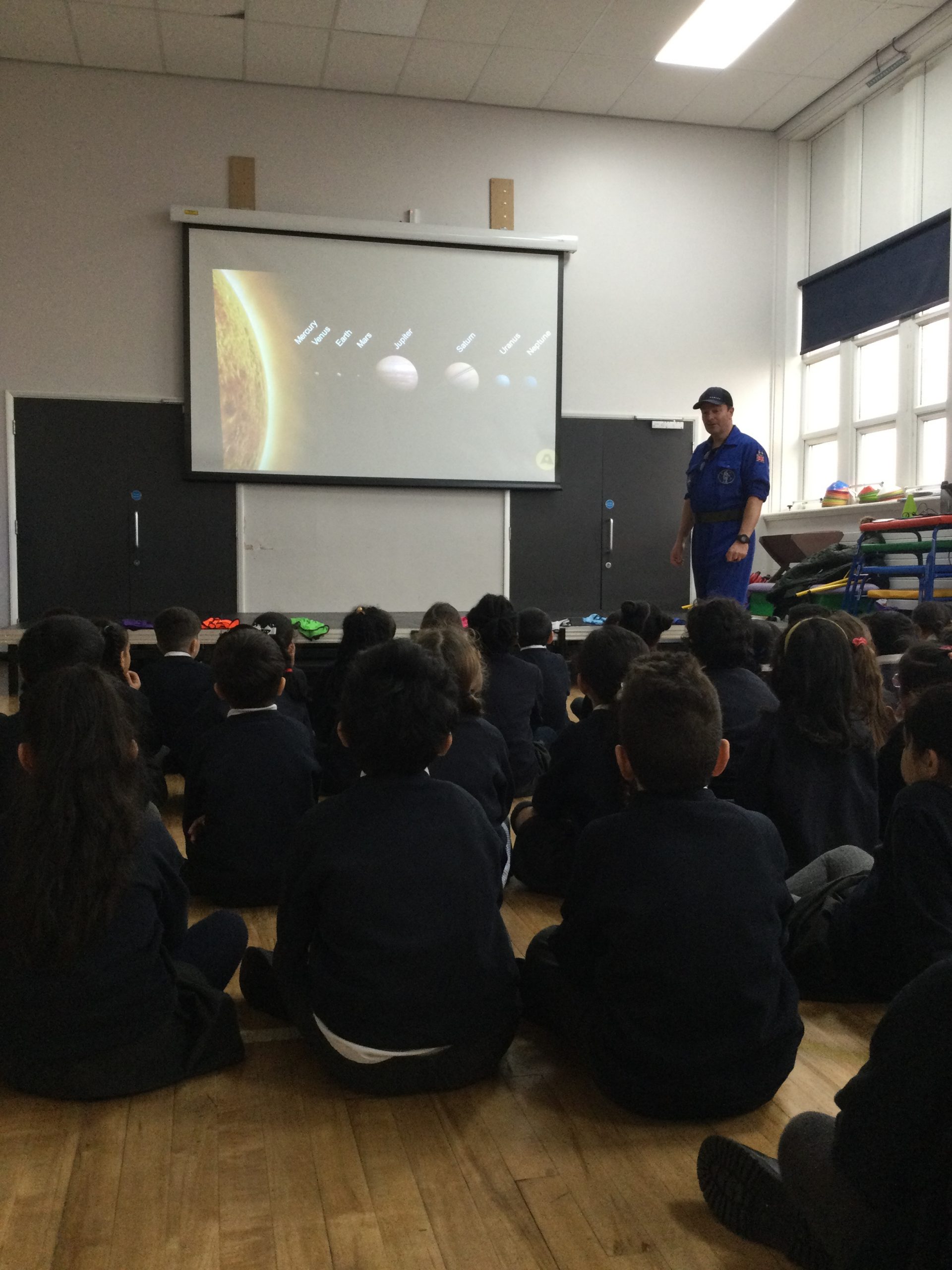
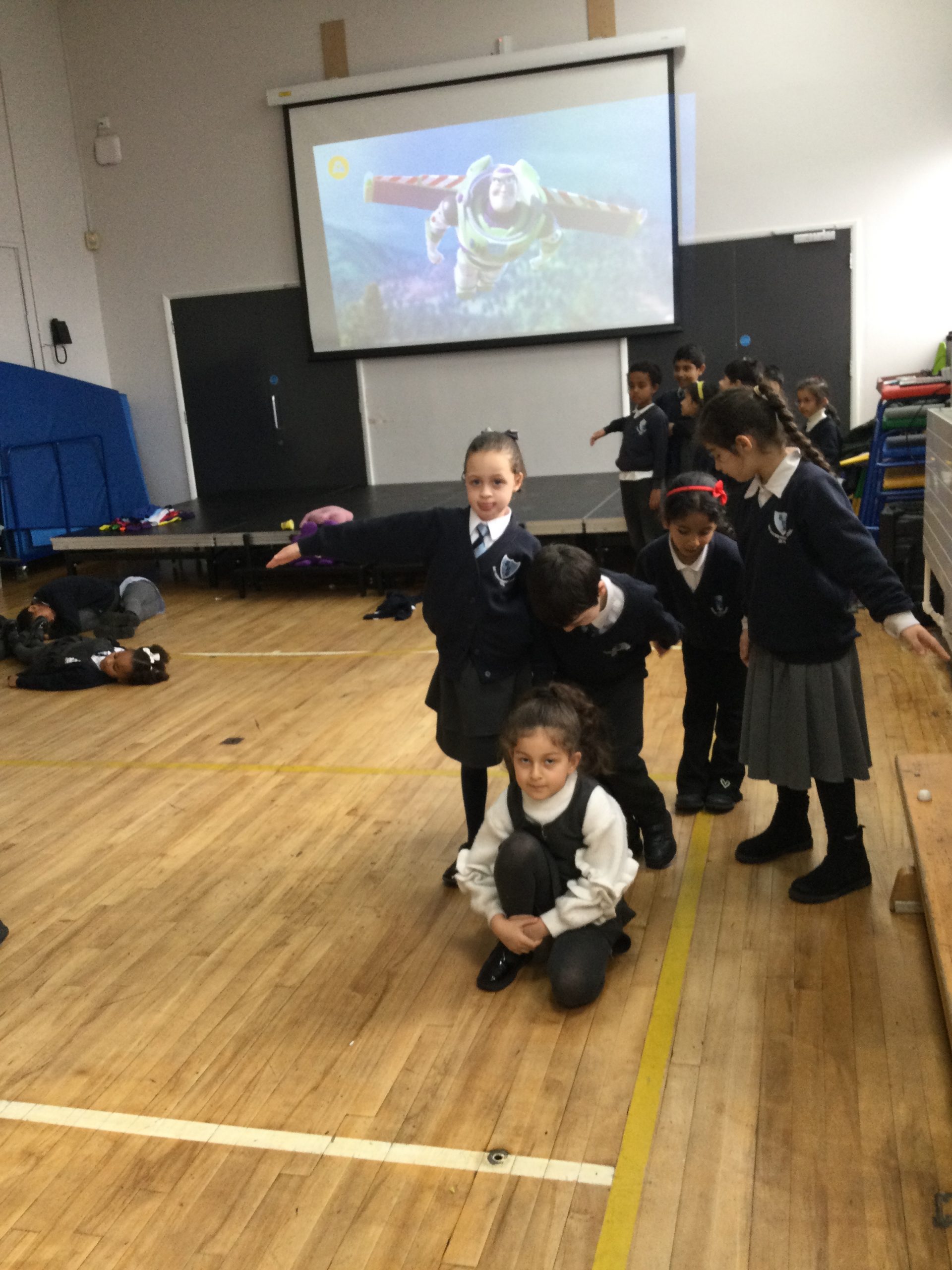
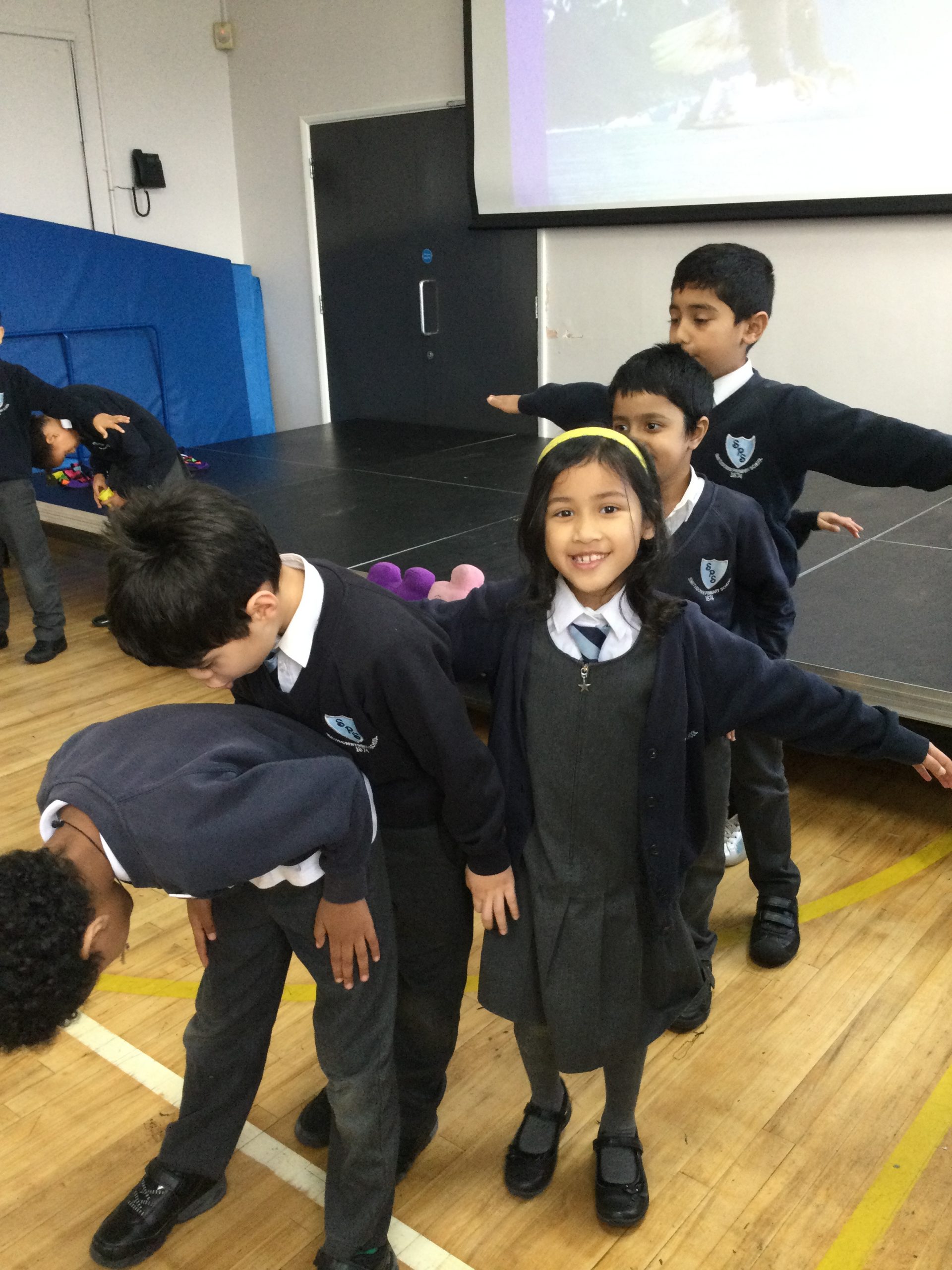
On Friday we learned so much about space and how Neil Armstrong explored the moon. We also used teamwork and communication skills to recreate images about space .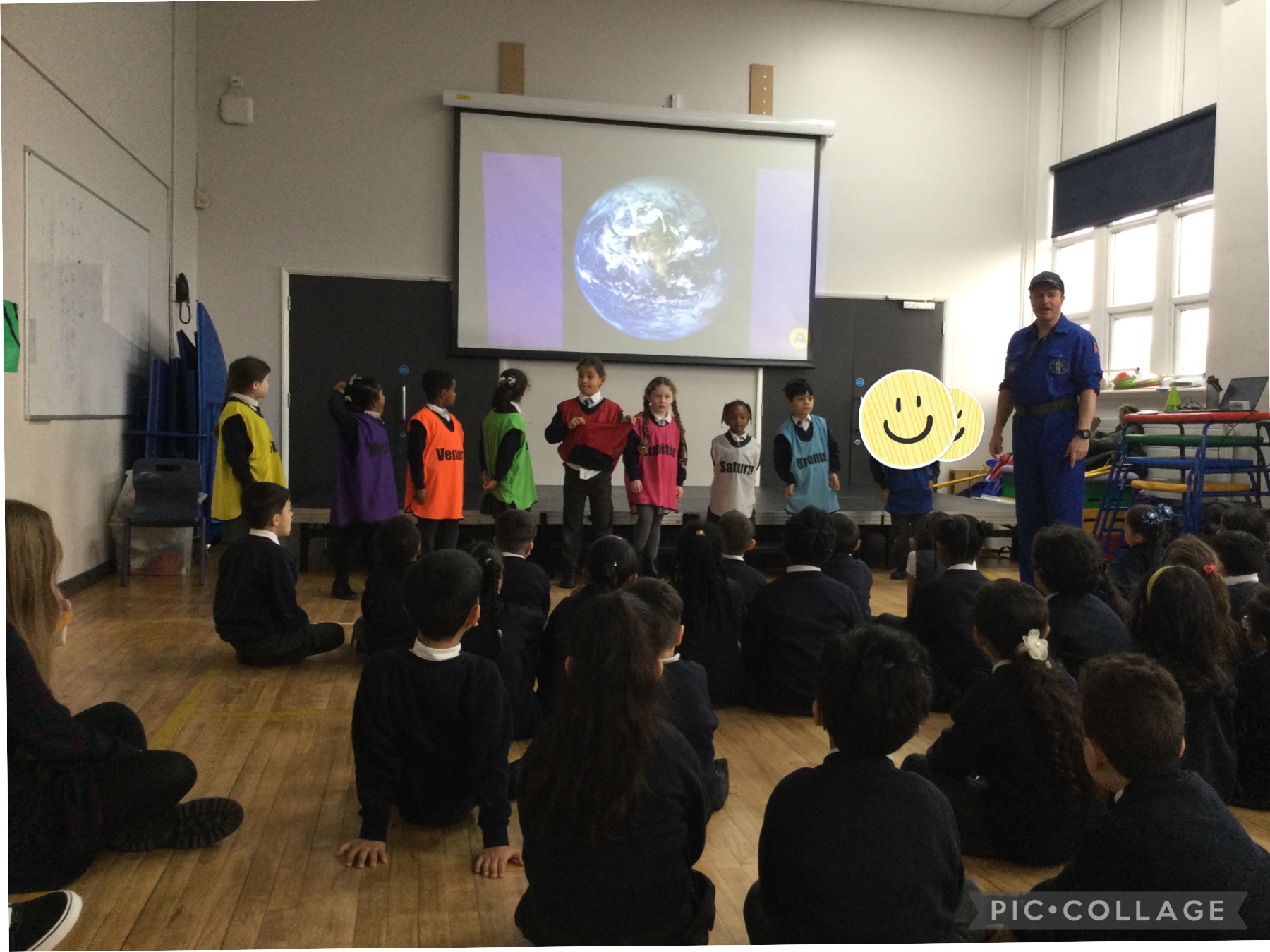
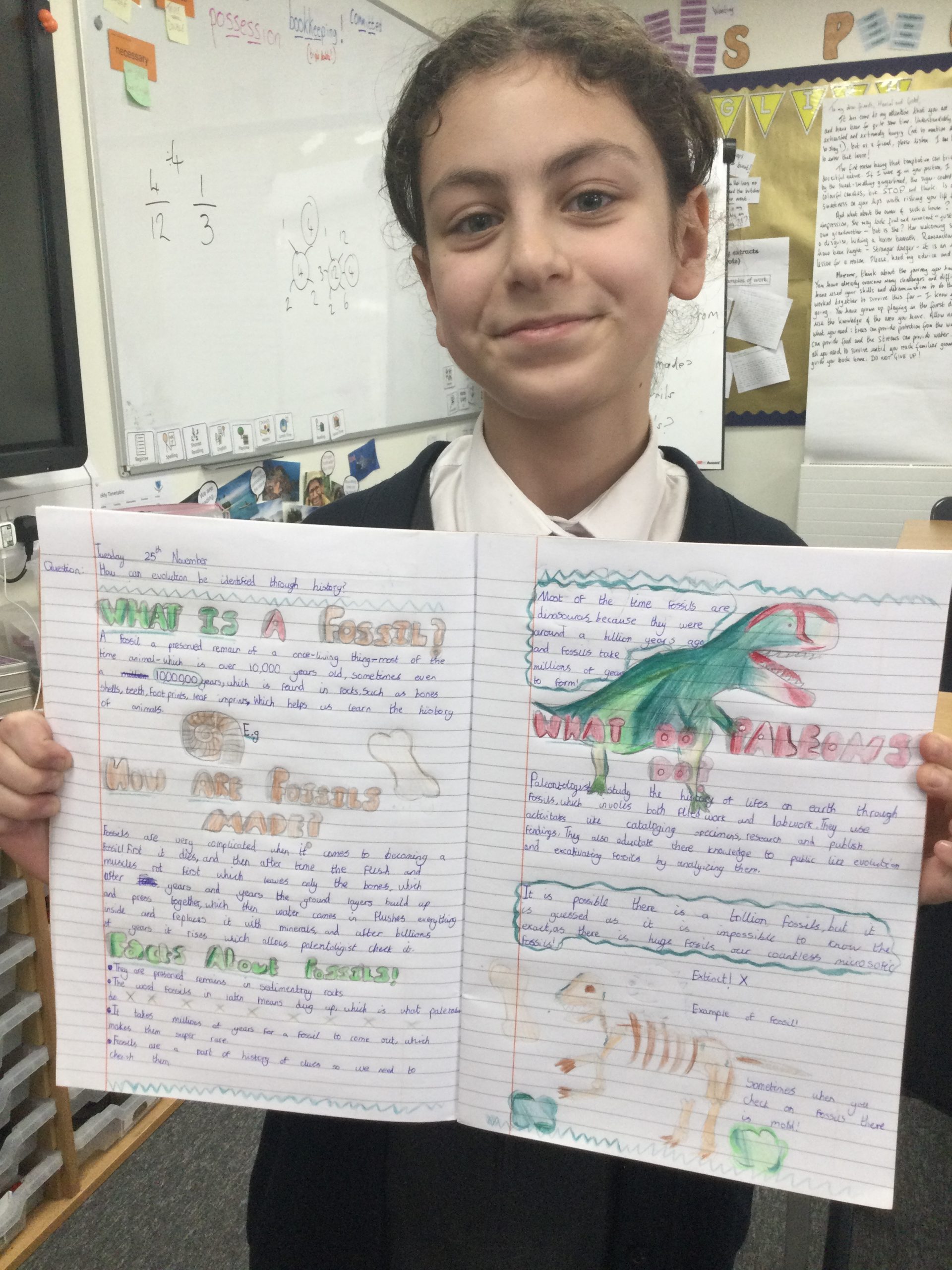
What a stunning piece of work in Science today – finding out all about fossils.
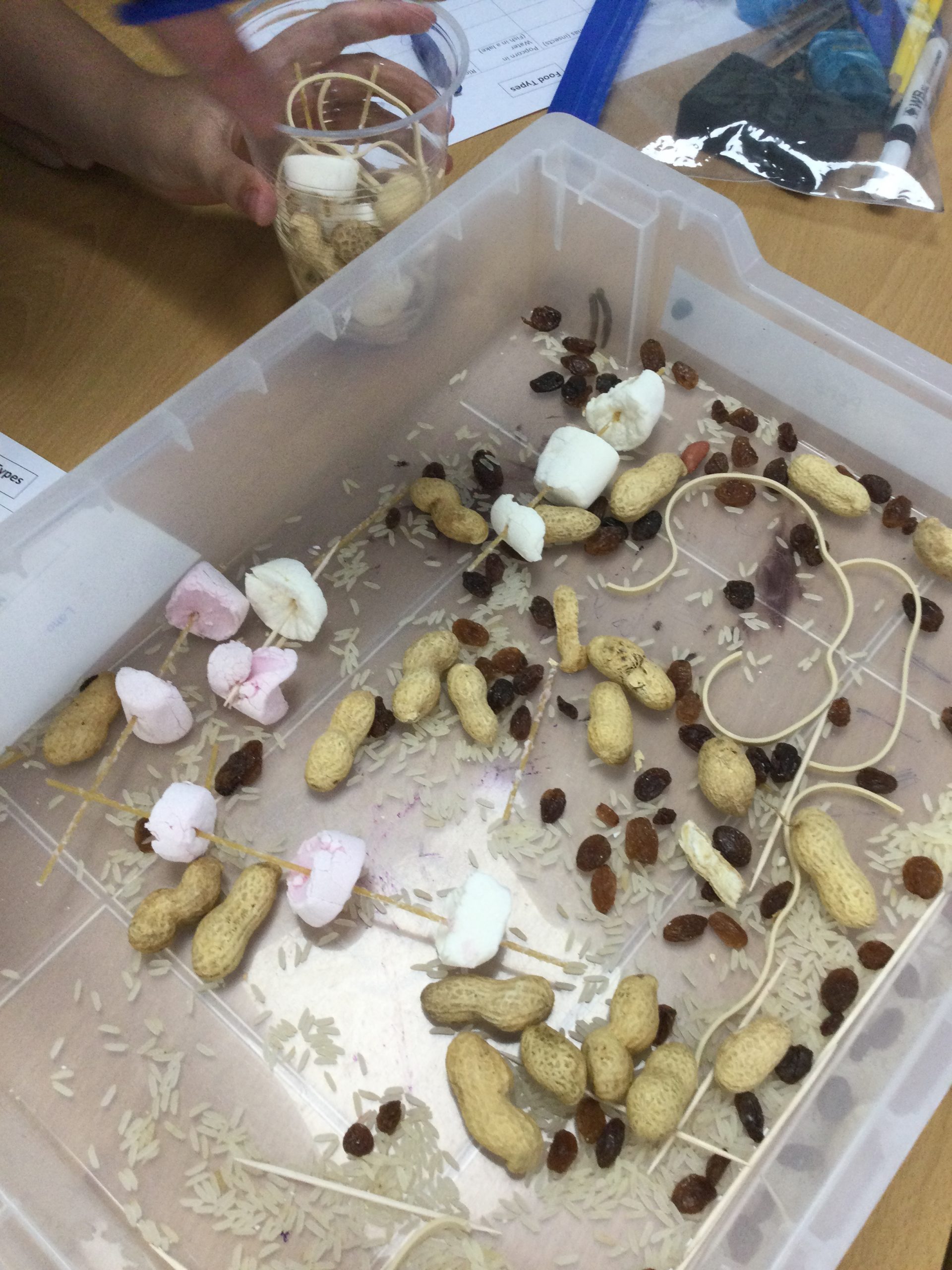
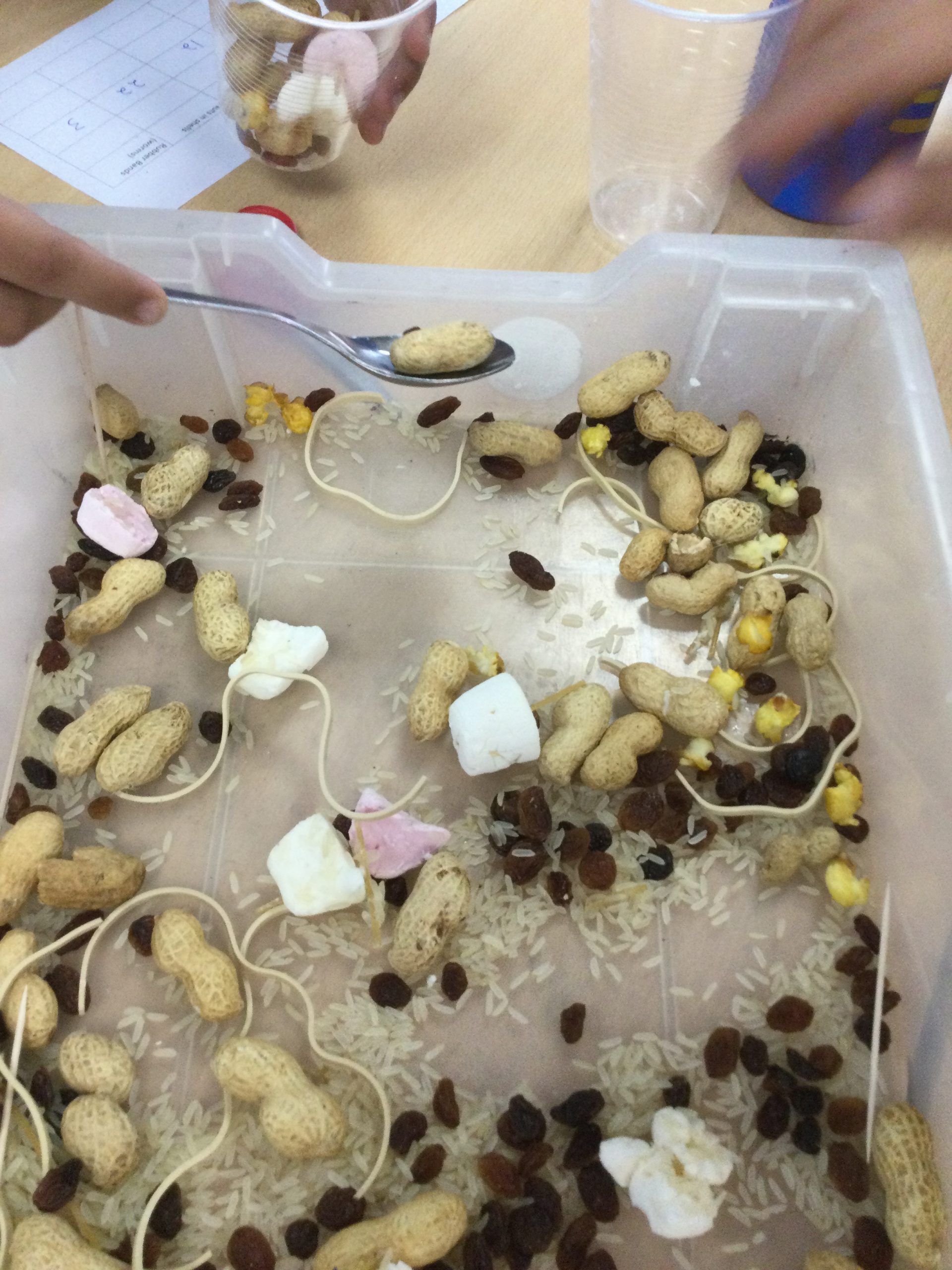
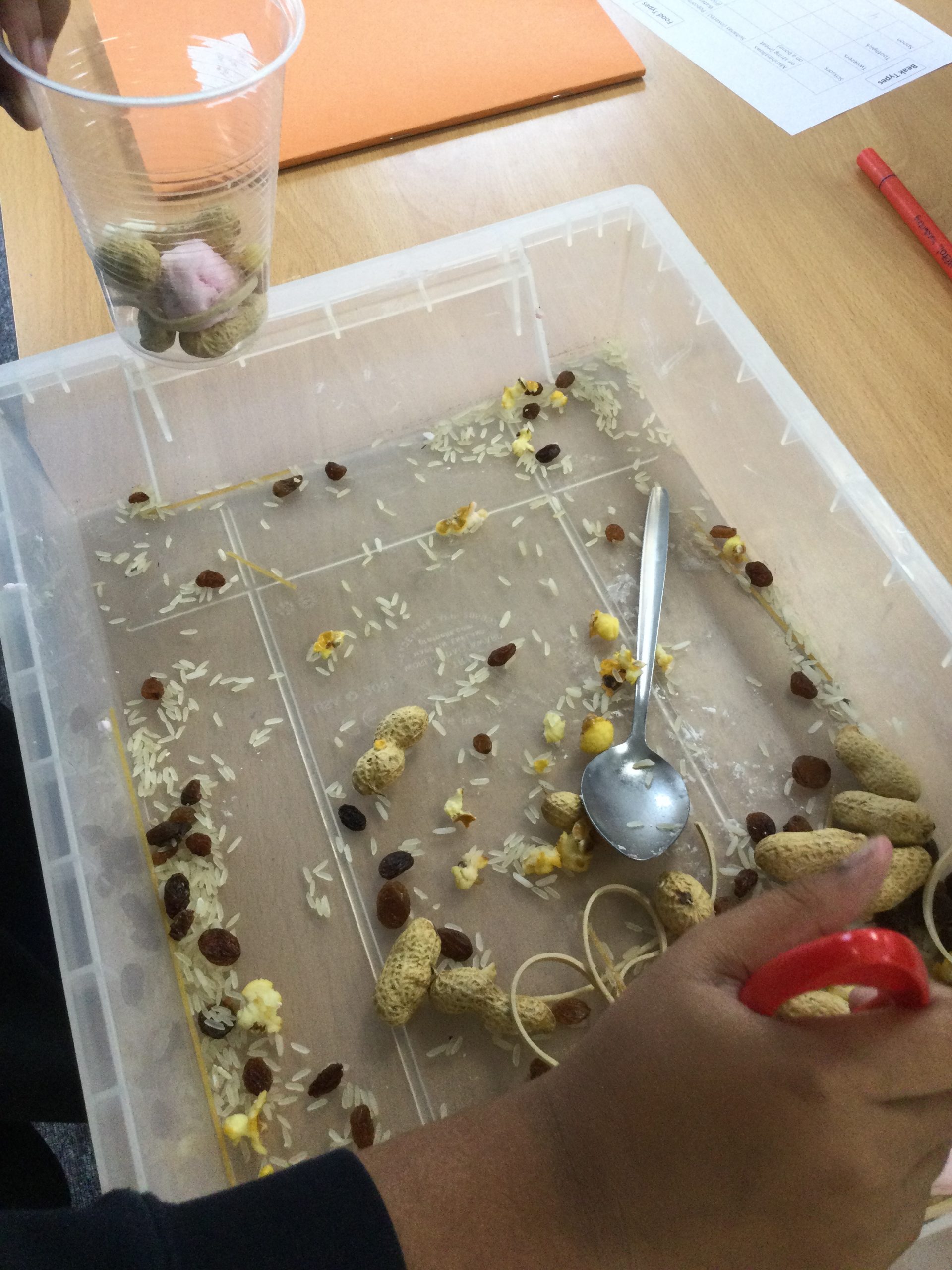
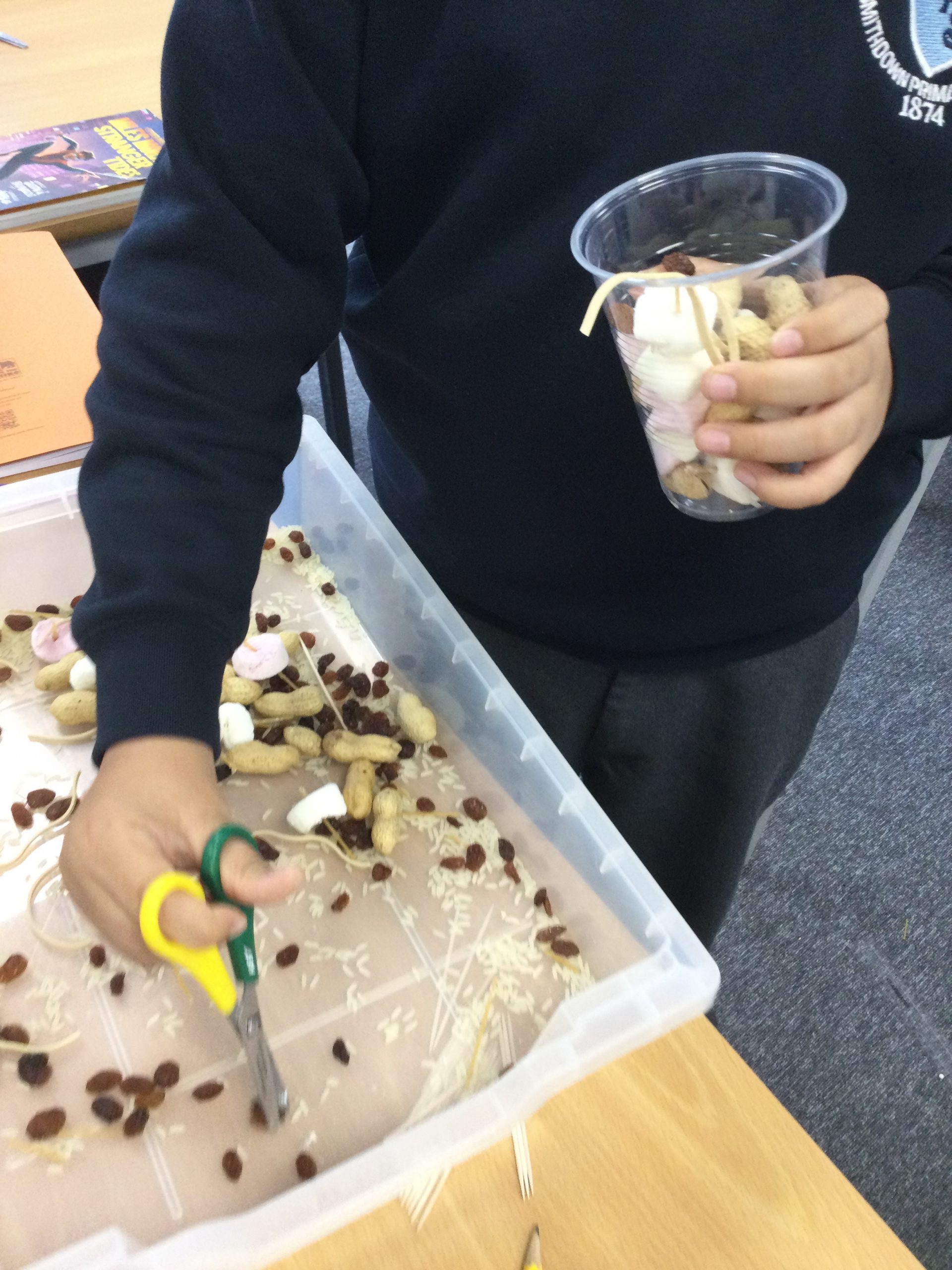
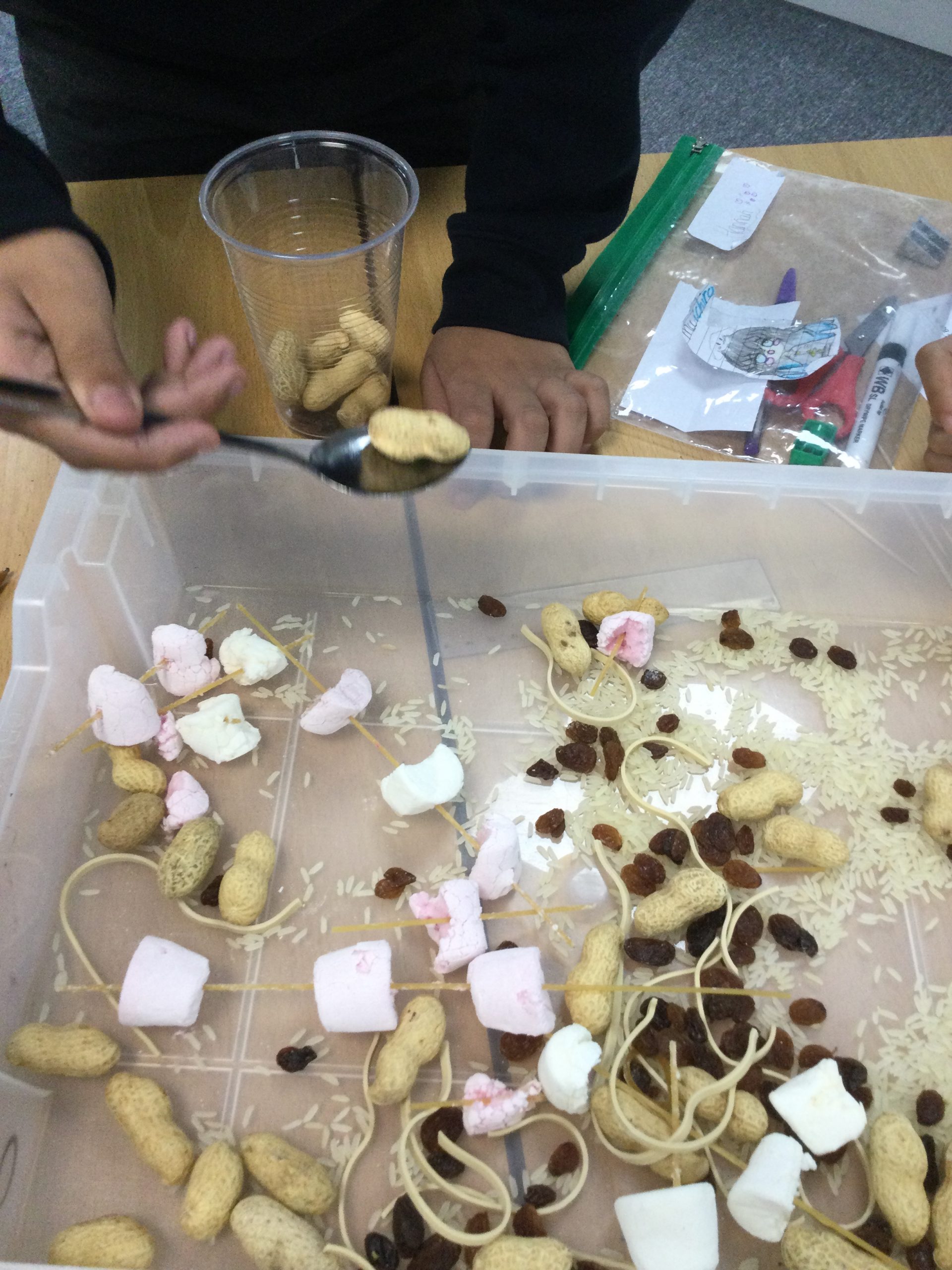
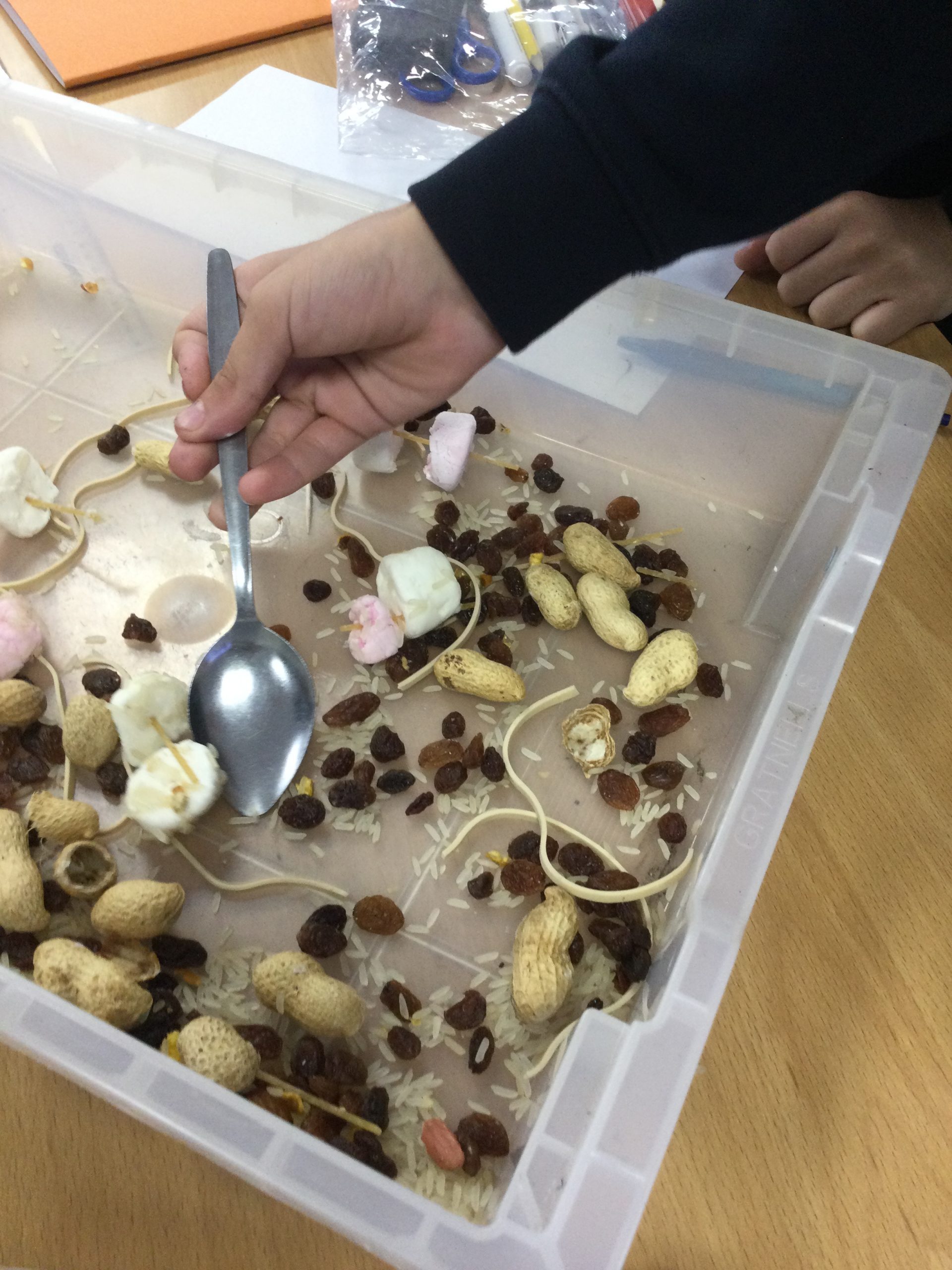
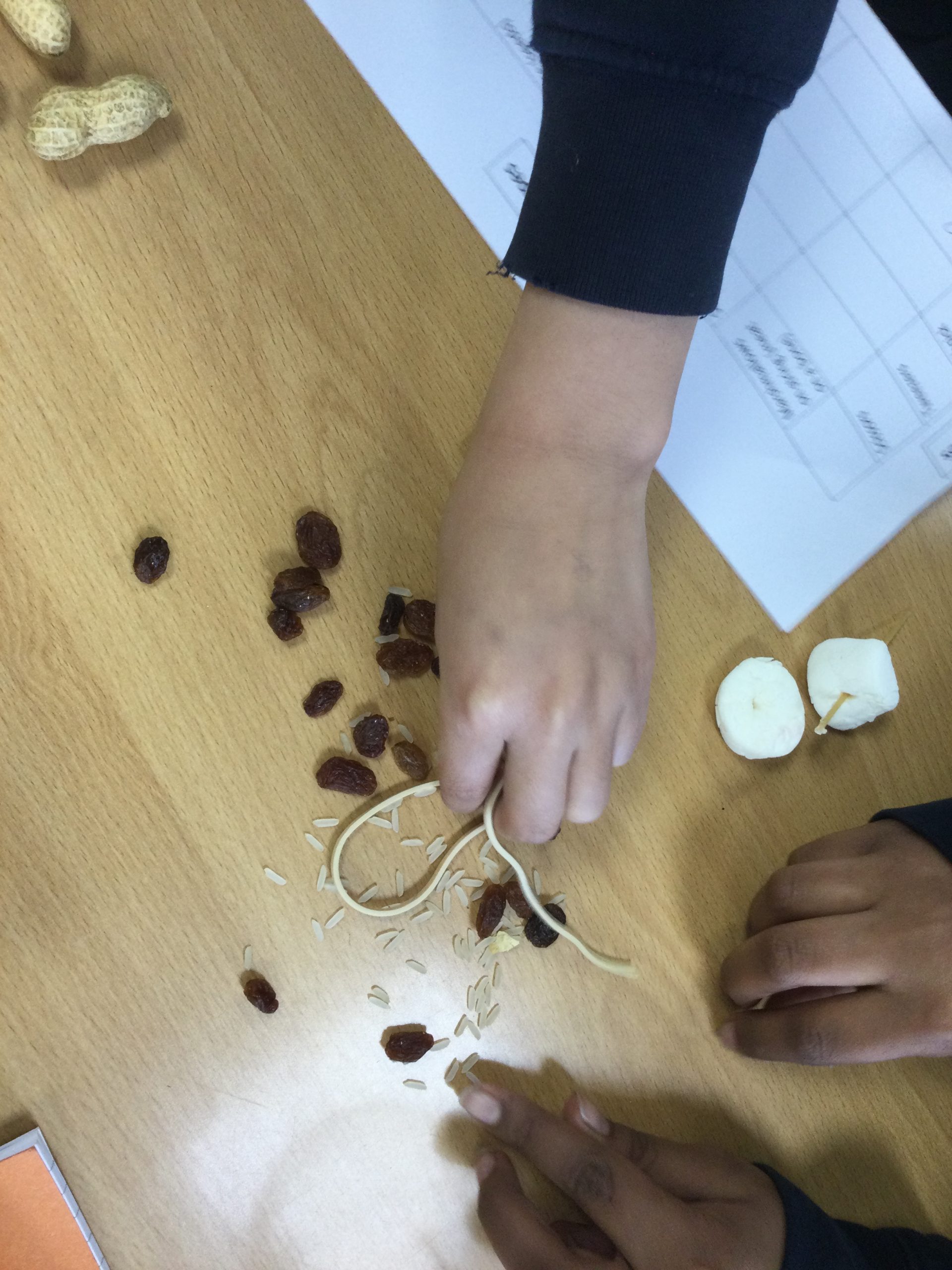
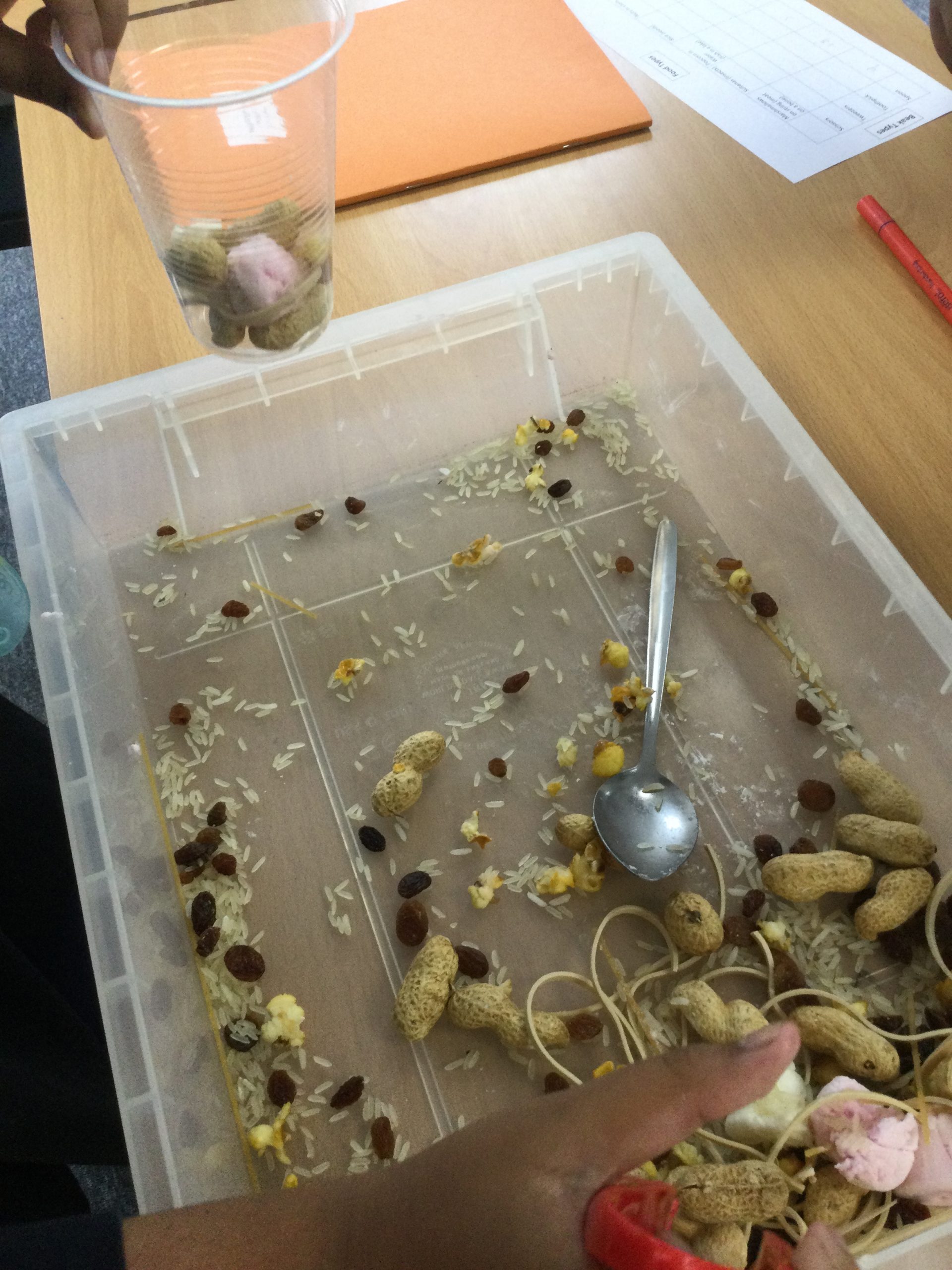
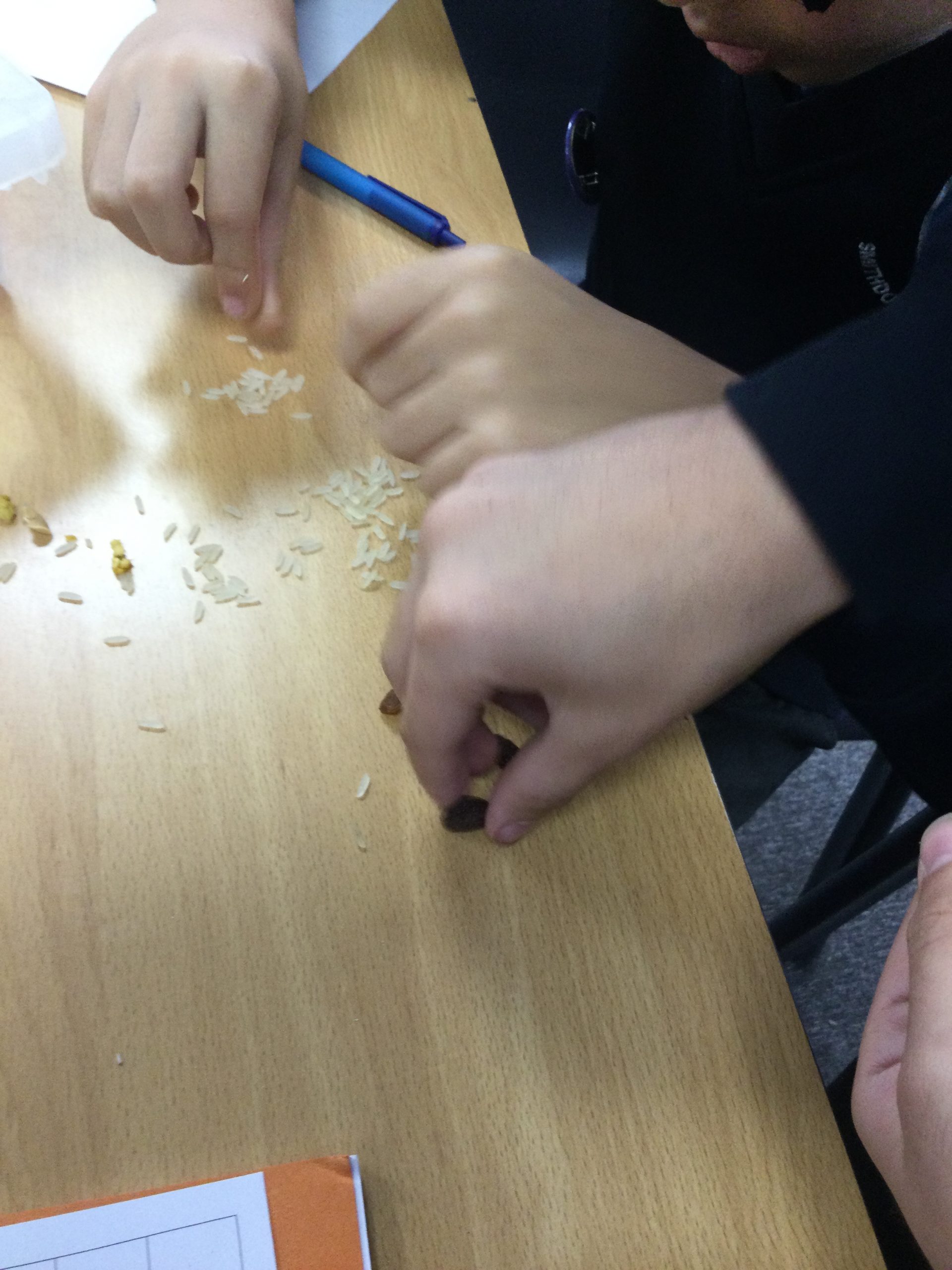
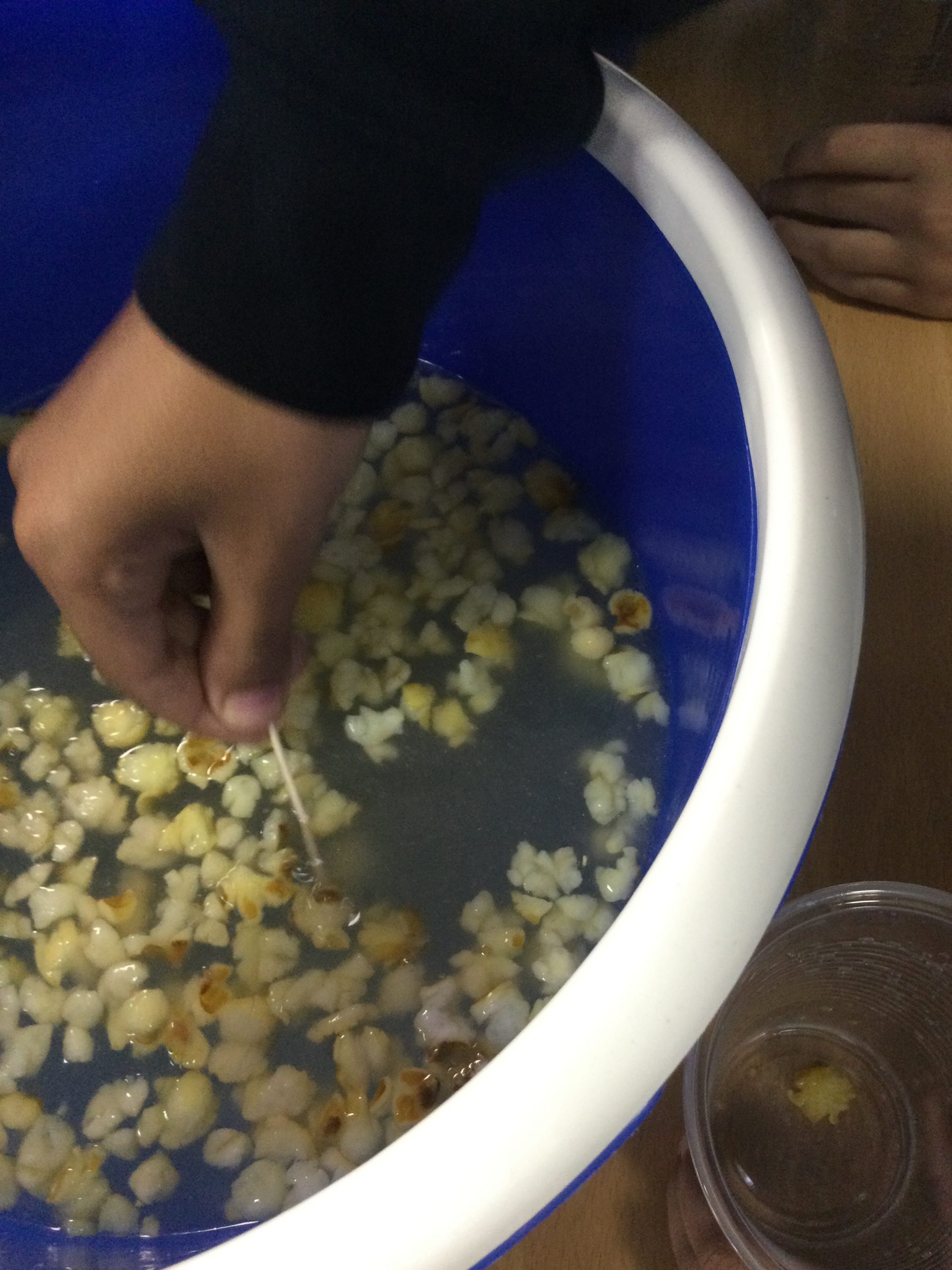
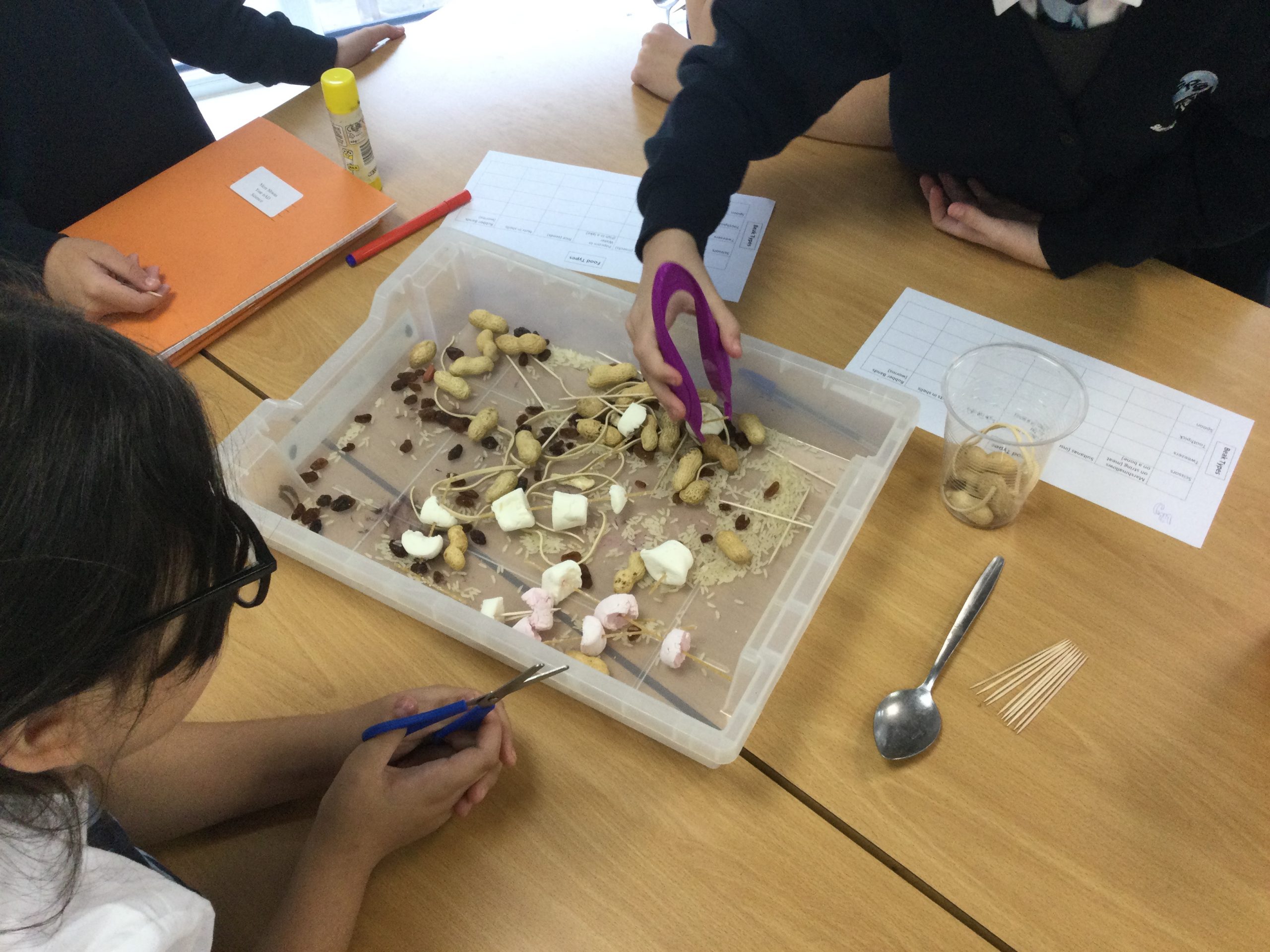
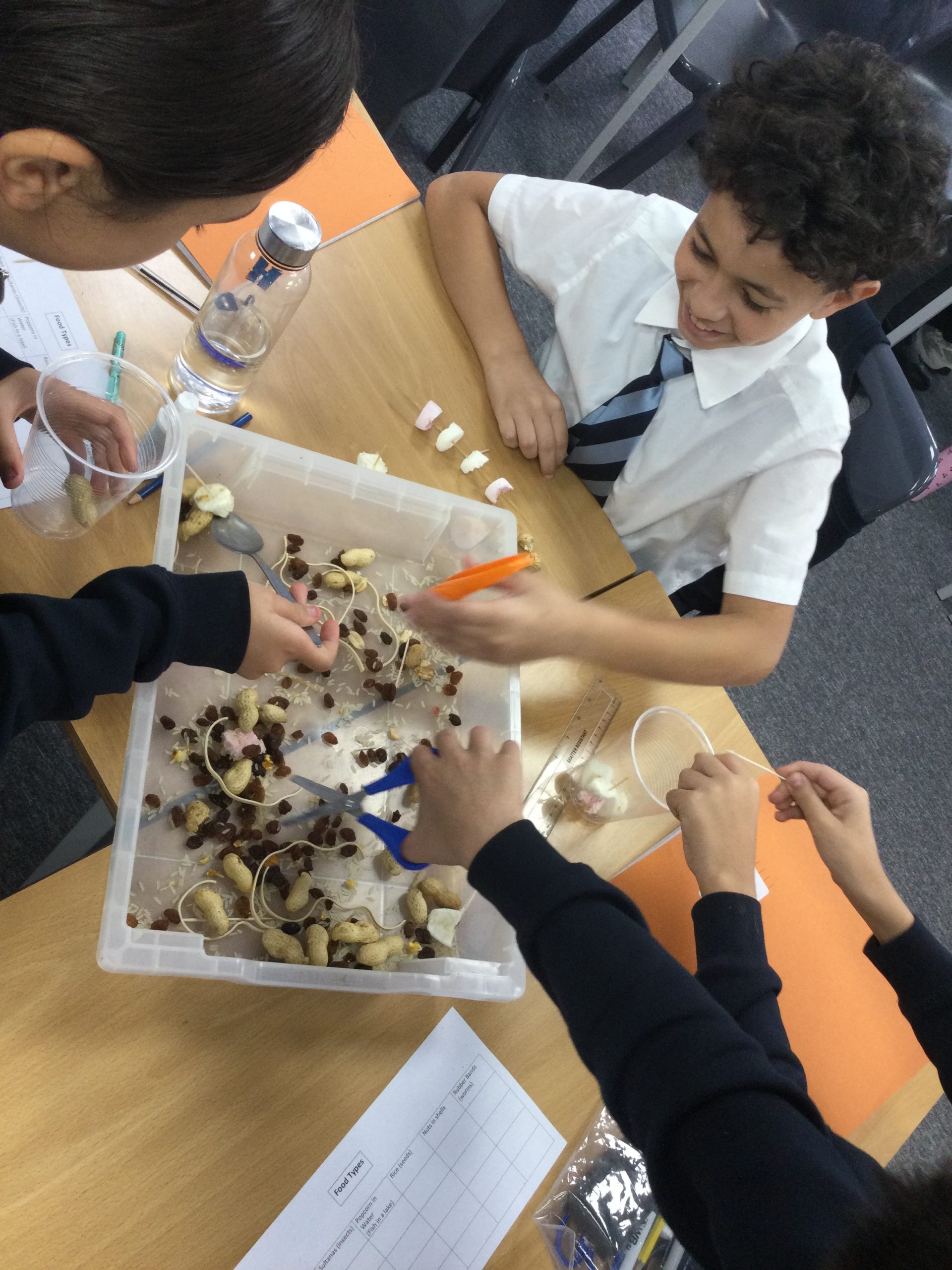
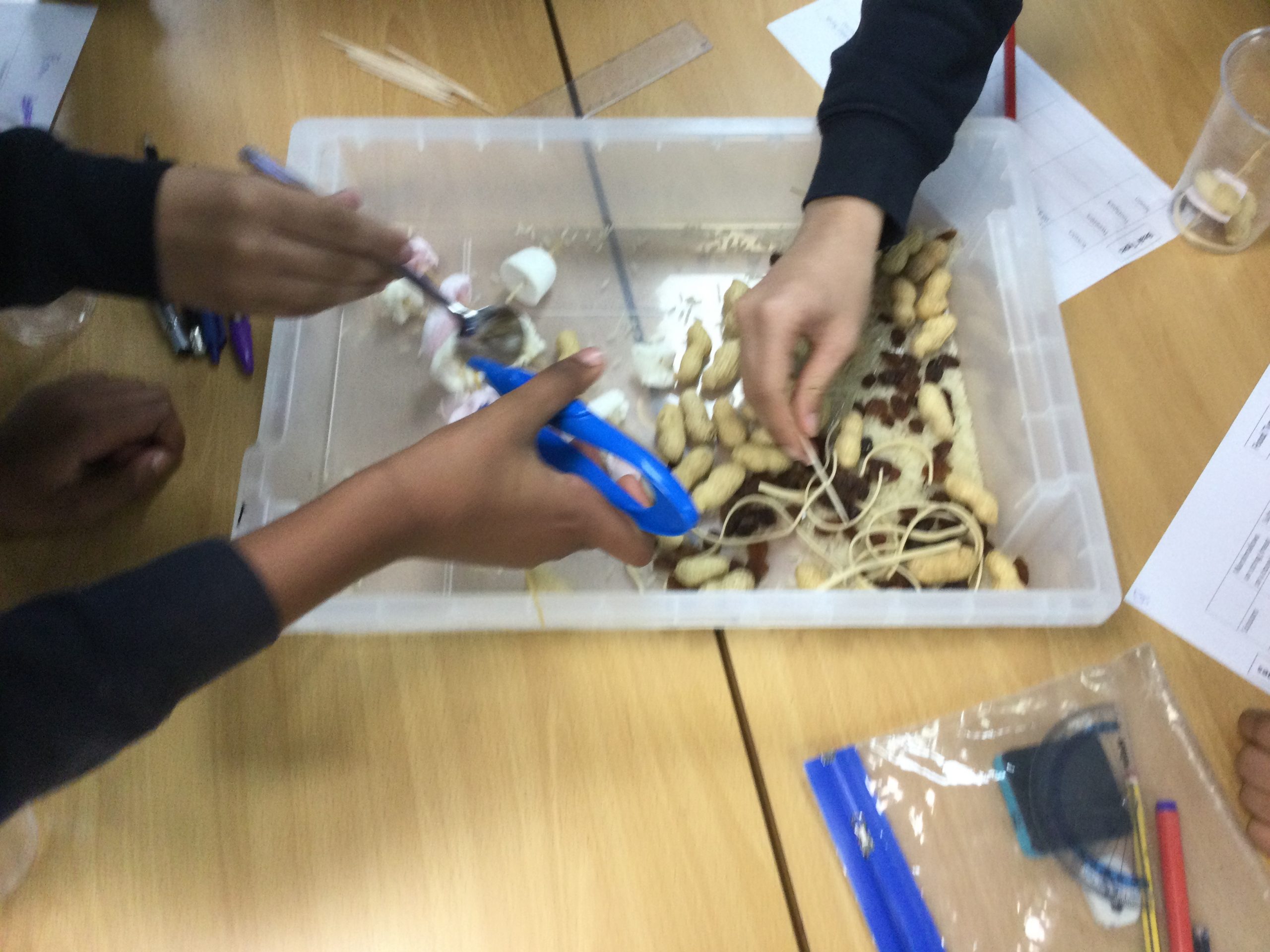
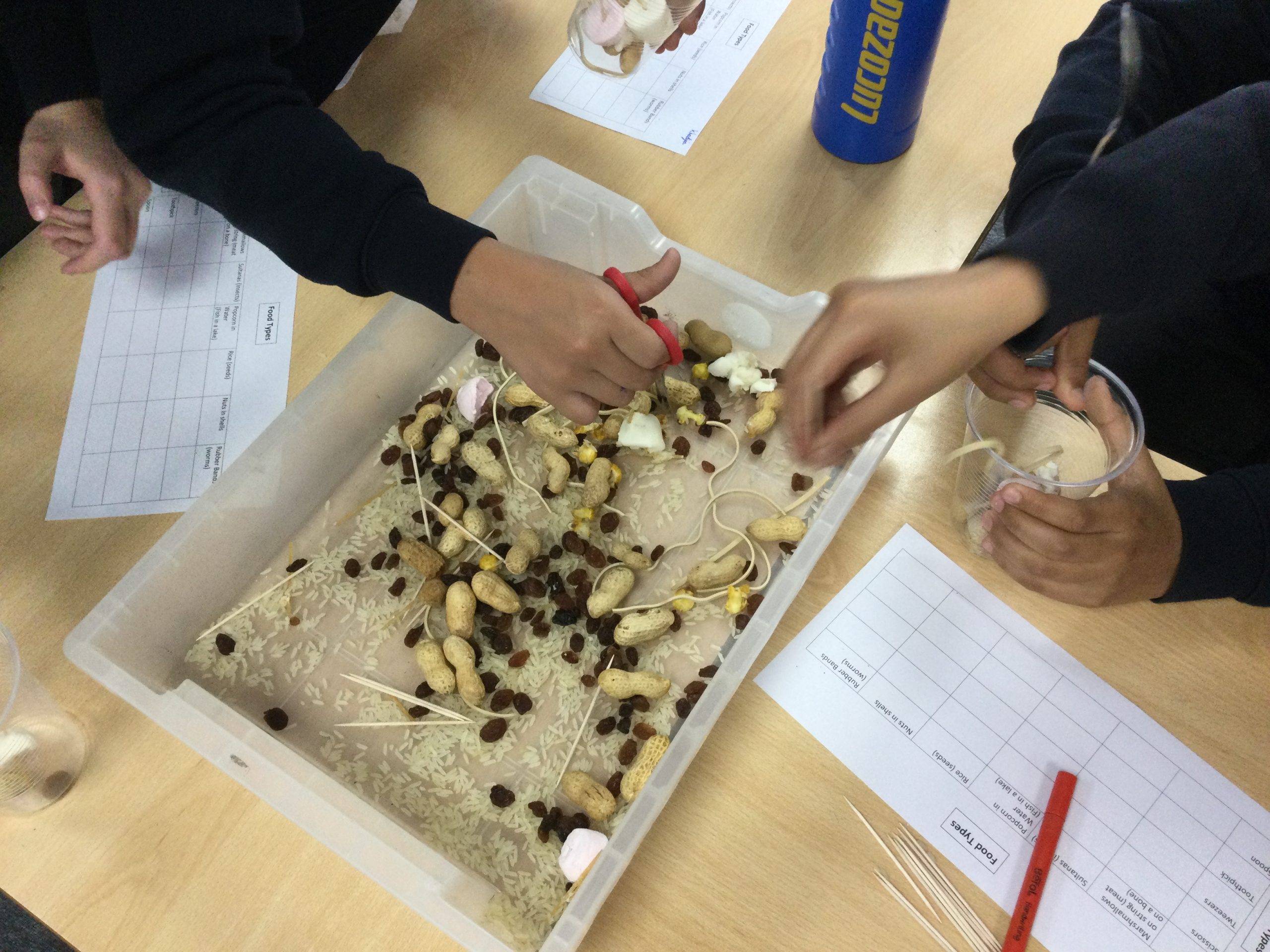
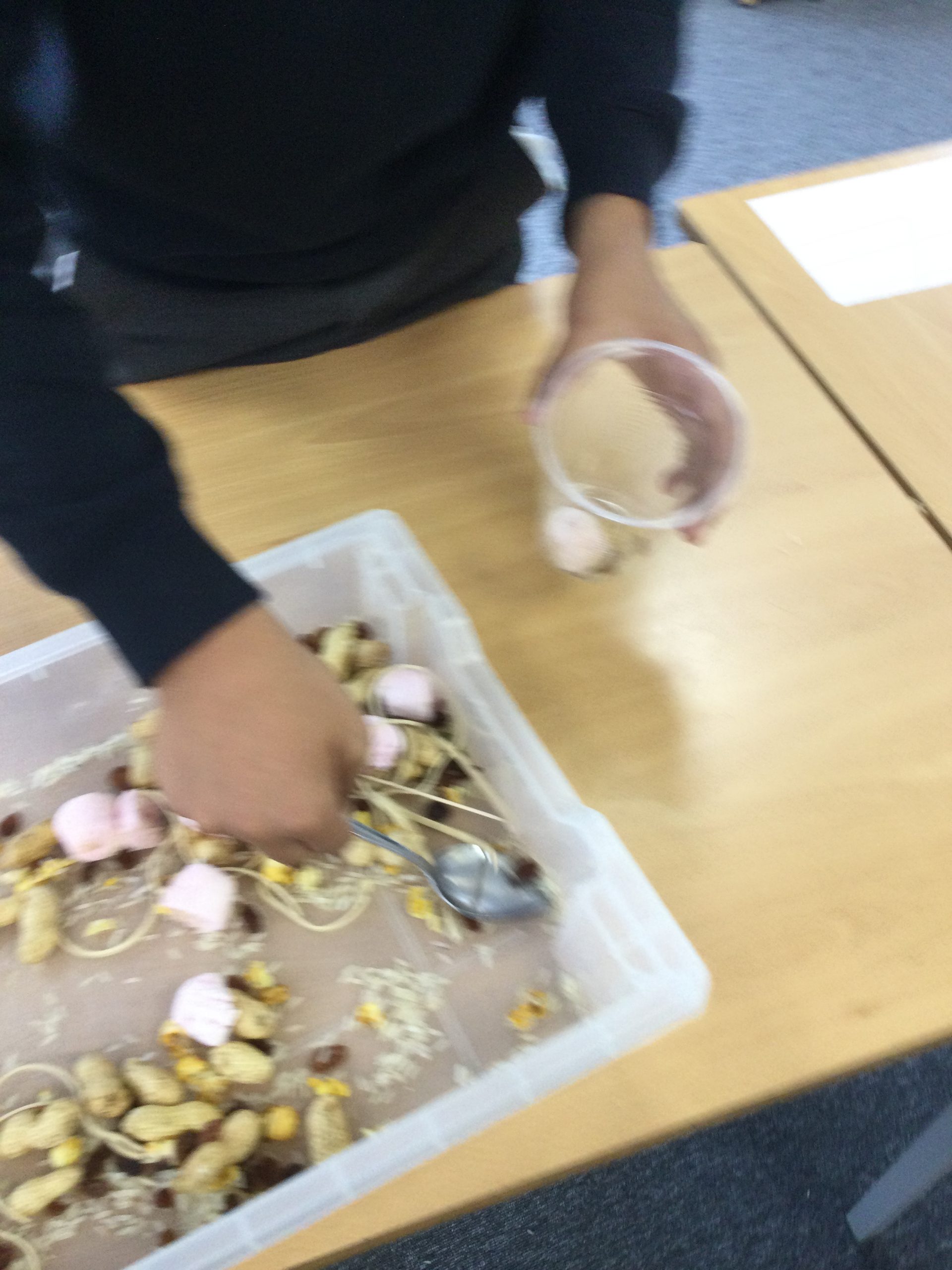
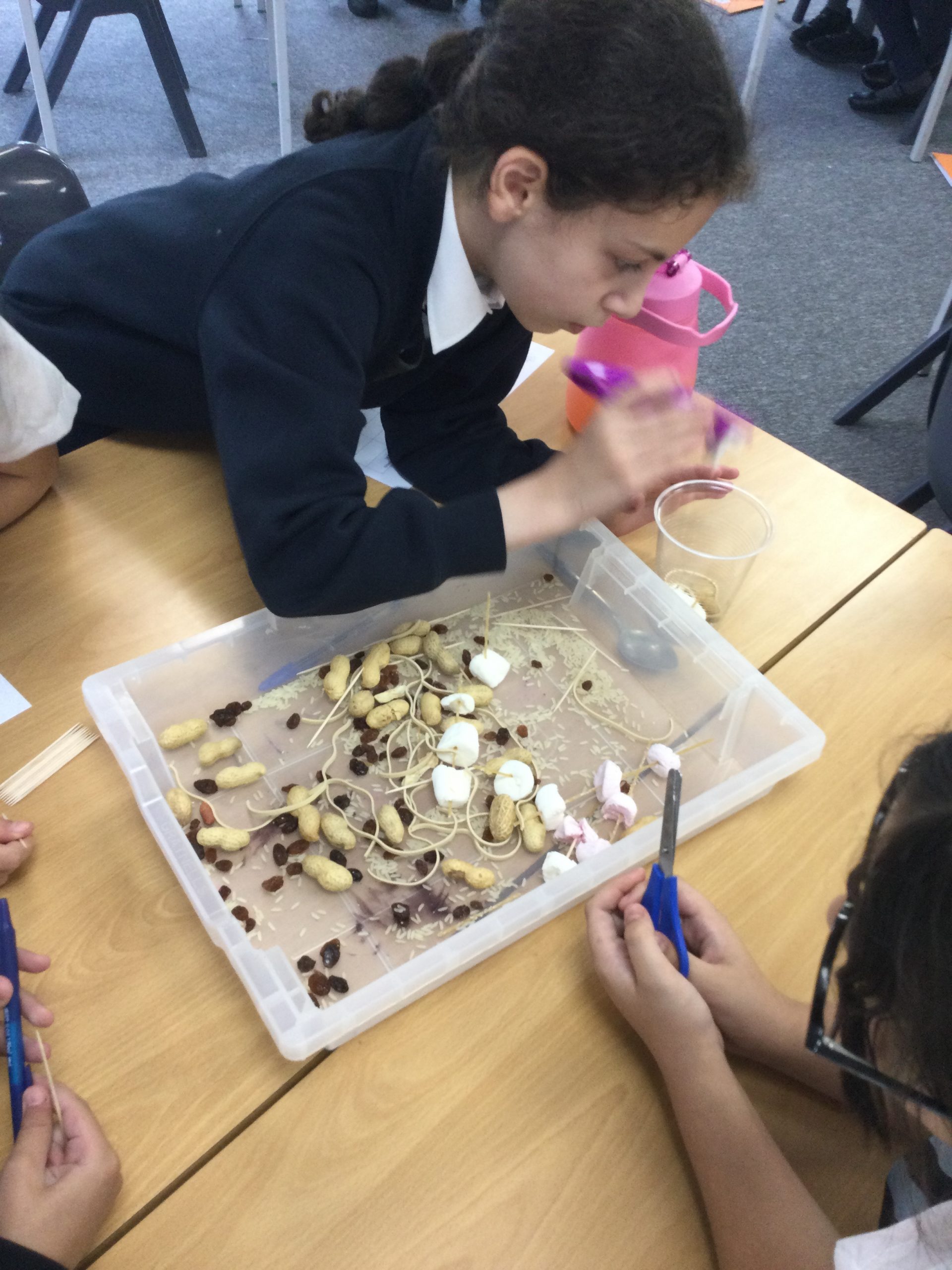
We investigated which type of beak we the best at picking up different food sources in science today.Our
’food sources’ represented were: insects, berries, seeds, worms, fish and meat on a bone. The next step is to look at our results and draw a conclusion about how successful (or not) each beak type was.
Today we released our classroom butterflies. We have loved watching them grow from caterpillars and learning about how they become butterflies in their cocoons.
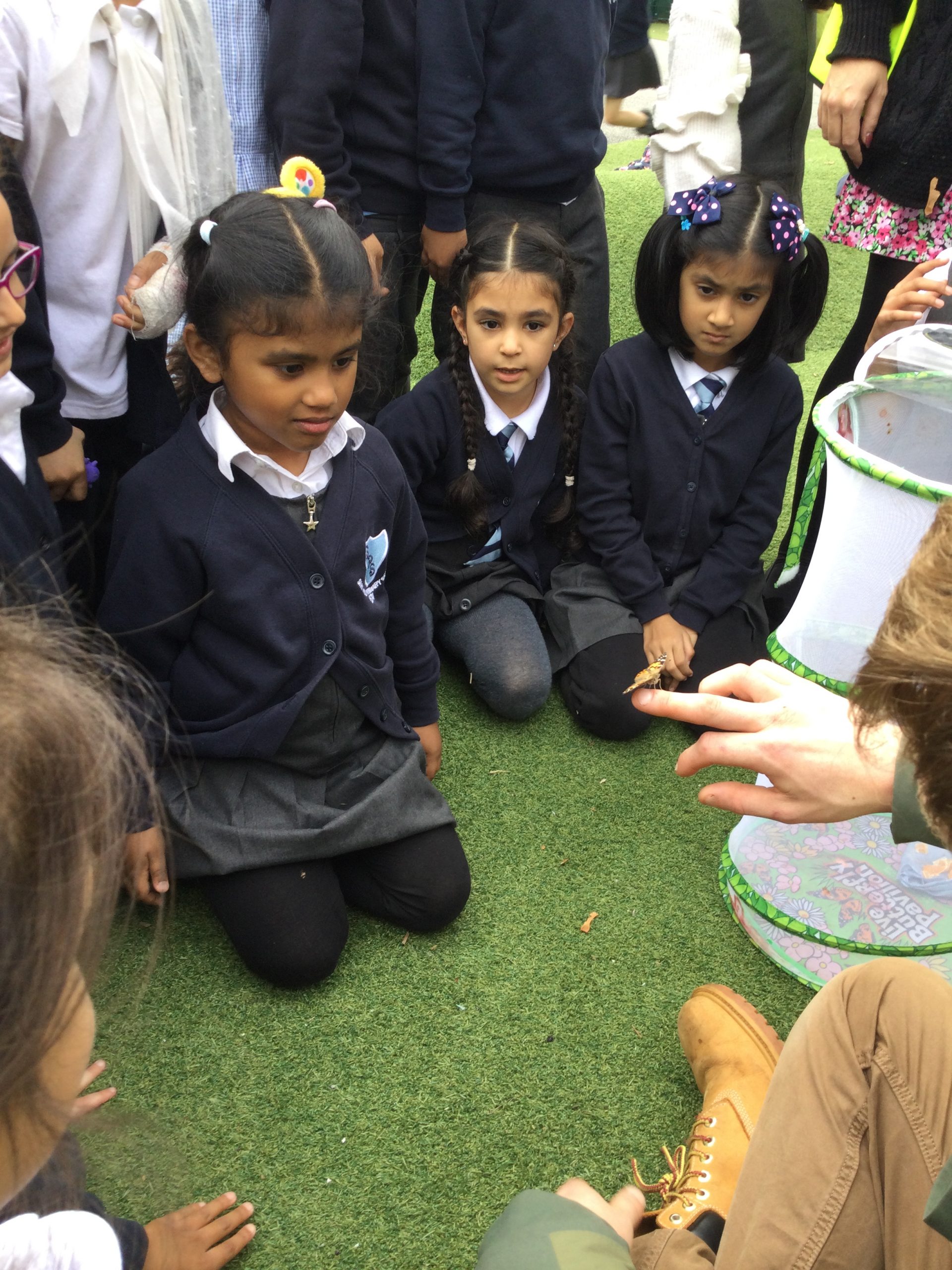
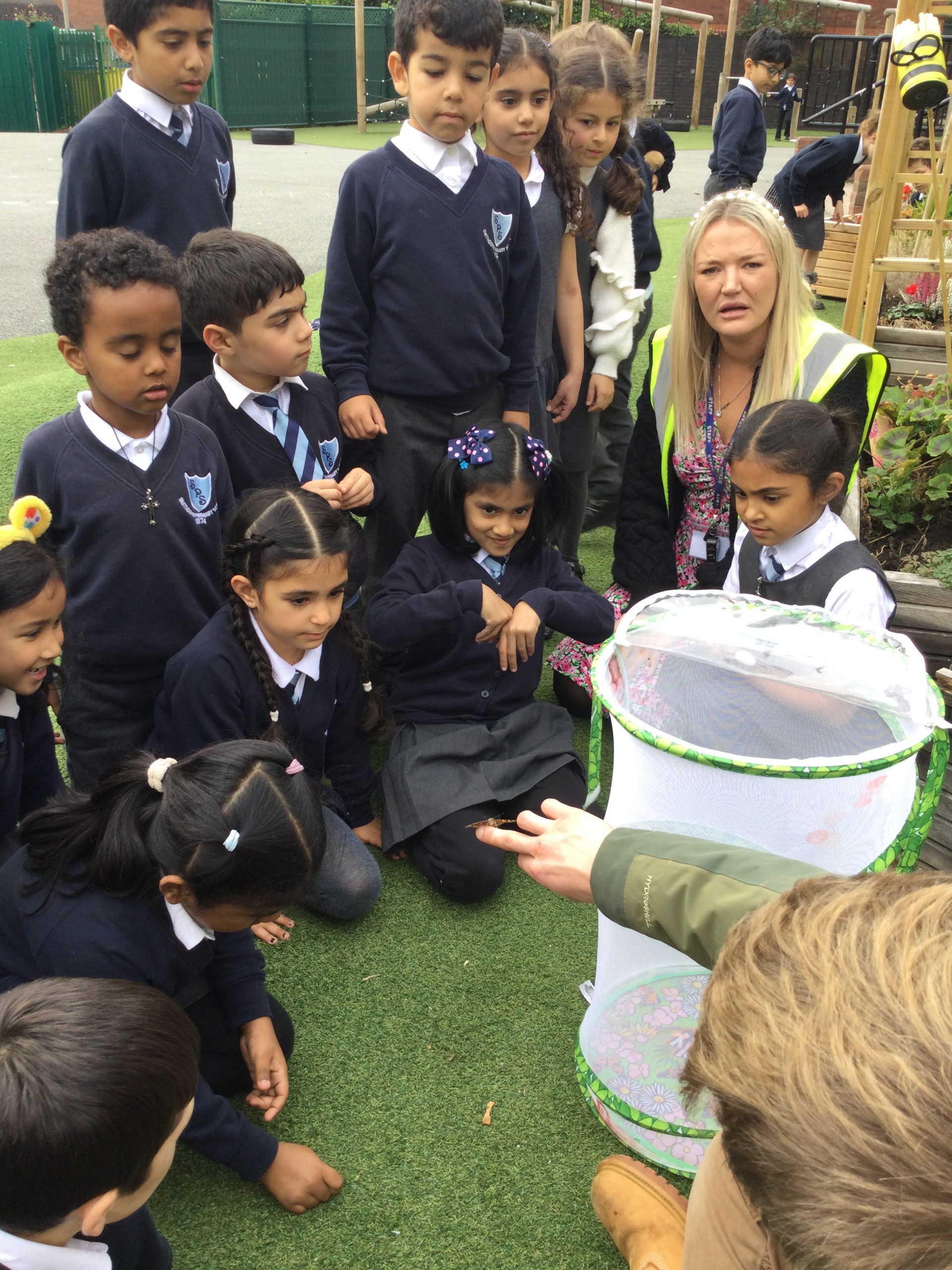
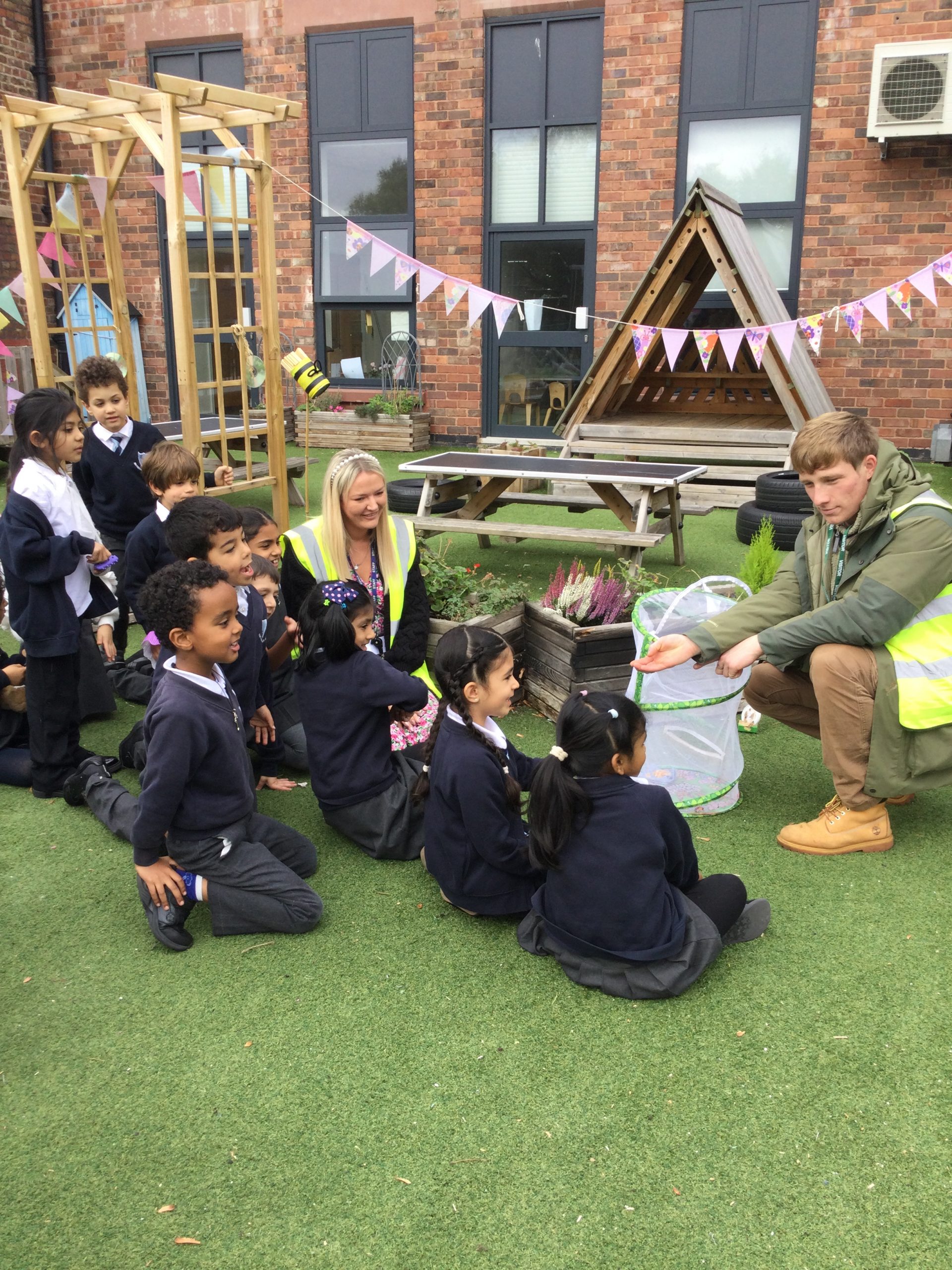
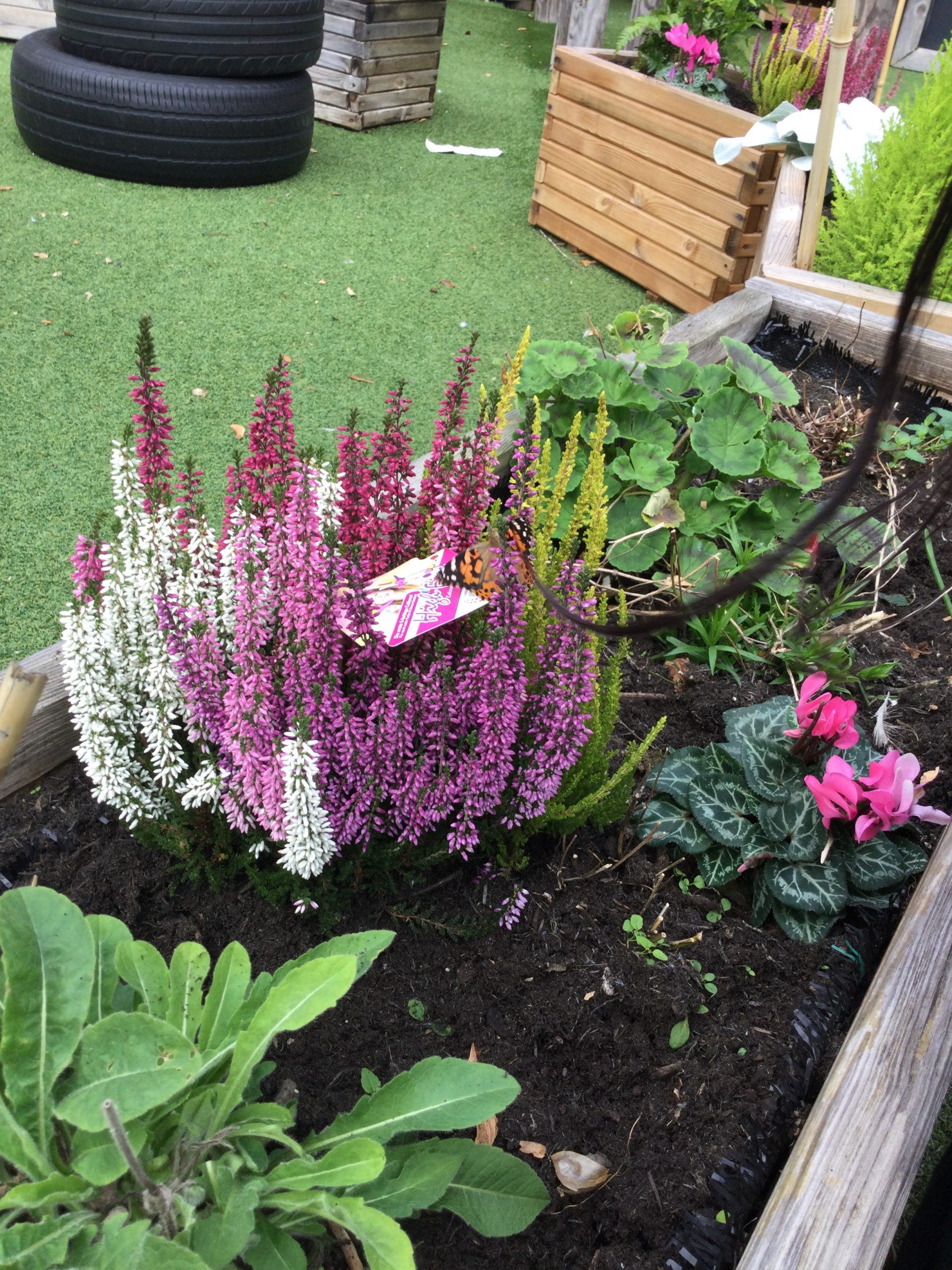
We think our sketches are perfectly matched to our ‘comicography’work we completed yesterday!
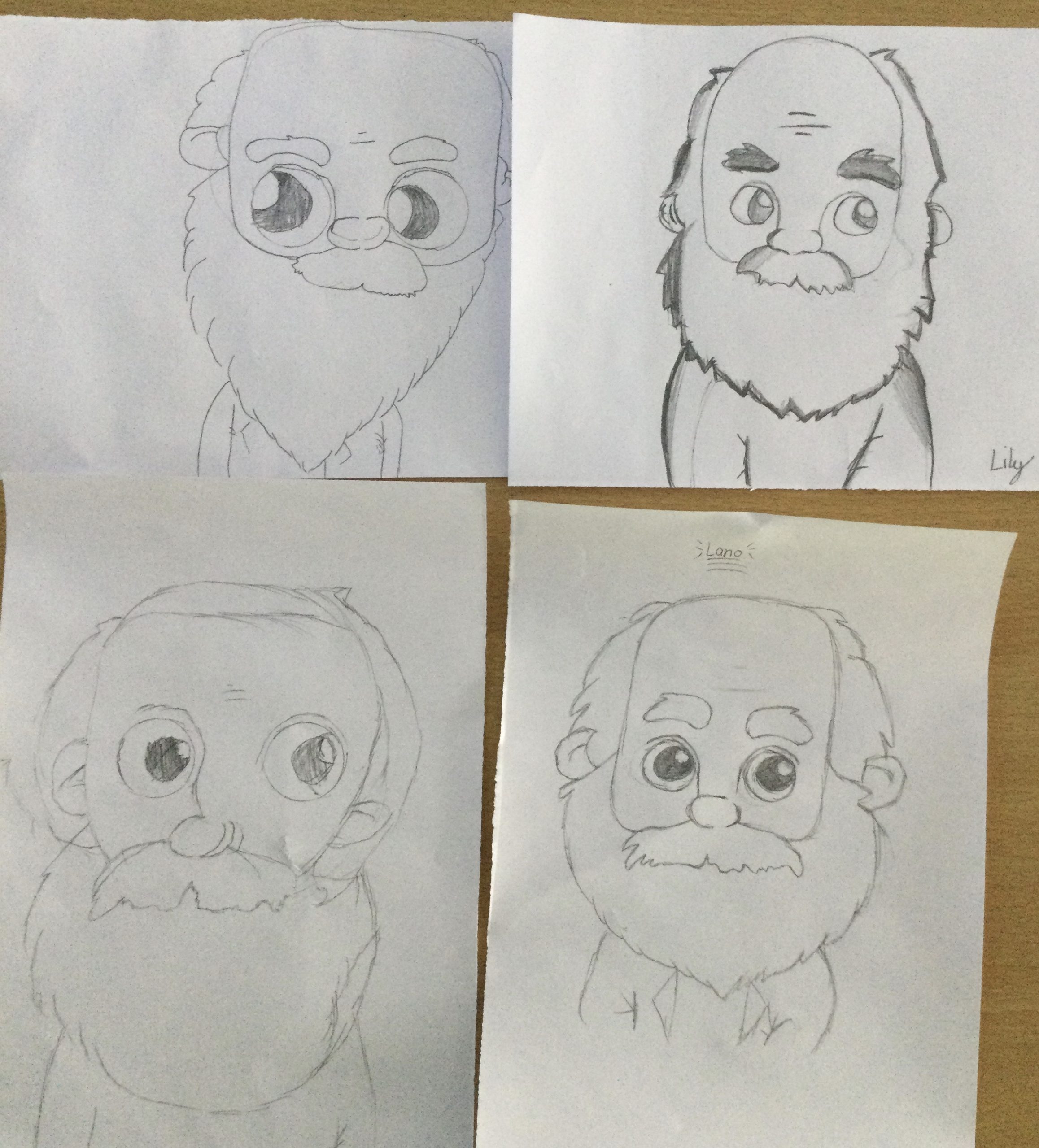
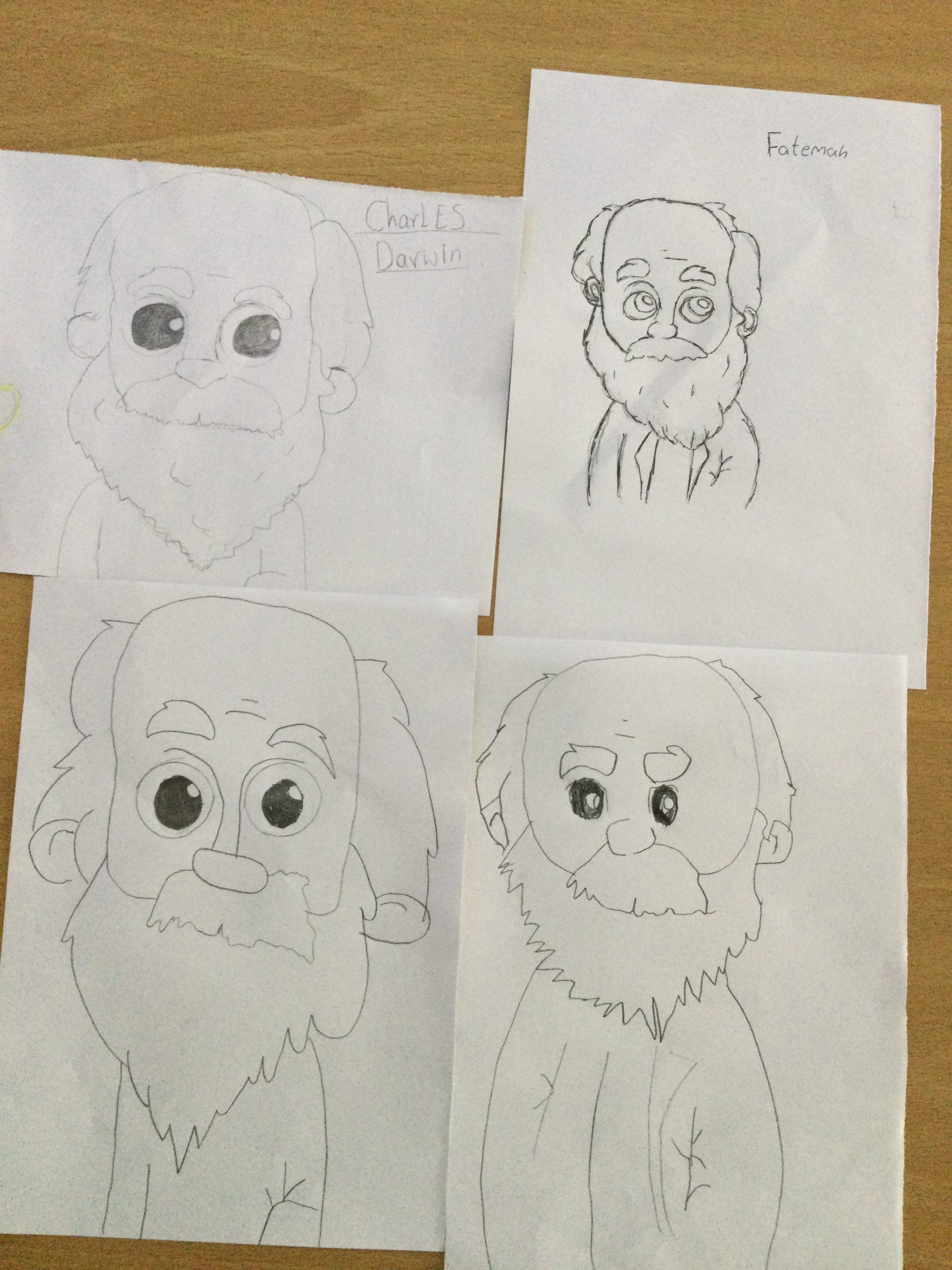
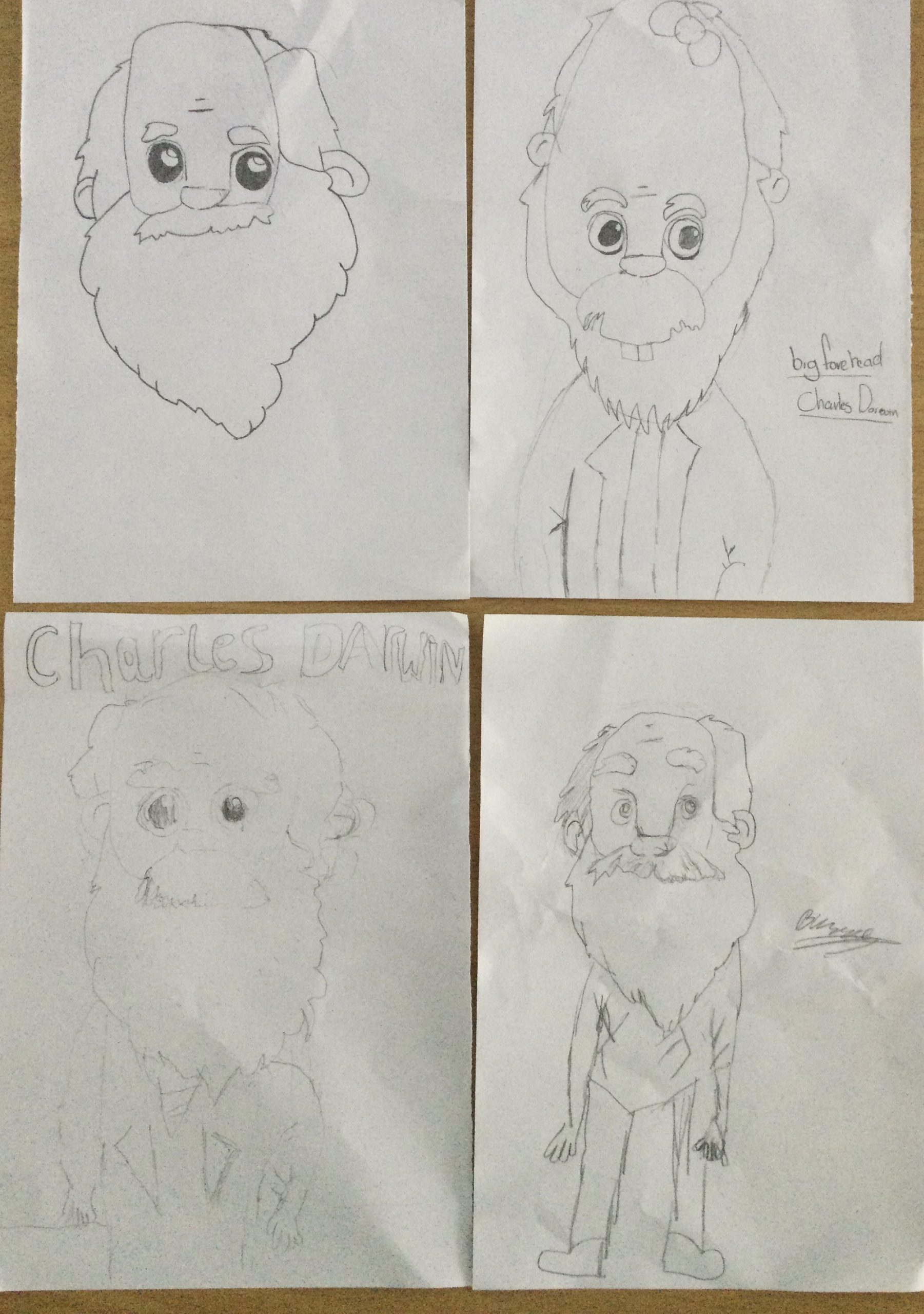
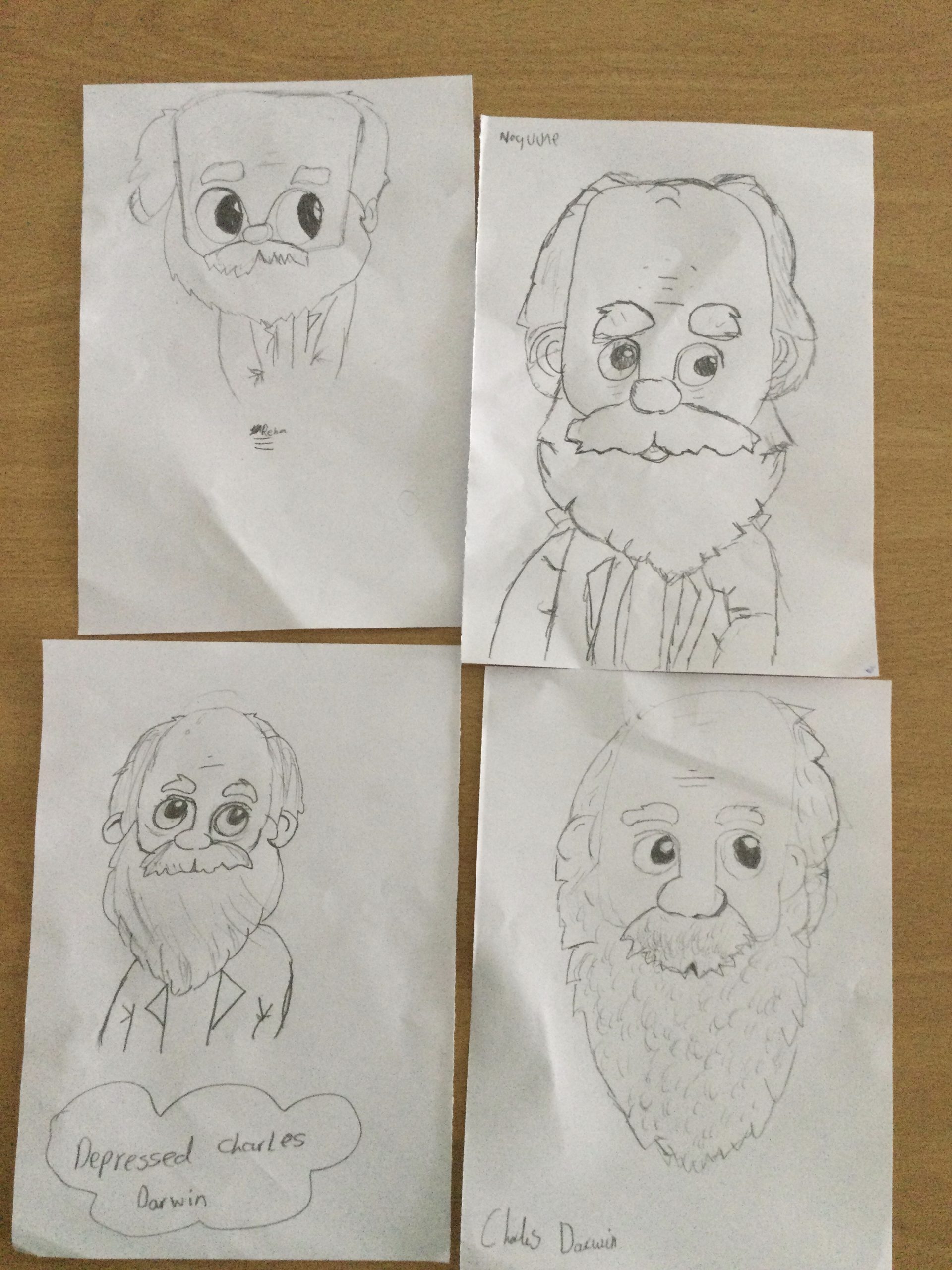
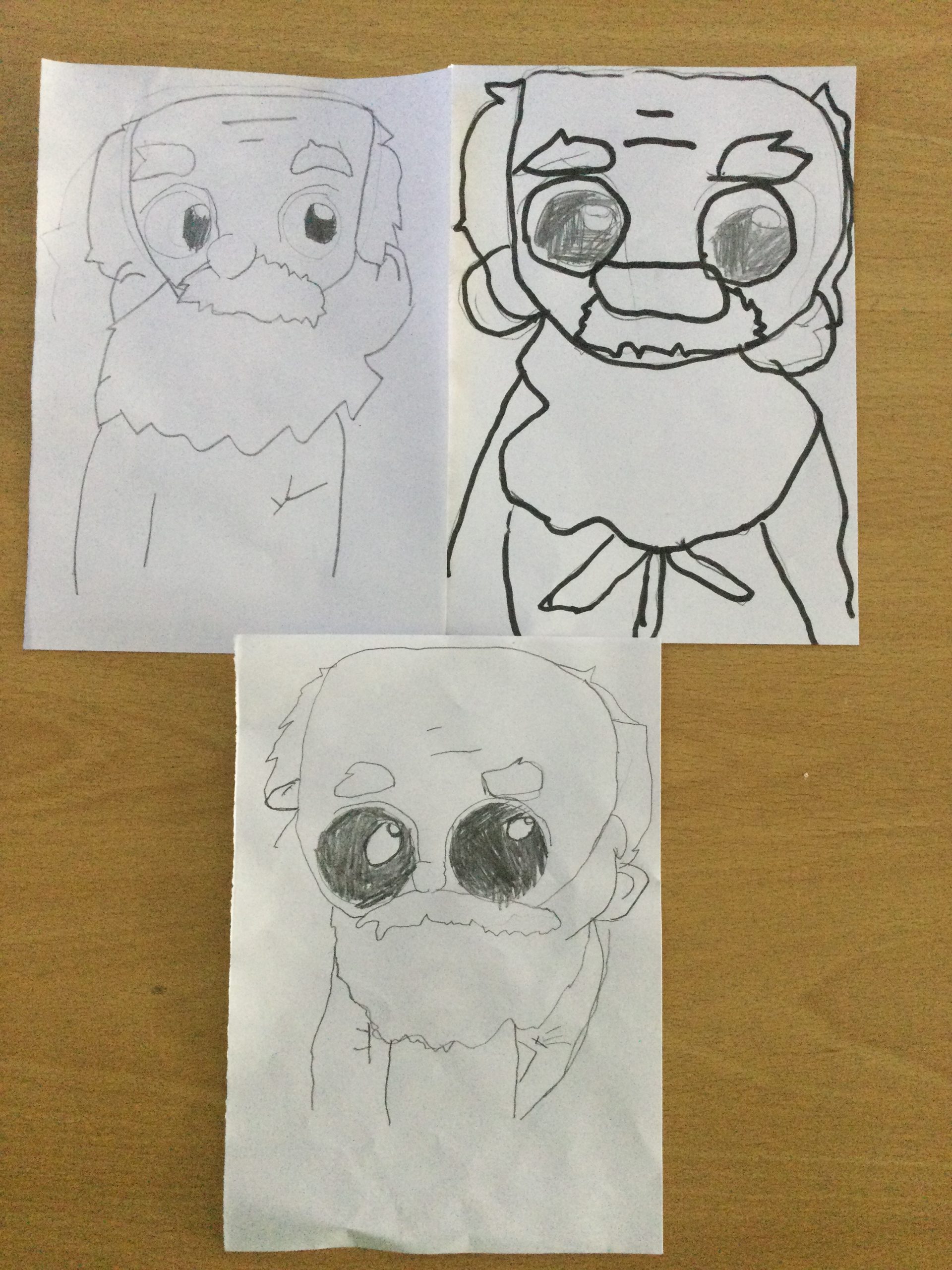
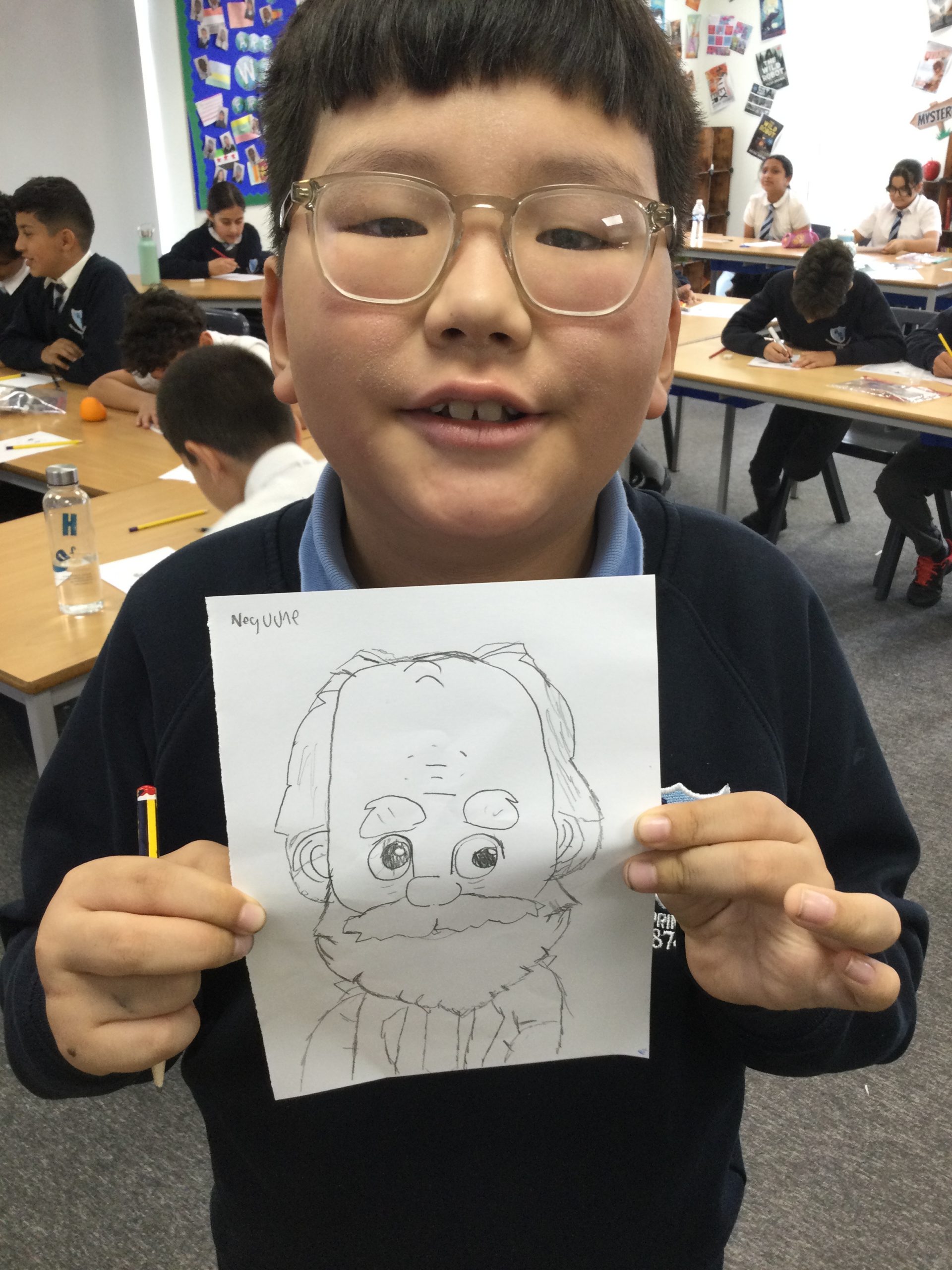
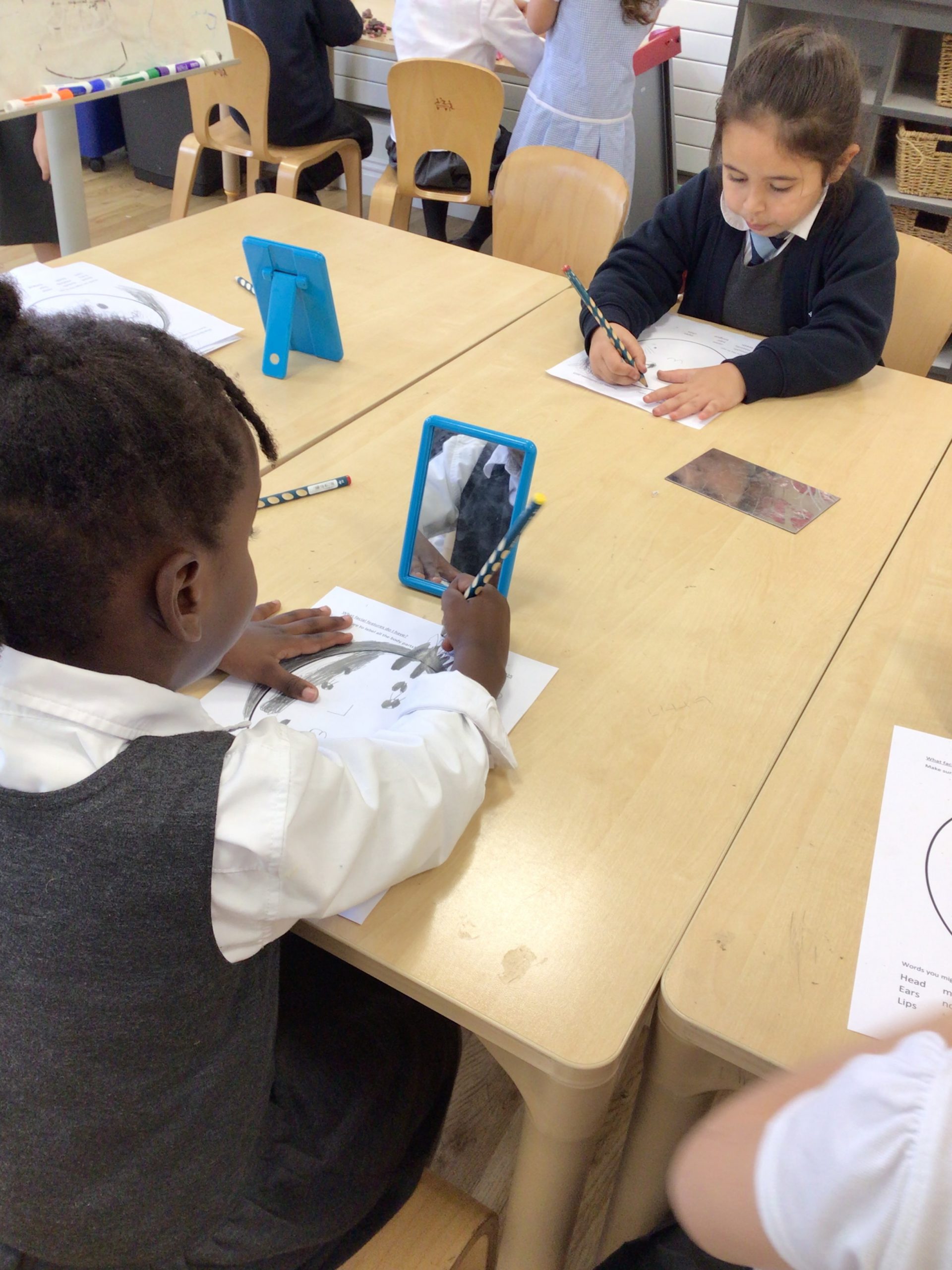
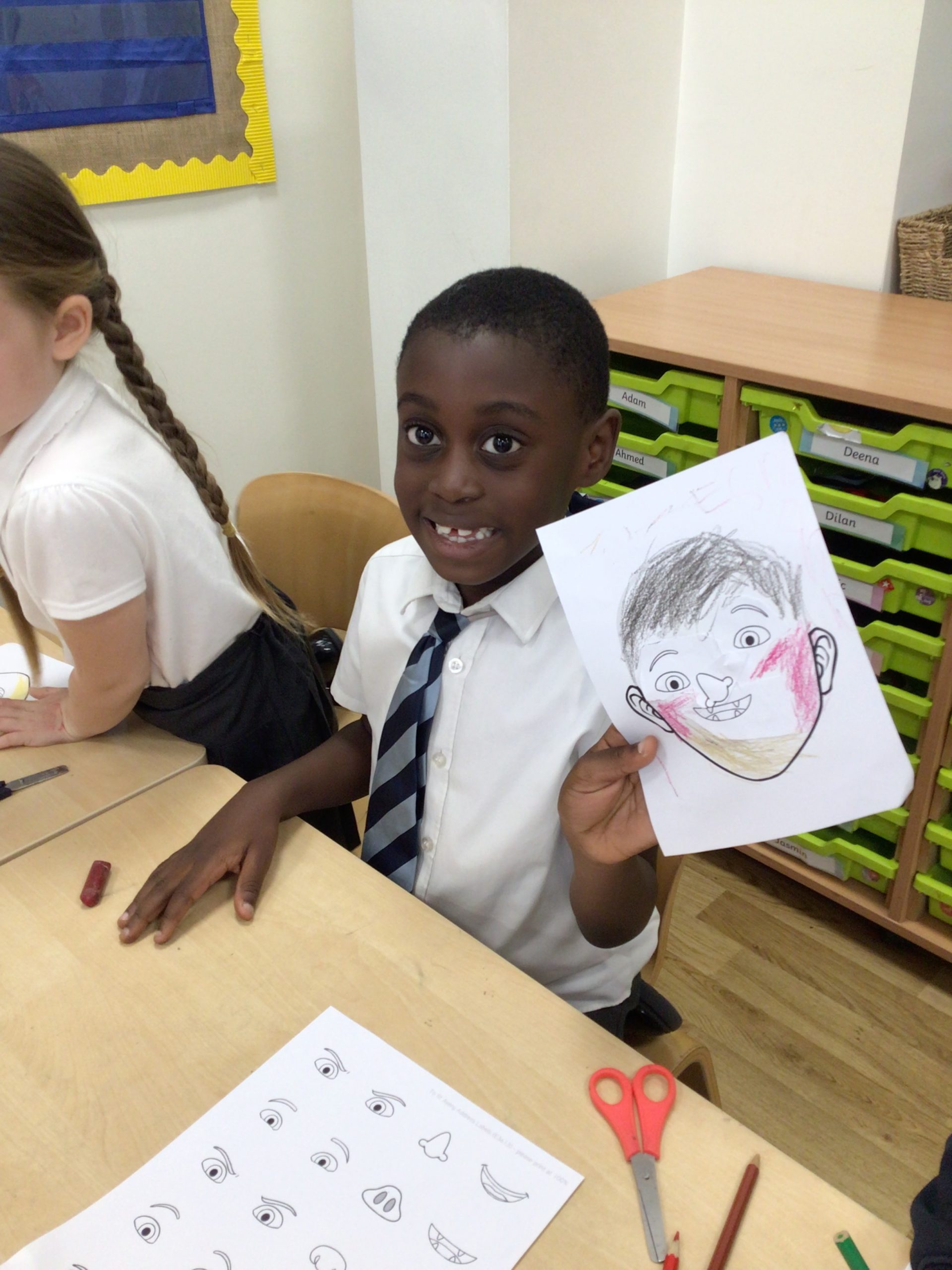
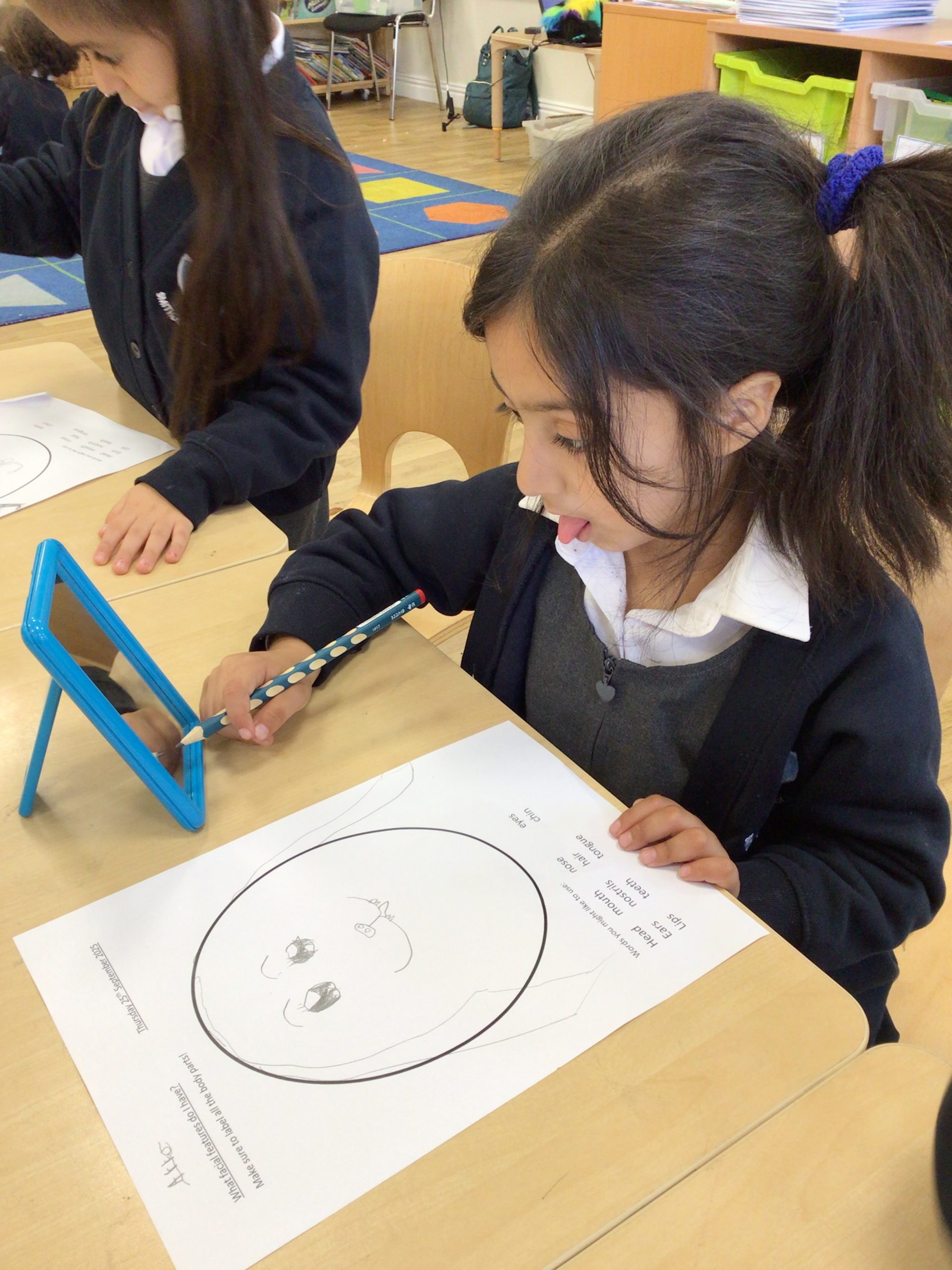
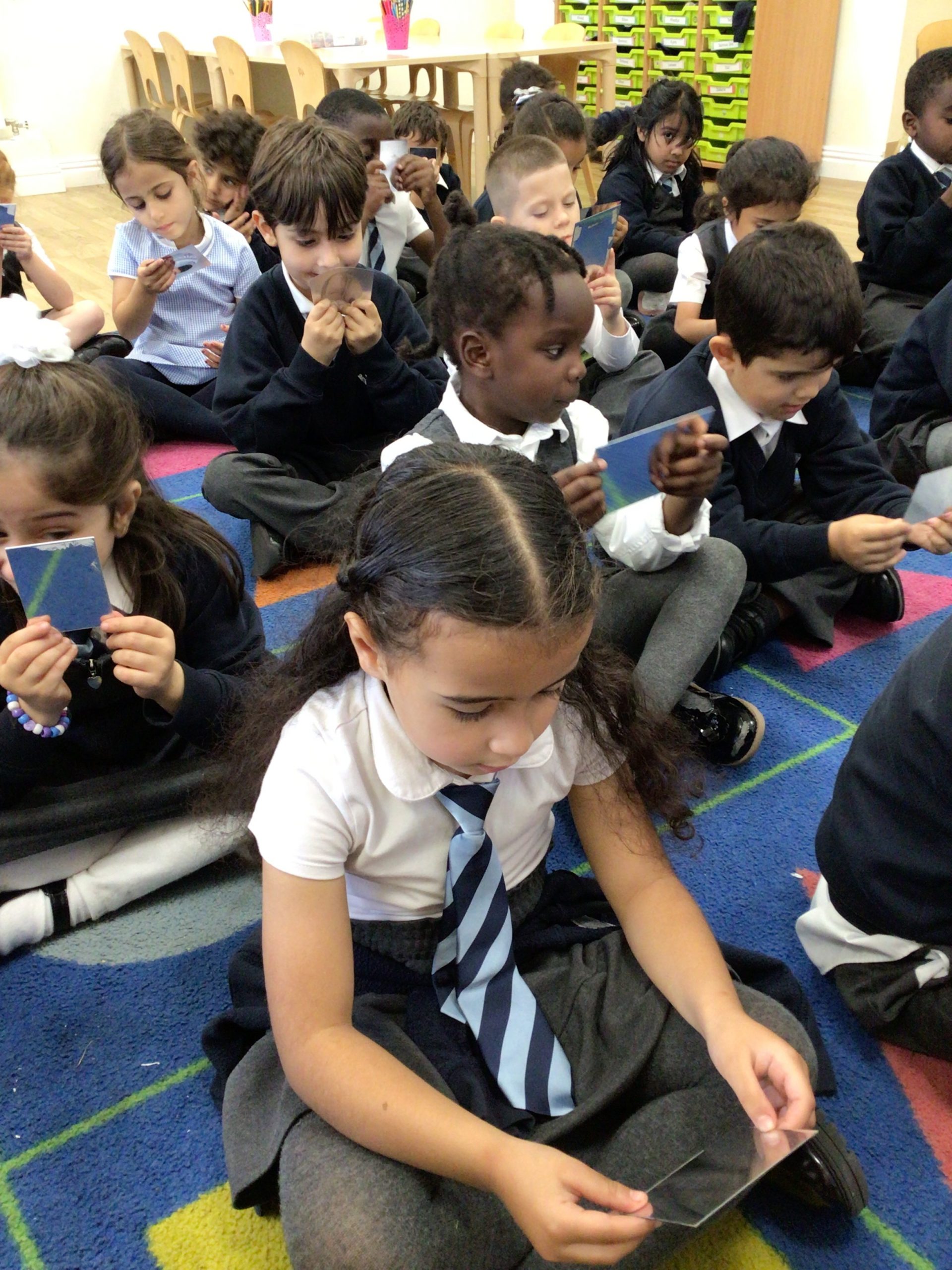
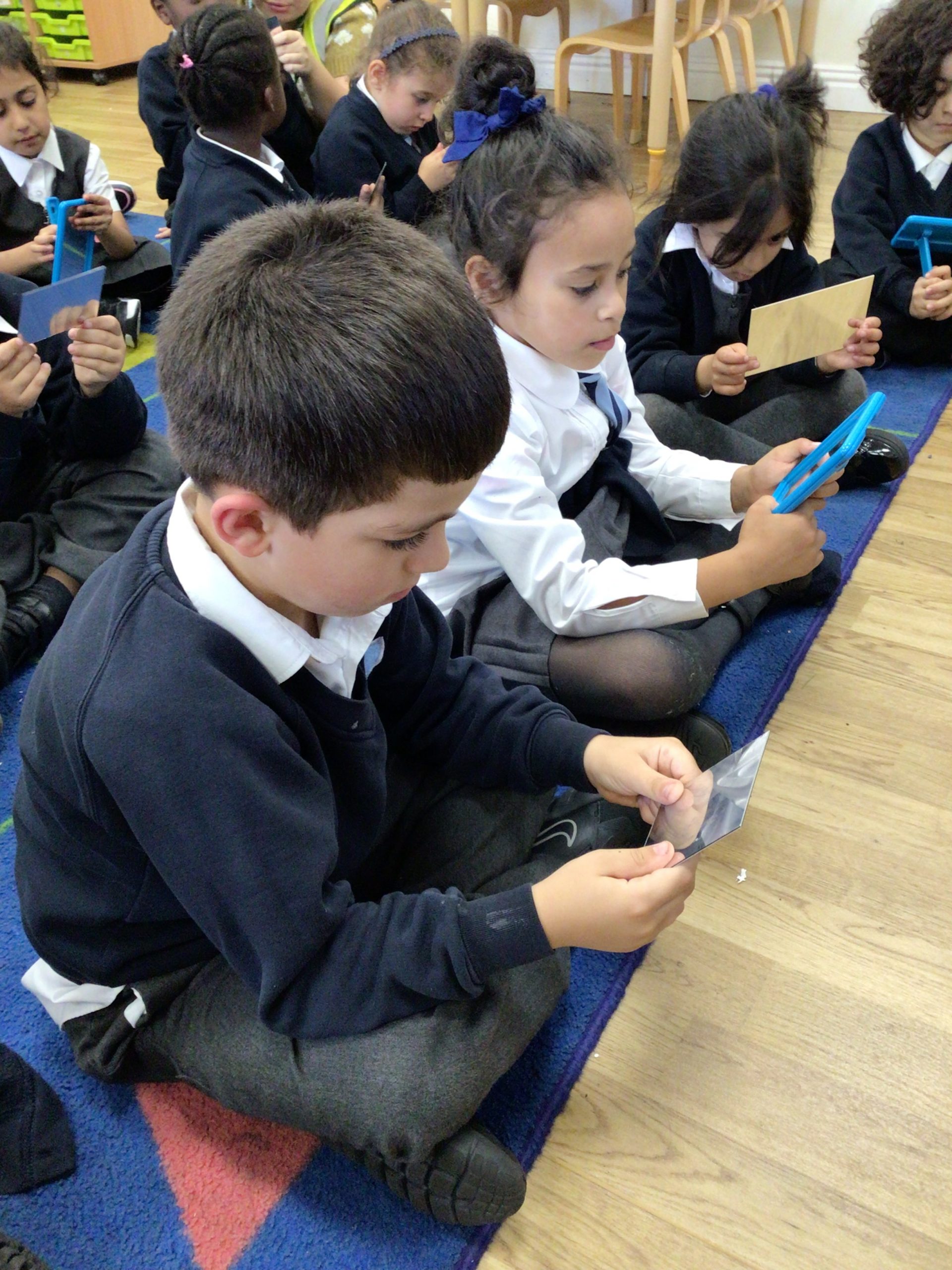
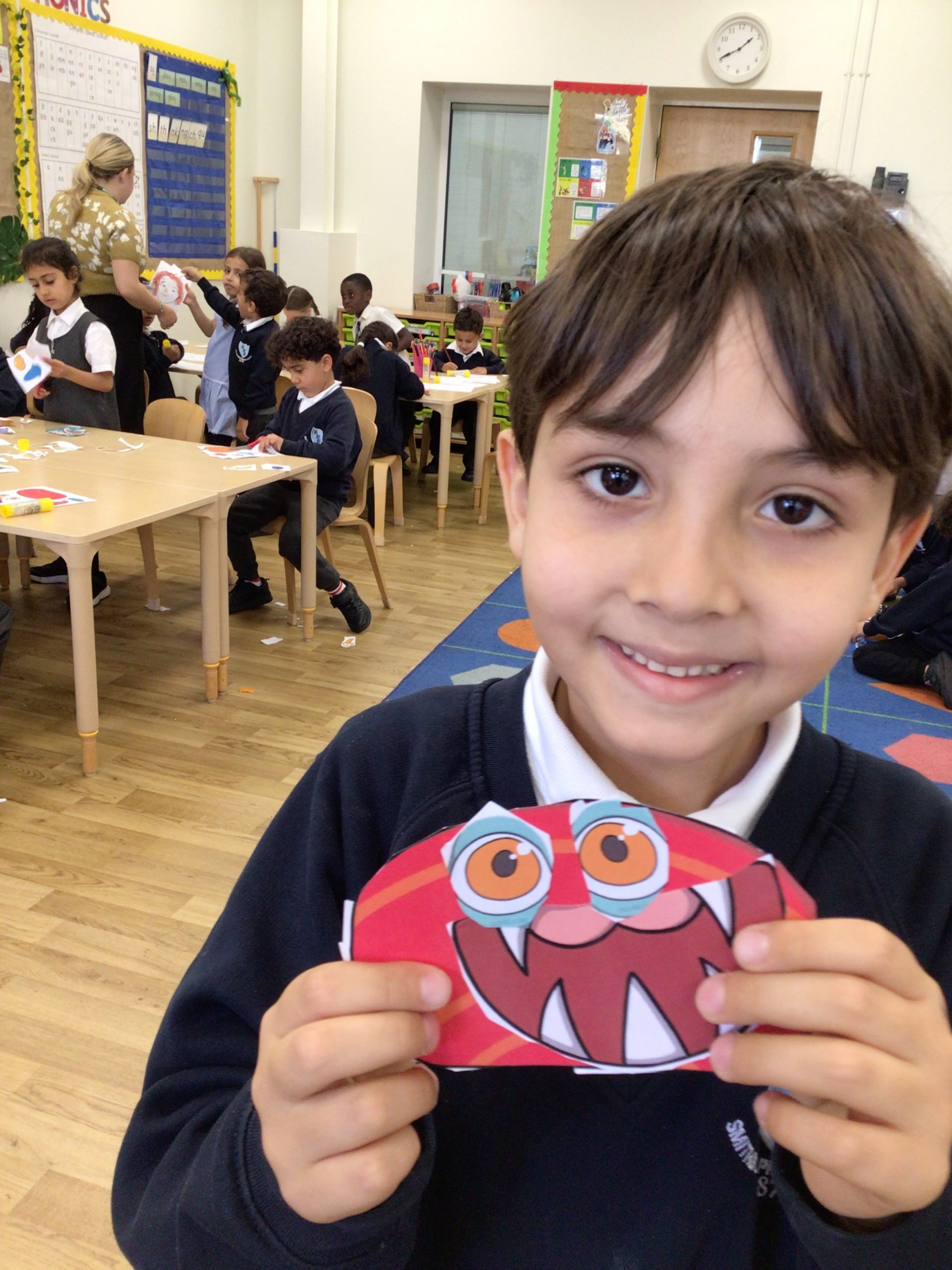
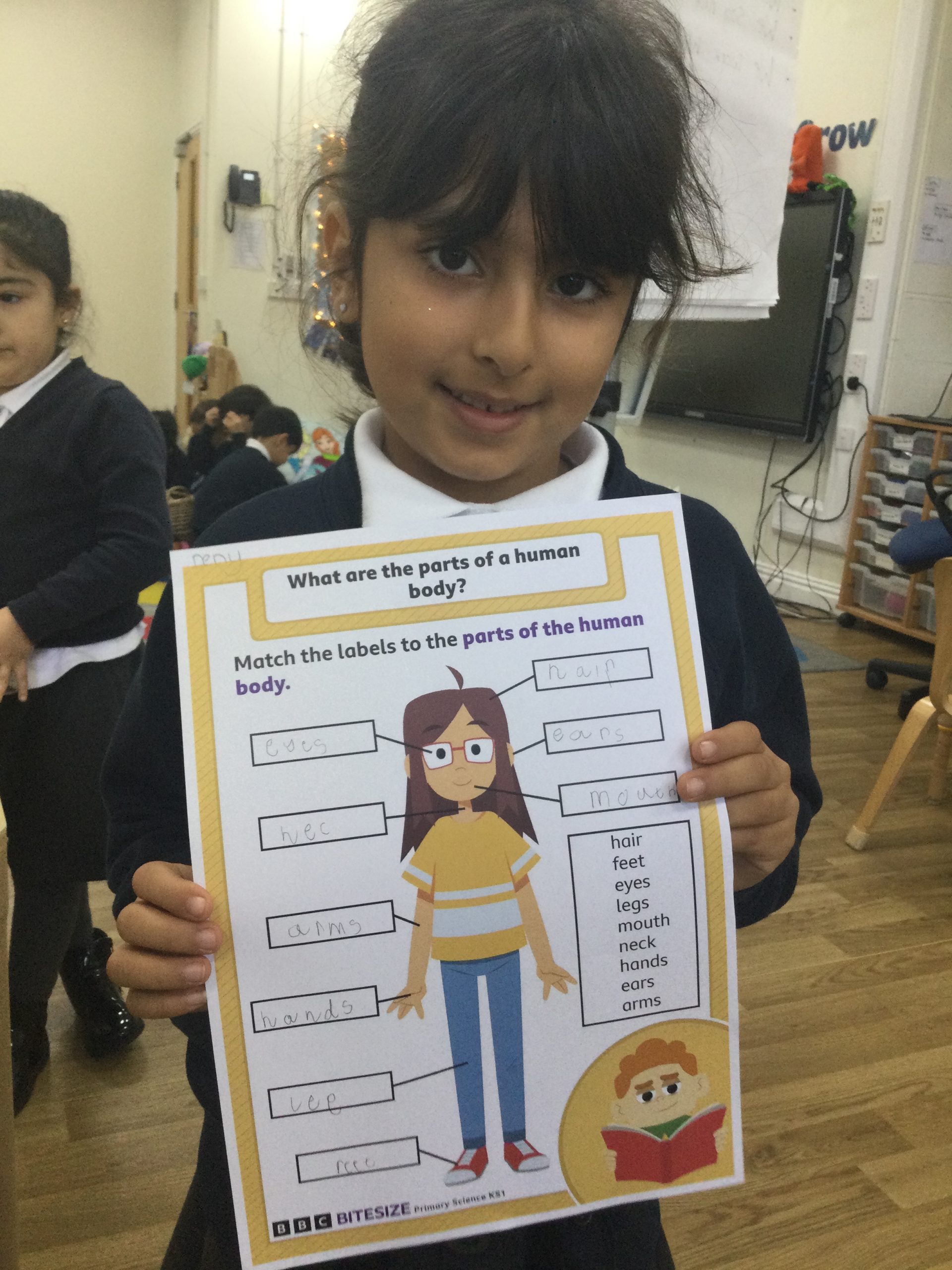
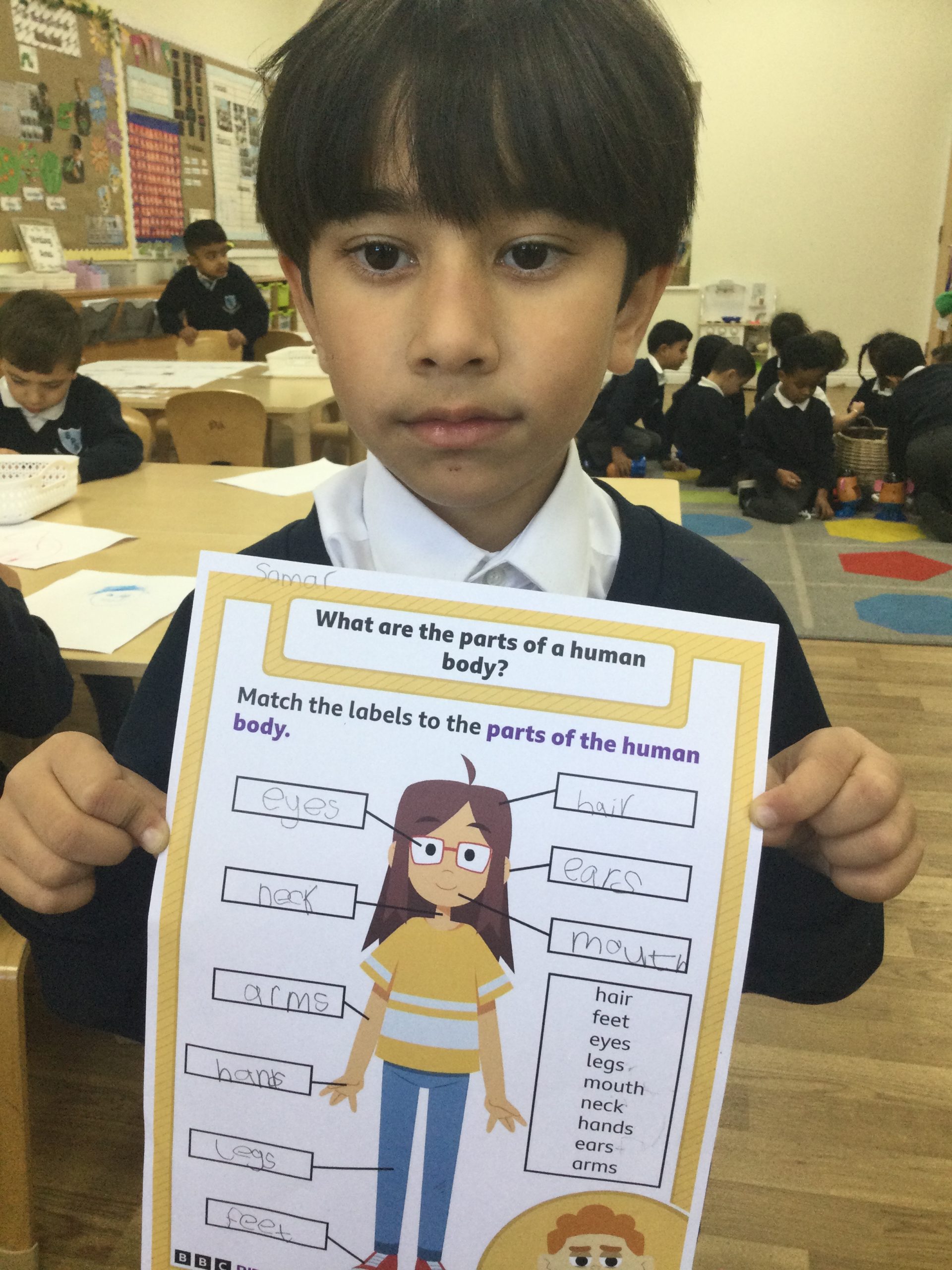
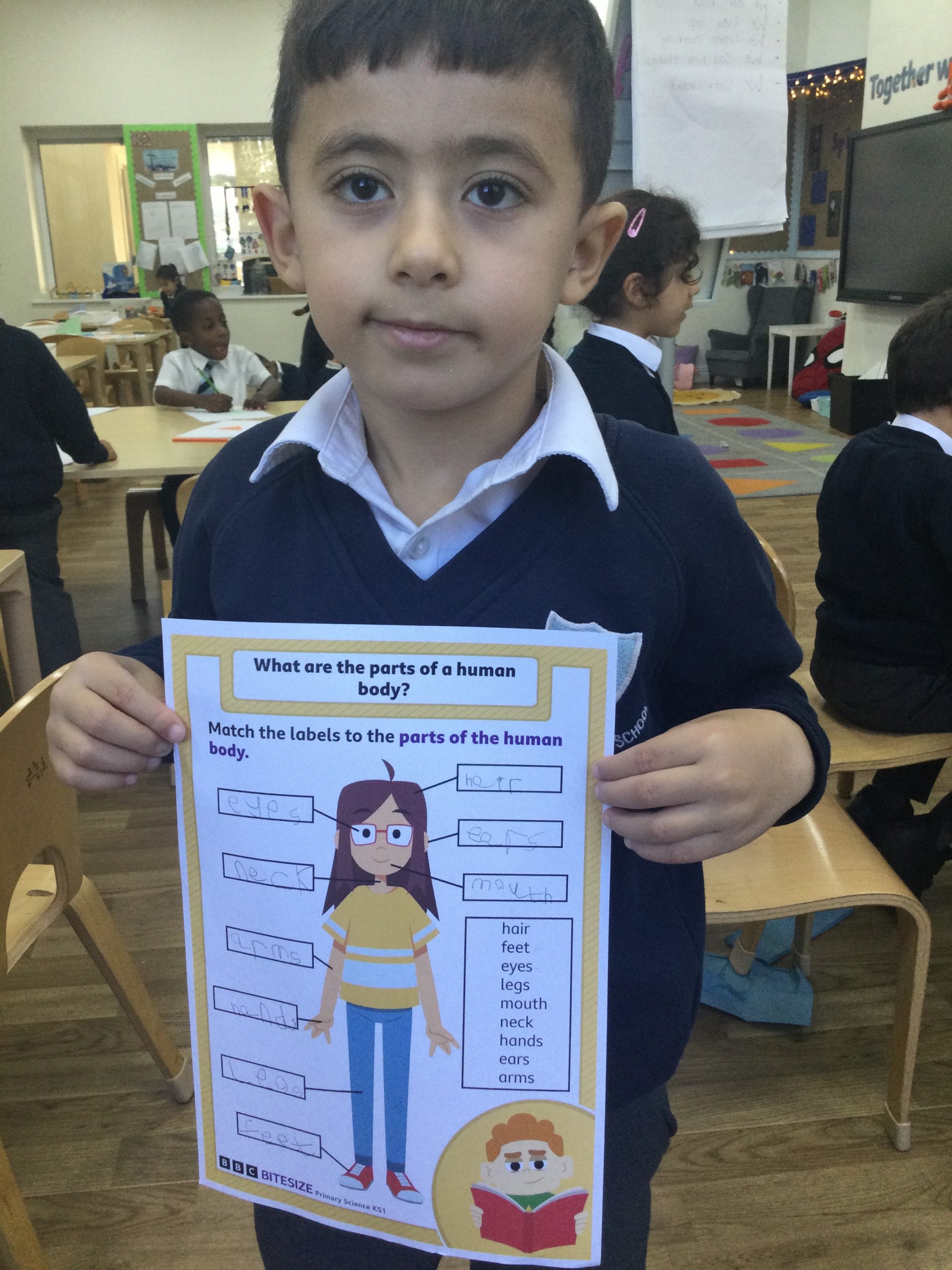
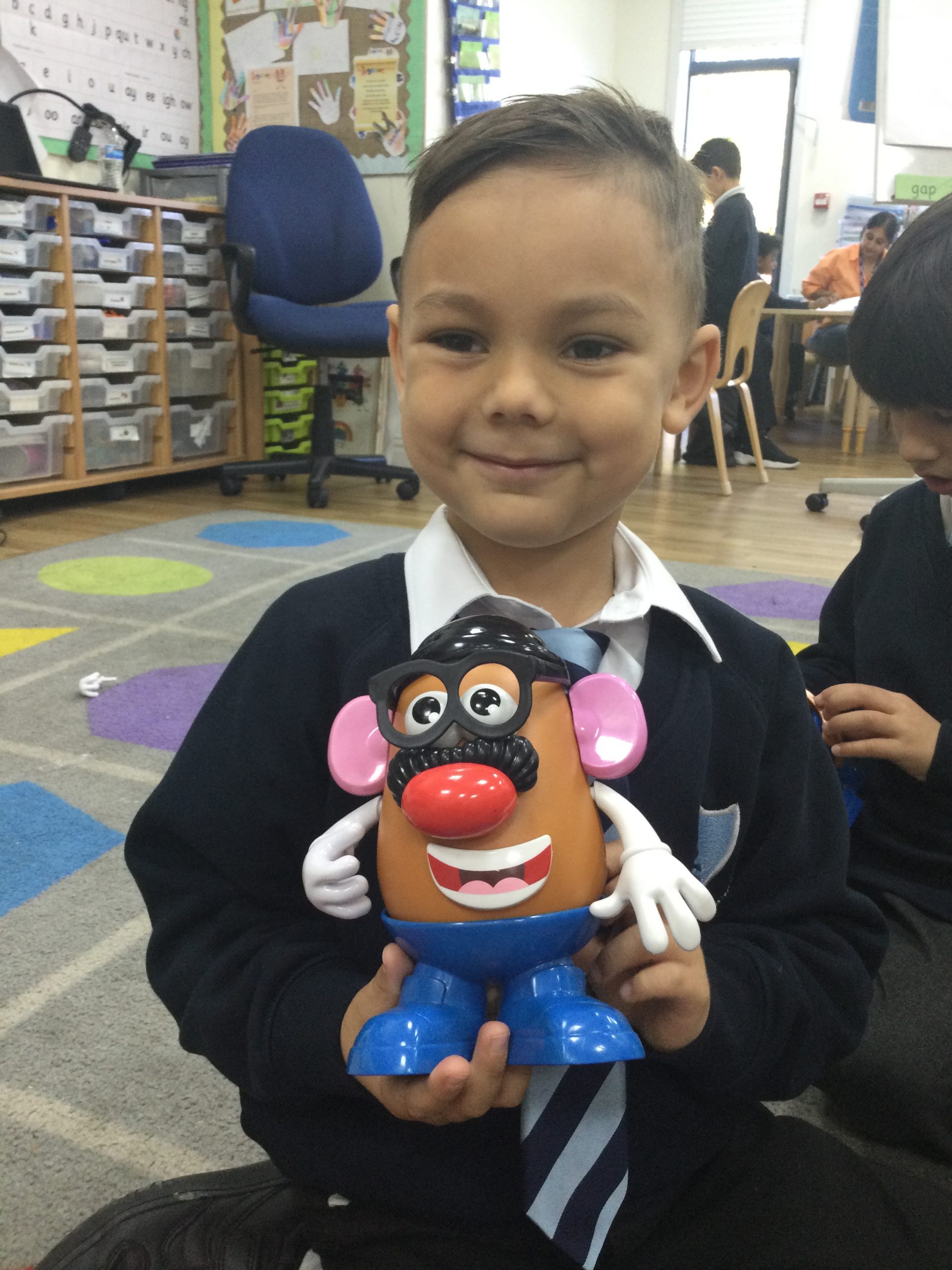
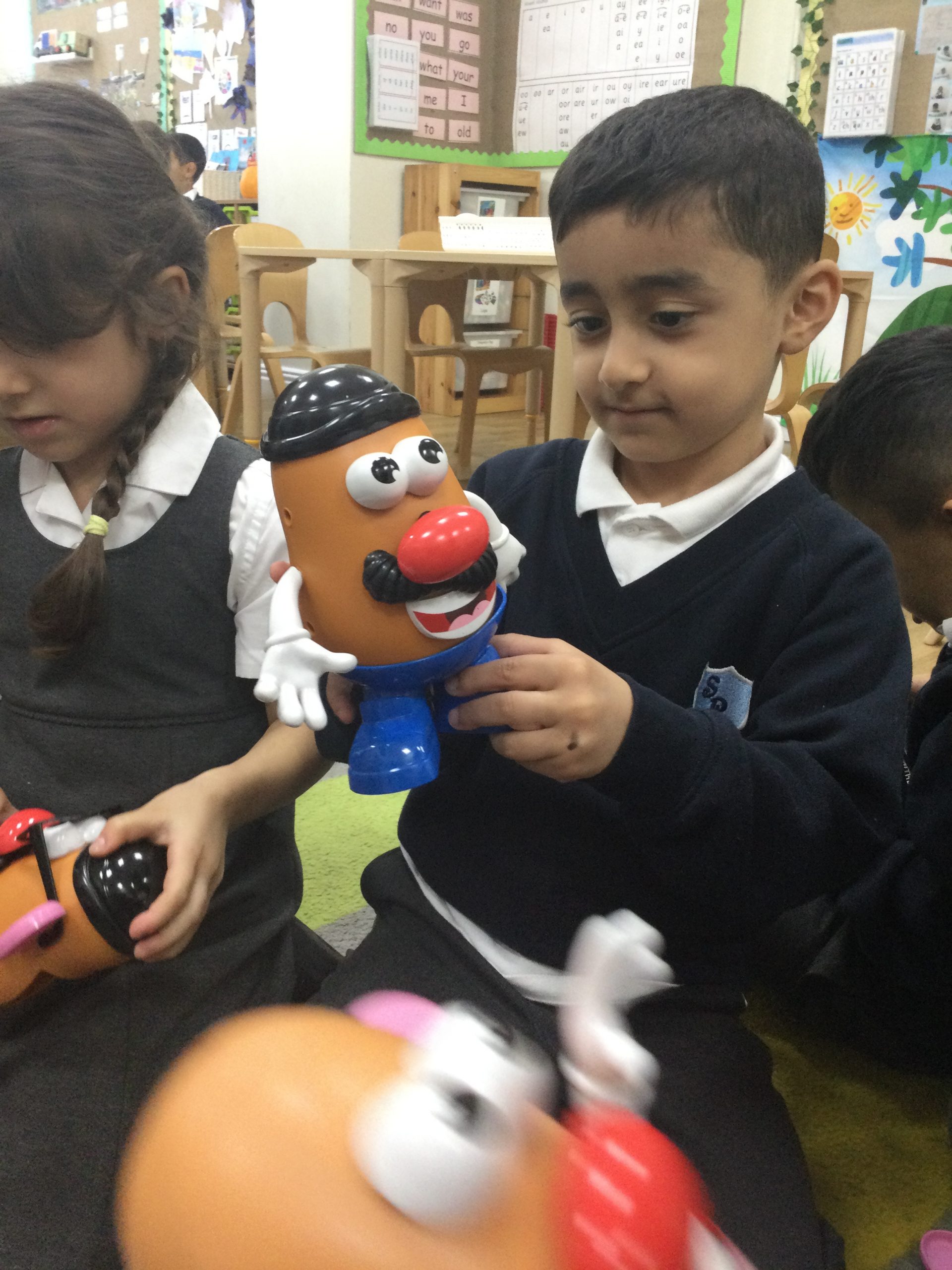
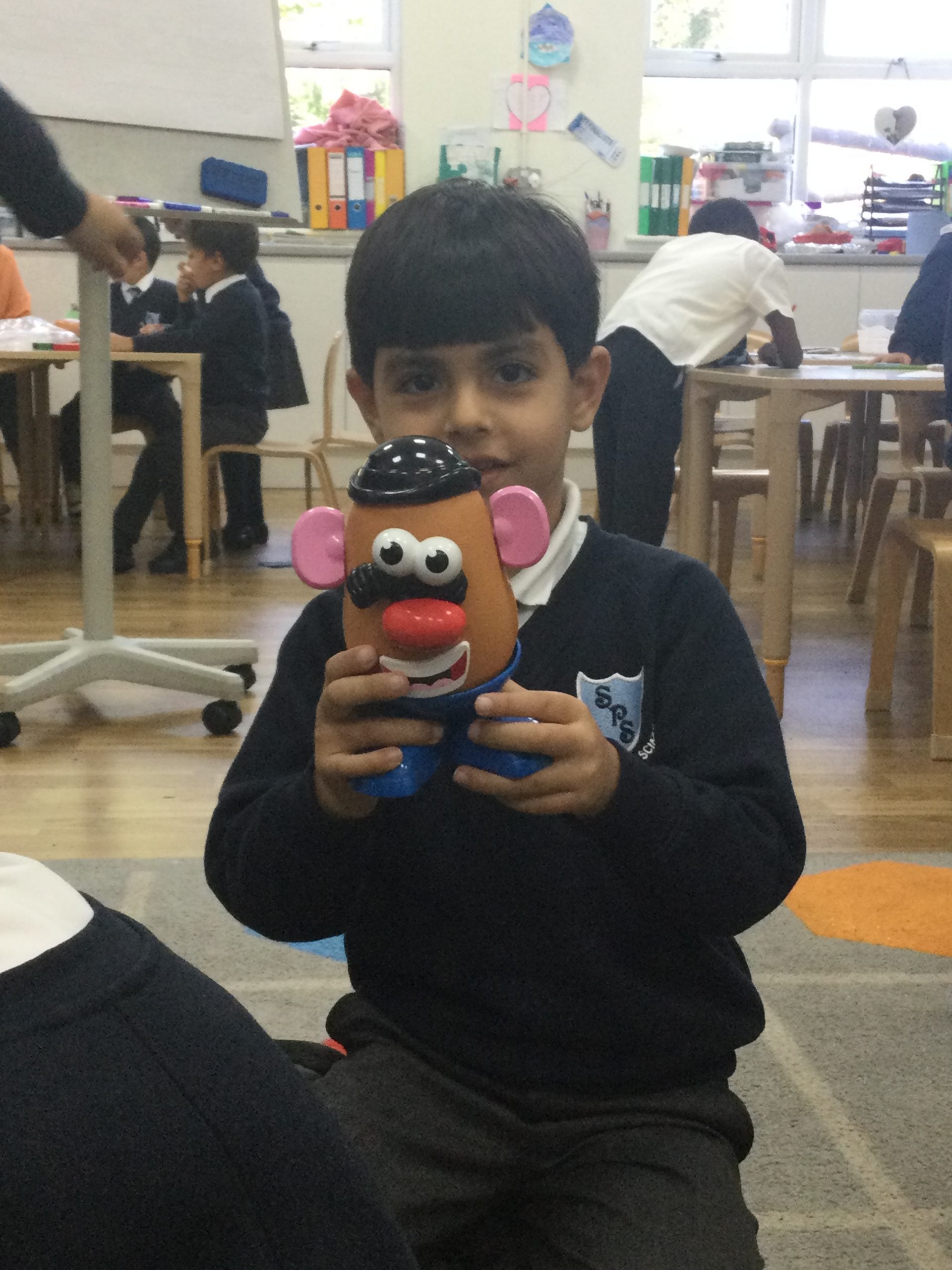
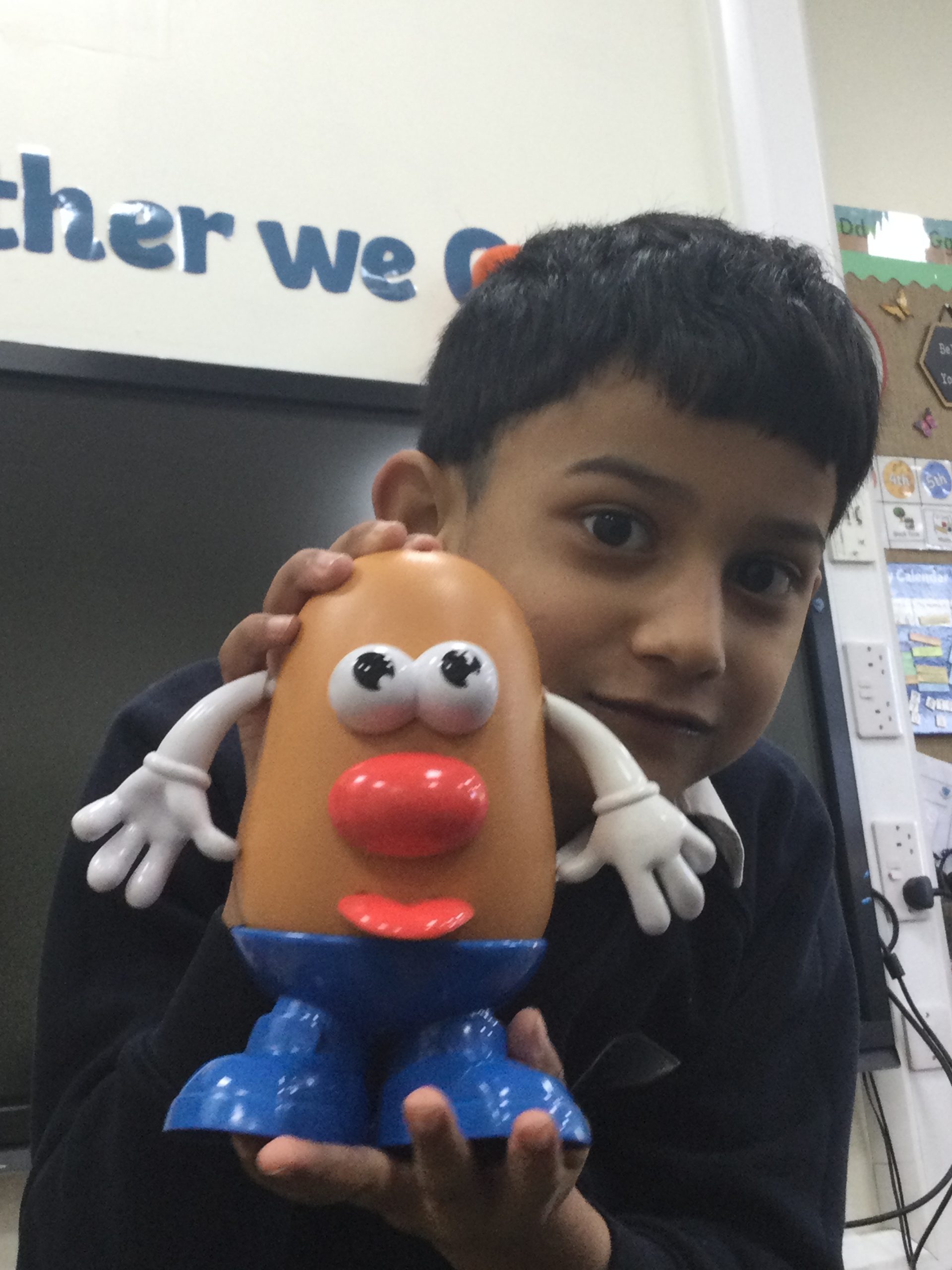
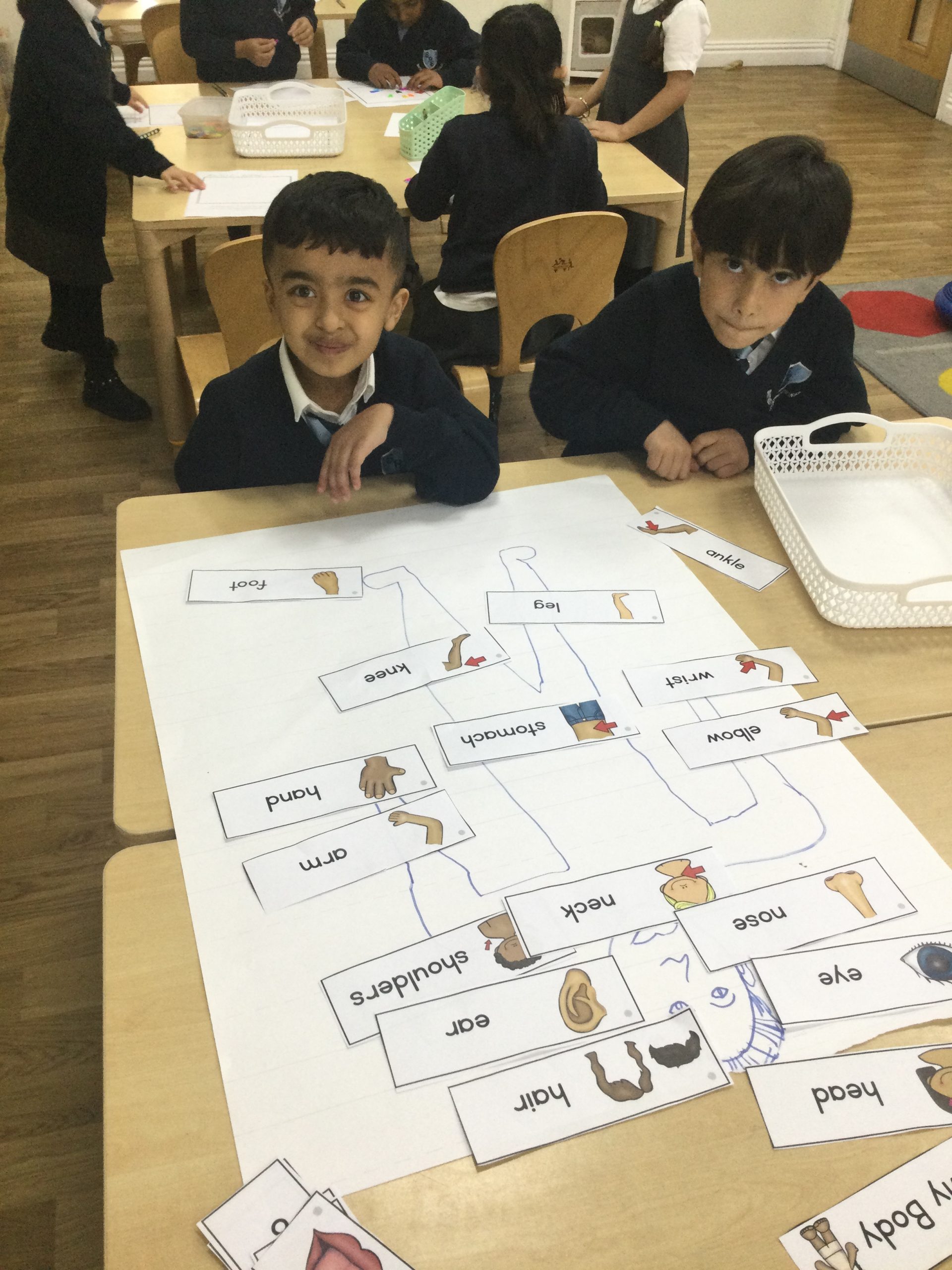
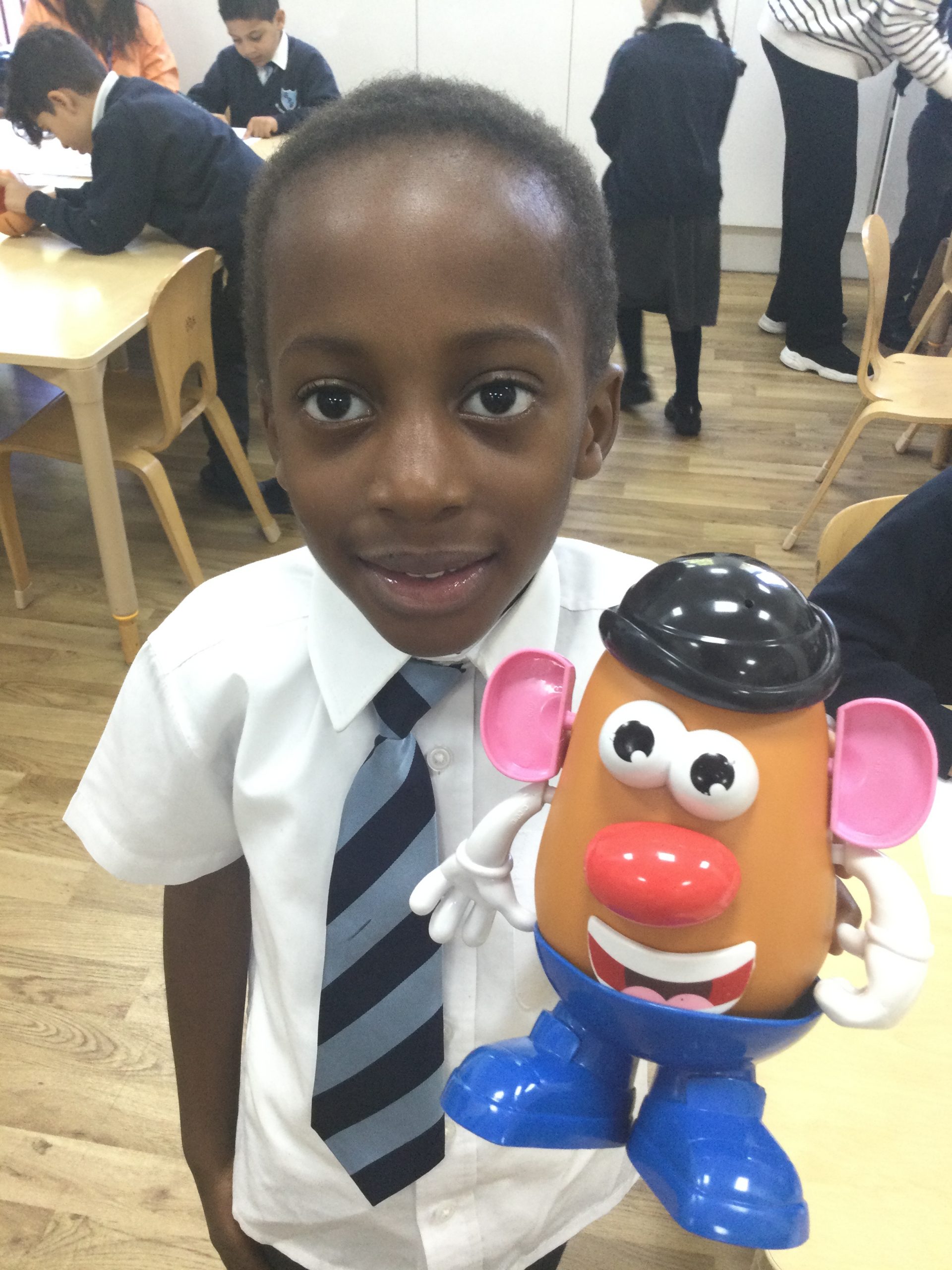
Y1 have been exploring, identifying and naming facial features. We labelled diagrams, created our own facial monsters and practiced vocab with our Mr. Potato heads. We’ll be lining this to our senses soon!
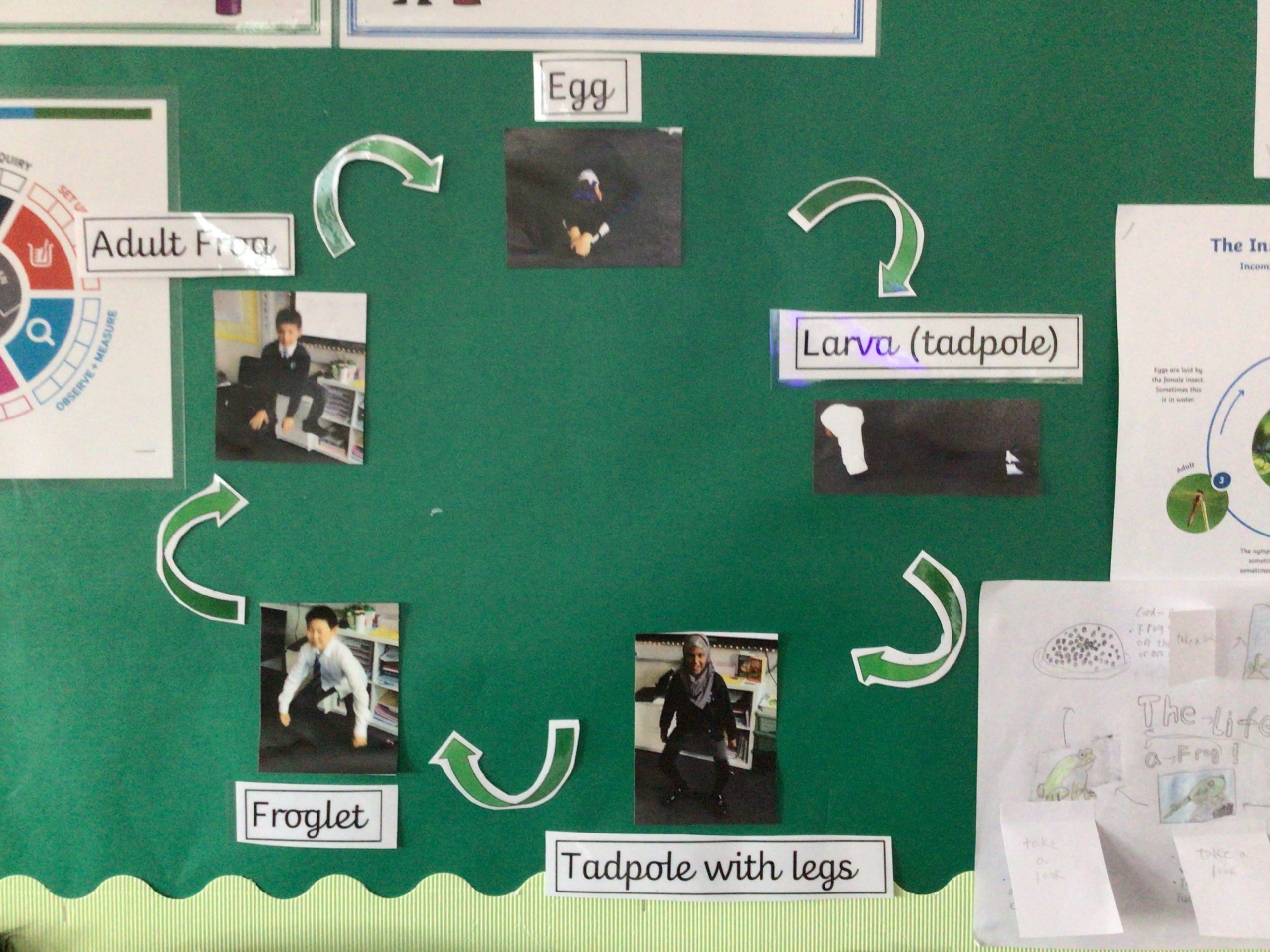
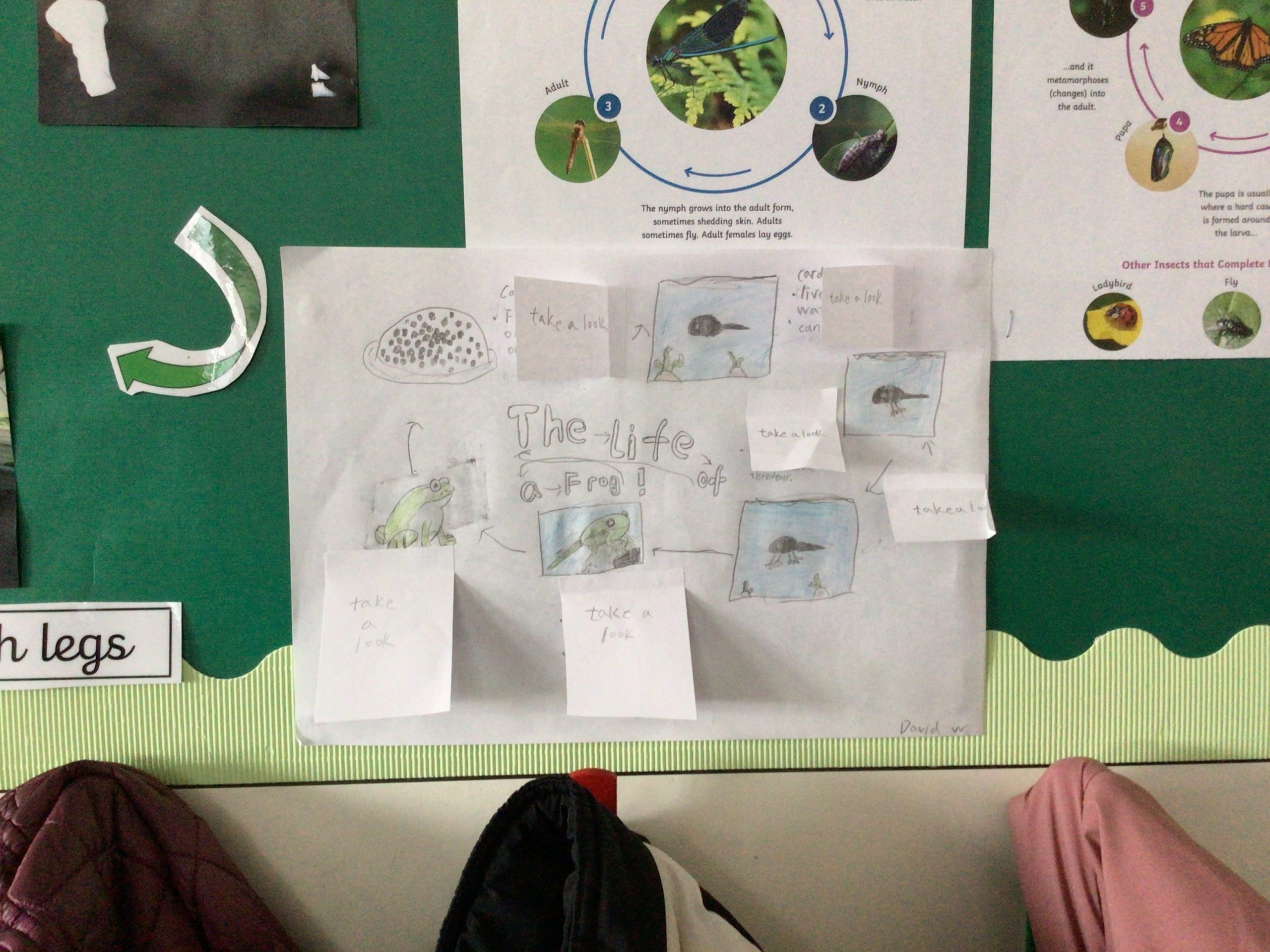
We had a very fun science lesson yesterday recreating the frog life cycle and guessing which stage they were! LOTS of laughing in 5JH.
A student even went home and created a poster as extra homework. 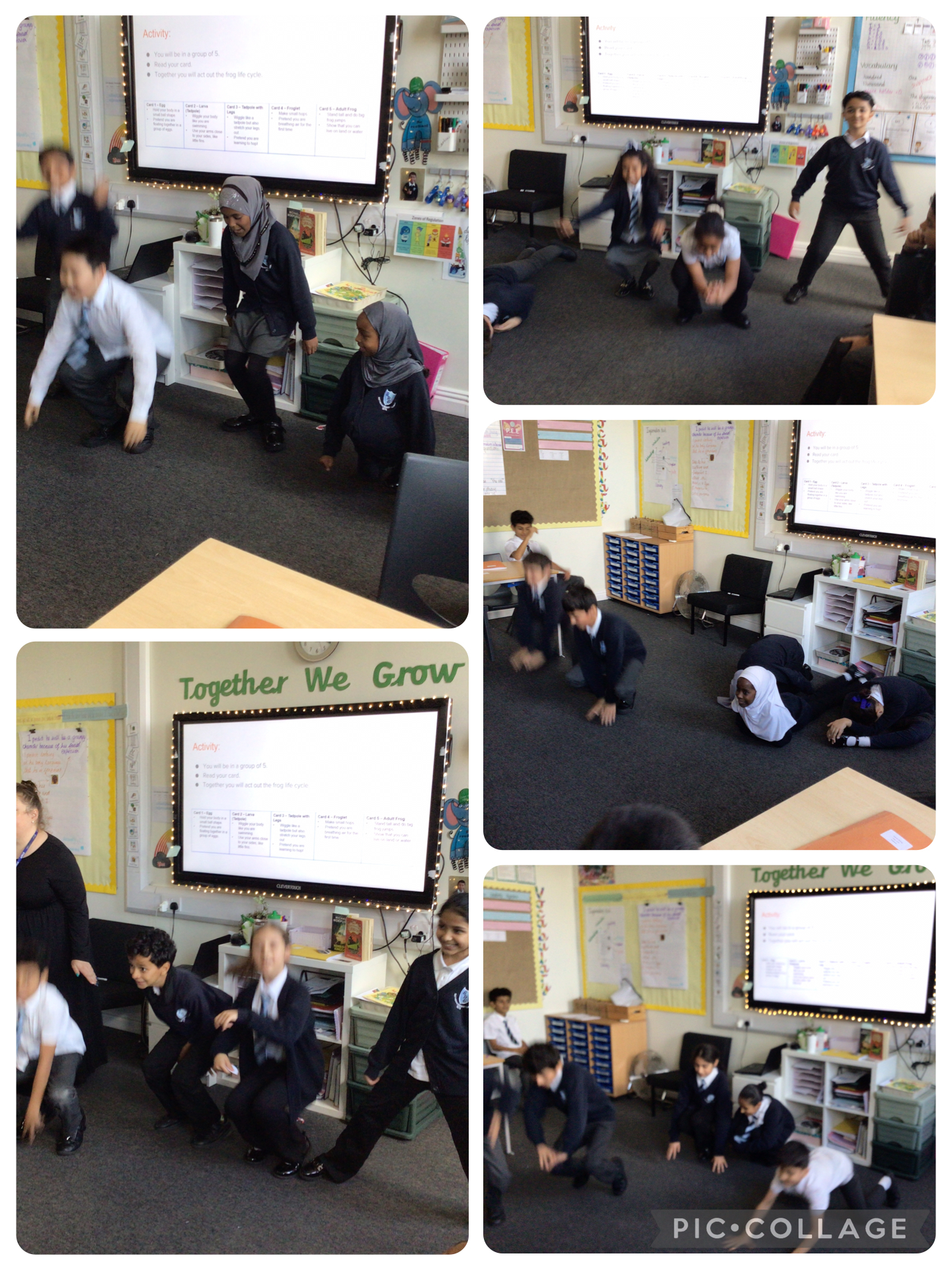
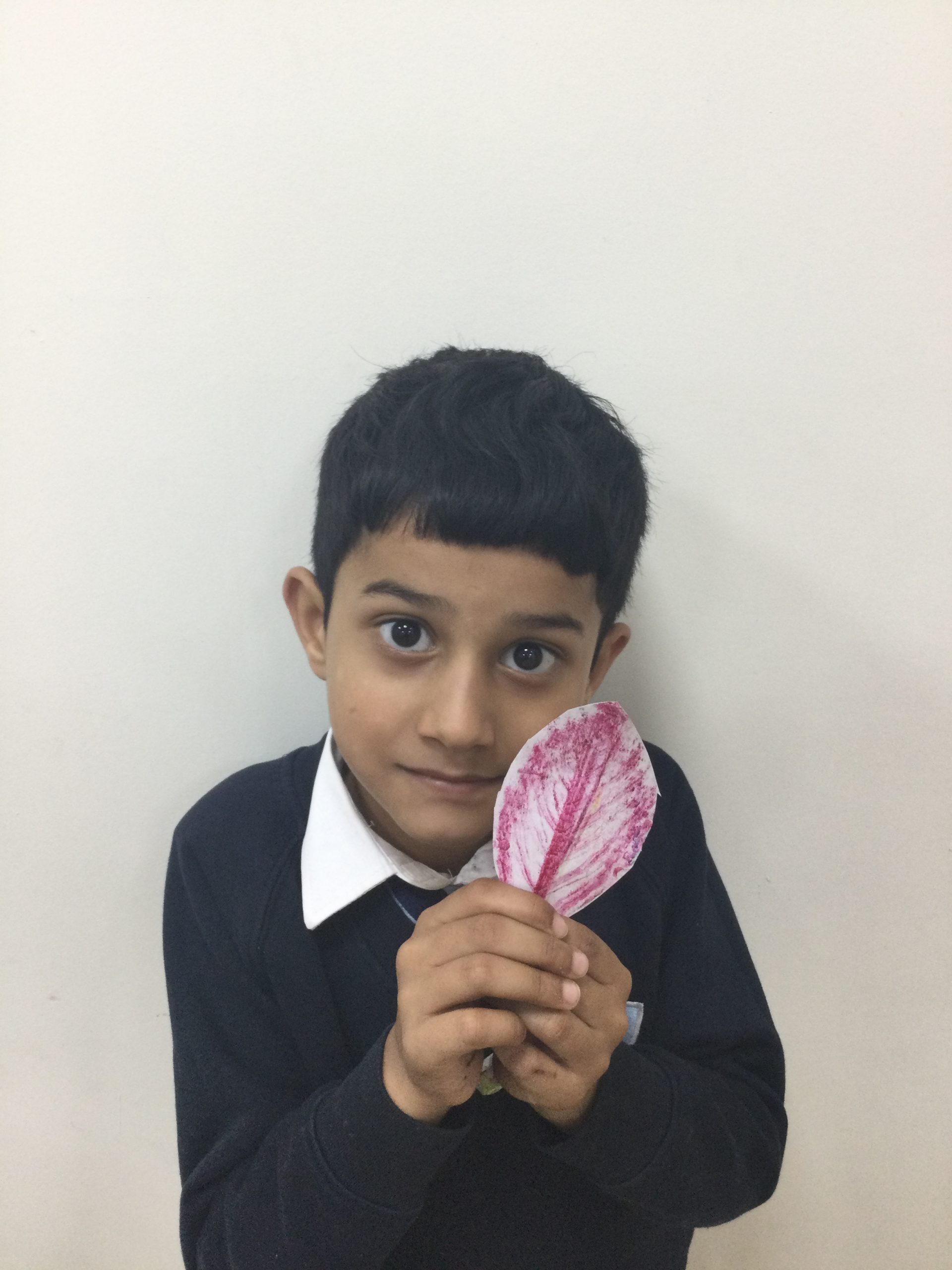
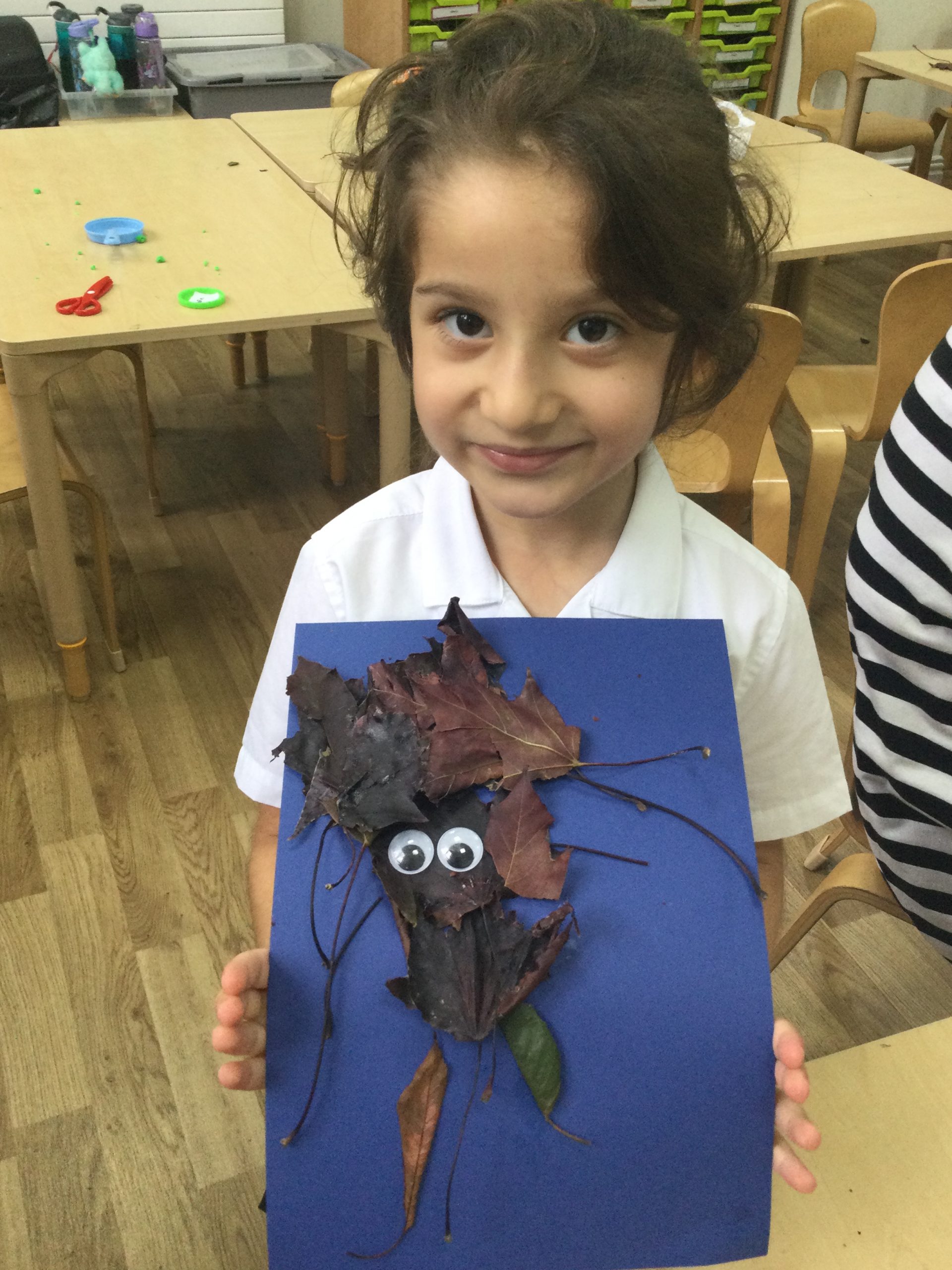
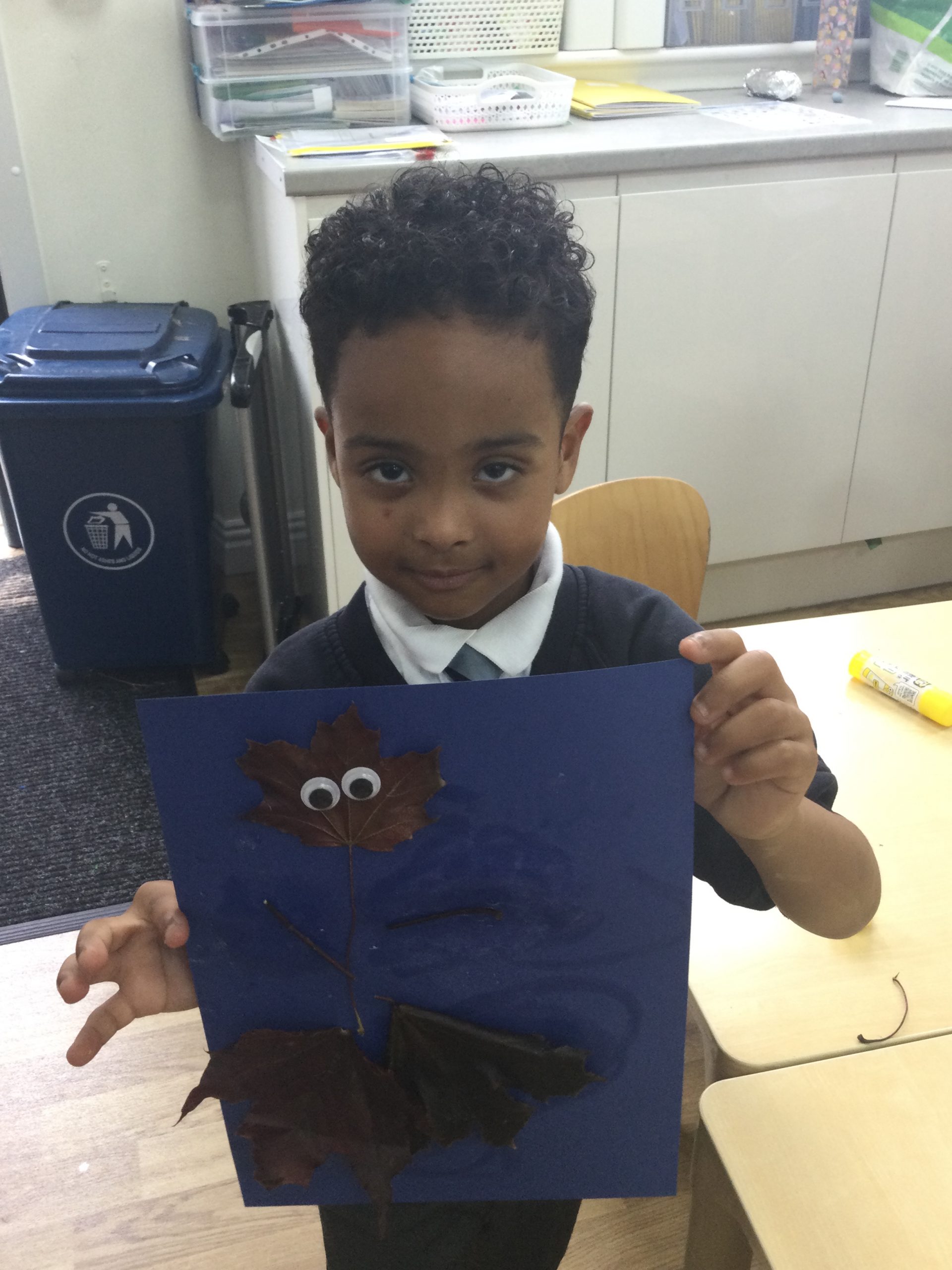
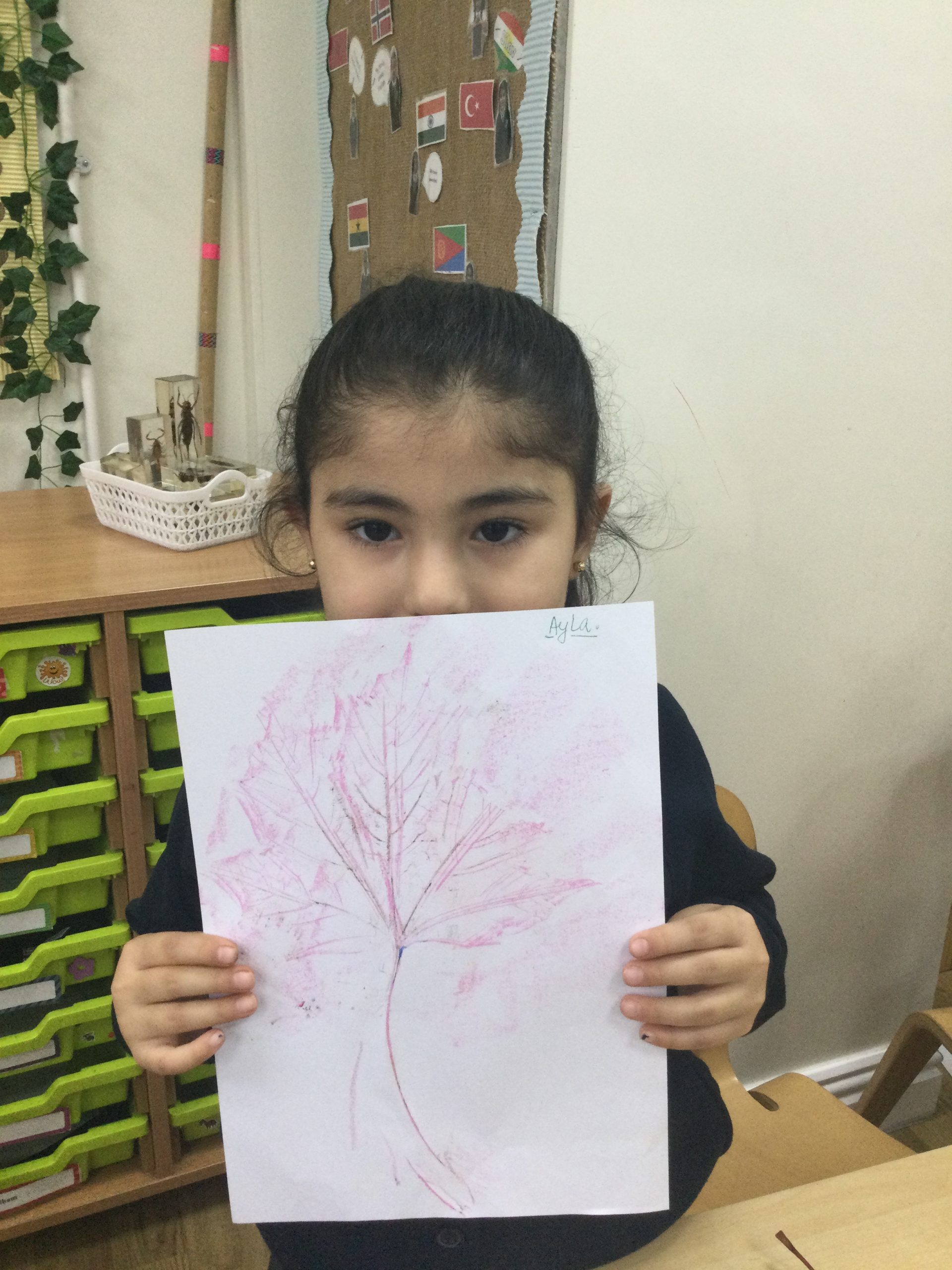
In science we have been looking at Autumn. We had lots of fun making leaf people, hedgehogs and leaf rubbings.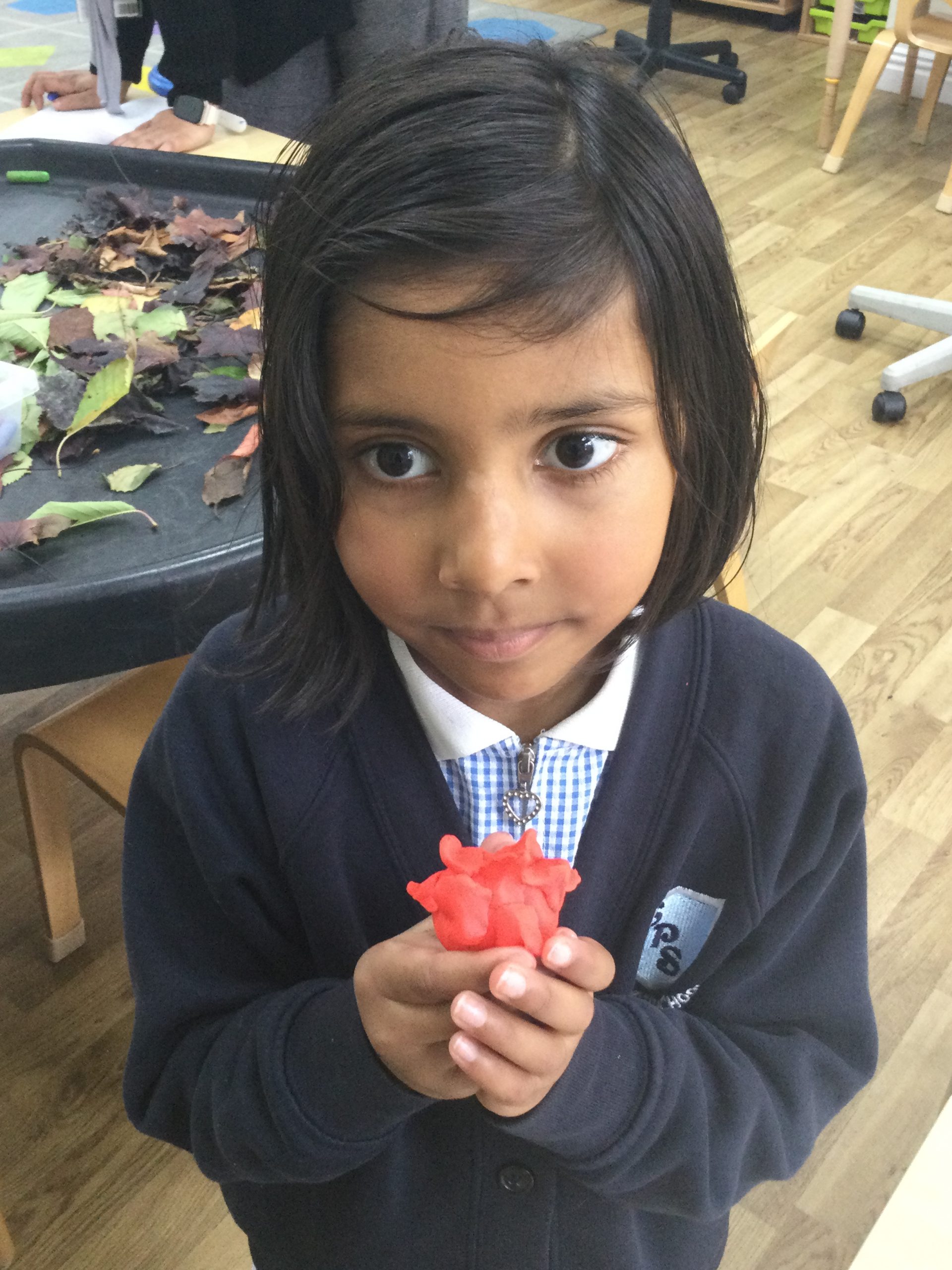
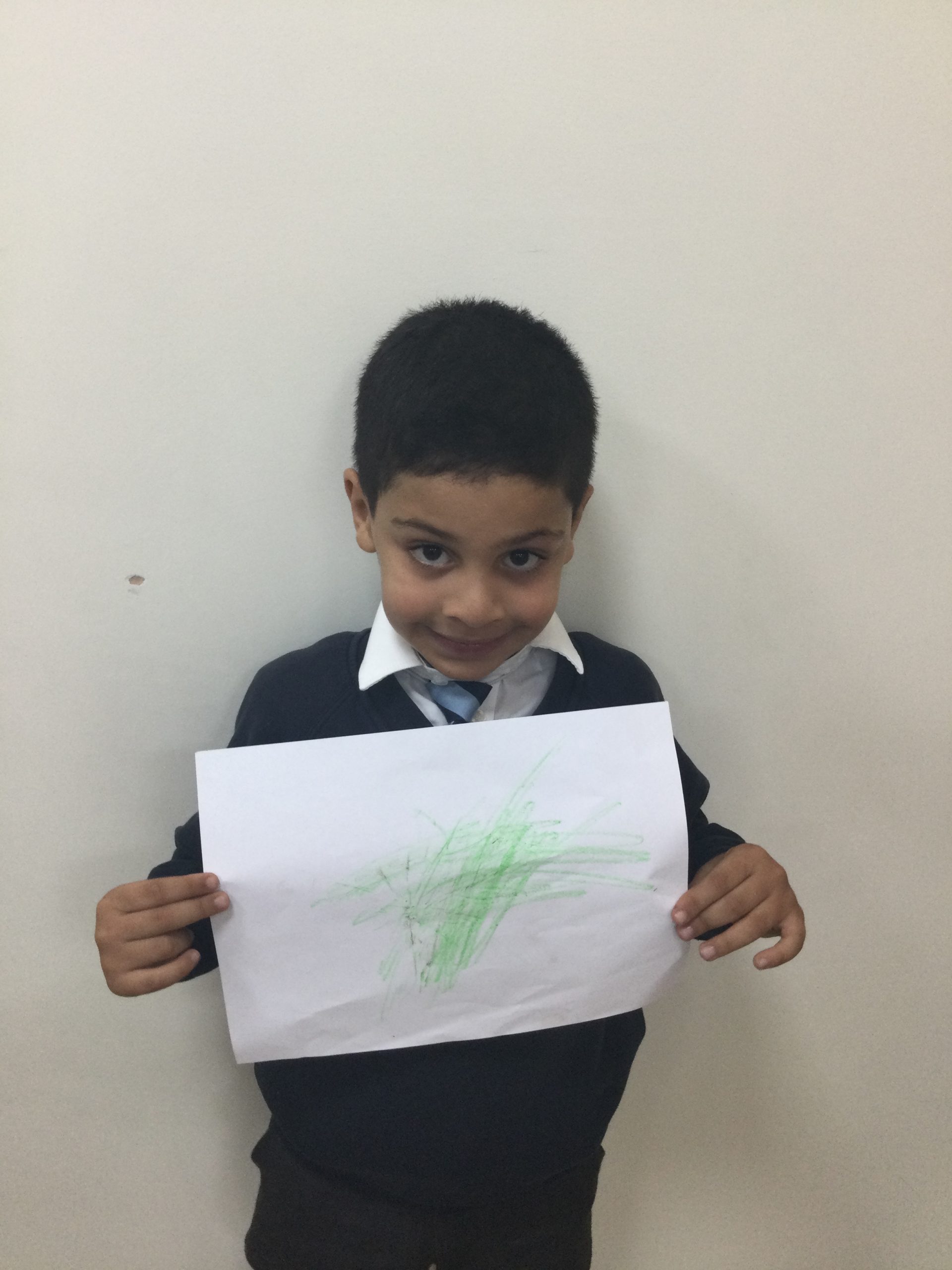
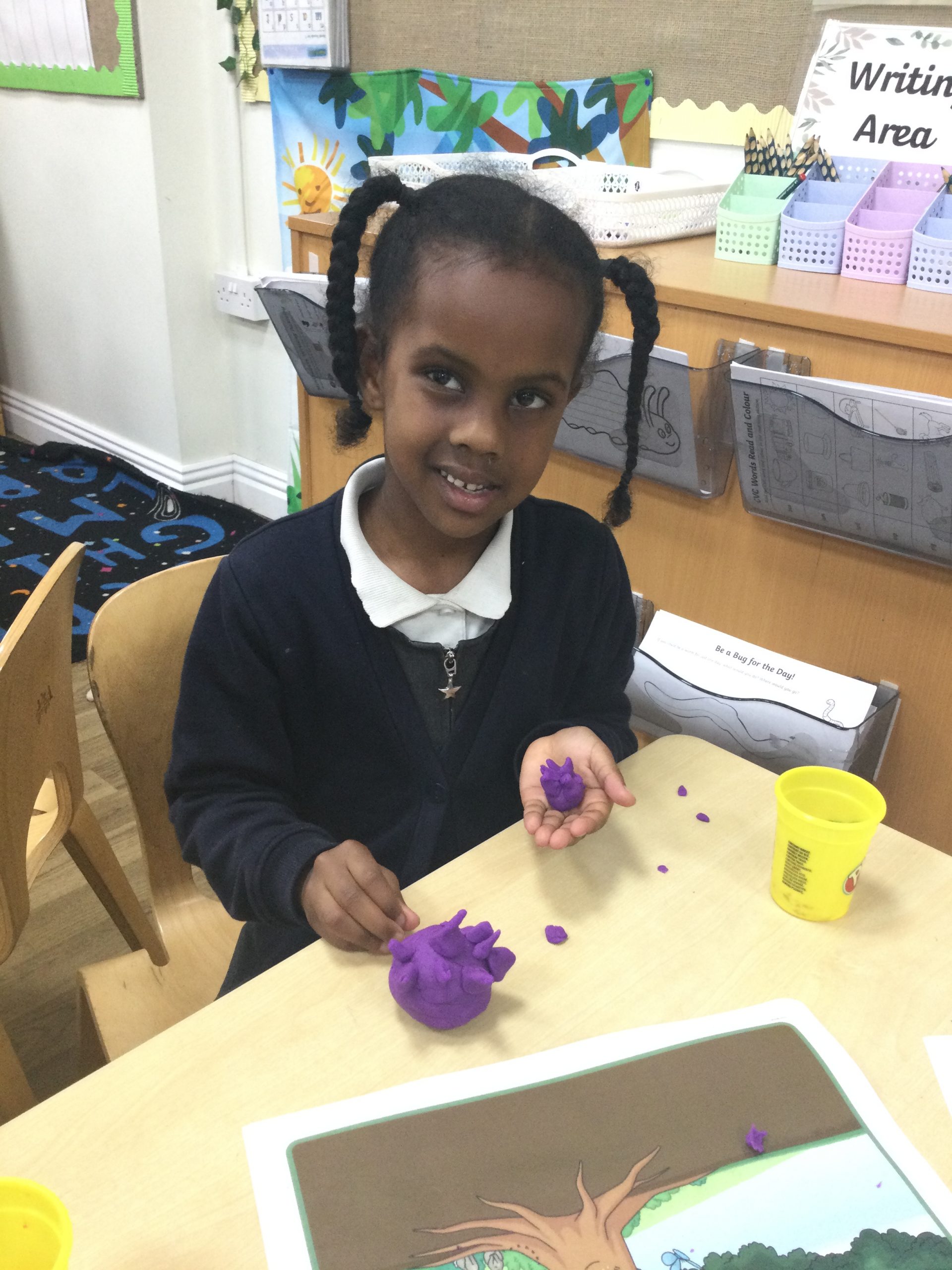
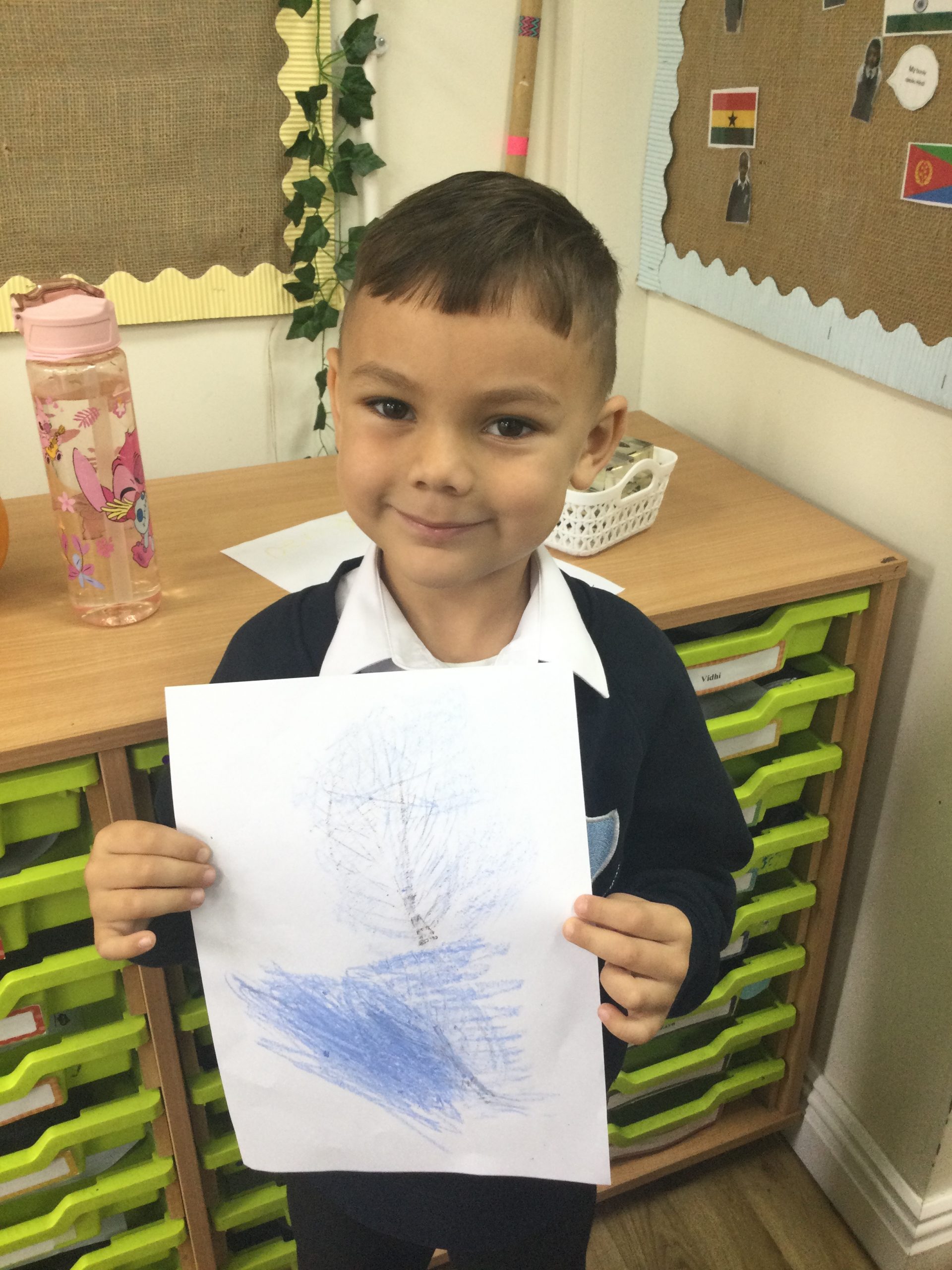
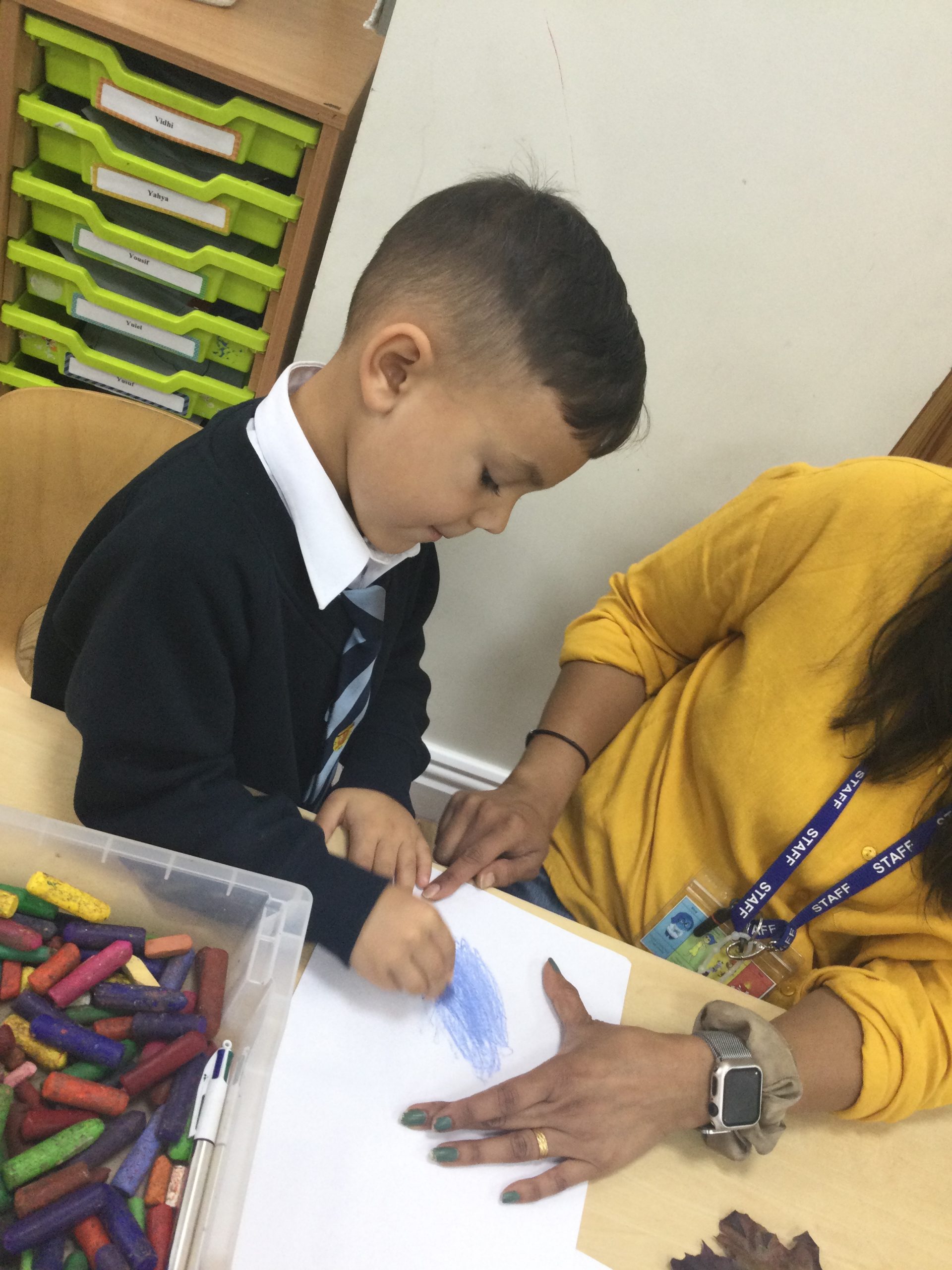
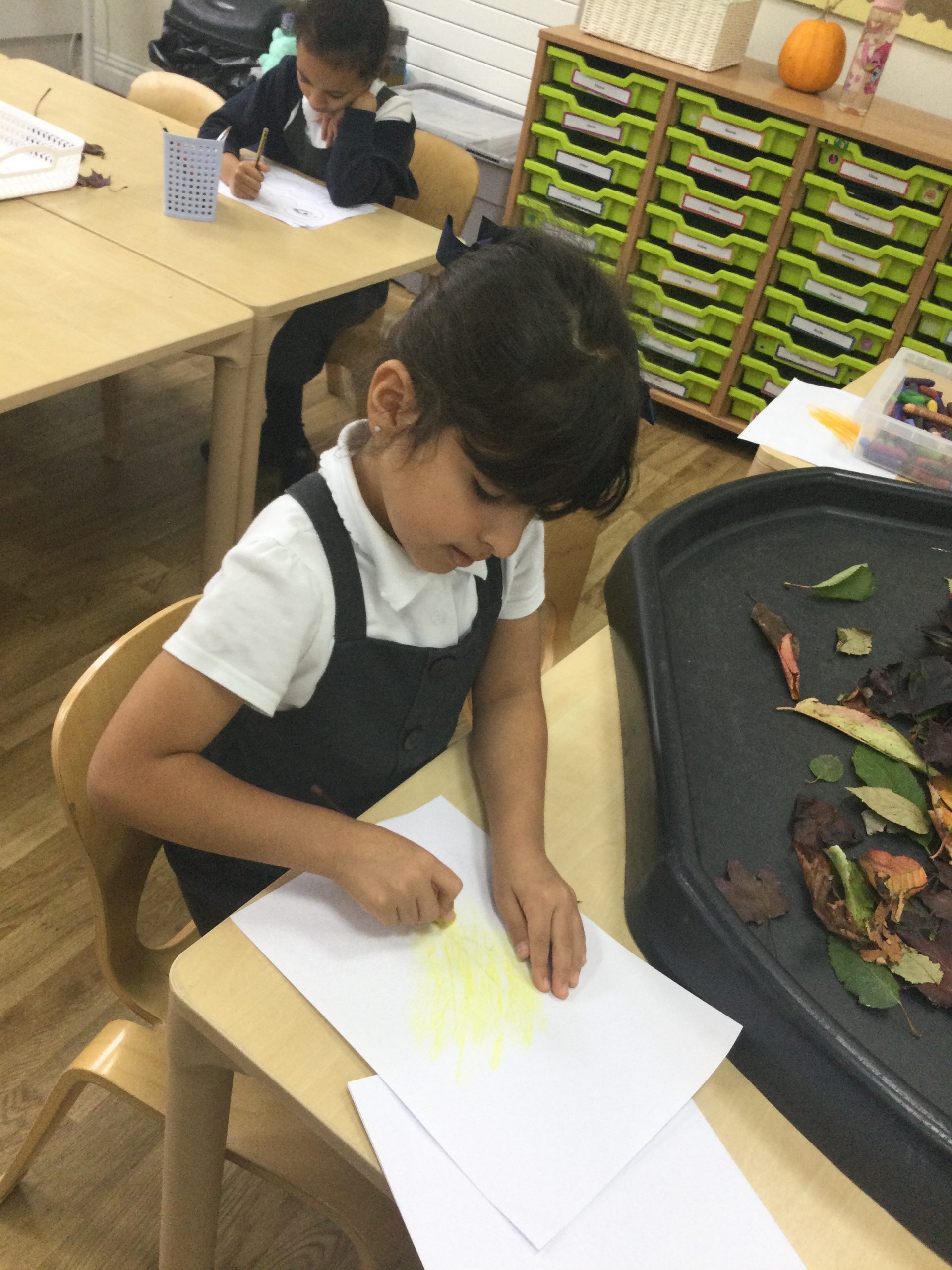
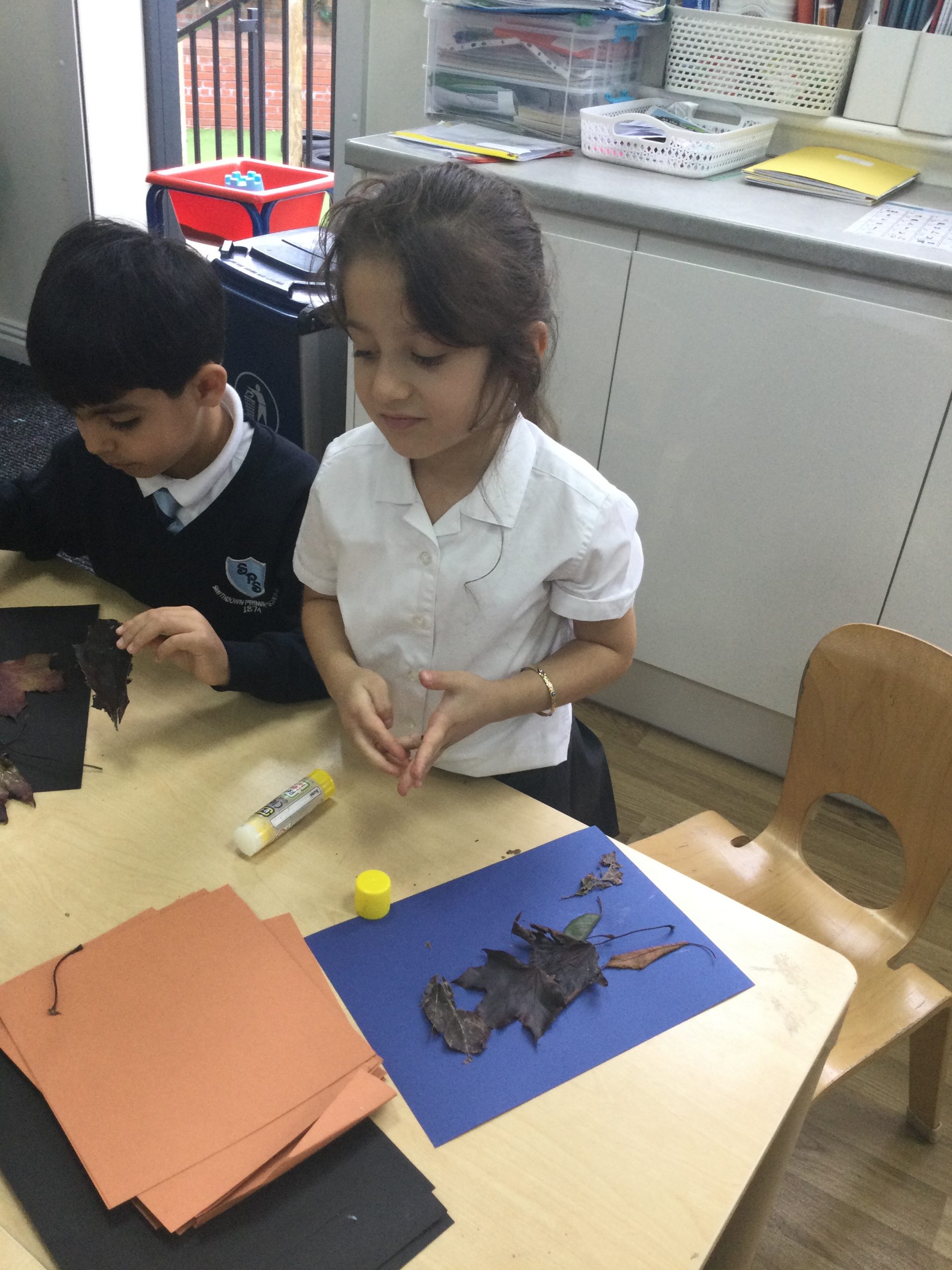
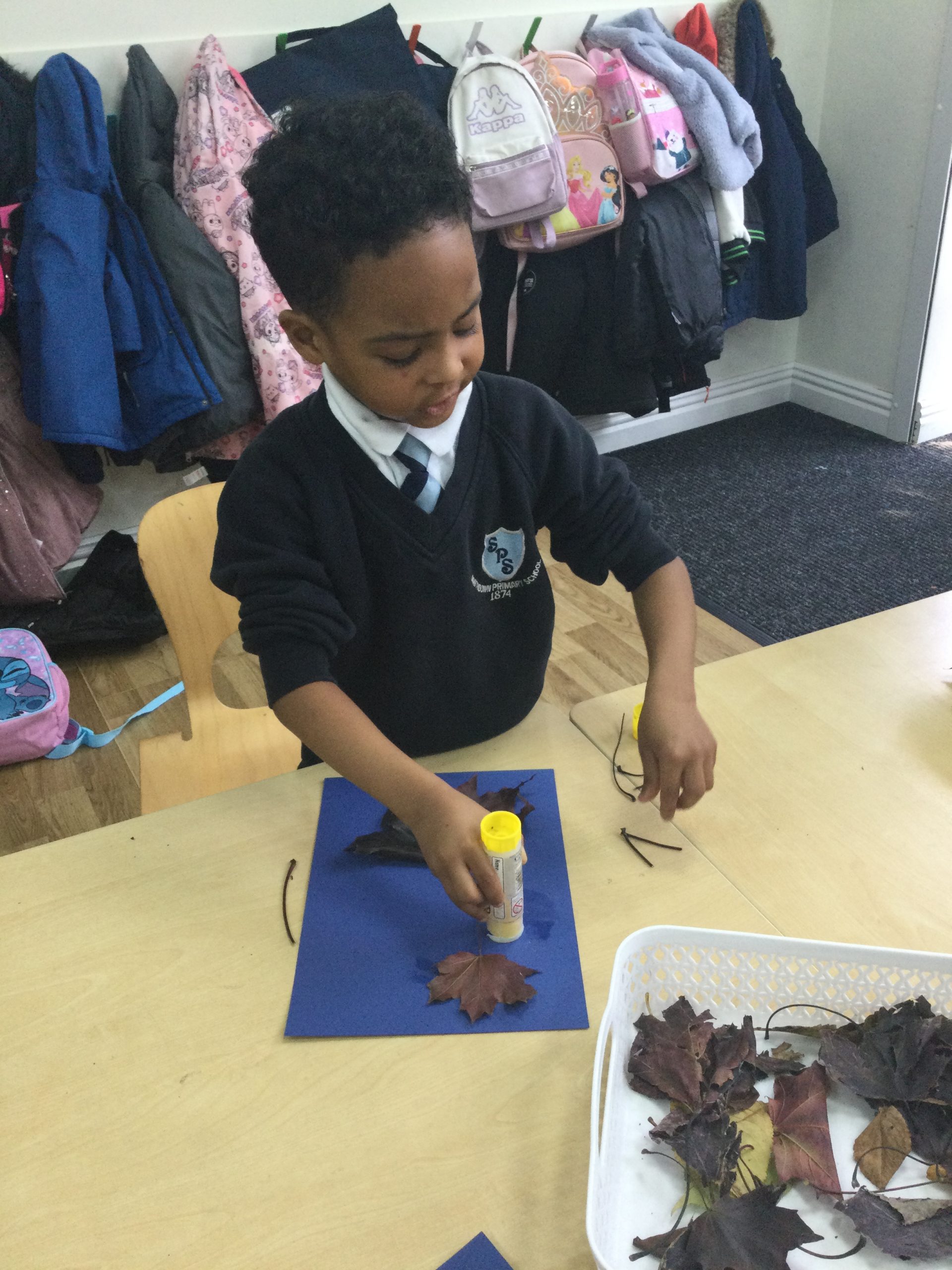
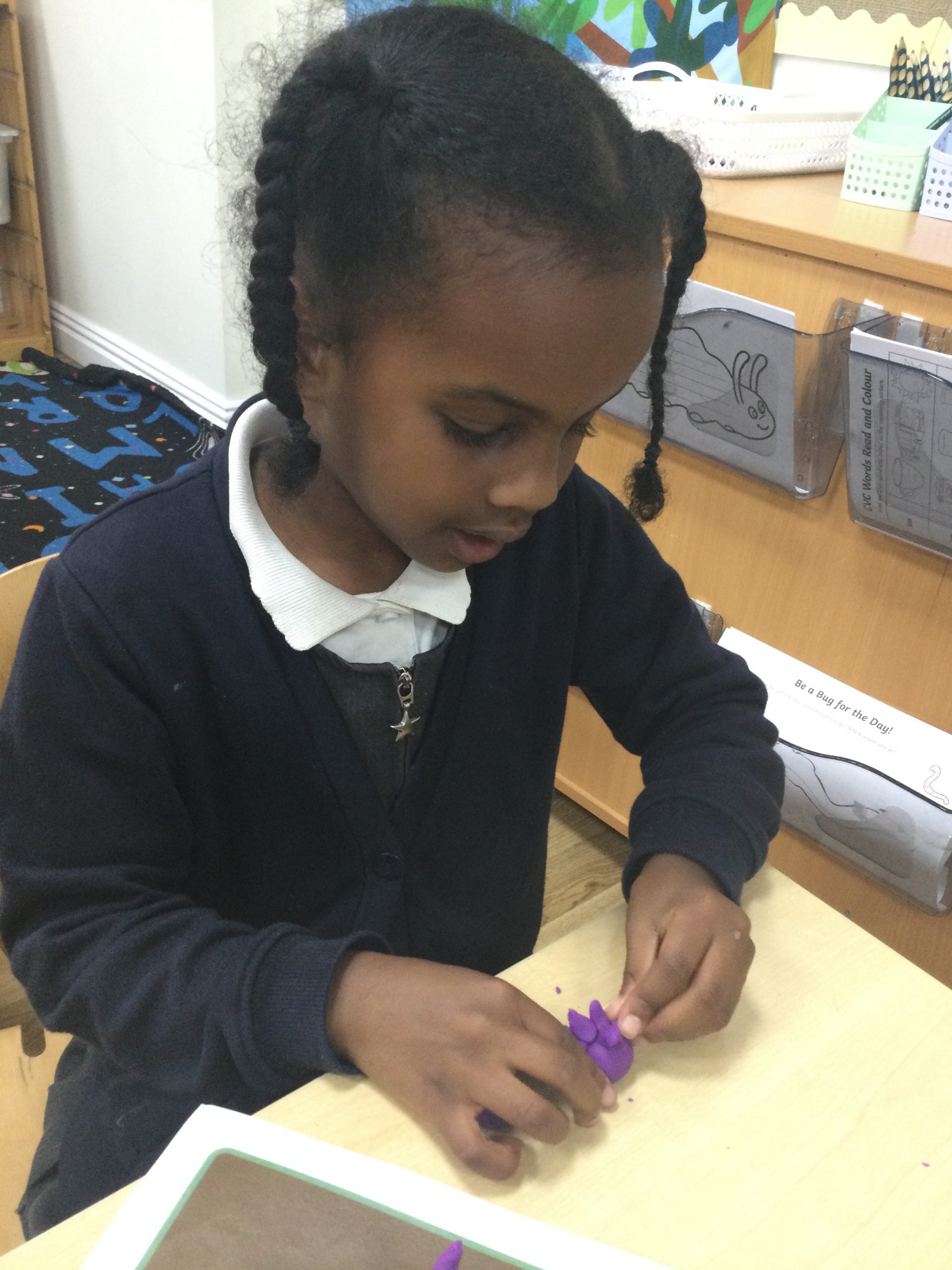
We have been finding out about specific animal adaptations which enables the species to live and thrive in their habitat.
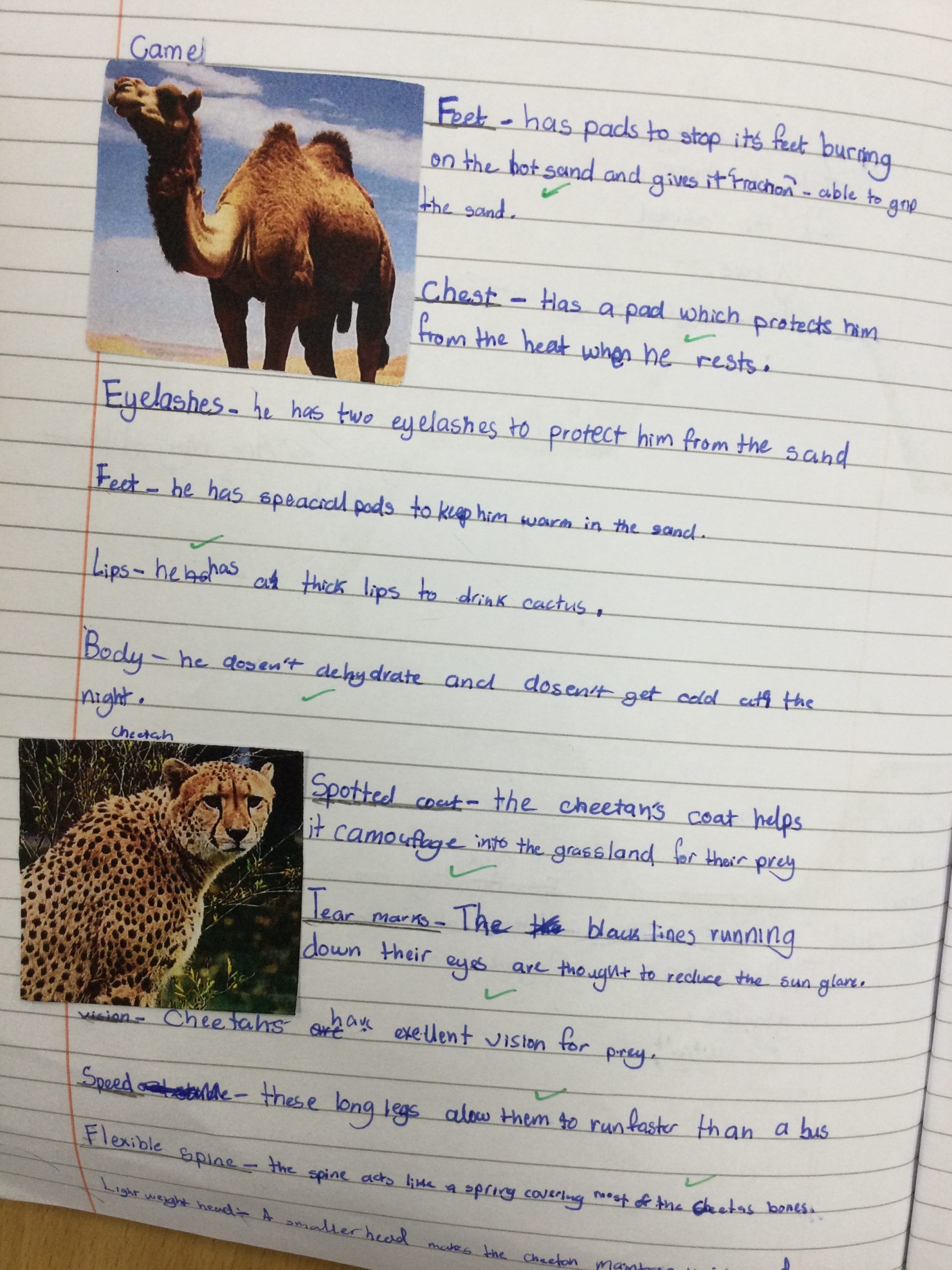
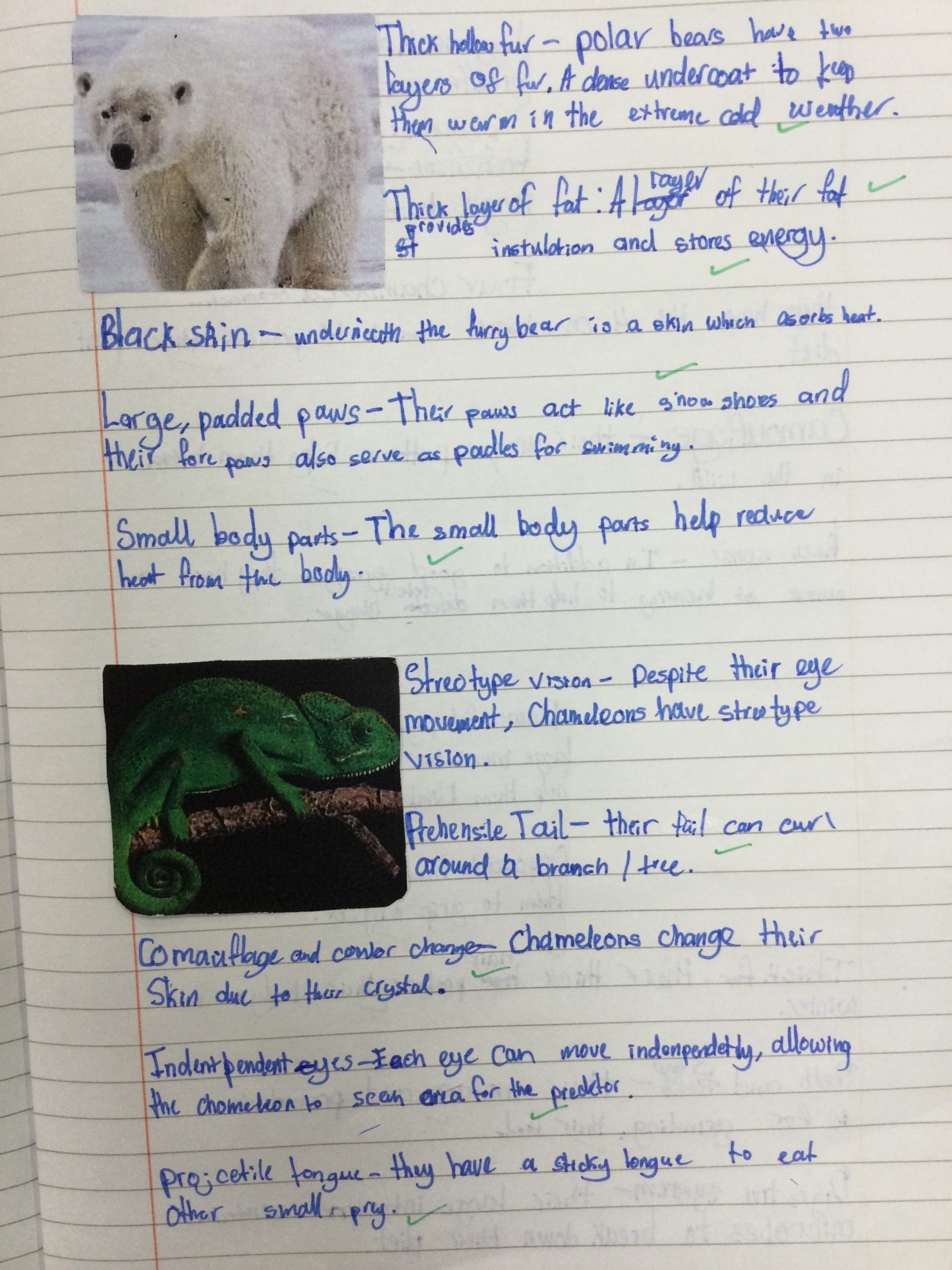
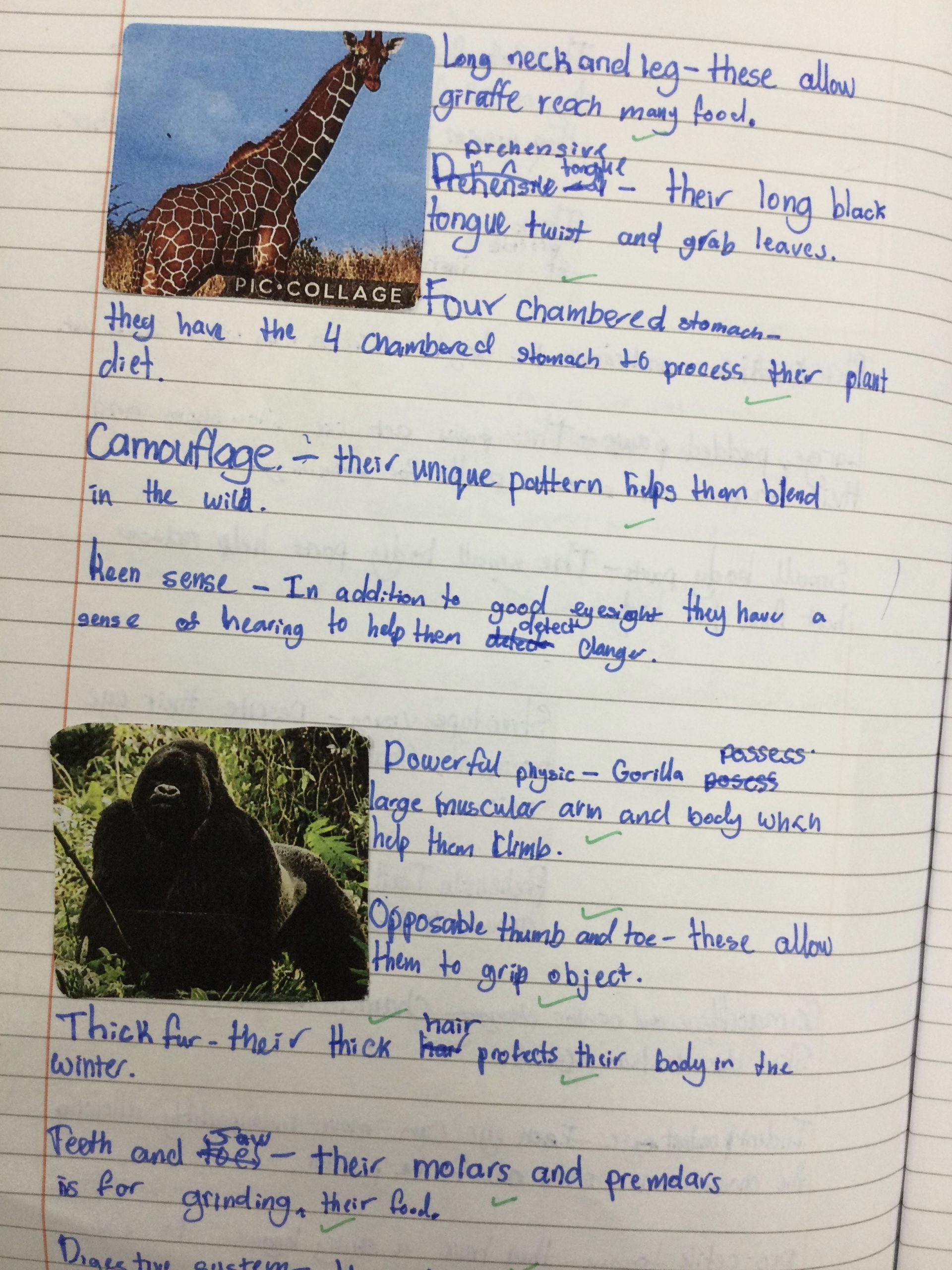
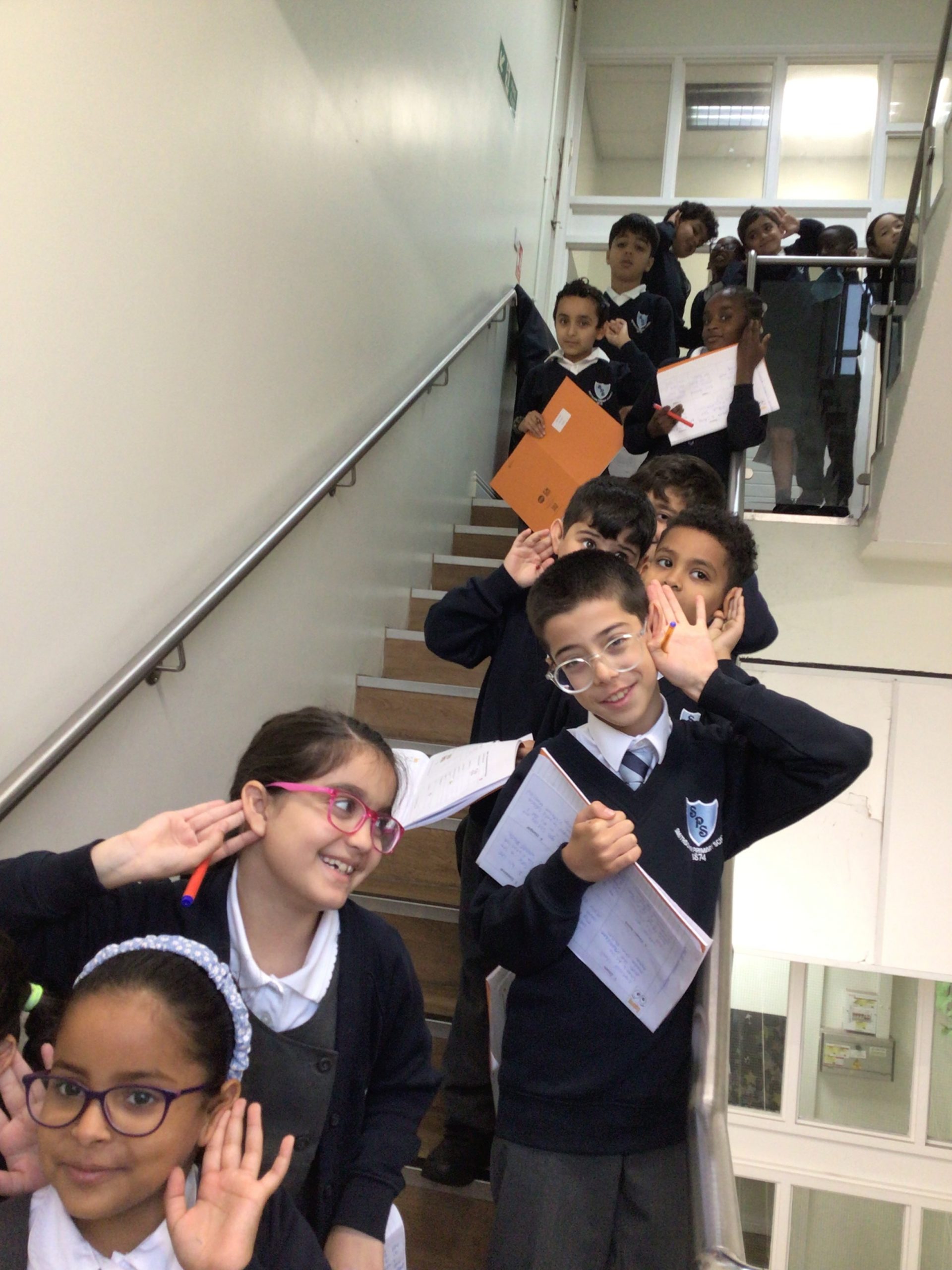
Y4 took a walk around the school to note different sounds we heard. Mr. Smith got a 7/10 for volume and we enjoyed Mrs. Hollinsworth’s 3/10 radio songs in the office!
56
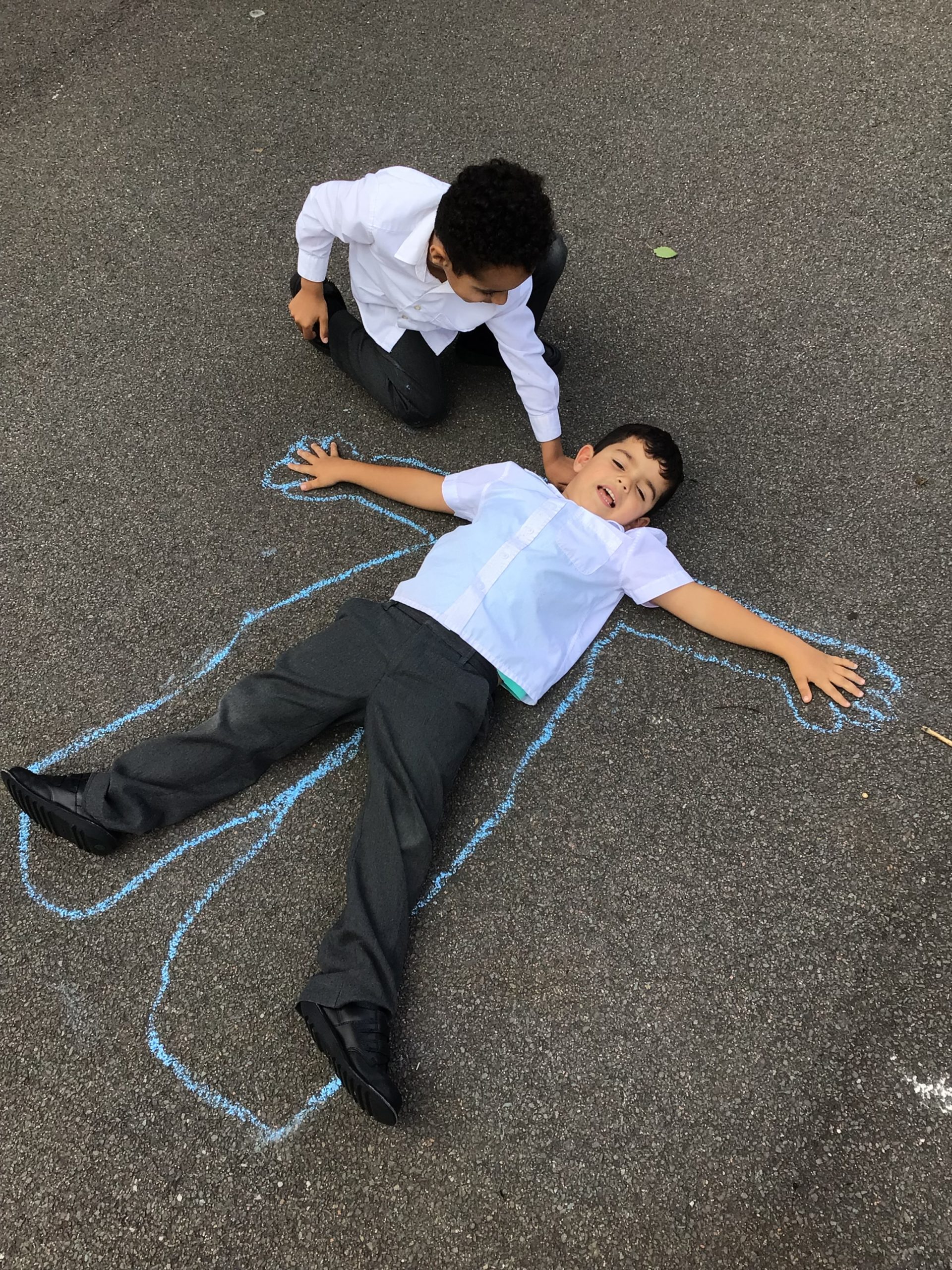
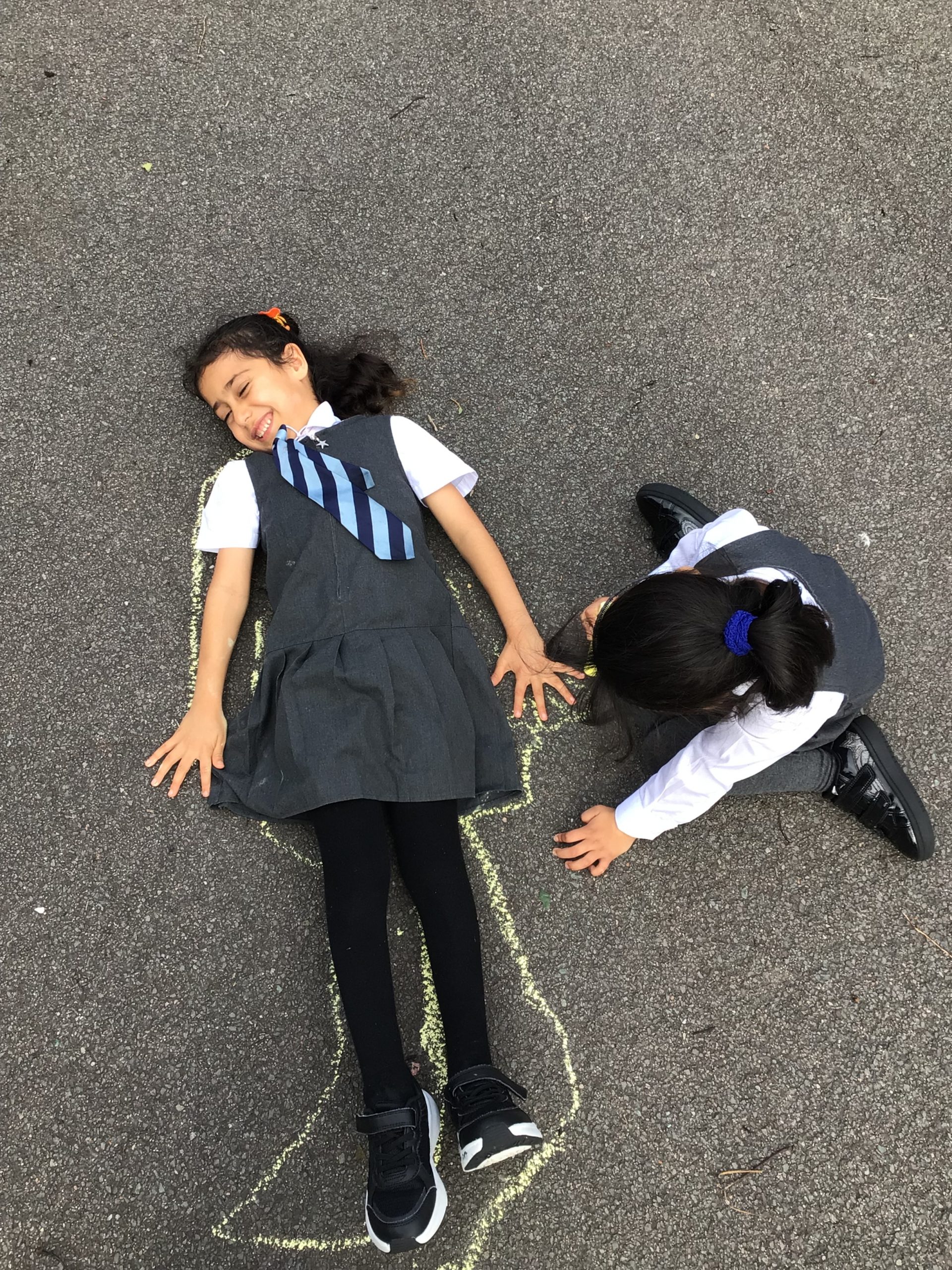
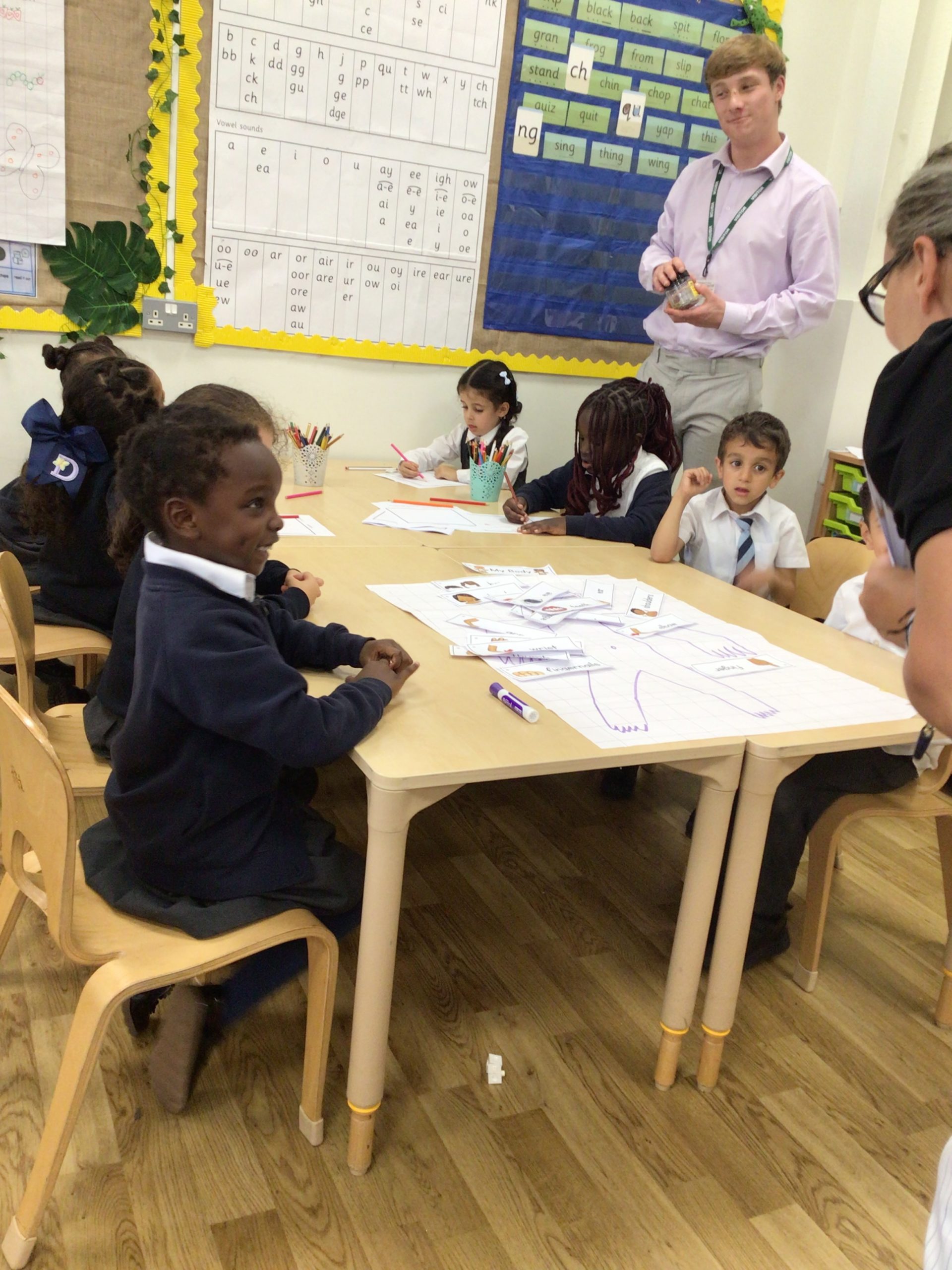
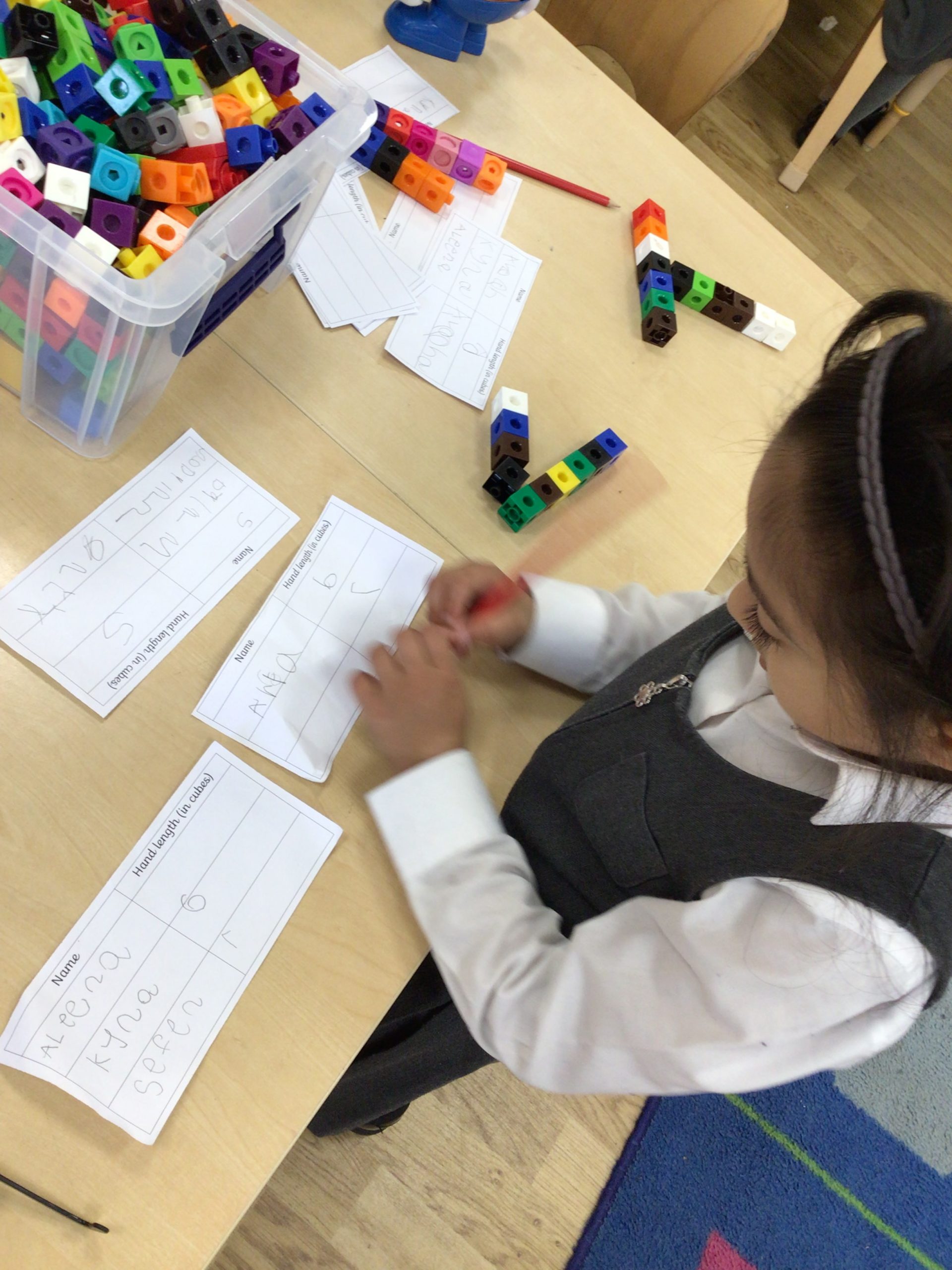
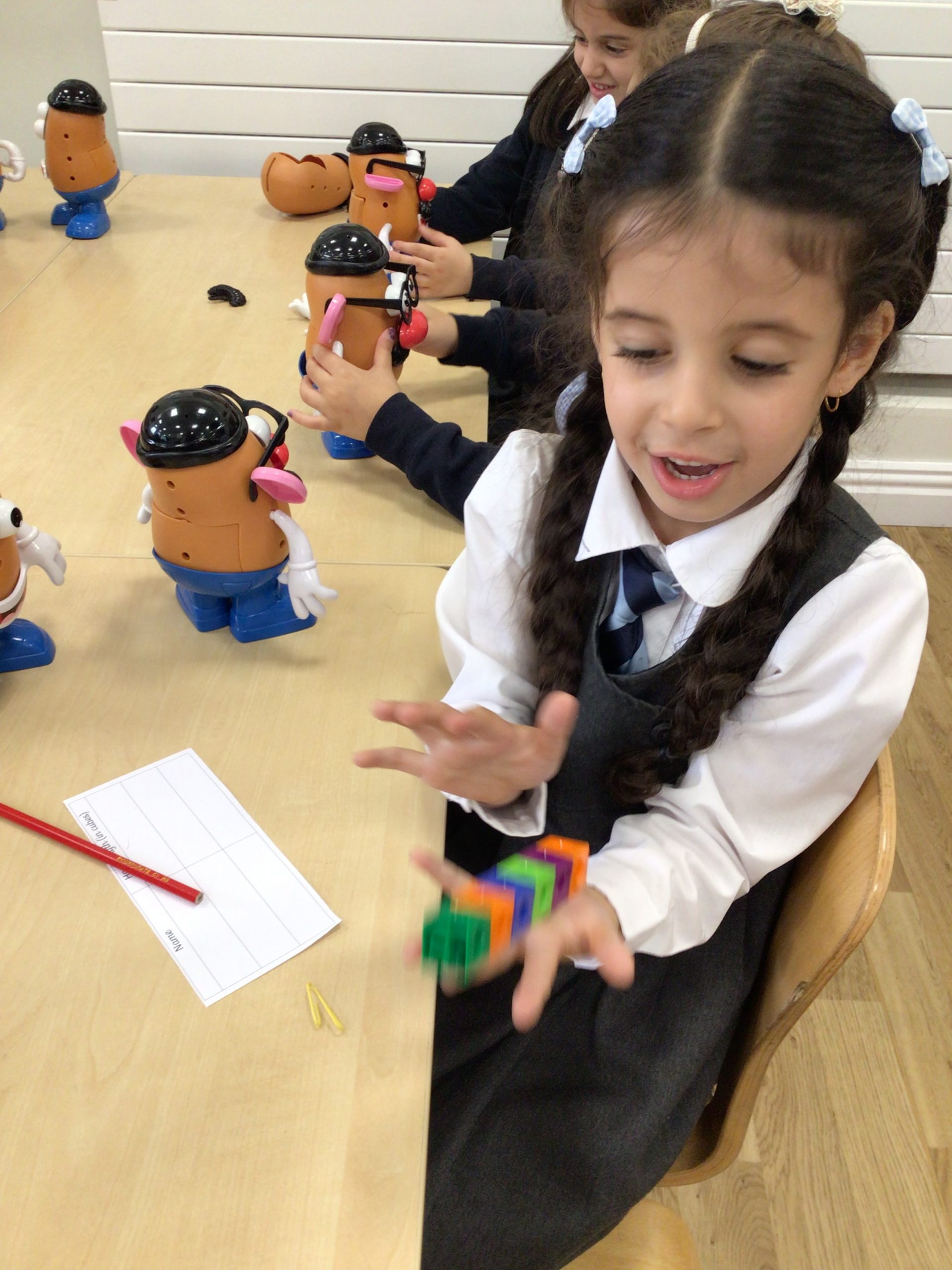
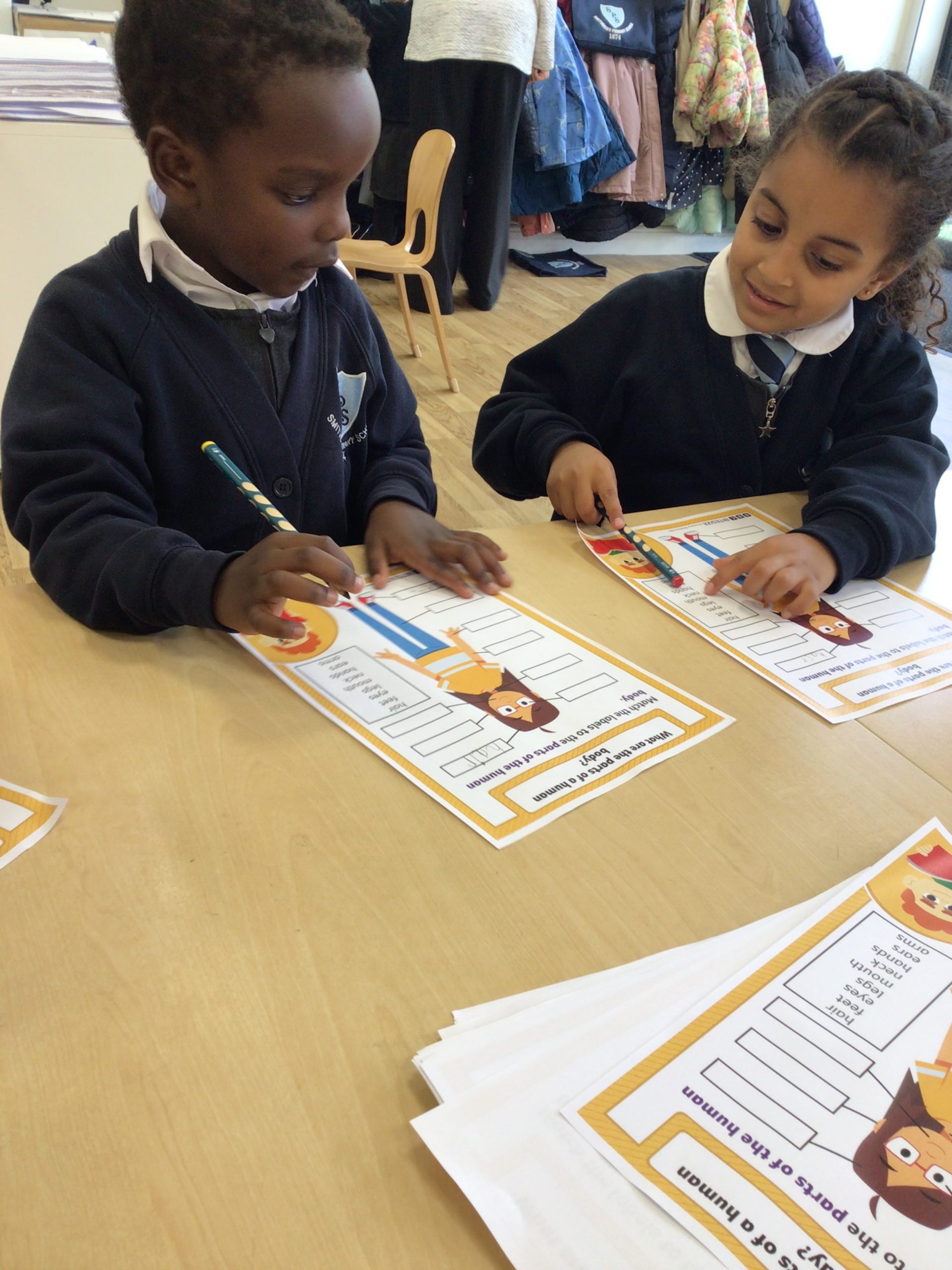
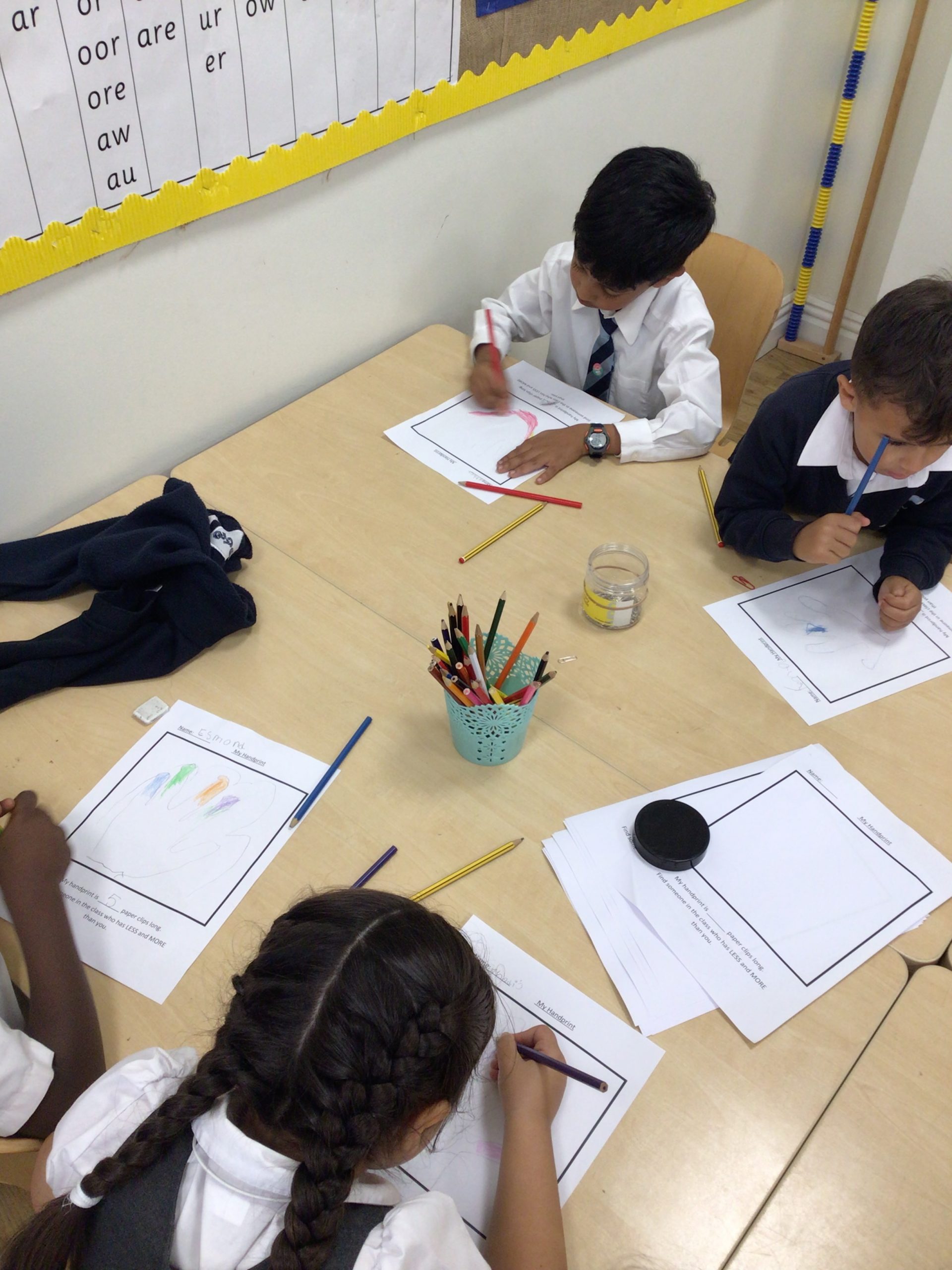
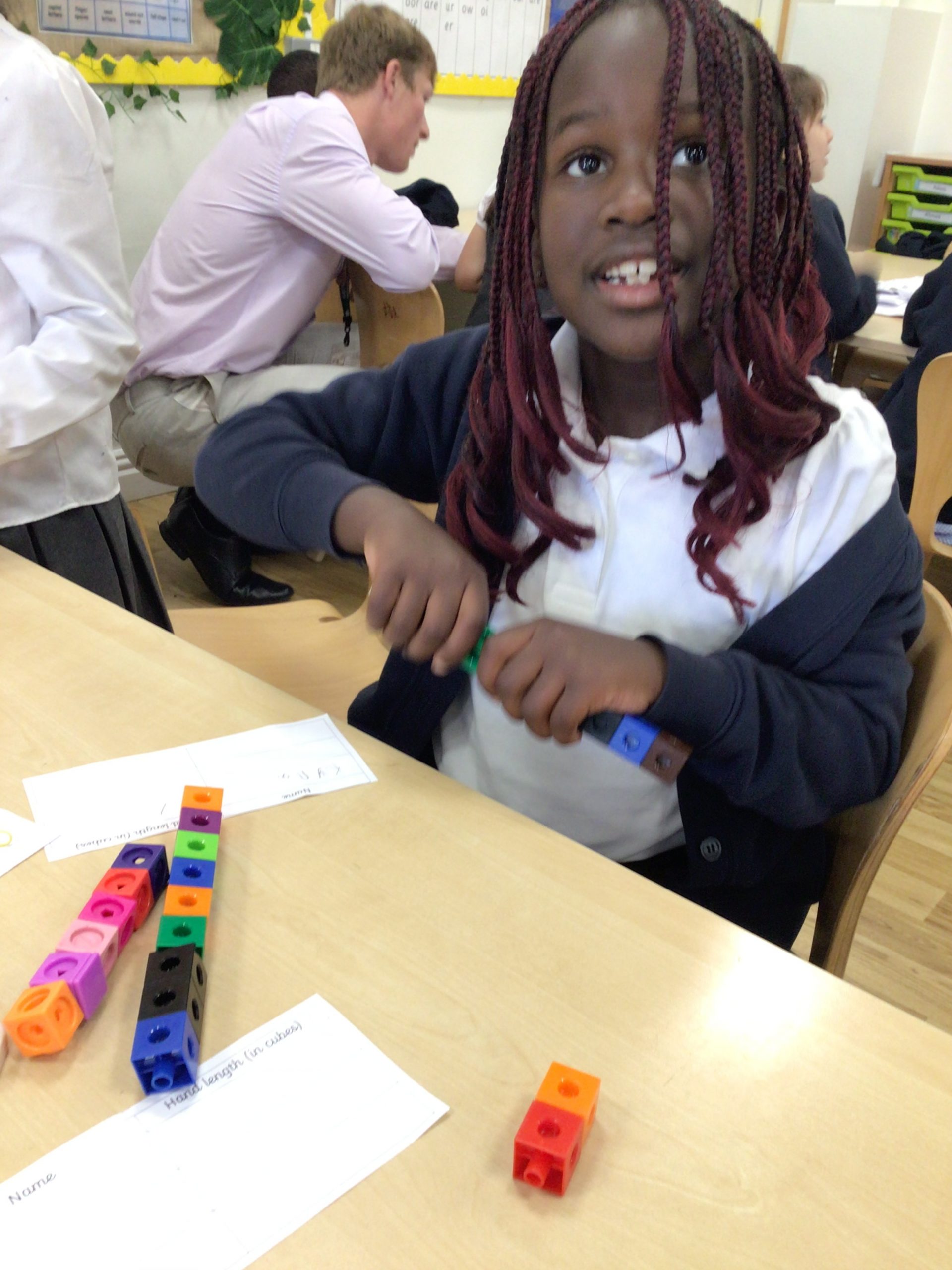
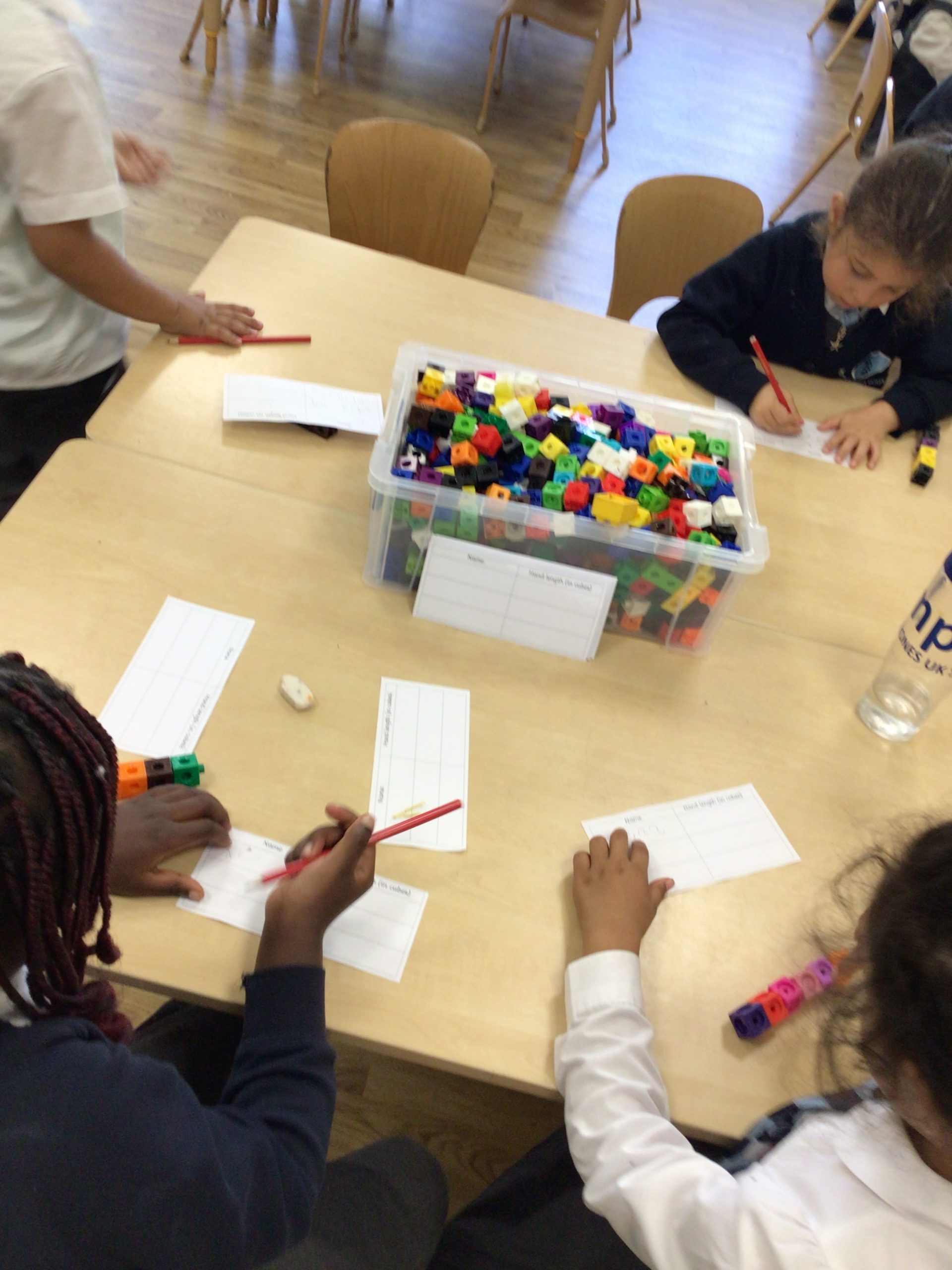
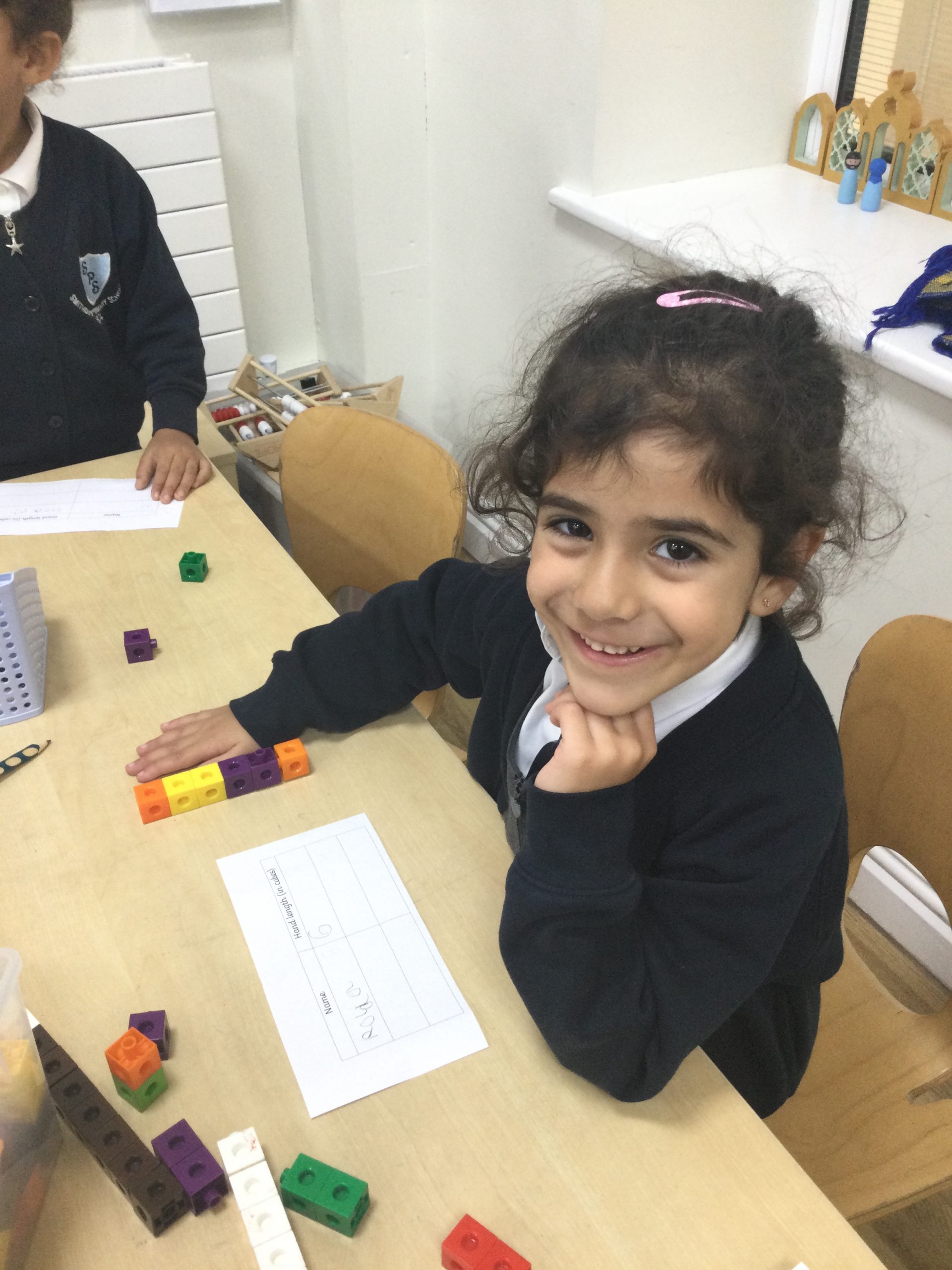
Lots of fun in science this afternoon exploring the names of parts of our body. We drew around outdoors with chalk, labelled diagrams and worked scientifically to measure how many cubes/paper clips our hand length was. We then compared this with our friend’s measurements.
50
We used magnifying glasses to look at all the different thing that had fallen down off the trees.
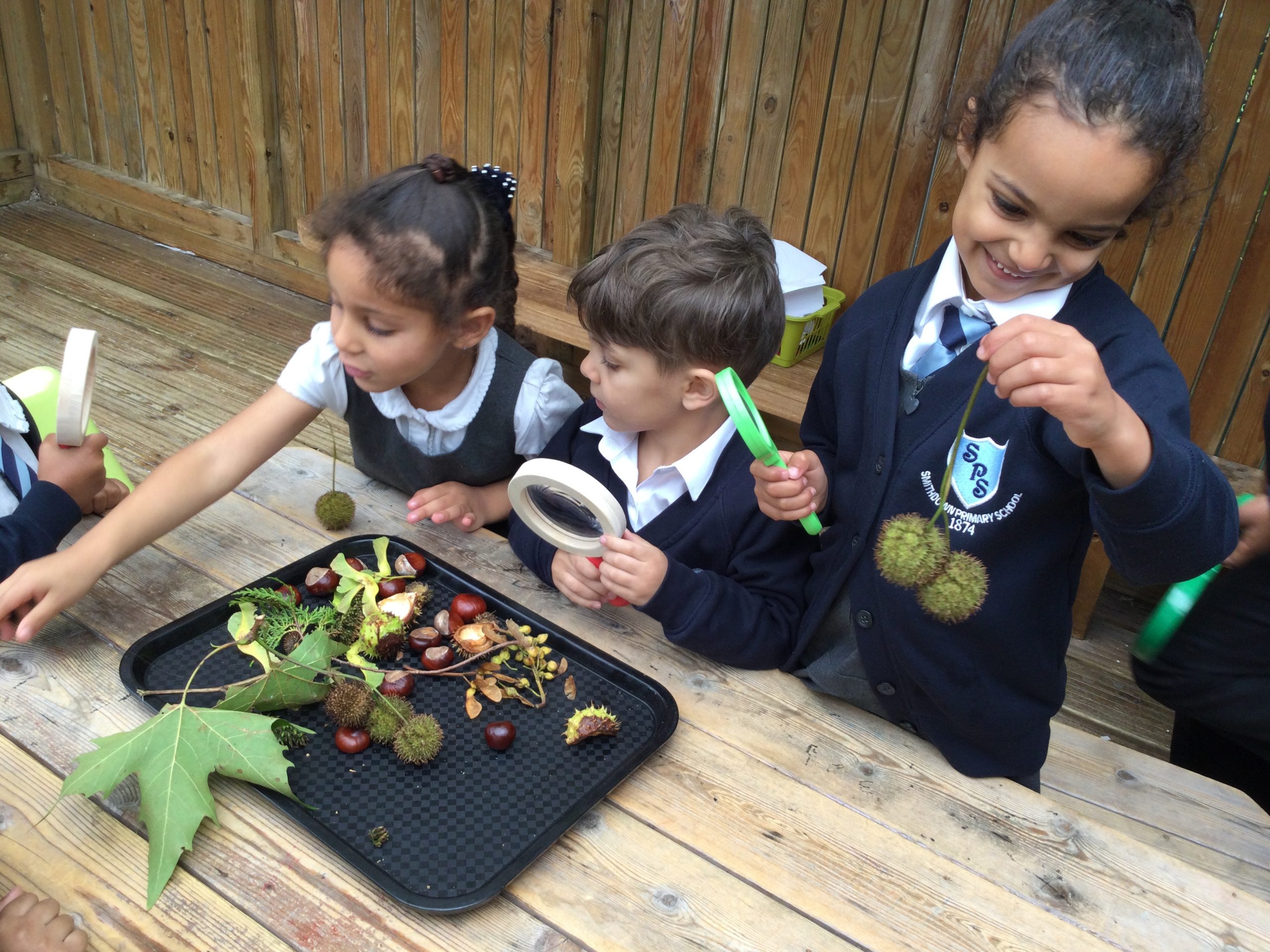
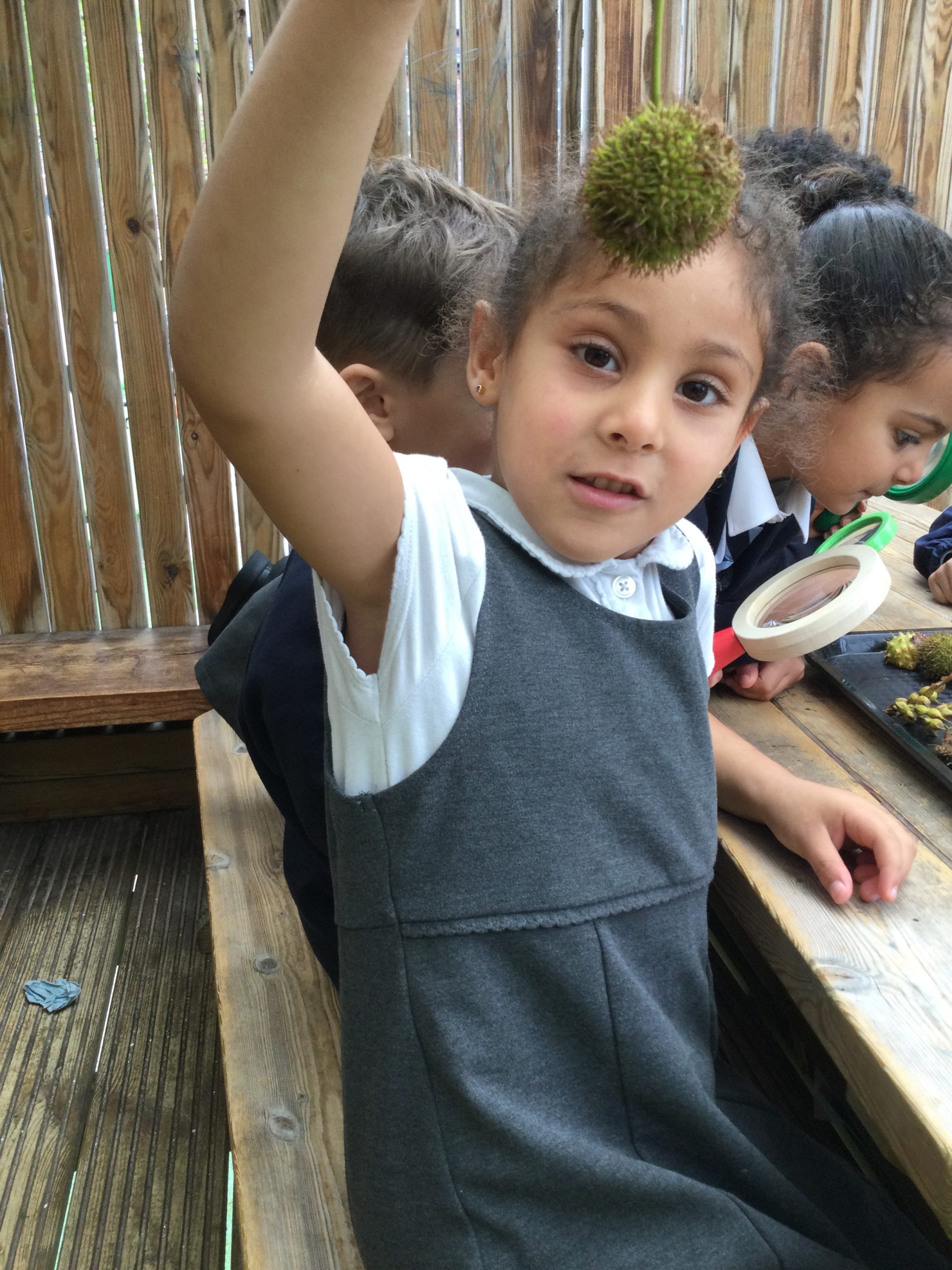
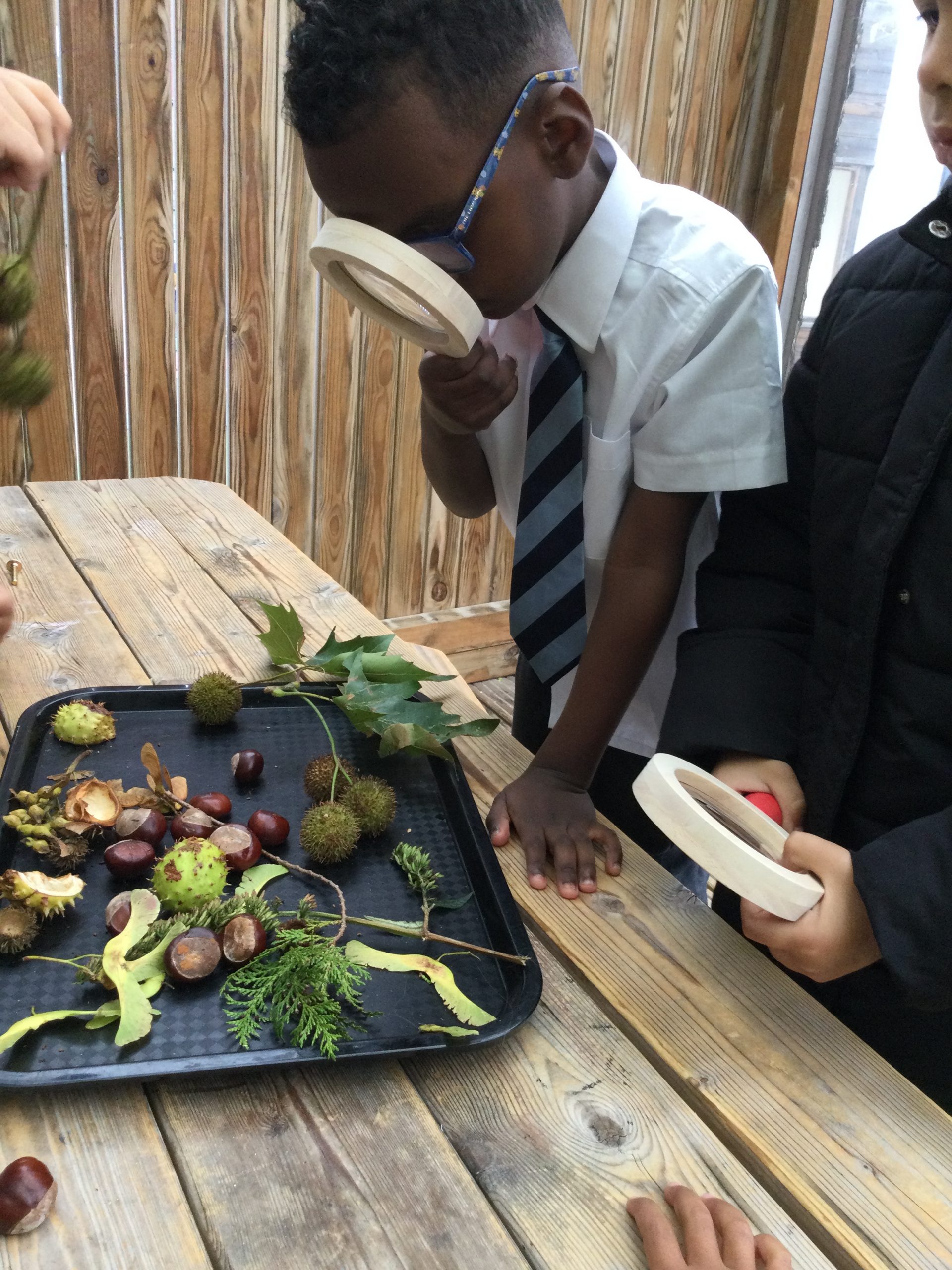
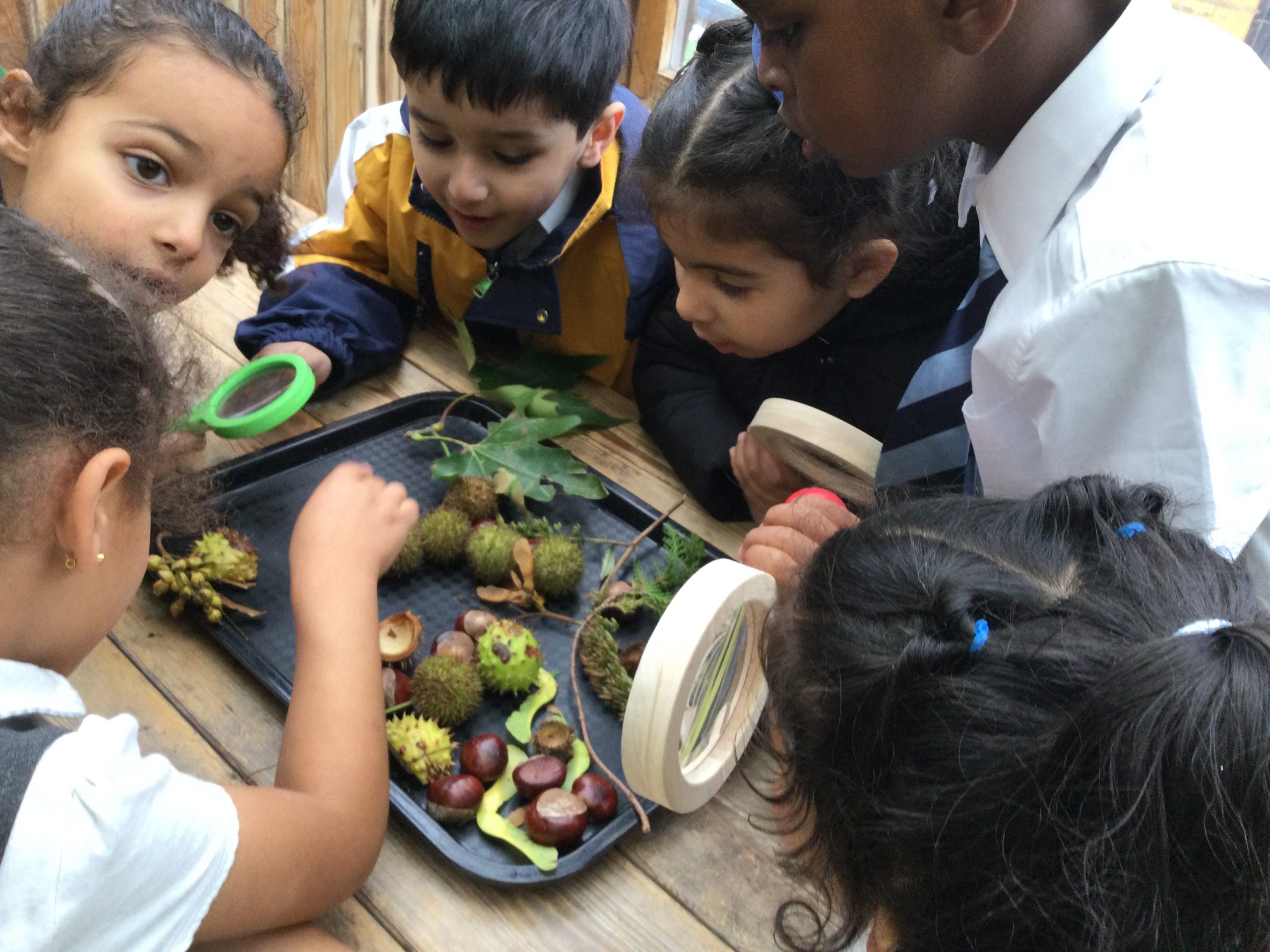
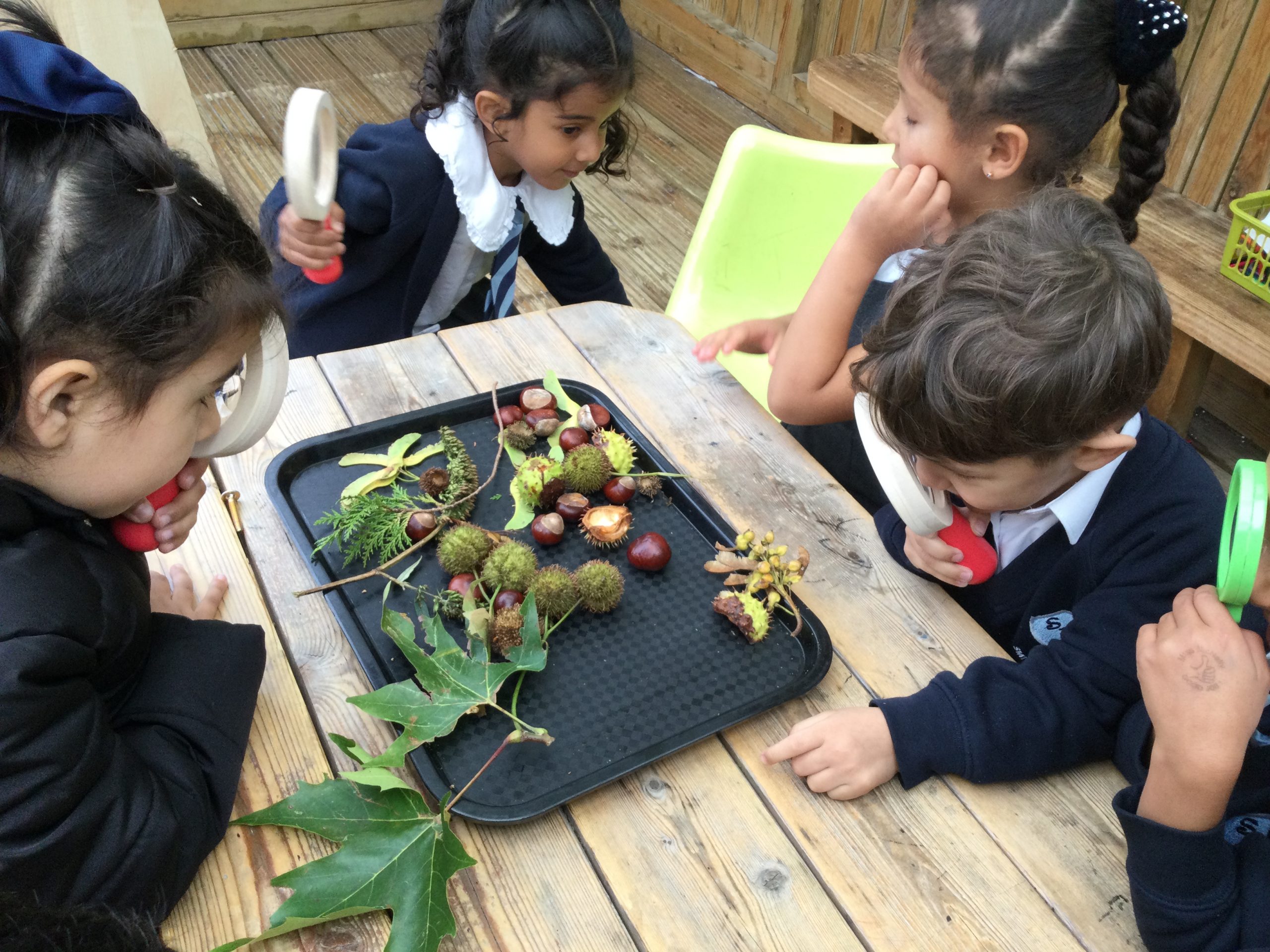
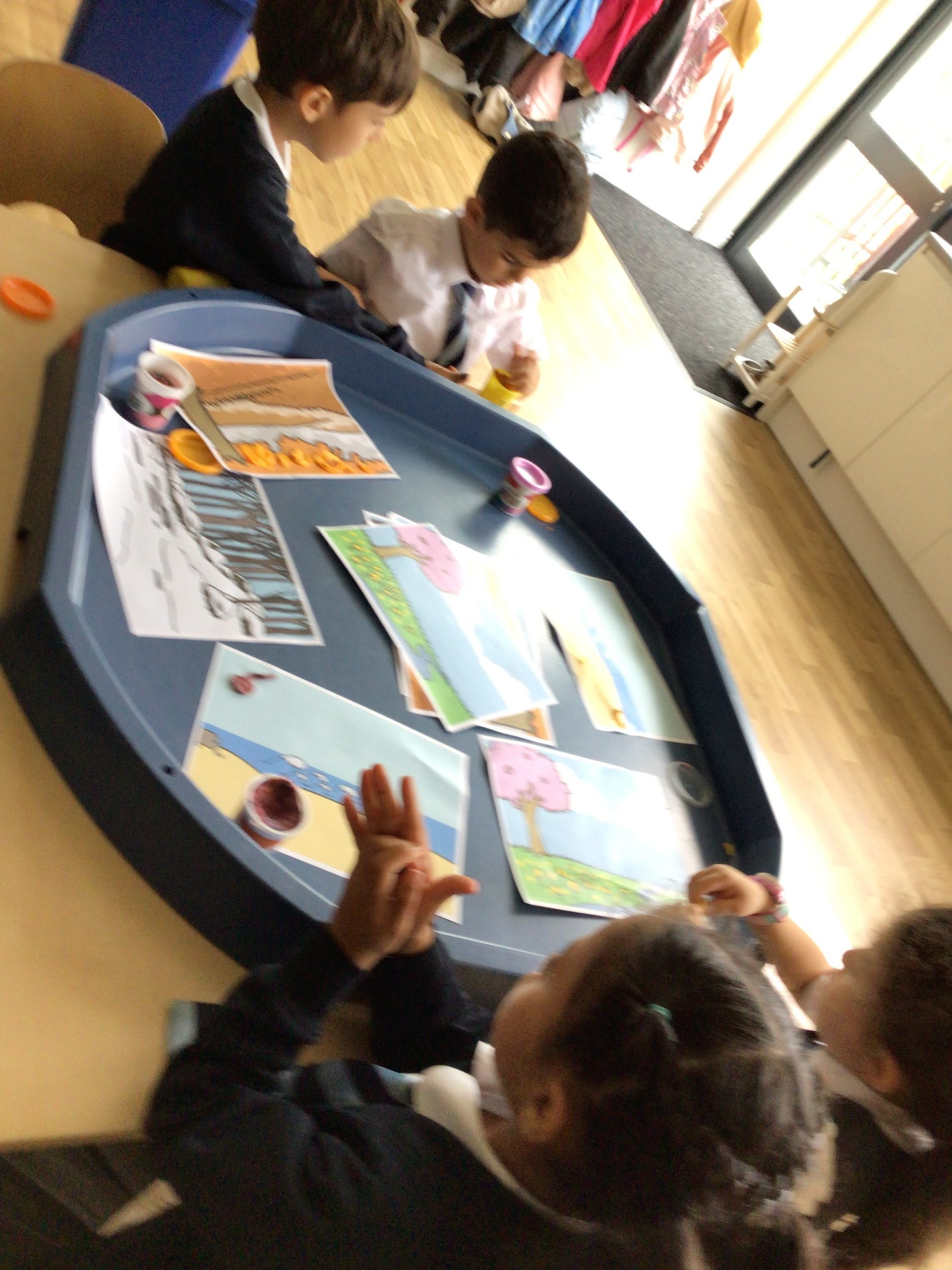
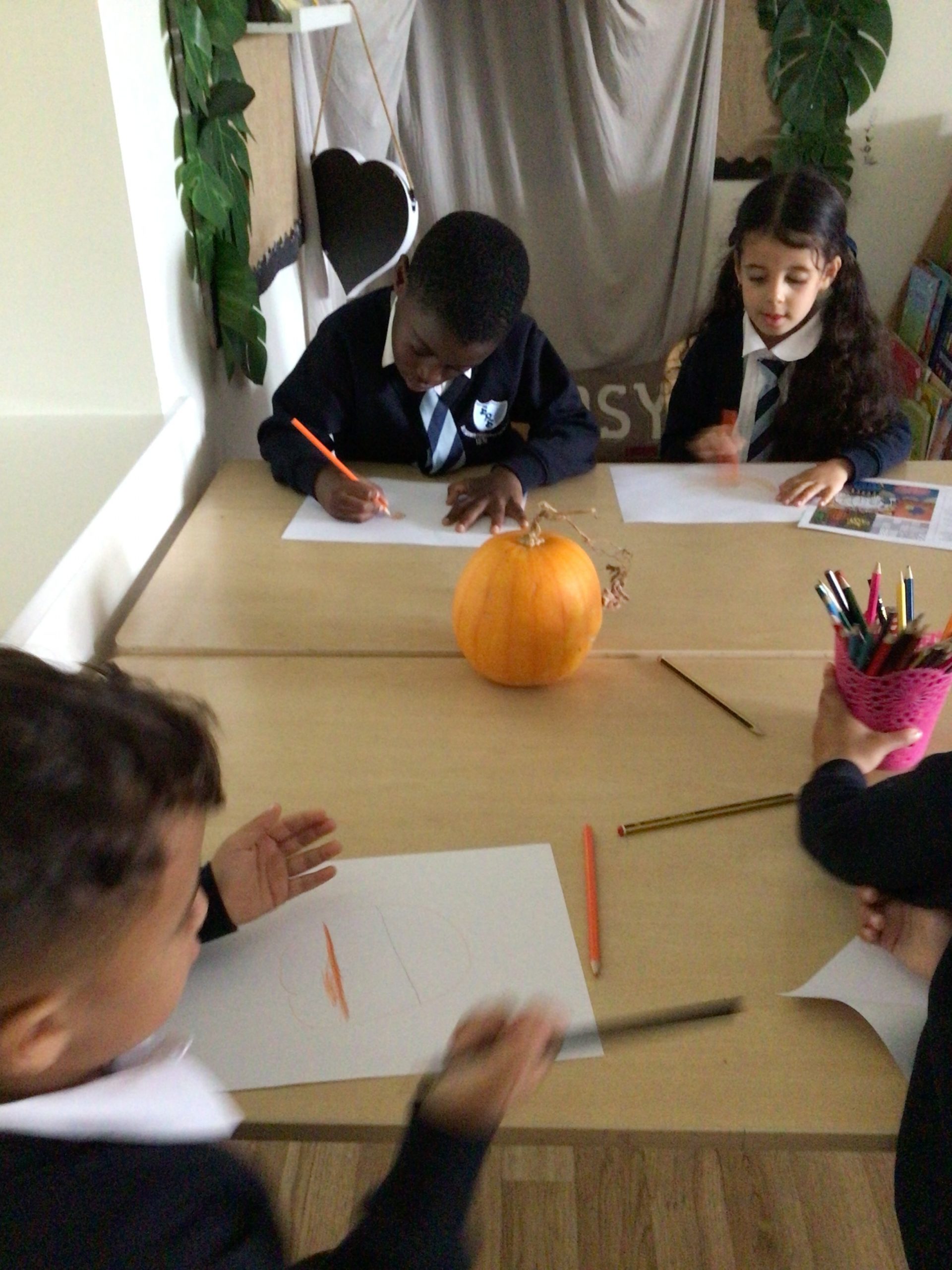
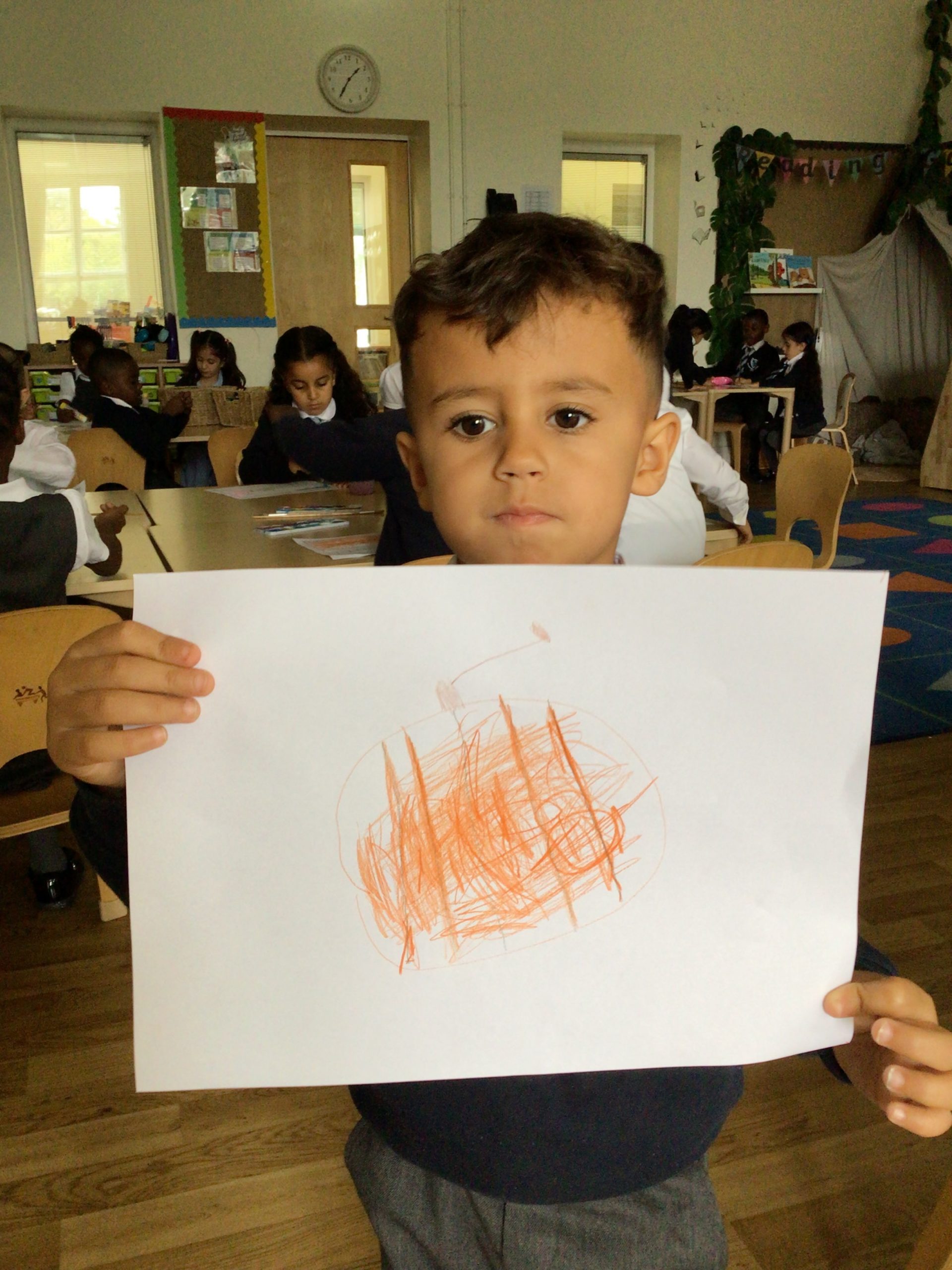
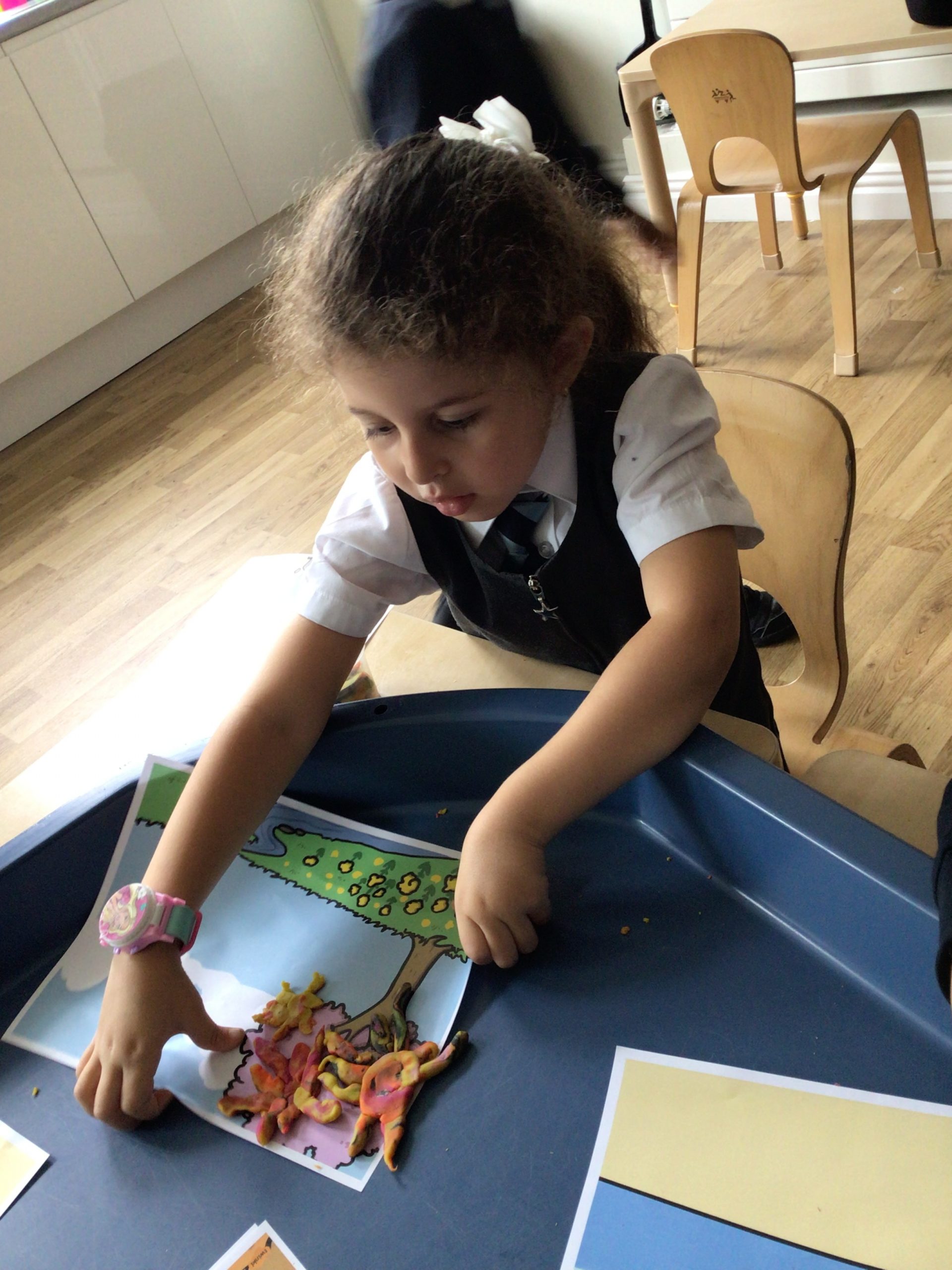
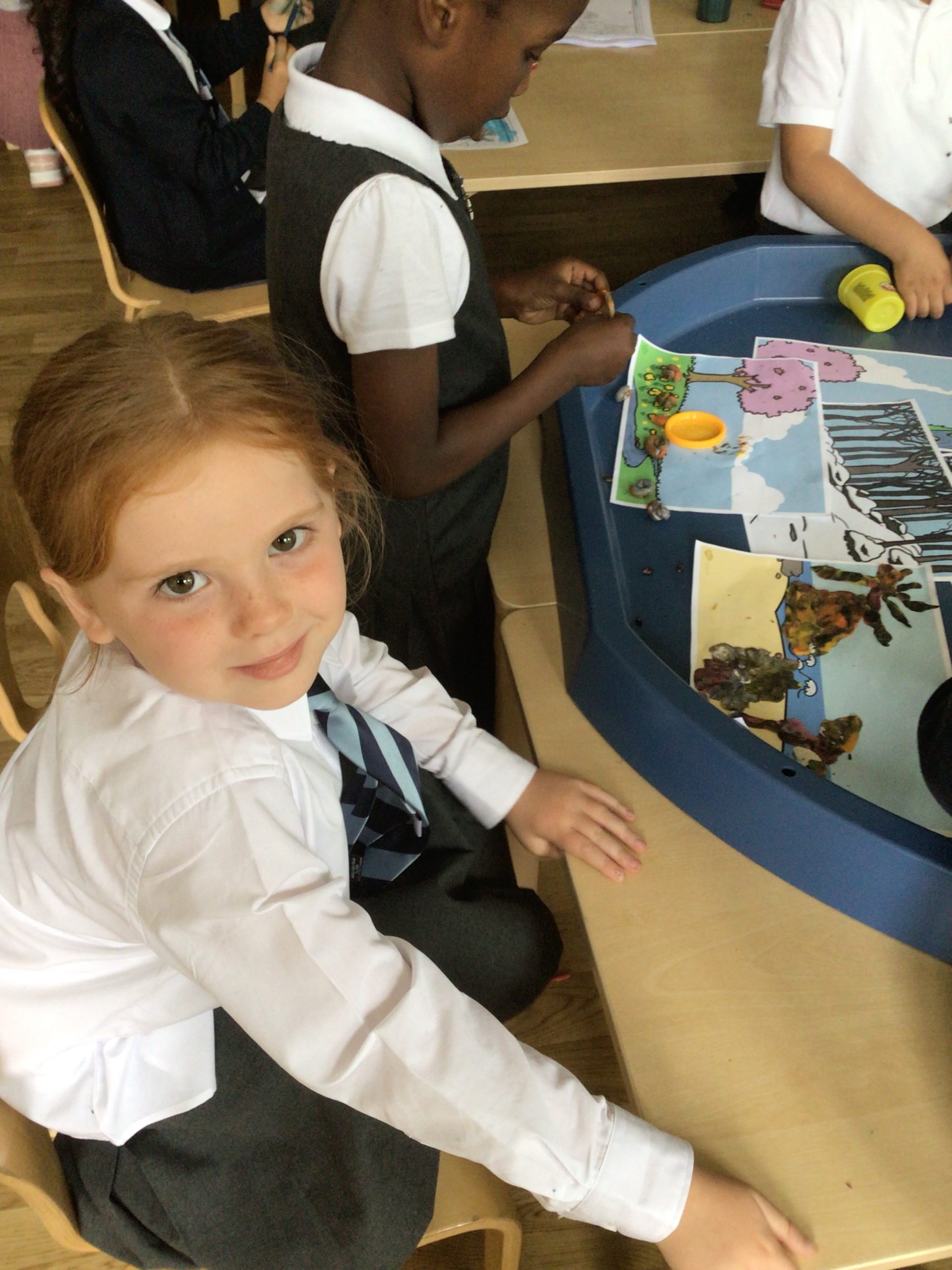
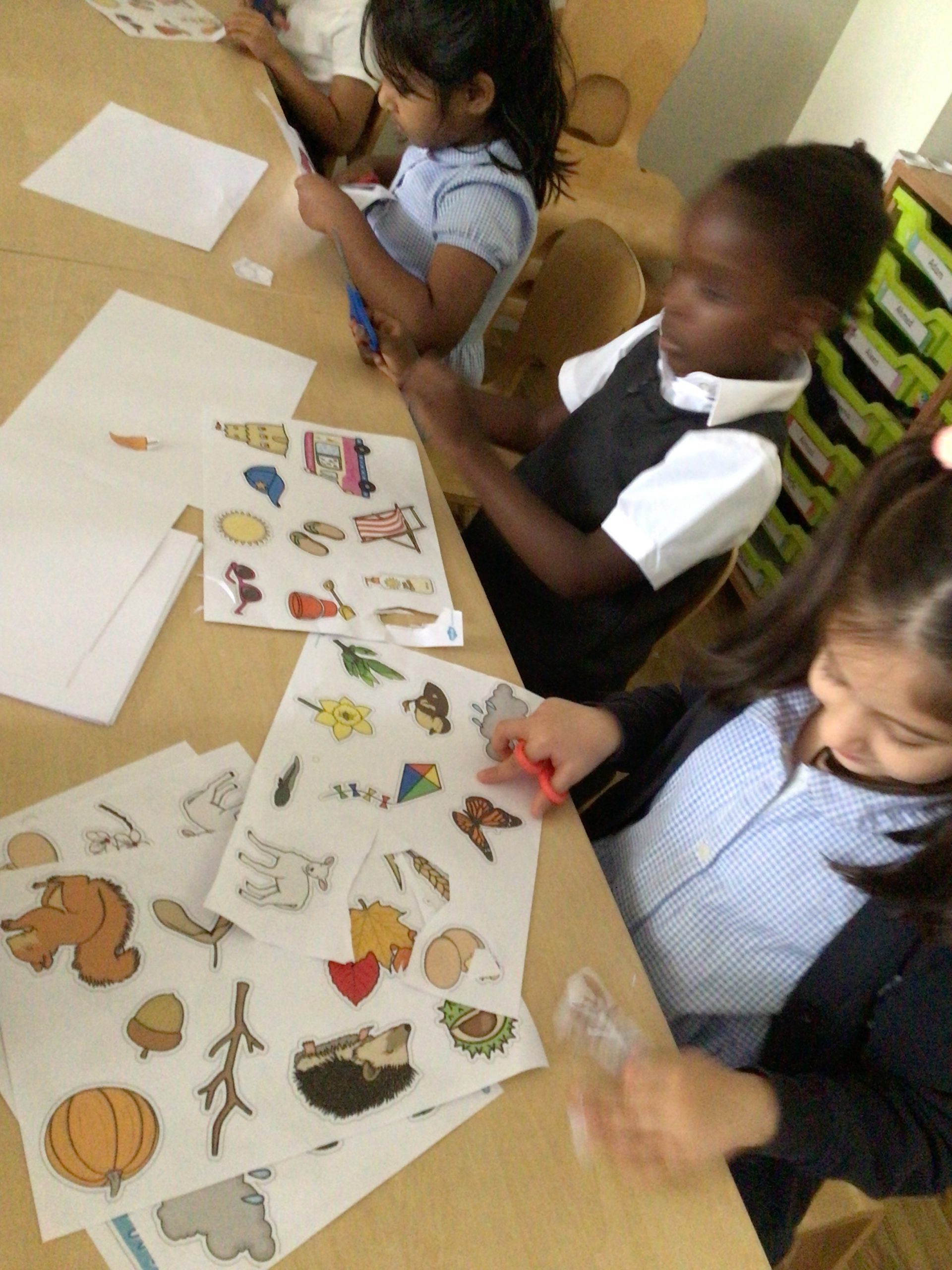
We kicked off science in Y1 by thinking about what seasons are. We sang the months of the year song to understand which months are in which season. We realised we are currently in Autumn! If anybody spots any signs of autumn outside of school, please bring in to share with the class. We spent the afternoon observational sketching pumpkins, adding seasonal features on our play dough mats, practising cutting skills to make our own season picture and painting some season signs.
44