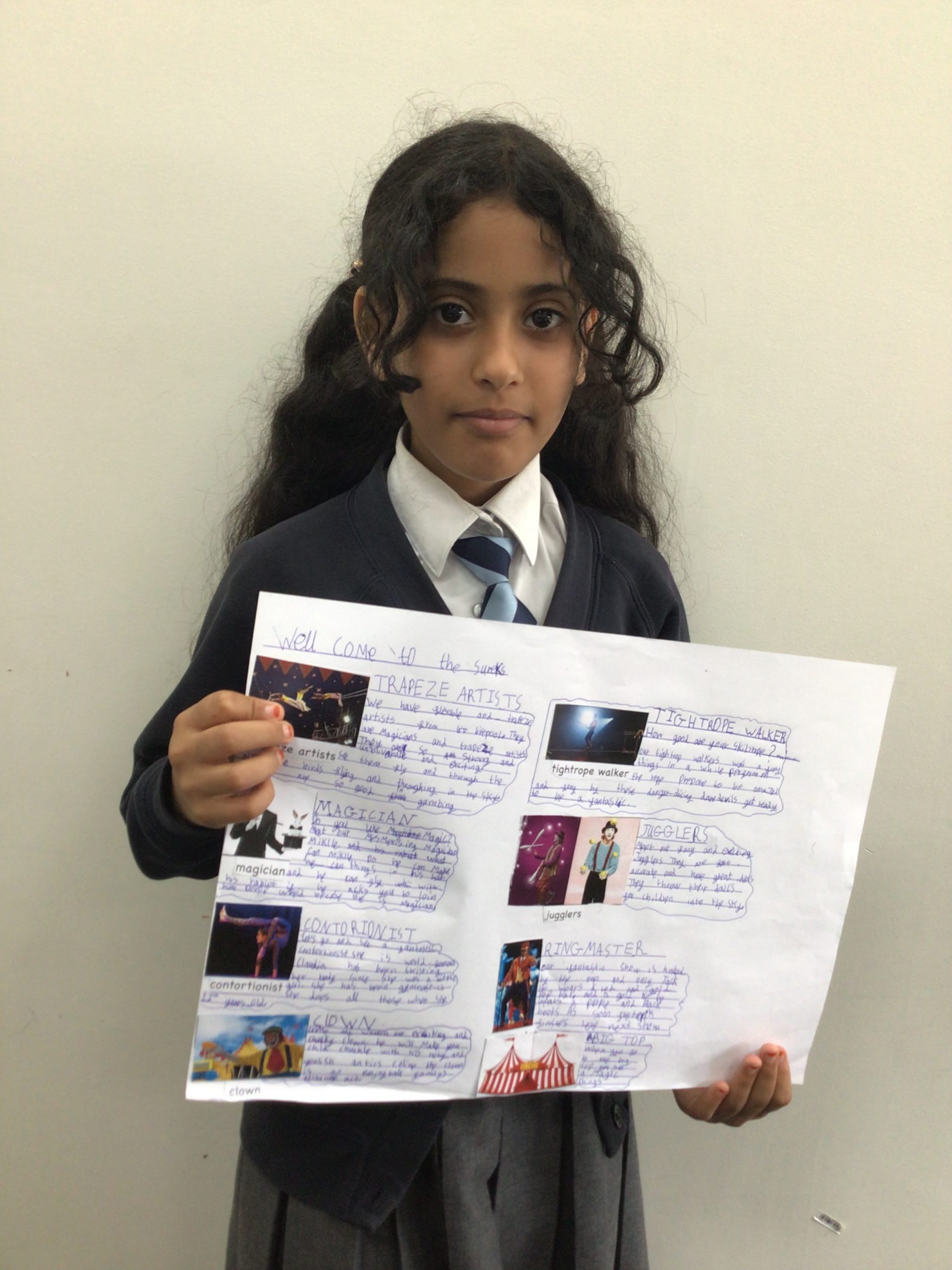
Reading and Phonics at Smithdown Primary School
Together We Grow
At Smithdown Primary School, we believe that developing a love of reading is one of the most important things we can give our children. Reading opens doors to imagination, knowledge and opportunity — it is the foundation of all learning and success.
Our goal is for every child to become a confident, fluent and enthusiastic reader who develops a lifelong love of books. We want all pupils to leave Smithdown reading widely, fluently and with understanding, ready to thrive both academically and personally.
Our Approach to Reading
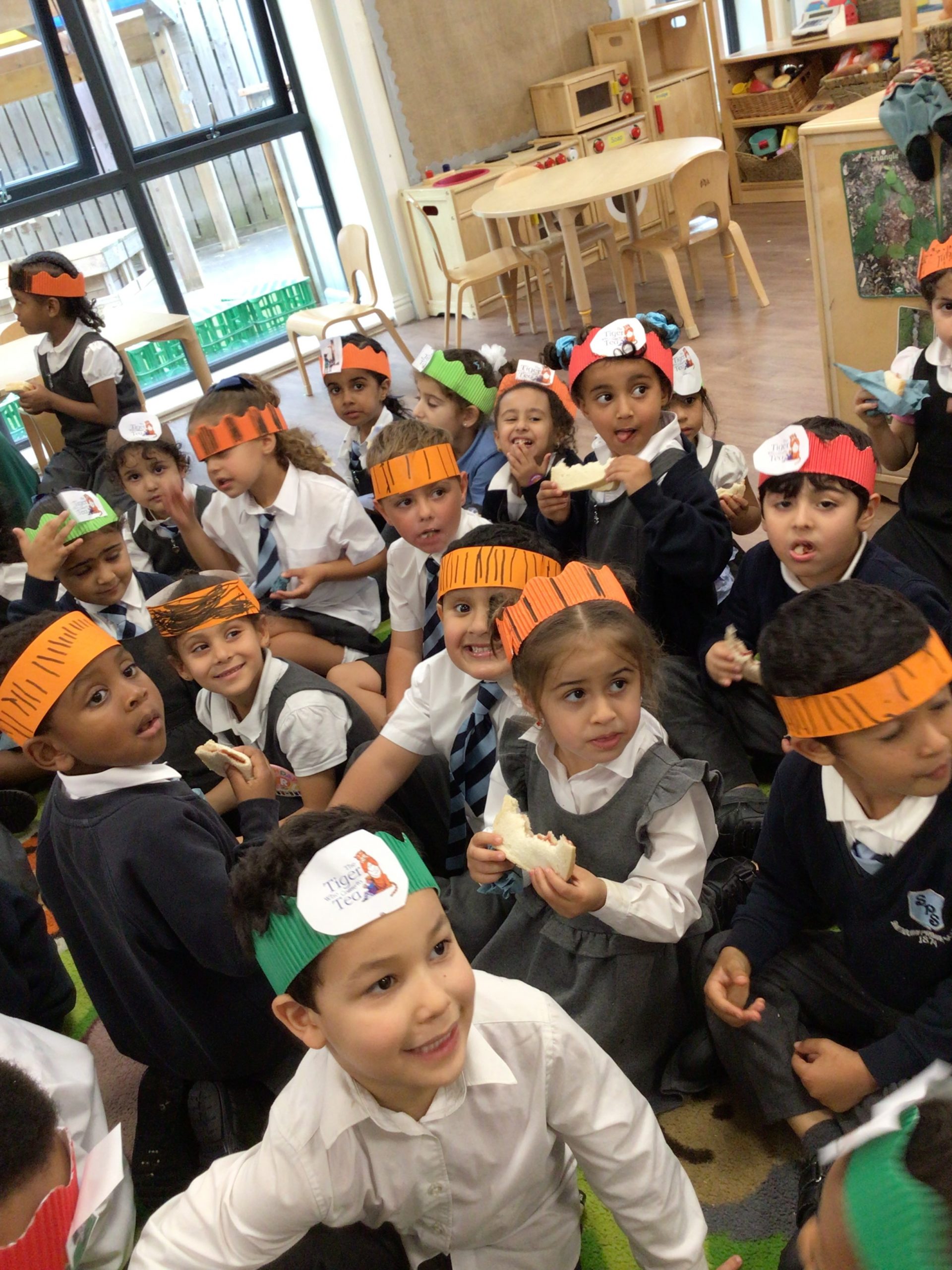
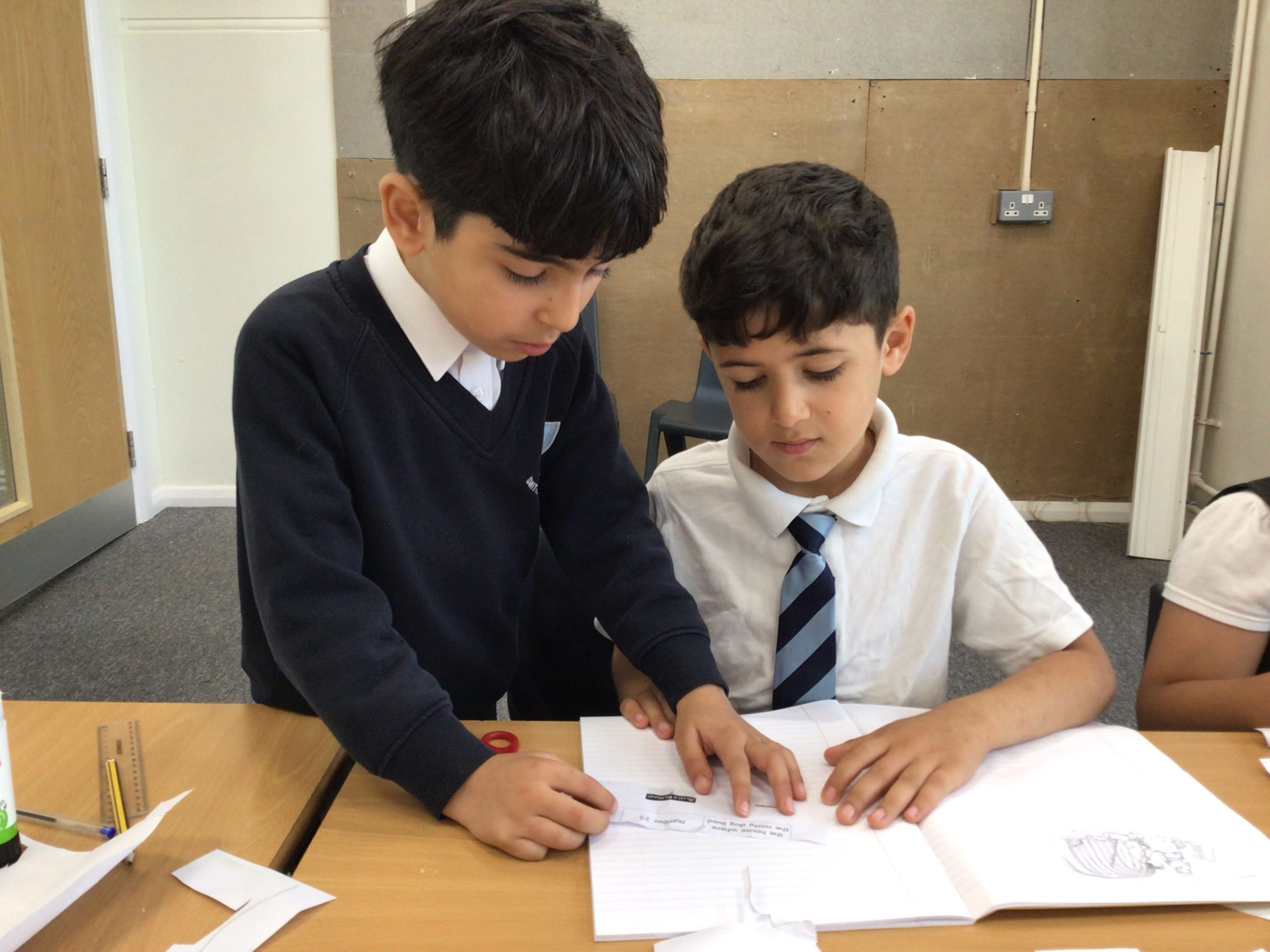
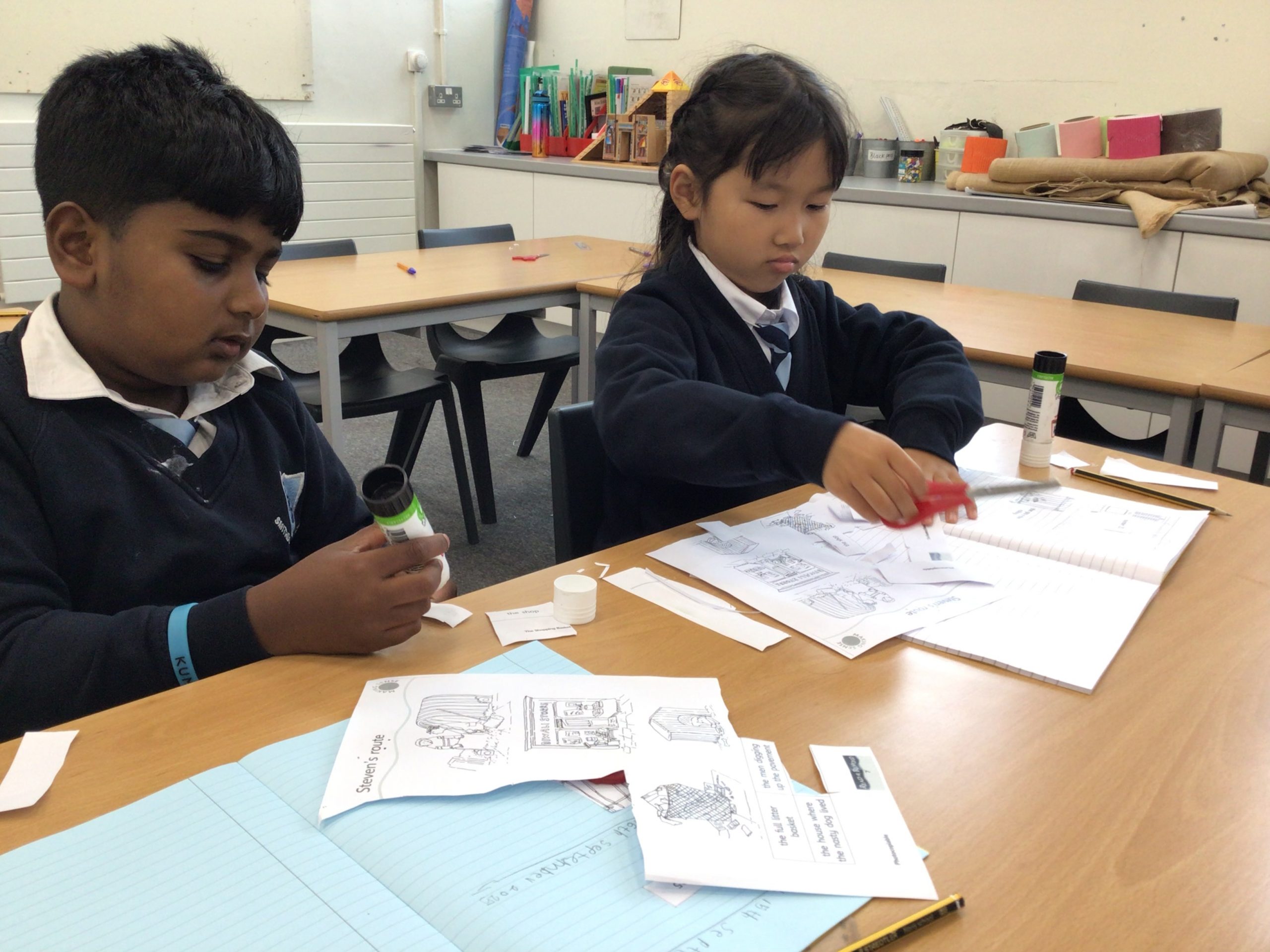
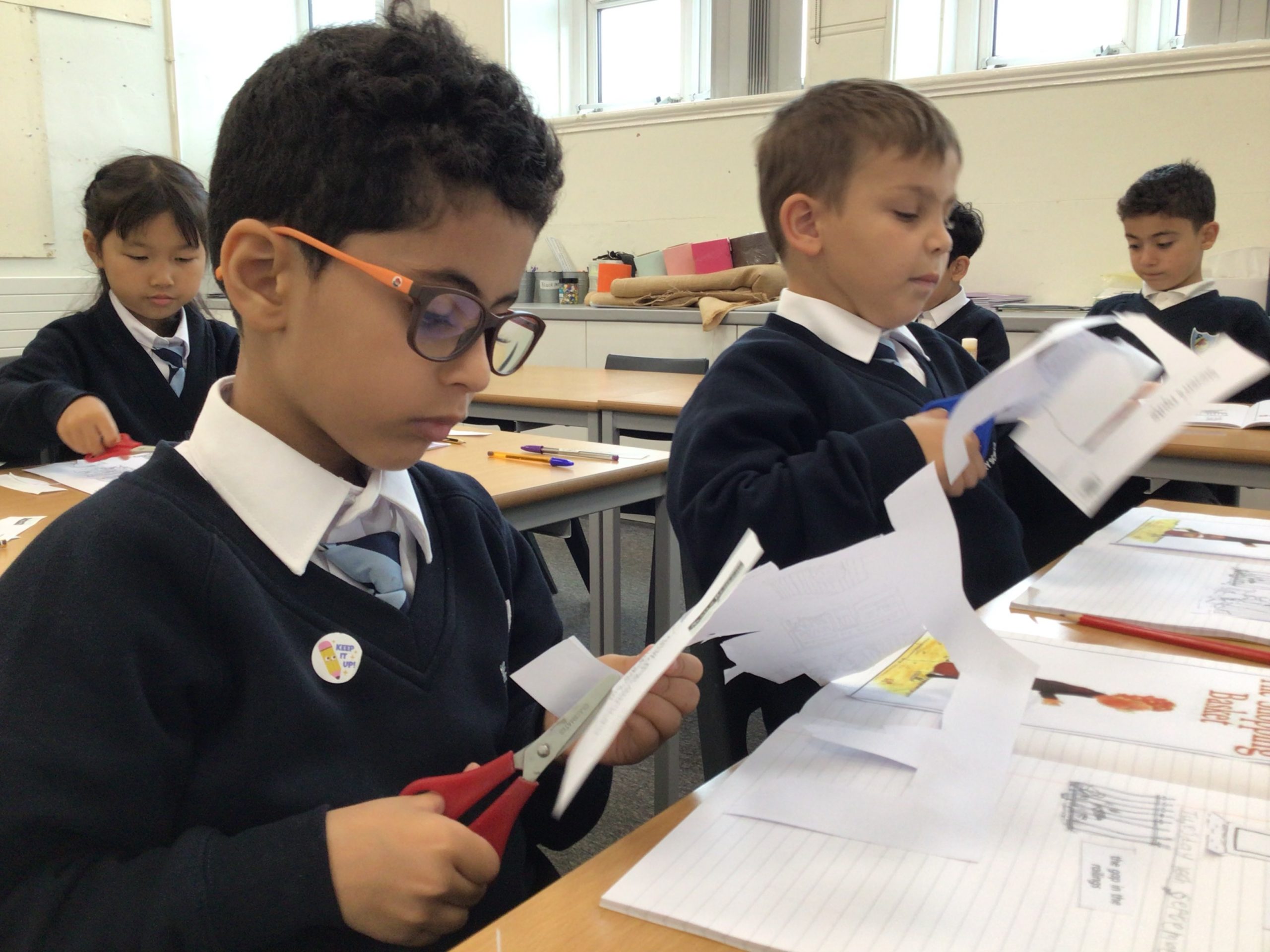
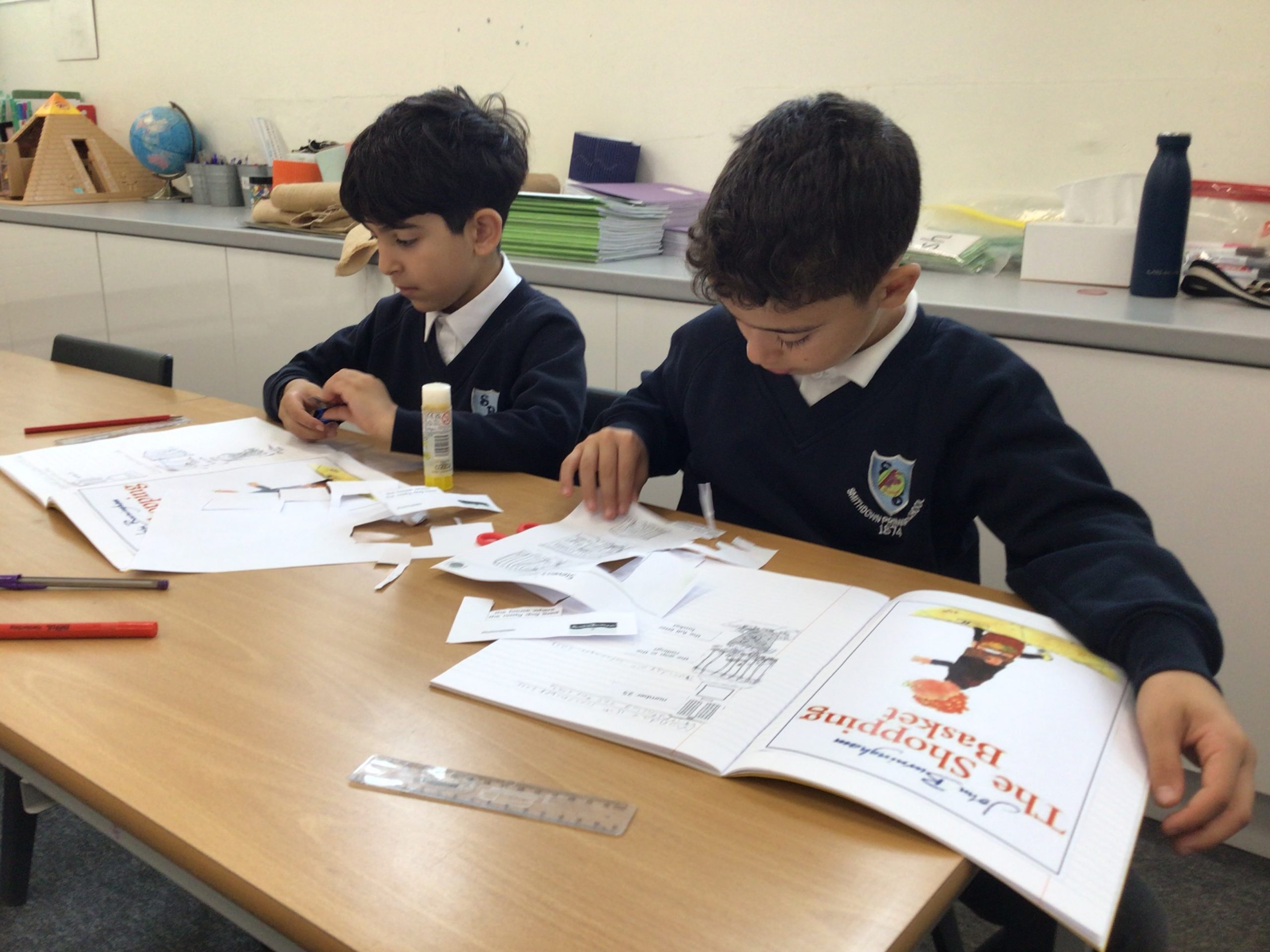
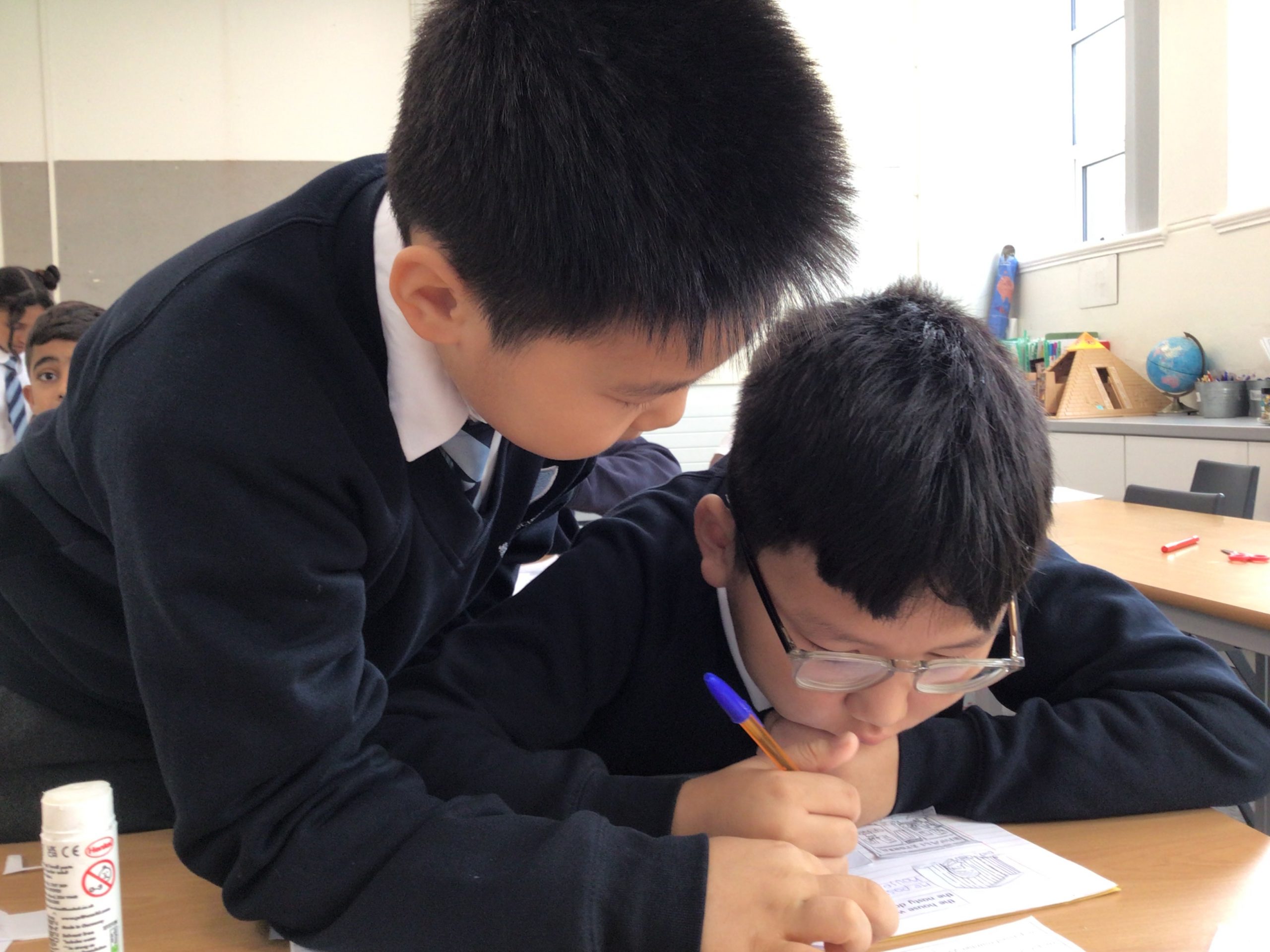
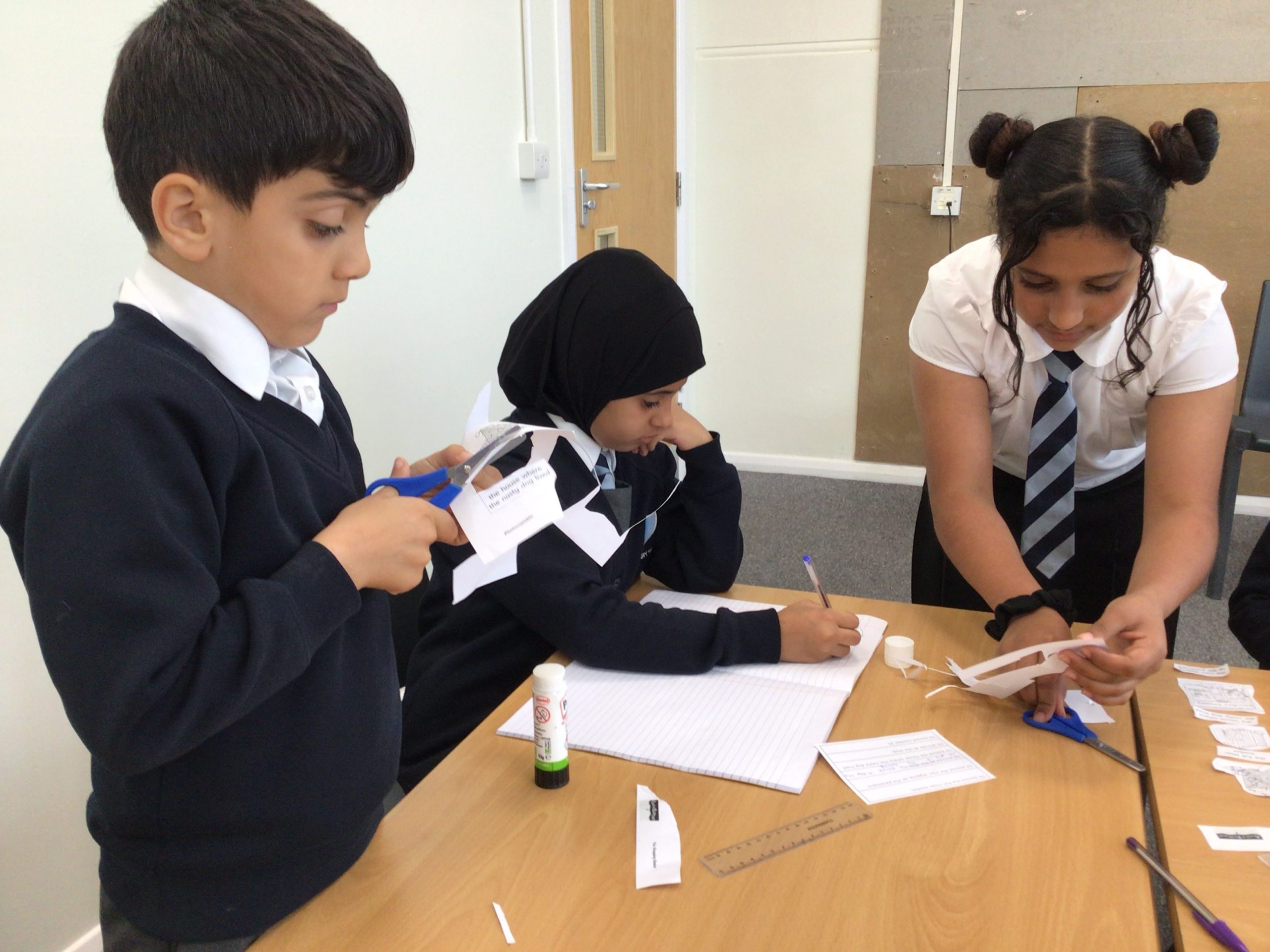
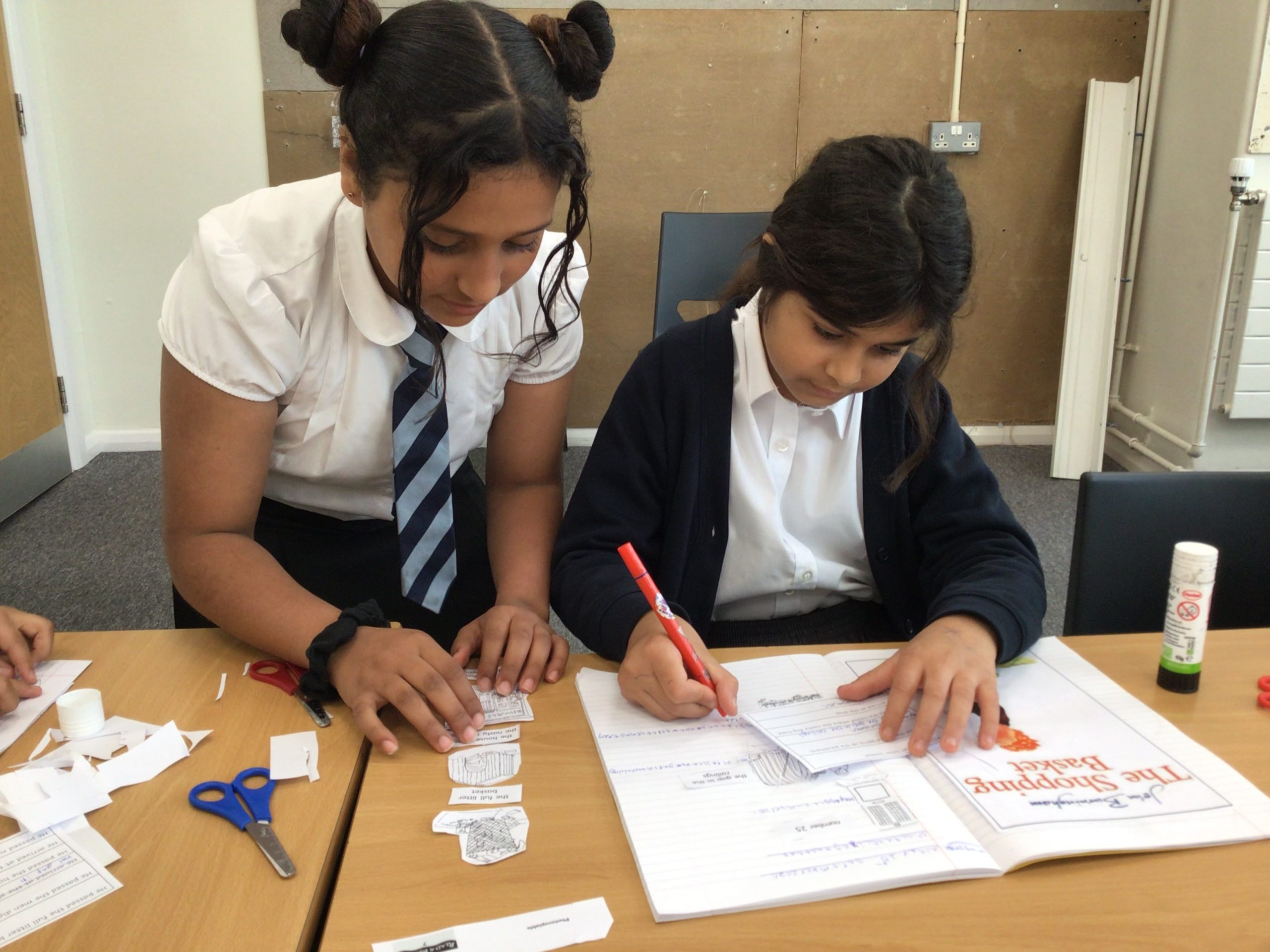
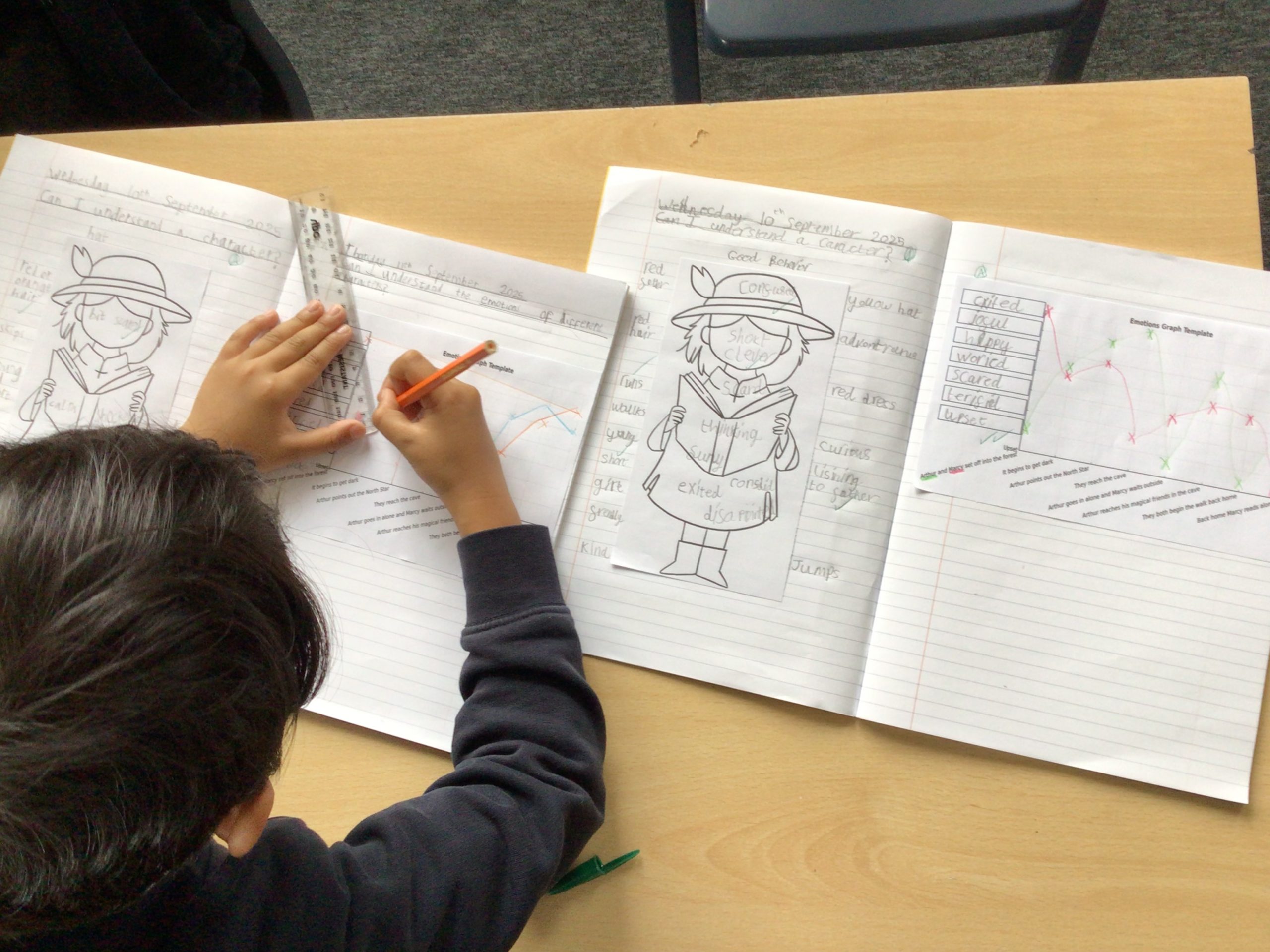
At Smithdown, reading is woven through every aspect of school life. We have designed a bespoke English curriculum that brings together the best elements of Power of Reading, Talk for Writing and Literacy Counts. This approach allows teachers to deliver inspiring, high-quality lessons that develop reading, writing, vocabulary and grammar through the study of rich, diverse texts.
Each half term, children explore a carefully chosen core text that forms the foundation for both reading and writing. These texts reflect a wide range of authors, genres and cultures, helping pupils to see themselves — and others — represented in what they read.
Across the school, children take part in a range of reading experiences, including:
-
Whole-Class Shared Reading sessions focused on comprehension and language.
-
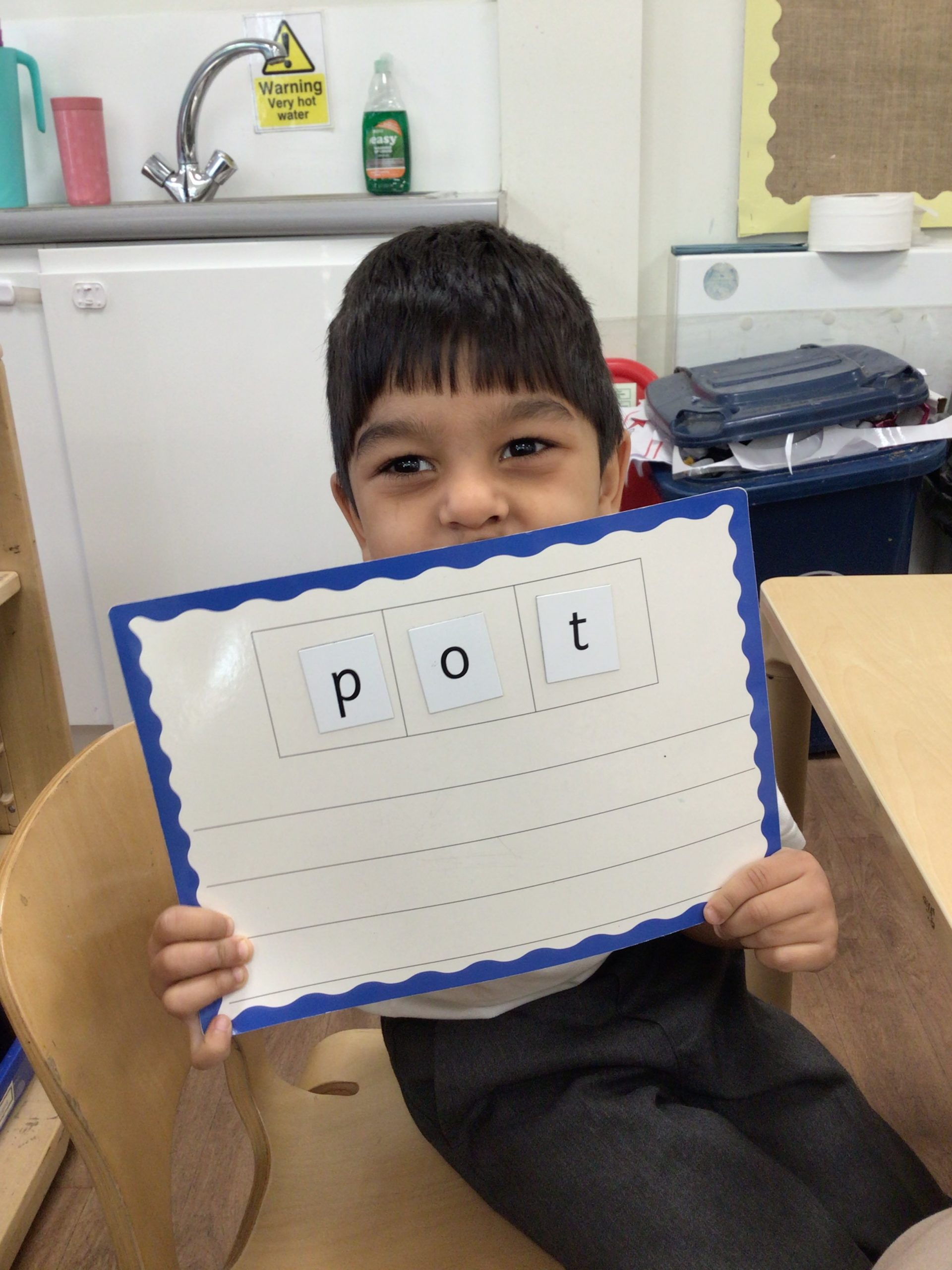
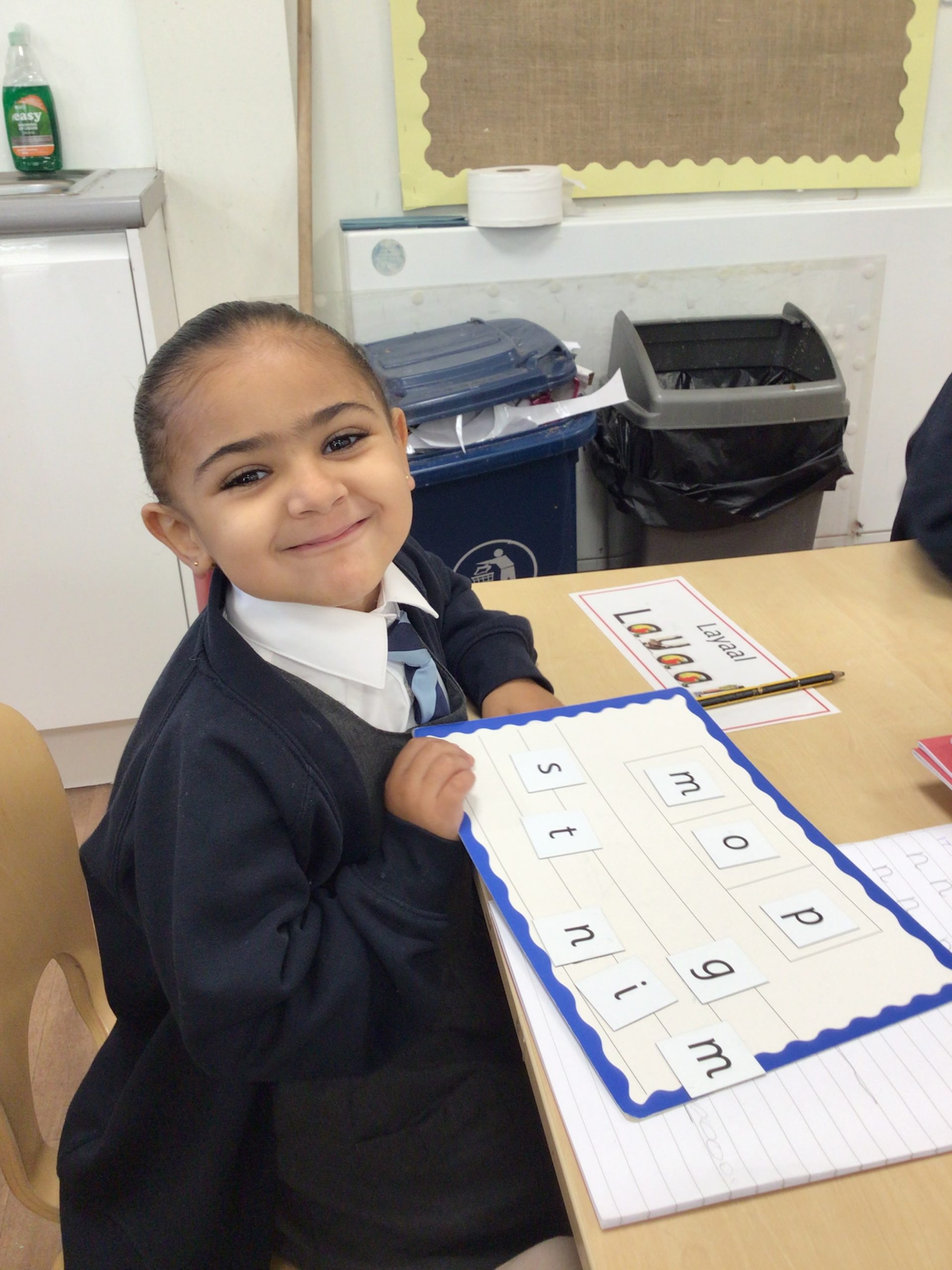
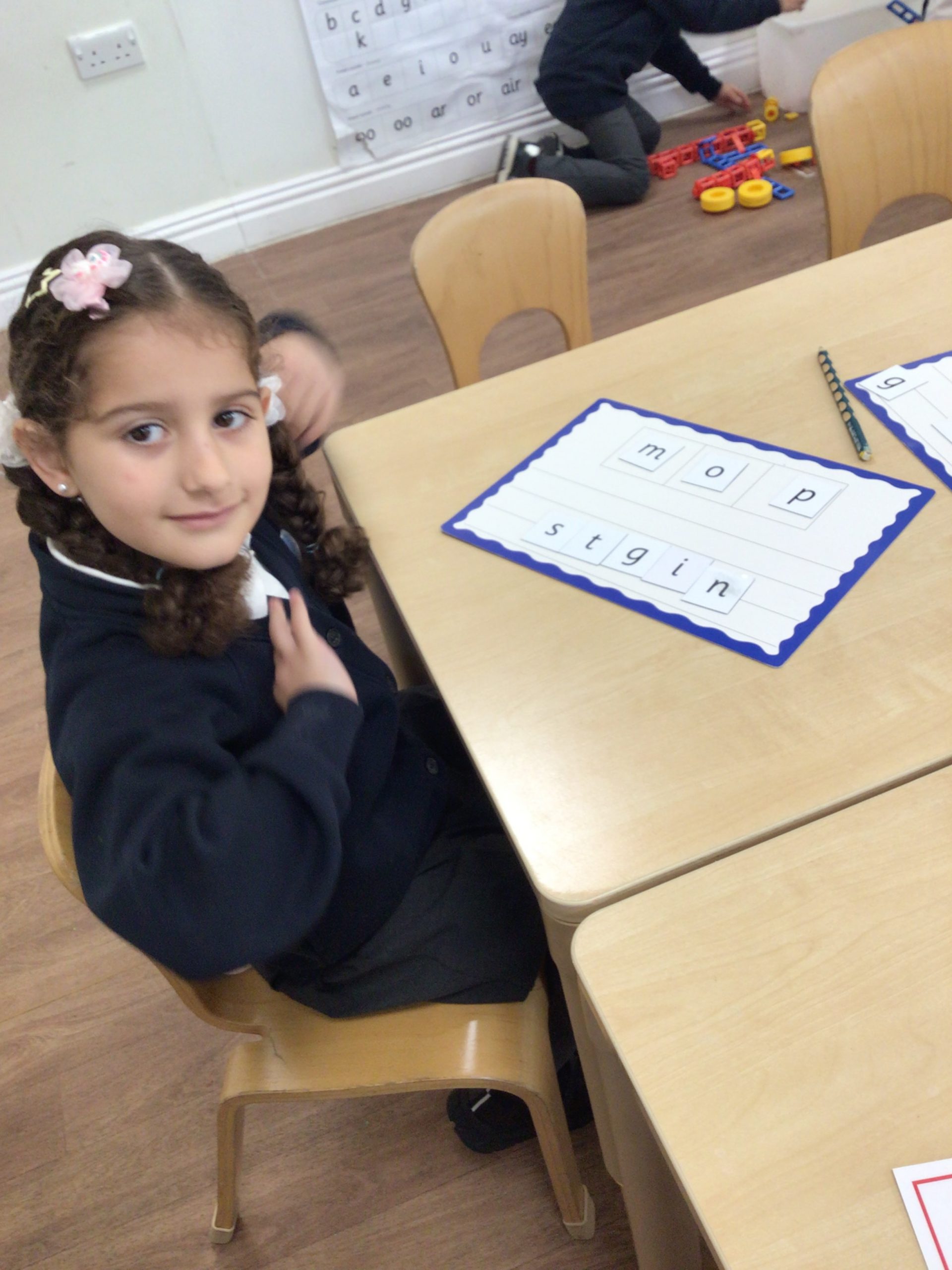
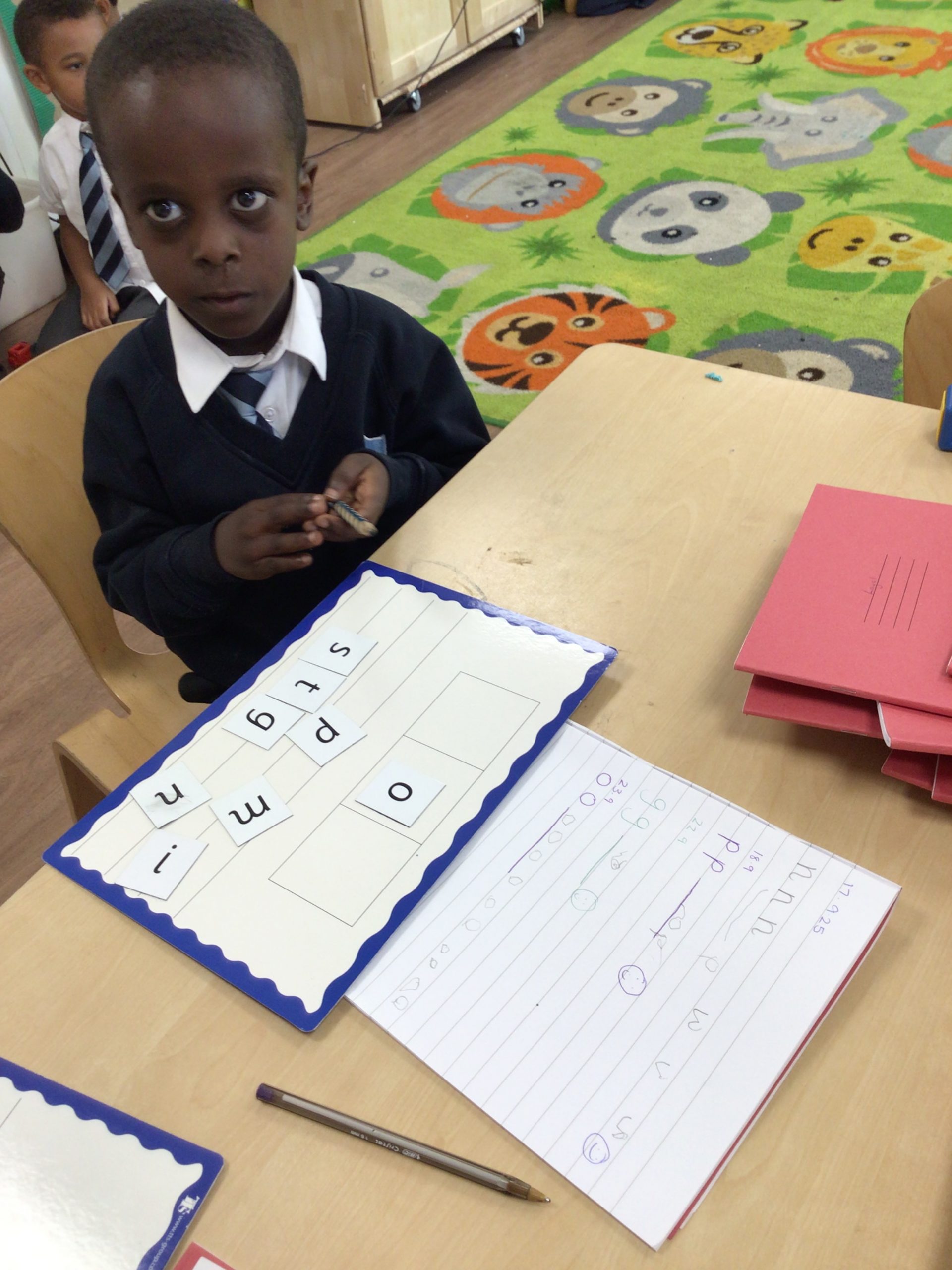
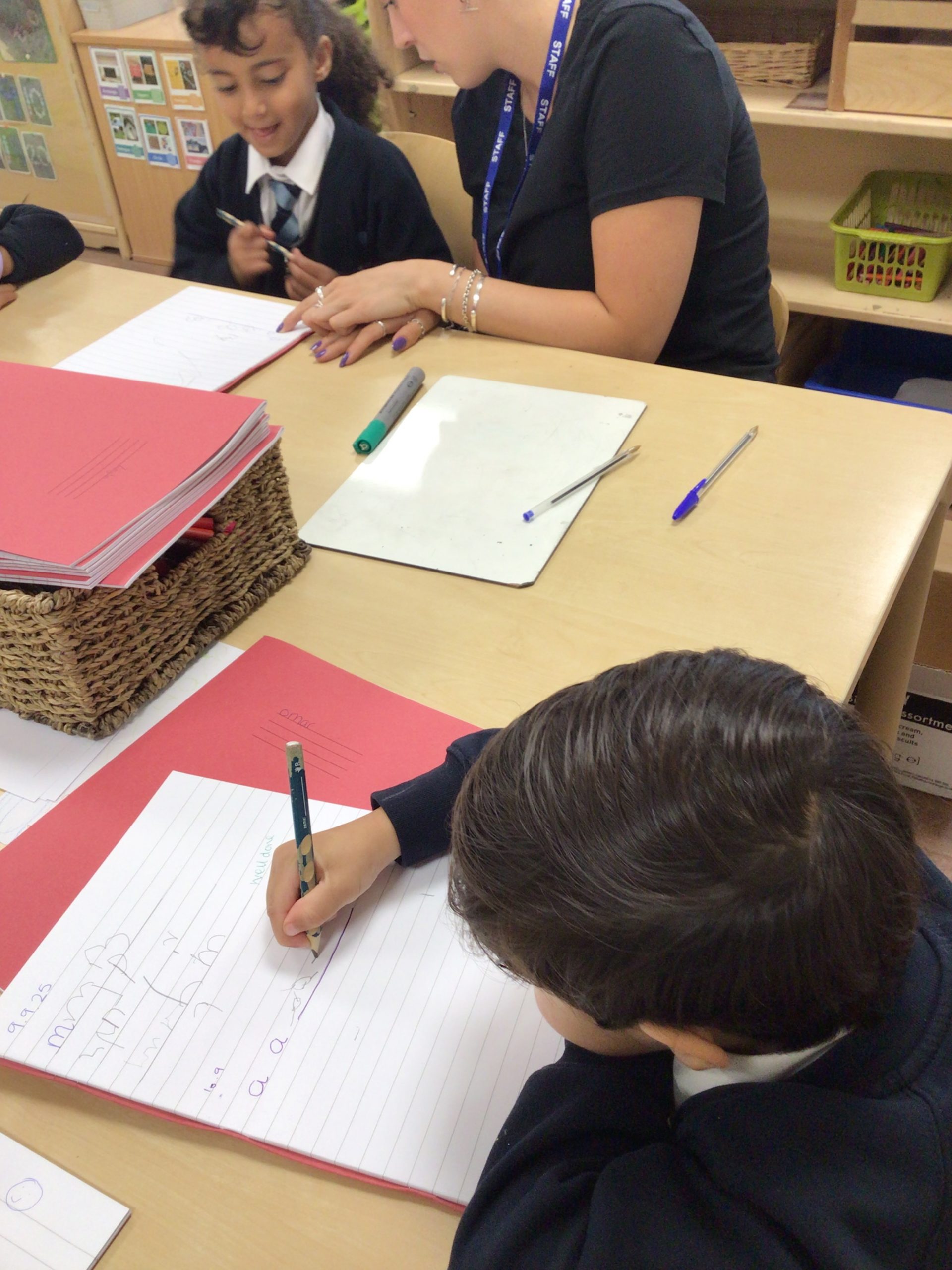
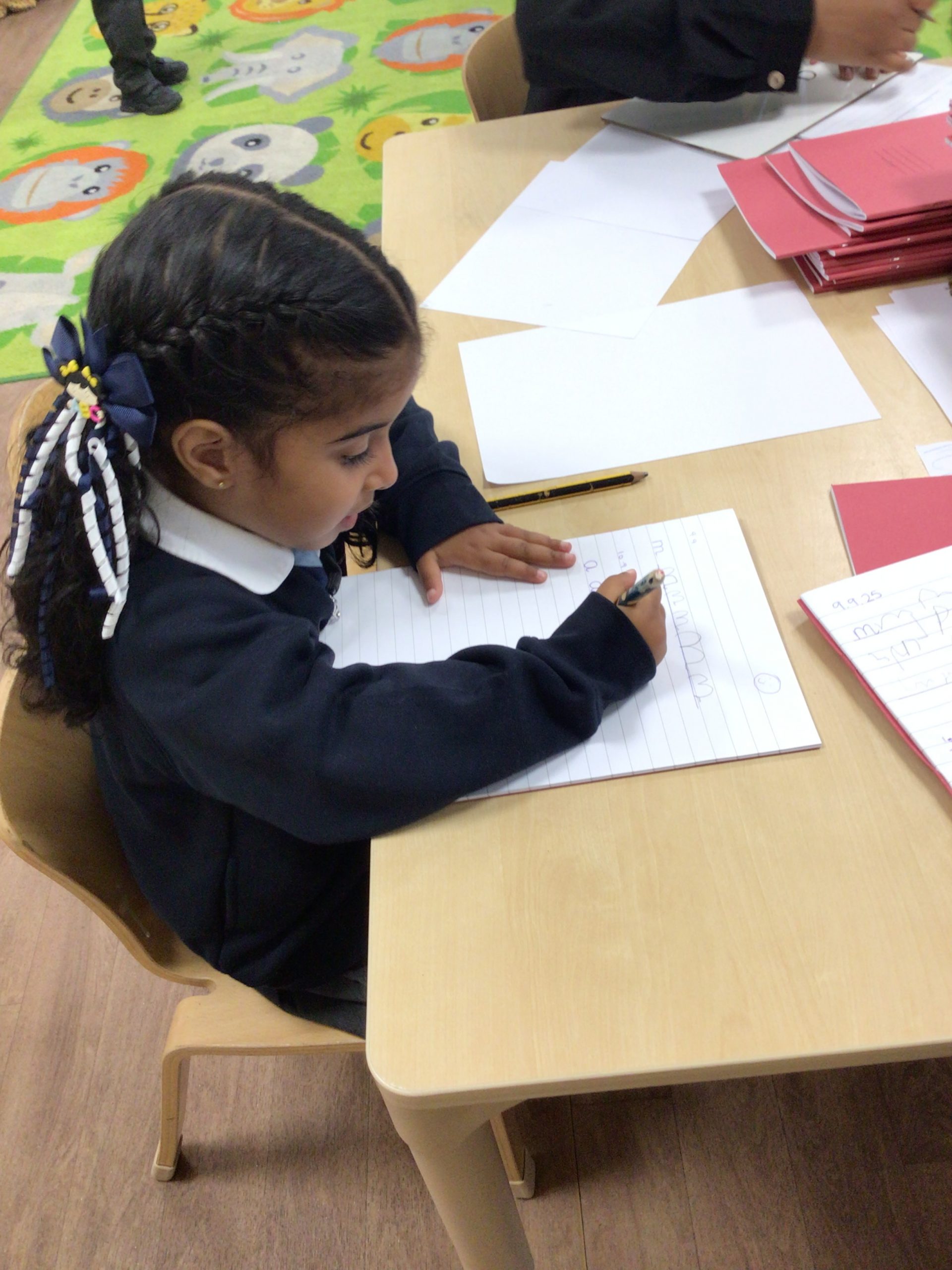
Read Write Inc. phonics and reading lessons (EYFS and KS1).
-
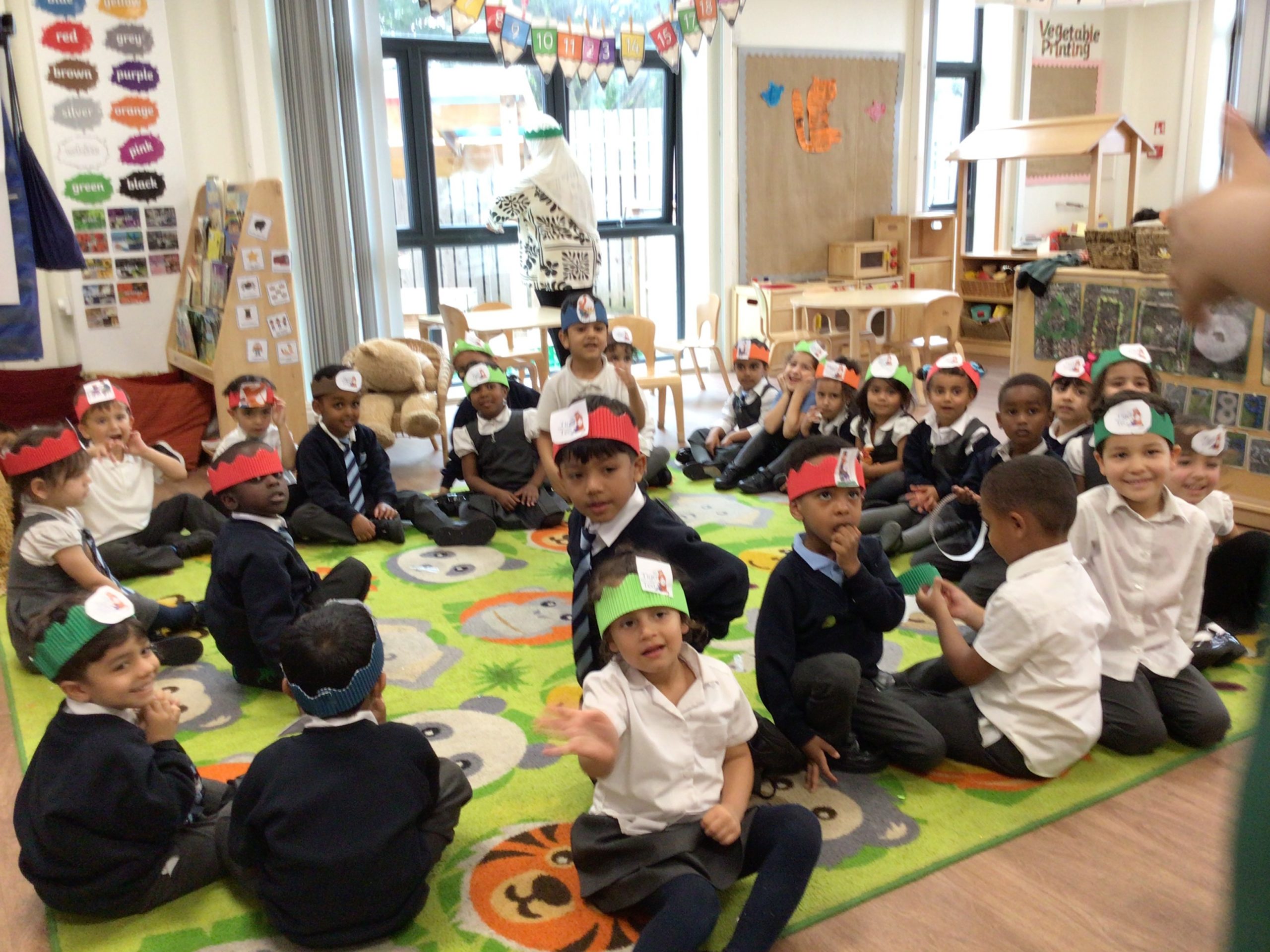
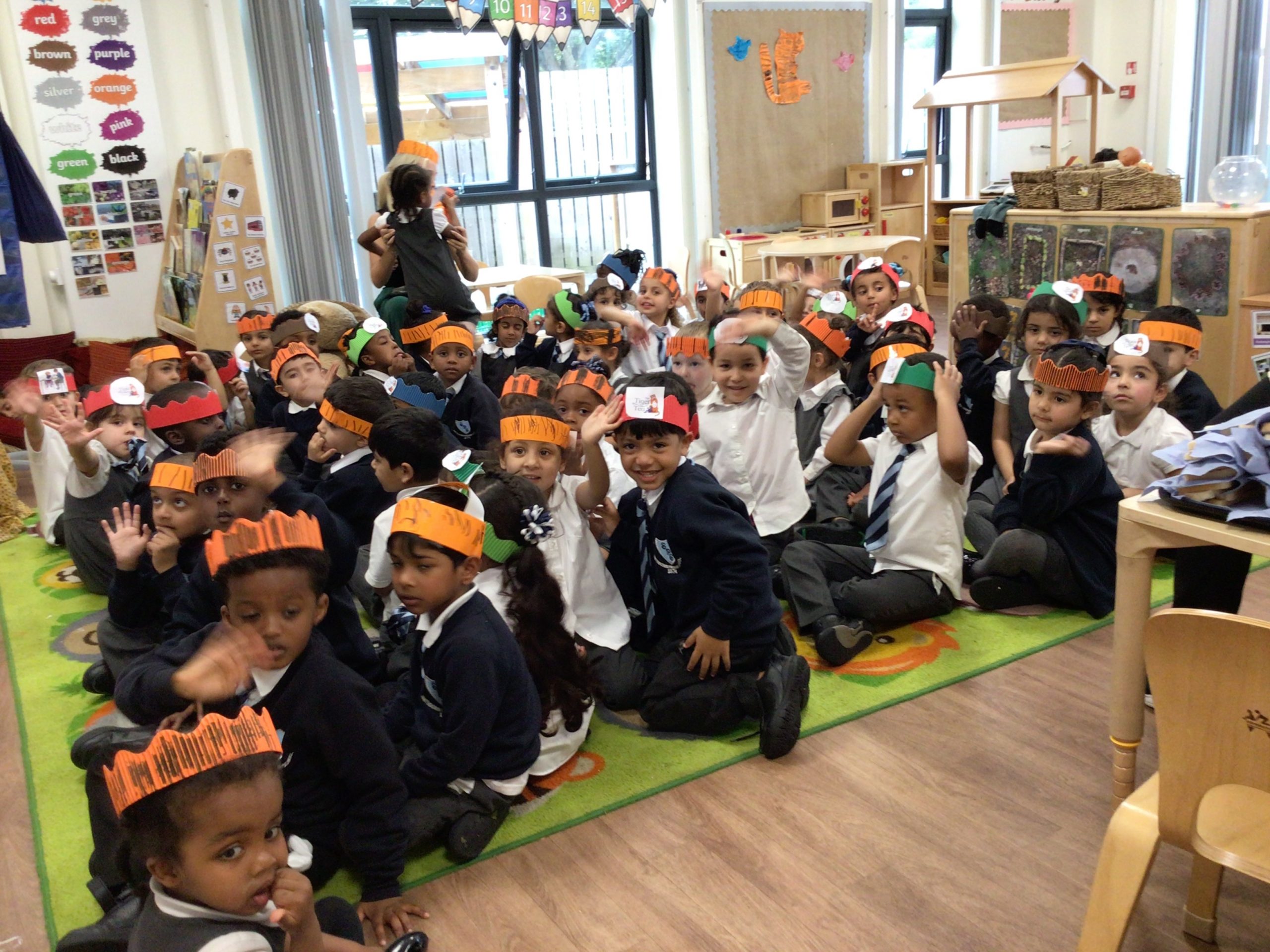
Reading for Pleasure sessions, including being read to daily.
-
Beanstalk Volunteer Reading, providing individual reading support.
We are proud of our well-stocked lending library, which is open for pupils and families to enjoy together. Every classroom also celebrates reading with a dedicated book corner stocked with age-appropriate, high-quality texts.
Phonics: Learning to Read
Strong phonics teaching is the foundation of our early reading curriculum.
We follow the Read Write Inc. synthetic phonics programme to ensure a consistent, systematic approach across the school.
Children are regularly assessed to ensure they are reading books that are closely matched to their phonics knowledge. Targeted small-group teaching and intervention support any pupil who needs additional help to keep up.
In Key Stage 2, pupils who require continued phonics support use the Fresh Start programme to build fluency and confidence.
This structured, evidence-based approach ensures that every pupil — including those with SEND or new to English — becomes a successful, independent reader.
Comprehension: Reading to Learn
As pupils progress through school, the focus shifts from learning to read to reading to learn.
Reading comprehension is developed through:
-
Whole-class reading lessons using high-quality, challenging texts.
-
Discussion, questioning and vocabulary exploration, led by teachers and teaching assistants.
-
Individual and group reading time, where pupils apply and deepen understanding.
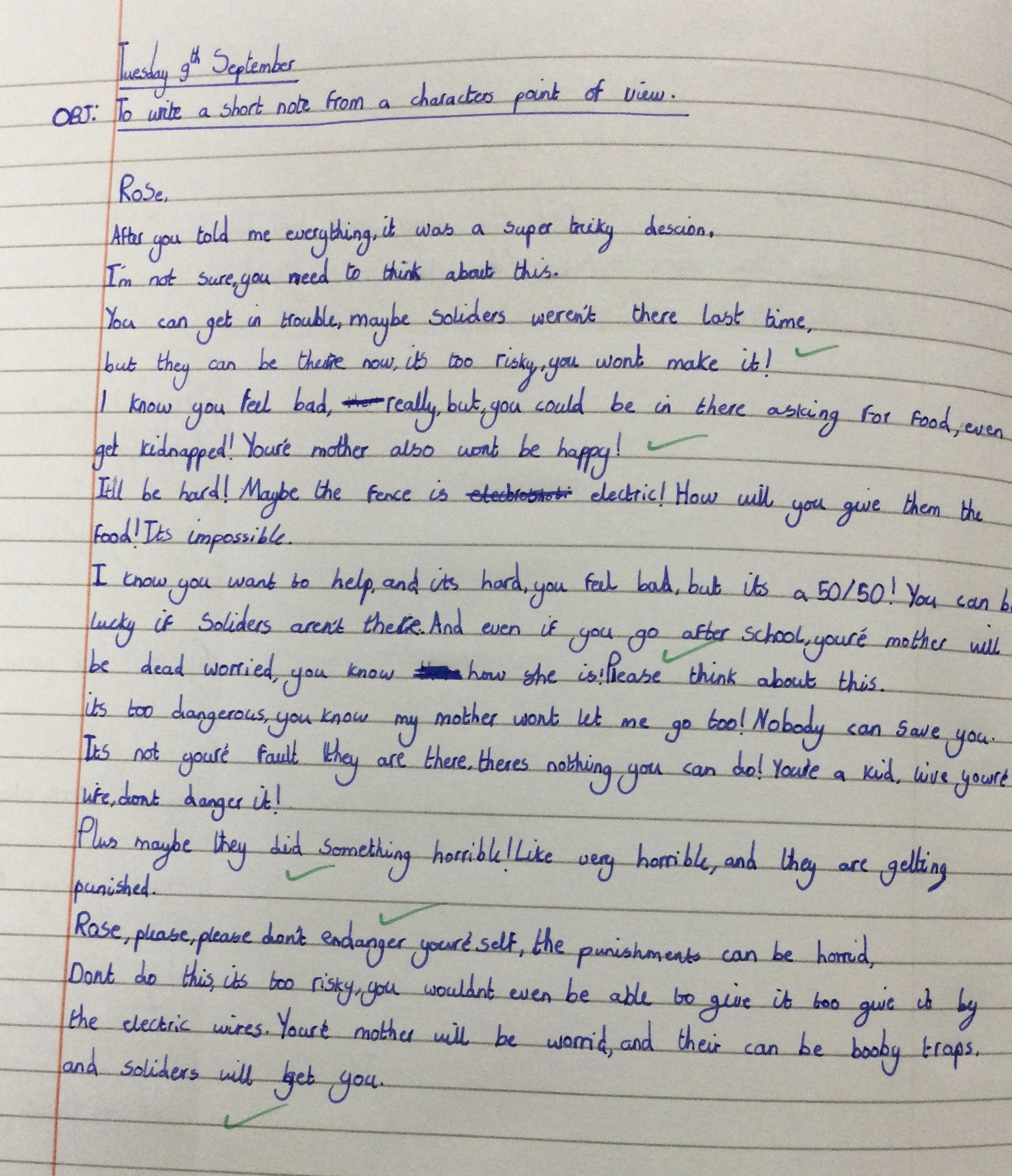
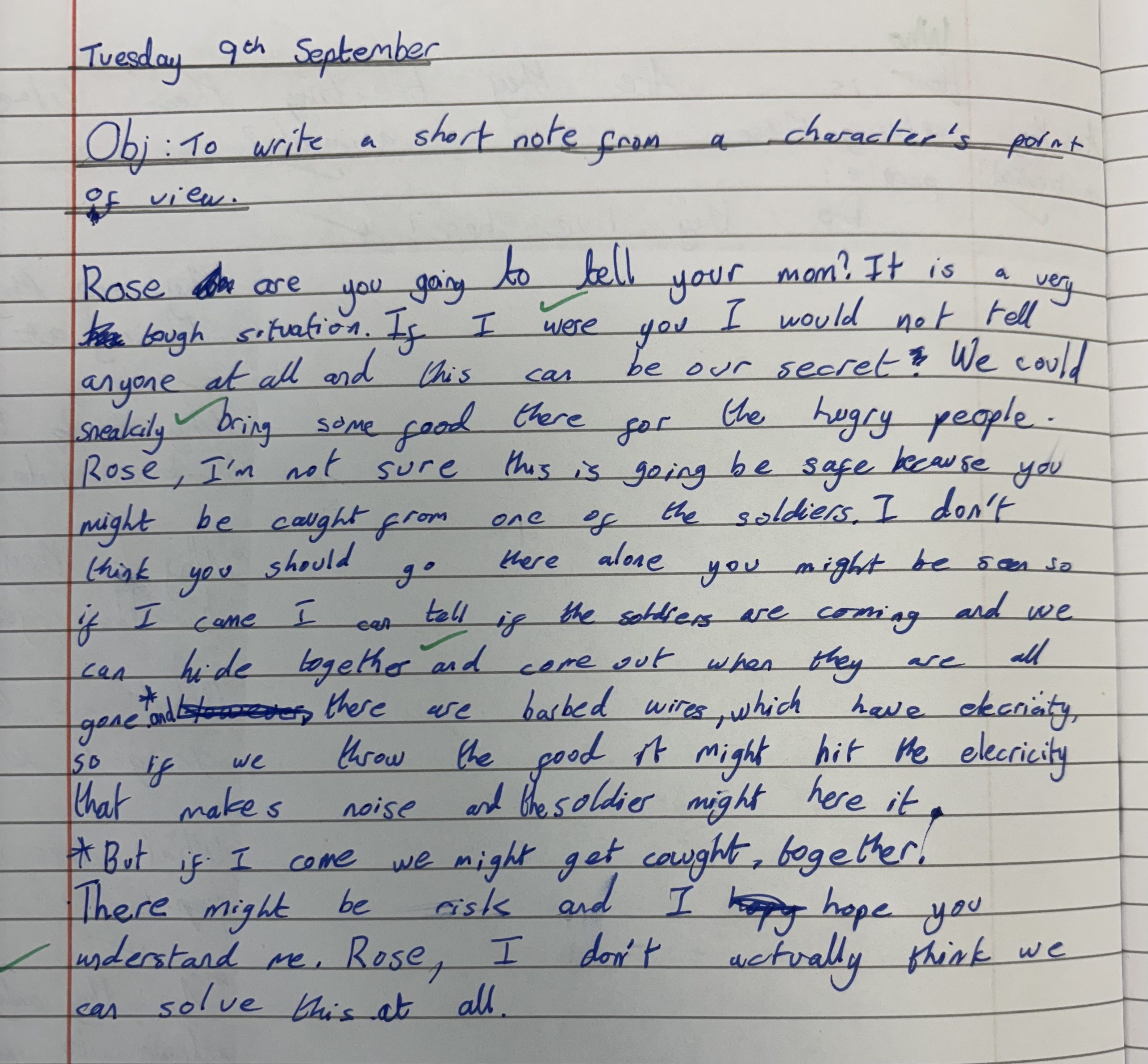
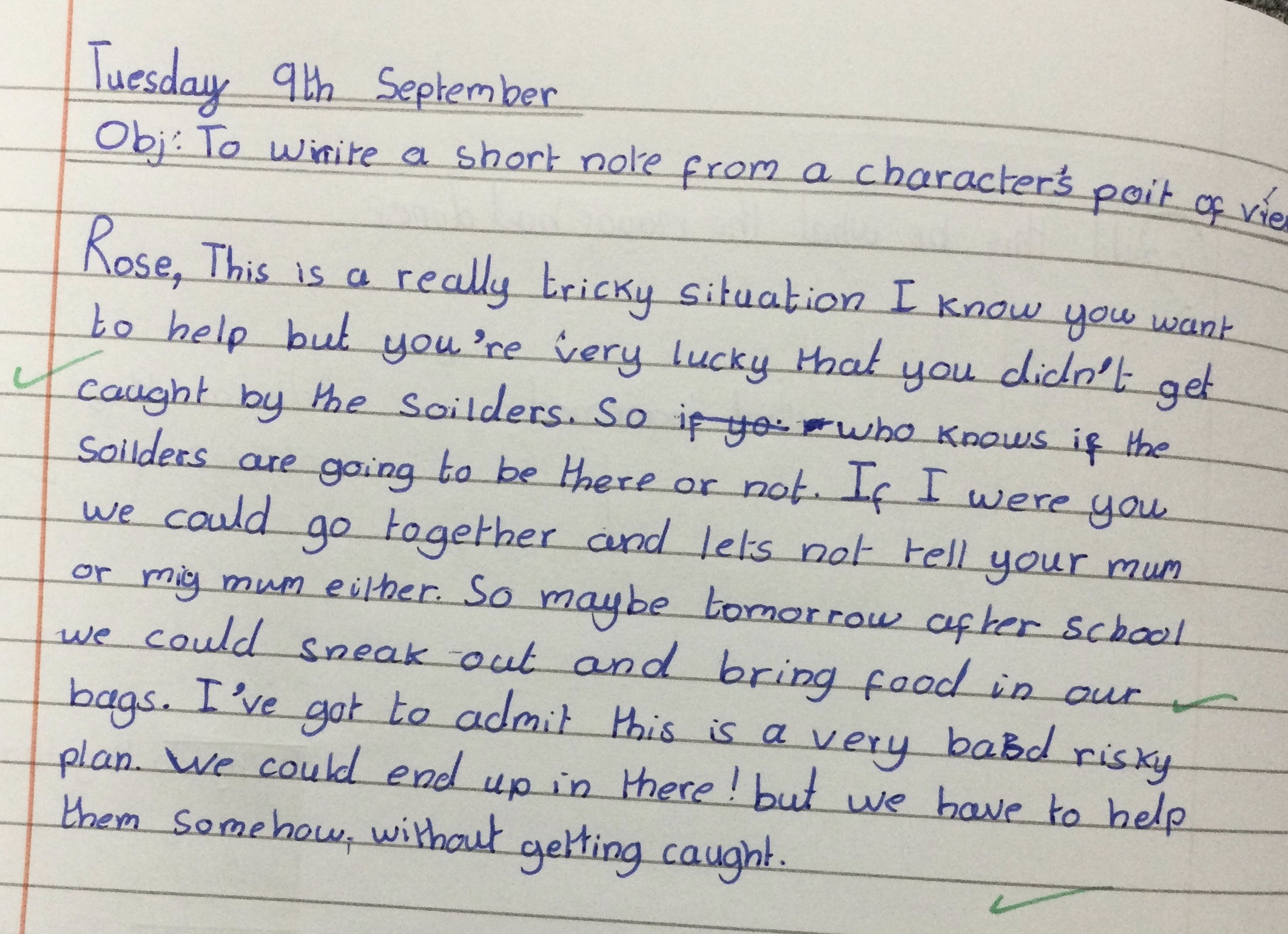
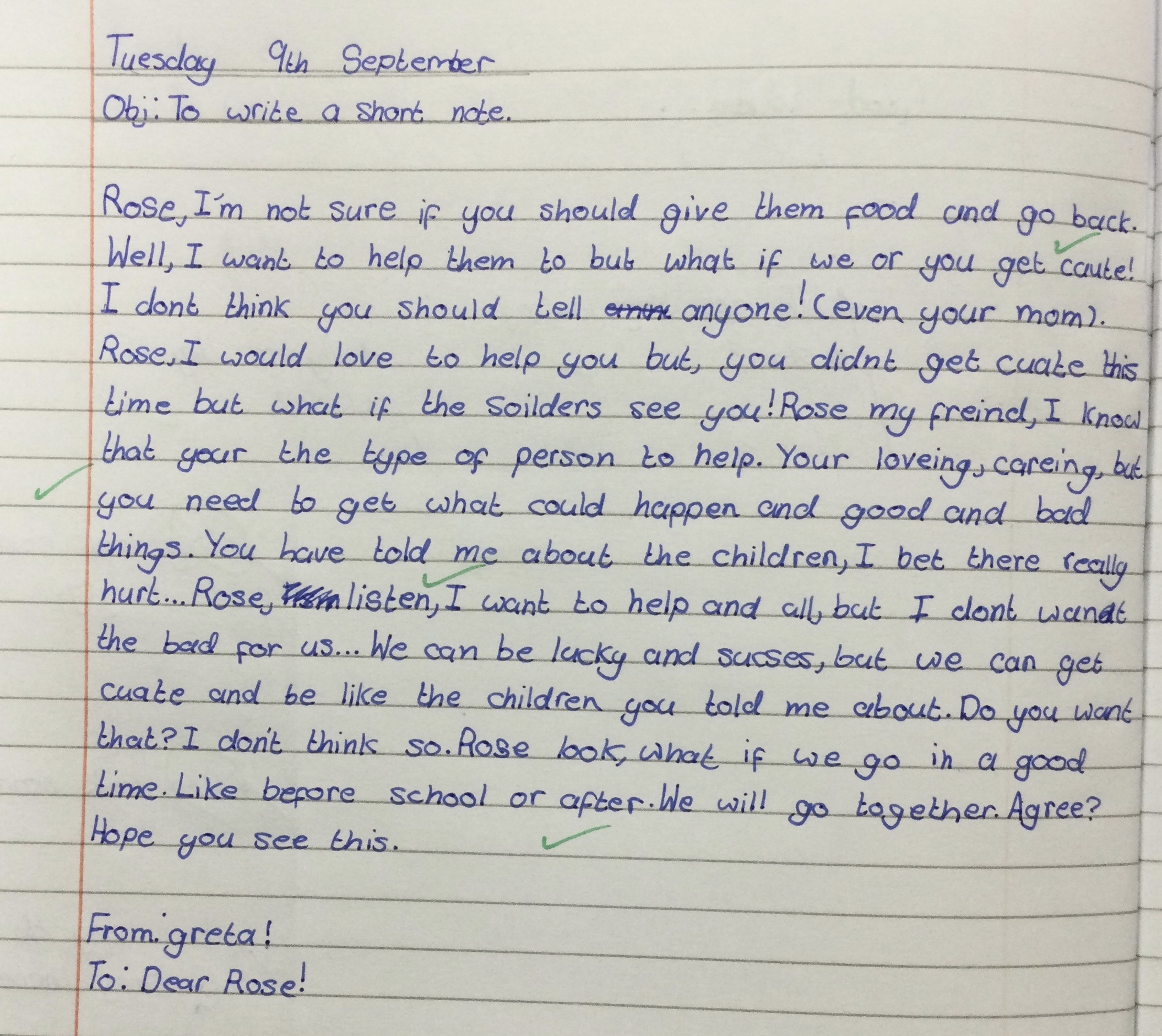
Our whole-class reading approach ensures that all children can access and enjoy ambitious, language-rich texts. This has led to higher levels of engagement, improved comprehension, and growing confidence in reading aloud and discussing texts.
Building a Love of Reading
At Smithdown, reading is not just a skill — it’s a source of joy, imagination and connection.
We foster a love of books by:
-
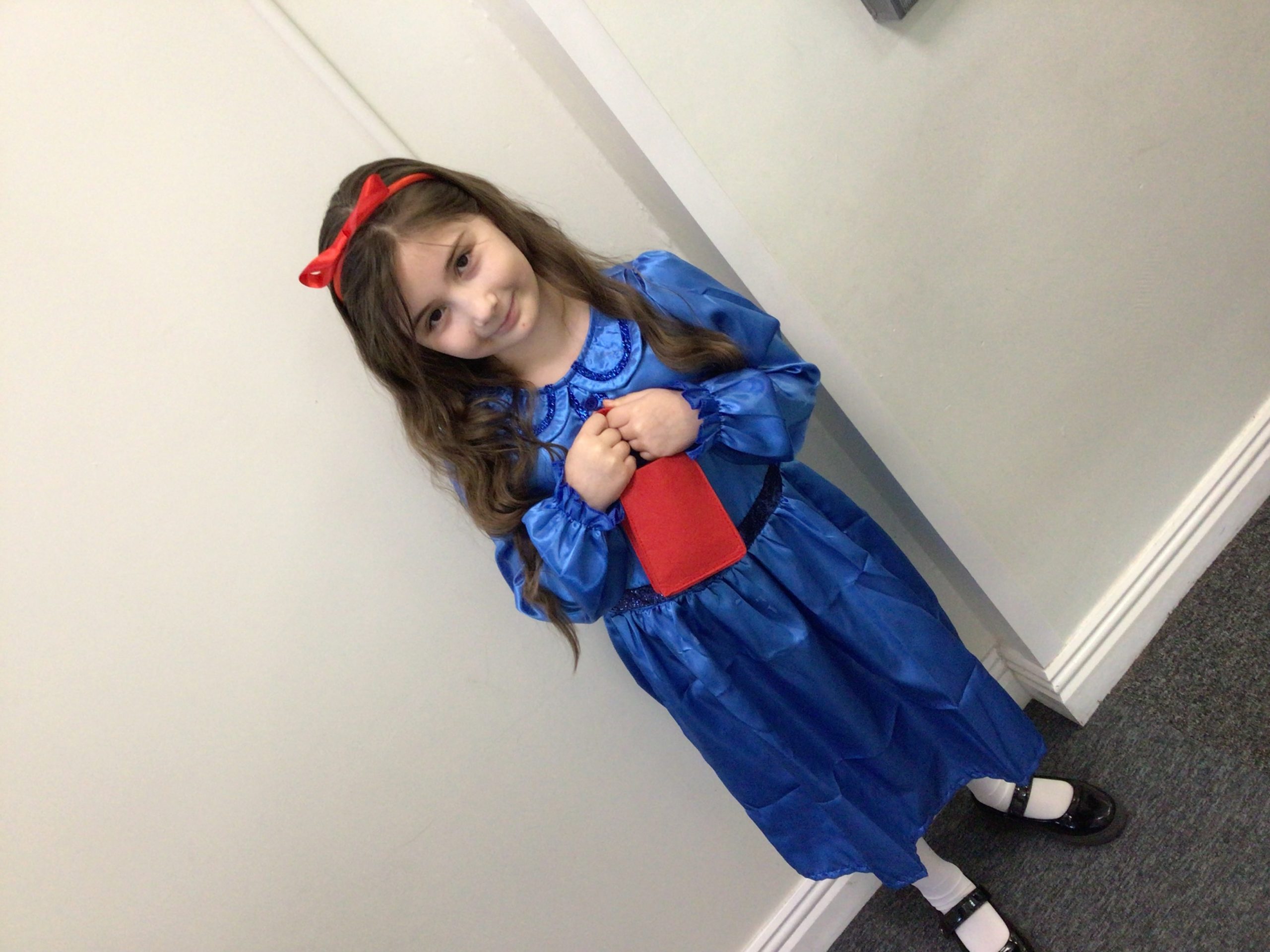
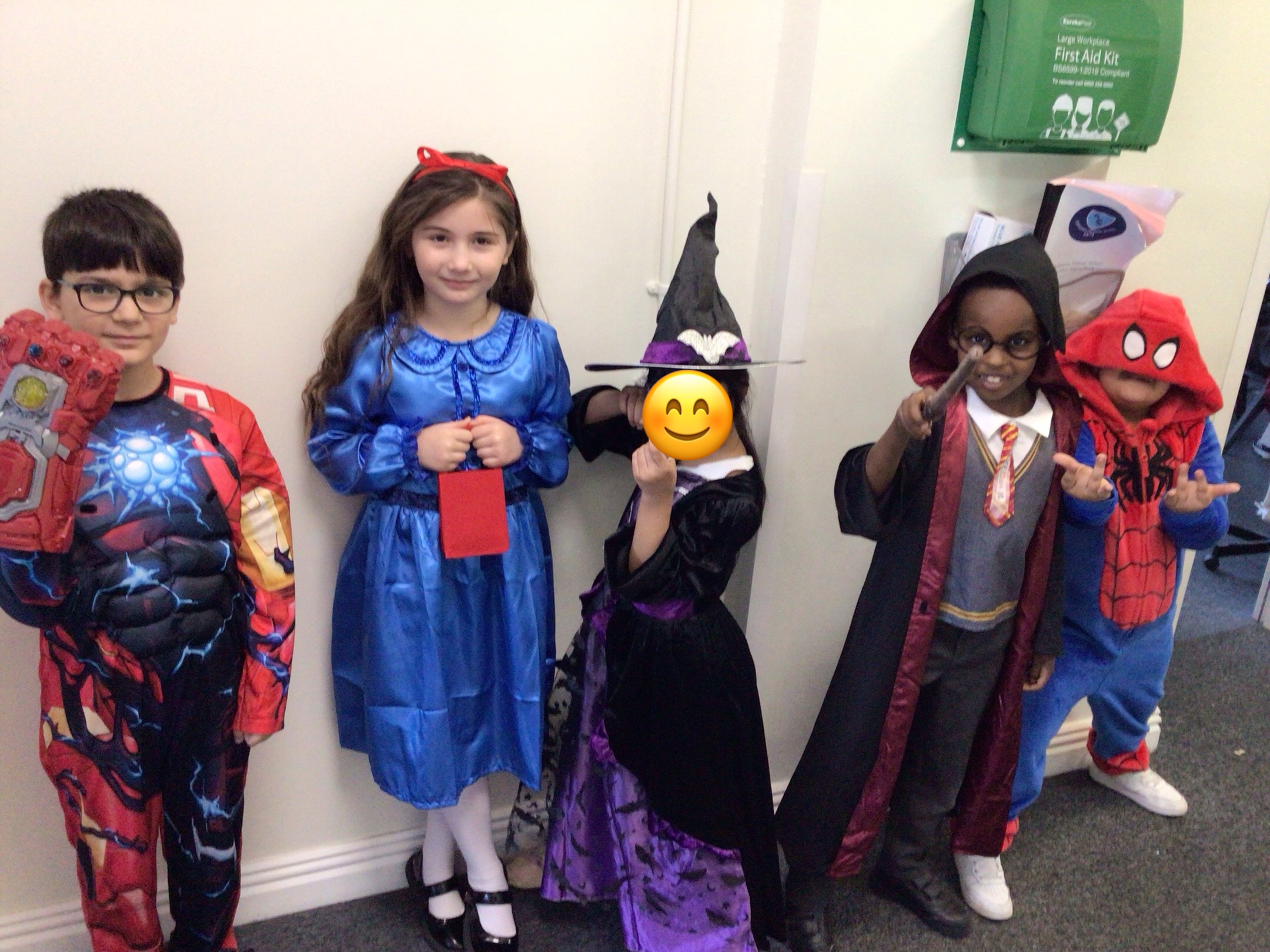
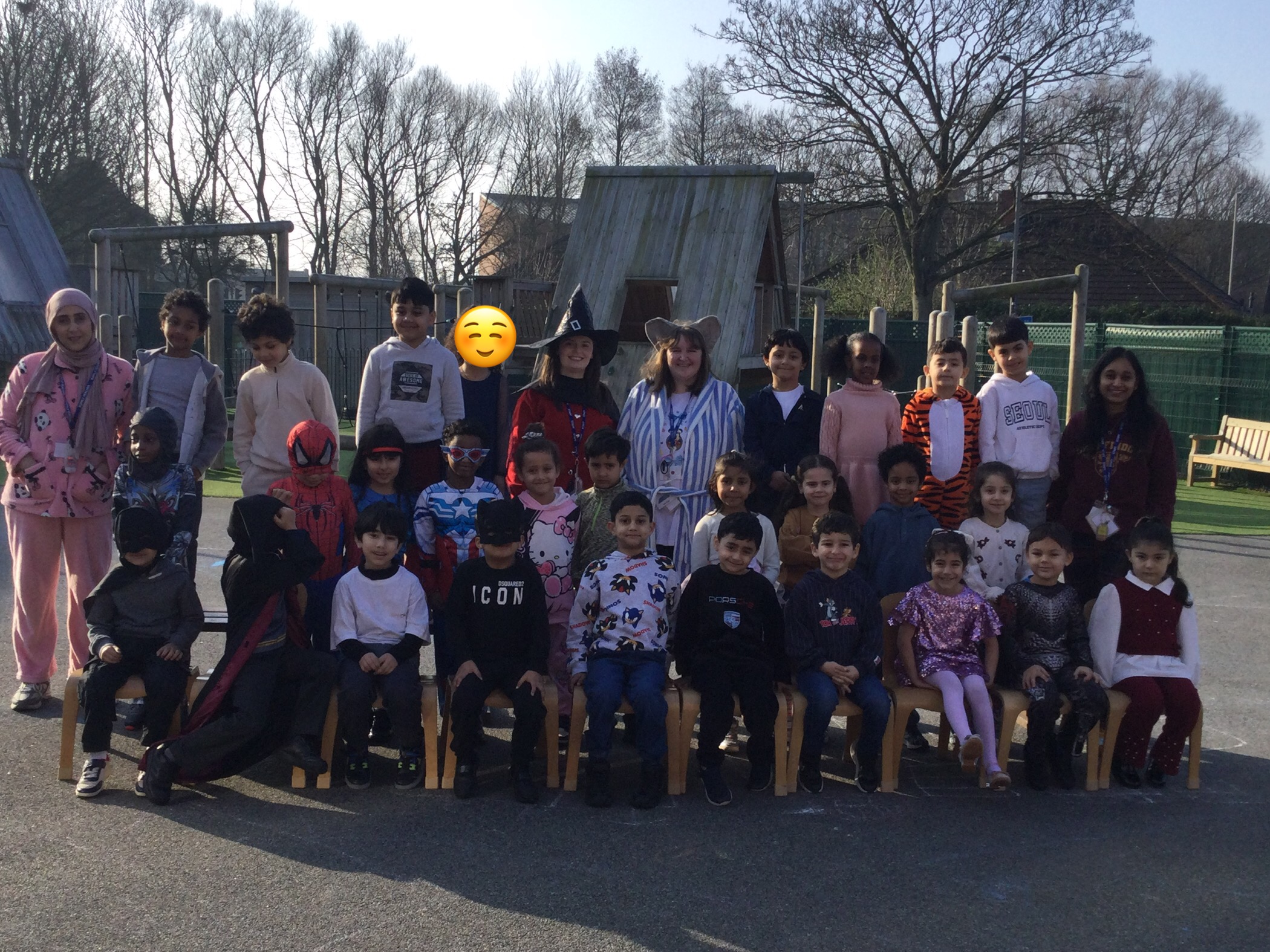
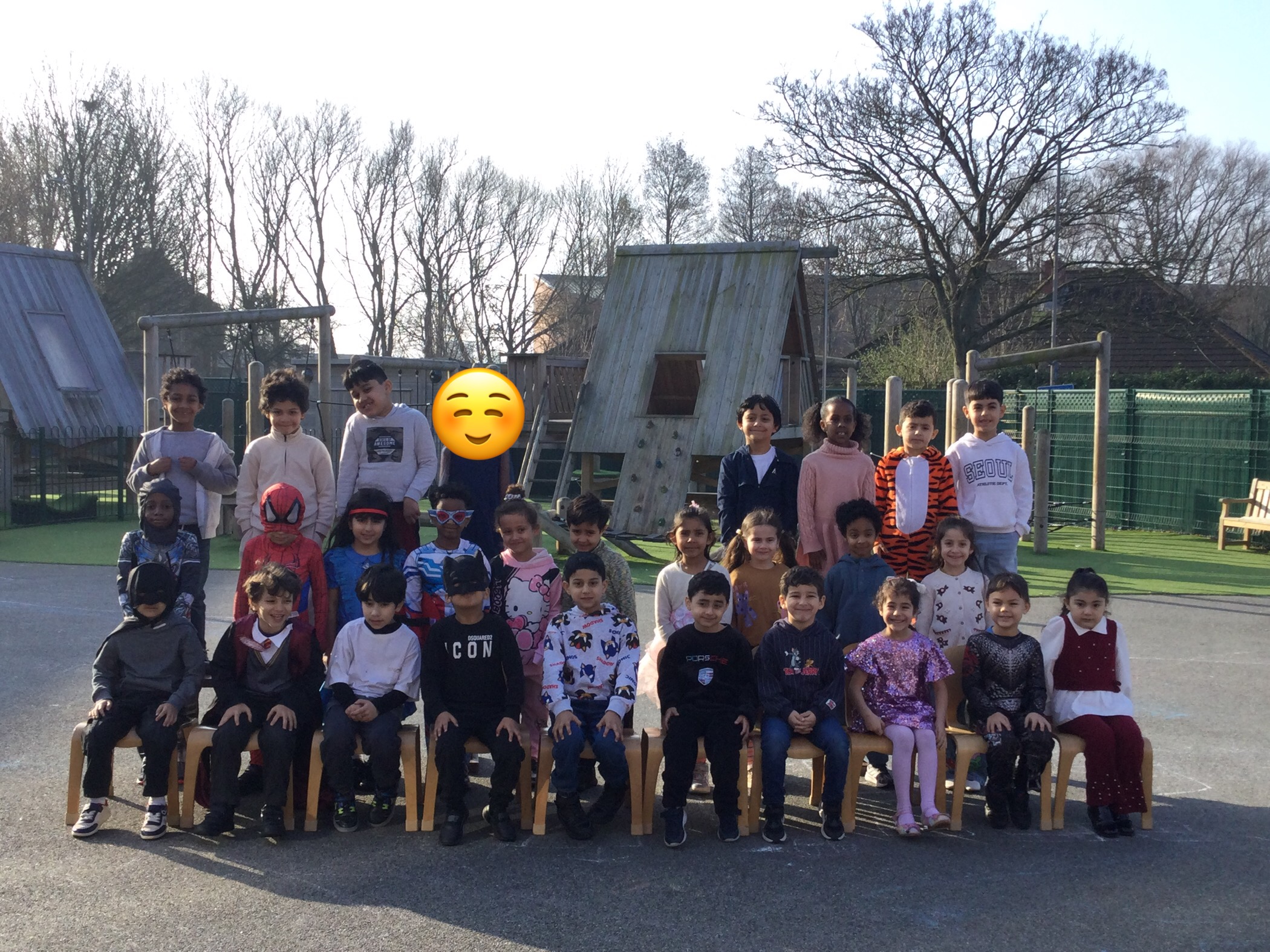
Hosting author visits, storytelling events and World Book Day celebrations.
-
Creating welcoming reading corners and library spaces that encourage exploration.
-
Sharing stories daily, modelling the enjoyment of reading aloud.
-
Involving families through our Smithdown Lending Library and reading initiatives.
We want every child to see reading as something they choose to do, not something they have to do.
What Children Learn Through Reading
As part of their learning journey, pupils will:
-
Read aloud with fluency and expression.
-
Read for meaning, understanding and enjoyment.
-
Think carefully and critically about what they read.
-
Explore a wide variety of stories, poetry and non-fiction.
-
Use a range of strategies to decode and understand text, including:
-
Phonic – sounding out and blending letters.
-
Visual – recognising whole words and using familiar patterns.
-
Contextual – using background knowledge and illustrations.
-
Grammatical – working out what makes sense in a sentence.
Impact
By the time pupils leave Smithdown Primary, they:
-
Read confidently, fluently and with understanding.
-
Can discuss, compare and respond thoughtfully to a wide range of texts.
-
Have developed a rich vocabulary and deep appreciation for language.
-
Enjoy reading for pleasure and use it as a tool for learning and wellbeing.
Our children grow as readers who are curious, articulate and inspired — truly living our school motto:
Together We Grow.
For more information:
Please see the documents below for details of the texts and genres studied across each year group.
These documents should be read alongside our curriculum overviews, as units may be reordered throughout the year. Our bespoke English curriculum continues to evolve to reflect the needs and interests of our pupils.
Primary National Curriculum for English
Support your child with reading

What is Read Write Inc?
Read Write Inc (RWI) is a phonics complete literacy programme which helps all children learn to read fluently and at speed so they can focus on developing their skills in comprehension, vocabulary and spelling. The programme is designed for children aged 4-7. However, at Highfield we begin the programme in Nursery and will continue teaching RWI to children beyond the age of 7 if they still need support in their reading.
RWI was developed by Ruth Miskin and more information on this can be found at https://ruthmiskin.com/en/find-out-more/parents/.
How will RWI be taught?
All children are assessed every 6-8 weeks and placed in groups to target their phonic at the appropriate level. This allows complete participation in lessons.
Please click here for further information about how we teach phonics.
To help at home:
Your child will start to bring books home when they are confident readers. Please help them to read and give lots of praise!
If you have any other questions about RWI, please see your class teacher.
Phonics Screening Check Year One
What is the Year 1 phonics screening check?
The Year 1 phonics screening check is a short, light-touch assessment to confirm whether individual pupils have learnt phonic decoding to an appropriate standard.
It will identify the children who need extra help so they are given support by their school to improve their reading skills. They will then be able to retake the check so that schools can track pupils until they are able to decode.
Useful websites for Parents
Please find a list of websites that you may find useful in helping you and your child learn about phonics. Games and fun activity websites are also included.
http://jollylearning.co.uk/ – Games and information for parents
http://www.phonicsplay.co.uk/ – many games to play
http://www.bbc.co.uk/bitesize/ks1/literacy/phonics/play/ – fun games for the children to play
http://www.ictgames.com/literacy.html – fun games for the children to play
http://www.kenttrustweb.org.uk/kentict/kentict_home.cfm – fun games for the children to play and information for parents
http://www.ngfl-cymru.org.uk/ – fun games for the children to play
http://www.starfall.com/ – fun games for the children to play
http://www.firstschoolyears.com/ – fun games for the children to play
BBC Bitesize – many games to play covering all areas of the curriculum
This link gives you an overview of how RWI phonics is organised.
RWI phonics
Please click on this link for the Ruth Miskin website where you can find more information regarding Read Write Inc phonics and Literacy & Language including useful videos and guides for parents.
Ruth Miskin website


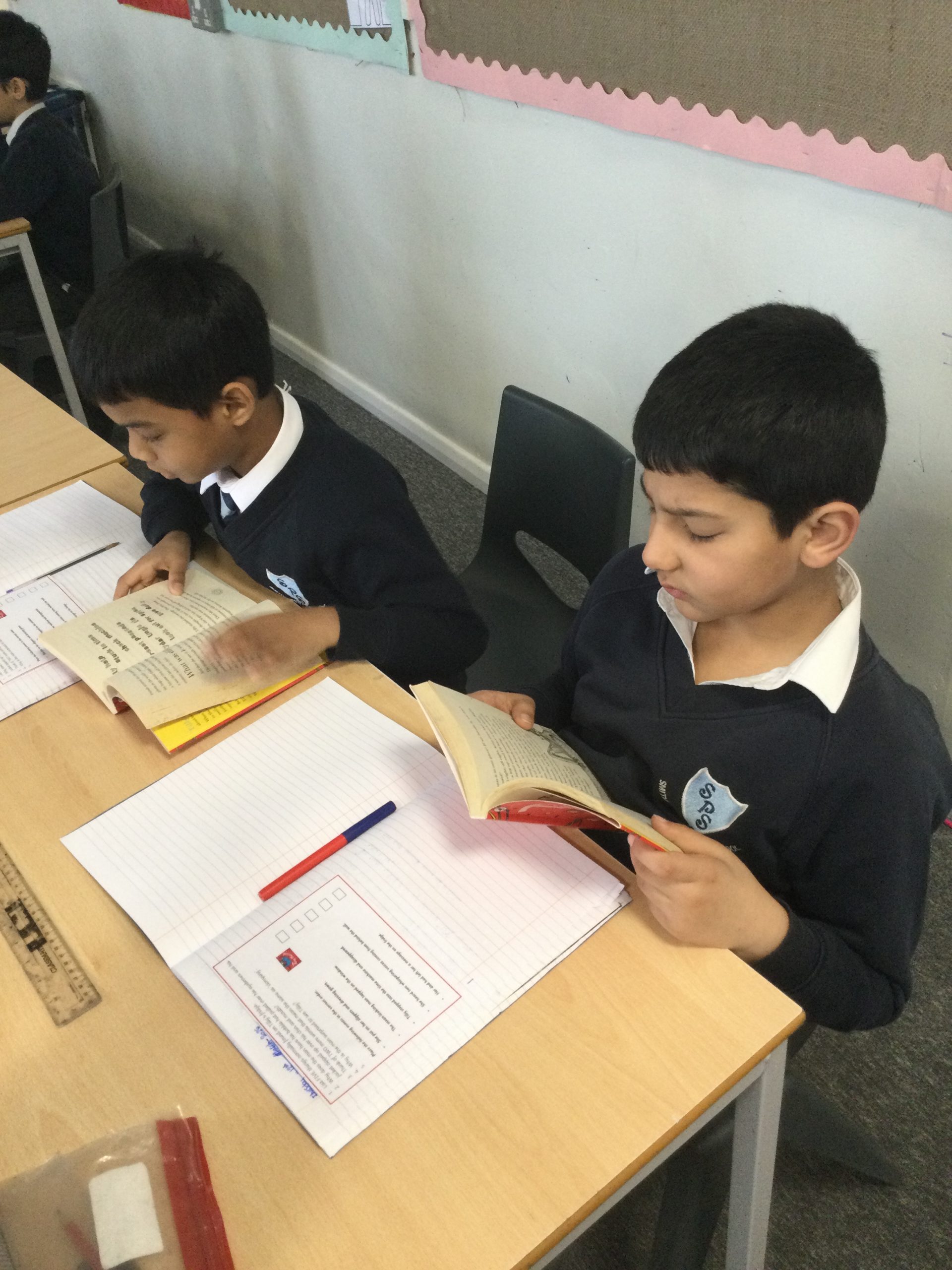
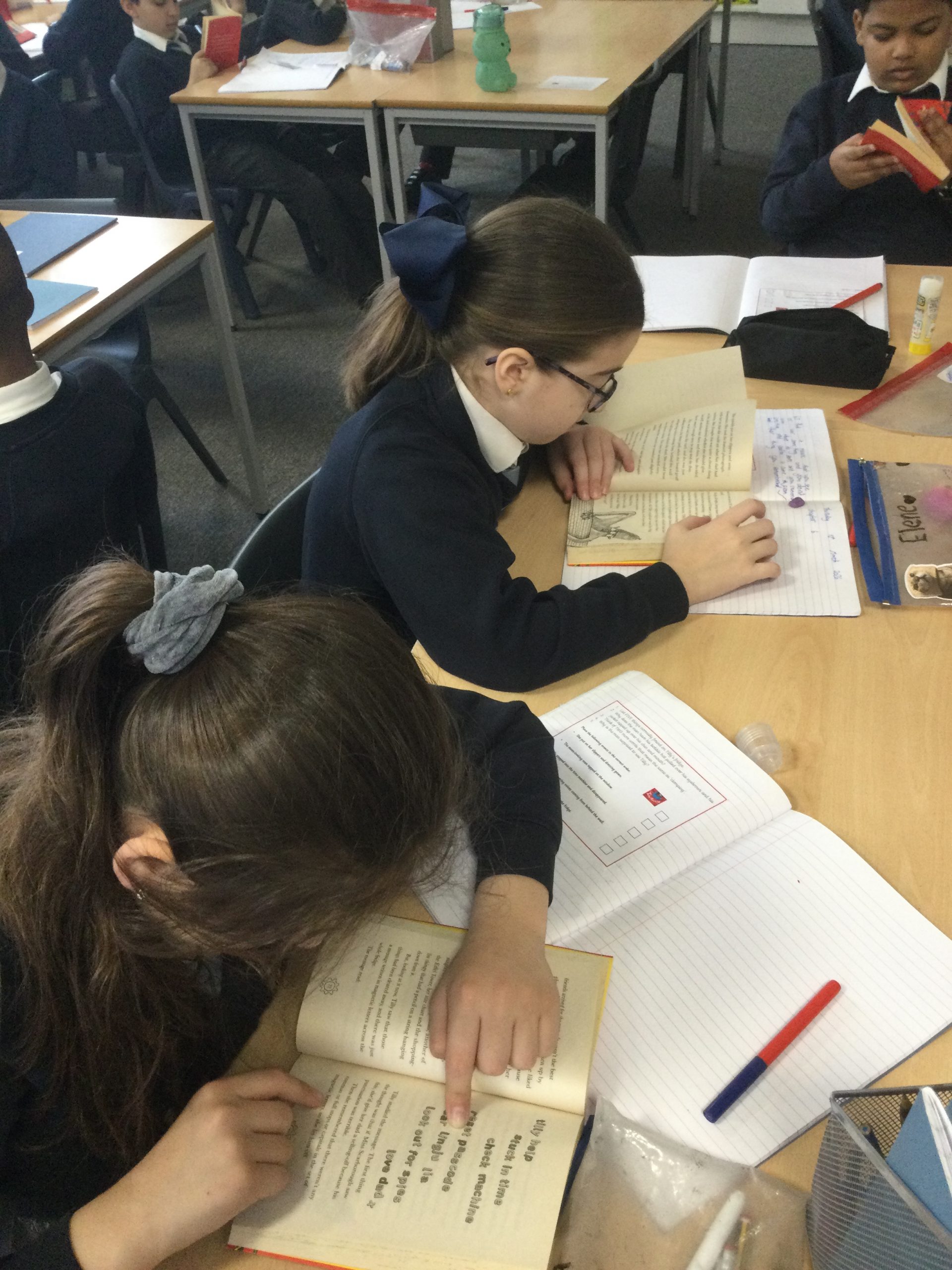
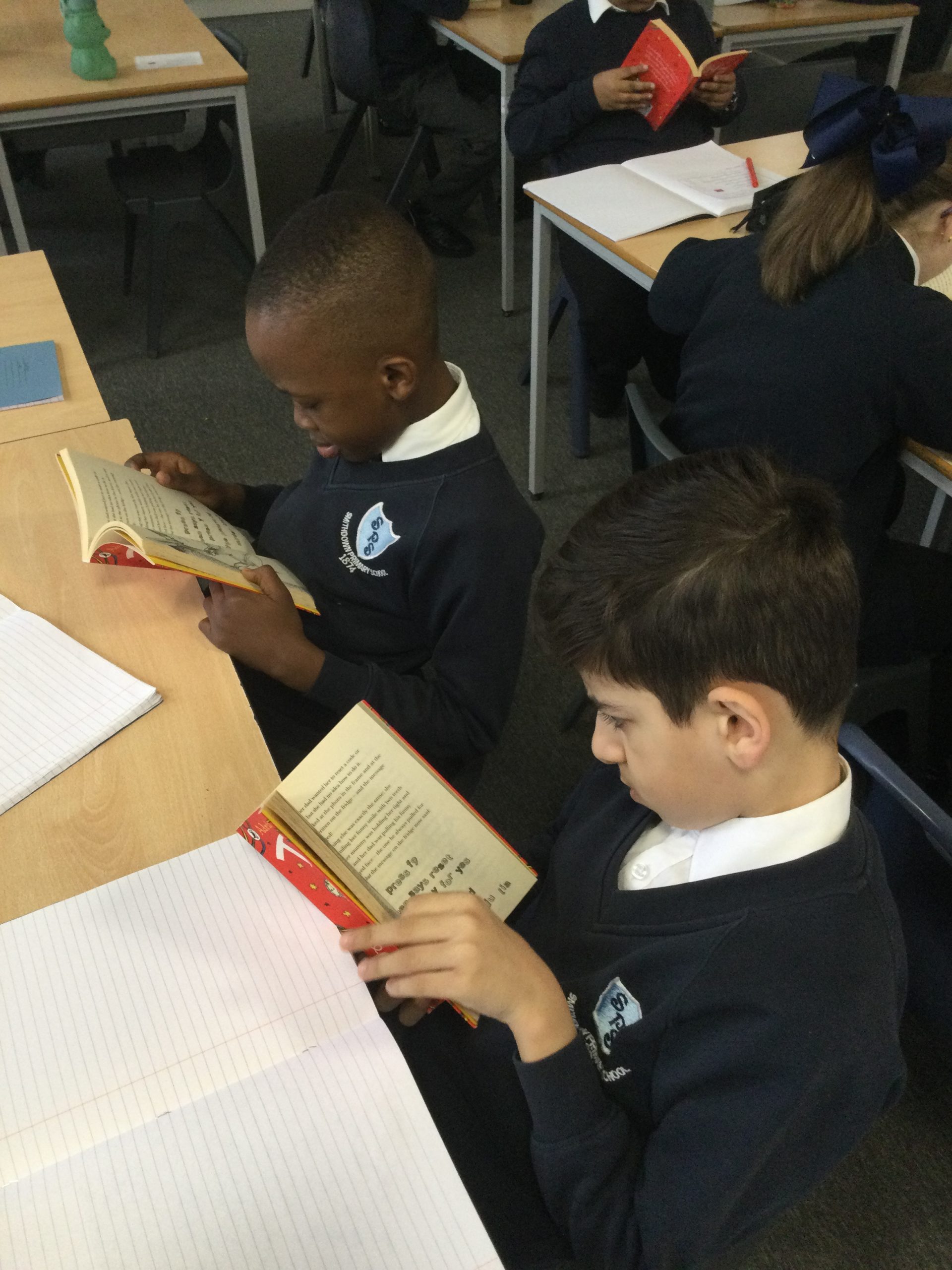
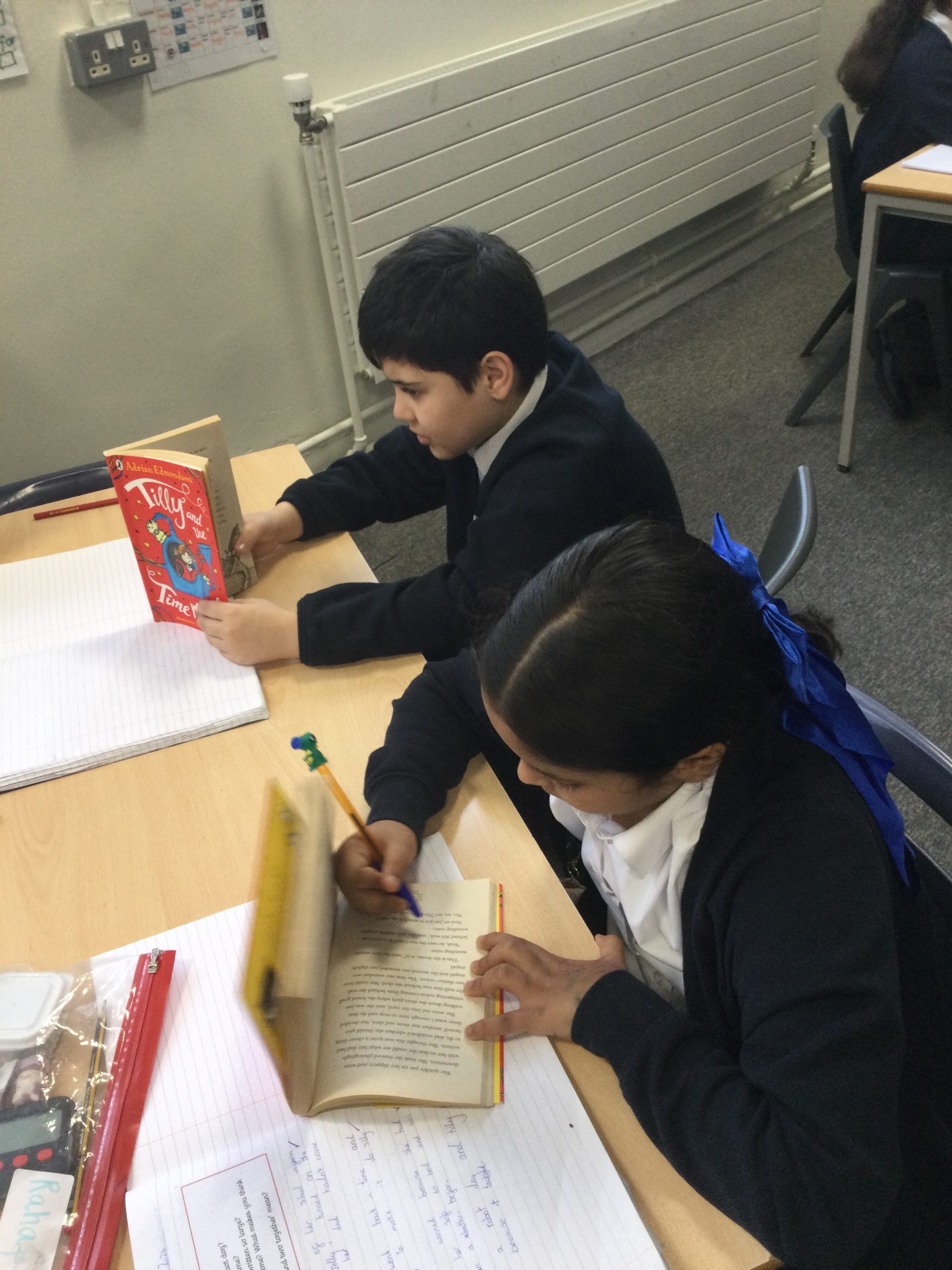
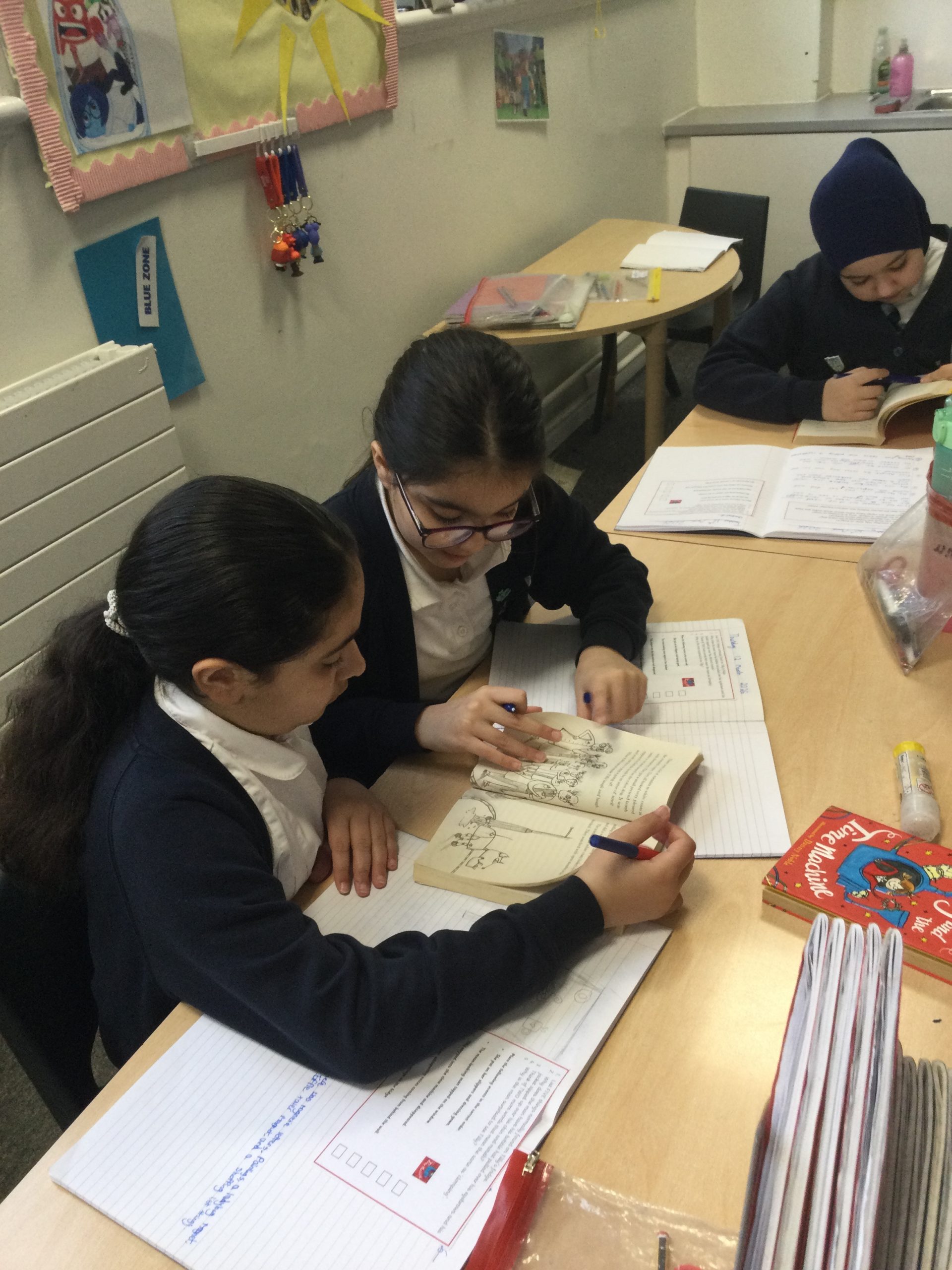
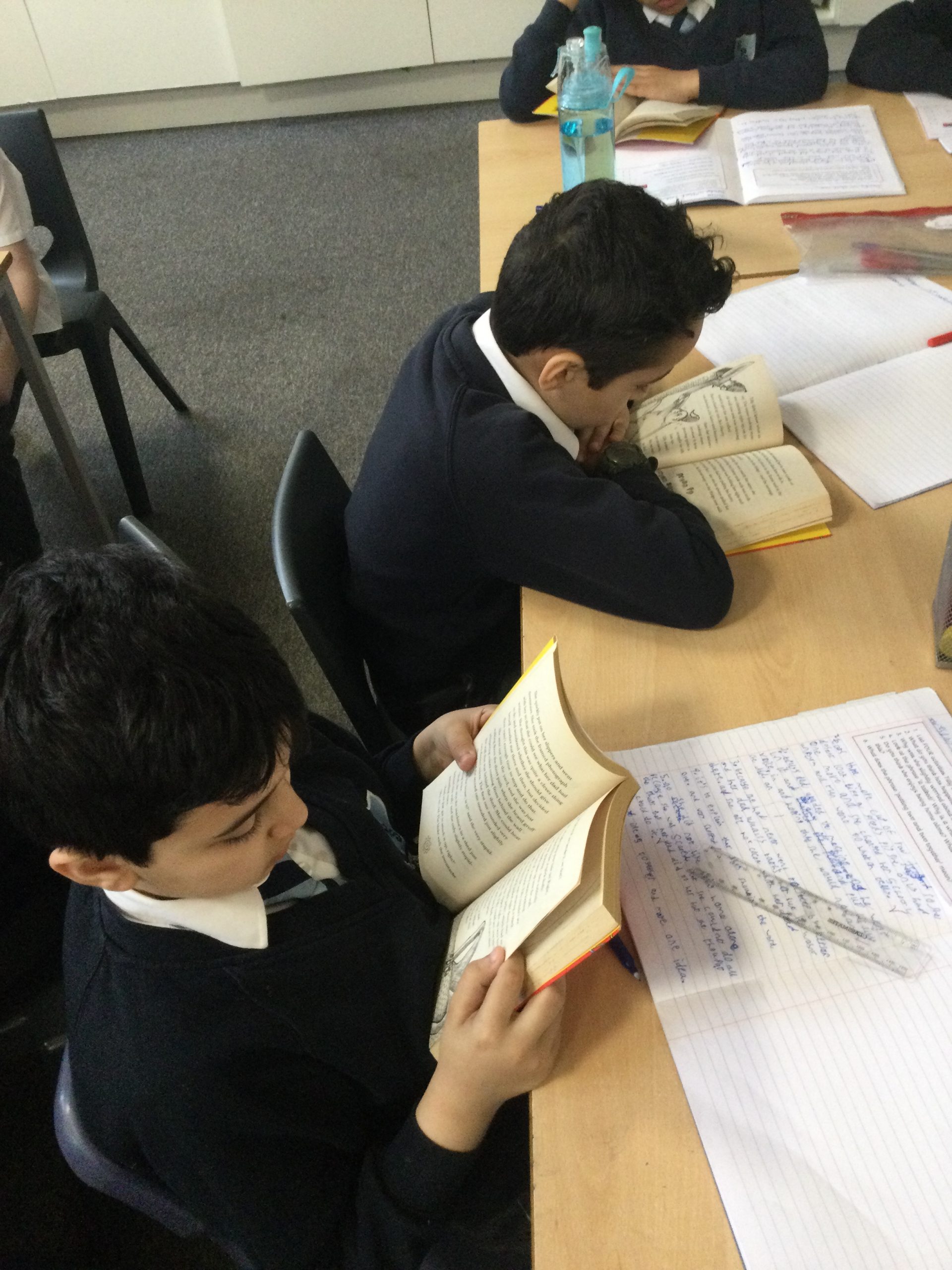
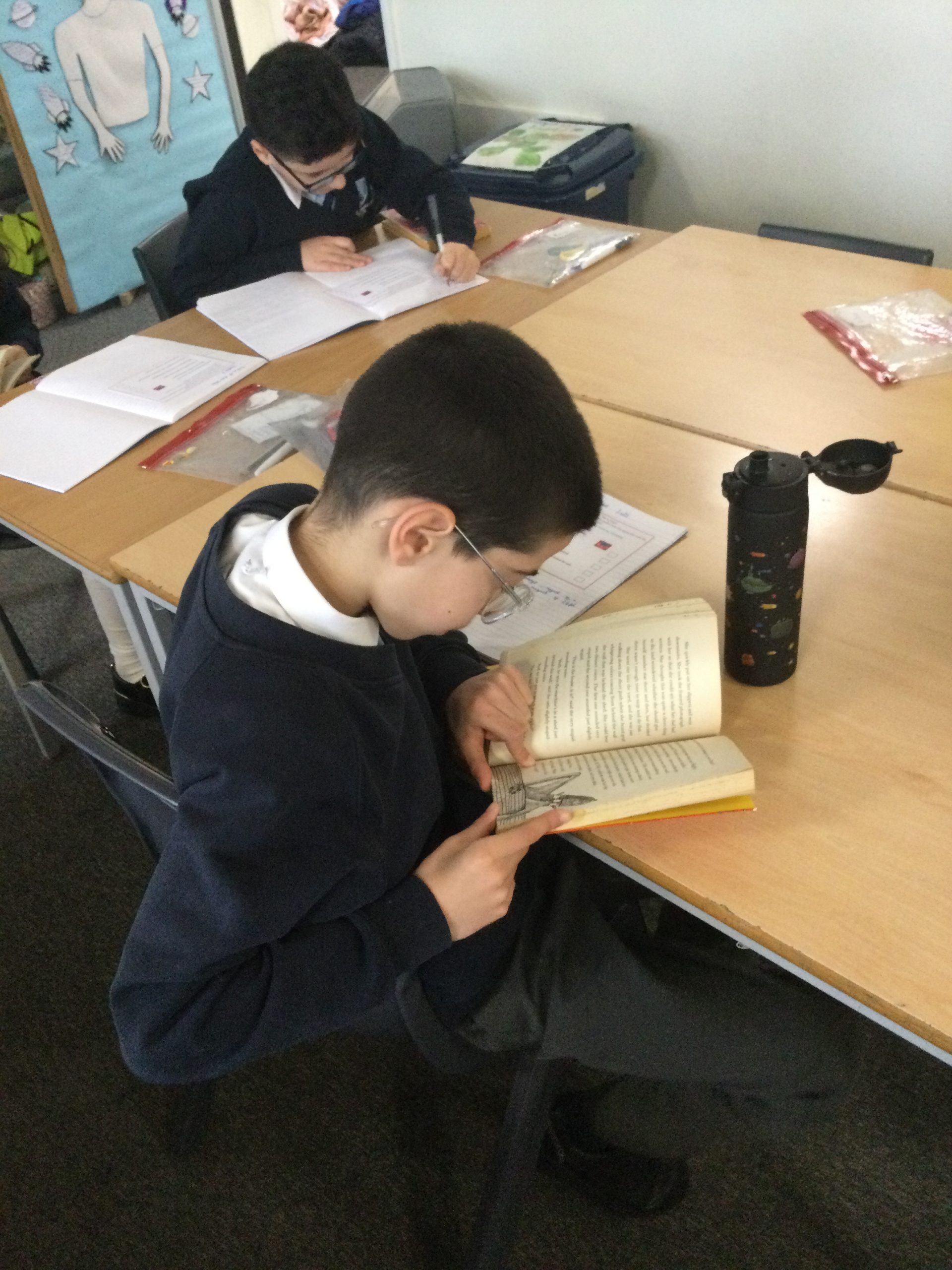
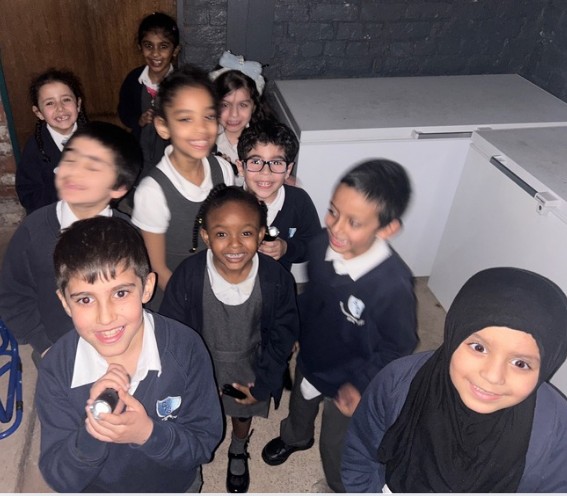
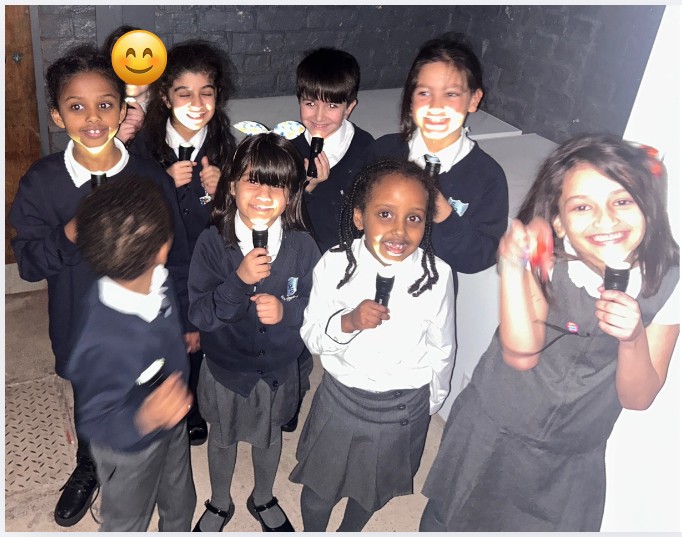
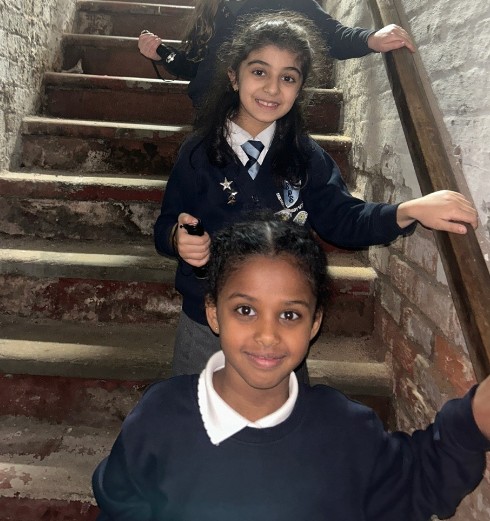
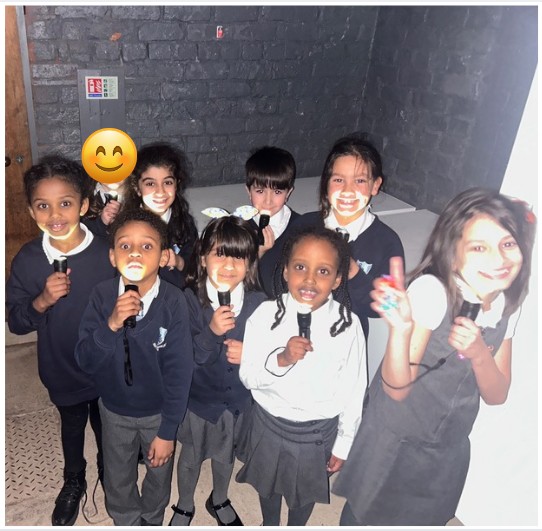
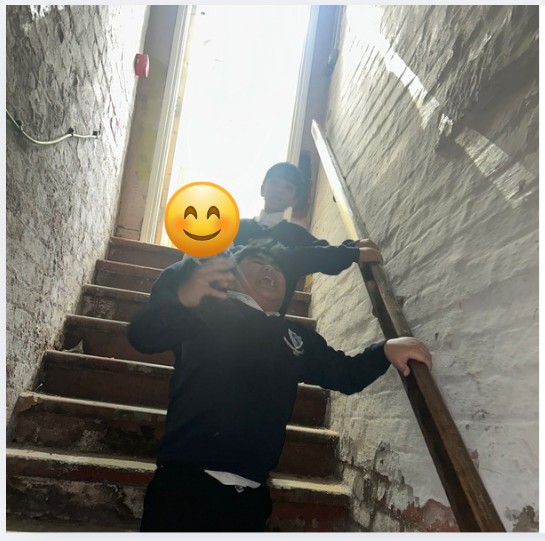
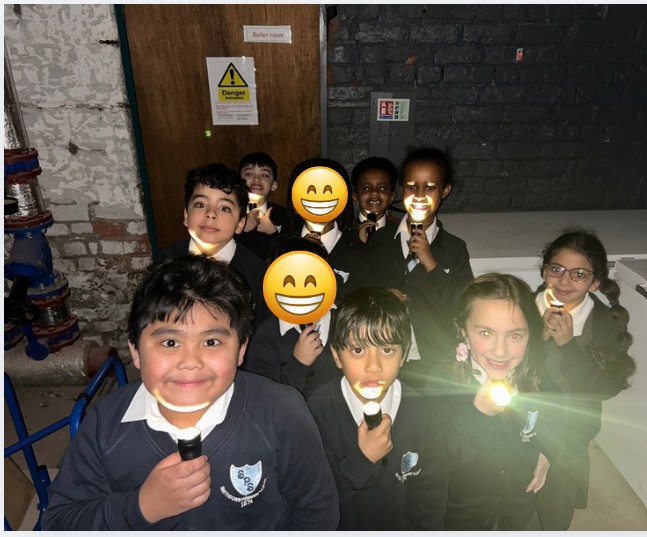
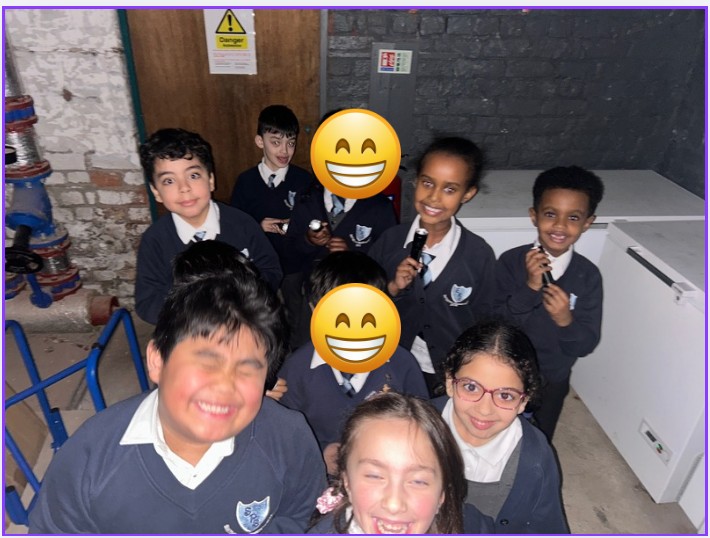
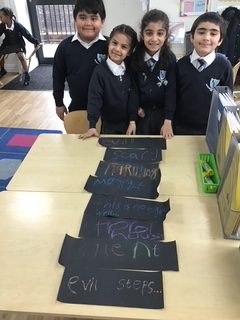
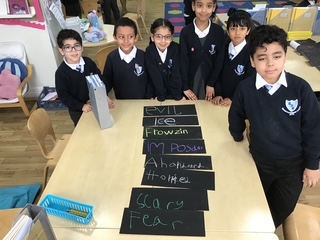
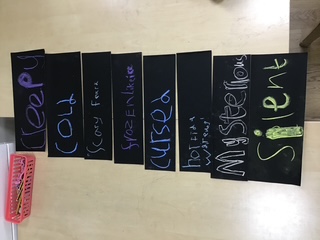
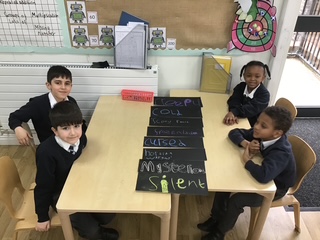
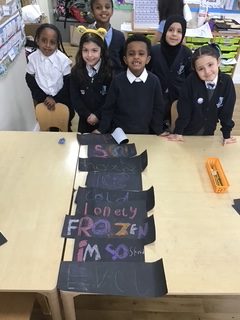
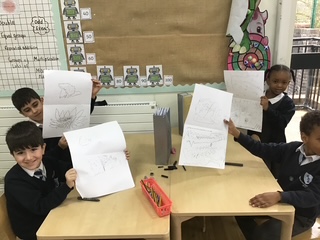
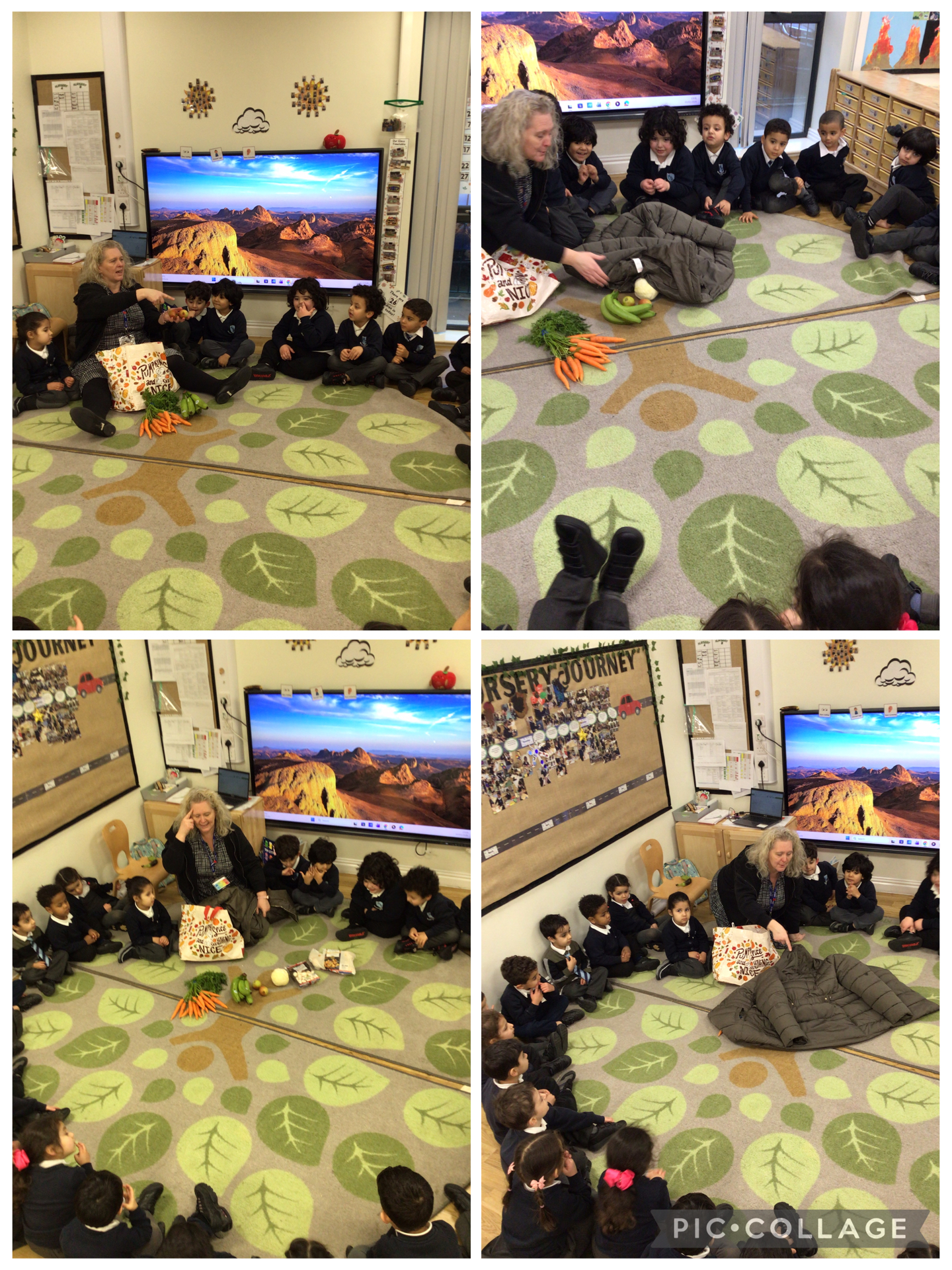
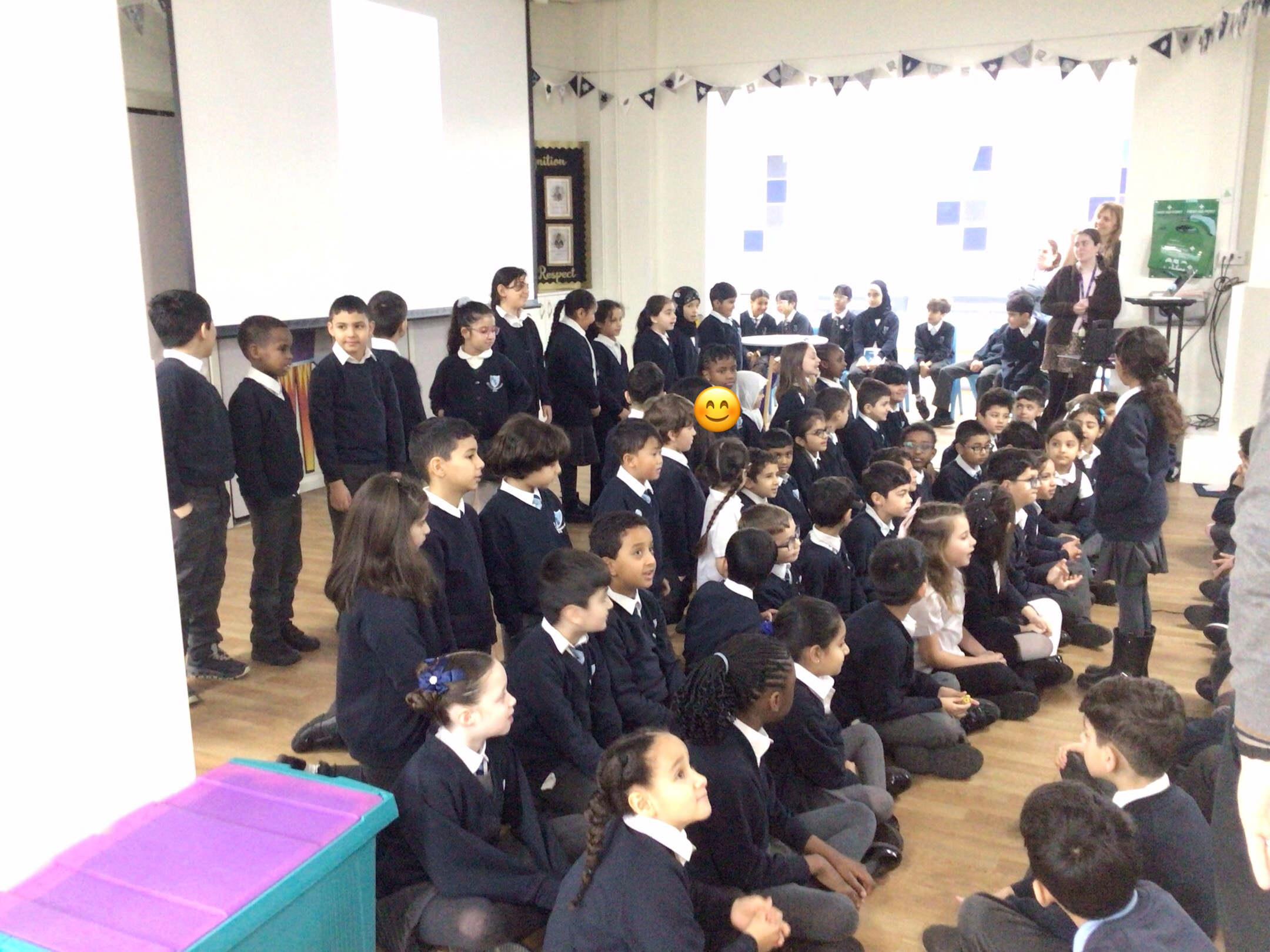

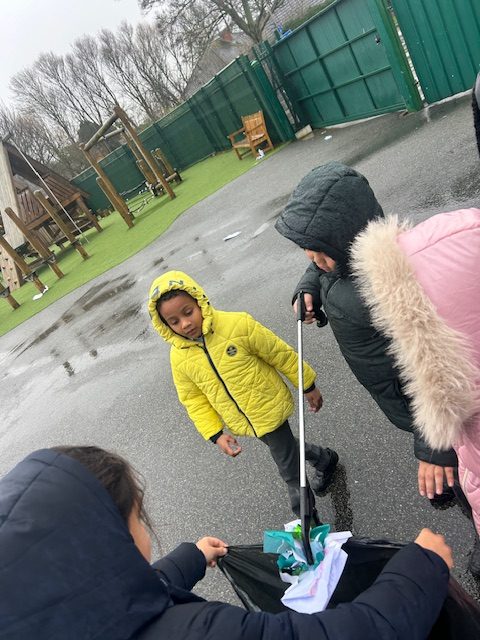
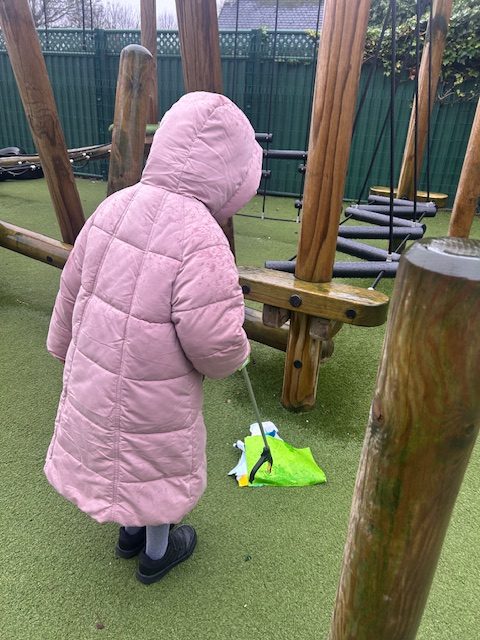
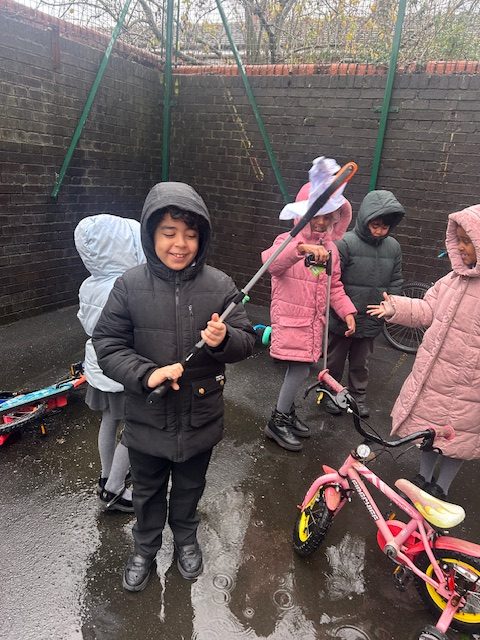
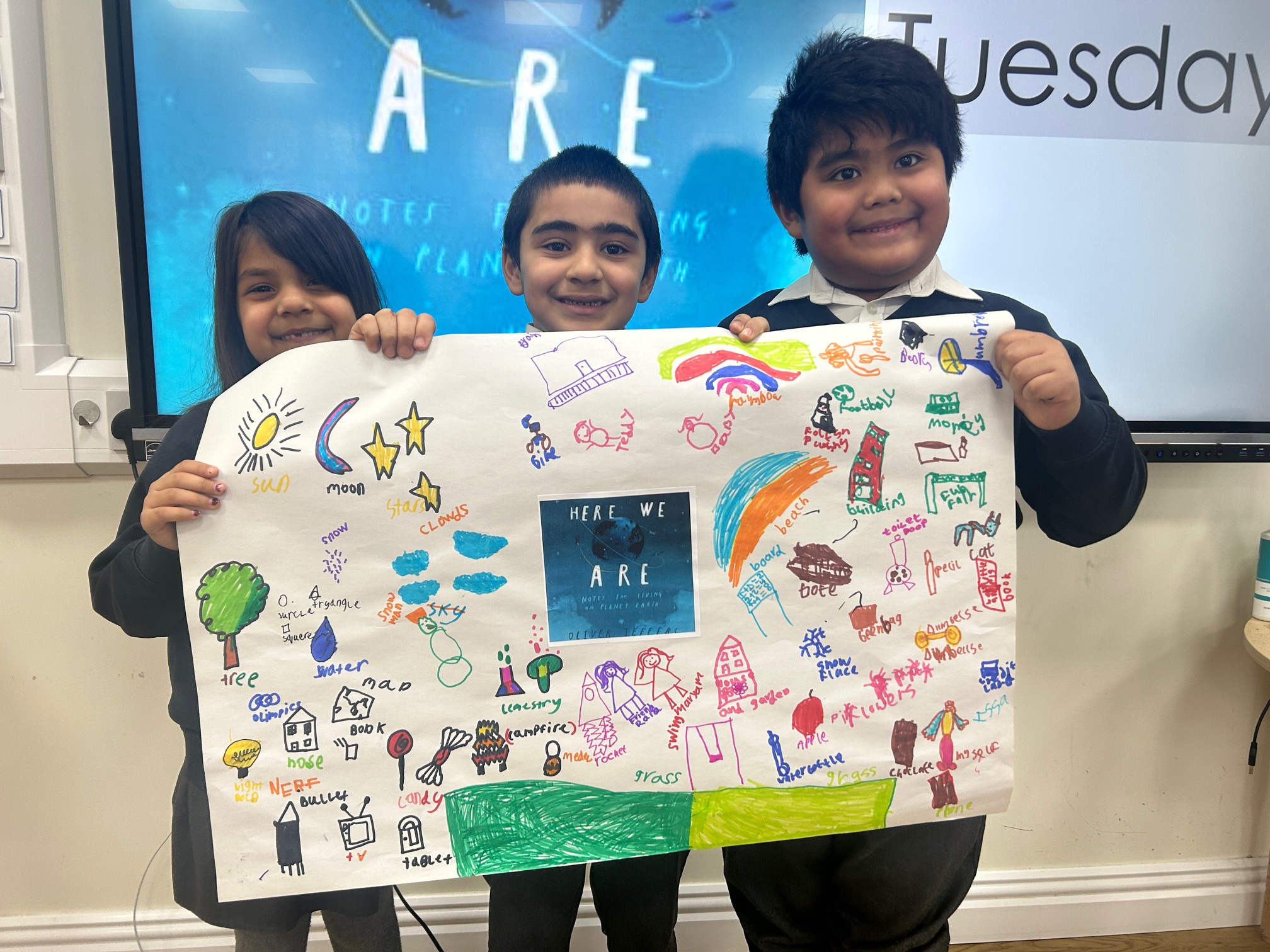
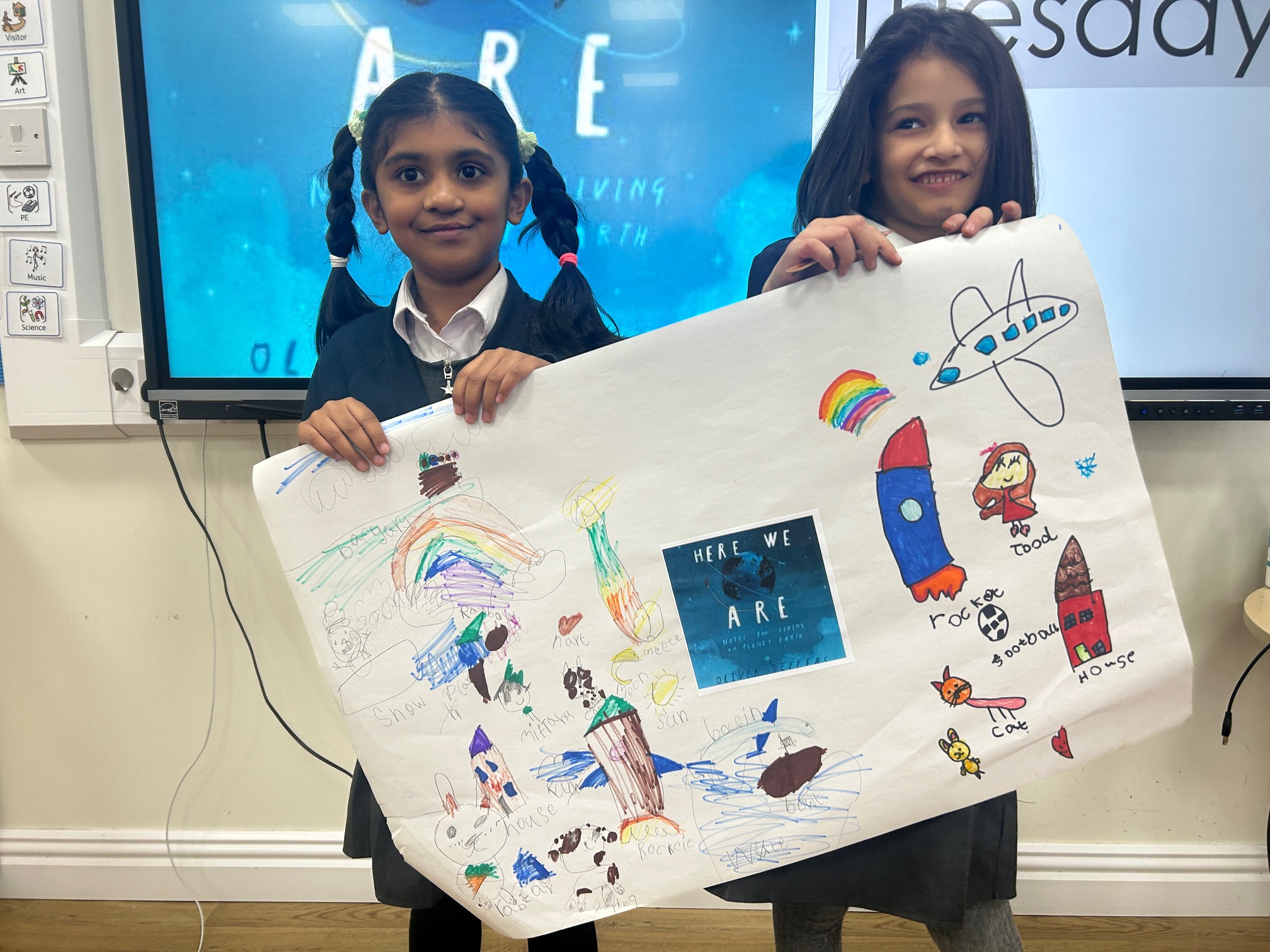
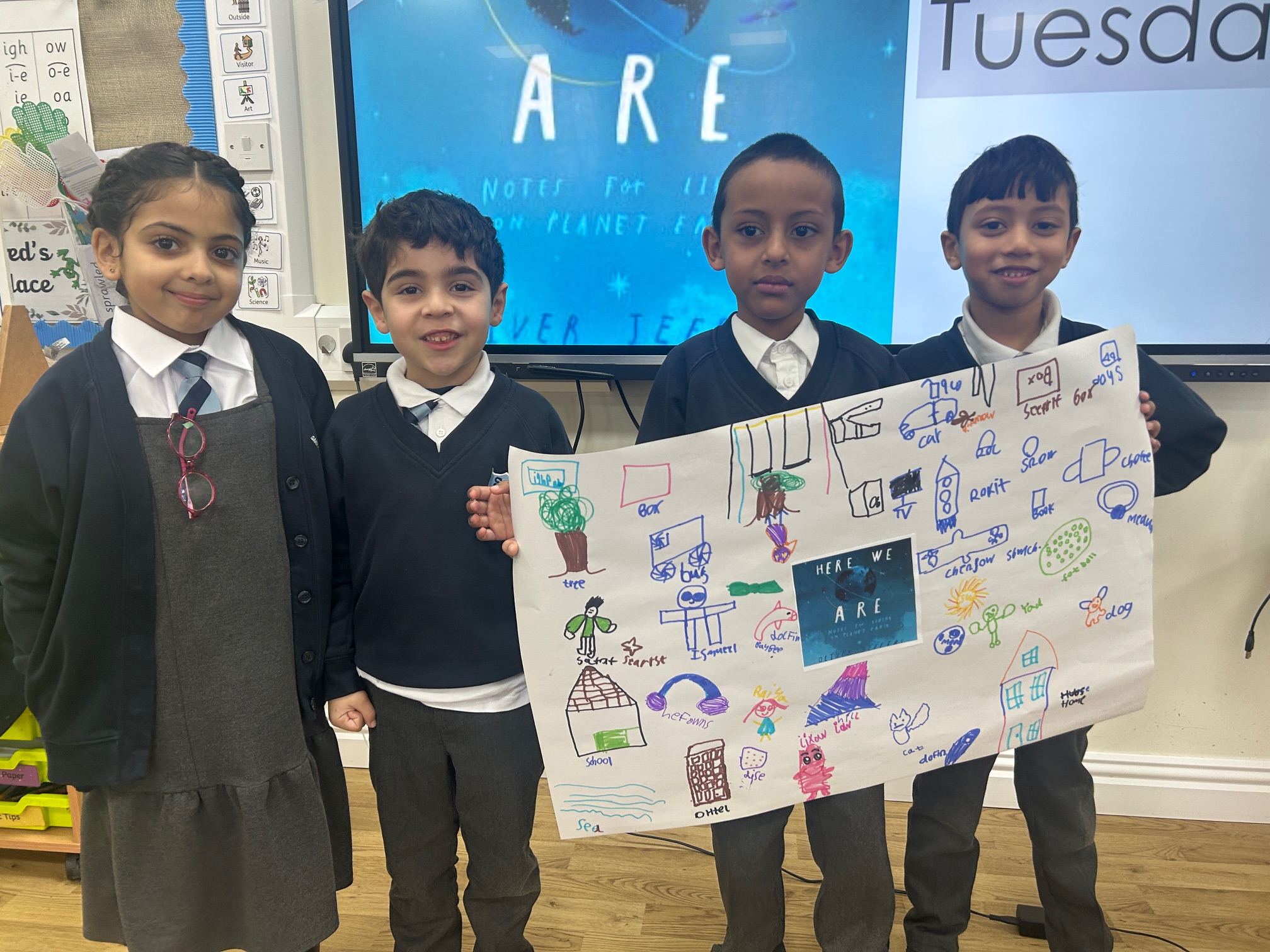
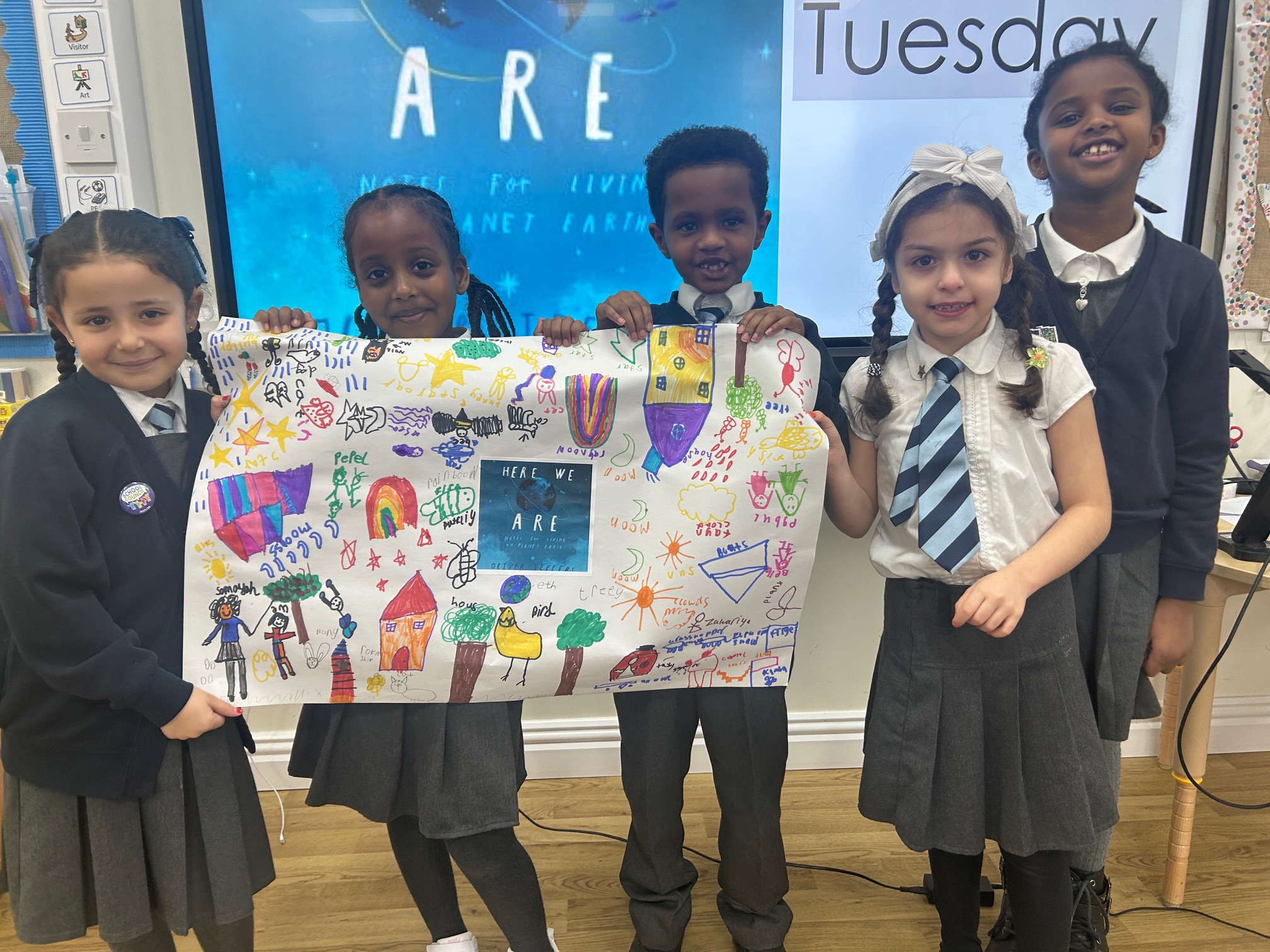
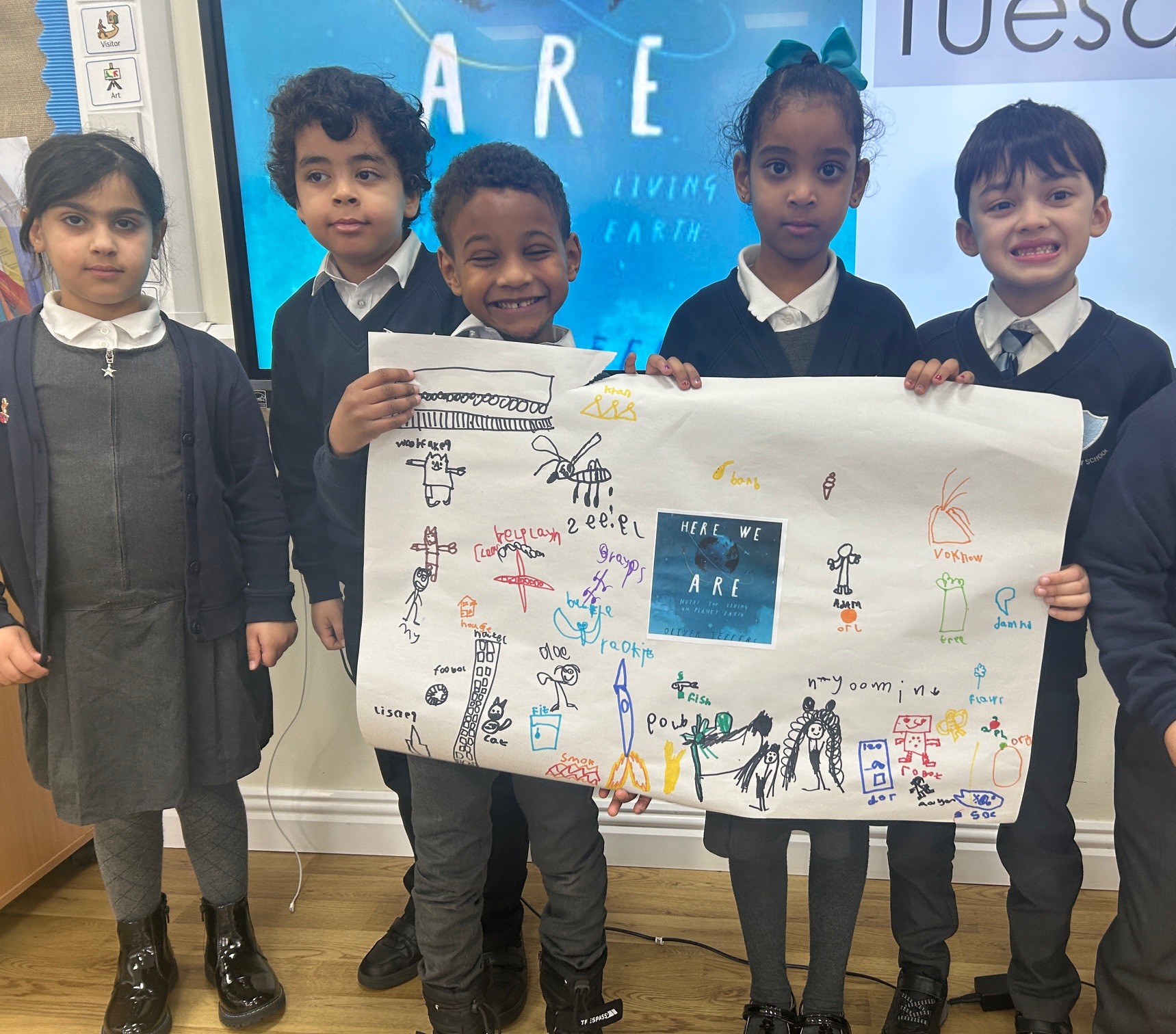
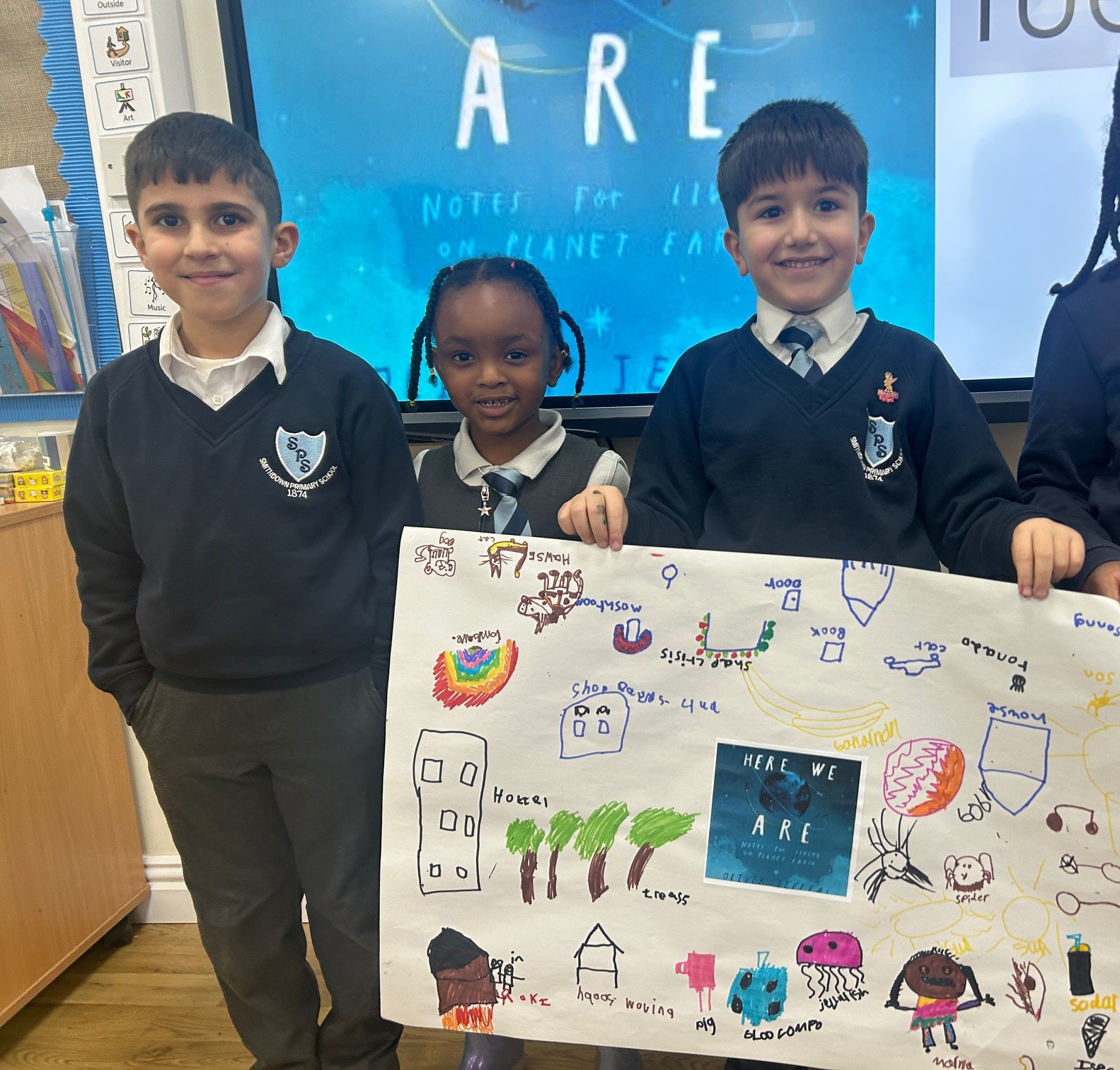
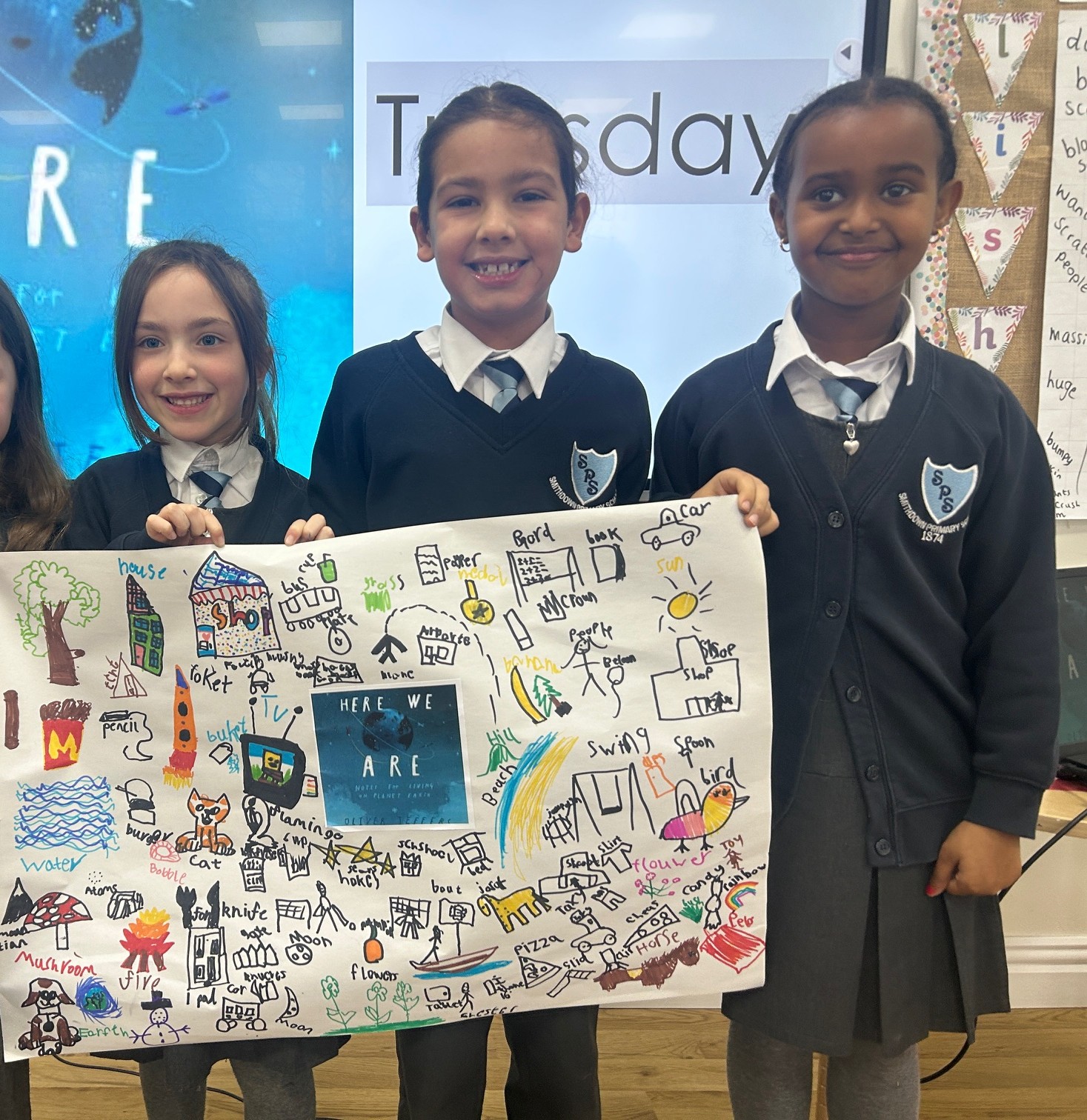
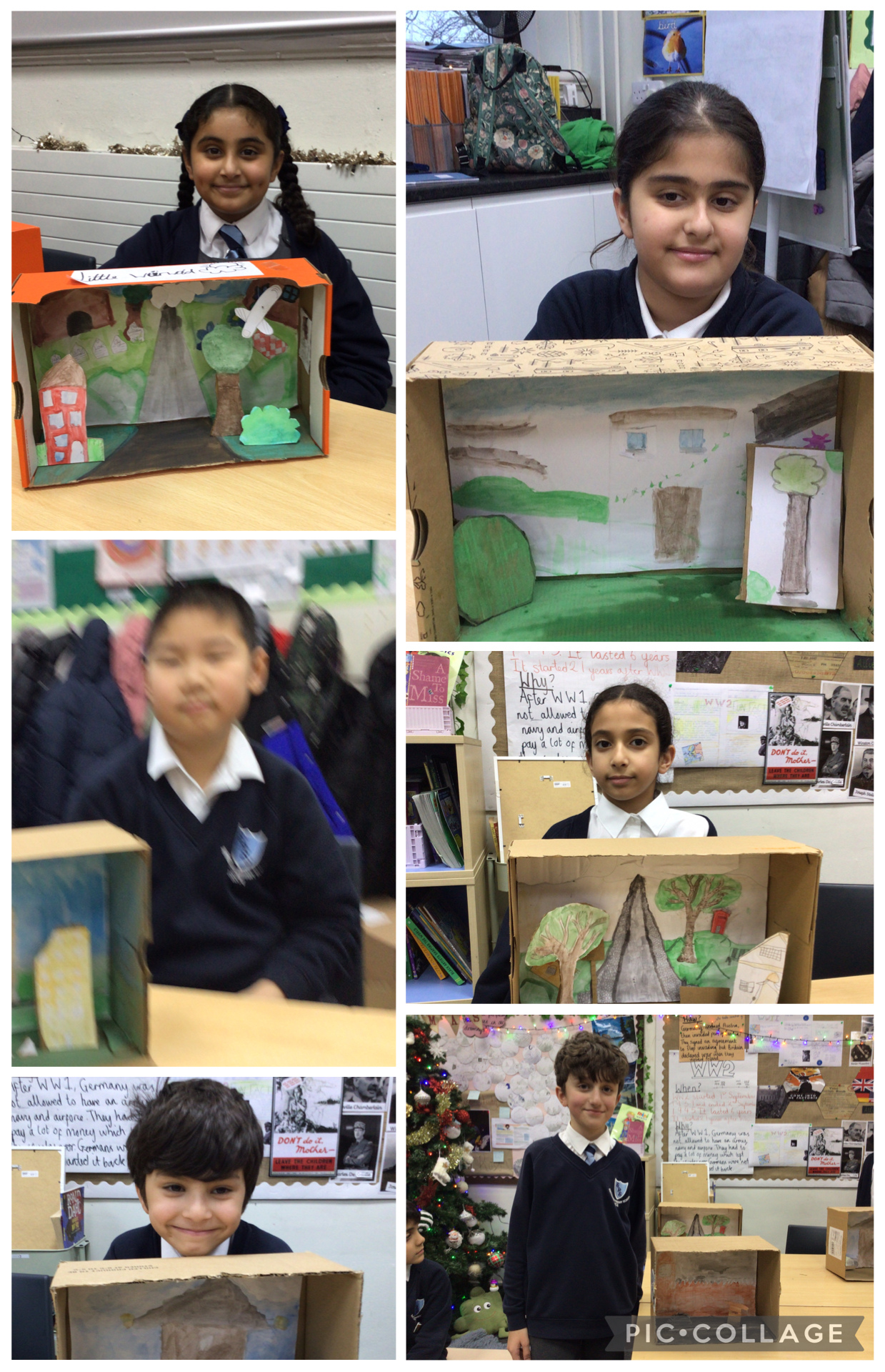
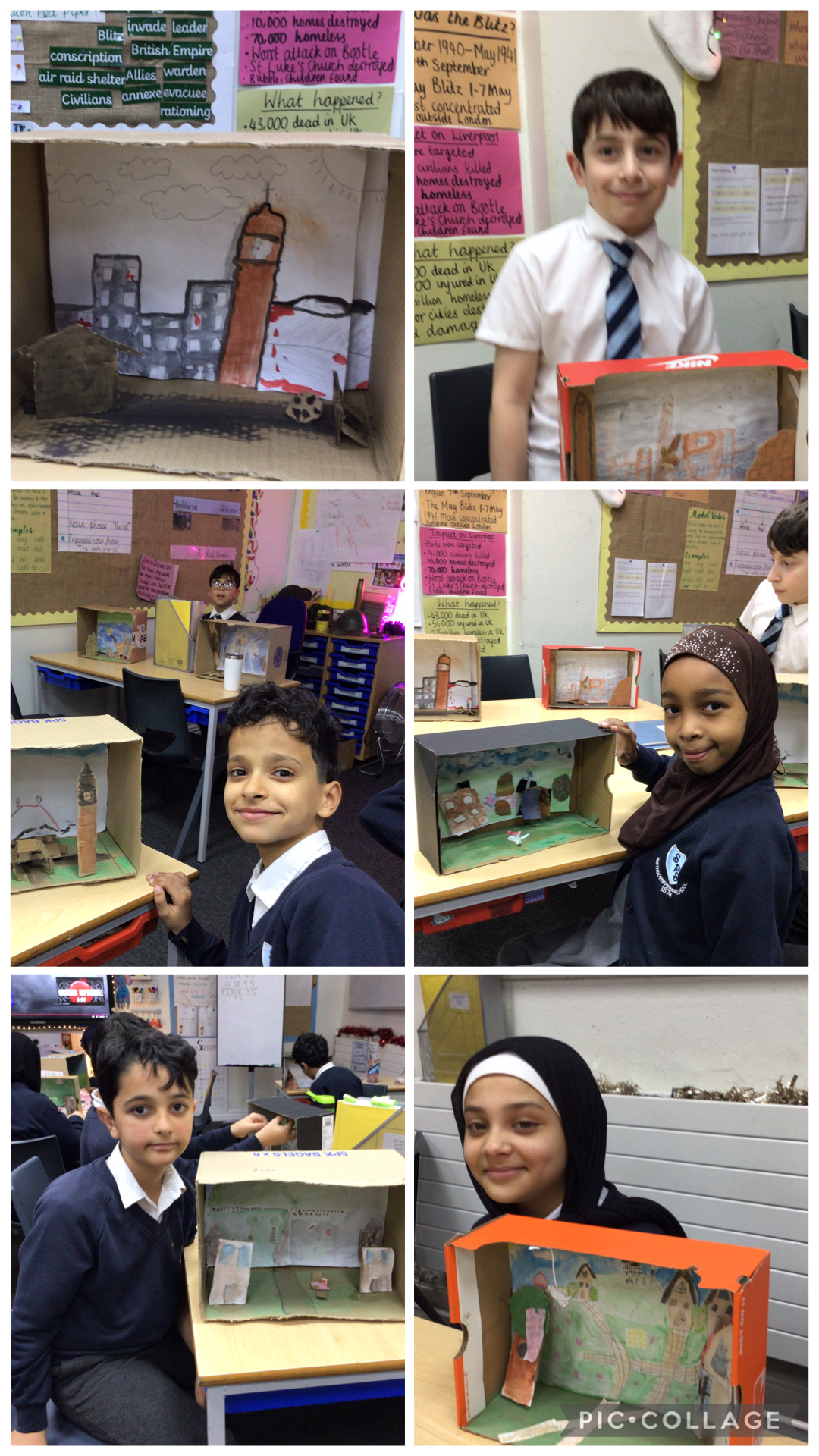
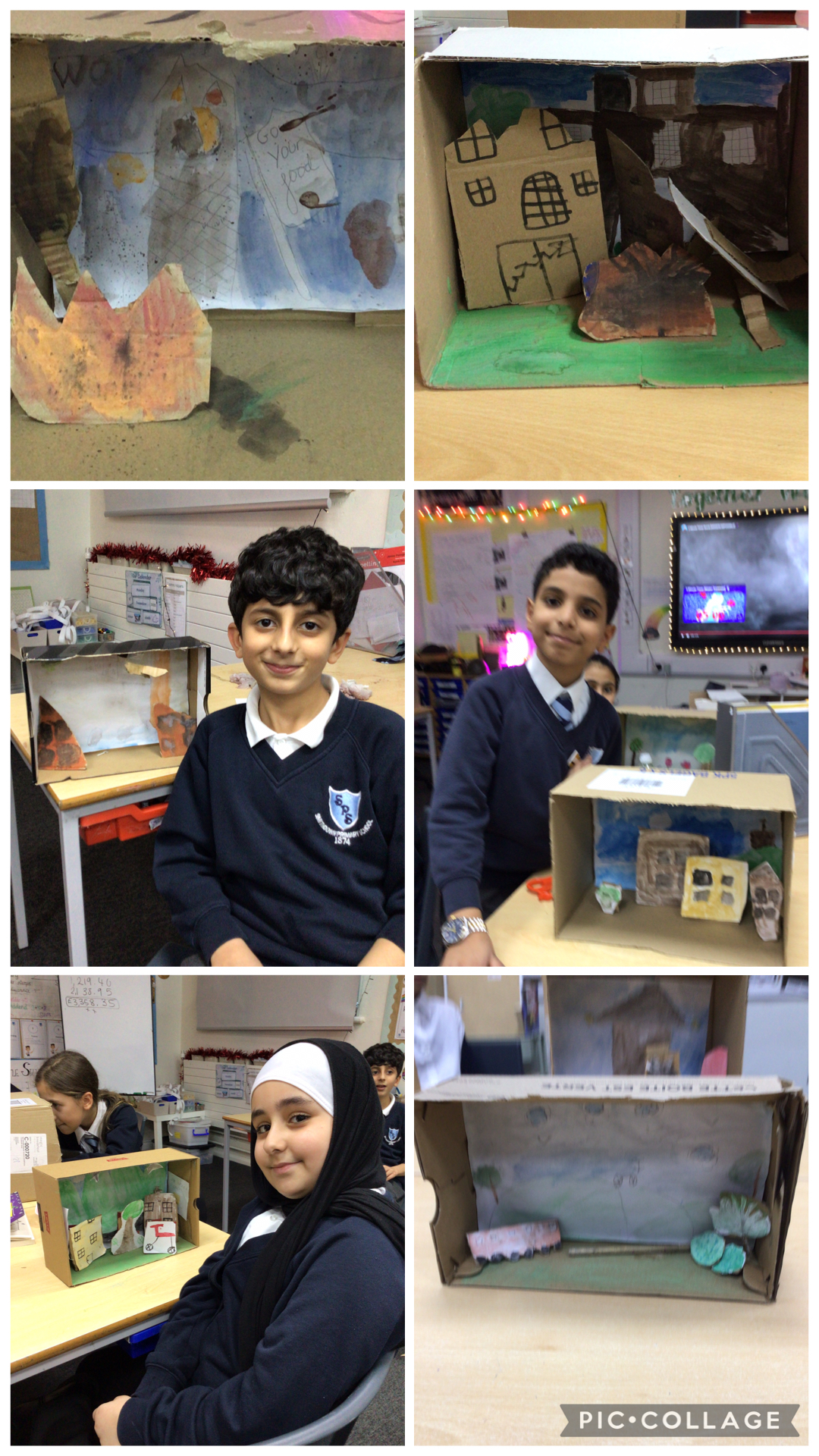
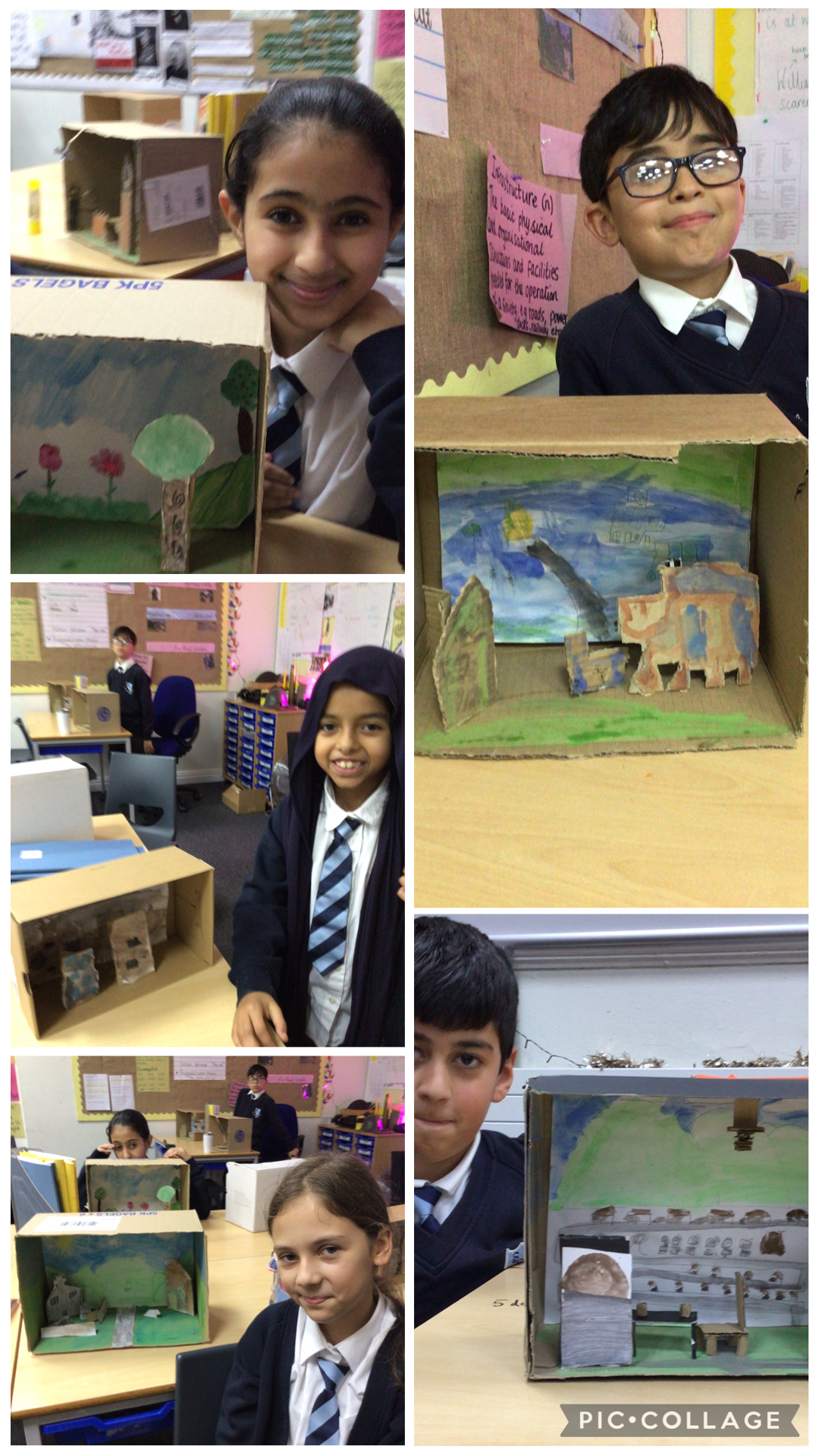
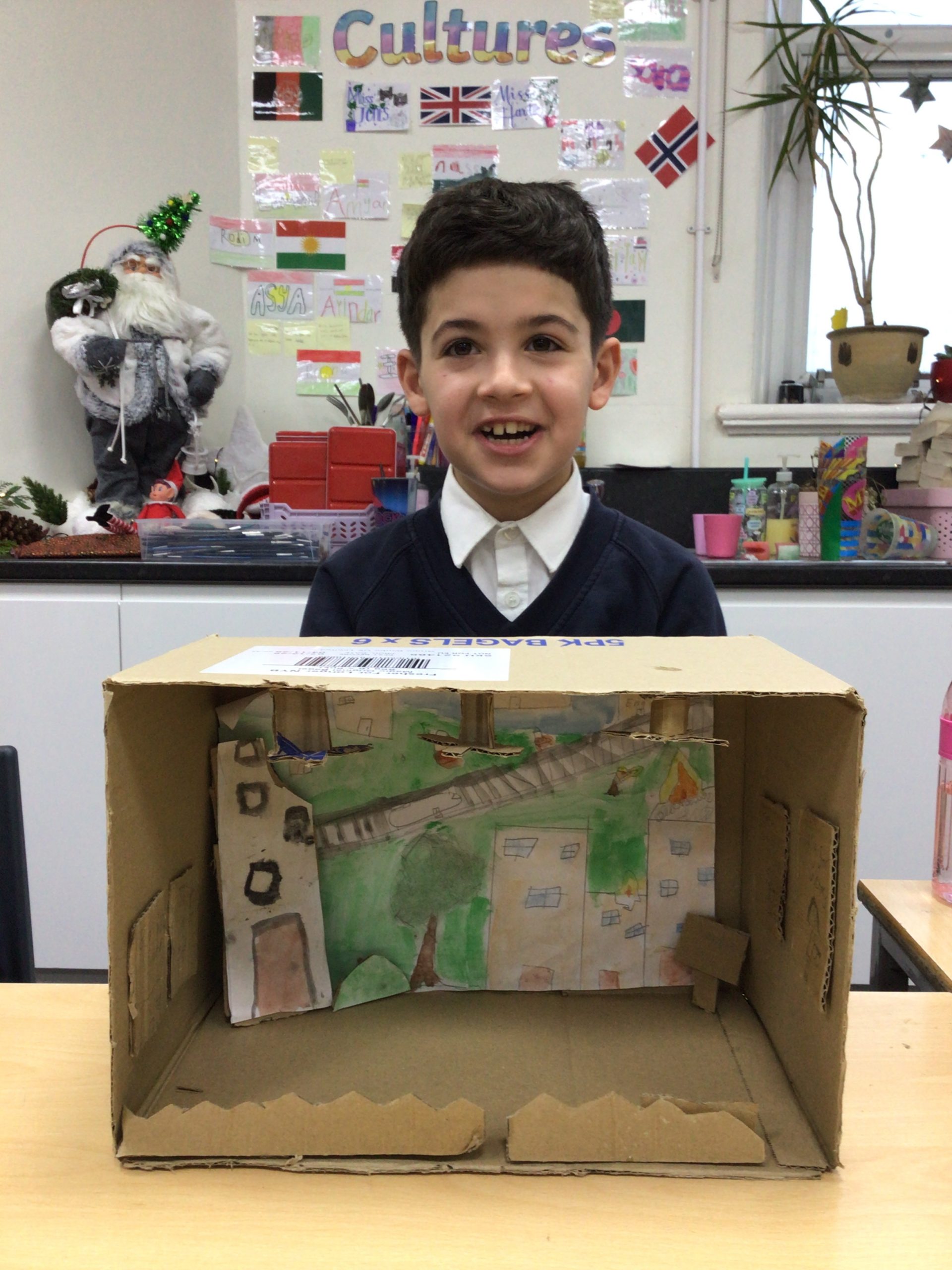
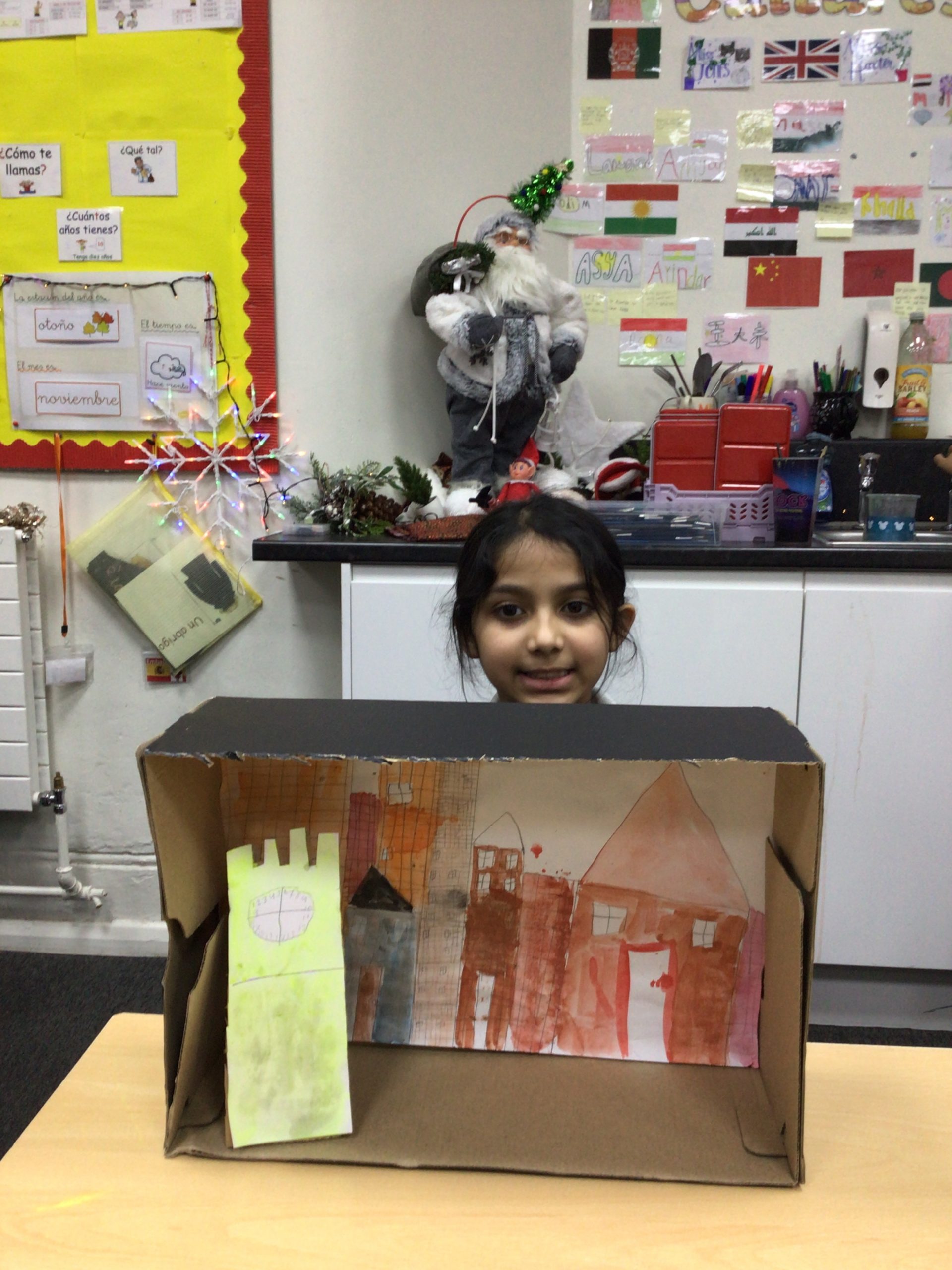
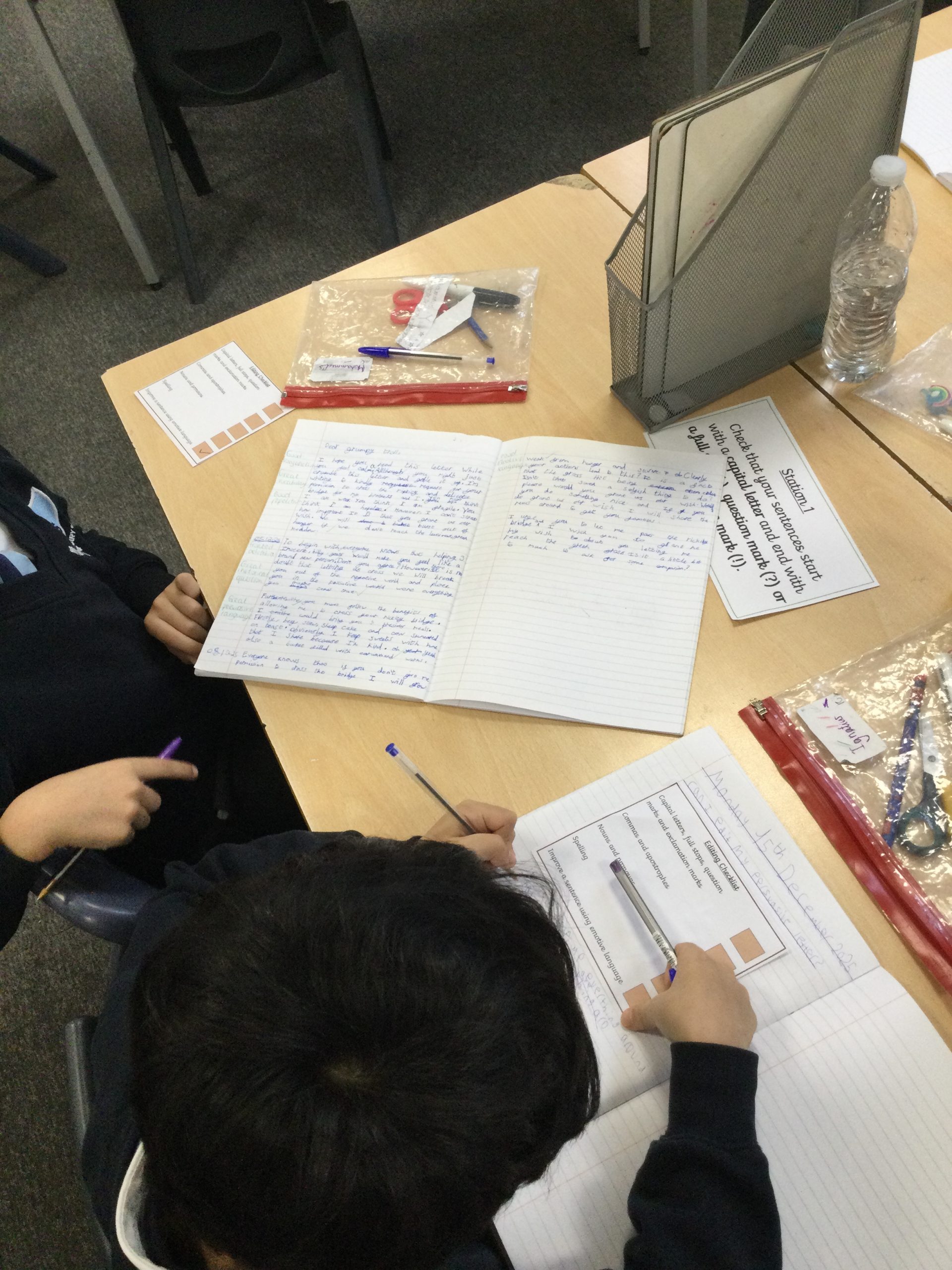
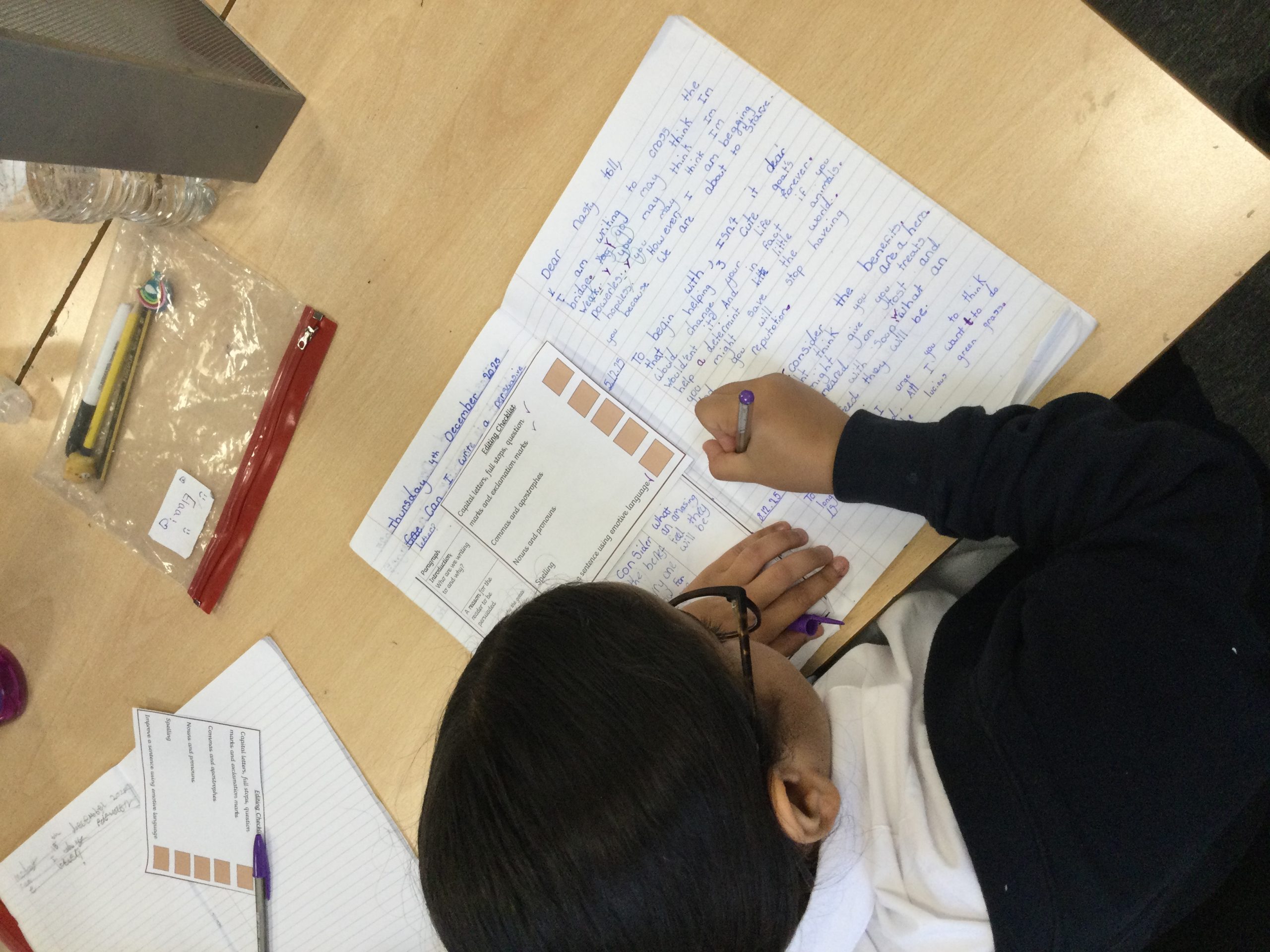
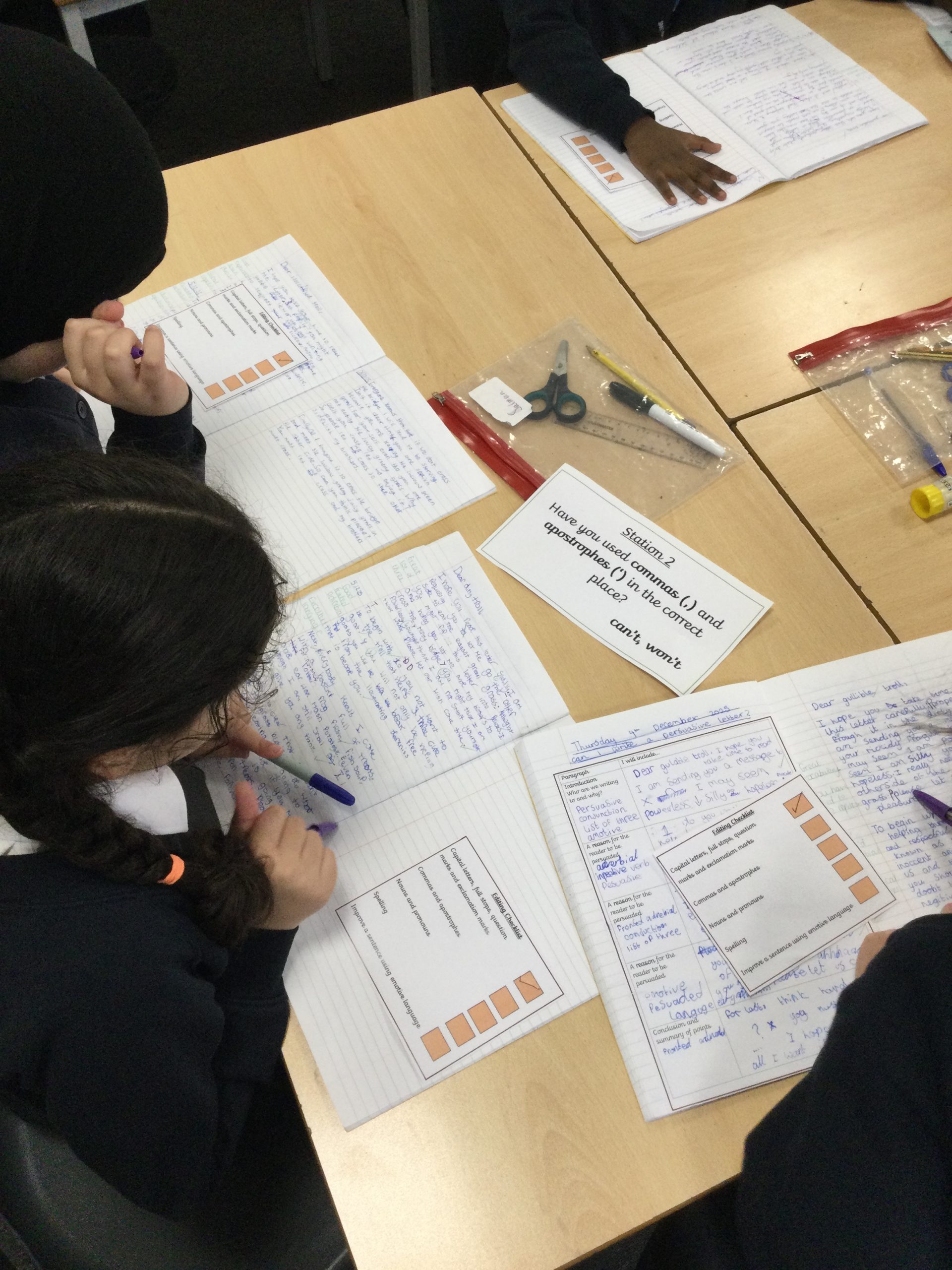
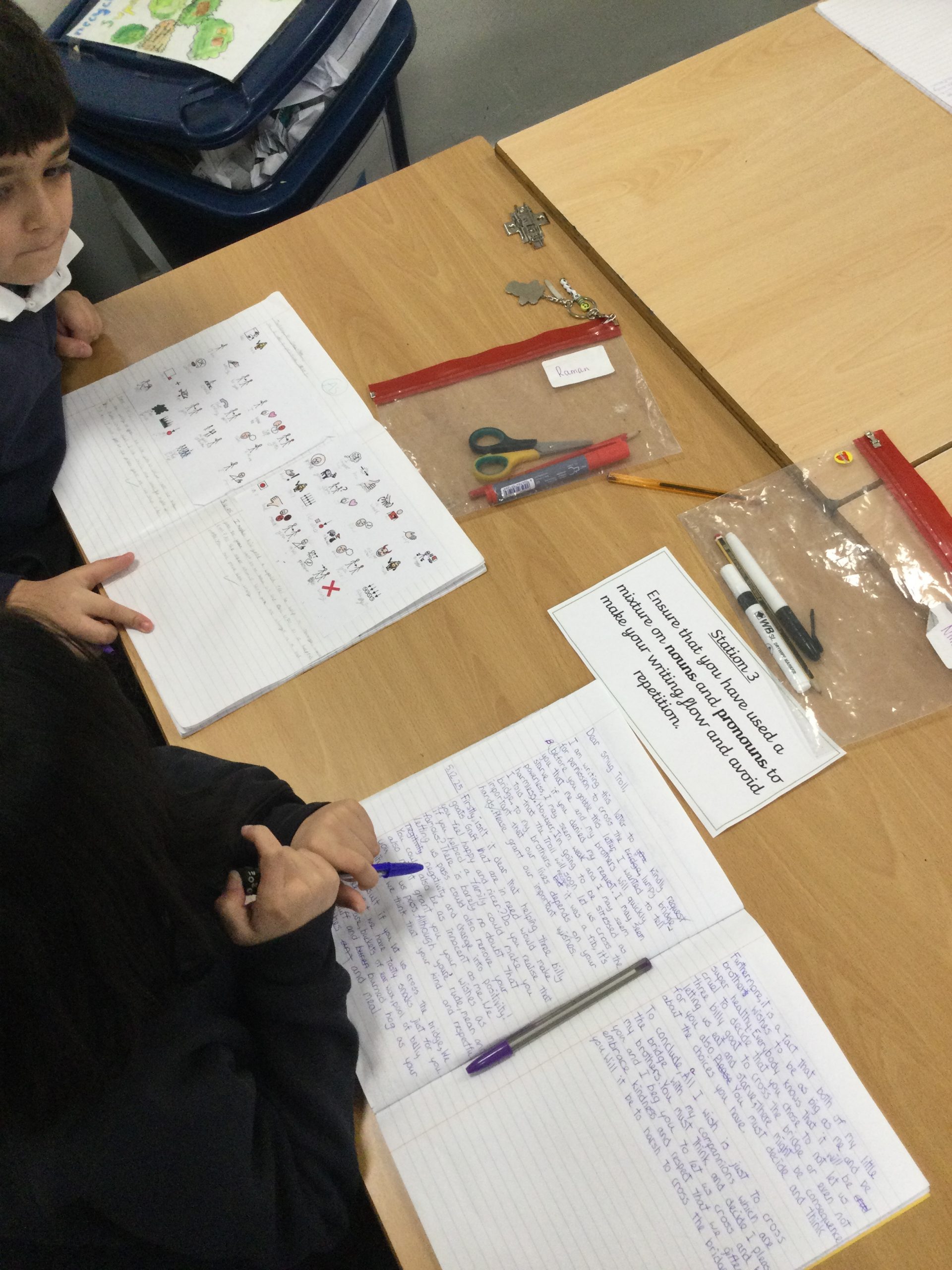
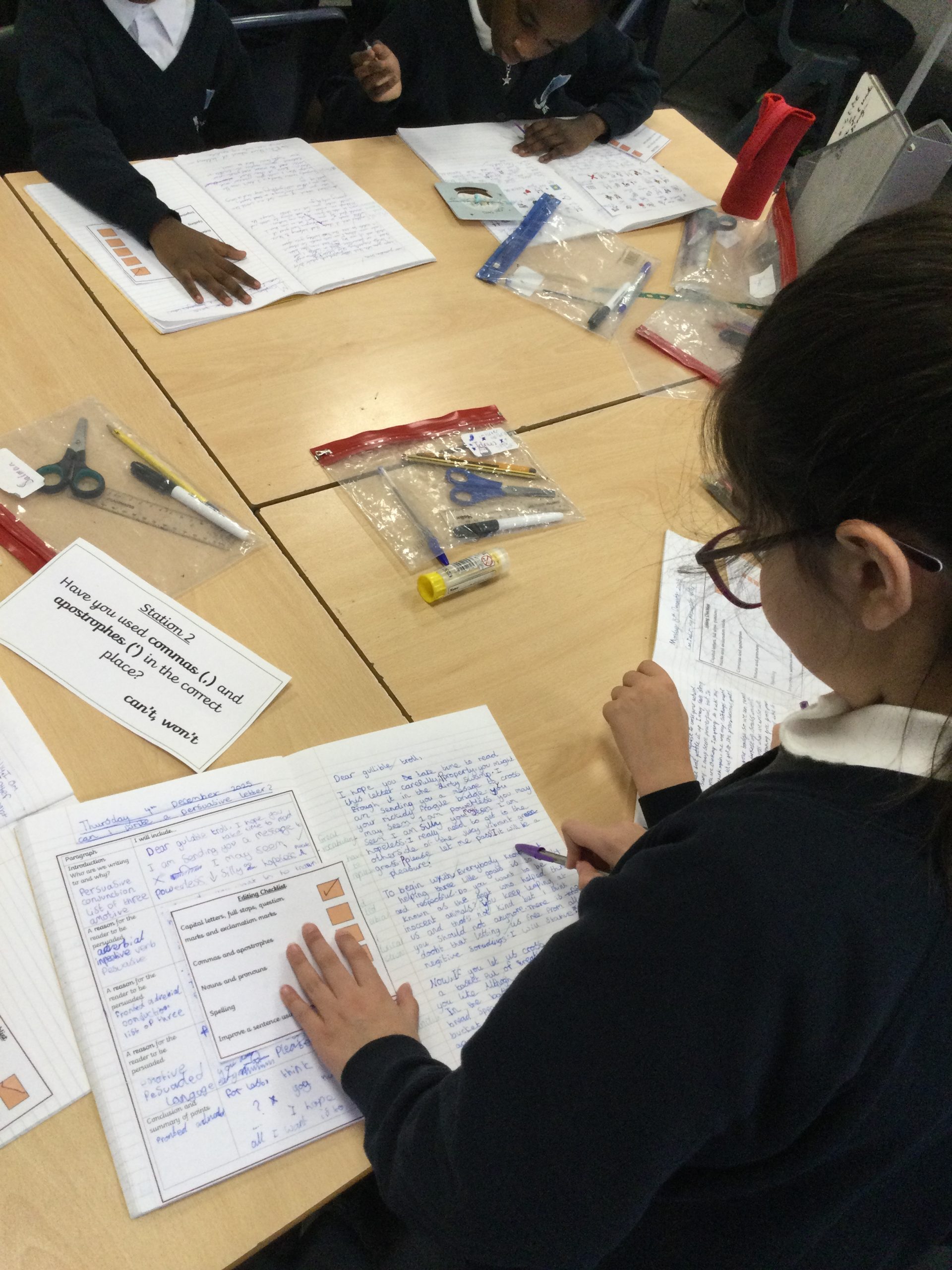
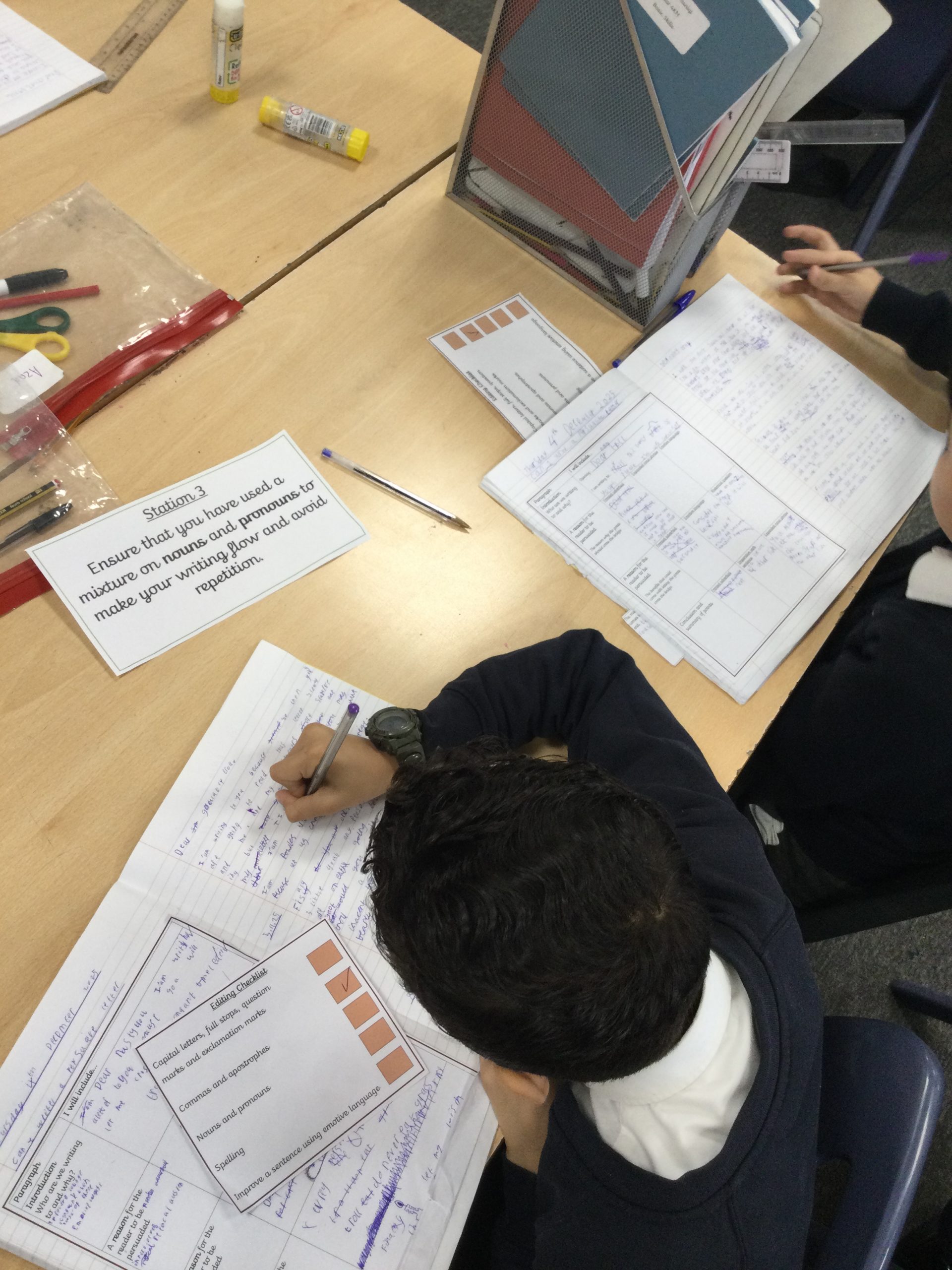
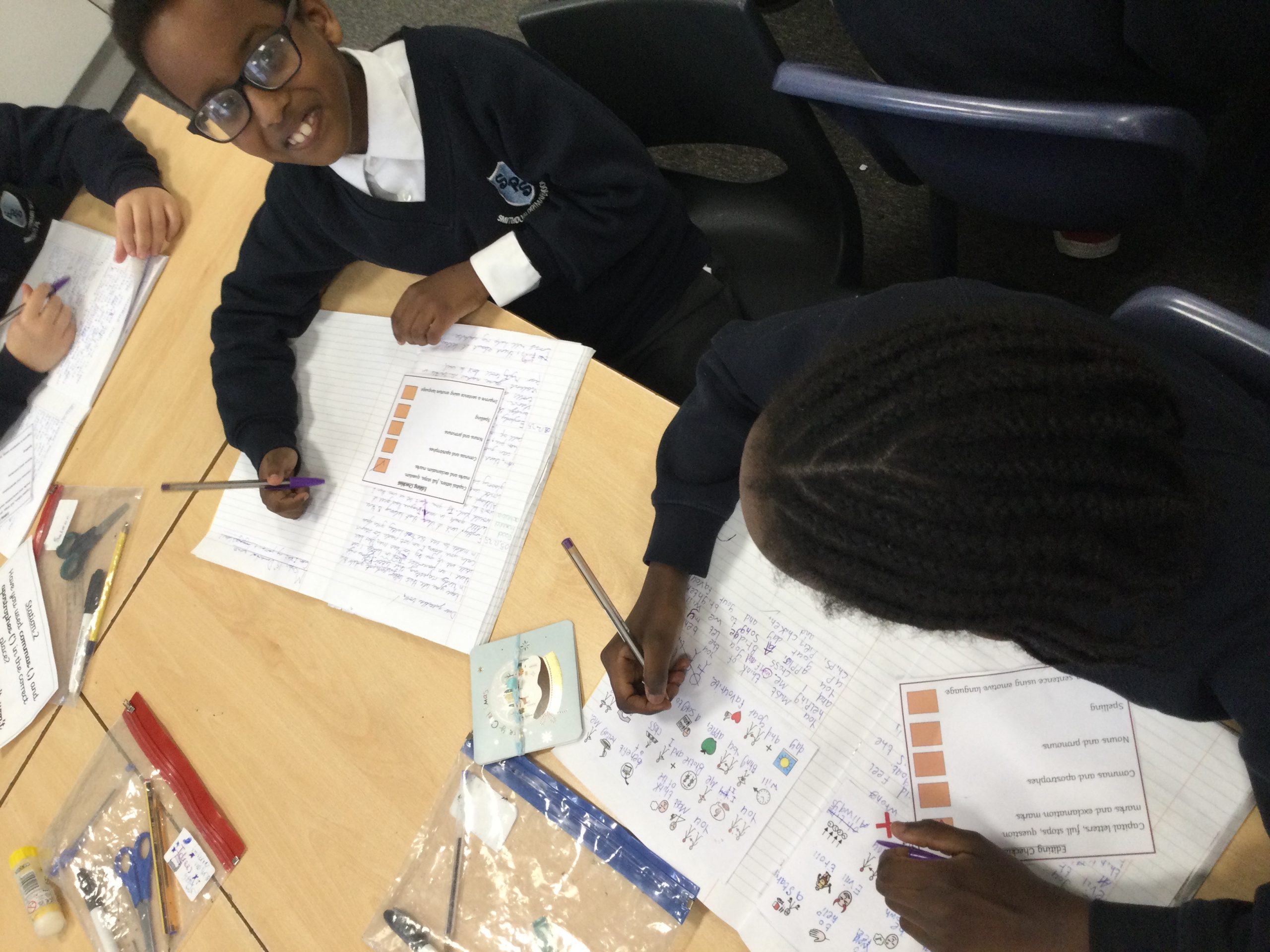
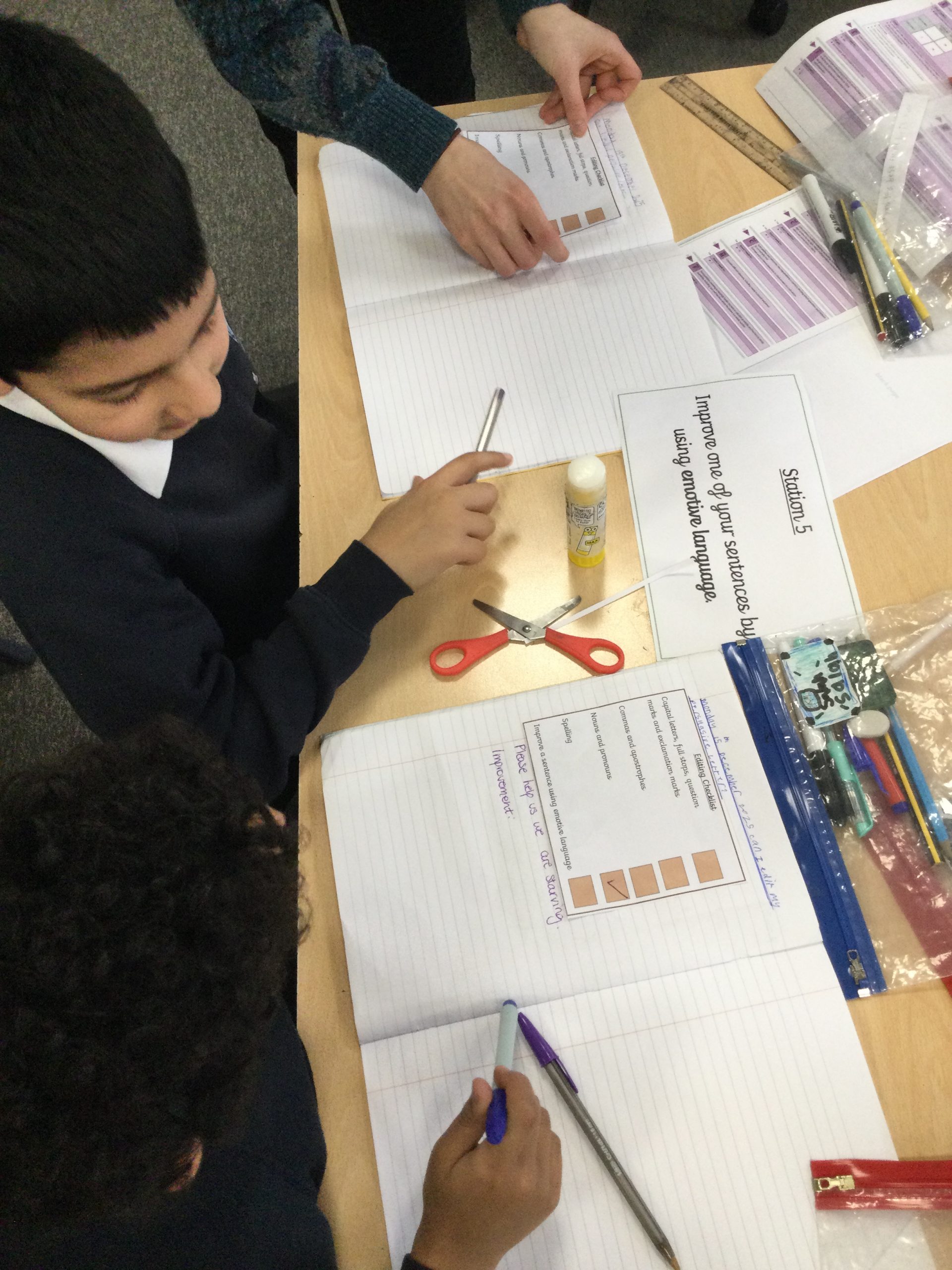
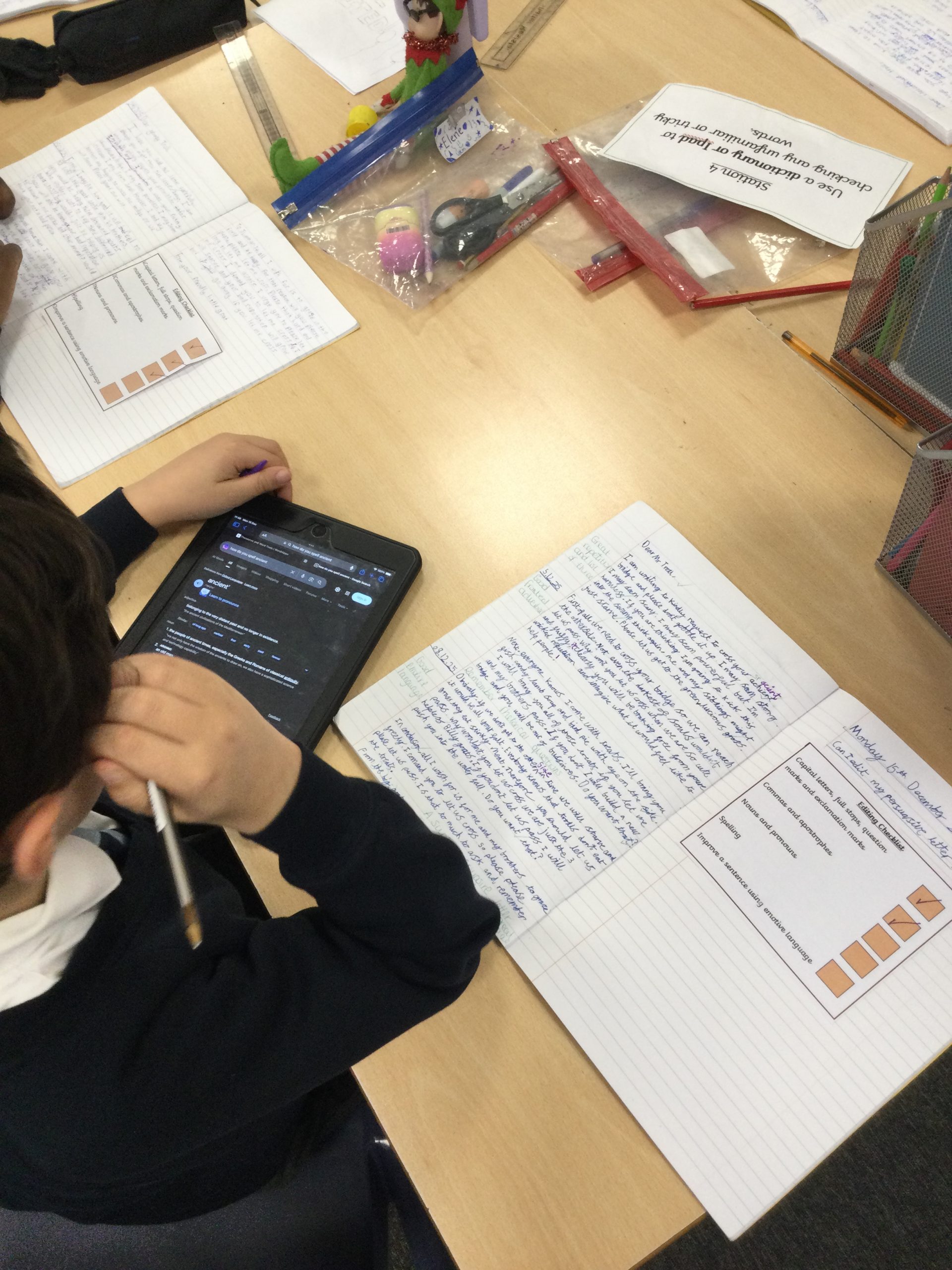
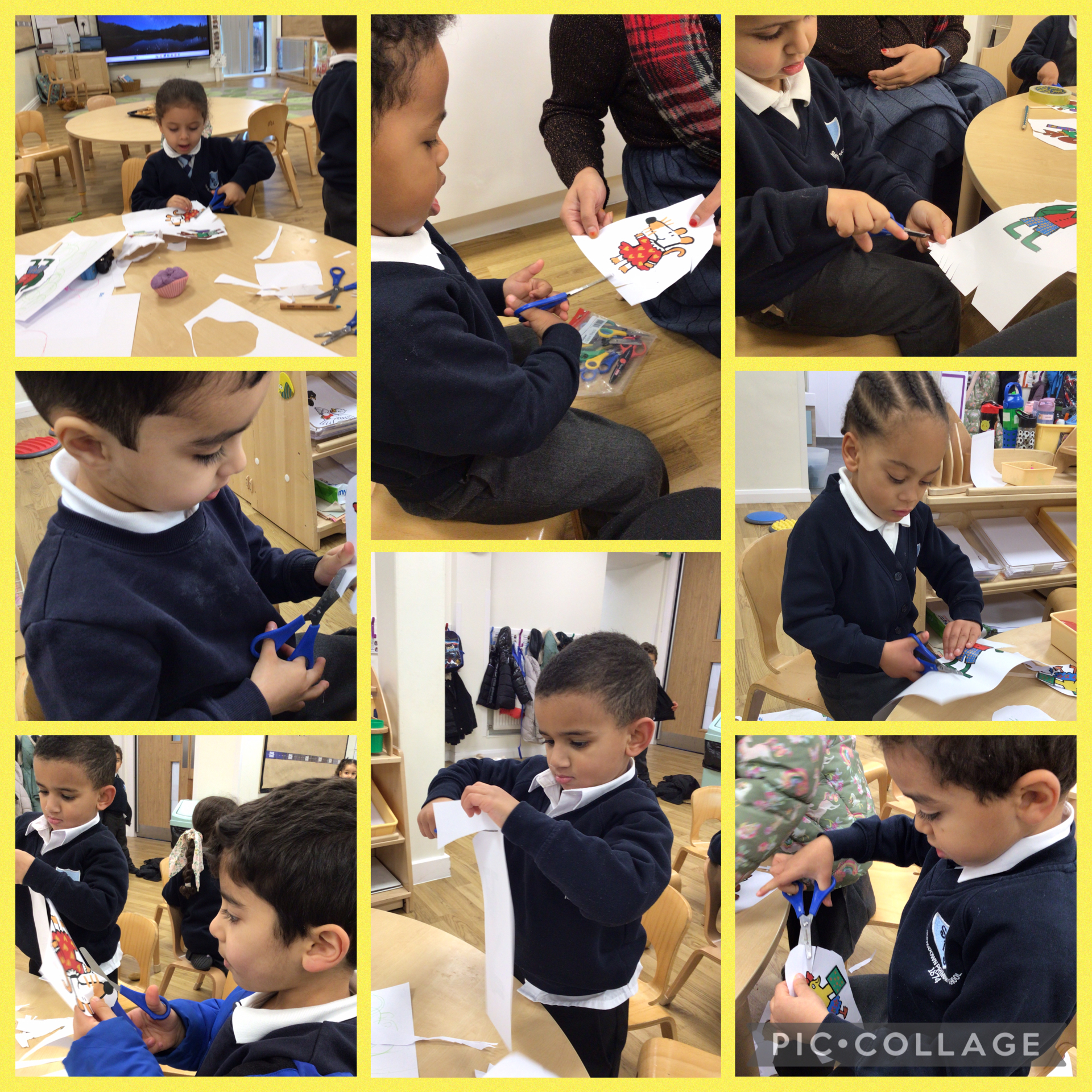
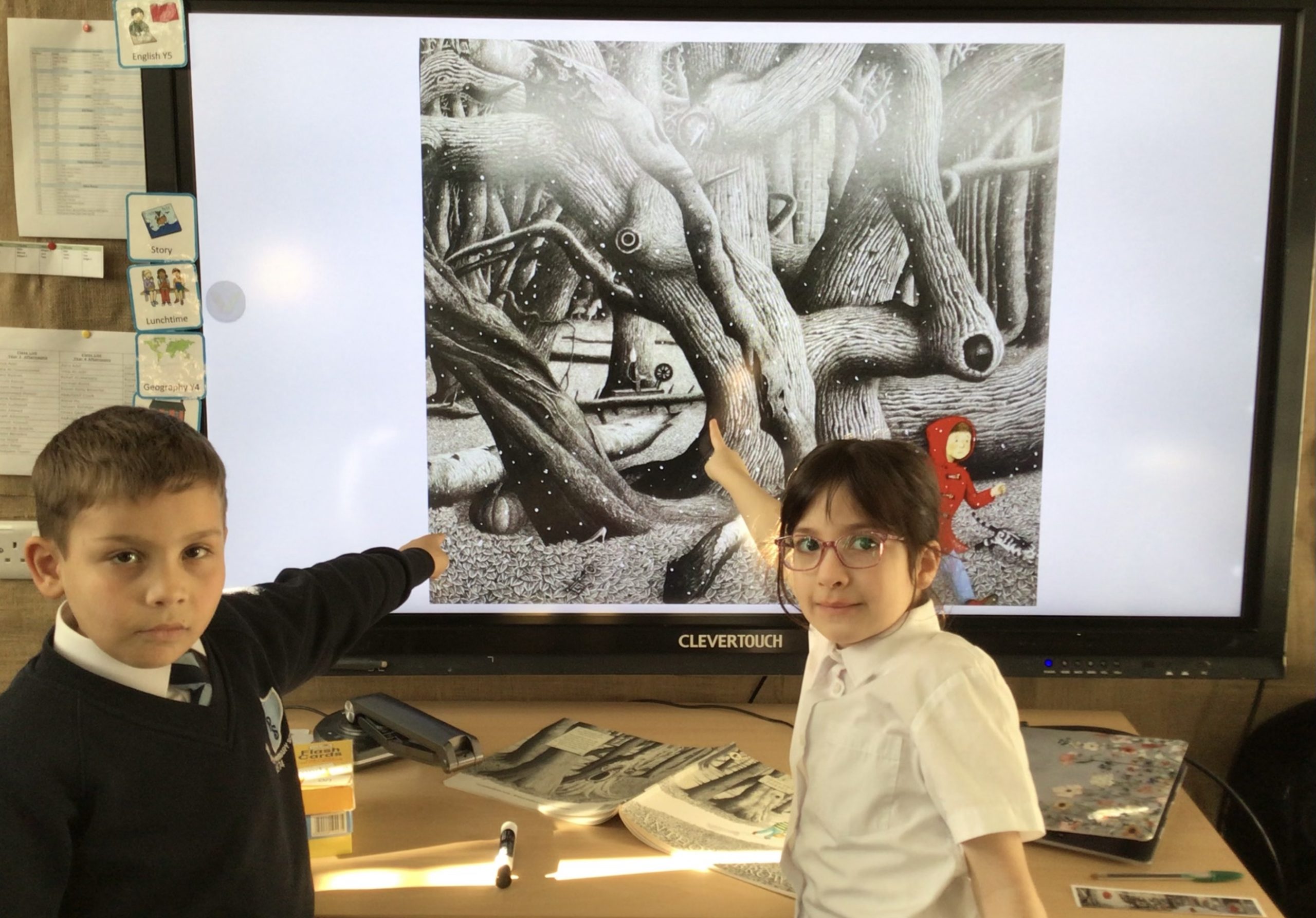
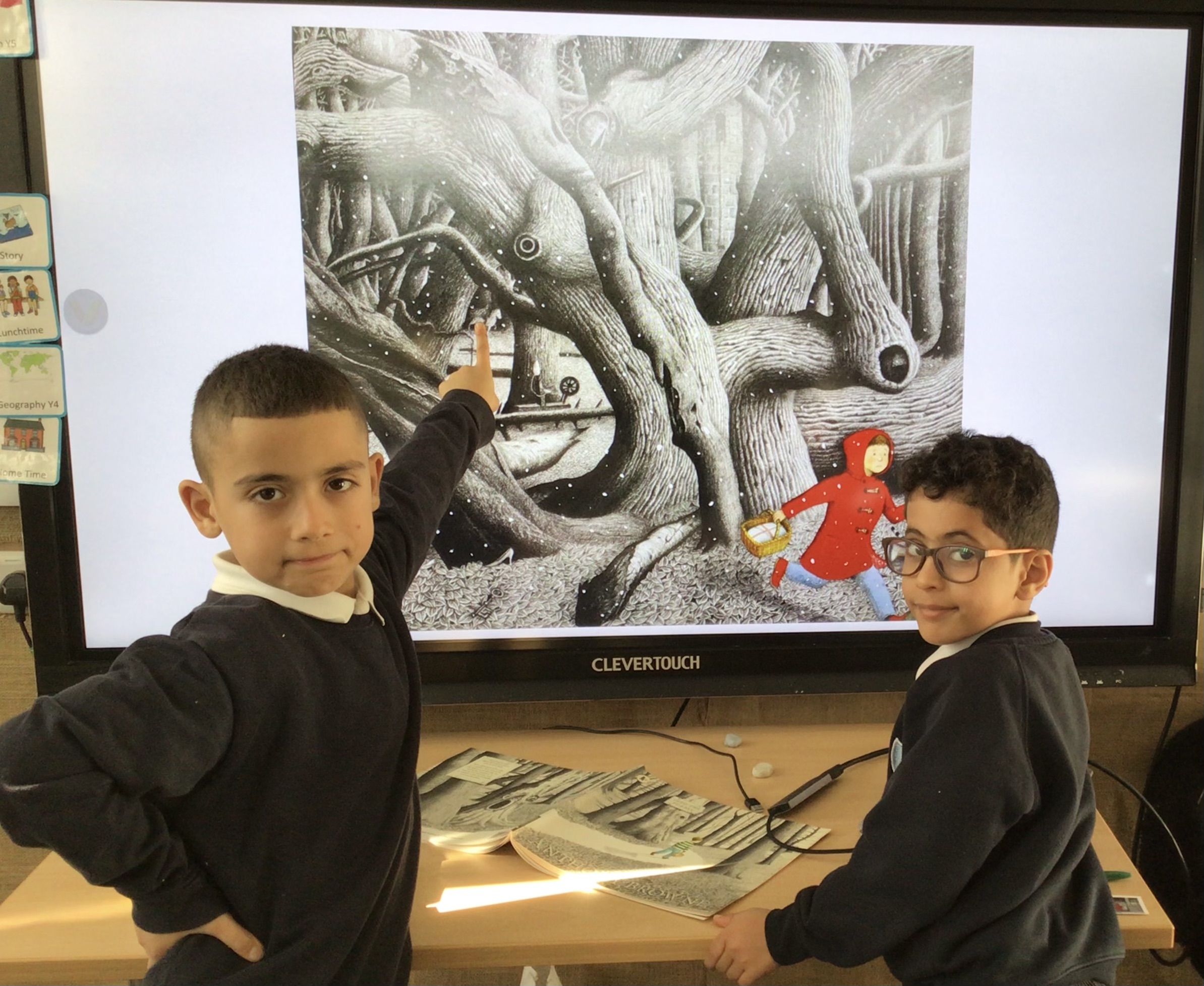
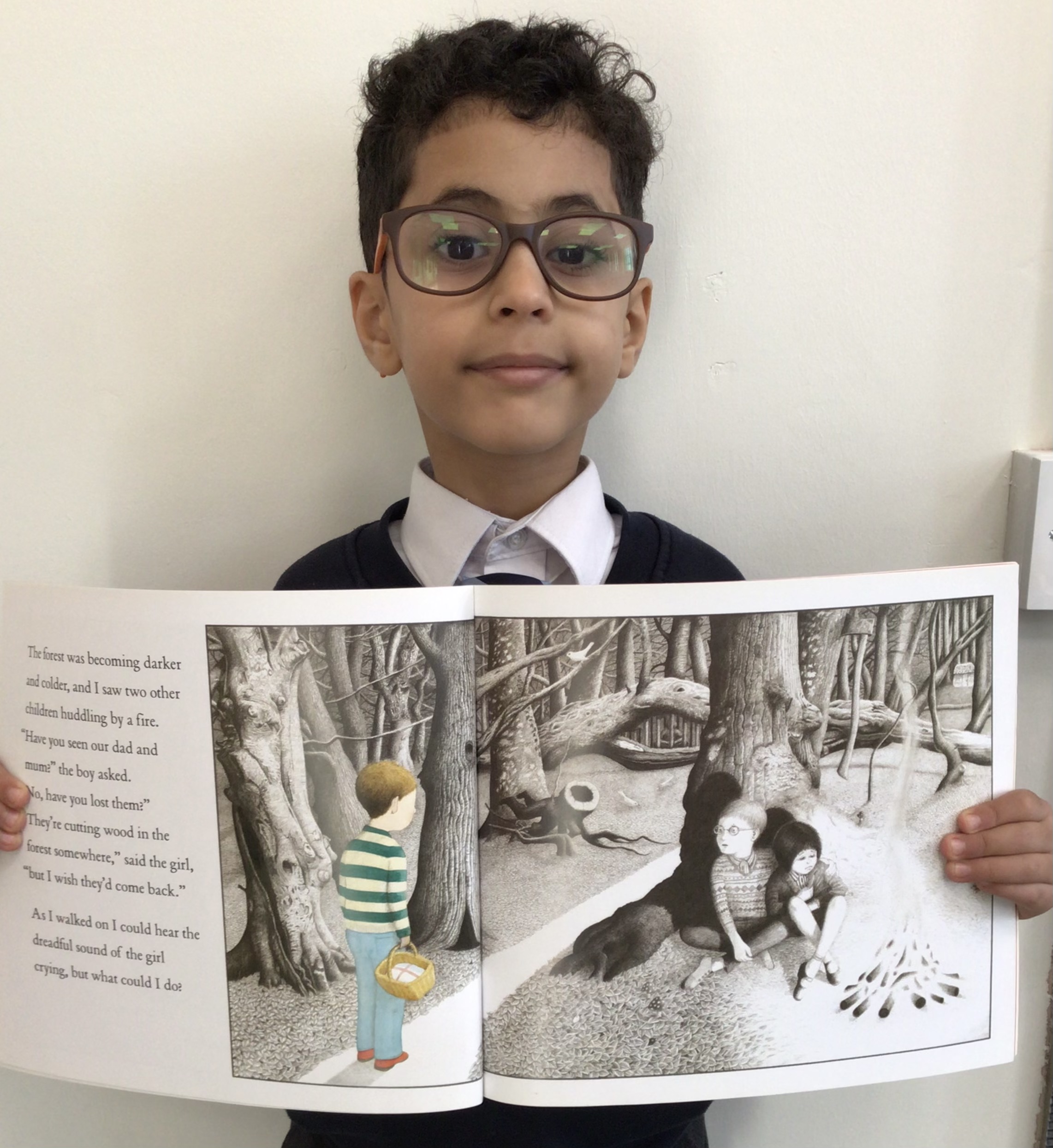
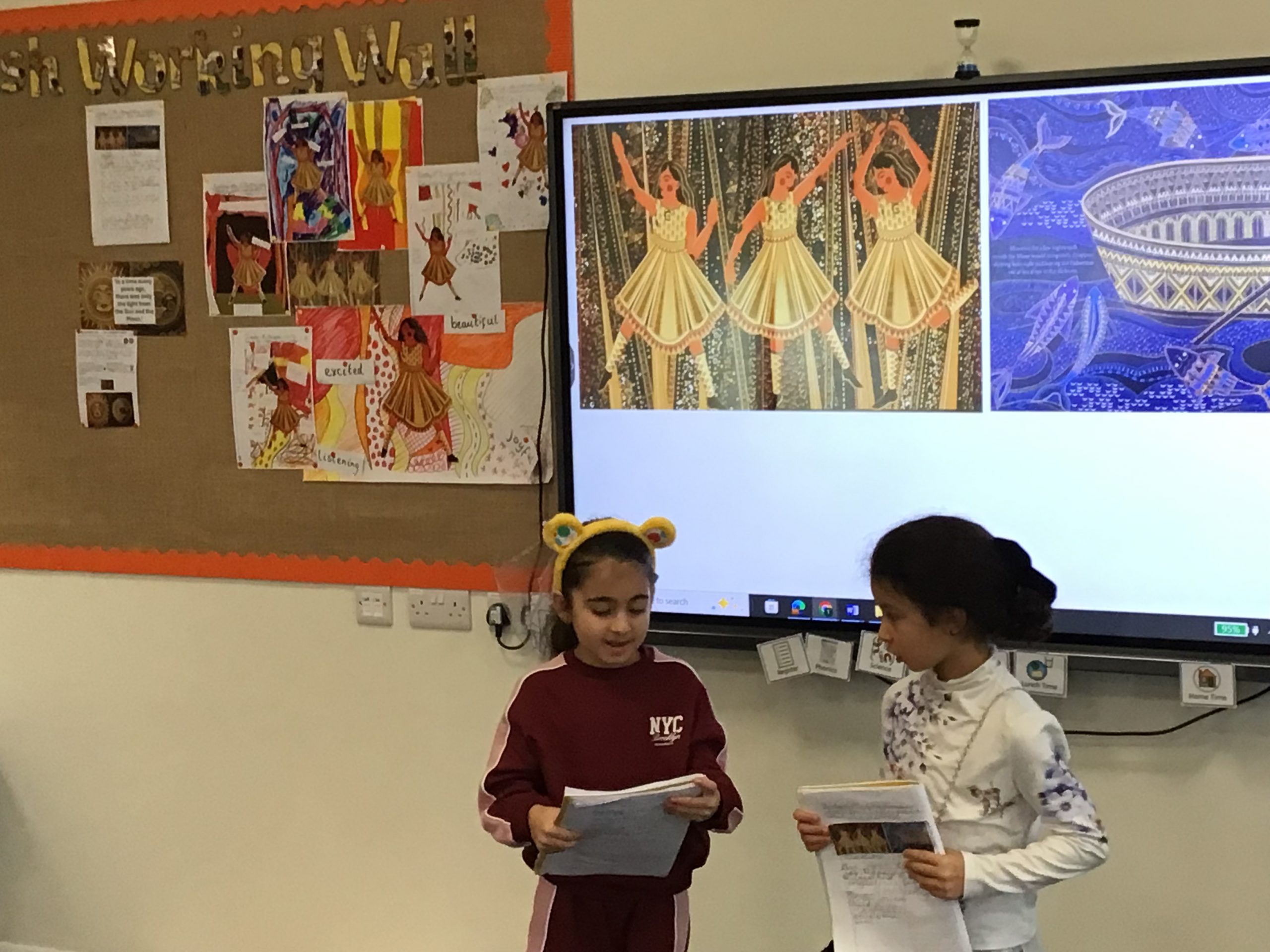
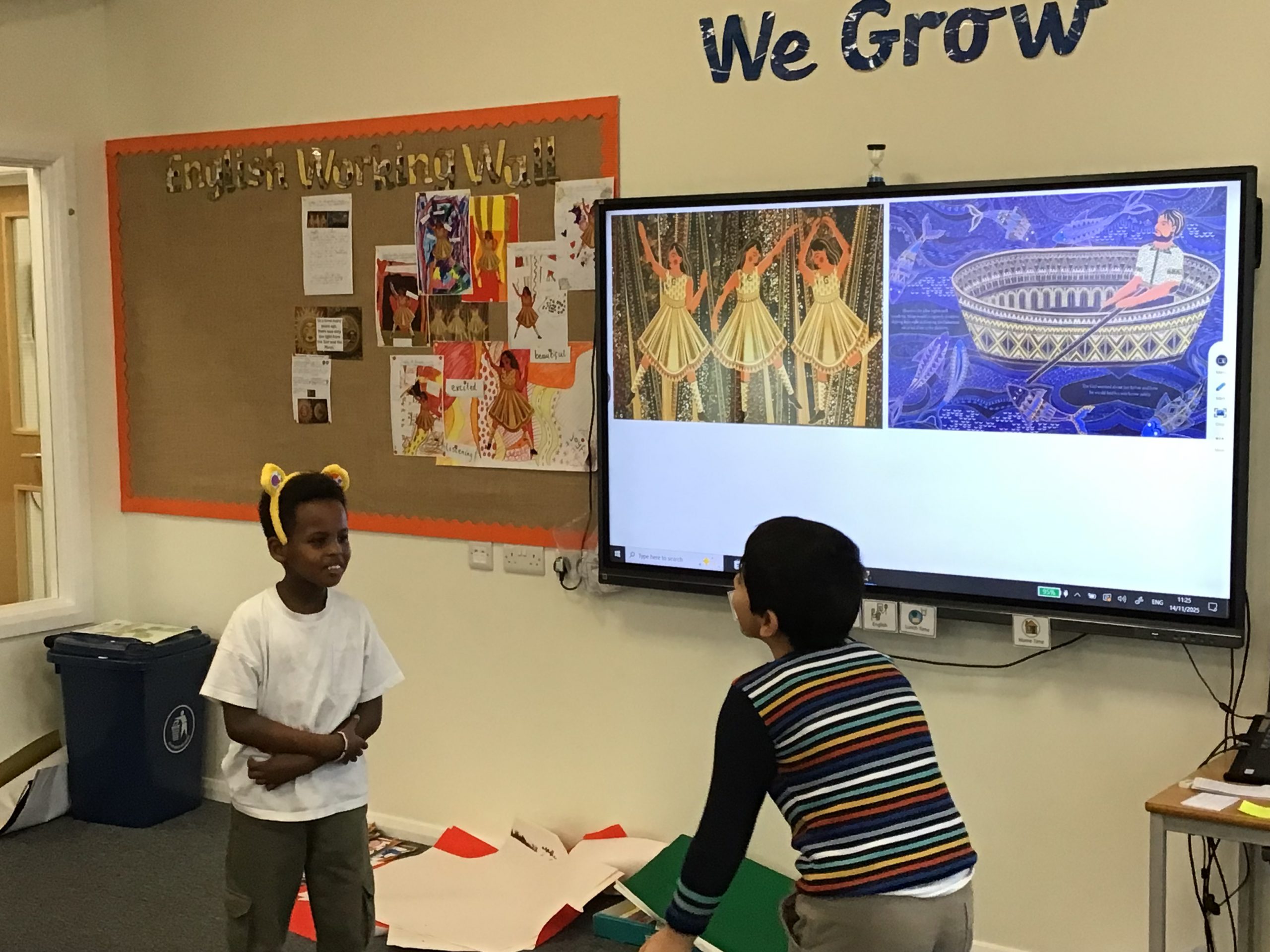
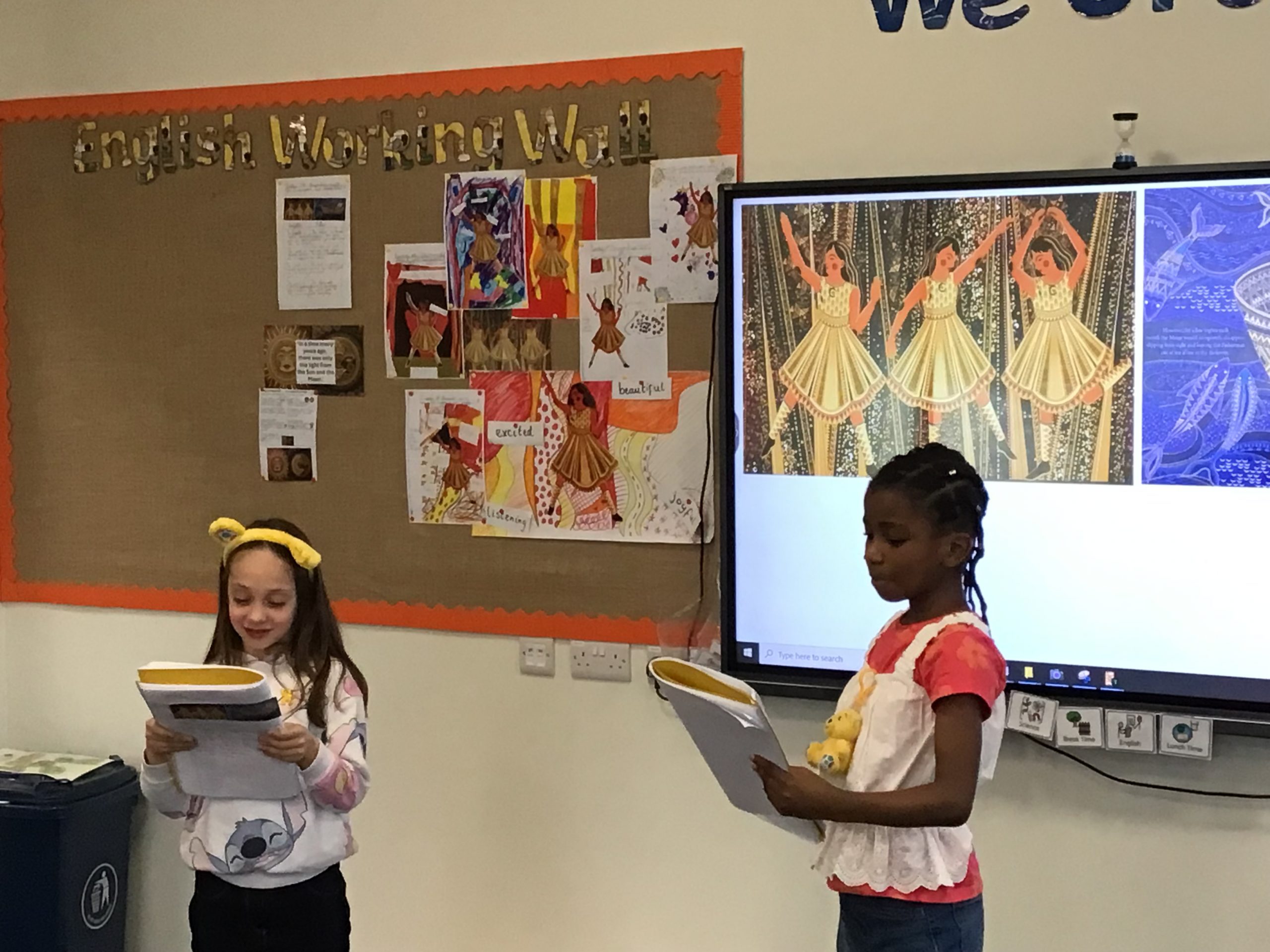
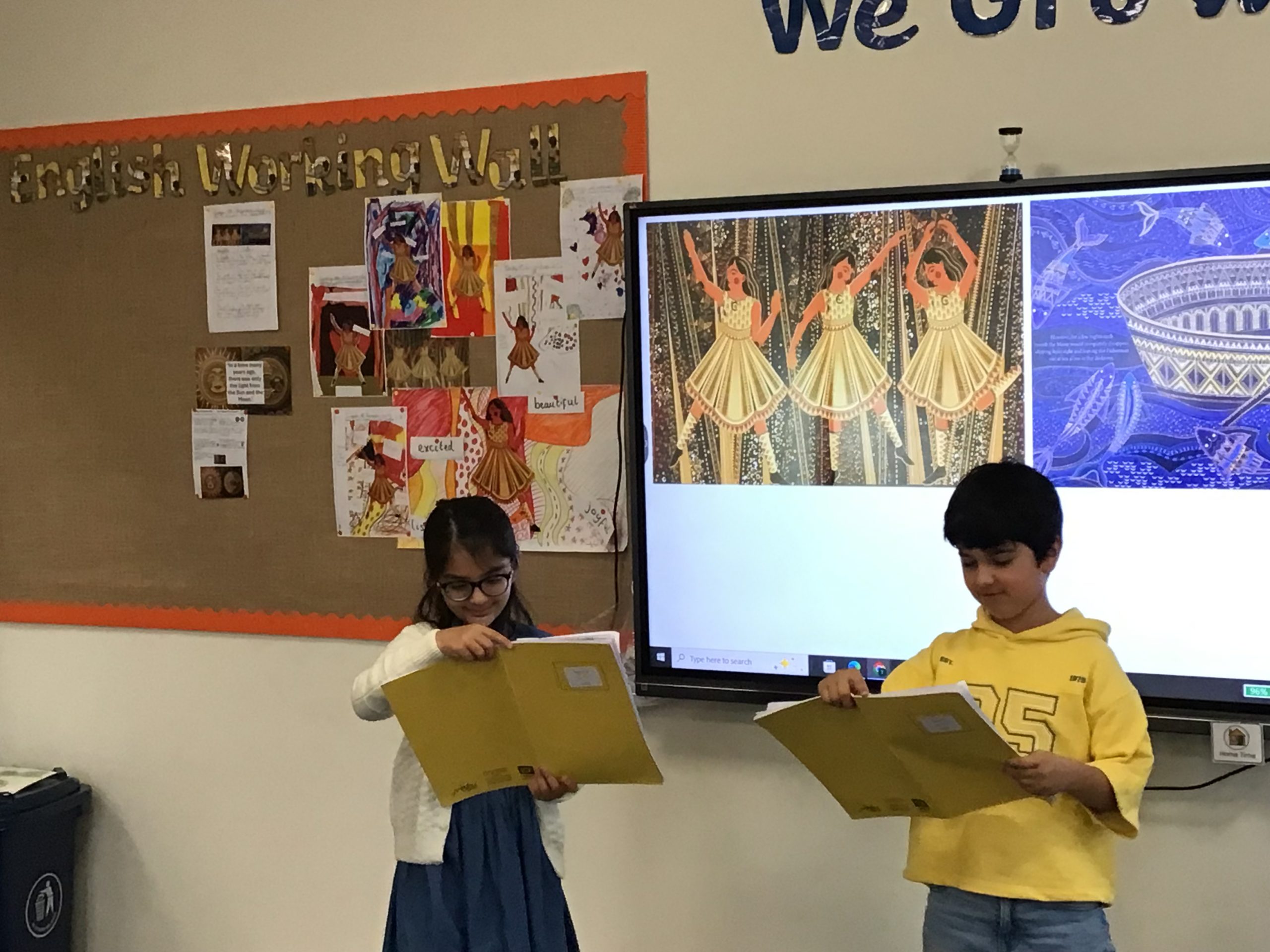
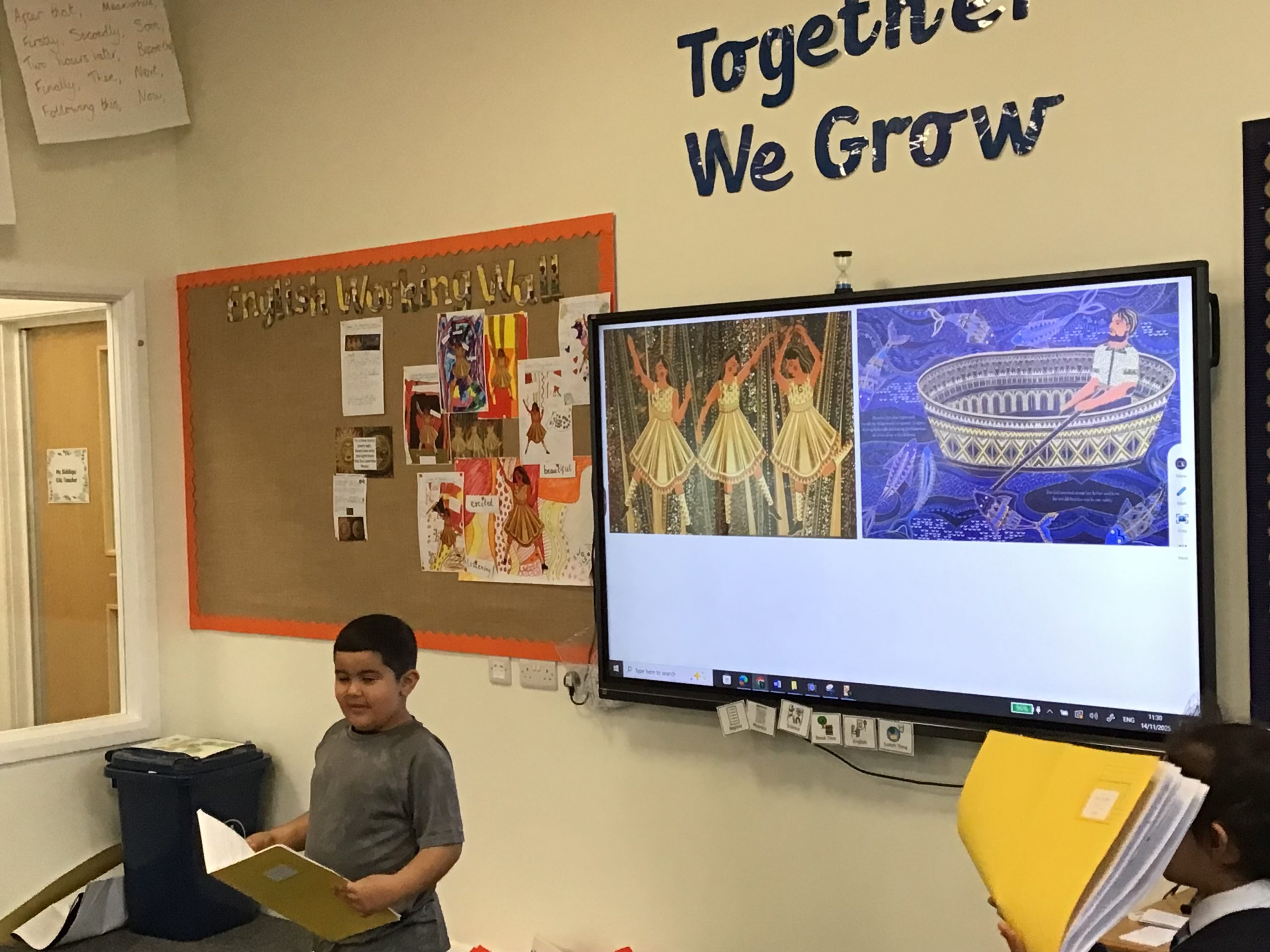
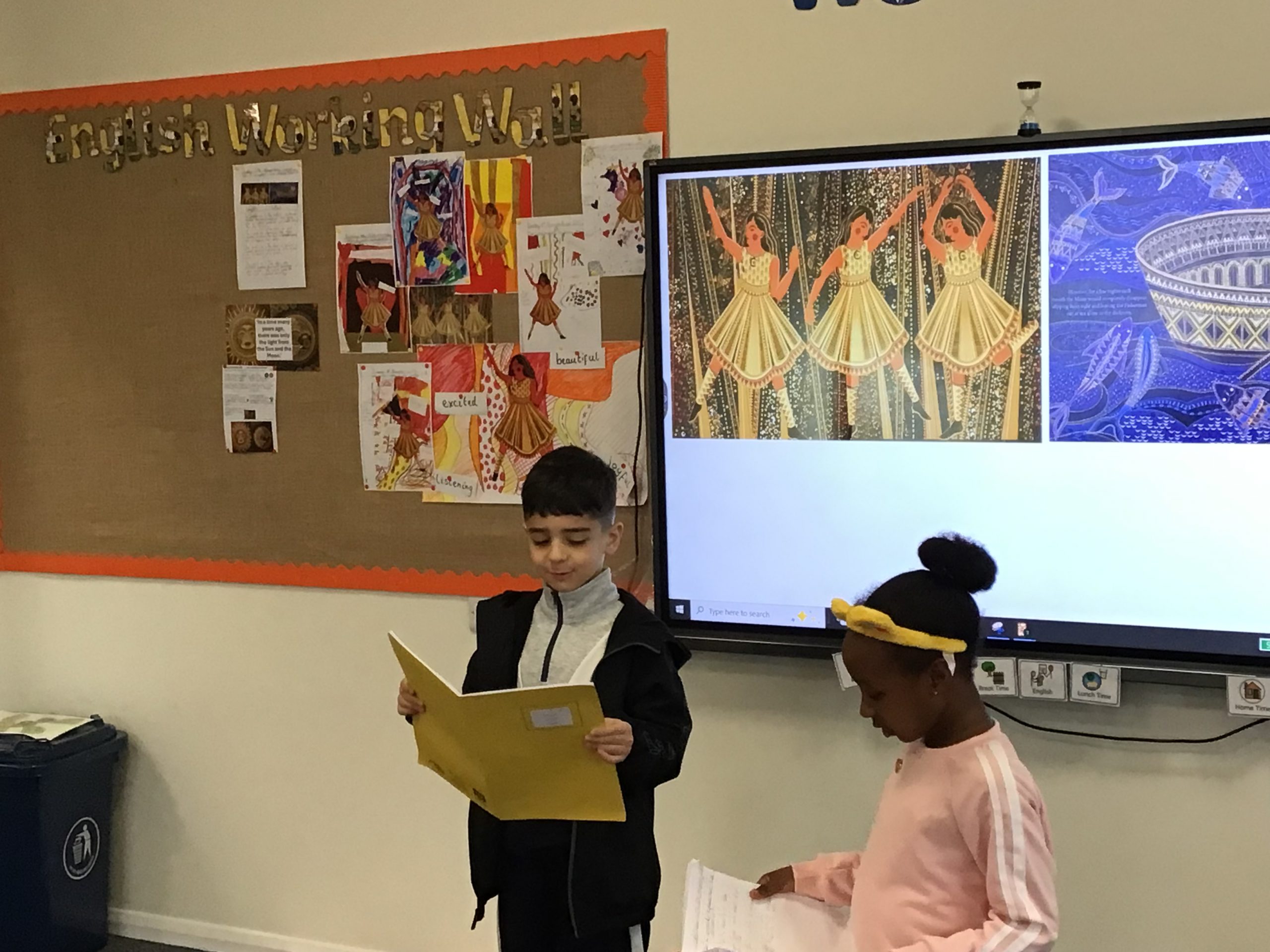
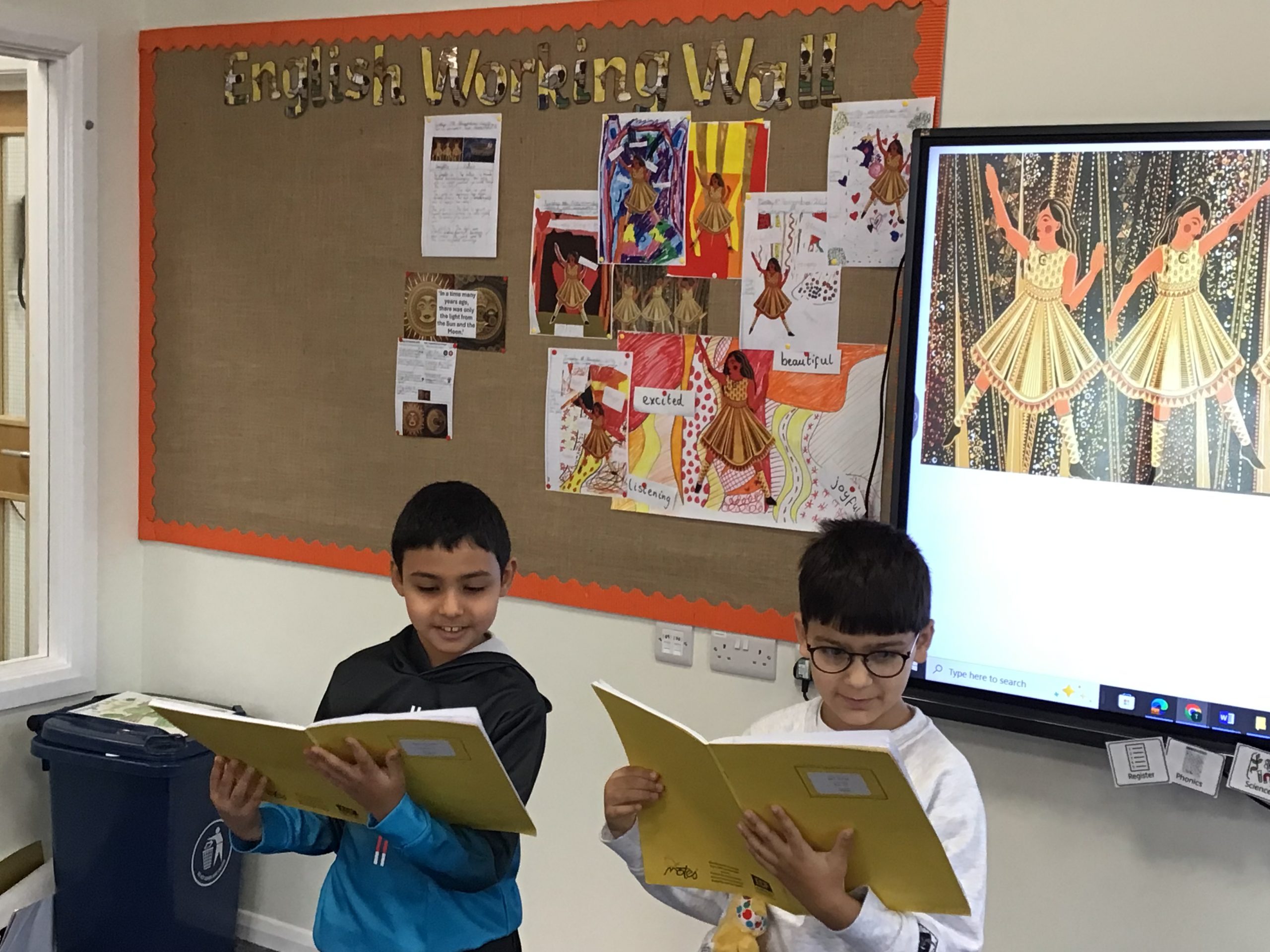
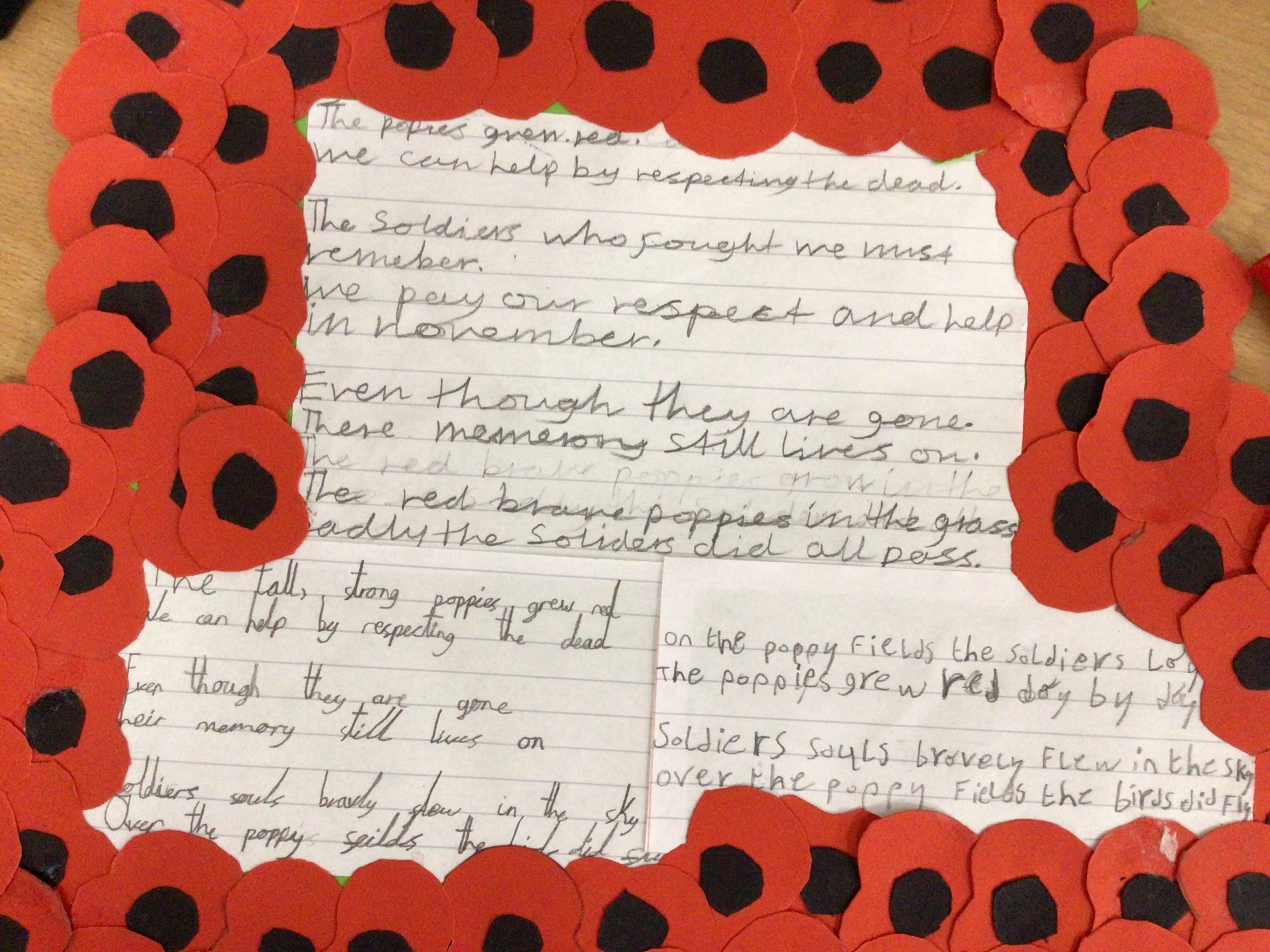
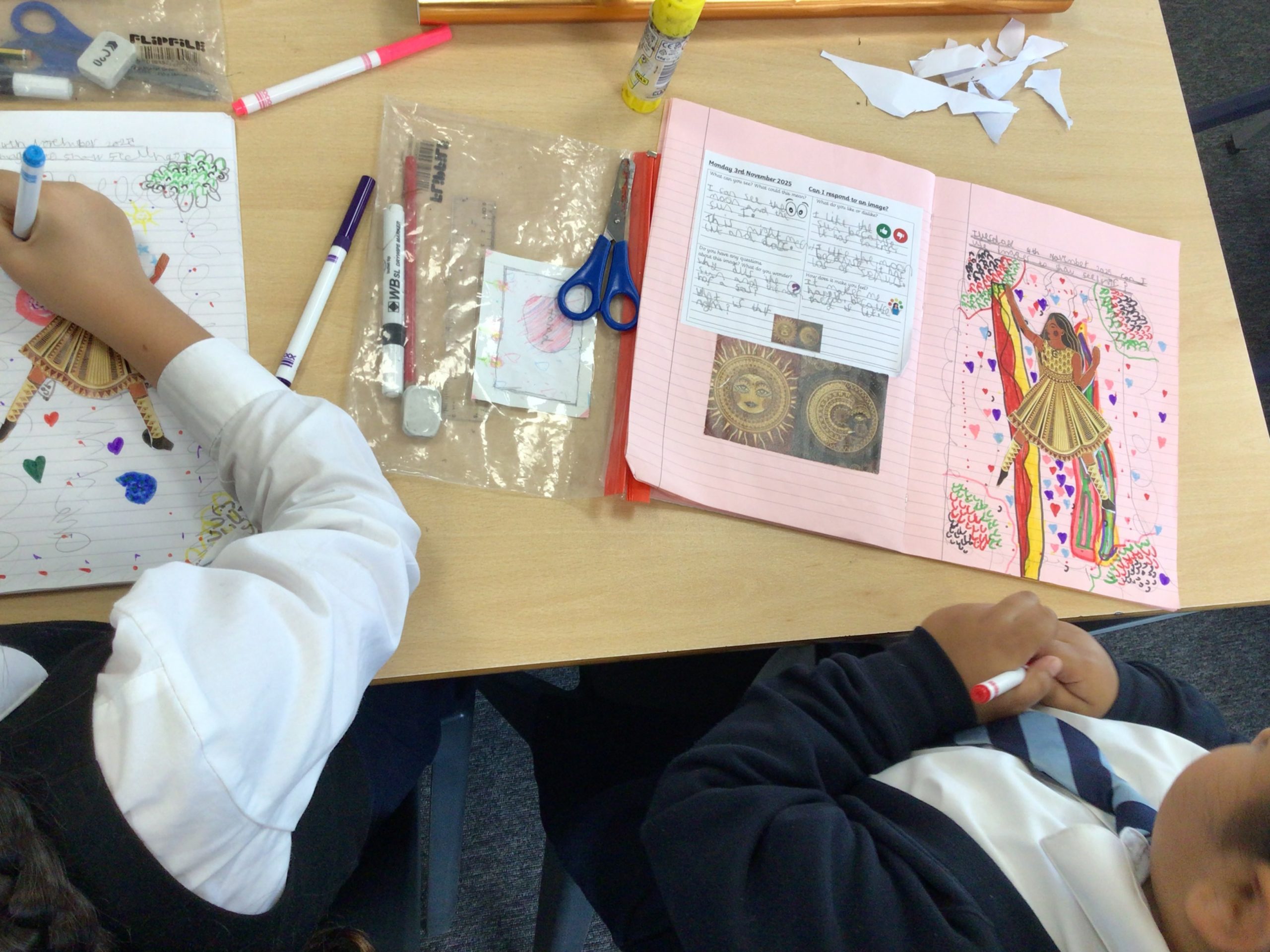
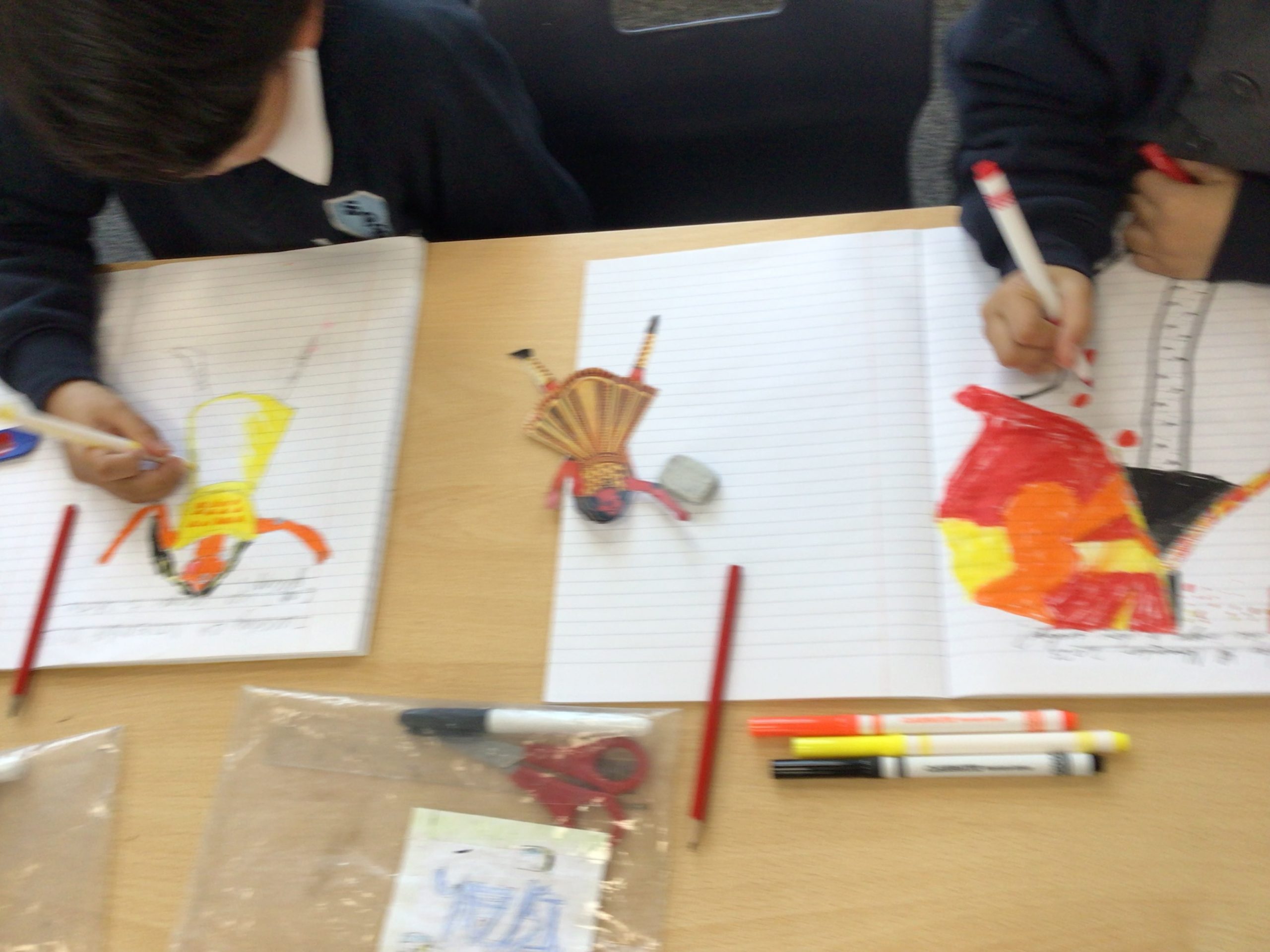
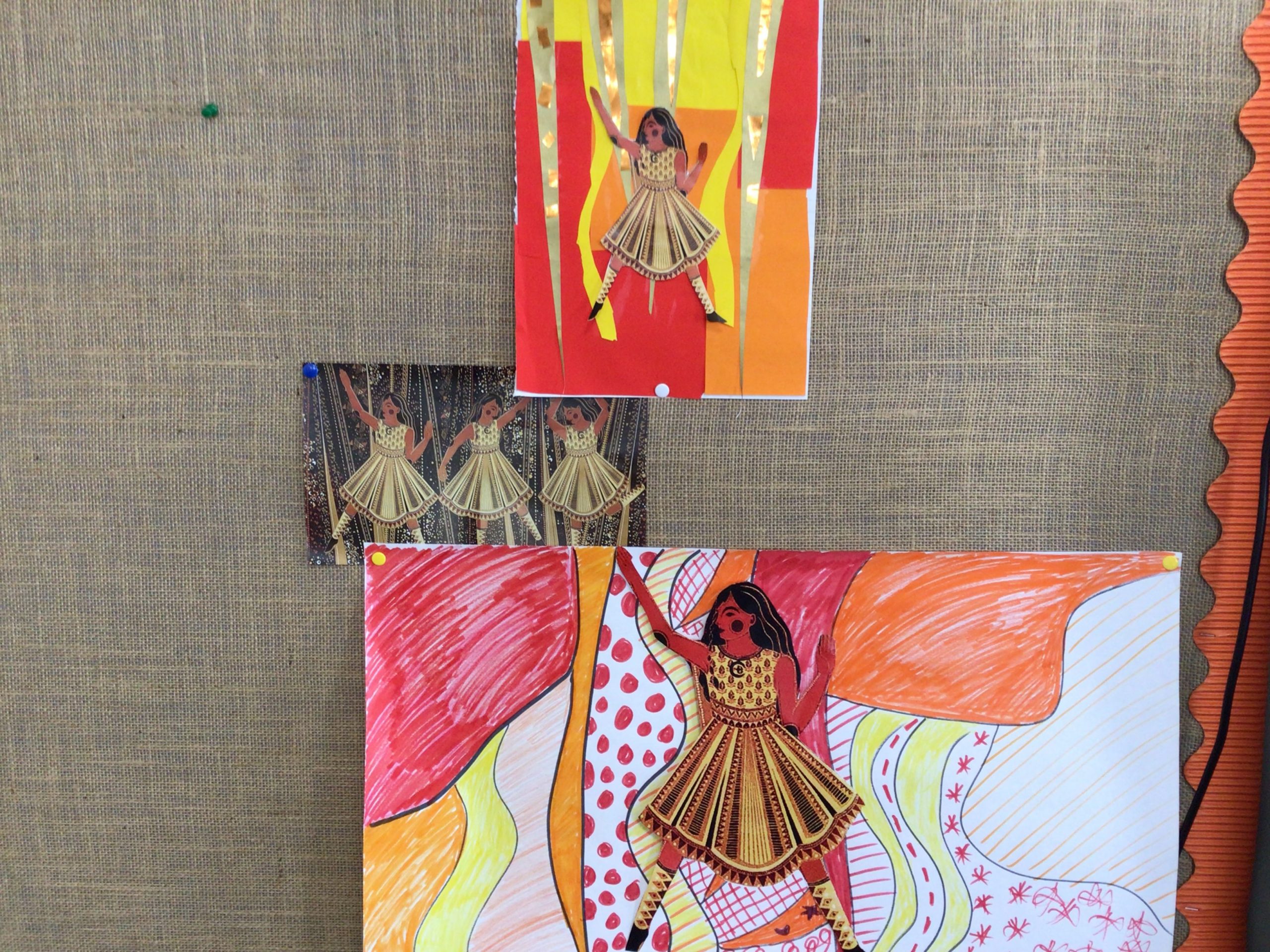
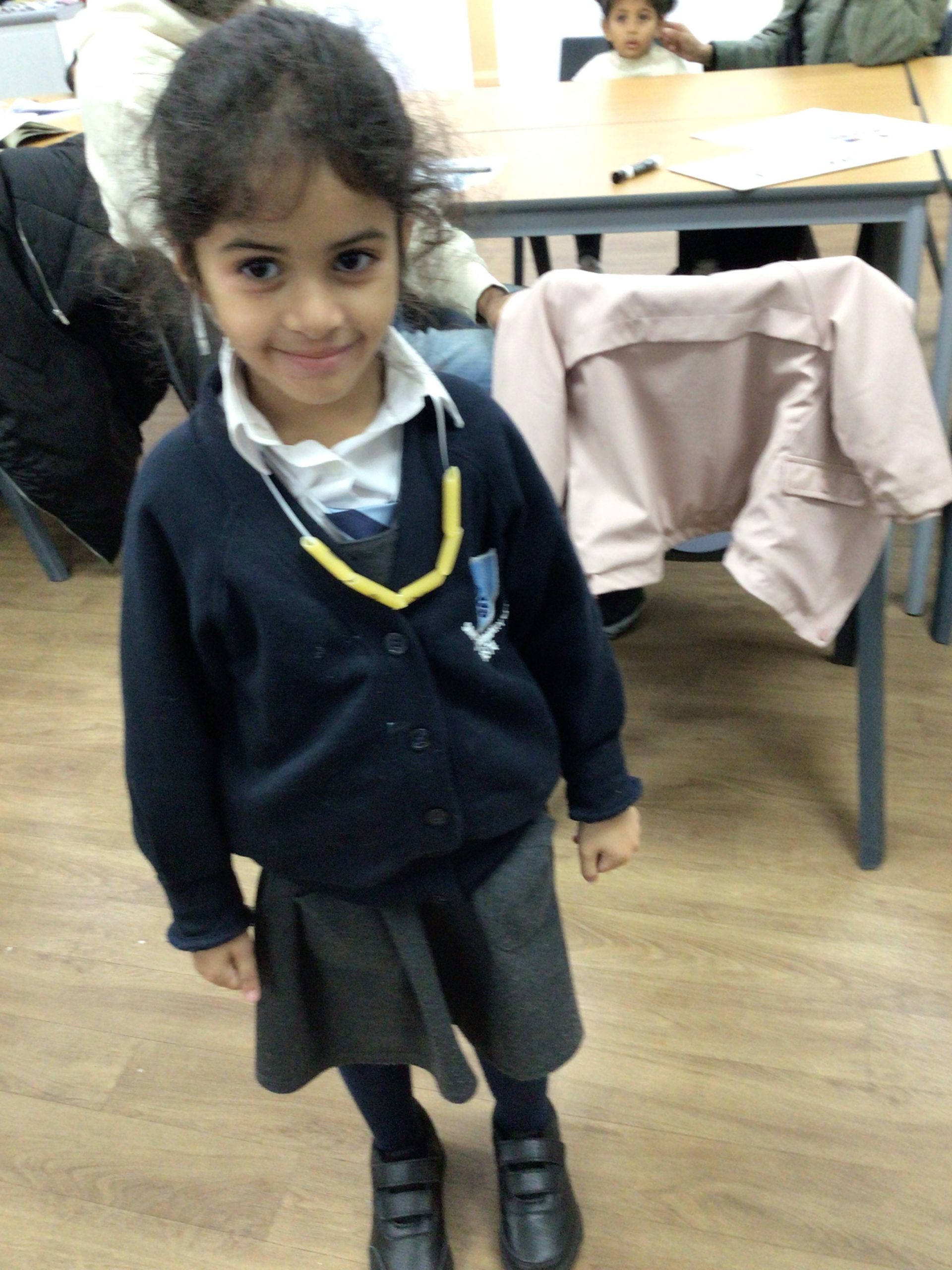
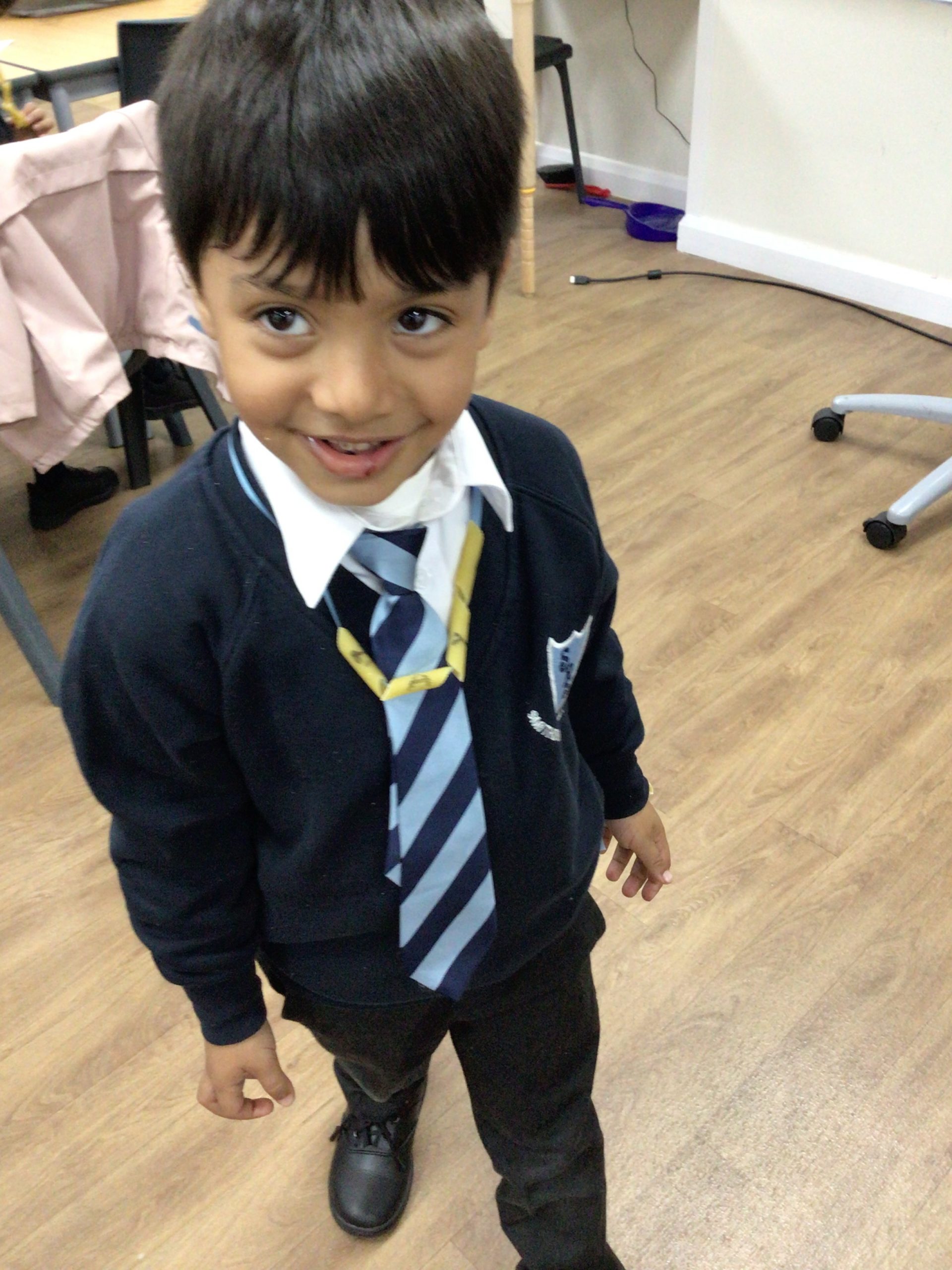
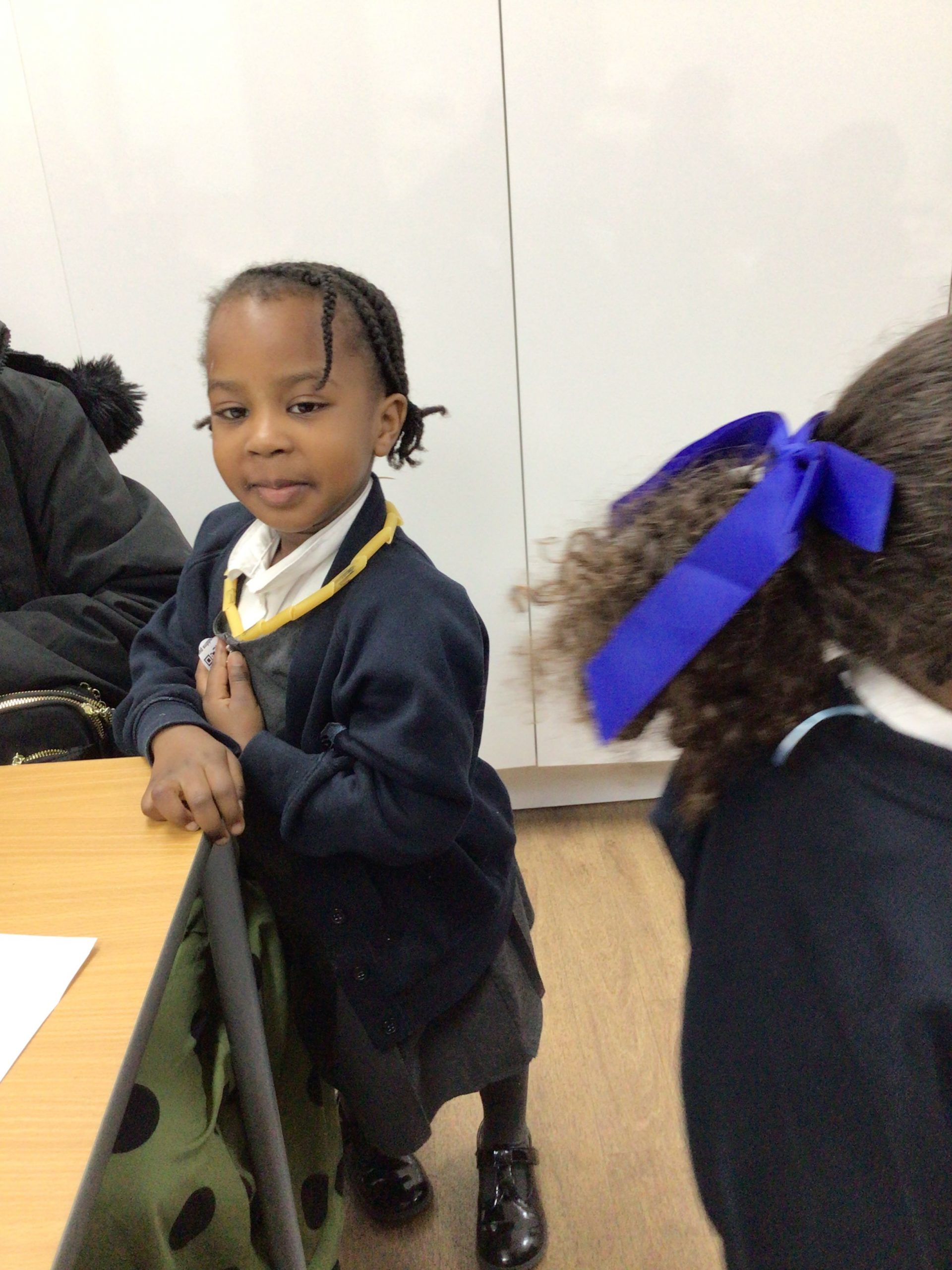
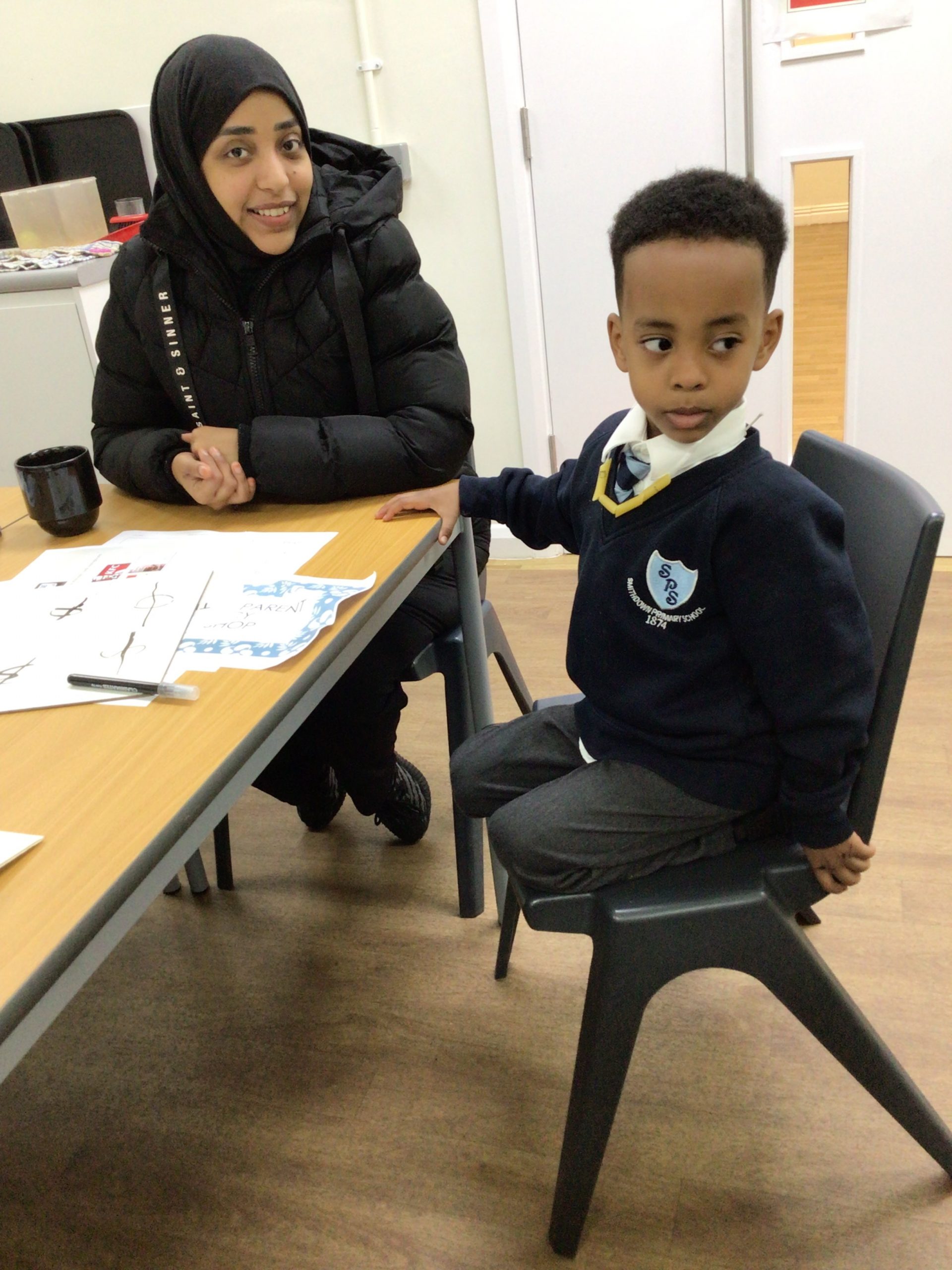
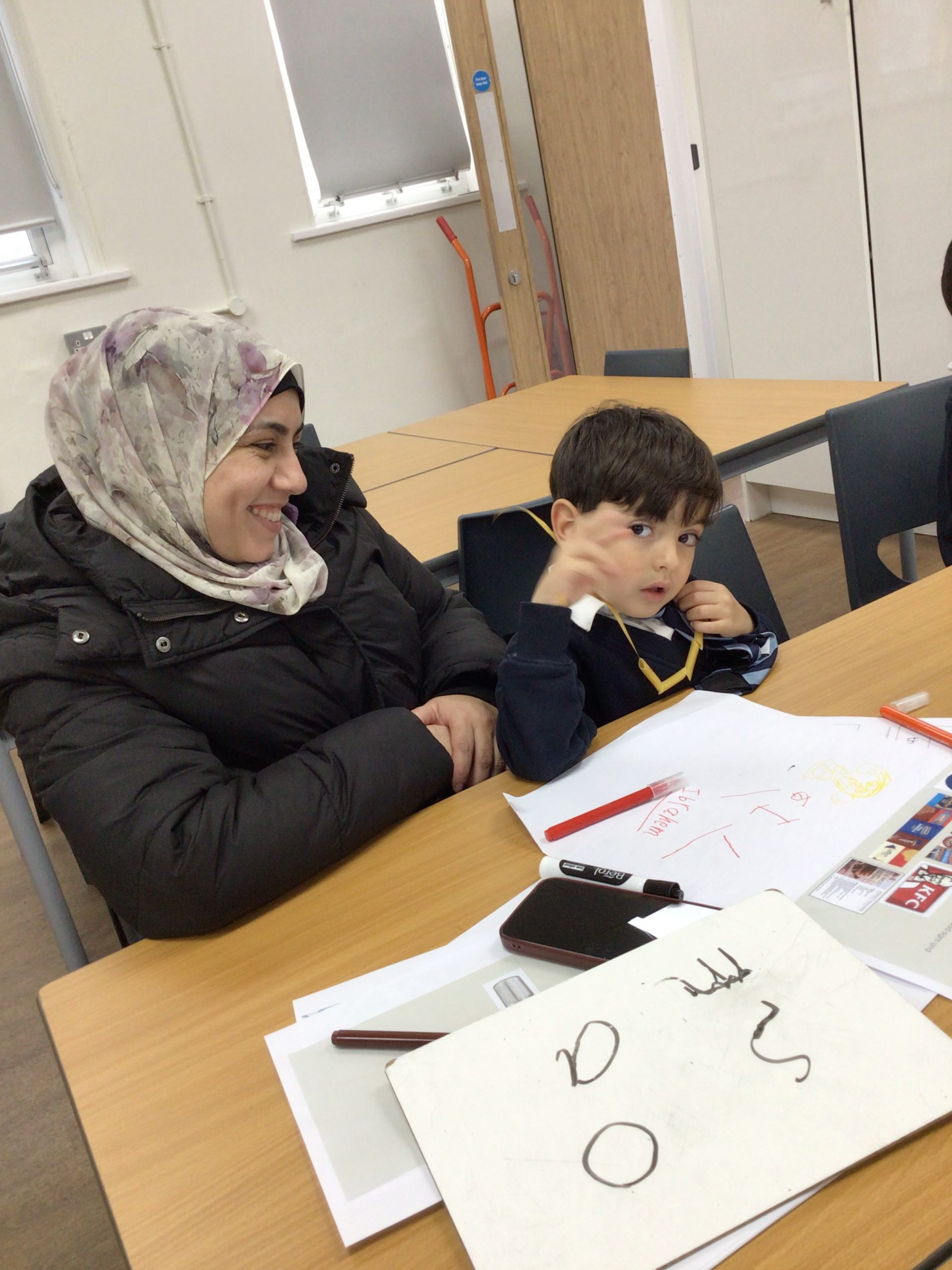
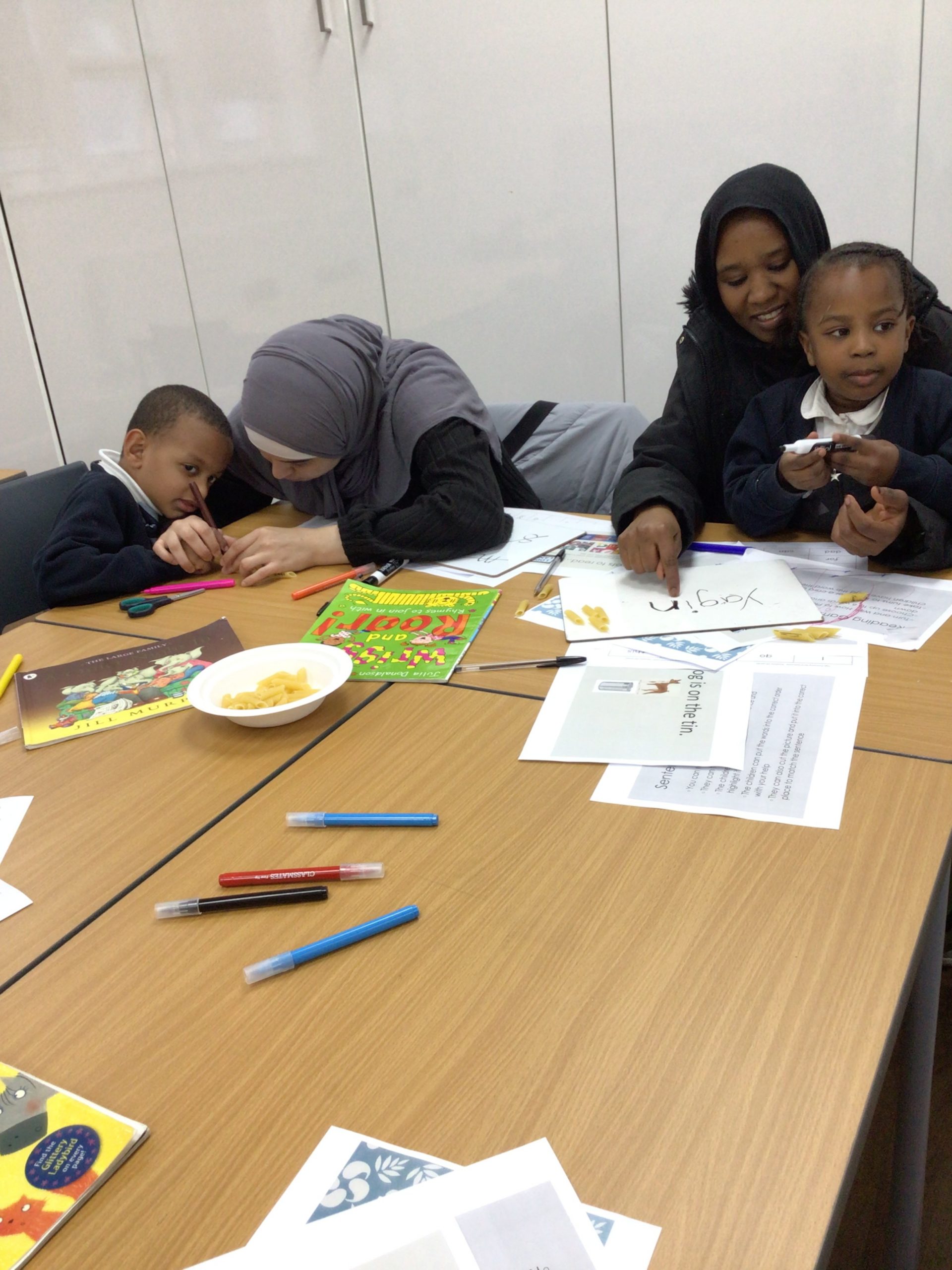
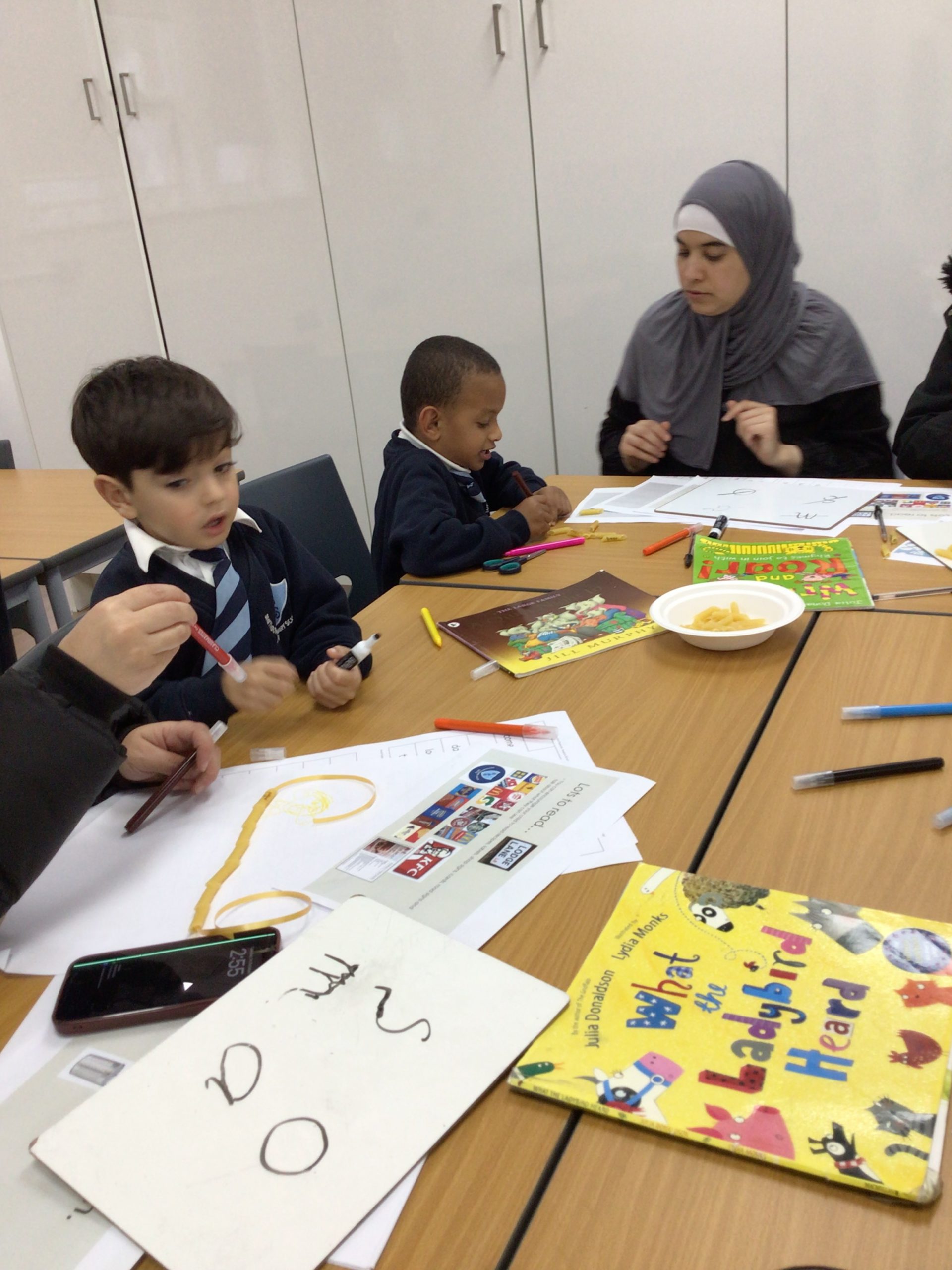
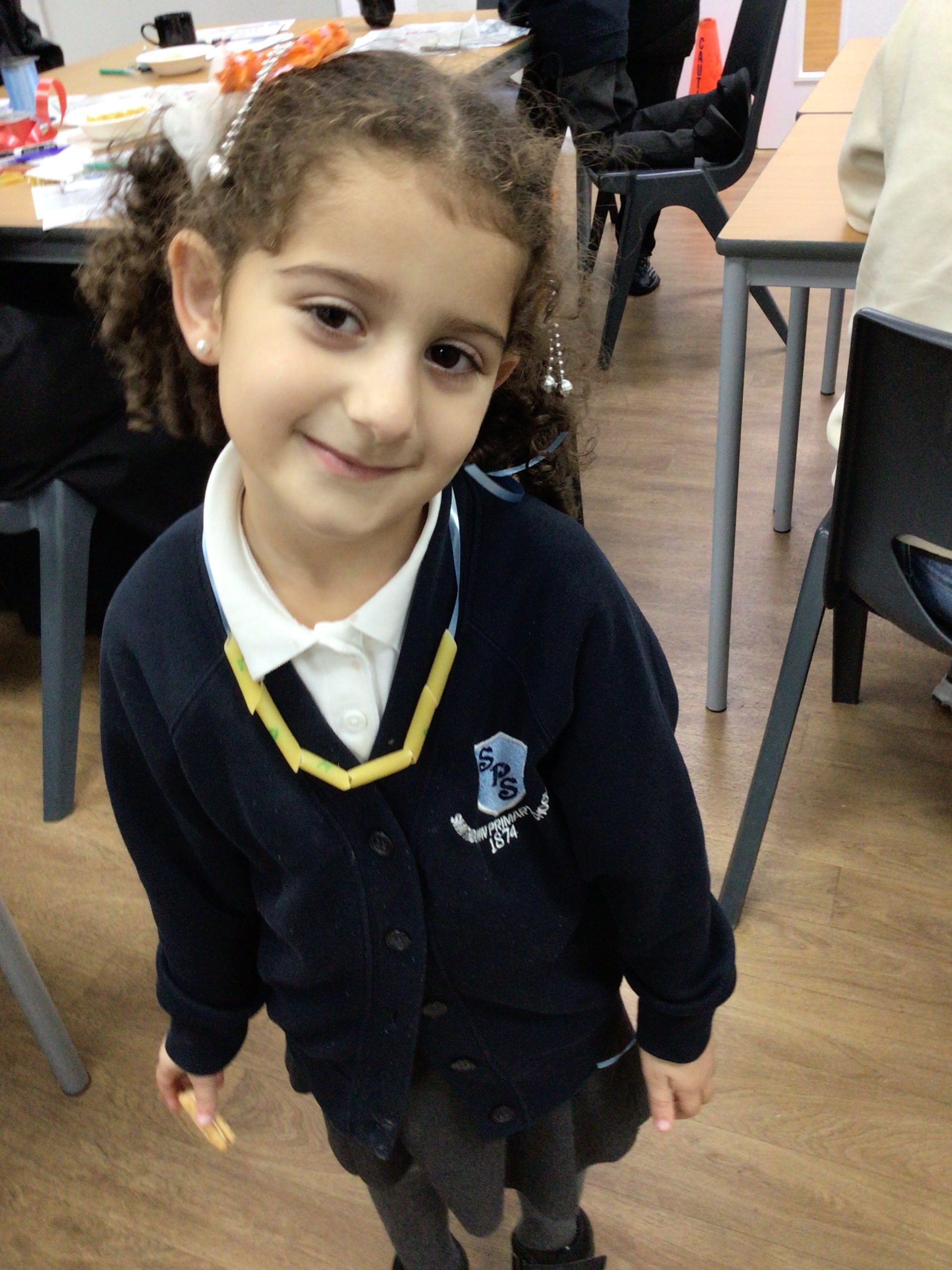
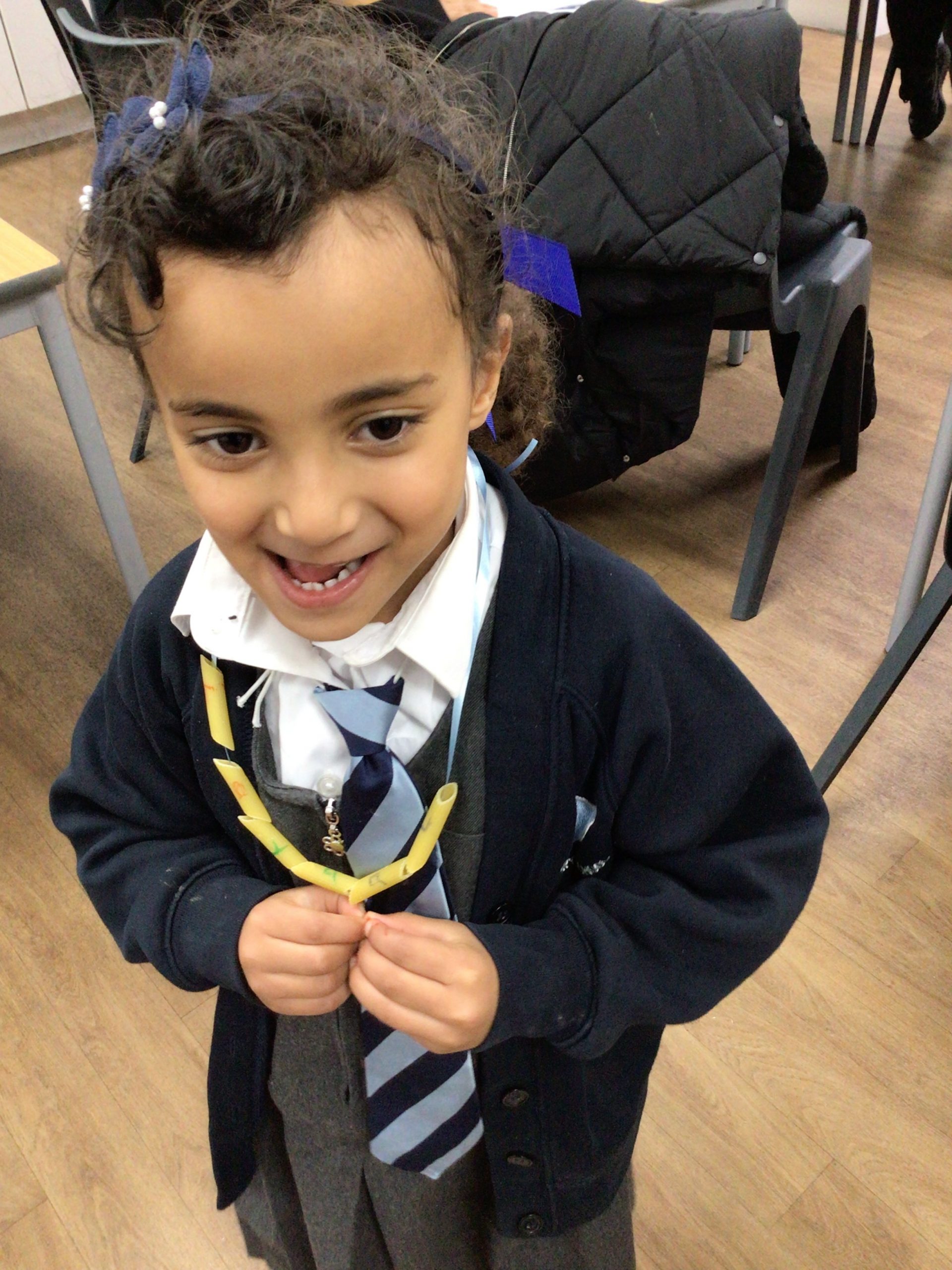
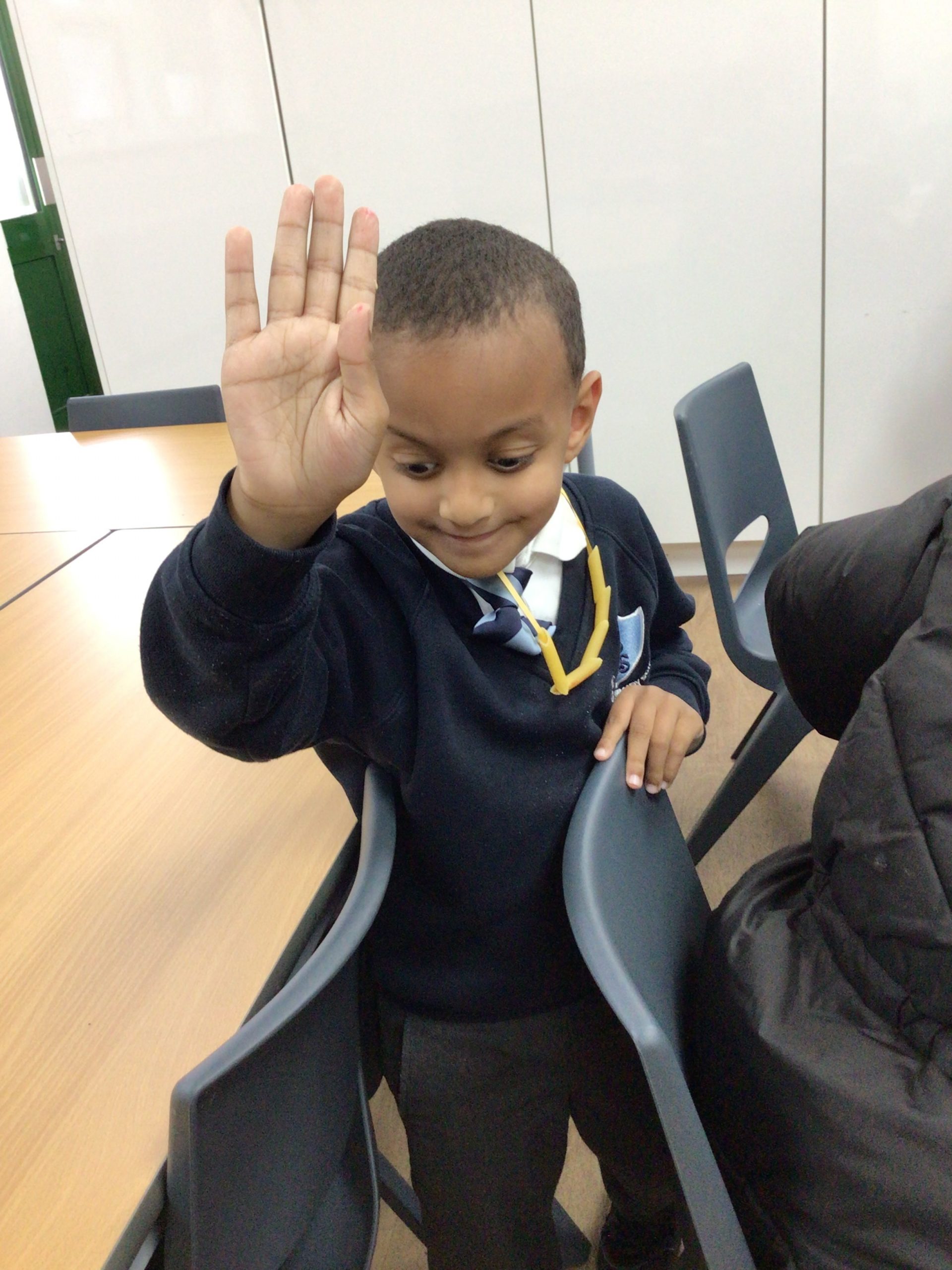
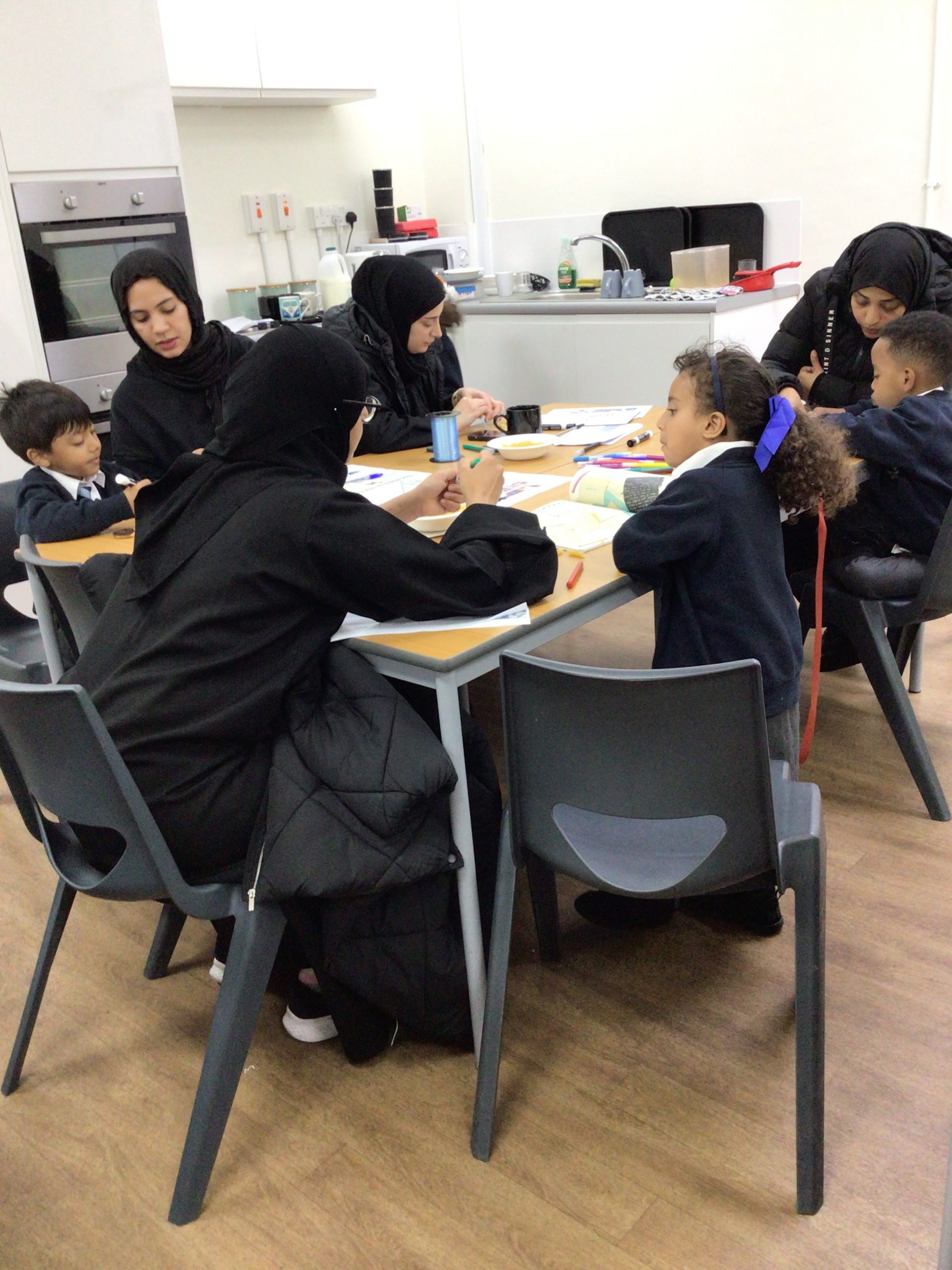
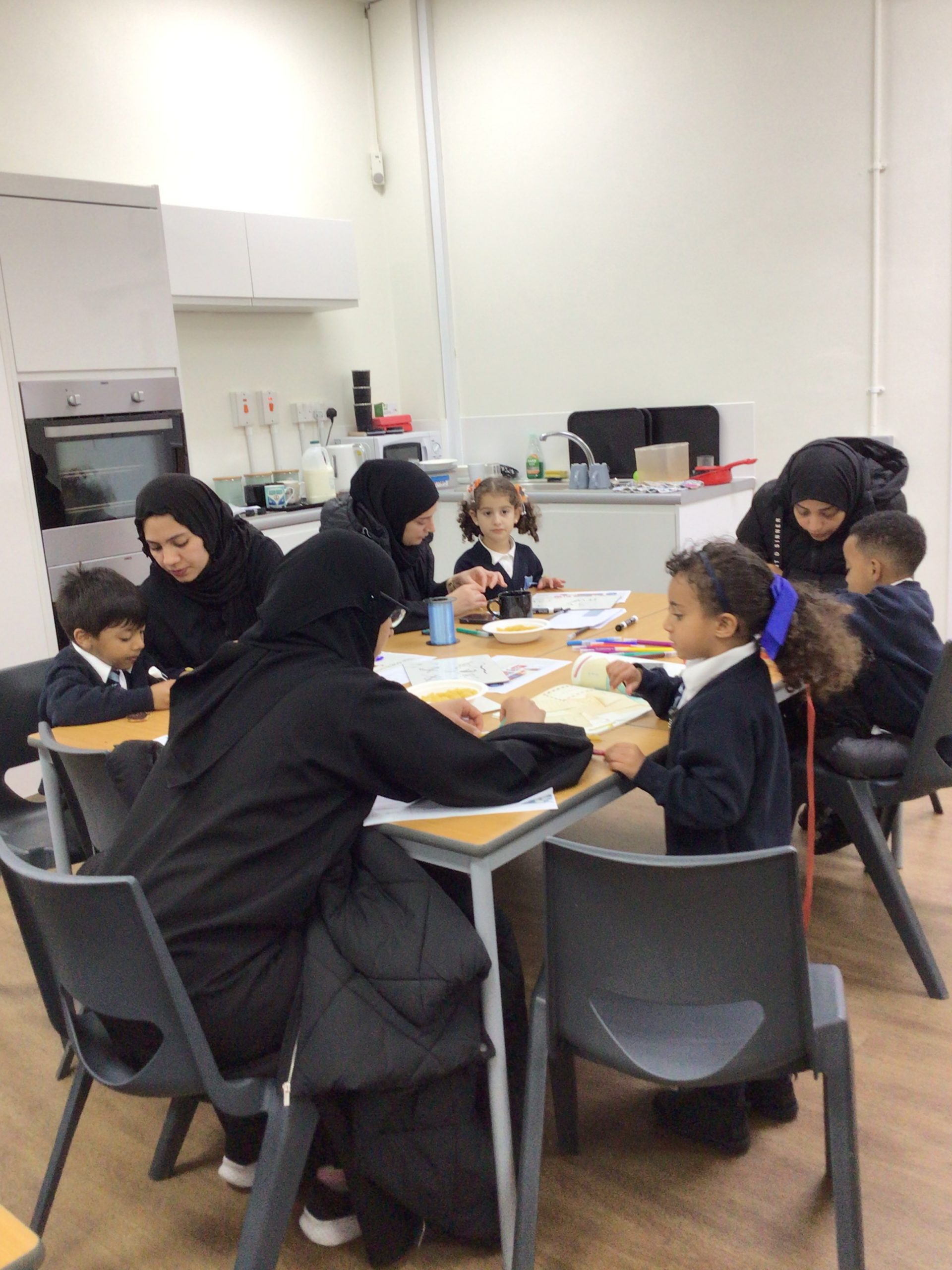
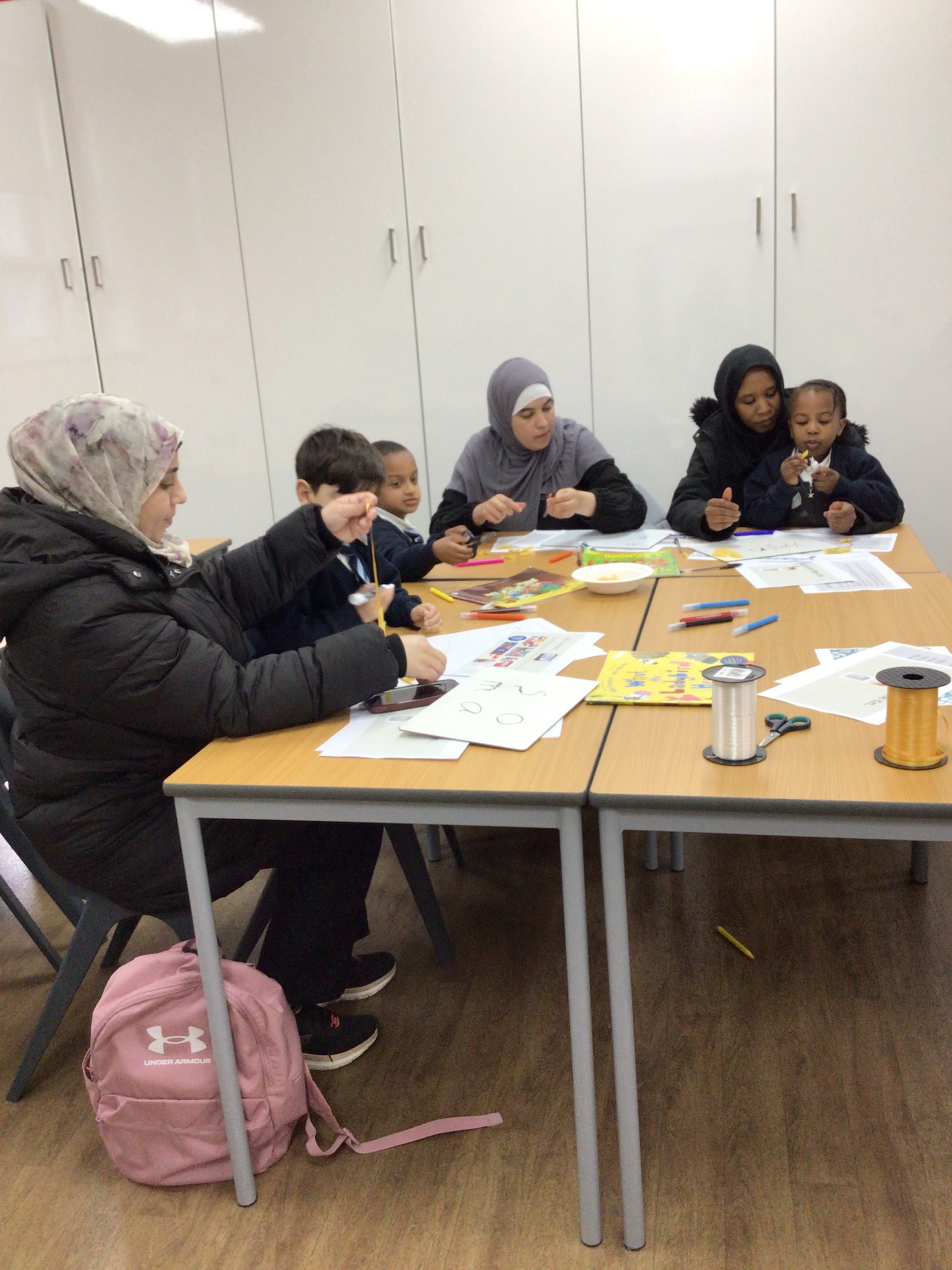
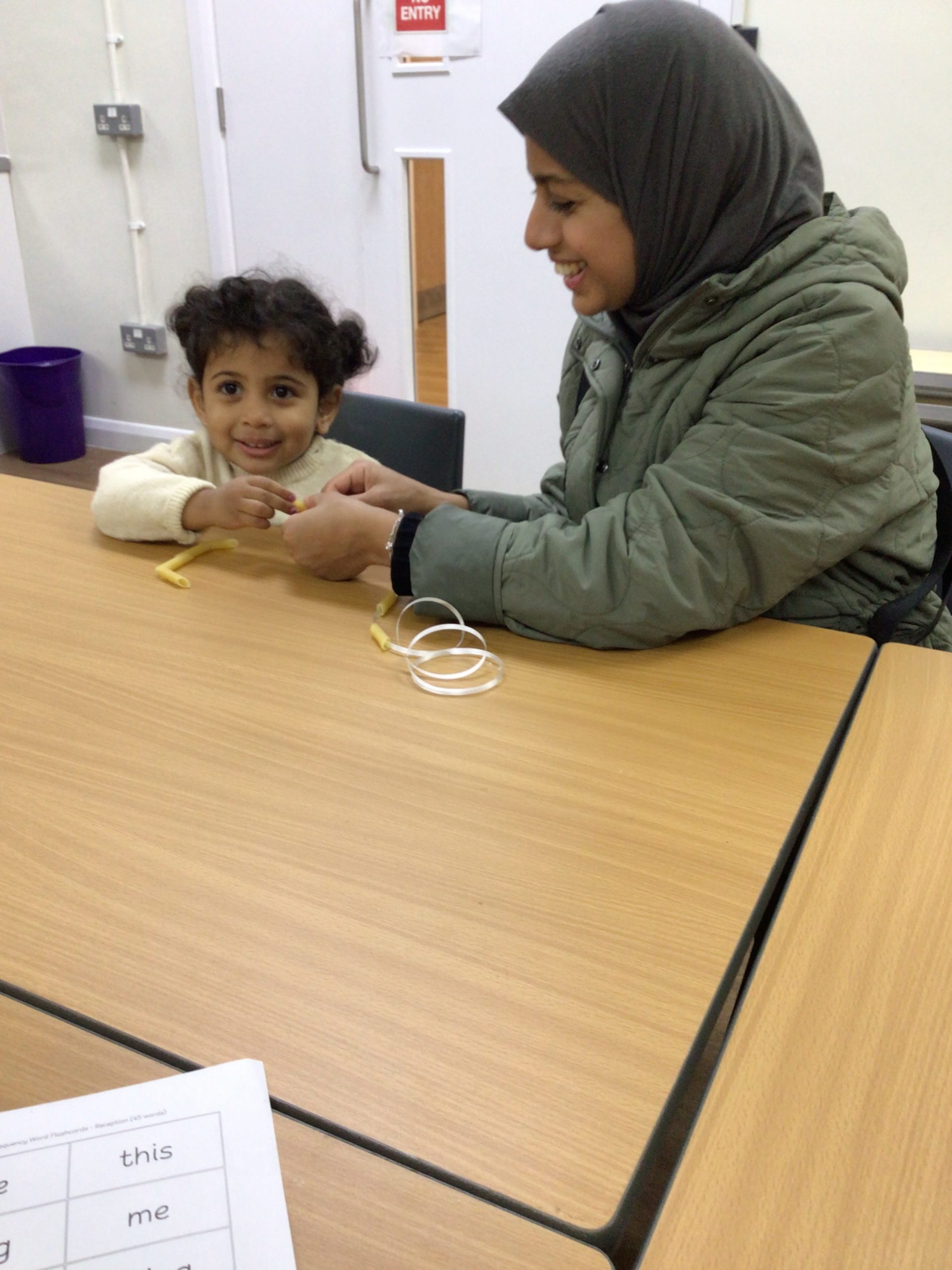
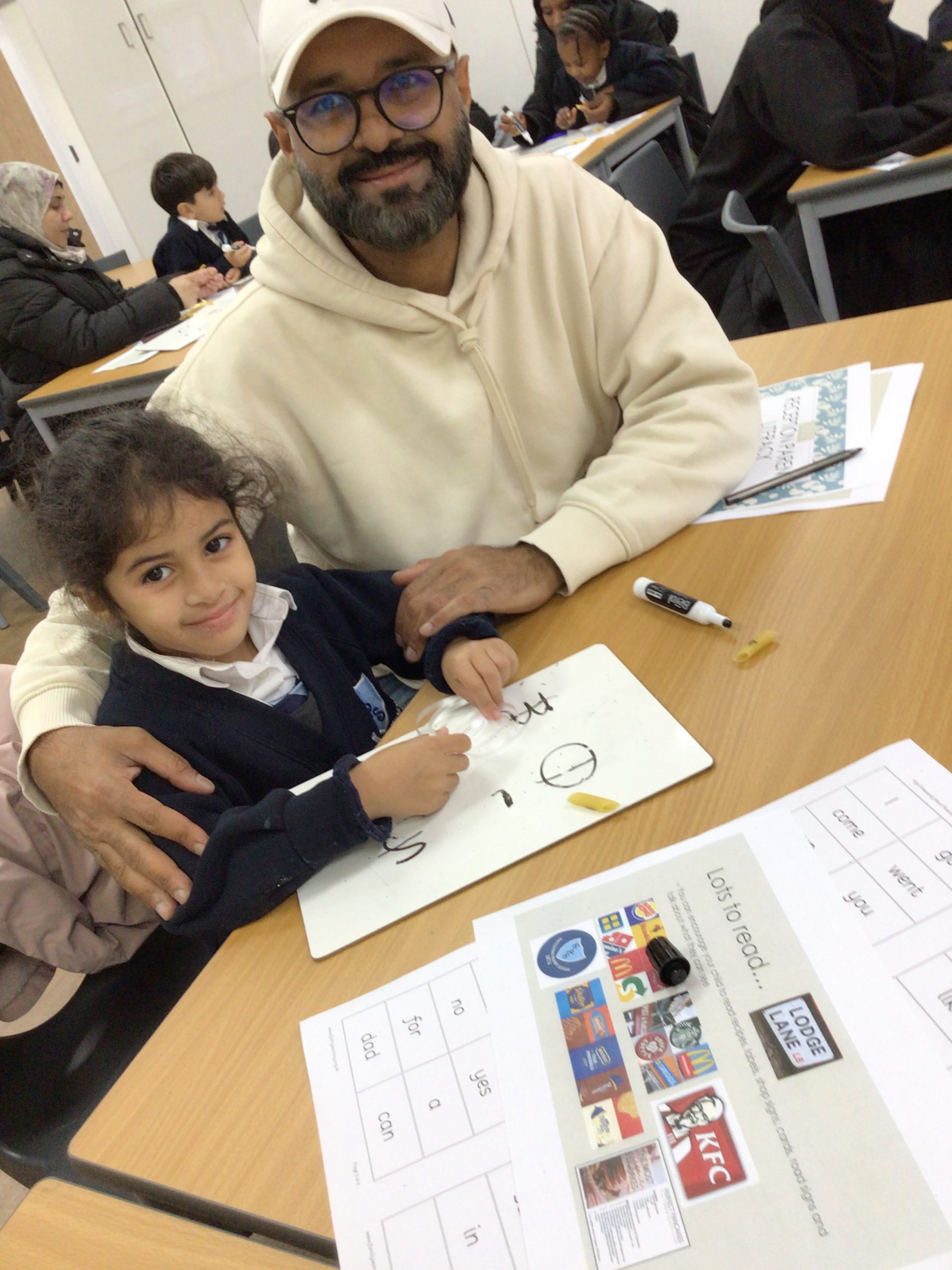
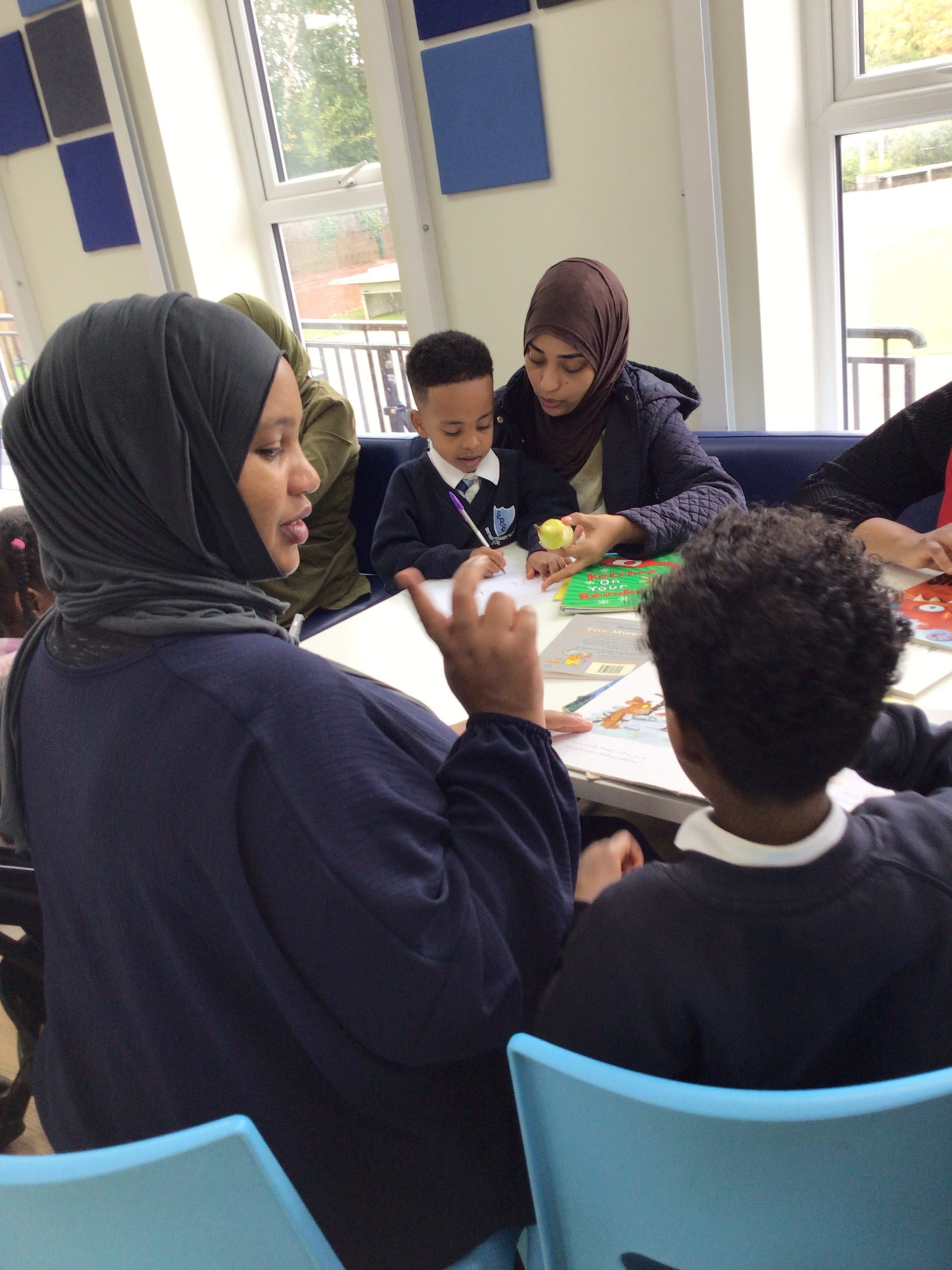
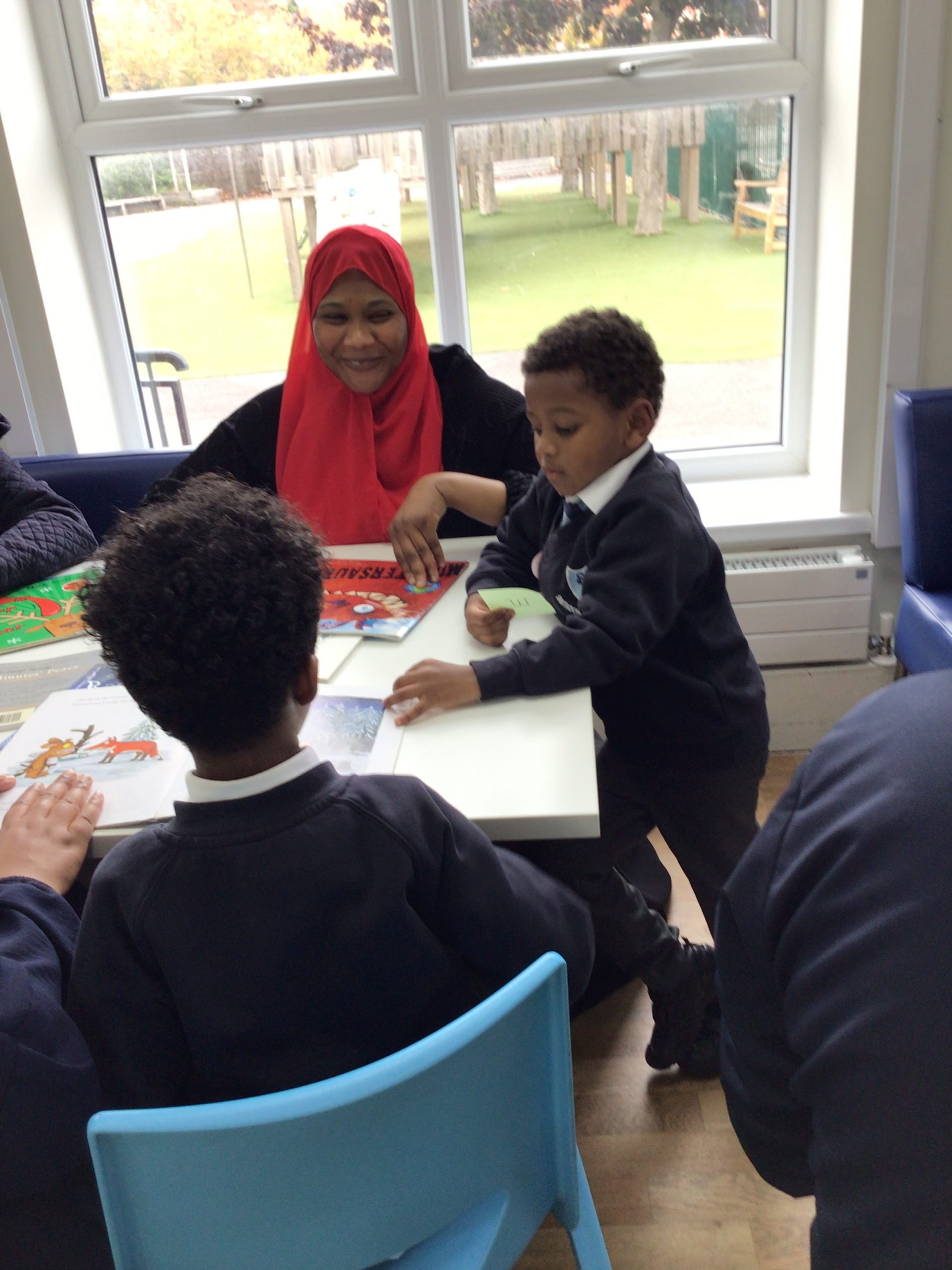
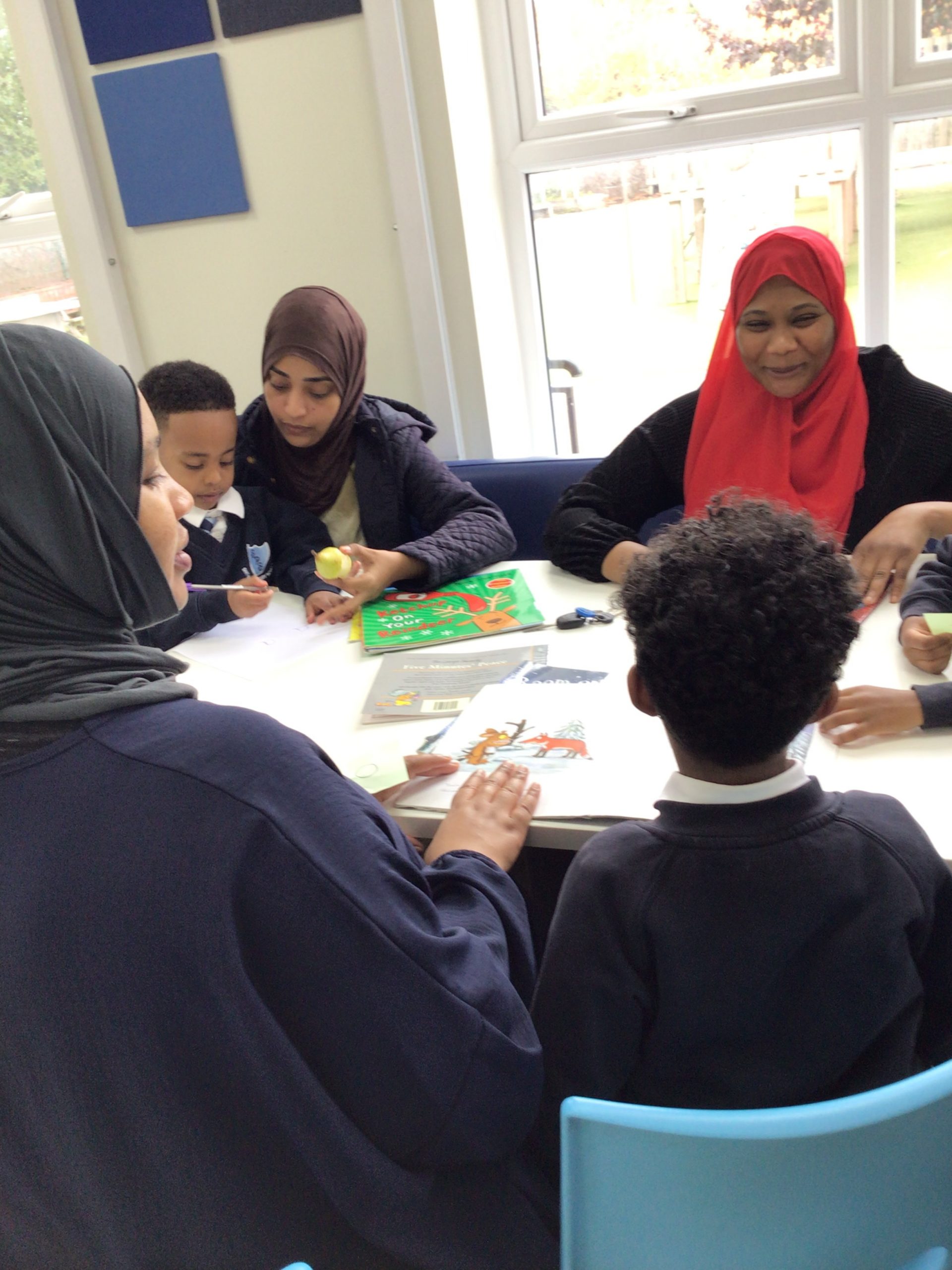
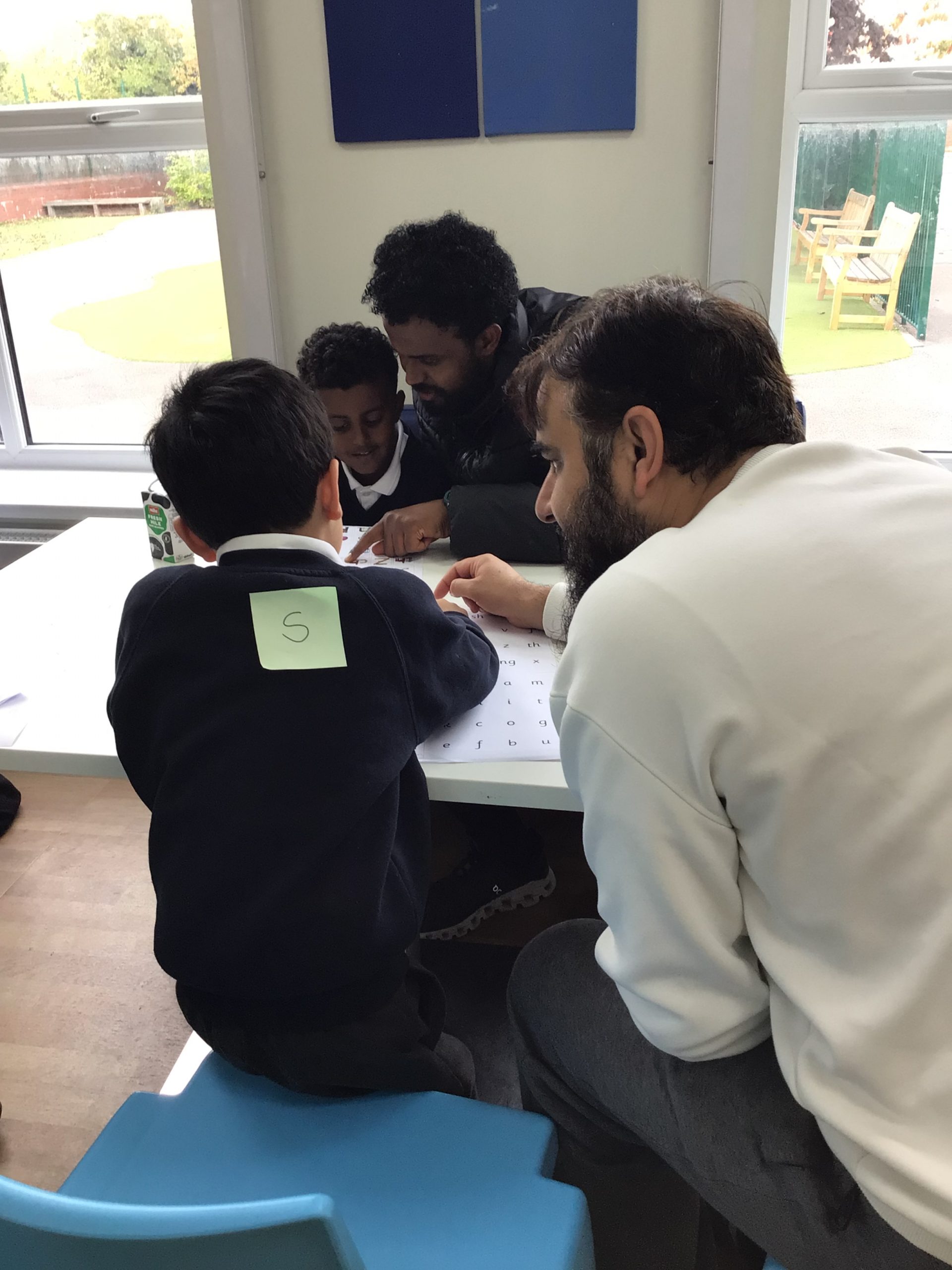
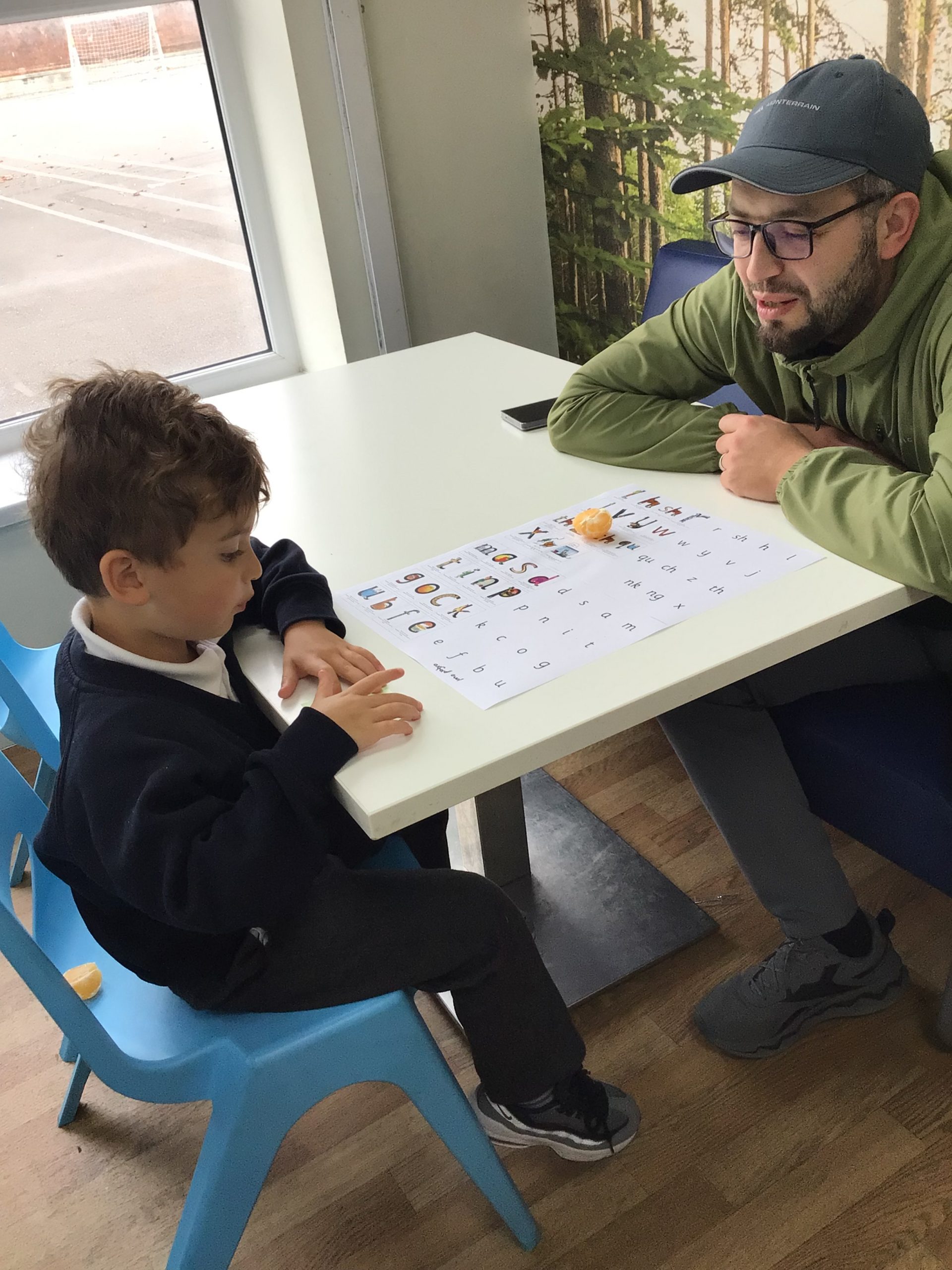
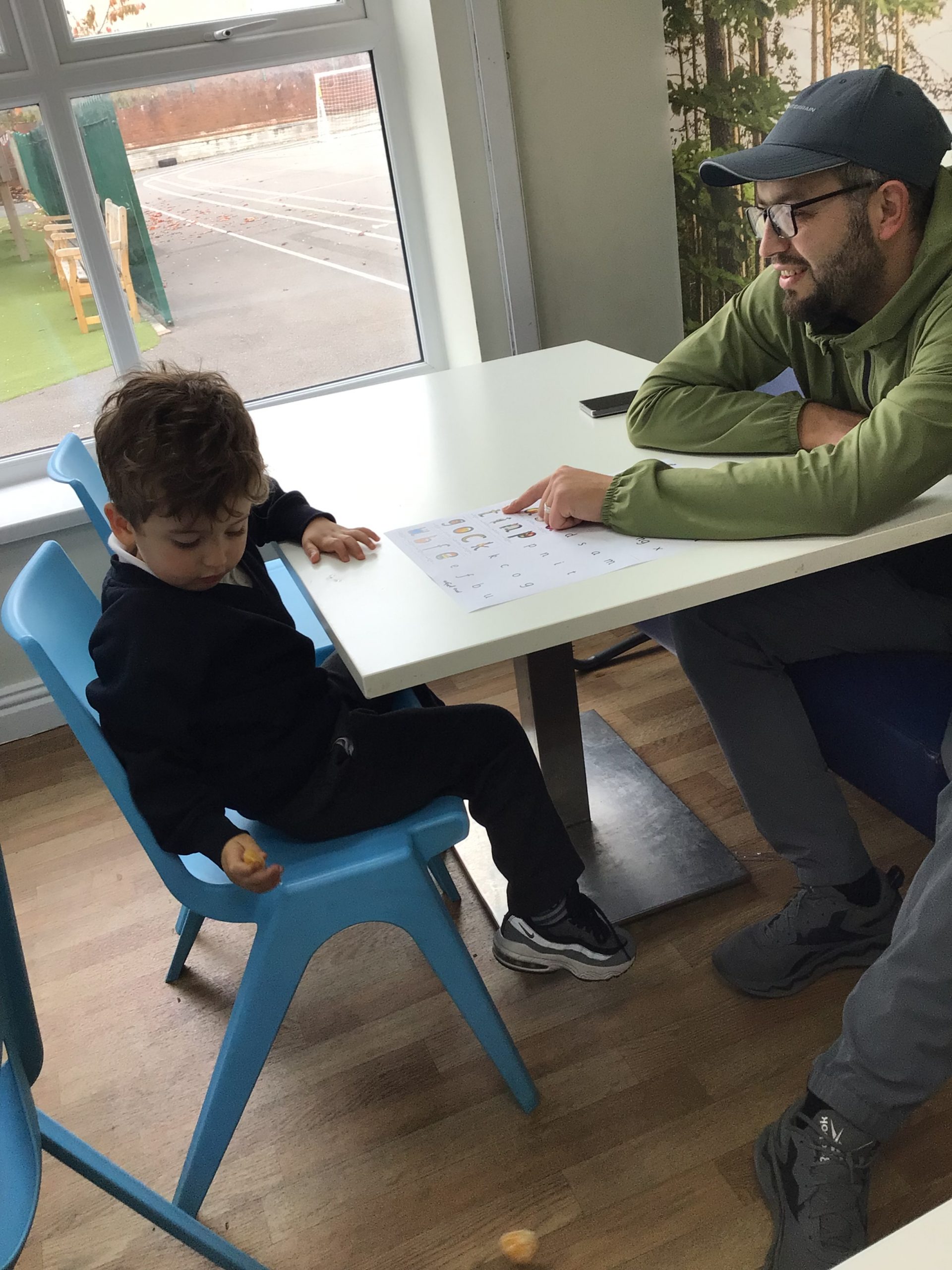
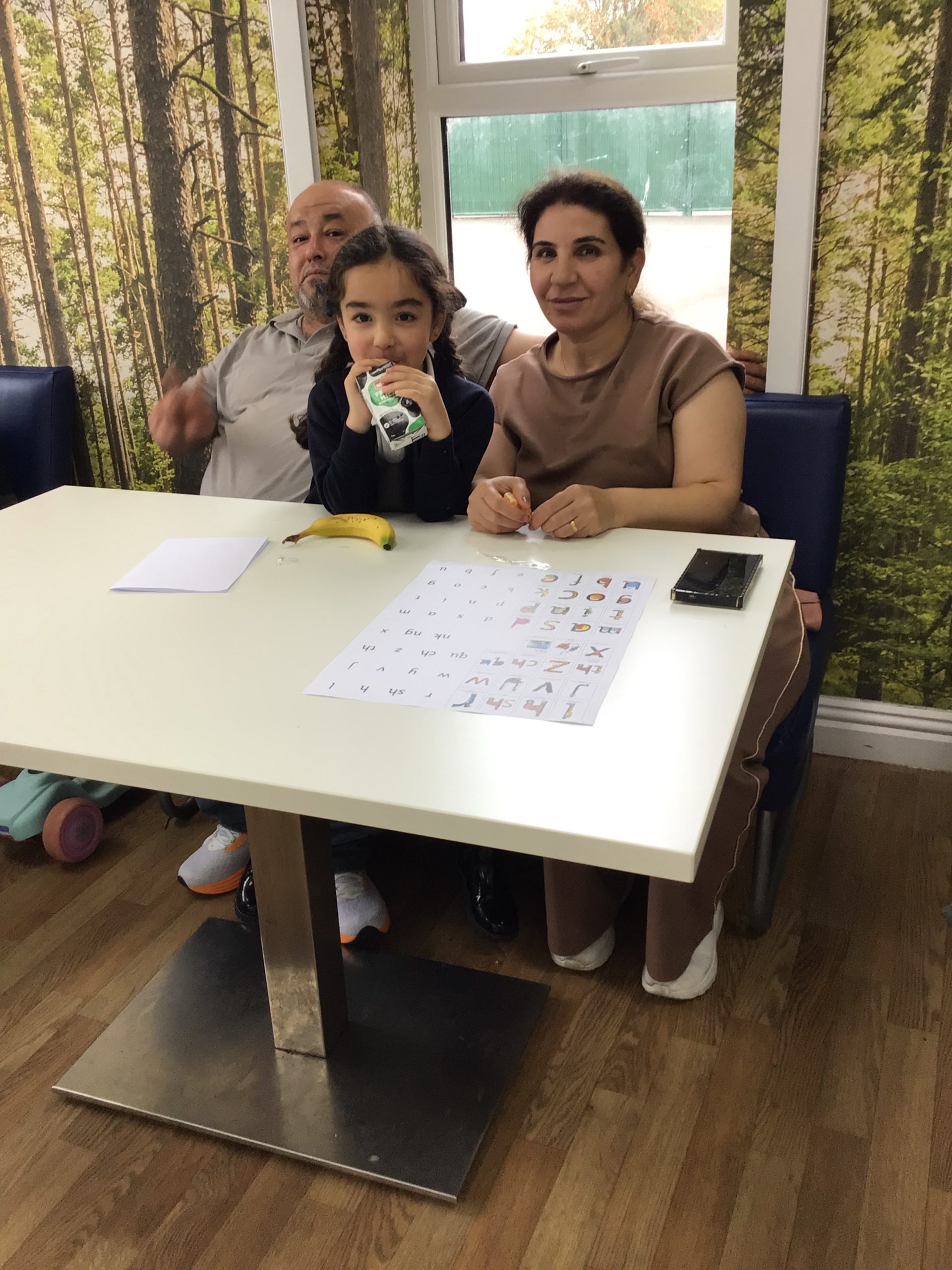
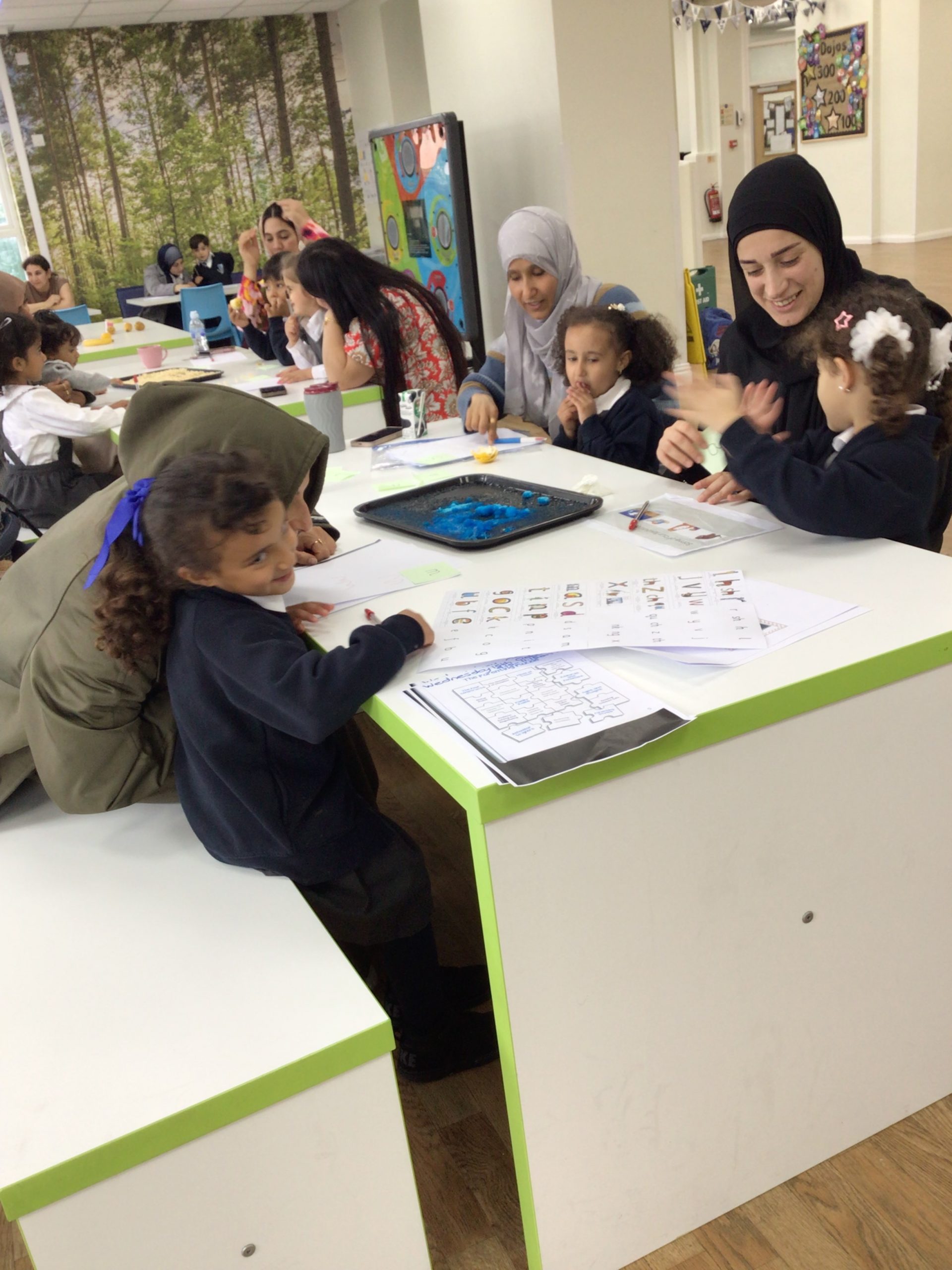
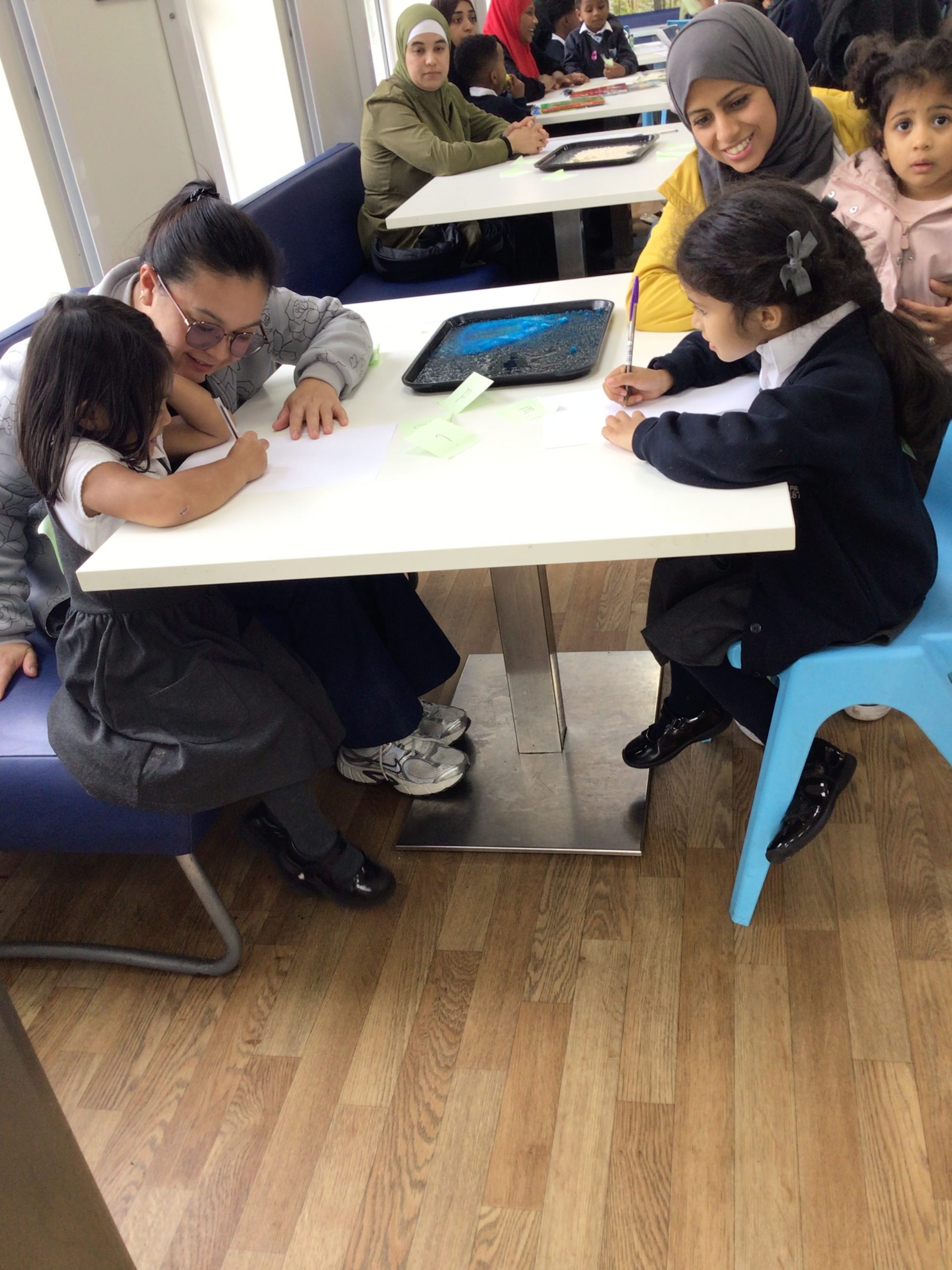
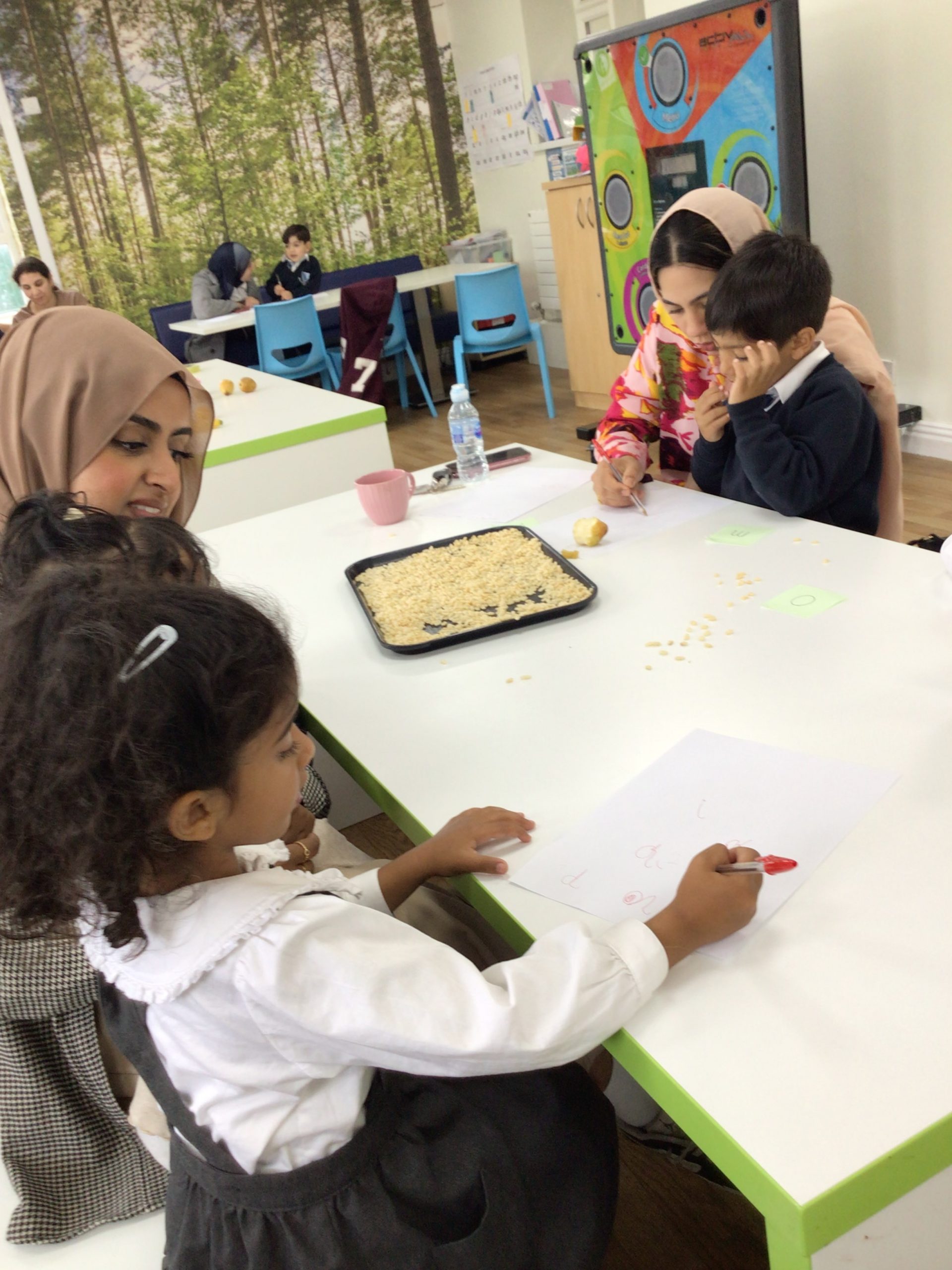
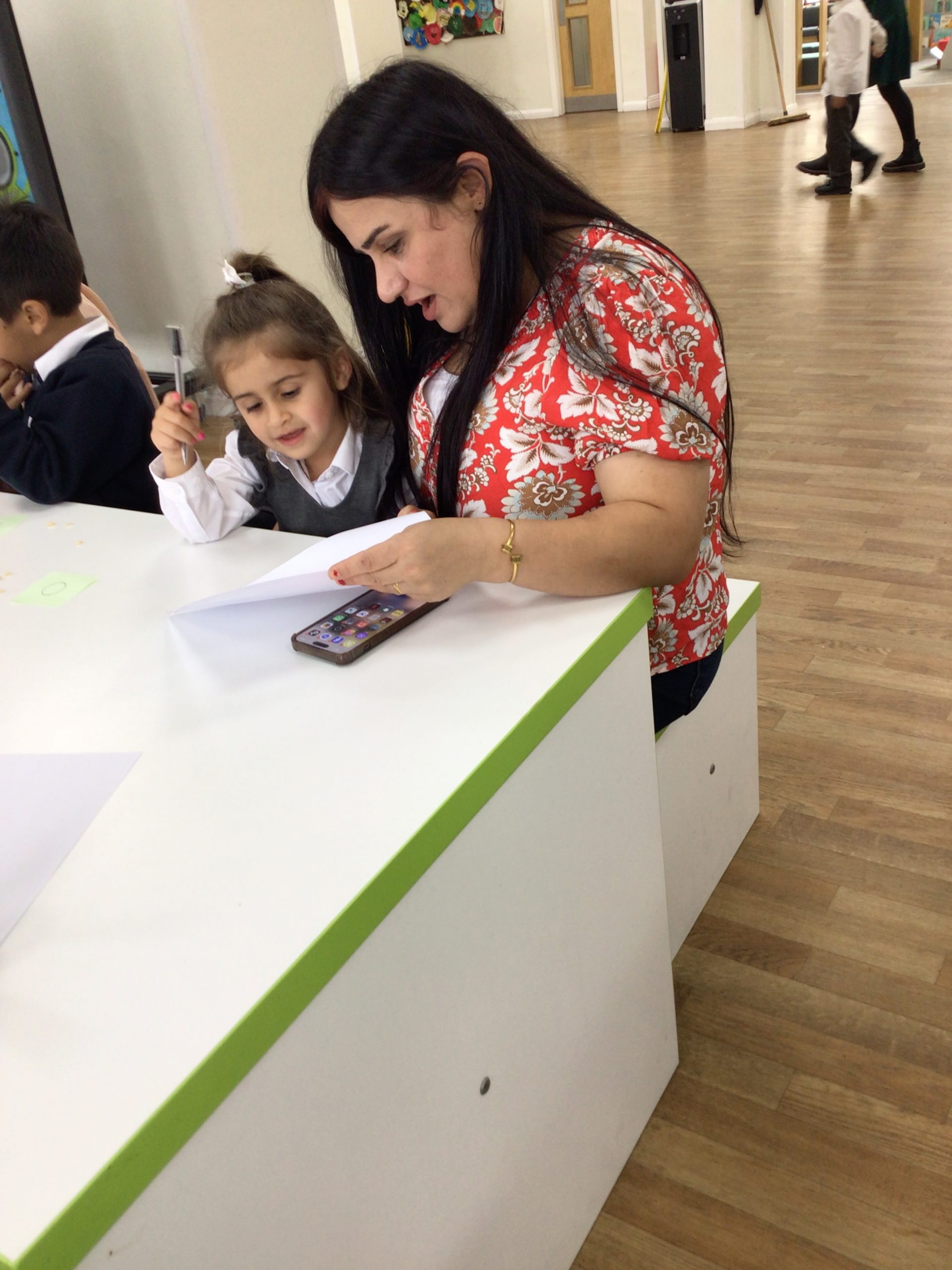
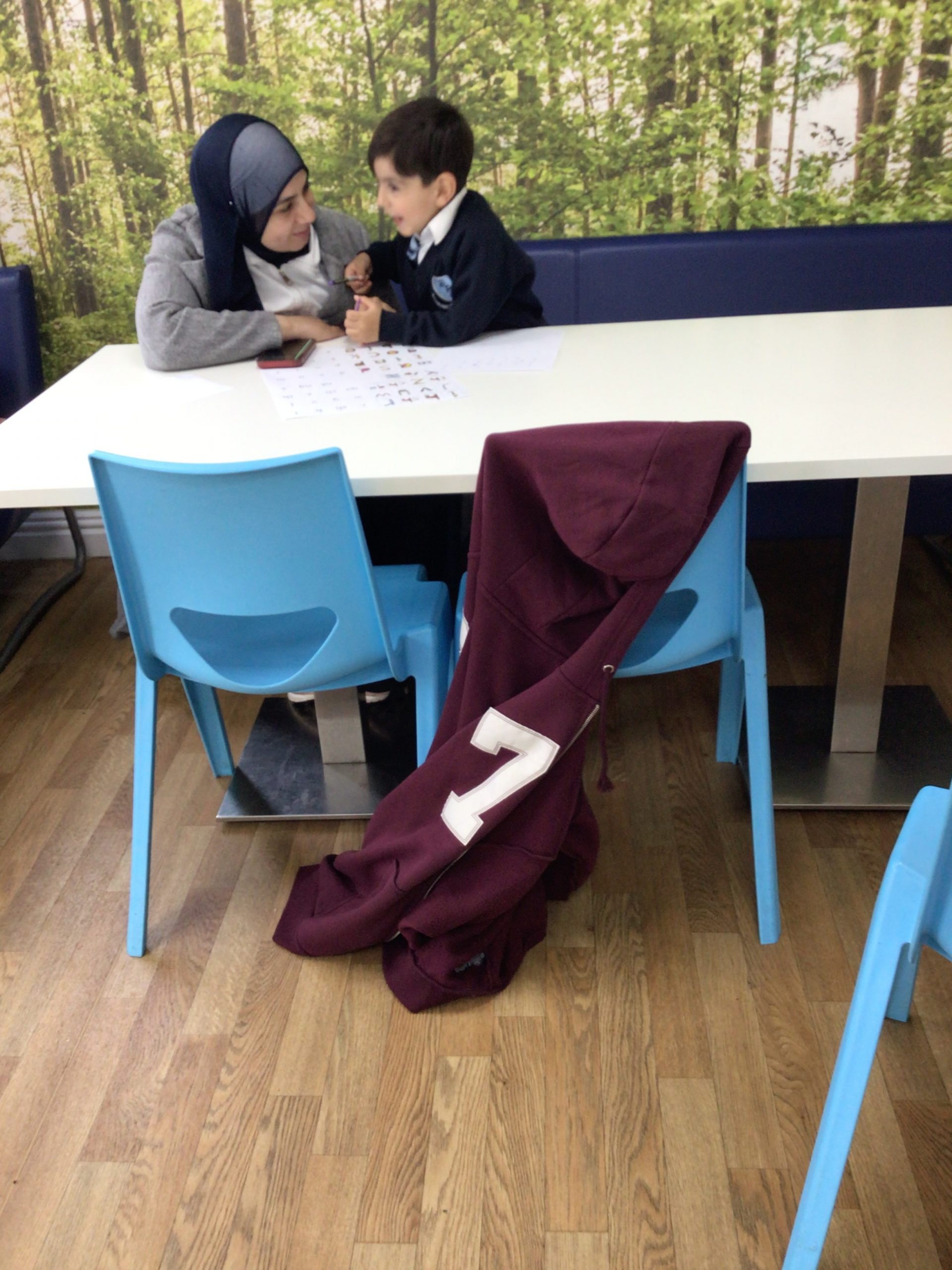
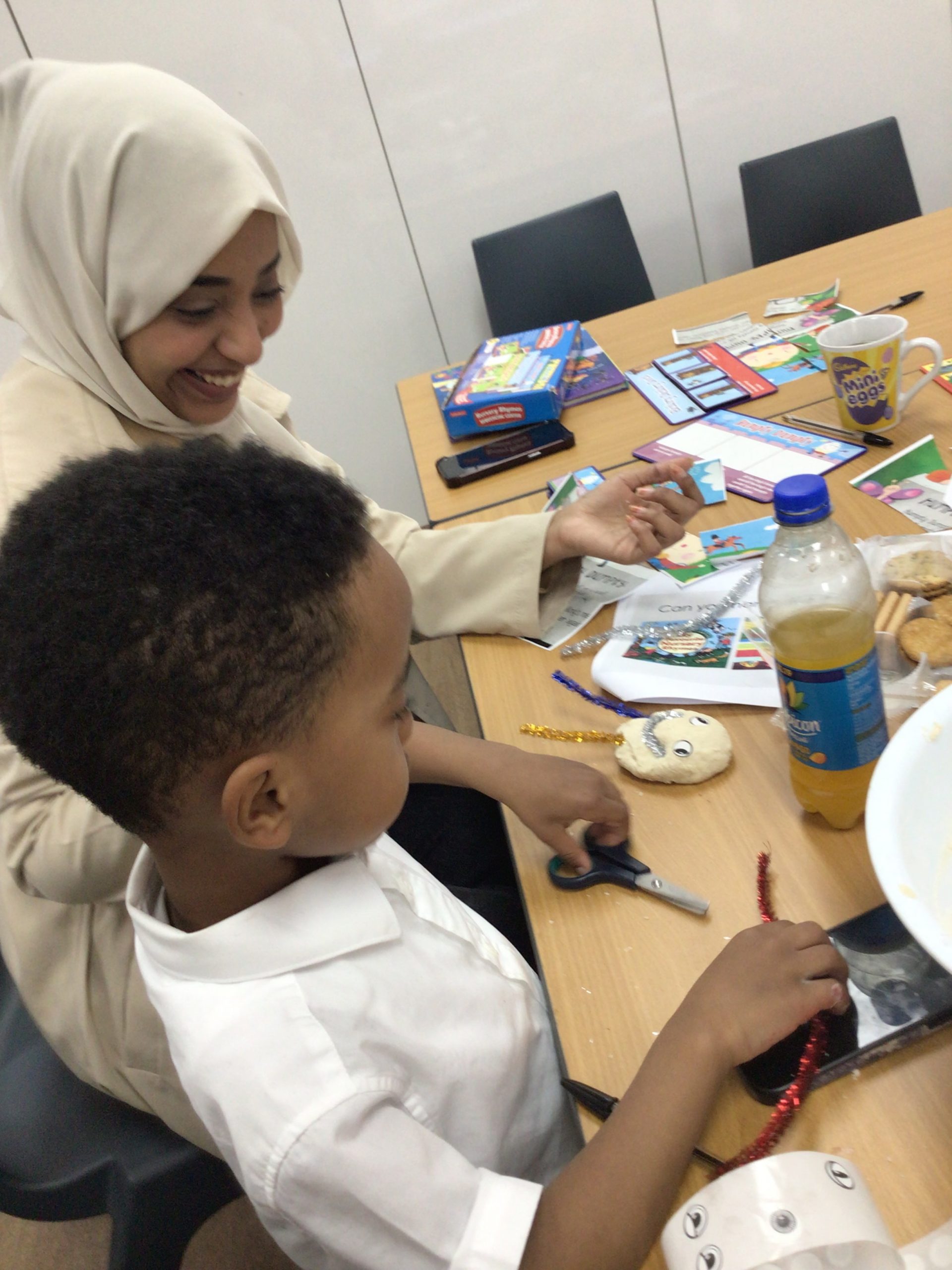
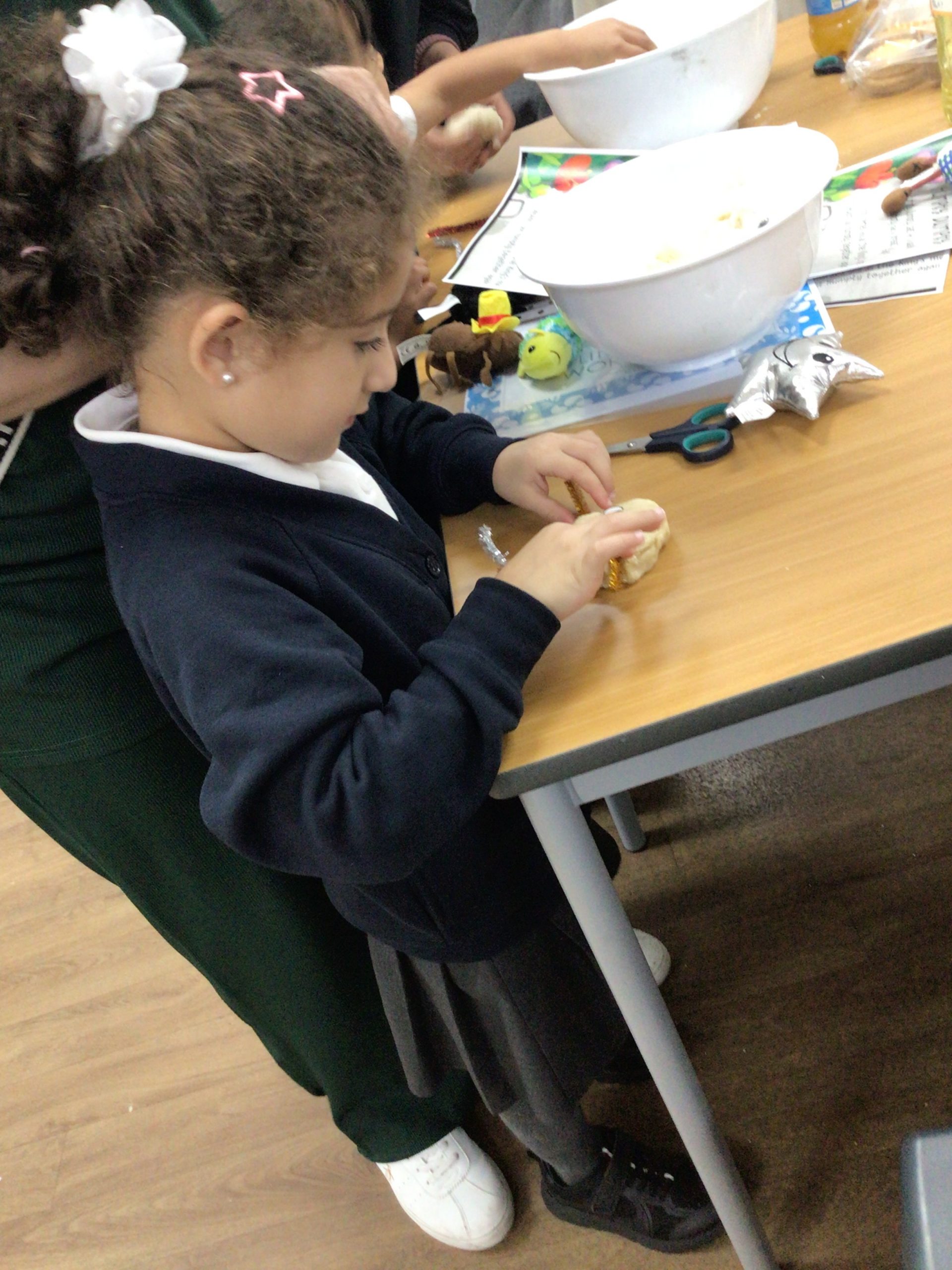
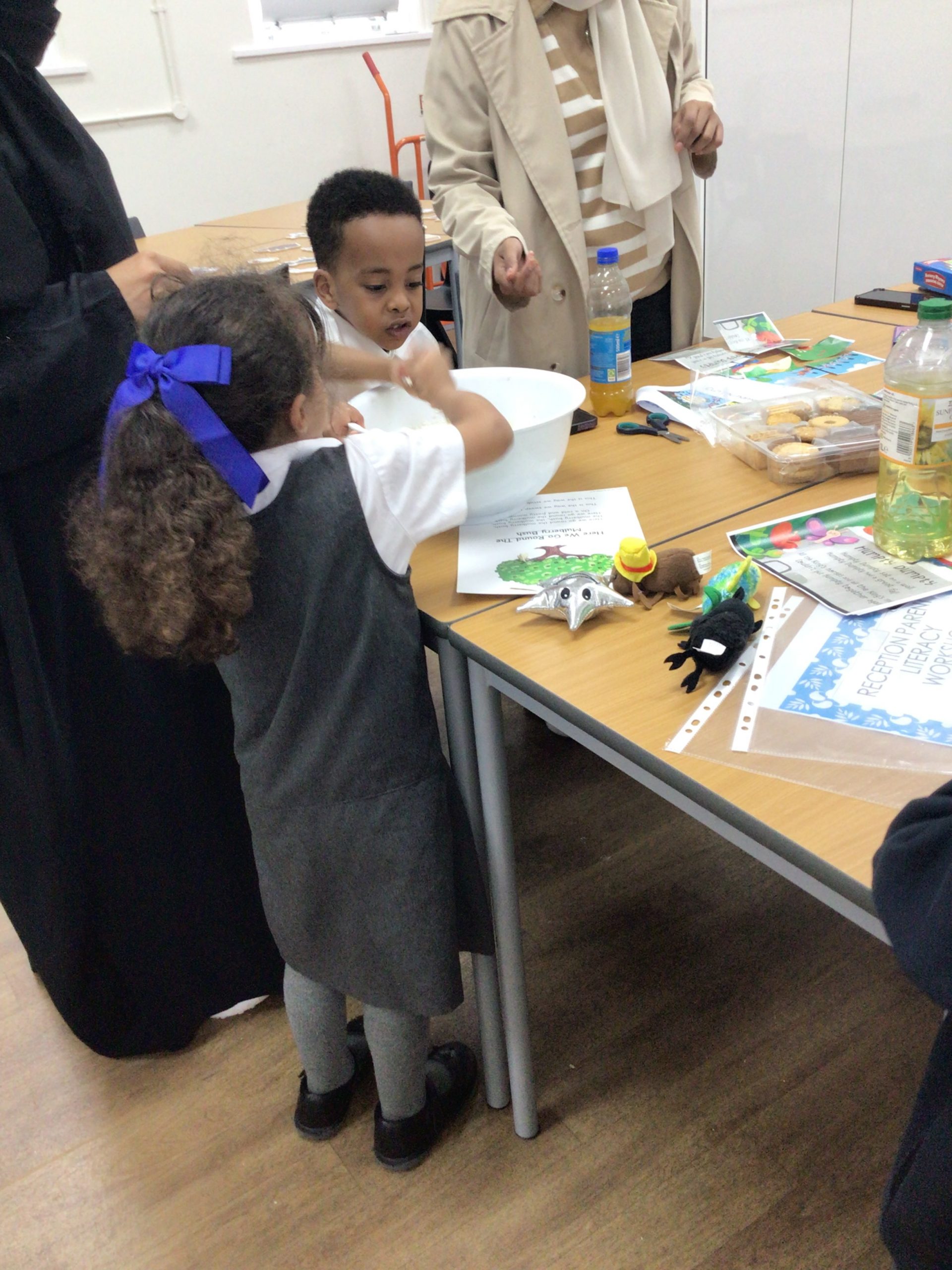
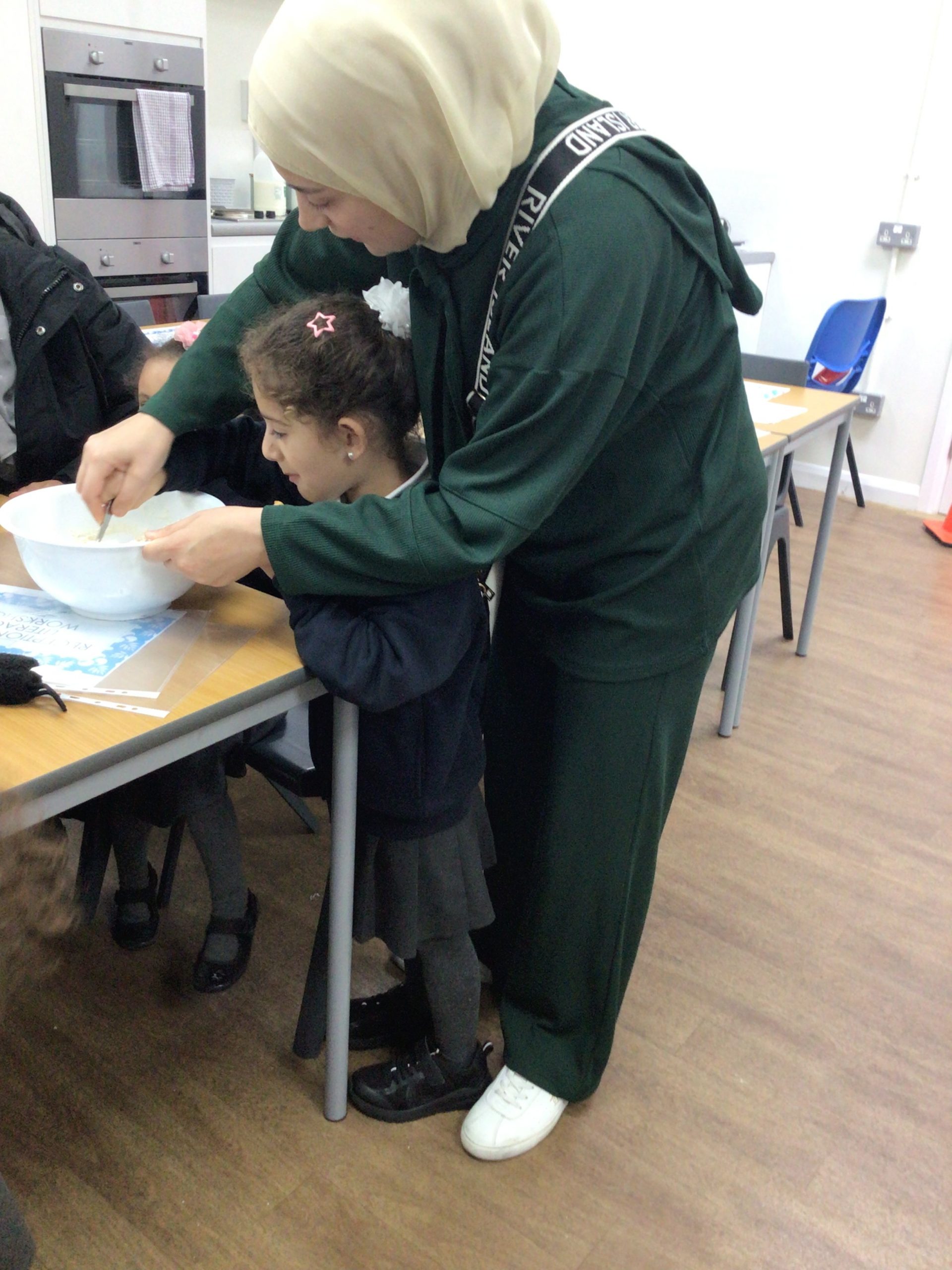
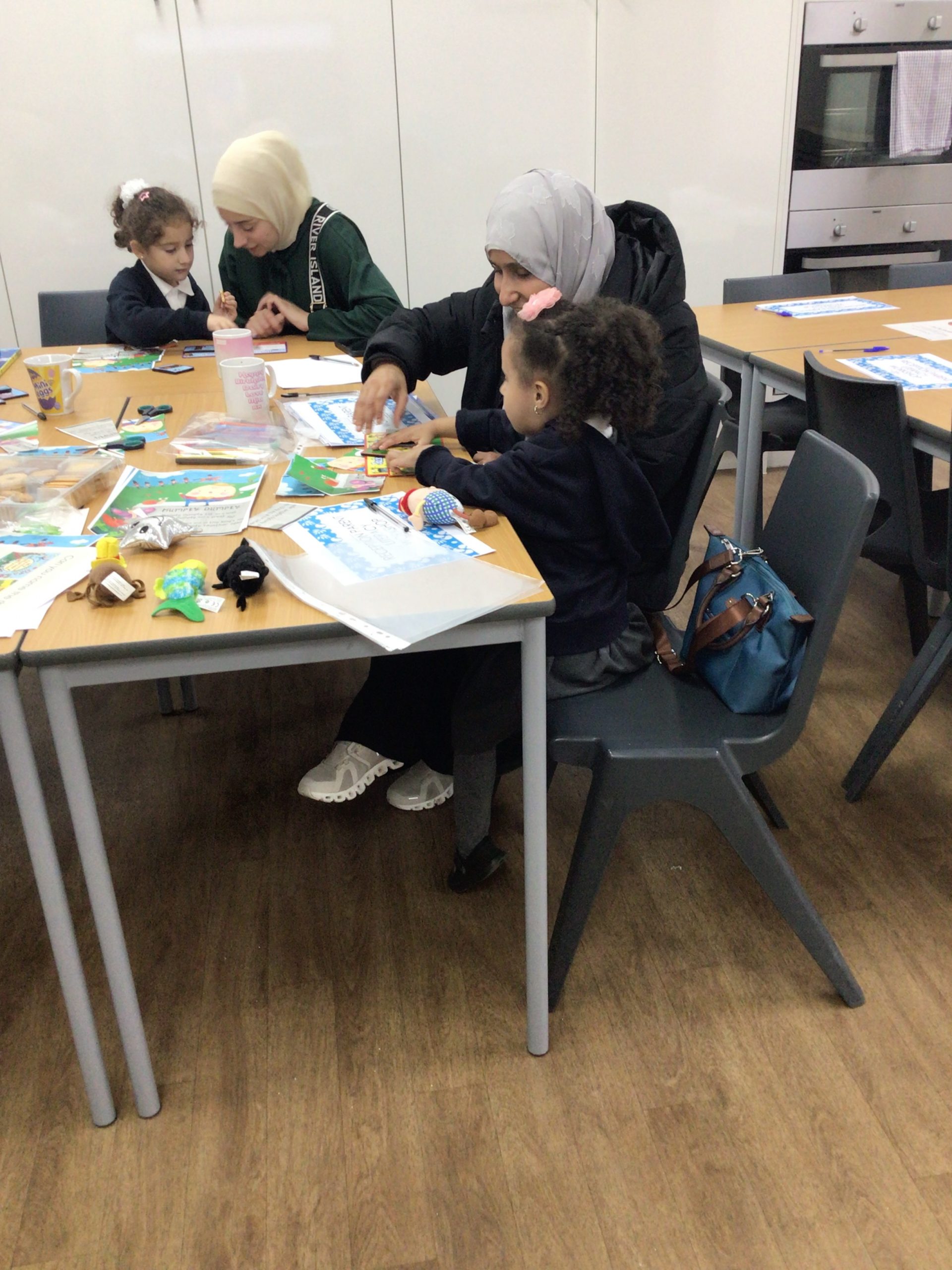
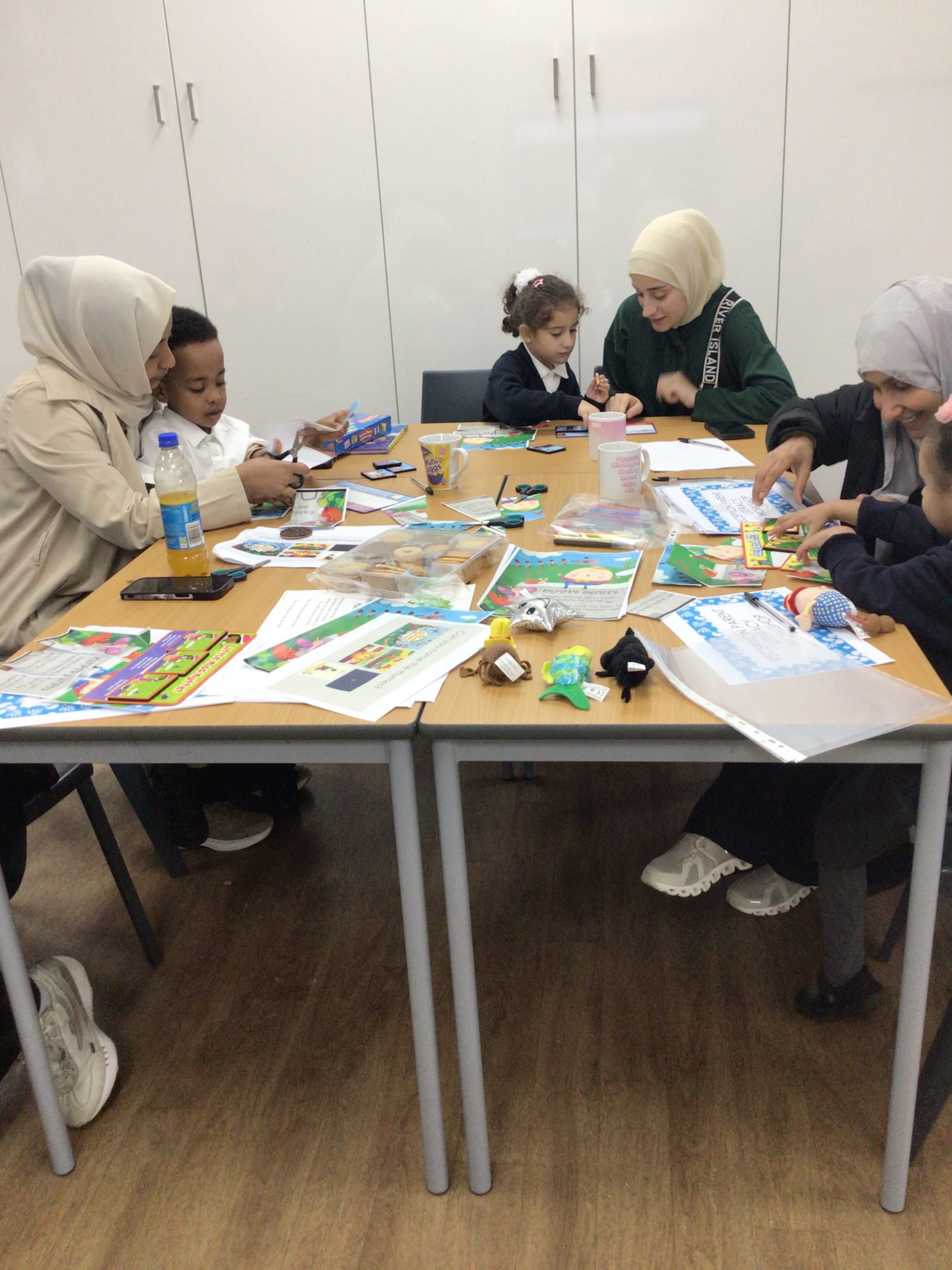
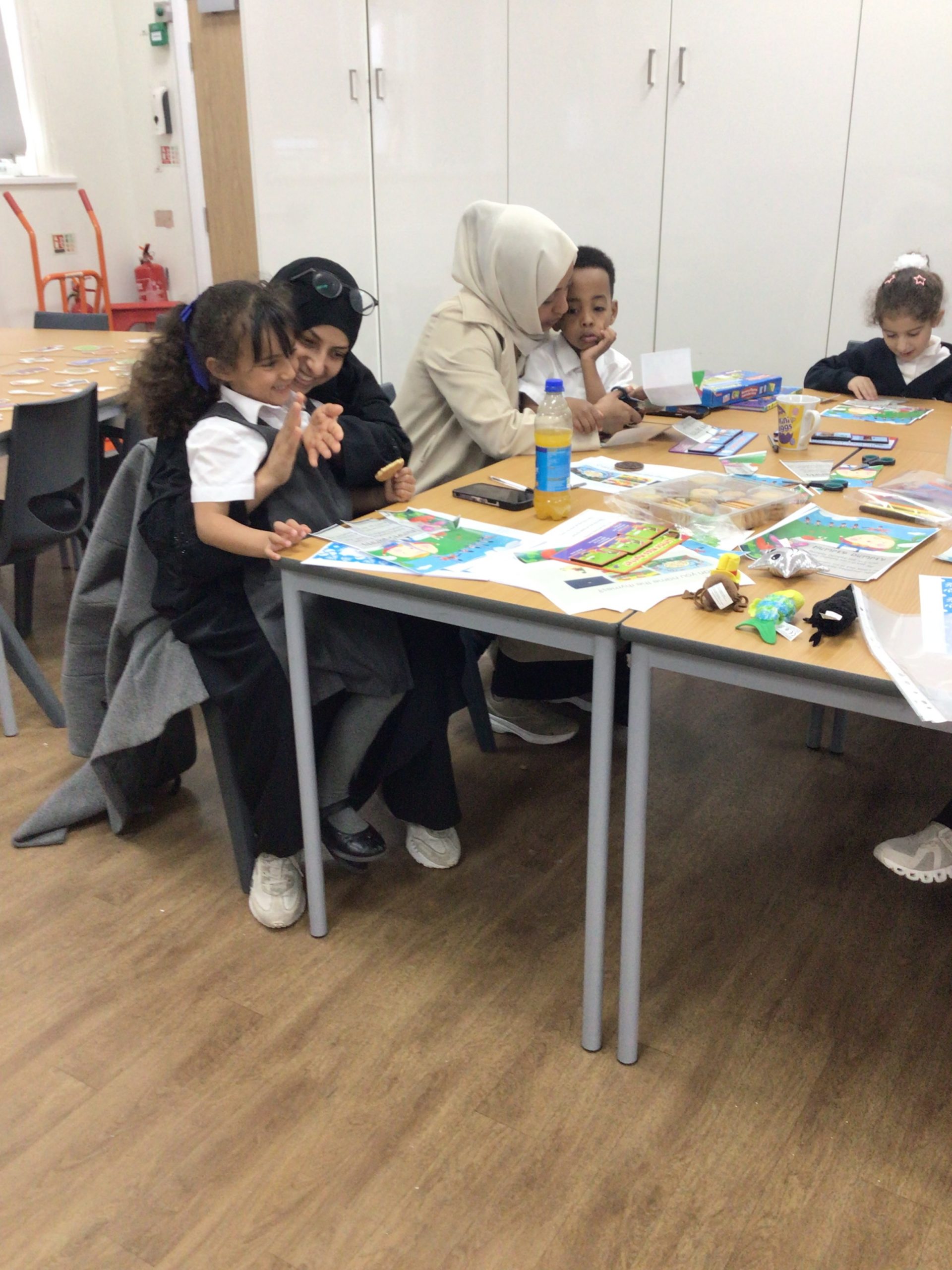
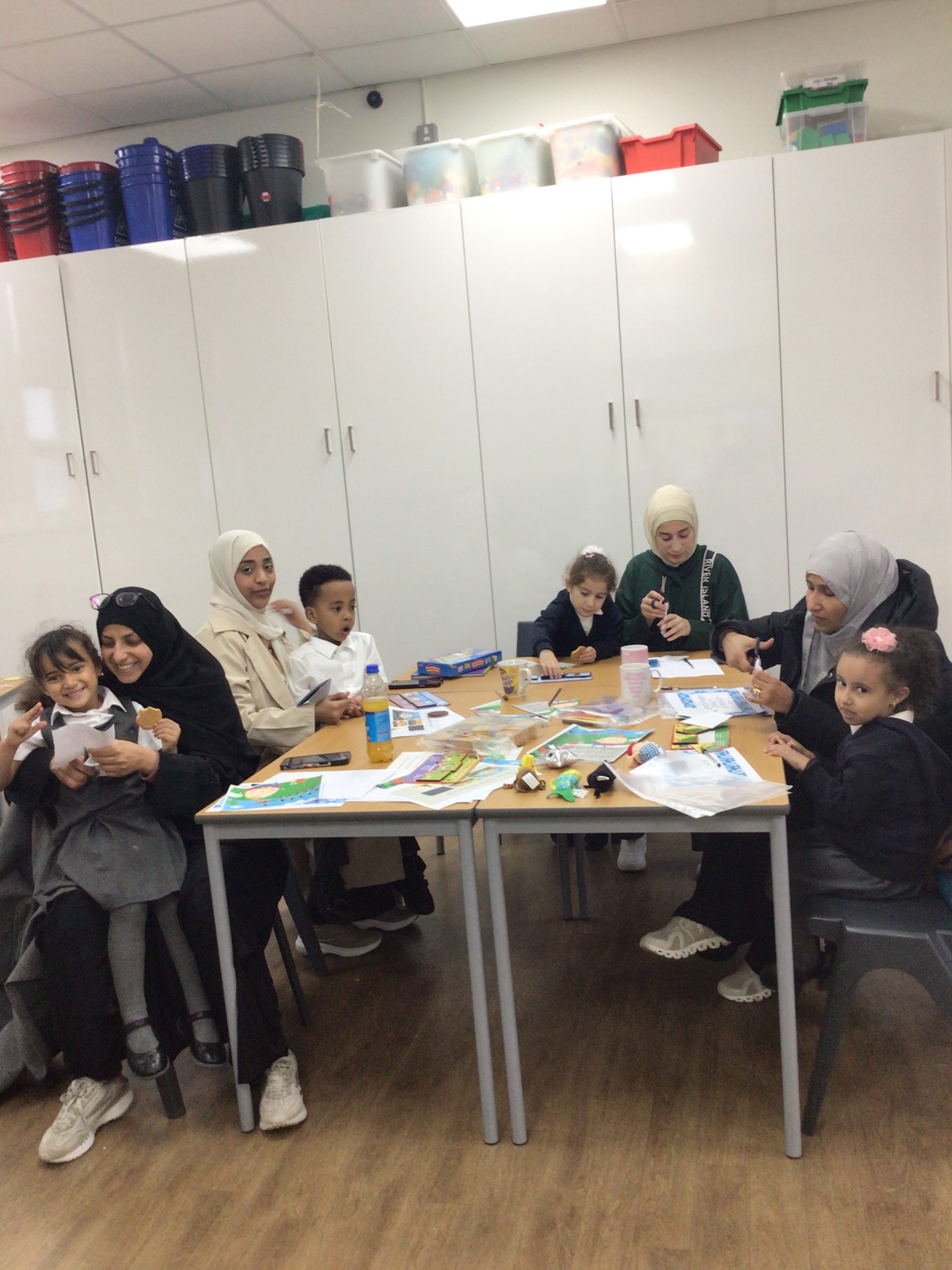
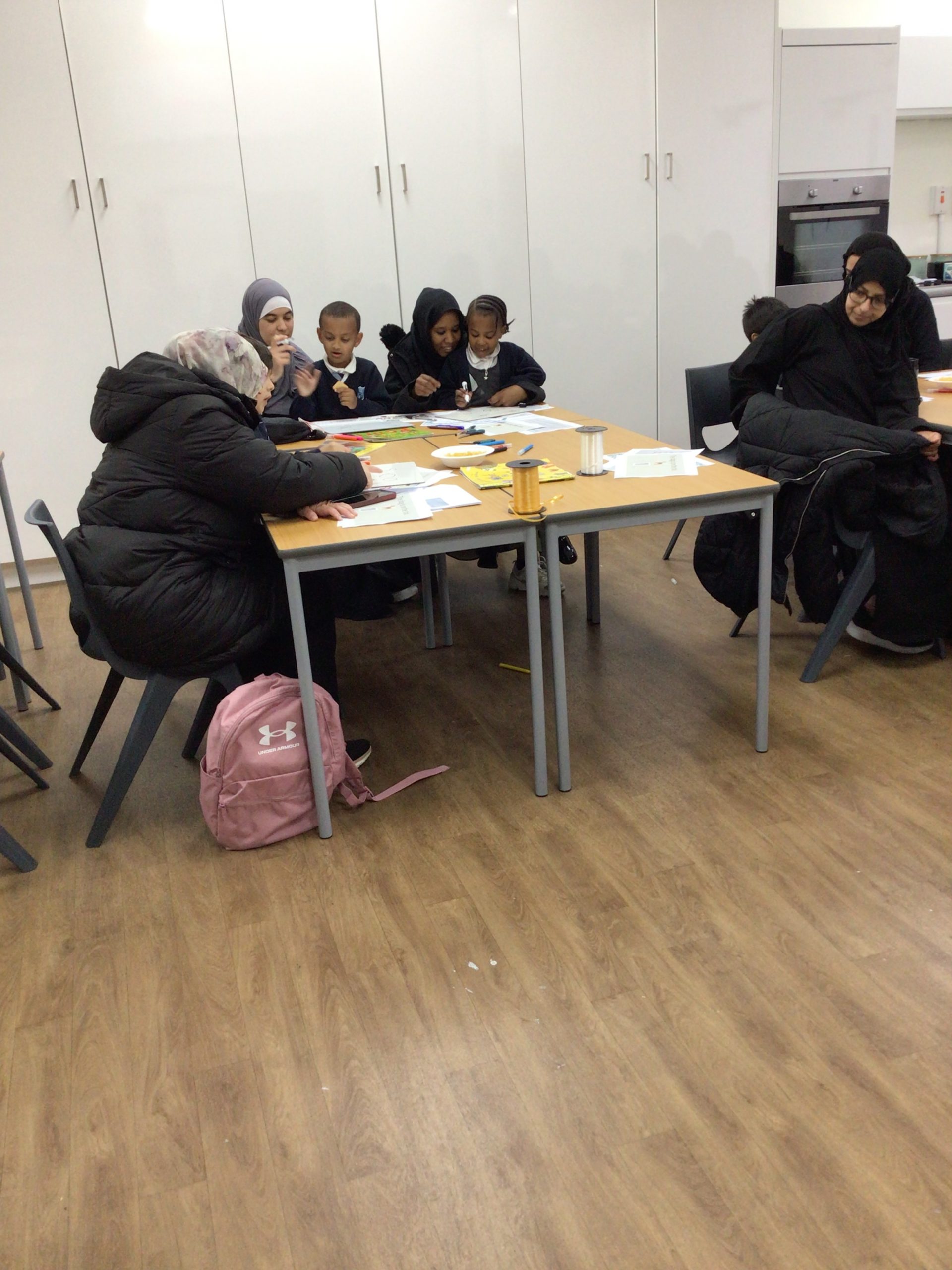 Thanks to all parents for coming along to session 4 of our parental literacy workshop which focused on writing.Please join us on Wednesday 22nd October for our final literacy workshop. The time will be 2.15-3pm. Many thanks.