Staying Safe
25-02-2026
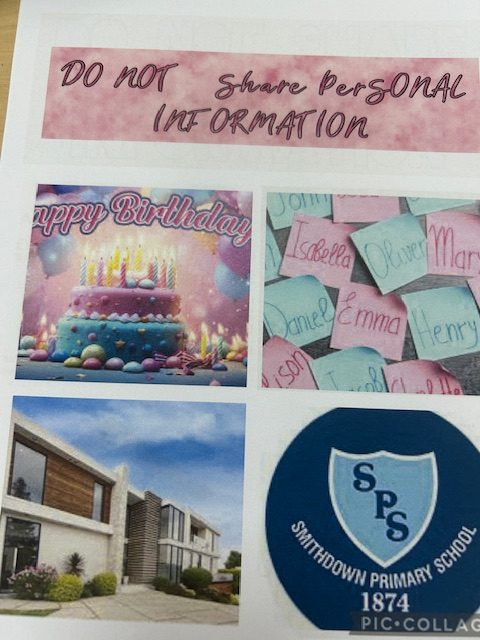
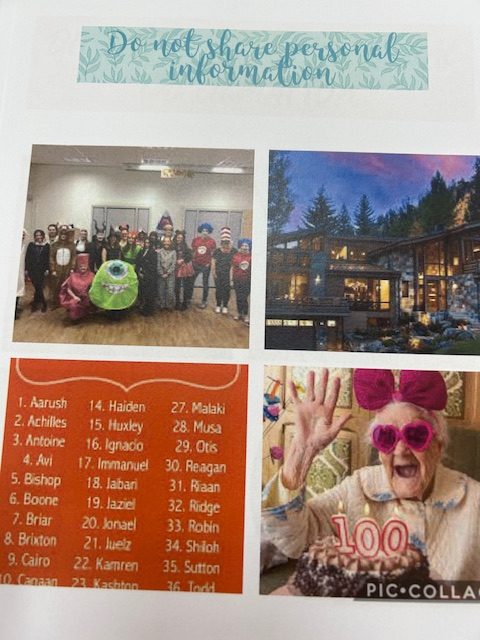
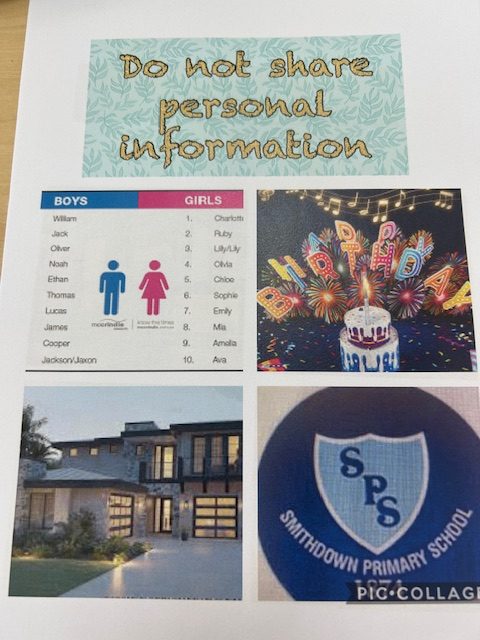
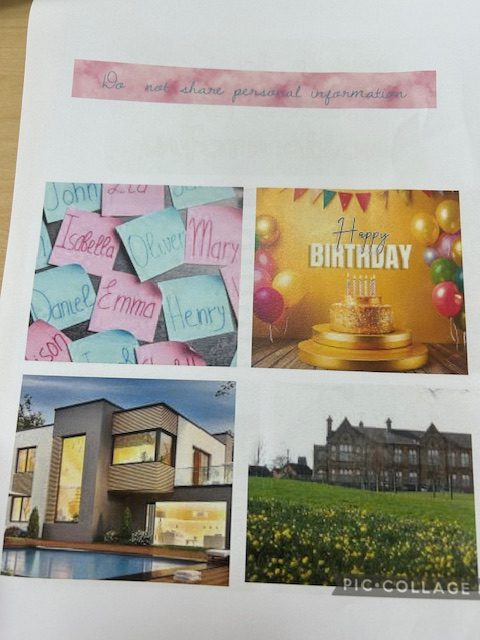
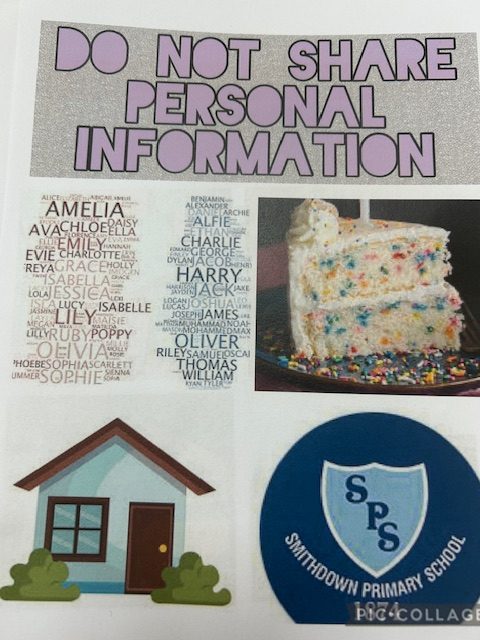
We spoke about what you should not share online. We then created posters using Pic Collage to tell others how to stay safe online too.

At Smithdown Primary School, we believe that computing is an essential life skill and a vital part of preparing children for a future in an ever-changing digital world.
Our aim is to ensure that all pupils become confident, creative and responsible users of technology, developing the skills they need to access, understand and shape the digital world around them.
We intend for children to:
Find, explore, analyse, exchange and present information effectively.
Develop the skills needed to use technology in a safe, purposeful and discriminating way.
Build confidence, independence and creativity through computational thinking and digital problem-solving.
Leave primary school digitally literate and ready to use technology positively in secondary education and beyond.
Understand how to evaluate and apply new or unfamiliar technologies to solve problems analytically.
Our computing curriculum ensures pupils gain secure knowledge across the three strands of the National Curriculum:
Computer Science – understanding how digital systems work and learning to code.
Information Technology – using programs and software to create content and solve problems.
Digital Literacy – using technology safely, respectfully and responsibly.
Ultimately, our goal is for pupils to become confident, curious and capable digital citizens, ready to live and work safely in an increasingly digital British society.
Computing at Smithdown is delivered through a clear, progressive and cross-curricular scheme of work that provides coverage in line with the National Curriculum. Our teachers adapt learning to the needs and experiences of our pupils each year, ensuring that foundational skills are embedded before more complex concepts are introduced.
We are proud to work in partnership with MGL, whose specialist teachers support the delivery of our Key Stage 2 computing curriculum. Their expertise enhances teaching quality and ensures pupils access high-quality, practical and engaging computing experiences.
Through this approach, children learn to:
Understand how computer systems and networks operate.
Write and debug simple programs and develop computational thinking.
Use a range of devices and applications to create, store, organise and present information.
Develop digital literacy across the wider curriculum, linking computing to real-life learning.
Children have access to a wide range of hardware and software, including computers, tablets, programmable robots, and digital cameras, enabling them to develop hands-on experience with digital systems.
Online Safety is taught explicitly and revisited regularly through lessons, assemblies and awareness events such as Safer Internet Day. Pupils learn how to use technology safely and respectfully, understanding how to recognise and report concerns. Parents are kept informed and supported through updates on the school website and social media channels.
This balanced, practical and inclusive approach ensures that computing learning is both ambitious and accessible to every pupil.
By the time children leave Smithdown Primary School, they will be confident, competent and safe users of technology, able to apply their skills and knowledge in a wide variety of contexts at school, at home and in the wider world.
They will:
Use technology purposefully to create, organise, store and share digital content.
Understand how to use technology to achieve specific goals.
Discuss, reflect on and appreciate the impact of computing on their learning and wellbeing.
Recognise the importance of balancing screen time with other aspects of life for healthy development.
Apply the British Values of democracy, tolerance, mutual respect, rule of law and liberty when engaging online.
Progress and impact are evident through:
Pupils’ digital work and projects.
Observations of learning and pupil voice.
Assessment of knowledge and skills progression across the three strands.
Children’s ability to showcase and celebrate their work using a range of digital tools.
Through a combination of creativity, challenge and care, our pupils develop the confidence and understanding to navigate and shape the digital world — truly living our school ethos:
Together We Grow.
Please click the following links to learn more about our progression in:
Digital literacy and ICT Beyond School
The Internet is an amazing place. Our pupils can play, create, learn and connect – the possibilities are endless. But there are also risks. Therefore we regularly discuss the importance of online safety with our pupils and they have all agreed to follow our acceptable use policy. Please click on the links below for copies of these documents.
Key stage 1 Acceptable Use Policy
Key stage 2 Acceptable Use Policy
Please click on the image to access a comprehensive website – filled with advice and guides on how to keep your child safe across a range of platforms including YouTube, Fortnite, WhatsApp, SnapChat, TikTok and many more.

Our Online Safety Newsletters are full of practical tips, advice, and up-to-date information to help you keep your children safe online.
They cover everything from screen time and social media to gaming, privacy, and digital wellbeing.
👉 Click the links below to read the latest editions and find out how you can support your child’s online safety at home.

We spoke about what you should not share online. We then created posters using Pic Collage to tell others how to stay safe online too.
This morning we have been learning all about internet safety and what to do if there is something we don’t like online. We spoke about how to use AI safely then worked with our partners to talk about things that are okay and not okay for AI to do.
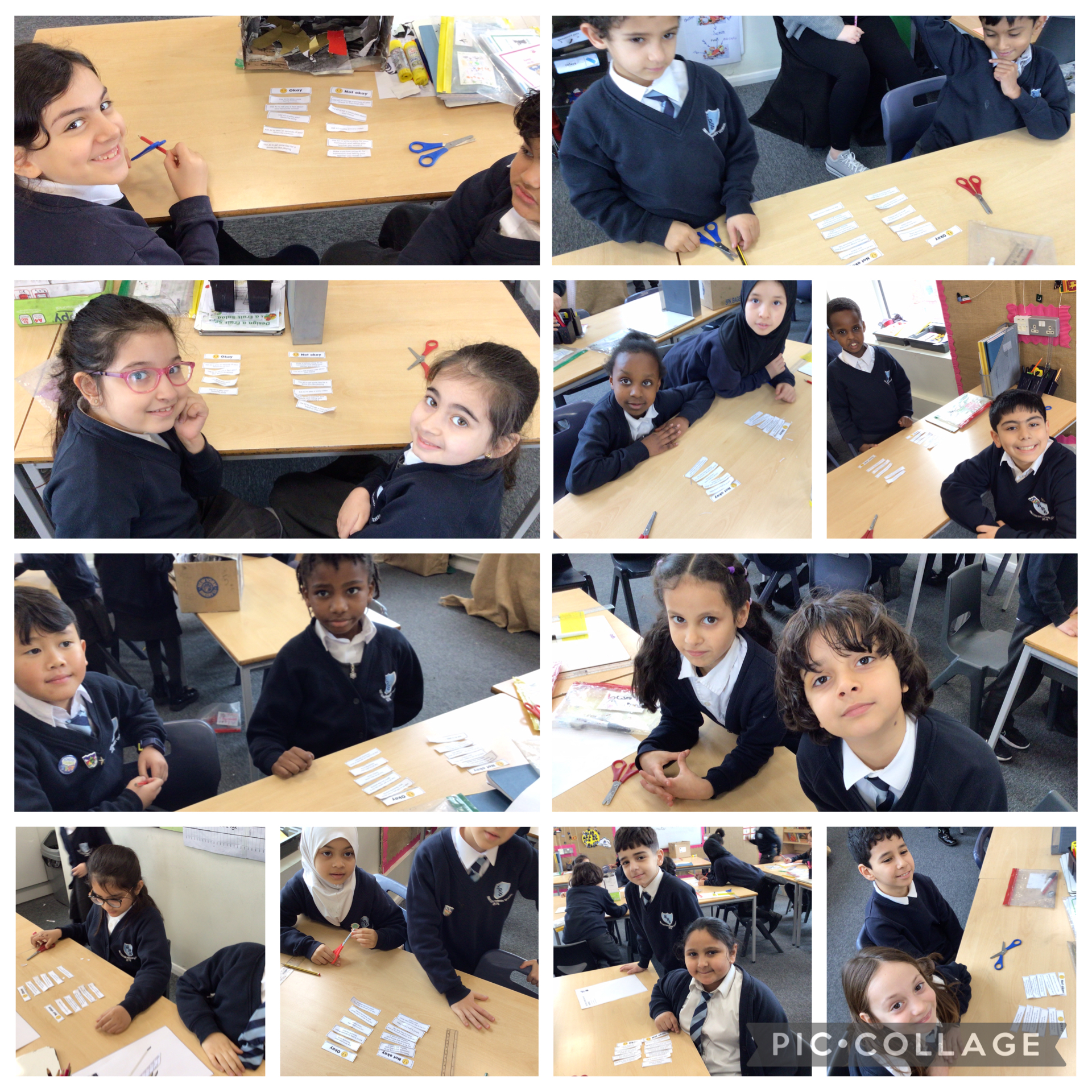
For Safer Internet, Year 5 have explored the use of AI and how to use it in a safe and responsible way.
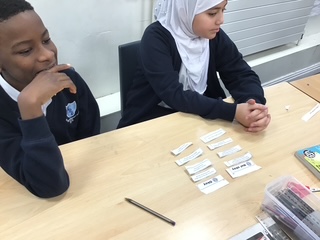
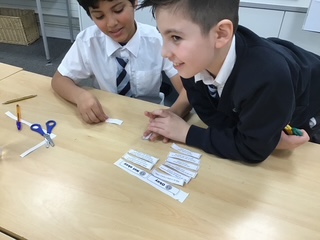
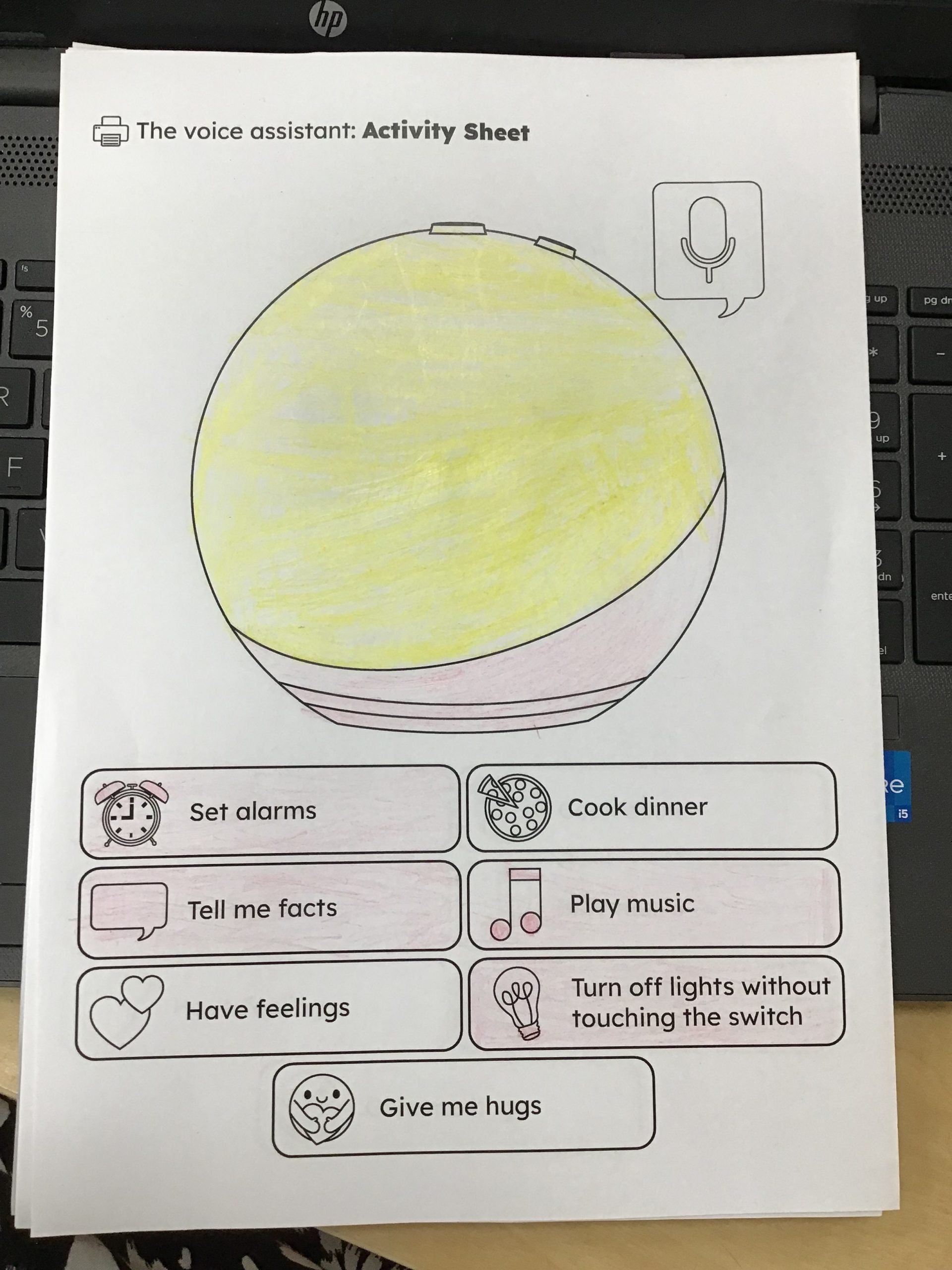
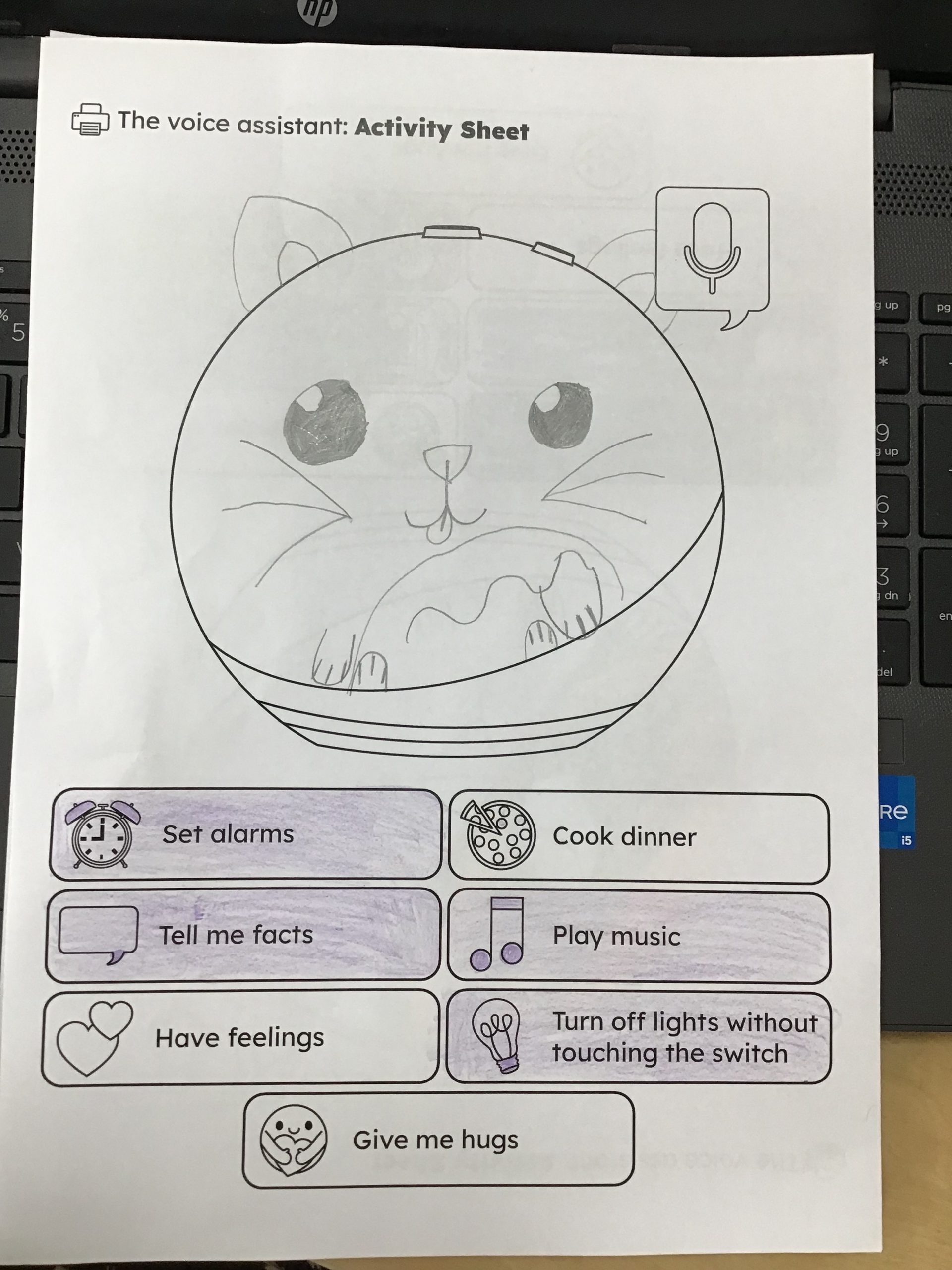
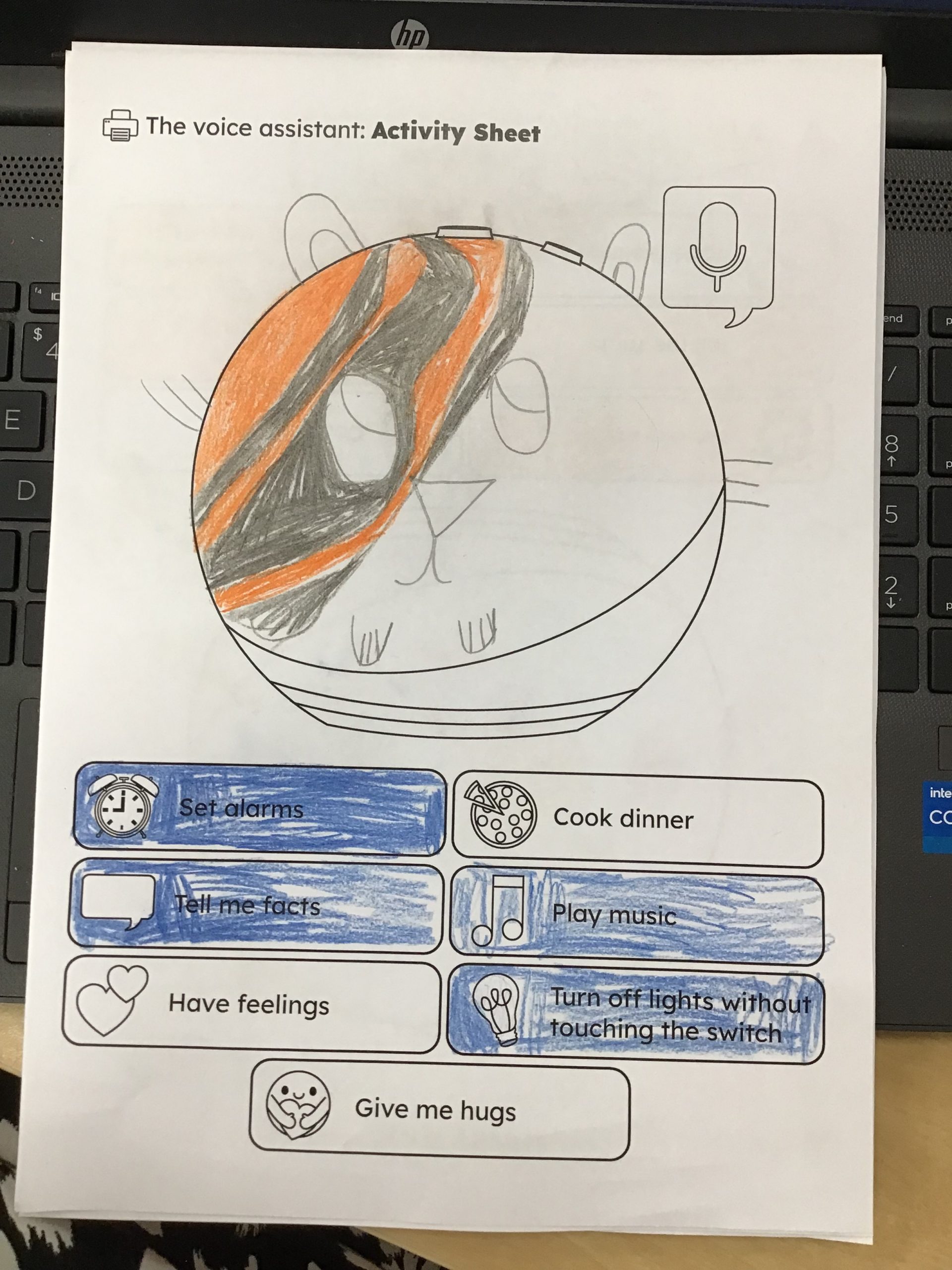
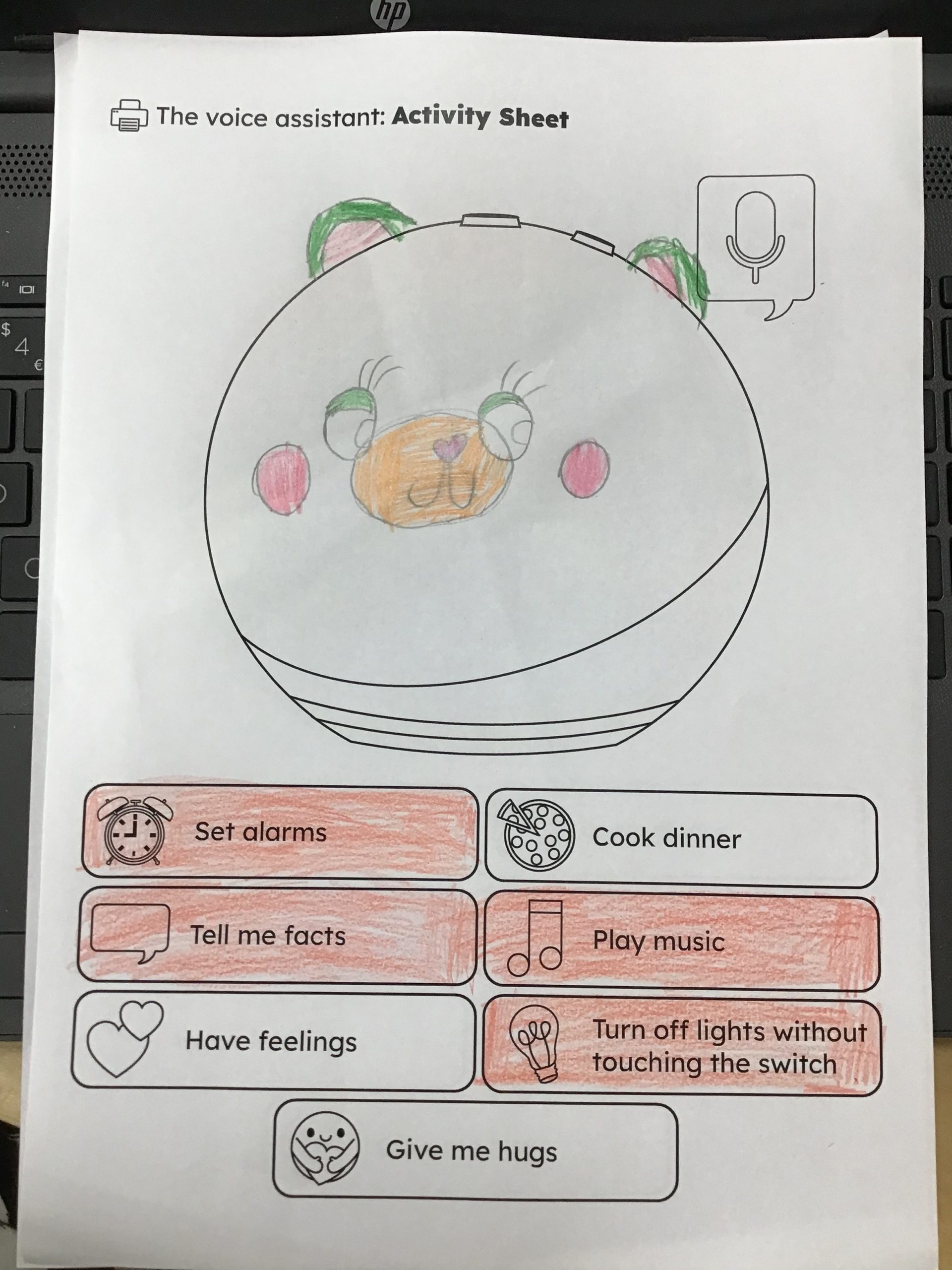
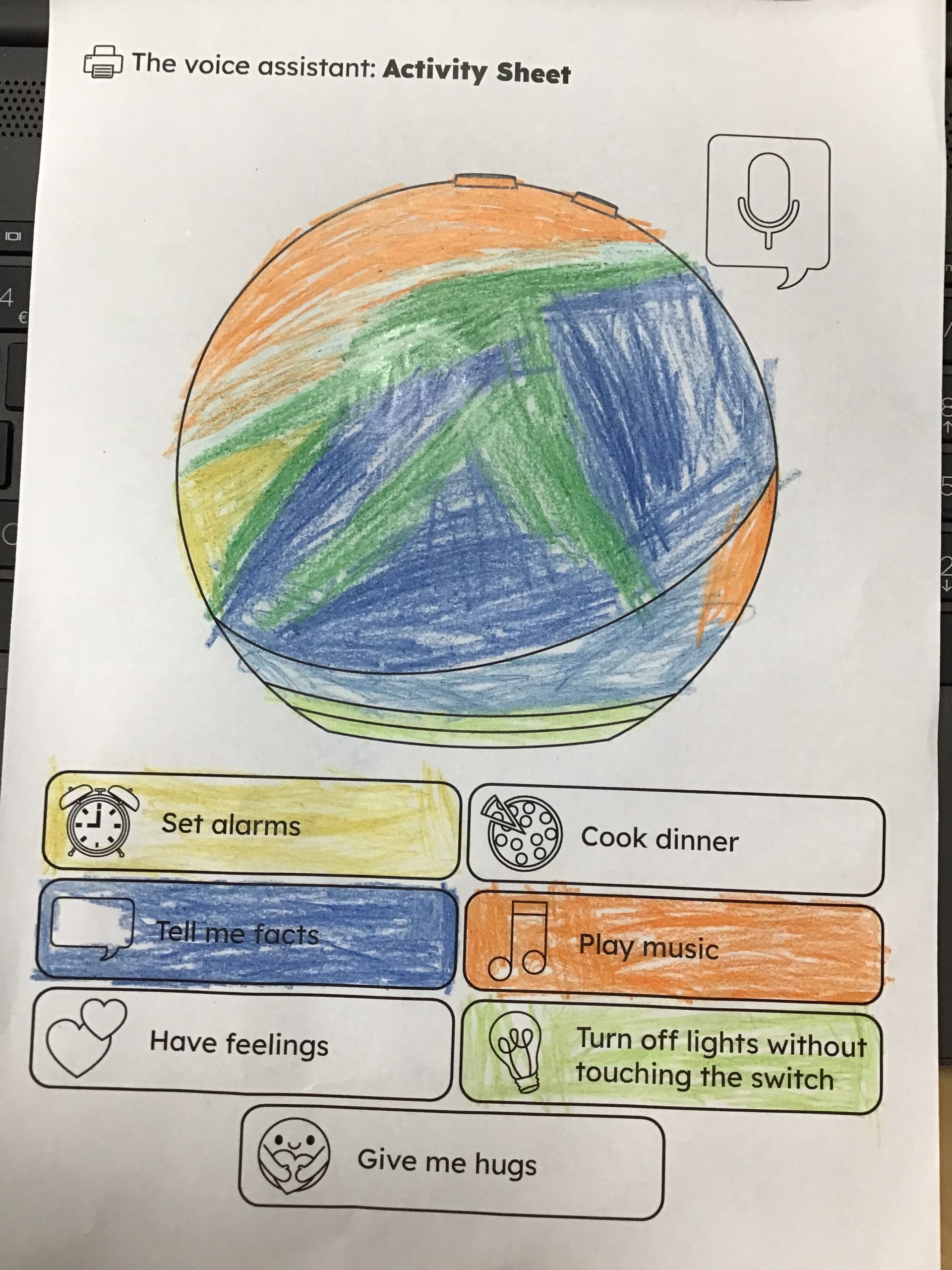
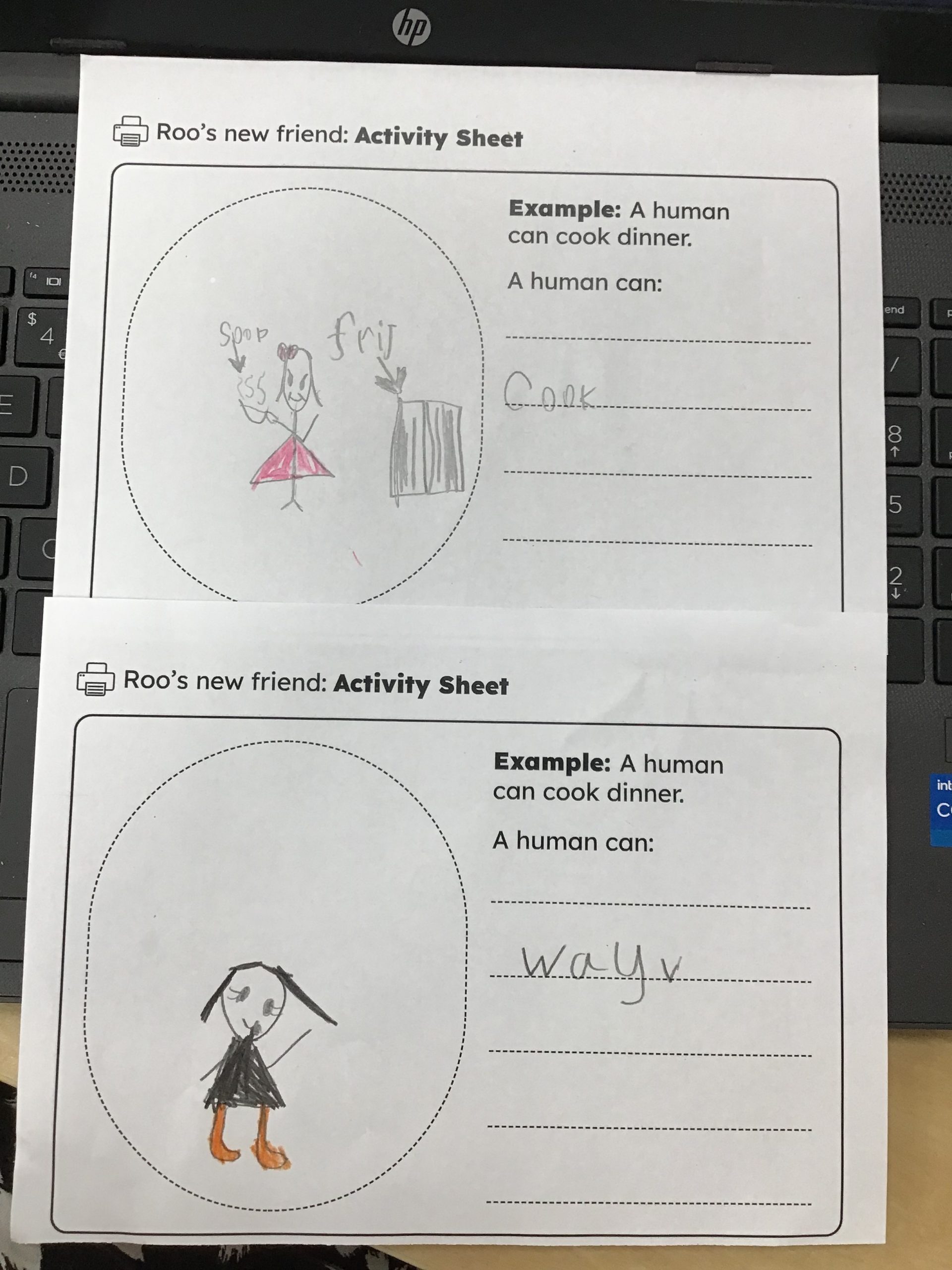
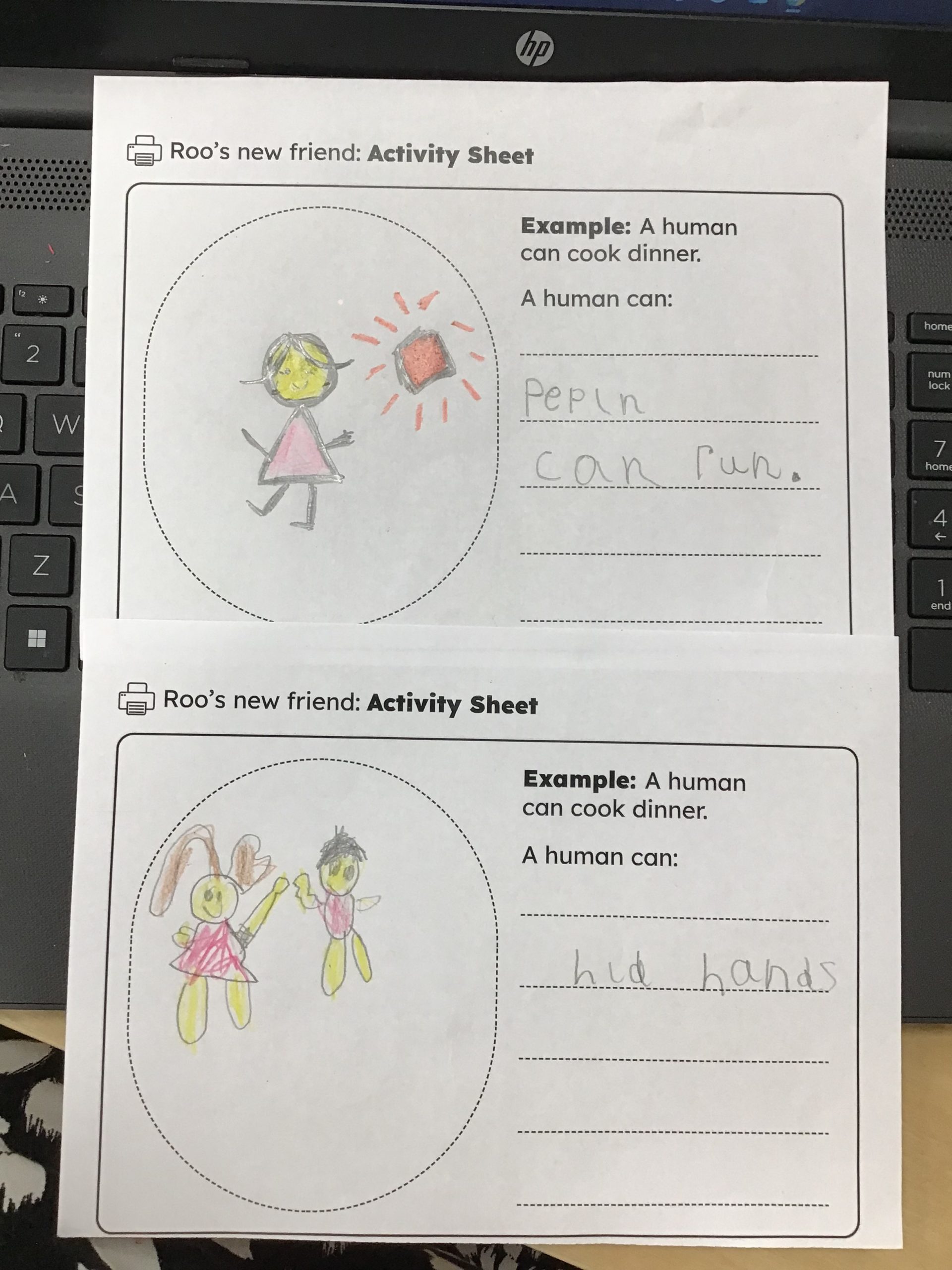
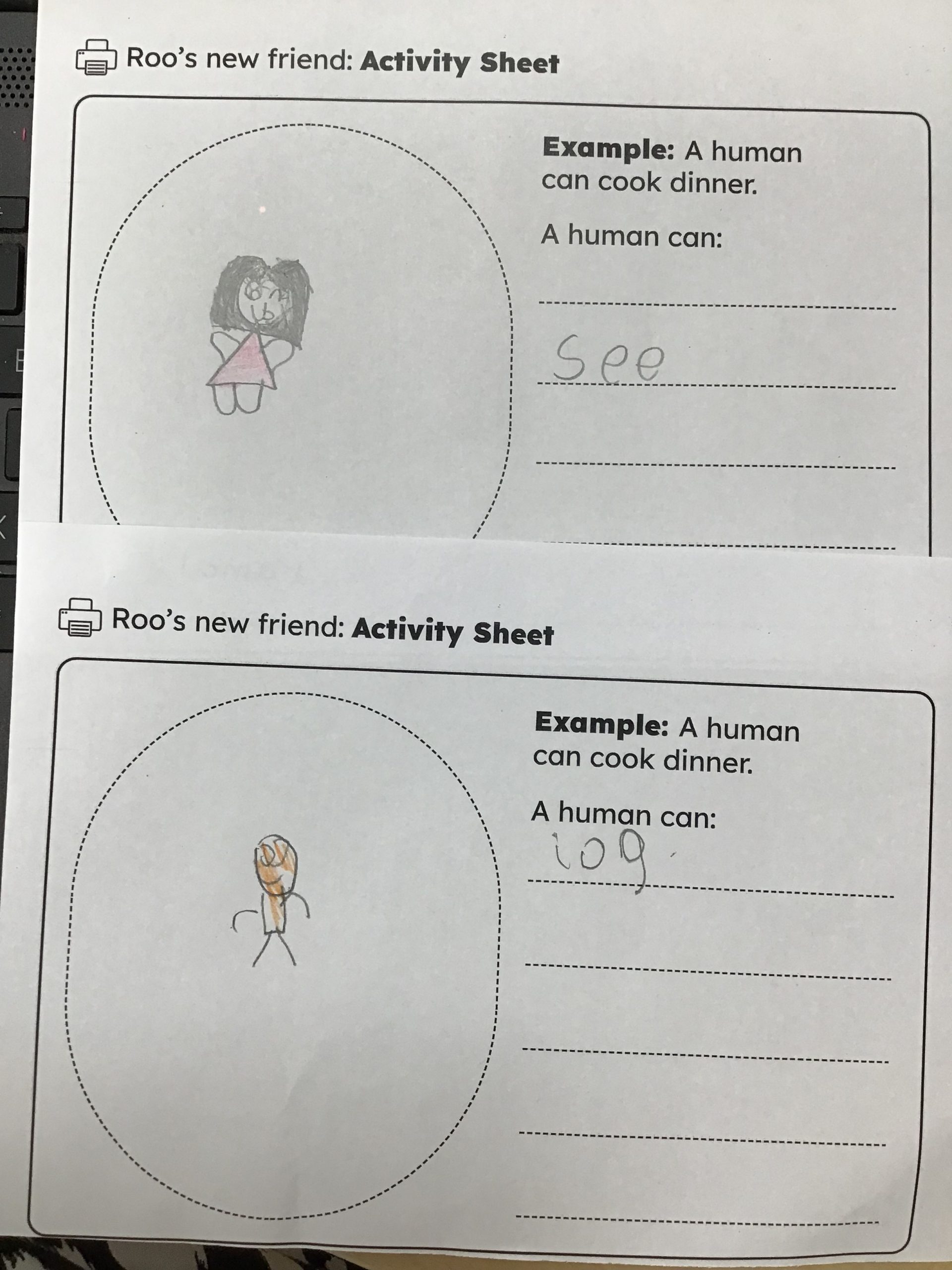
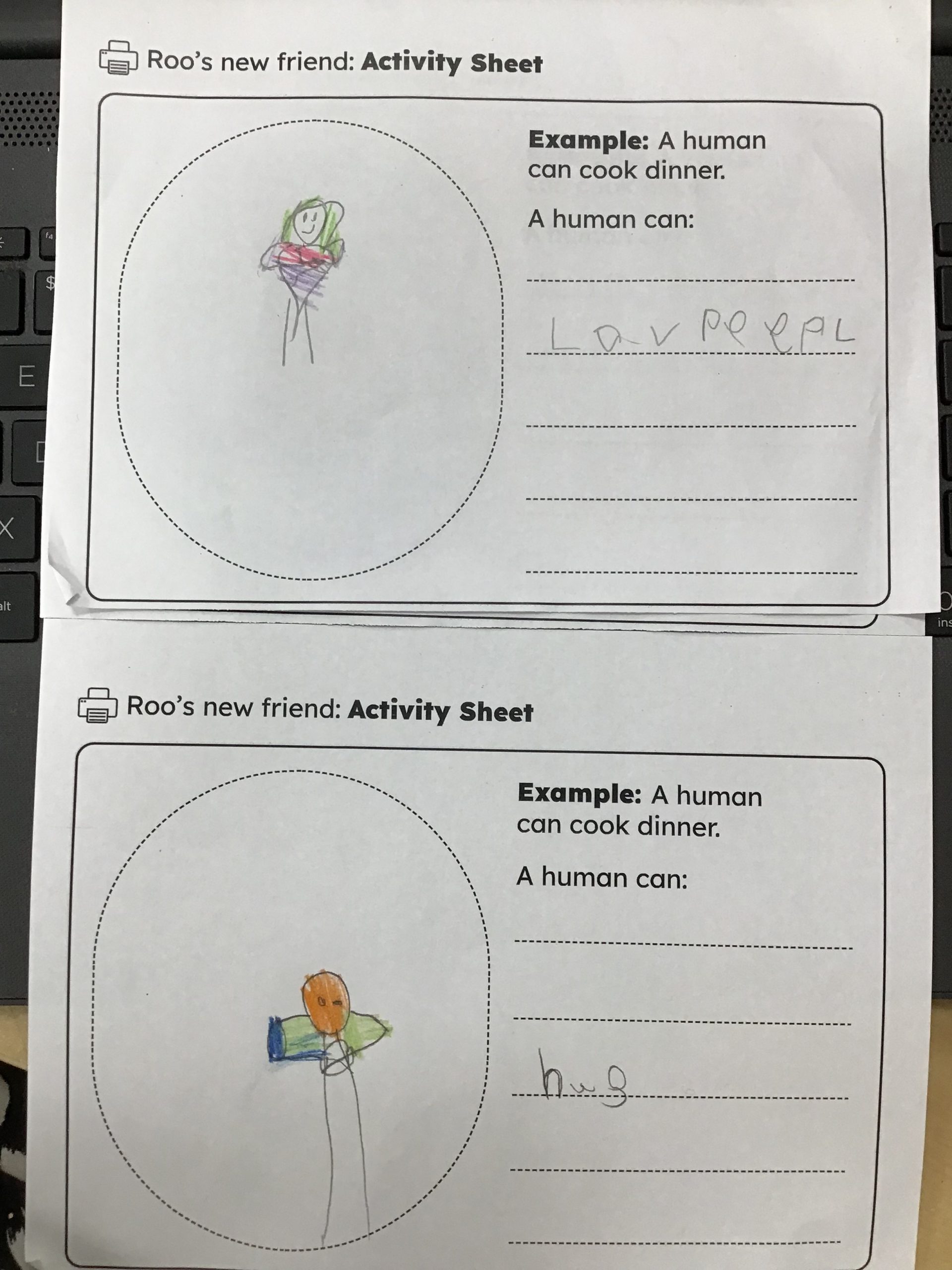
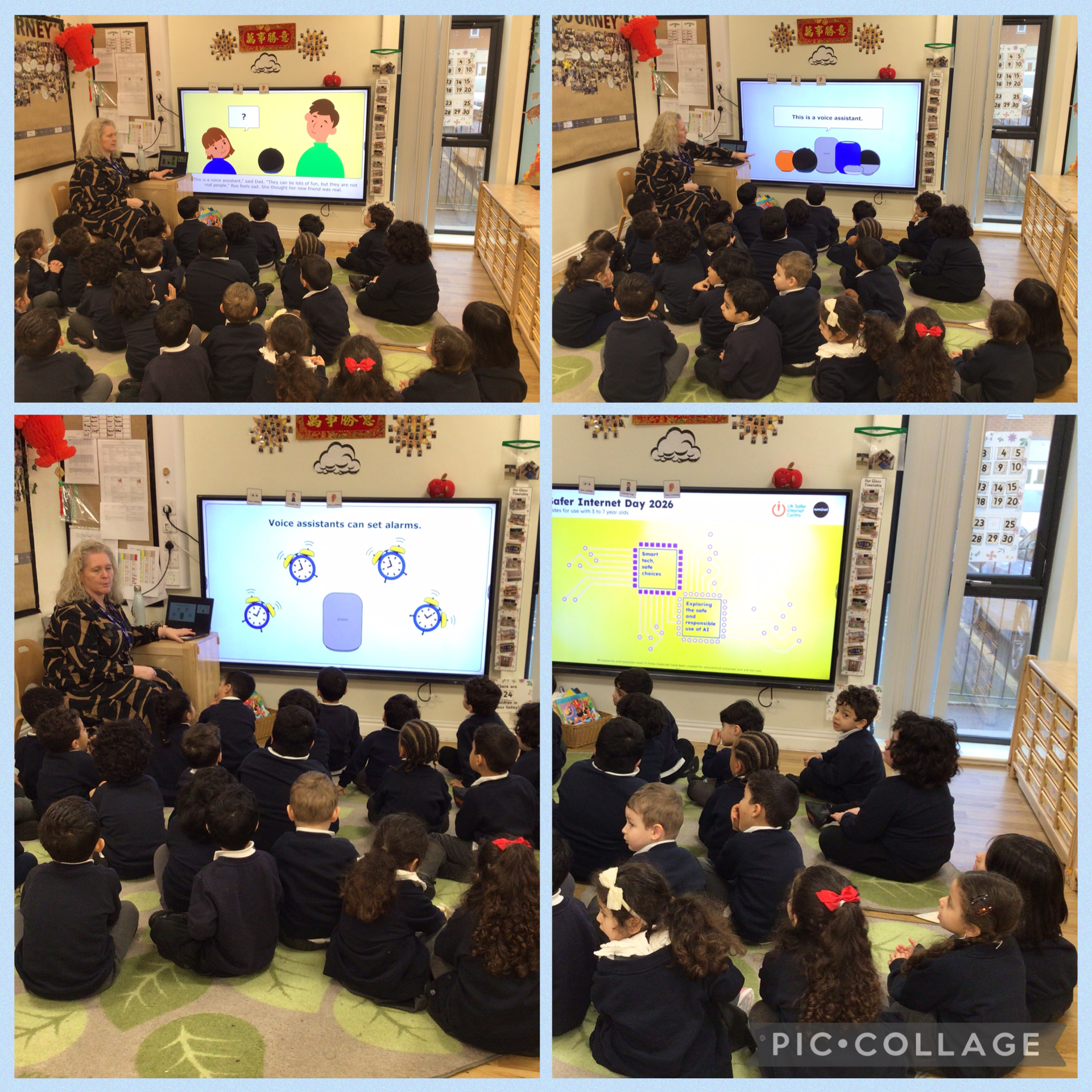
For Safer Internet Day we learnt about voice assistants, which are a type of computer program. We learnt about what they can and can’t do. We then compared to humans and what they can do. The important thing to remember is that voice assistants are not real people.
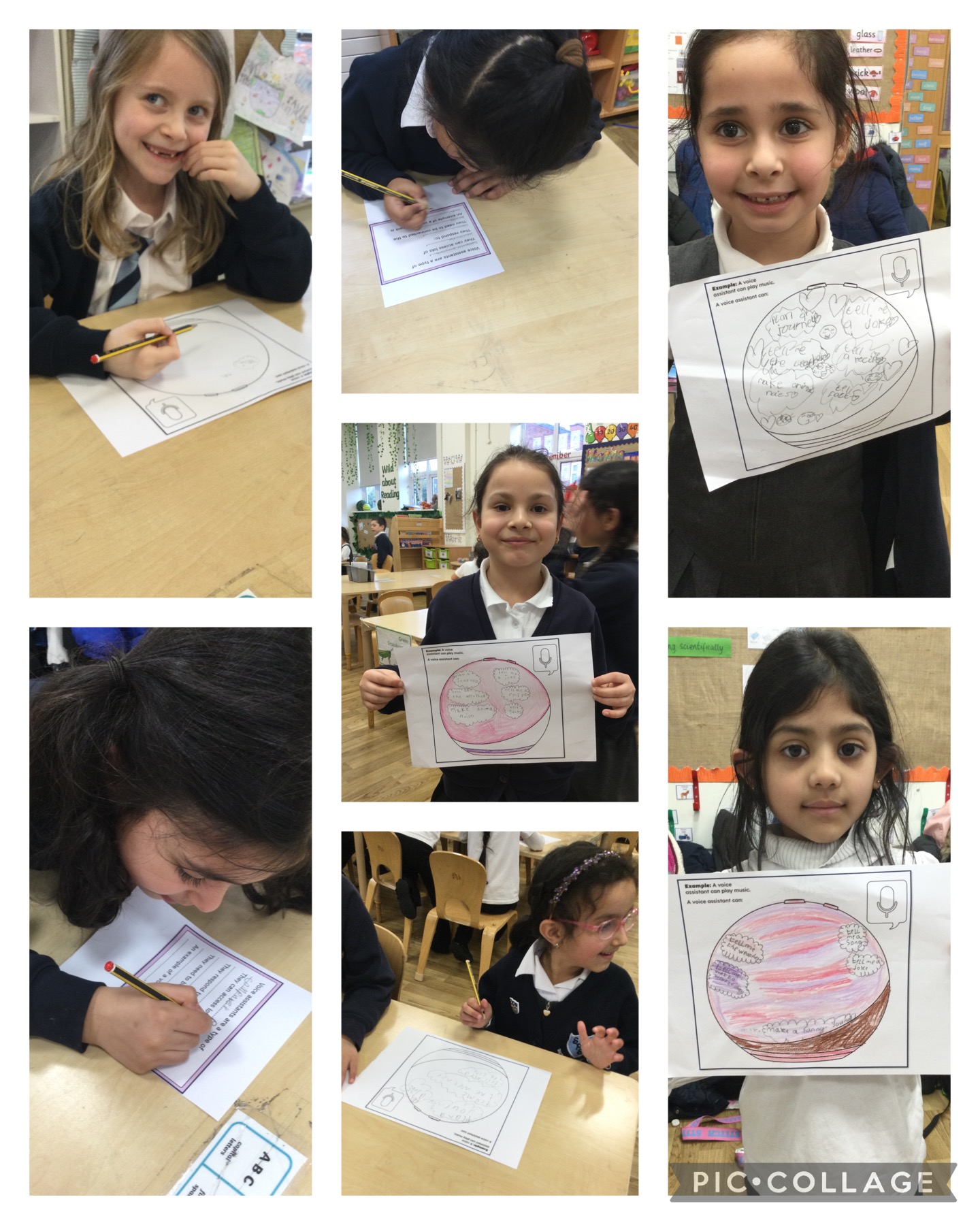
For safer internet day we looked at how to use AI safely and who our trusted adults are.
23
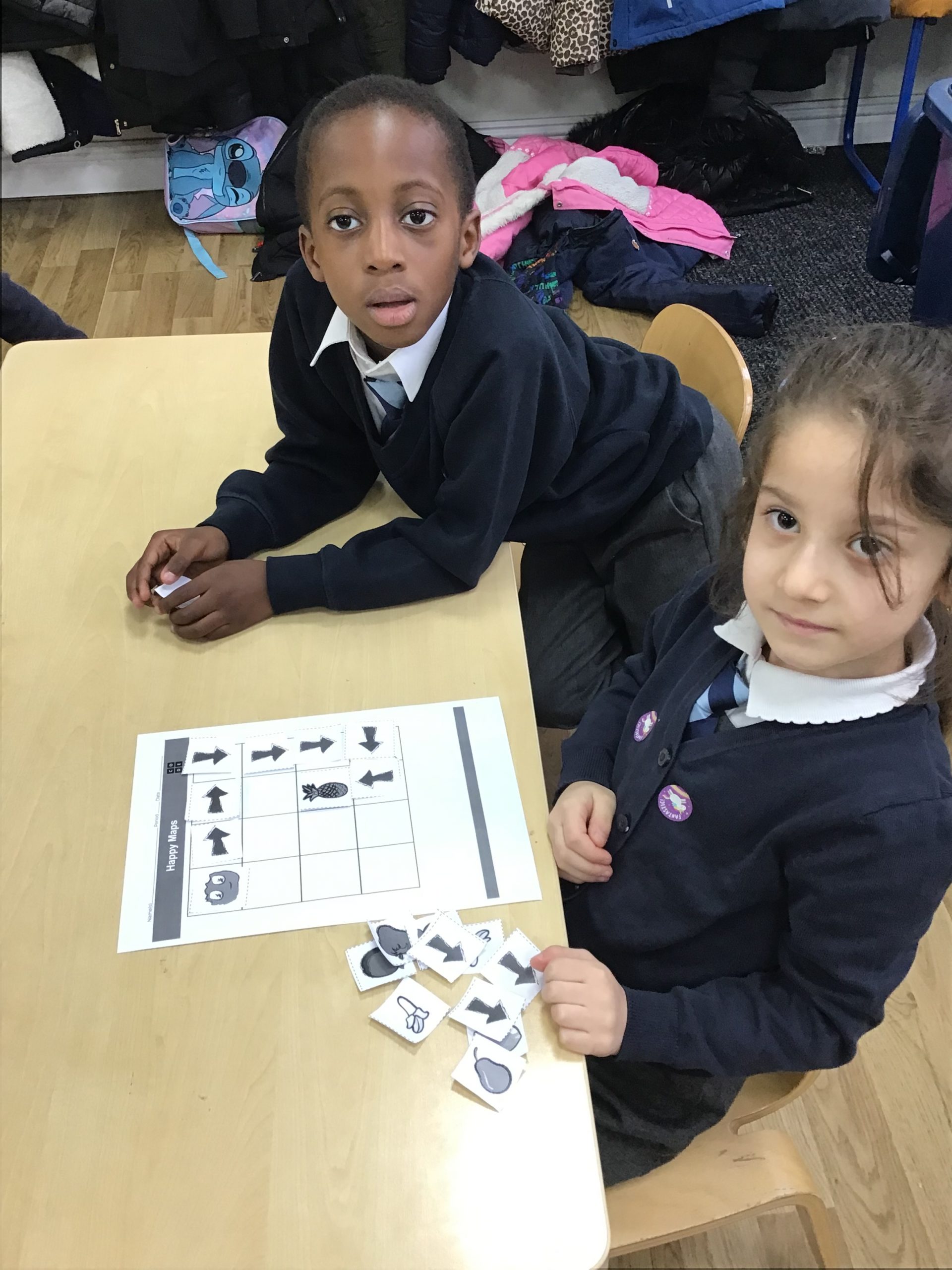
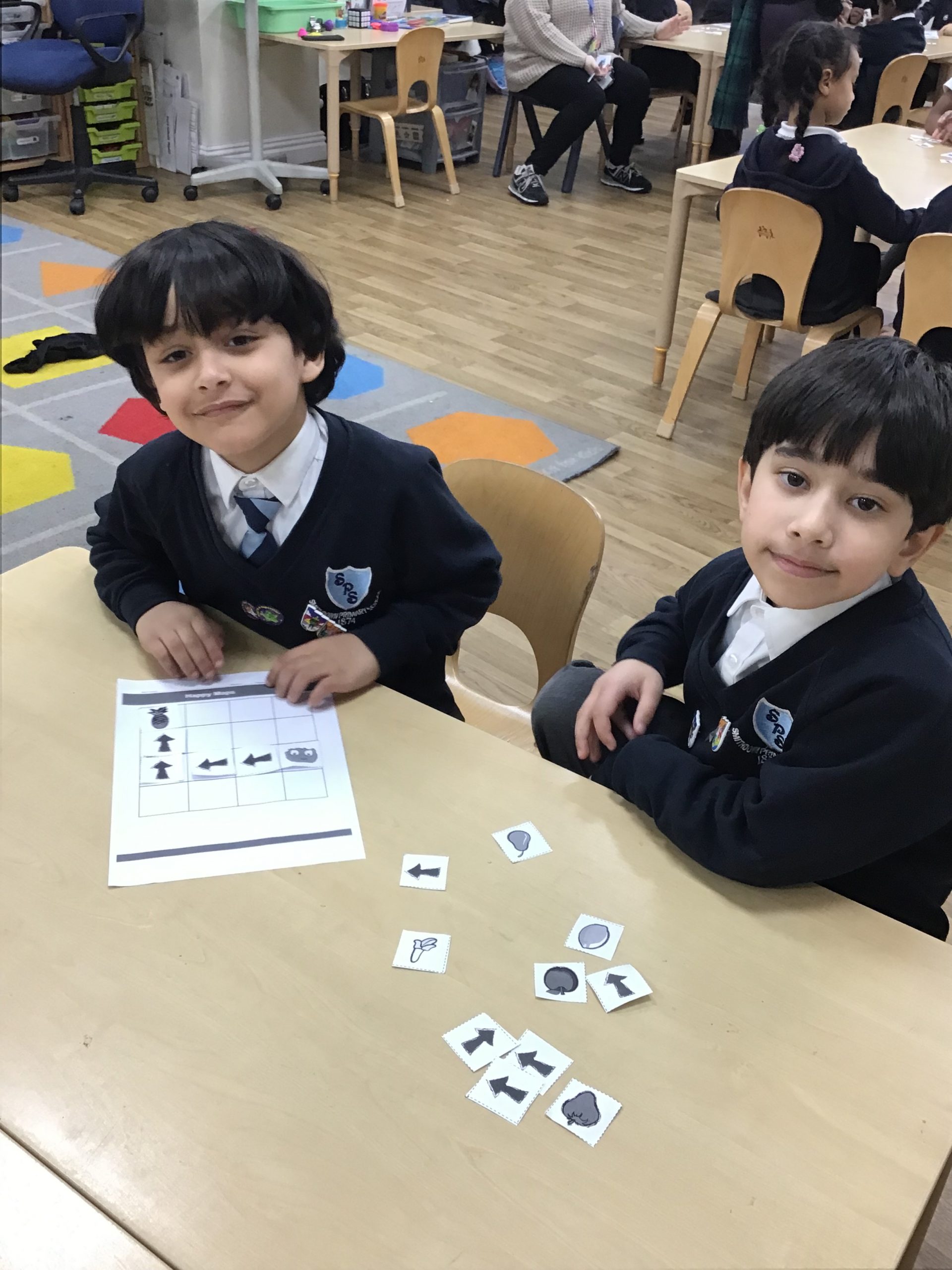
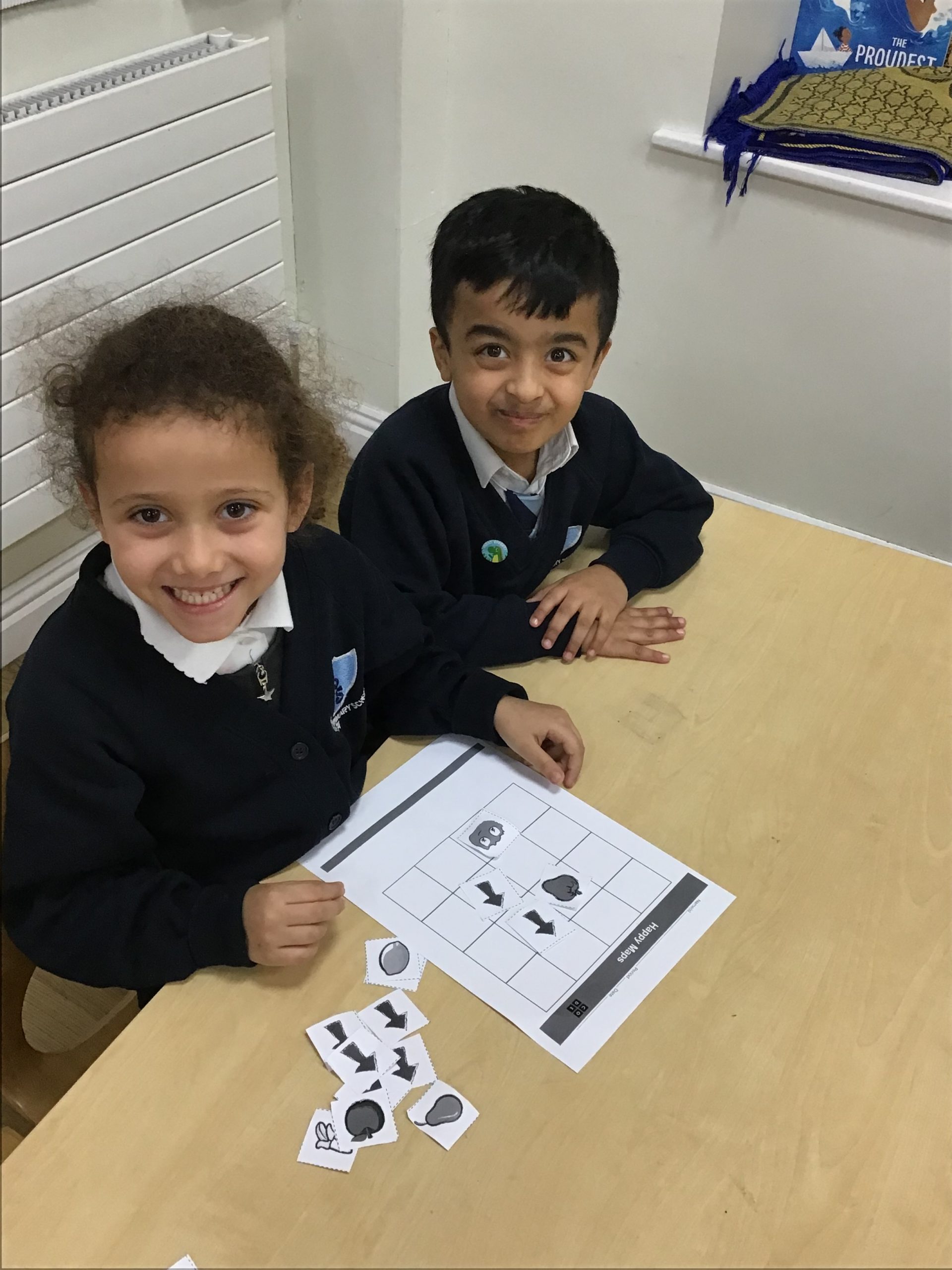
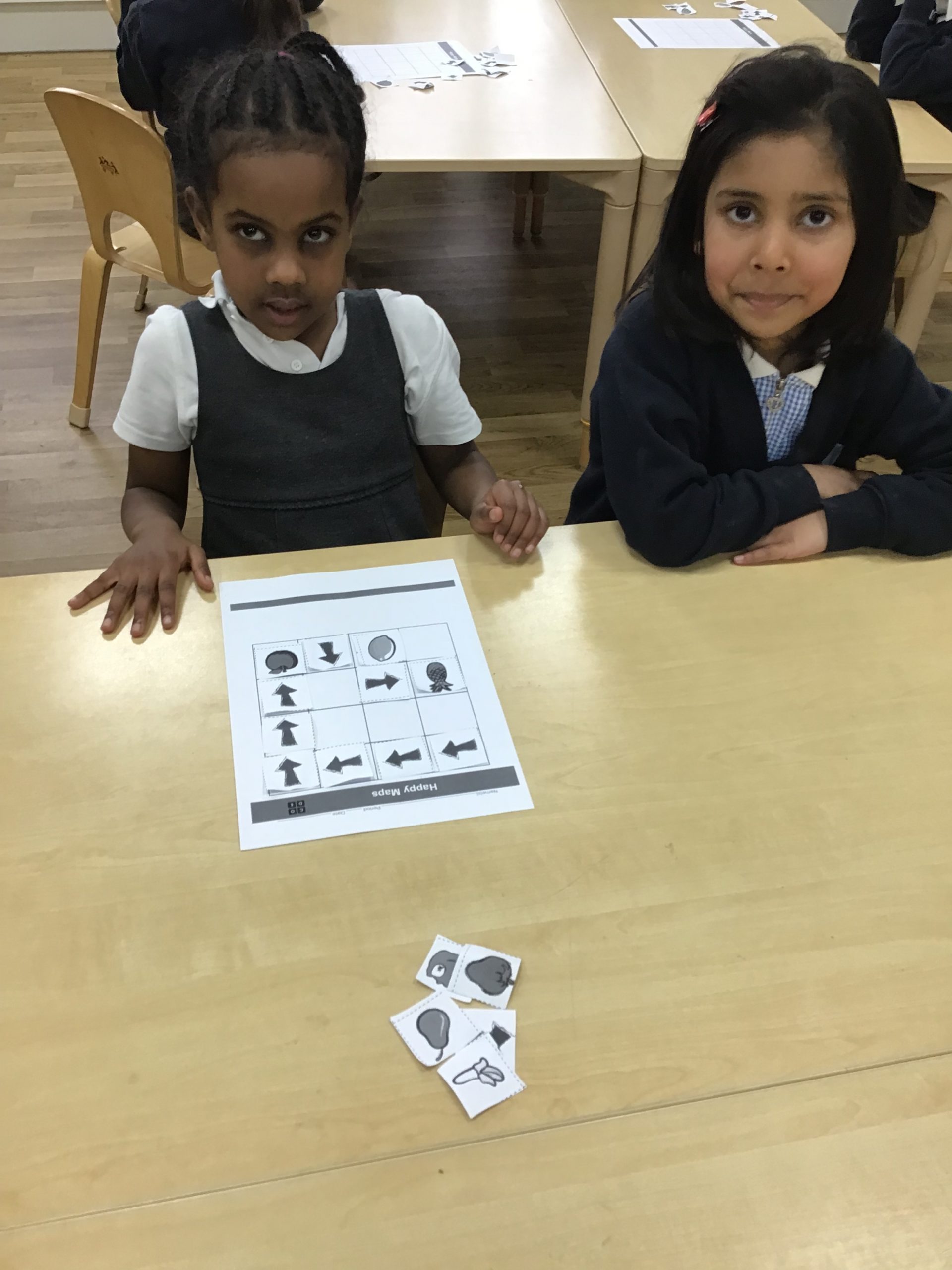
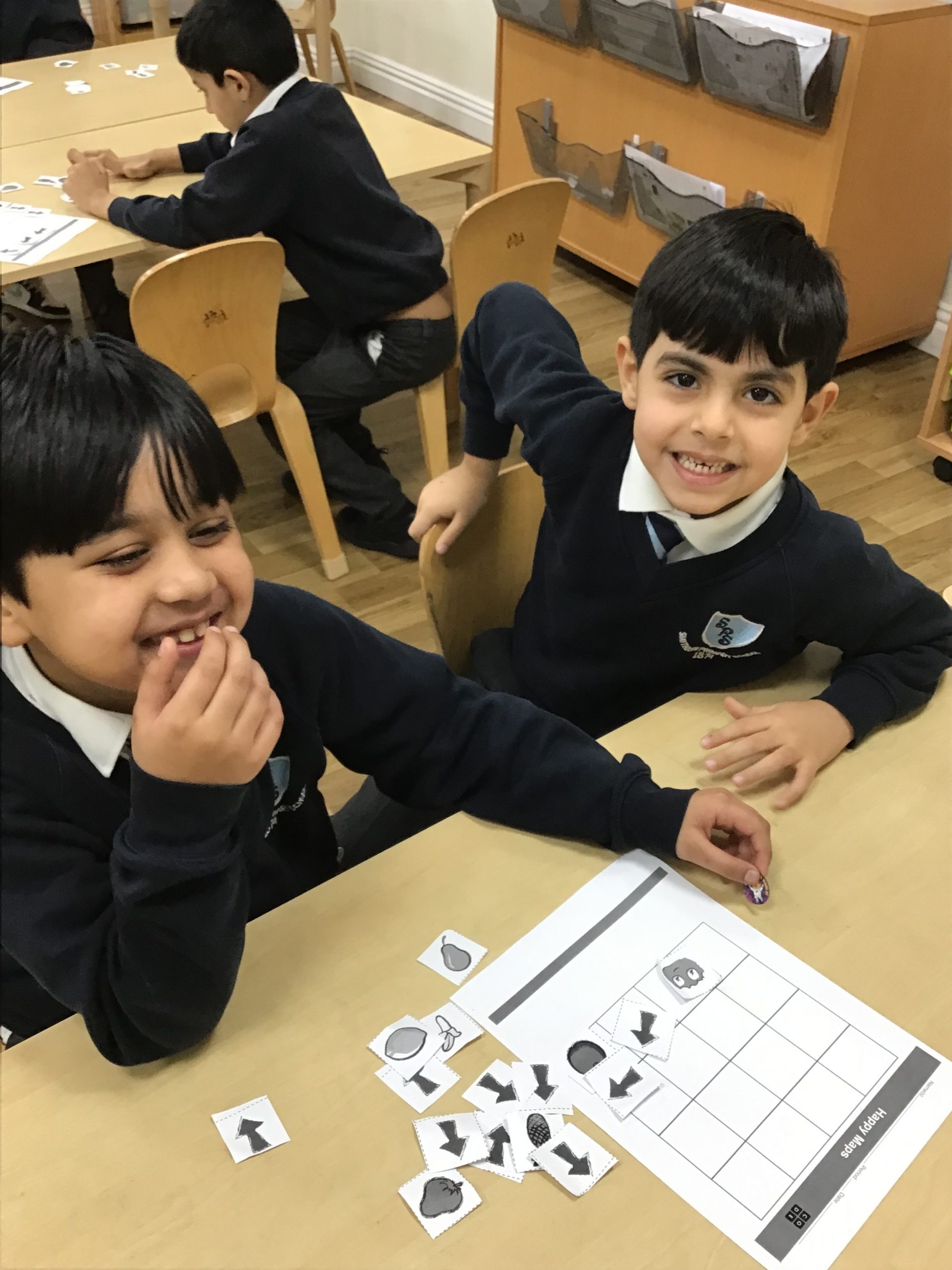
We have been practicing making an algorithm. We had to move around the grid to get to the fruit.
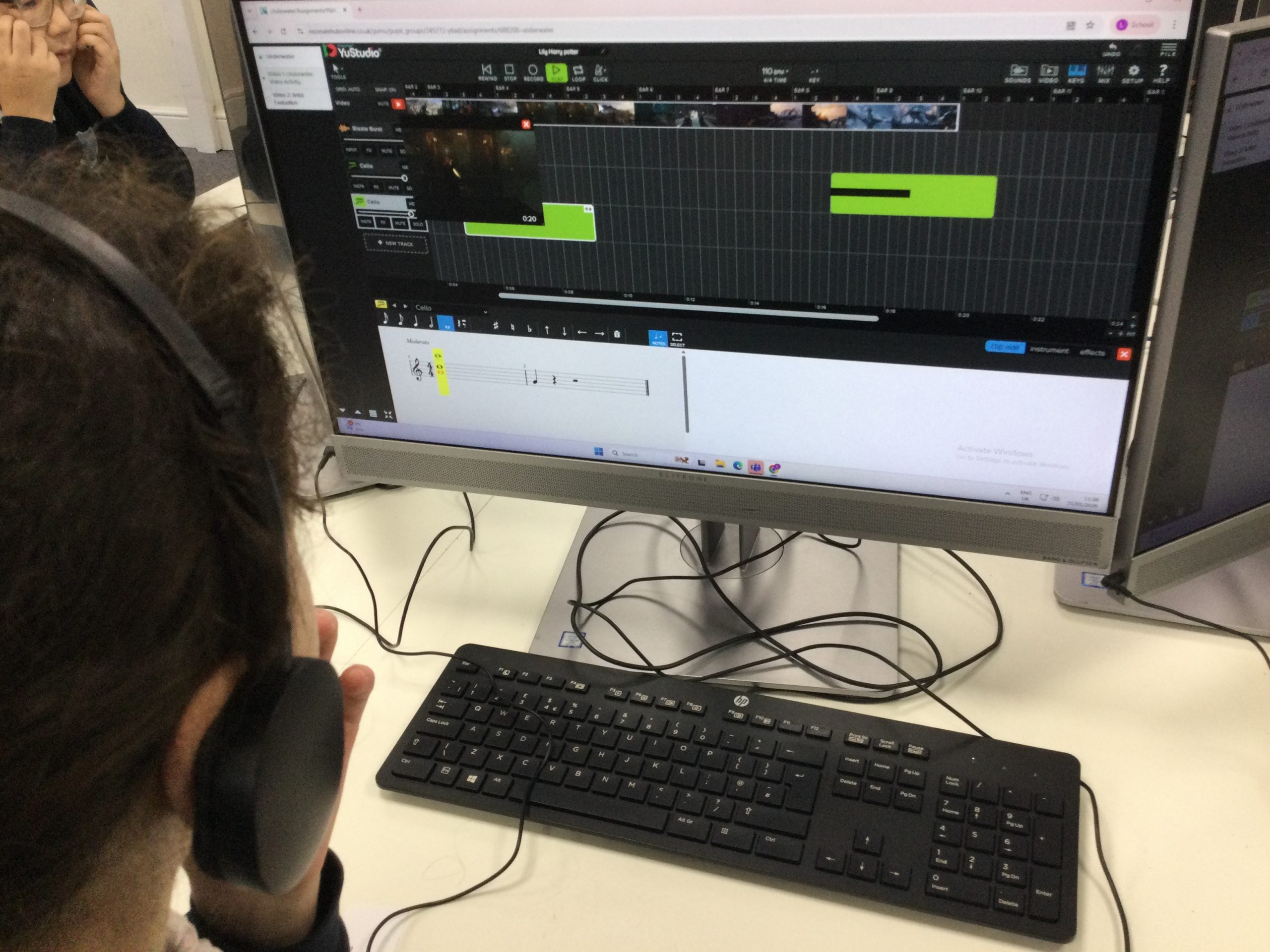
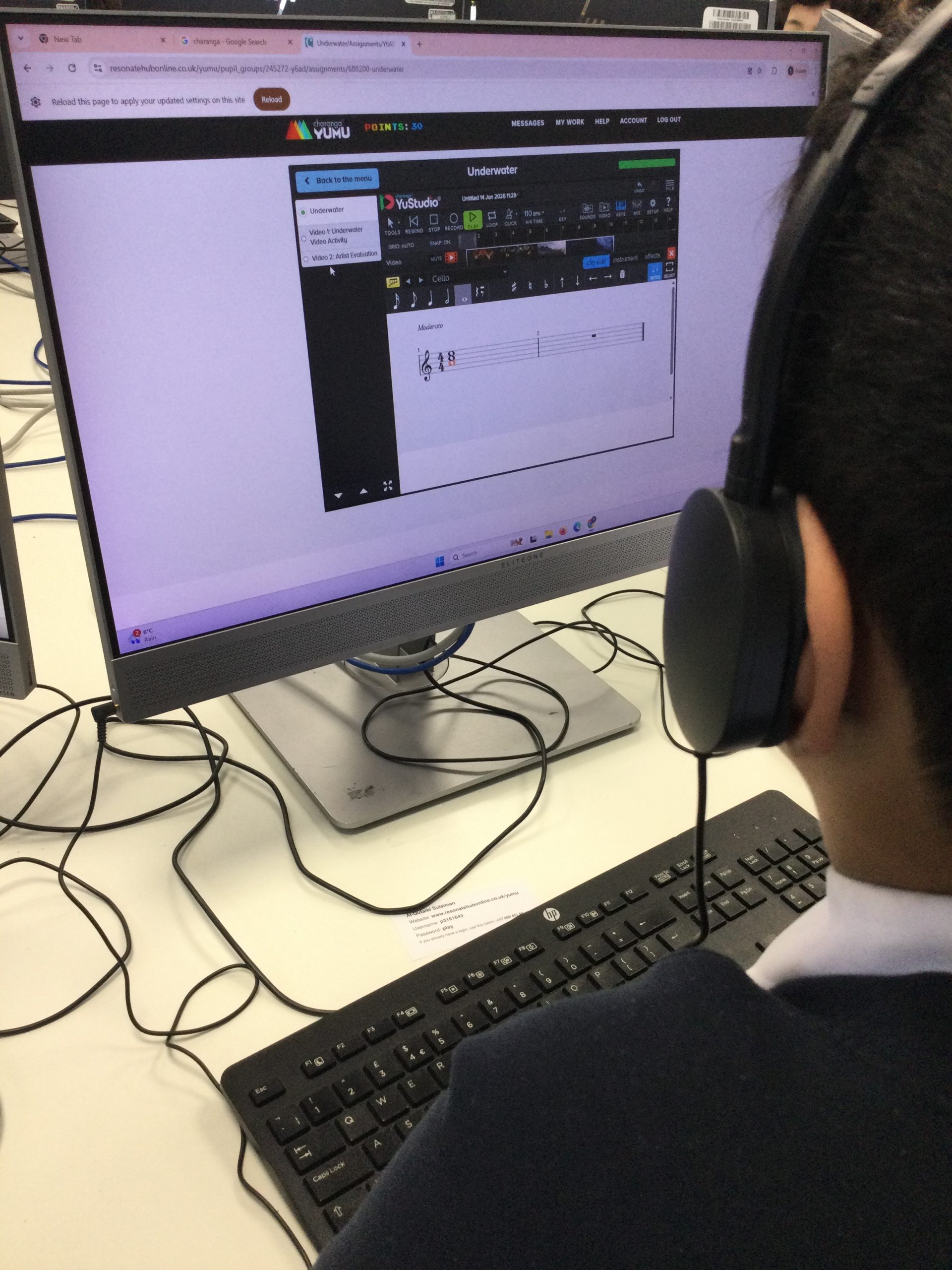
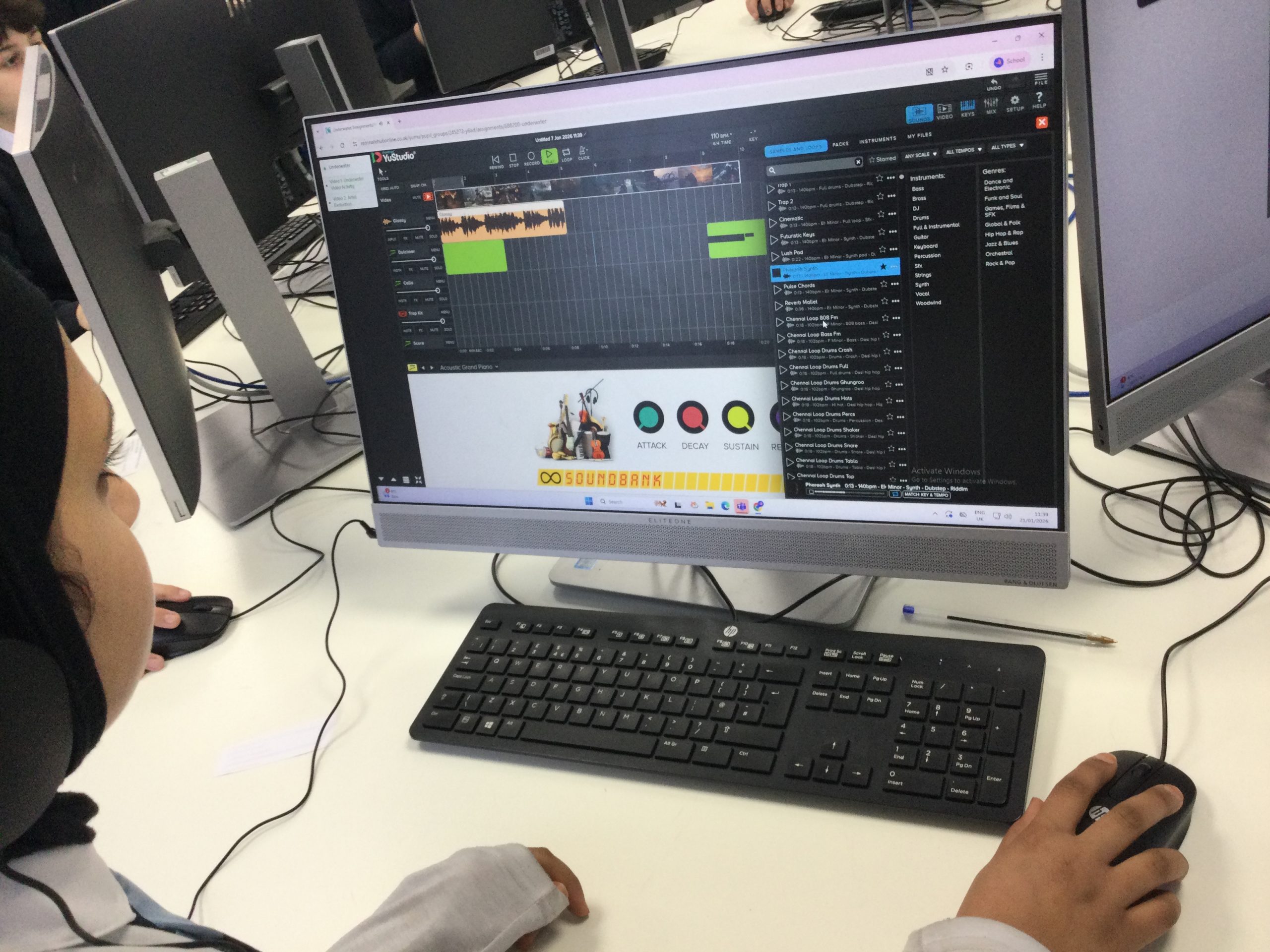
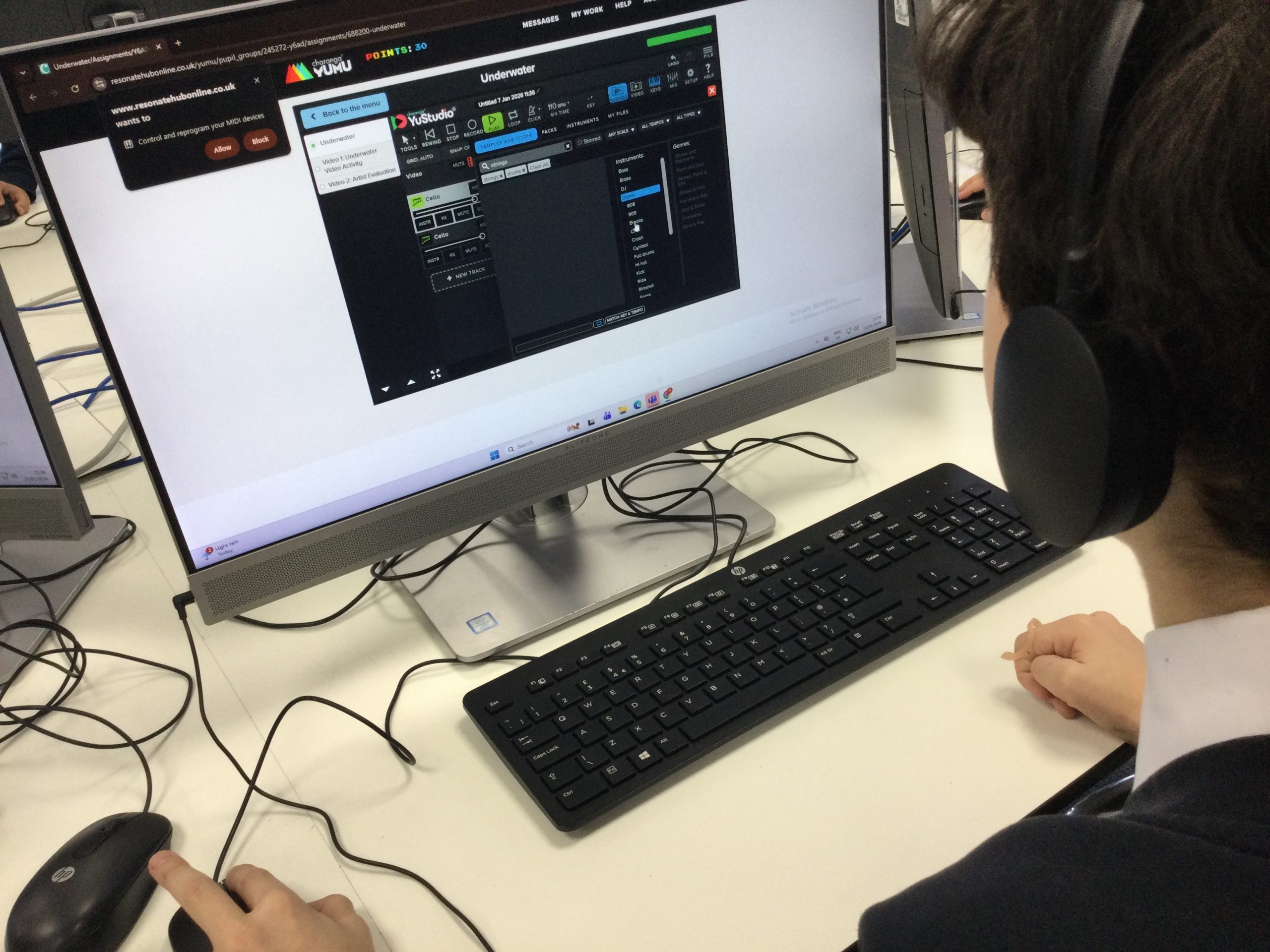
We are learning how to use a software programme to compose music to suit a film soundtrack / scene.
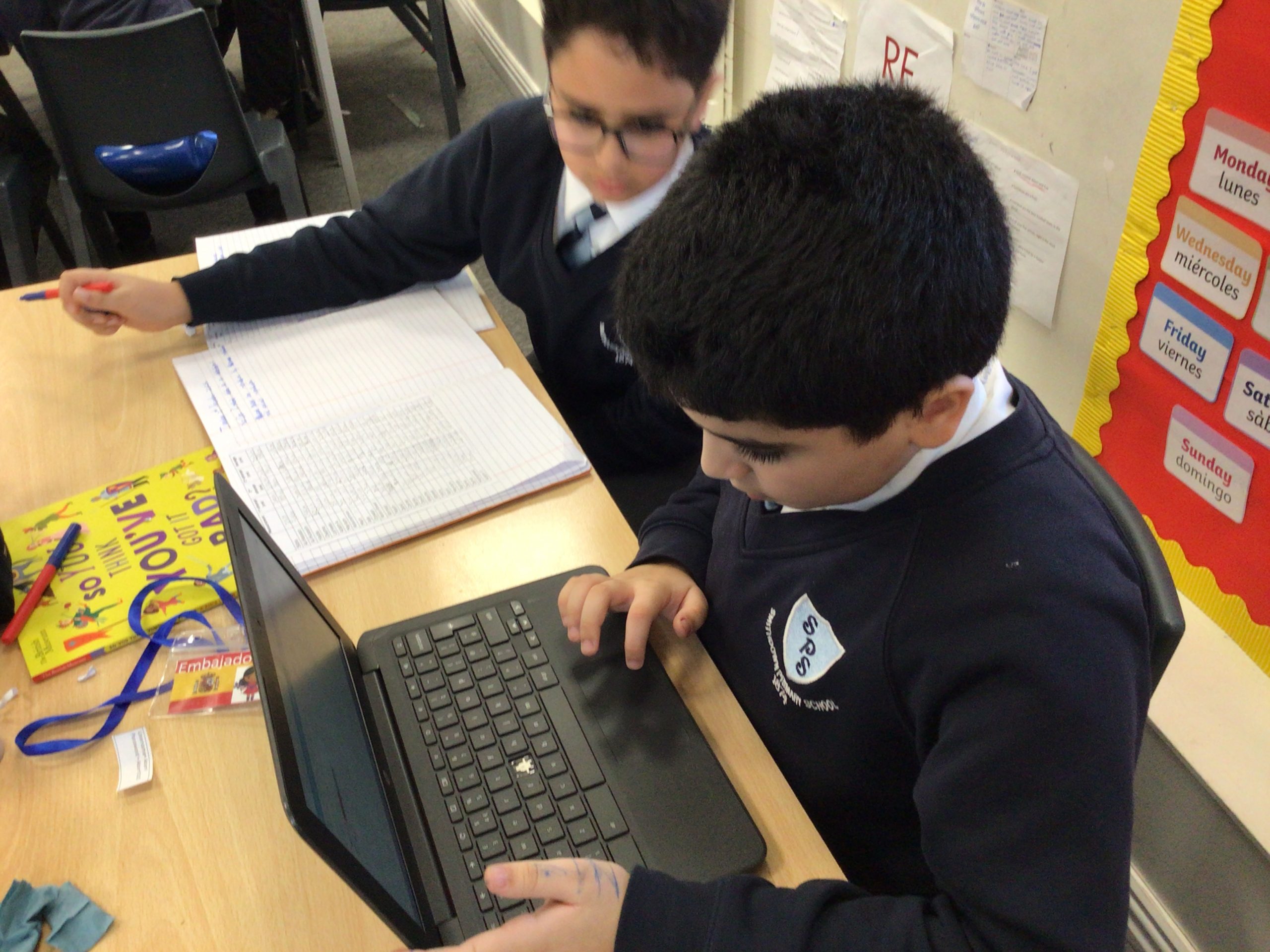
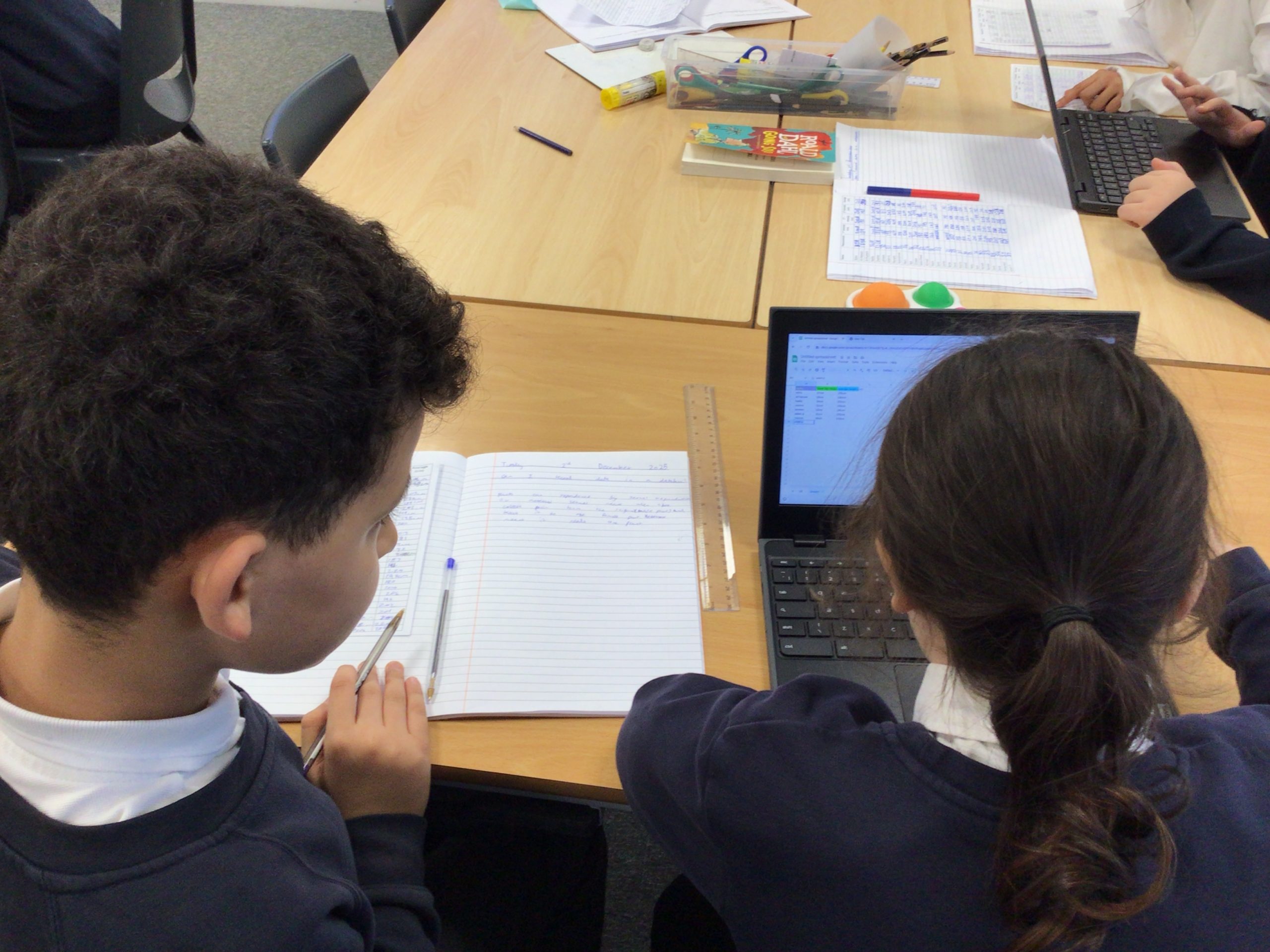
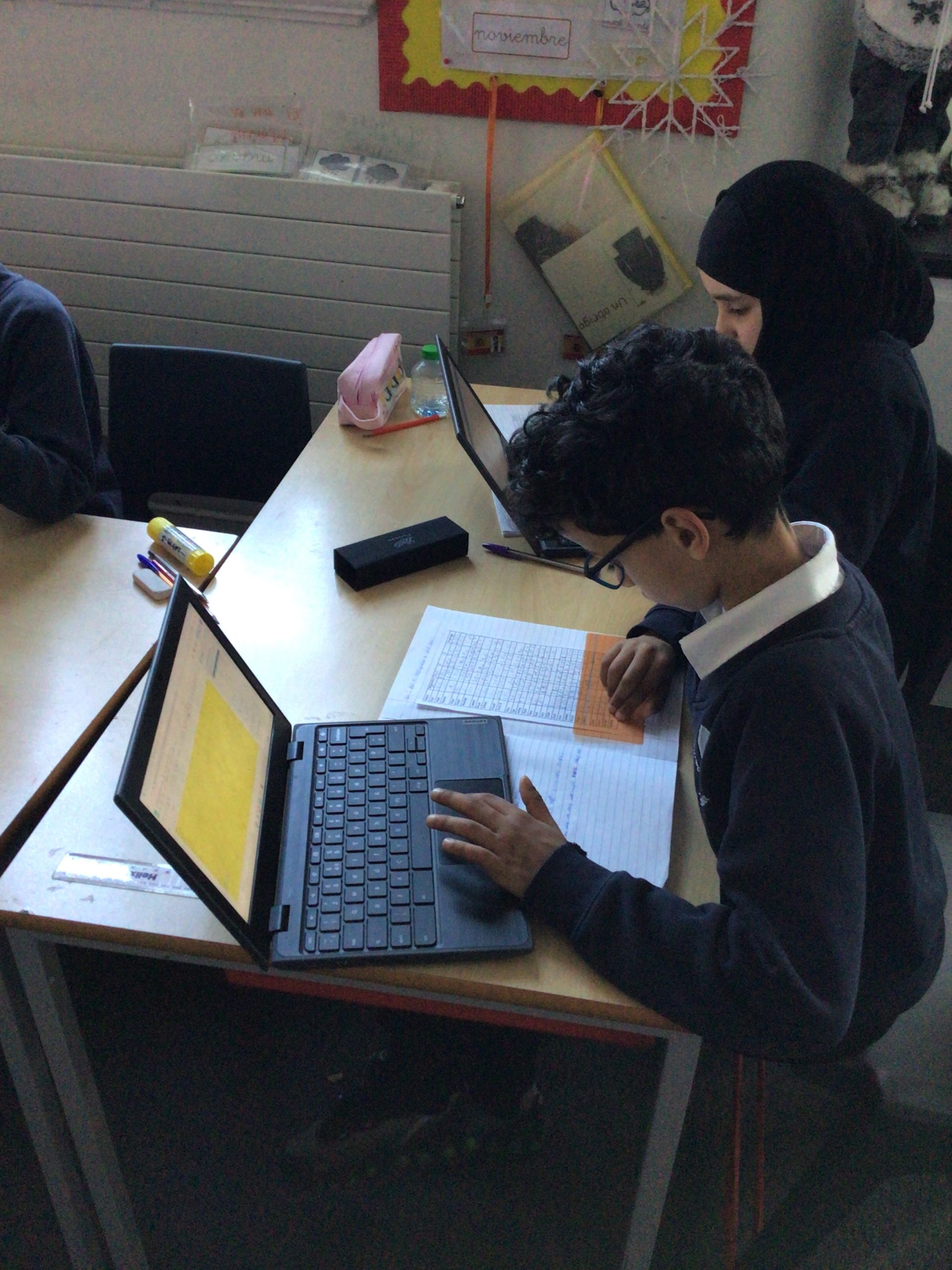
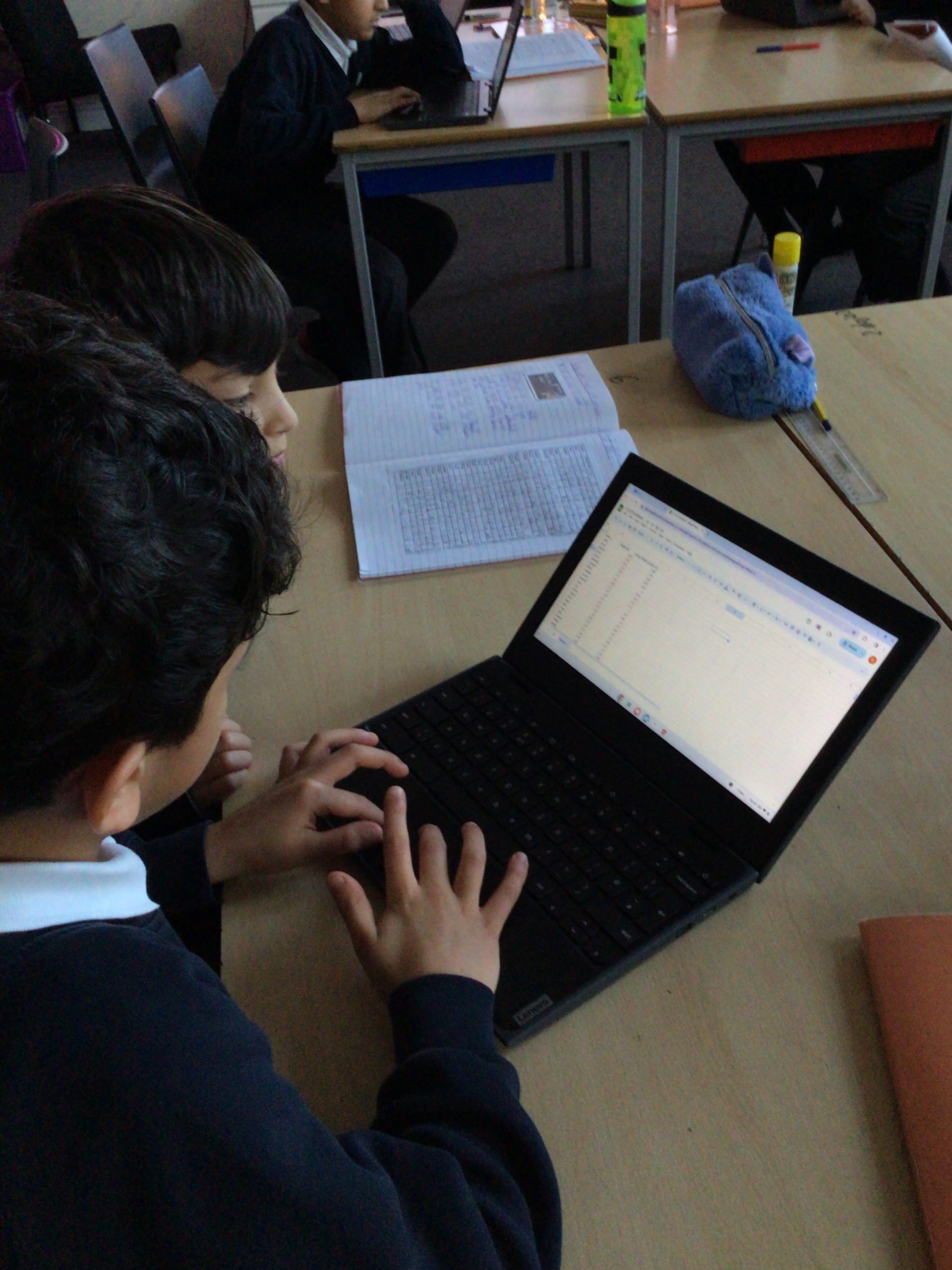
Today we have used data from our investigation to create a database on Google Sheets. We used the database to answer questions such as ‘Who jumped the highest?’ And ‘Who jumped higher than 1.9m’. 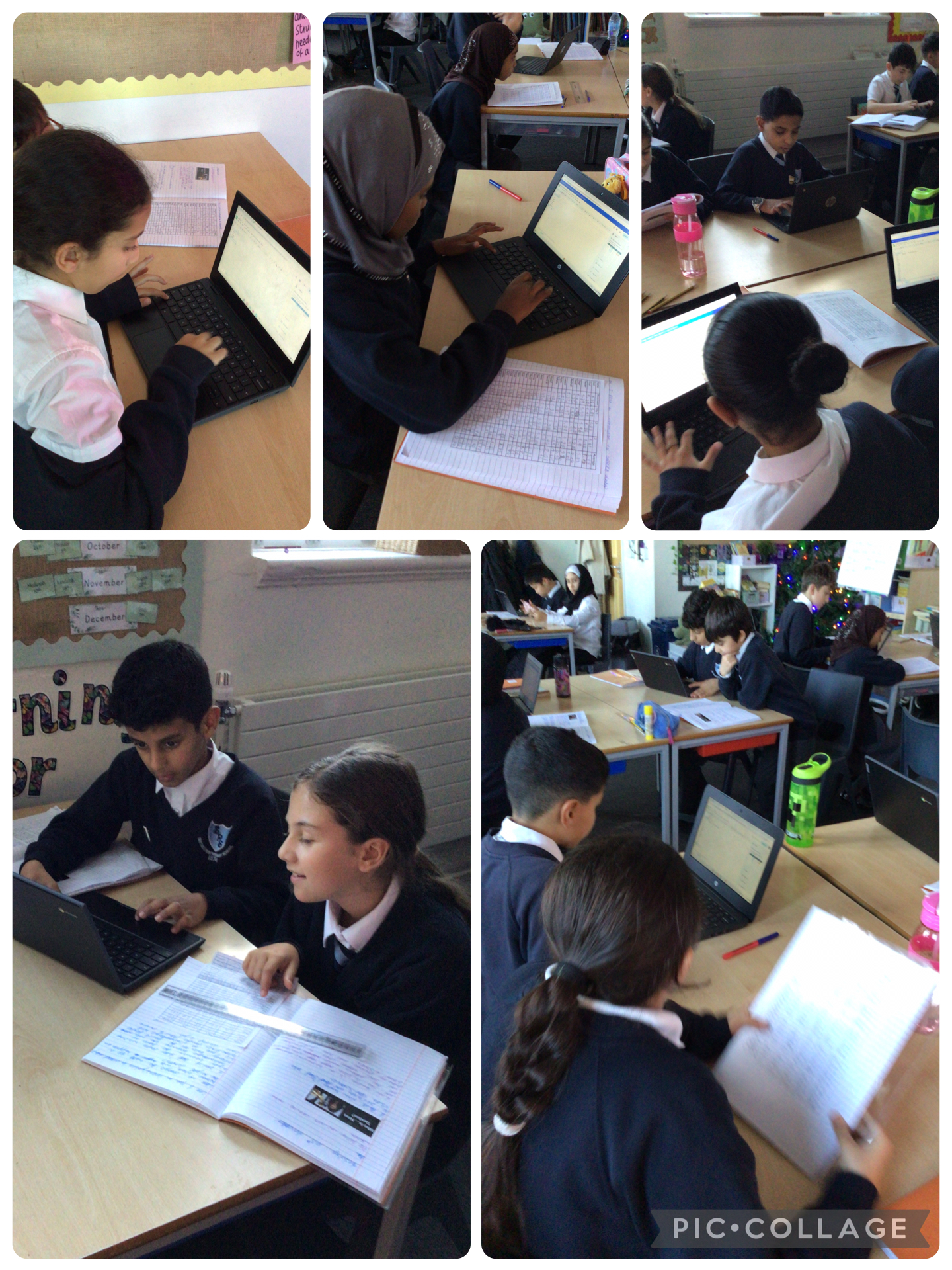
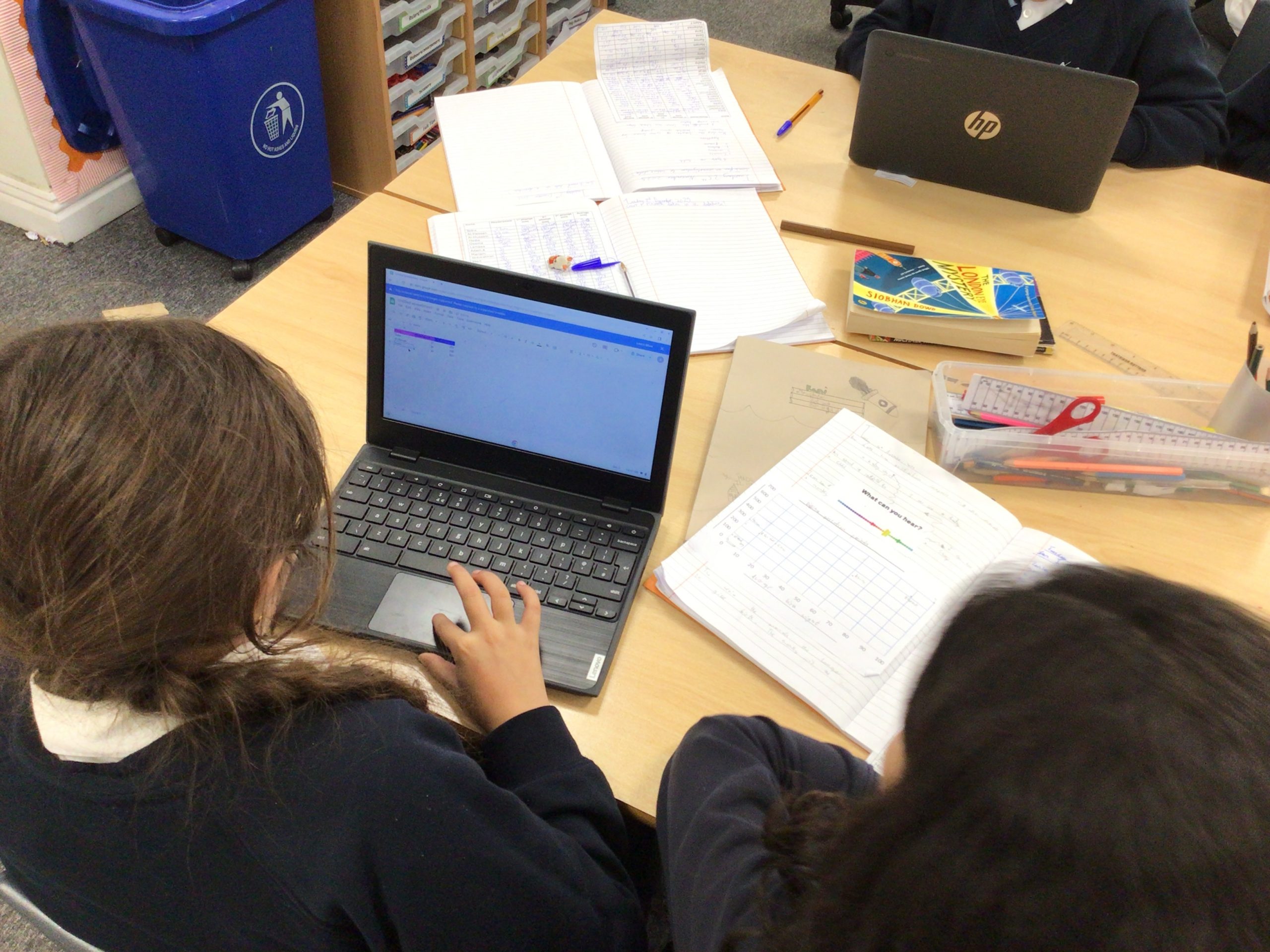
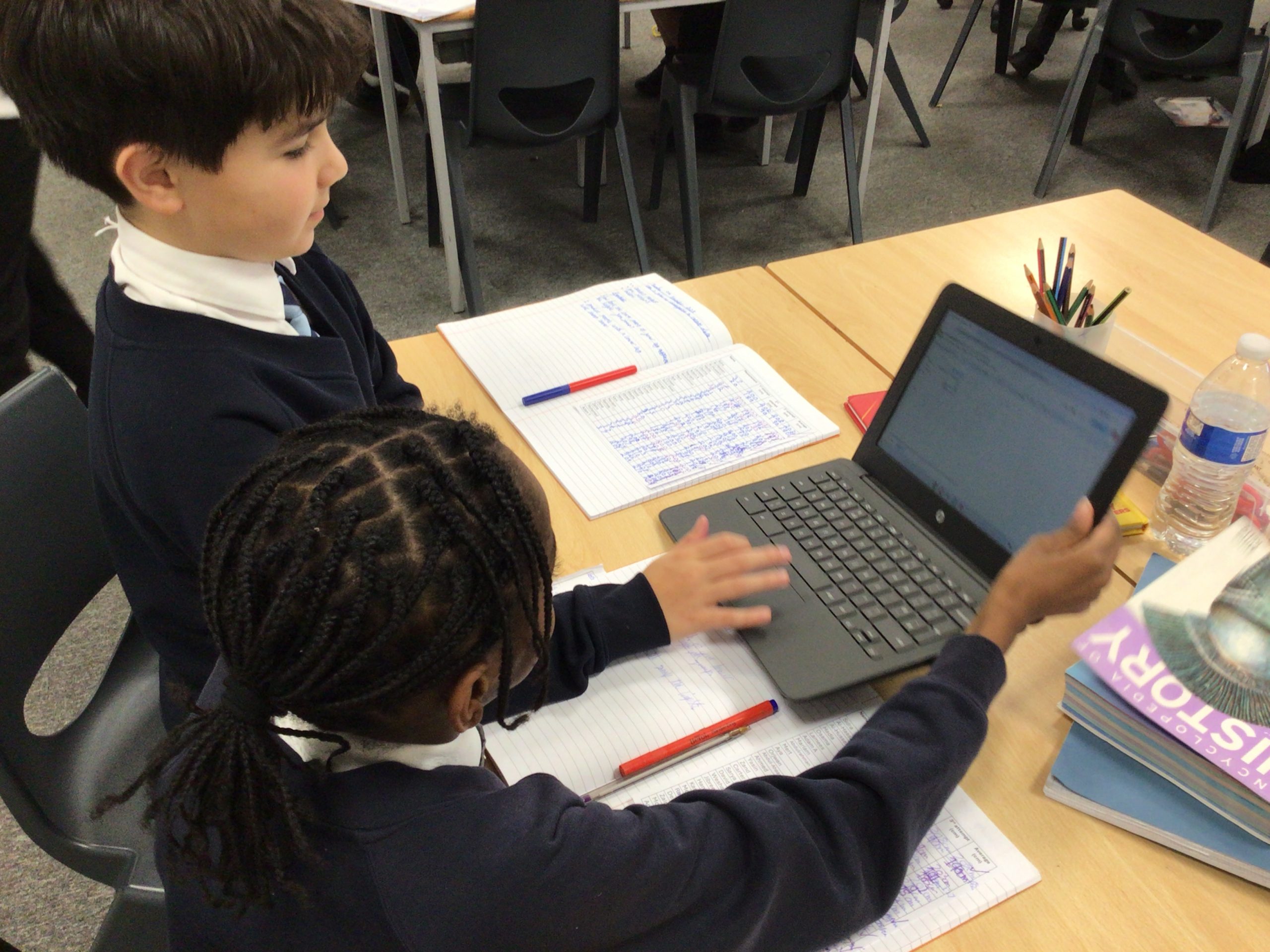
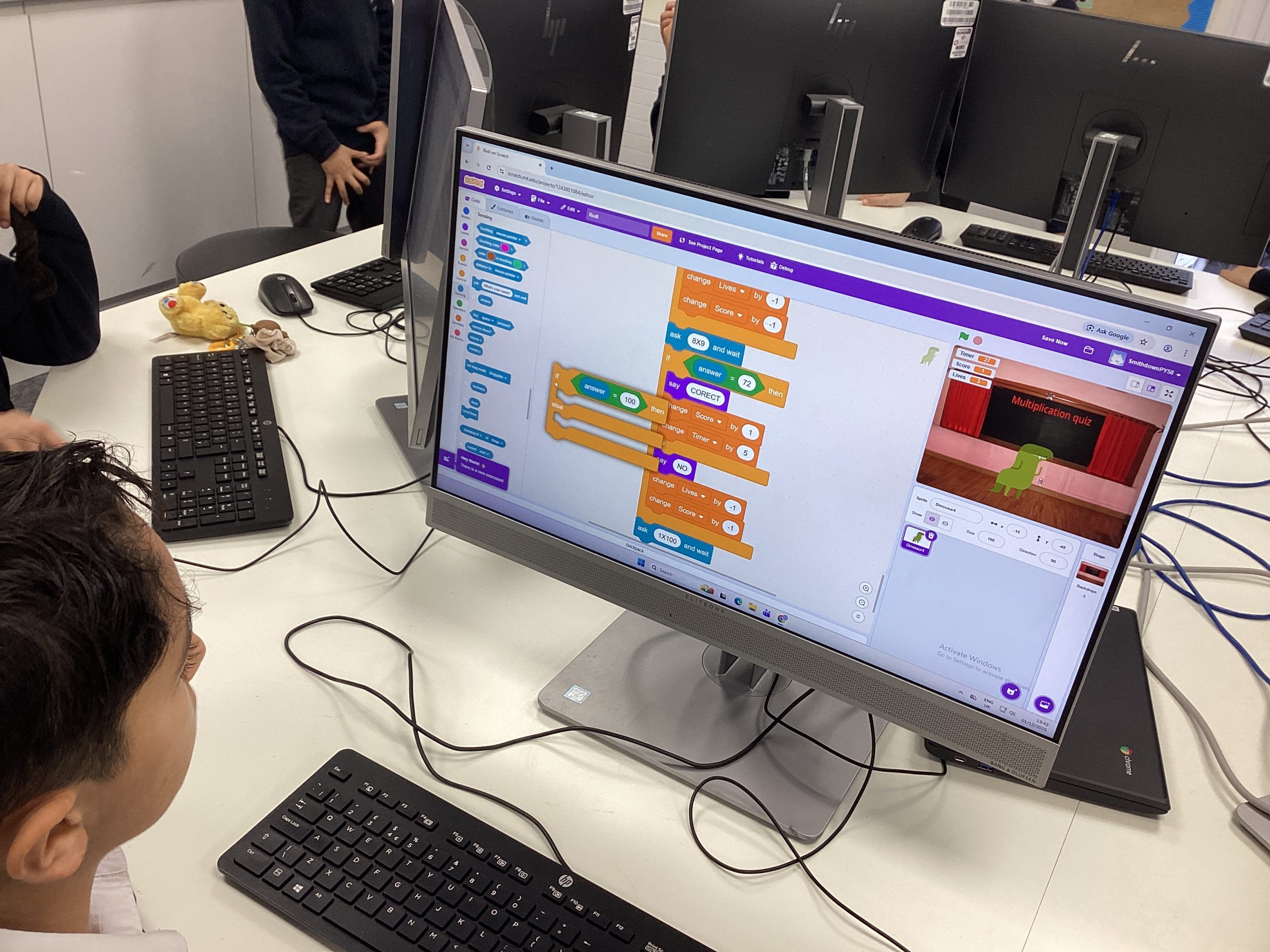
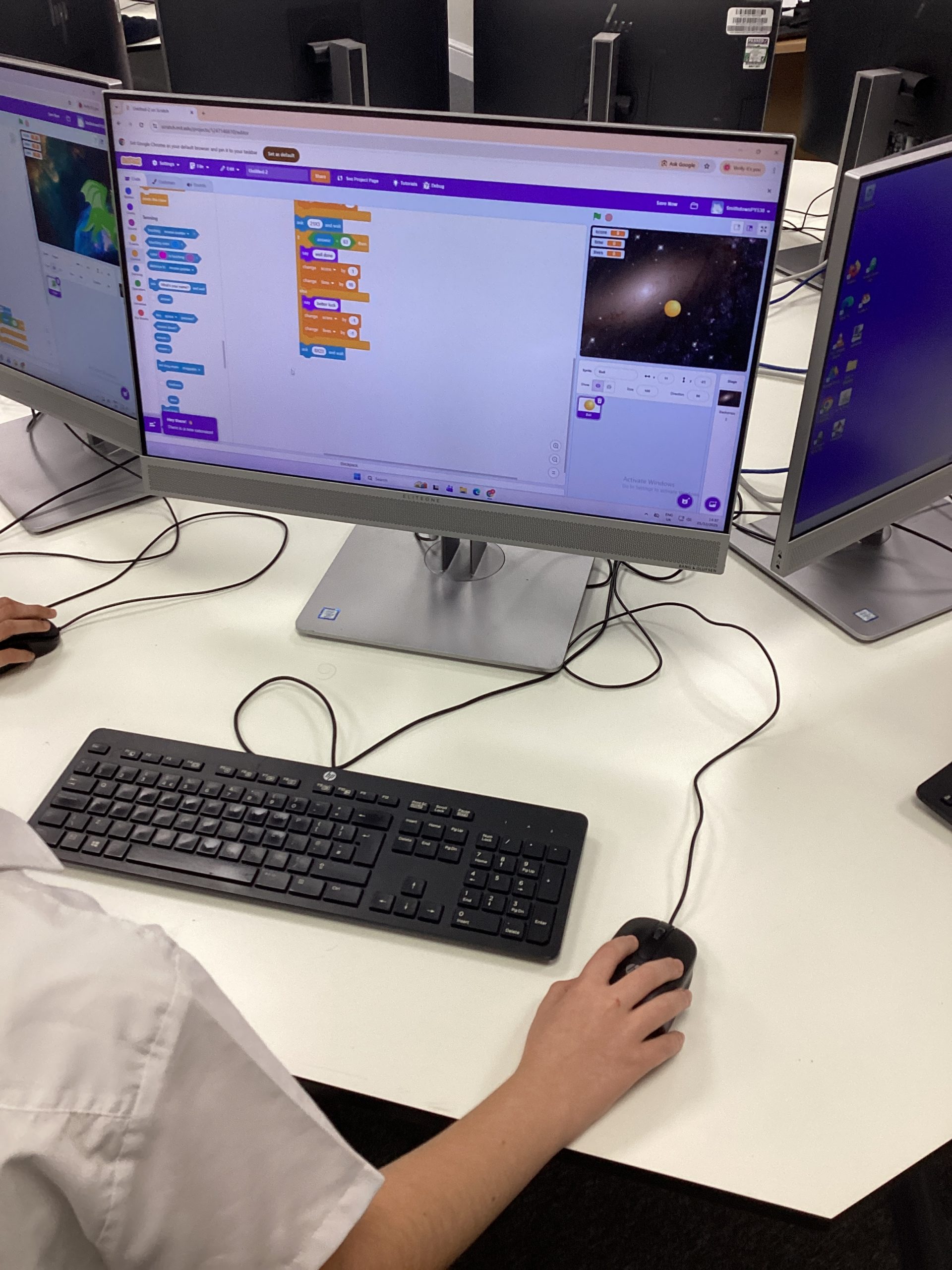
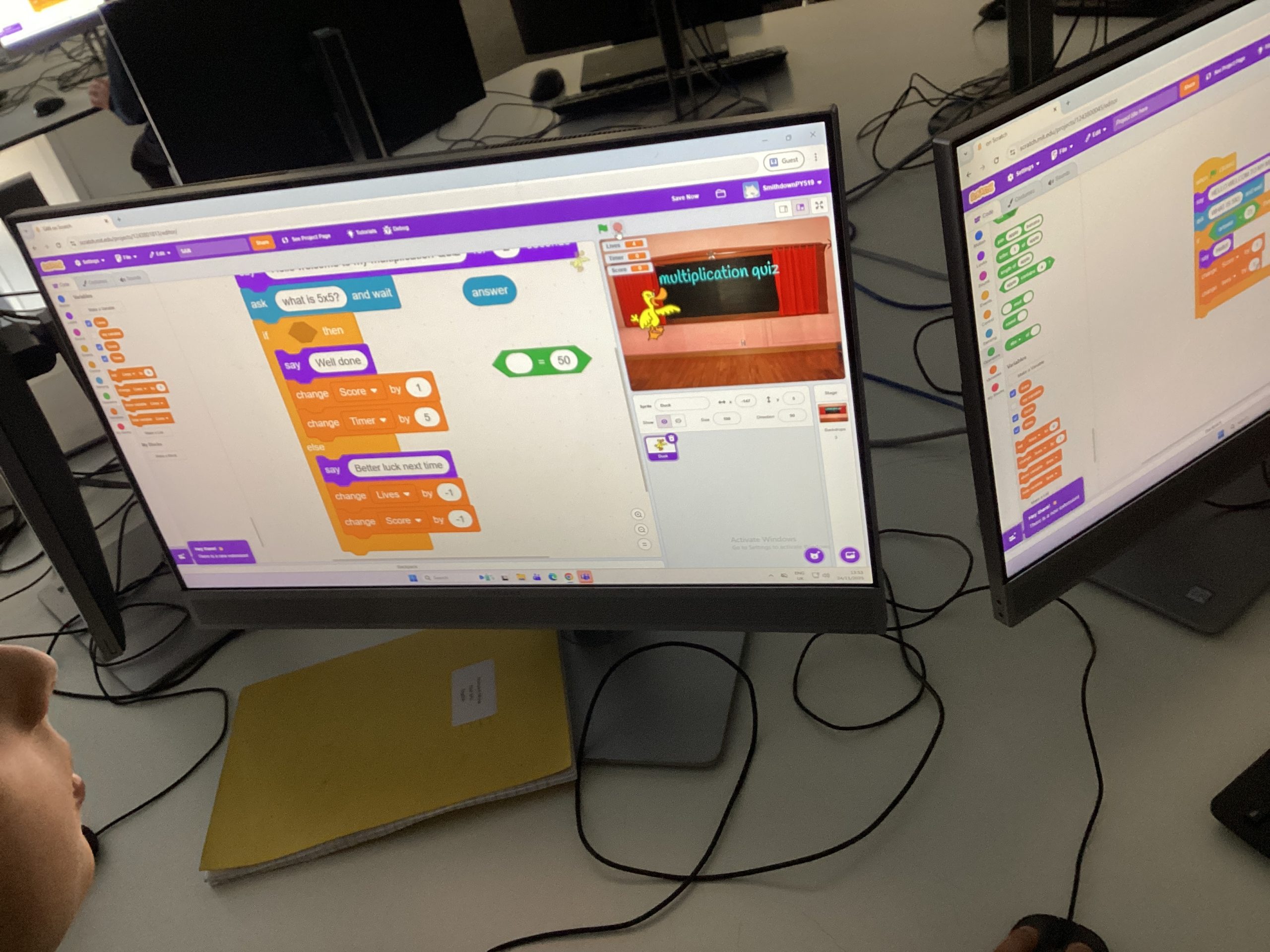
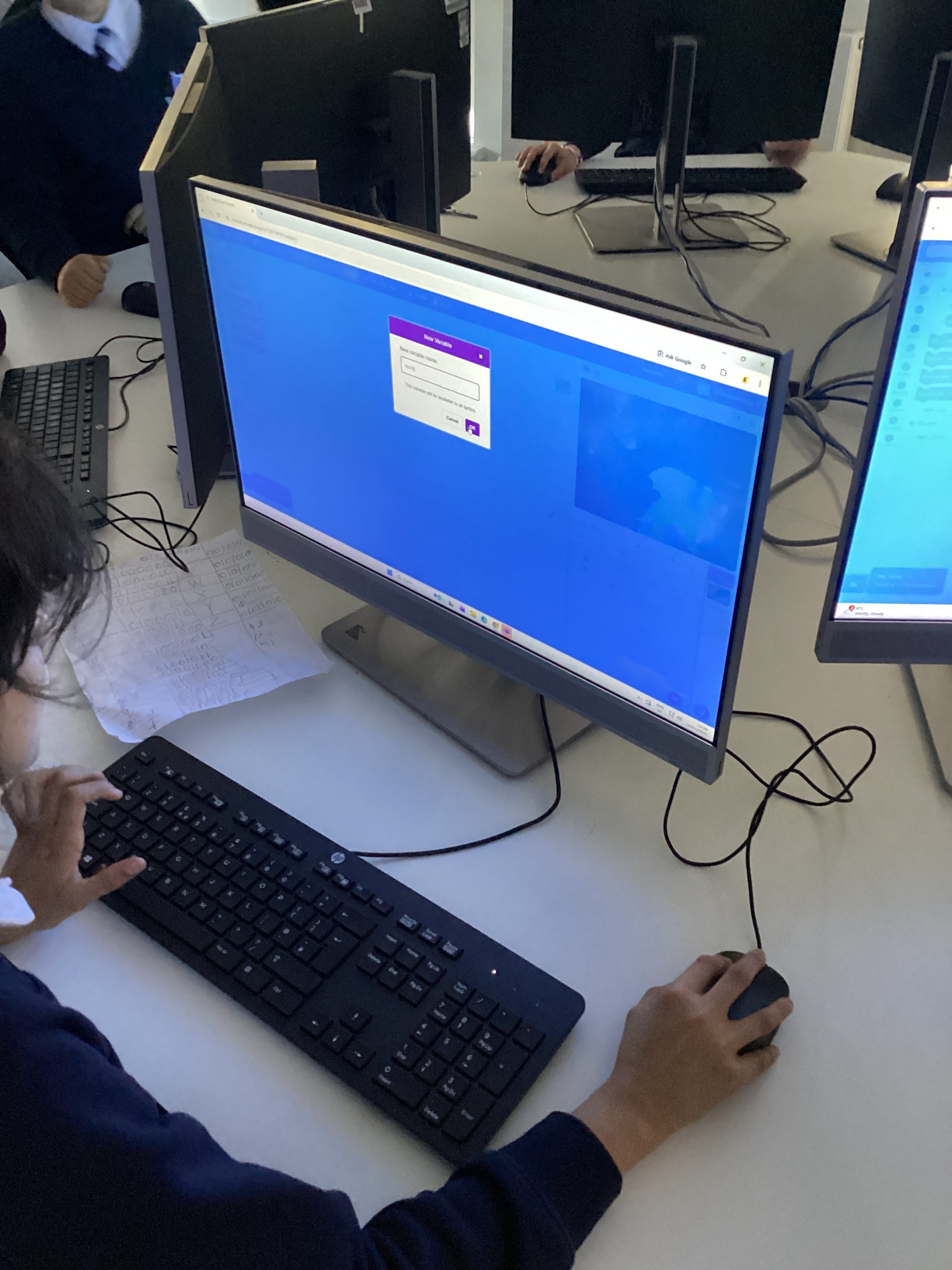
This half term Year 5 have been looking at how you can use variables within your coding. Children have spent the past few weeks creating a multiplication quiz program. Children created a timer variable and score variable, they then added in code to get a Sprite to ask a question and used a conditional statement to put in the ability to score a point if the answer is correct or to take a point away if it is incorrect. Children then programmed a timer variable to give people 10 seconds to answer each question.
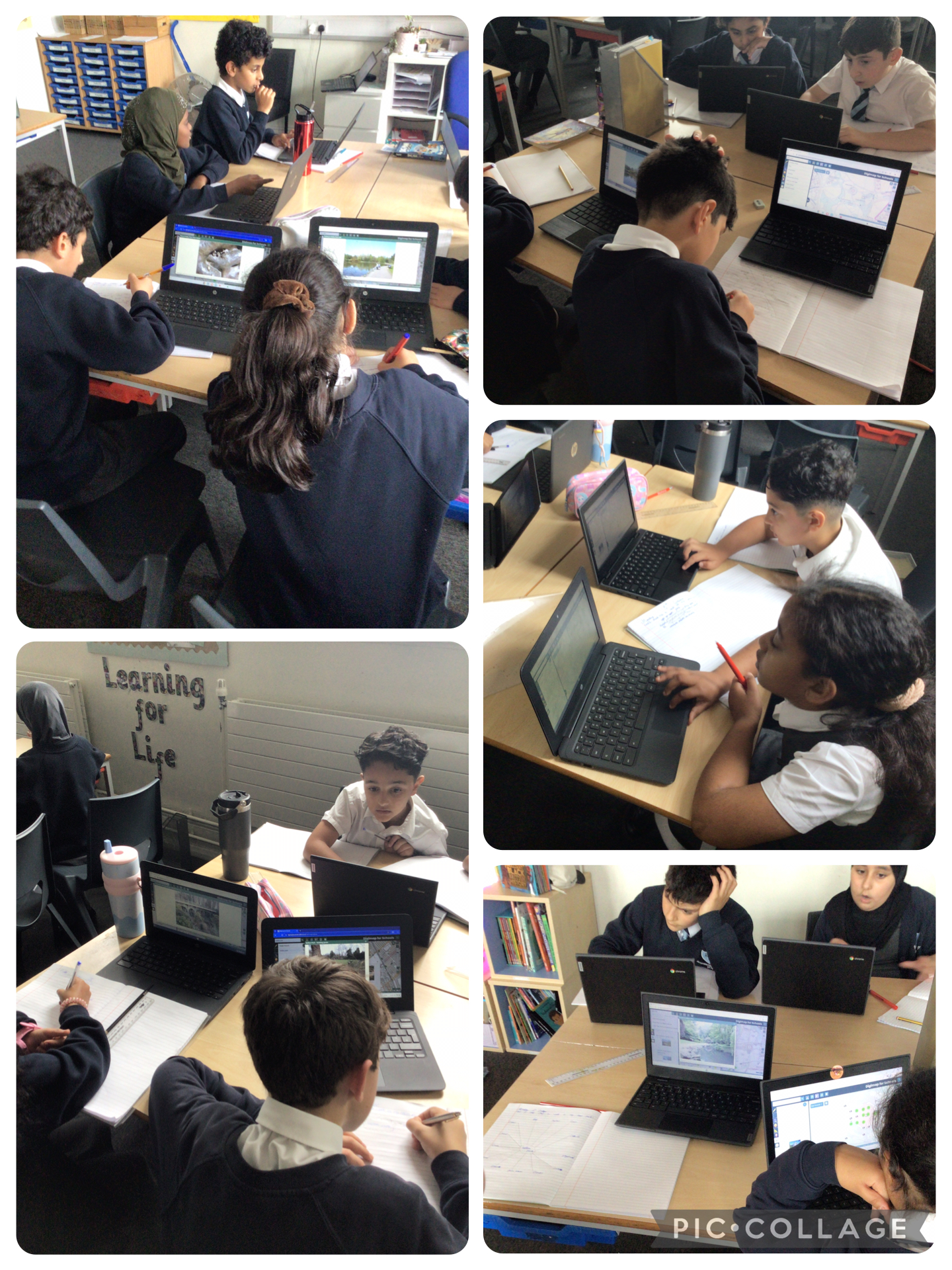
Today we had a look at our local park on digimaps to find its features. We then planned out a walk that we’re going to complete. 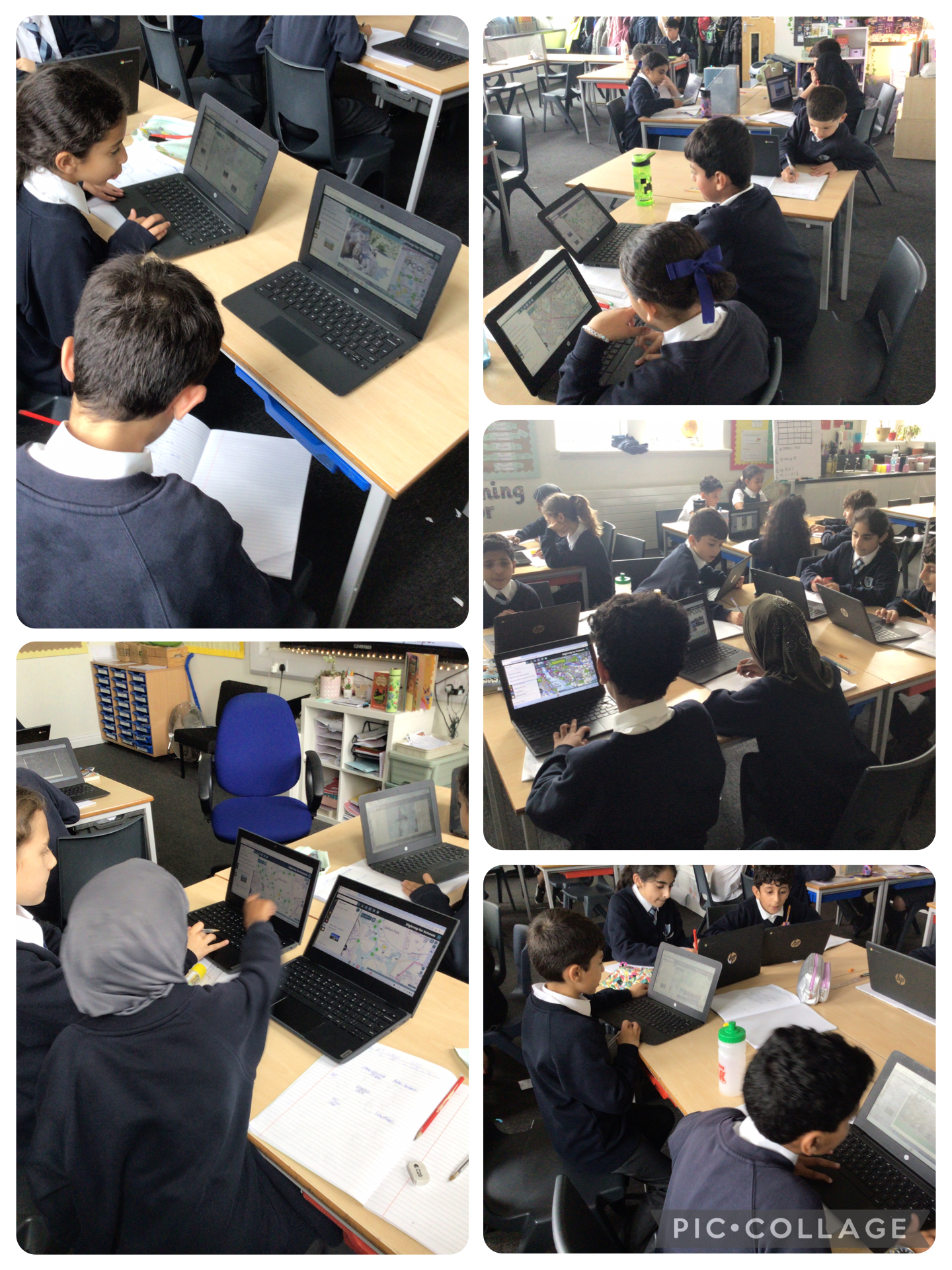
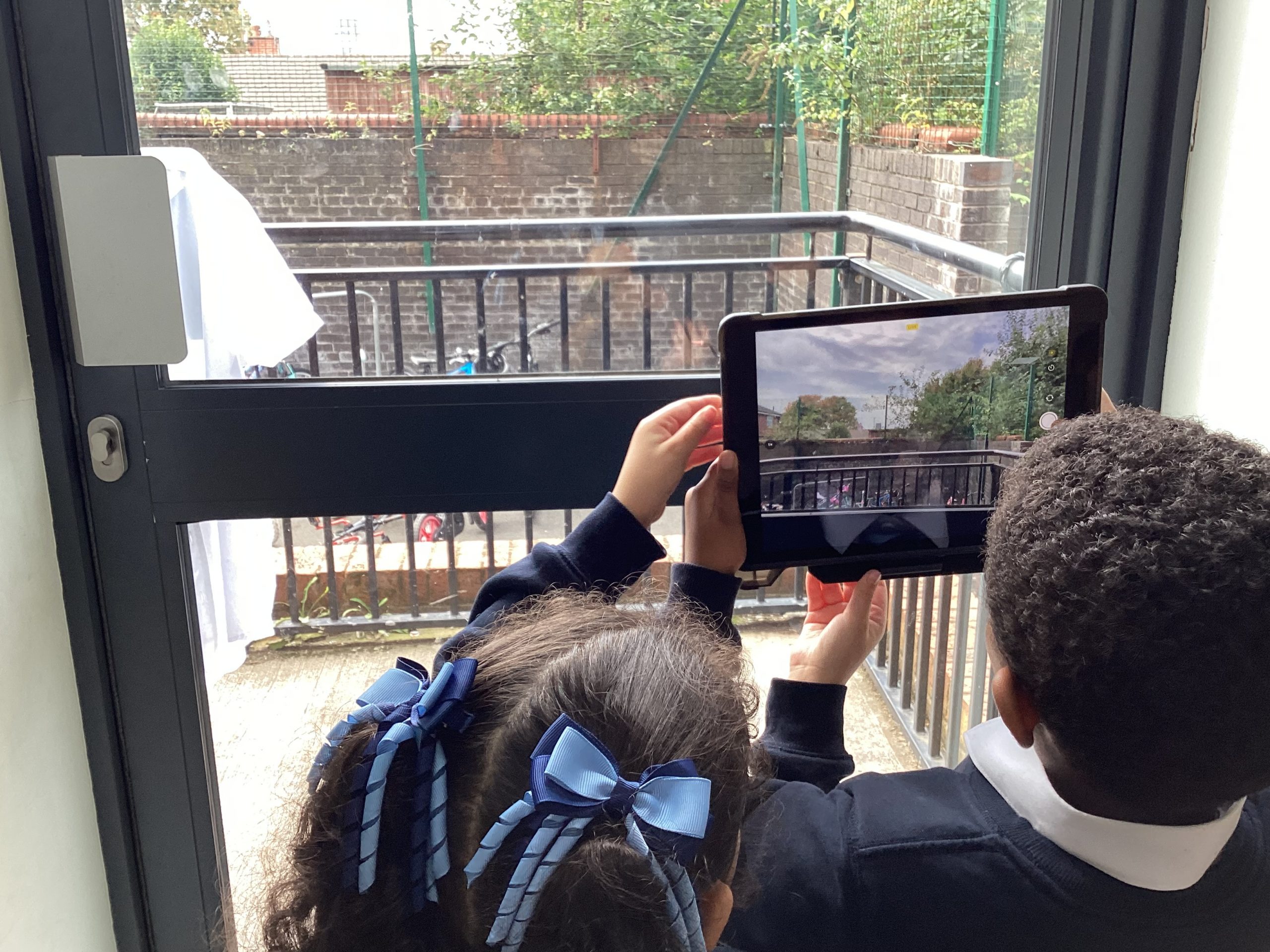
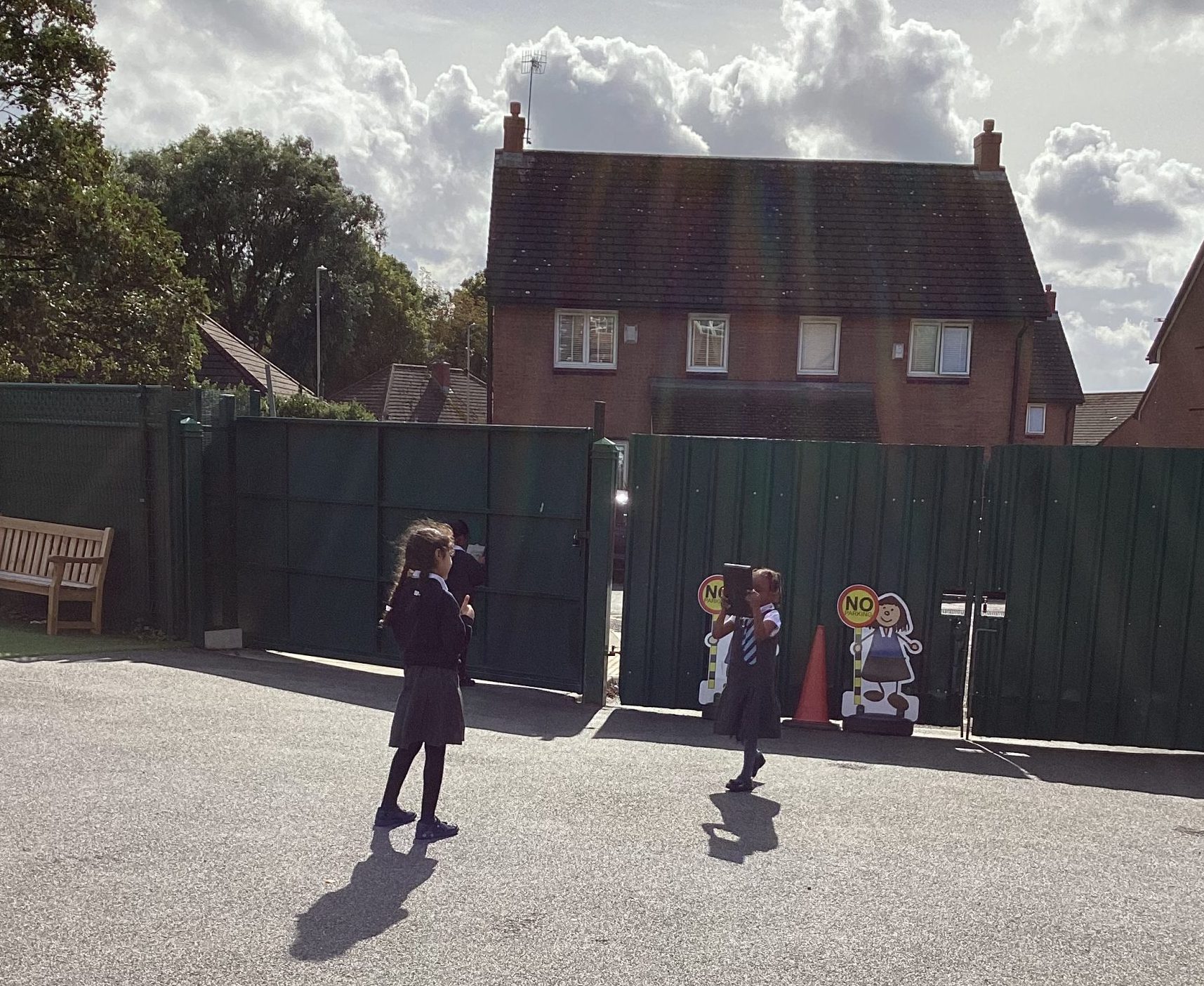
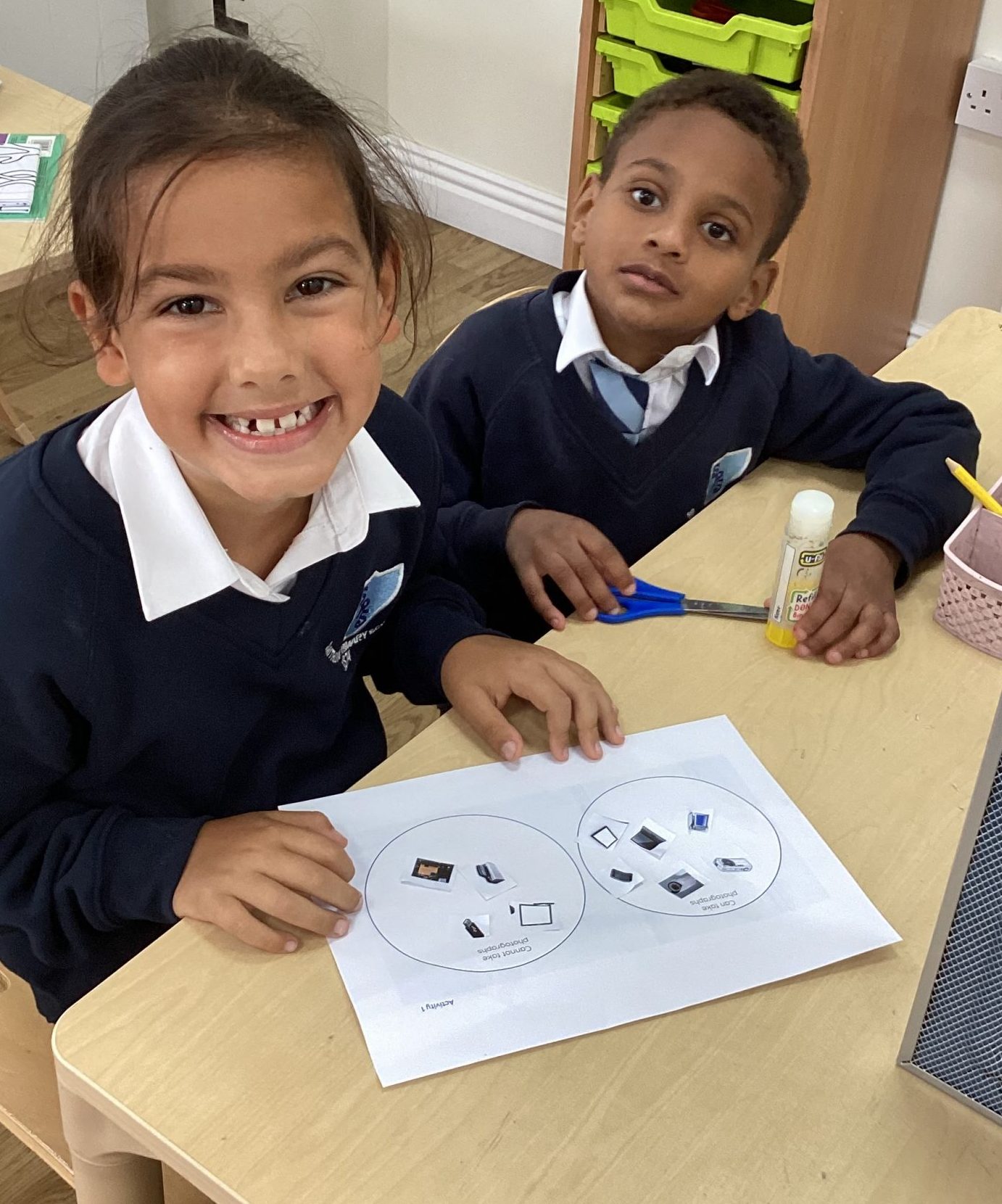
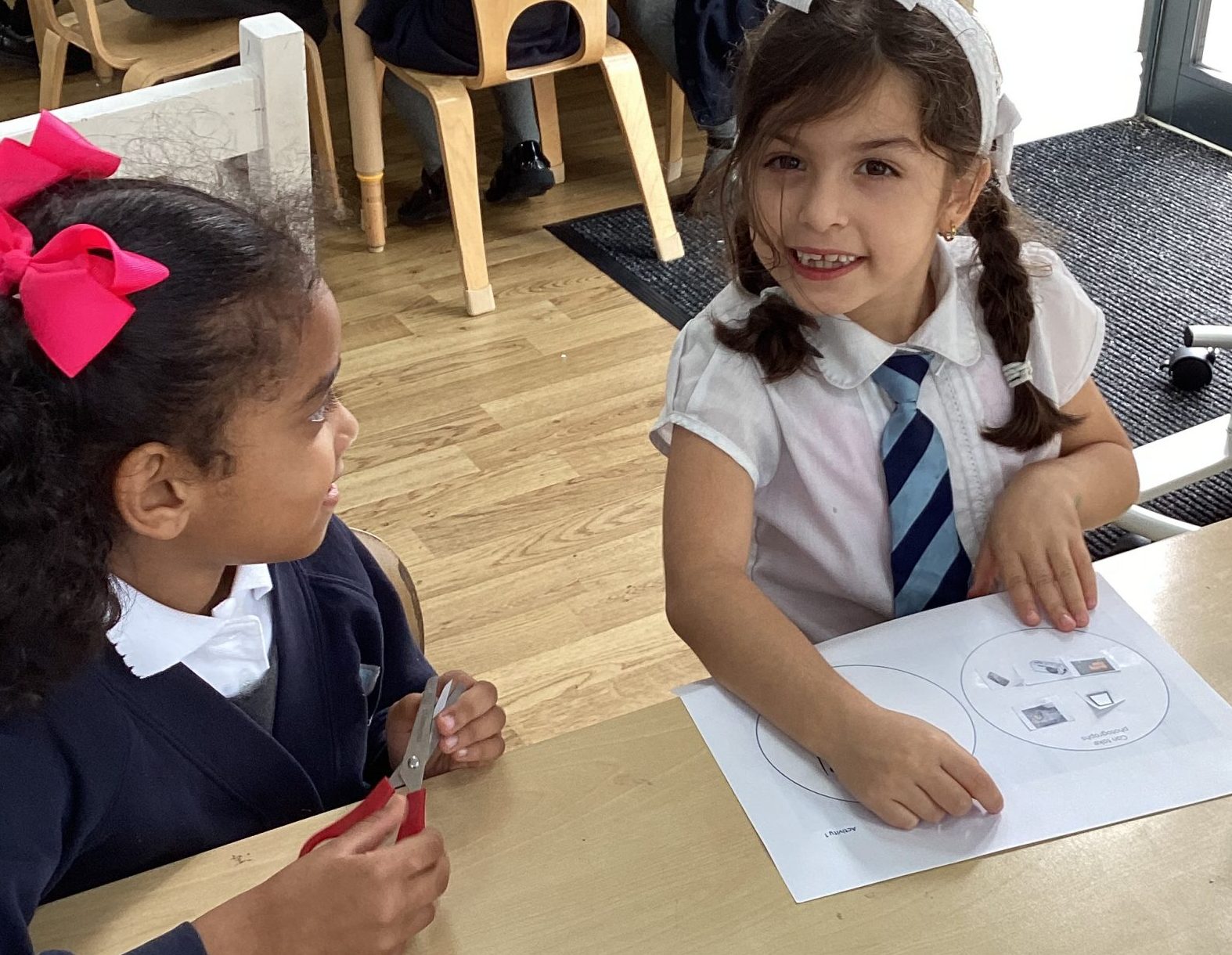
Today we took different photographs, decided if they were good or not then retook them to make them even better.
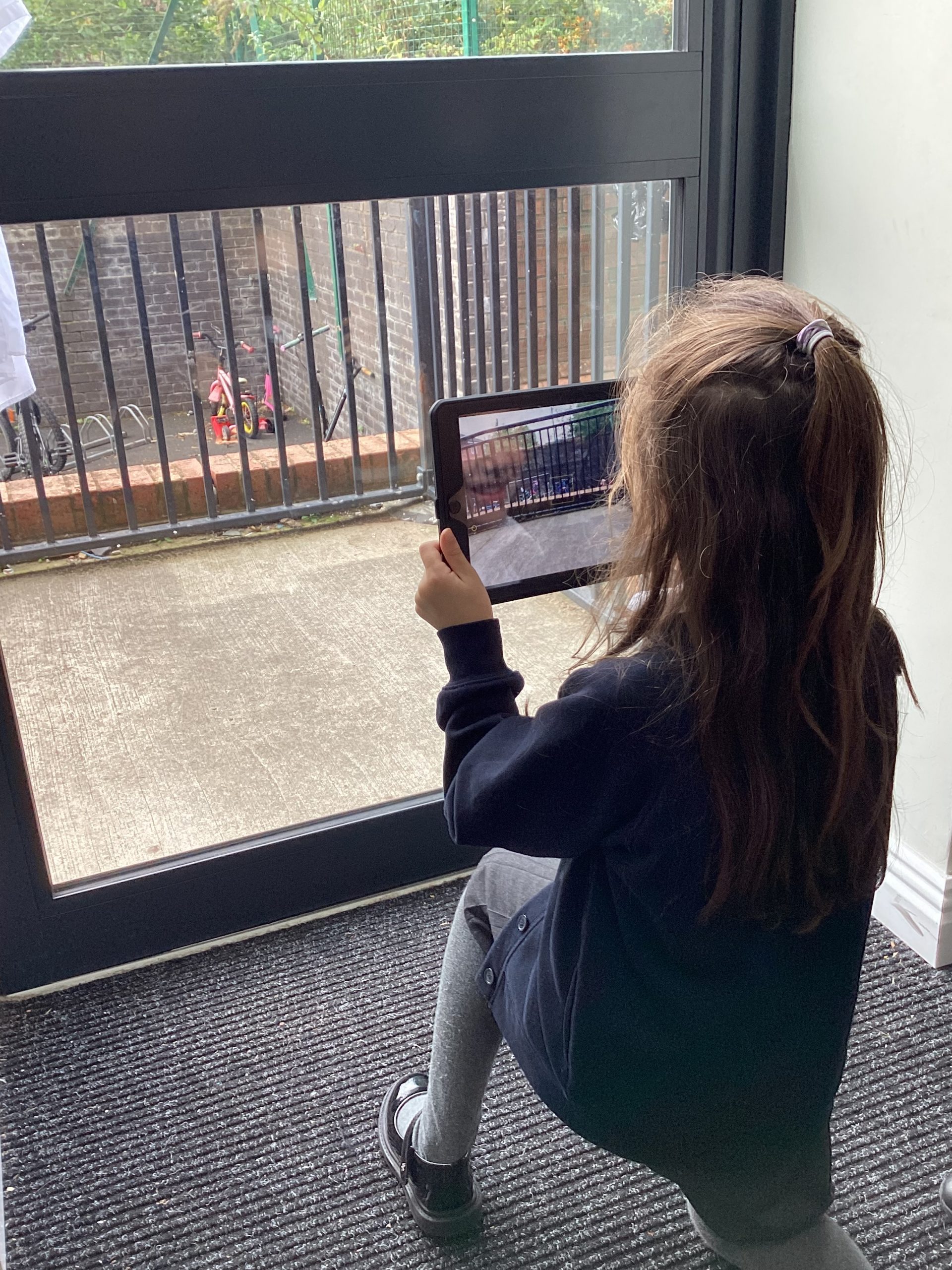
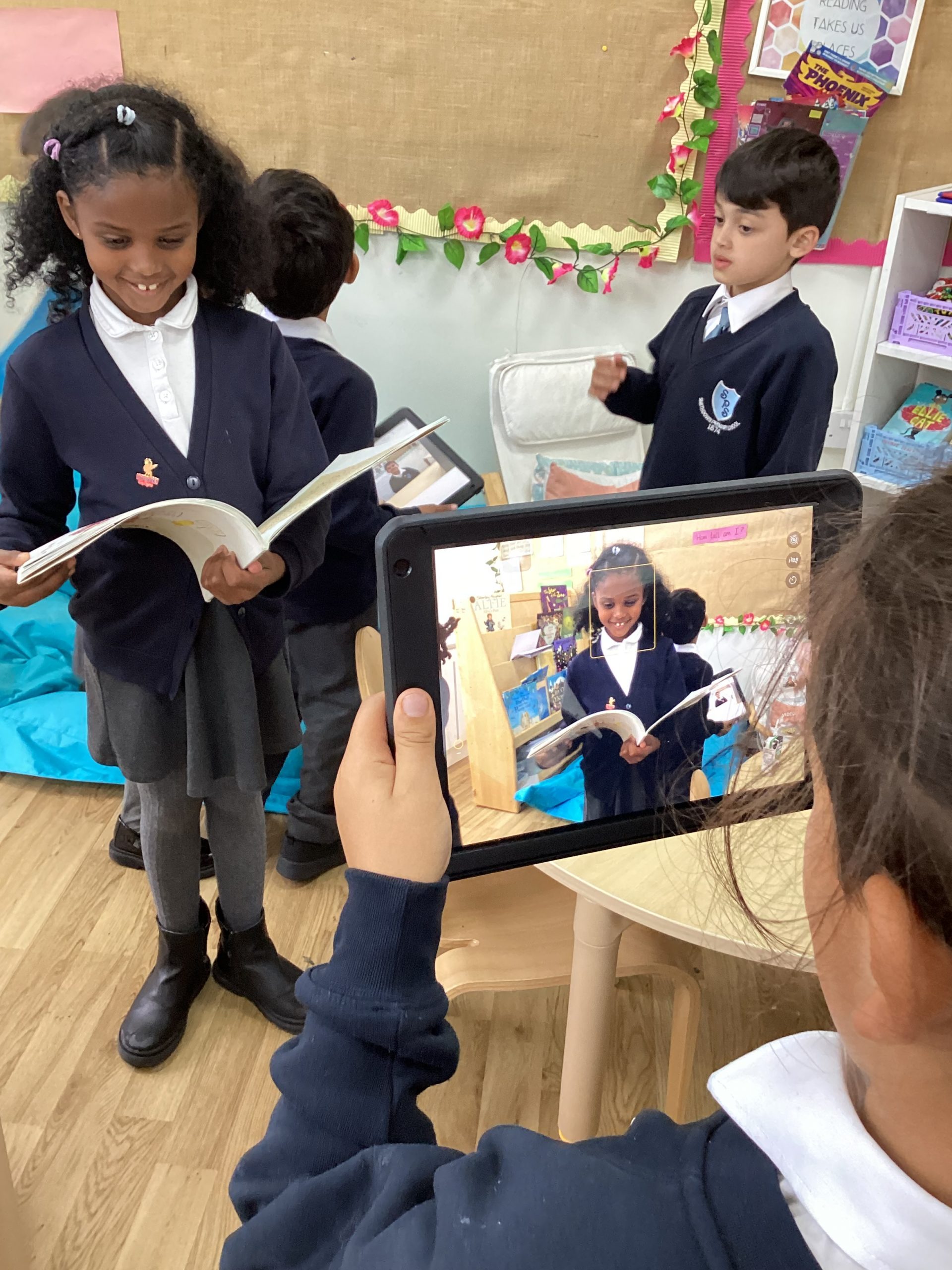
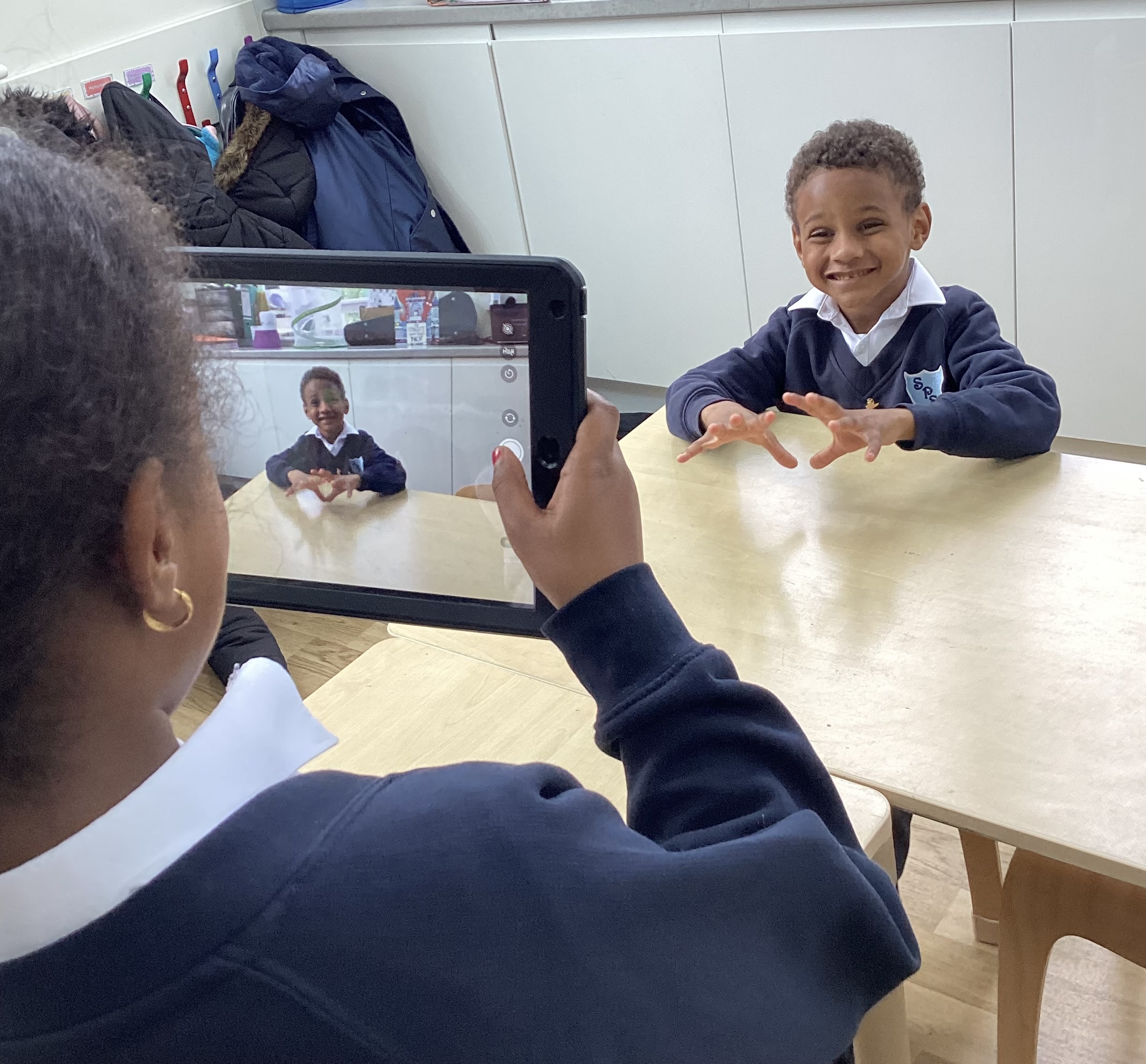
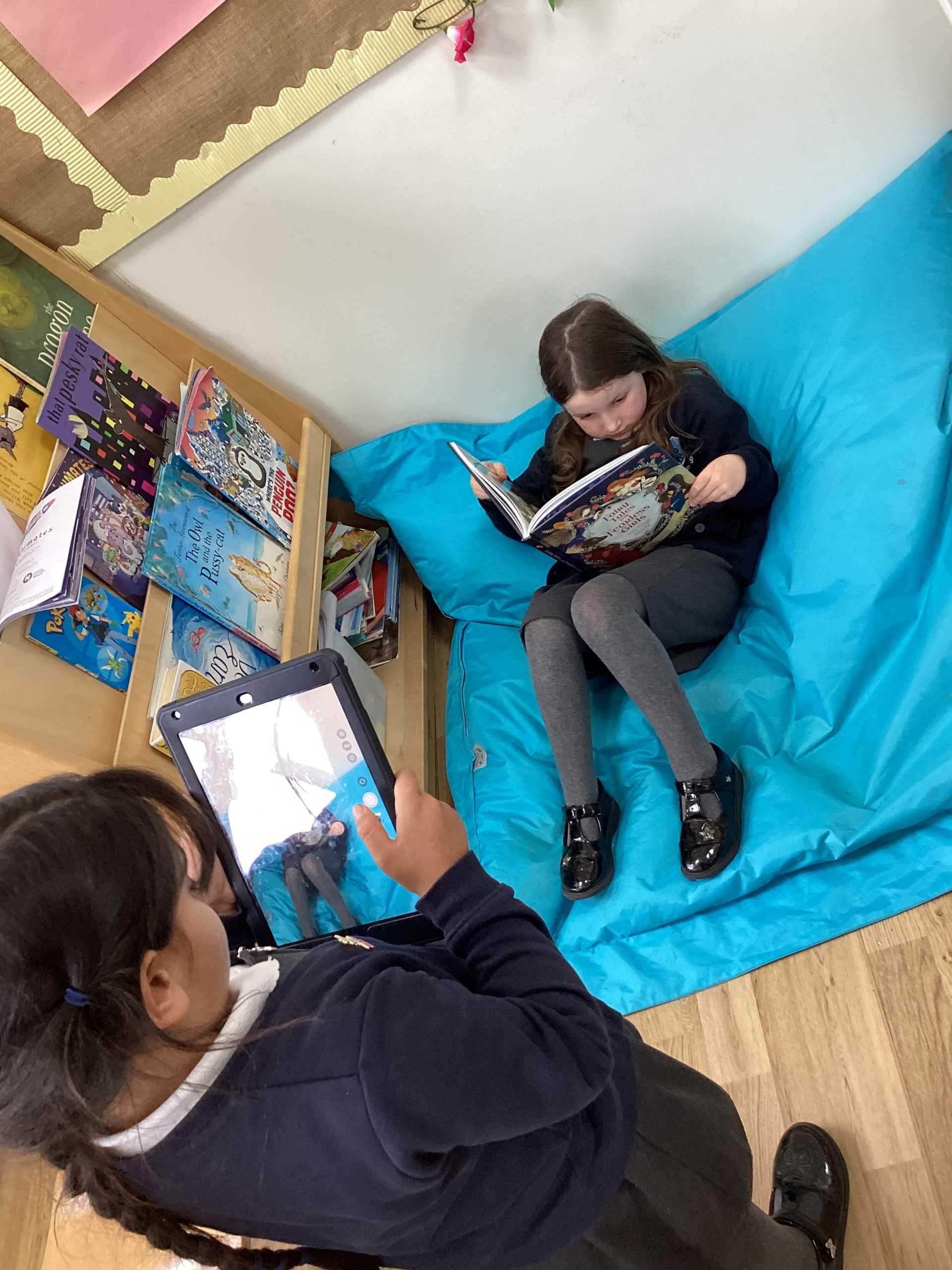
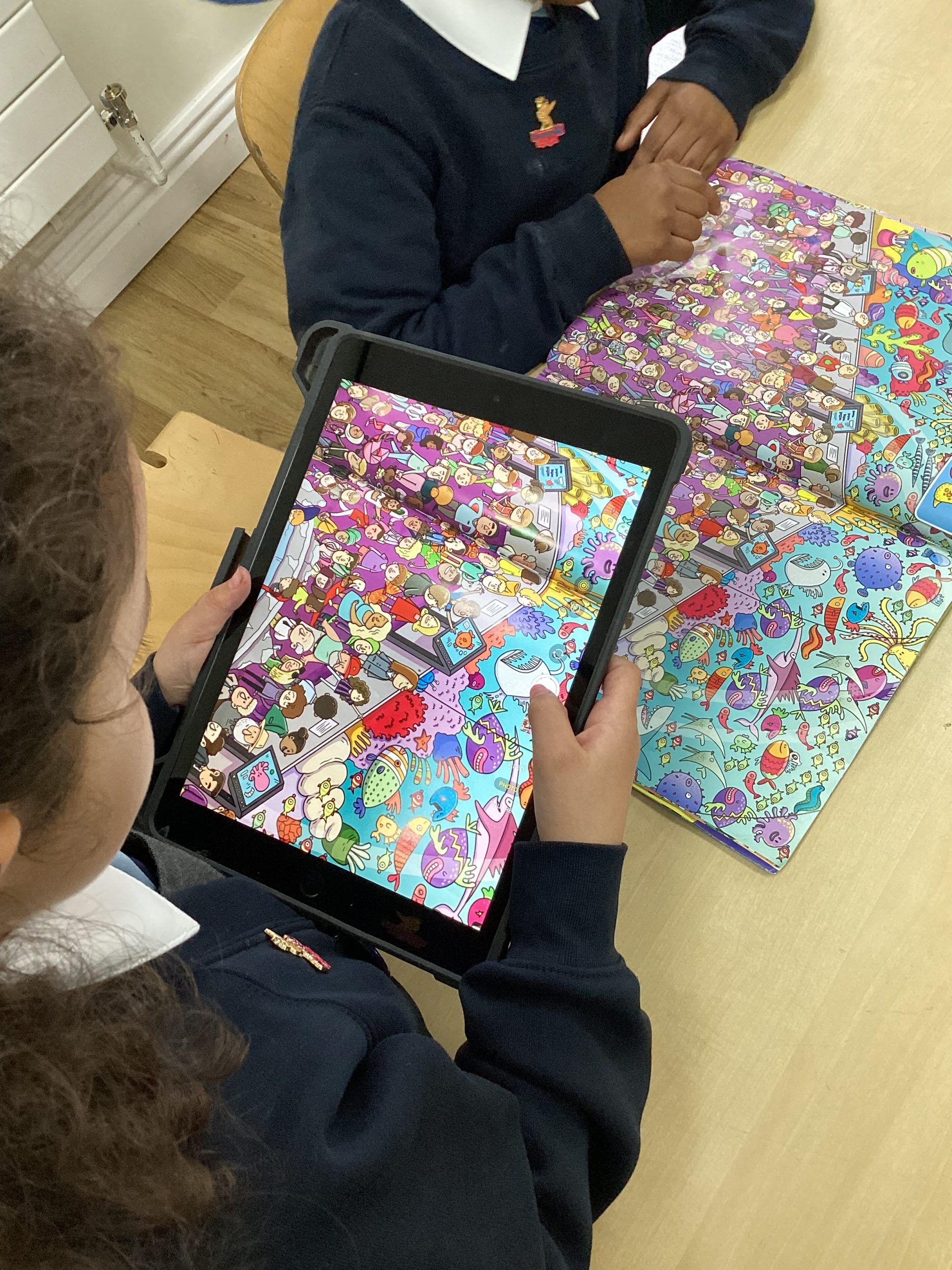
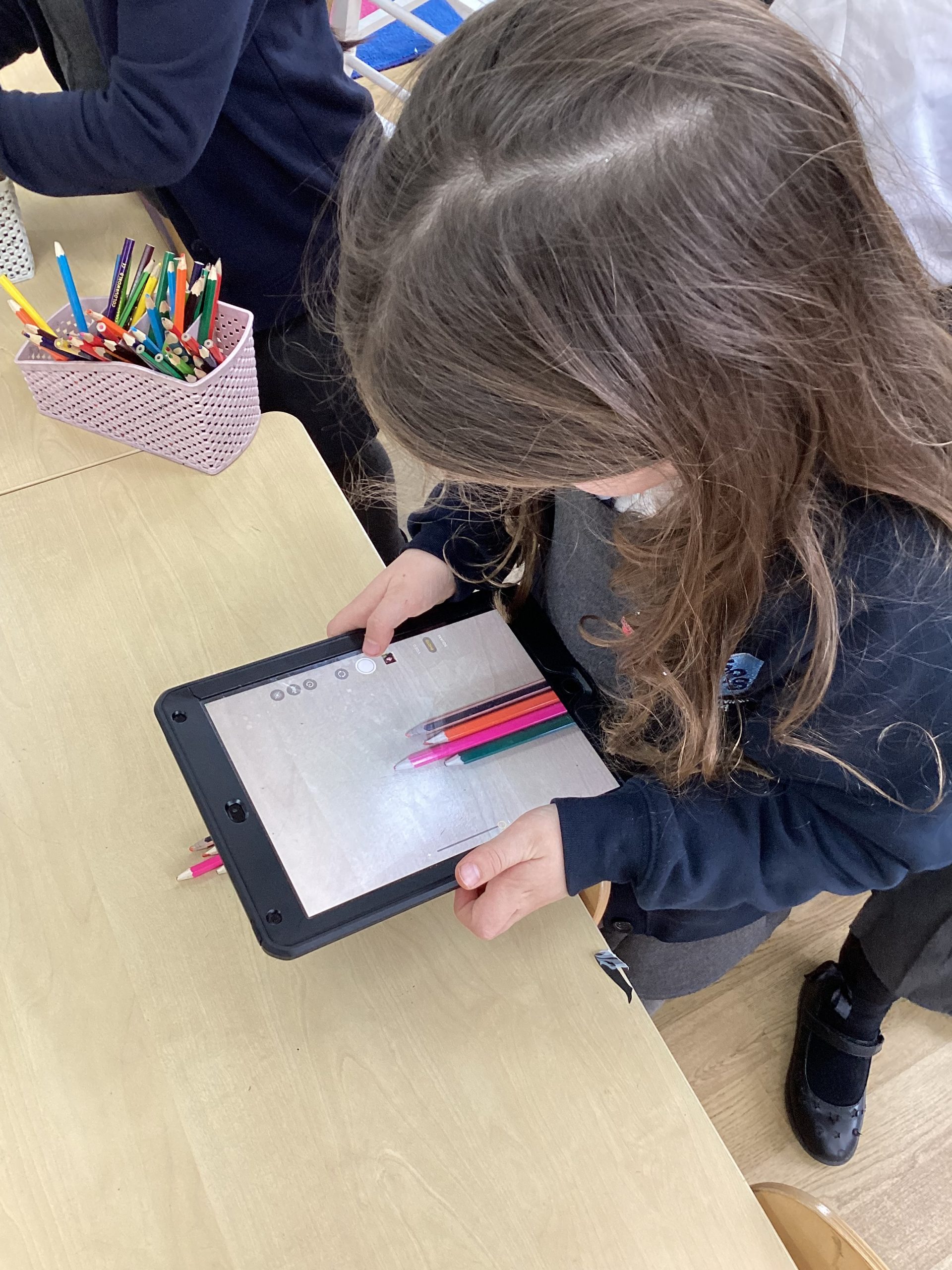
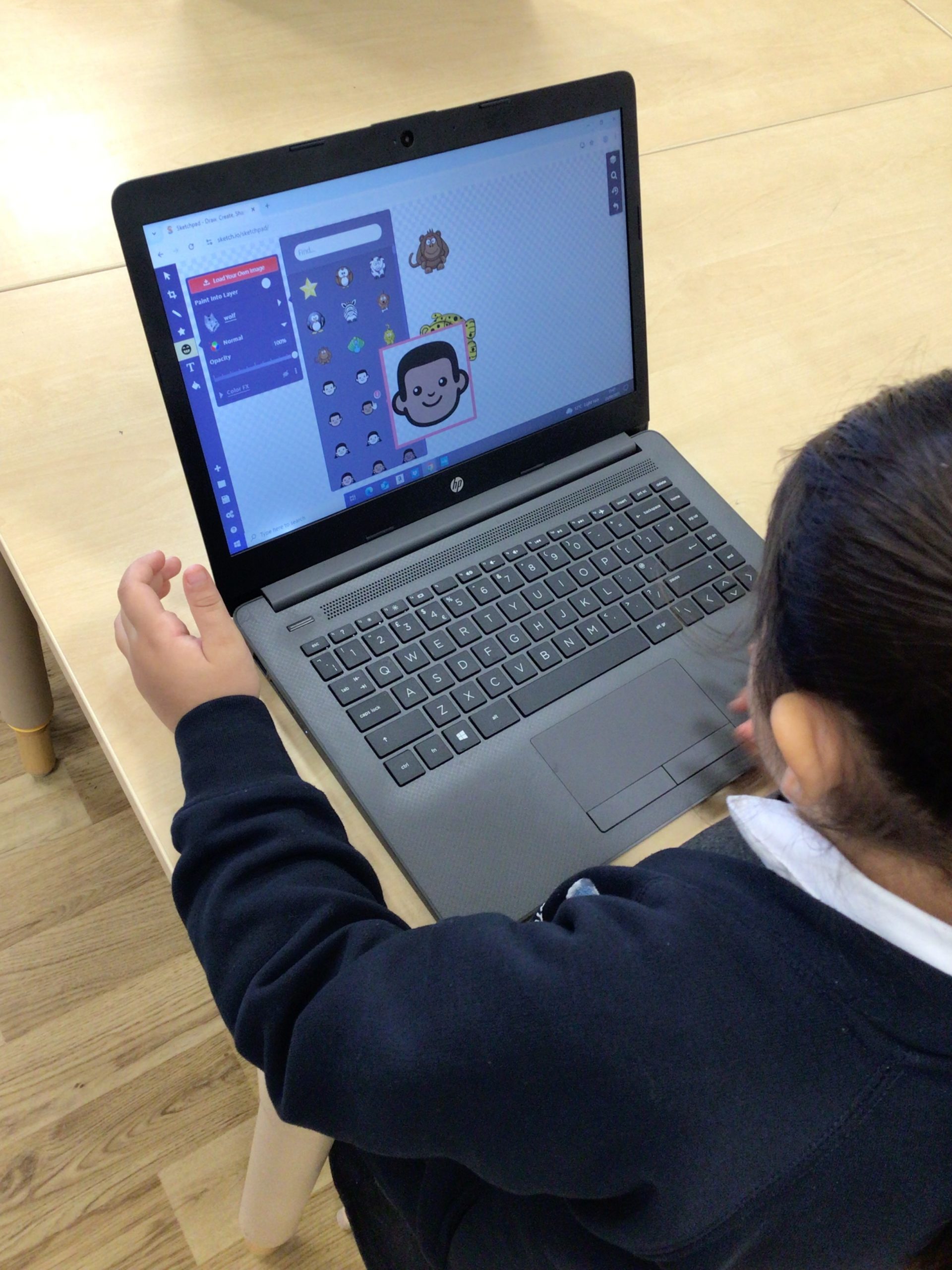
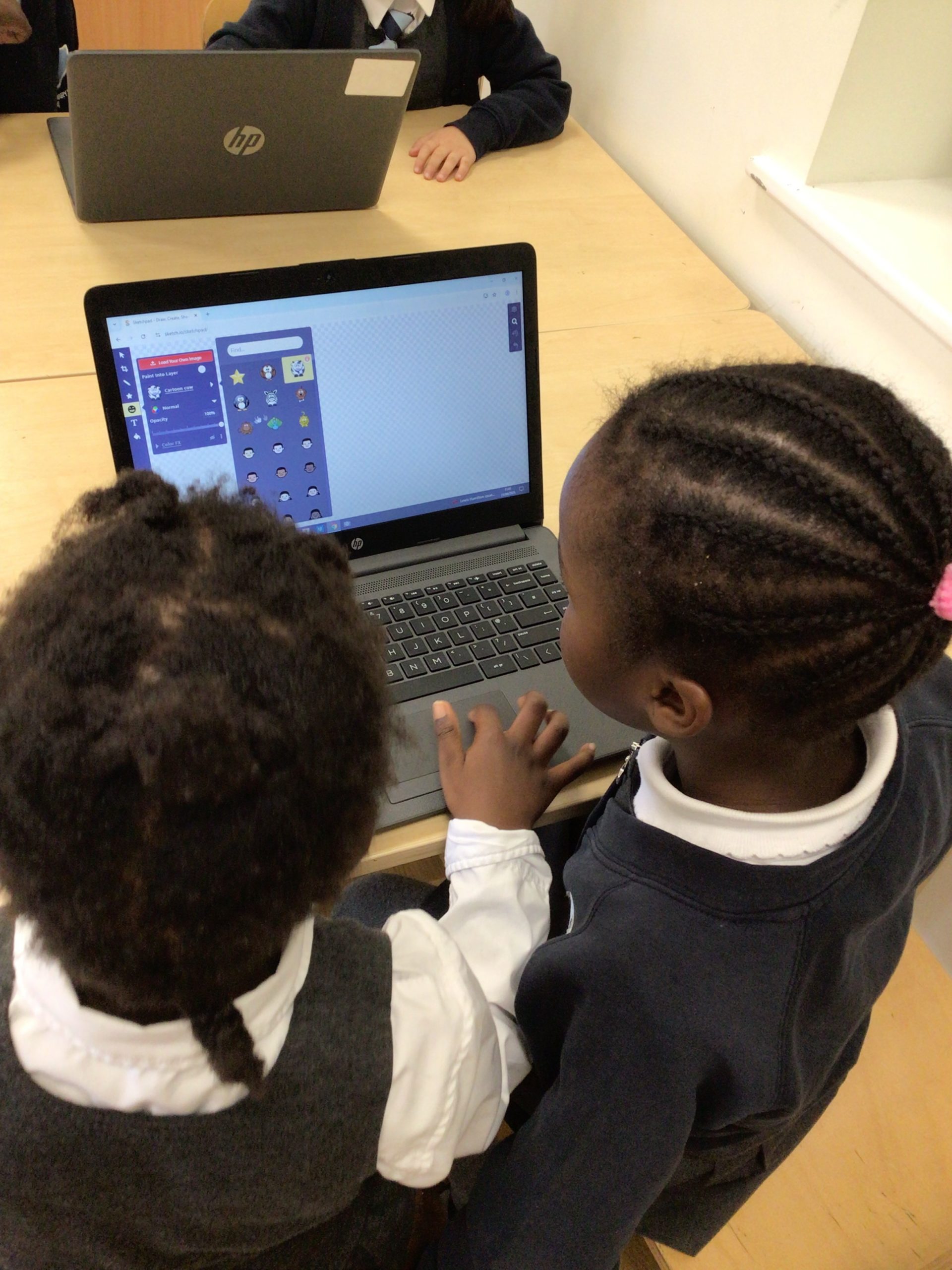
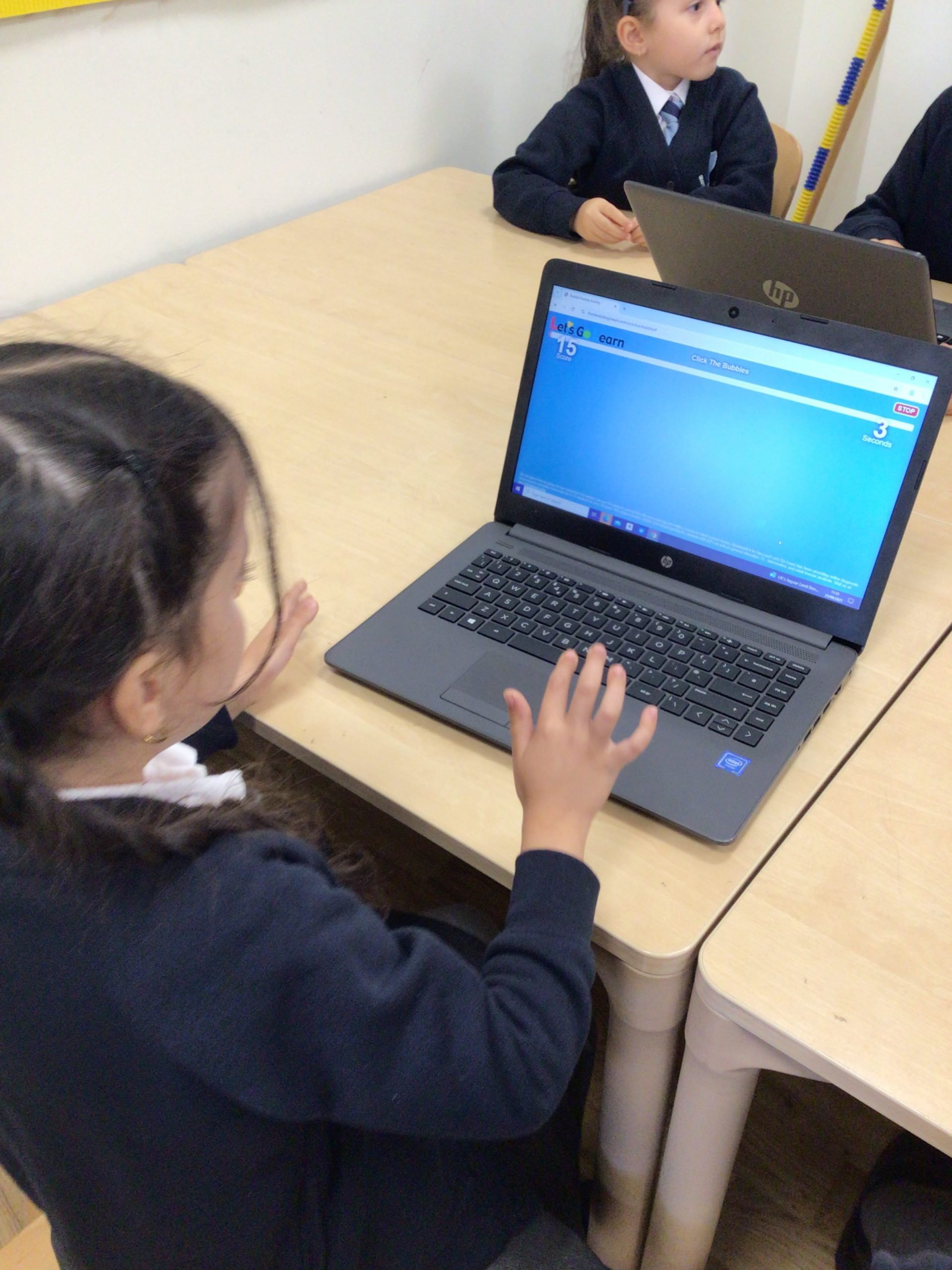
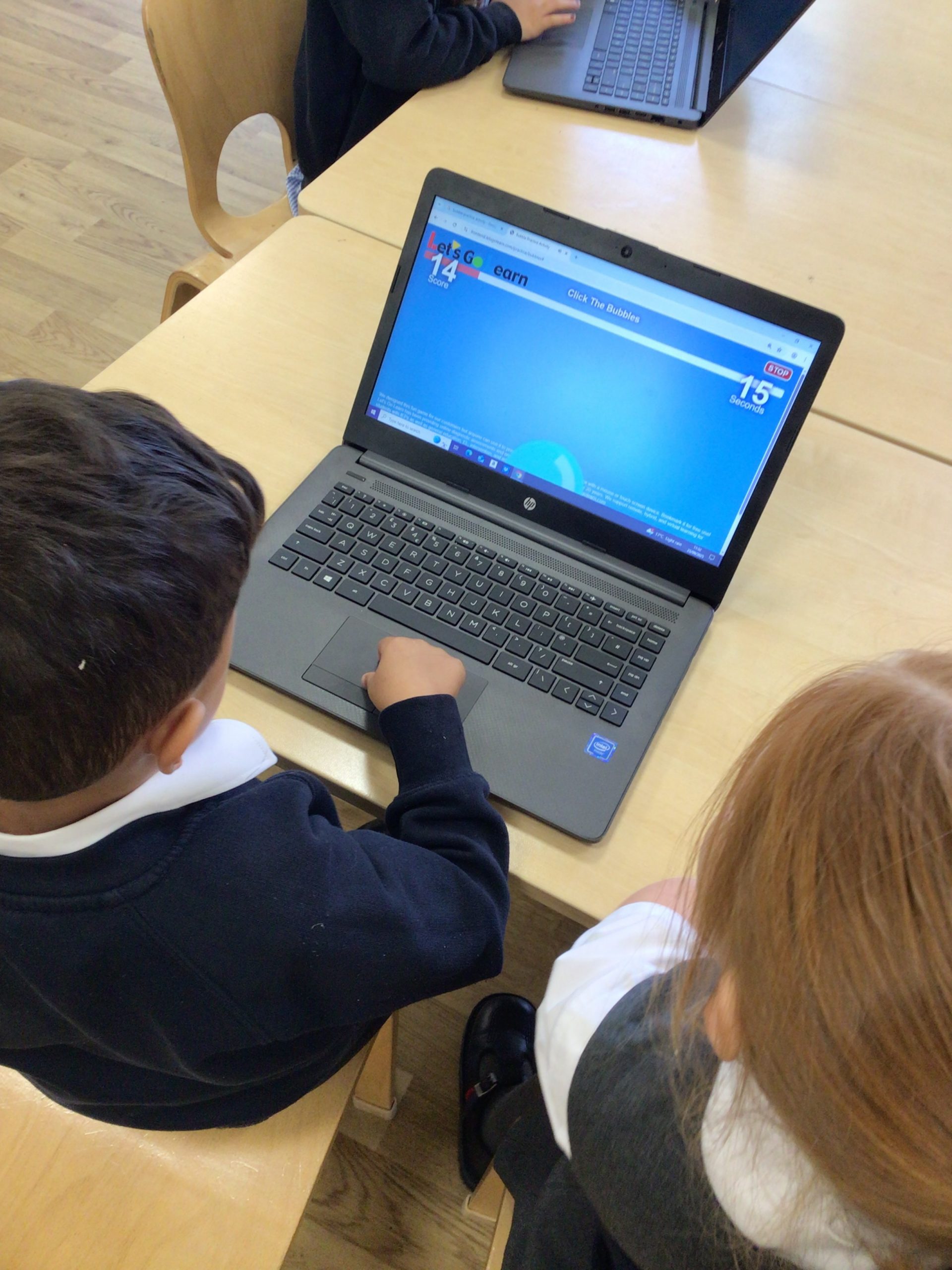 Y1 have been developing skills of mouse clicking and dragging by exploring sketchpad.
We love our computing topic – photography. We thought about which orientation made the best photograph, portrait or landscape. We decided the school building was better in landscape but photographs of our friends were better in portrait.
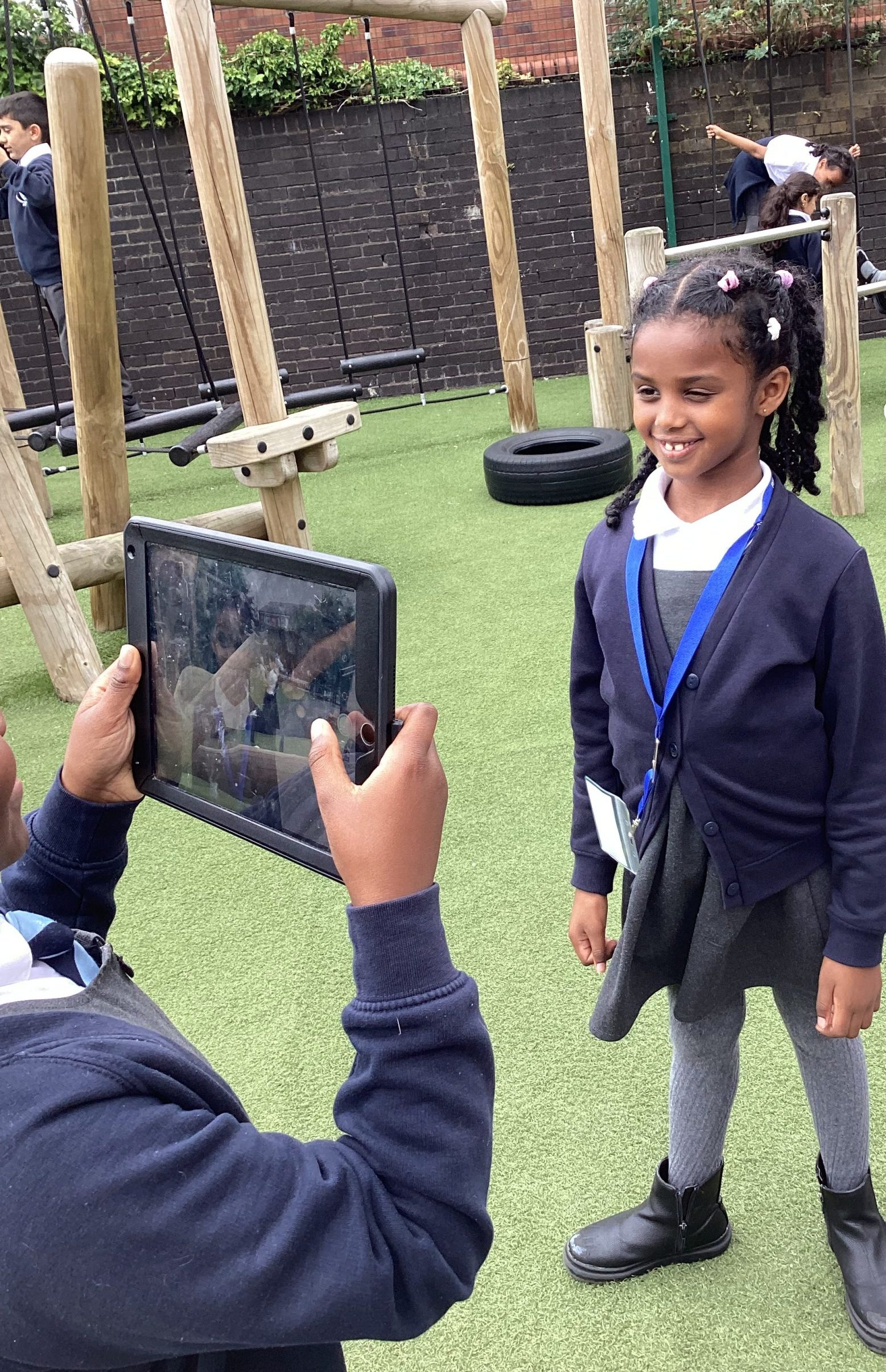
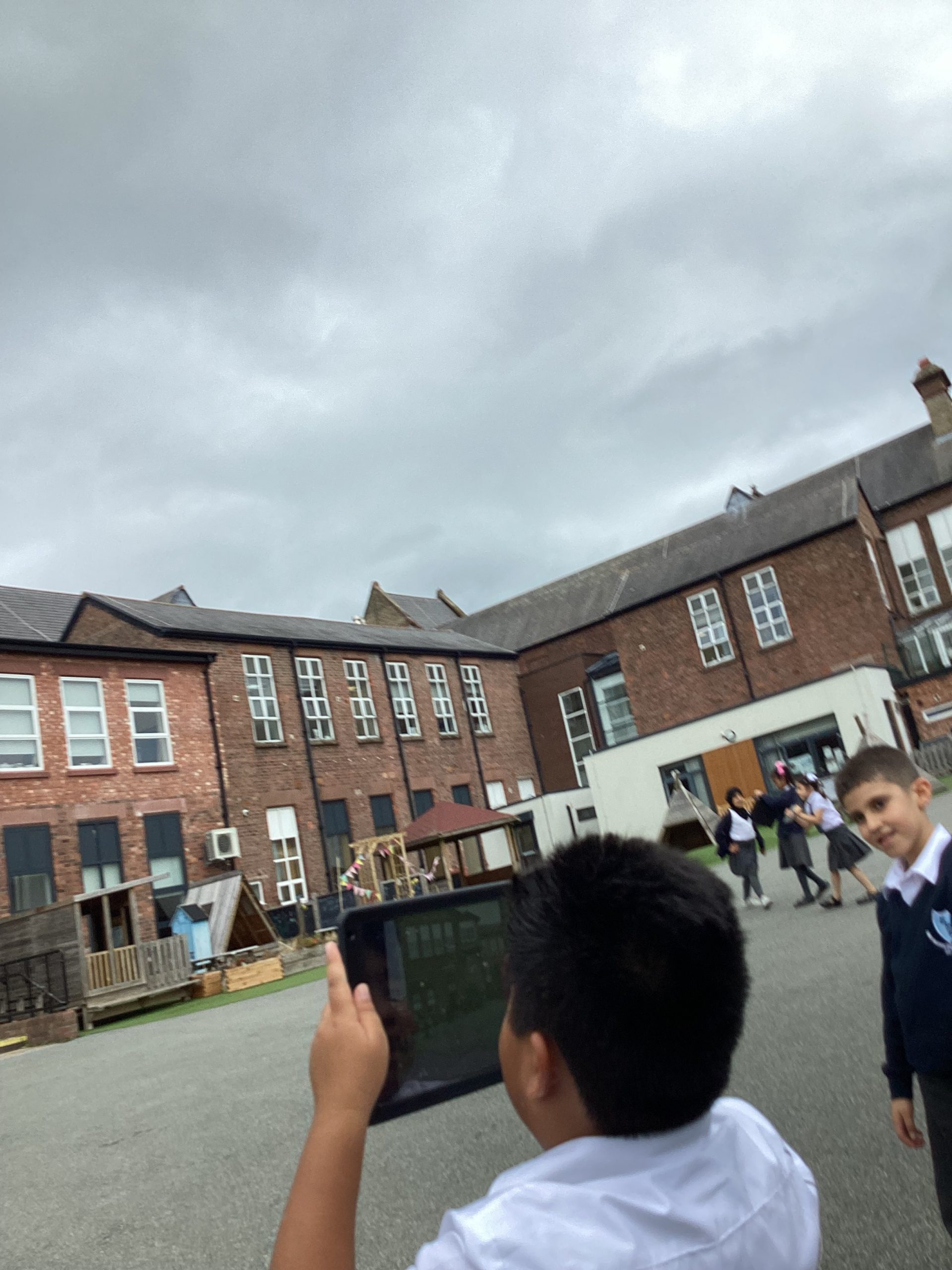
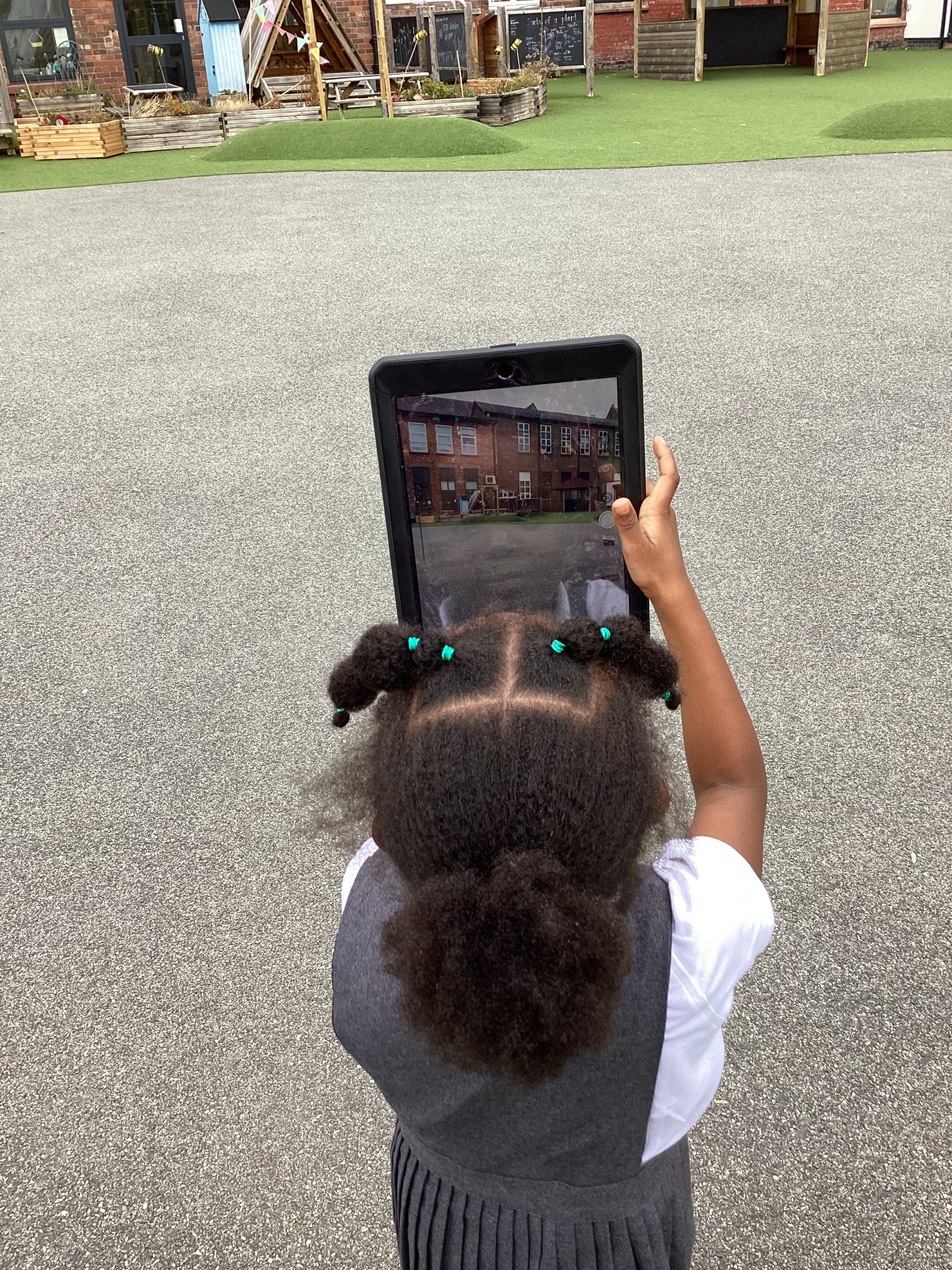
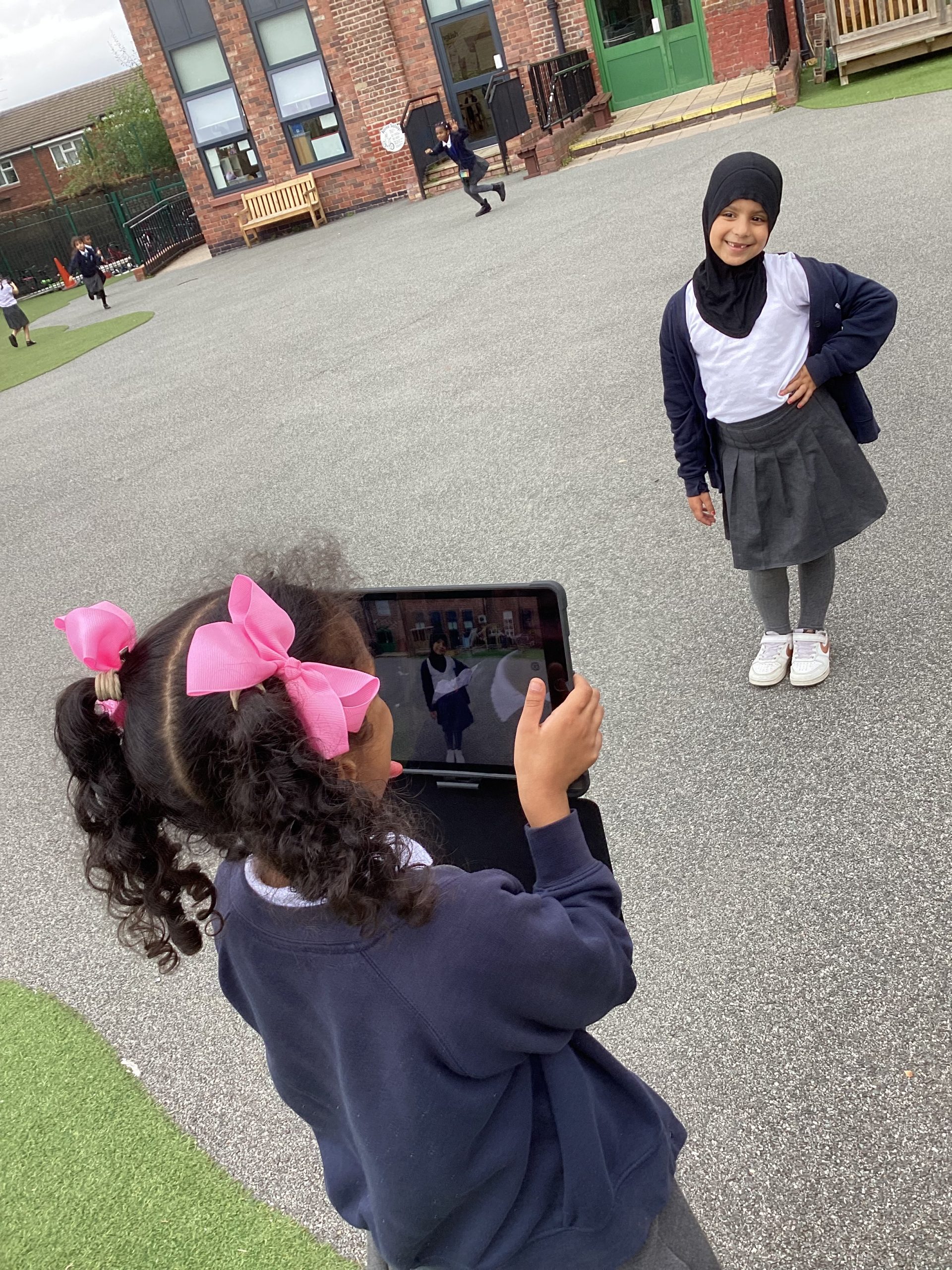
We have started our new computing topic – photography!
Fun in the sun this afternoon.
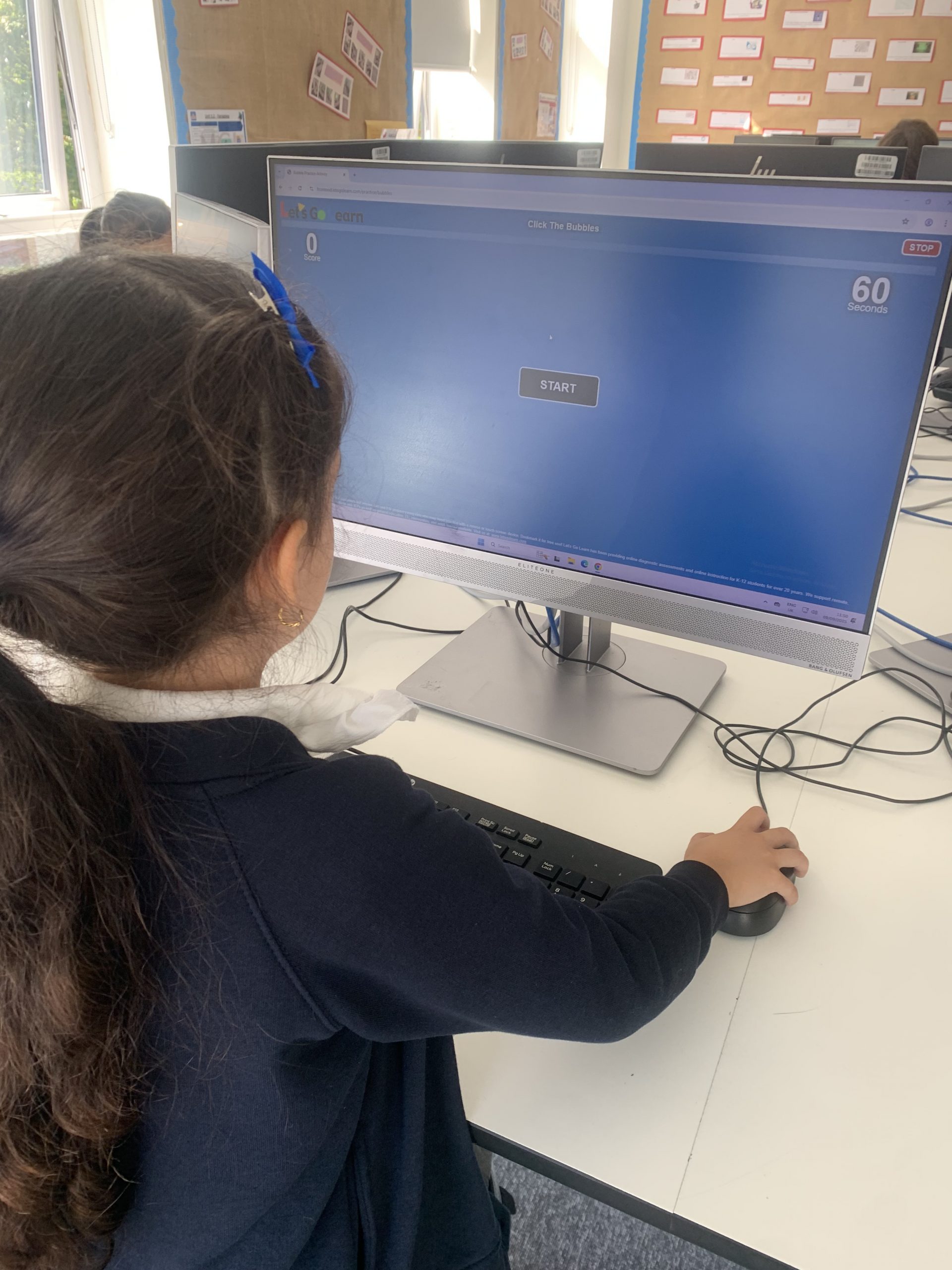
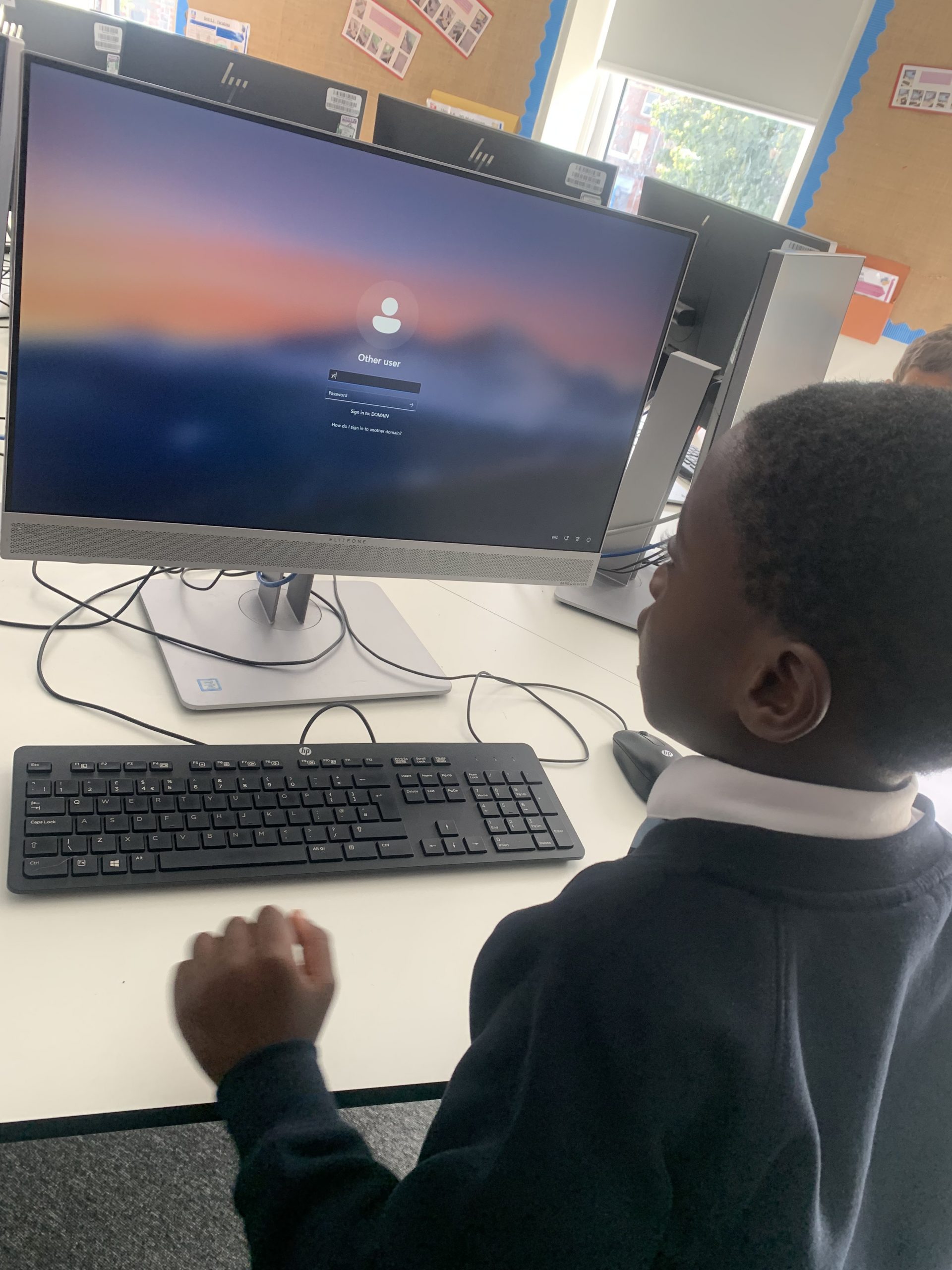
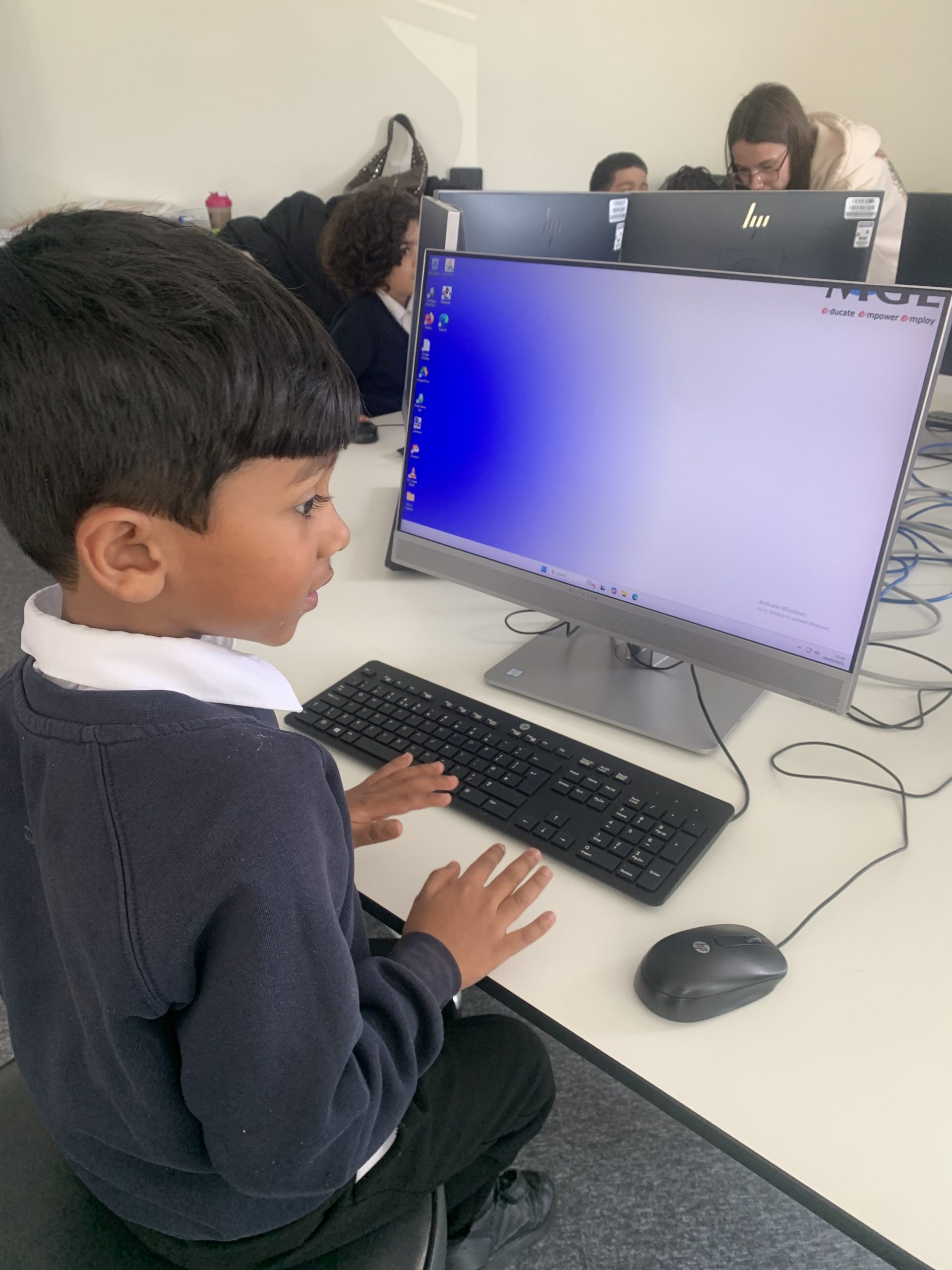
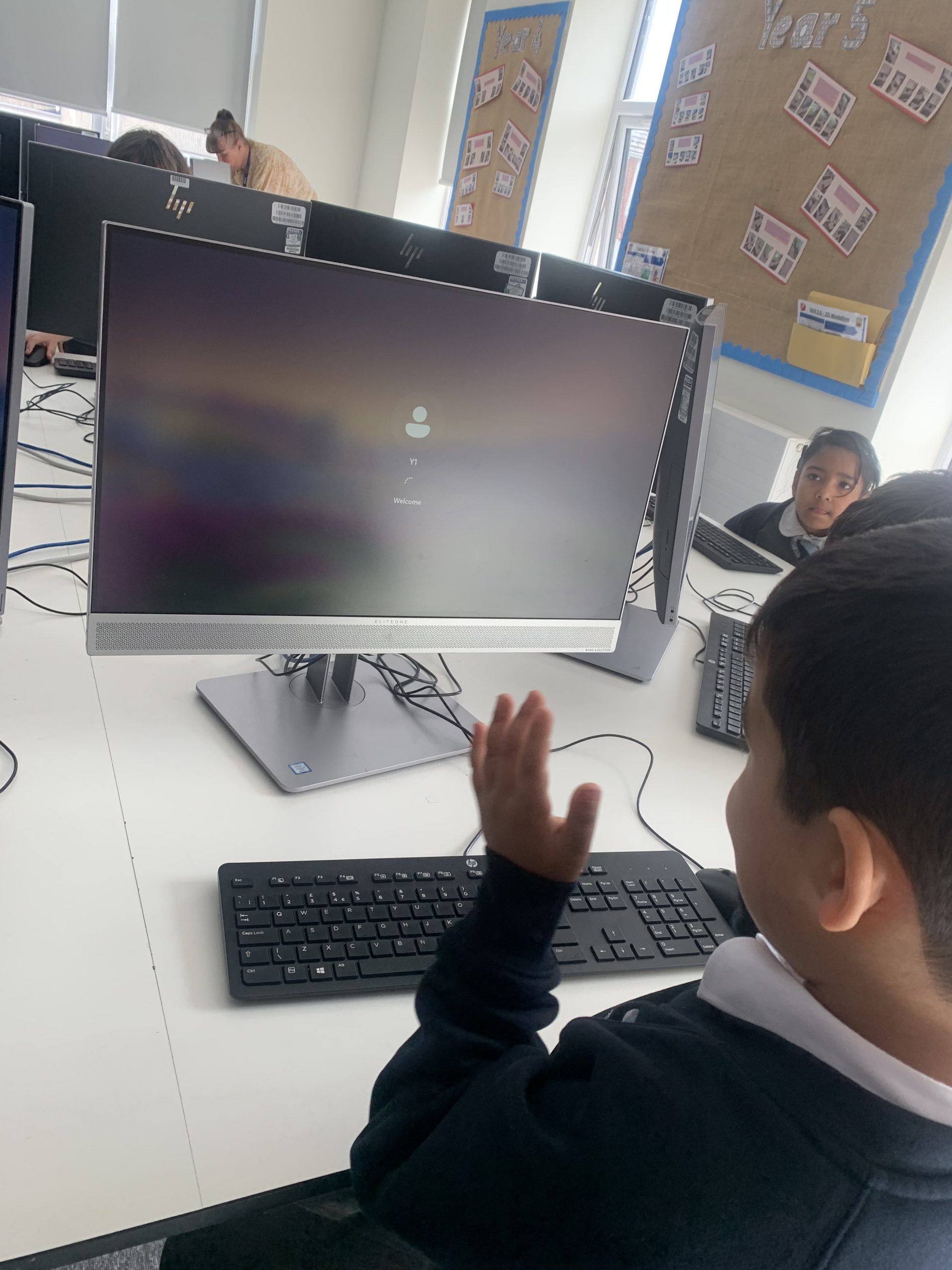
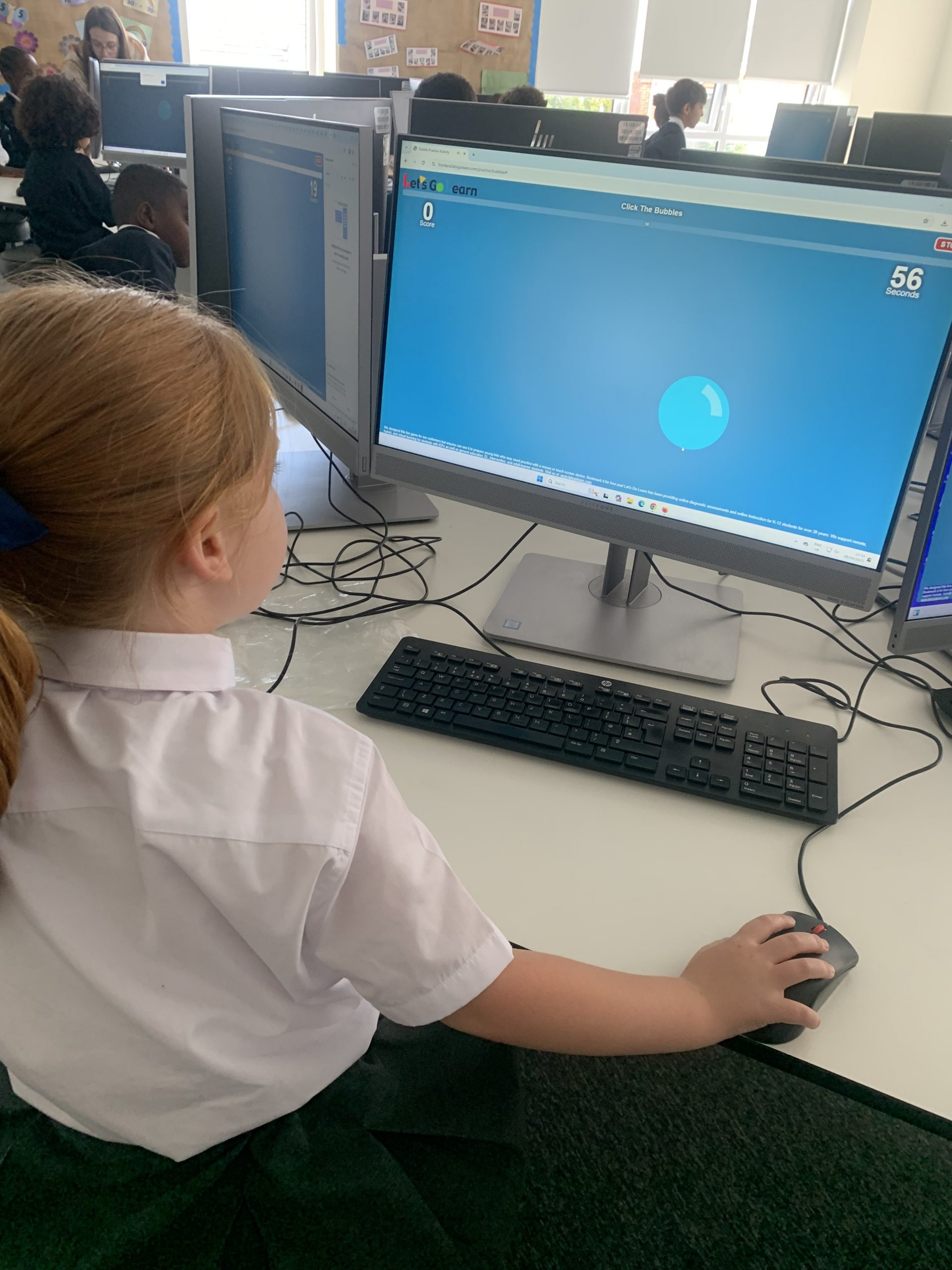
Y1 took a walk to the computer suite today to practice switching the monitors on and off again safely. We then explored using the mouse to click. We even got to play a bubble game!
54
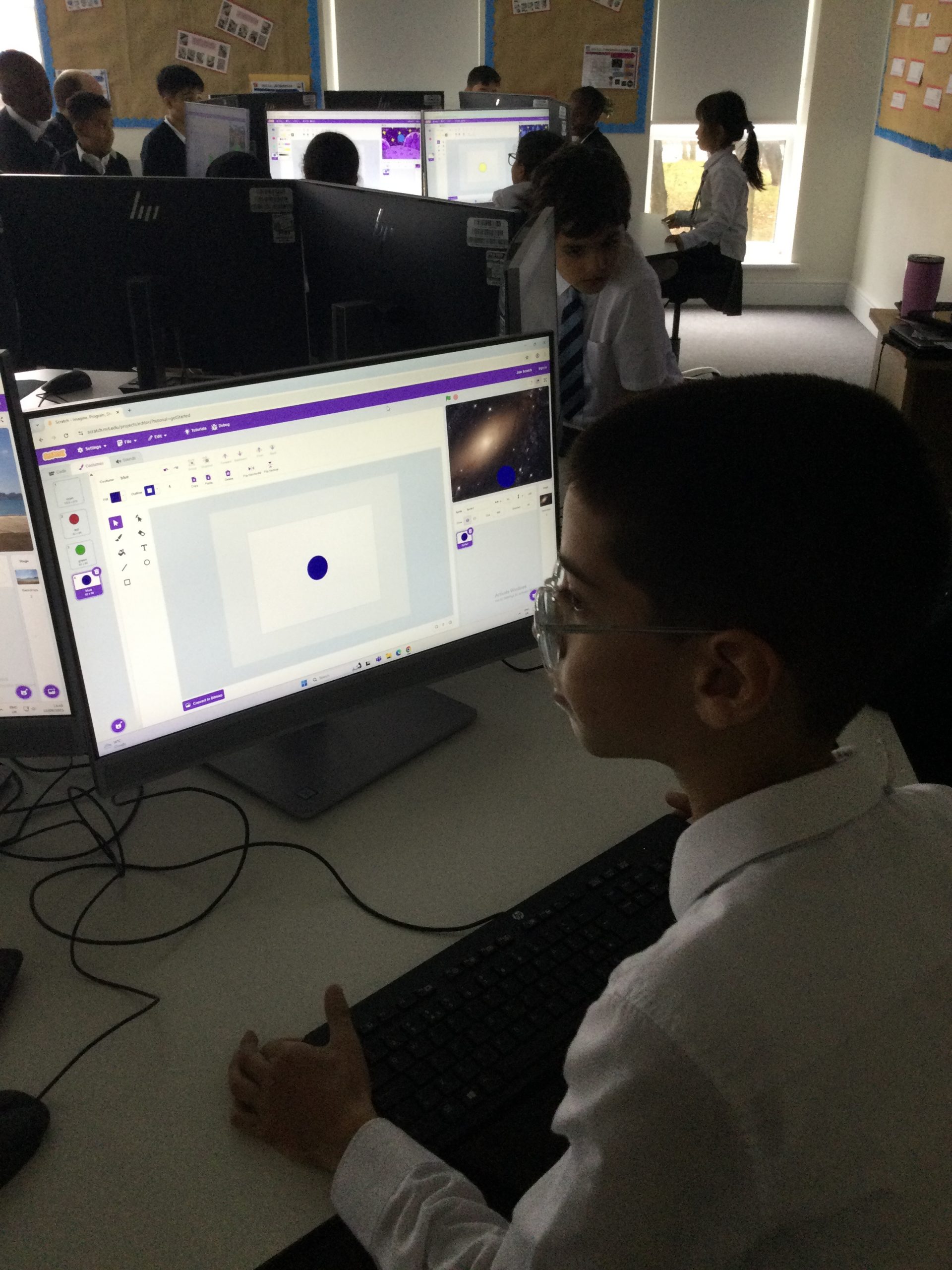
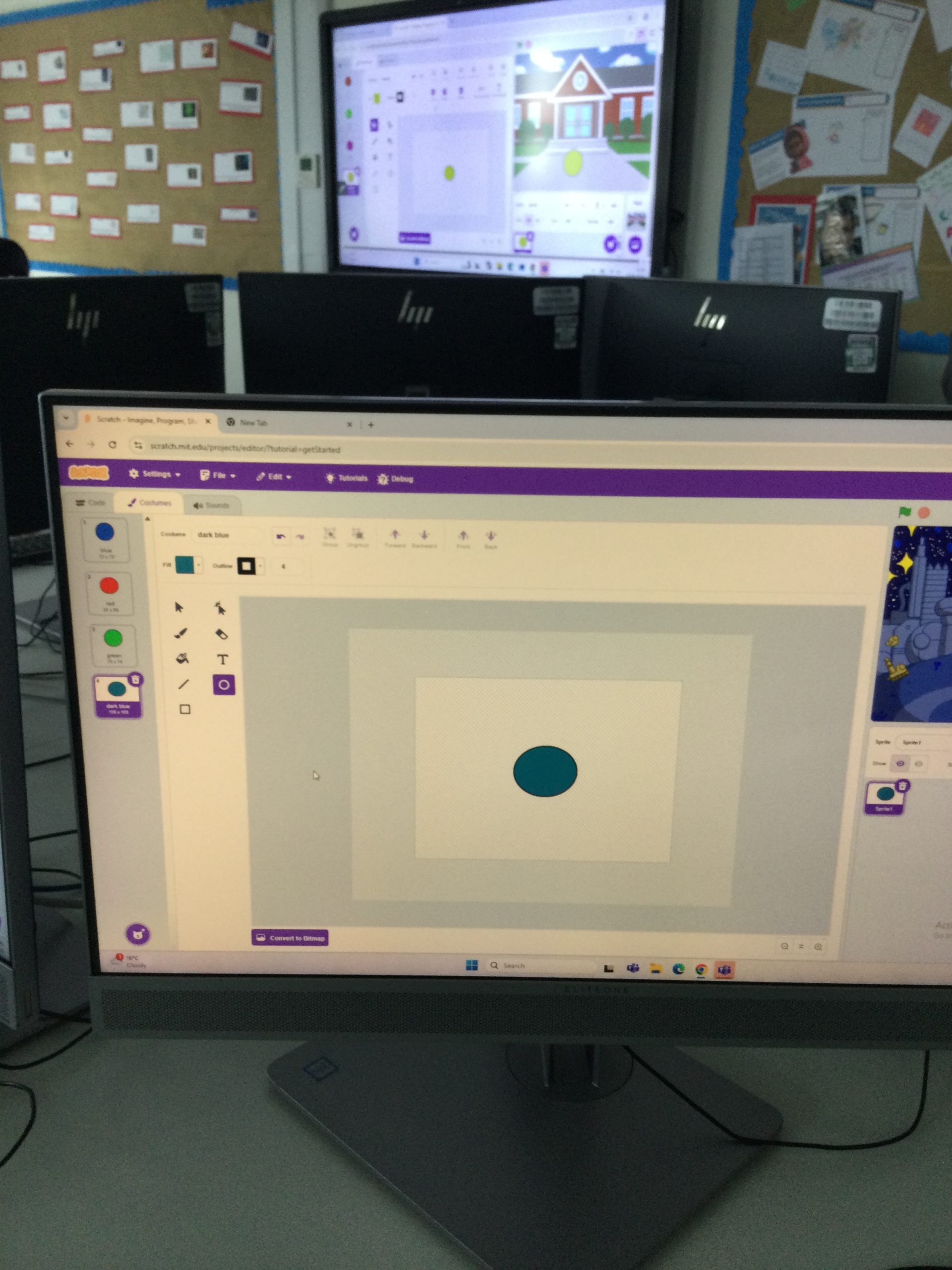
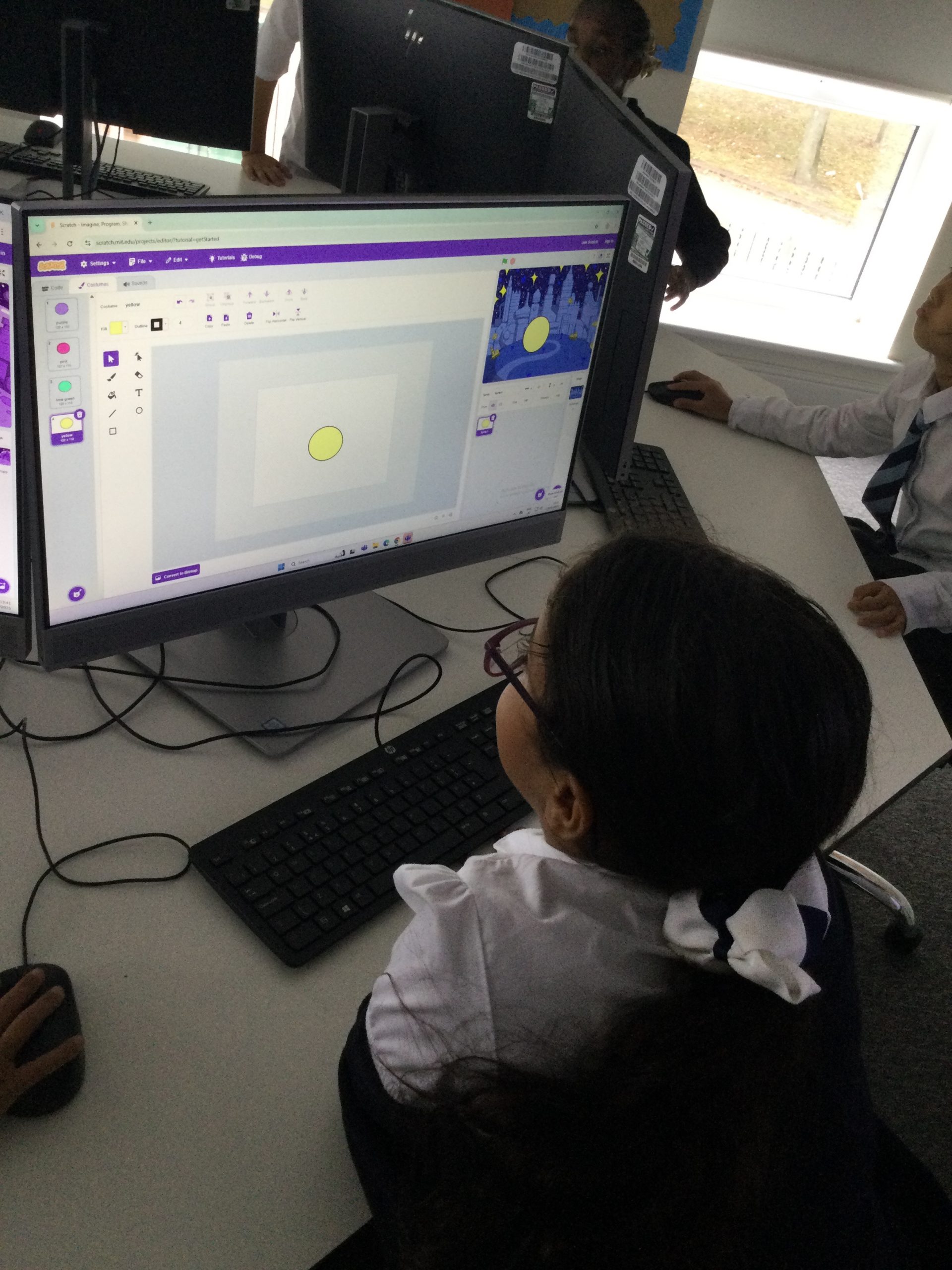
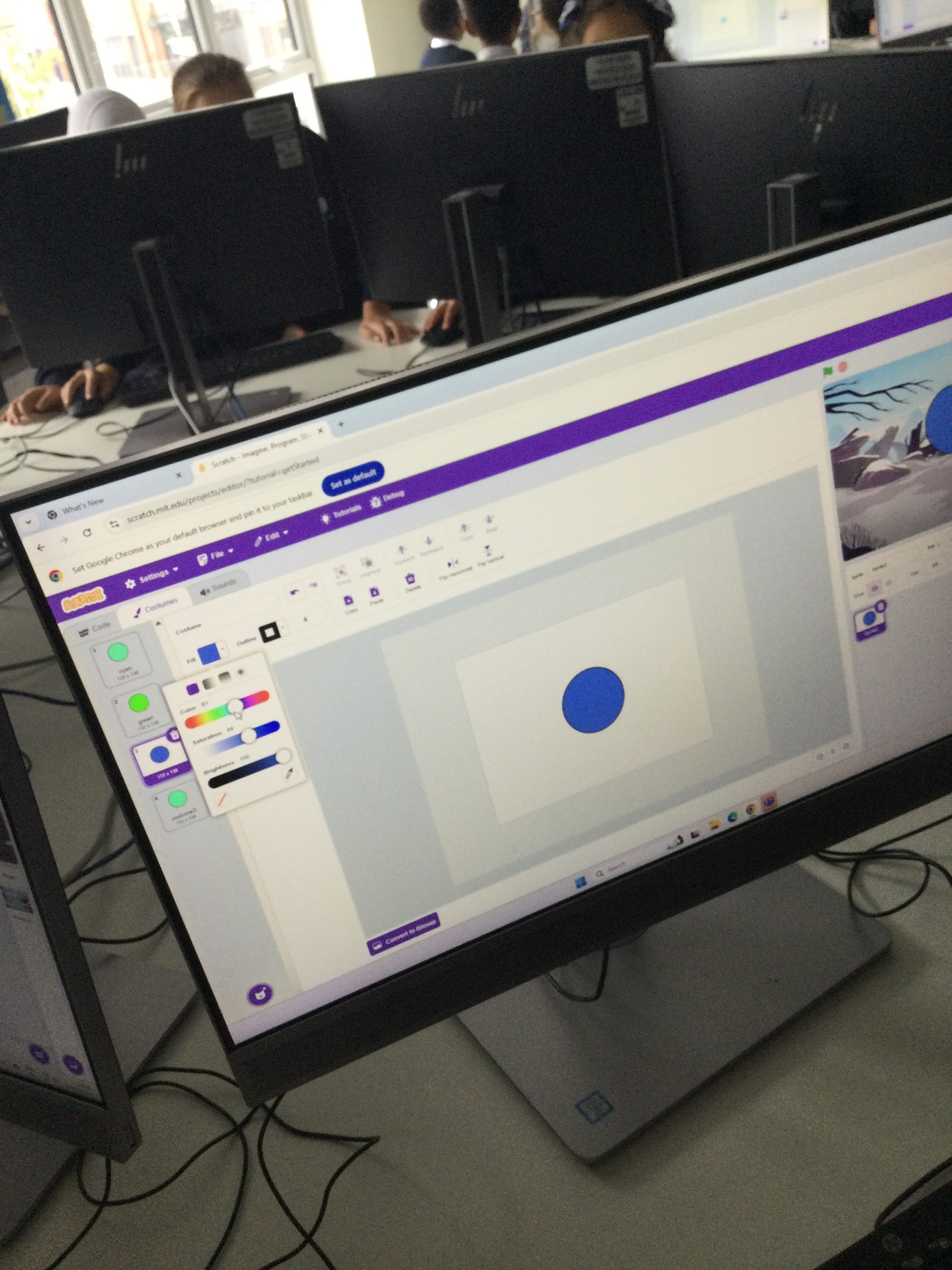
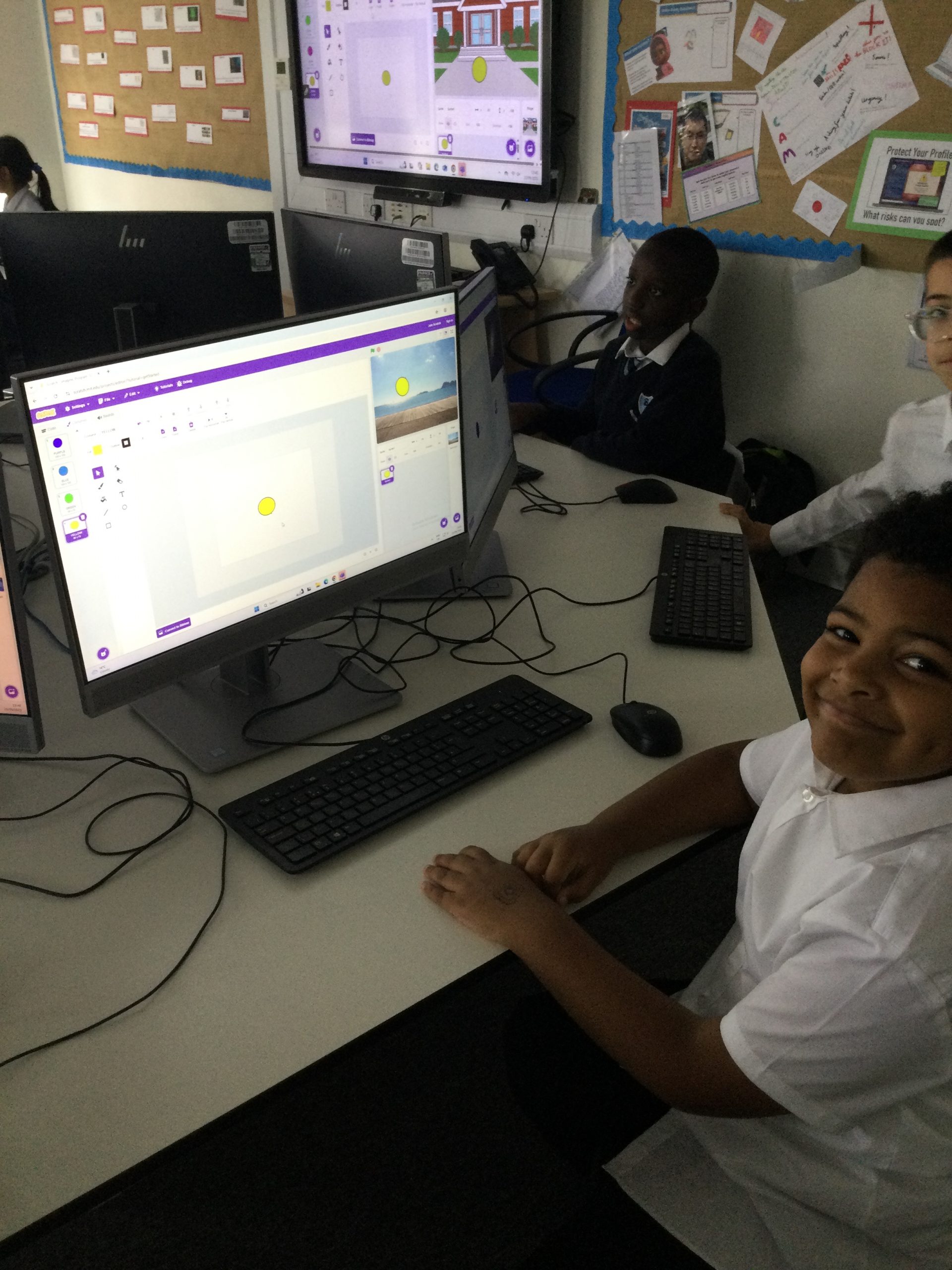
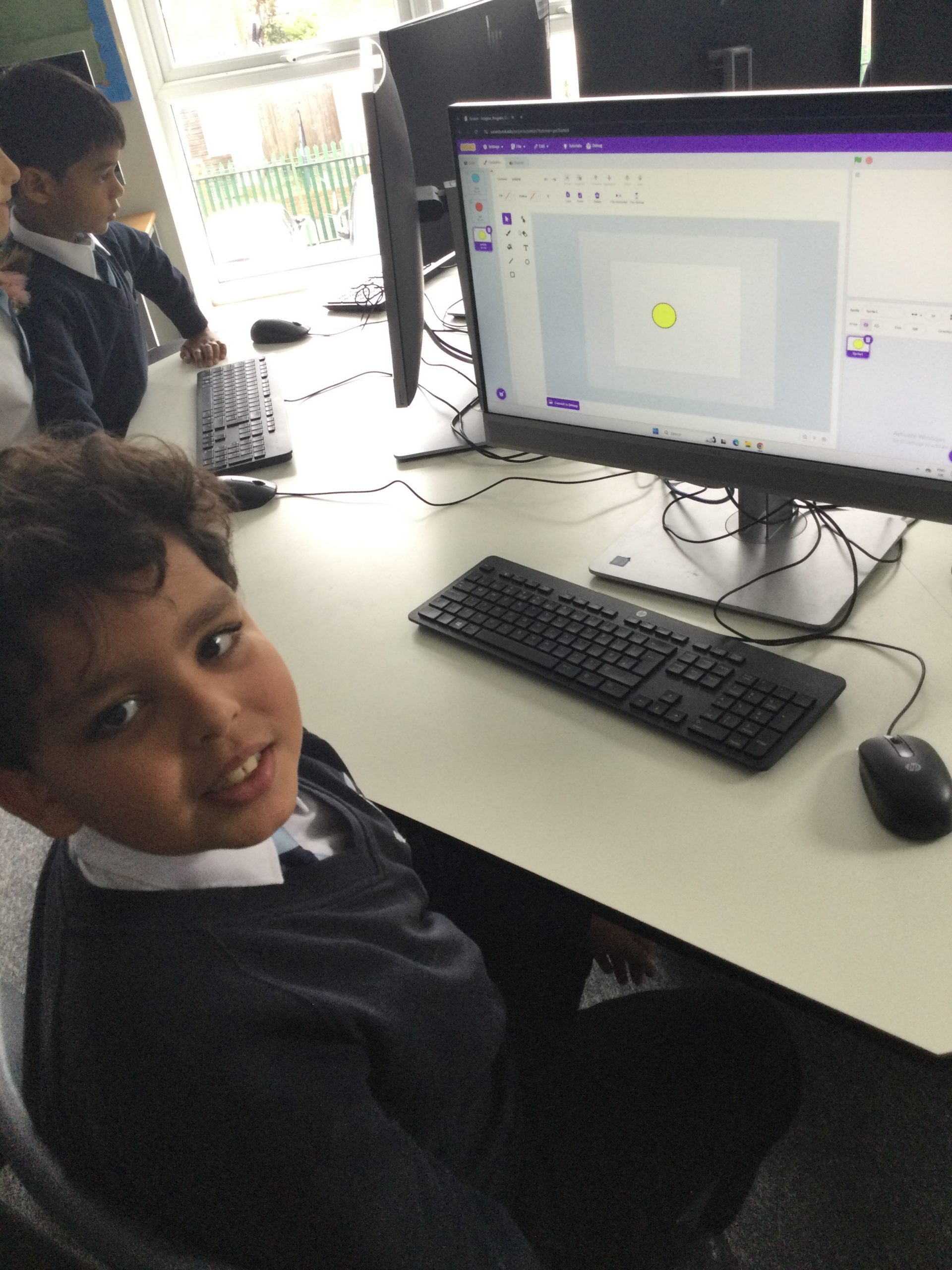
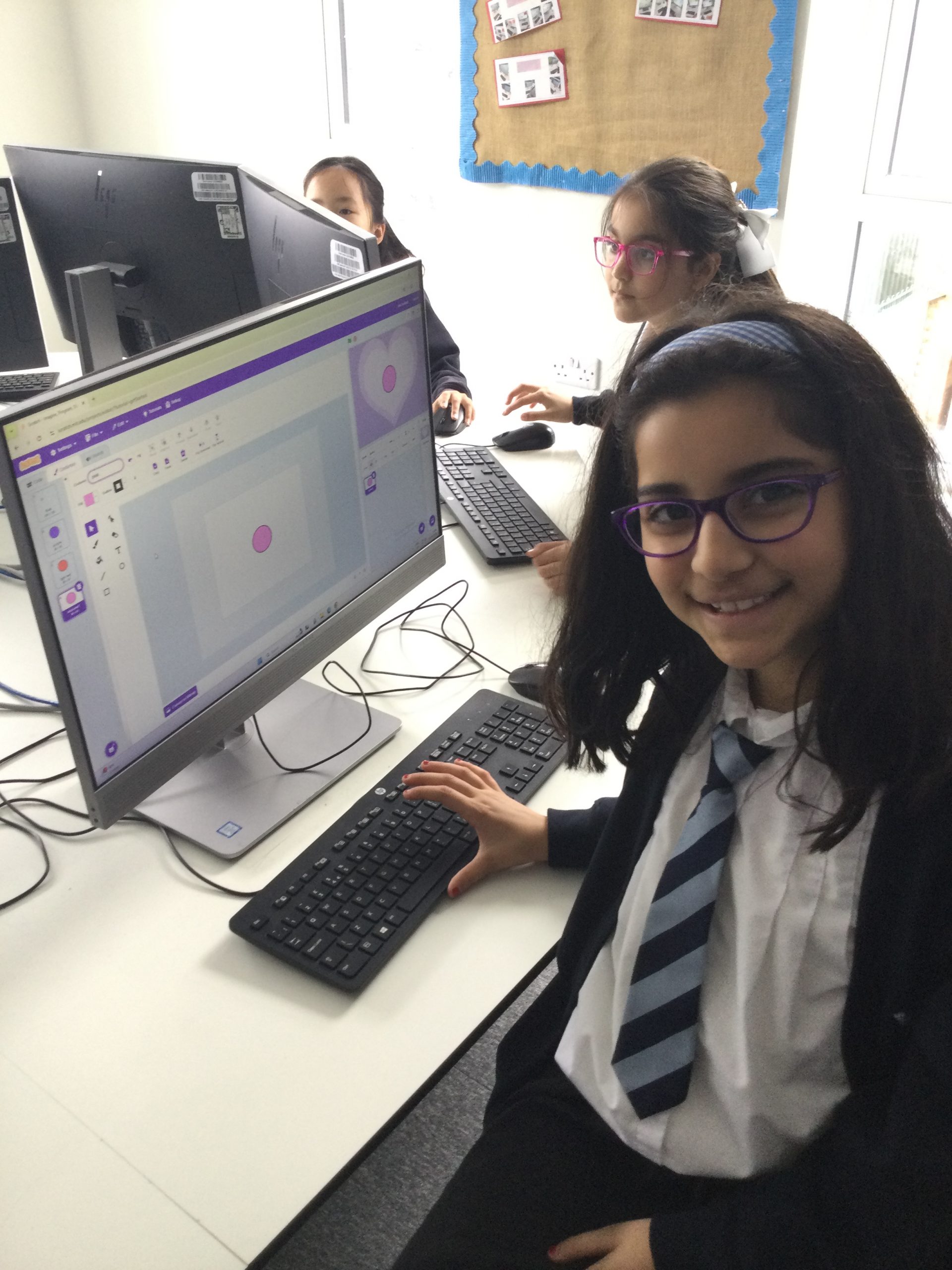
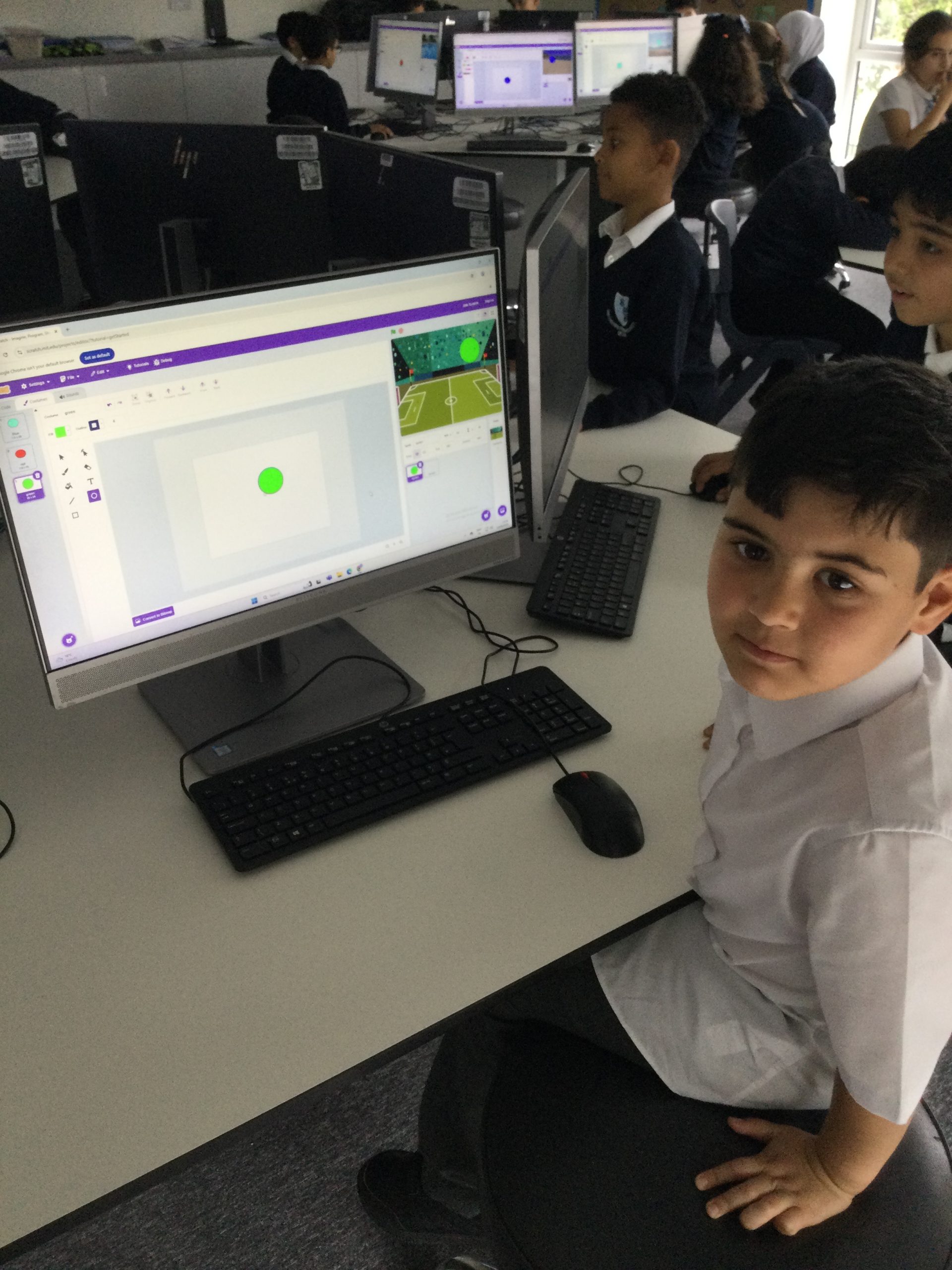
Year 4 love using scratch to create their own code. Today, they used copy and paste skills to create sprites of different colours and used coding to make these move in different directions.
A wonderful last lesson writing up our non-chronological reports on the Amazon. 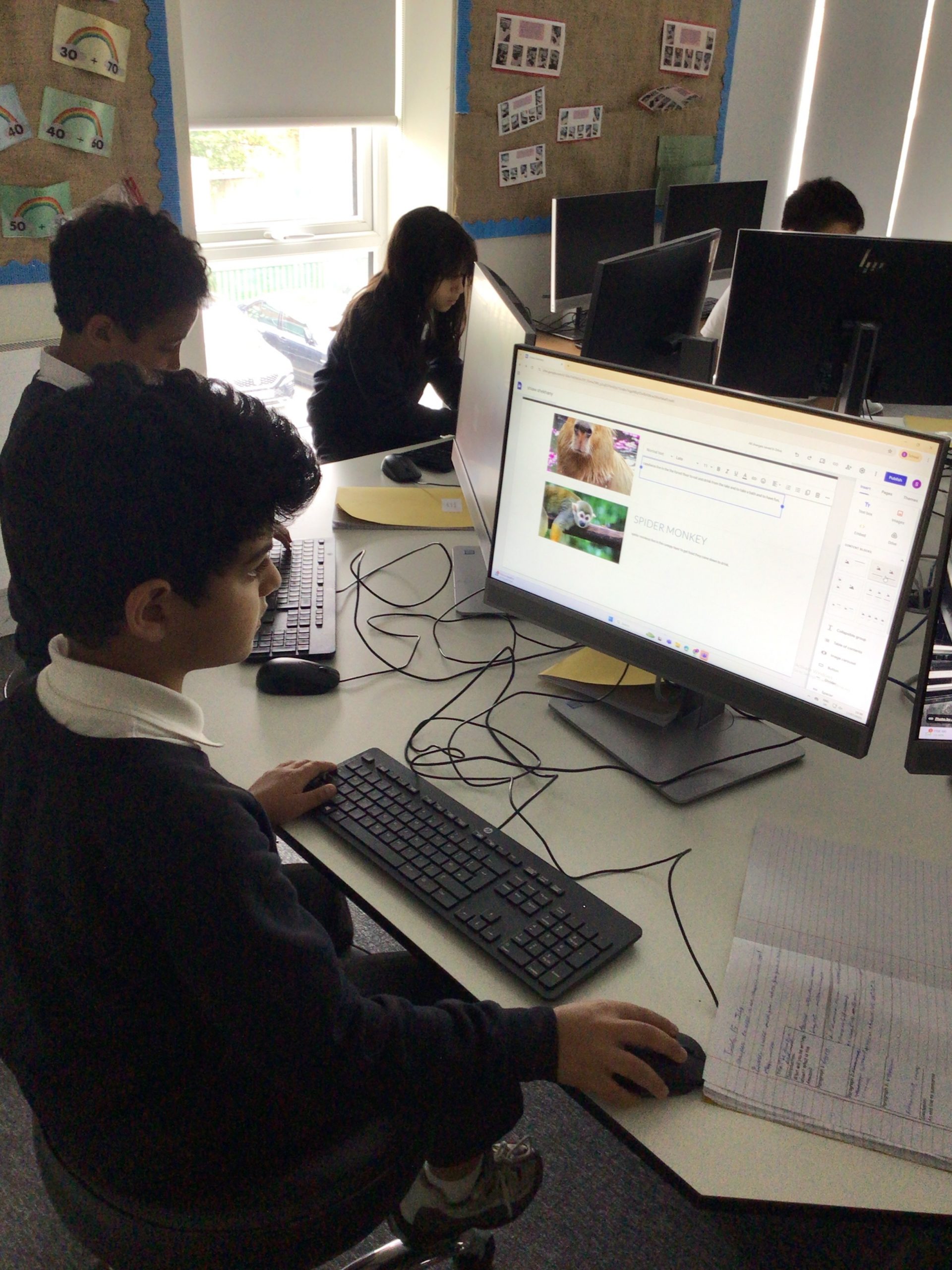
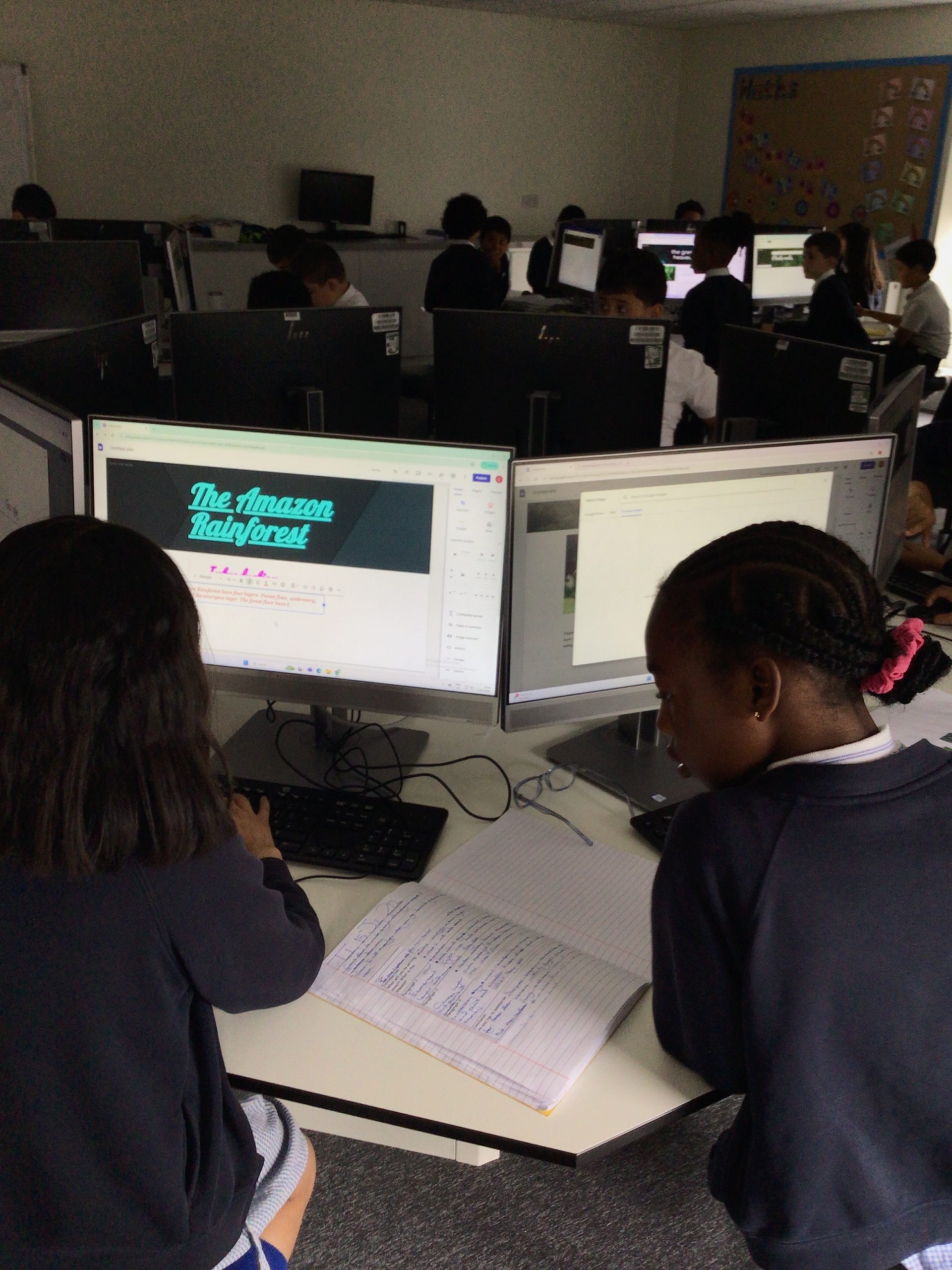
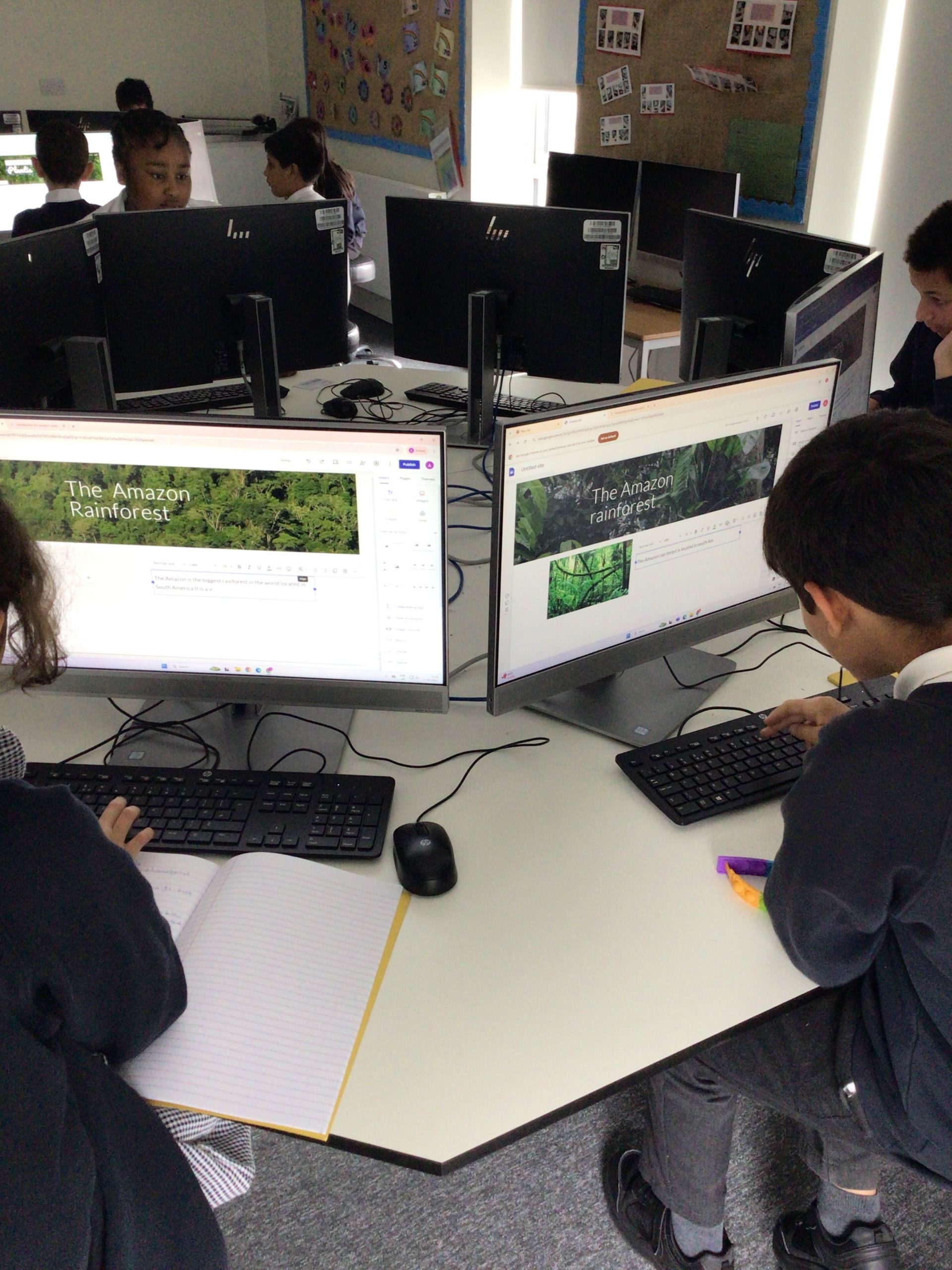
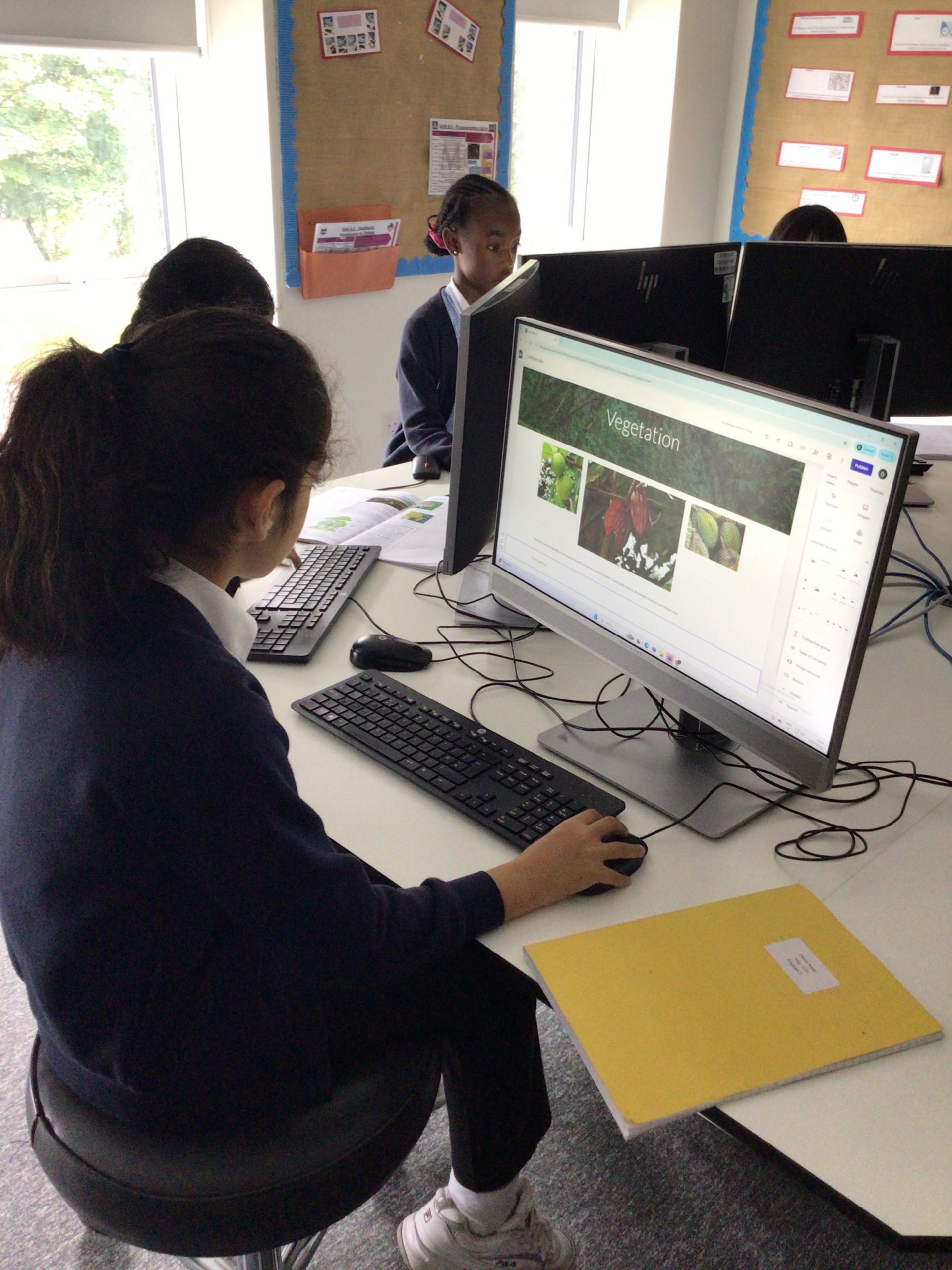
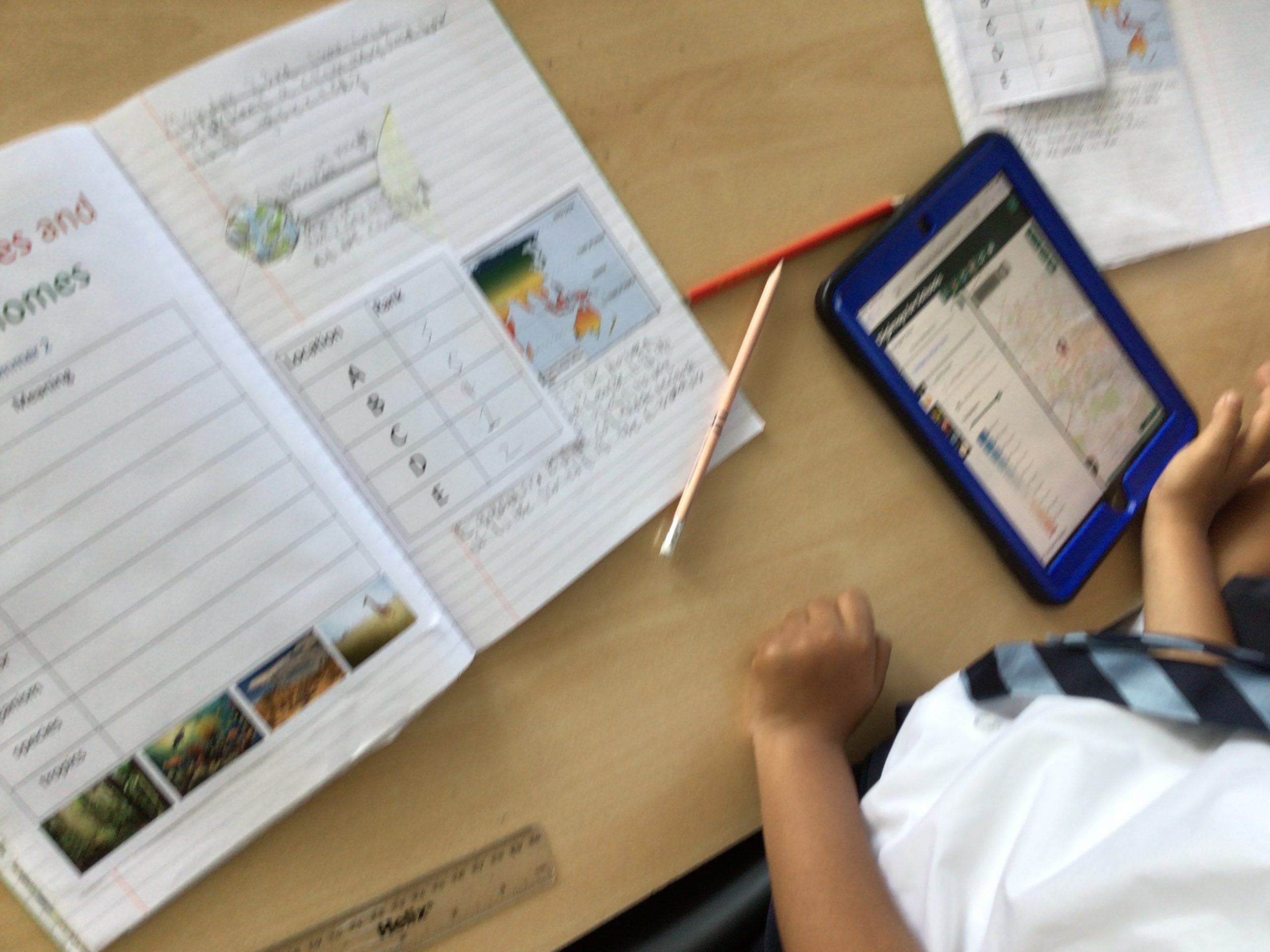
Today we looked on digimaps for the first time to find out where the Amazon is and found out some key facts about it. We looked at population, climate, biomes and much more. Amazing work year 5. 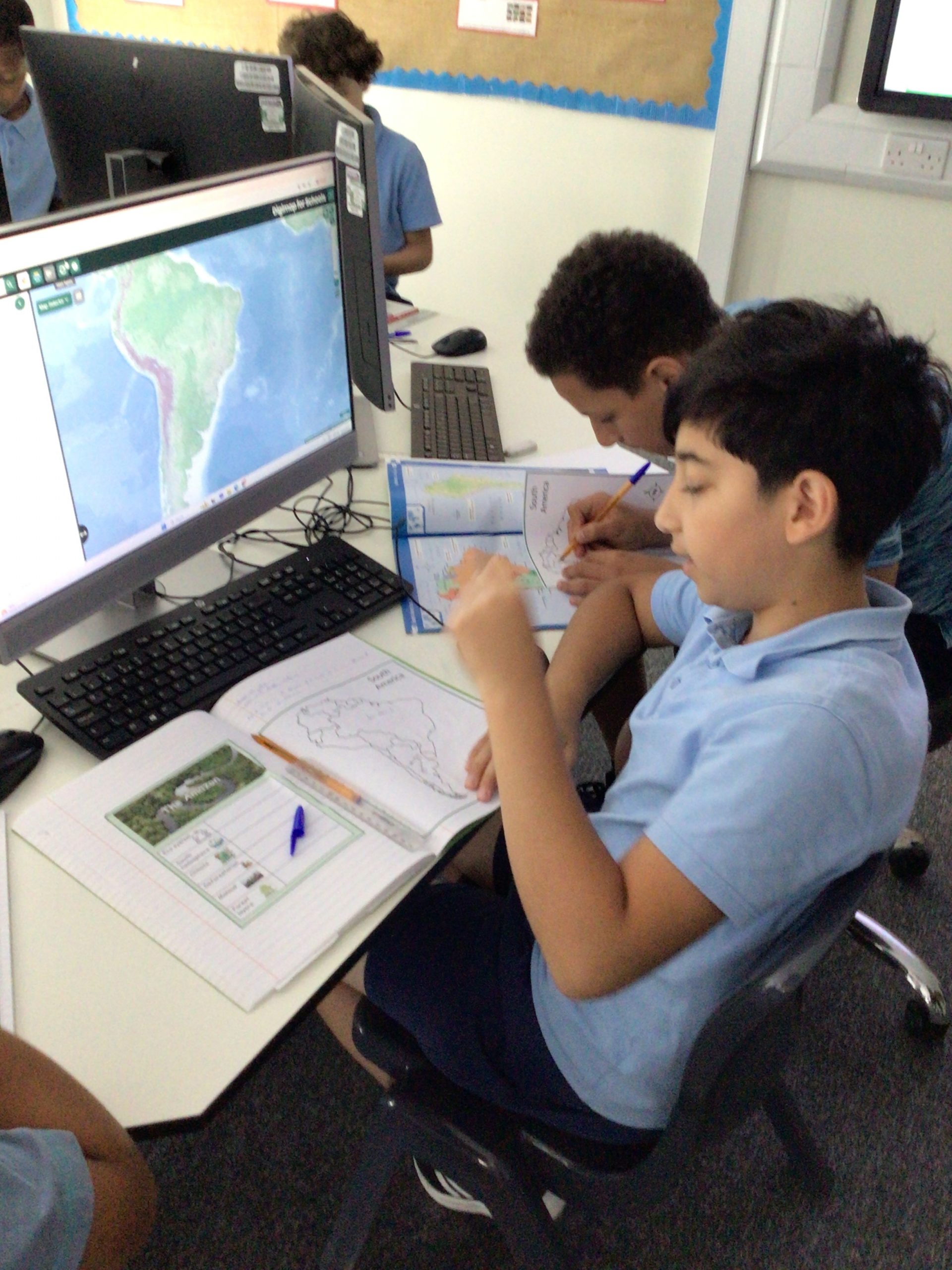
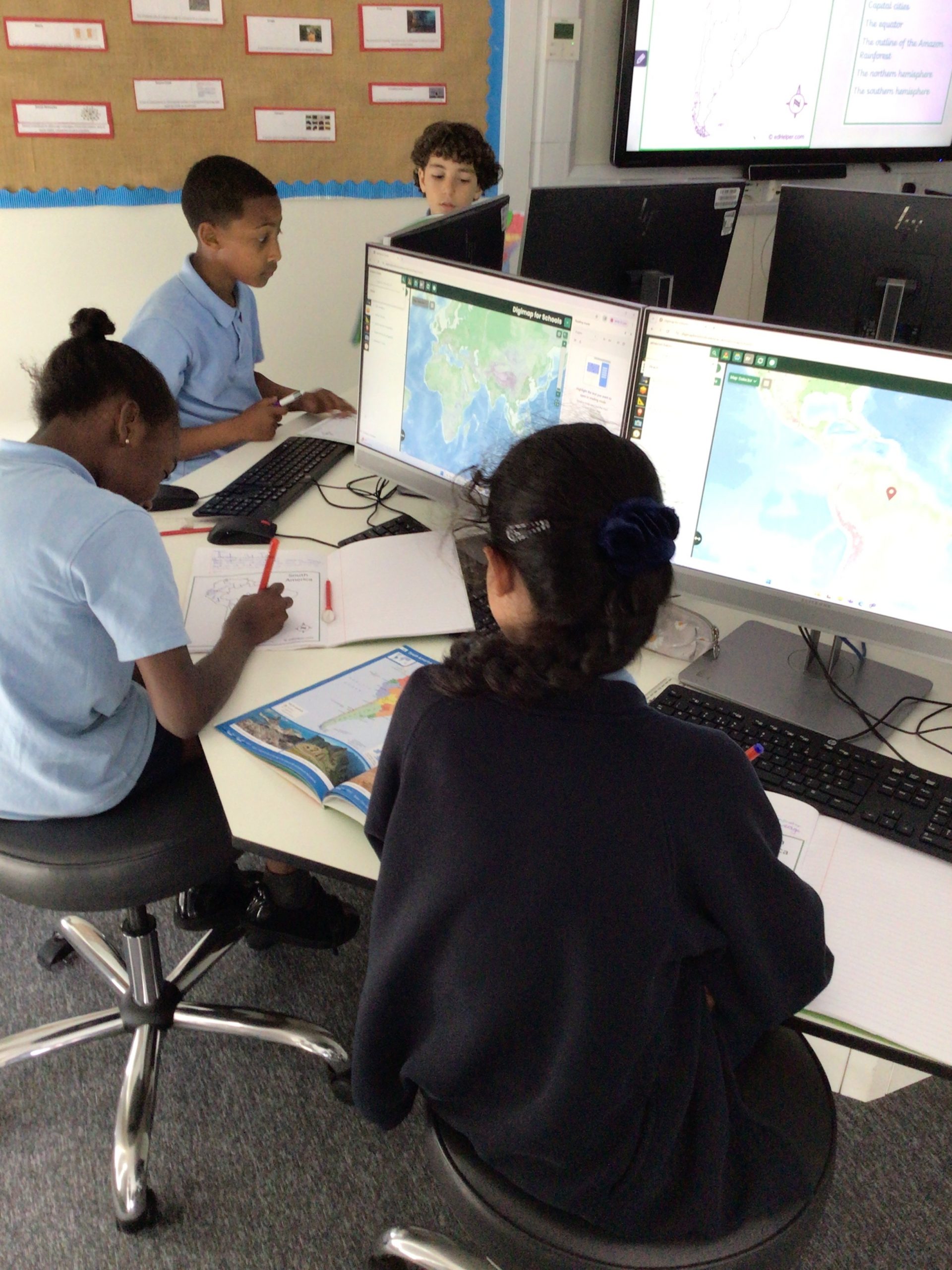
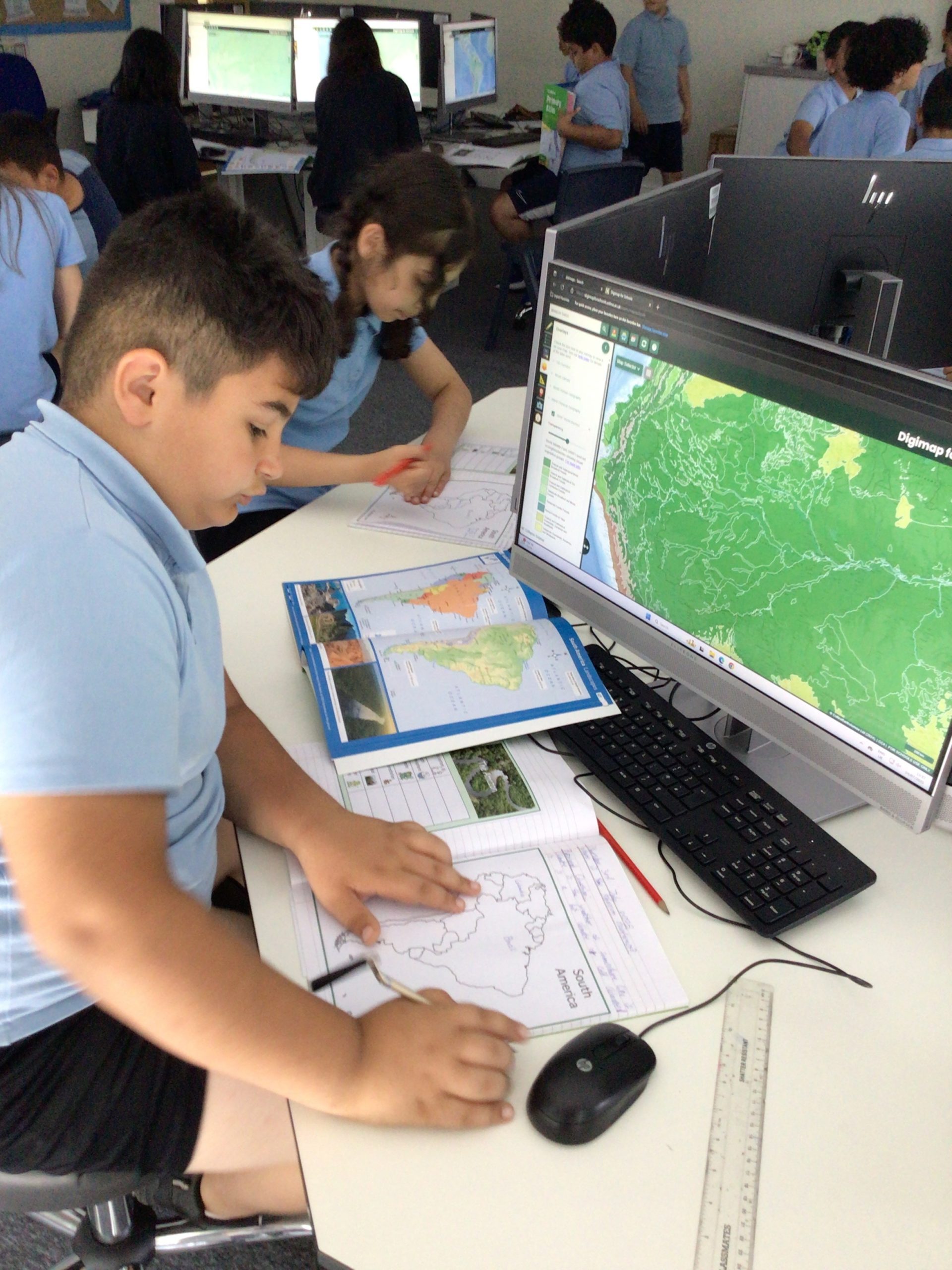
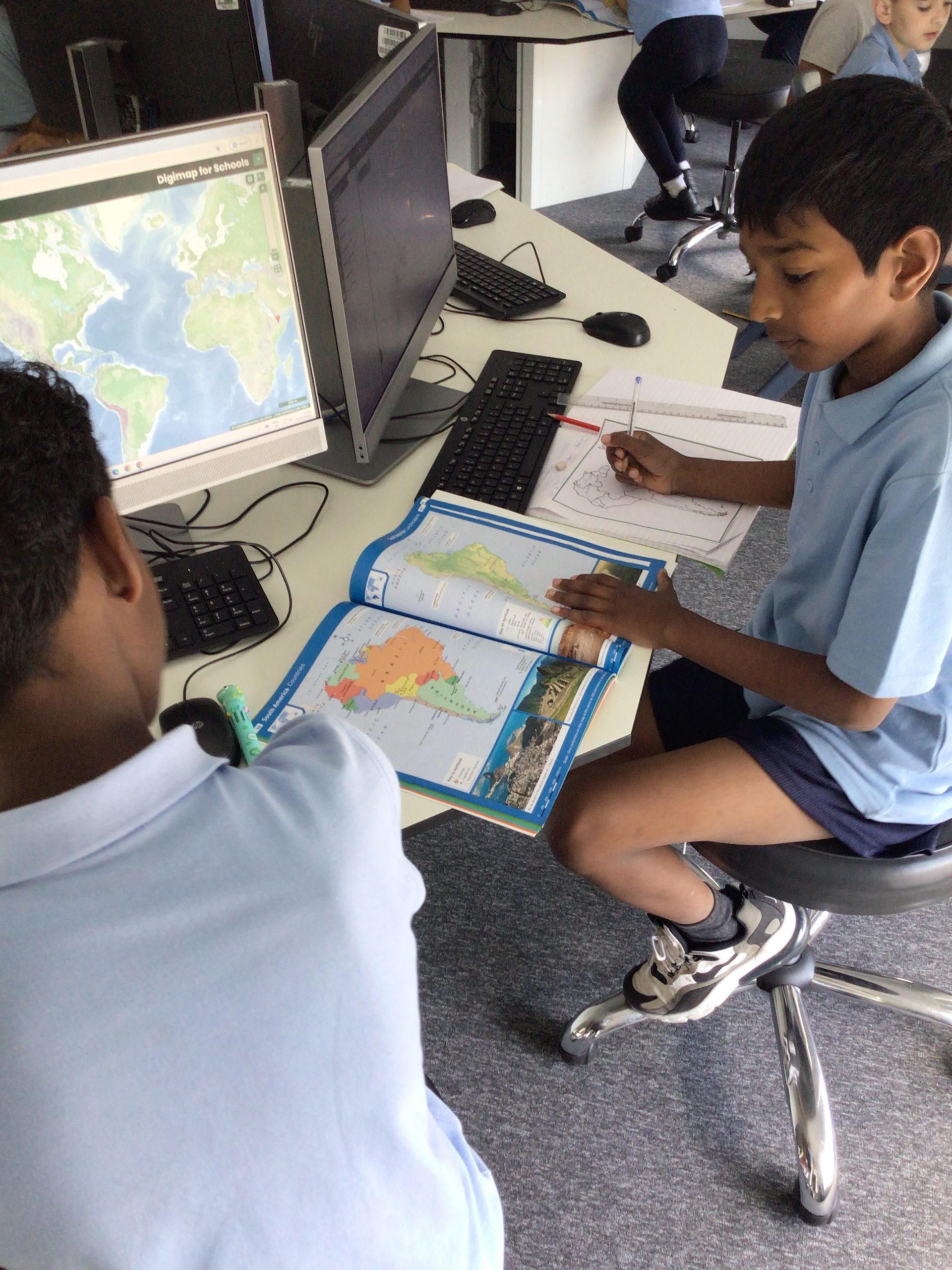
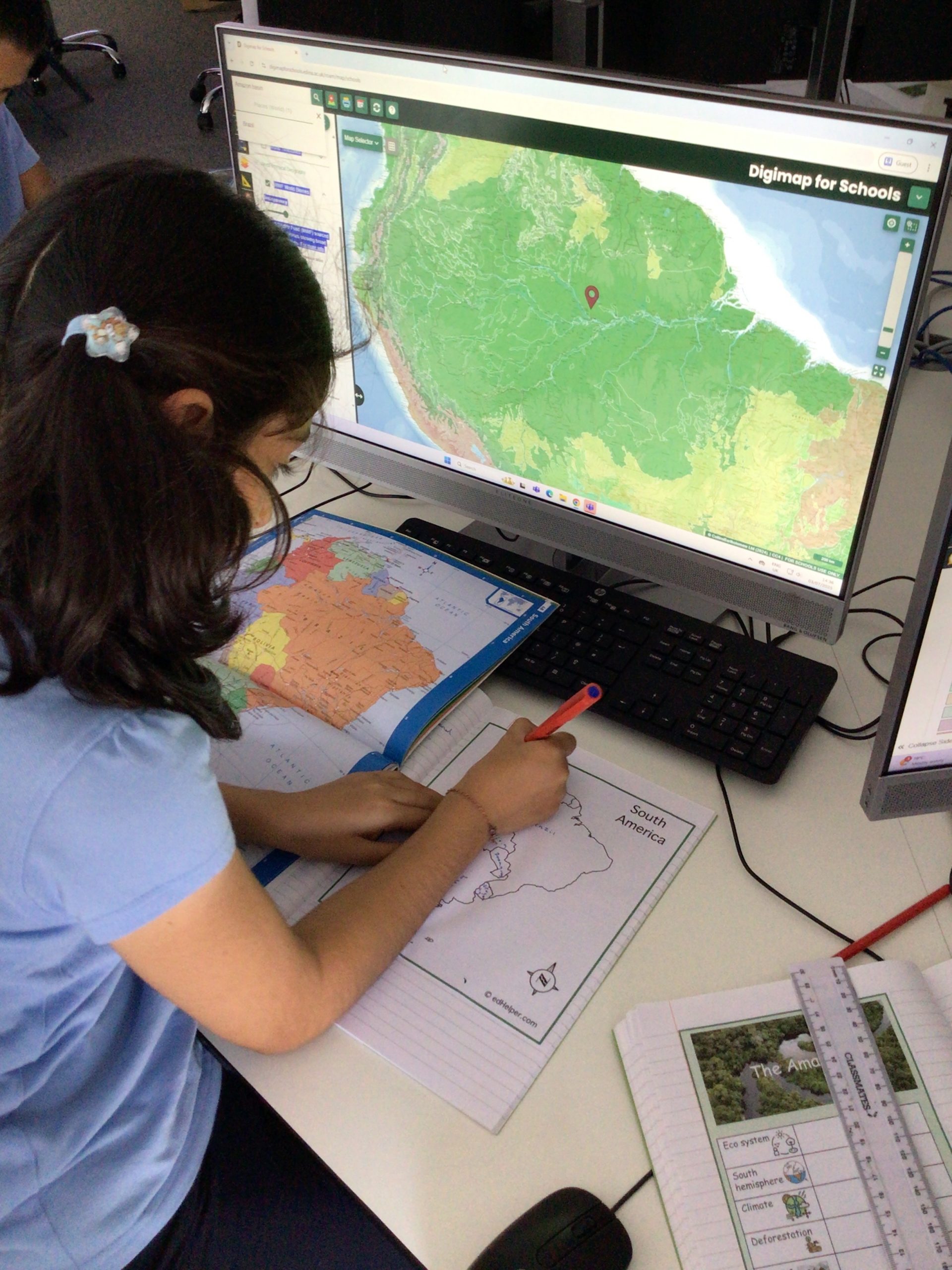

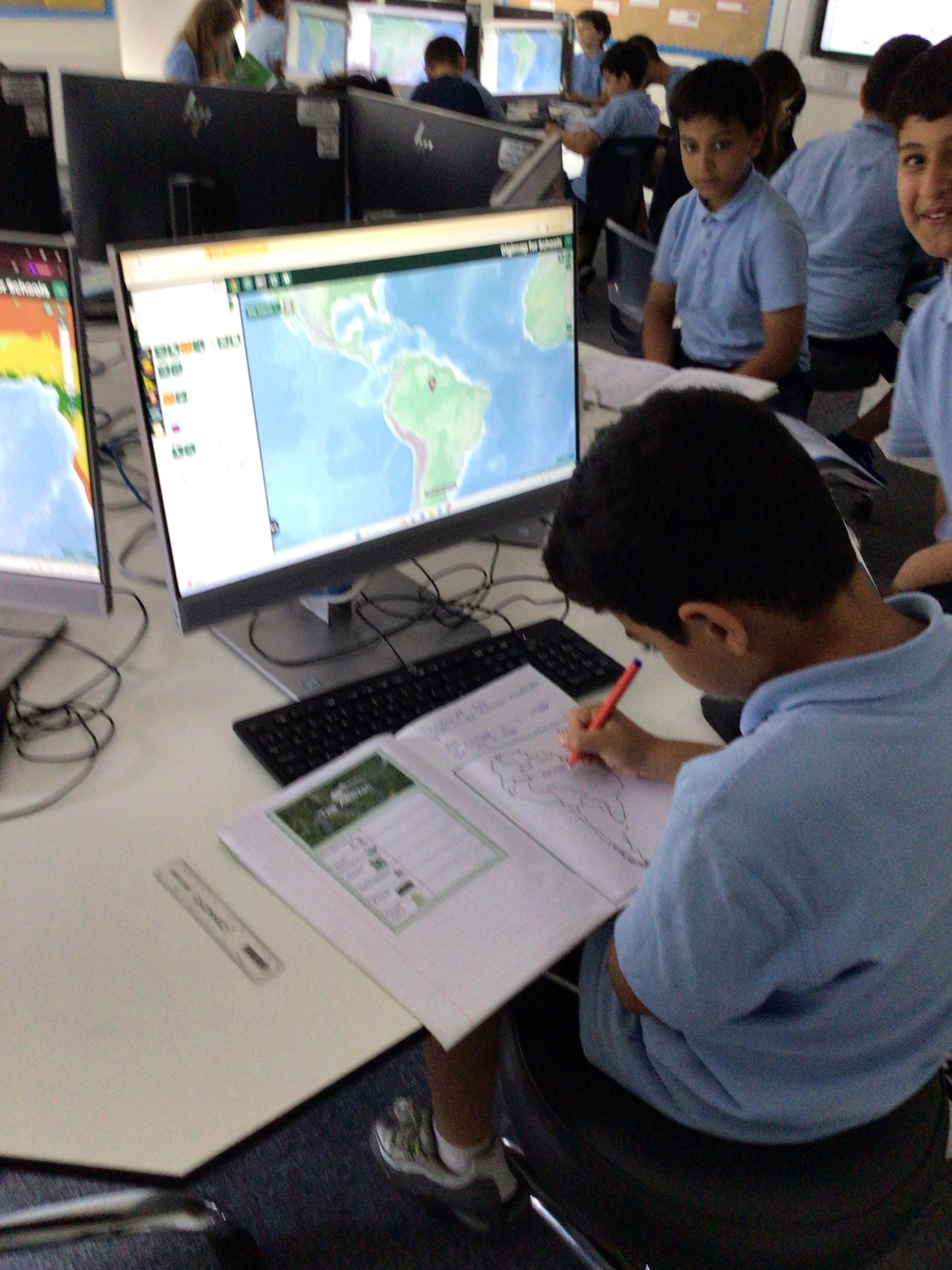
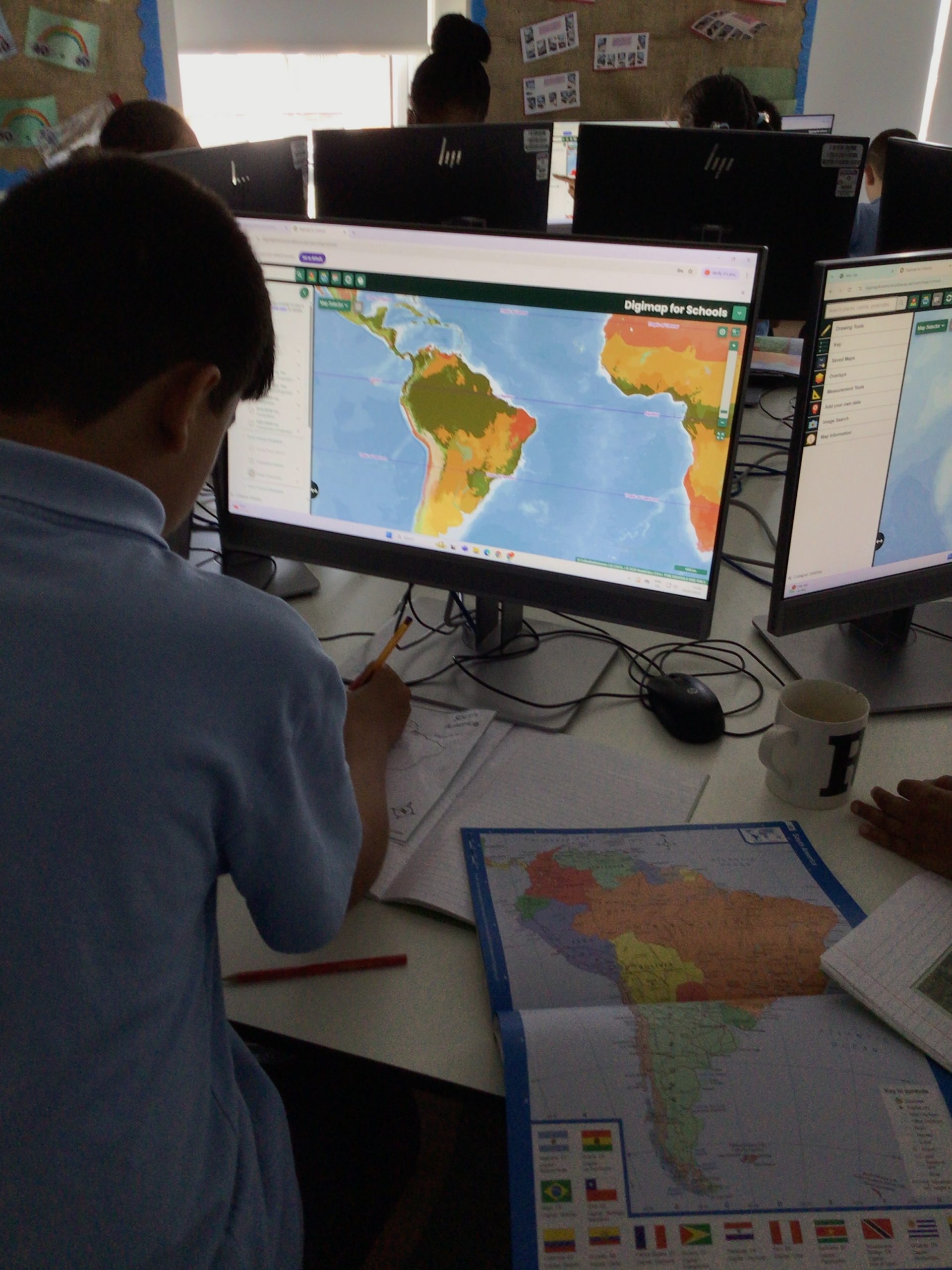
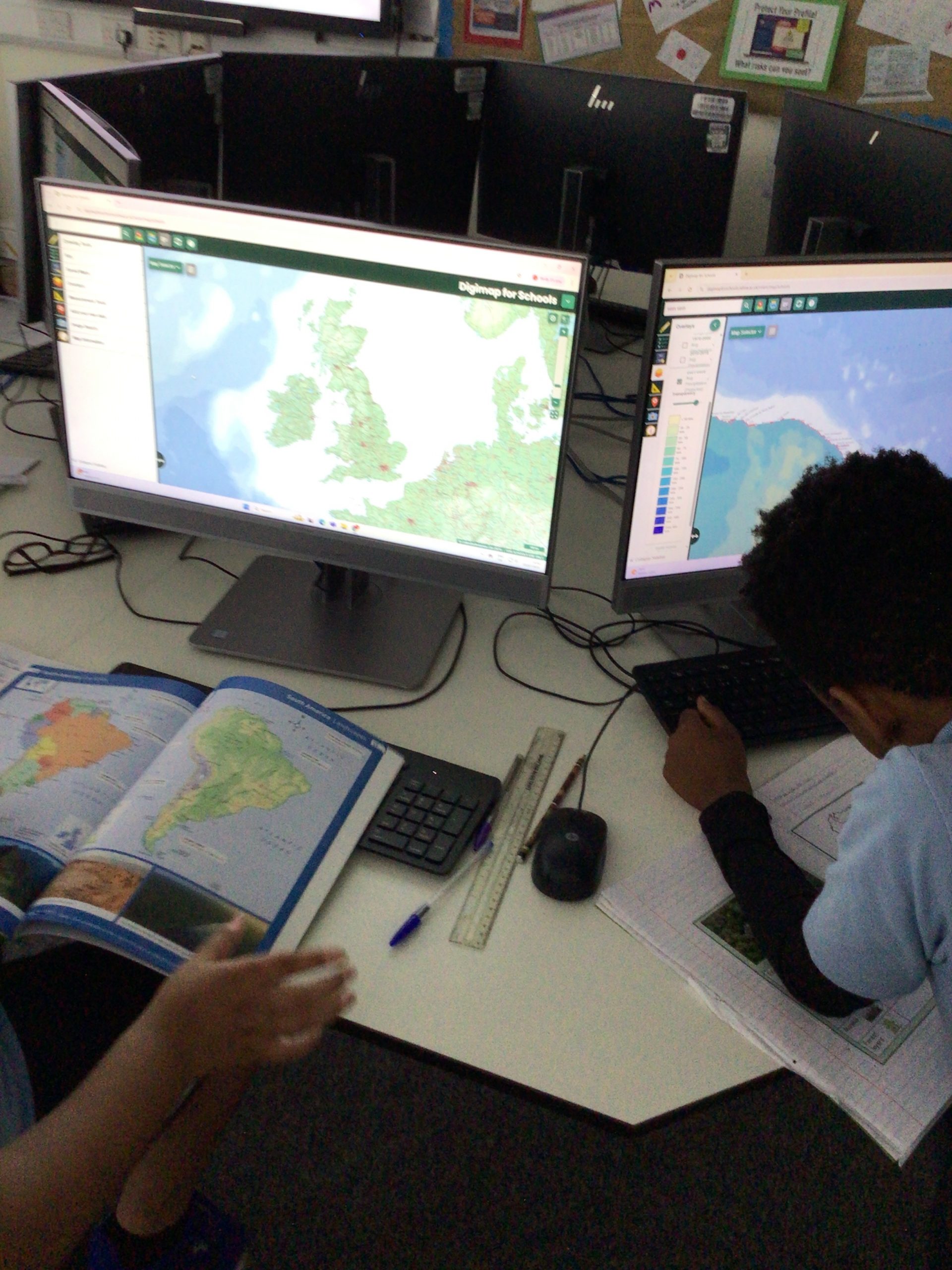
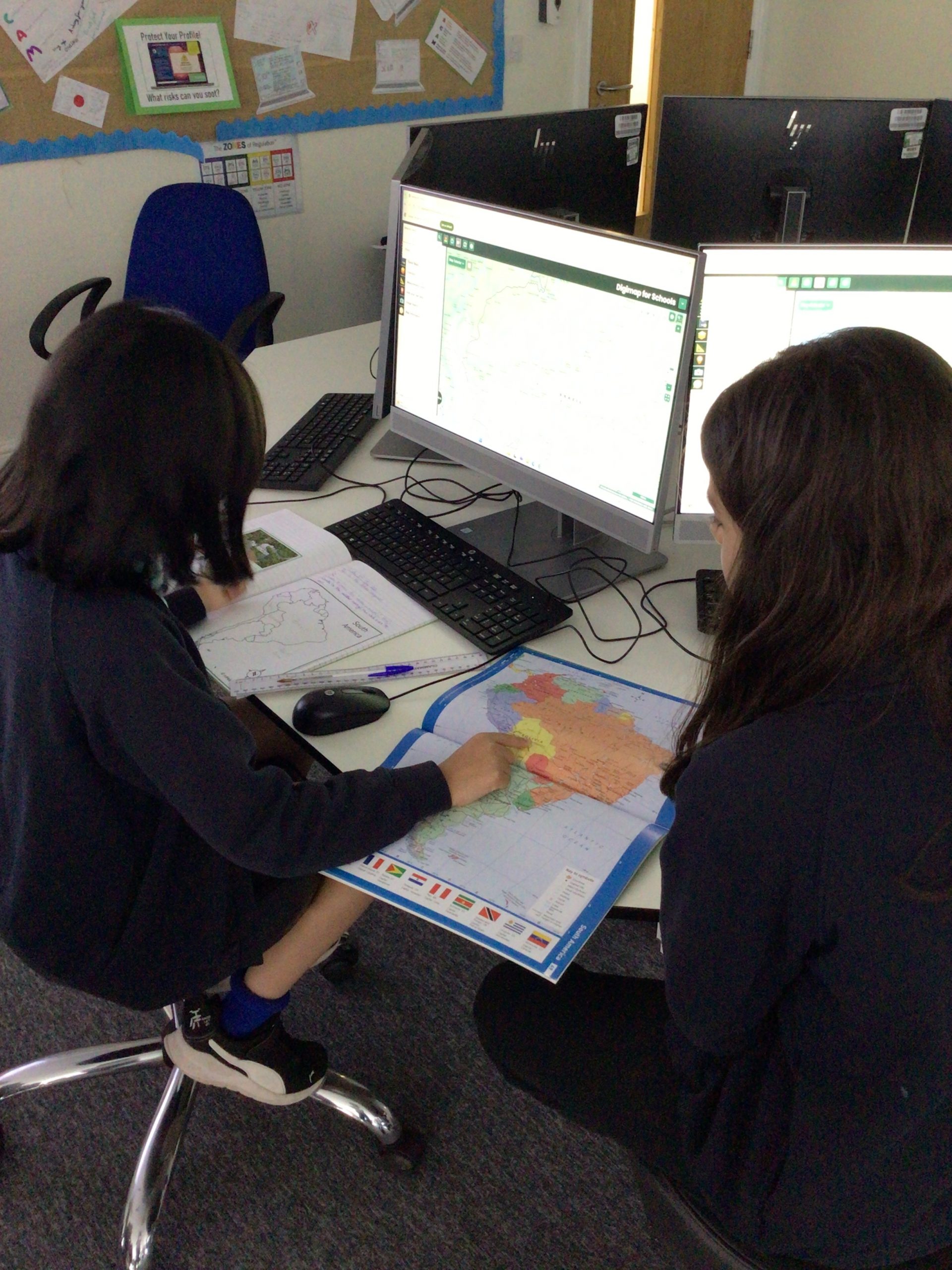
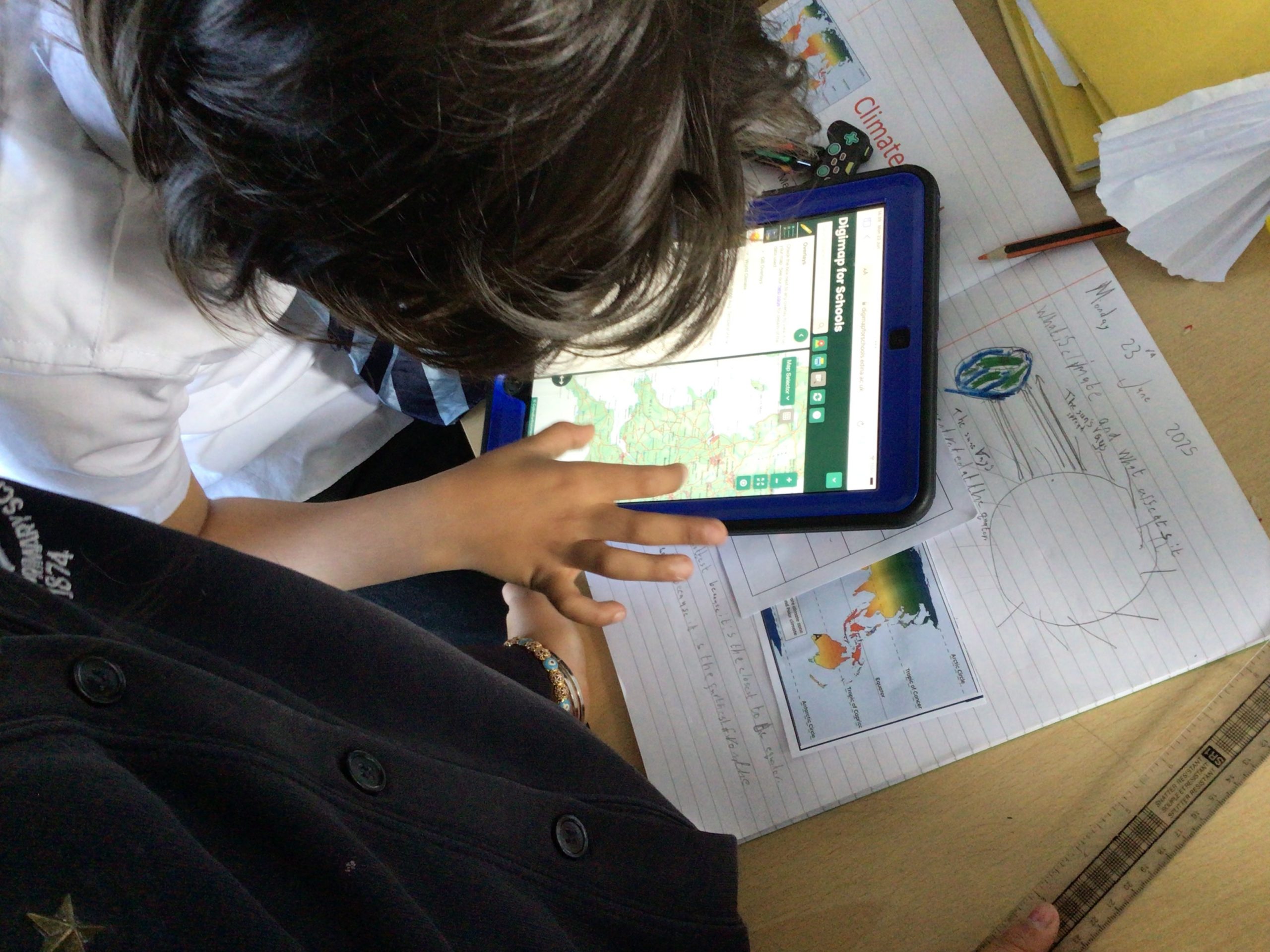
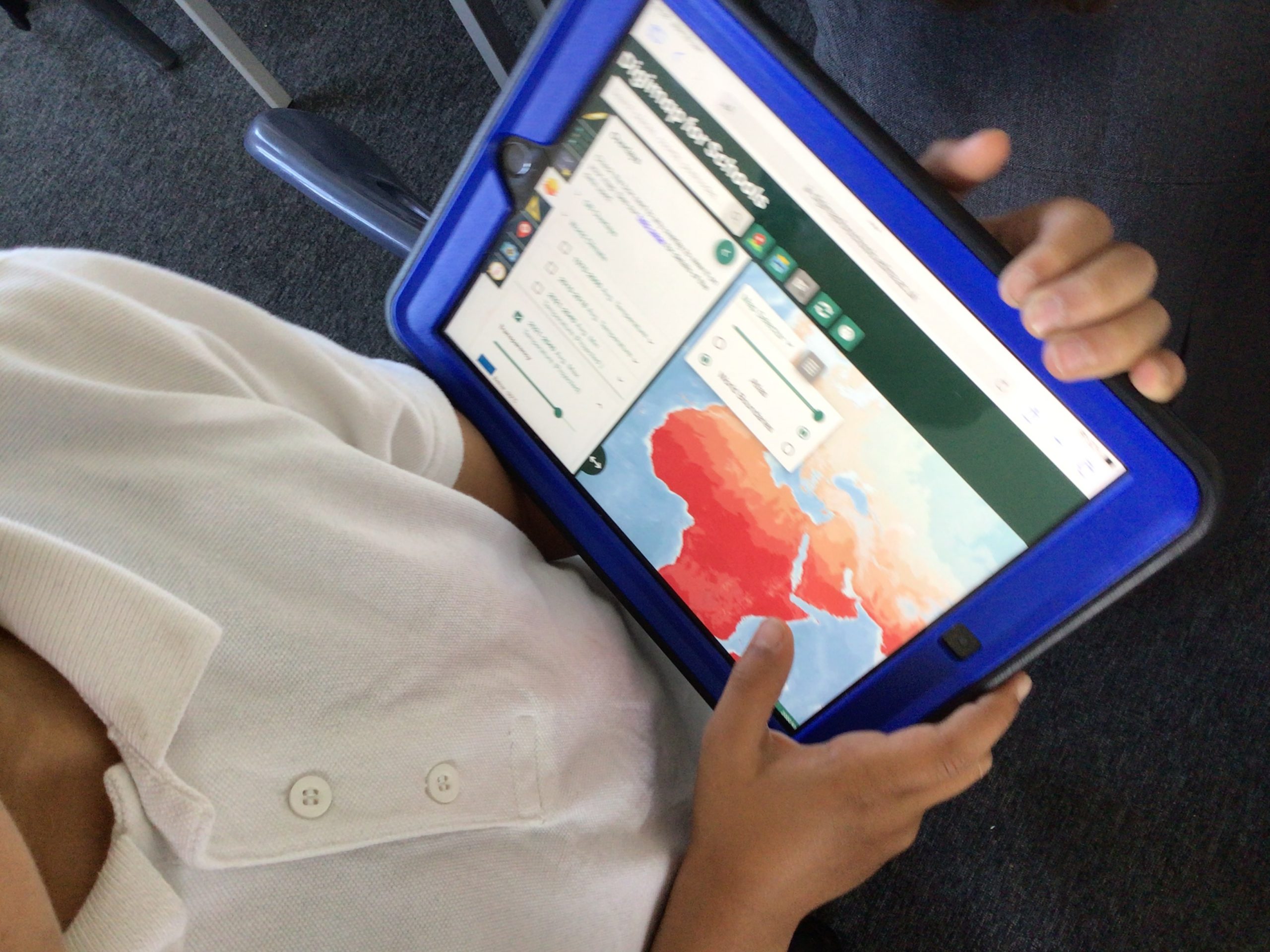
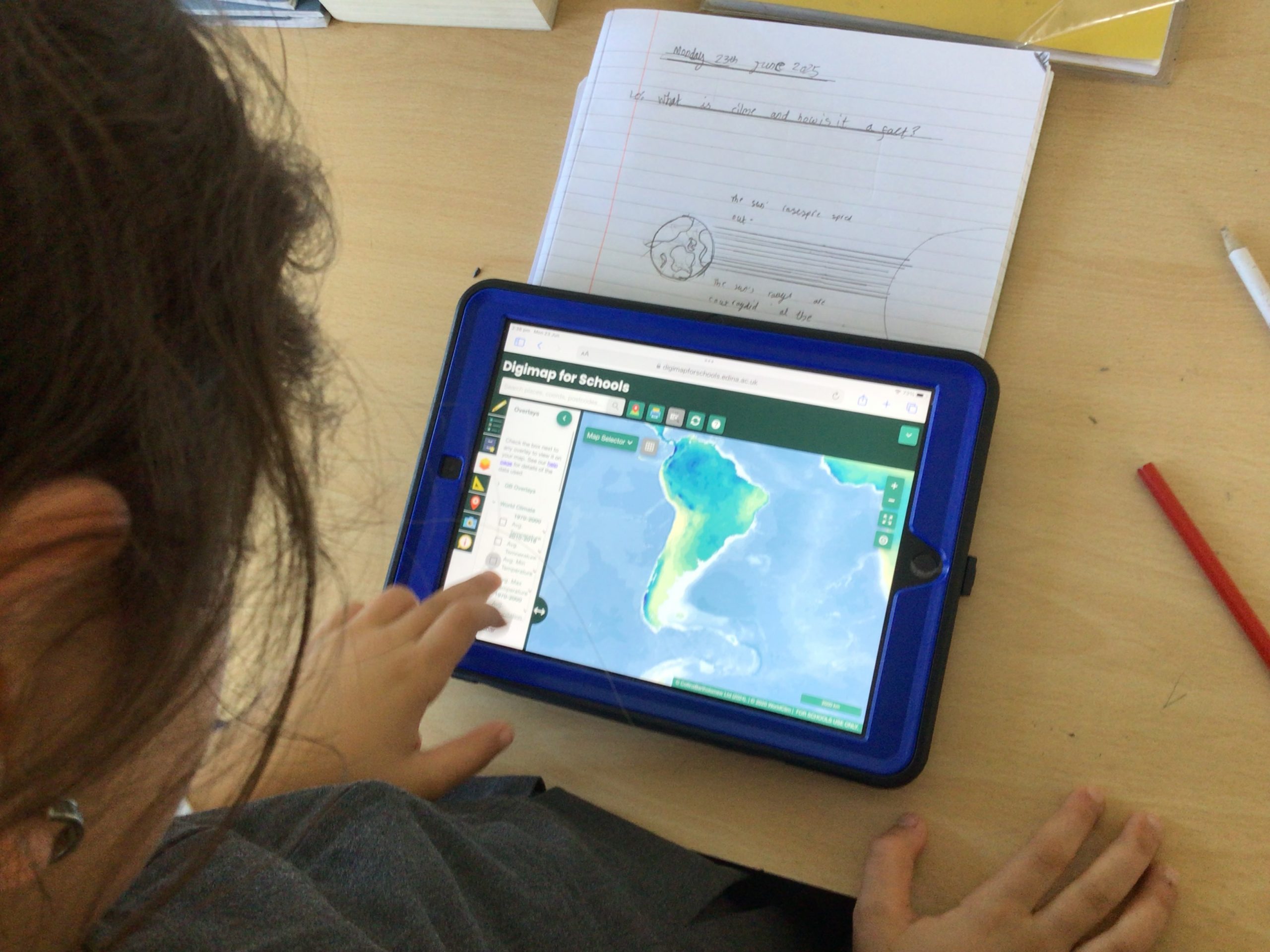
We looked at why our world has different climates and we also explored digimaps to find different temperatures across earth.
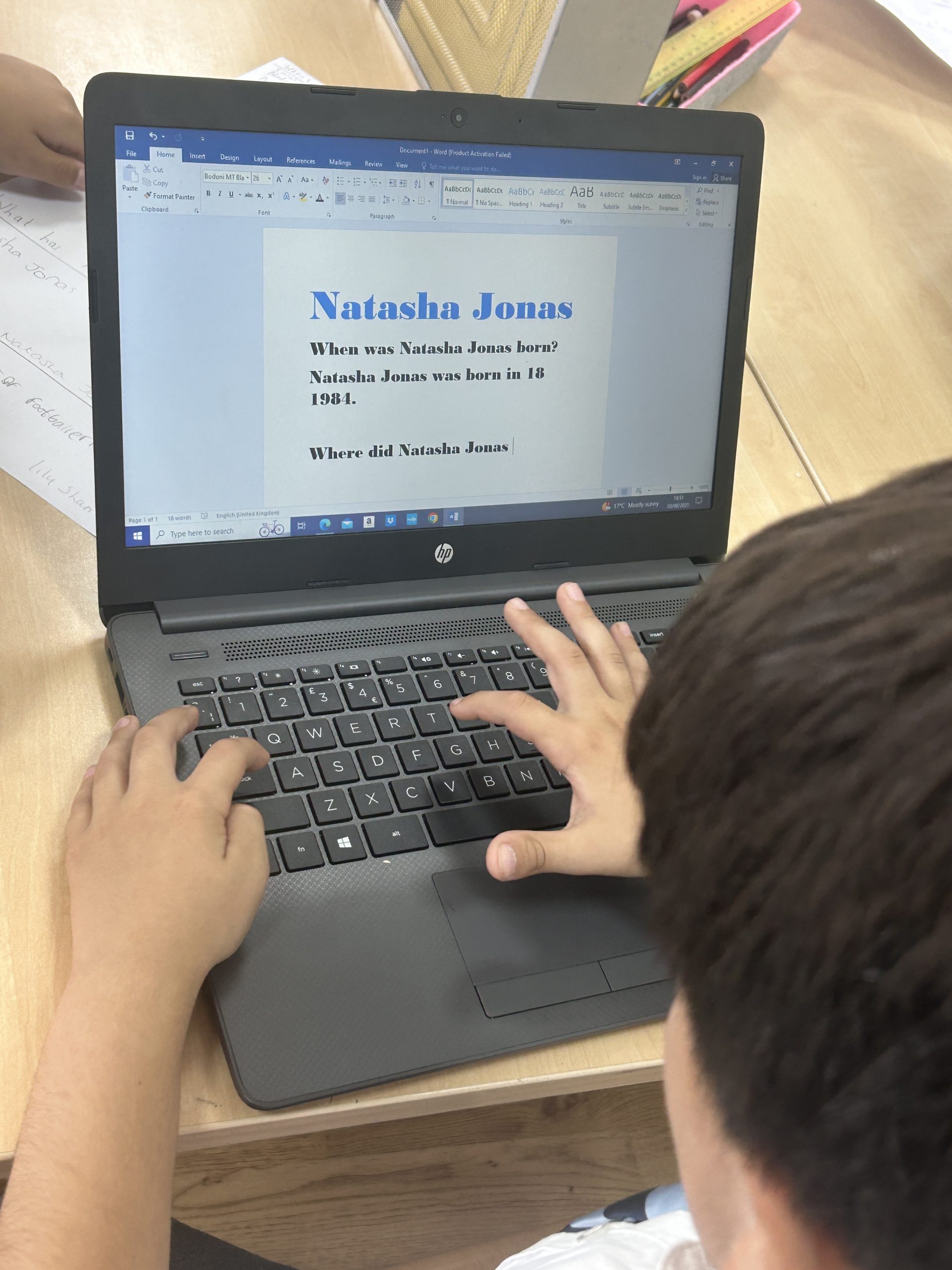
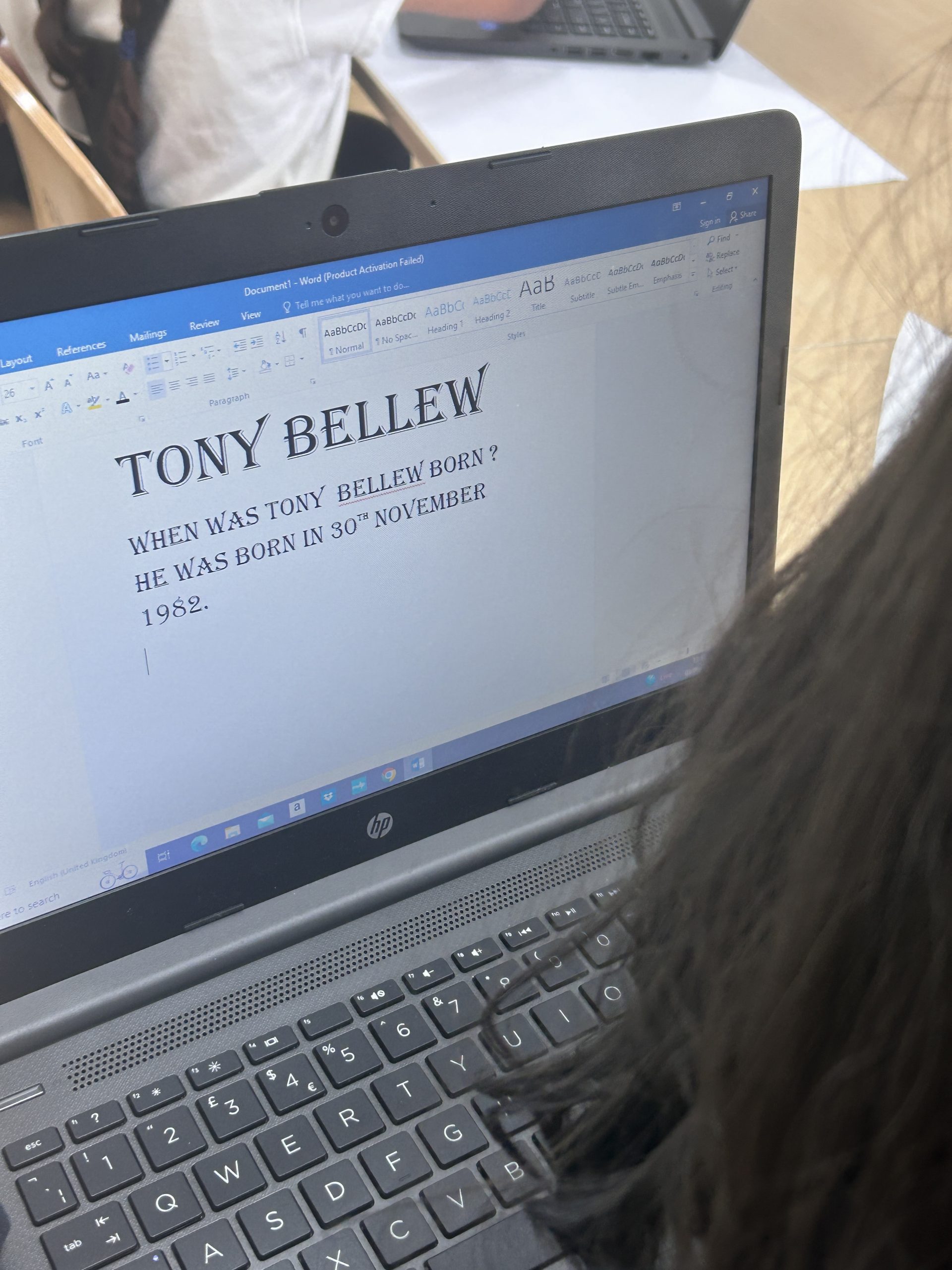
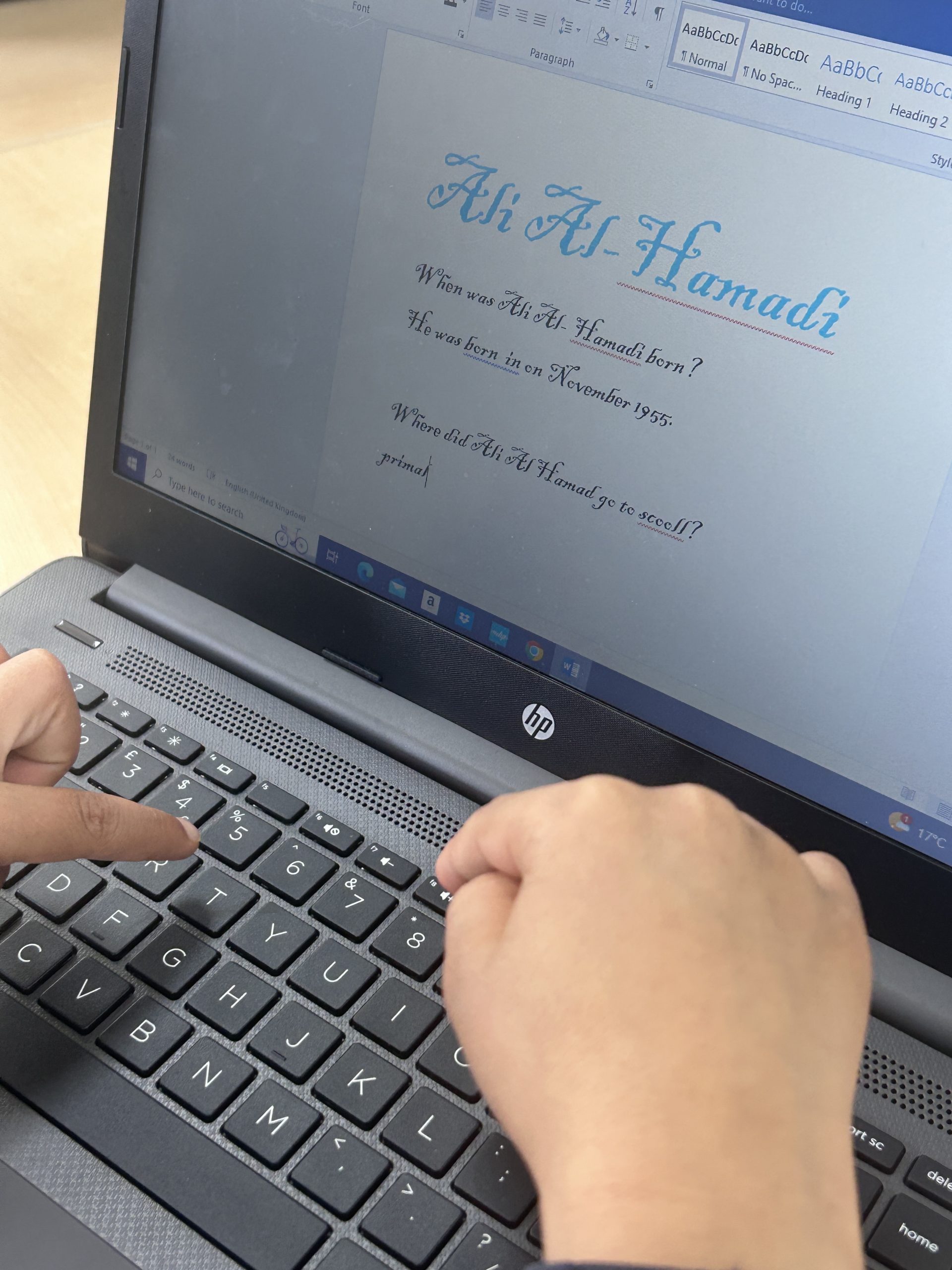
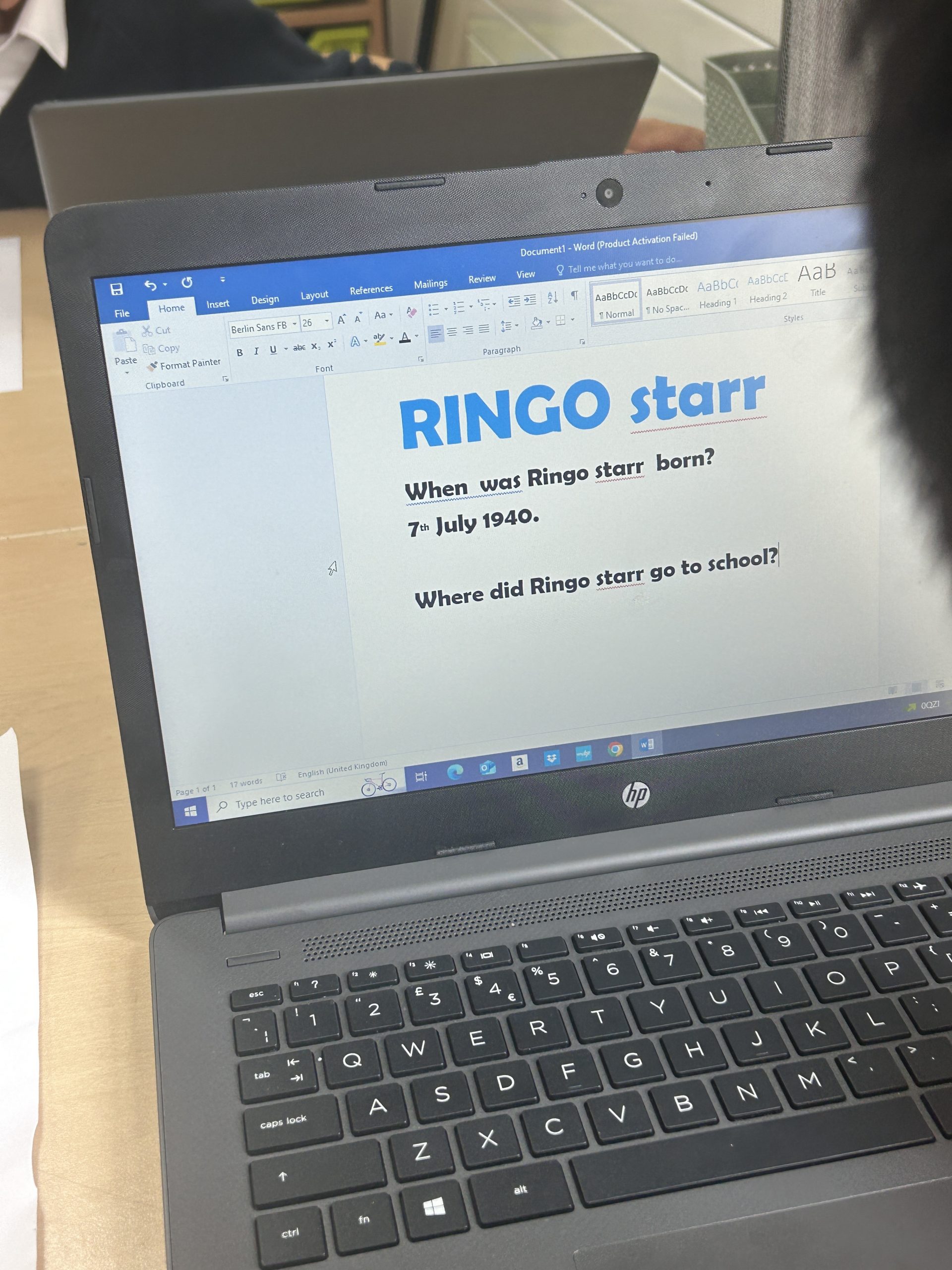
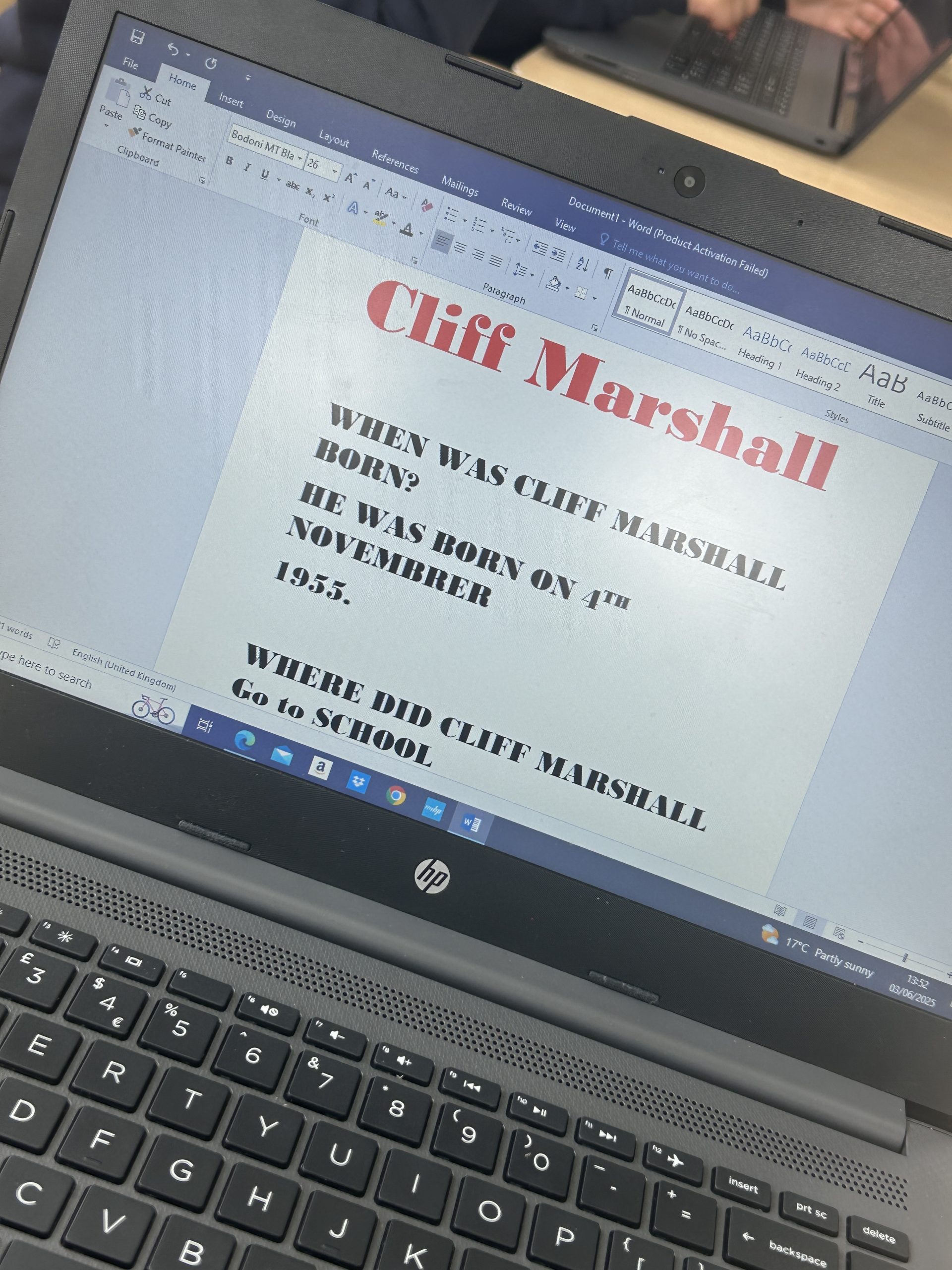
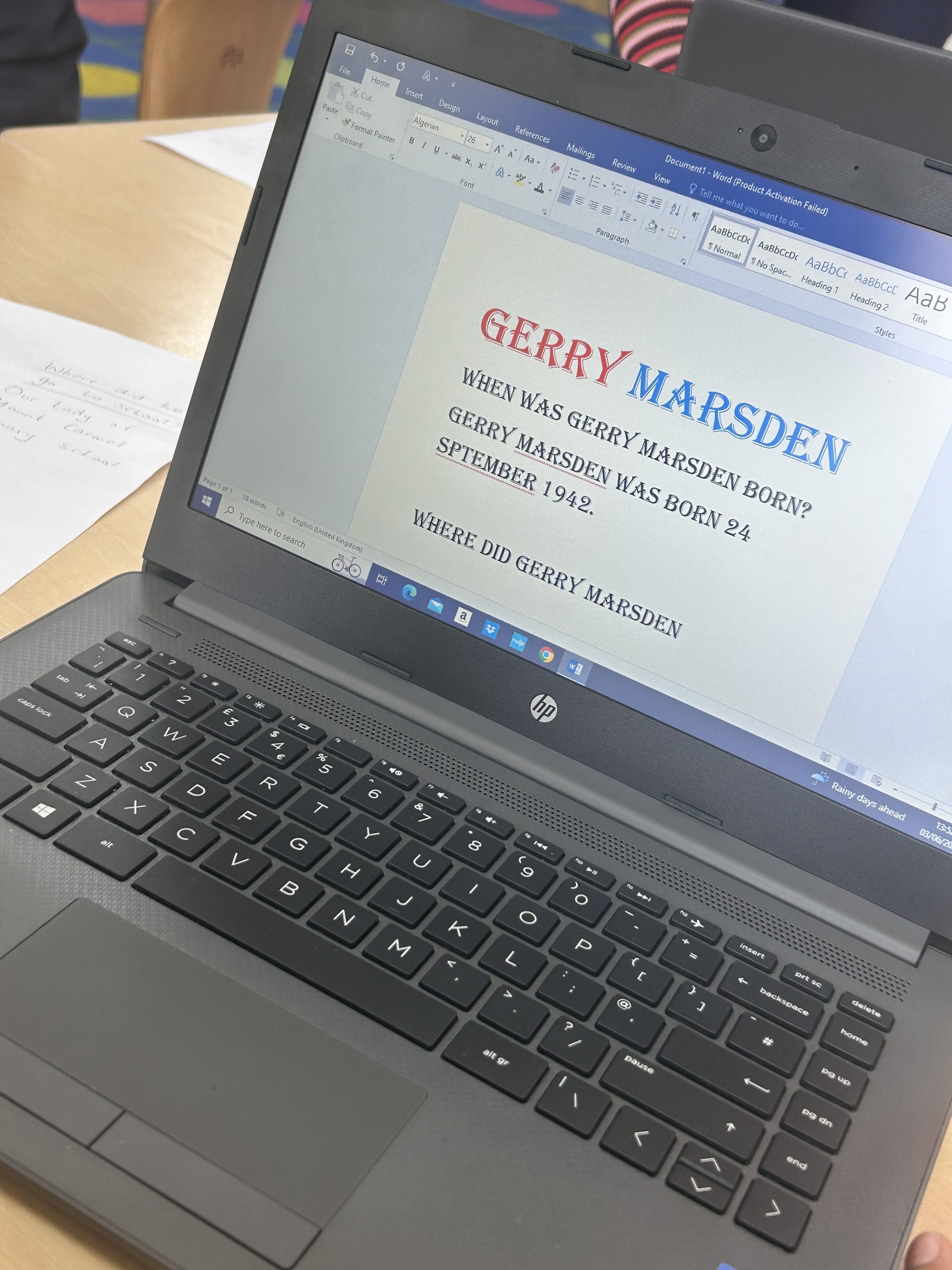
As part of our 150th anniversary, Year 2 have been researching famous people from our local area. We combined this work with our computing topic! We’ve made posters about Natasha Jonas (who went to our school), Tony Bellew, Gerry Marsden, Ali Al-Hamadi, Ringo Starr and Cliff Marshall
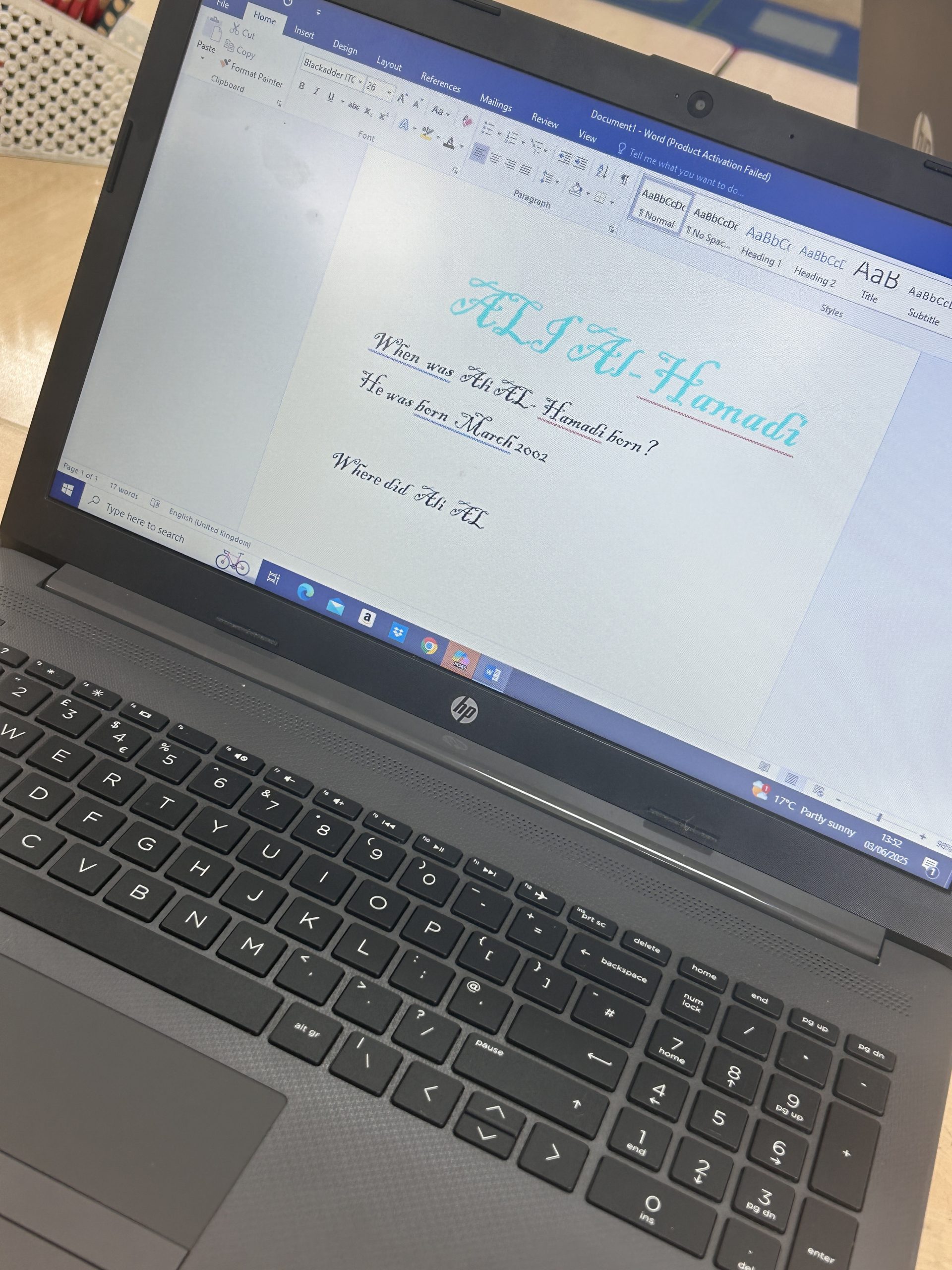
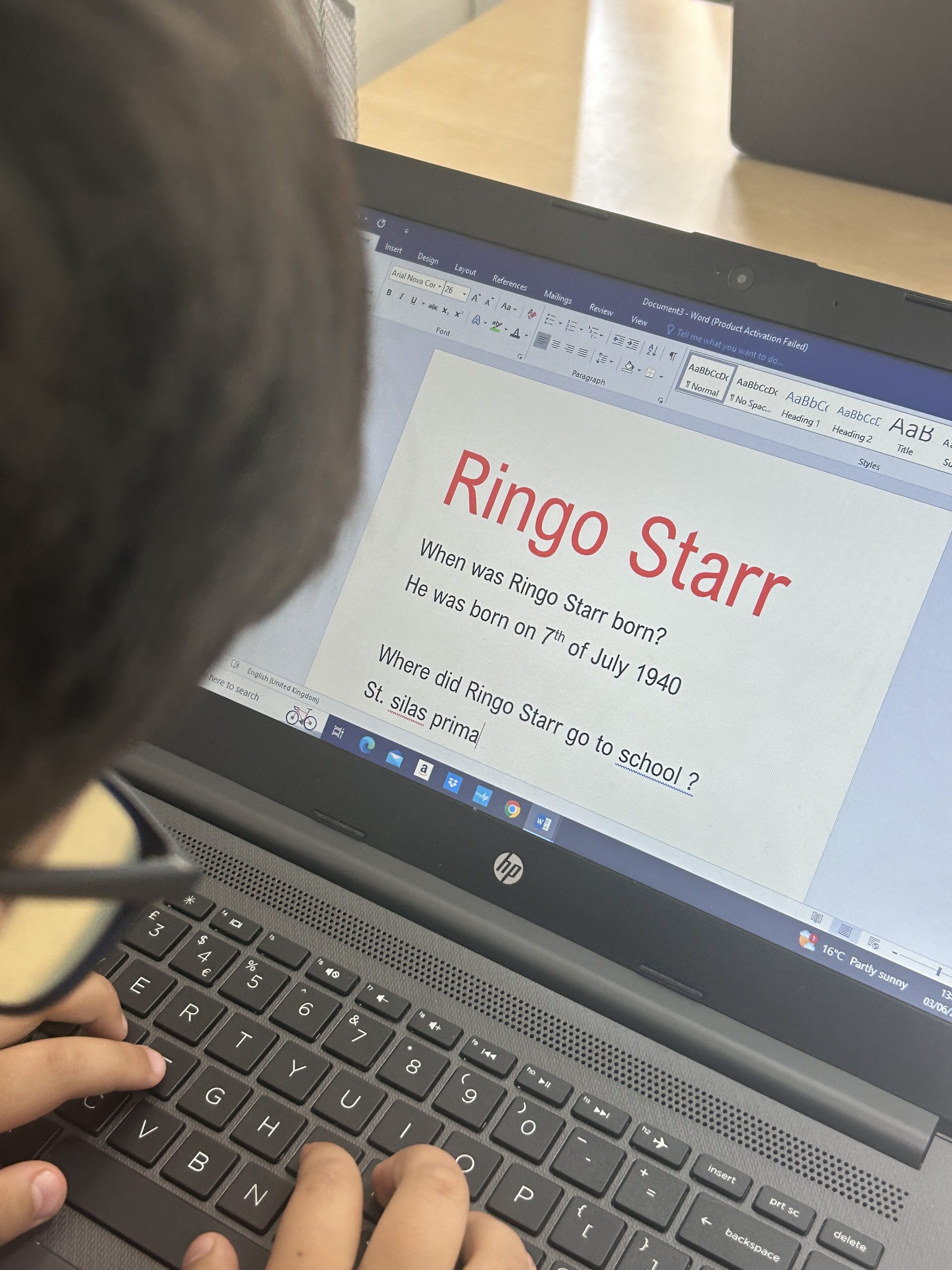
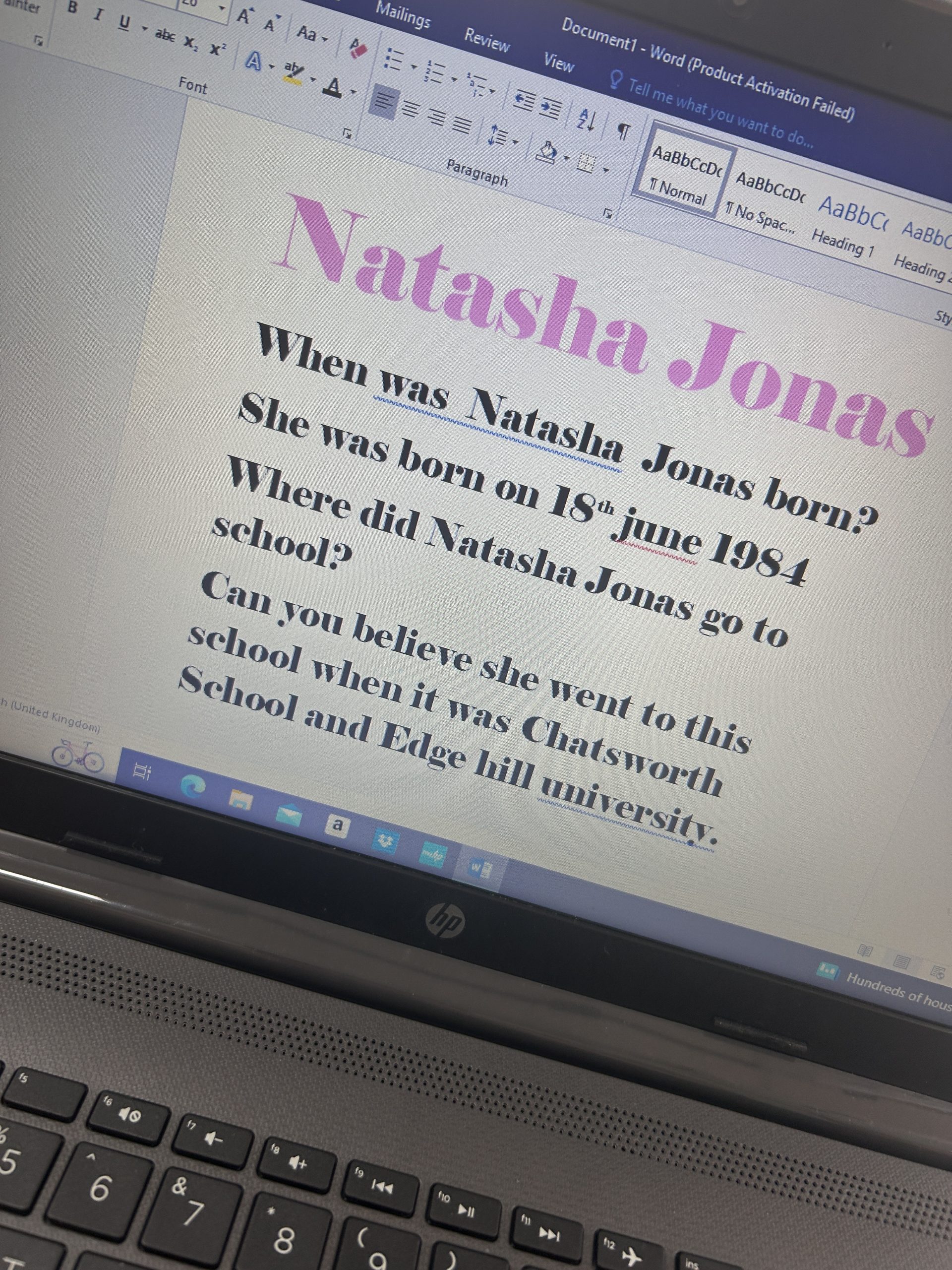
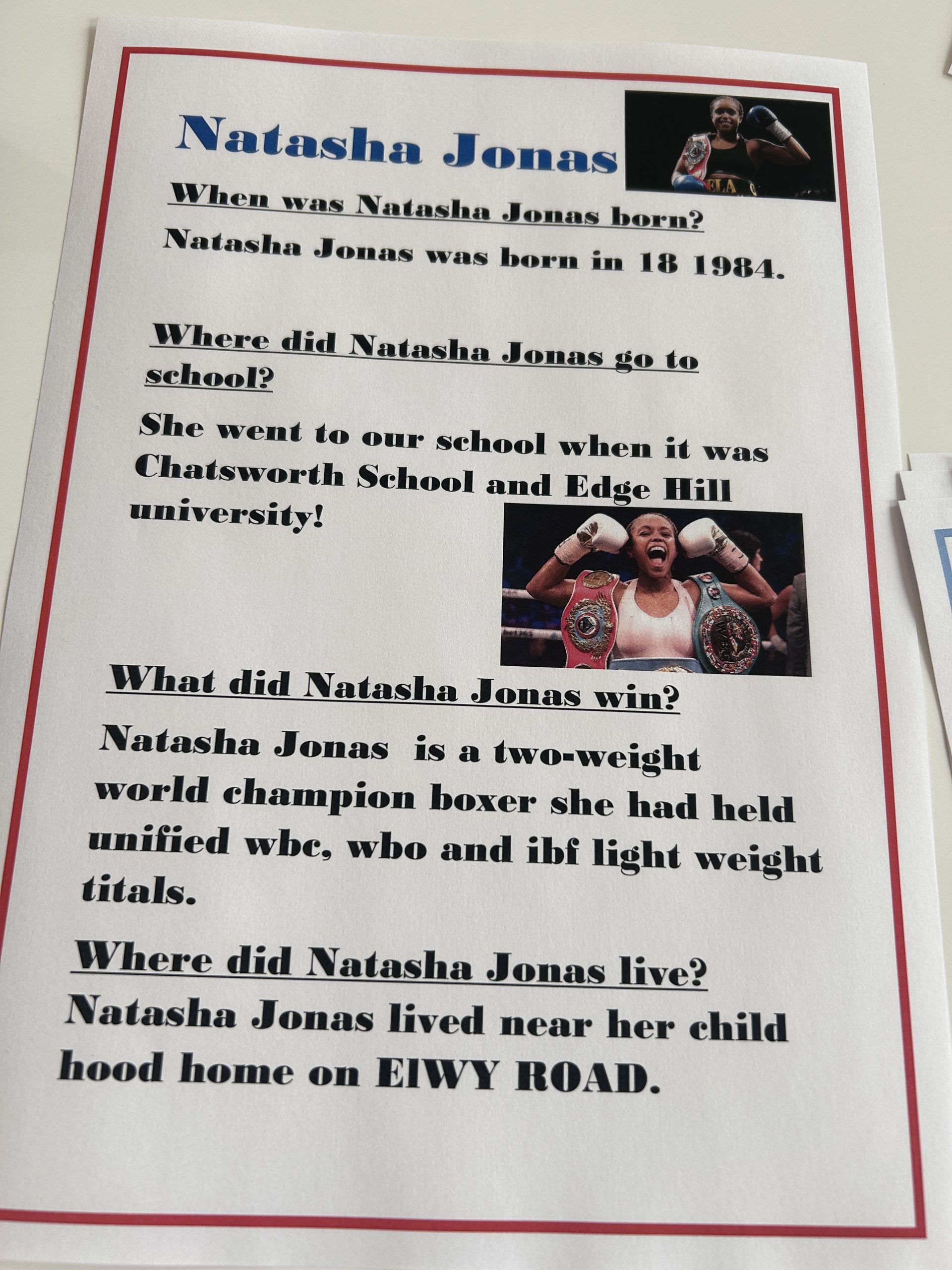
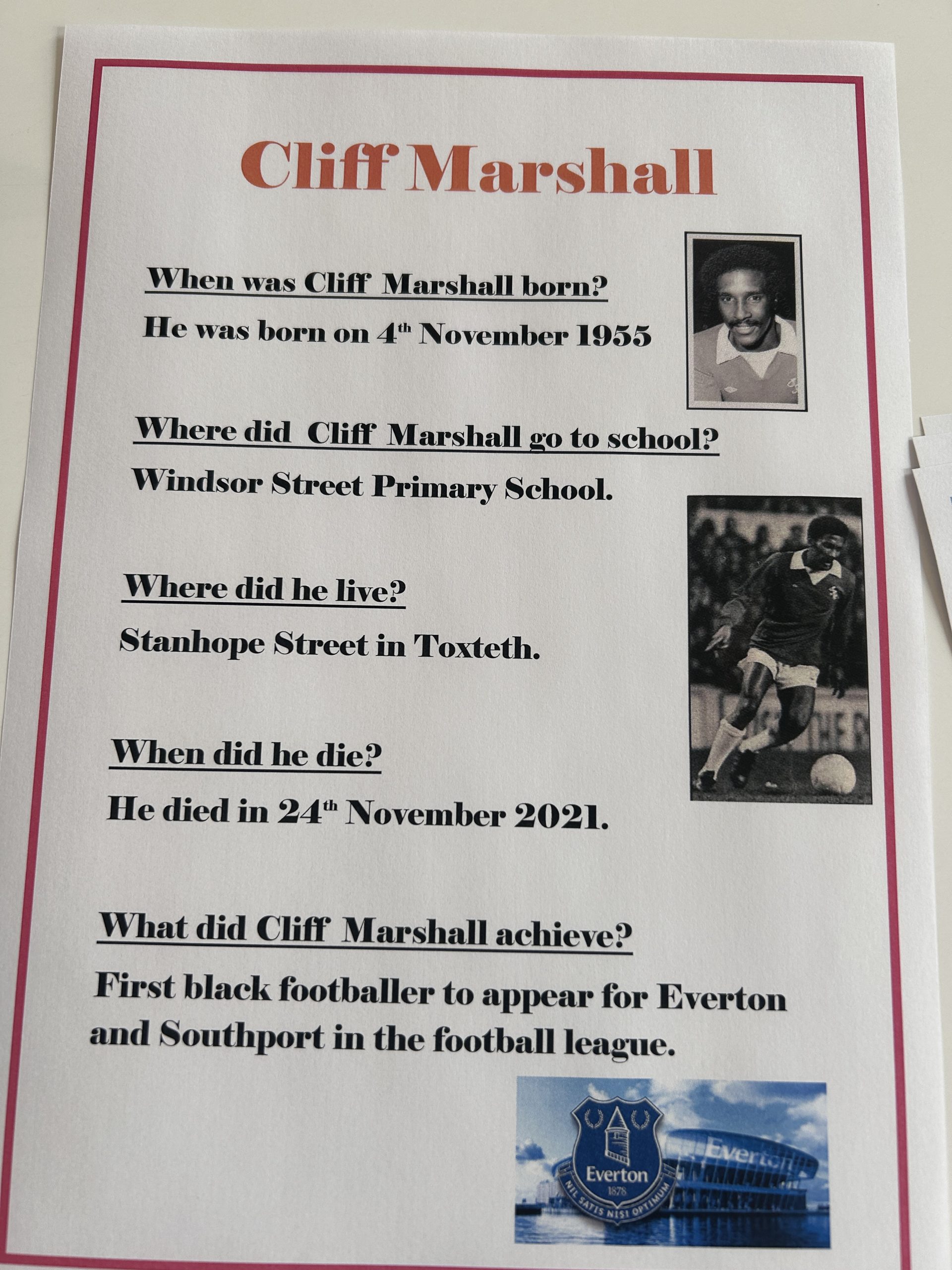
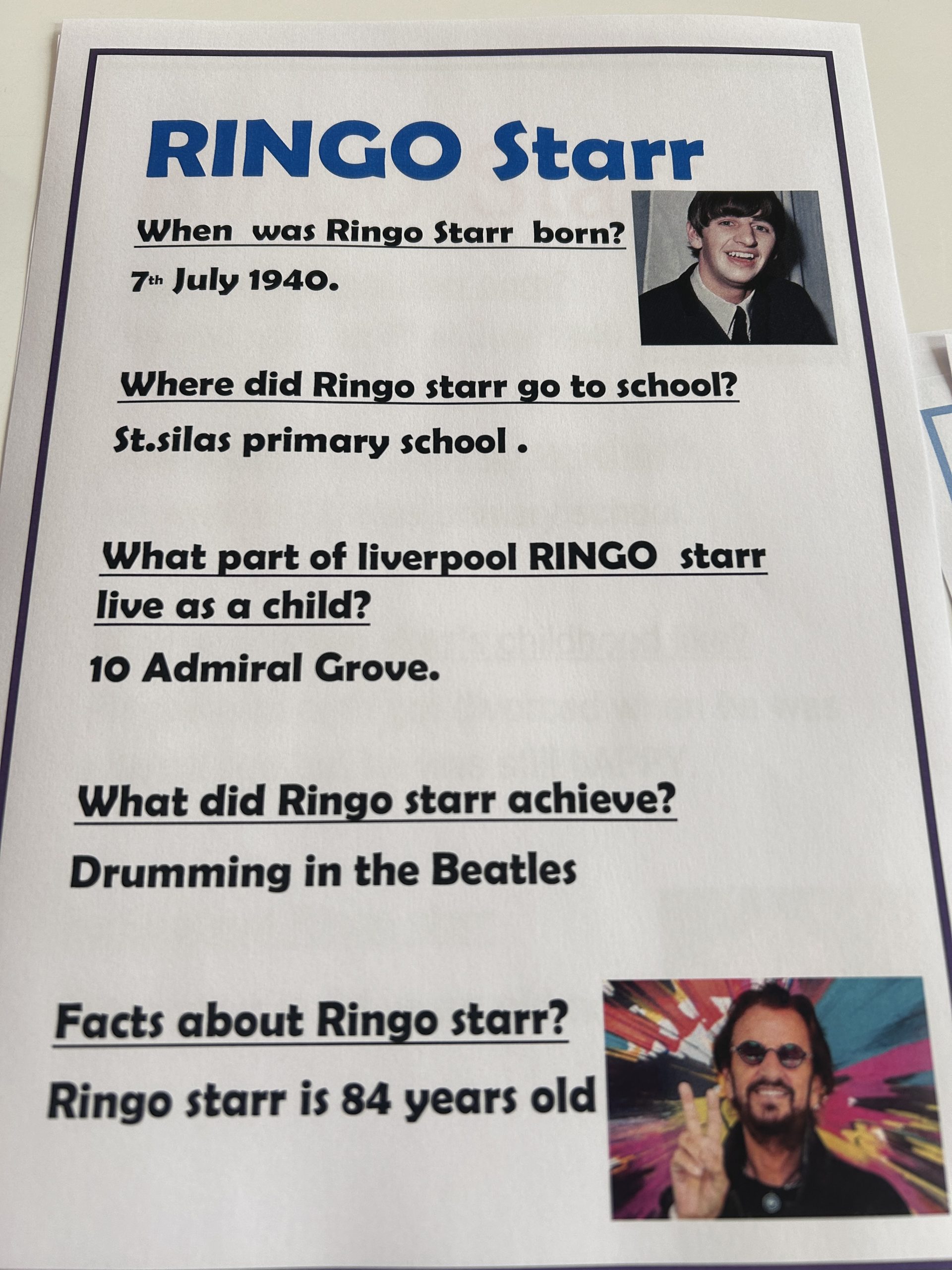
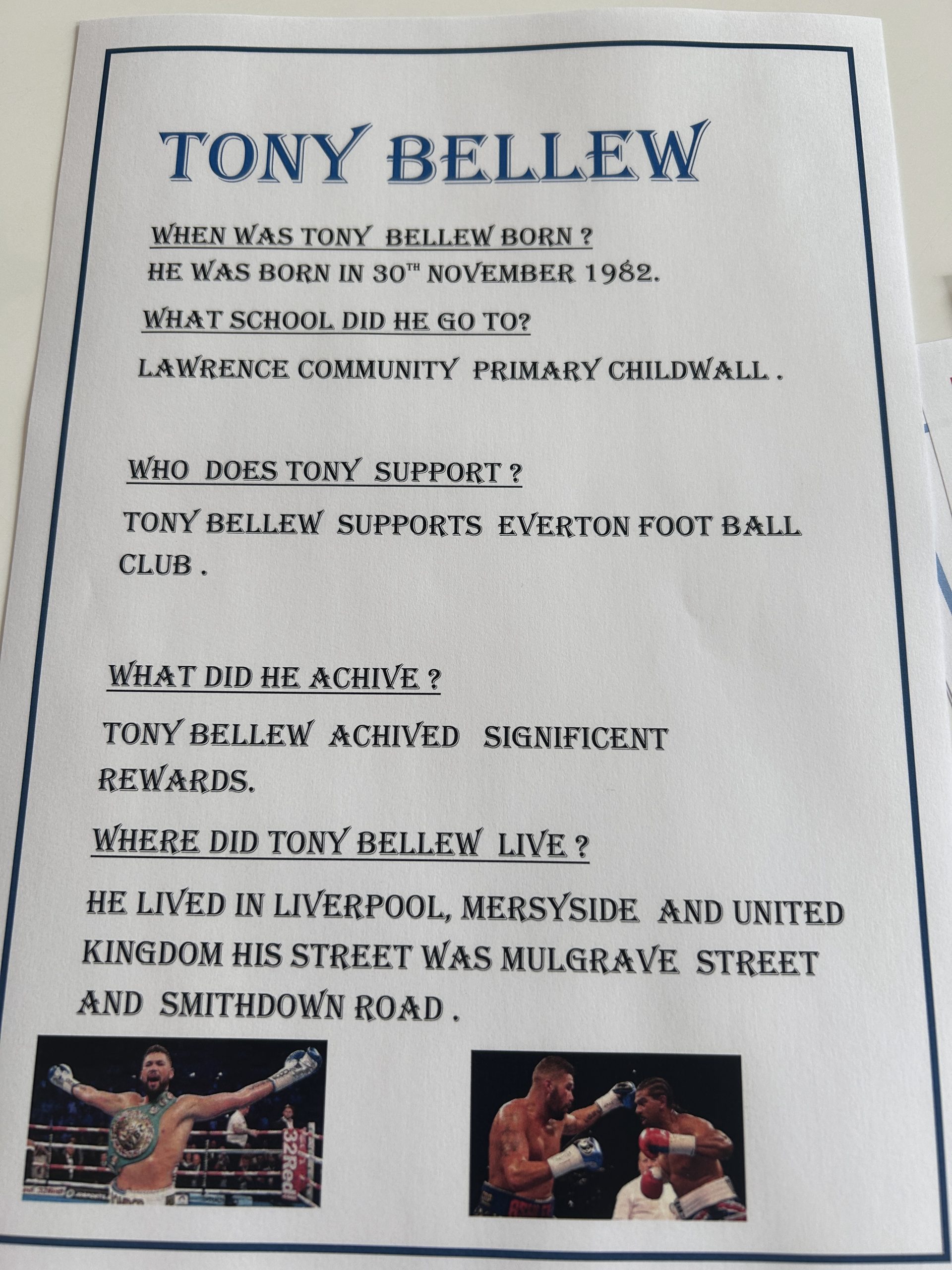
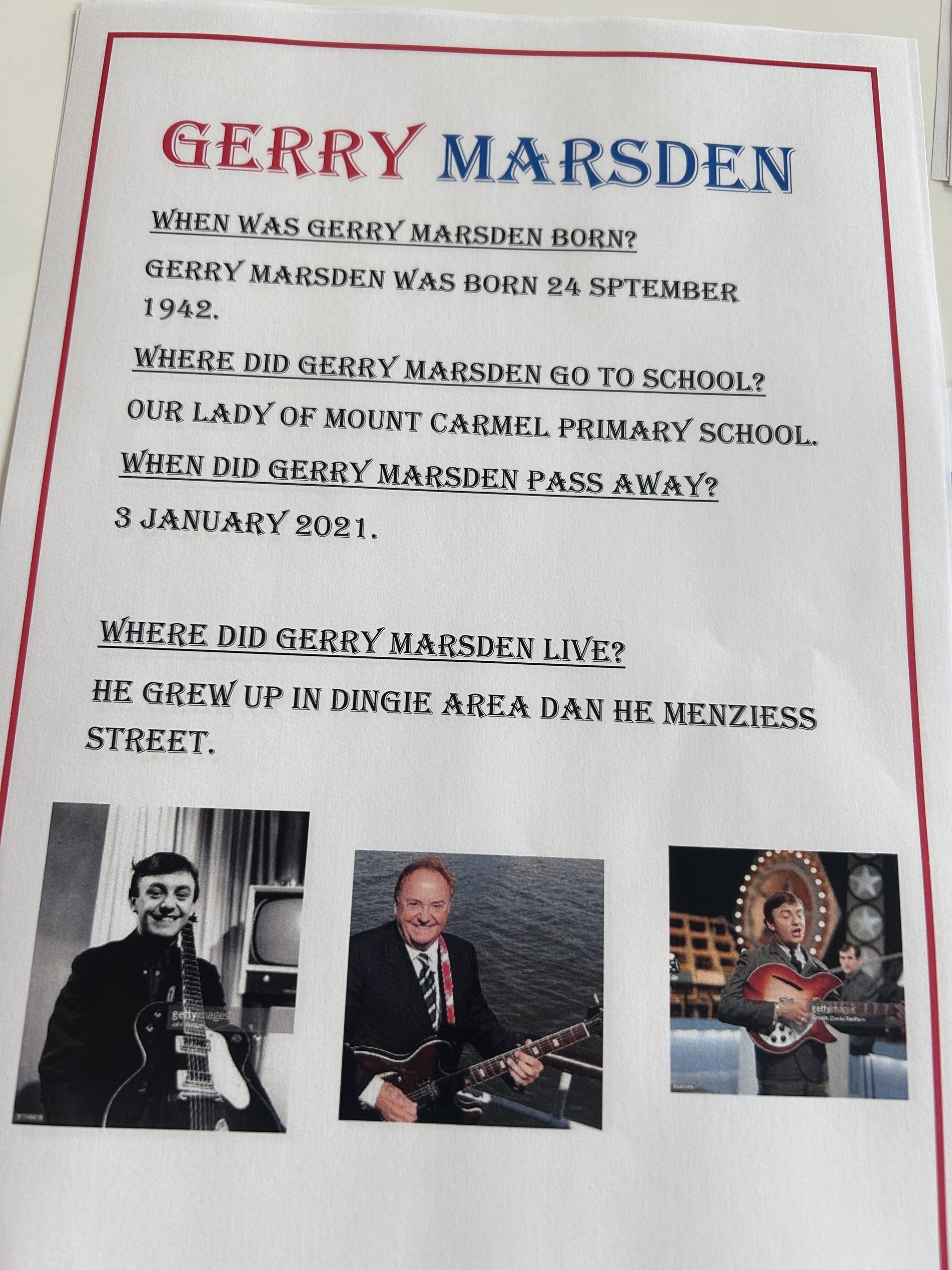
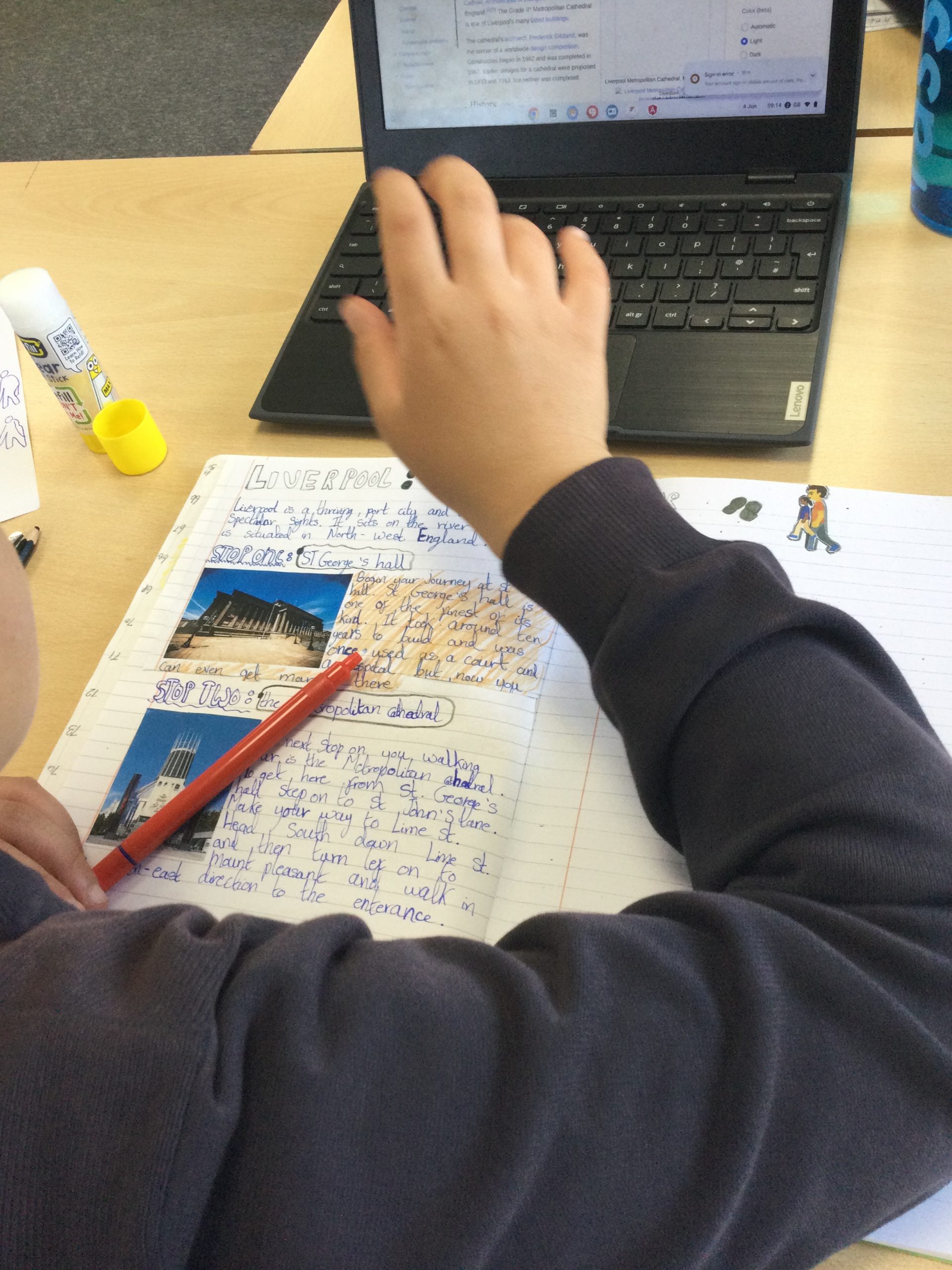
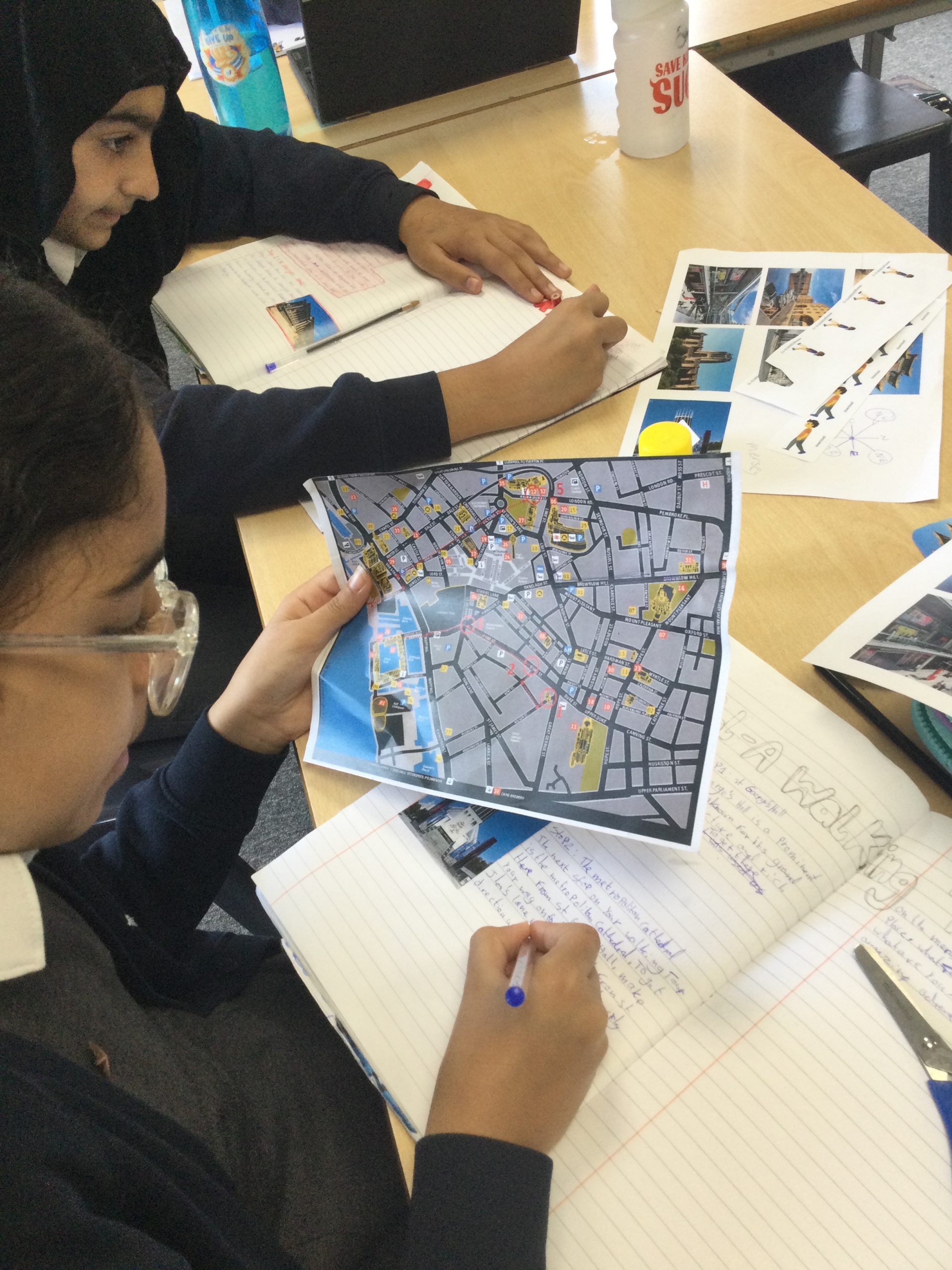
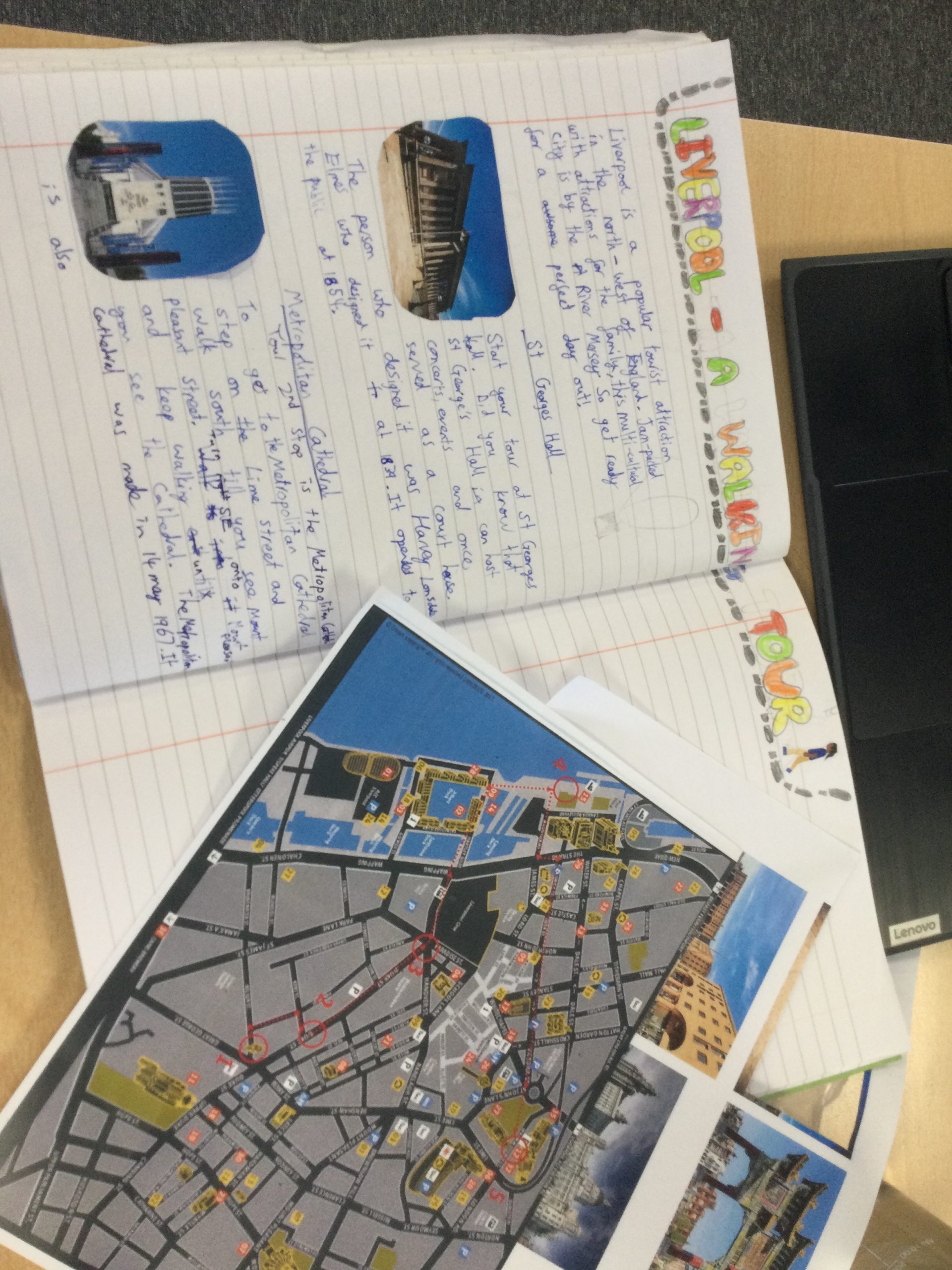
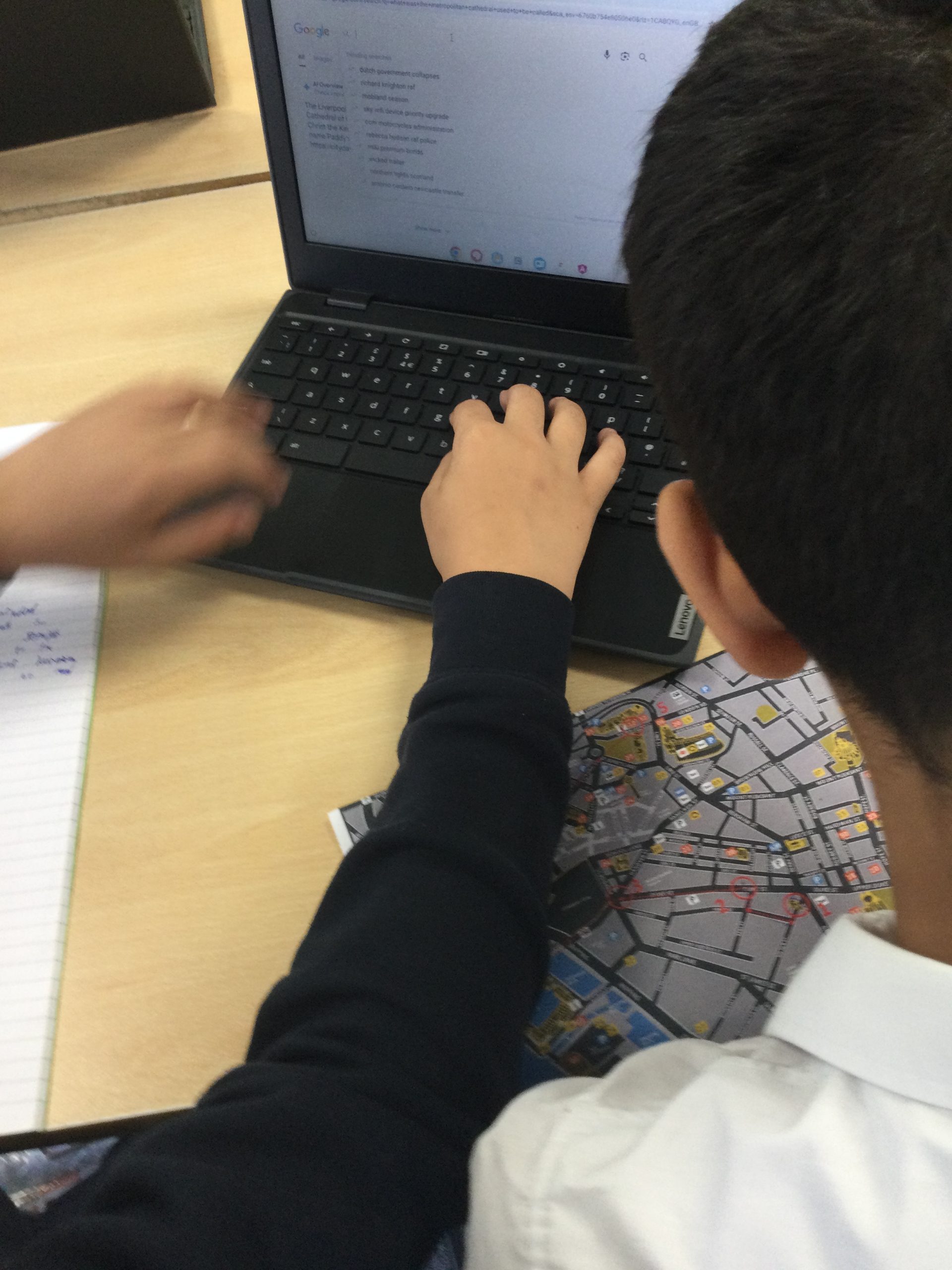
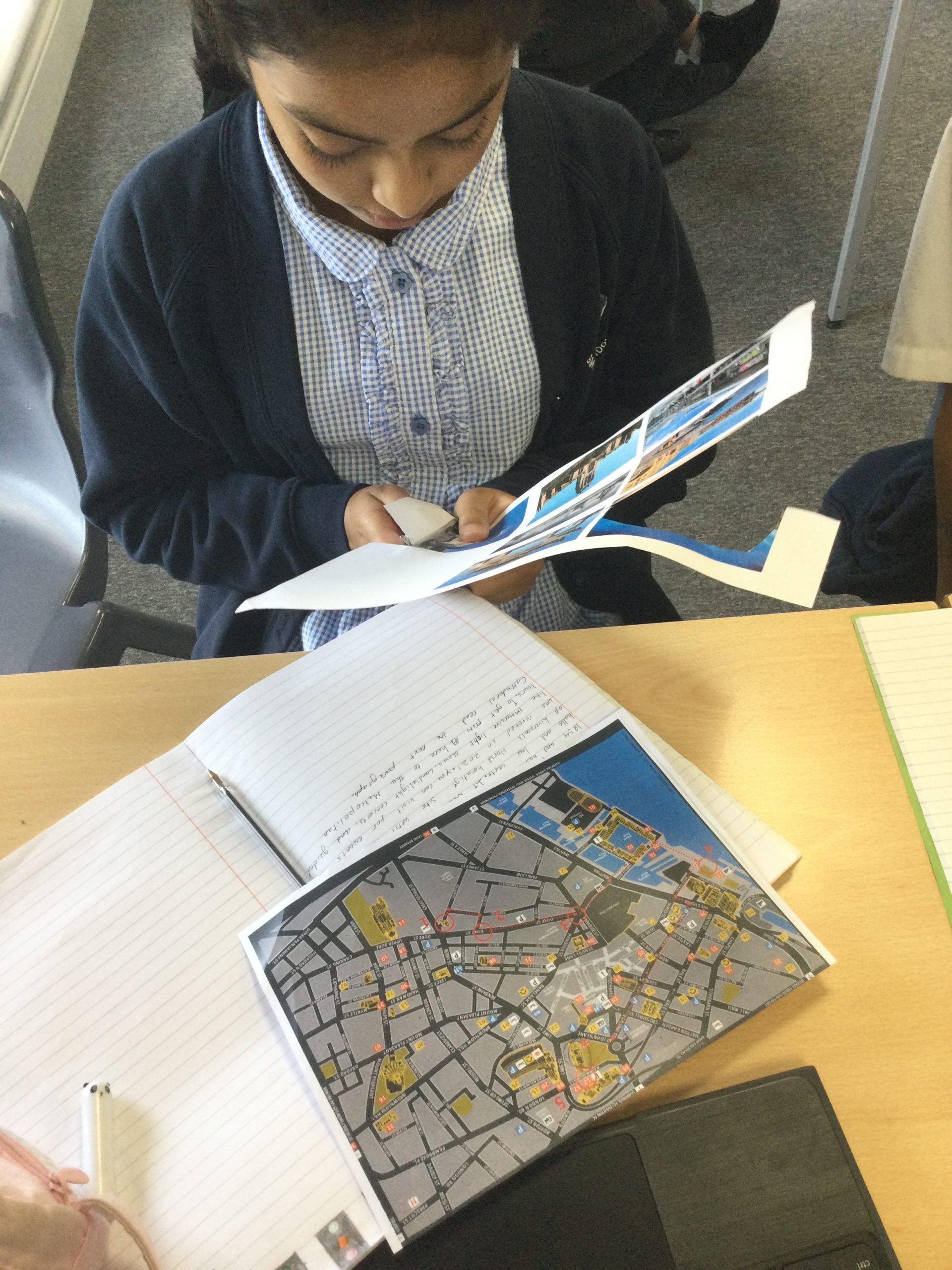
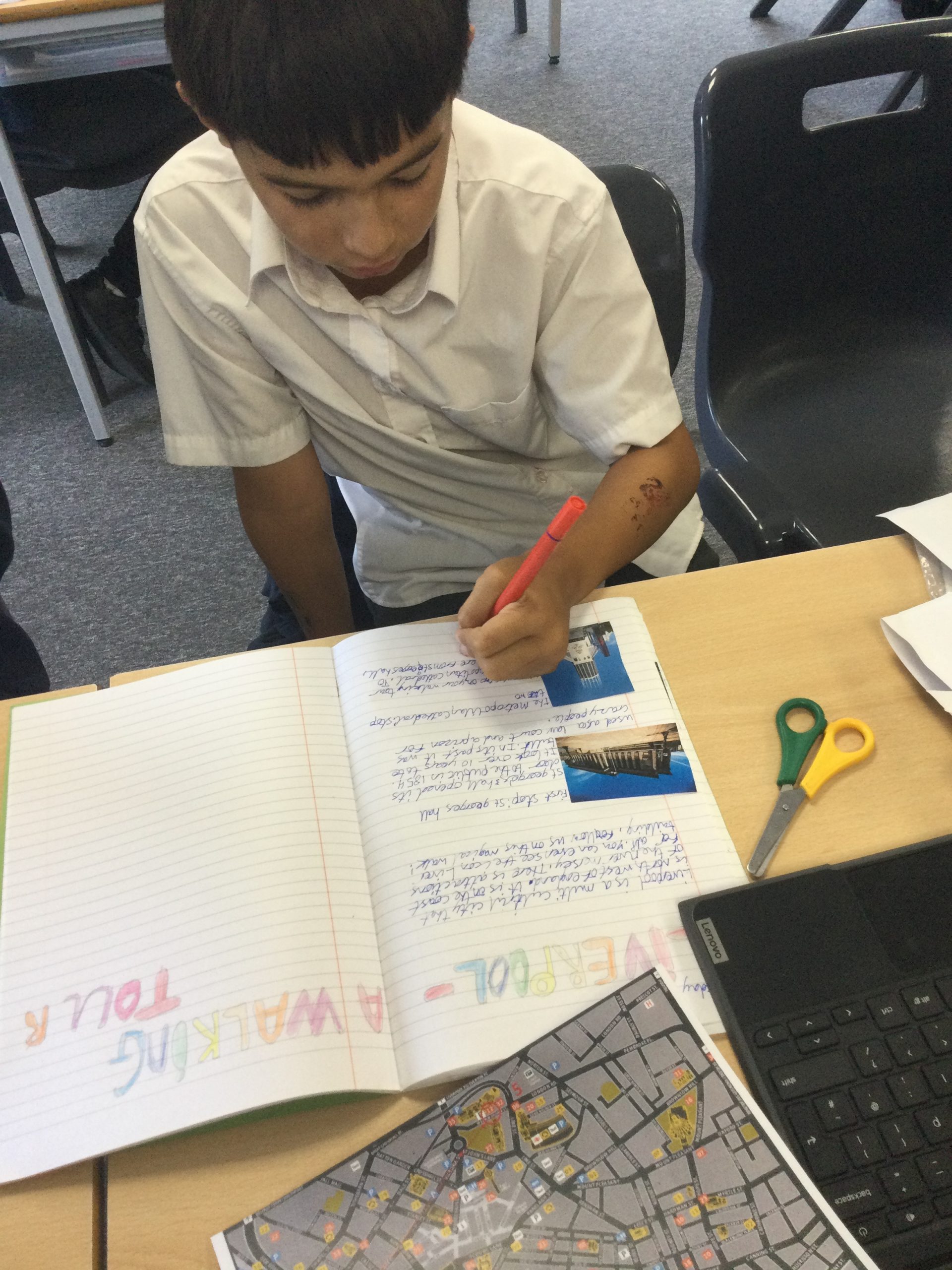
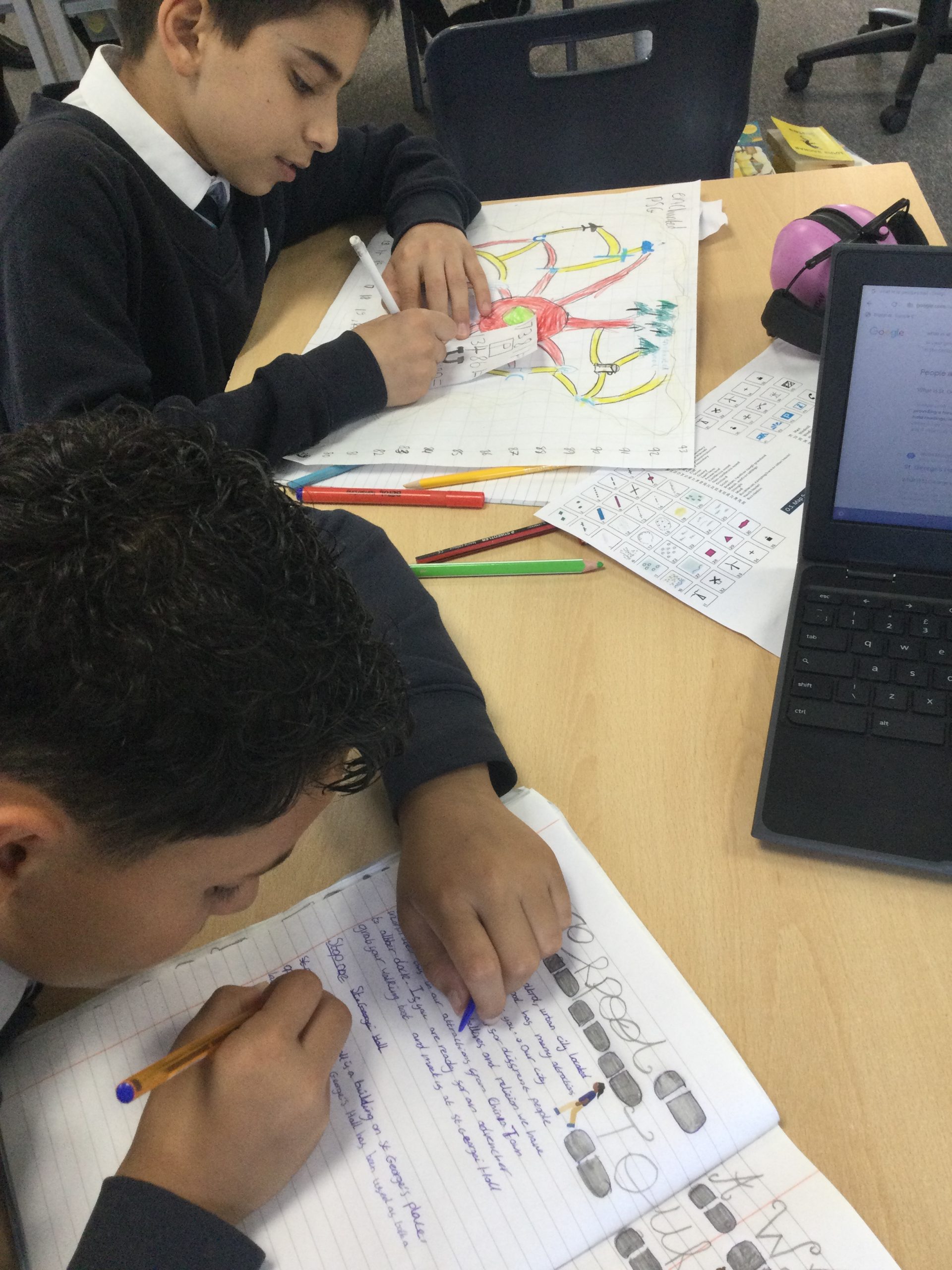
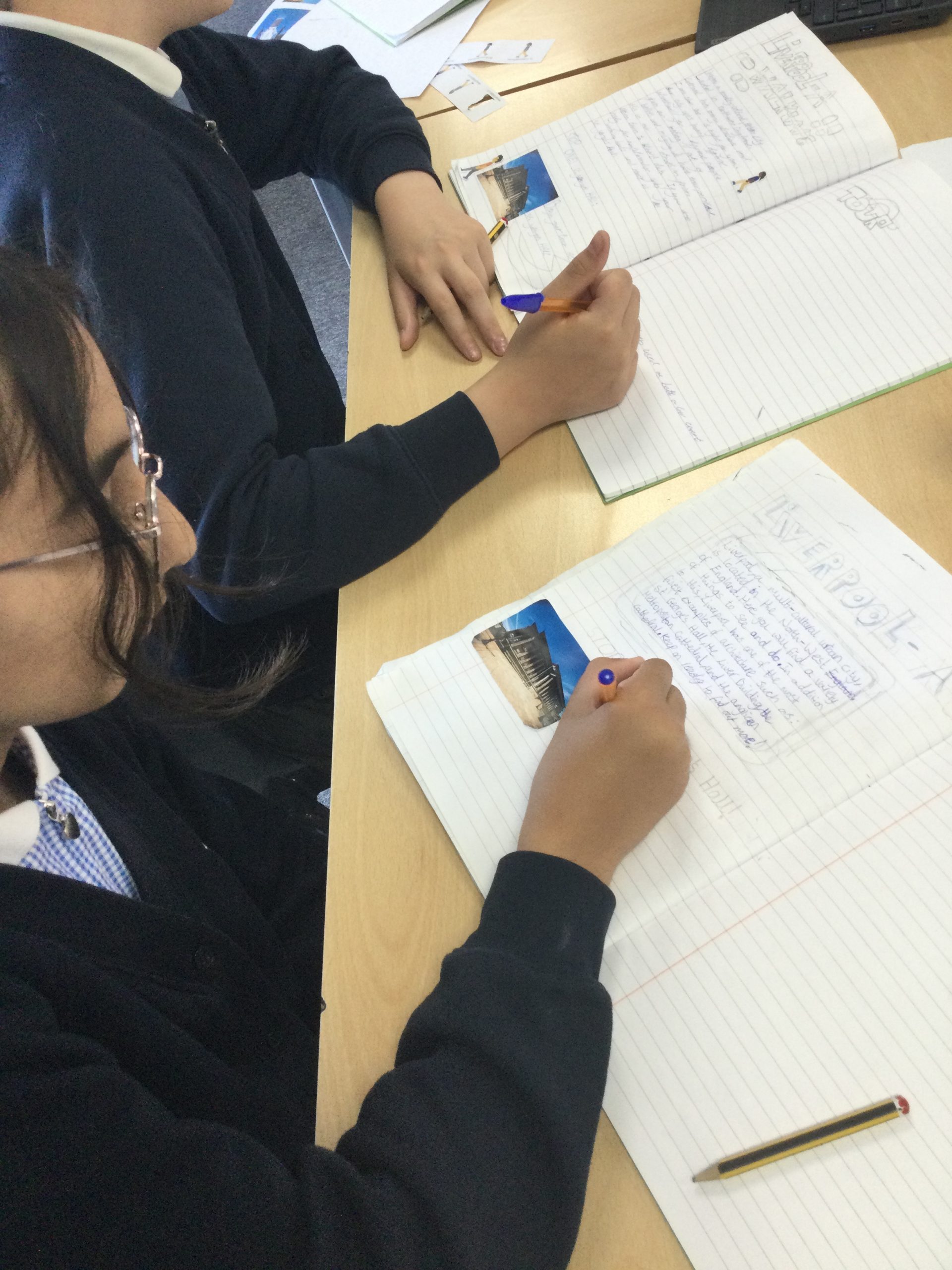
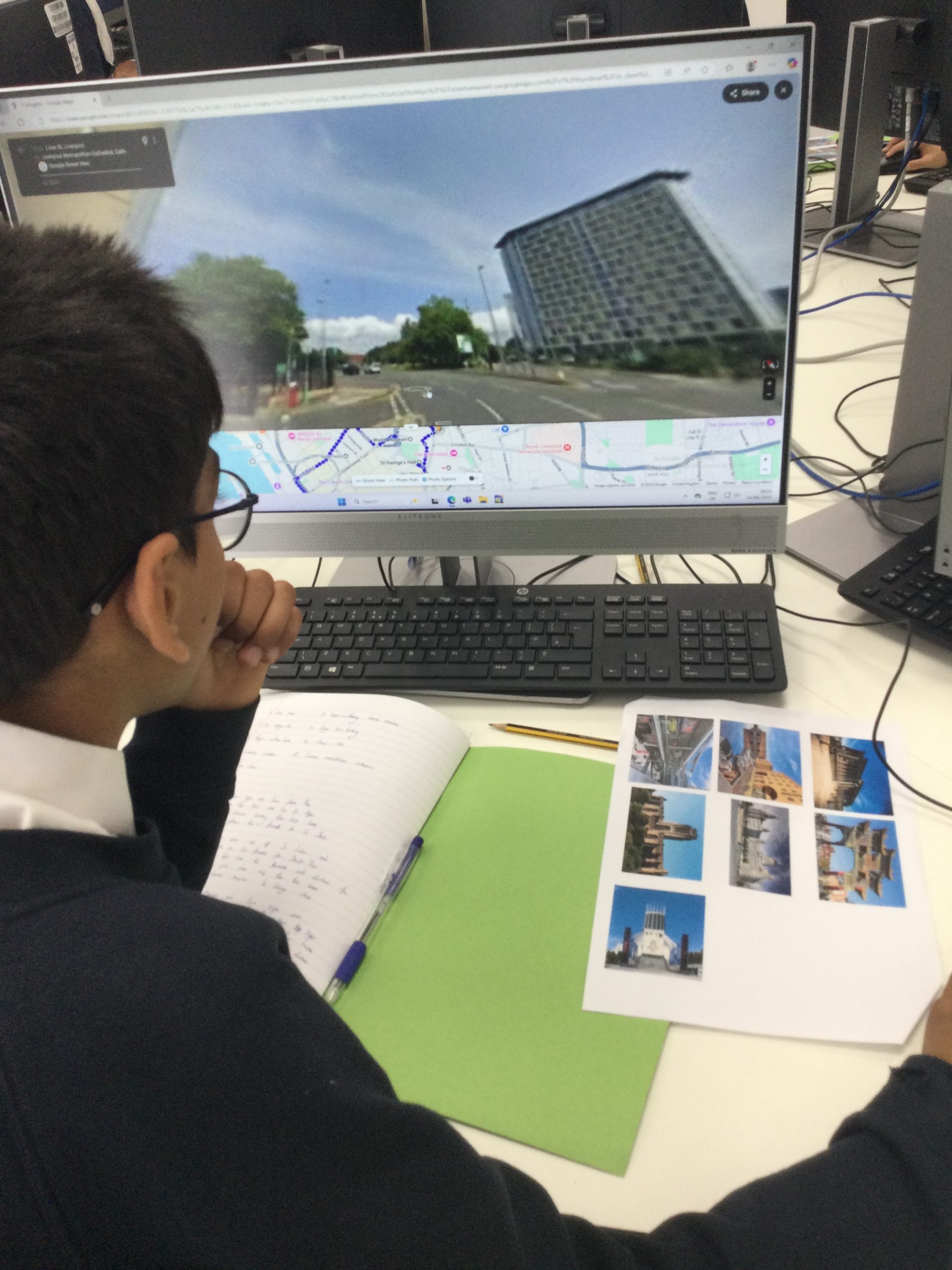
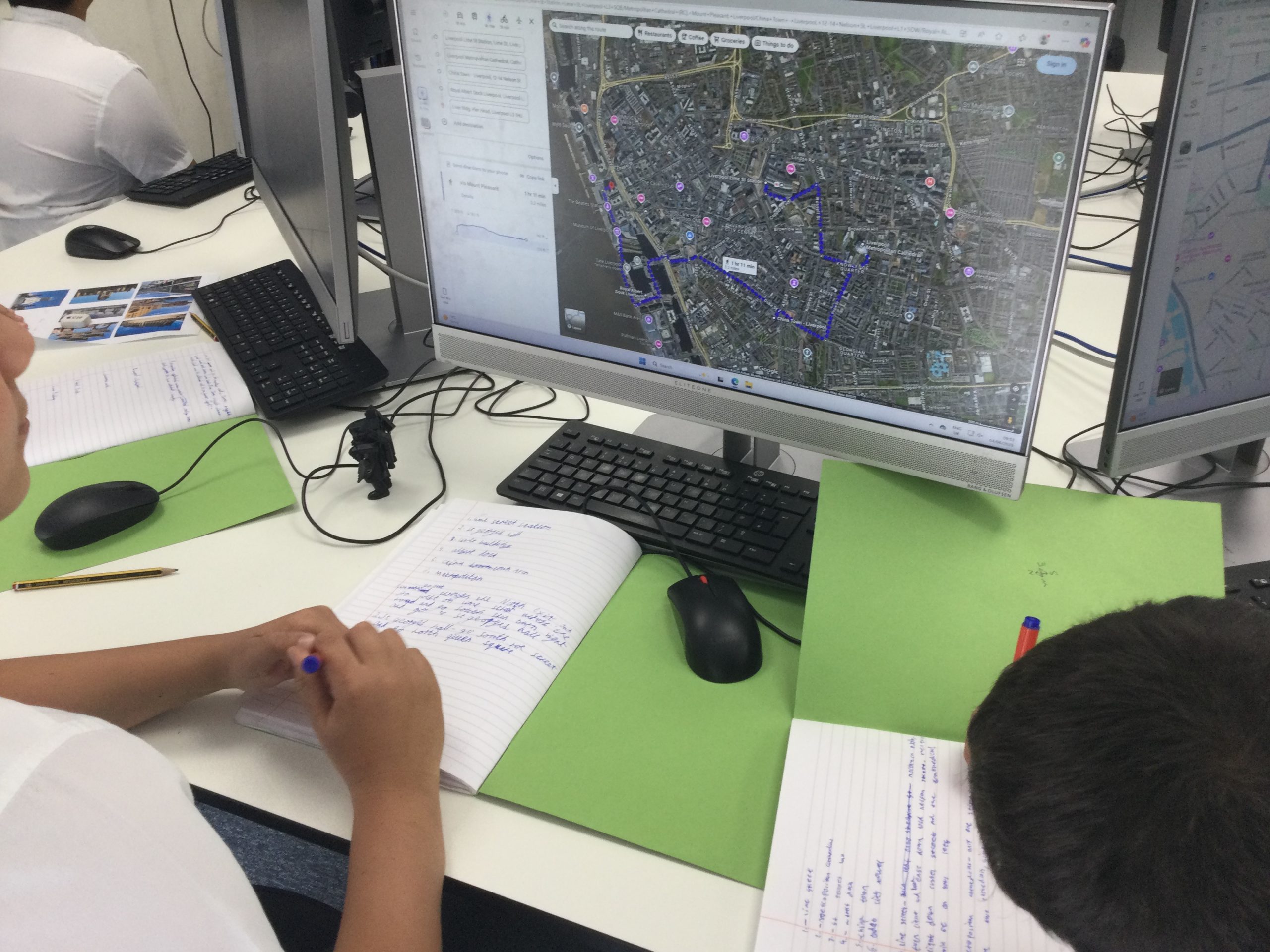
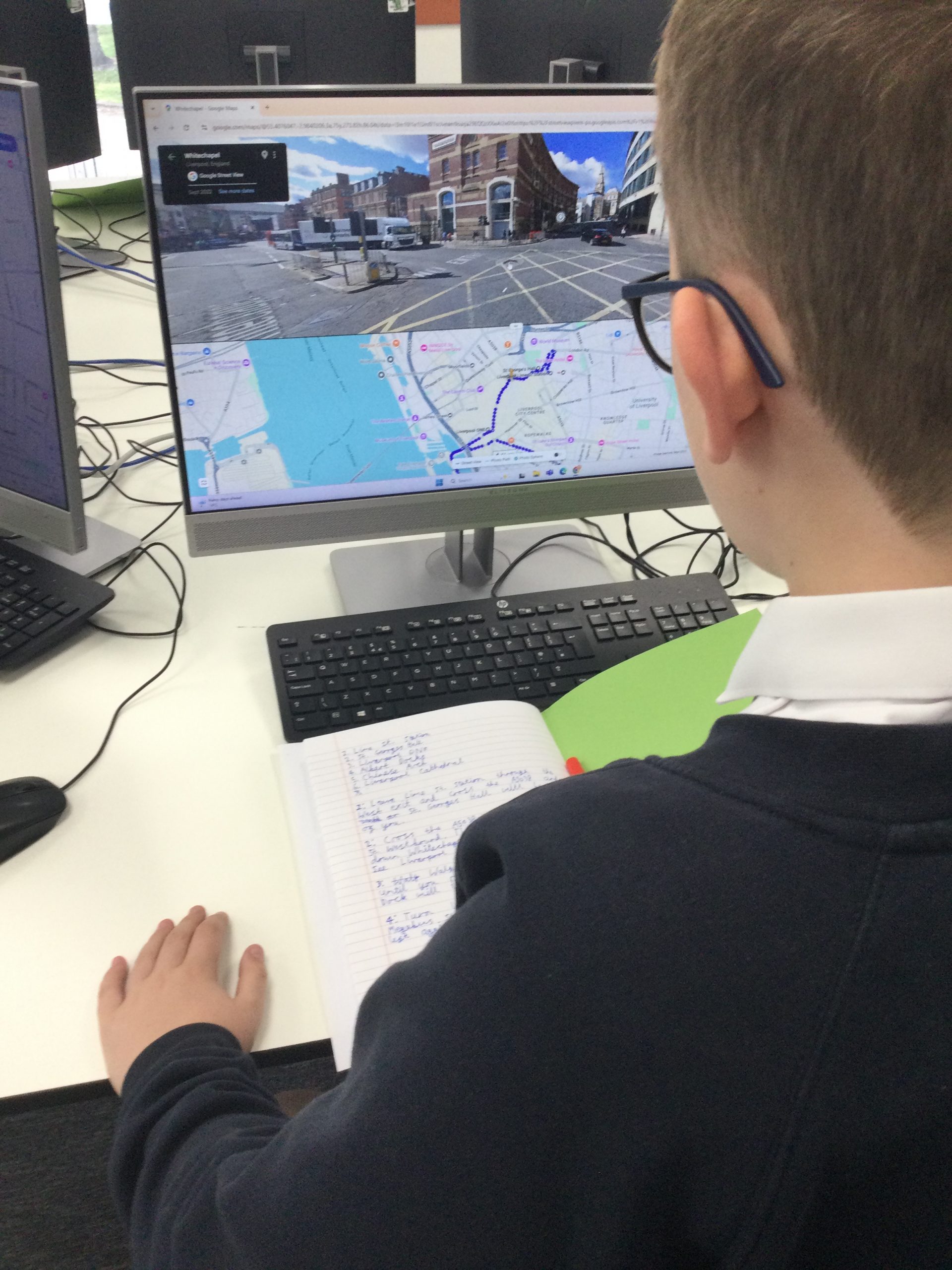
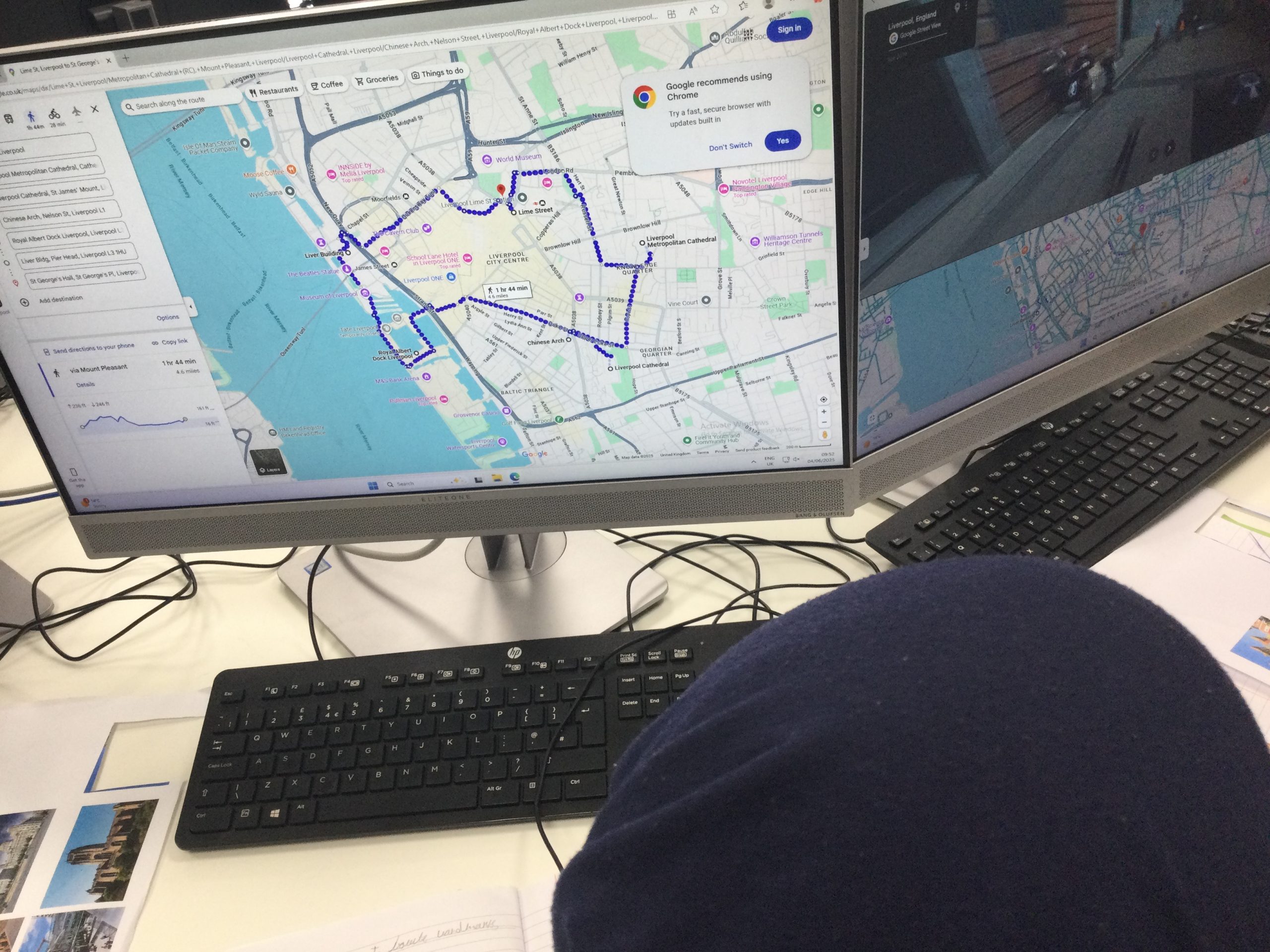
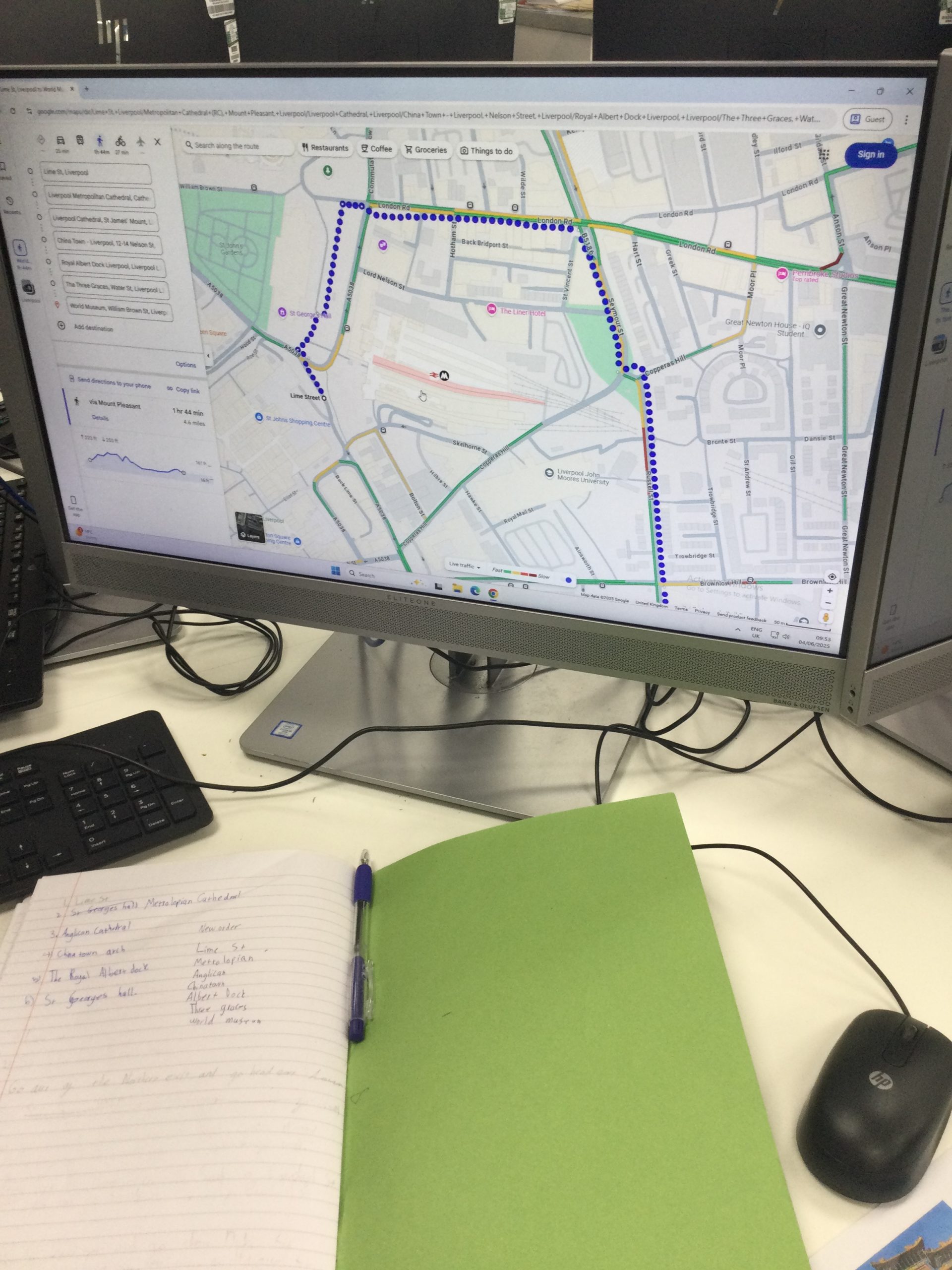
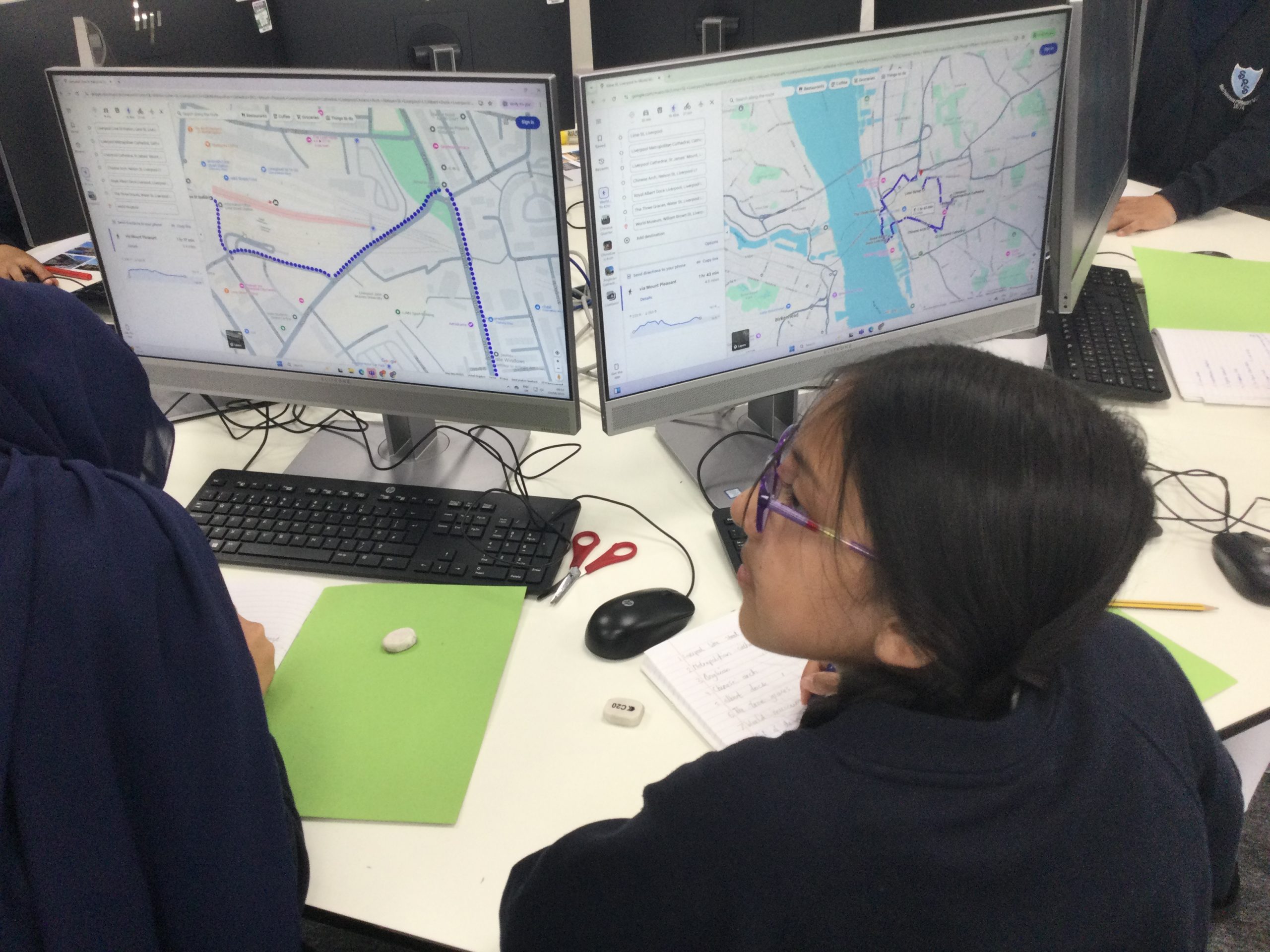
We have just started working on our Geography project, planning a route around Liverpool to take in all the famous tourist sites. We also used Google Maps to help plan our routes, directions and visualise the landmarks.
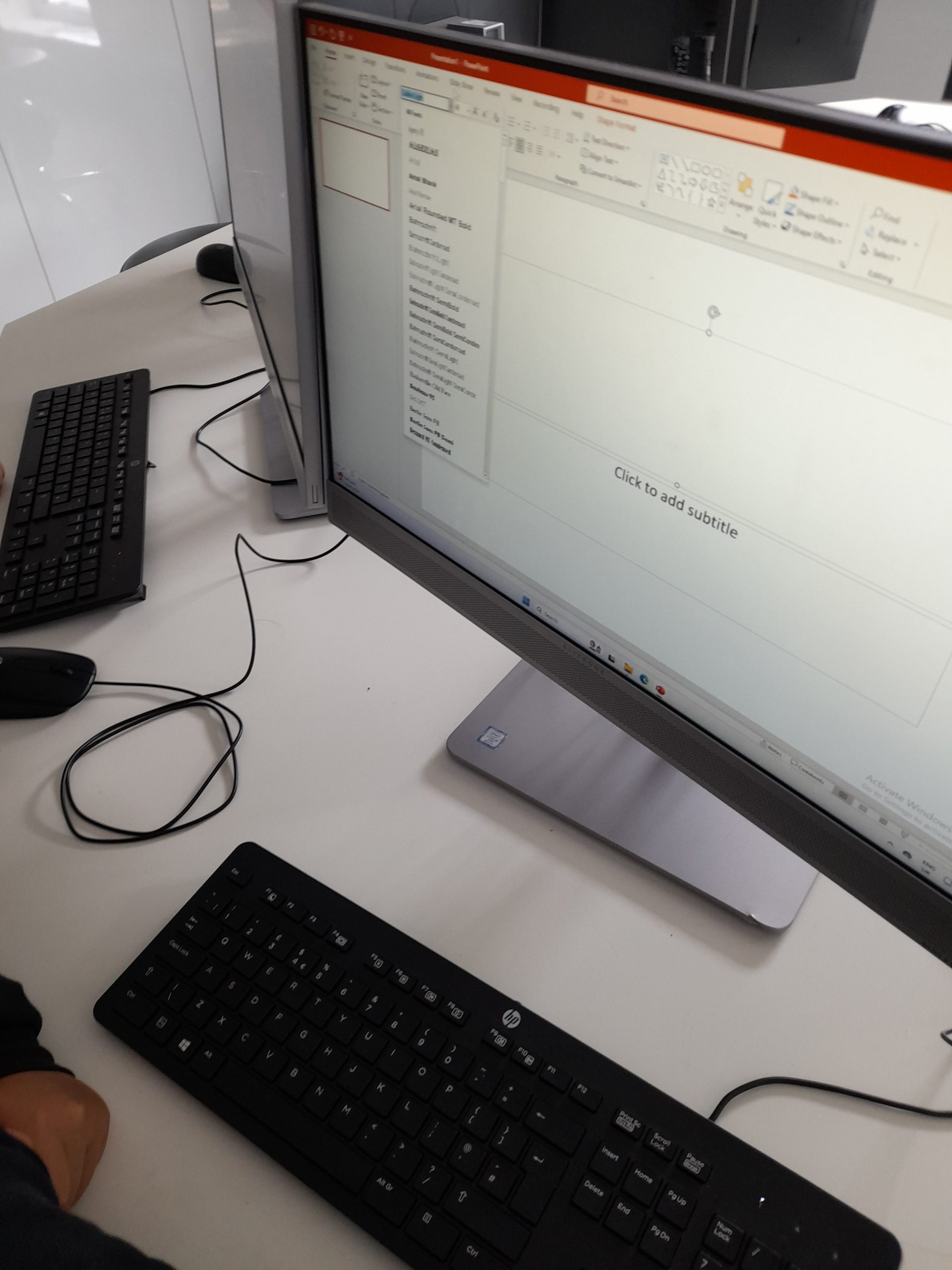
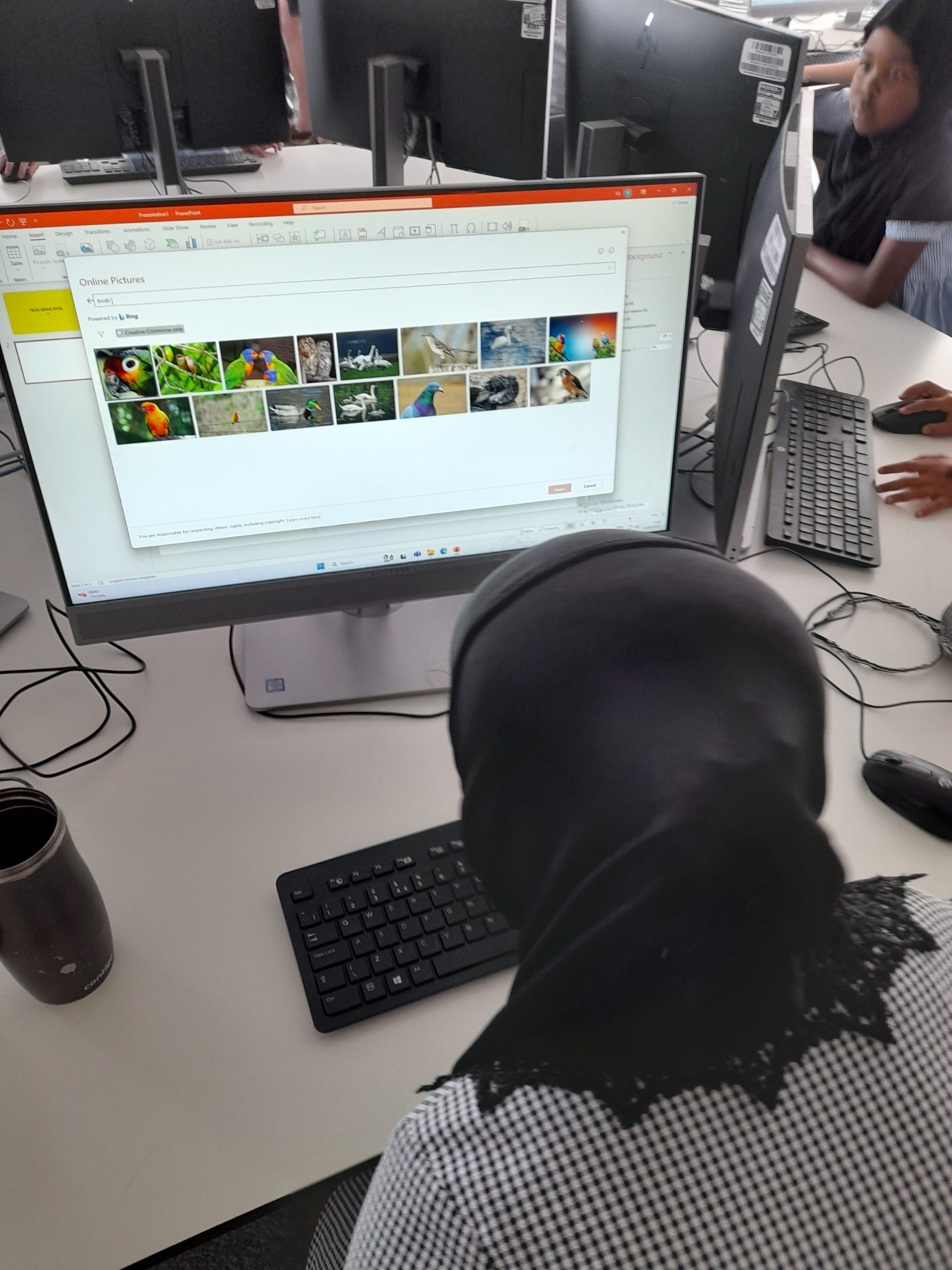
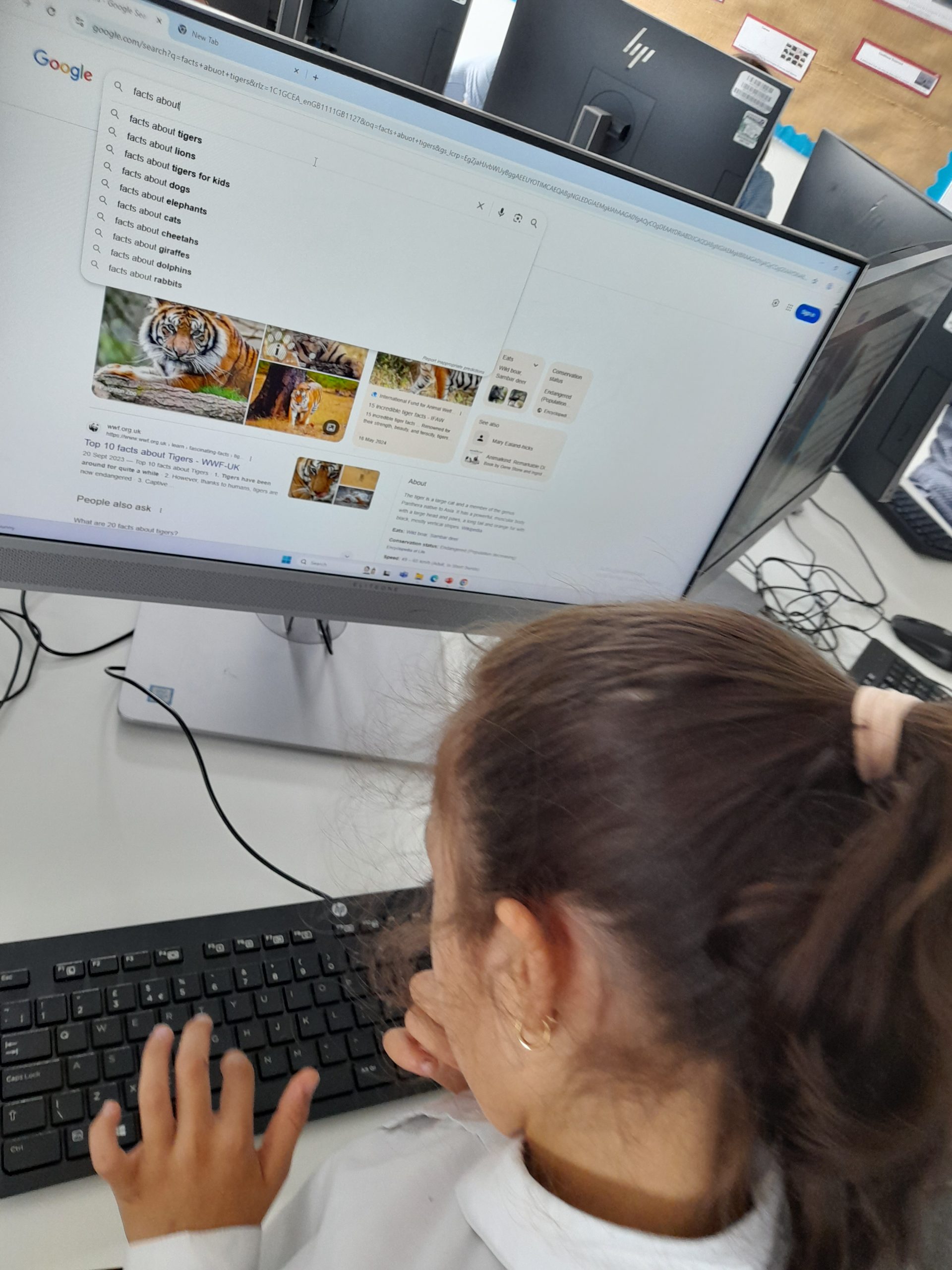
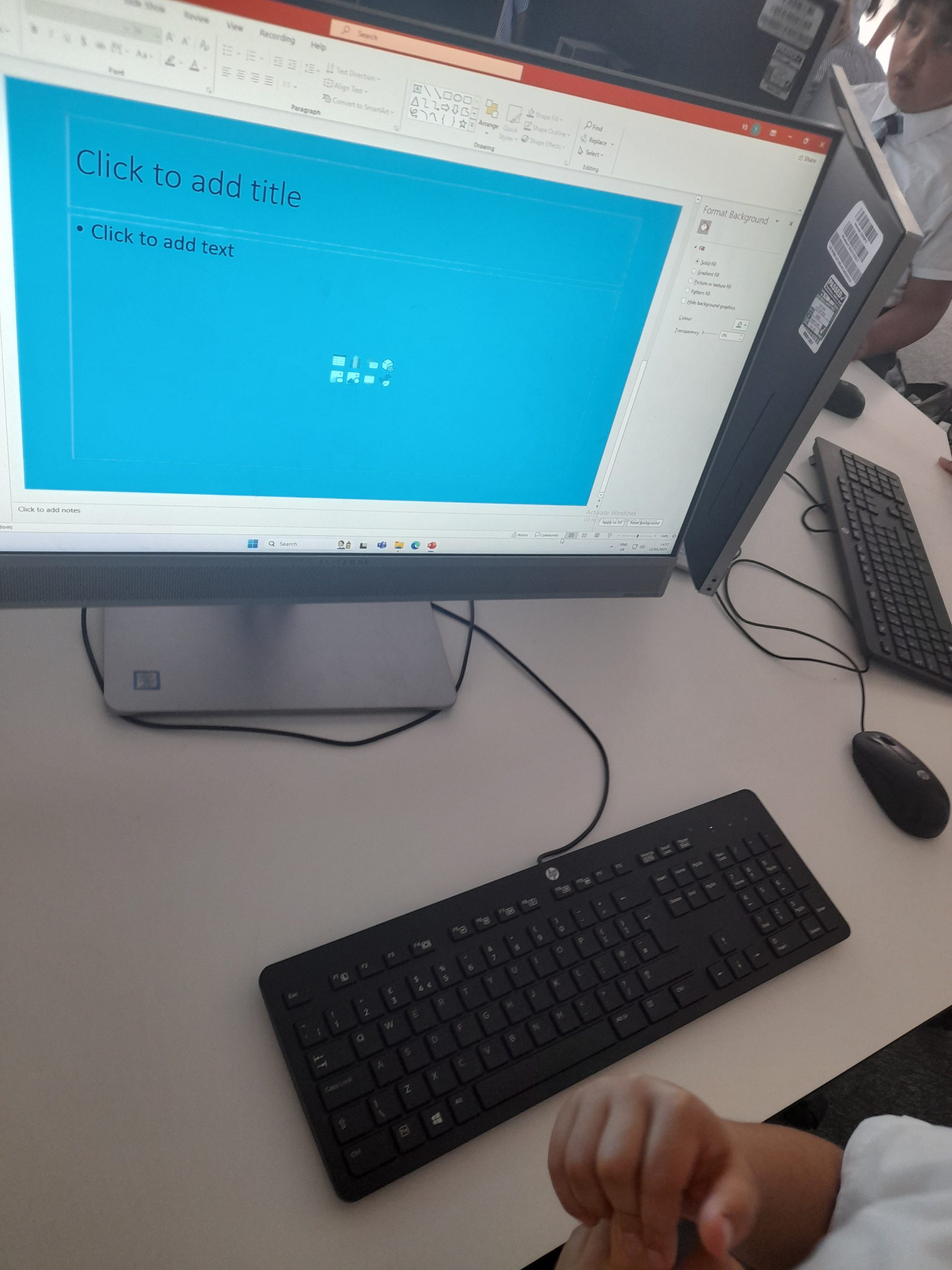
Year 3 spent their computing lesson focusing on the basics of using Microsoft Powerpoint by creating a fact presentation on an animal of their choice. Children needed to use different fonts and colours when creating their title slide and when inserting their facts page. We then looked at how to insert and edit images linked to their hobbies. Children used the insert online pictures features, searched for their image of choice and inserted it and then edited the size to allow it to fit into the slide.
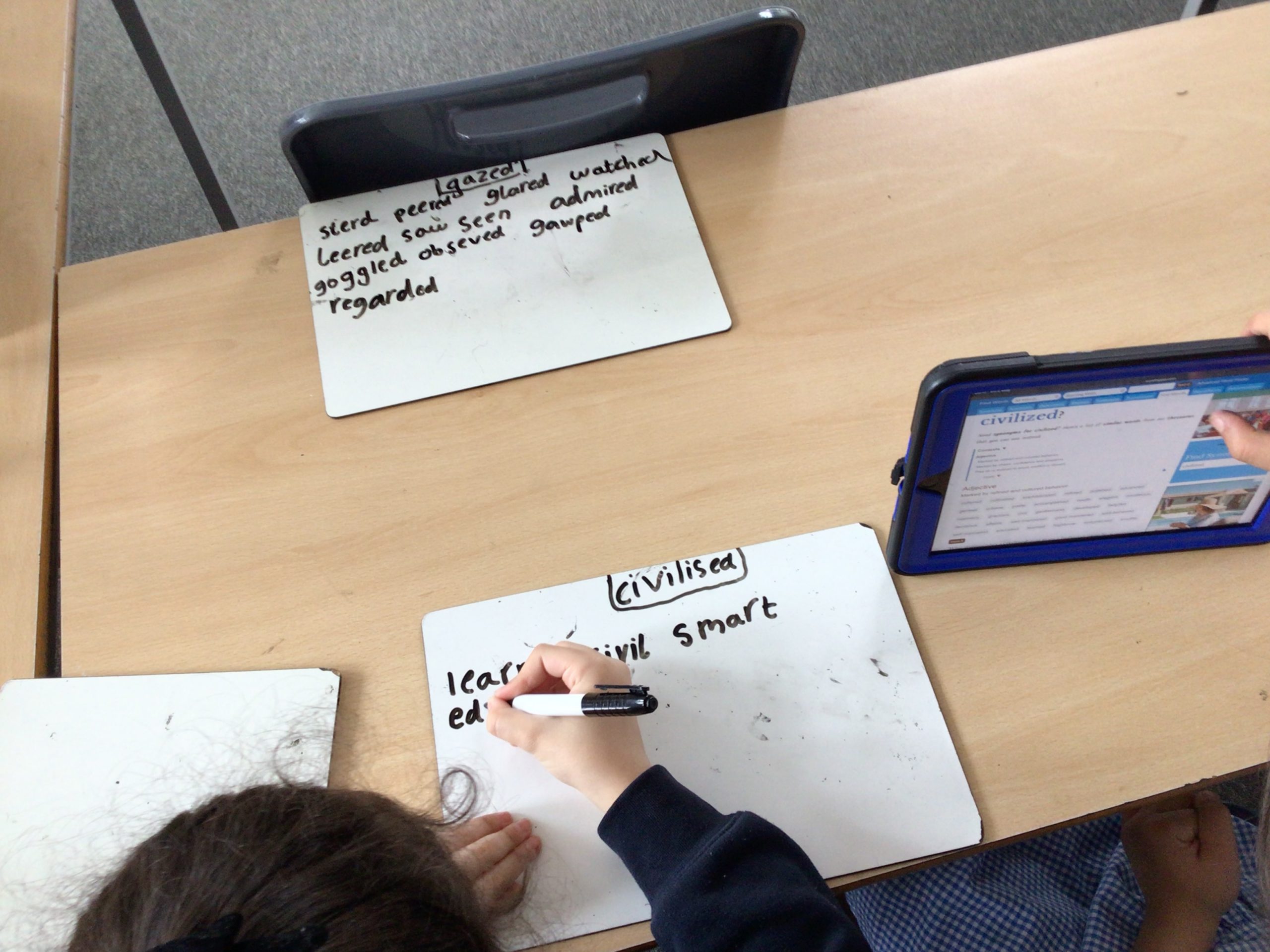
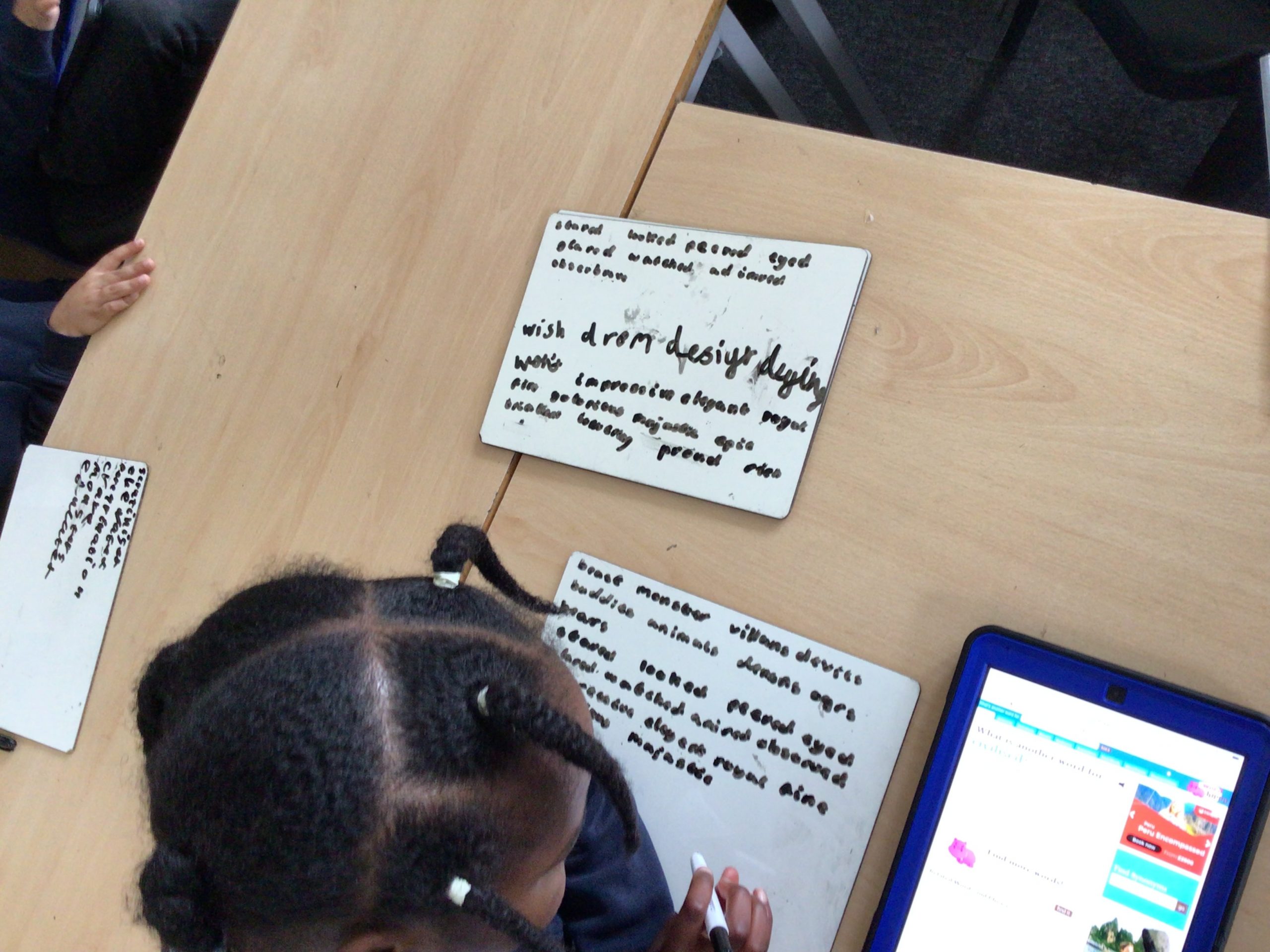
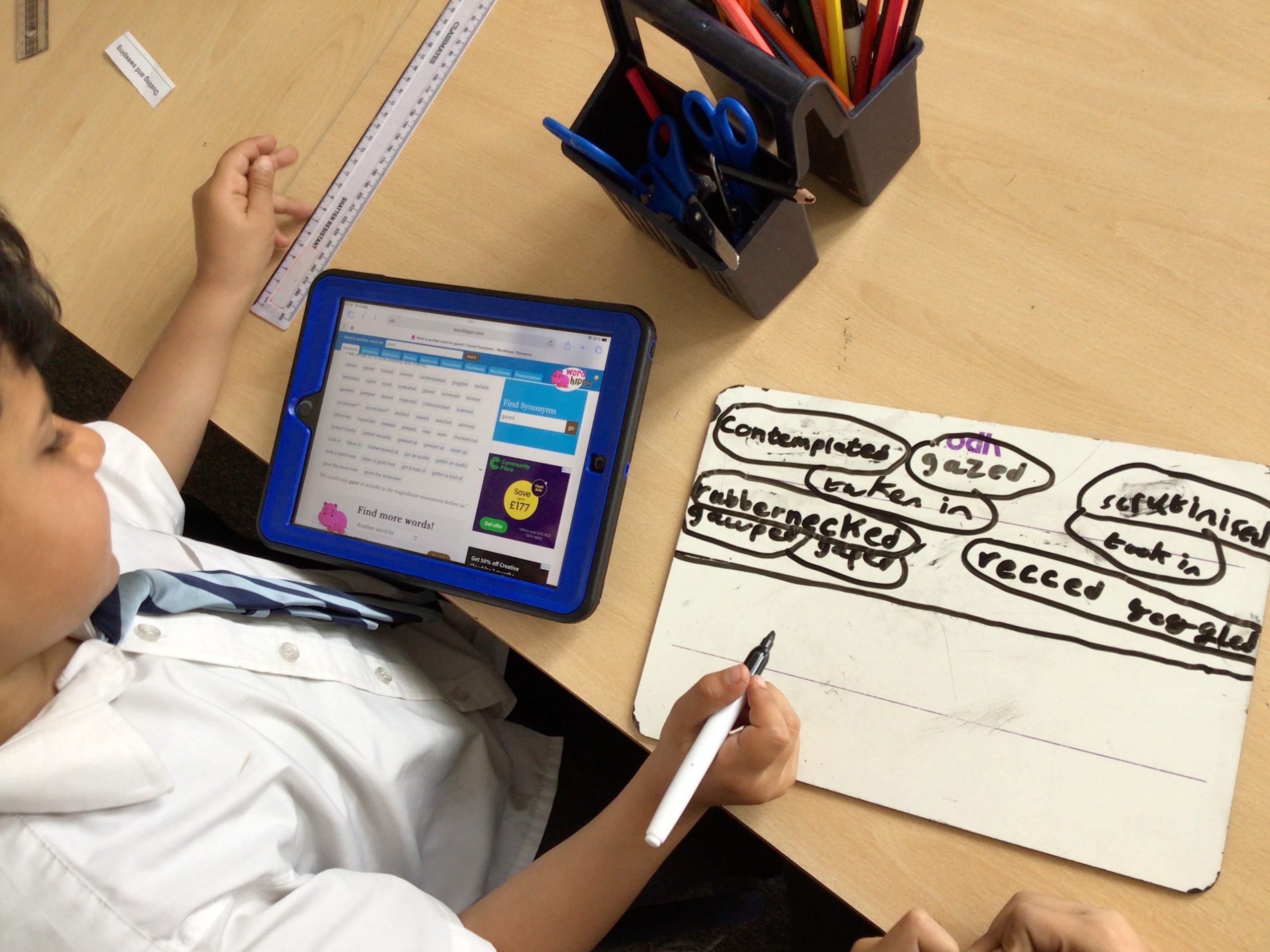
This morning we focused on synonyms for the 6 words we have been looking at in Jemmy Button – voyage, magnificent, civilised, year, gazed and savages. We then recorded the best alternative words to use in our future work.
Today we learnt about renewable resources and what we’re hoping for, for the future. We made websites to promote our ideas especially since it’s our future! 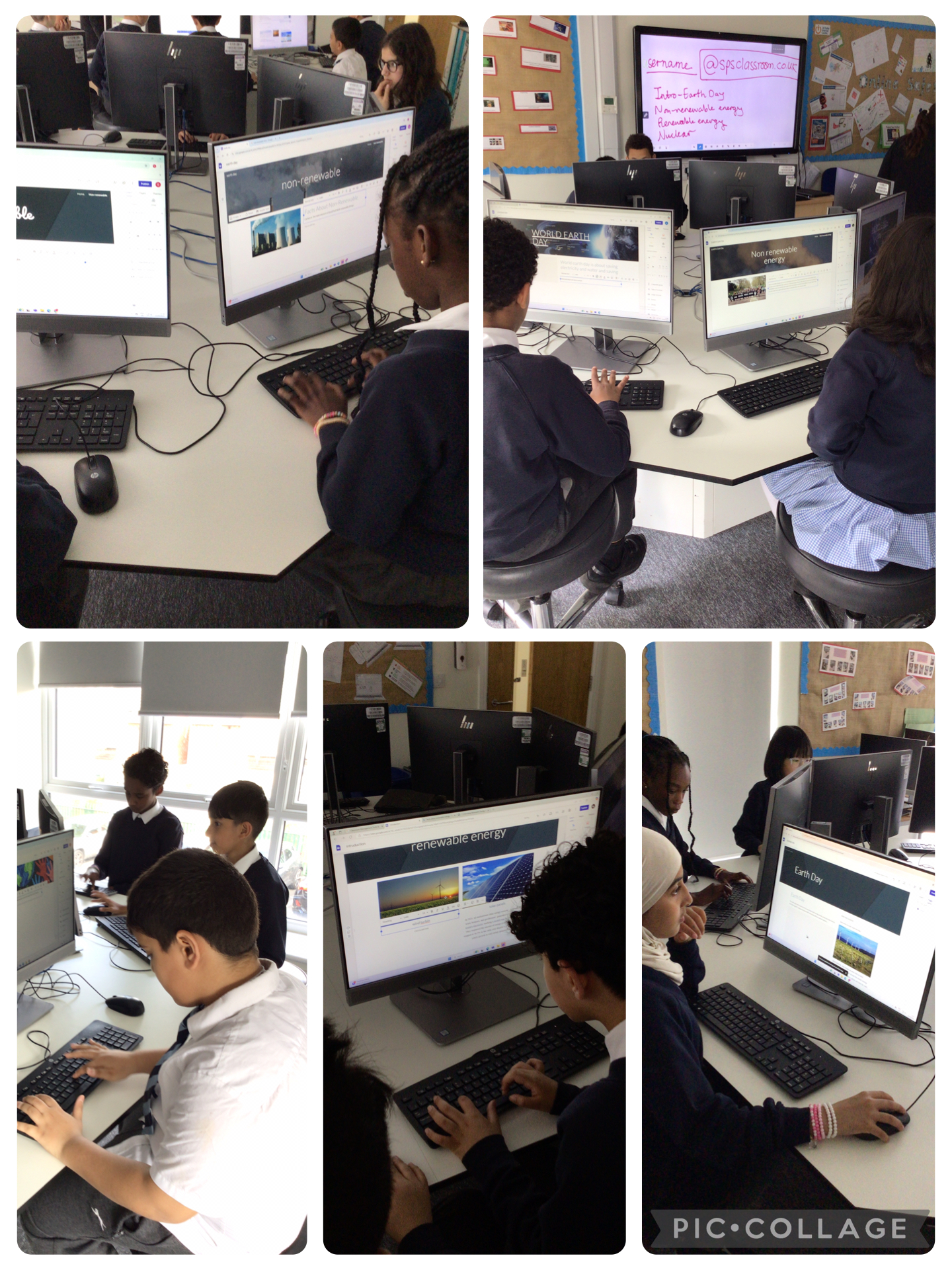
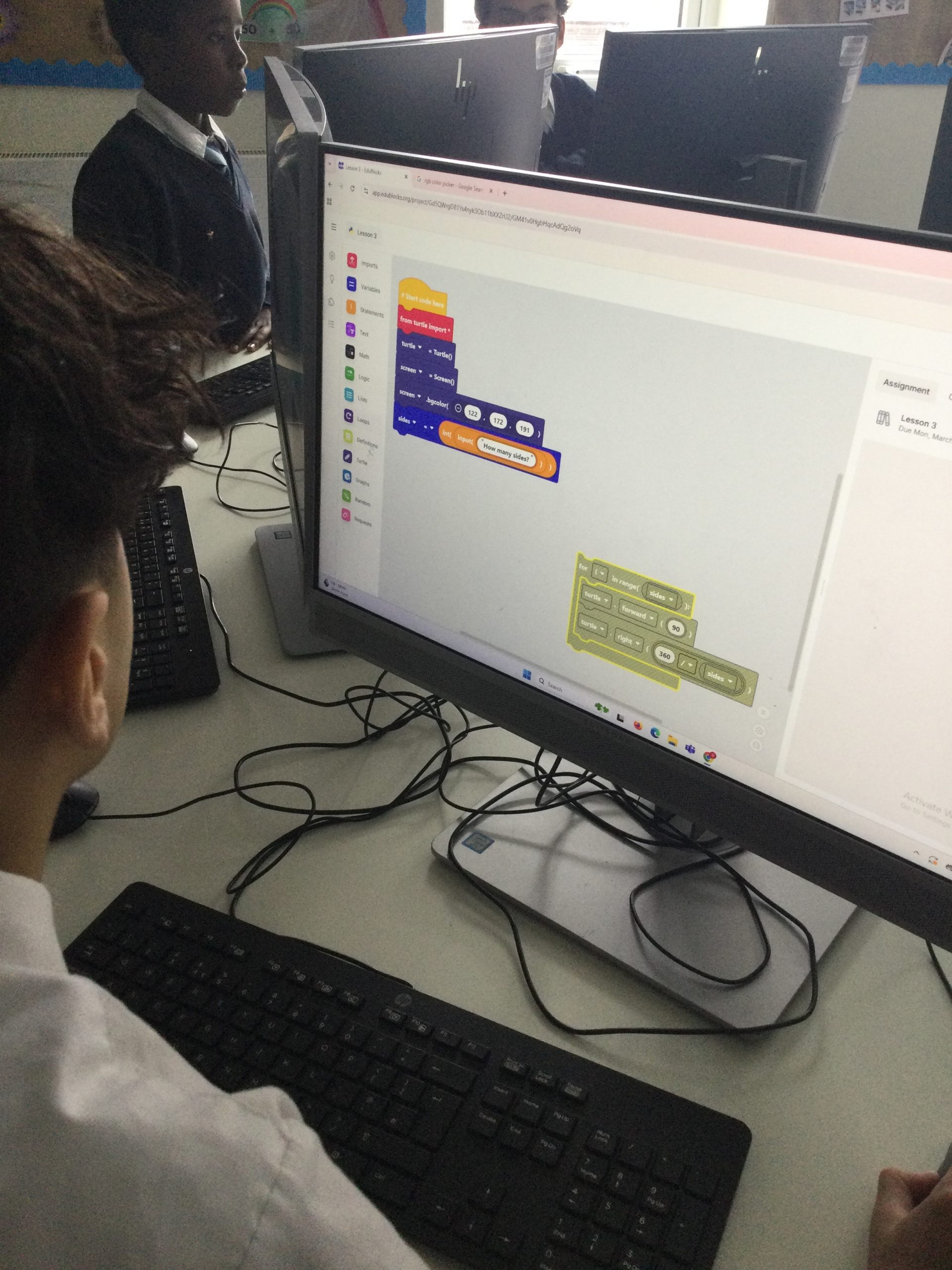
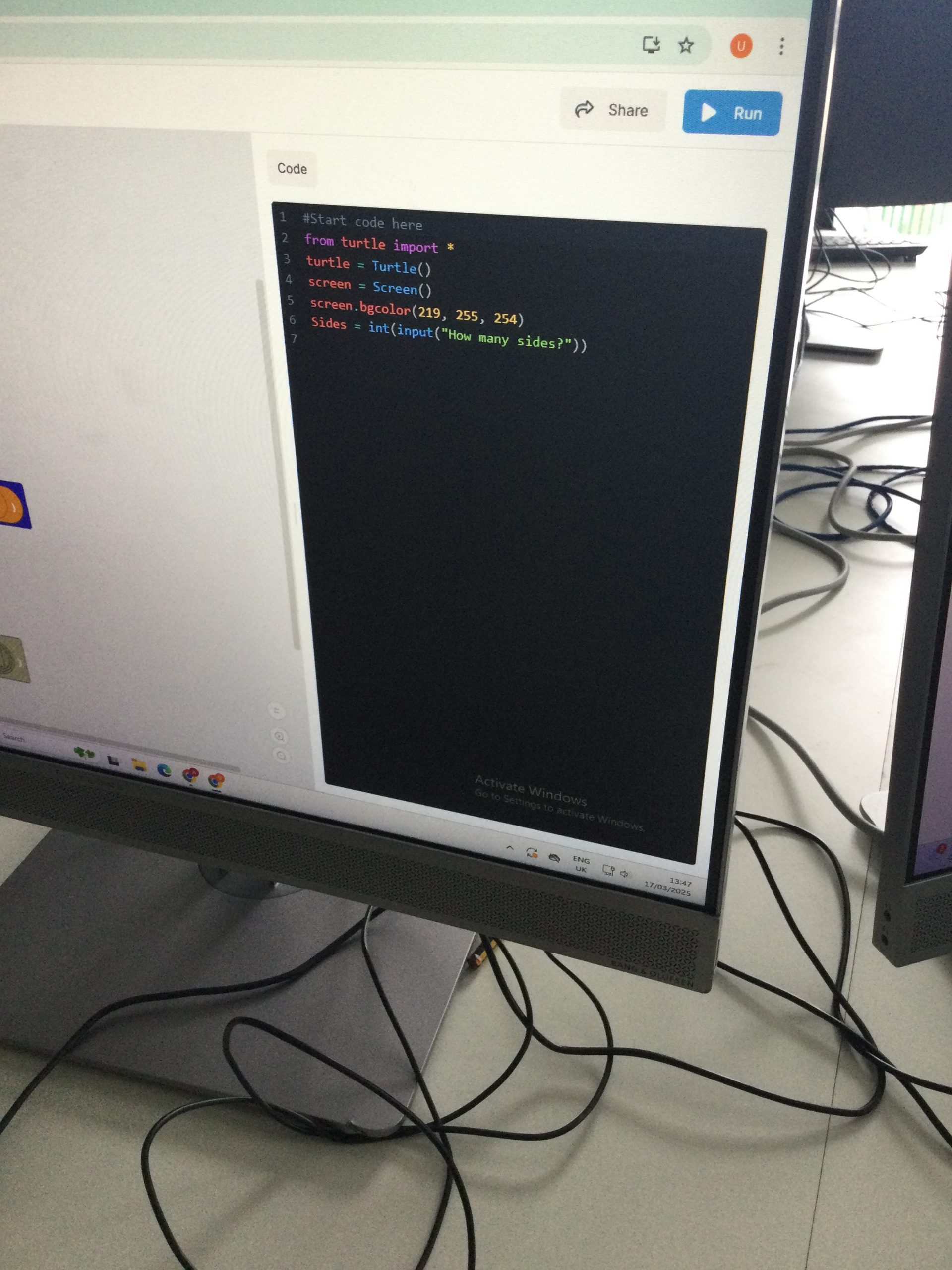
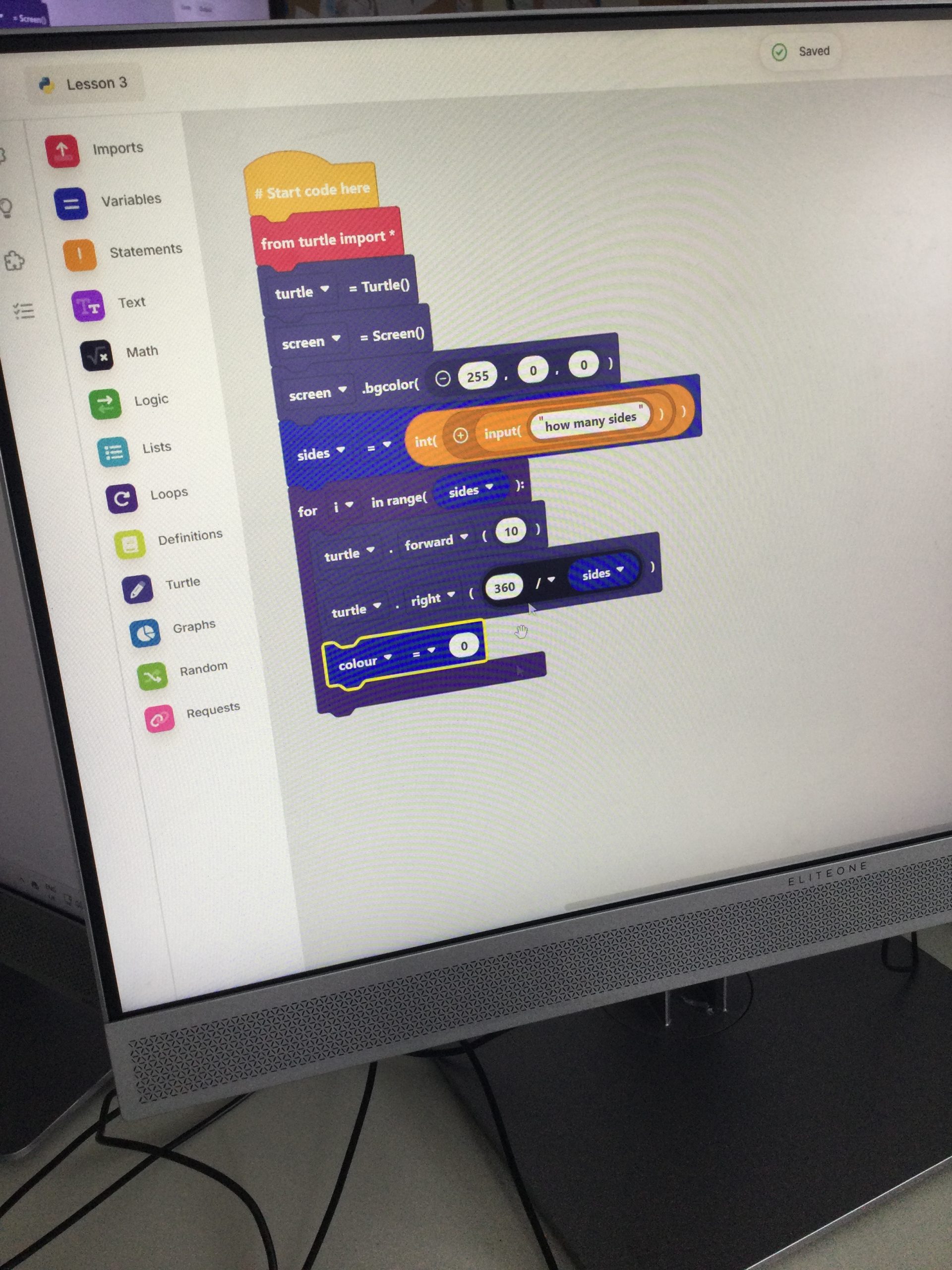
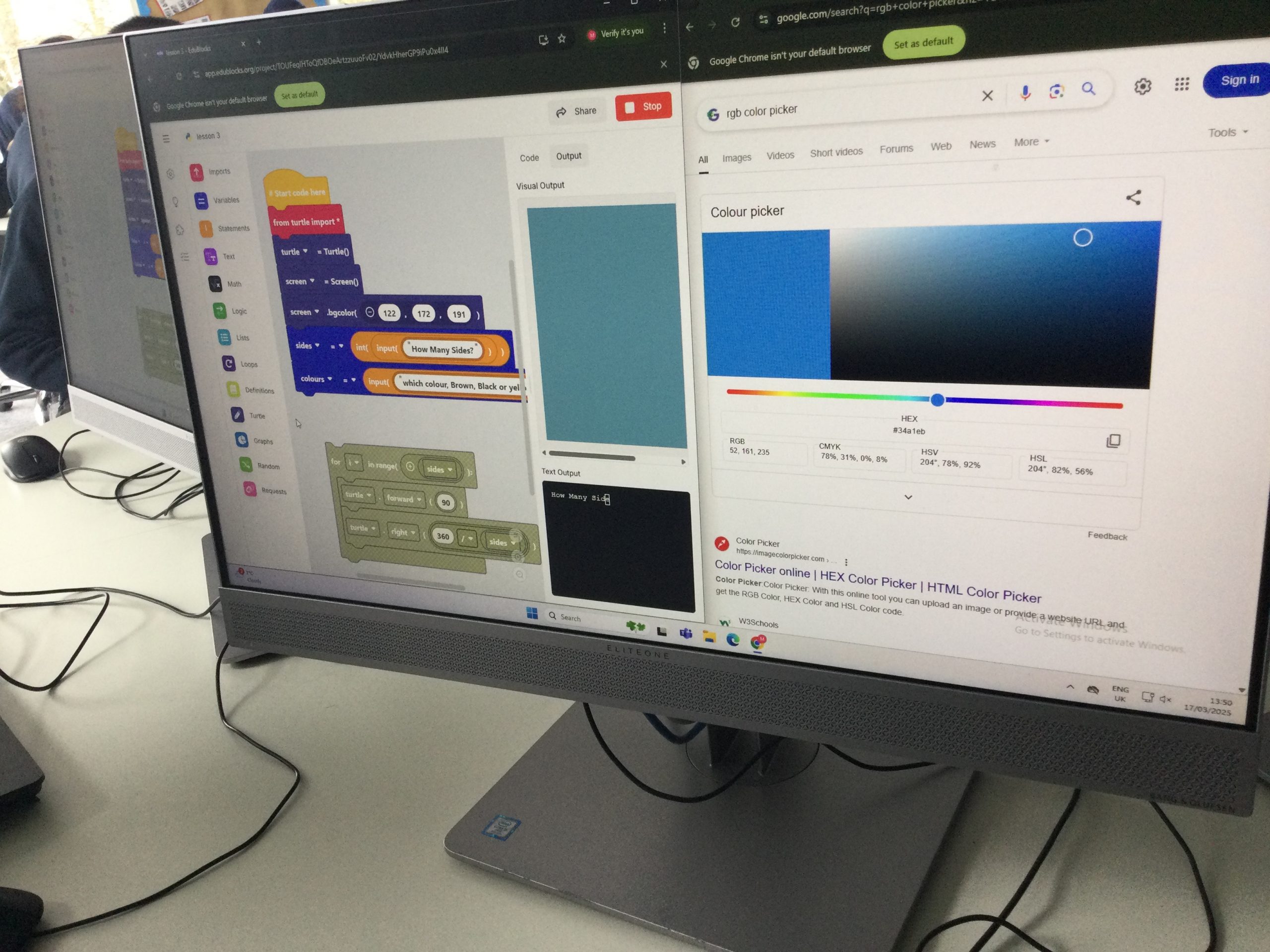
Year 6 continued to look at using python coding with the focus today being on understanding what variables are and how to create and update variable. Children created code to be able to get a turtle to draw different sized shapes by asking a question ‘How many sides?’ Children inputted different numbers to get different shapes draw on their screen.
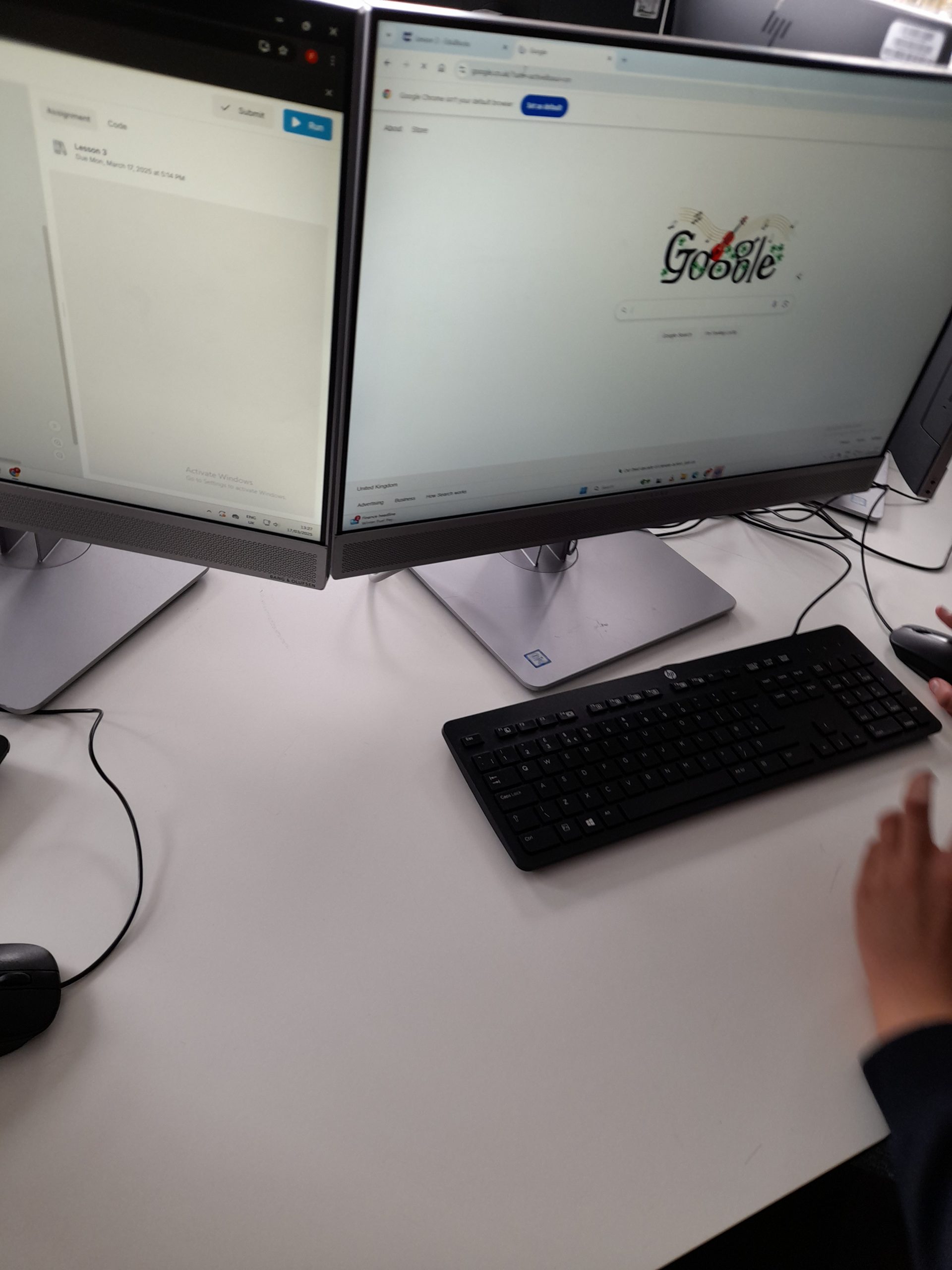
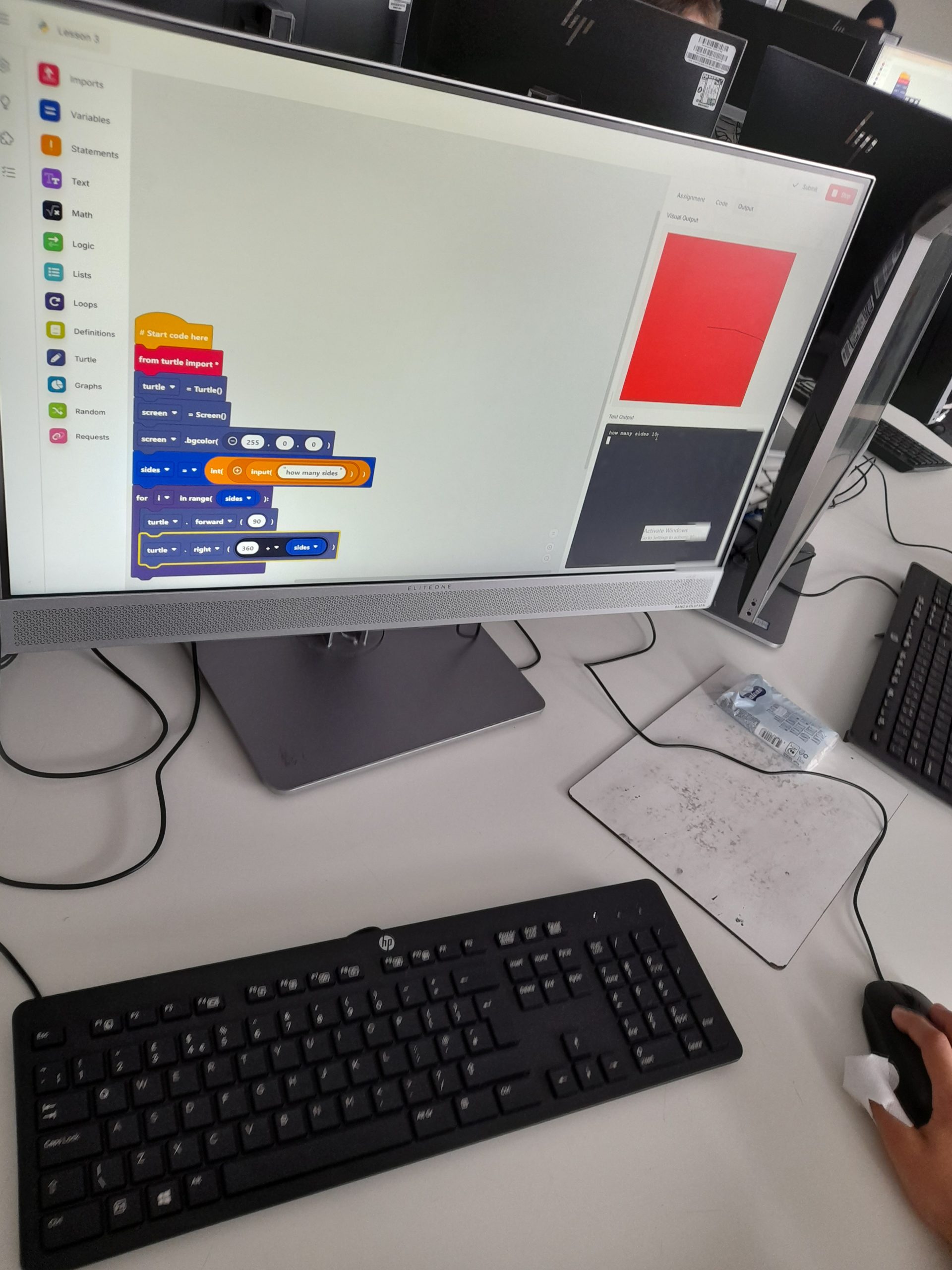
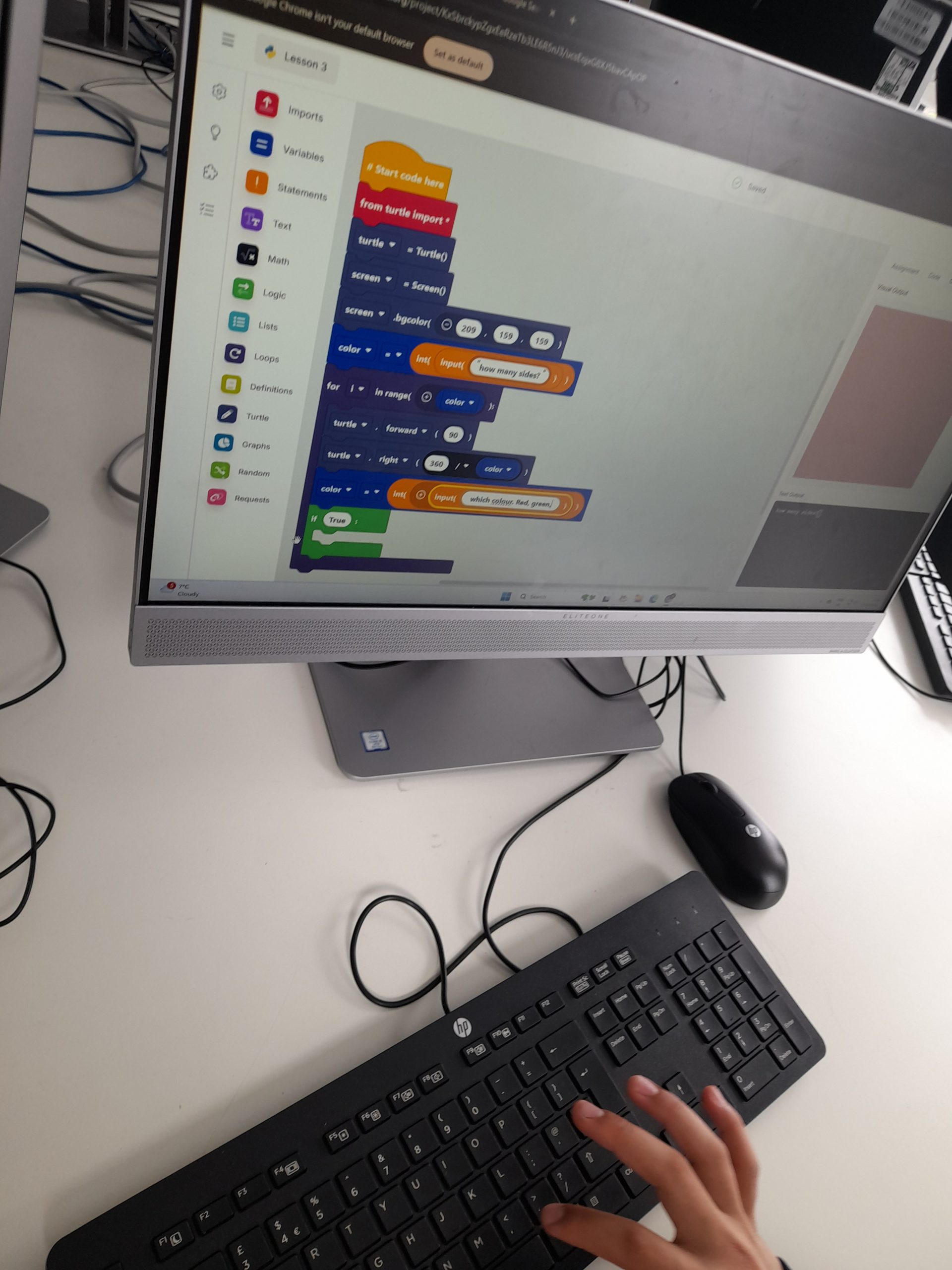
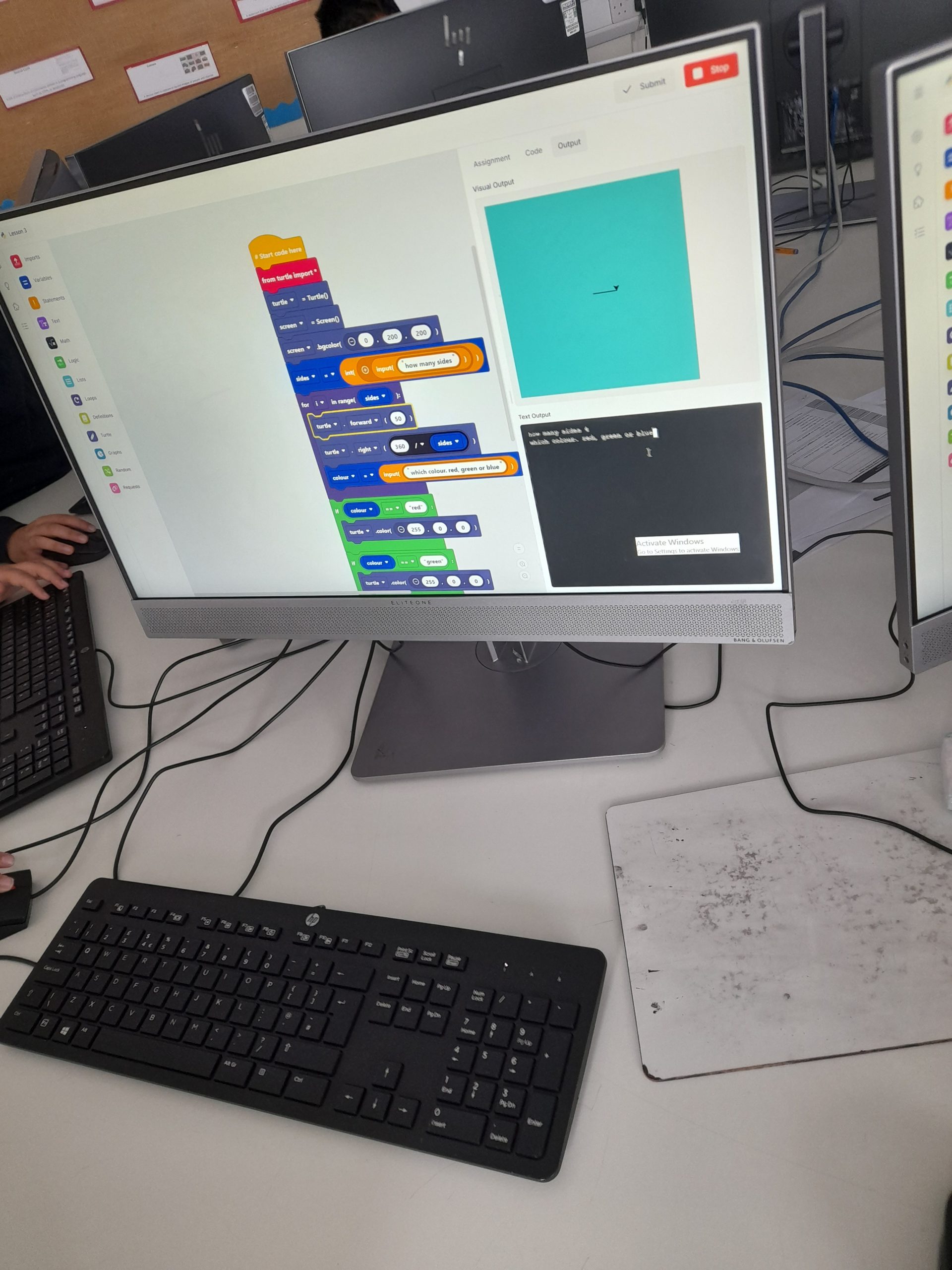
We are getting better at coding : inputting instructions and steps to carry out a design task.

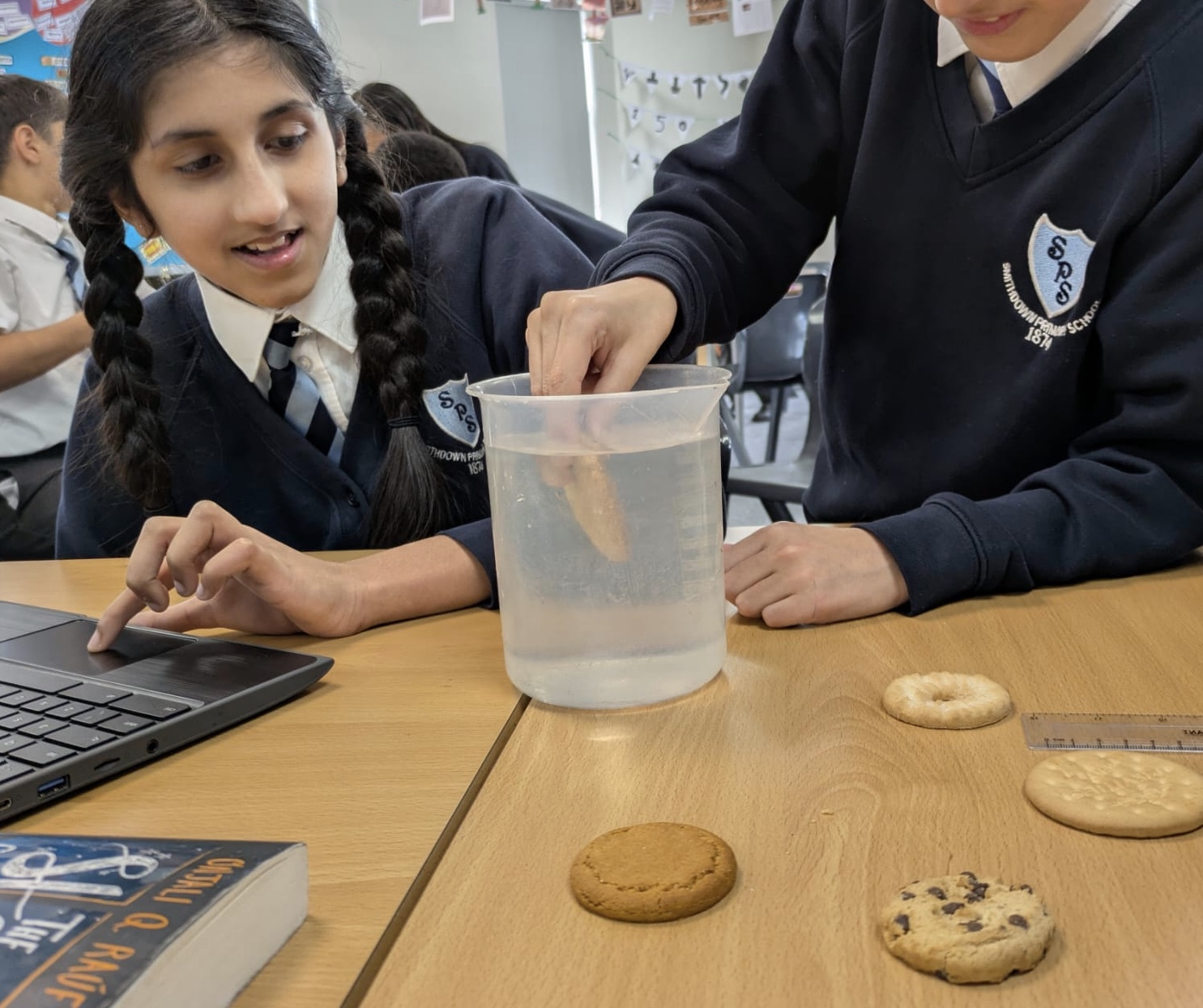
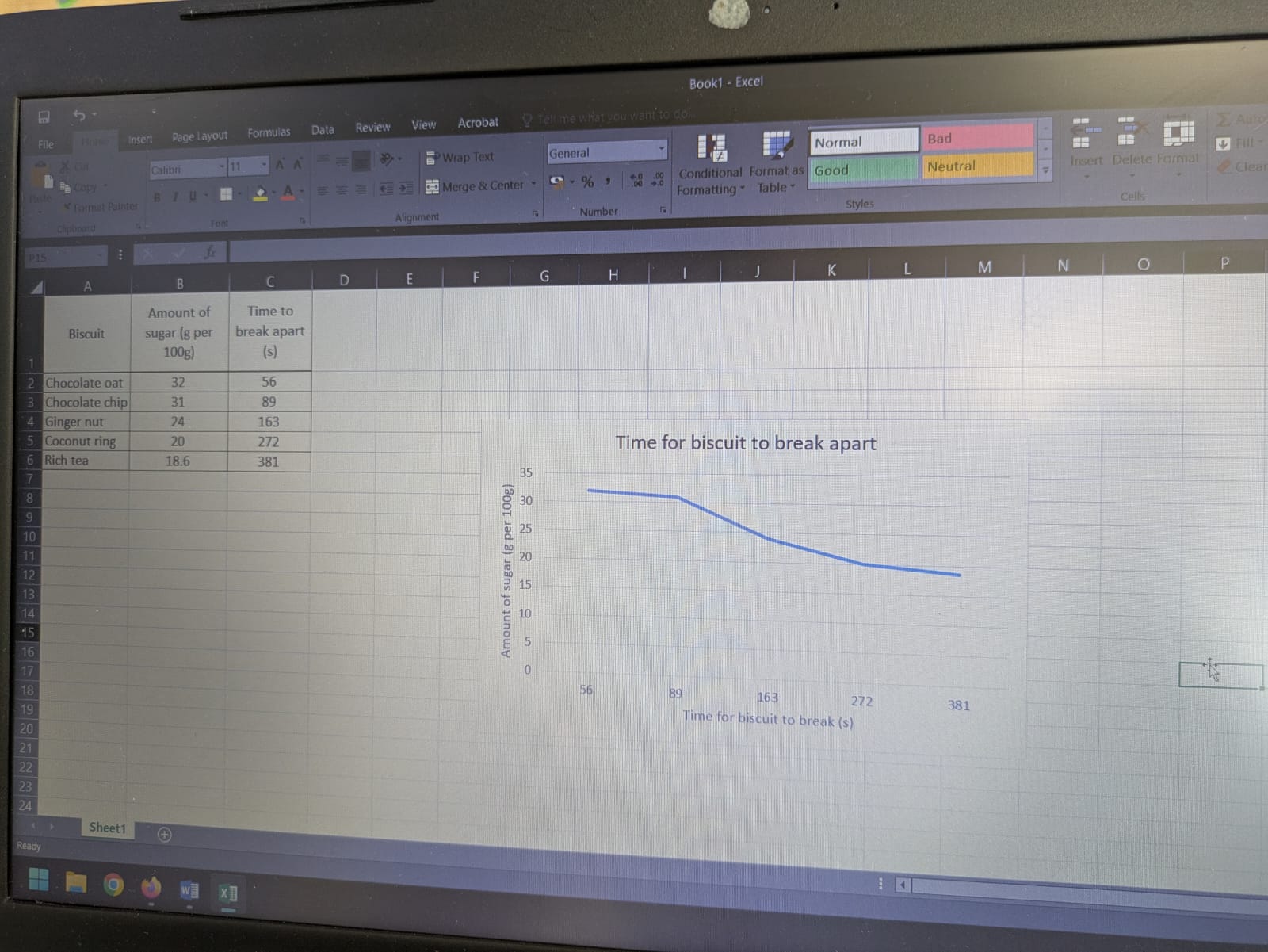
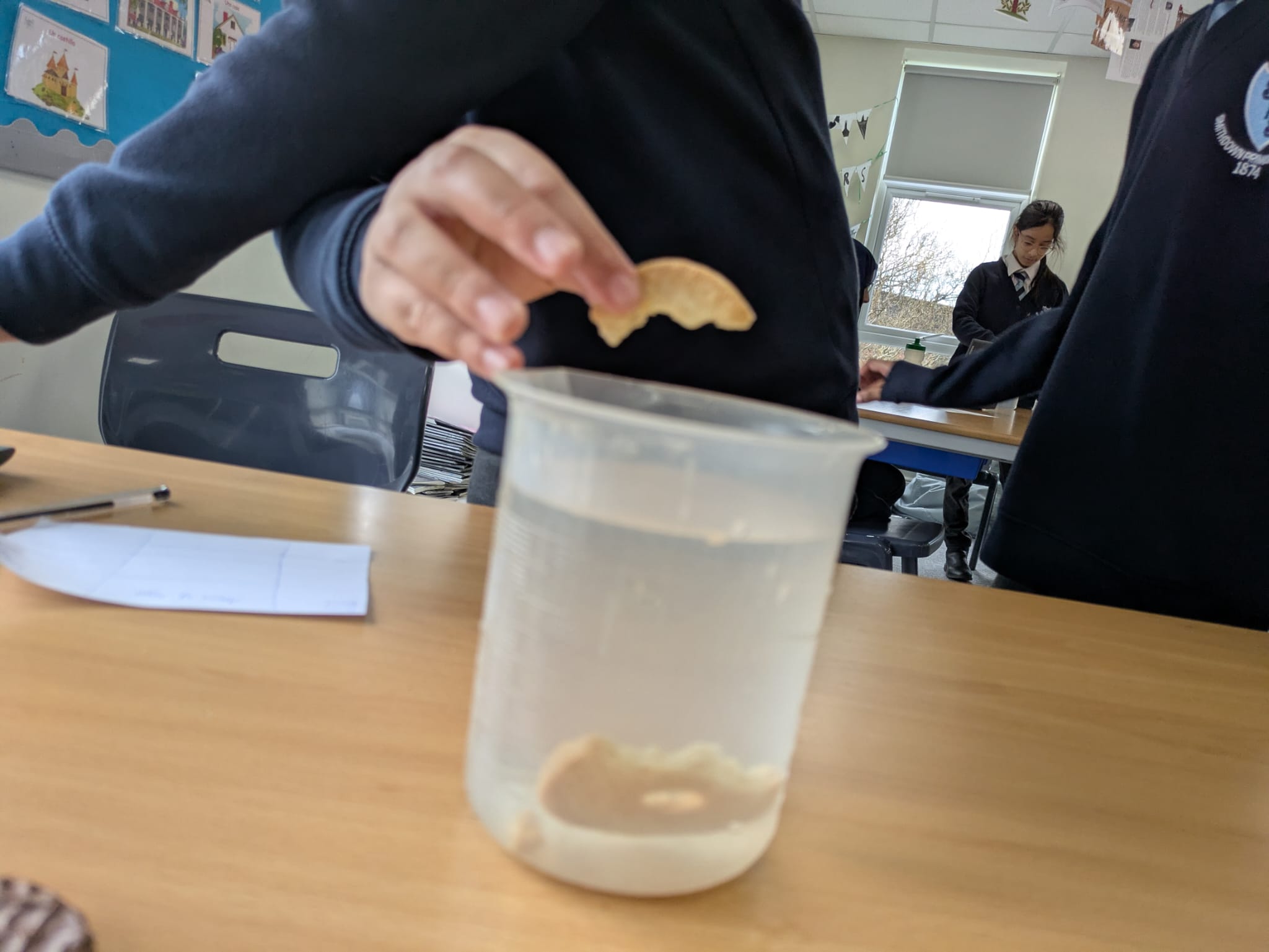
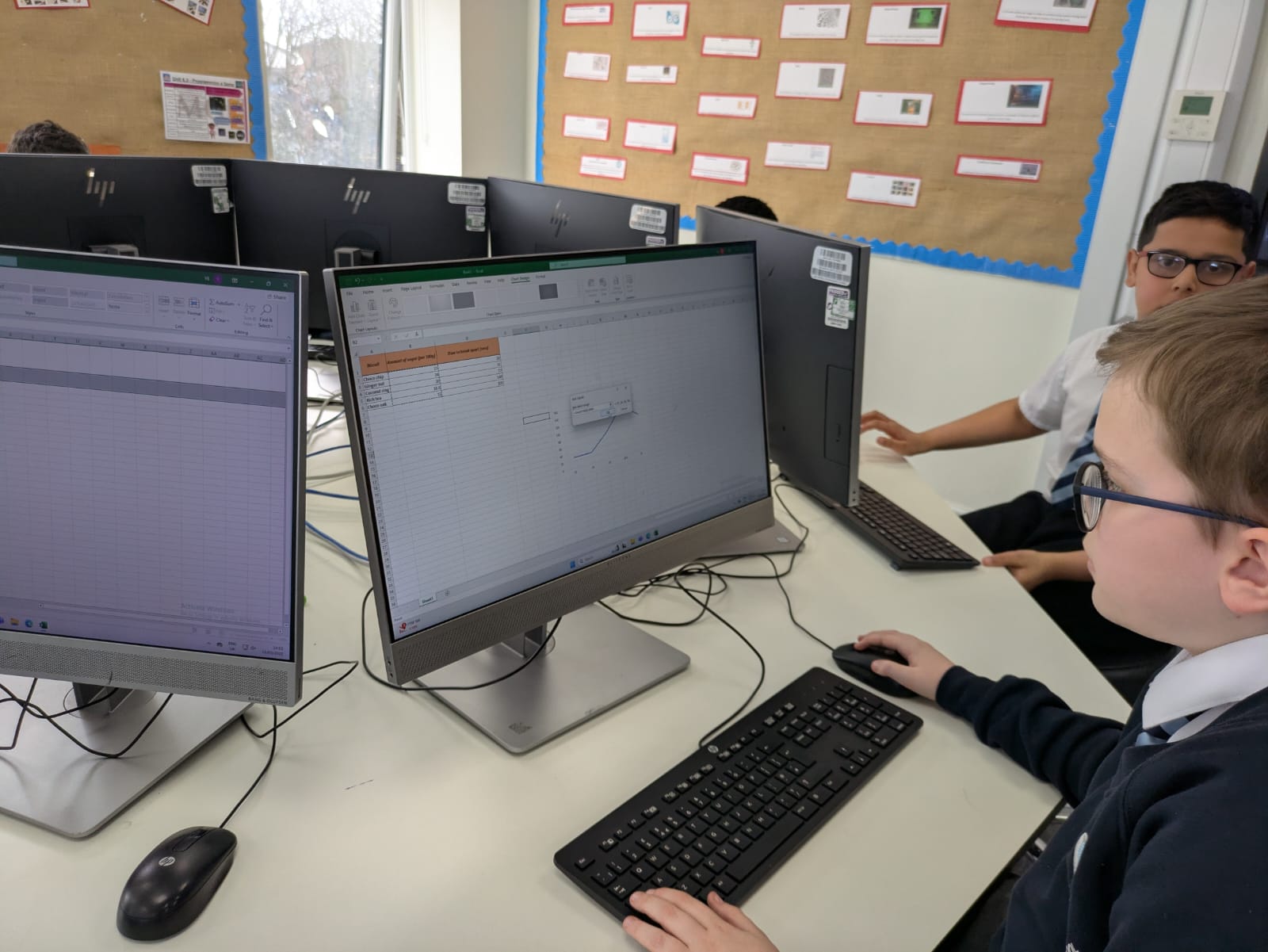
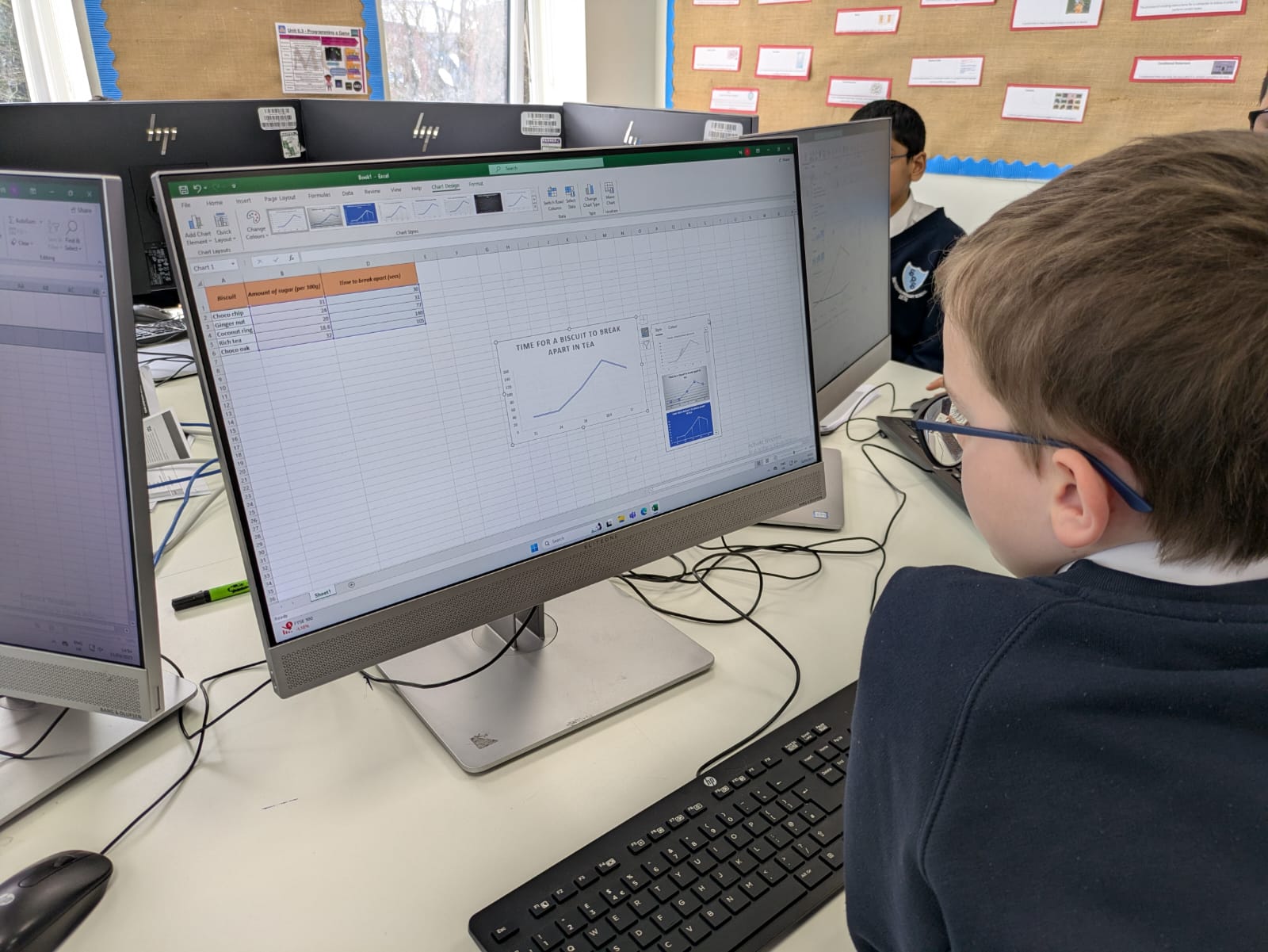
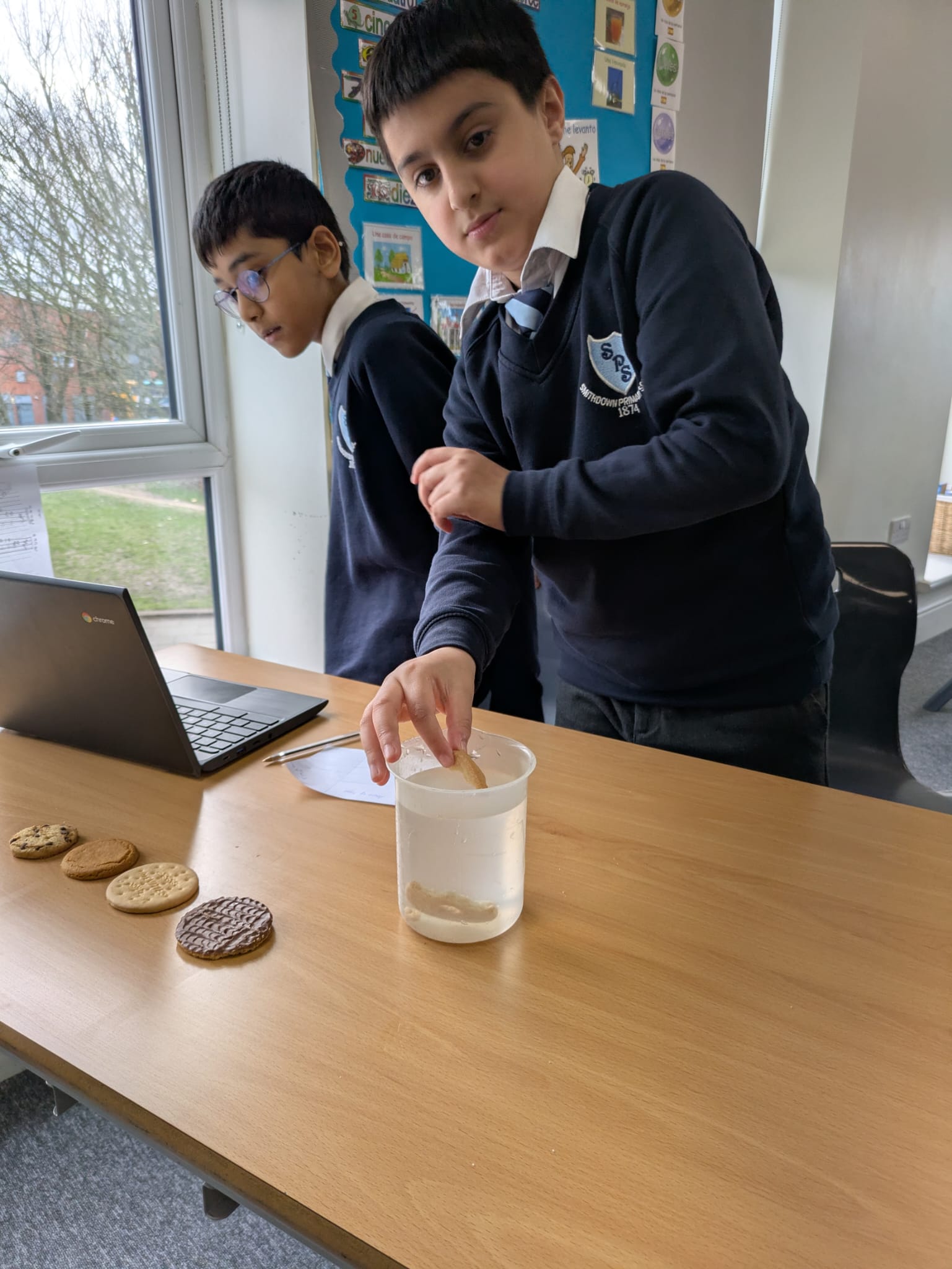
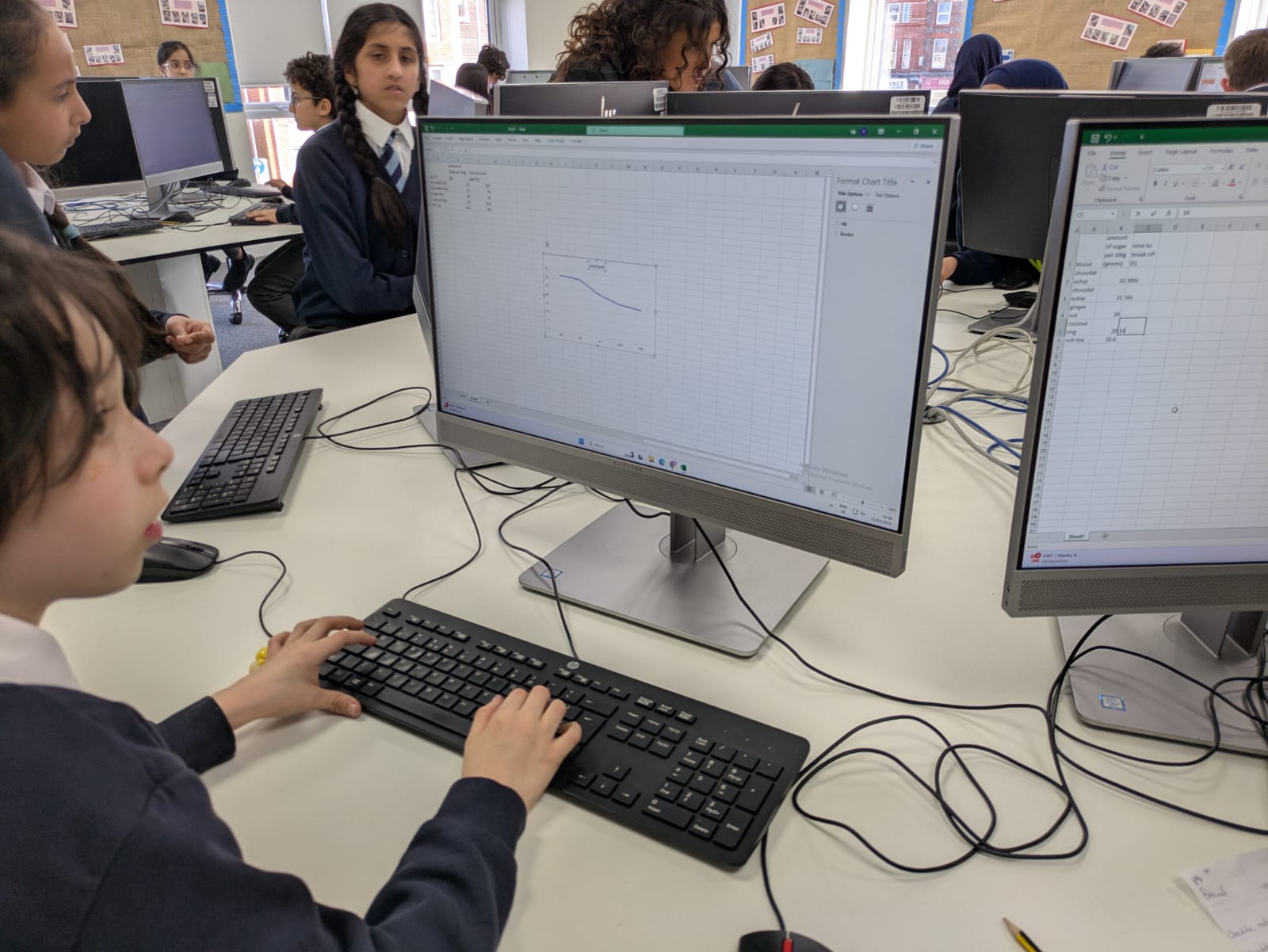
Year 6 investigated how long it took a range of biscuits to dissolve in warm liquid and presented findings using graph software.

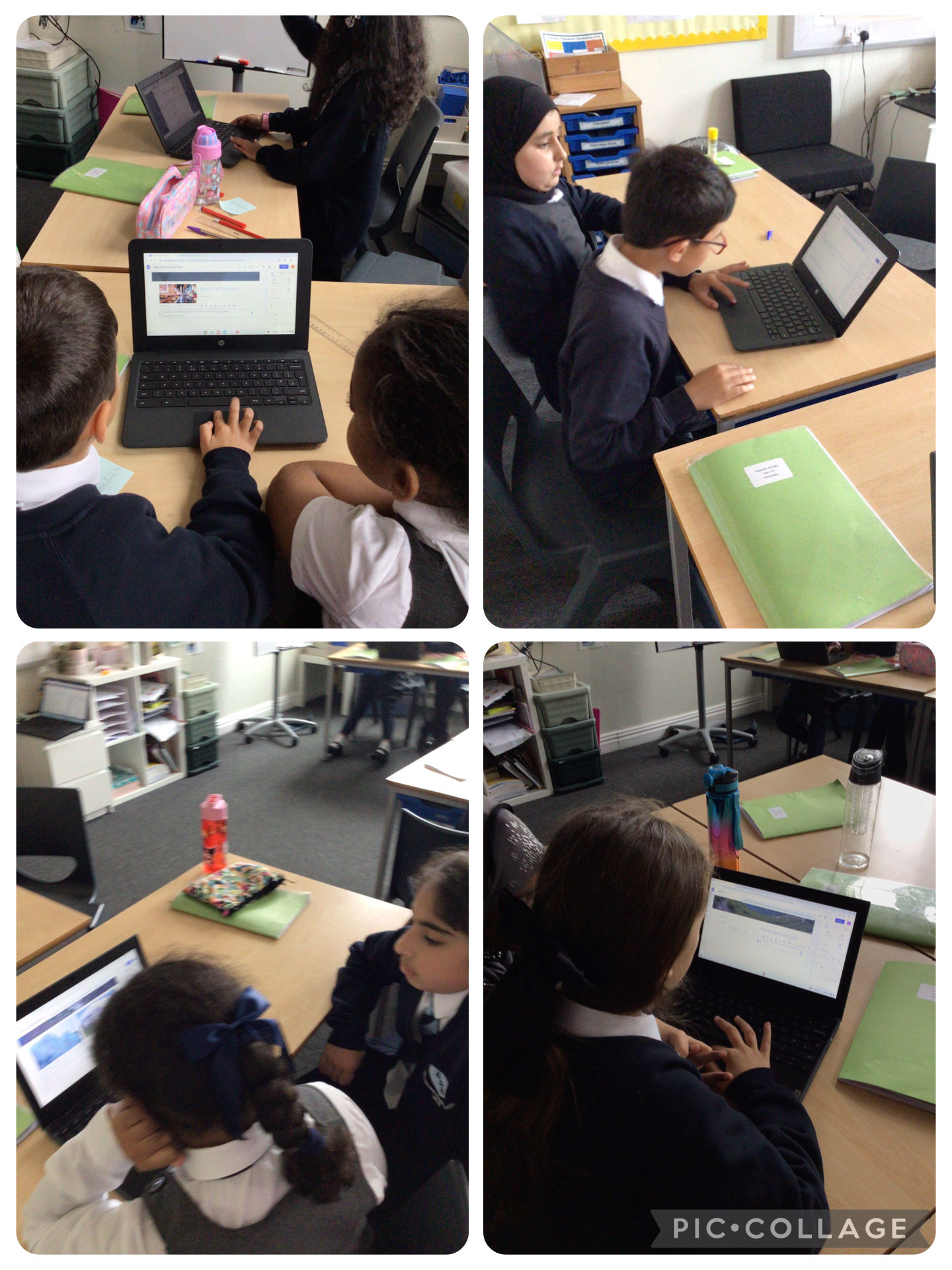
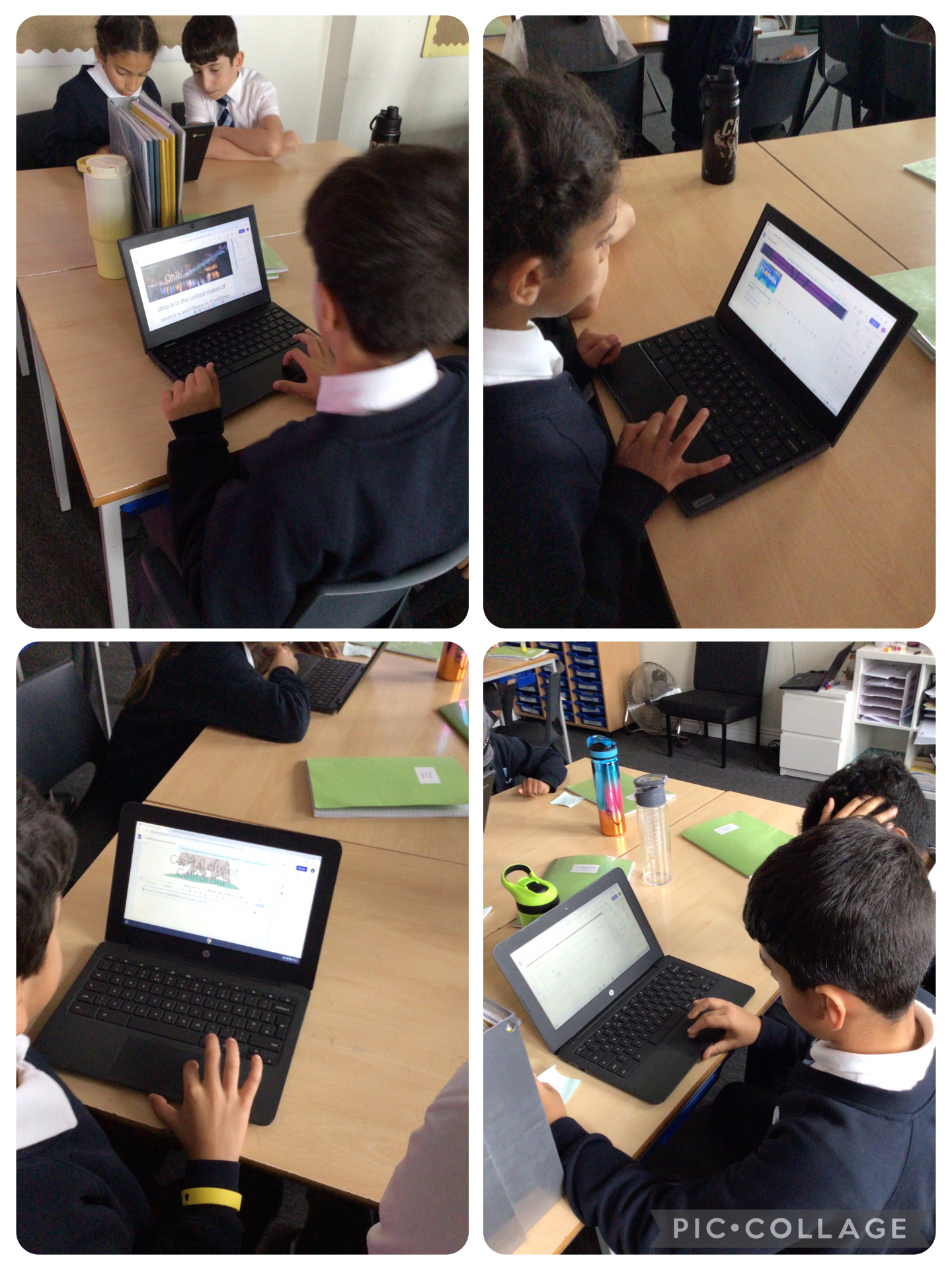 Today we have been looking at the different states in the USA and have created a website for different states. we’ve looked at physical features, human features, capital cities, climate and population.