Art
We are delighted to have achieved the Gold ArtsMark.
Here is some of the feedback from the ArtsMark assessors:
‘It is positive to read how, over the course of your Artsmark journey, you have successfully forged partnerships with approximately fifteen other providers, companies and artists who have either visited school or provided external workshops in art, drama, poetry, and music.’
‘ You have also worked hard to ensure that you represent the rich diversity of the community, seeking out opportunities such as inviting Yemeni poet and artist Amina Atiq to work with 60 children in year 4 to celebrate journeys from different countries.’
‘Pupils have had a range of authentic arts and cultural experiences, including animation workshops, gallery trips, author meet and greets and visits from artists to enhance their cultural opportunities’
‘Pupils created an art gallery at whole school events for families, had artwork on show in the Royal Liver Building and you have successfully built relationships with local establishments to showcase pupil’s artwork.’
Art and Design at Smithdown Primary School
Intent
At Smithdown Primary School, together we grow as artists, thinkers and creators. Our Art and Design curriculum is designed to inspire curiosity, imagination and self-expression, enabling every child to see themselves as an artist. Through an inclusive and carefully structured curriculum, children develop the confidence to experiment, reflect and communicate visually.
We aim to nurture creativity through exploration, following the AccessArt principles of valuing the creative process as much as the final piece. Our pupils learn to appreciate art as a way to understand themselves and the world around them, celebrating both local and global artistic traditions. By studying local artists and makers alongside great artists, designers and architects throughout history, children develop a sense of cultural identity and cultural capital that extends beyond the classroom.
Implementation
Art is taught both as a discrete subject and through meaningful links across the wider curriculum, allowing children to make creative connections between subjects. Teachers planning is supported by the AccessArt curriculum approach, which promotes exploration, reflection and resilience.
-
In Early Years, children explore colour, texture, and form through open-ended play and experimentation, developing fine motor skills and creative confidence.
-
In Key Stage 1, pupils use a range of materials to draw, paint, print and sculpt, learning fundamental techniques in colour, pattern, line, shape and texture. They are encouraged to discuss art and use sketchbooks to record ideas, observations and responses.
-
In Key Stage 2, pupils refine their technical skills and experiment with a wider range of media, developing personal style and expressive control. They investigate the work of significant artists, architects and designers — including local and contemporary practitioners — to inspire their own work.
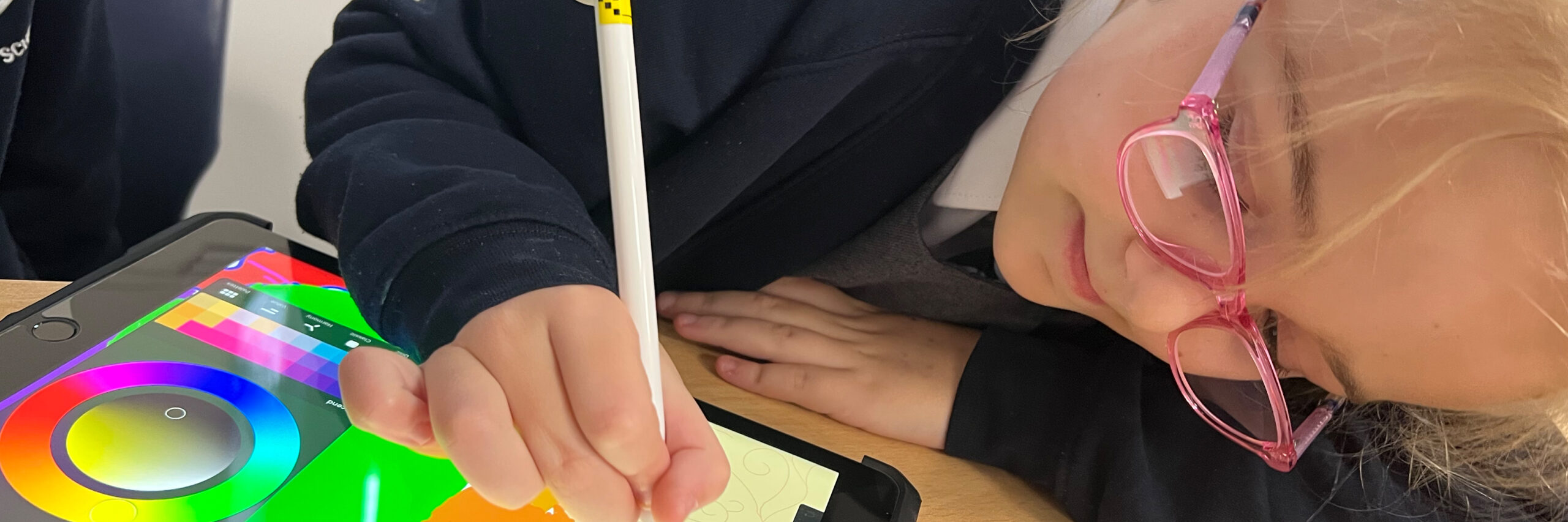
Sketchbooks travel with pupils through the school, evidencing their progression and personal journey as artists. Digital media and technology are used purposefully to enhance creativity and expand the ways children can make and present art.
Teachers provide constructive feedback and use ongoing formative assessment to ensure that all pupils — including those with SEND — make strong progress and feel pride in their achievements.
Impact
By the time pupils leave Smithdown, they have:
-
Developed the knowledge, skills and vocabulary to express themselves creatively and confidently.
-
A deep appreciation for art in its many forms, understanding its power to communicate ideas, emotions and cultural identity.
-
Built resilience, self-reflection and problem-solving skills that extend across all learning.
-
Experienced the joy of artistic discovery, collaboration and personal growth — living our motto, “Together We Grow.”
Through art, our children learn not only how to create, but how to think like artists: curious, reflective and imaginative citizens of the world.
National Curriculum for Art and Design
Whole School Overview for Art 2025-2026
Progression in Art
End Points for Assessment

Art Chatter
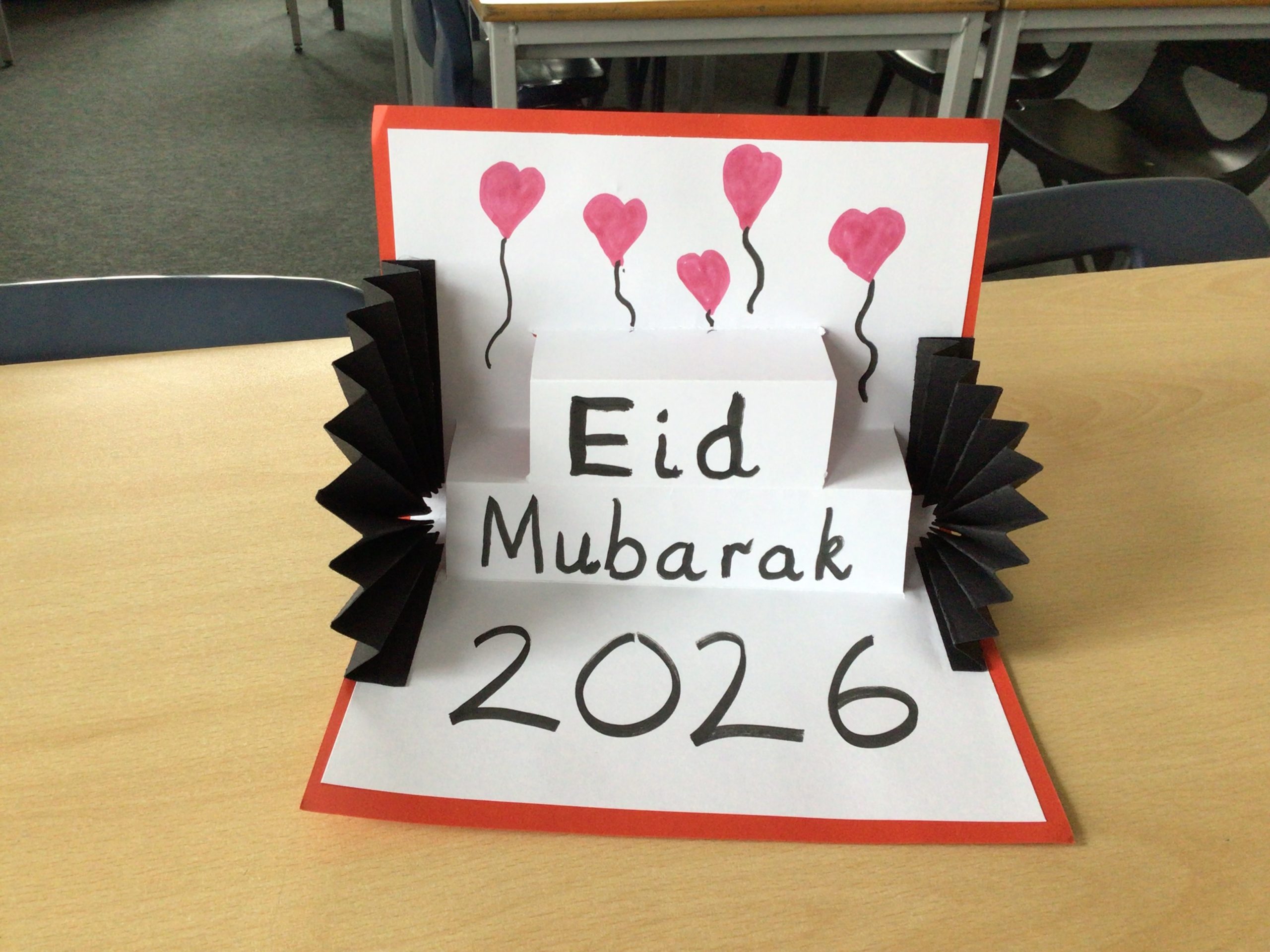
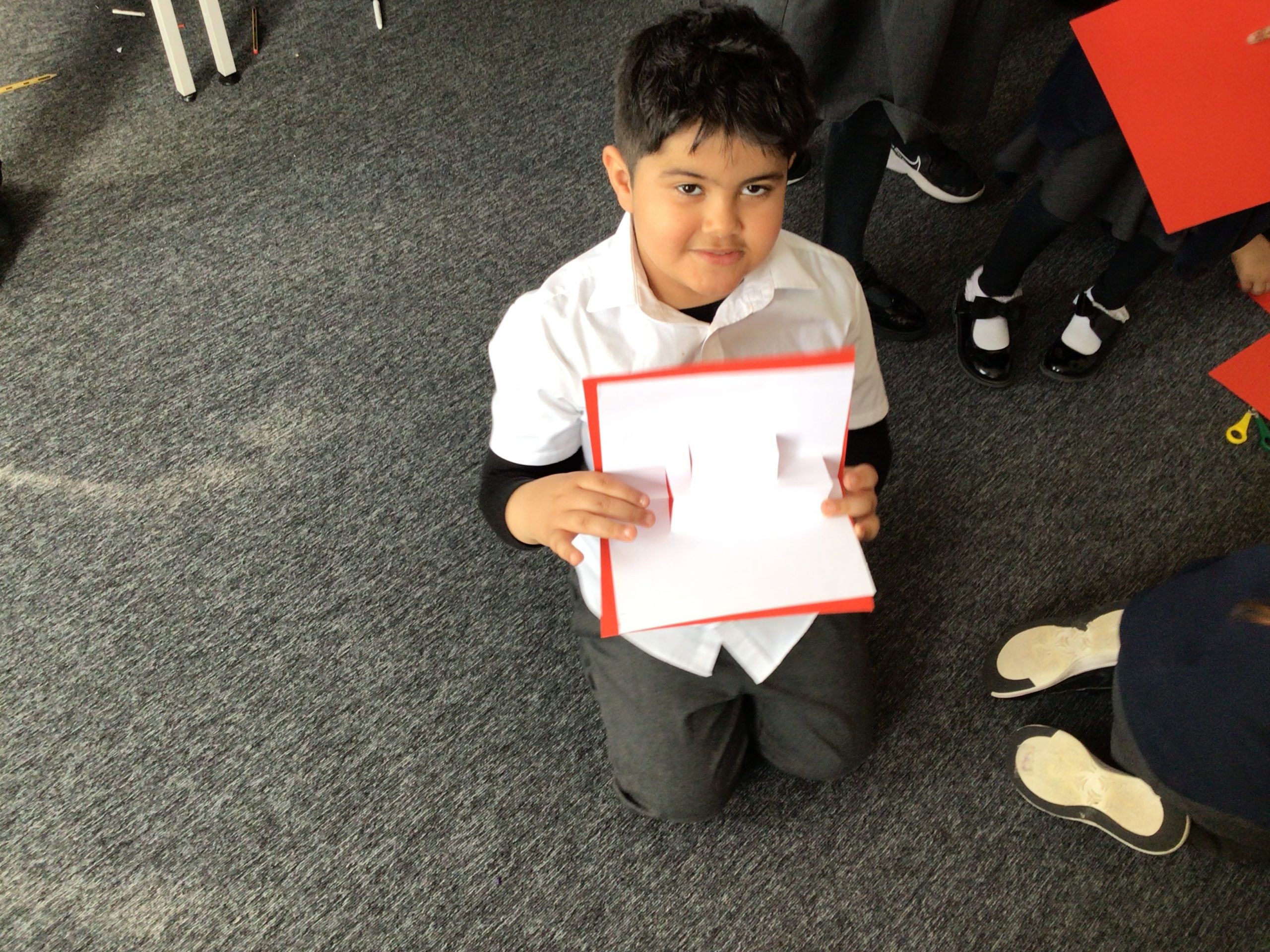
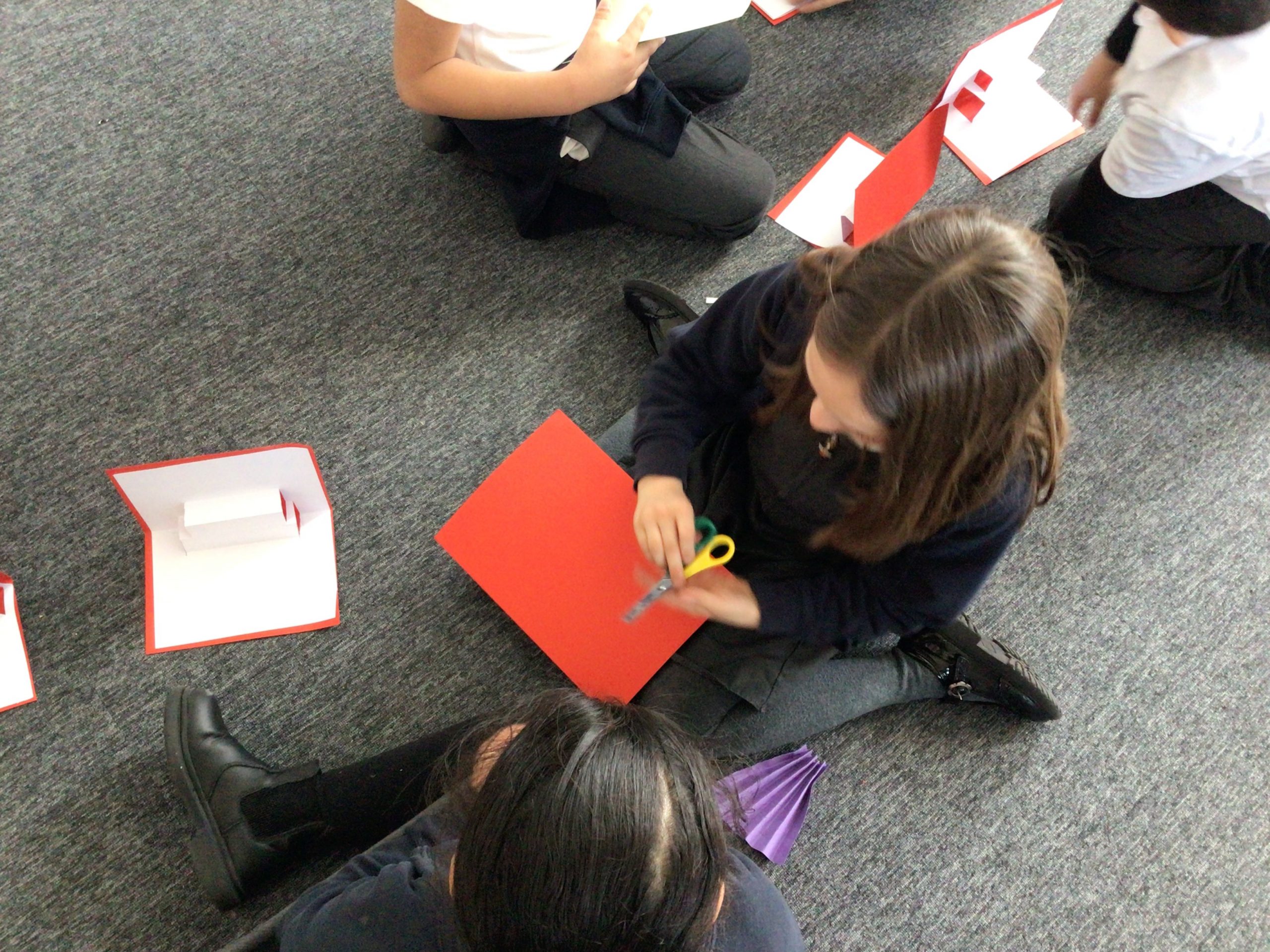
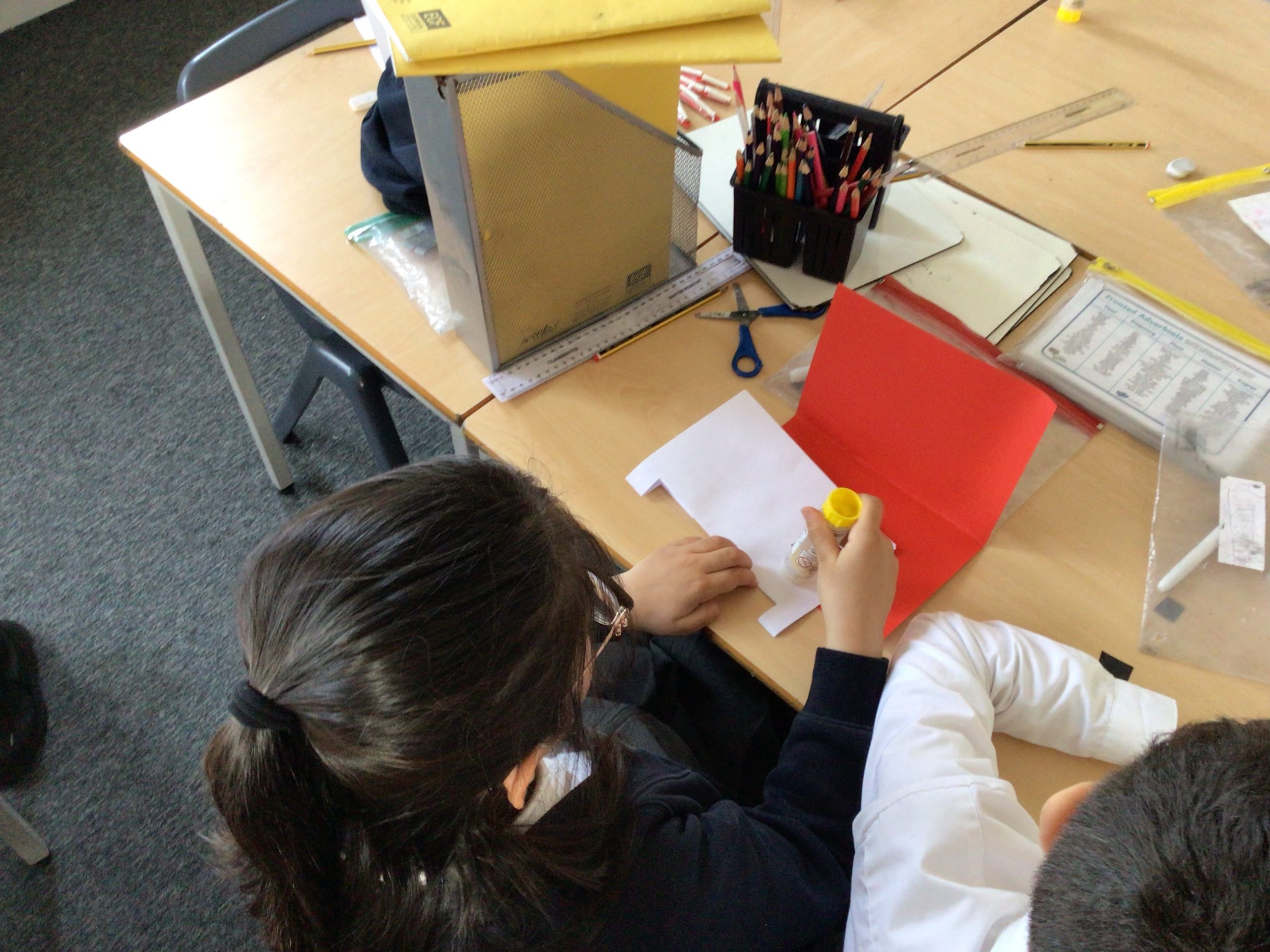
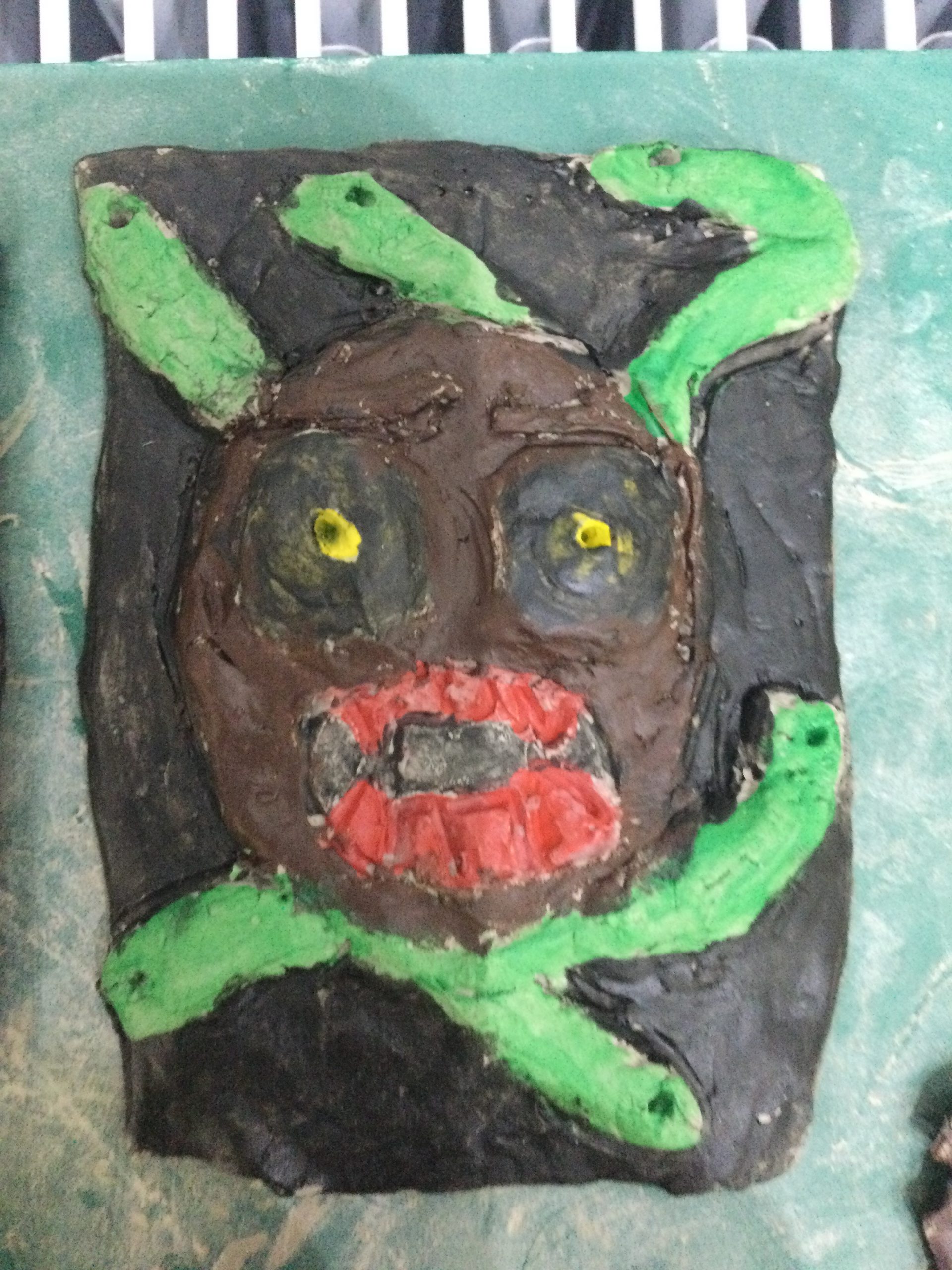
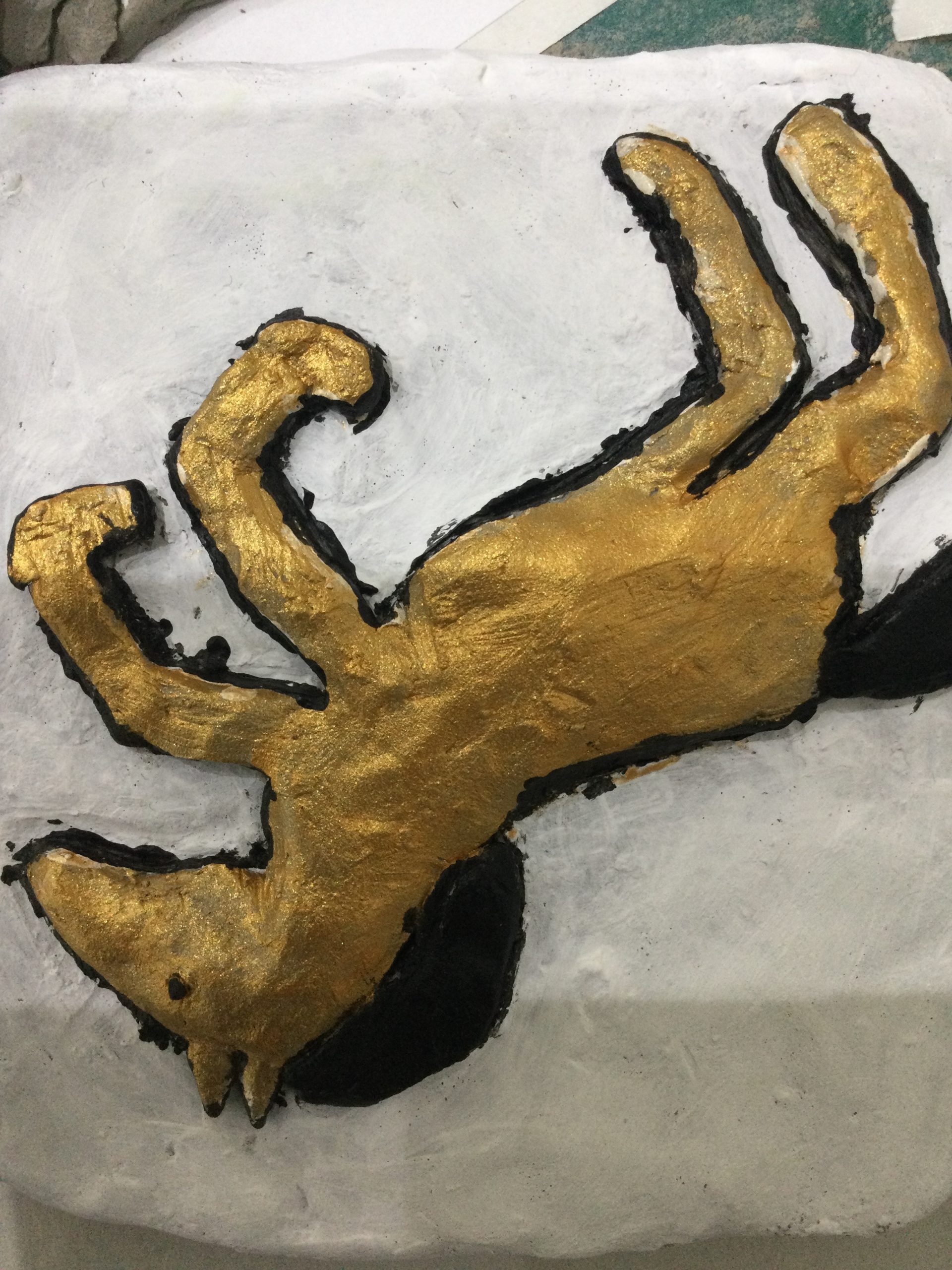
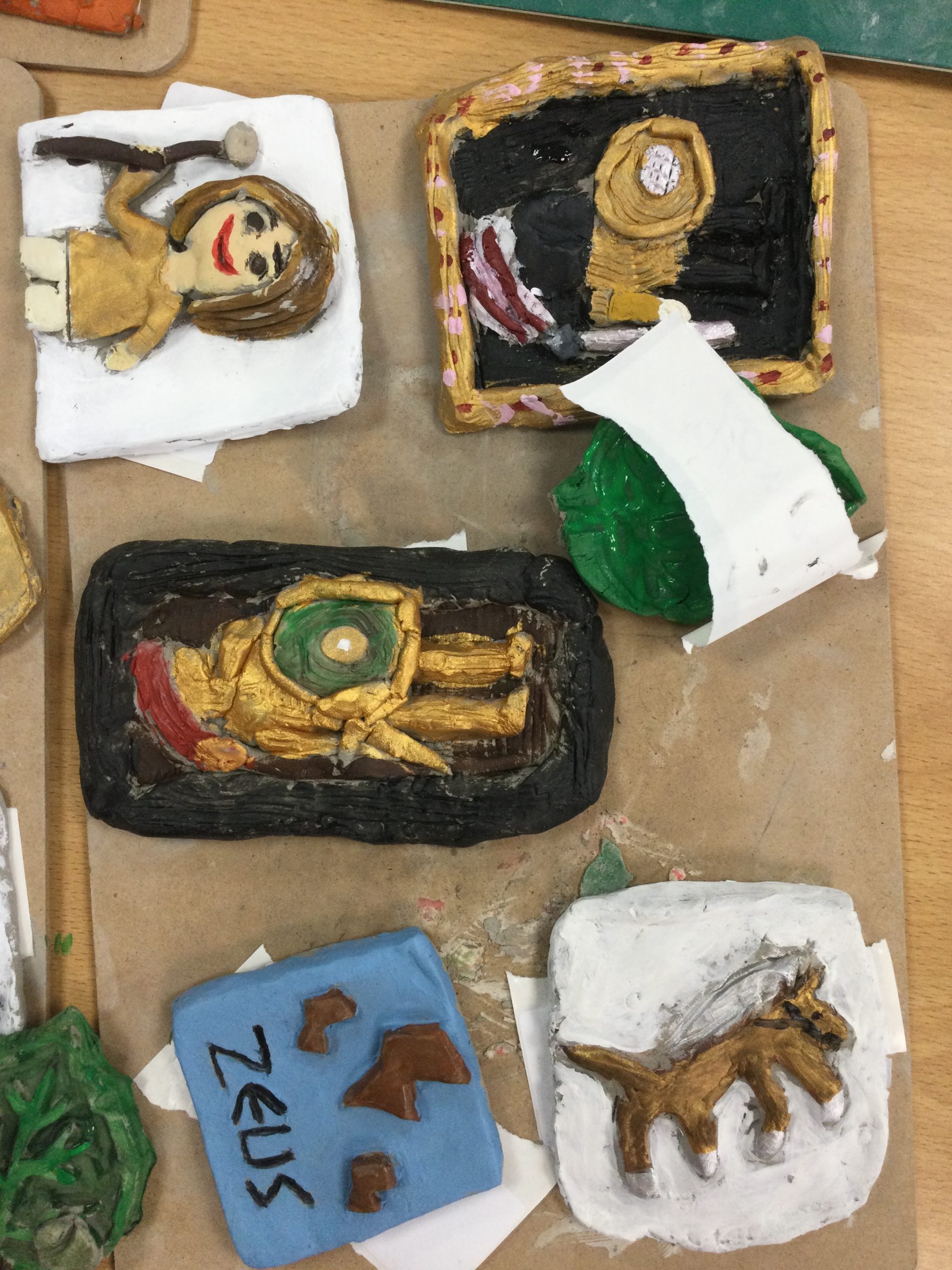
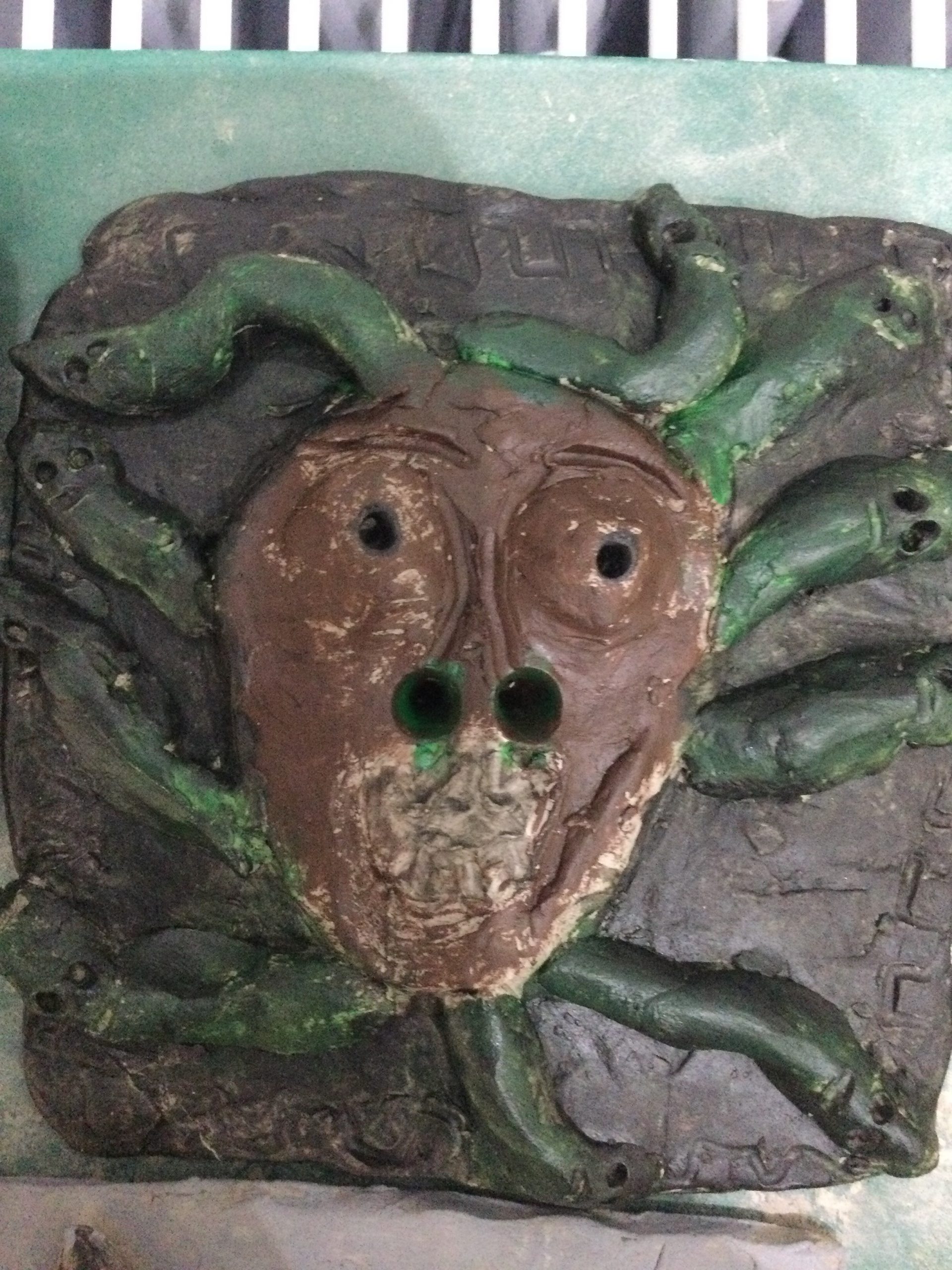
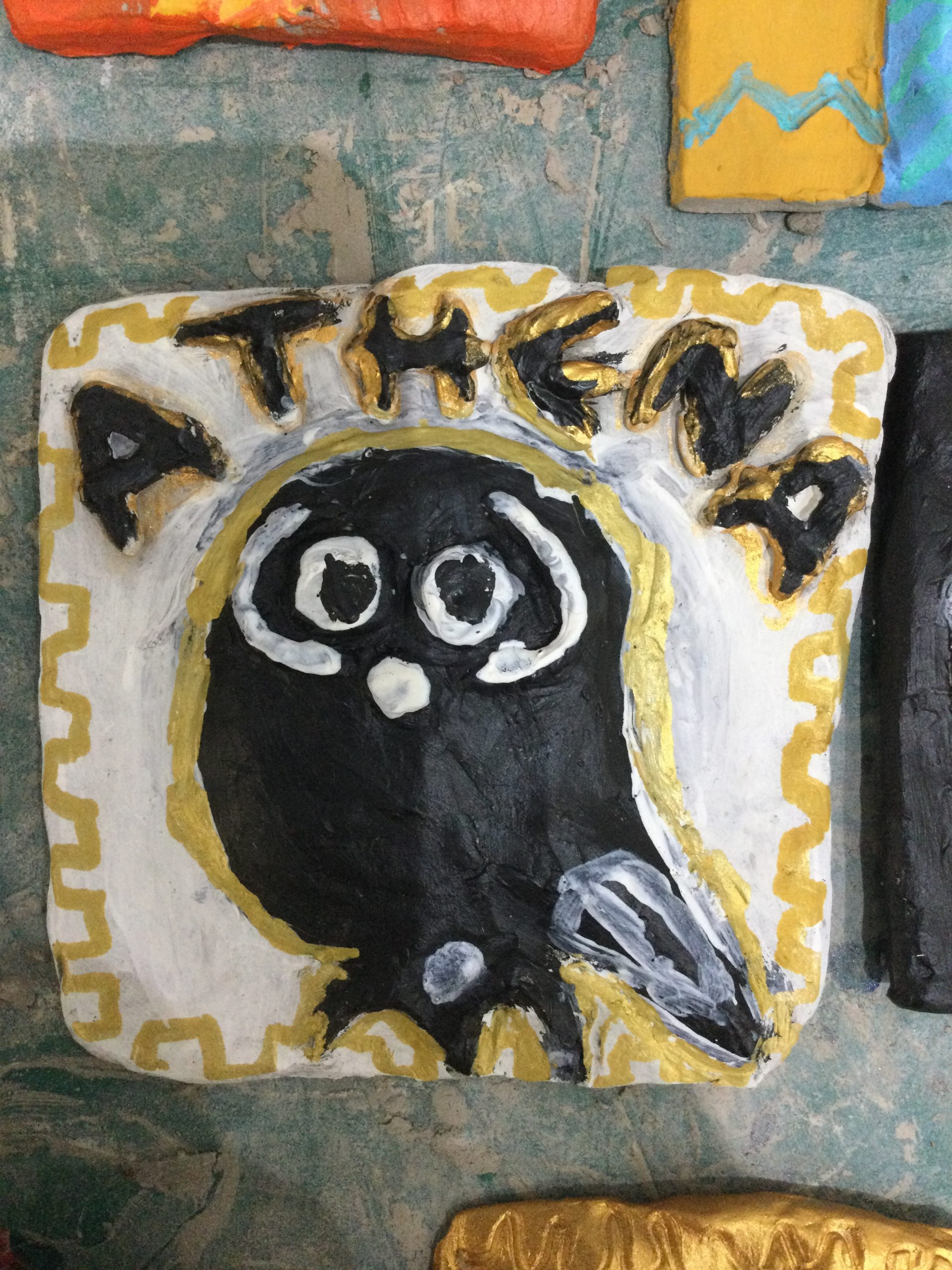
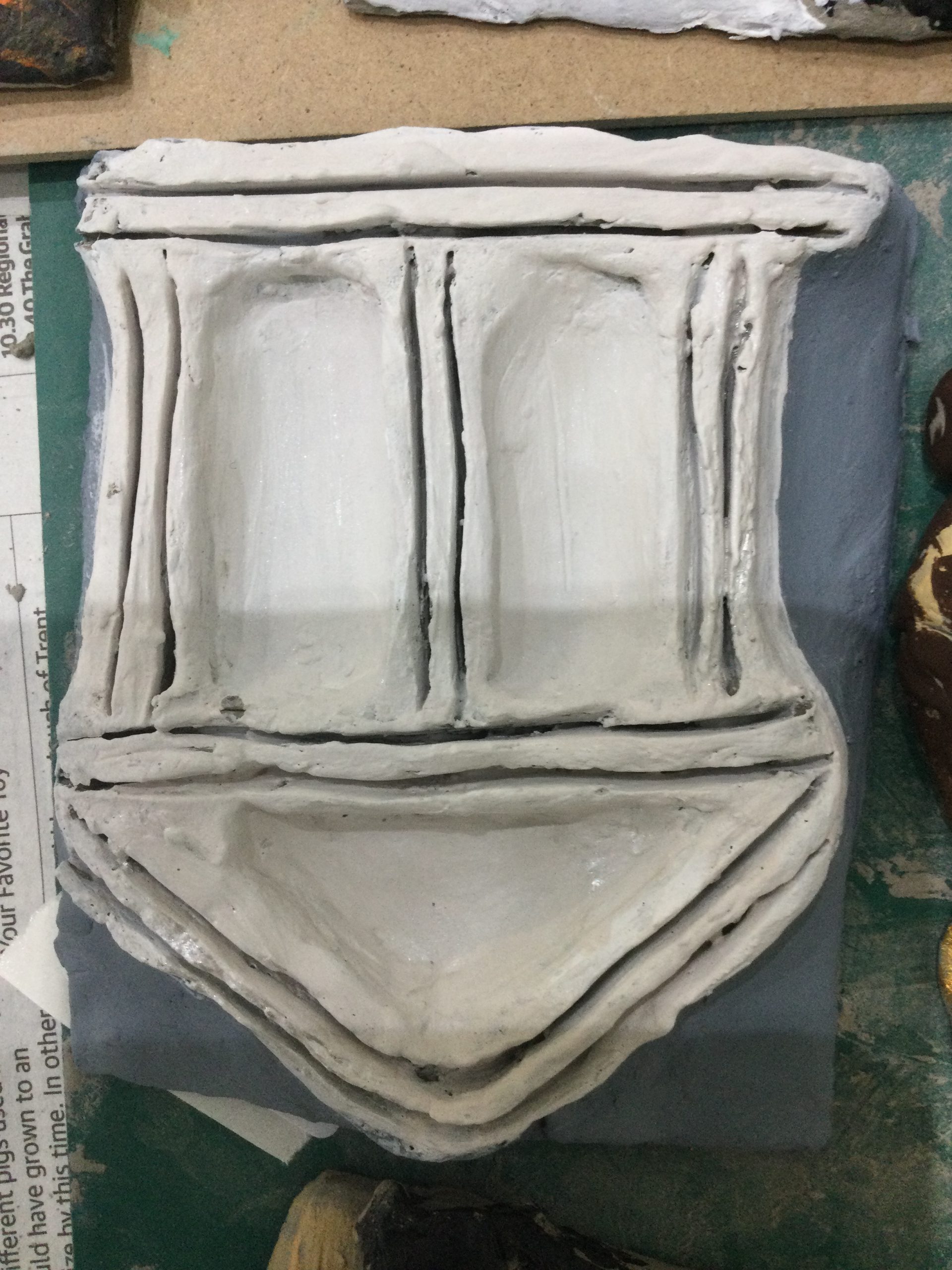
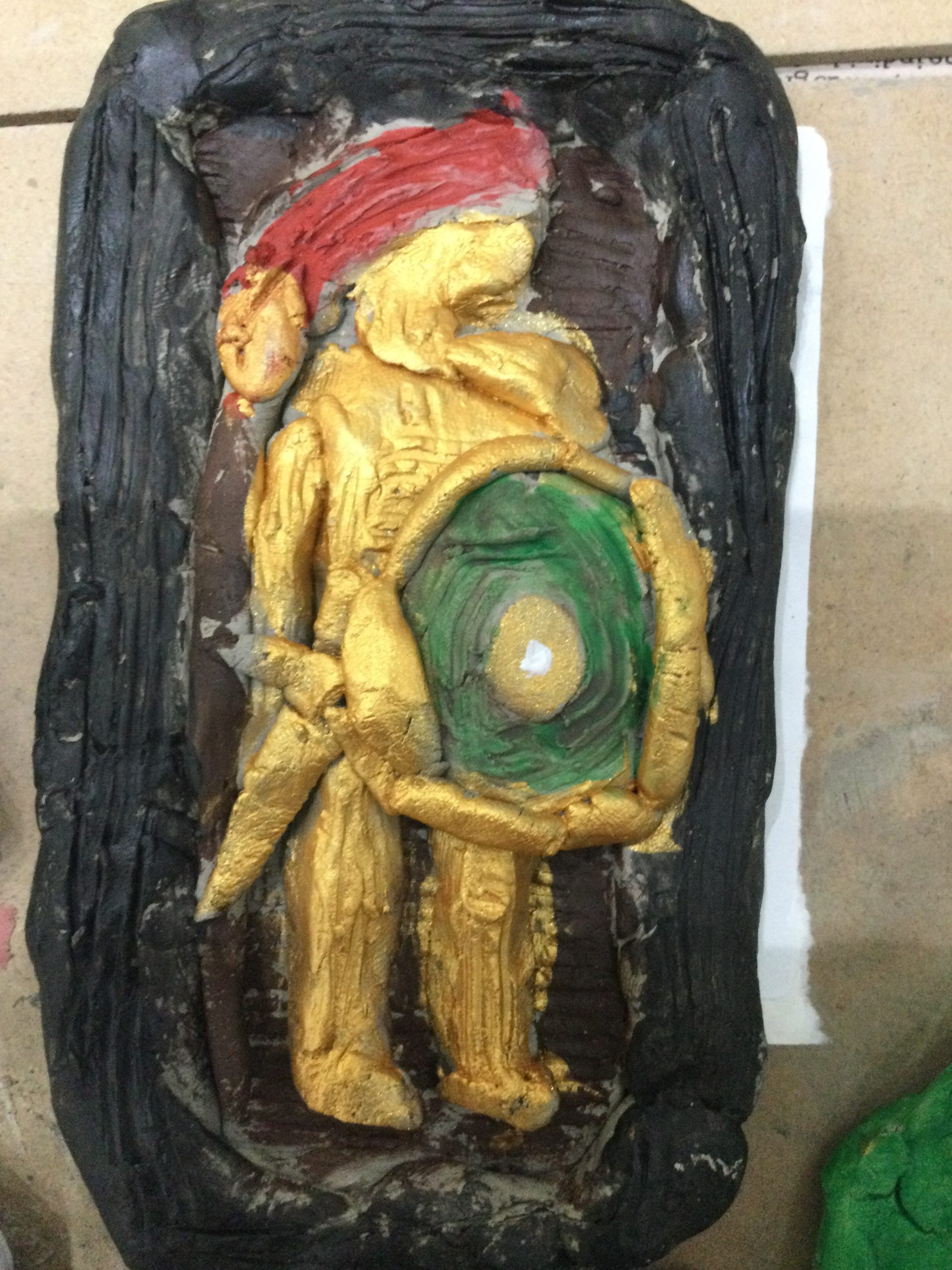
Ancient Greek tiles
03-03-2026
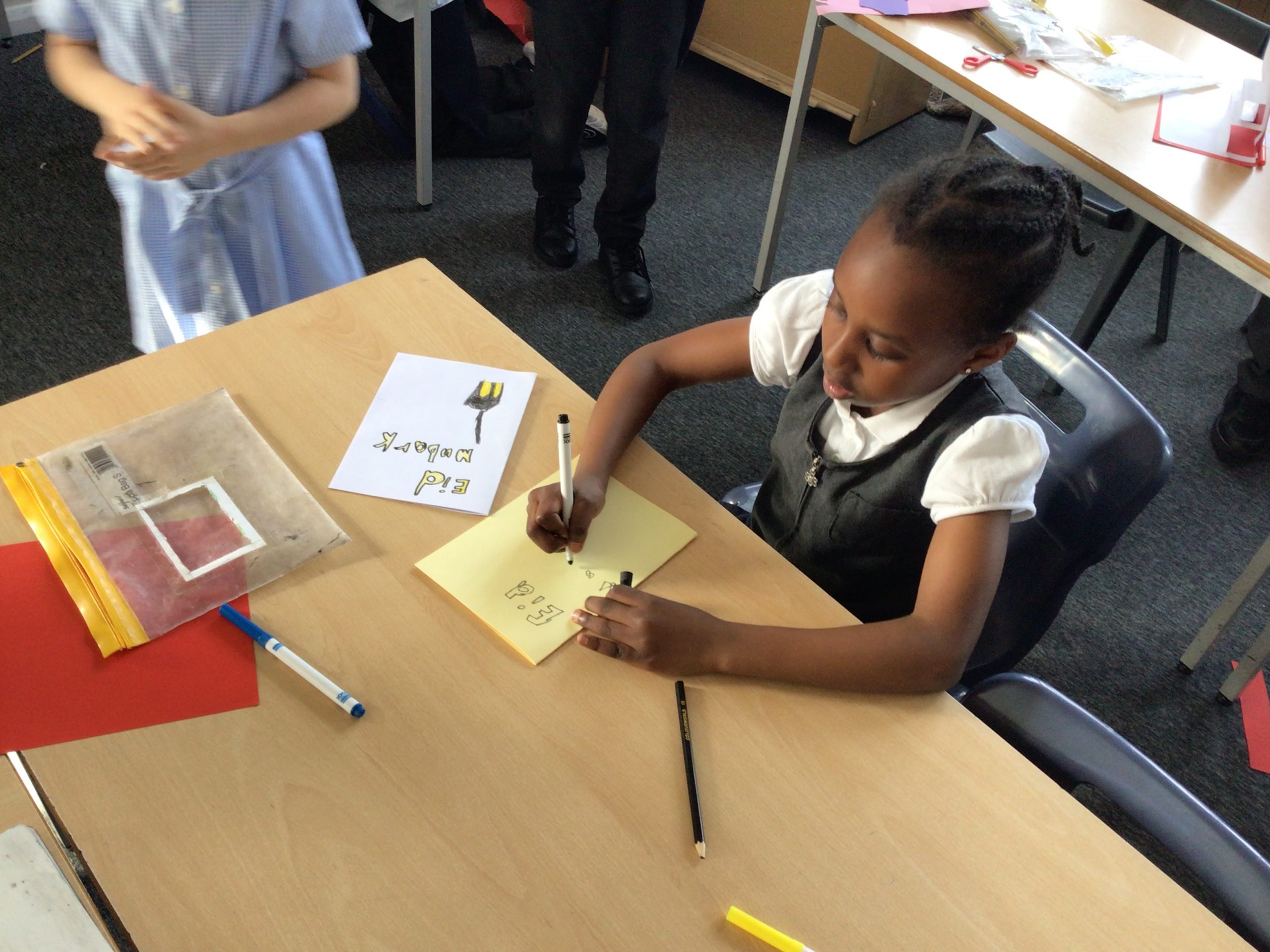
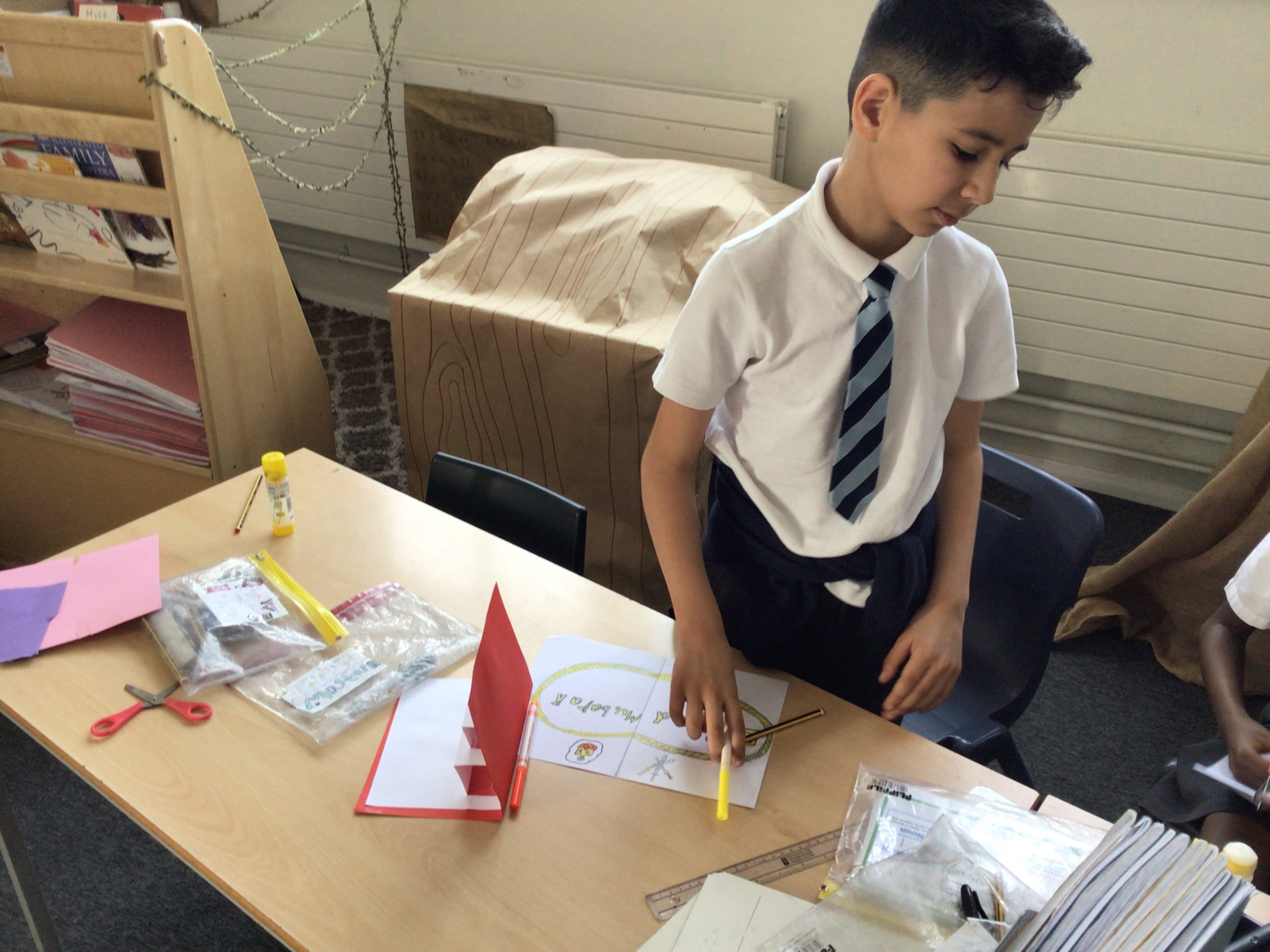
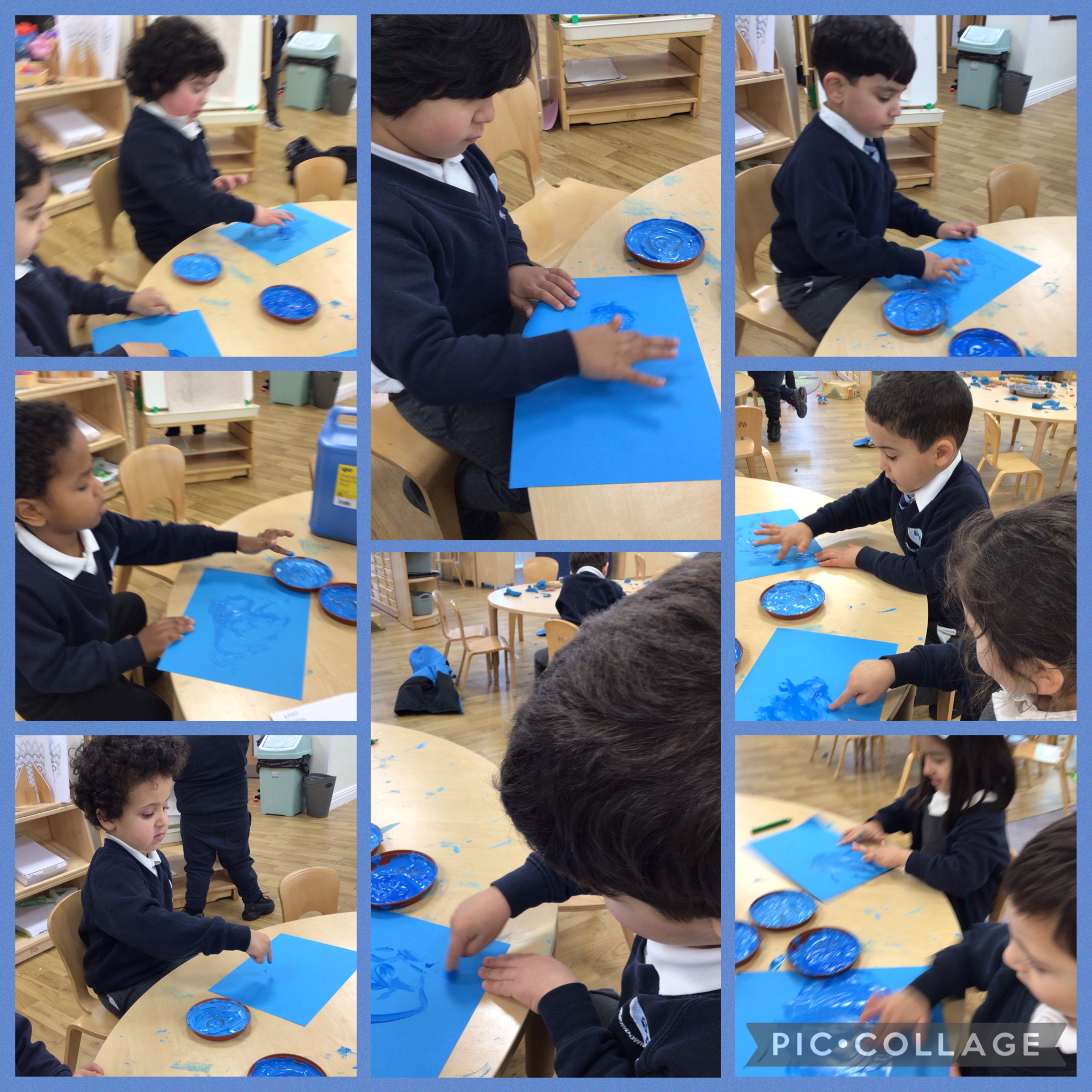
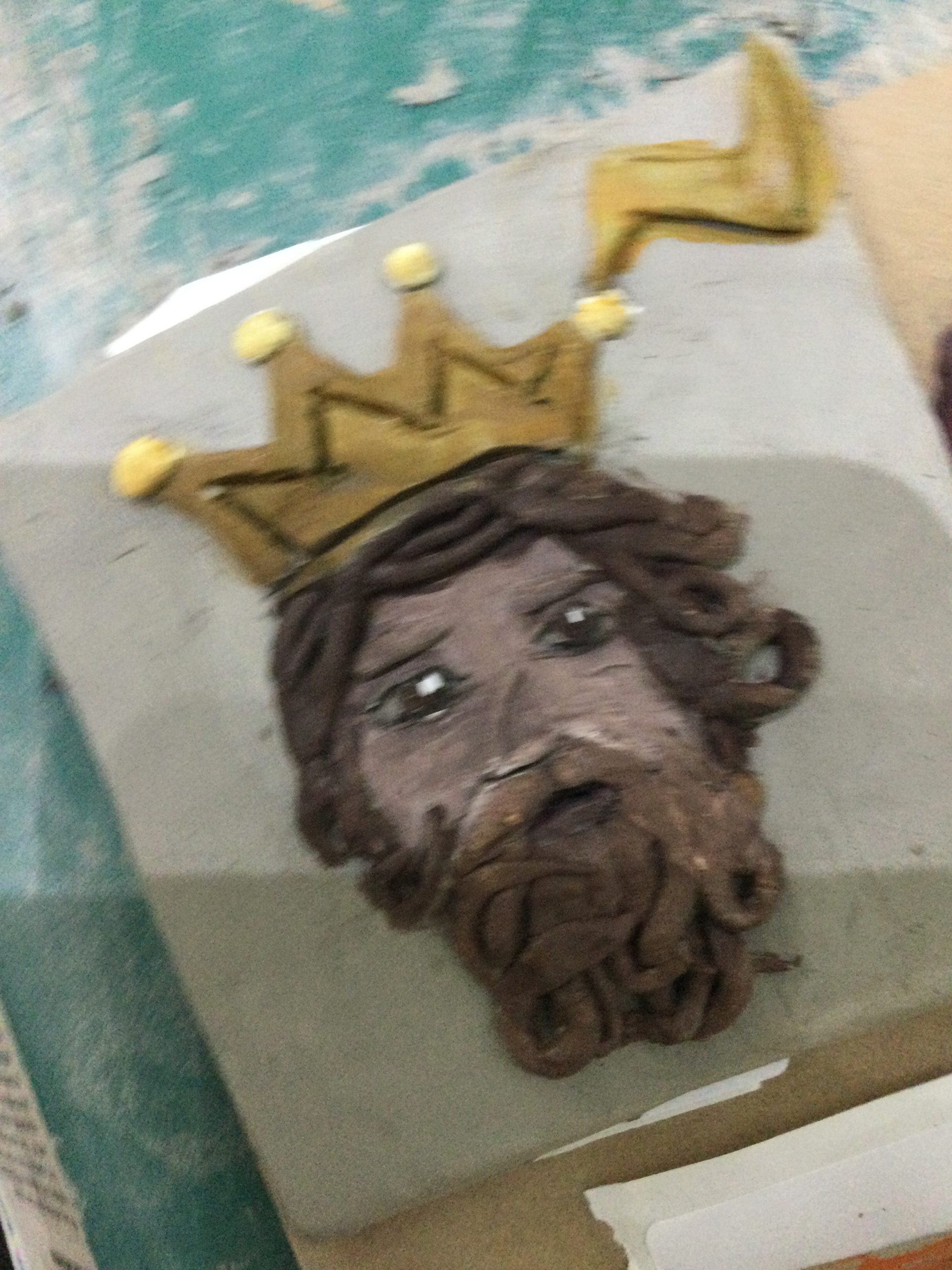
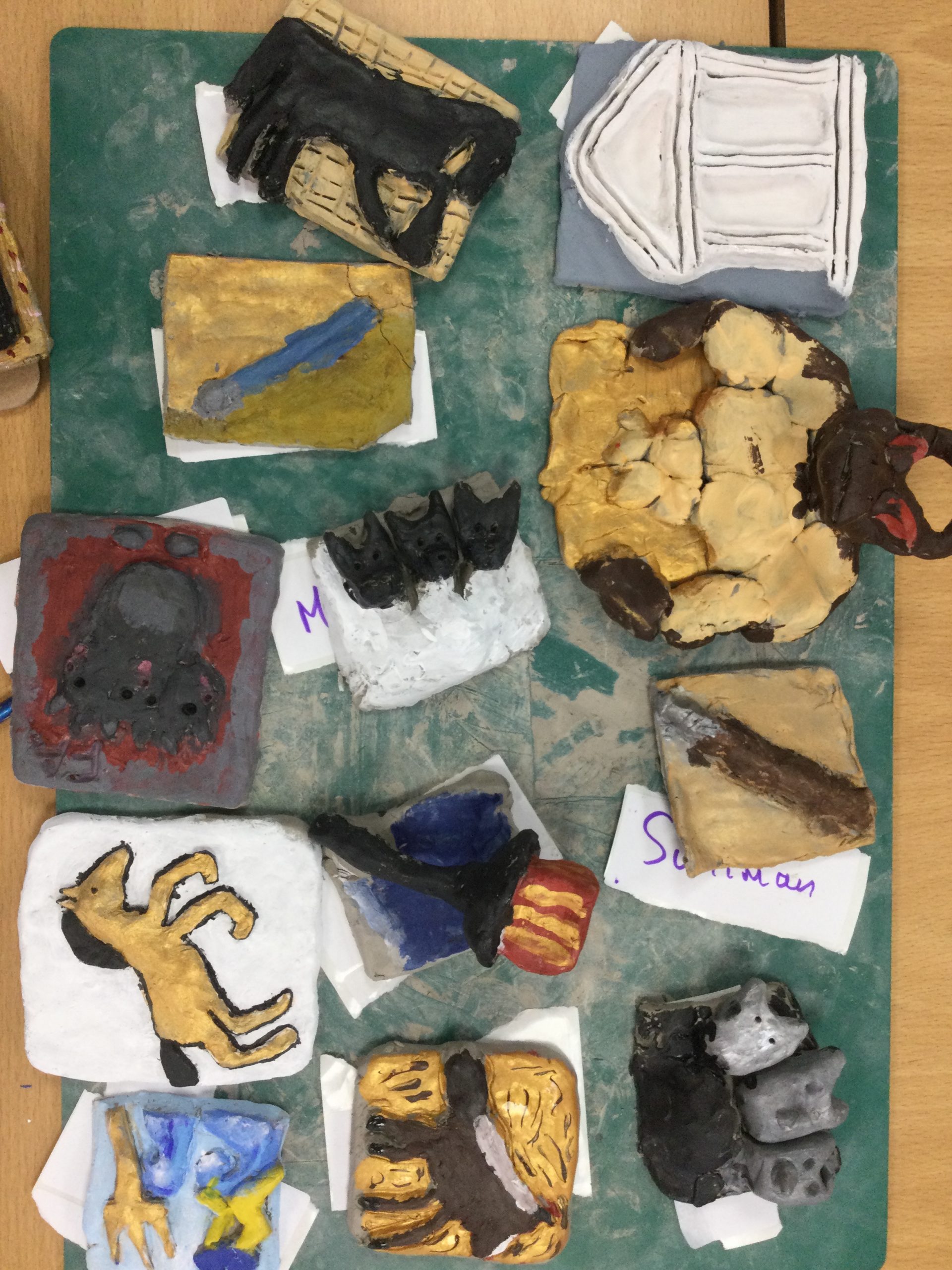
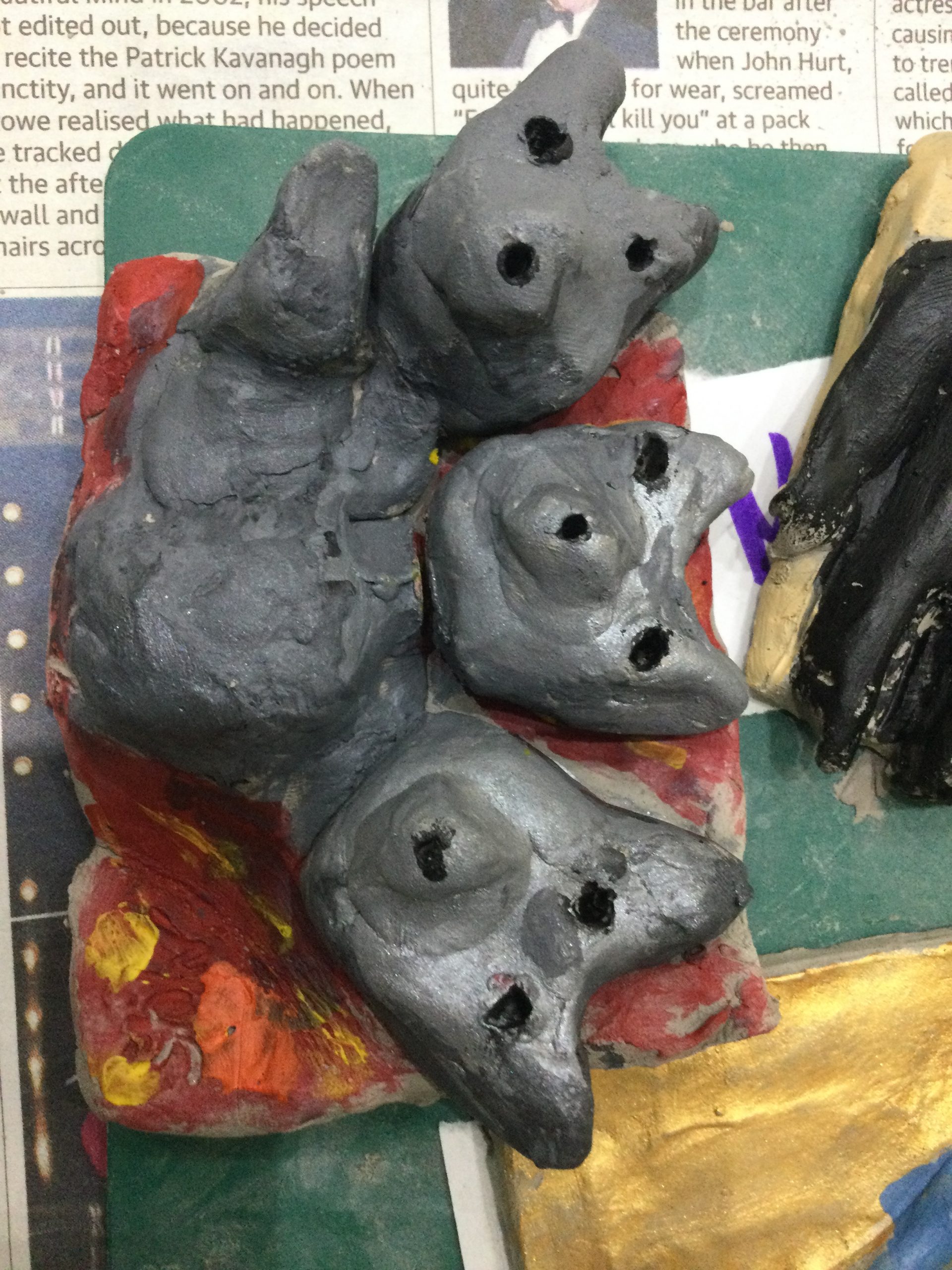
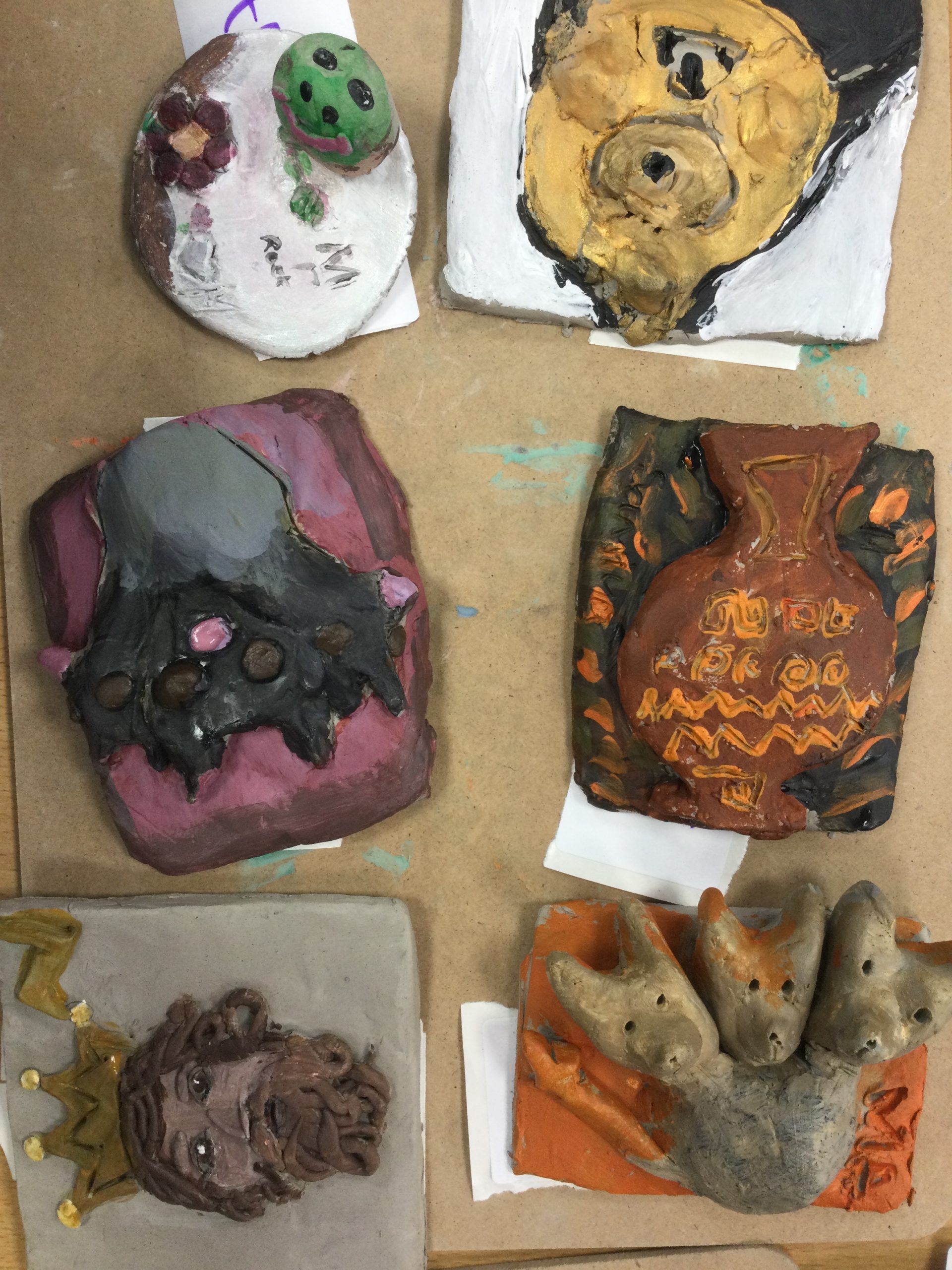
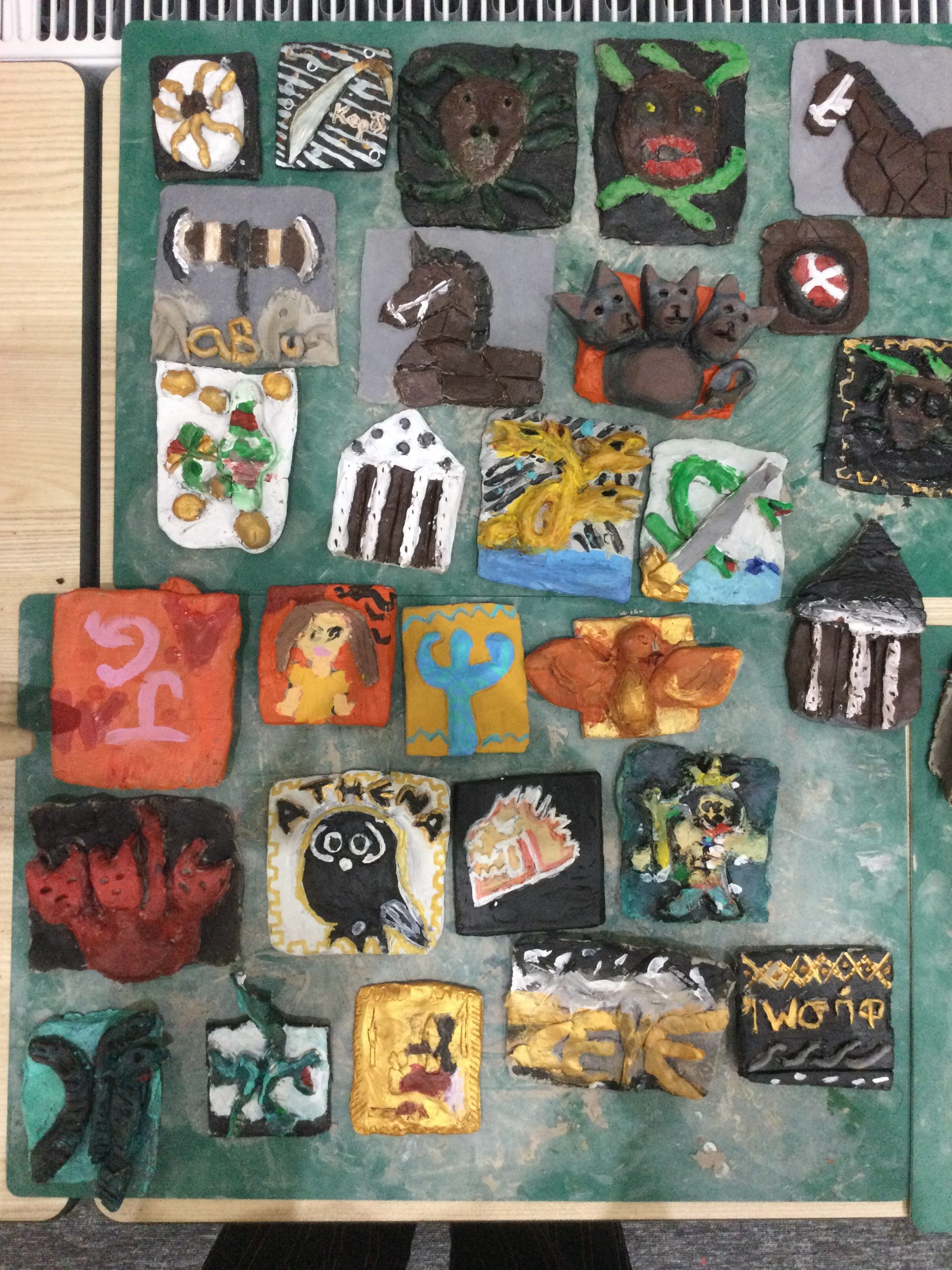
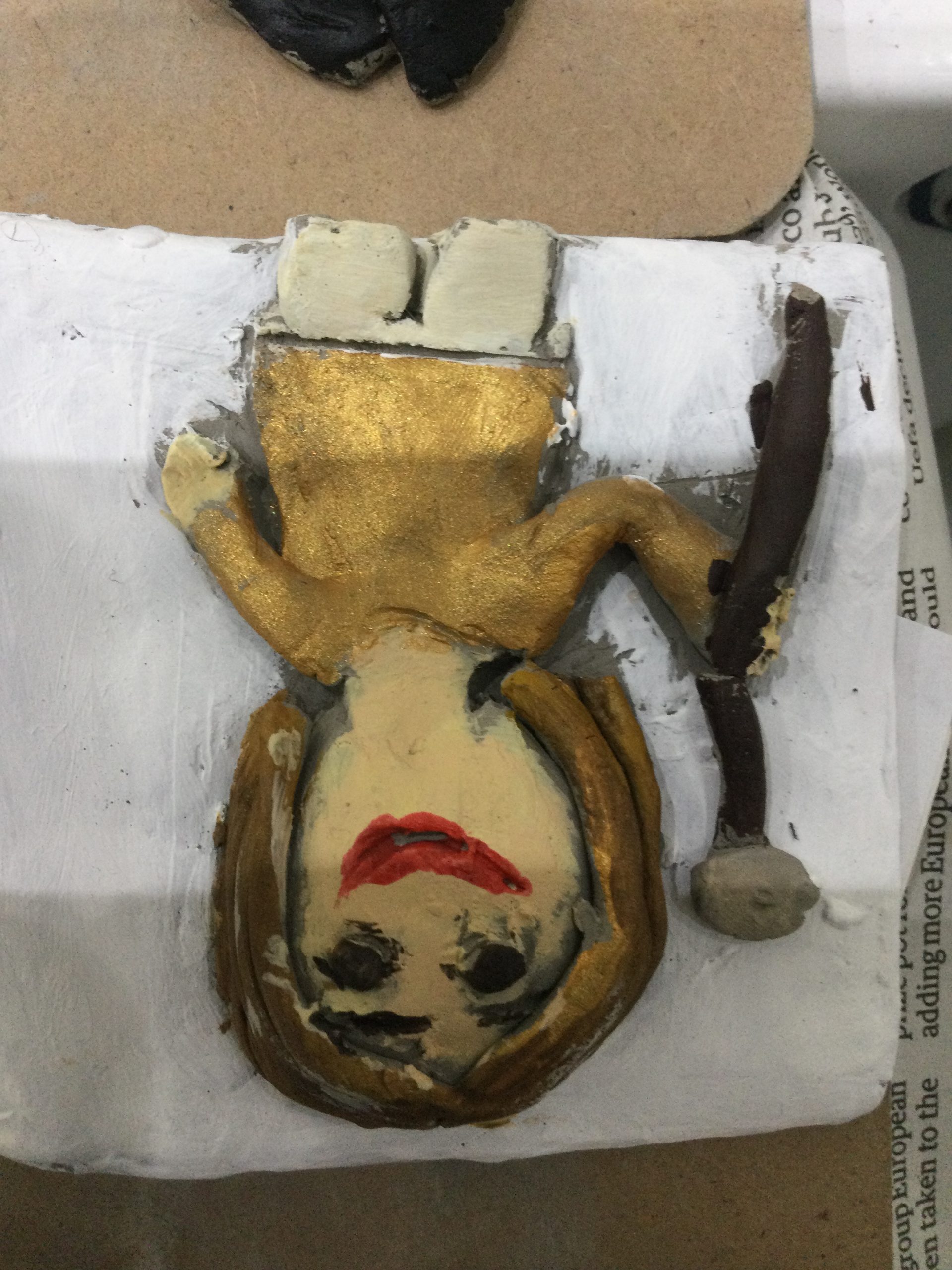
After designing our tiles, we made them out of clay and added the finishing touches of paint/colour today. Can you recognise some famous characters? Odysseus? Athena? Hera? Cerebus? Zeus? Medusa?
Looking at the celebration of Chinese New Year
13-02-2026
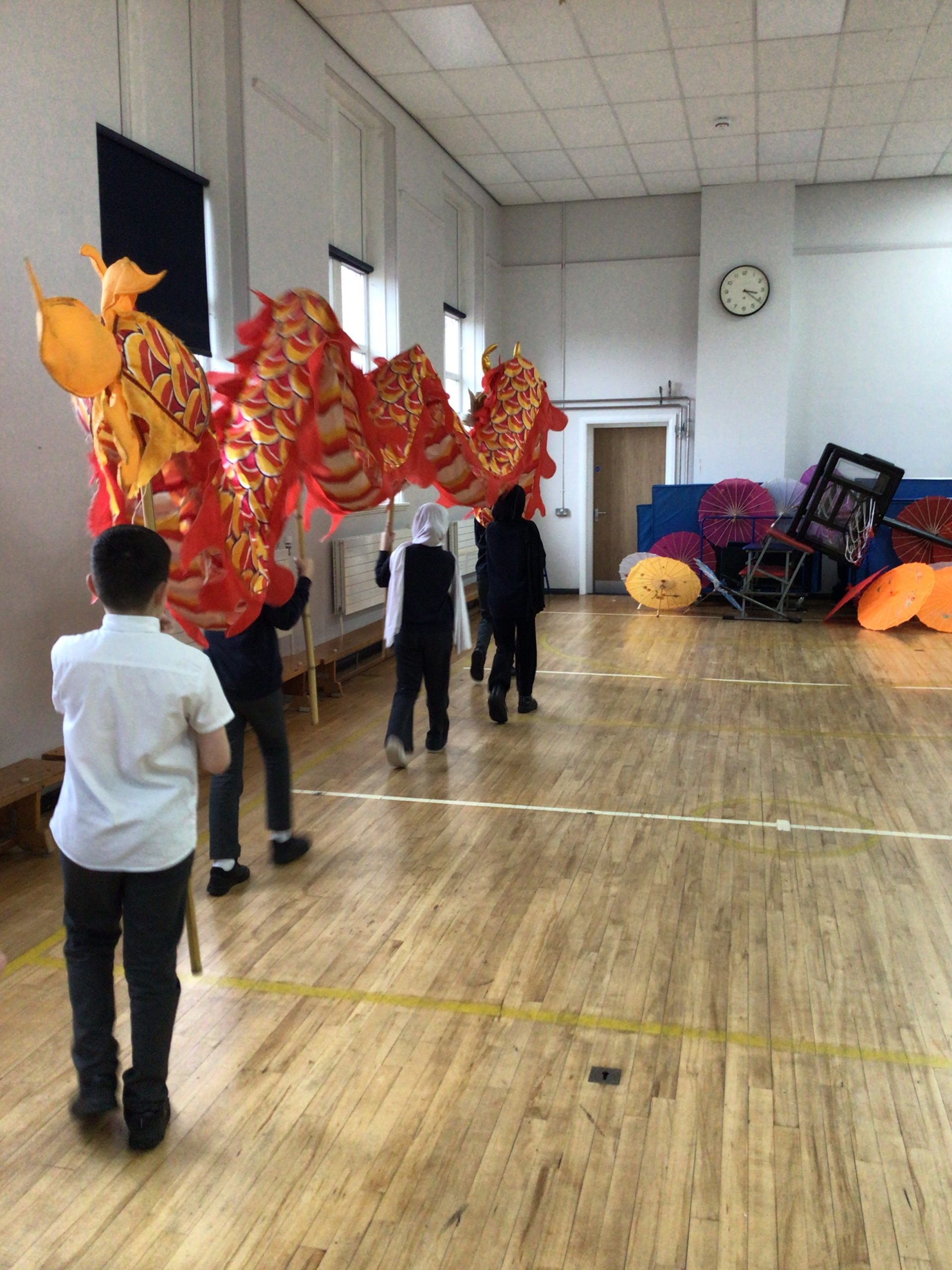
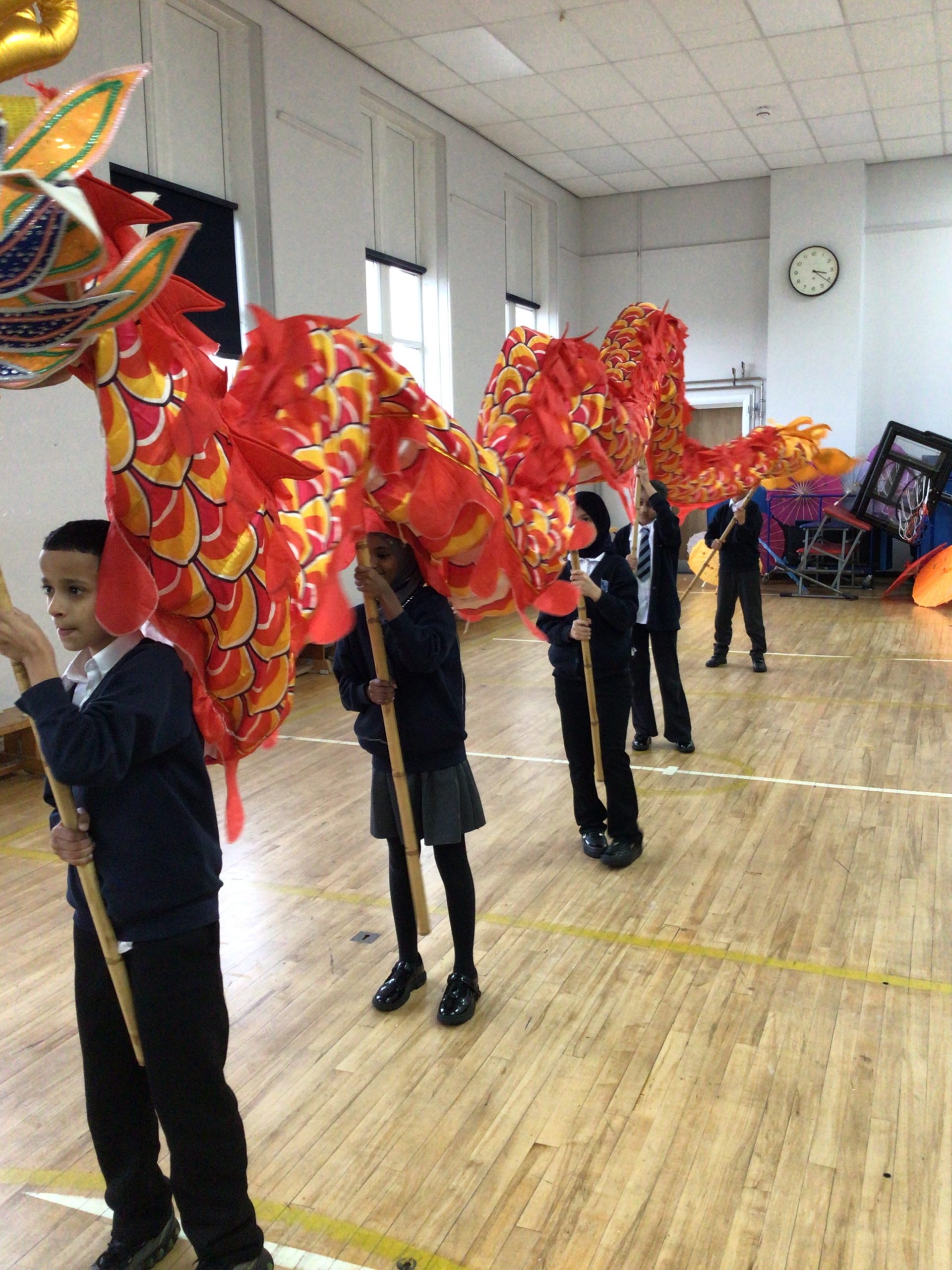
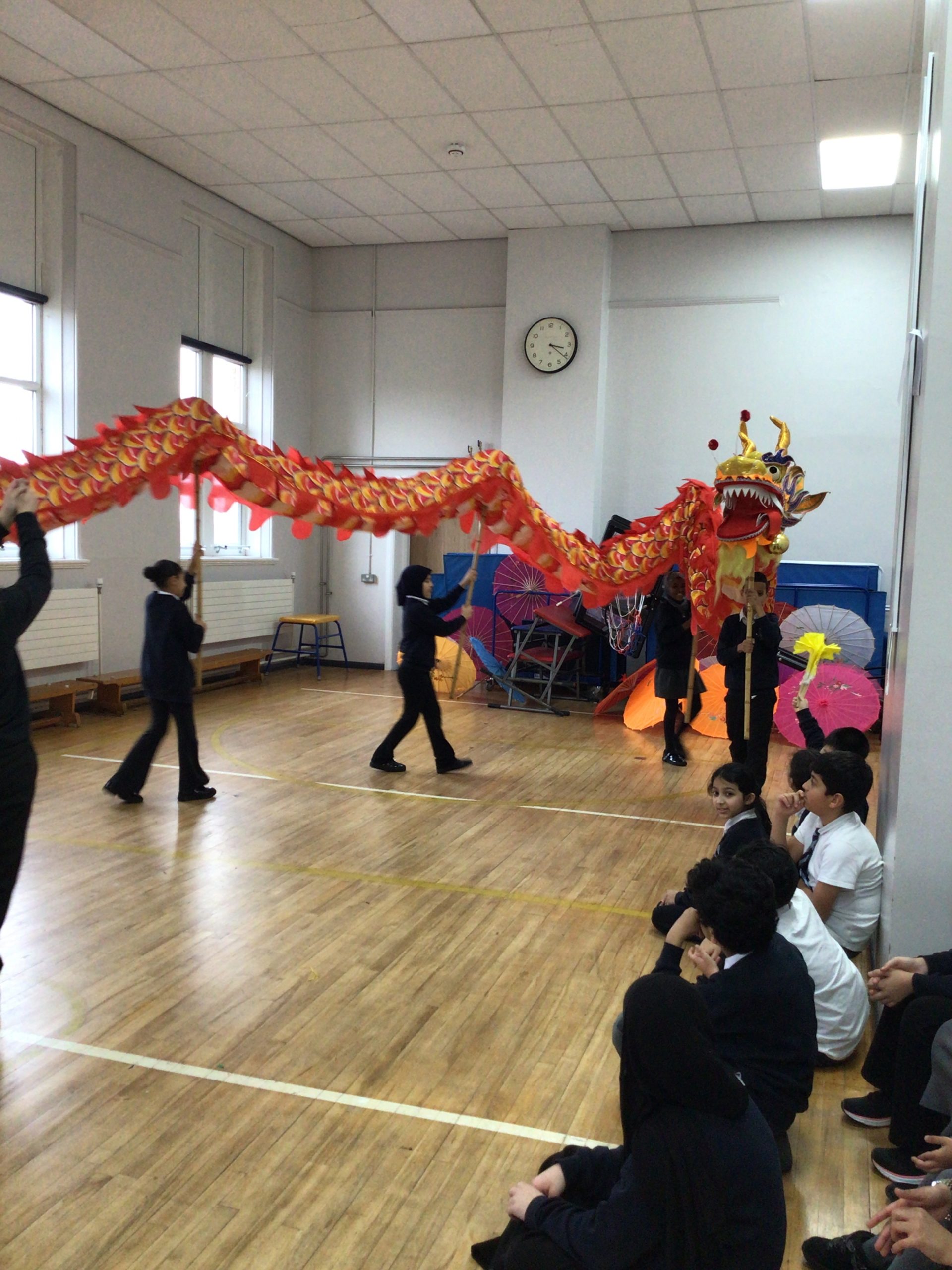
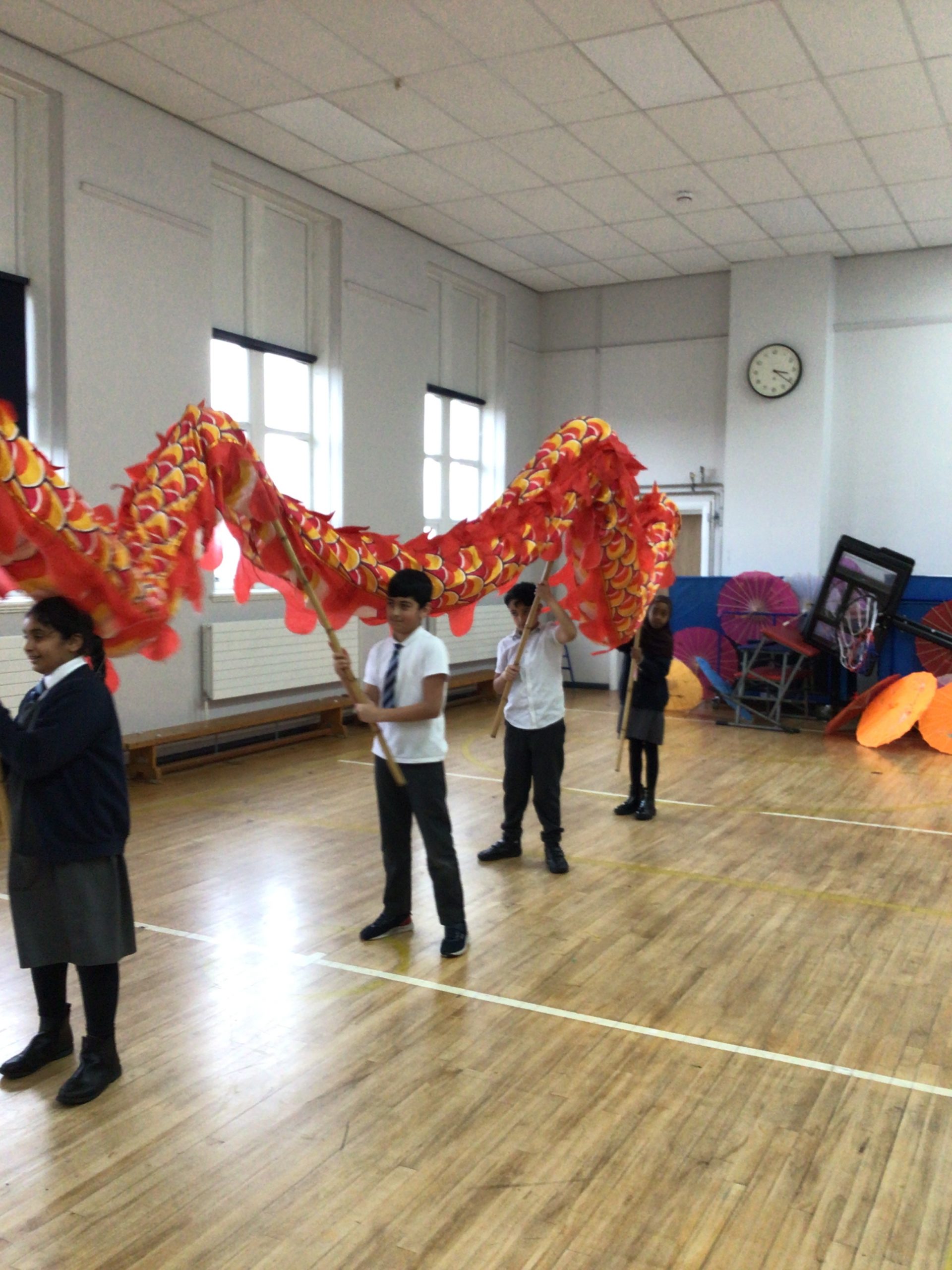
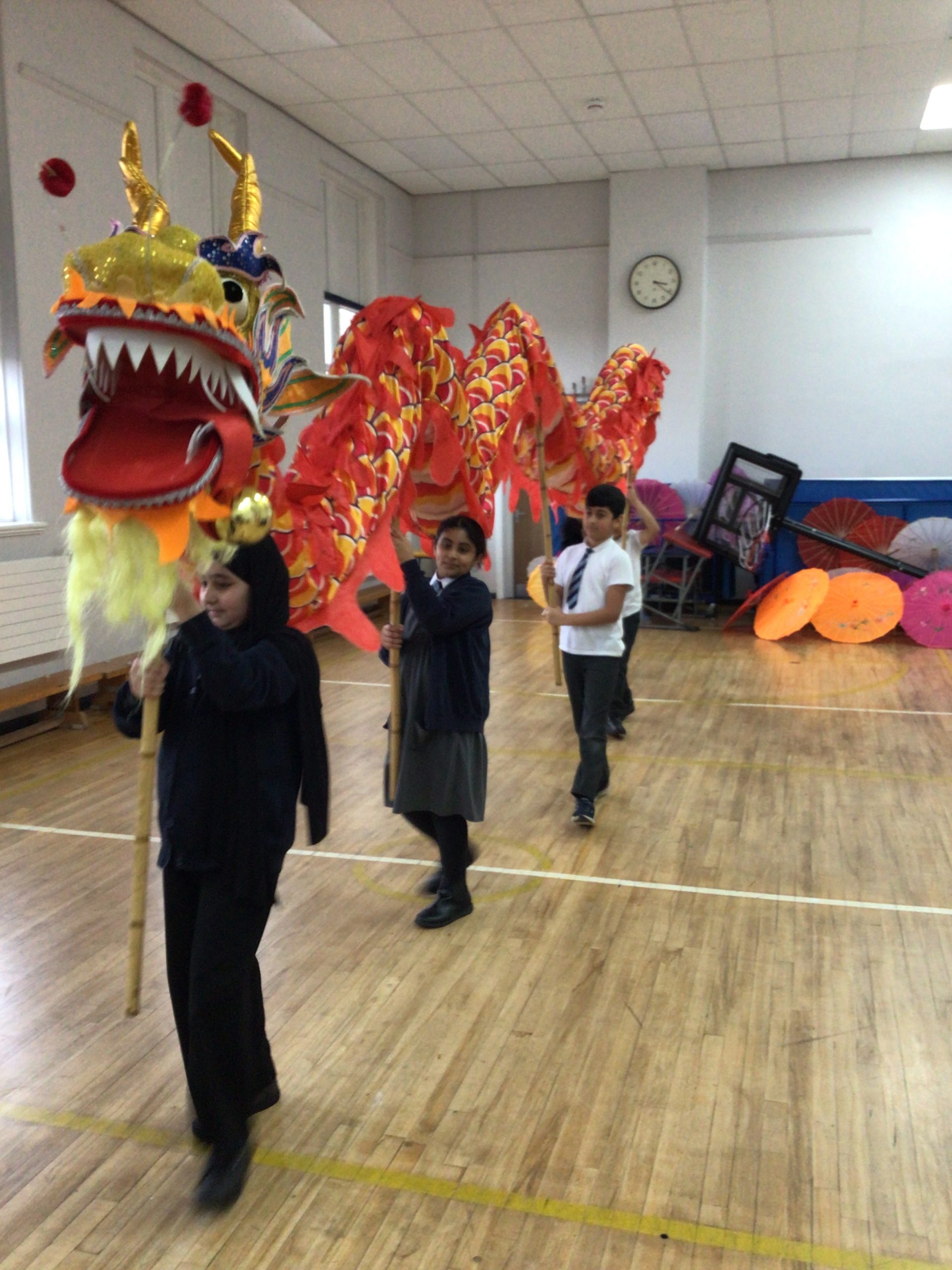
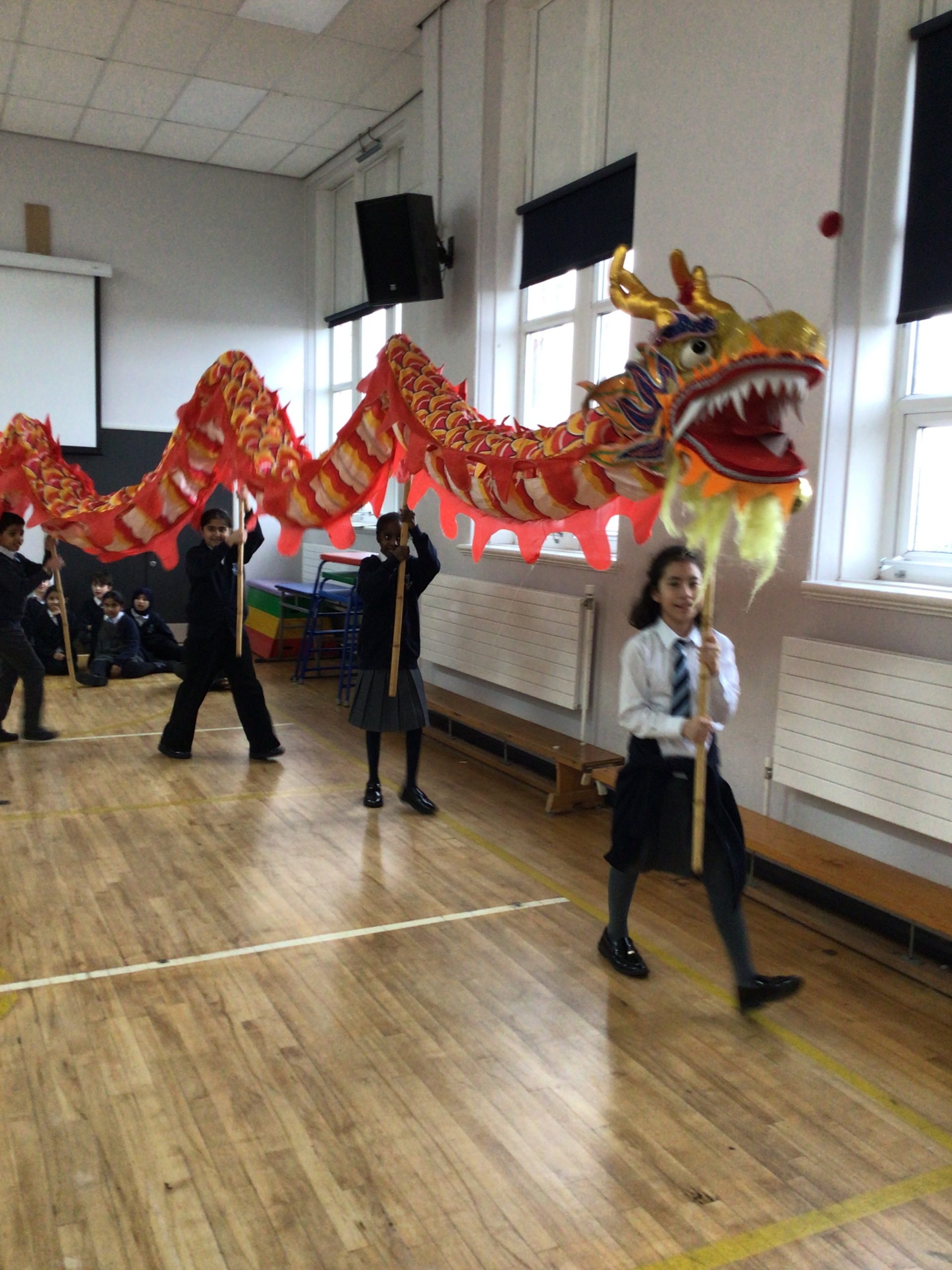
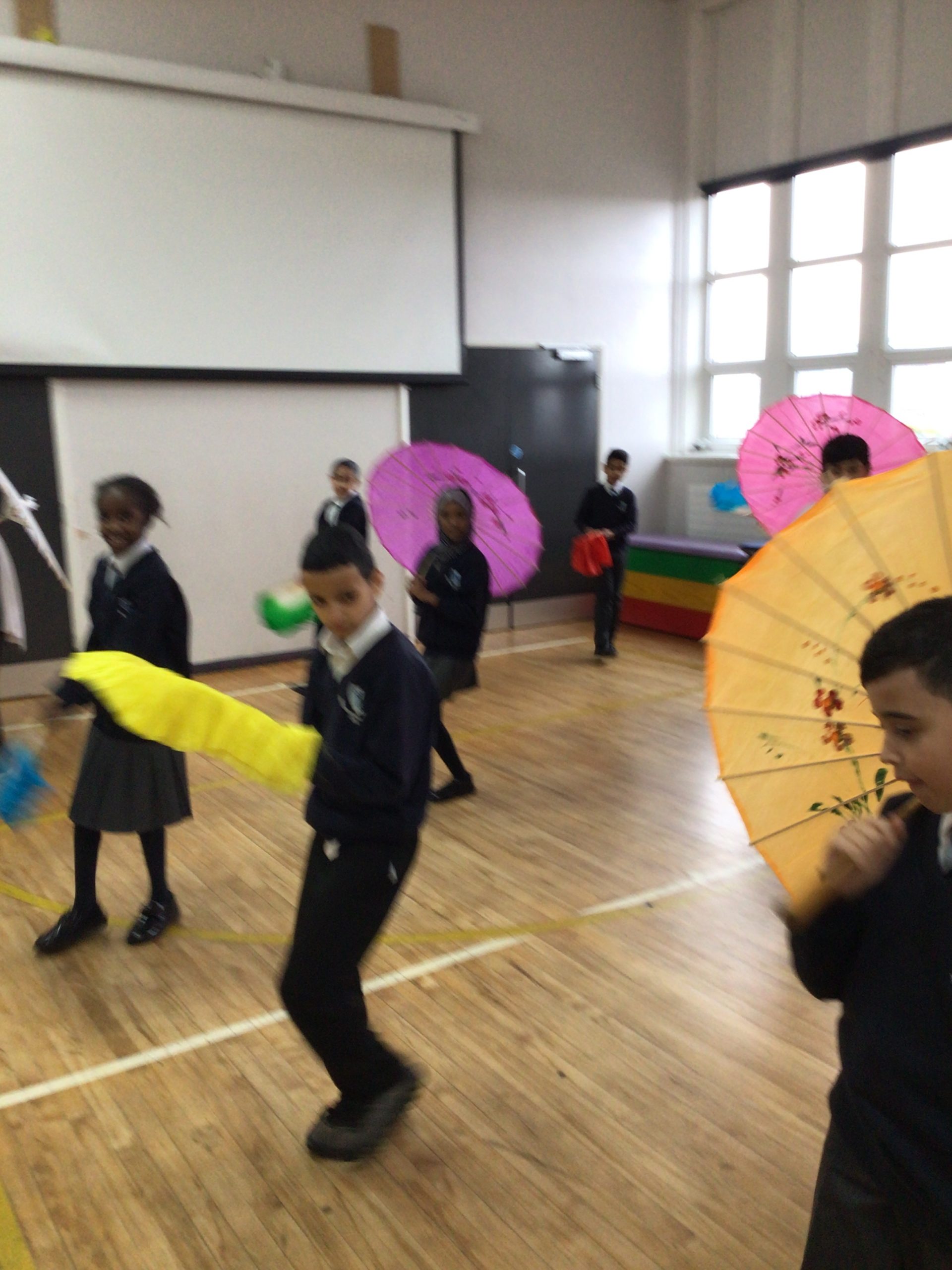
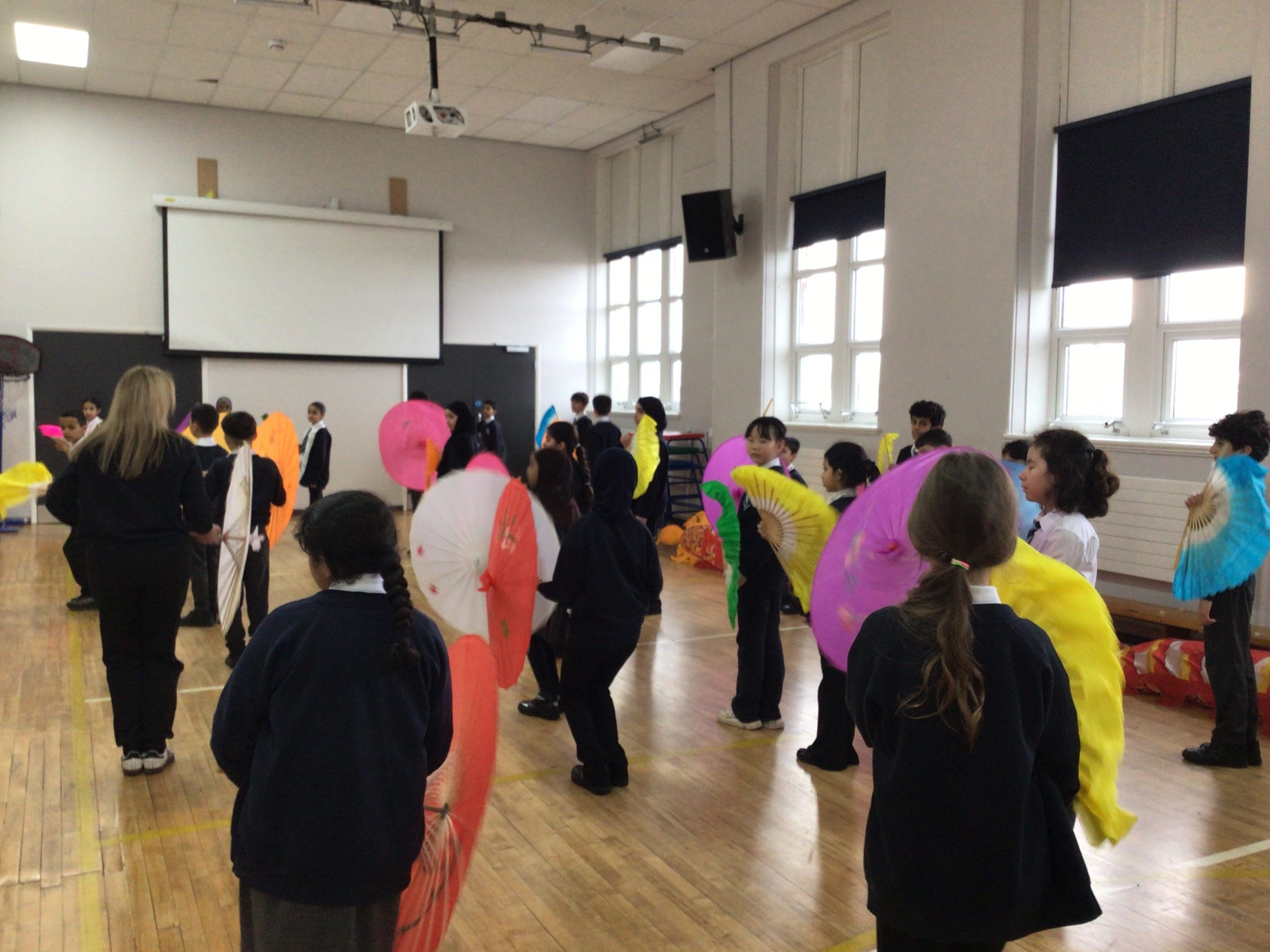
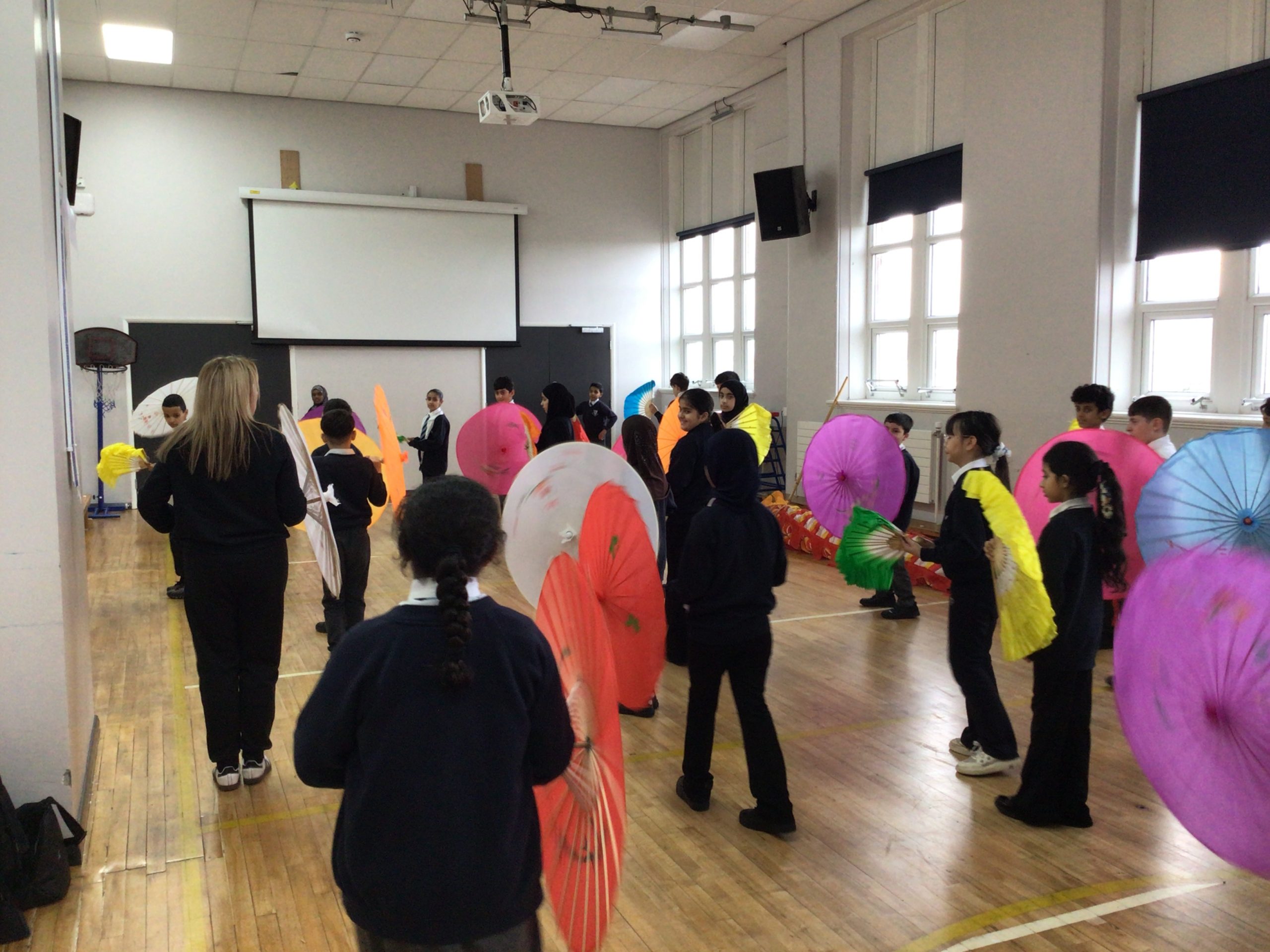
Yesterday, we took part in a dragon dance workshop and made moving horse using the colours of fire. 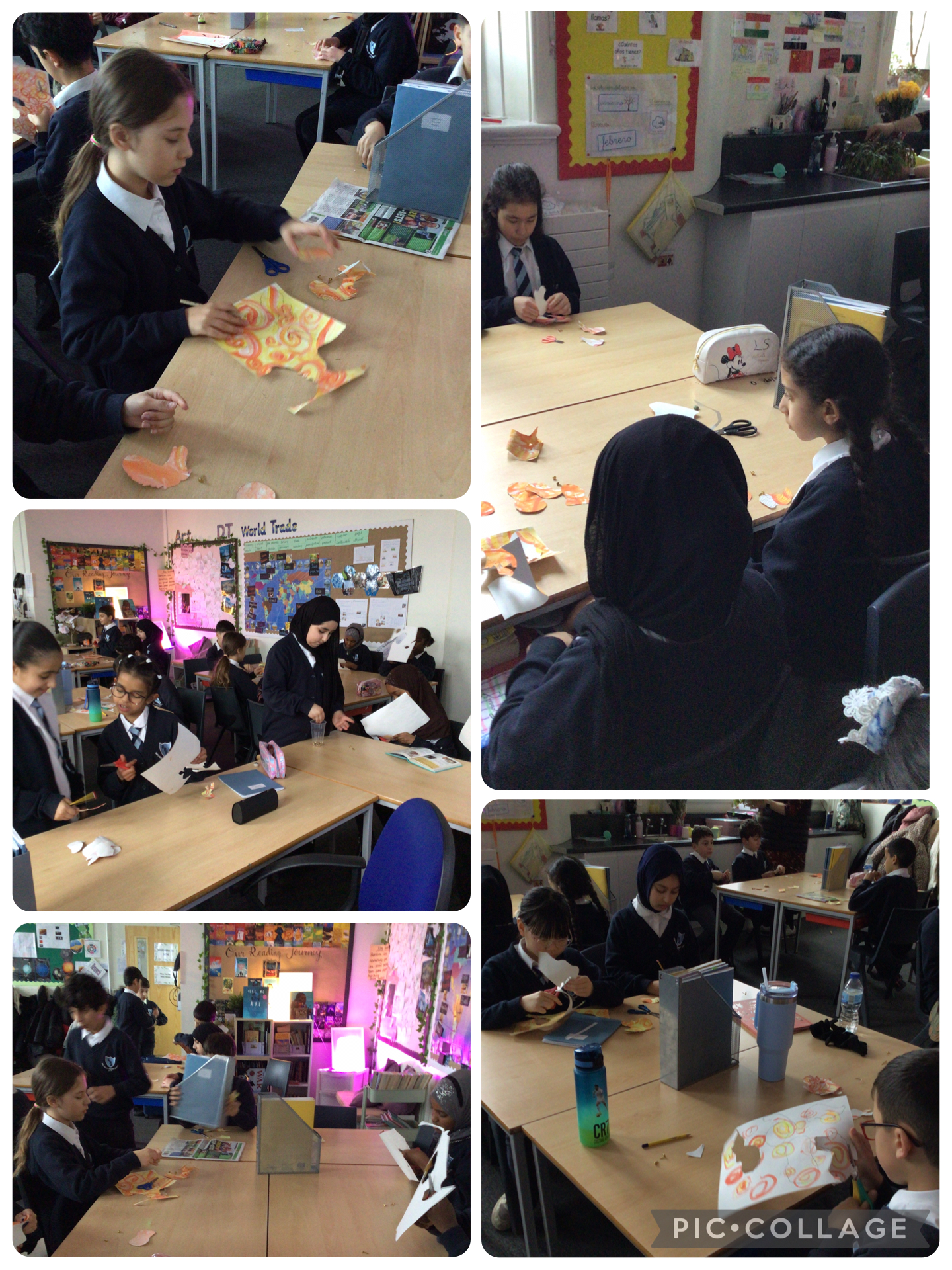
Festive Feasts – Chinese New Year
12-02-2026
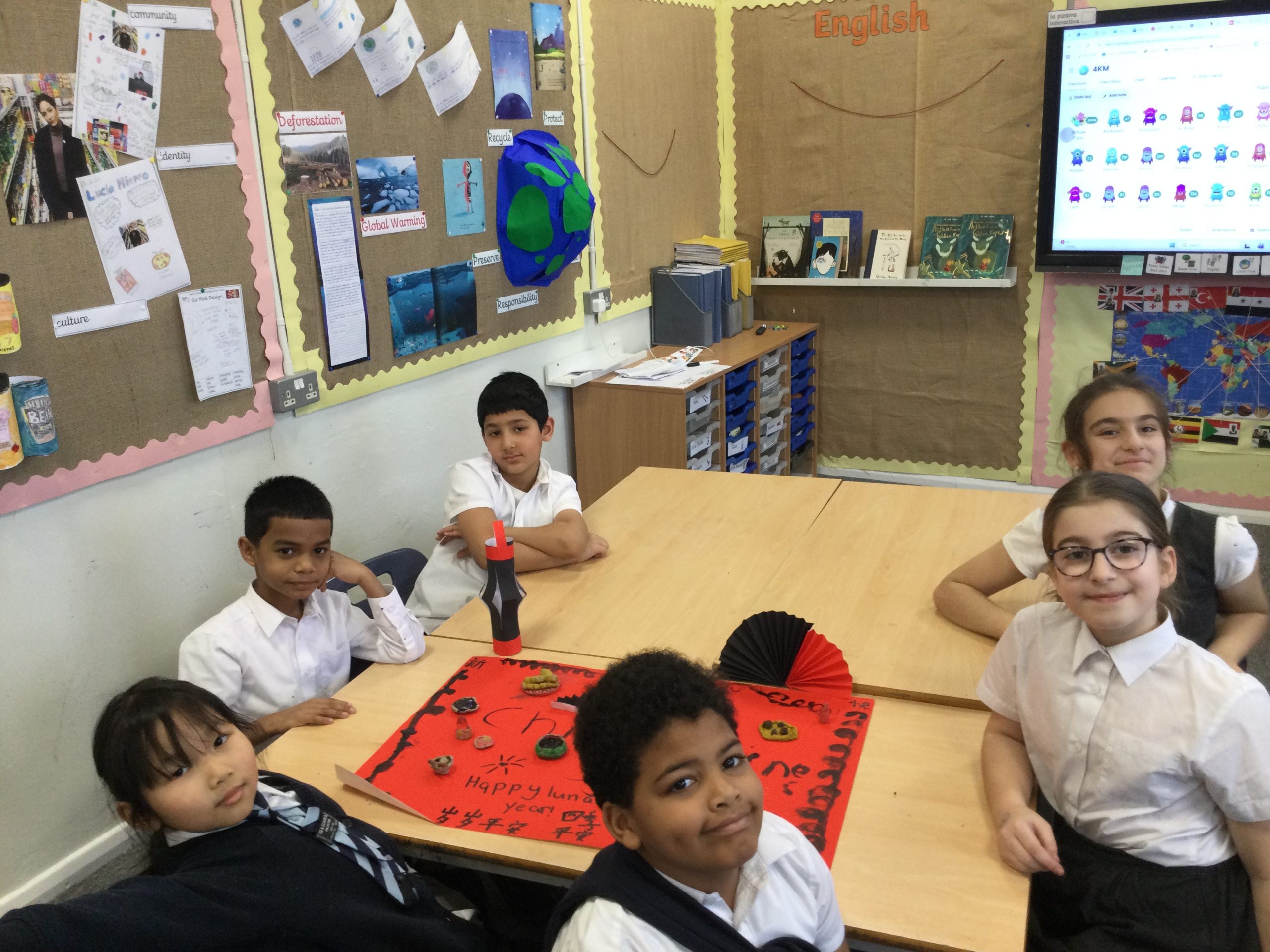
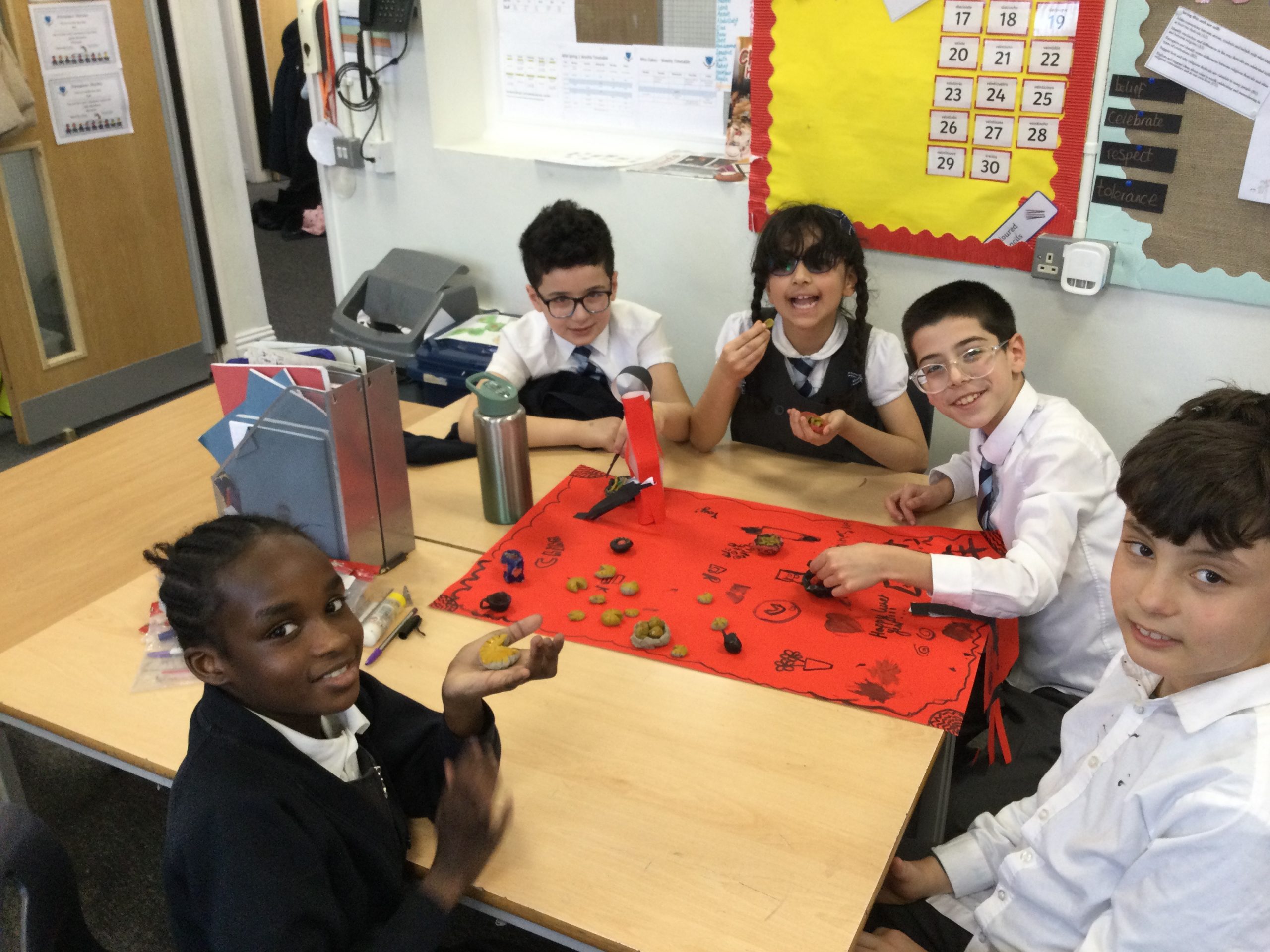
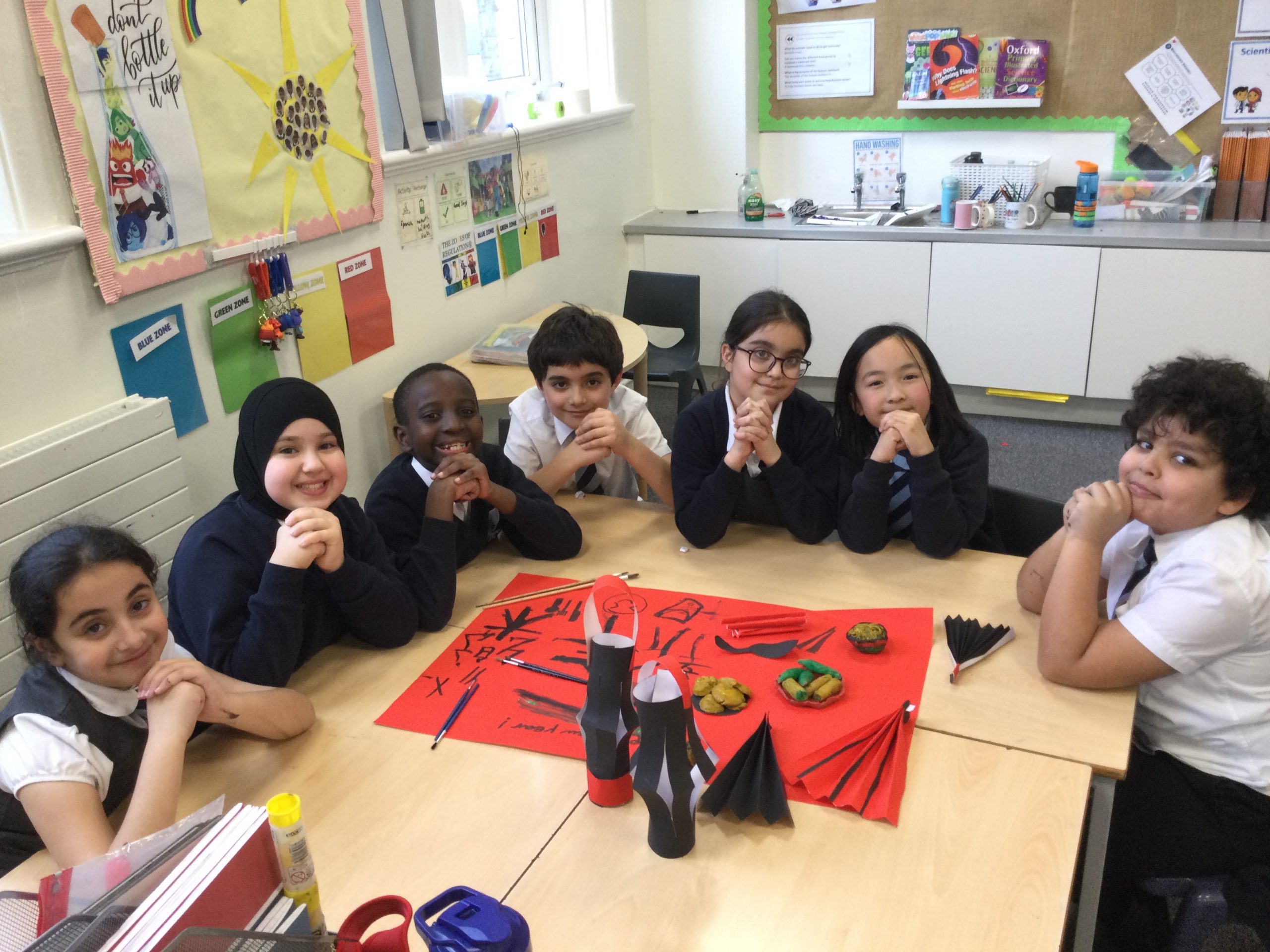
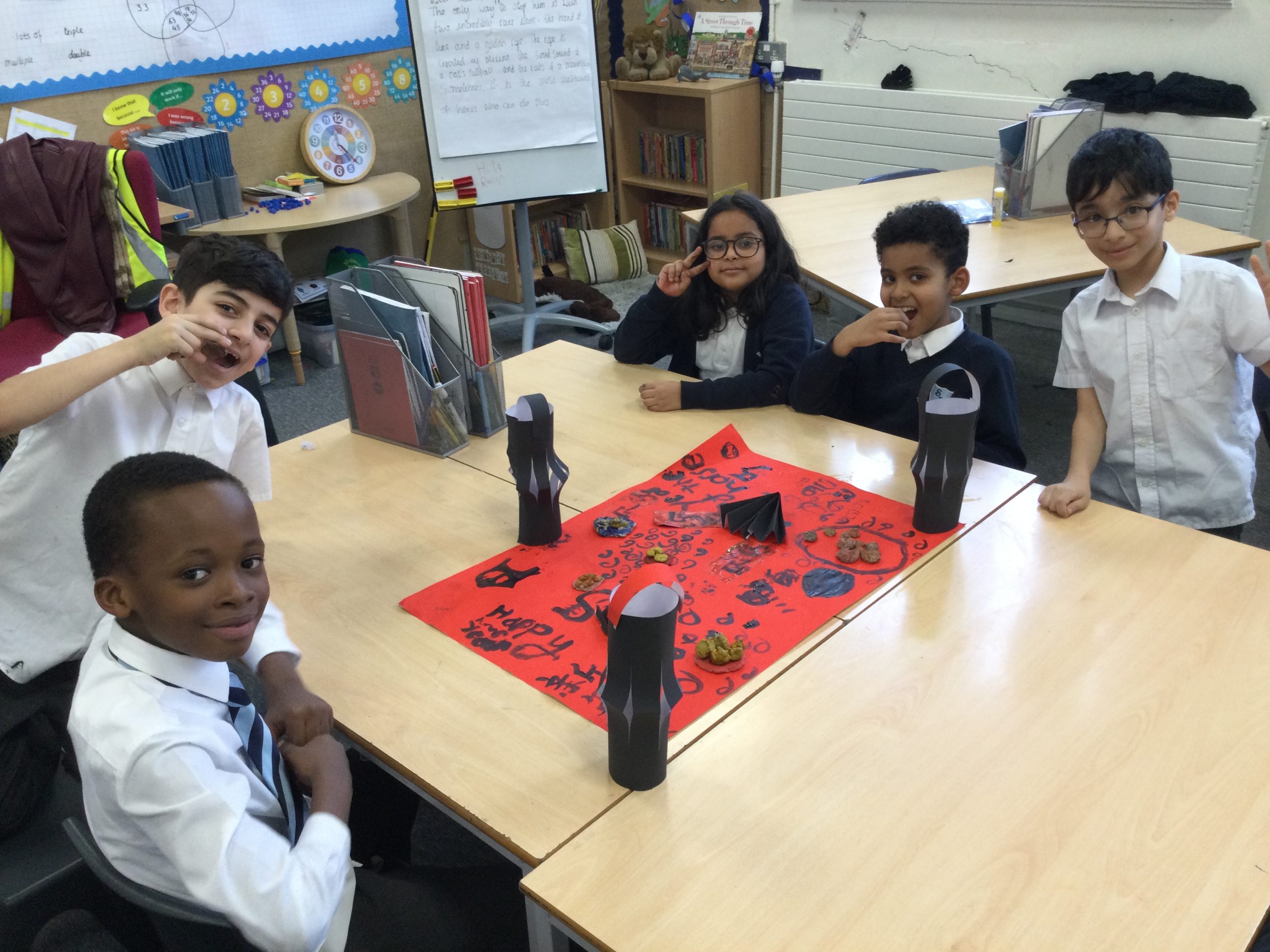
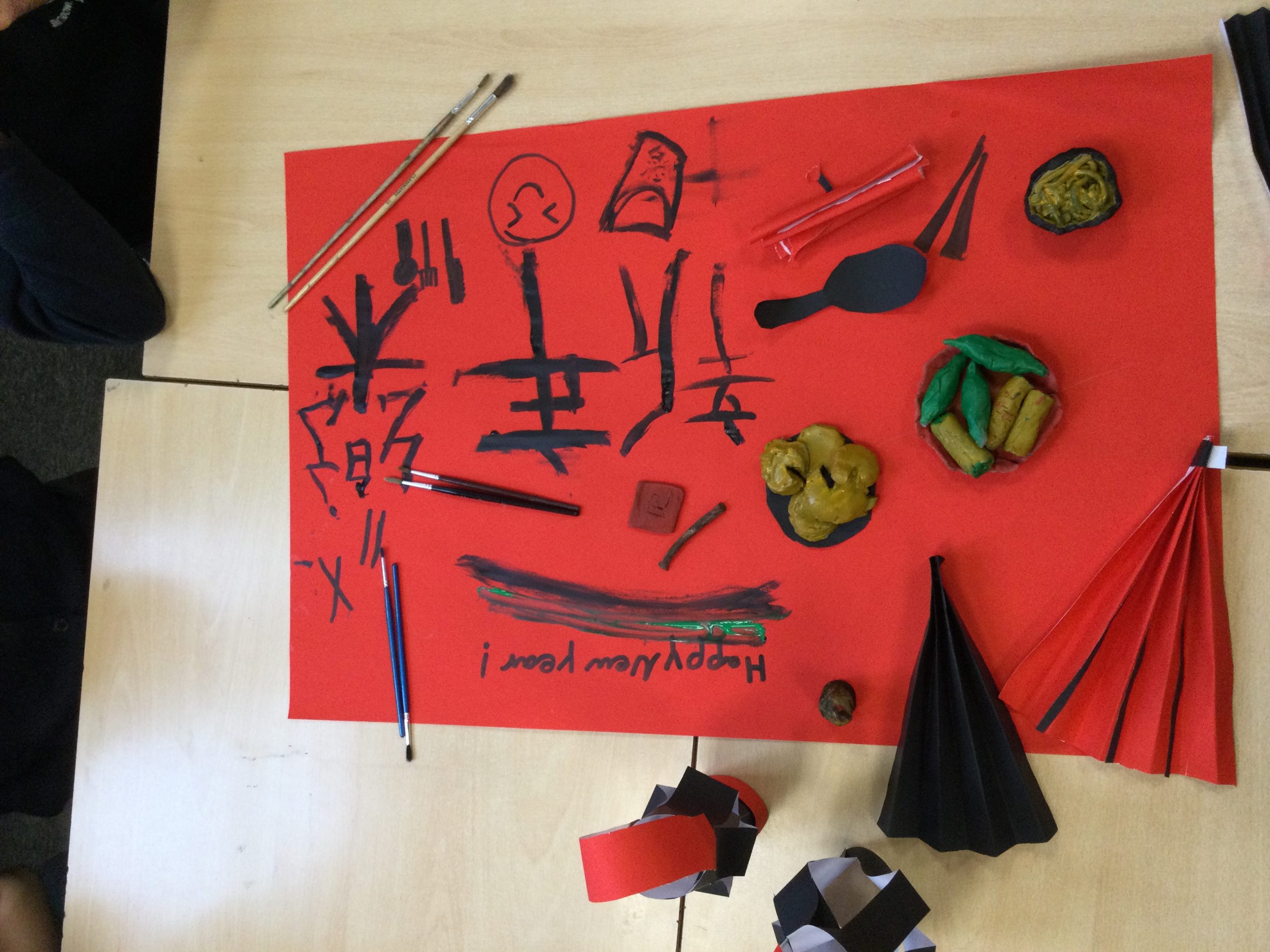
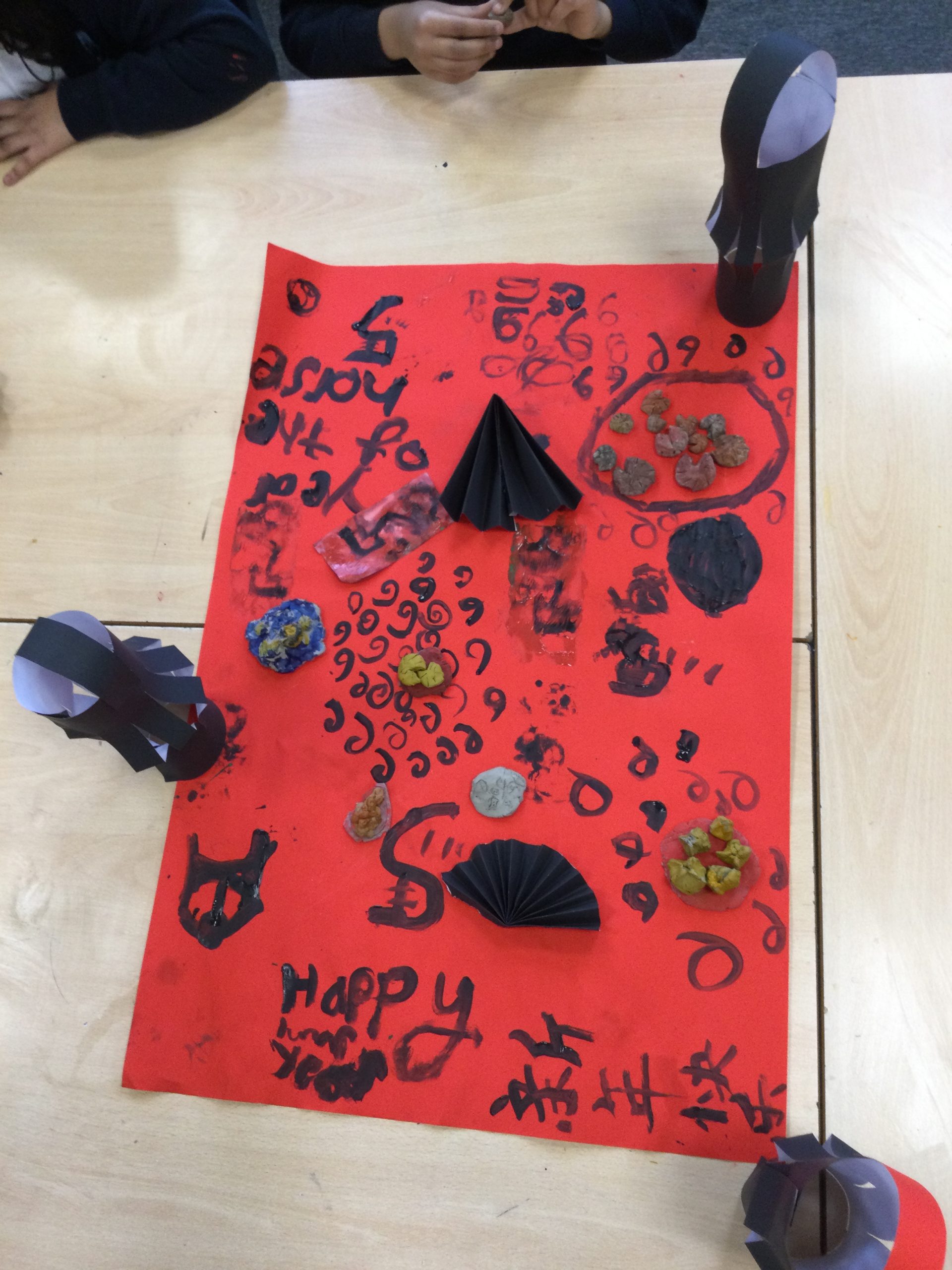
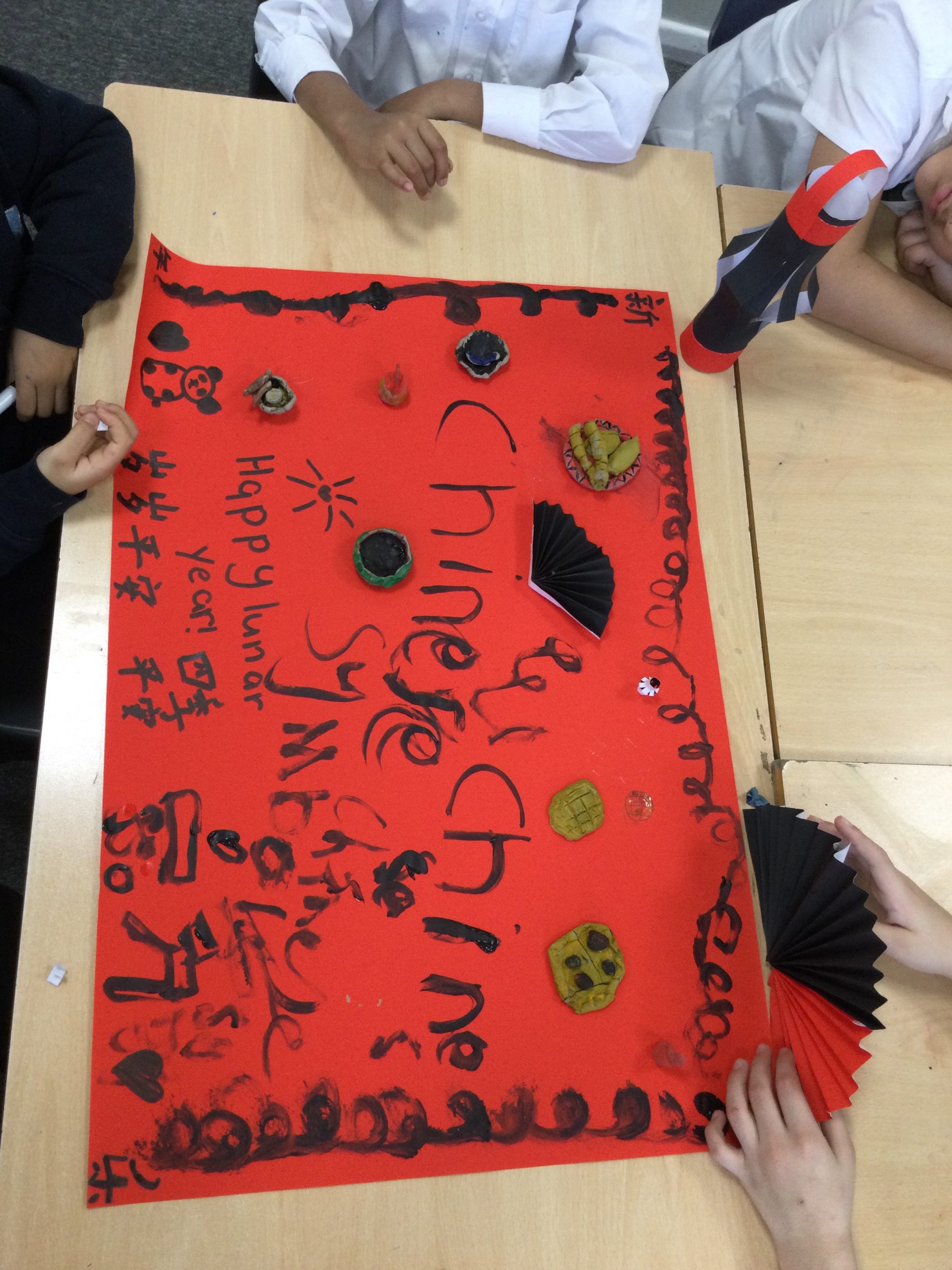
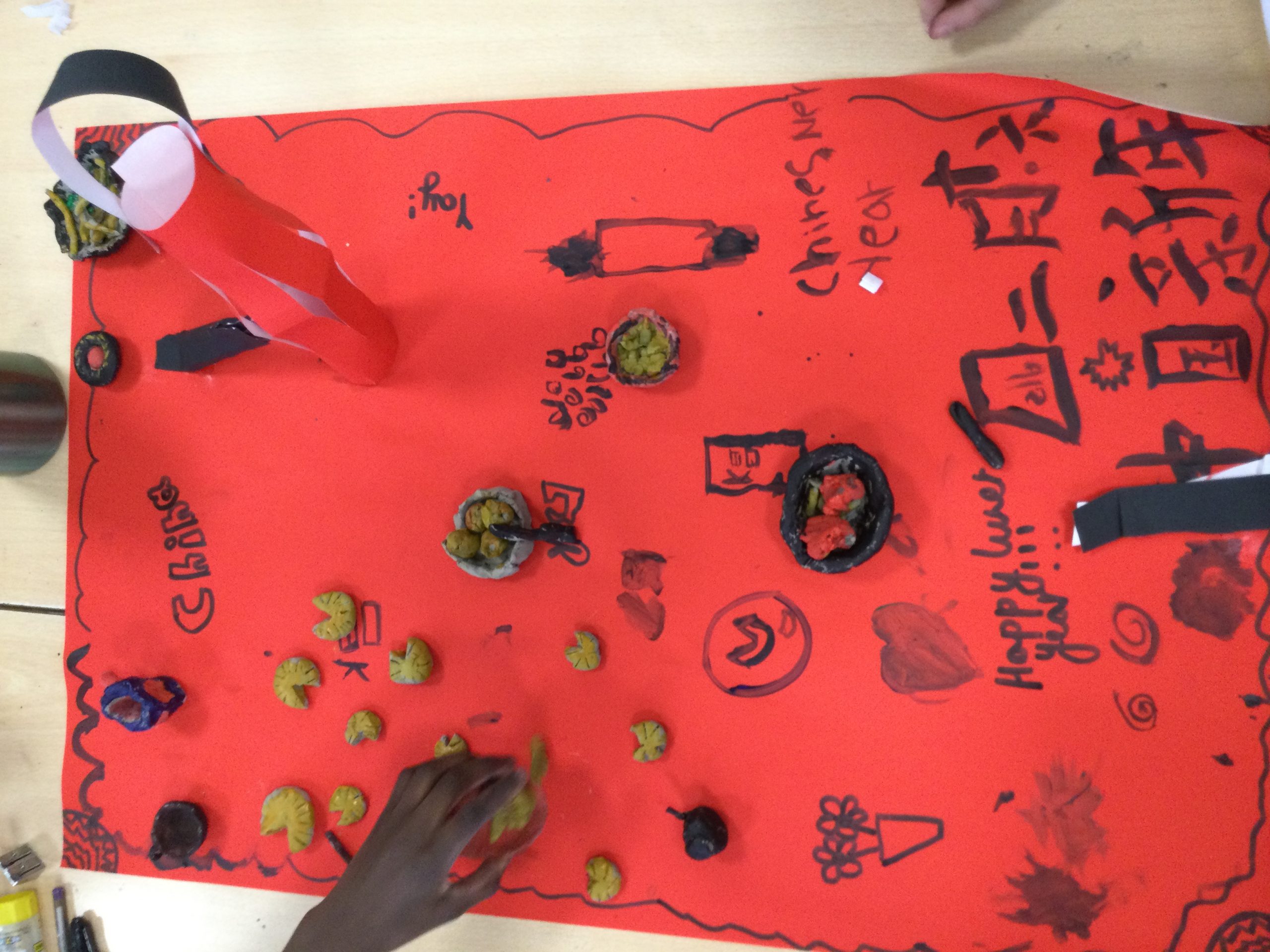
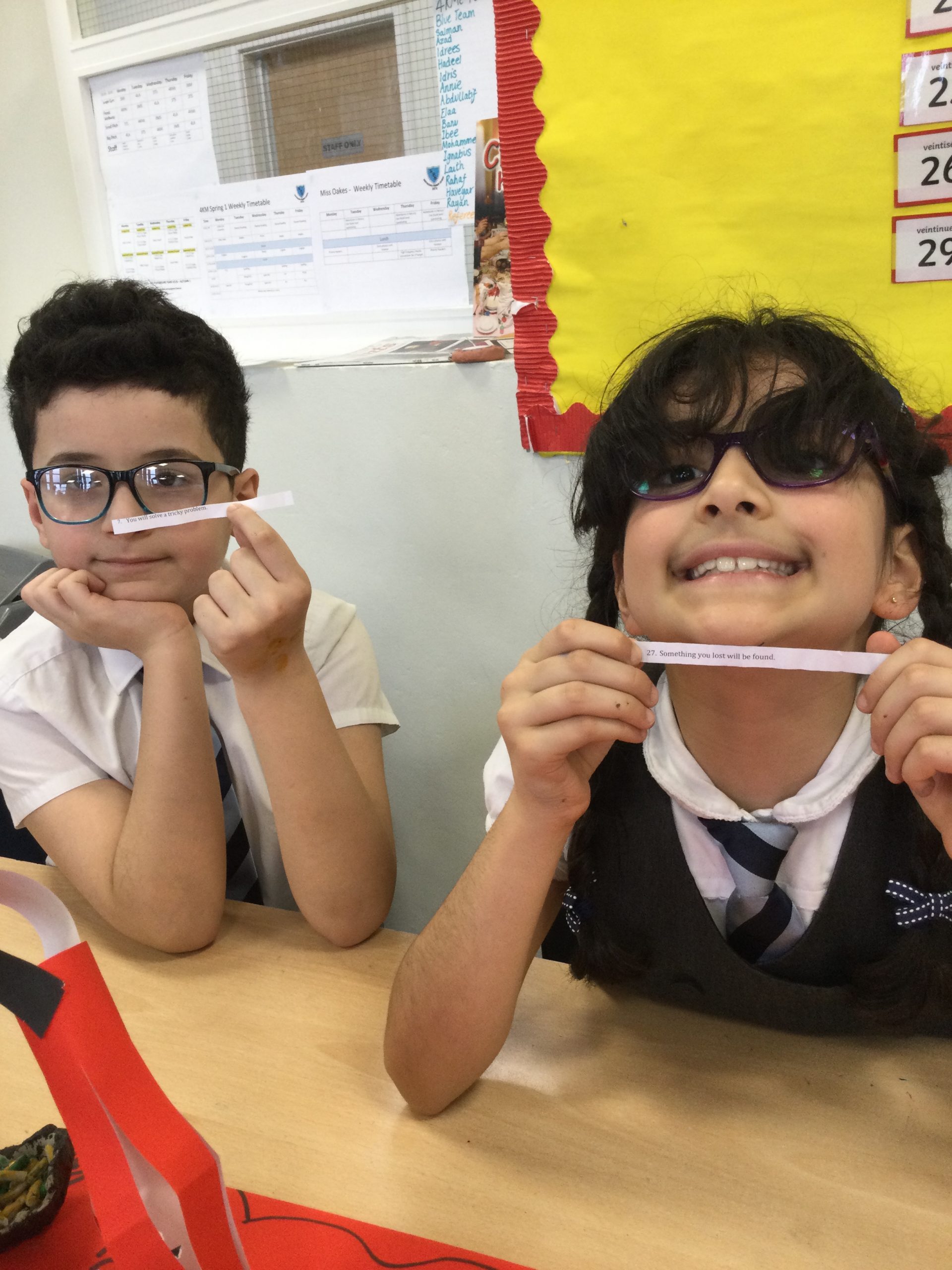
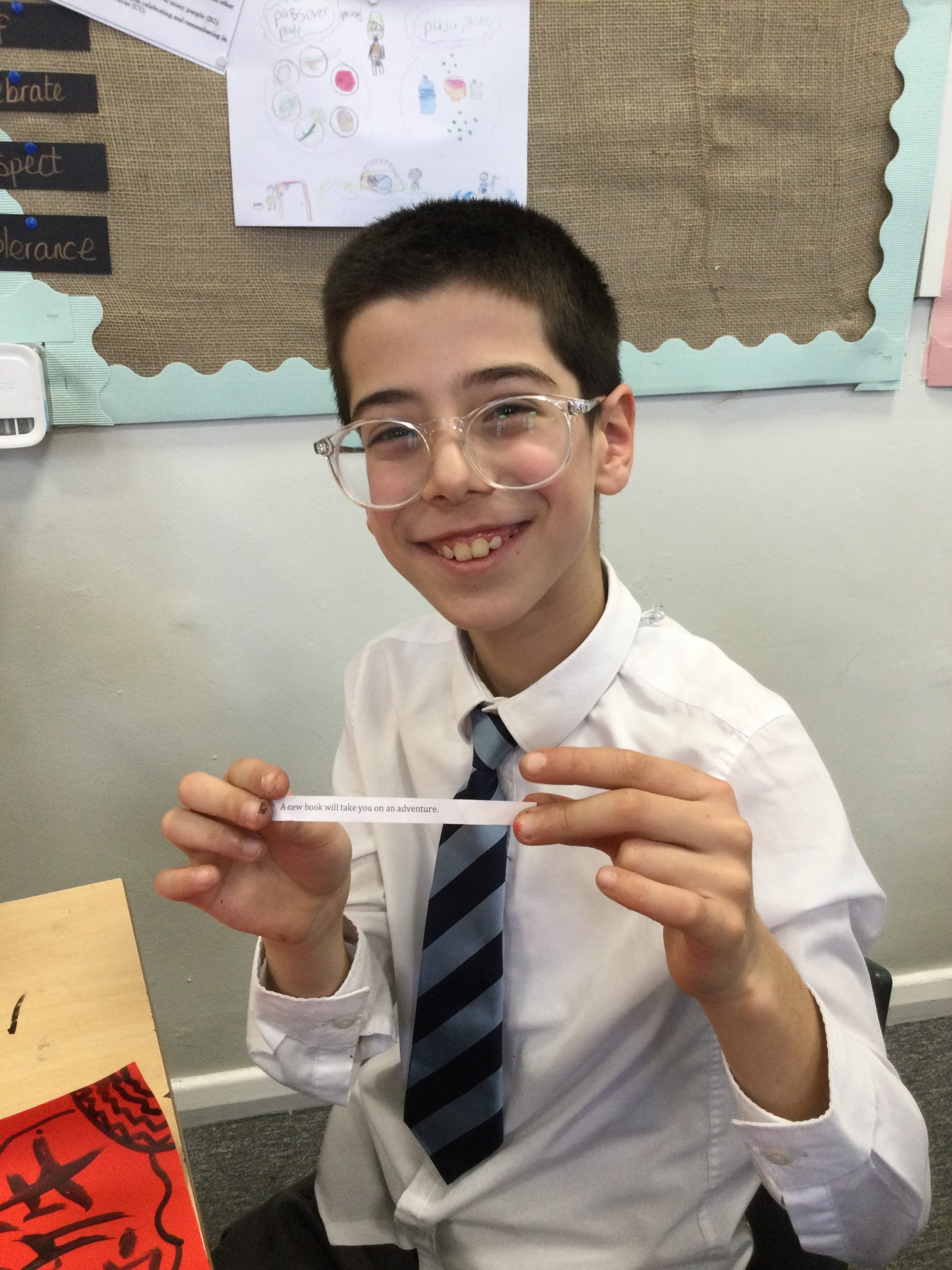
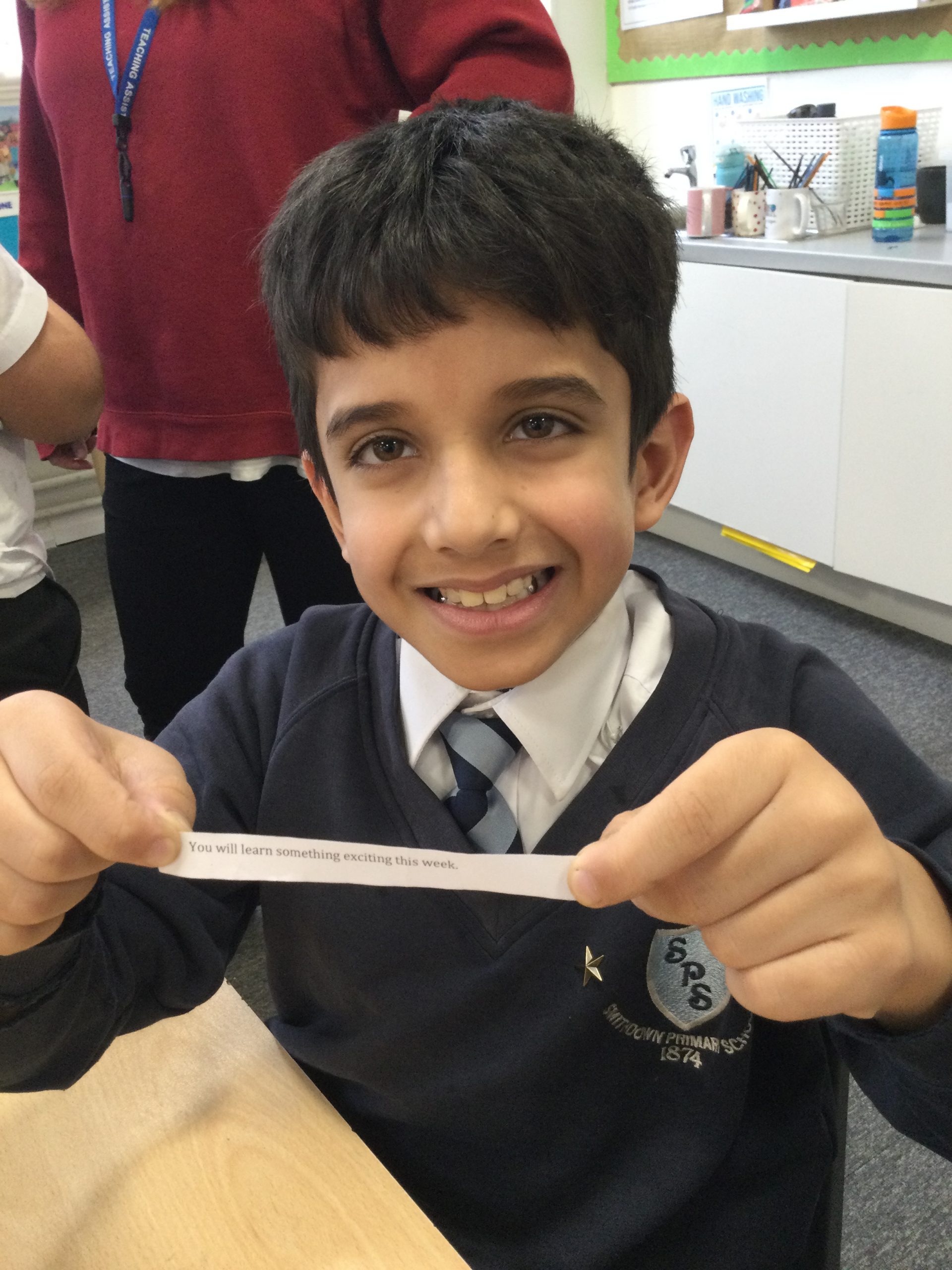
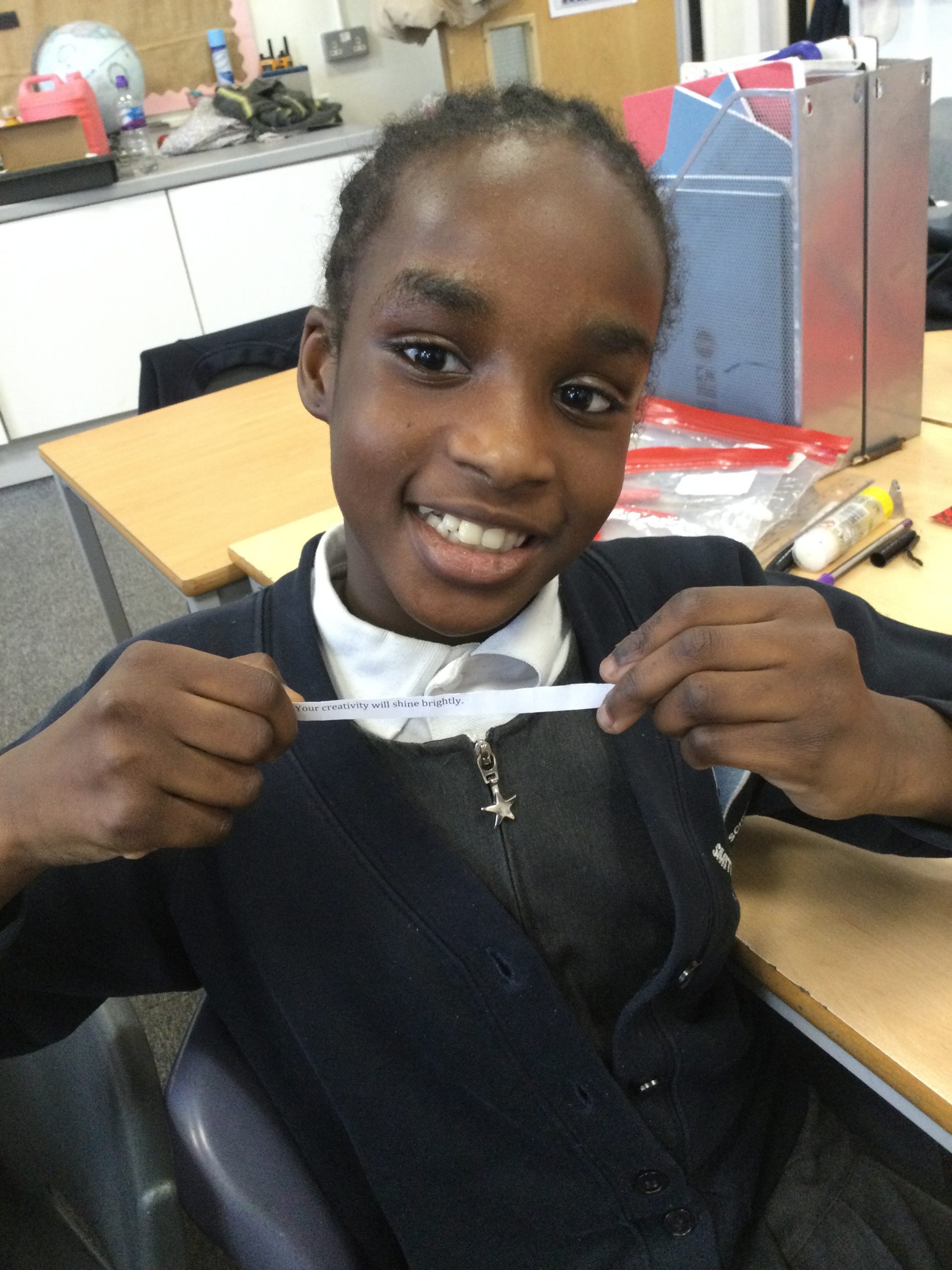
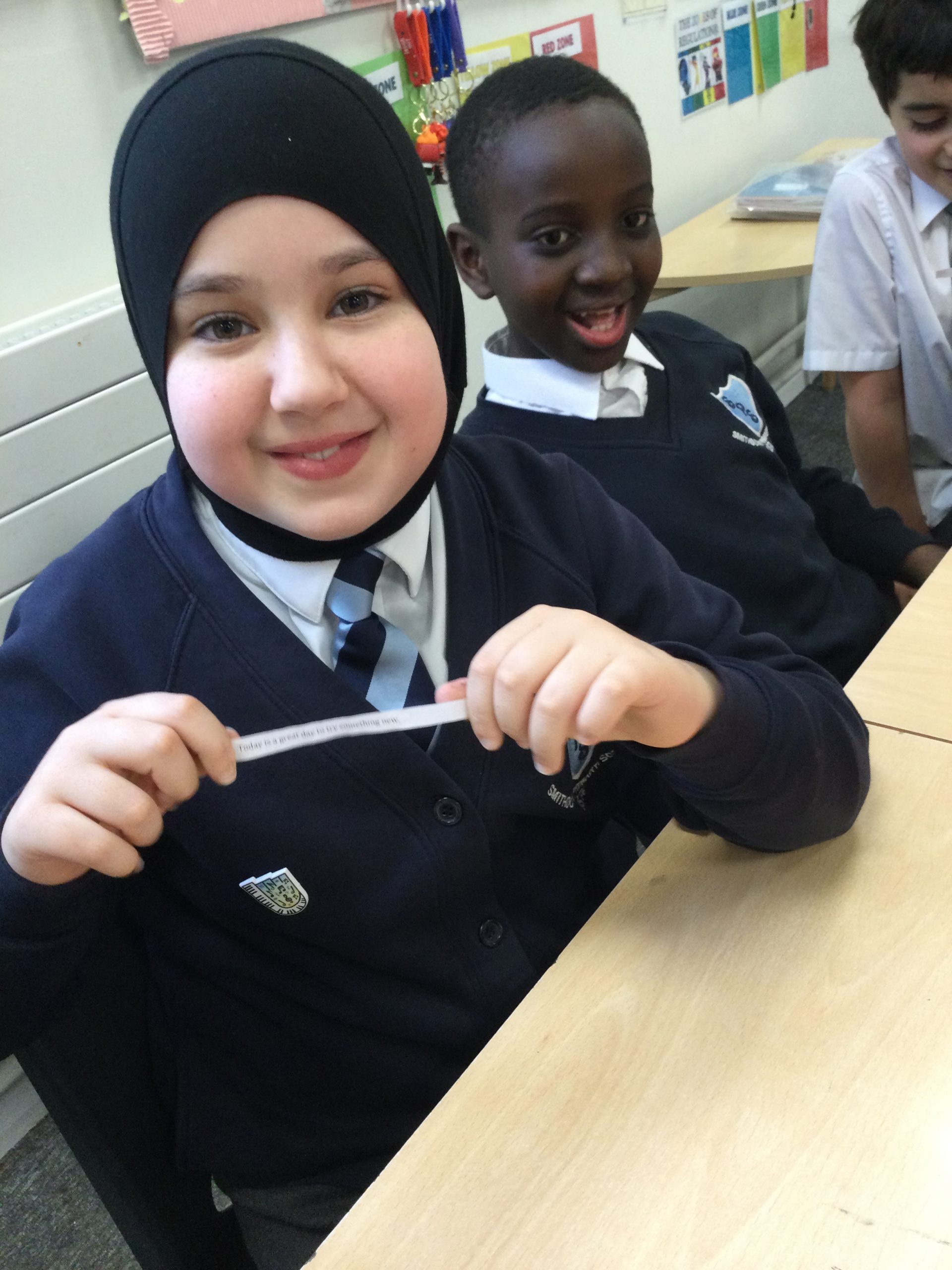
Last week, year 4 used clay to make Chinese food. This week, they painted these and created a Chinese New Year feast table. Creativity skills were put to the test and the children made lanterns and fans to add more detail to our table. 🧧🇨🇳🥡🥢🥠 The children then received their very own fortune from fortune cookies.
Chinese New Year Art
11-02-2026
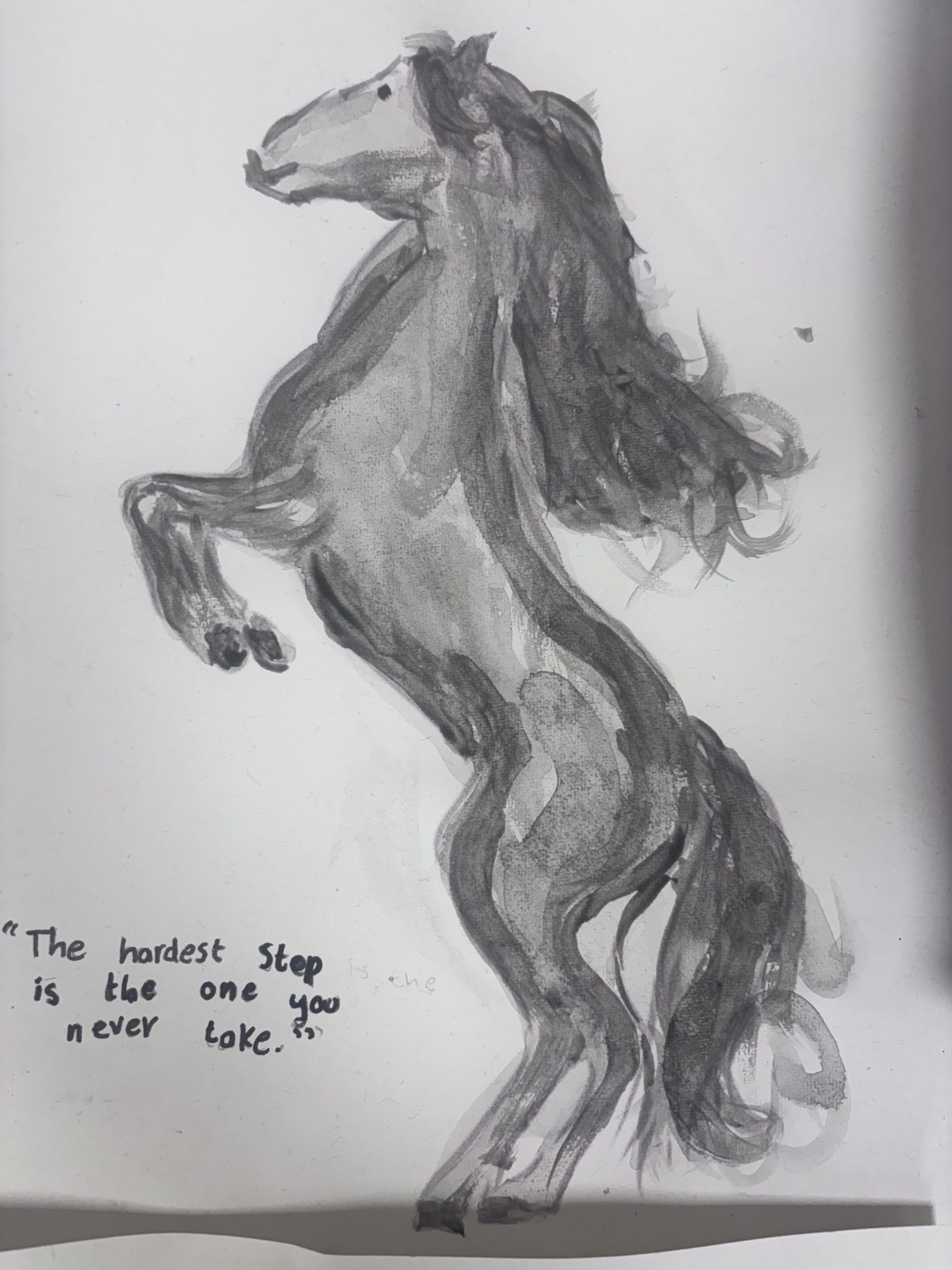
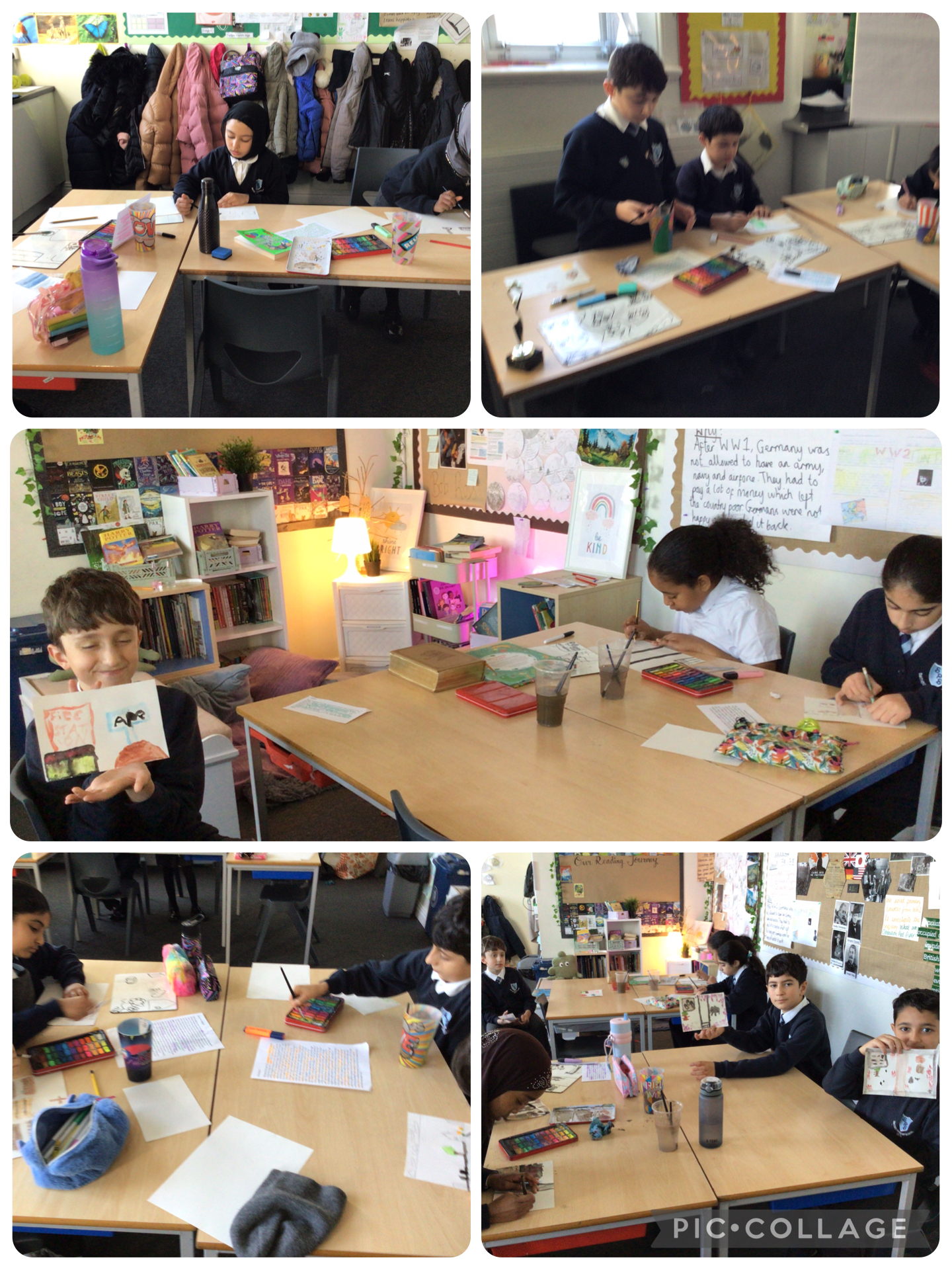
Based on A Chinese story called: The Boy, the Horse and the Fiddle, year 6 produced some paint shaded horses with accompanying quotes from the story.
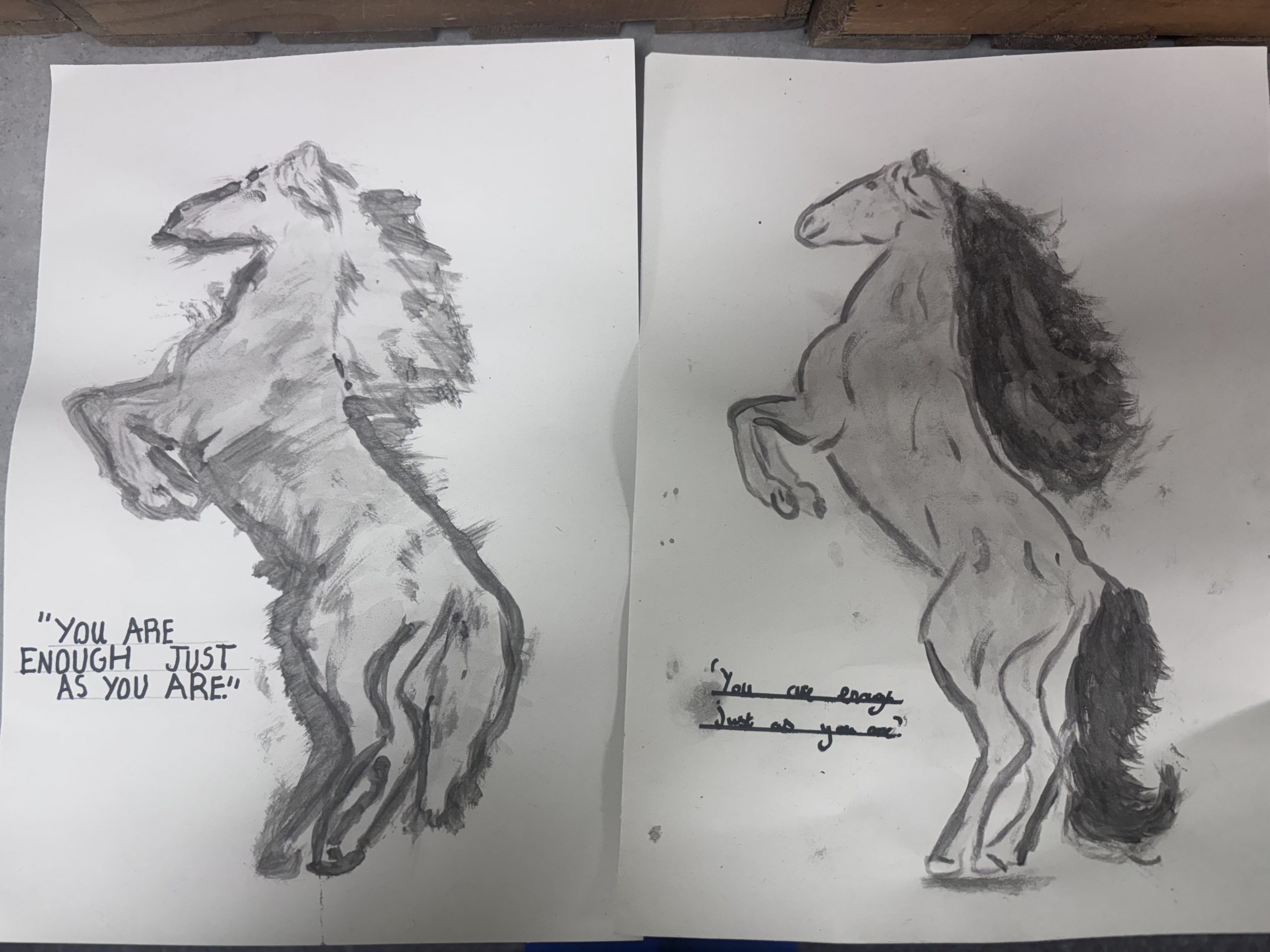
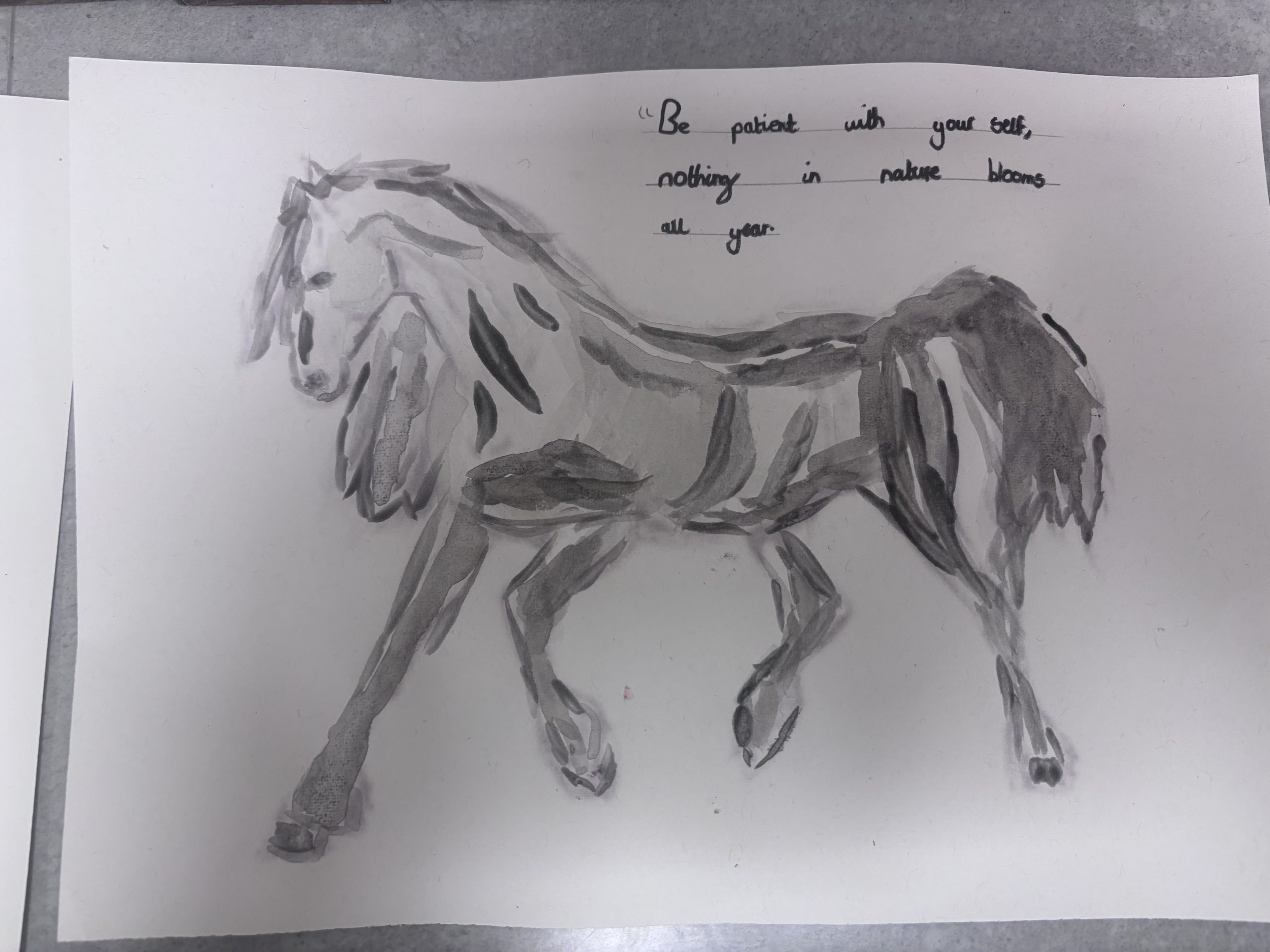
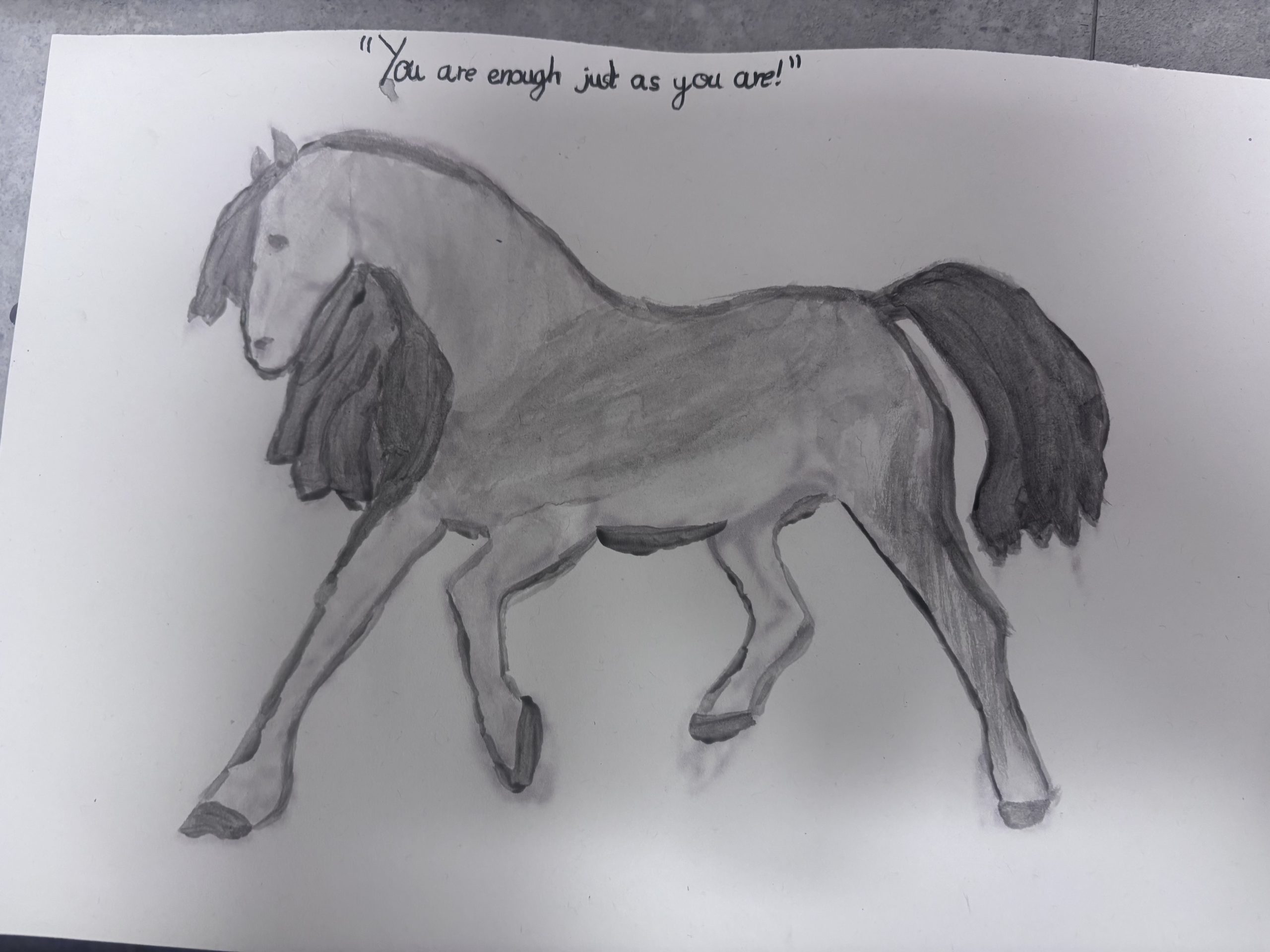
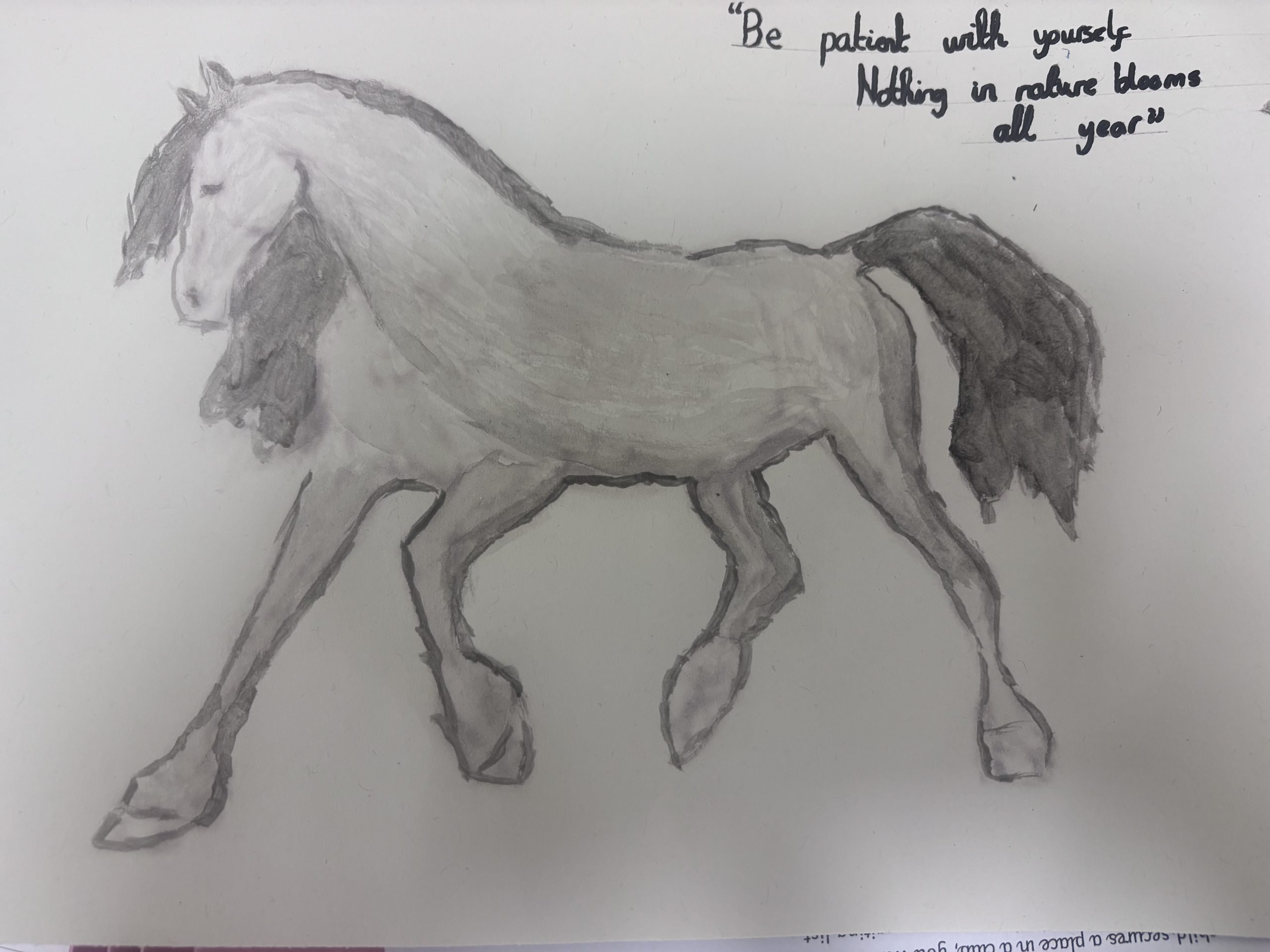
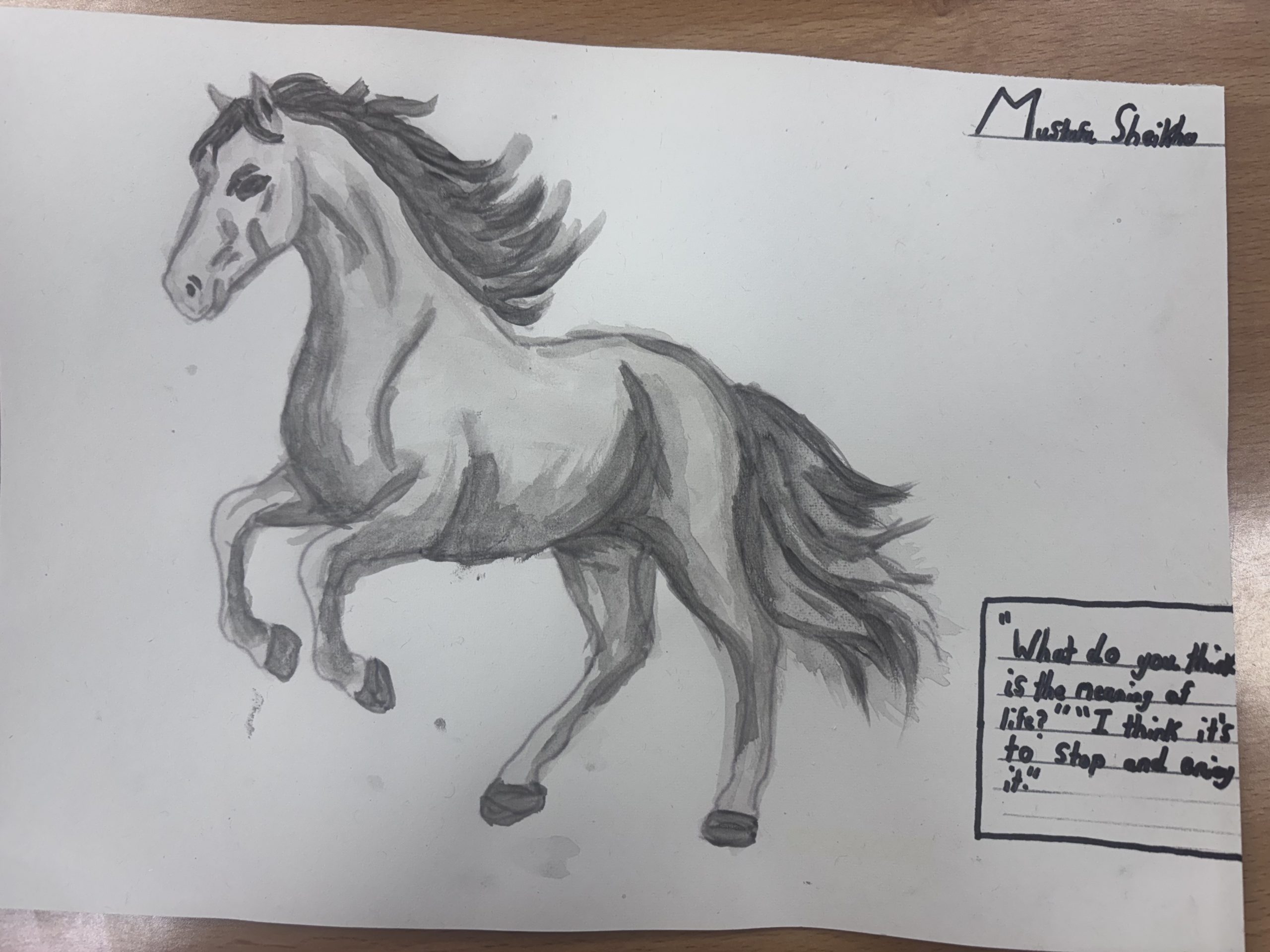
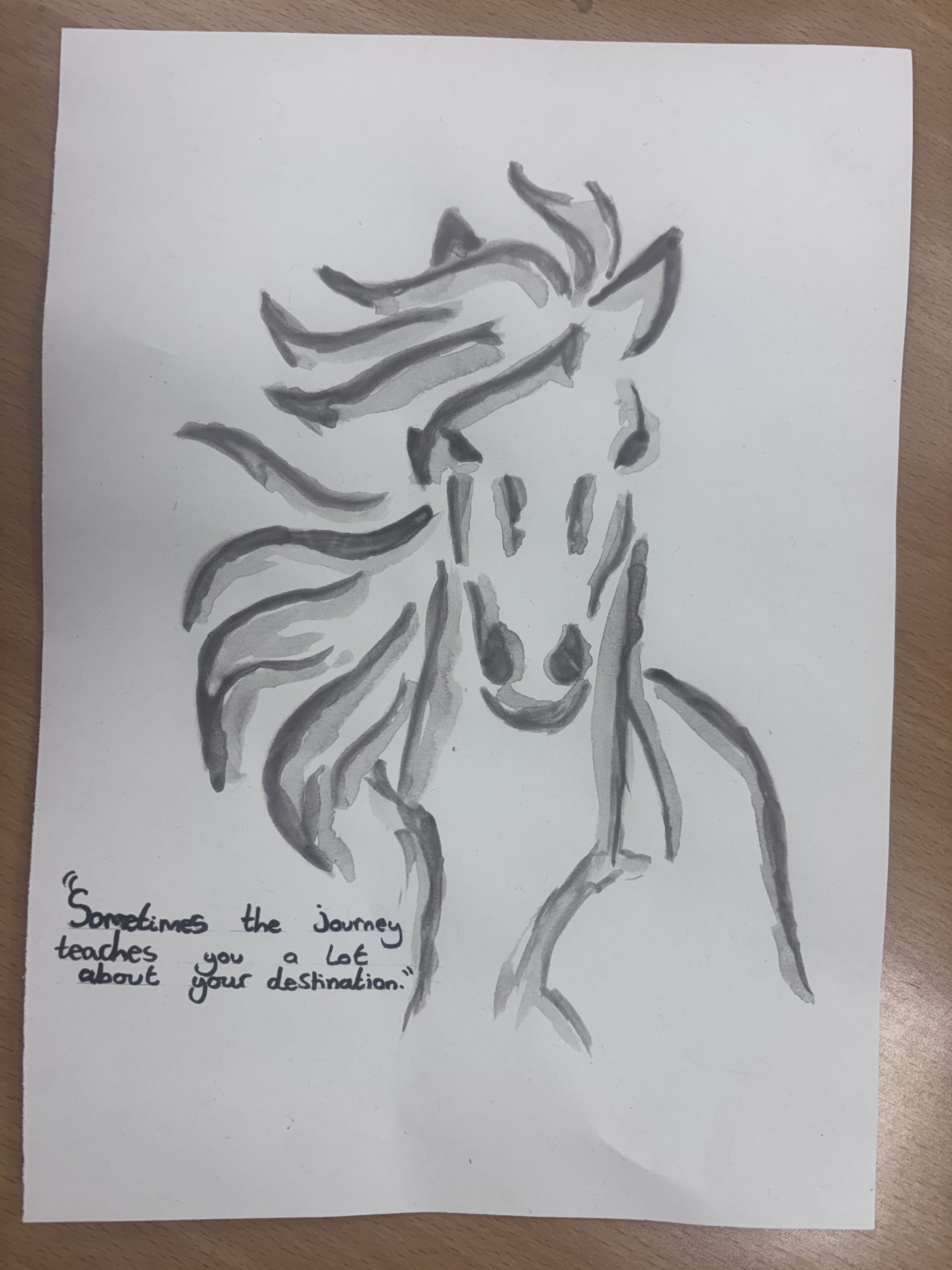
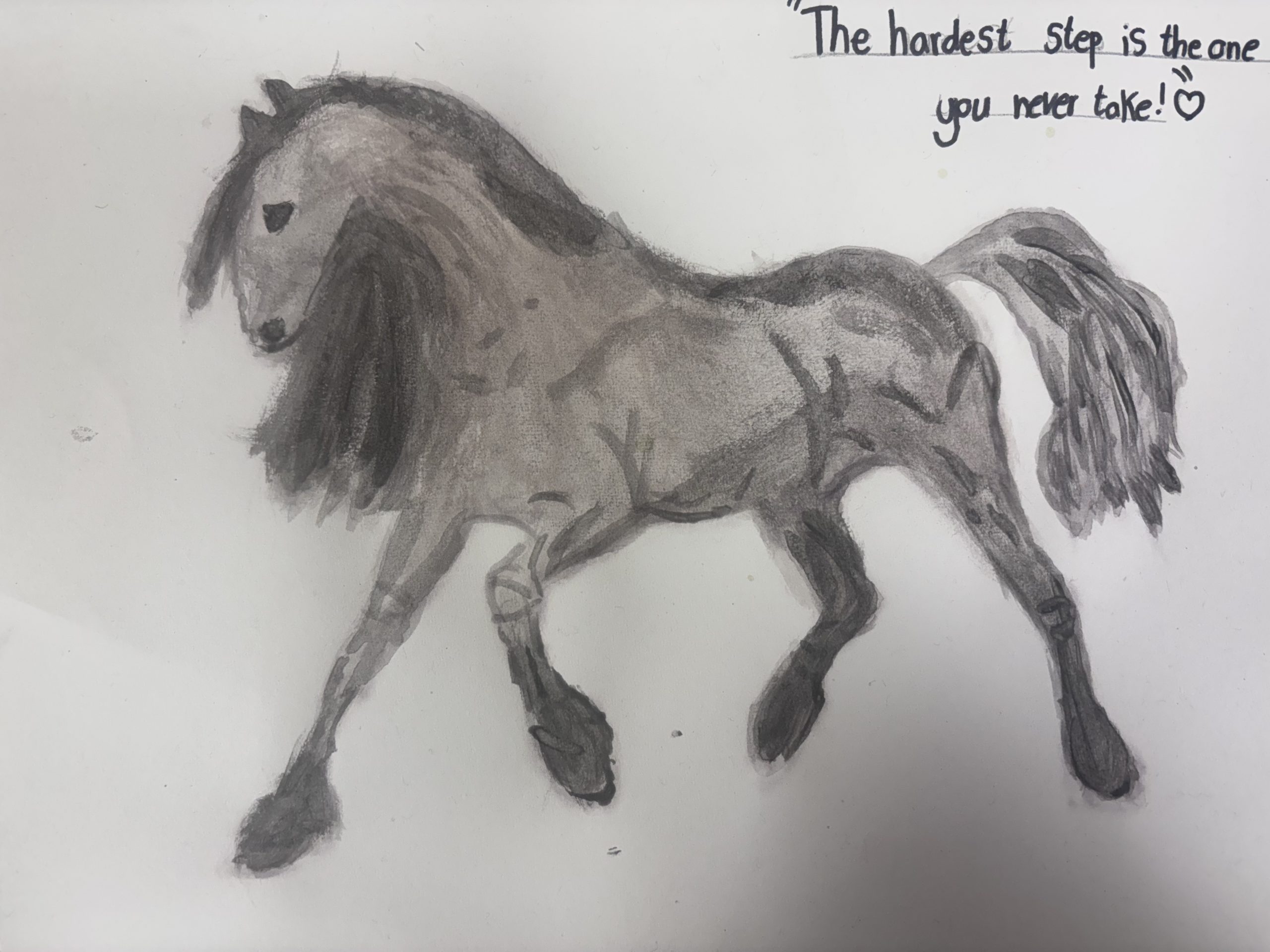
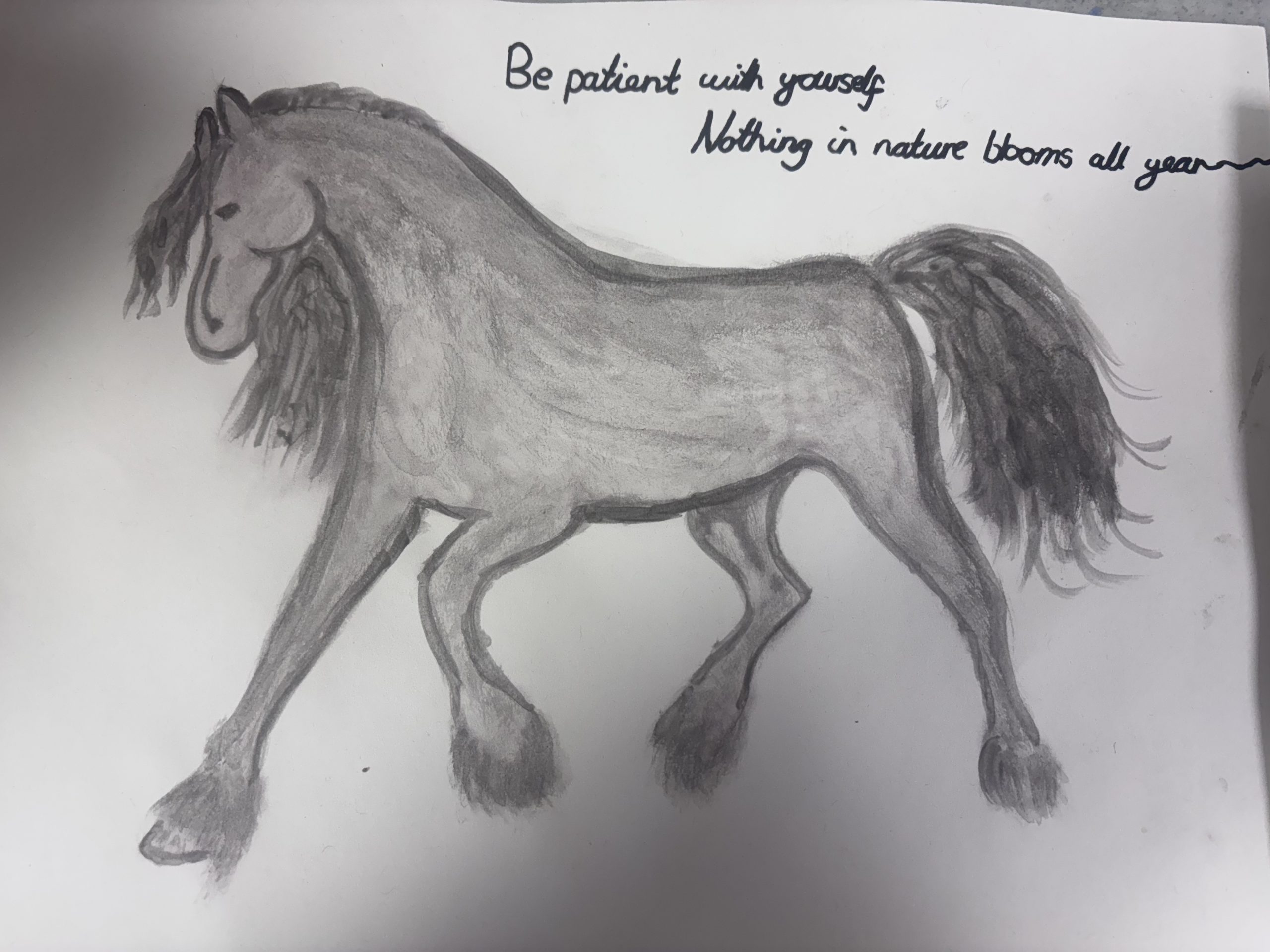
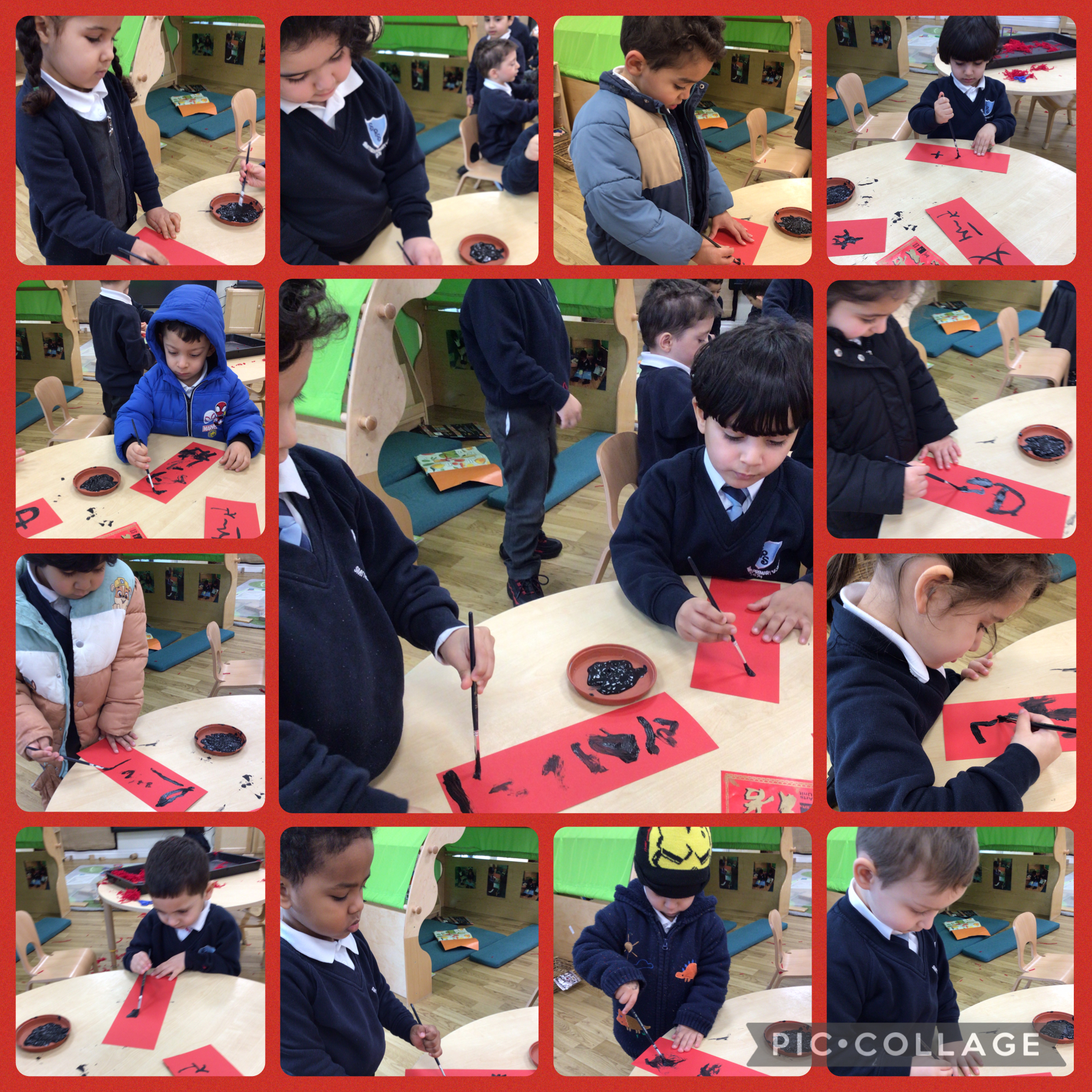
We are learning about Luna new year and have painted our good luck message and created lanterns by ripping paper.
10-02-2026
Mark making
09-02-2026
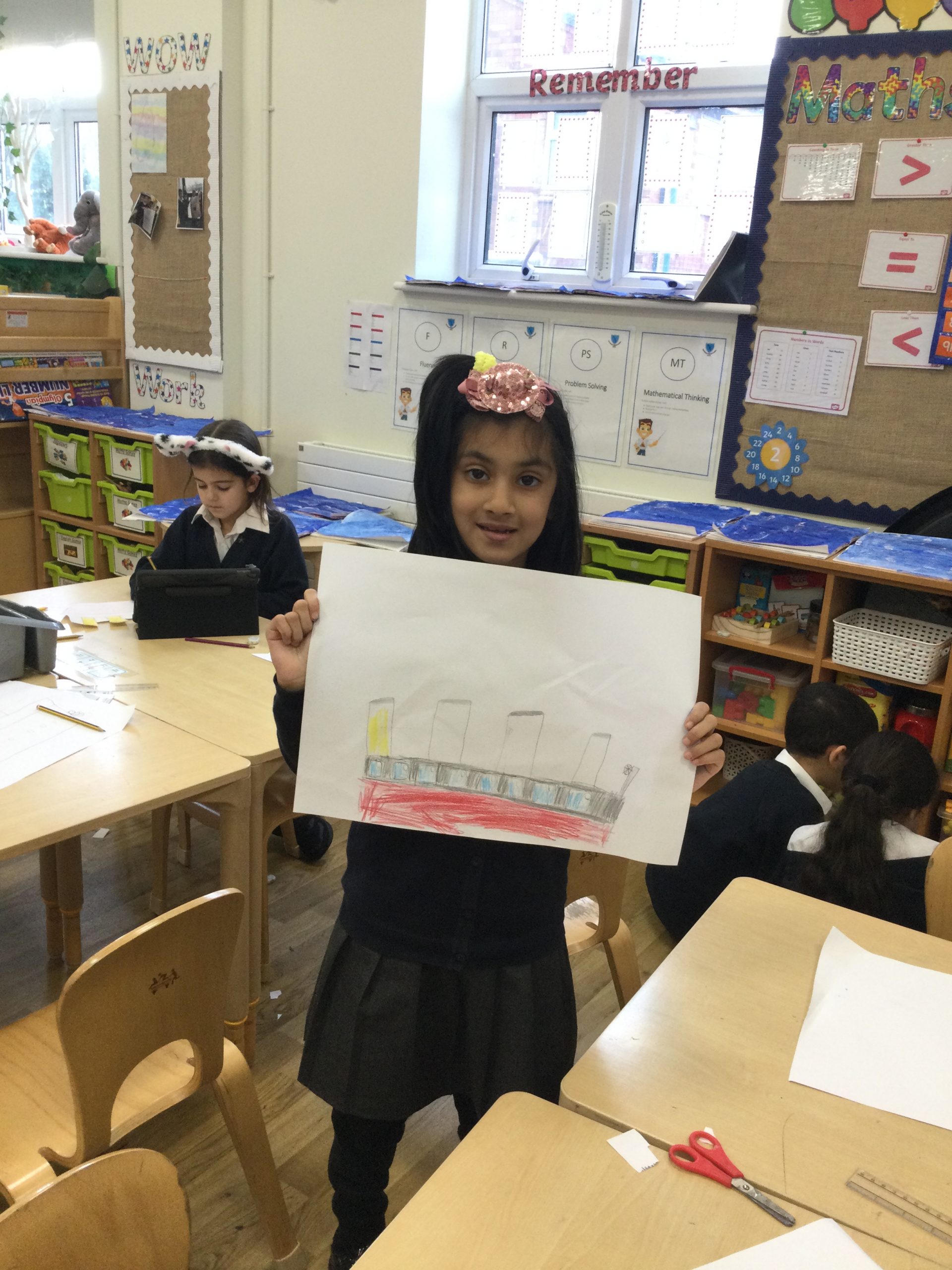
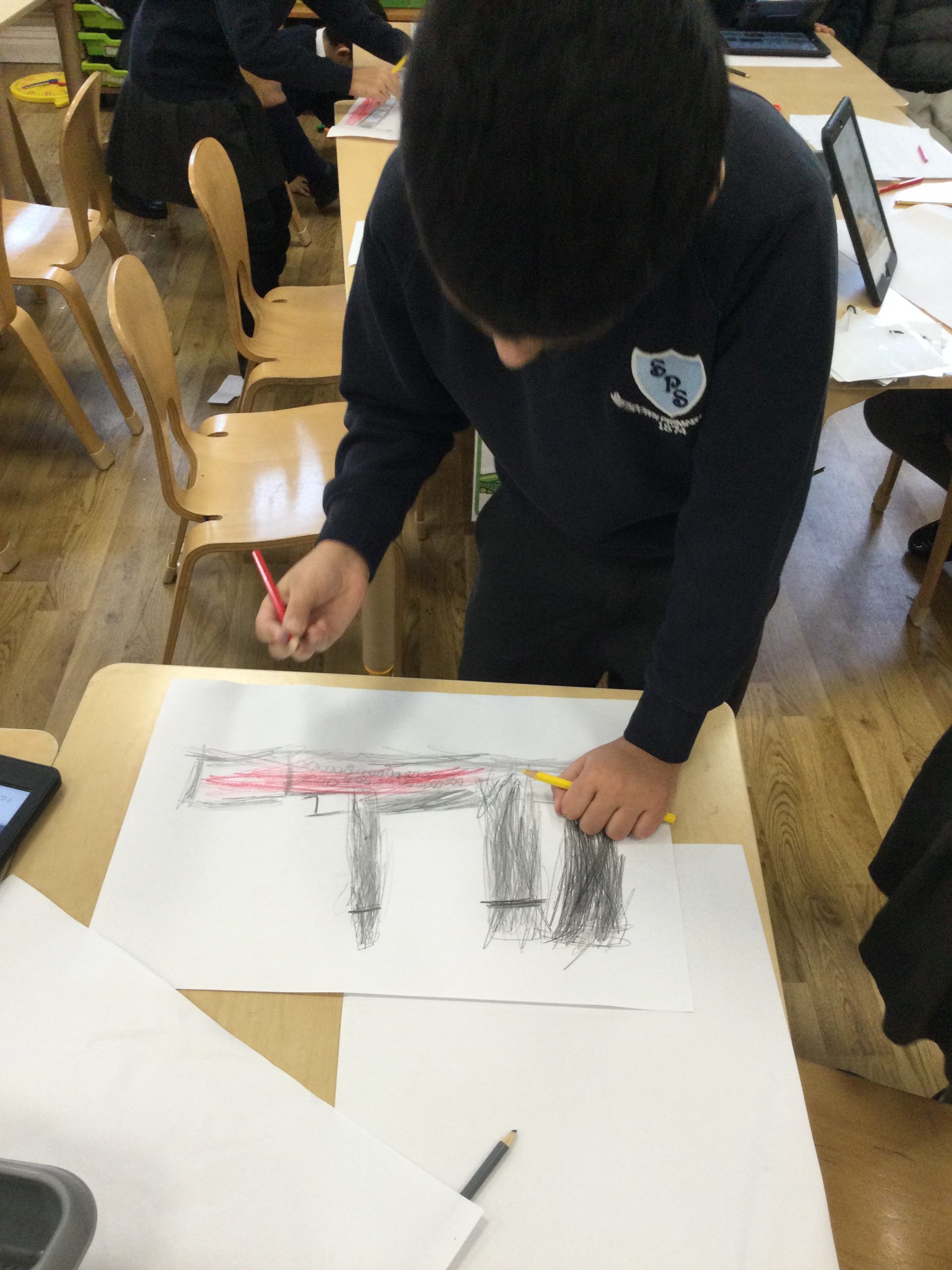
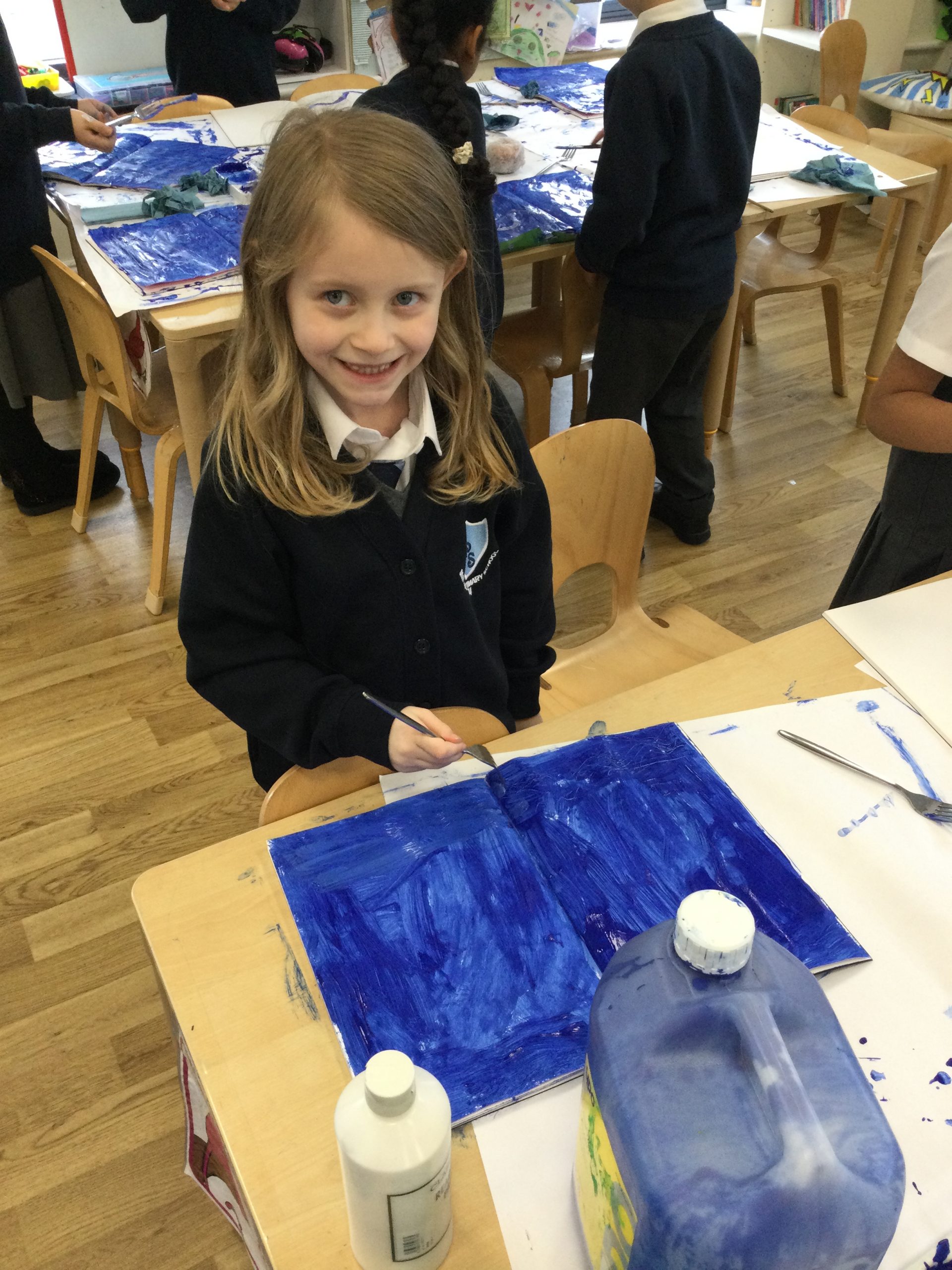
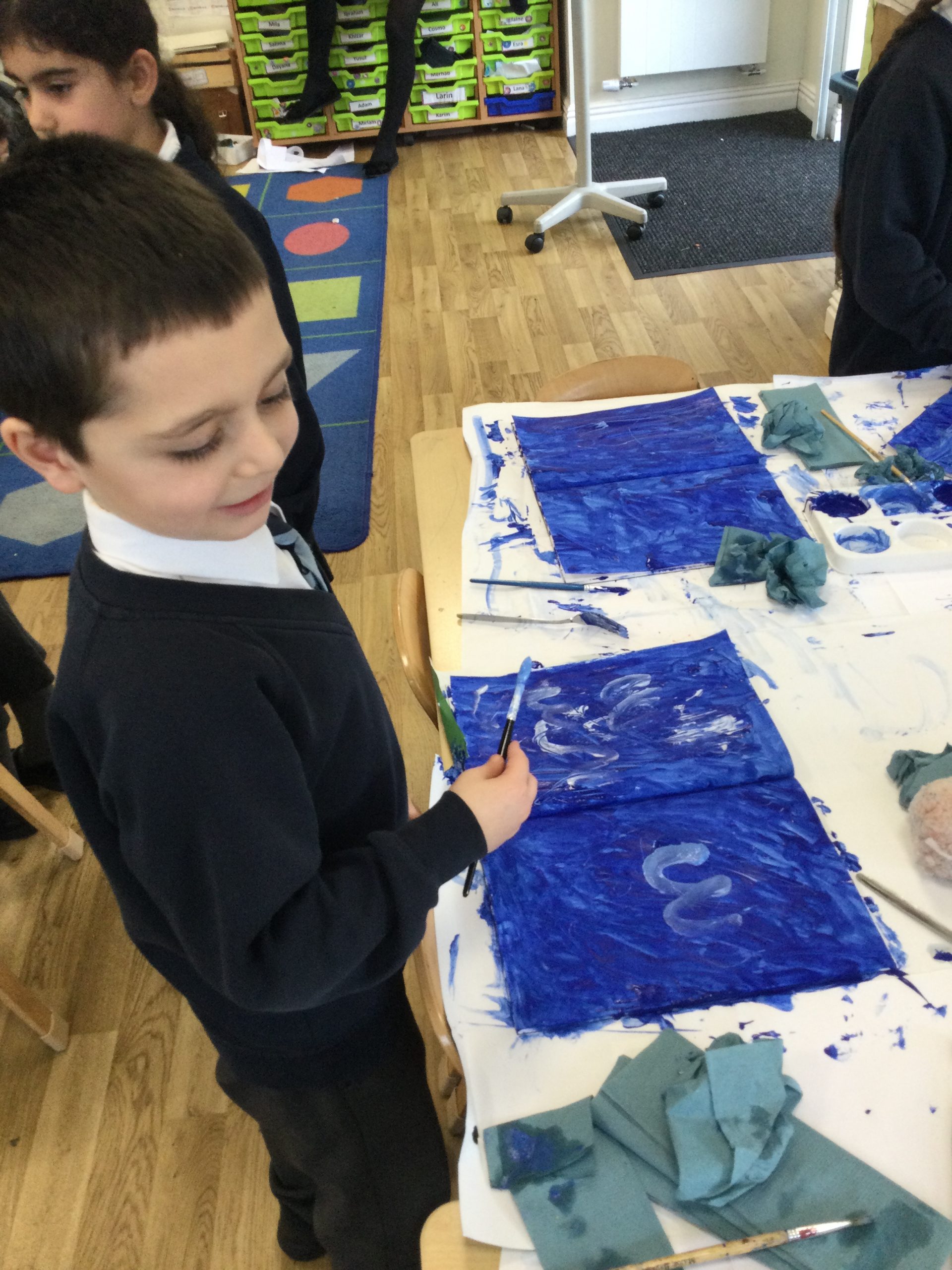
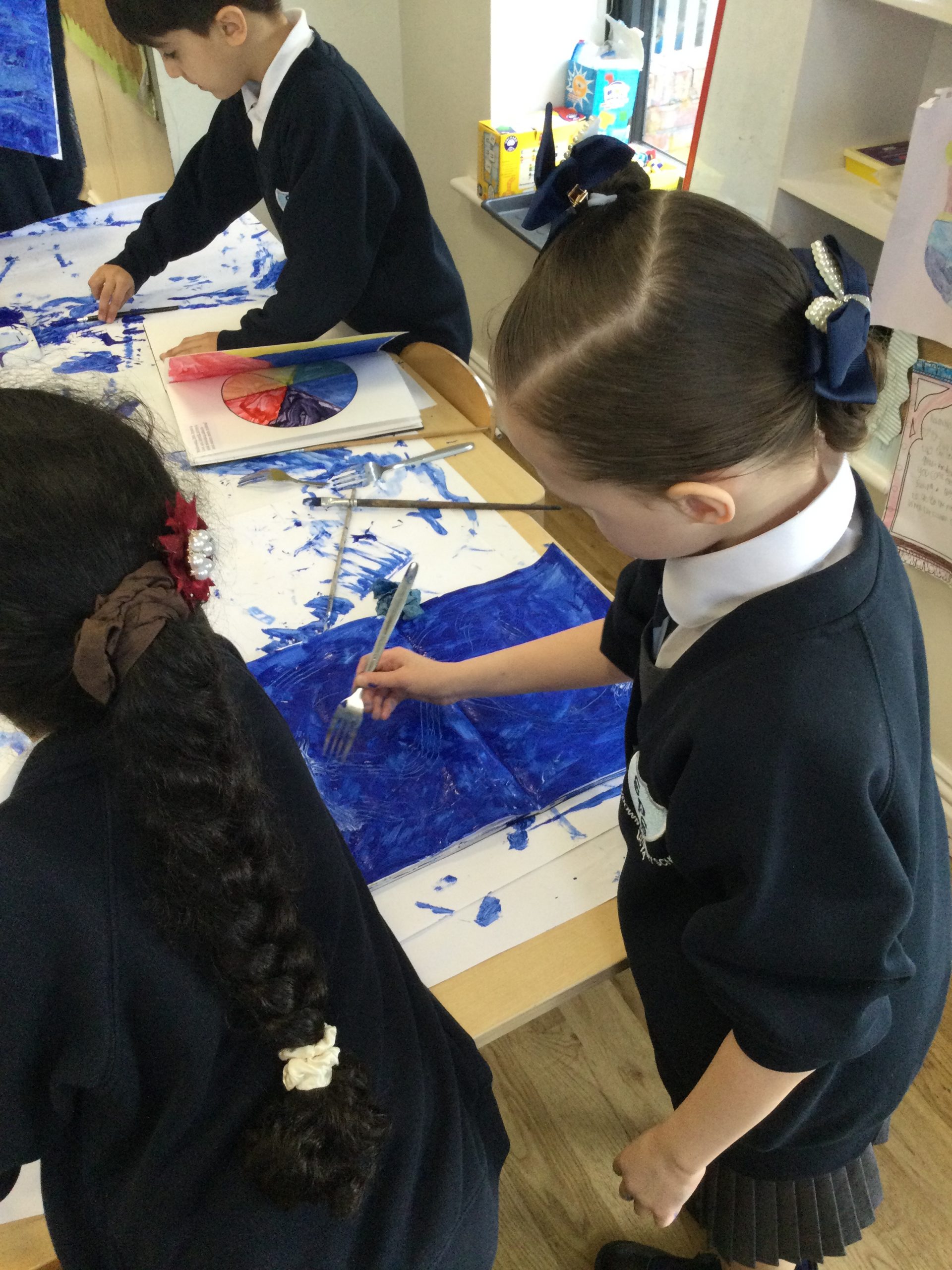
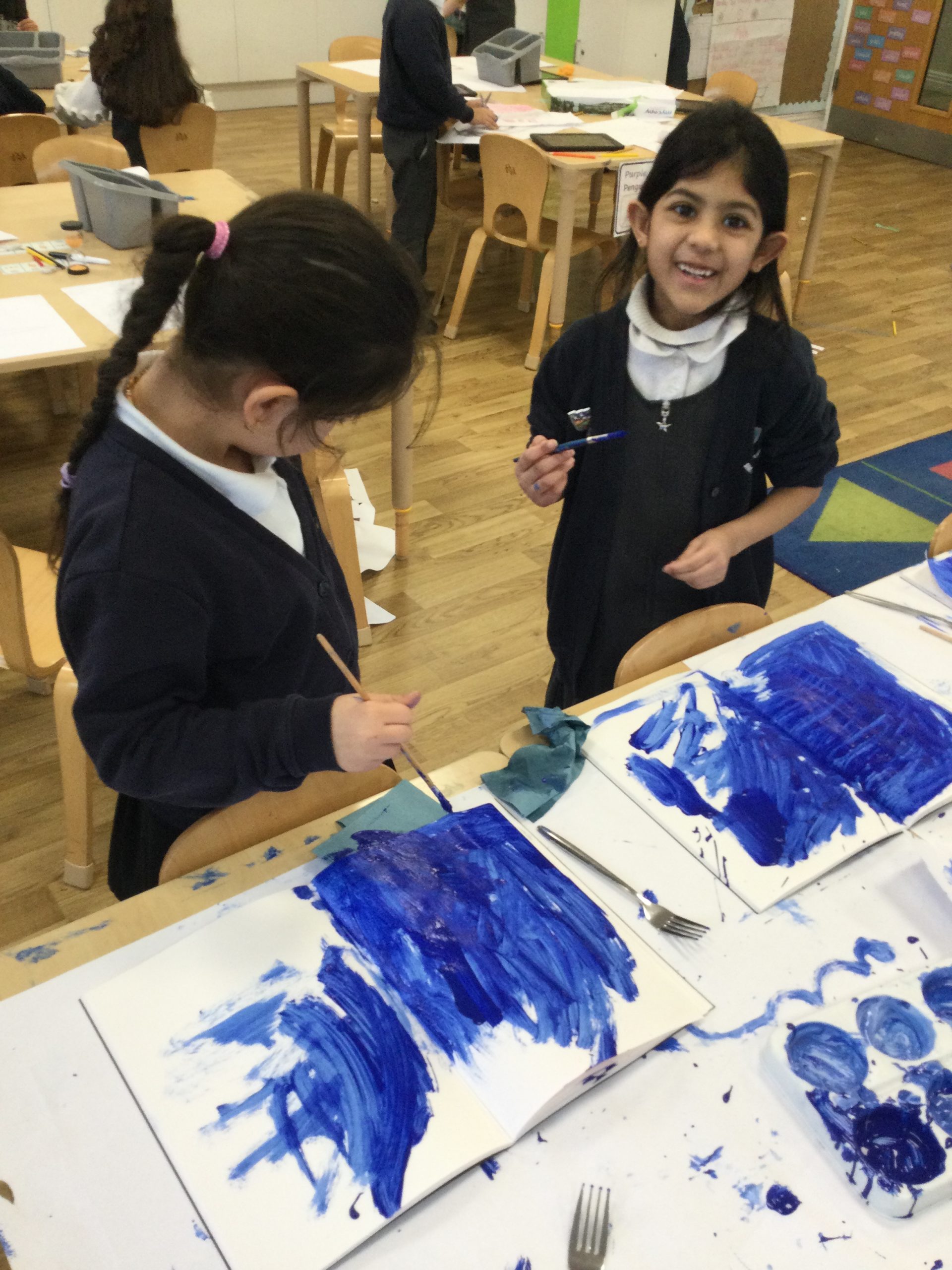
We have enjoyed an afternoon of painting and mark making to create our final art piece about the Titanic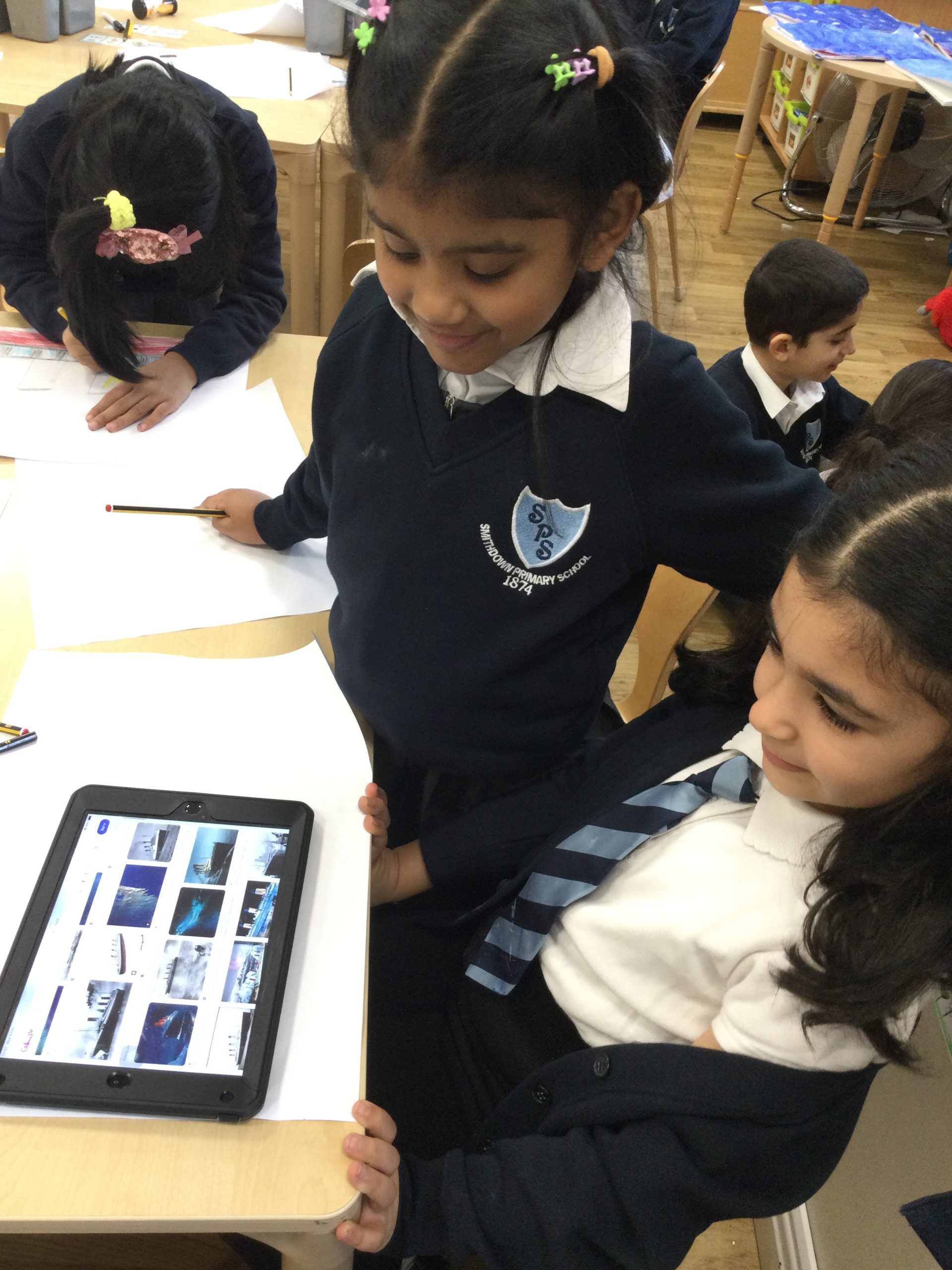
Art Final Piece
05-02-2026
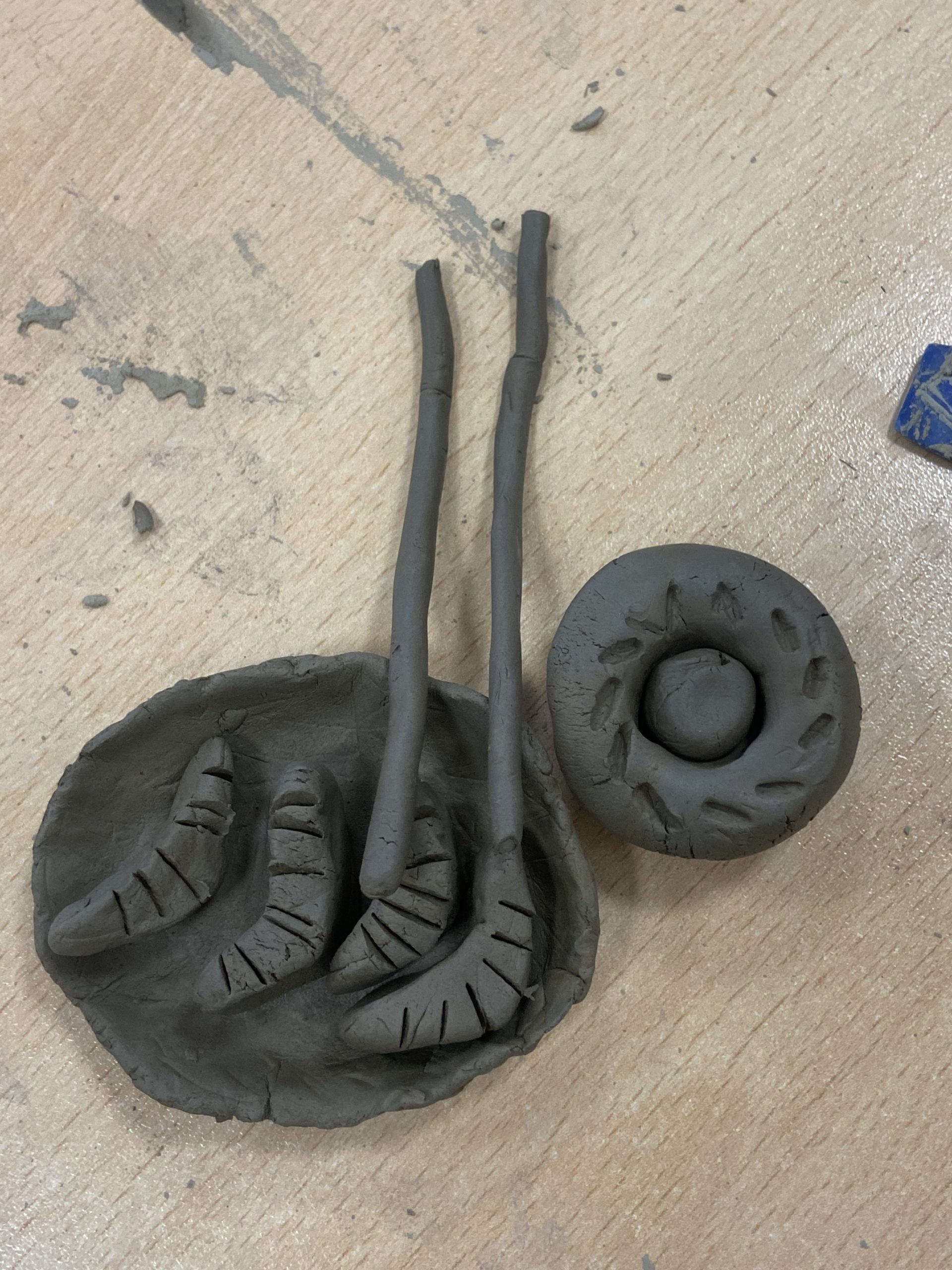
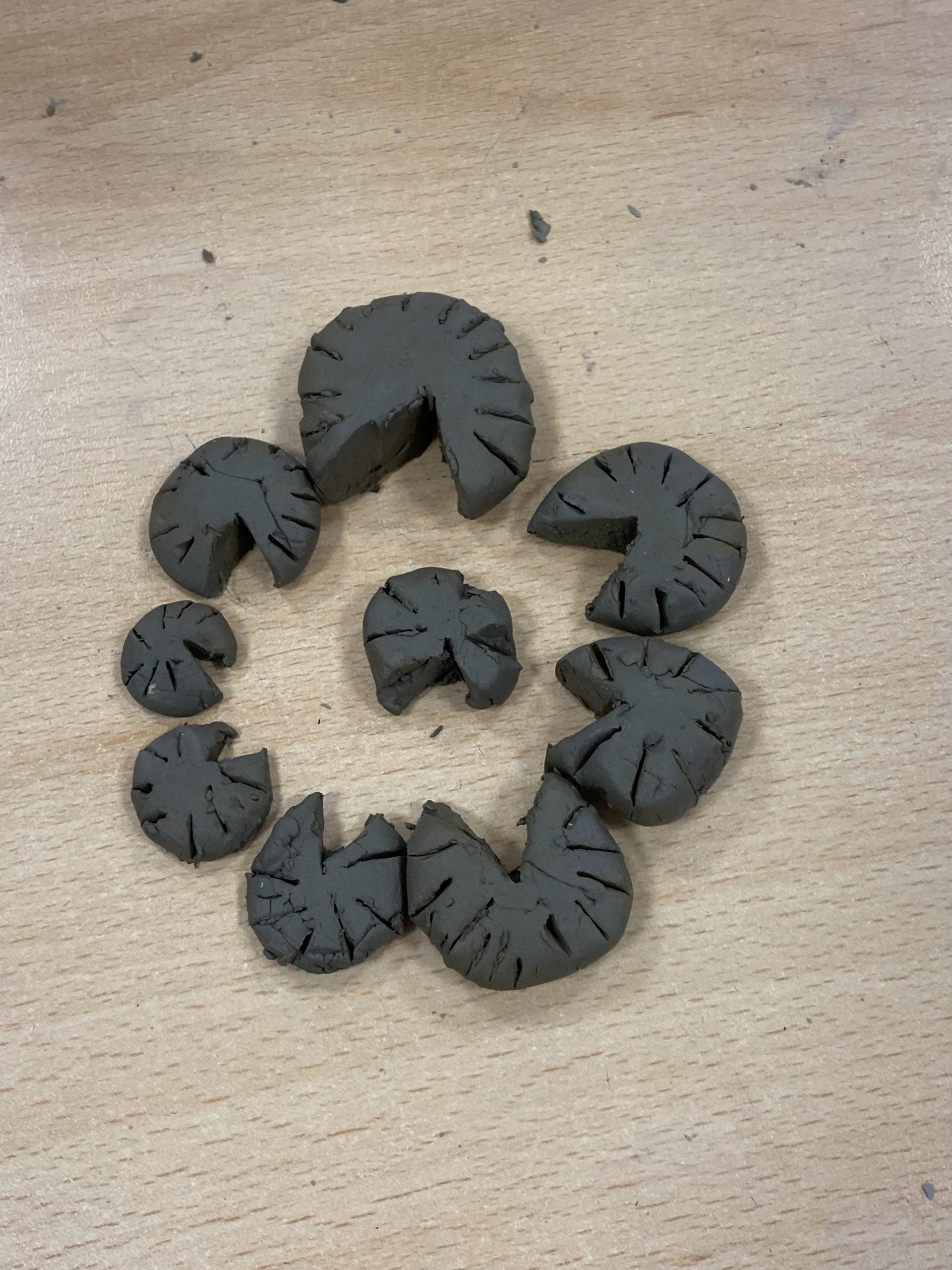
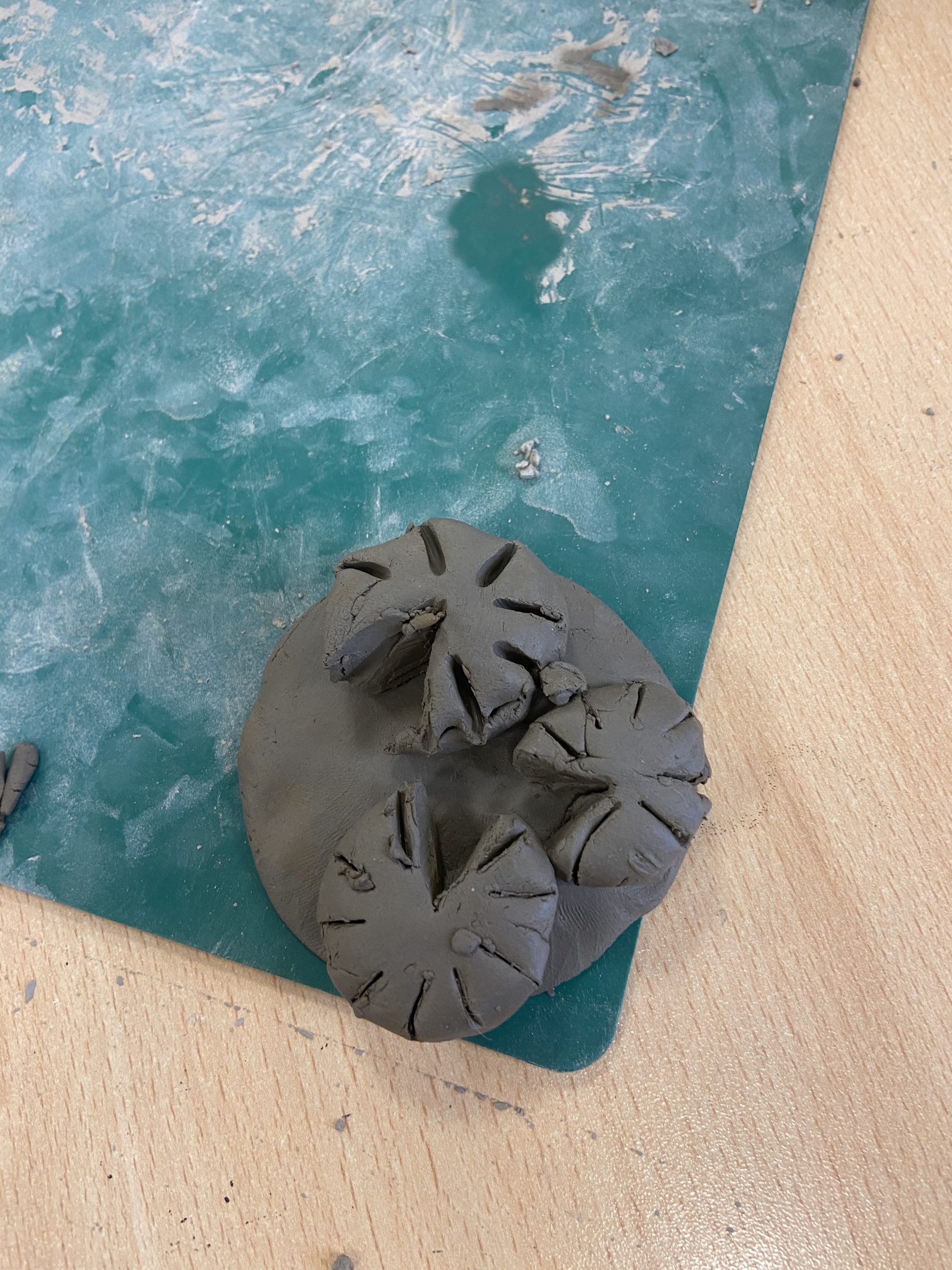
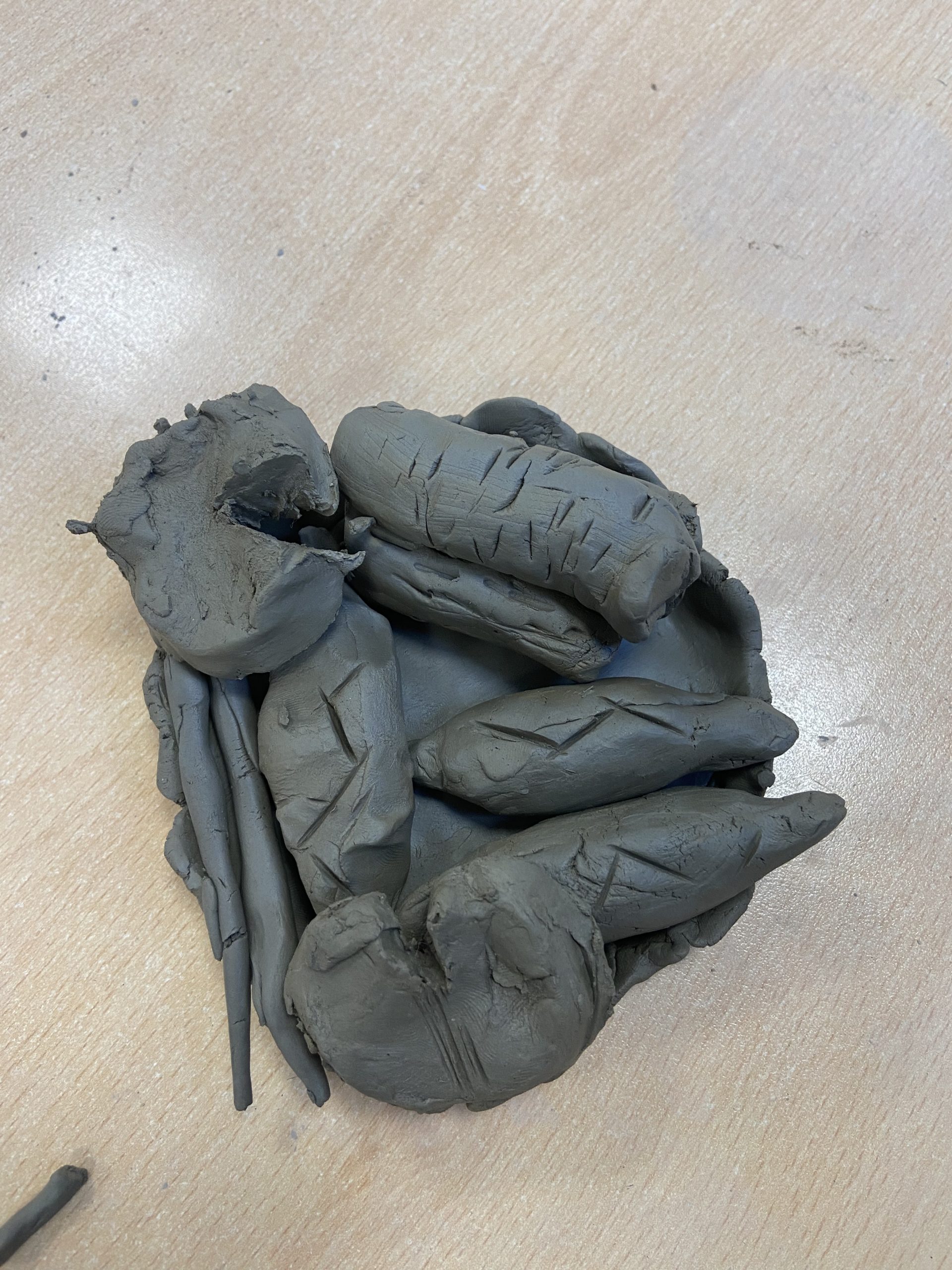
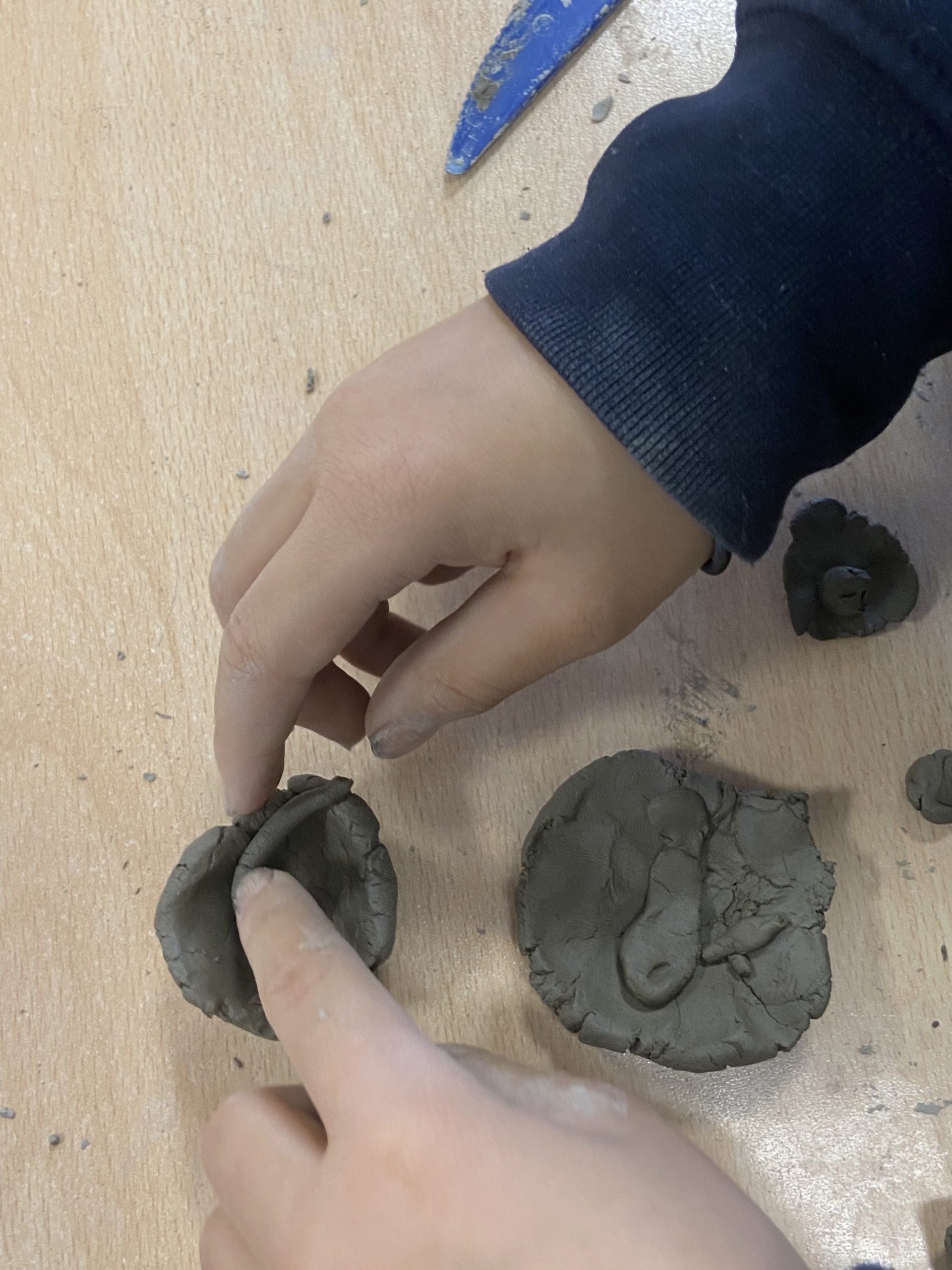
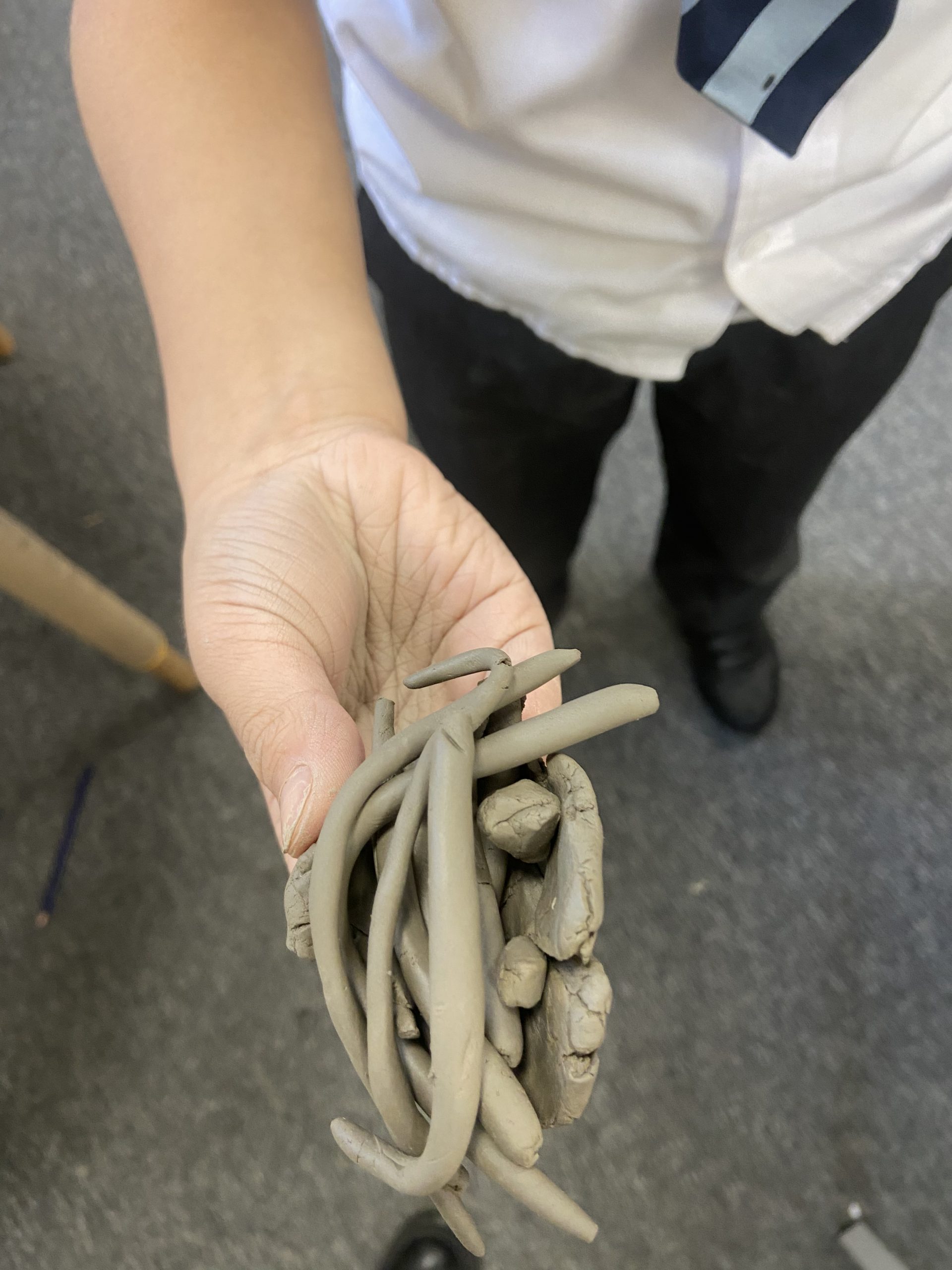
We have merged our art topic (festive feasts) and our R.E. topic (festivals and celebrations) to sculpt food out of clay to represent Chinese New Year. The children worked together to create a ‘feast’ on their tables and then showcased the skills learnt from this topic to create these foods. The children absolutely loved this. 🇨🇳🥠🥢
We will paint these next week once our clay has dried.
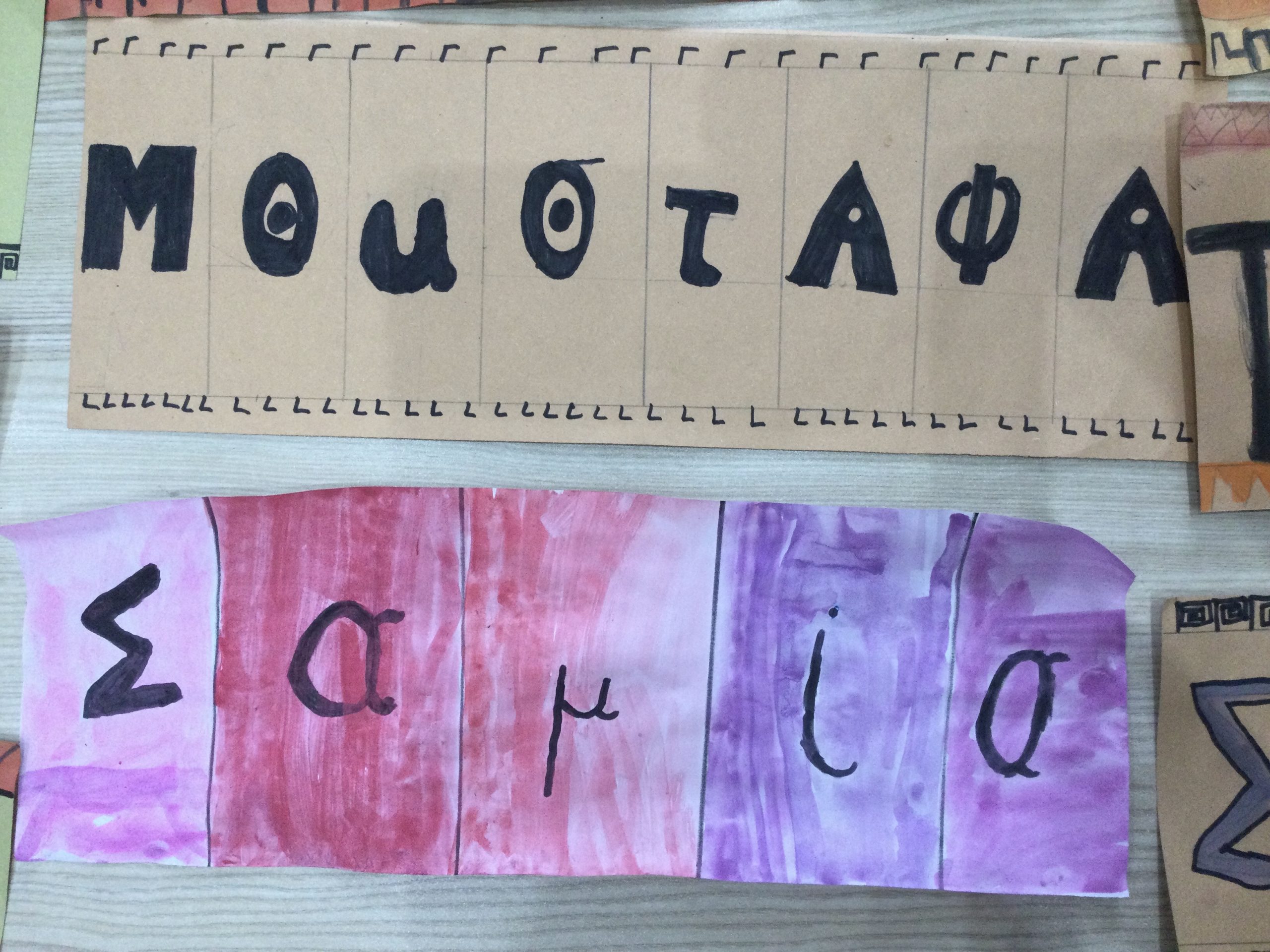
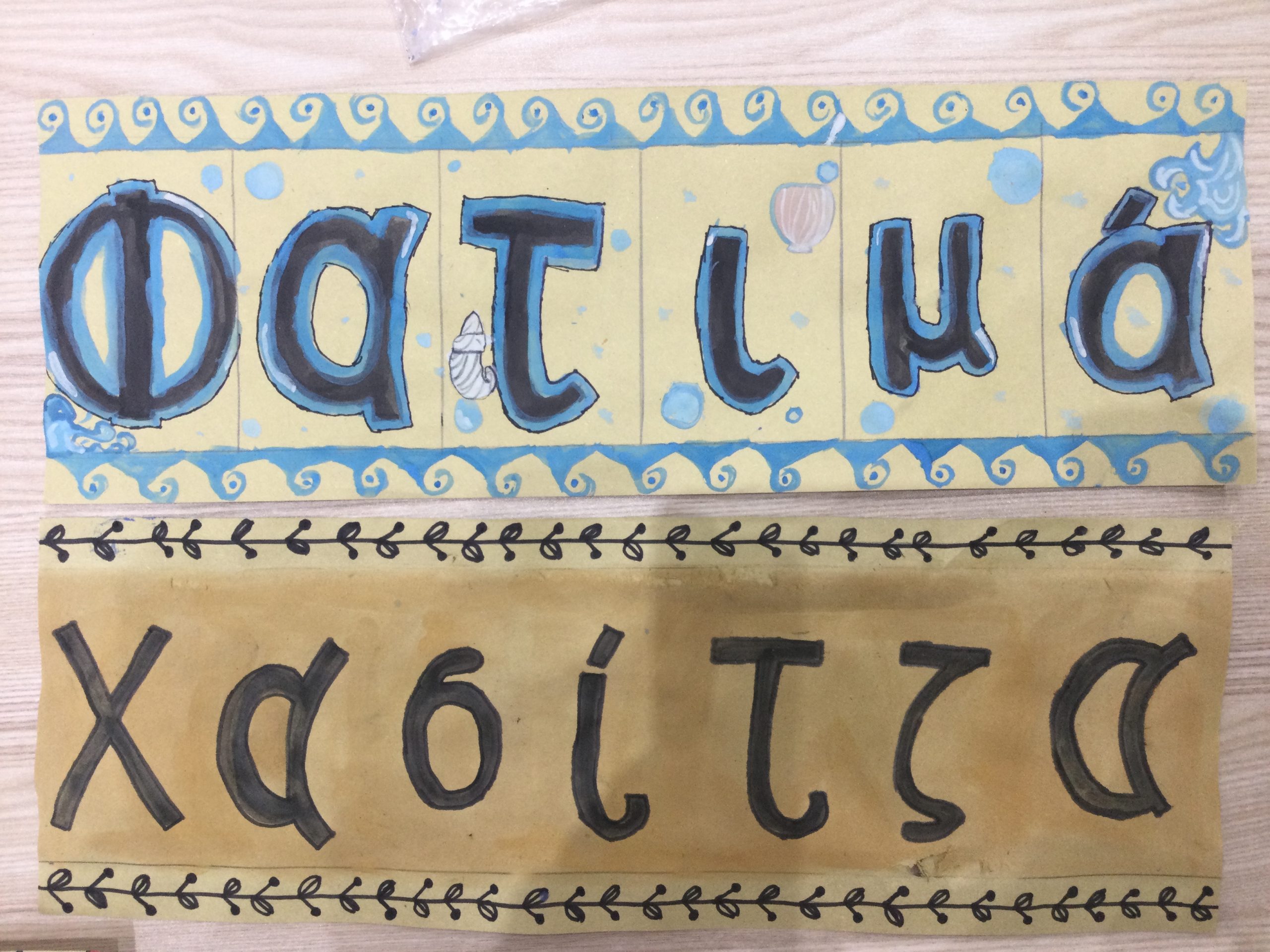
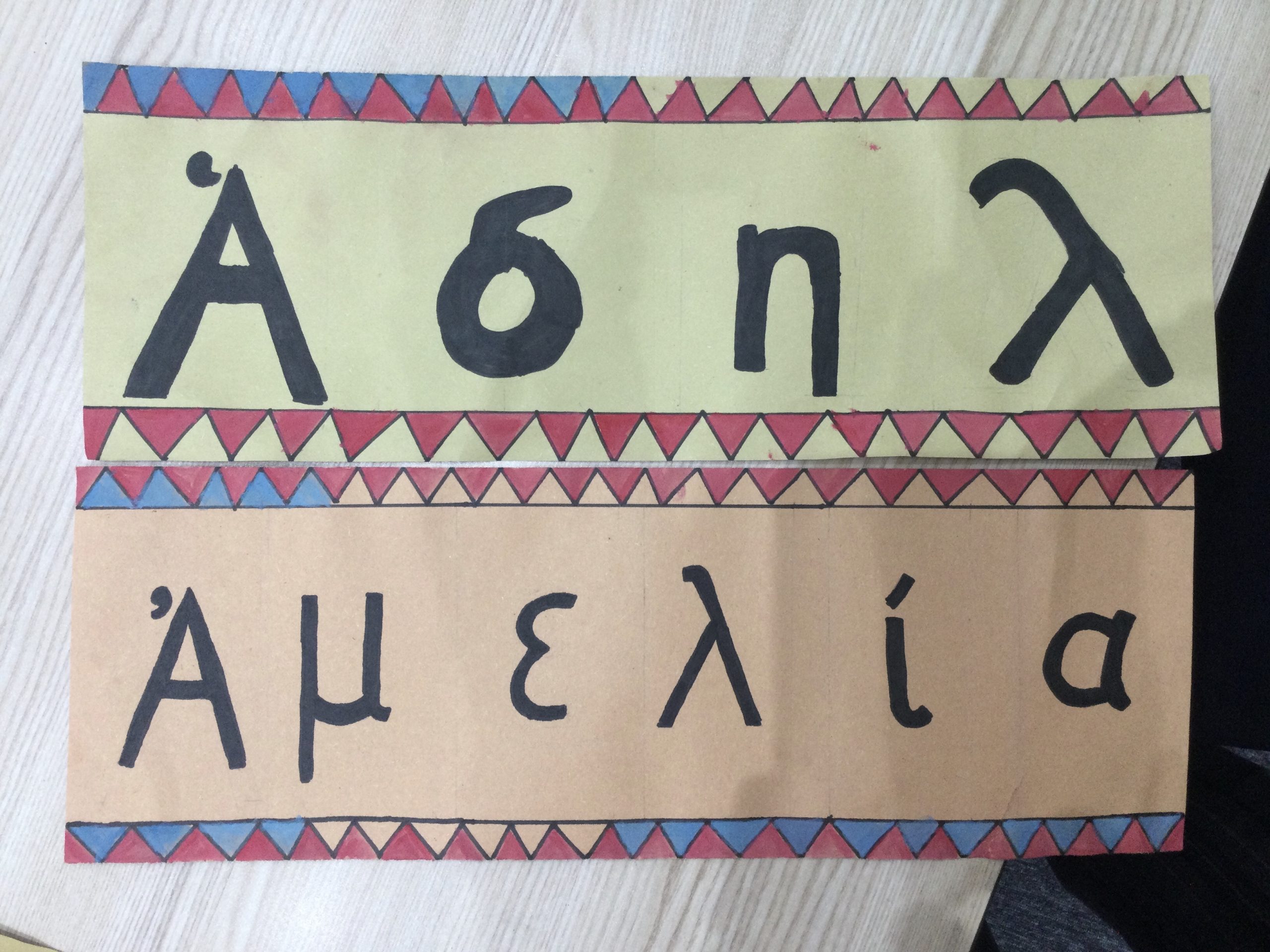
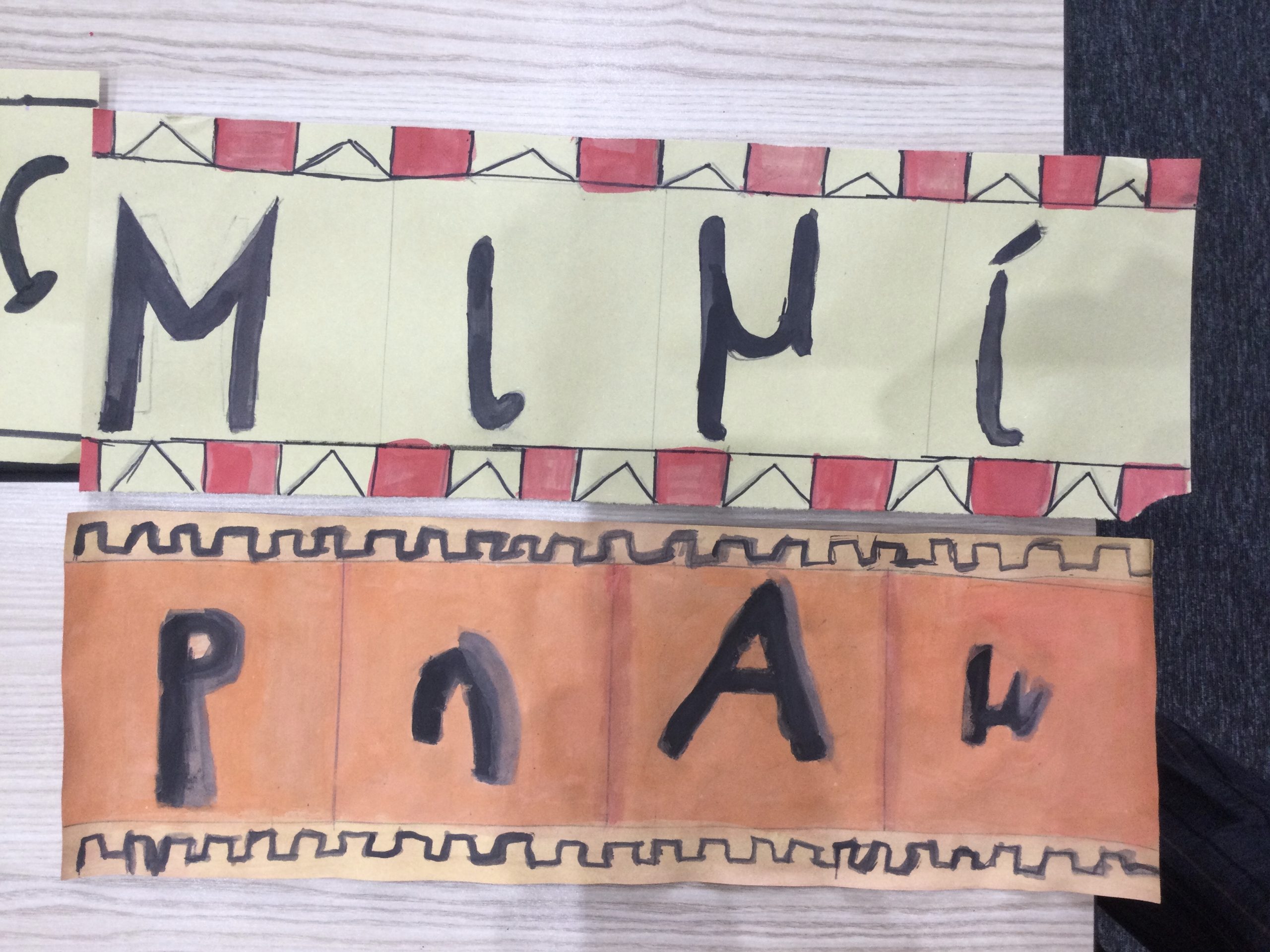
Greek Names
05-02-2026
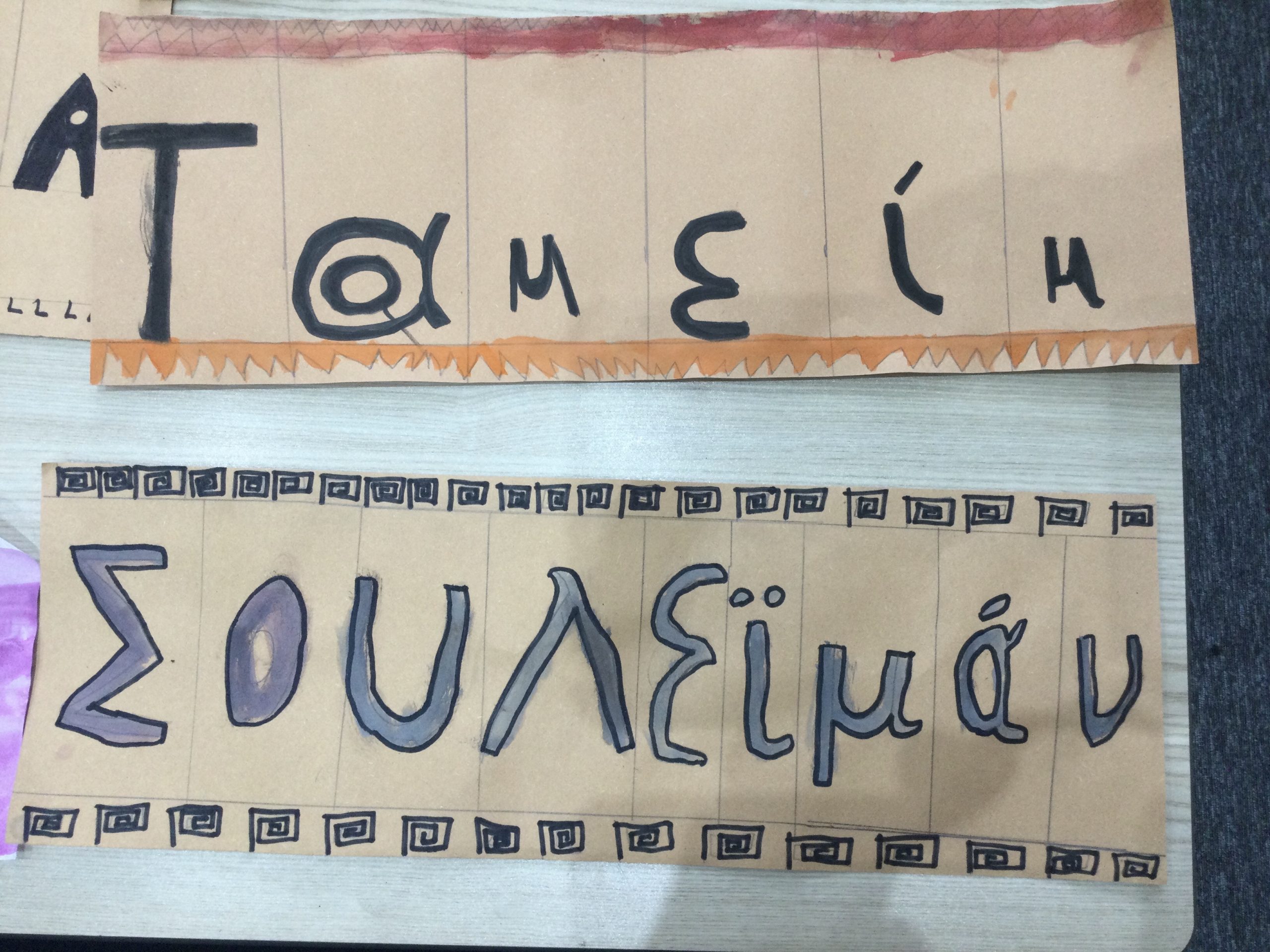
As part of our Ancient Greece unit, we had a go at writing our names in Ancient Greek script.
Sustainable plastics
02-02-2026
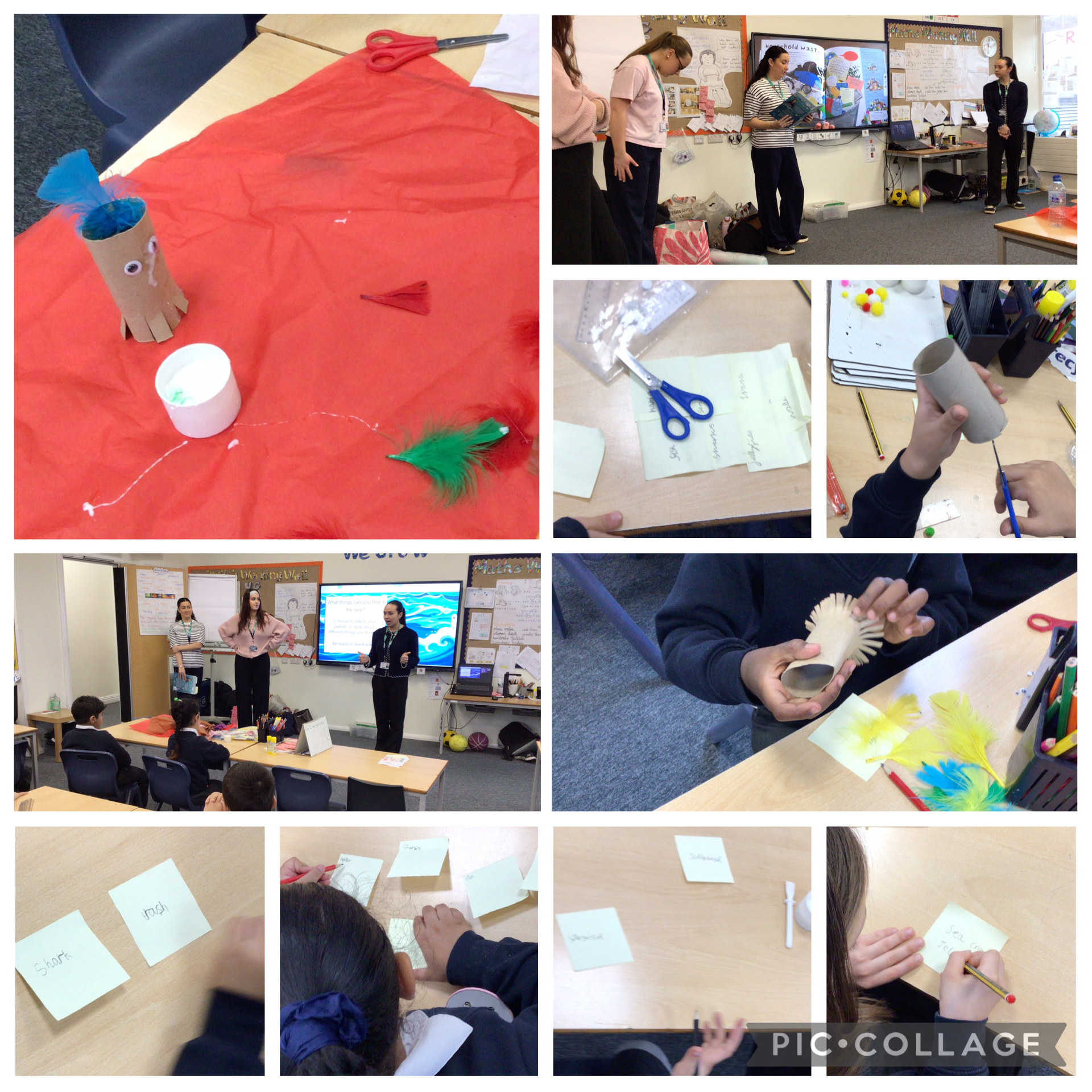
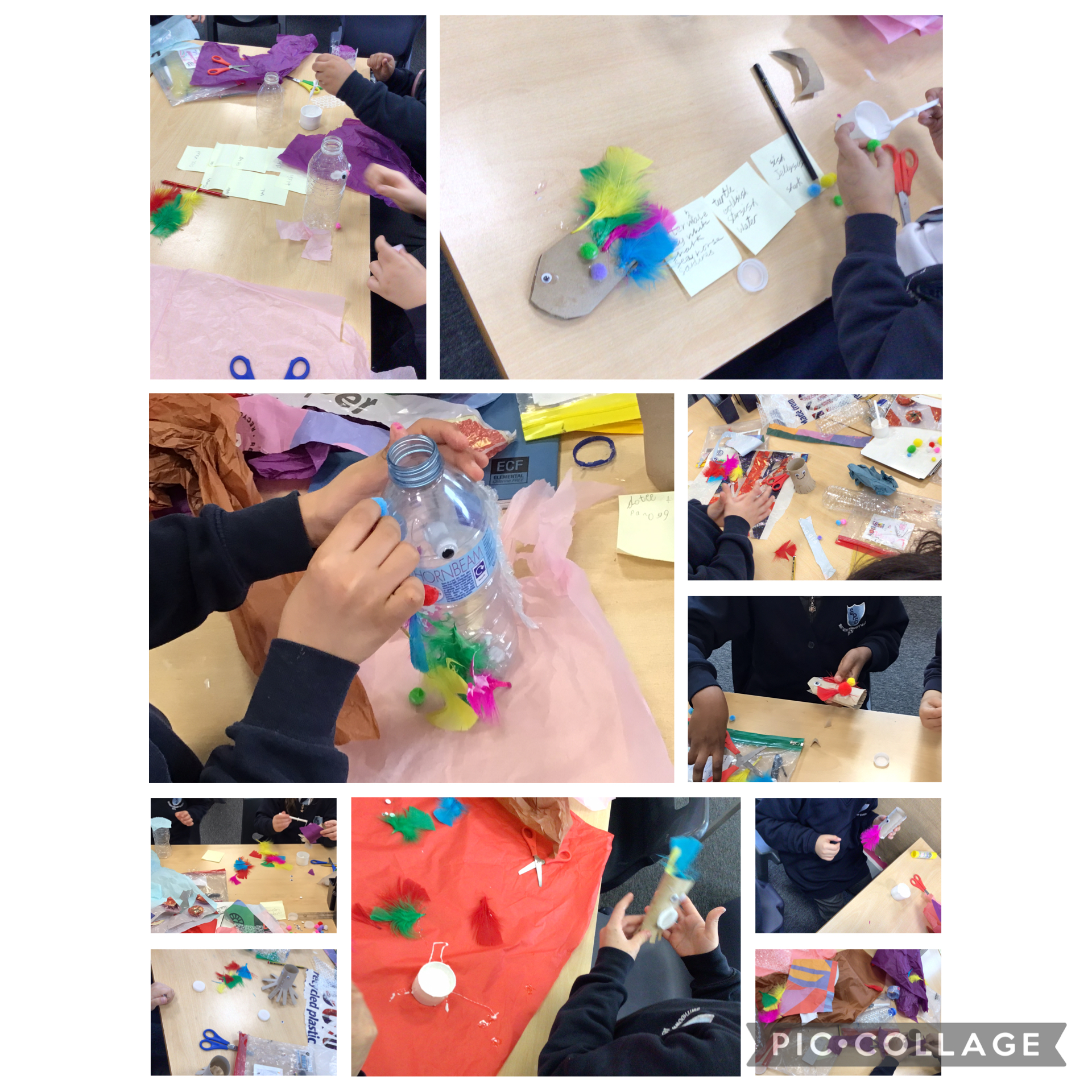
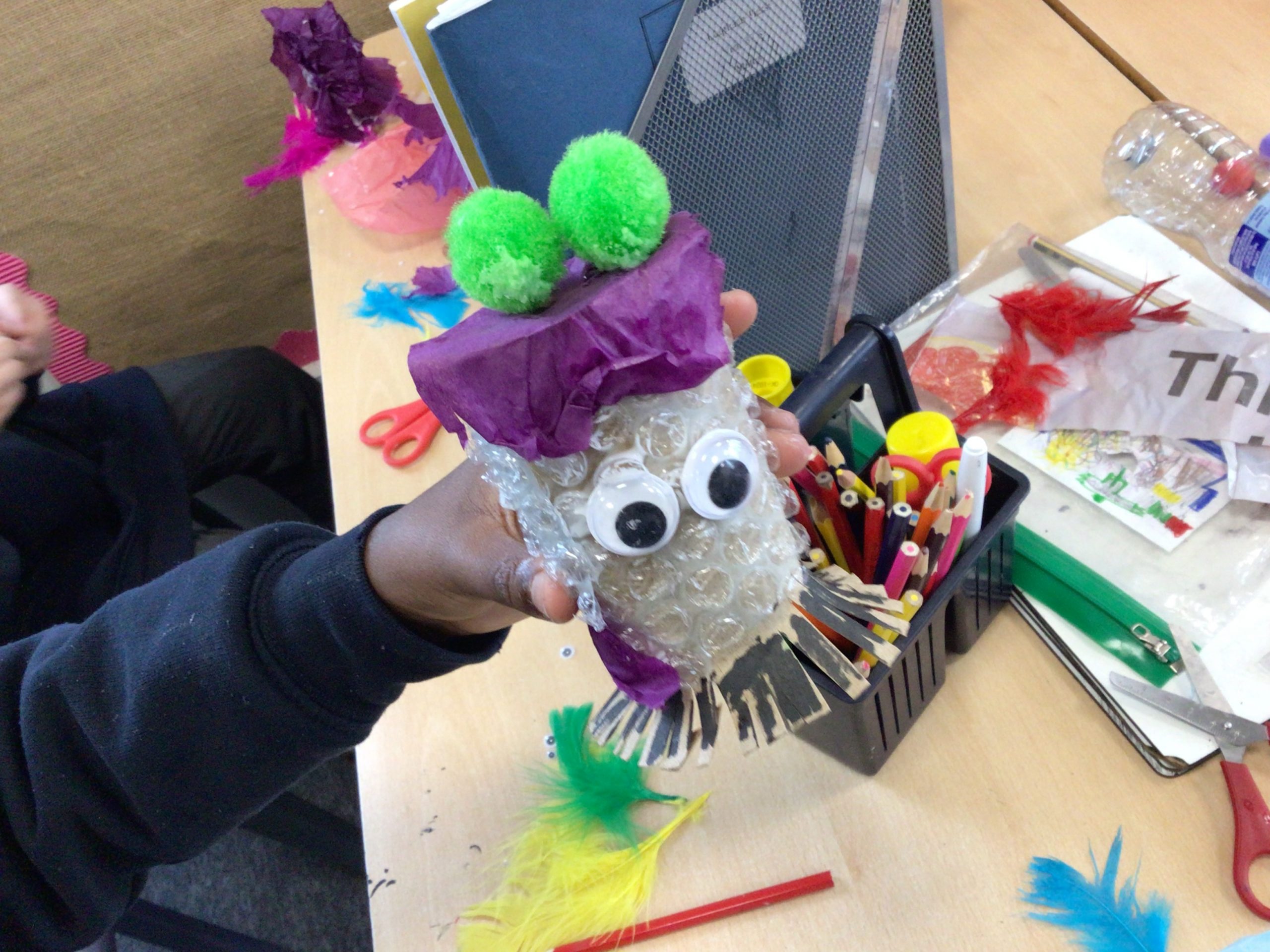
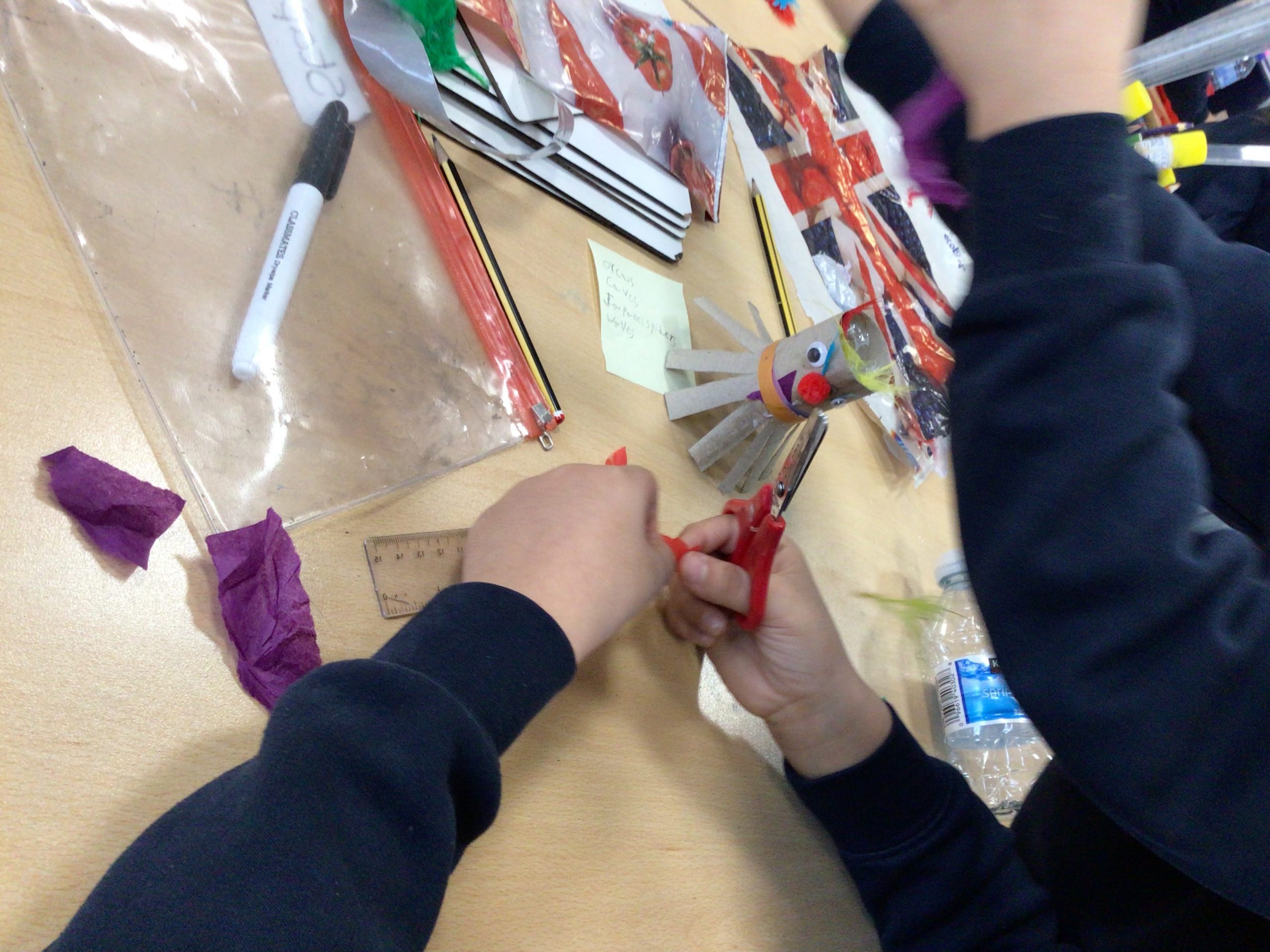
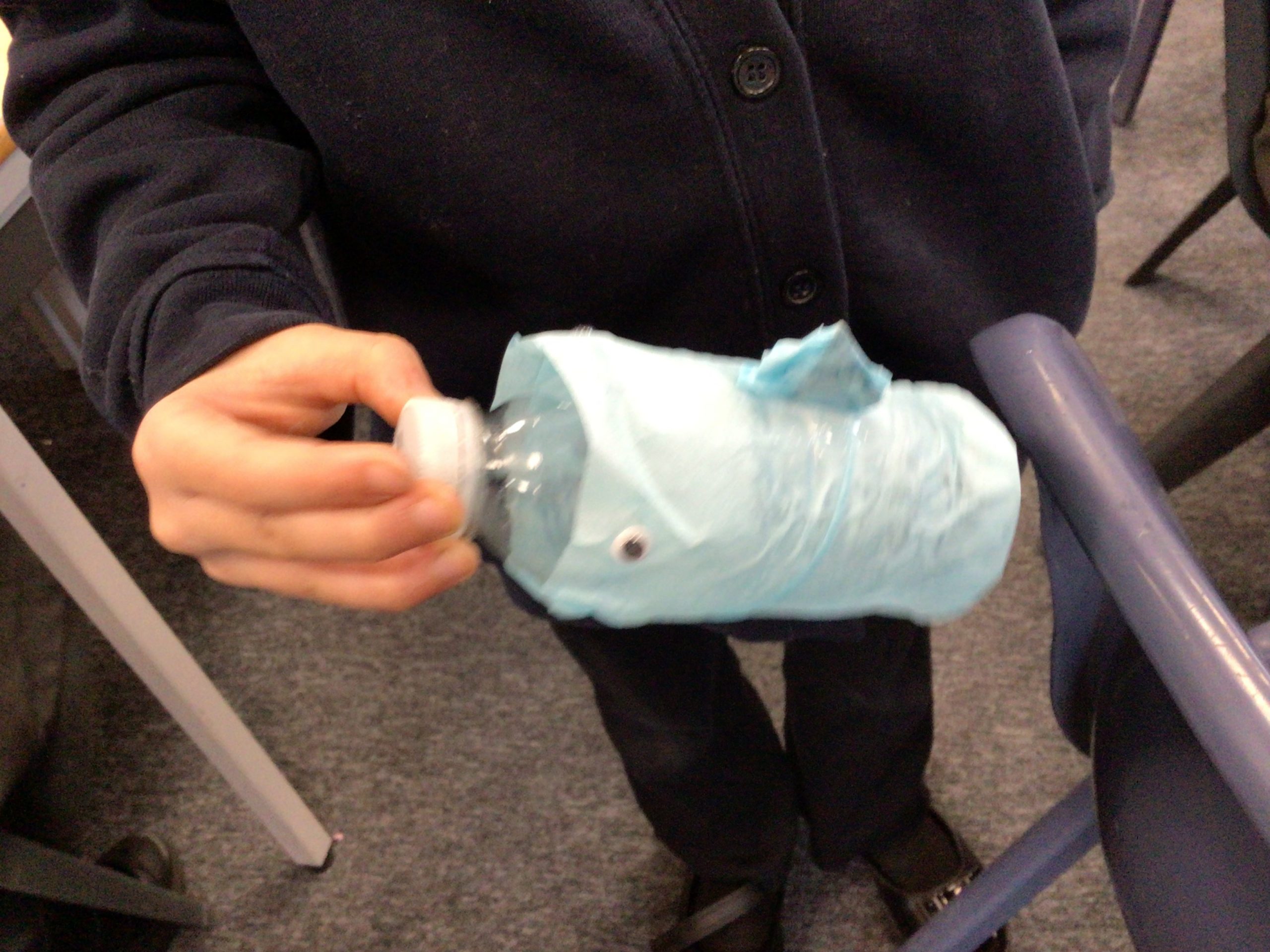
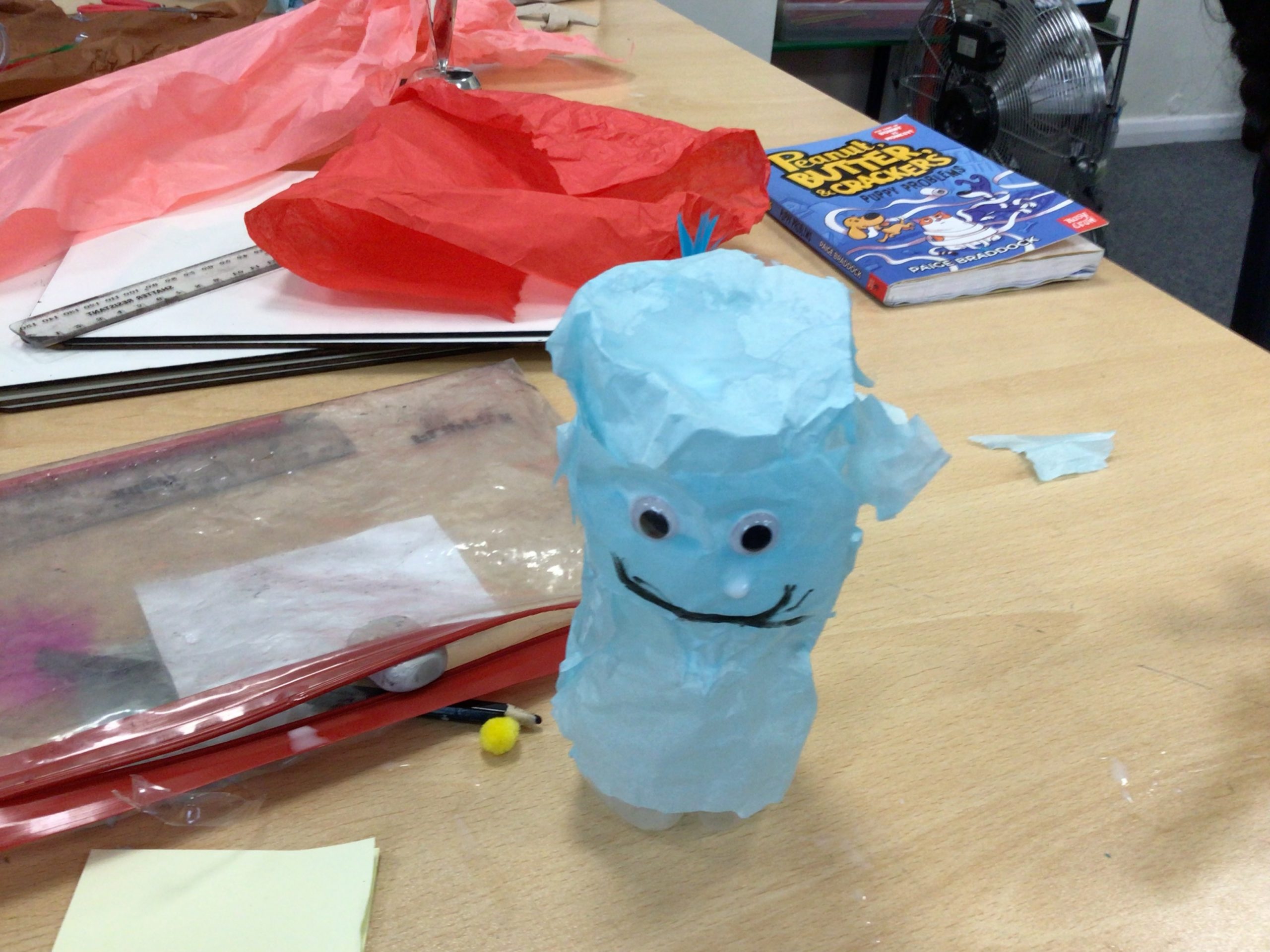
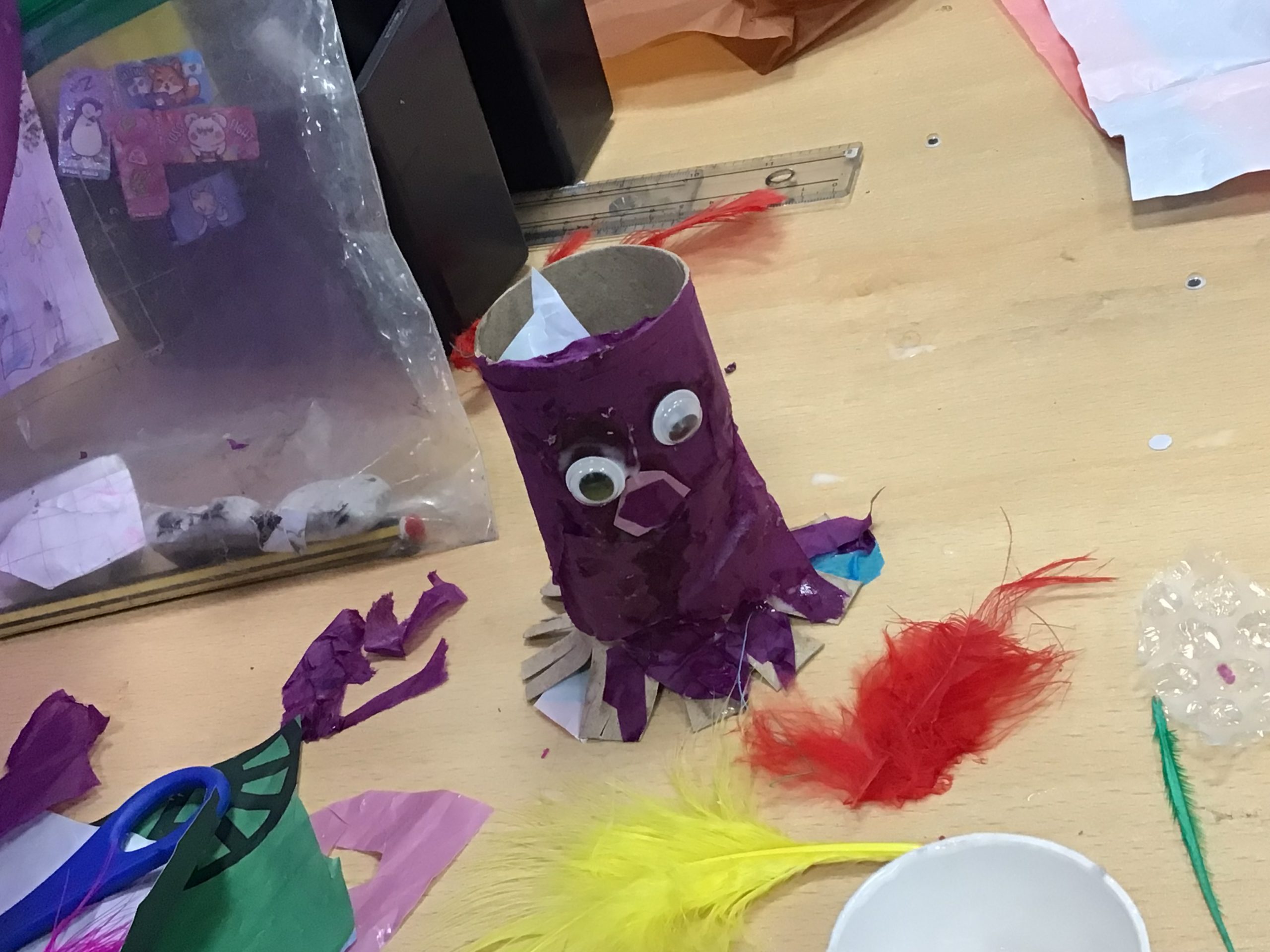
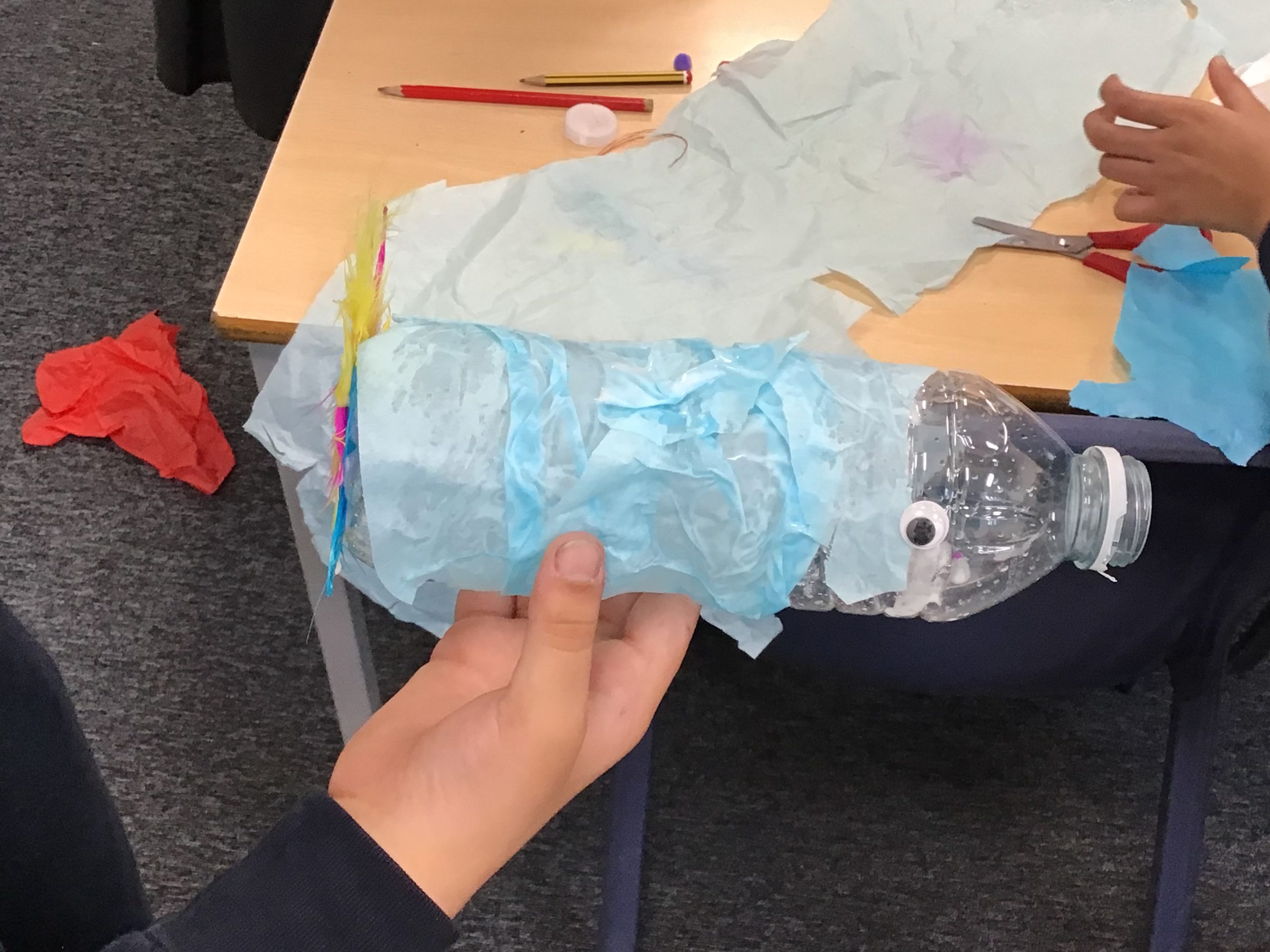
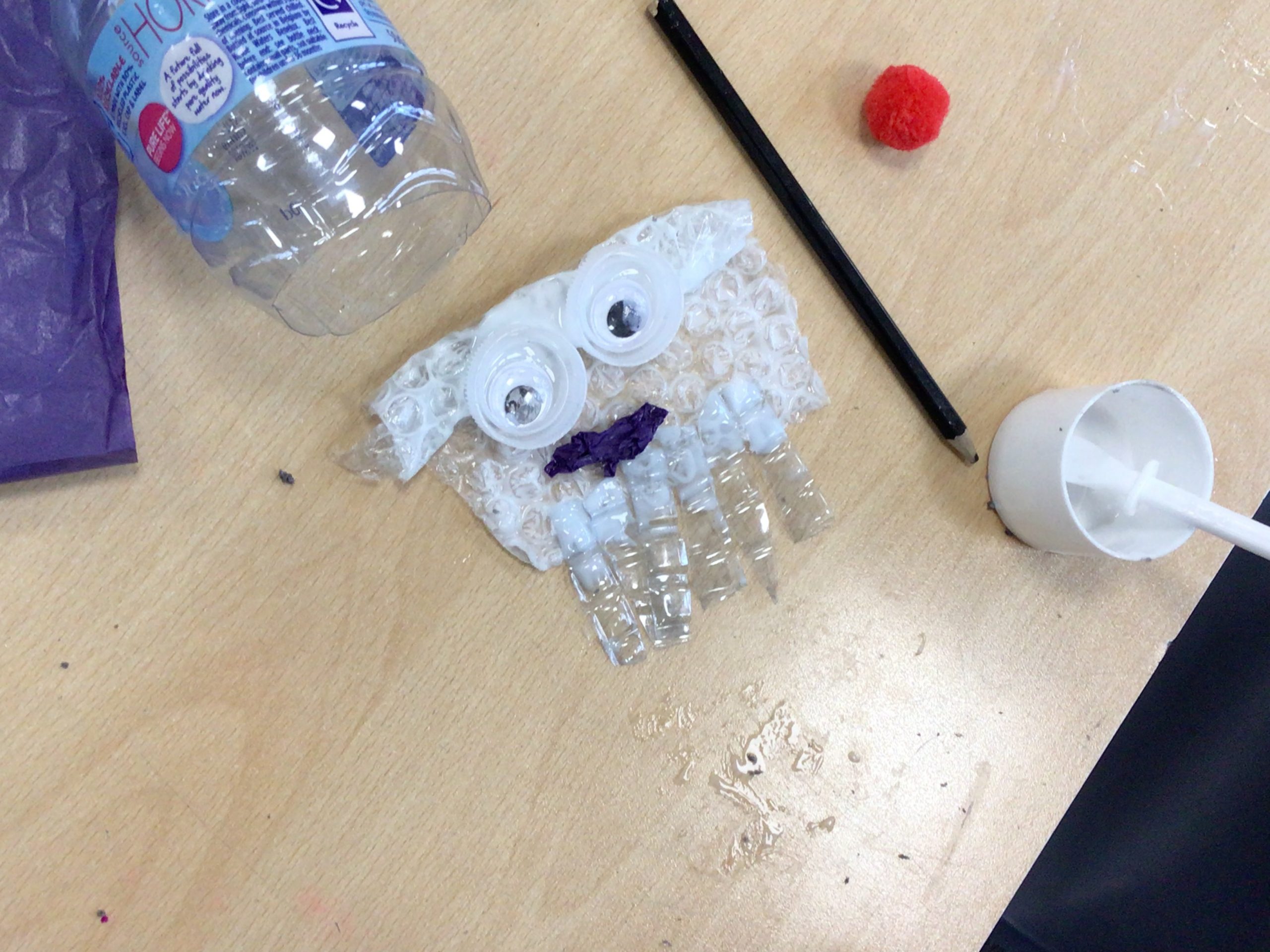
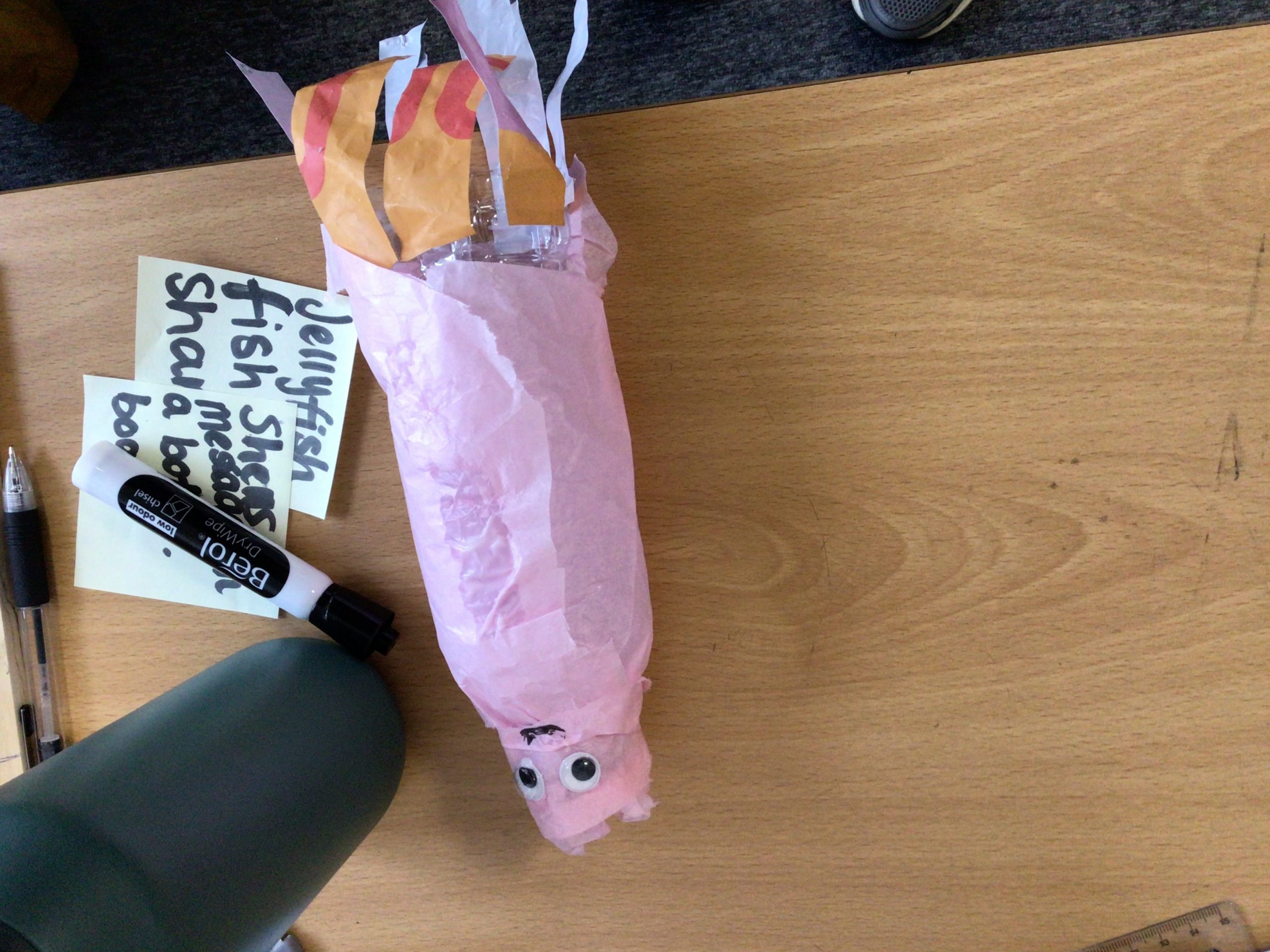
In Year 3 we were very lucky to have some trainee teacher teach us about sustainability and how we can reuse some plastics to prevent them damaging our environment if not recycled properly.
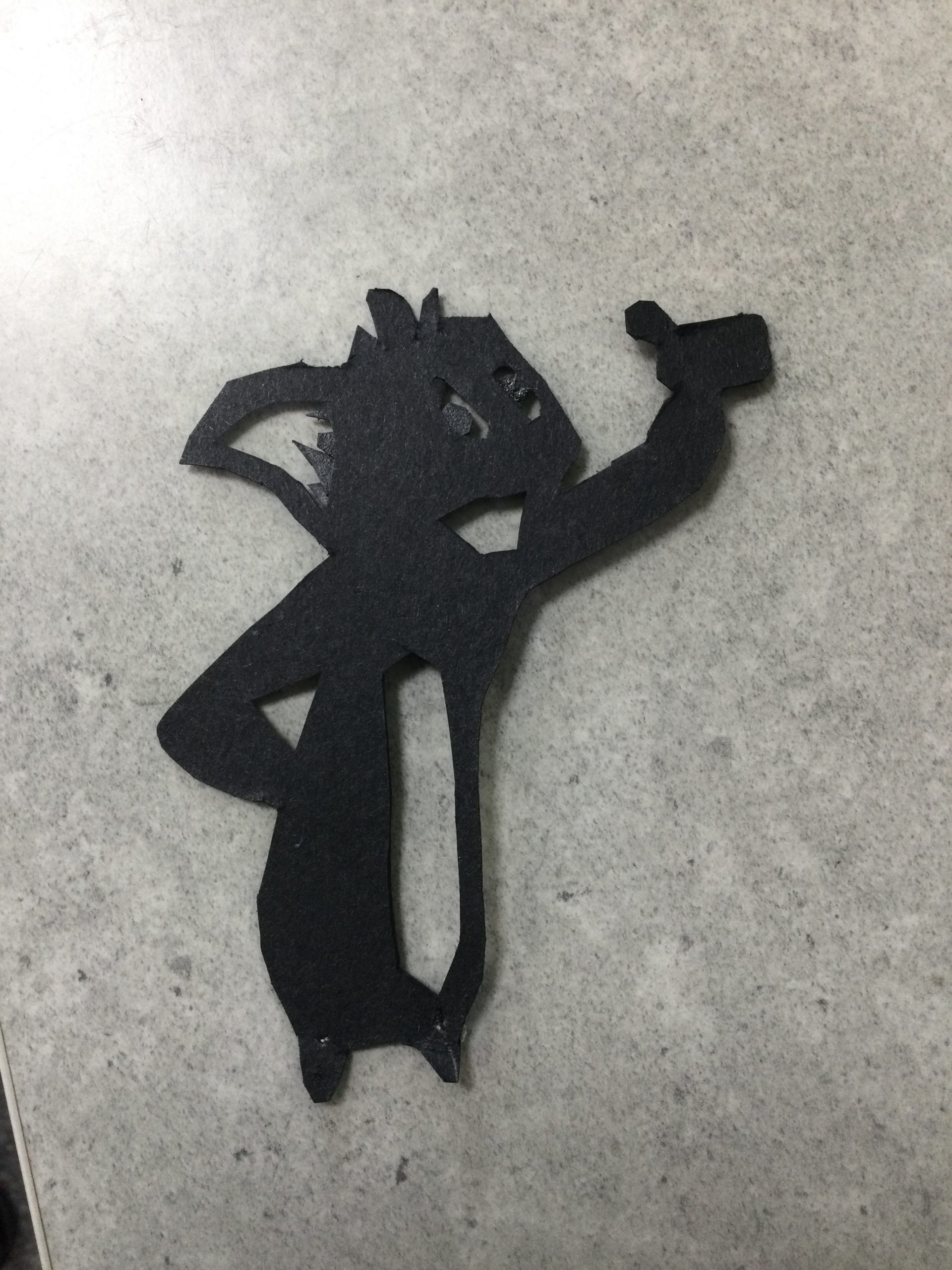
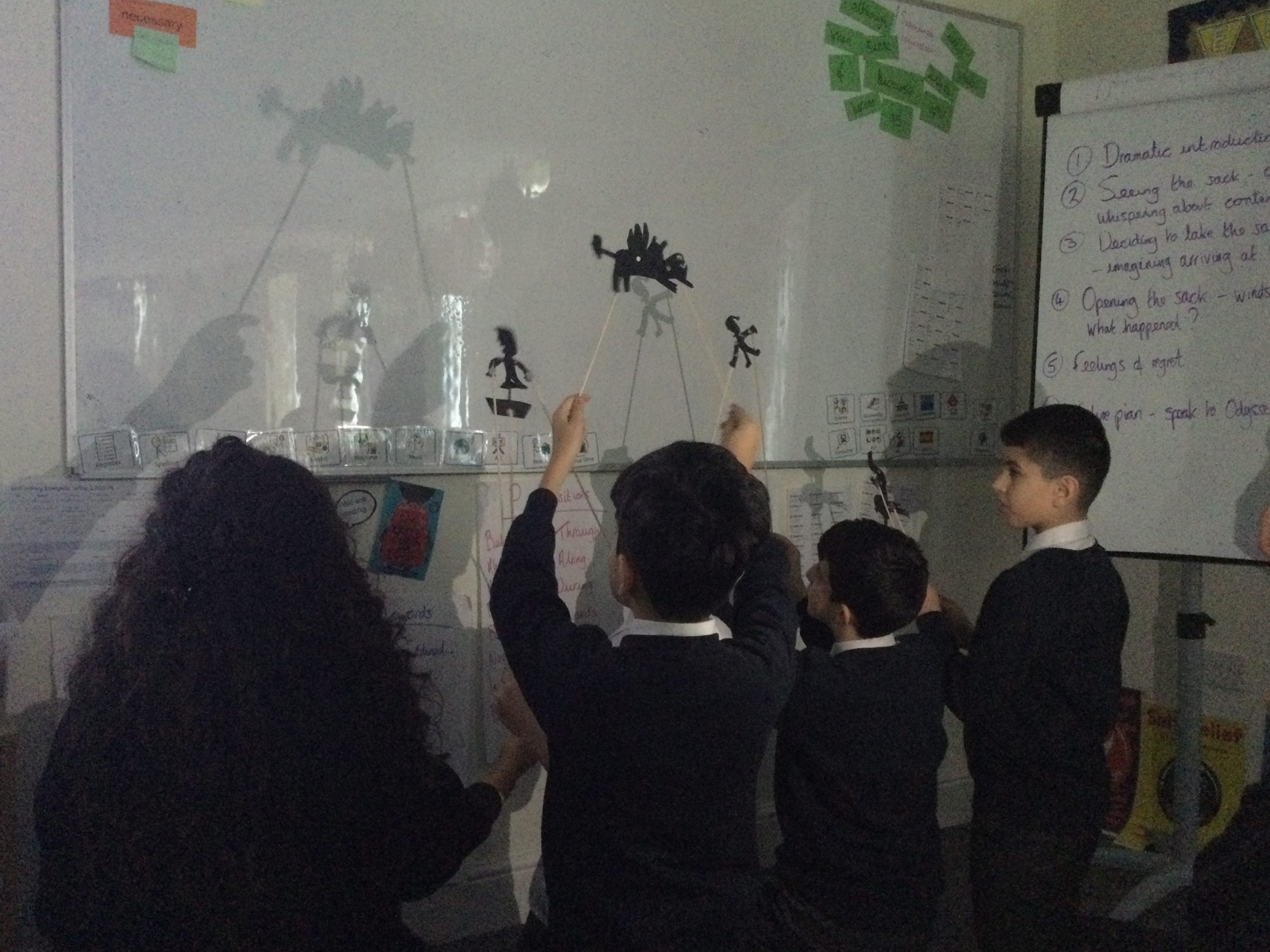
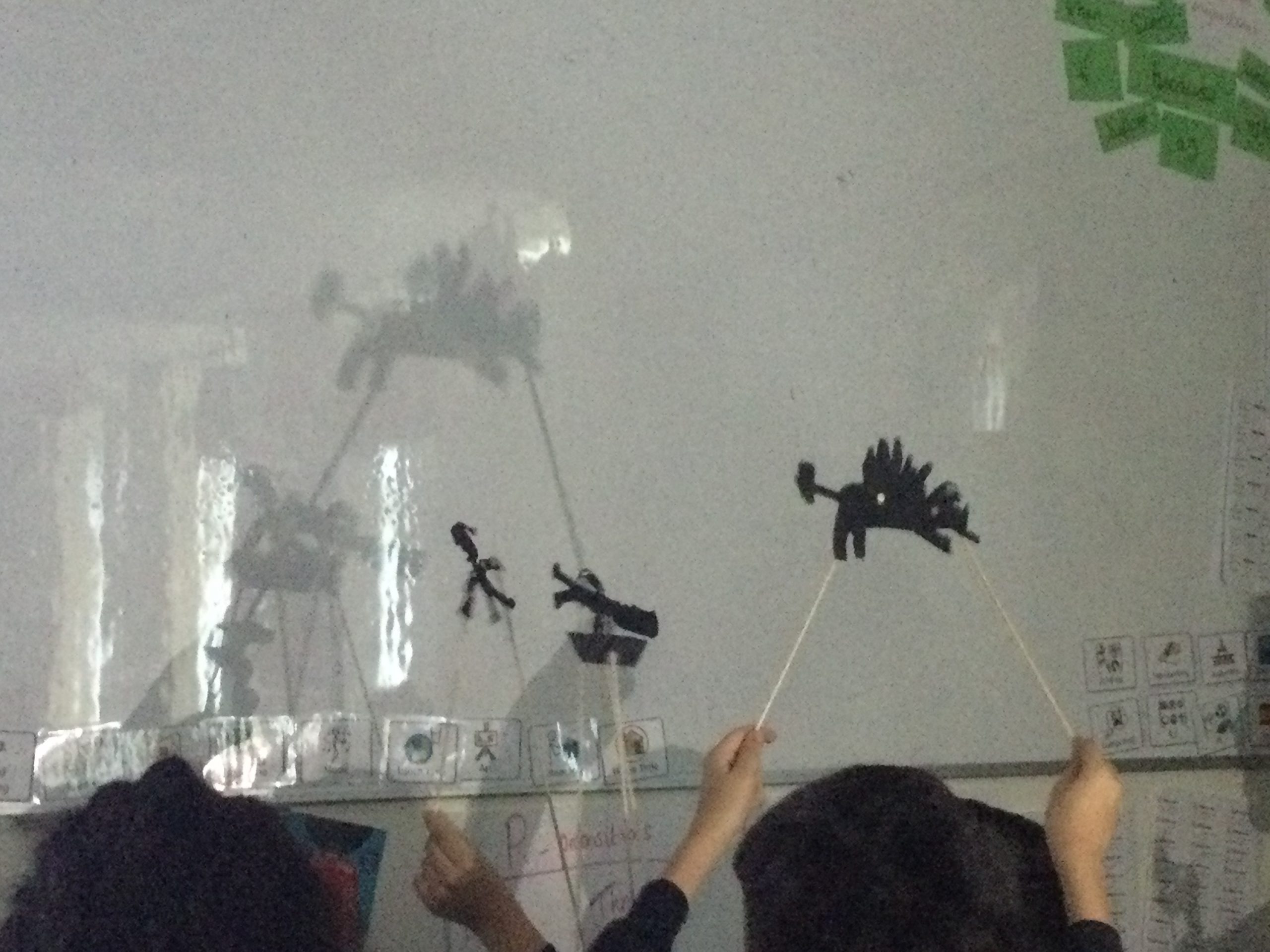
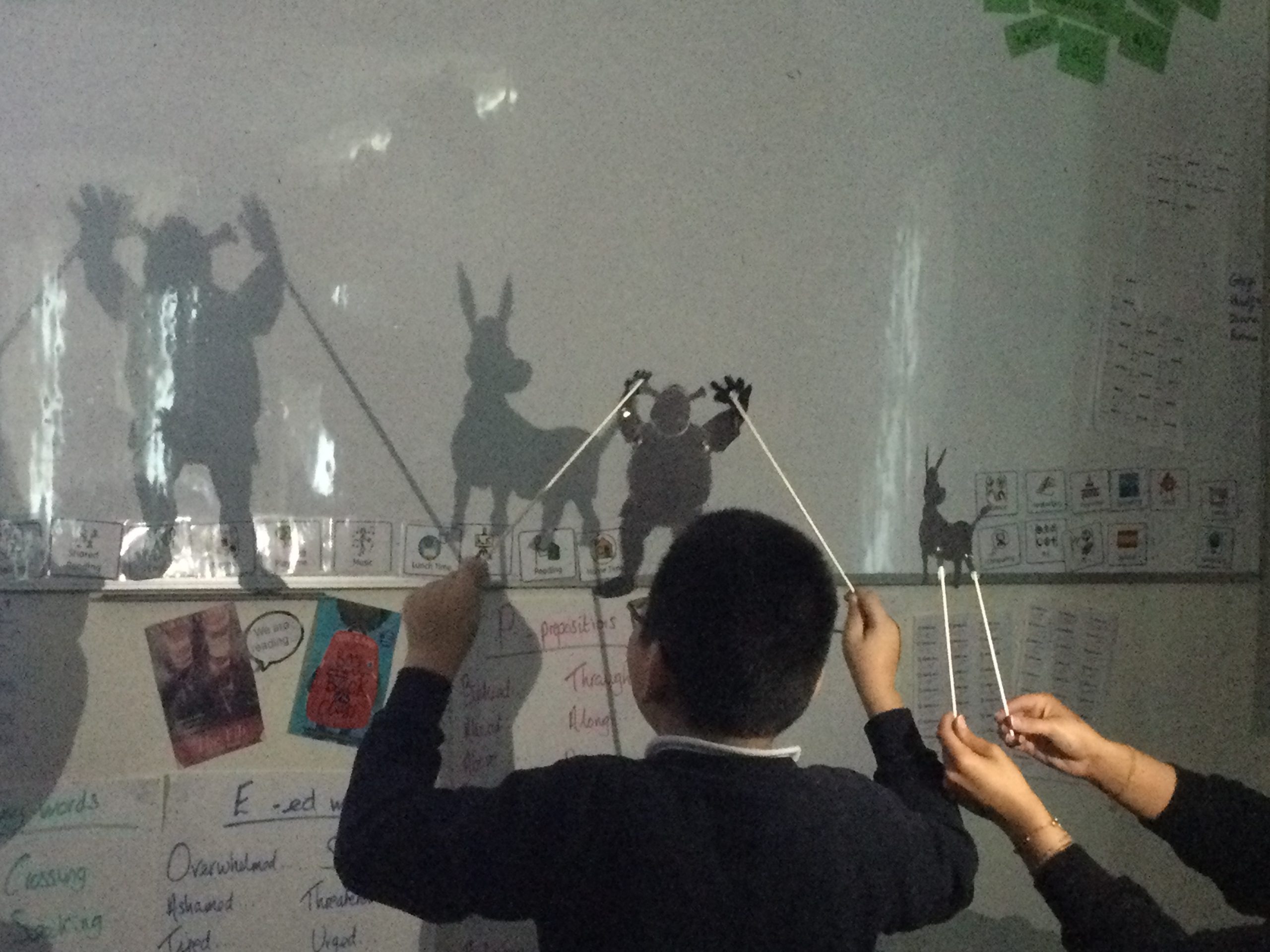
Art: Shadow Puppets
28-01-2026
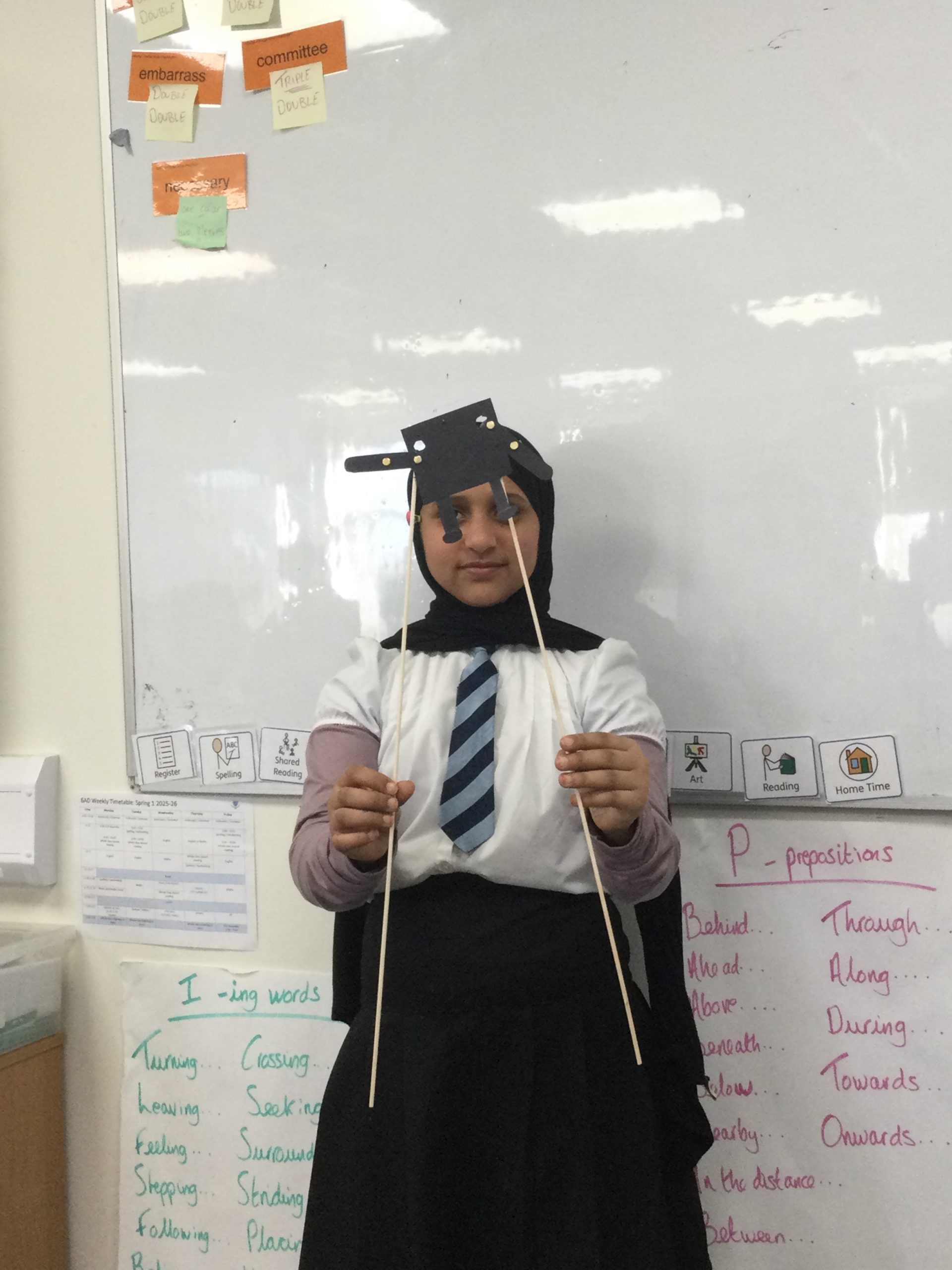
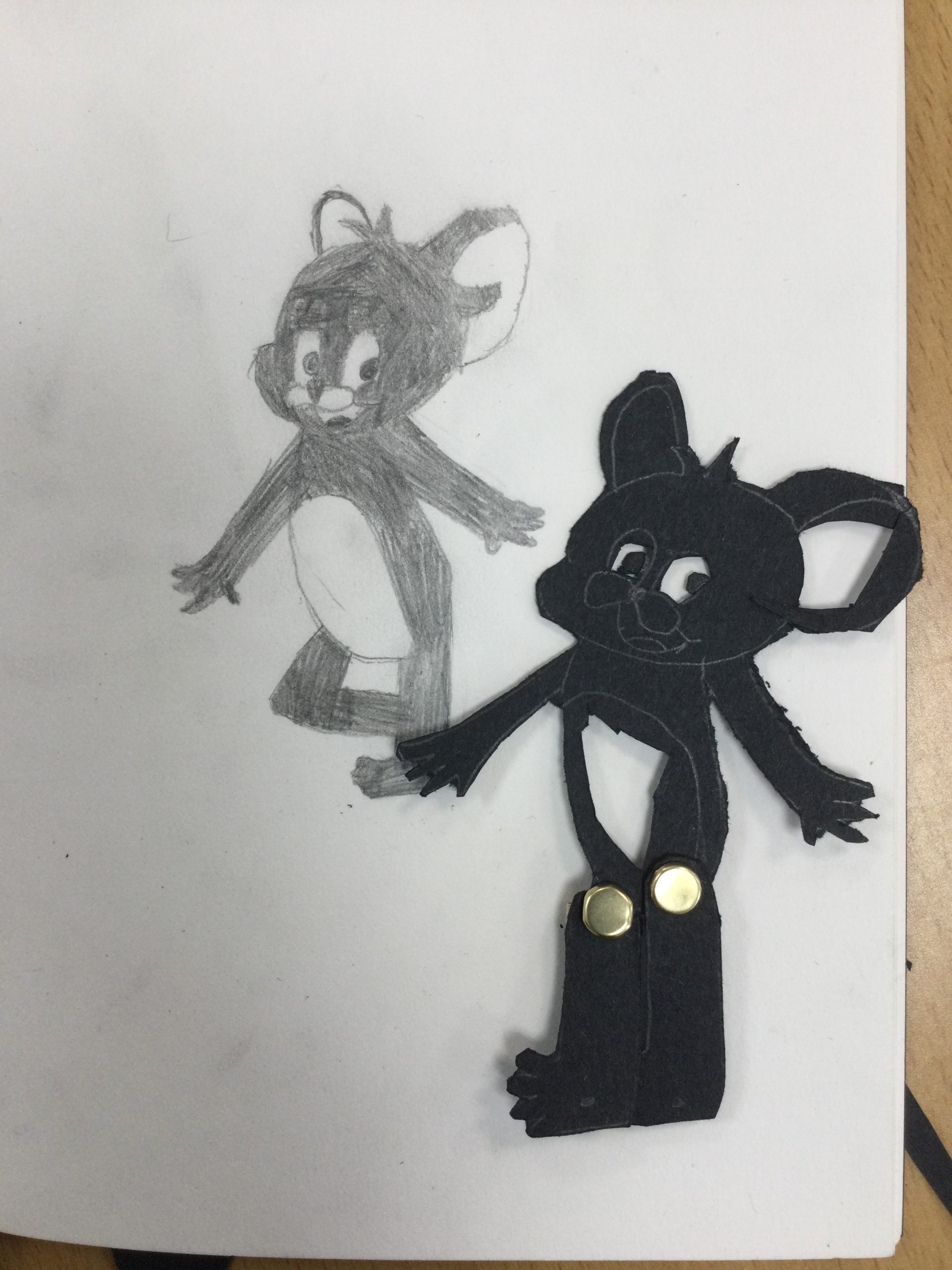
After designing our puppets, sketching them and devising a script, we performed our plays today.
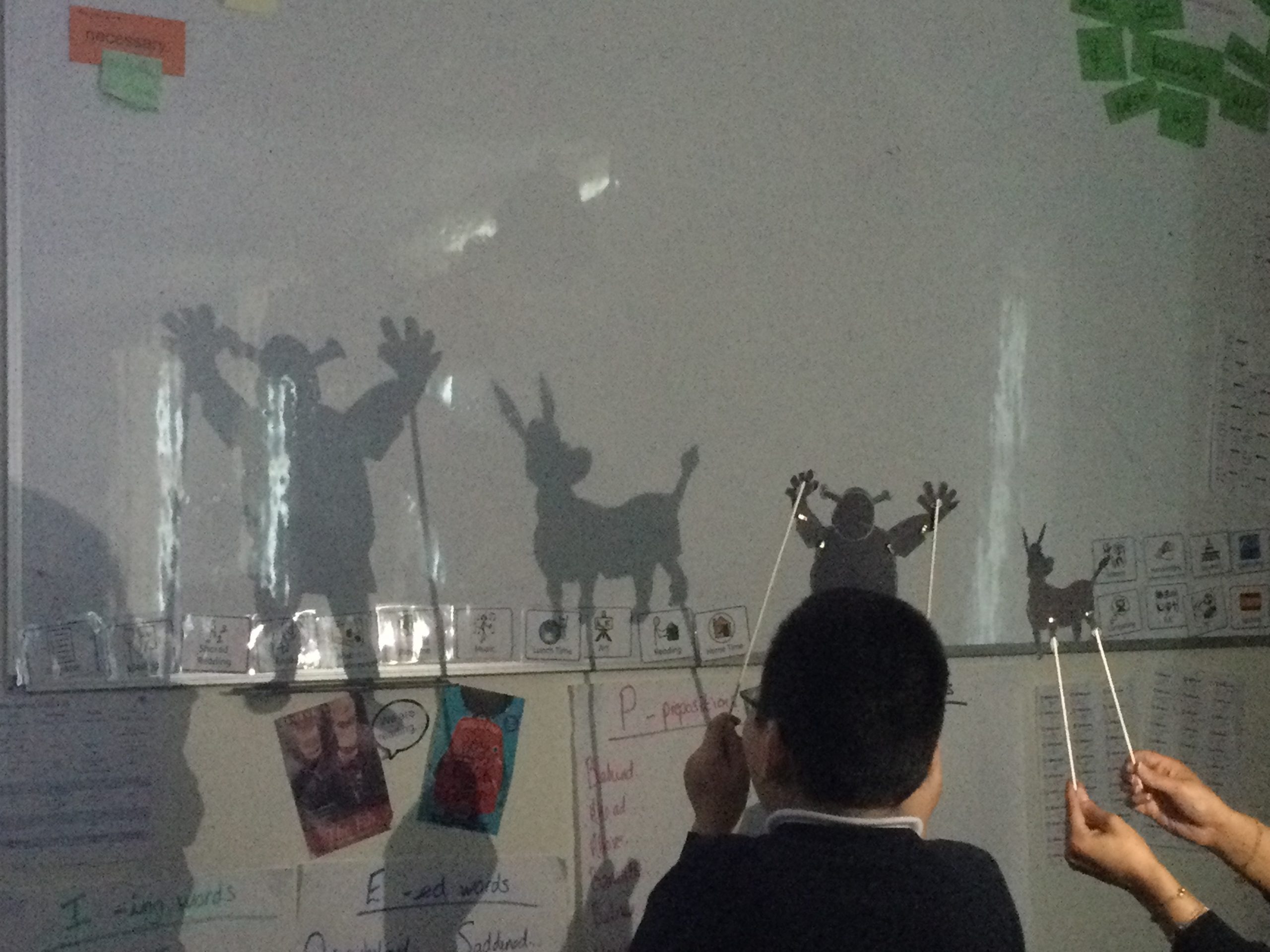
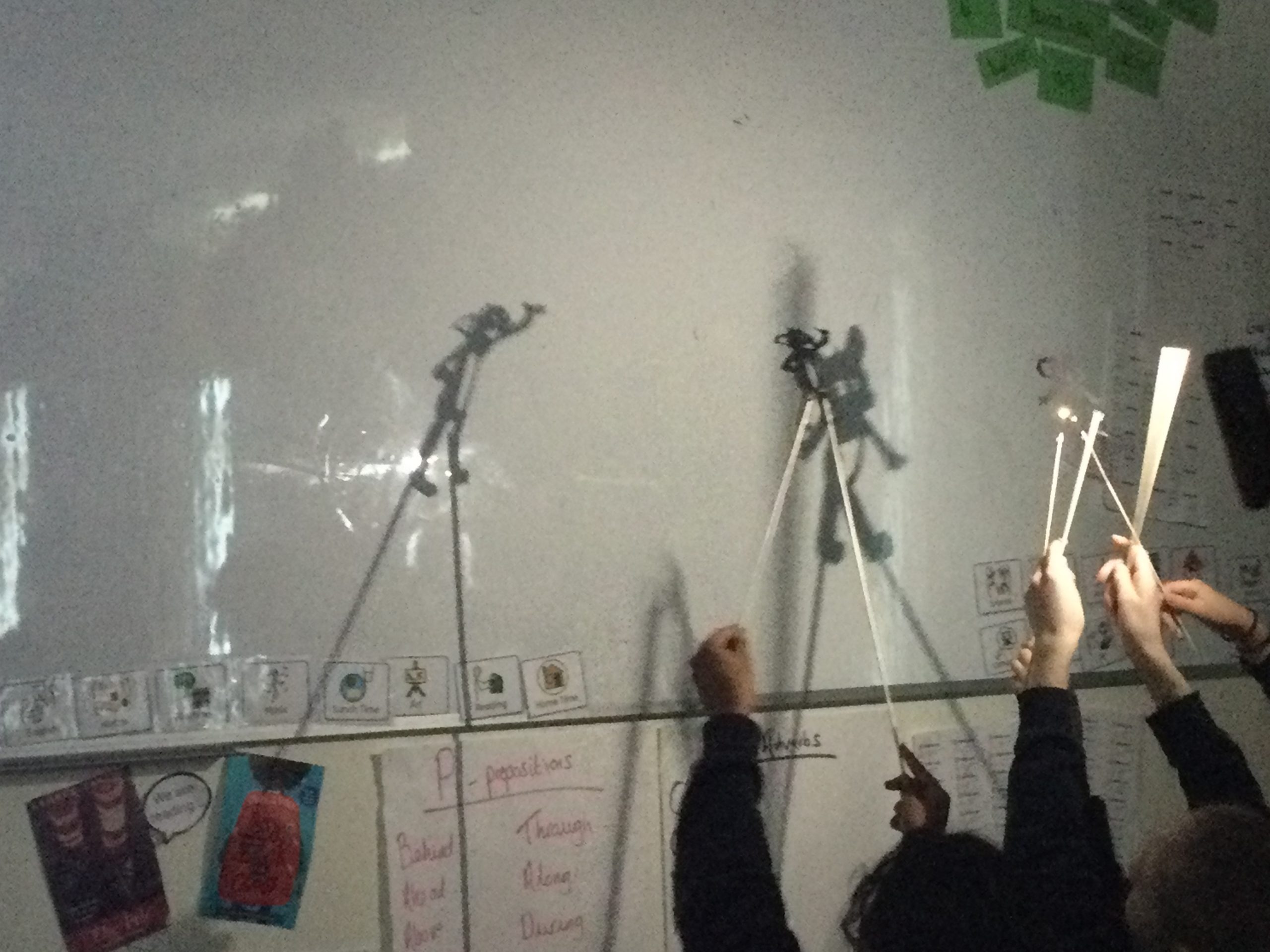
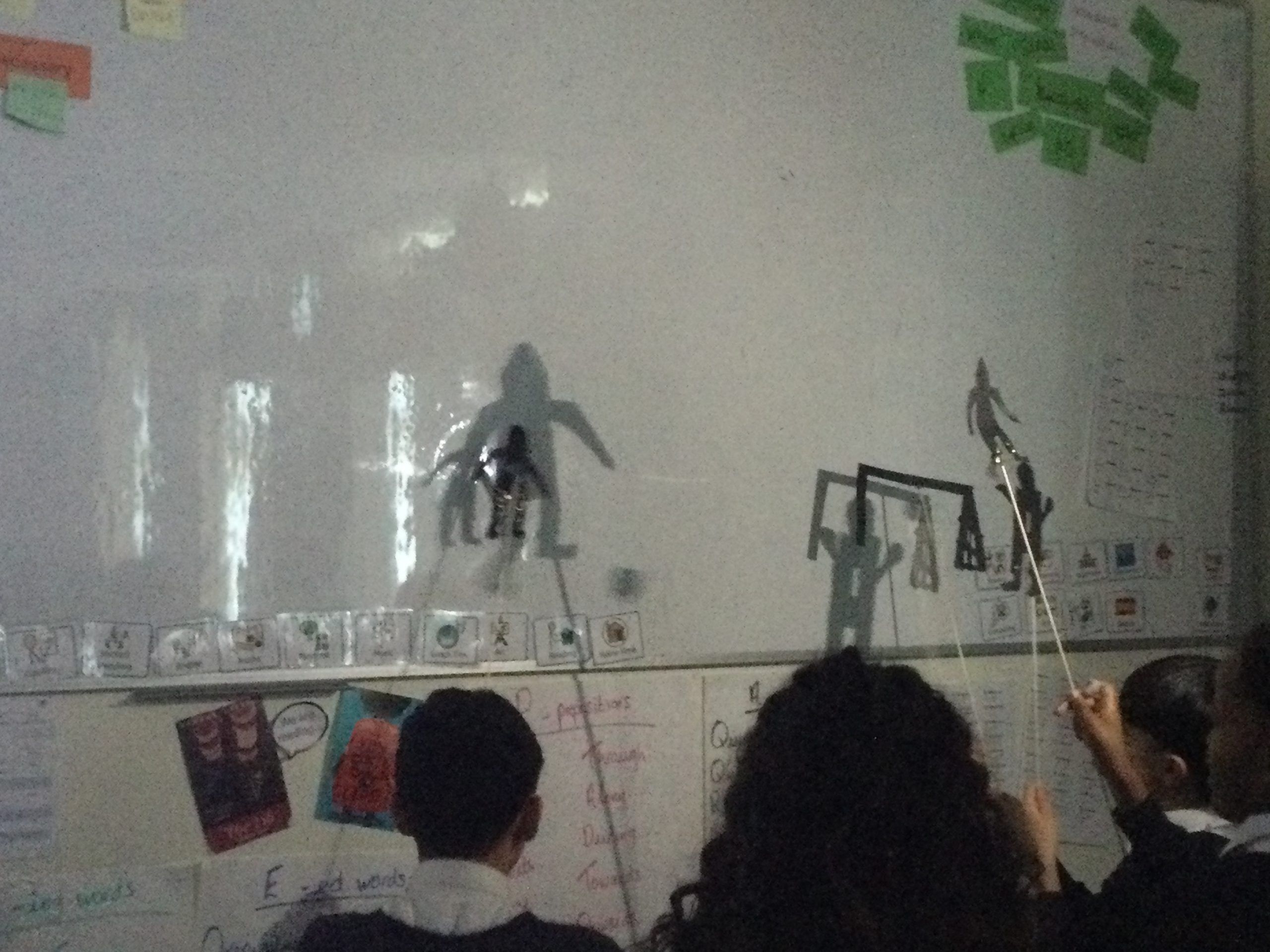
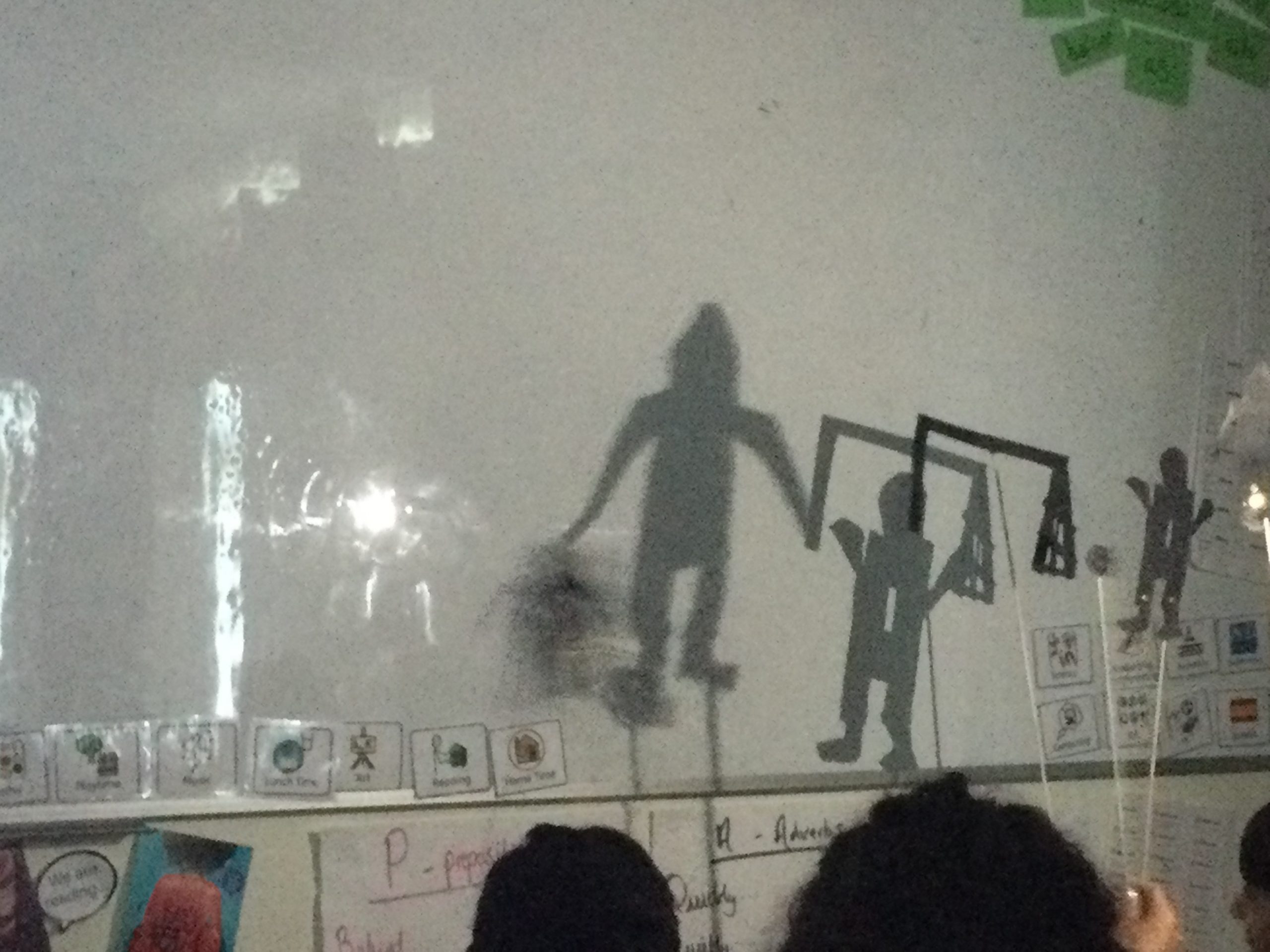
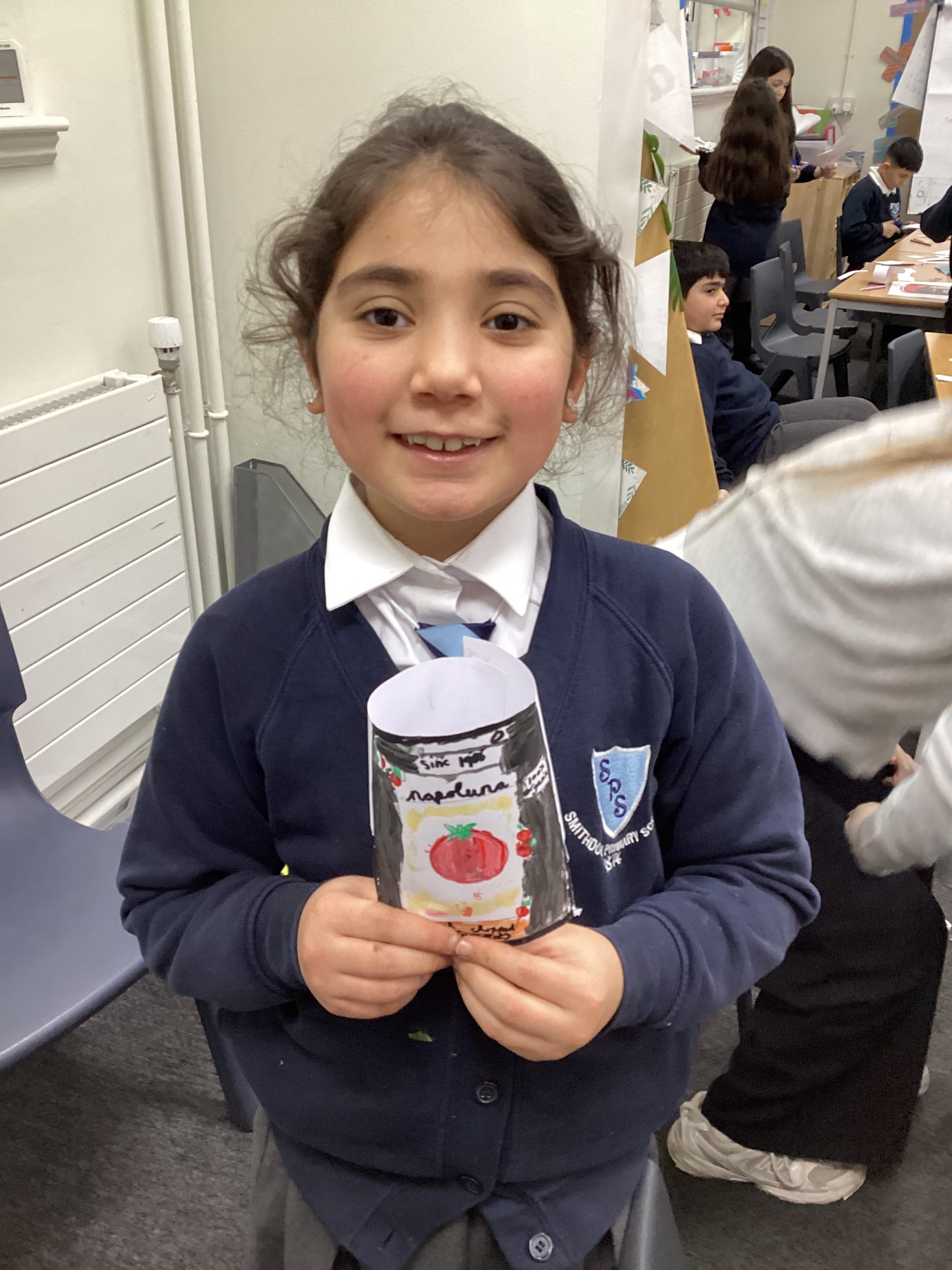
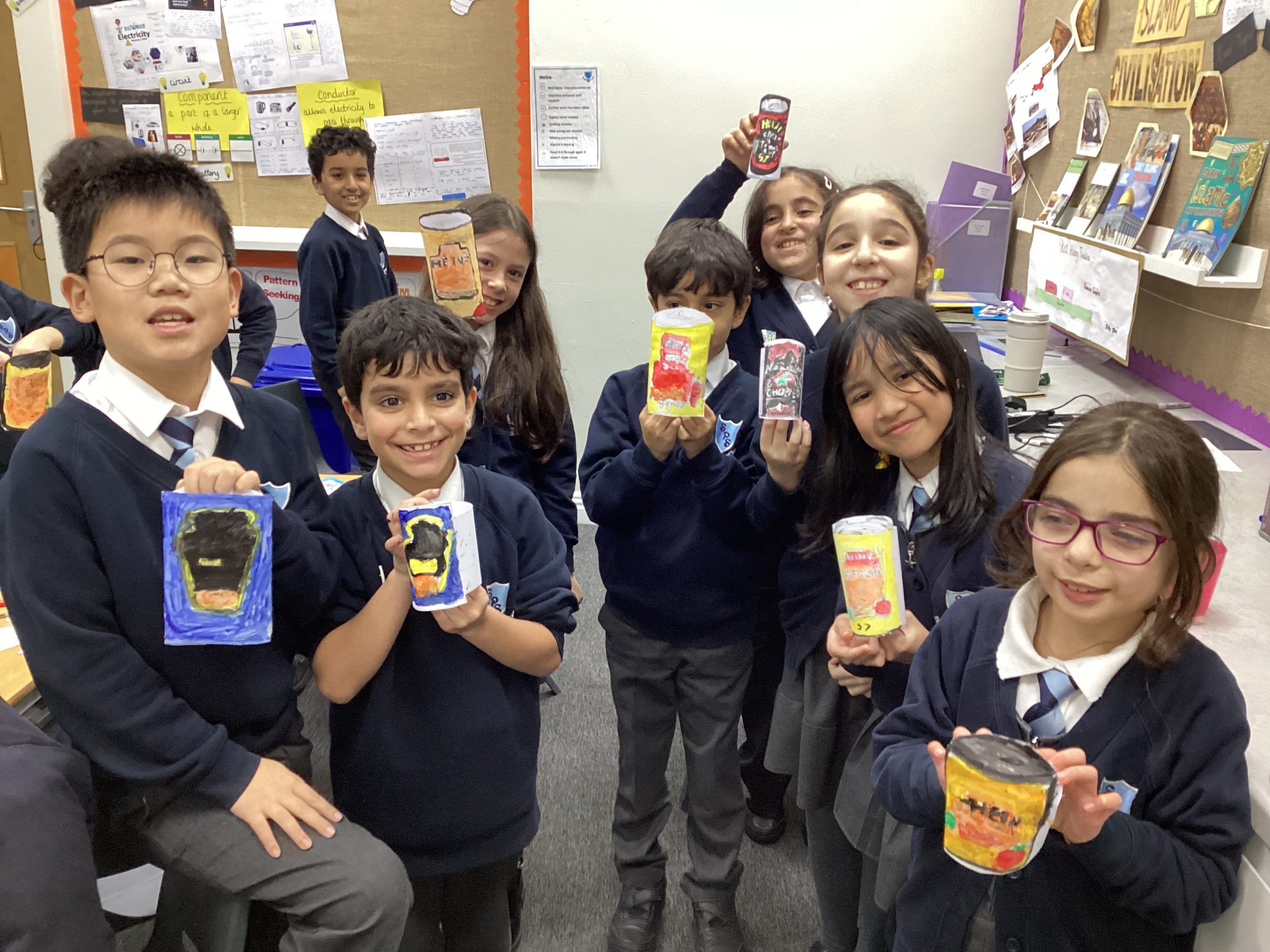
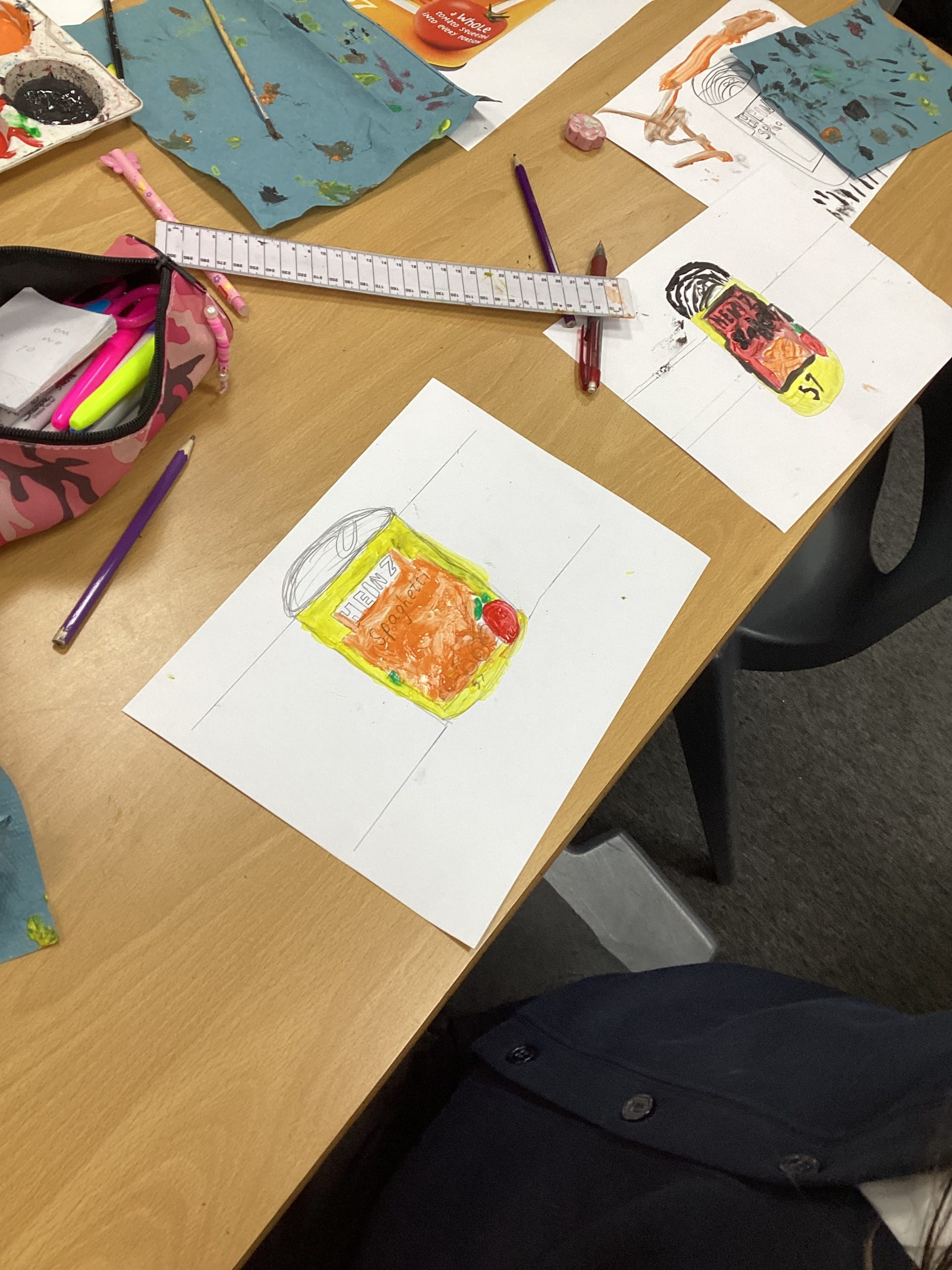
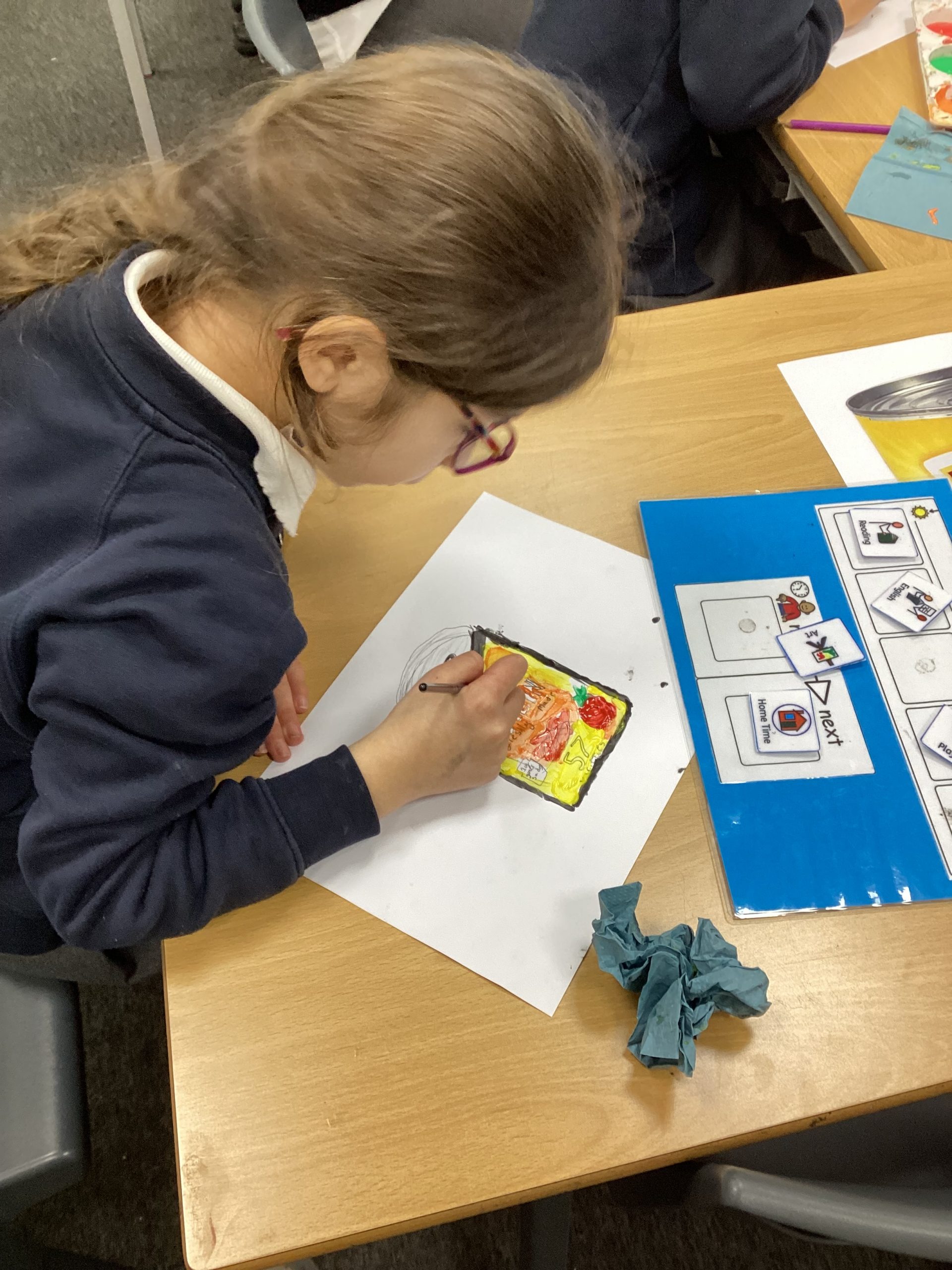
How can I make sculptures of food?
22-01-2026
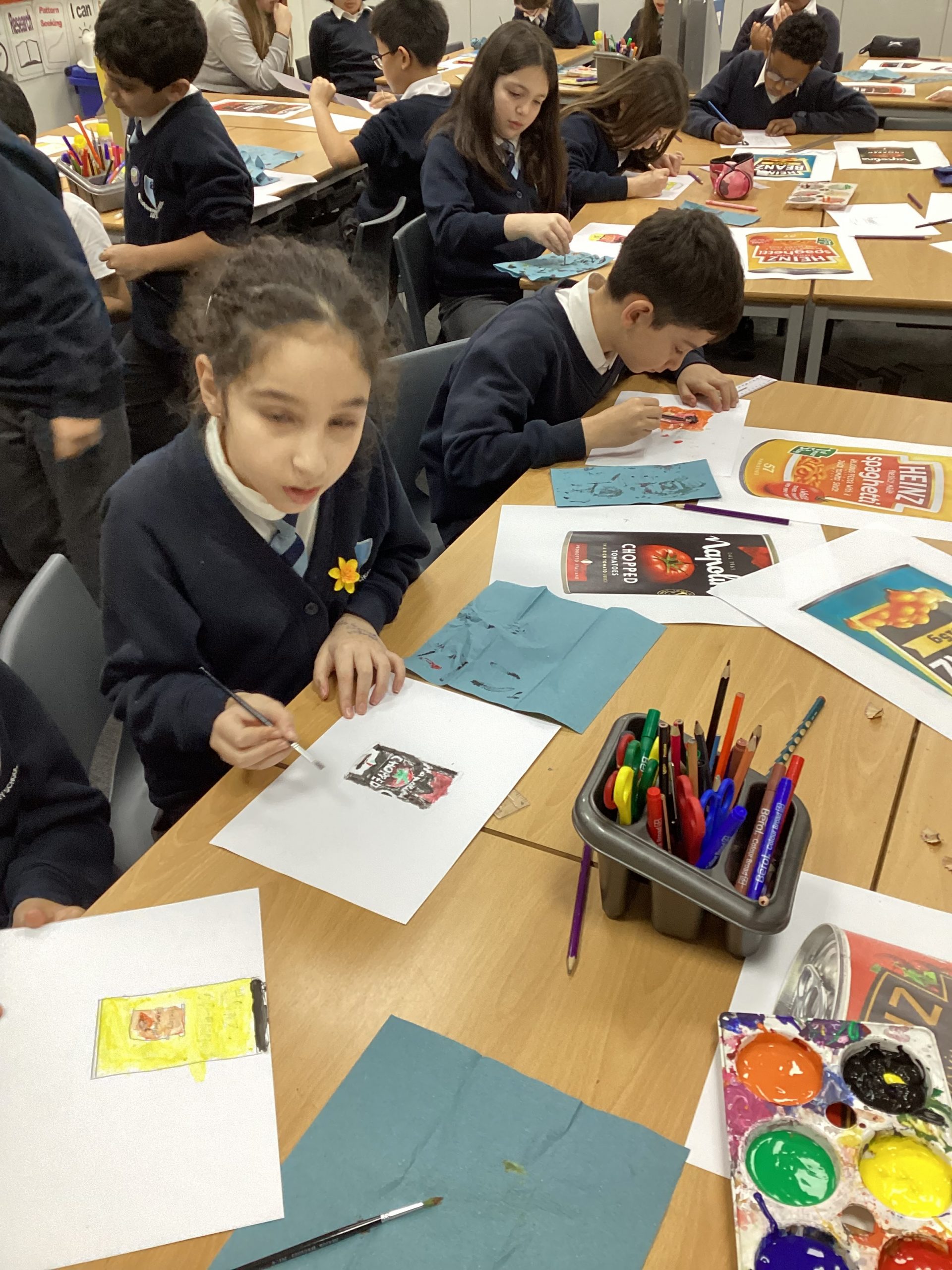
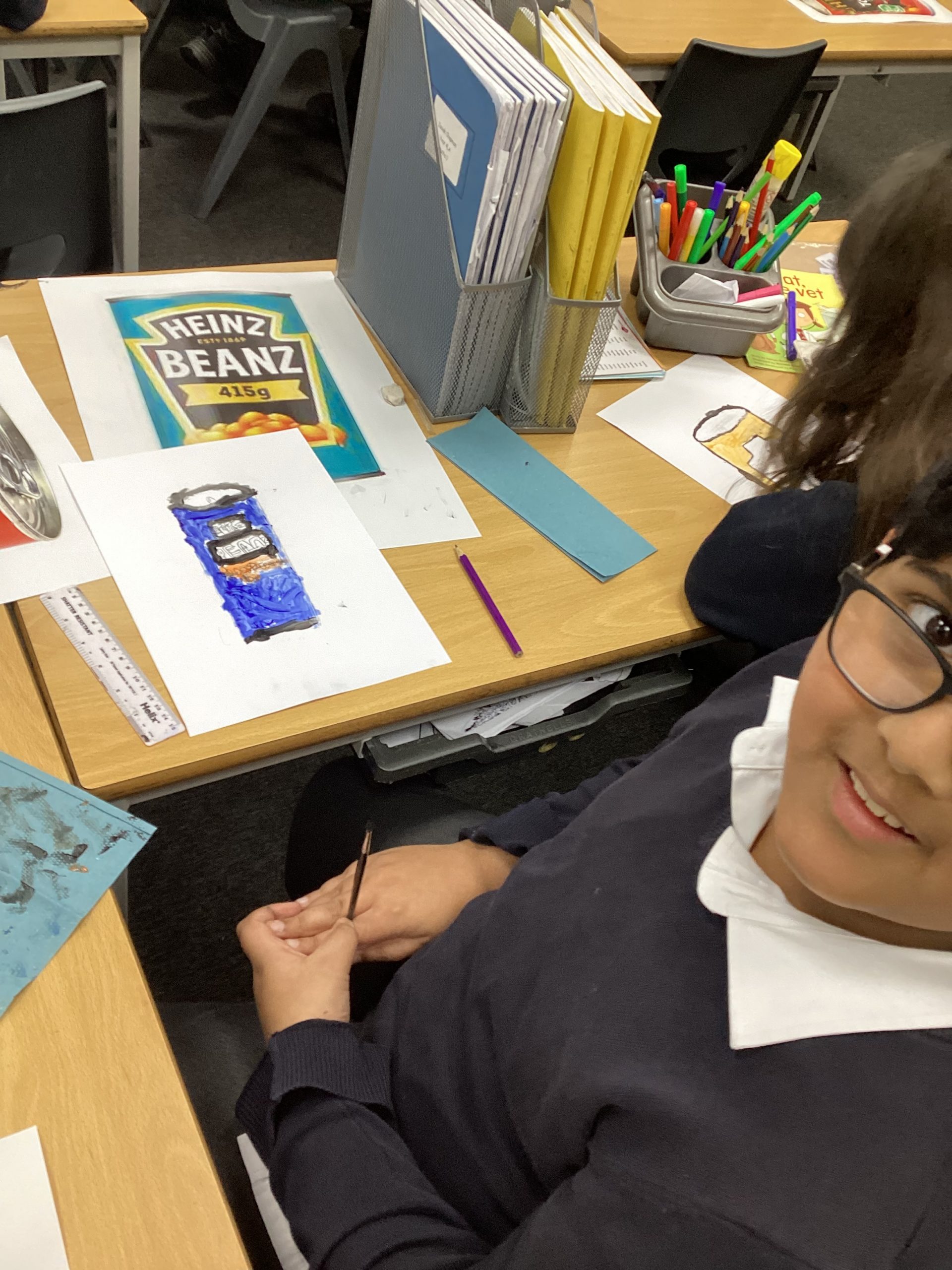
Today in Art we sketched and painted tins of food. We used paint and also colouring crayons to add detail.
Palaeolithic Cave Art
21-01-2026
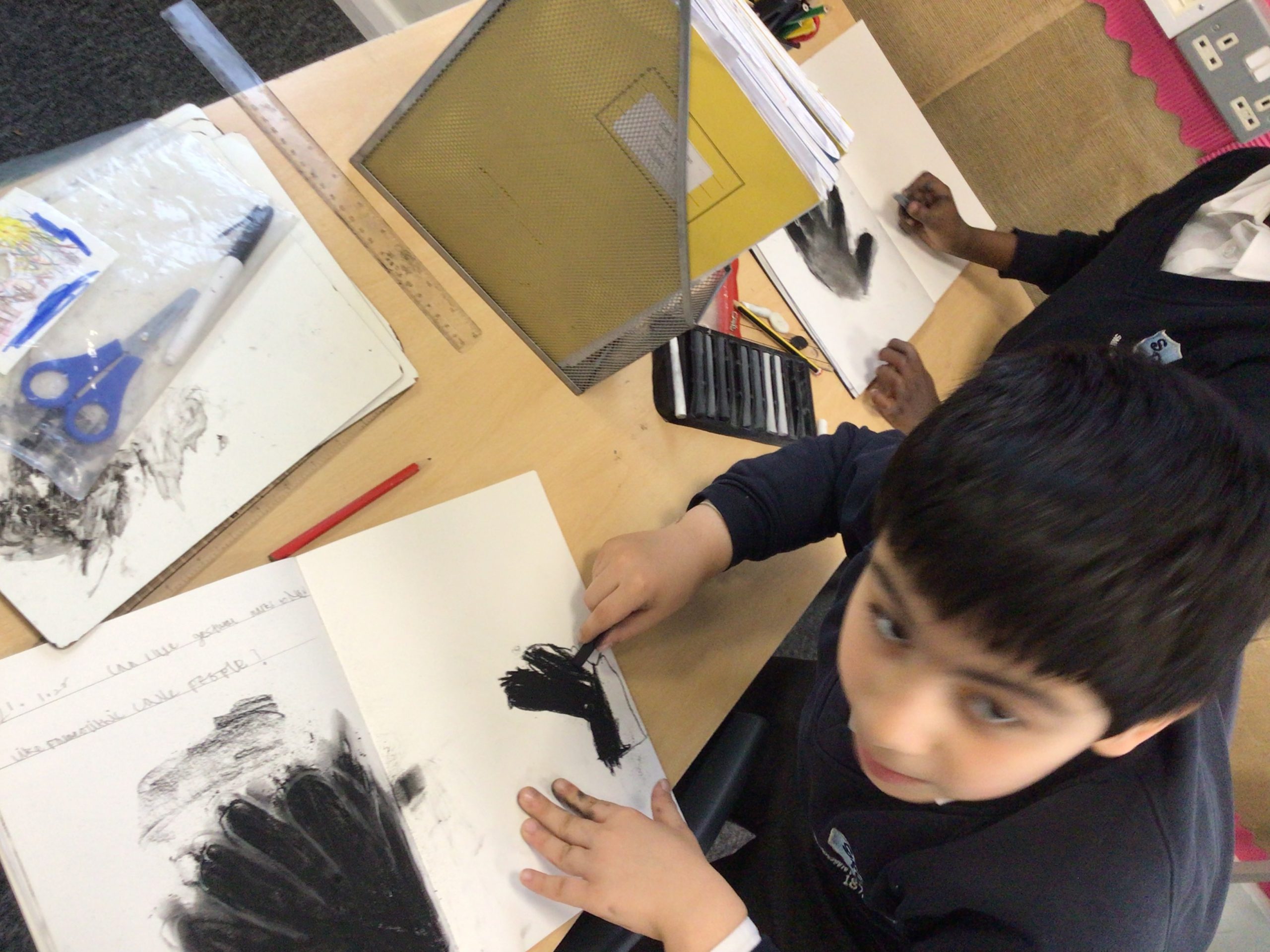
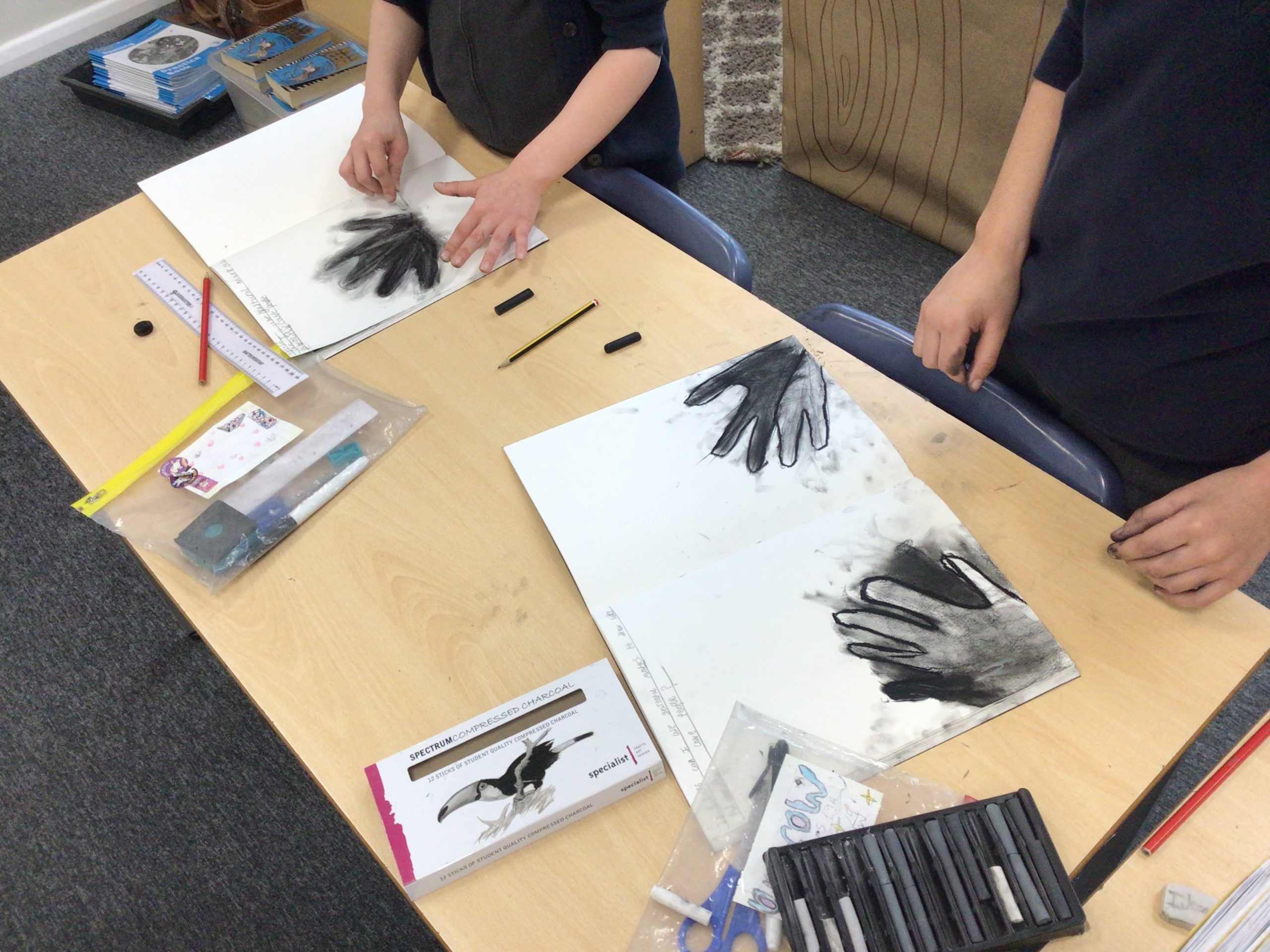
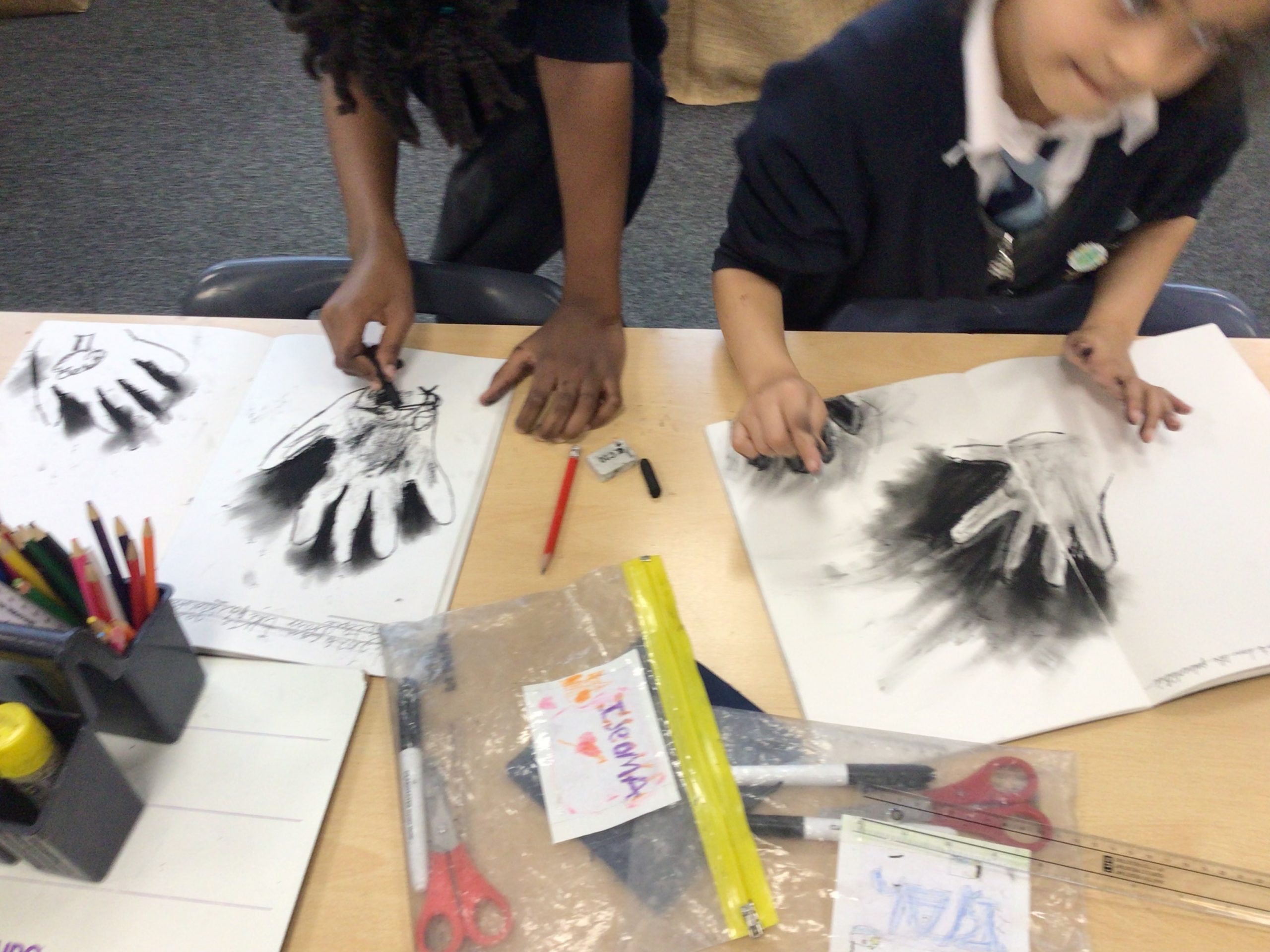
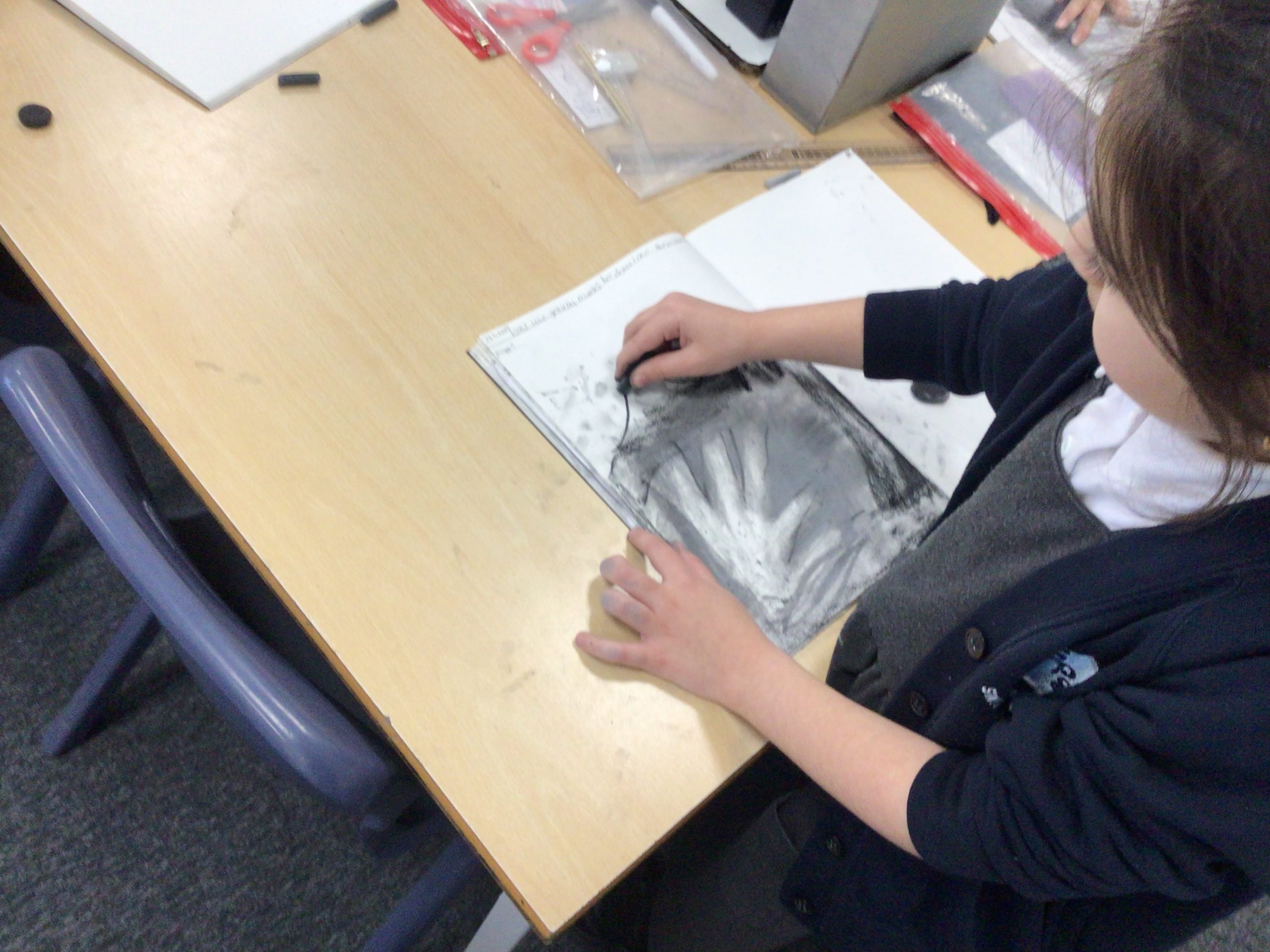
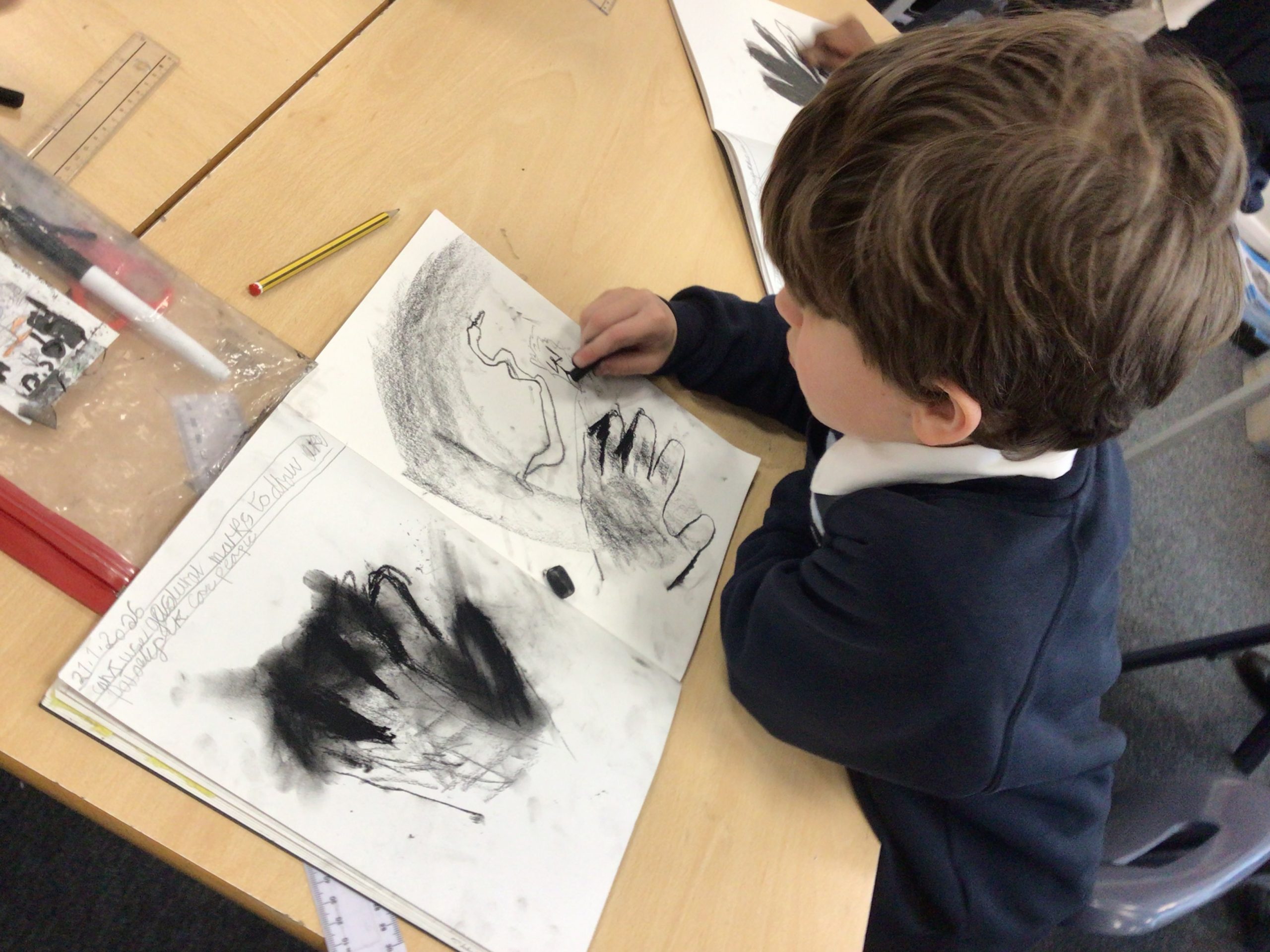
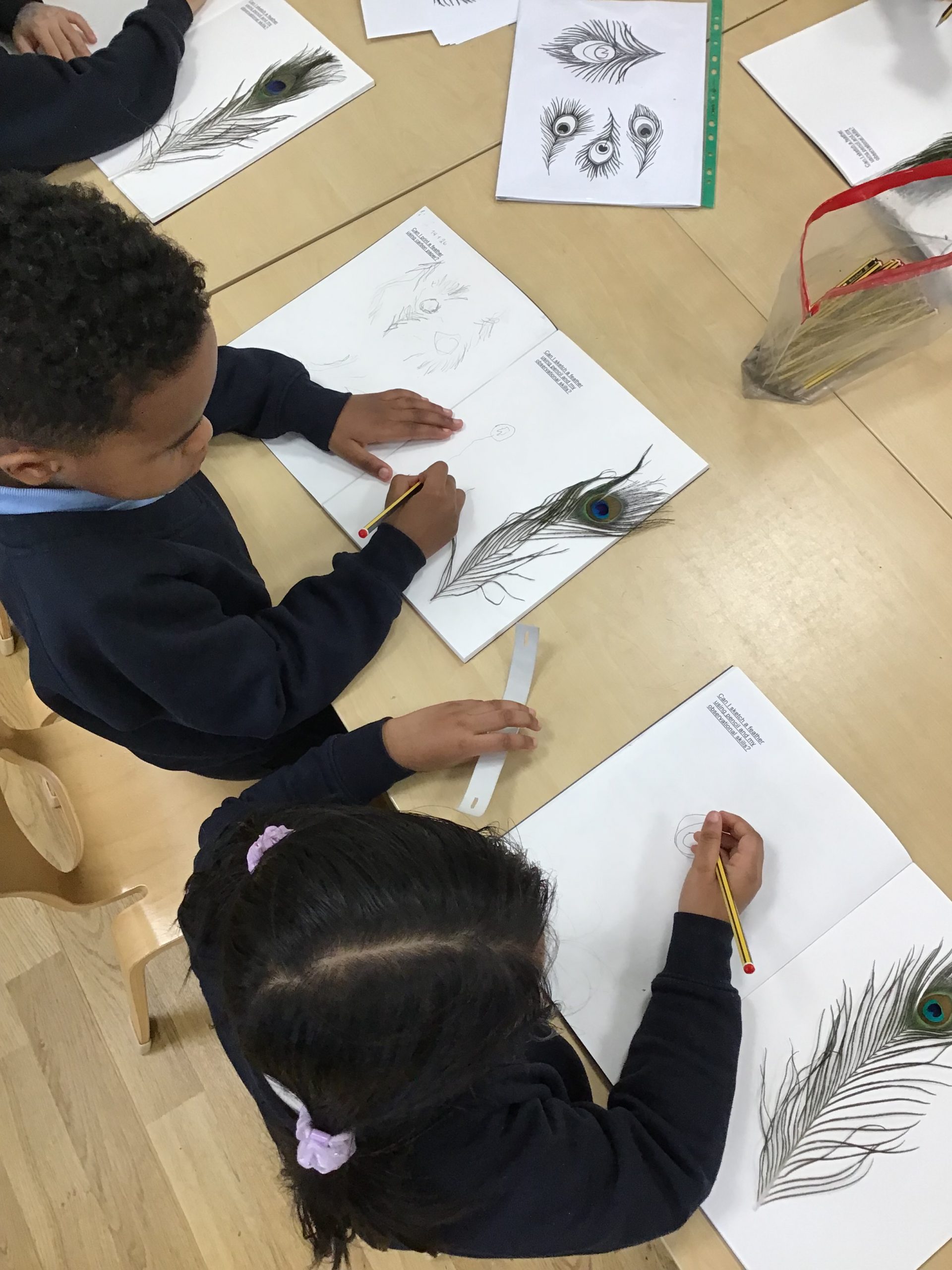
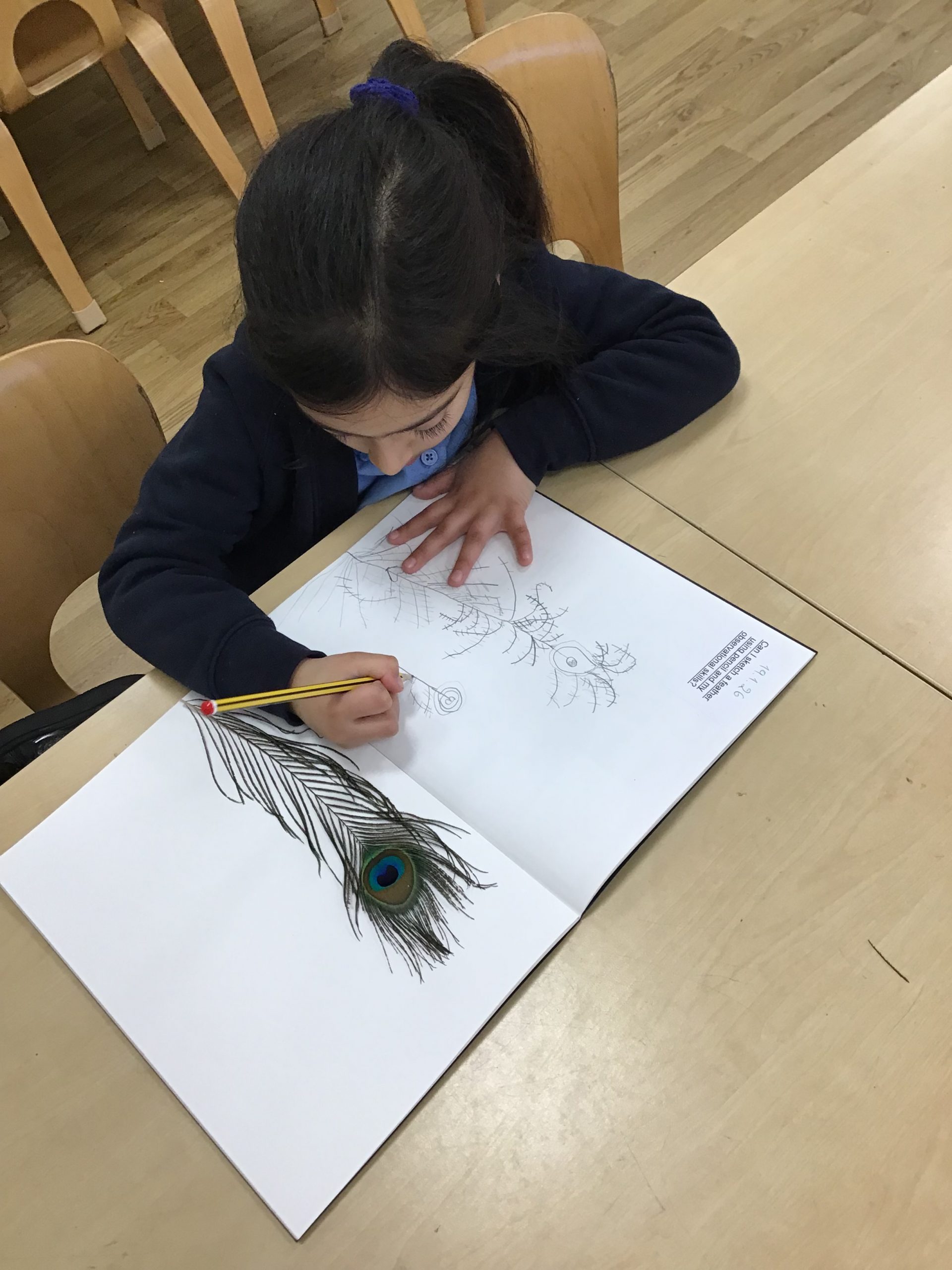
Within our history lesson, we looked at the first stage of the Stone Age. We have then applied what we know to our art lessons where we used different techniques to sketch with charcoal and create some cave art.
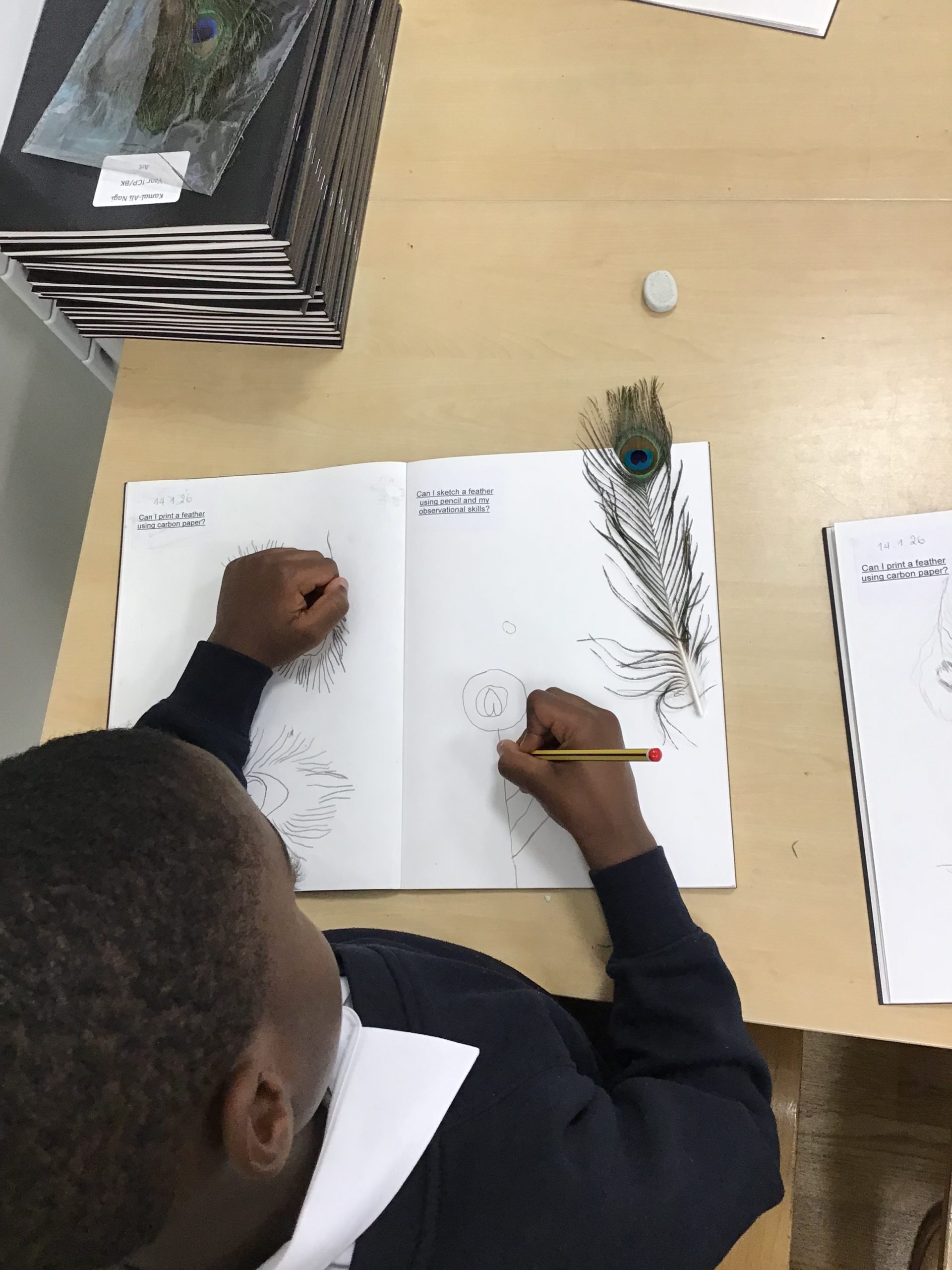
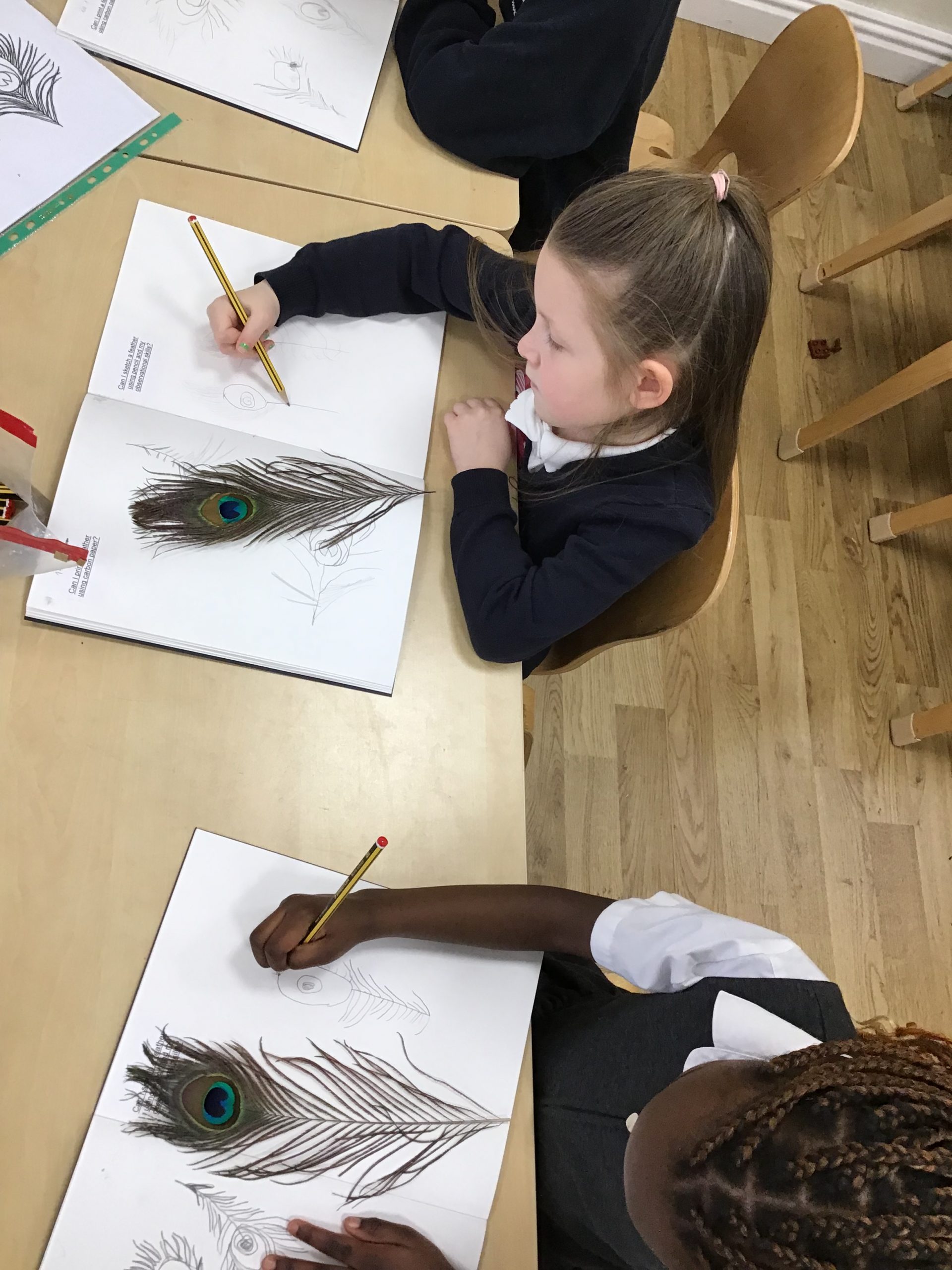
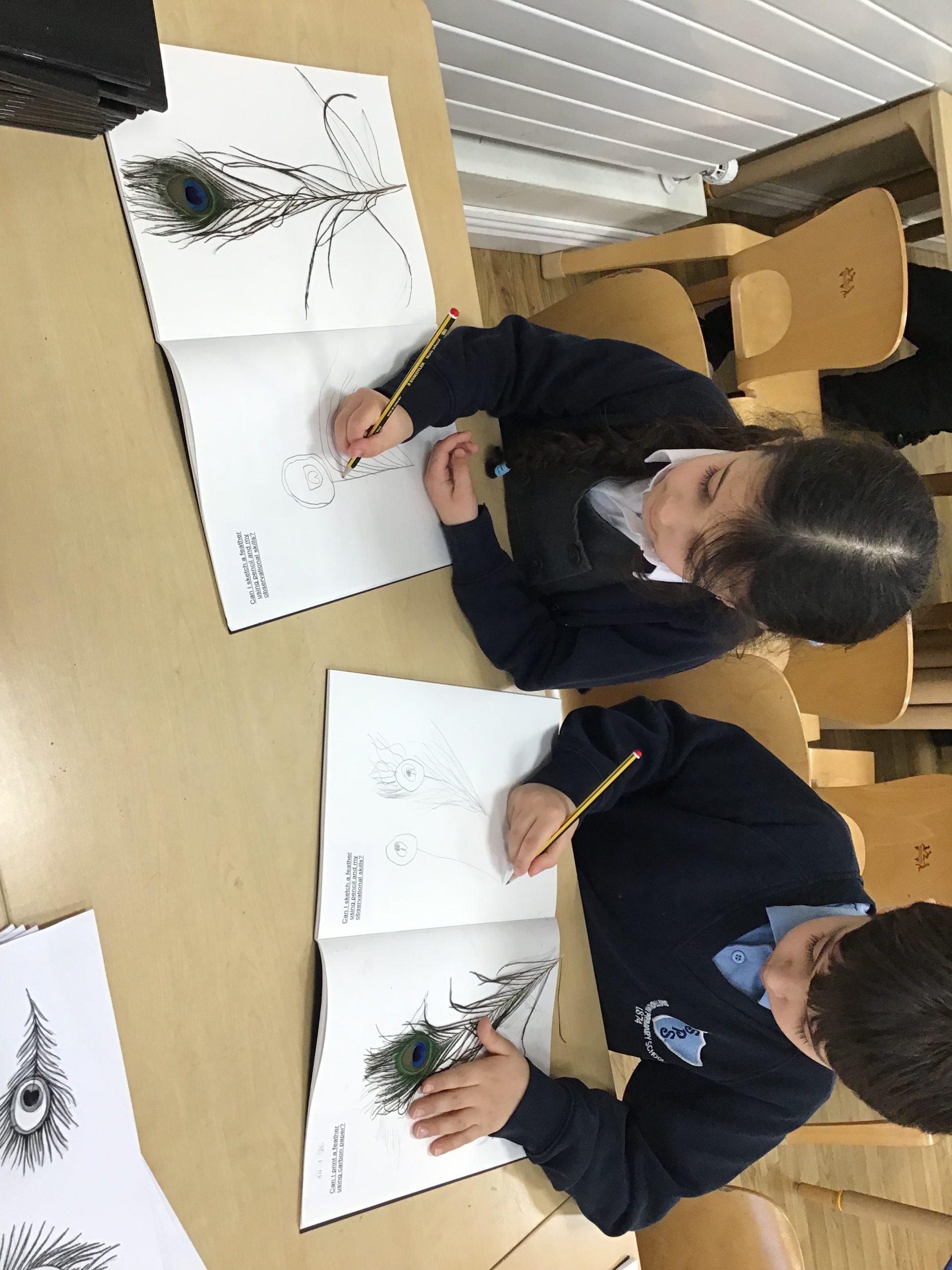
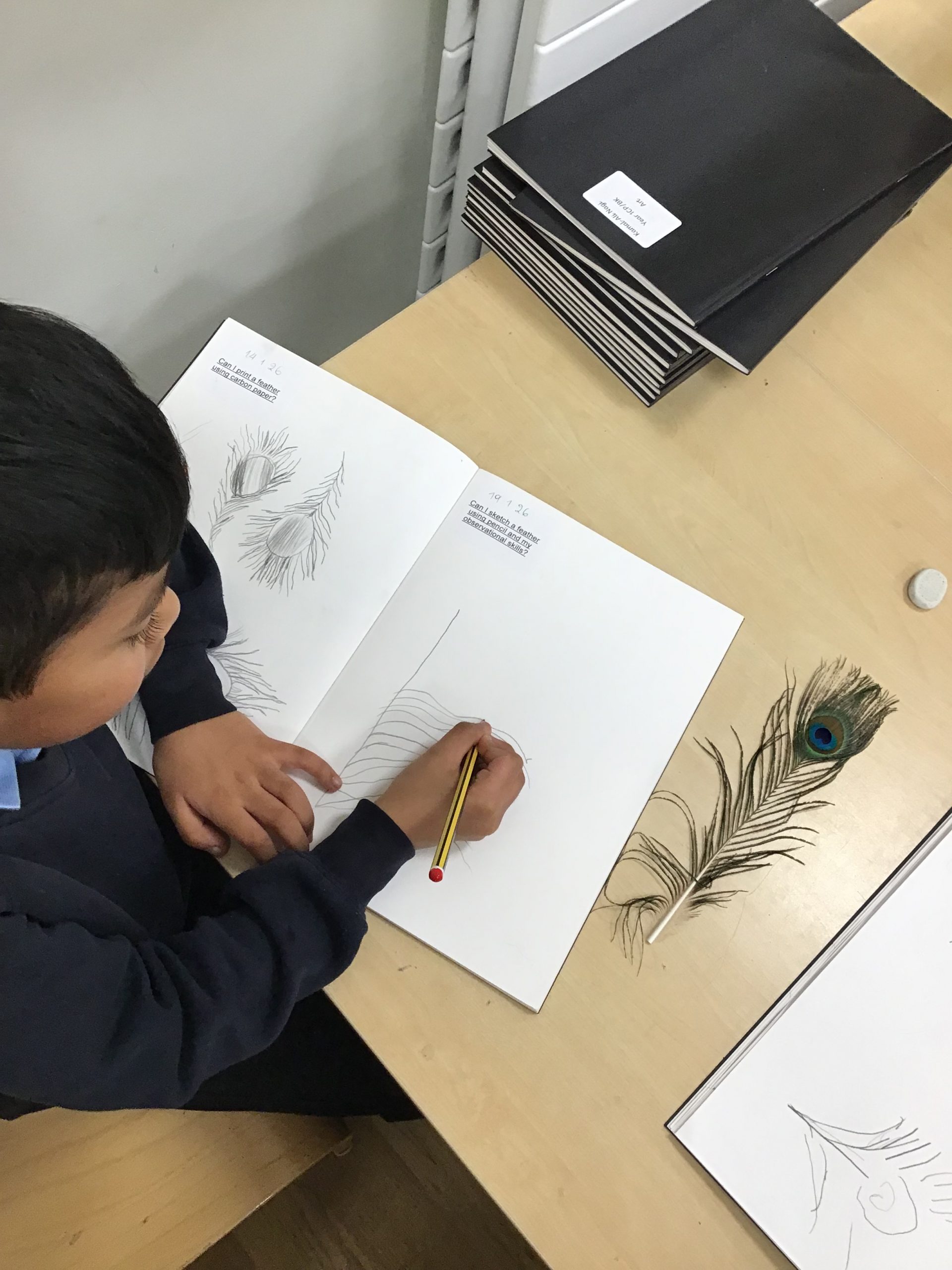
Our new book… curiosity
14-01-2026
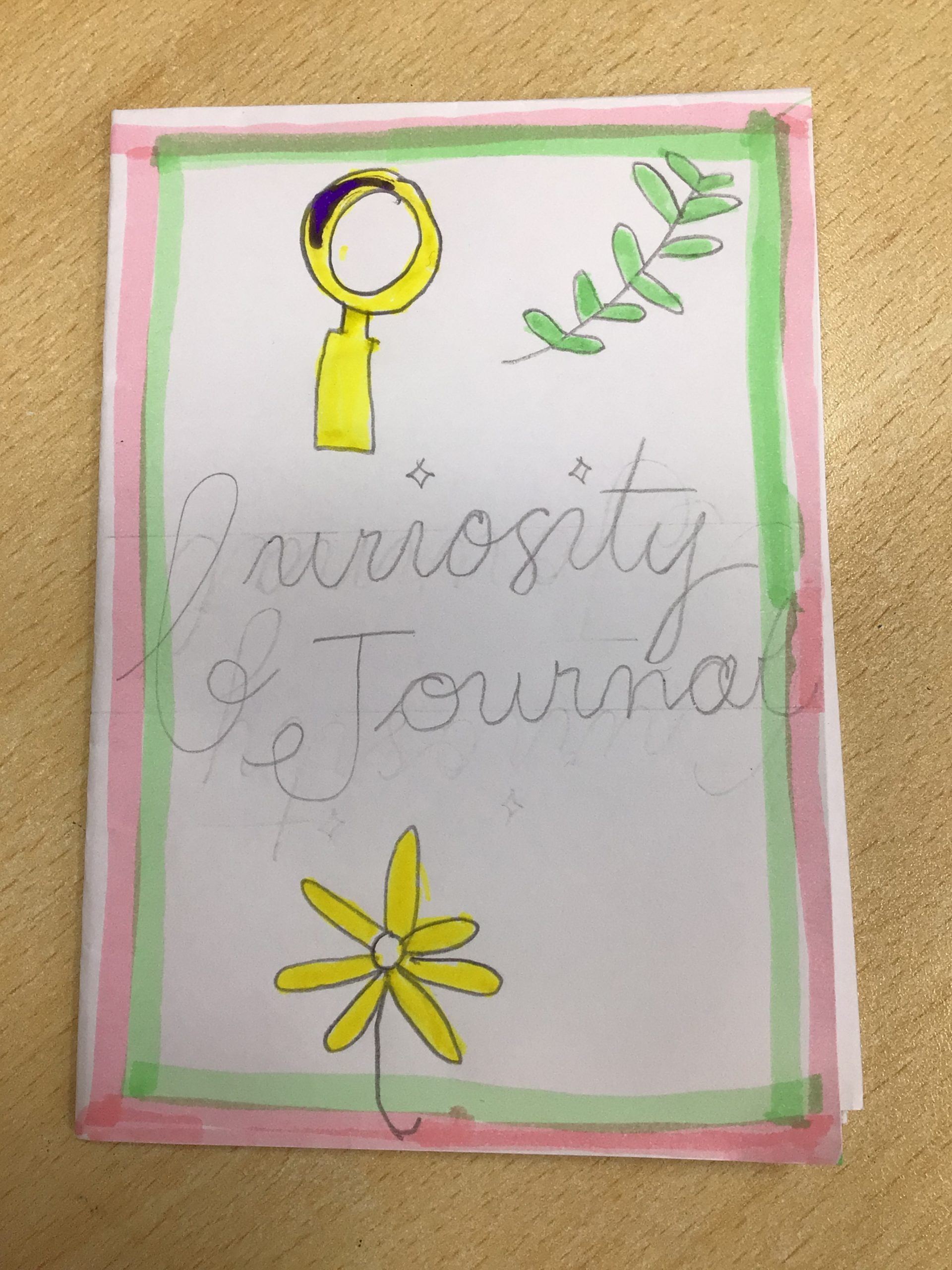
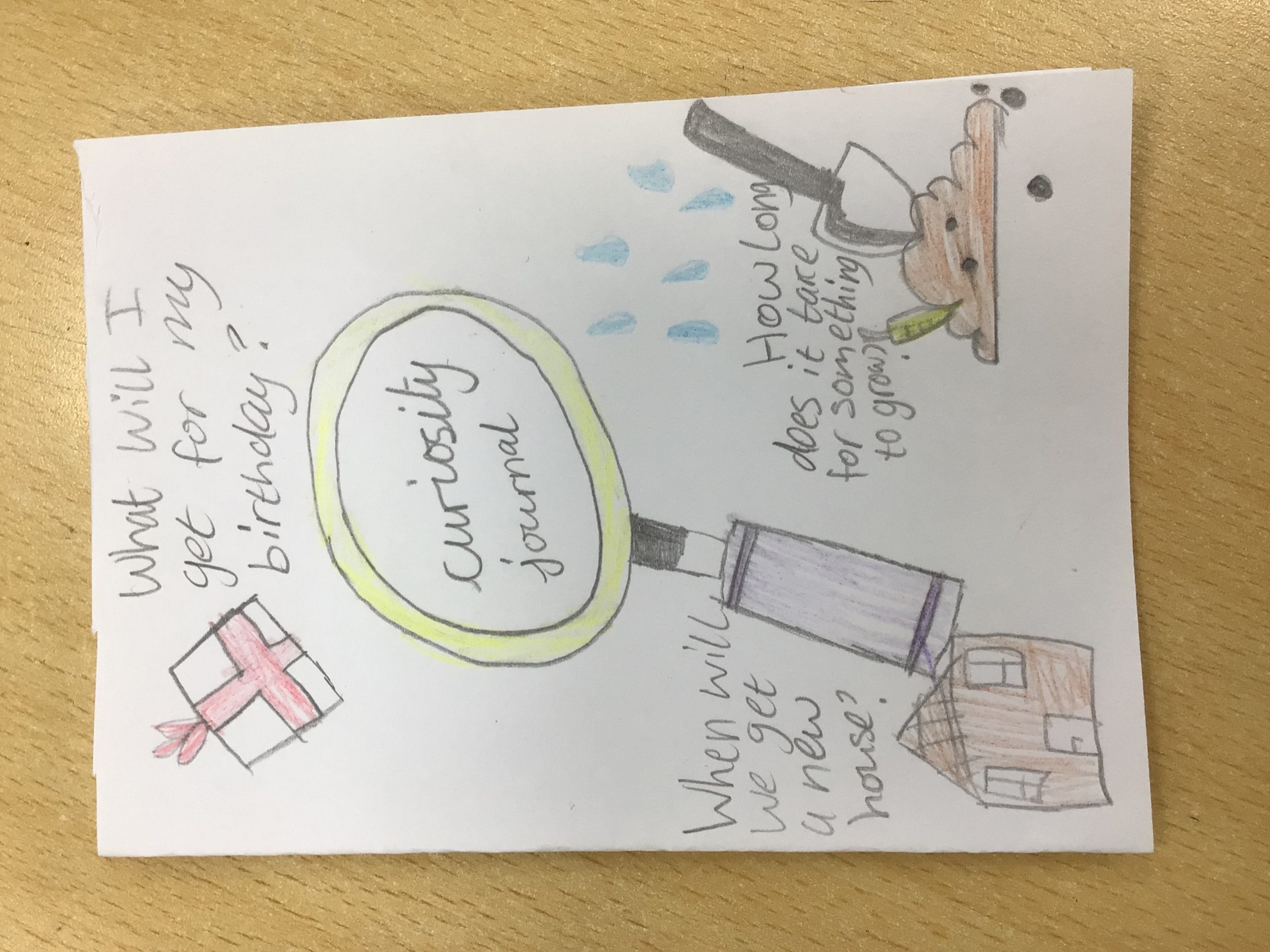
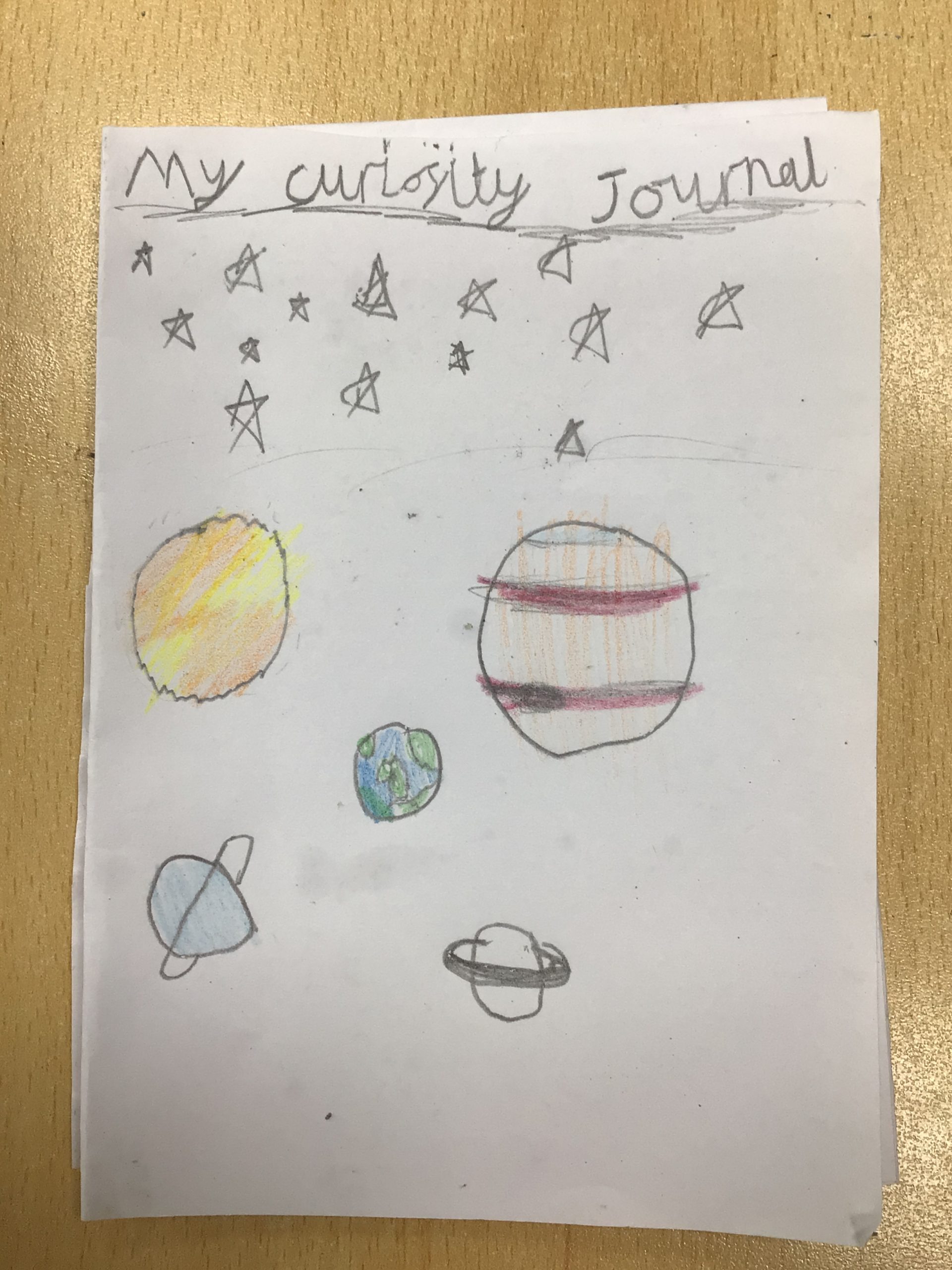
This week we have been introduced to our new book ‘Curiosity: A story of a Mars Rover’ by Markus Motum. We have created our own curiosity journals so that we can add things as we learn about them! 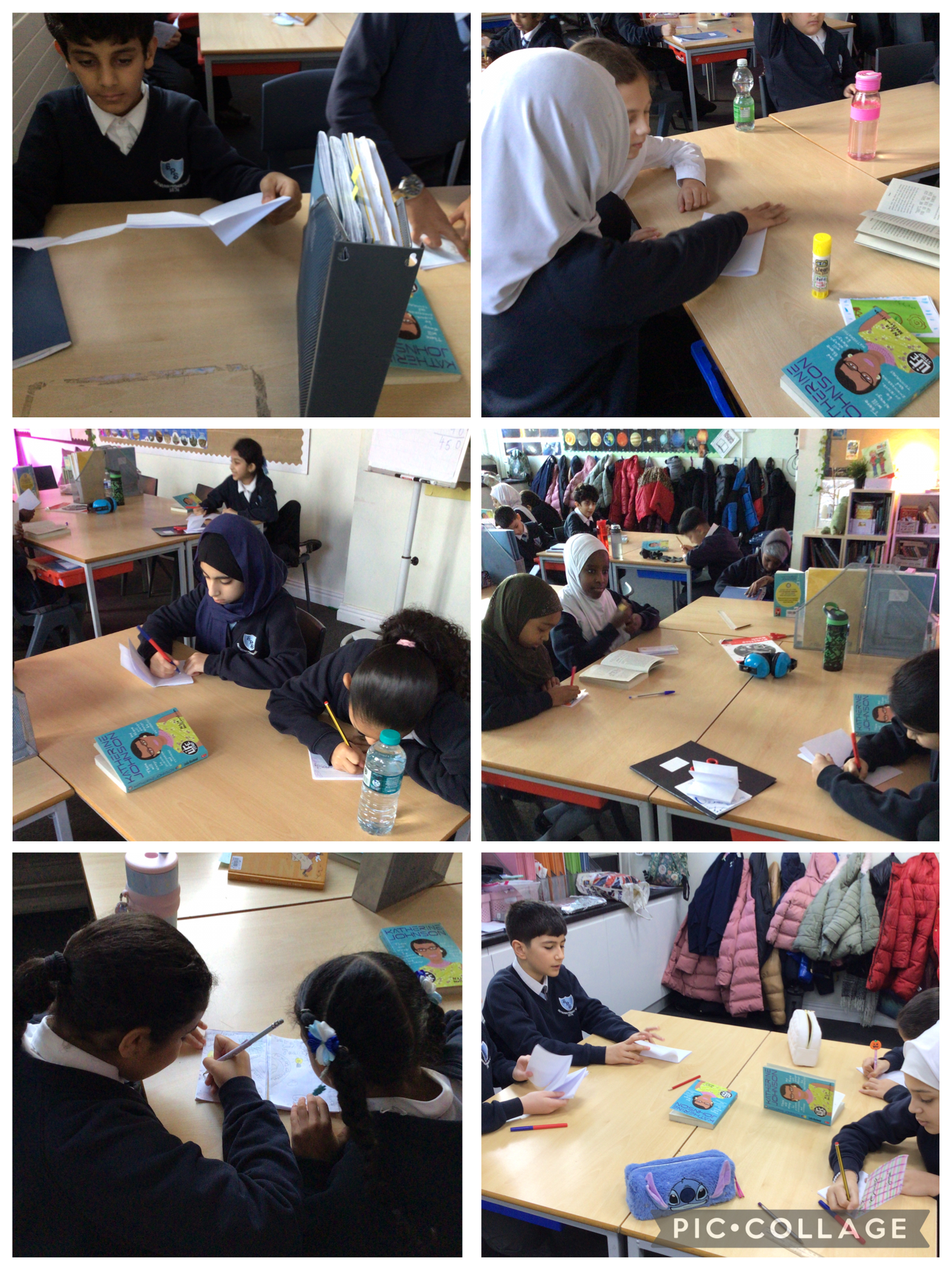
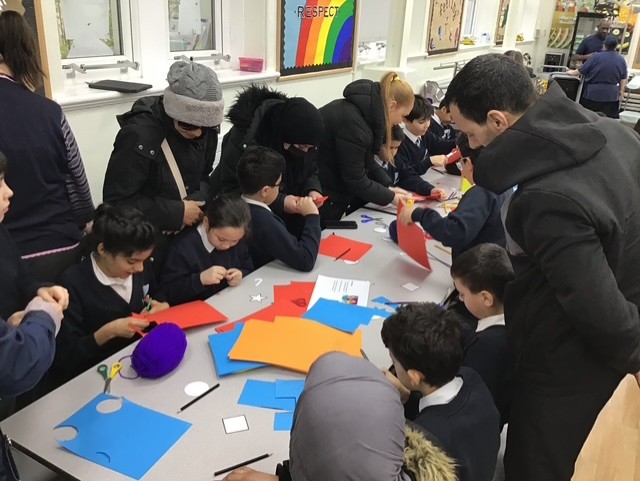
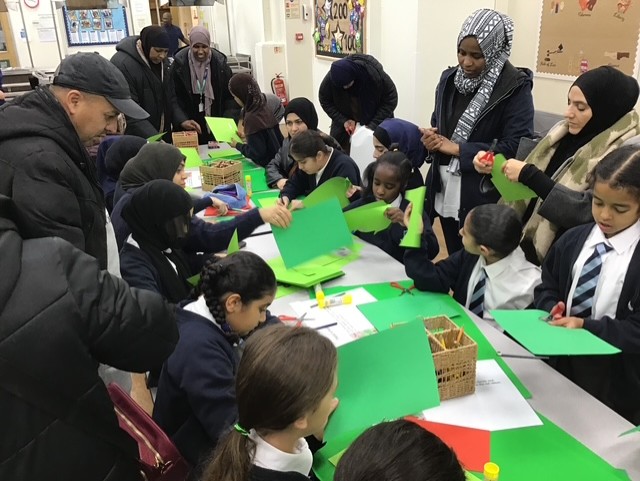
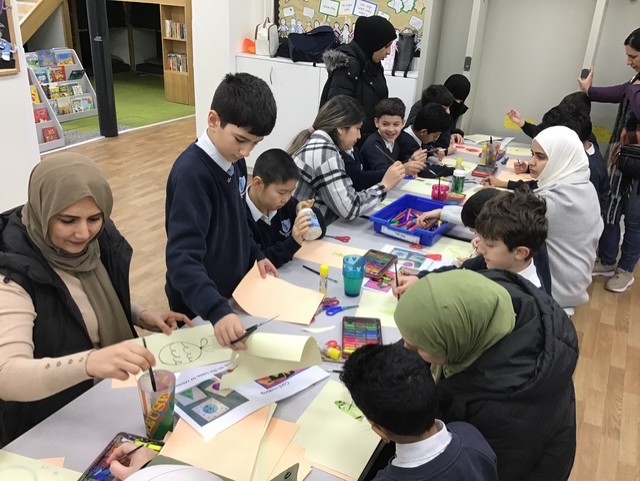
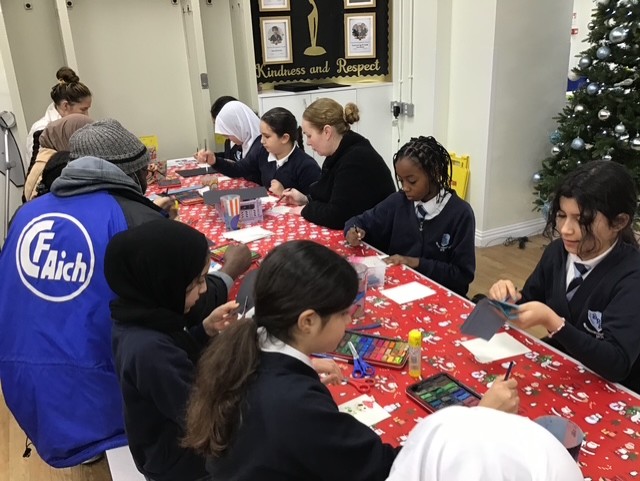
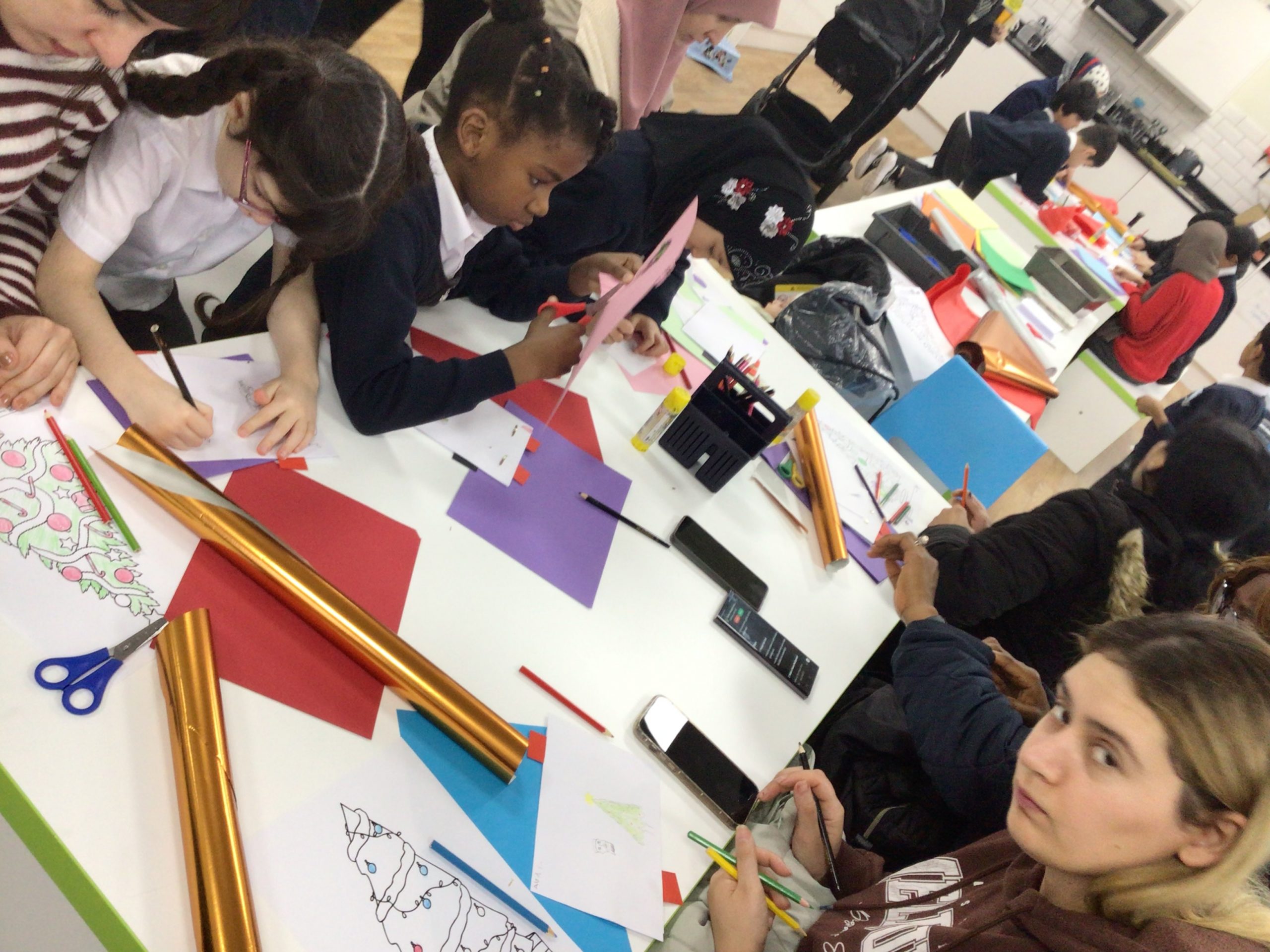
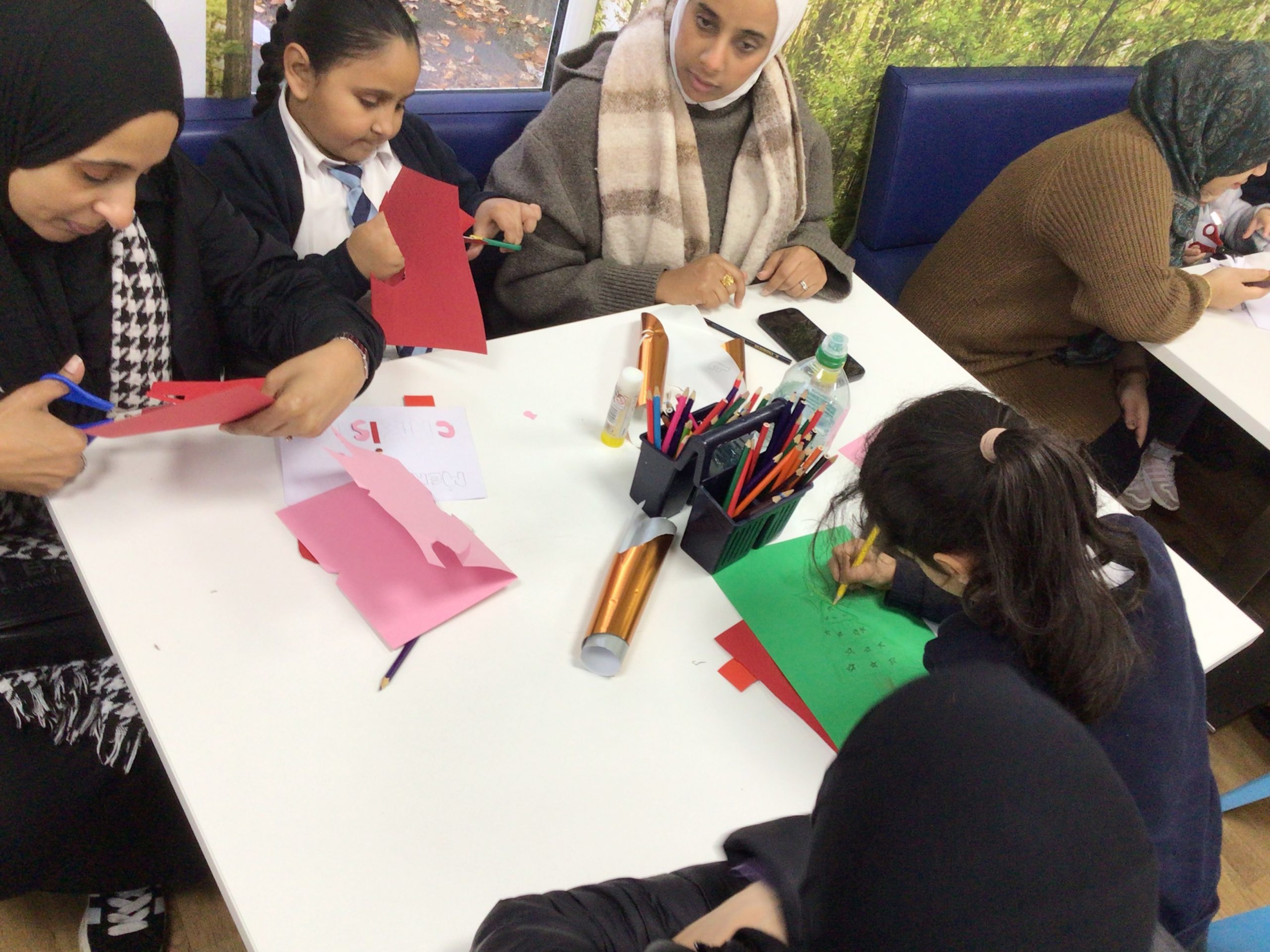
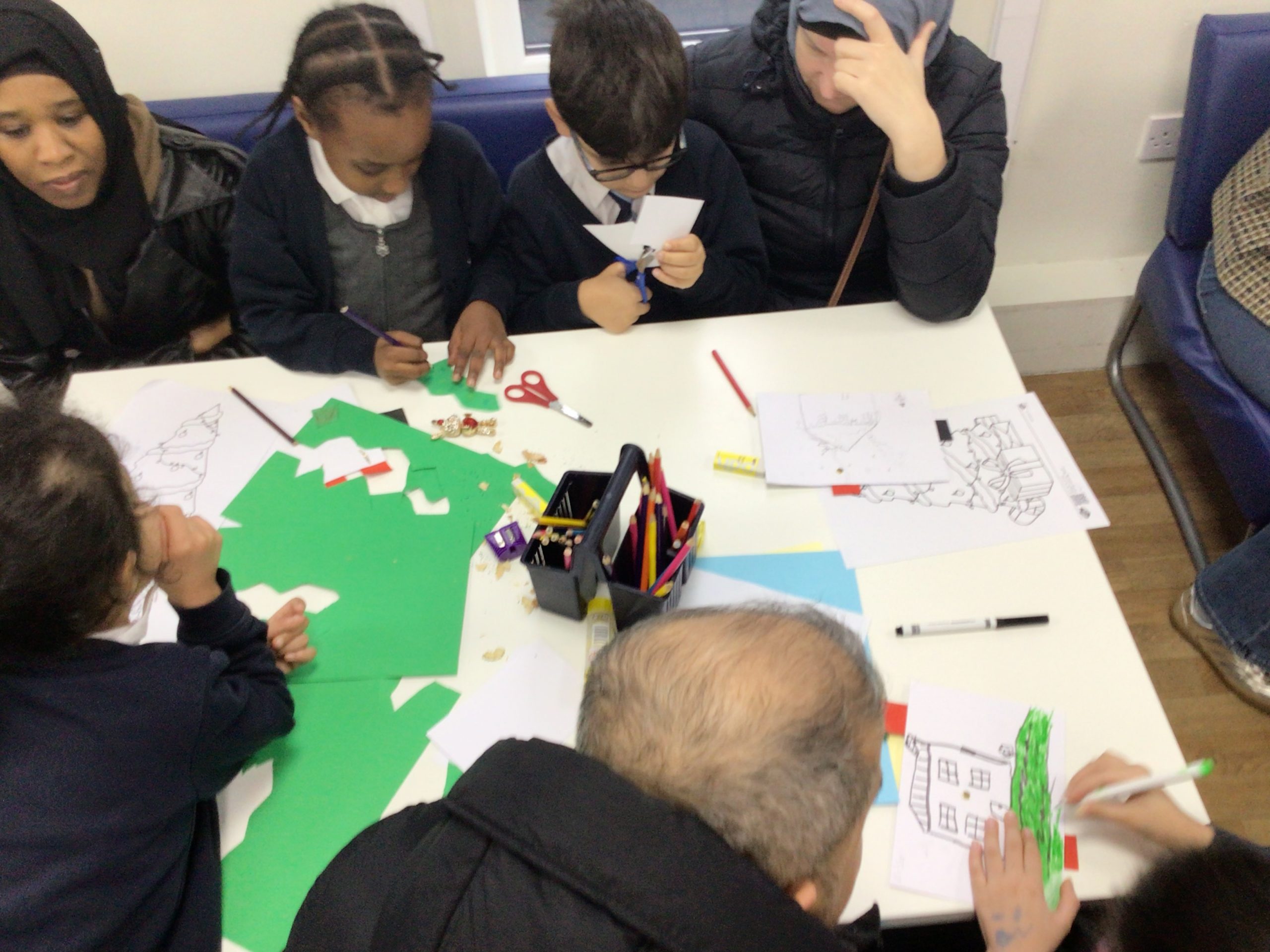
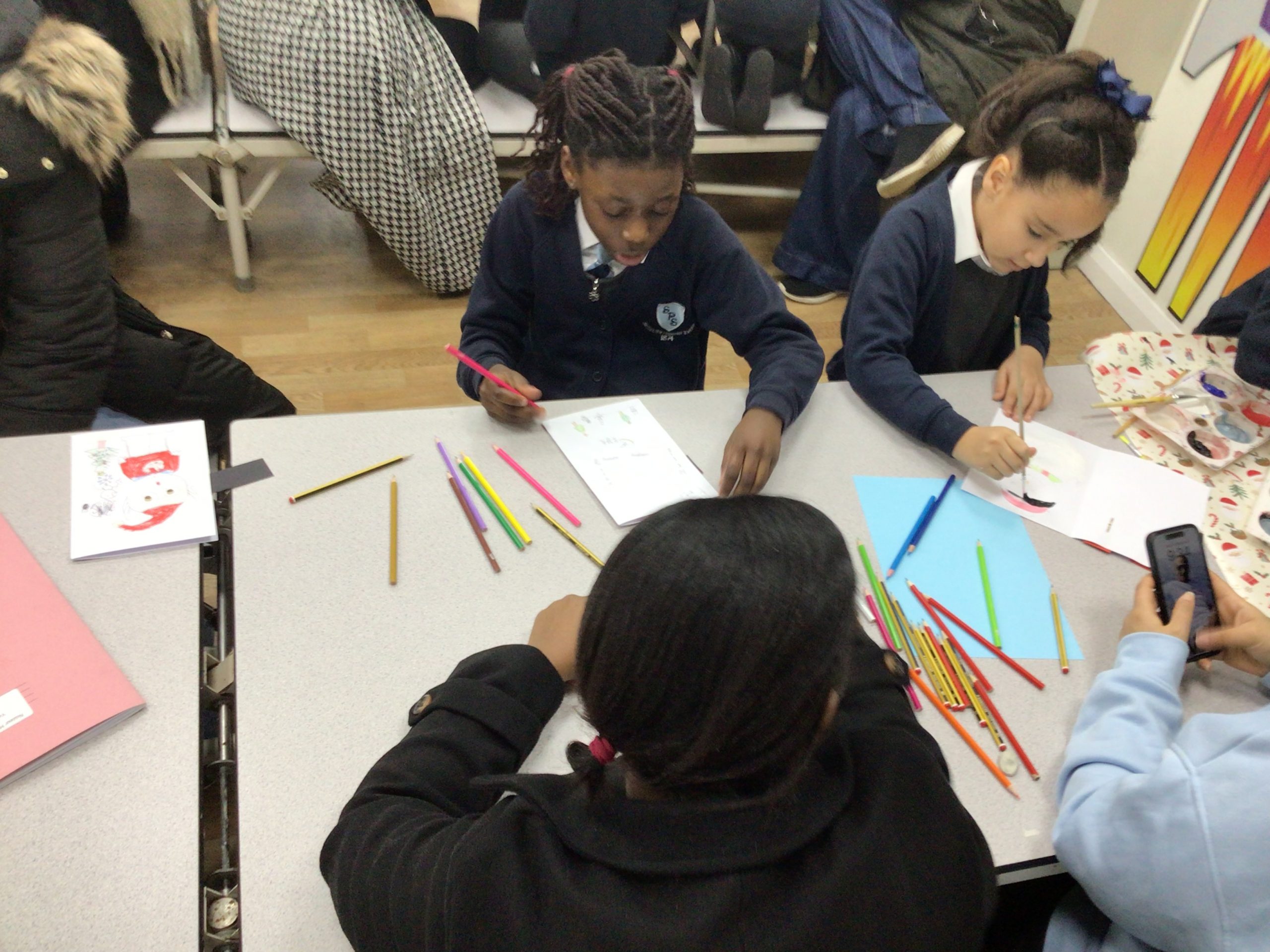
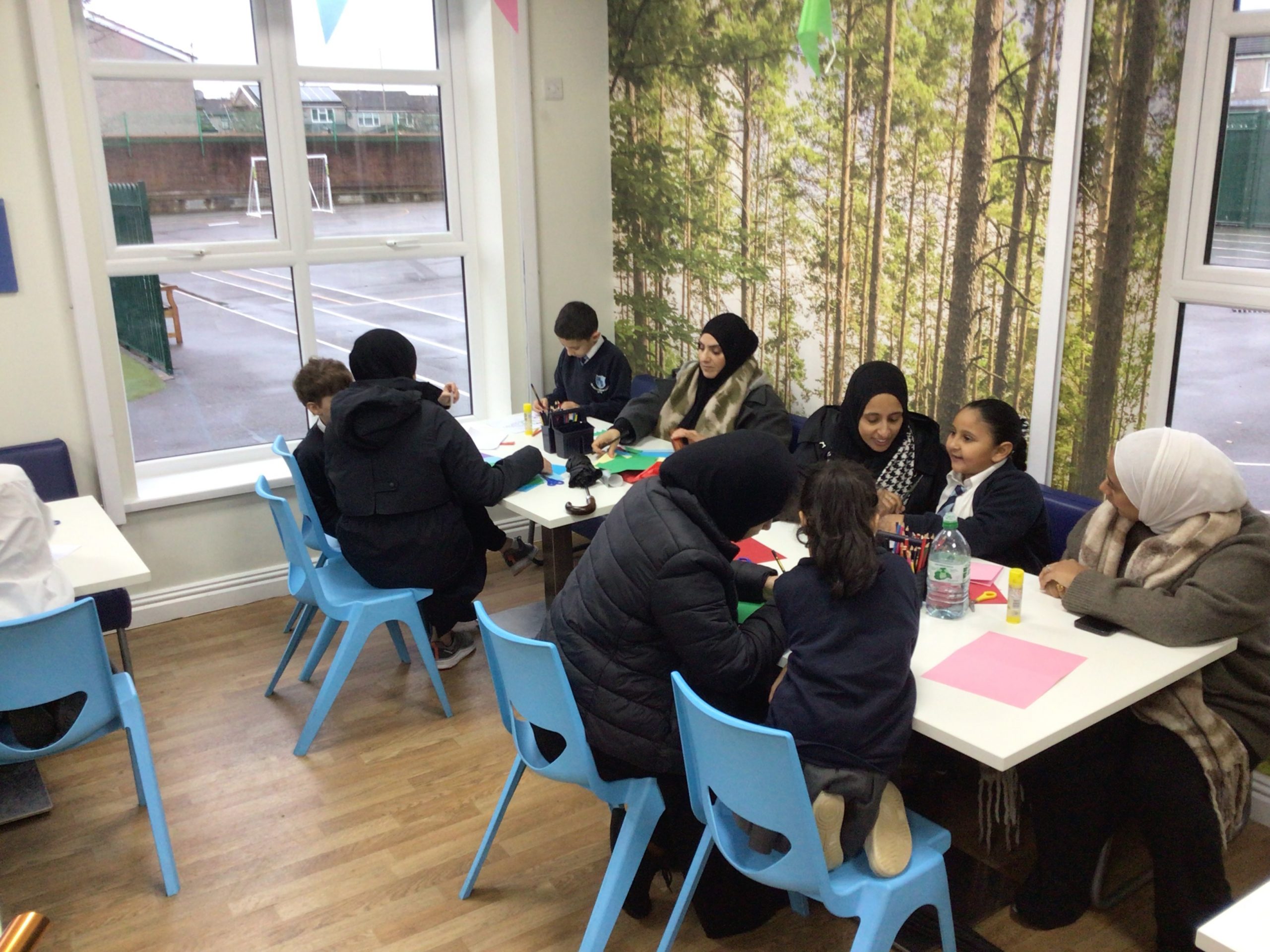
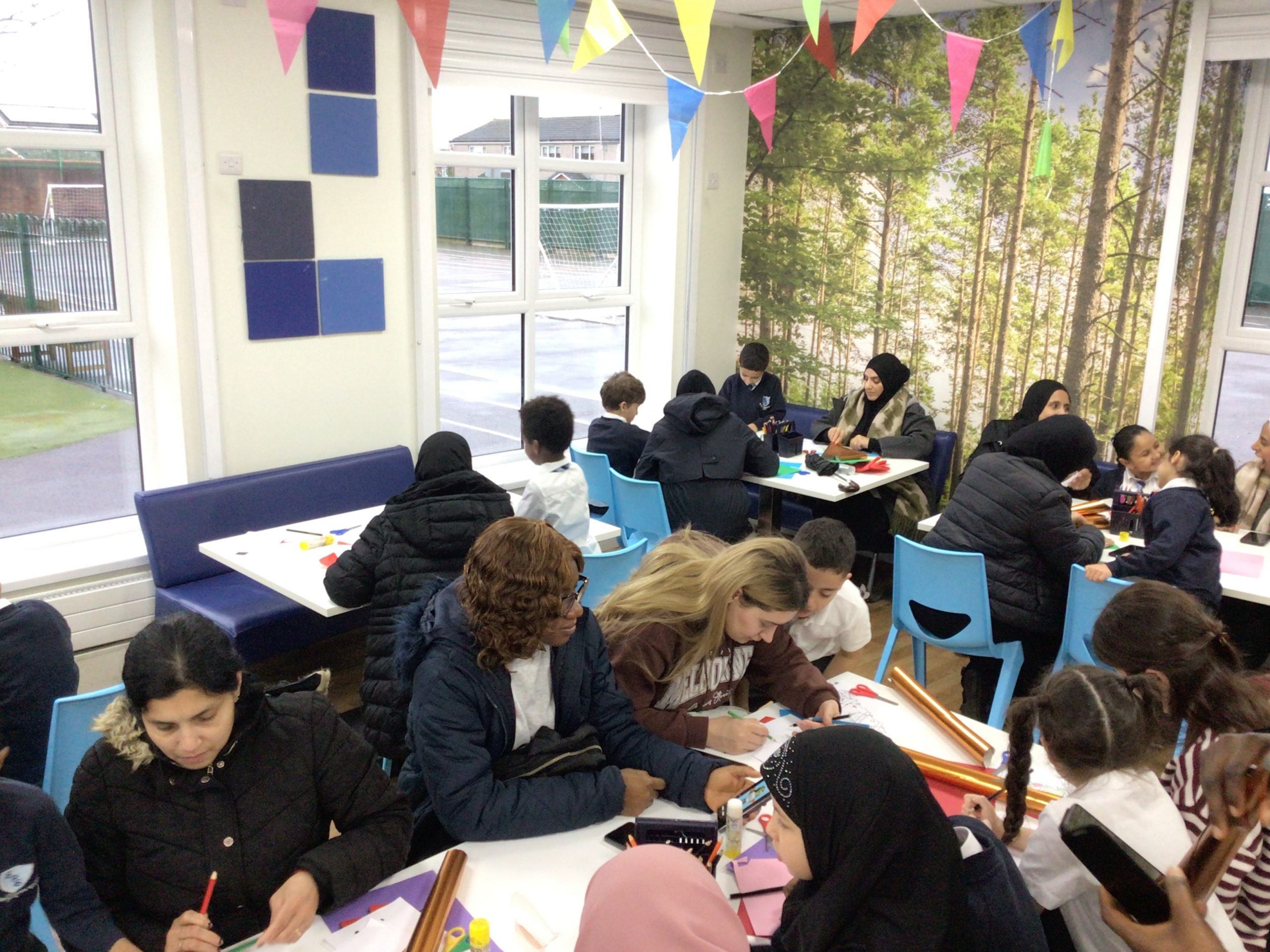
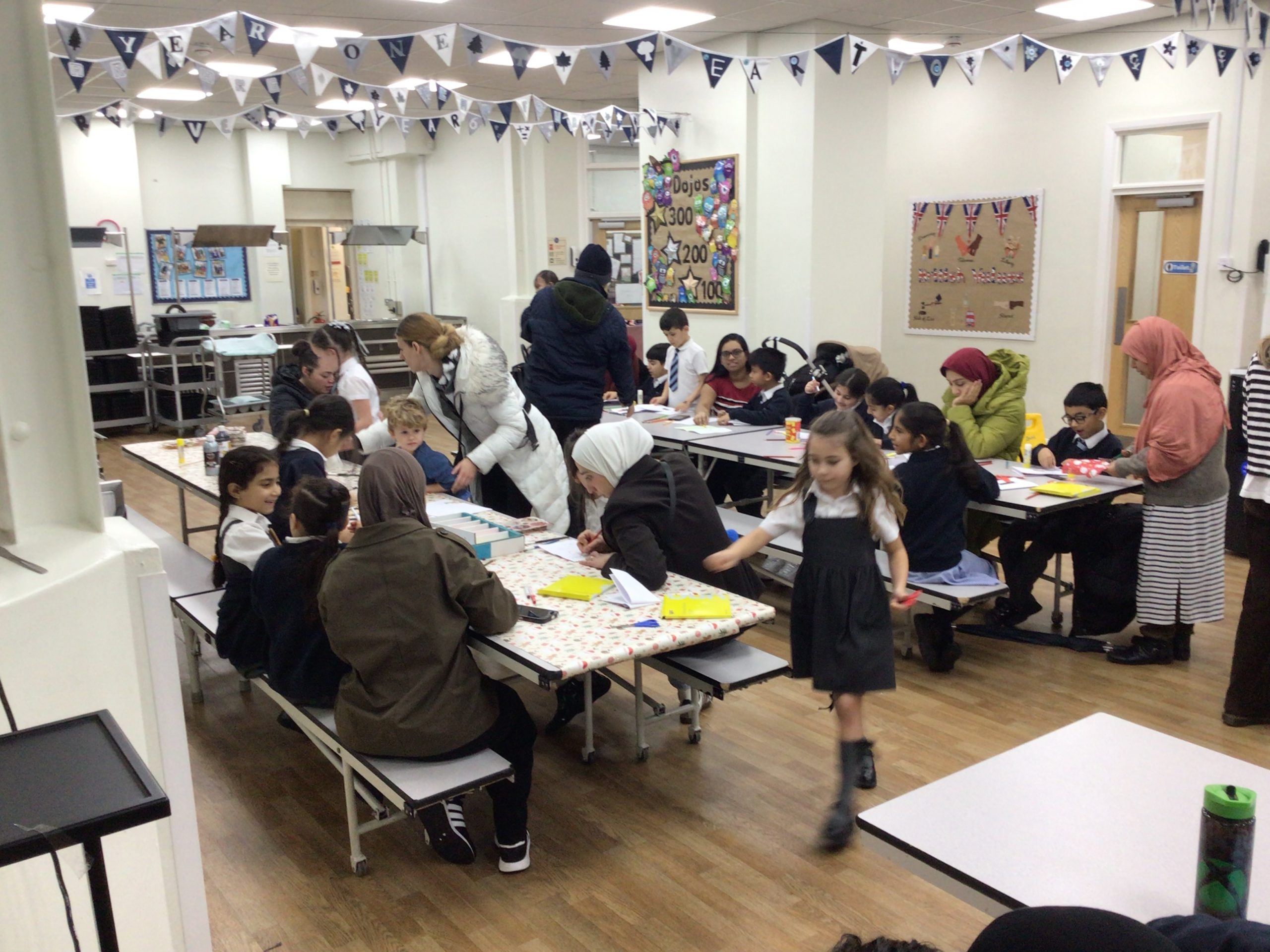
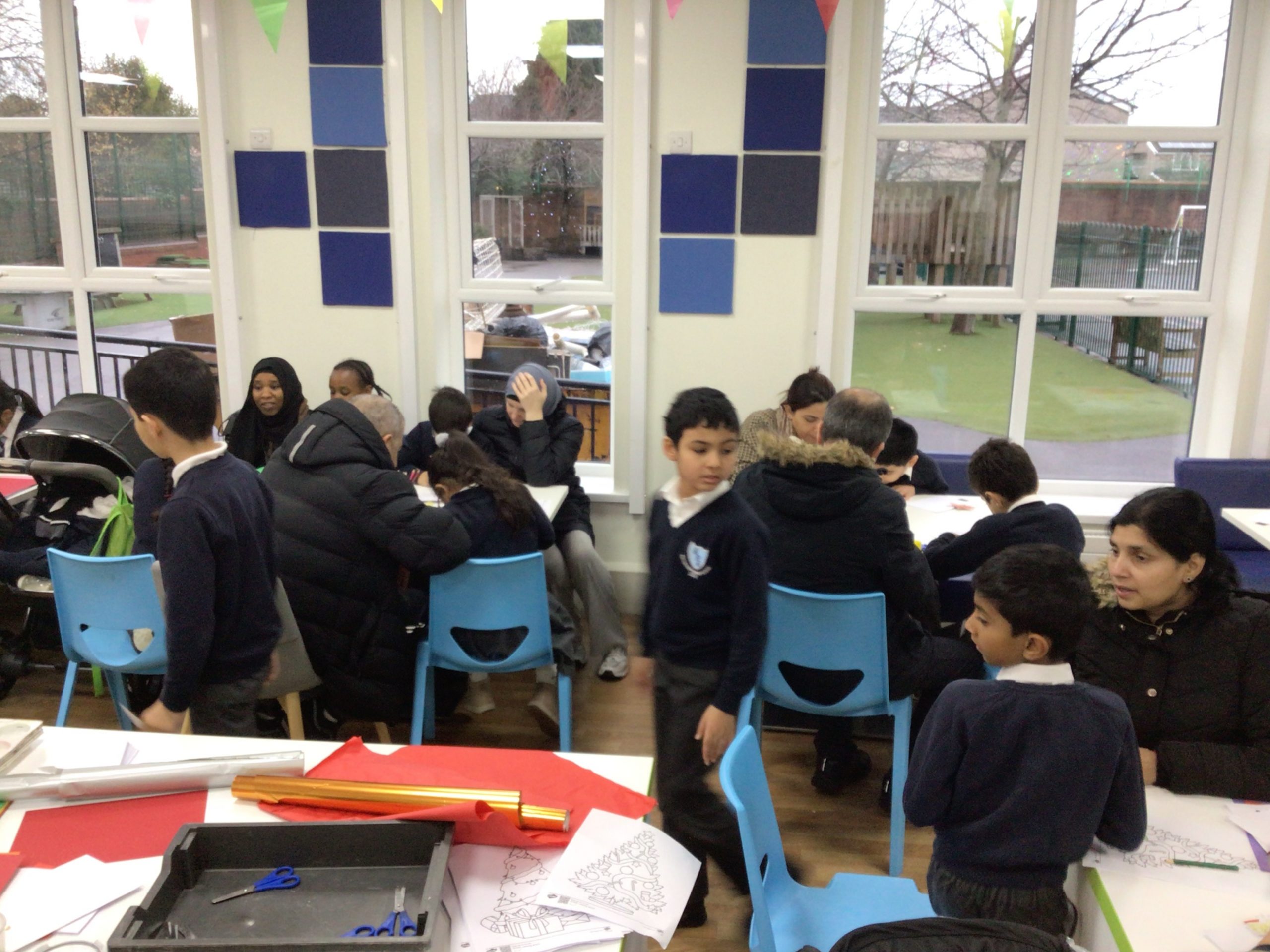
Year 5 Winter Craft Morning
17-12-2025
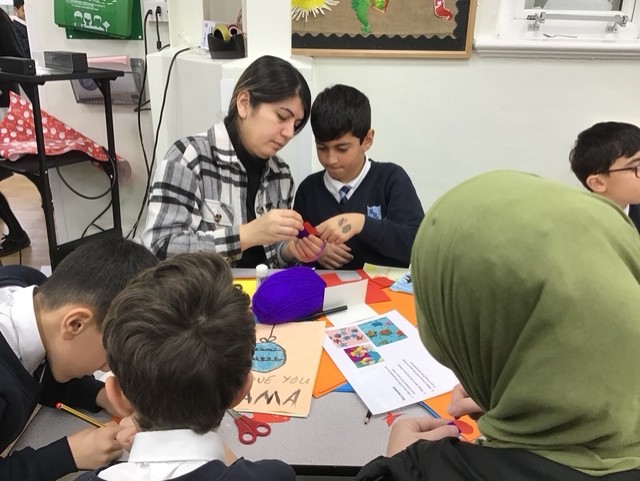
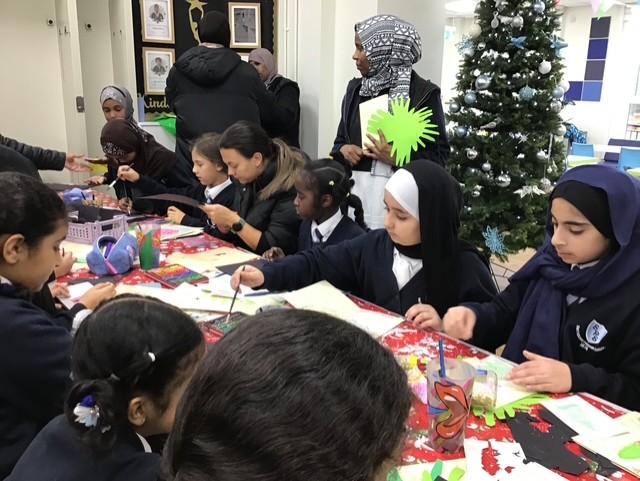
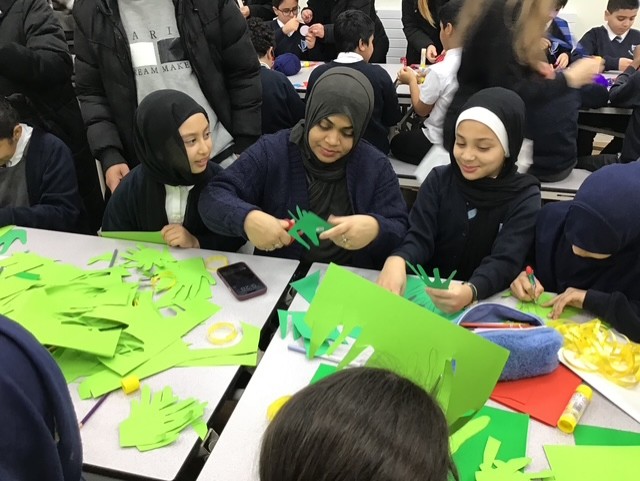
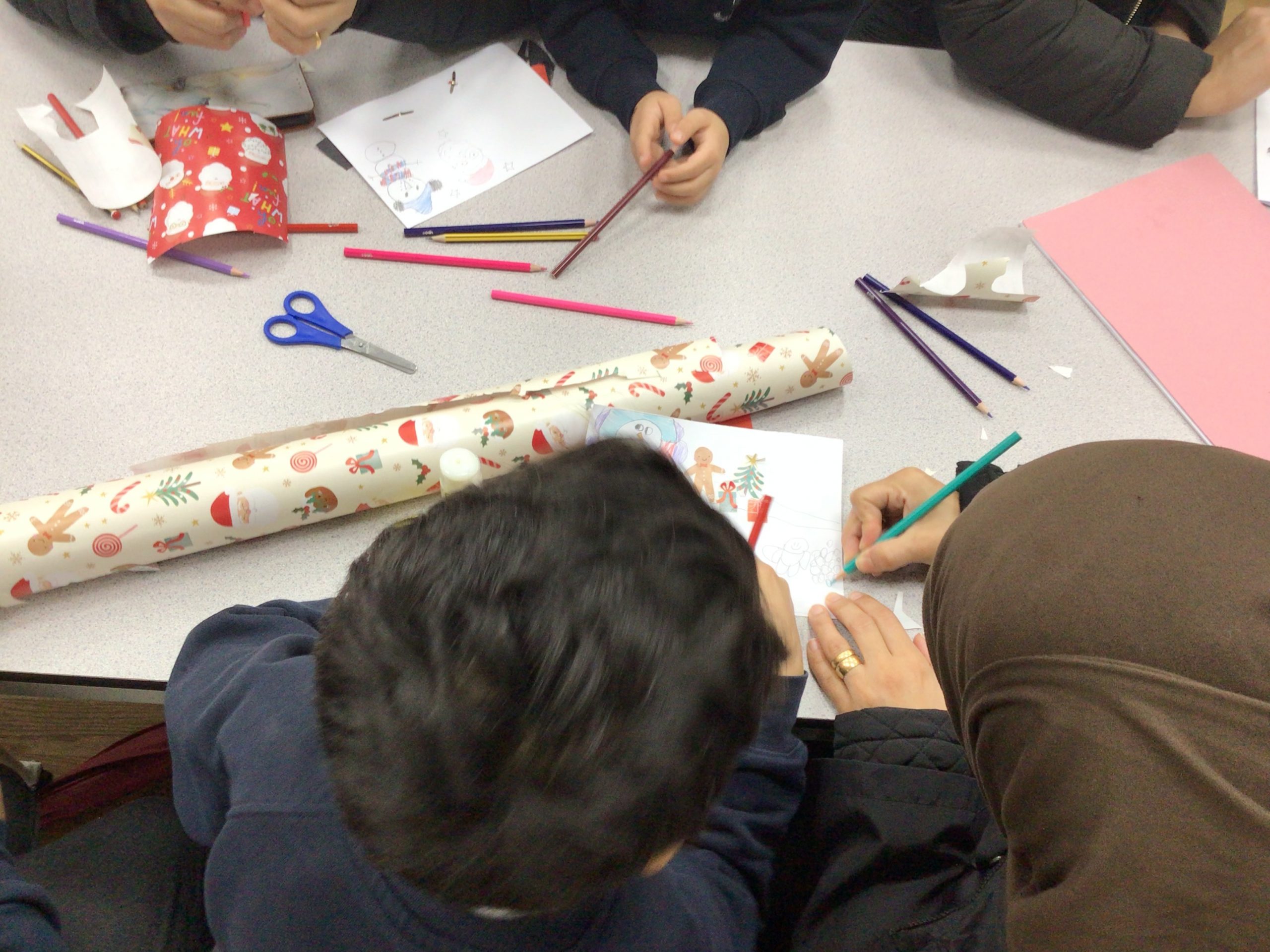
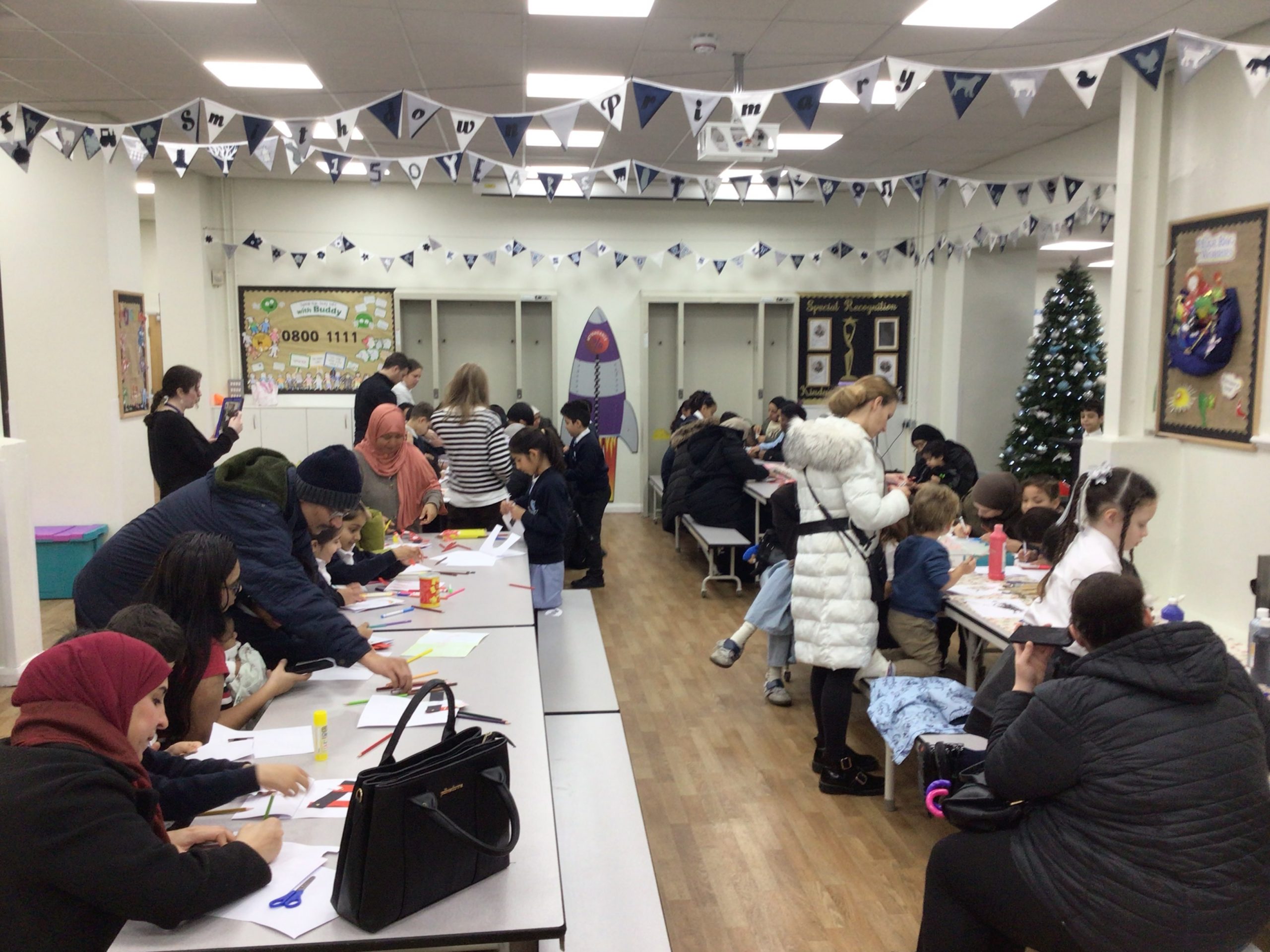
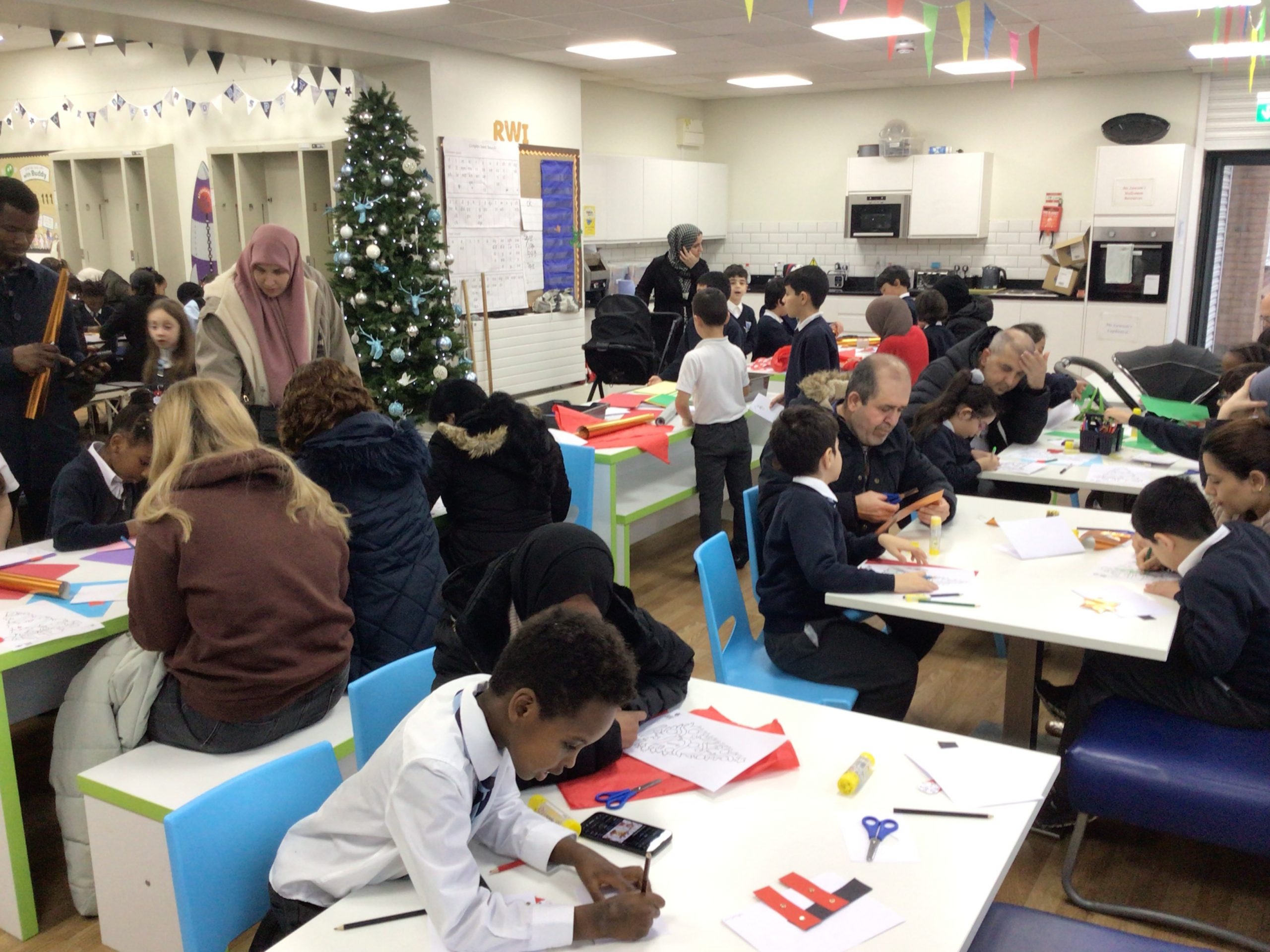
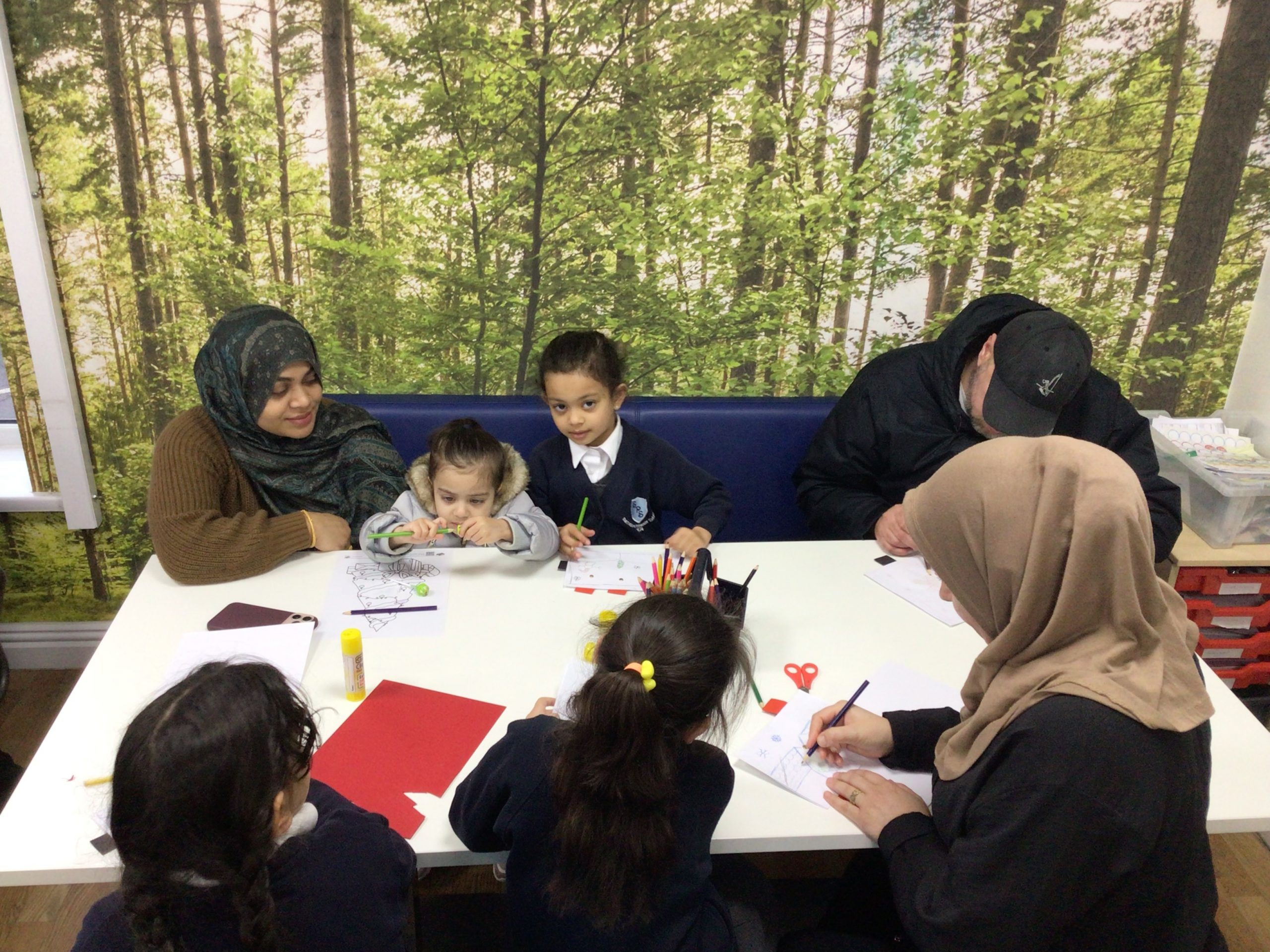
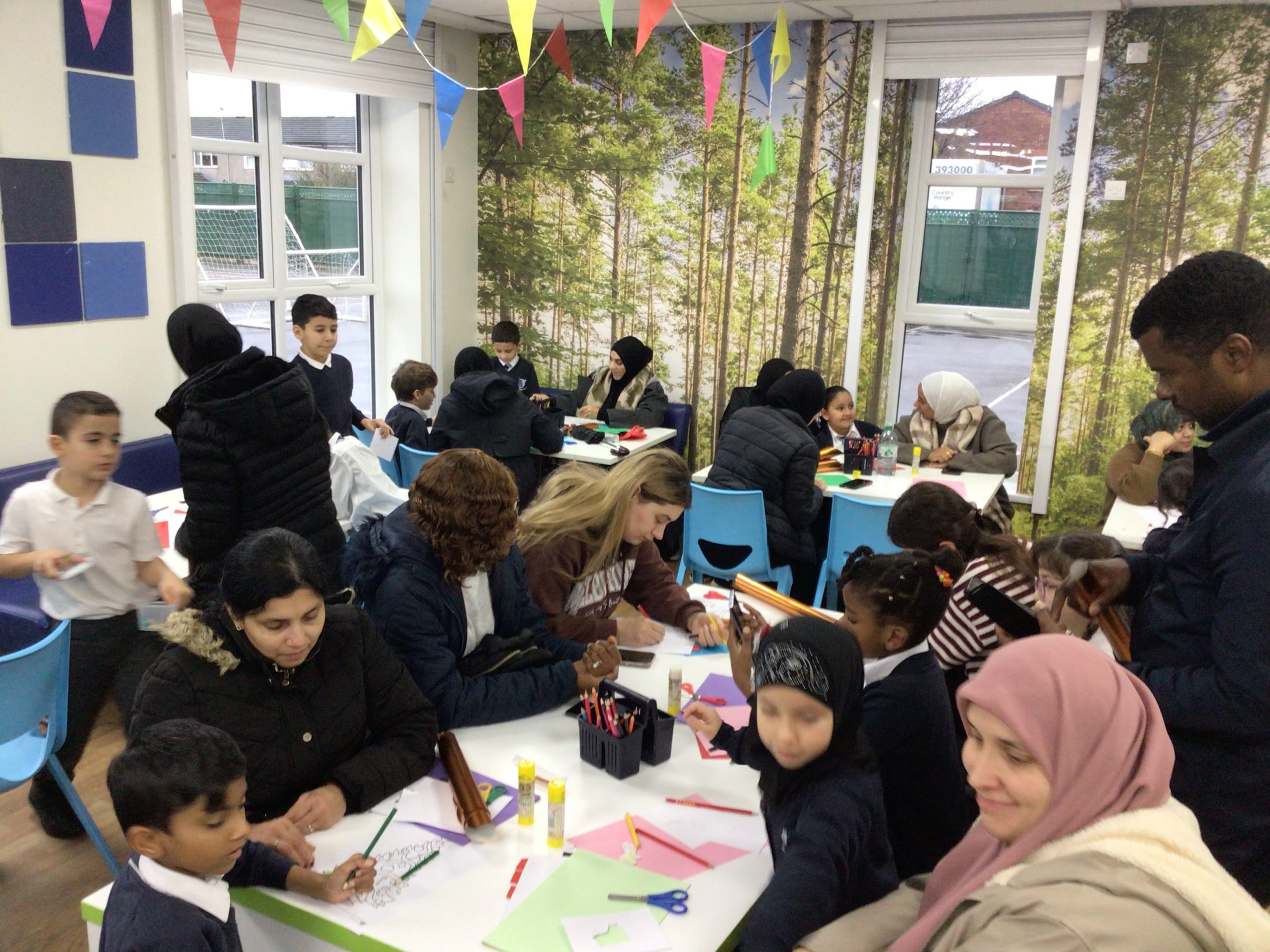
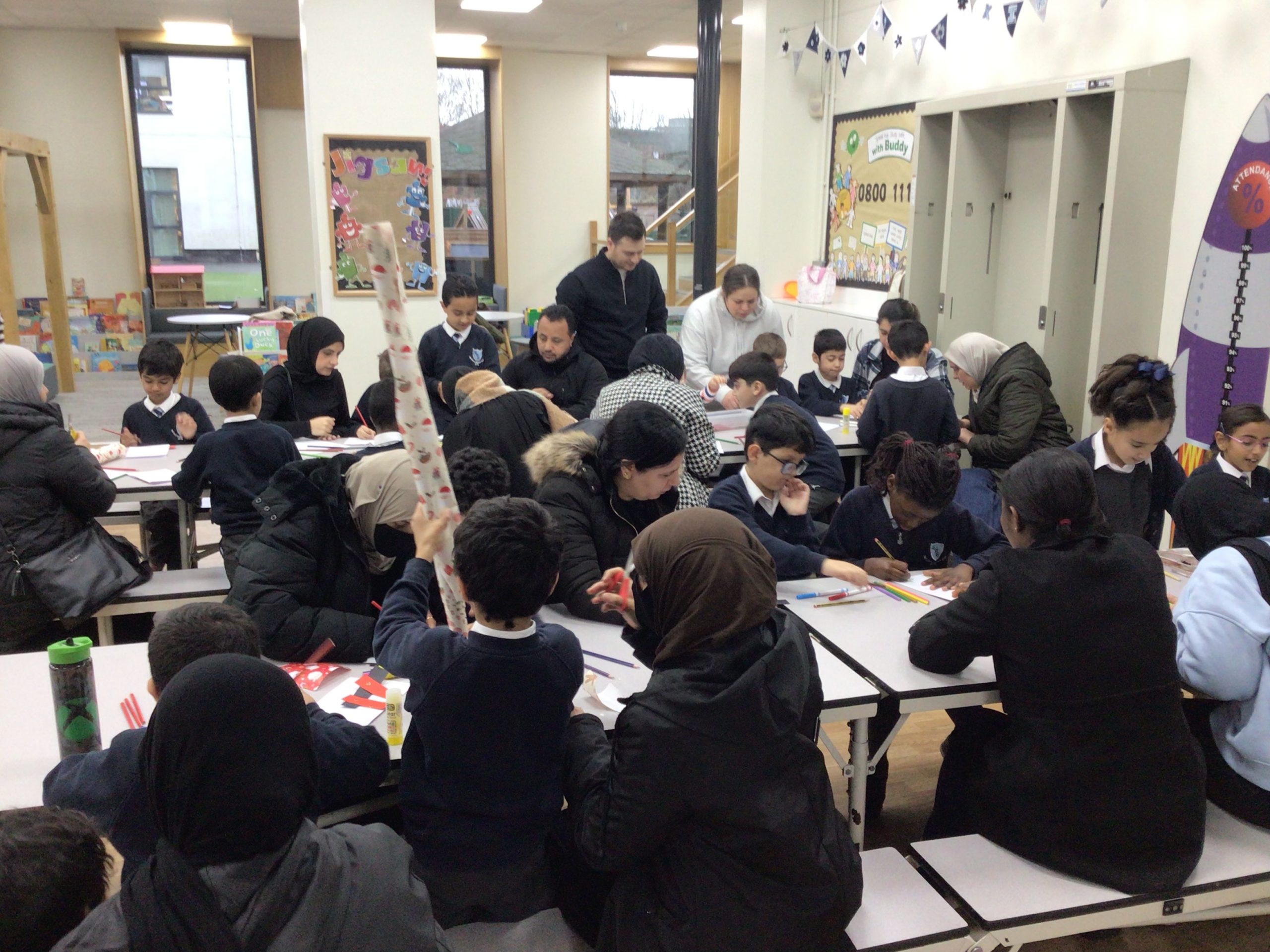
Thank you to everyone who joined us yesterday for our craft activities. We hope you enjoyed it as much as we did!
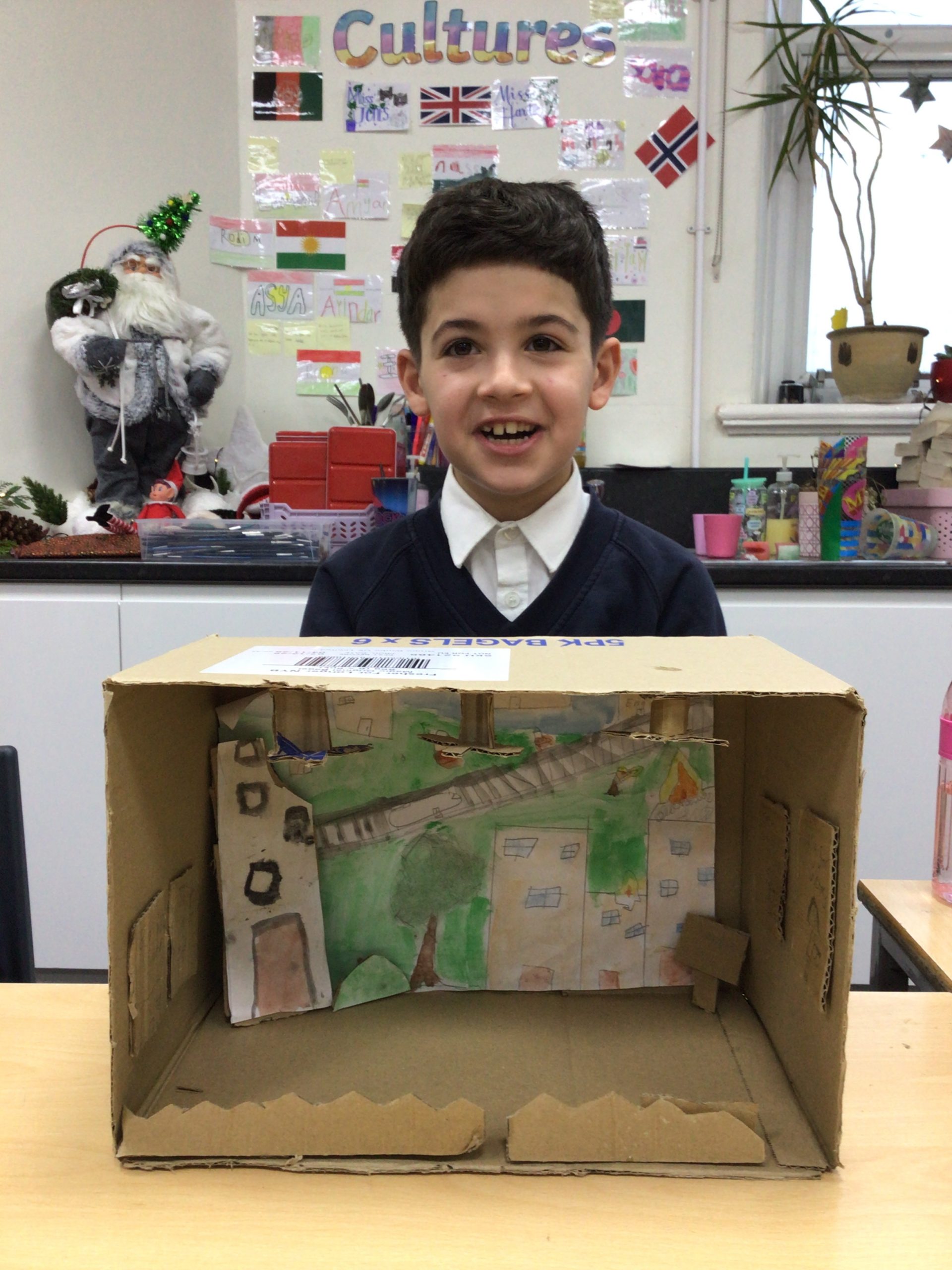
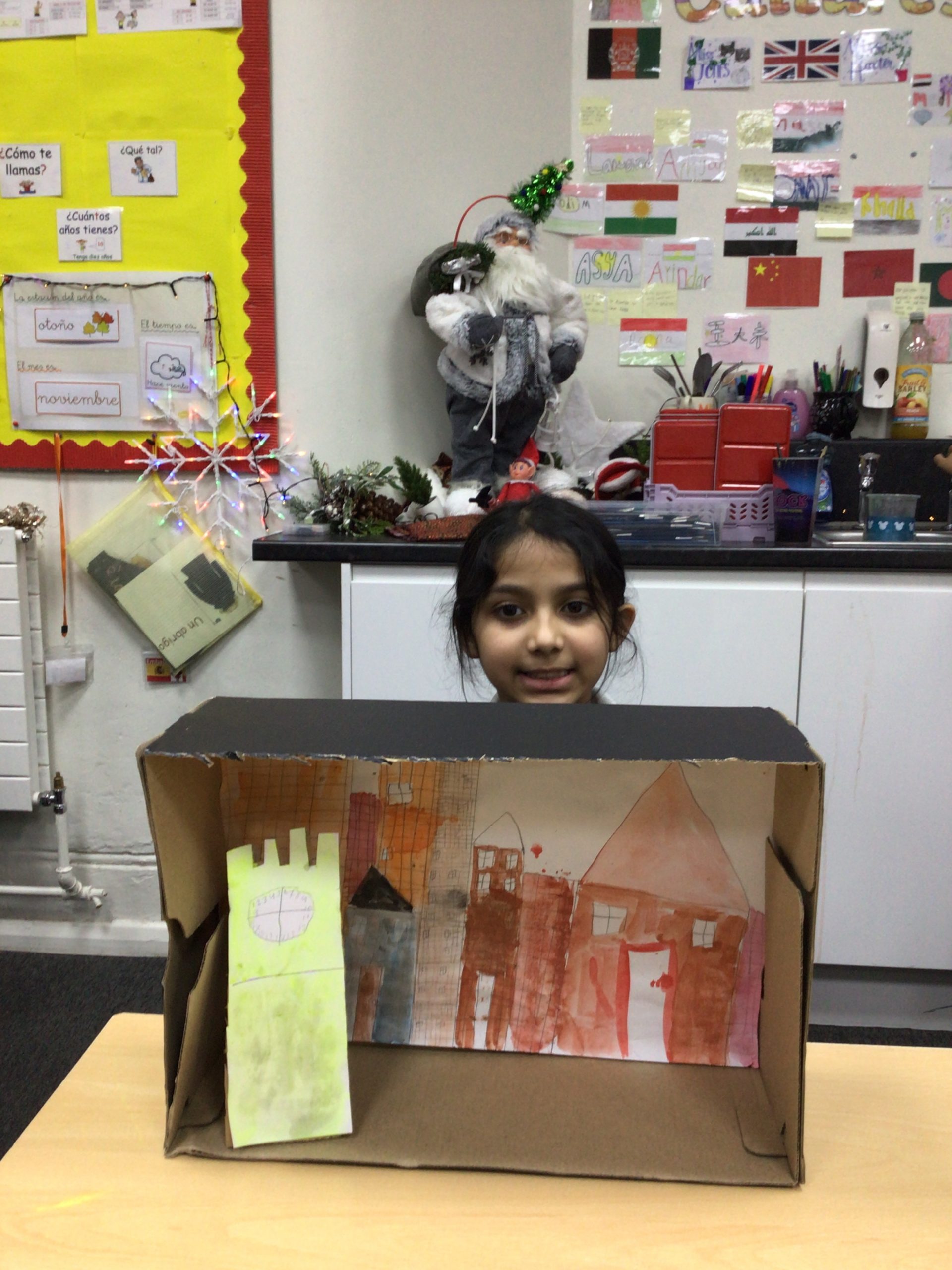
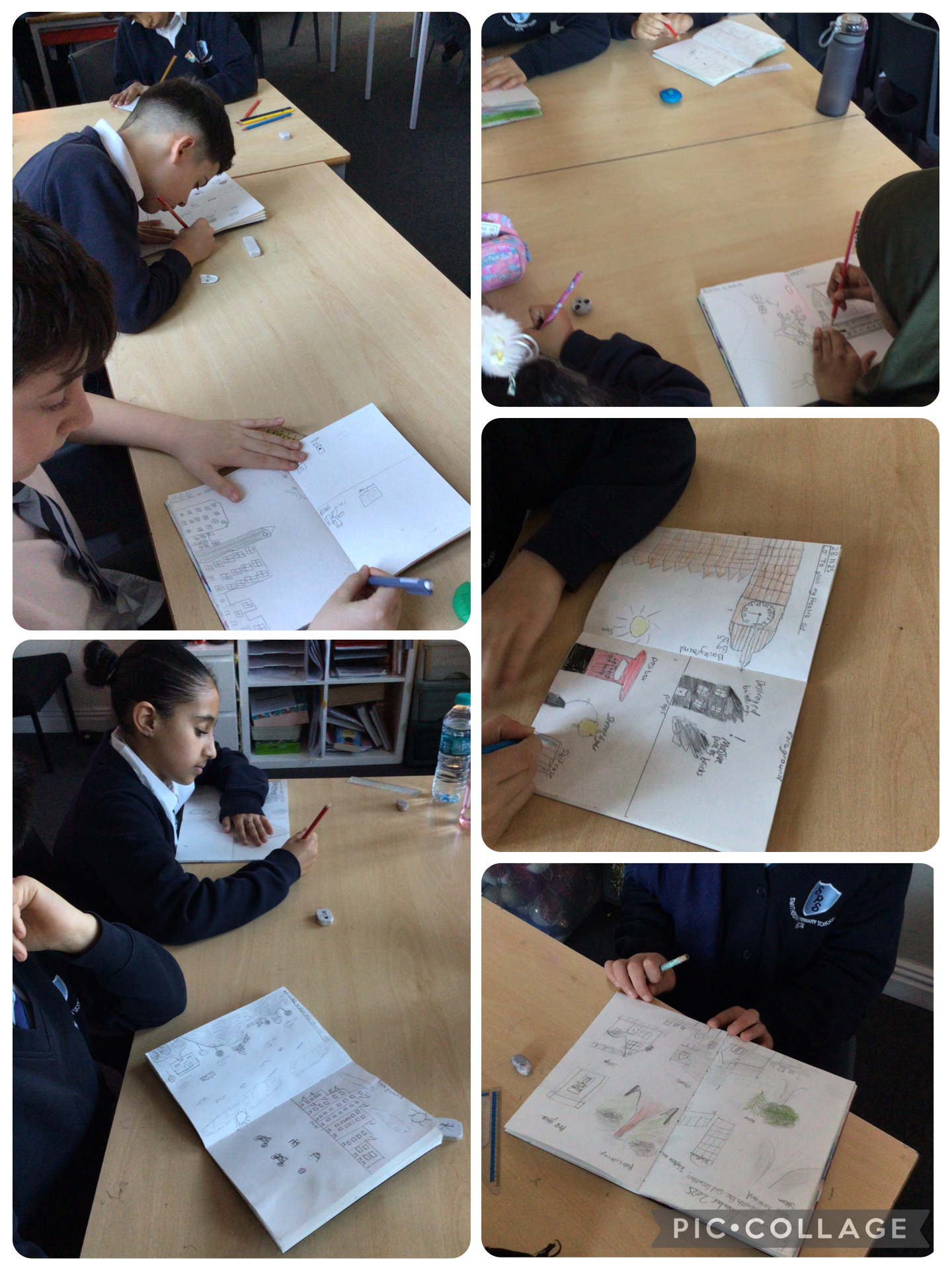
Our amazing theatre sets
17-12-2025
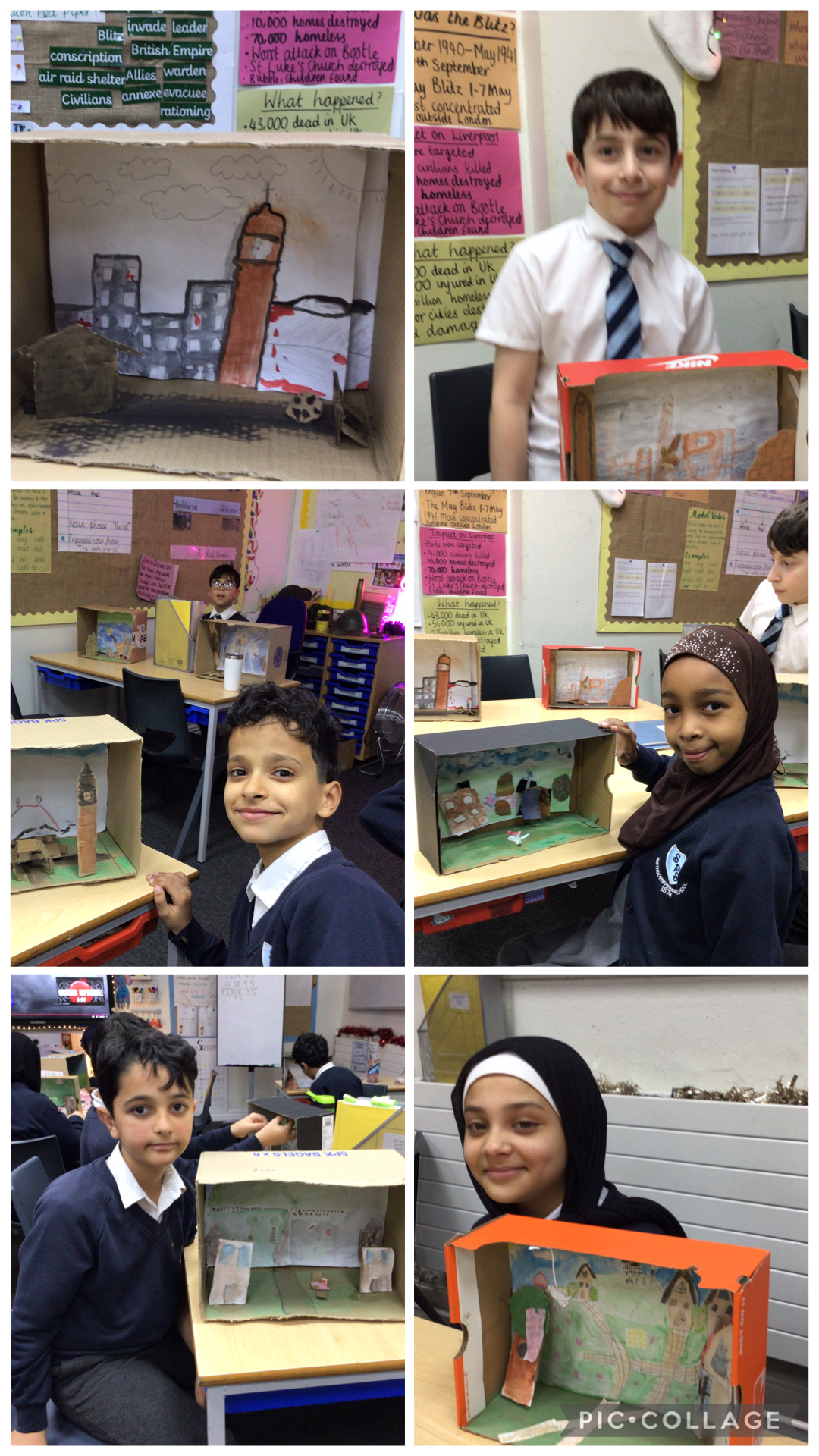
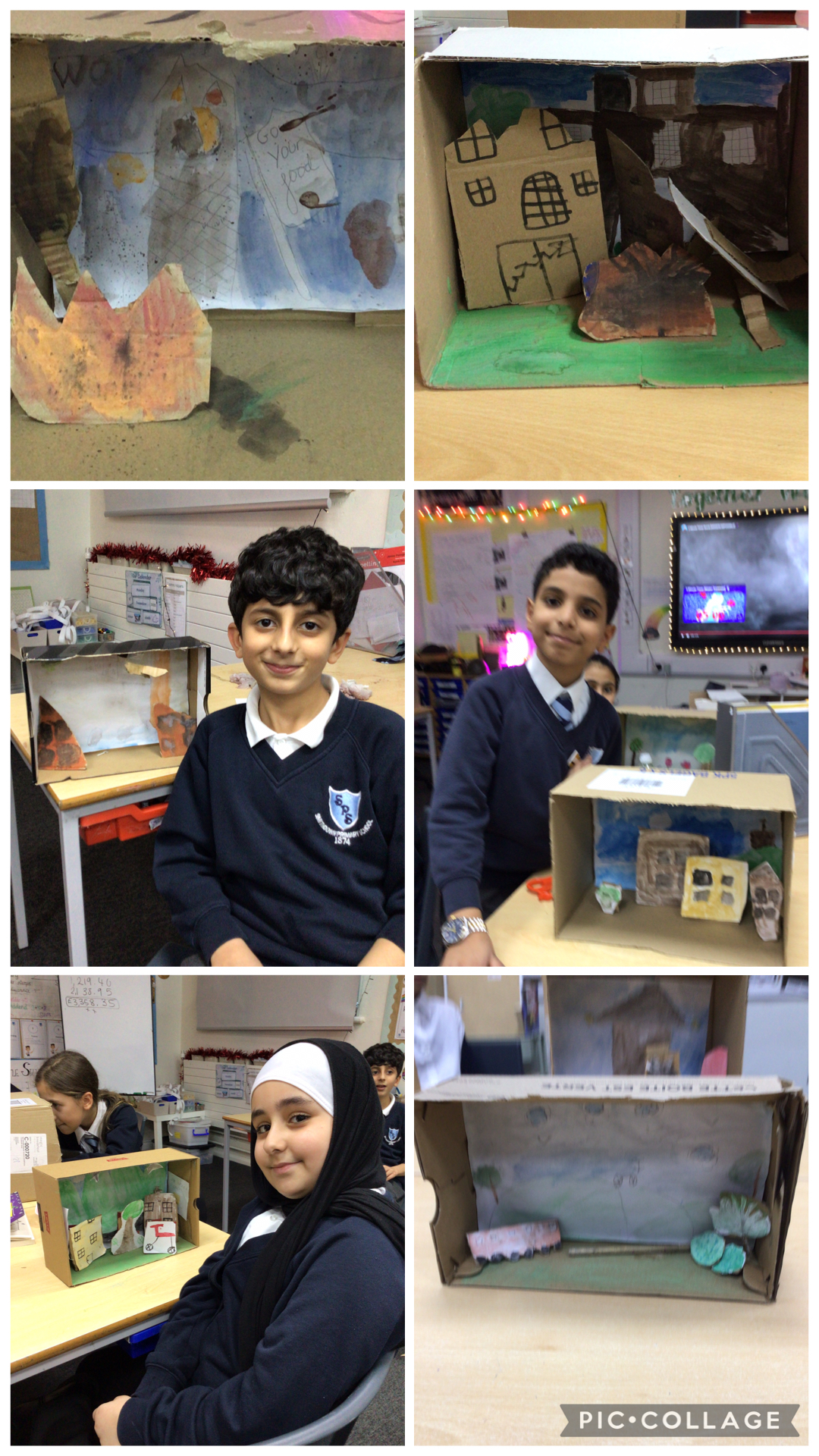
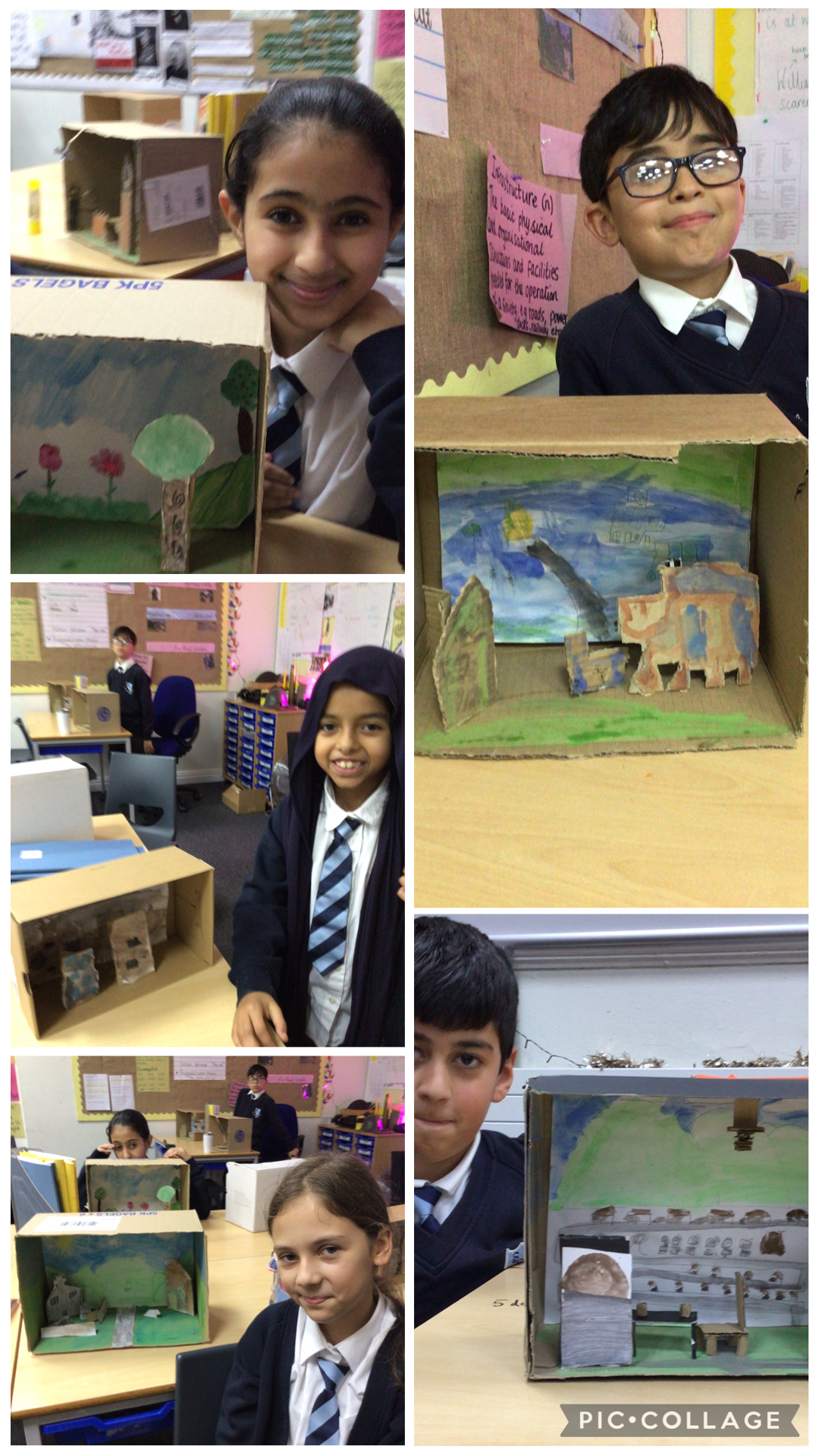
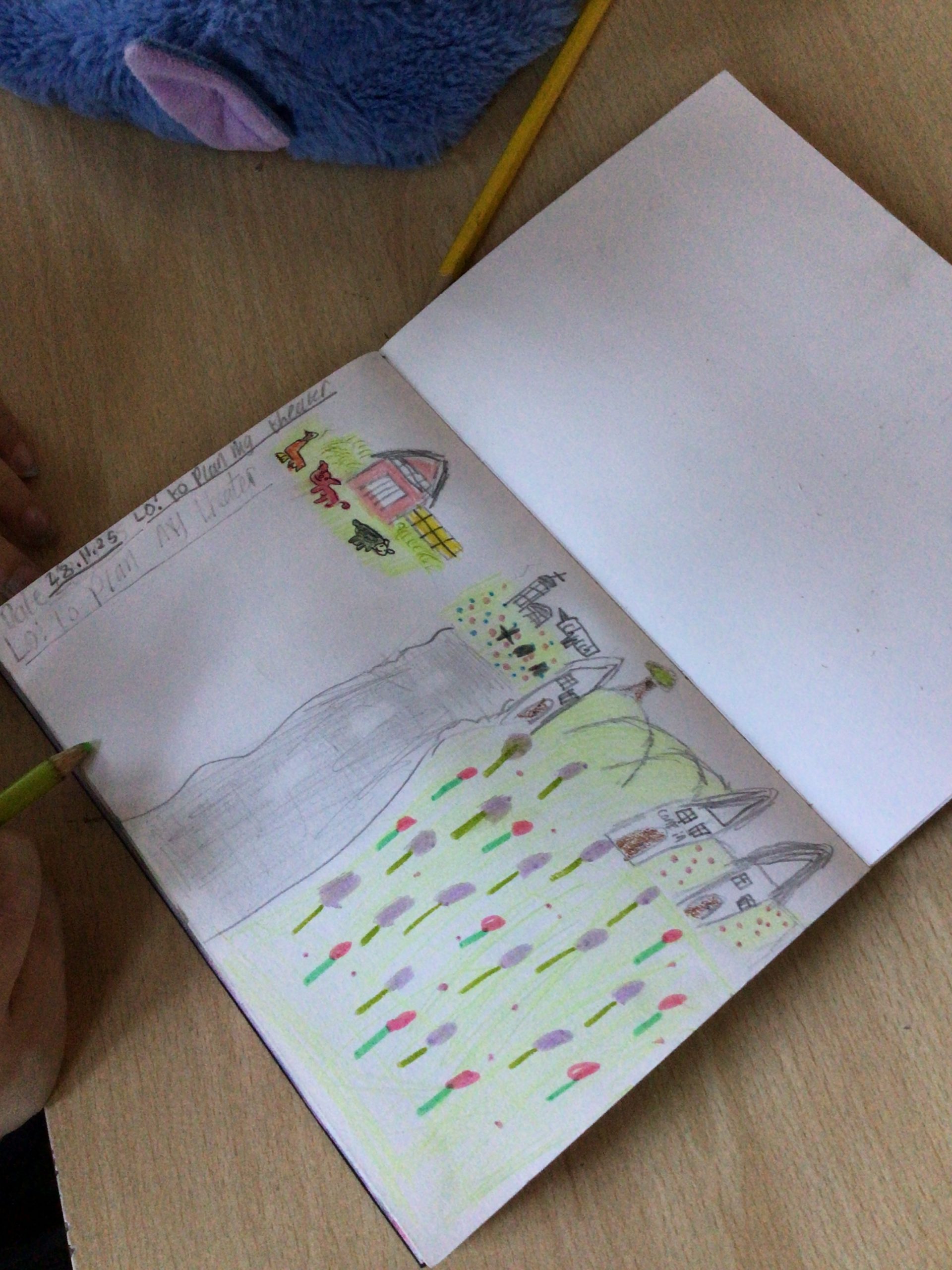
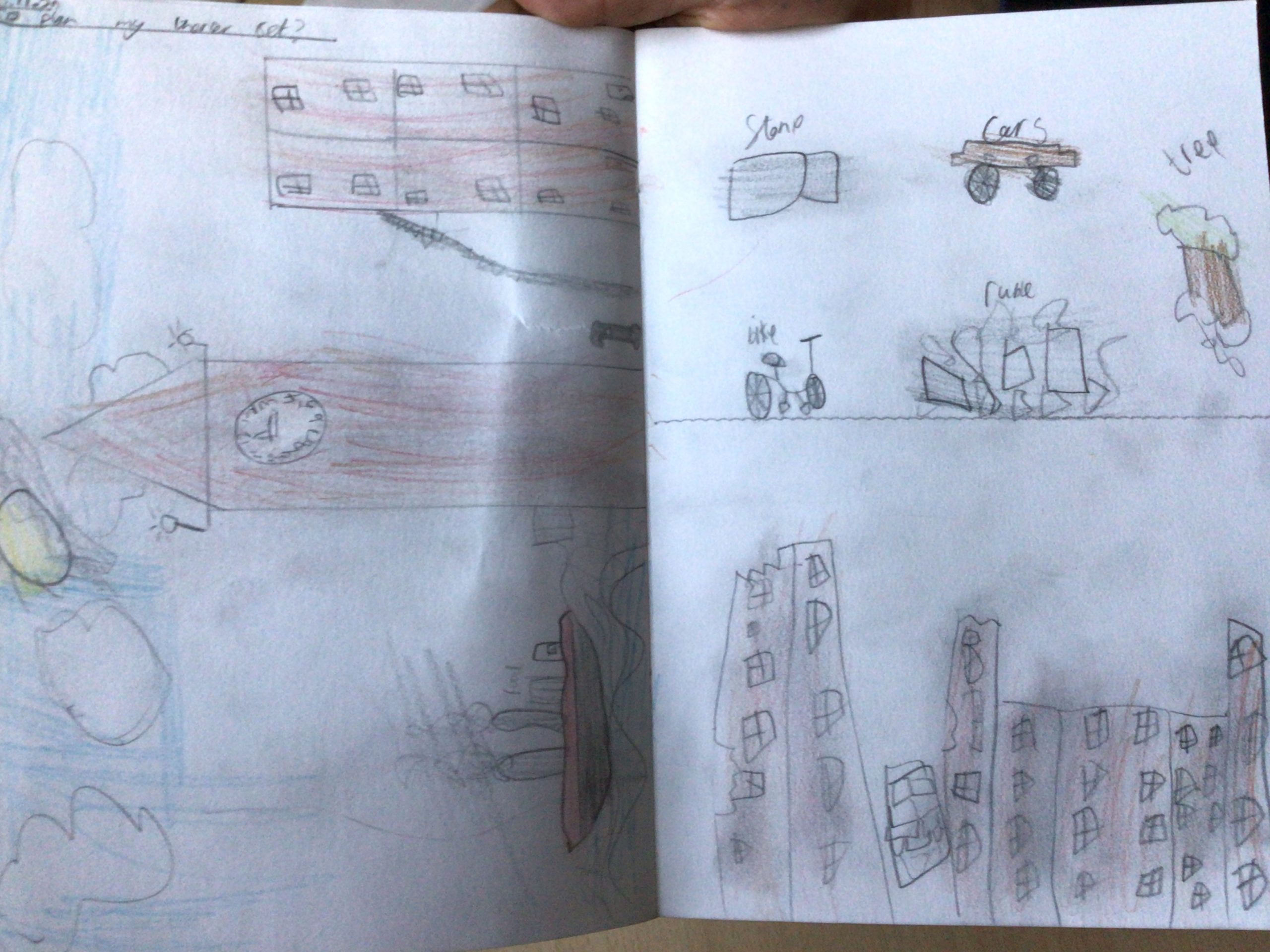
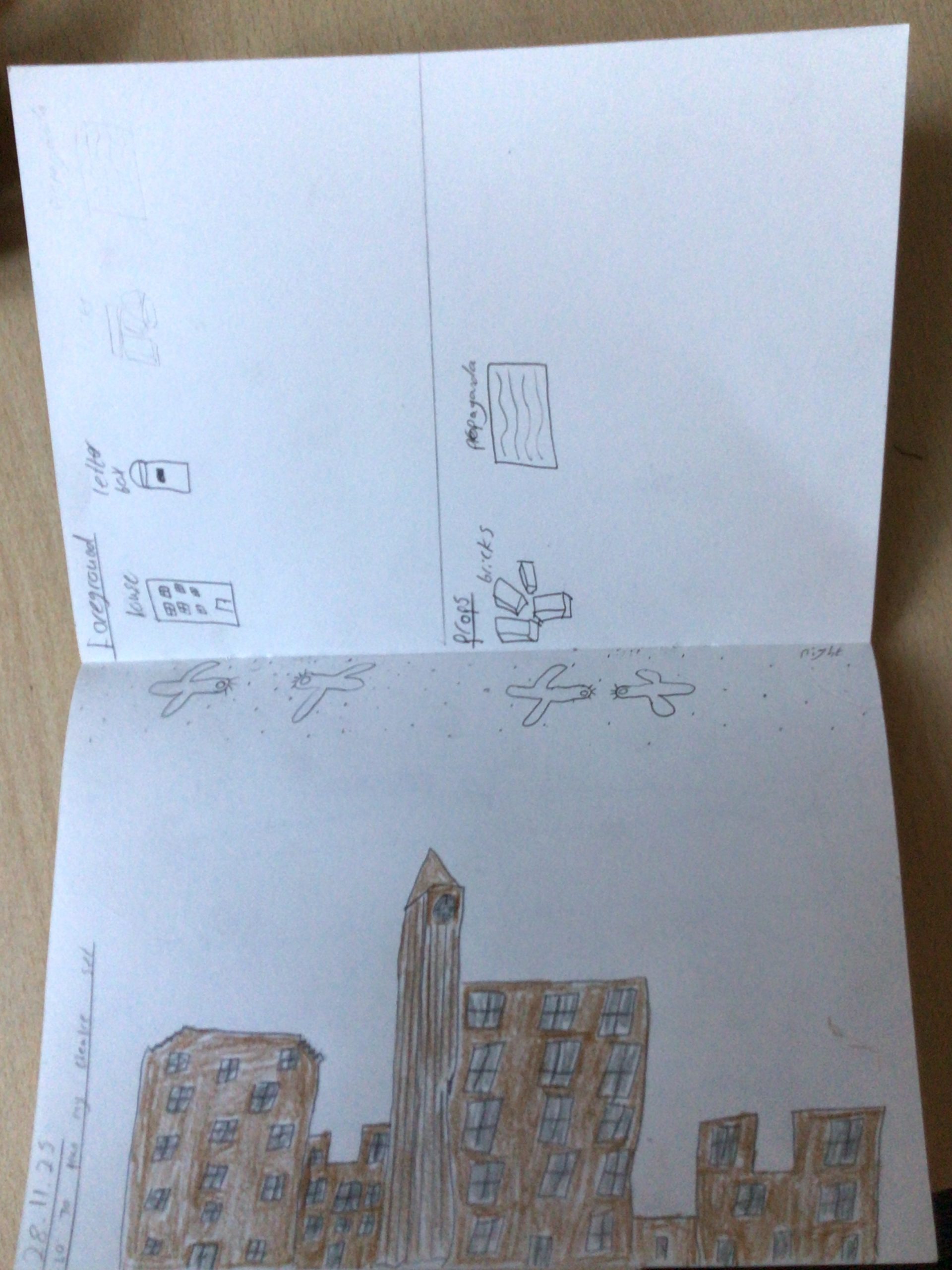
Take a peek at some of our amazing sets for Goodnight Mr Tom. Some of us made Little Weirwold (a fictional village) and some made London during the war. 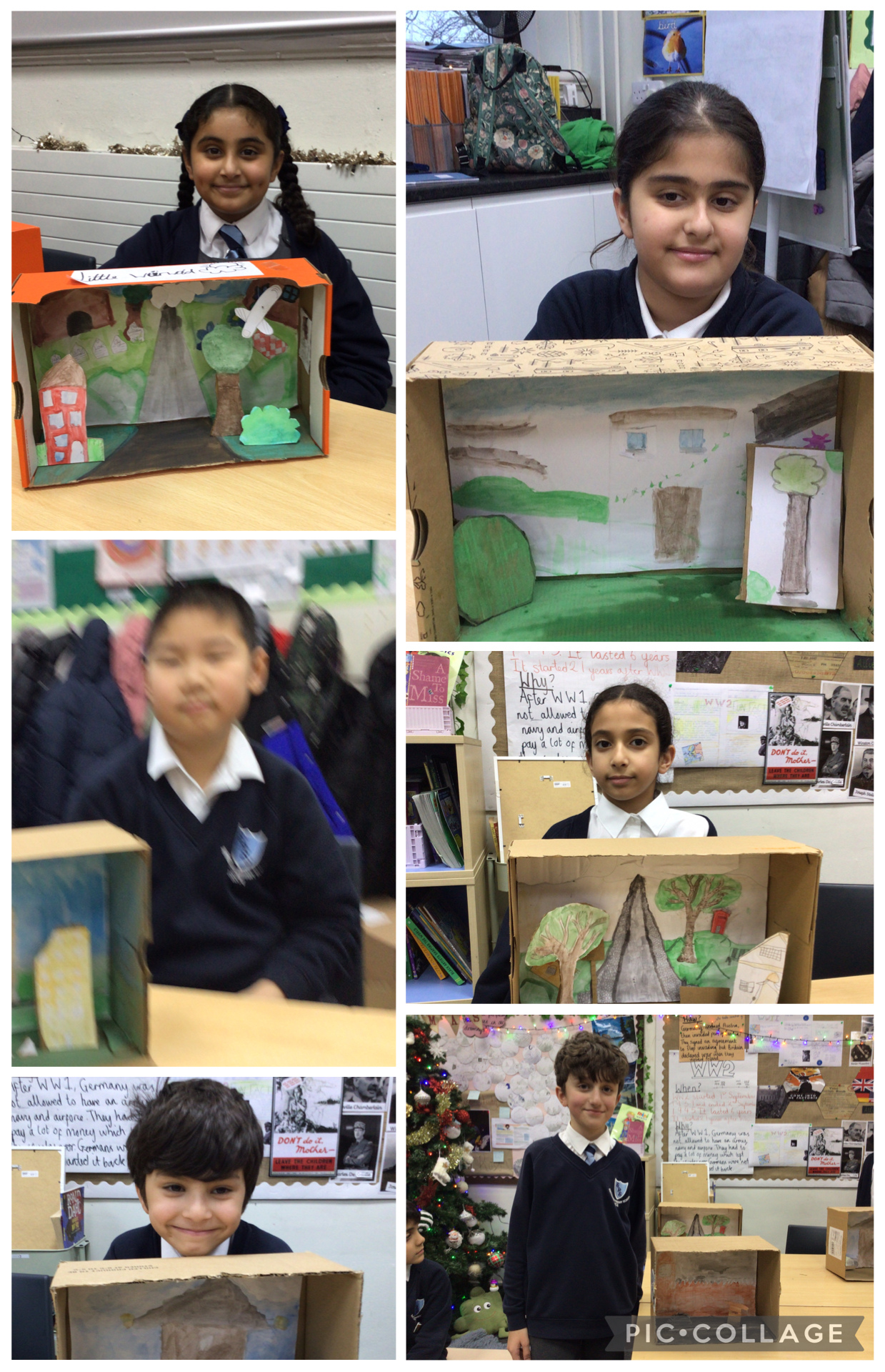
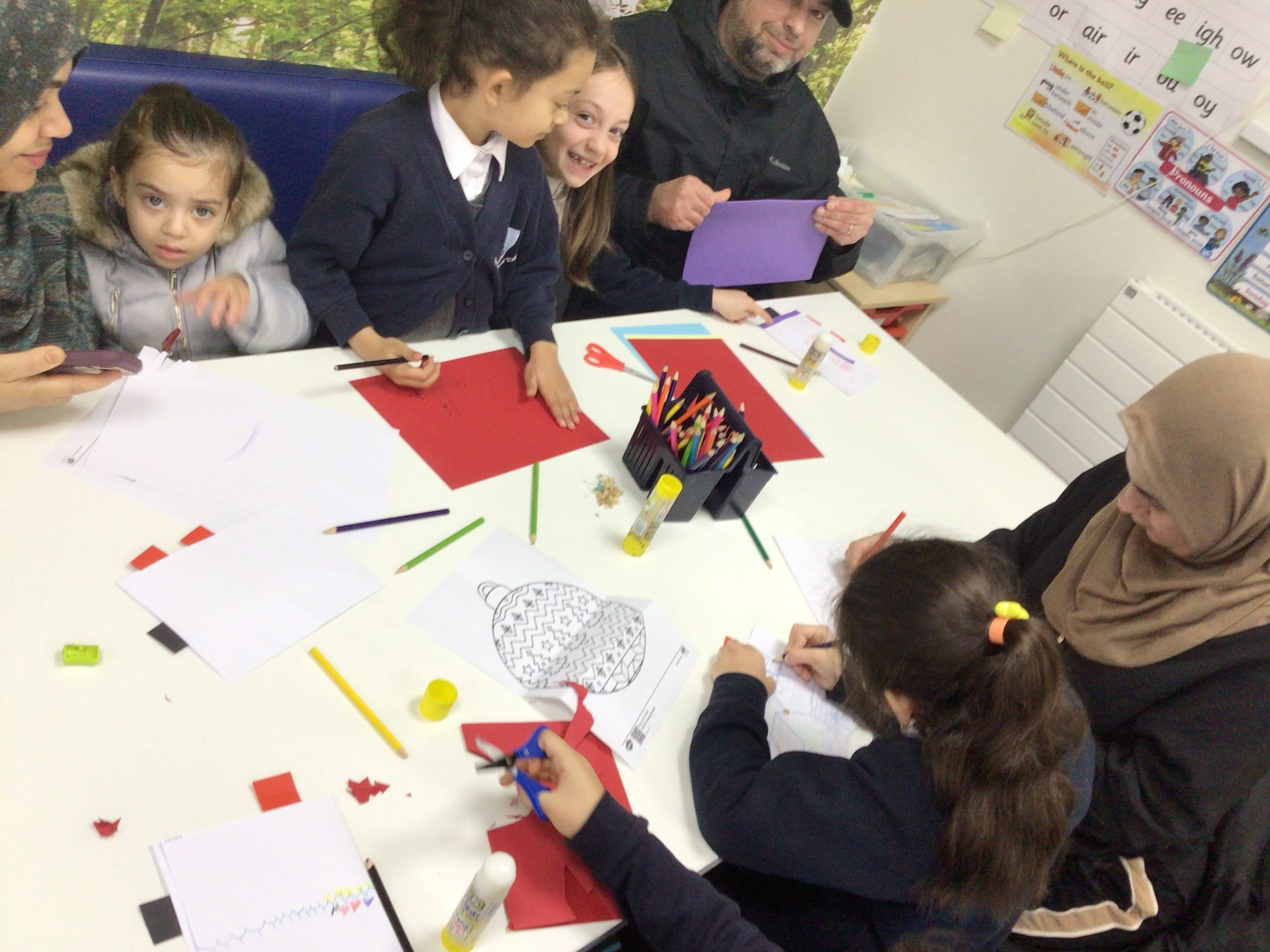
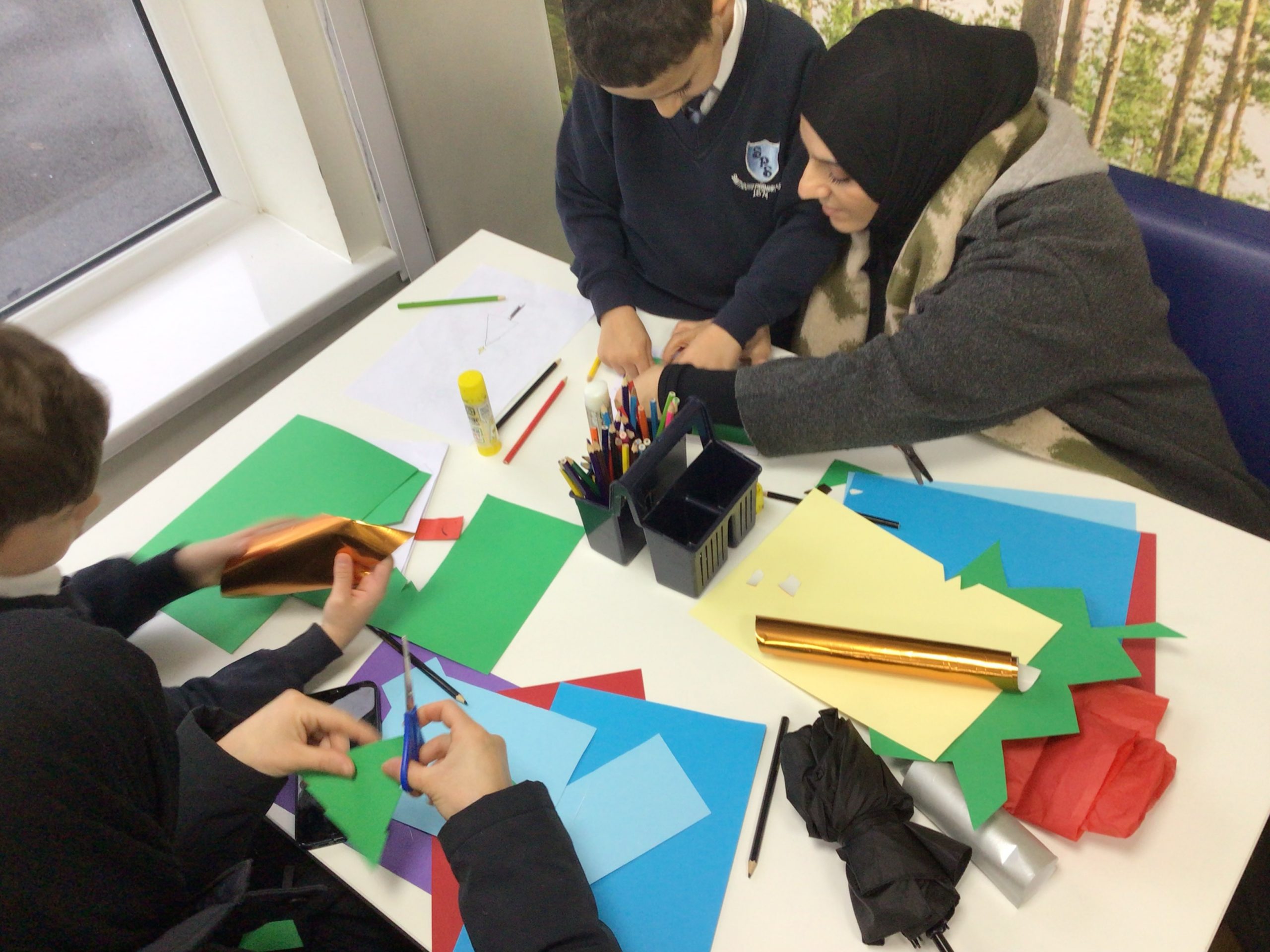
Year 3 Winter Crafts
12-12-2025
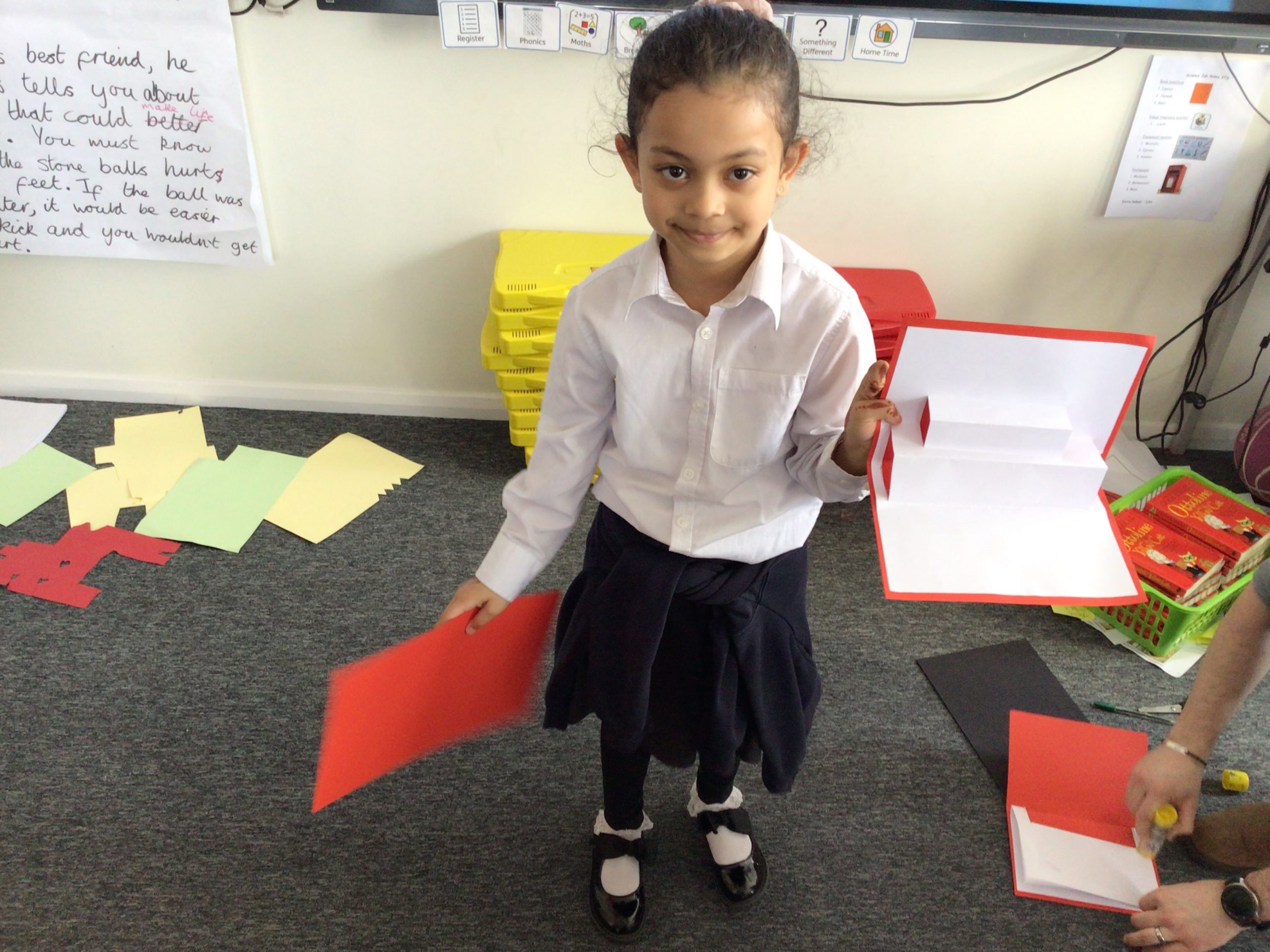
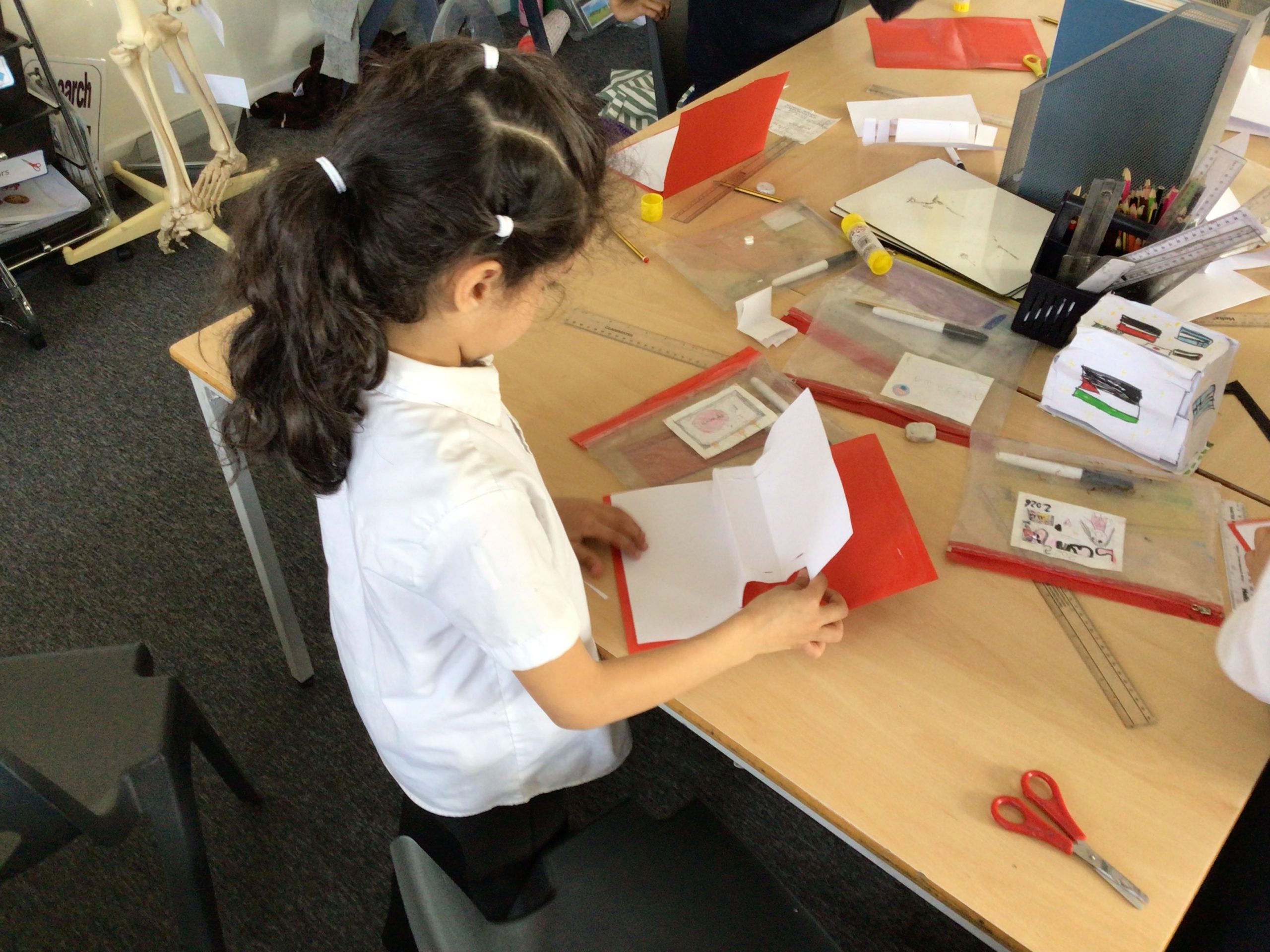
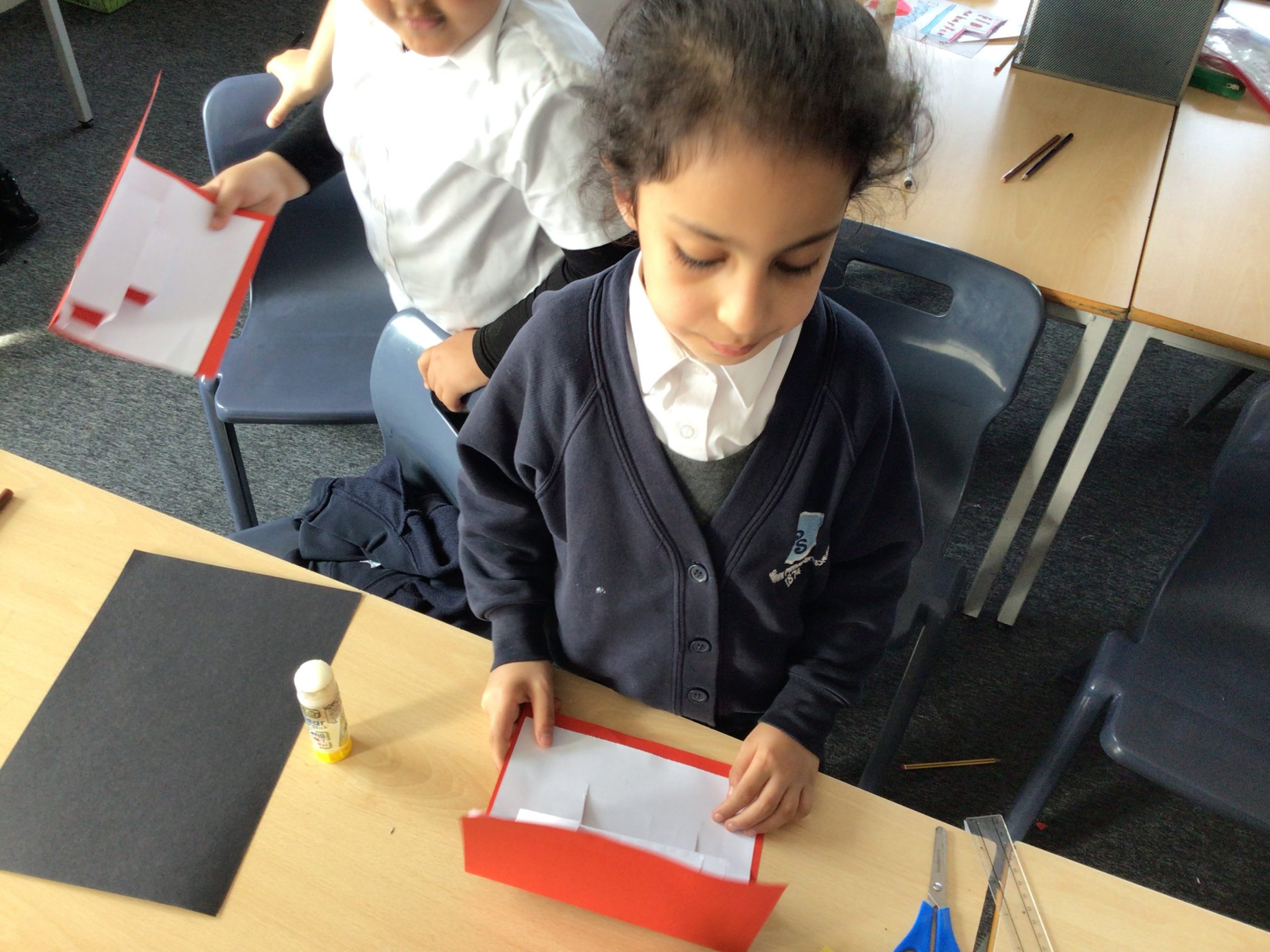
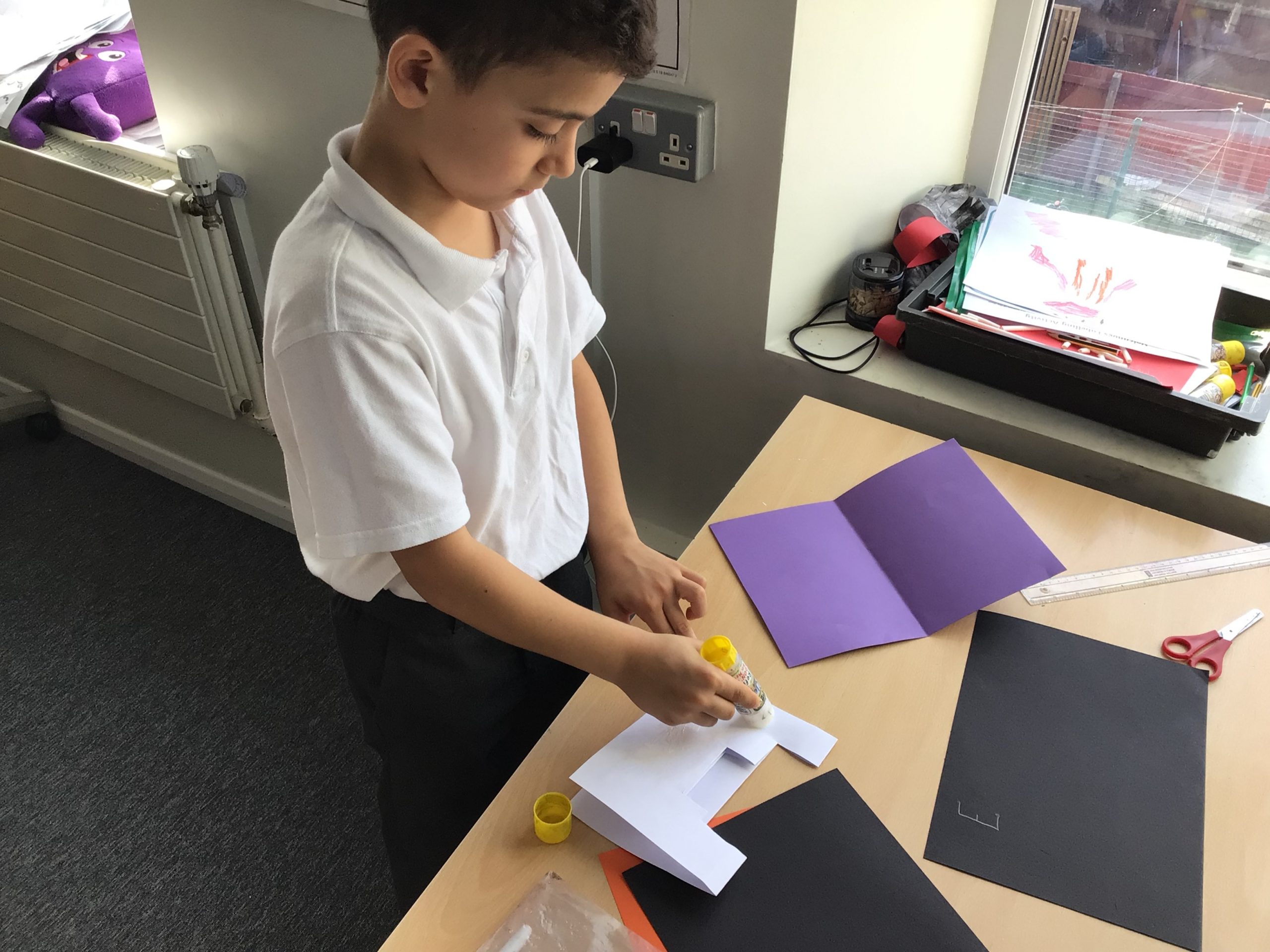
WHAT AN AMAZING TURN OUT! Thank you to all our Year 3 parents and carers for coming and helping finish off our DT mechanism cards.
Thank you!
WW2 propaganda for rationing
04-12-2025
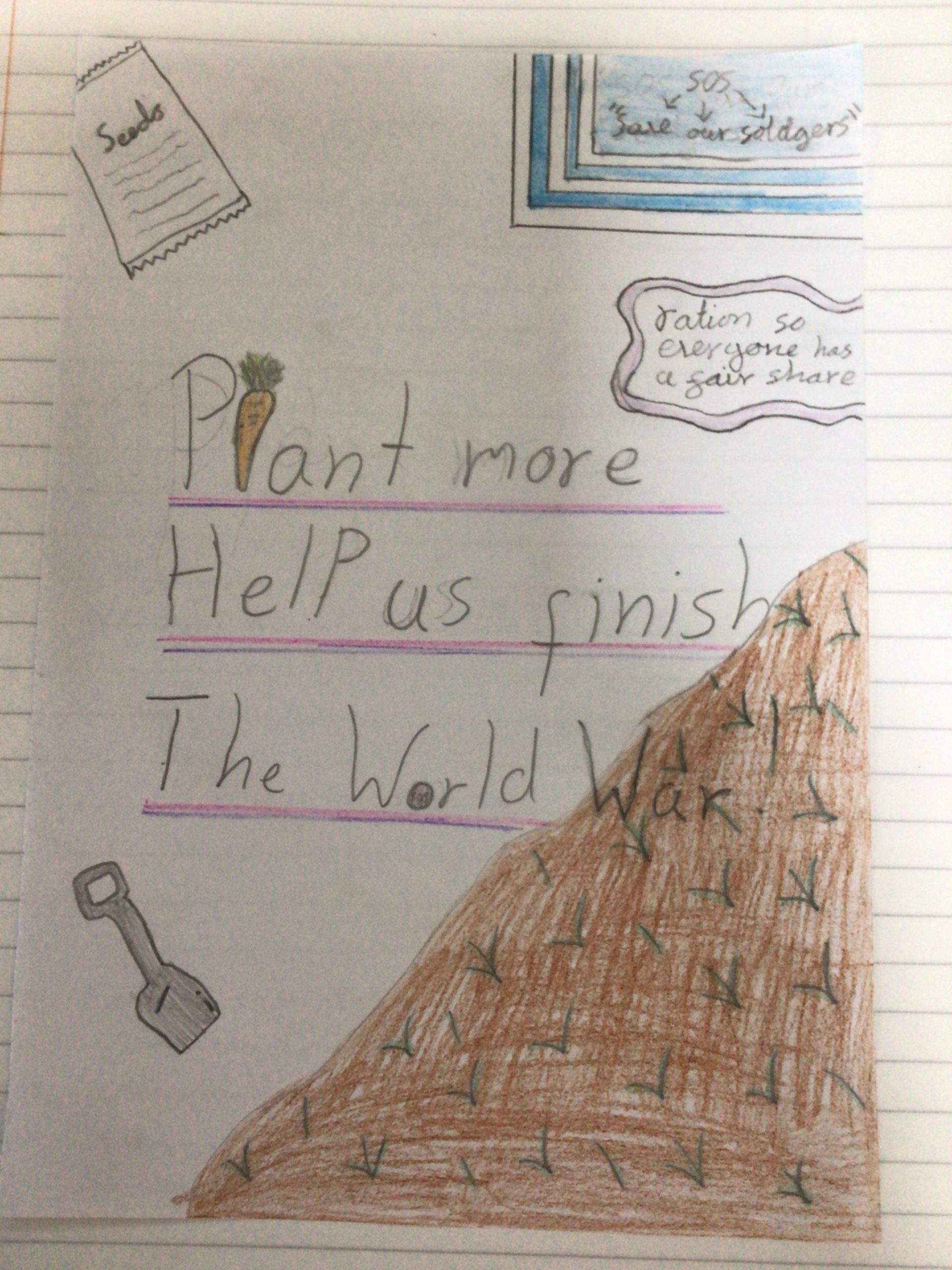
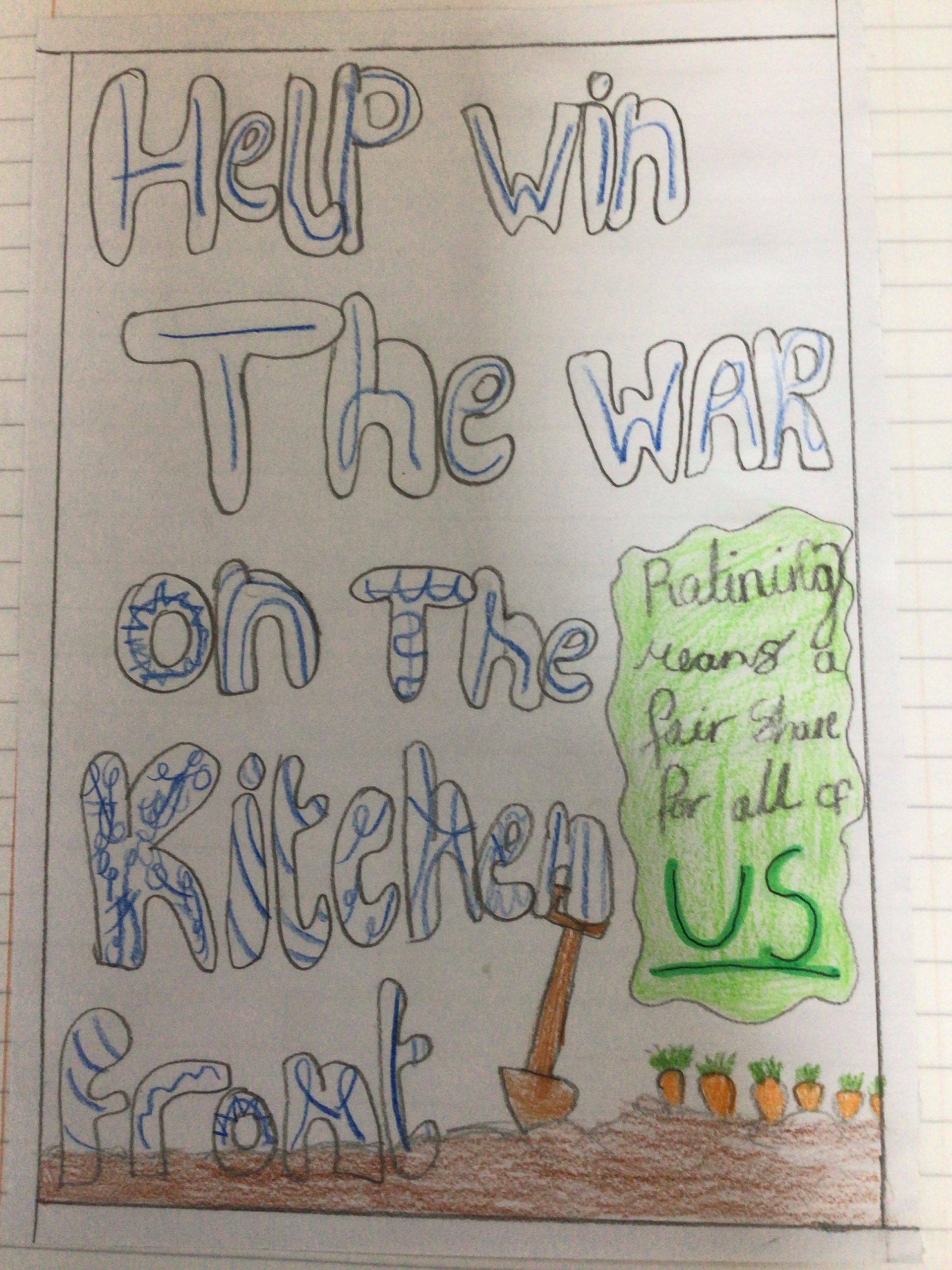
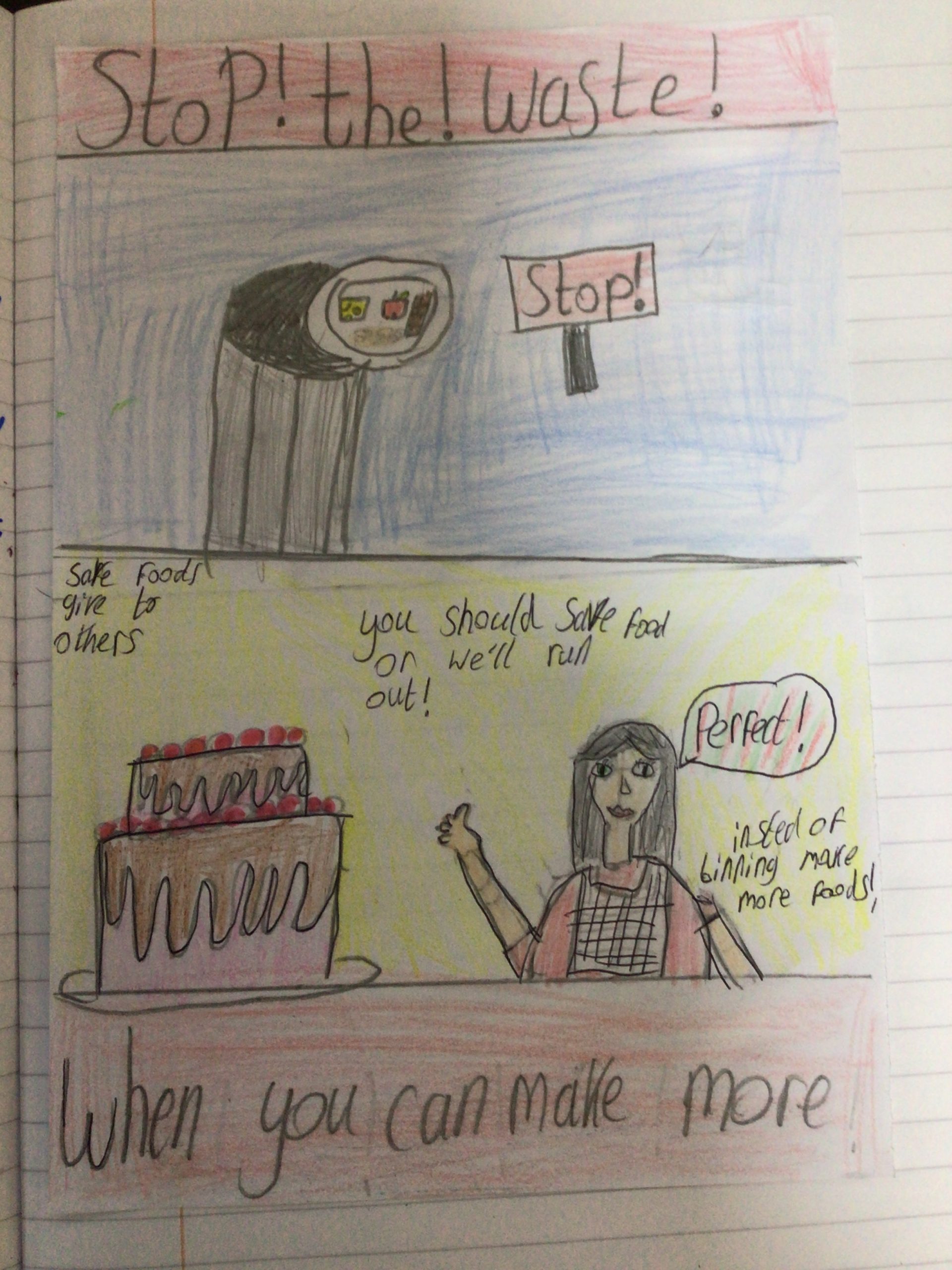
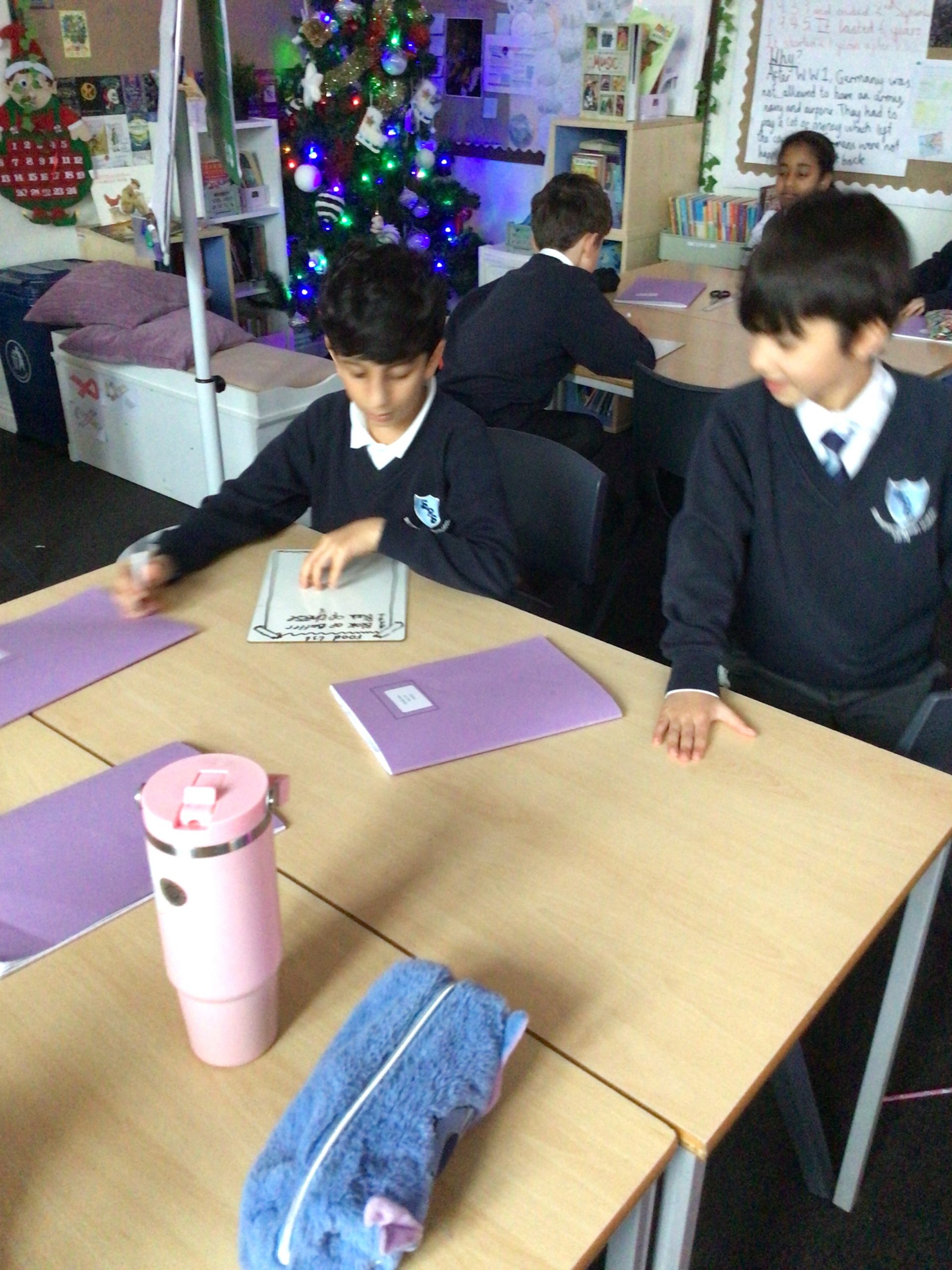
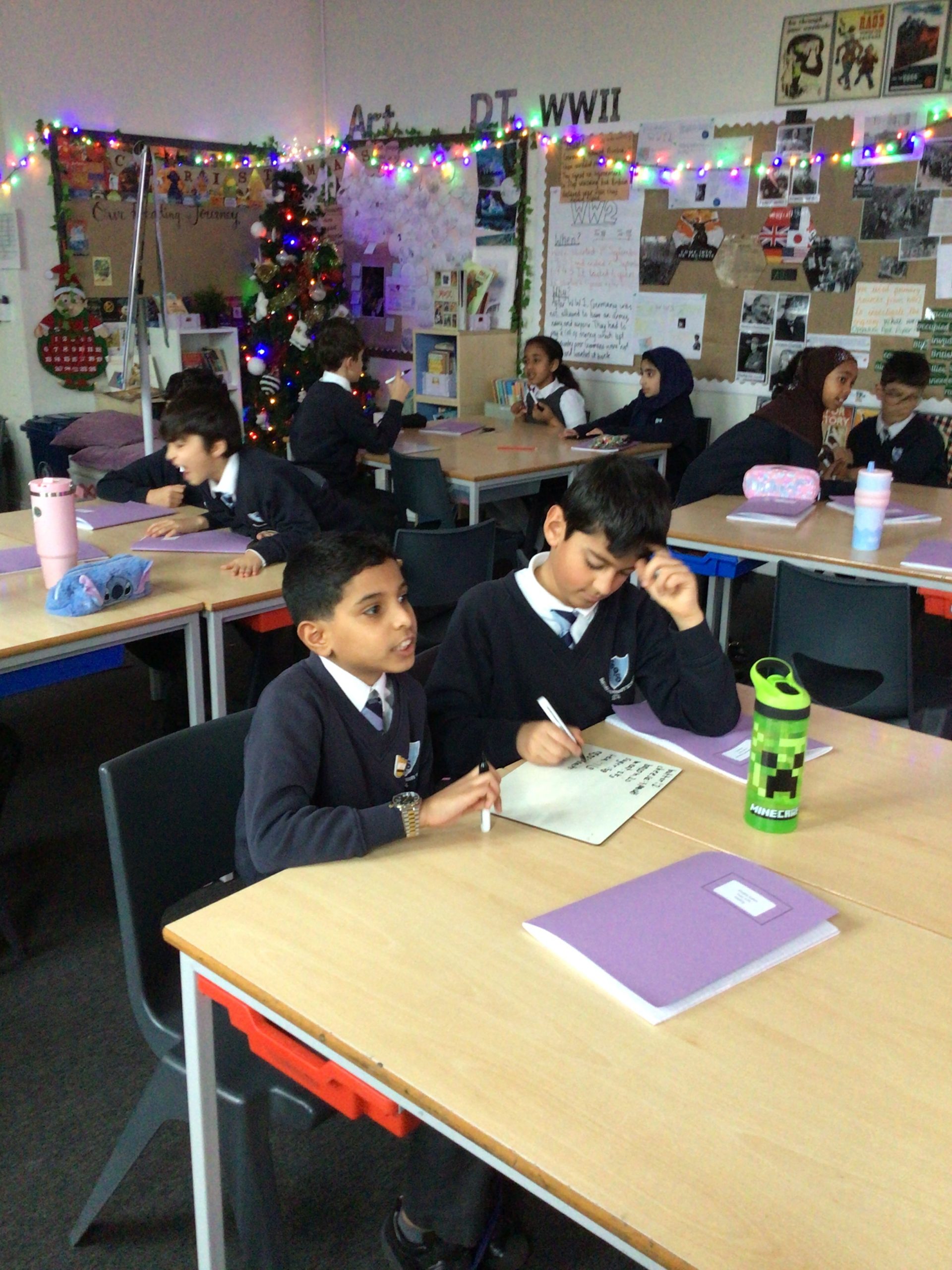
Today we have learnt why Britain rationed during WW2 and why it was so important. Firstly, we guessed how much food people were allowed. We have created rationing posters to convince others! 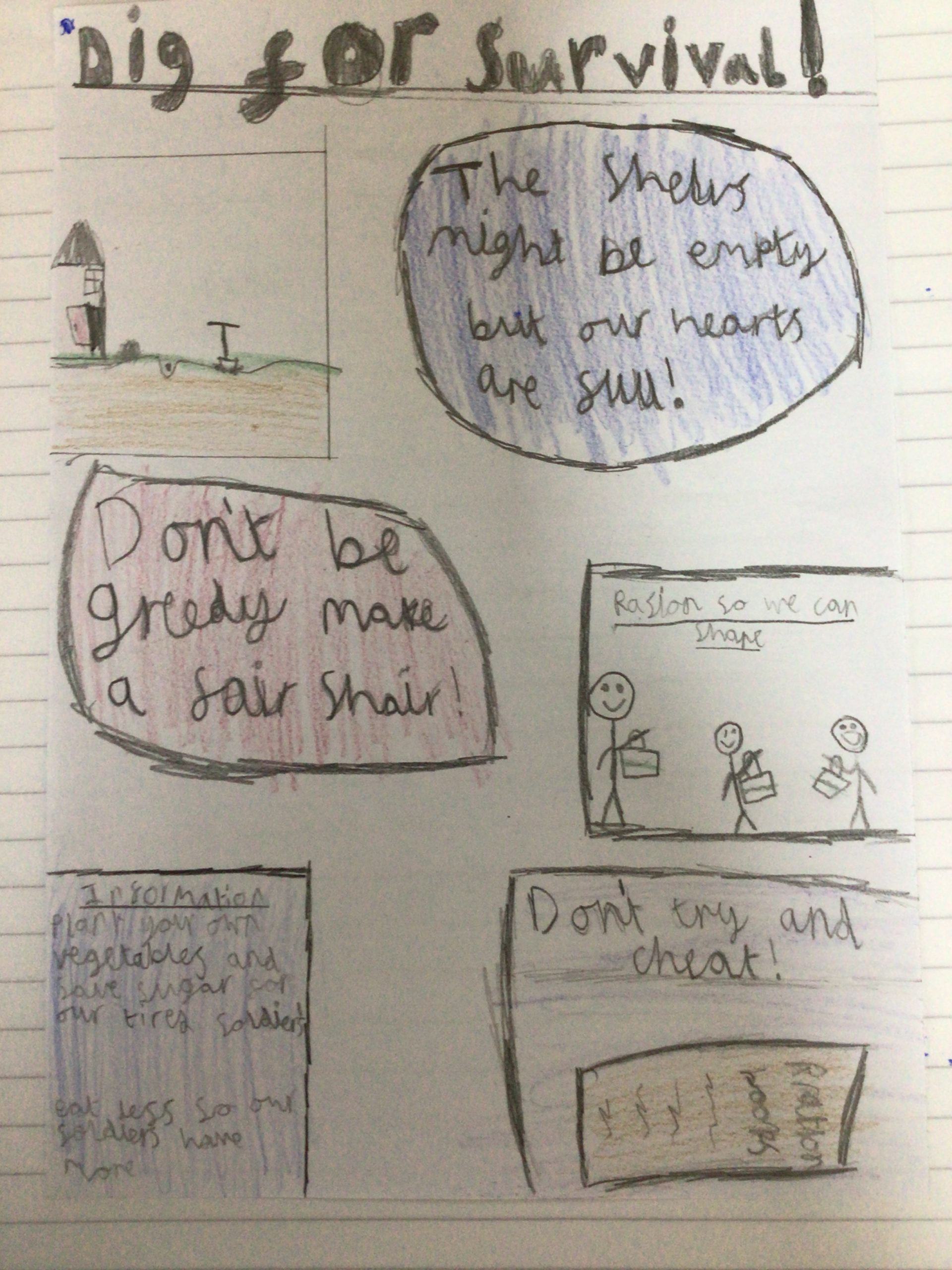
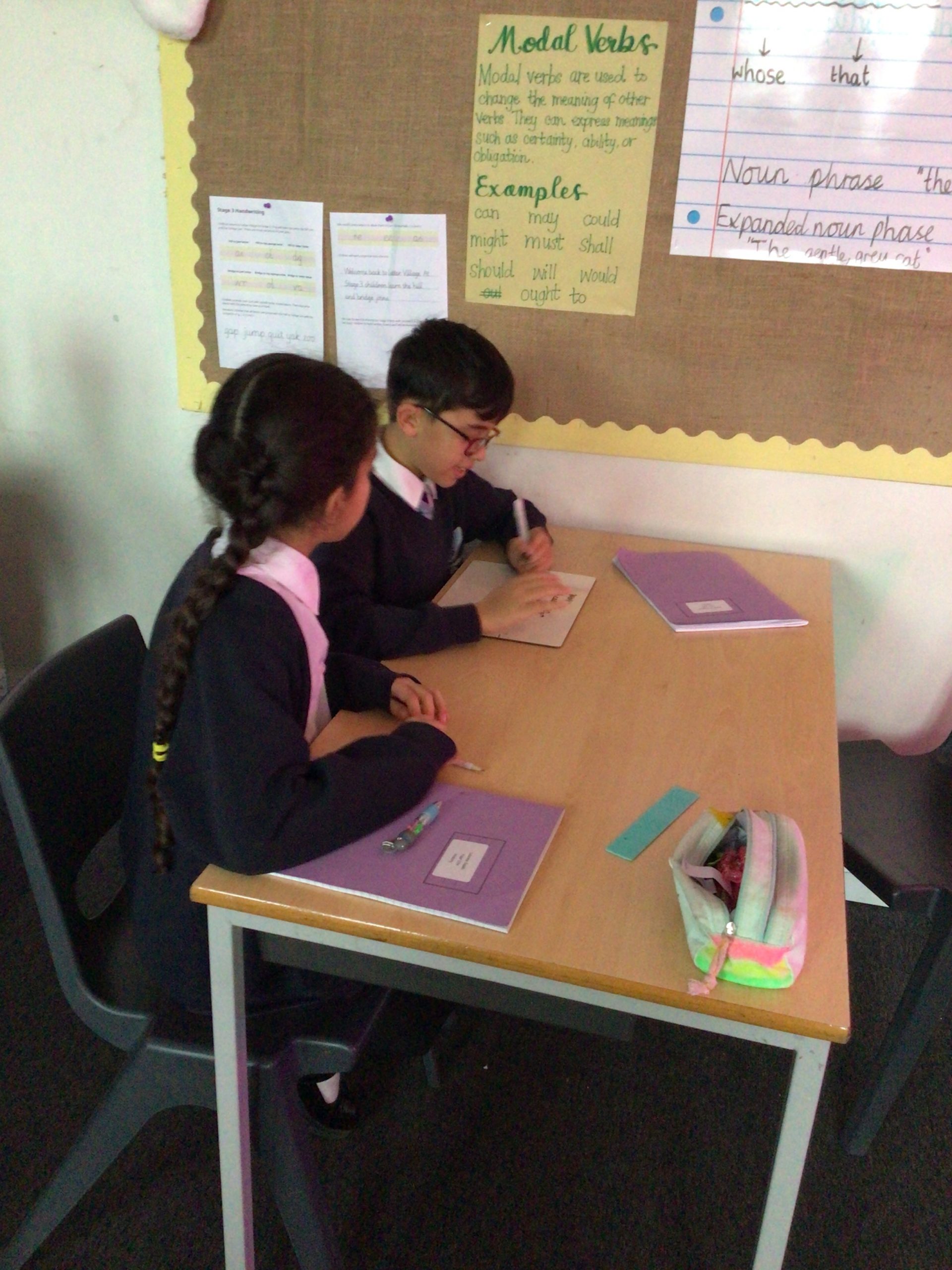
Amazing theatre set designs!
28-11-2025
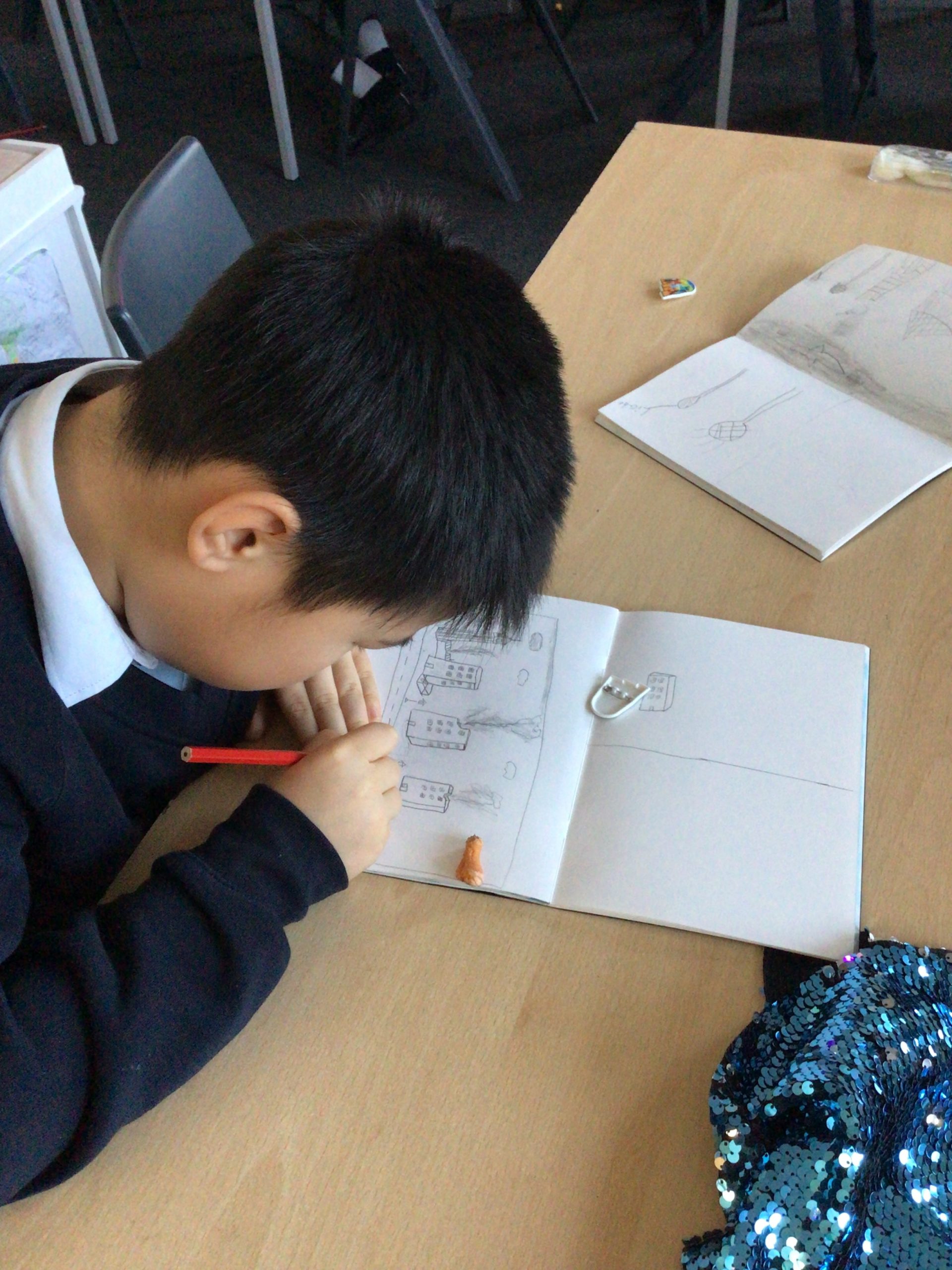
In Year 5, we have been designing our sets for Goodnight Mr Tom, either based in Little Weirwold or London. The children did a fantastic job of thinking of the different dimensions and what props they will be designing. 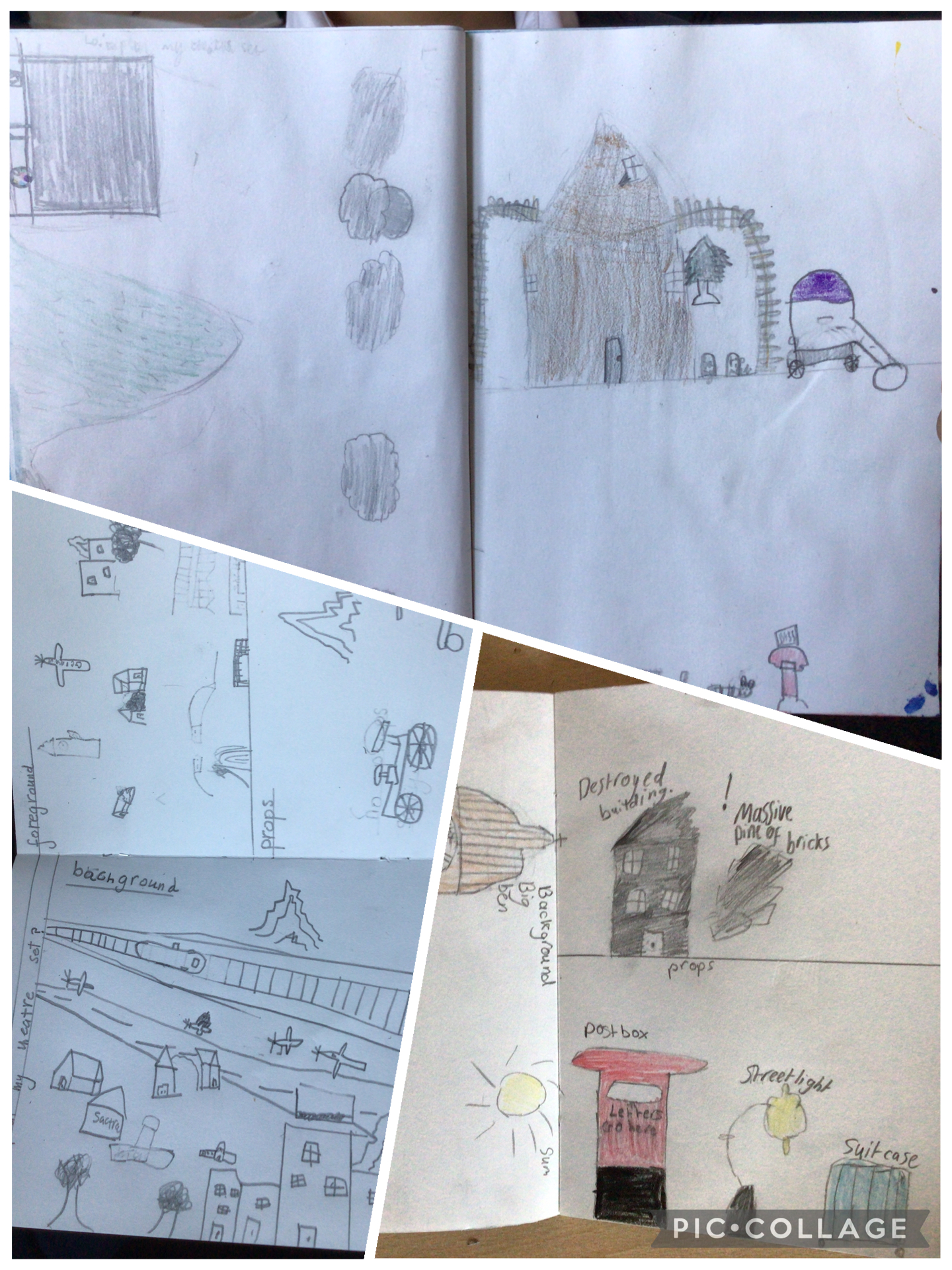
Little Weirwold
24-11-2025
Last week, Y5 created art work using setting descriptions from our class text ‘Goodnight Mr Tom’. We highlighted key phrases then accurately tried to recreate the wonderful village from WW2. 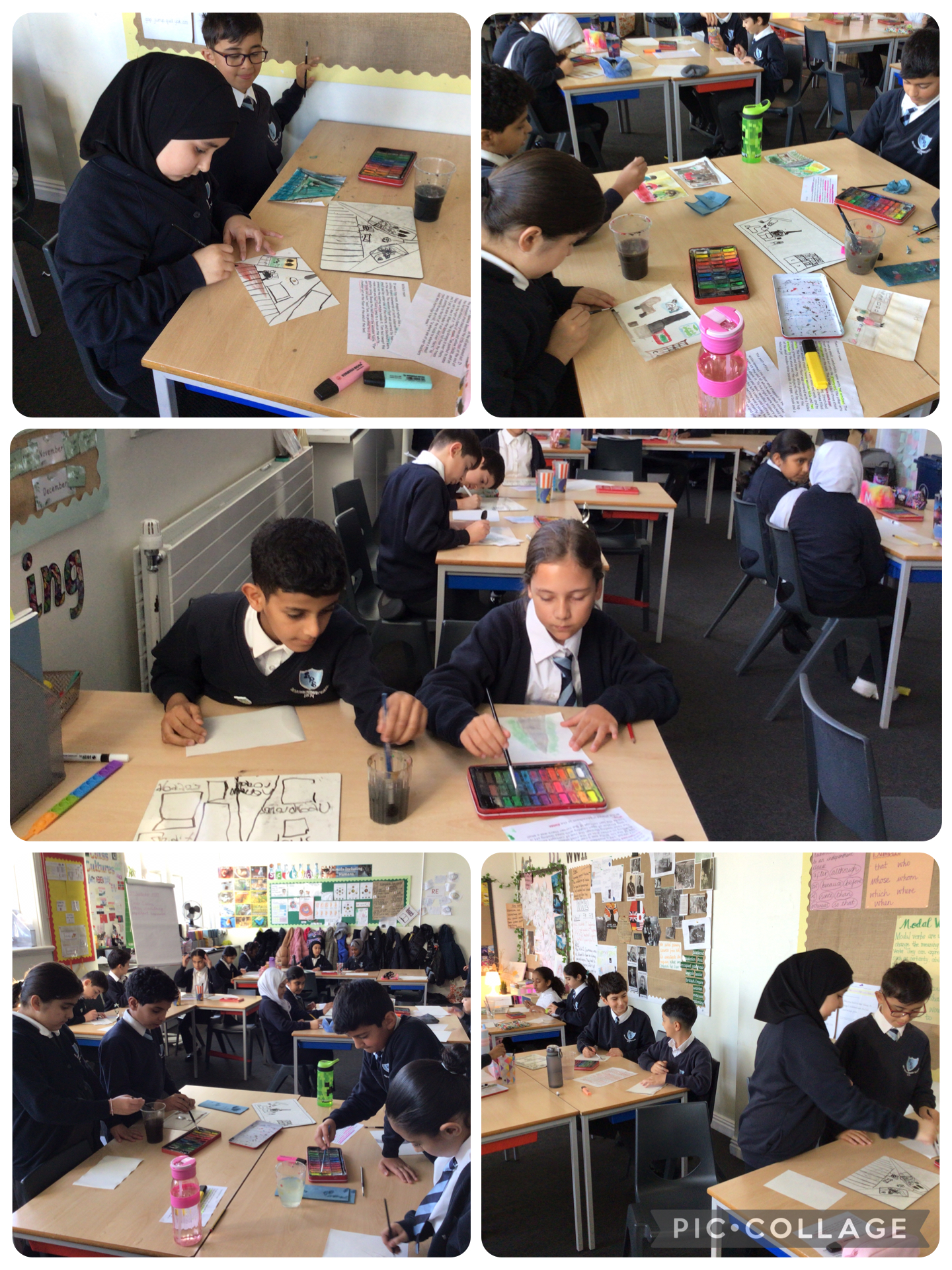
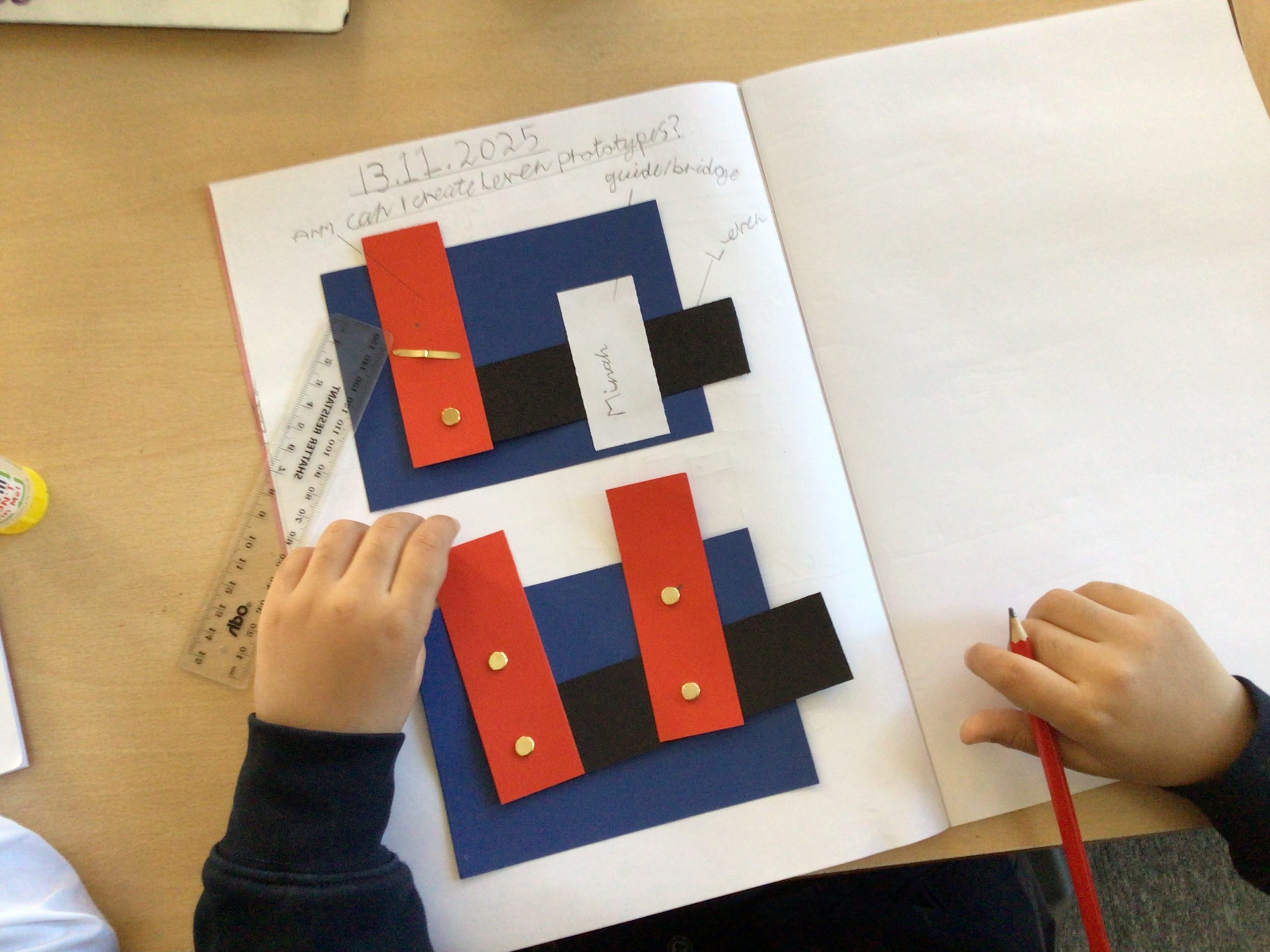
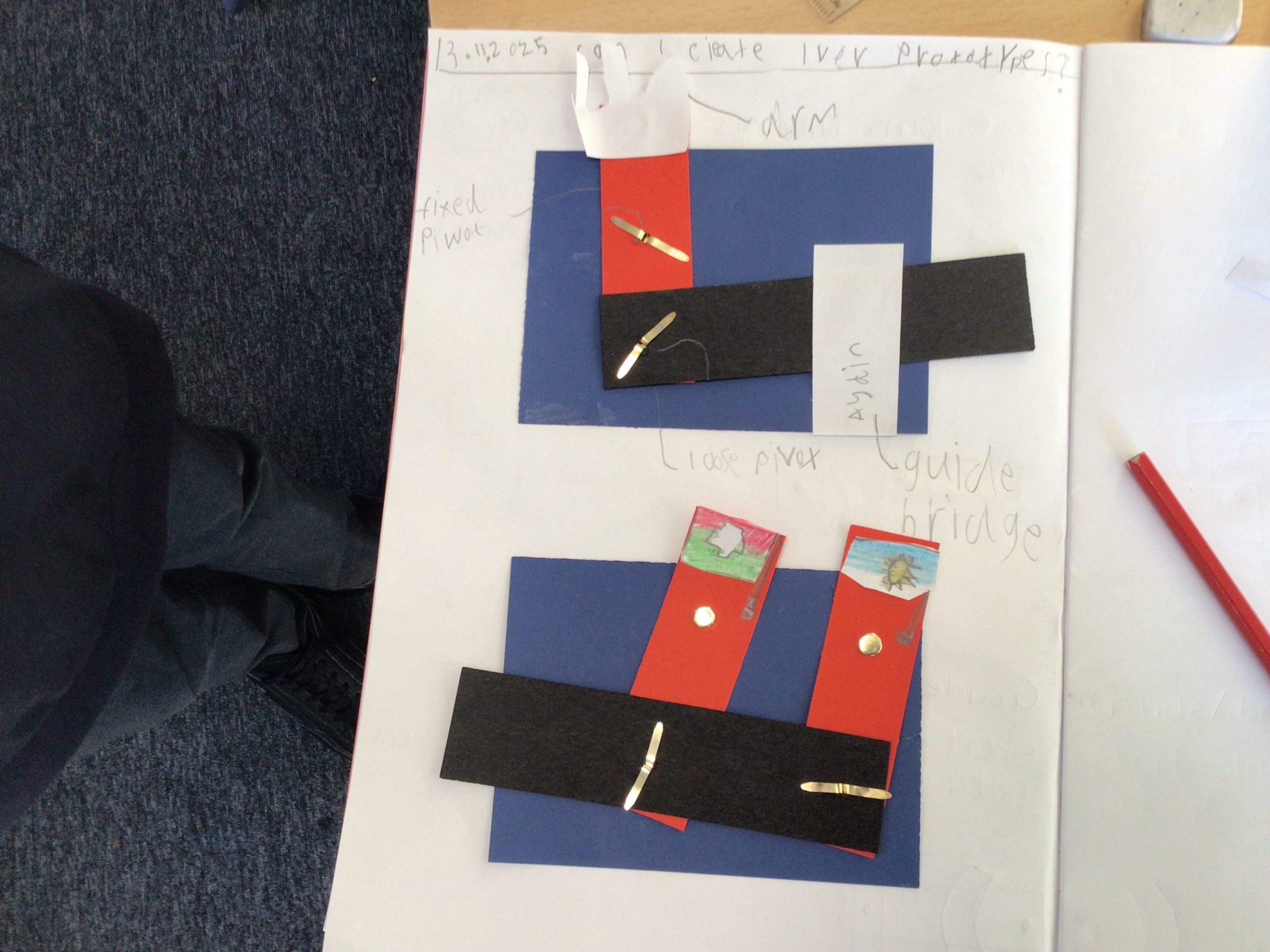
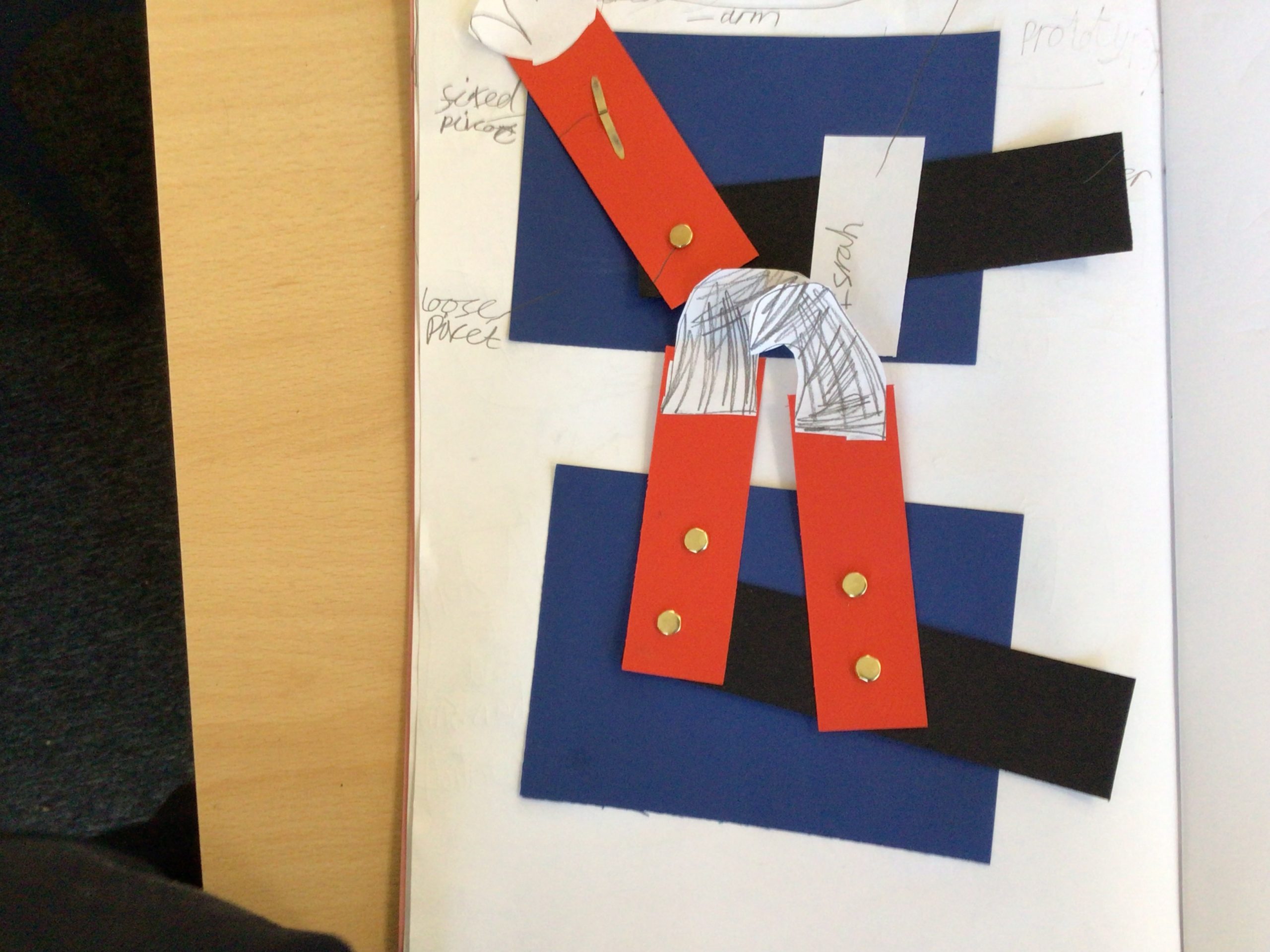
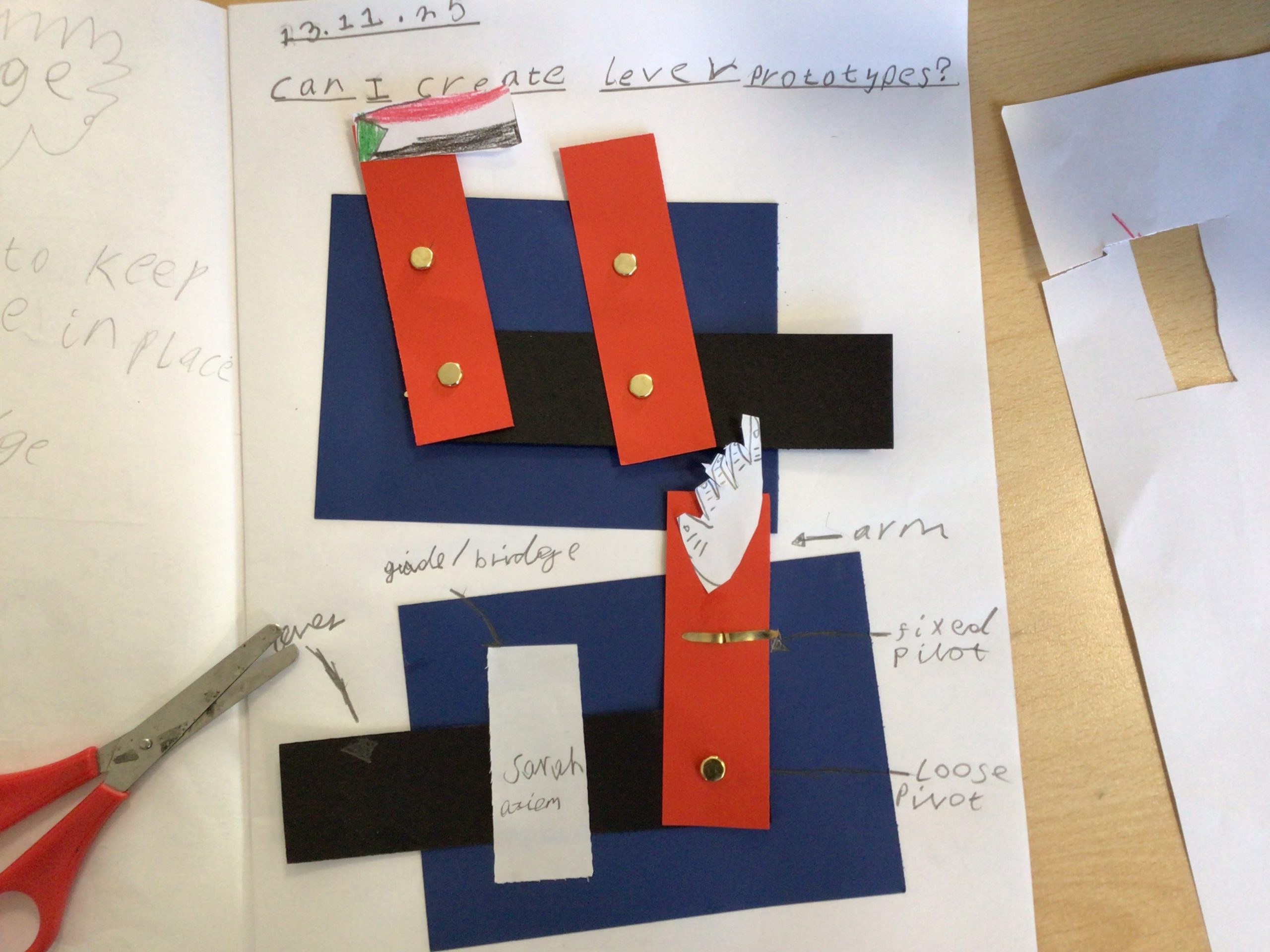
Mechanisms
20-11-2025
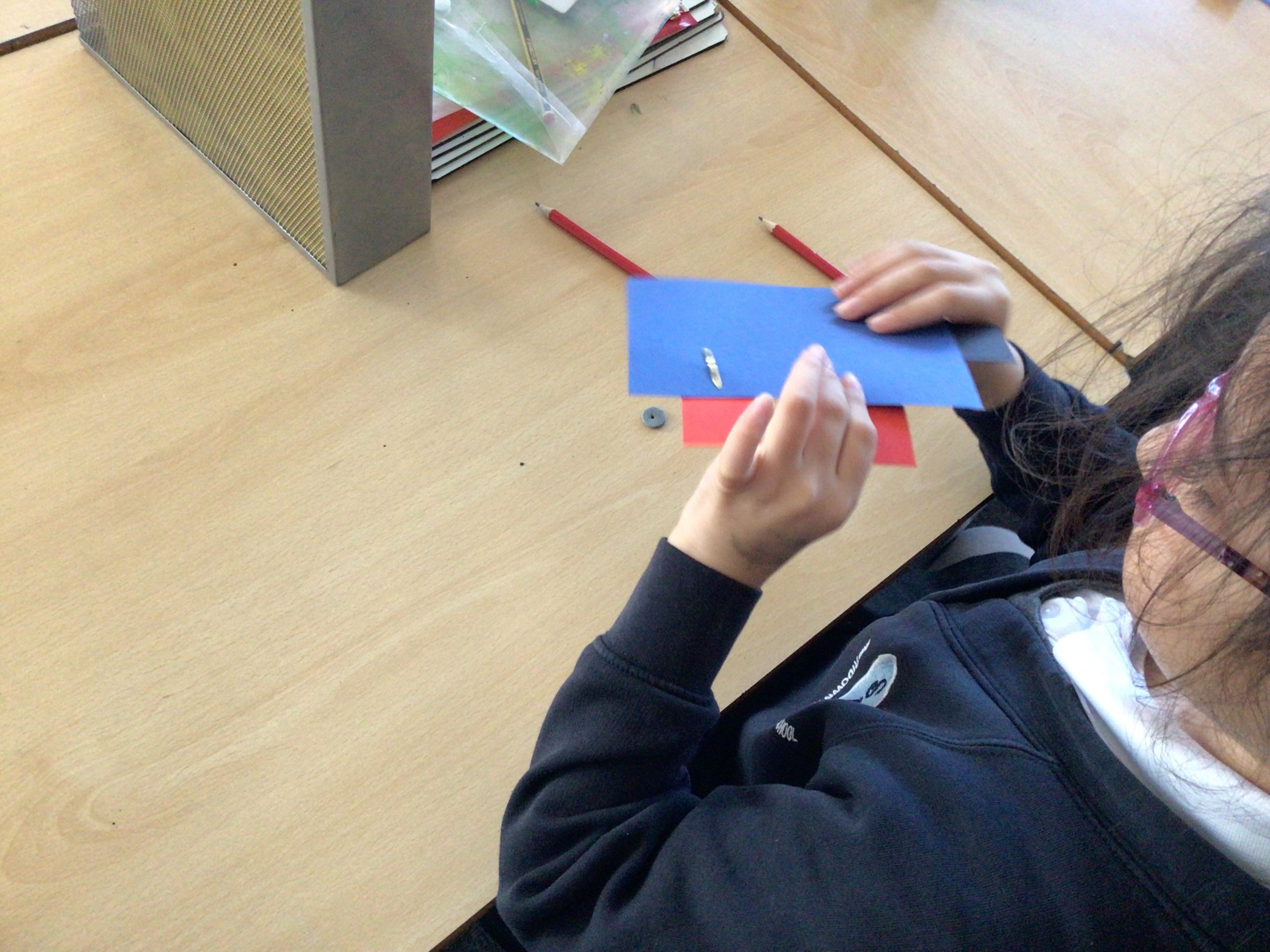
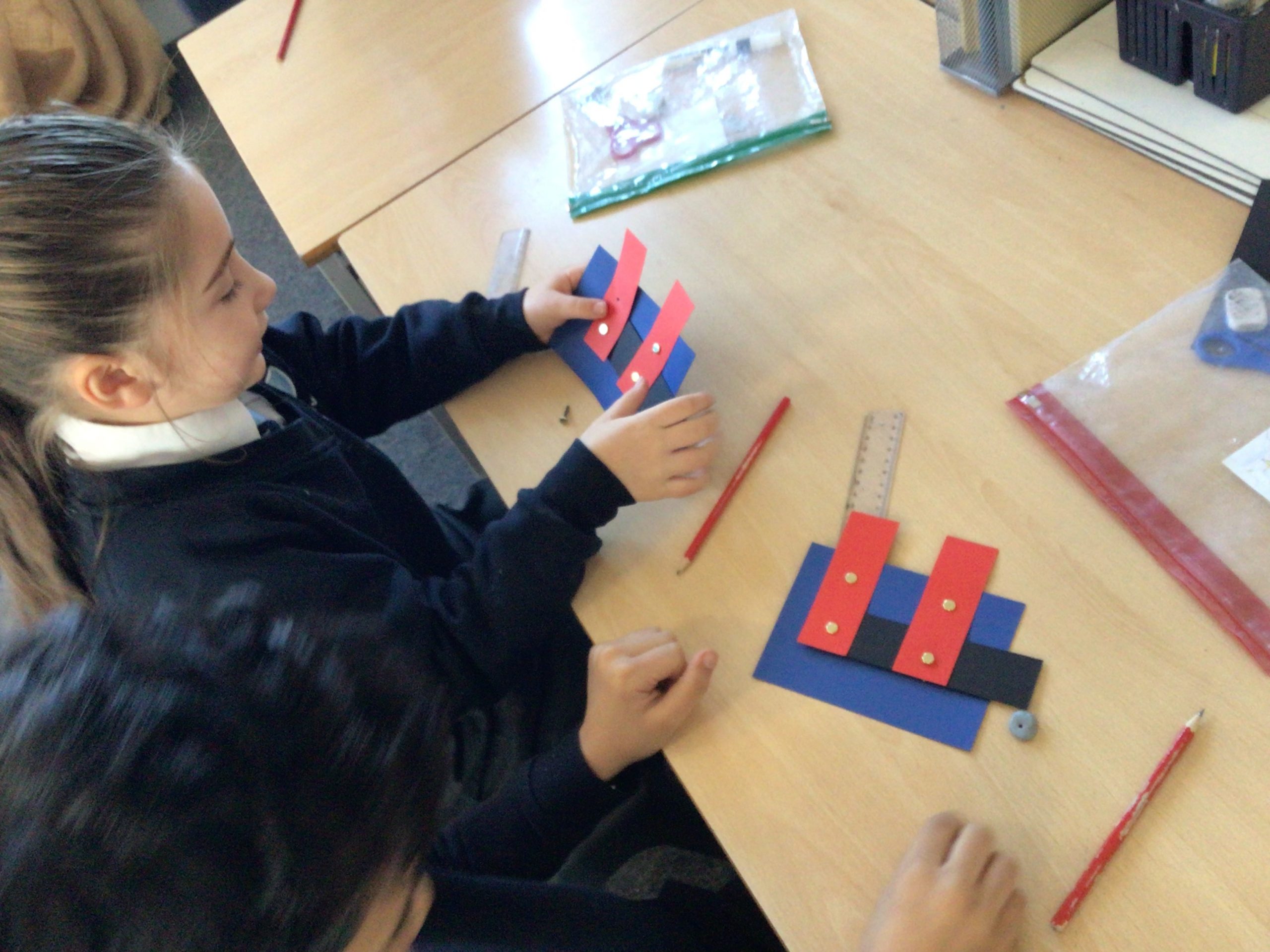
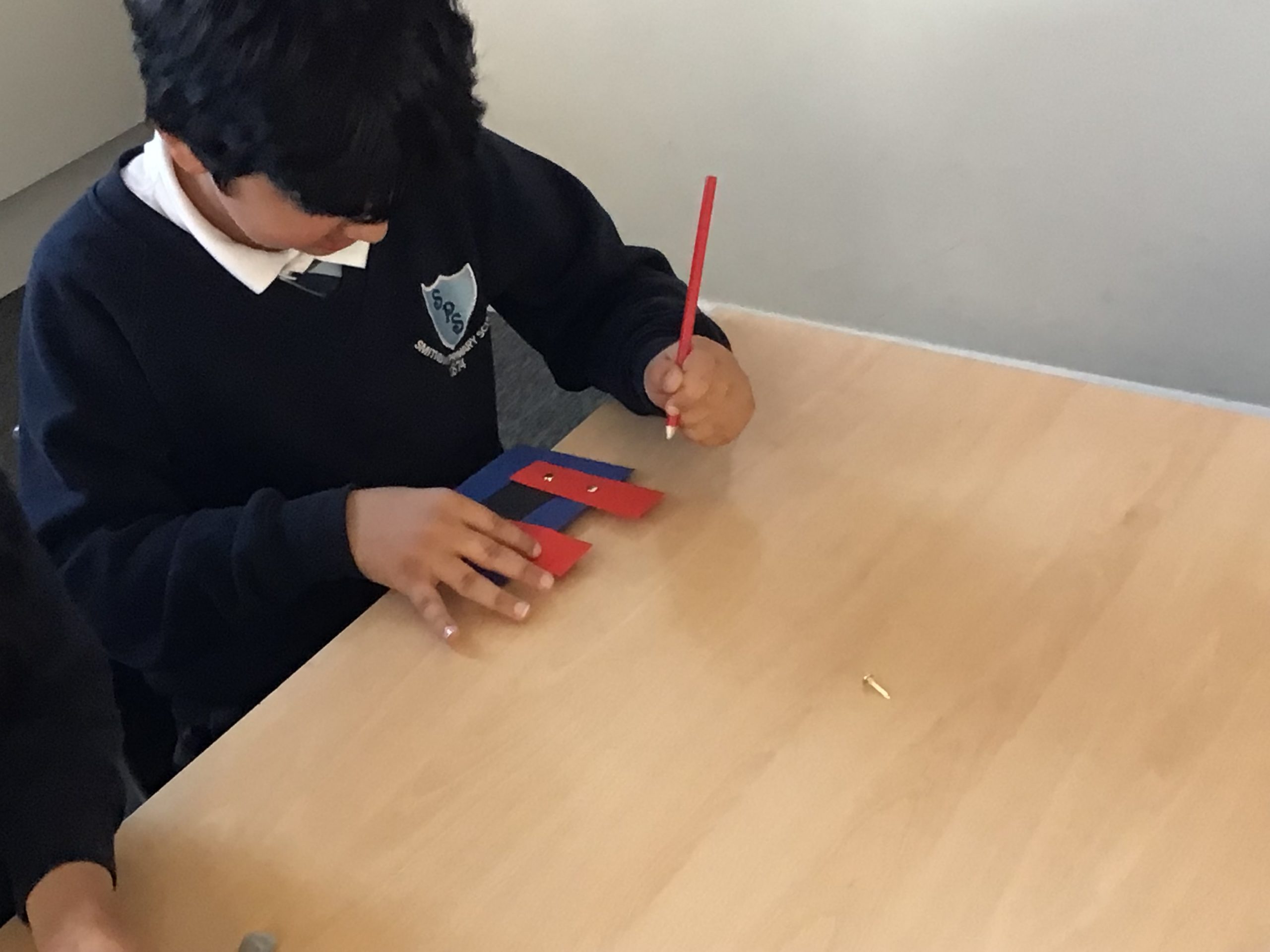
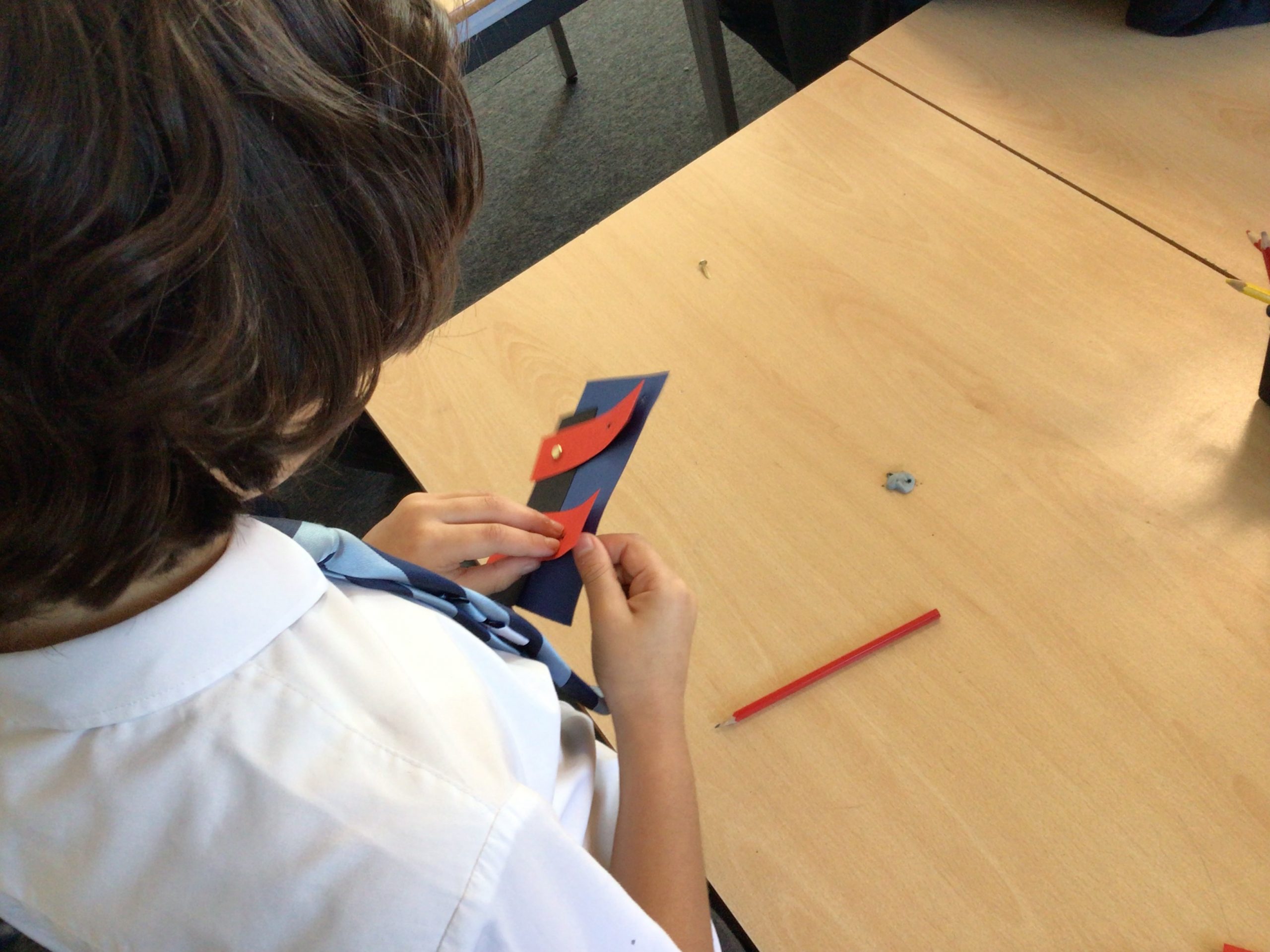
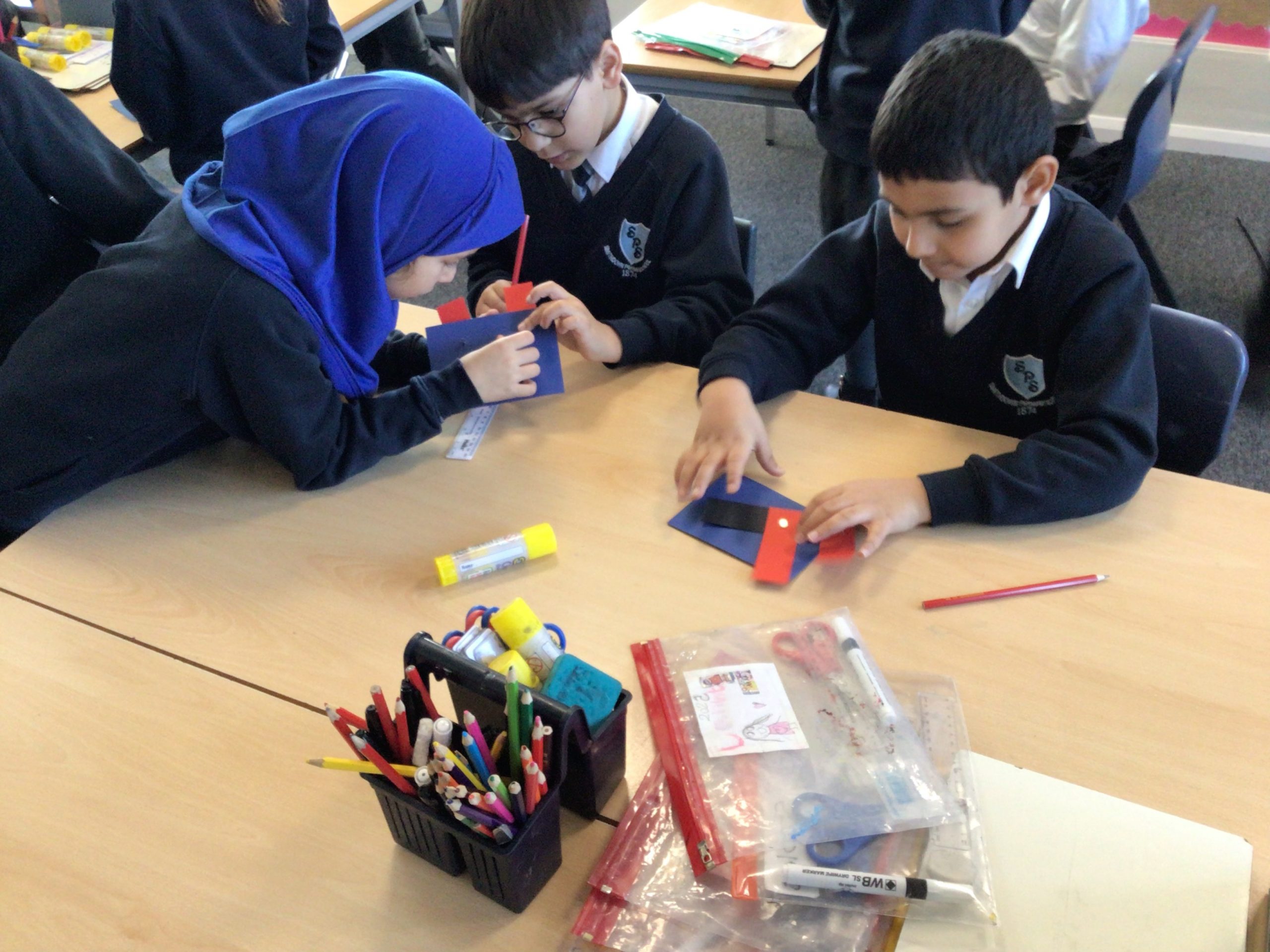
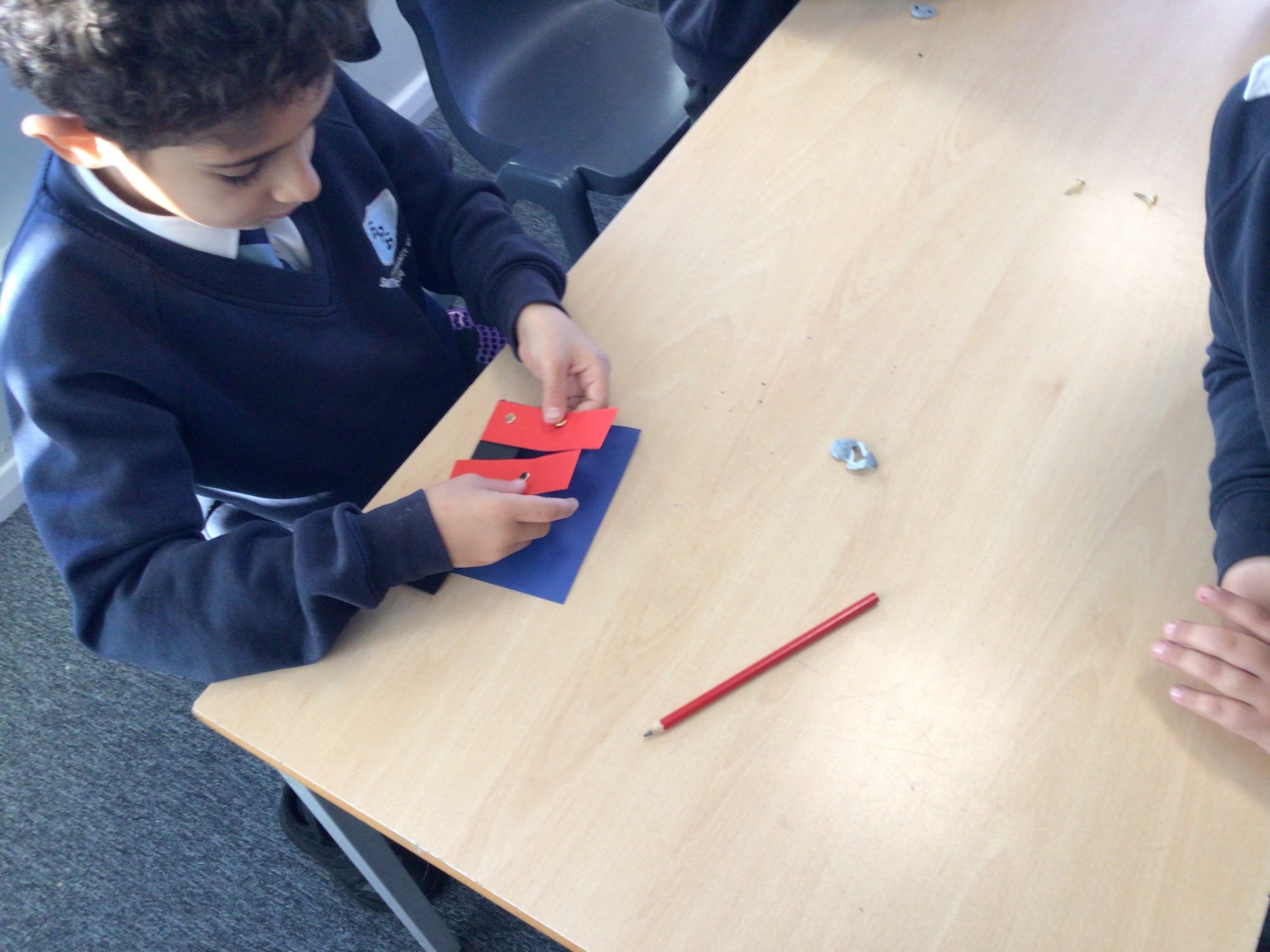
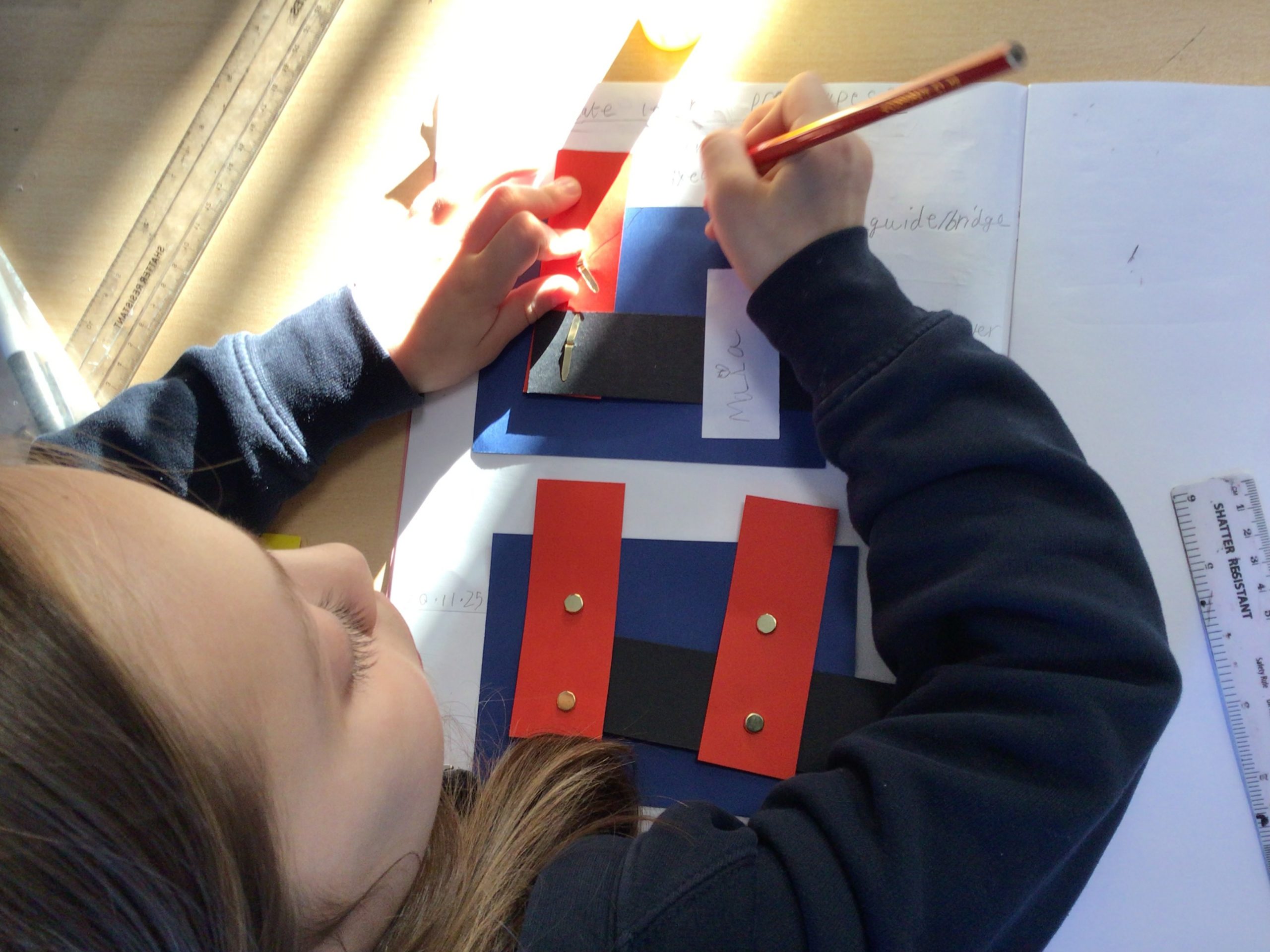
We finished off our second prototype today for our DT unit. We labelled our work with key vocabulary and then created some designs to stick onto our arms.
Year 2 Poppy Art
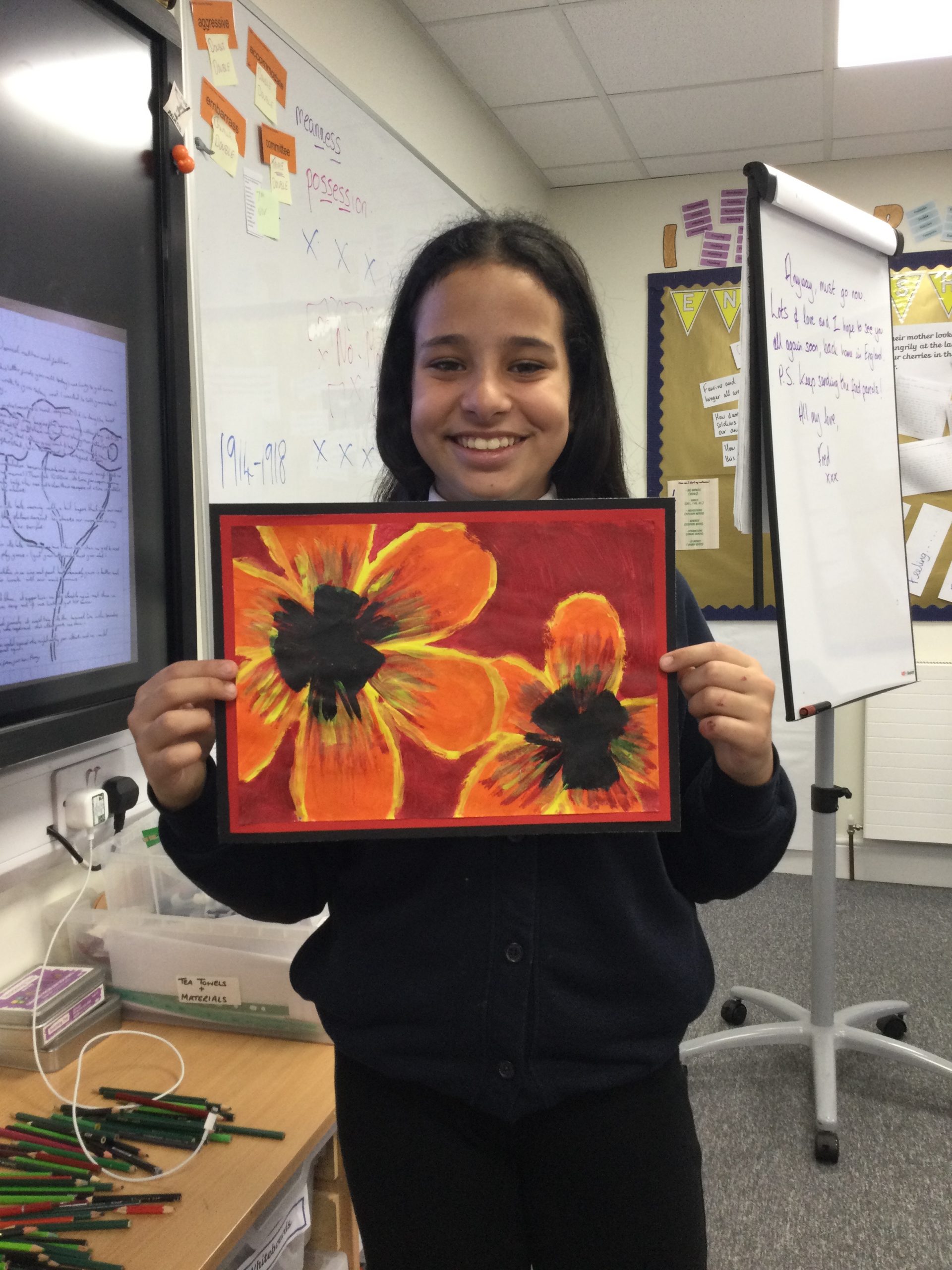
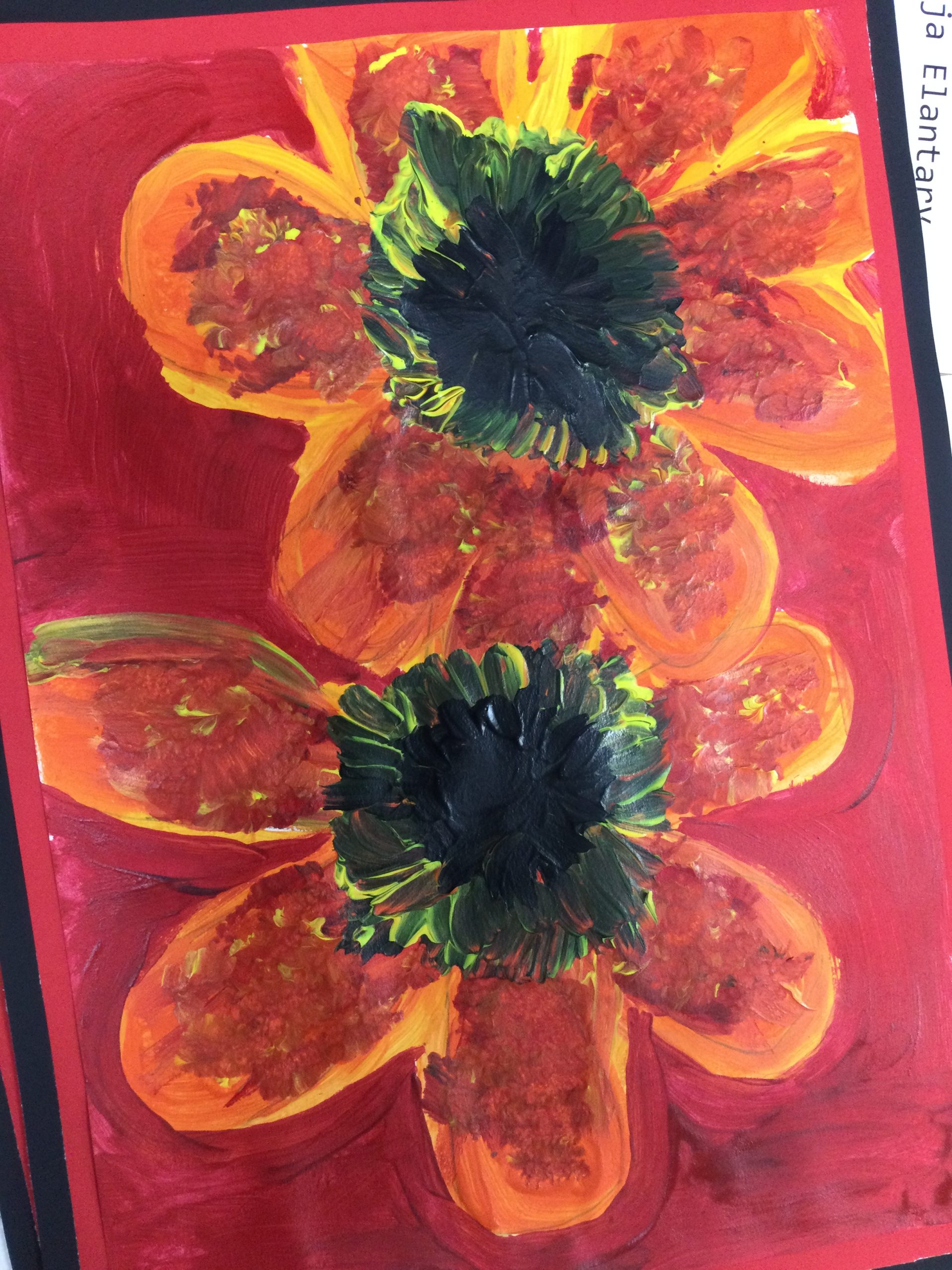
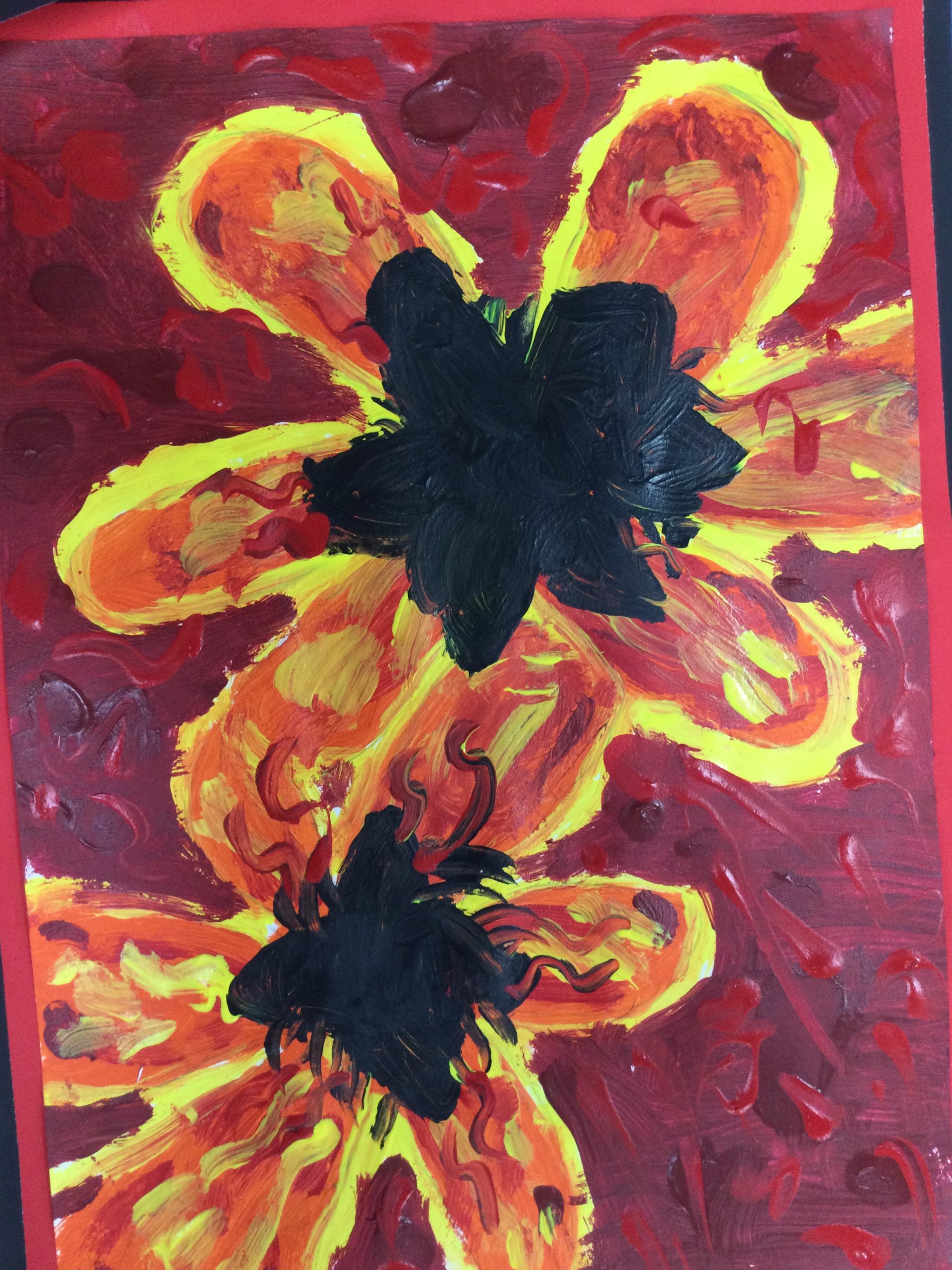
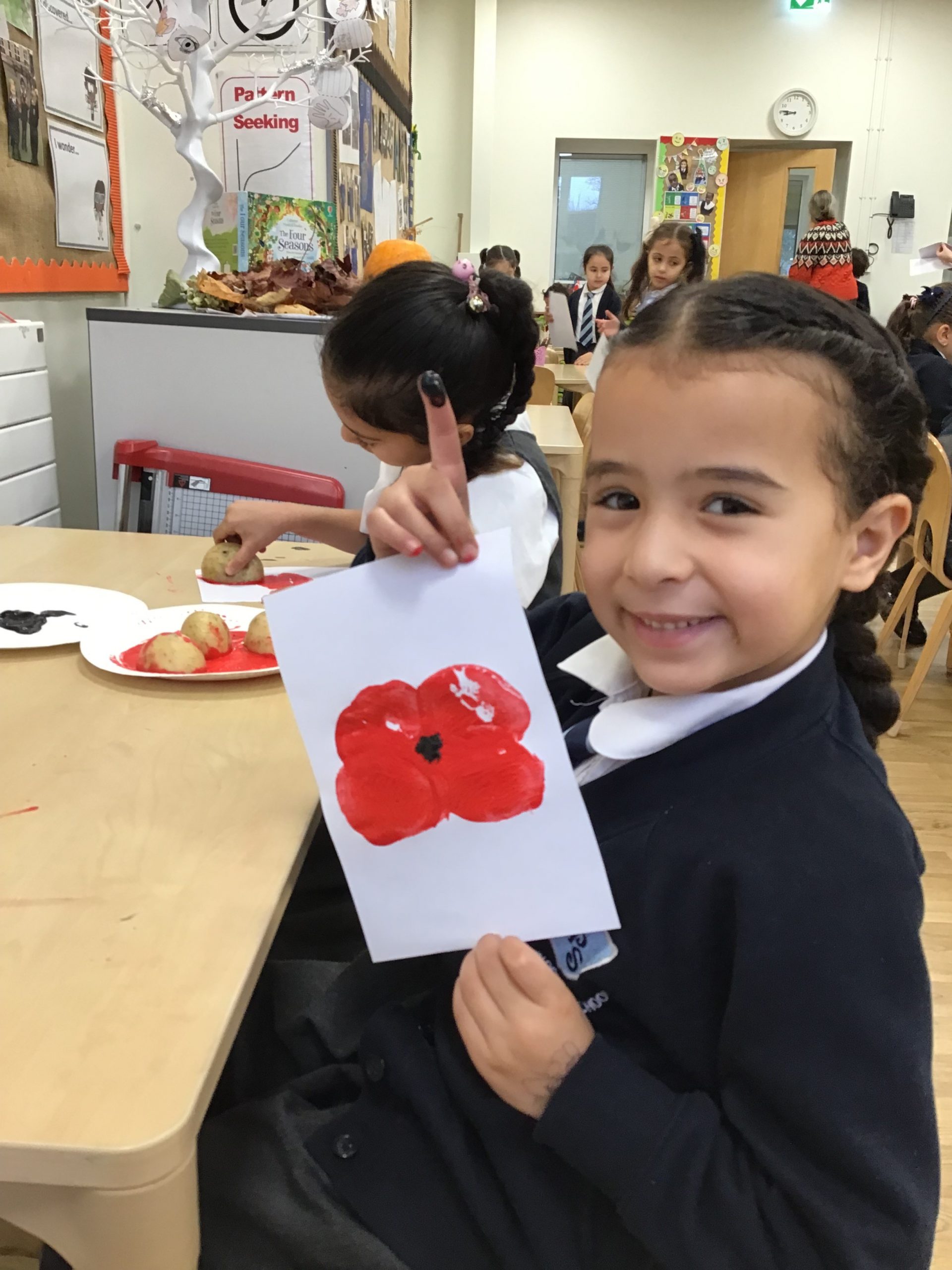
13-11-2025
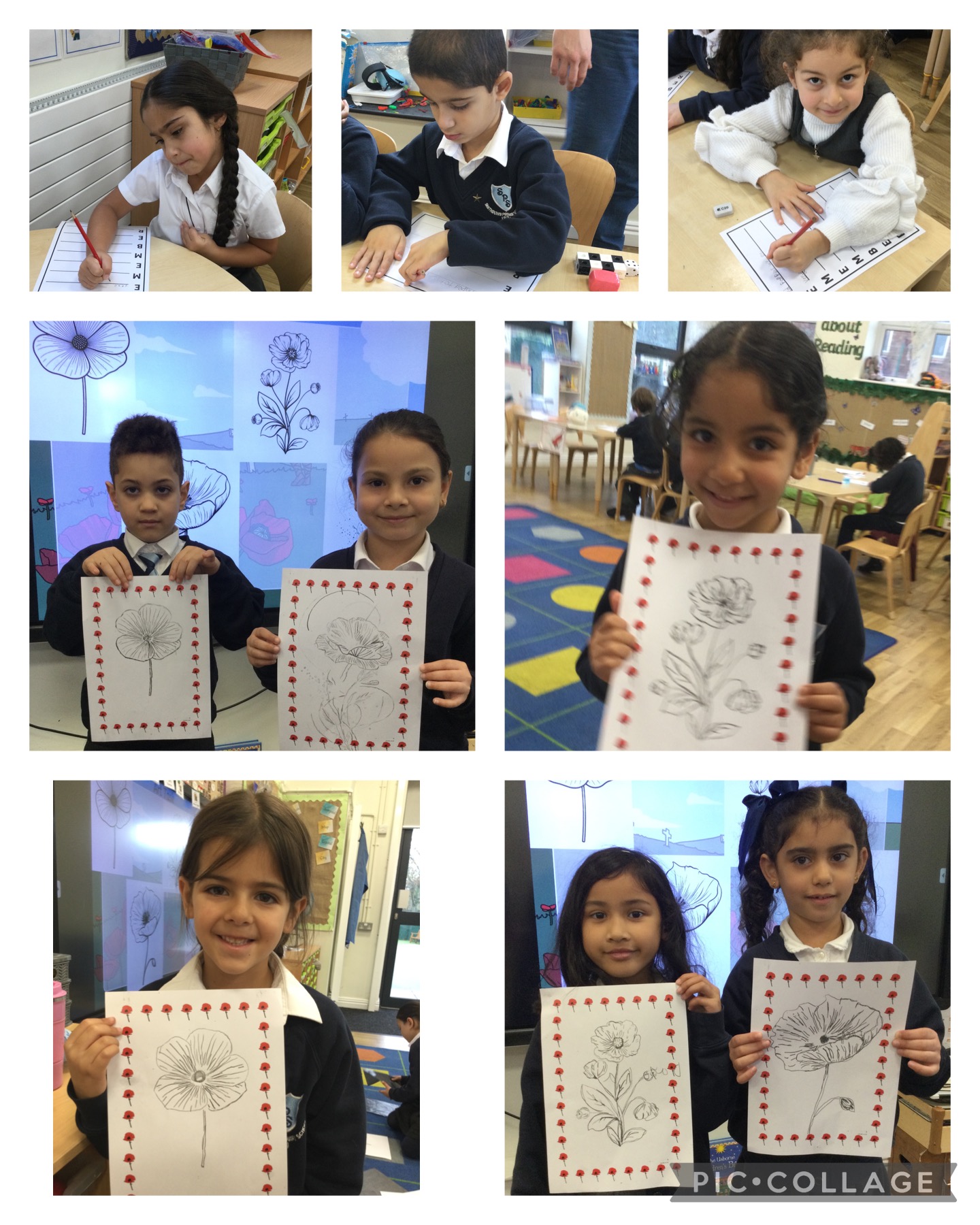
Year 2 worked so hard on their carbon printed poppy art for Remembrance Day
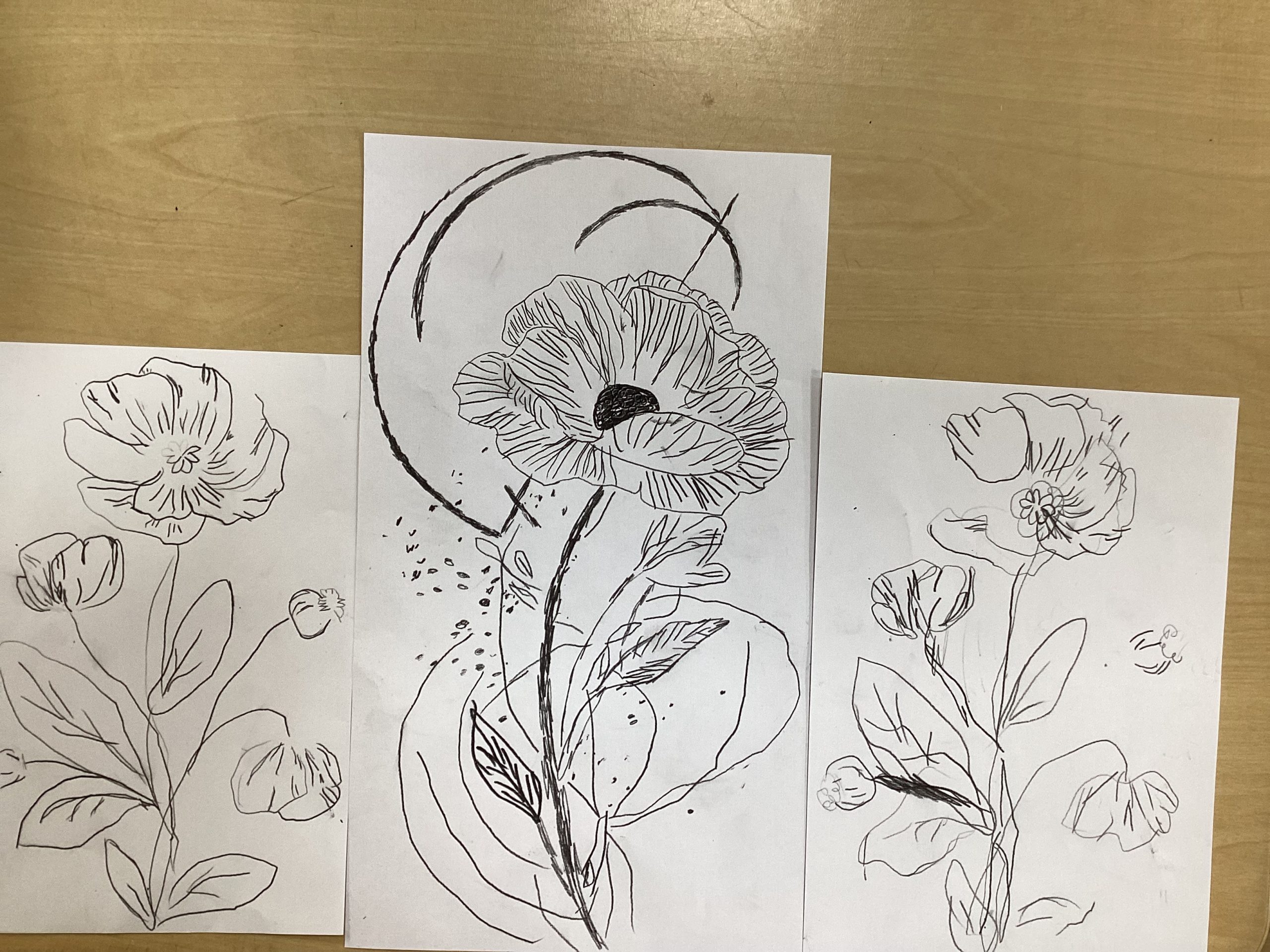
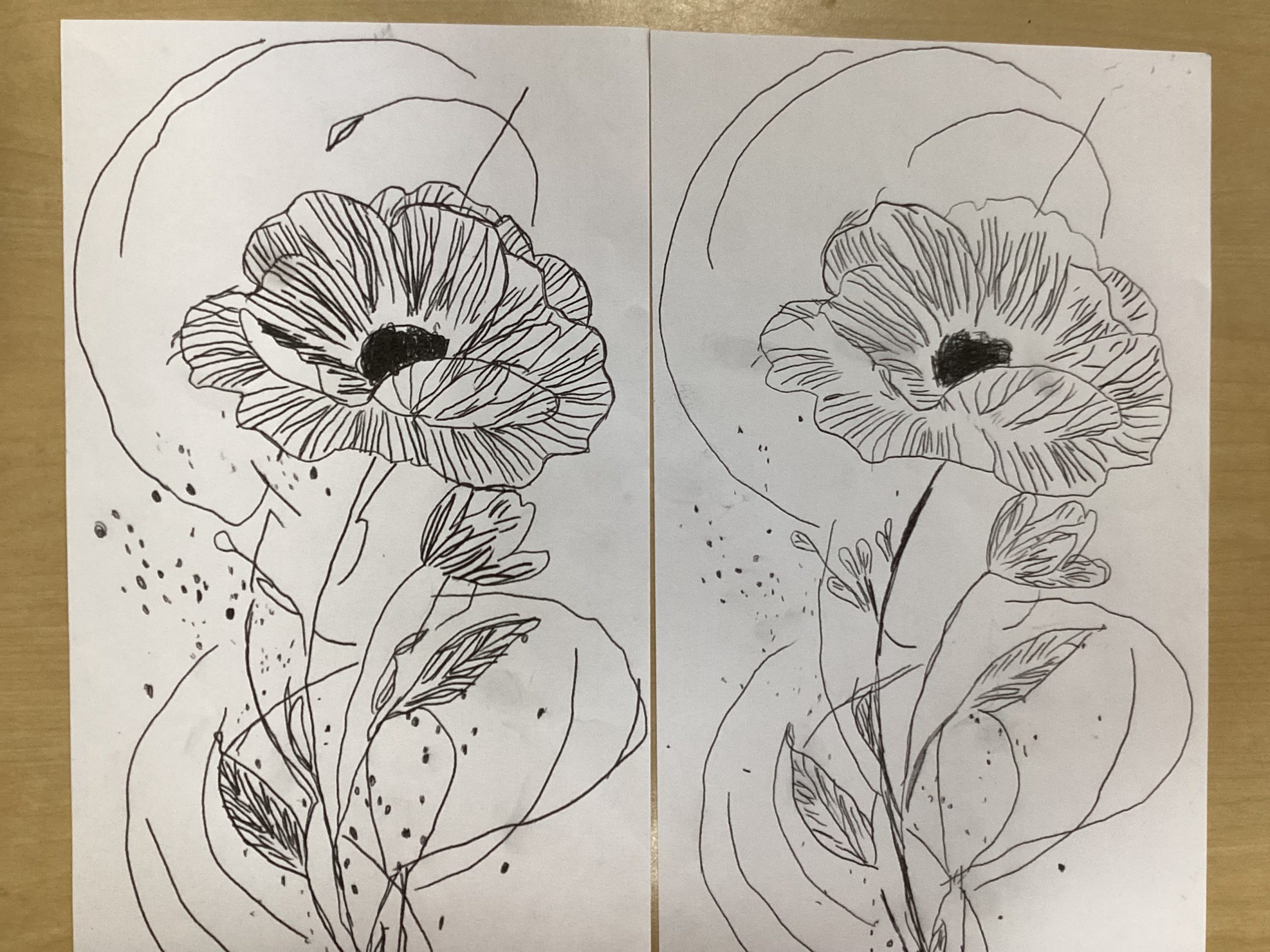
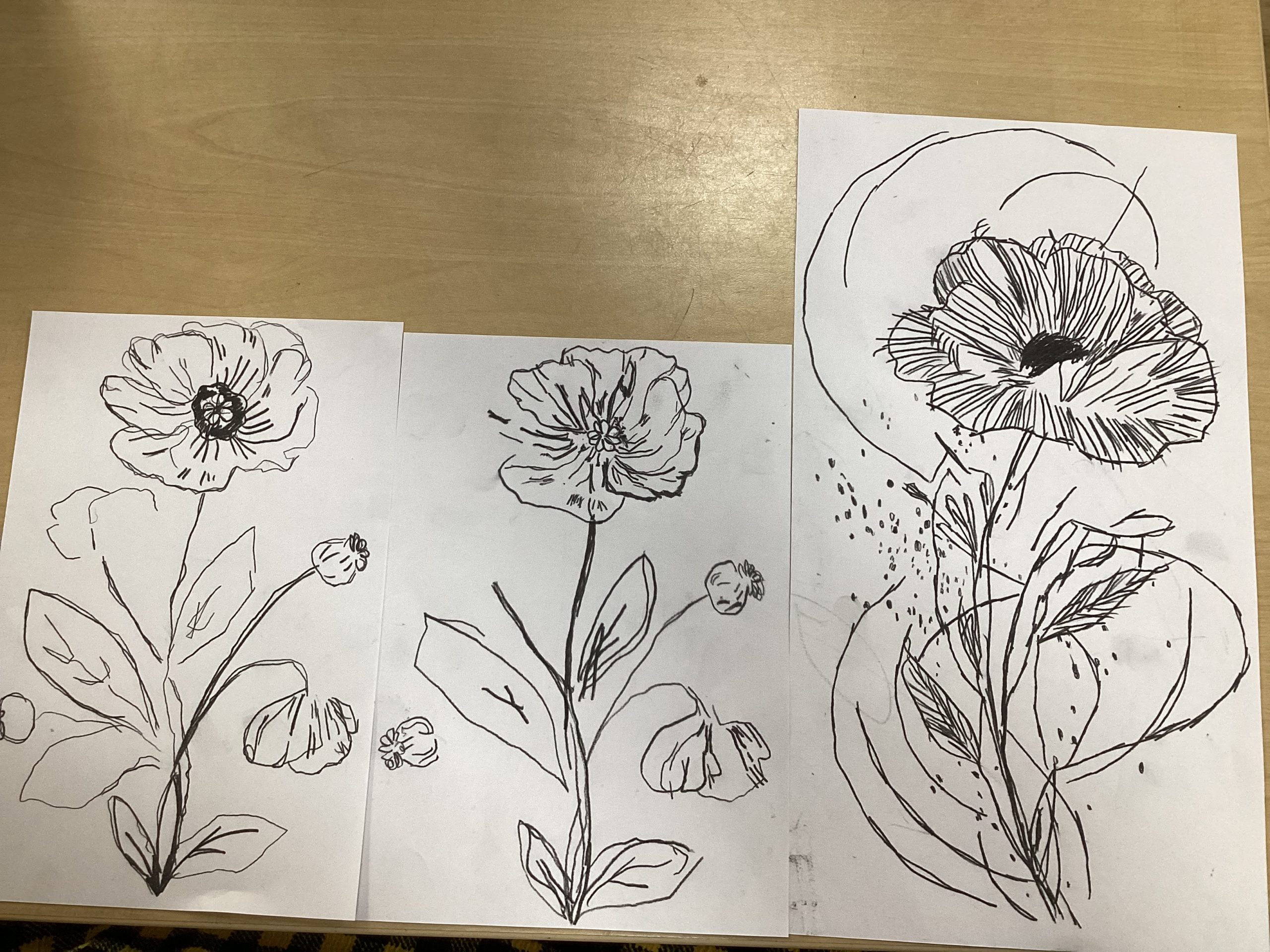
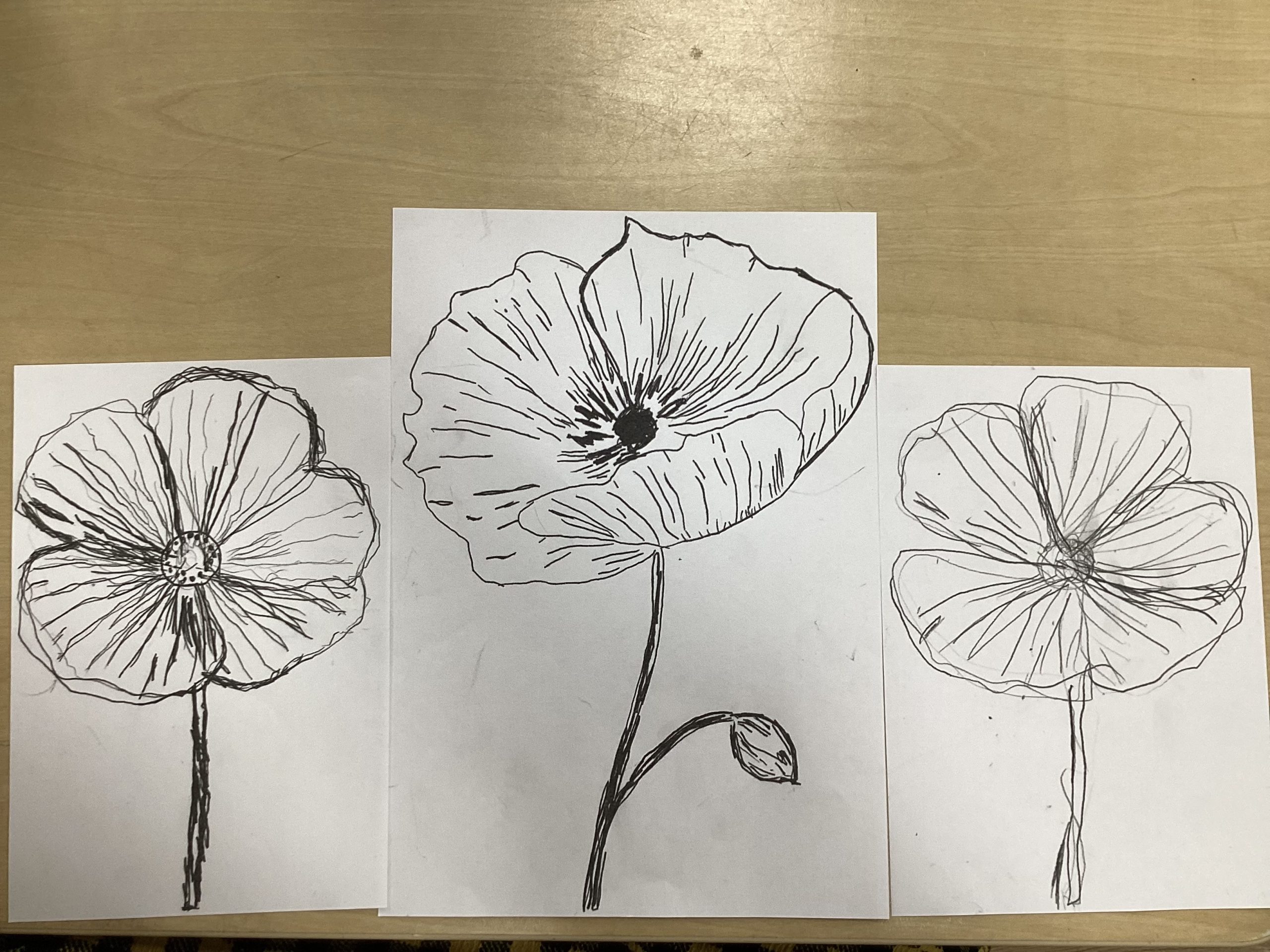
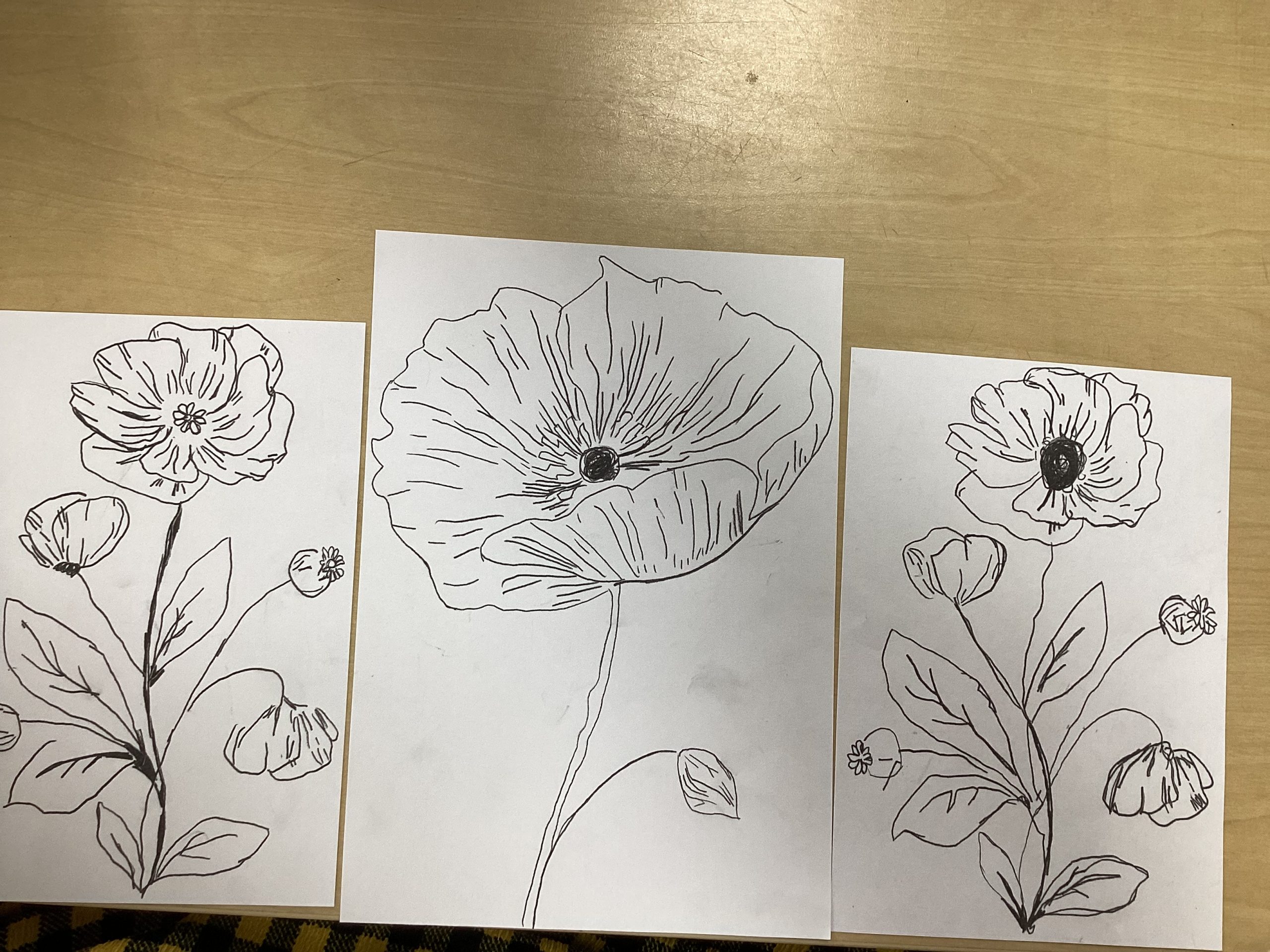
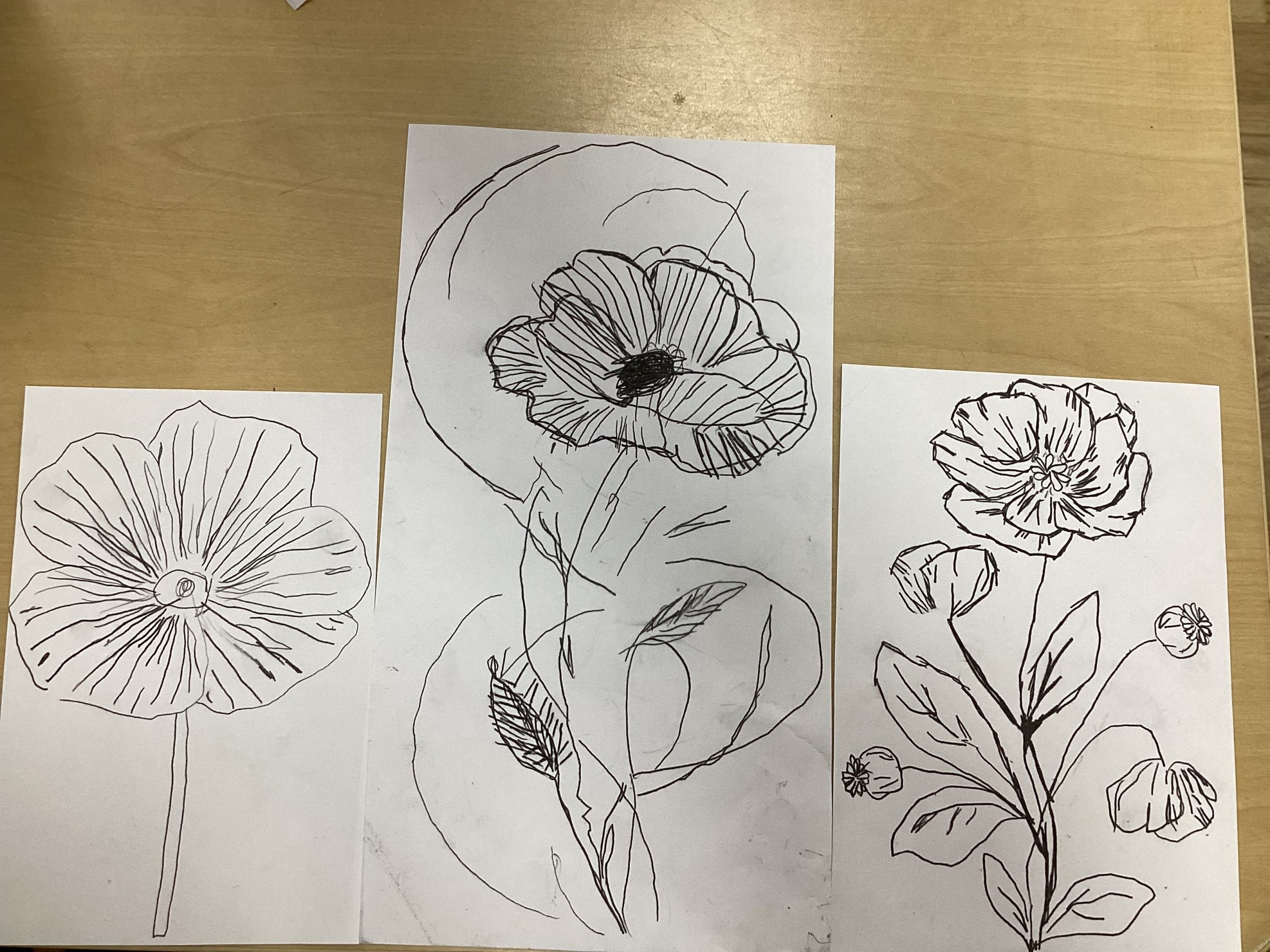
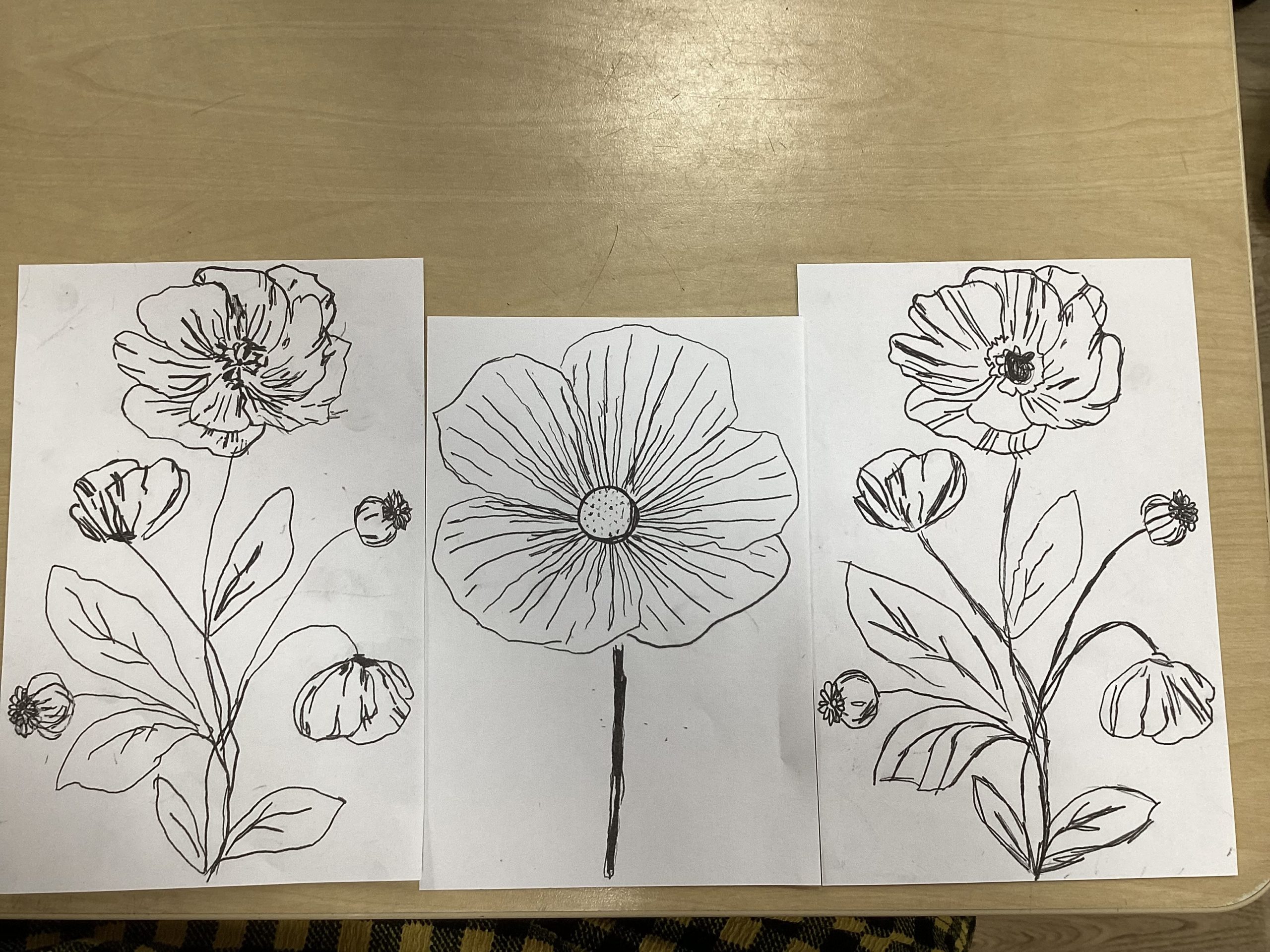
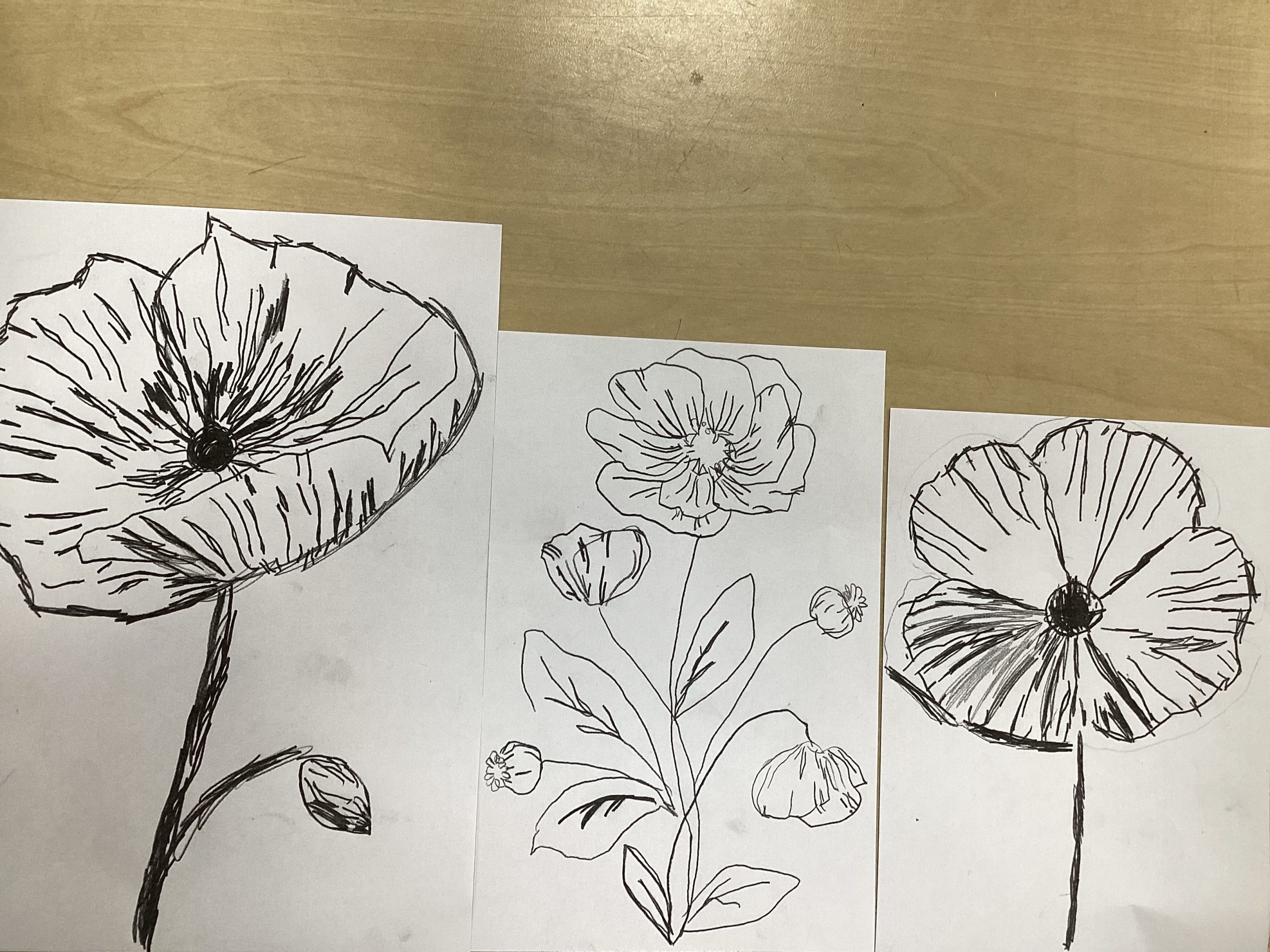
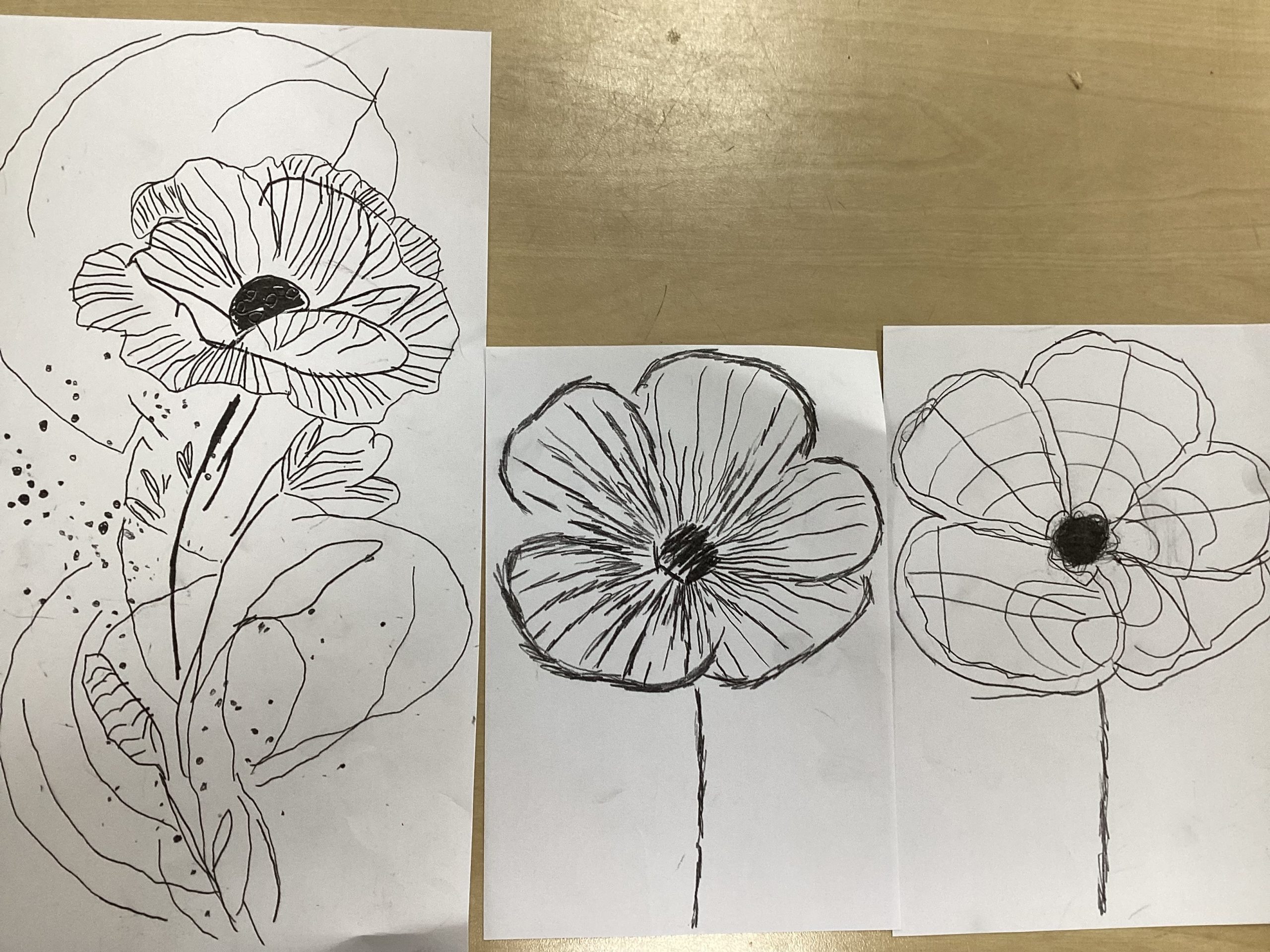
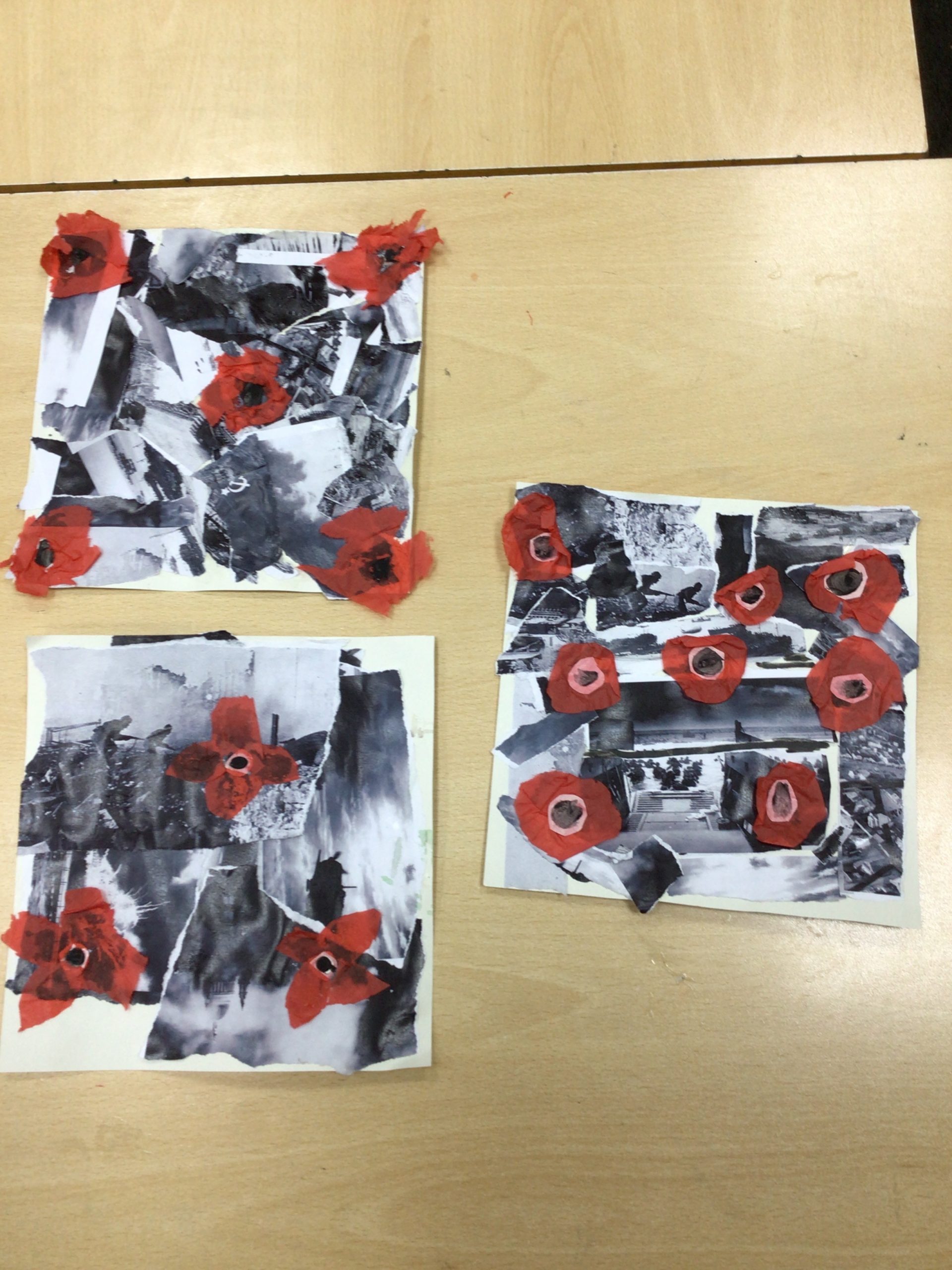
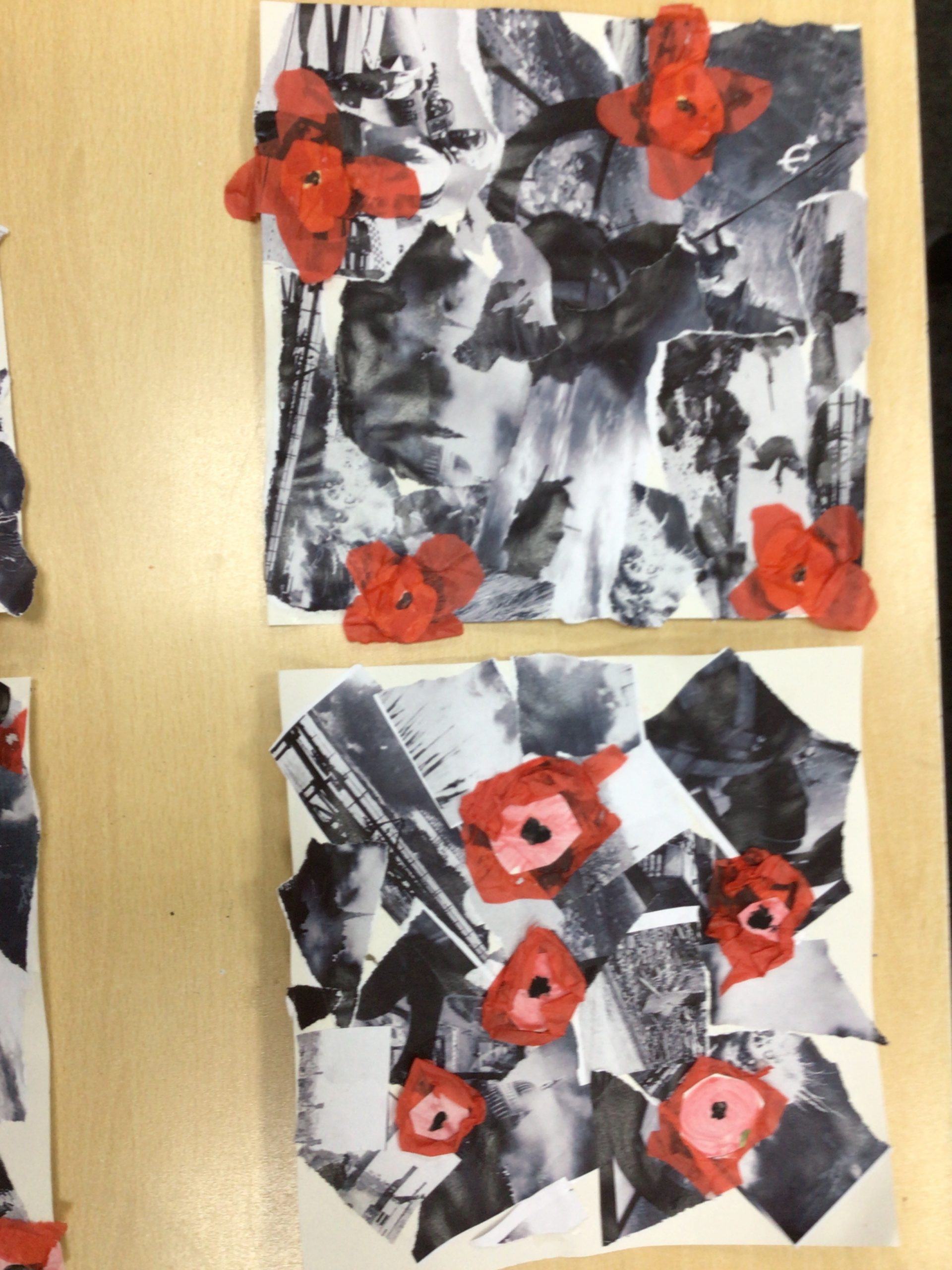
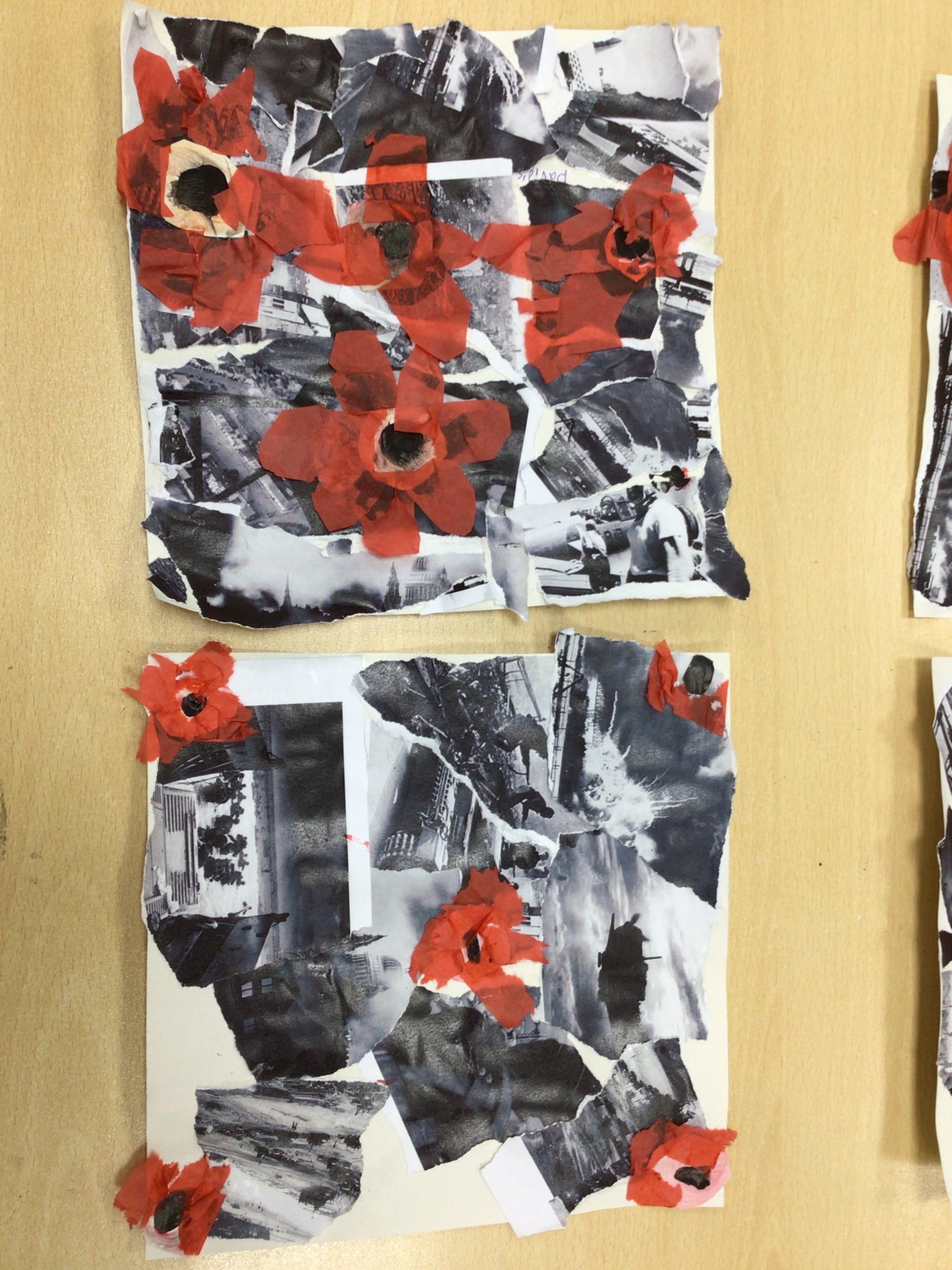 Just a few of our amazing art work from Year 5. using layering to create an effect for Remembrance Day.
Remembrance poetry
11-11-2025
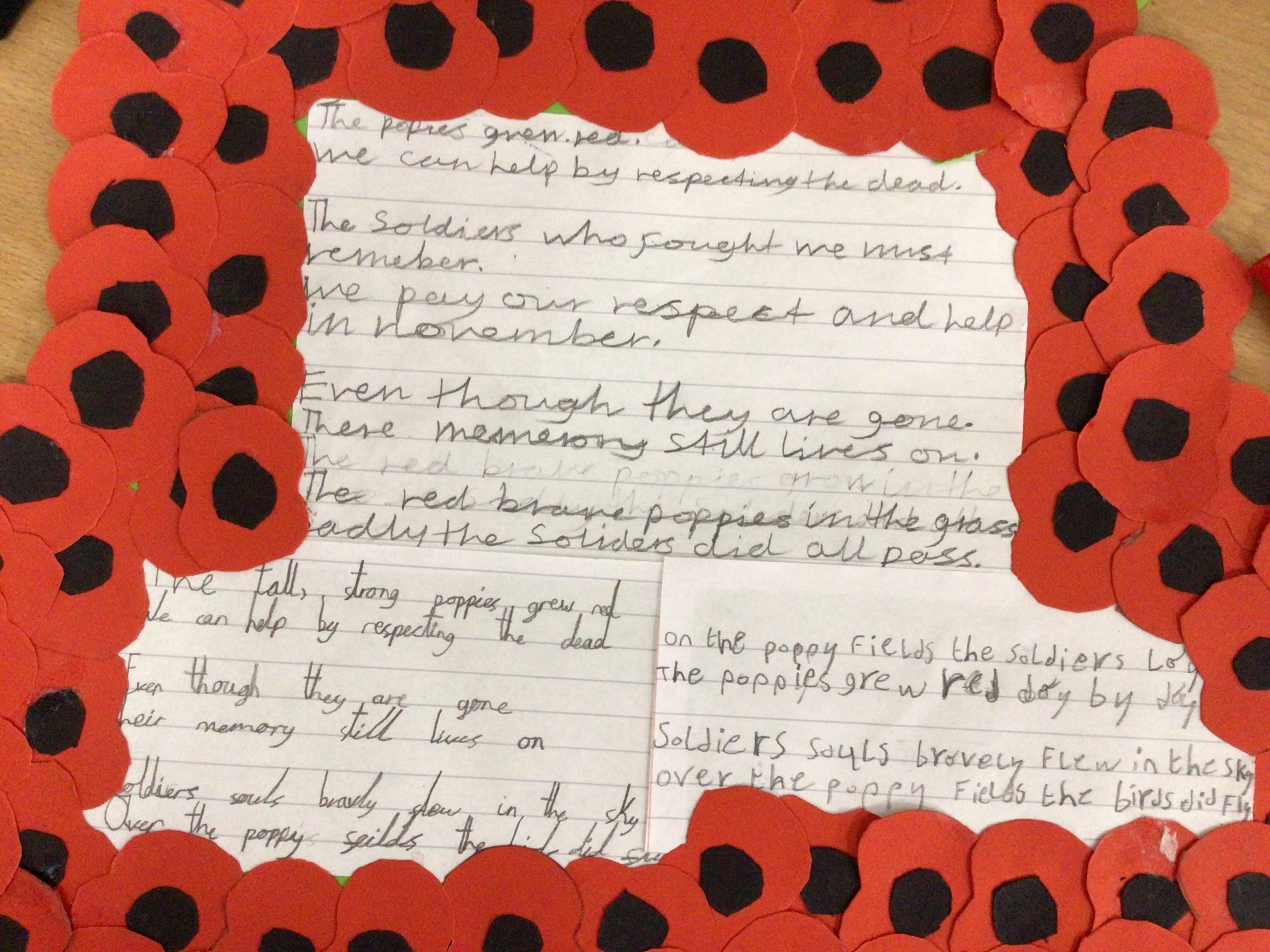
To think about those who have lost their lives, we created some rhyming poetry. We based our poems on poppy fields, just like our art work.
Remembrance Day 2025
11-11-2025
Year 2 had a beautiful remembrance morning. We wrote acrostic poems and created some beautiful poppy artwork.