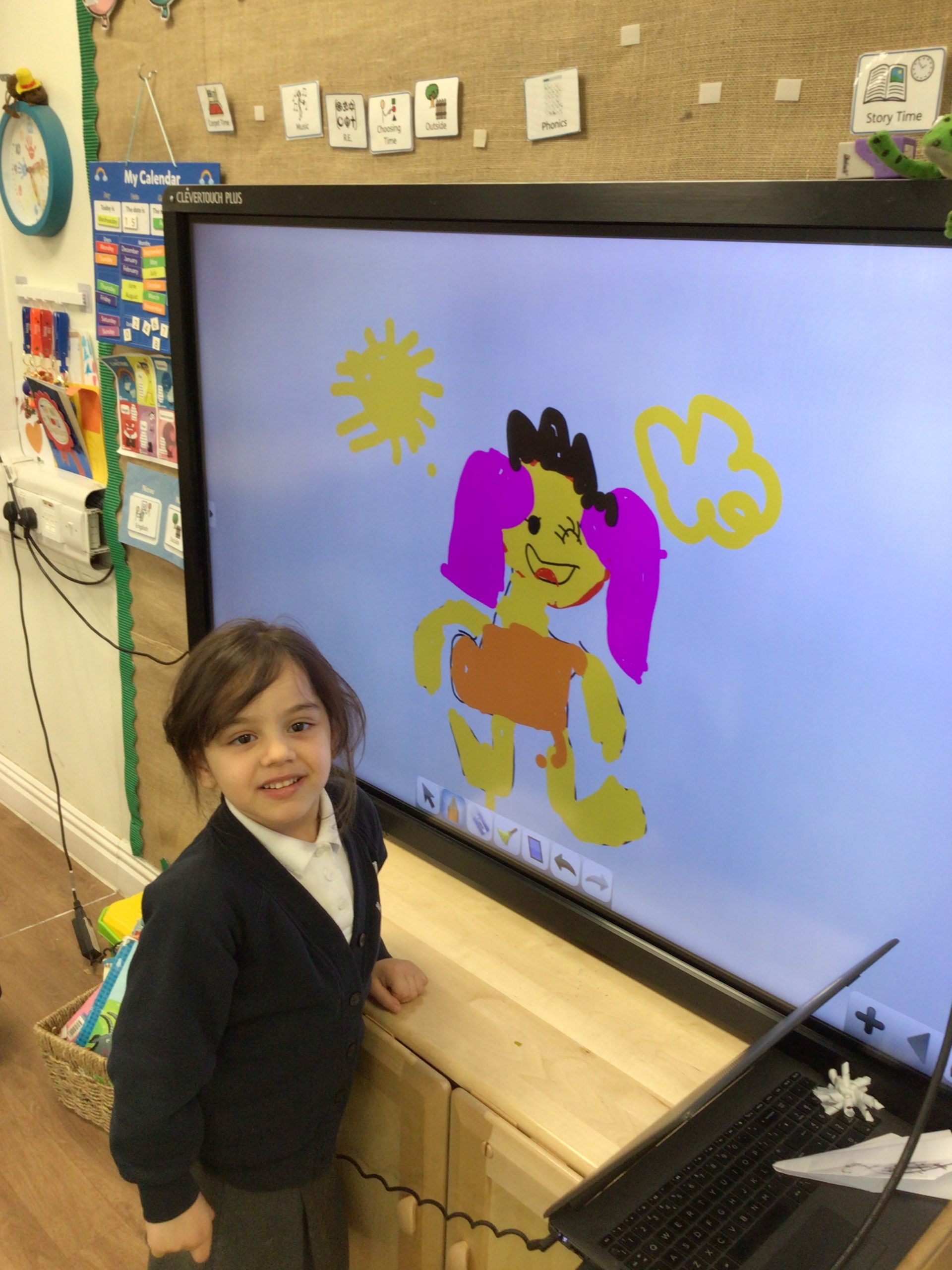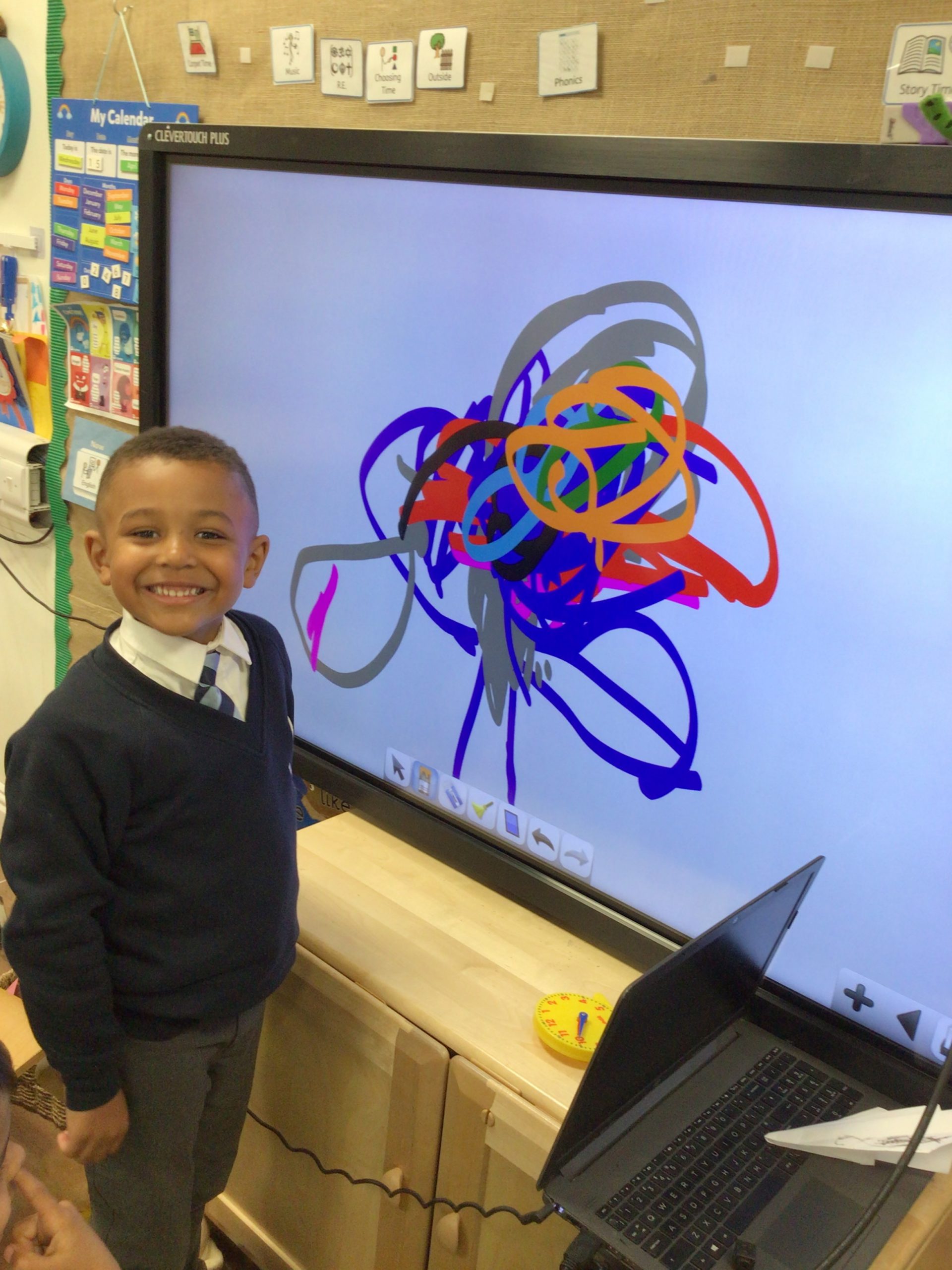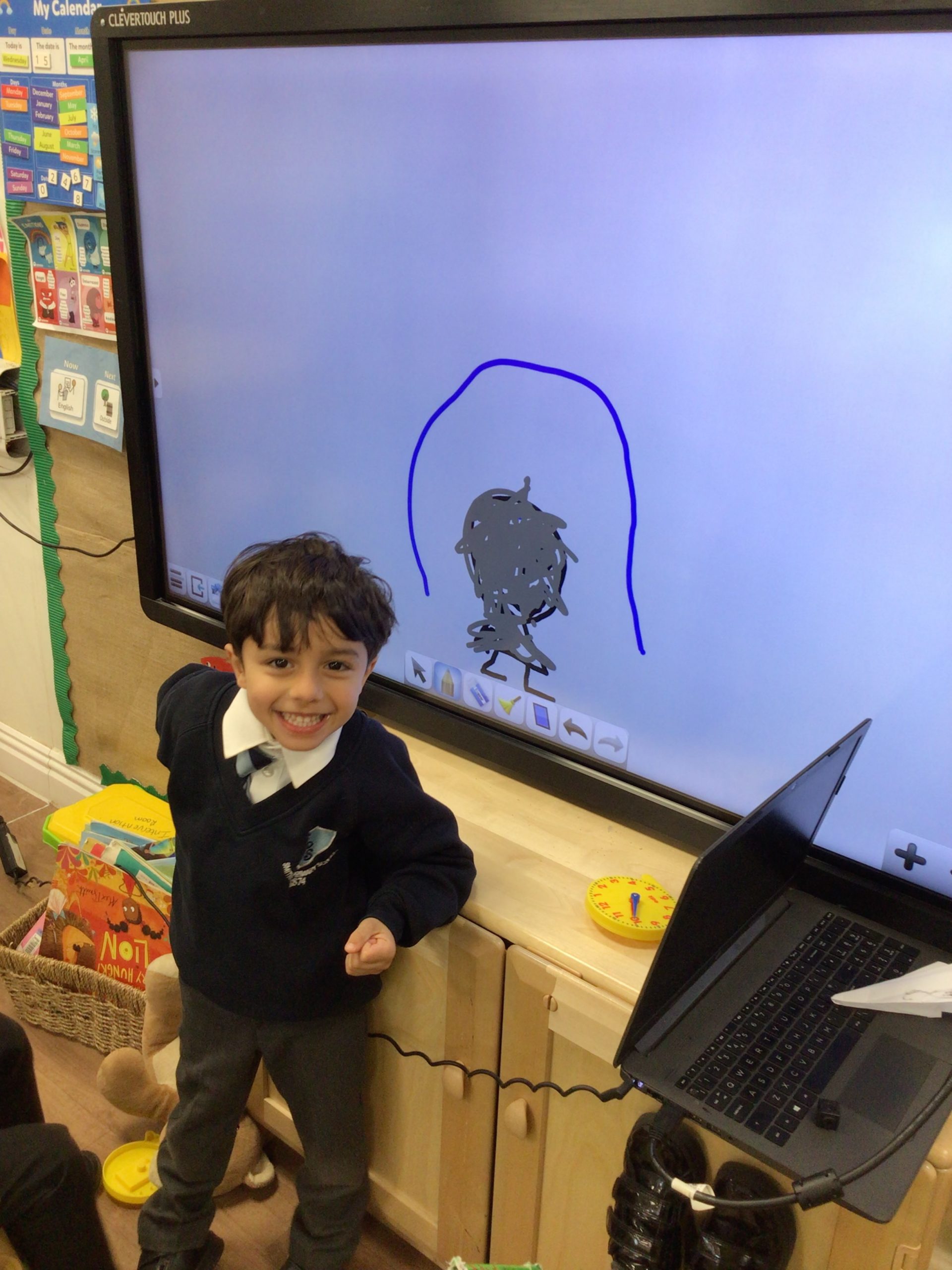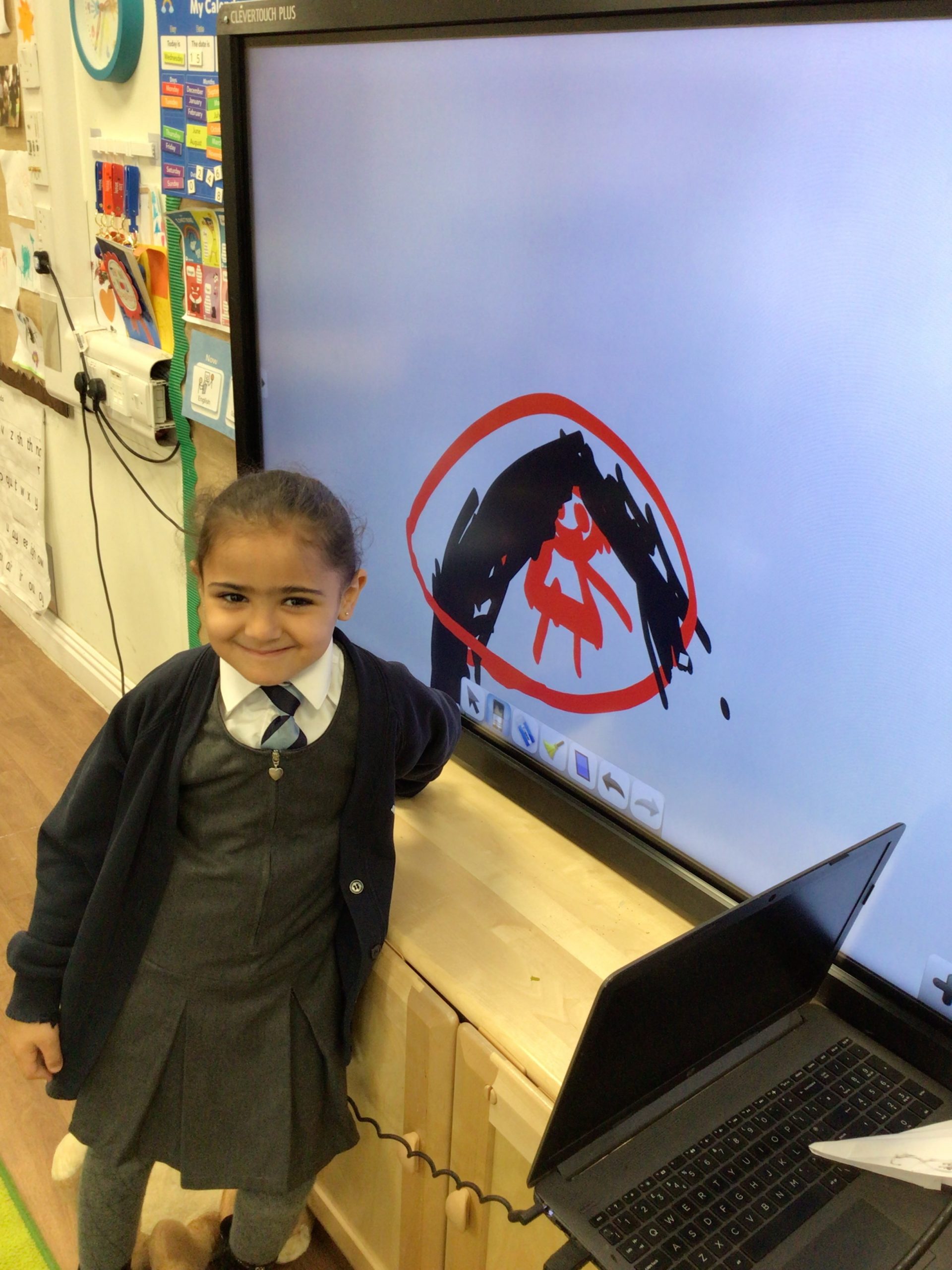
Creating databases in science
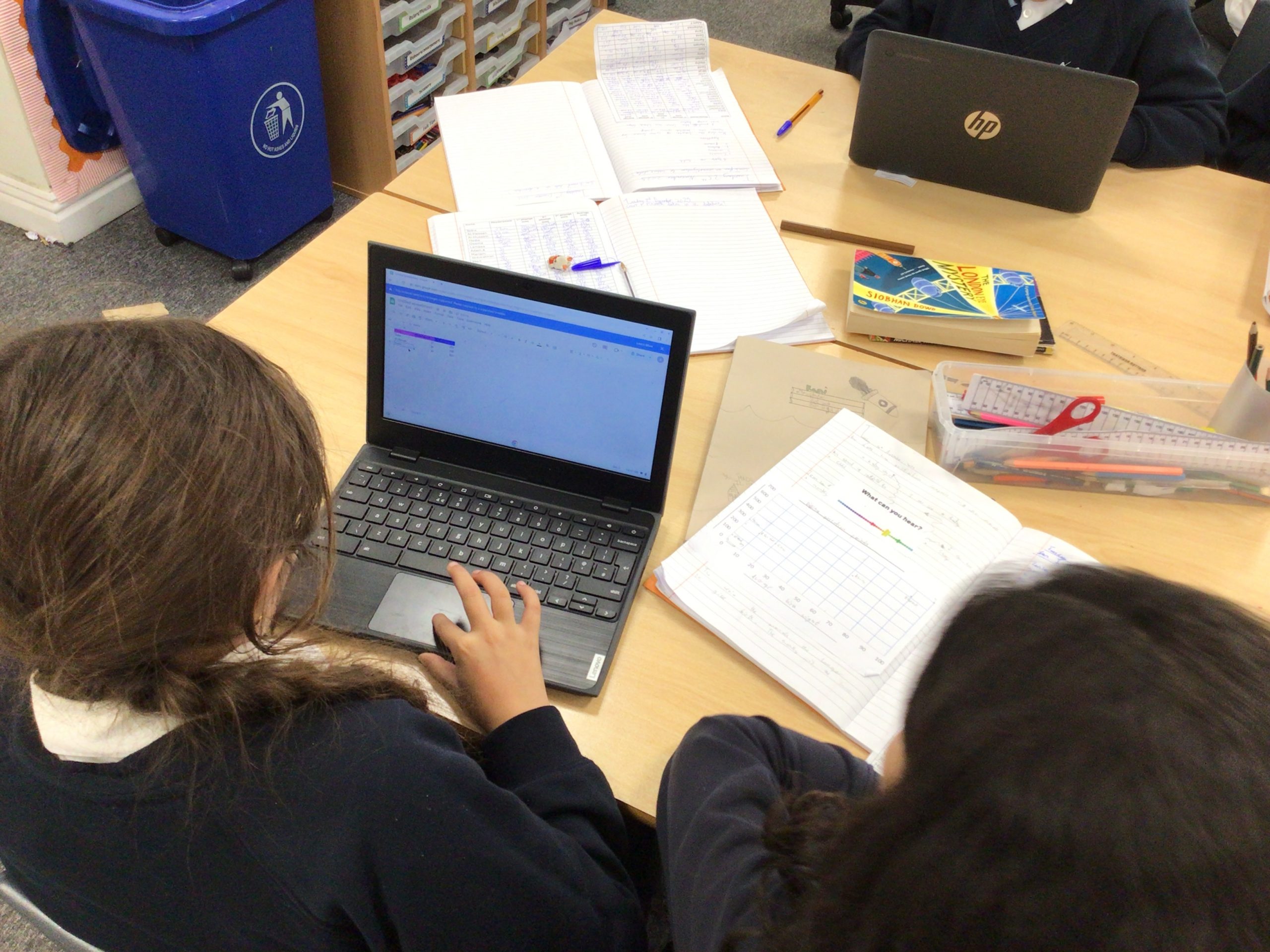
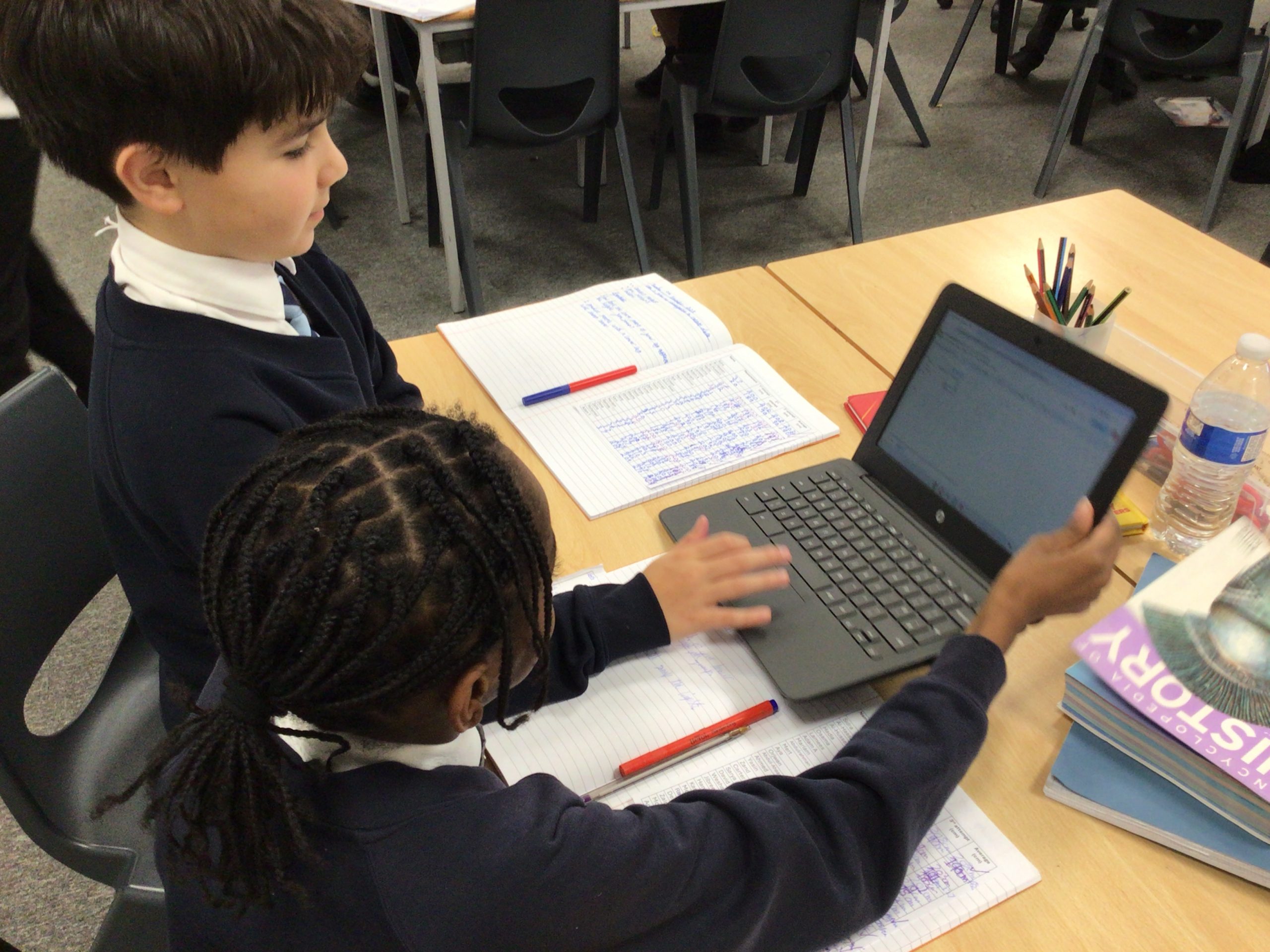
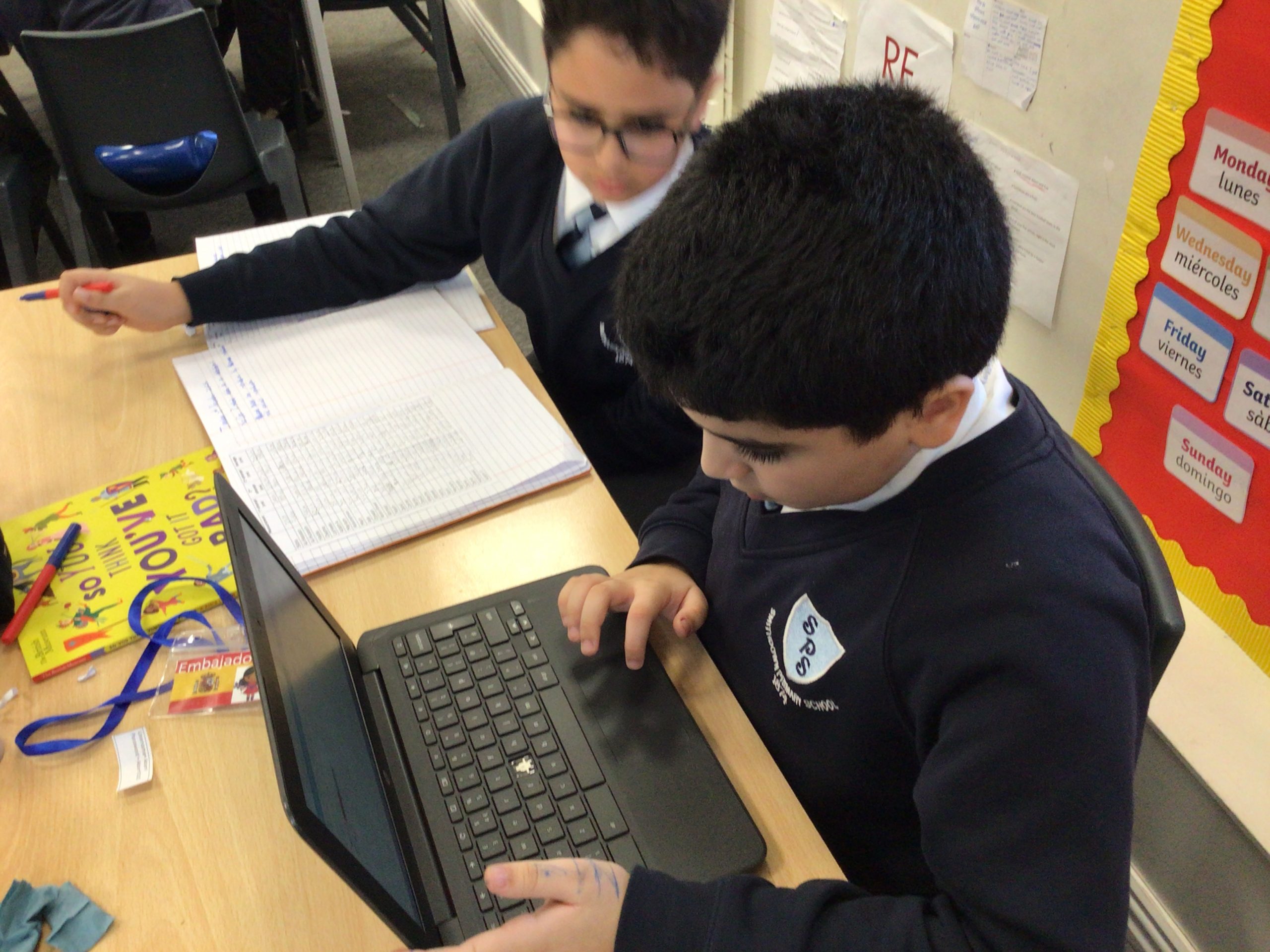
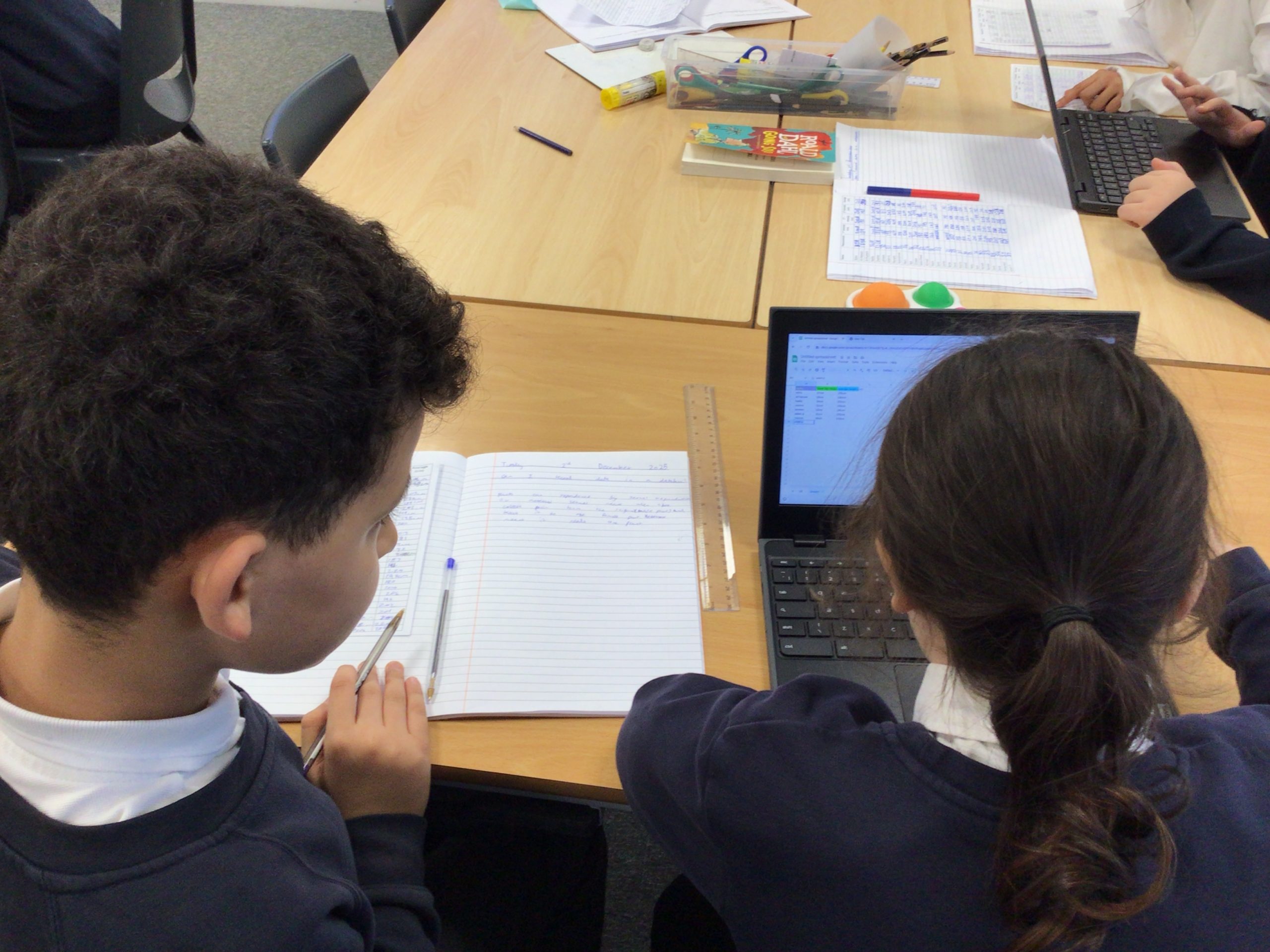
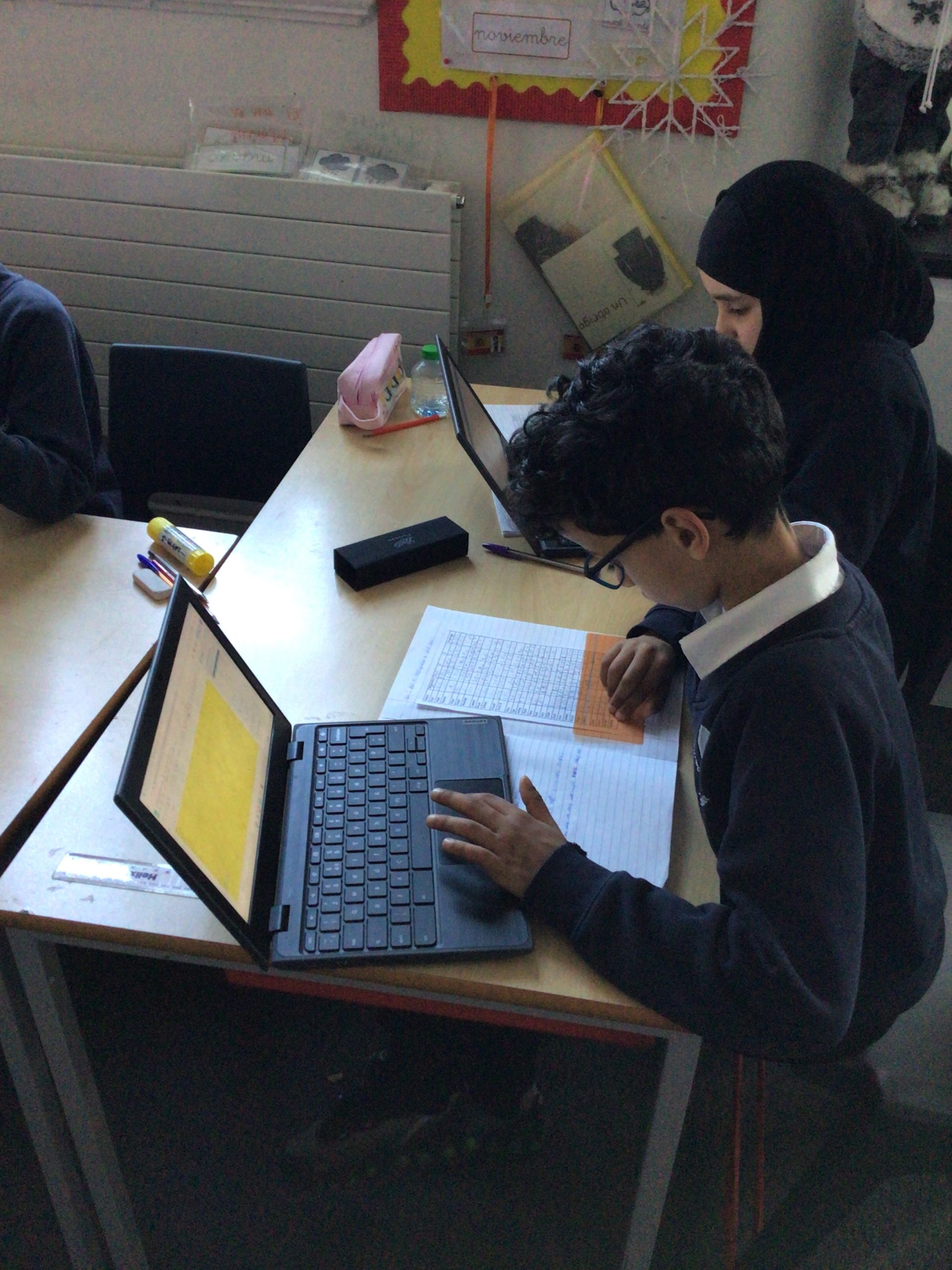
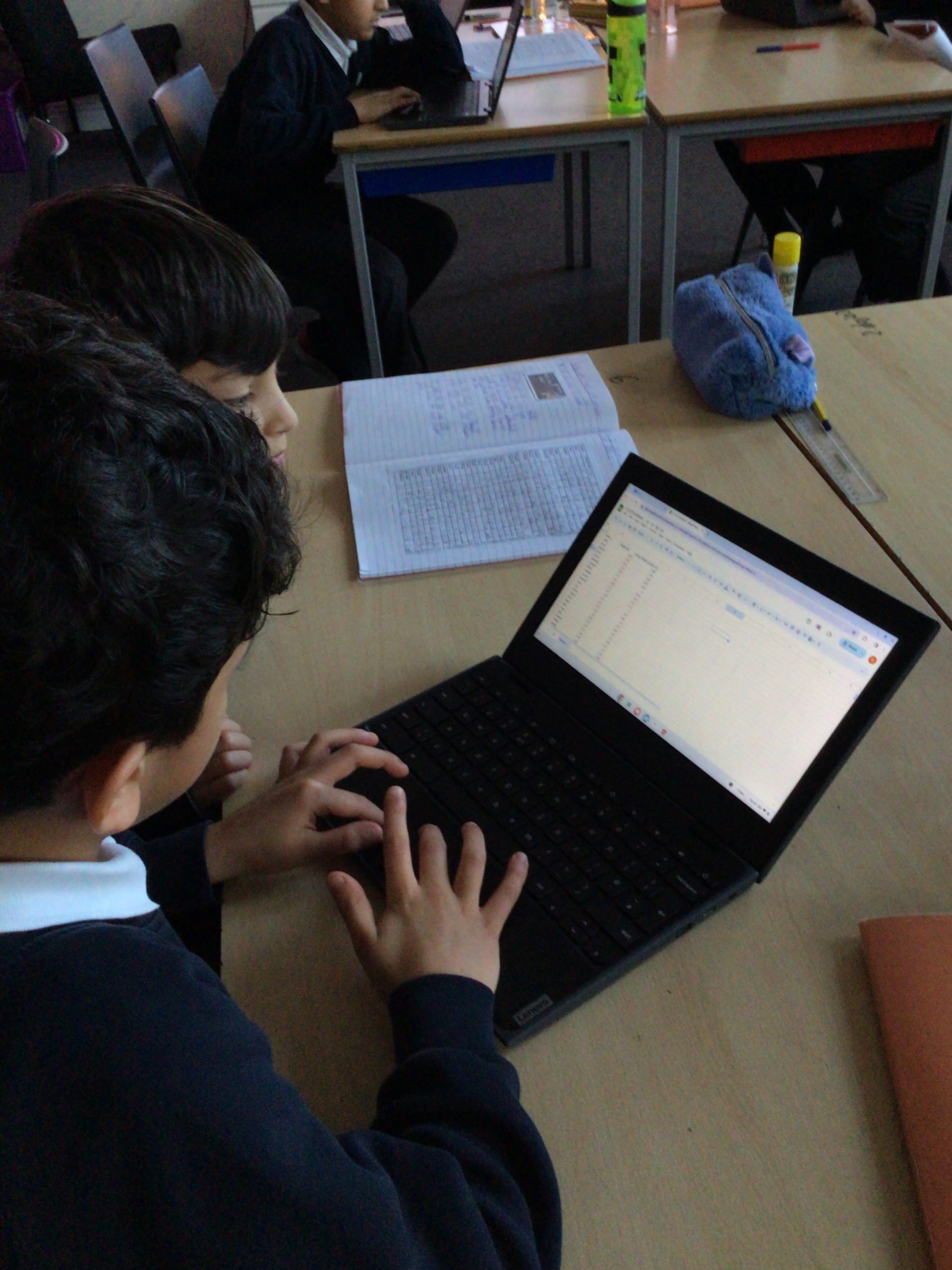
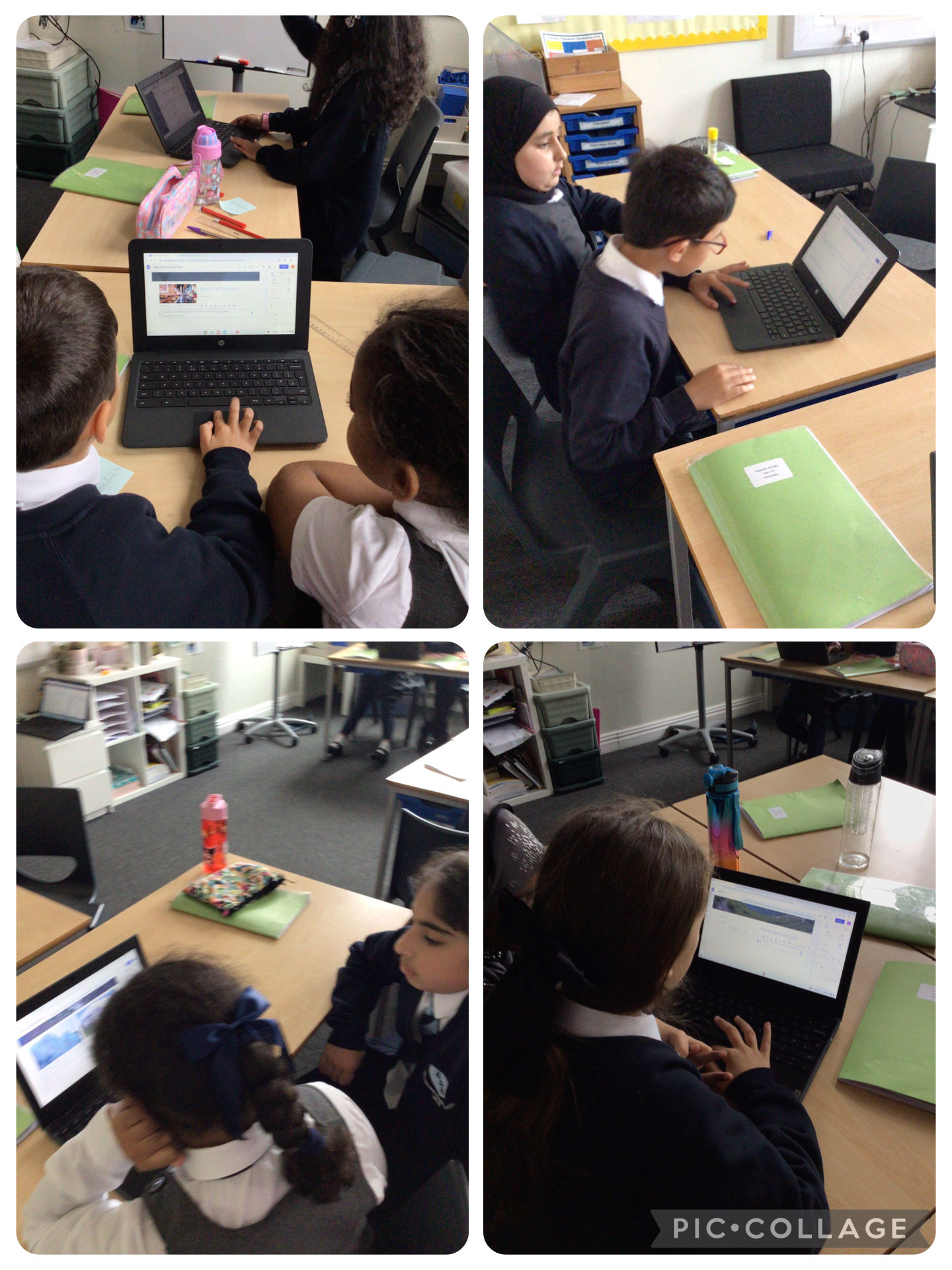
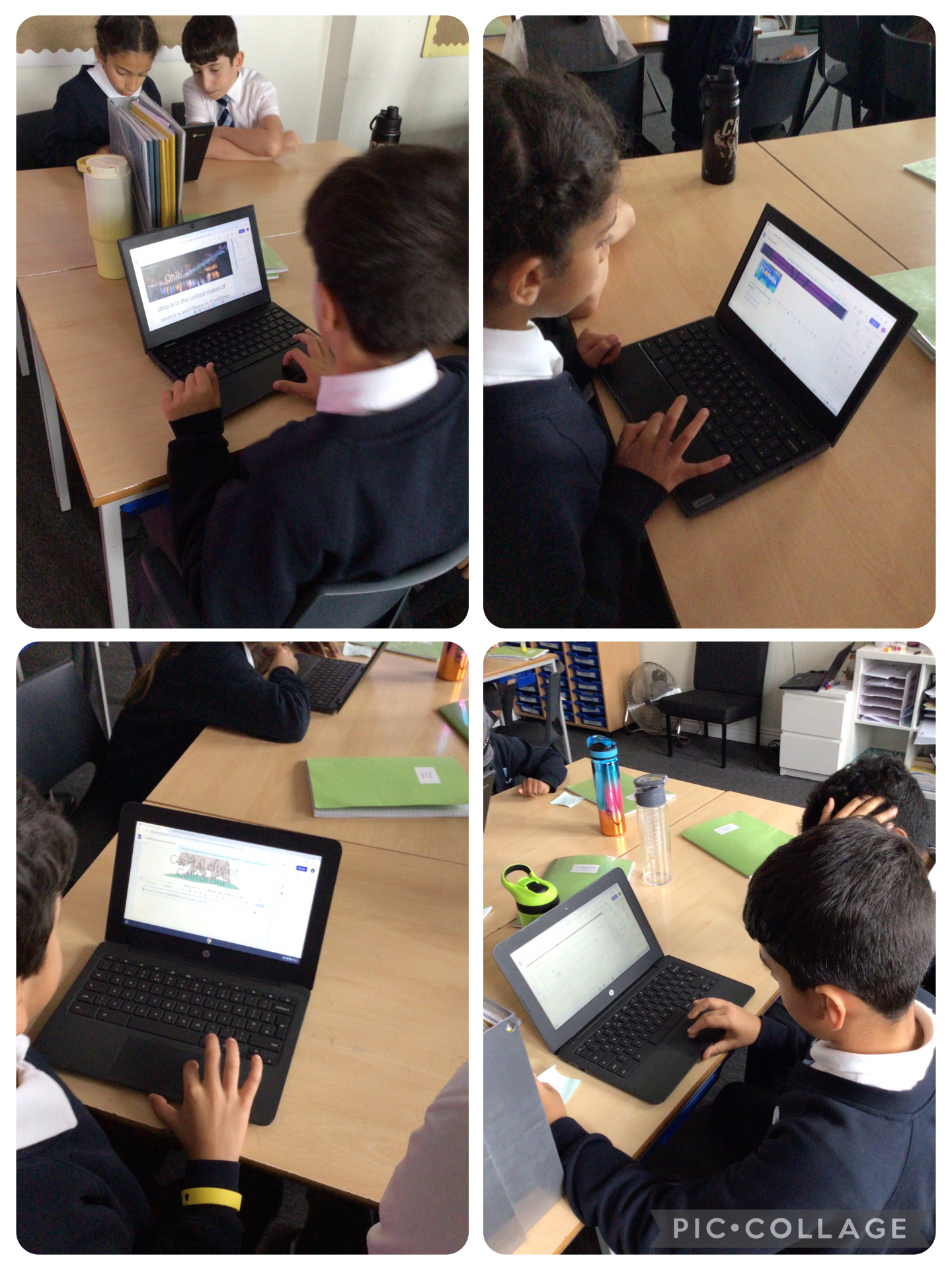
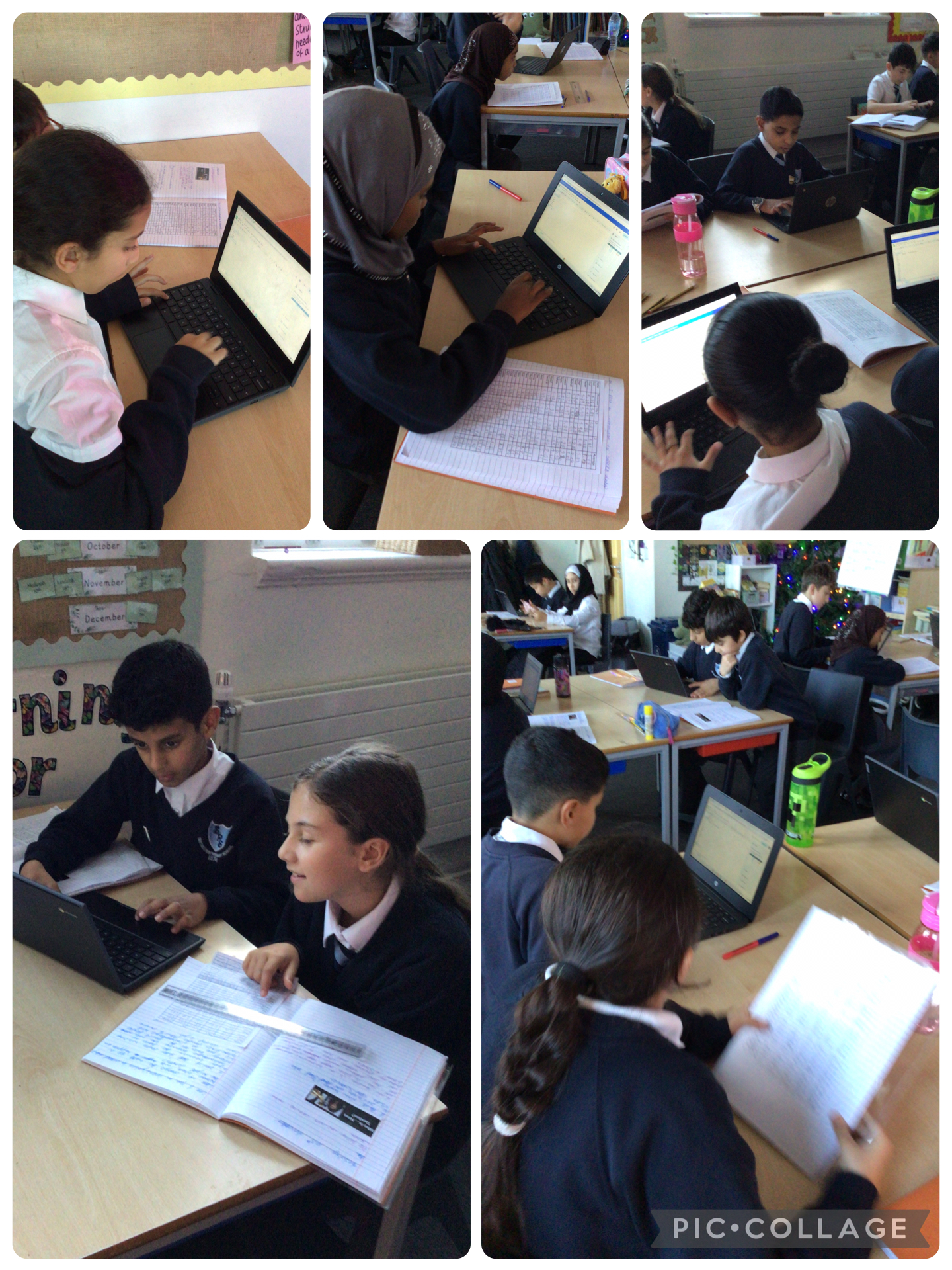
Today we have used data from our investigation to create a database on Google Sheets. We used the database to answer questions such as ‘Who jumped the highest?’ And ‘Who jumped higher than 1.9m’.

At Smithdown Primary School, we believe that computing is an essential life skill and a vital part of preparing children for a future in an ever-changing digital world.
Our aim is to ensure that all pupils become confident, creative and responsible users of technology, developing the skills they need to access, understand and shape the digital world around them.
We intend for children to:
Find, explore, analyse, exchange and present information effectively.
Develop the skills needed to use technology in a safe, purposeful and discriminating way.
Build confidence, independence and creativity through computational thinking and digital problem-solving.
Leave primary school digitally literate and ready to use technology positively in secondary education and beyond.
Understand how to evaluate and apply new or unfamiliar technologies to solve problems analytically.
Our computing curriculum ensures pupils gain secure knowledge across the three strands of the National Curriculum:
Computer Science – understanding how digital systems work and learning to code.
Information Technology – using programs and software to create content and solve problems.
Digital Literacy – using technology safely, respectfully and responsibly.
Ultimately, our goal is for pupils to become confident, curious and capable digital citizens, ready to live and work safely in an increasingly digital British society.
Computing at Smithdown is delivered through a clear, progressive and cross-curricular scheme of work that provides coverage in line with the National Curriculum. Our teachers adapt learning to the needs and experiences of our pupils each year, ensuring that foundational skills are embedded before more complex concepts are introduced.
We are proud to work in partnership with MGL, whose specialist teachers support the delivery of our Key Stage 2 computing curriculum. Their expertise enhances teaching quality and ensures pupils access high-quality, practical and engaging computing experiences.
Through this approach, children learn to:
Understand how computer systems and networks operate.
Write and debug simple programs and develop computational thinking.
Use a range of devices and applications to create, store, organise and present information.
Develop digital literacy across the wider curriculum, linking computing to real-life learning.
Children have access to a wide range of hardware and software, including computers, tablets, programmable robots, and digital cameras, enabling them to develop hands-on experience with digital systems.
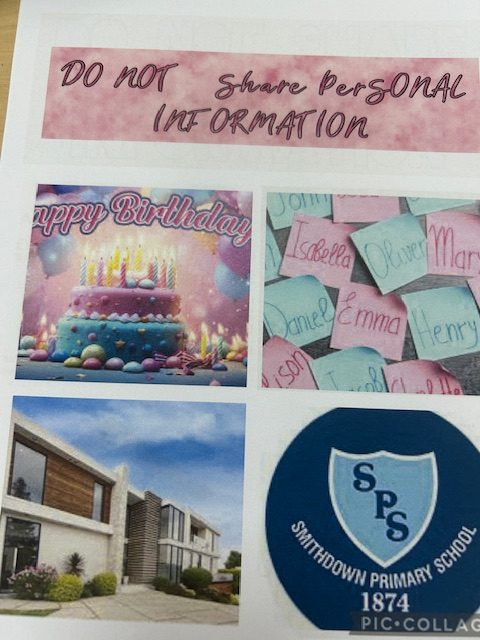
Online Safety is taught explicitly and revisited regularly through lessons, assemblies and awareness events such as Safer Internet Day. Pupils learn how to use technology safely and respectfully, understanding how to recognise and report concerns. Parents are kept informed and supported through updates on the school website and social media channels.
This balanced, practical and inclusive approach ensures that computing learning is both ambitious and accessible to every pupil.
By the time children leave Smithdown Primary School, they will be confident, competent and safe users of technology, able to apply their skills and knowledge in a wide variety of contexts at school, at home and in the wider world.
They will:
Use technology purposefully to create, organise, store and share digital content.
Understand how to use technology to achieve specific goals.
Discuss, reflect on and appreciate the impact of computing on their learning and wellbeing.
Recognise the importance of balancing screen time with other aspects of life for healthy development.
Apply the British Values of democracy, tolerance, mutual respect, rule of law and liberty when engaging online.
Progress and impact are evident through:
Pupils’ digital work and projects.
Observations of learning and pupil voice.
Assessment of knowledge and skills progression across the three strands.
Children’s ability to showcase and celebrate their work using a range of digital tools.
Through a combination of creativity, challenge and care, our pupils develop the confidence and understanding to navigate and shape the digital world — truly living our school ethos:
Together We Grow.
Please click the following links to learn more about our progression in:
Digital literacy and ICT Beyond School
The Internet is an amazing place. Our pupils can play, create, learn and connect – the possibilities are endless. But there are also risks. Therefore we regularly discuss the importance of online safety with our pupils and they have all agreed to follow our acceptable use policy. Please click on the links below for copies of these documents.
Key stage 1 Acceptable Use Policy
Key stage 2 Acceptable Use Policy
Please click on the image to access a comprehensive website – filled with advice and guides on how to keep your child safe across a range of platforms including YouTube, Fortnite, WhatsApp, SnapChat, TikTok and many more.

Our Online Safety Newsletters are full of practical tips, advice, and up-to-date information to help you keep your children safe online.
They cover everything from screen time and social media to gaming, privacy, and digital wellbeing.
👉 Click the links below to read the latest editions and find out how you can support your child’s online safety at home.
Today we have used data from our investigation to create a database on Google Sheets. We used the database to answer questions such as ‘Who jumped the highest?’ And ‘Who jumped higher than 1.9m’.
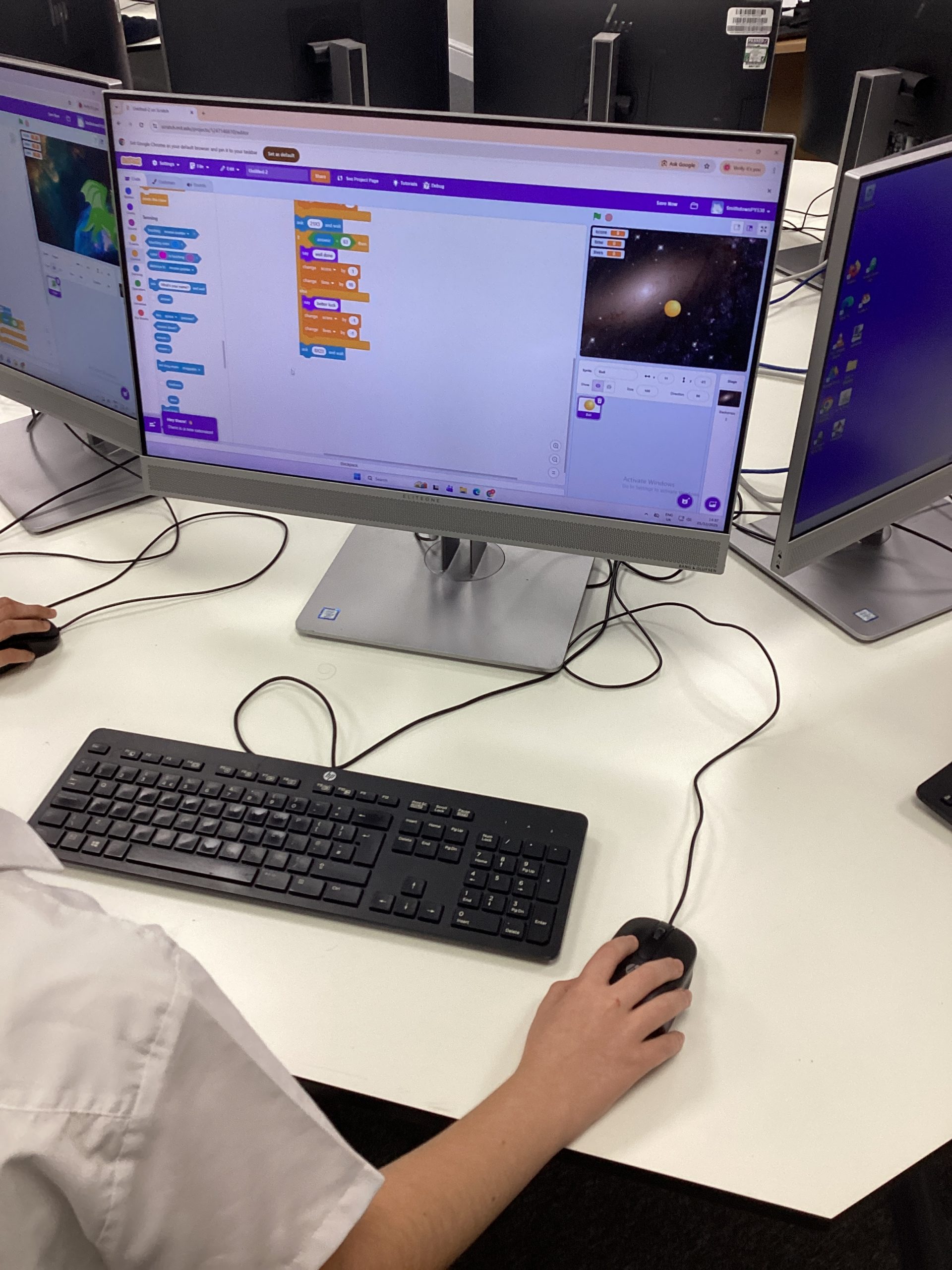
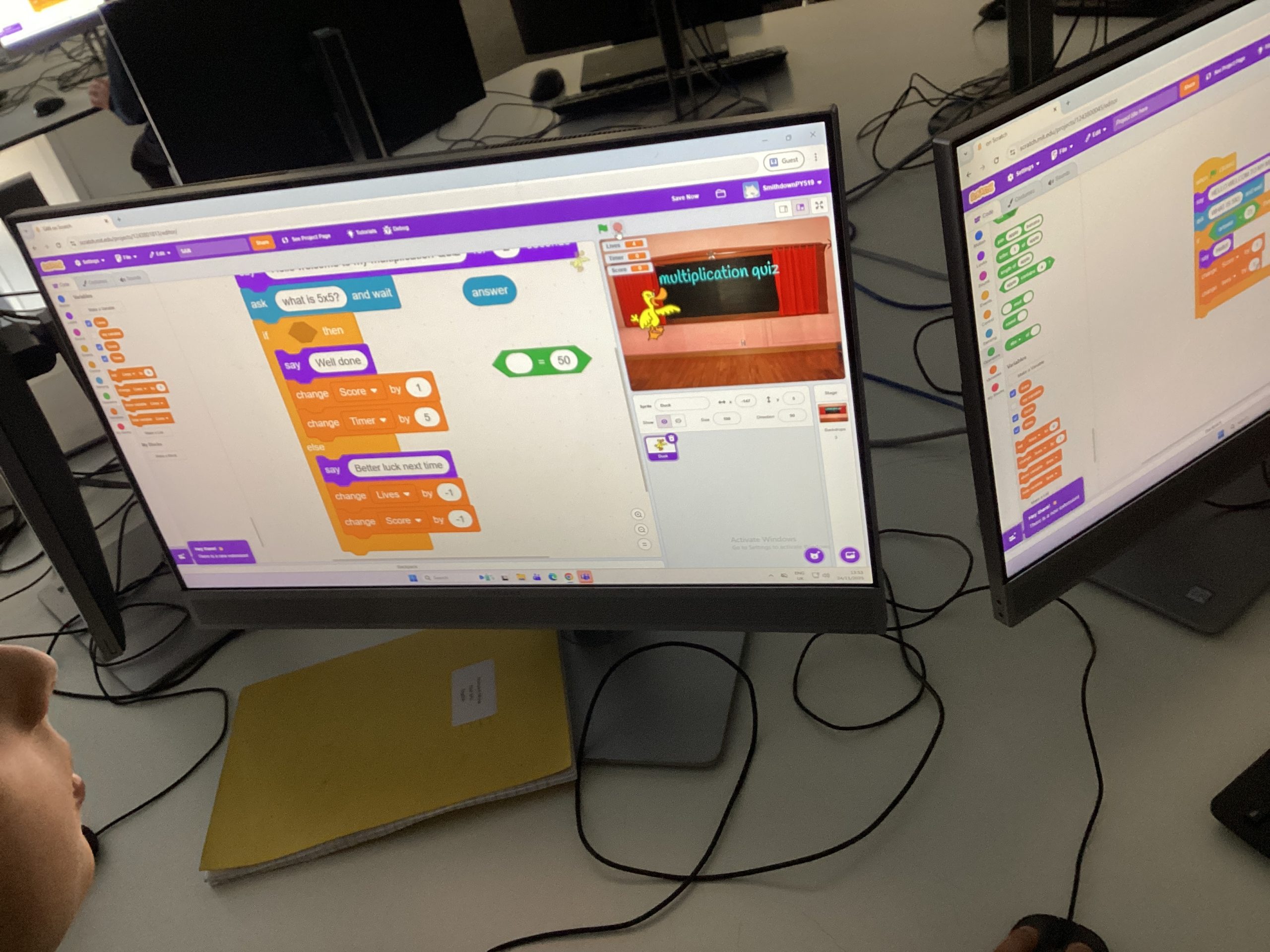
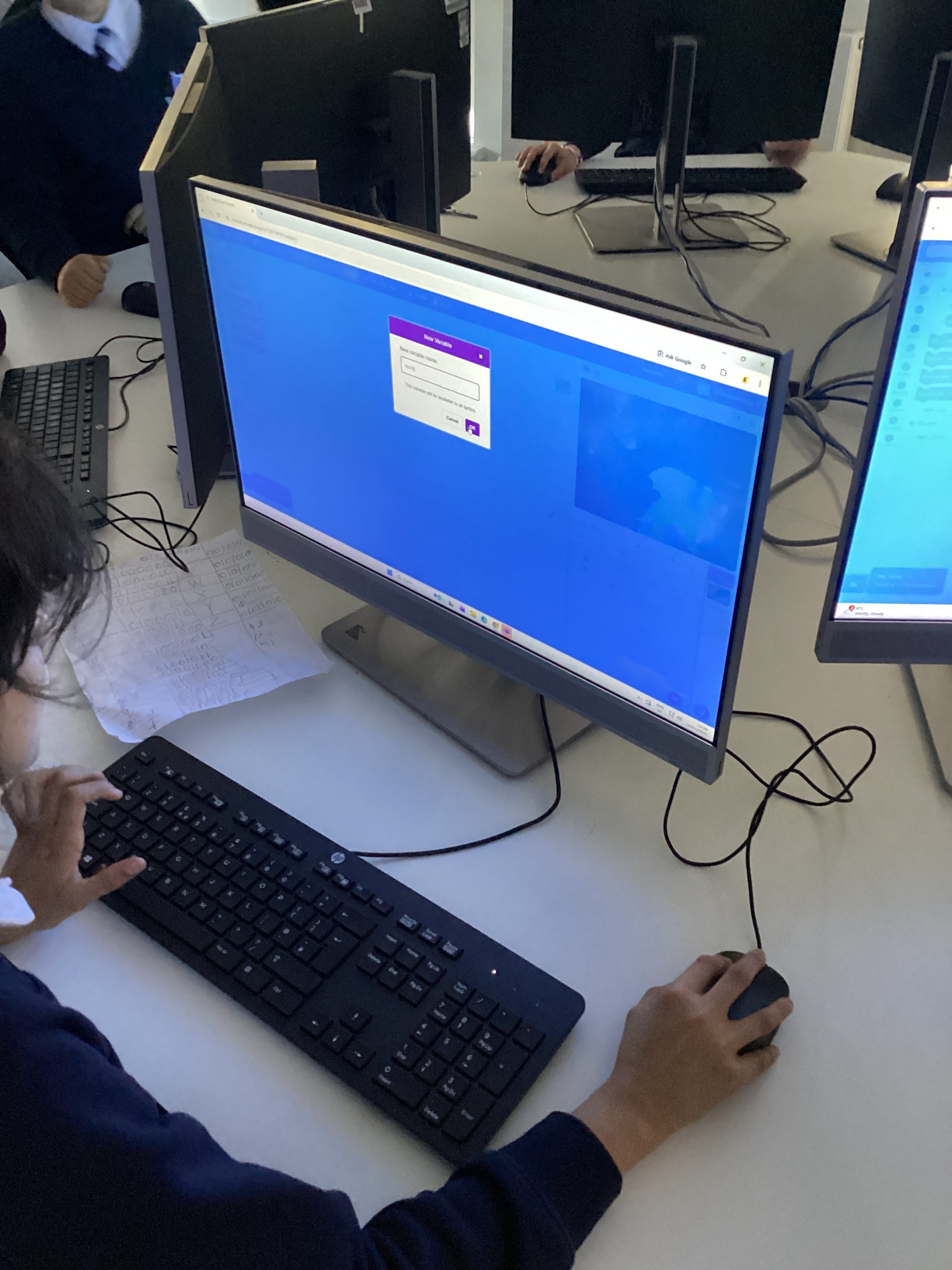
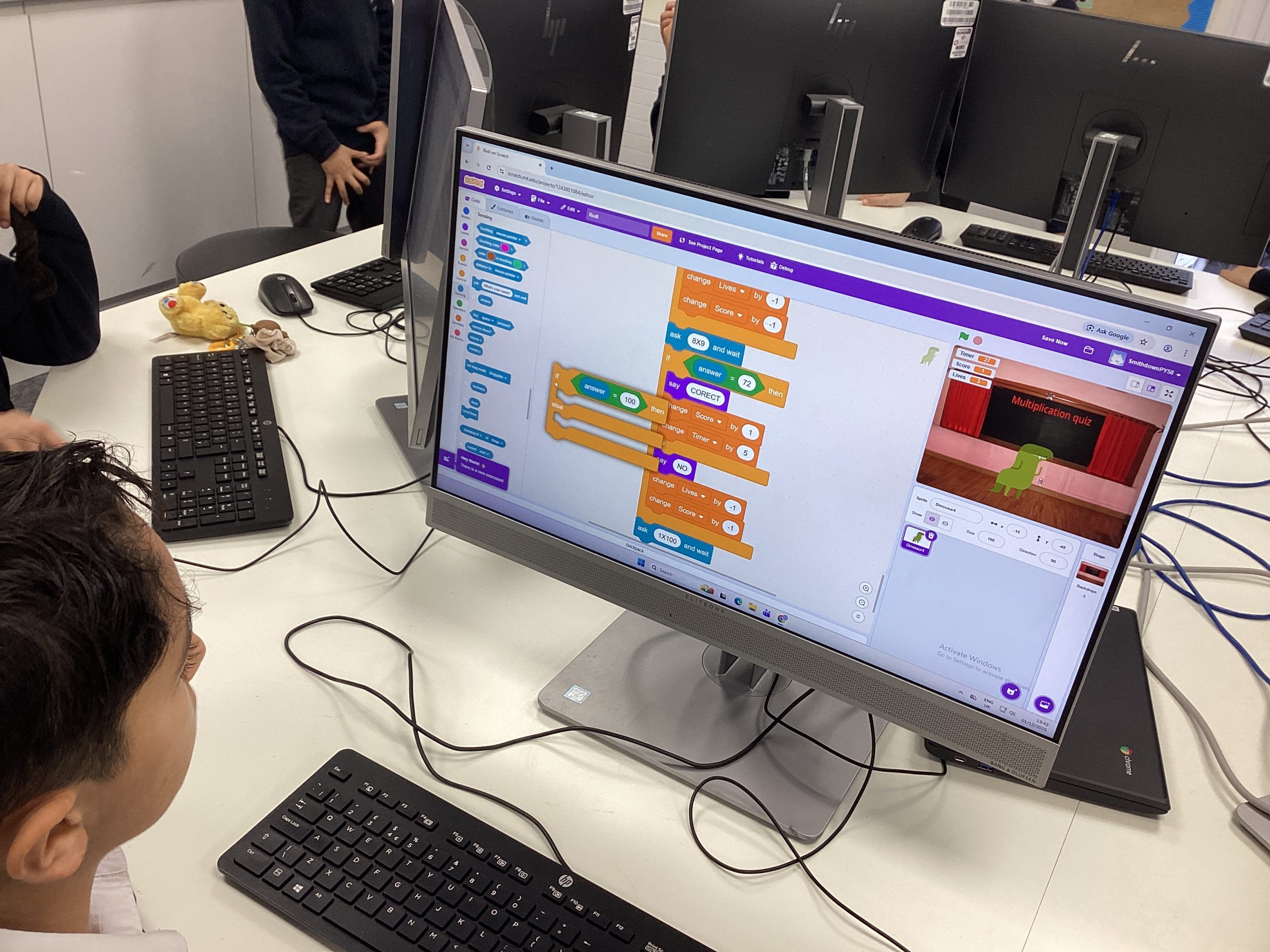
This half term Year 5 have been looking at how you can use variables within your coding. Children have spent the past few weeks creating a multiplication quiz program. Children created a timer variable and score variable, they then added in code to get a Sprite to ask a question and used a conditional statement to put in the ability to score a point if the answer is correct or to take a point away if it is incorrect. Children then programmed a timer variable to give people 10 seconds to answer each question.
1
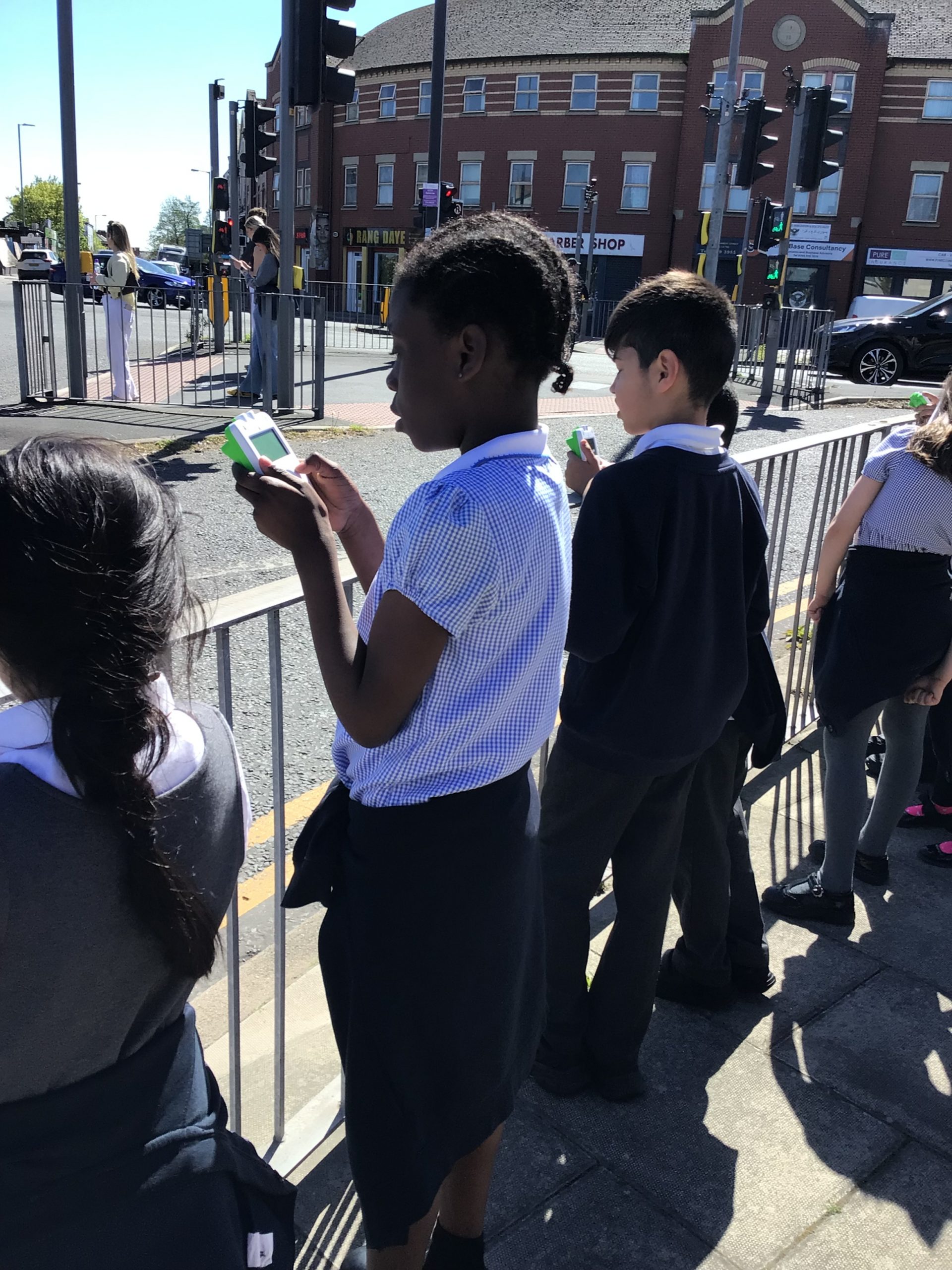
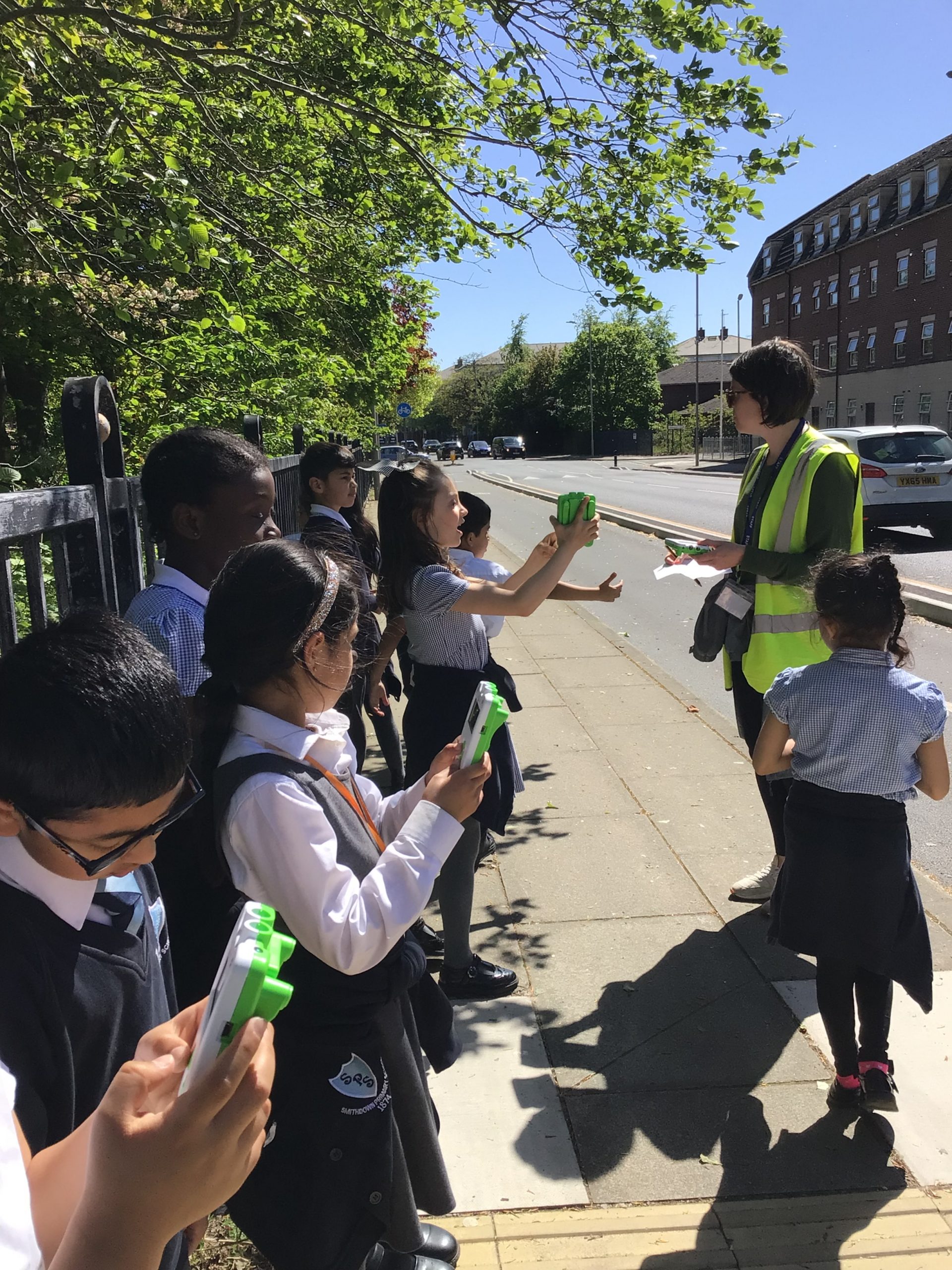
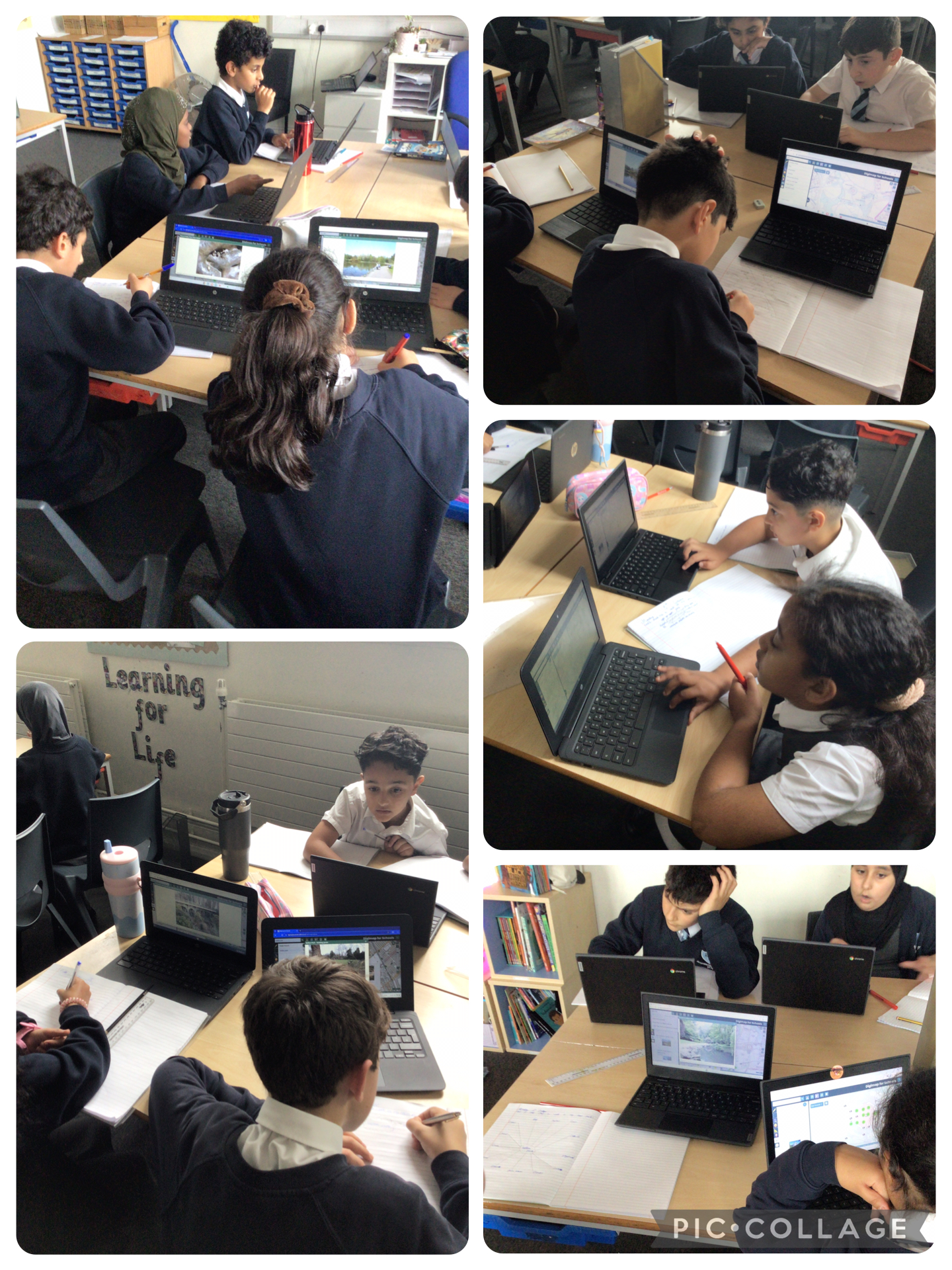
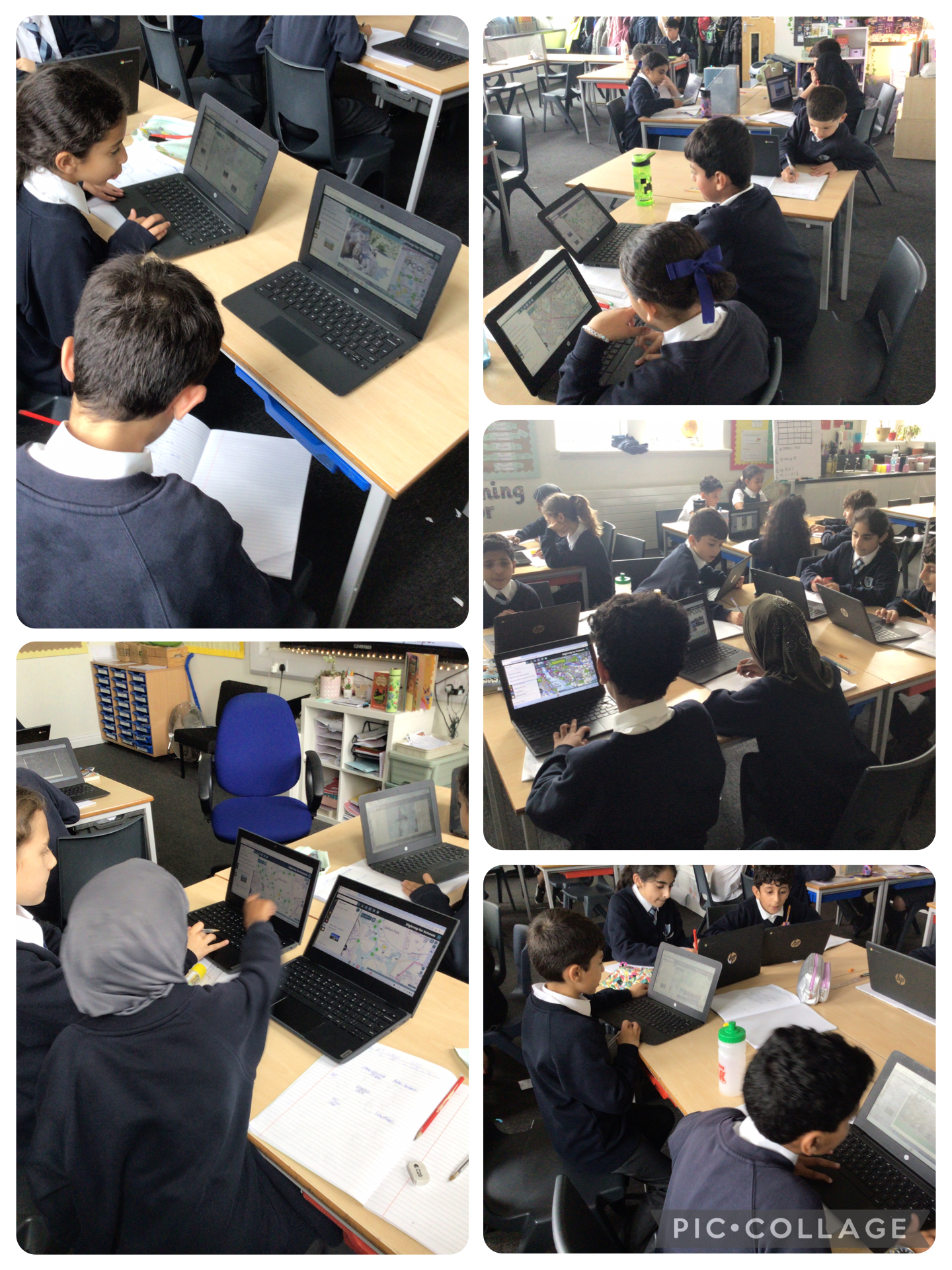
Today we had a look at our local park on digimaps to find its features. We then planned out a walk that we’re going to complete.
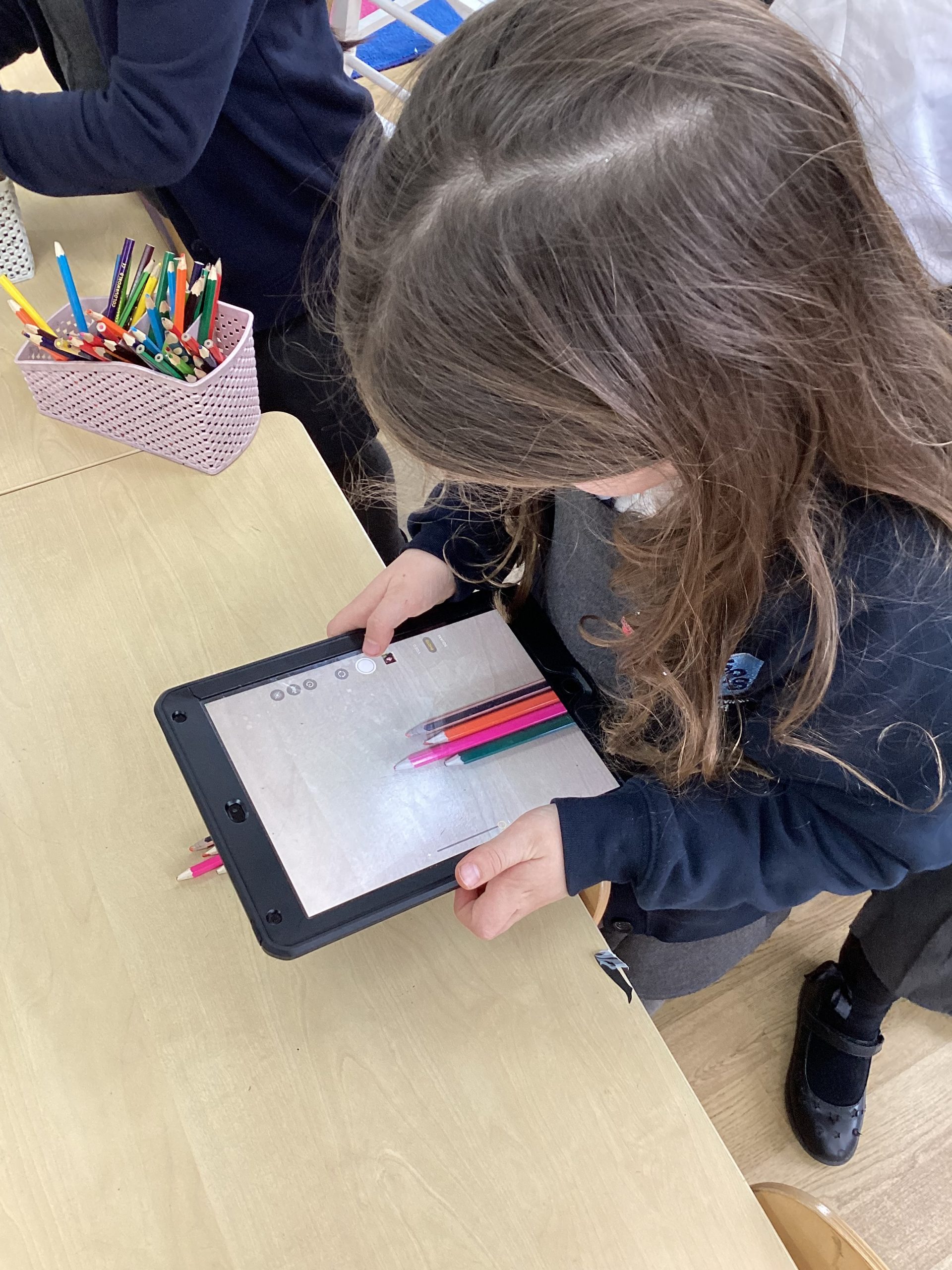
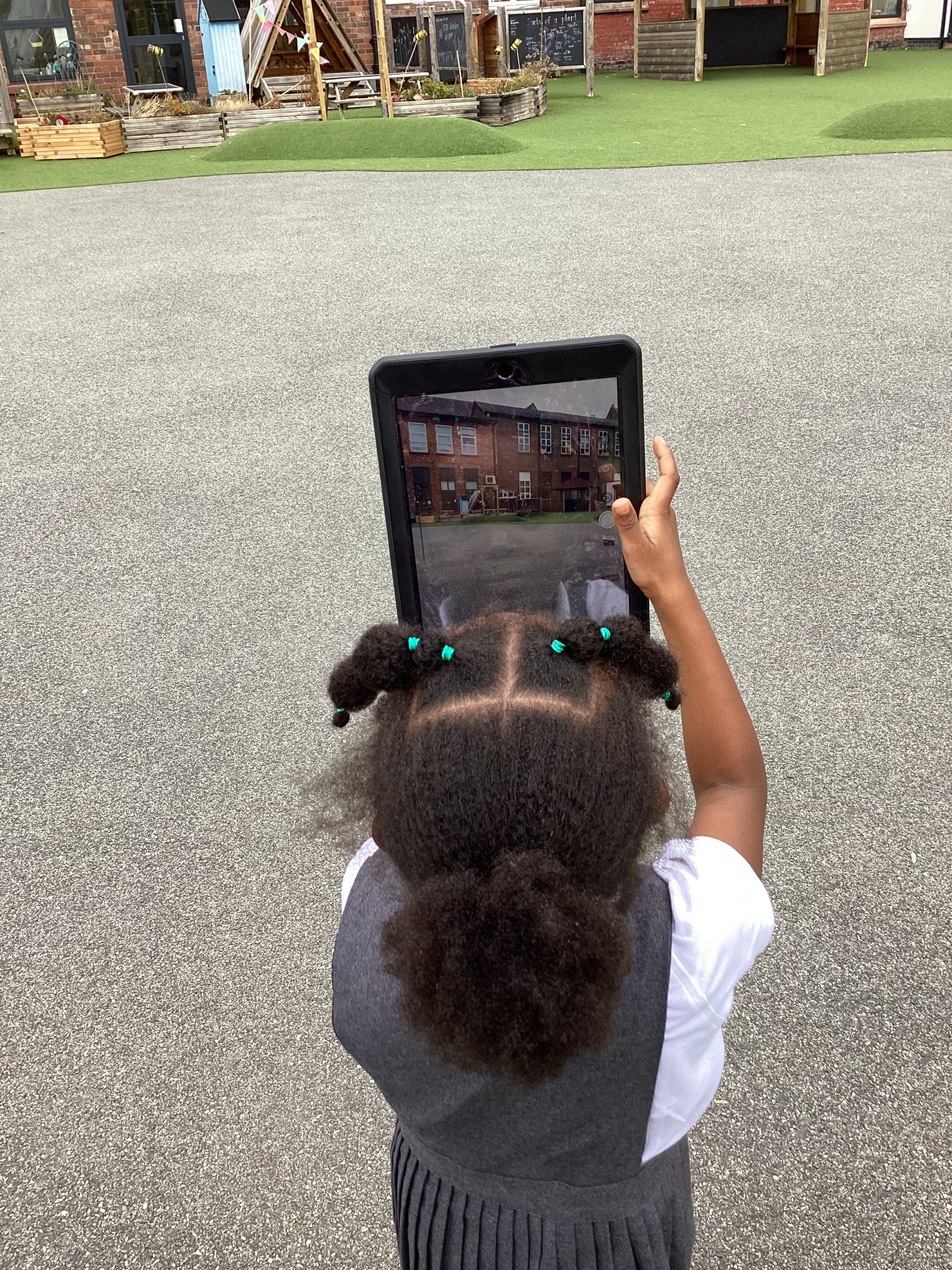
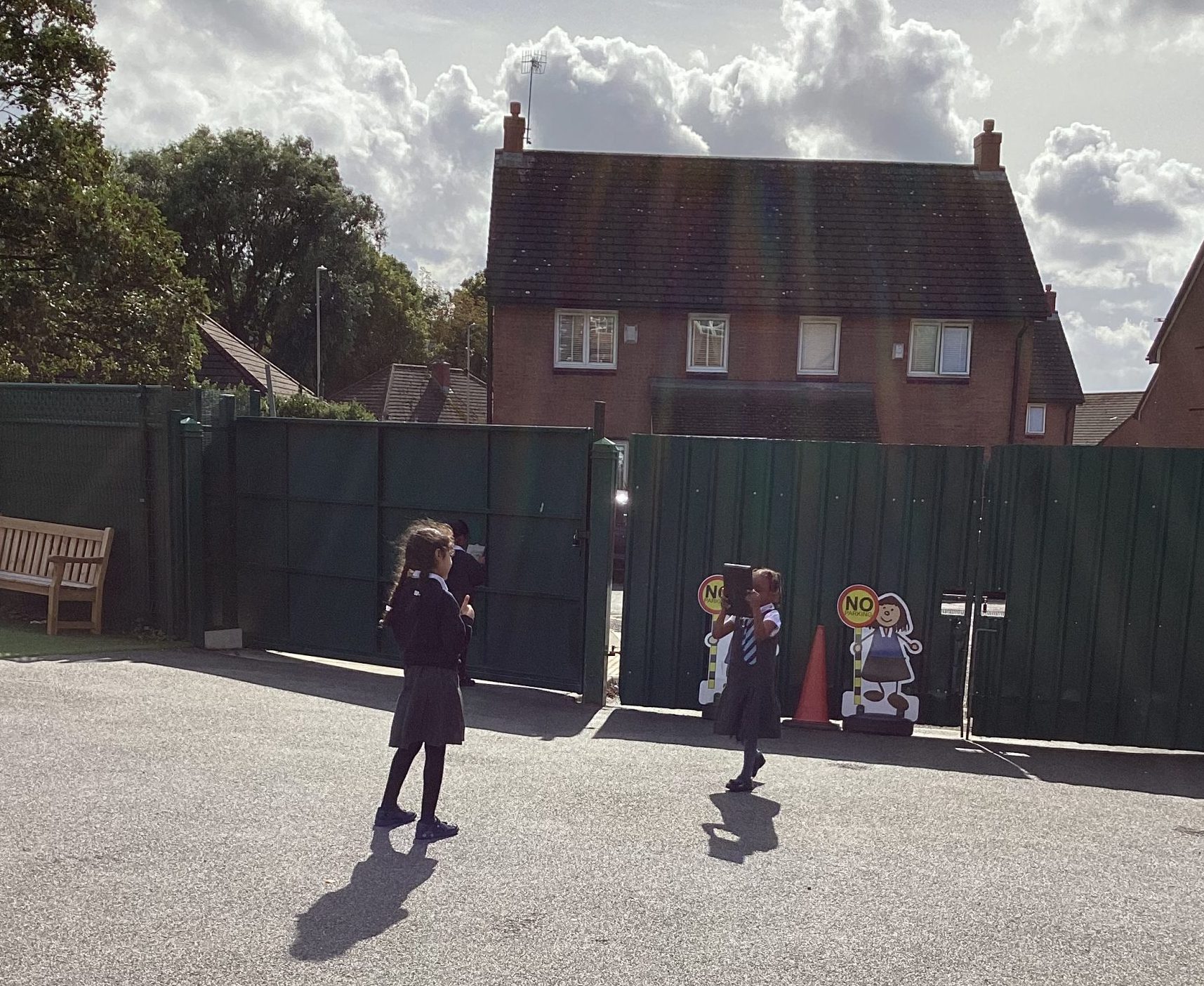
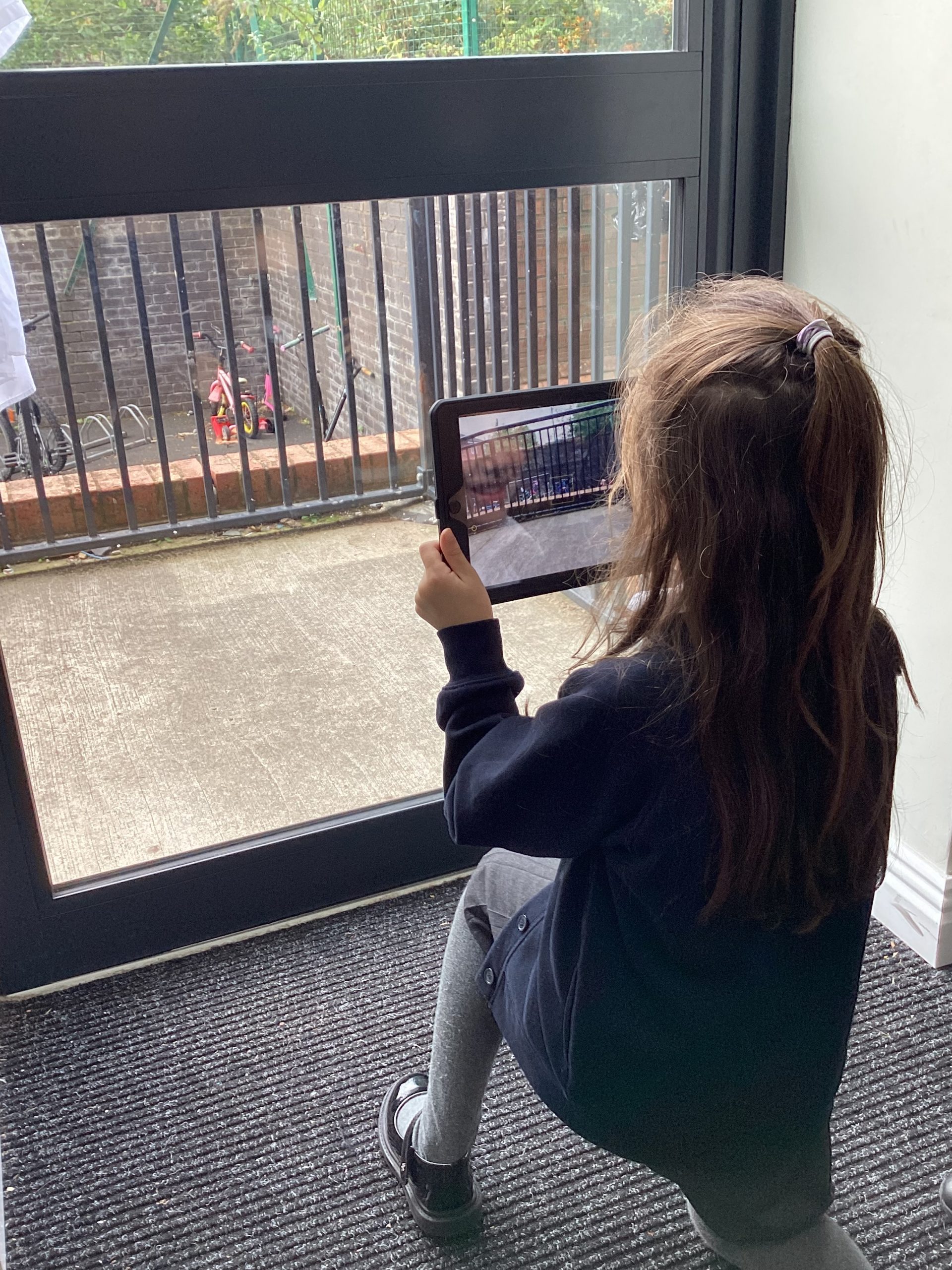
Today we took different photographs, decided if they were good or not then retook them to make them even better.
20
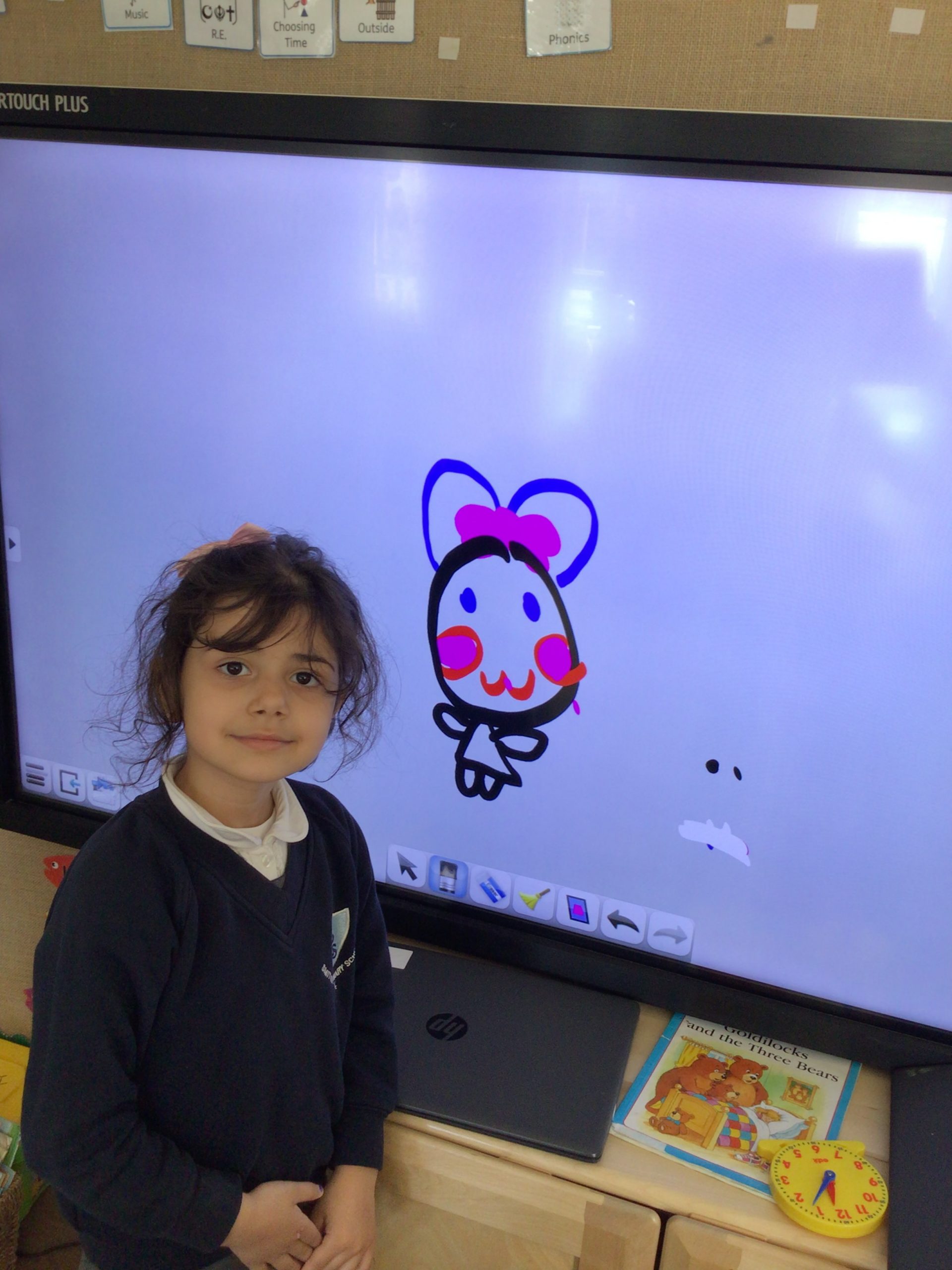
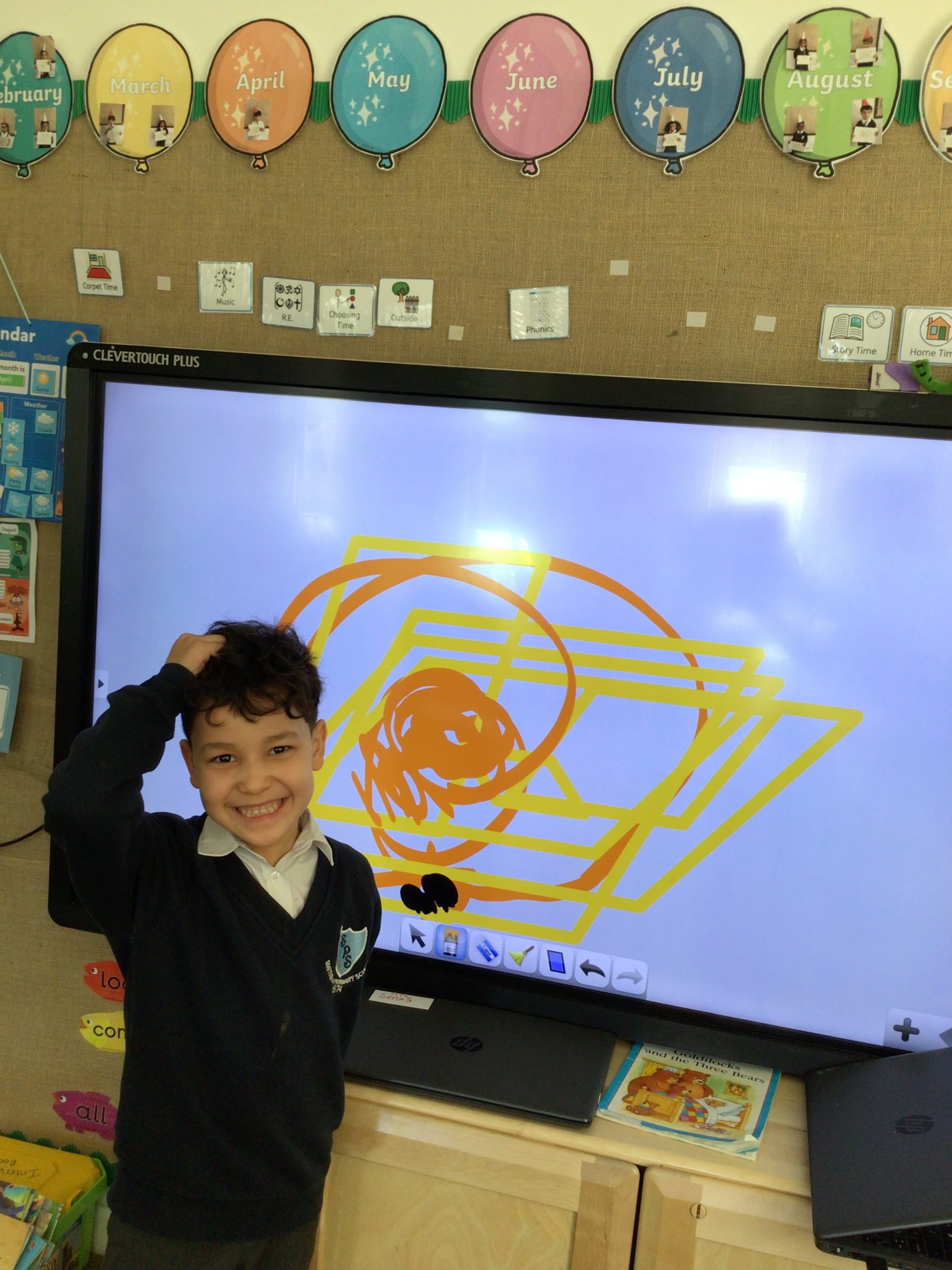
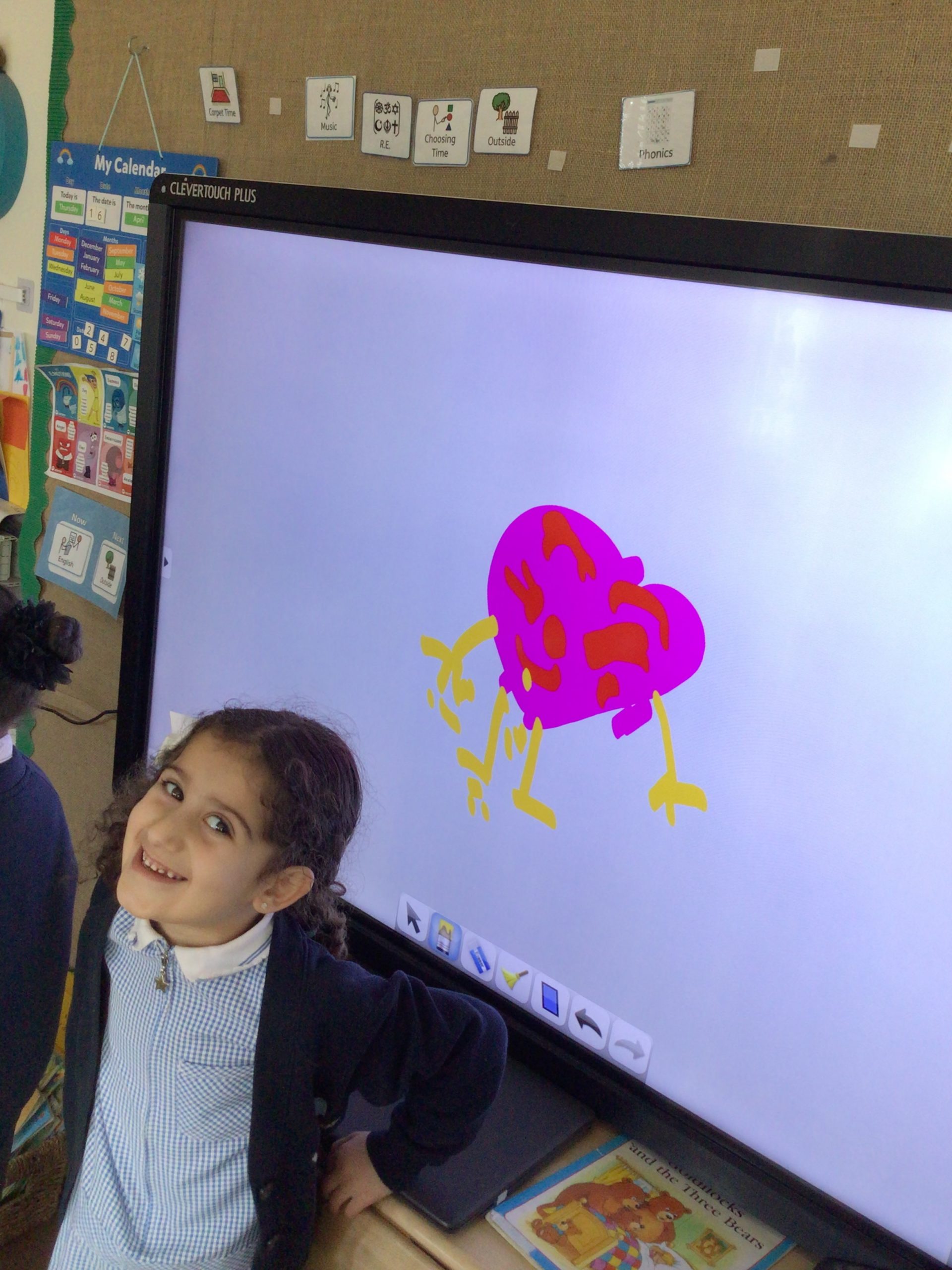
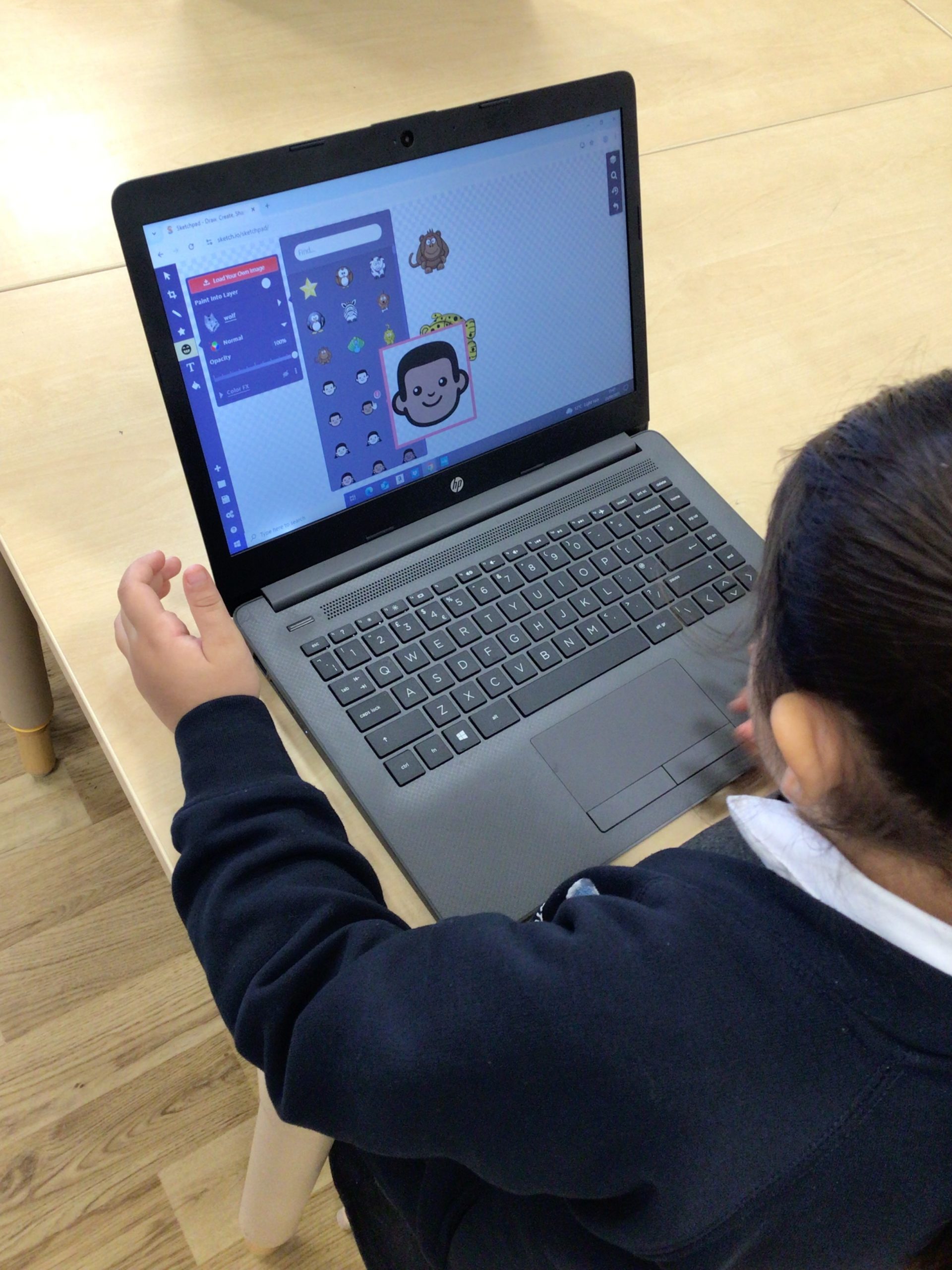
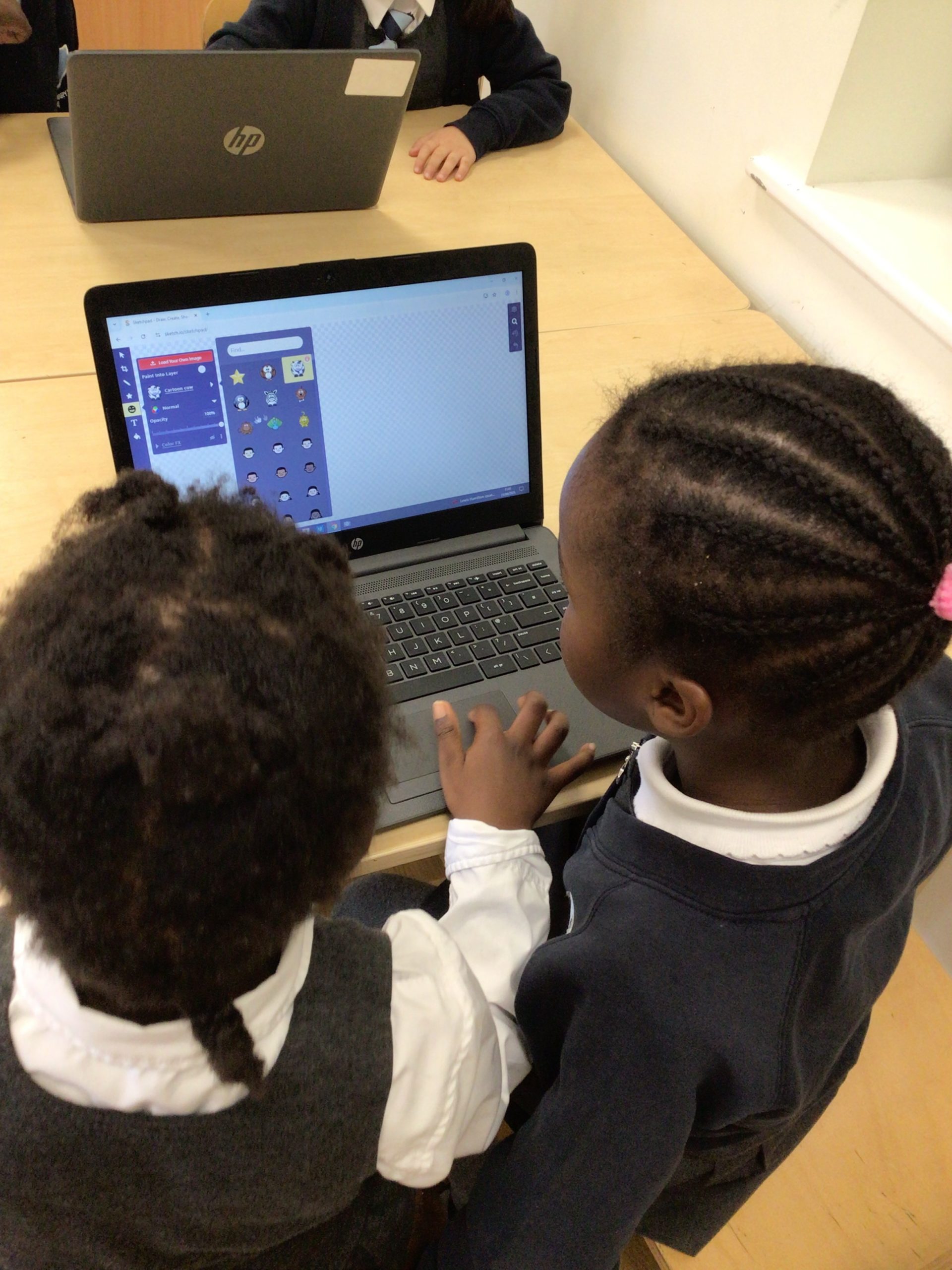
Y1 have been developing skills of mouse clicking and dragging by exploring sketchpad.
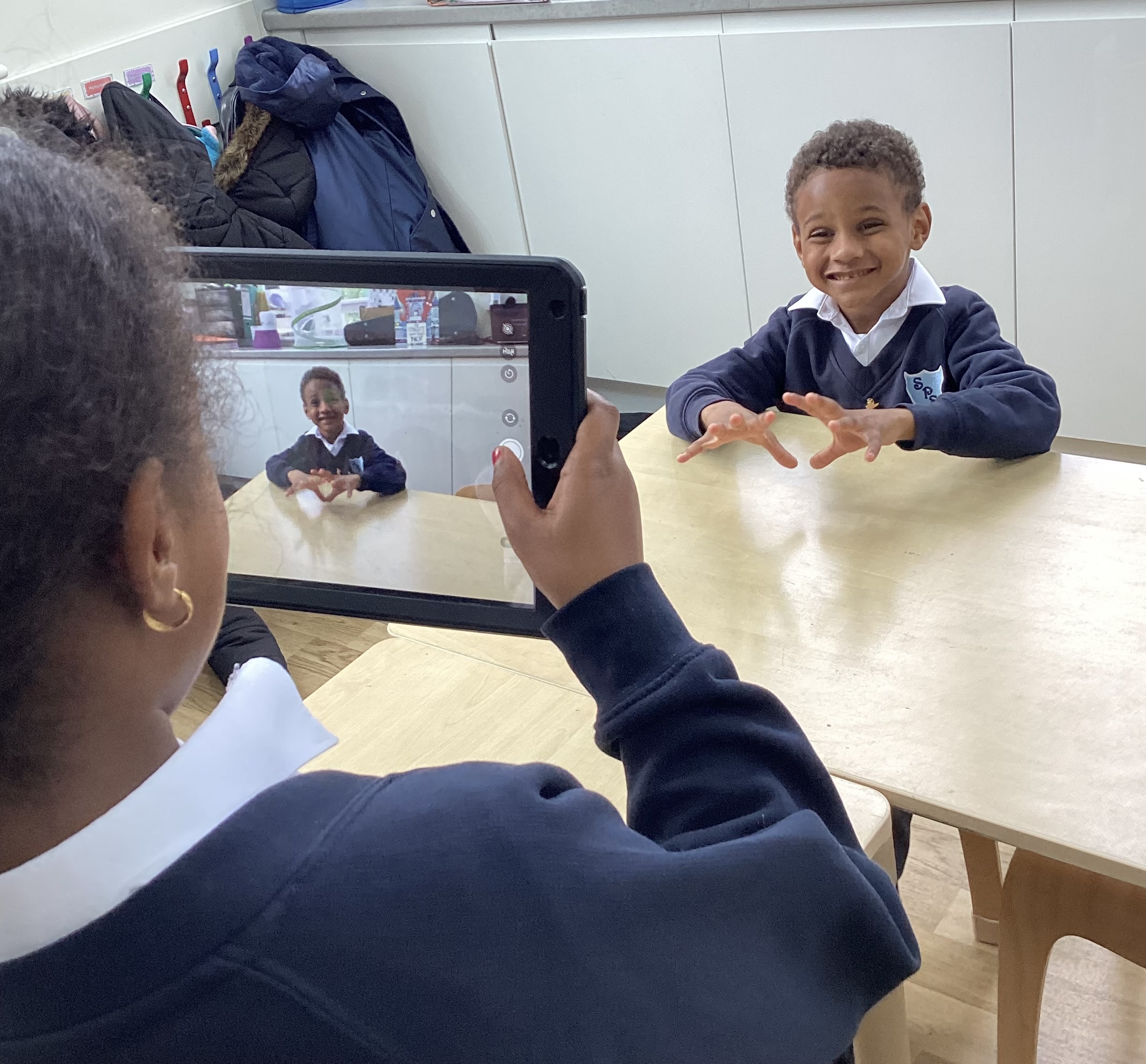
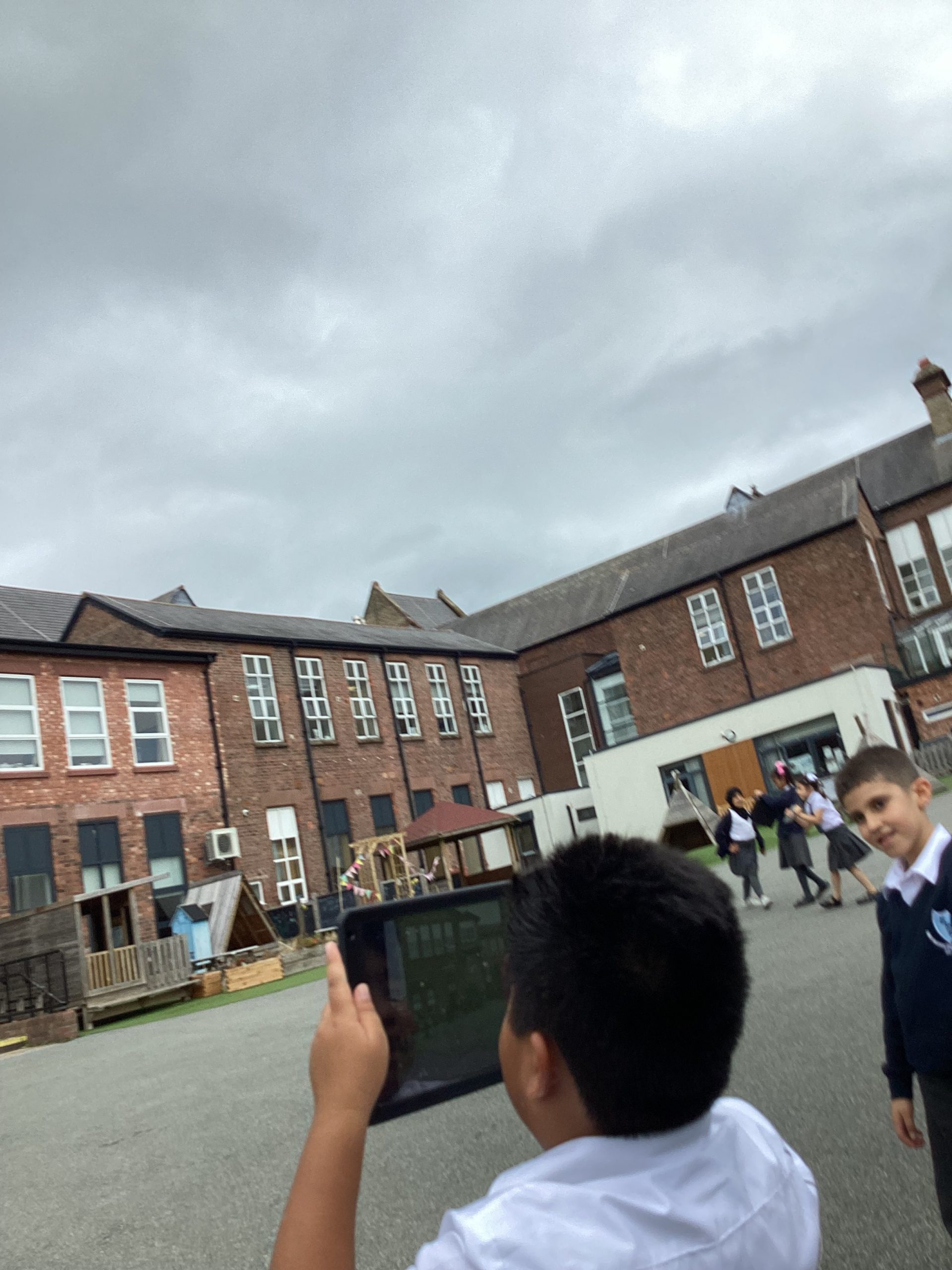
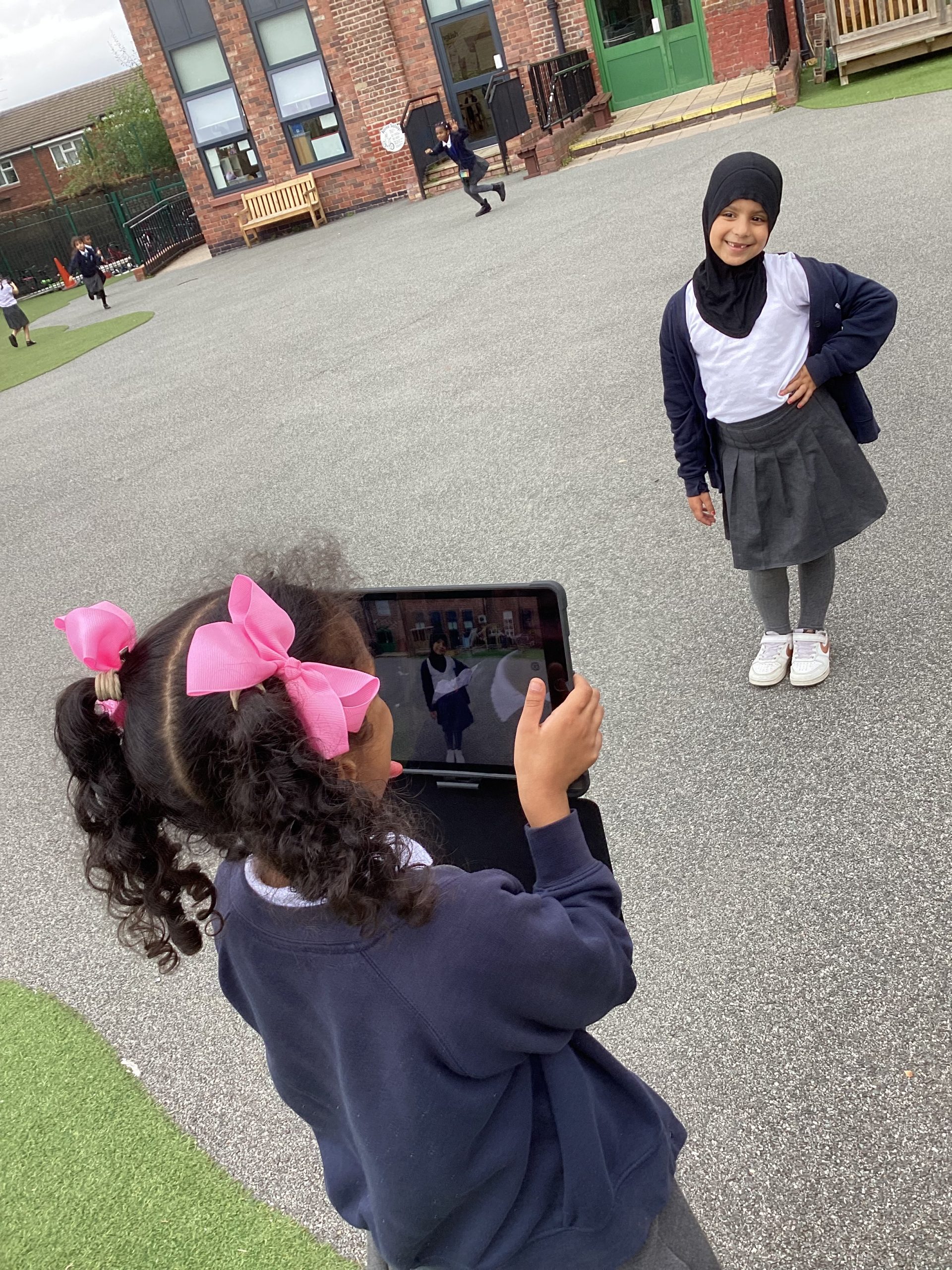
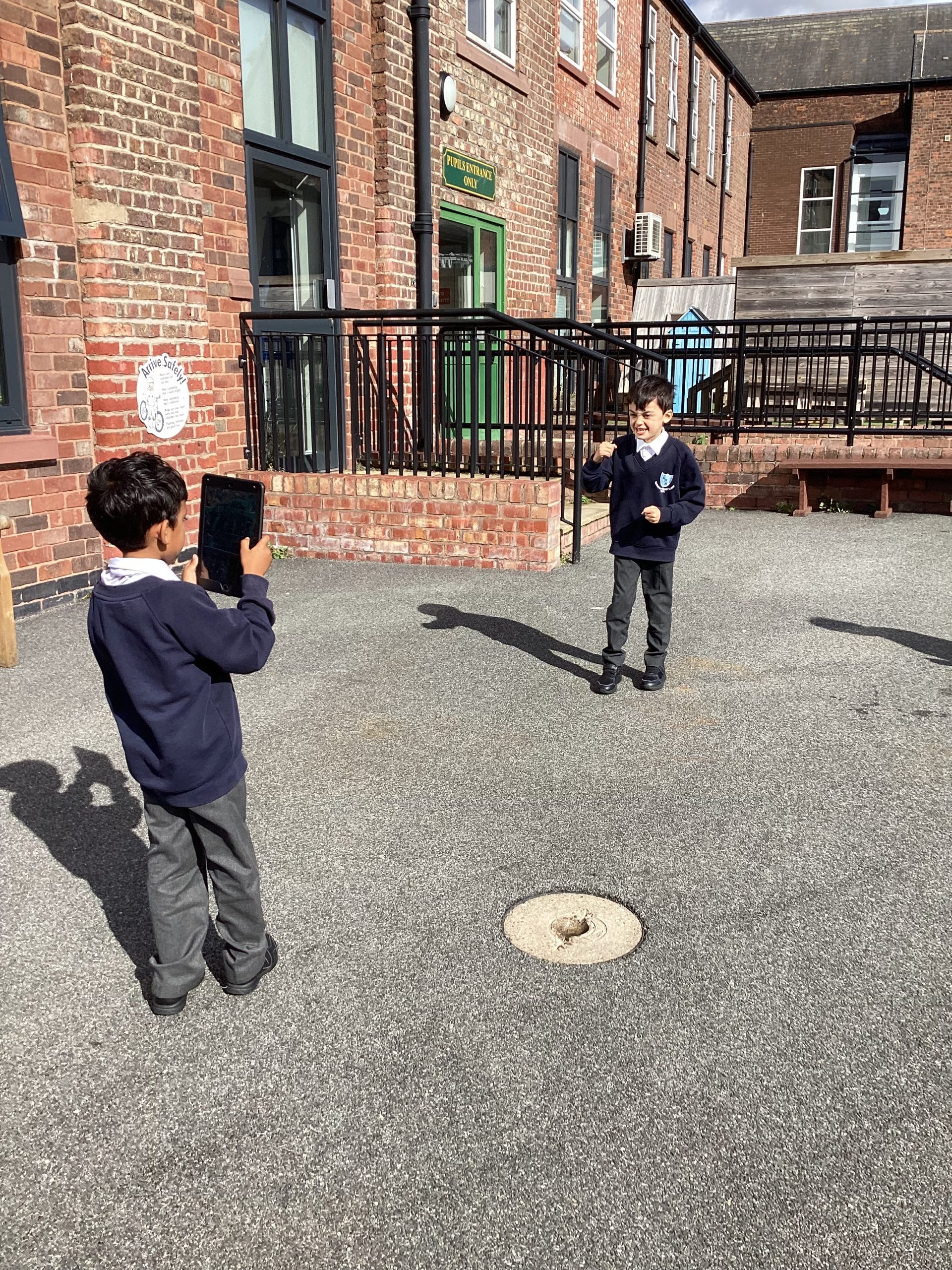
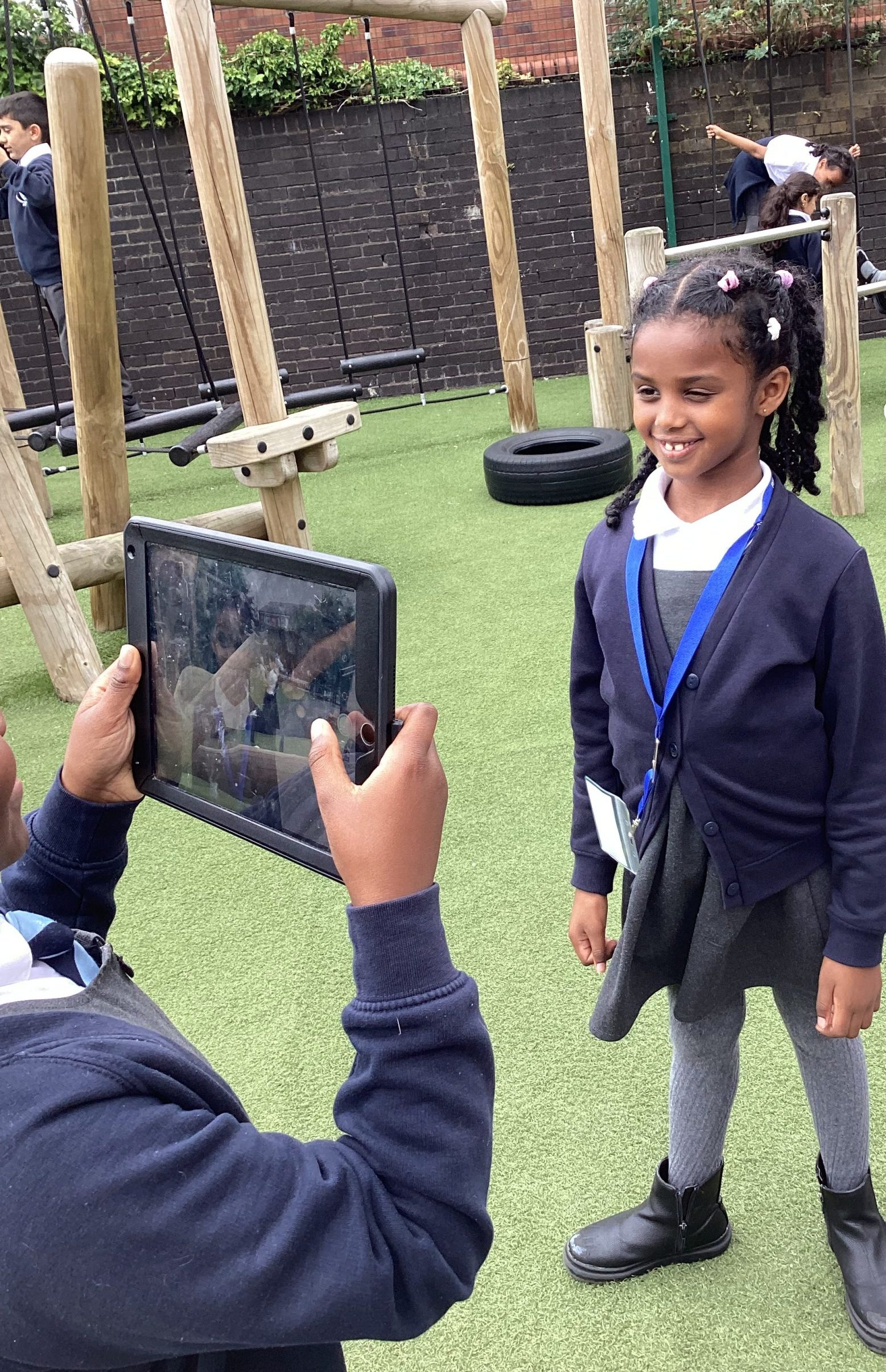
We love our computing topic – photography. We thought about which orientation made the best photograph, portrait or landscape. We decided the school building was better in landscape but photographs of our friends were better in portrait.
166
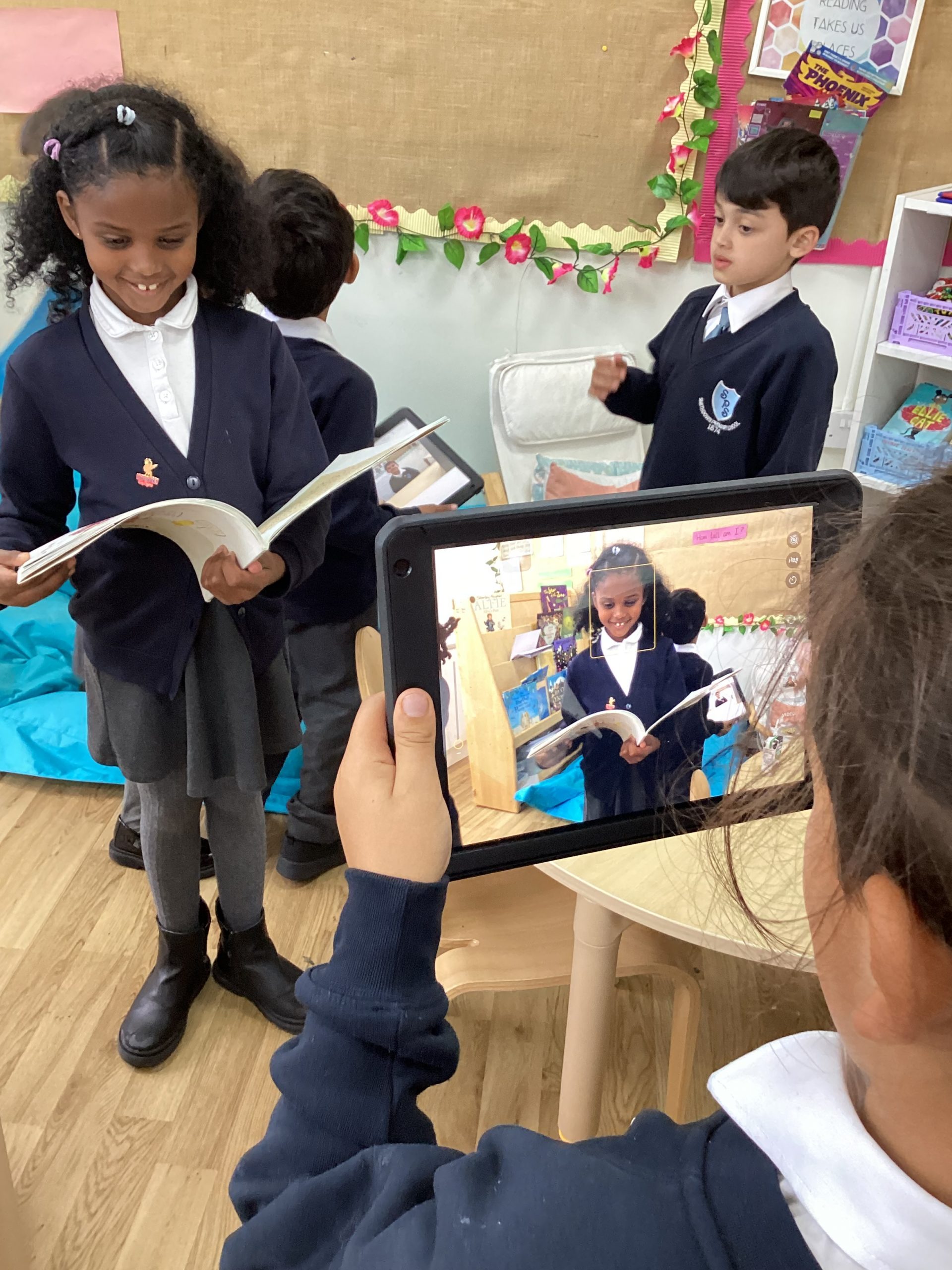
We have started our new computing topic – photography!
Fun in the sun this afternoon.
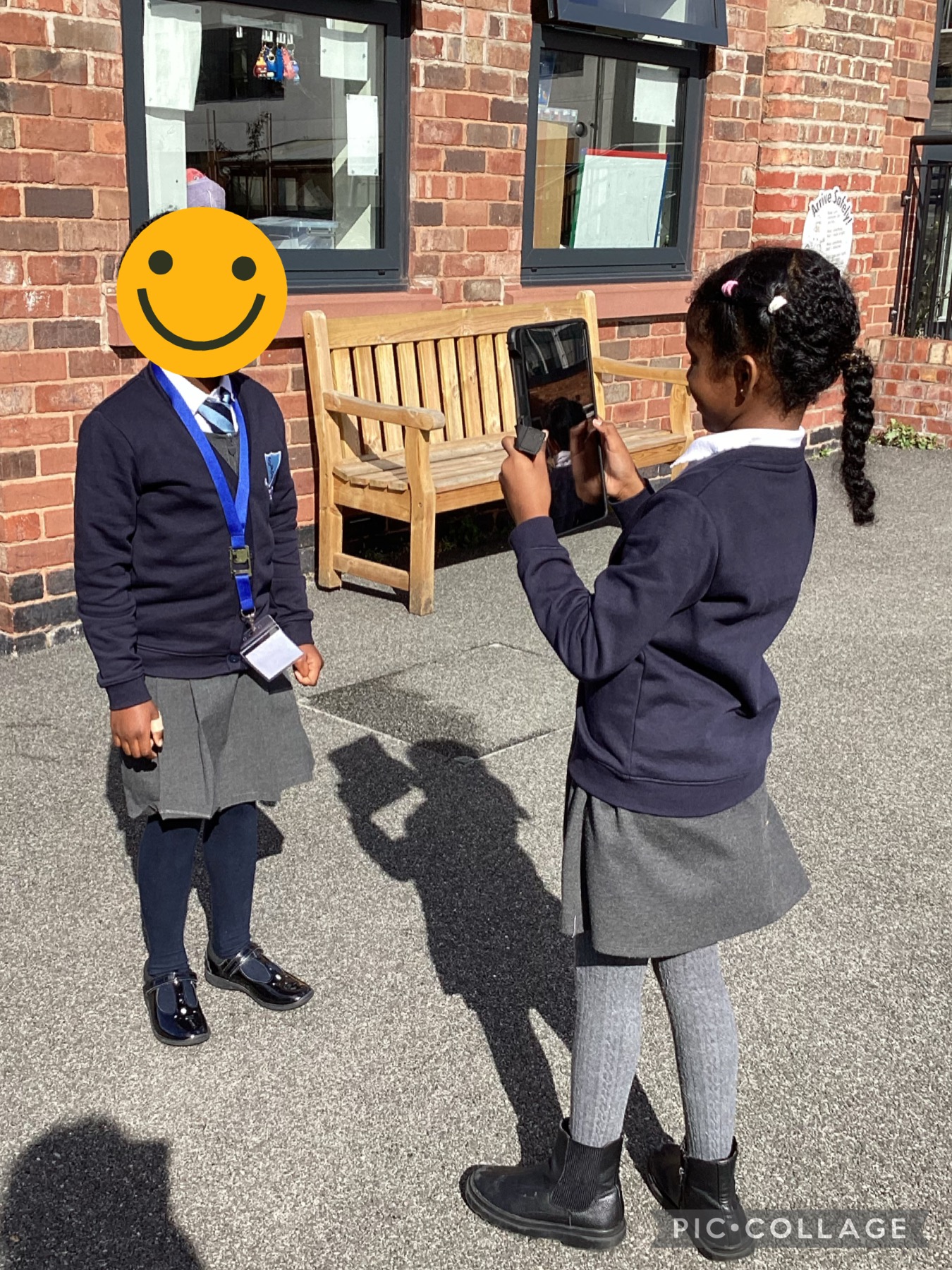
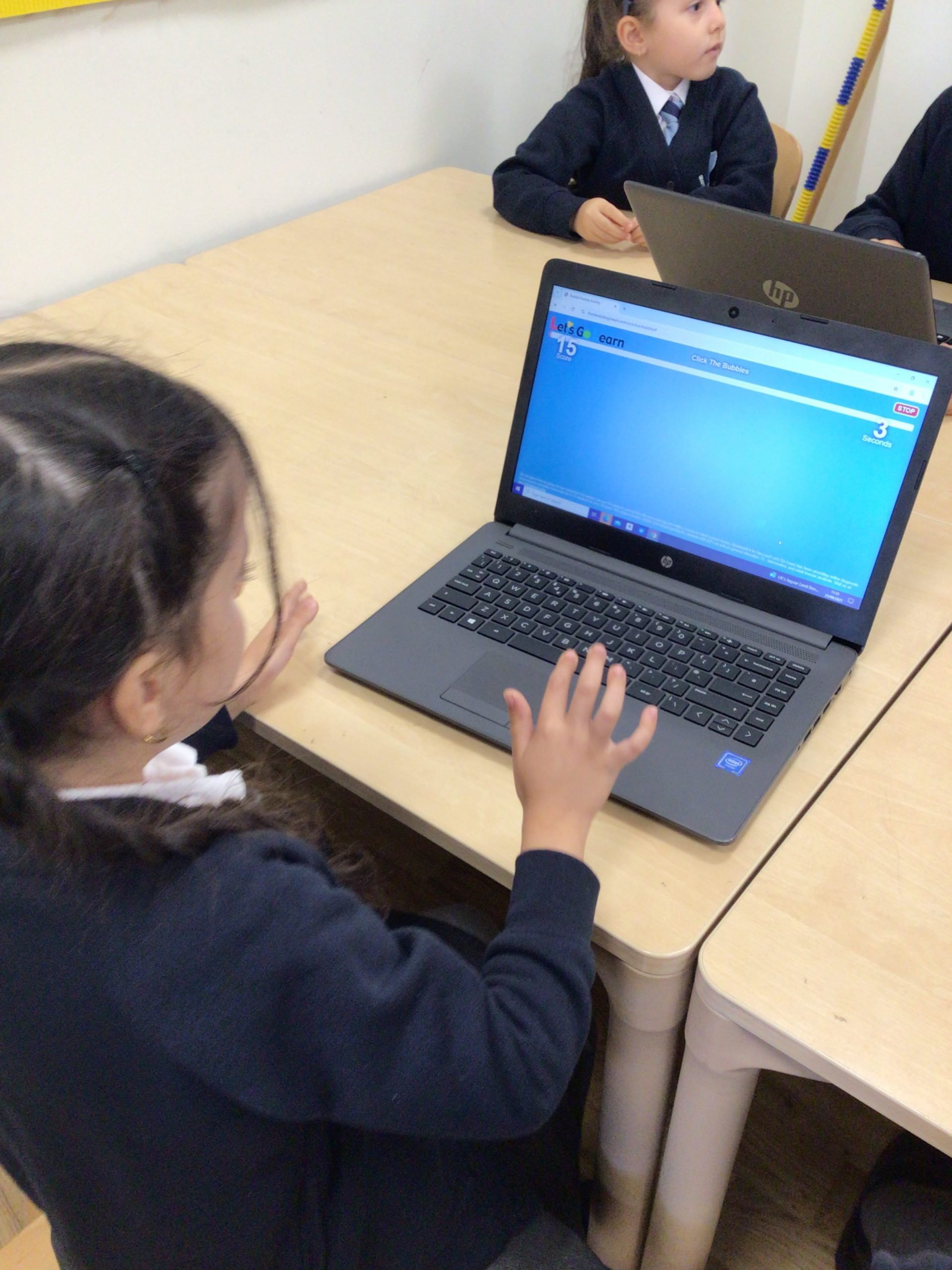
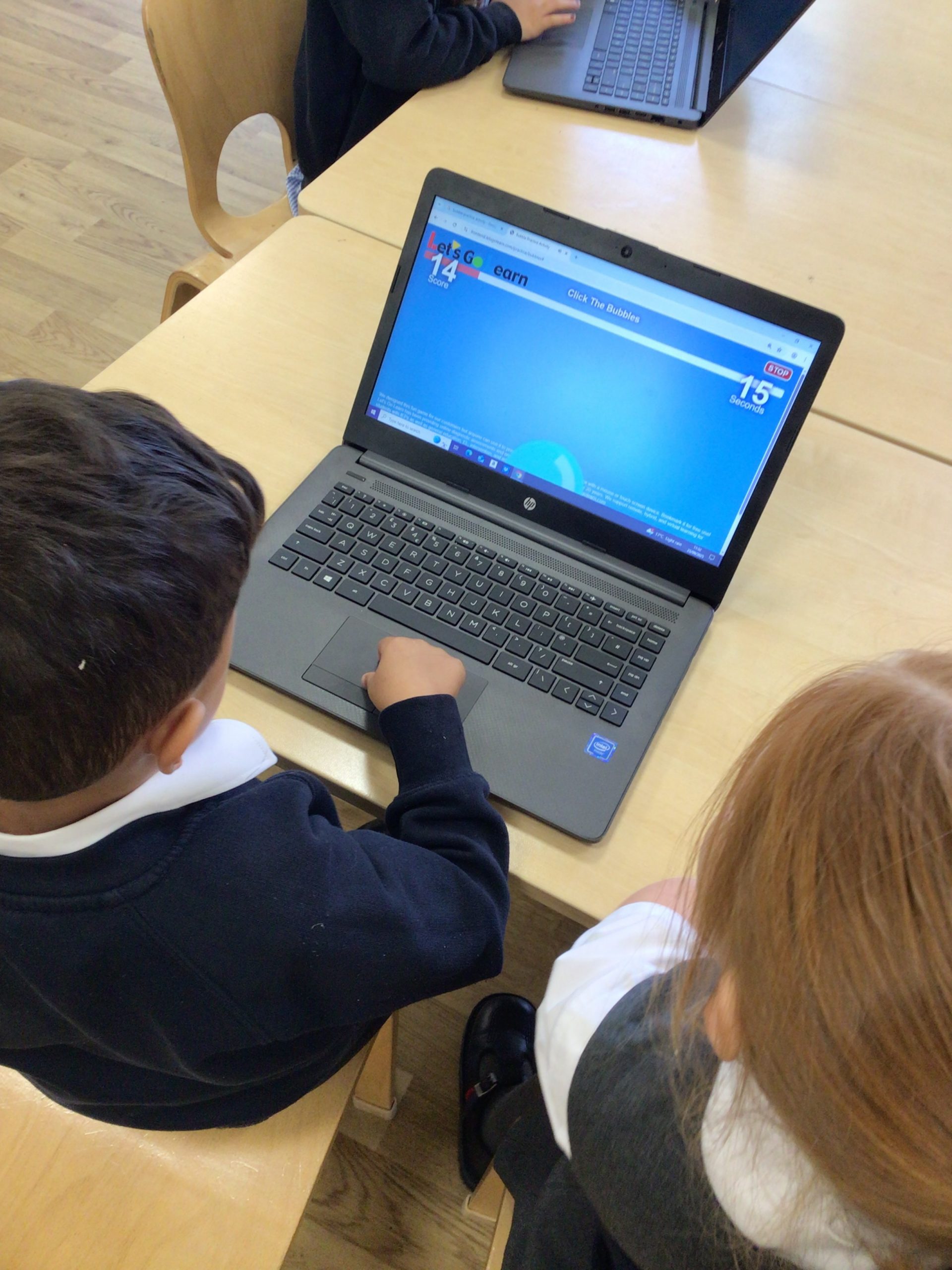
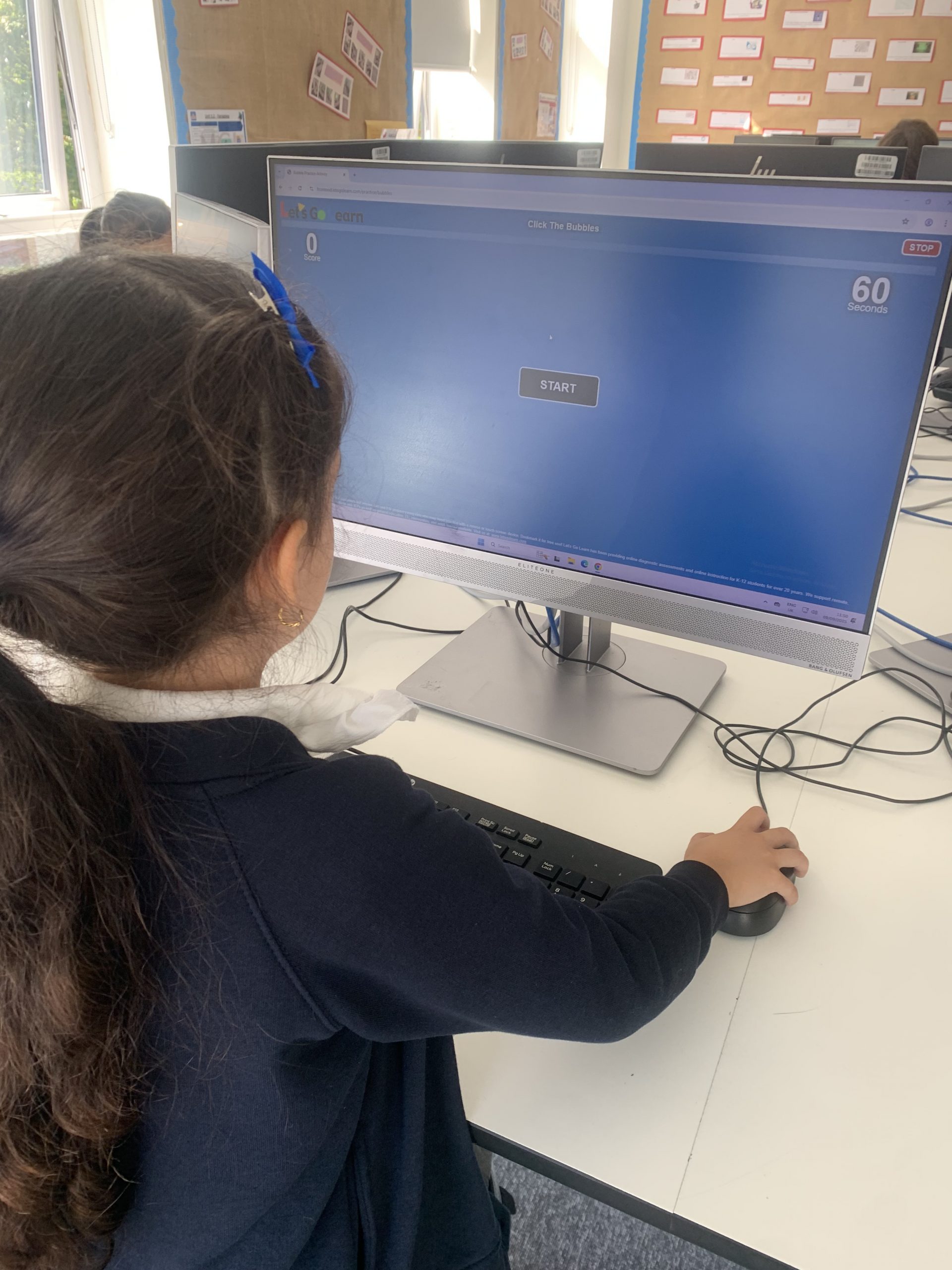
Y1 took a walk to the computer suite today to practice switching the monitors on and off again safely. We then explored using the mouse to click. We even got to play a bubble game!
20
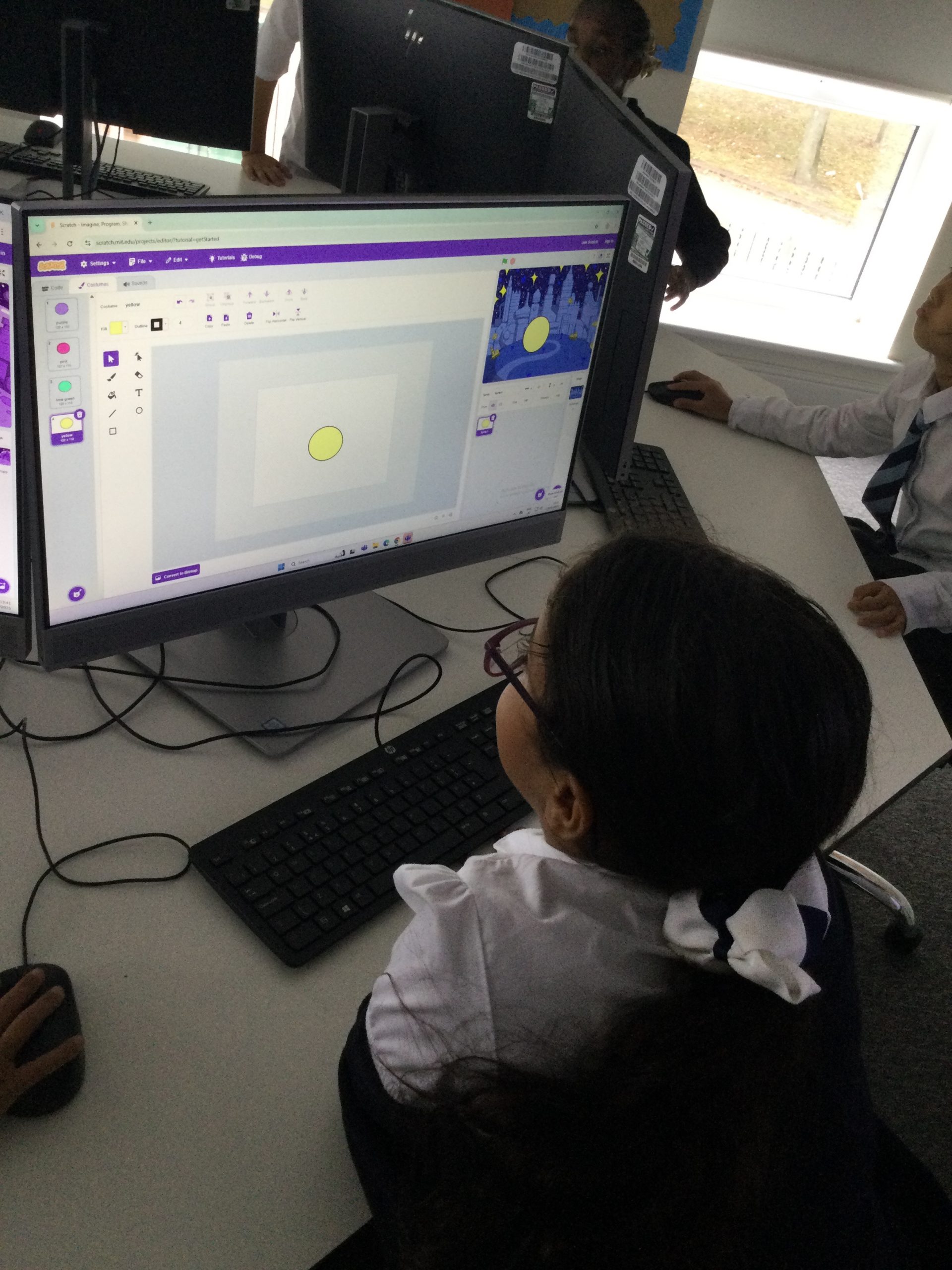
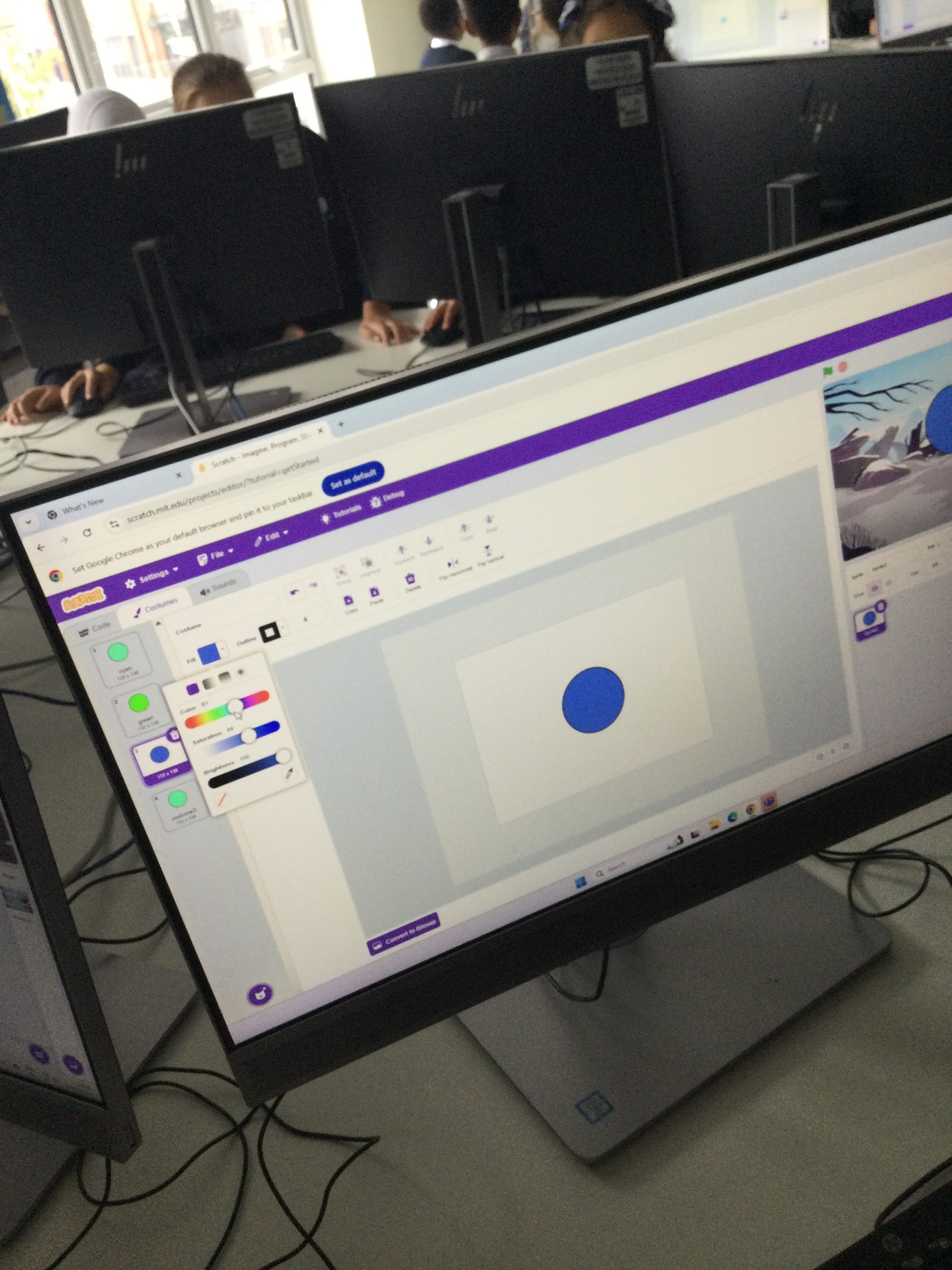
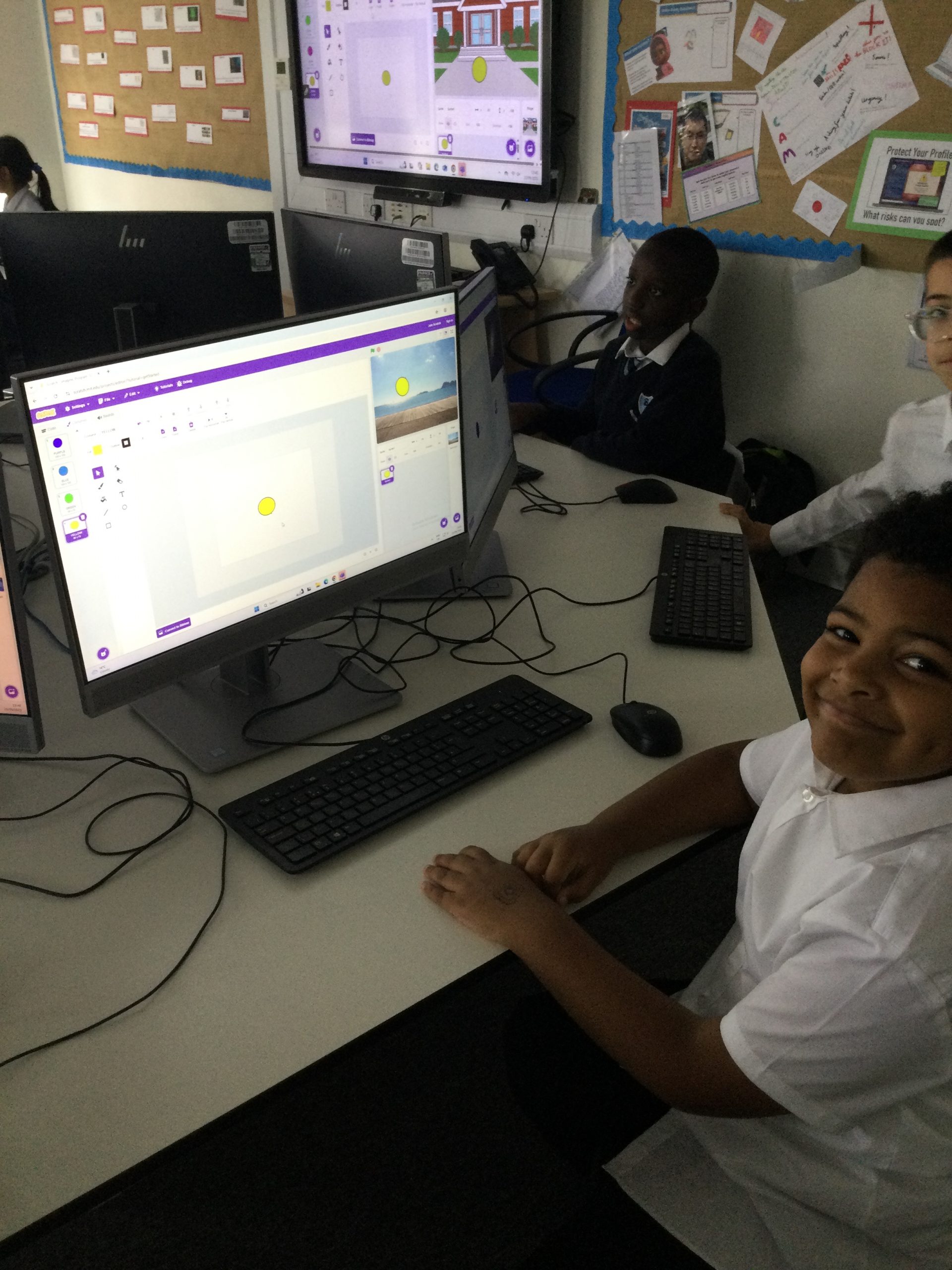
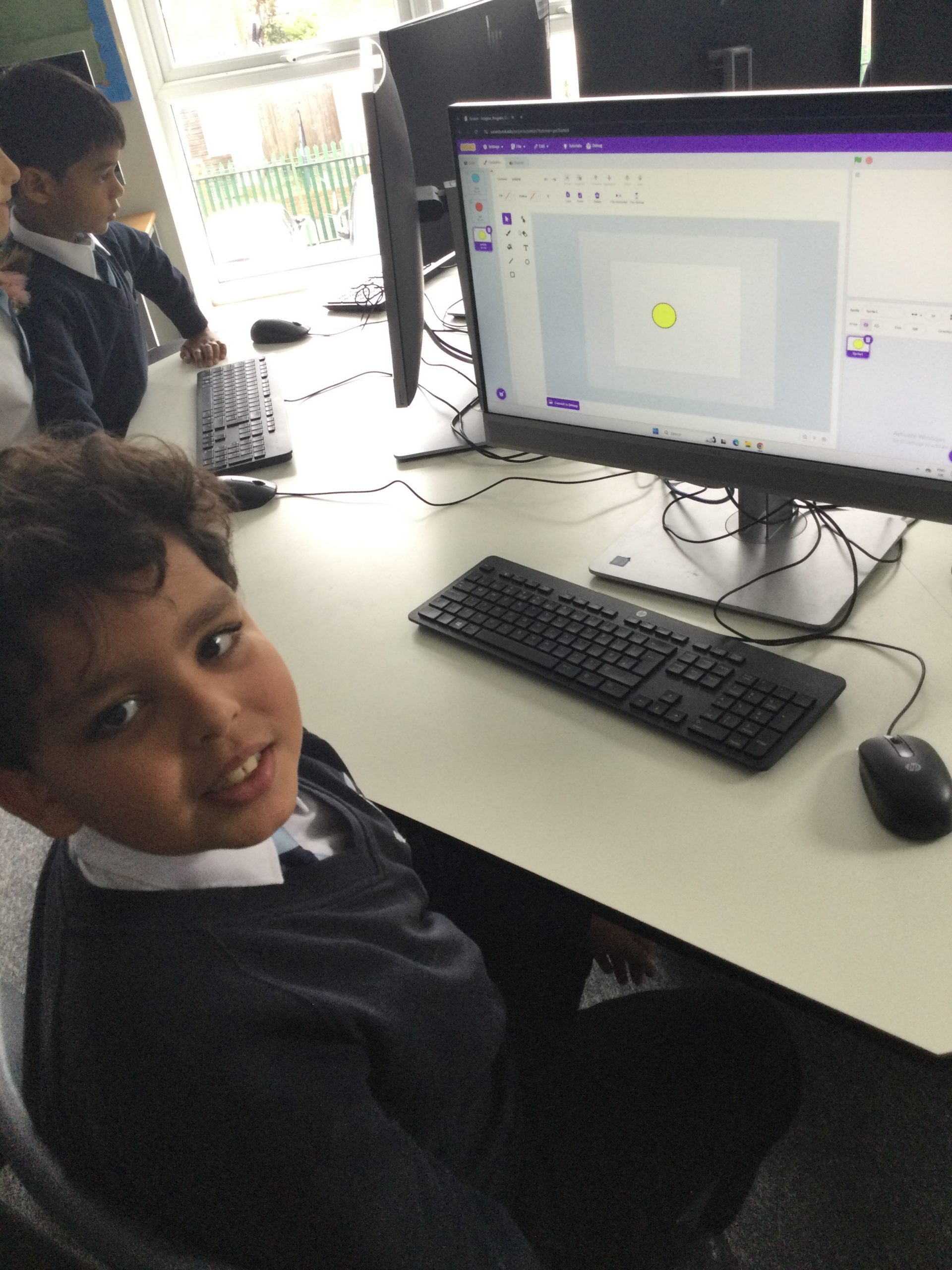
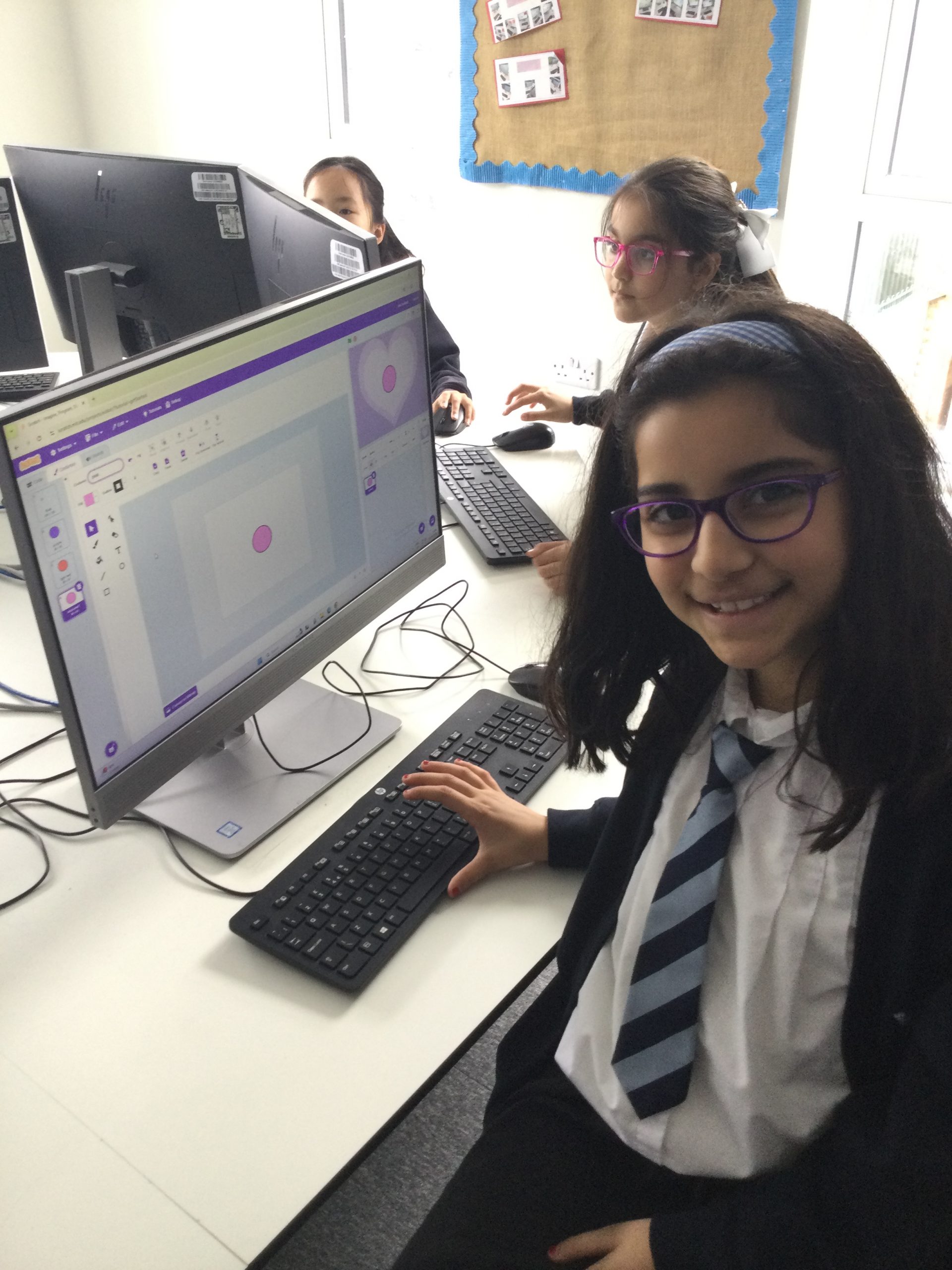
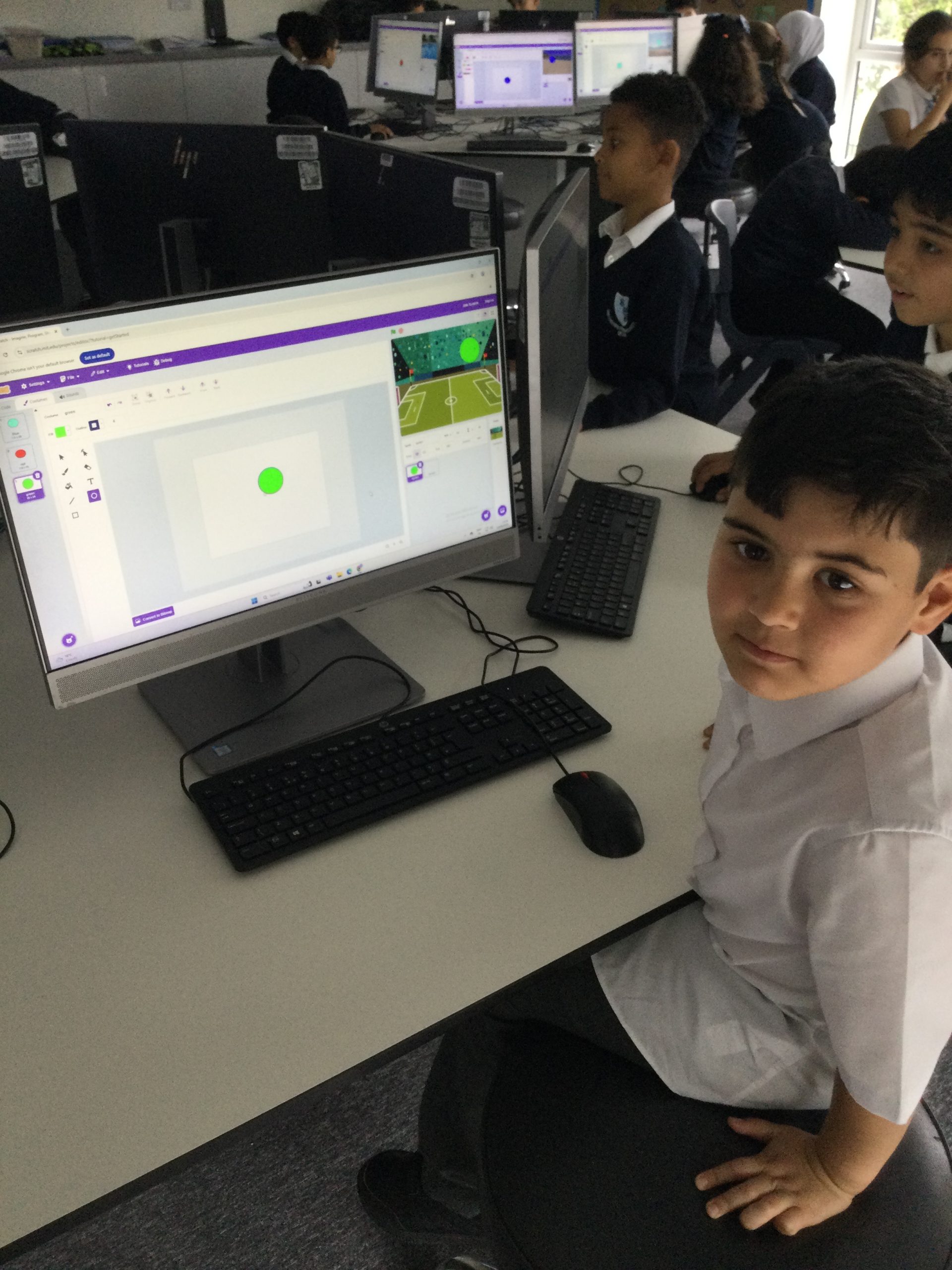
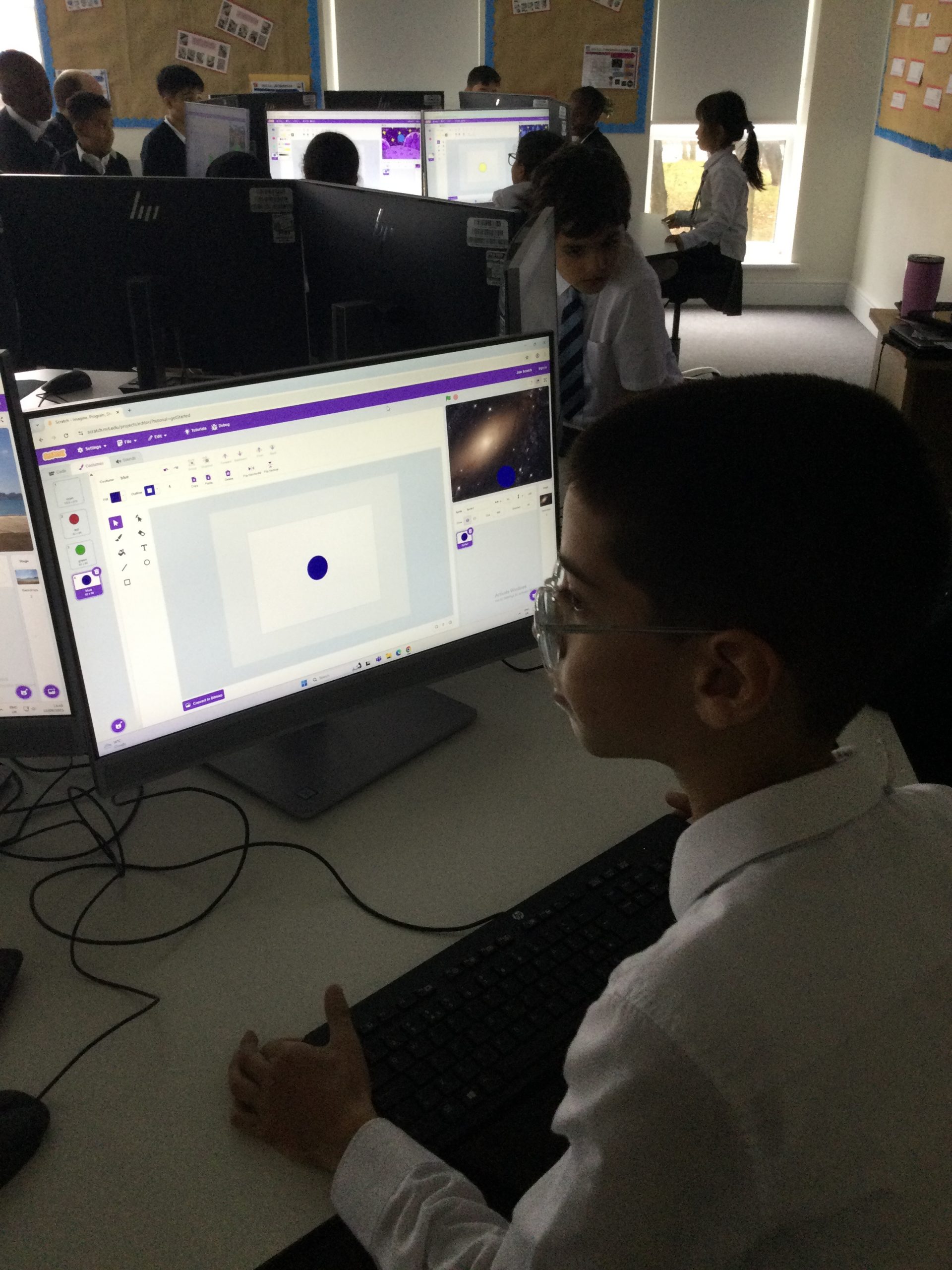
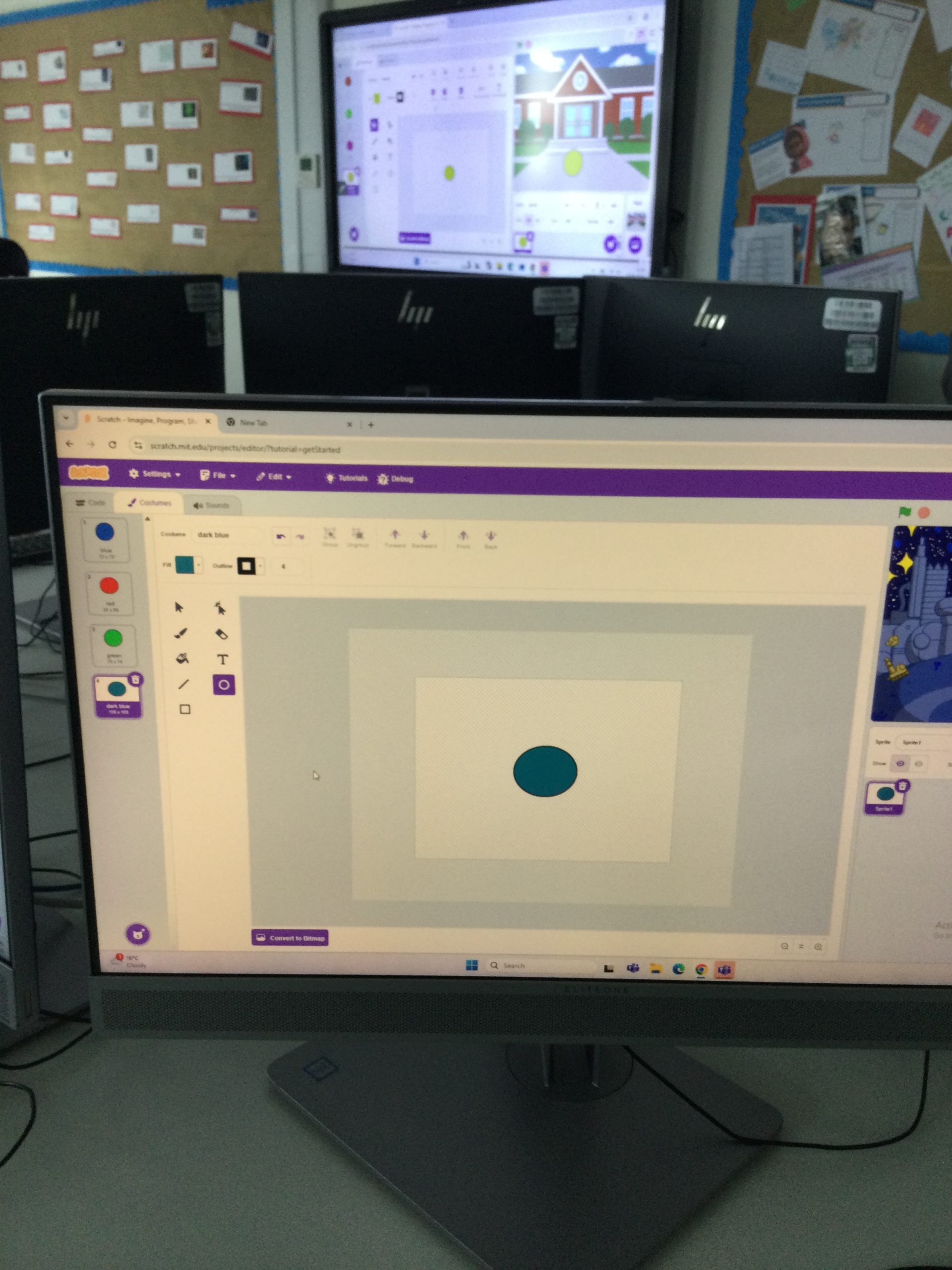
Year 4 love using scratch to create their own code. Today, they used copy and paste skills to create sprites of different colours and used coding to make these move in different directions.
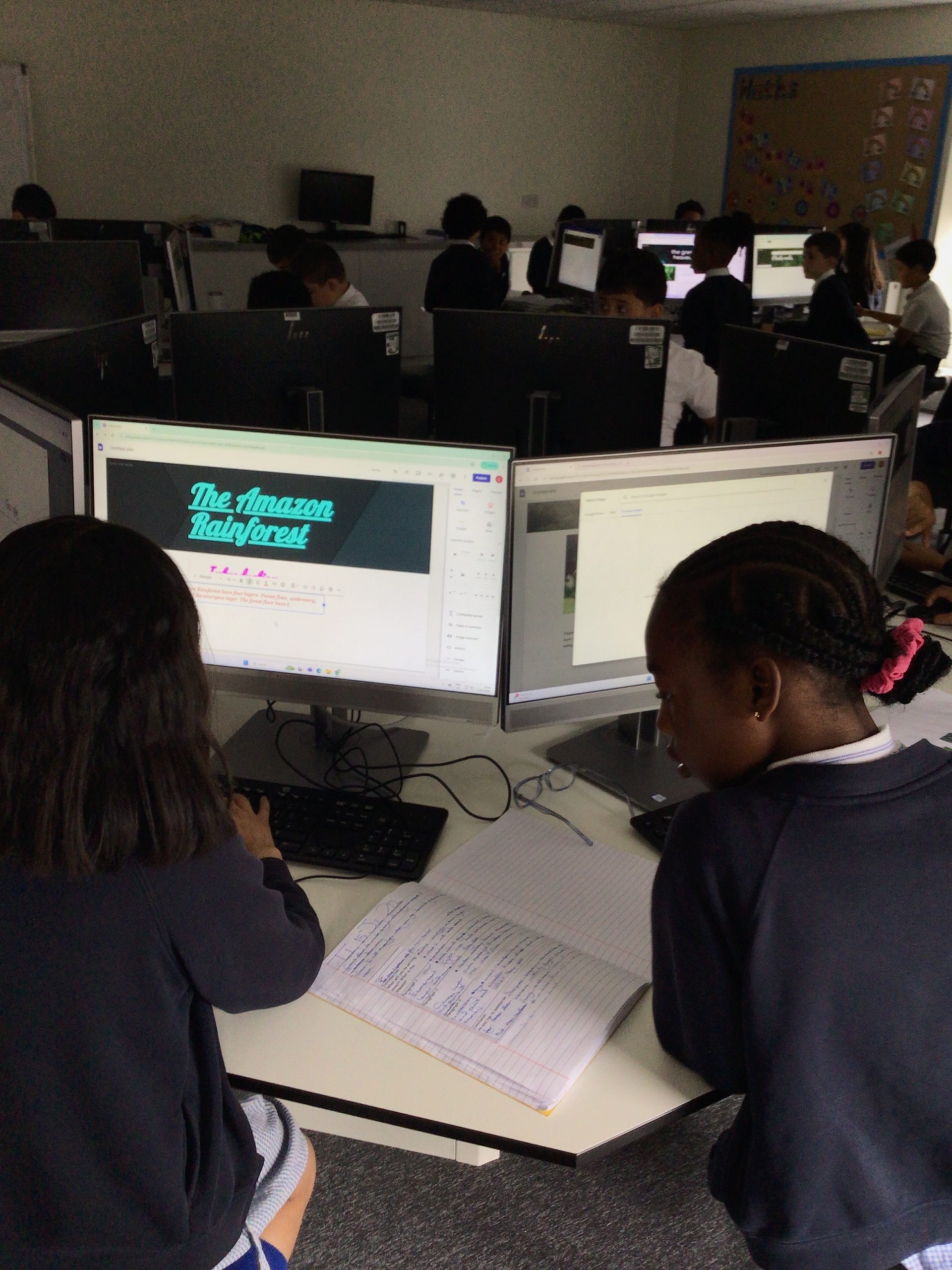
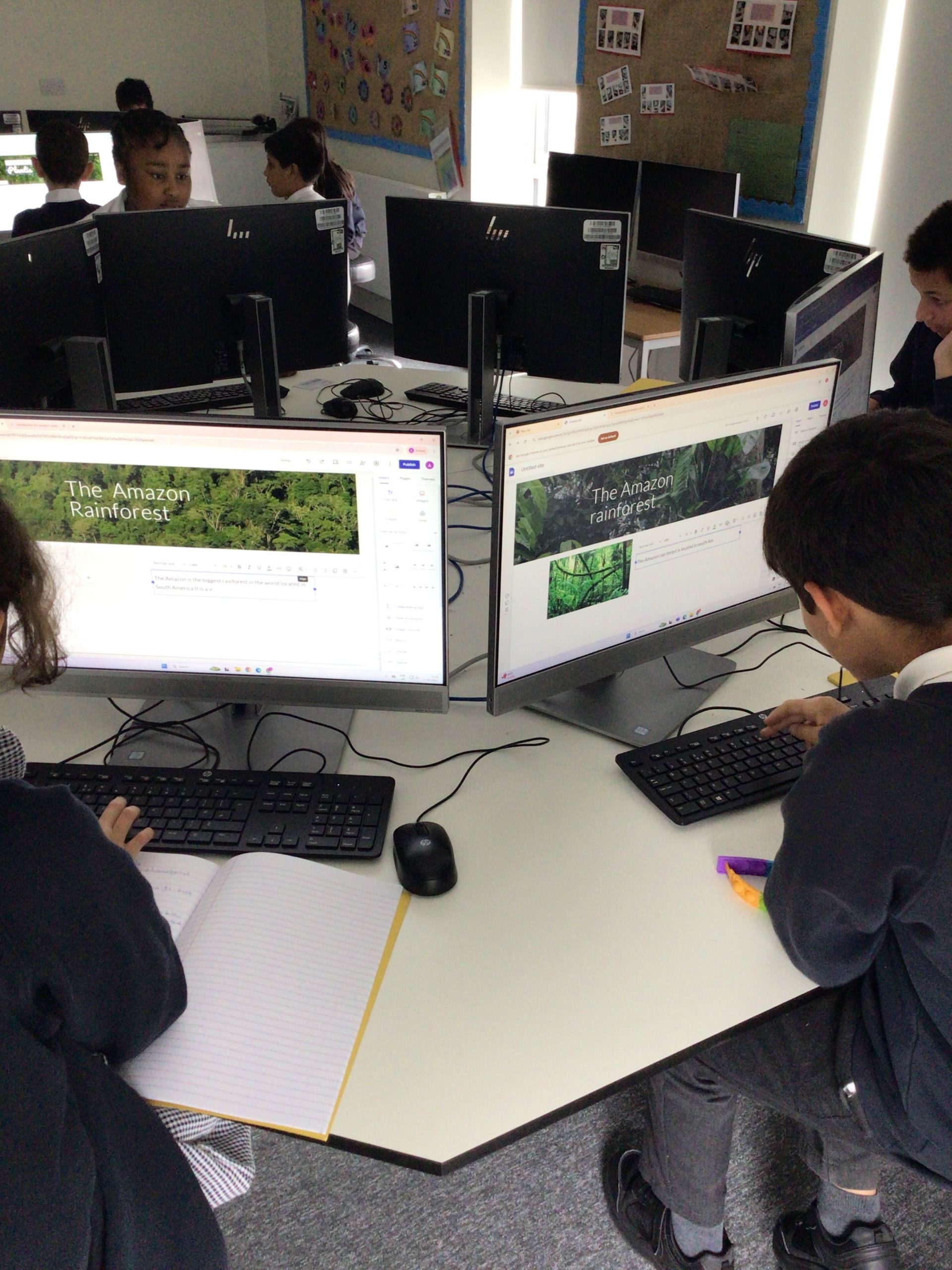
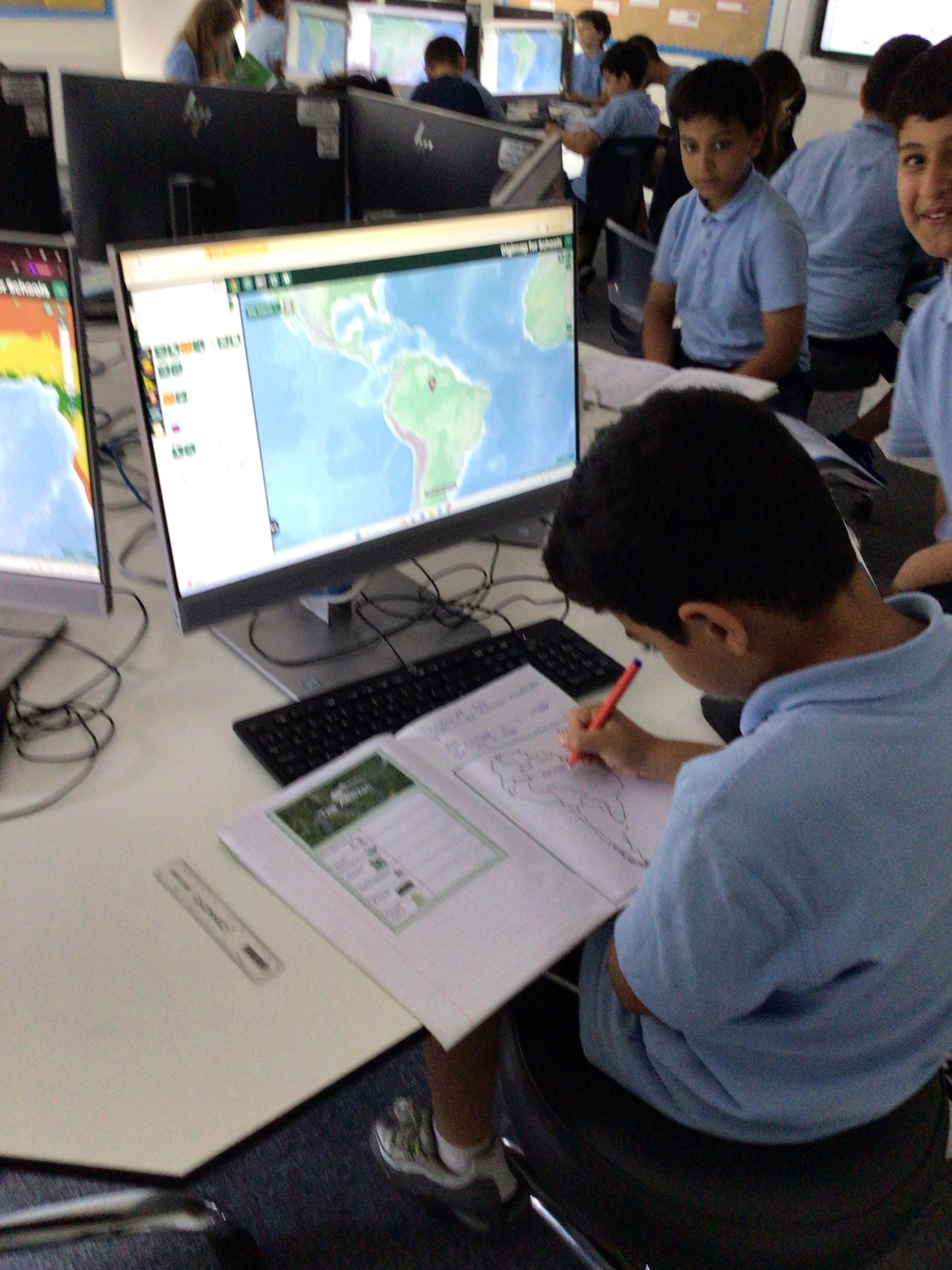
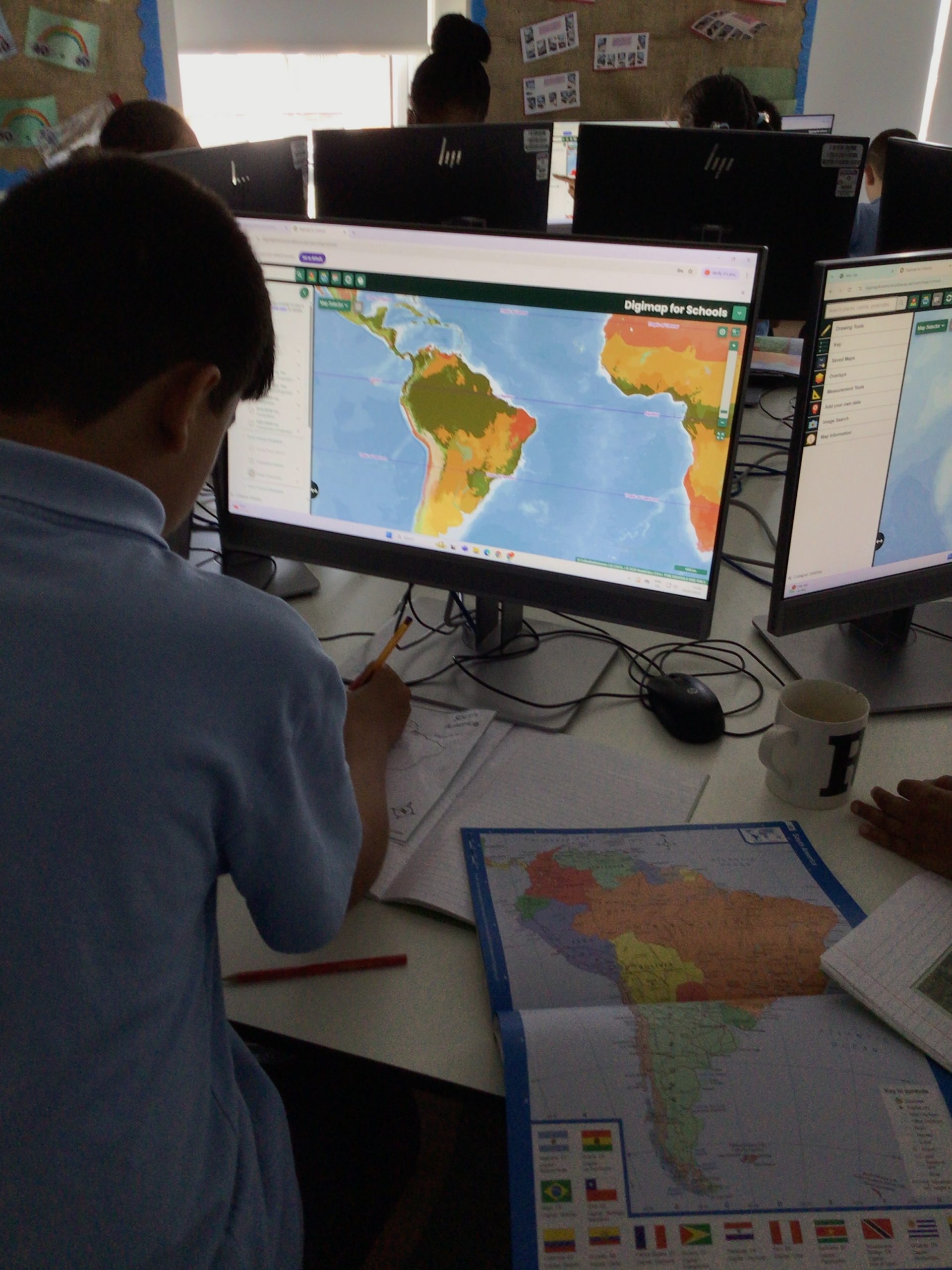
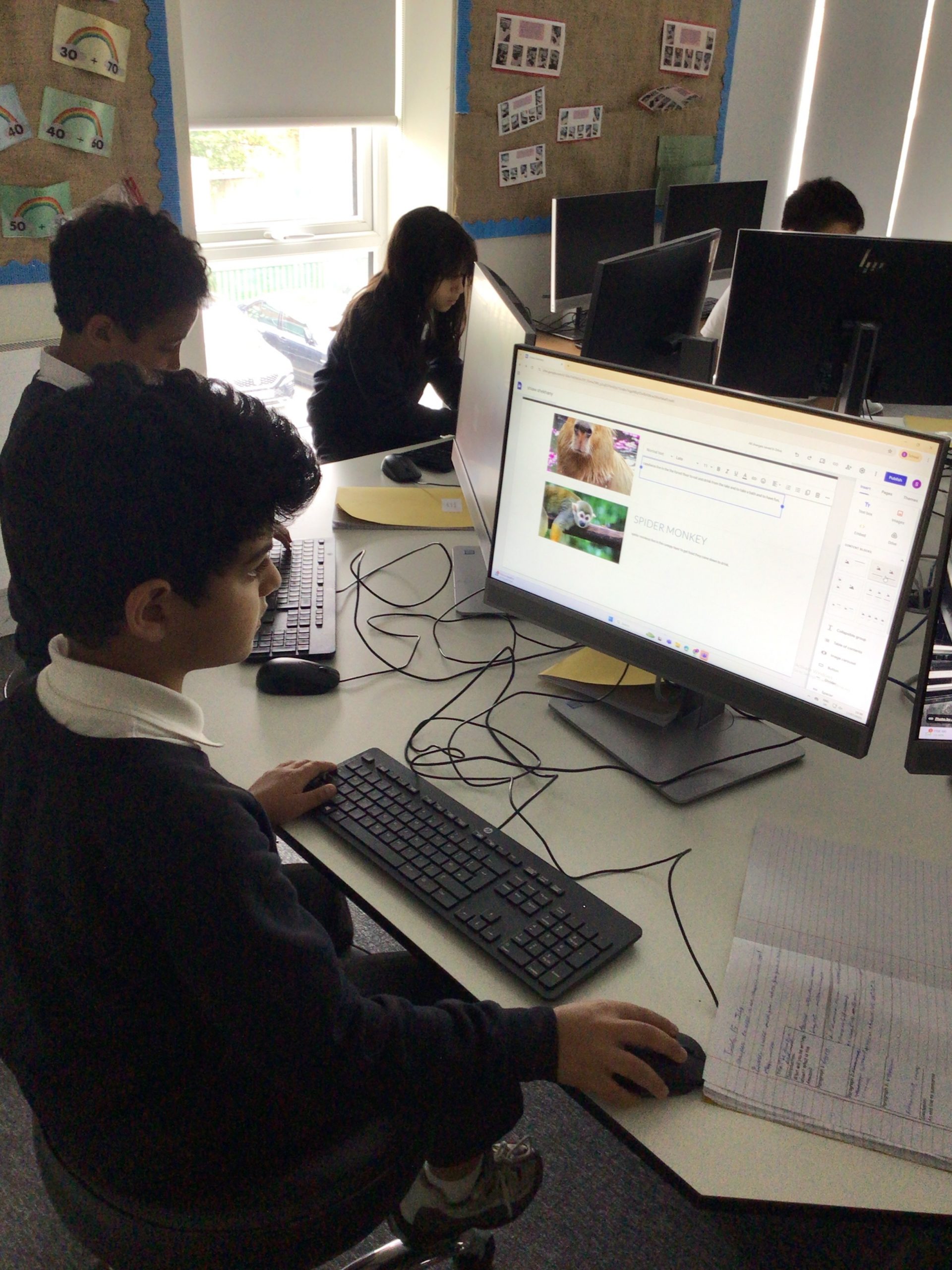
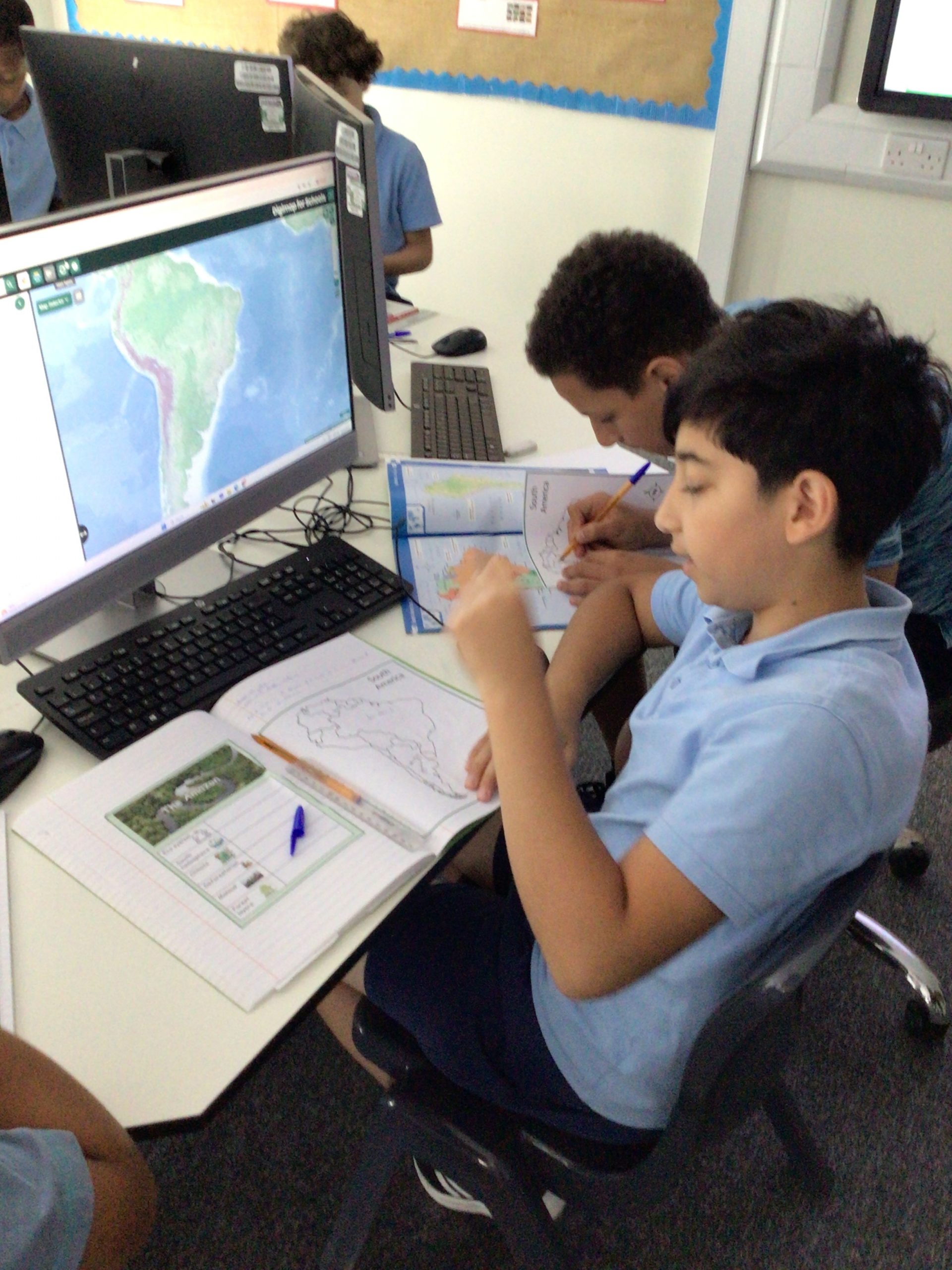
A wonderful last lesson writing up our non-chronological reports on the Amazon.
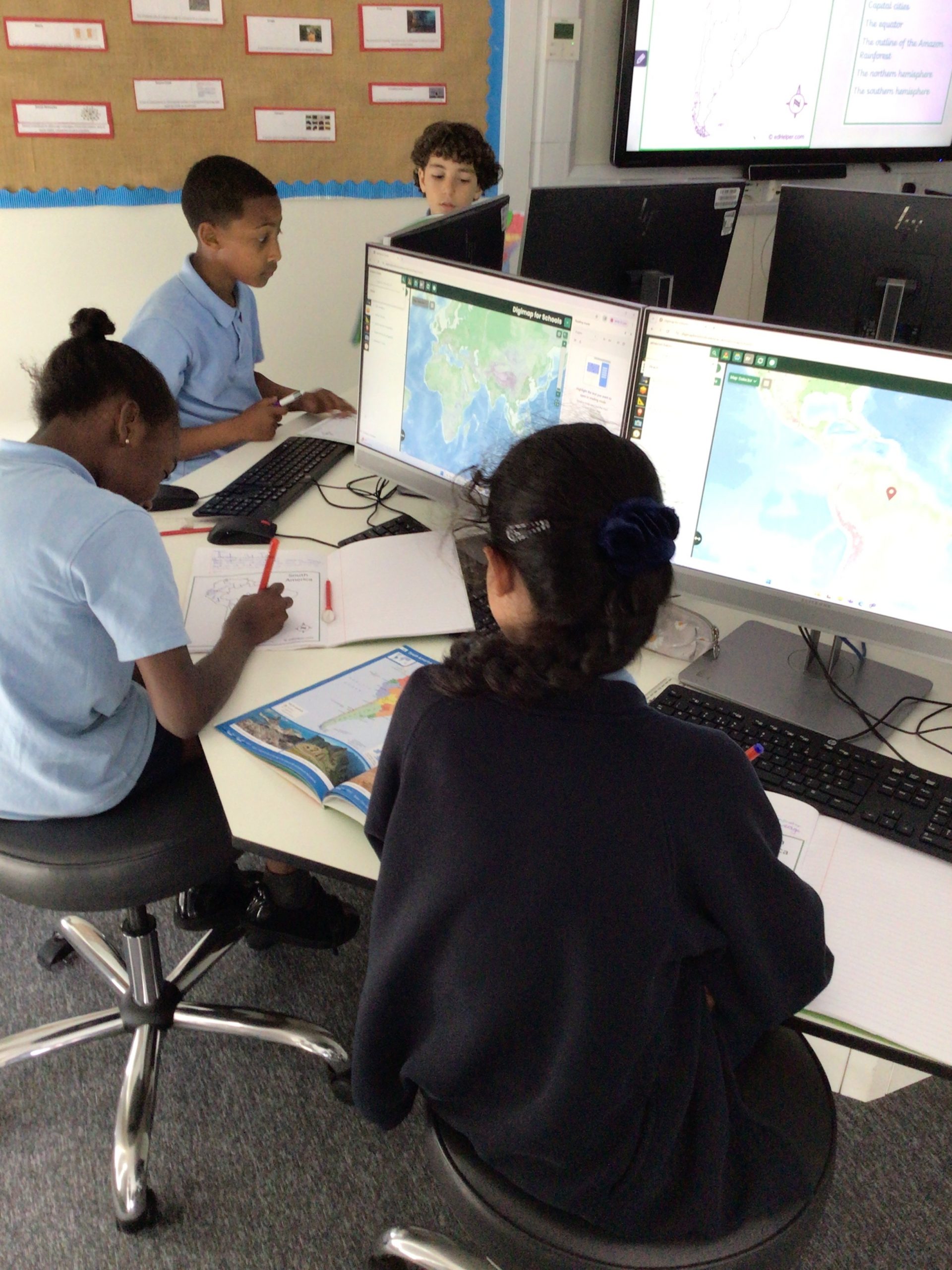
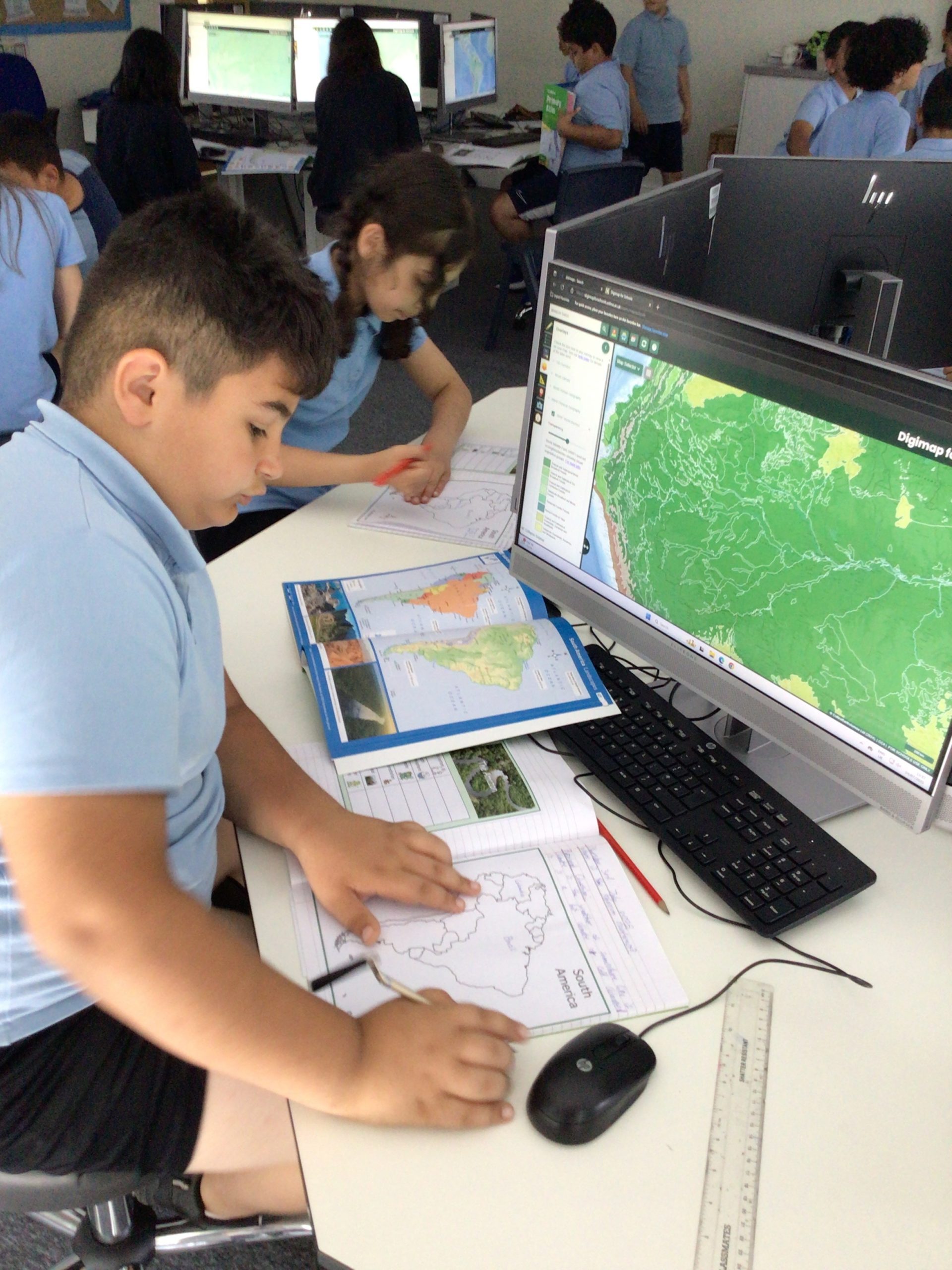
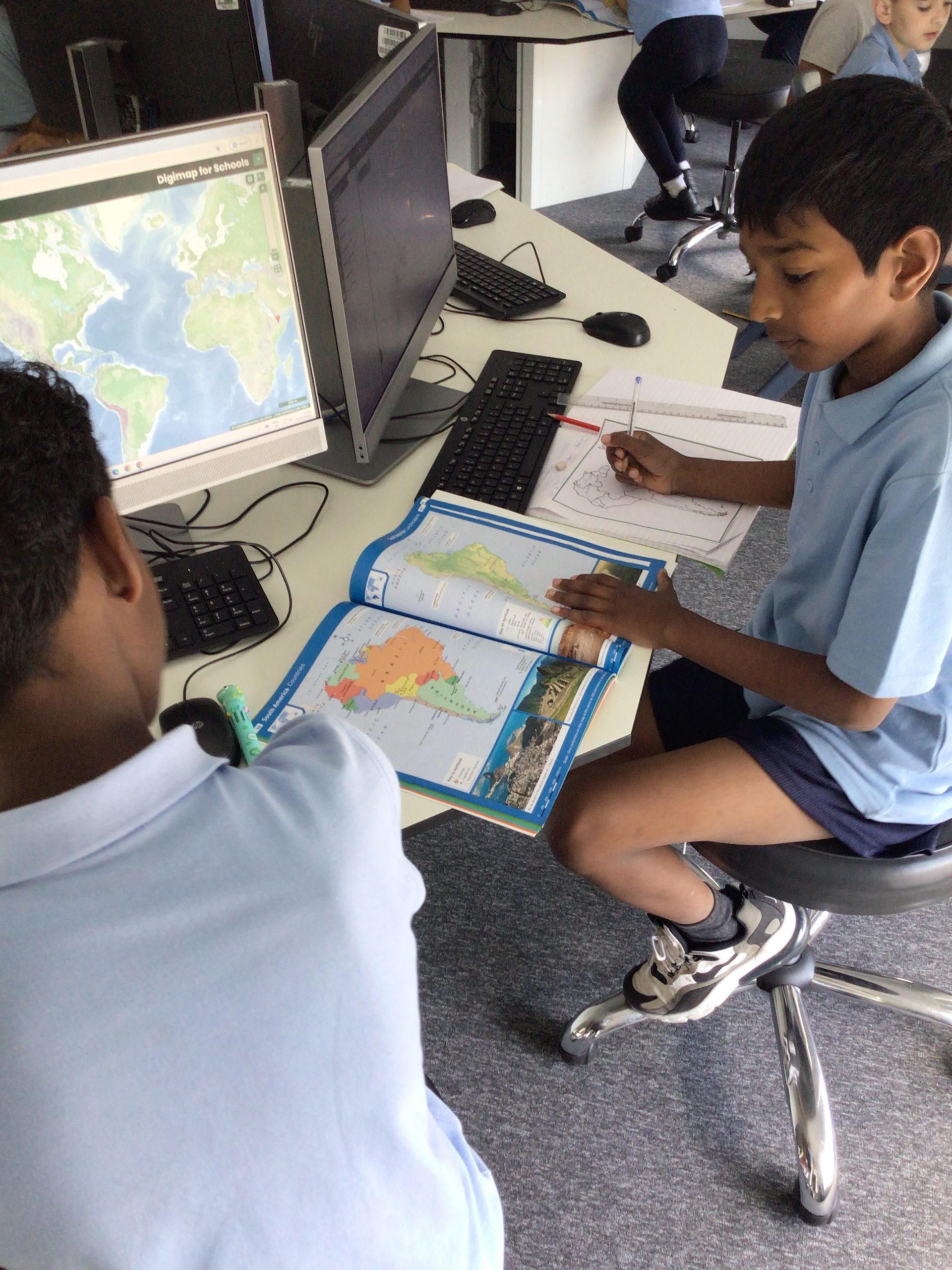
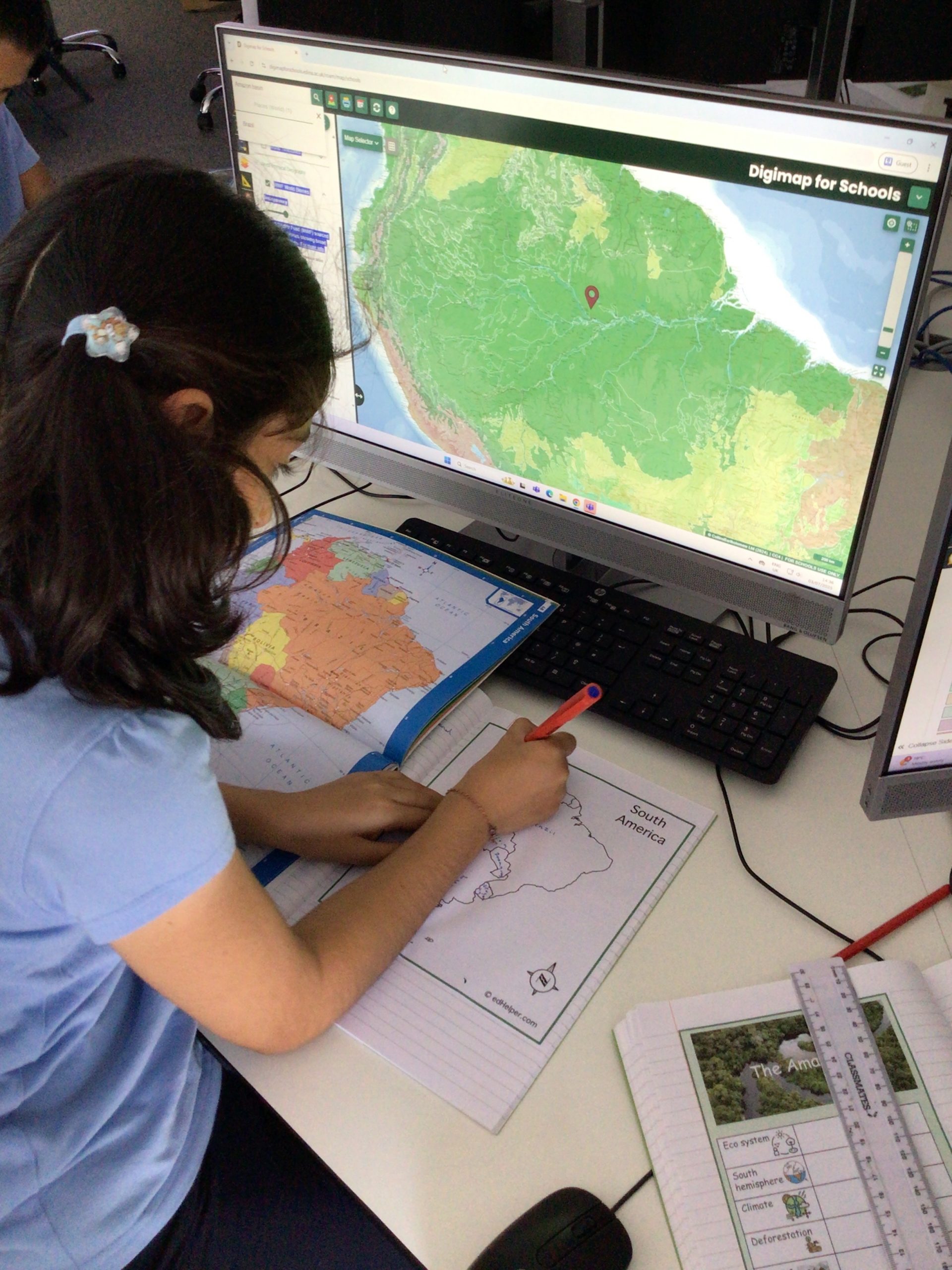
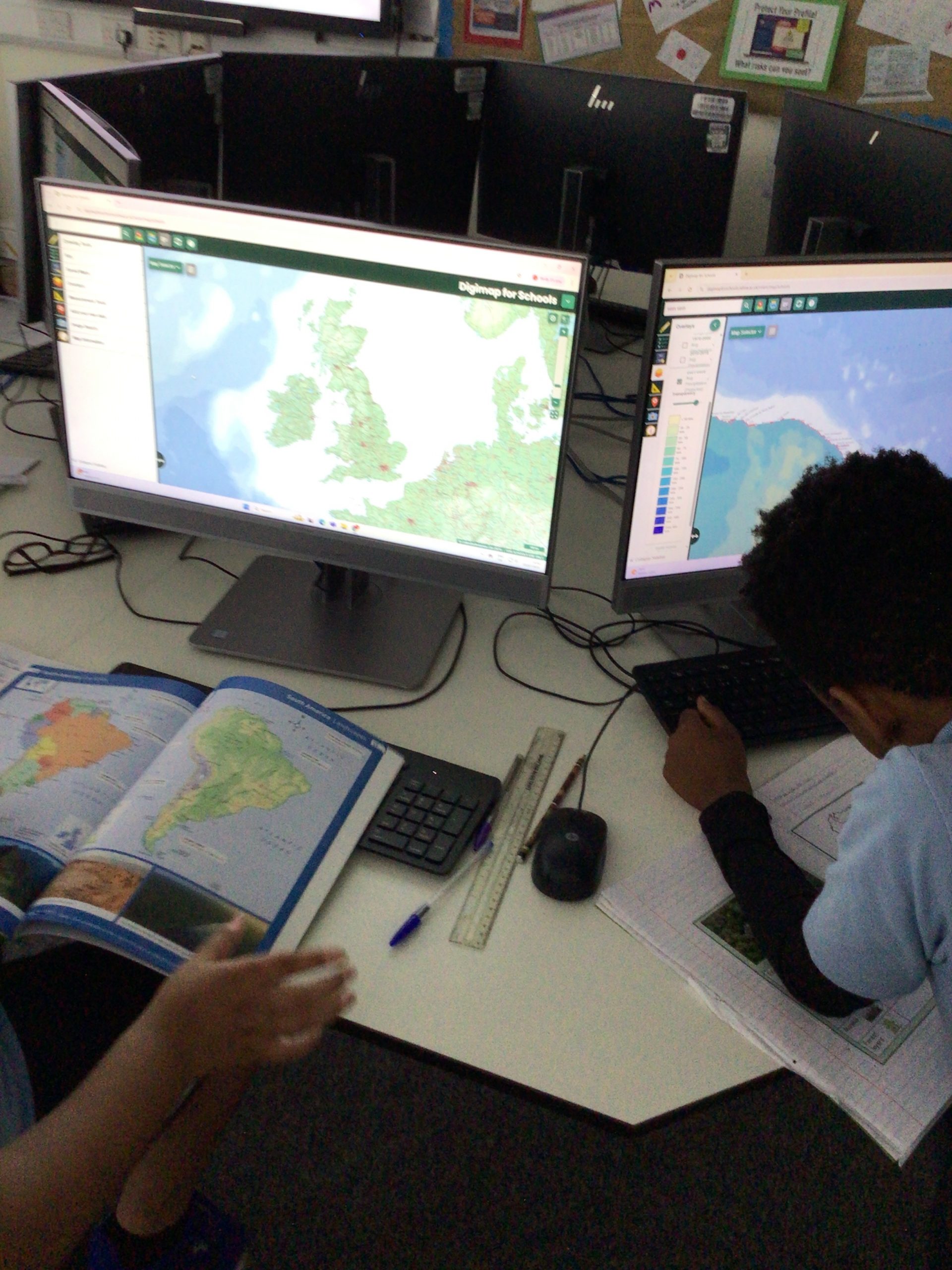
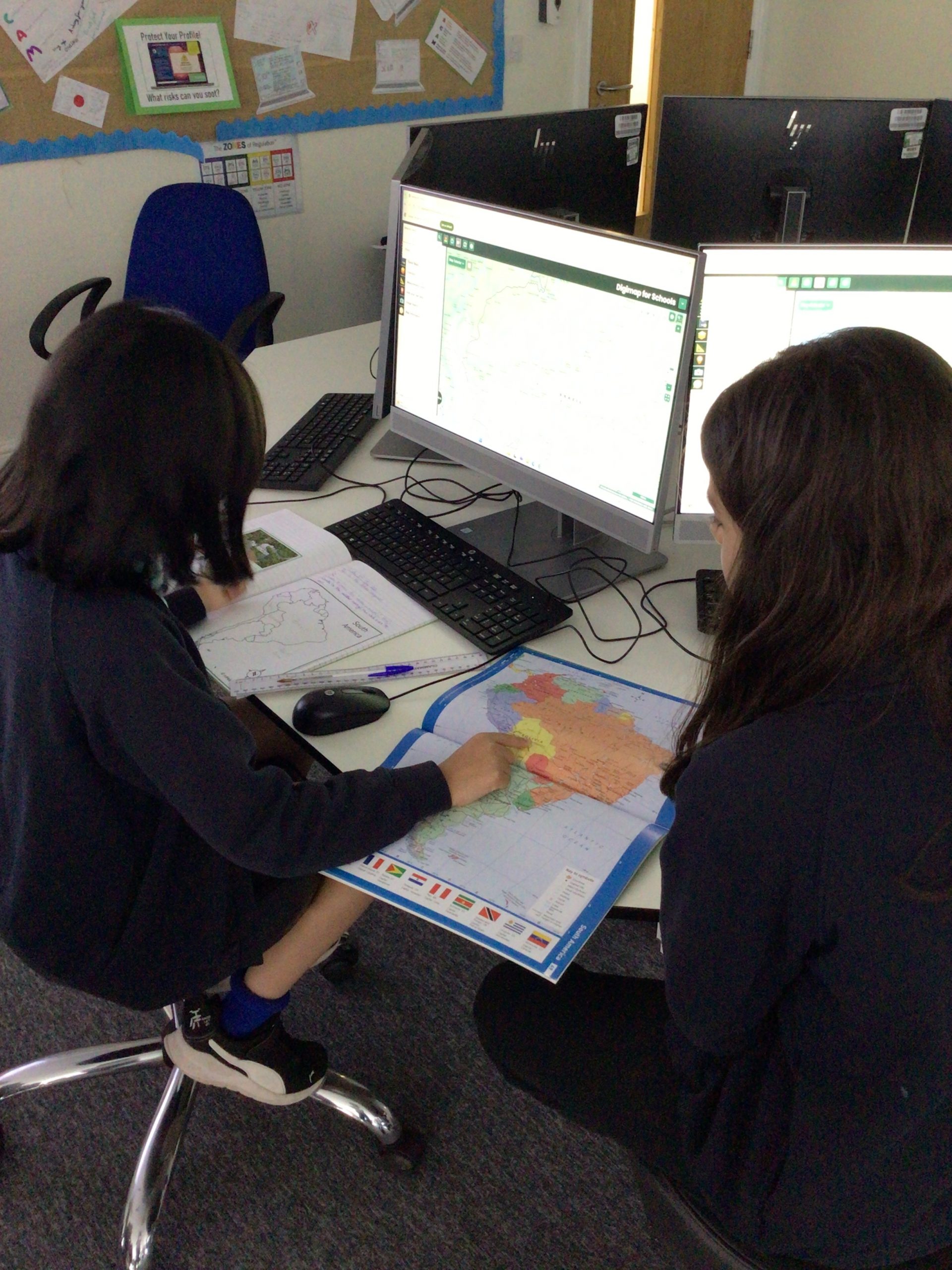
Today we looked on digimaps for the first time to find out where the Amazon is and found out some key facts about it. We looked at population, climate, biomes and much more. Amazing work year 5.
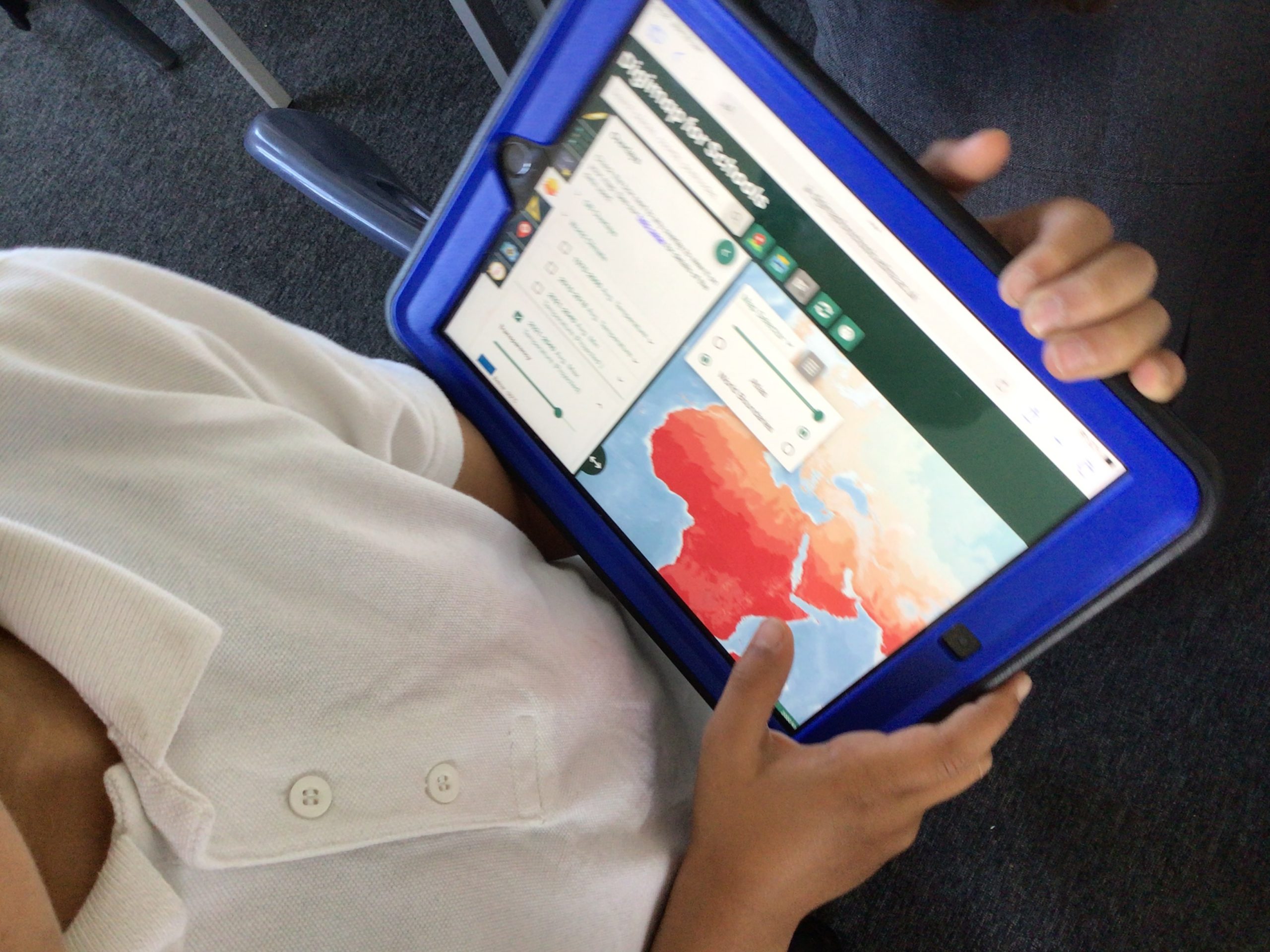
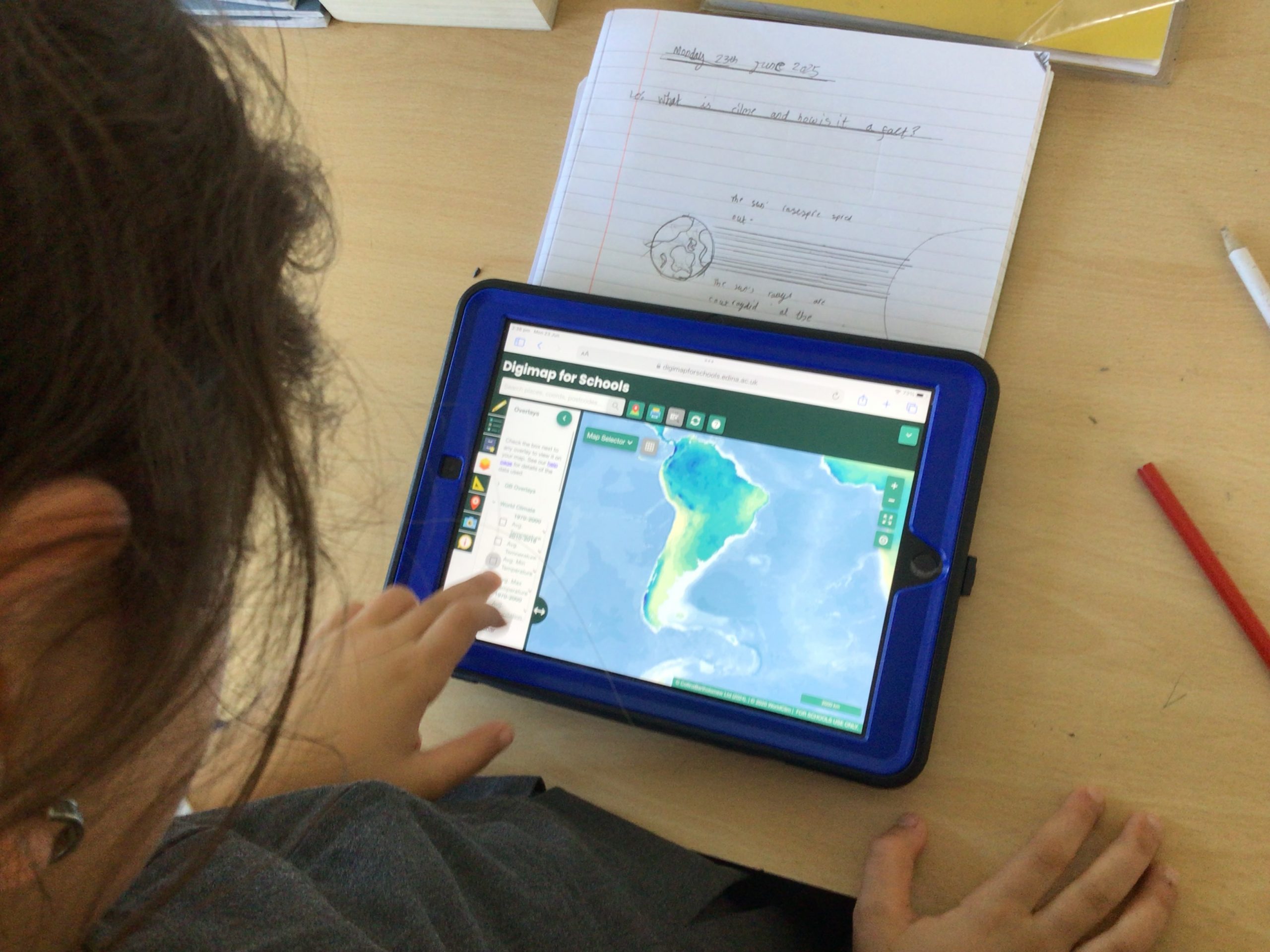
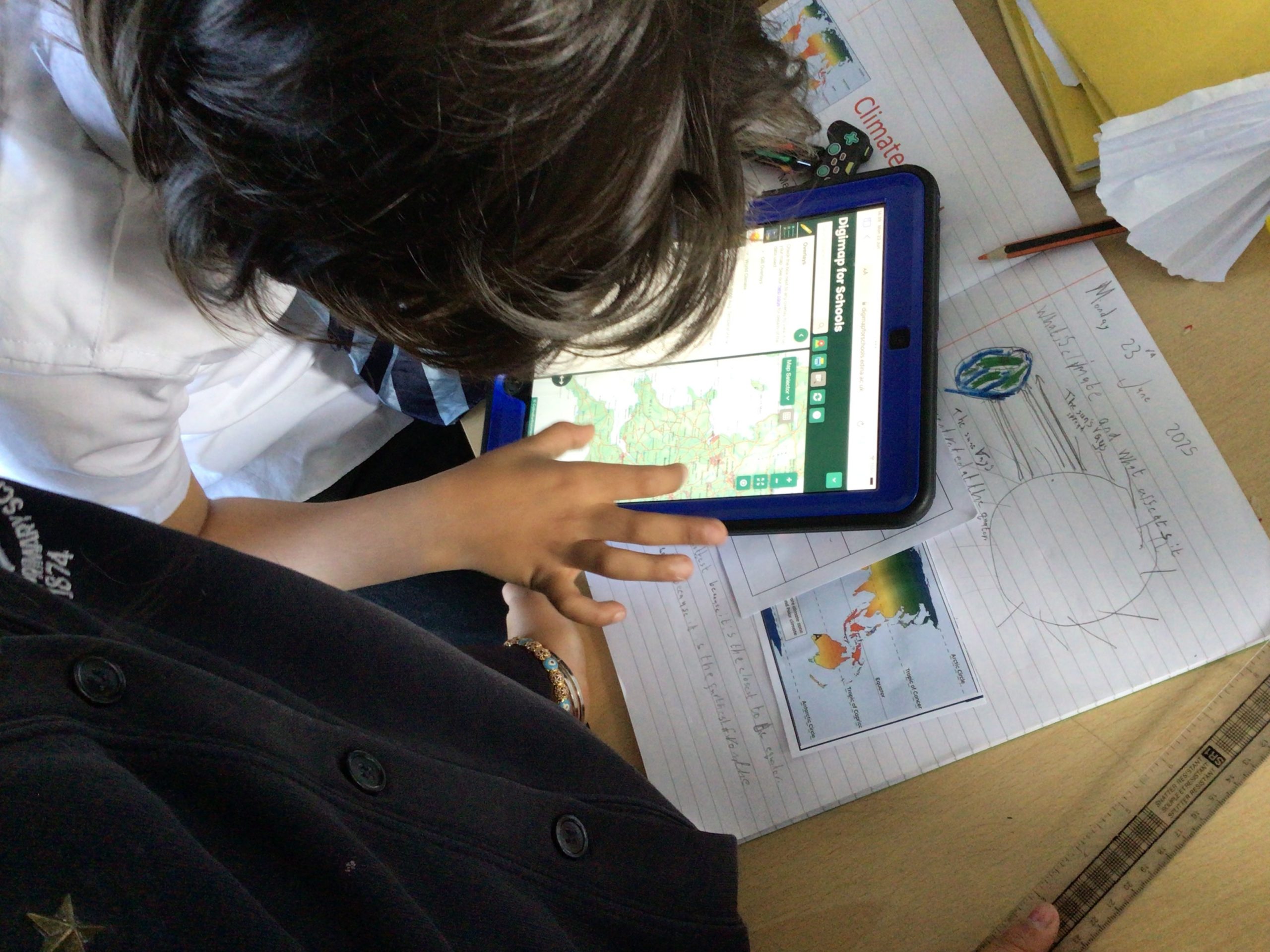
We looked at why our world has different climates and we also explored digimaps to find different temperatures across earth.
67
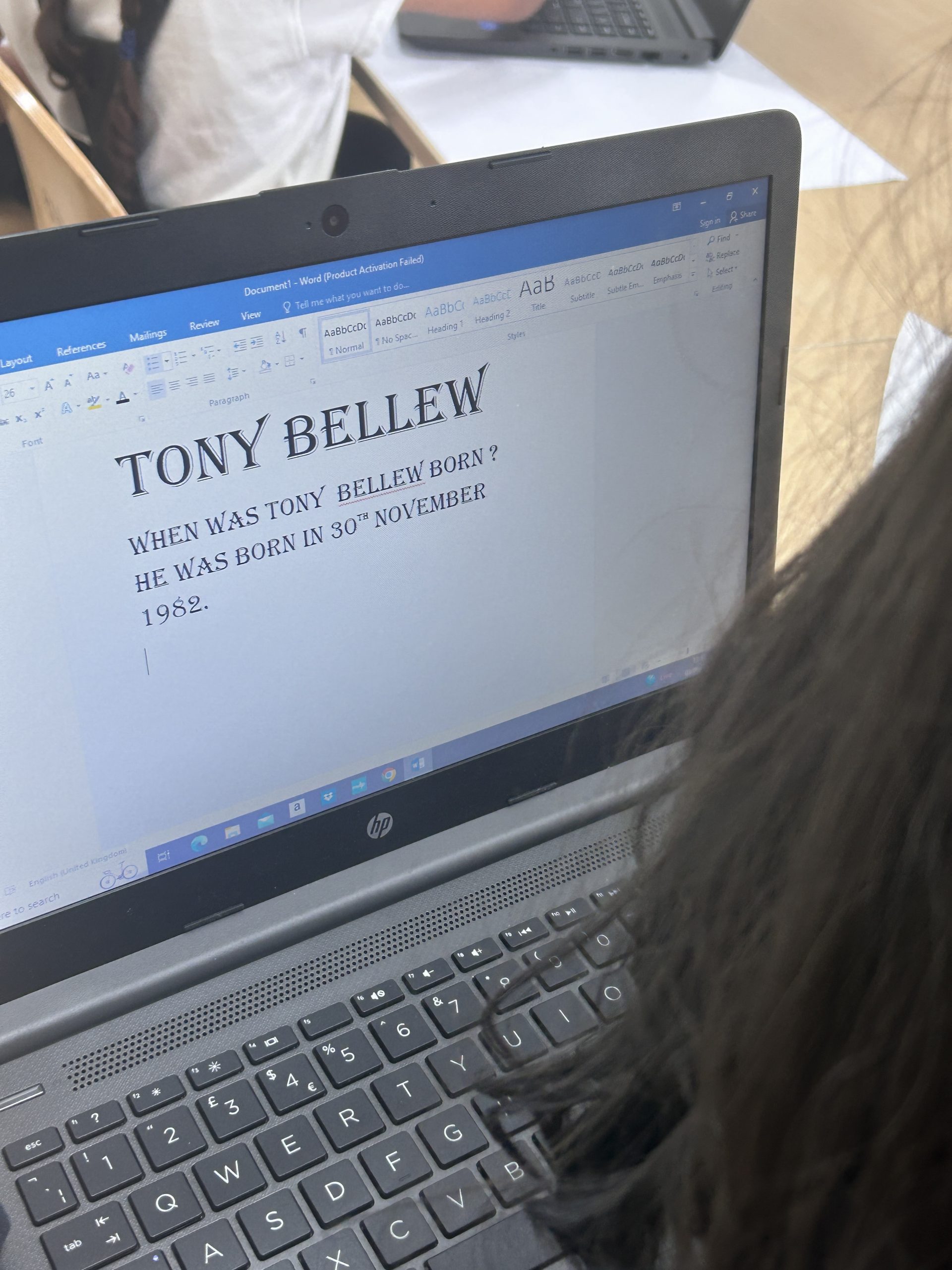
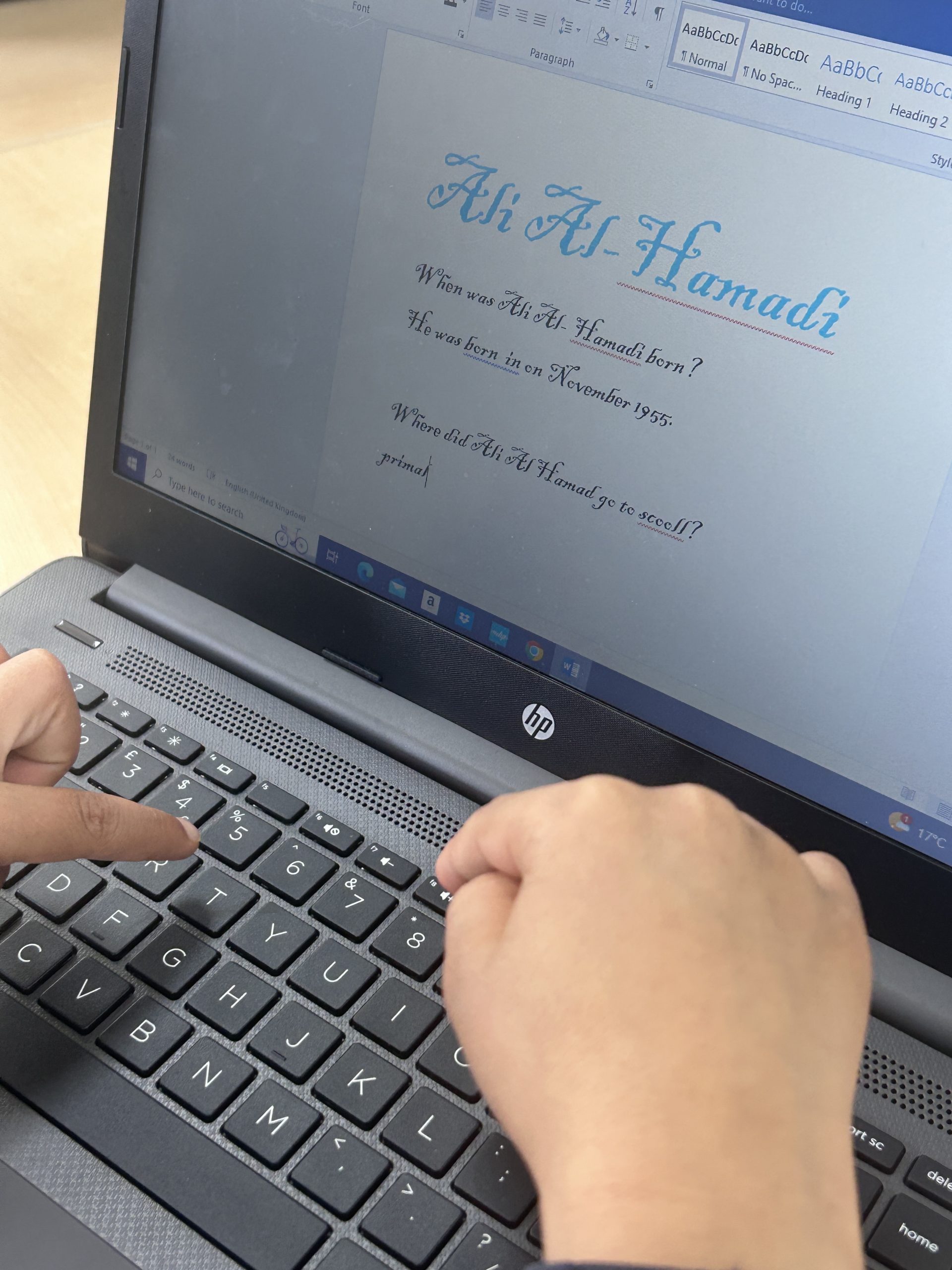
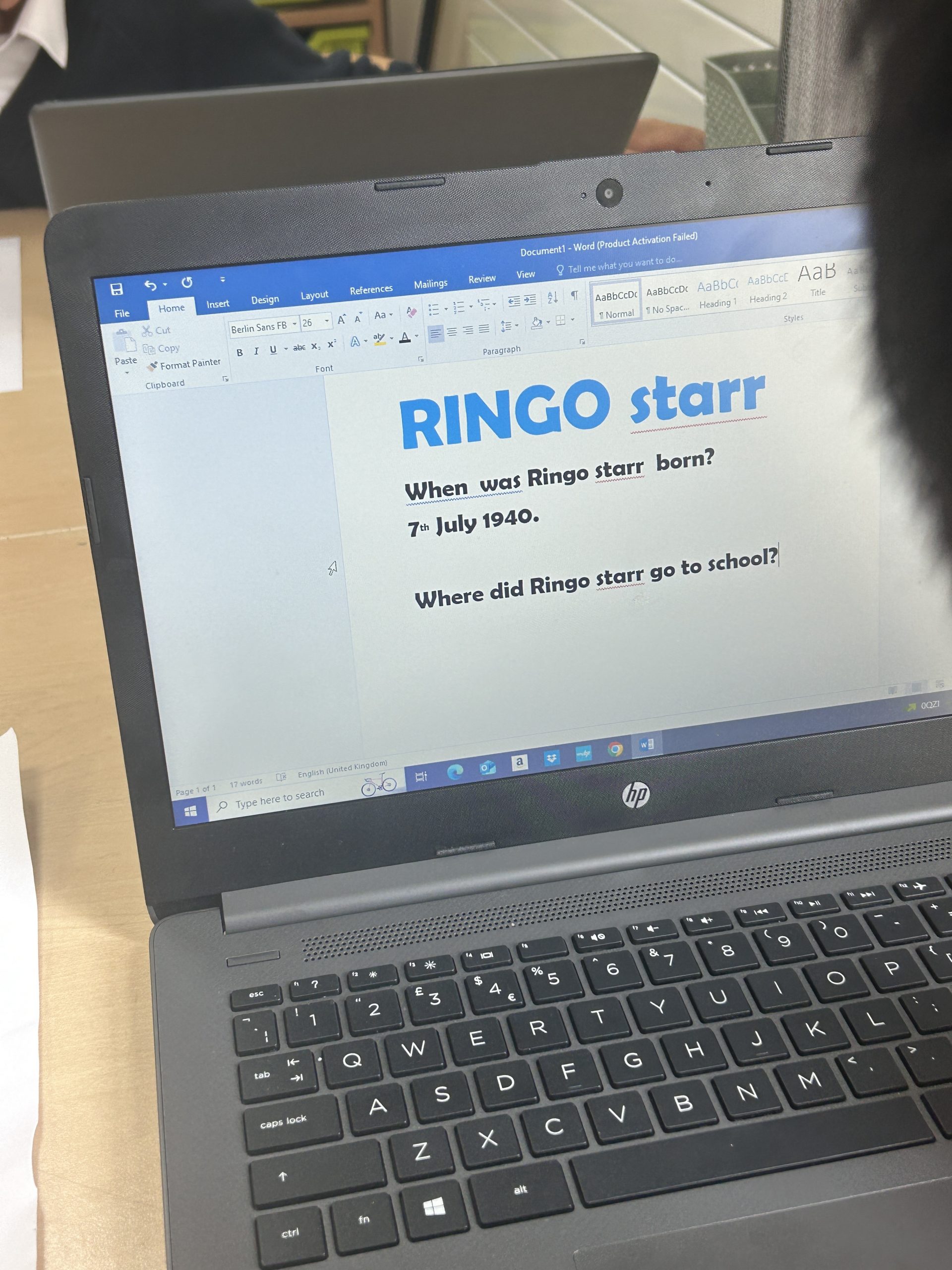
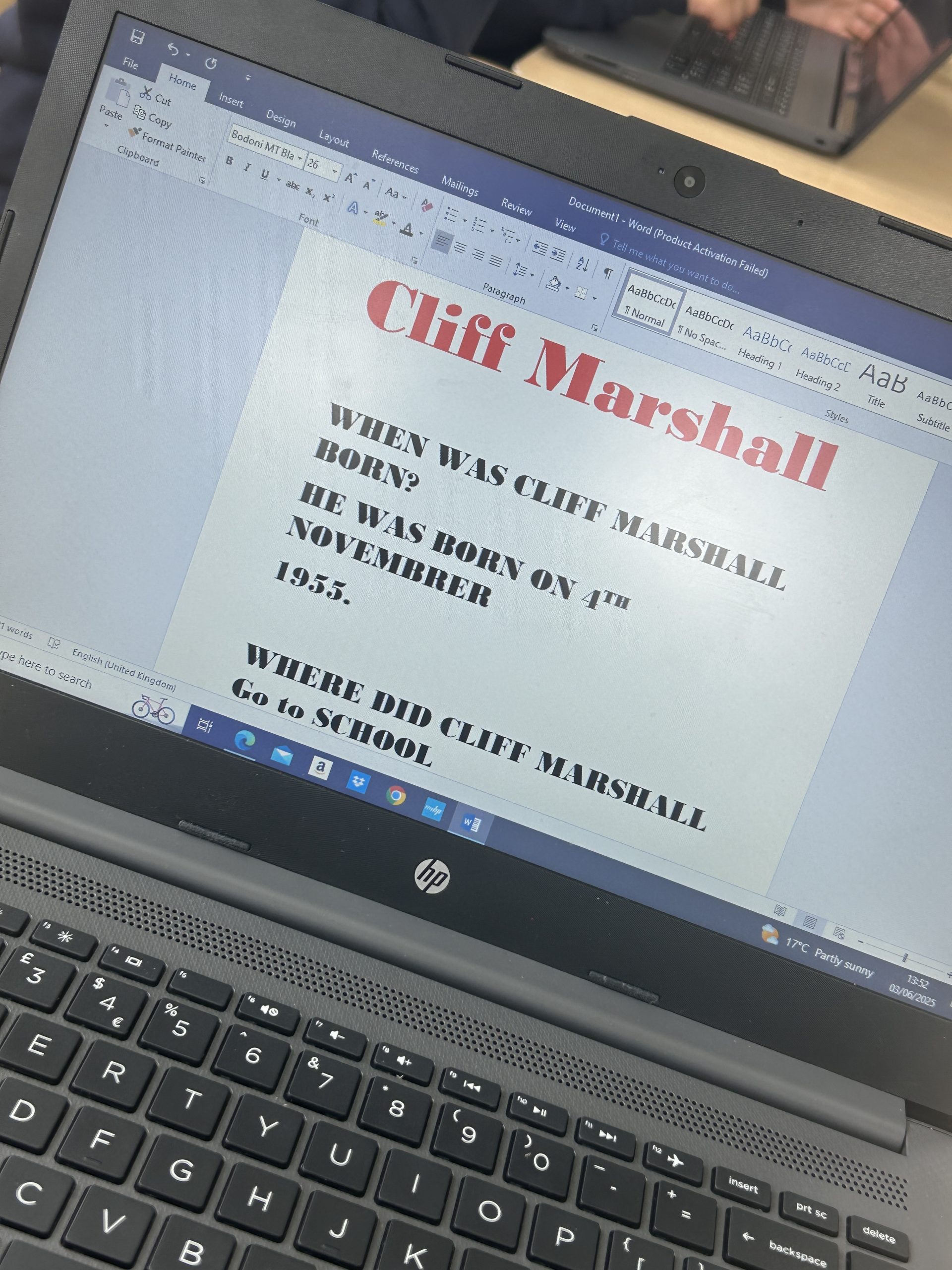
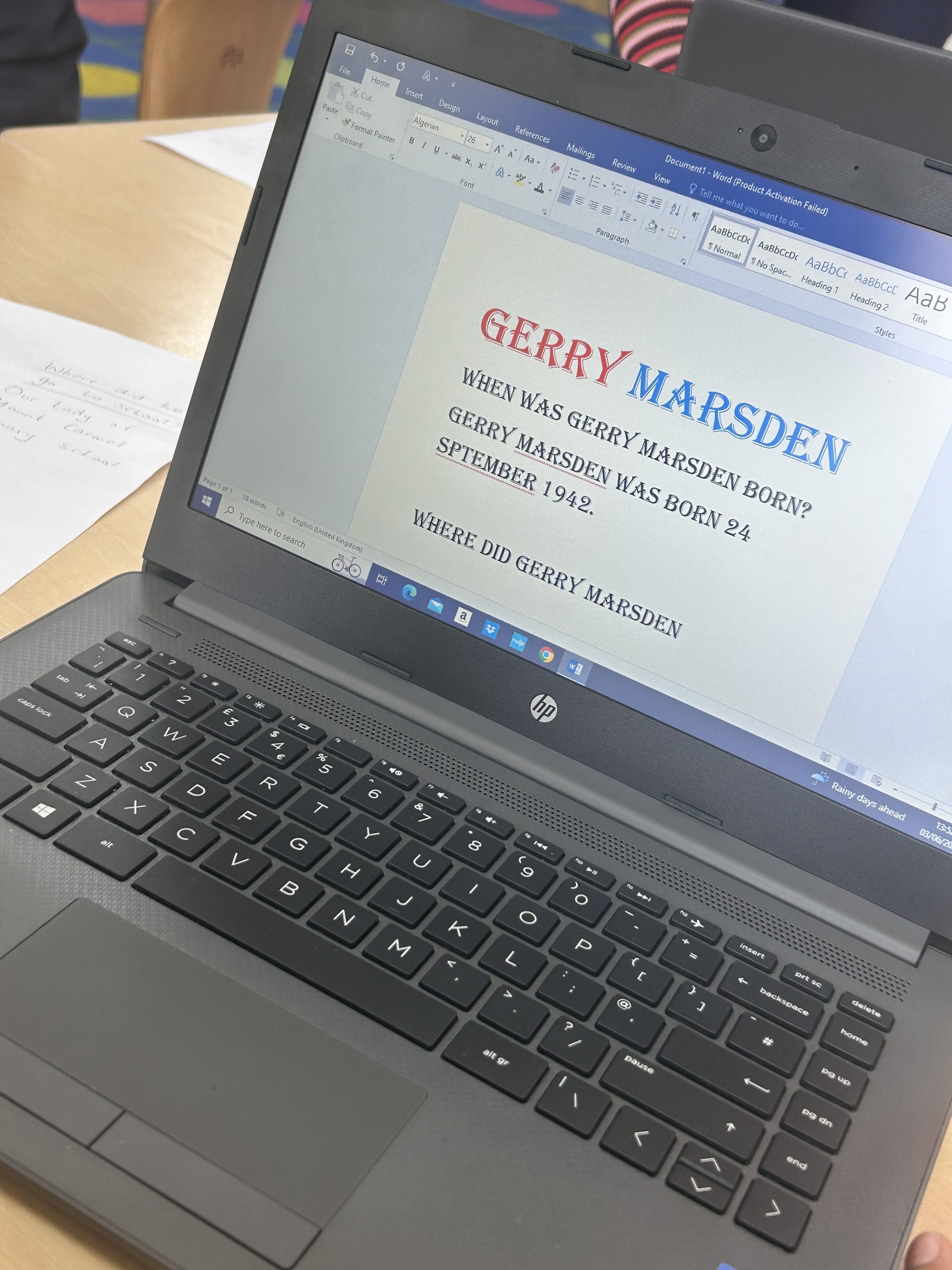
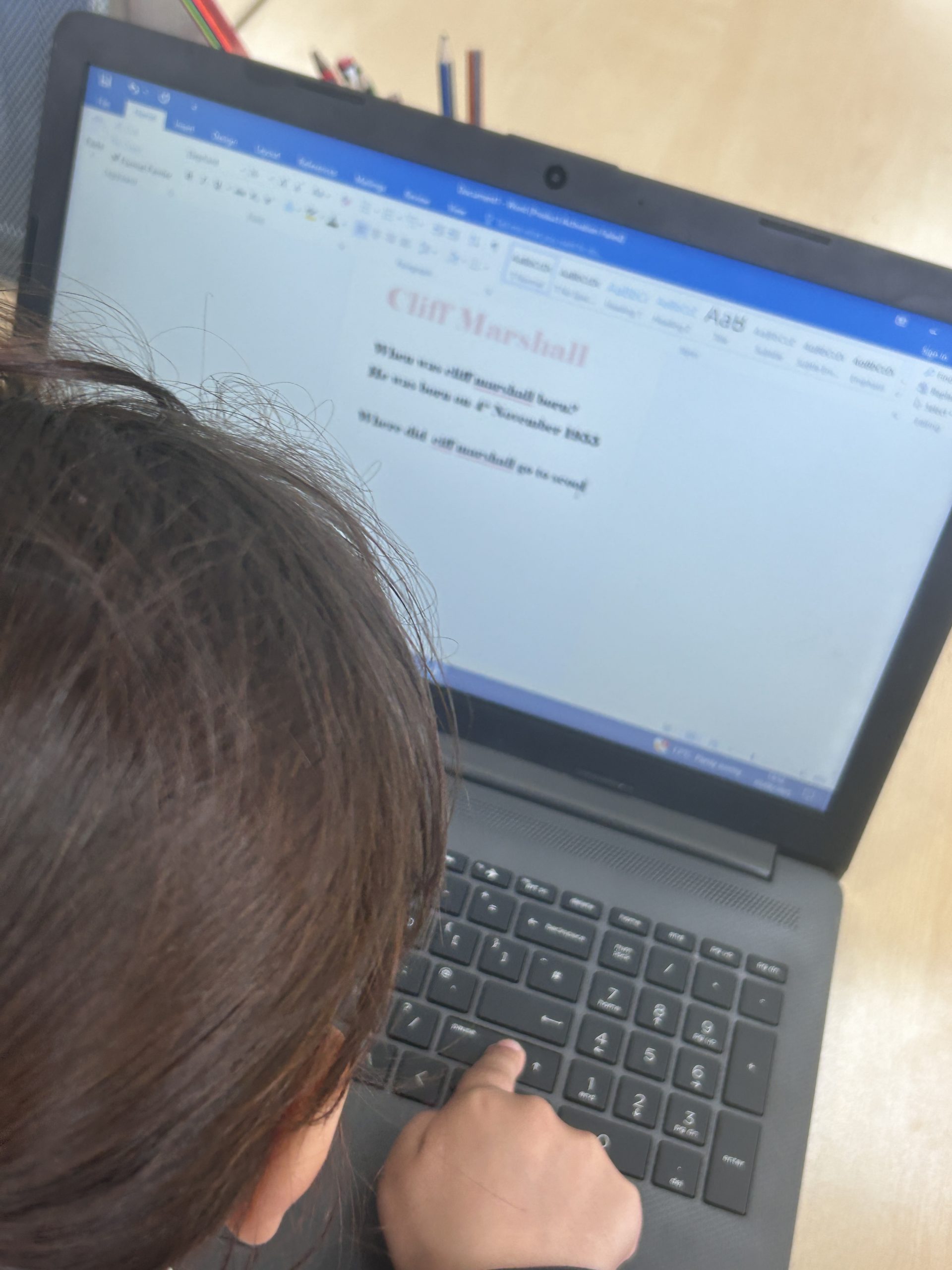
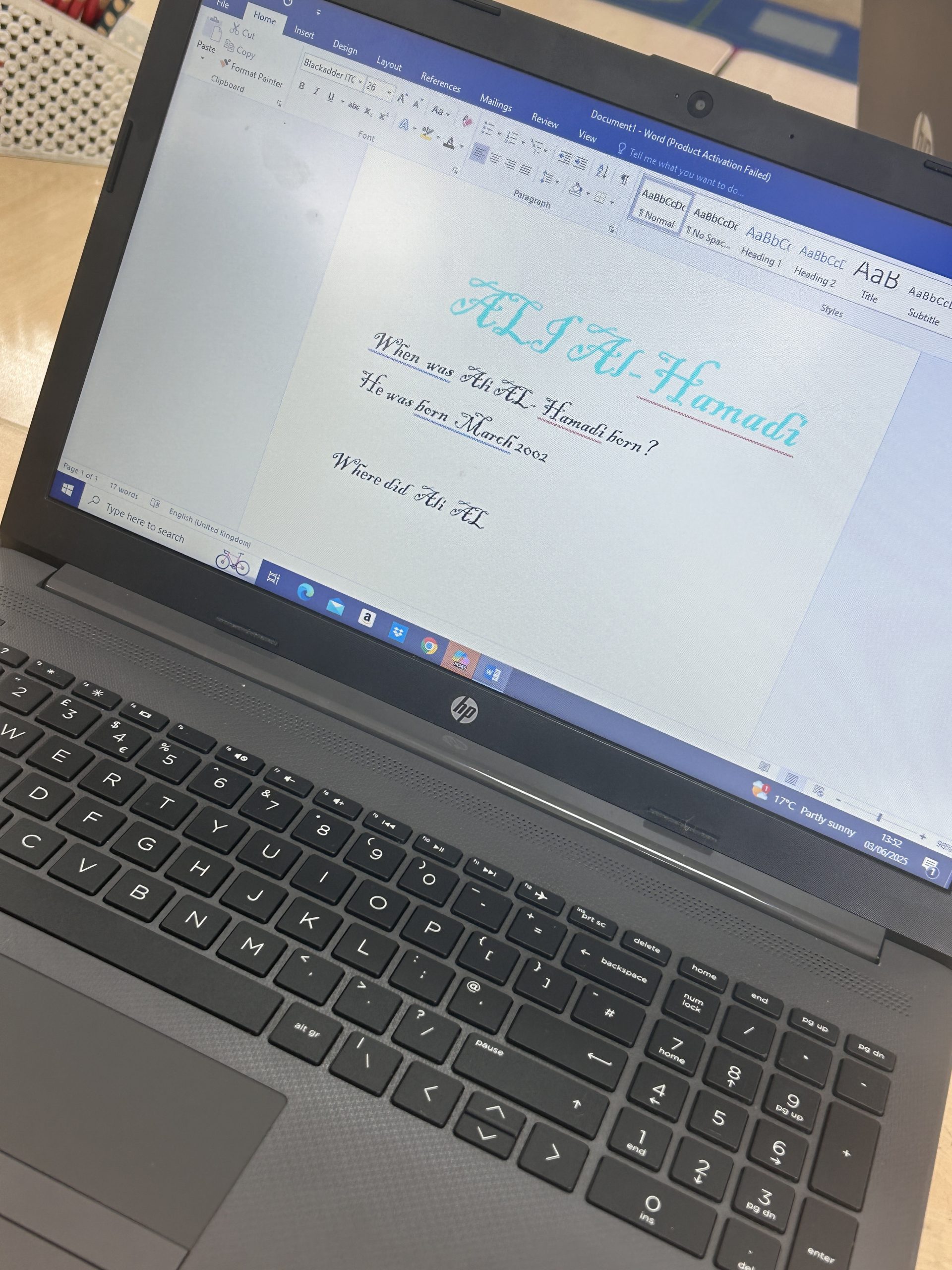
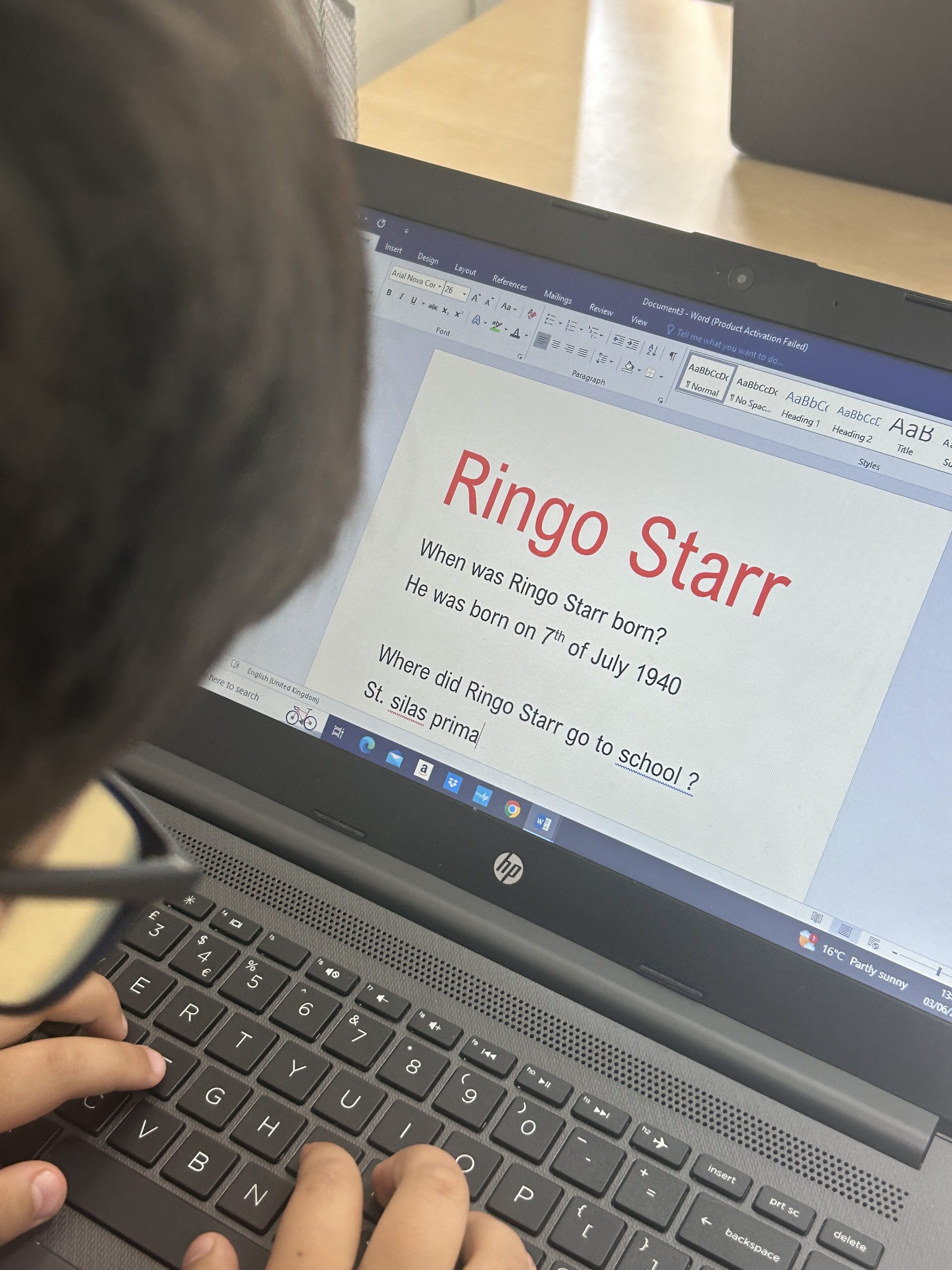
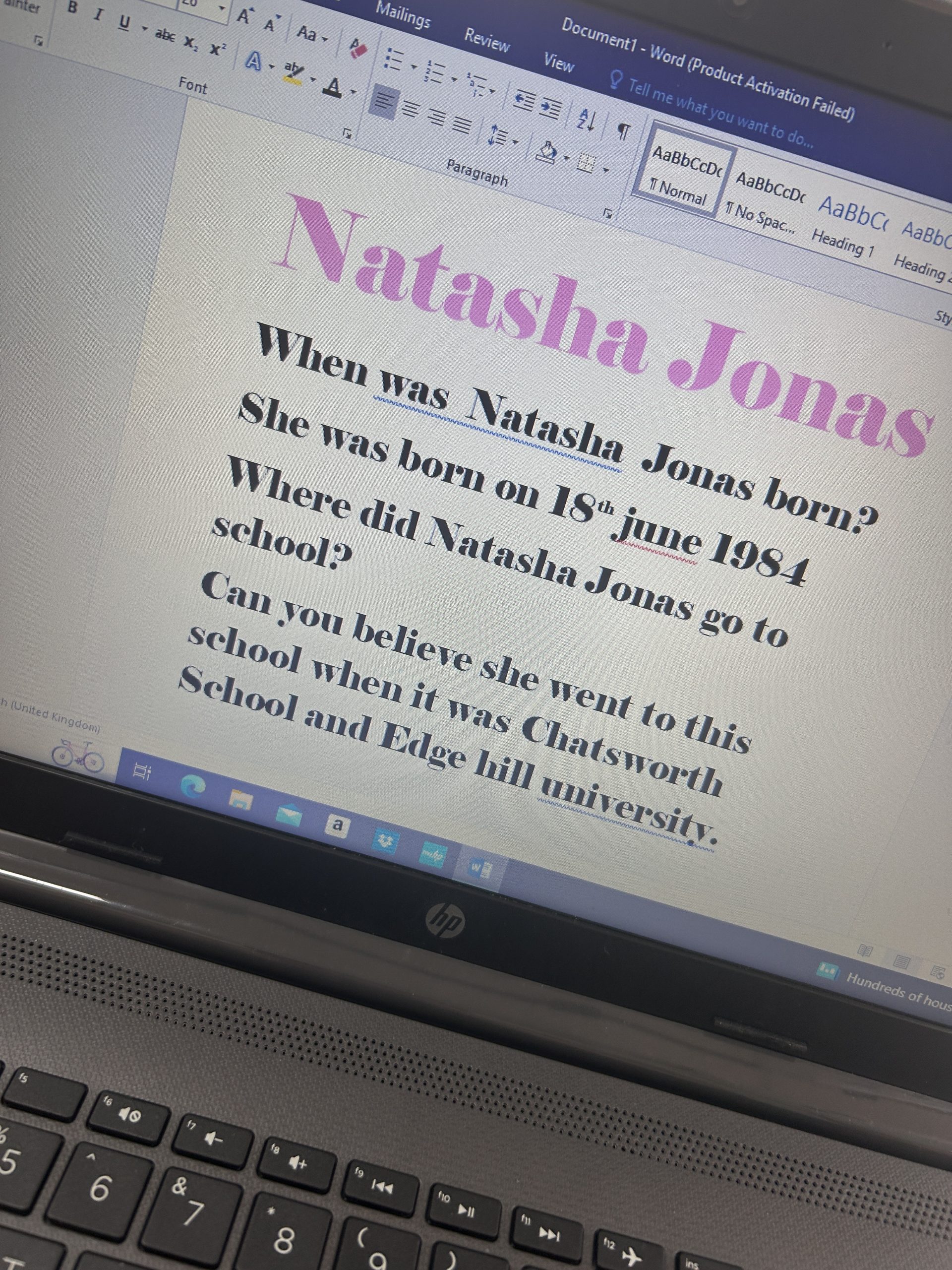
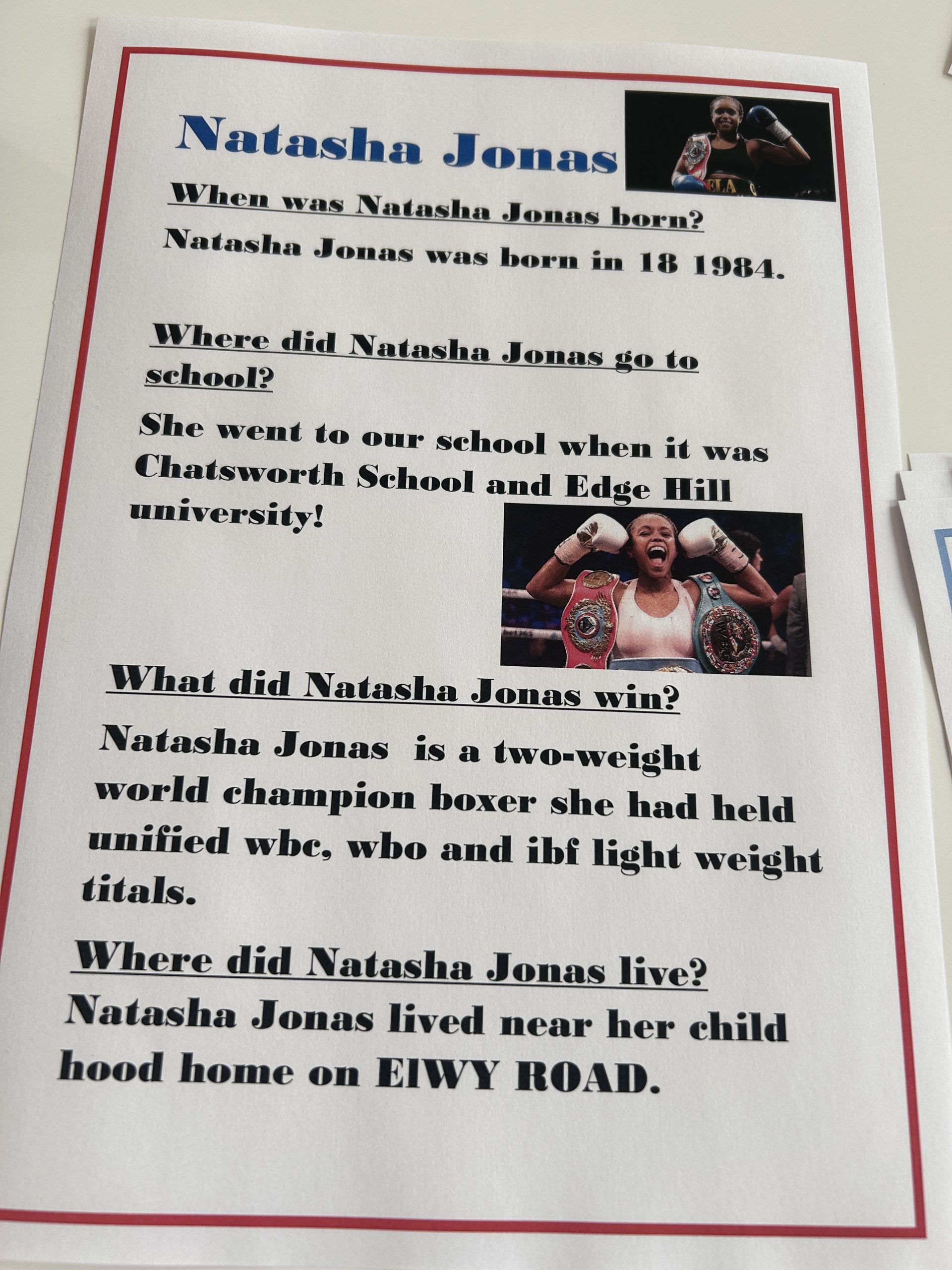
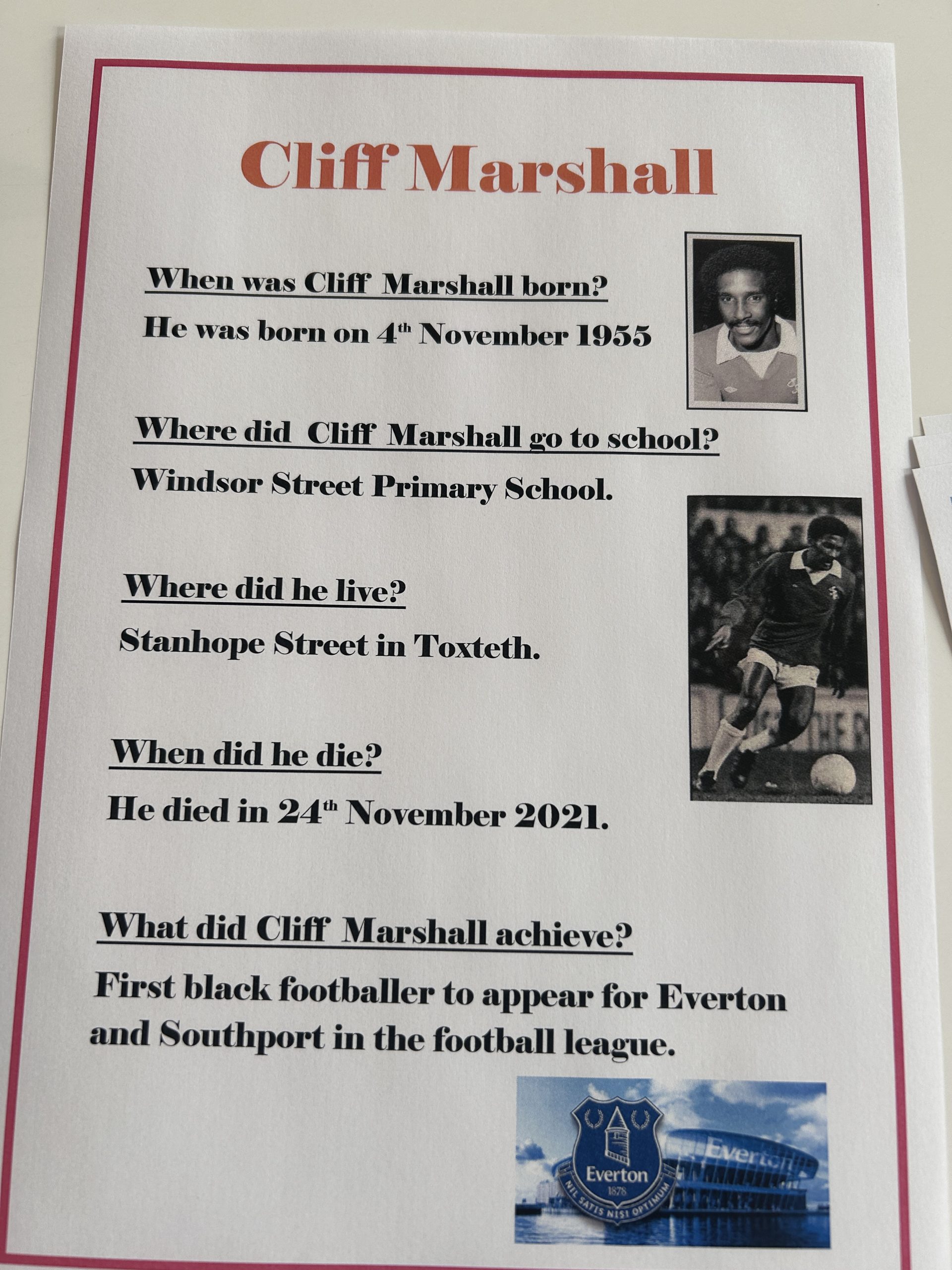
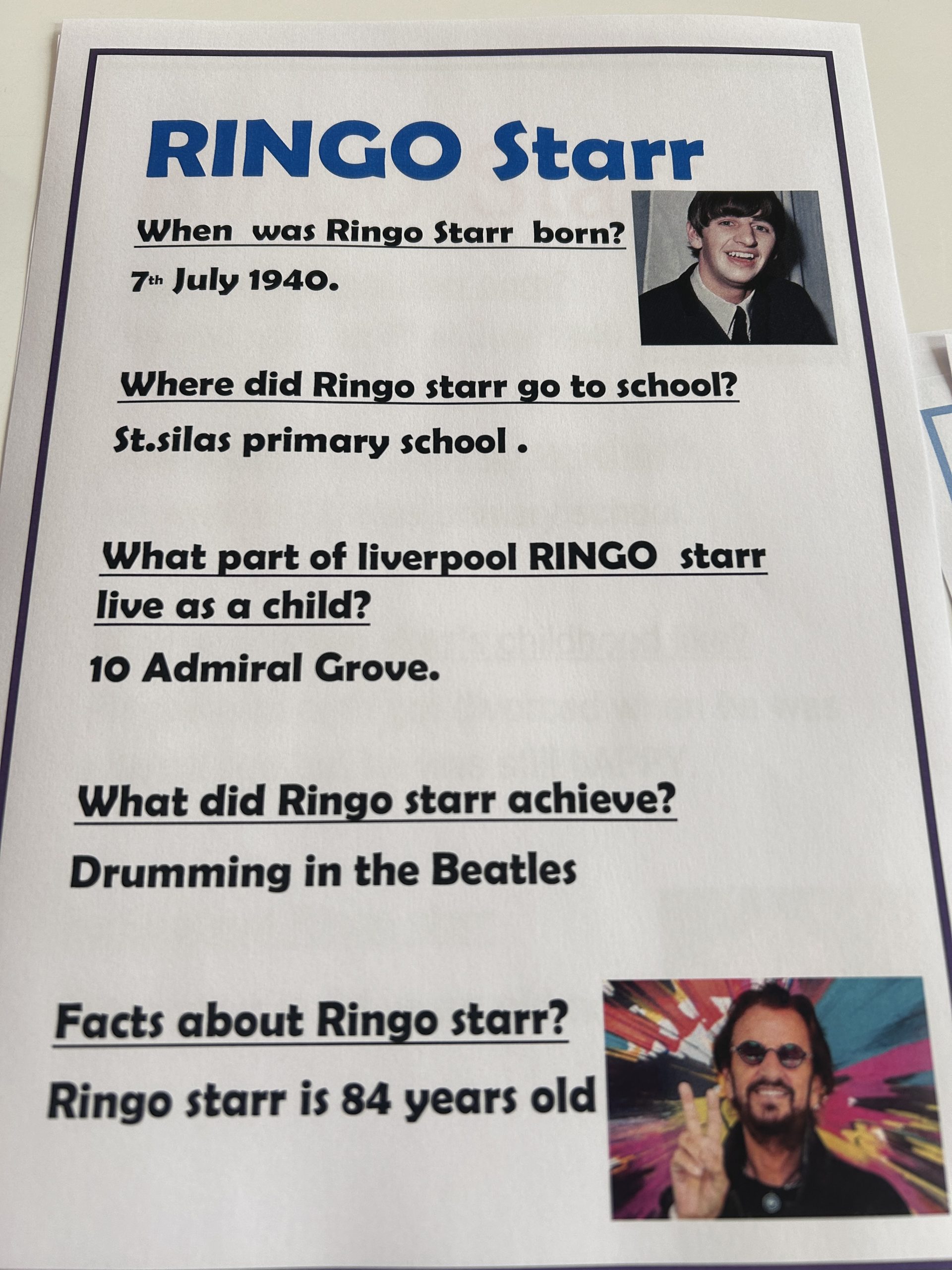
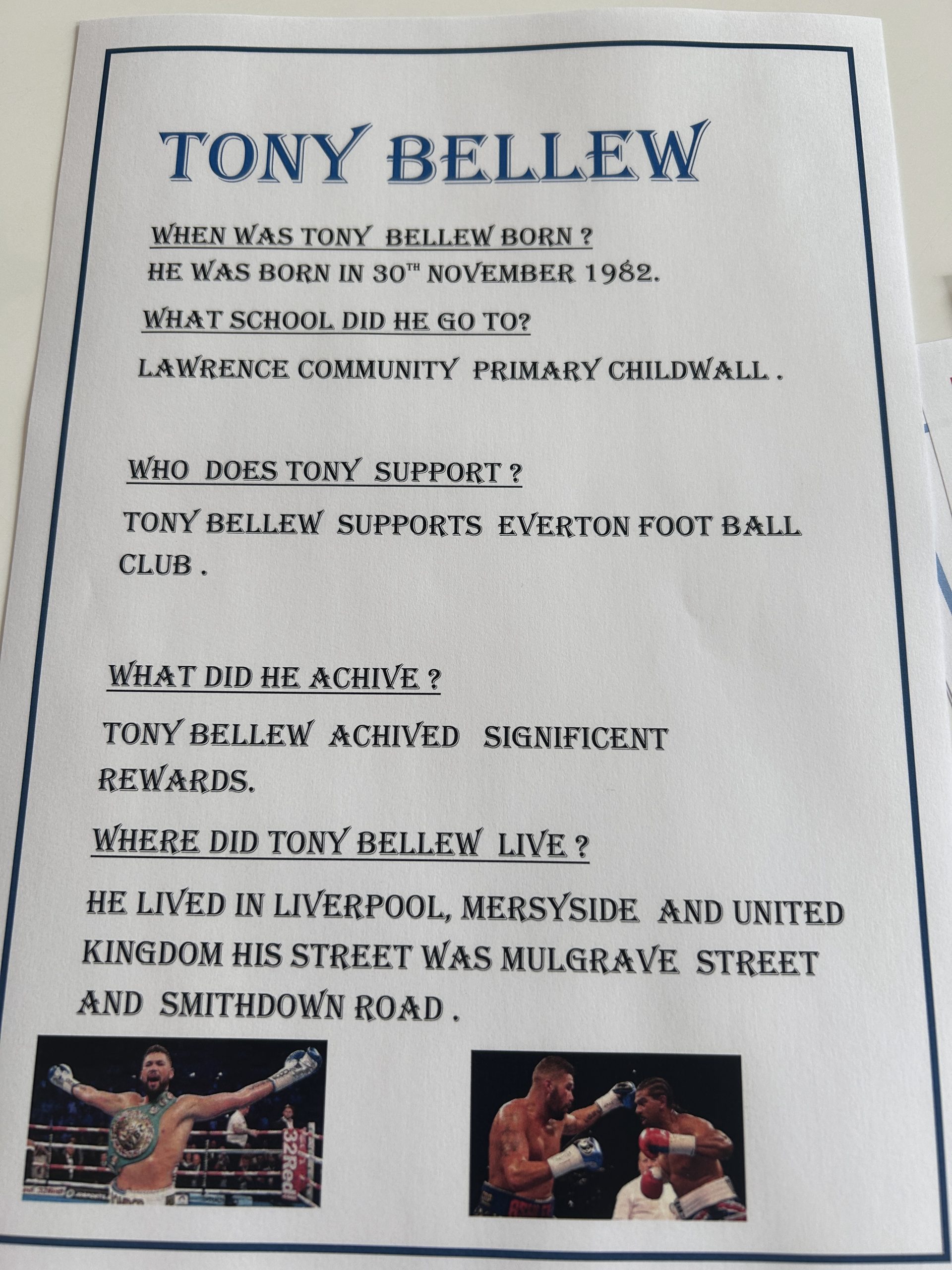
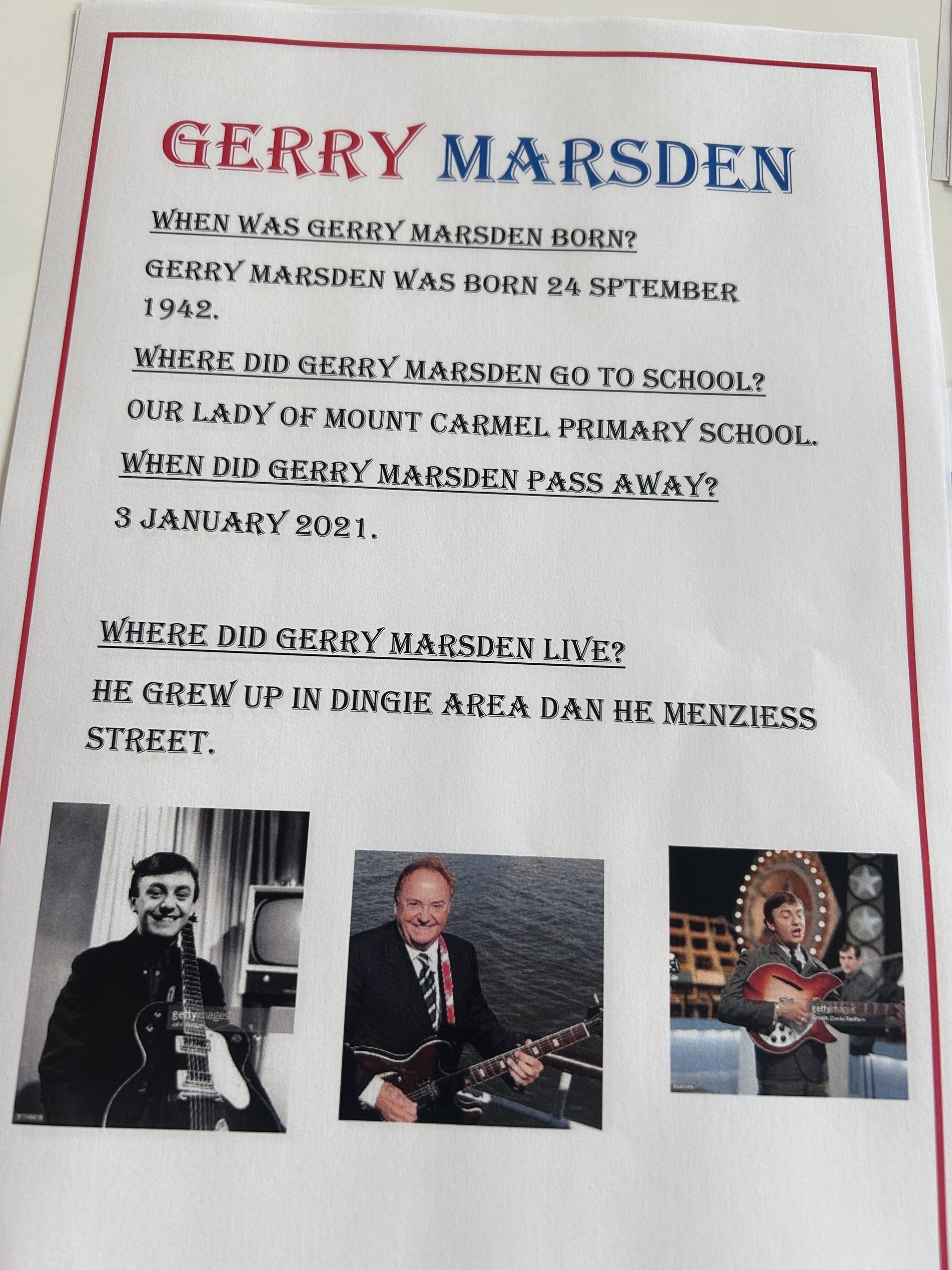
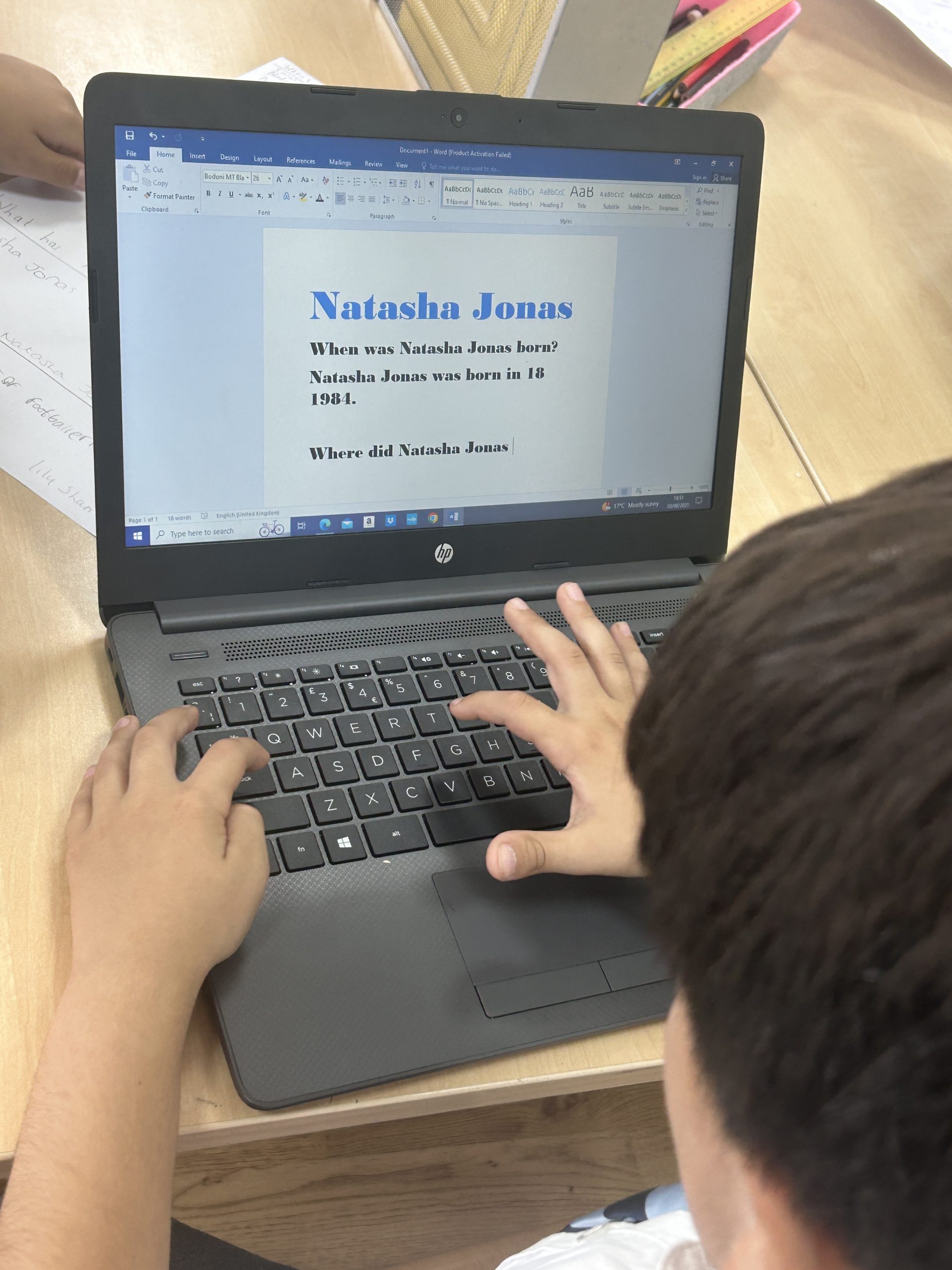
As part of our 150th anniversary, Year 2 have been researching famous people from our local area. We combined this work with our computing topic! We’ve made posters about Natasha Jonas (who went to our school), Tony Bellew, Gerry Marsden, Ali Al-Hamadi, Ringo Starr and Cliff Marshall
378
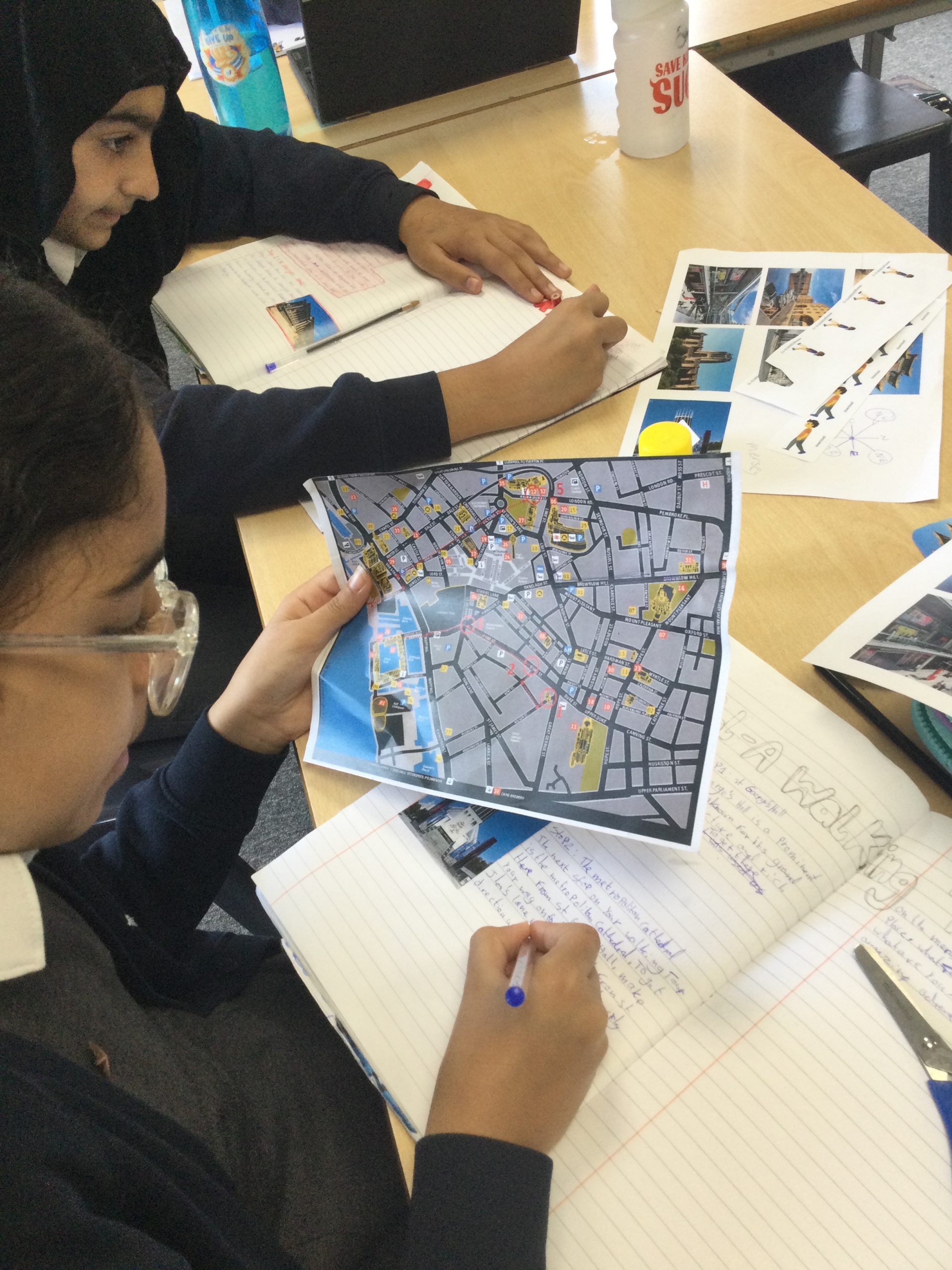
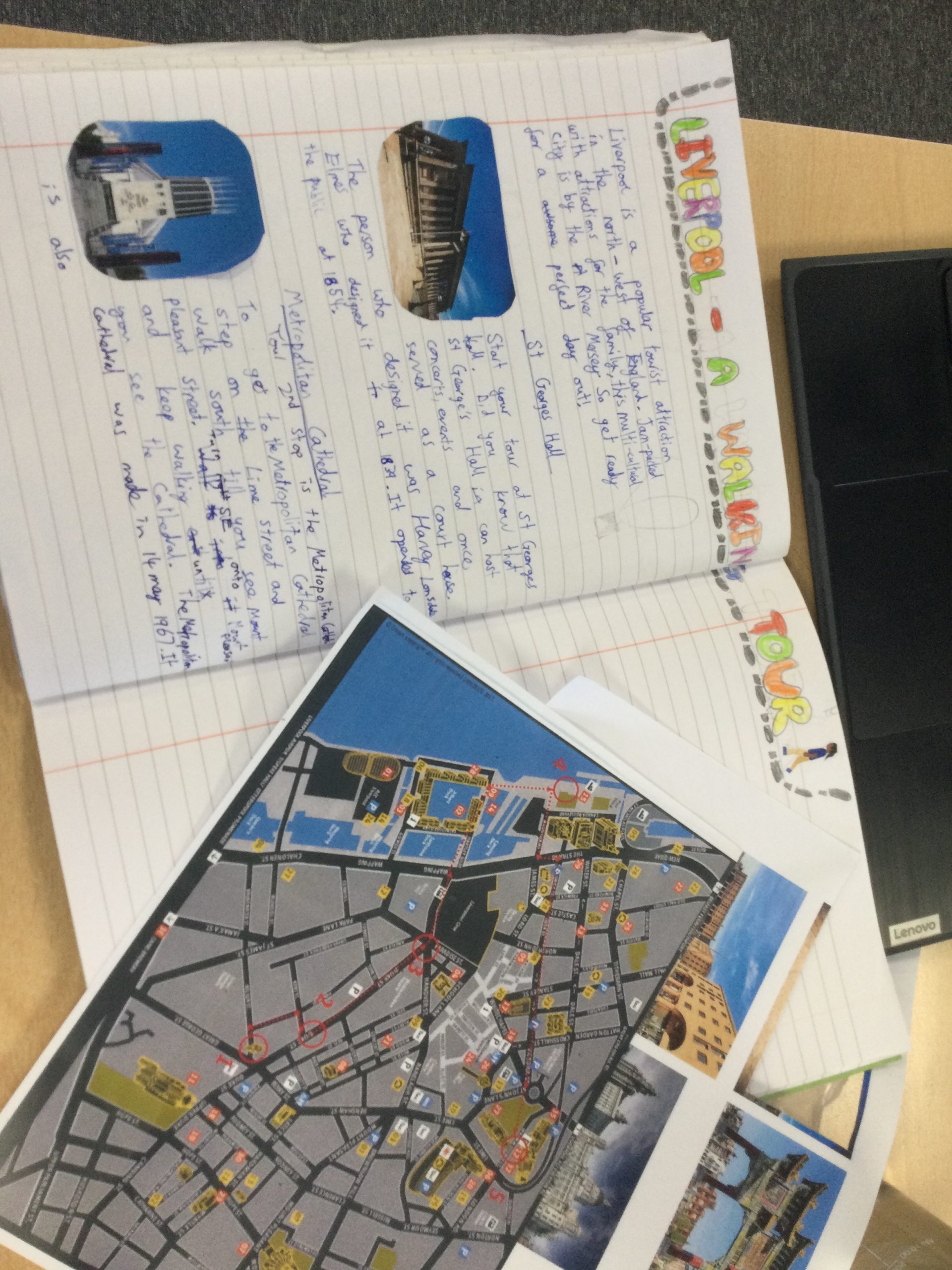
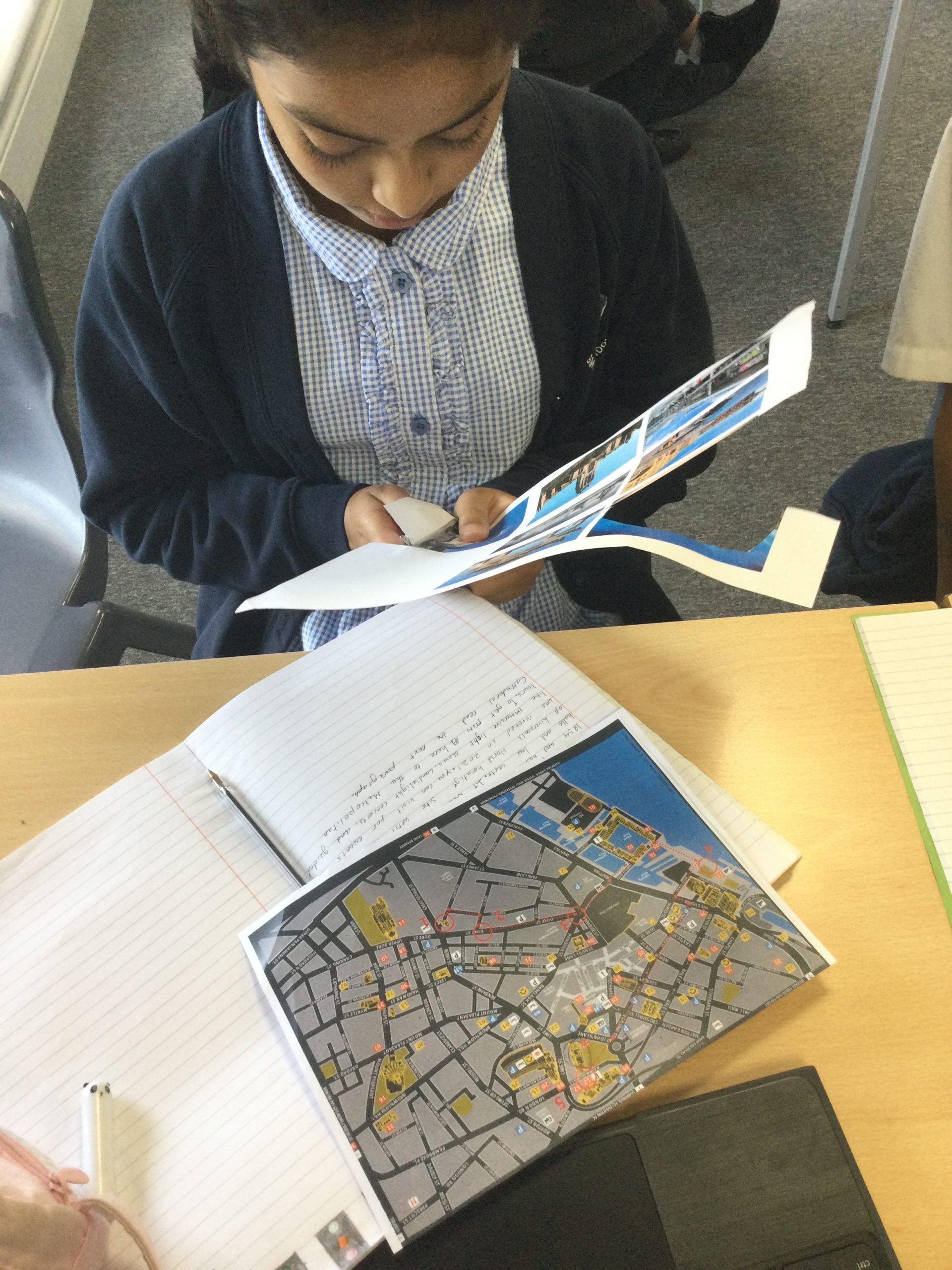
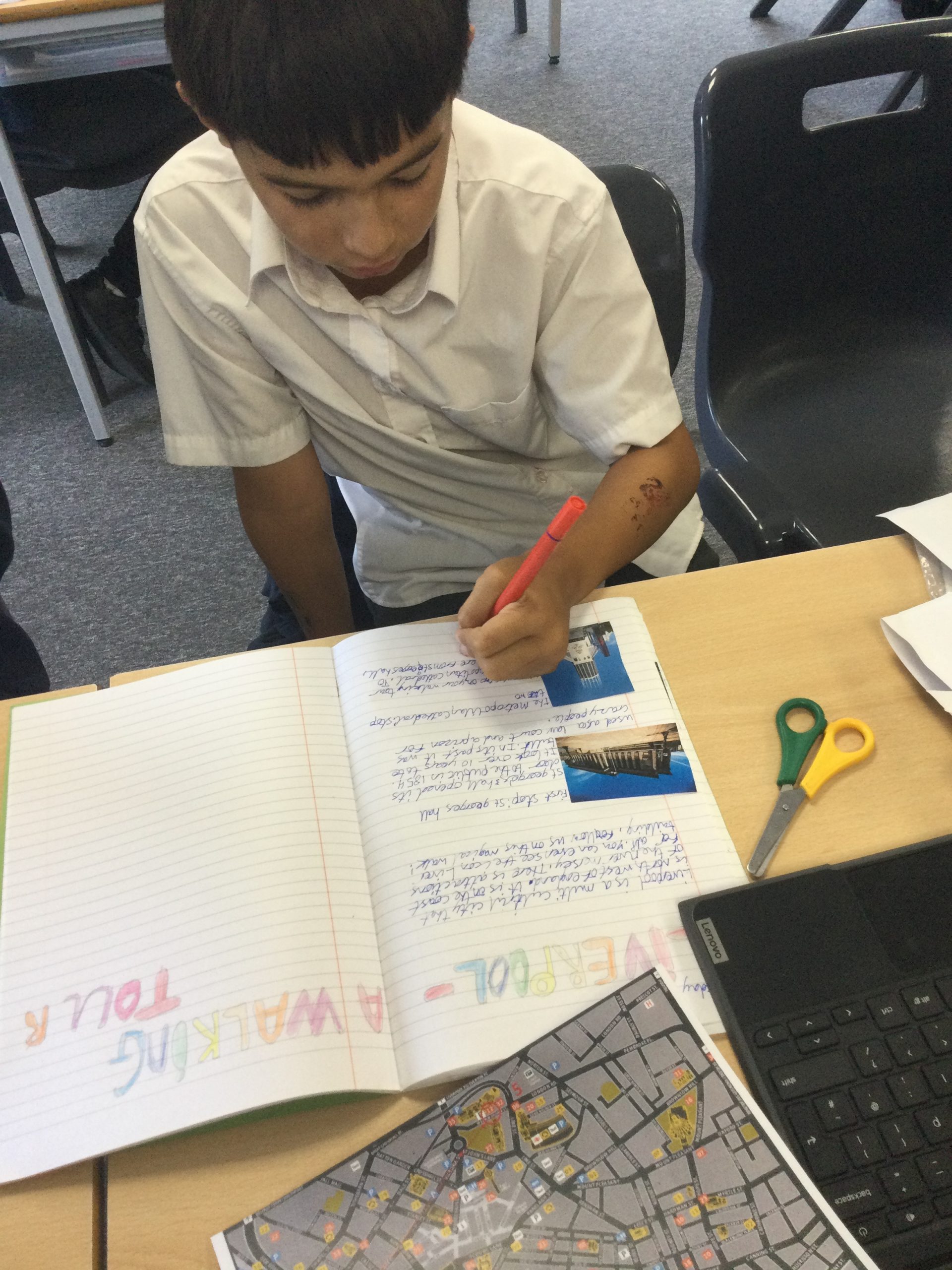
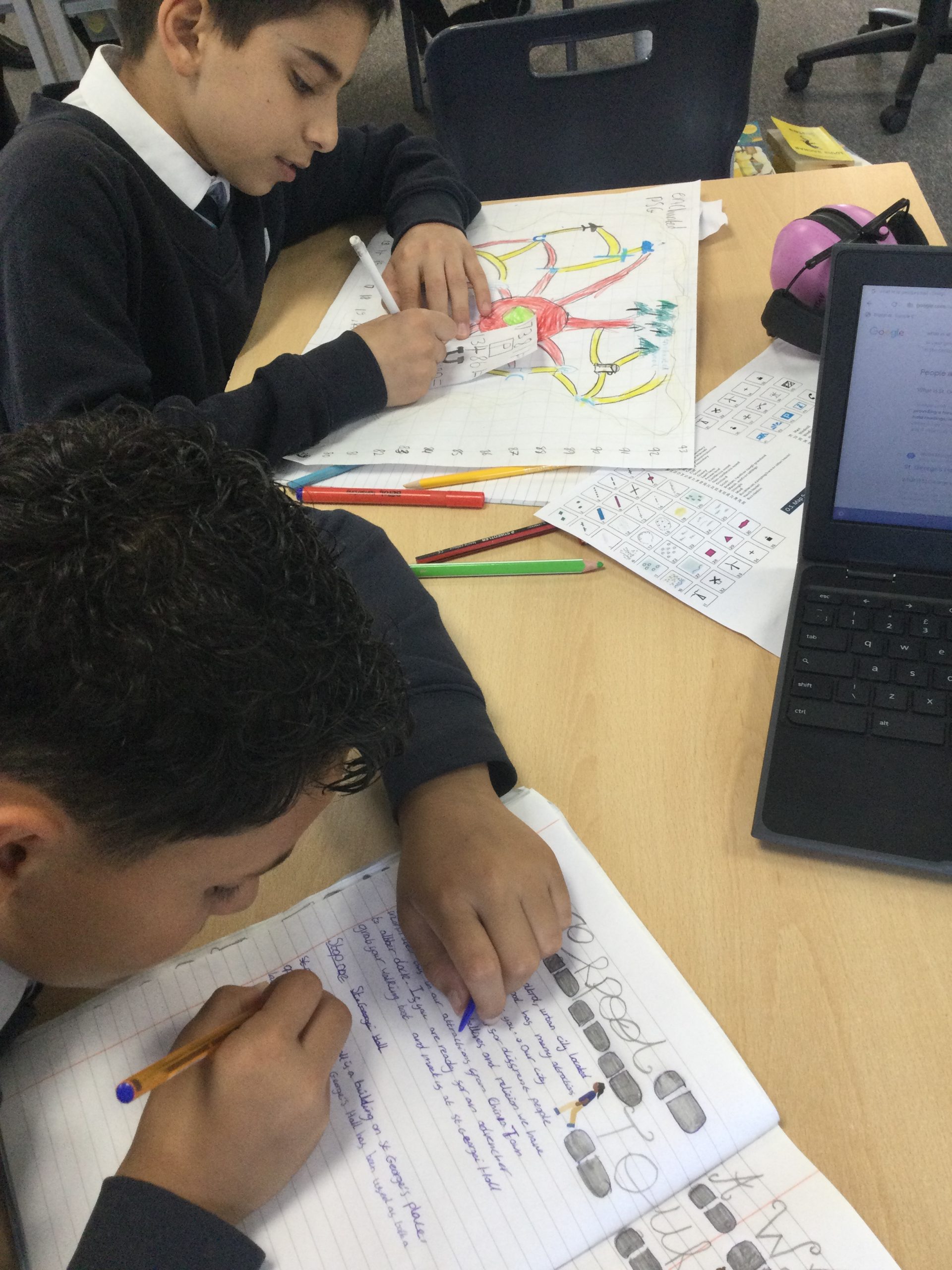
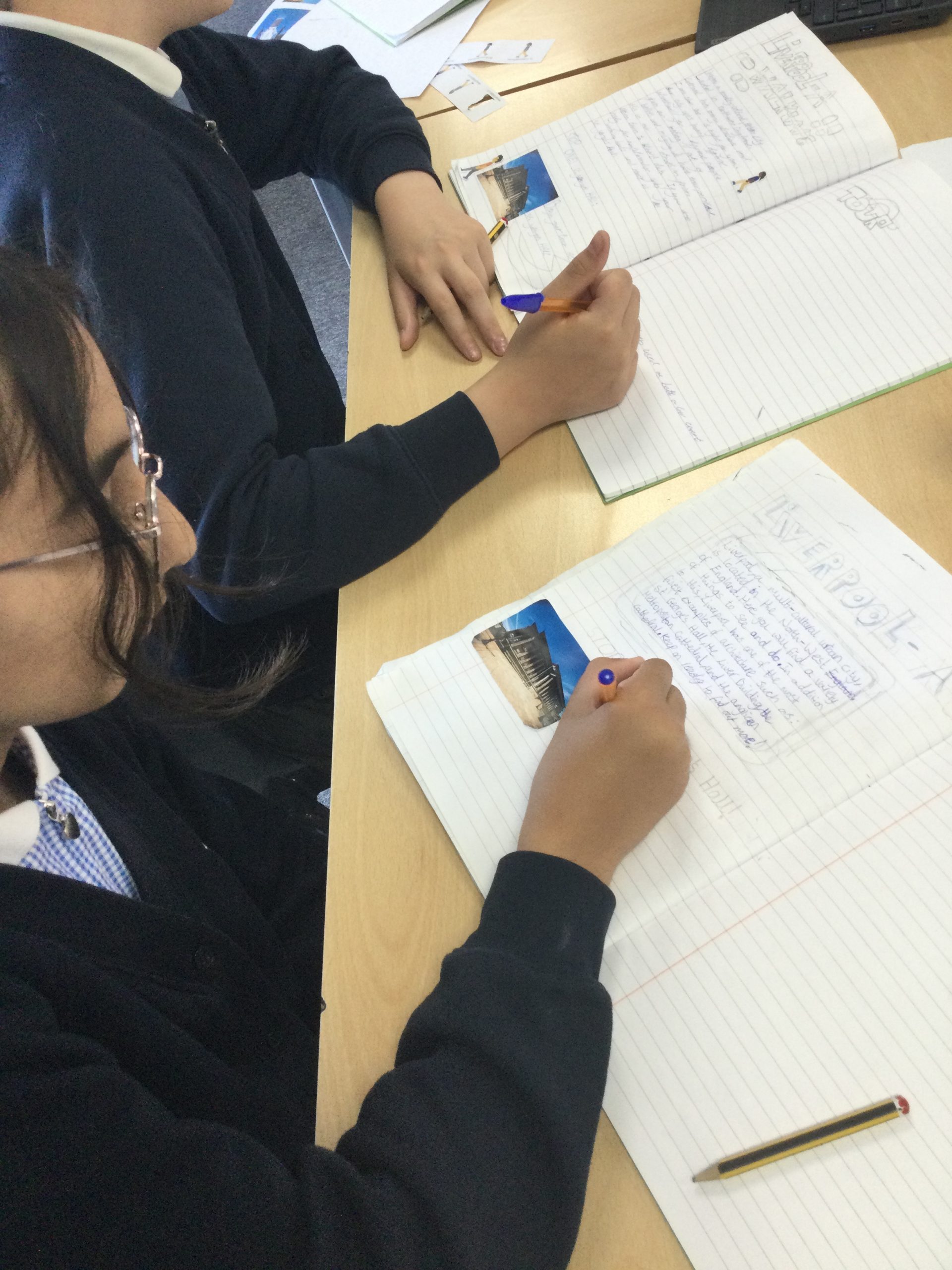
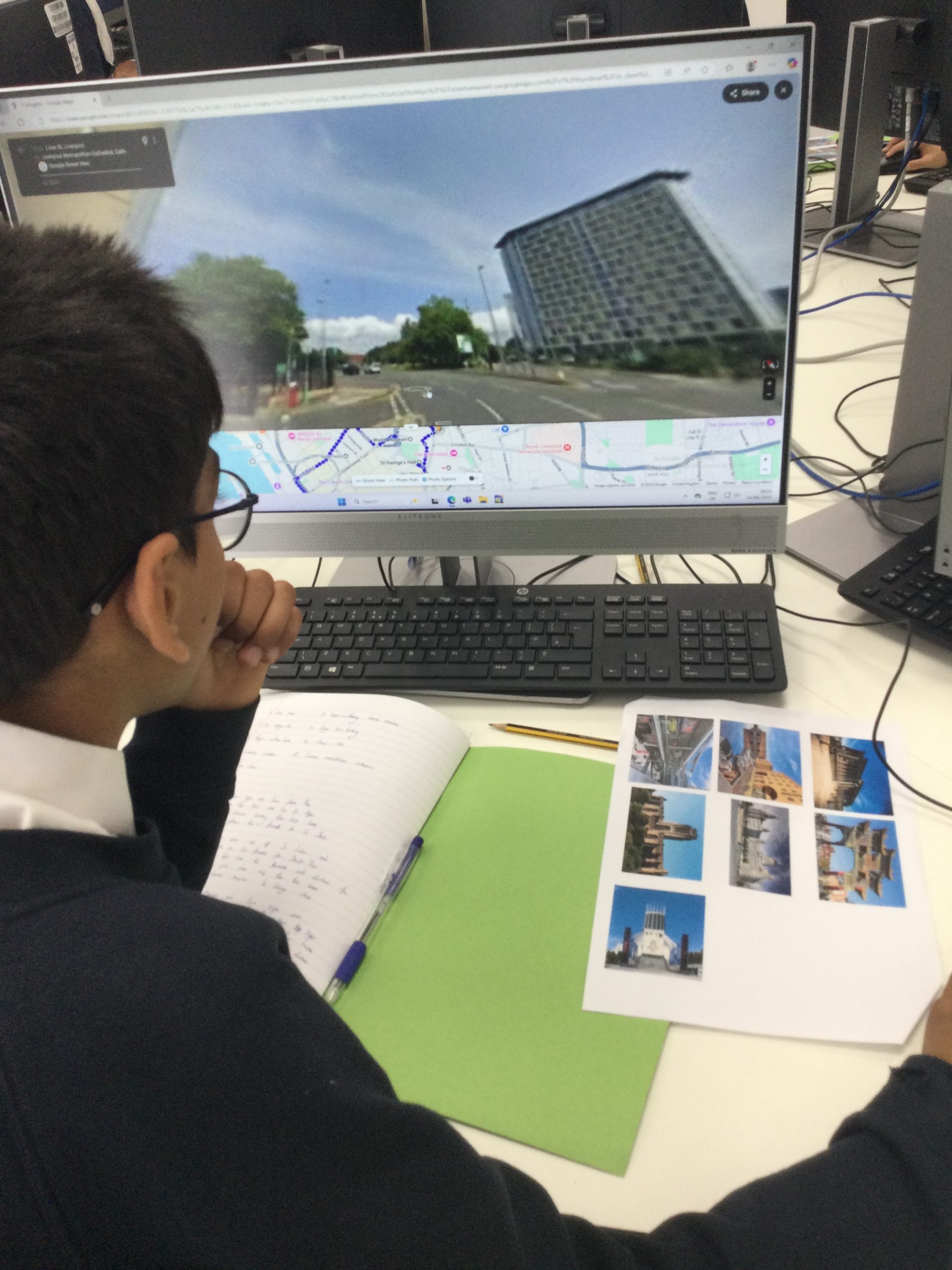
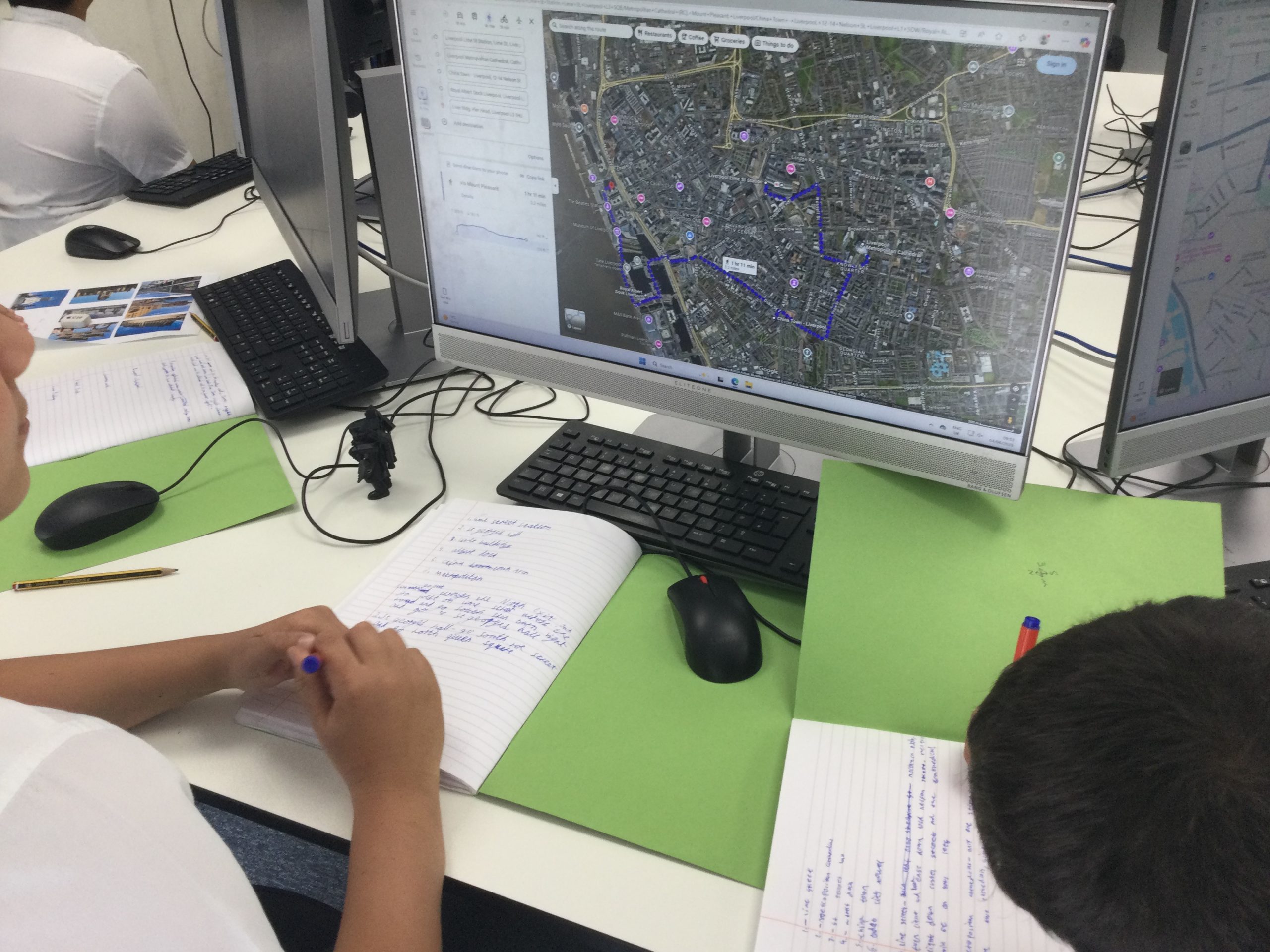
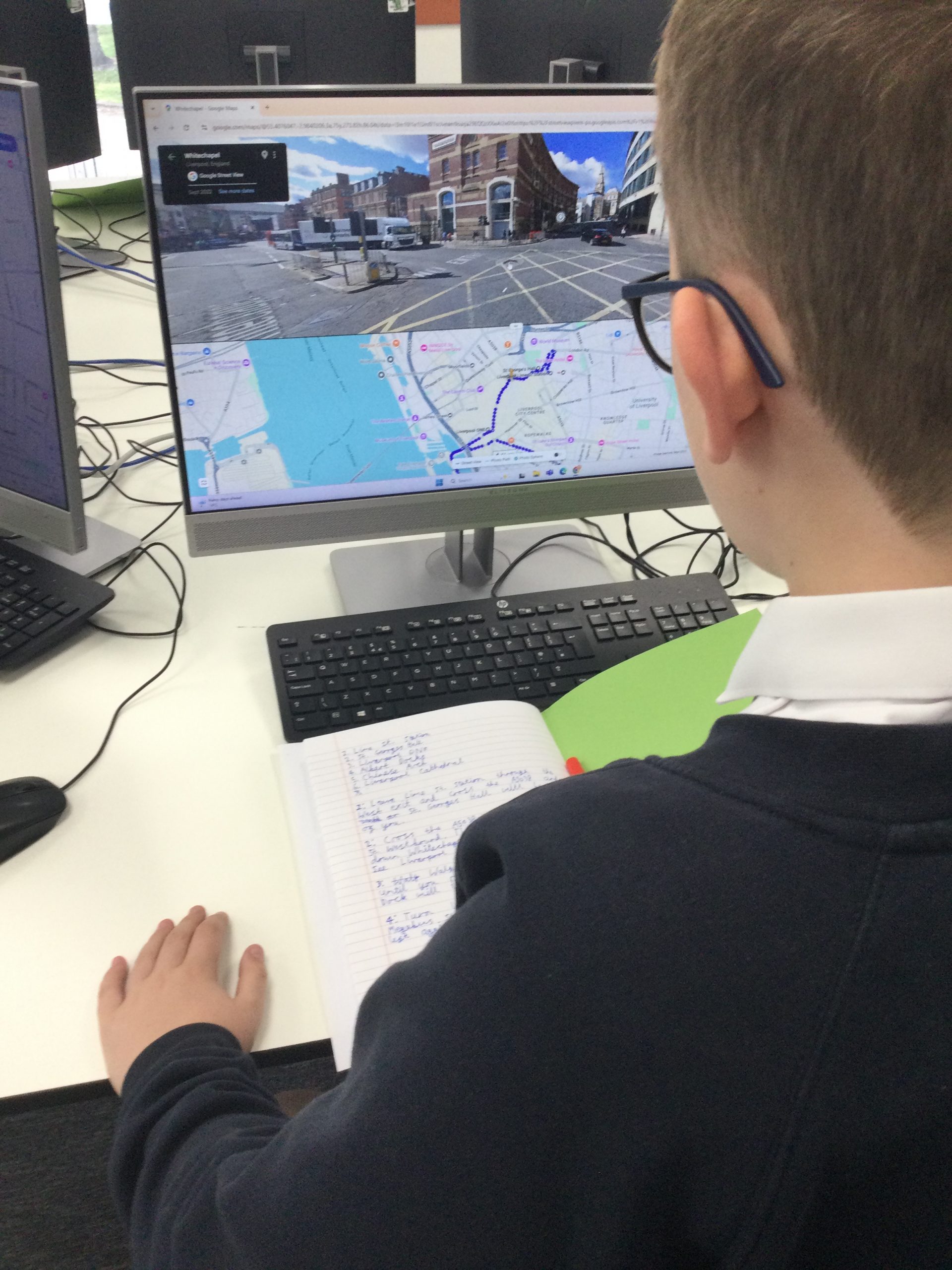
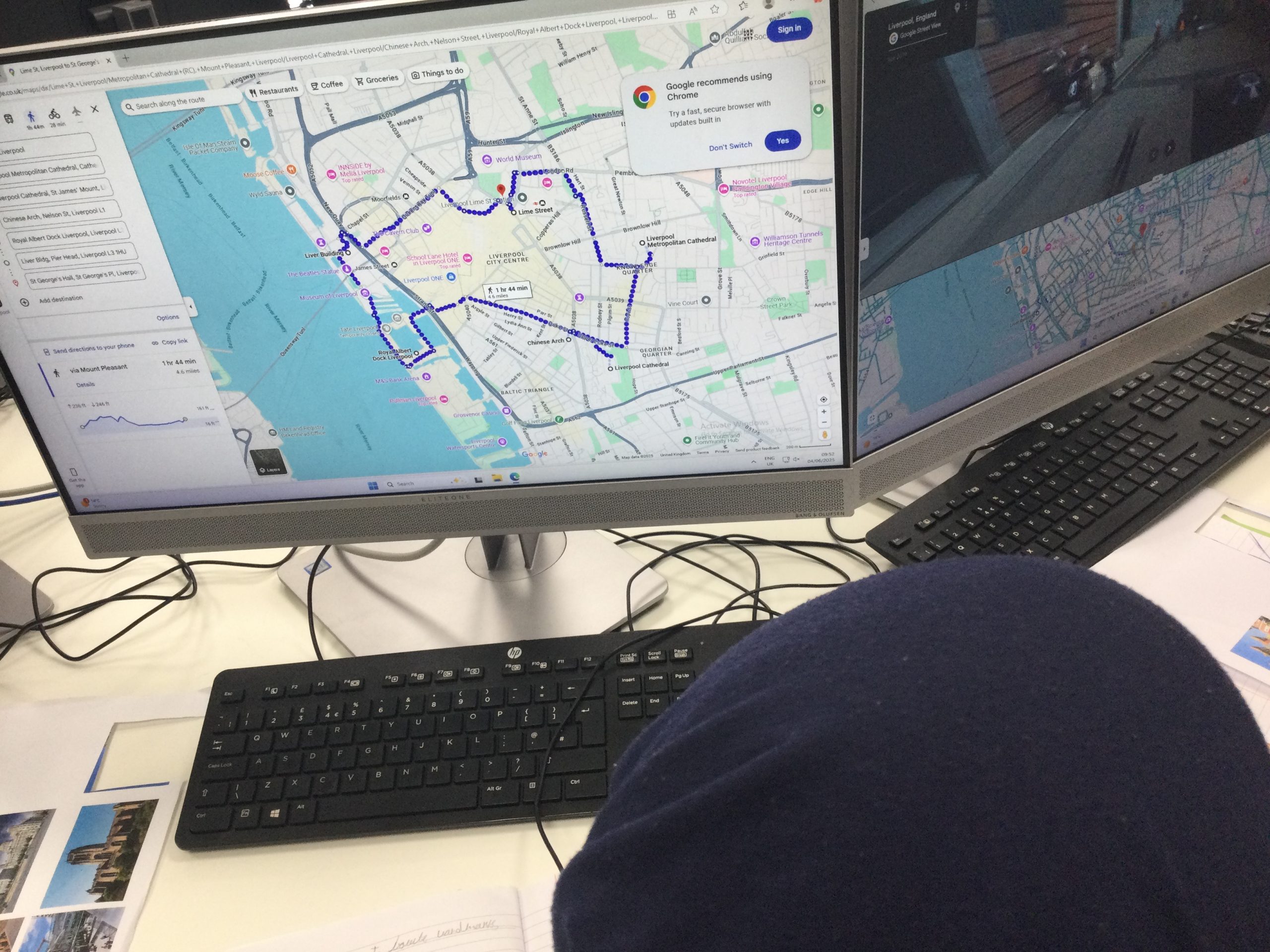
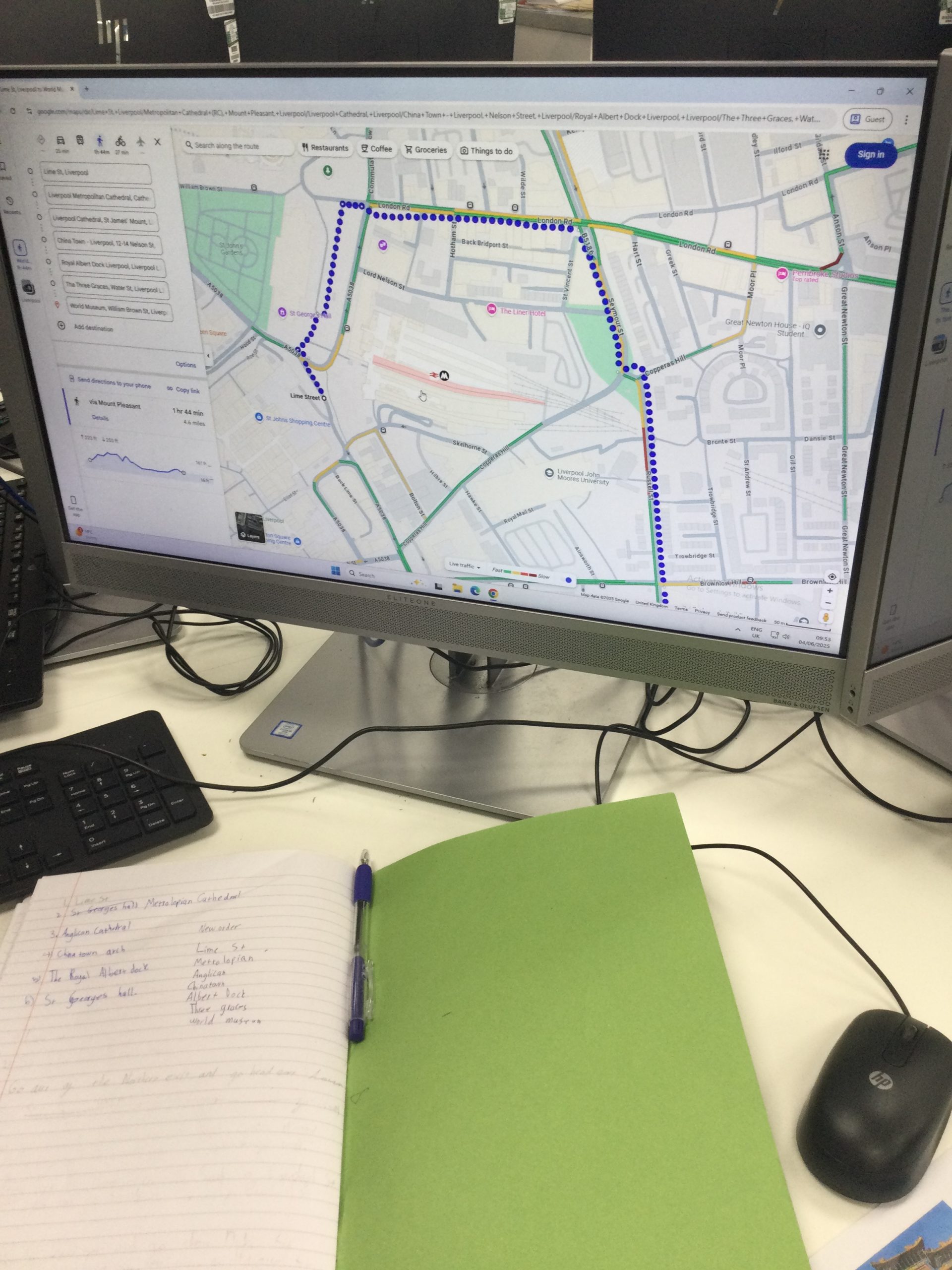
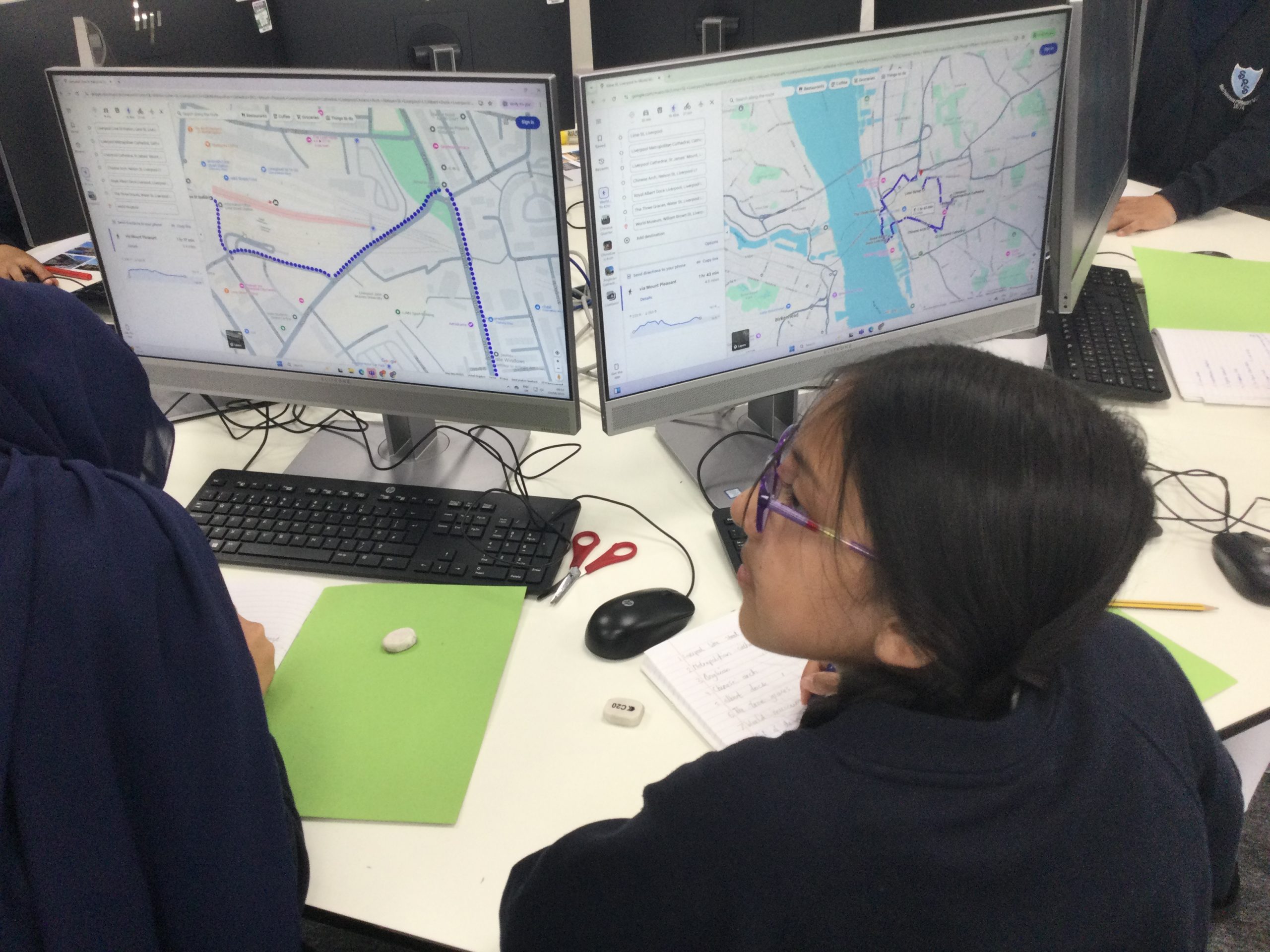
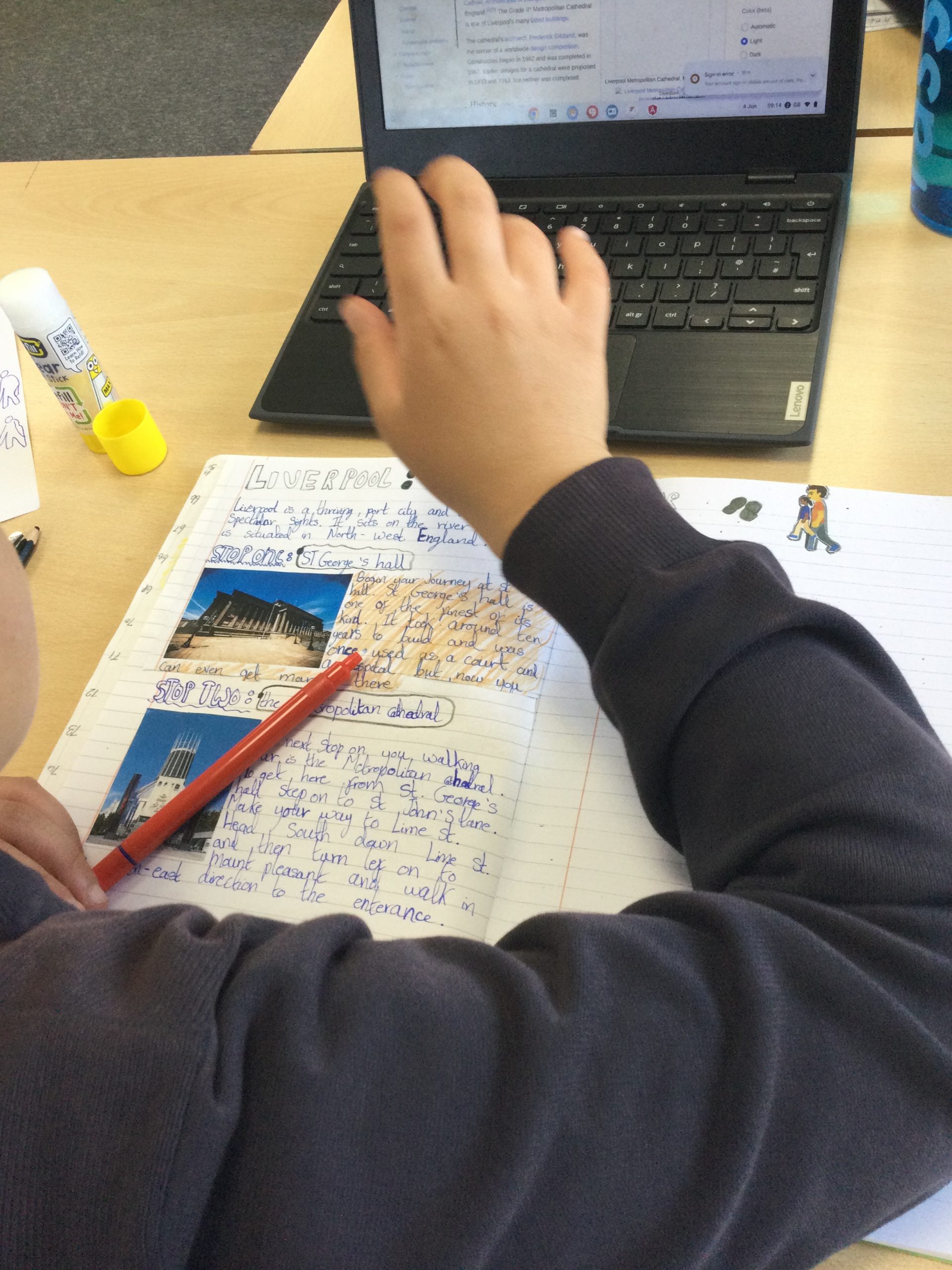
We have just started working on our Geography project, planning a route around Liverpool to take in all the famous tourist sites. We also used Google Maps to help plan our routes, directions and visualise the landmarks.
72
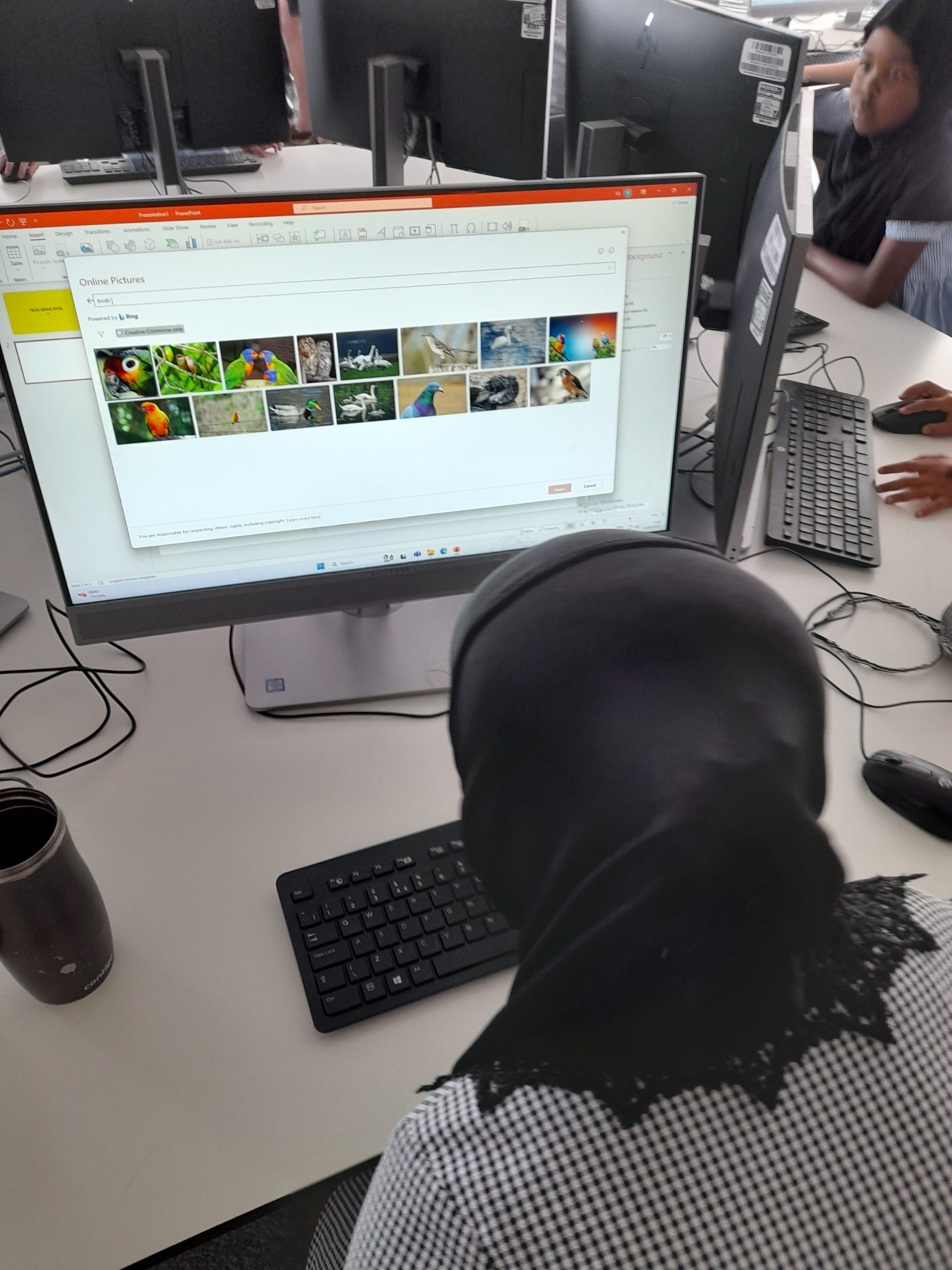
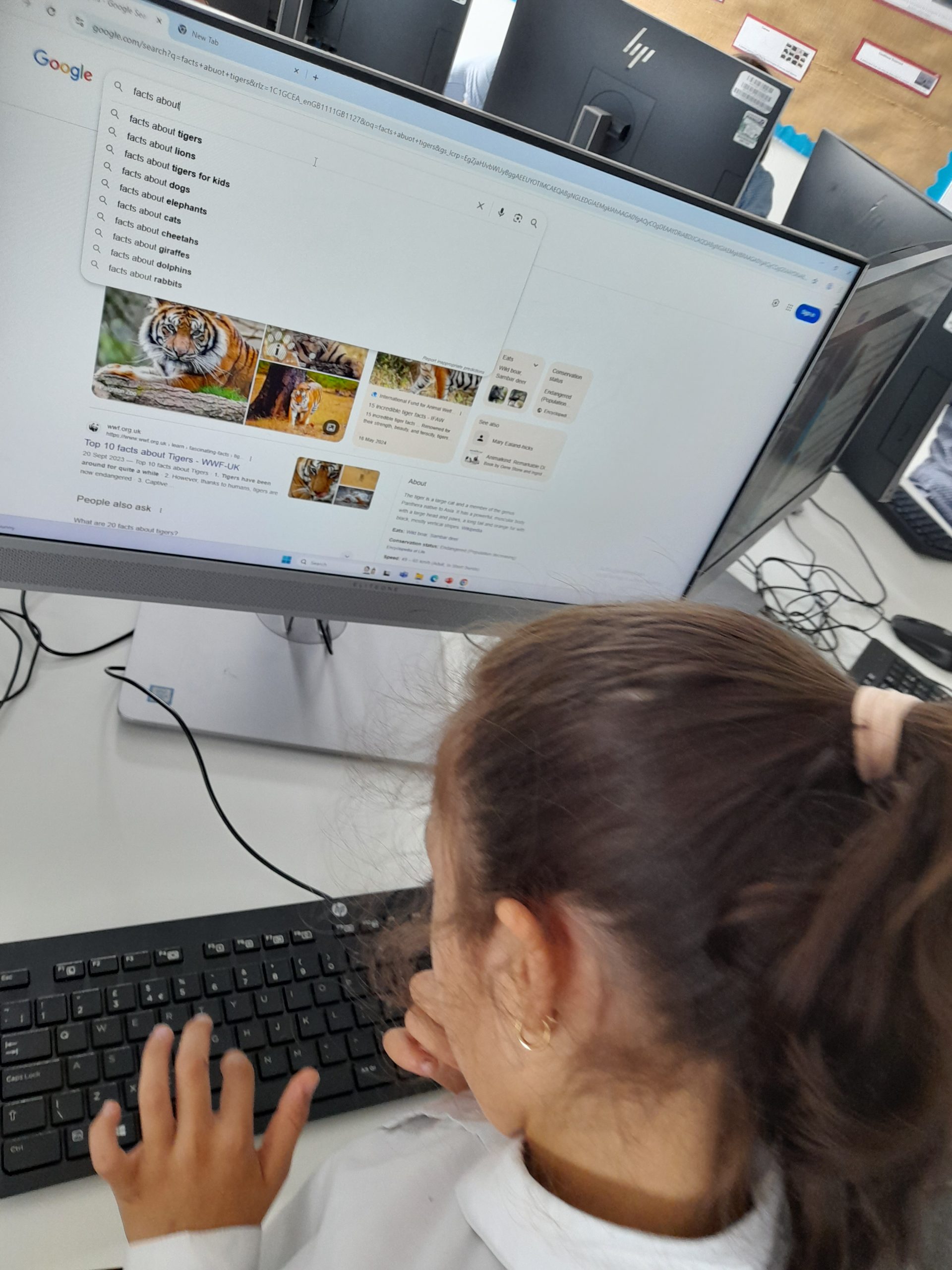
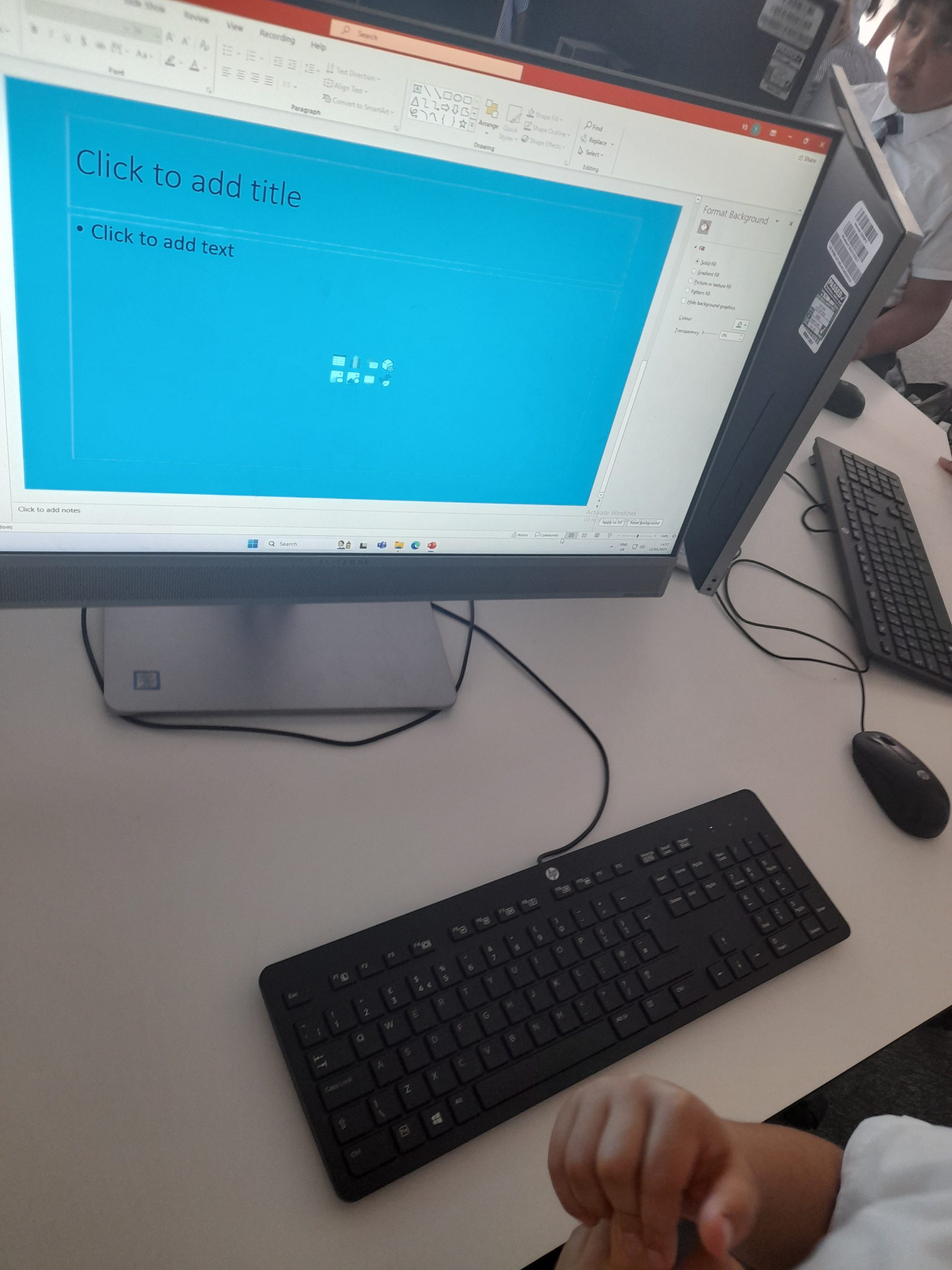
Year 3 spent their computing lesson focusing on the basics of using Microsoft Powerpoint by creating a fact presentation on an animal of their choice. Children needed to use different fonts and colours when creating their title slide and when inserting their facts page. We then looked at how to insert and edit images linked to their hobbies. Children used the insert online pictures features, searched for their image of choice and inserted it and then edited the size to allow it to fit into the slide.
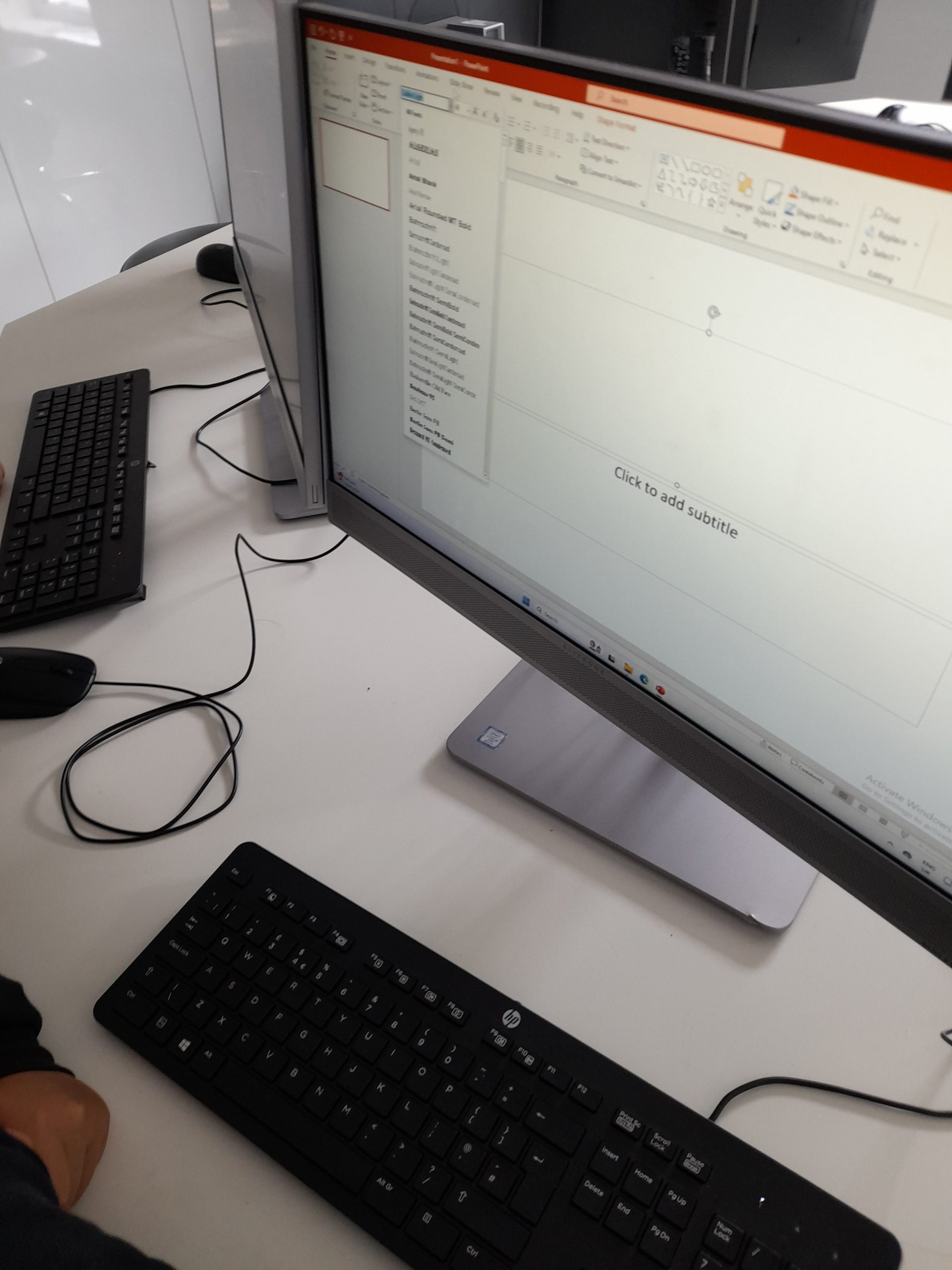
51
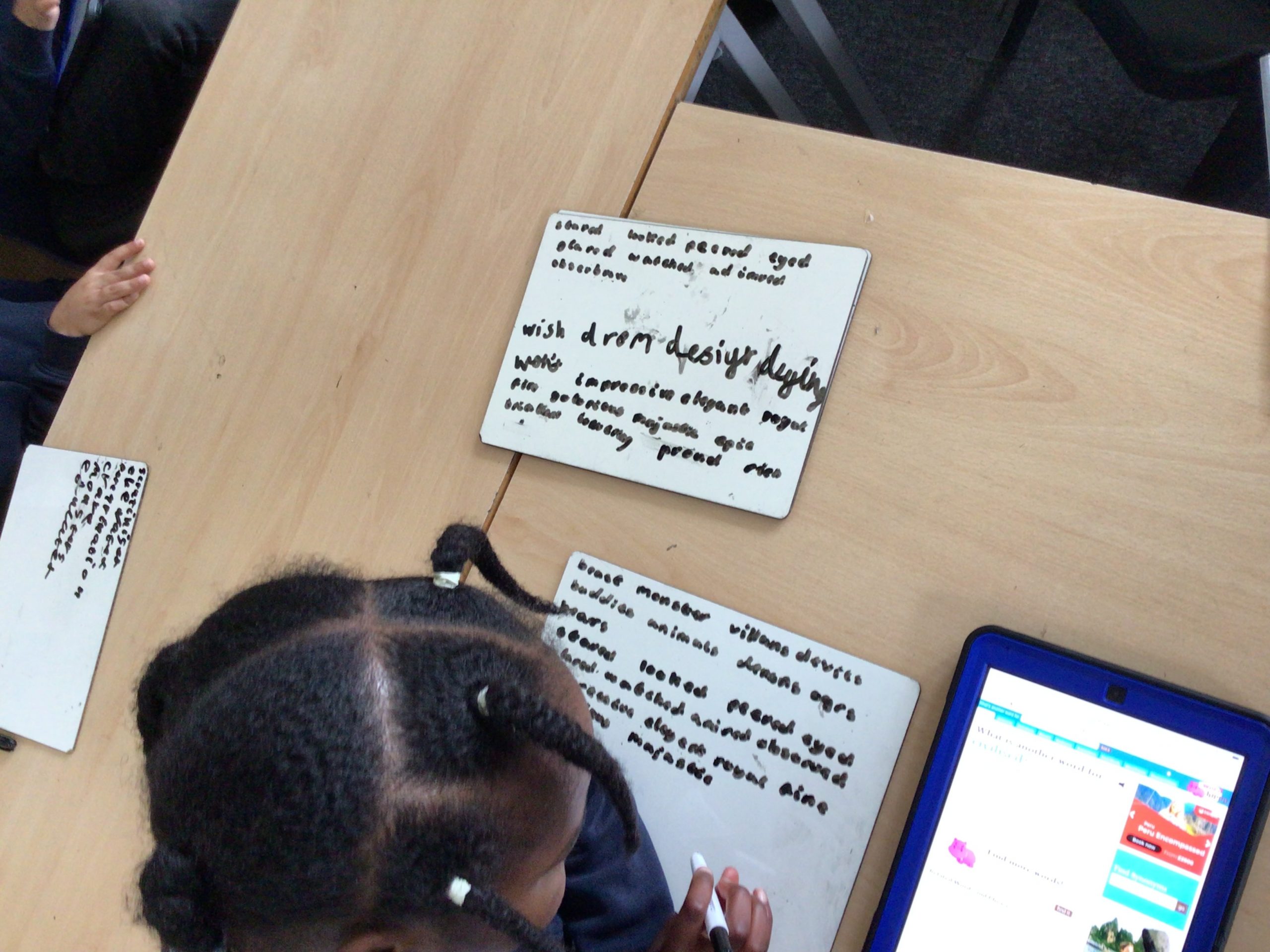
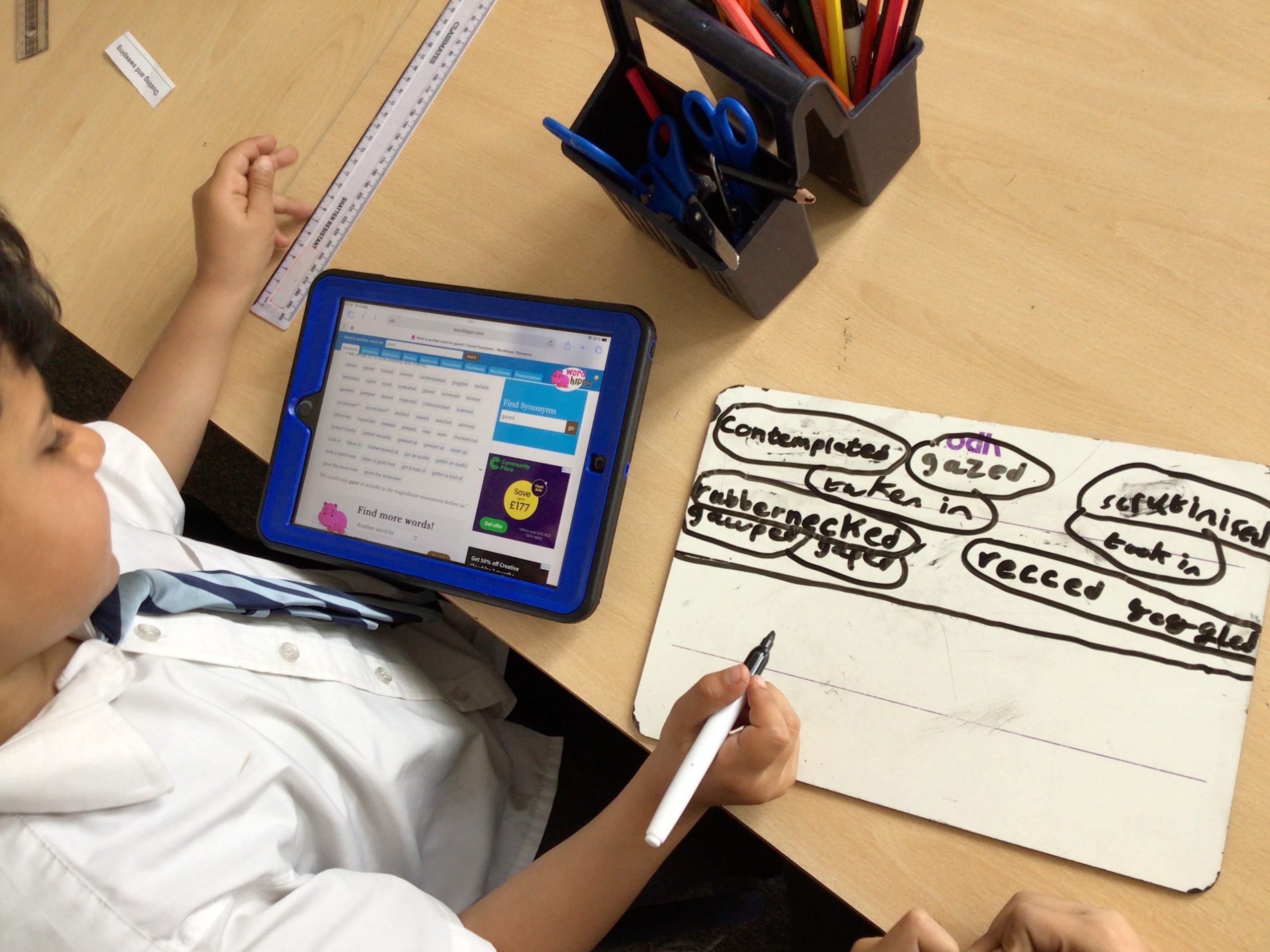
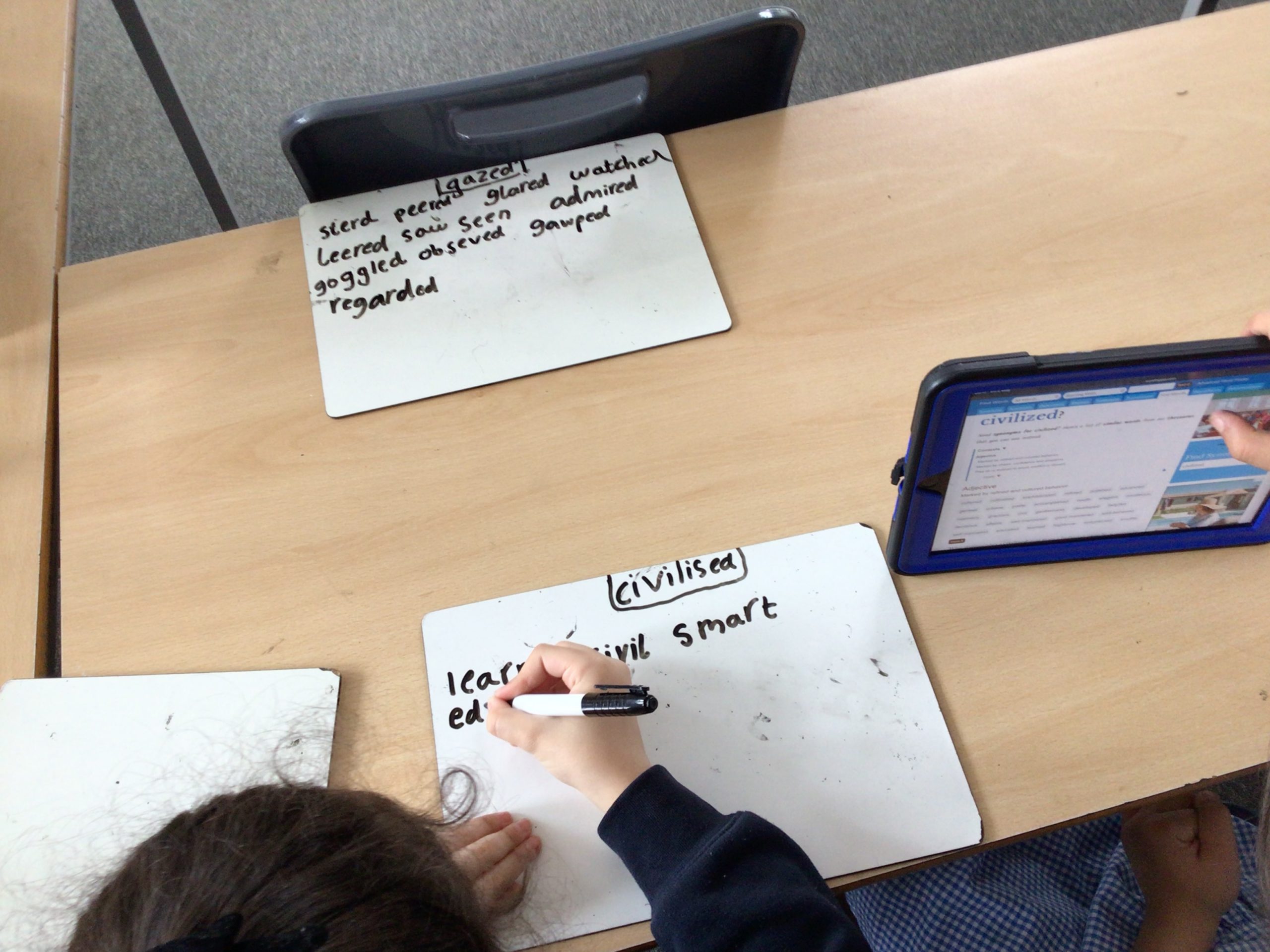
This morning we focused on synonyms for the 6 words we have been looking at in Jemmy Button – voyage, magnificent, civilised, year, gazed and savages. We then recorded the best alternative words to use in our future work.
88
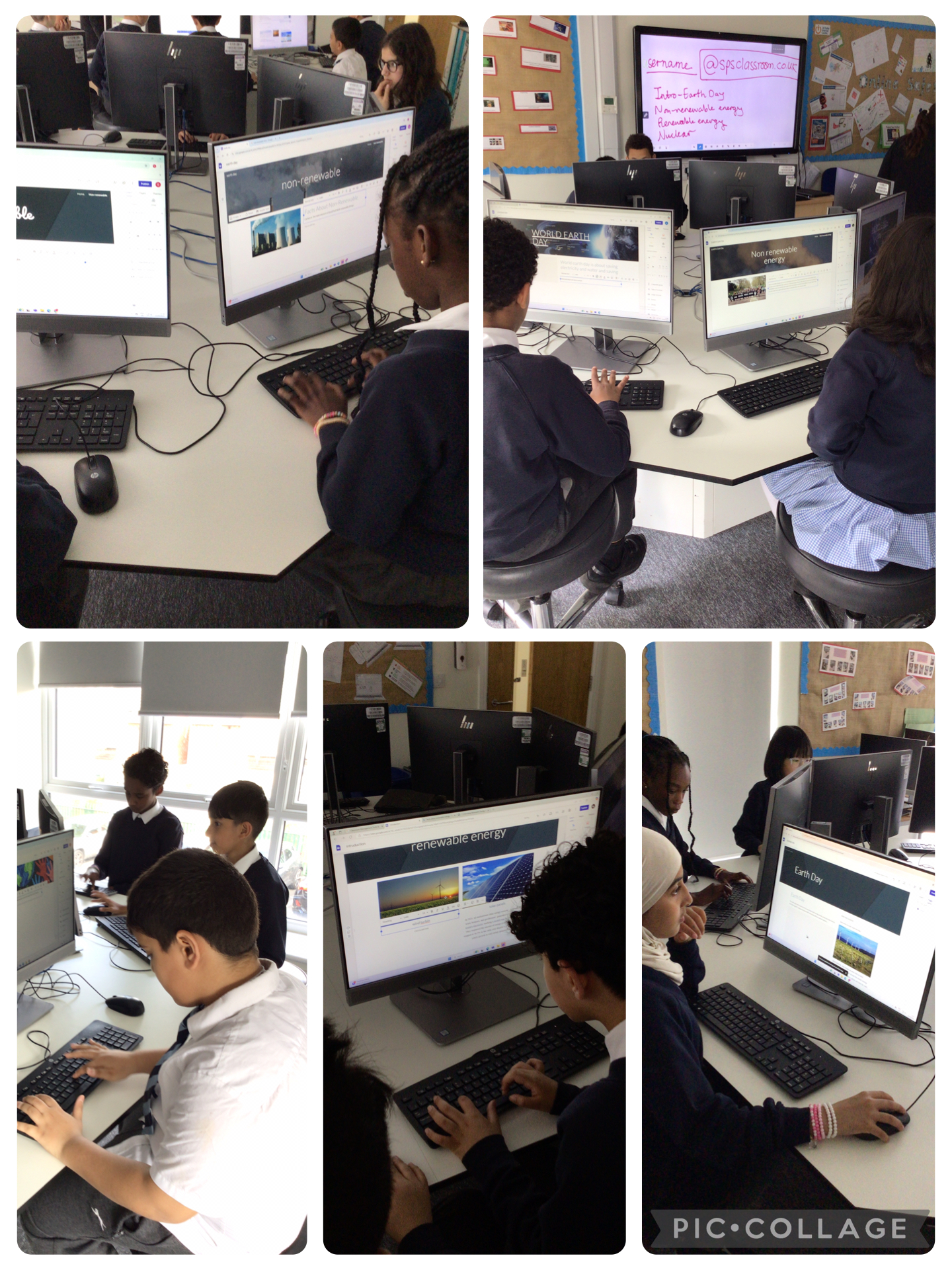
Today we learnt about renewable resources and what we’re hoping for, for the future. We made websites to promote our ideas especially since it’s our future! 
Year 6 continued to look at using python coding with the focus today being on understanding what variables are and how to create and update variable. Children created code to be able to get a turtle to draw different sized shapes by asking a question ‘How many sides?’ Children inputted different numbers to get different shapes draw on their screen.
80
We are getting better at coding : inputting instructions and steps to carry out a design task.
74
Year 6 investigated how long it took a range of biscuits to dissolve in warm liquid and presented findings using graph software.
89
Year 5 continued to look at how we can program a Micro:bit. The focus today was being able to use inputs, loops and conditionals to create a reaction game. Children created a reaction game by programming a ‘Sprite’ to move left and right on the screen, when the ‘sprite’ was in the middle and they pressed the A button they scored a point, if it wasn’t in the correct spot the game restarted. We then discussed how we can use the pause button to help increase/decrease the difficulty in the game.
62
Children continued to look at using python coding with Edublocks, this lesson we focused on how we can use the repeat loop, colours and movement draw a shape and use that shape to create a pattern. We also looked at how we can use a variables to create different colours to allow a colour change everytime a sequence has been completed.
77
Year 6 continued to look at using python coding with Edublocks, this lesson we focused on how we can use the repeat loop, colours and movement draw a shape. We discussed the importance of using the angles in the turn section to be able to draw different shapes.
75
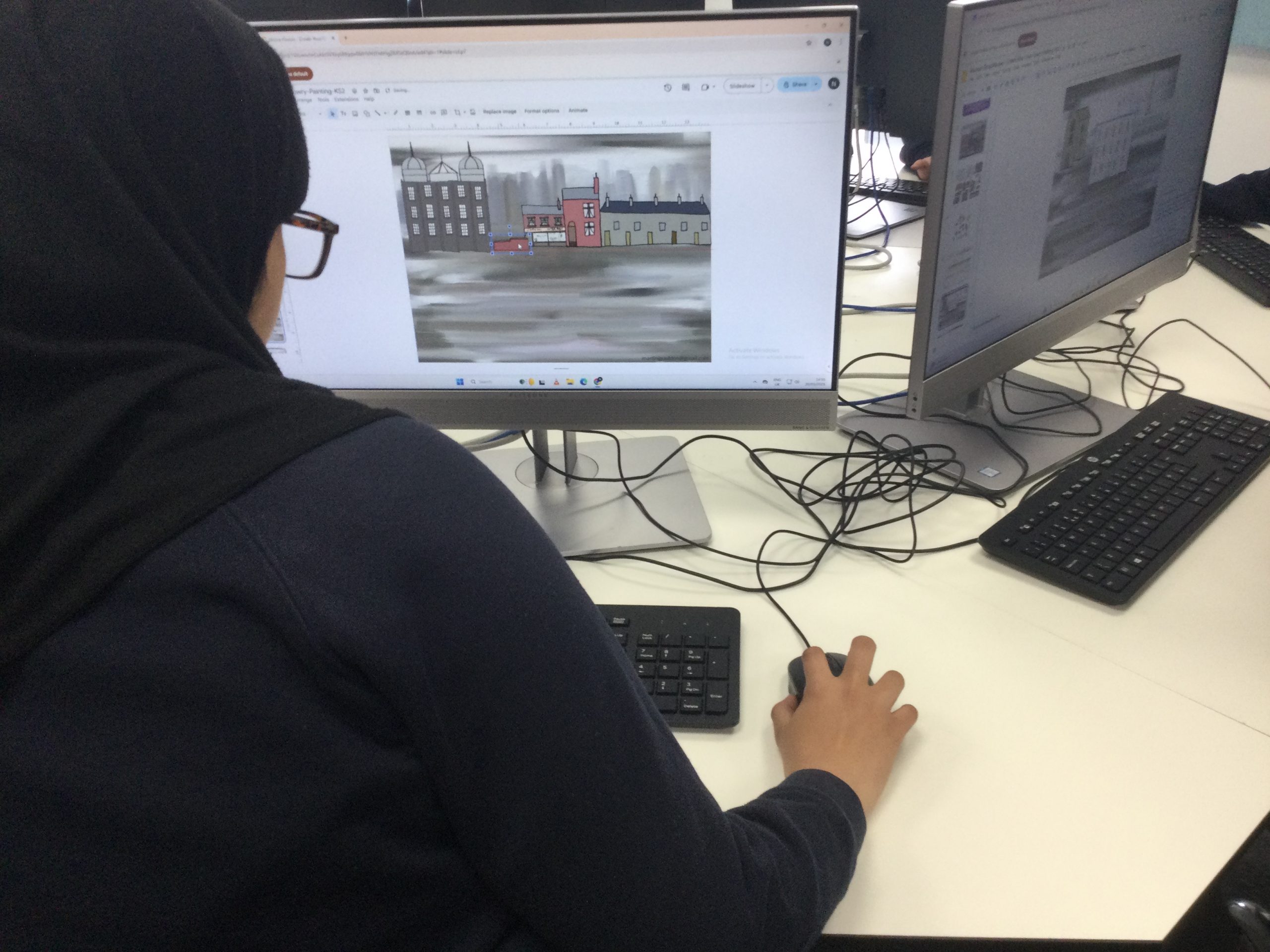
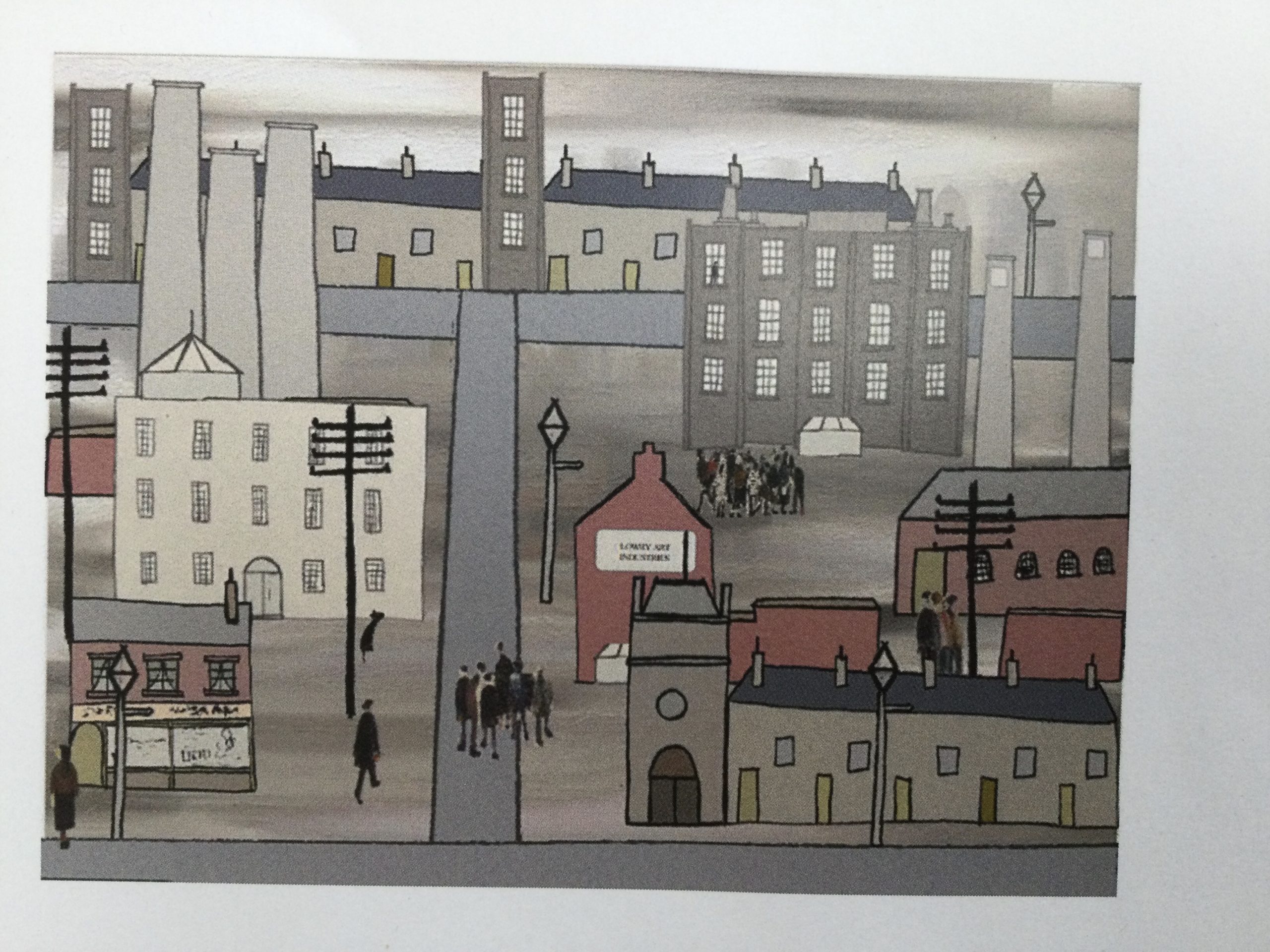
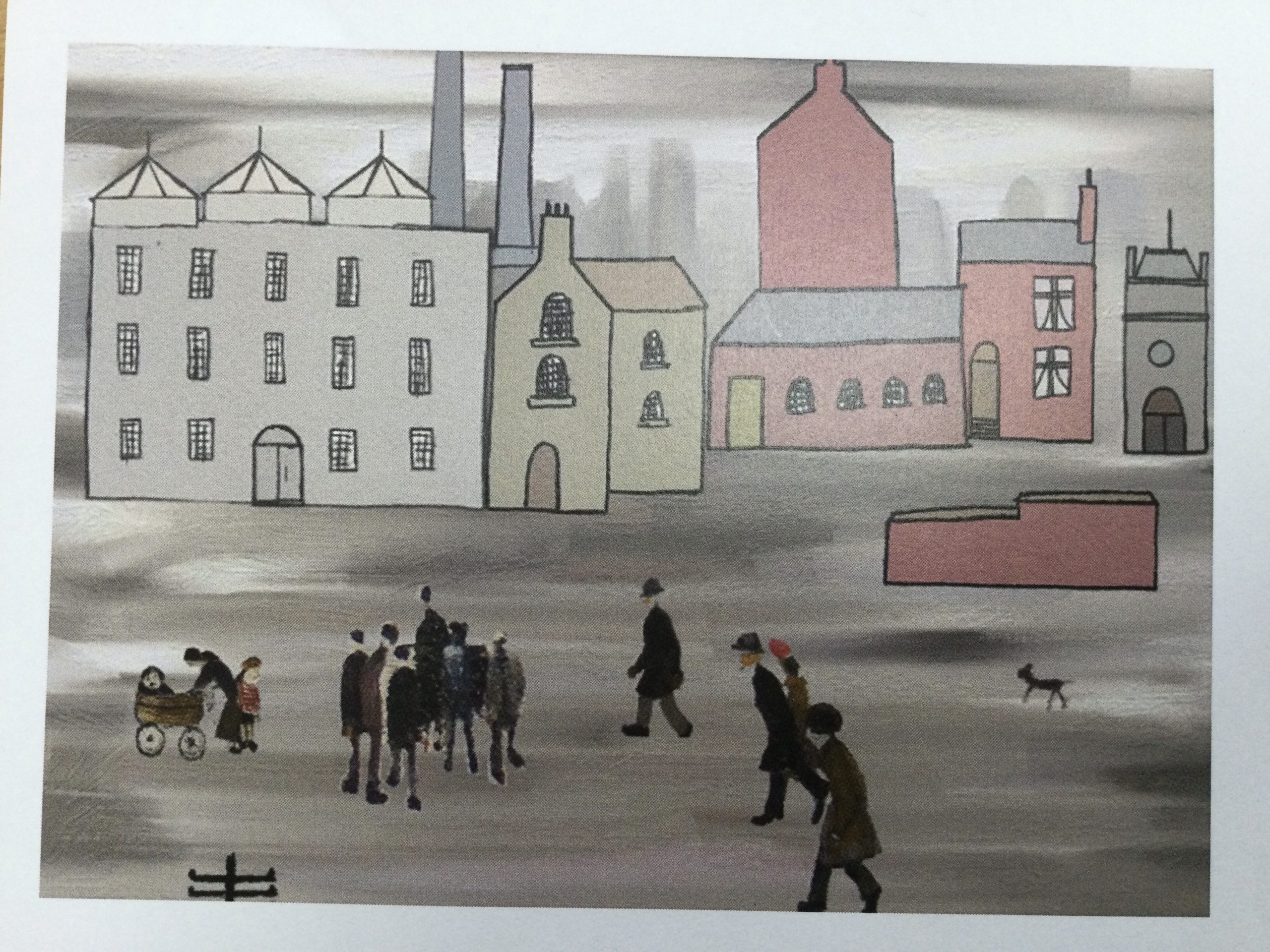
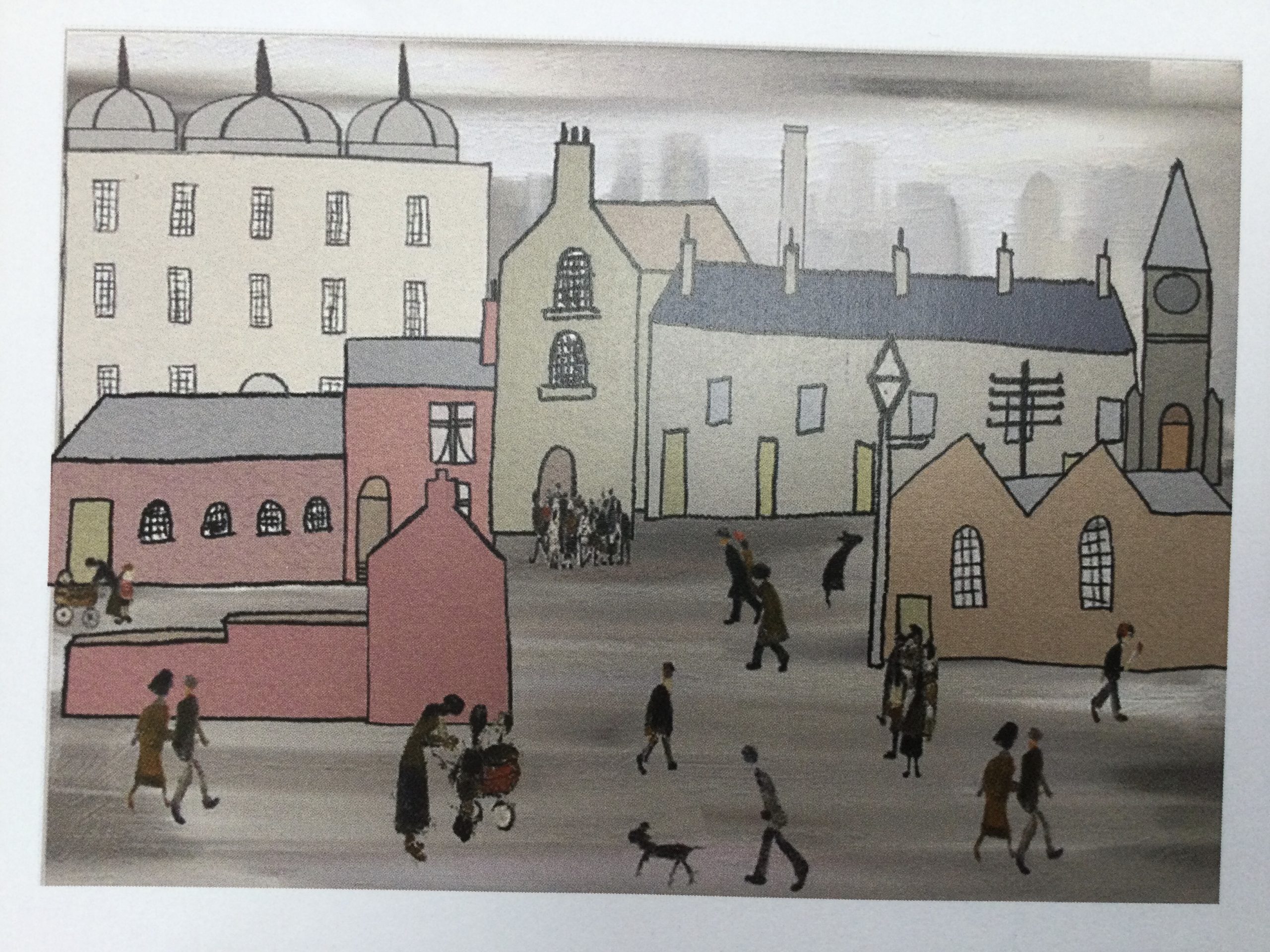
What an amazing start to our art project. The children created their very own paper and then decorated it. Next in our sustainability art project is to up cycle clothing. We can’t wait for the outcomes.
496
Year 5 were introduced to Mirco:bits. We focused on being able to use the string block to display text and coded the LEDs to display different animations. We then looked at how to download our created code to a microbit.
67
Year 6 looked at what Edublocks is and how python coding works. Children were introduced to how we can code different elements of the program. Children created a program to allow a ‘turtle’ to draw different patterns and change colour.
78
This half term Year 4 have been focusing on what pixels are and pixel artwork in their computing lessons. Children looked at how the amount of pixels can impact the quality of images, how we can use binary code to create different pixel images, explored how to create pixel images and used their knowledge of excel to create a pixel based image of a mosaic that they created.
60
Today we learnt how to keep ourselves and others safe from scams. We learnt what phishing meant and how to look out for it!

We spent some time learning to recognise fake profiles, keeping passwords safe and identifying and knowing how to react to scam emails, pop-ups and text messages.
103
We explored scamming, what is meant by the word phishing and identified how to spot phishing scams such as spelling mistakes, suspicious email addresses, and personal information requests.
63
Year 3 explored inserting and editing images on a different program. Children were tasked with using powerpoint to create a picture presentation on Animals including humans. Children used ‘search from web’ feature to find pictures of different animals, they then used the colour correction tool and artistic tool to change the appearance of the image.
56
Year 4 designed their Roman inspired mosaics using technology before creating their own paper version.
We’re very excited to create our mosaics next week using tiles.
86
Year 3 were so excited to resume their computing lessons. This term, the children will be leaning how to find, save and edit photos. The children enjoyed searching for photos of different animals and adding a filter to them 🐶🐱🐻🐰🐤
510
An amazing Mario Kart tournament to celebrate the holidays!
We have been working on our barefoot computing skills. We followed patterns and created our own for a partner too
63
For our PSHE lesson we are celebrating differences. In previous weeks we have spoken about racism, bullying and rumours and now we are researching a range of countries and what their culture looks like.
Year 6 recapped over what we had been creating last week. Children ensured their code worked for moving their spaceship and ensuring their laser would move when space key was pressed. Children then inserted ‘power-ups’ to add extra time and lives and then used conditional statements to get them to work in their game.
95
Year 5 built on their knowledge of Variables with the focus today being on using a Score and timer variable. We created a quiz program were children had to get a Sprite to ask a question and using a conditional else statement they were able to code the correct and incorrect answers. Children then coded the ‘stage’ to begin the timer for their quiz.
87
Year 5 looked at how we can use variables in programming. We discussed as a class what variables are, providing examples and how computers can use them to store information. We then moved onto create a program on Scratch recapping how we can use different events and movements on characters and included a timer variable.
85
Year 6 have been starting a new project on Scratch. Children have begun to create their own space invaders game. Yesterday we focused on laying the ‘foundations’ ready to start coding during the next lesson, children designed a different series of backgrounds in order for a program to broadcast a message.
509
Year 5 started a new topic using Scratch. Today we focused on conditionals and how they are used. We discussed as a class what a conditional was and how we can use ‘If’ statements to give our programs a condition to work in. Children then created a program to get a character to move using the keyboard and pick up a ball when they reached it.
89
We are loving our photography work in computing! We are getting so good at taking pictures and recognising when we need light, dark, flash, close ups etc
69
Year 3 really enjoyed this weeks computing lesson. They all love using scratch to code and create their characters.
433
This week year 3 have their computing lesson consolidating the coding that has been covered over the past few weeks. We have managed to get two characters to move separate ways by using different events and different motion blocks, we then introduced repeats and how we can use these to keep our code nice and tidy.
85
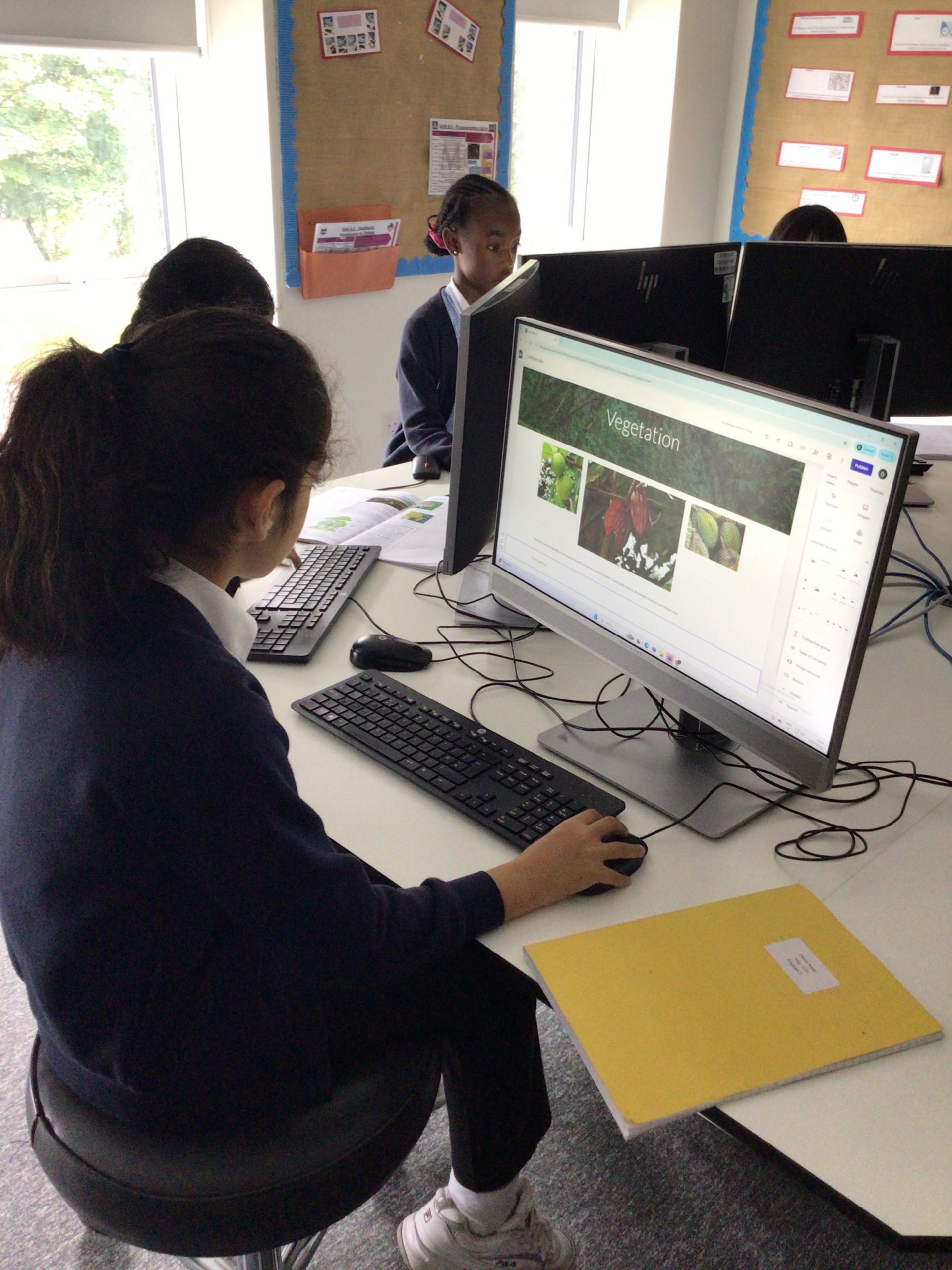
In Year 6 today, we combined our learning from Geography and English by using our computer skills to present the information we have discovered into Google Sites to create our own web pages.
156
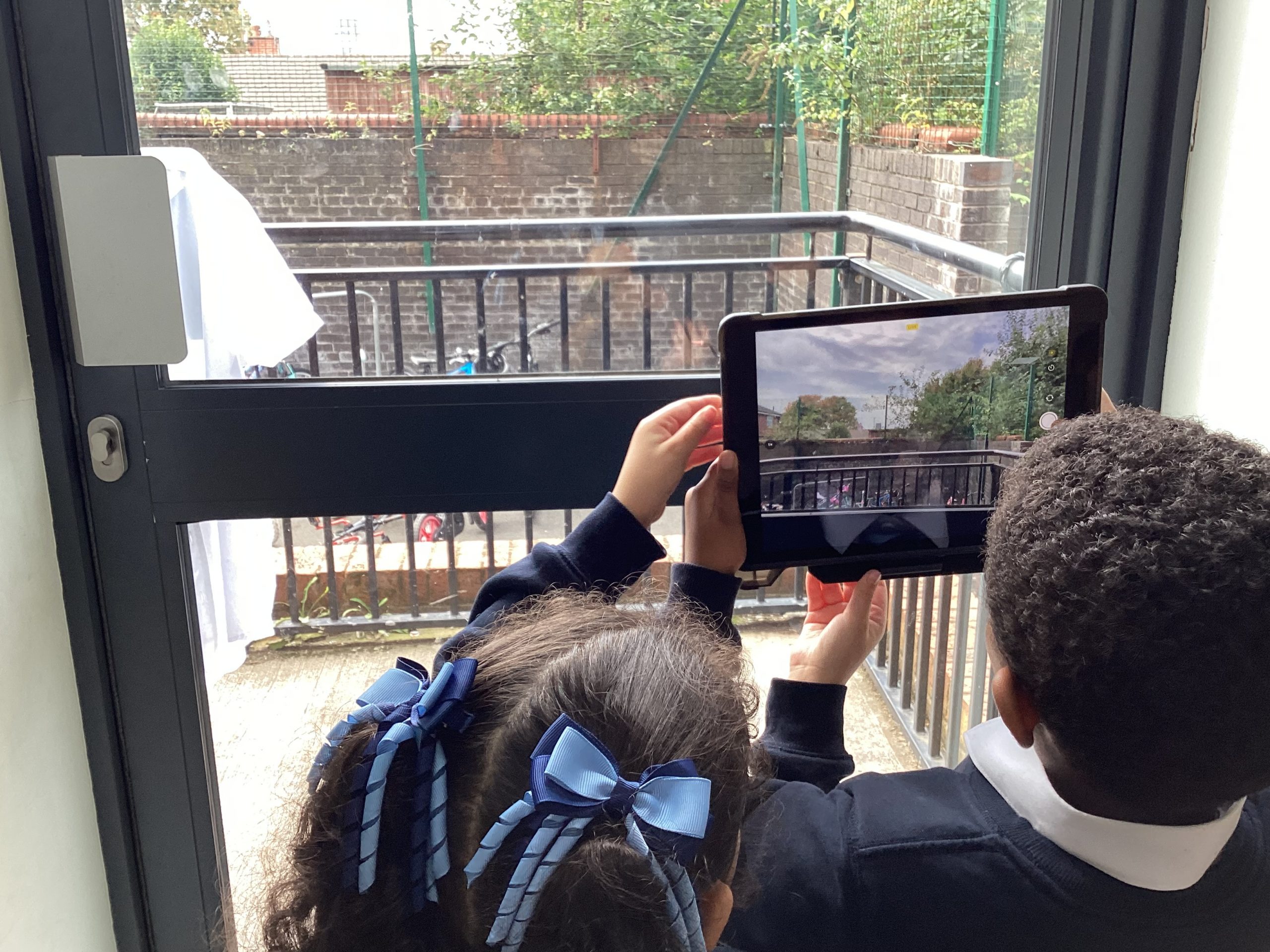
This week we have explored using portrait and landscape when taking photographs. We identified when it was better to use portrait and when it was better to use landscape. Great work Year 2.
76
On Thursday afternoon children continued to create programs using repeat loops. This program consisted of using repeat and forever loops to allow a pattern to be created using the pen tool on Scratch.
93
Year 3 have been introduced to scratch. Children navigated to the website and created a new project. Today we focused on being able to create and insert sprites and backgrounds and then looked at how we can code a sprite to change costume when pressing the green flag.
78
Year 4 continued to look at how we can use repeat loops to benefit code. They focused on being able to use a repeat loops to get two separate characters to move in different ways, one moving when the mouse is moving and the other to move by itself and change direction when hitting a wall.
92
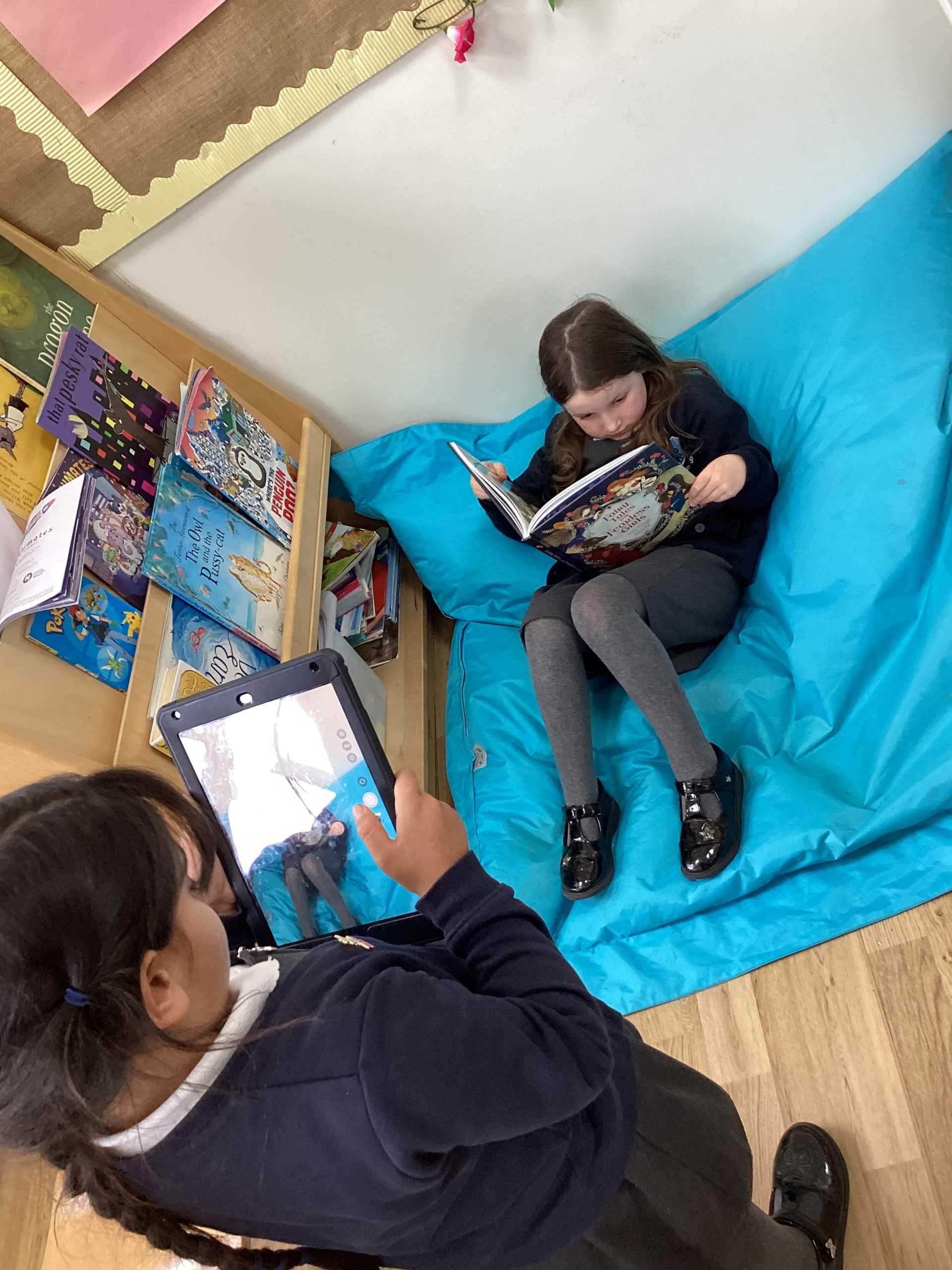
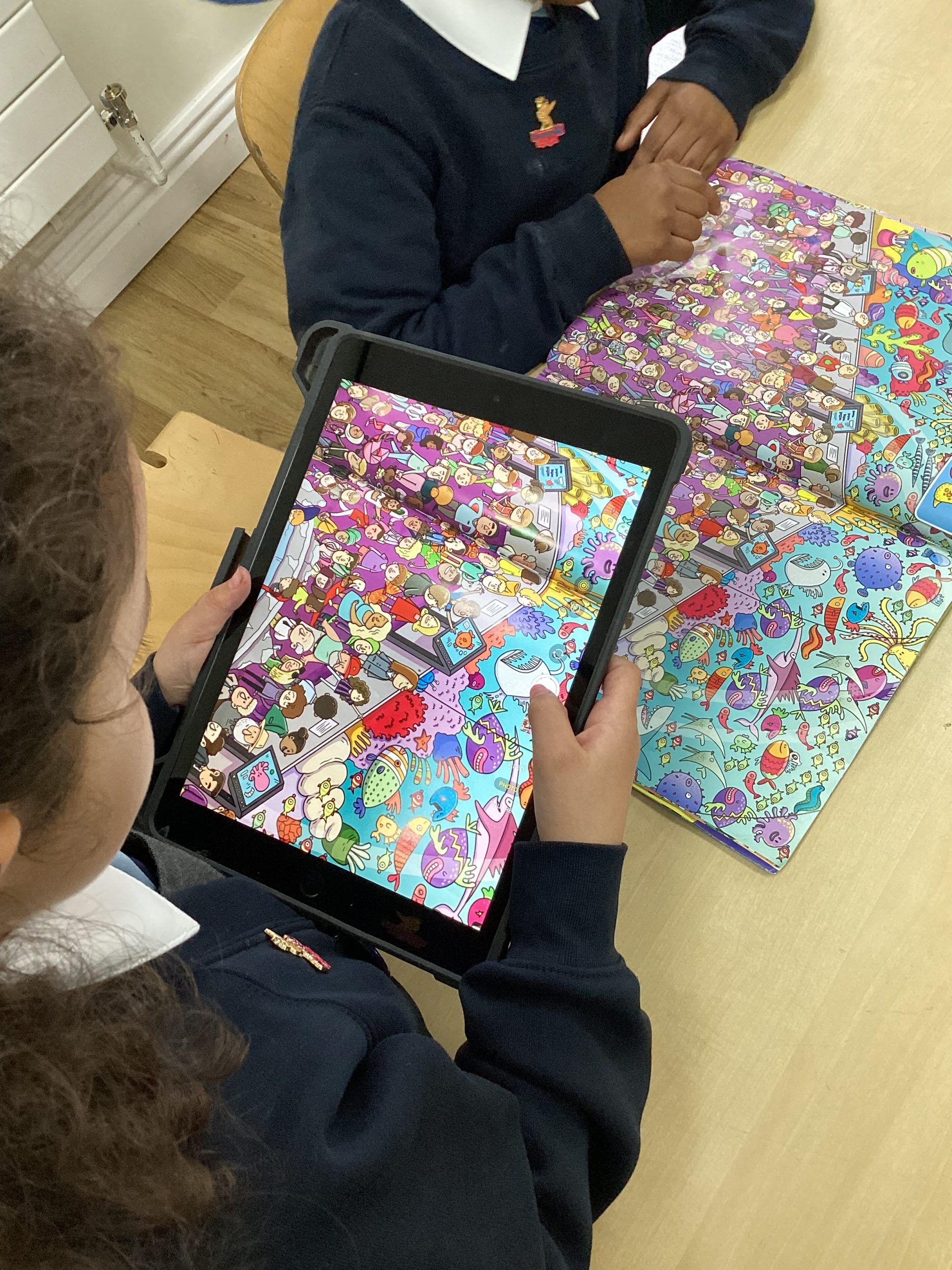
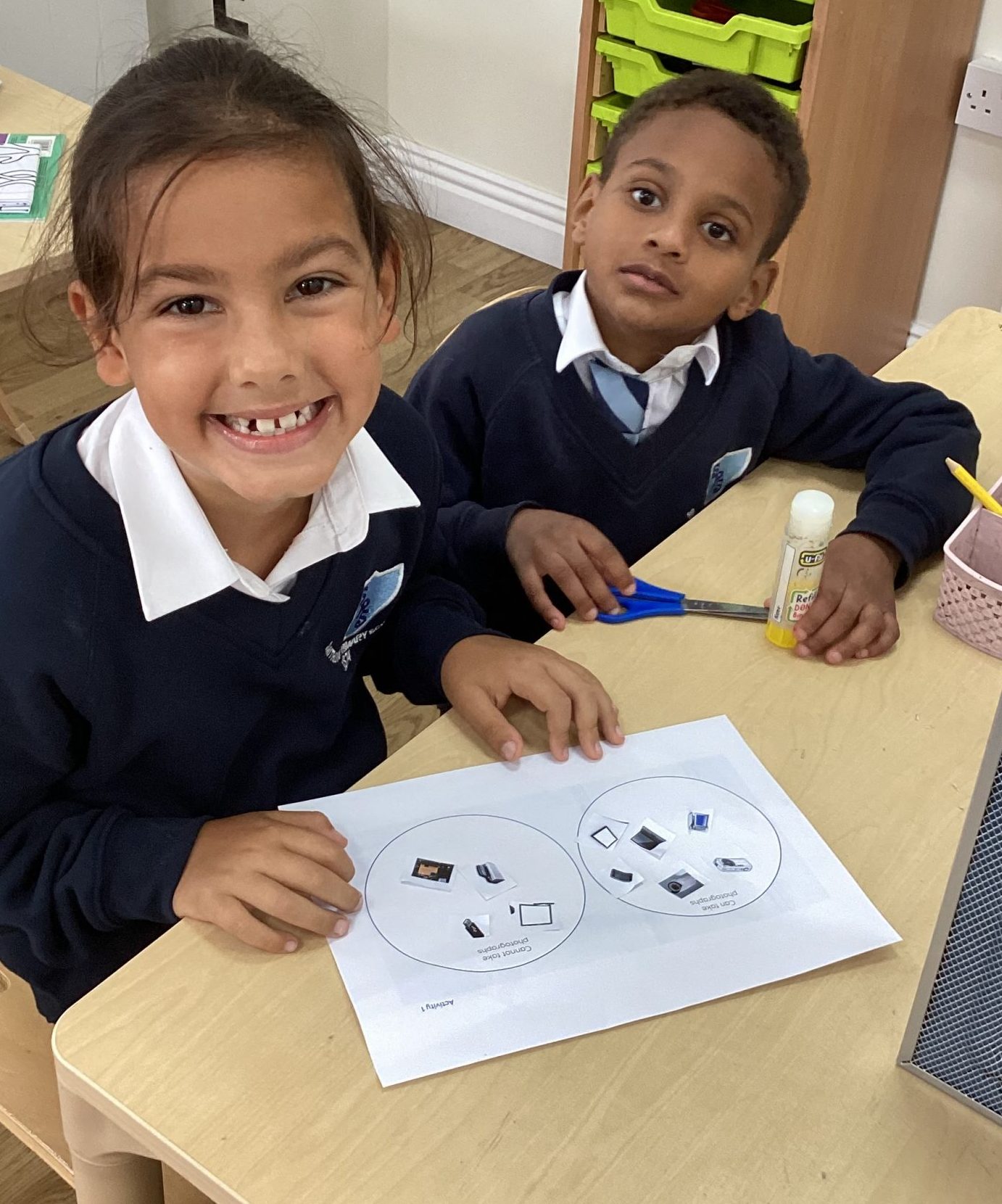
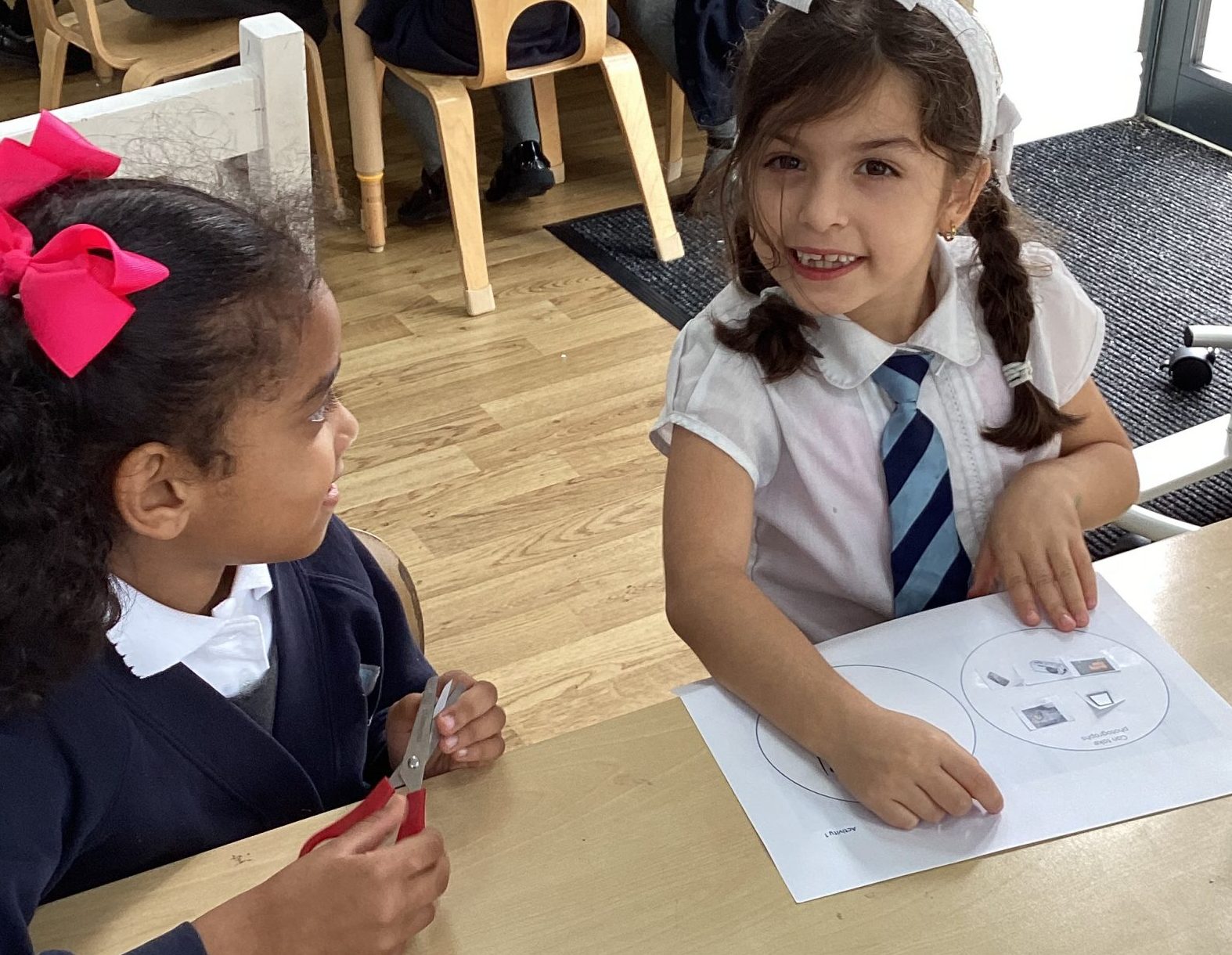
We have started our new topic in computing – photography! We decided which objects could take photographs before playing photography bingo. We took selfies, objects, close ups and action shots. We then reviewed our work and picked our favourite photographs.
423
A great afternoon in our computing lesson.
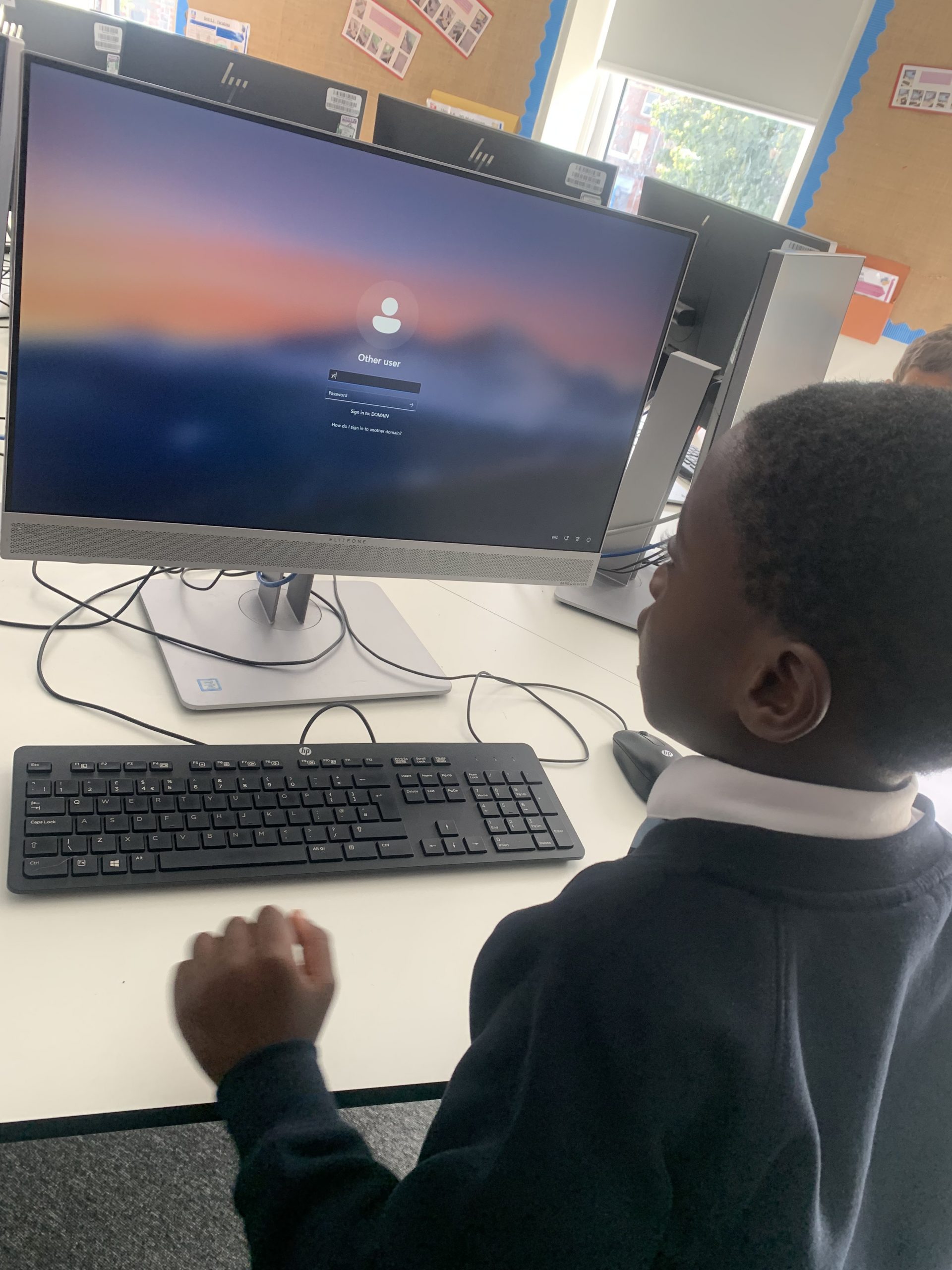
Today, the children used the IT suite and developed computing skills by logging onto the computer, opening a website and paying a coding game, ‘Rodocodo.’ Mathematics and direction skills game into play when deciding how many jumps their character needed to make. The children really enjoyed this.

In Year 2 we have discovered Blooket and we can’t get enough! We’ve used it to test our times table knowledge this week (as well as lots more too.)
487
As part of our Geography topic we are comparing Kenyan villages and cities with Liverpool. We are making pic collages in computing to depict life in each area. On Thursday we made our Village posters of Maasai. Keep your eyes peeled for more next week as begin to compare and contrast in more detail,
478
Year 6 this looked at PEGI ratings. We discussed as a class what PEGI ratings are and why they are used. We looked at different types of PEGI ratings and how the company decide different games the ratings. Children then used Canva to create an informative poster on PEGI ratings.
101
What are age ratings? How do they apply to us? What do they mean? Where are they used?
469
Year 6 has spent the last few weeks investigating social media. Children have spent sessions investigating the different types of social media and how you can access features of them in a range of ways. Children picked some different examples and created a pros and cons list about each one.
101
We created posters on Word.
We shared our favourite animals, changed the font, colour, size and style and even added images too,
Amazing work Year 2
521
Today we explored the bold, italic and underlining tools (as well as recapping our knowledge of fonts, colour and size.)
86
Year 3 have continued to look at Altering media. Children recapped how we can edit the photos to change its appearance. They were then set a task to use a photo editor to change a bright image of a forest into a dark and ‘gloomy’ one.
97
Year 2 have started to usePowerPoint in Computing. We have looked at how to add text, change the font, colour and size. We also started to change the theme.
88
This afternoon Year 3 continued looking at Altering Media, the focus today was being able to edit pictures to change their appearance. Children used Flickr to search for images linked to Italian food, then using the edit feature in Microsoft Photos children needed to change the appearance of the photo by changing the position, adding in filters and making other adjustments.
99
Children have built on their knowledge of coding in Scratch. They have created a program today using repeat loops, controlling a character with a mouse as well as including a Score variable.
100
Year 3 continued their new unit Altering Media. Today we focused on the importance of using the correct style of images when making a collage of pictures to advertise a place. We used Google images and Flickr to get a selection of images to advertise Italy. We discussed the importance of picking the correct type of image ensuring the brightness was correct and it demonstrated the features wanted to show.
96
Monday afternoon Year 3 started their unit focusing on media and photographs. Children spent the lesson becoming familiar with how to correctly take a photograph. We created a checklist on the best way to use the camera on an iPad and children then spent the lesson taking a range of images.

Year 5 continued to look at how we can use variables in our programming. Children created a multiplication quiz on Scratch including variables for scores and a timer.
108
In the last two computing sessions Year 6 have been getting themselves familiar with Google Sites. Children have explored how to add content blocks, edit text and embedding videos. Children have then created a website about a topic of their own choice.
115
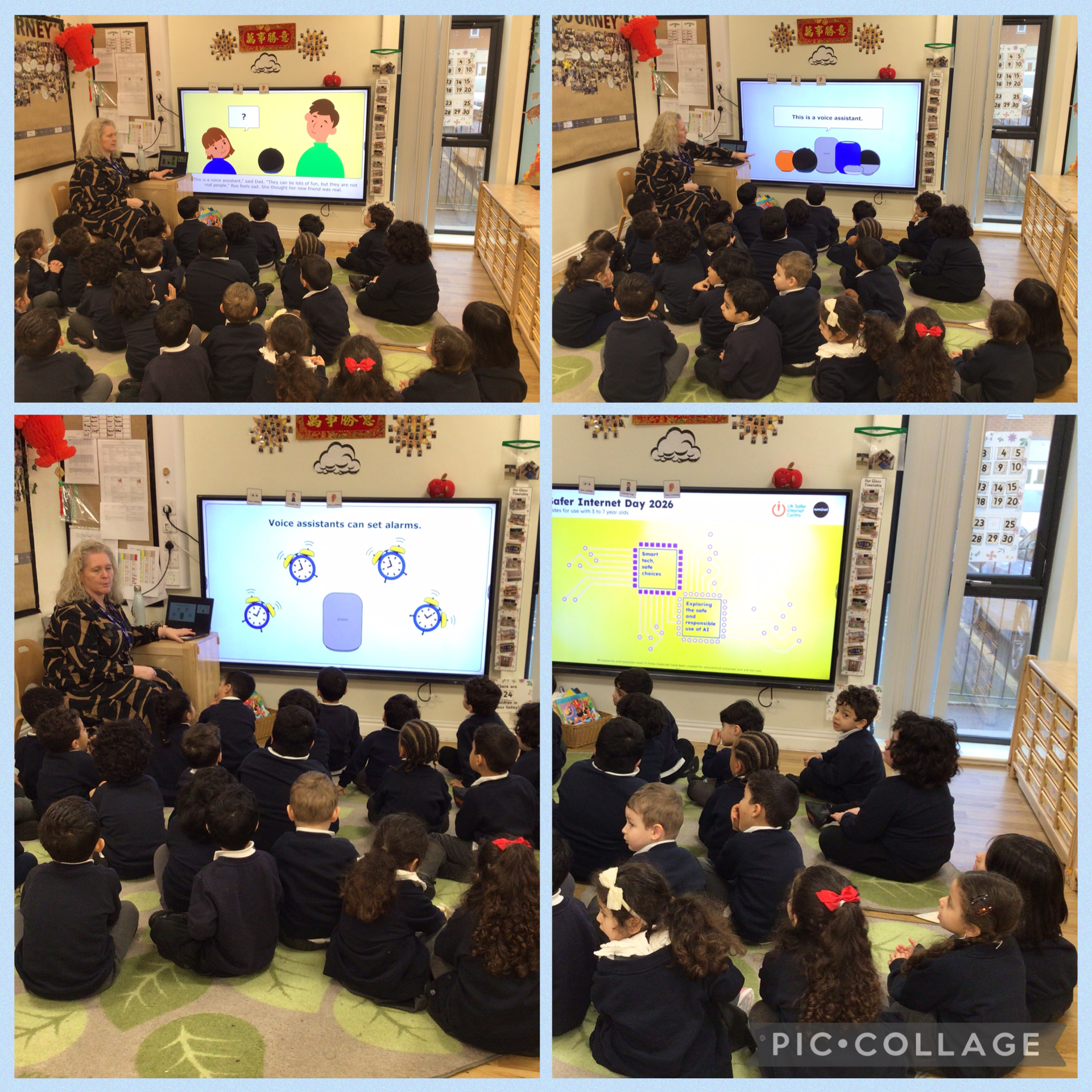
Year 6 are finding out about AI as part of their Safer Internet Day work.
How will AI change our lives?
116
This afternoon Year 3 have been using all the skills that have been developed over the past few weeks to create a pong game. Children needed to use repeat loops, If statements and motion blocks to create their game.
99
This afternoon Year 4 have been converting a mosaic into a pixel-style image. Children had to work out how they could convert the different sections into a 14 x 14 grid to ensure their design stayed symmetrical, children designed it onto a piece of paper ready to create a digital version next week.
102
This afternoon we focused on being able to use the wait block when controlling Sprites. Children used this block to get two Sprites to tell a knock knock joke.
95
This afternoon Year 4 have continued to build on their understand of how Pixels are used. Children used a website to recreate an image in pixel form. Children created it on paper first and then used excel to start to recreate their image.
107
Year 3 have continued to explore Scratch. Yesterday we investigated how we can use the x and y axis to get a Sprite to move to a specific location on the screen. Children were able to plot their Sprite to move to a certain position and then change costume
97
As part of our RE unit, we are finding out about mosques around the world and presenting our findings in Google Slides.
163
Year 6 focused on using python coding to make a Christmas tree. As a class we created code for a triangle to be drawn, focusing on the importance of our use of brackets and spacing between words. Children then used the base code to create a Christmas tree image, each section had to be a different colour.
123
This afternoon children have looked at how we can use a Micro:bit to create a multiplication game. Children needed to create number variables and then use multiplication to be able to get the numbers to multiply and together and display on the Micro:bit.
112
This afternoon Year 5 have continued to explore how we can code a Micro:bit. Today we looked at how to set and change the brightness of the LED lights on the Micro:bit when a button was pressed. Children then created code for it to display a sequence of different images.
119
This afternoon Year 6 have continued to look at Python coding using Edublocks. Today children used lists, logic, loops, variables, and math to get a “turtle” to create a pattern with whilst changing colours after a number of turns.
119
This afternoon Year 5 completed a coding activity on Hour of Code. Children used blocked coding to create images and animations. Children focused on the positioning of their shapes as well as inserting different blocks to make their code more efficient. Children then had to debug their code to makesure it works.
118
Year 6 this afternoon continued to look at Python coding. Children used If statements and variables to create a program that drew a shape in a particular colour by asking questions.
127
Wednesday afternoon Year 5 have continued to explore Mico:bits. Children used variables, If statements and Inputs to get a Micro:bit to play Rock, Paper & Scissors.
125
We reviewed our favourite photographs and discussed the impact the darkness or light had on our pictures #smithdowncomputing
114
In computing we took photographs in dark places. We then spoke about lighting, used torches and other light sources to improve our pictures #smithdowncomputing
111
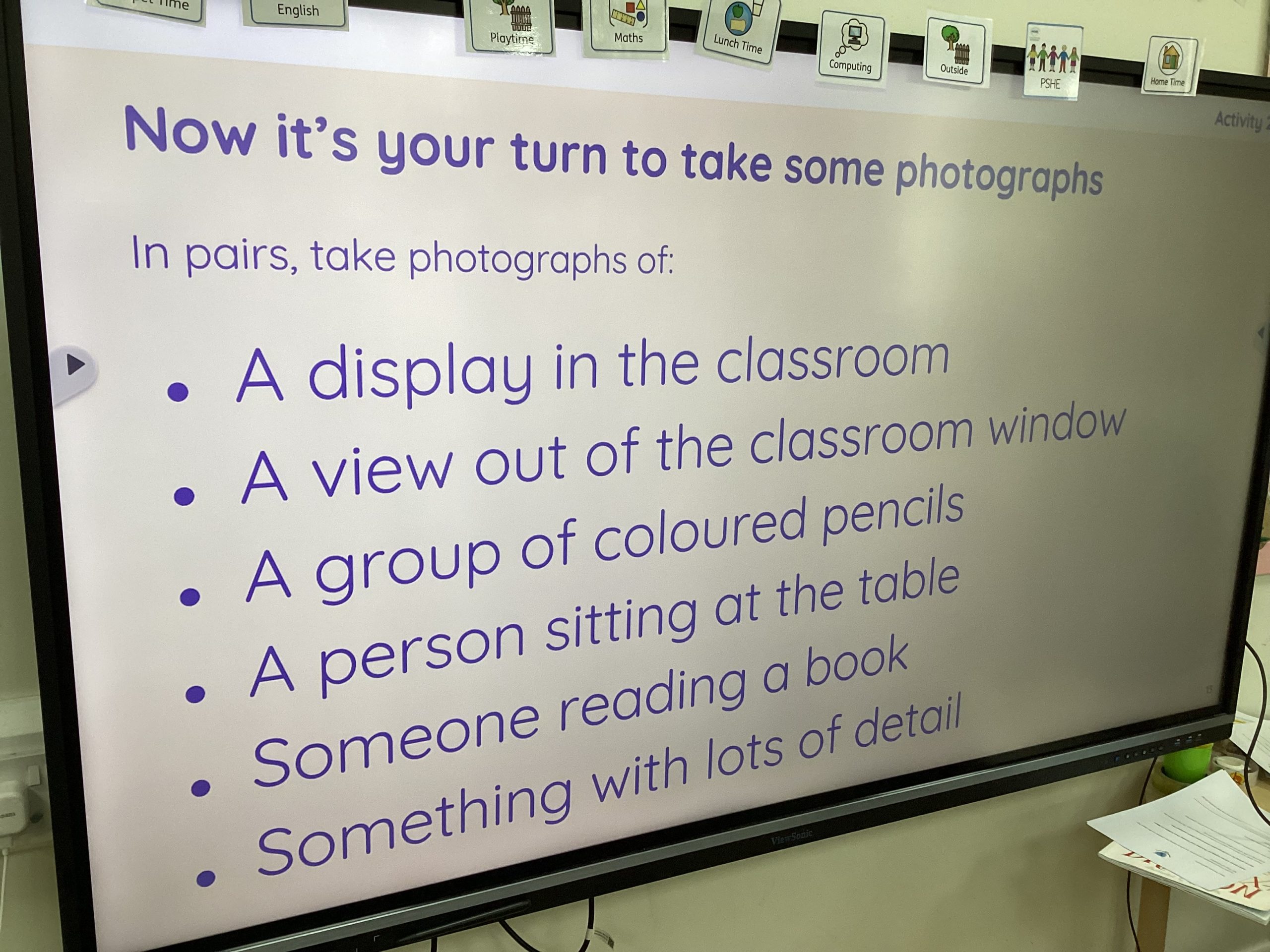
We are loving our computing topic – photography! Today we thought about what makes a good photograph and had to capture a range of different images using different criteria. #smithdowncomputing
119
We then went back to class and reviewed our work
115
We started our new computing topic and became photographers this week. We played photography bingo and experimented with different subjects #smithdowncomputing
109