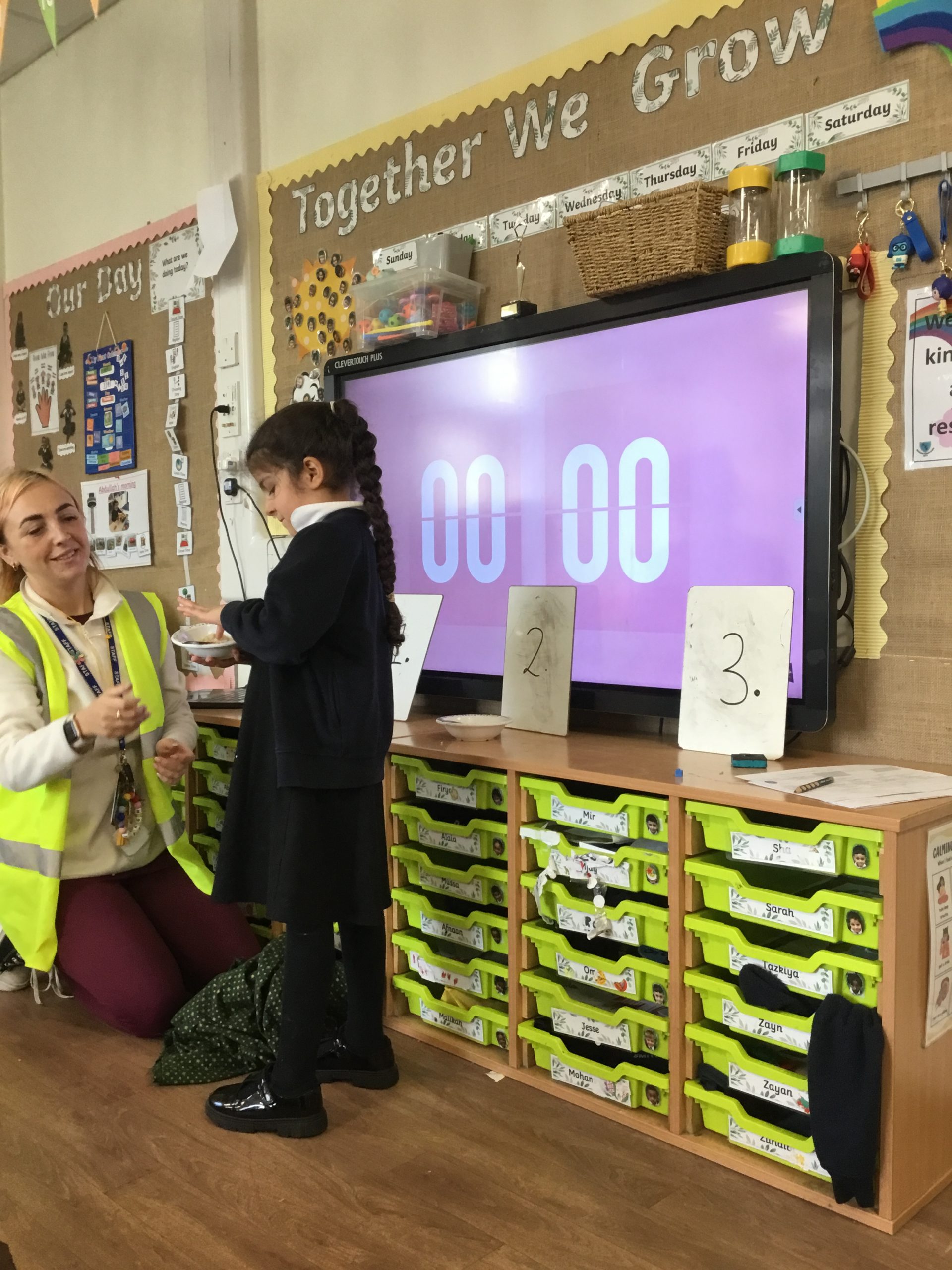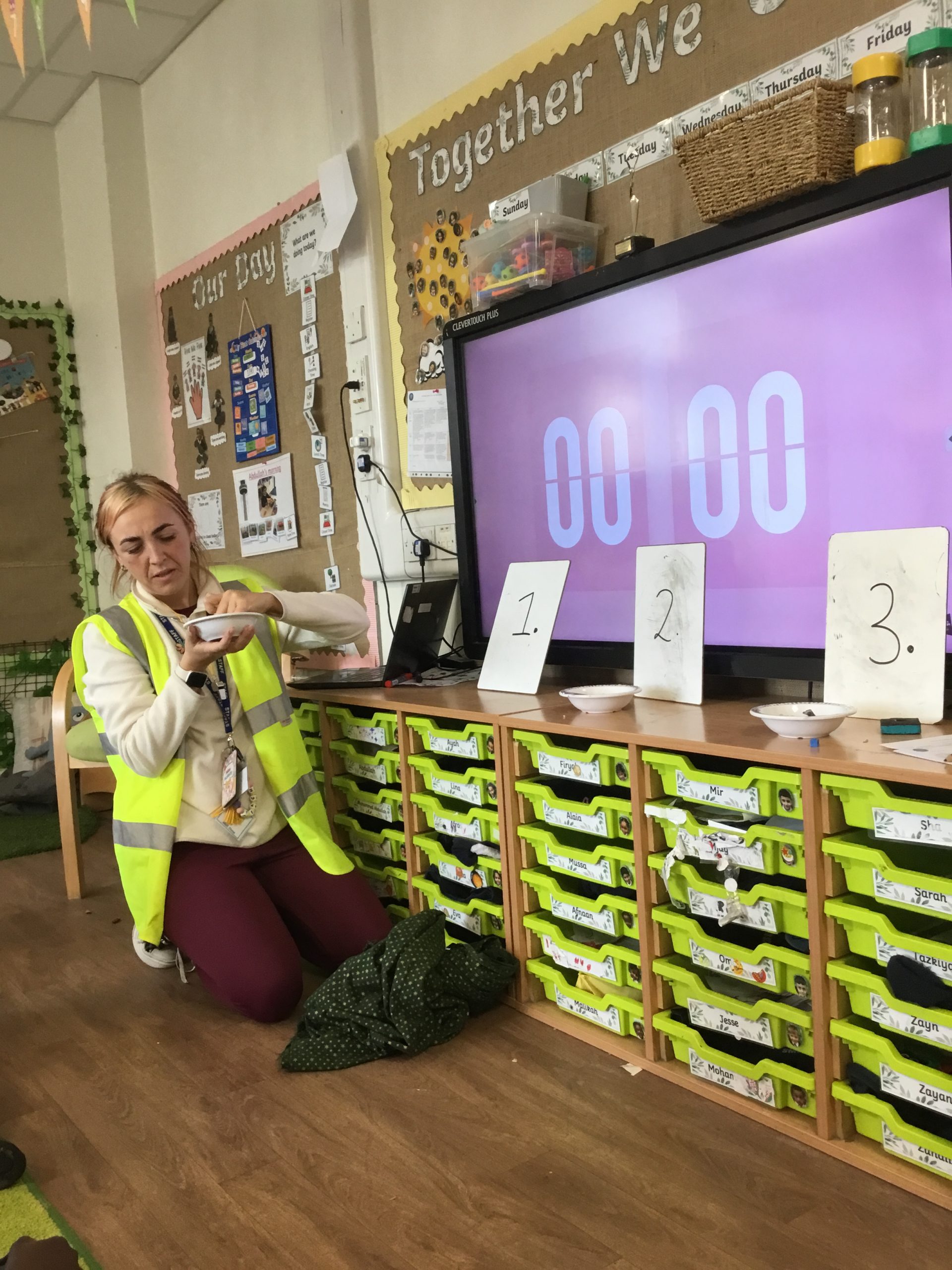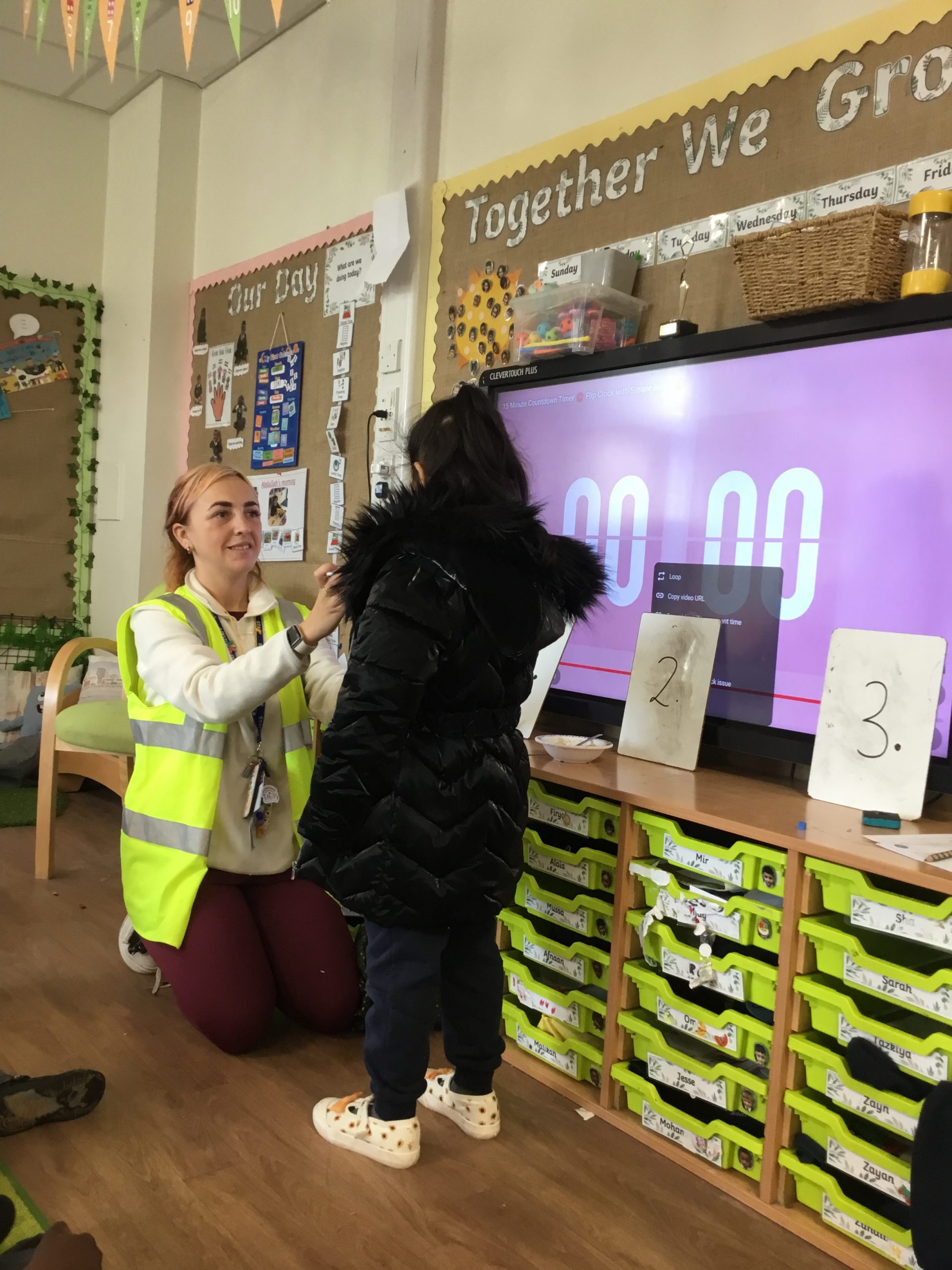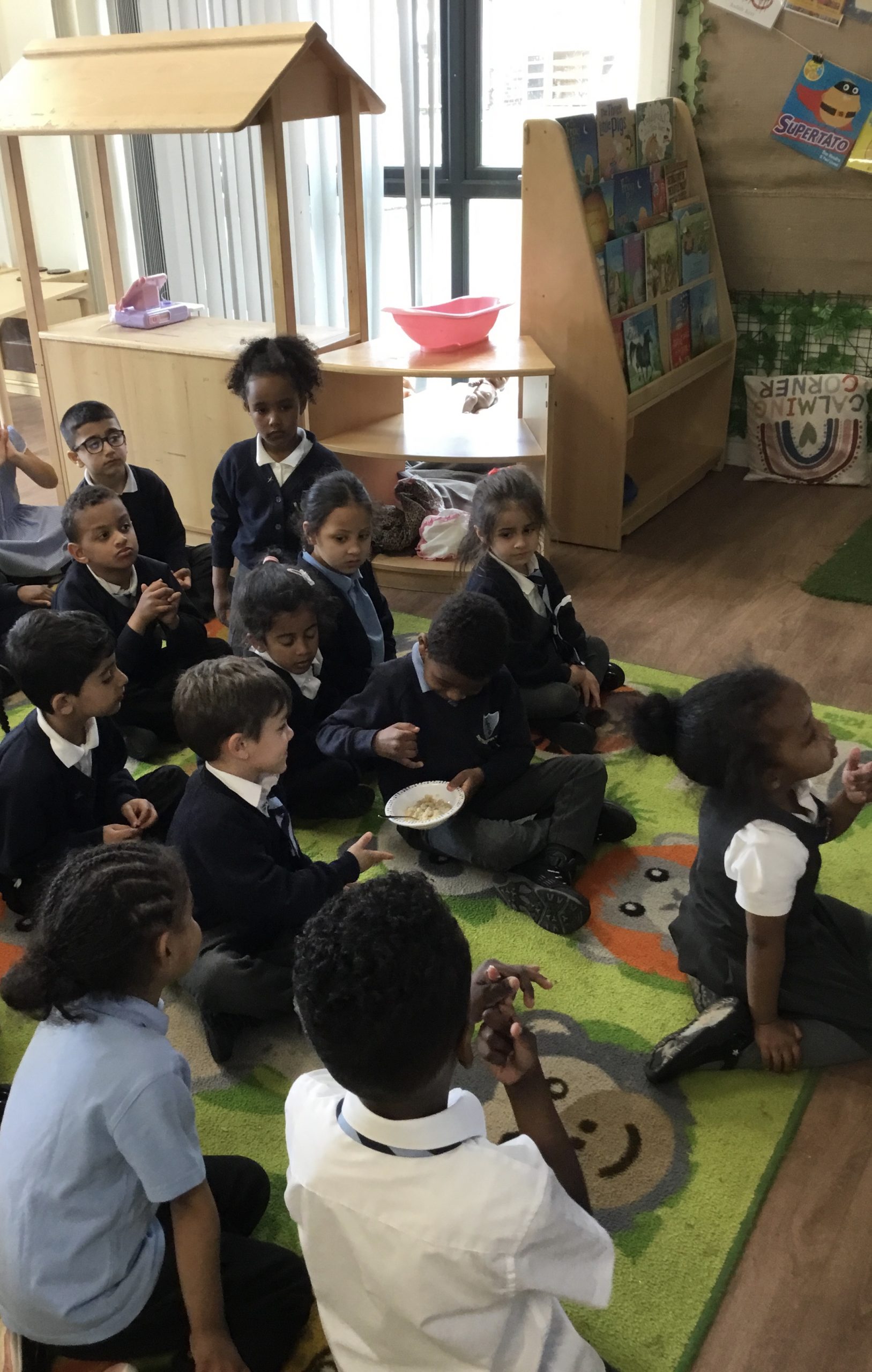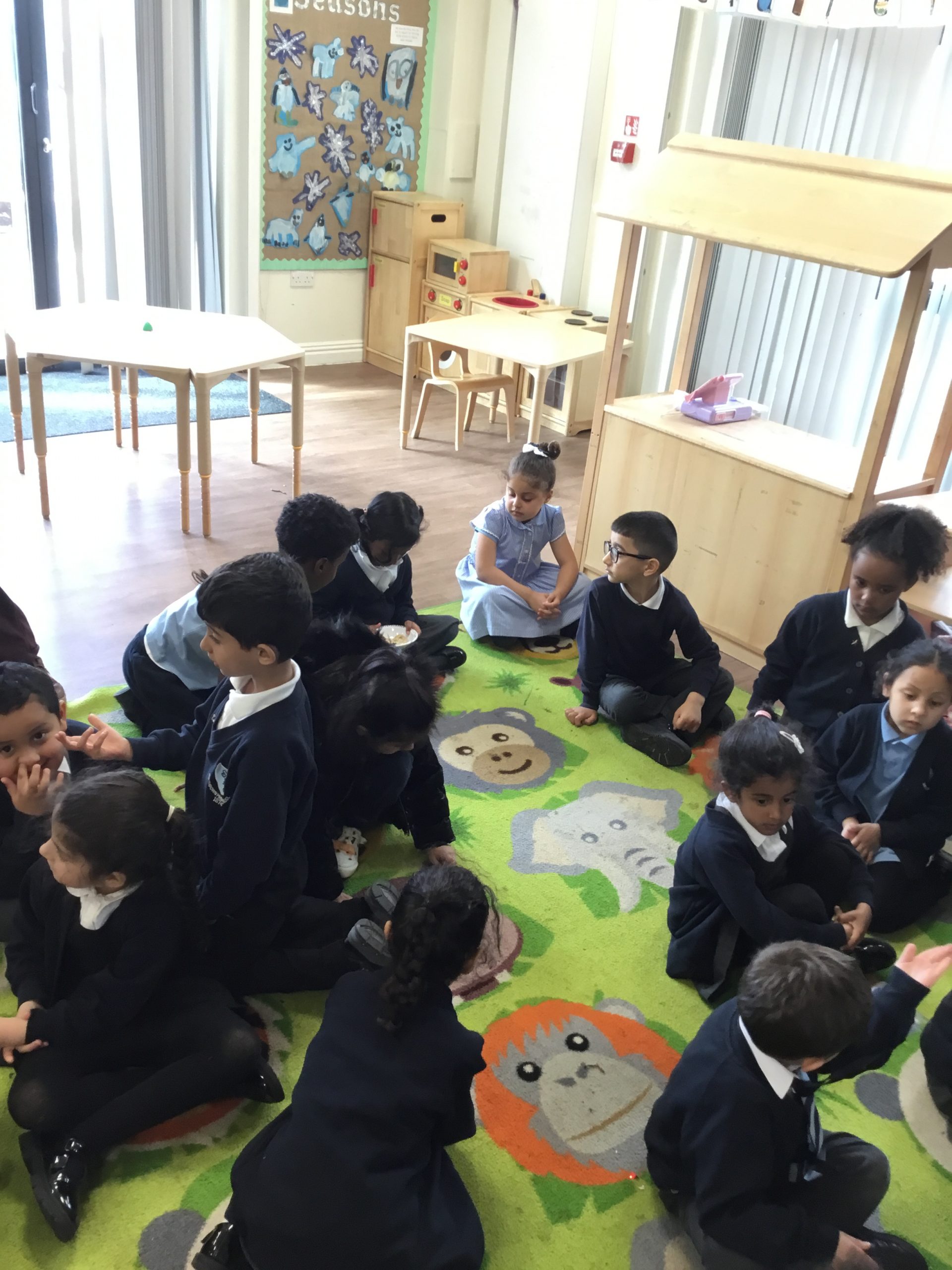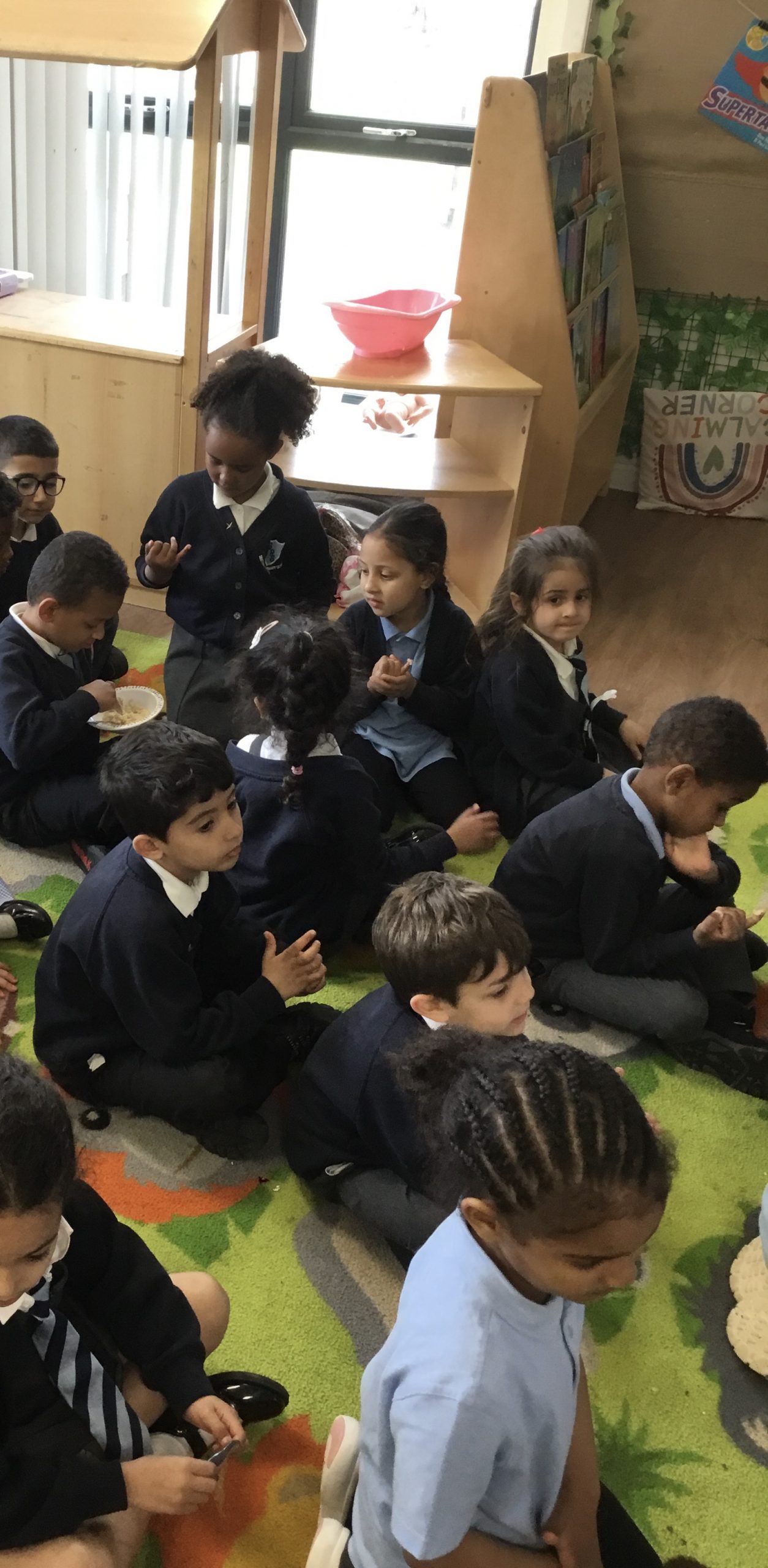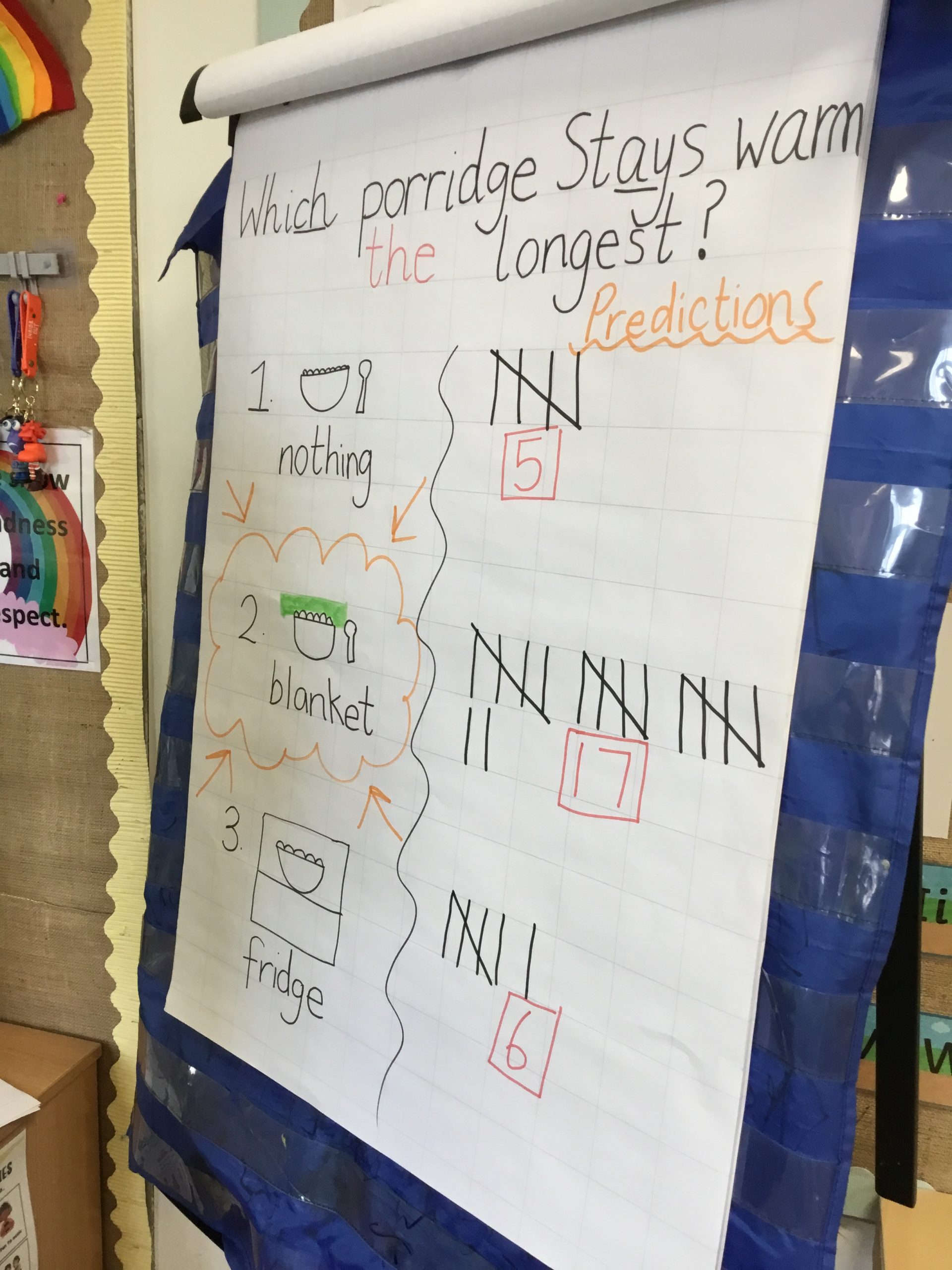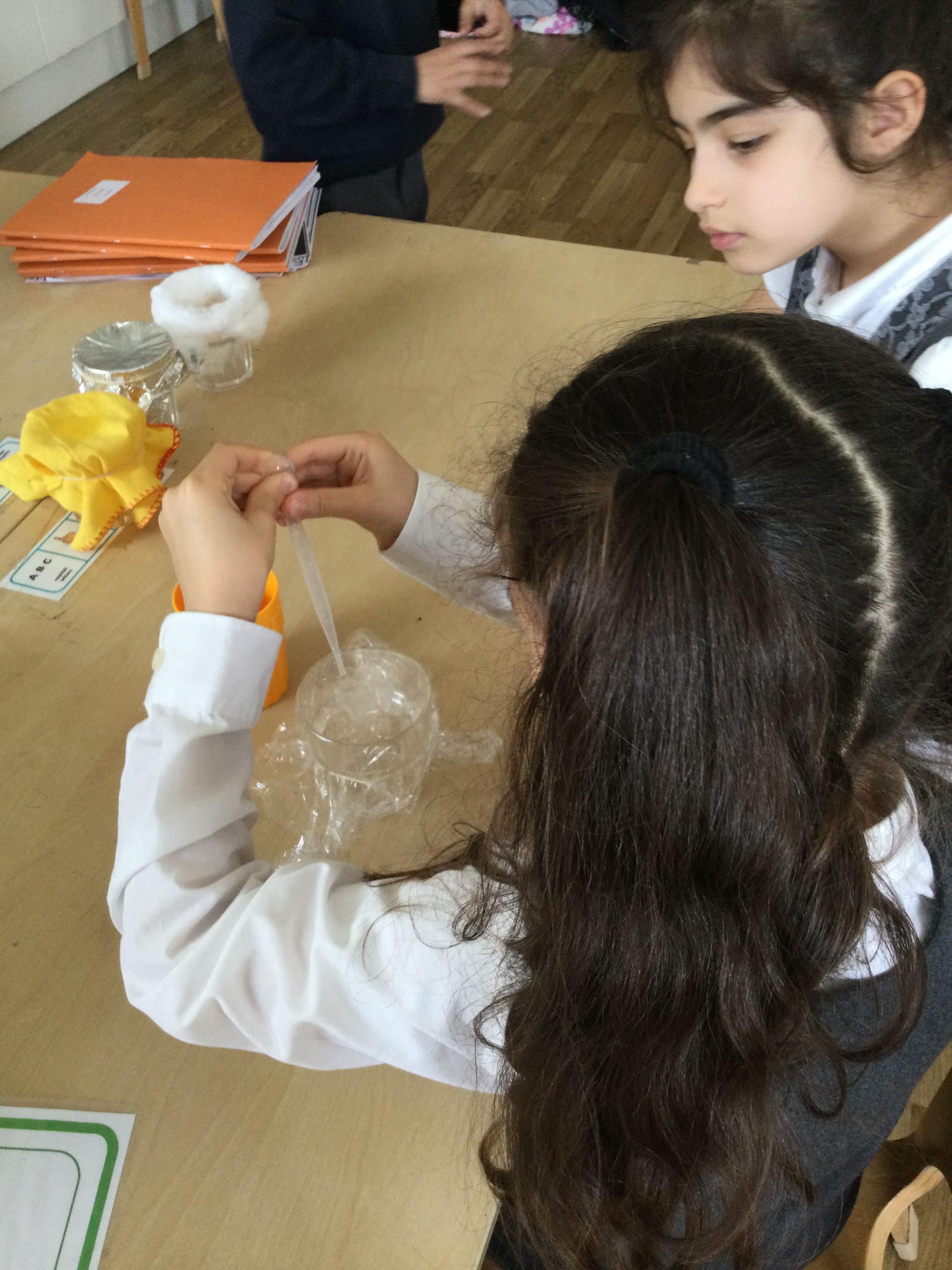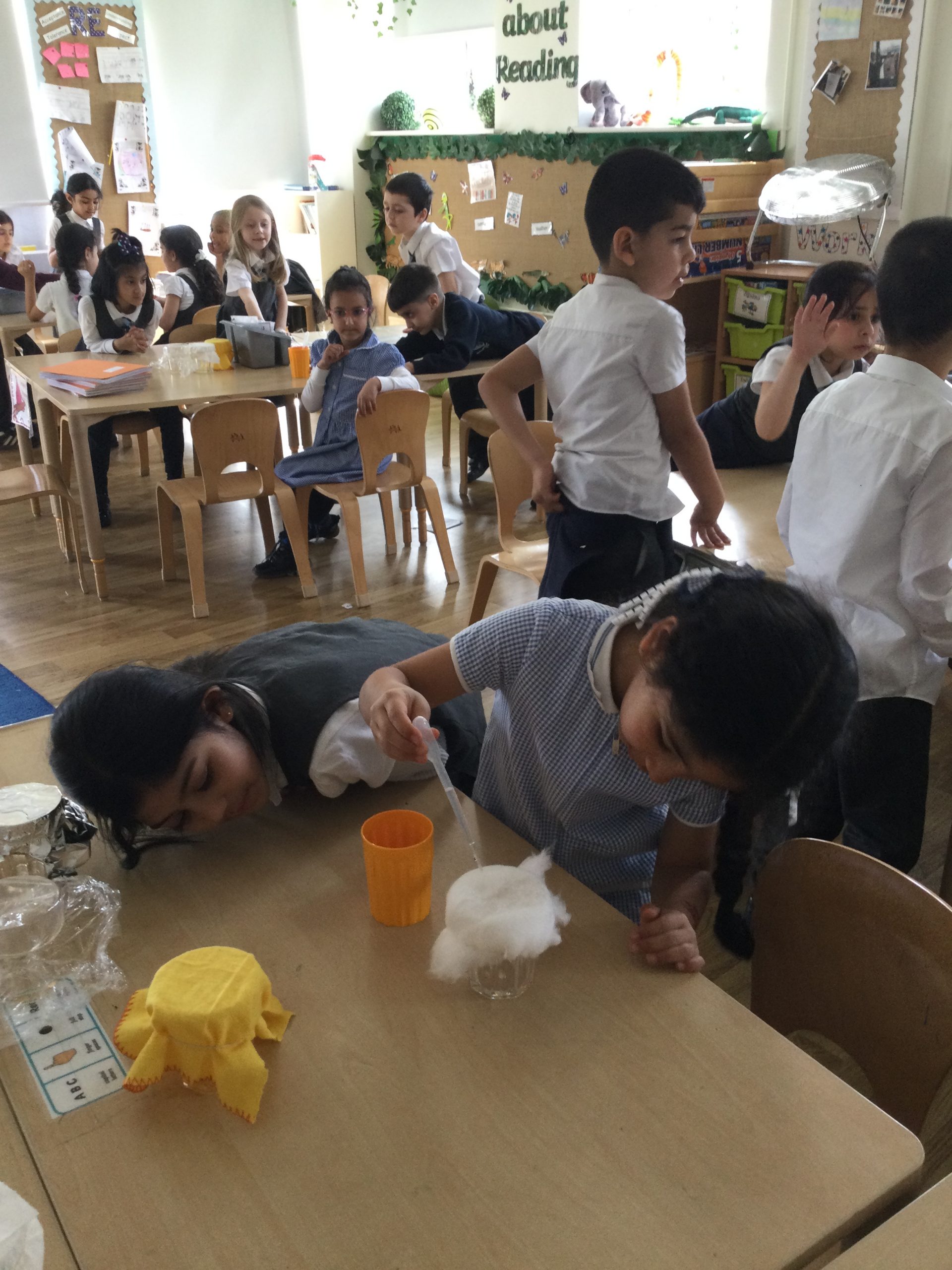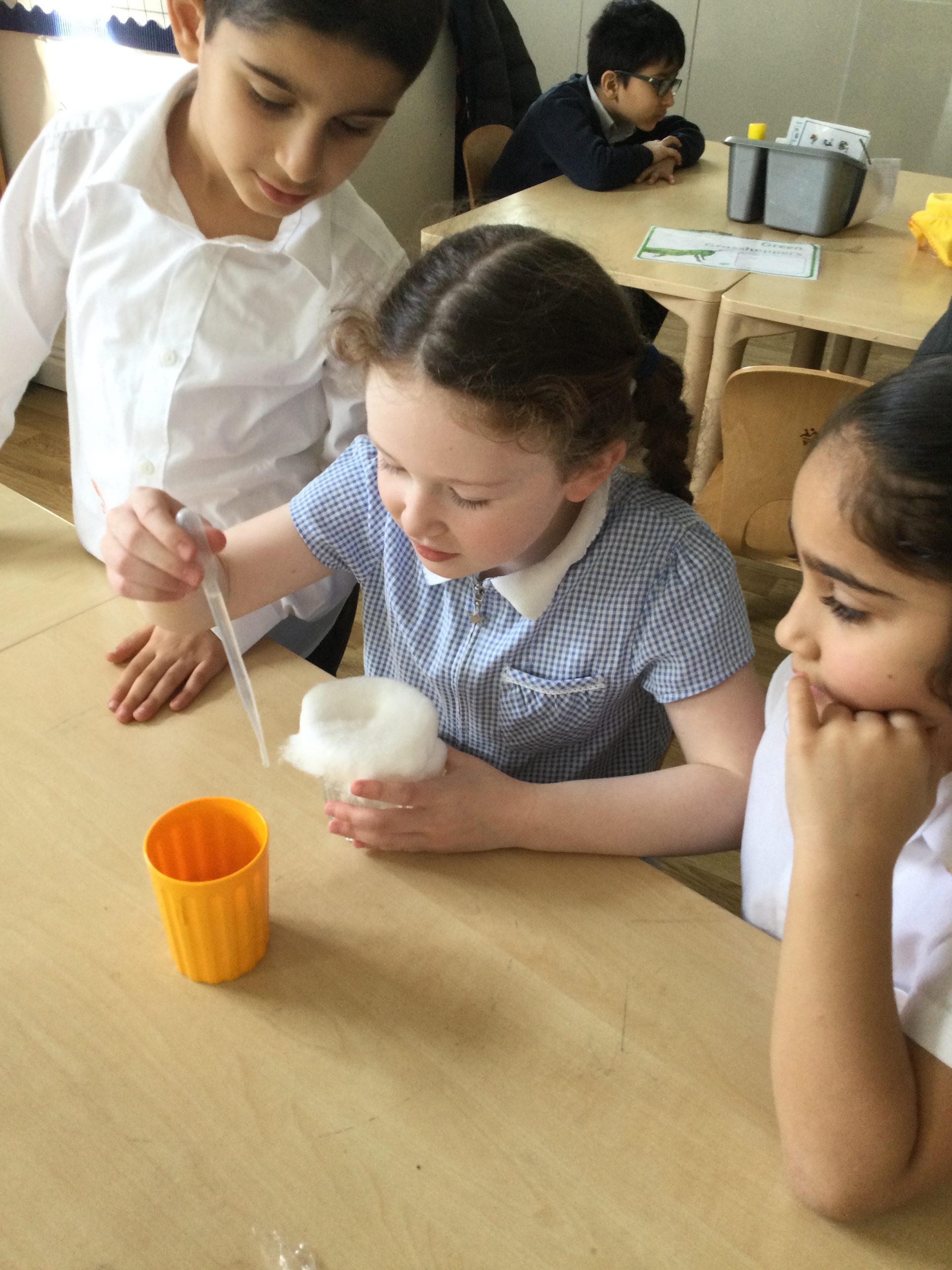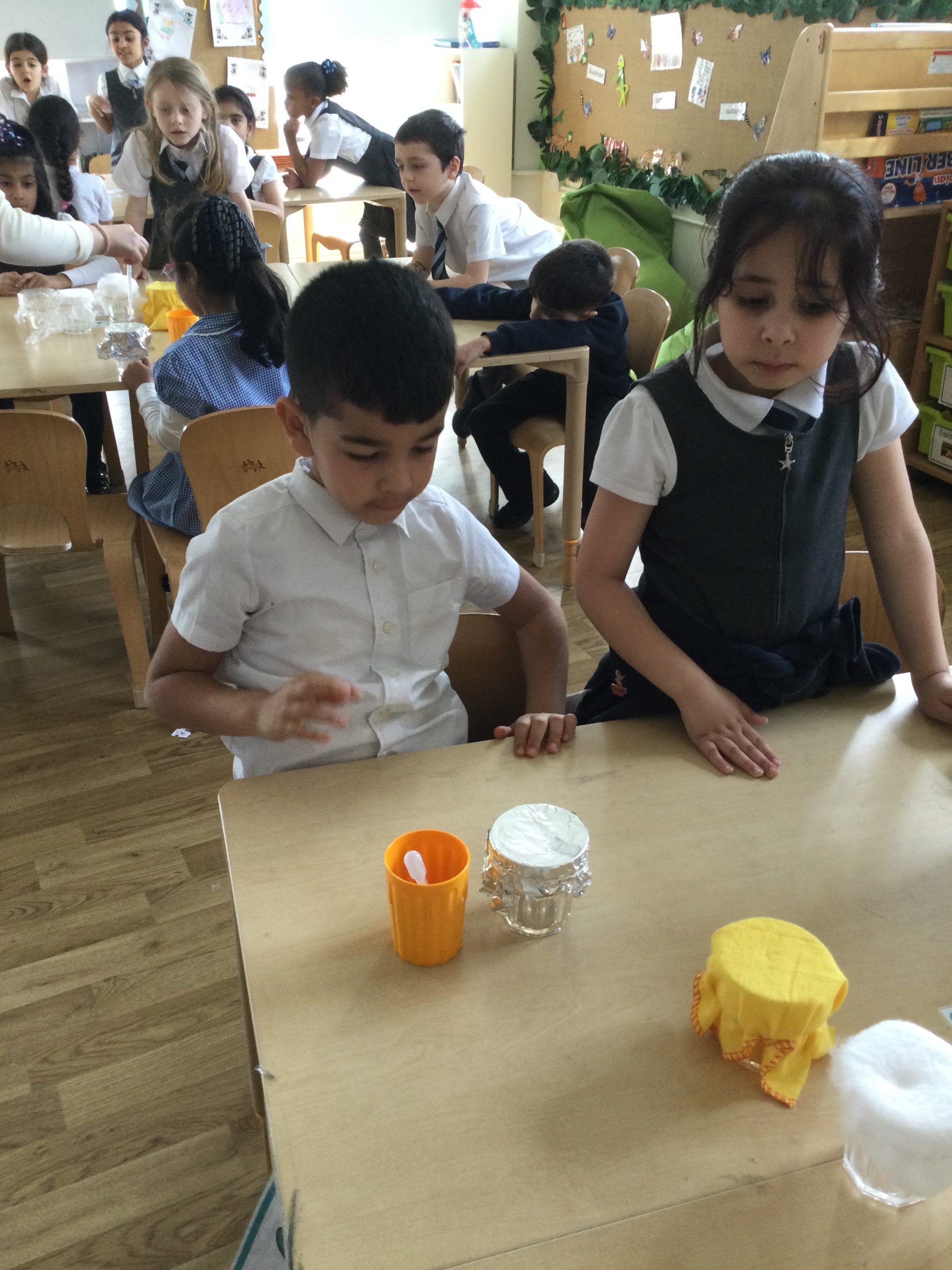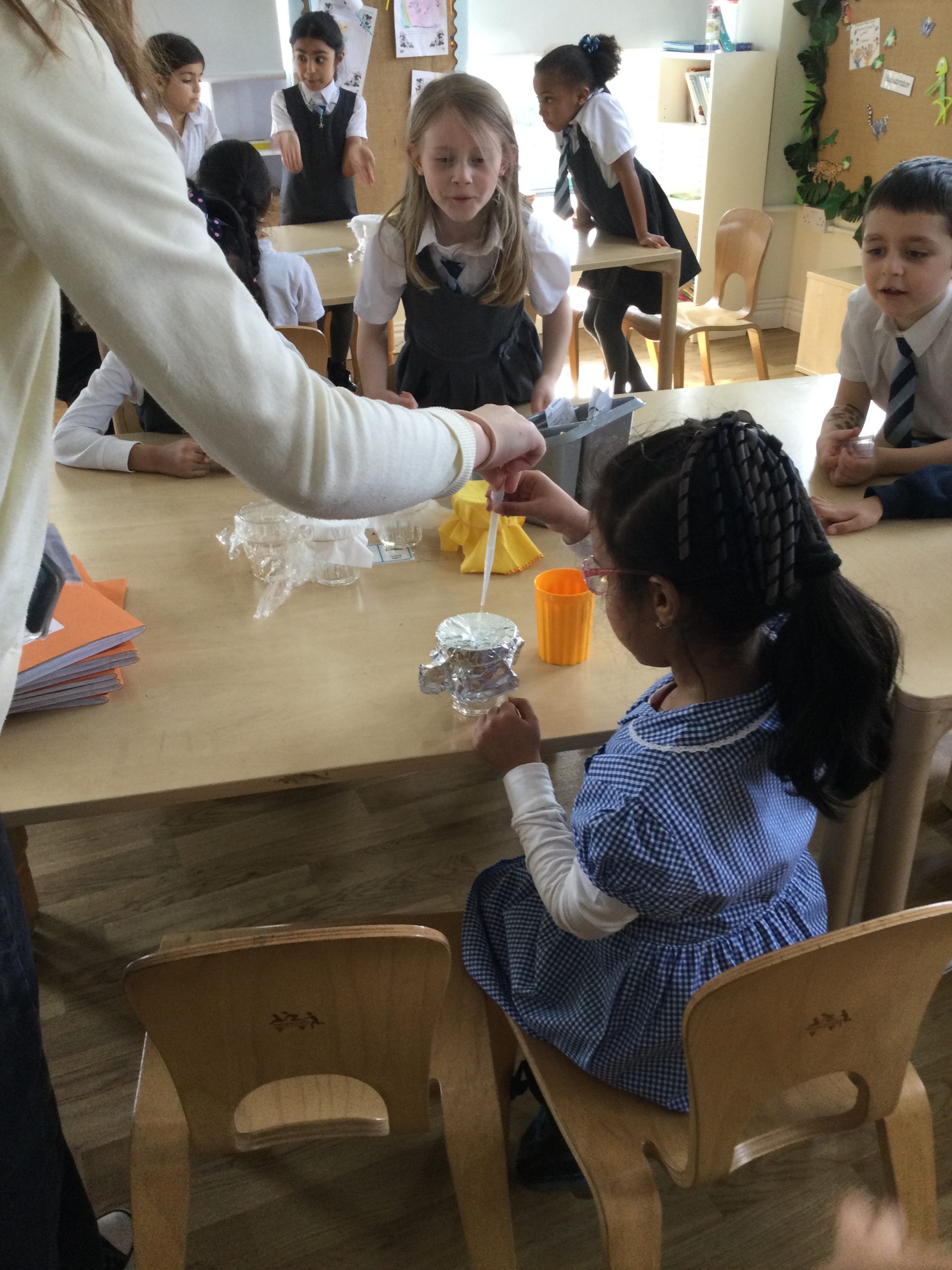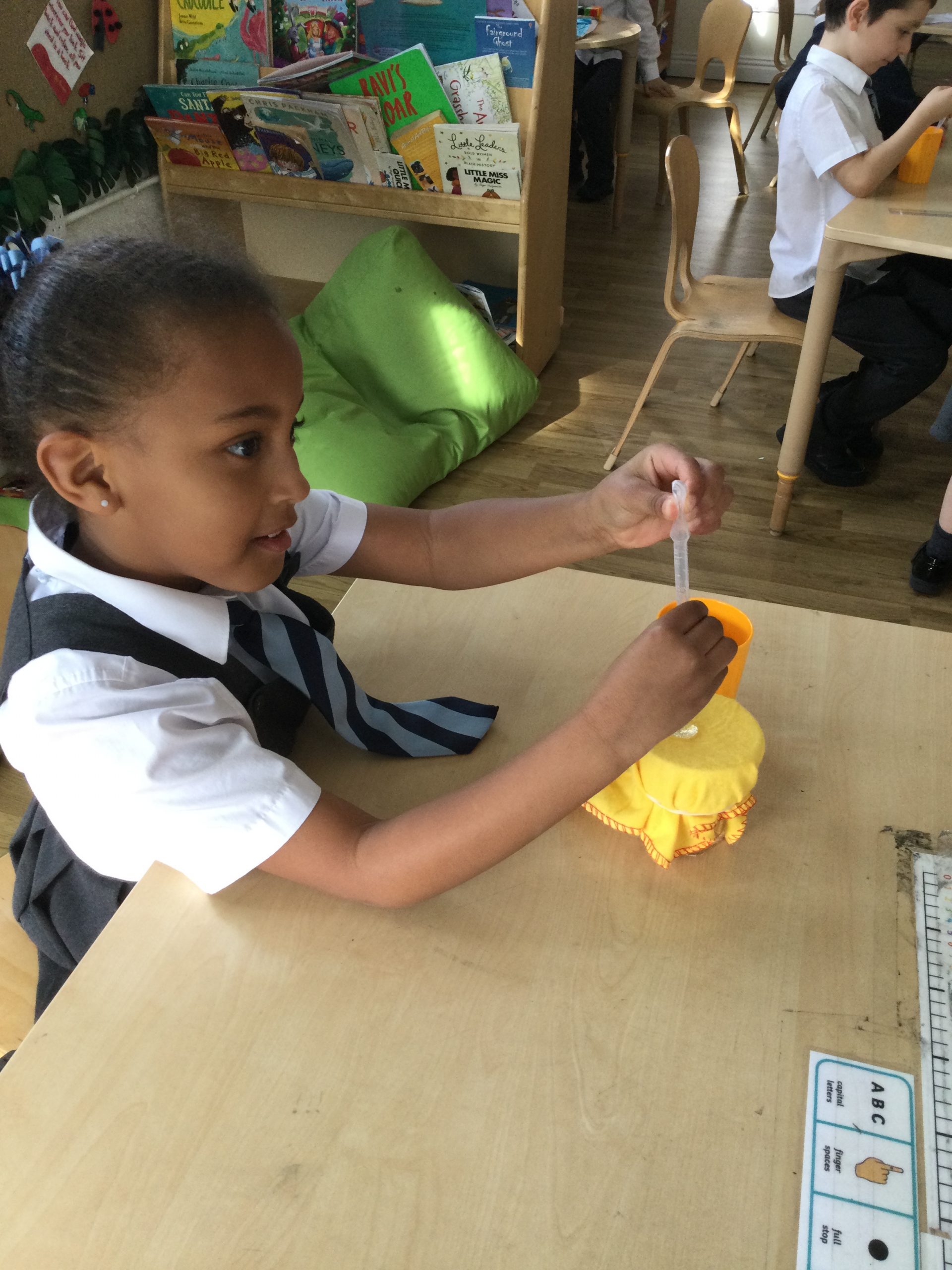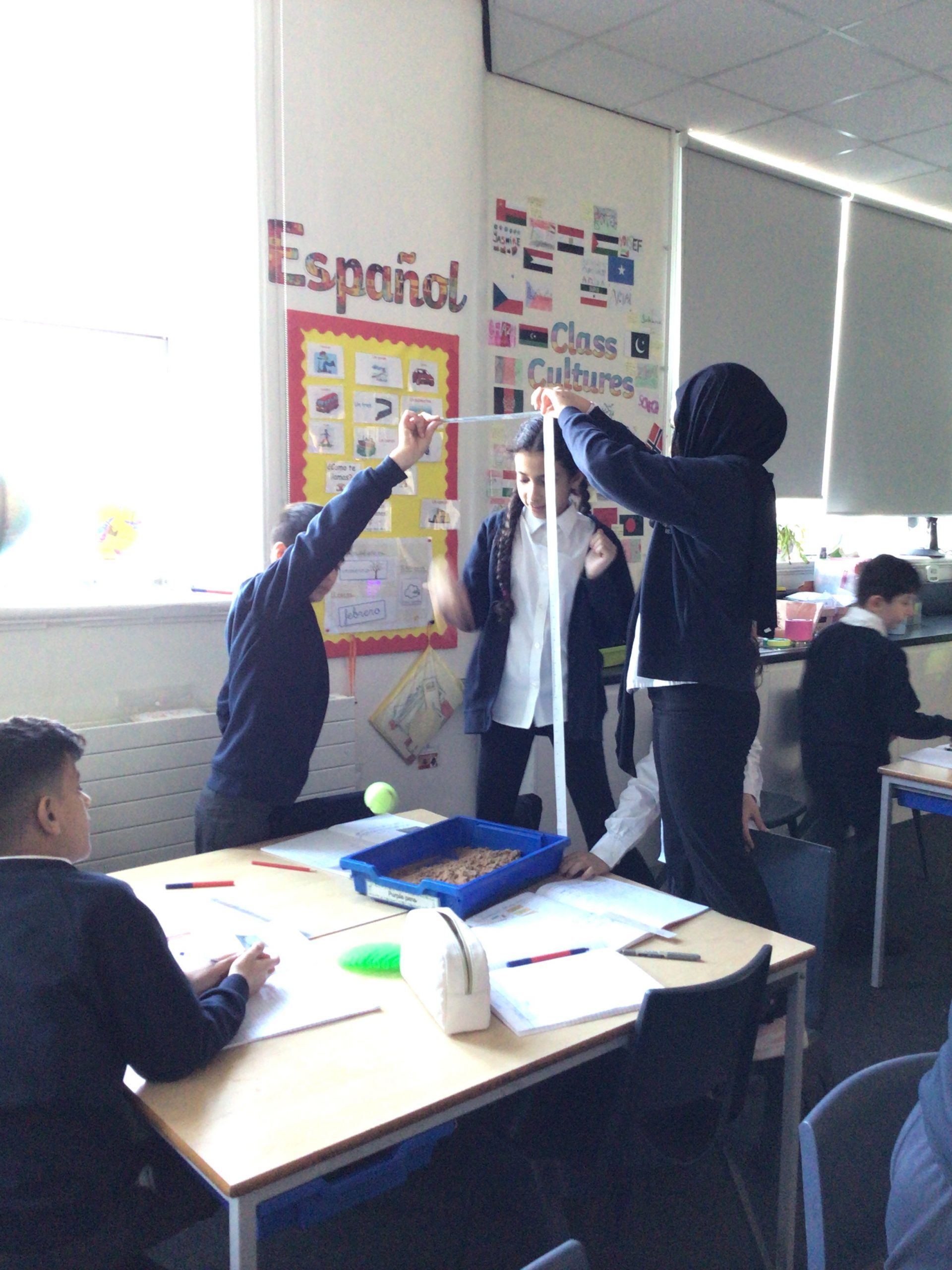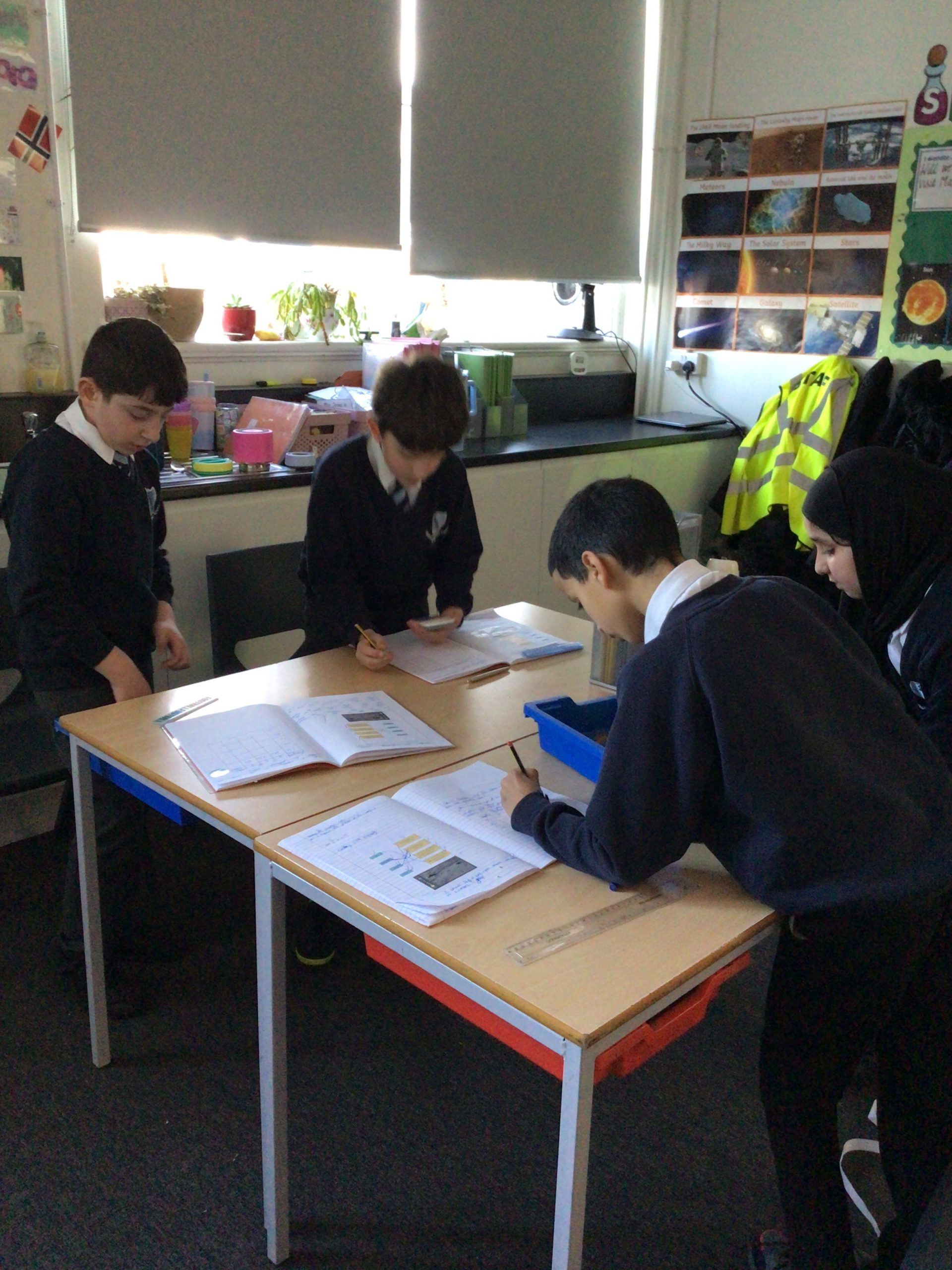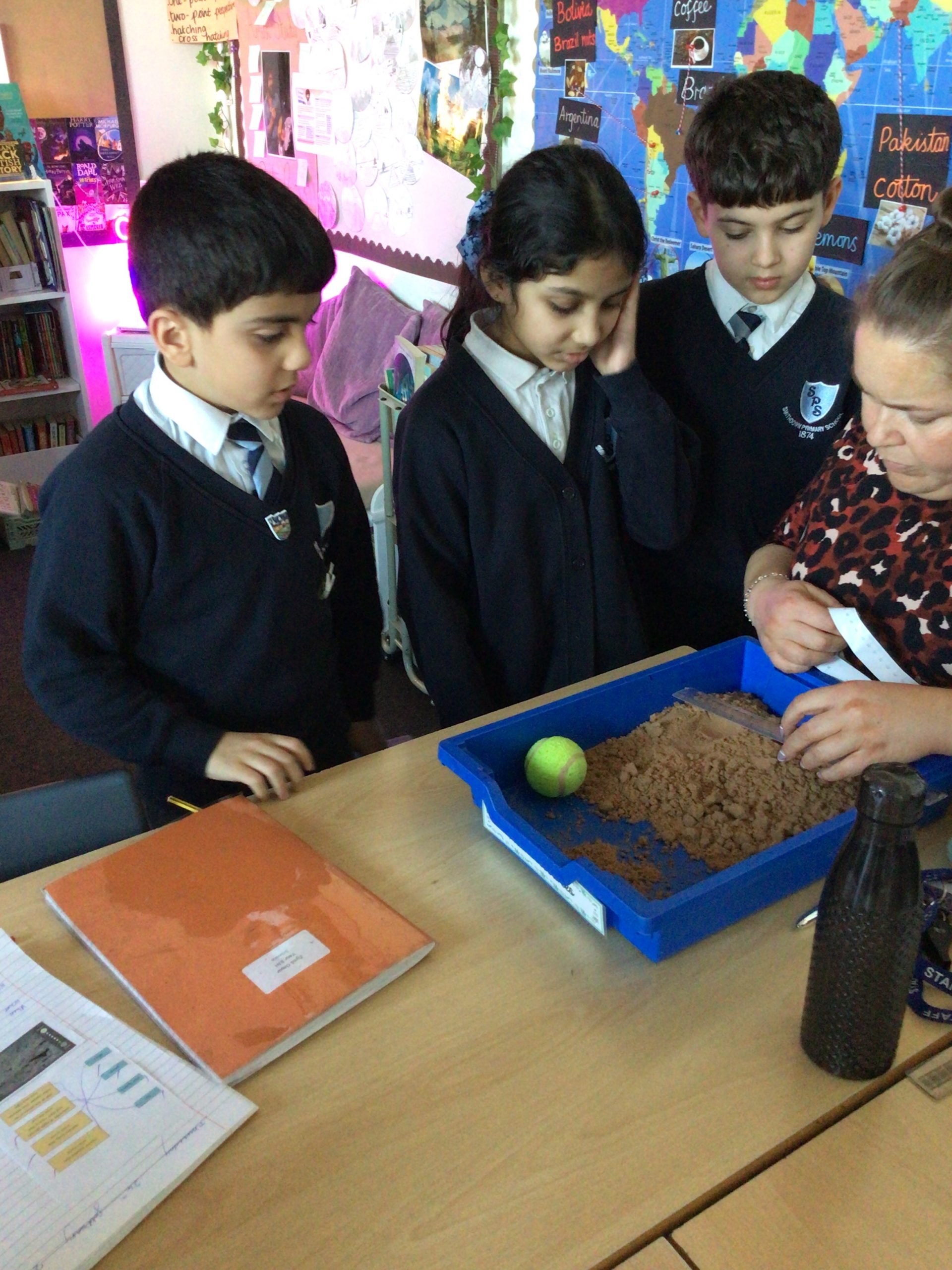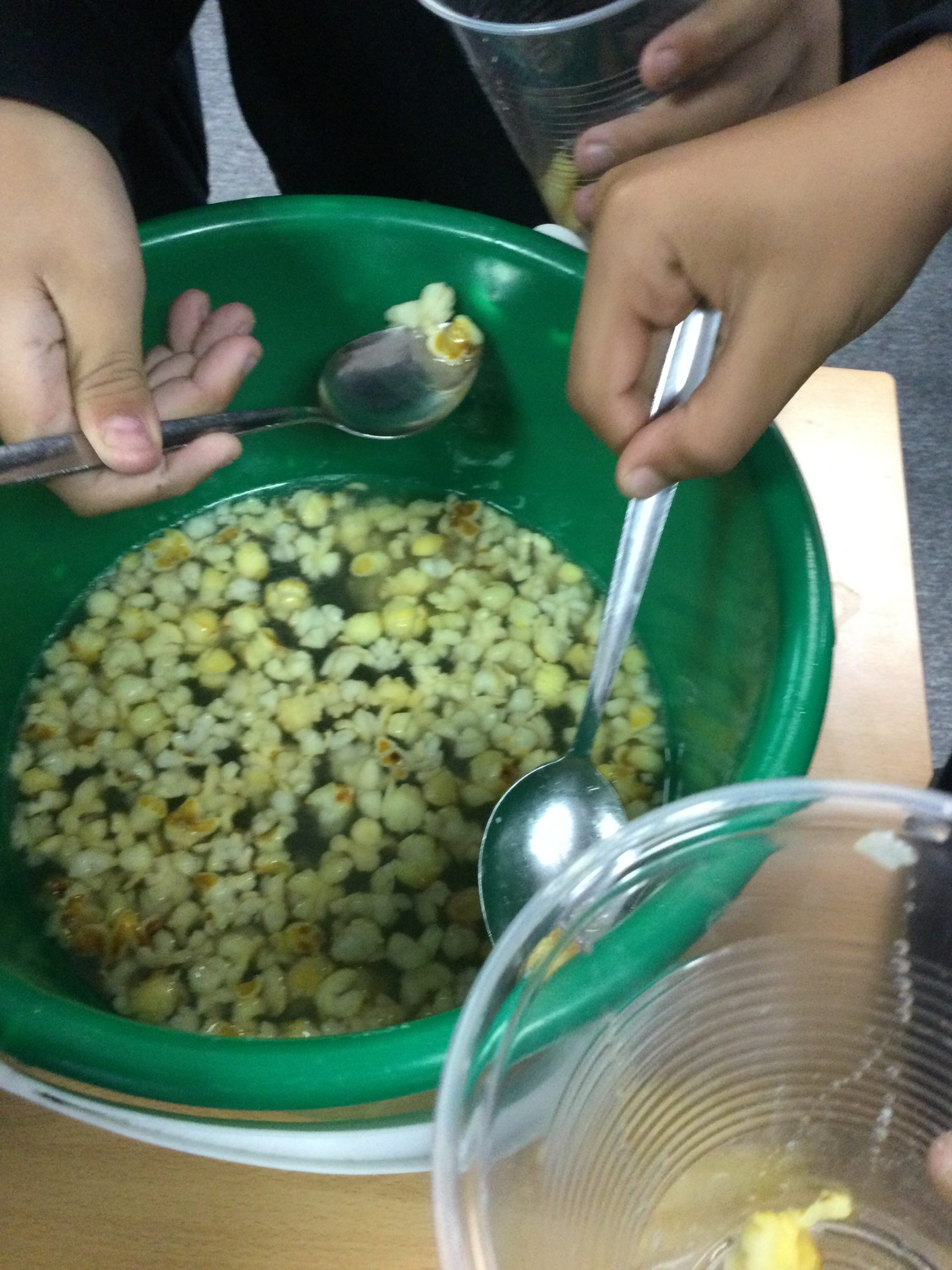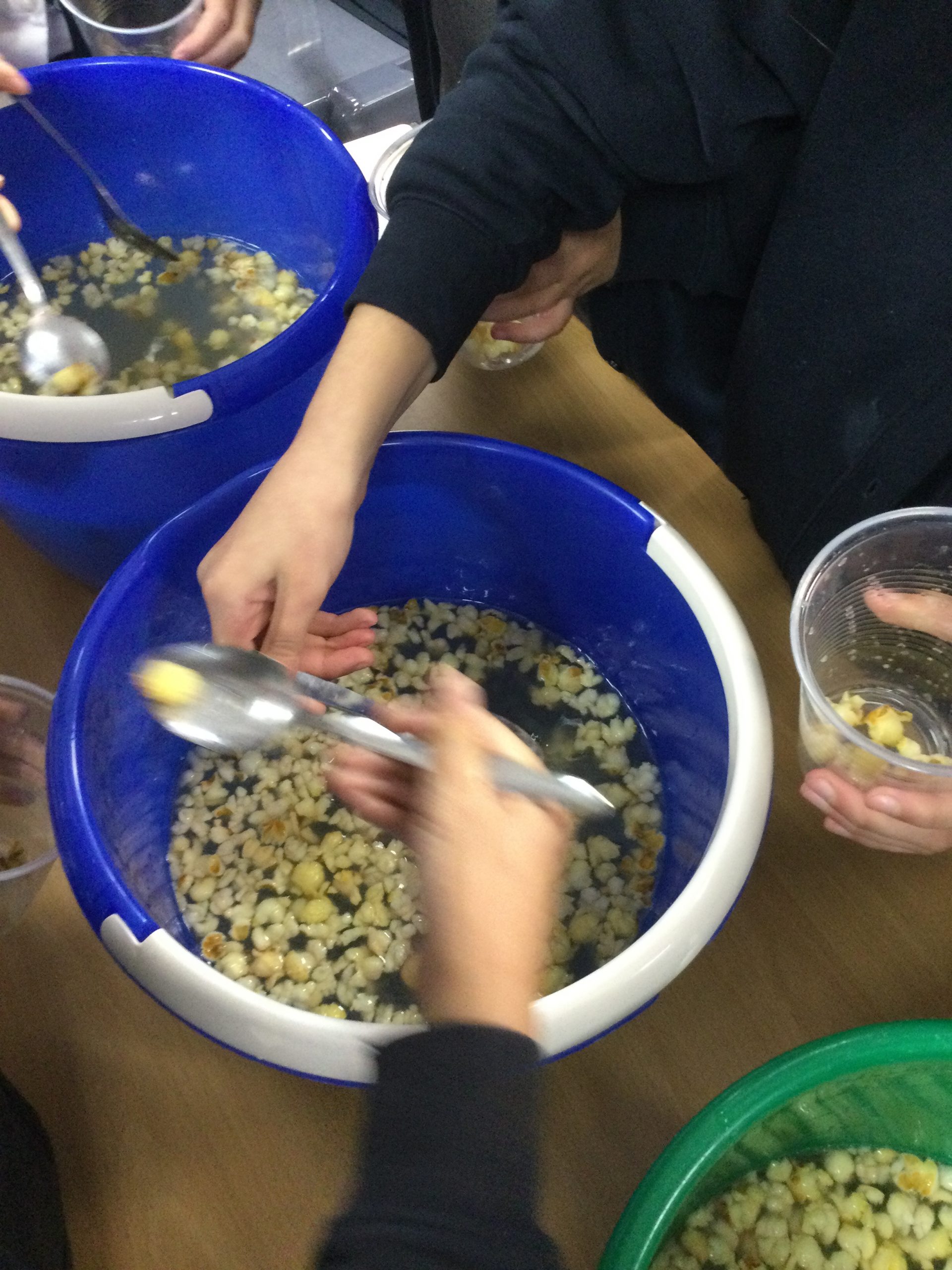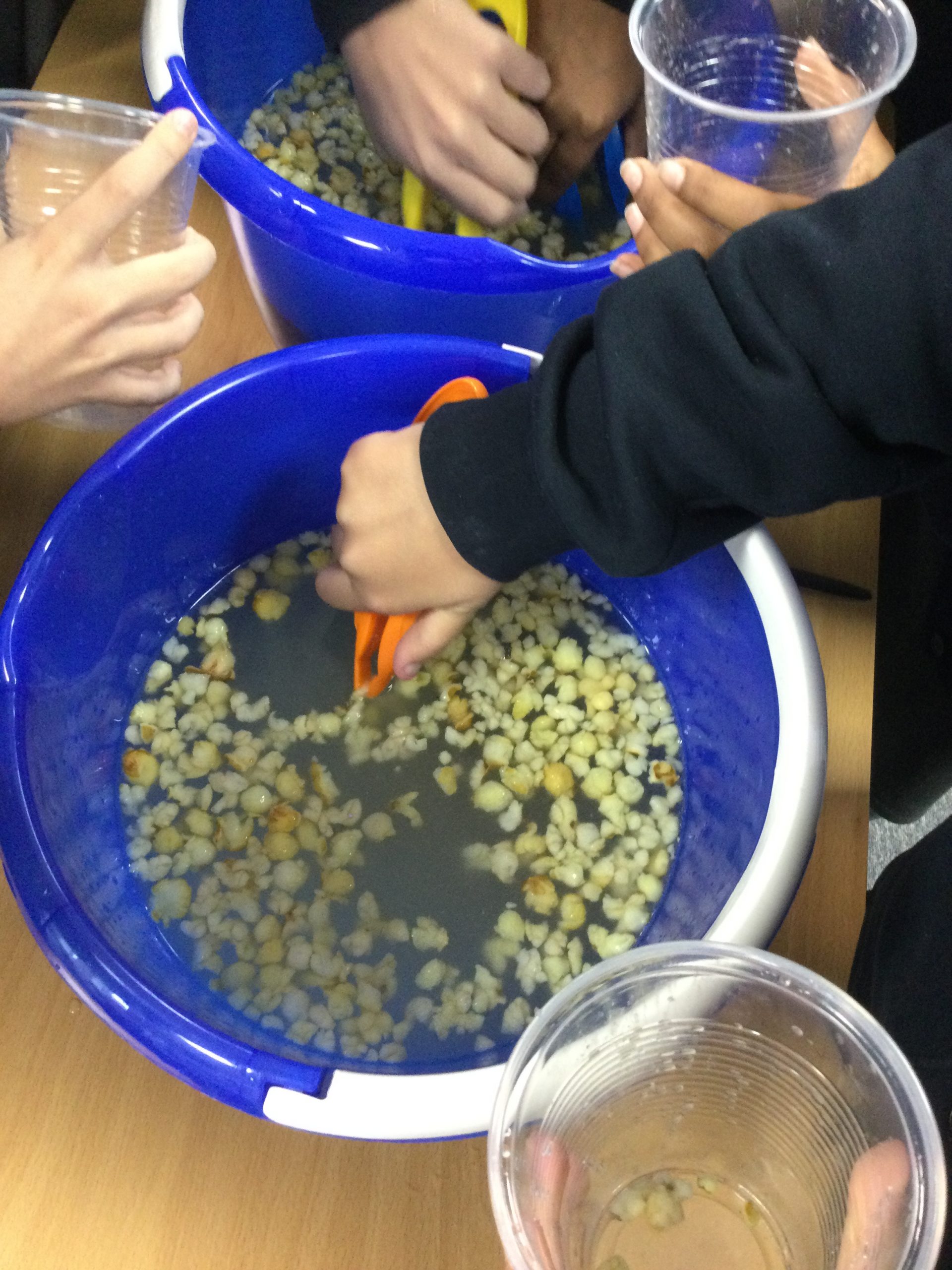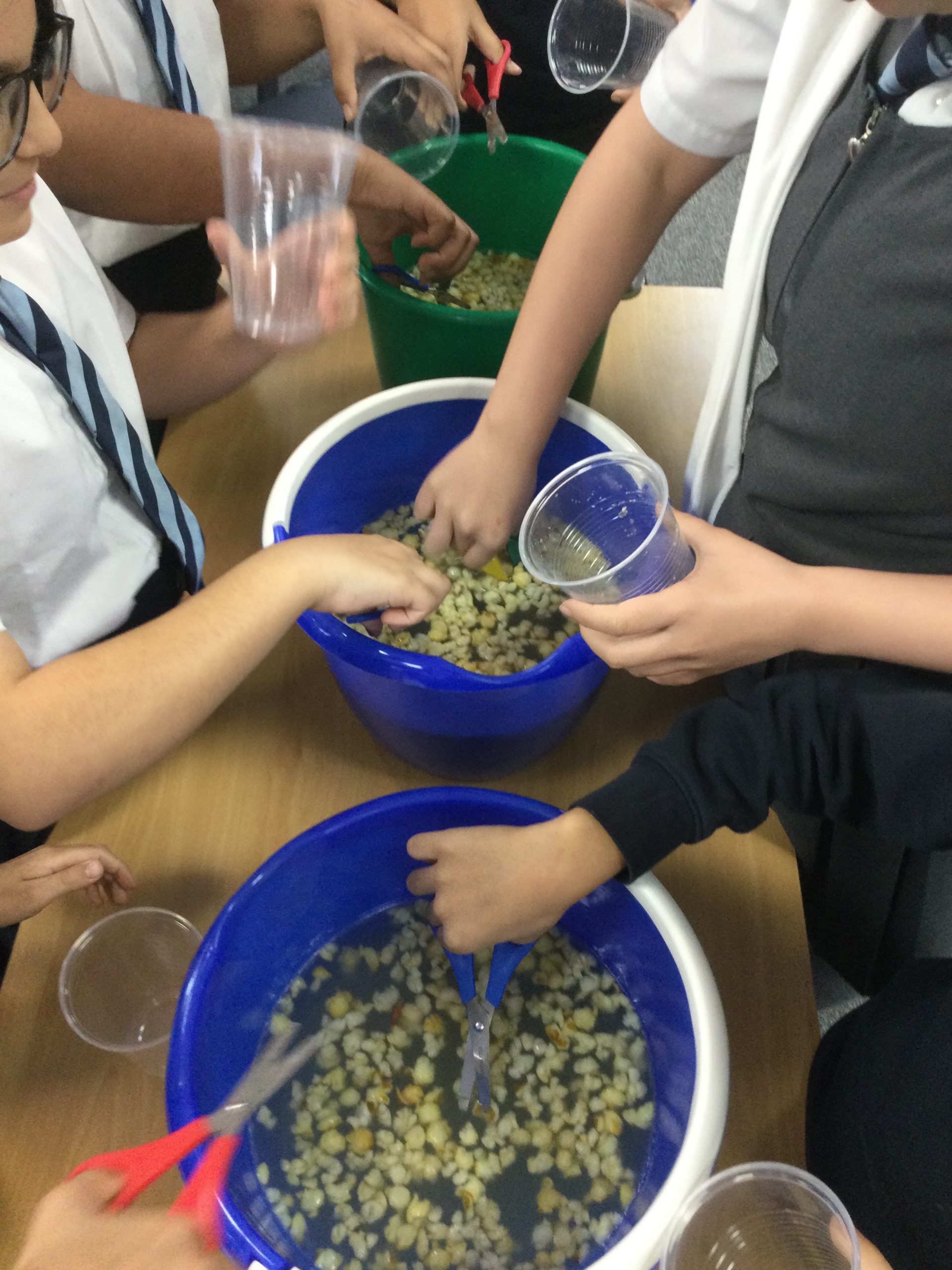
We were delighted to be awarded the PSQM Gilt award for science teaching across our school.
The Primary Science Quality Mark is led by the University of Hertfordshire, School of Education in collaboration with the Primary Science Teaching Trust.
Jane Turner, PSQM National Director said: “Gaining a Primary Science Quality Award is a significant achievement for a school. The profile and quality of science teaching and learning in each awarded school is very high. Children are engaging with great science both in and outside the classroom, developing positive attitudes towards science as well as secure scientific understanding and skills. Science subject leaders, their colleagues, head teachers, children, parents and governors should be very proud.”
“Science is certainly being fostered in the children at Smithdown Primary and you should all be incredibly proud of the impact your whole school actions have had on every child’s learning journey”
“Children are leading learning, engaging in hands on practical enquiry and showing curiosity and excitement in all that they do..”
“The outdoor environment is used as a resource to enrich learning”
“The school is so fortunate to have such dedicated and
committed staff who are prepared to go above and beyond for the
children”
“You should all feel very proud of what has been achieved and the ethos to learning that has been created. I
have no doubt that there is a tangible buzz of science excitement and curiosity
around school and that children are certainly well supported to be the scientists of
the future.“
“The important thing is to never stop questioning” Albert Einstein.
Science at Smithdown Primary School
Intent
At Smithdown Primary School, together we grow as inquisitive, independent thinkers who are inspired by the wonders of the world around us.
Our Science curriculum aims to nurture children’s natural curiosity, encouraging them to ask “Why?” and “How?” while developing a secure understanding of key scientific concepts and processes. We believe that hands-on, investigative experiences are at the heart of great science learning. From the Early Years to Year 6, pupils explore the world through practical enquiry, observation, and experimentation — developing both their scientific knowledge and their ability to think critically and creatively.
We aim for all pupils to:
Develop a deep and lasting curiosity about the natural and physical world.
Build secure knowledge and understanding across the three scientific disciplines: biology, chemistry, and physics.
Learn to work scientifically by asking questions, observing carefully, testing ideas, recording data, and drawing conclusions.
Understand the relevance of science in everyday life and its impact on society, the environment, and the future.
Develop a broad scientific vocabulary to articulate their ideas with confidence.
Recognise that science is a collaborative, evolving discipline open to everyone — helping all pupils see themselves as scientists.
Implementation
Science is taught weekly as a discrete subject, with carefully planned links to other curriculum areas where appropriate. Each class receives two hours of dedicated science learning per week, allowing pupils to develop both substantive knowledge (scientific facts and concepts) and disciplinary knowledge (how scientists work and think).
Teaching is supported and quality assured by subject leadership expertise, ensuring consistent standards and continual improvement across the school. Our curriculum design draws upon:
The ASE PLAN documents, providing clear progression in knowledge and skills.
Explorify, used to promote discussion, reasoning, and language development.
The TAPS assessment framework, which structures ongoing assessment of Working Scientifically through key enquiry opportunities each half term.
Teachers use formative assessment weekly and summative assessment termly to inform planning, identify misconceptions, and track progress using the Insight assessment tool.
Science at Smithdown is enquiry-driven. Pupils engage in five types of scientific enquiry — observation over time, pattern seeking, identifying and classifying, comparative and fair testing, and researching using secondary sources — ensuring a balance of practical and cognitive challenge.
We place a strong emphasis on vocabulary development, recognising that language is key to scientific thinking and communication. Each unit includes explicit teaching of key terms, reinforced through display, discussion, and writing across the curriculum.
Learning is enhanced through educational visits, workshops, and interactions with scientists and STEM professionals, helping pupils understand the real-world application of their learning. These experiences also support the development of cultural capital, showing children that science is everywhere — in medicine, engineering, the environment, and innovation.
Impact
At Smithdown, our Science curriculum ensures that children leave primary school as confident, curious, and capable young scientists who are ready to build on their learning in secondary education and beyond.
By the end of Year 6, pupils will:
Have a secure understanding of key scientific ideas and vocabulary.
Be able to plan, carry out, and evaluate investigations with increasing independence.
Use evidence and reasoning to explain their thinking.
Understand how science influences the world — from environmental issues to technological advancements.
Recognise a diverse range of scientific careers and role models, inspiring future aspirations.
Value collaboration, curiosity, and resilience as essential qualities of a scientific mindset.
We measure the impact of Science through:
Pupil voice – showing enthusiasm, curiosity, and confidence in using scientific language.
Work scrutiny and lesson observations – demonstrating enquiry, progression, and understanding.
Assessment data and moderation – ensuring consistent outcomes across year groups.
Through a combination of high-quality teaching, rich experiences, and reflective practice, our Science curriculum at Smithdown fosters a lifelong love of learning about the world — truly living our motto, “Together We Grow.”
We value the importance of developing inquisitive young minds by giving our children a range of experiences working scientifically. we endeavour to provide our pupils with a range of opportunities to work scientifically- starting in EYFS. Please click on the links below to see how we build on prior learning to ensure progression in working scientifically. .
We are proud to be members of the Science Association; adapting and adopting key policies and documentation. The following documents are useful to see how we further break down the progression in our science curriculum.
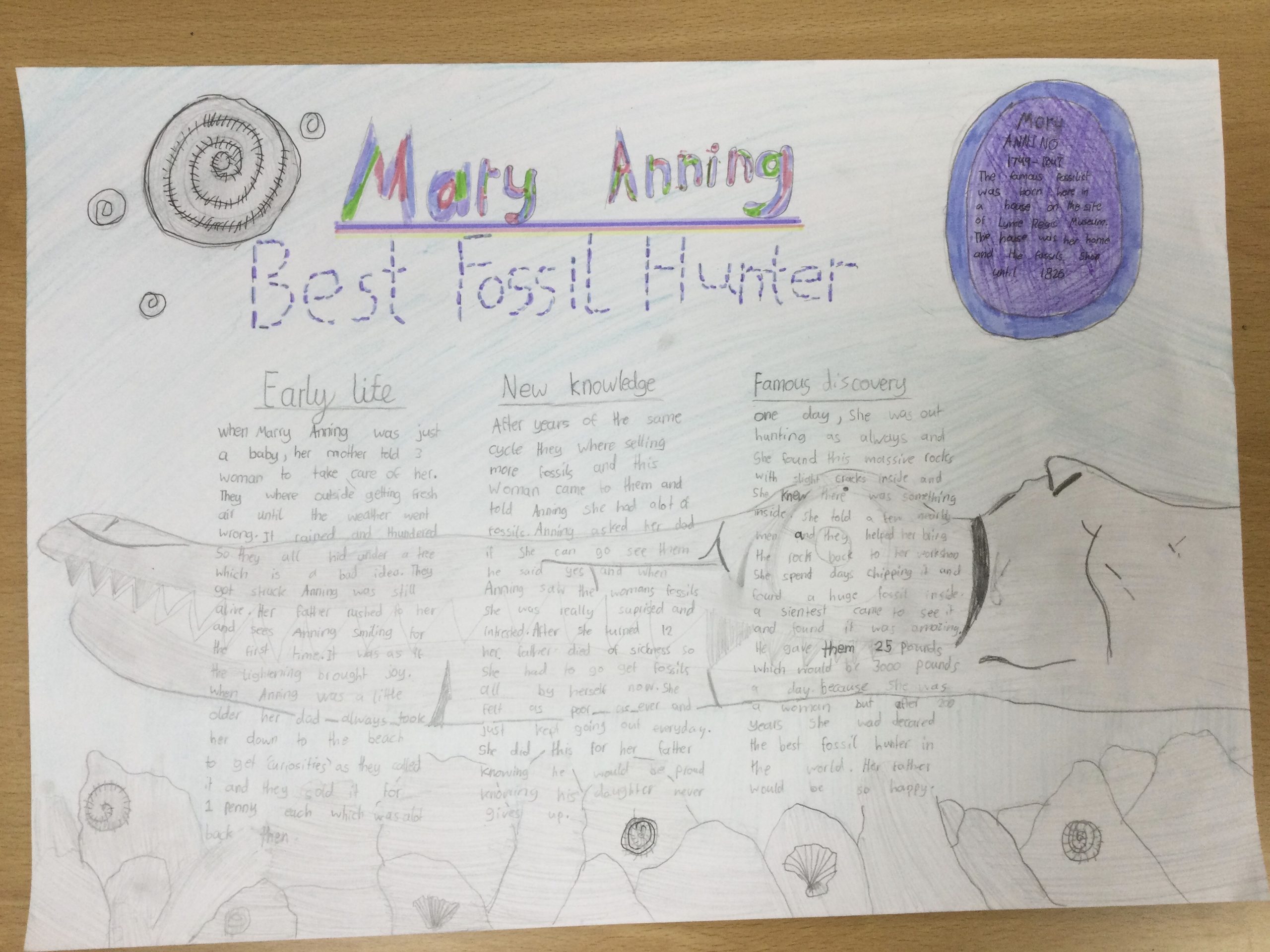
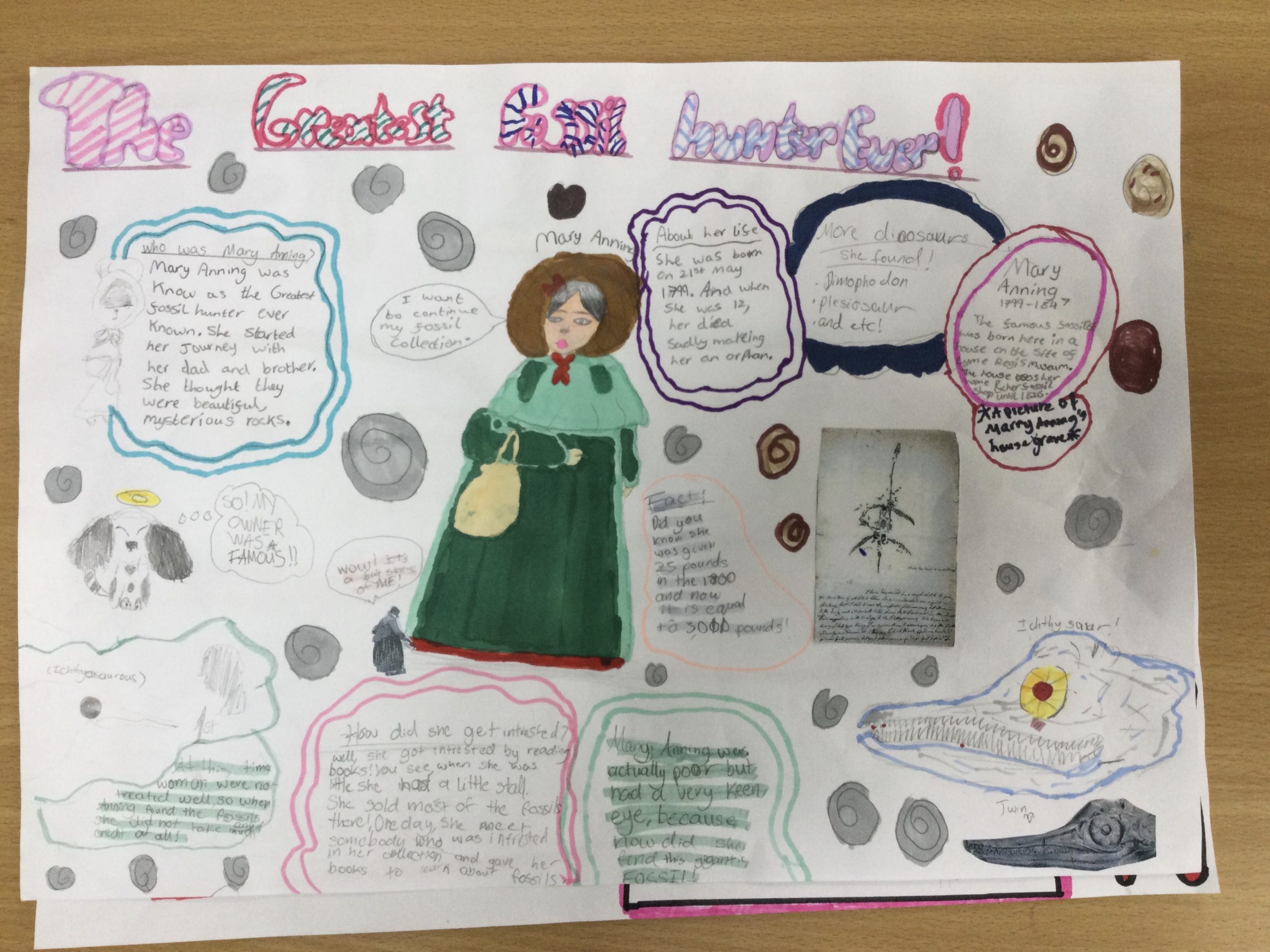
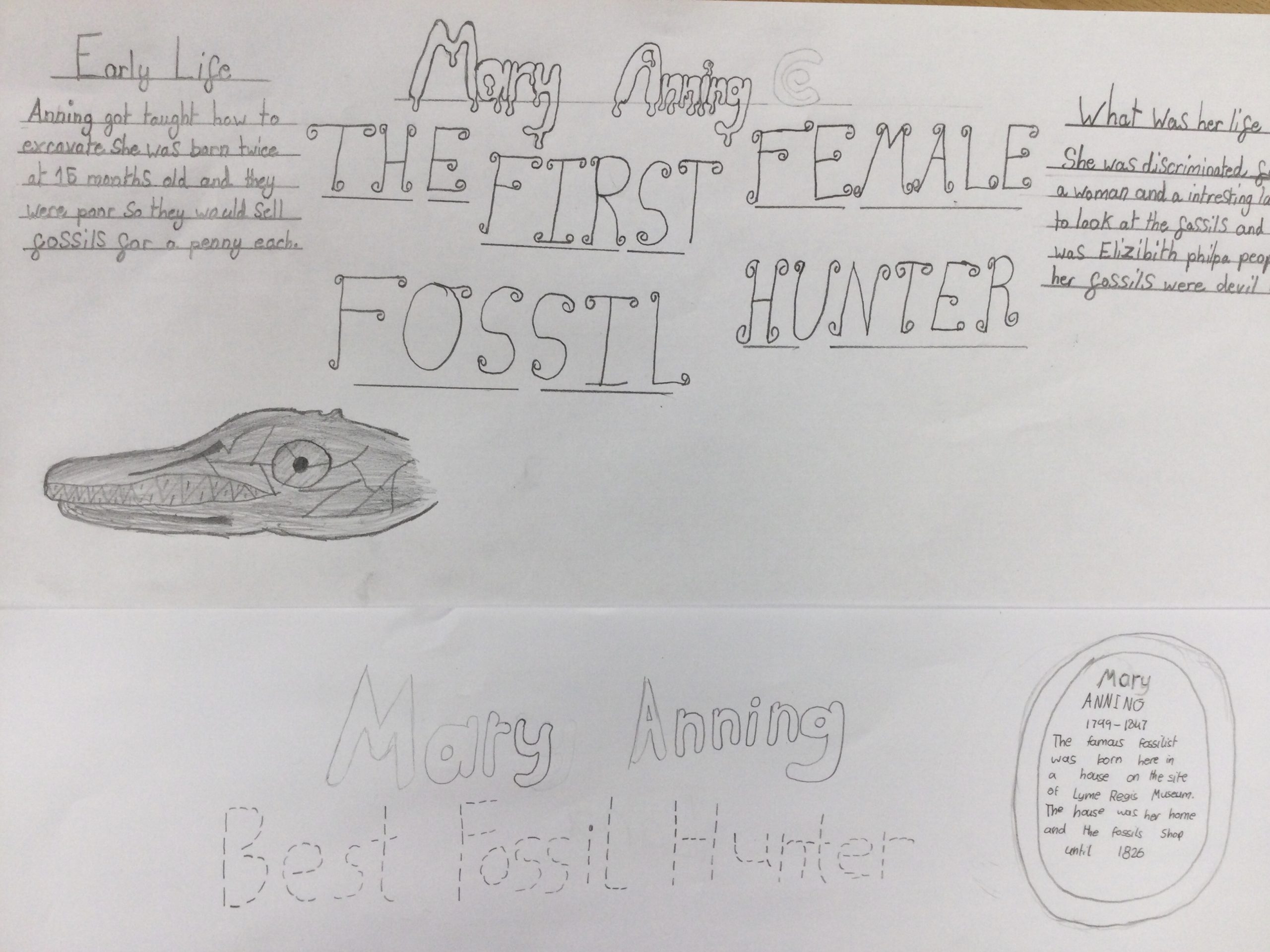
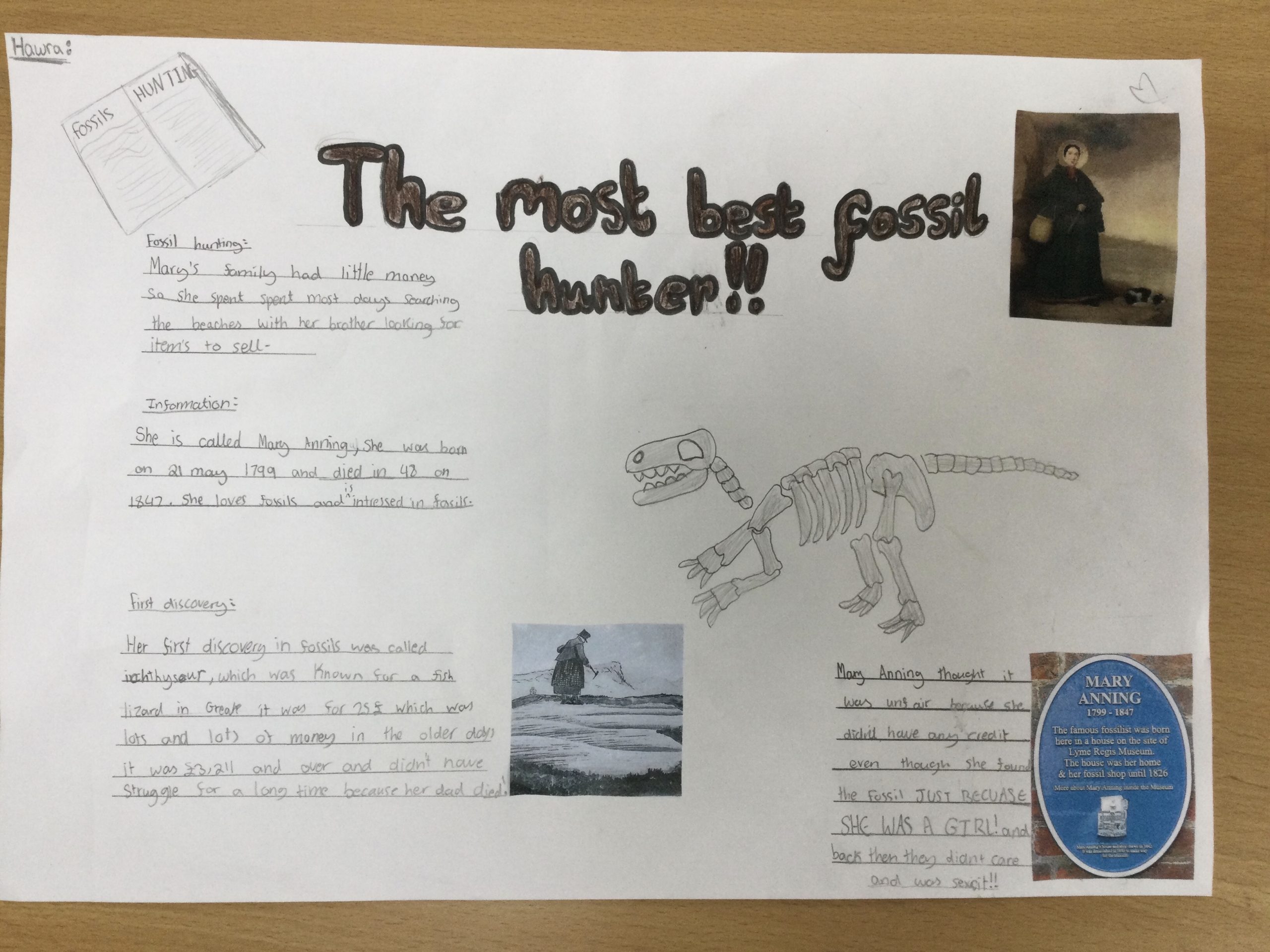
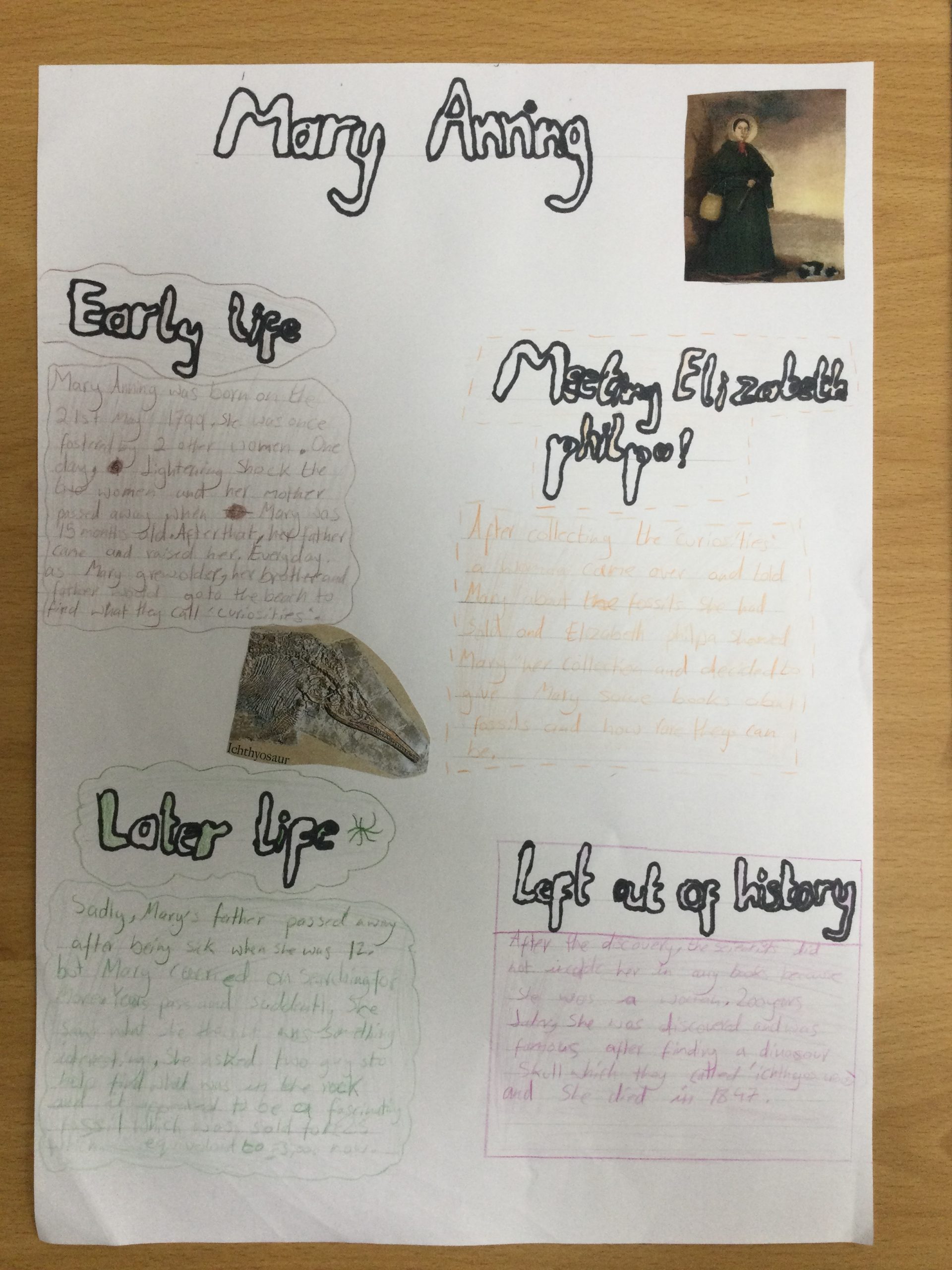
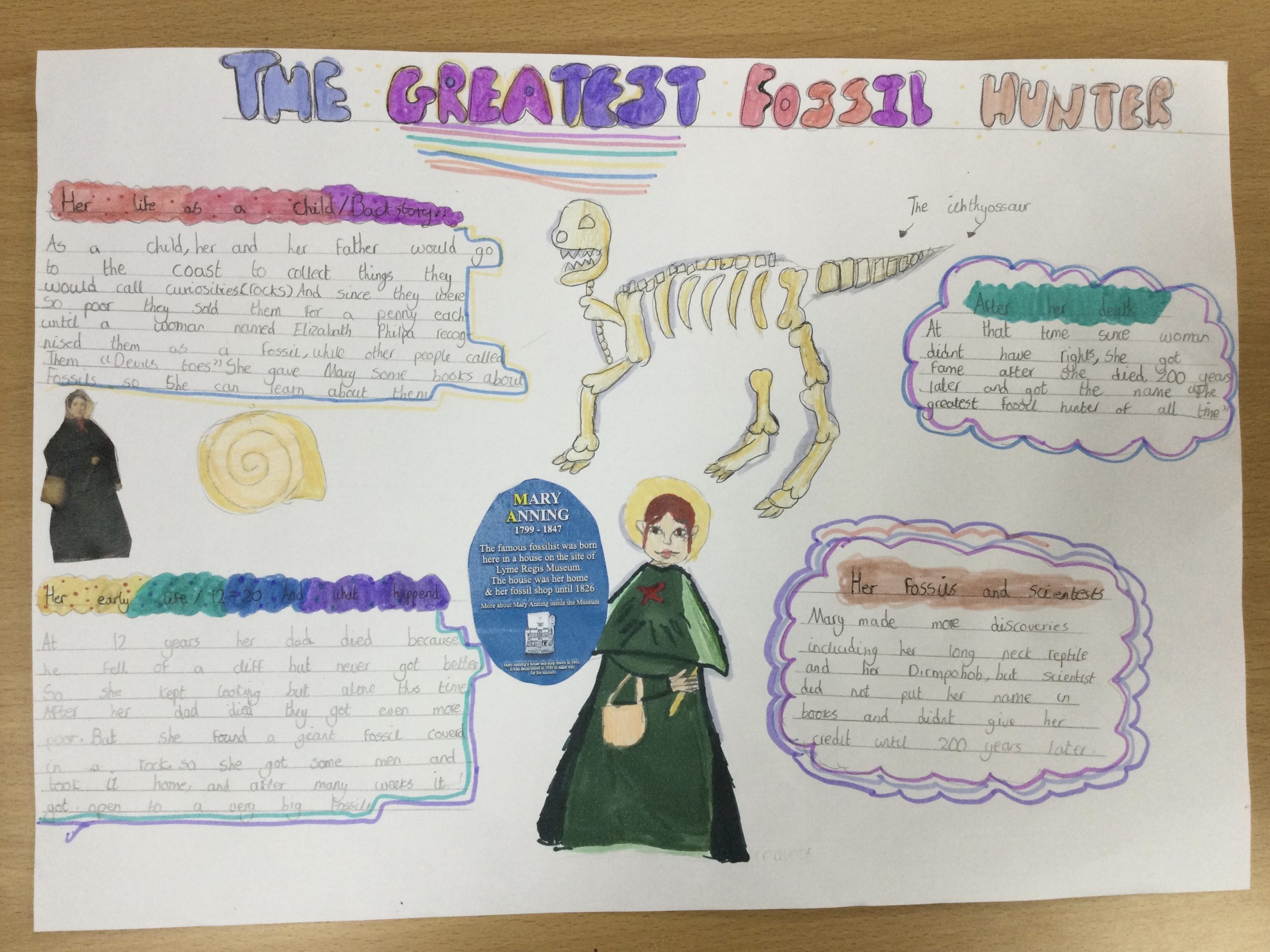
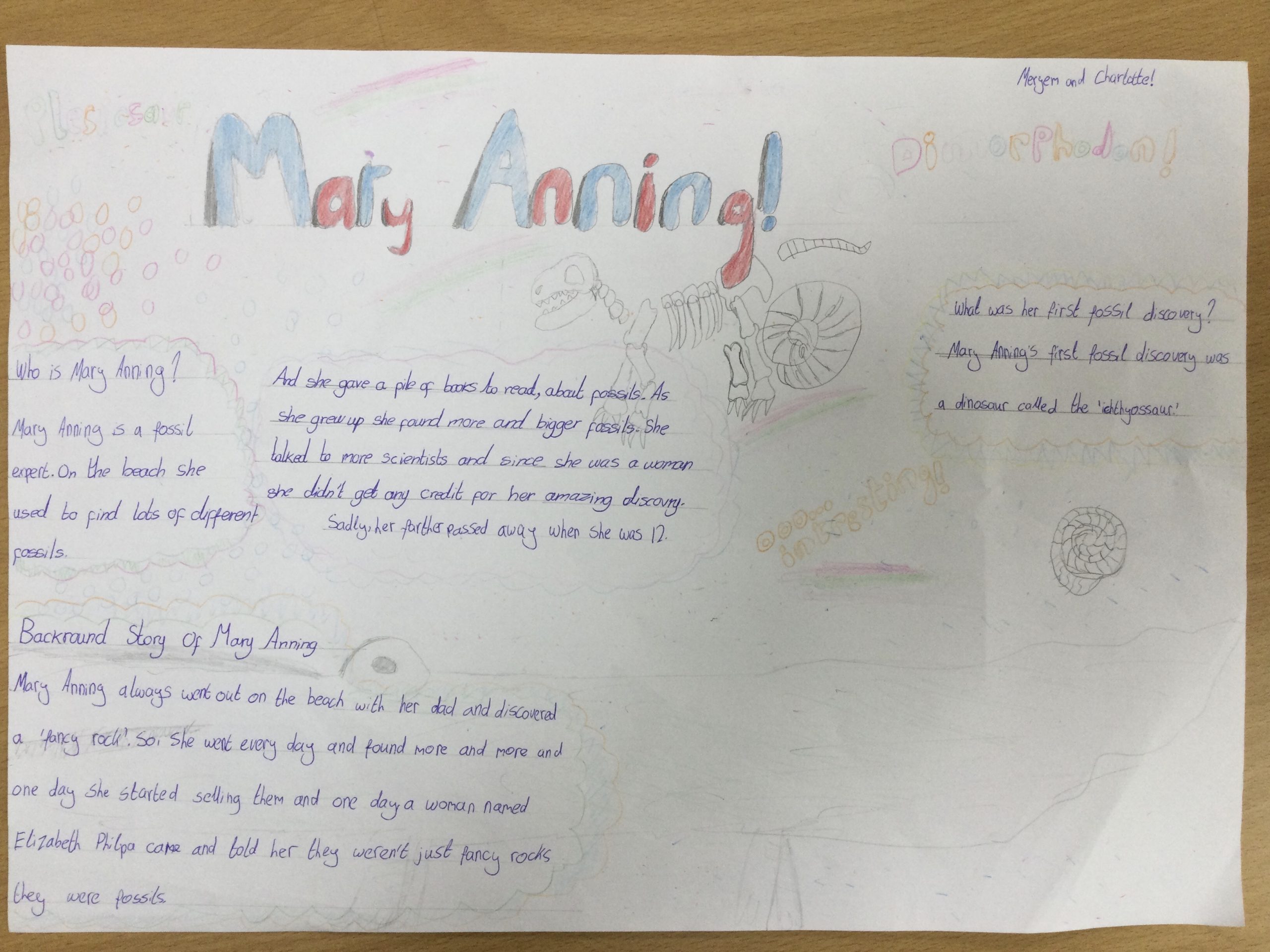
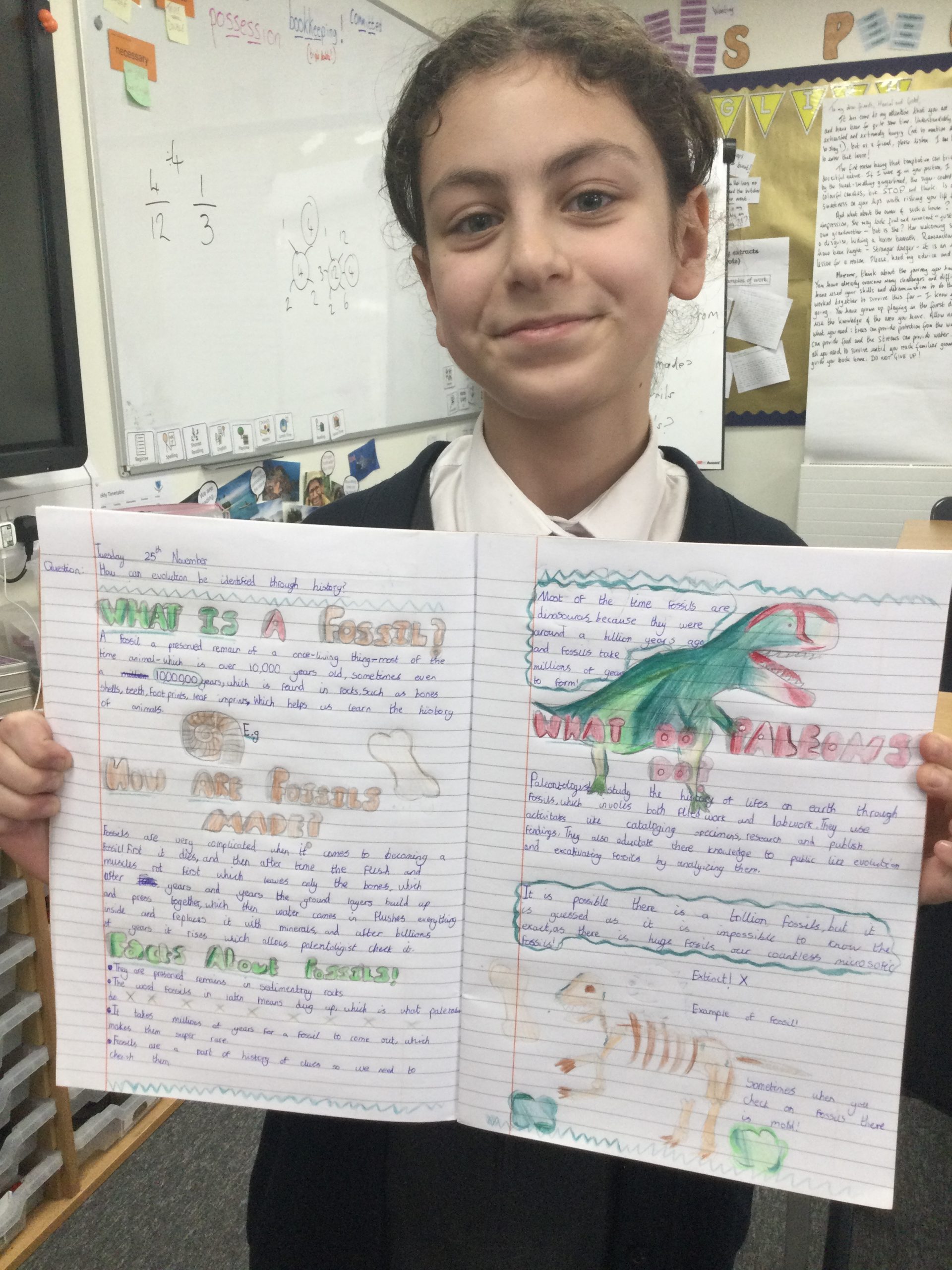
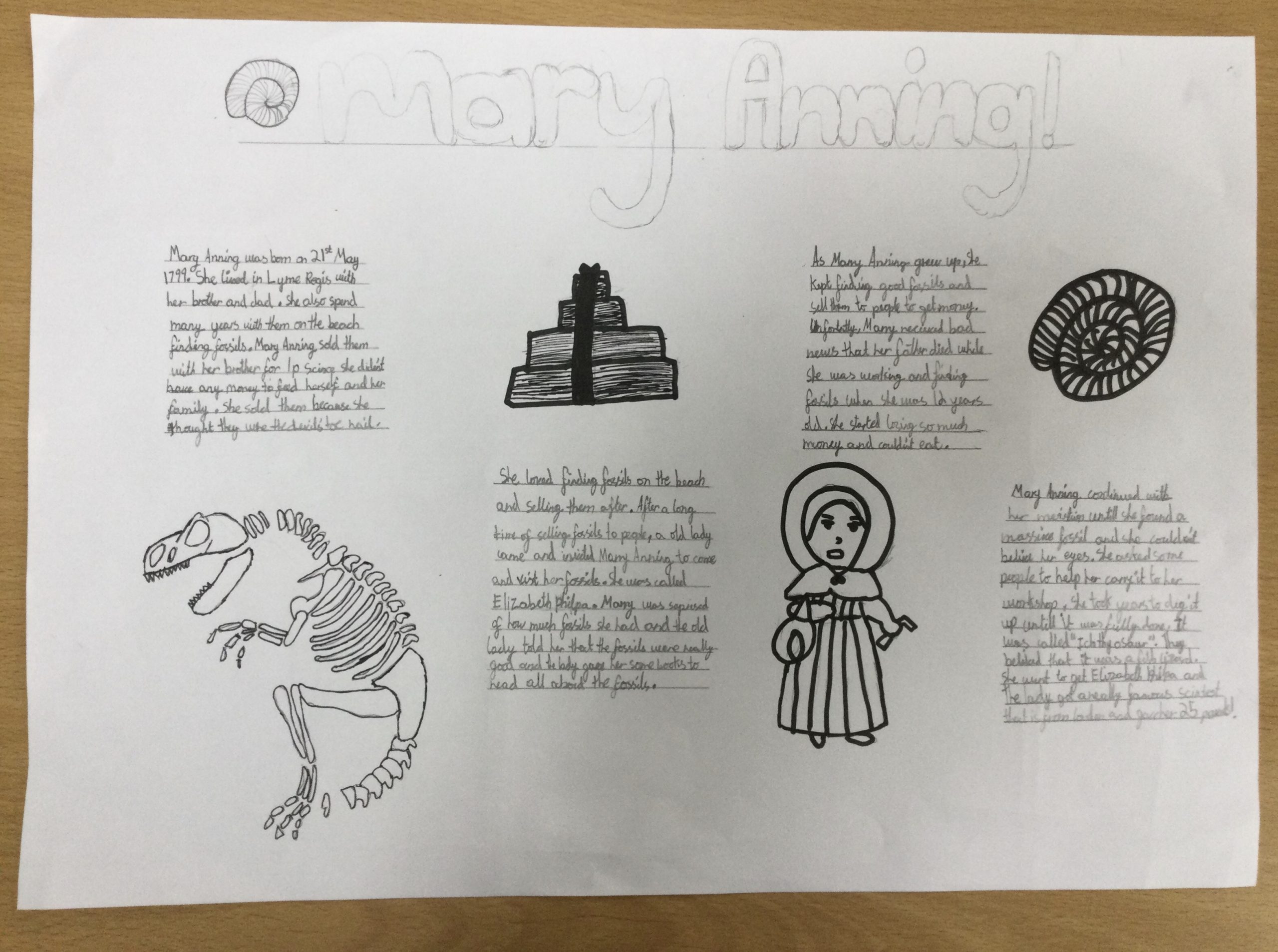
We learnt about Mary Anning in Y3, so as we are currently learning about fossils in Year 6 as part of our Evolution and Inheritance unit, today we revisited our learning with a view to presenting our information to Year 3 to help them in their learning journey.
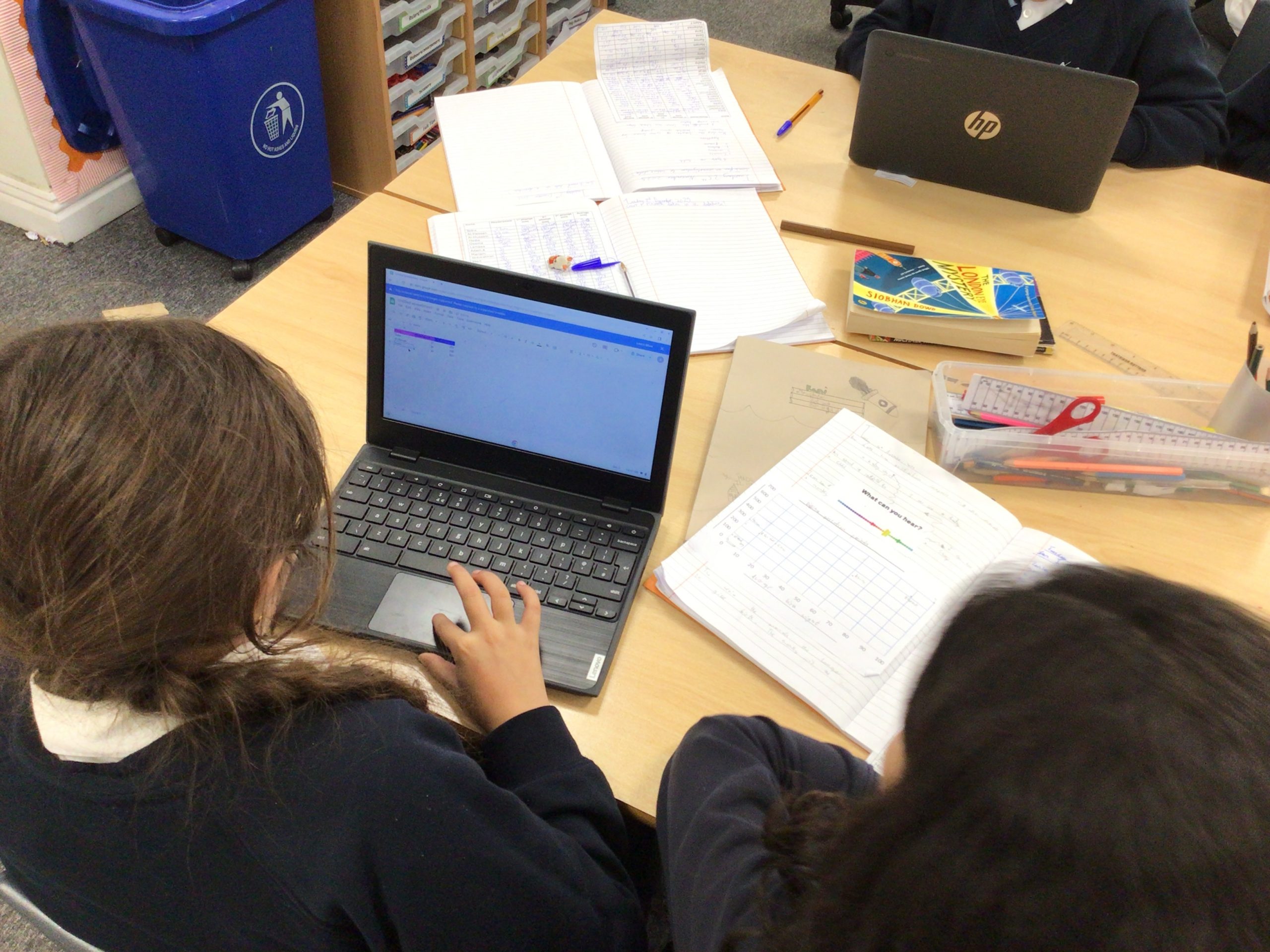
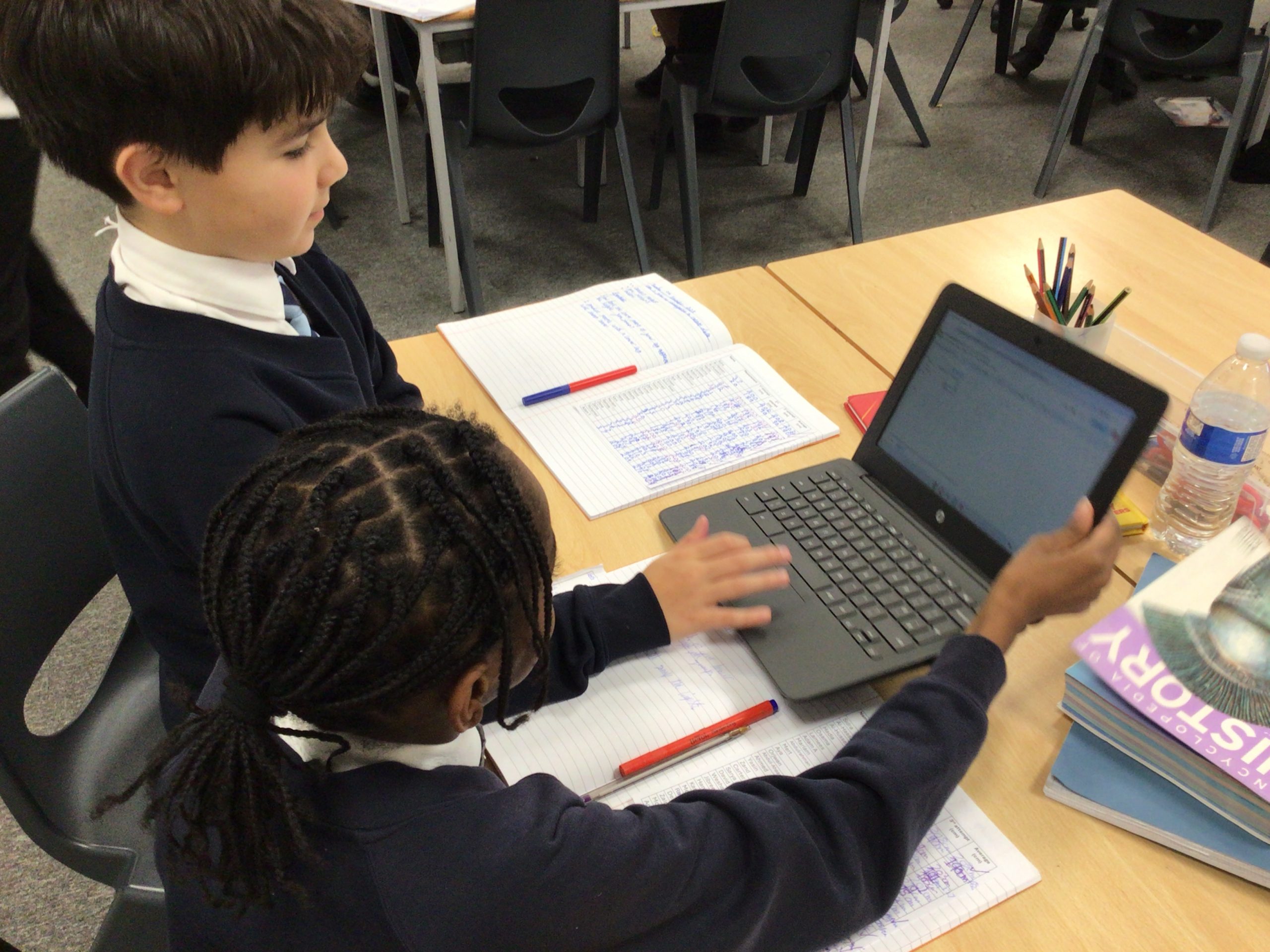
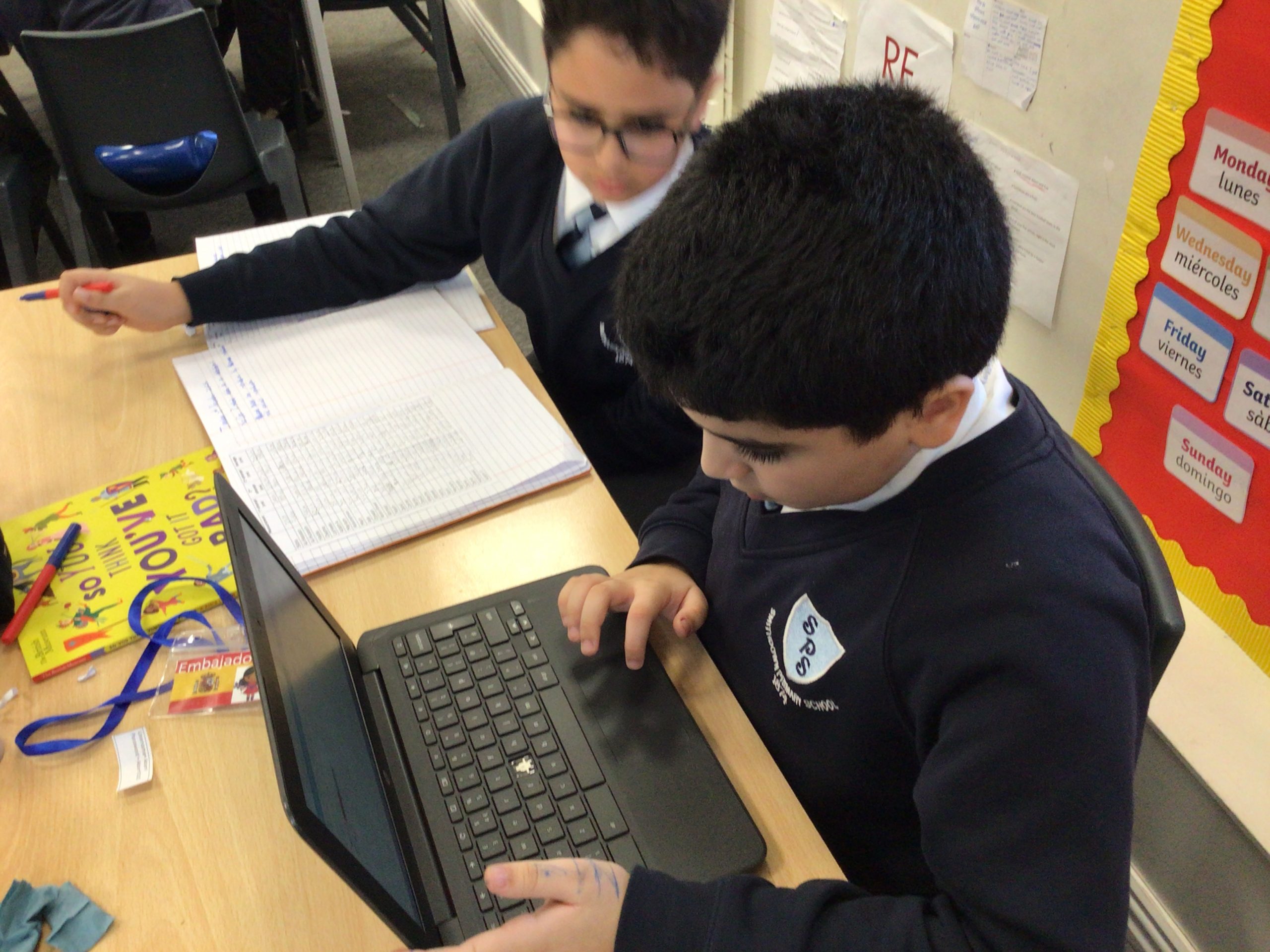
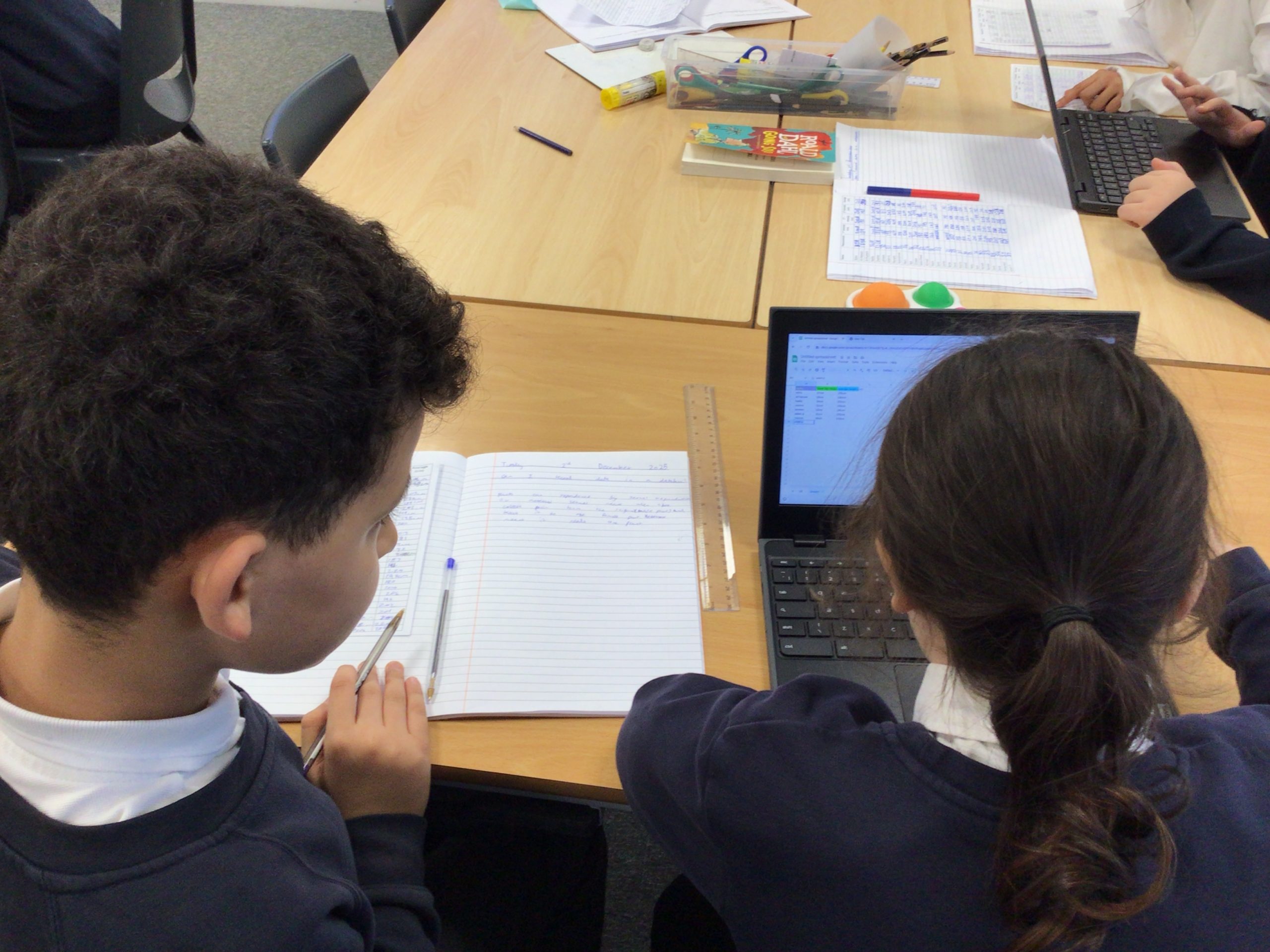
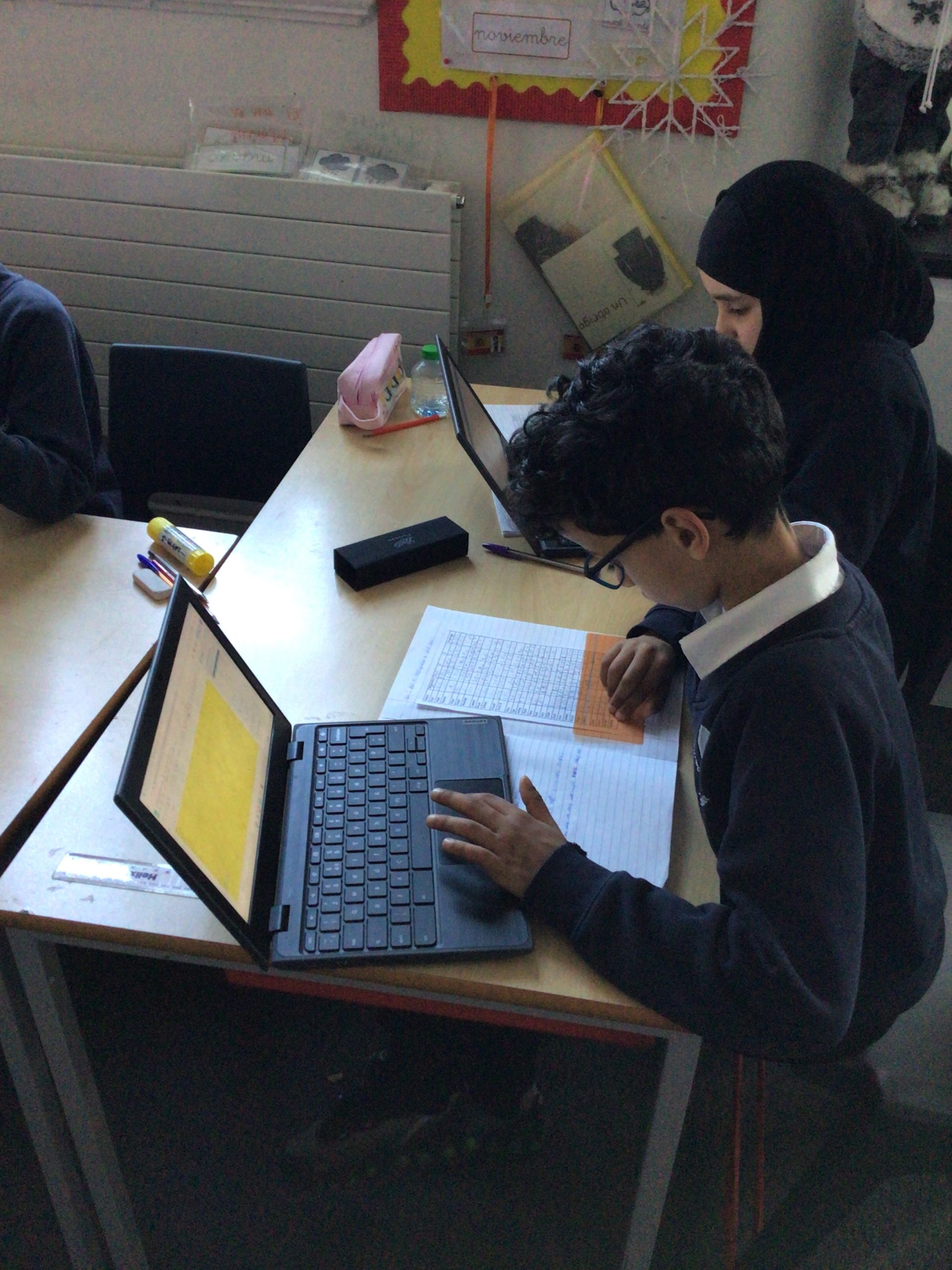
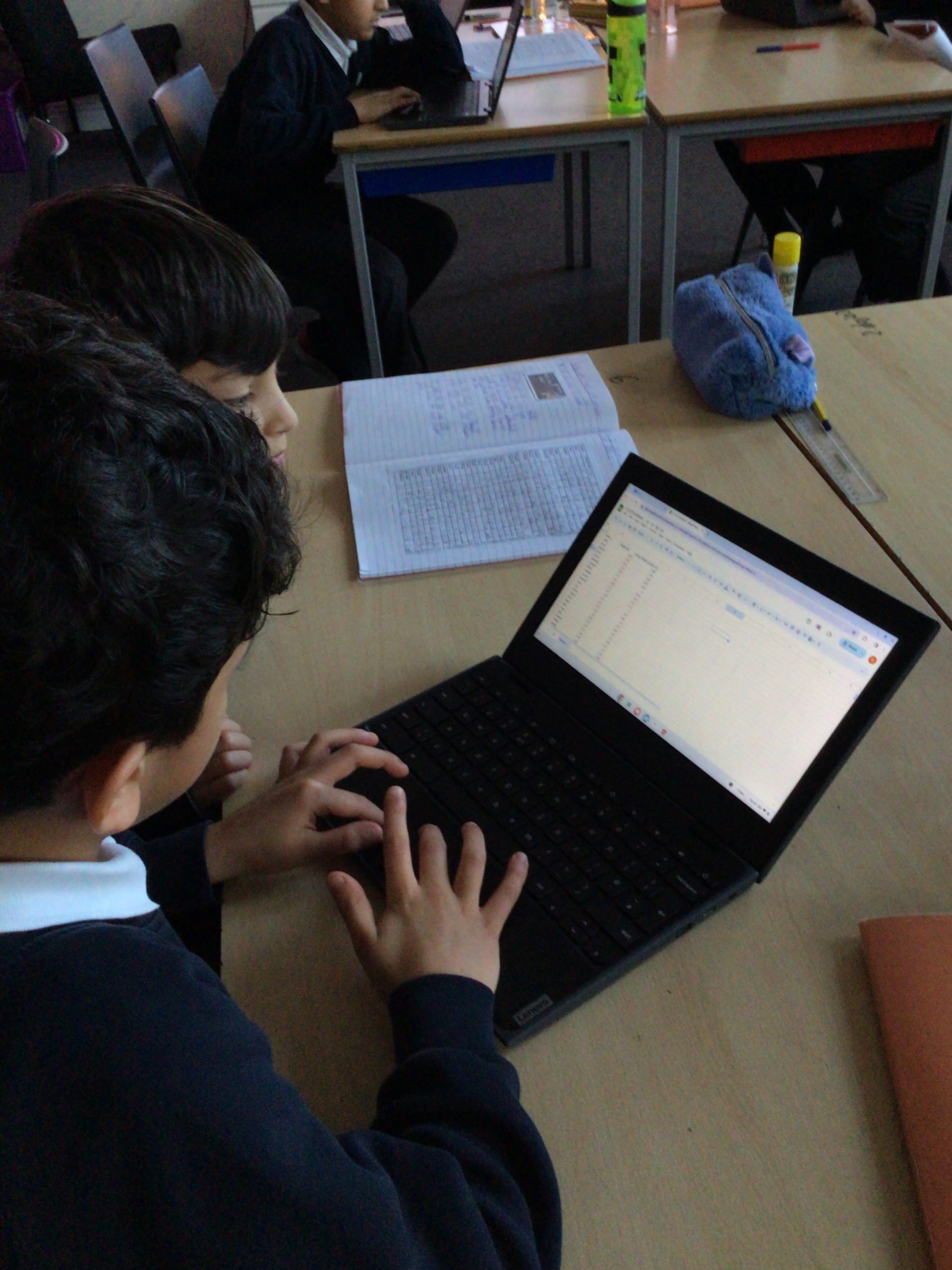
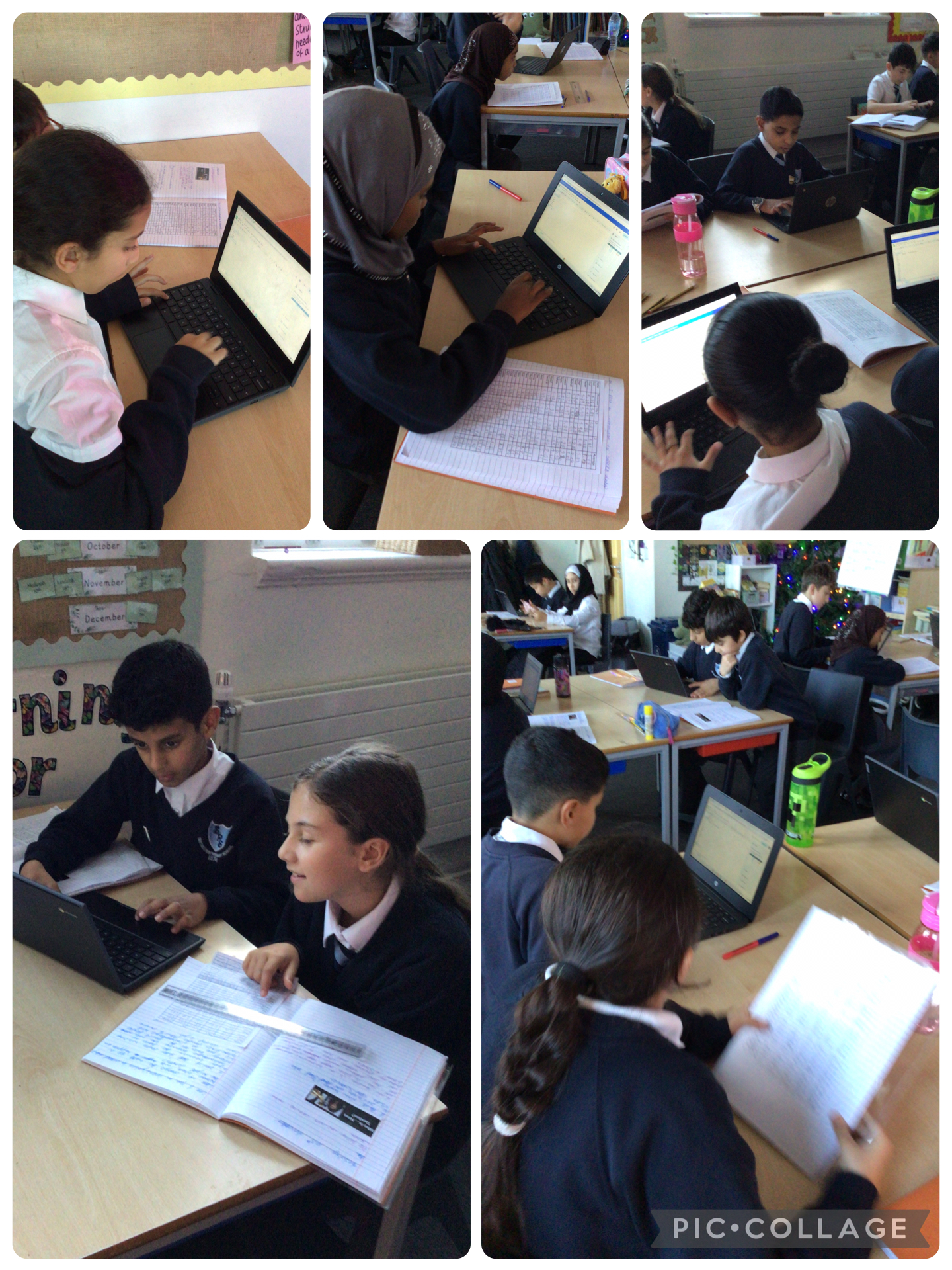
Today we have used data from our investigation to create a database on Google Sheets. We used the database to answer questions such as ‘Who jumped the highest?’ And ‘Who jumped higher than 1.9m’.
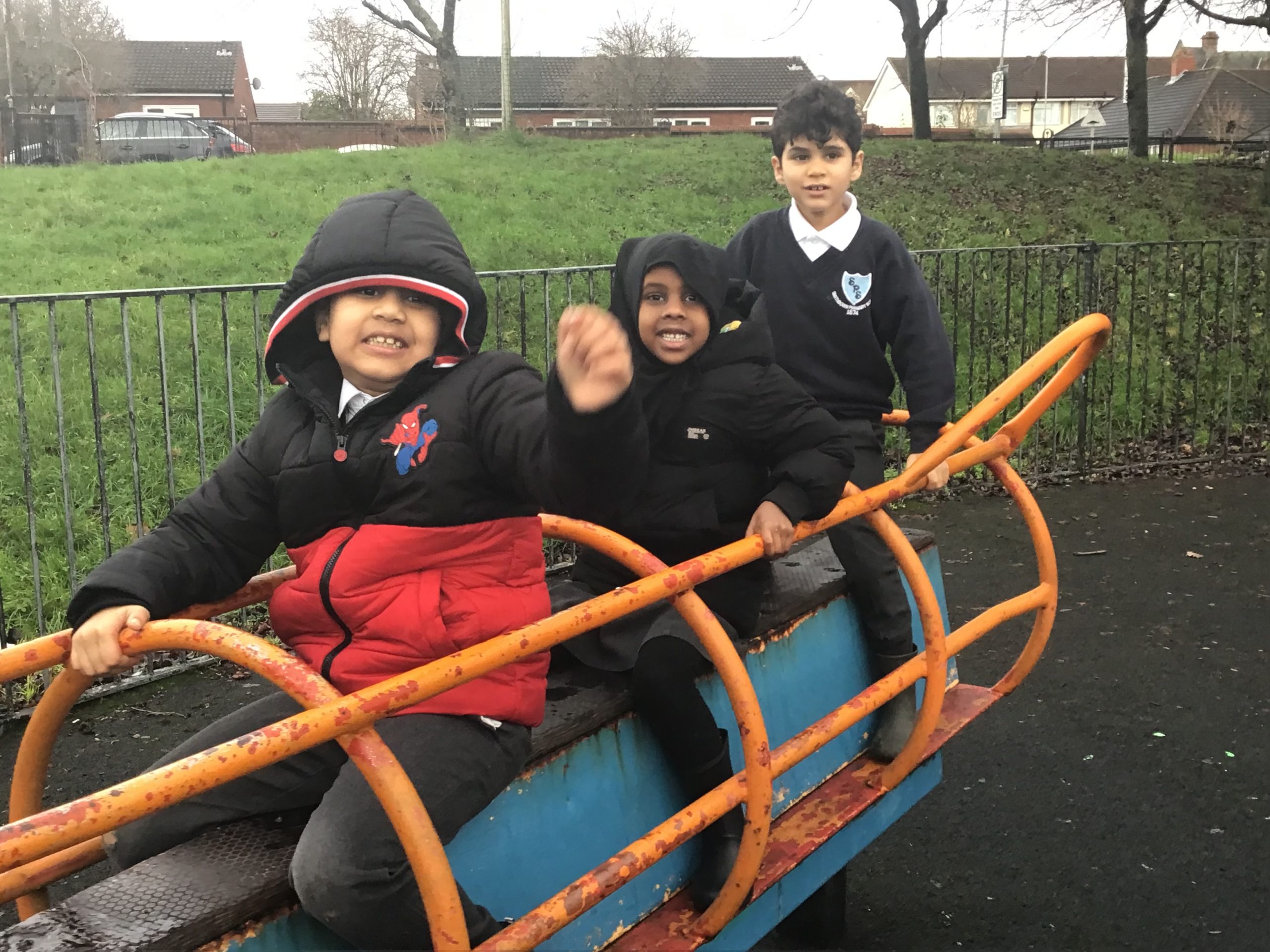
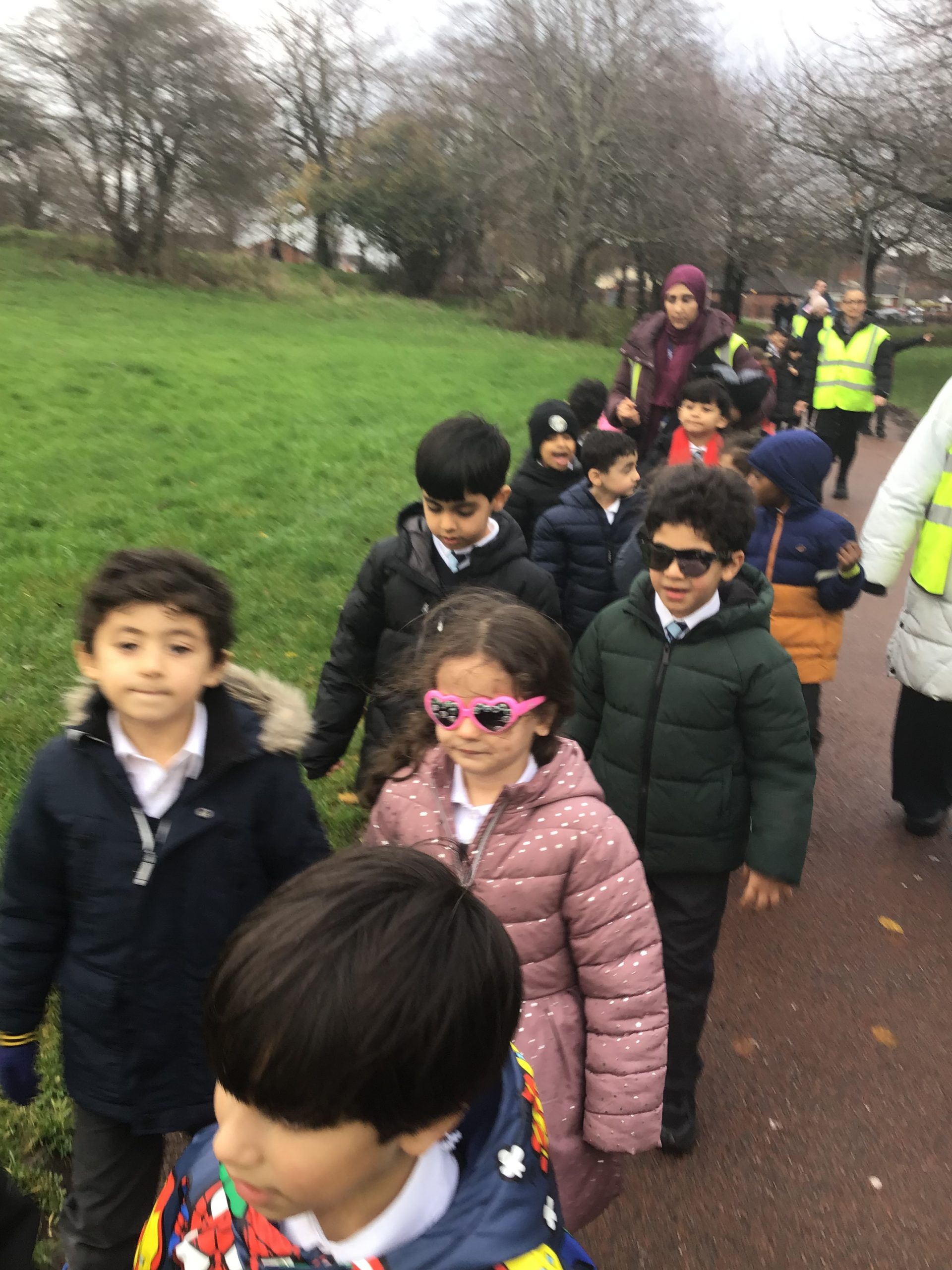
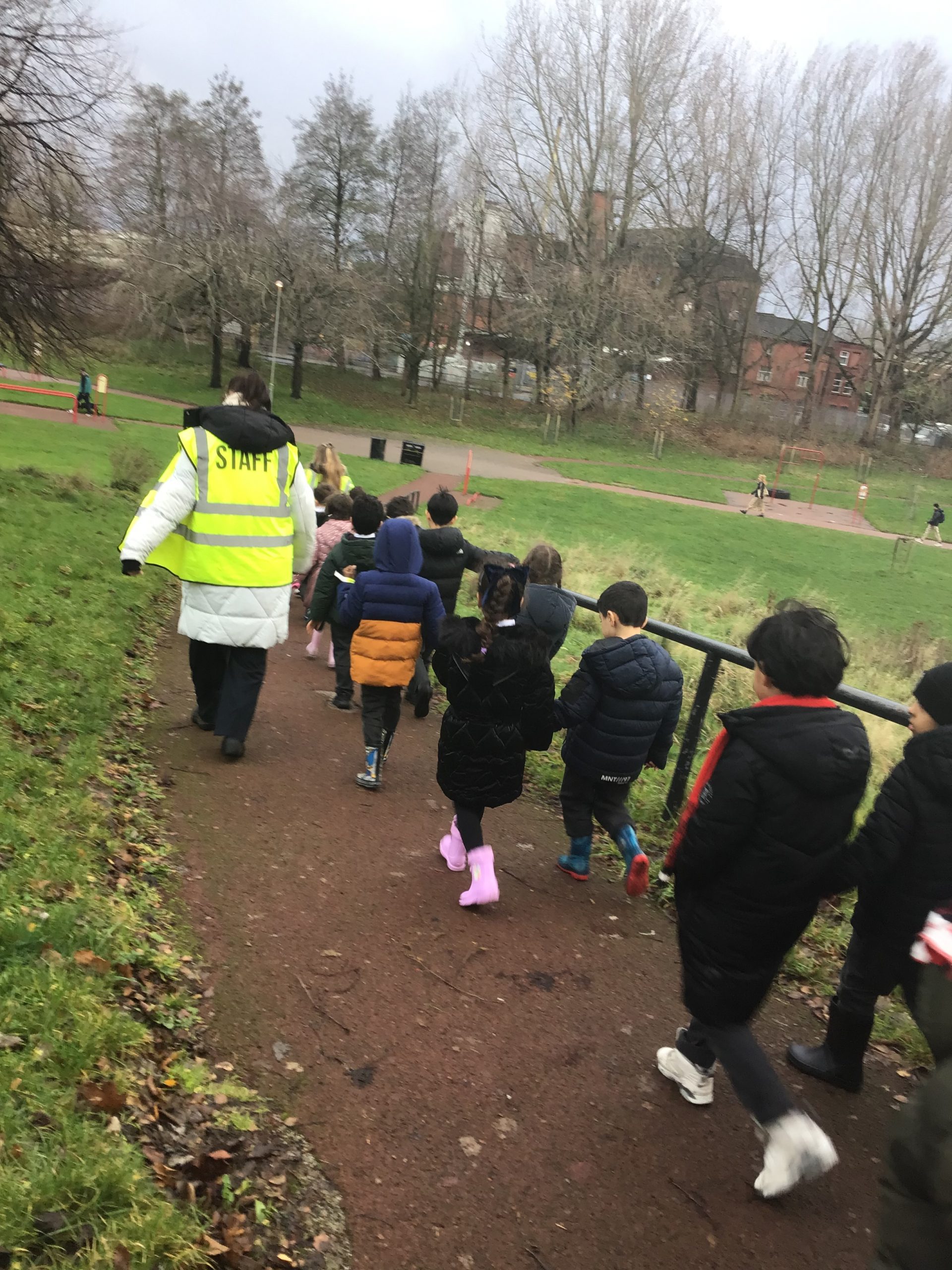
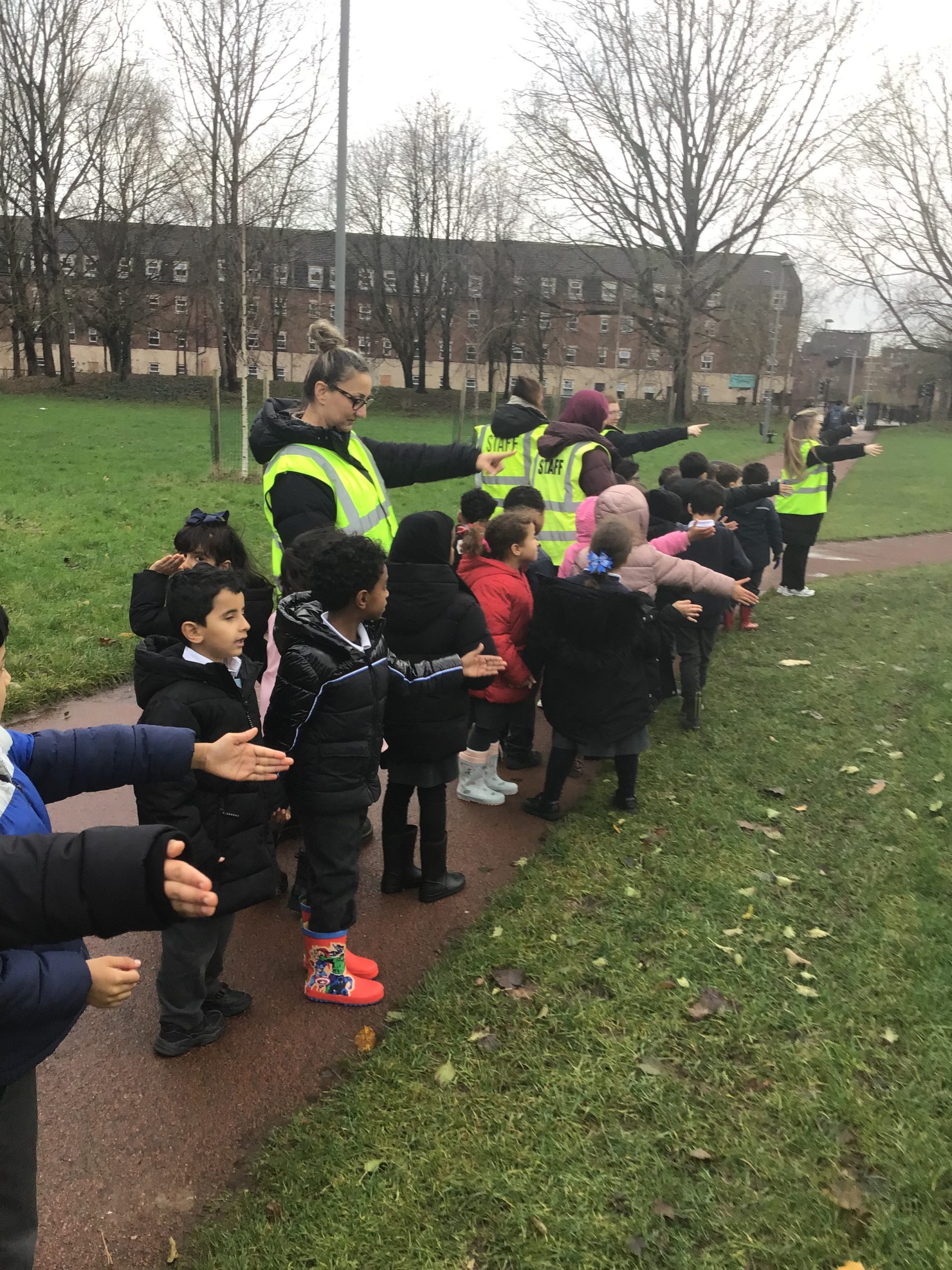
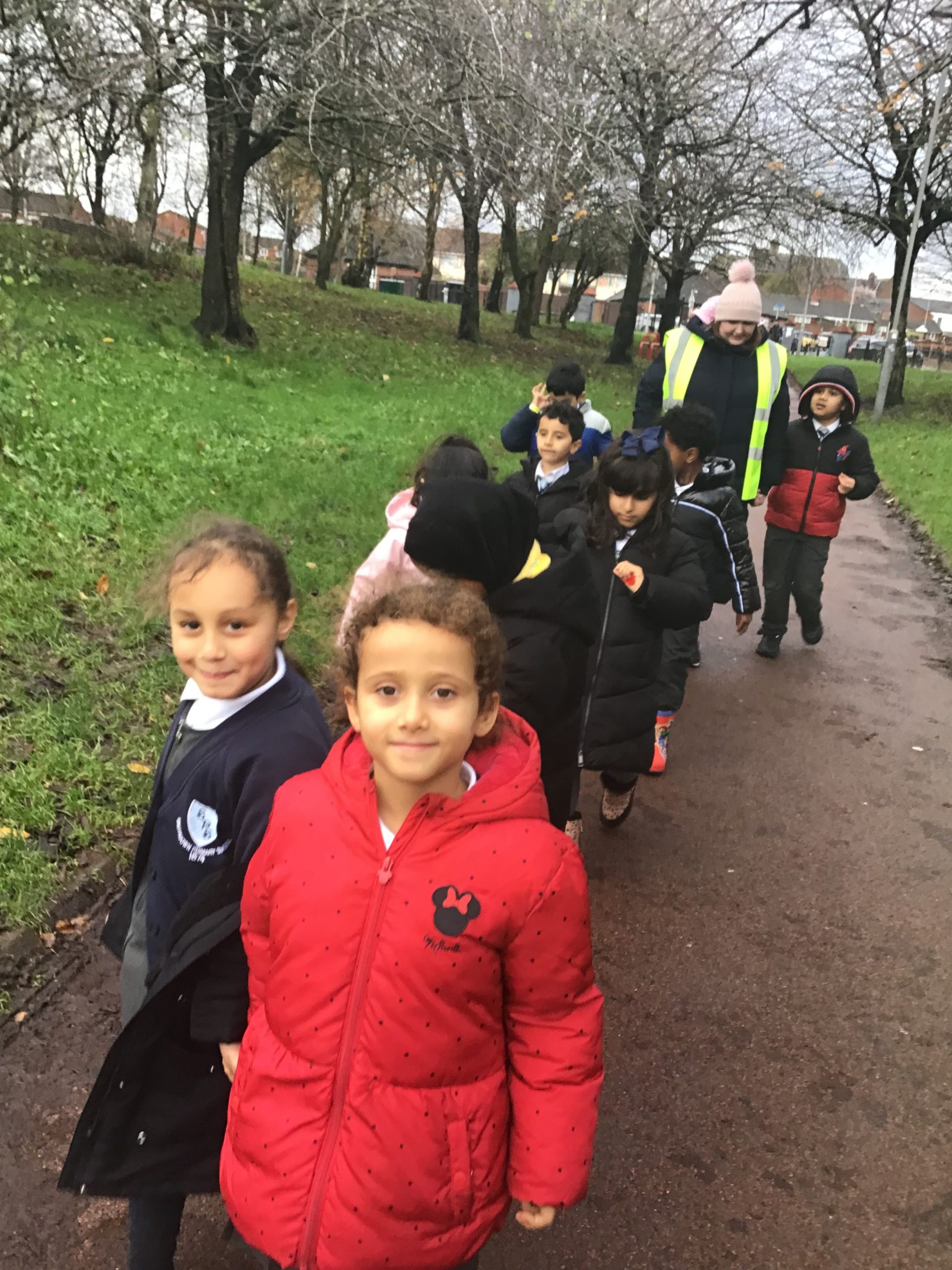
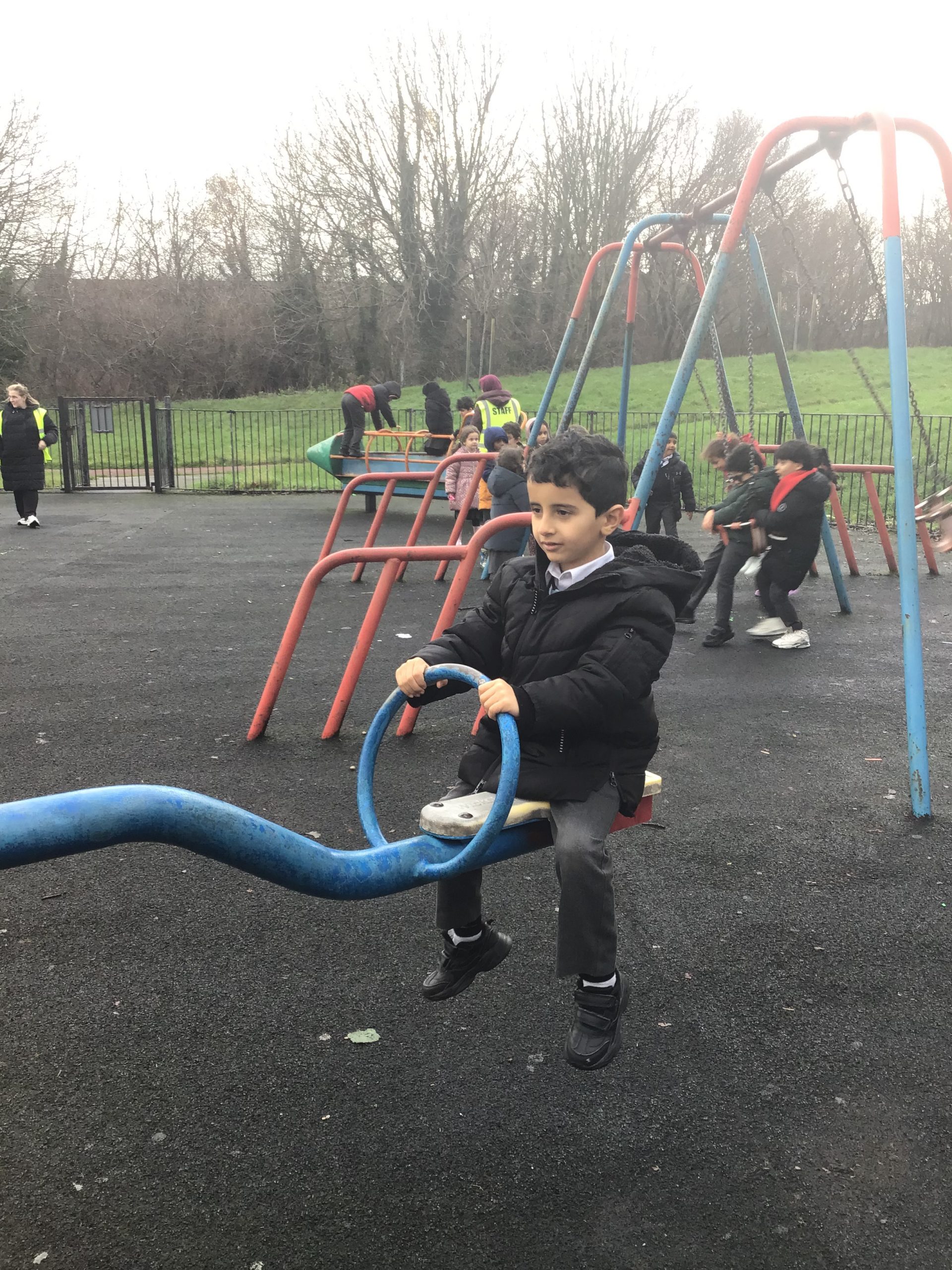
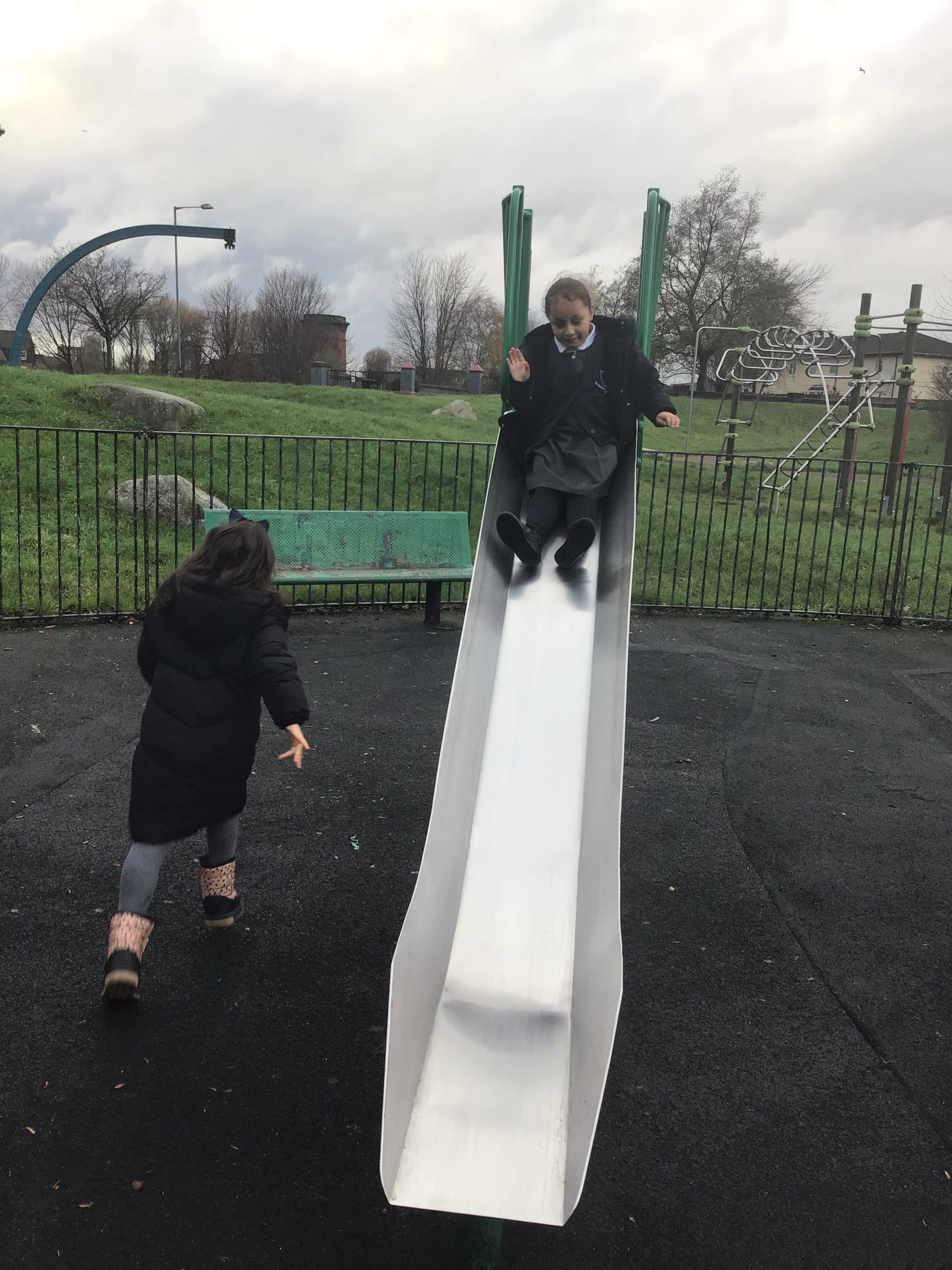
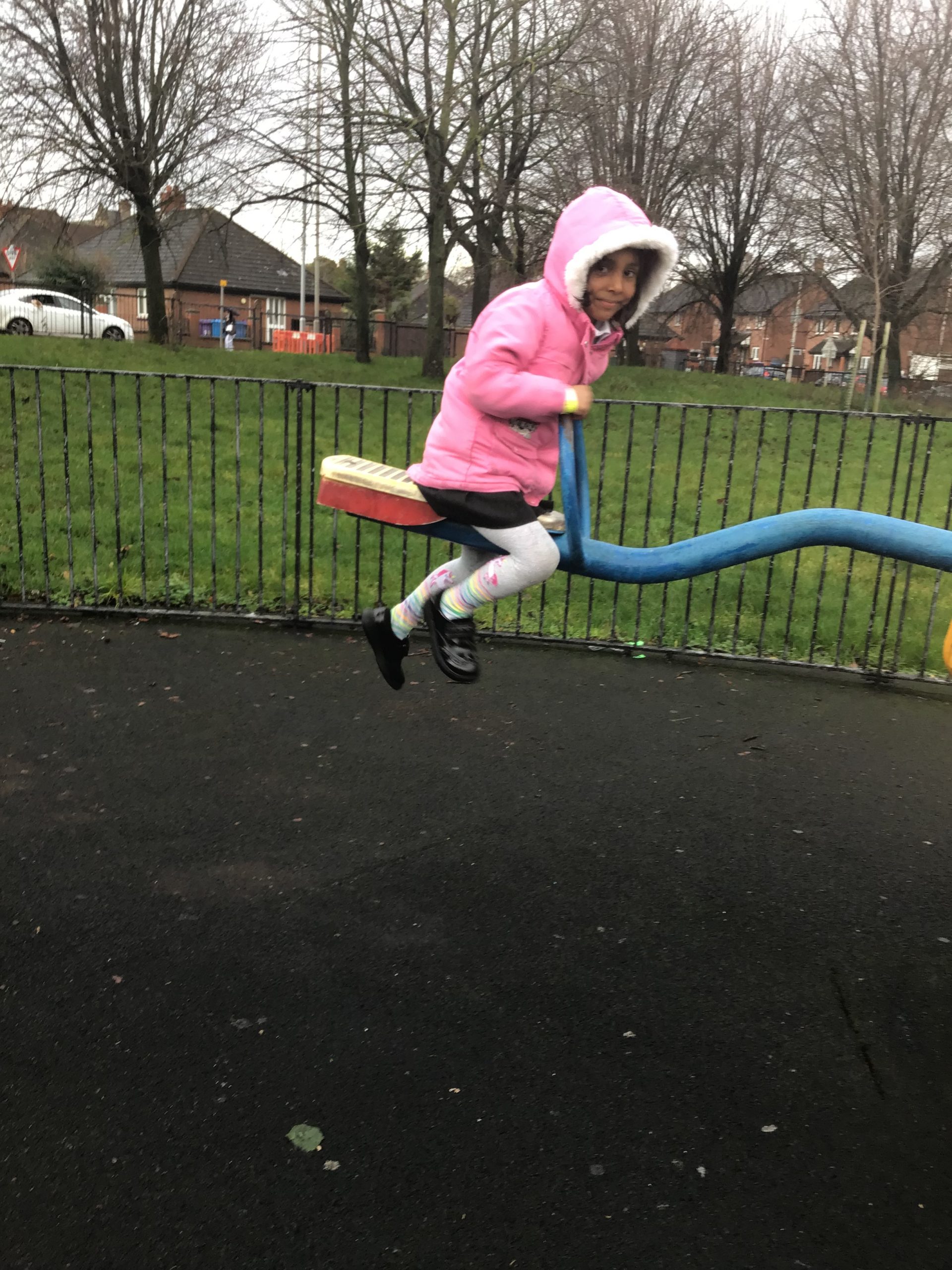
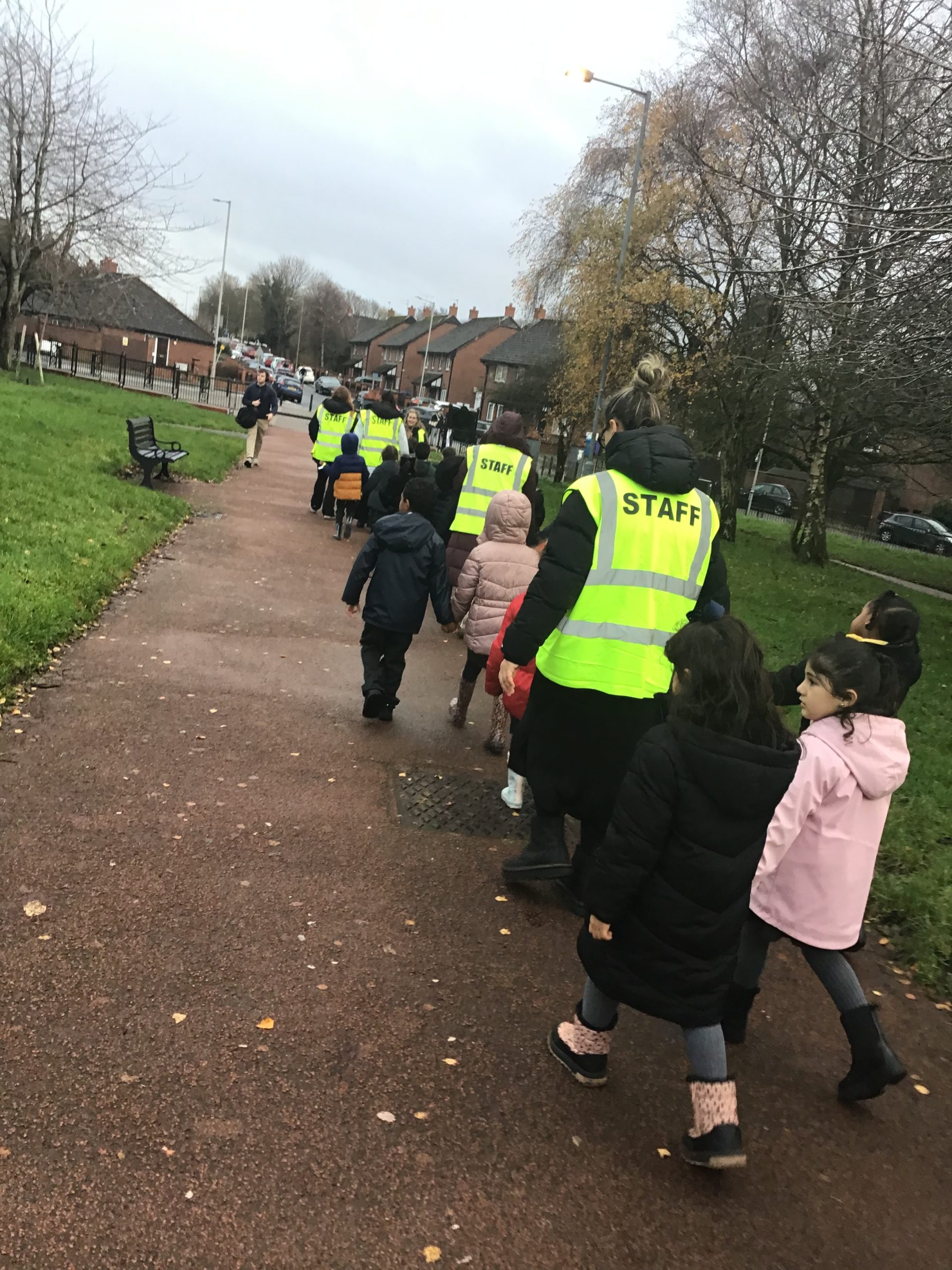
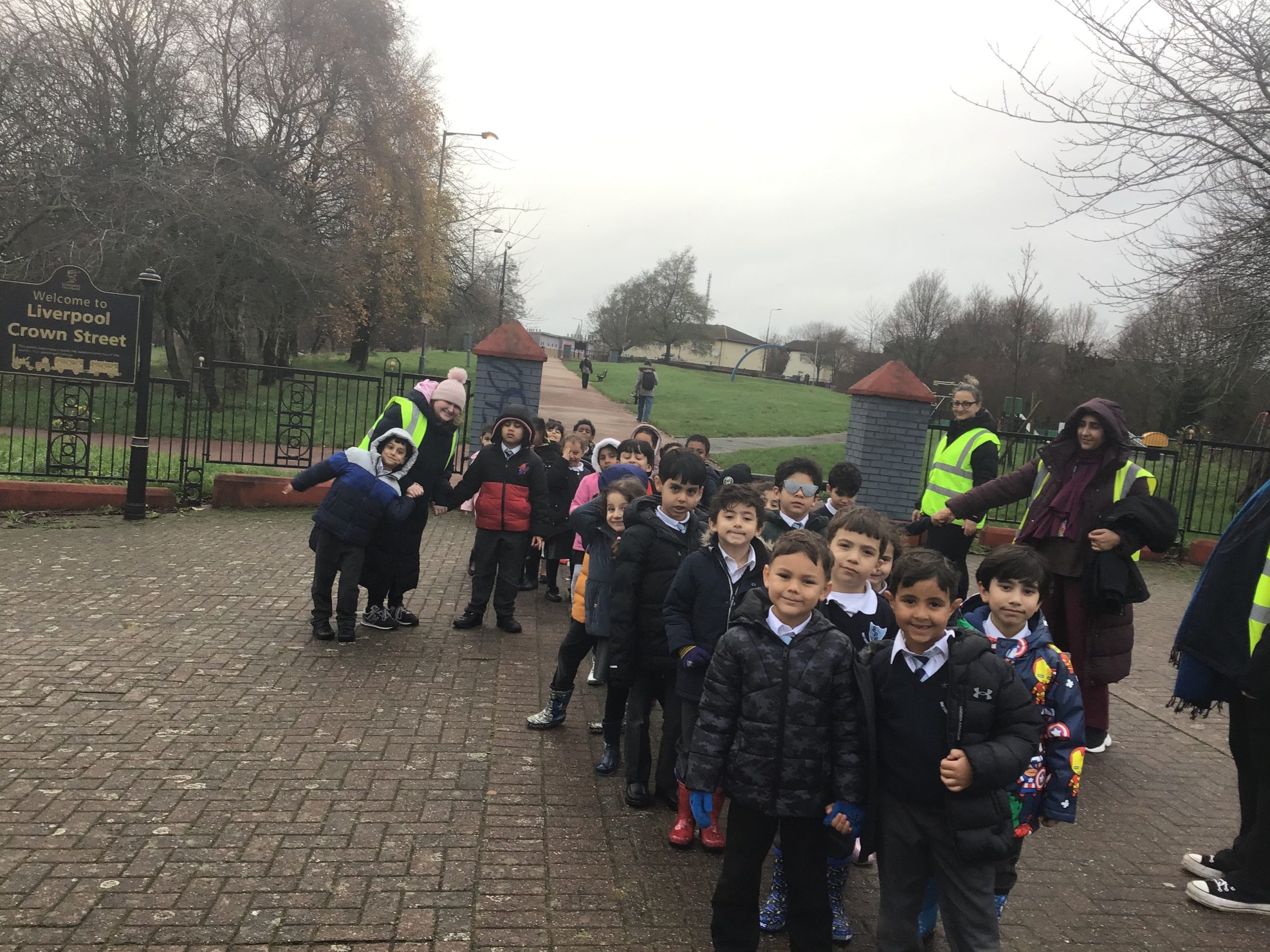
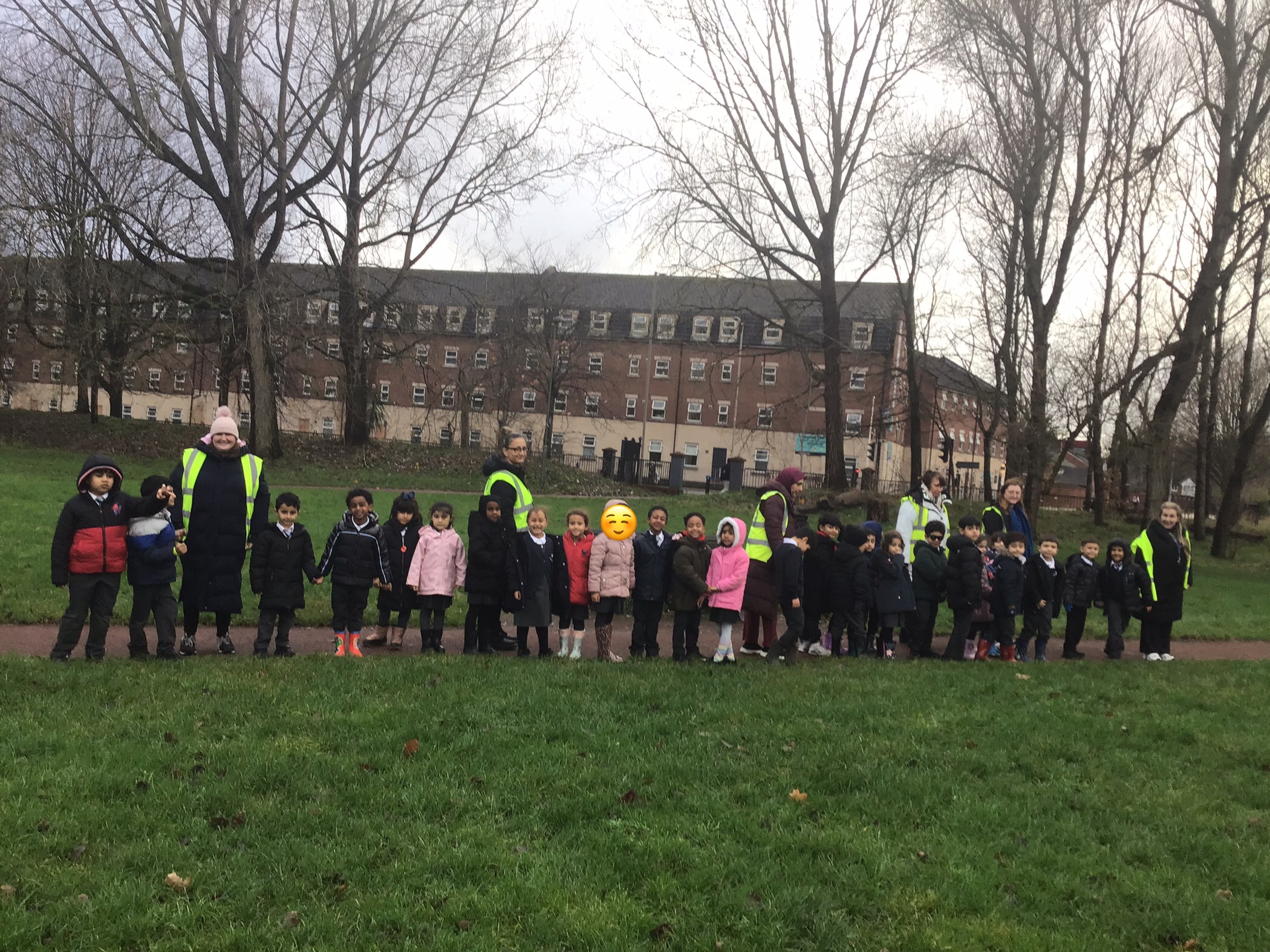
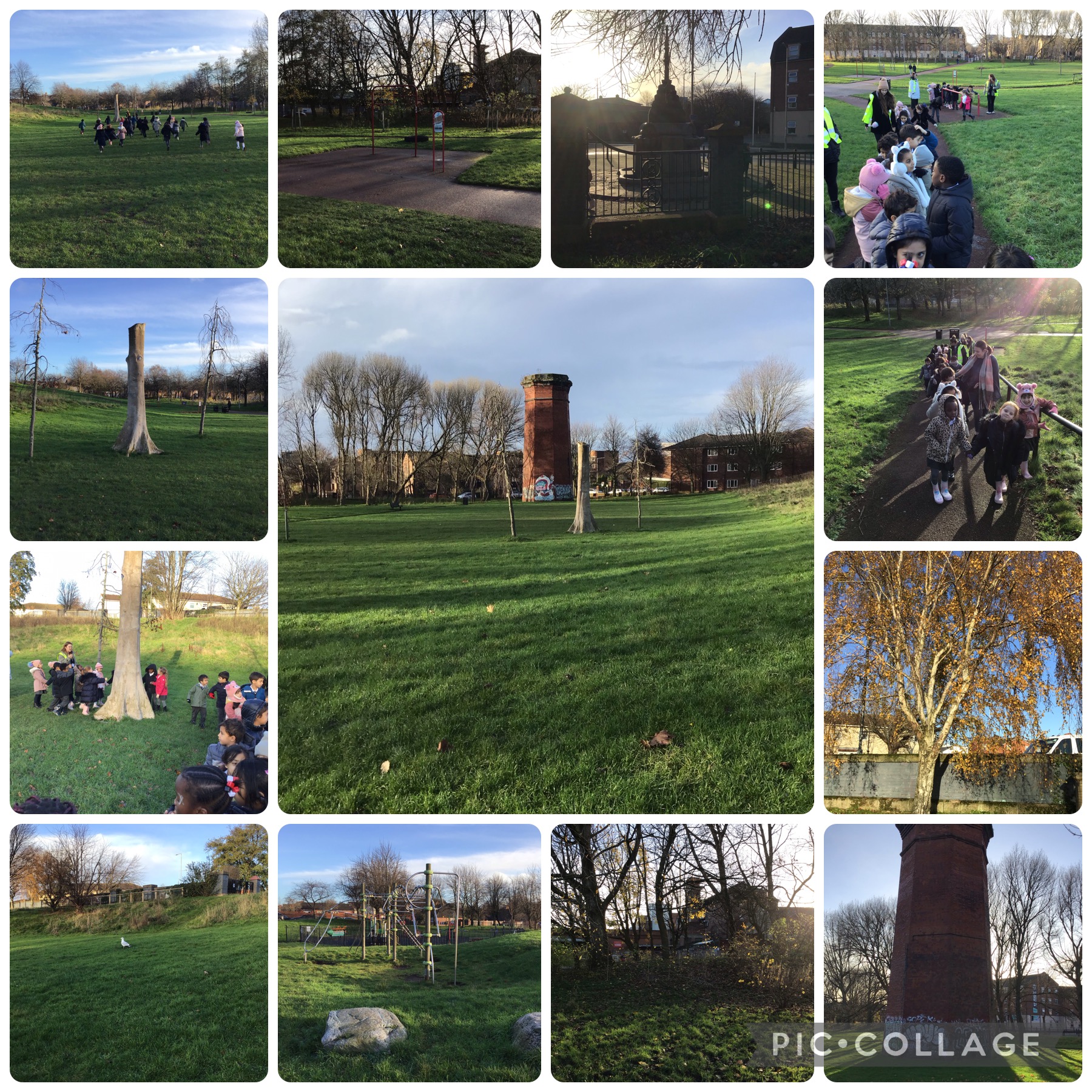
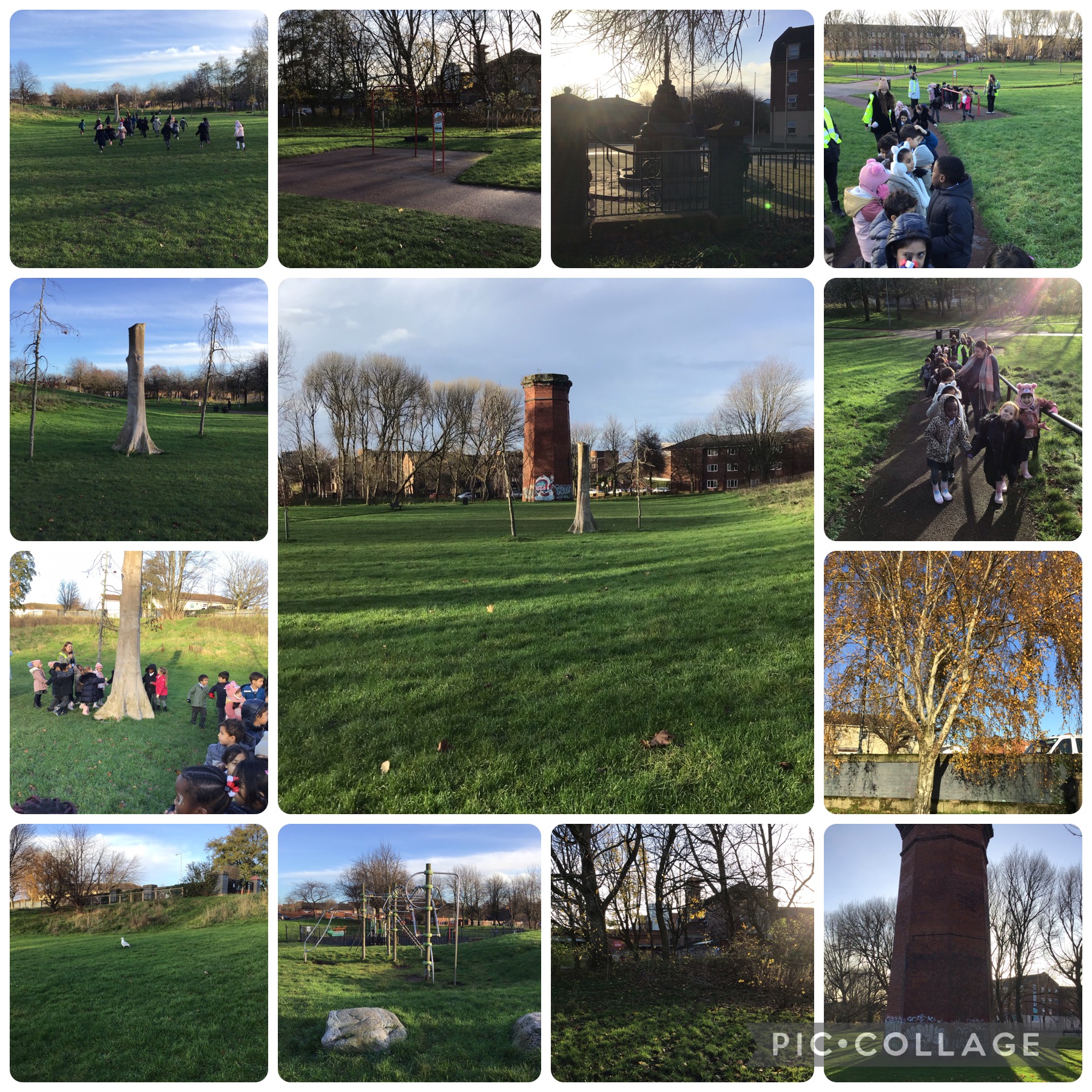
Y1 PK went on a Welly Walk to Crown Street Park. We followed directions – North, South, East, West and spotted what we could see. We also looked for signs of Autumn and that Autumn is changing into Winter.
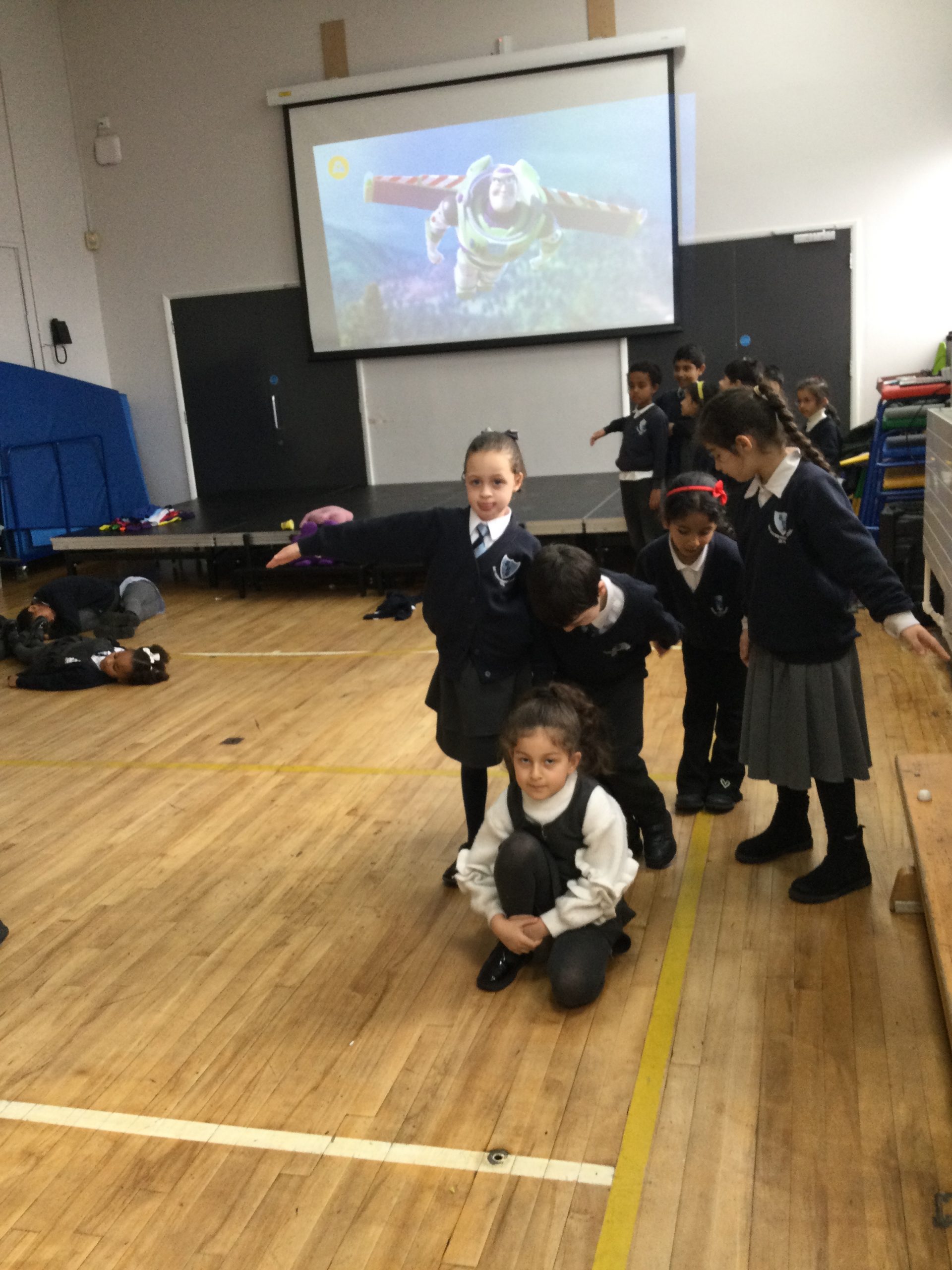
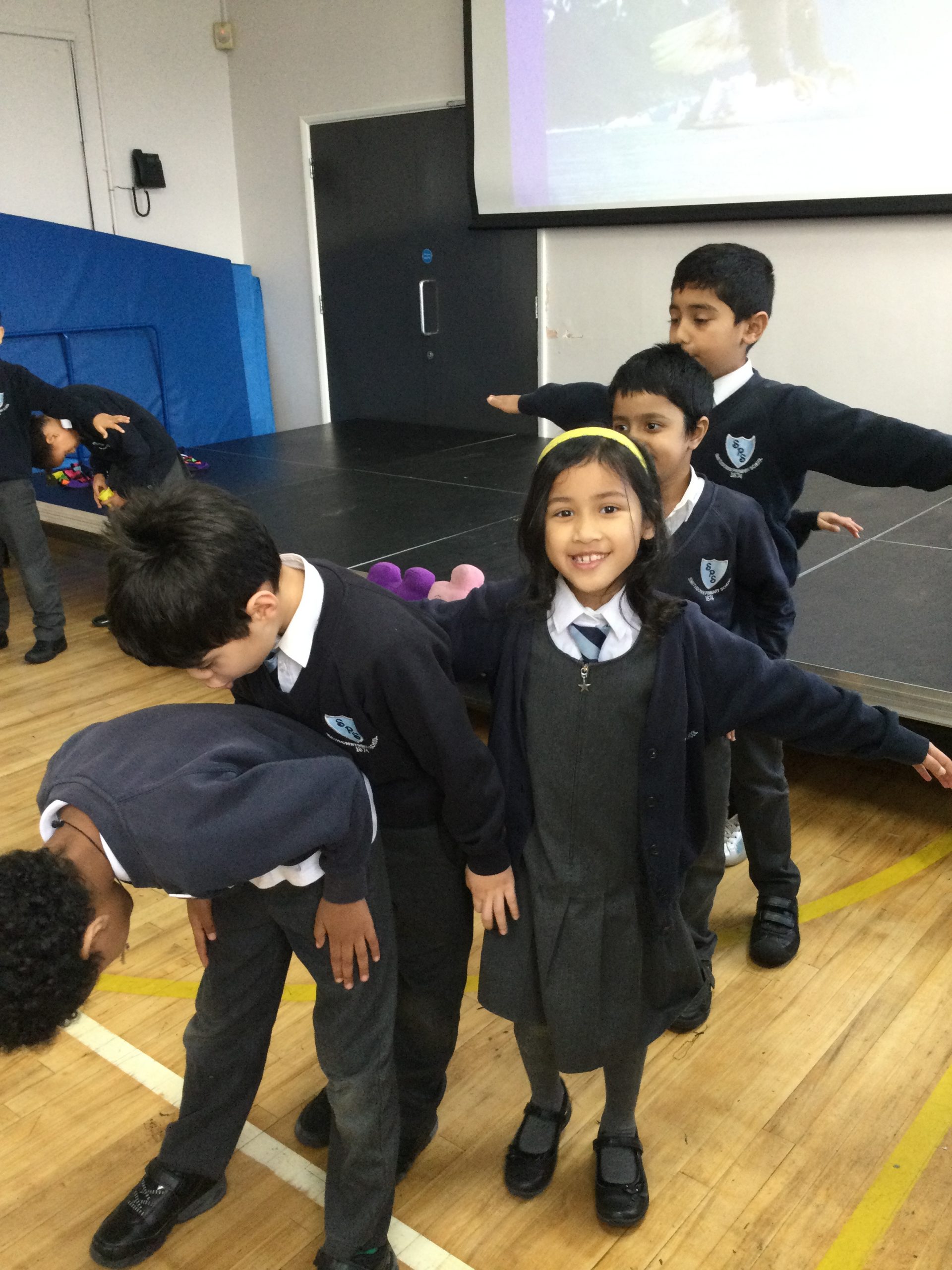
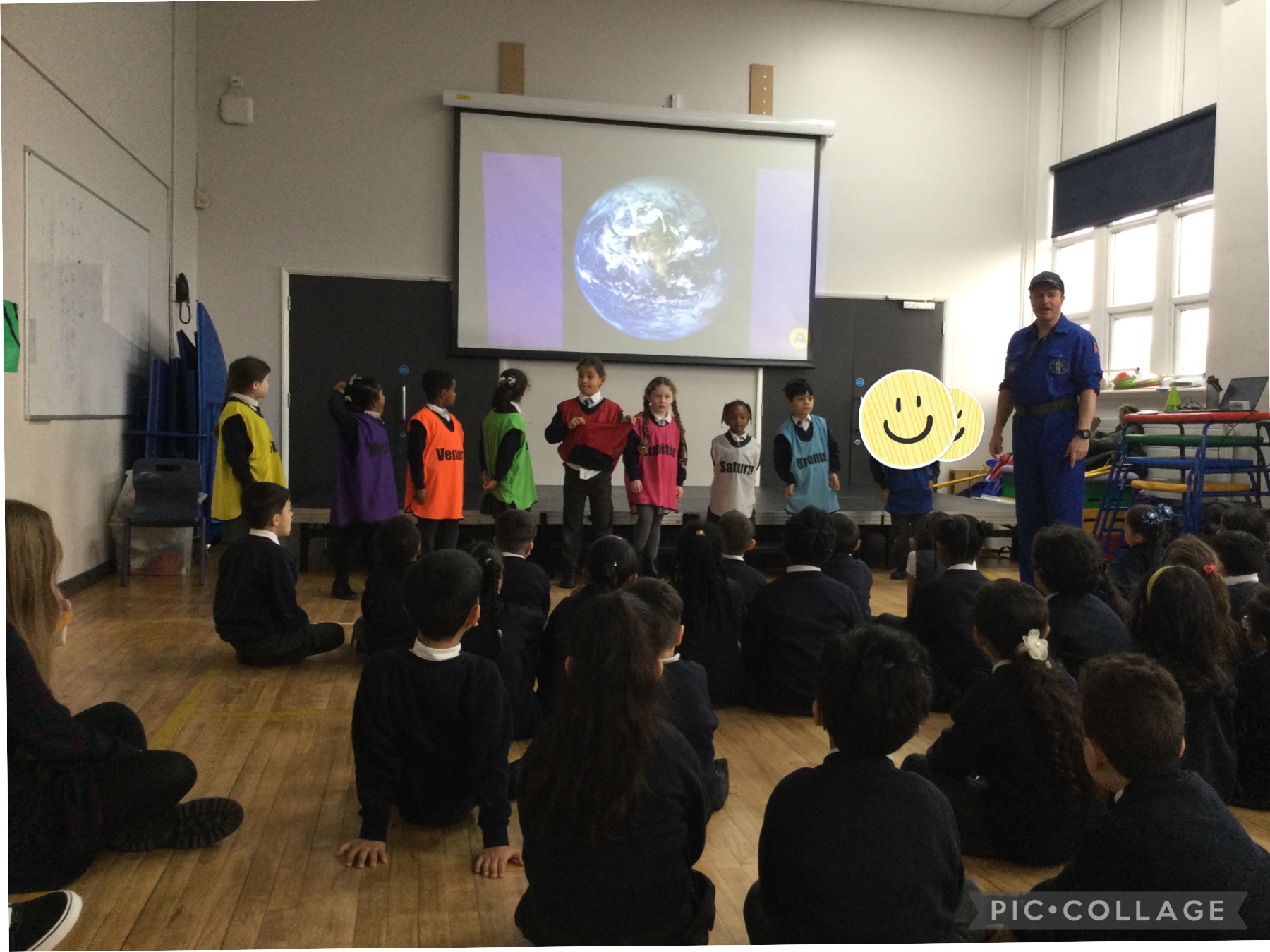
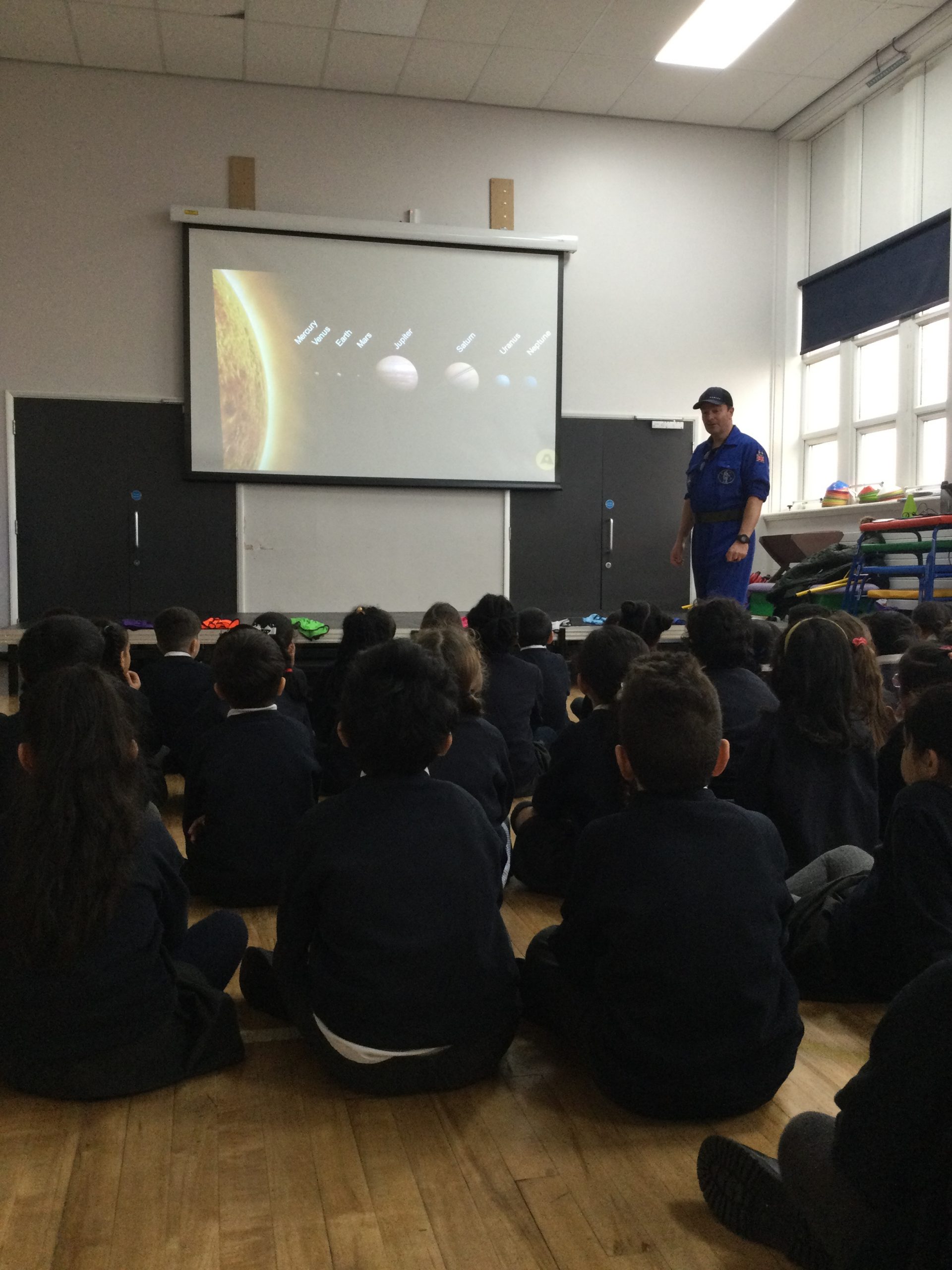
On Friday we learned so much about space and how Neil Armstrong explored the moon. We also used teamwork and communication skills to recreate images about space .
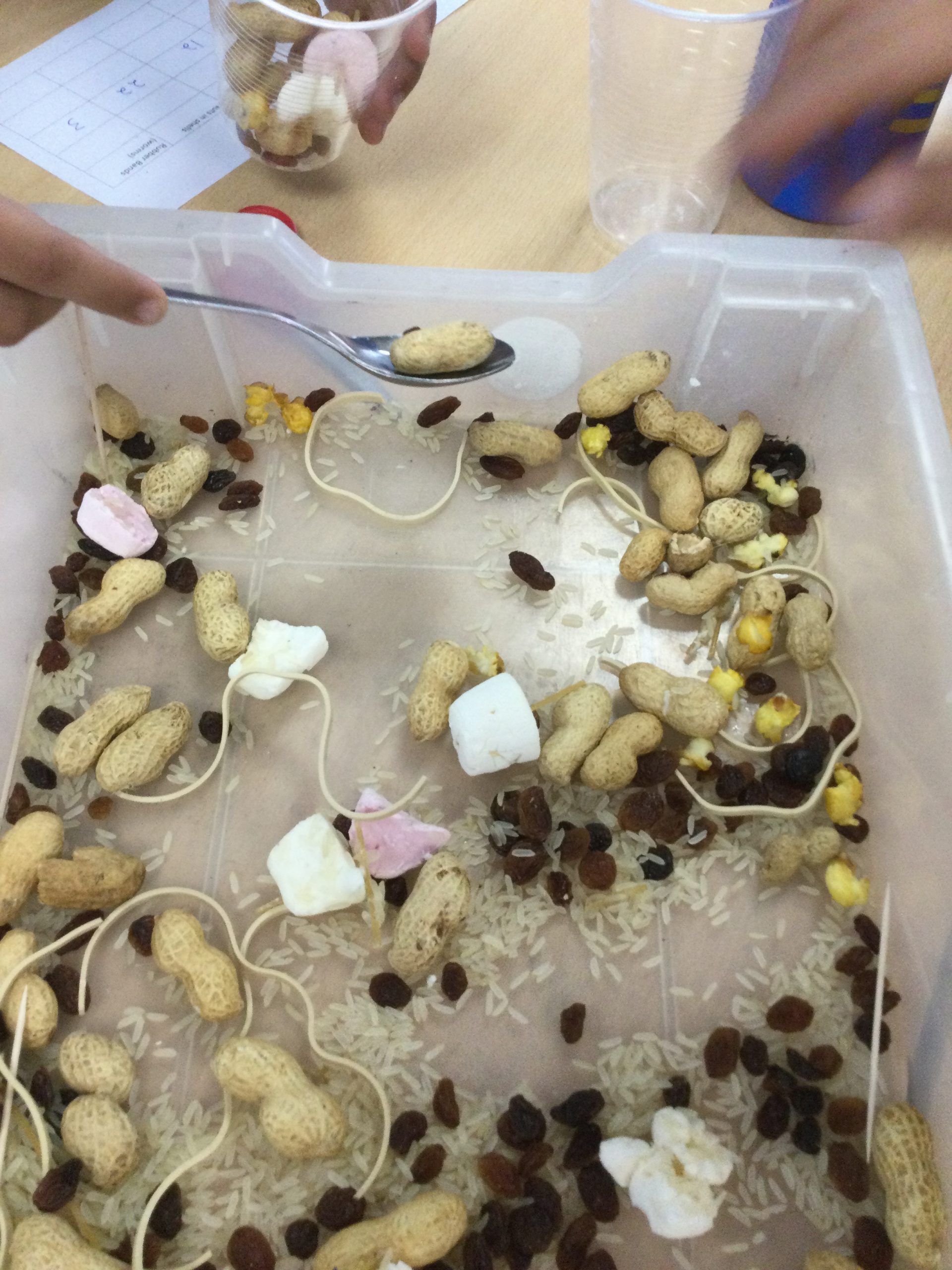
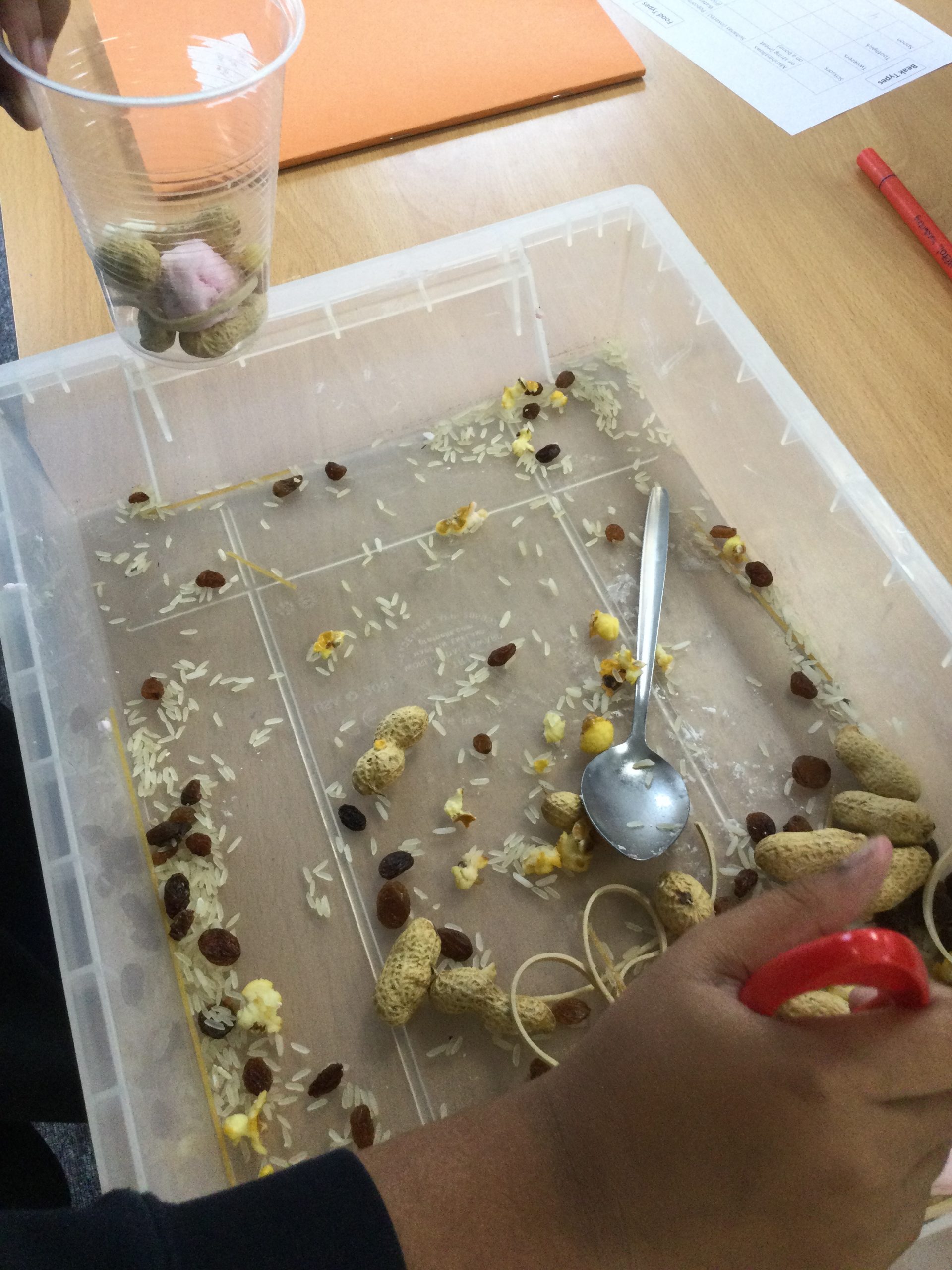
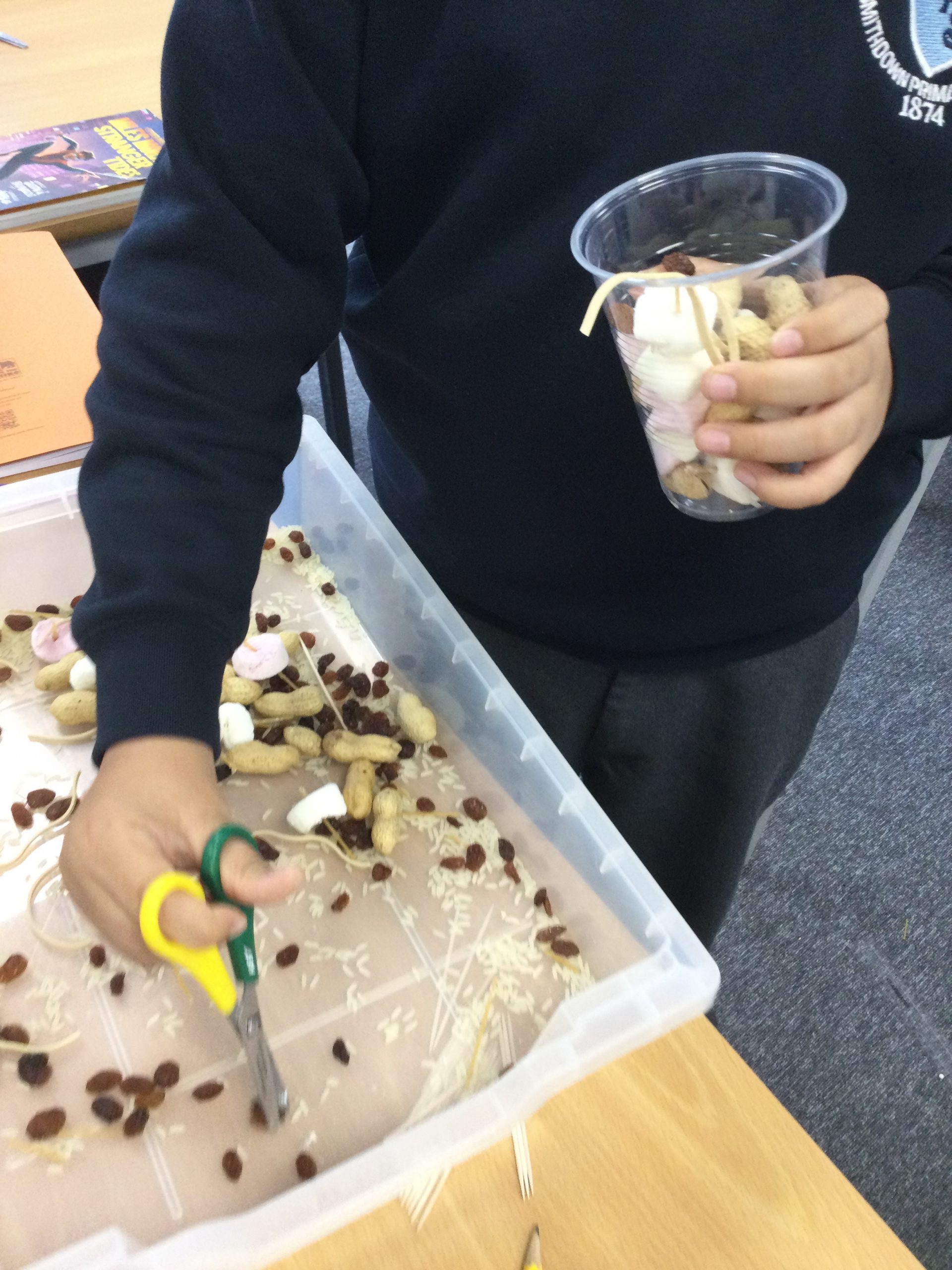
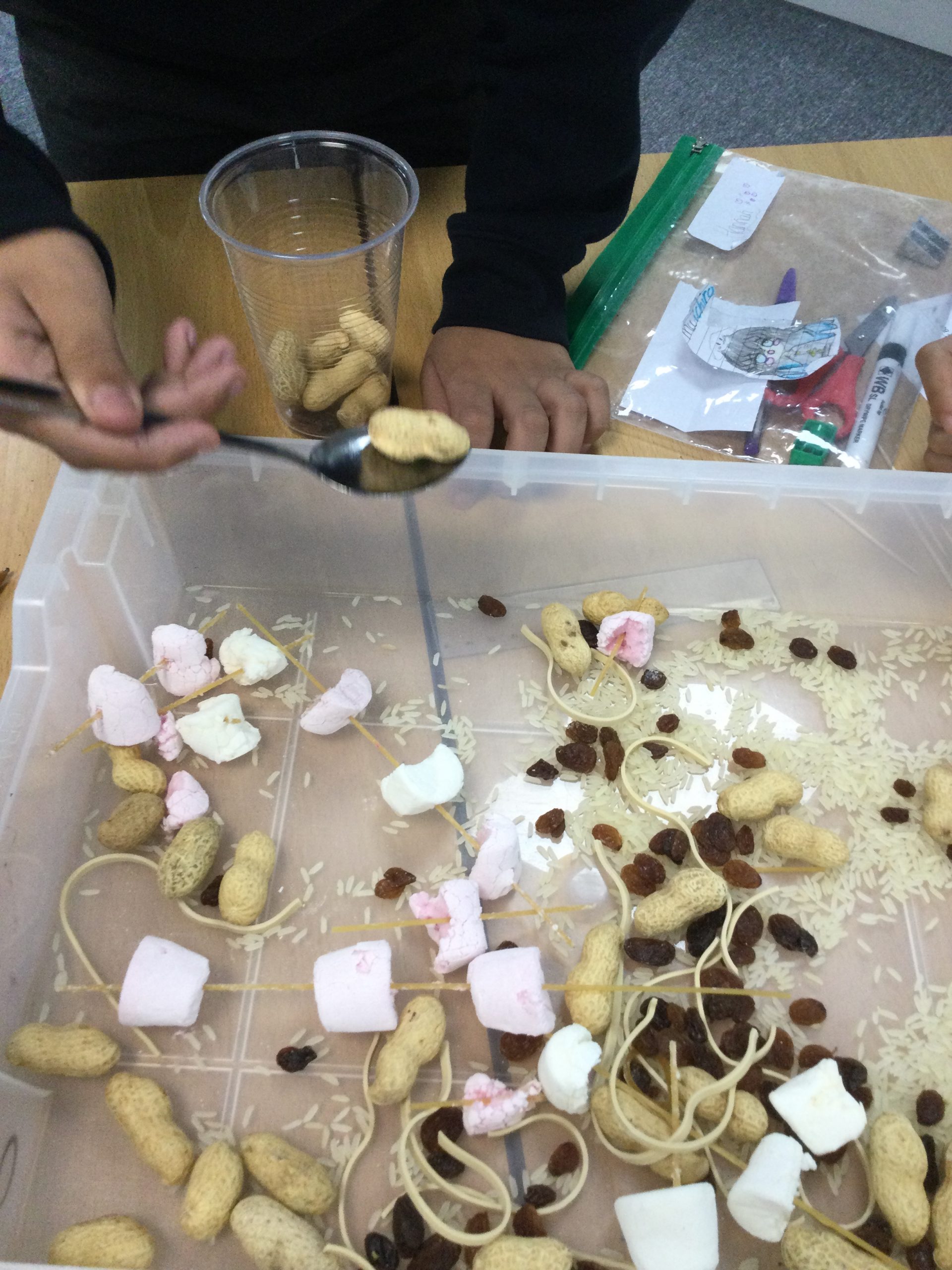
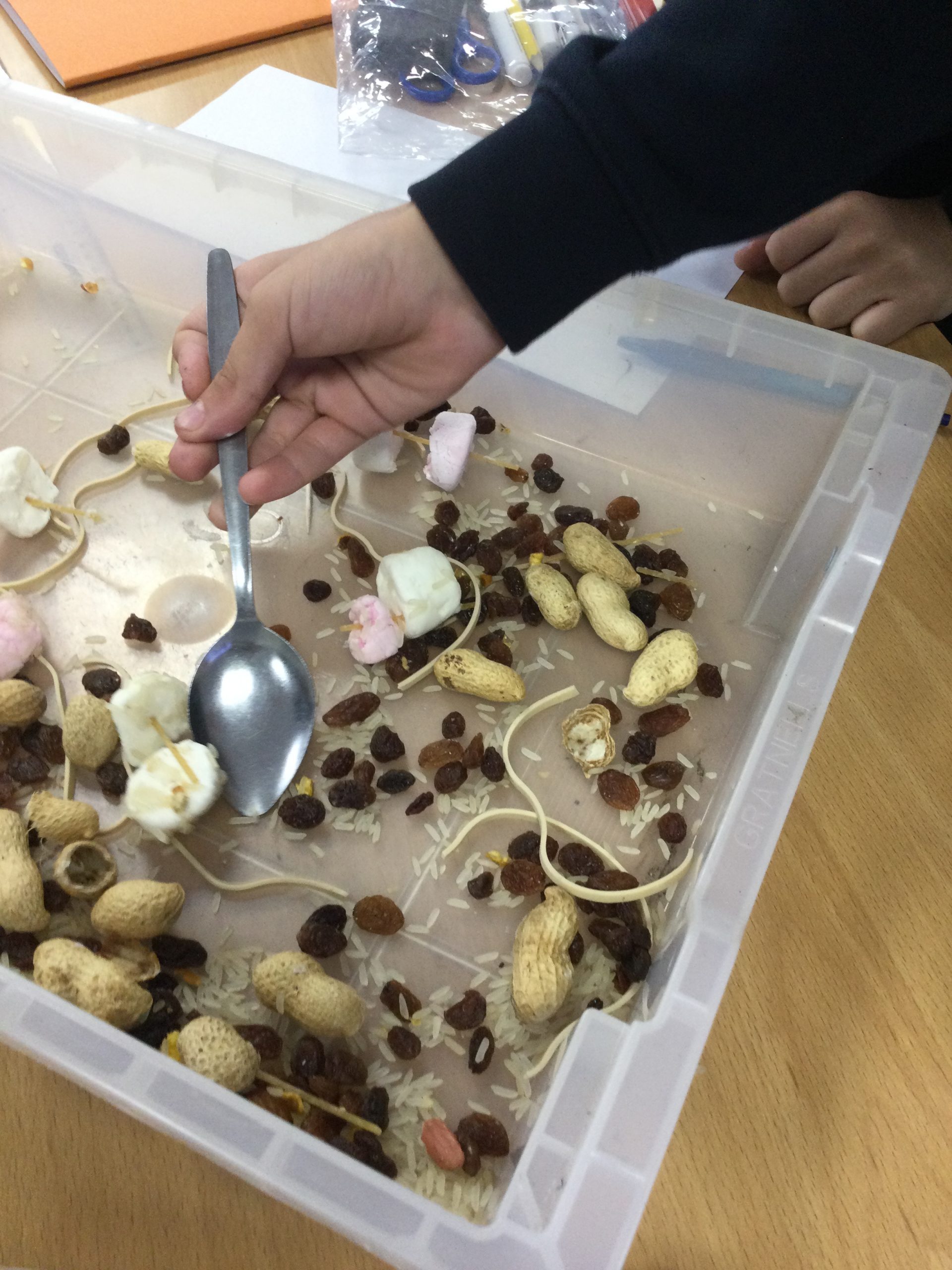
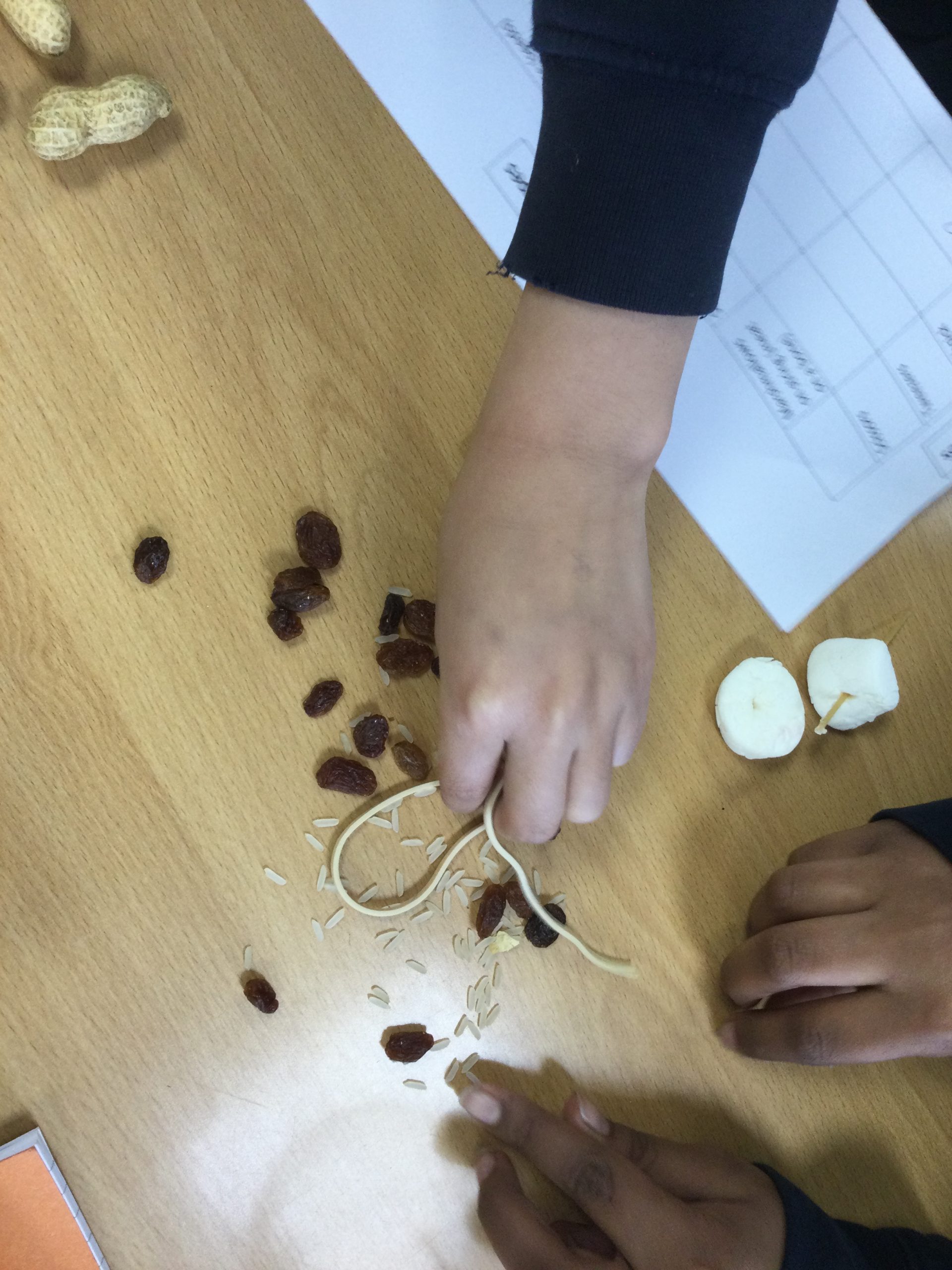
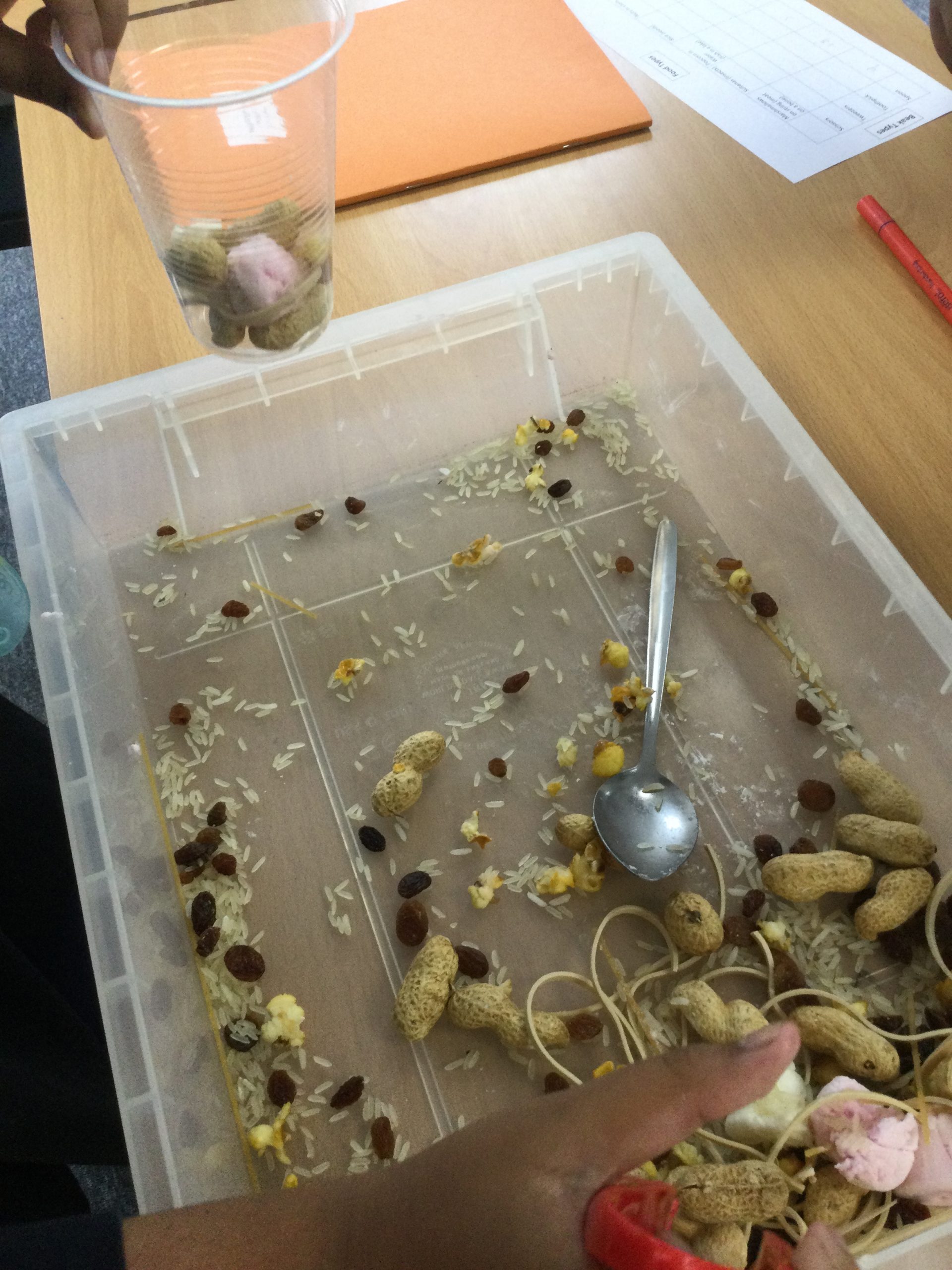
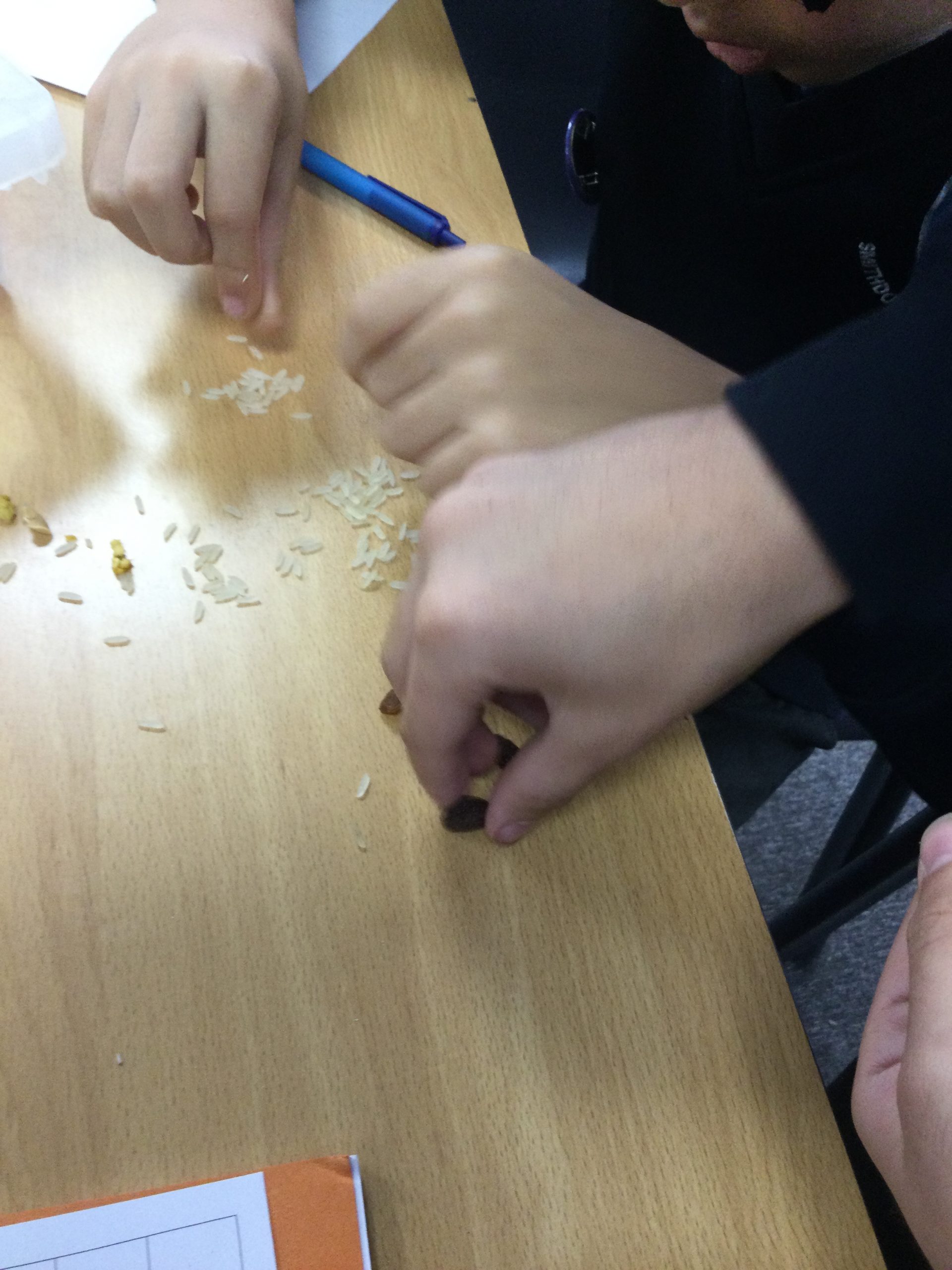
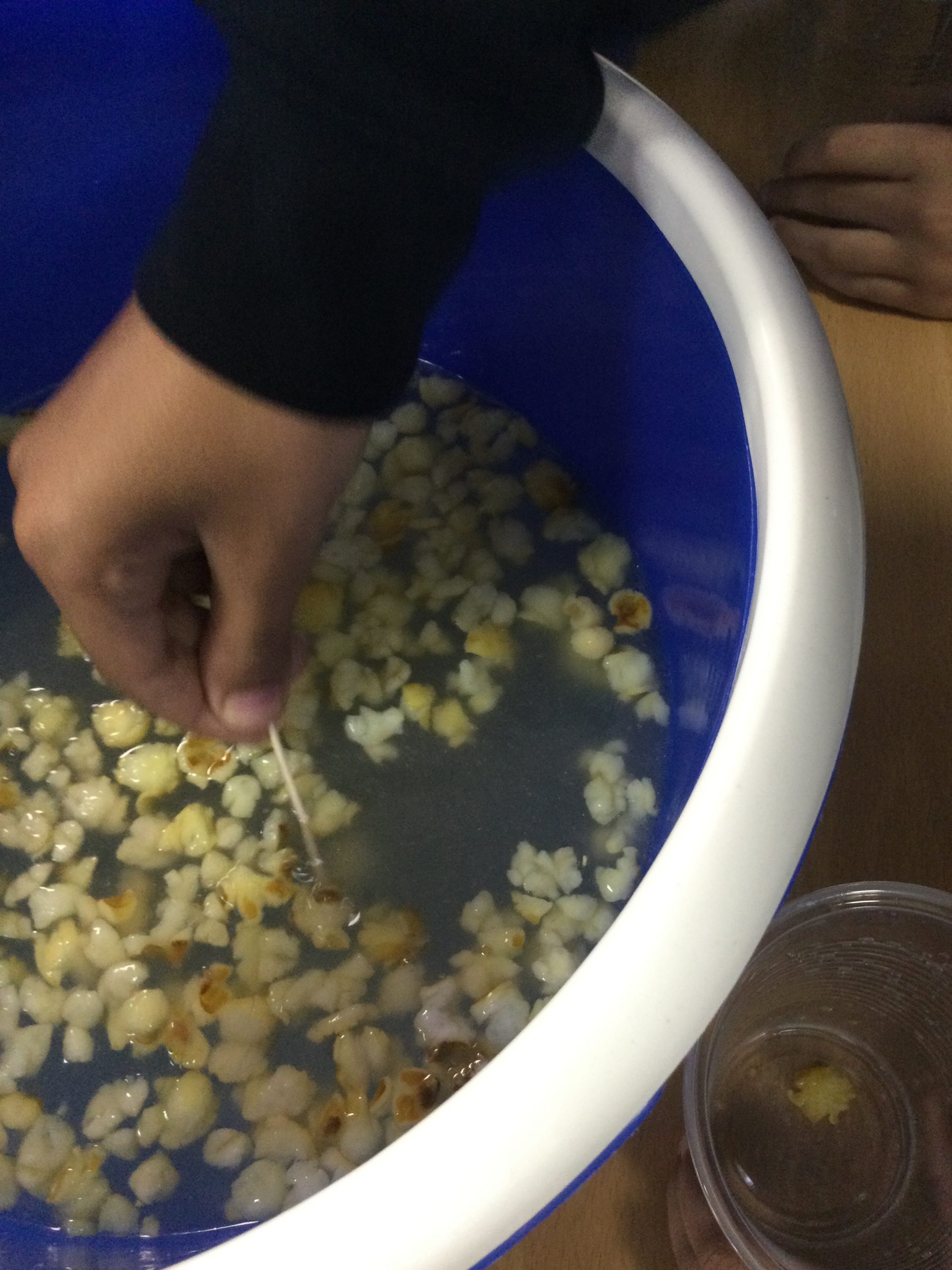
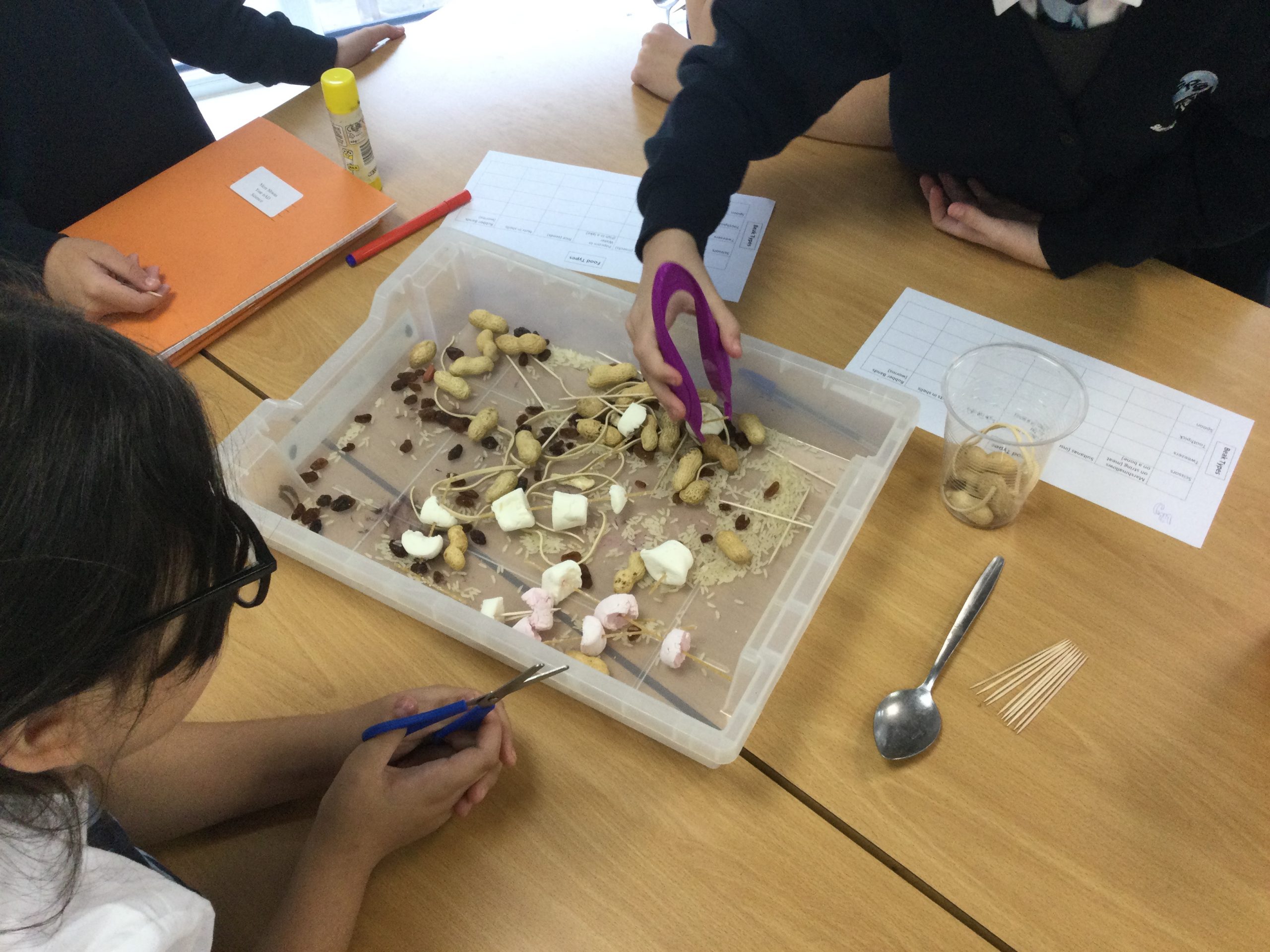
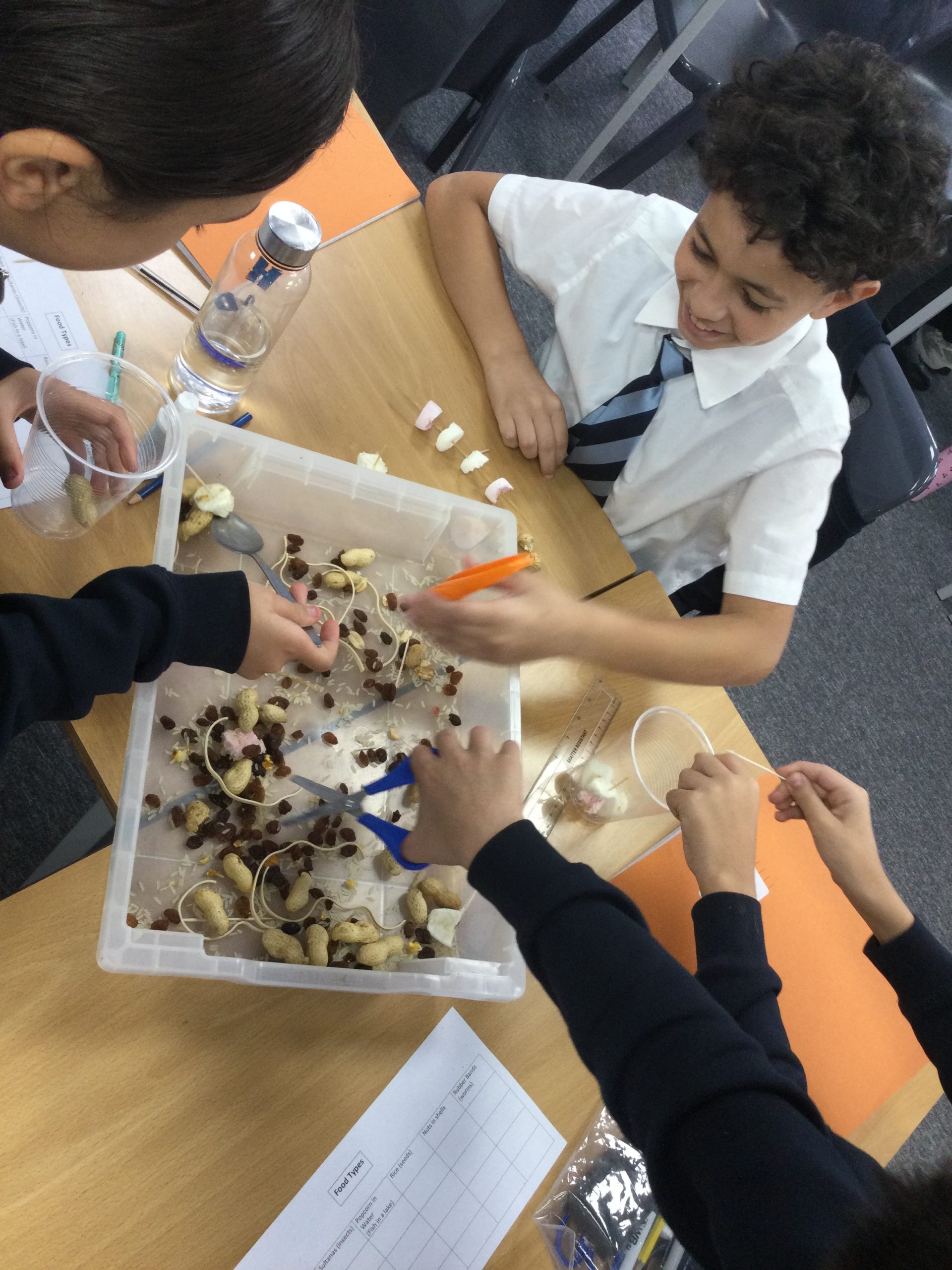
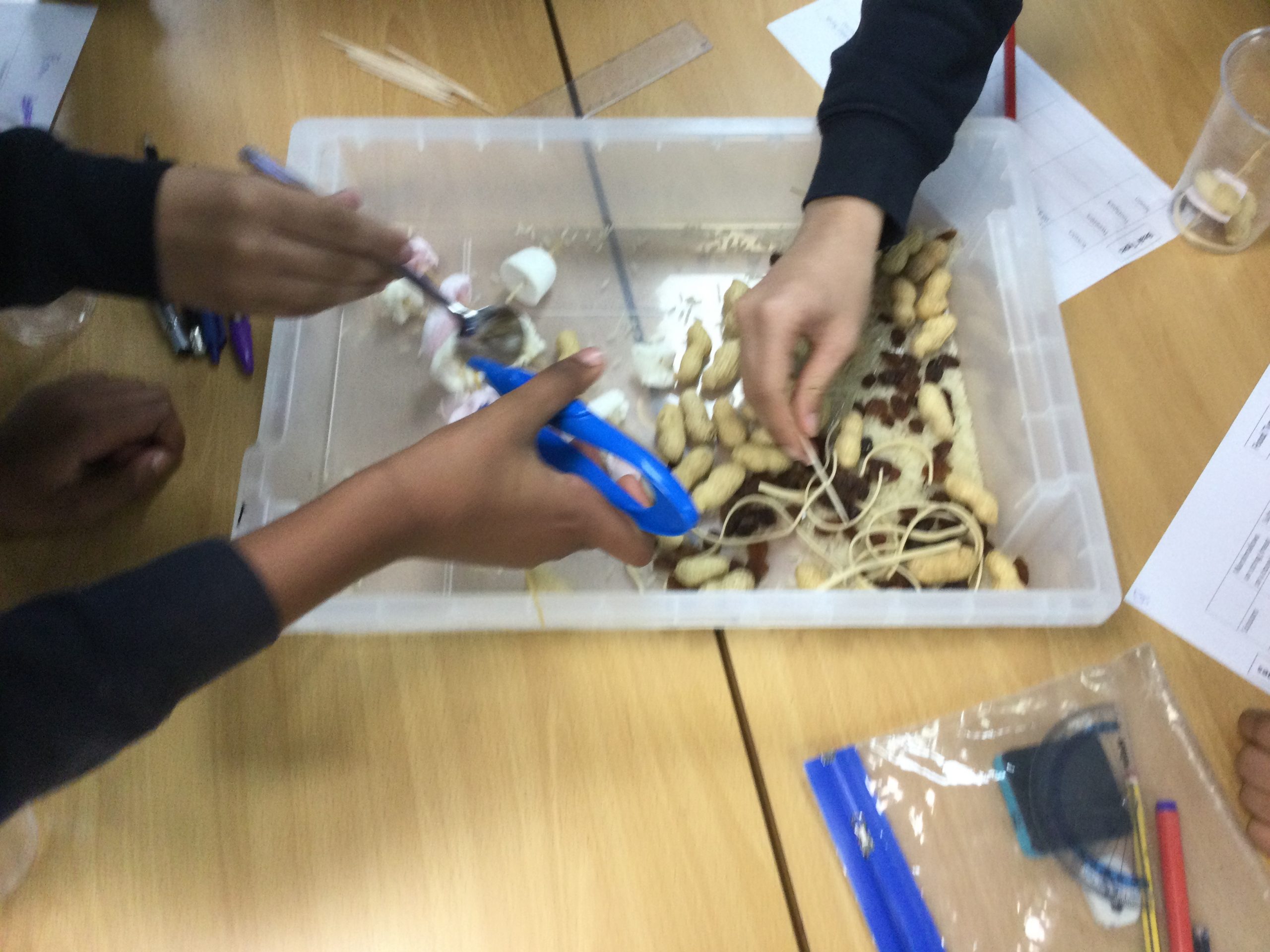
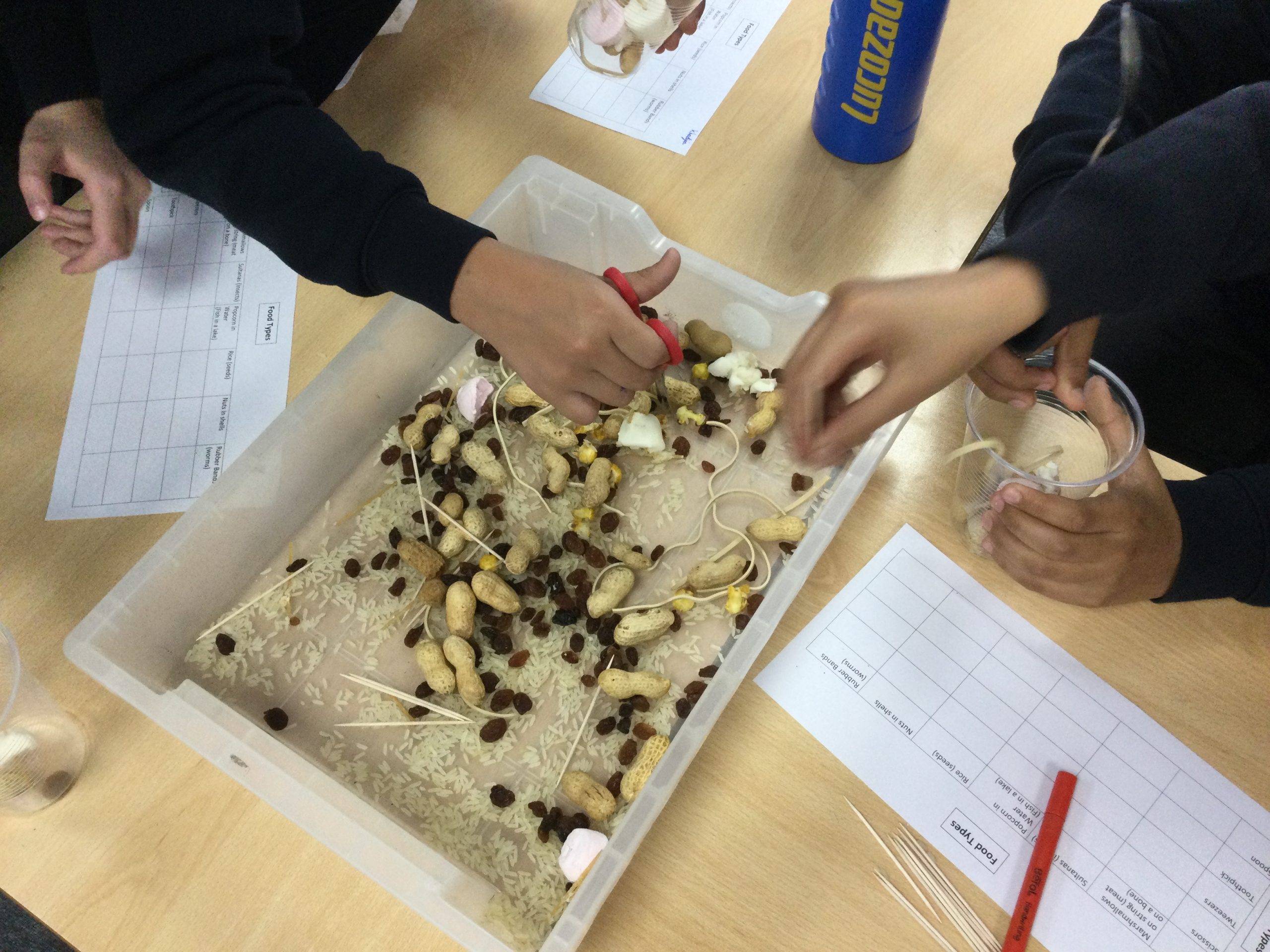
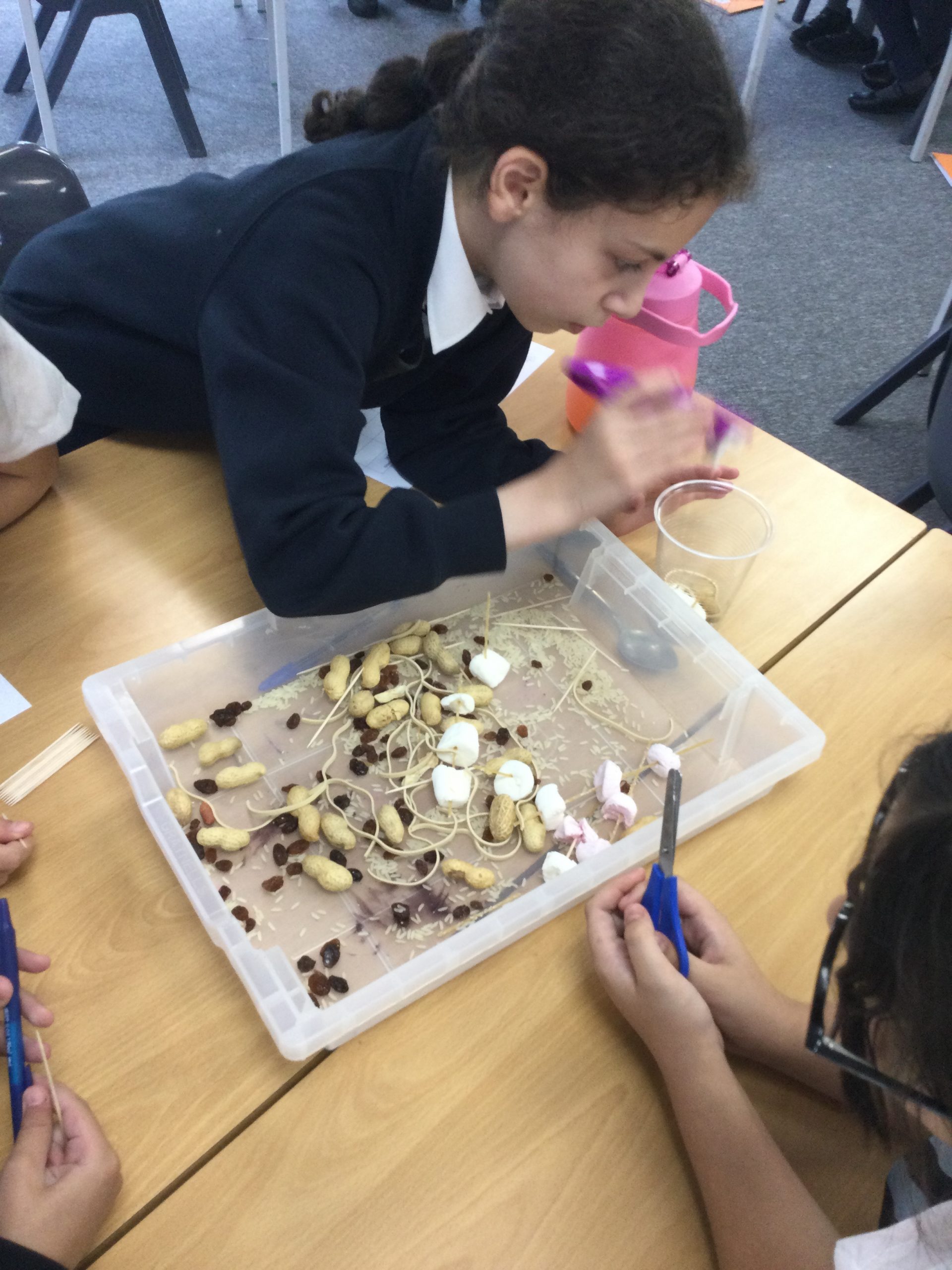
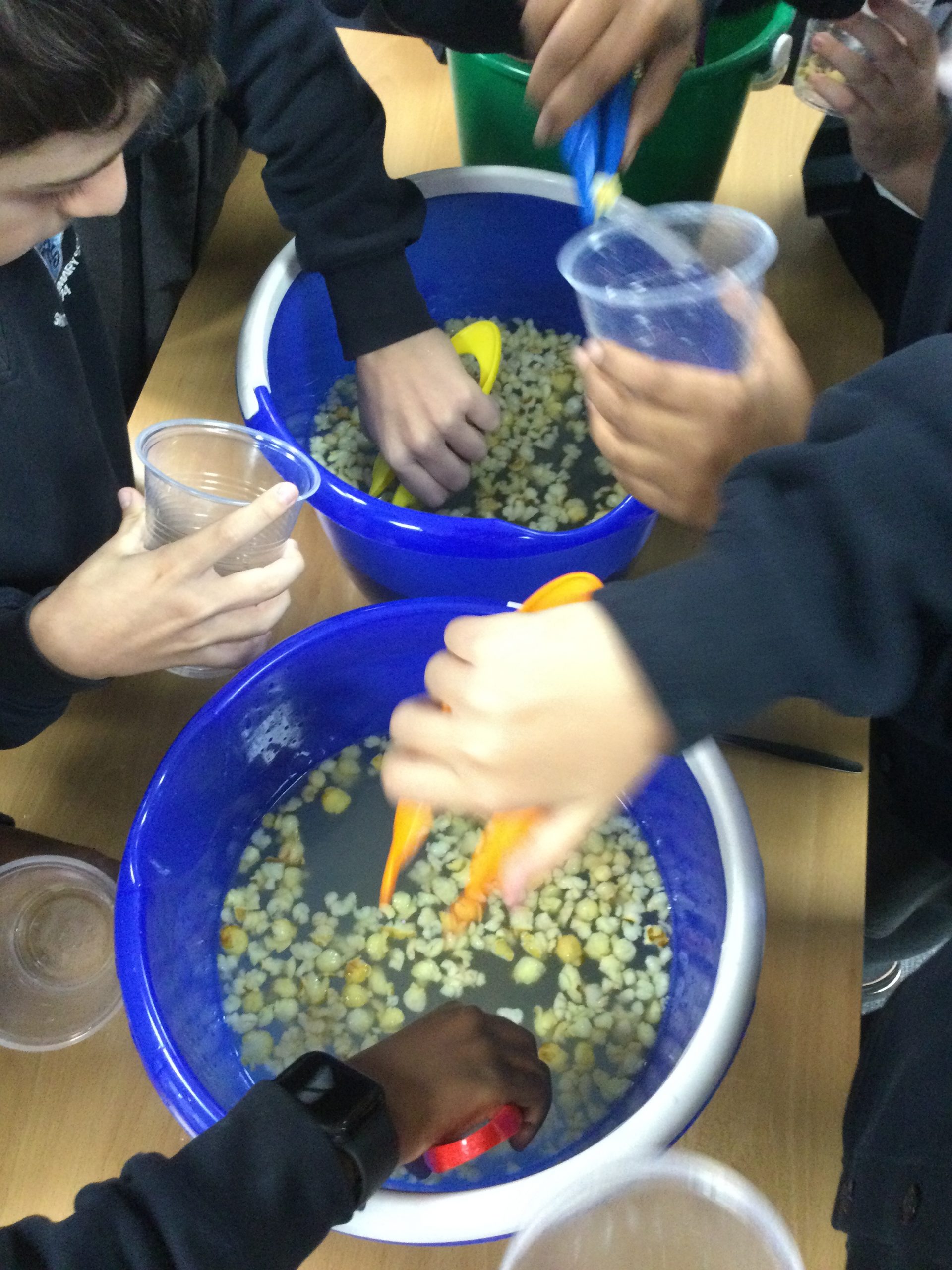
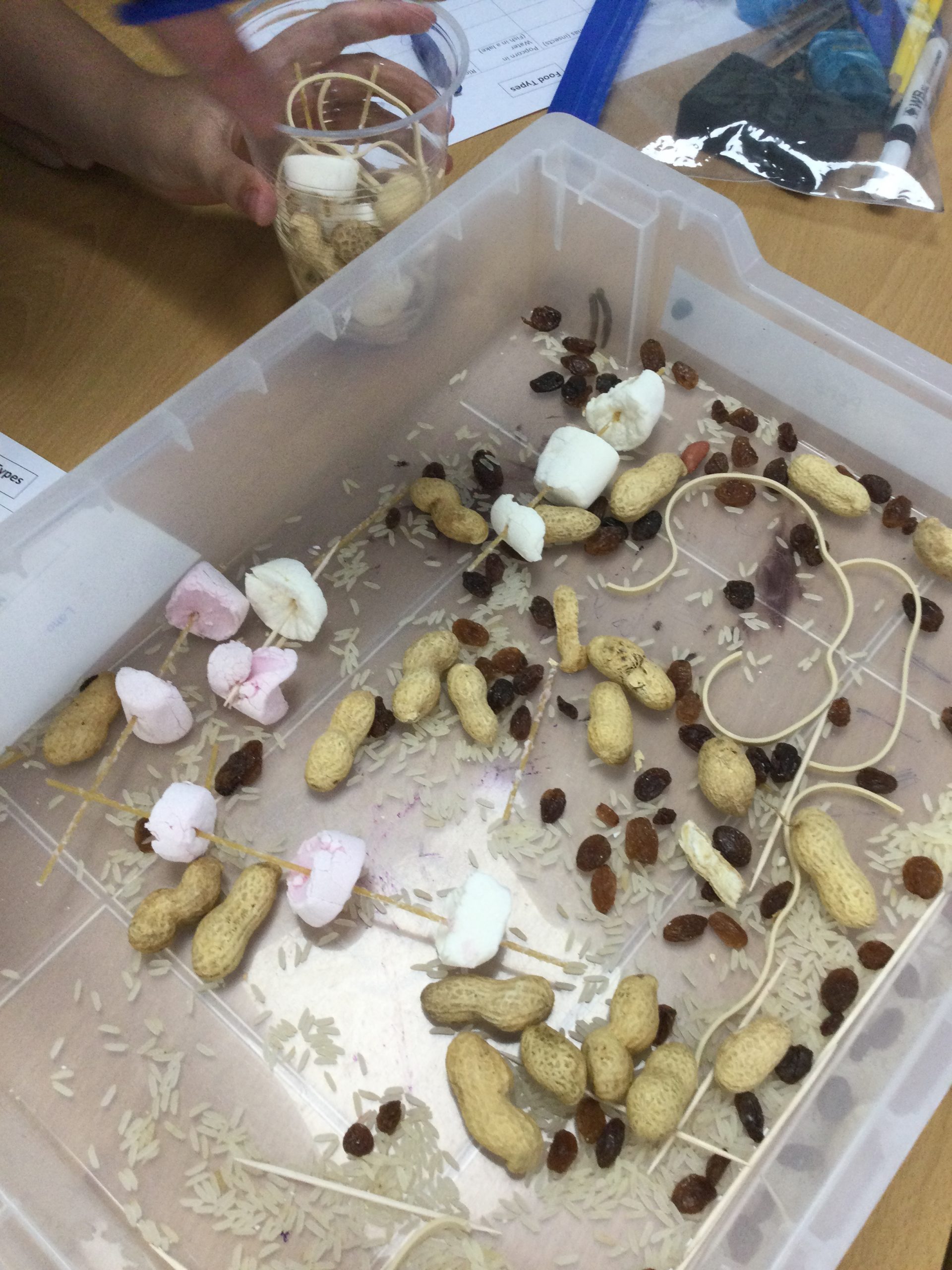
We investigated which type of beak we the best at picking up different food sources in science today.Our
’food sources’ represented were: insects, berries, seeds, worms, fish and meat on a bone. The next step is to look at our results and draw a conclusion about how successful (or not) each beak type was.
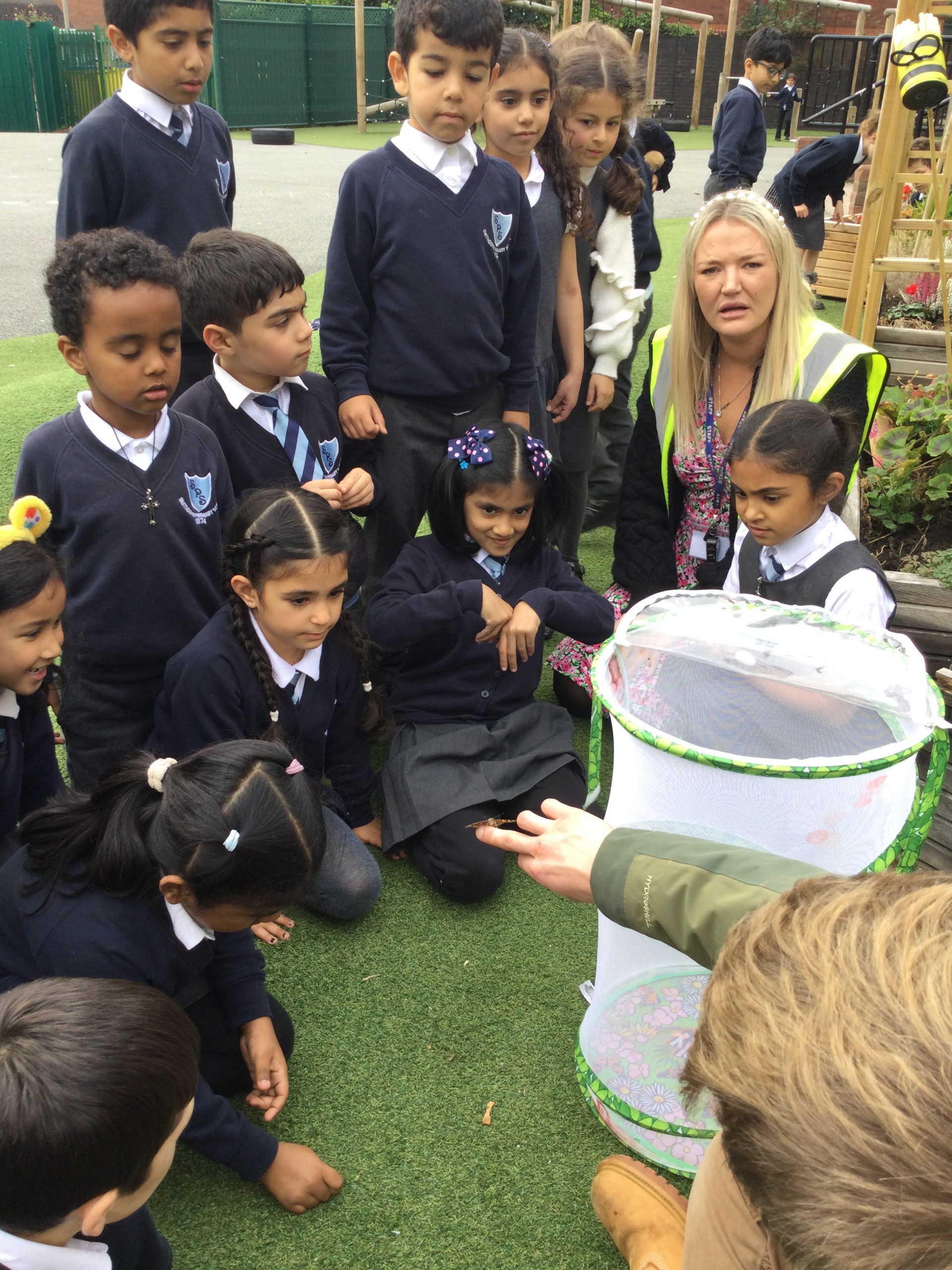
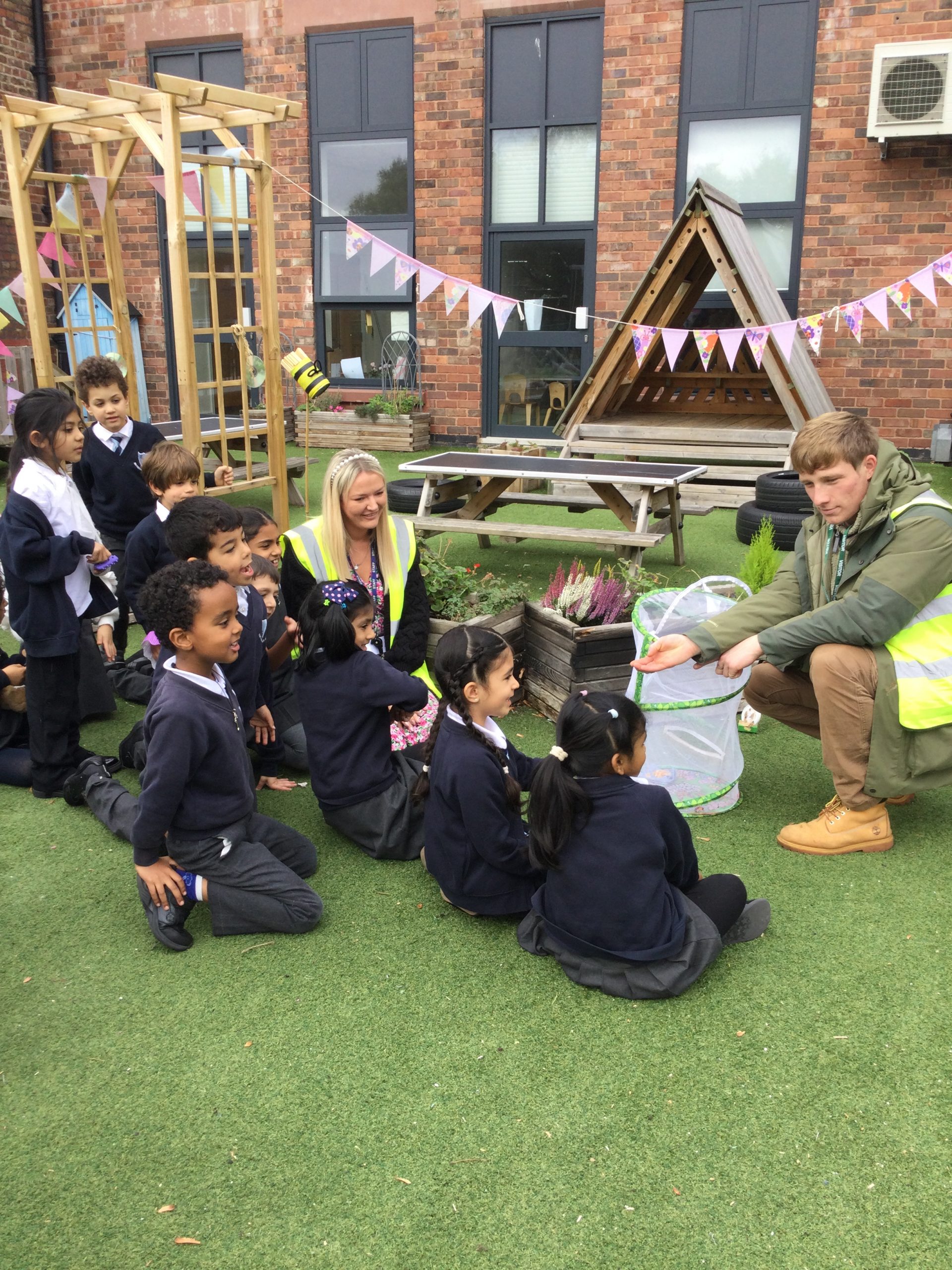
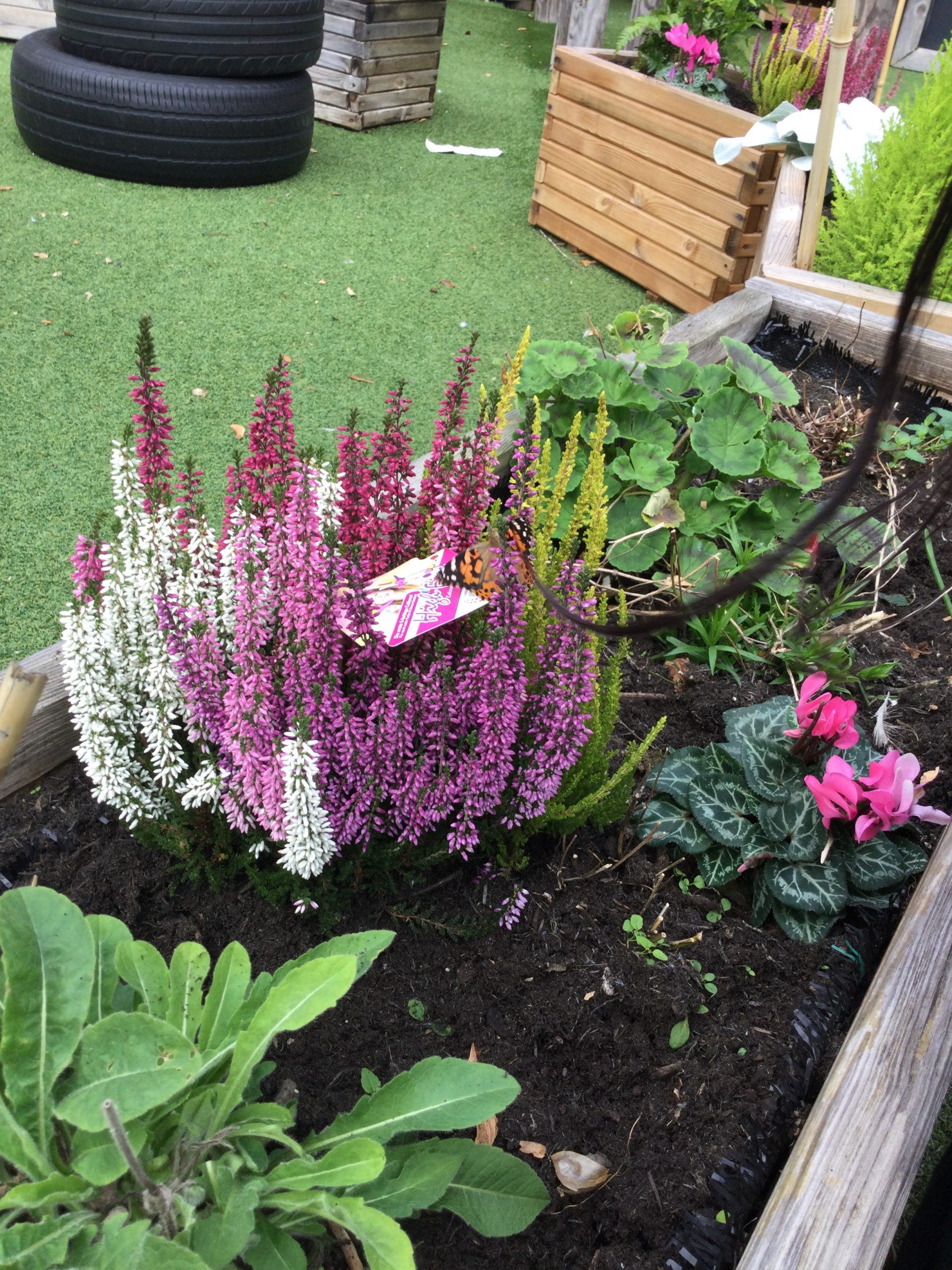
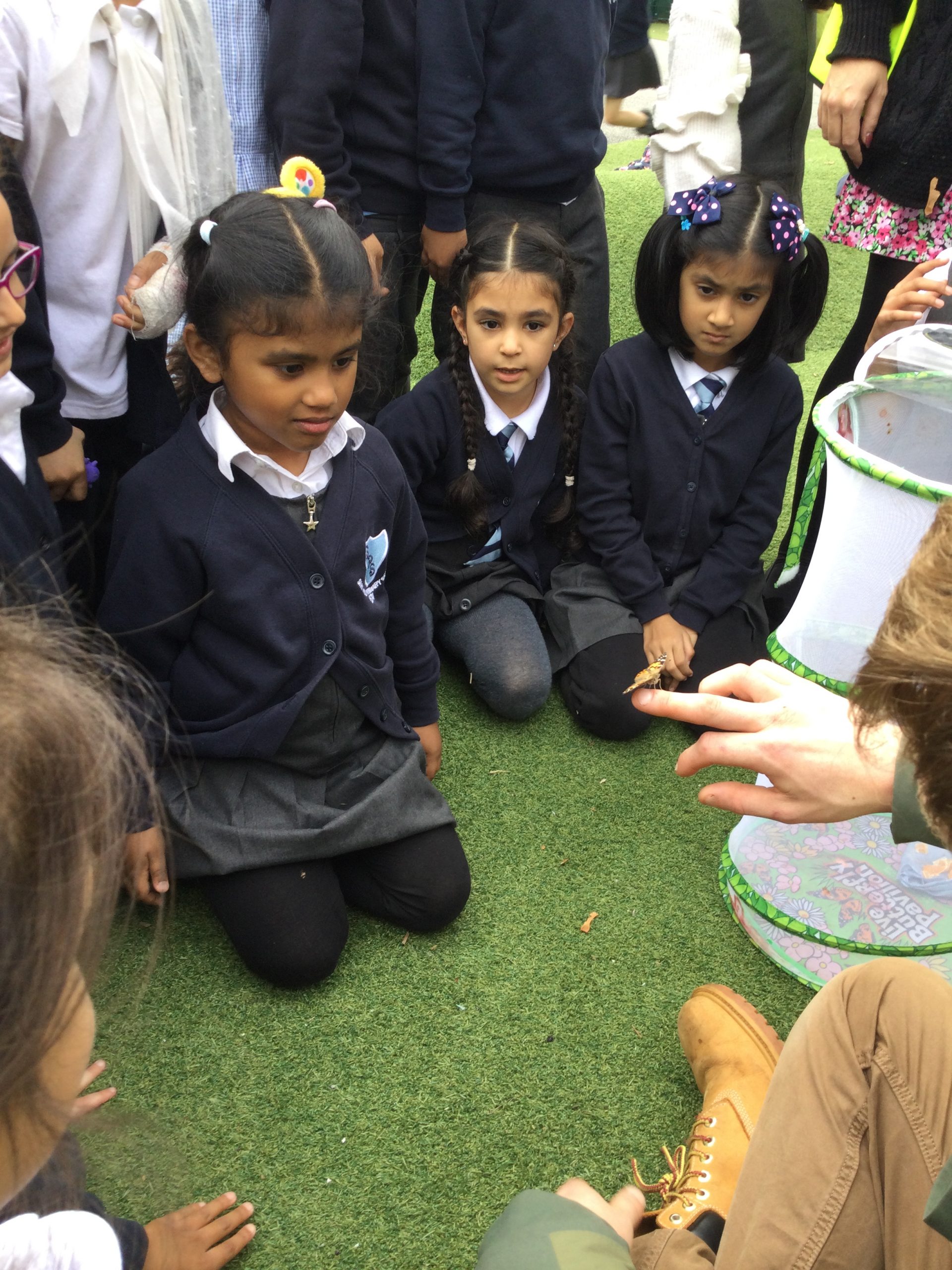
Today we released our classroom butterflies. We have loved watching them grow from caterpillars and learning about how they become butterflies in their cocoons.
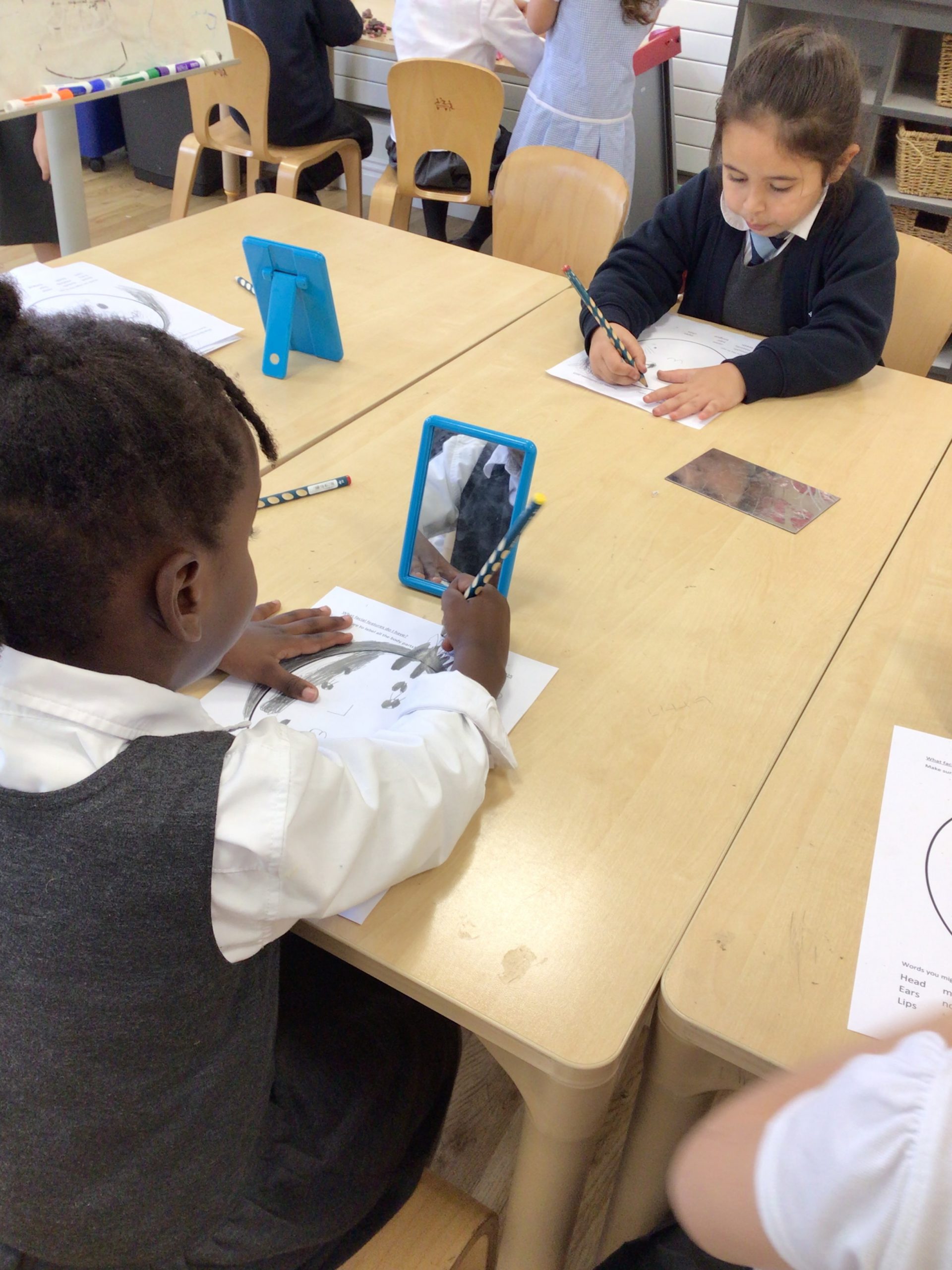
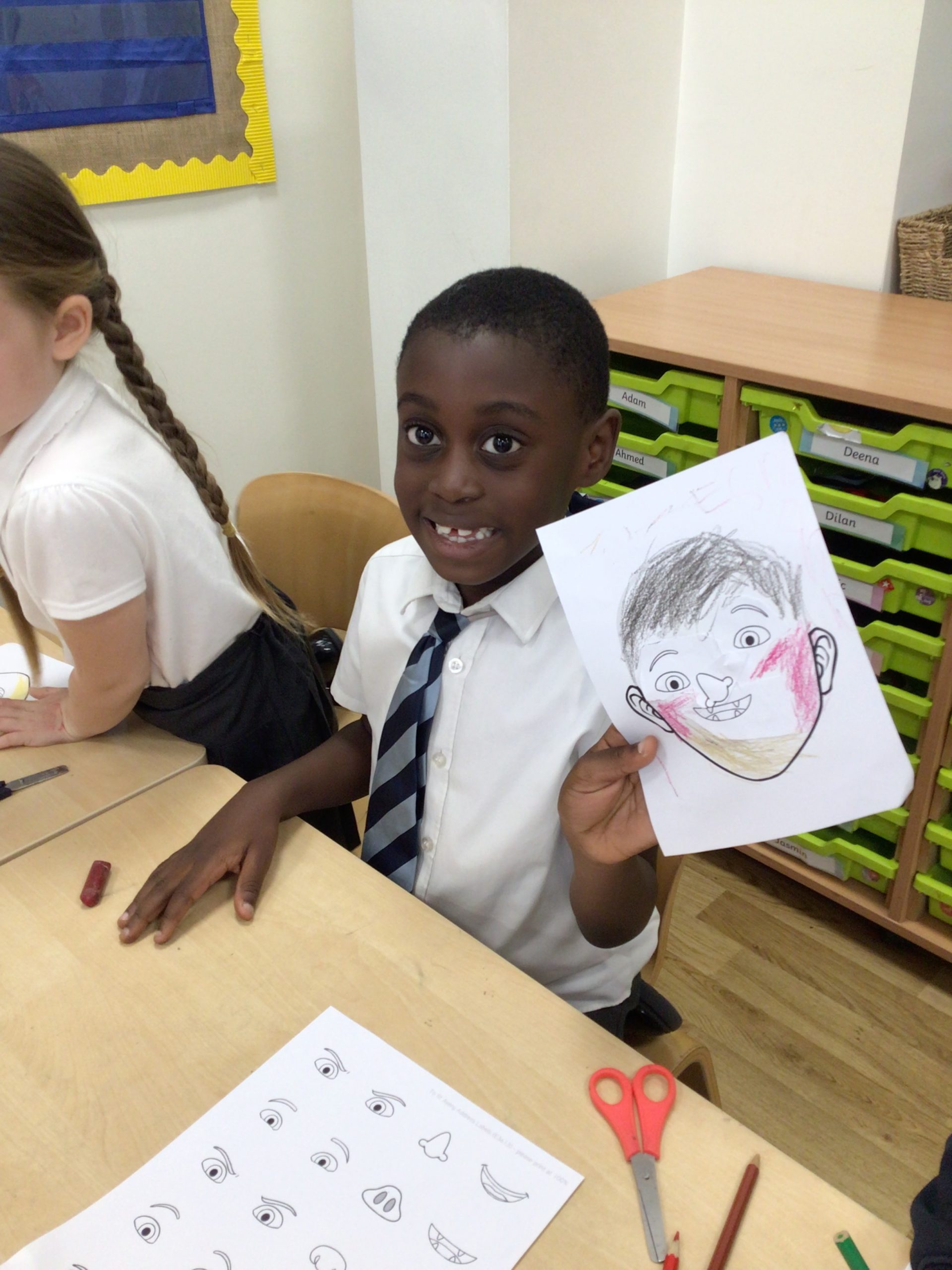
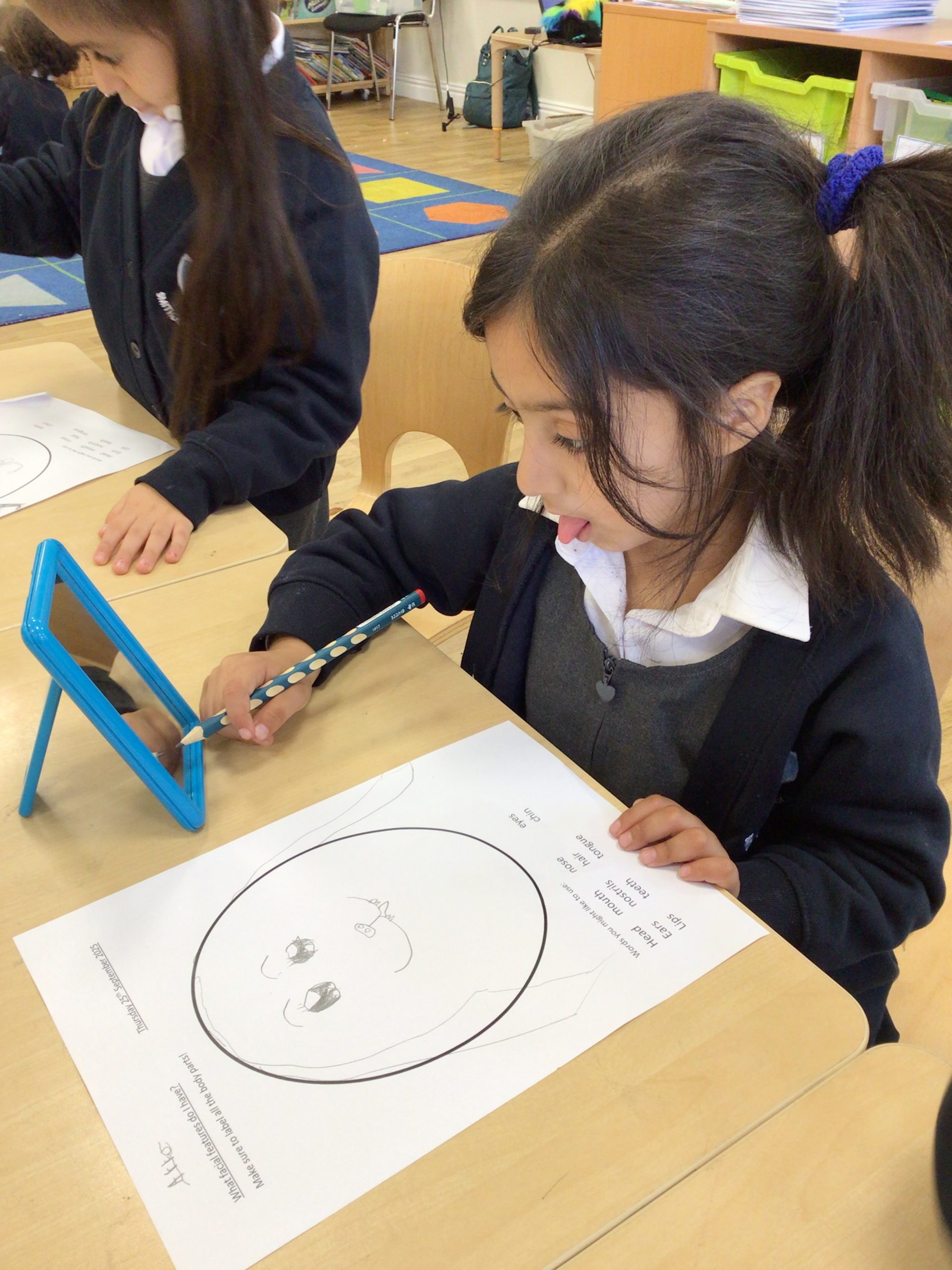
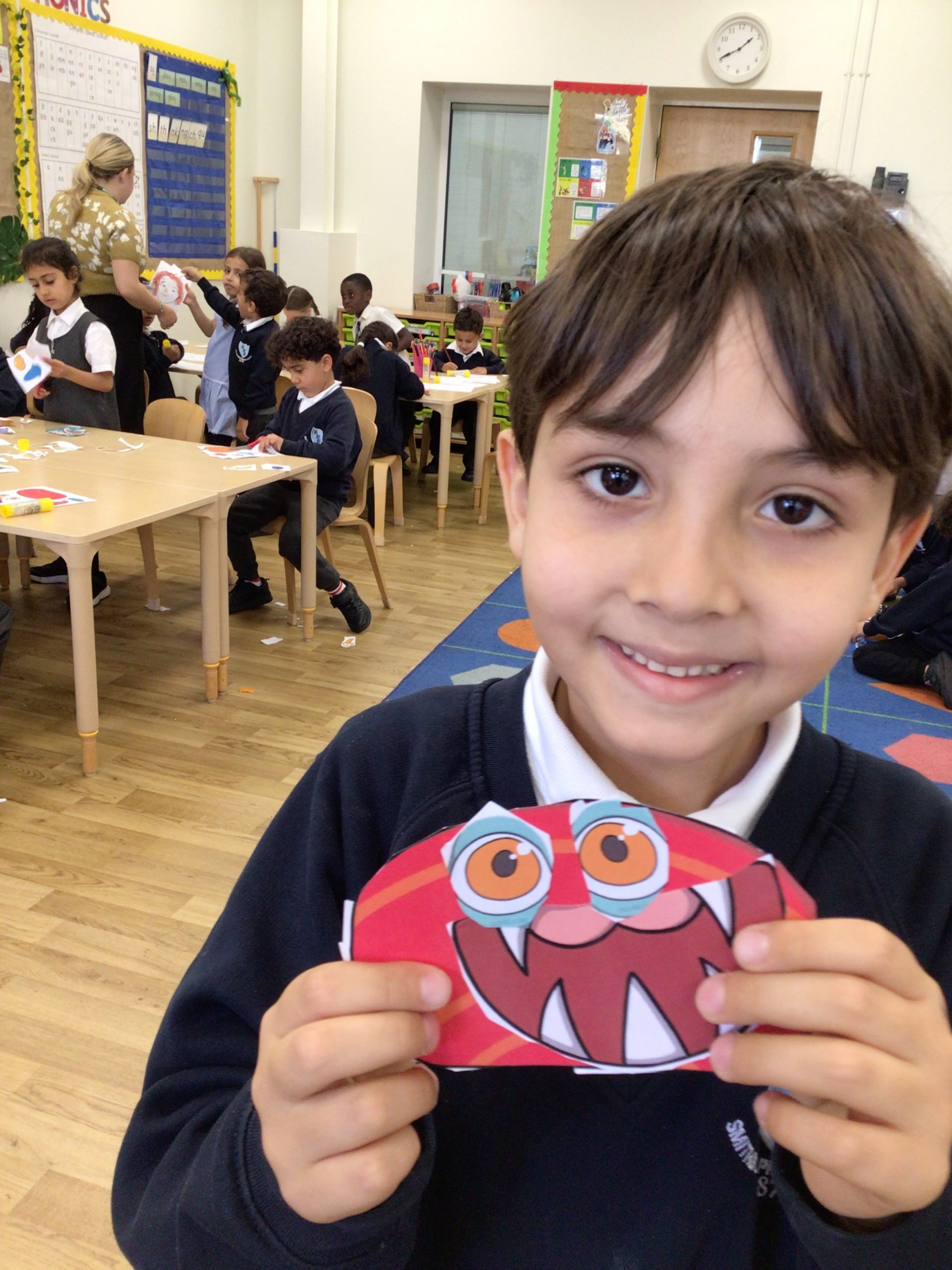
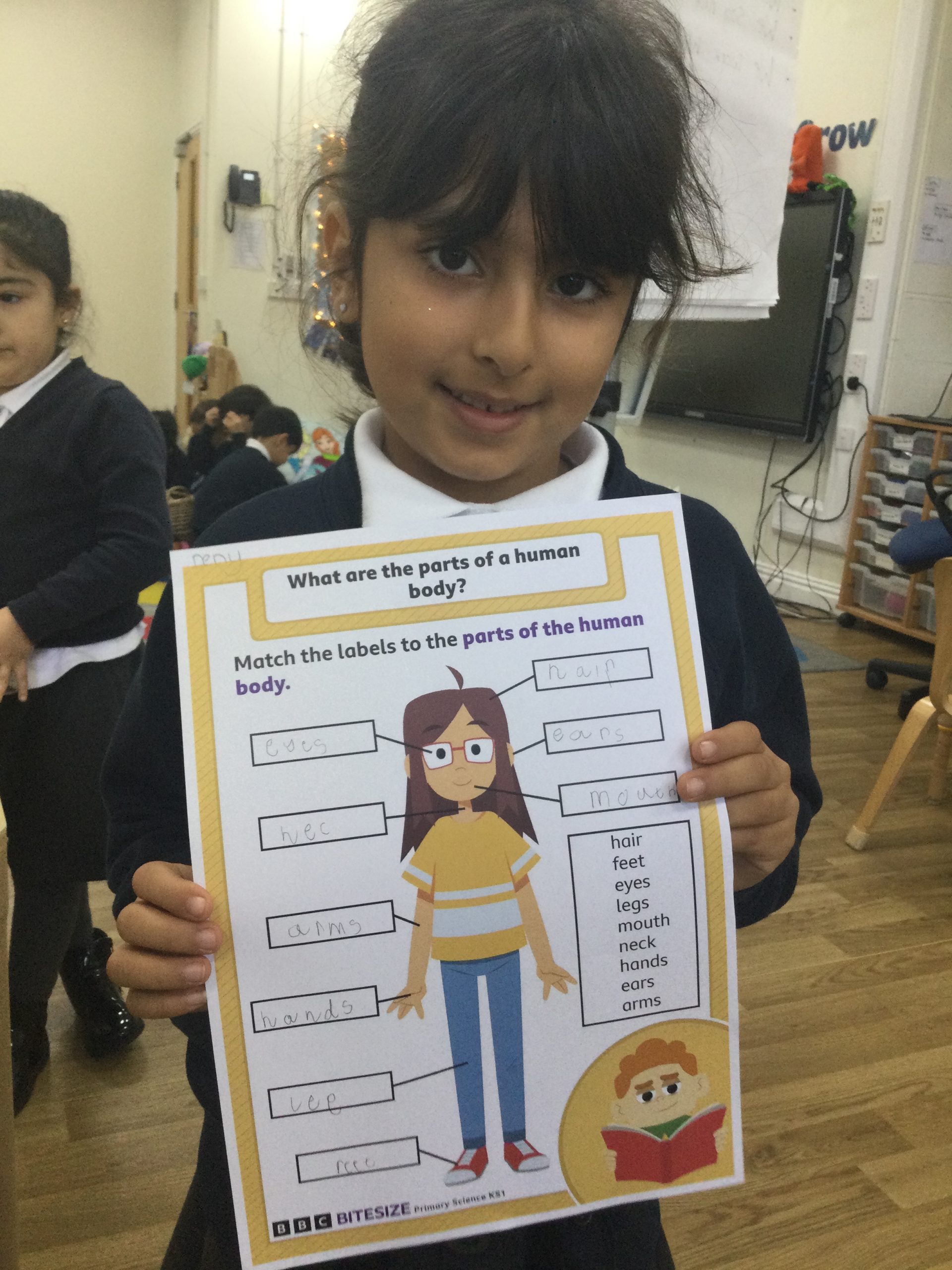
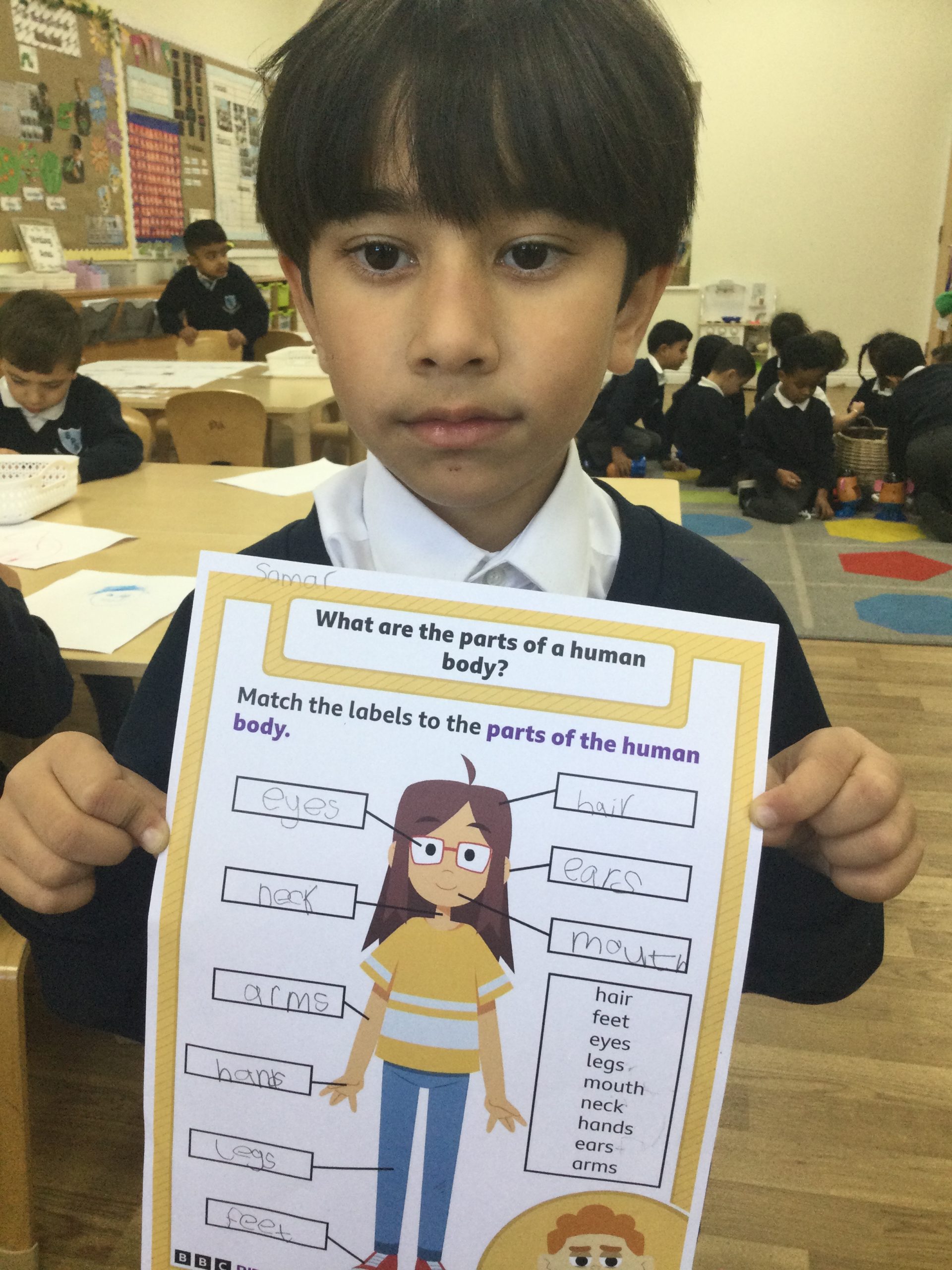
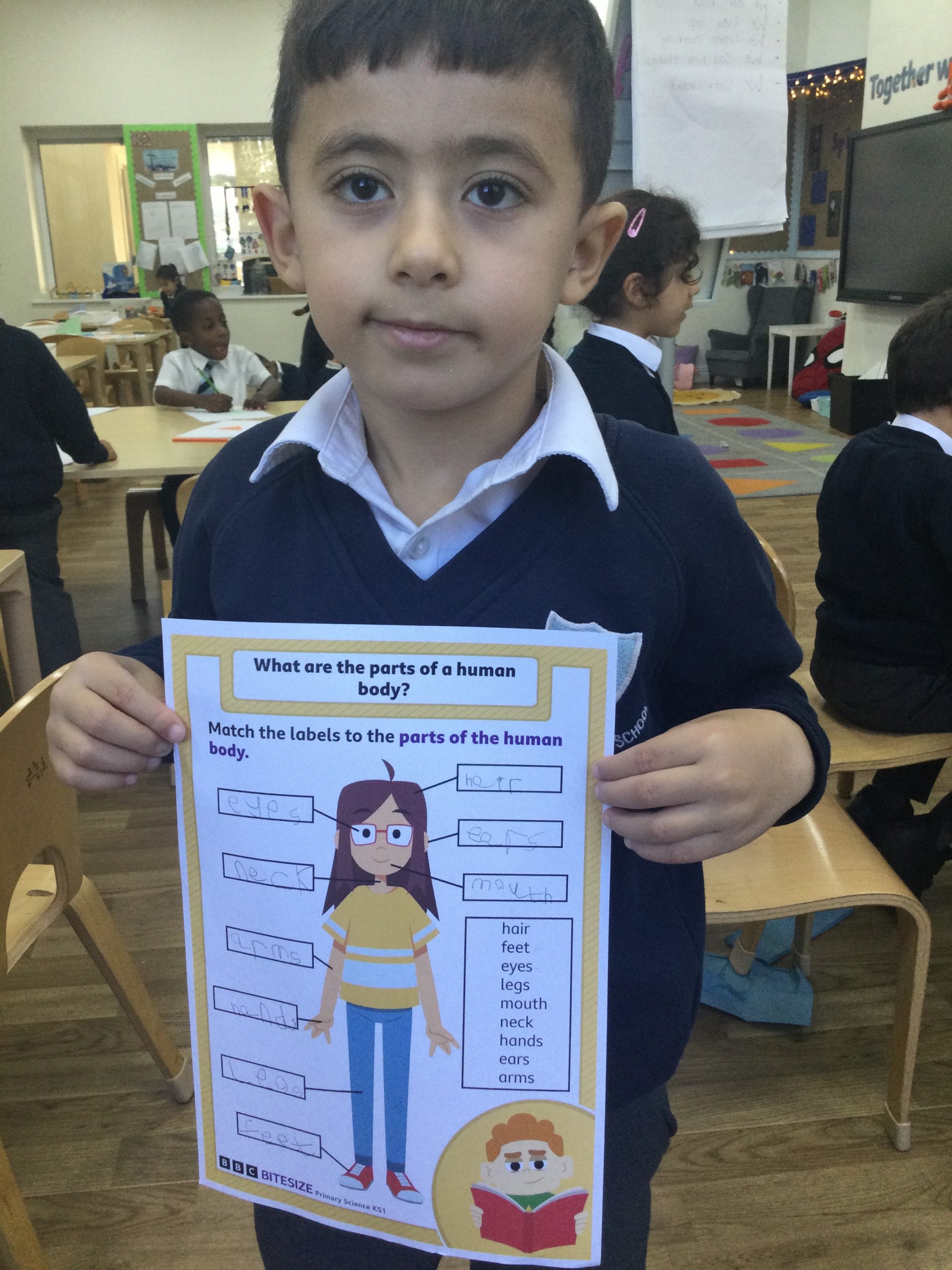
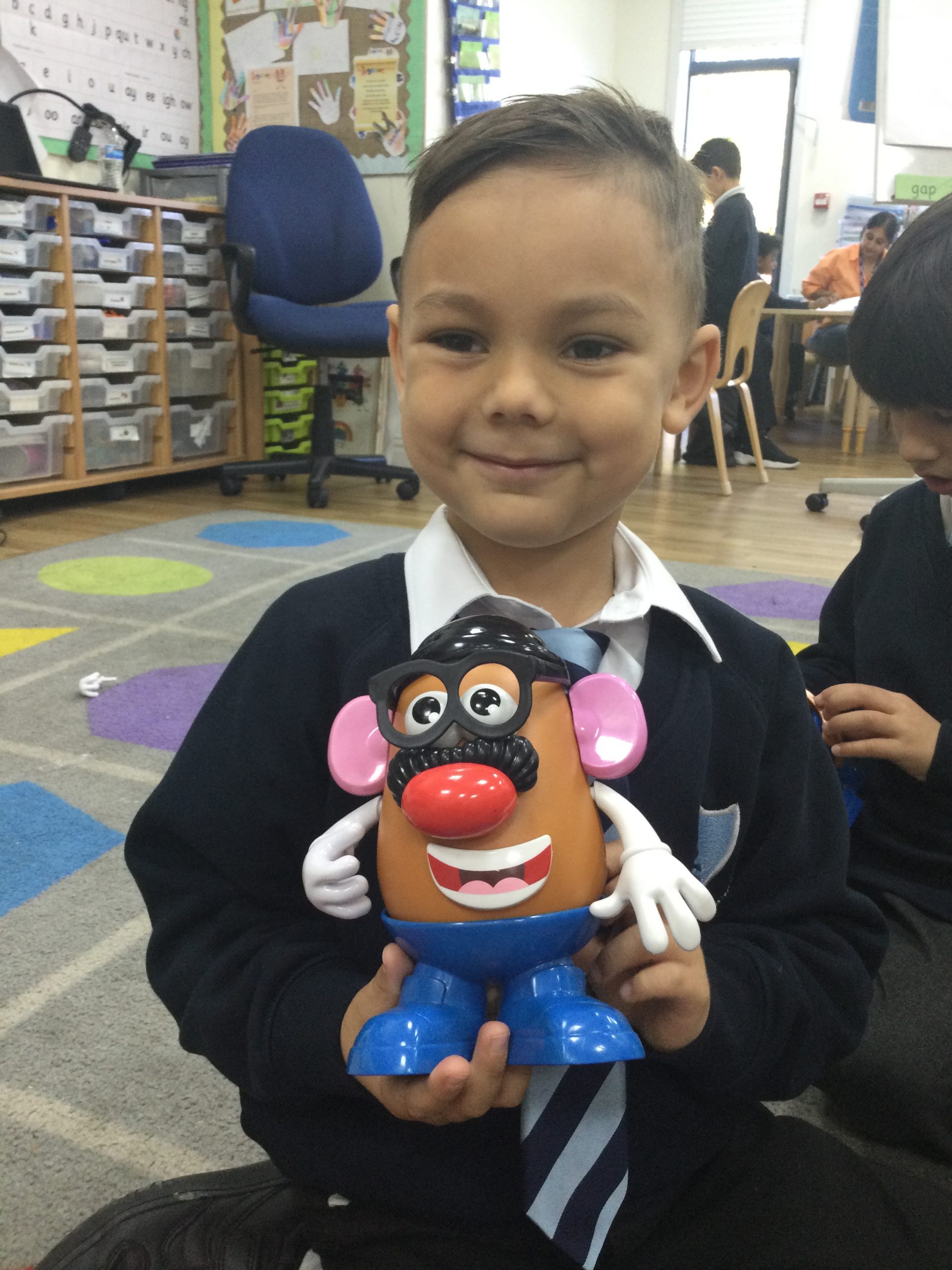
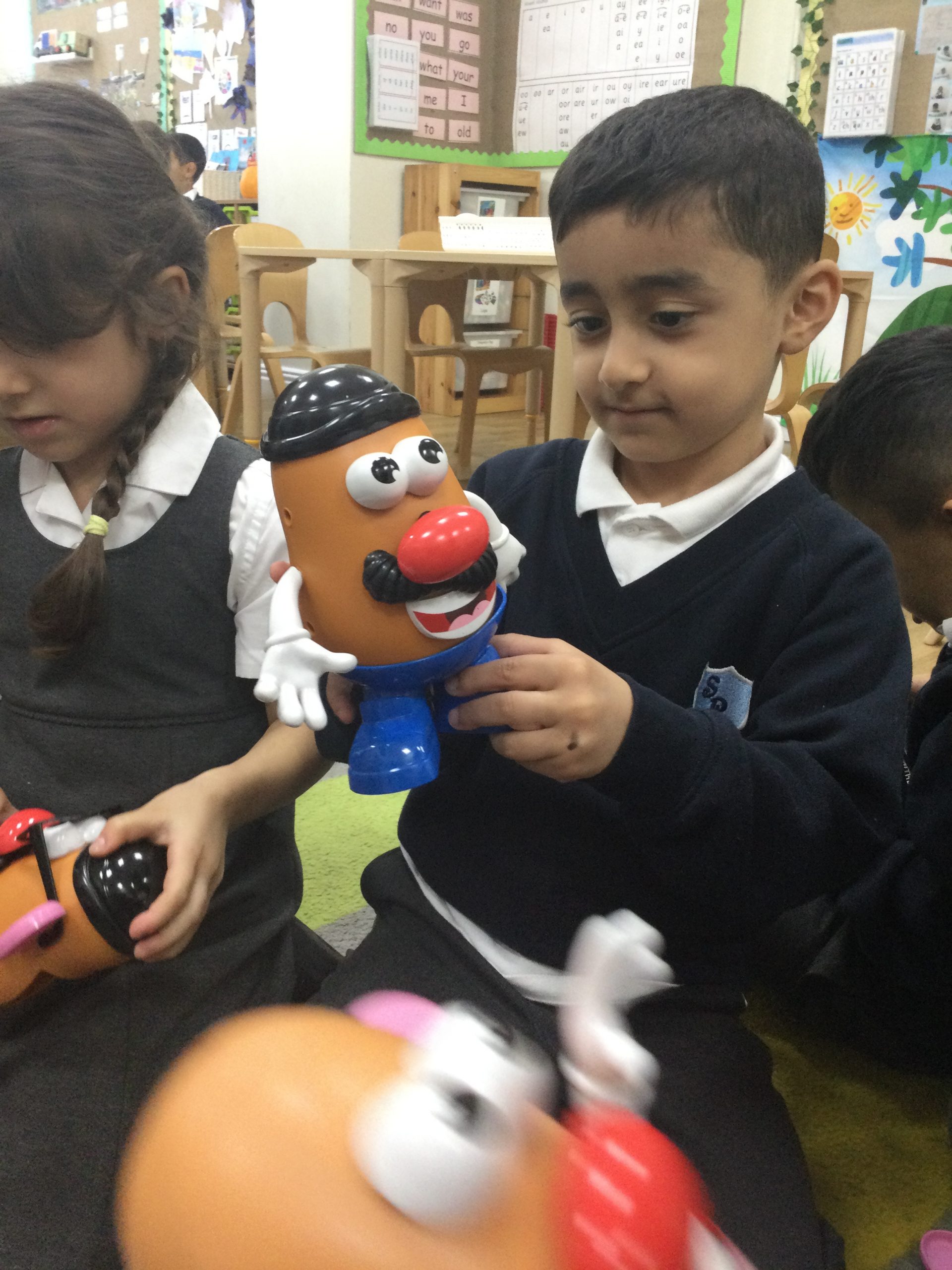
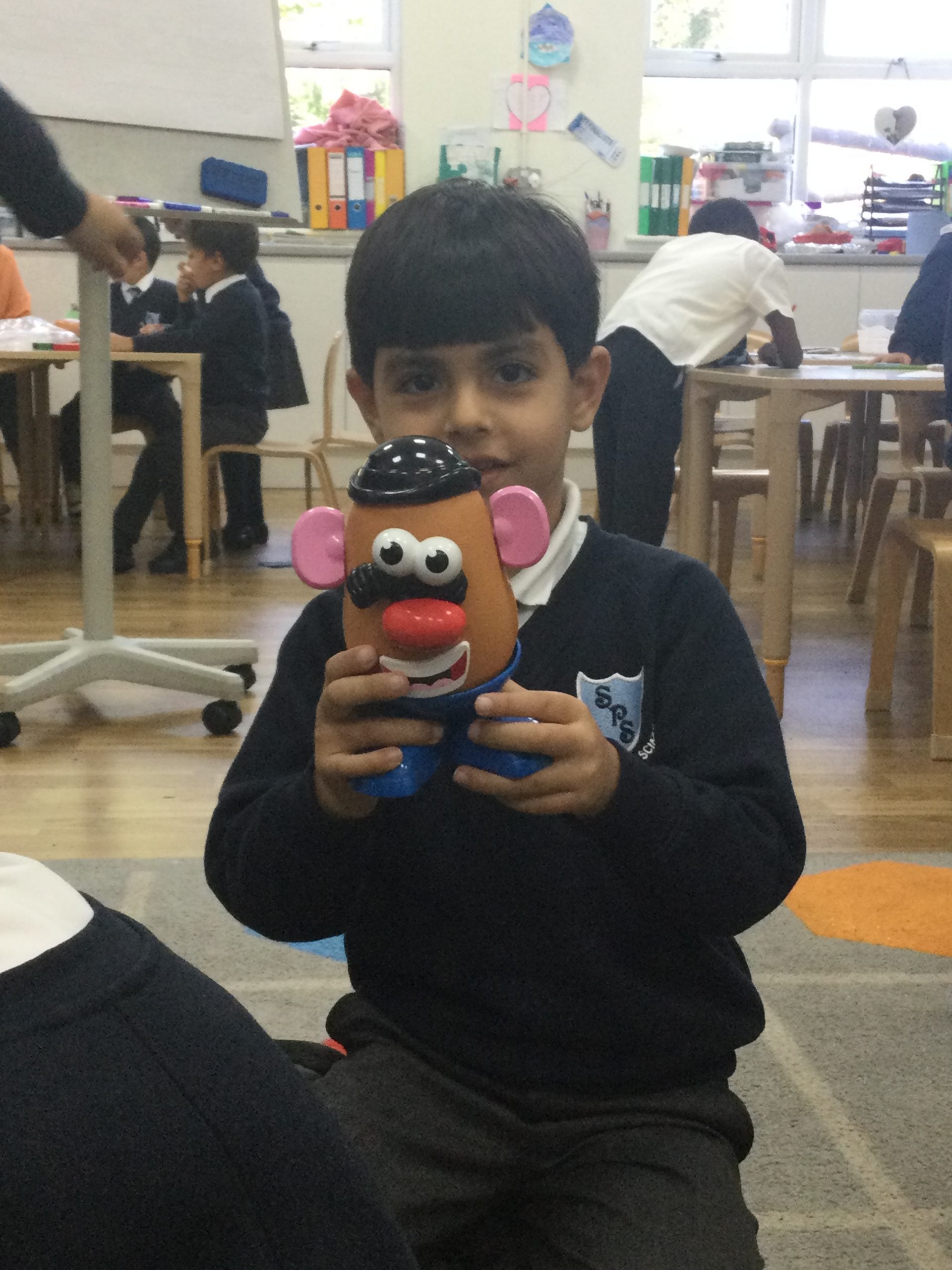
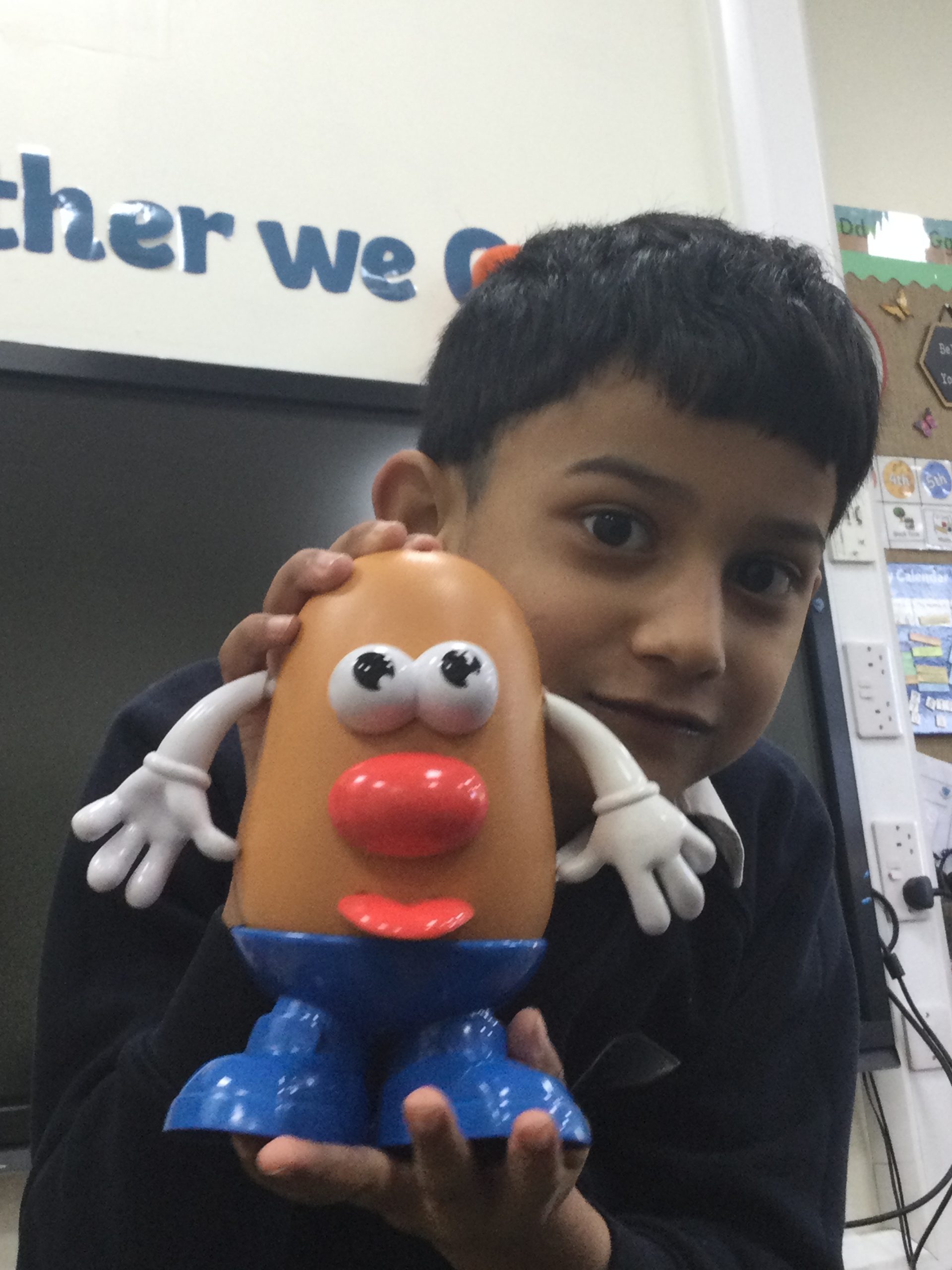
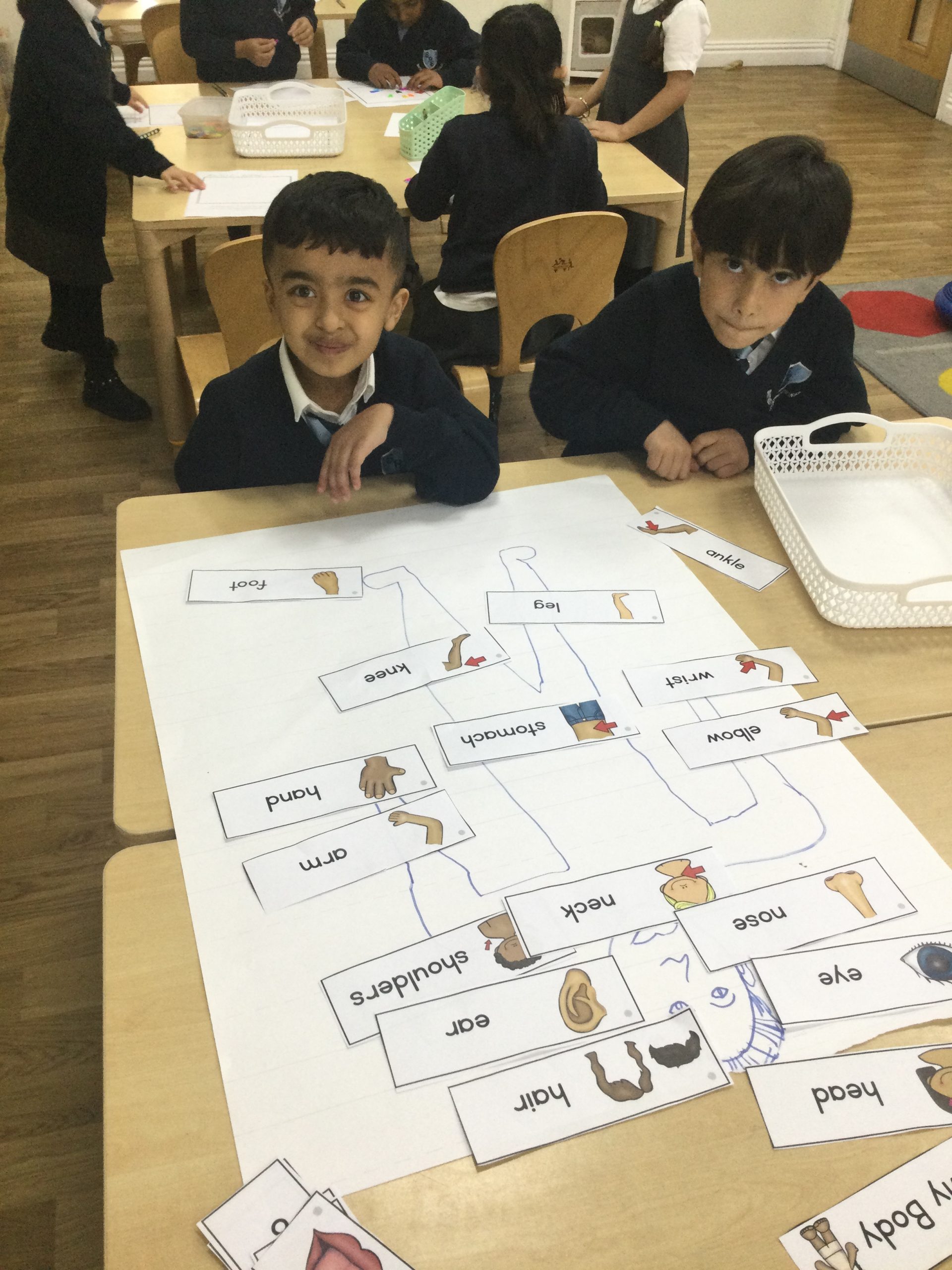
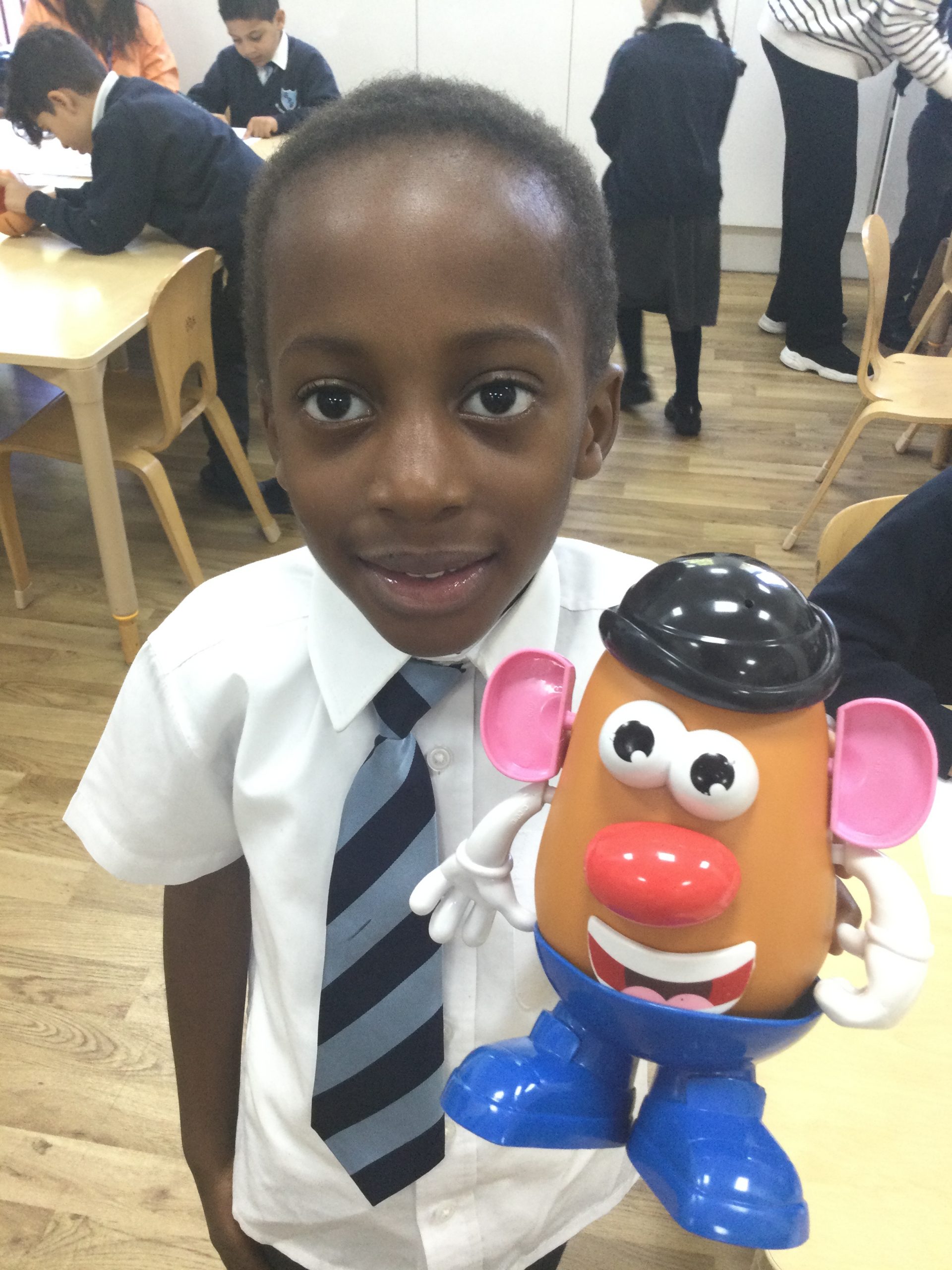
Y1 have been exploring, identifying and naming facial features. We labelled diagrams, created our own facial monsters and practiced vocab with our Mr. Potato heads. We’ll be lining this to our senses soon!
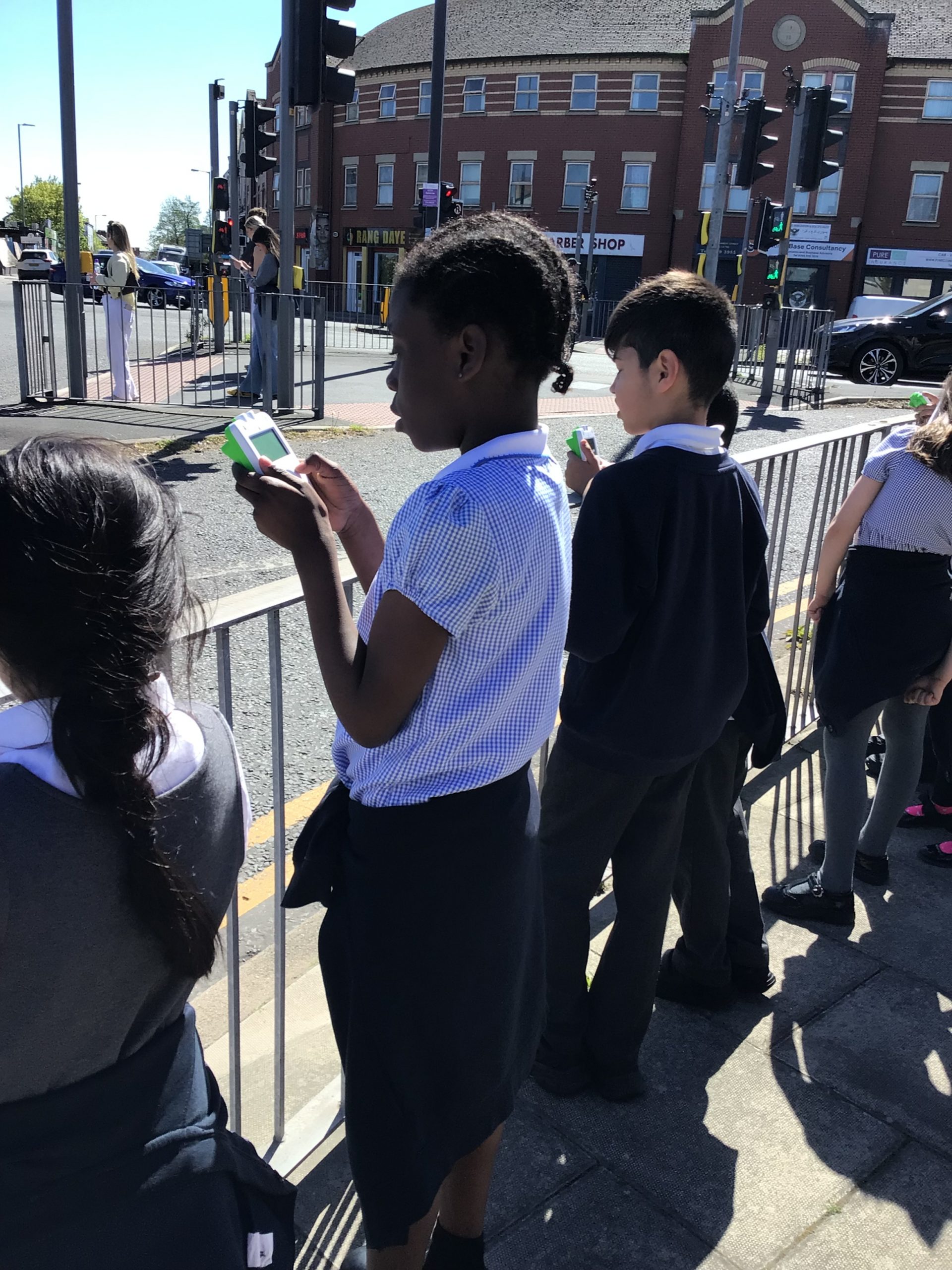
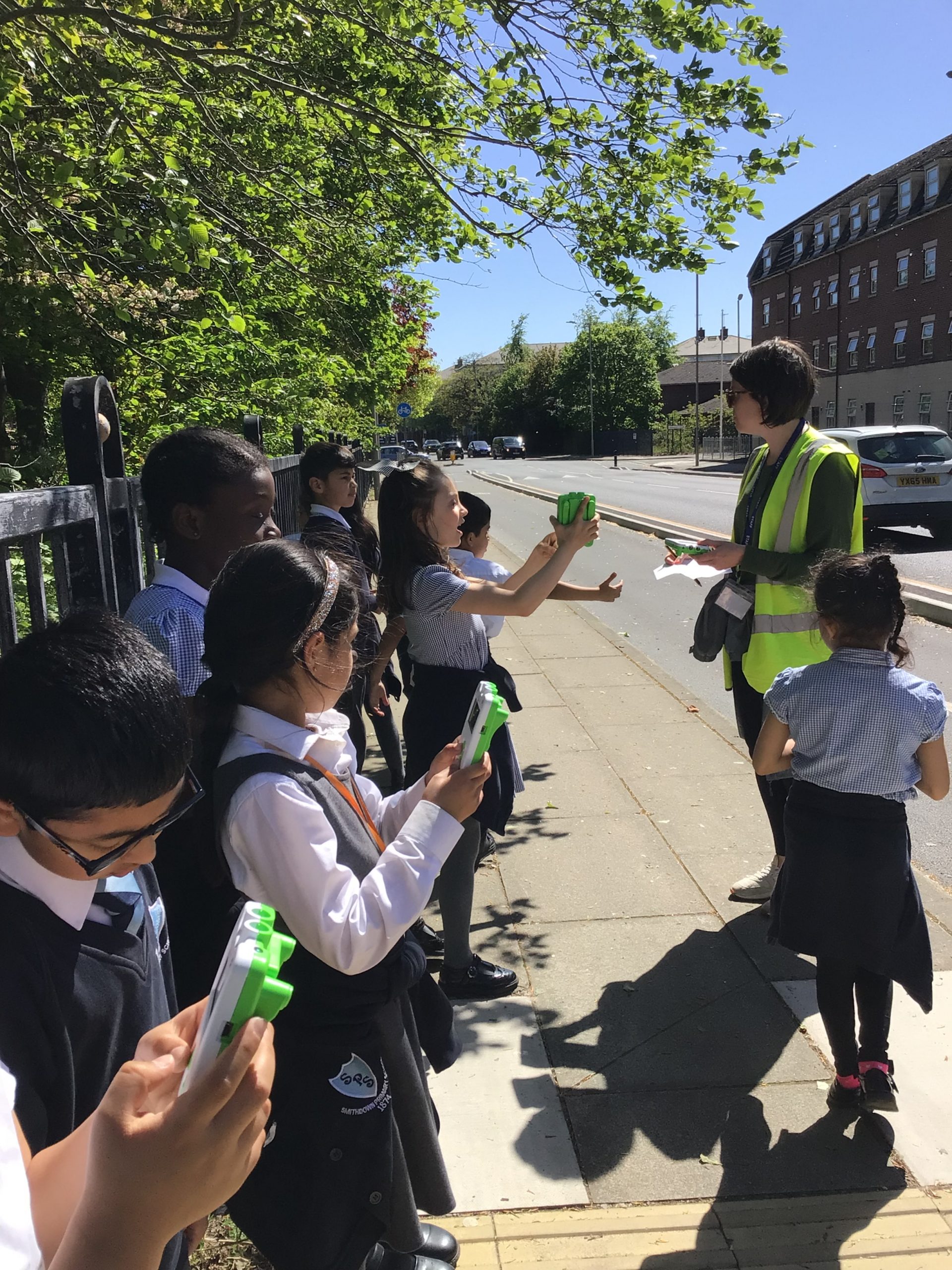
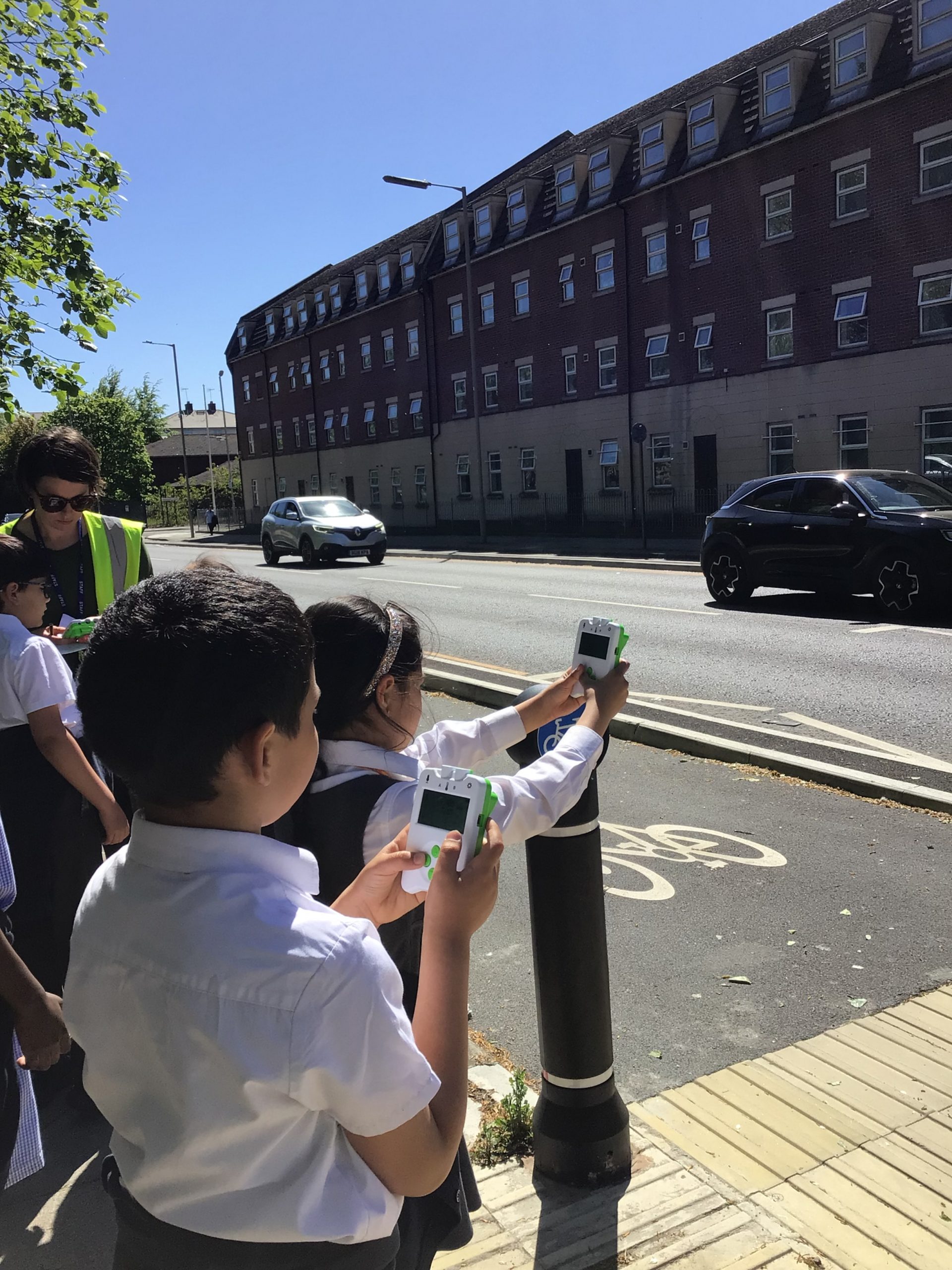
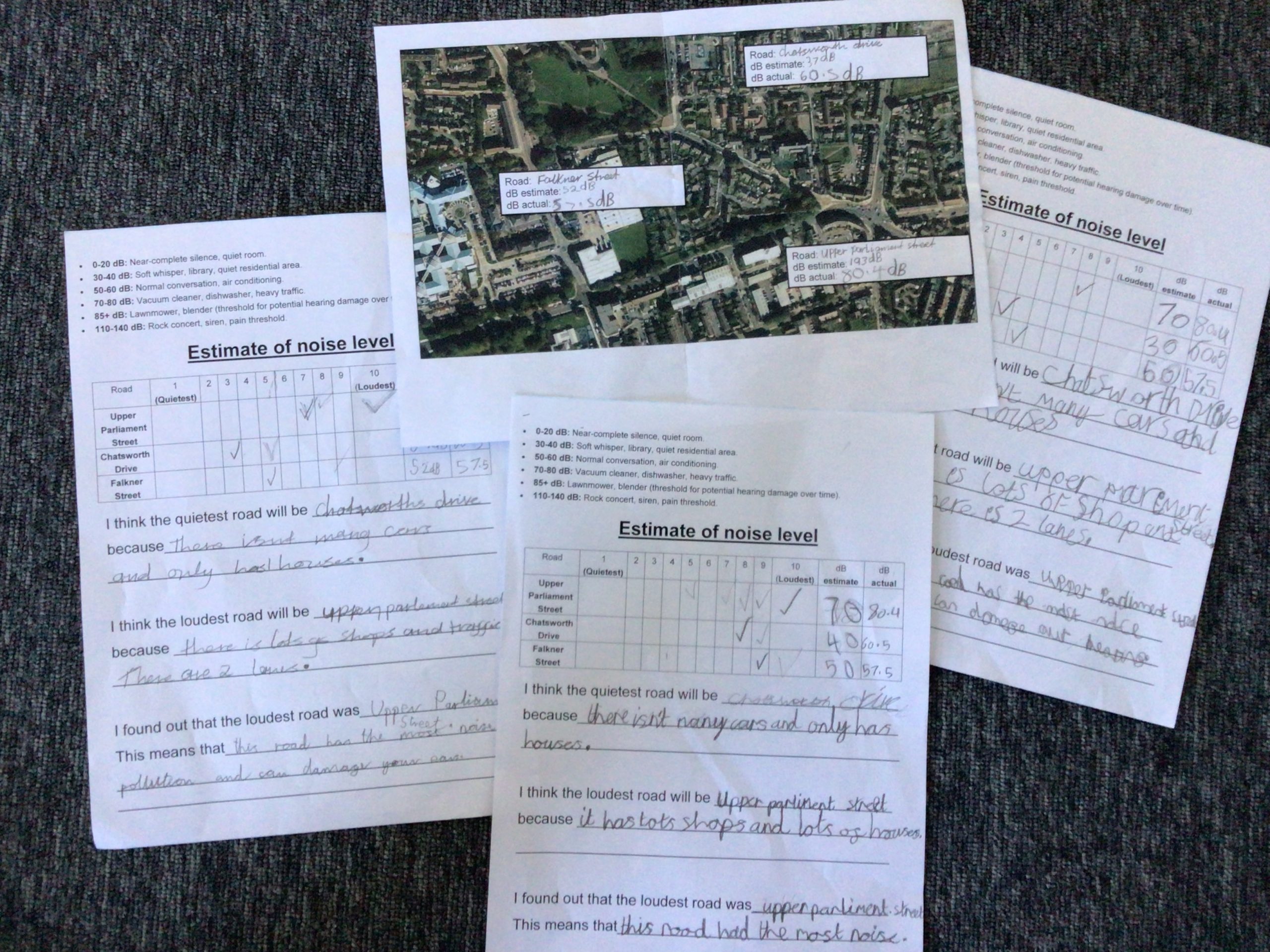
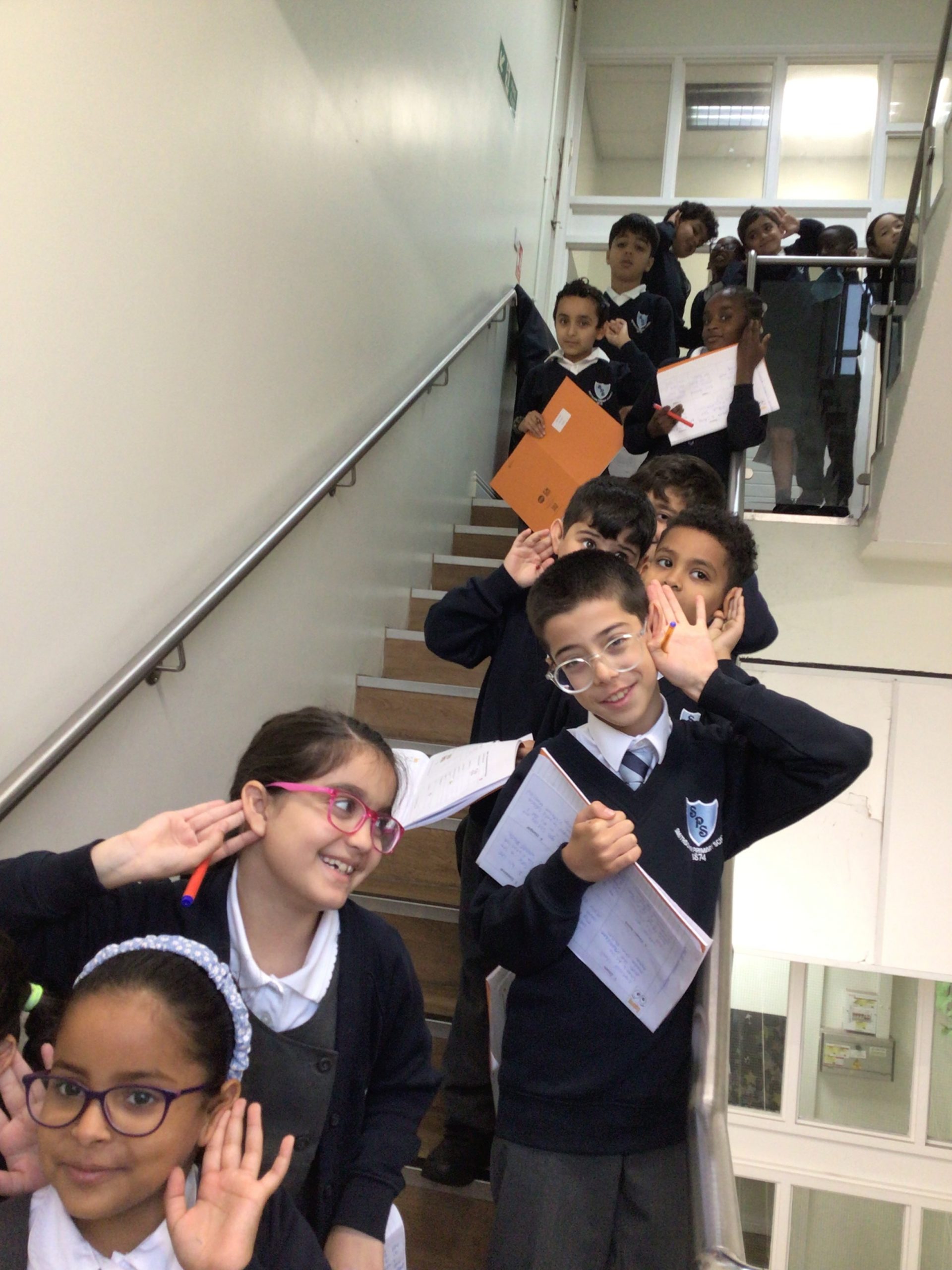
Y4 took a walk around the school to note different sounds we heard. Mr. Smith got a 7/10 for volume and we enjoyed Mrs. Hollinsworth’s 3/10 radio songs in the office!
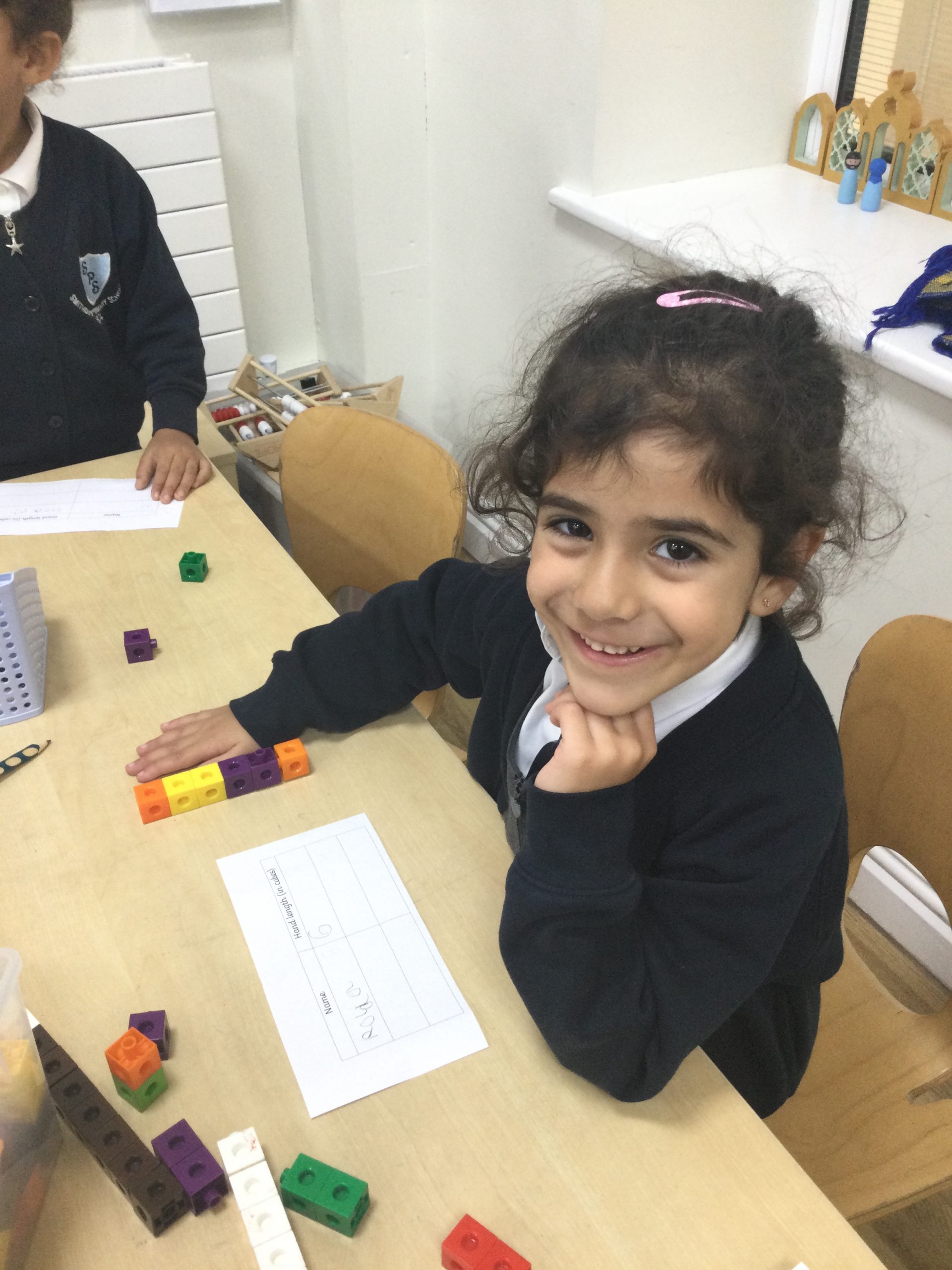
Lots of fun in science this afternoon exploring the names of parts of our body. We drew around outdoors with chalk, labelled diagrams and worked scientifically to measure how many cubes/paper clips our hand length was. We then compared this with our friend’s measurements.
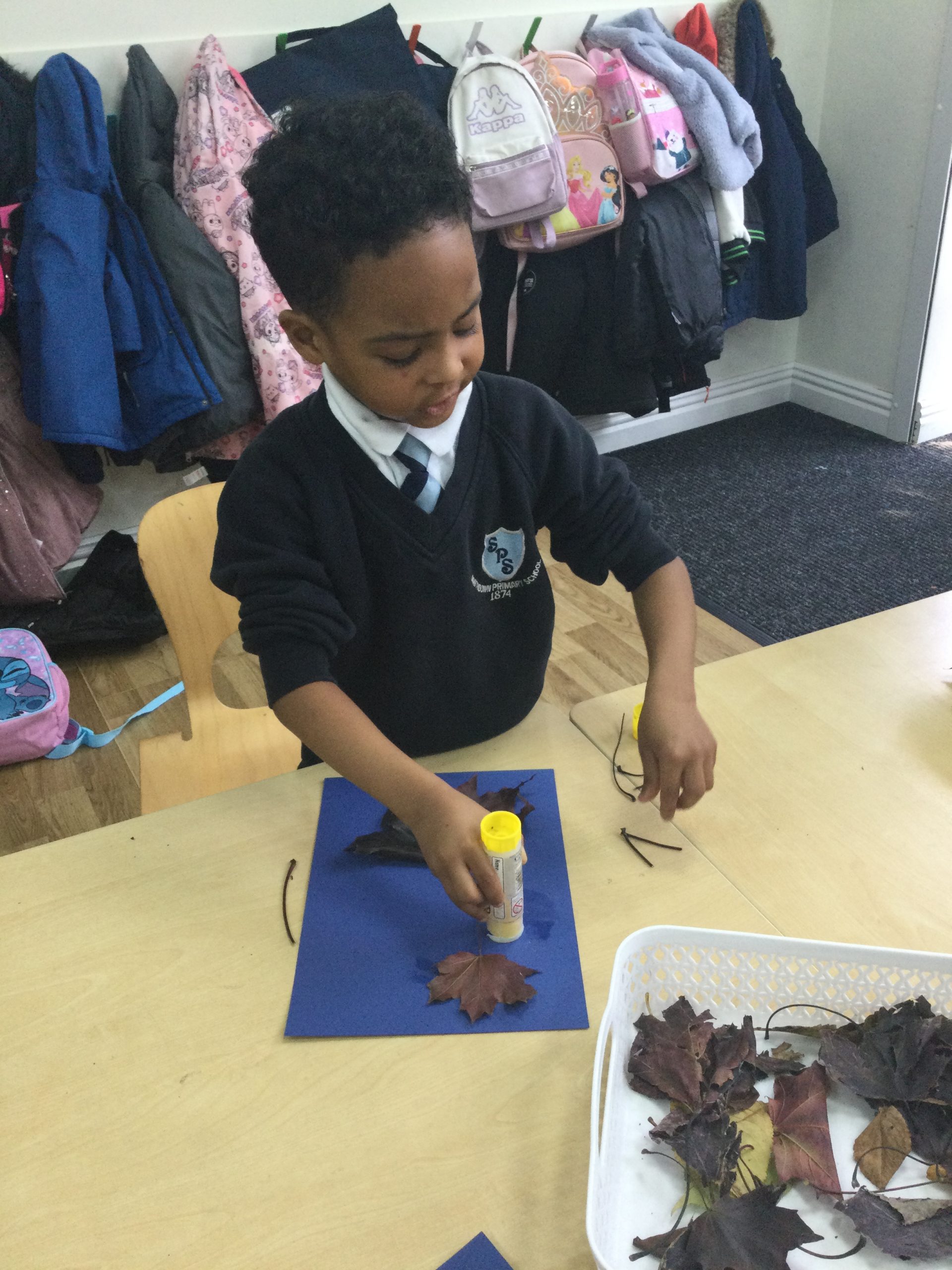
We kicked off science in Y1 by thinking about what seasons are. We sang the months of the year song to understand which months are in which season. We realised we are currently in Autumn! If anybody spots any signs of autumn outside of school, please bring in to share with the class. We spent the afternoon observational sketching pumpkins, adding seasonal features on our play dough mats, practising cutting skills to make our own season picture and painting some season signs.
Y3 built on their plant topic today by completing some observational drawings. We noticed how much attention to detail was required to sketch the intricate details of the flowers.
Yesterday, we investigated a range of properties for different materials and recorded this in a Carroll diagram. The children loved testing of it was magnetic or not. This will lead onto our thermal insulation investigation!
In Y4 we investigated one of our original questions ‘Are all liquids the same?’ We decided to have liquid races to explore this question. We raced washing up liquid, golden syrup, juice and cooking oil and discovered some are faster than others. We learned the word viscosity in order to describe this characteristic of liquids. We had so much fun doing so!
Today is ‘Rainforest Day’. We are taking part of a zoom by Chester Zoo where we can learn all about the different layers of the rainforest and how animals we have recently visited at Chester Zoo are adapted for the forest and where they would live in the rainforest. We have also learnt about how to help from England to make sure the rainforest is not further destroyed.
We have loved making our trains last week in Year 5. We’ve built our chassis, adding electrics and tested our locomotives. We were even visited by a local engineer from Stadler Rail Company to help us with our electrics and testing.
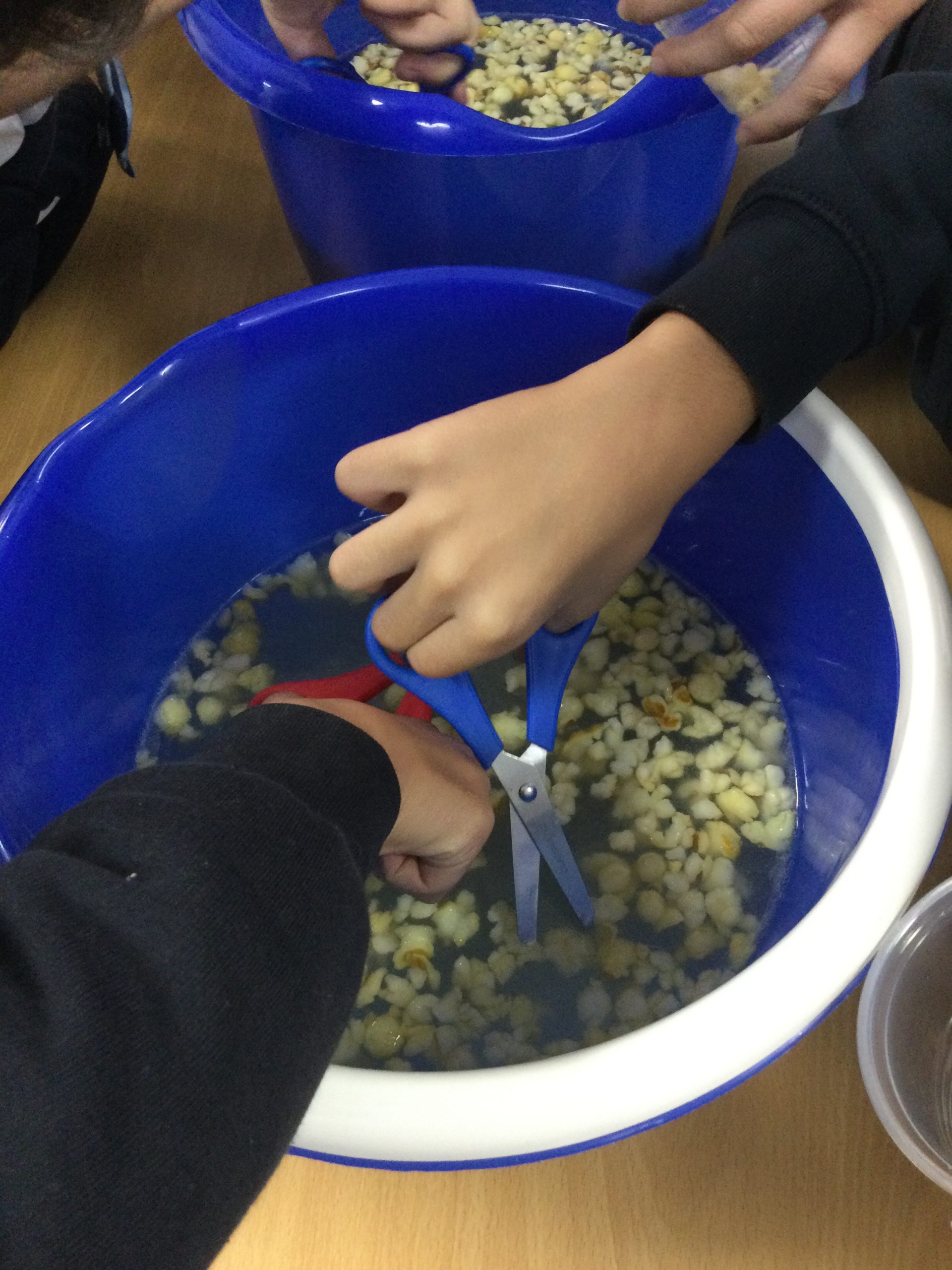
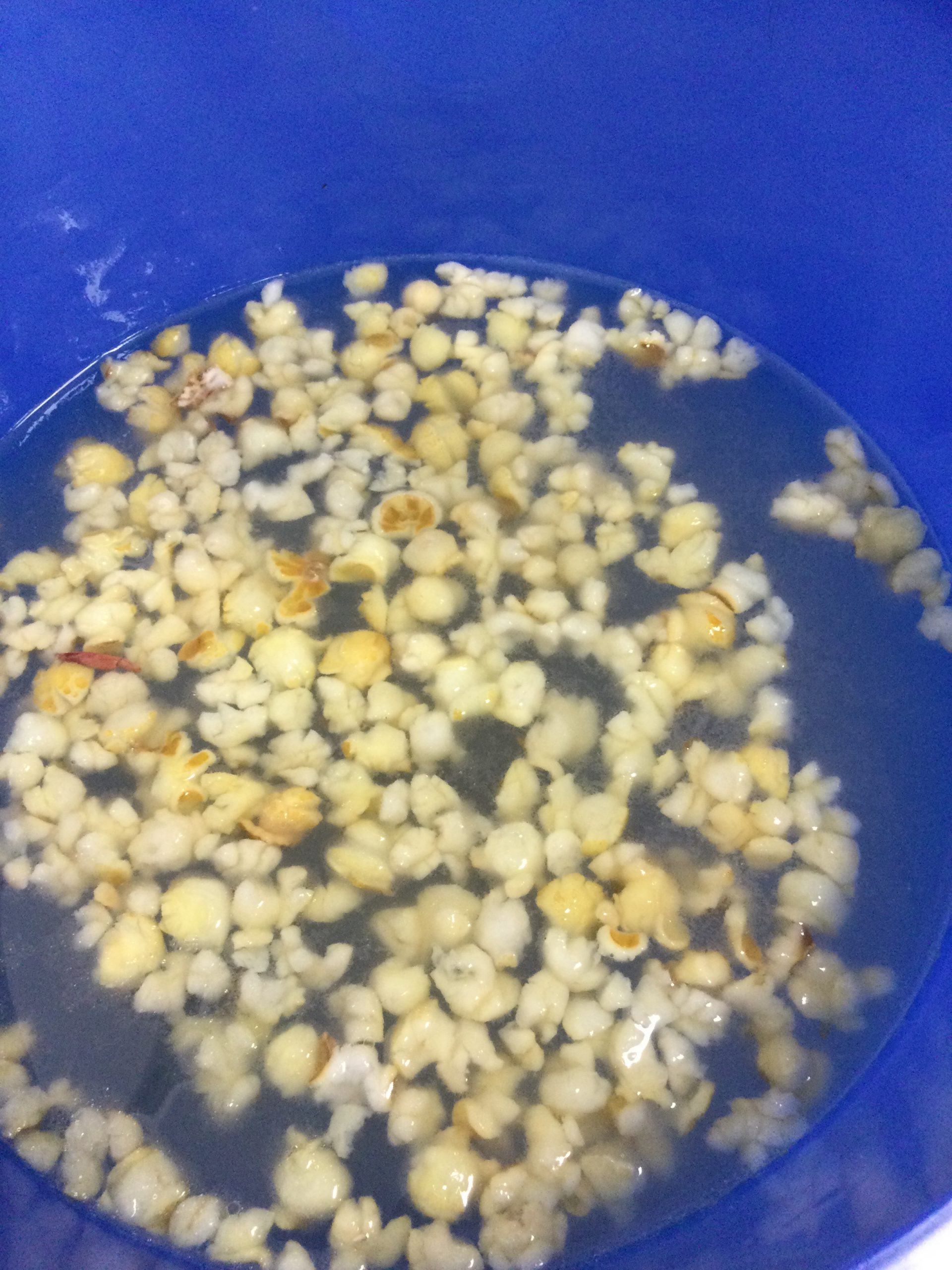
Y4 kicked of their States of Matter topic by observing dancing raisins. We discovered that all states of matter were featured in this observation and refined our explanations to be more scientific!
To understand how particles move in solids, liquids and gases, Y4 took to the outdoors to explore their movement using the parachute. We kept the particles tight with a little movement in solids, more movement in liquids to fit the space in a level surface and then we allowed the balls to fly everywhere for gases (this was our favourite bit!)
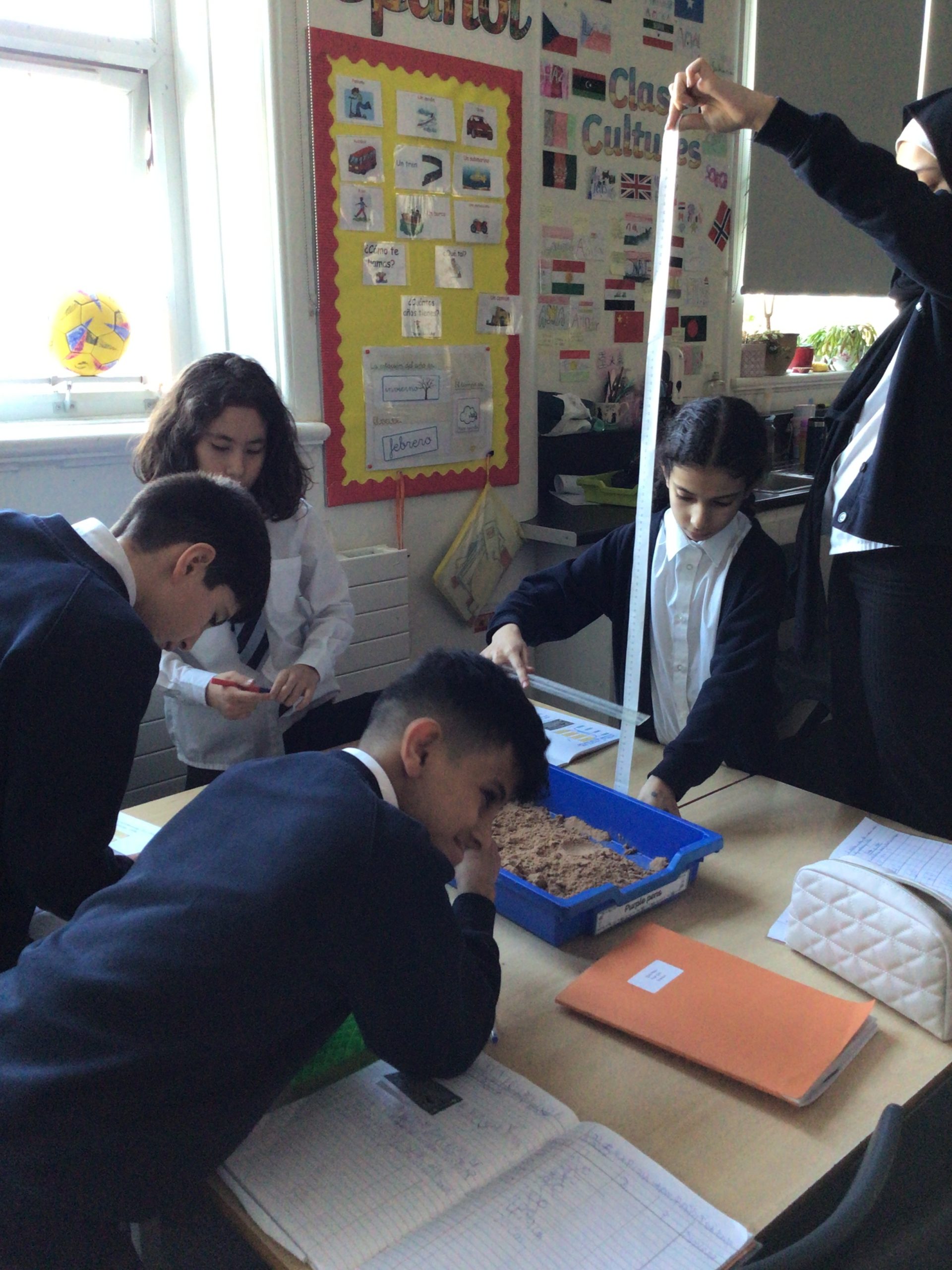
In our plants topic, Y3 carried out an investigation to find out how much water different soils hold. We started by observing and describing the characteristics of the different soils and chose three of them to test. We then decided to plan and measure how much water each of the soils held. We used filter paper and a funnel to allow the water to pass through and measure how much passes through. Y3 were super!
Today we completed an investigation about how the shape of plasticine can affect the time it takes to travel through water. We loved creating different shapes and timing it!
In Reception the have been working extremely hard every week with a new weekly challenge – which they must complete independently!
The children were given a challenge this week to help out The Jolly-Roger’s family to see what items of treasure would float and which would sink. They experimented with different objects – coins, rocks, kids and rubber bands.
We had a fantastic day exploring Chester Zoo. The children loved looking at the variety of animals. We saw chimpanzees getting fed, lions having a nap, penguins splashing water and even explored the bat cave. The children had smiles on their faces all day! 🦁🐒🐧🦇
This morning we enjoyed using the seek app to find the names of native creatures and plants in our playground. Thank you to Lucy from Chester Zoo – a great start to our workshops!
We had a very exciting start to our week with our first Chester Zoo Workshop on UK Wildlife. We used the iPads to find some species in our playground. The workshop got us excited for our upcoming trip to the zoo on Thursday. 🐒🐼🐯🦁🦋🐍
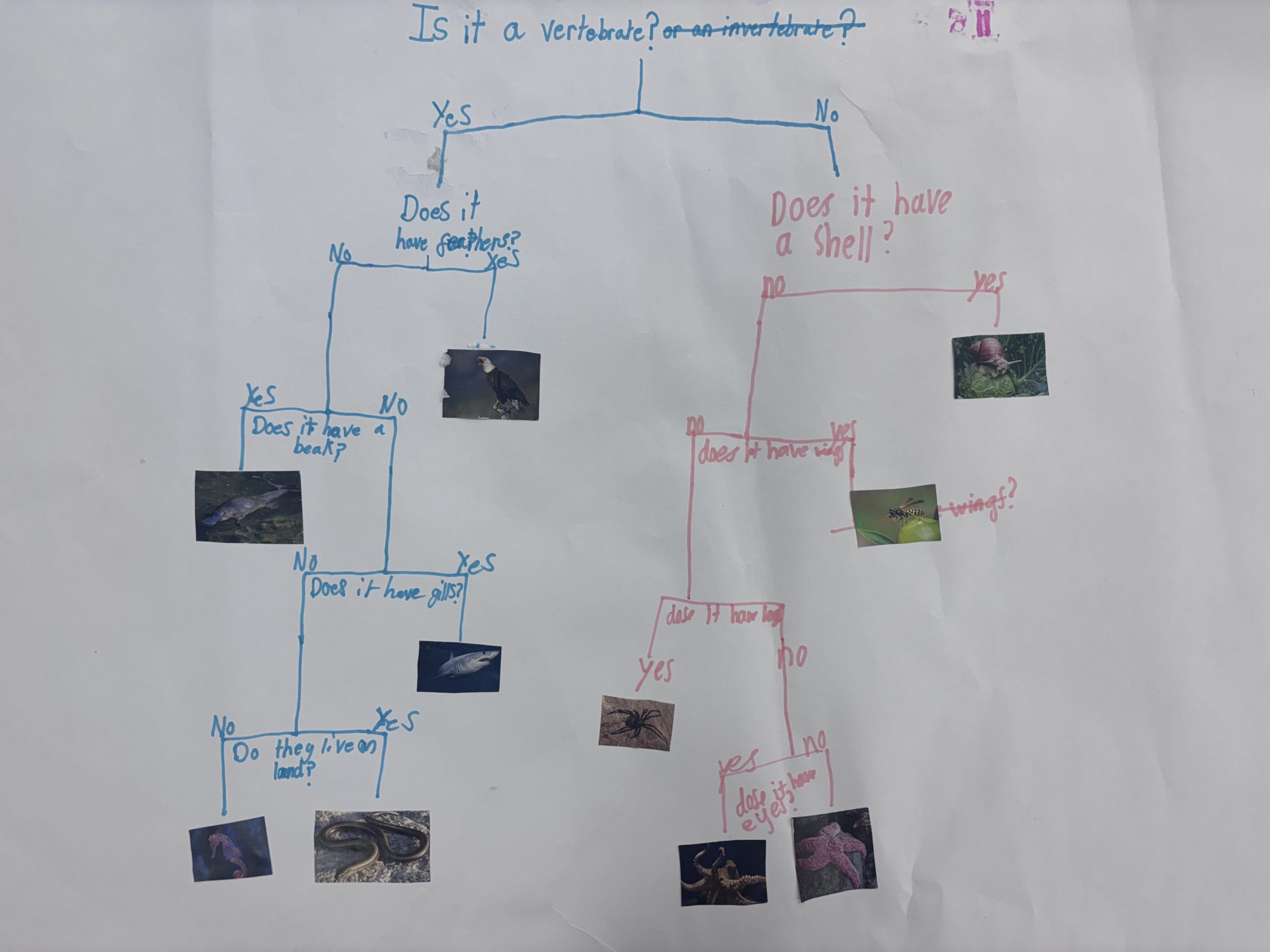
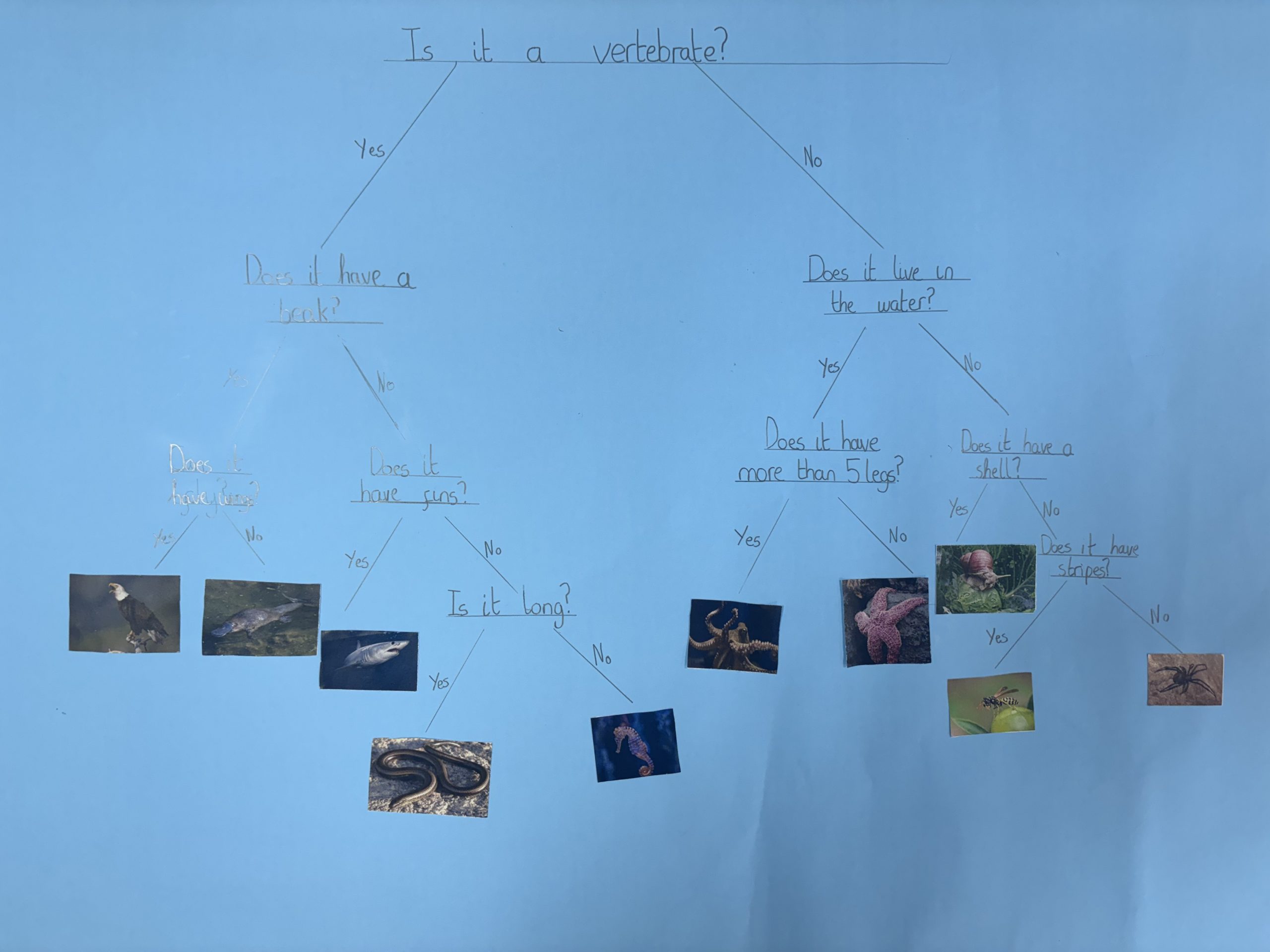
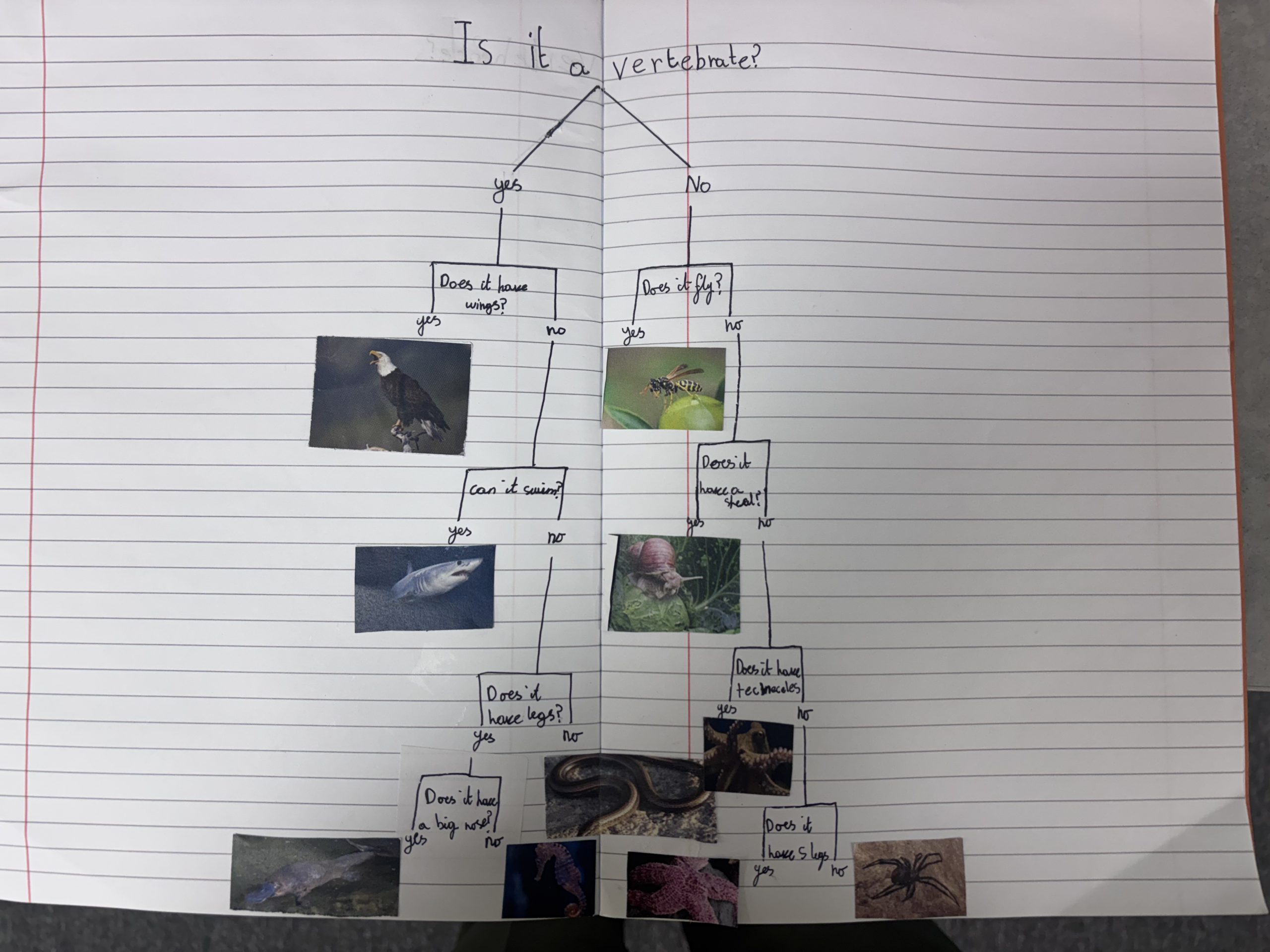
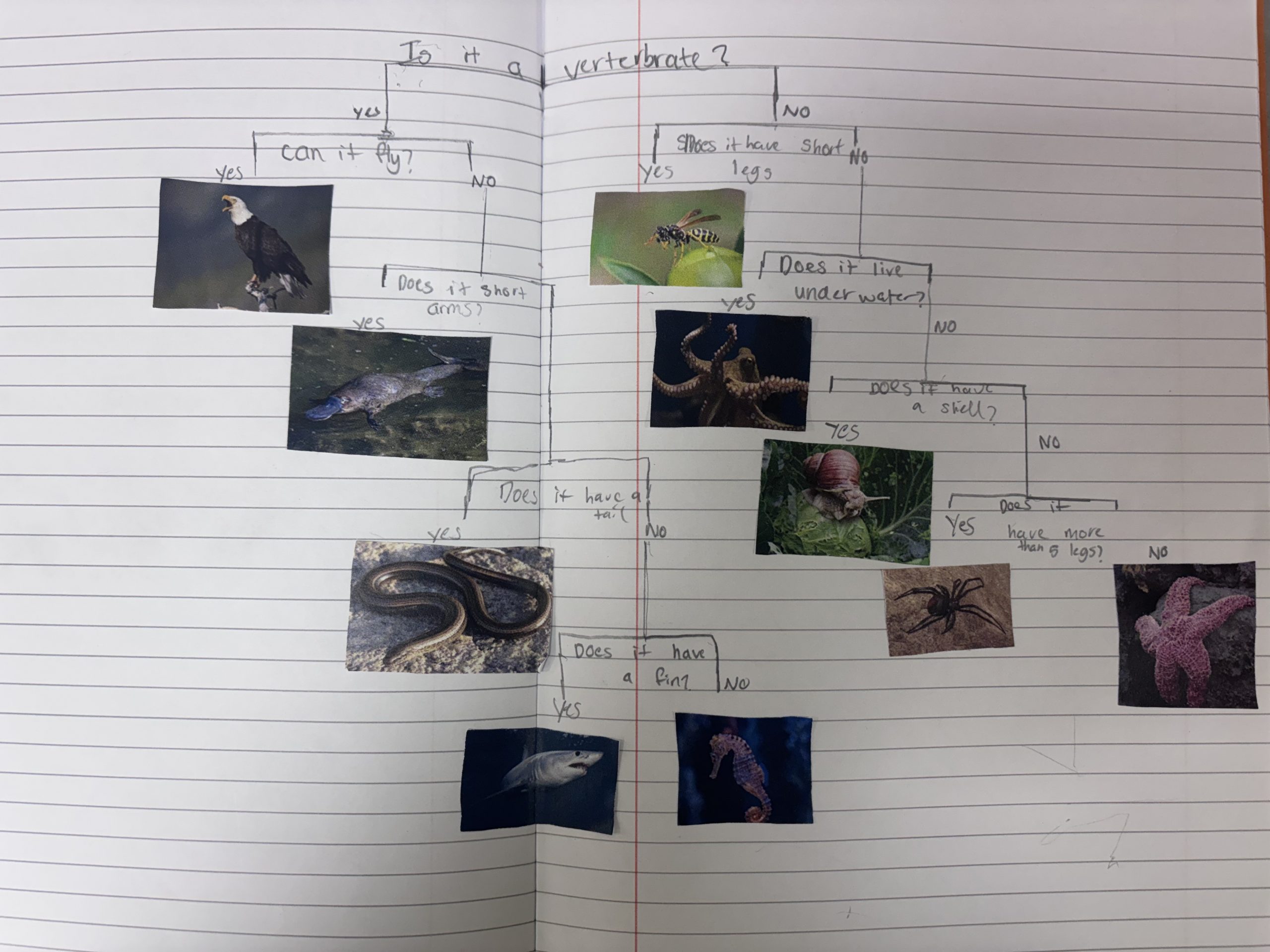
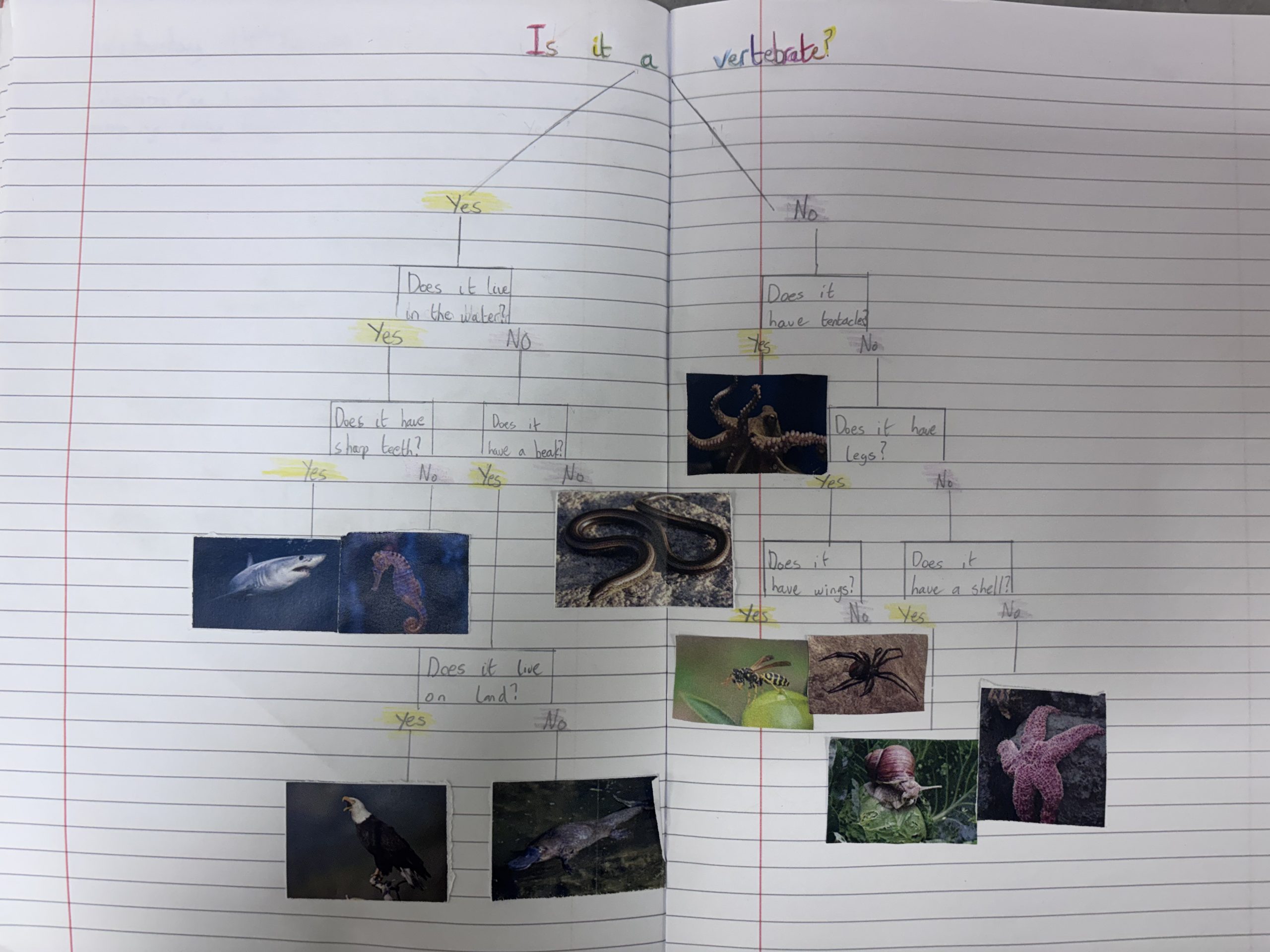
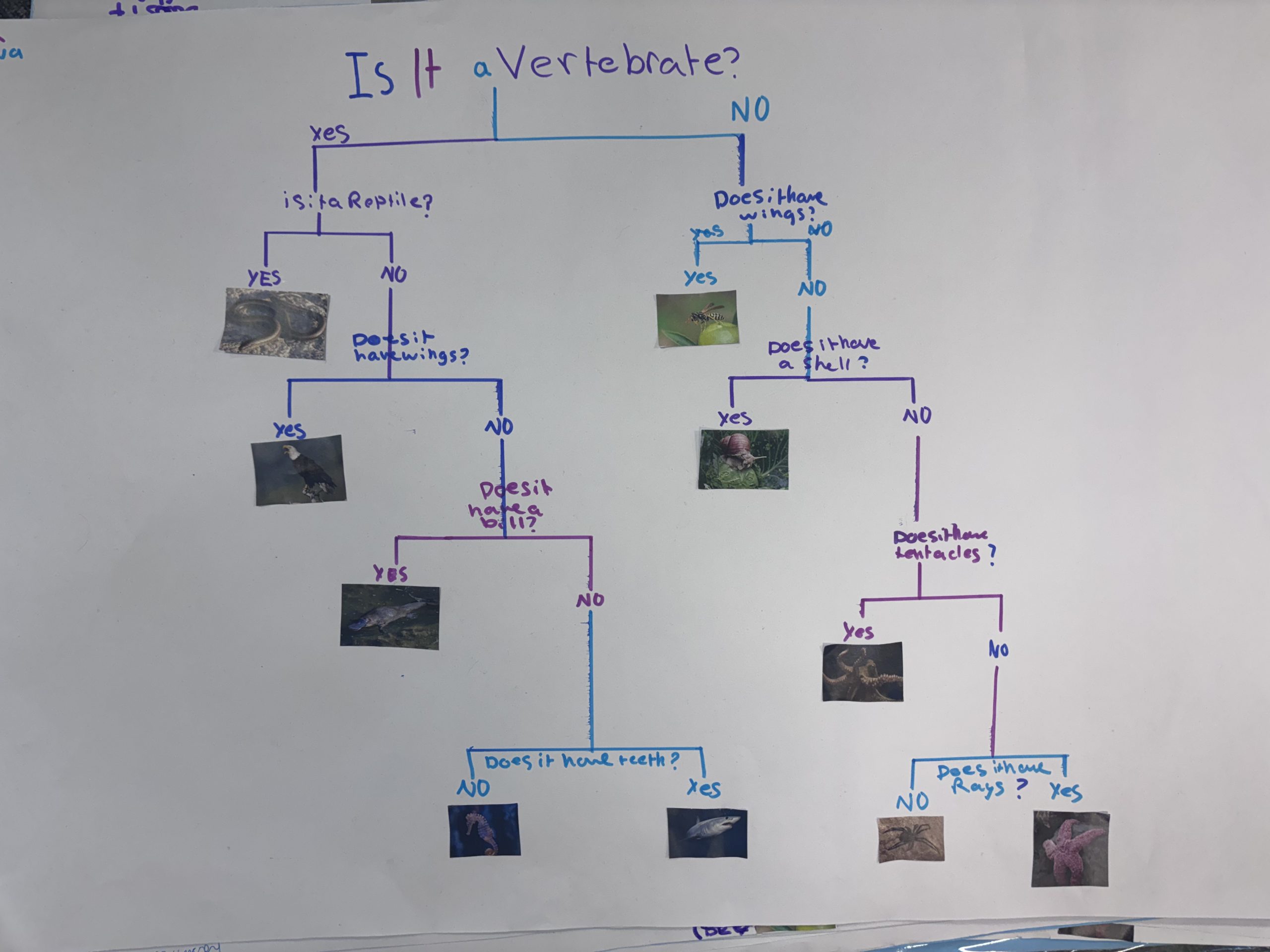
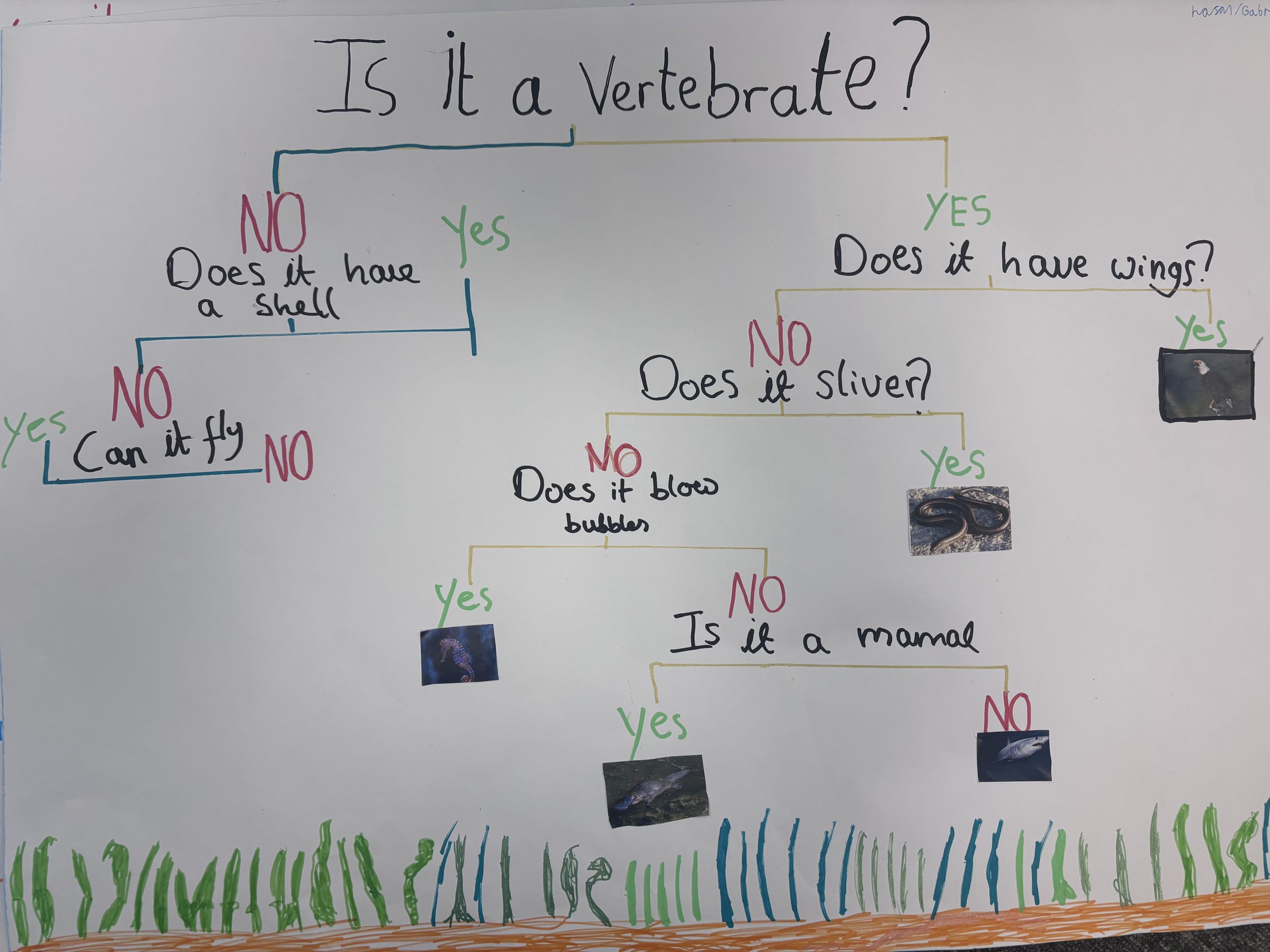
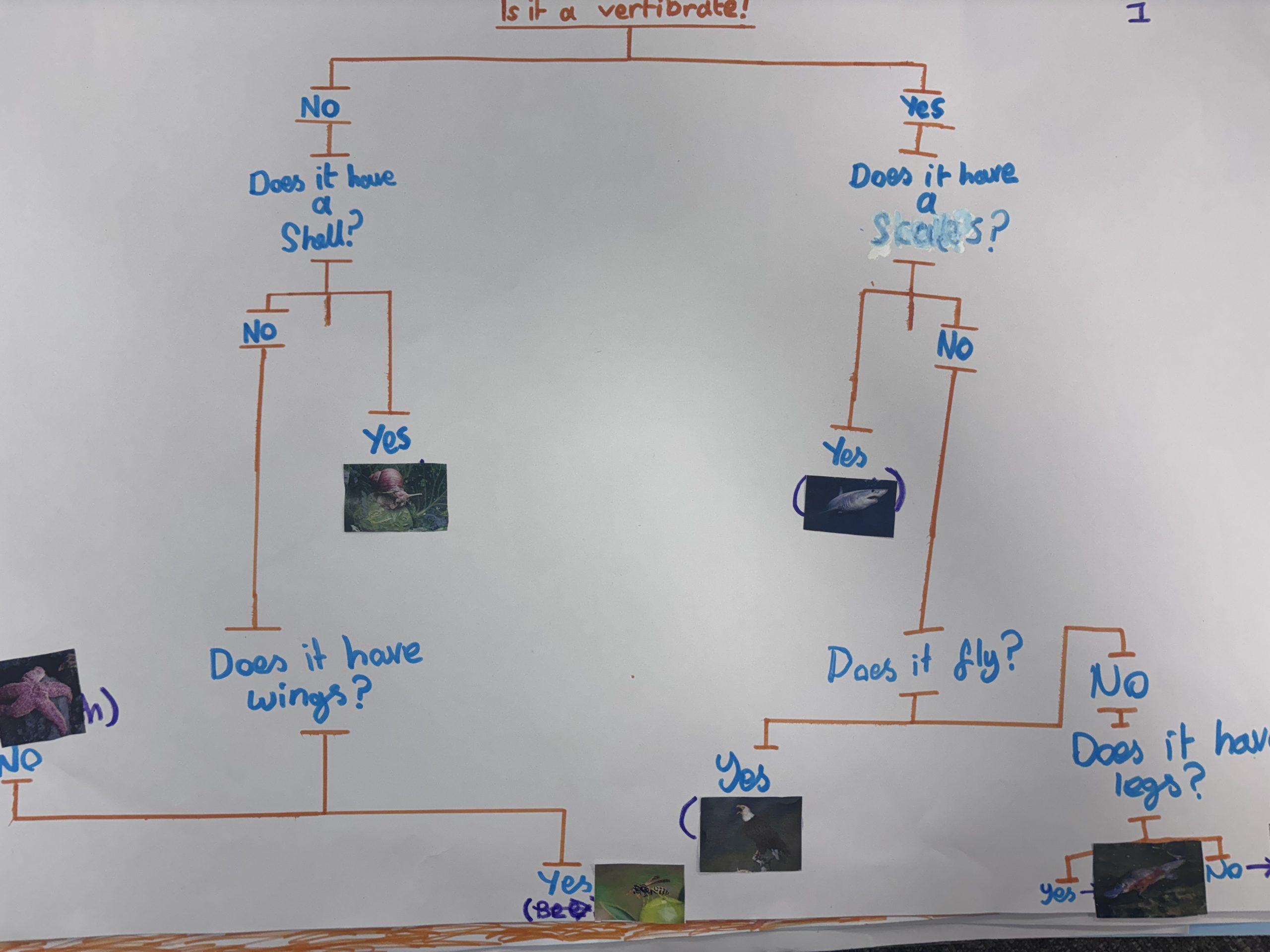
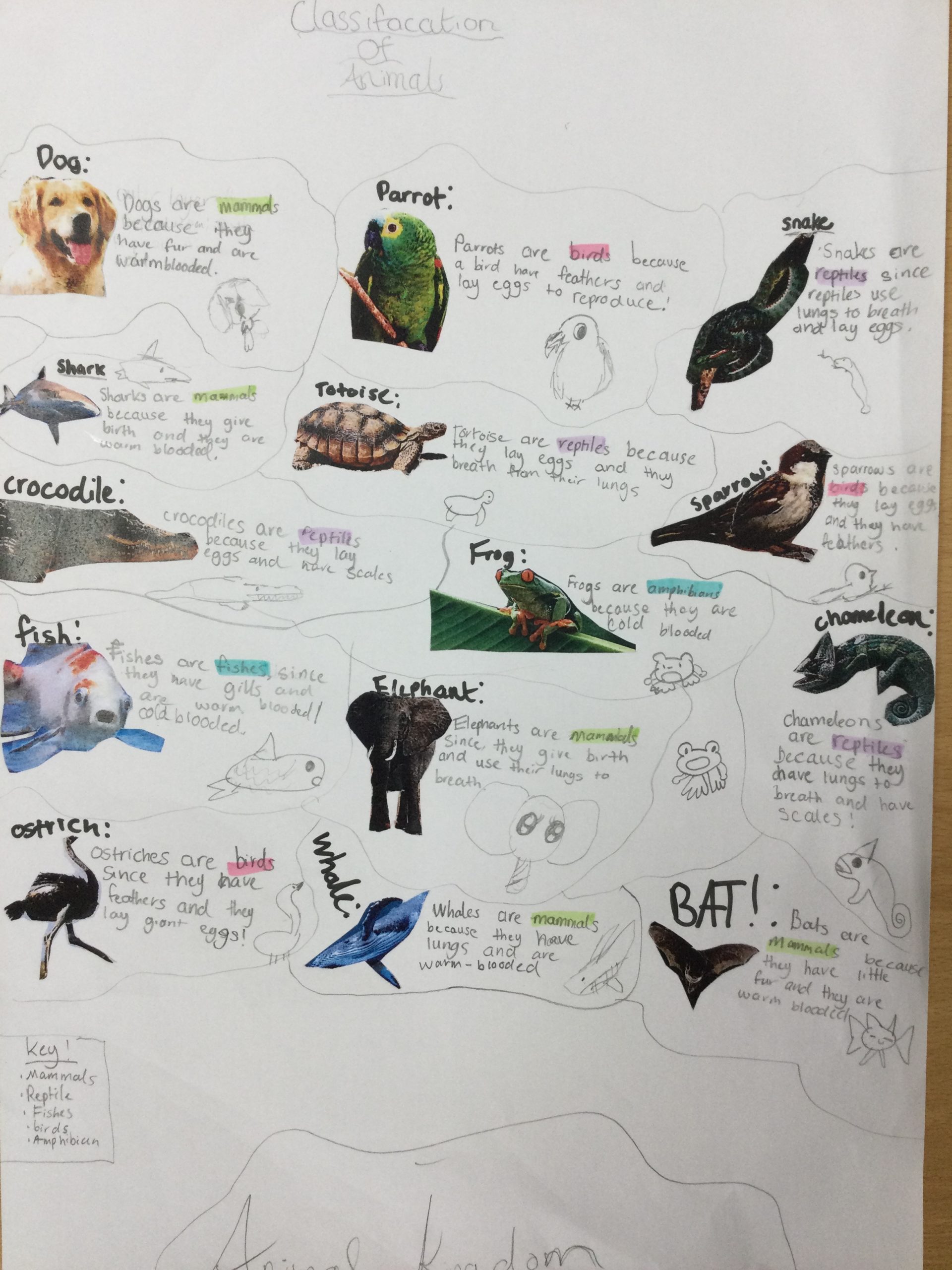
Today Y4 explored classification keys. We started by identifying characteristics that separate items. We practiced with liquorice first before applying to animals. Well done Y4!
Y4 have been working scientifically and explored how many dunks different types of biscuit could withstand in cold water. We recorded the amount of dunks each biscuit lasted. Some even made it to over 50!
After learning about deforestation, Y4 rehearsed the poem There’s a Rang Tan in my Bedroom. We learned about how forests are being cut down for palm oil production and focused on intonation in performing.
3KMc have been exploring different materials to decide which ones would be most suited to creating sunglasses. We applied our knowledge of sun protection and new vocabulary words we have learned during our Light topic.
Investigation: How do different types of exercise affect our heart rate?
Activity completed. Results recorded. Now it’s time to interpret and devise a conclusion.
We have had a lovely day at Martin Mere today.
we helped Ava find out which way she had to migrate, went on a treasure hunt, explored the wetlands and enjoyed the play area too!
For science week, we researched Ruth Wakefield. We learnt all about the temperatures needed and the variables that she changed. We then had a lesson in cookie making with our wonderful cook Monica and decorated the cookies with her face.
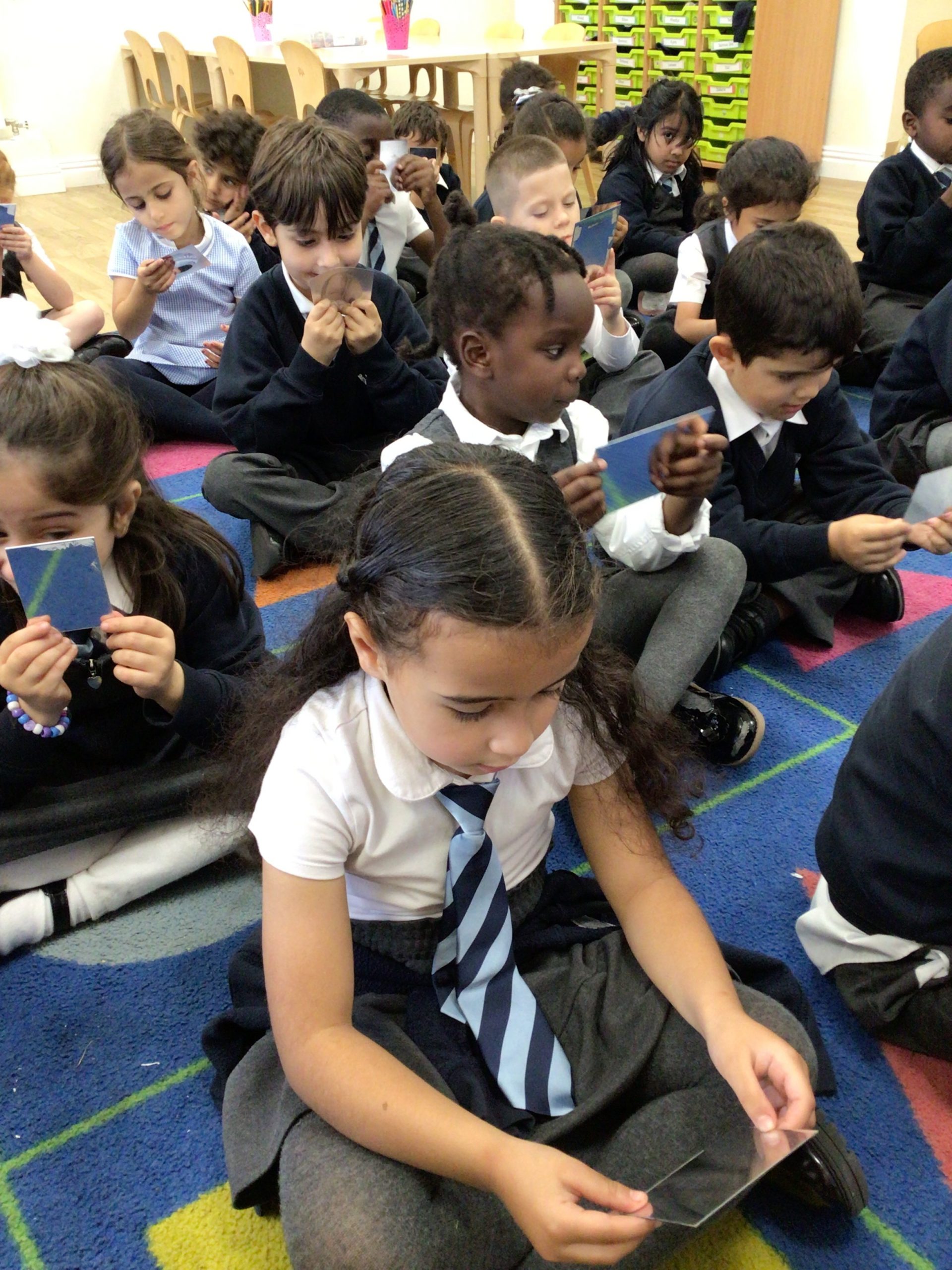
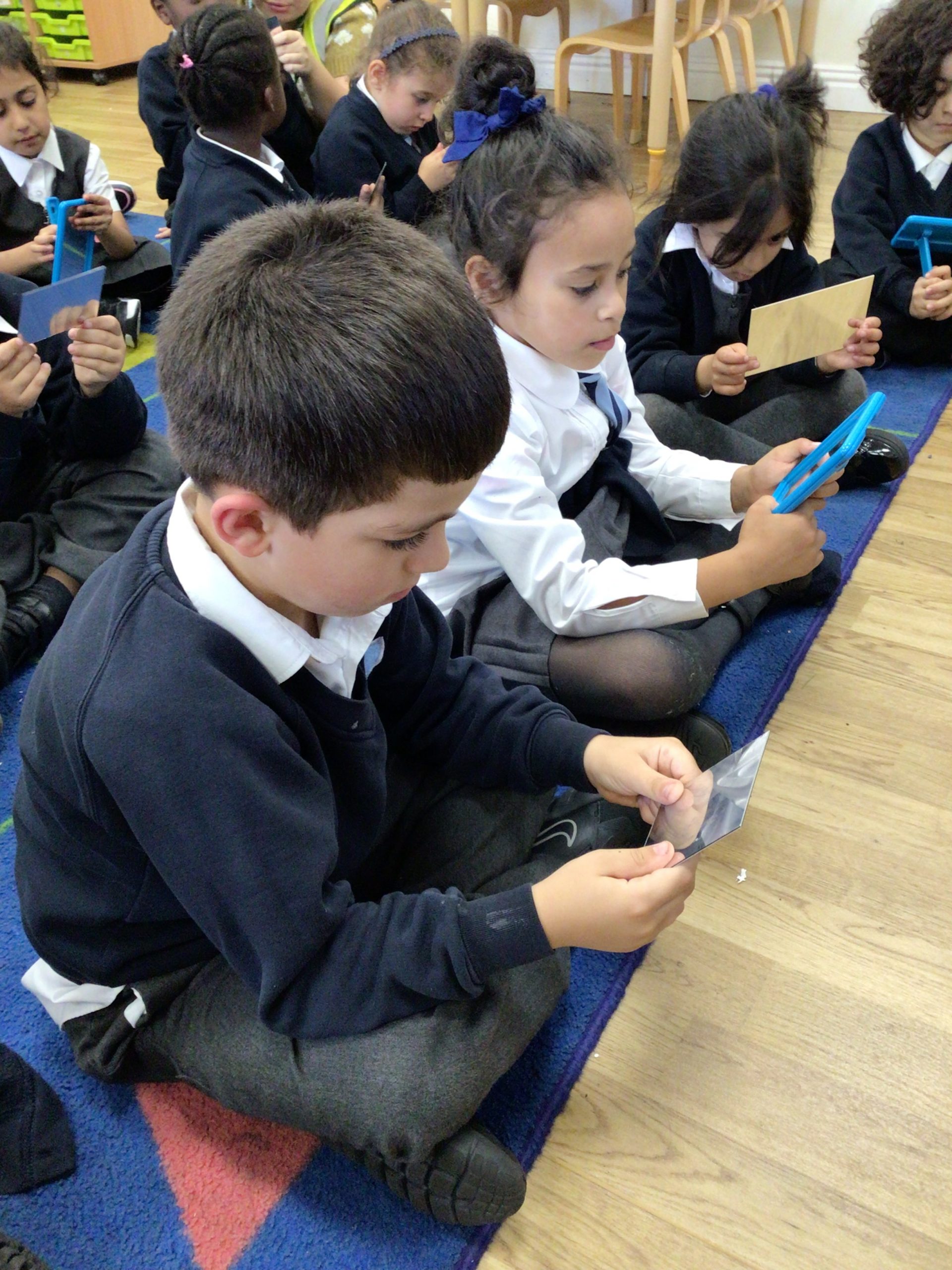
Today, we investigated which objects were good reflectors of light and which objects weren’t good reflectors of light. We discovered that objects with shiny, smooth surfaces were better at reflecting light than objects with dull, rough surfaces.
Last week we had a wonderful time with our biscuit investigation. Our question to investigate ‘Does the thickness of a biscuit affect it’s breaking dunk time?’
To celebrate science week, reception read The Gingerbread Man and talked about what might happen if the gingerbread man fell into the water. We decided to see what would happen if we dunked biscuits into milk, oil and water.
We have planned out our experiments in order to see how we can measure craters and what affects the result. We had a create time changing variables and recording our average in order to make it a fair test.
As part of our Science Week work, Year 6 learnt about Ibn Al-Haytham, the man credited with inventing the pinhole camera. As our Lowry portraits were so good, we couldn’t resist applying our artistic skills to this wonderful scientist too.
This morning we have been supporting Laura from Metal with a new card game all about sustainability. We were lucky enough to be the first school to trial the game and learned a lot about symbols and ways to upcylce and compost. Thank you Laura!
Both Y3 classes took to the playground to explore shadows in real action. We drew around each others shadows with chalk. We observed that our shadows are attached to us!
Y4 have been busy exploring food chains in the environment. They have learned about the words consumer, producer and predator whilst recapping the process of photosynthesis.
Y3 have been busy upcycling their fashion items ready for their fashion show for parents. We have learned all about recycling and sustainability over the last few weeks which has inspired us to carry on out of school. Thank you metal!
This afternoon, for British Science Week 2025, 3KMc investigated which biscuit was the best dunker. We were so shocked that the strongest biscuit was a rich tea! We thought bourbons would be the strongest as they were thicker. The rich tea dunked over 50 times without breaking!!
This week we have planted sunflower seeds, made scented play dough using lavender, rosemary and mint and planted vegetables, daffodils and herbs. We will be watching the changes to the seeds as they grow.
As part of Science Week we did an experiment about which biscuit is the best for dipping! We have used a variety of biscuits to dip into milk, water and oil. We looked to see which liquid was the best to use. Thank you Mrs Kelly for giving us great ideas for a fun afternoon!
This week we are celebrating Science Week at school. Reception are learning about a scientist called Sarah Boone who helped to create the modern day ironing board.
We have had a great time beginning our topic of Growth by planting sunflower seeds. We will observe the changes to the seeds over the next few weeks. We are also celebrating Science Week at school this week.
To begin our British Science Week activities, year 3 researched a new scientist. We discovered that Alexander Miles invented automatic elevator door in 1887. We completed a research activity on the IPads and created our own art piece of Alexander using art skills of continuing the picture and shading.
Today we tracked and measured the length of one shadow throughout the day. We noticed that our shadow was as its shorted midday and that it moved as the sun appeared to move. We explained in our books that it is the Earth spinning on its axis that creates the different times of day.
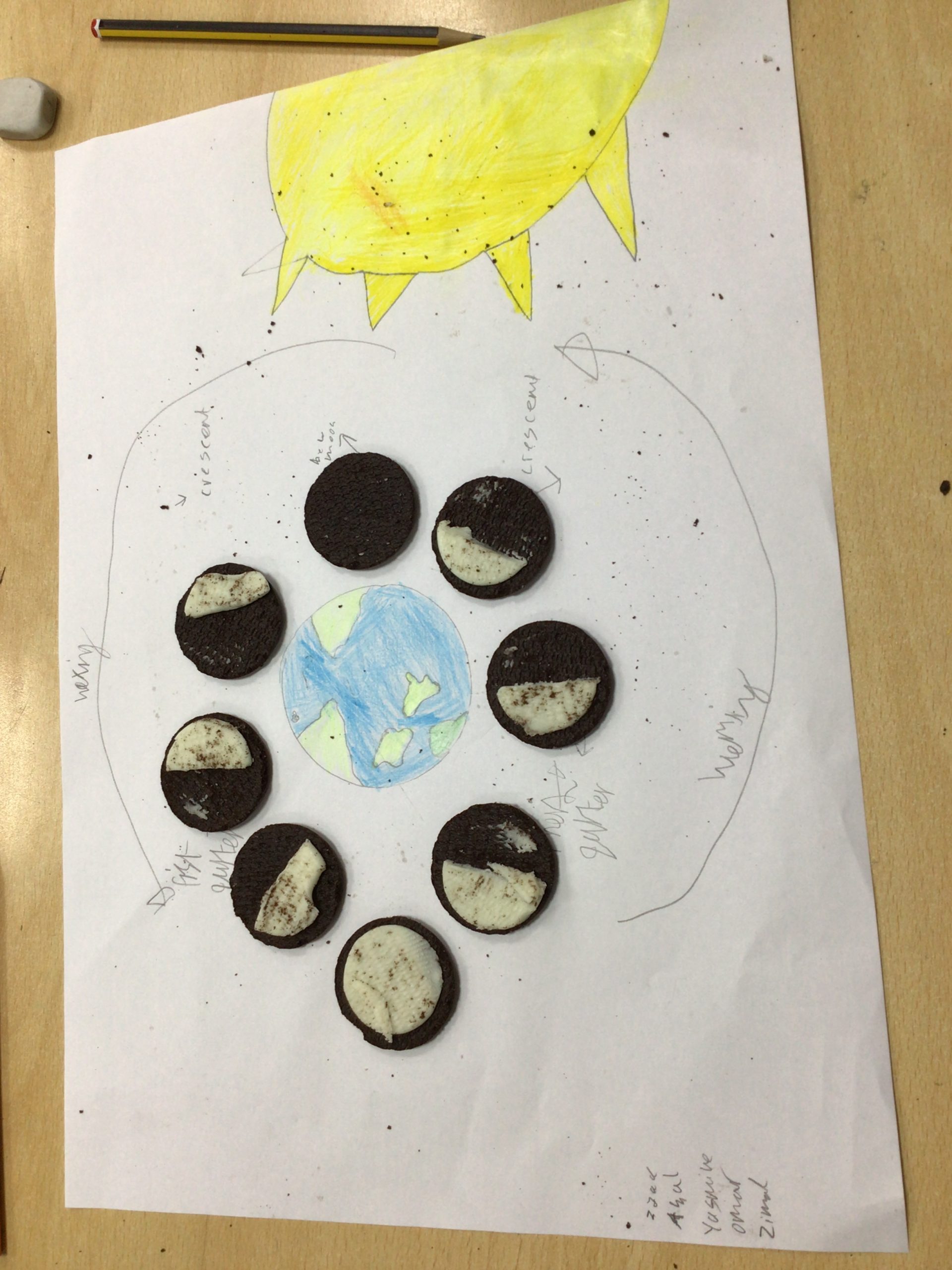
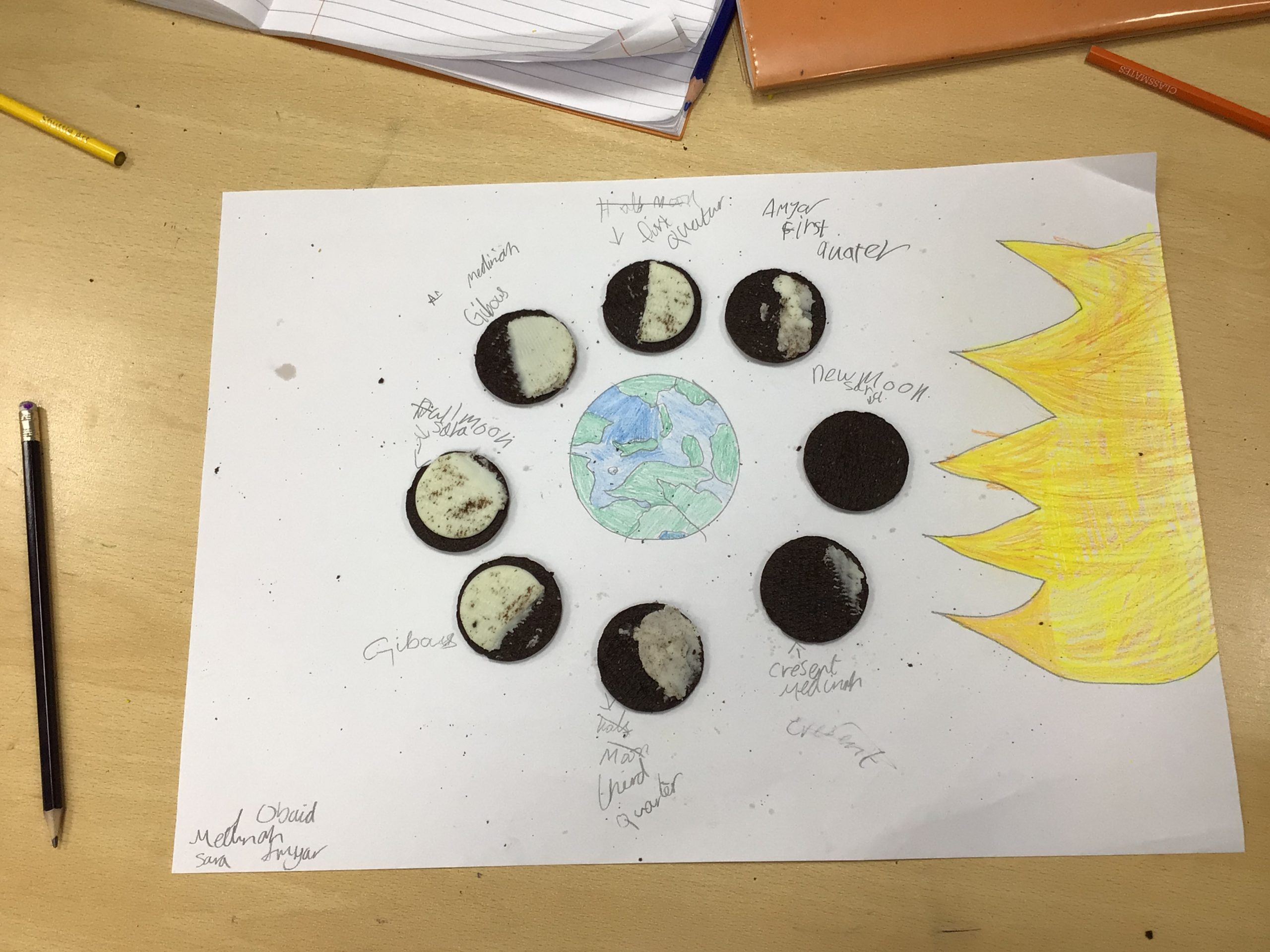
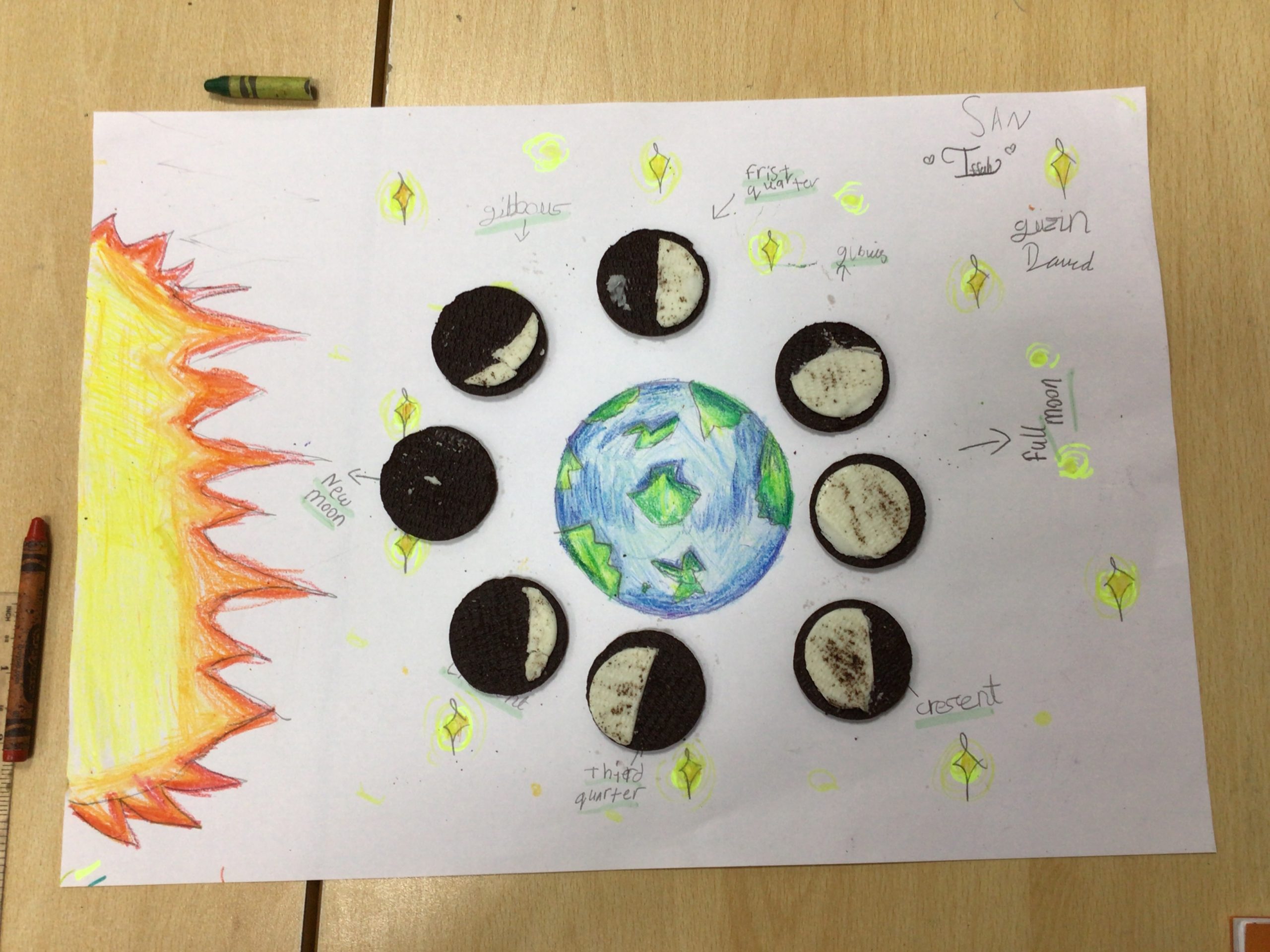
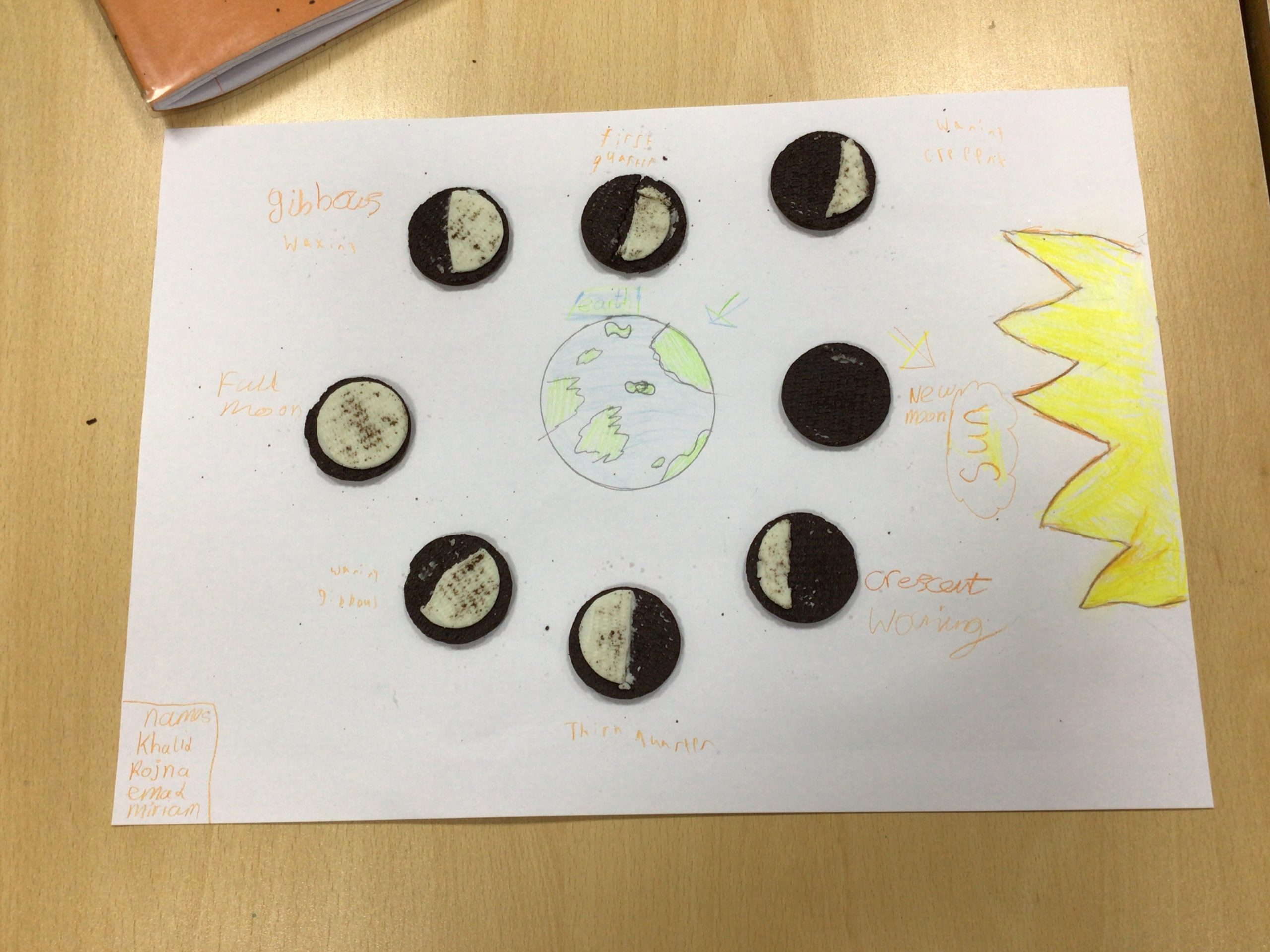
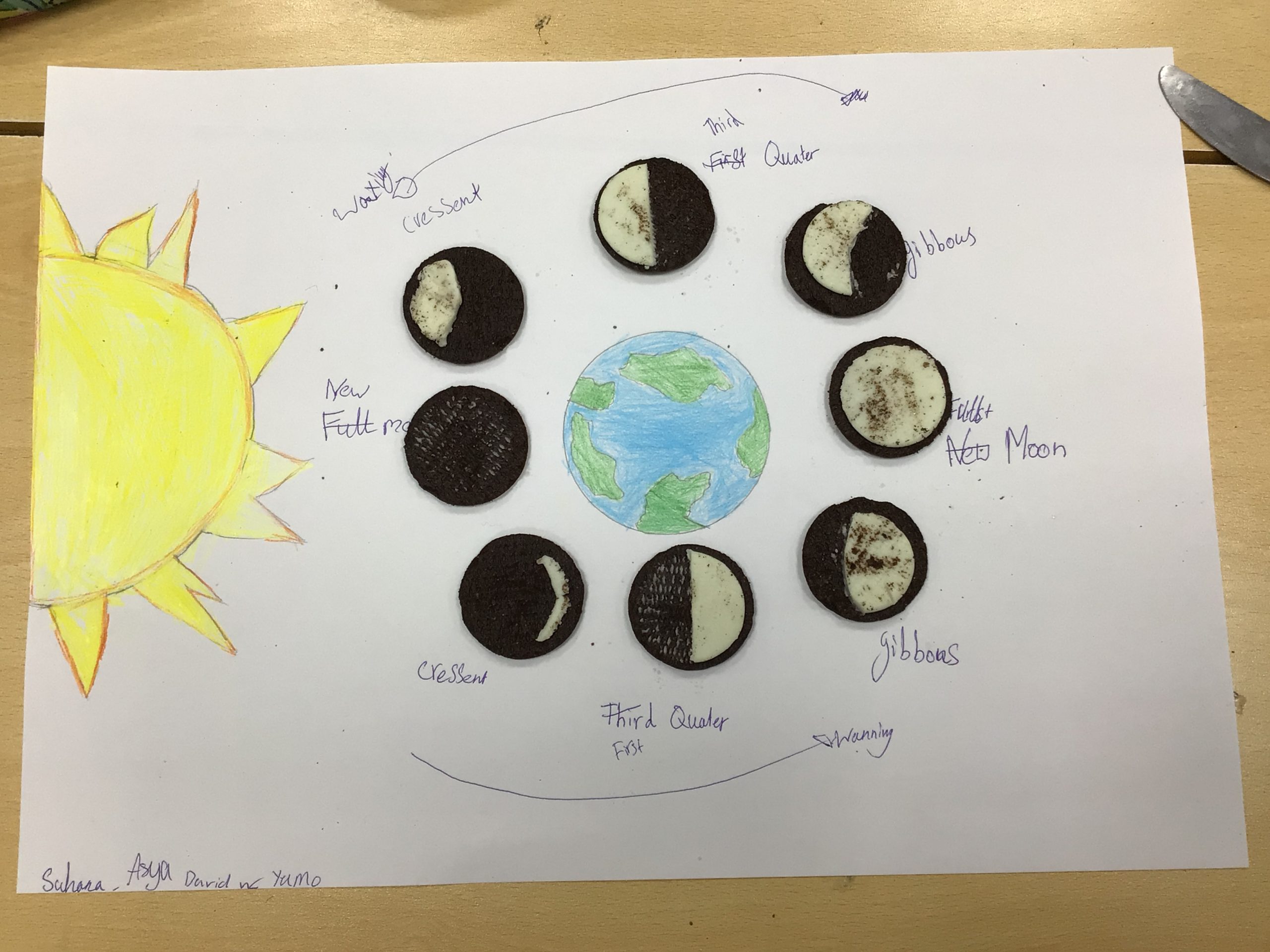
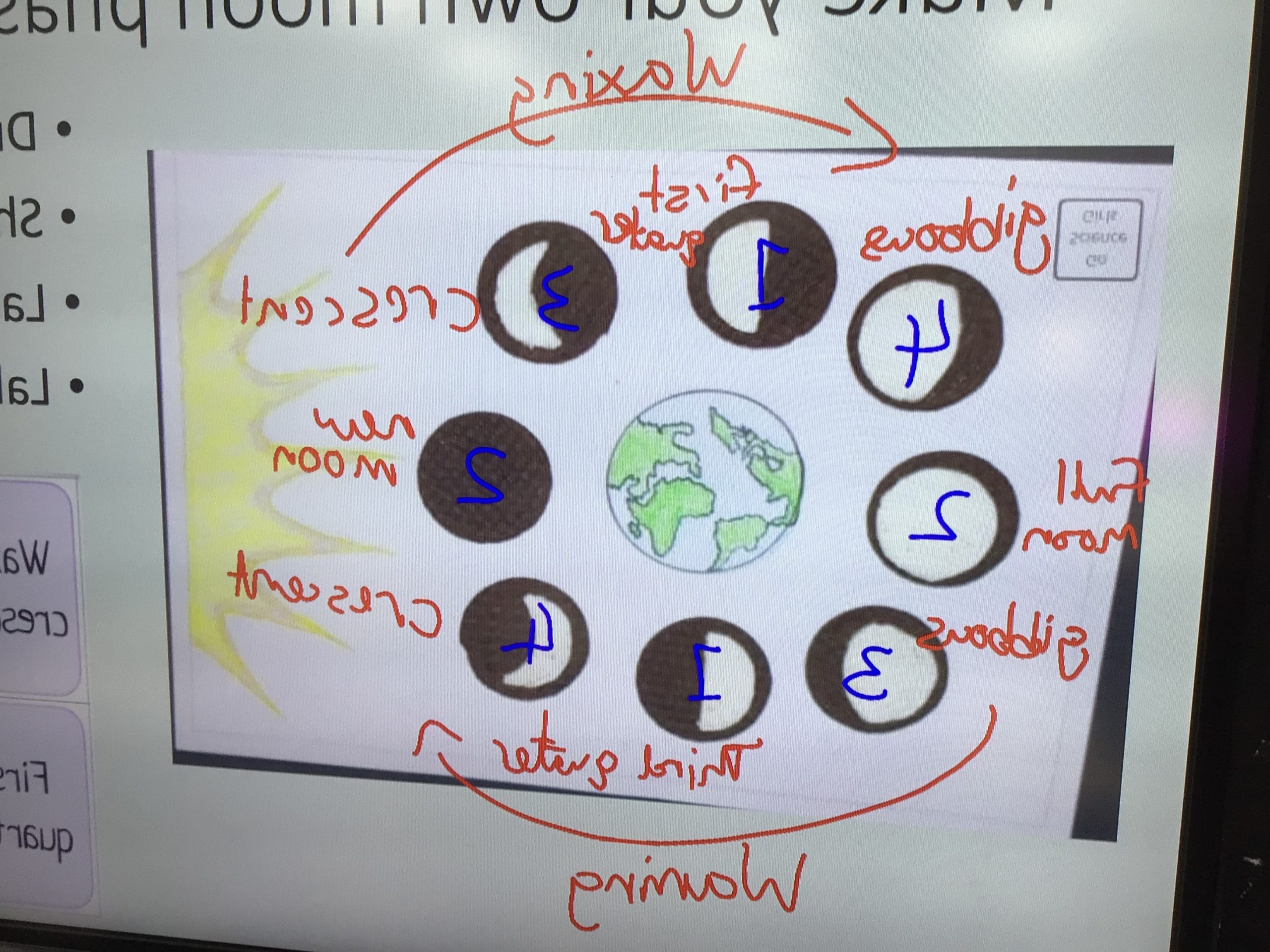
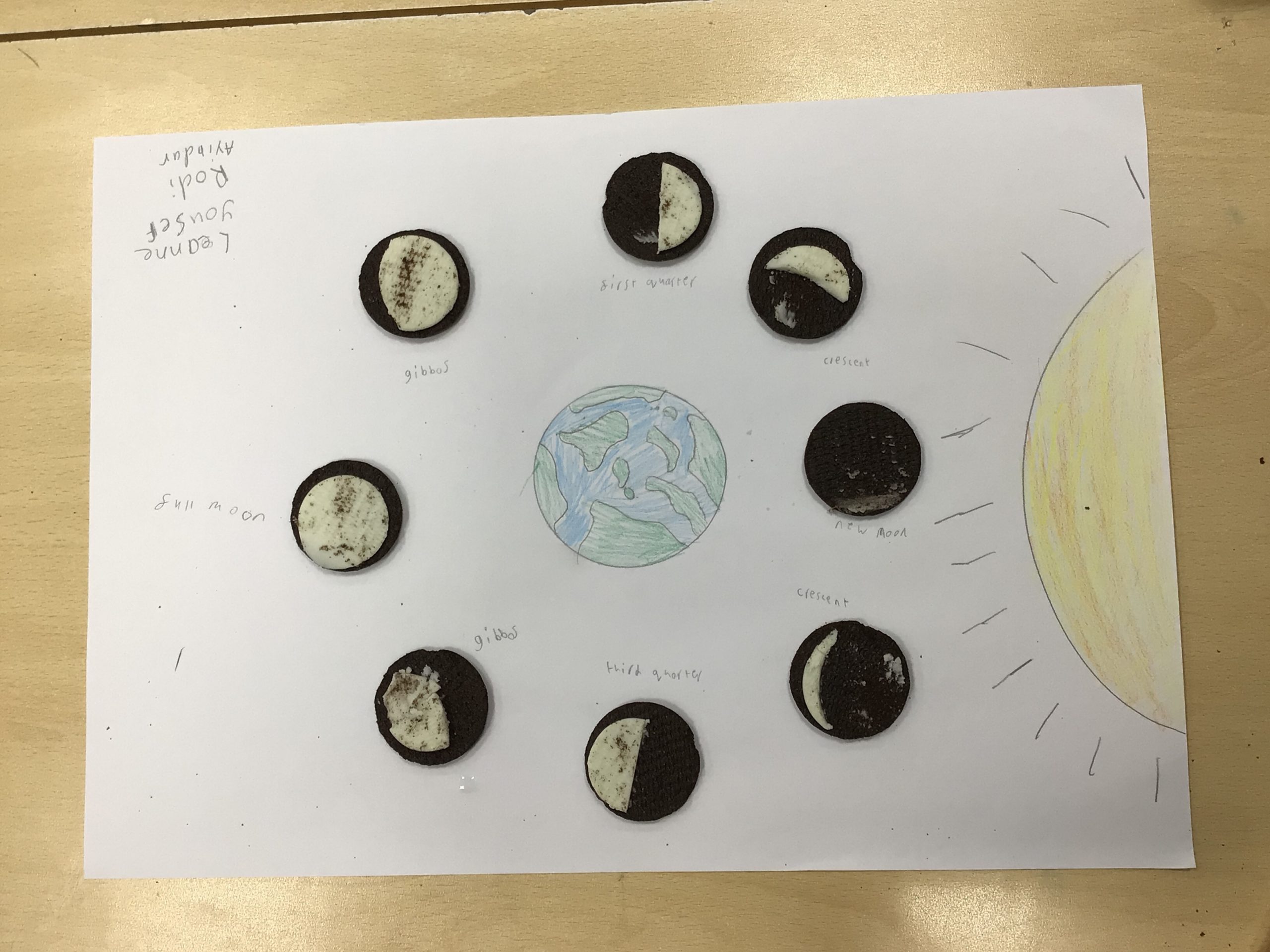
We had a wonderful afternoon showing (and eating) the different phases of the moon. First the children represented this with the ball (moon) and the torch (sun) to find the phases. Then we used biscuits to recreate this. Please ask us about the different phases, can you spot the moon at home?
Y3 have been investigating do taller children jump further this afternoon. We took our lesson outside and measured heights and distance travelled. We concluded that generally this is true but some shorter children were able to jump just as far!
We were very lucky last week to have some visitors in our class talking to us about keeping our environment healthy and how to look after plants. We all planted our very own sunflower seeds to take home. 🌻
Y3 have been exploring nutrition facts from a range of food packaging. We identified the food groups we had learned about and compared measurements of salt and sugar in some foods.
Y3 have been busy labelling bones in the humans body. Steve the skeleton joined us for our lesson this week and taught us some names of bones in the human body.
Y4 have been busy learning all about human and animal teeth this half term. We decided to investigate the effect different drinks had on our teeth. We discovered some shocking conclusions!
This week in science we have been looking at night and day. We have been learning about the rotation of Earth and how this creates daylight and nighttime.
Today we tried to recreate the direction and movement of our solar system. We discussed how this is not to scale but wanted to show what we had learnt about ‘Earth and Space’ so far. Please ask us questions about the solar system!
We have been exploring the ice today and thinking of different ways to help it melt. Some suggestions were “put it in the sunshine” “put hot water on it” it was lots of fun and we learnt lots of new vocab rescuing the animals and describing the ice.
We have been studying rocks and today we tested the how hard wearing sedimentary, metamorphic and igneous are, along with their permeability and how they react to acids.
Last week we had a visit from NRG to tell us all about our use of electricity and what we can do to help. We have signed a pledge to use less electricity and water to help with waste of non-renewable energy.
Year 3 had lots of fun learning about and talking through different ways we could save money by saving electricity. We learnt the benefits of turning off things we aren’t using and saving money by doing this. We had to create powerful images to show the importance of fossil fuels and why we need them. We then wrote our own pledge On how we will try to save money, well done Genius’s!!!⚡️💡🔦
Year 3 had a great workshop this afternoon on how to save energy and how to be NRGenius’s. They had to create a powerful image representing why we use fossil fuels. We learnt all about renewable energy and how these are better for our environment. We ended the session by making a pledge to try our best to save energy. 💡⚡️
This week, we worked scientifically by sorting and classifying different types of rocks. We explored the rocks and discussed their characteristics. The children came up with great words such as ‘rough’ ‘bumpy’ ‘smooth’ ‘sharp’
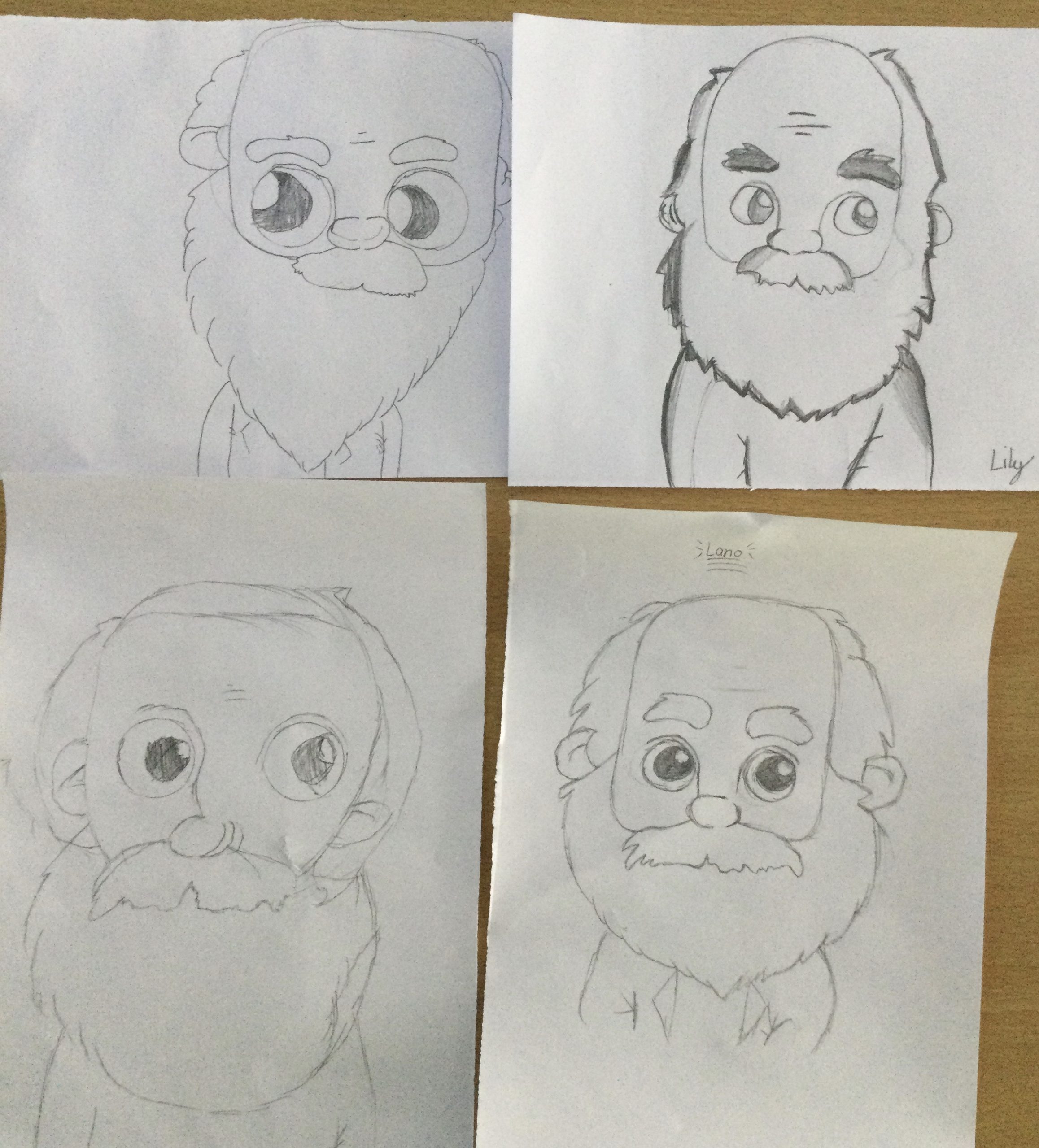
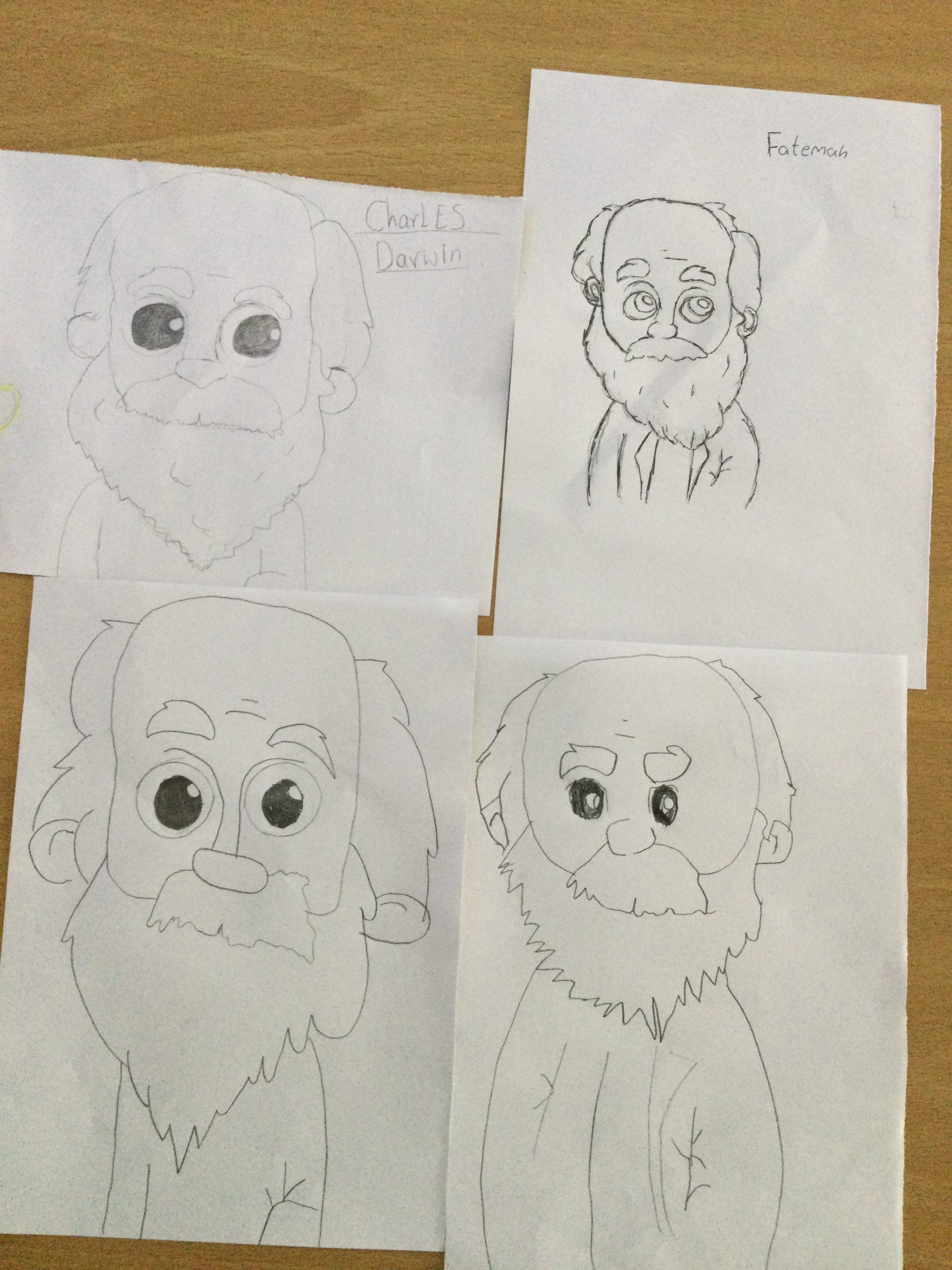
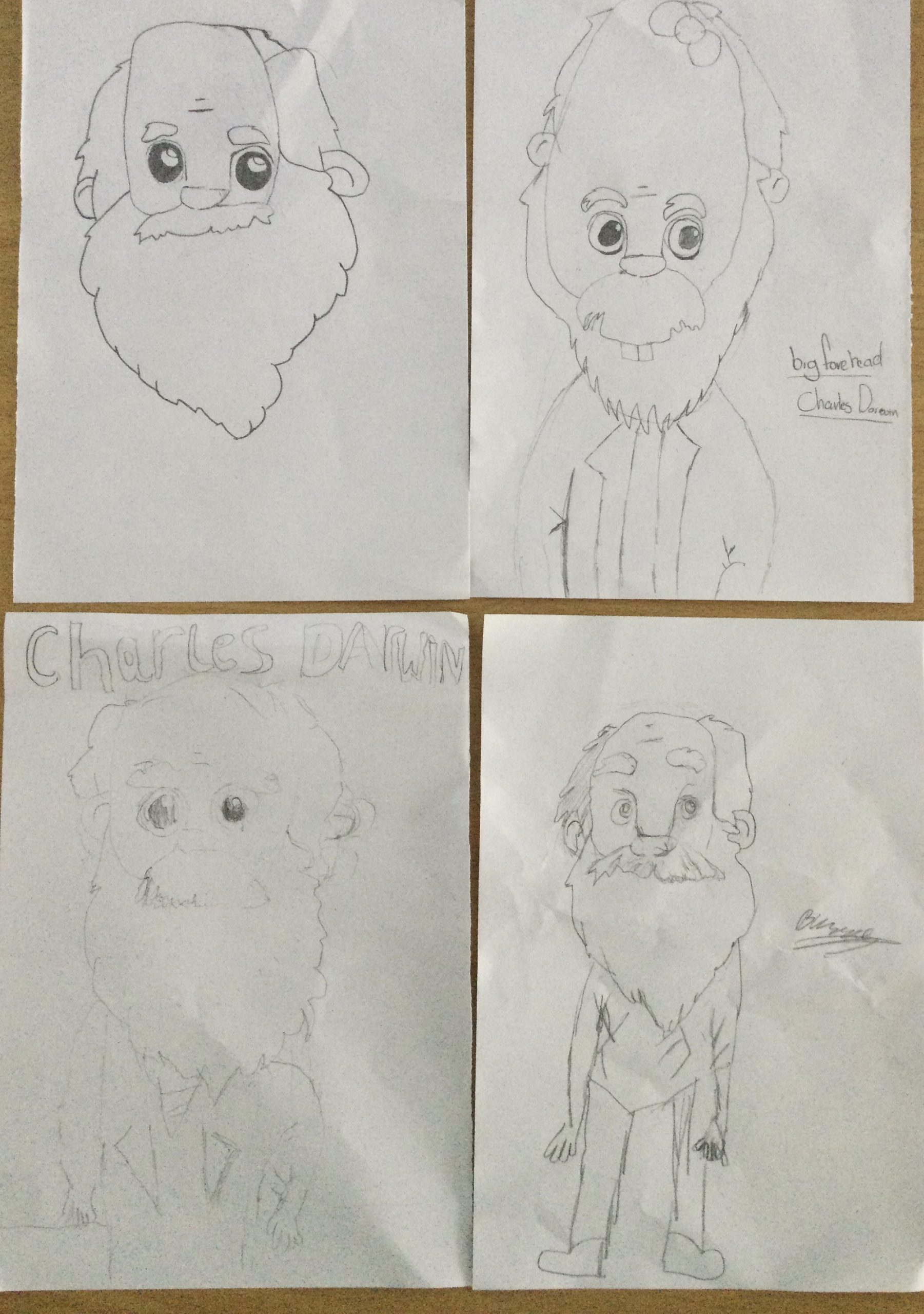
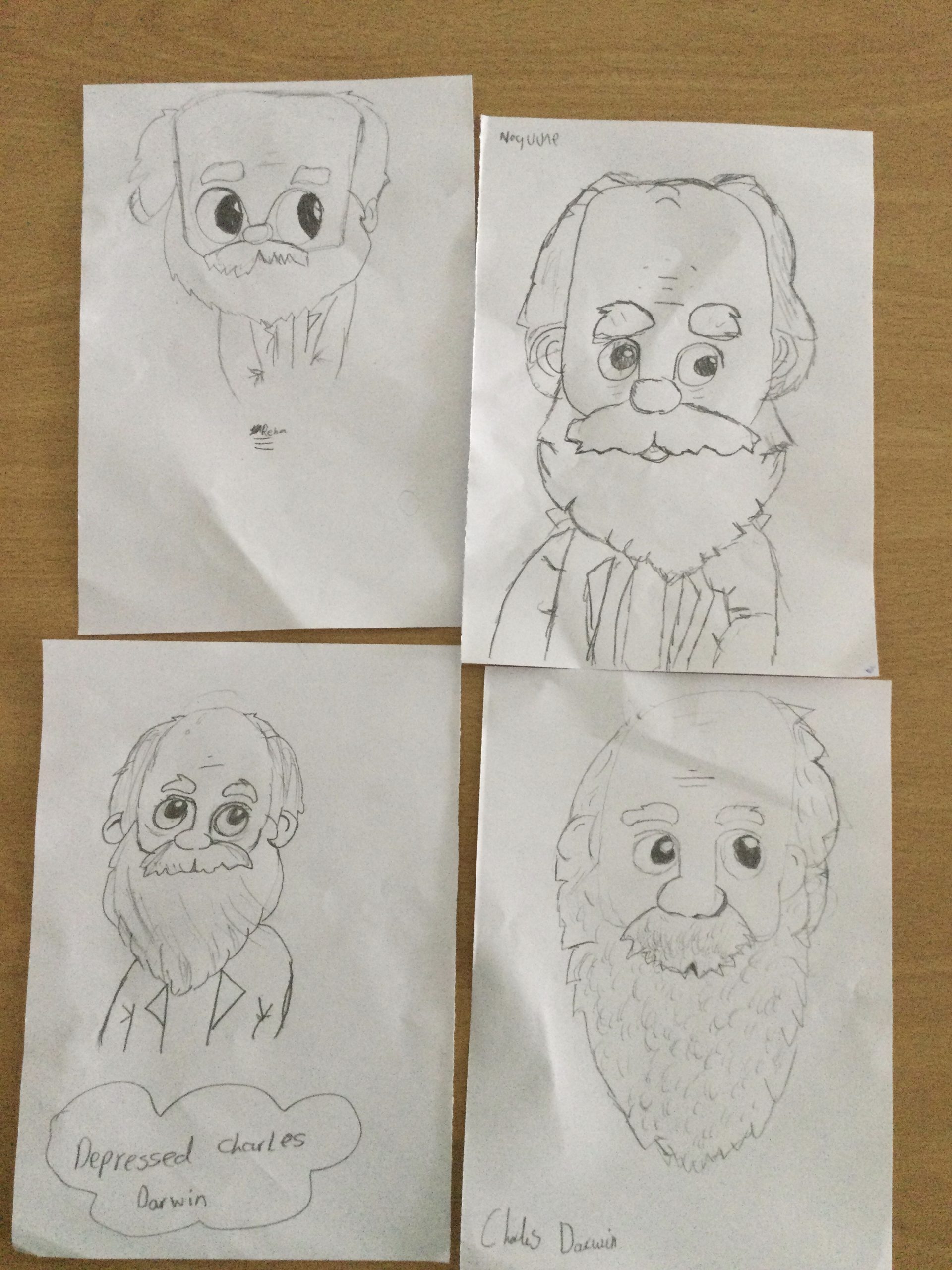
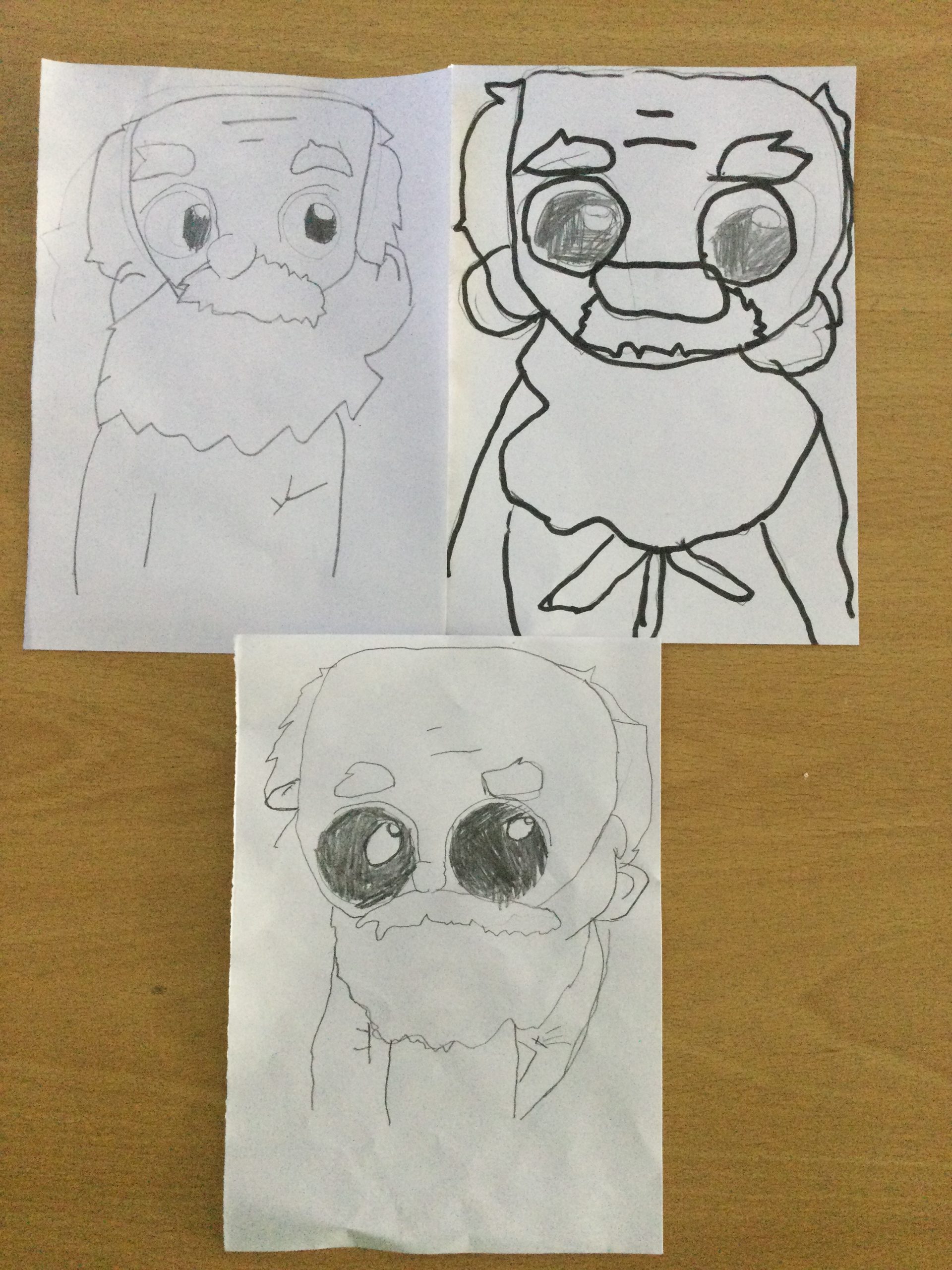
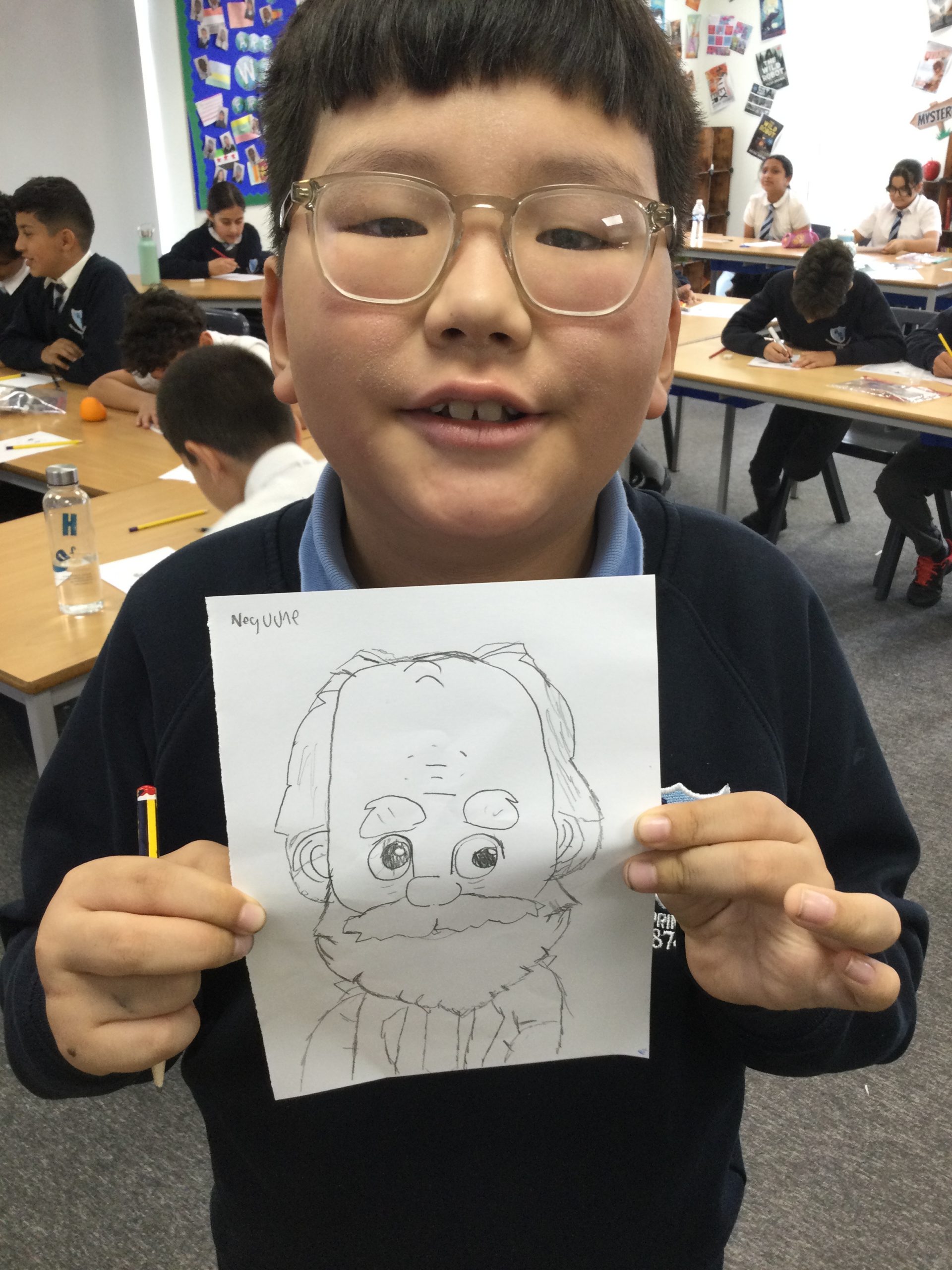
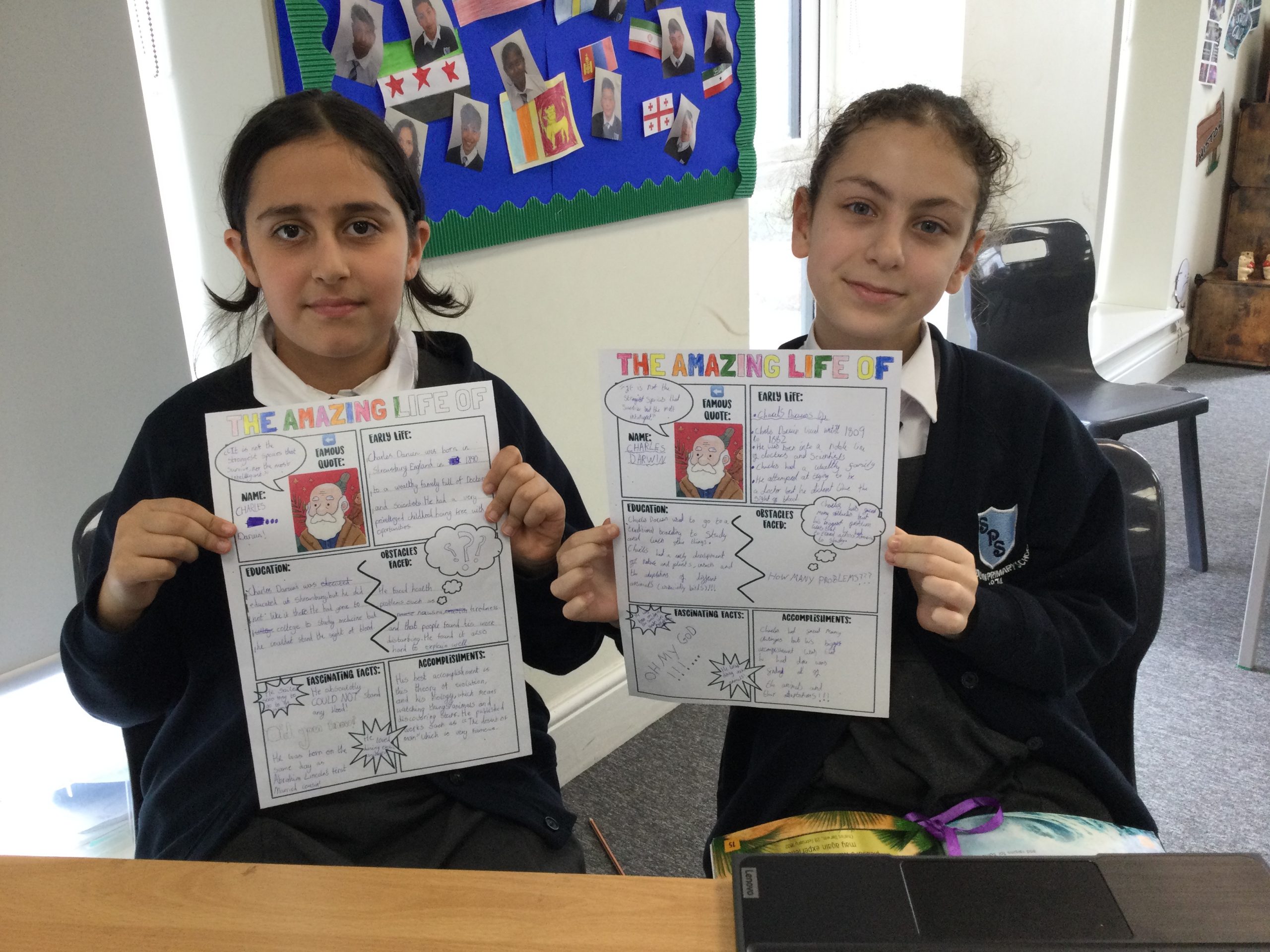
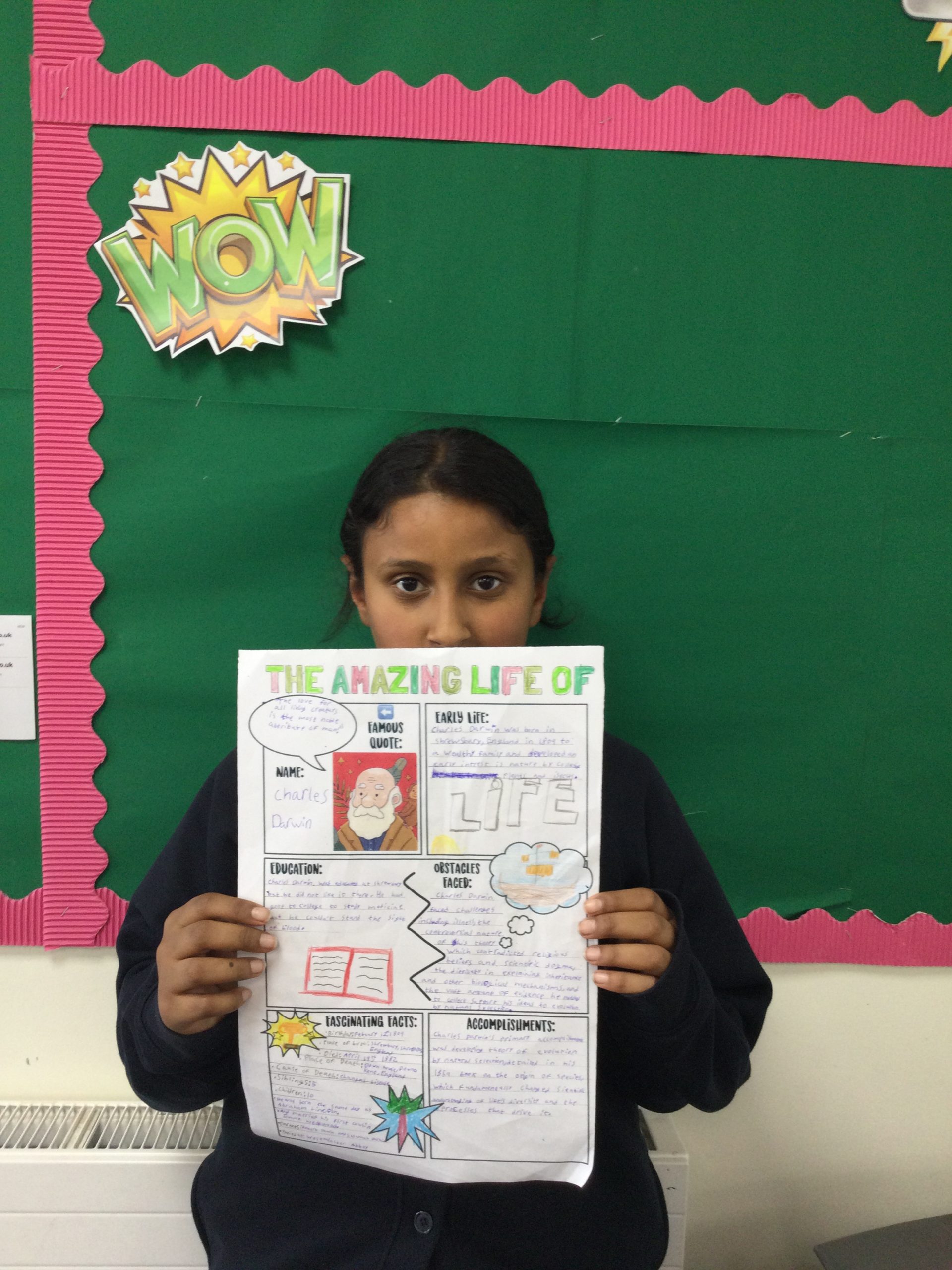
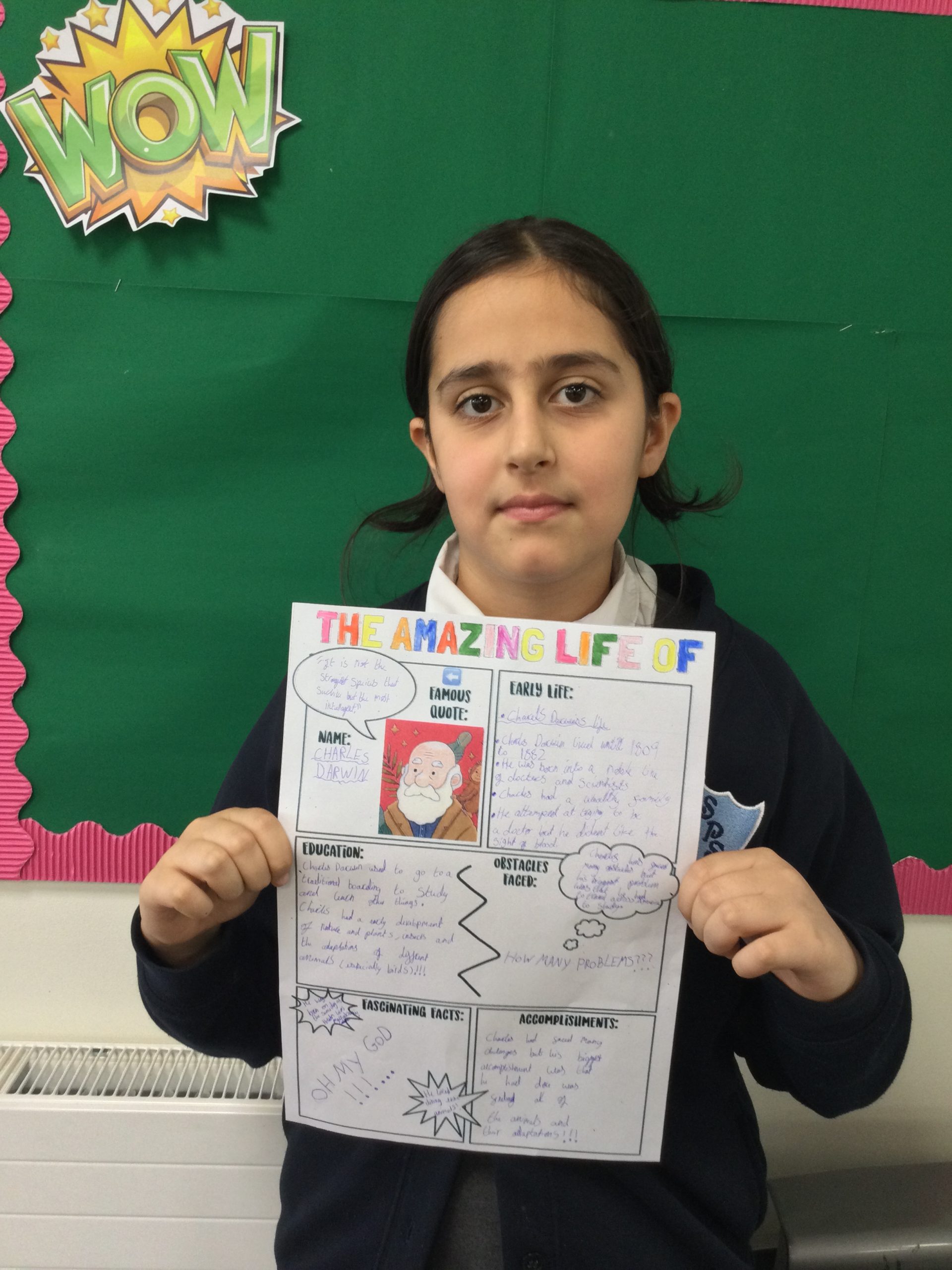
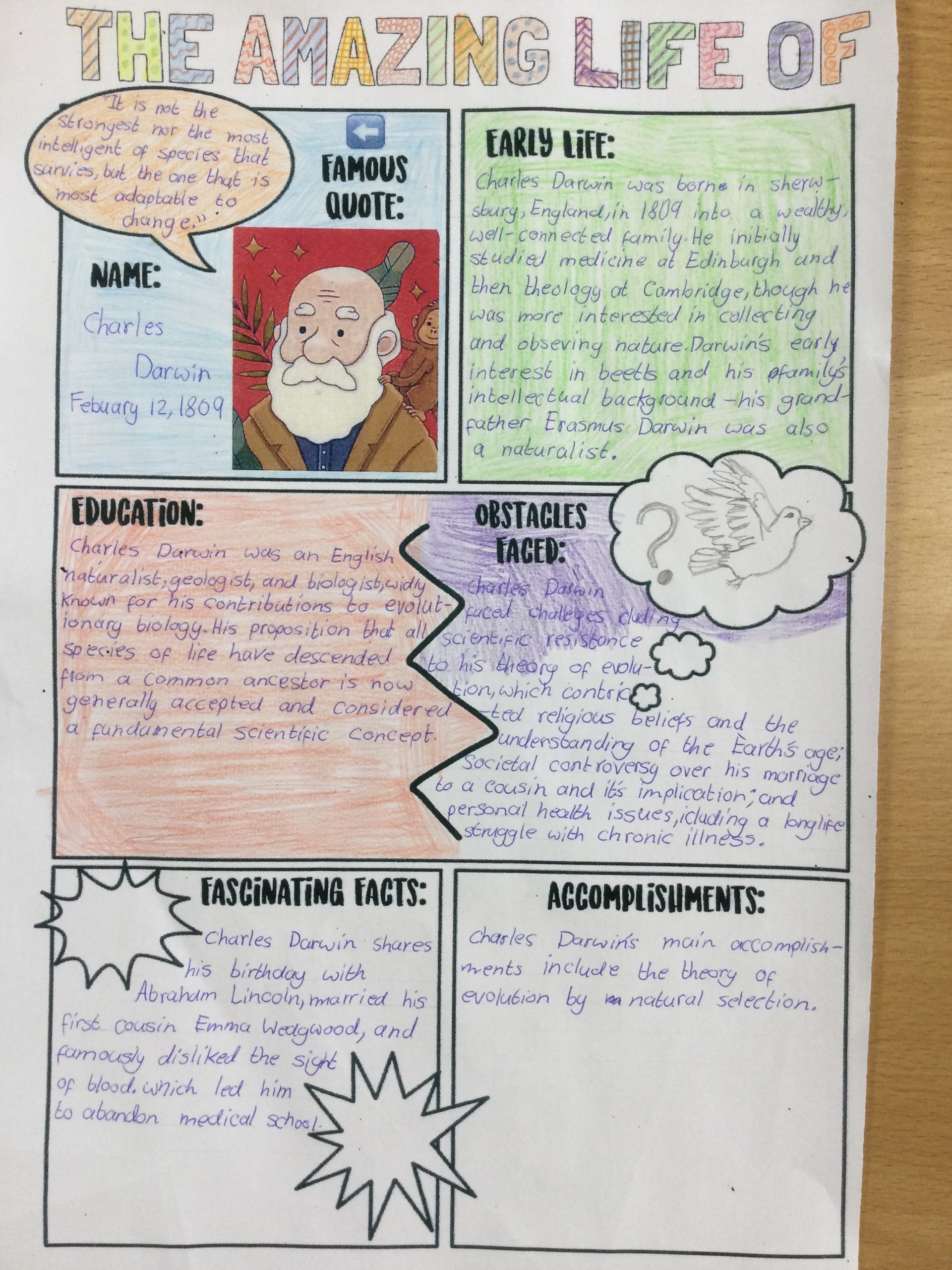
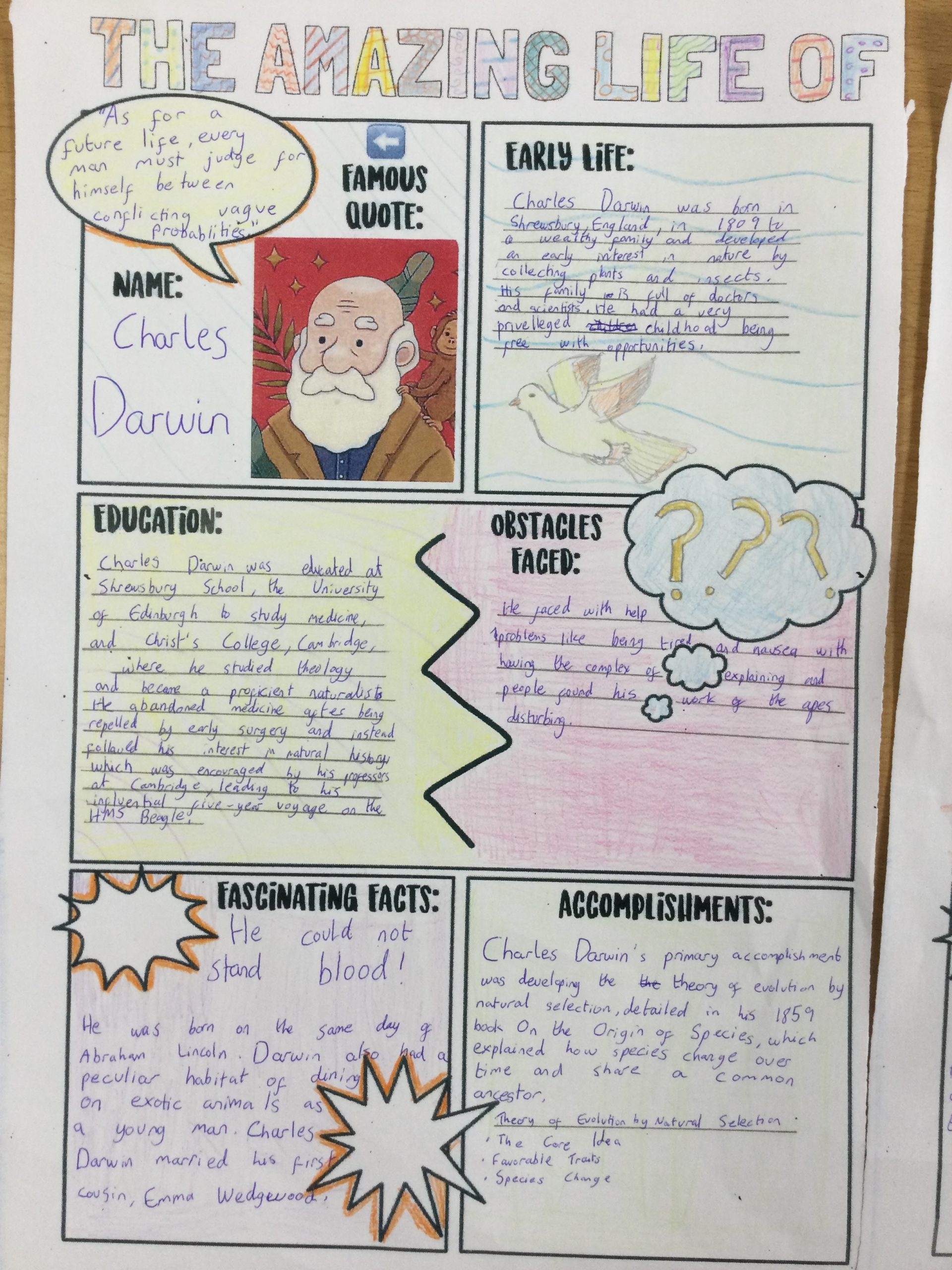
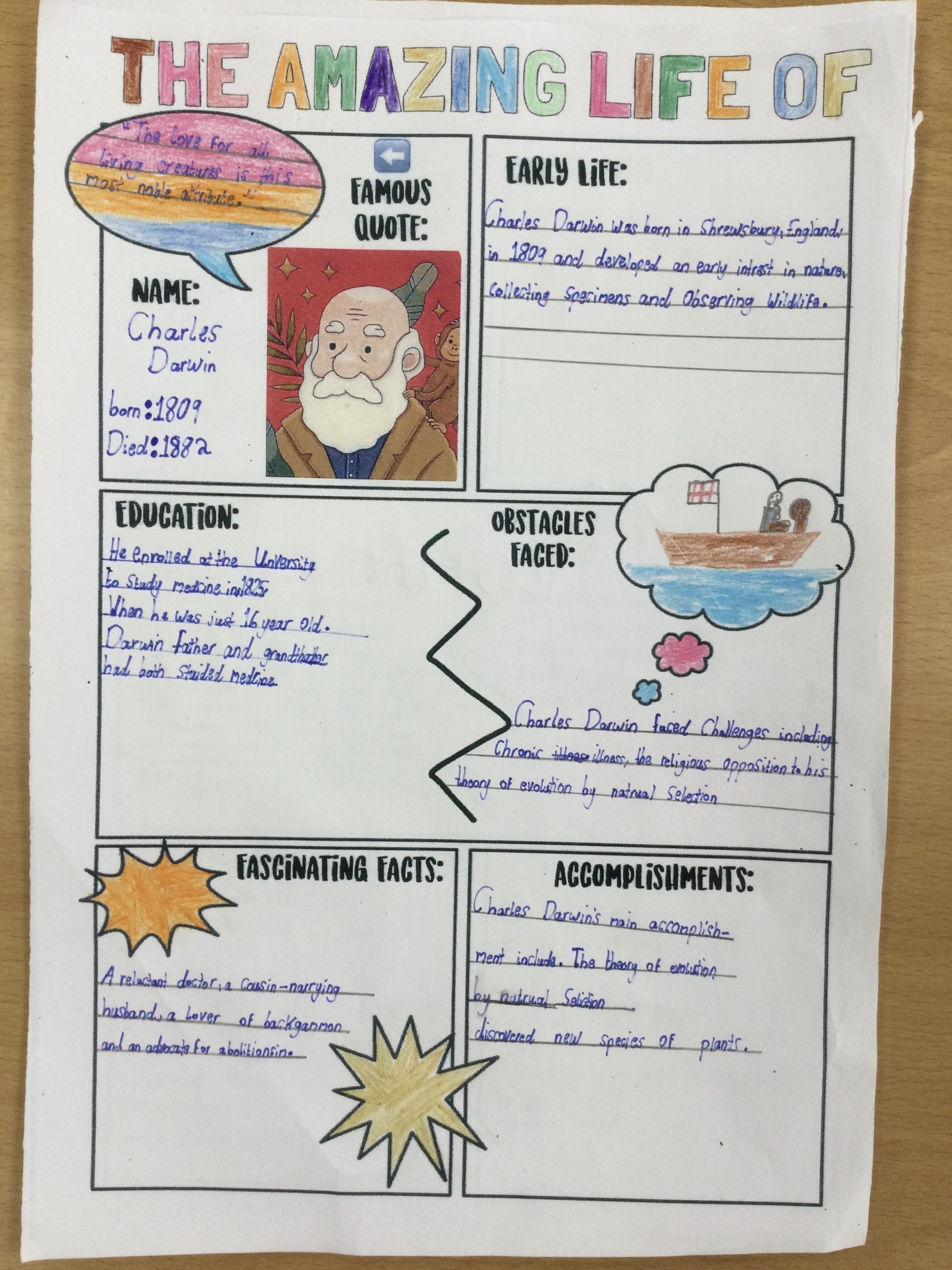
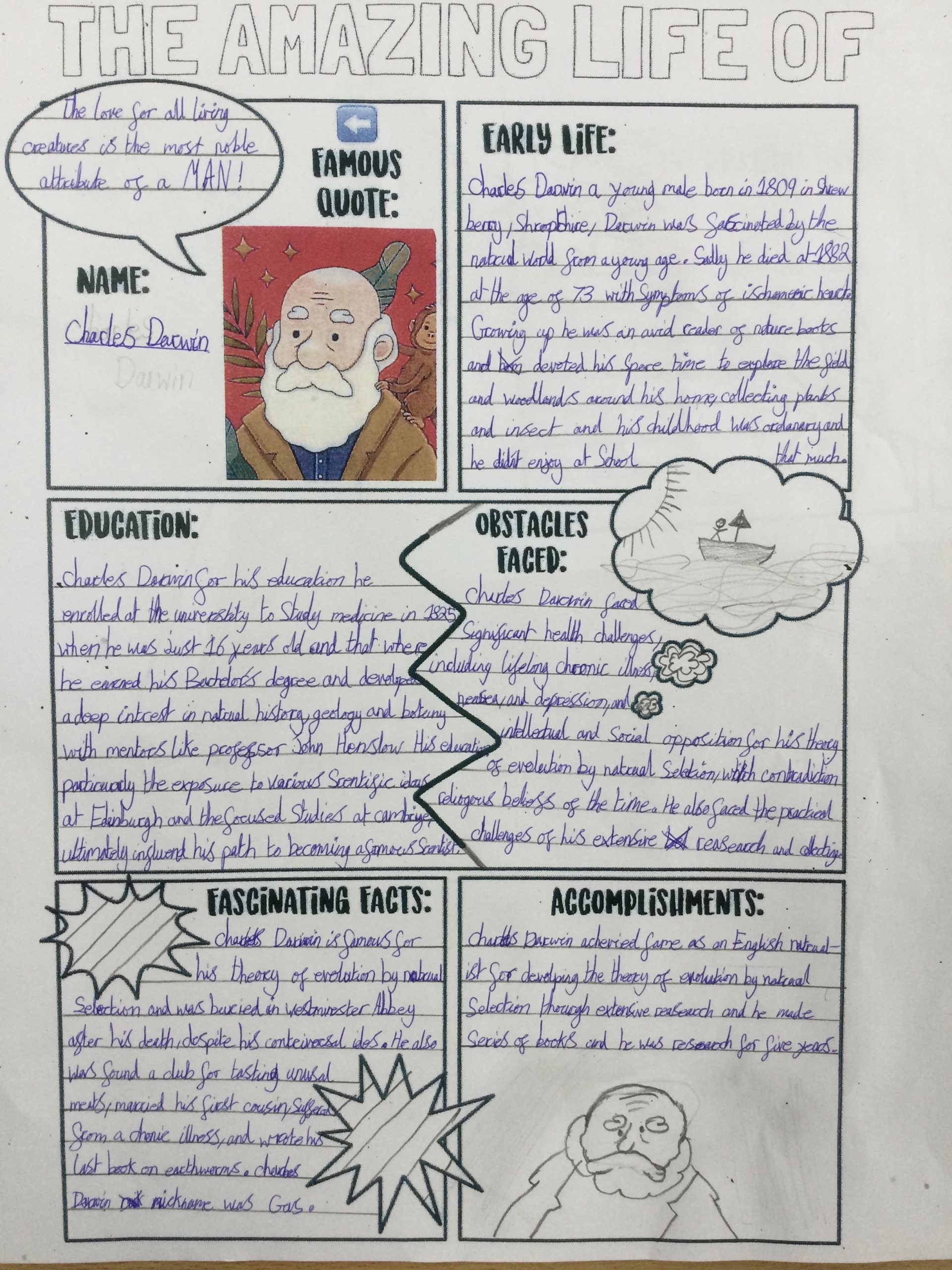
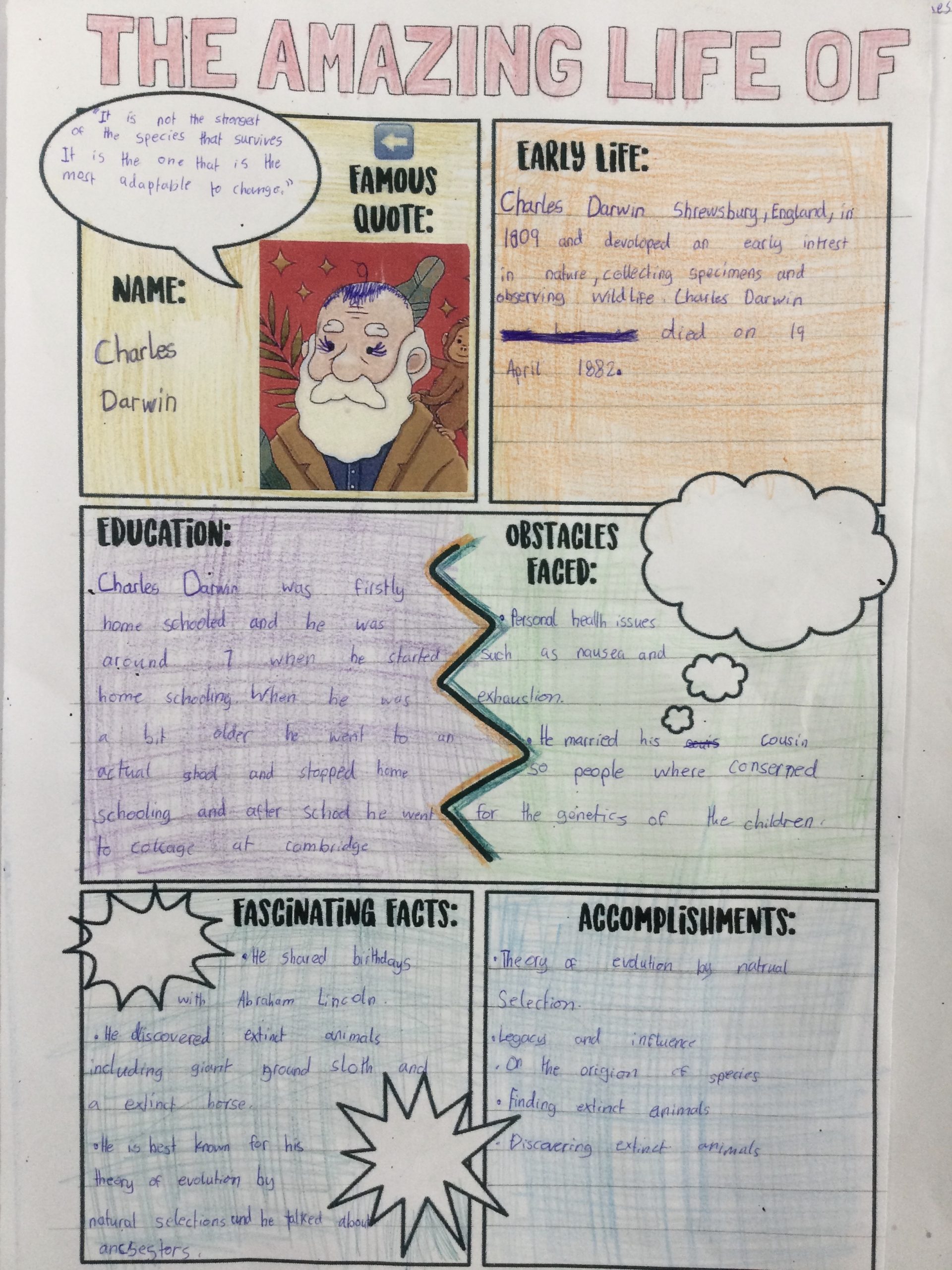
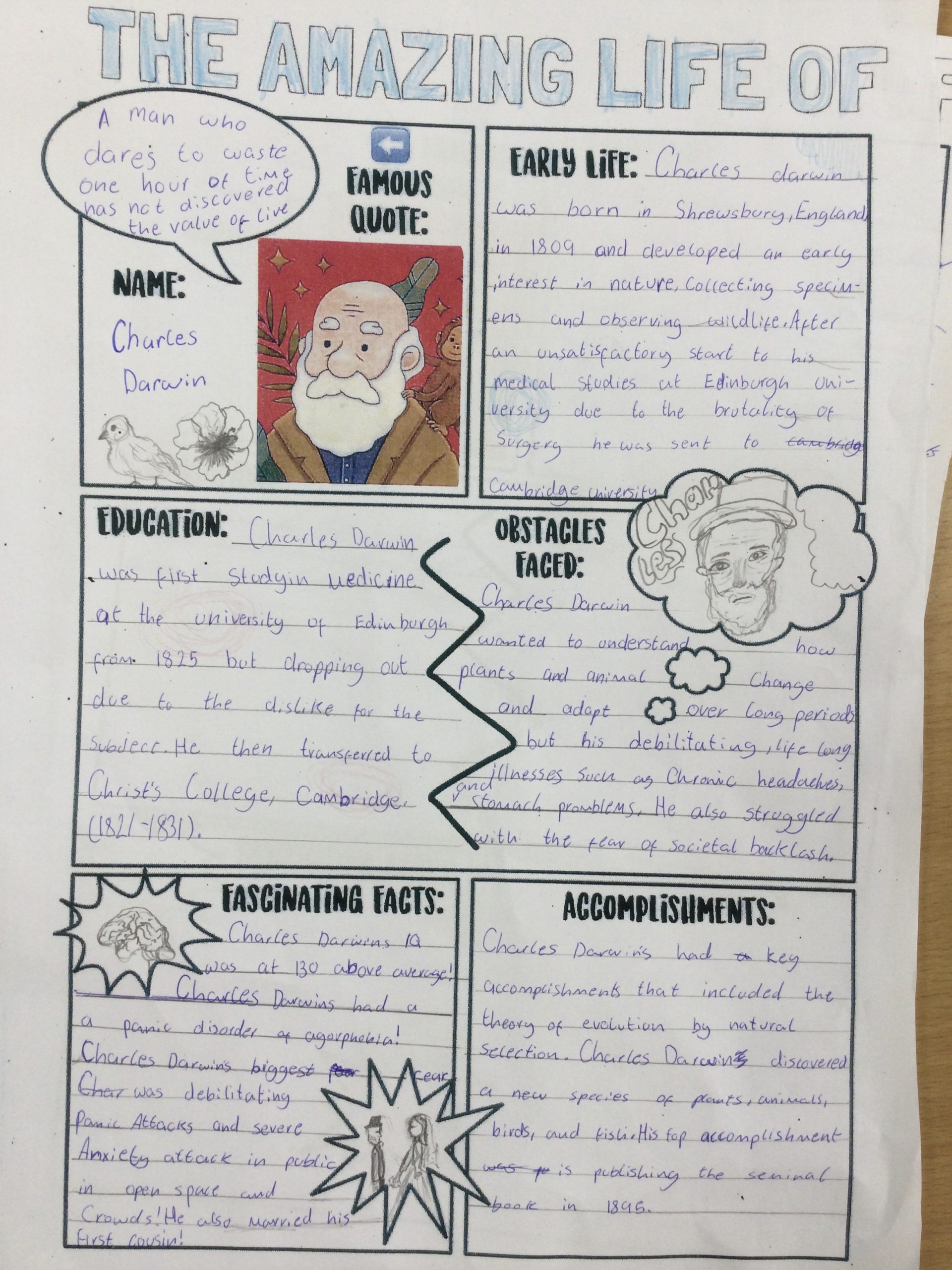
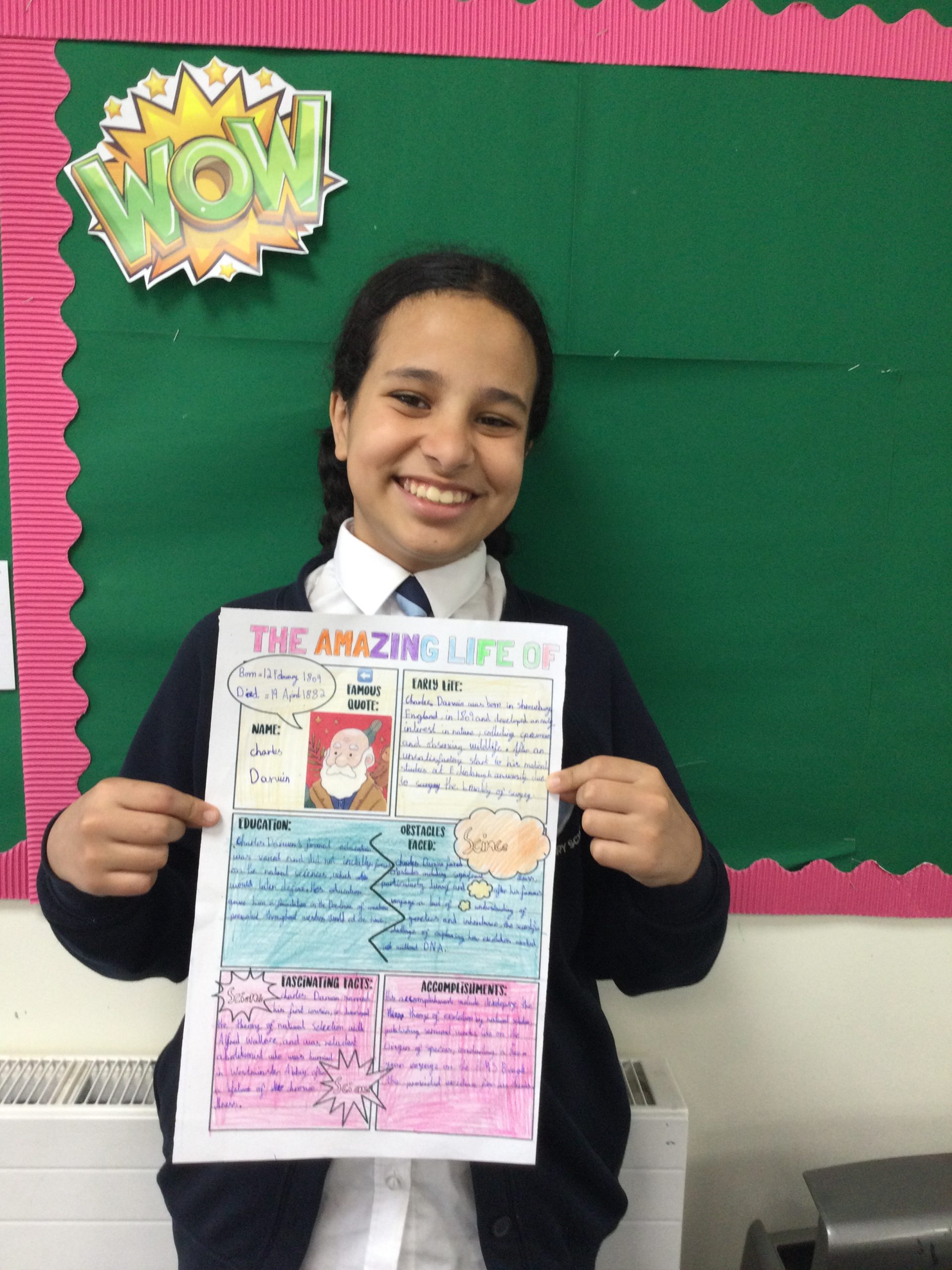
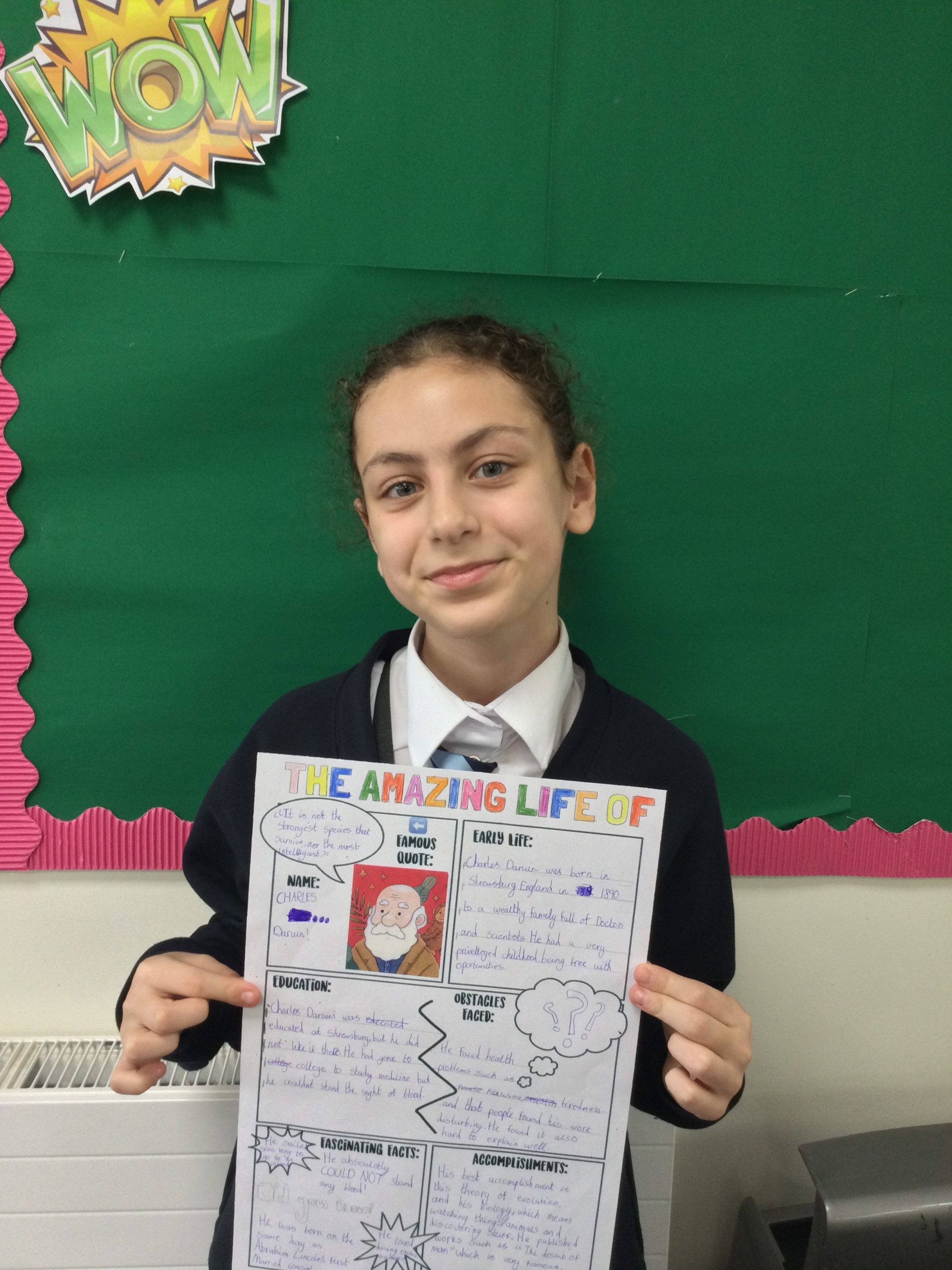
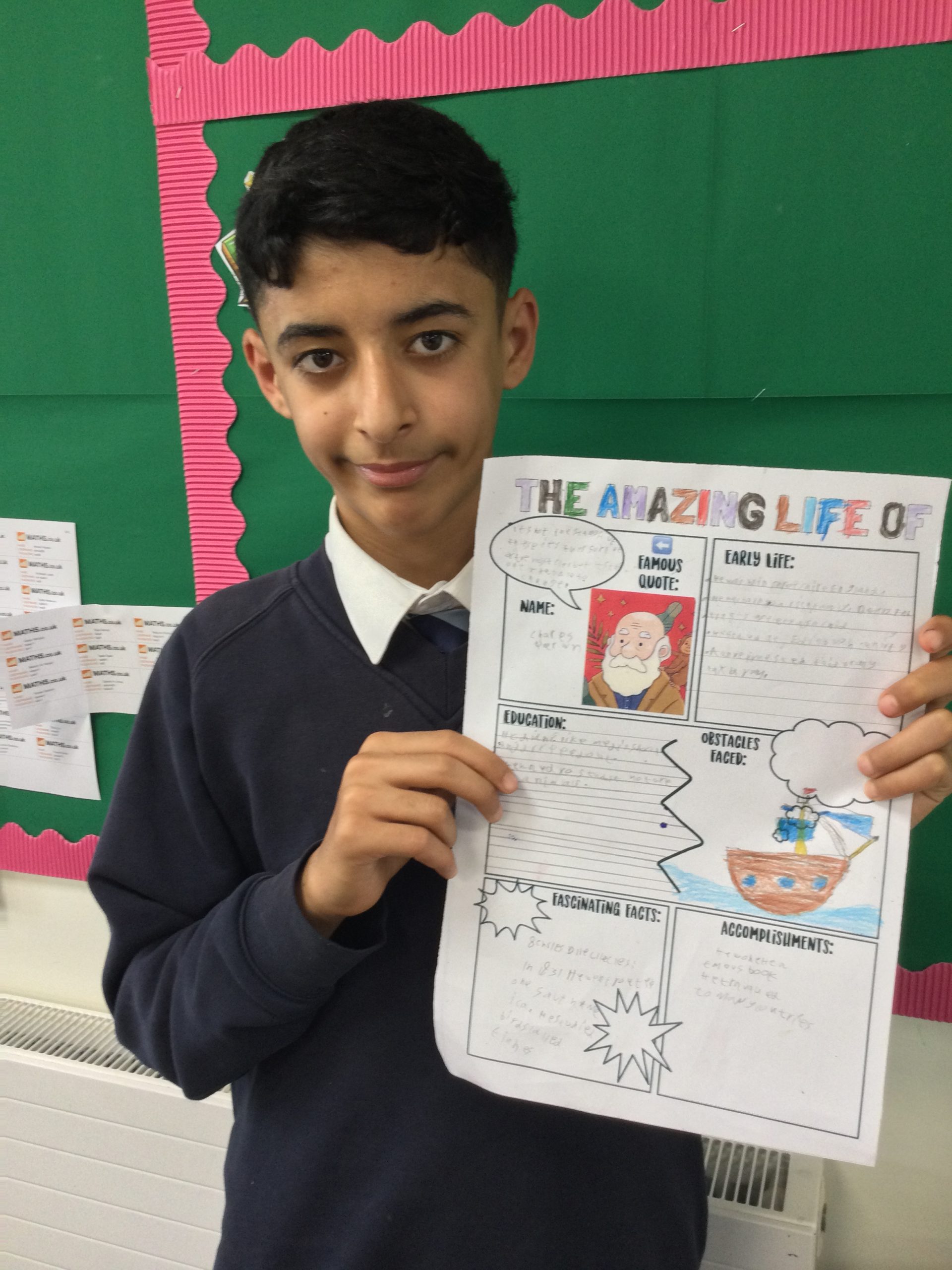
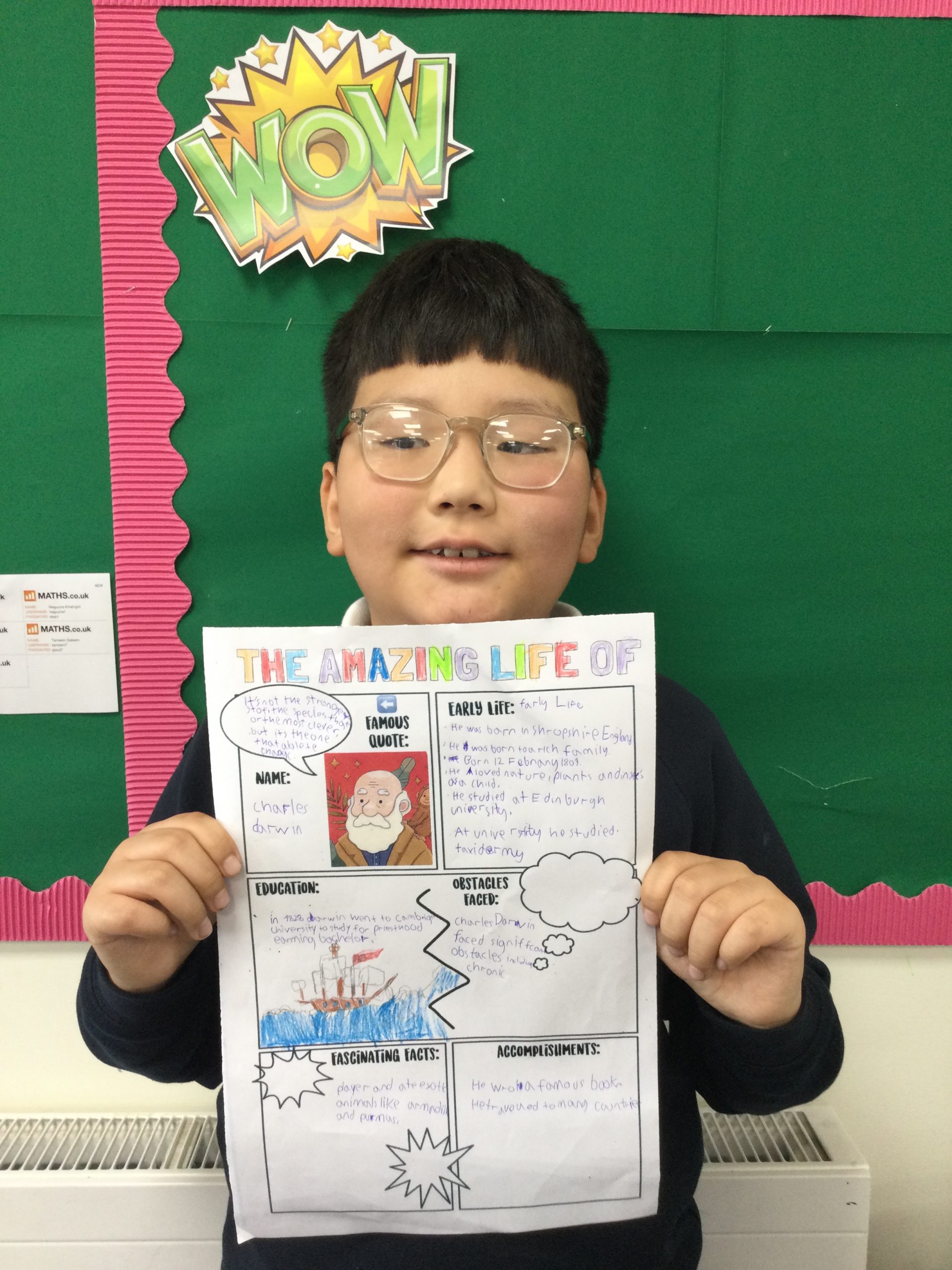
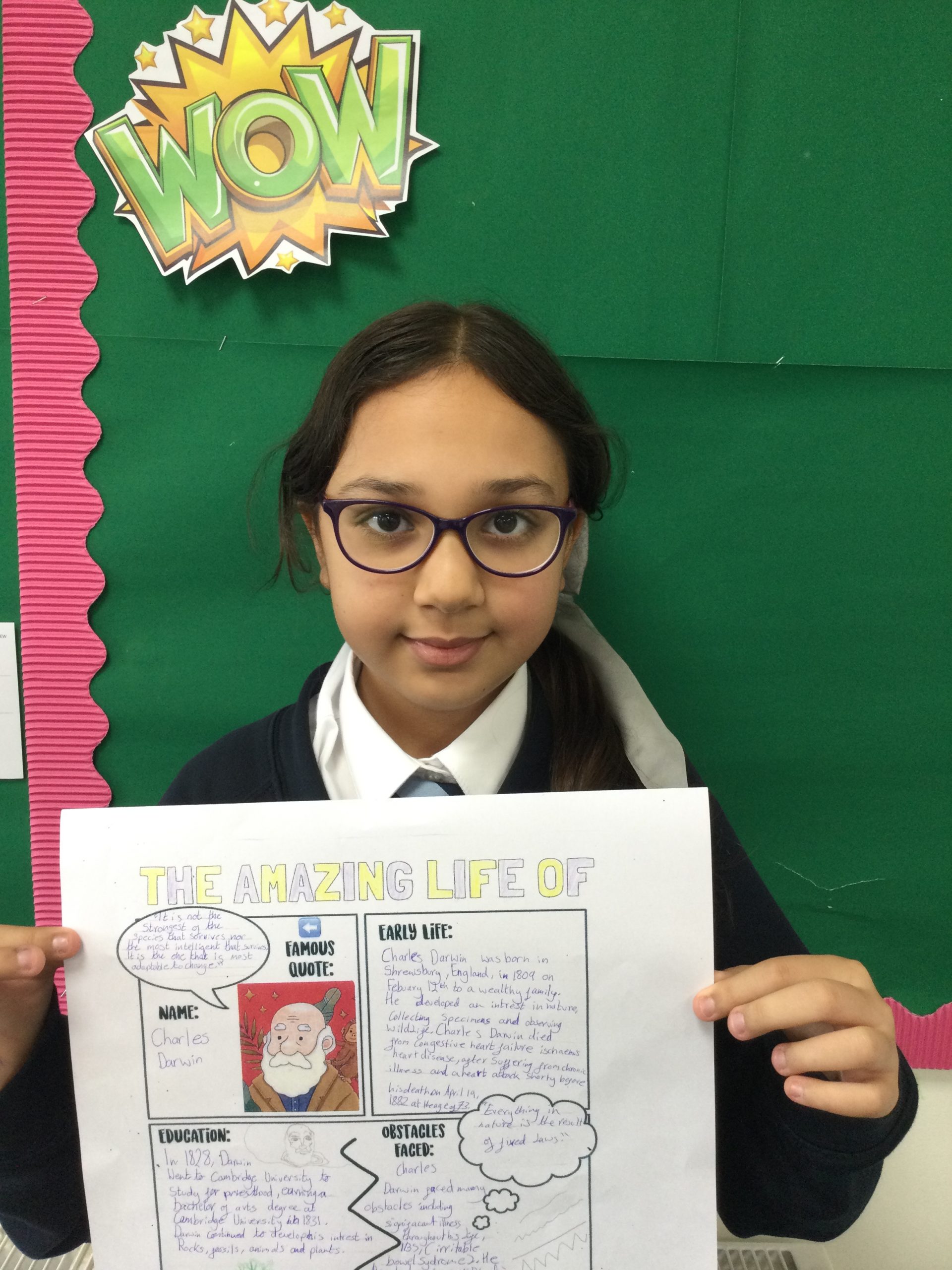
In Science, Year 6 have been learning about Charles Darwin as part of their ‘Evolution and Inheritance’ unit. Look at this incredible writing they have produced!
As part of their sound topic, Y4 have been investigating which mediums sound travels through. We did this by experimenting with string telephones. We had so much fun talking to our friends on our telephones but only some of them passed the message through!
Year 3 have been exploring the force friction by testing the distance cars travel on different surfaces. We discovered that the surface carpet had high friction but plastic had low friction.
We used a car and a ramp to create a fair test for friction. We found out that plastic is smooth so has a low amount of friction and sandpaper is rough and bumpy so has a high amount of friction.
As part of our Evolution and Inheritance unit, we designed and carried out an investigation into the different beak sizes and shapes of birds. After learning about Charles Darwin and his study of finches, we carried out our own investigation: How does the size and shape of beak affect their diet? How can they thrive in the habitat in which they live?
Year 3 had an exciting afternoon learning about how water is transported around pants. We completed an experiment with a celery stick and food colouring. We made a prediction about what might happen to the celery. Come back next week to see the results.
Year 3 explored the different parts of a flowering plant. We found out that there are male and female parts and that bees and other insects help move pollen from flower to flower.
We had a fantastic day at the University of Liverpool on Friday. We took part in workshops related to Maths and Science…. including sitting in mini Planetarium!
Year 3 had a great afternoon exploring shadows. Thankfully we got a lovely sunny day to complete this lesson. We drew our shadows and after some time we returned outside and noticed how the position of the sun meant our shadows had moved.
Year 3 used a very old way of producing photographs without a camera. We used light sensitive paper to create a cyanotype capture. The children created their designs using natural resources found around schools – similar to Anna Atkins.
Year 3 made predictions of what materials they thought would be the most reflective and the least reflective. They then tested that and checked to see how much light was reflected off each one. We spoke about material characteristics and why they absorbed or reflected some or a lot of the light.
As part of our ‘Circulatory Unit’ in Science, we devised our own investigations (in small groups) to find out about the effect of exercise on our heart rate. Some groups changed the exercise carried out, some changed the number of repetitions and some changed the time set. All results were recorded and are to be discussed in order to draw our conclusions.
3KM have been working scientifically by exploring the question ‘do we need light to see things?’
The children had 5 boxes with a different item in each. They had to peer through the hole in the box and make a predication on what the object could be. When more light was added to the box, some objects could be seen a lot easier than others.
We combined science with history with our TIME topic and looked at how tools to tell the time have changed over the years. We created a timeline of discoveries and measured out our own sundials with our protractors.
Yesterday RLMc had lots of fun visiting Speke Hall. We looked at the changes for Autumn and we even saw a sleeping giant! We visited the giants house, kitchen, music room and even his playground. It was lots of fun!
Year 2 have been sorting things into 3 categories – alive, dead and ever been alive. We had a lot of fun looking at some living things from the playground too!
Lots of discussion with our connect retrieval task today matching features of different stages of development
19-10-2023
Lots of discussion with our connect retrieval task today matching features of different stages of development. It was lovely to hear some of our fabulous new vocabulary being used independently #smithdownsci @SmithdownPrimY2 @baronbedford @Edu_Meadows
After learning about life cycles, @SmithdownPrimY5 kindly invited us to watch their butterfly release this afternoon. 4 classes of pure excitement ? #smithdownsci @SmithdownPrimY2
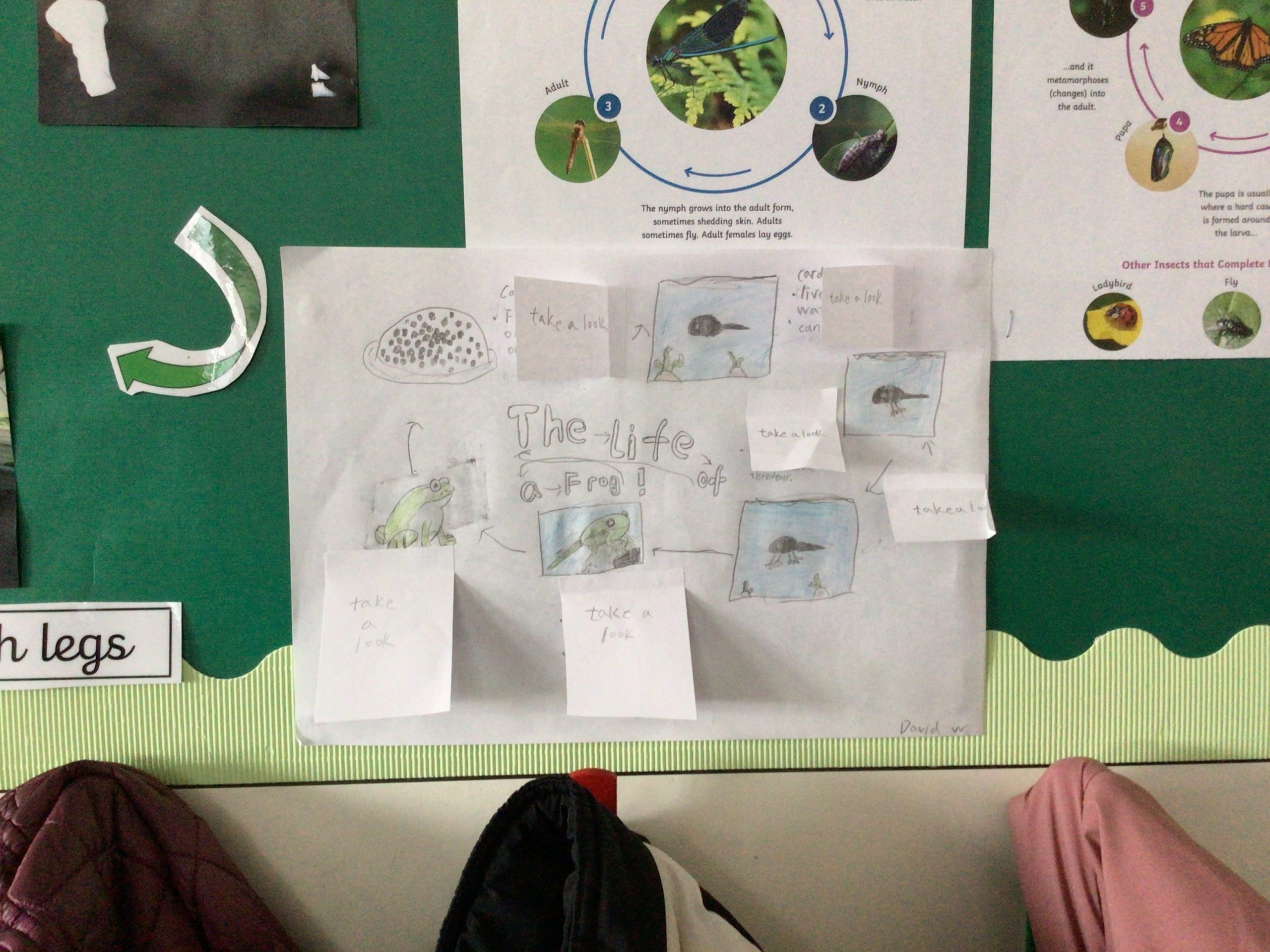
We then focused on how animals mature by looking at some life cycles…
19-10-2023
We then focused on how animals mature by looking at some life cycles. Mr. Ma let the Y5 caterpillars visit KS1 and just look at their faces. We identified some at pupa stage for some science in action #smithdownsci @baronbedford @Edu_Meadows
Today we kicked off our topic and Curriculum project
19-10-2023
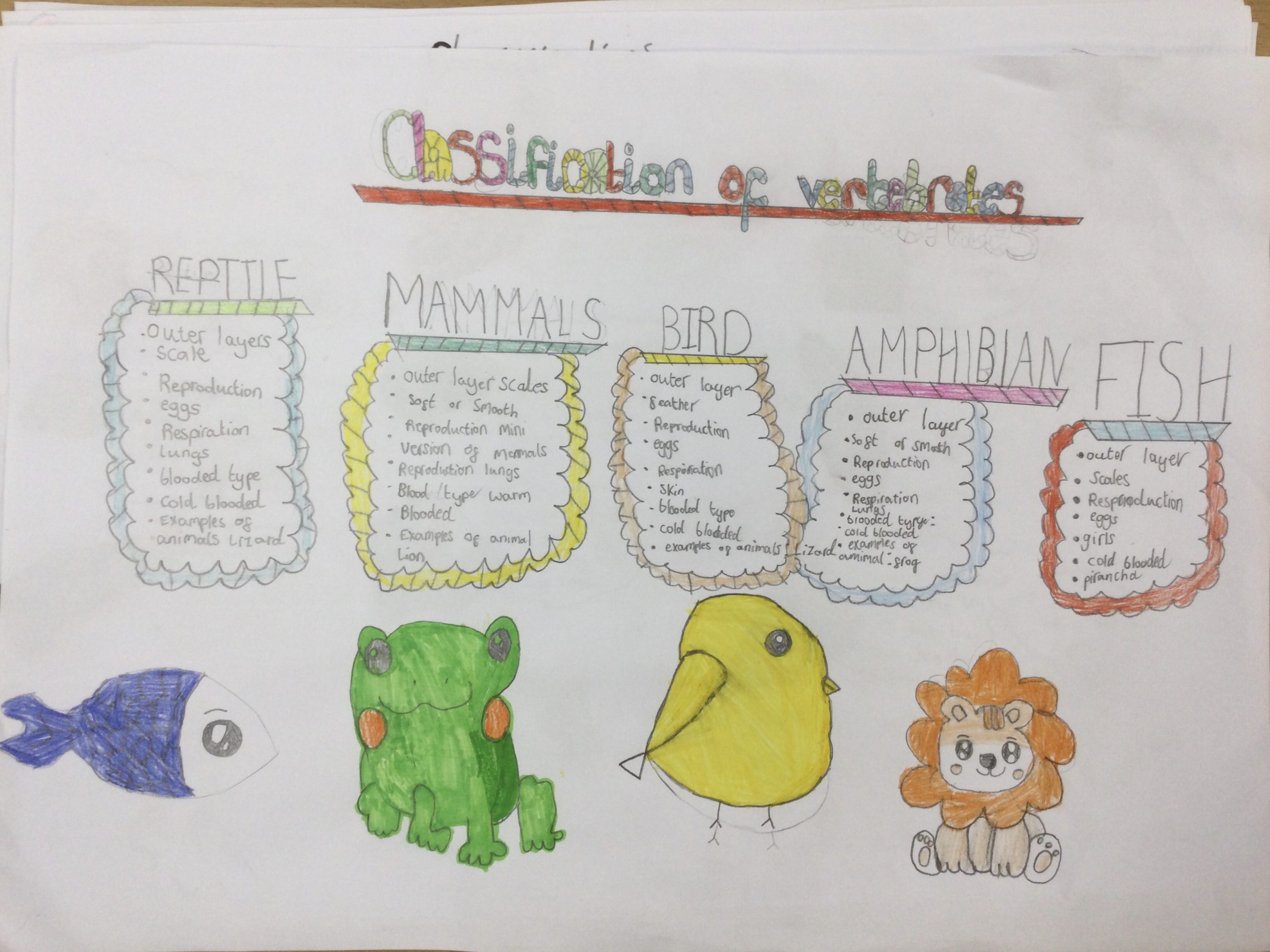
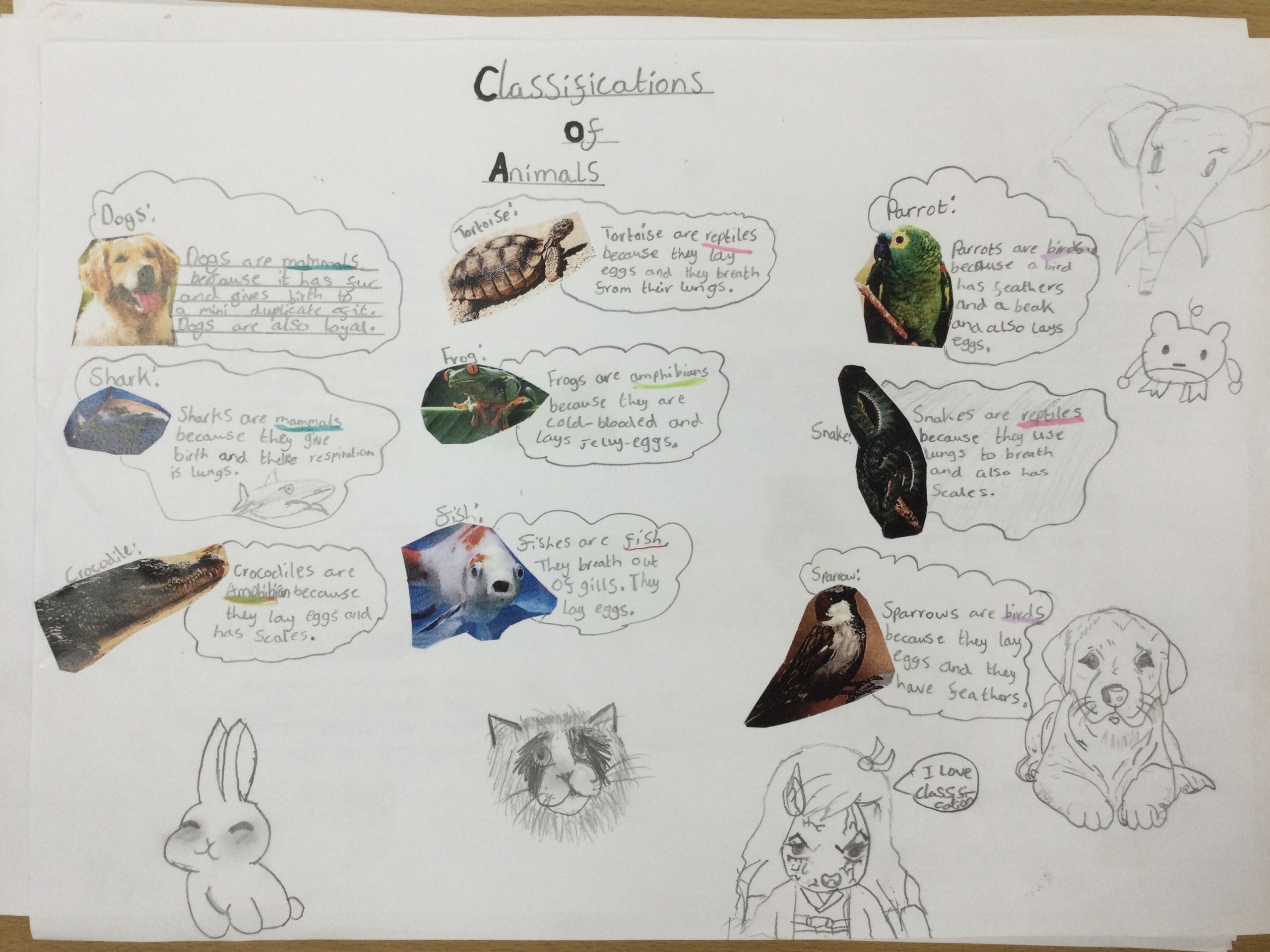
Today we kicked off our topic and @Curriculum_USP project in @SmithdownPrimY2 by recapping what an animal is and learning about vertebrates/invertebrates @baronbedford @Edu_Meadows #smithdownsci
4LA ~ Sorting mains and battery powered appliances today
19-10-2023
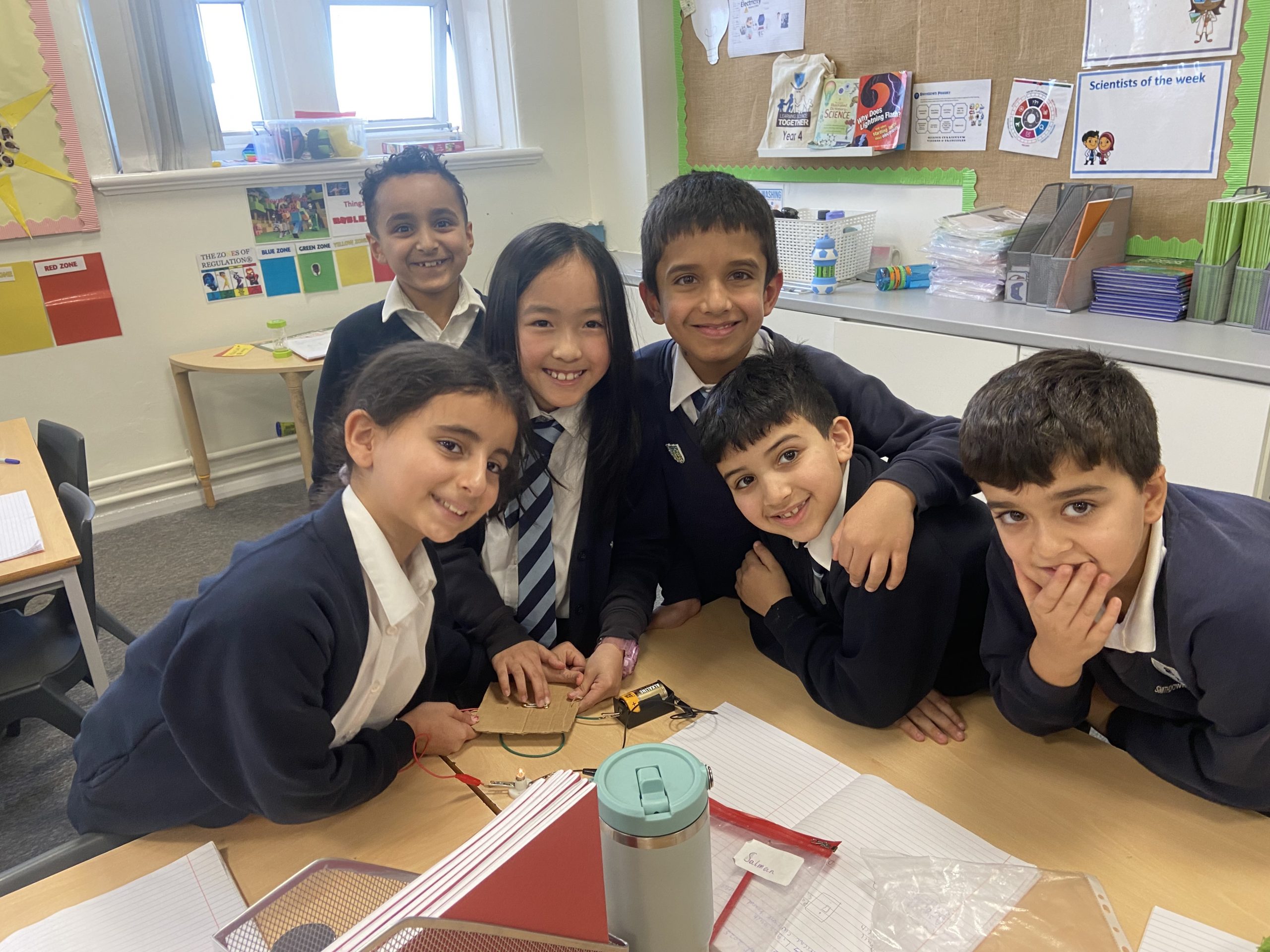
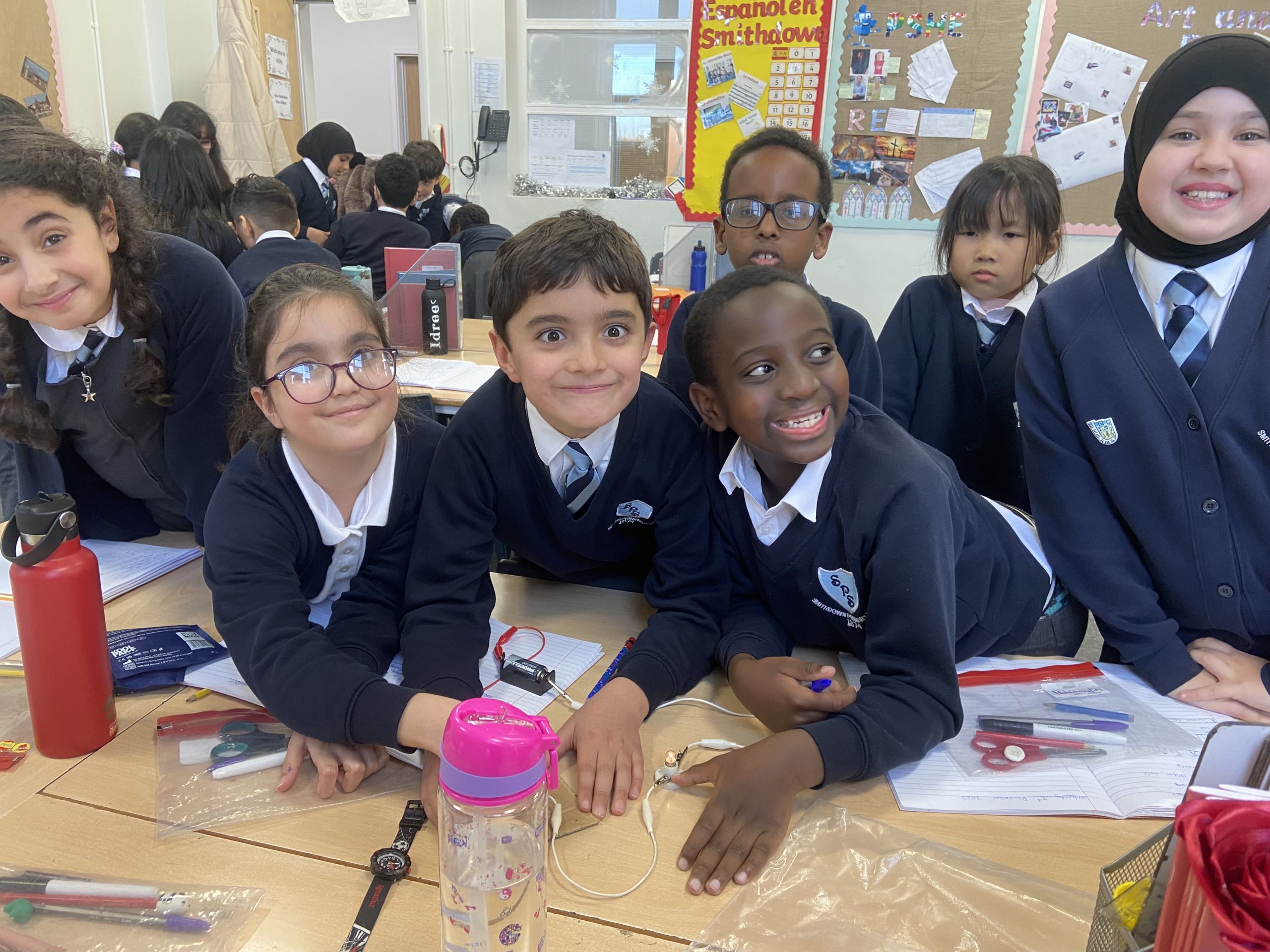
4LA ~ Sorting mains and battery powered appliances today, then working scientifically to test our predictions about positions of components in a circuit @SmithdownPrimY4 #smithdownsci
Great afternoon with 4KM back to doing what we love the most – investigating!
19-10-2023
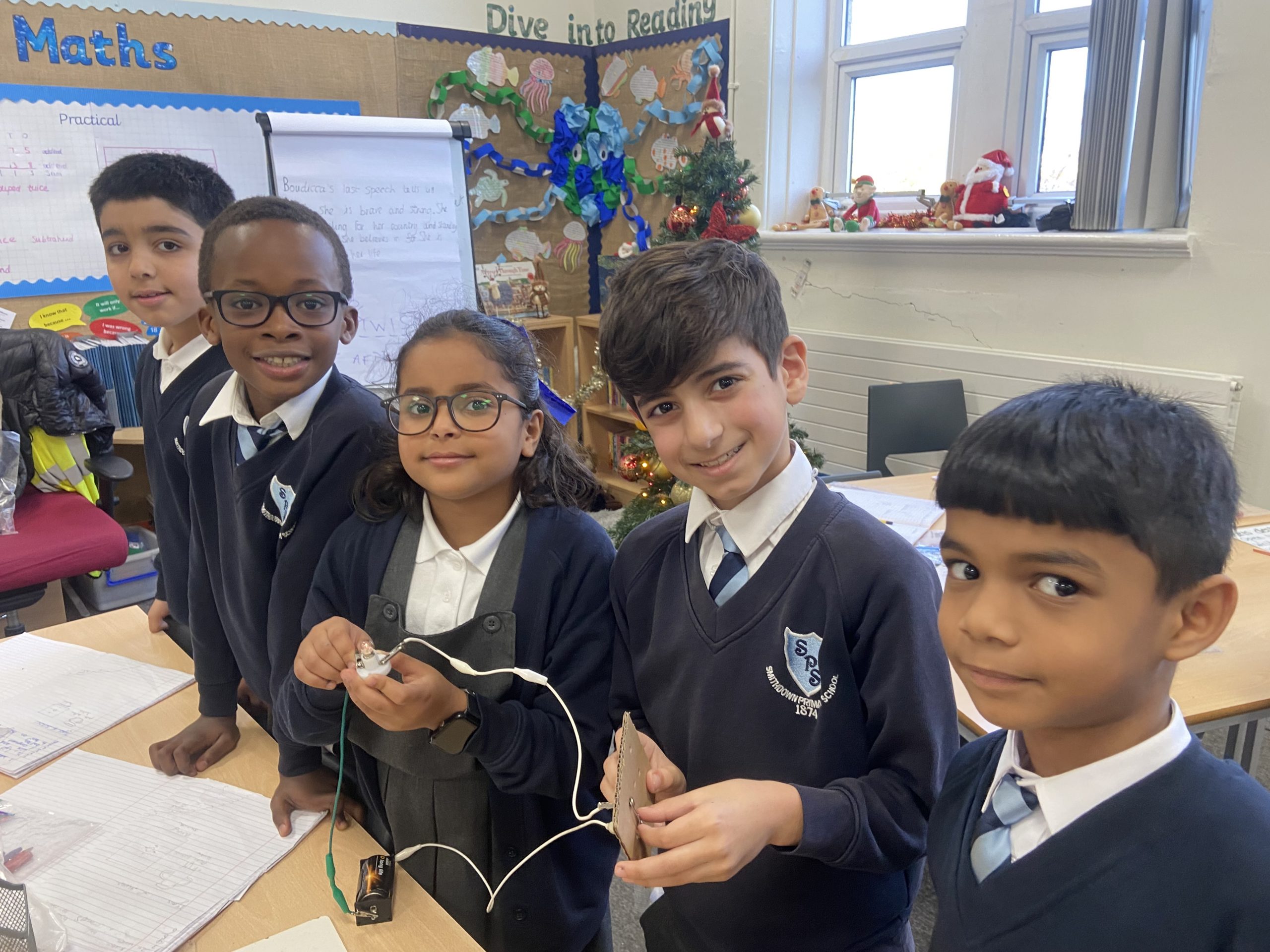
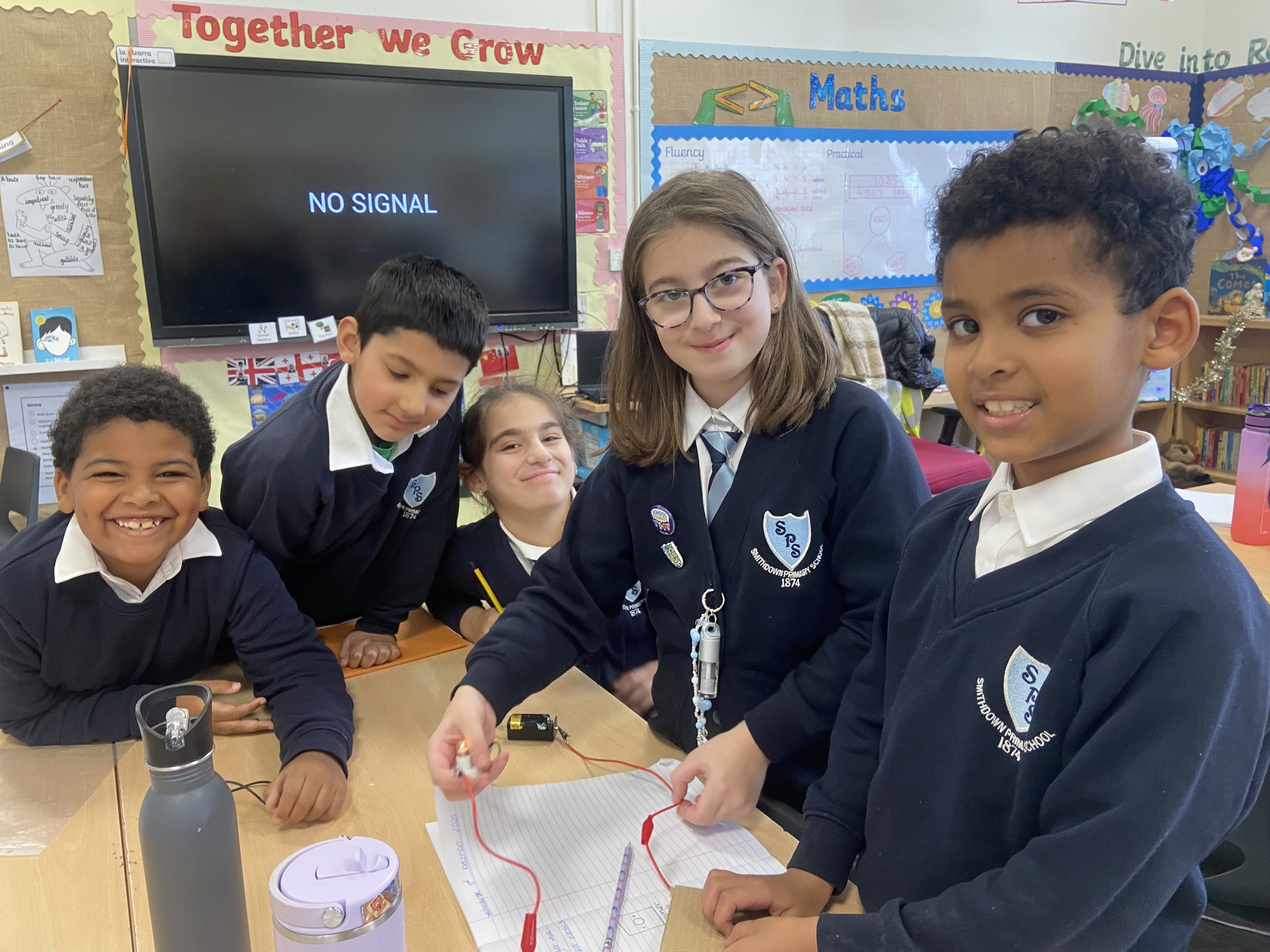
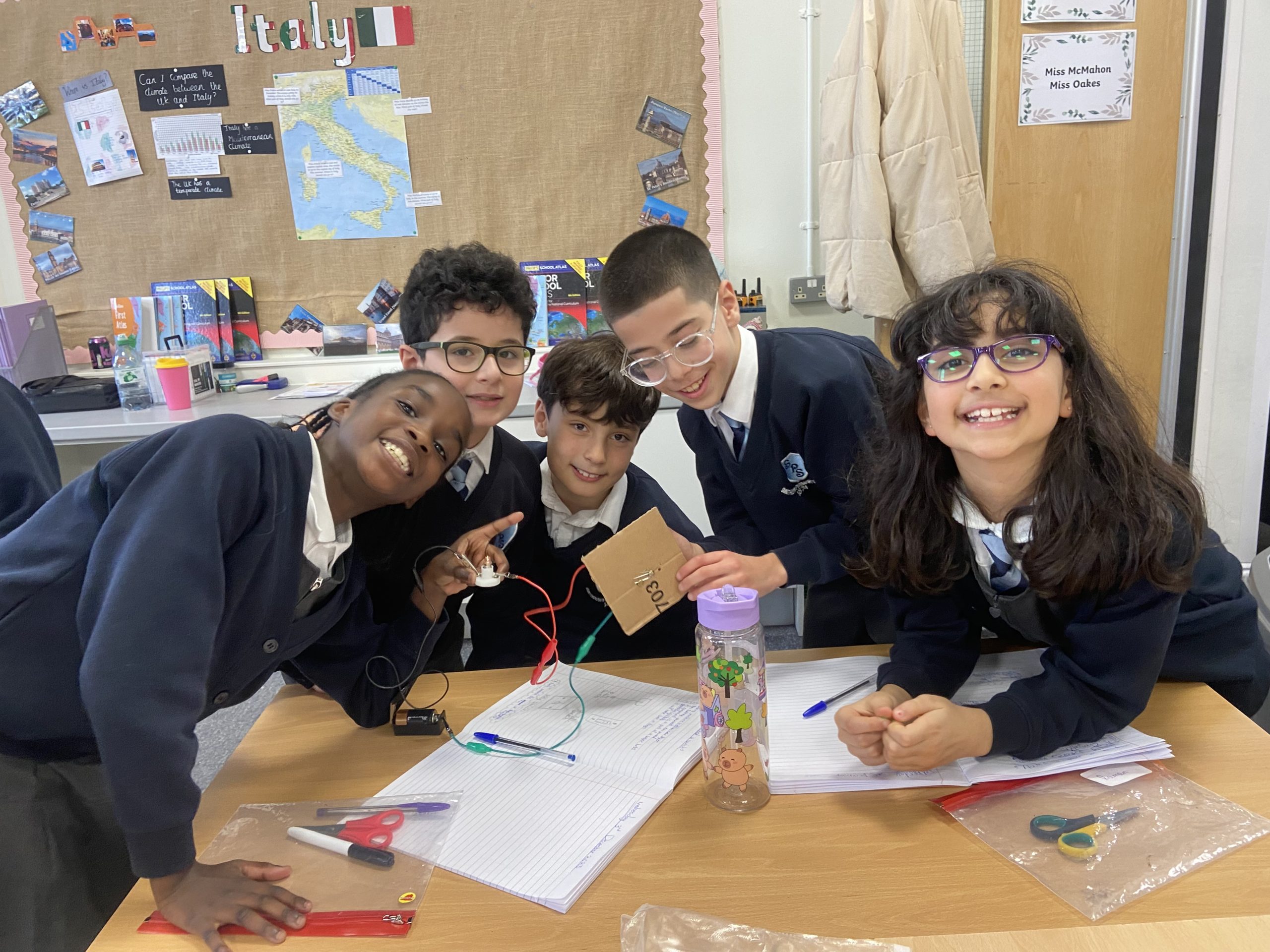
Great afternoon with 4KM back to doing what we love the most – investigating!! This time, circuits. They took up the challenge of making the light bulb light ? #smithdownsci @SmithdownPrimY4
We are looking at life cycles in science, so now have 40 caterpillars that we are going to watch transform into butterflies. We have given them food, and are going to monitor them turn into chrysalises. #smithdownsci @MrsKellyx @MissGuy_
We have been exploring different push and pull forces that require contact between two objects
19-10-2023
We have been exploring different push and pull forces that require contact between two objects. Lots of toys and actions helped us understand these forces. Year 3 did a great job of organising the forces into our Venn diagram. #smithdownsci
We love incorporating baking into our Understanding the World lessons!
19-10-2023
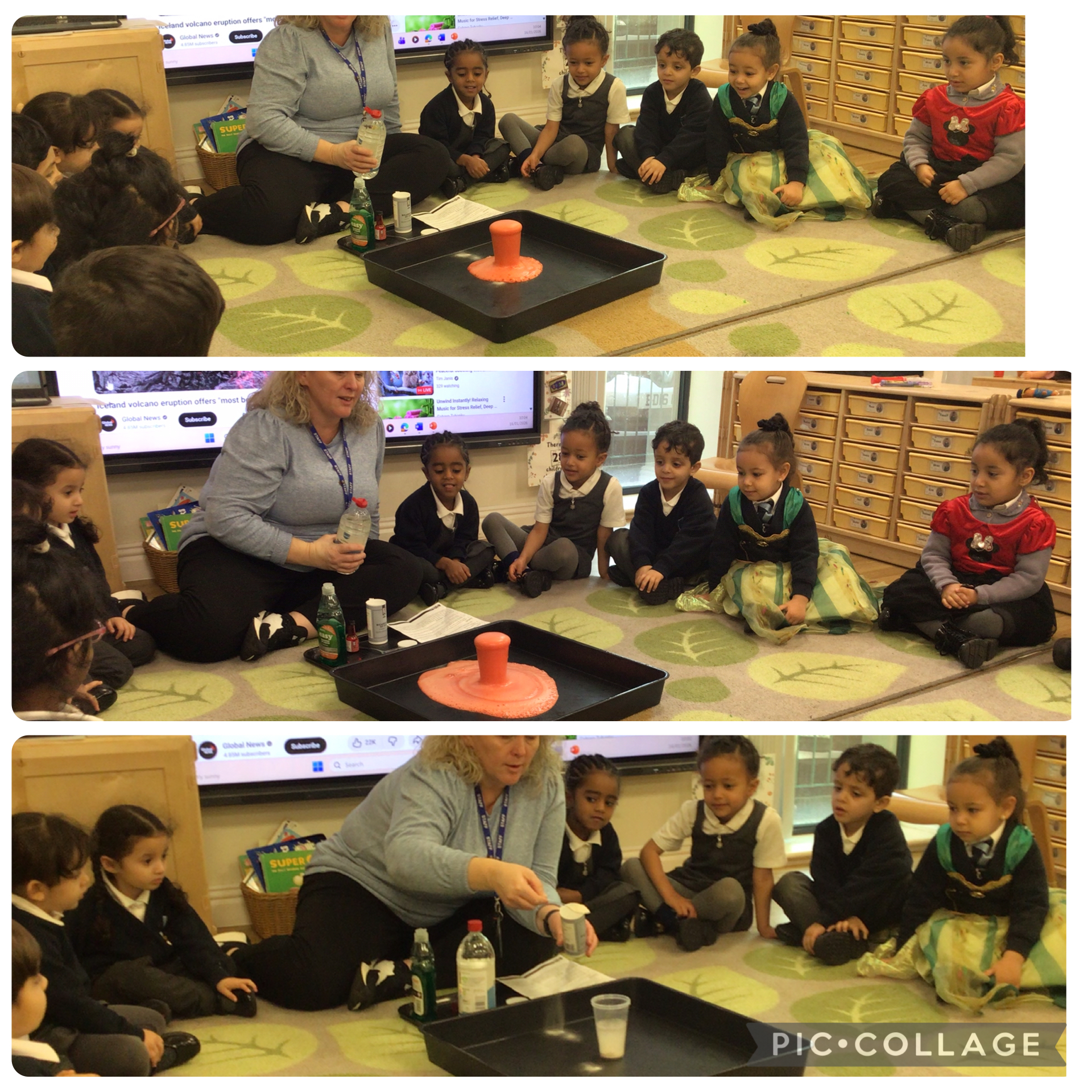
We love incorporating baking into our Understanding the World lessons! We watched how the cake mixture changed state after we added water. #smithdowneyfs #smithdownsci
Making unicorn ? playdough today to develop fine motor skills…
19-10-2023
Making unicorn ? playdough today to develop fine motor skills and see what happens when cornflour is mixed with hair conditioner #smithdowneyfs #smithdownsci