Capacity and Volume
04-06-2026
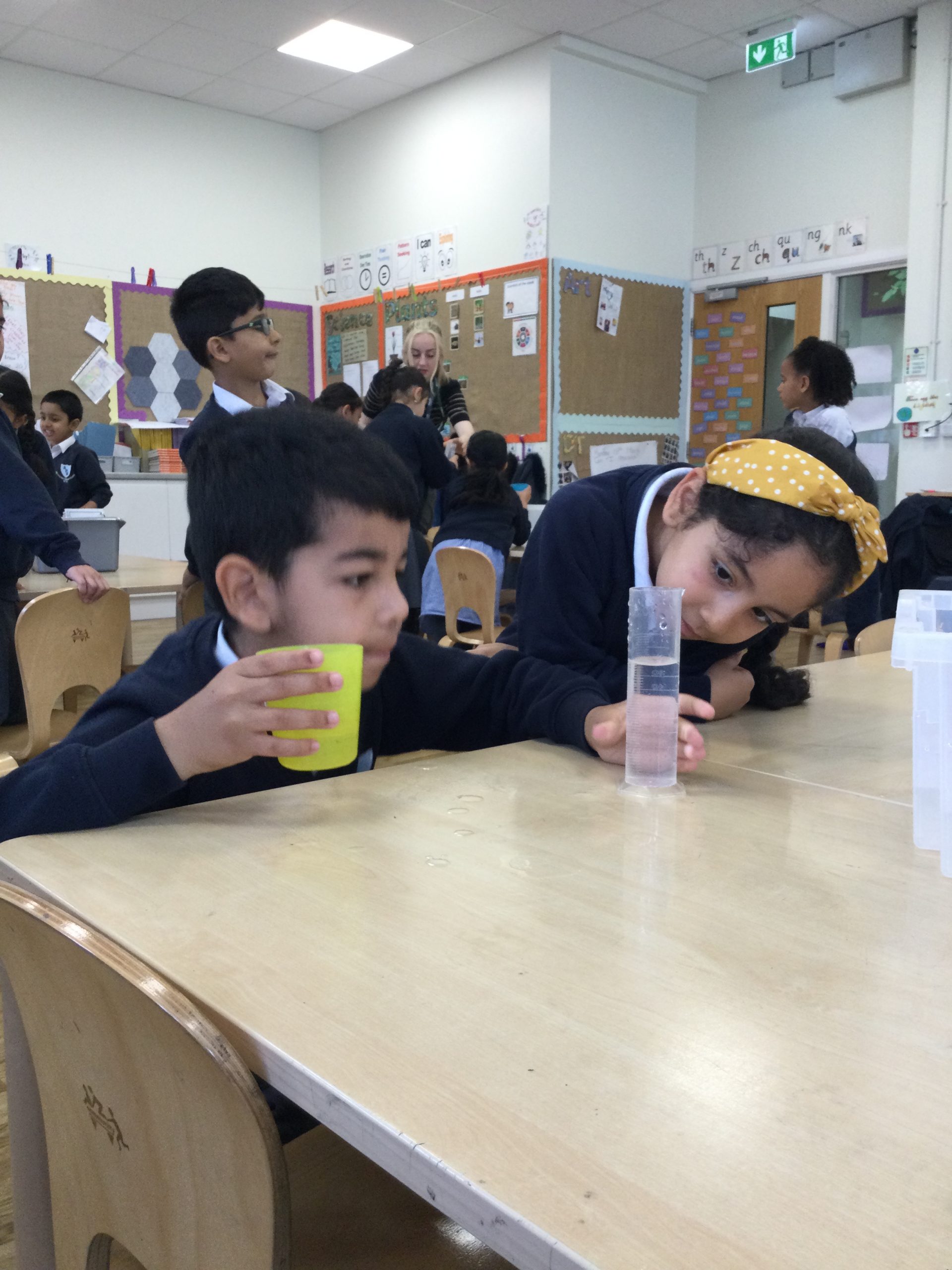
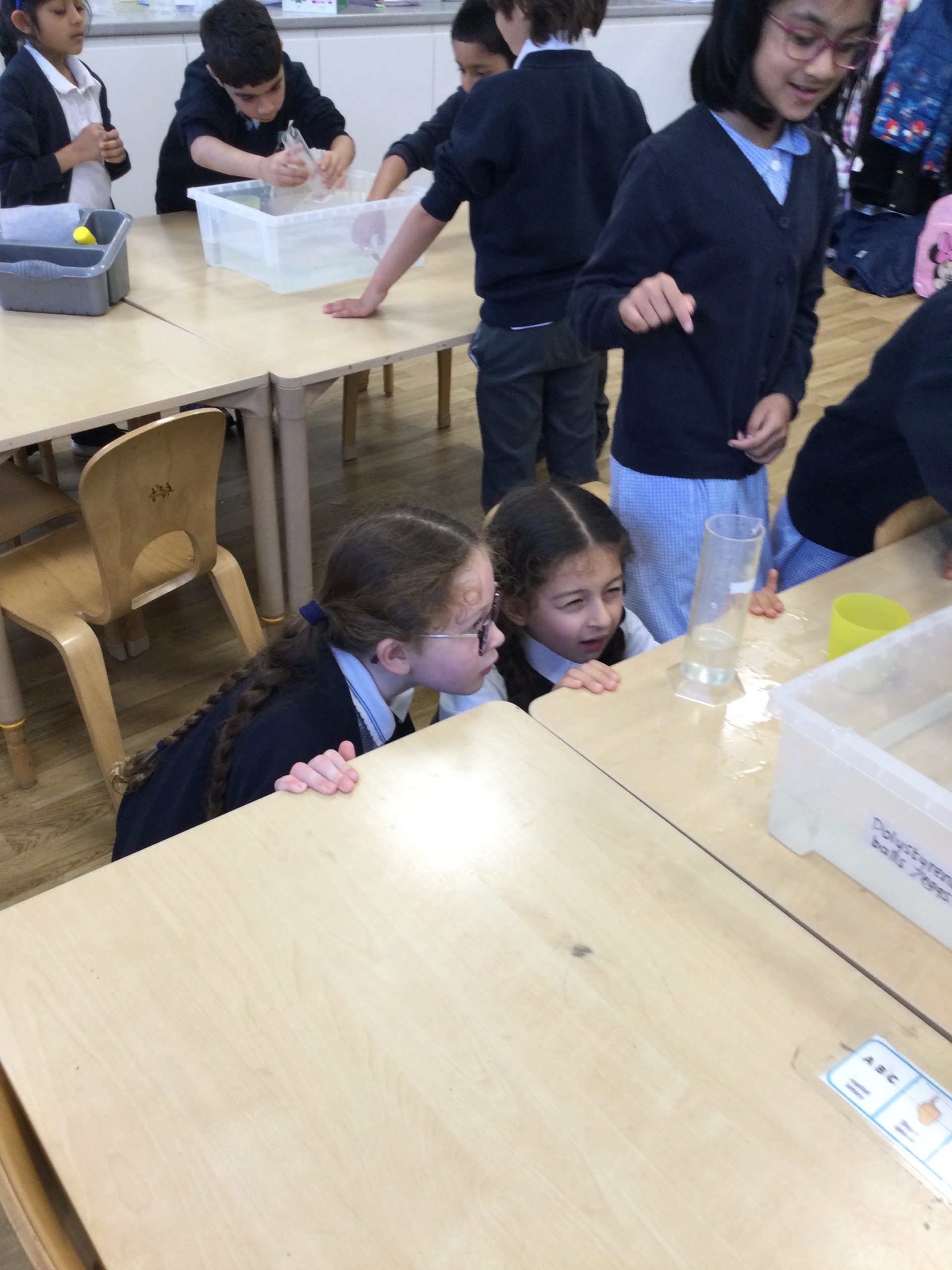
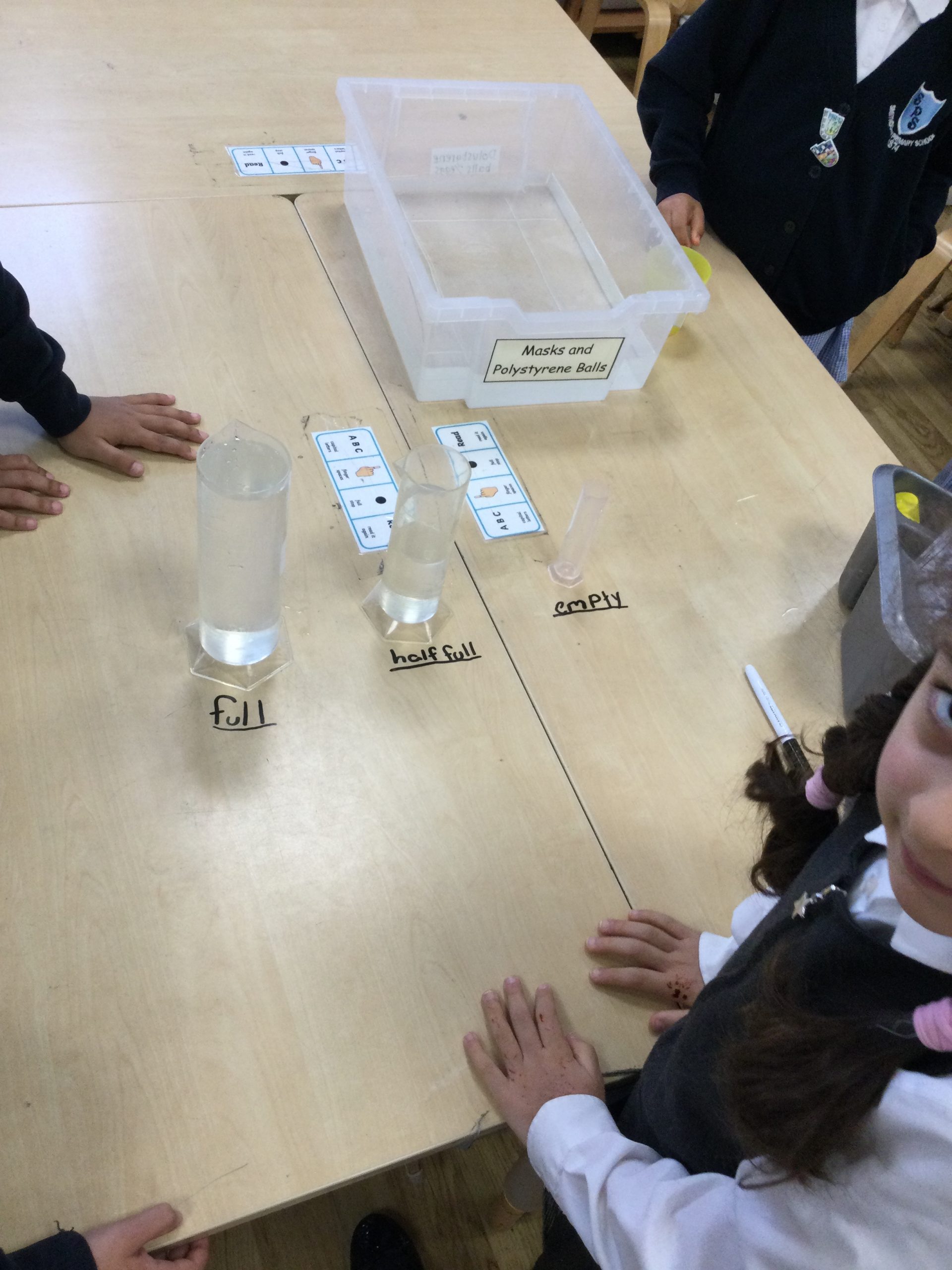
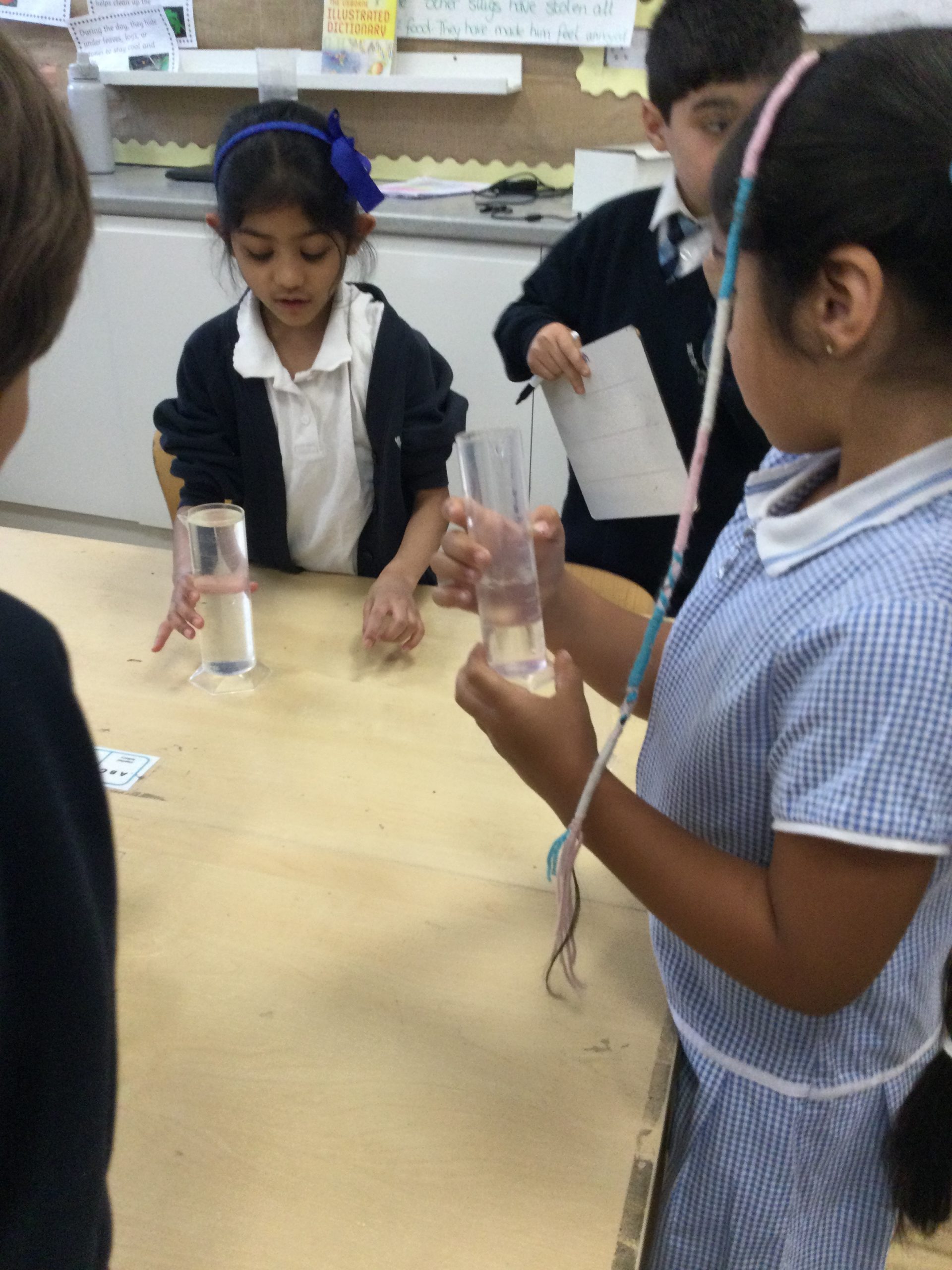
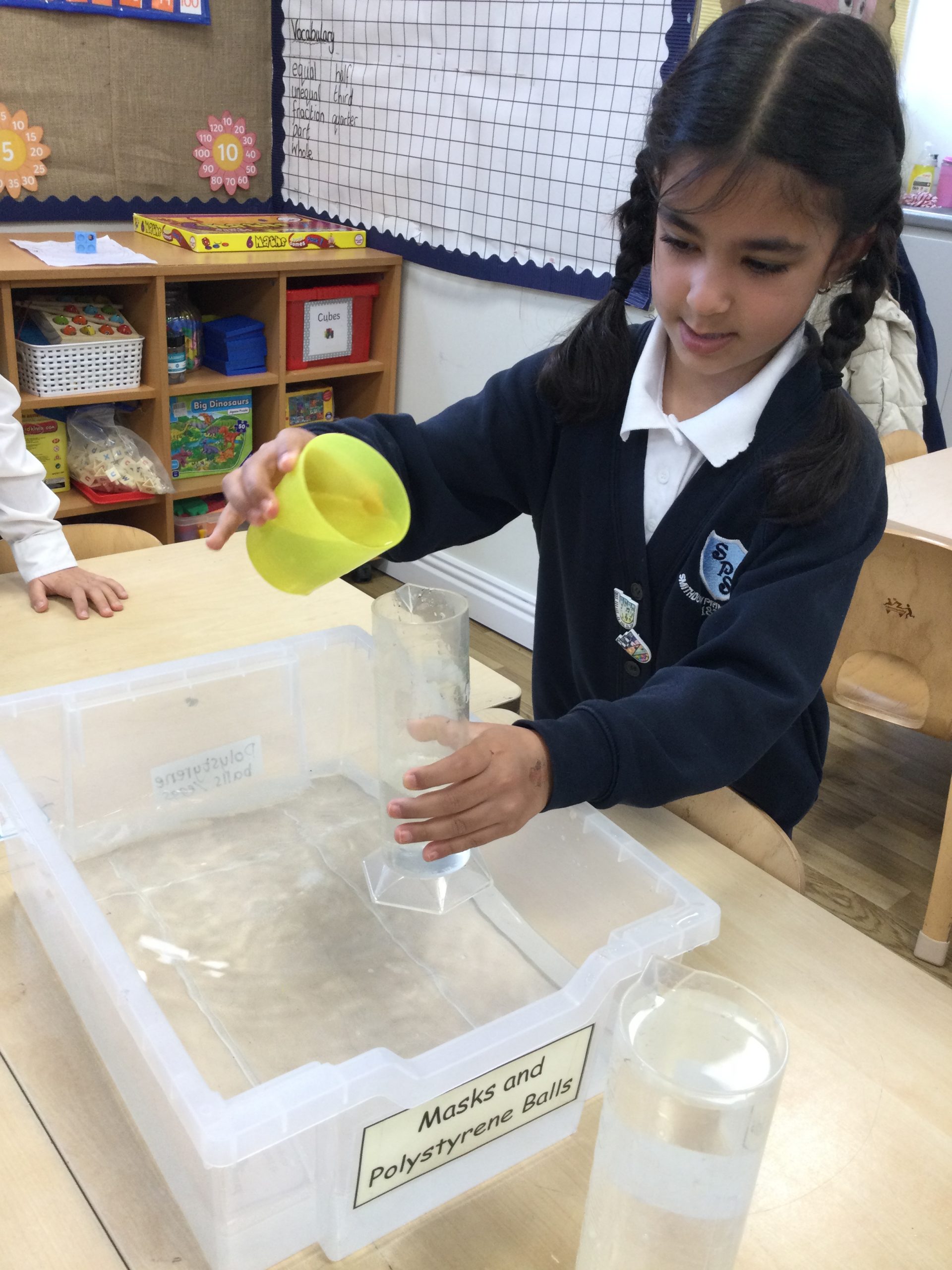
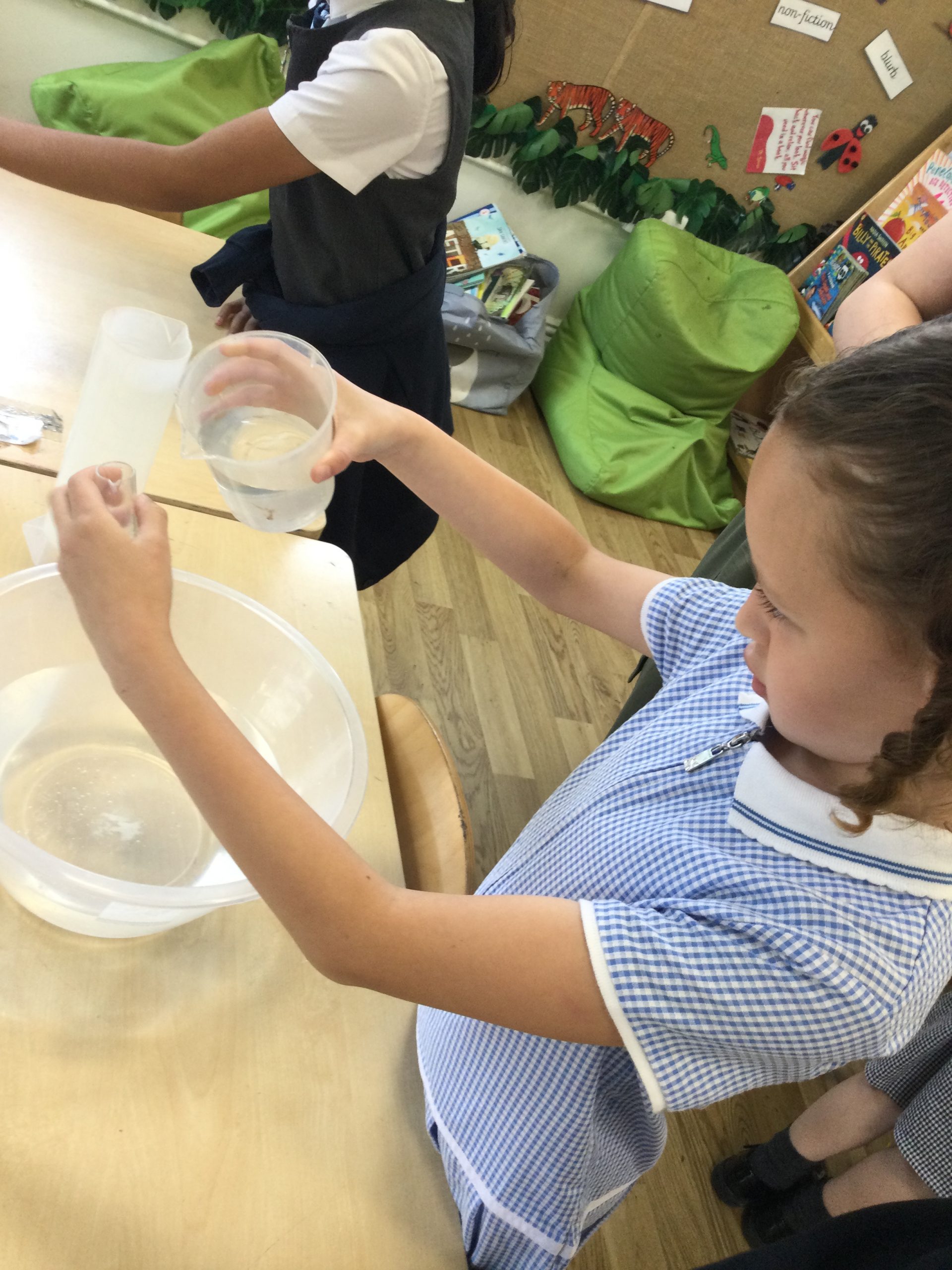
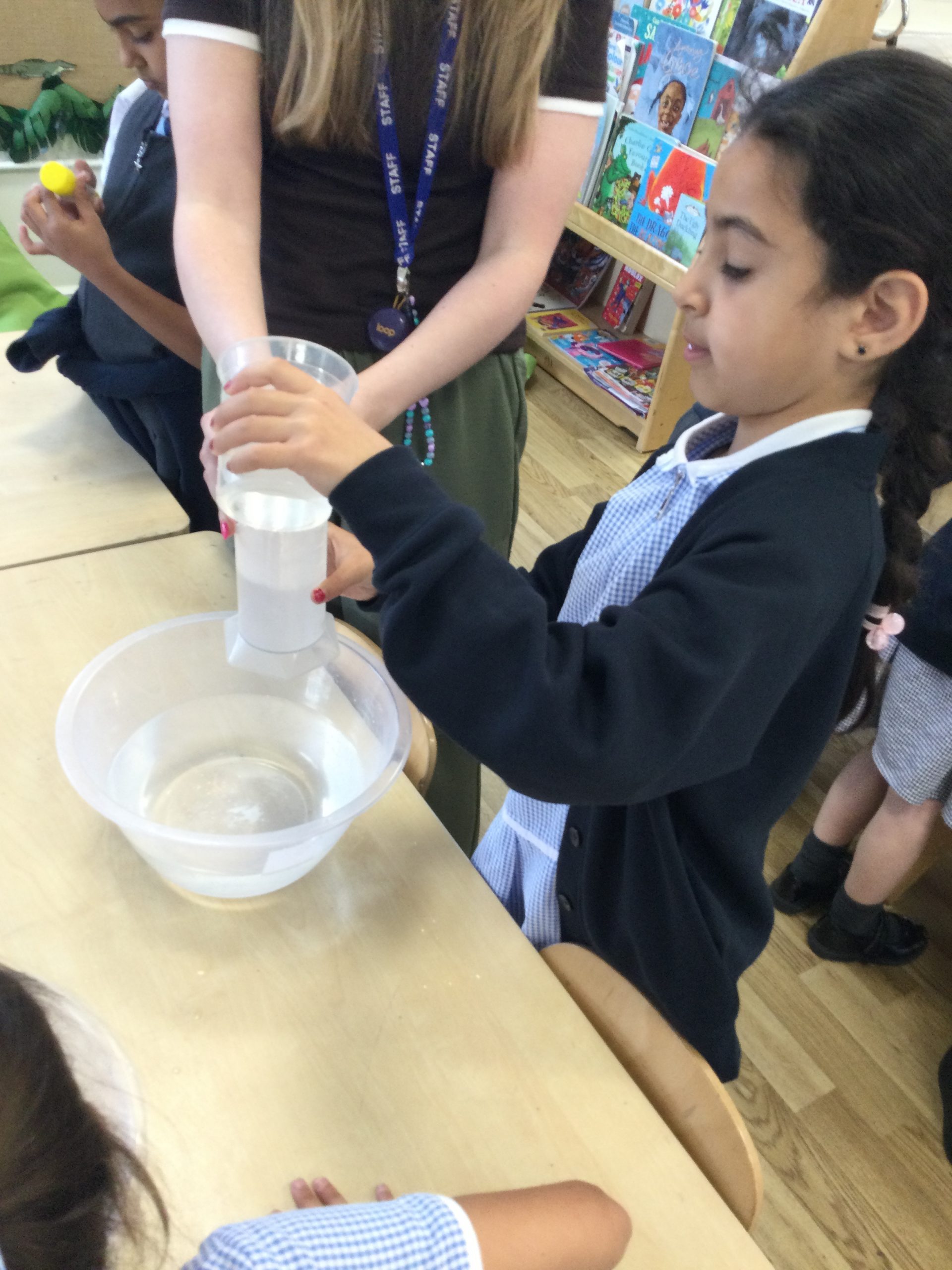
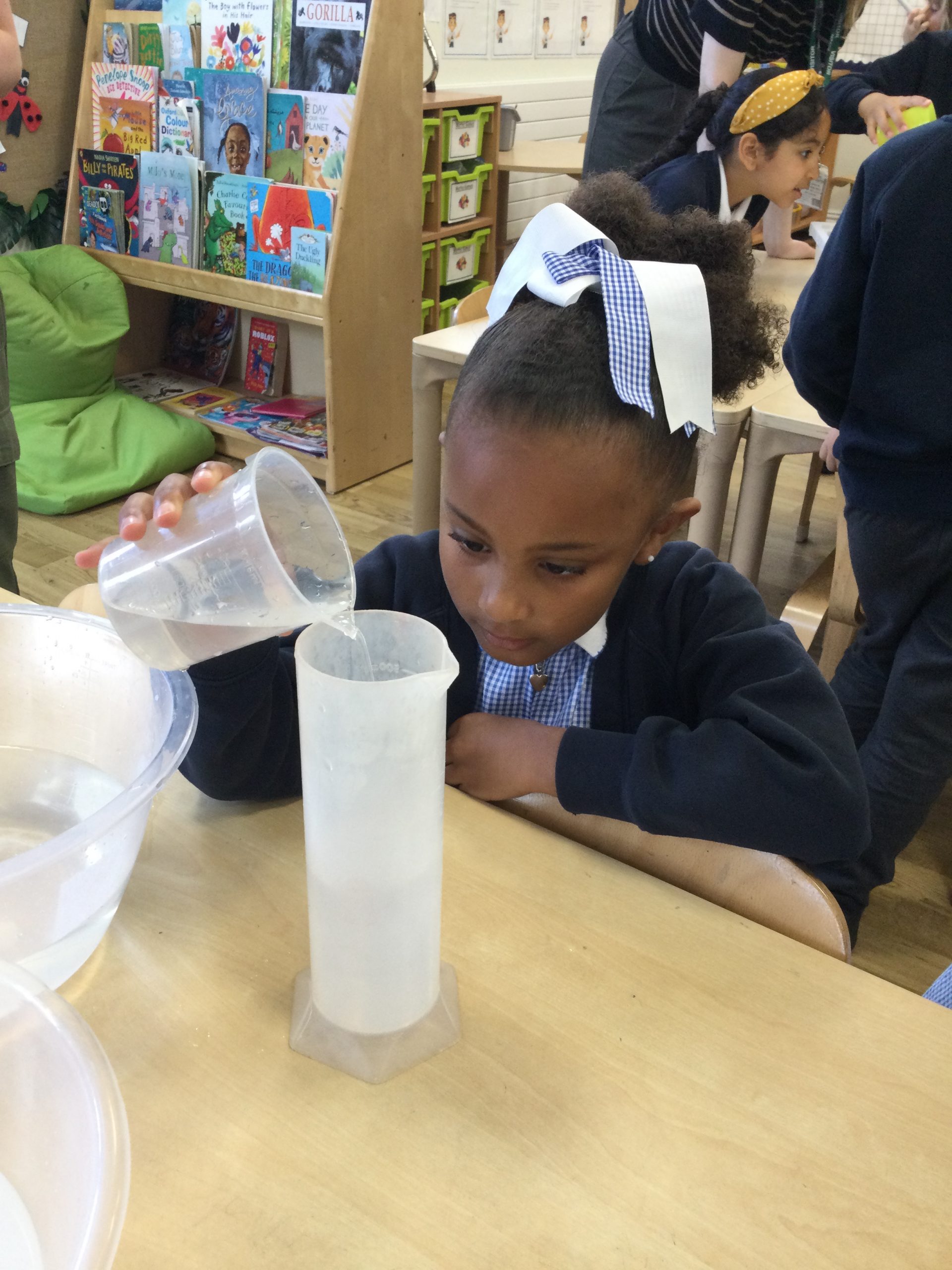
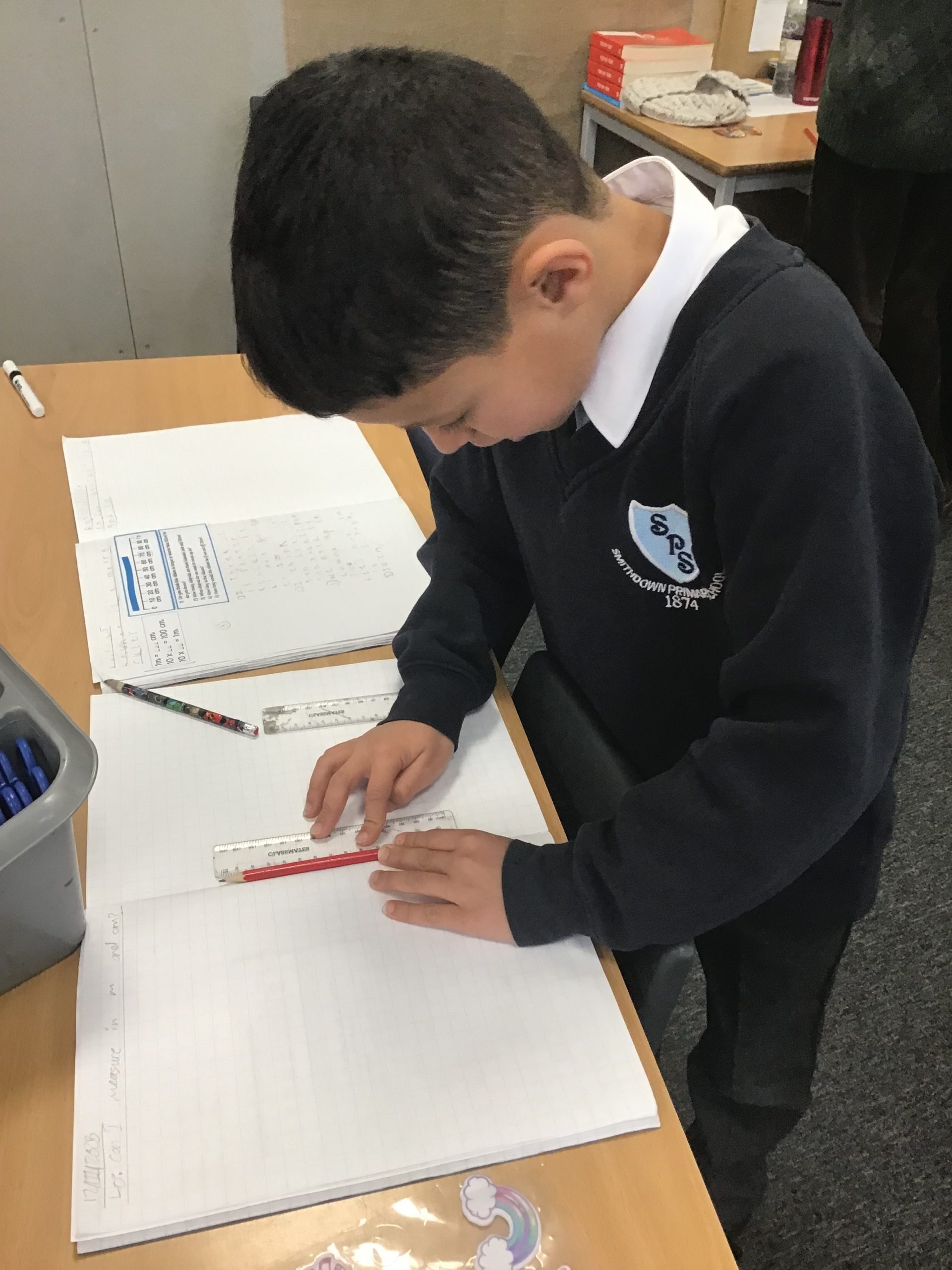
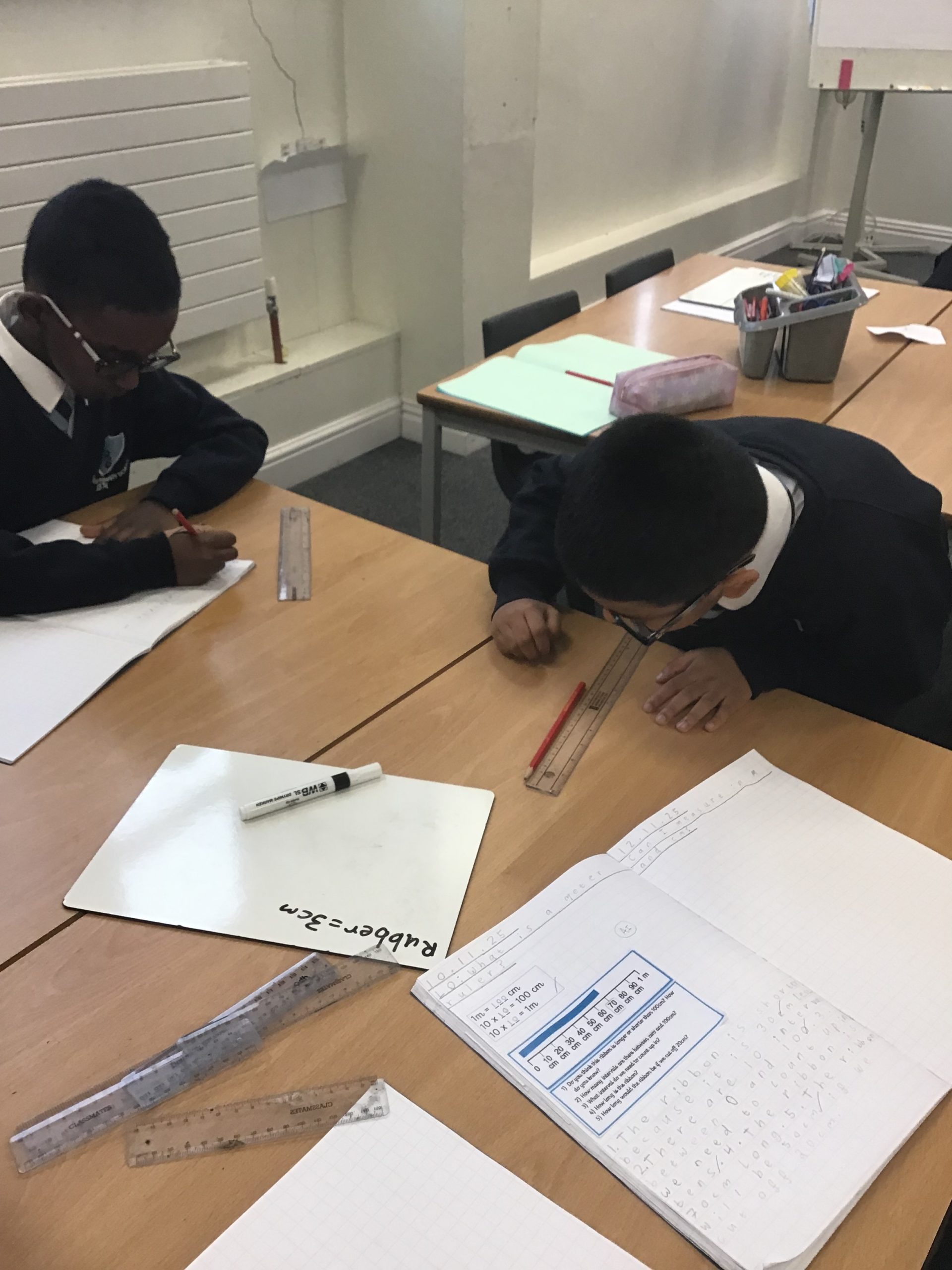
In Maths we have been learning about capacity and how to measure volume in millilitres.

Mathematics at Smithdown Primary School
Together We Grow
Intent
At Smithdown Primary School, our intent for mathematics is to provide a rich, balanced and progressive curriculum that enables every child to become a fluent, confident and curious mathematician. We want our pupils to develop secure conceptual understanding, reason mathematically and solve problems with increasing independence and creativity.
Mathematics at Smithdown is taught through a mastery approach, where all pupils—regardless of background or ability—are supported and challenged to achieve success. We believe that every child can succeed in maths when given the right tools, teaching and encouragement. For some learners, this may mean accessing the curriculum through additional support such as practical equipment, pictorial representations or targeted adult guidance.
Our curriculum not only develops mathematical fluency but also promotes resilience, collaboration and enjoyment. We encourage pupils to see maths as relevant and valuable in everyday life, supporting them to develop essential financial understanding and problem-solving skills for the future.
Staff receive regular updates and professional development based on the latest research, NCETM guidance and evidence-informed practice in maths education, ensuring that teaching is reflective of pupils’ needs.
We actively promote parental engagement through workshops and shared learning sessions, such as problem-solving mornings, where parents and carers learn alongside their children. Our pupils also participate in national and local events including World Maths Day, NSPCC Number Day, Times Tables Rock Stars competitions and Liverpool’s Maths Party Day, helping to build a culture of enjoyment, participation and pride in mathematics.
At Smithdown, Together We Grow means working collaboratively—pupils, staff and families—to nurture confidence, curiosity and success in mathematics.
Implementation
Our mathematics curriculum is based on the National Curriculum and follows a carefully sequenced progression of knowledge using NCETM materials as a spine for skills development from the Early Years Foundation Stage through to Year 6.
We teach maths using a mastery model, ensuring all children access the same rich curriculum content while deepening understanding through reasoning and problem solving. Lessons are structured to build on prior learning and promote fluency before moving on to deeper, conceptual understanding.
Teachers use a range of high-quality resources and strategies, supported by the Smithdown Mastery Cycle, to ensure lessons are engaging, challenging and inclusive. Pupils are encouraged to explain their thinking, make connections and apply their mathematical knowledge in meaningful contexts.
To enrich reasoning and problem-solving opportunities, teachers draw on a range of high-quality resources including White Rose, I See Reasoning, and carefully designed teacher-made resources. These are used alongside NCETM materials to provide varied challenge, representation and depth.
Key features of our implementation include:
Maths lessons are interactive, pupil-focused and taught in carefully planned small steps, encouraging discussion, reasoning and exploration. We promote a classroom culture where mistakes are valued as part of learning, helping pupils build confidence and perseverance.
Through Together We Grow, we foster a shared belief that every child can achieve excellence in mathematics.
Impact
Pupils at Smithdown Primary enjoy mathematics and speak confidently about their learning. They demonstrate positive attitudes, resilience and increasing independence when tackling new challenges.
The impact of our maths curriculum is seen in:
Pupils are encouraged to take ownership of their progress, responding effectively to feedback. Internal and external moderation confirms that our standards are secure and that pupils achieve highly in mathematics.
Beyond attainment, pupils develop a love of mathematical thinking, curiosity about the world and the confidence to apply their skills beyond the classroom. They leave Smithdown Primary as capable, reflective and motivated learners—ready for the next stage of their education and for life.
Together We Grow — building confident mathematicians for the future.
We follow the National Curriculum guidance:
Our Whole School Overview (this shows how the programmes of study are taught progressively across the school):
Be positive about maths. Don’t say things like, “I can’t do maths” or “I hated maths at school.” Your child might start to think like that themselves.
Point out the maths use in everyday life. Include your child in activities involving maths – such as using money, cooking and planning travel.
Praise your child for effort rather than talent – this shows them that by working hard they can always improve.
Useful Websites:
https://www.nationalnumeracy.org.uk/
http://www.familymathstoolkit.org.uk/
Multiplication Tables Support
http://www.multiplication.com/games/all-games
http://www.teachingtables.co.uk/
Homework Activities (You will need your child’s log in details)
Mathematical Challenges
https://nrich.maths.org/primary-lower
https://nrich.maths.org/primary-upper
Games
https://www.topmarks.co.uk/maths-games/3-5-years/counting
https://www.topmarks.co.uk/maths-games/5-7-years/counting
https://www.topmarks.co.uk/maths-games/7-11-years/ordering-and-sequencing-numbers
https://www.topmarks.co.uk/maths-games/hit-the-button
Financial Education

In Maths we have been learning about capacity and how to measure volume in millilitres.
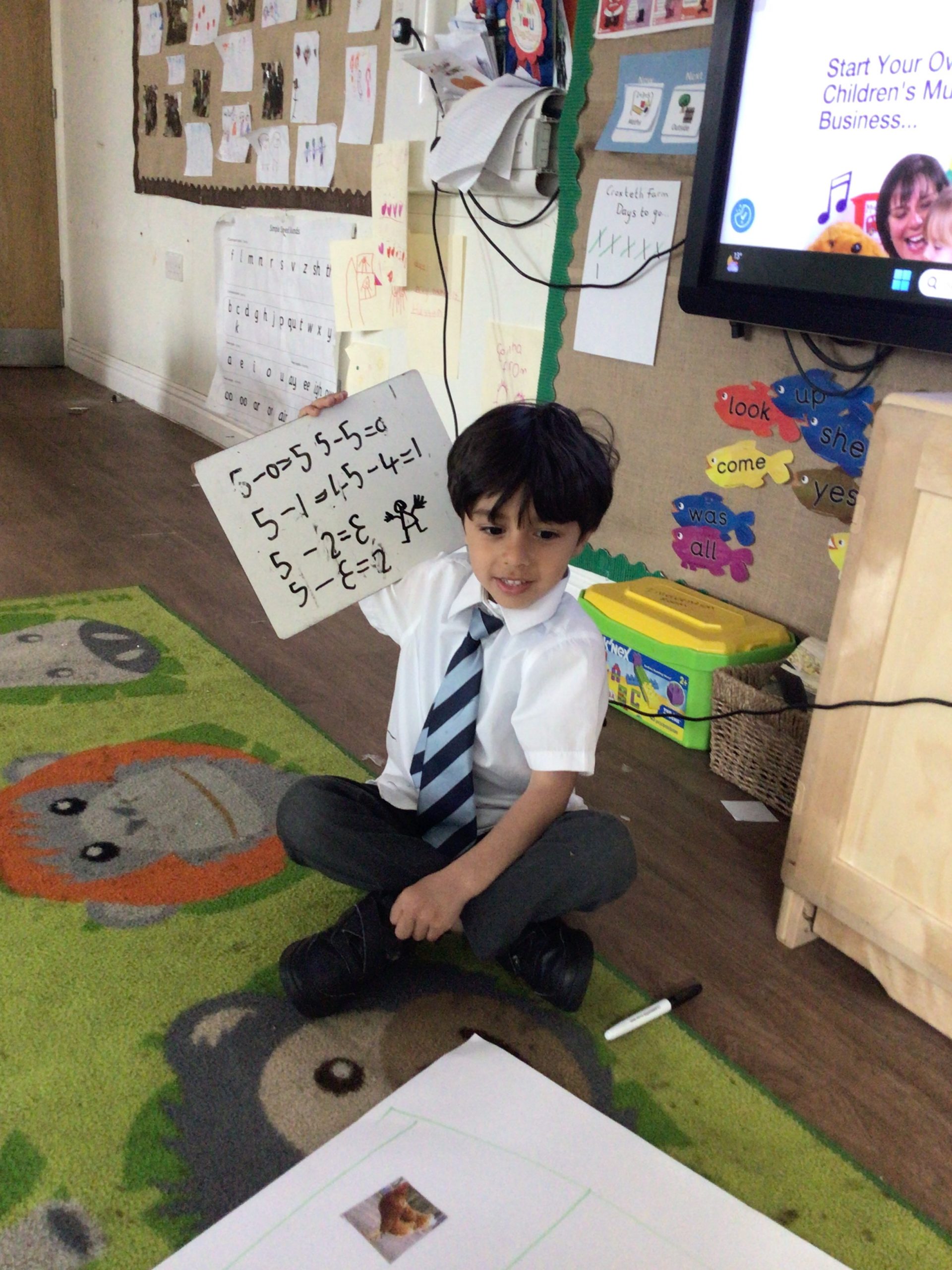
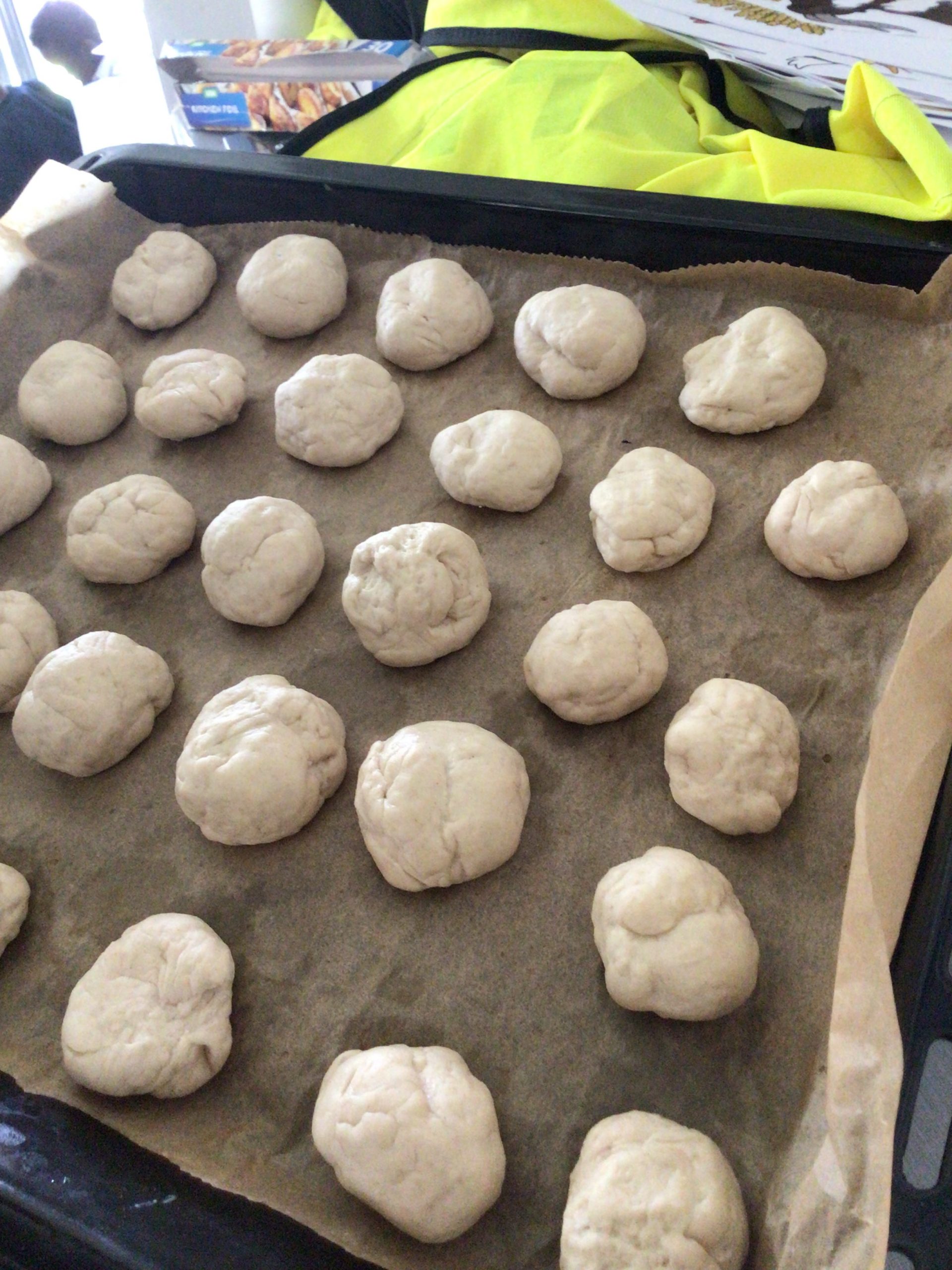
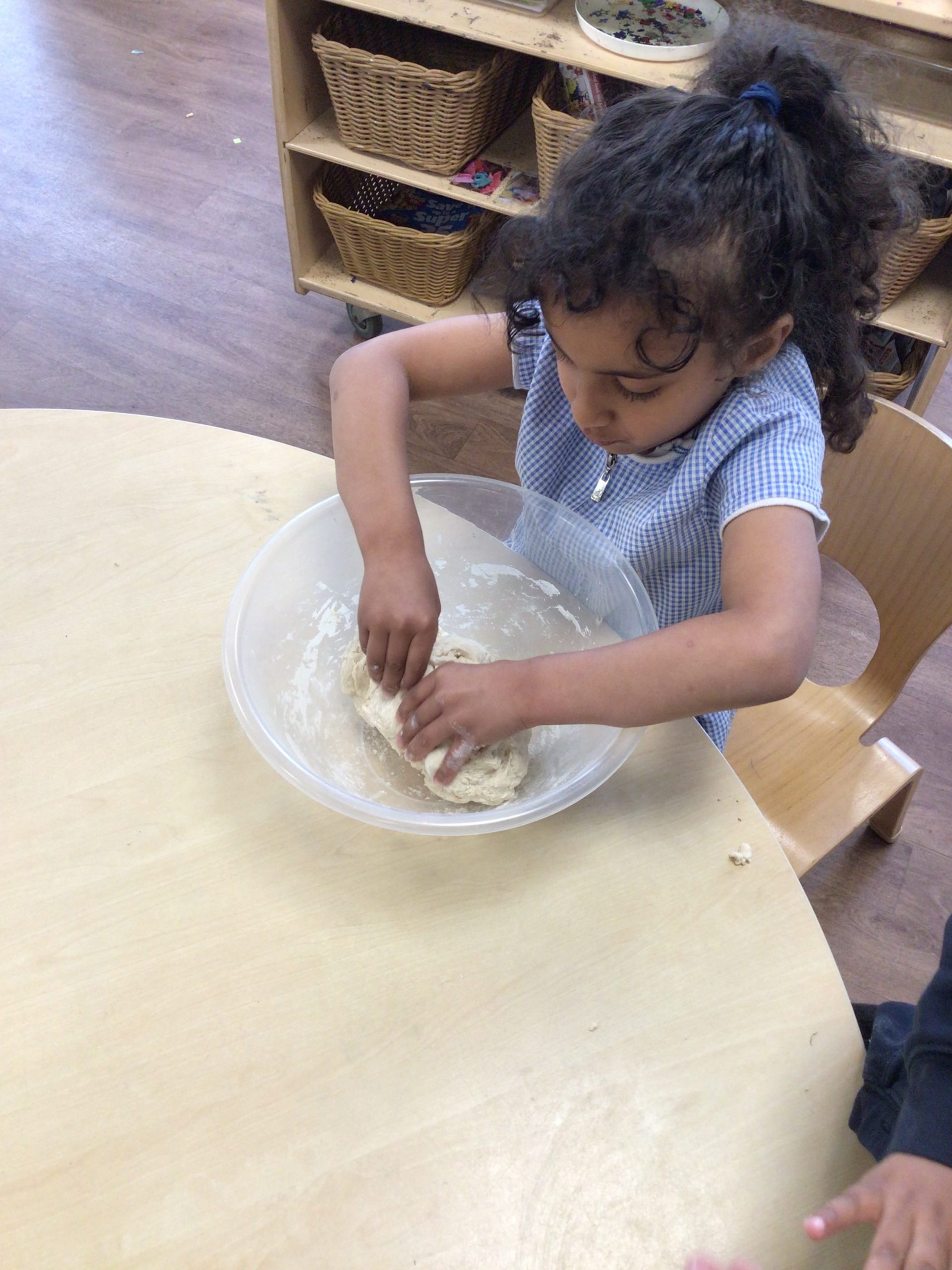
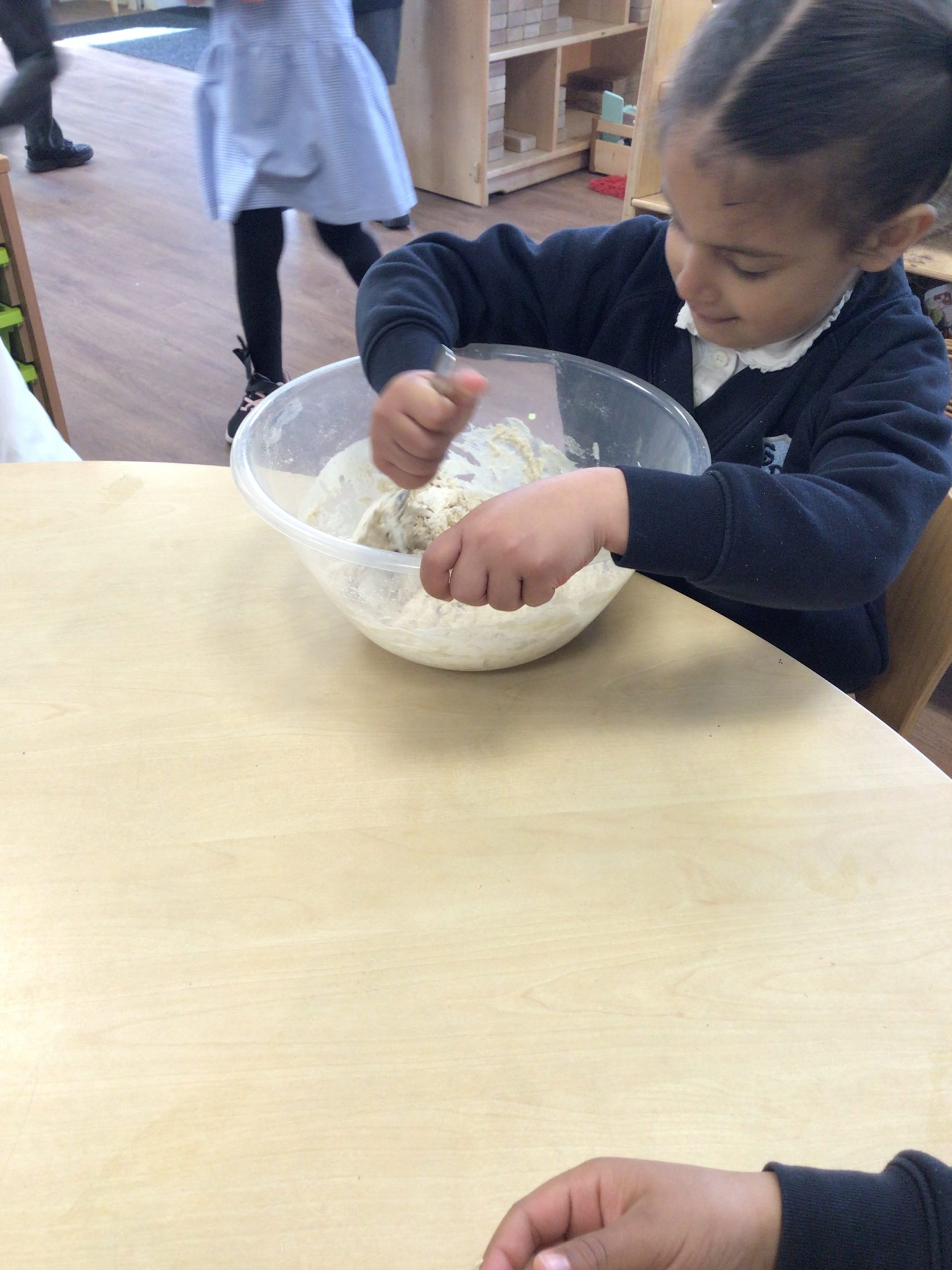
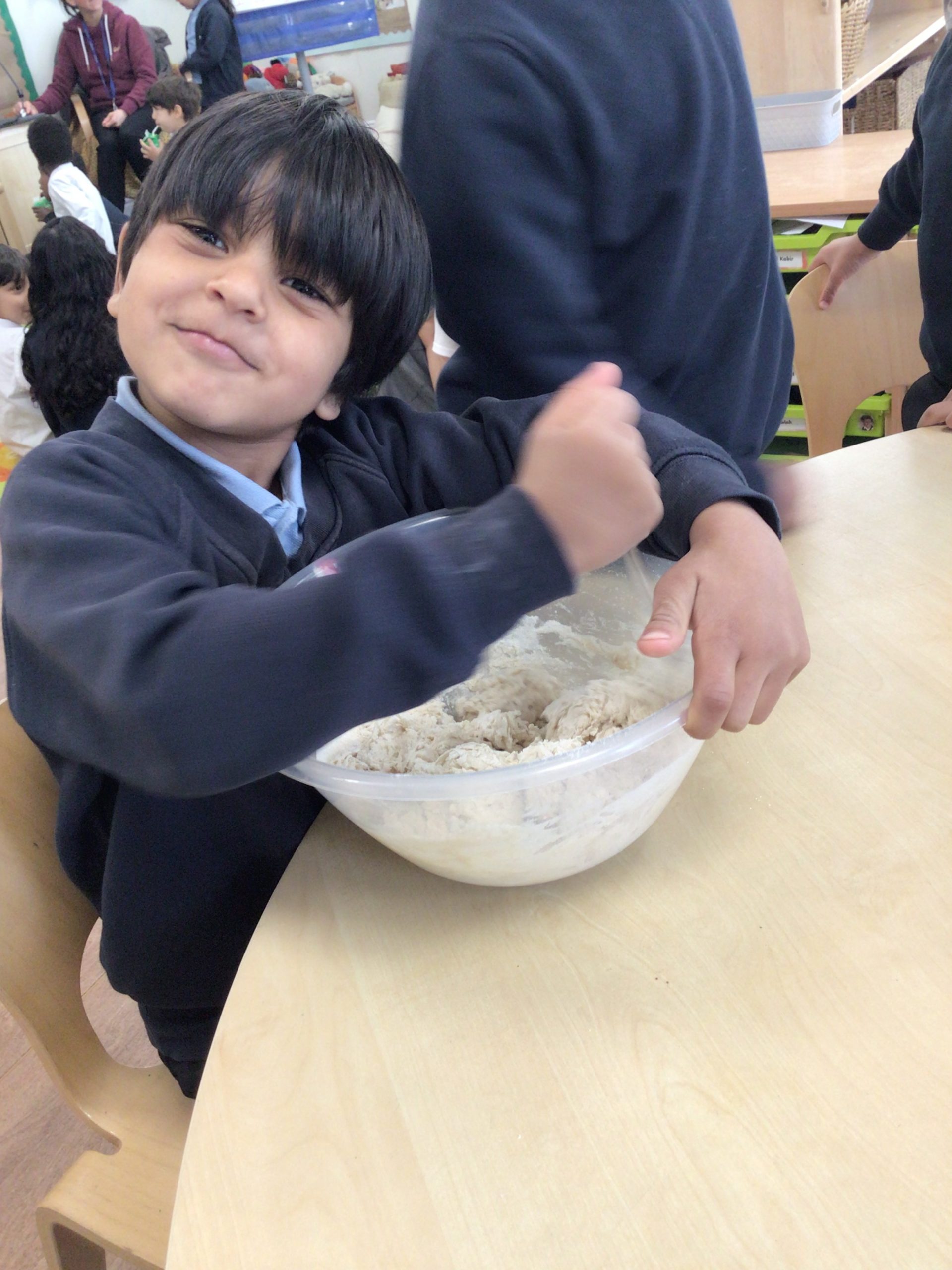
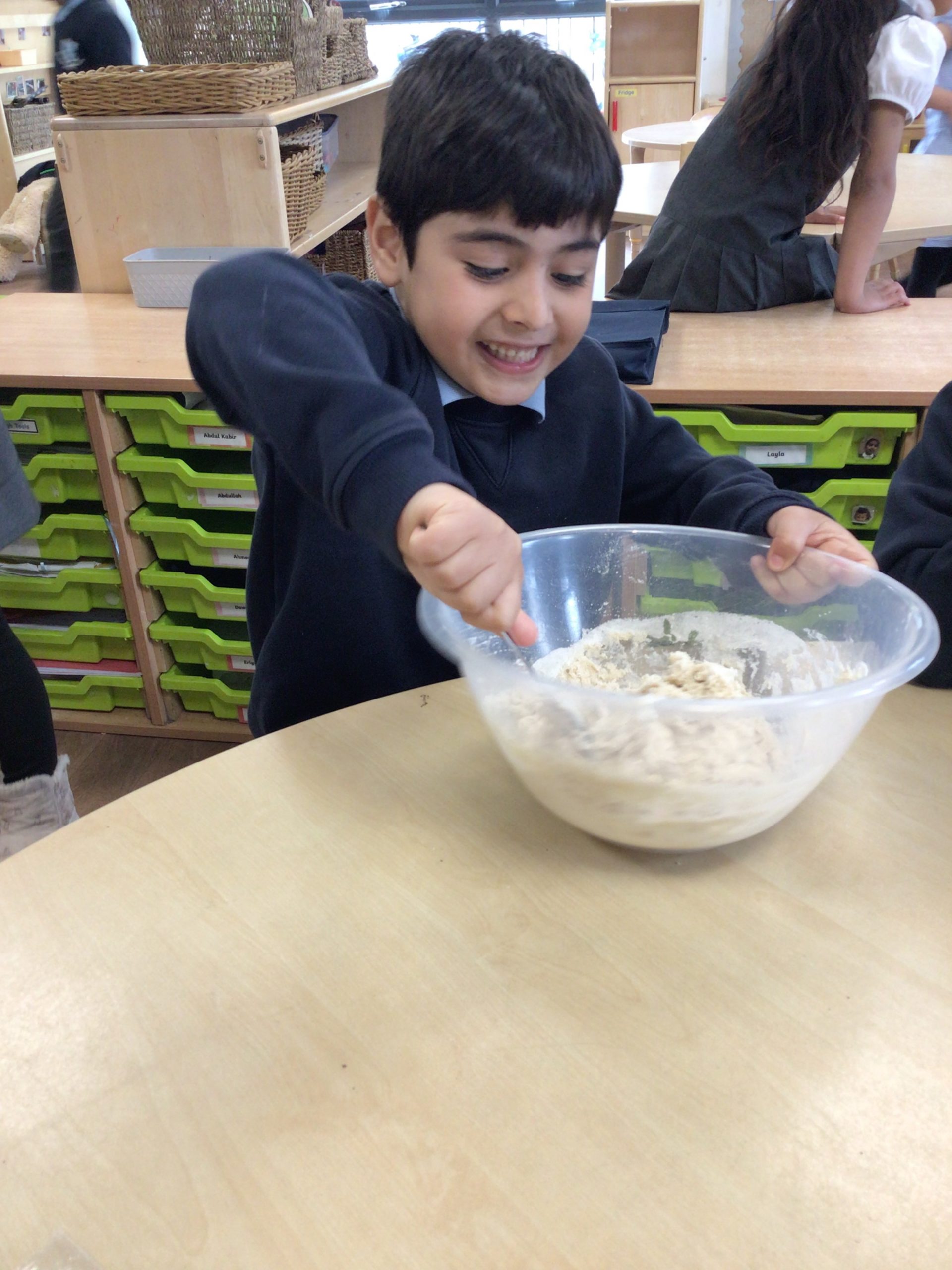
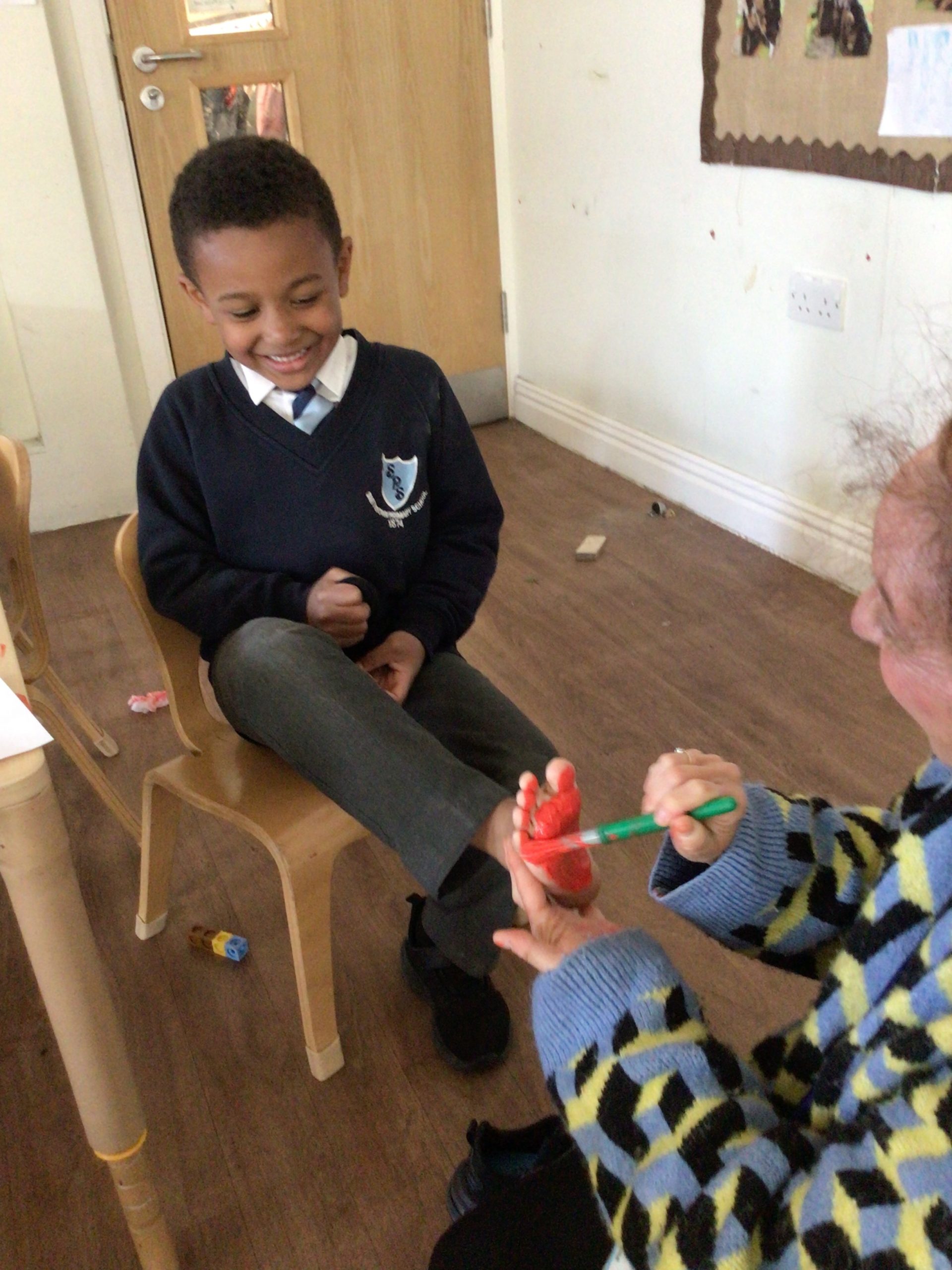
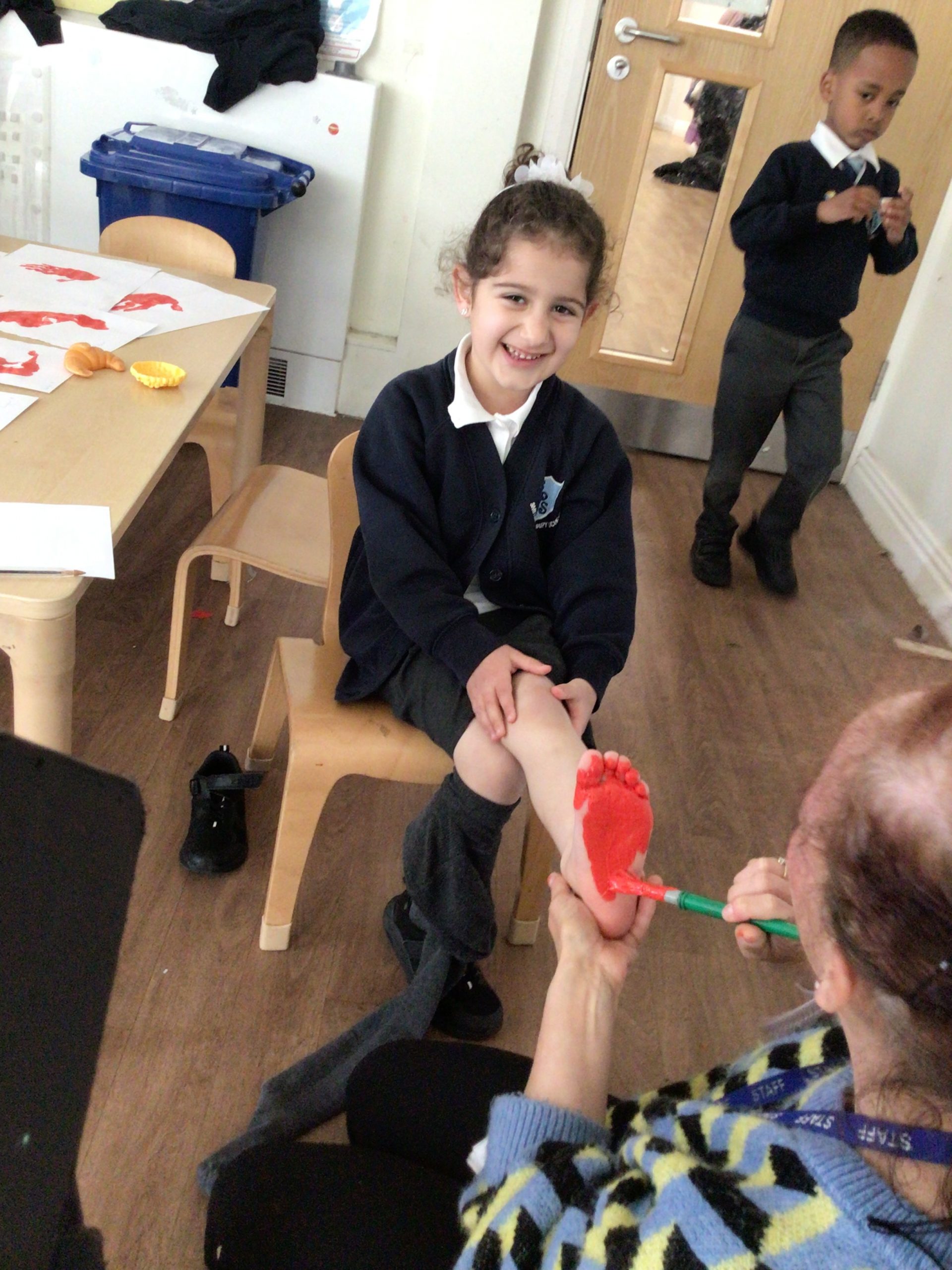
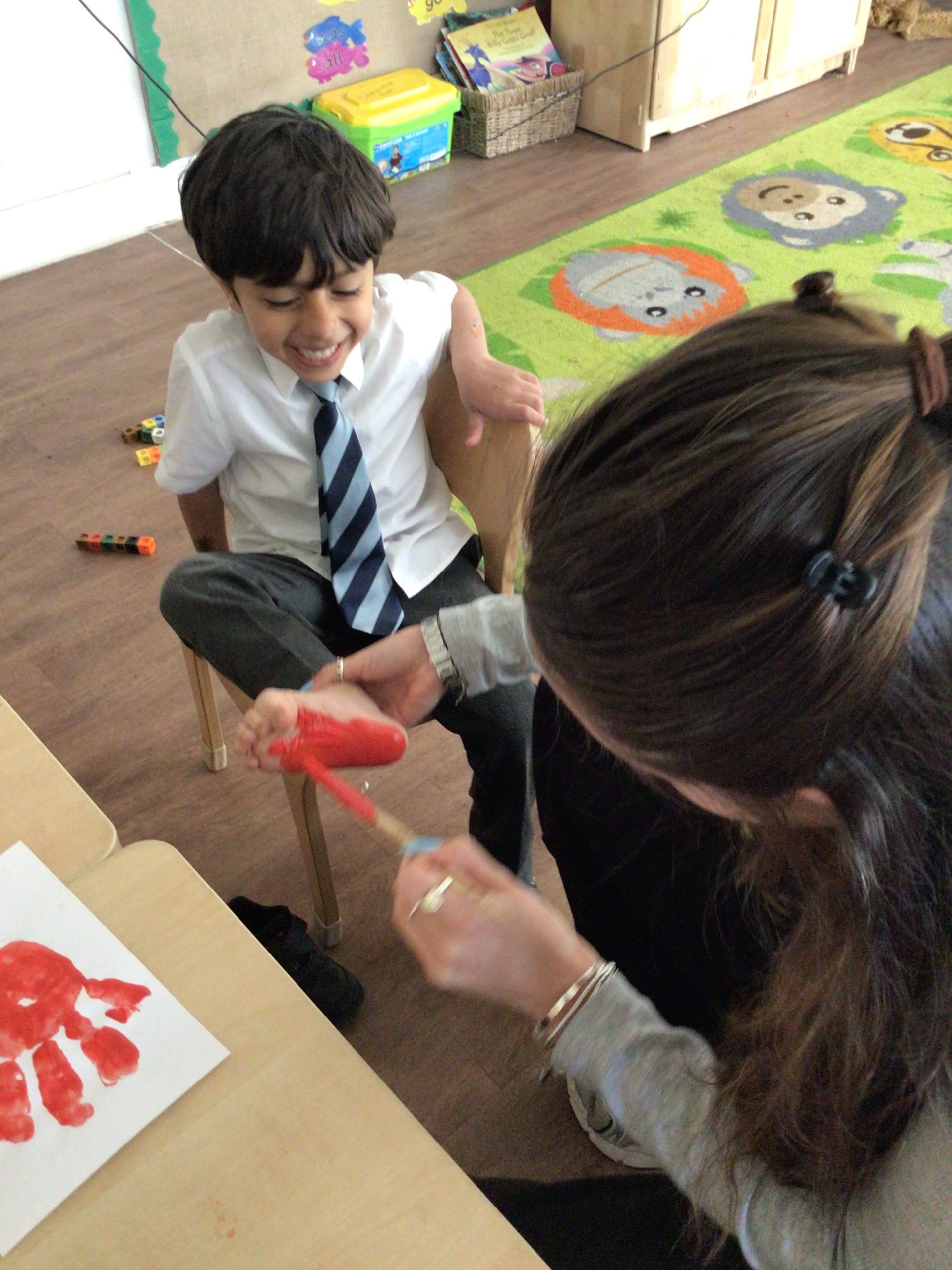
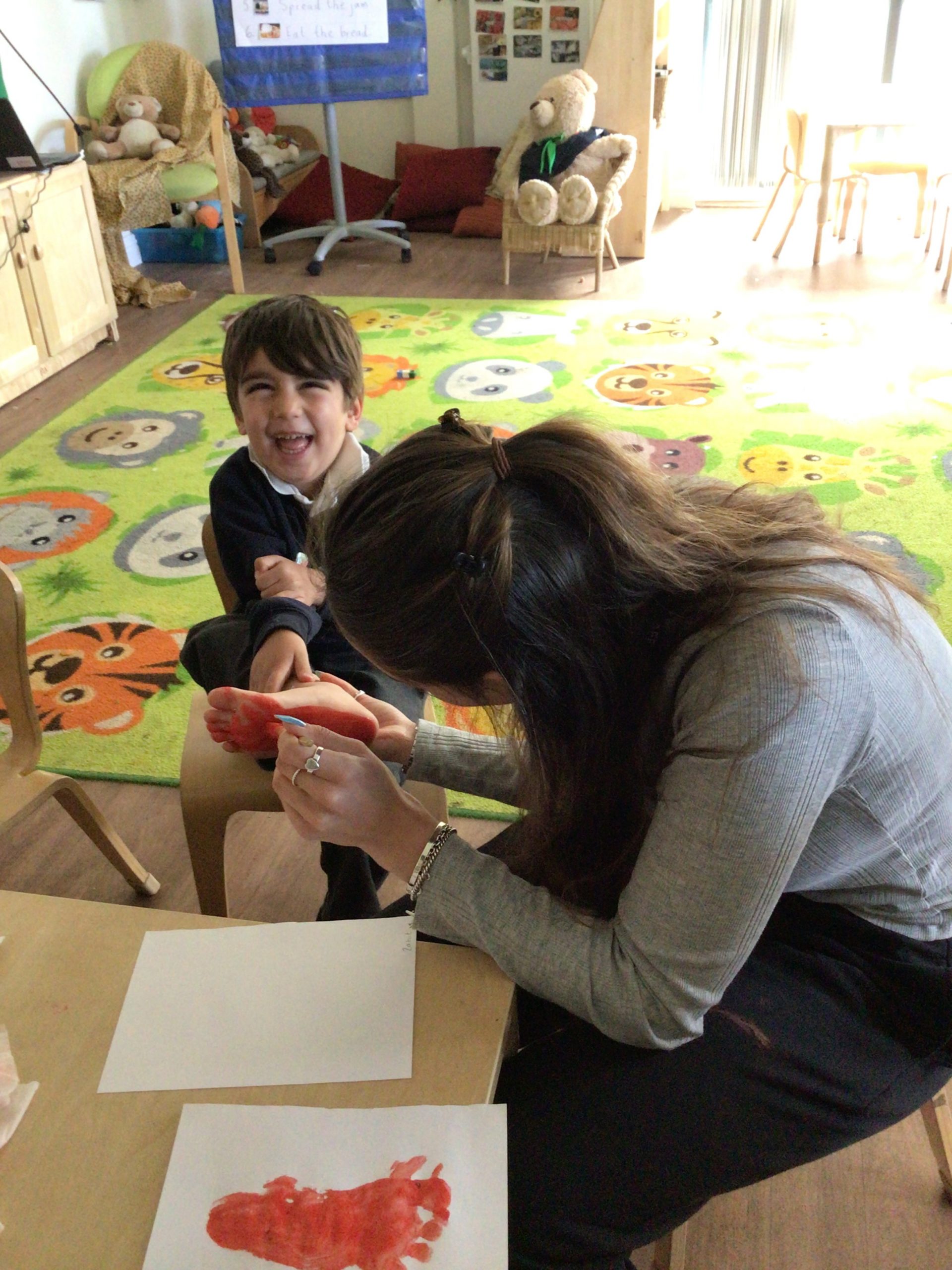
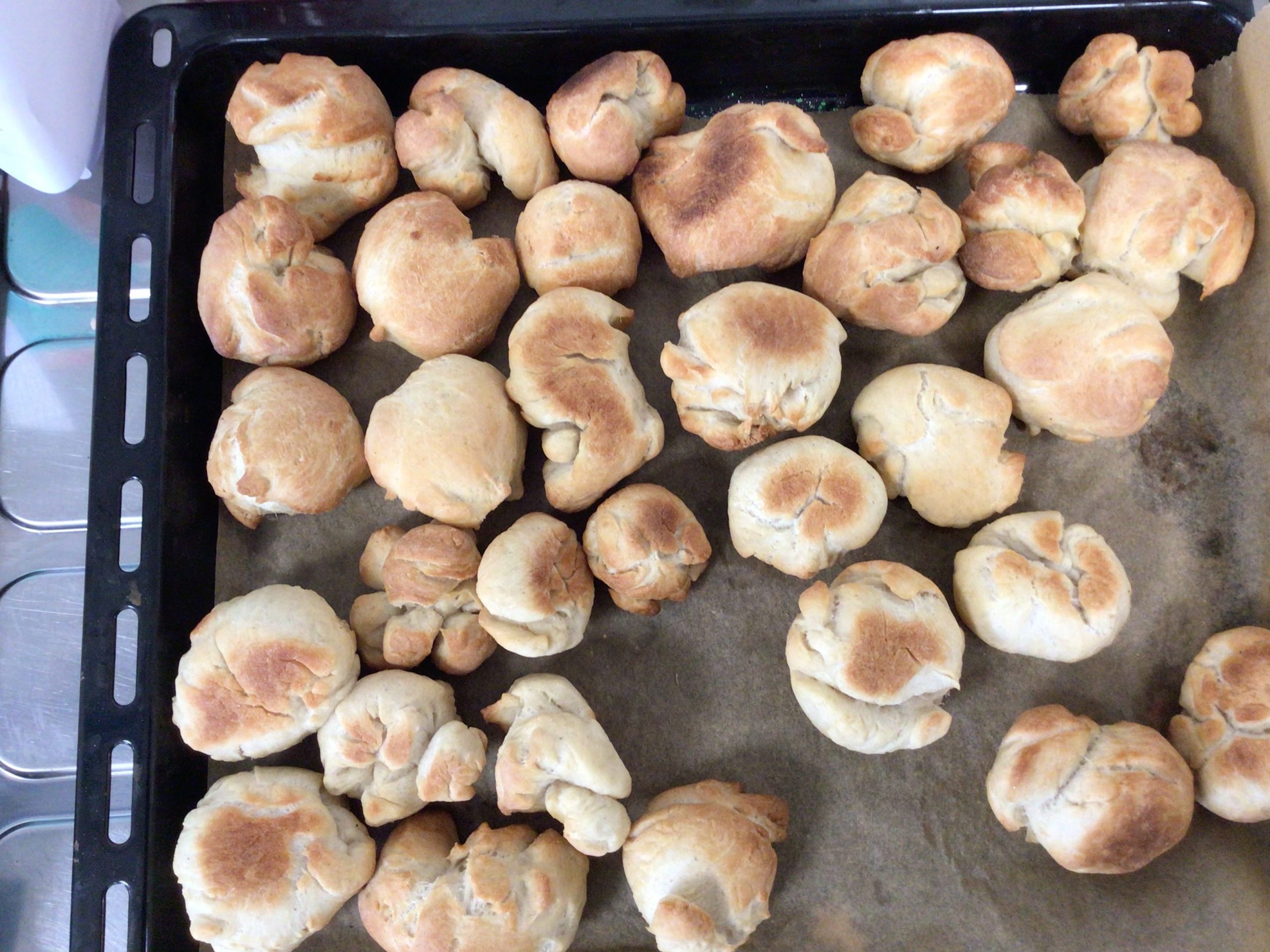
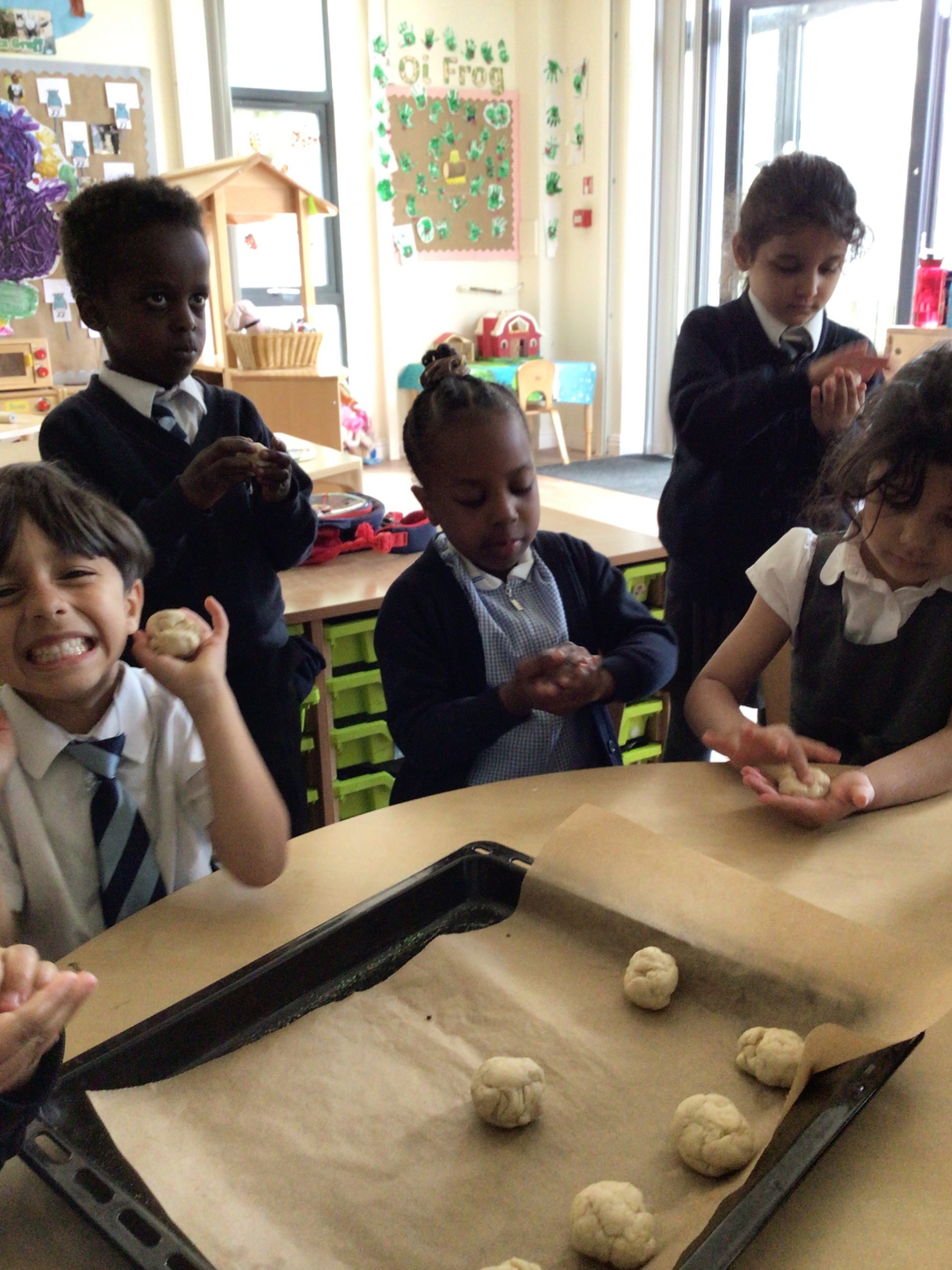
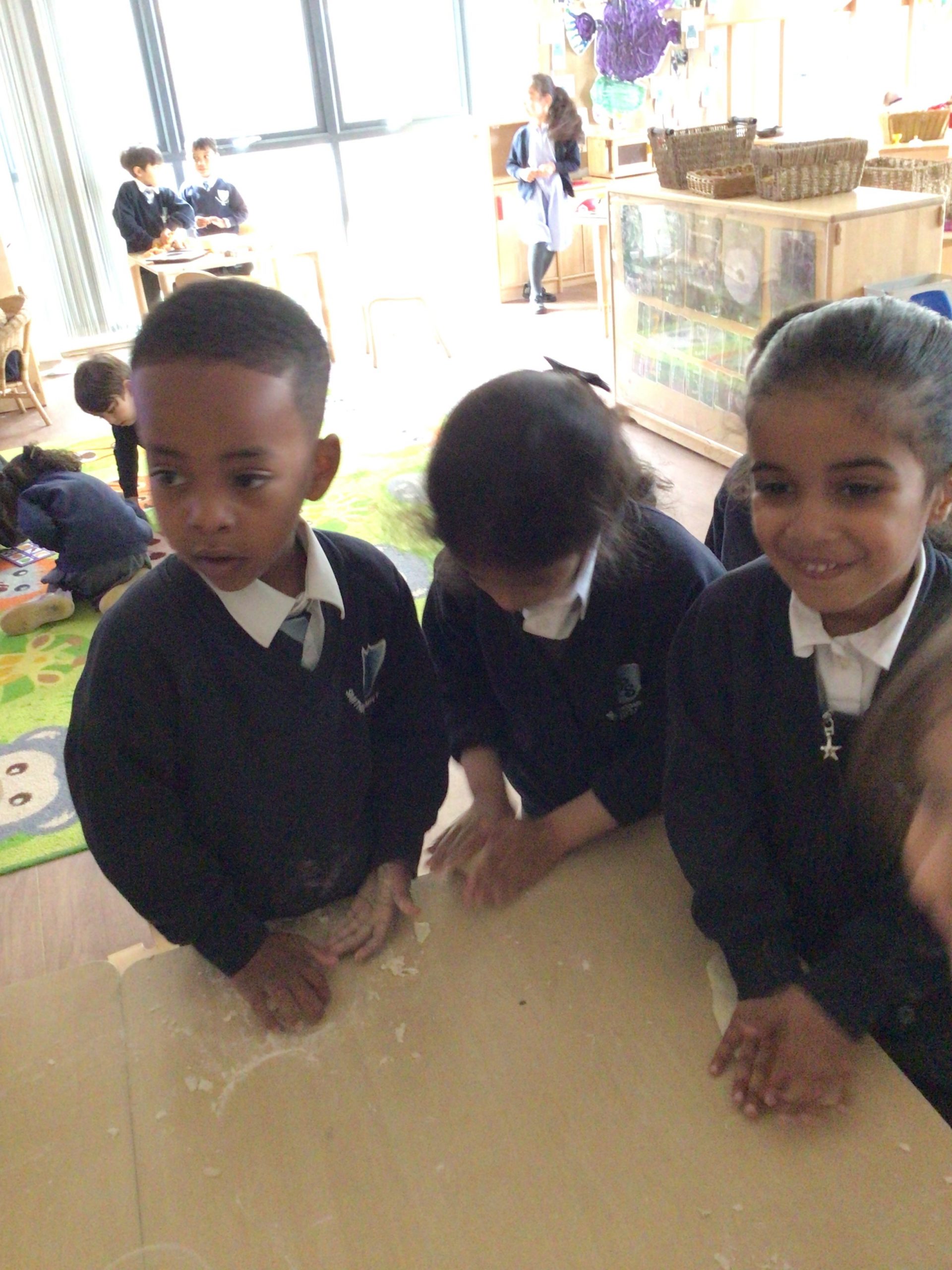
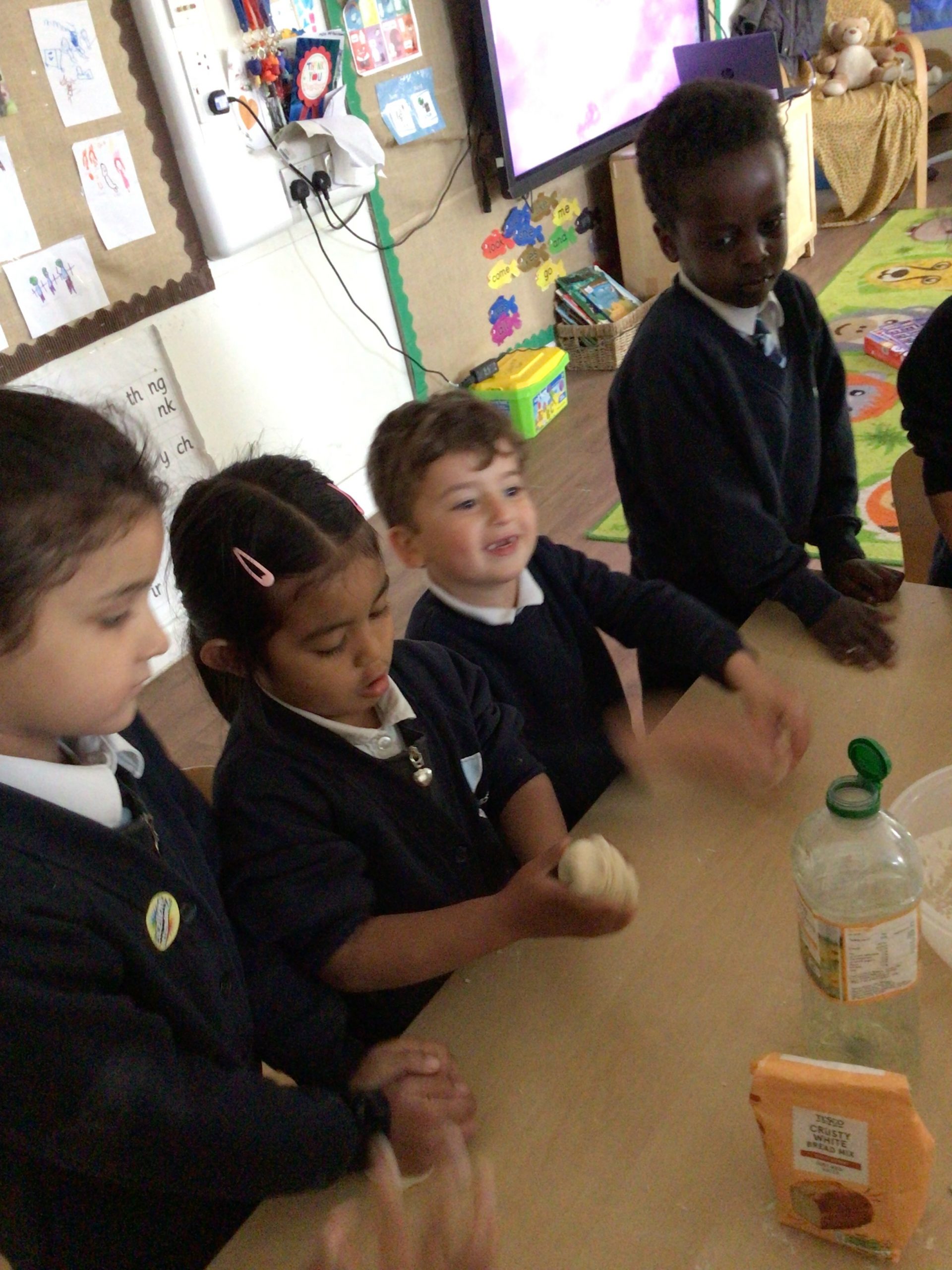
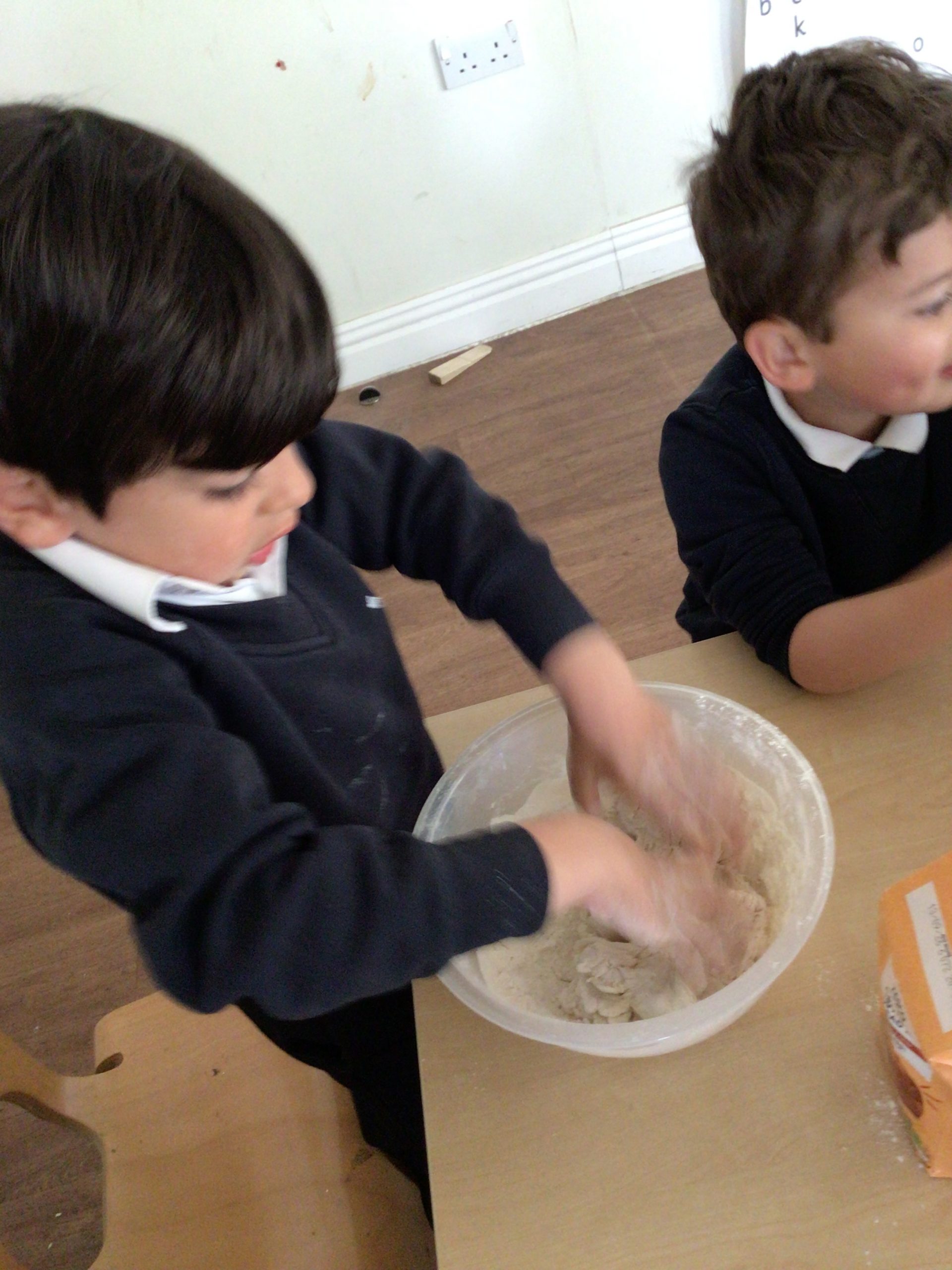
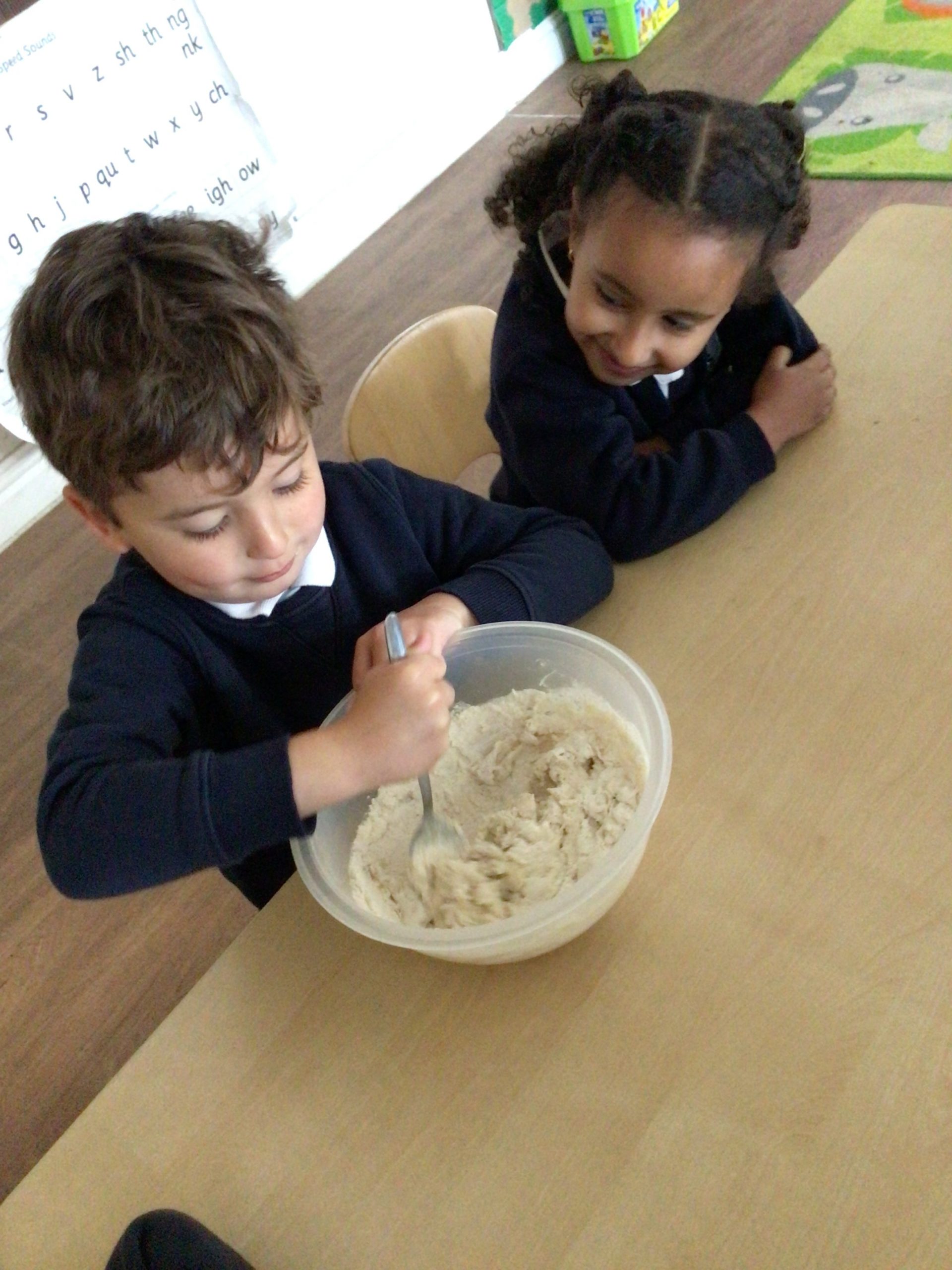
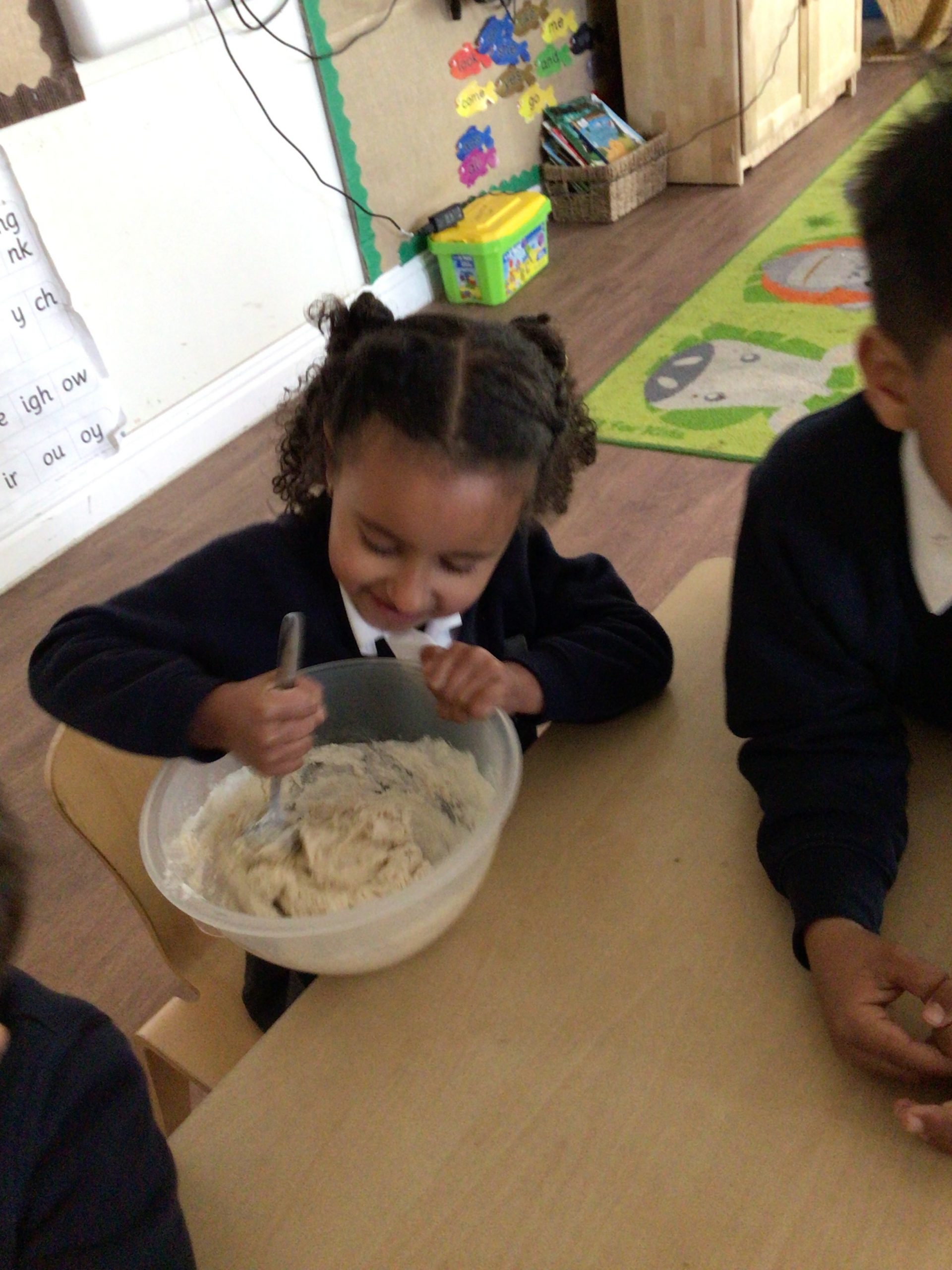
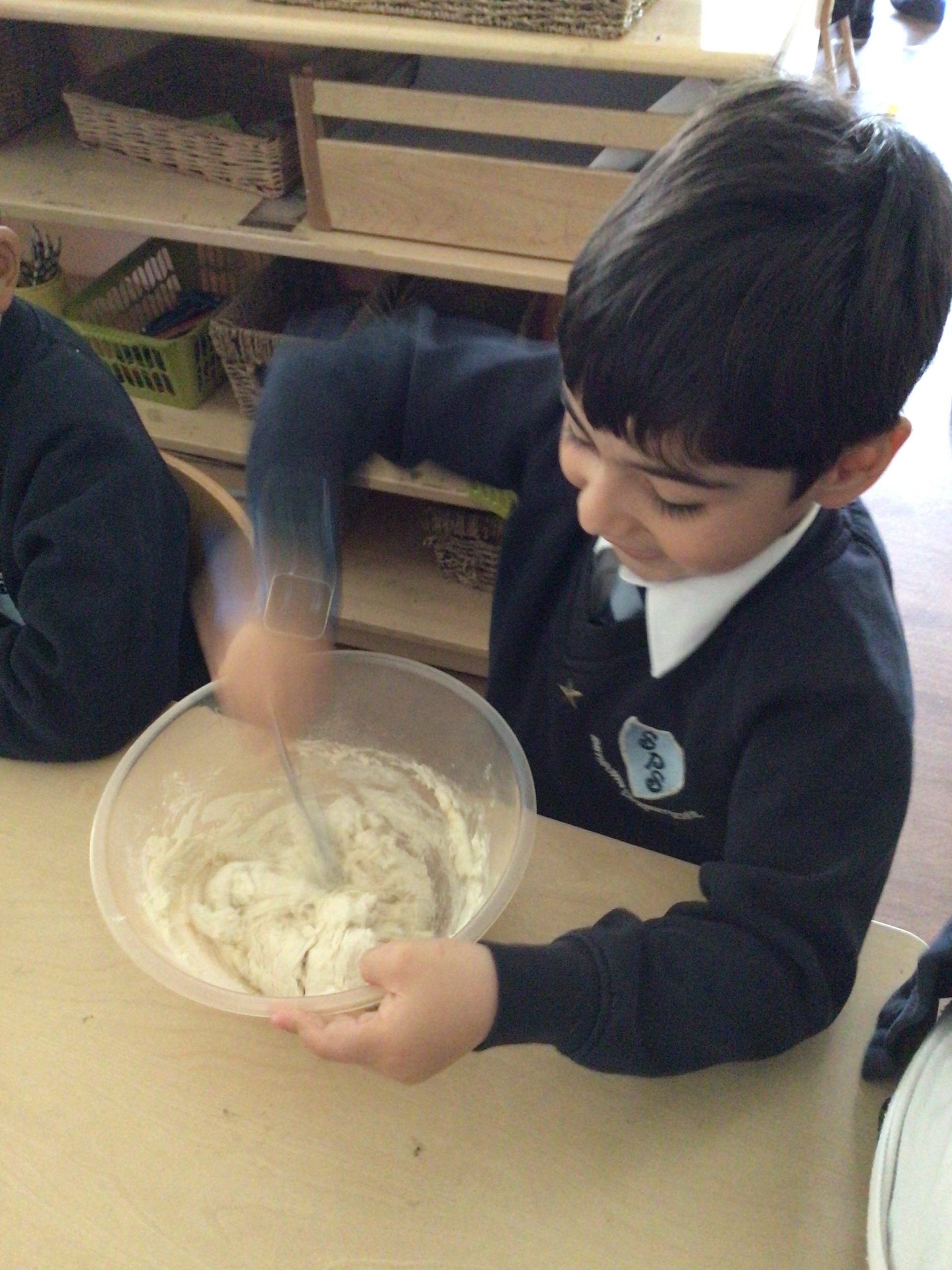
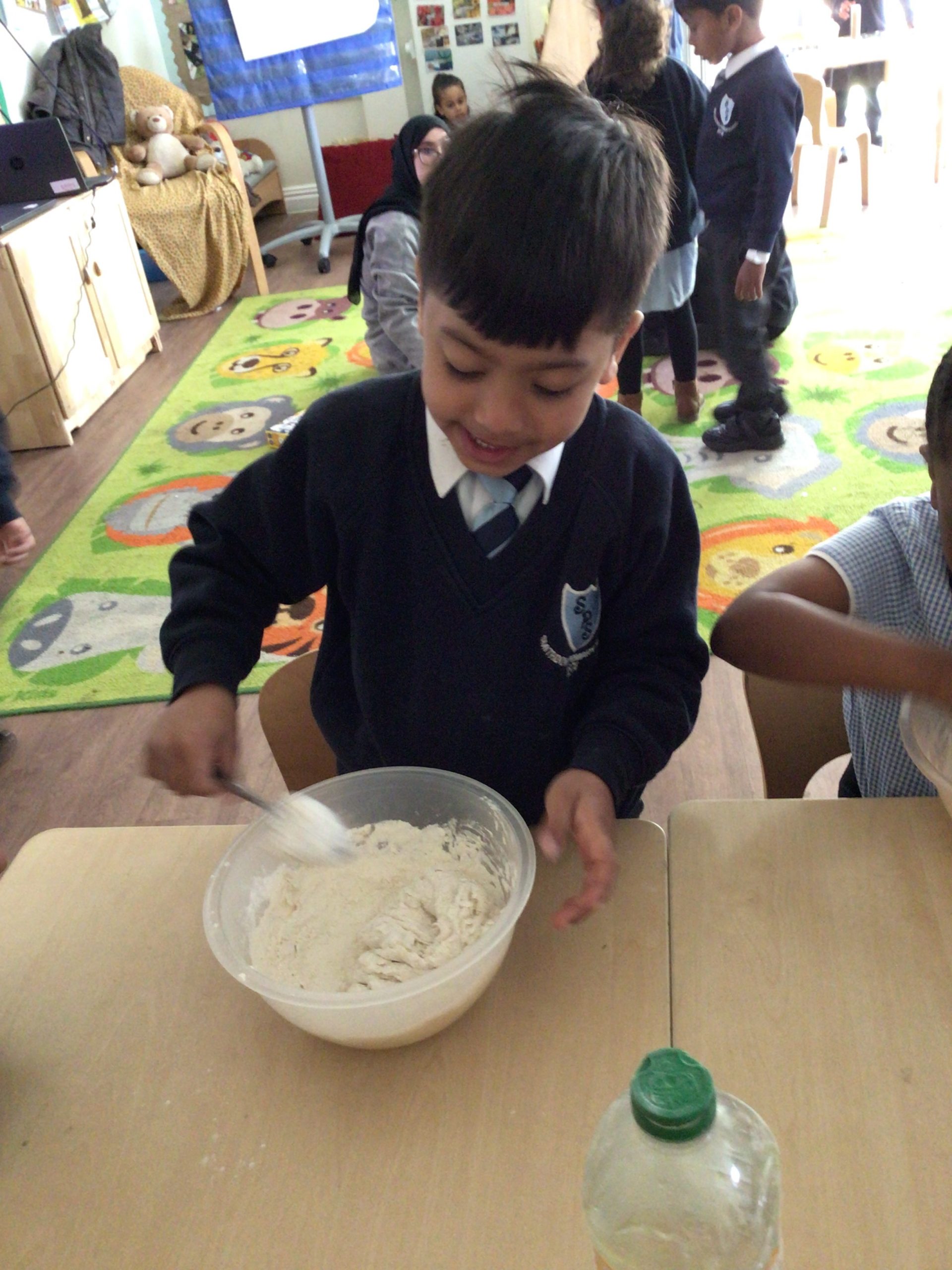
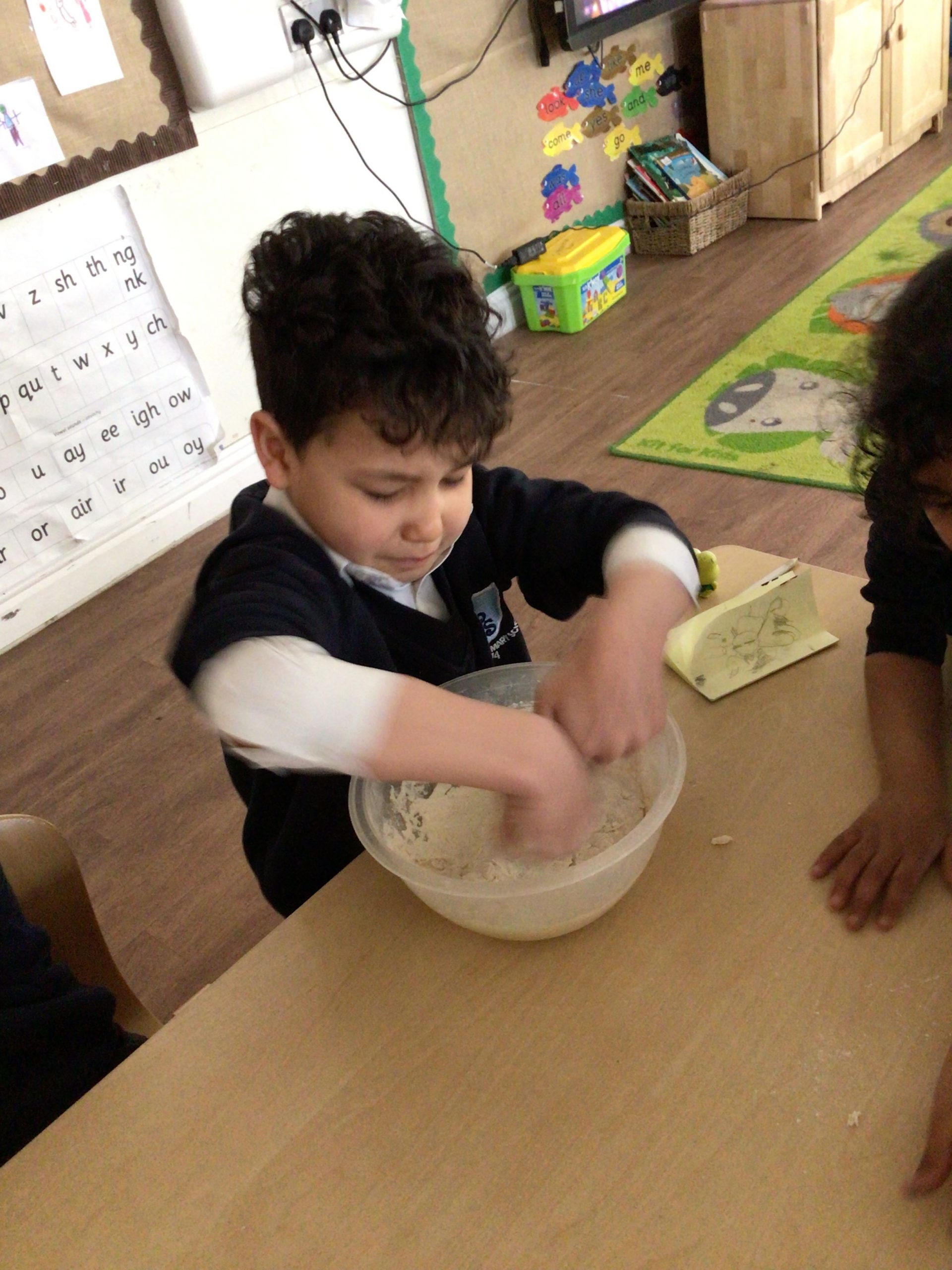
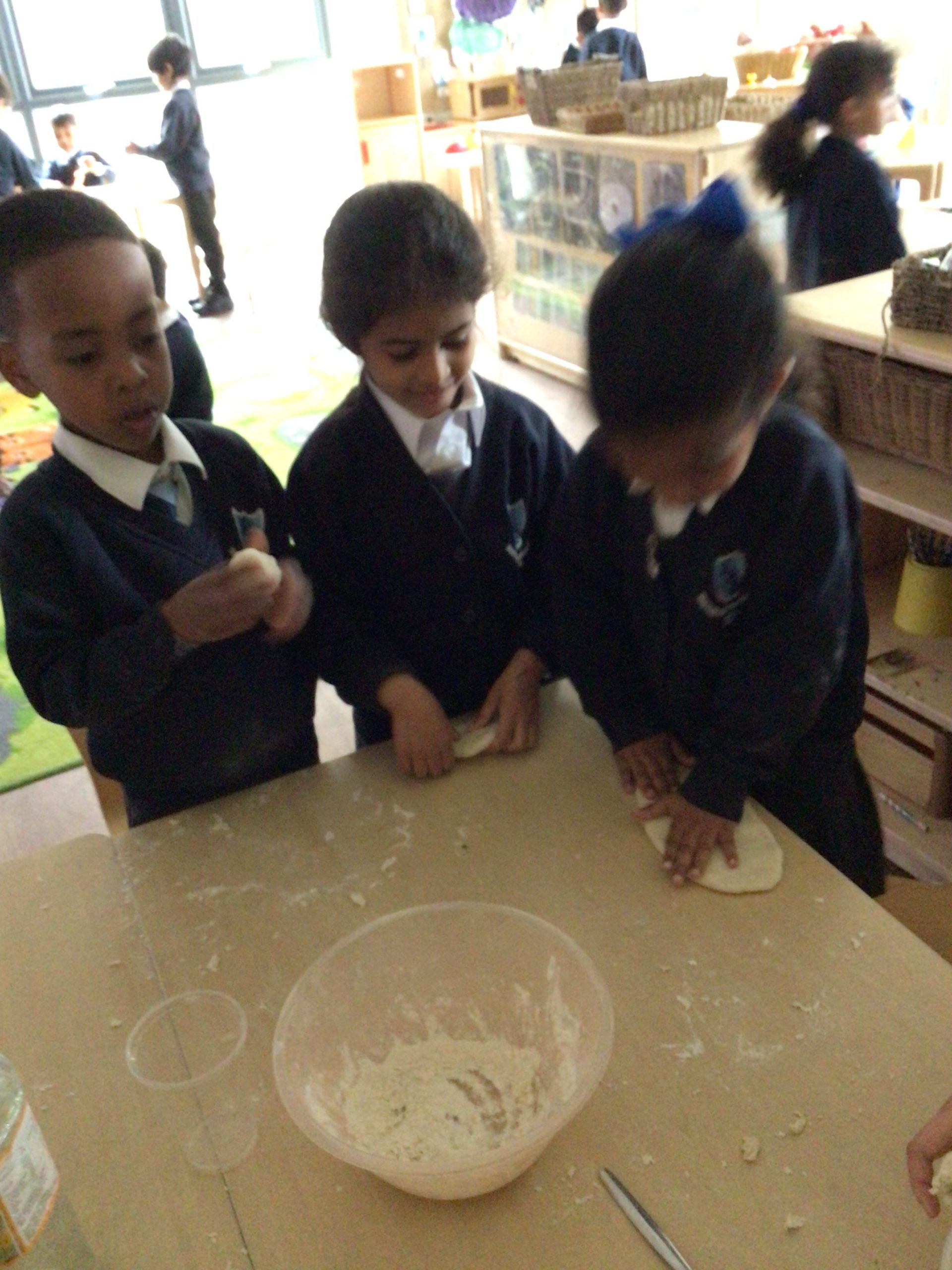
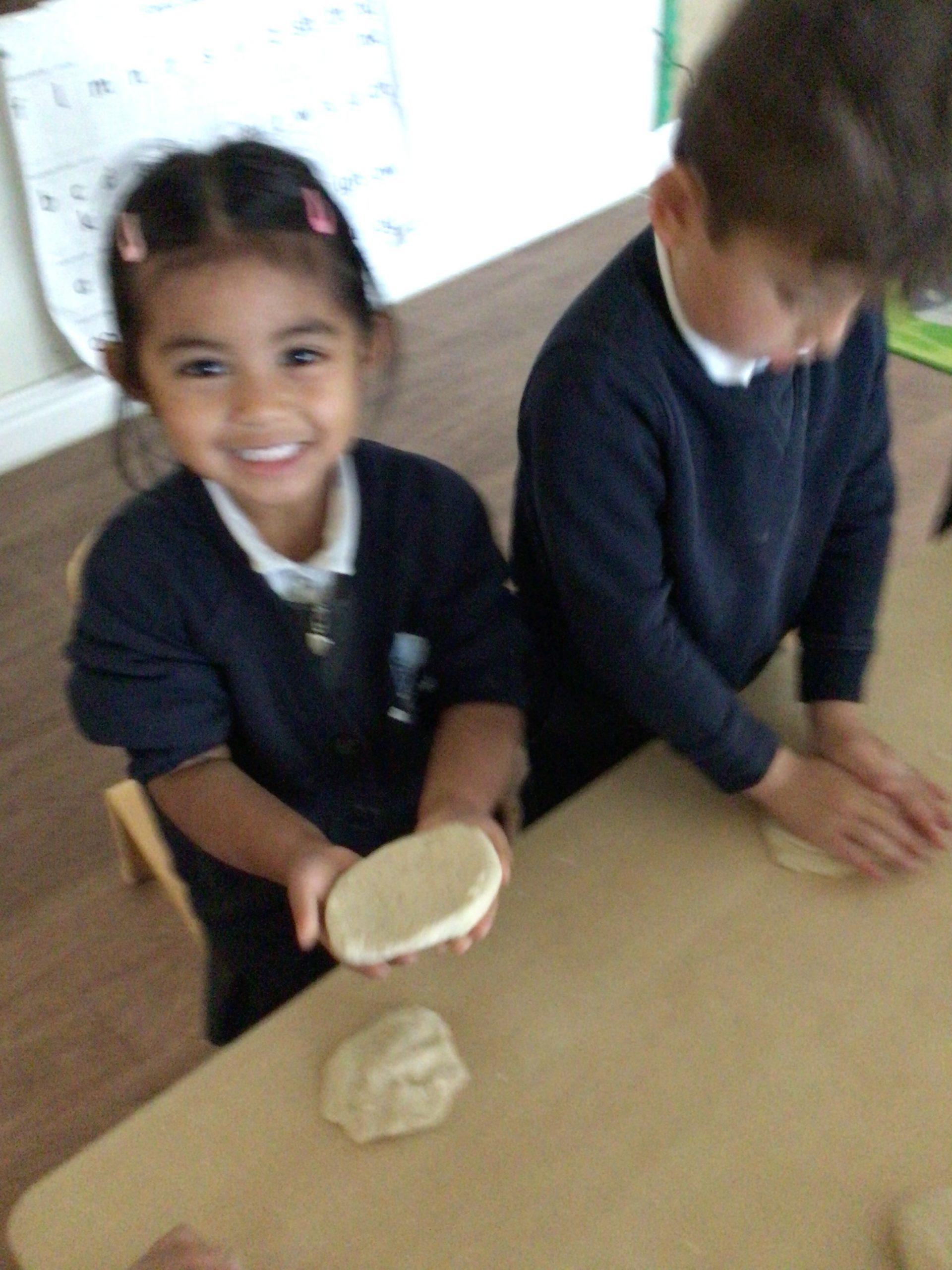
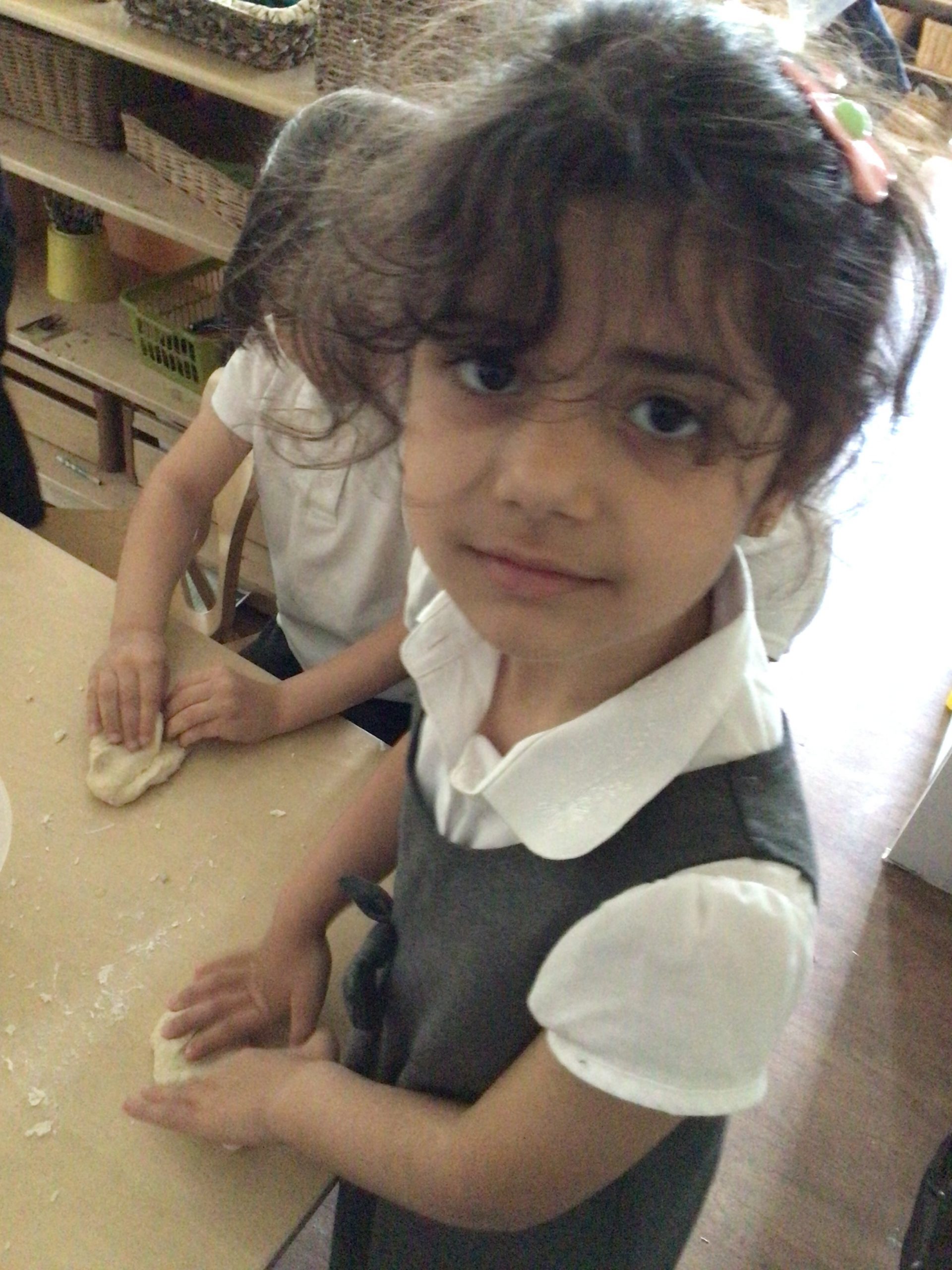
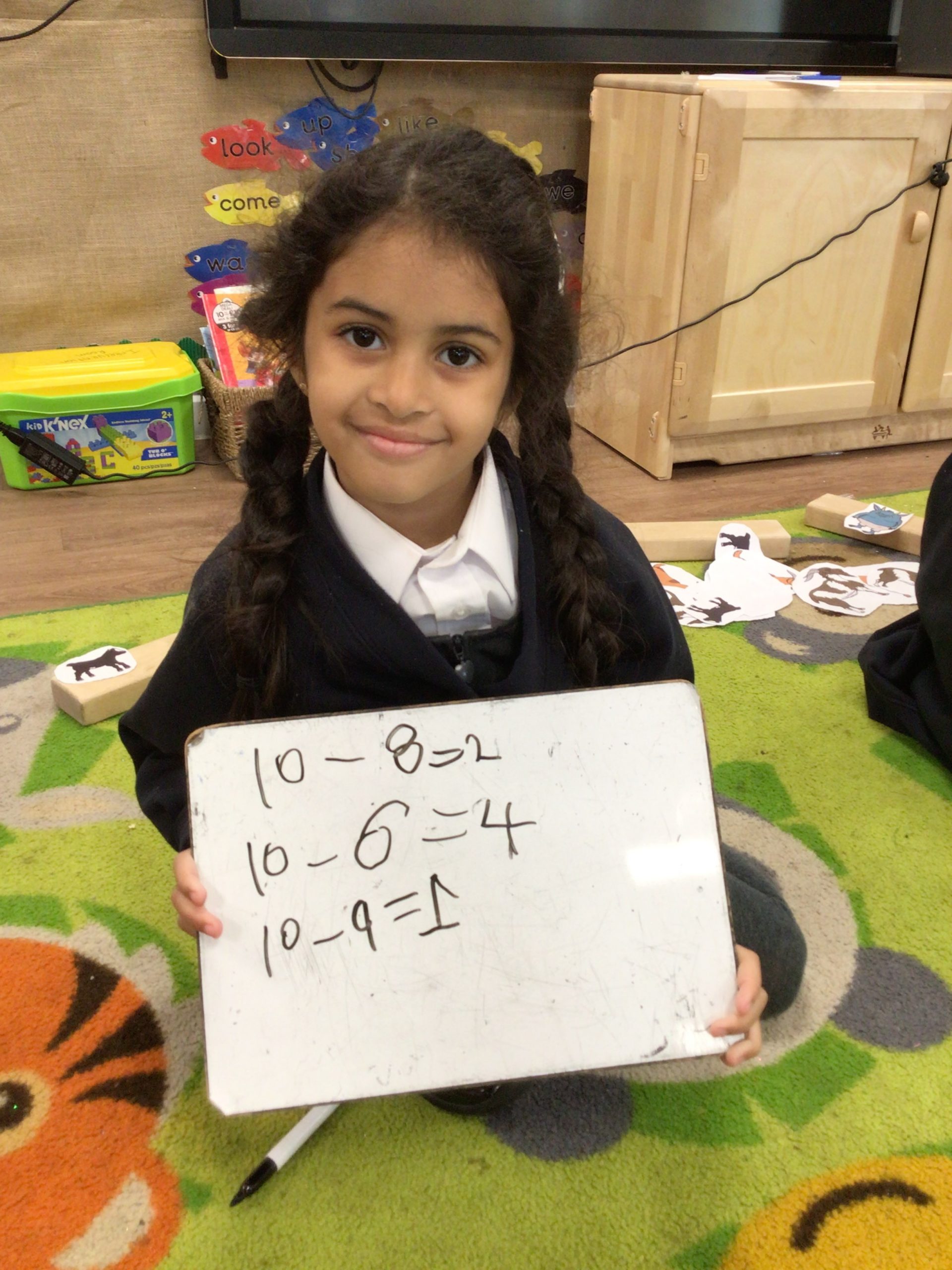
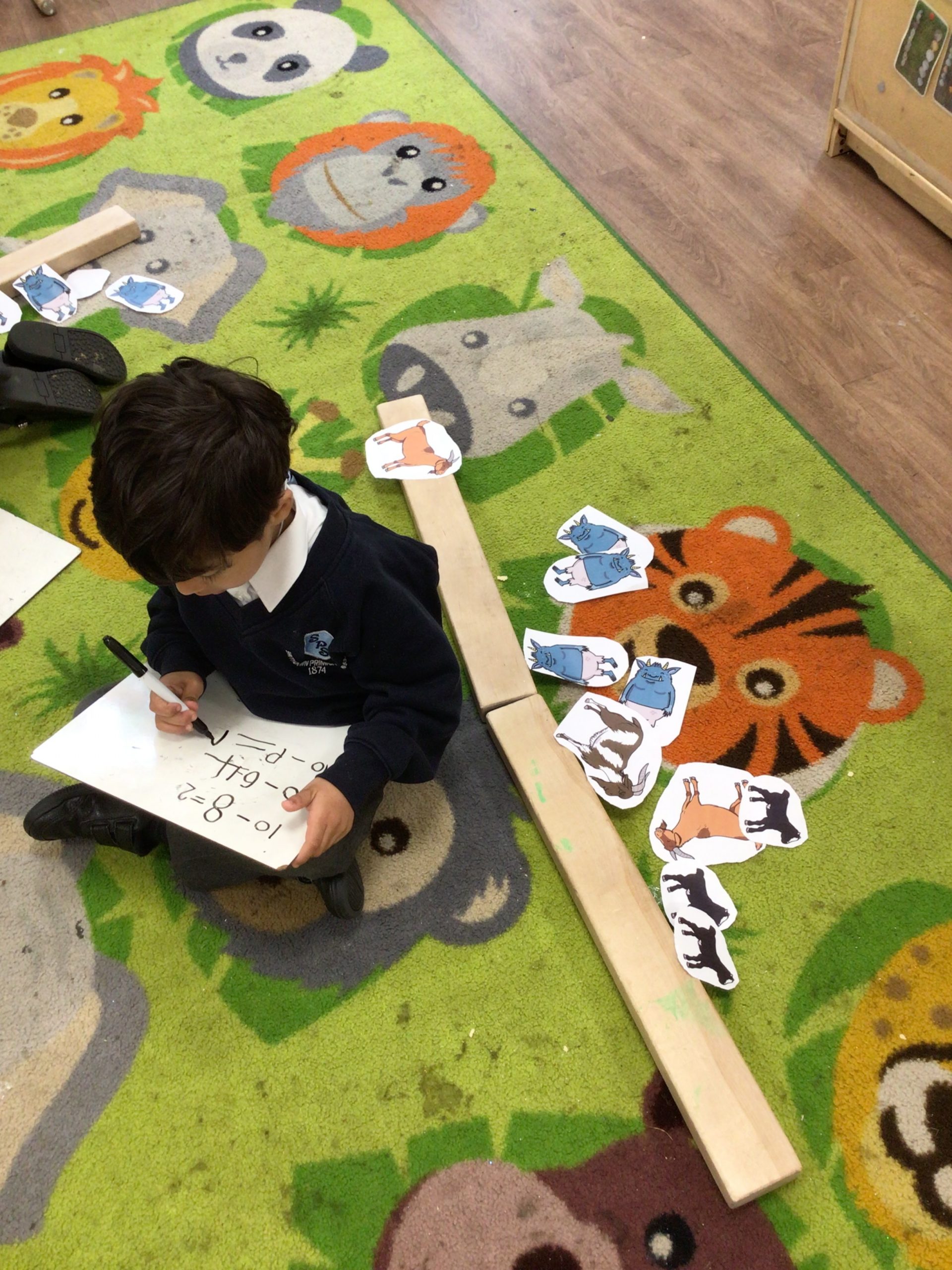
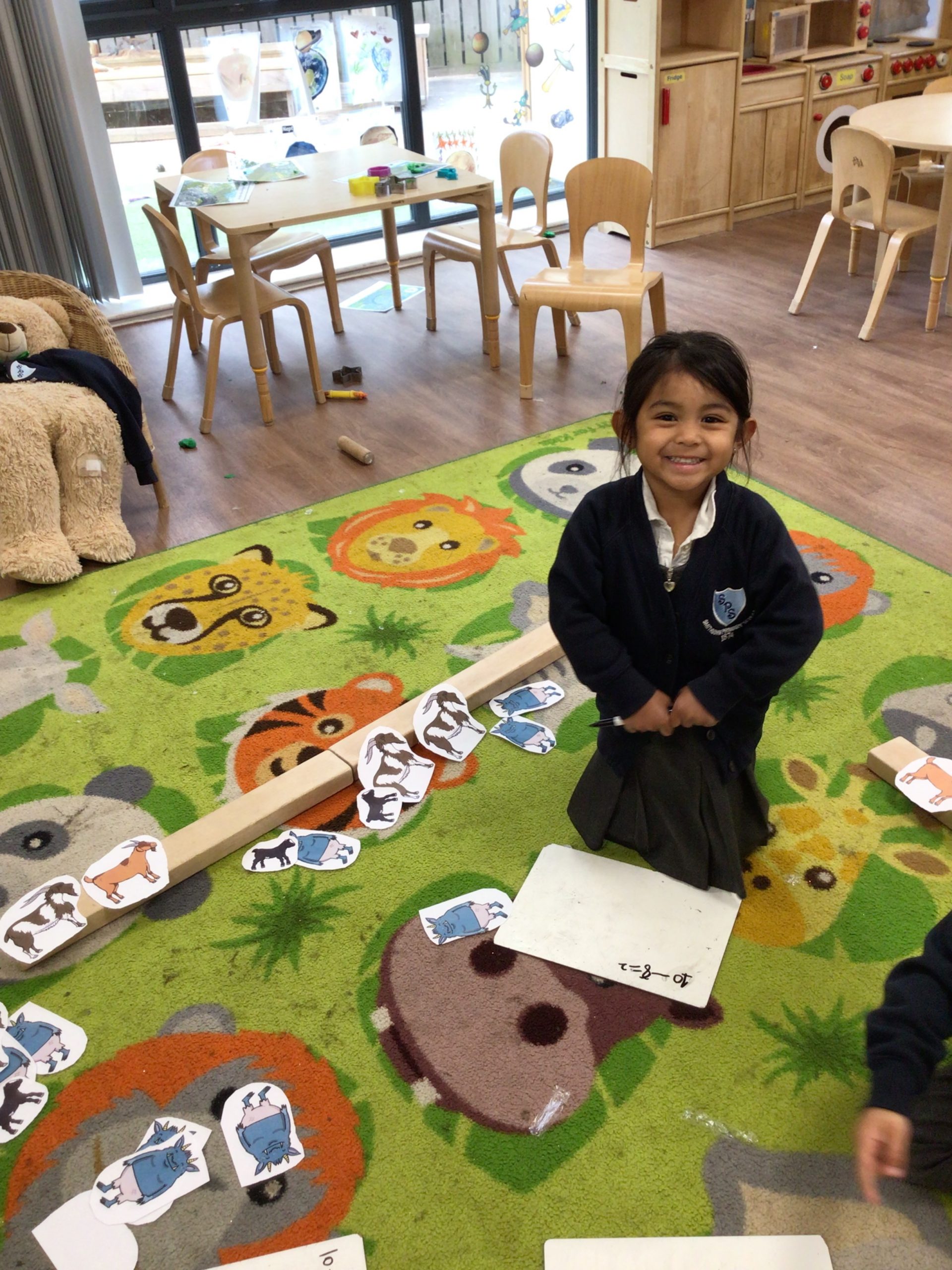
We are currently enjoying sharing the story of The Little Red Hen. We have made and baked our own bread and re enacted the story. We also made Little Red Hens using handprints and footprints! We also practiced subtraction facts using the characters and objects from the story.
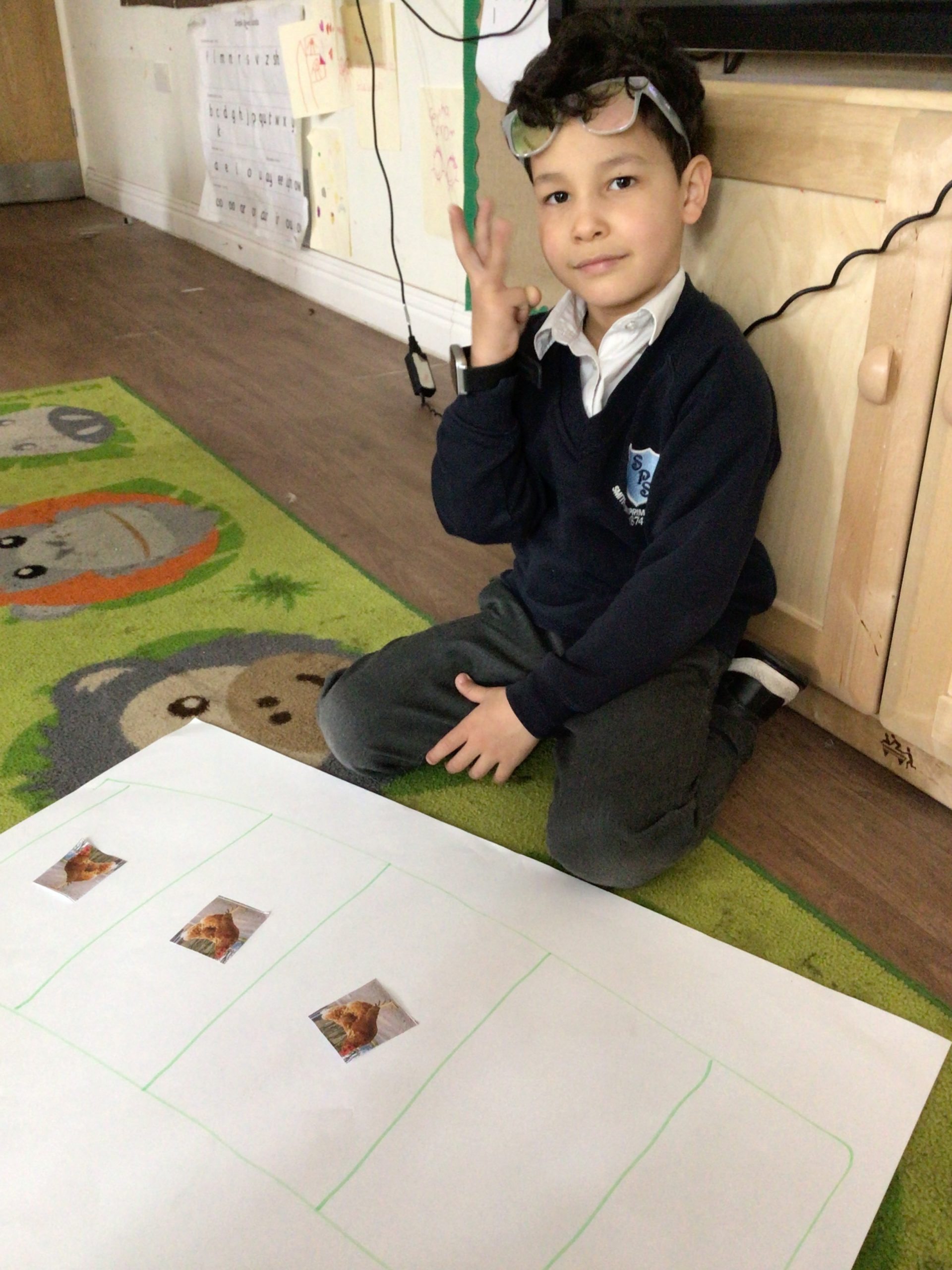
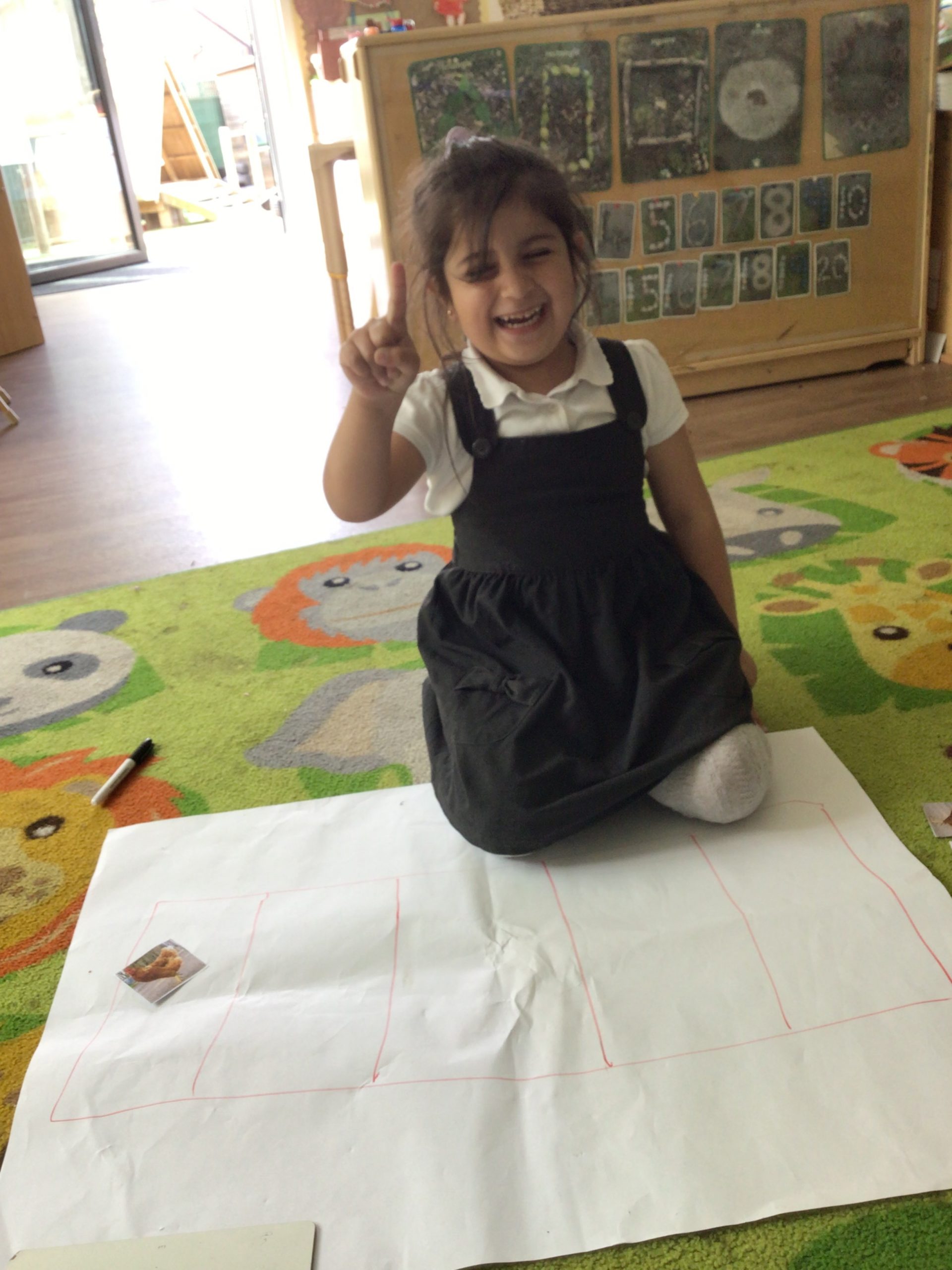
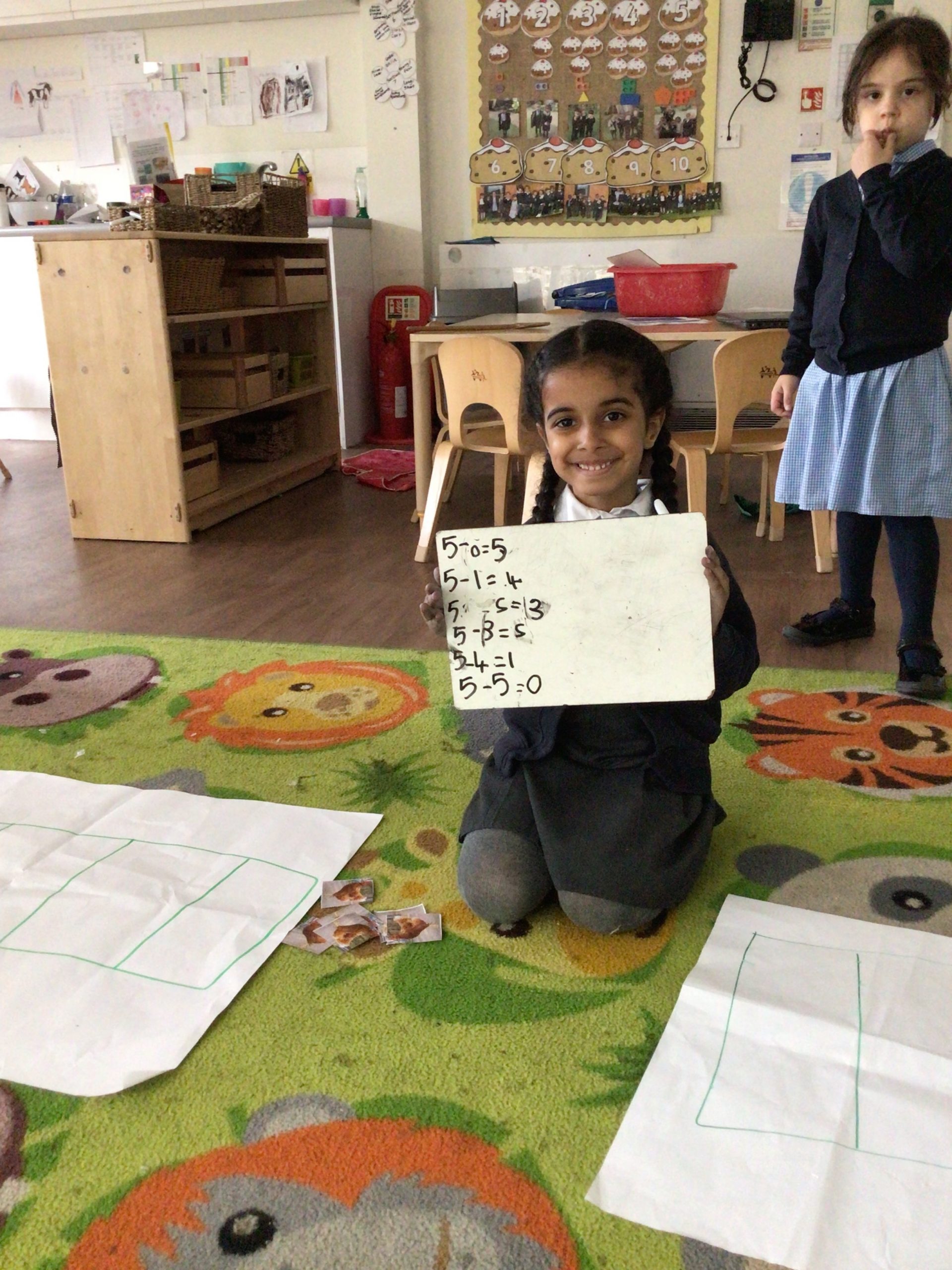
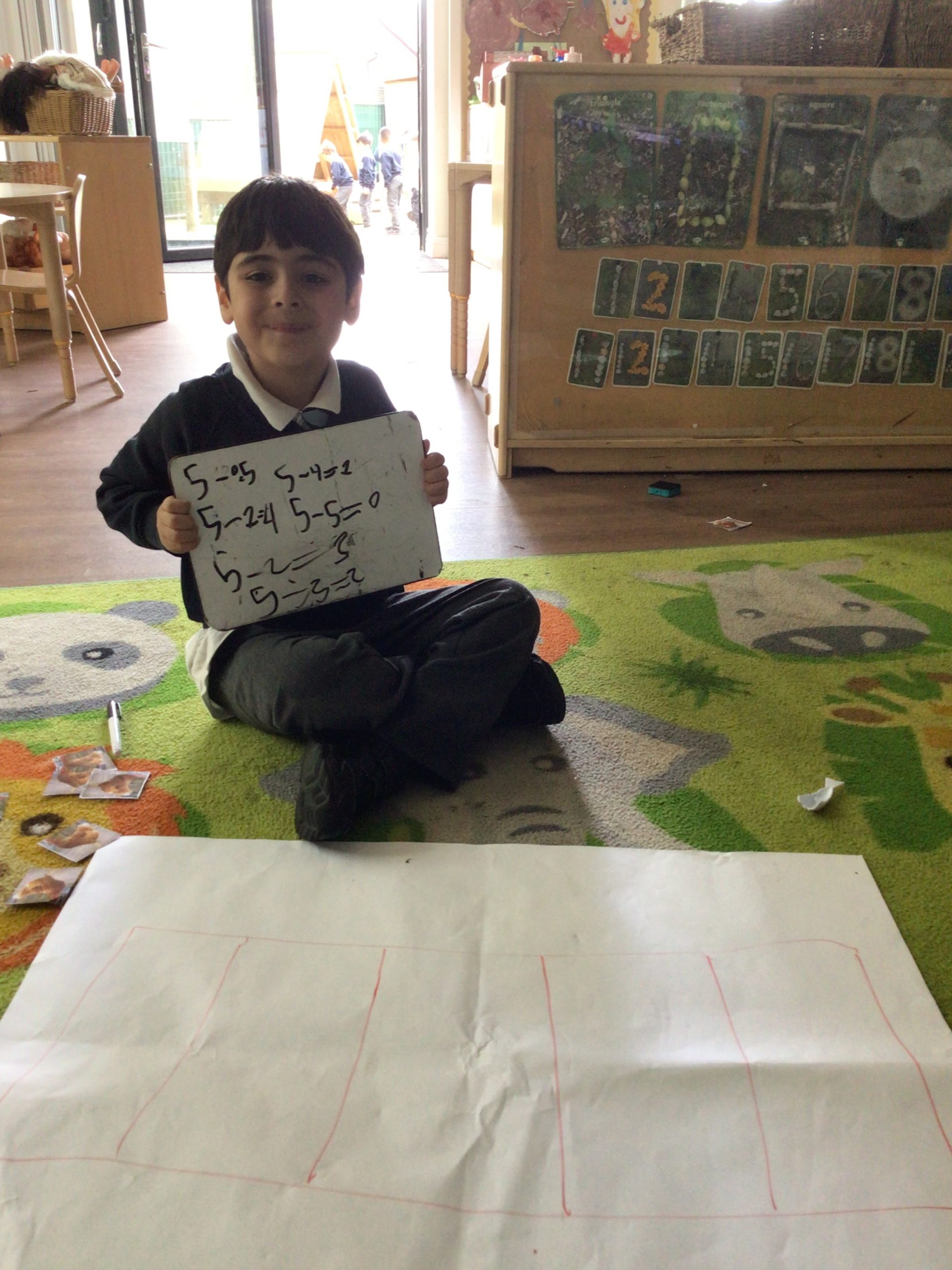
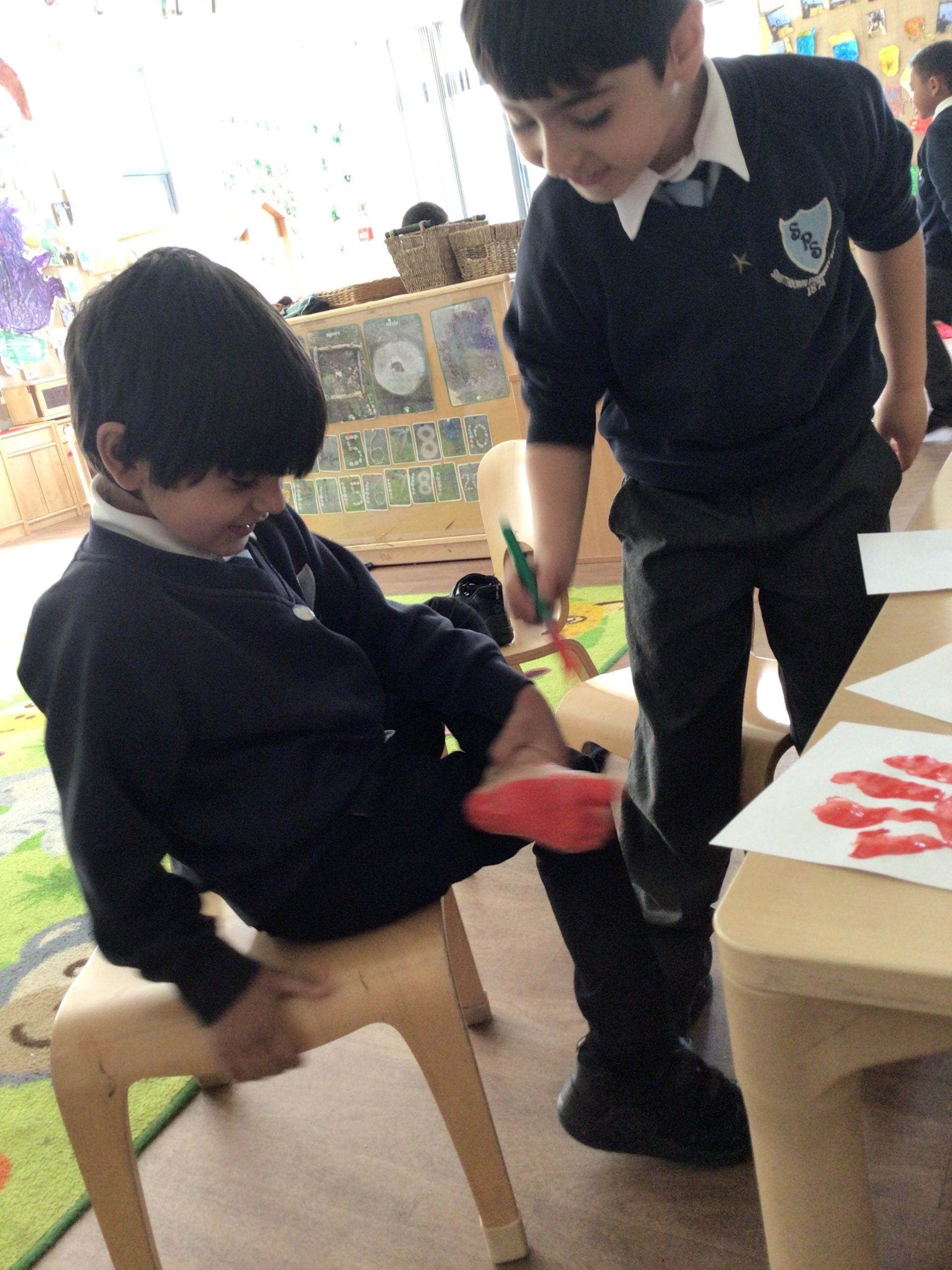
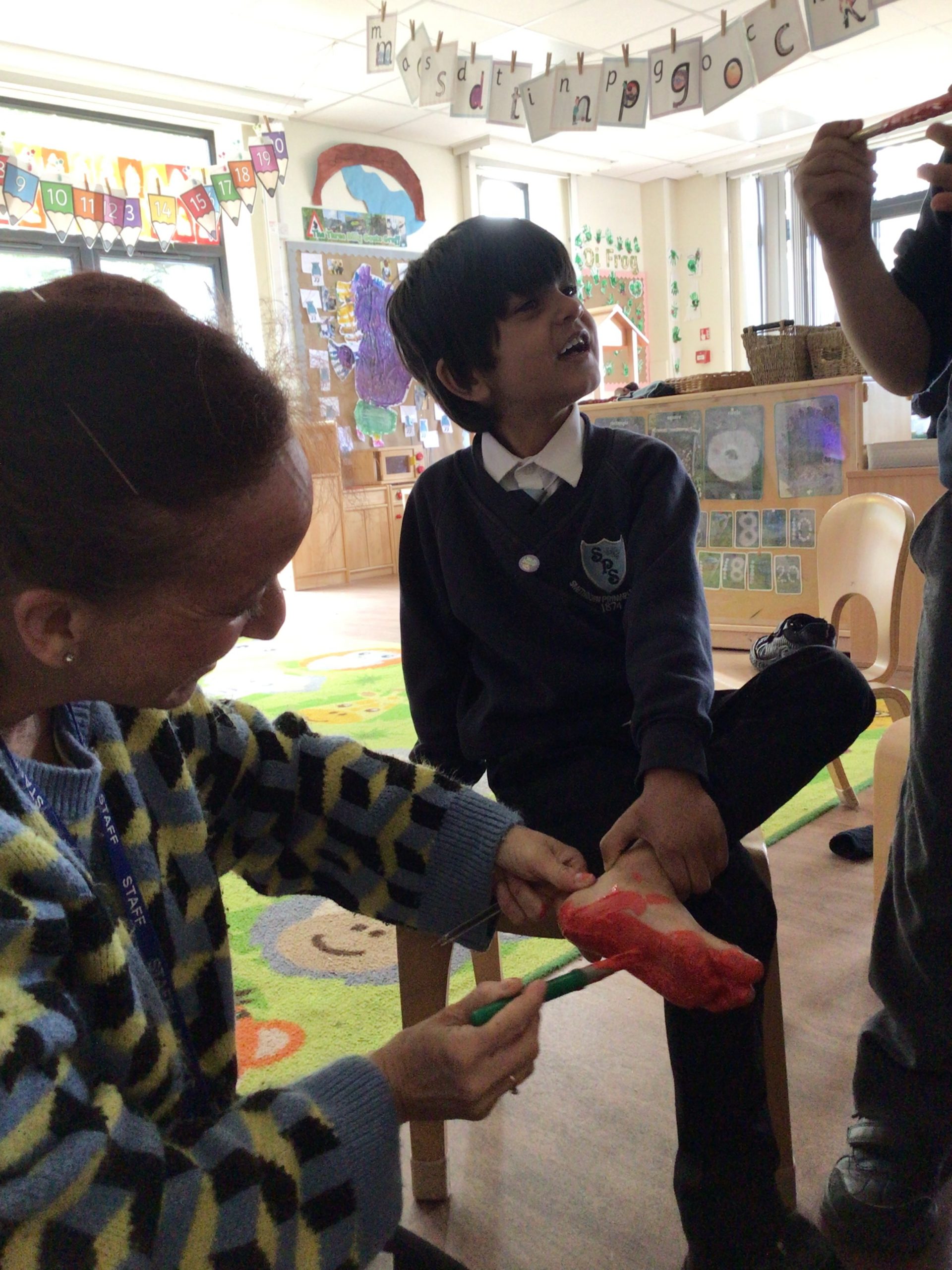
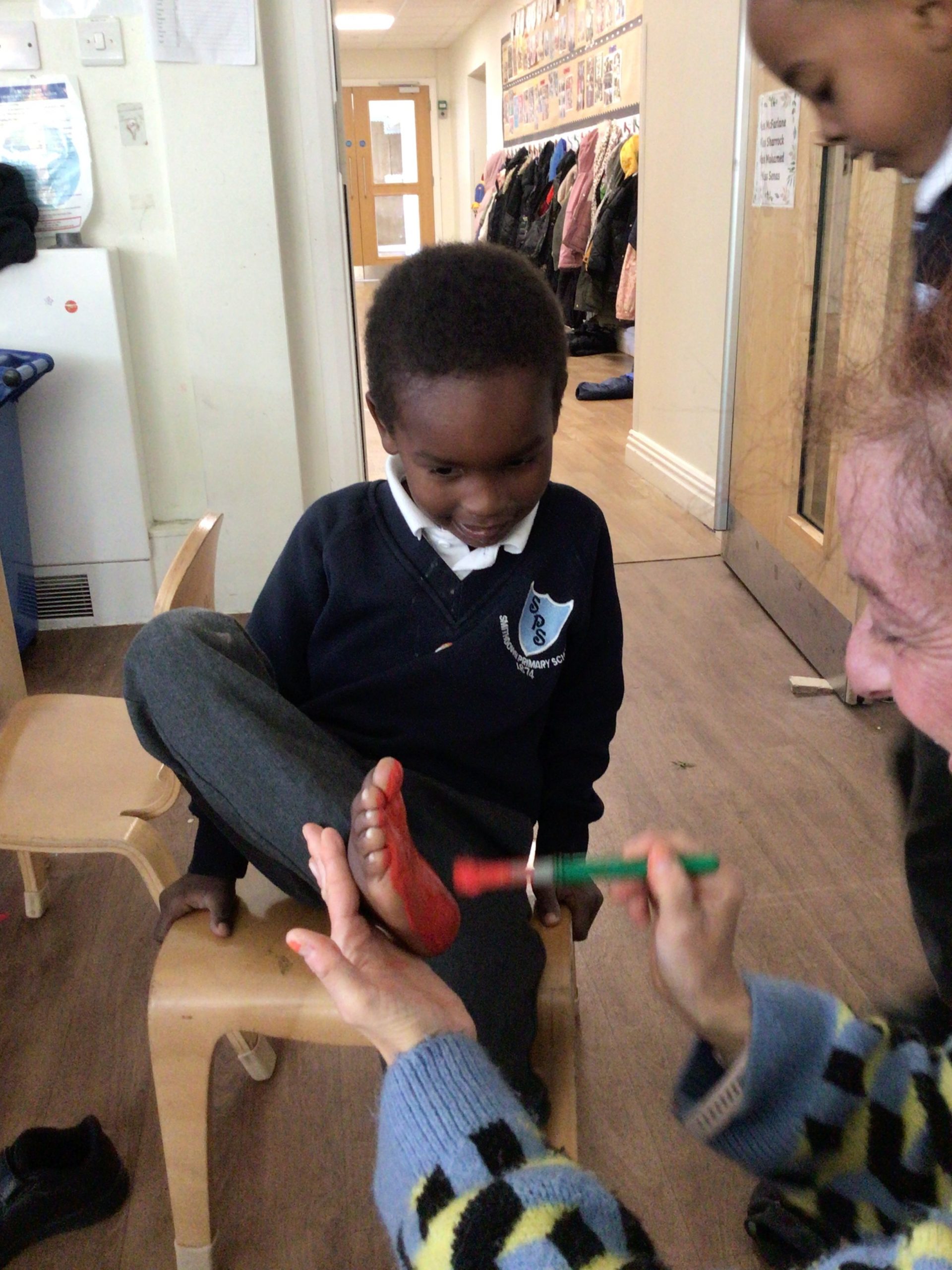
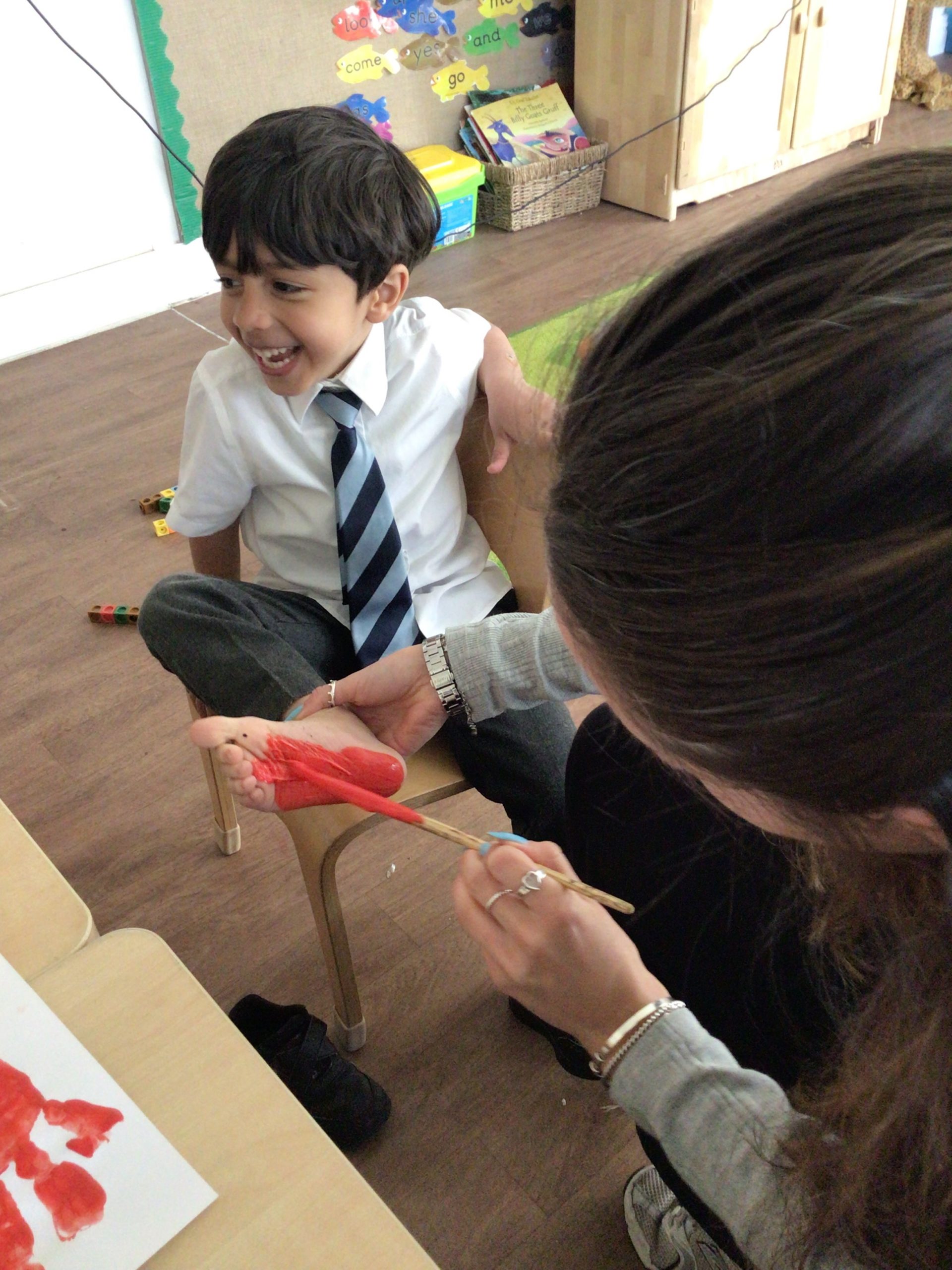
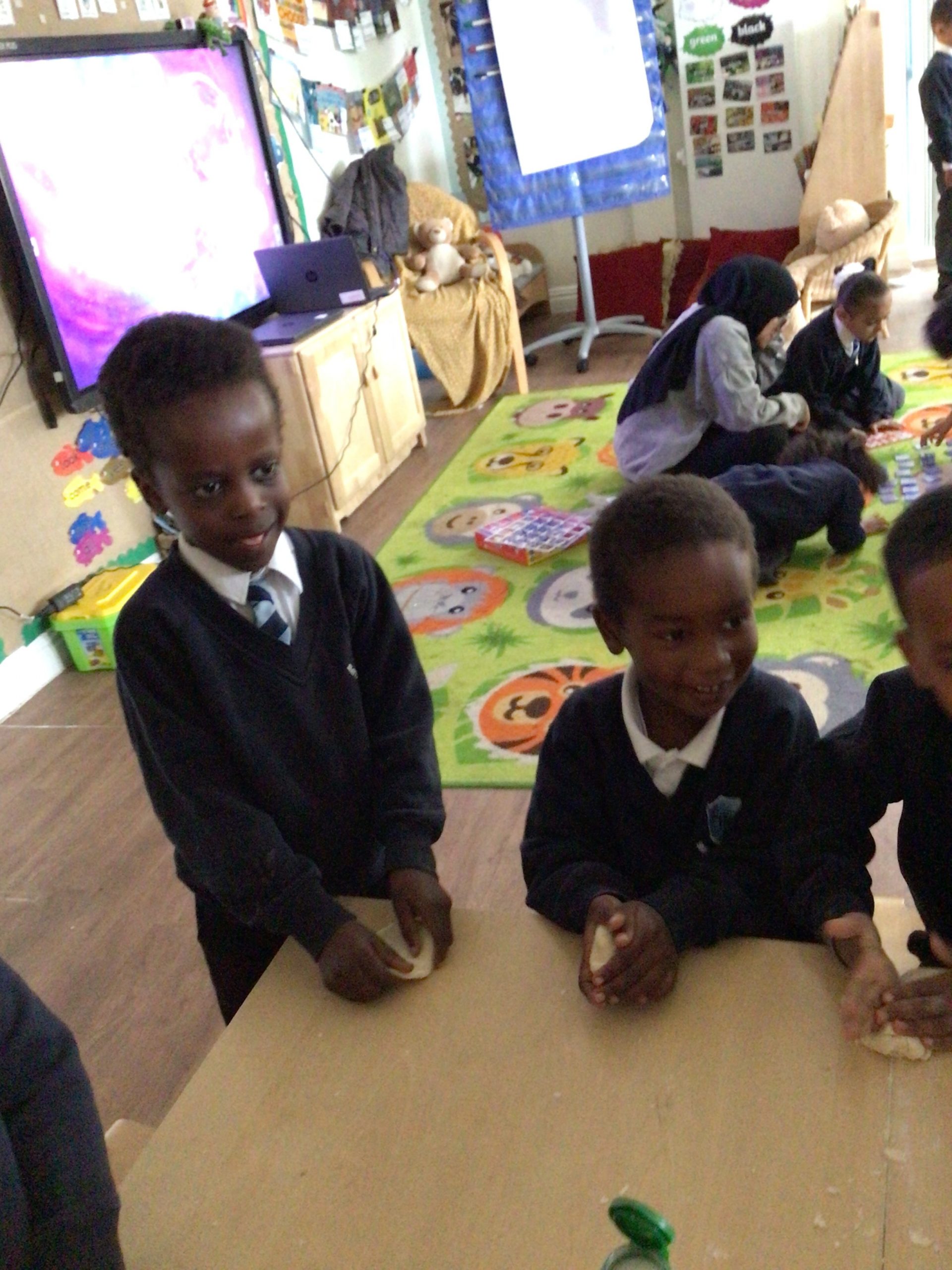
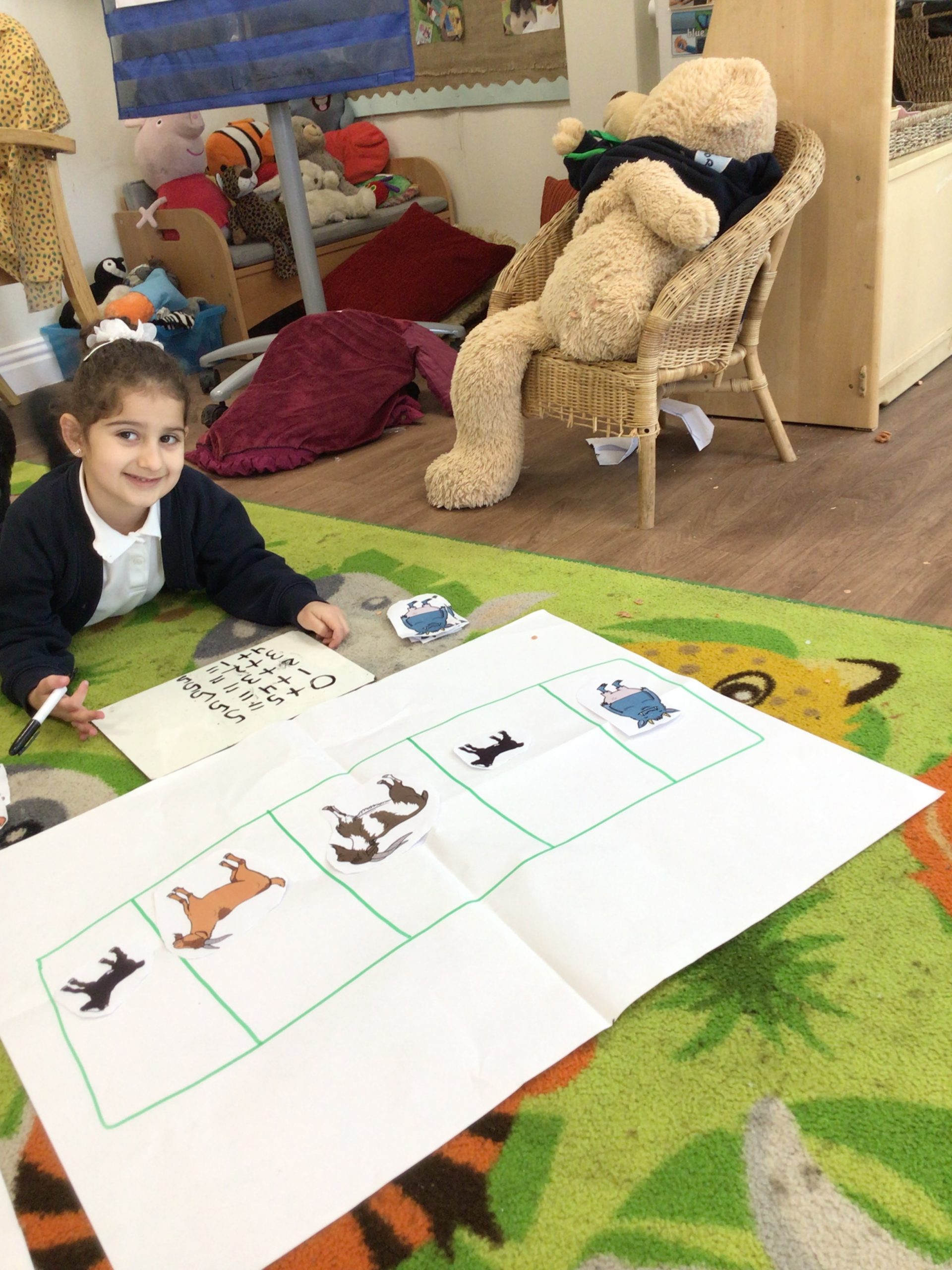
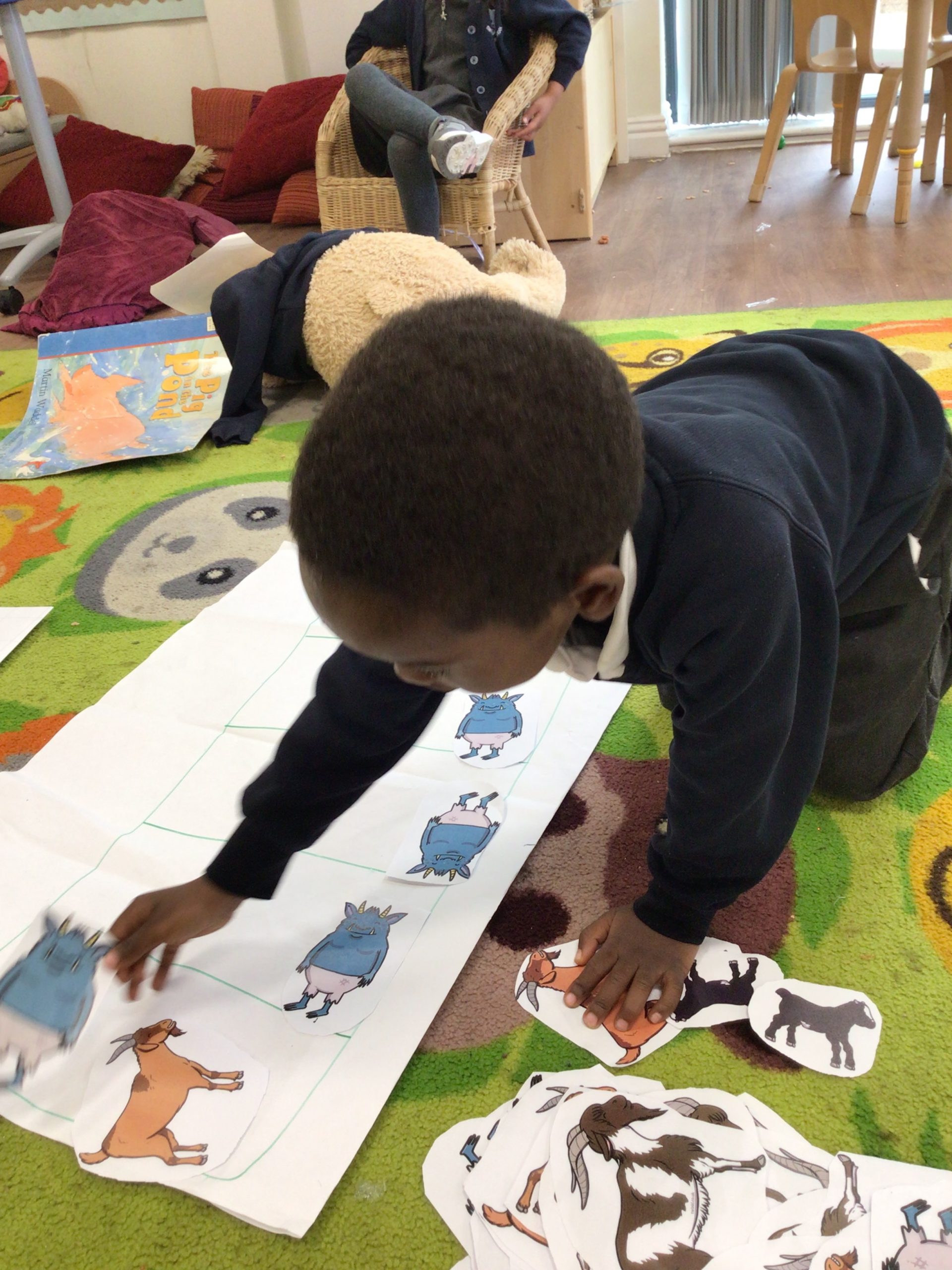
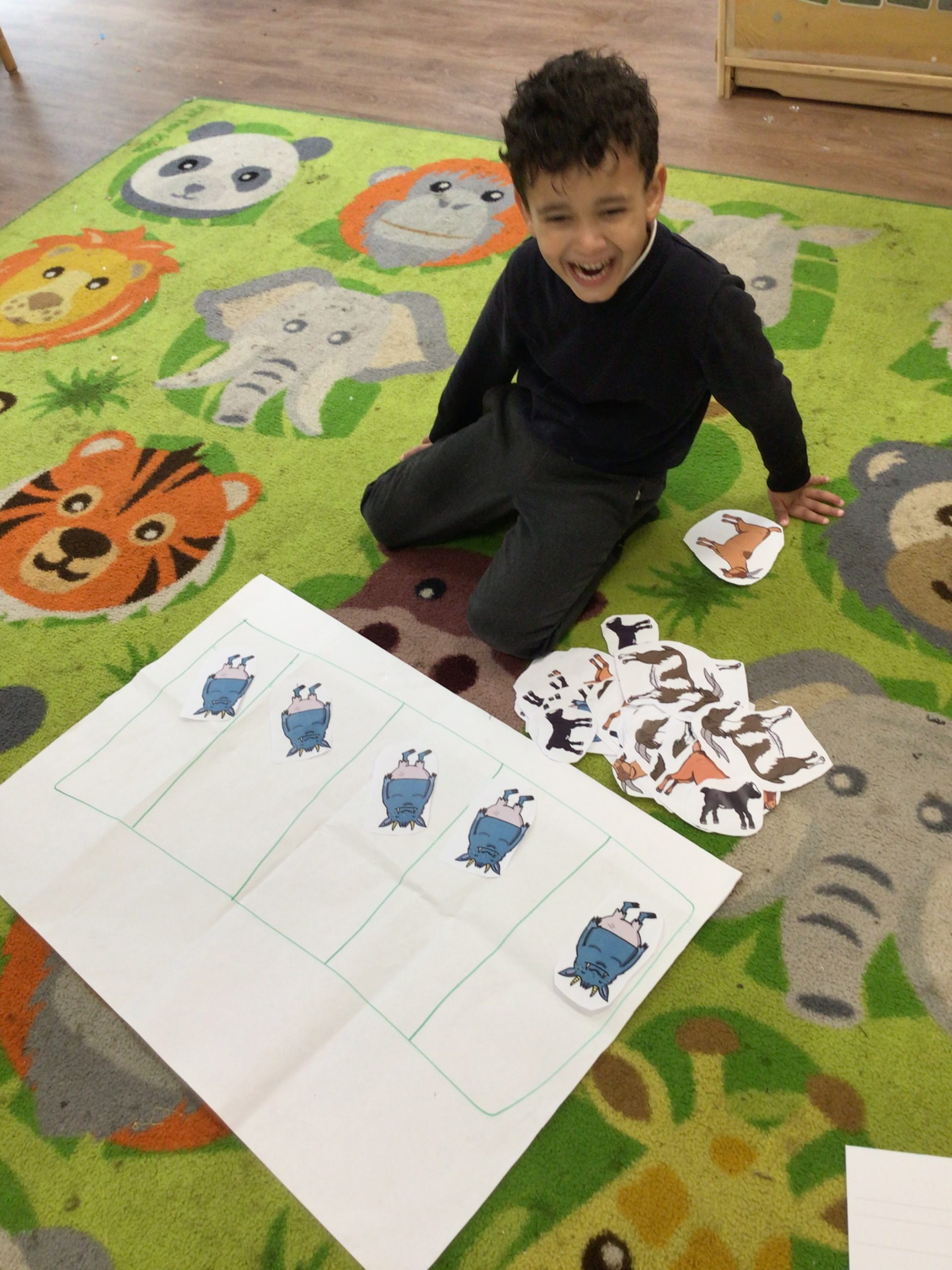
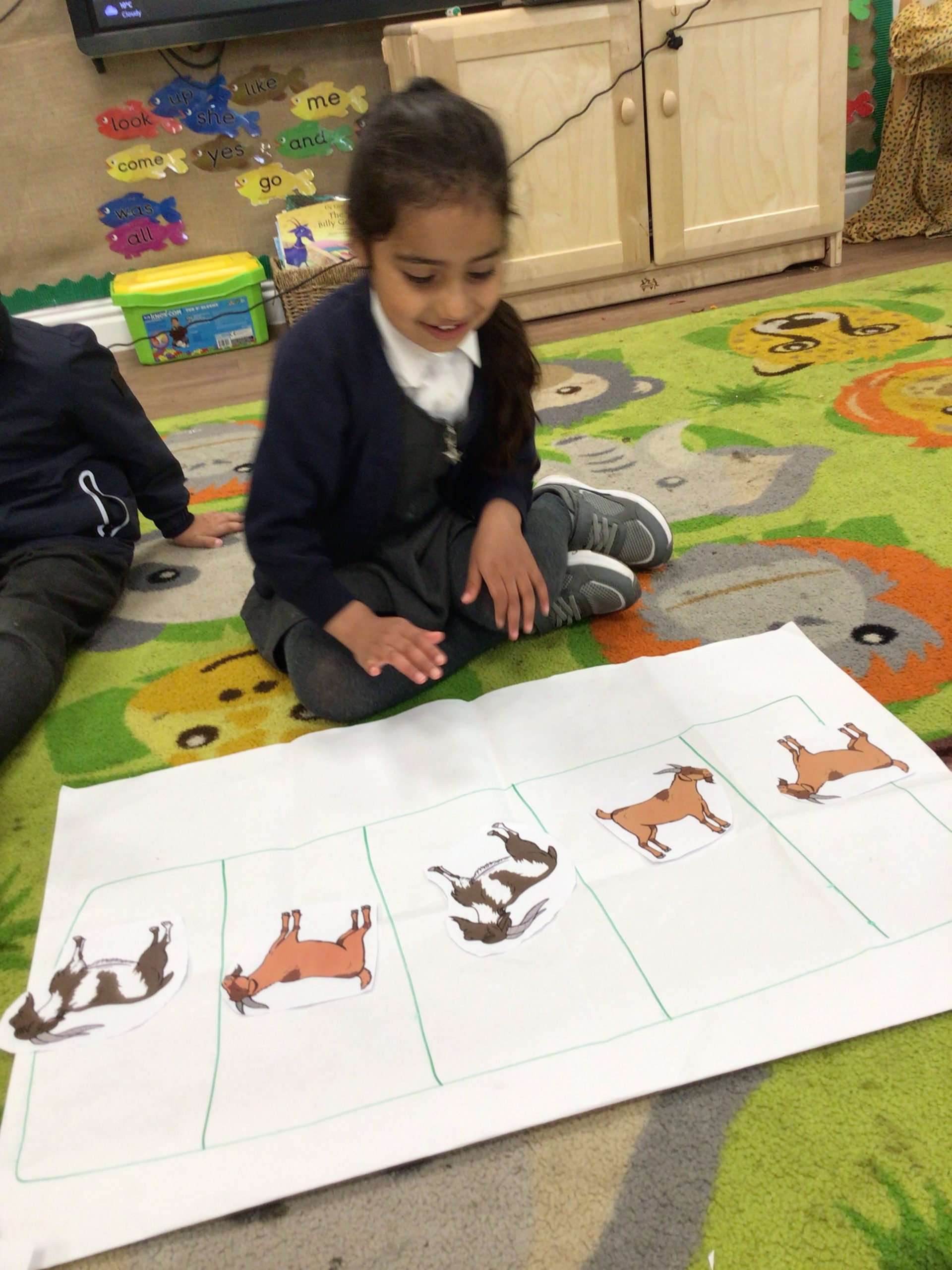
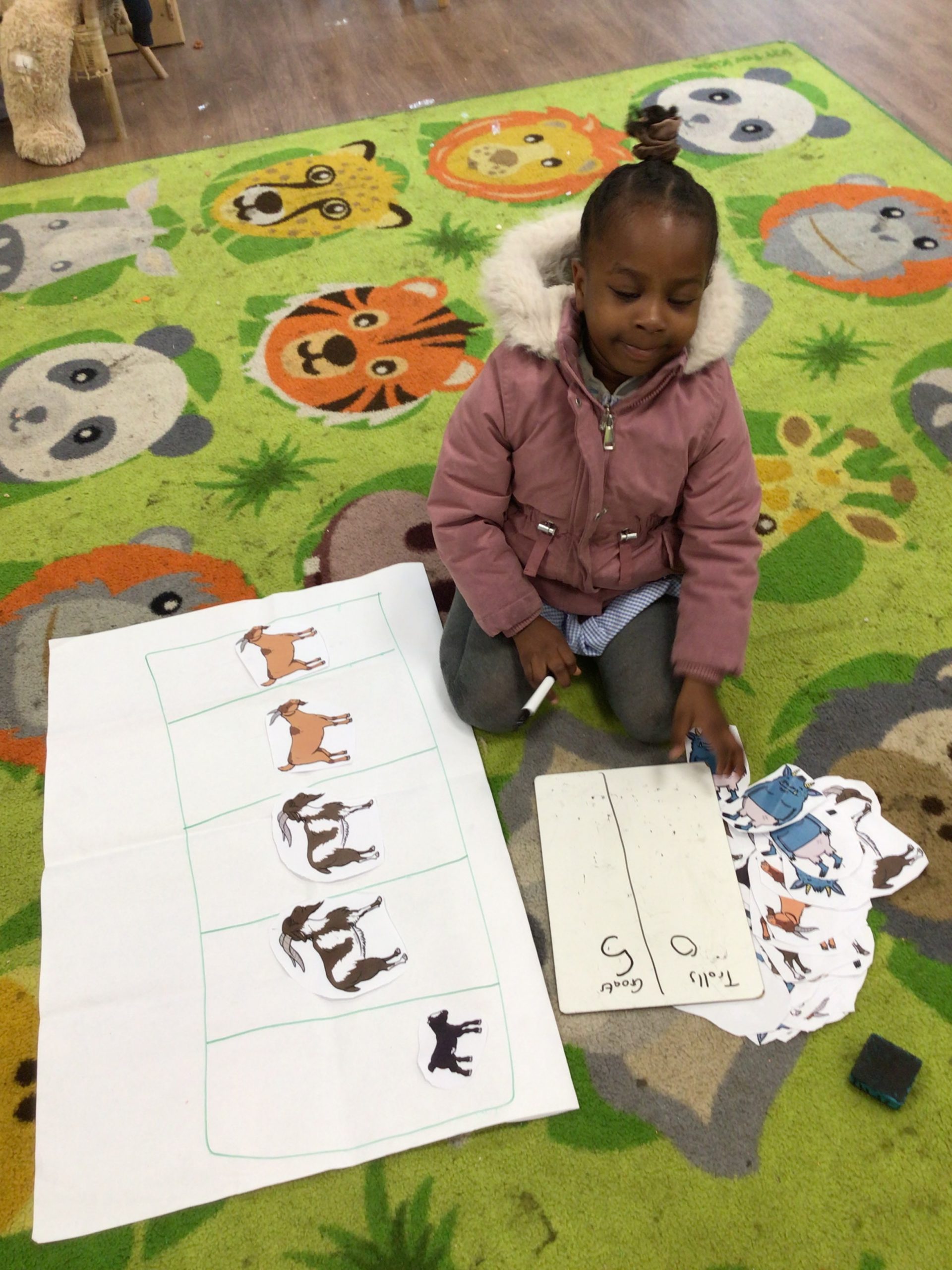
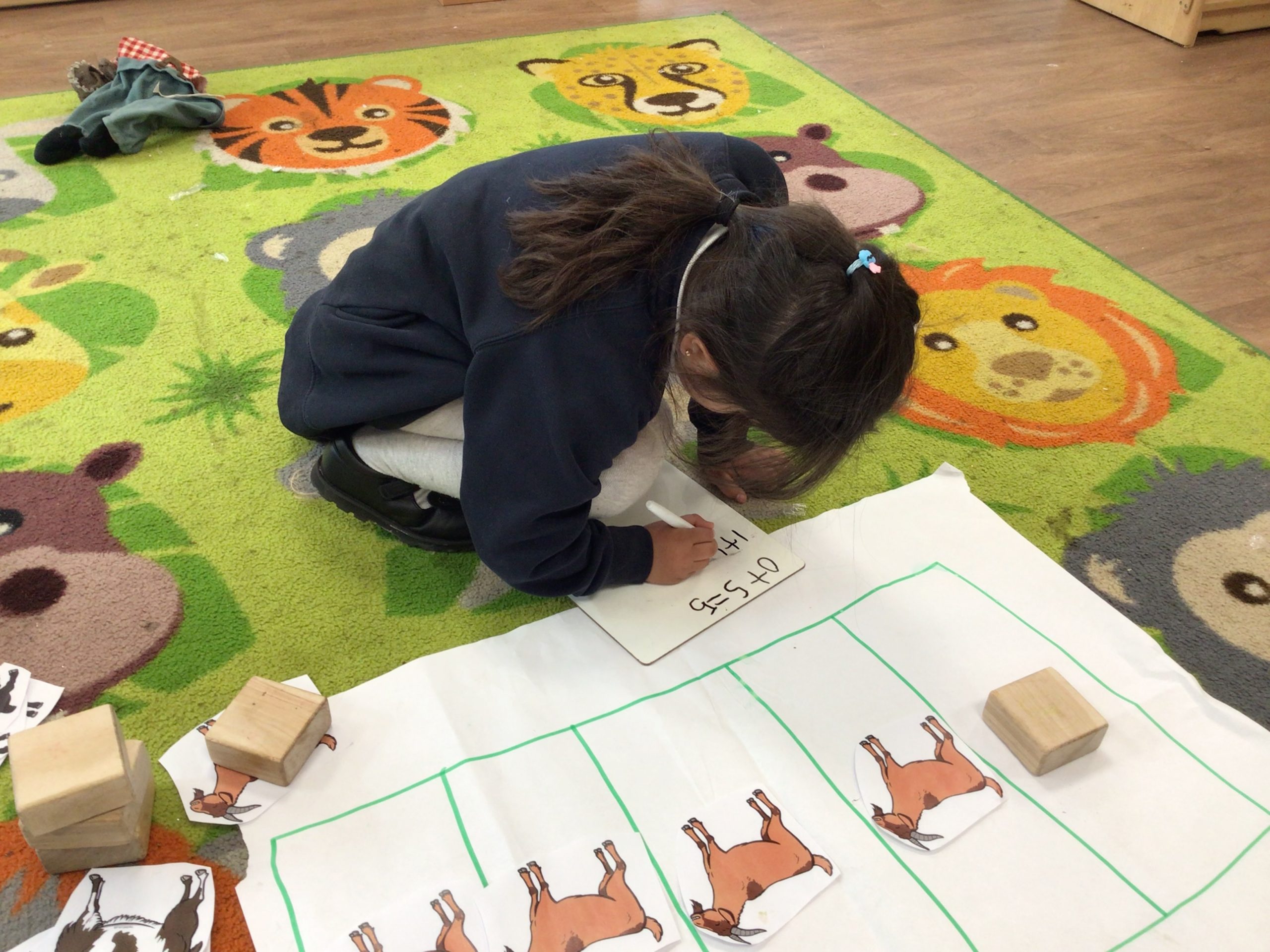
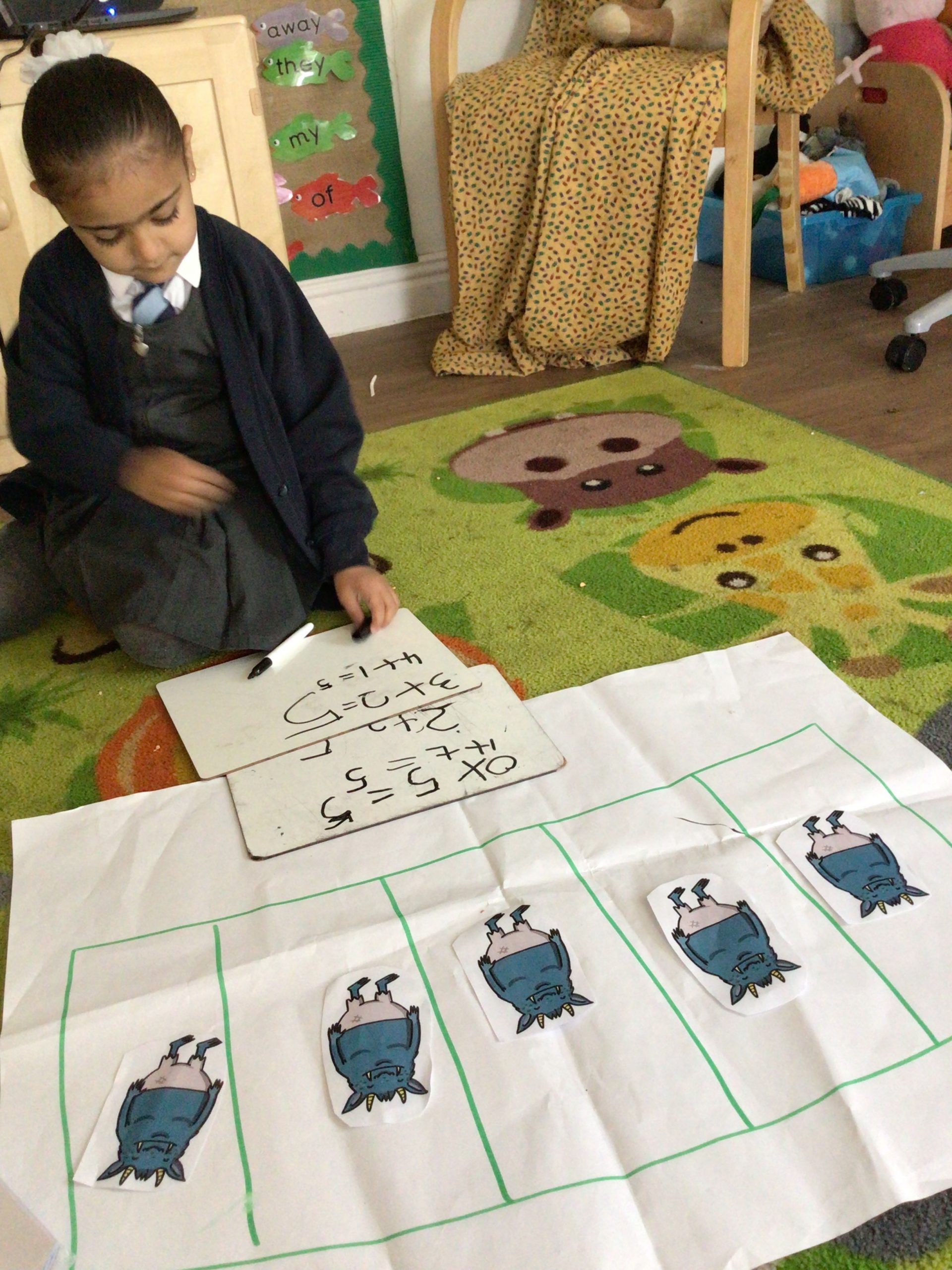
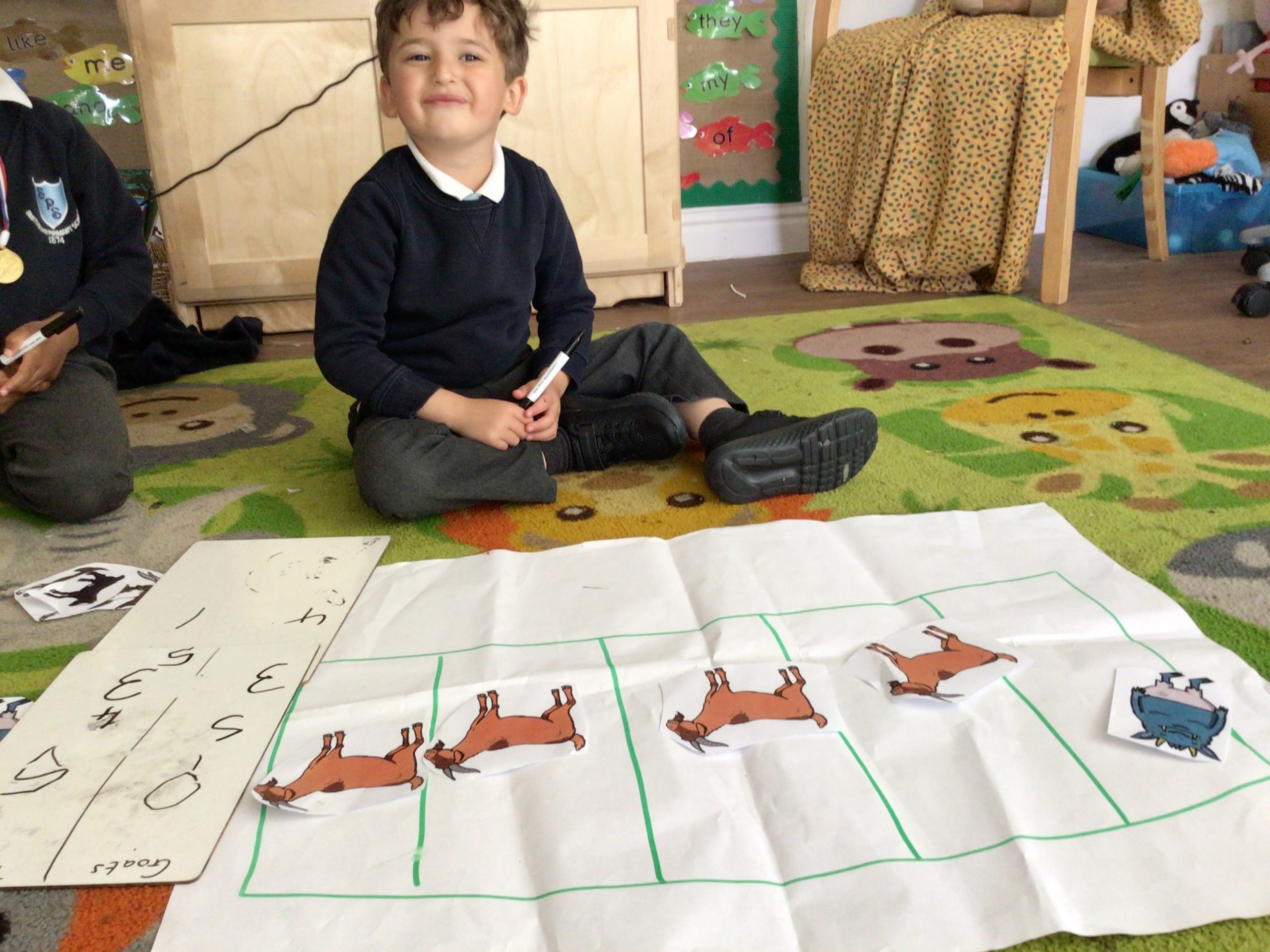
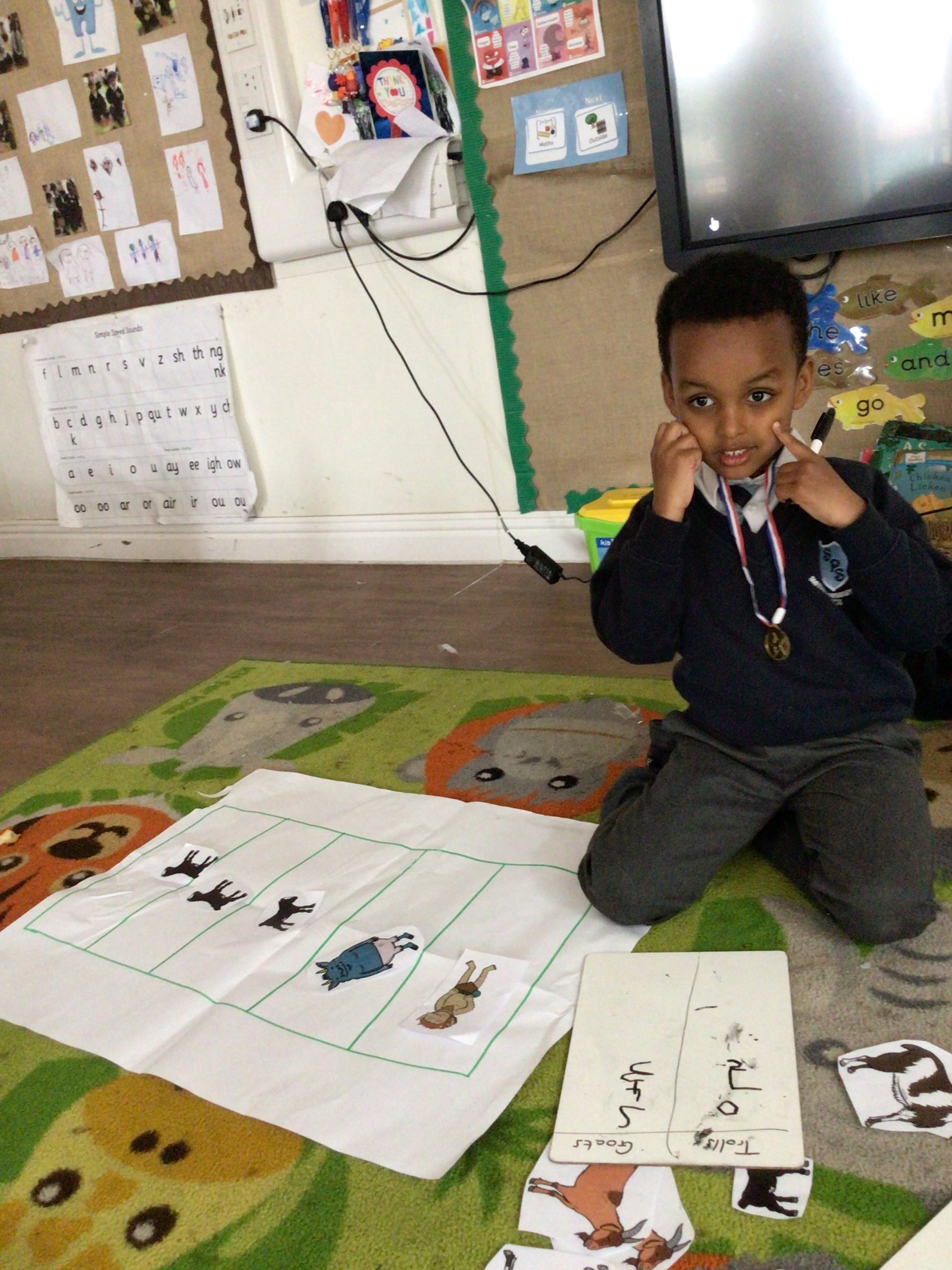
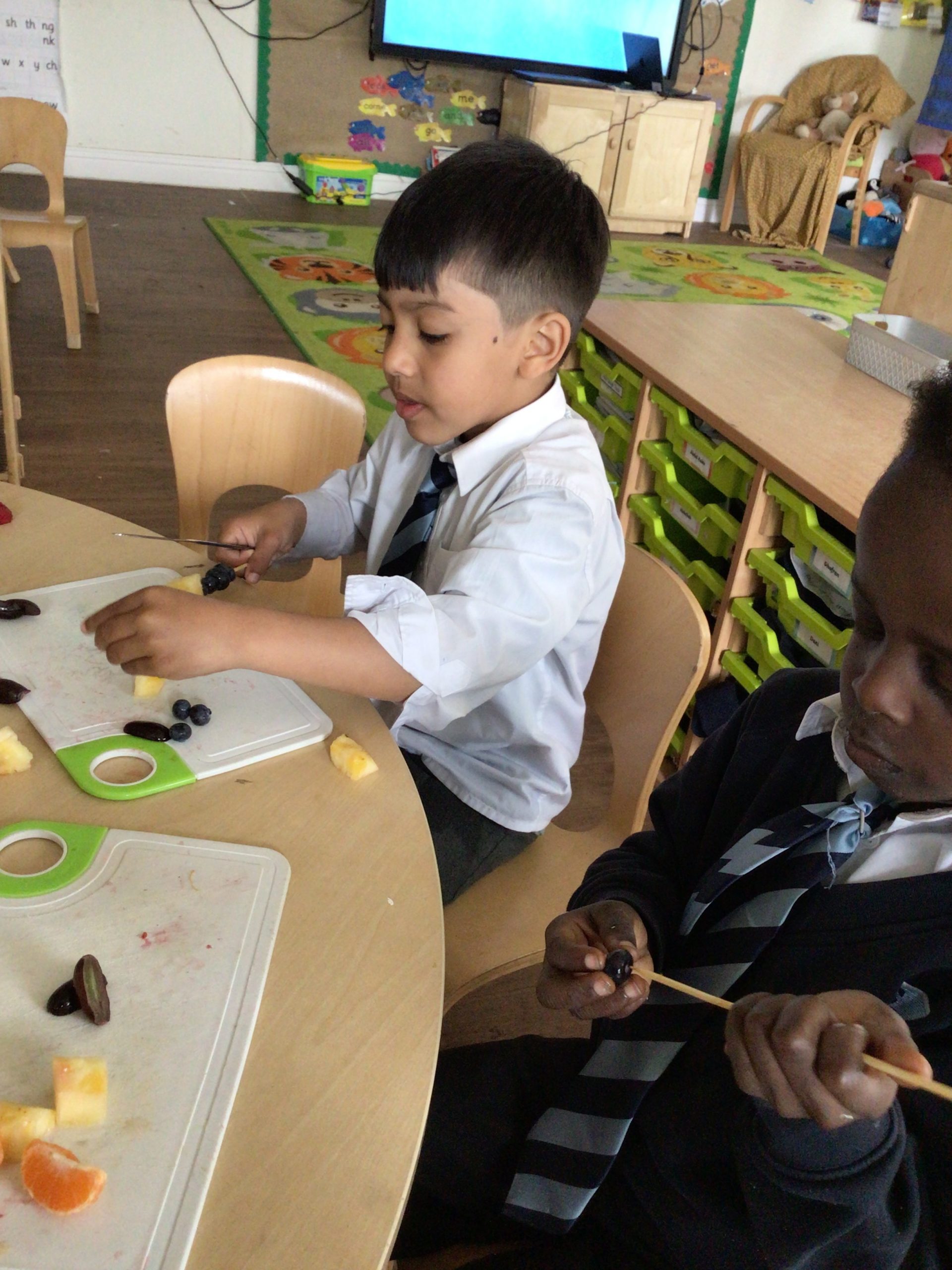
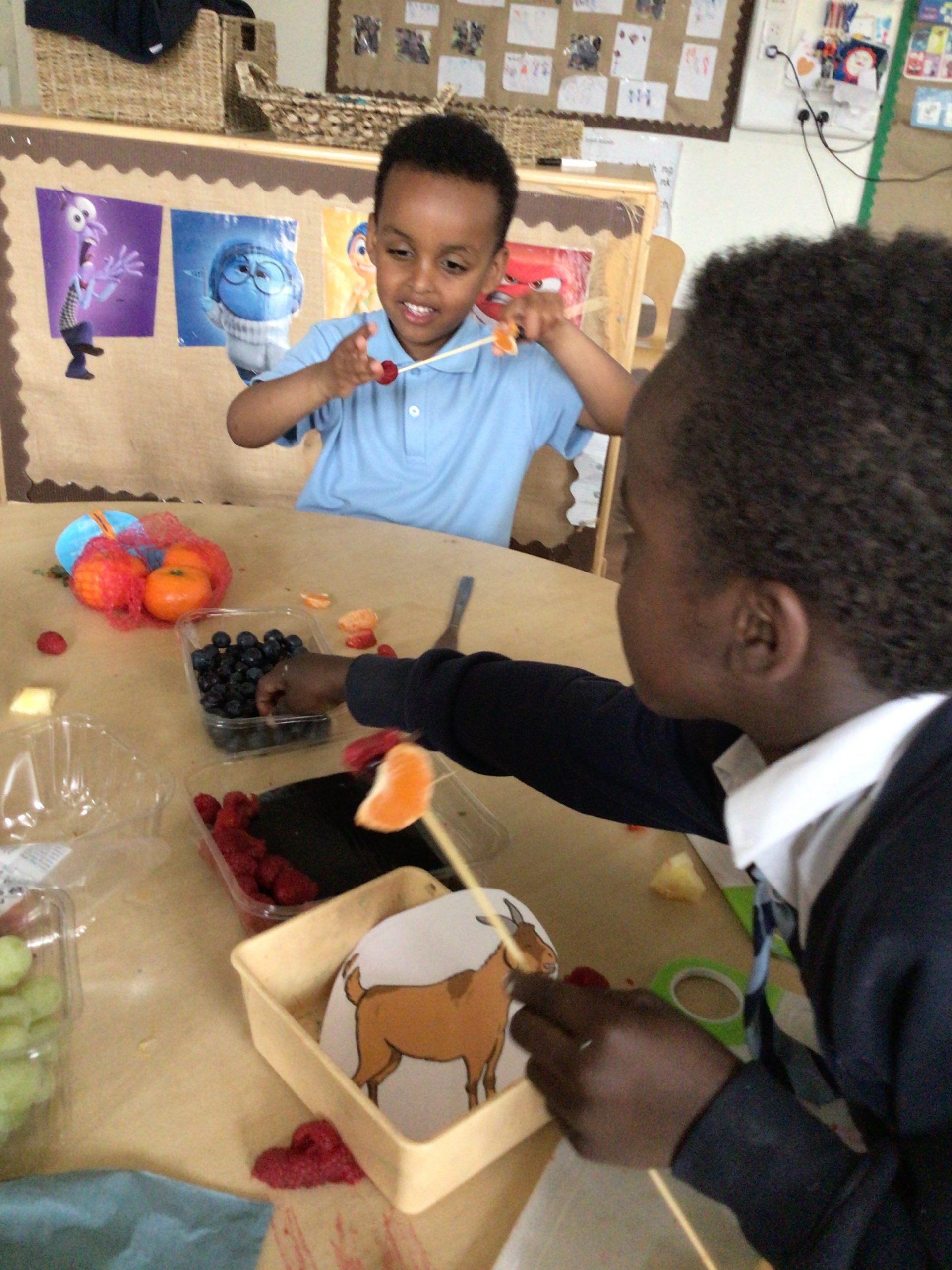
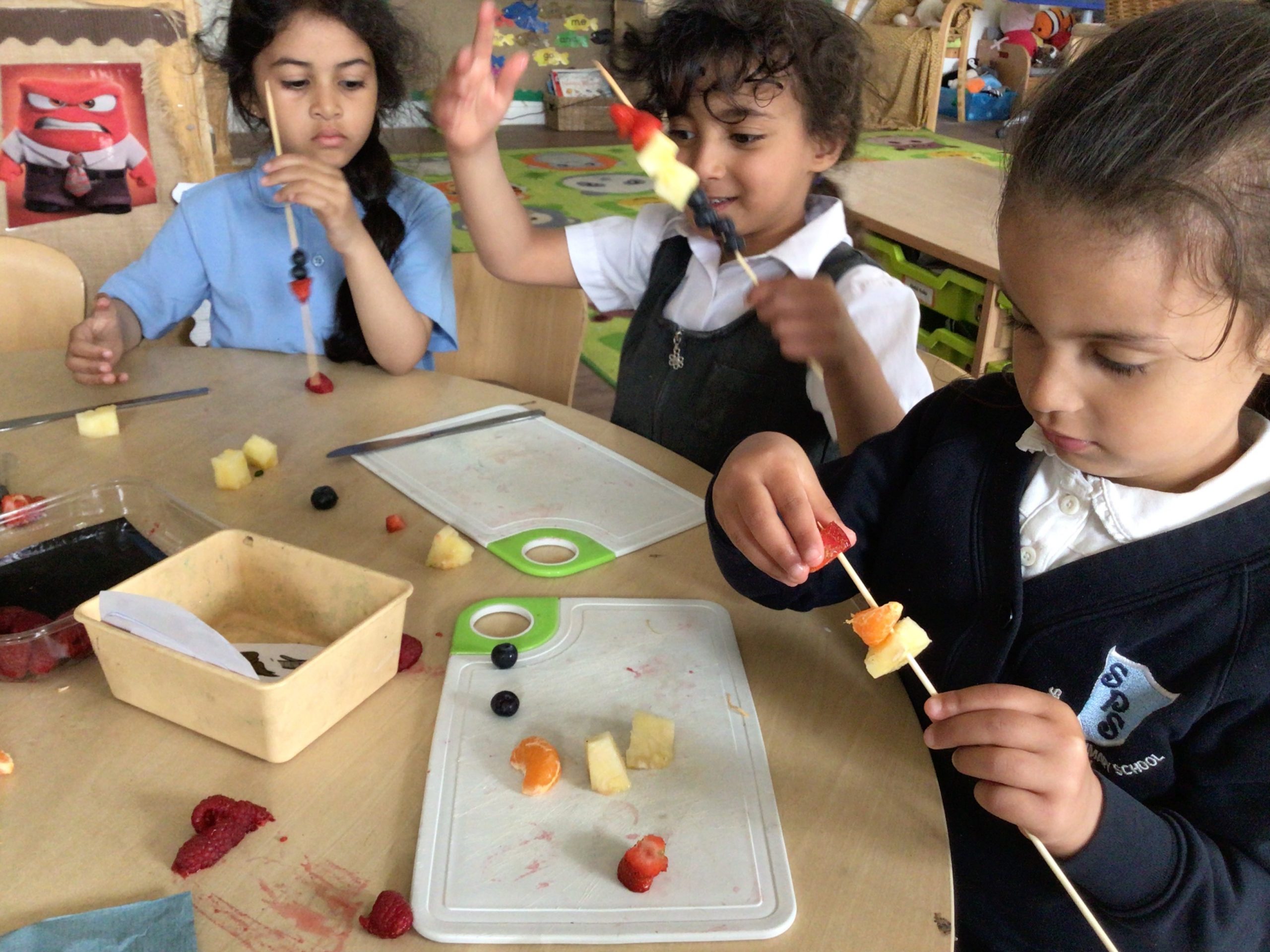
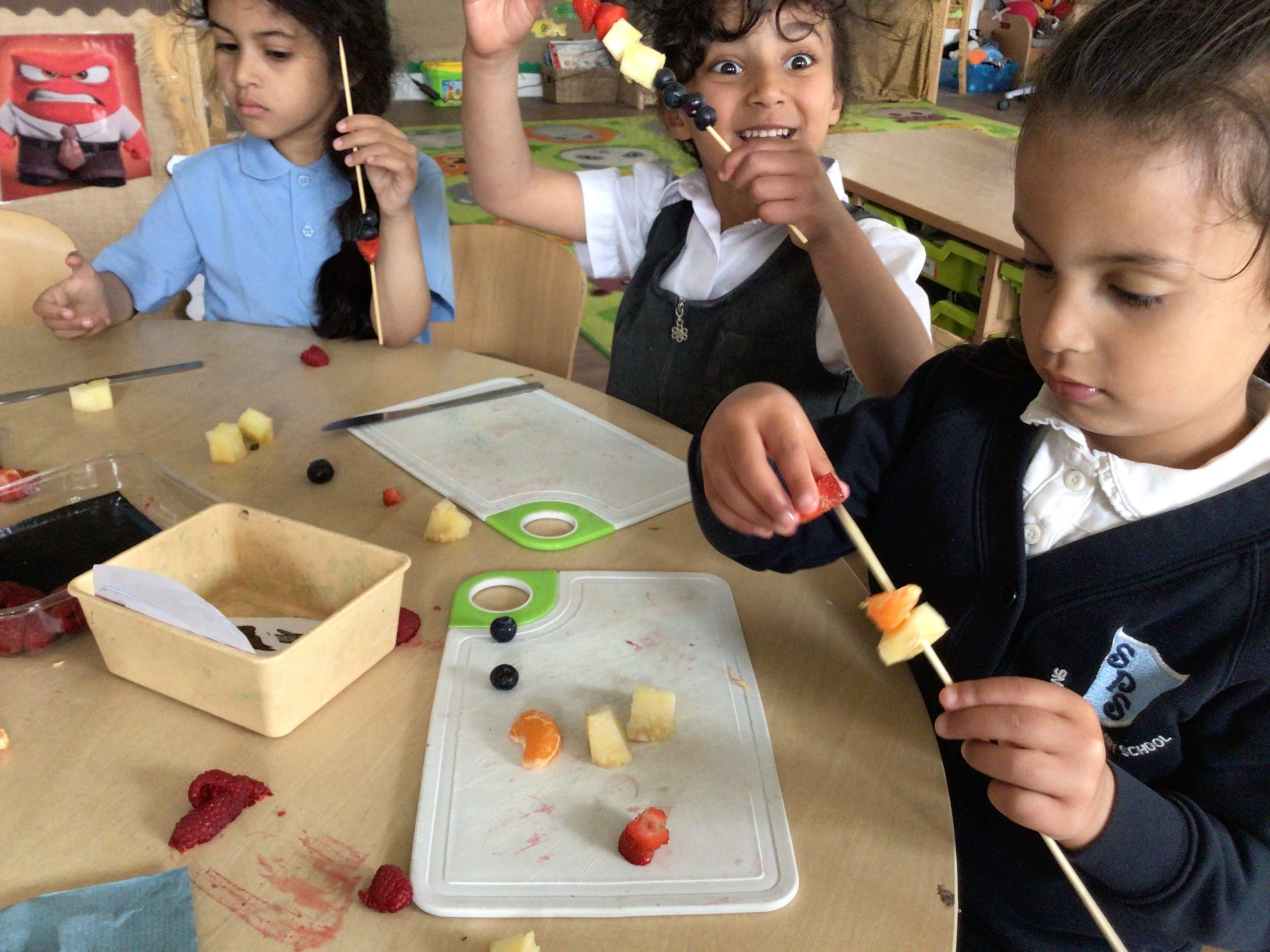
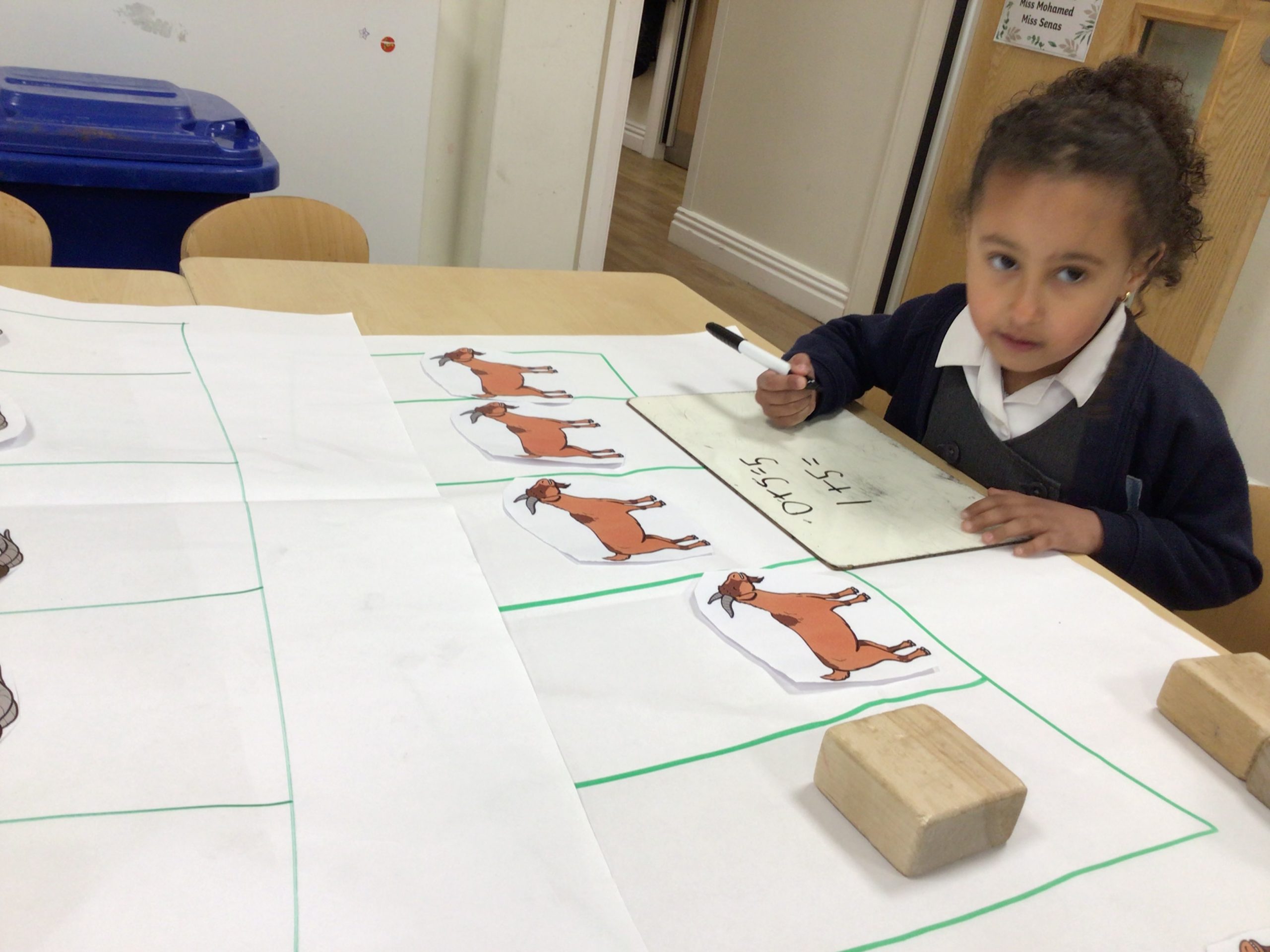
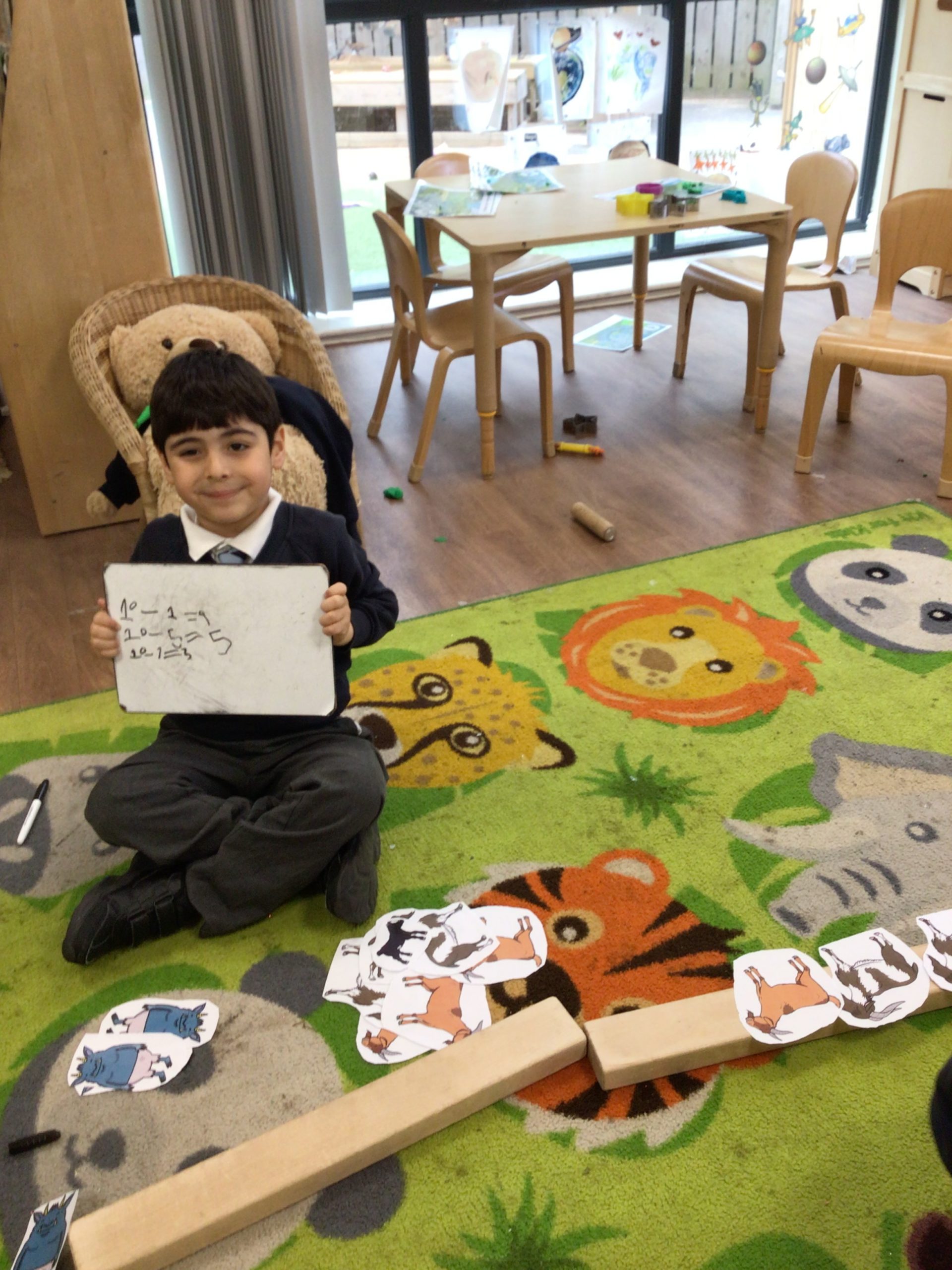
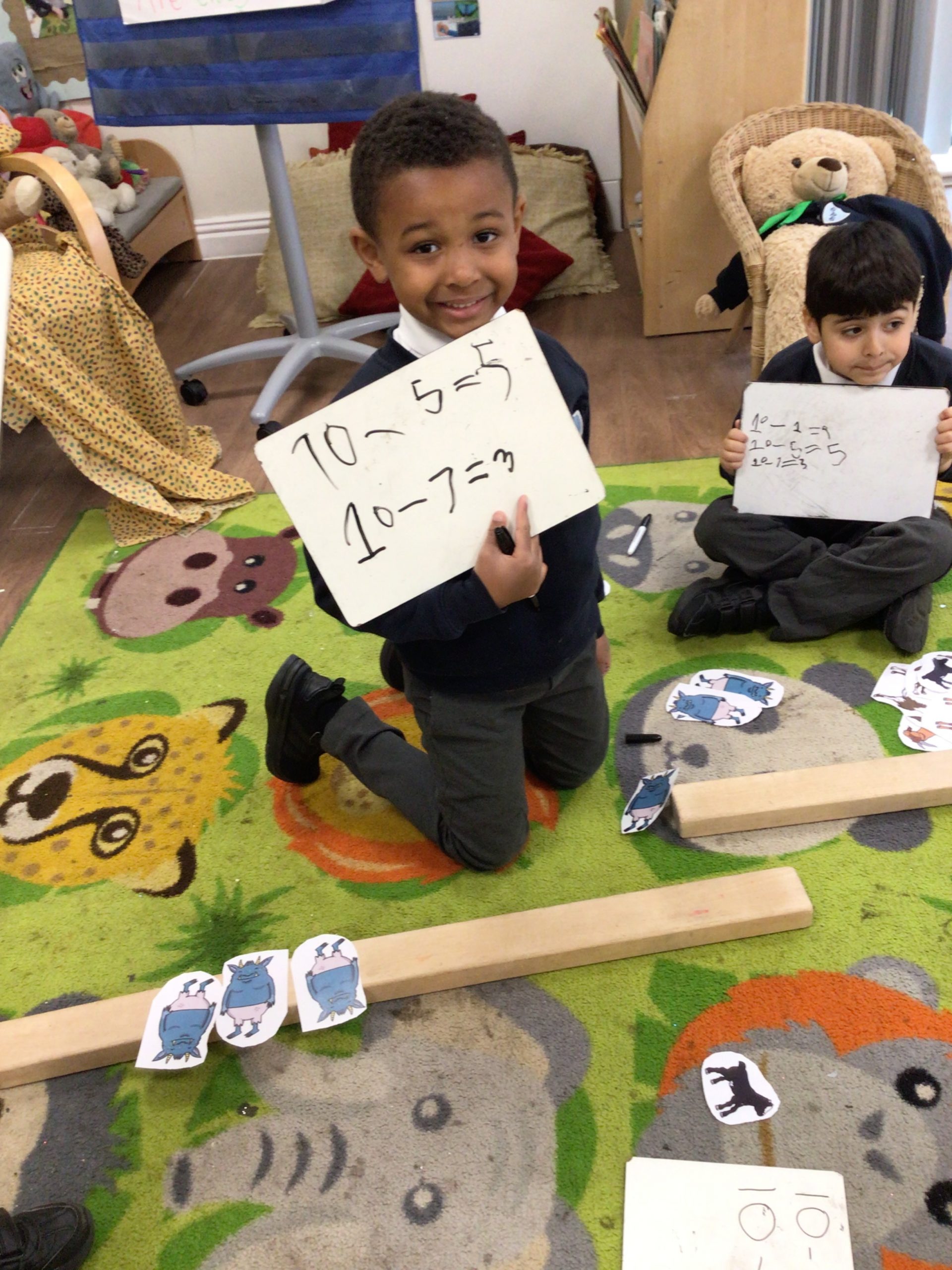
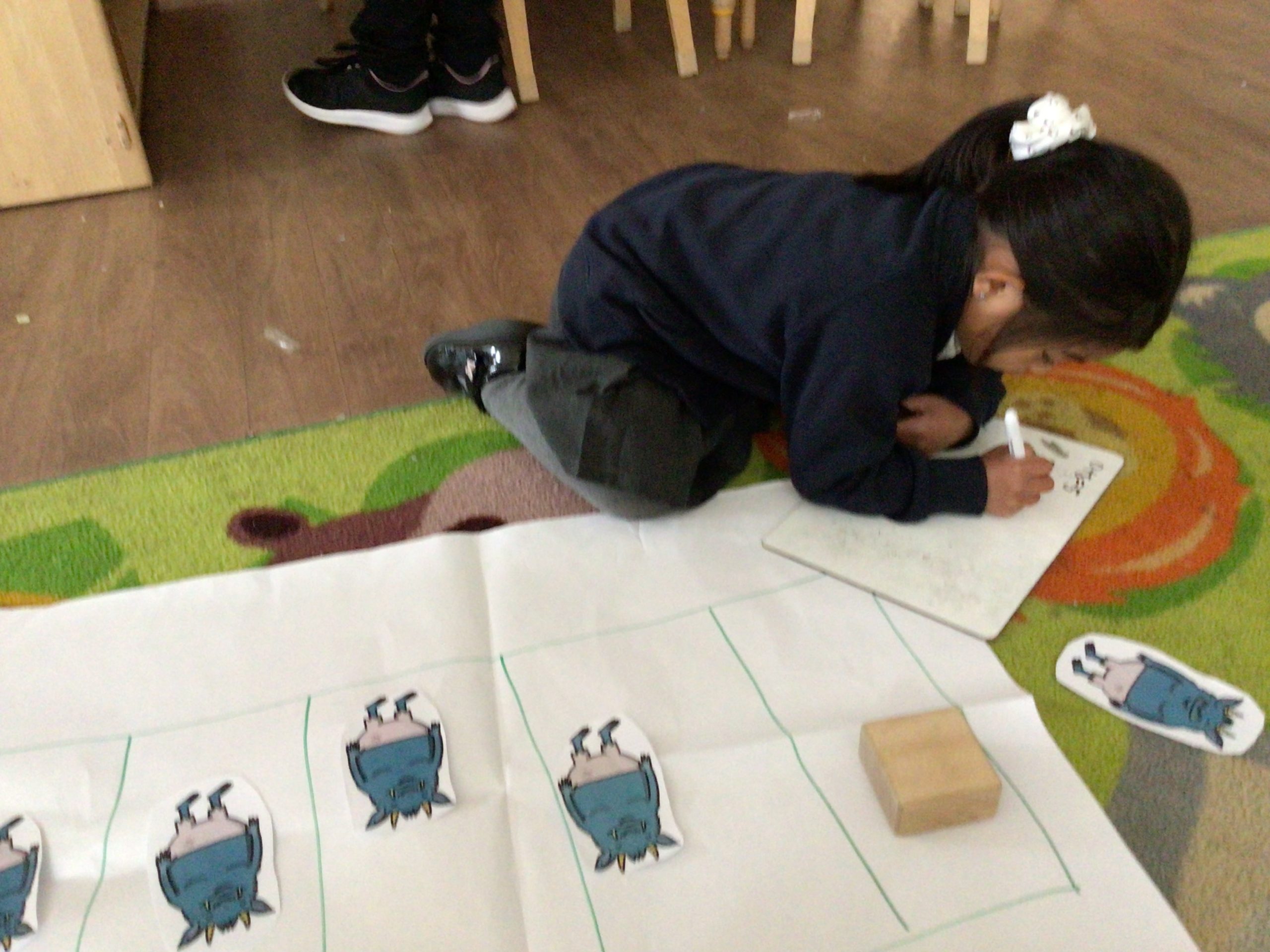
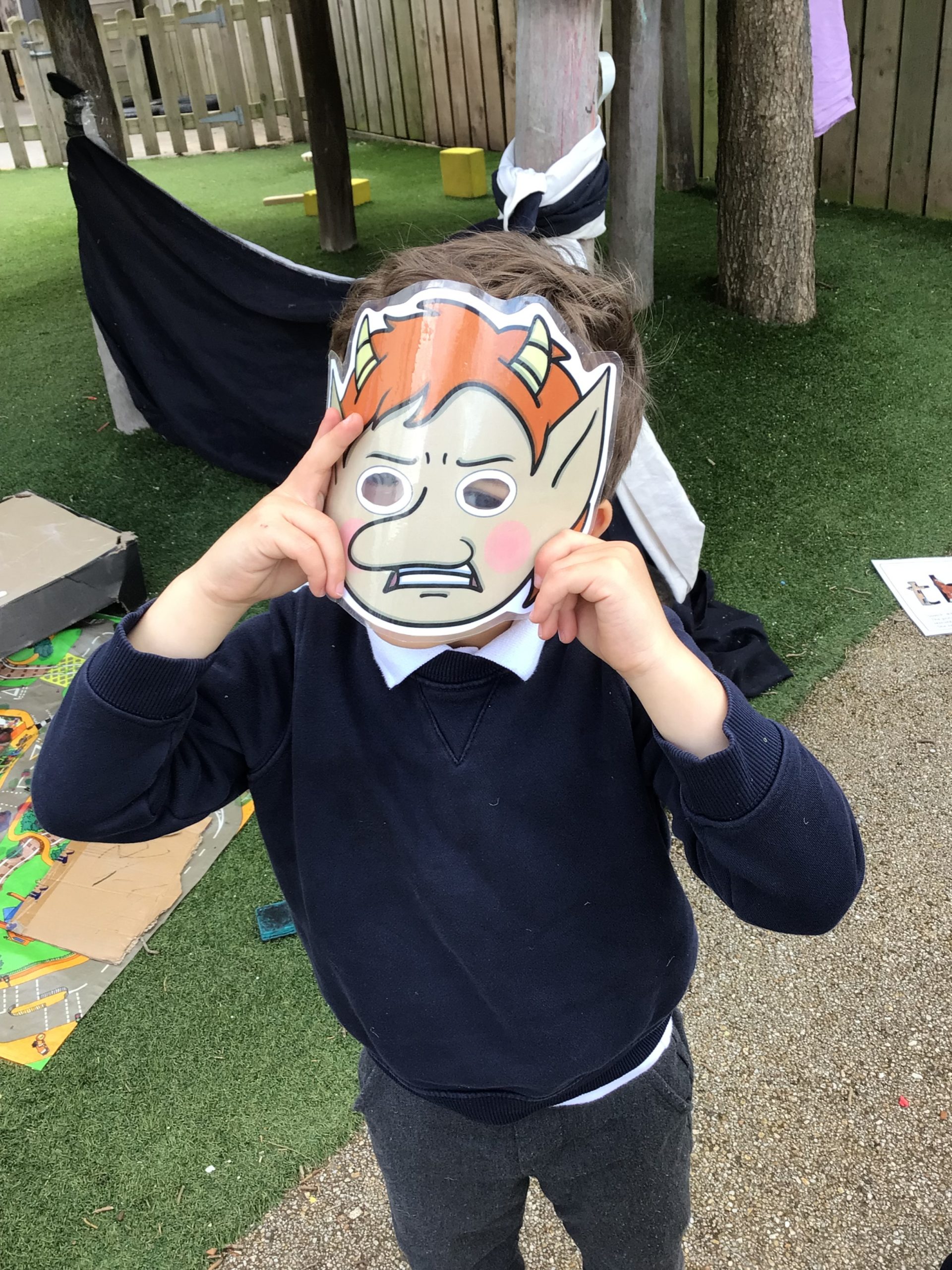
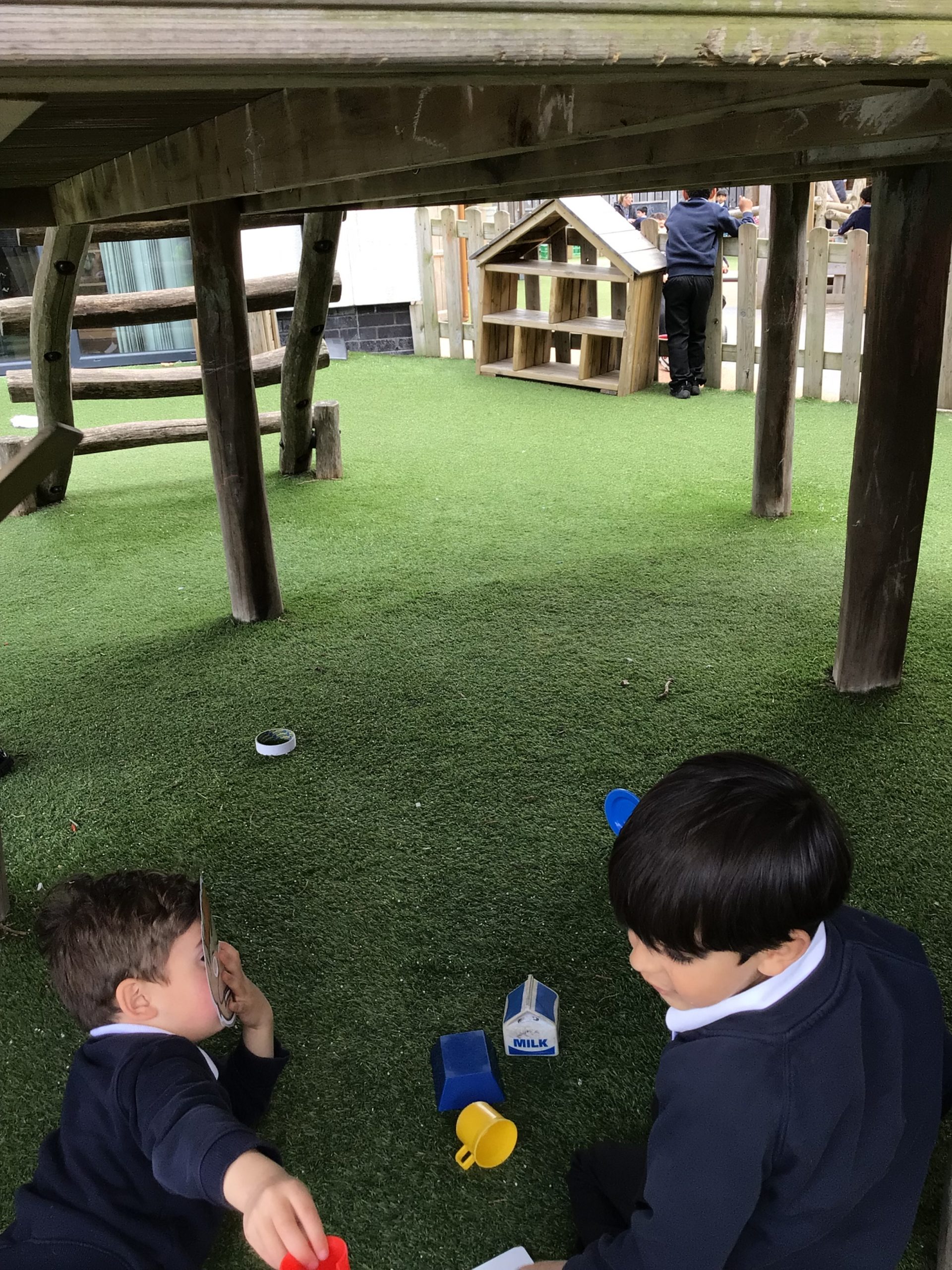
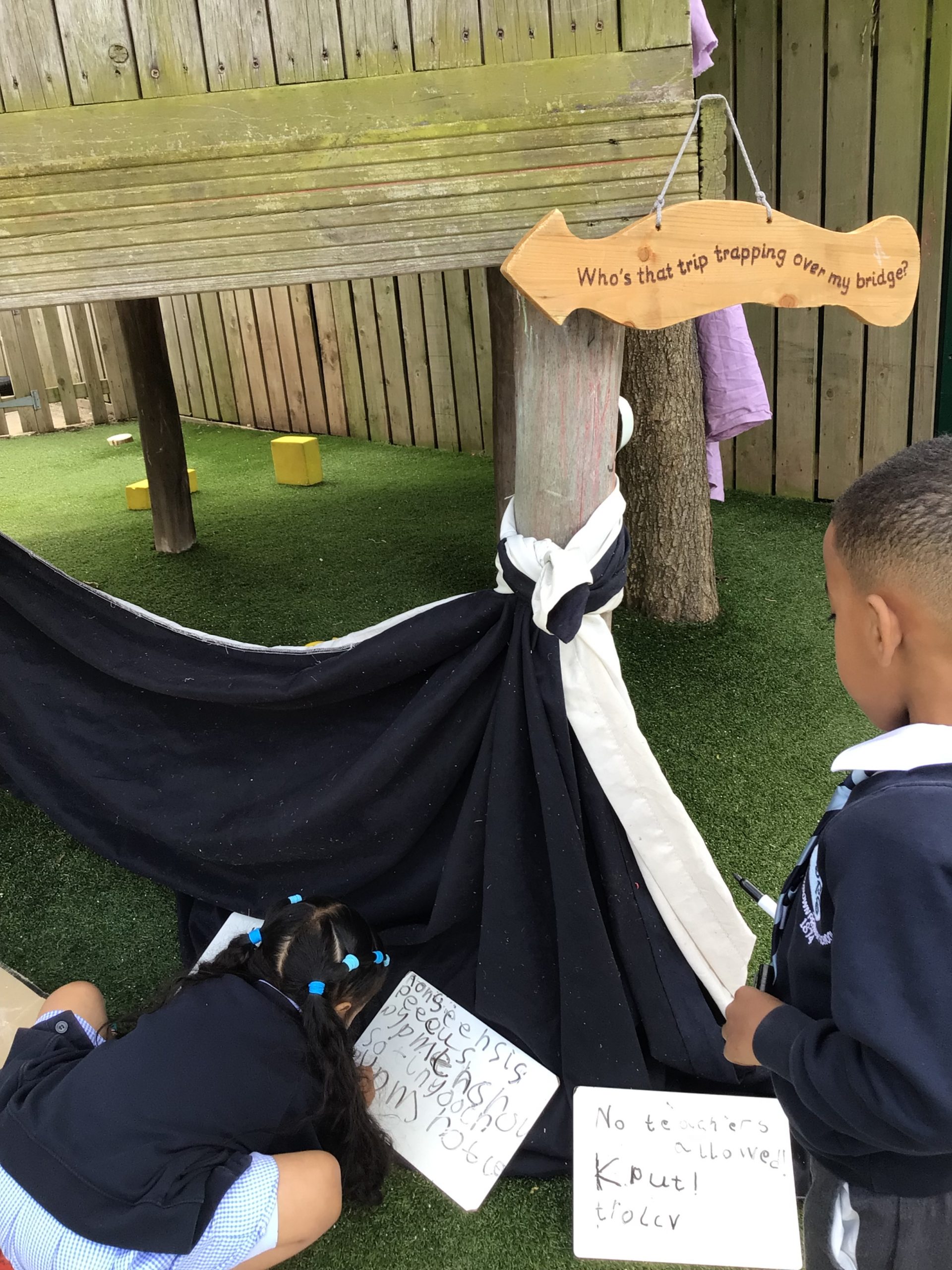
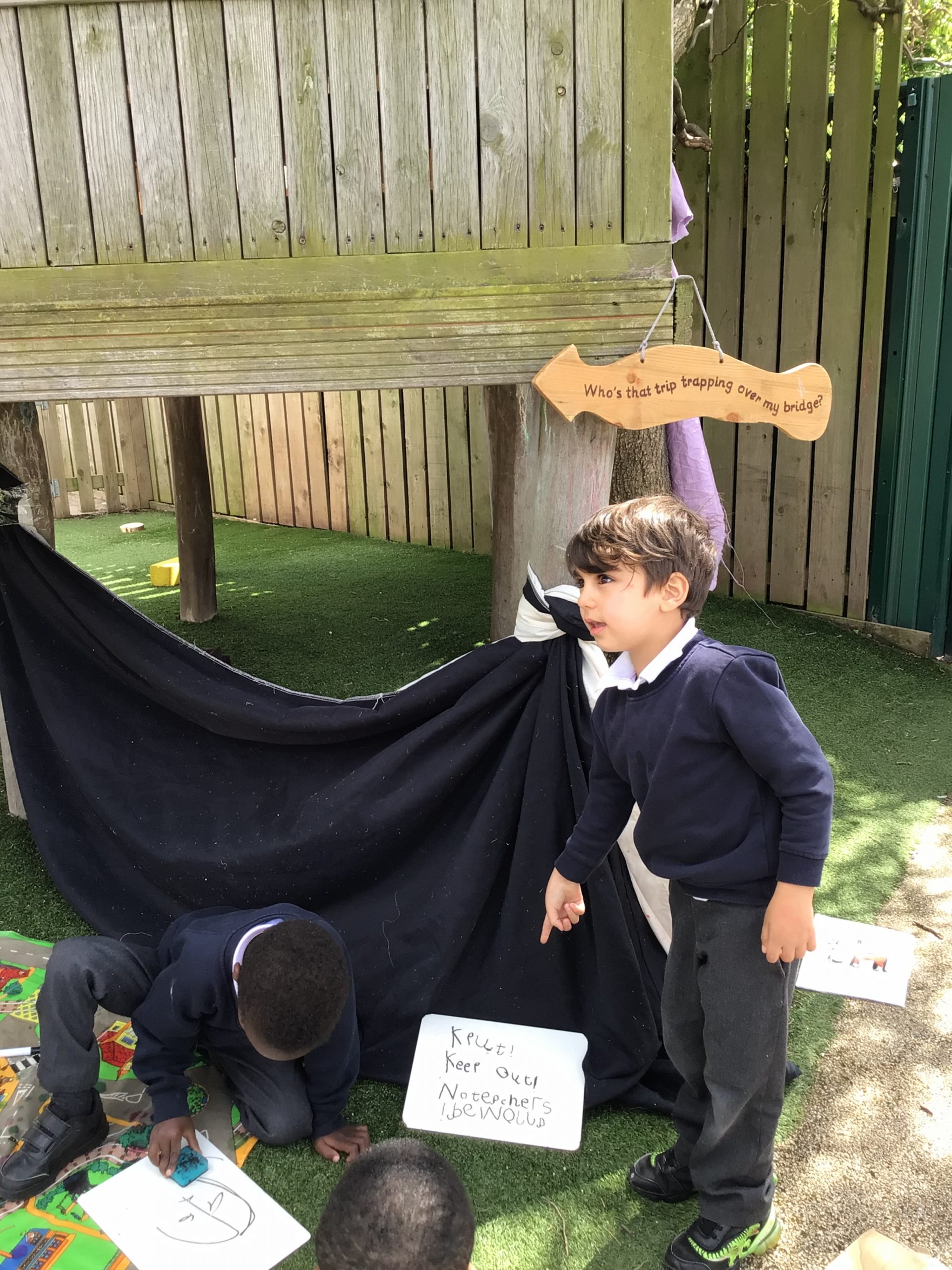
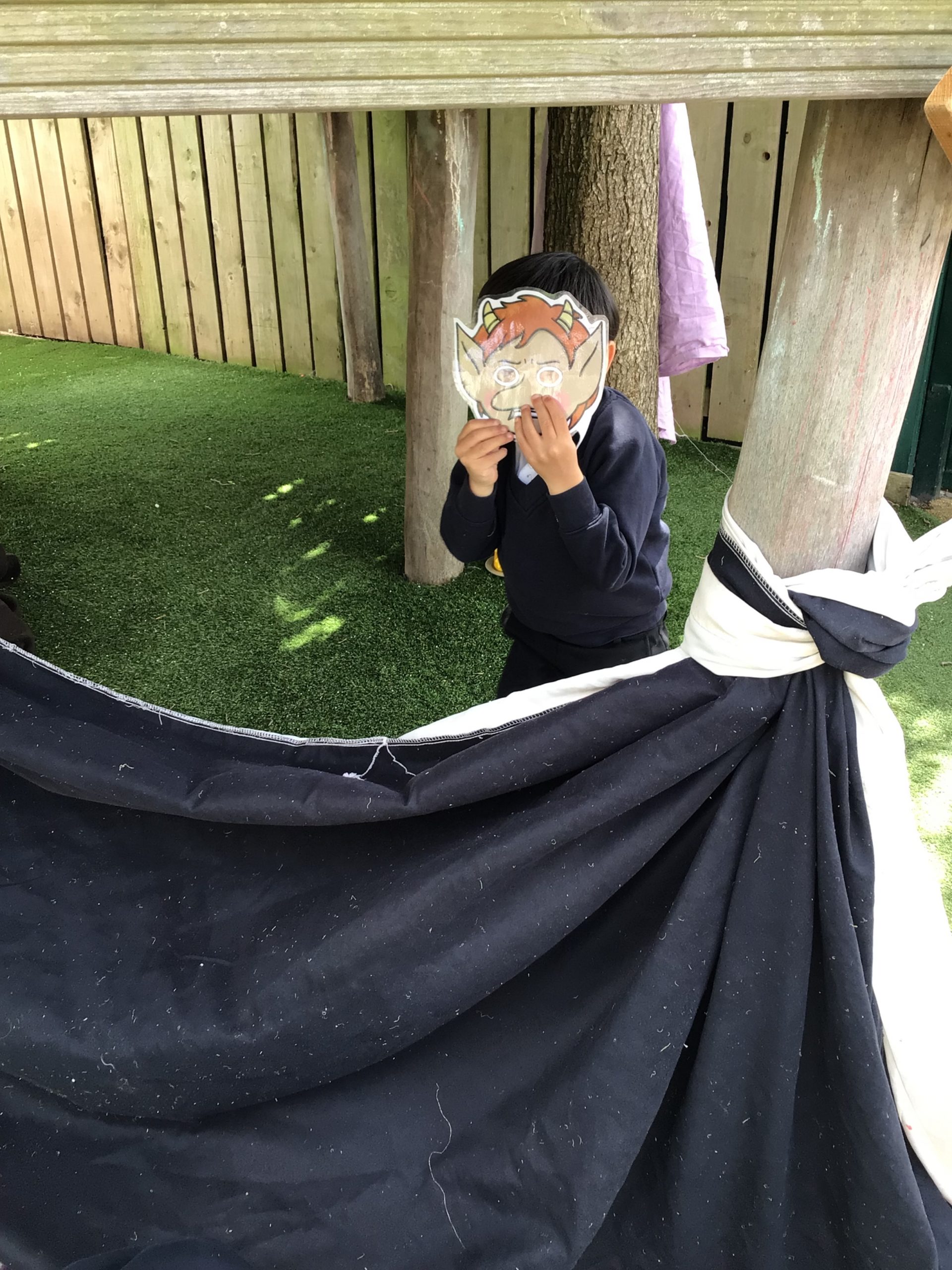
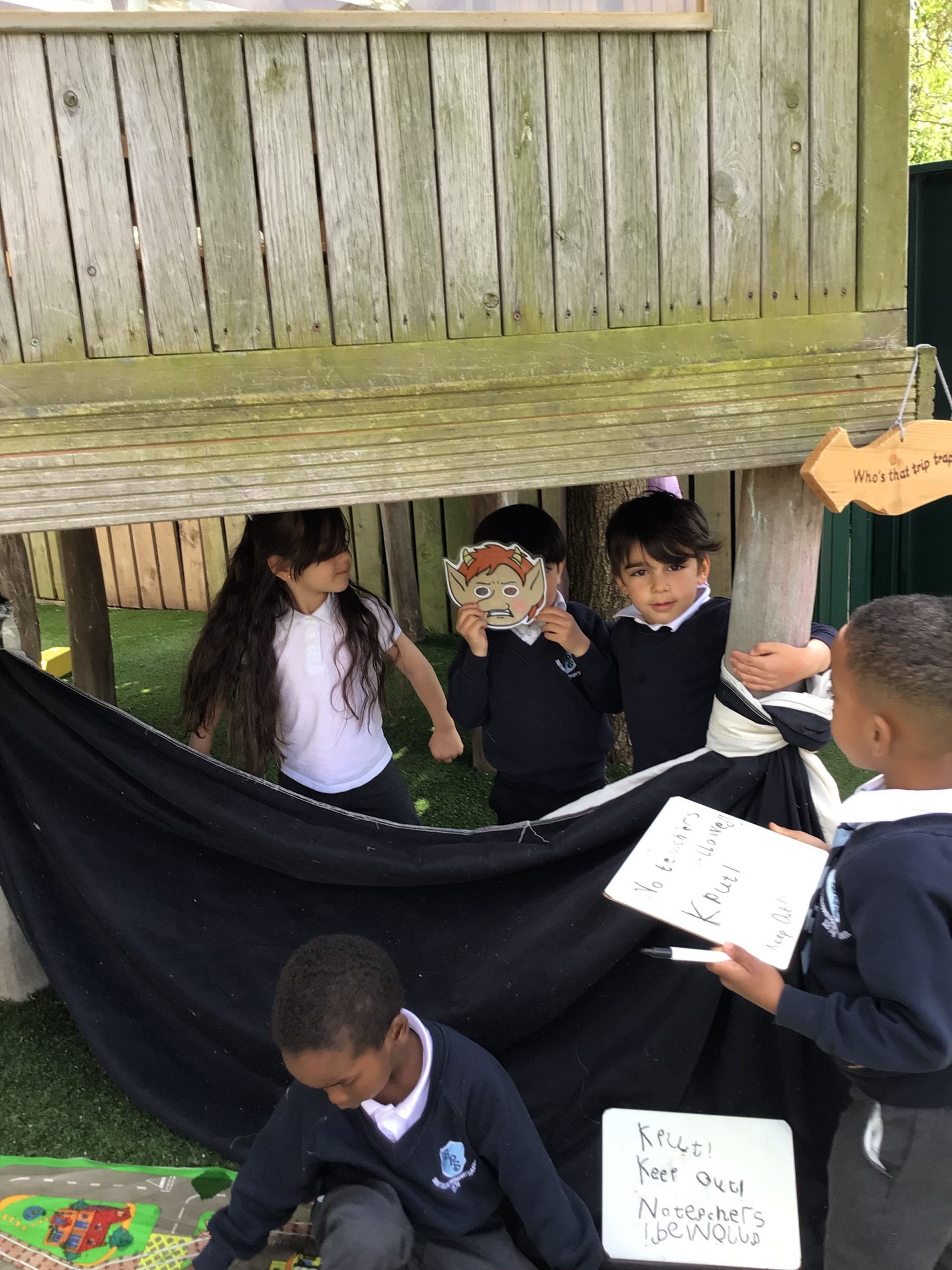
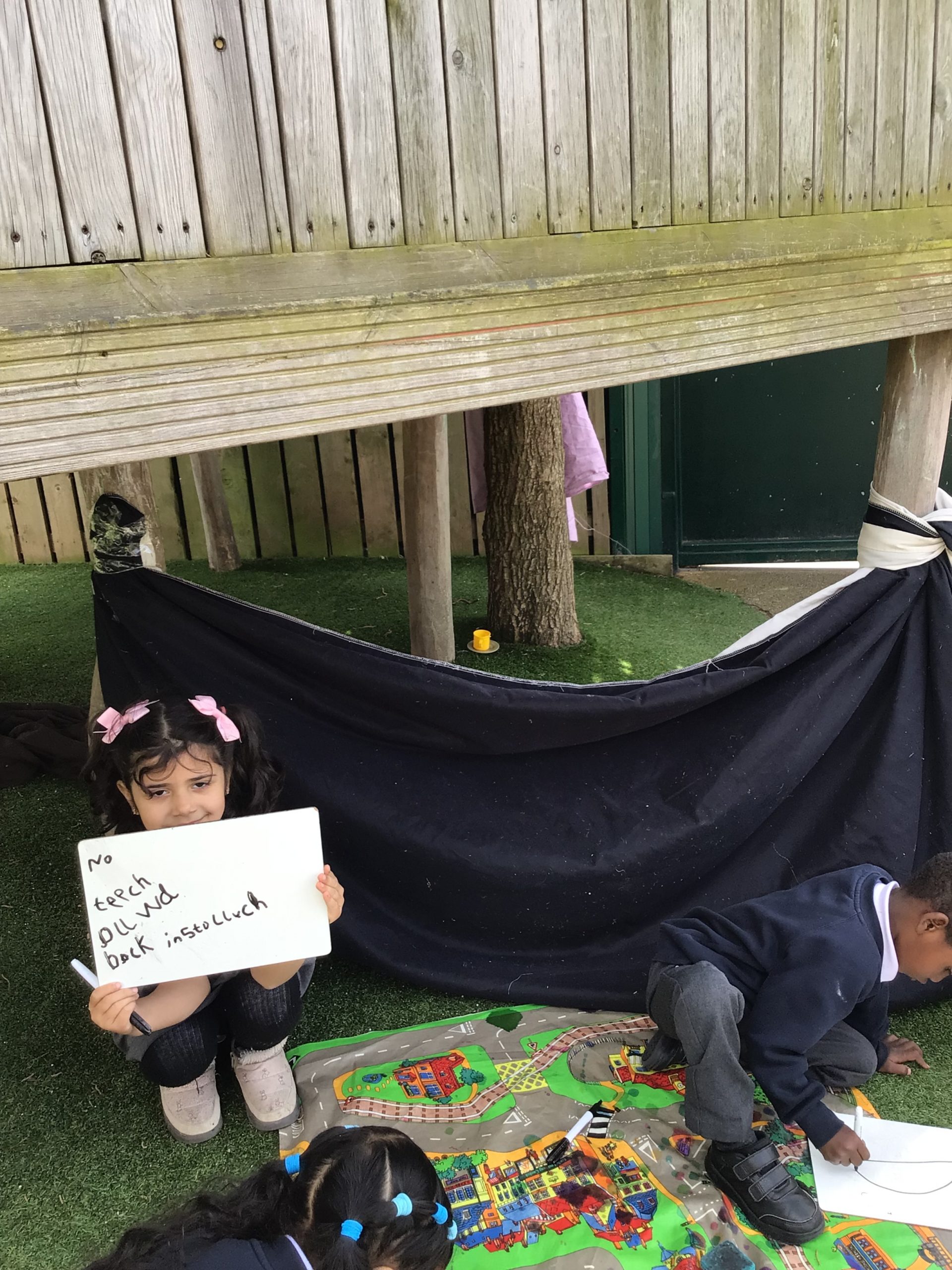
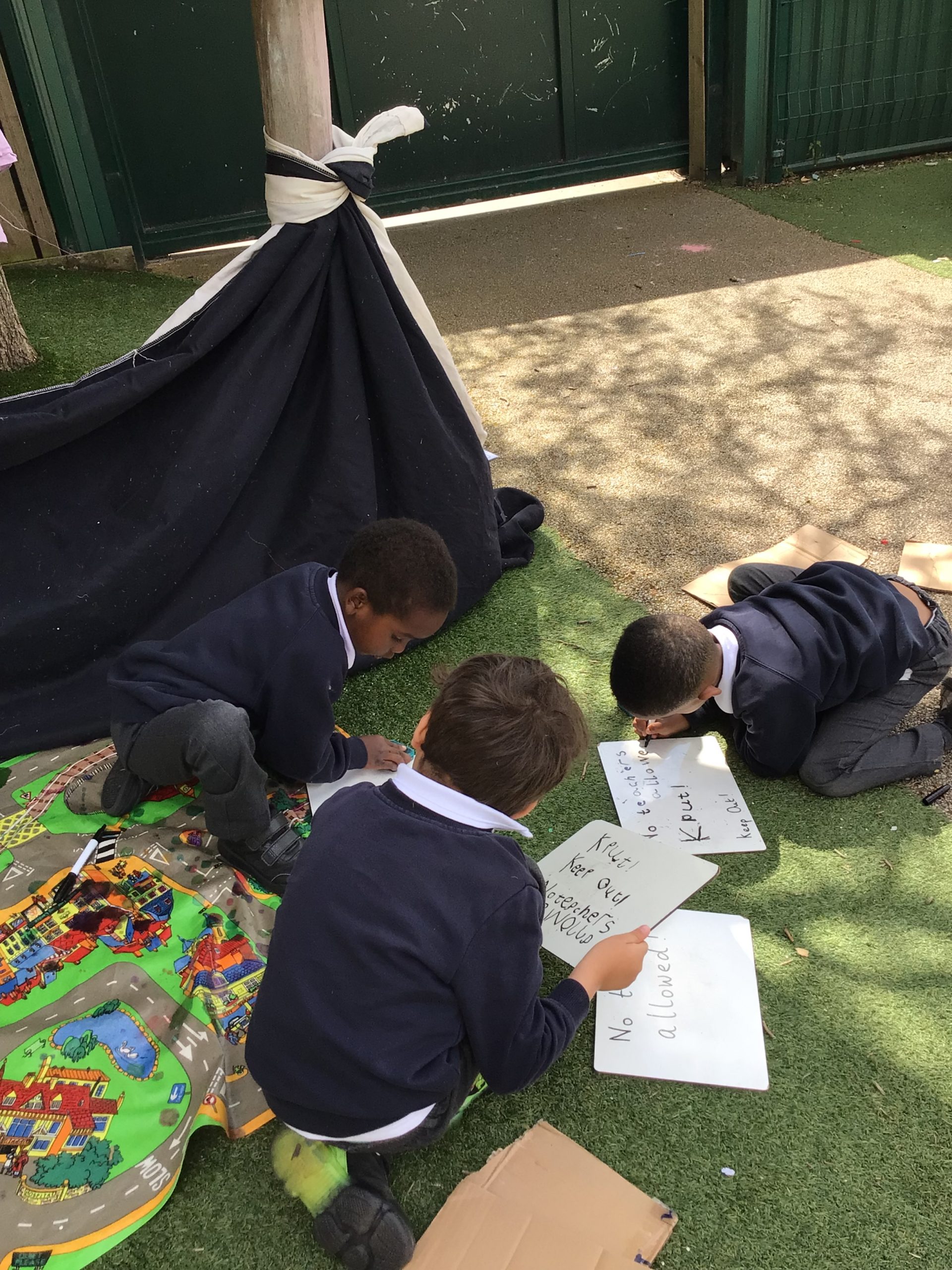
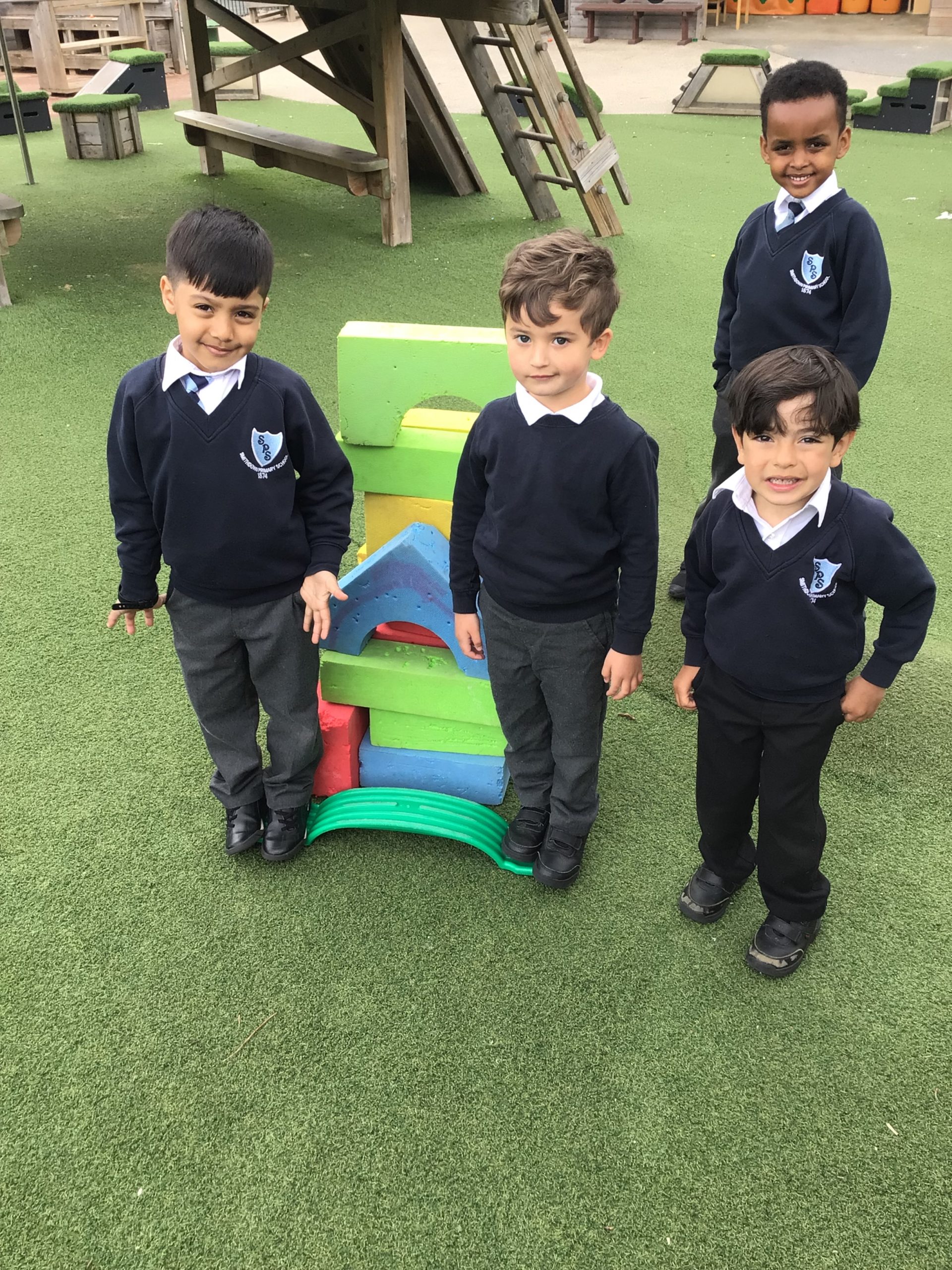
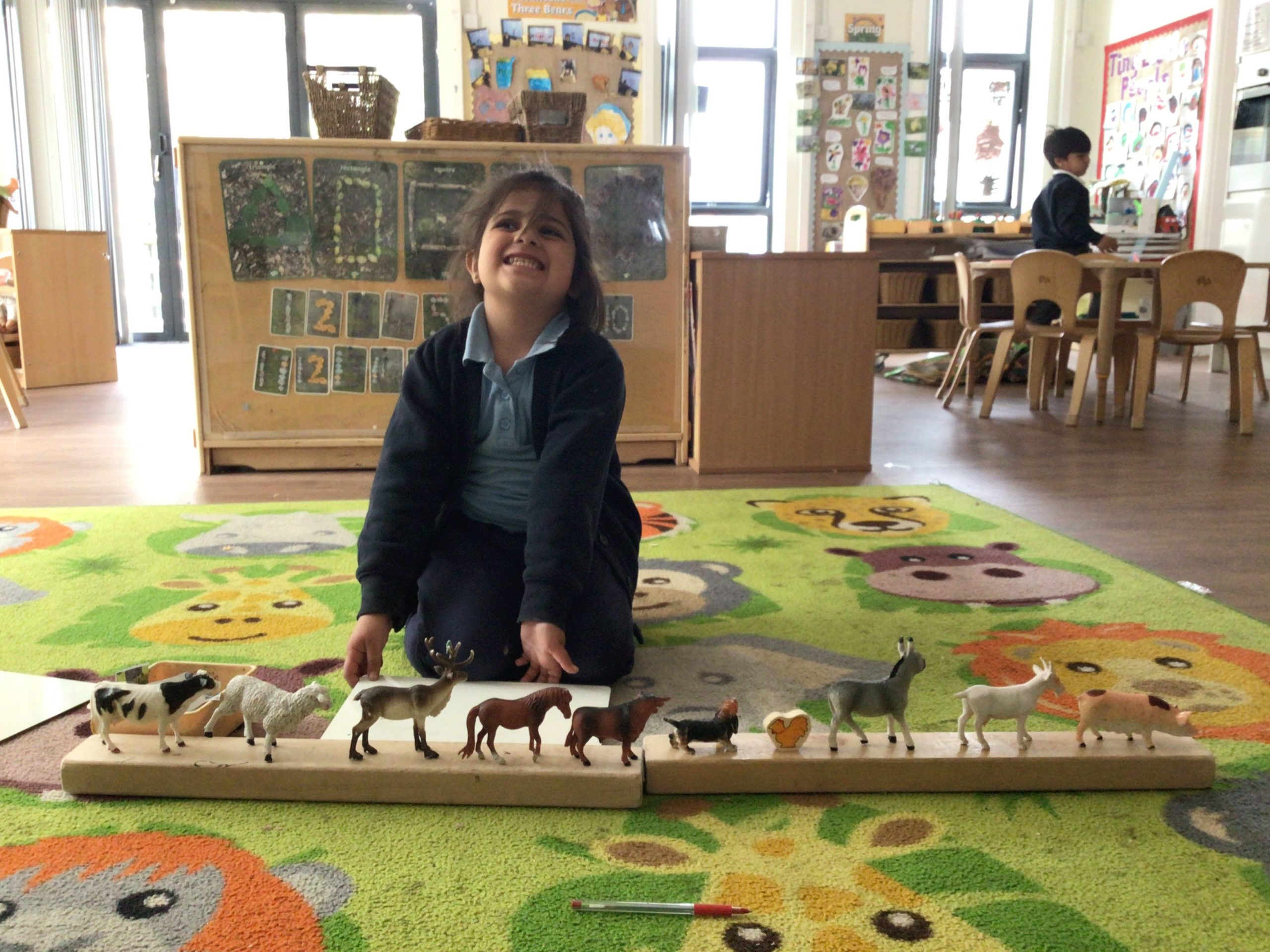
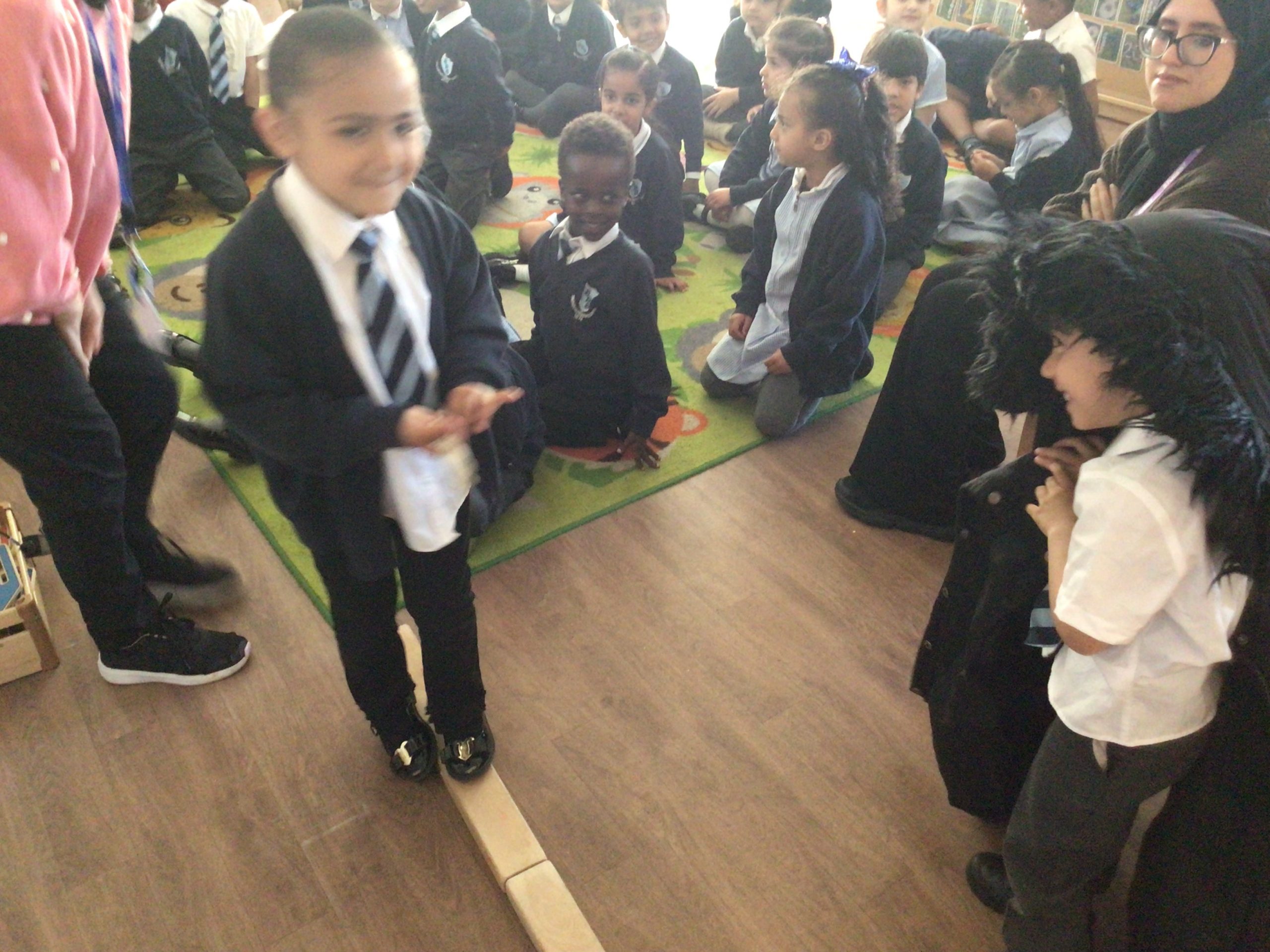
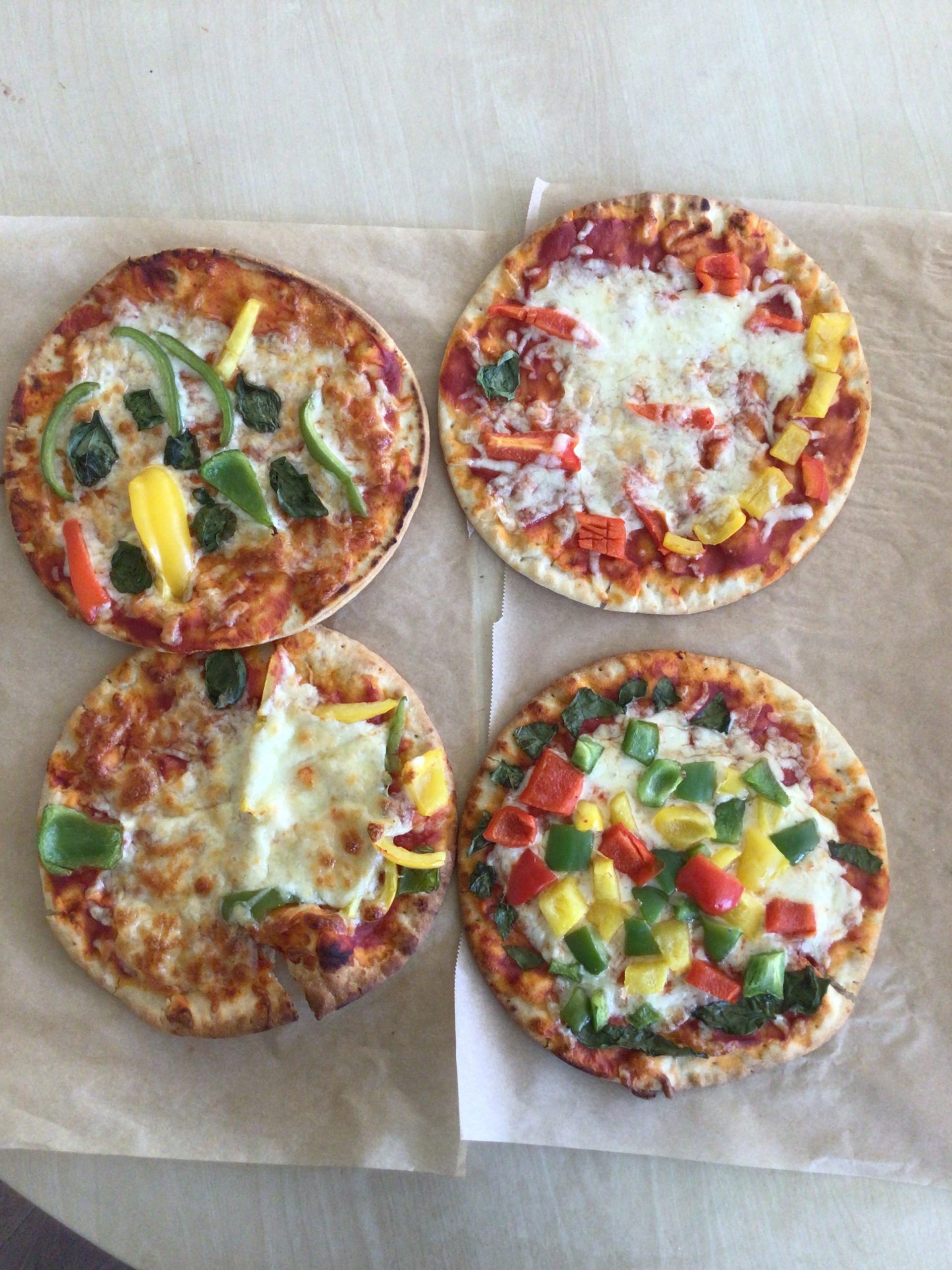
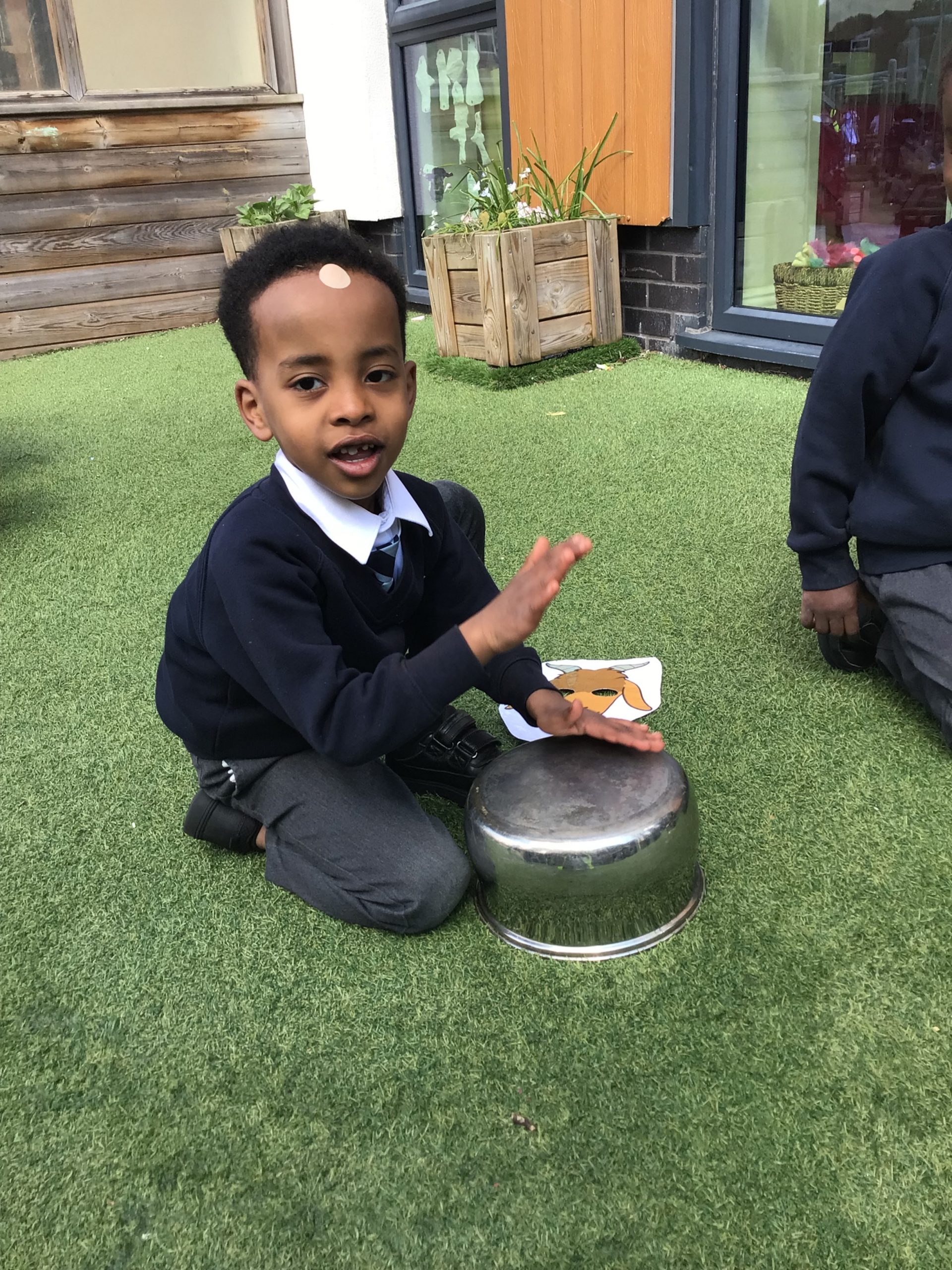
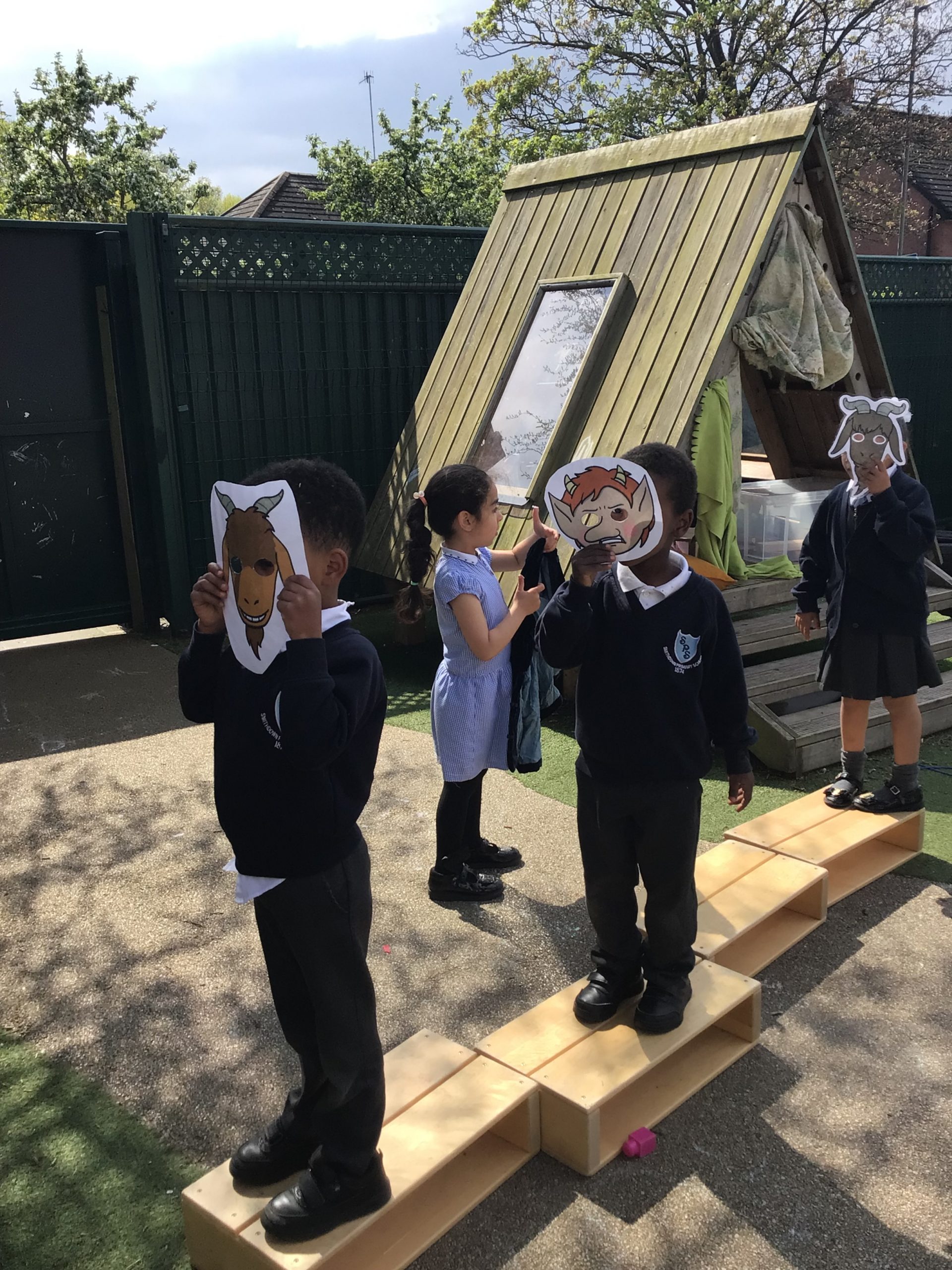
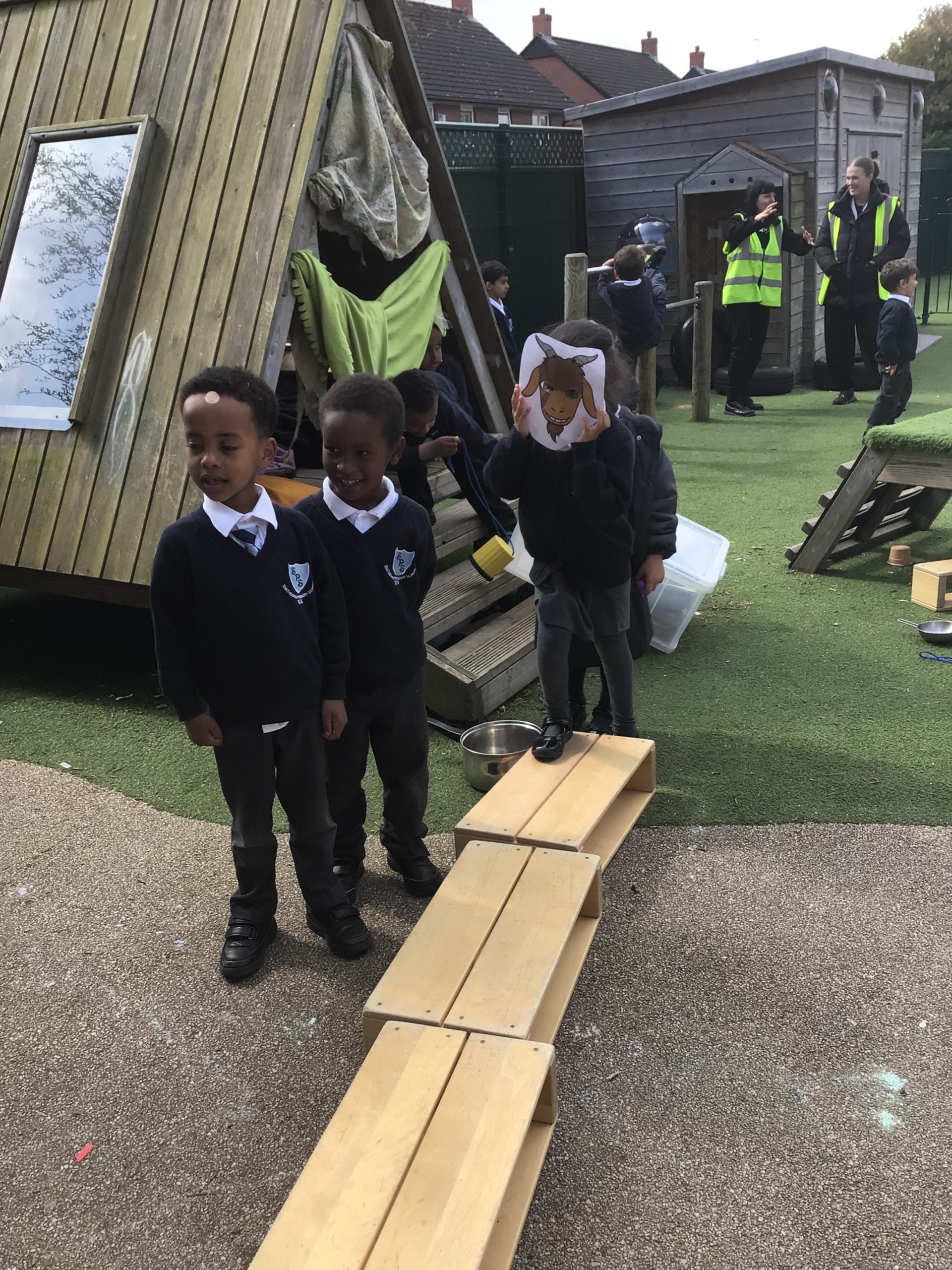
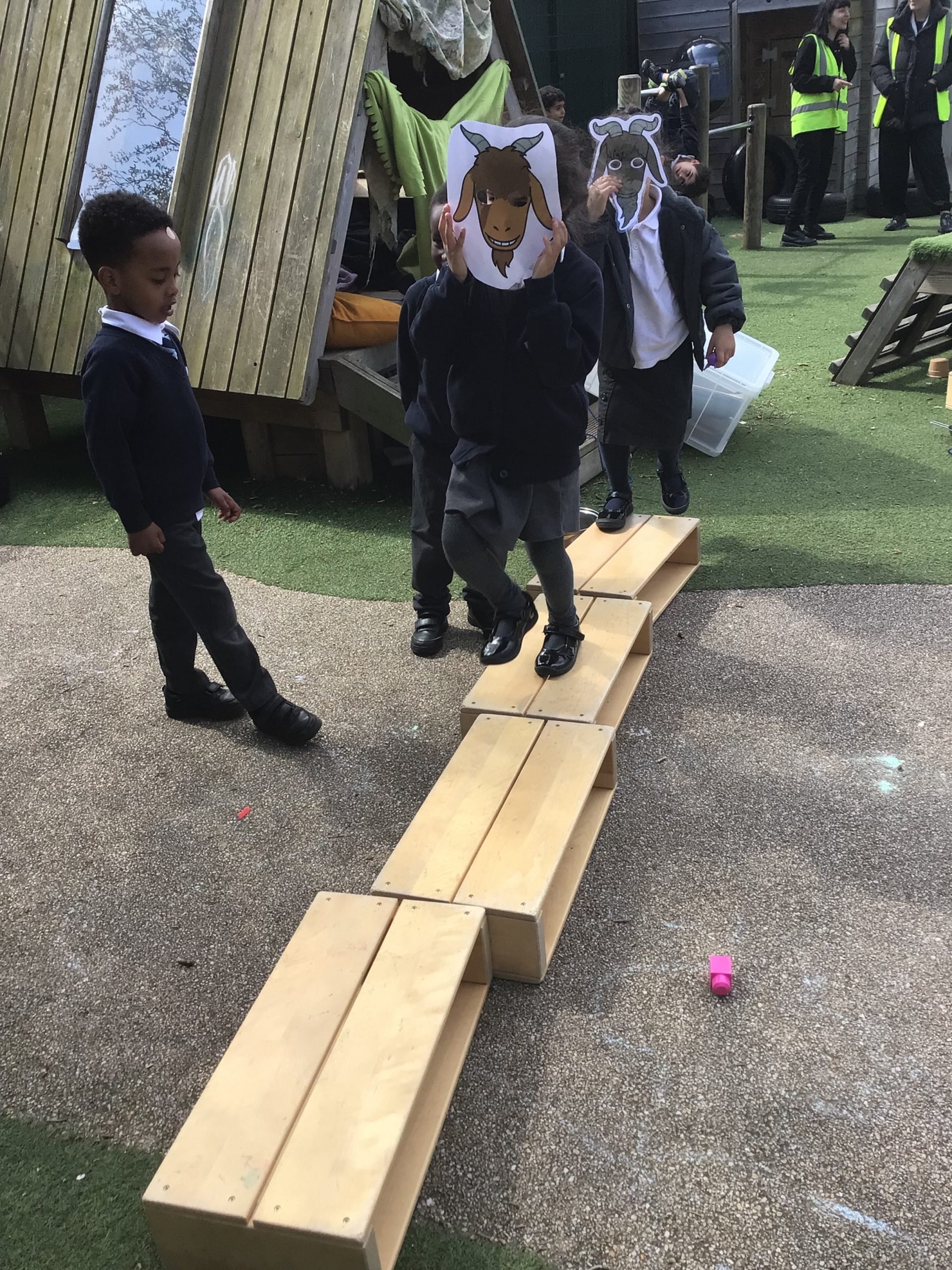
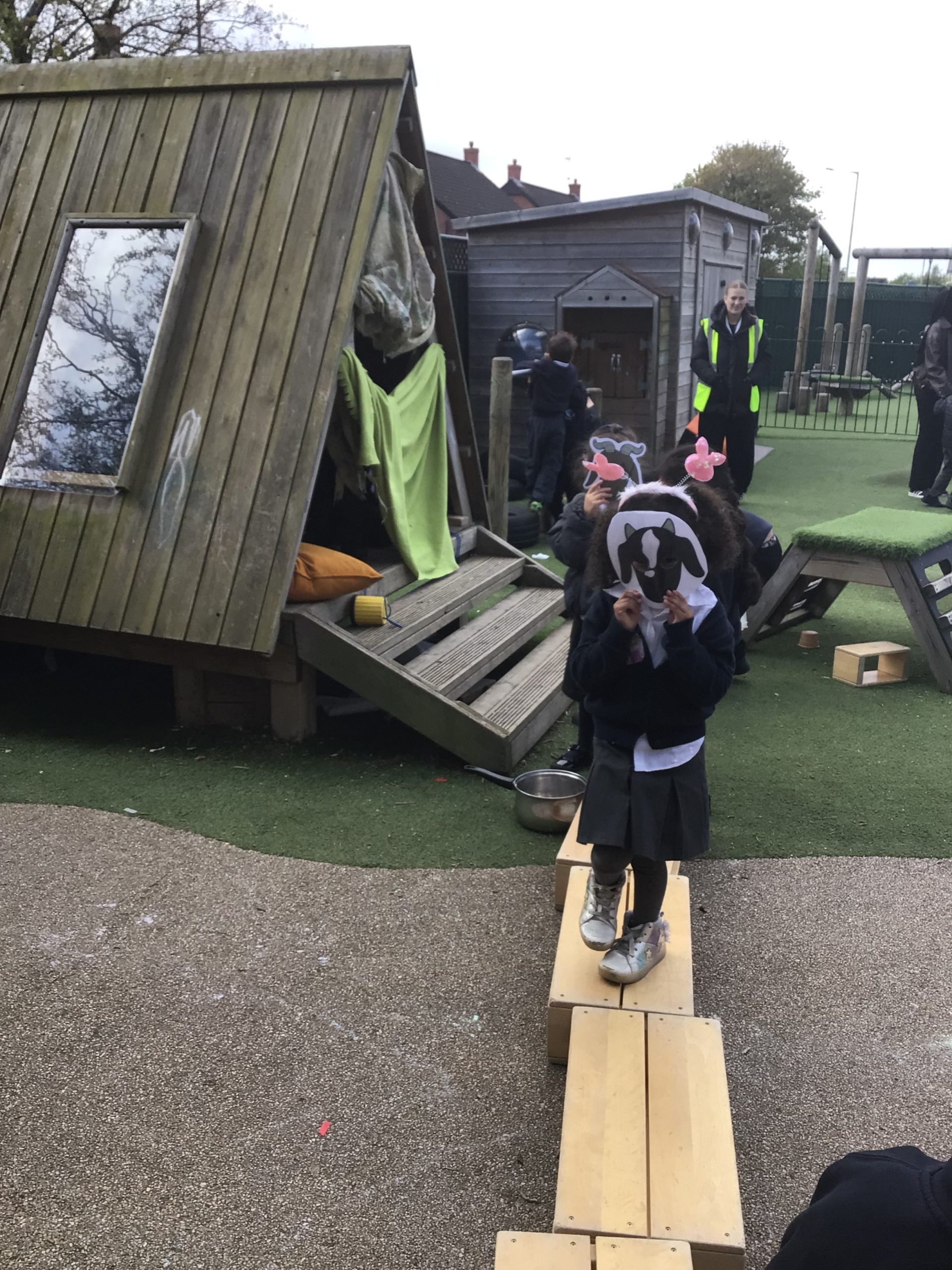
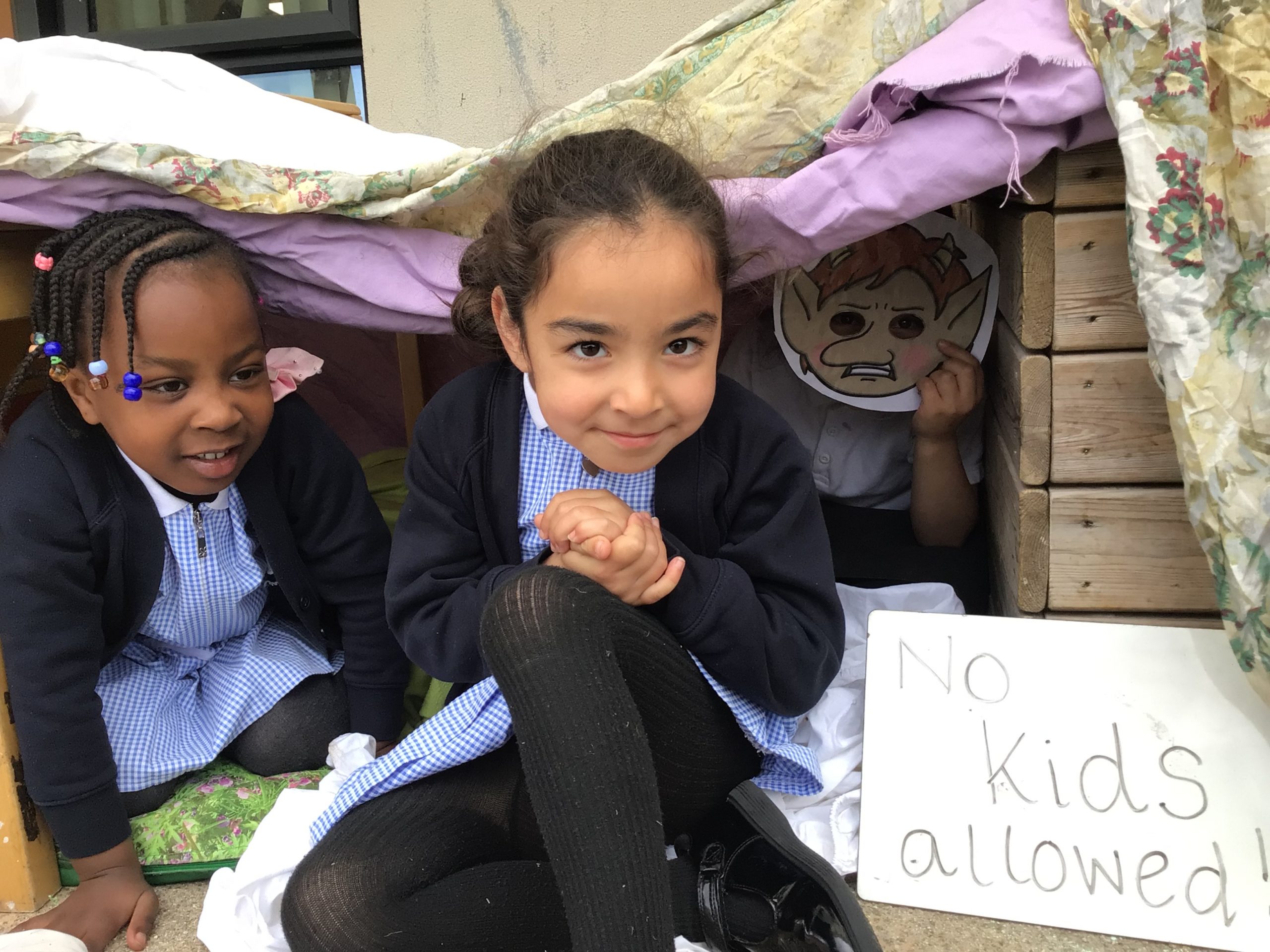
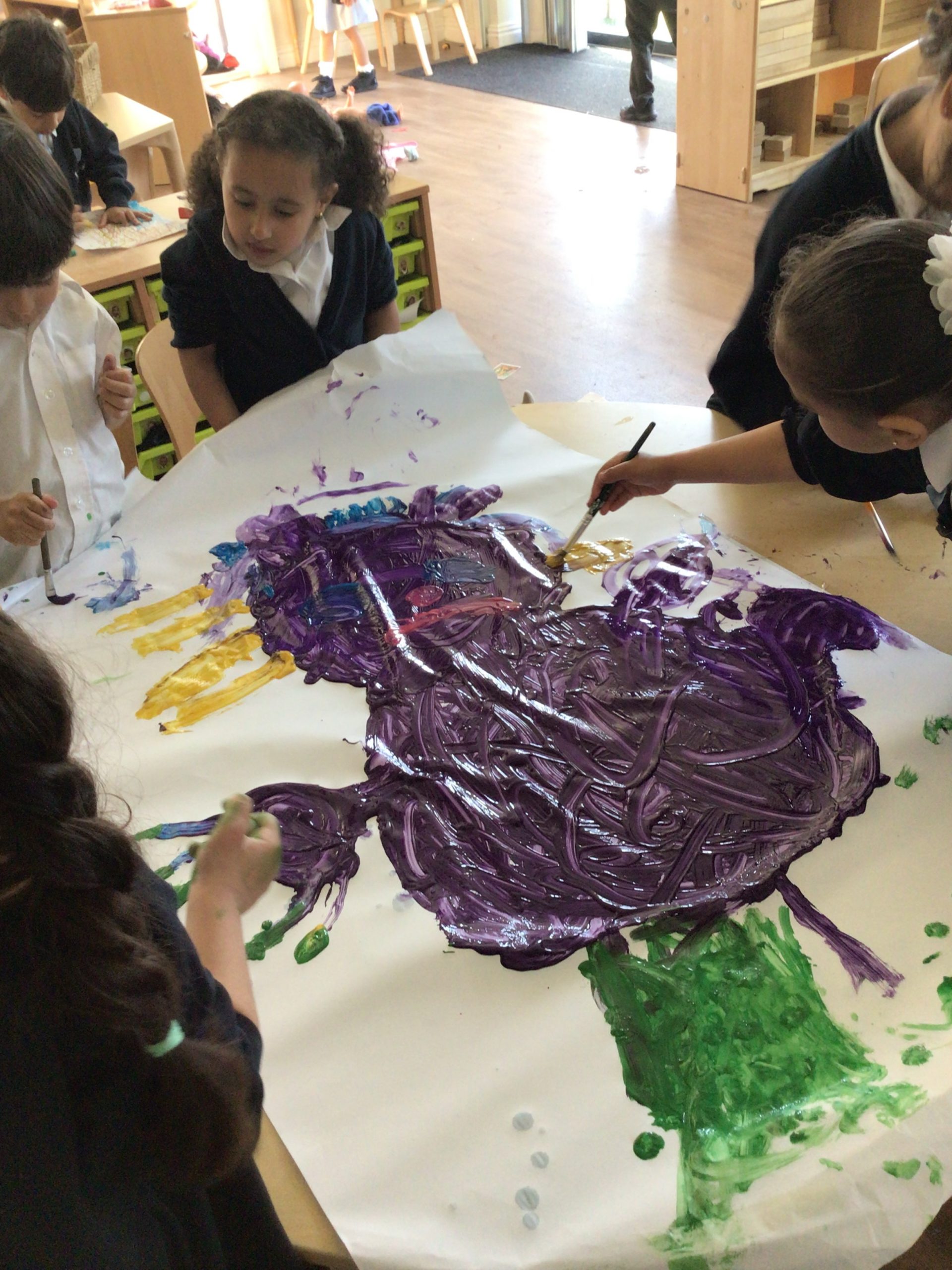
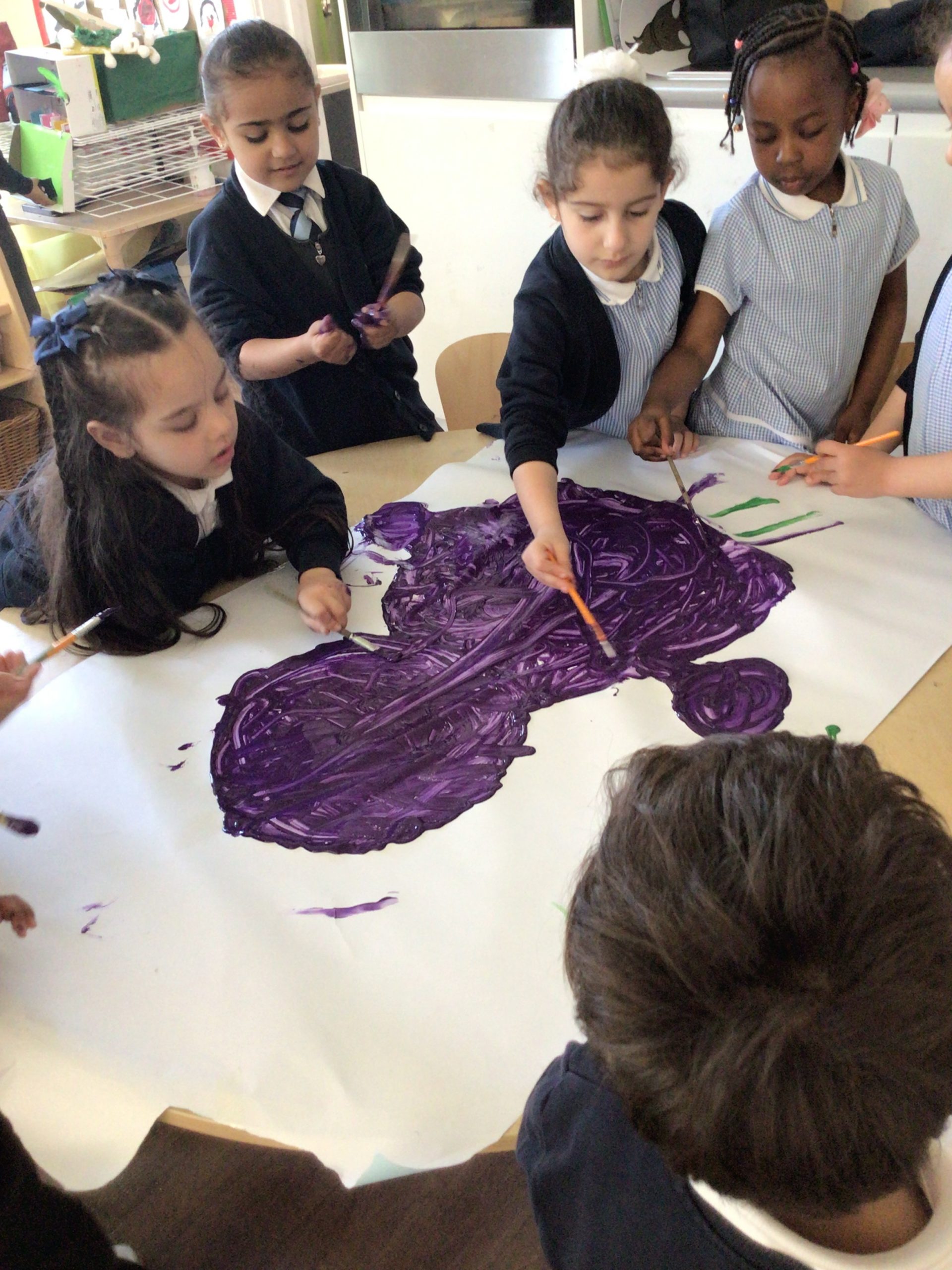
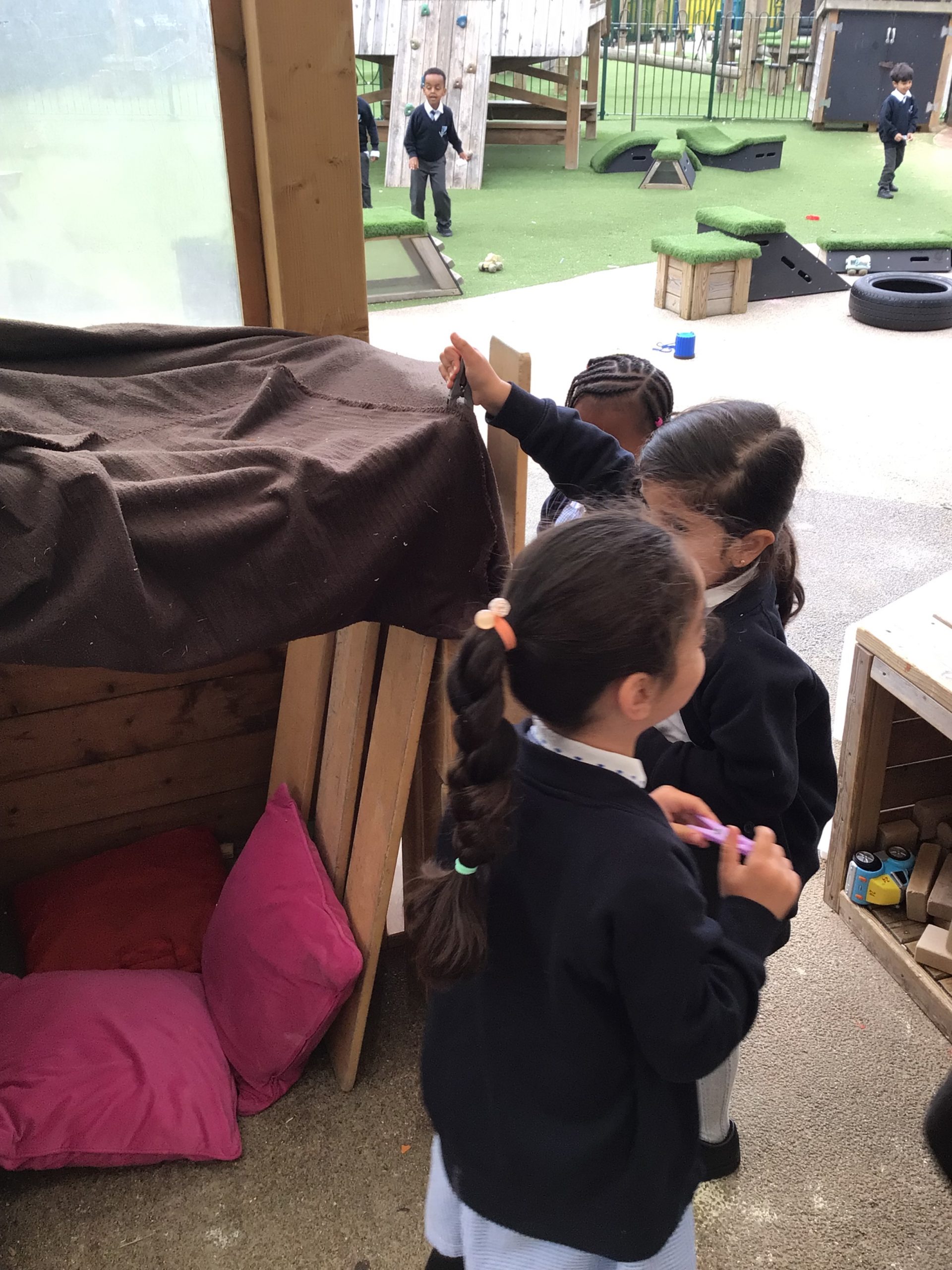
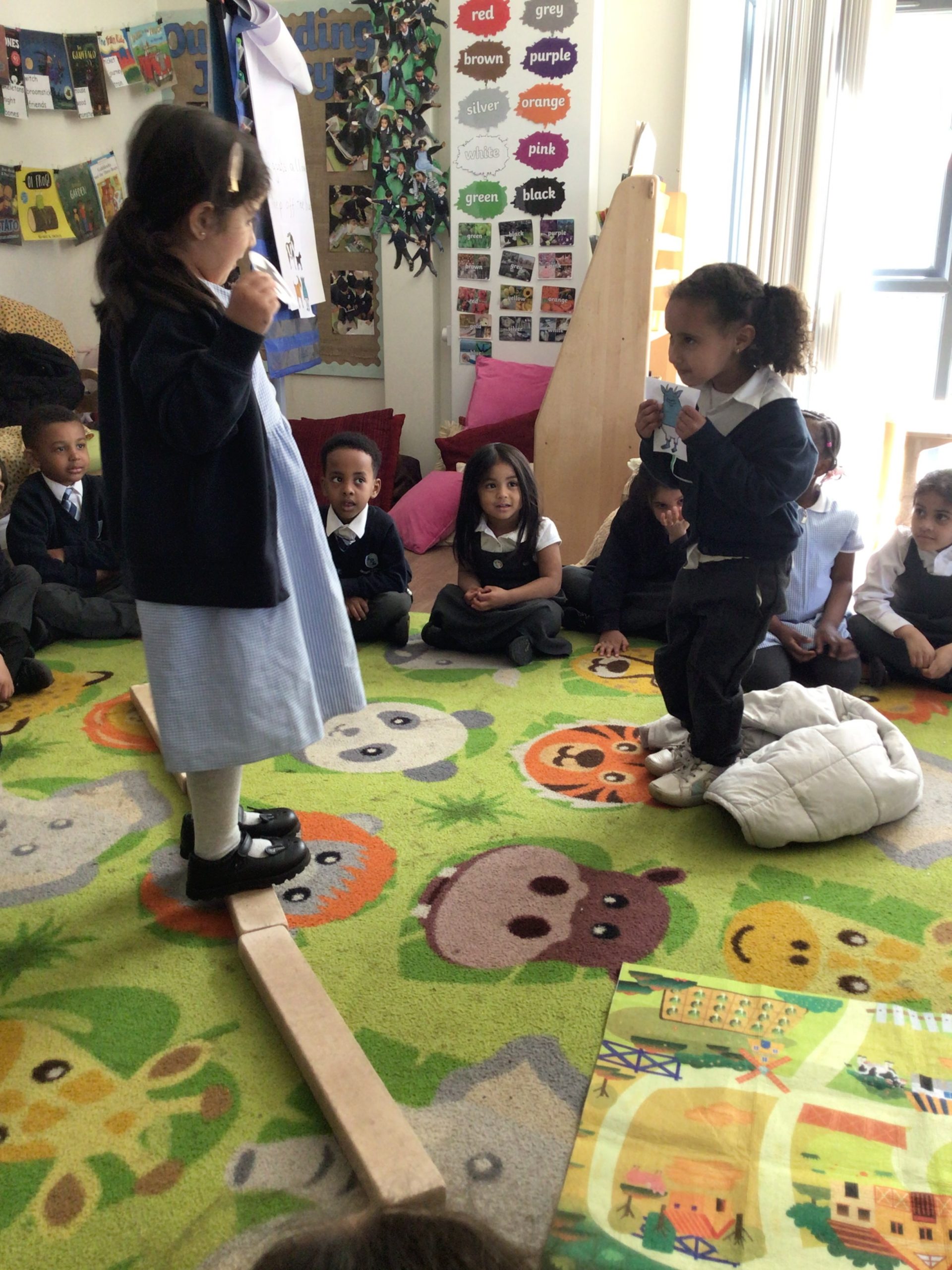
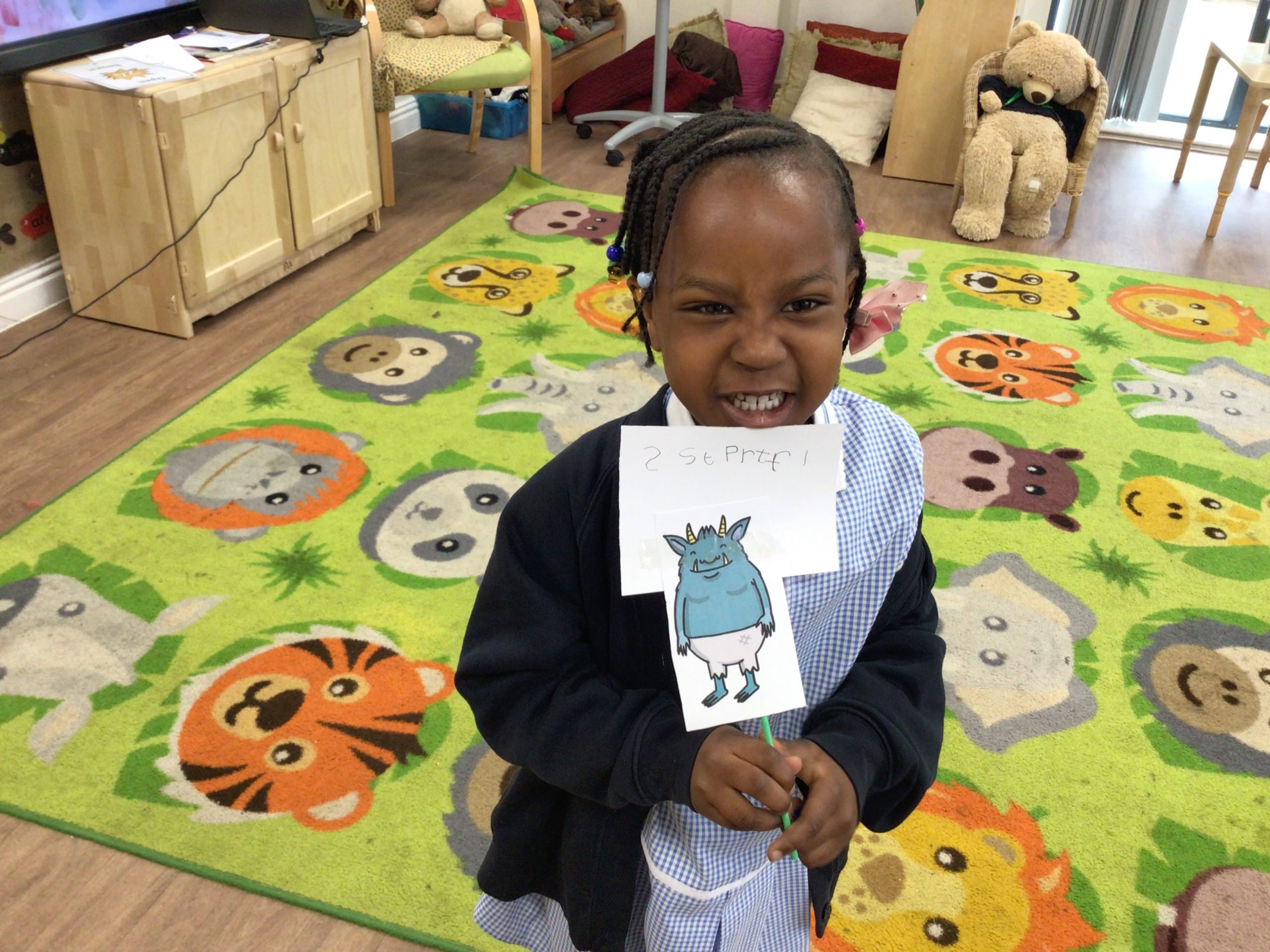
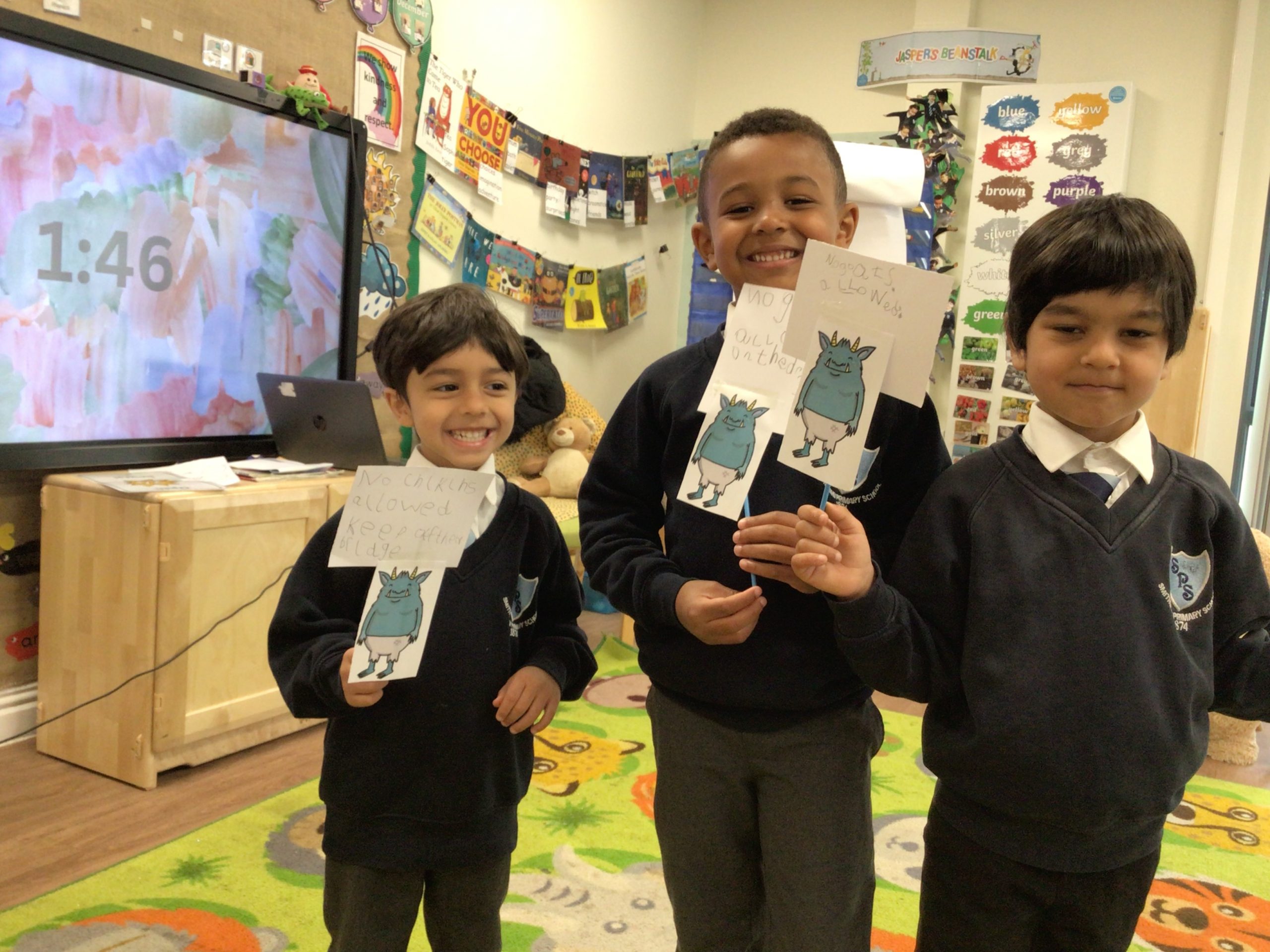
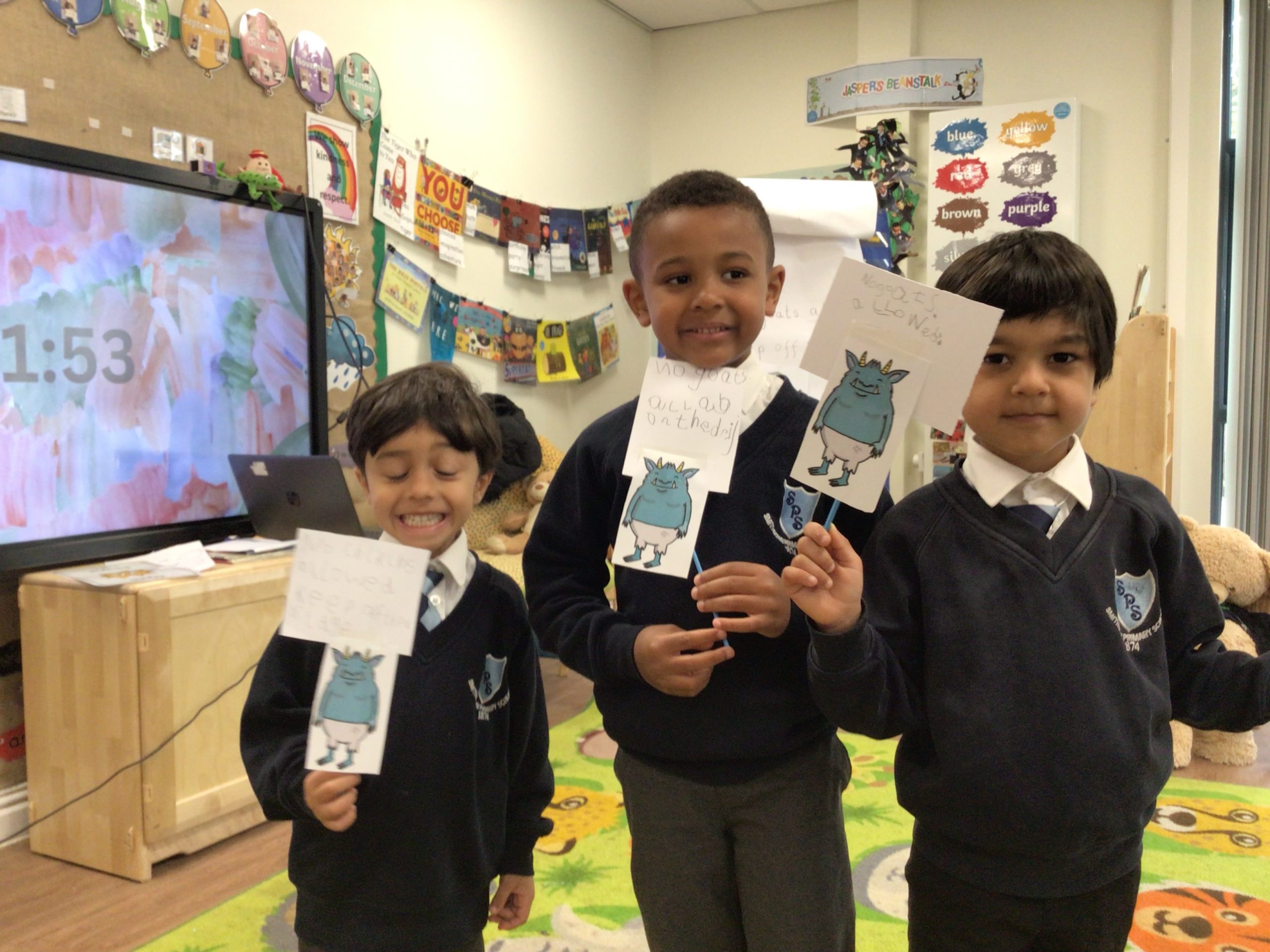
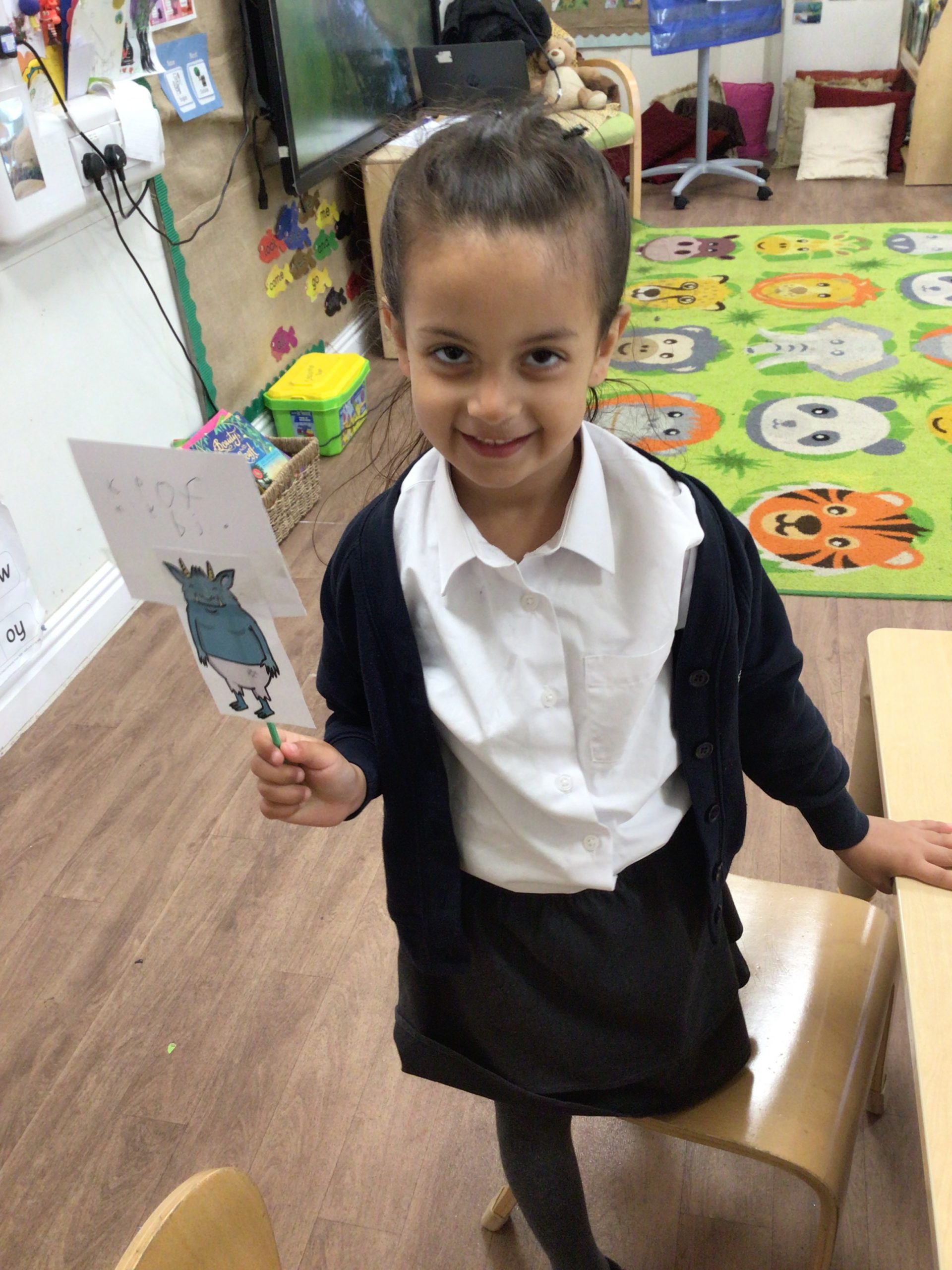
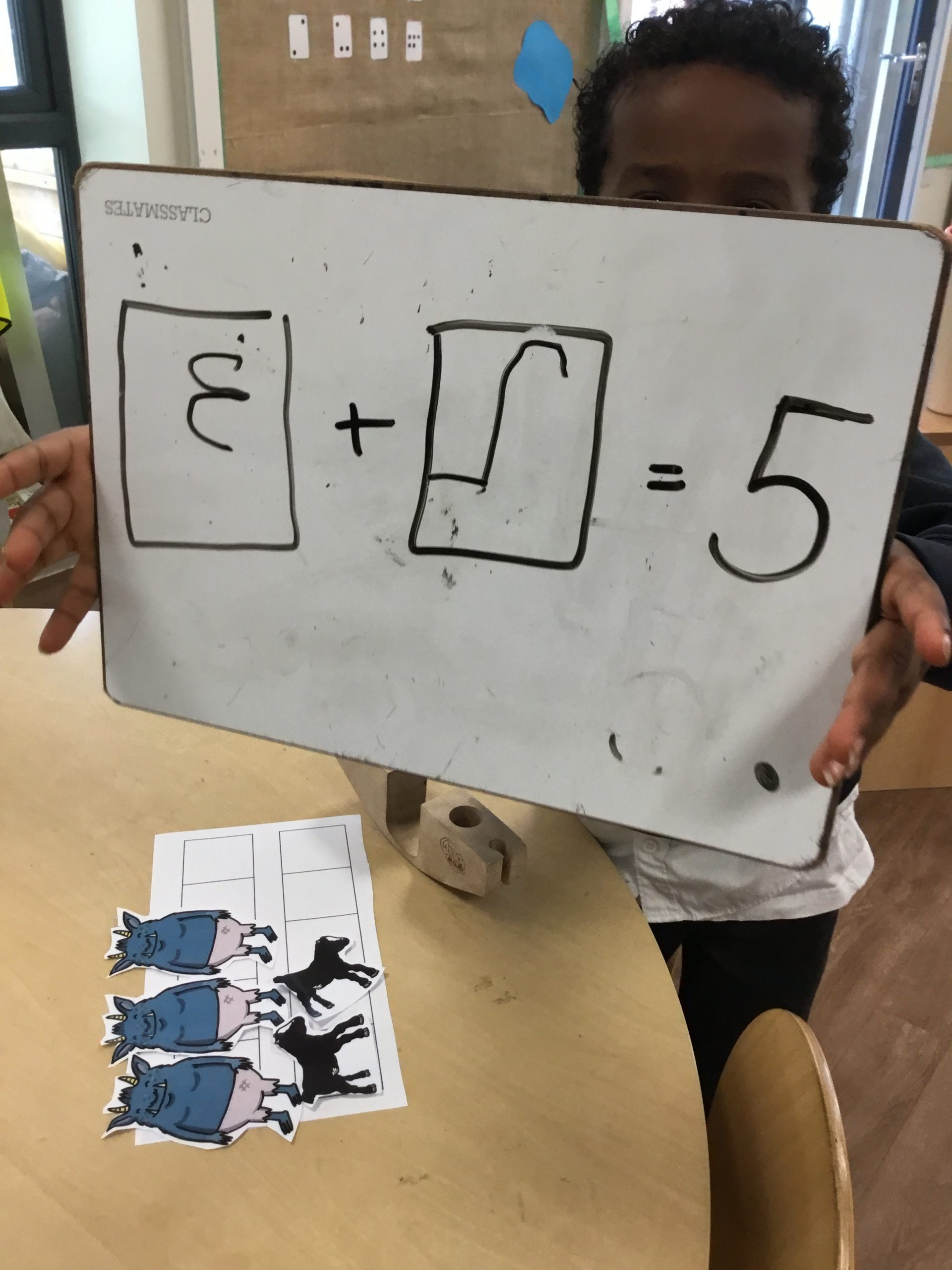
We had a great time working on the story of The Three Billy Goats Gruff! We re-enacted the story outside and inside. We problem solved which objects would be best for building bridges, created messages from The Troll to The Three Billy Goats and practiced our number bonds to 5 using the characters from the story. We also made Billy Goat pizzas, fruit bridges and painted the characters.
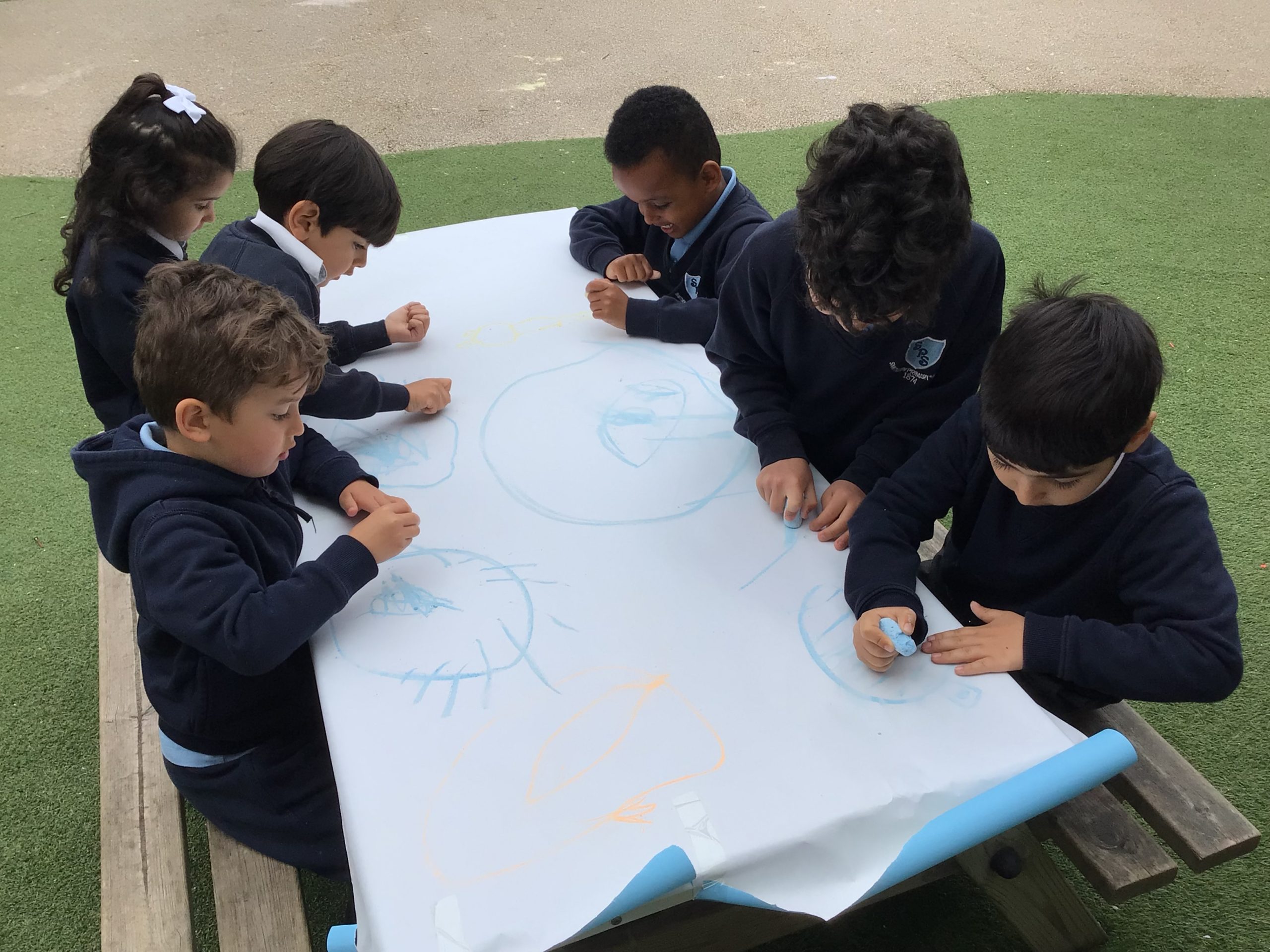
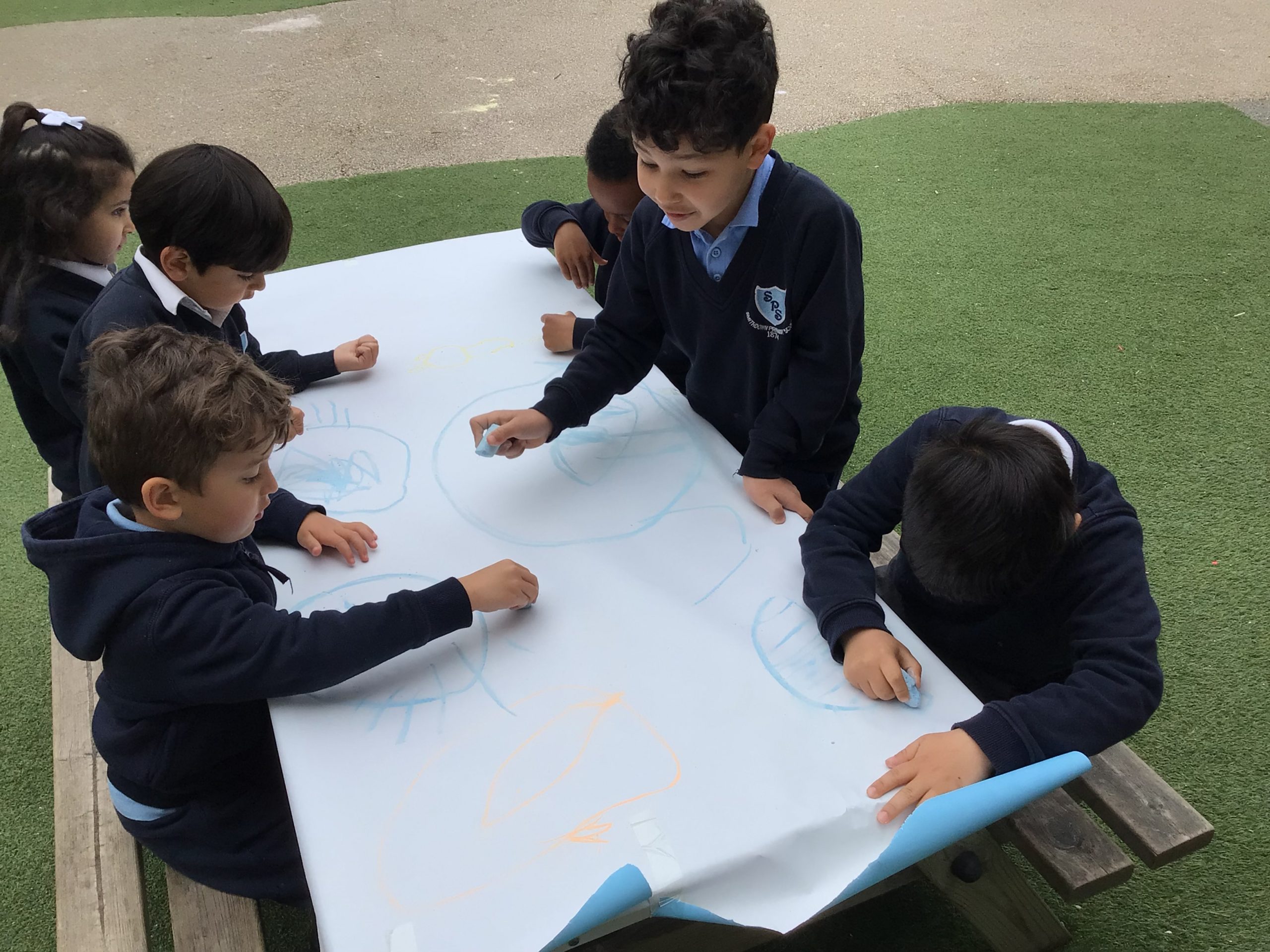
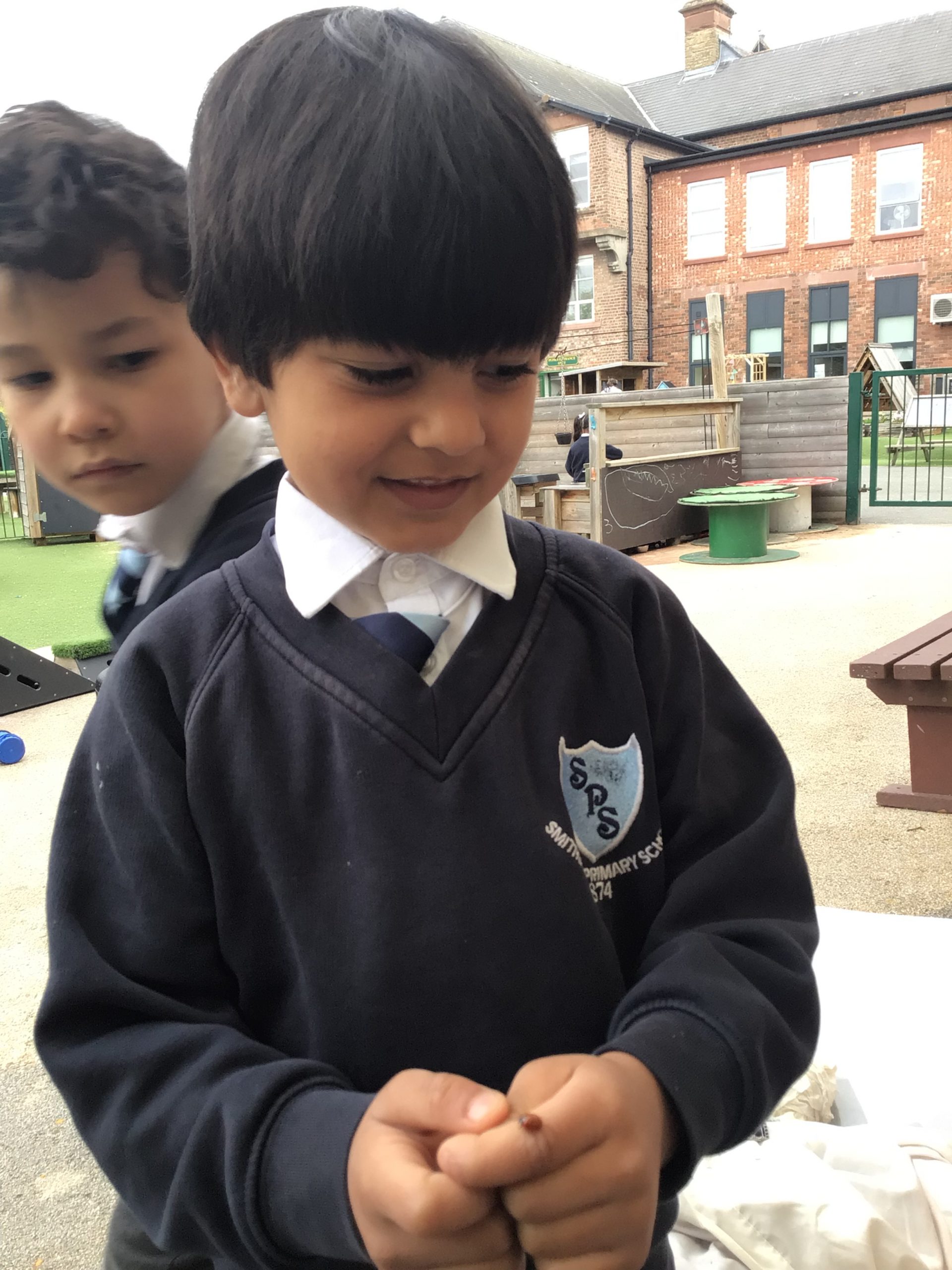
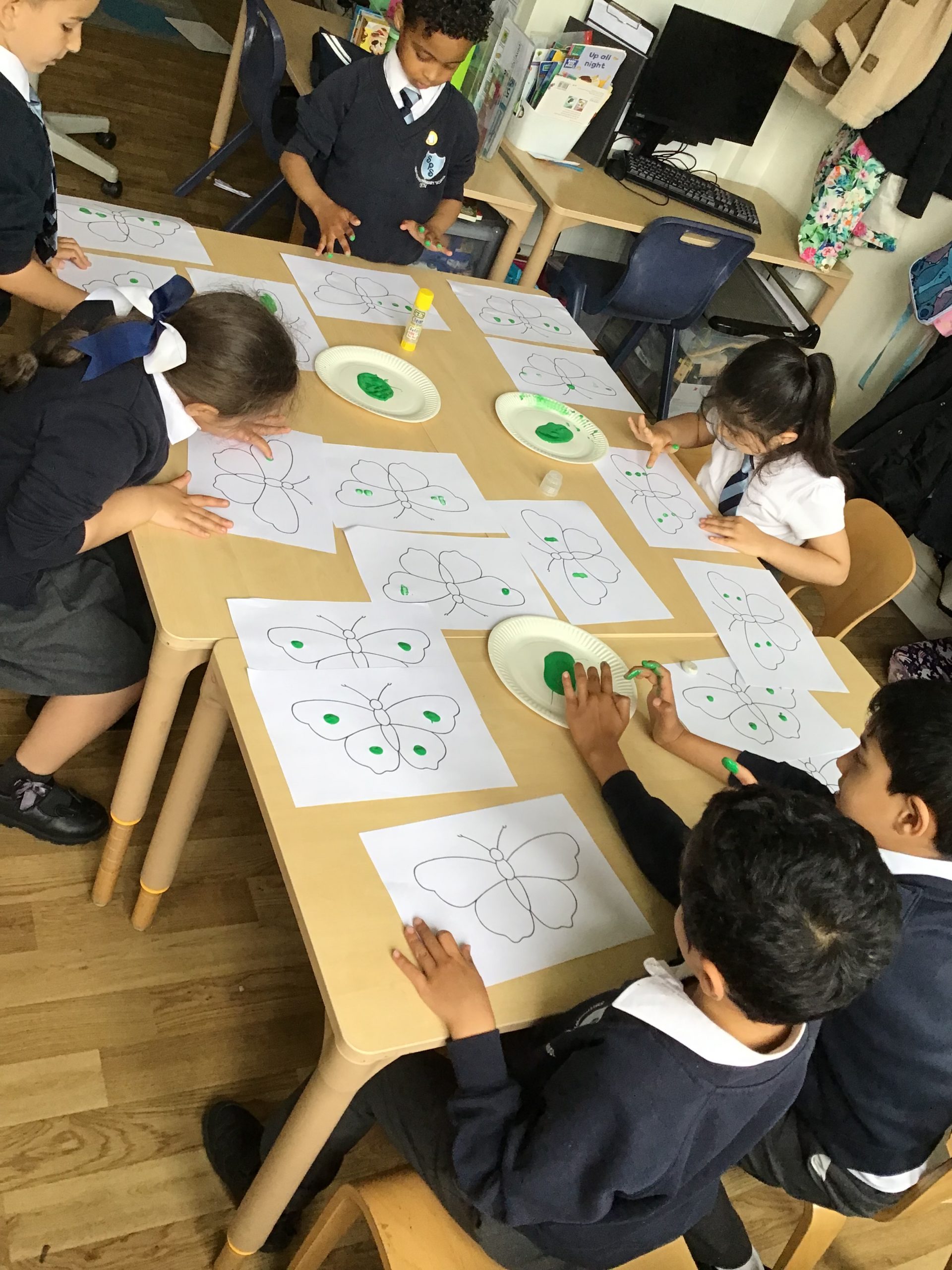
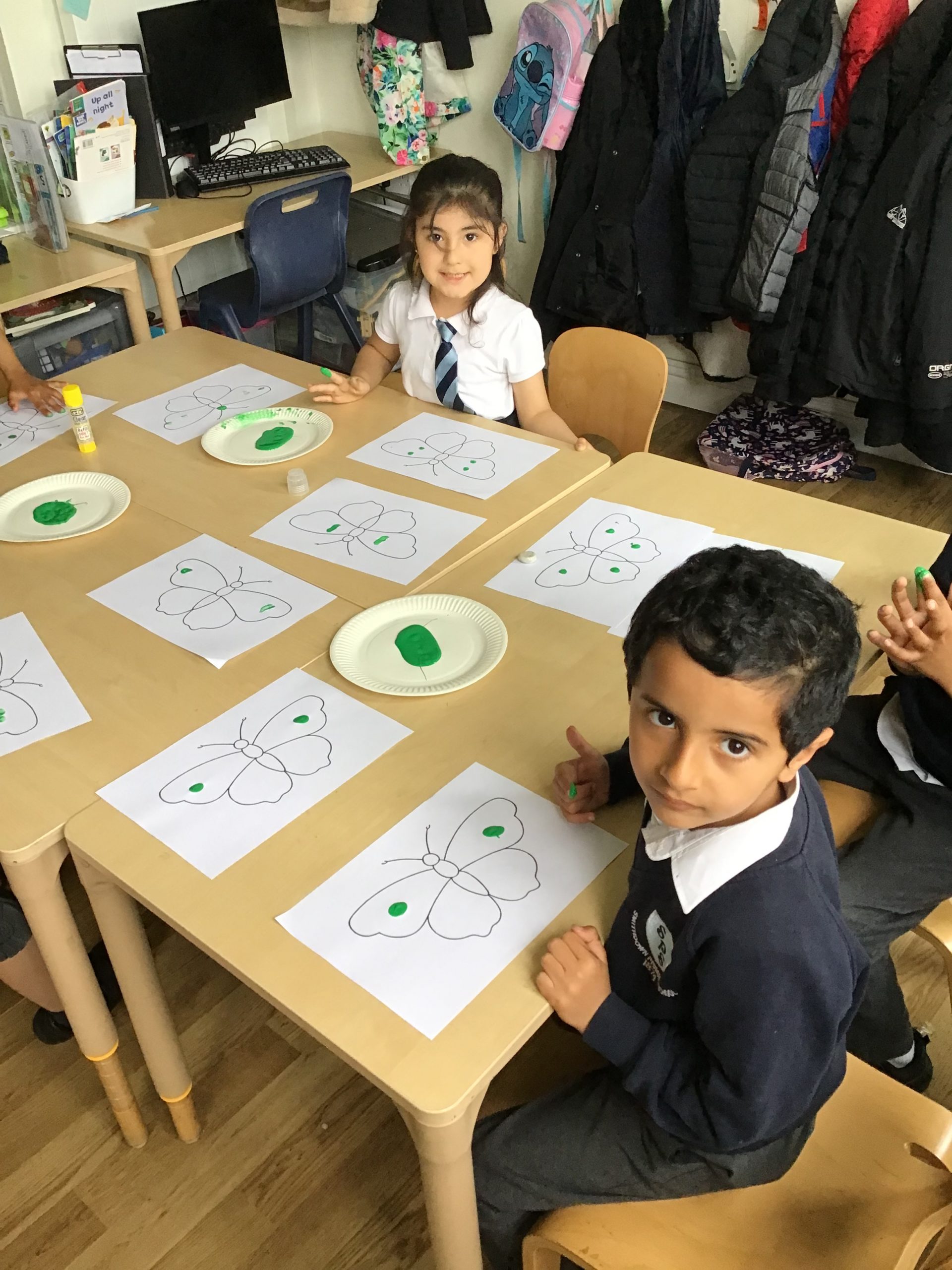
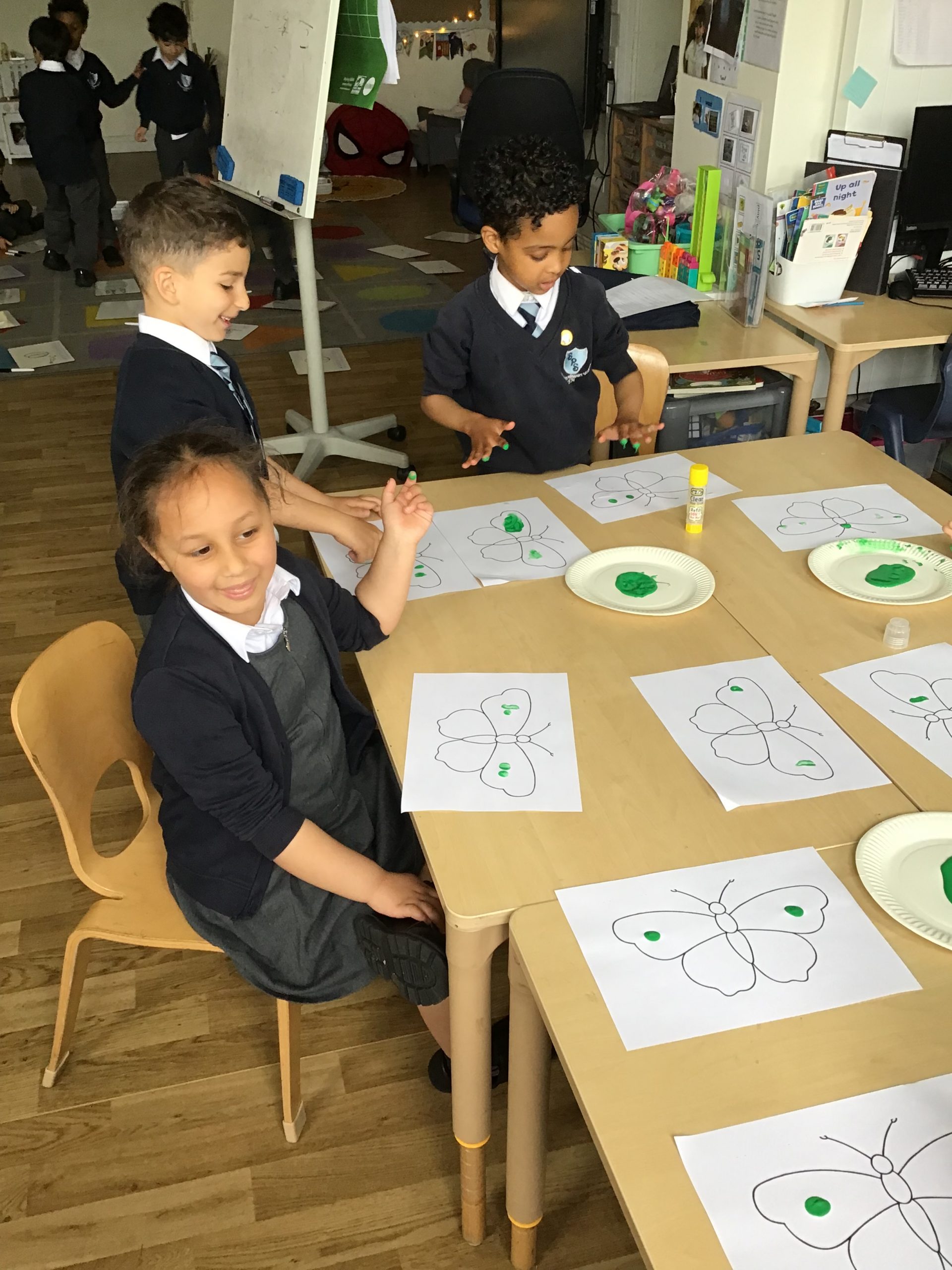
Today we have been using butterflies to help us understand doubling. We were careful to make sure the number was the same on both sides.
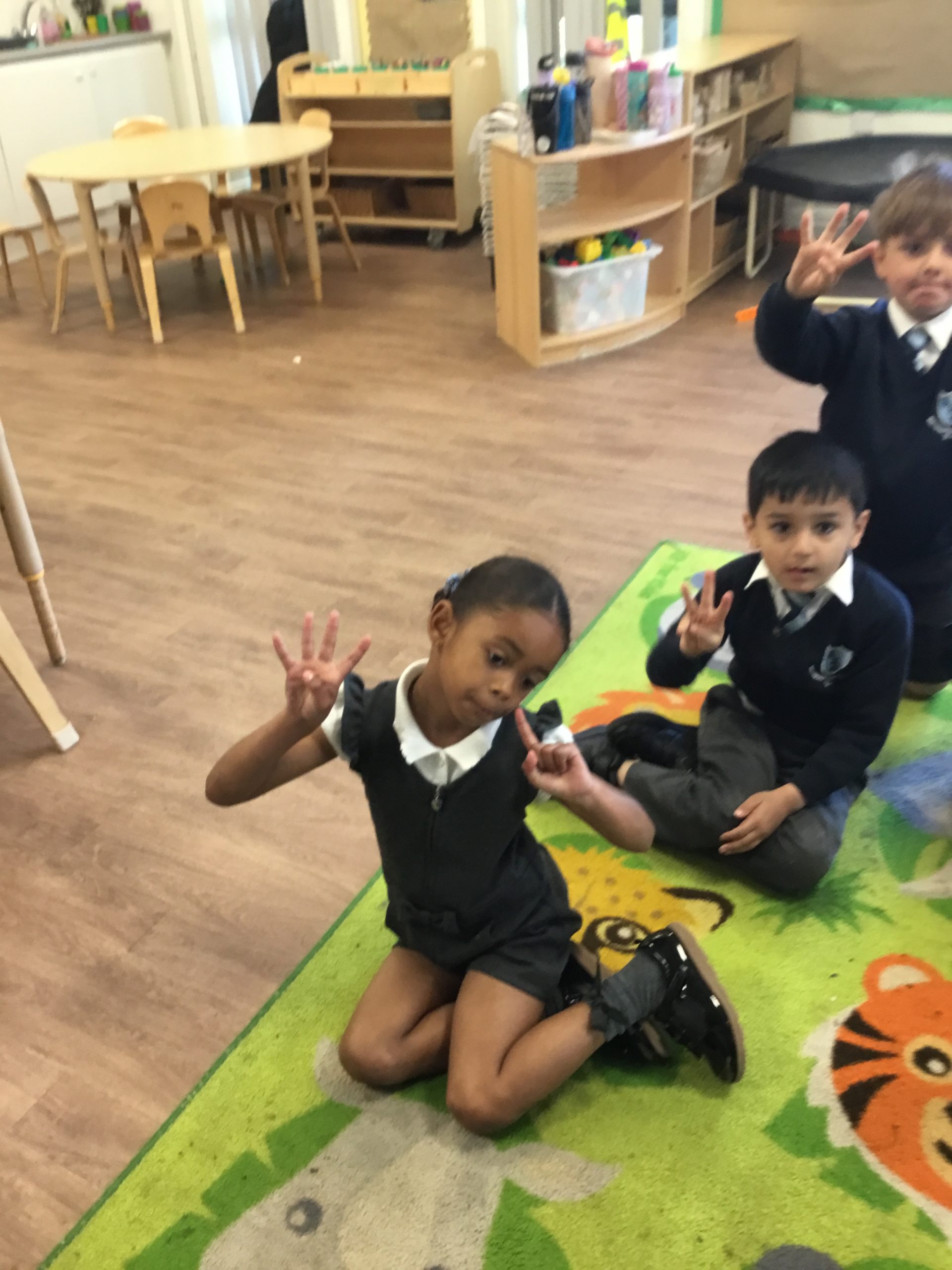
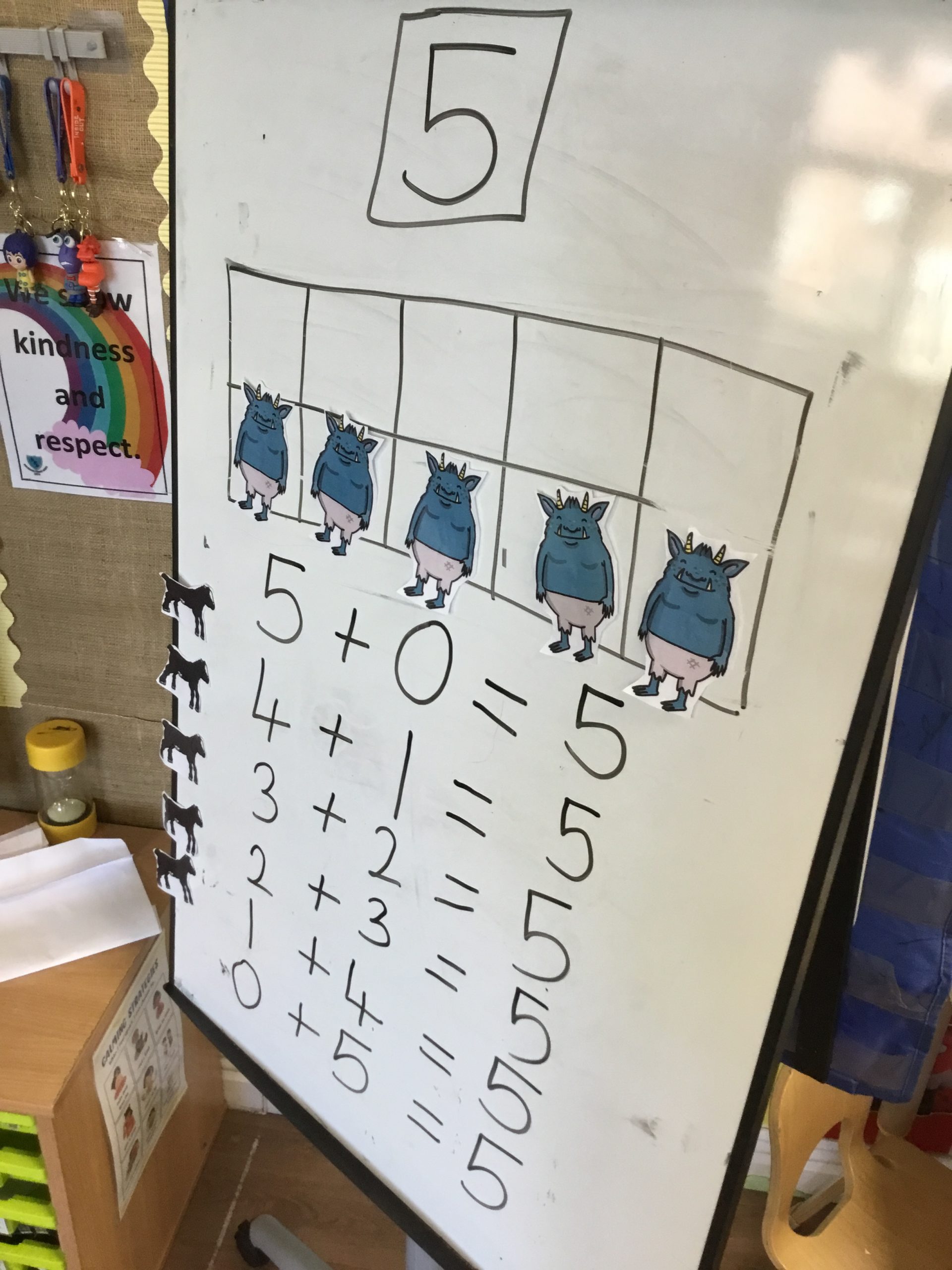
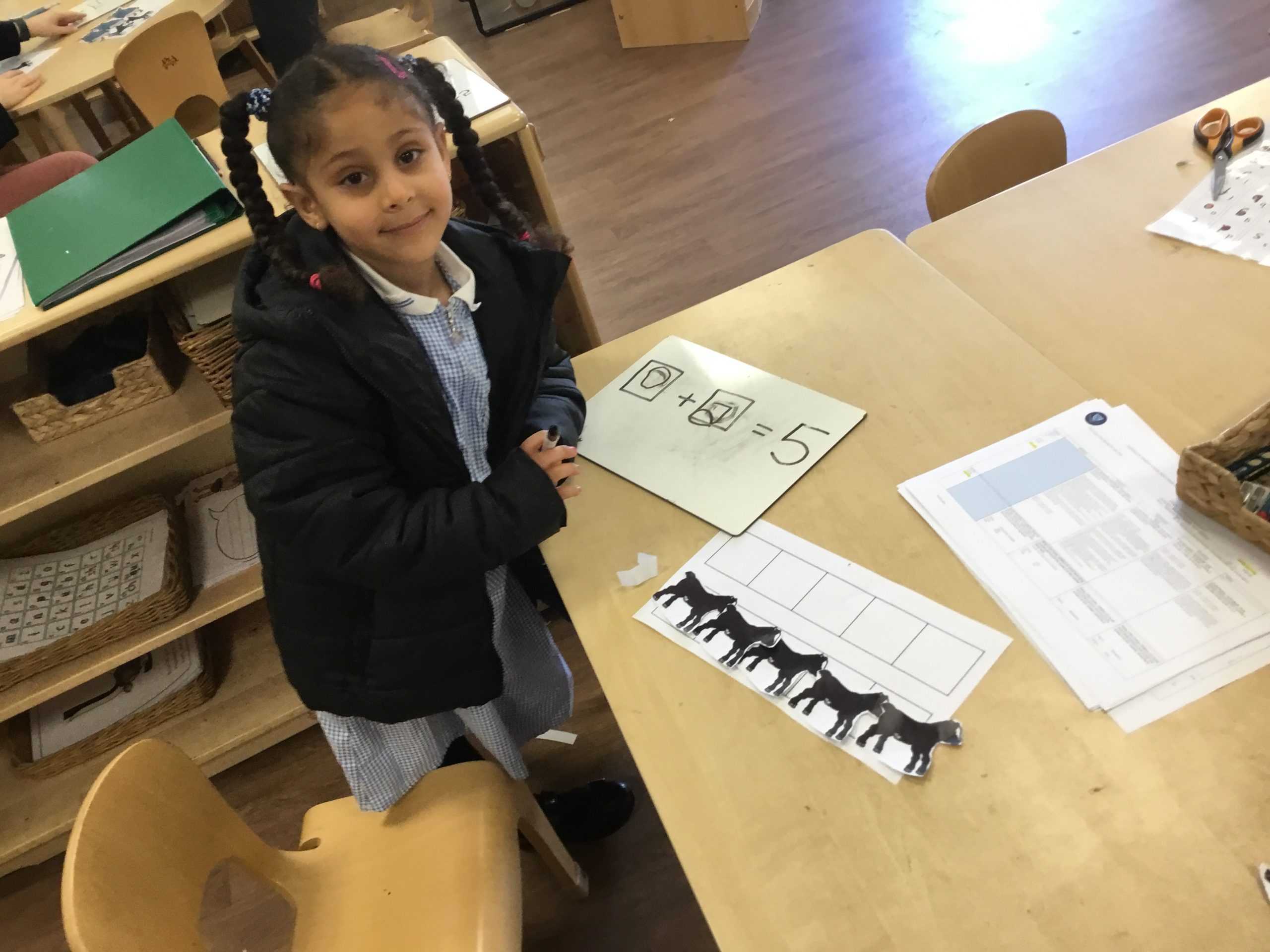
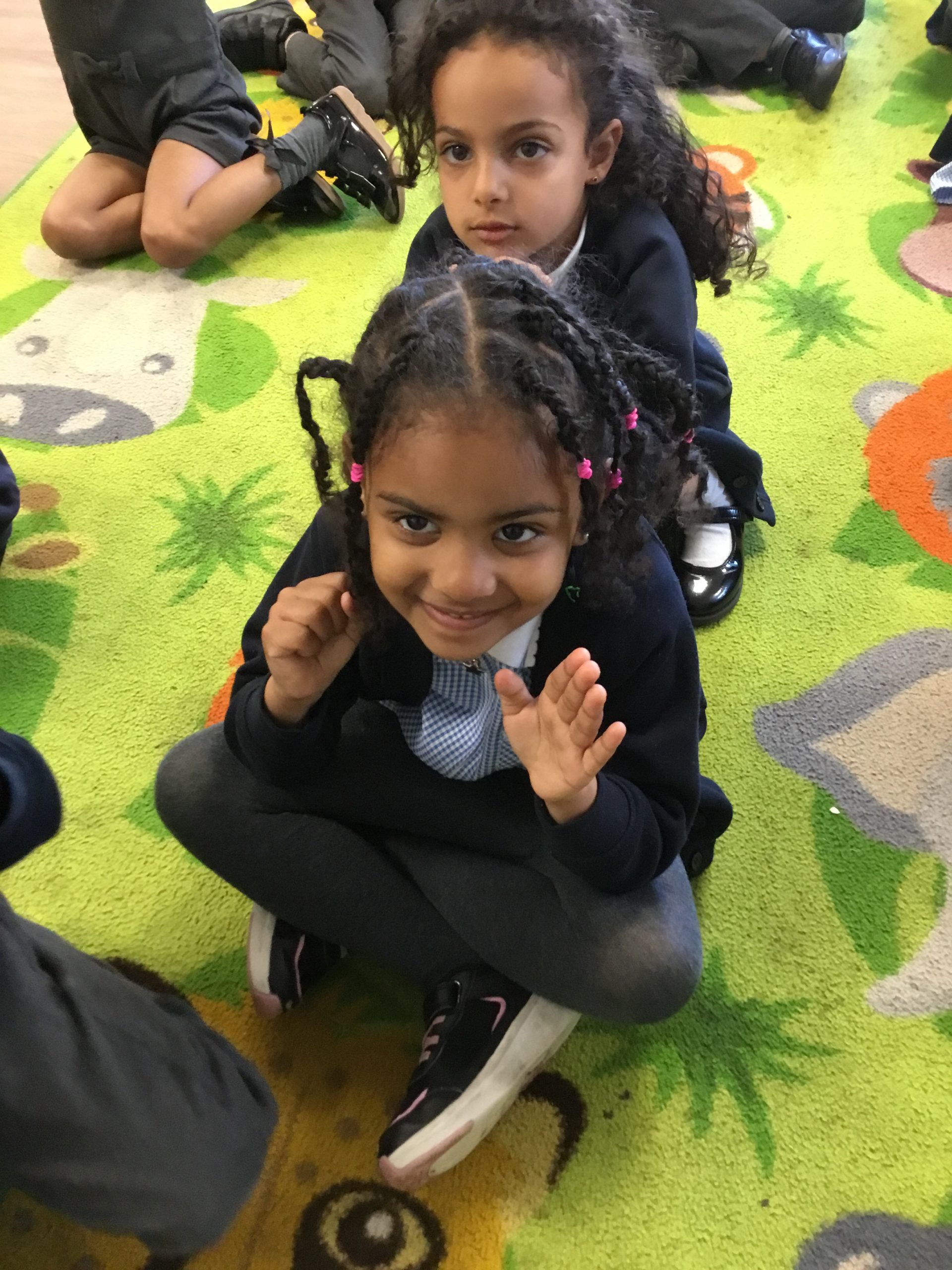
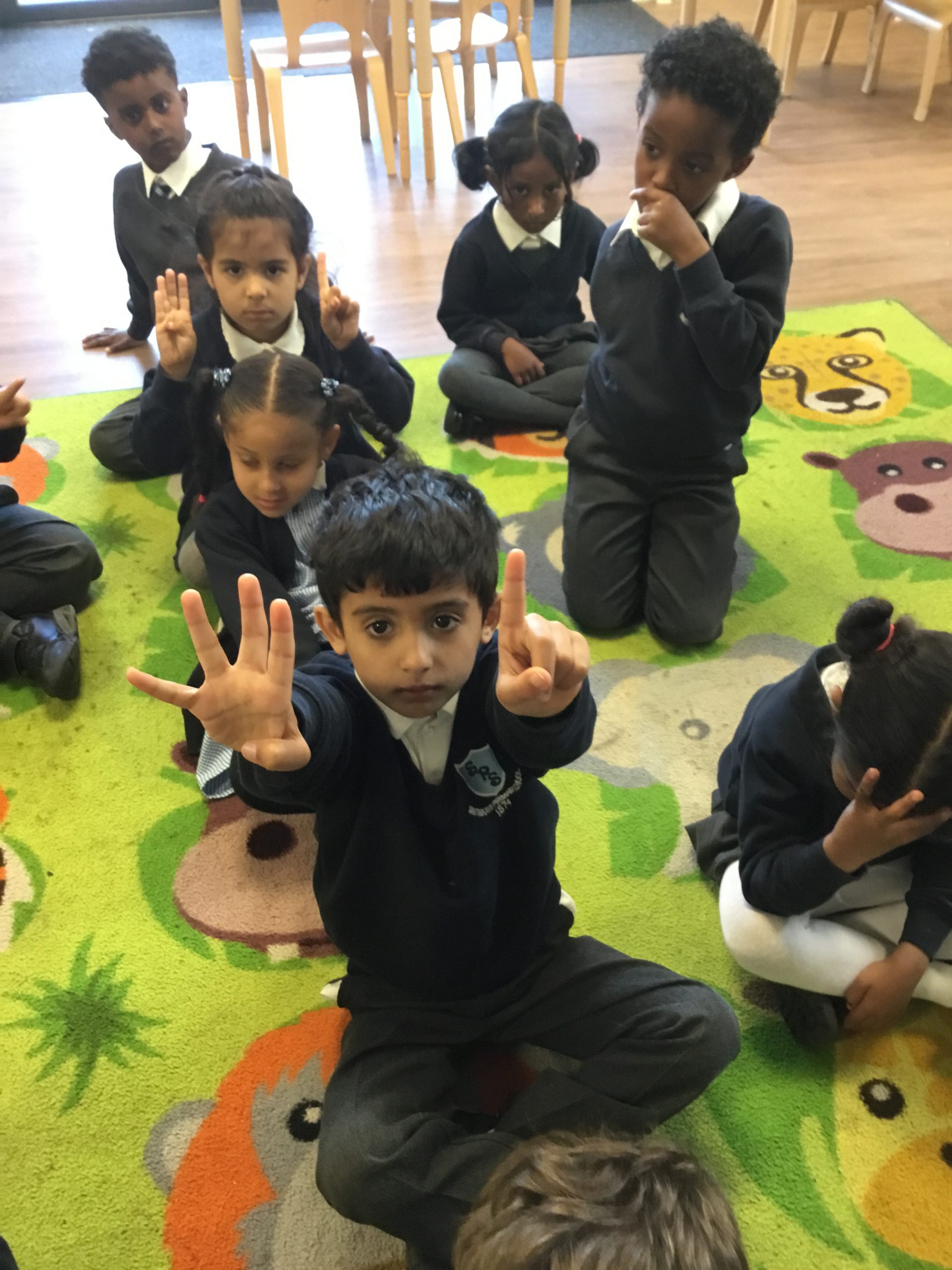
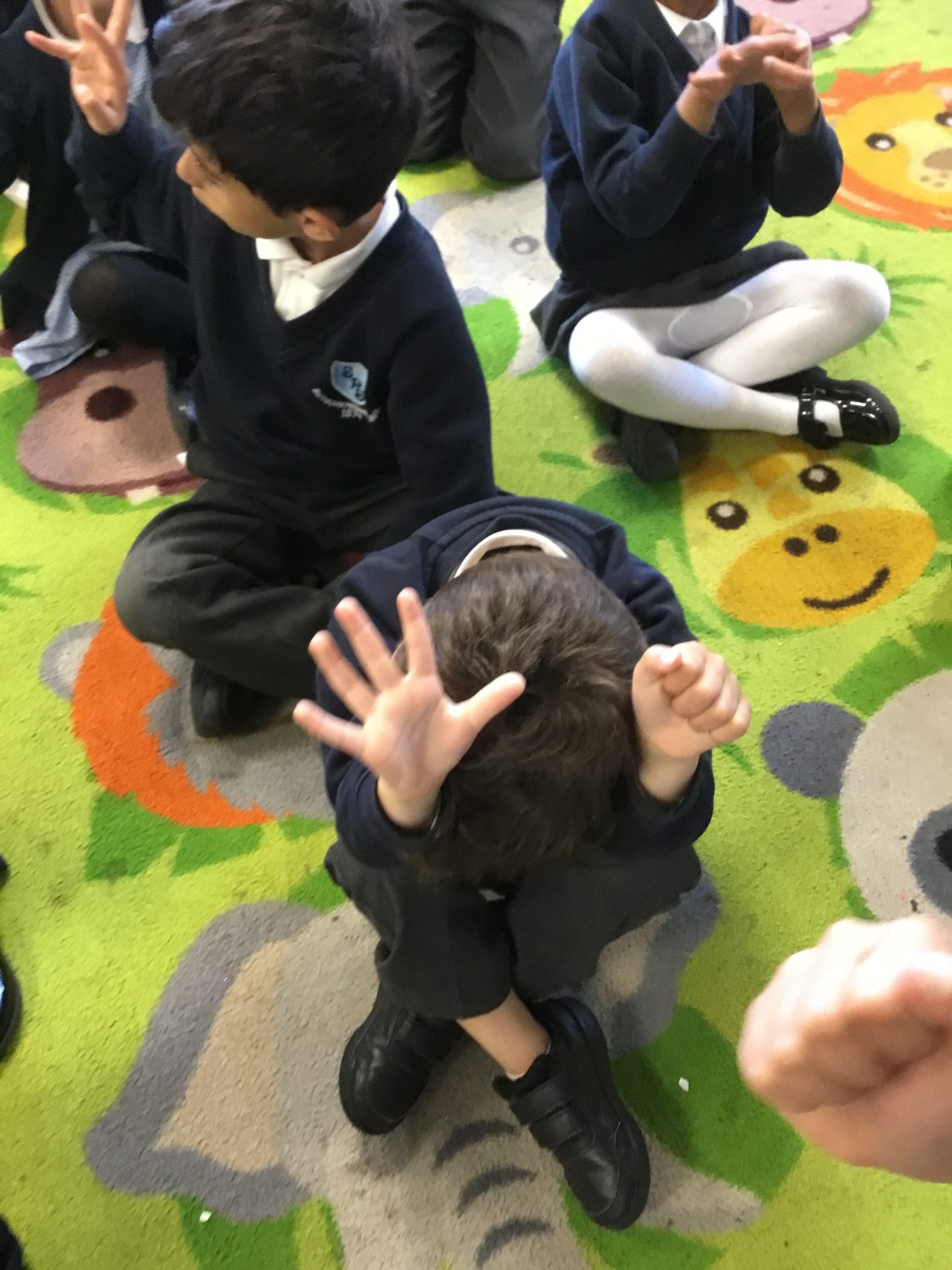
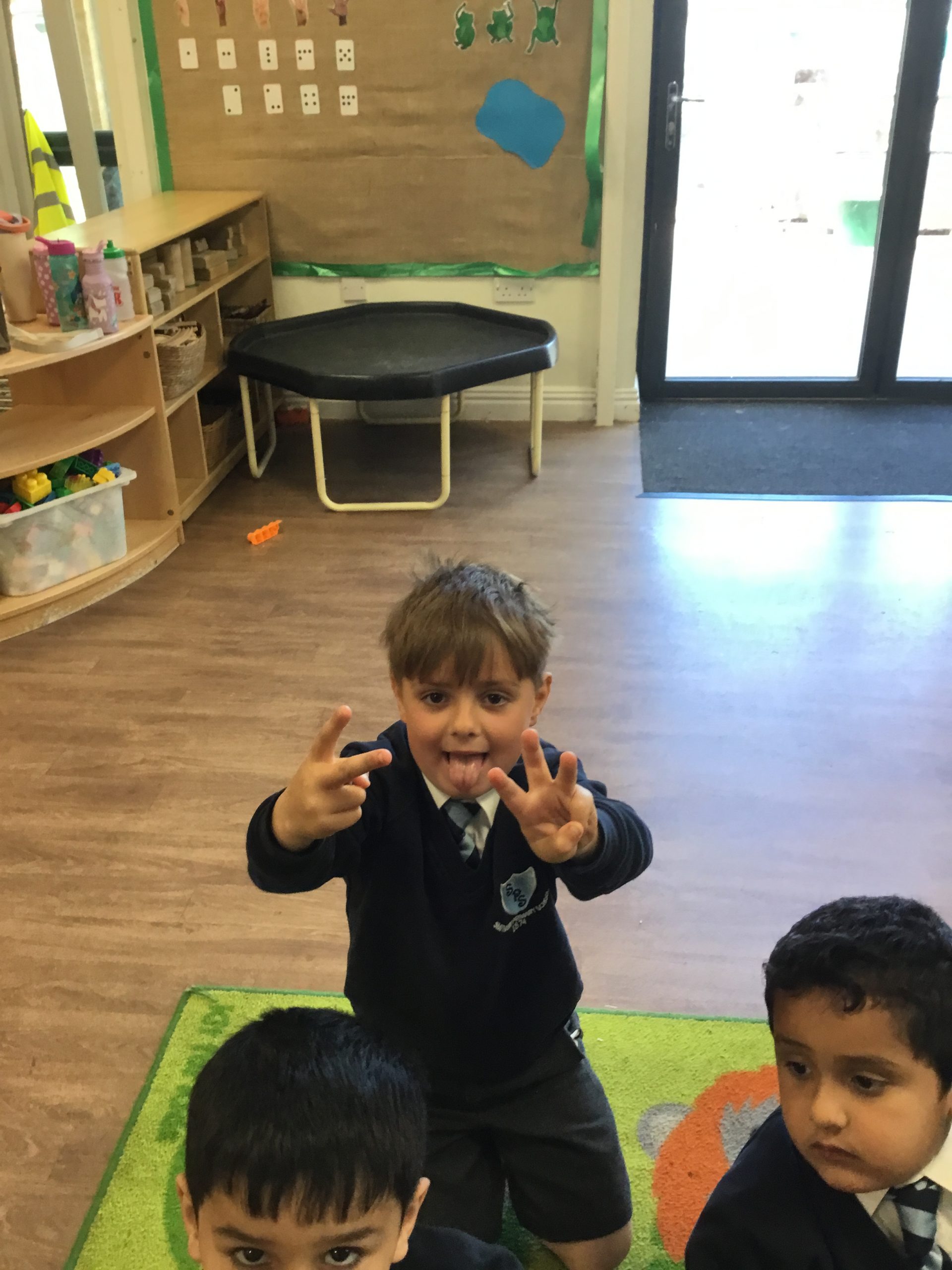
The children have been working hard this week learning all about number bonds to 5. They were showing the number bonds practically with goats and trolls, they have been writing number sentences to show the number bonds and they have also been using their hands to show the numbers bonds to 5. 🖐🏽
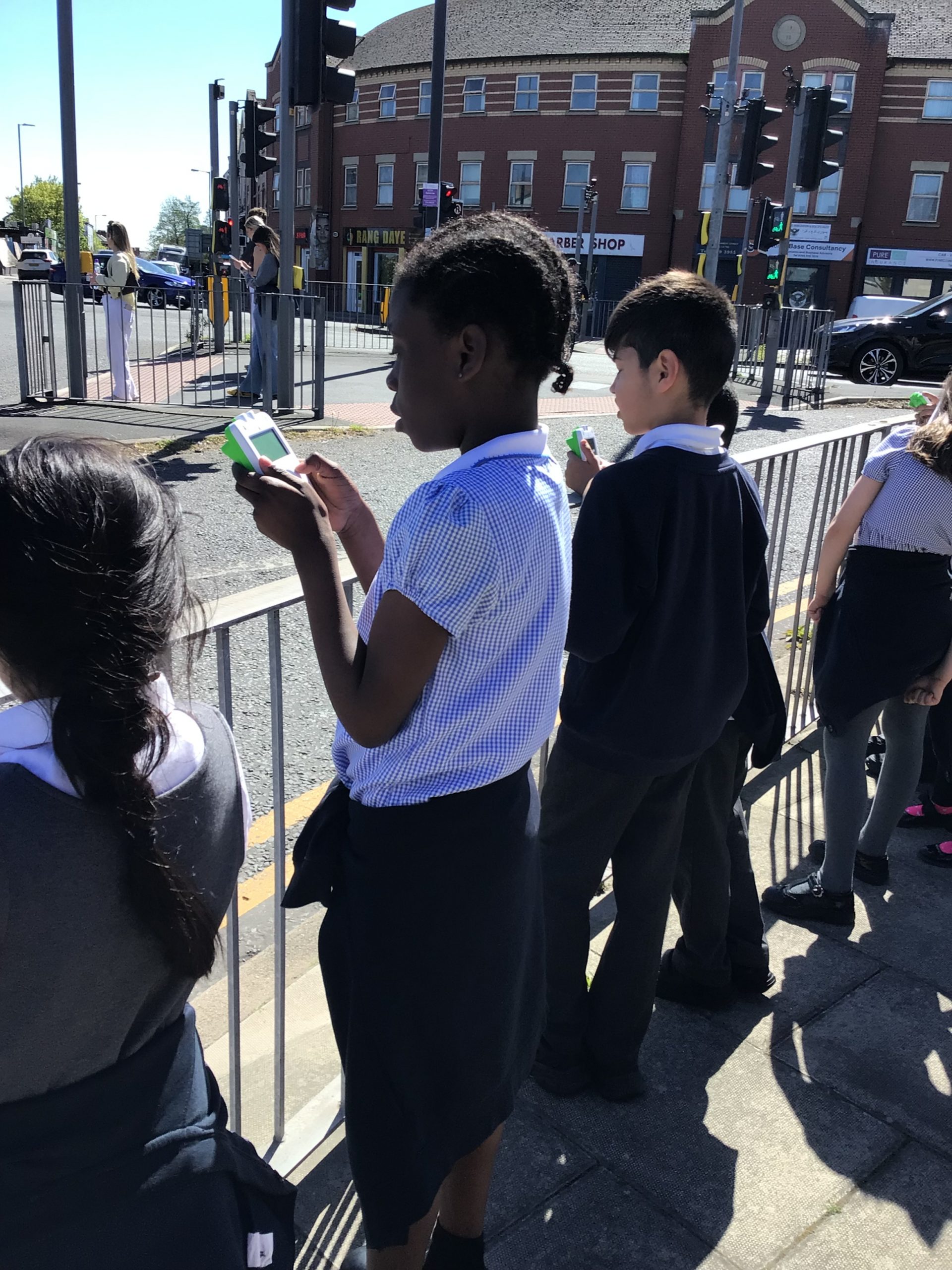
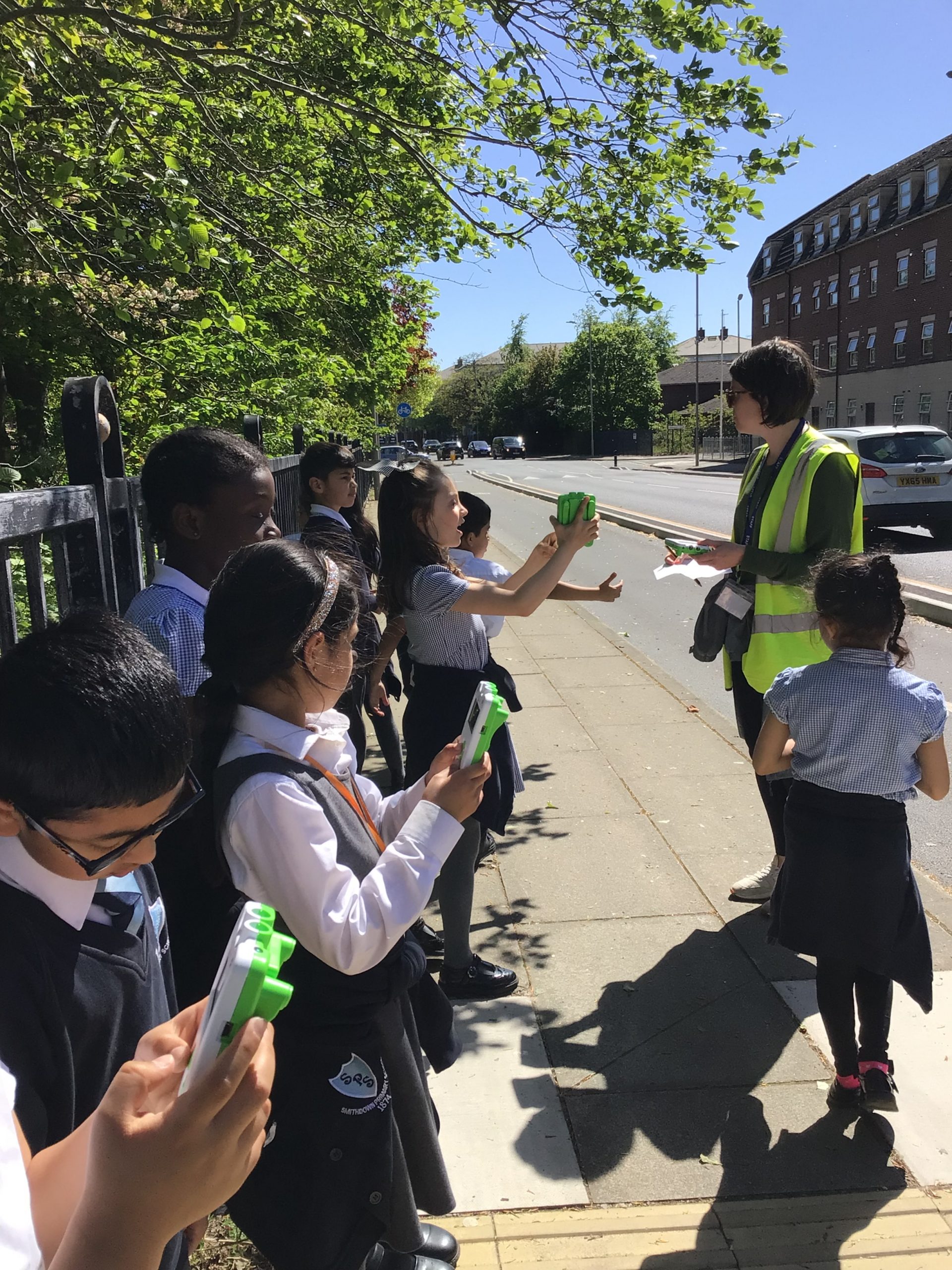
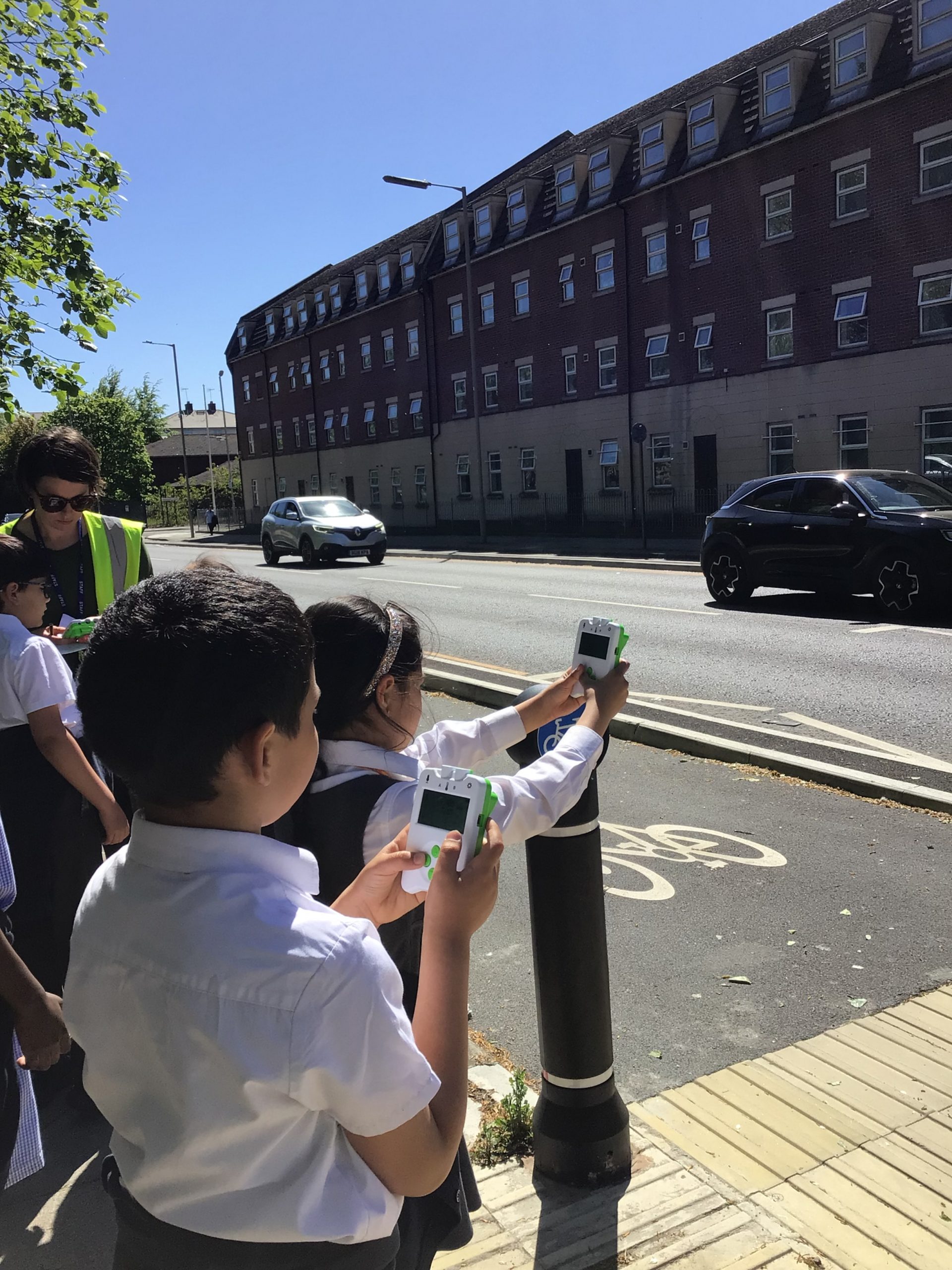
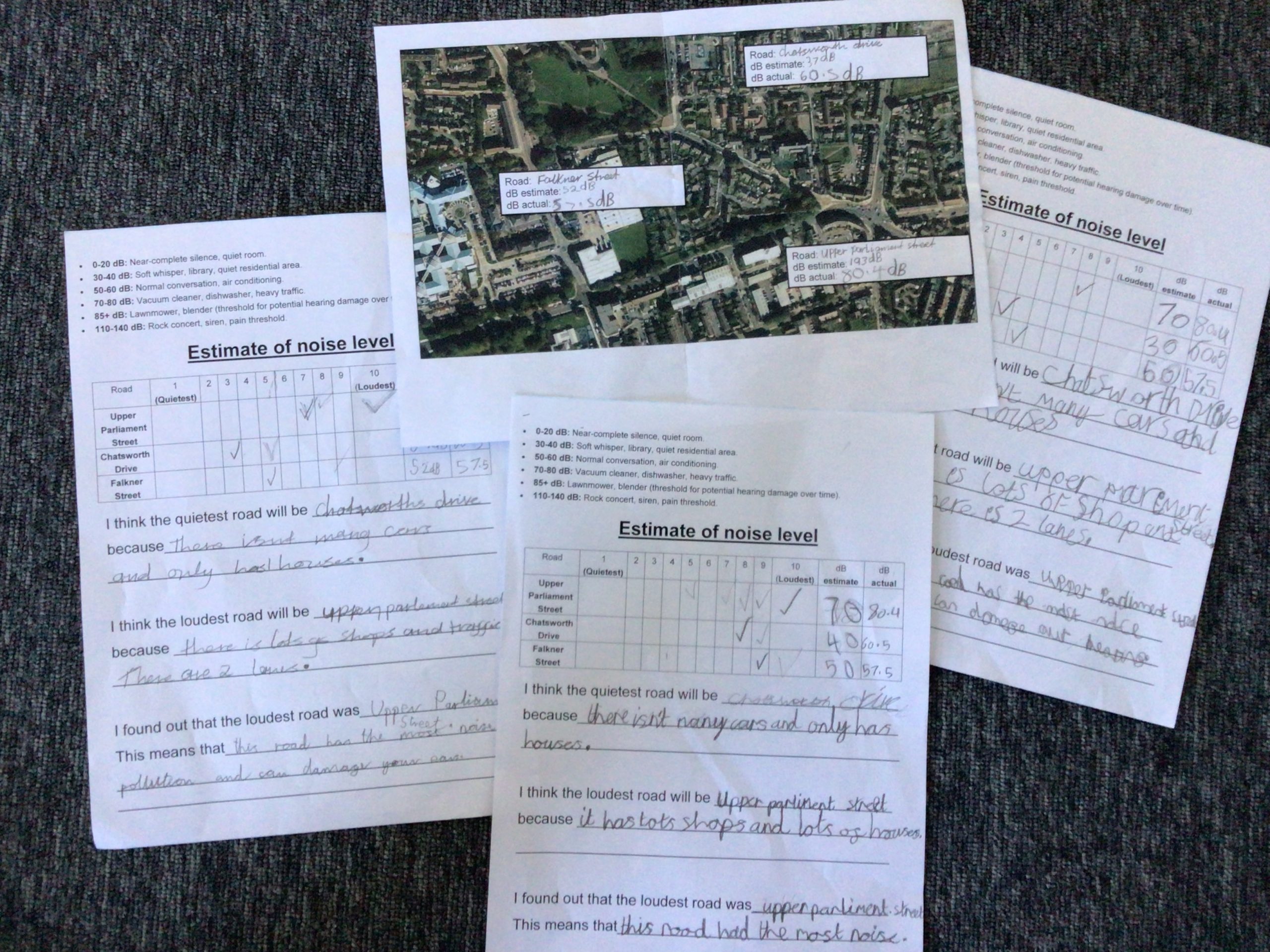
For Earth Day we estimated the noise level of some different roads around our school. We then used our data loggers to measure the actual noise level in dB. We spoke about noise pollution and what means for us.
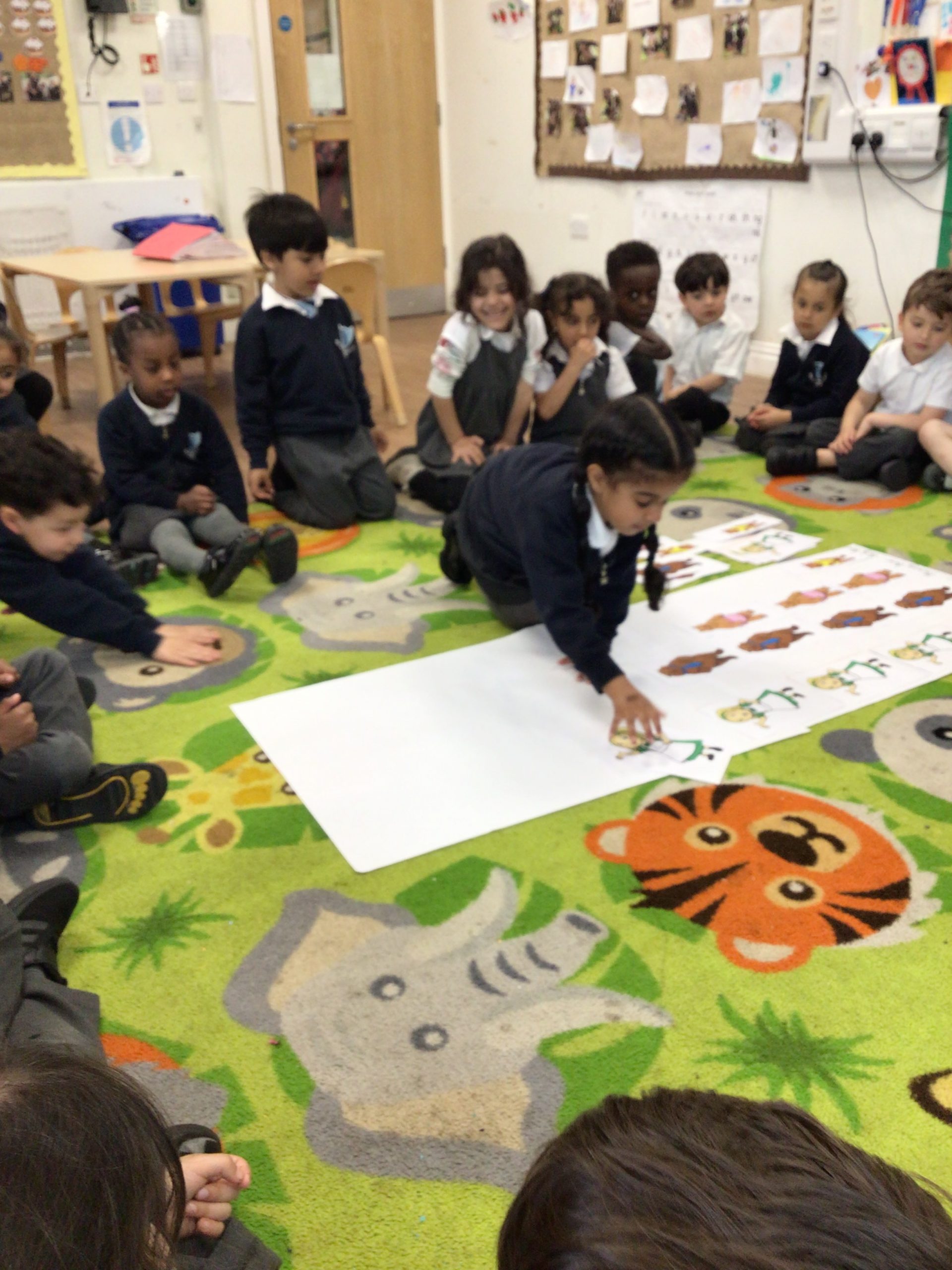
We created a pictogram of our favourite characters from Goldilocks and the Three Bears.
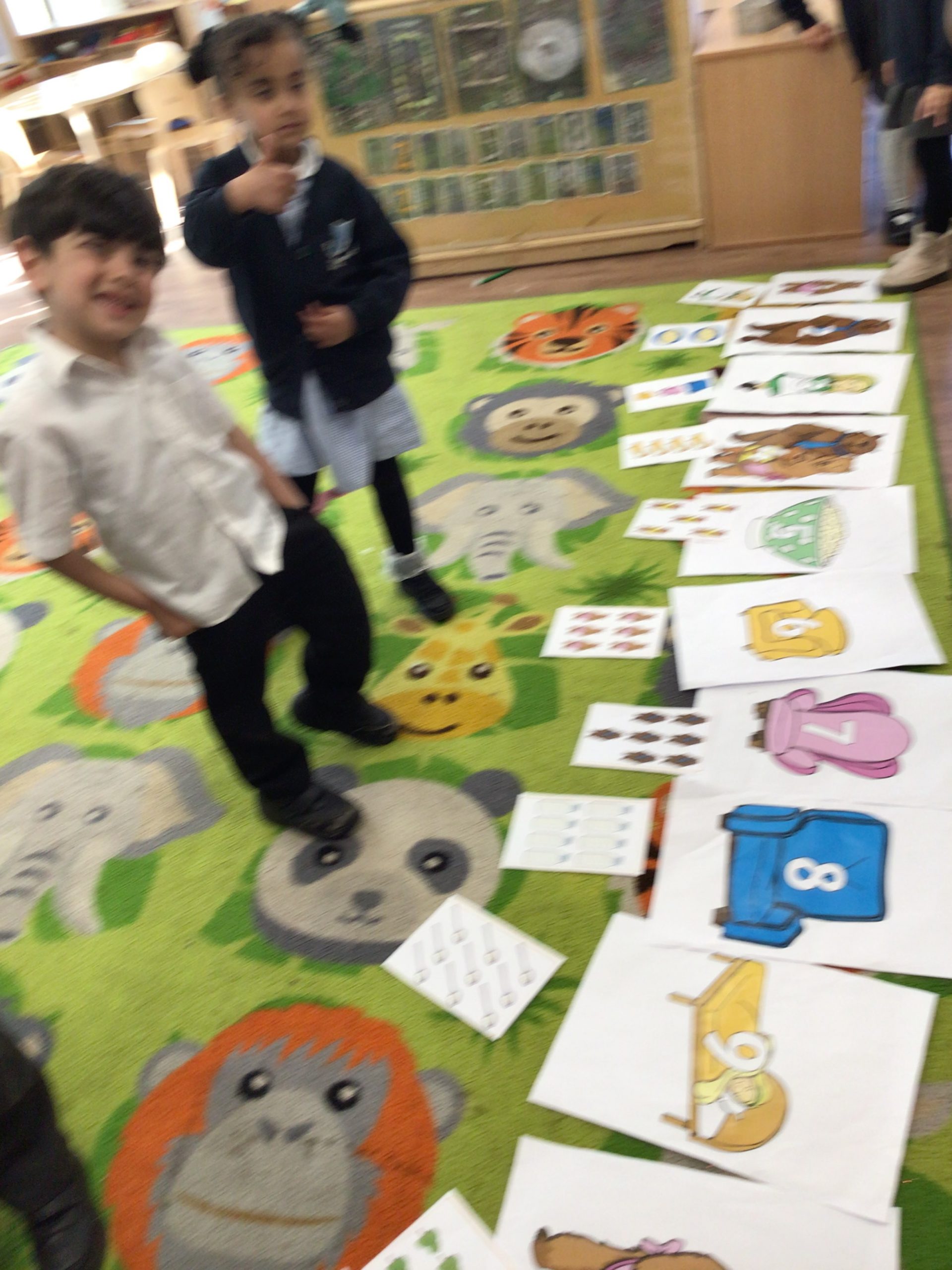
In this week’s maths, we have been counting to 20, practicing ordering numbers to 10 and matching the correct number of objects to a number.
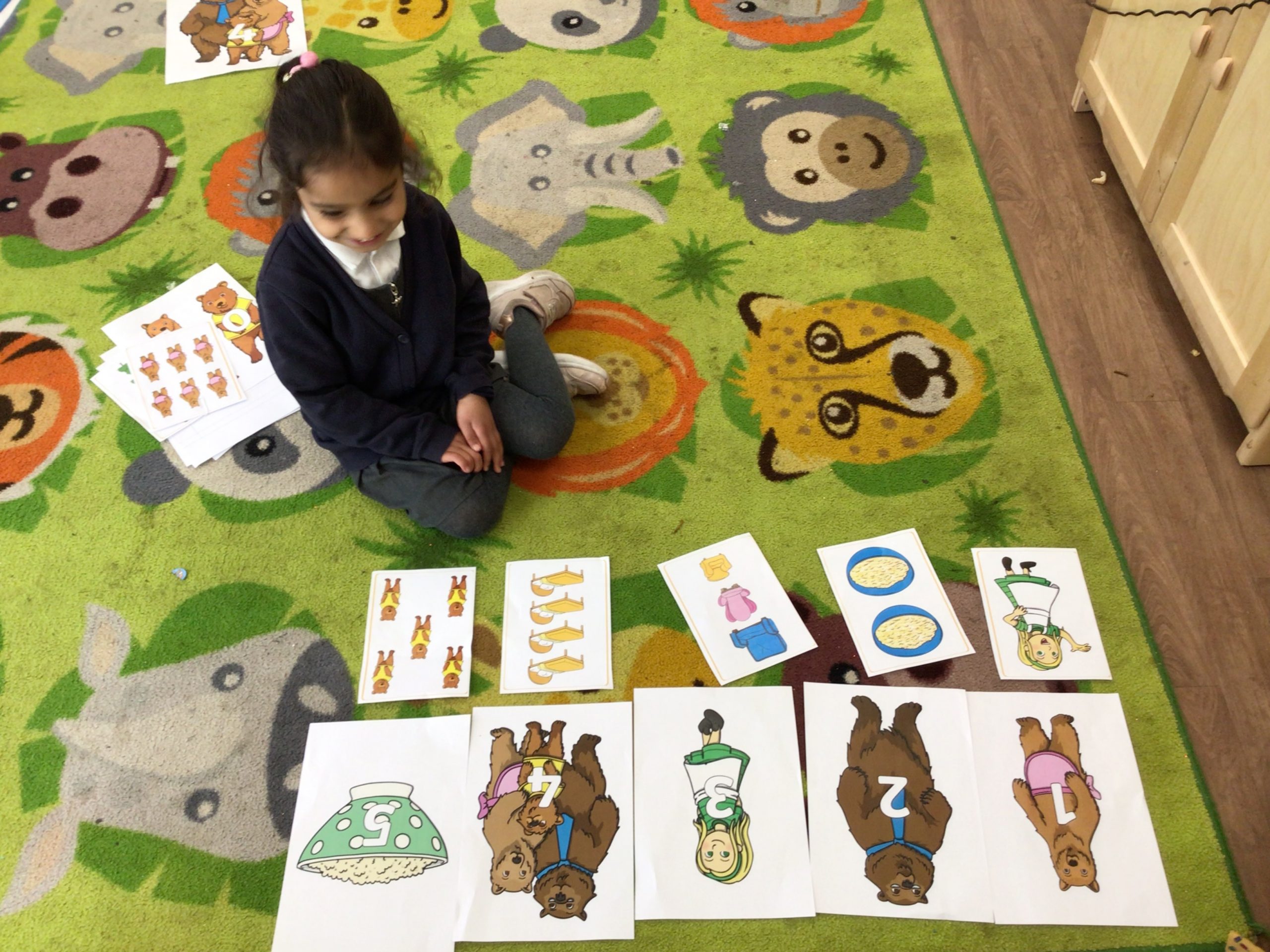
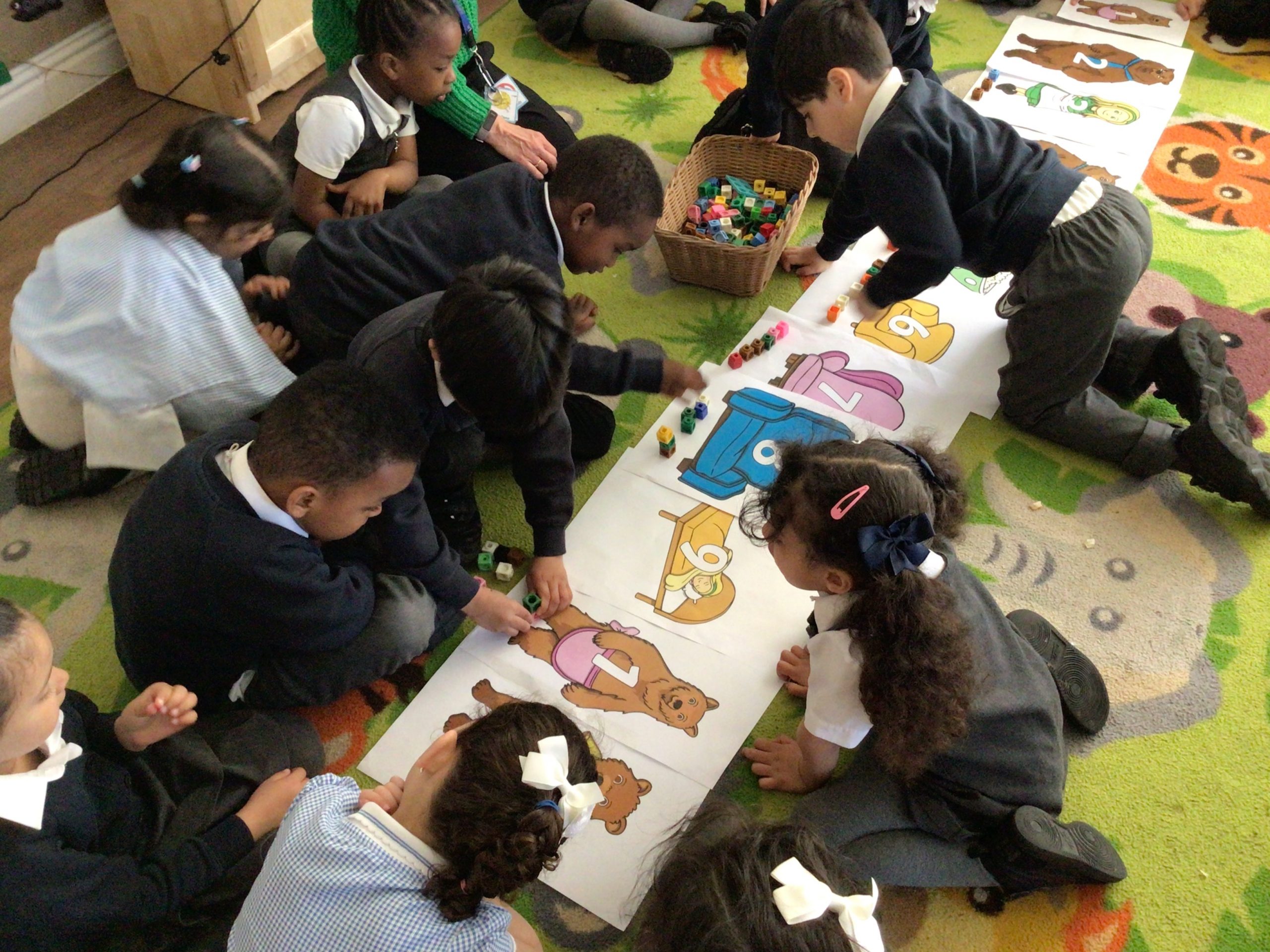
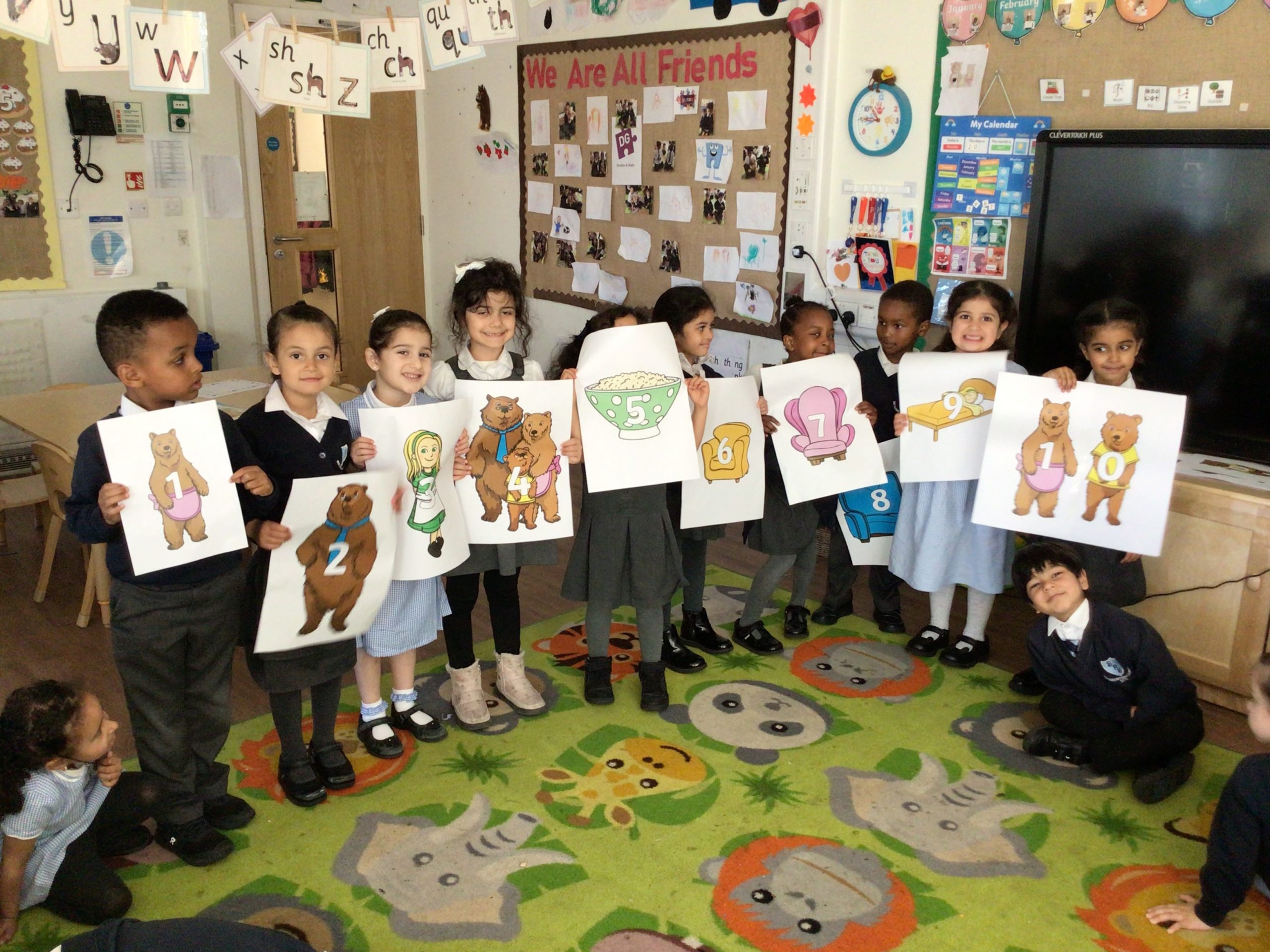
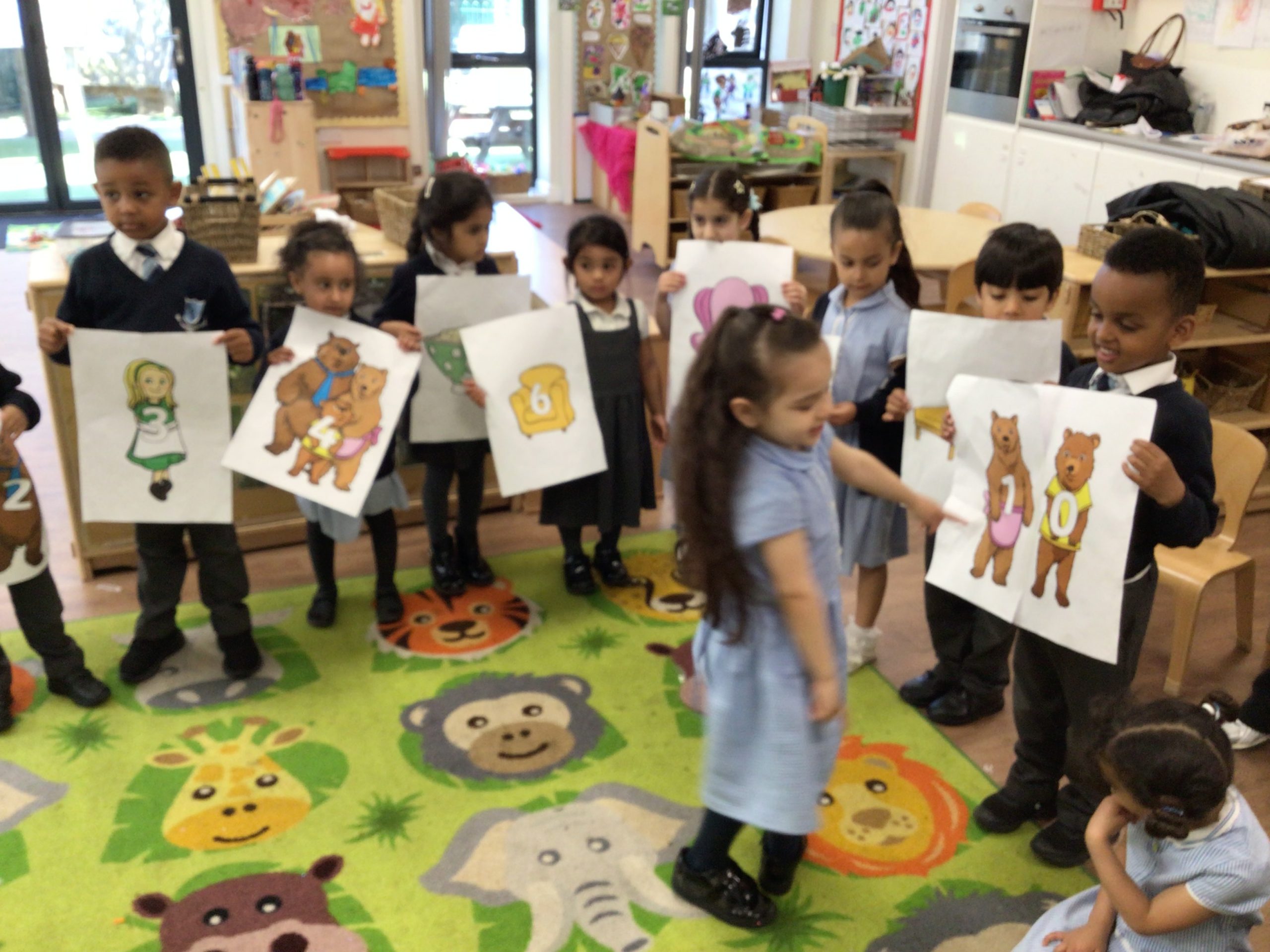
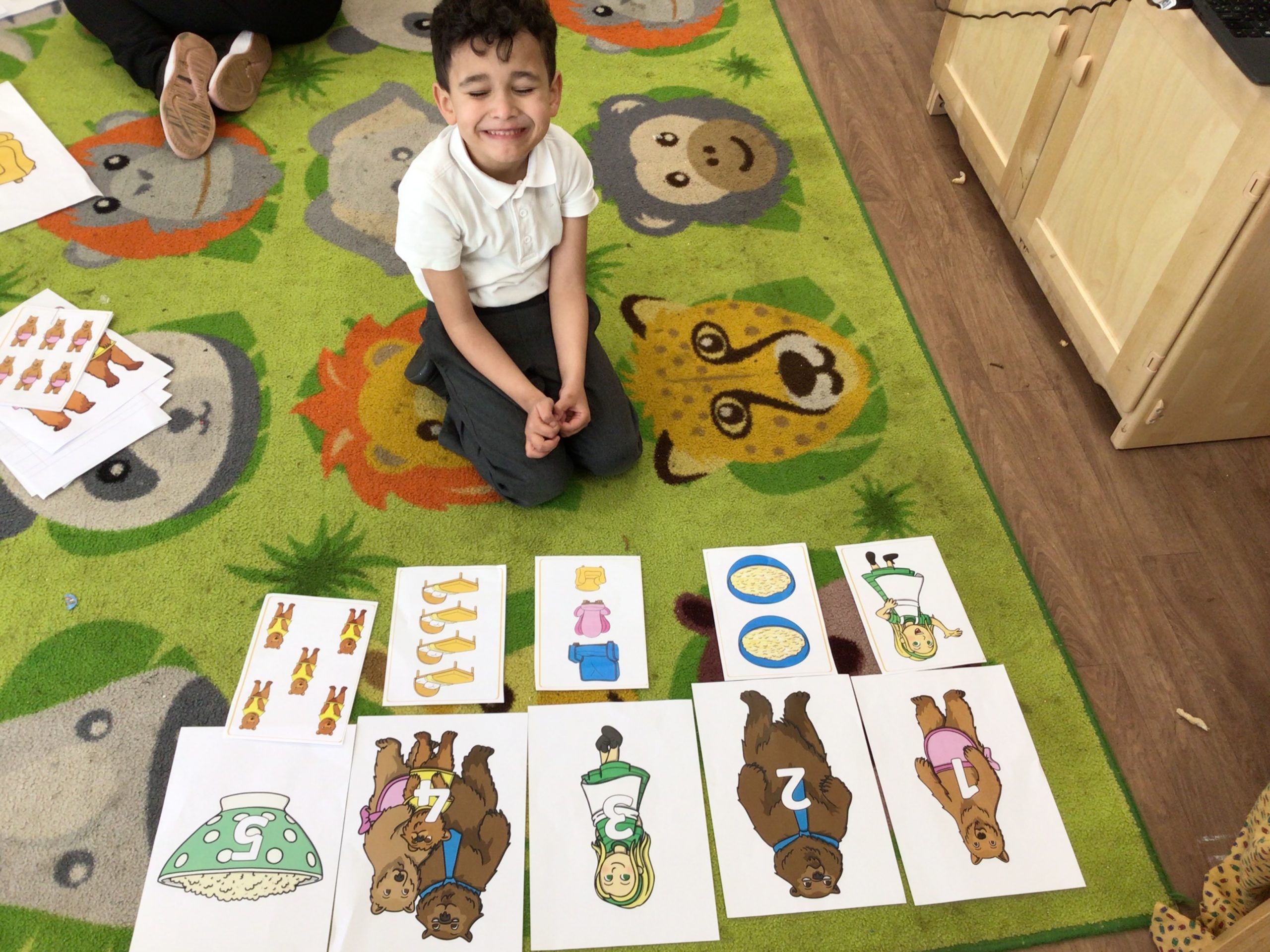
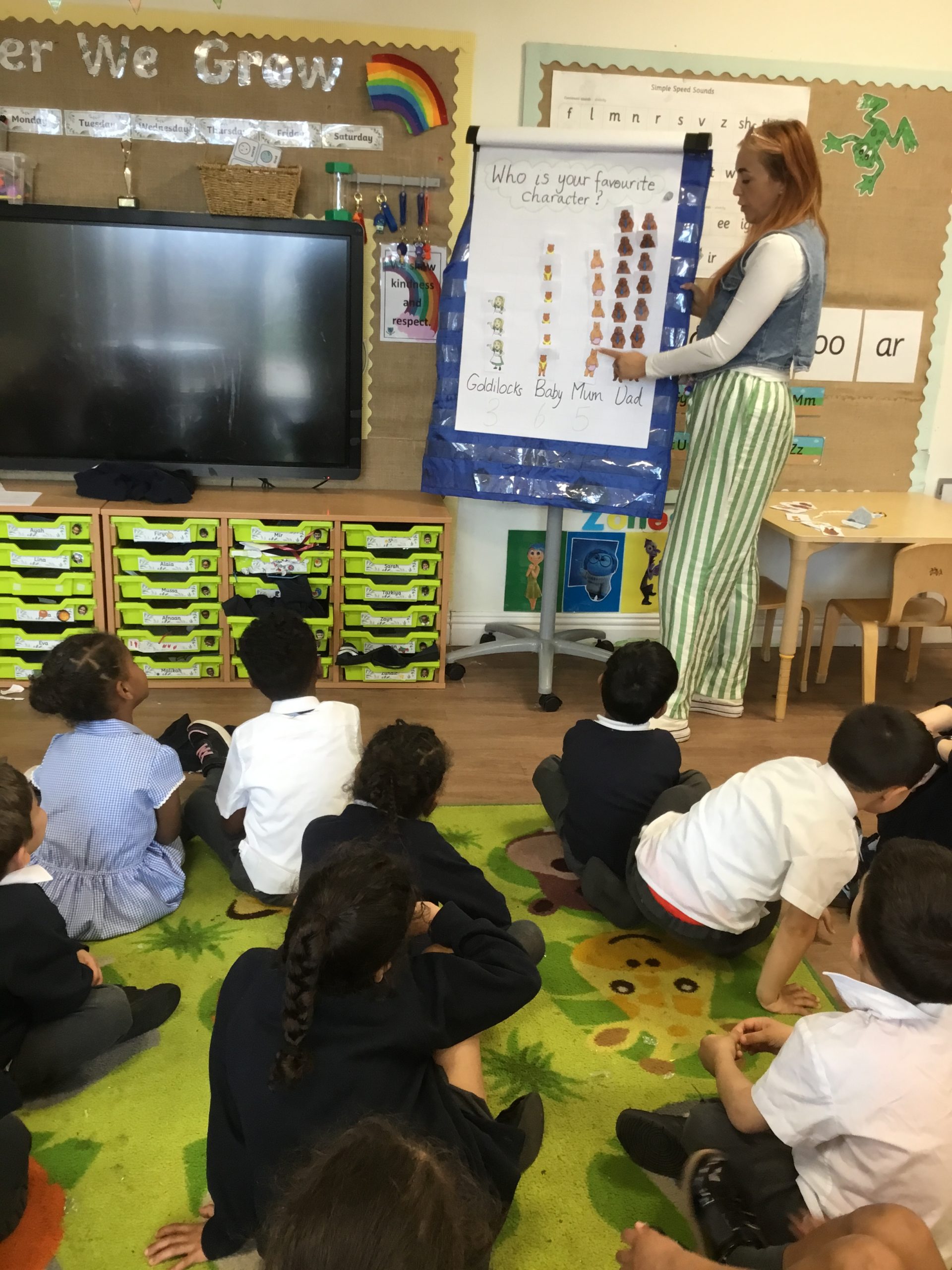
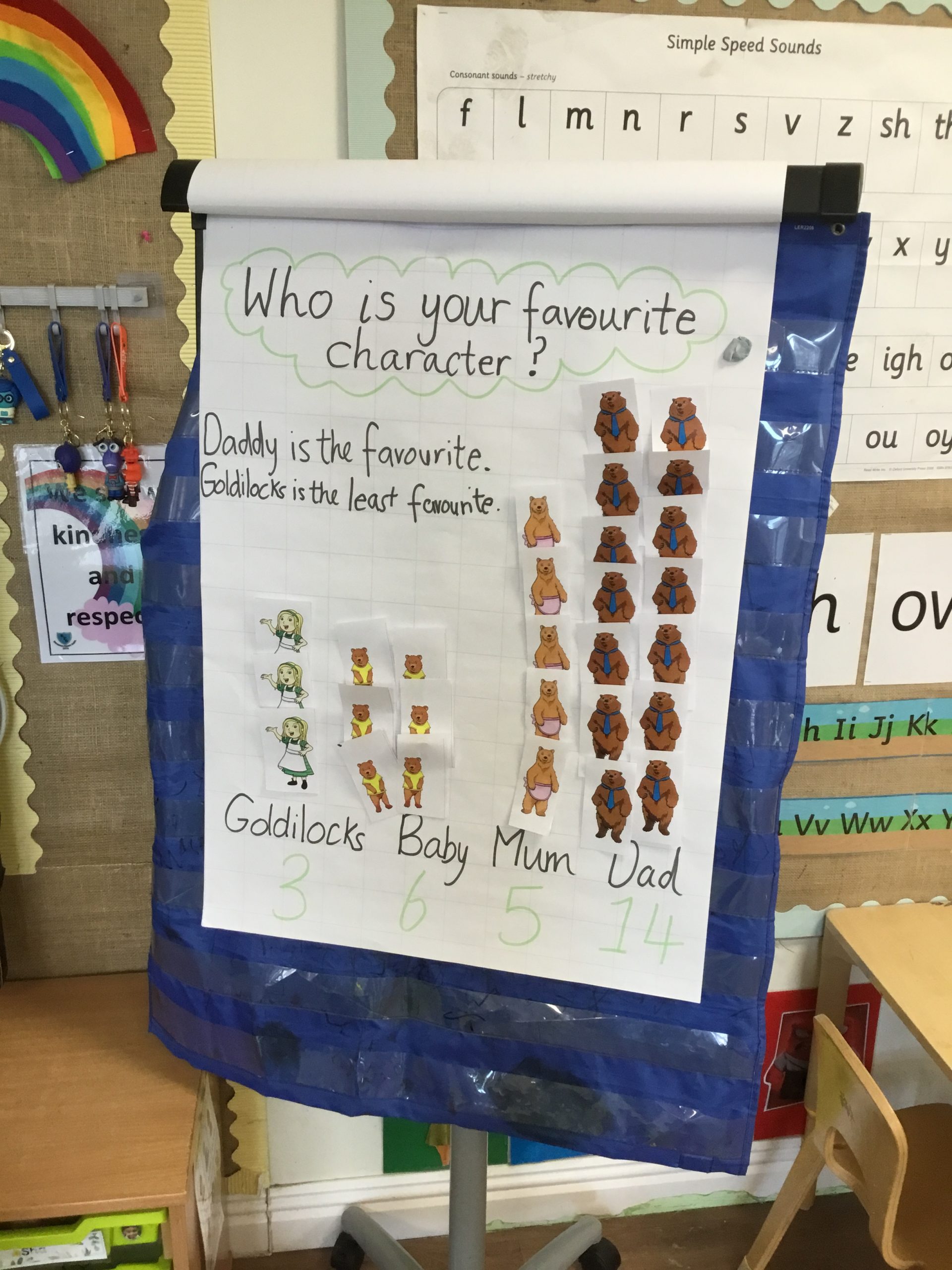
The children gathered some information on who their favourite character was from the story Goldilocks and The Three Bears. We then presented this information on a Pictogram. The children recognised the most popular character was Daddy bear and the least popular character was Goldilocks.
273
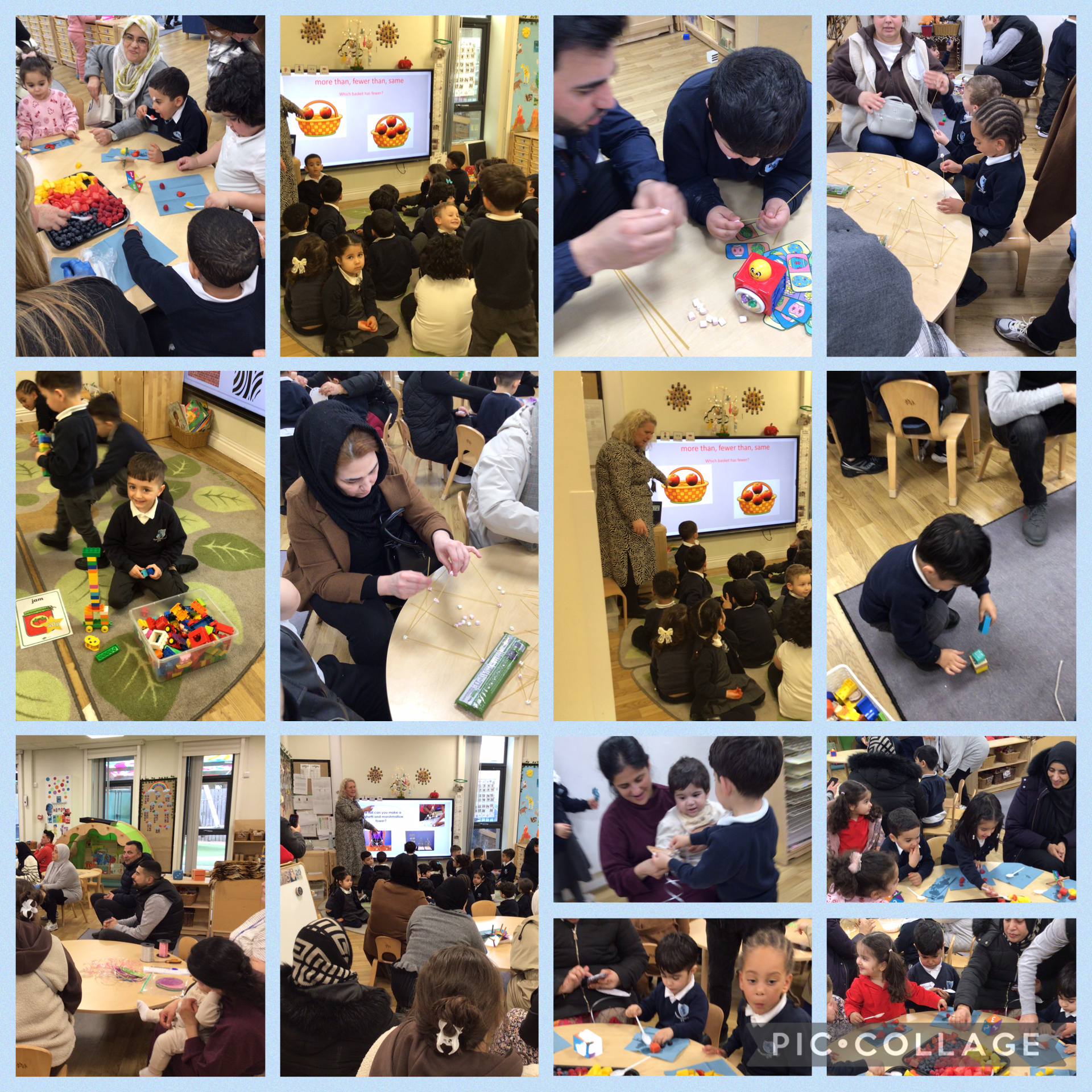
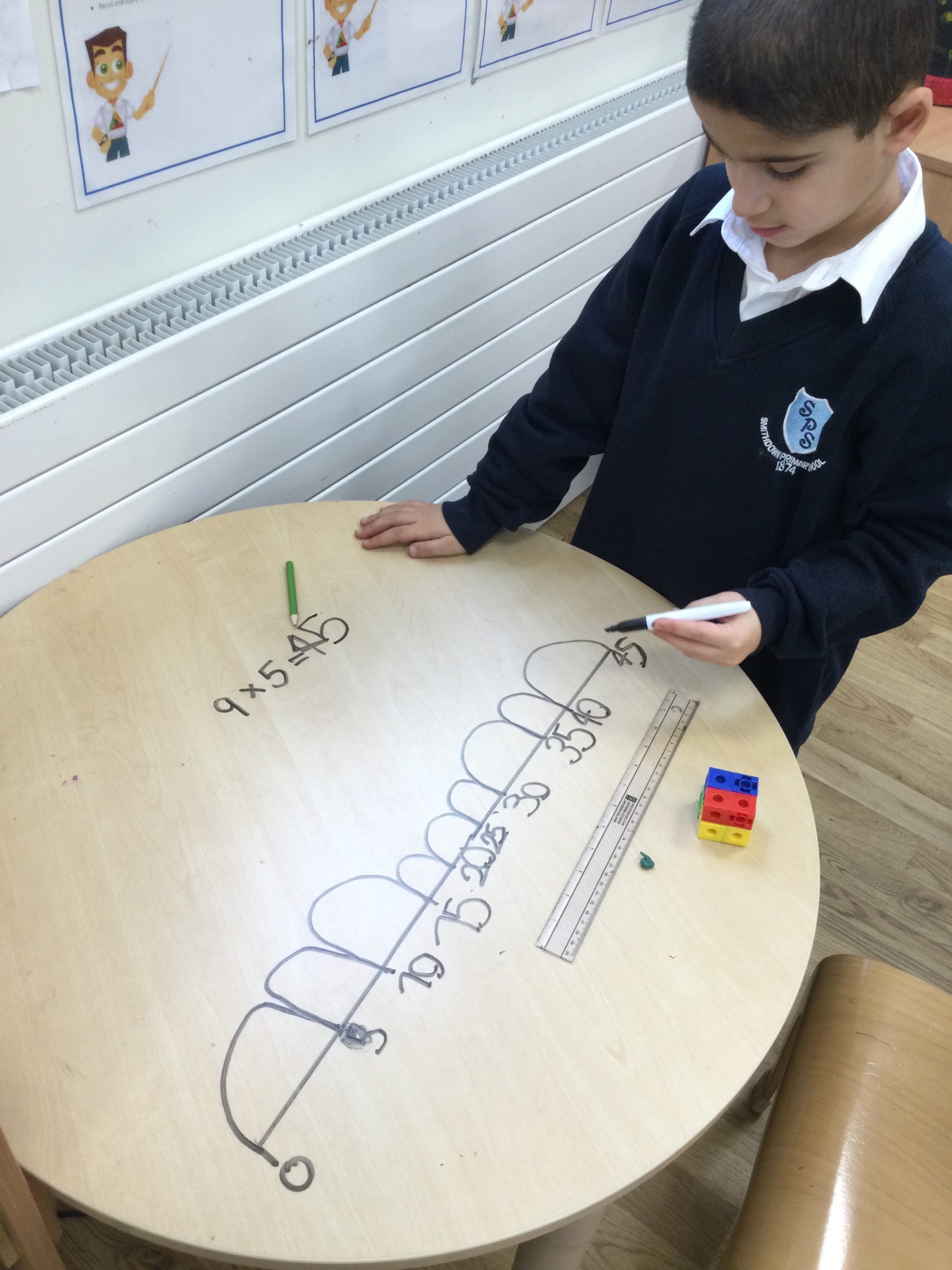
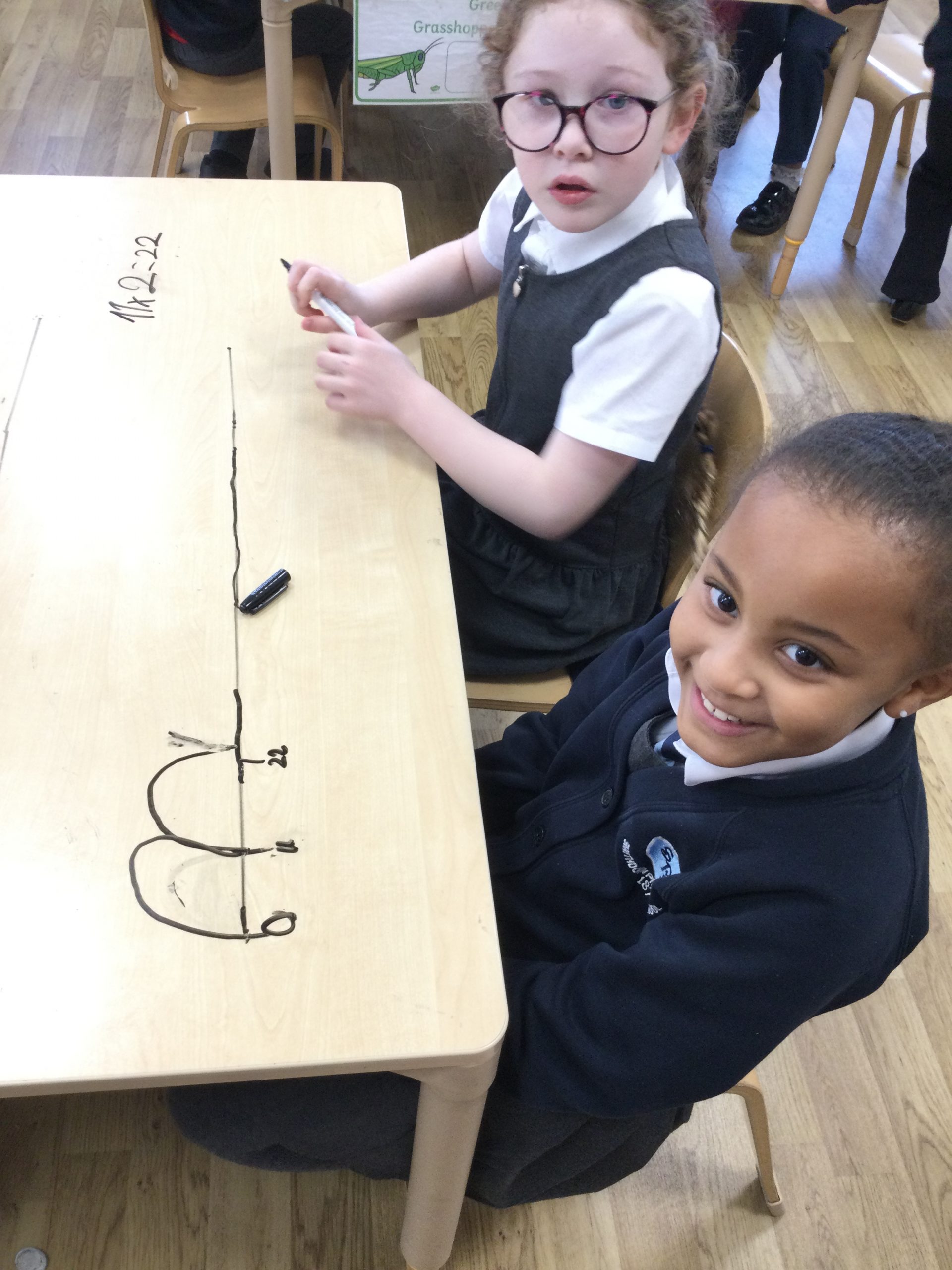
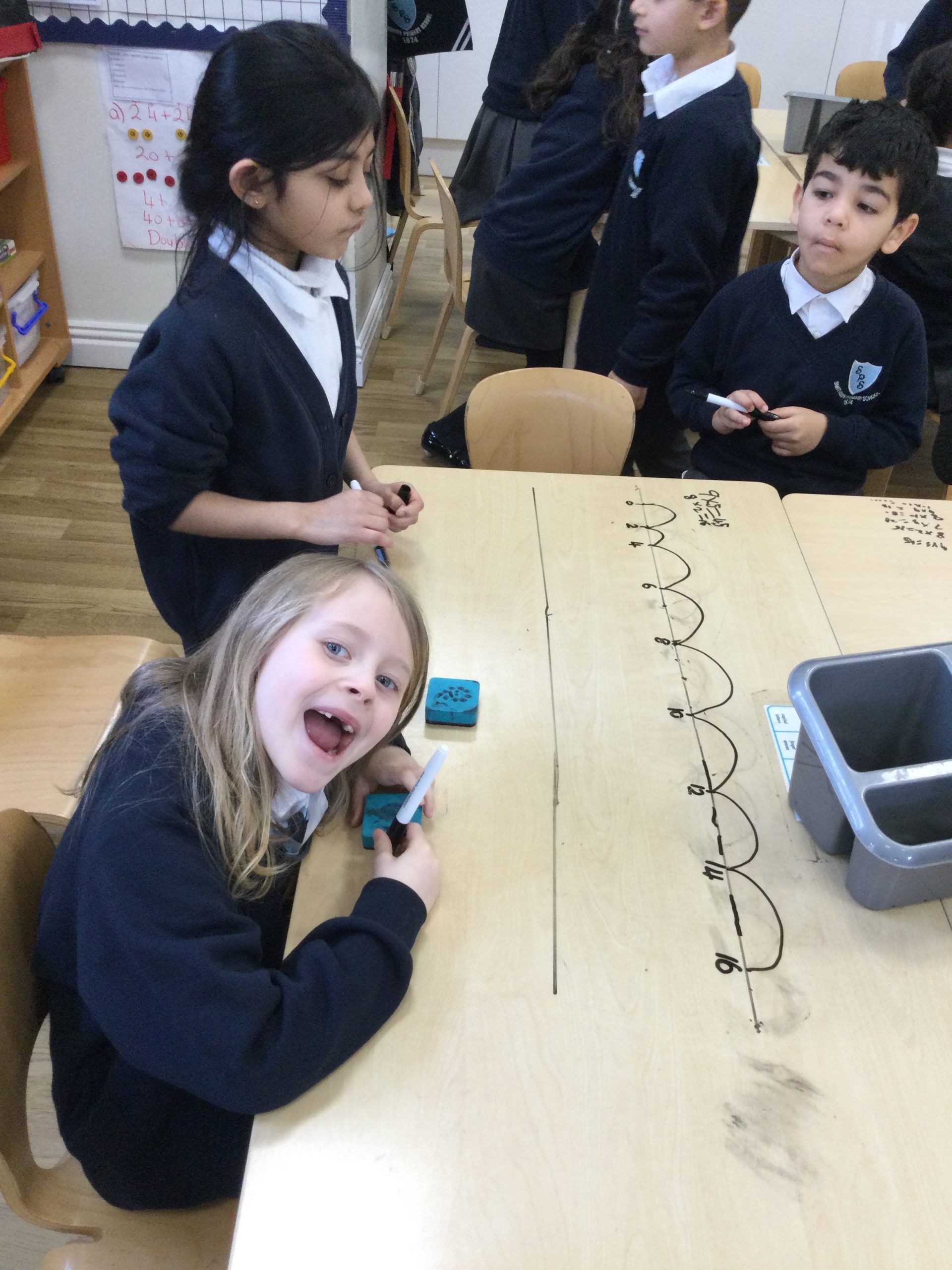
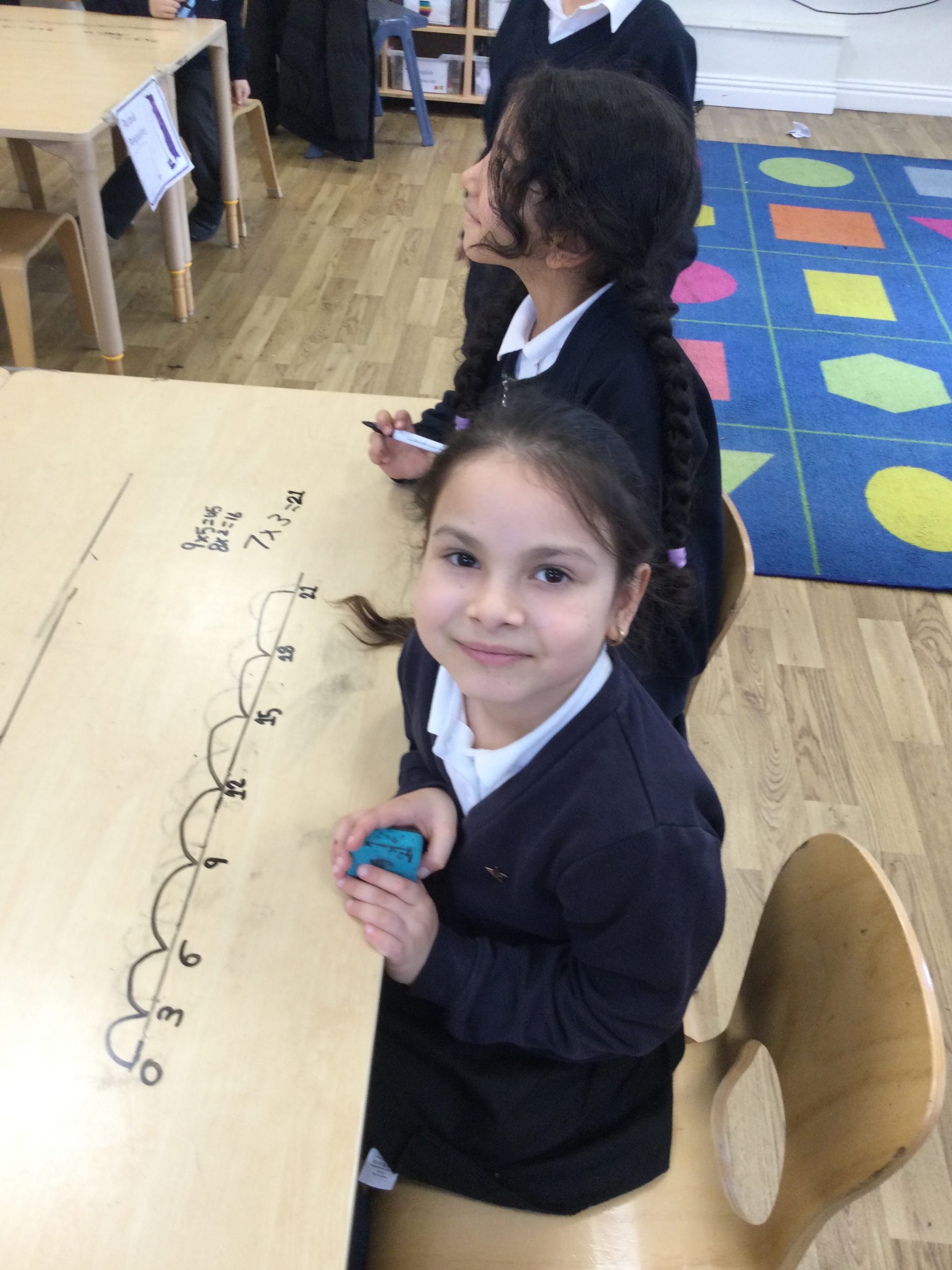
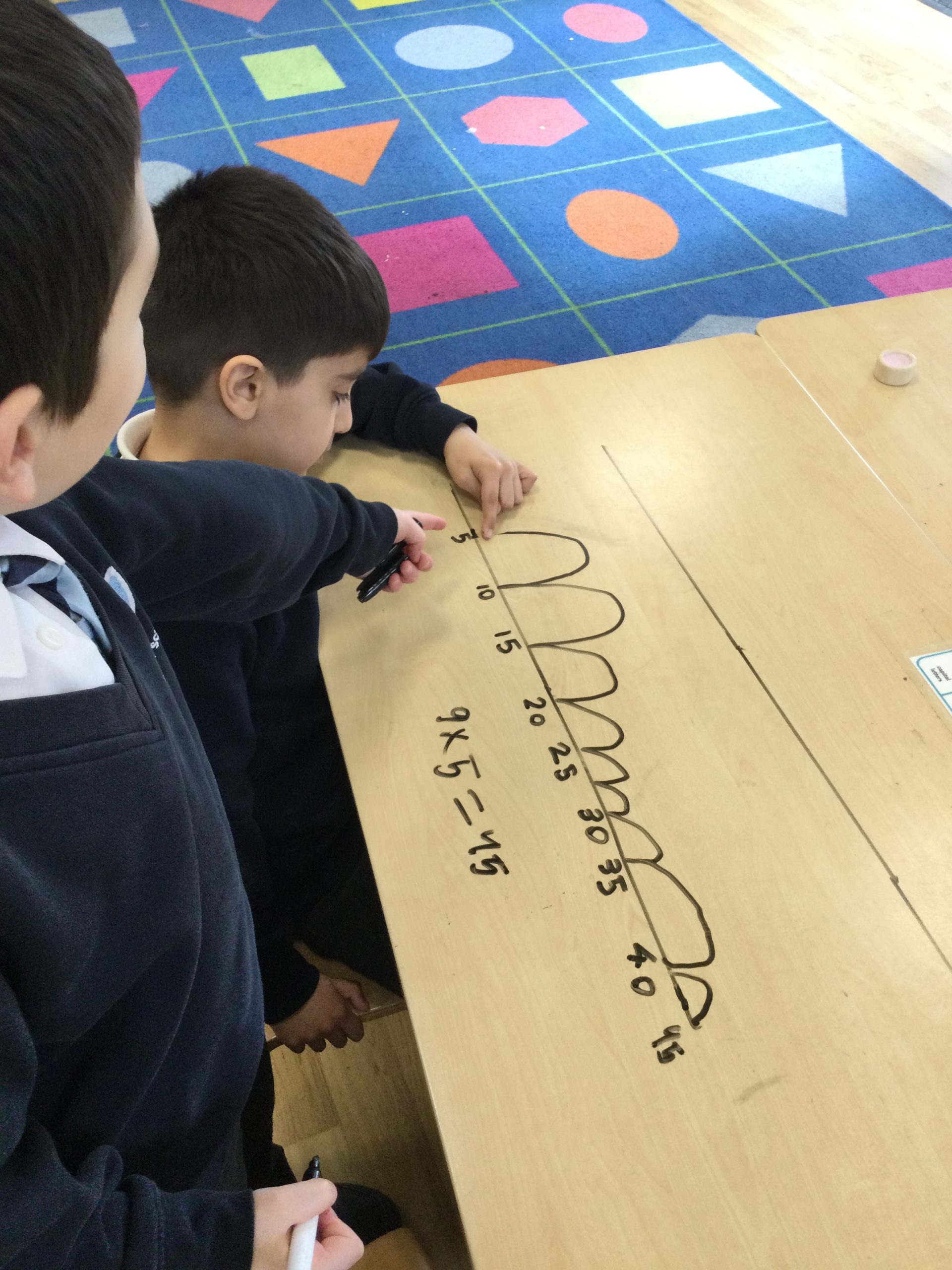
Today we used number lines to show multiplication facts.
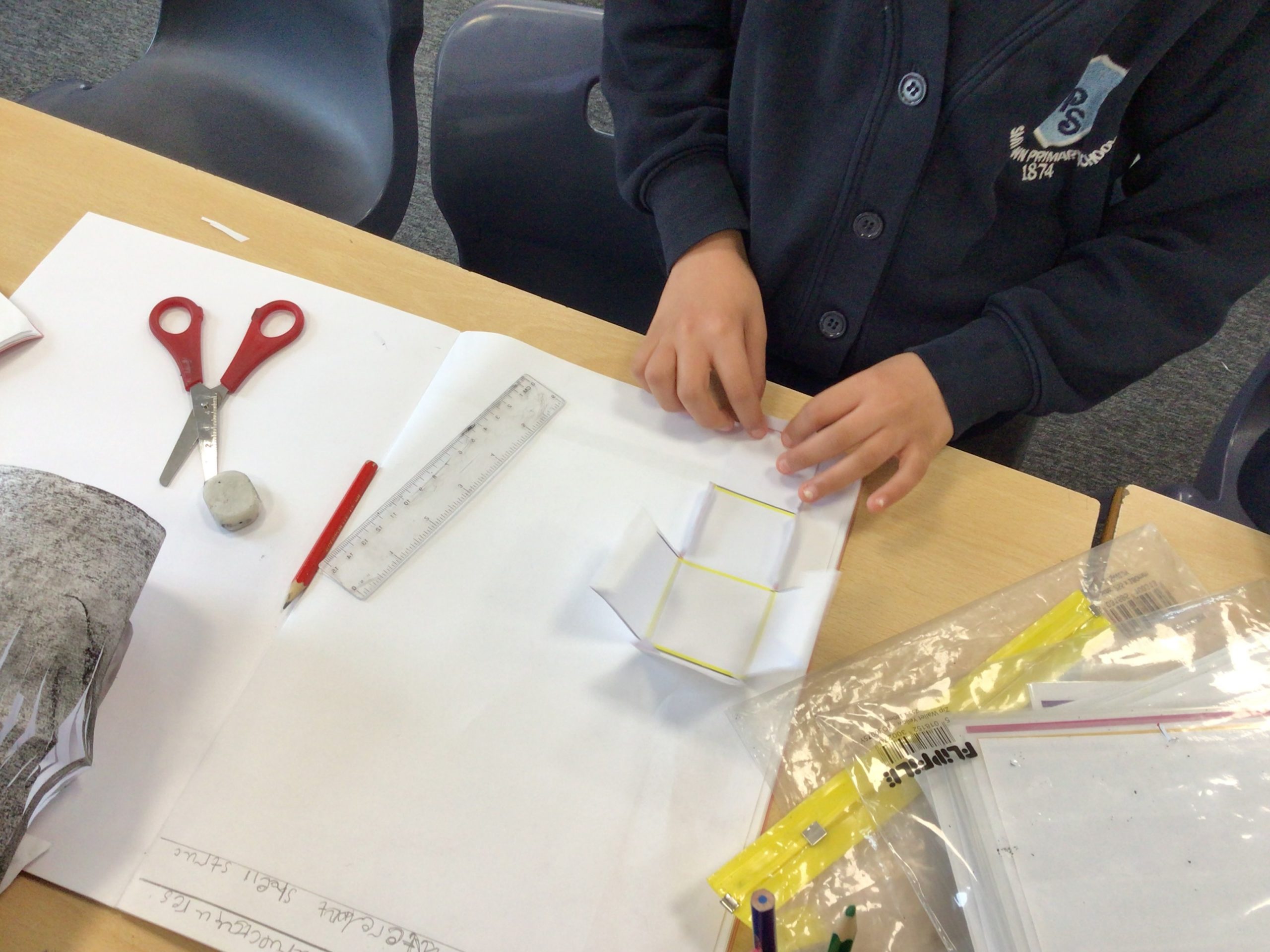
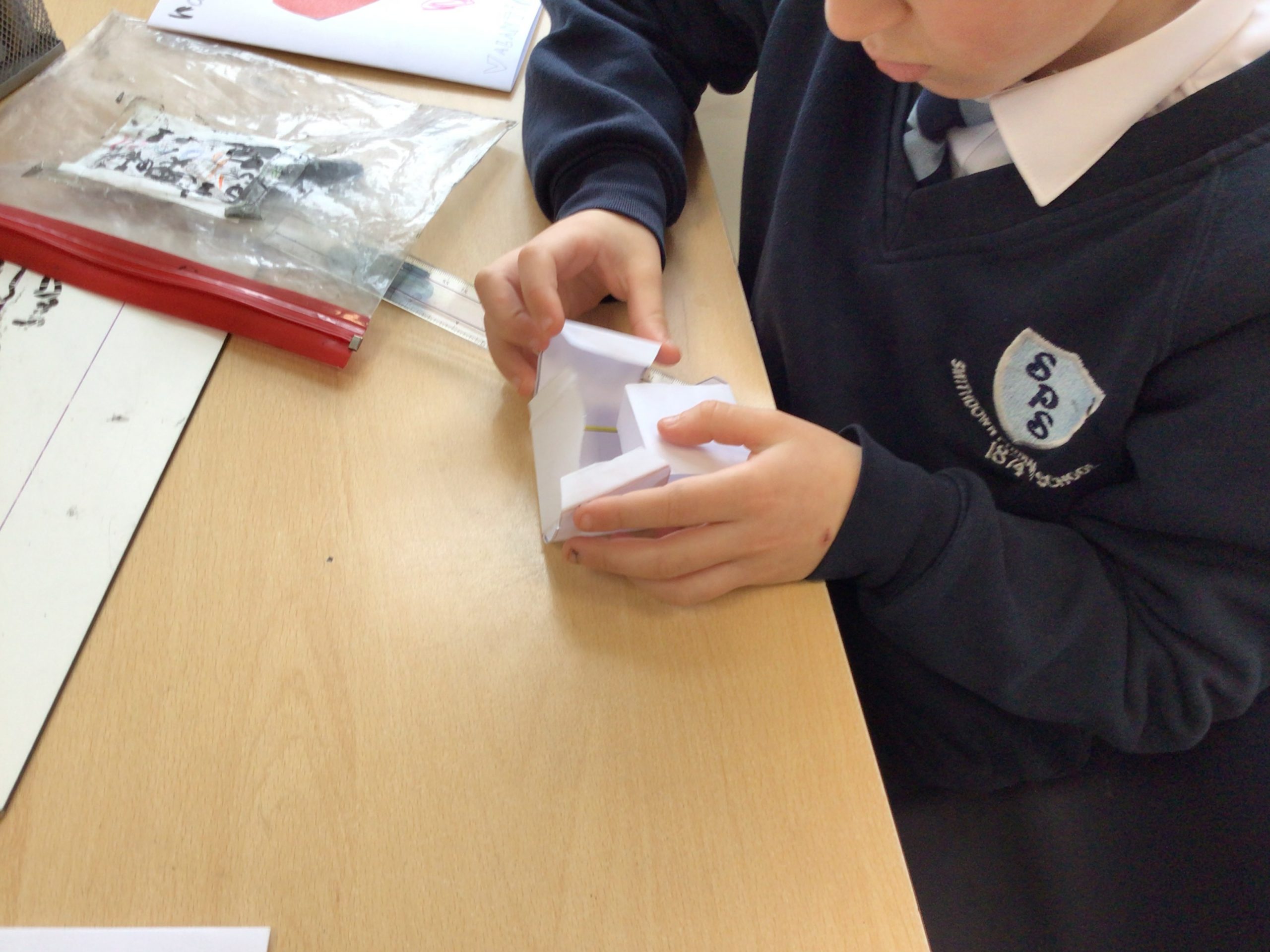
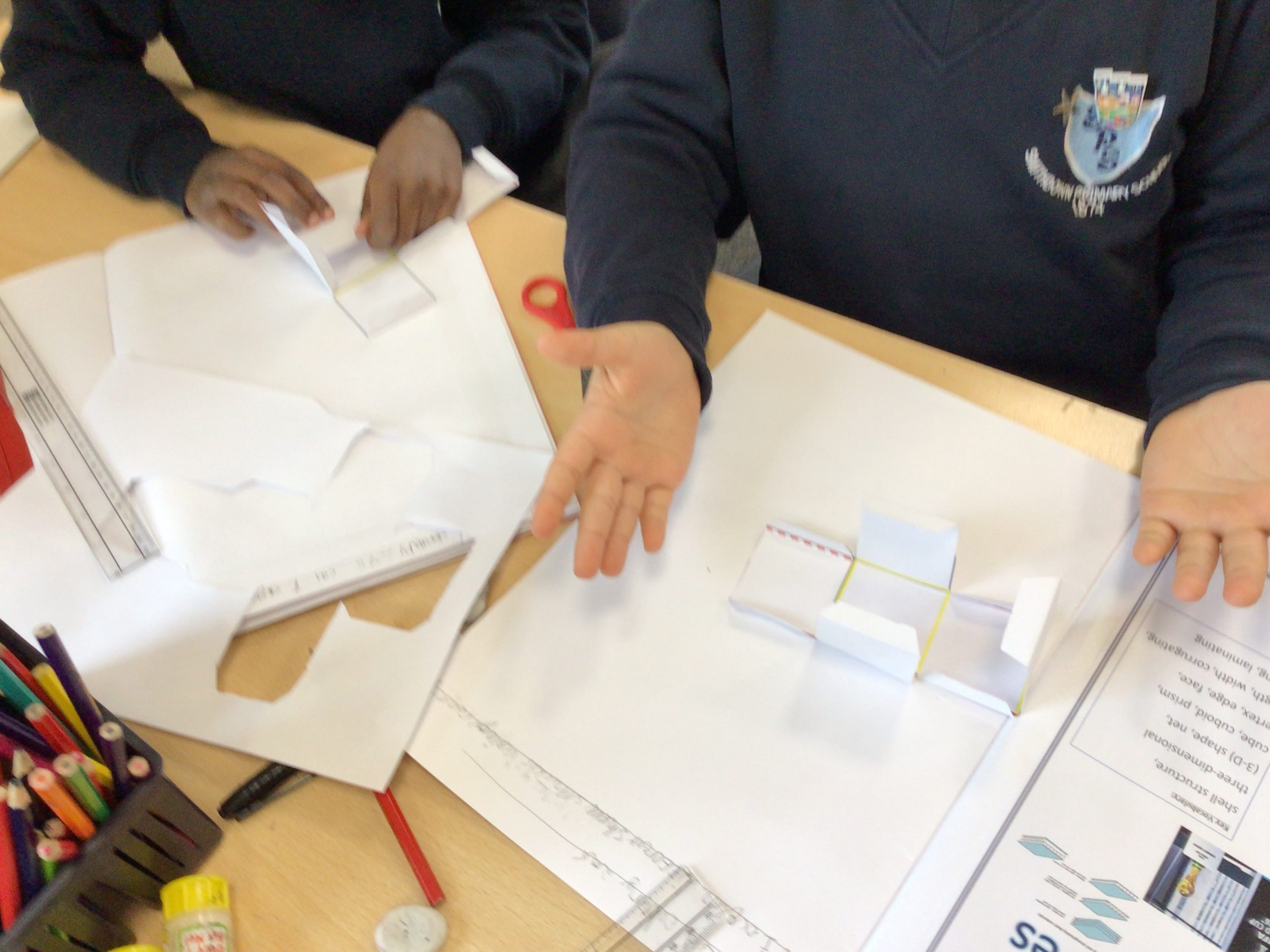
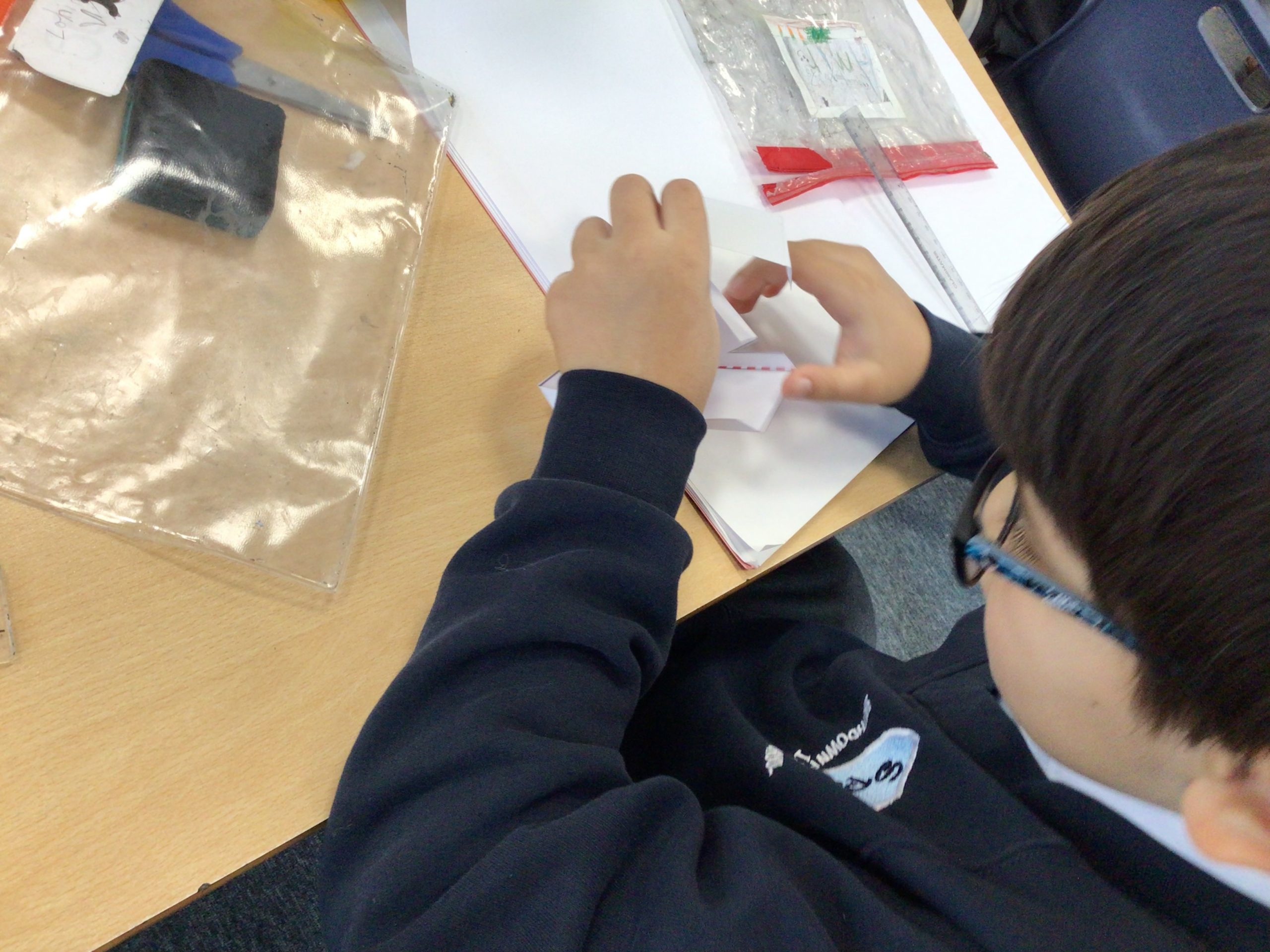
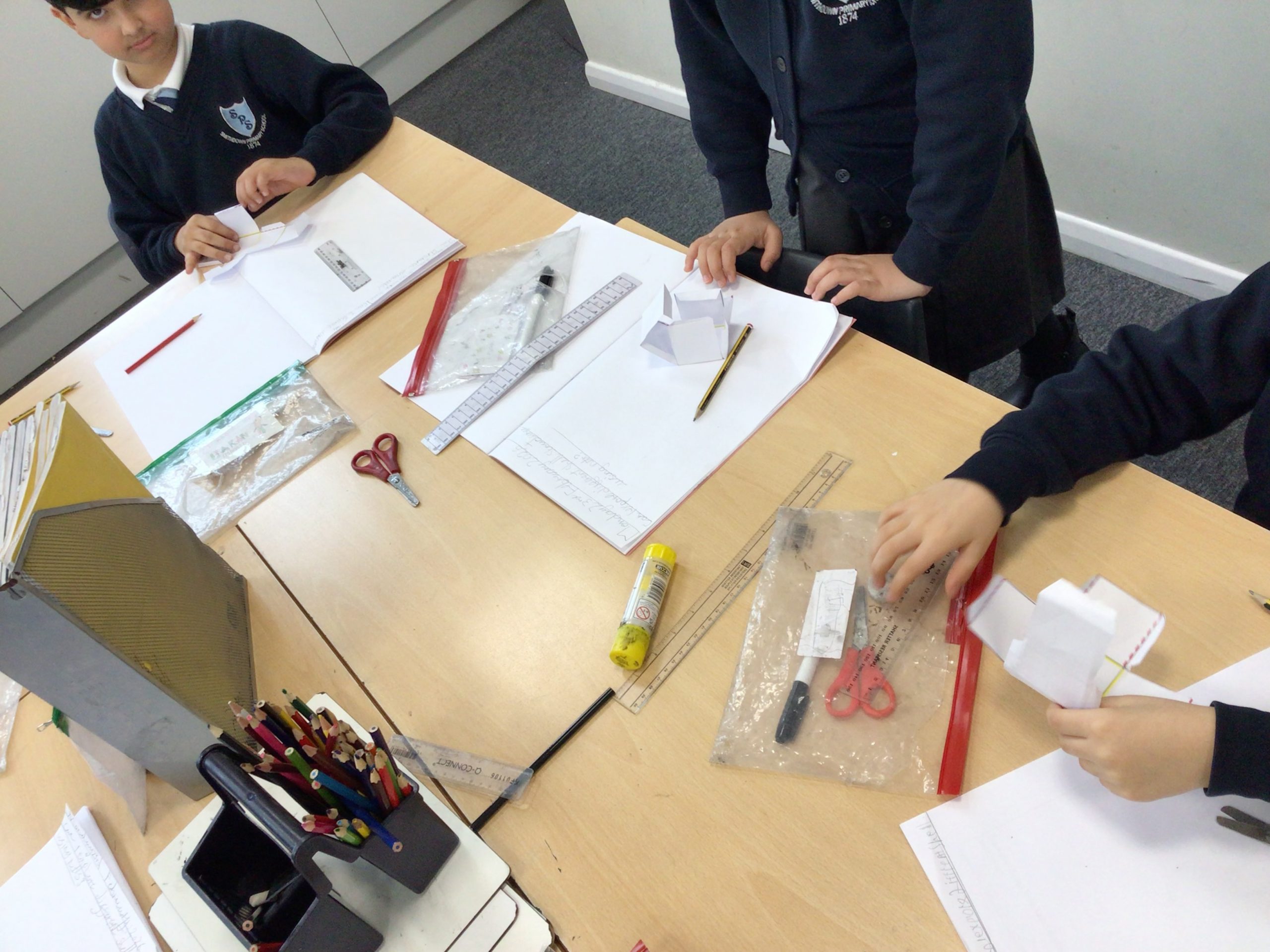
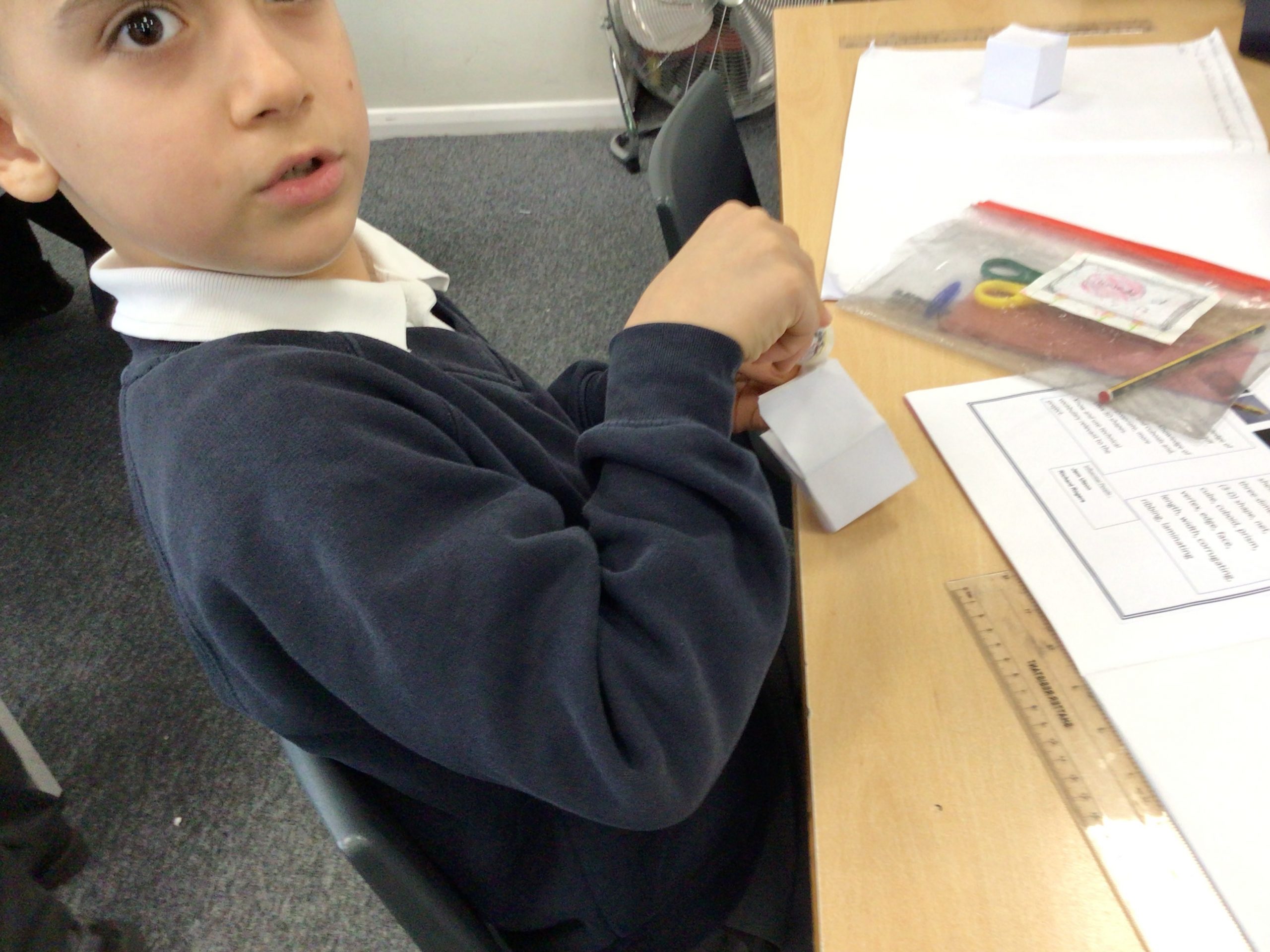
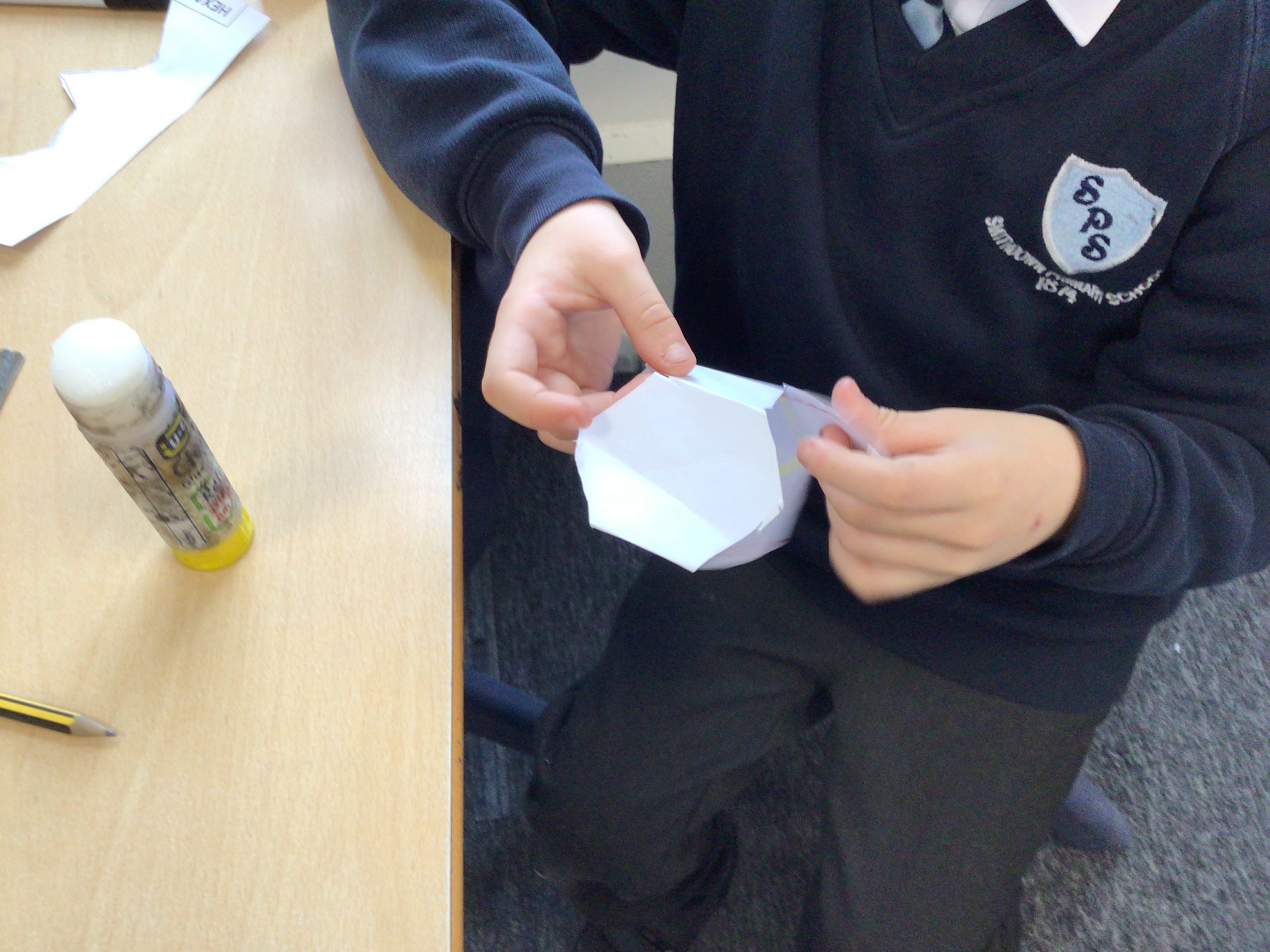
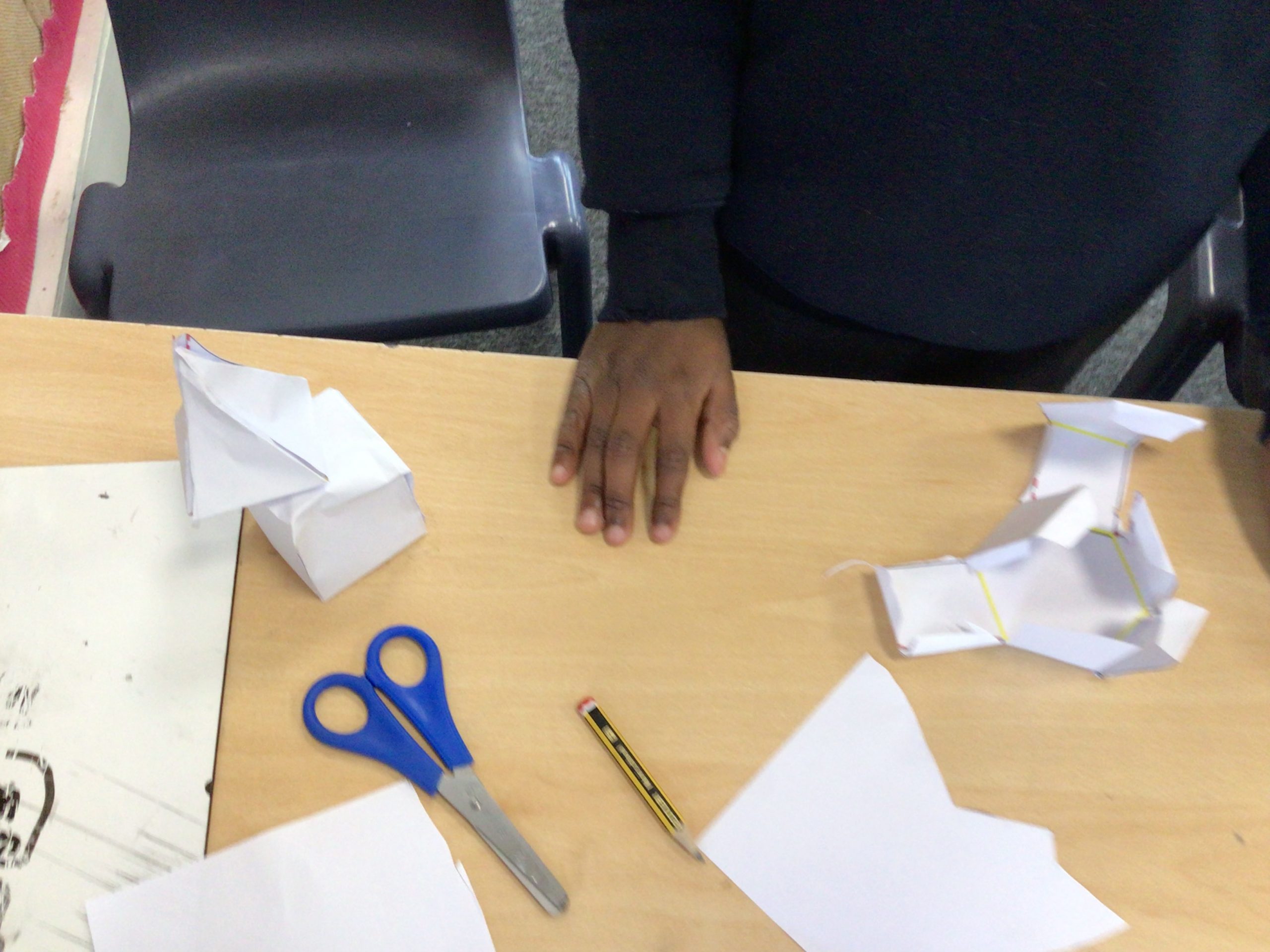
We explored some different 2D nets today and created 3D shell structures. We made sure we folded lines and glued tabs to create shapes that could stand up by themselves.
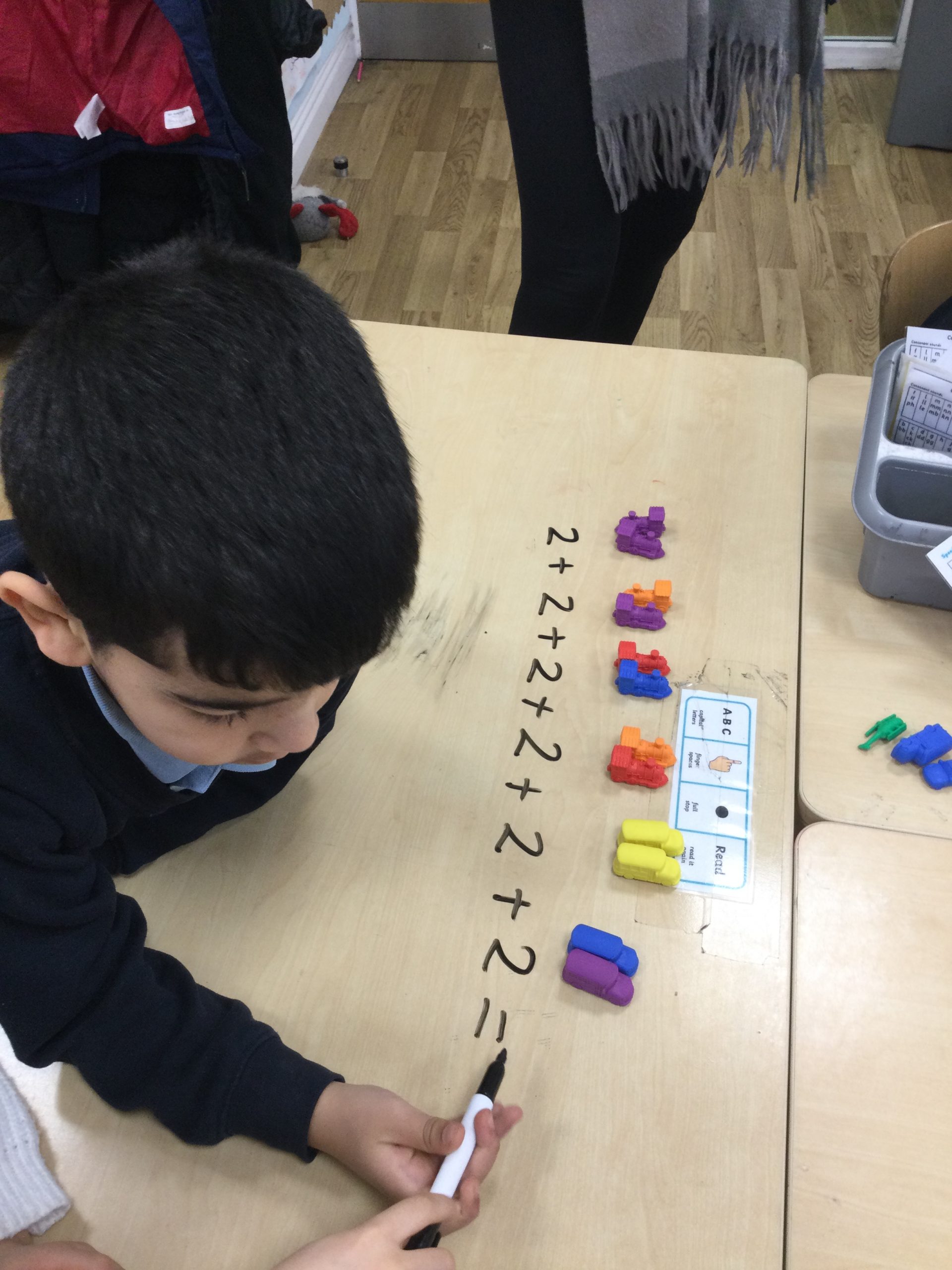
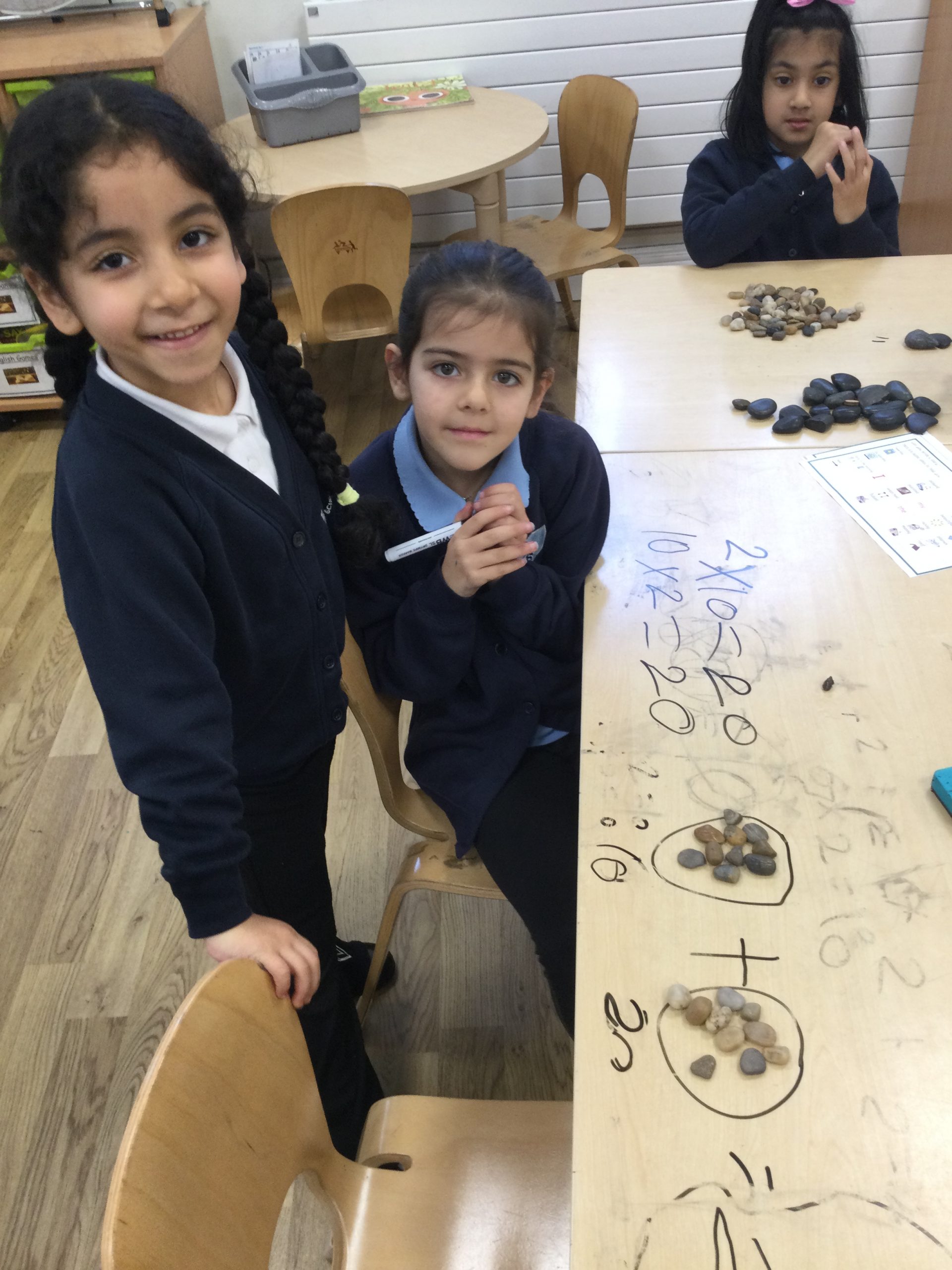
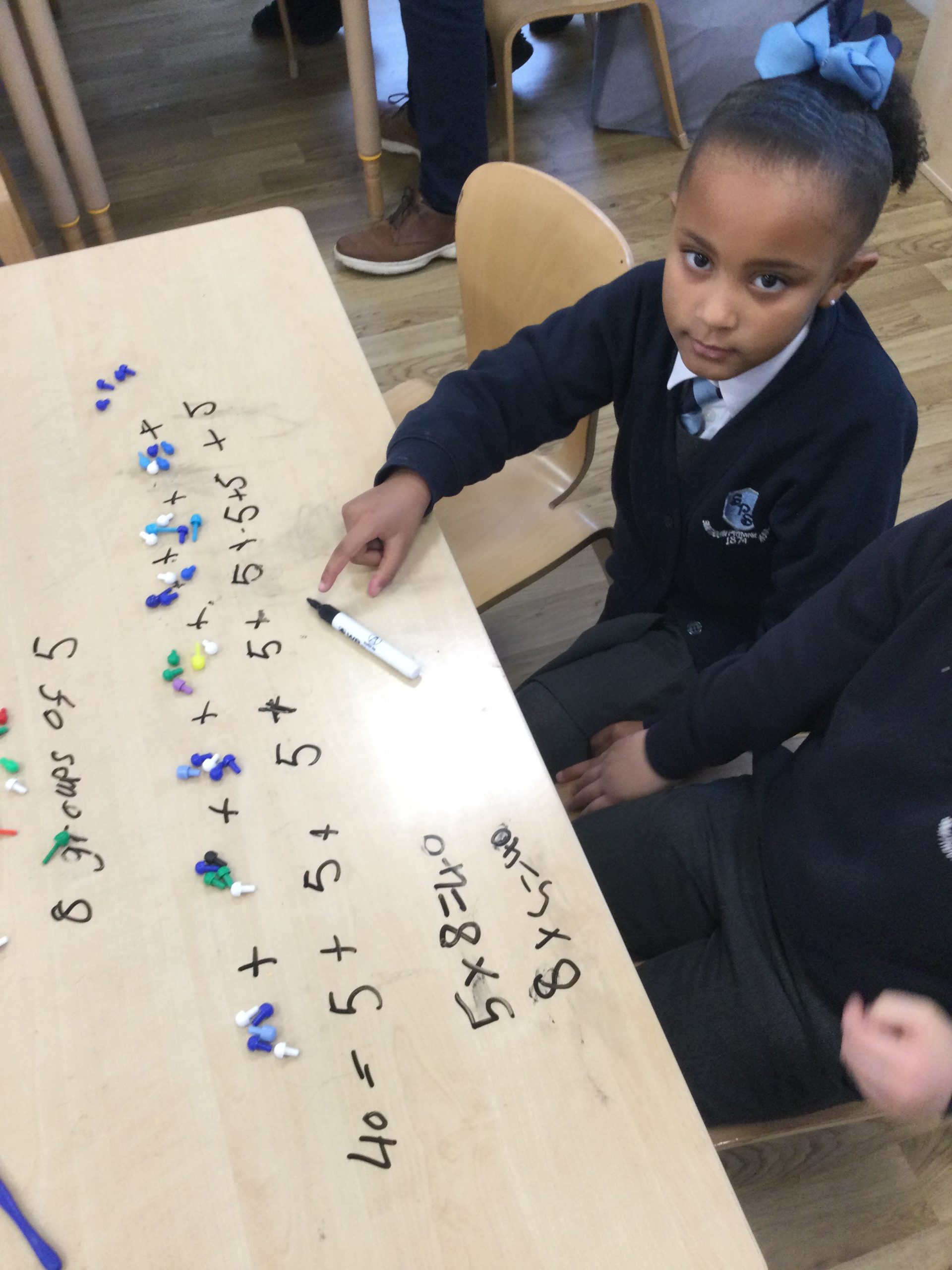
Today we have been using repeated addition of equal groups to help us with multiplication.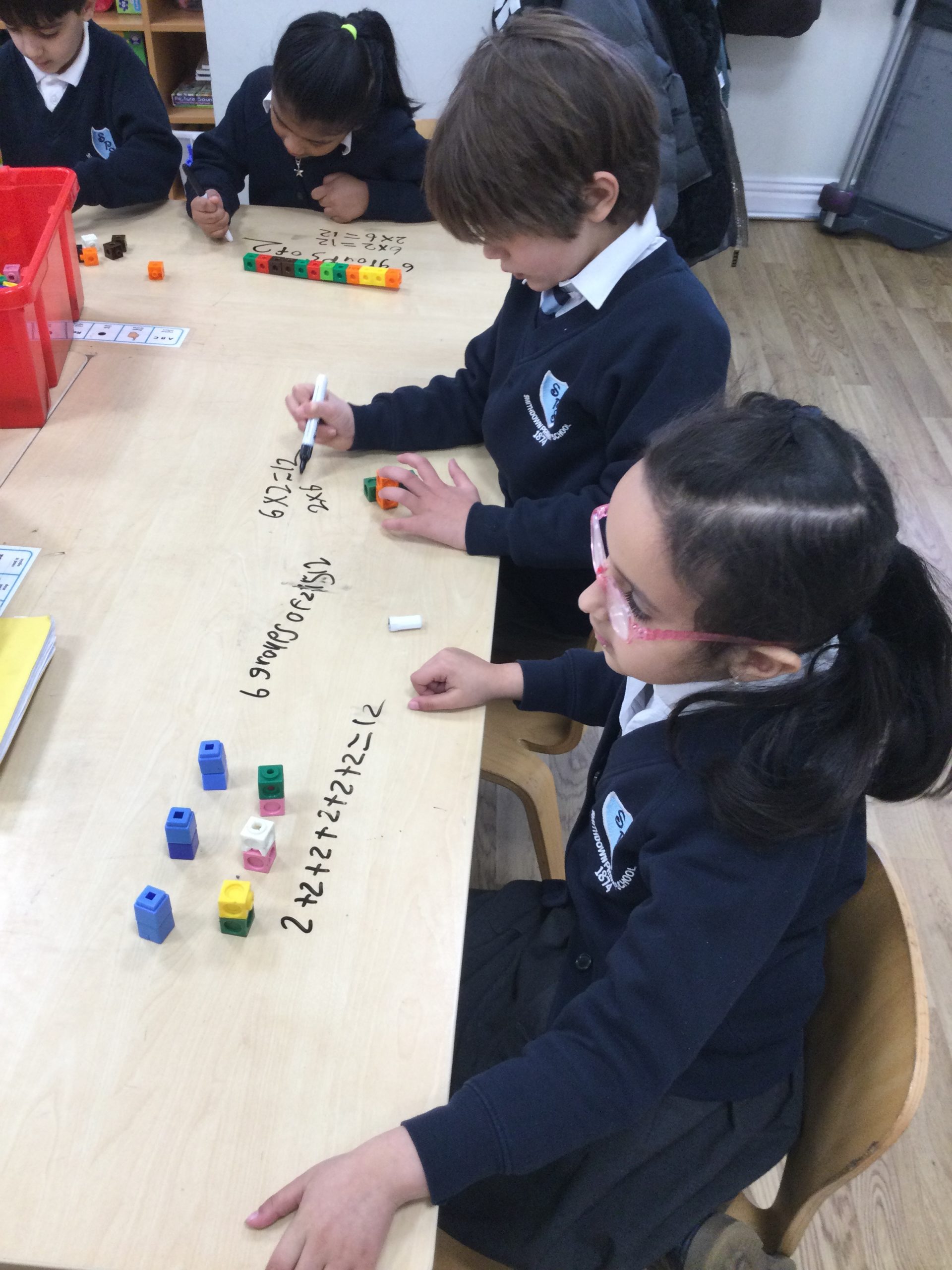
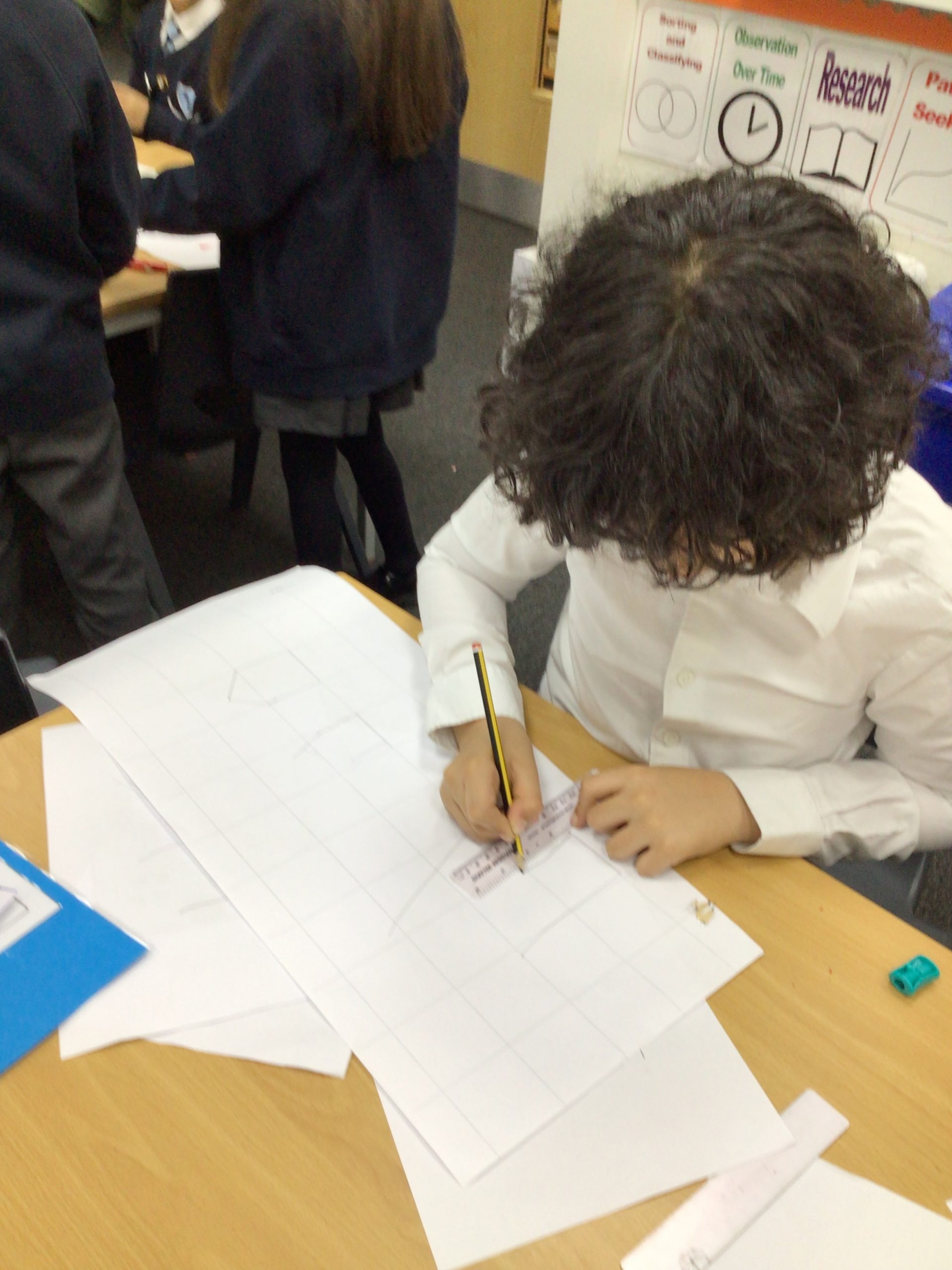
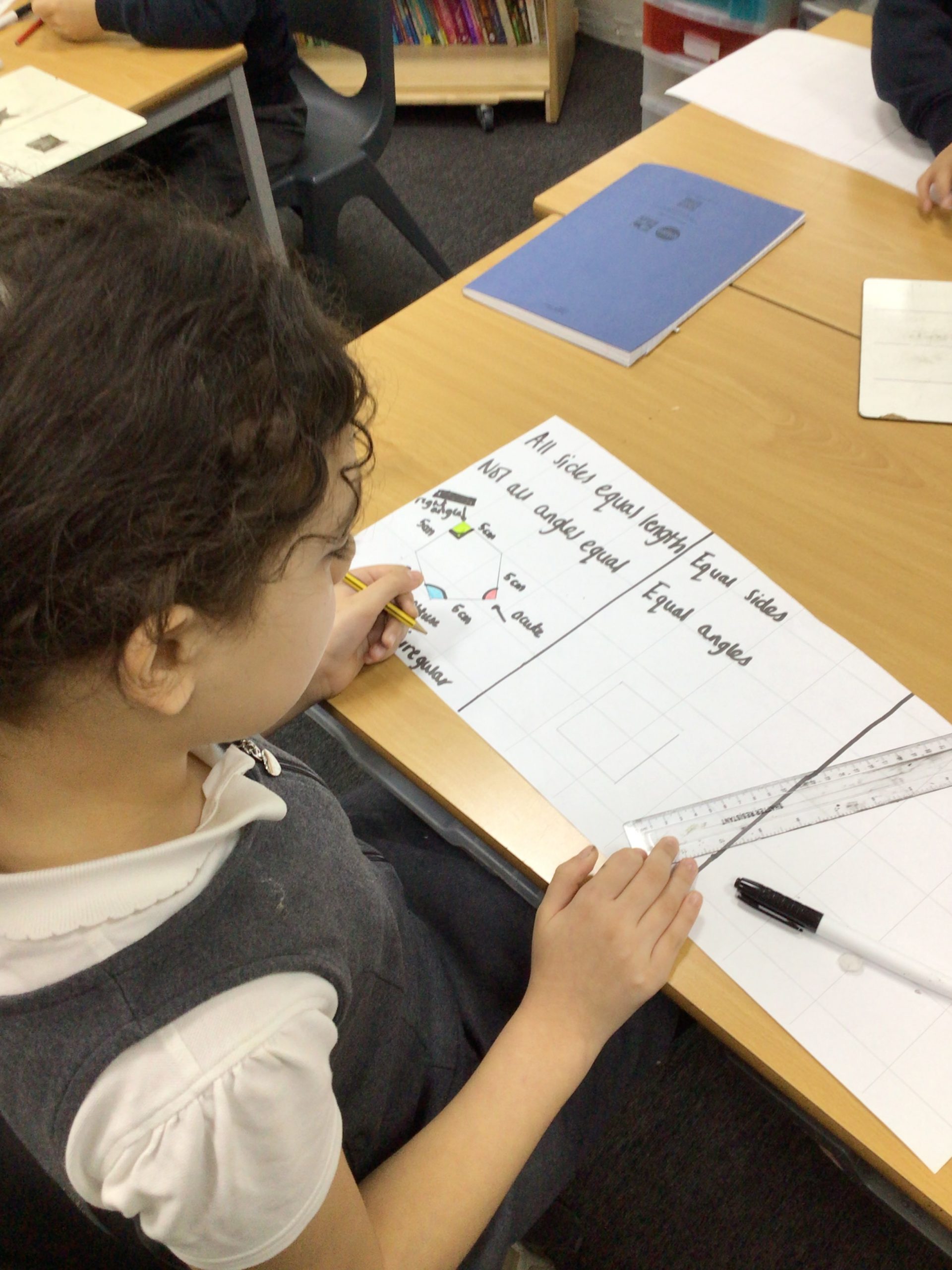
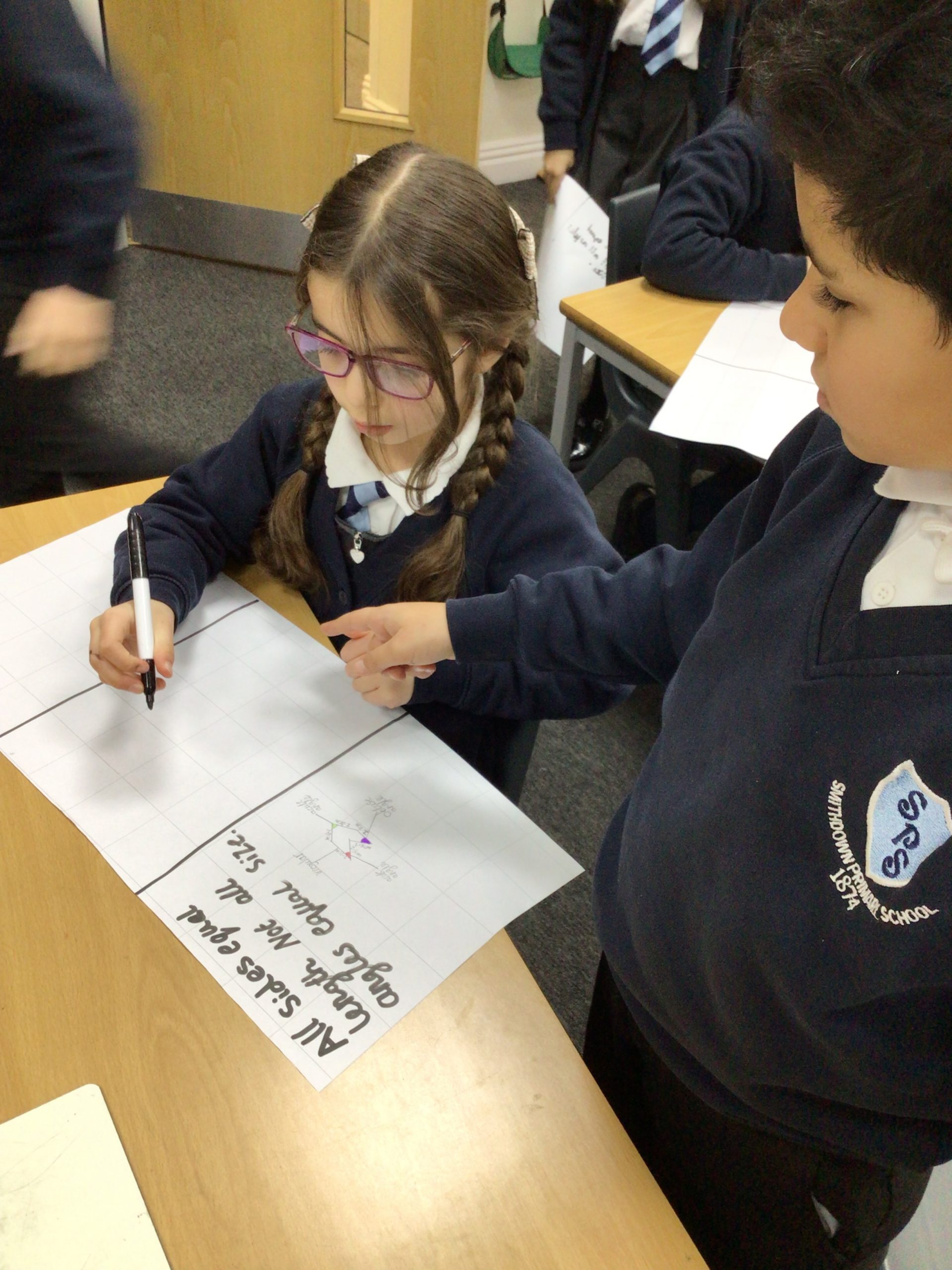
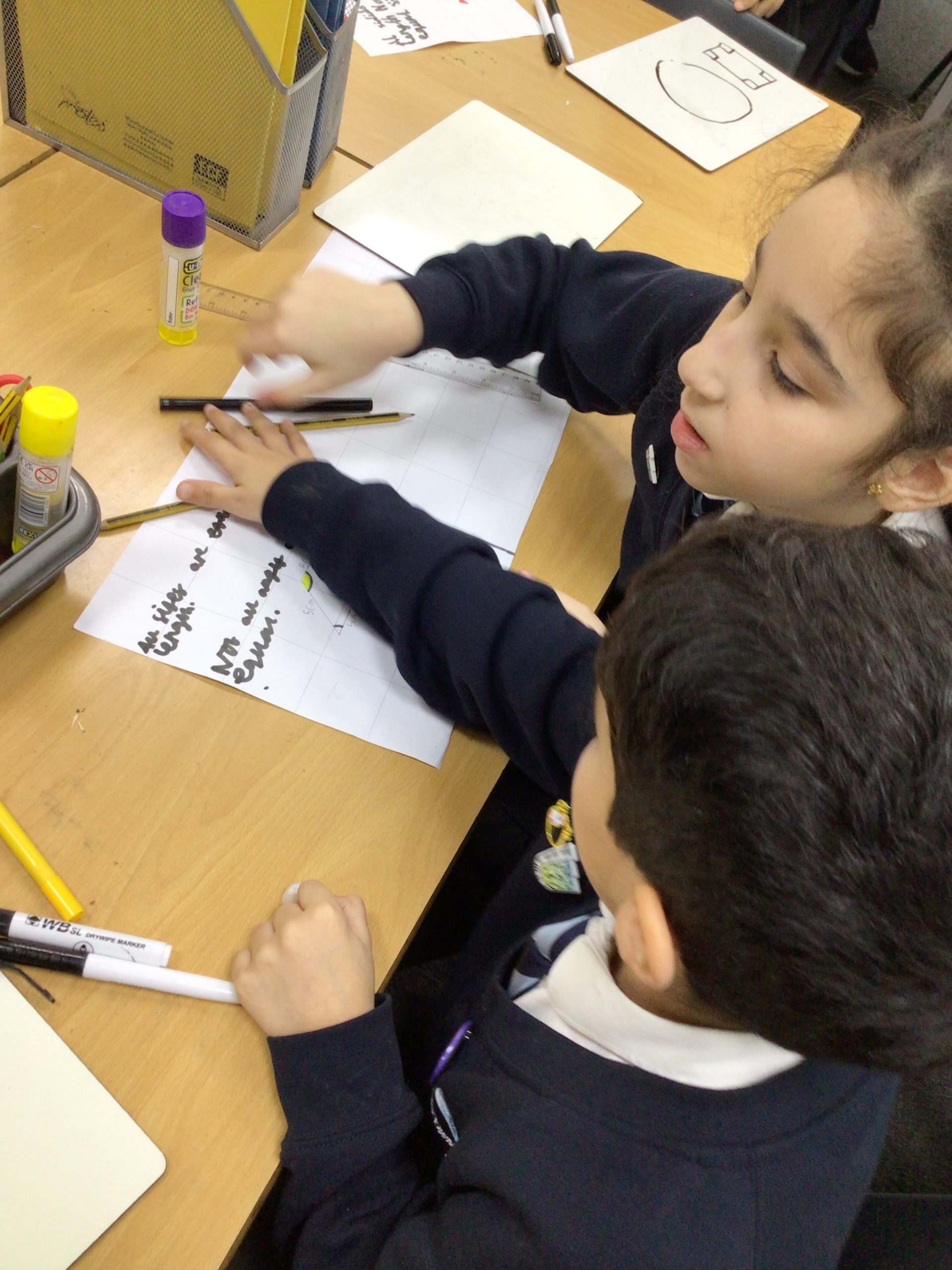
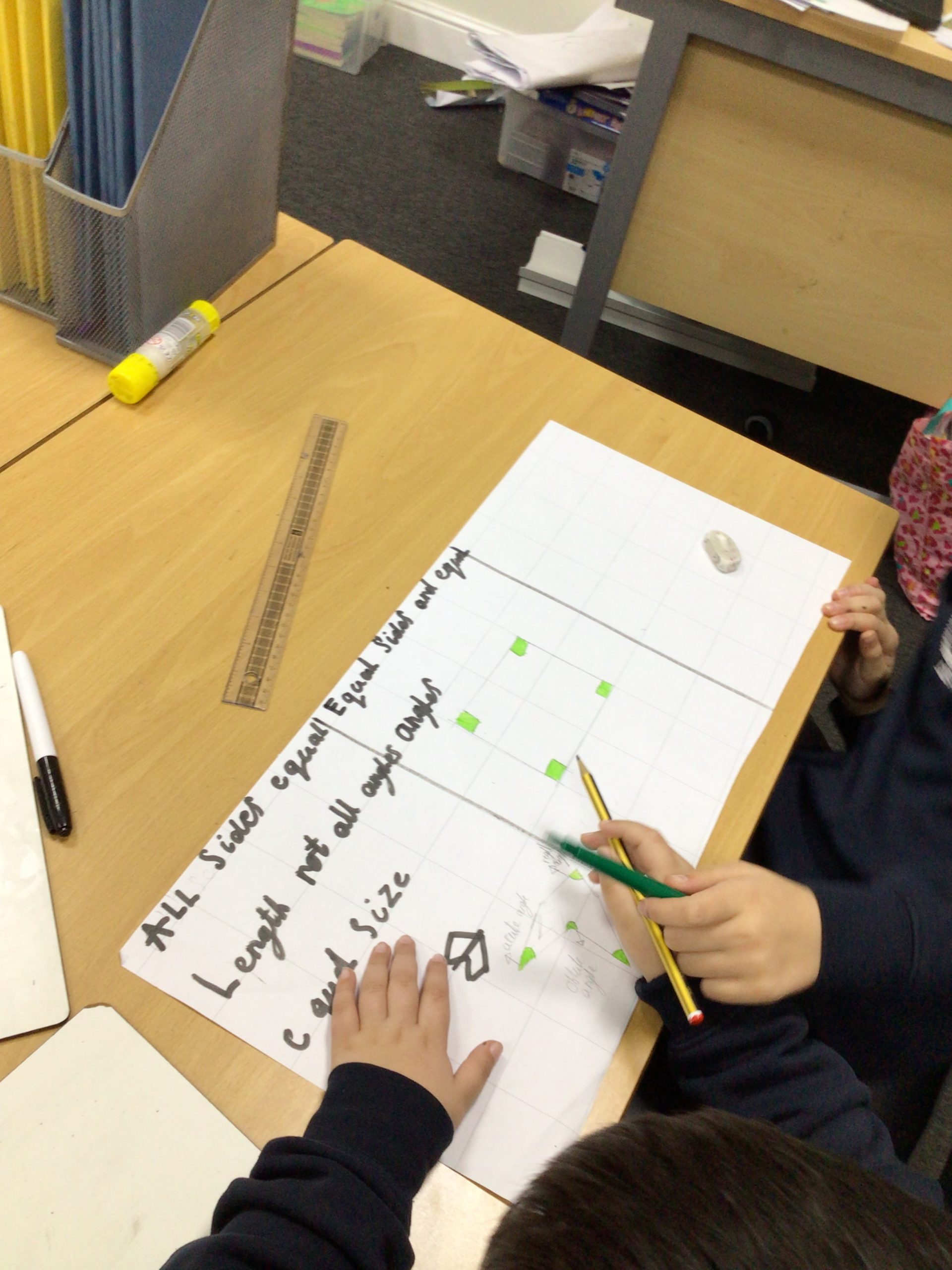
We looked at the difference between a regular and an irregular polygon? We know that if the length of the sides are different and the angles are unequal it is irregular.
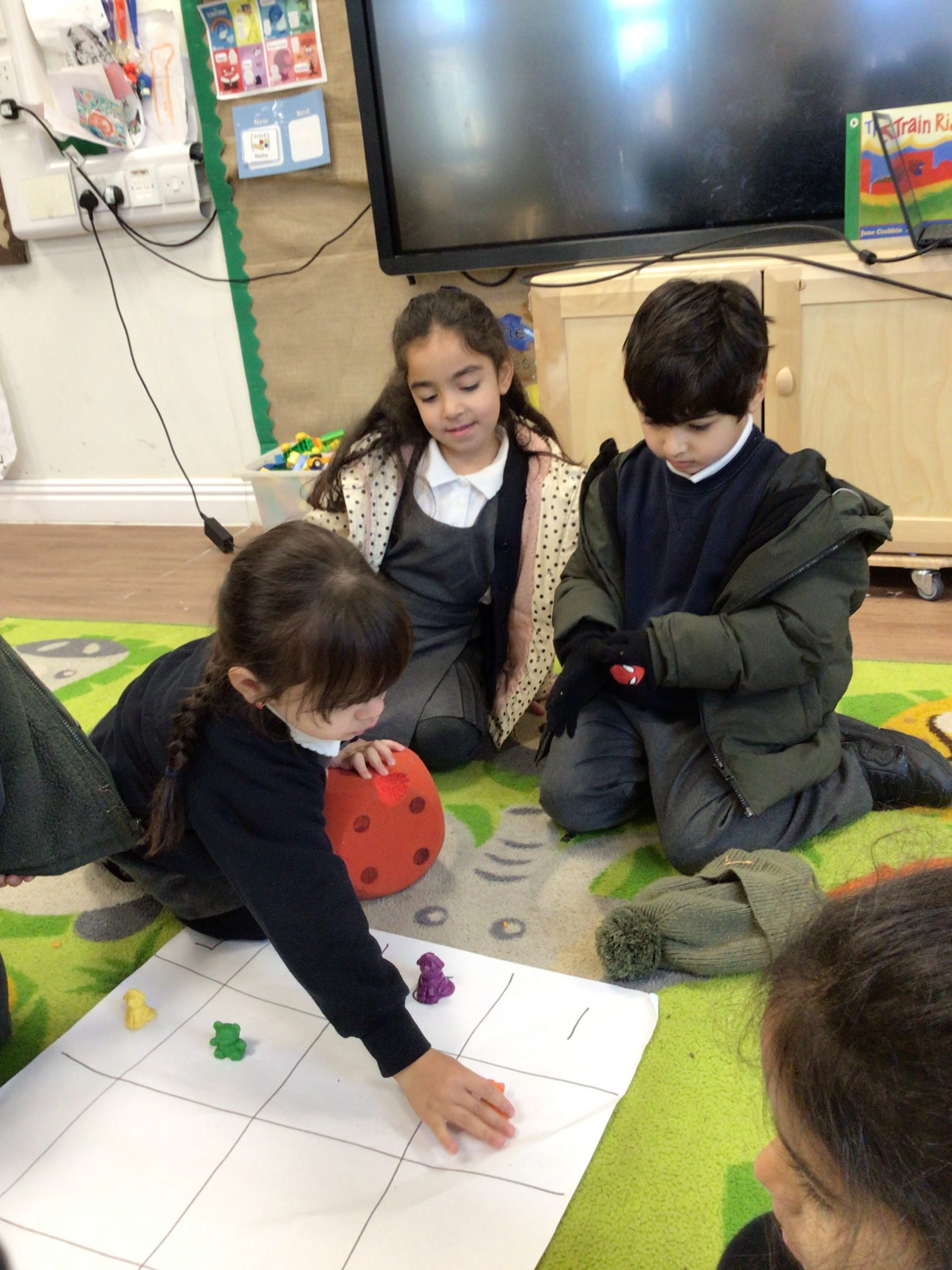
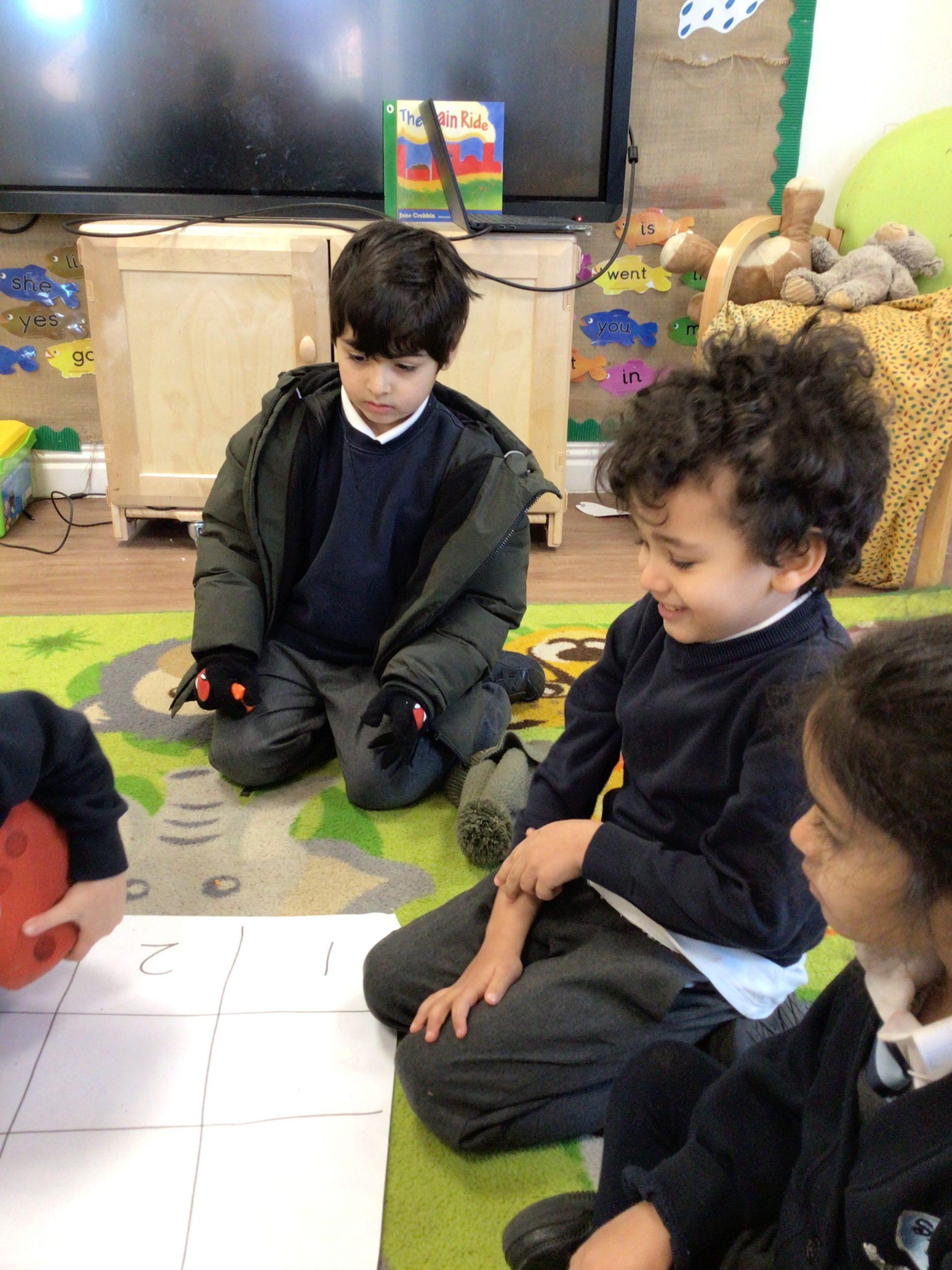
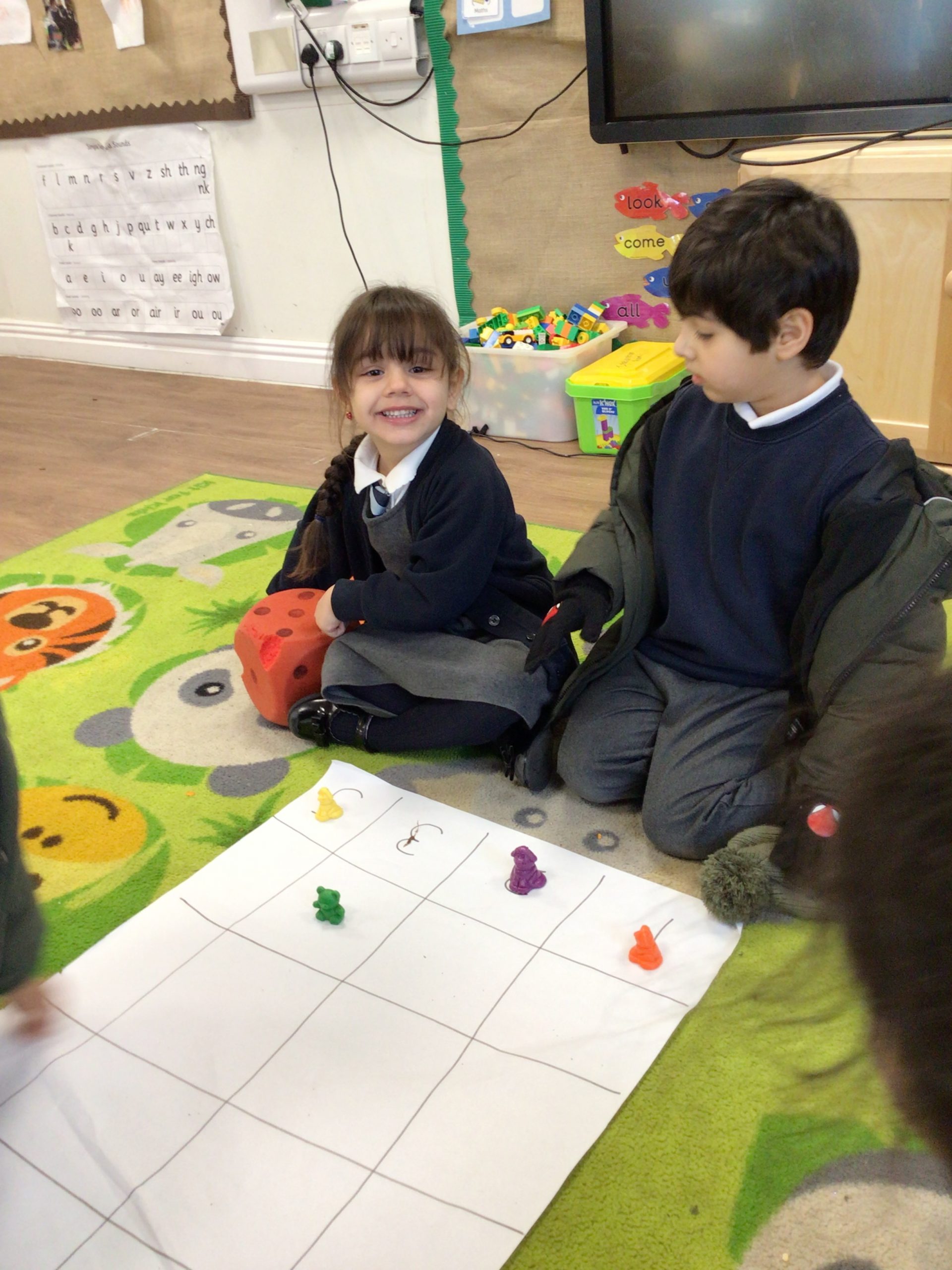
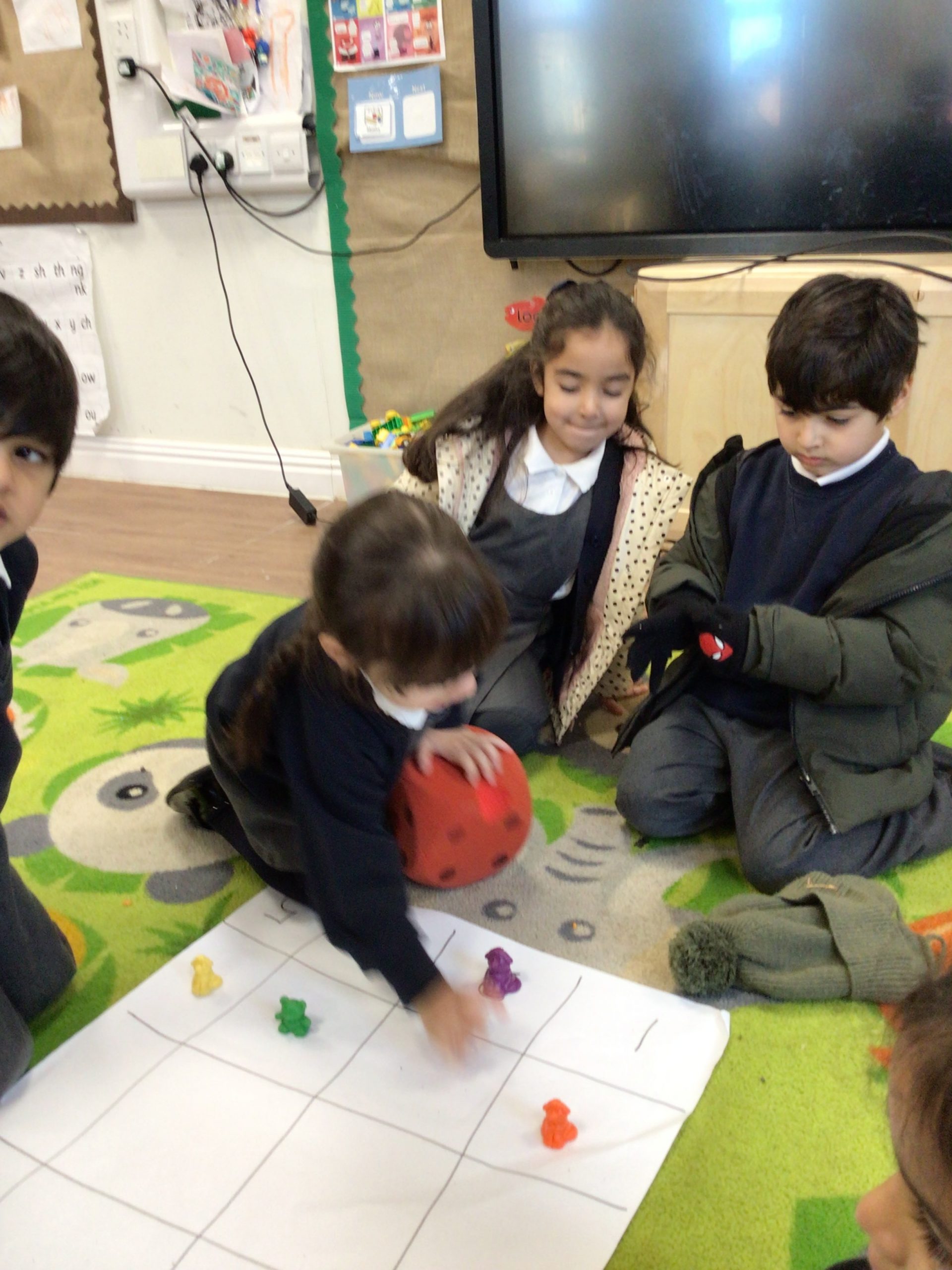
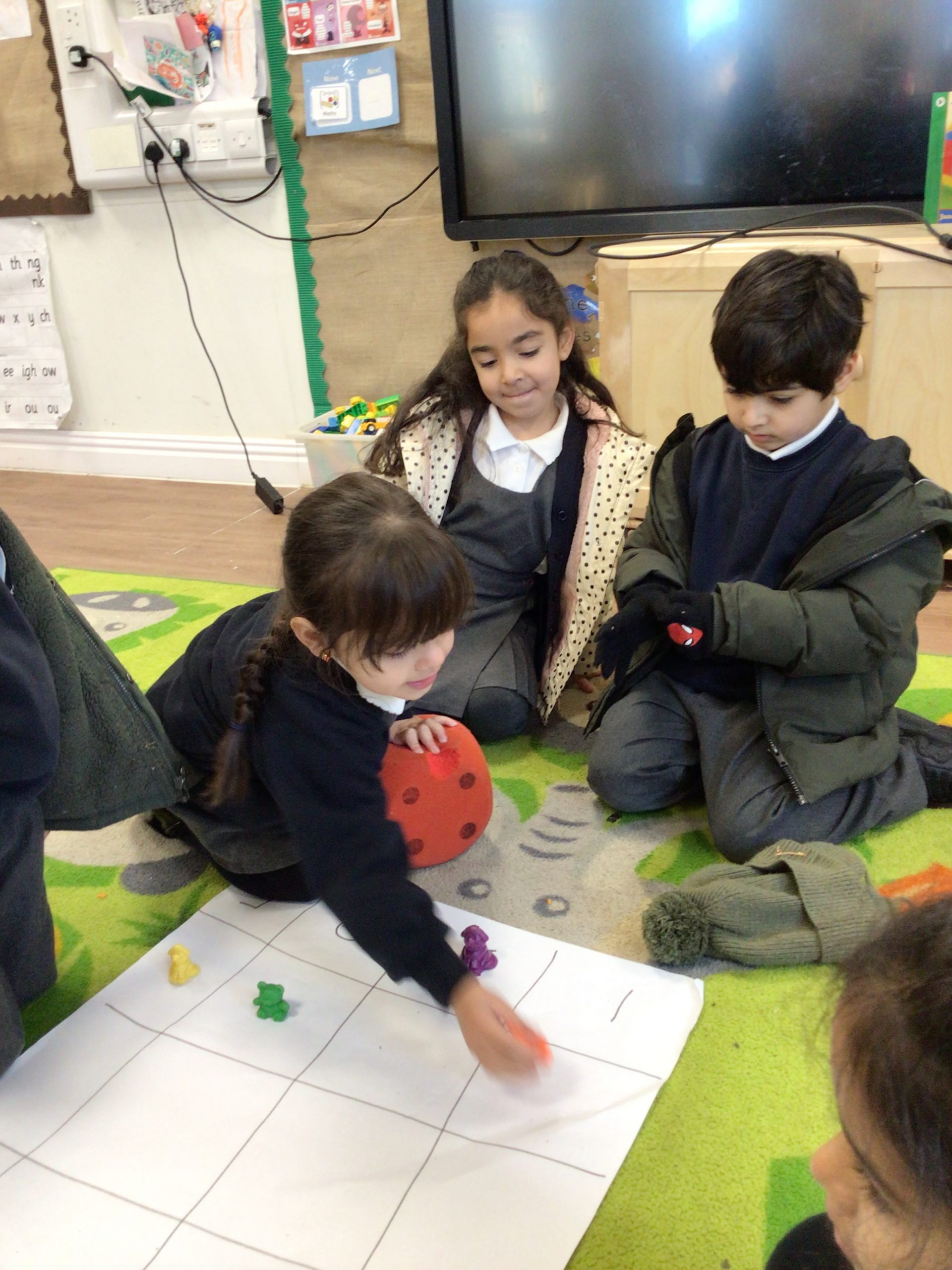
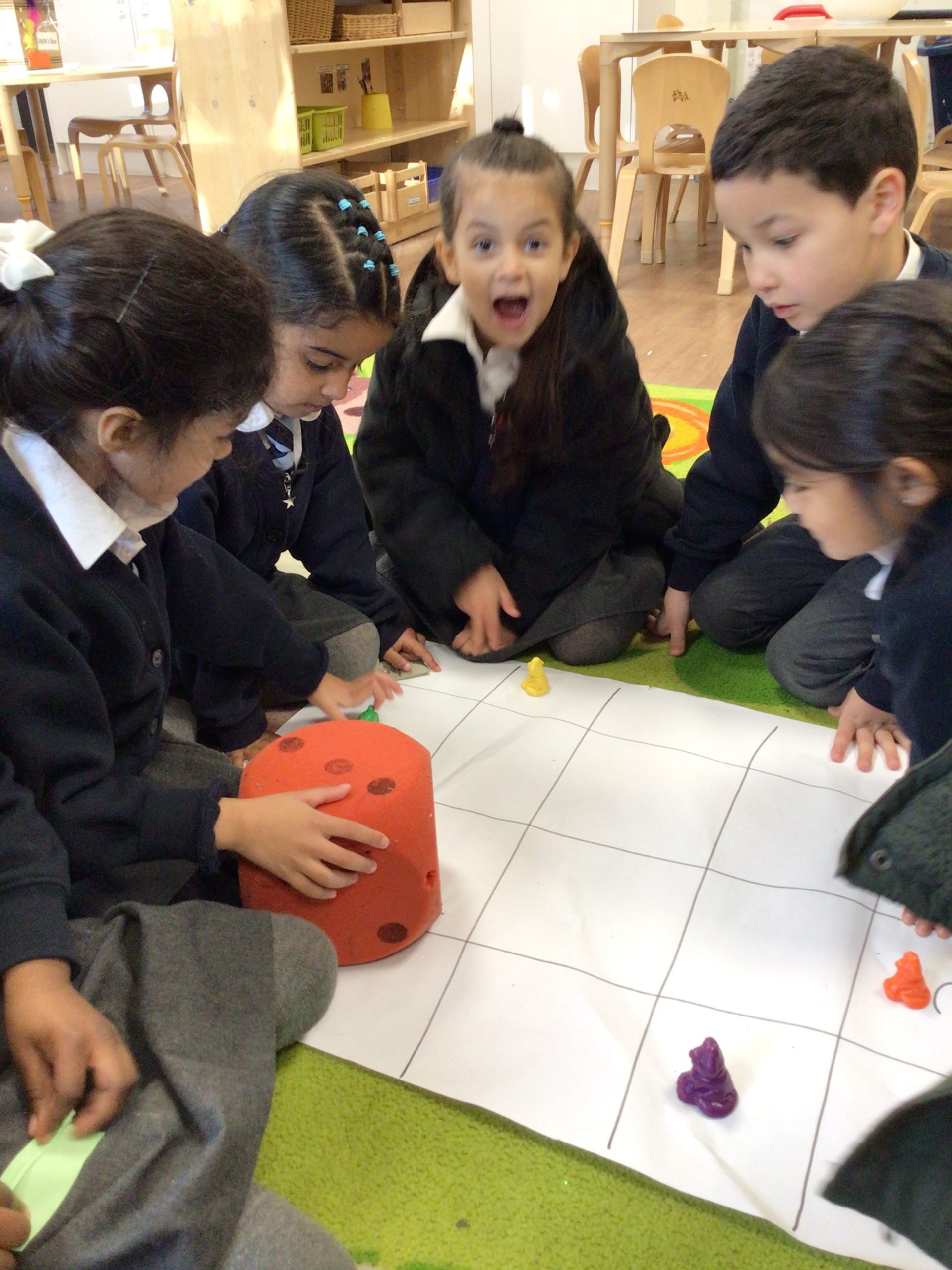
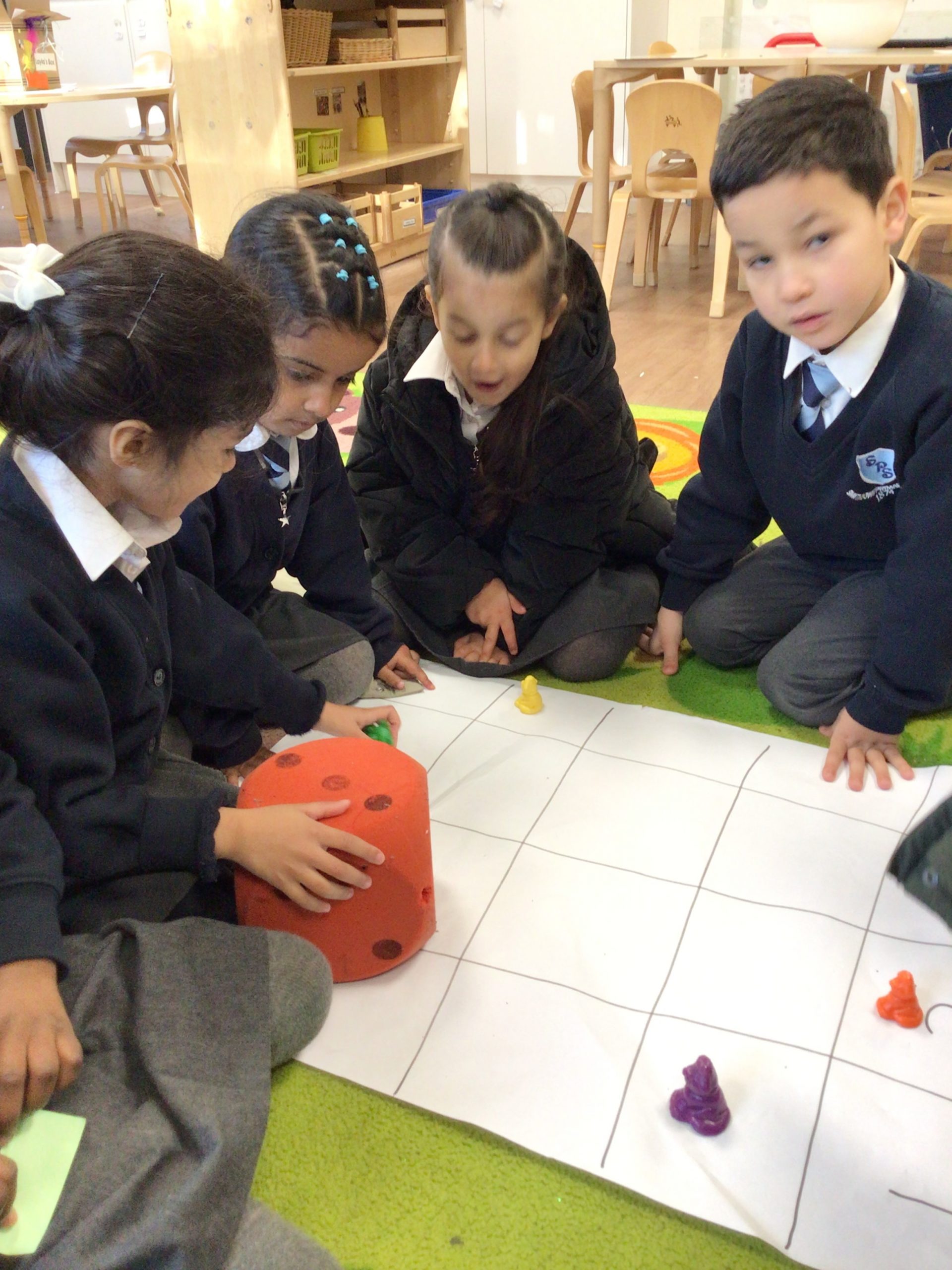
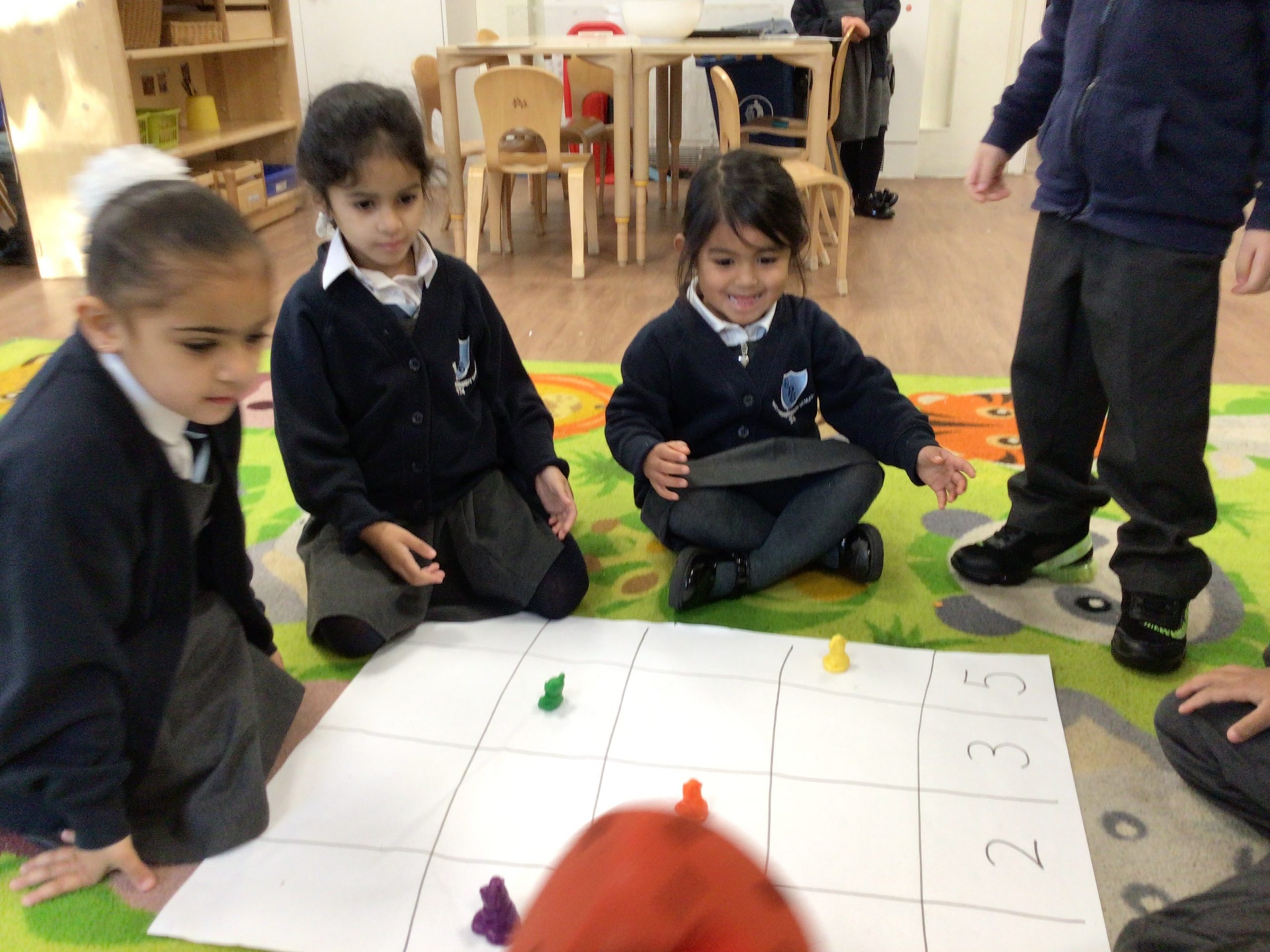
 We had lots of fun this week playing a dice game where we rolled the dice to see which counter would get to the top first!
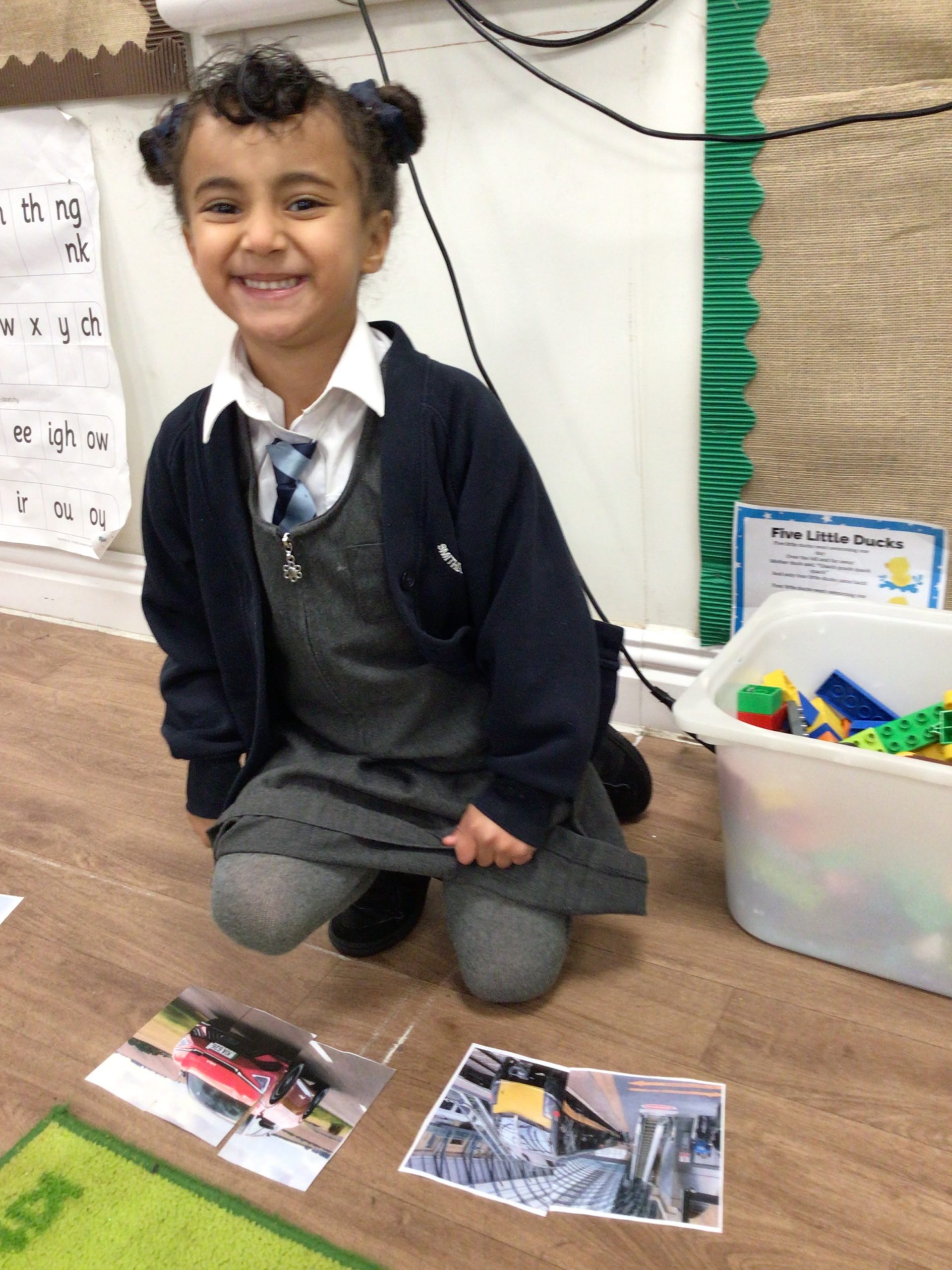
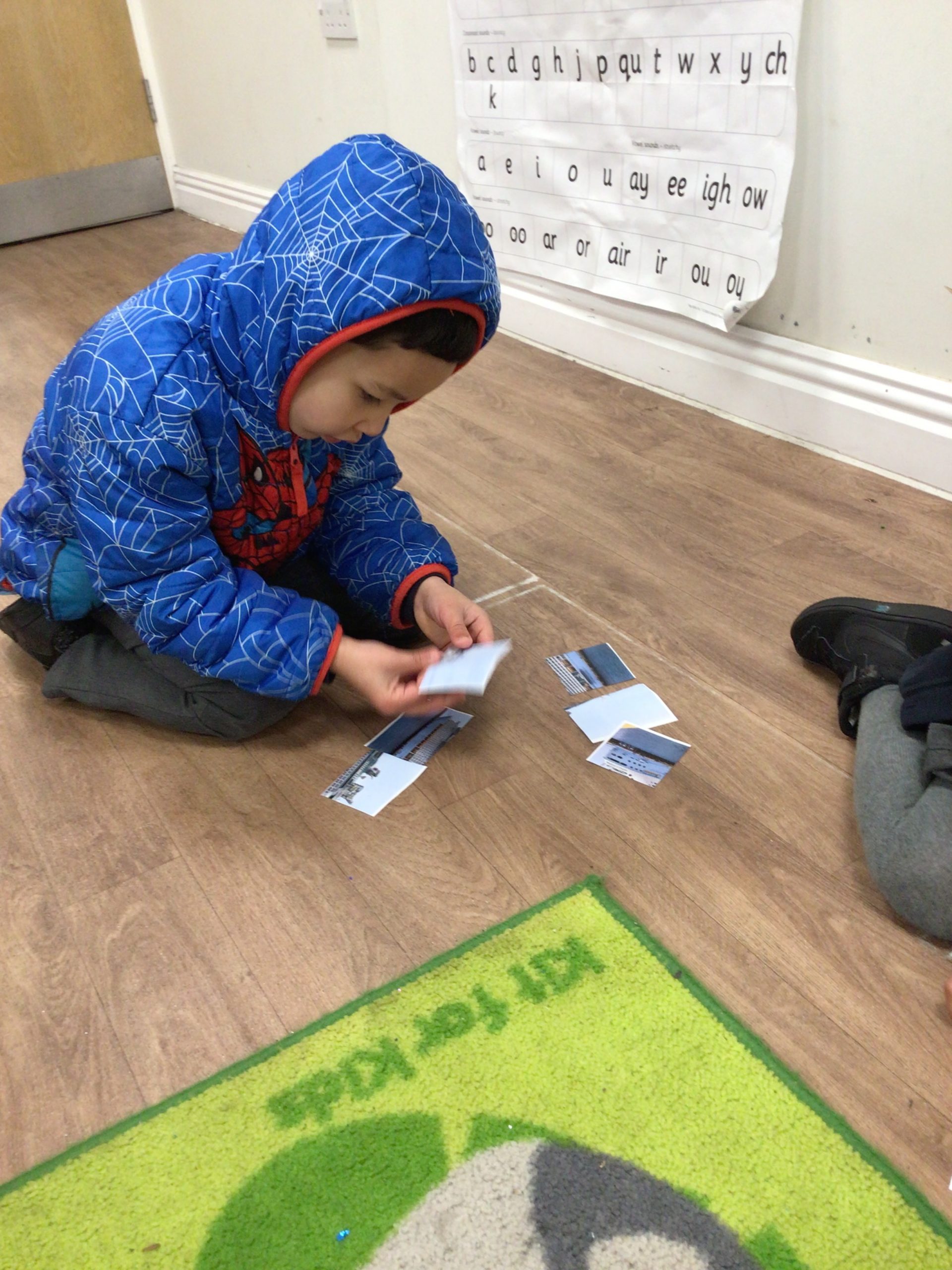
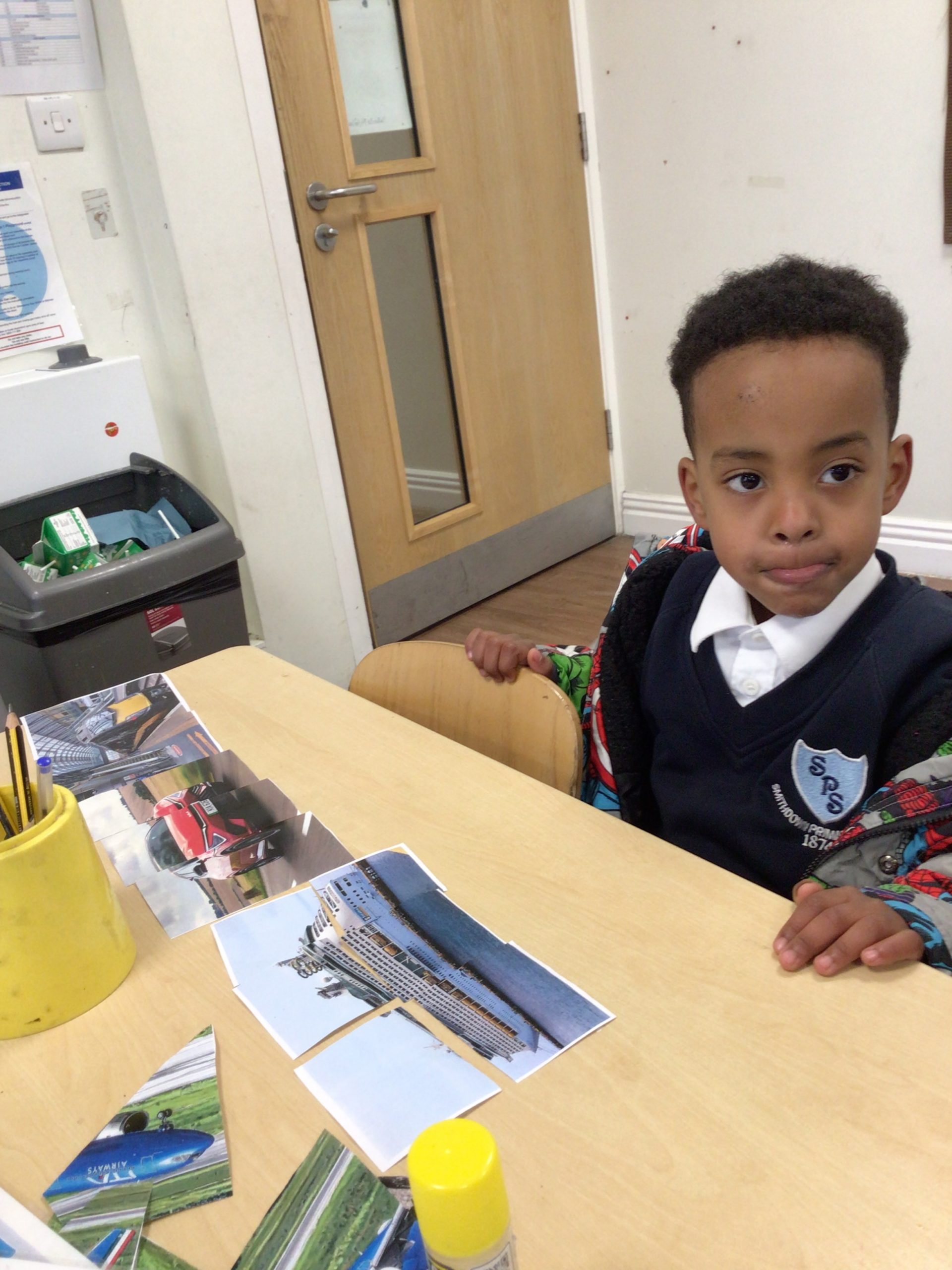
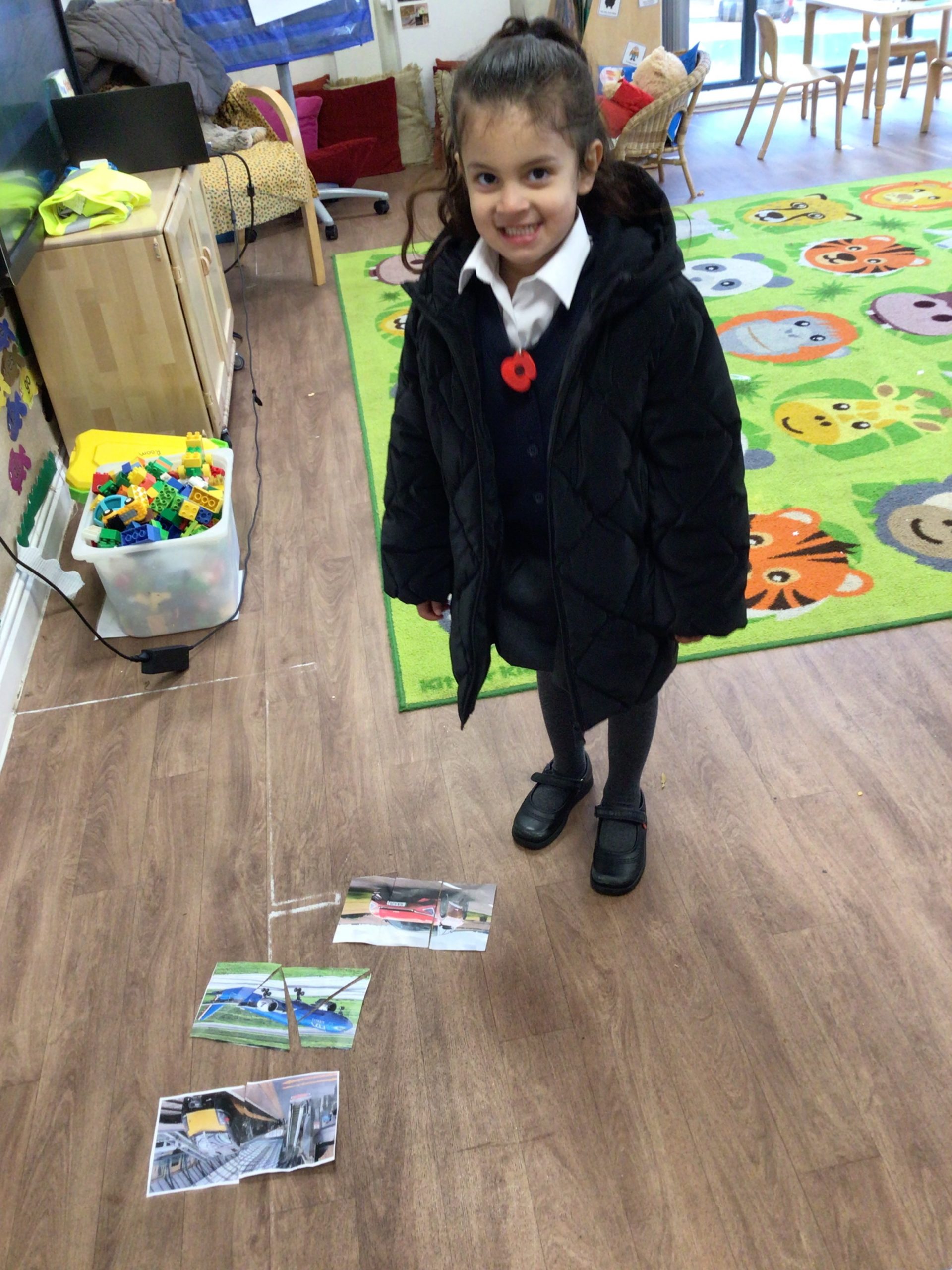
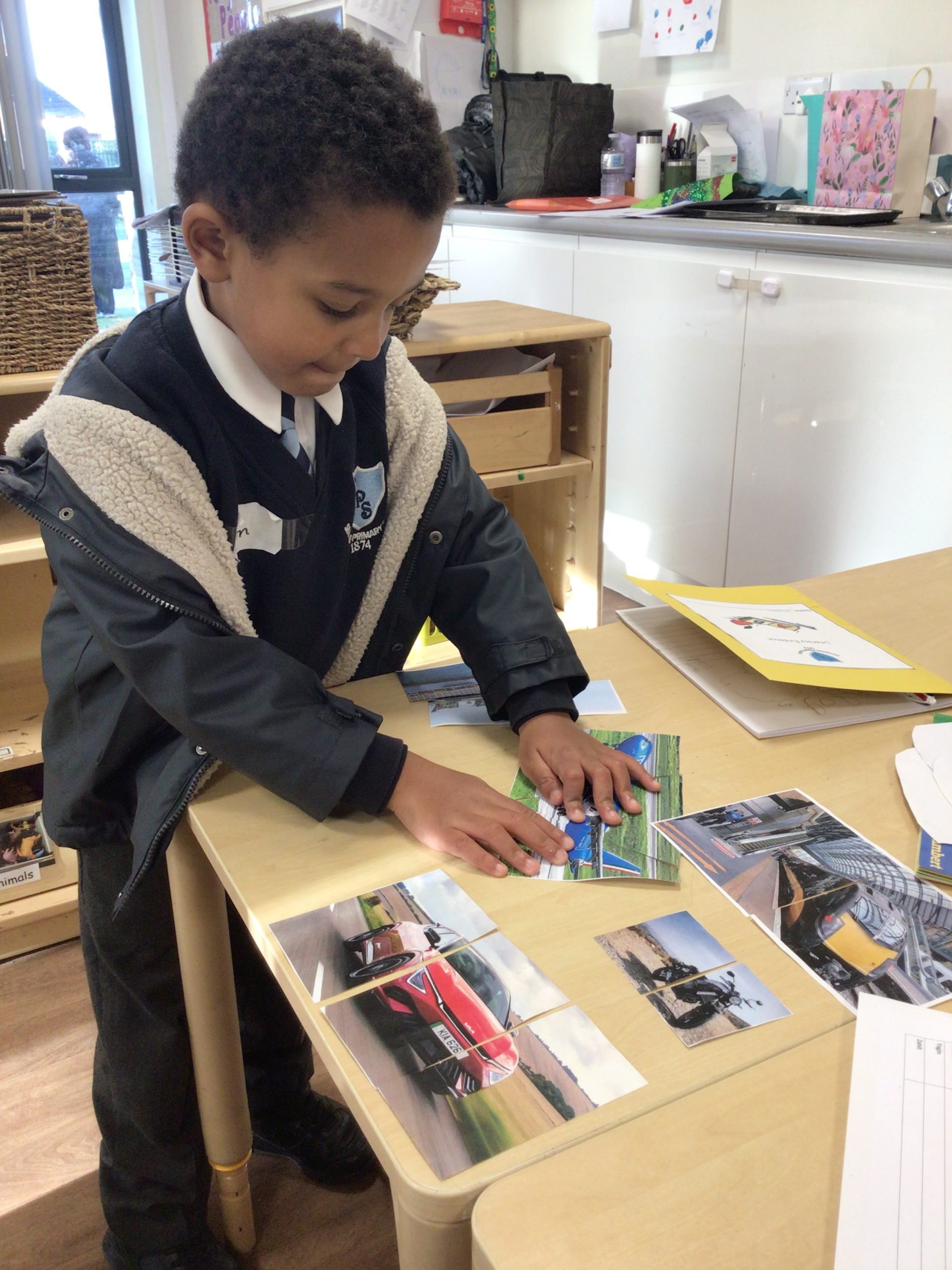
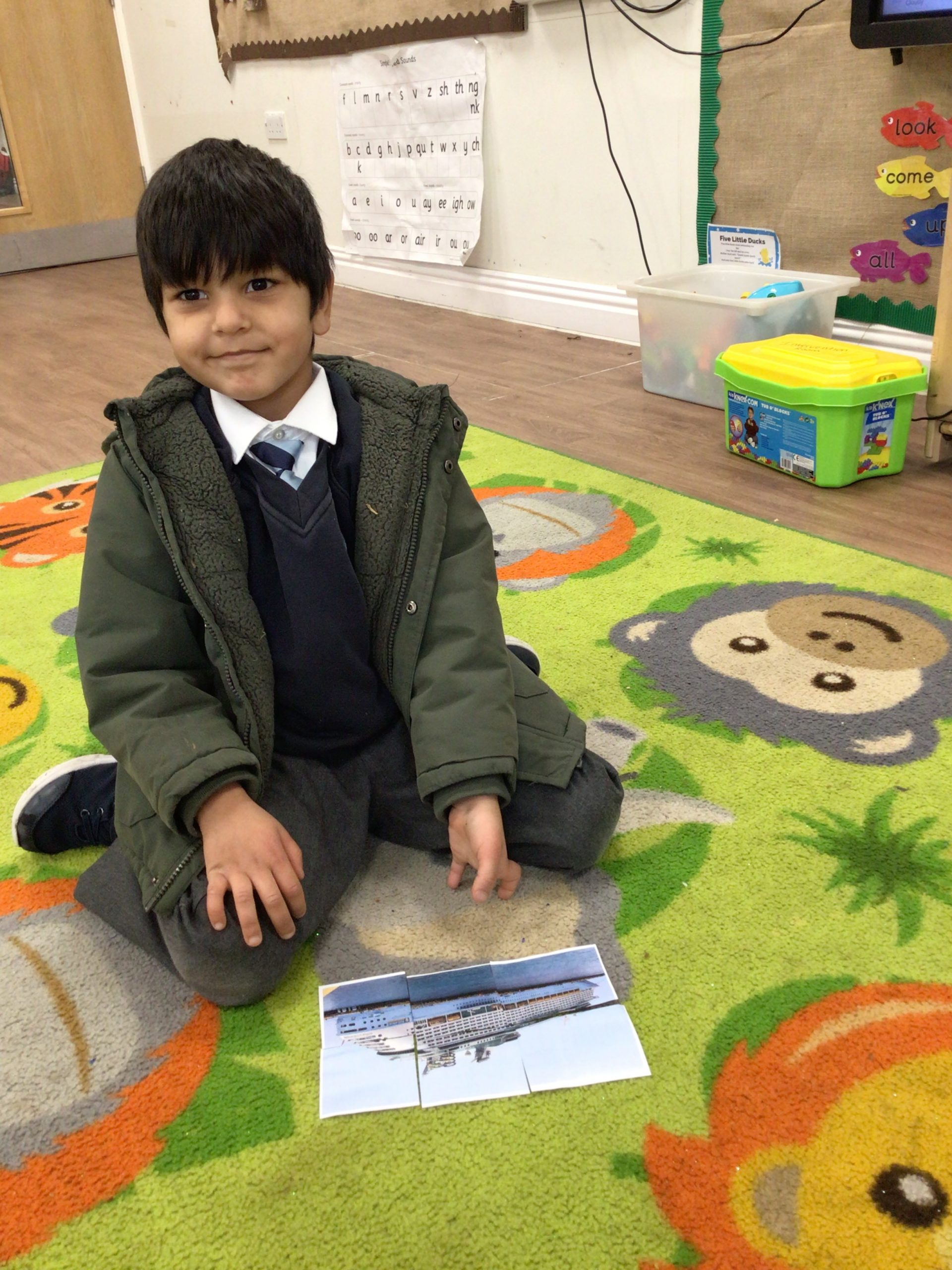
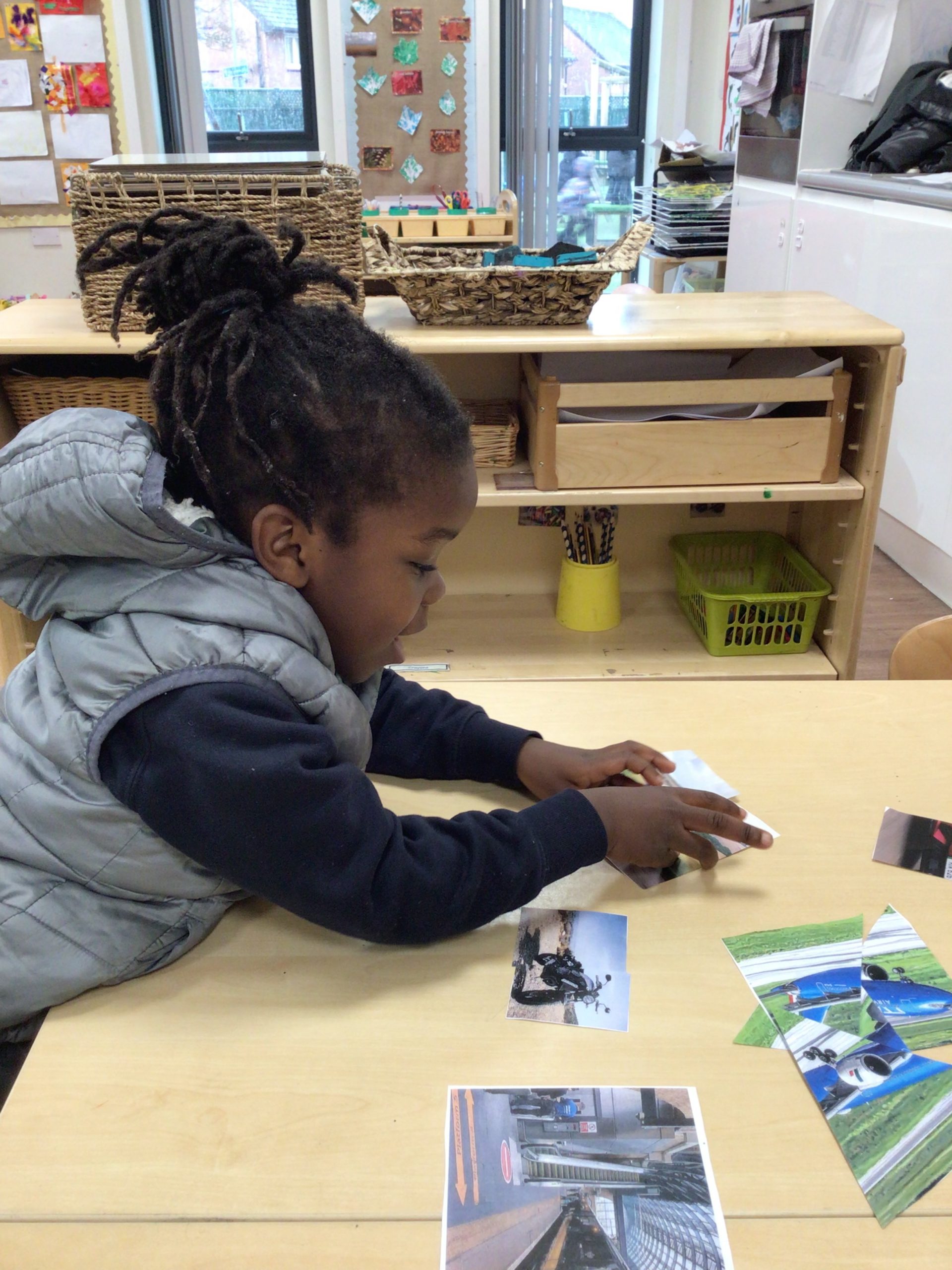
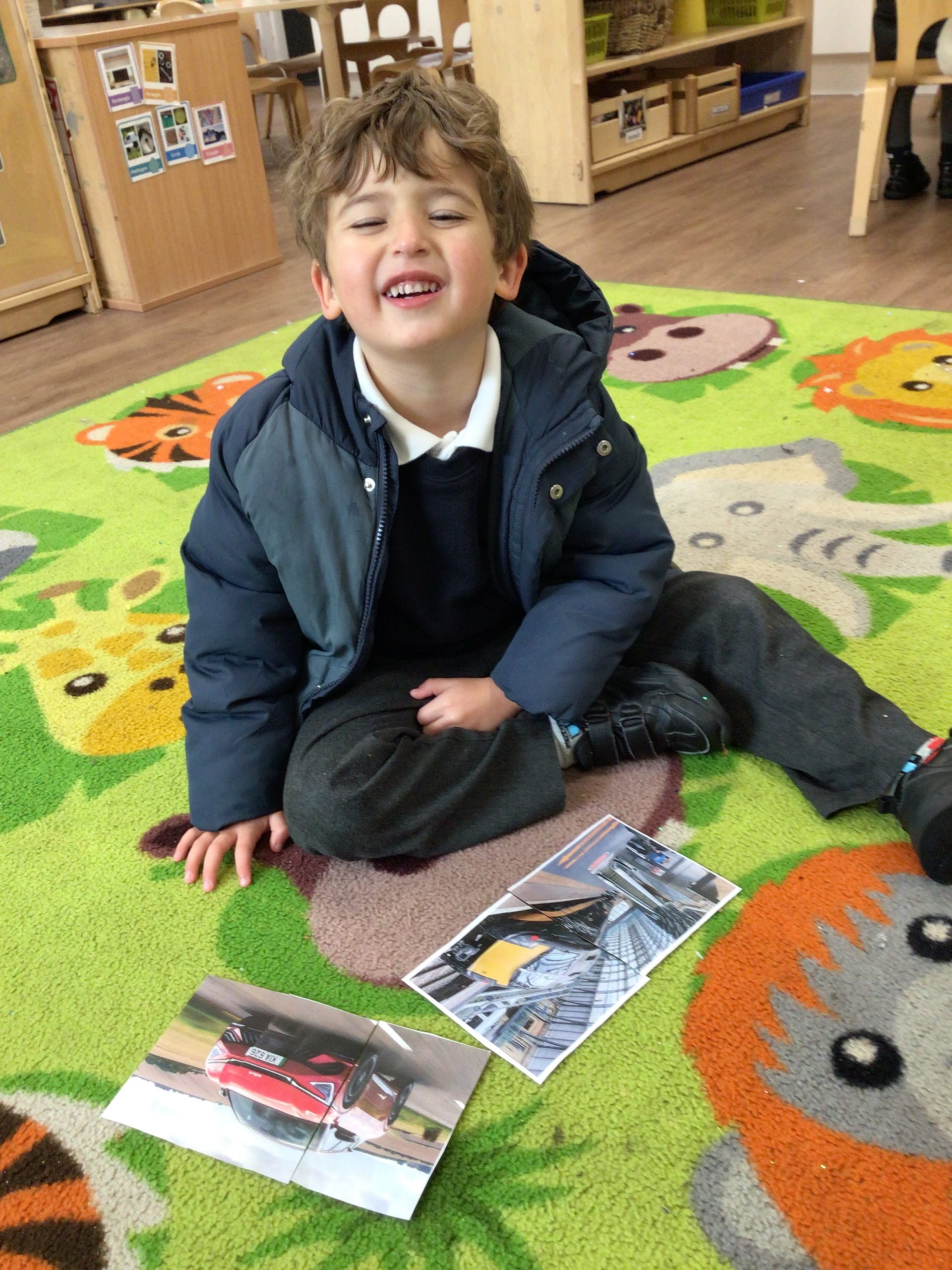
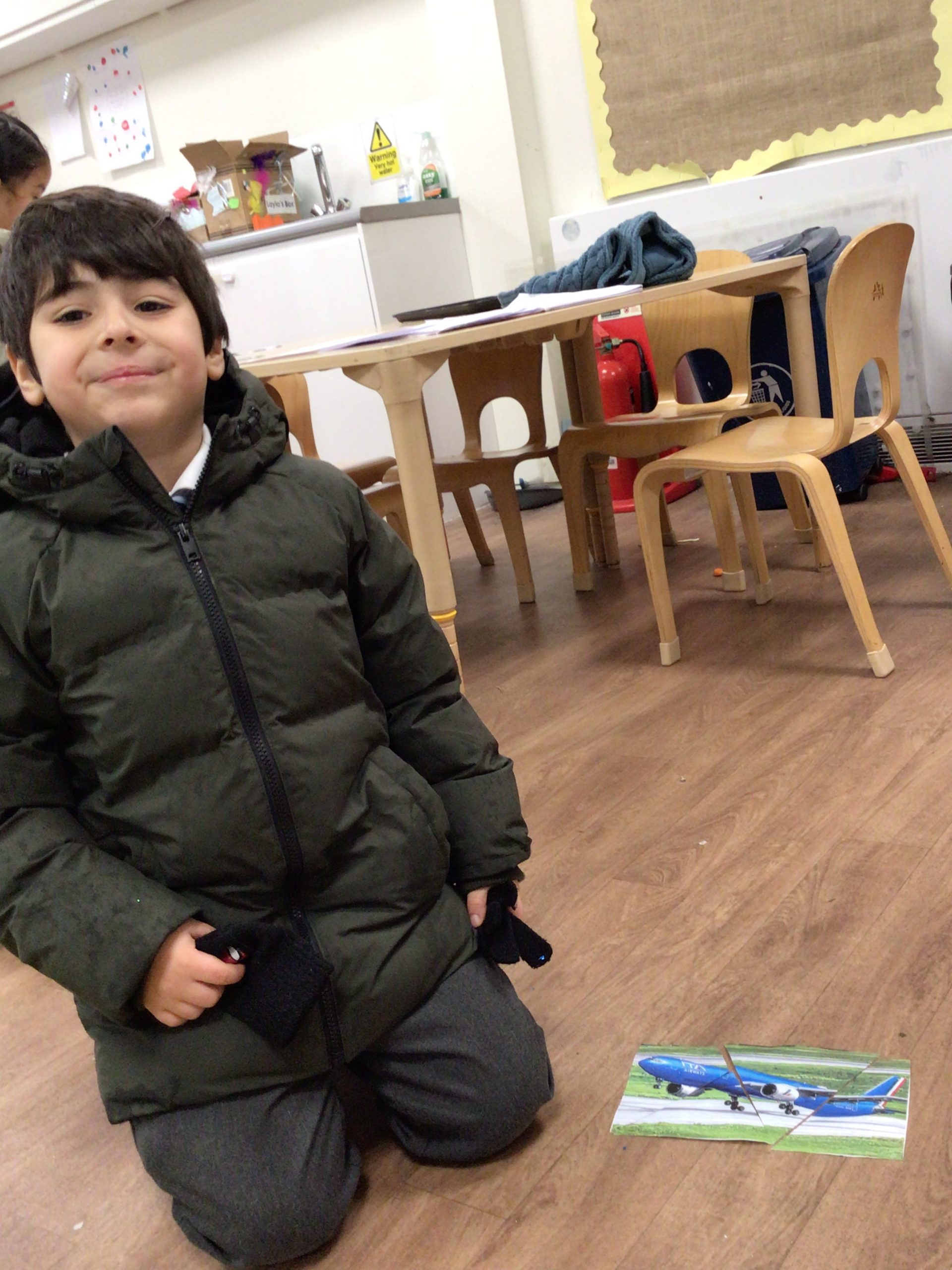
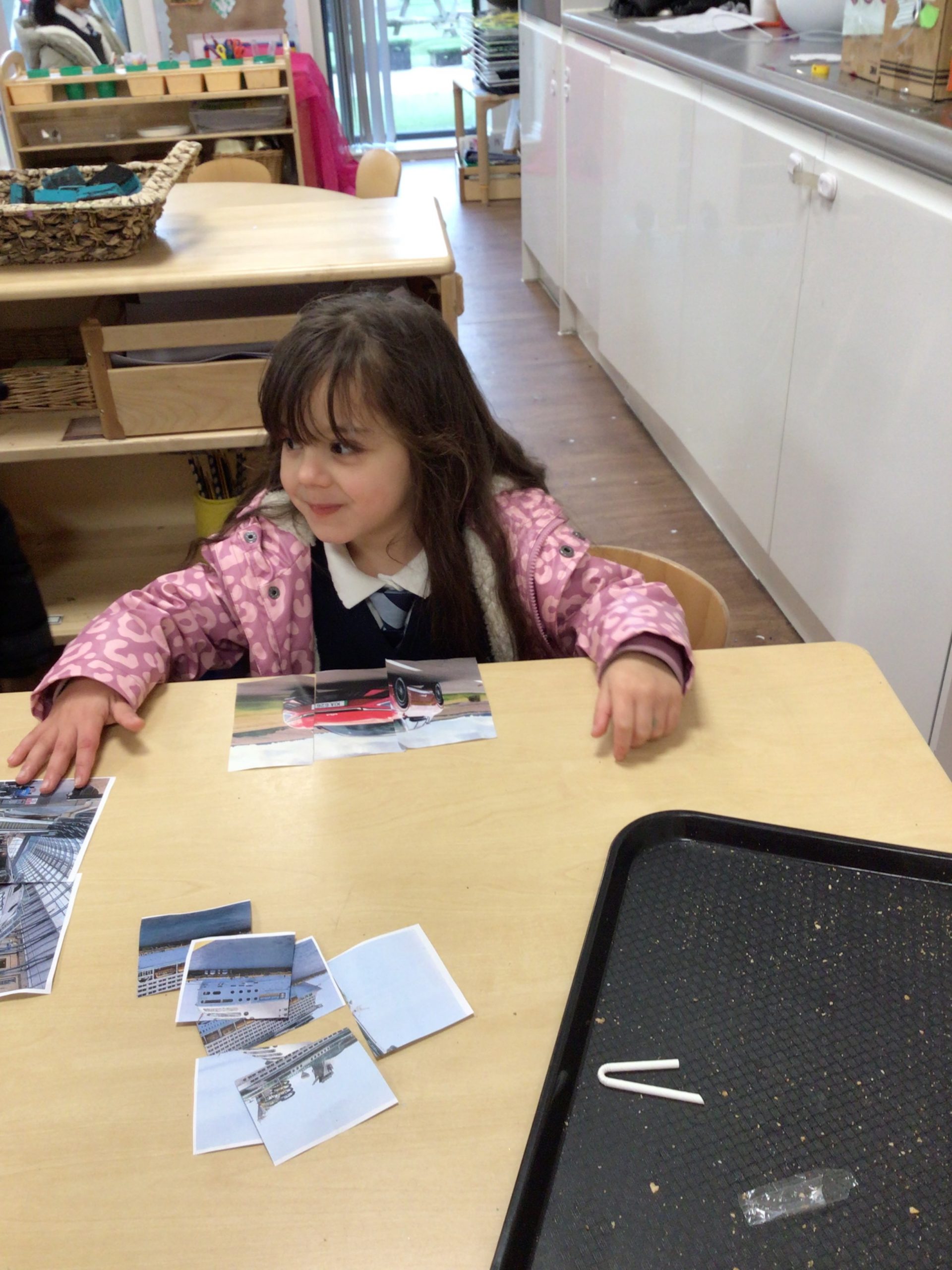
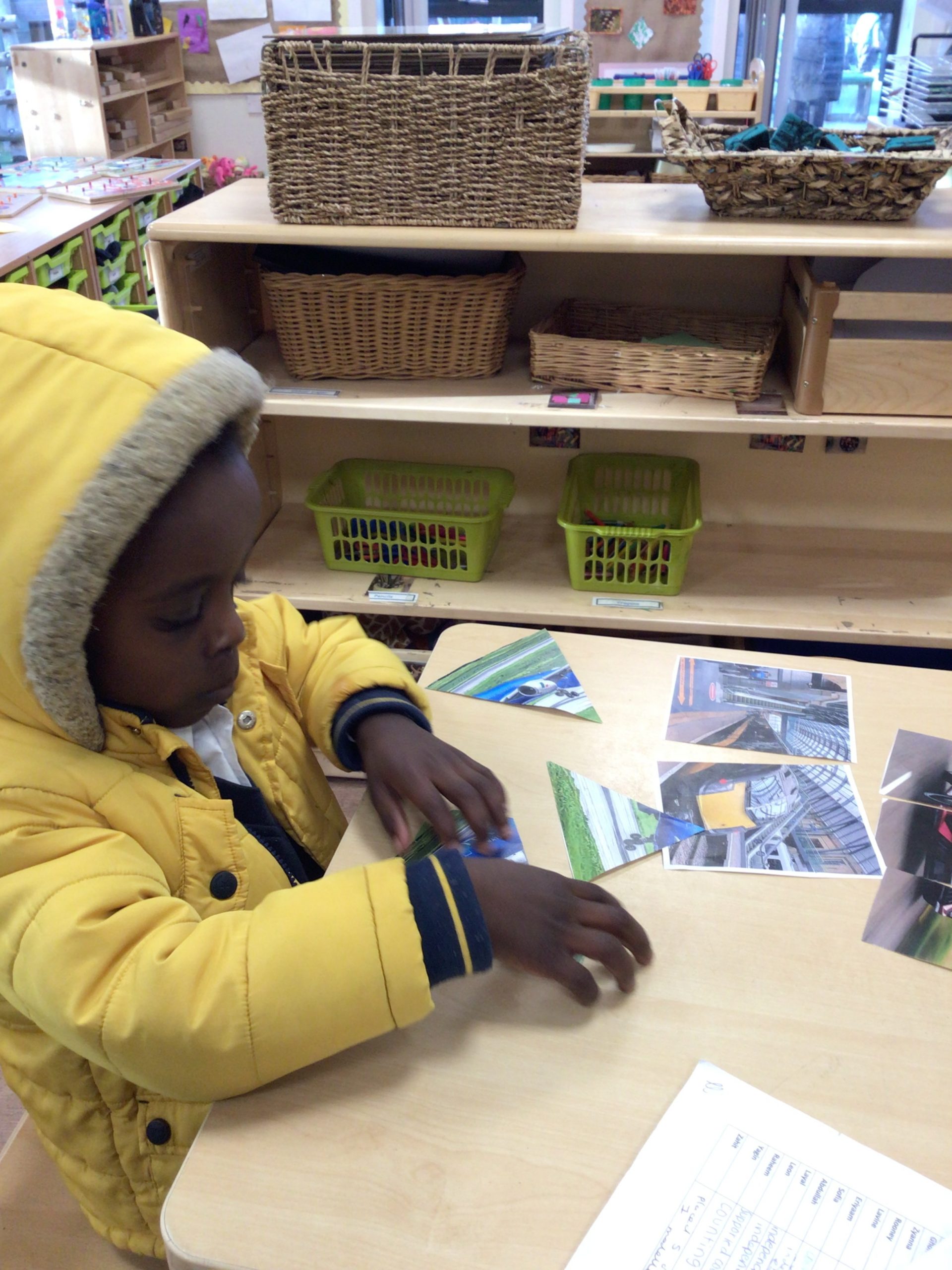
This week we have been looking at parts that make a whole in maths. We have completed sets of jigsaws by using the parts to make a whole.
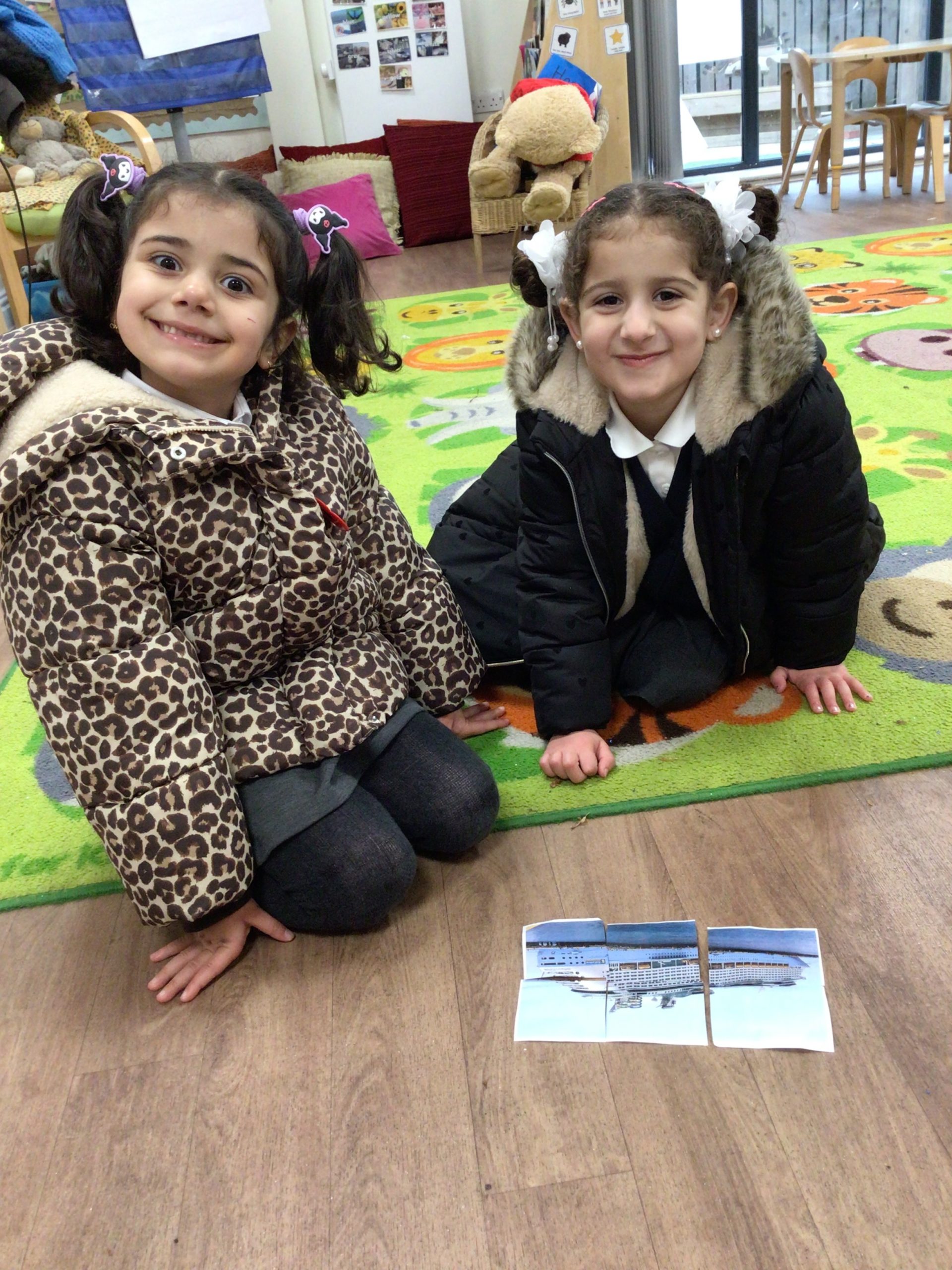
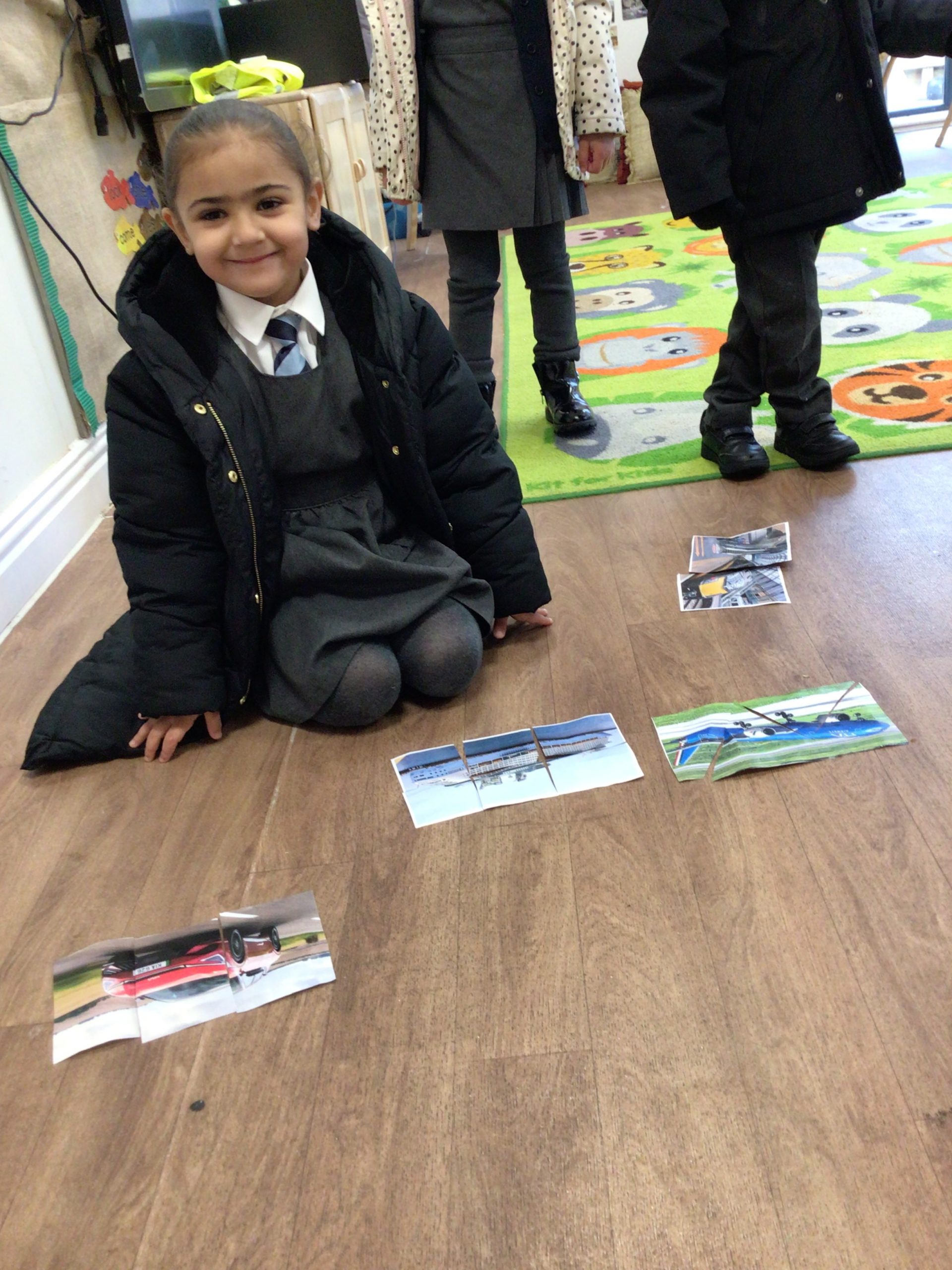
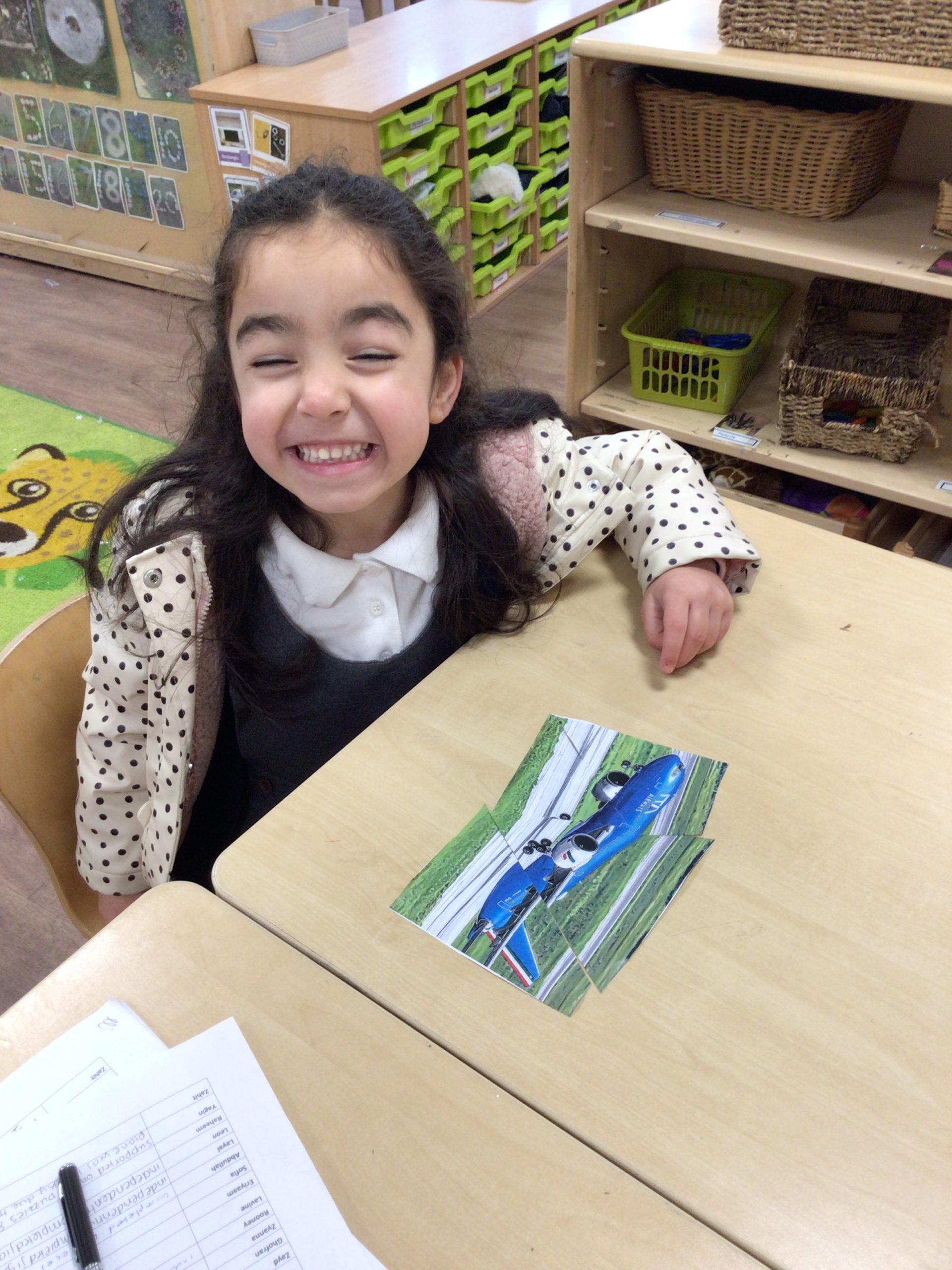
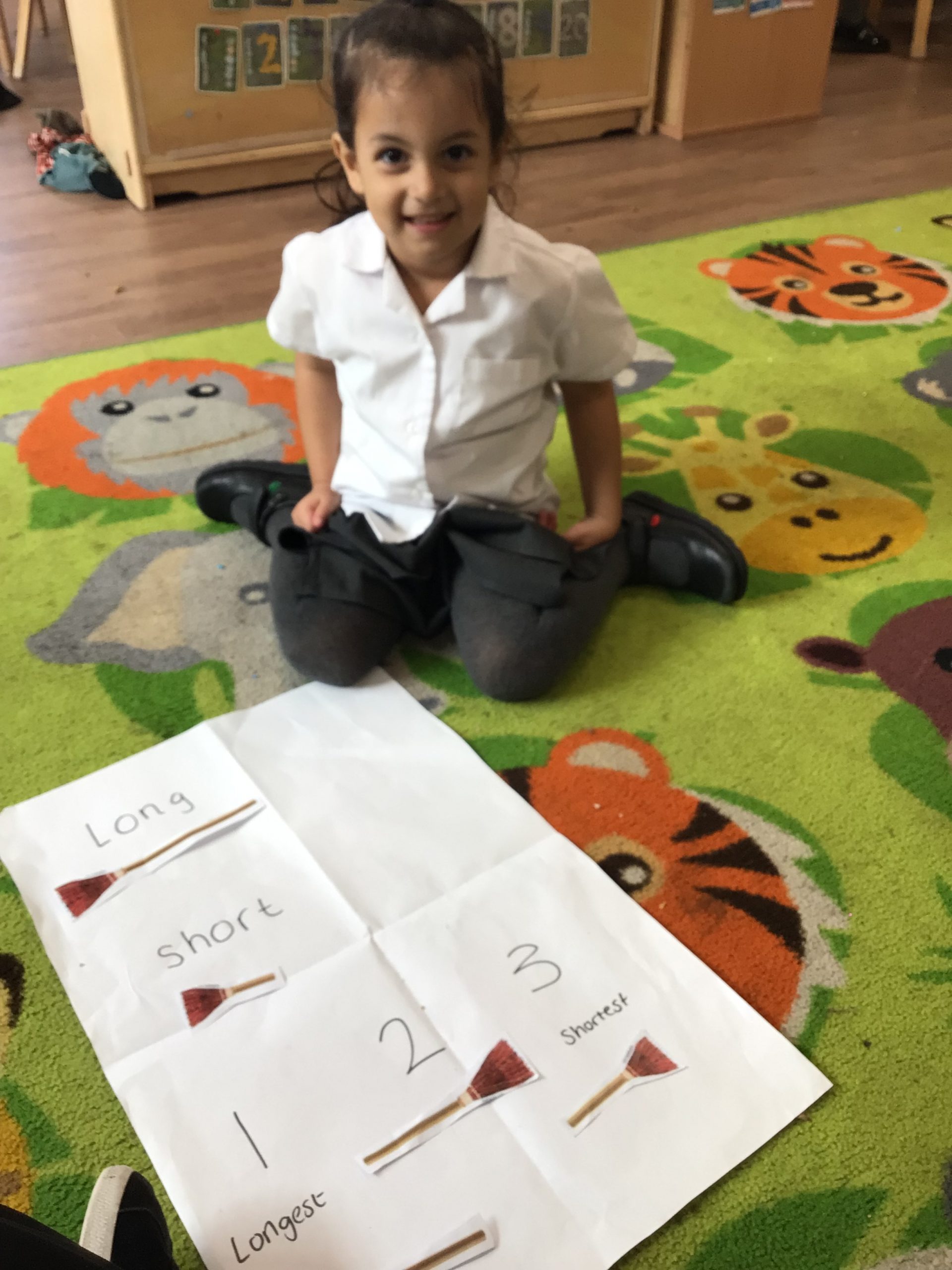
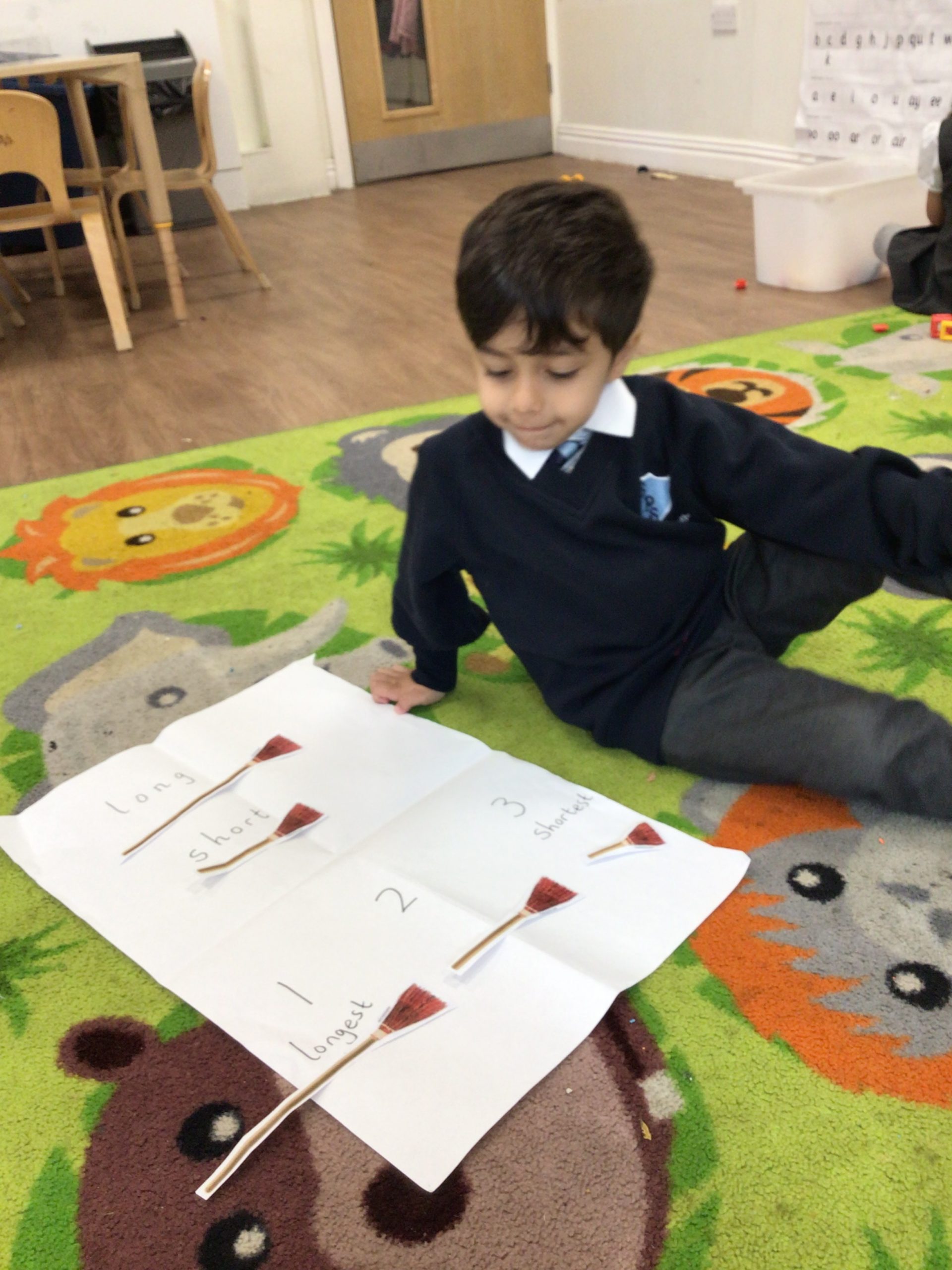
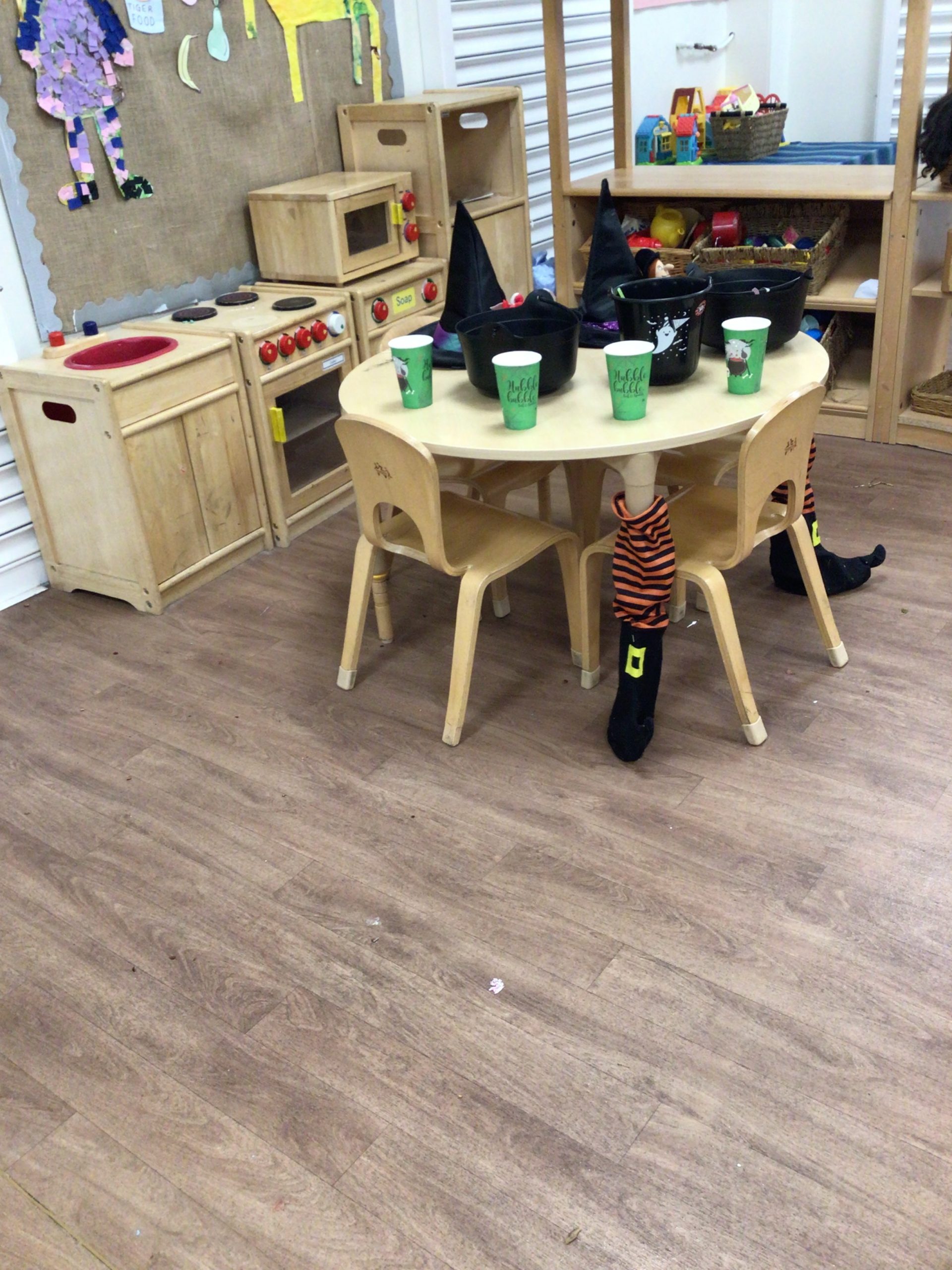
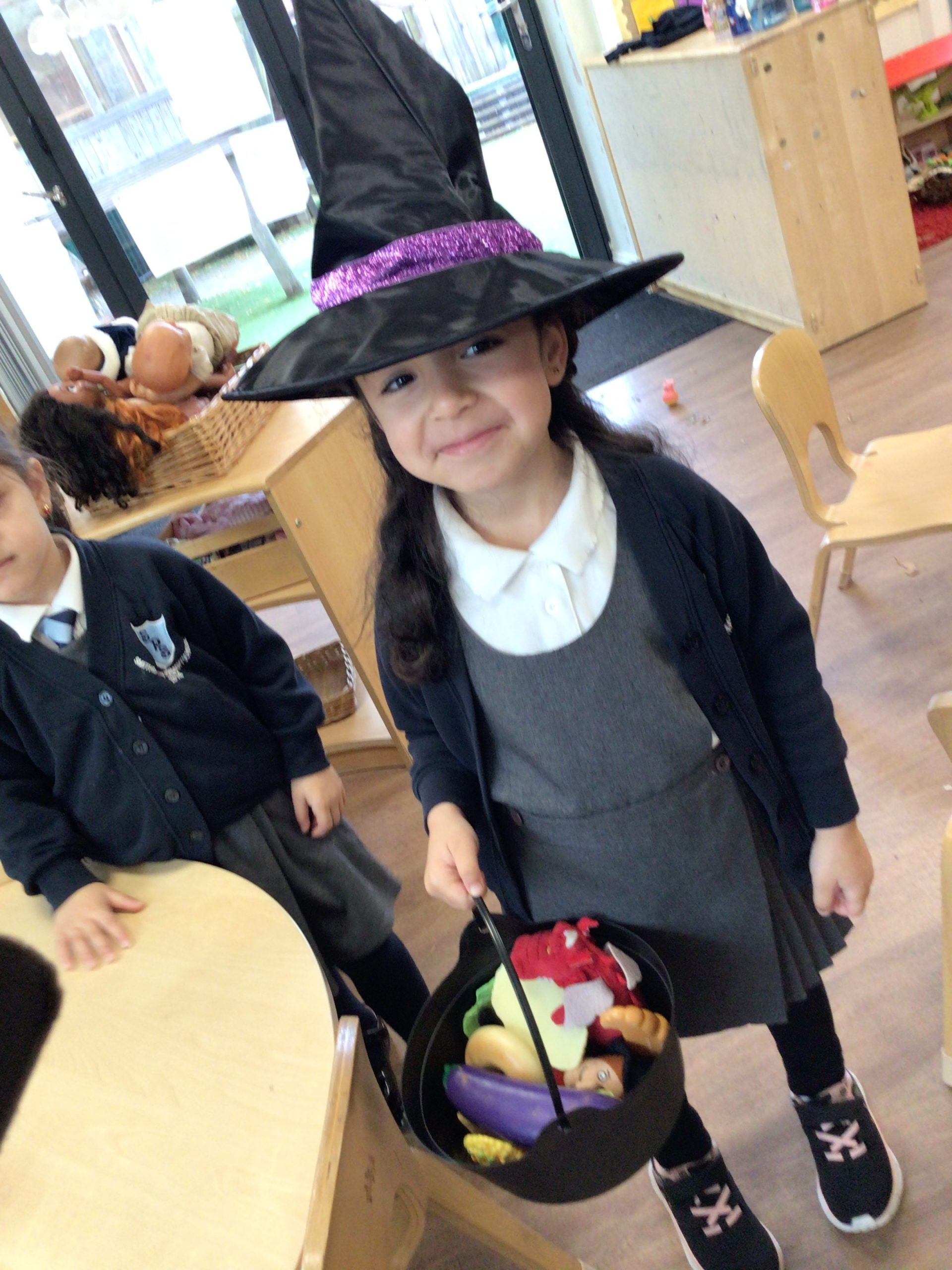
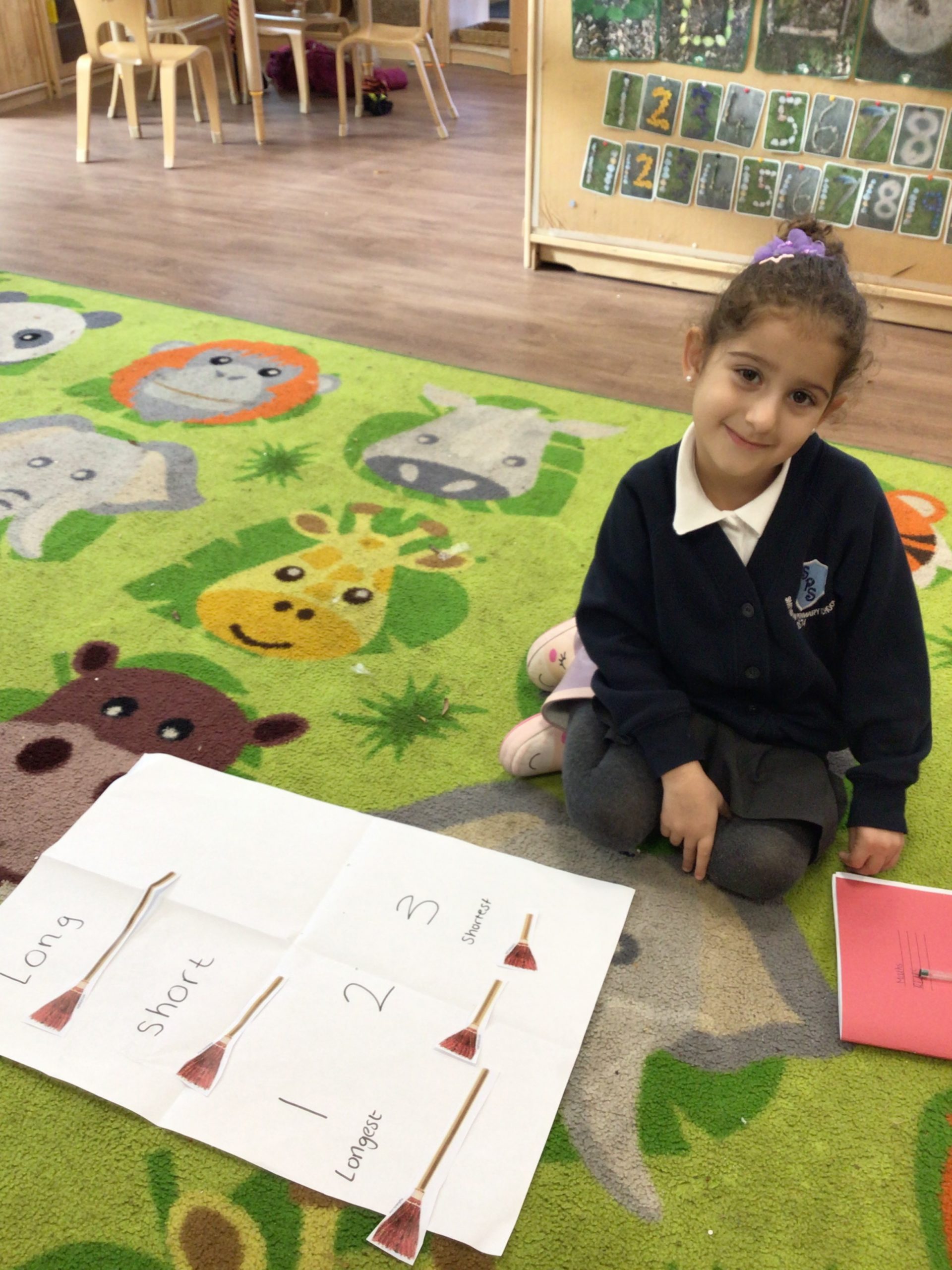
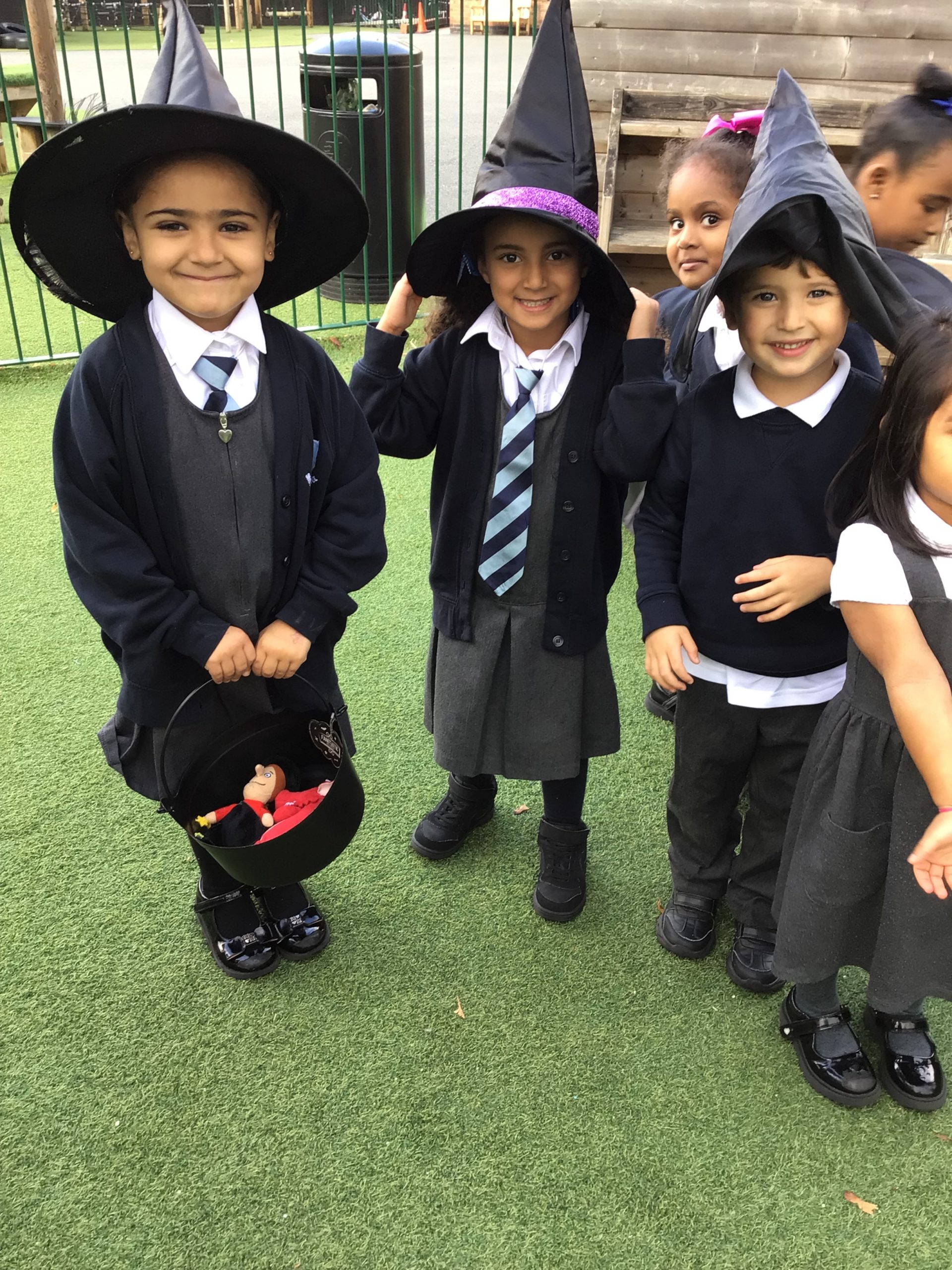
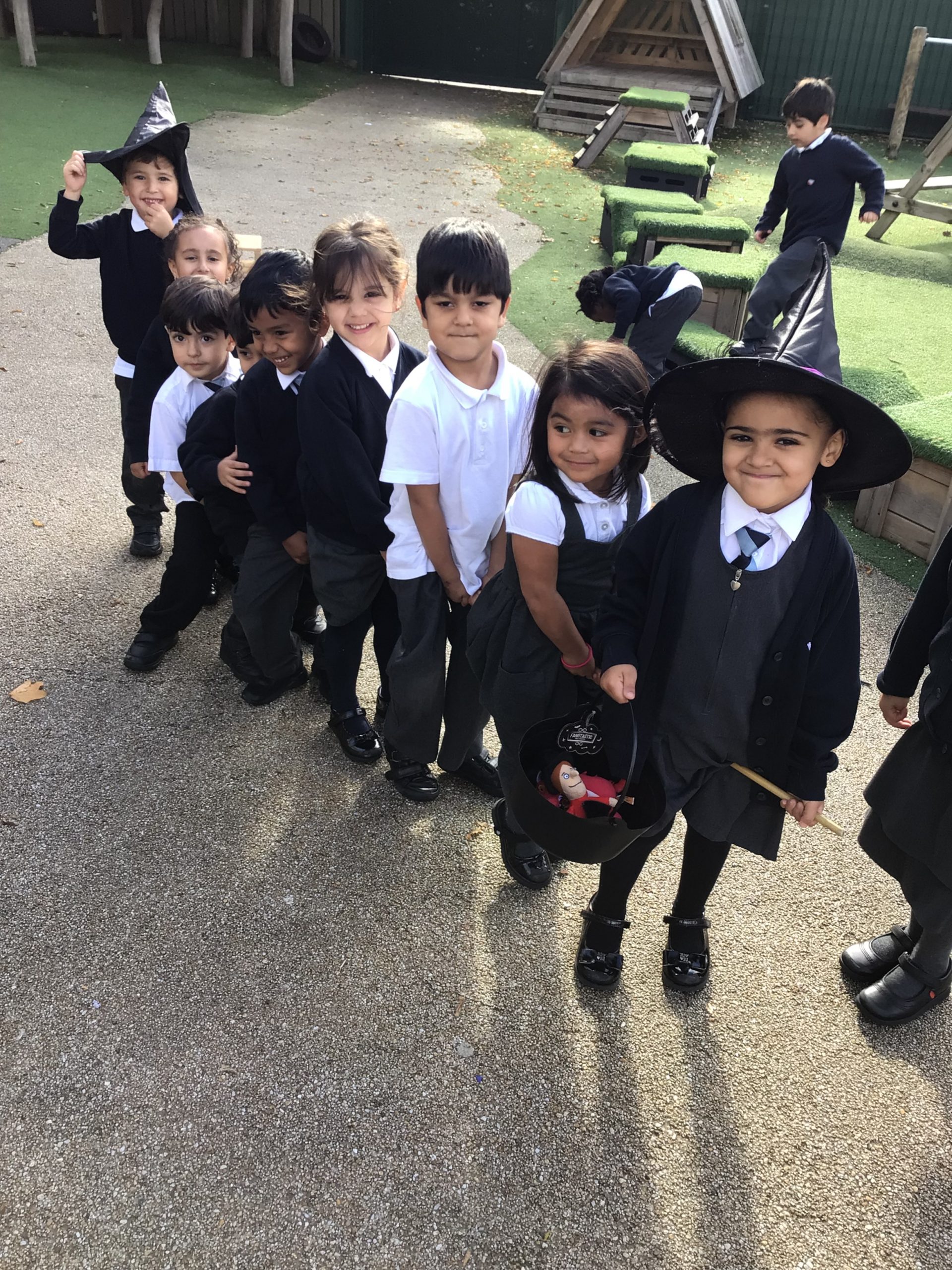
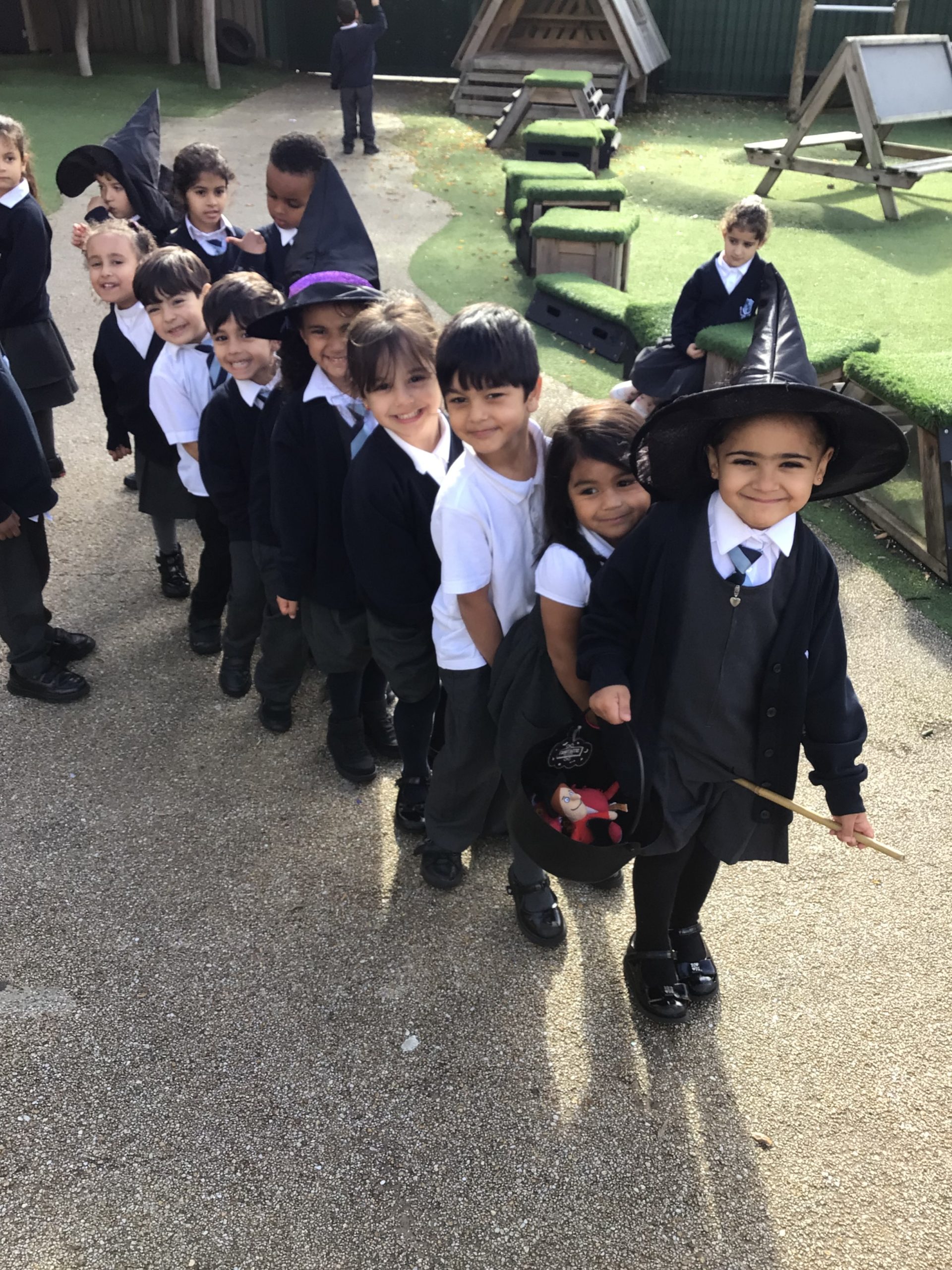
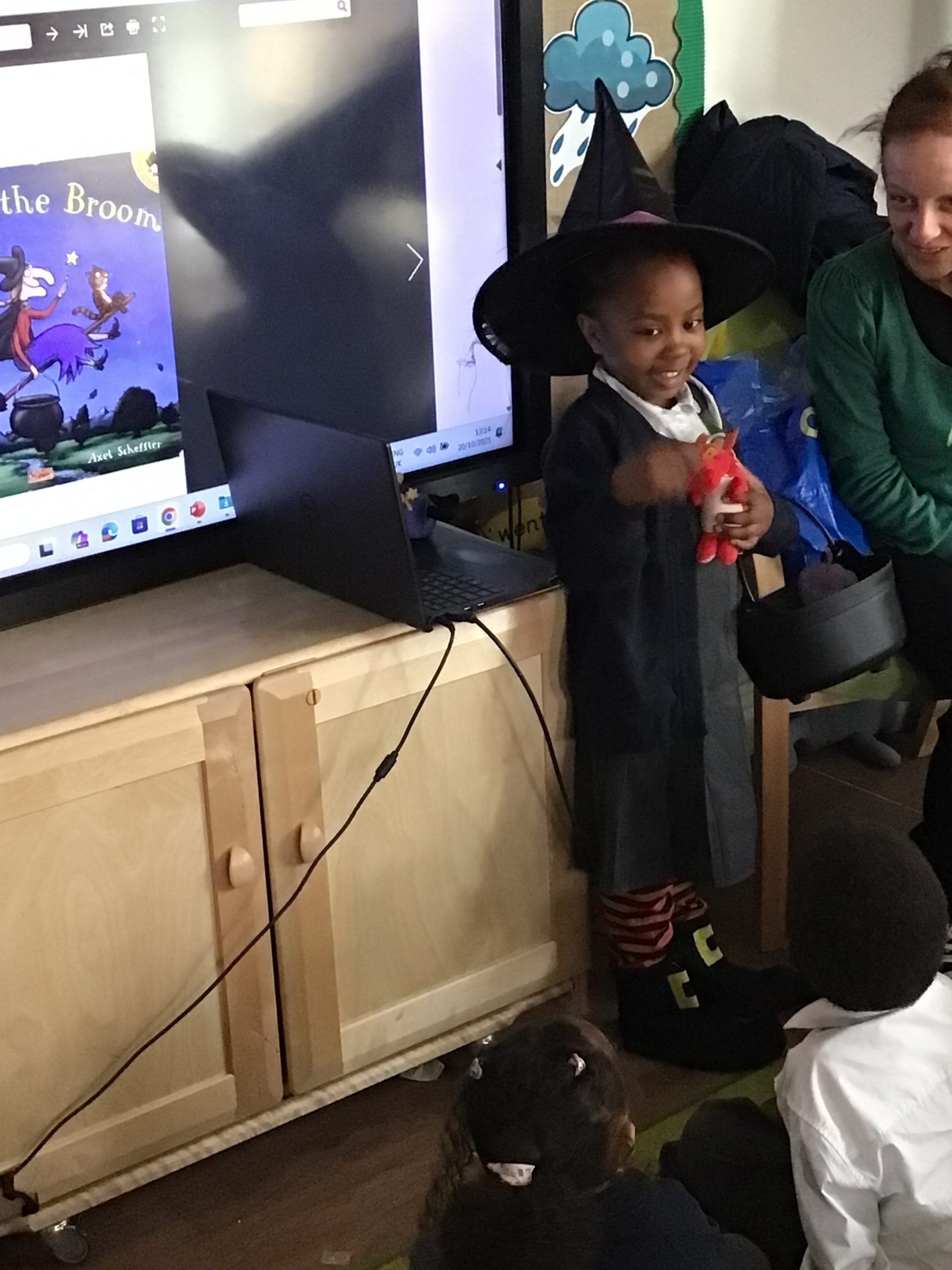
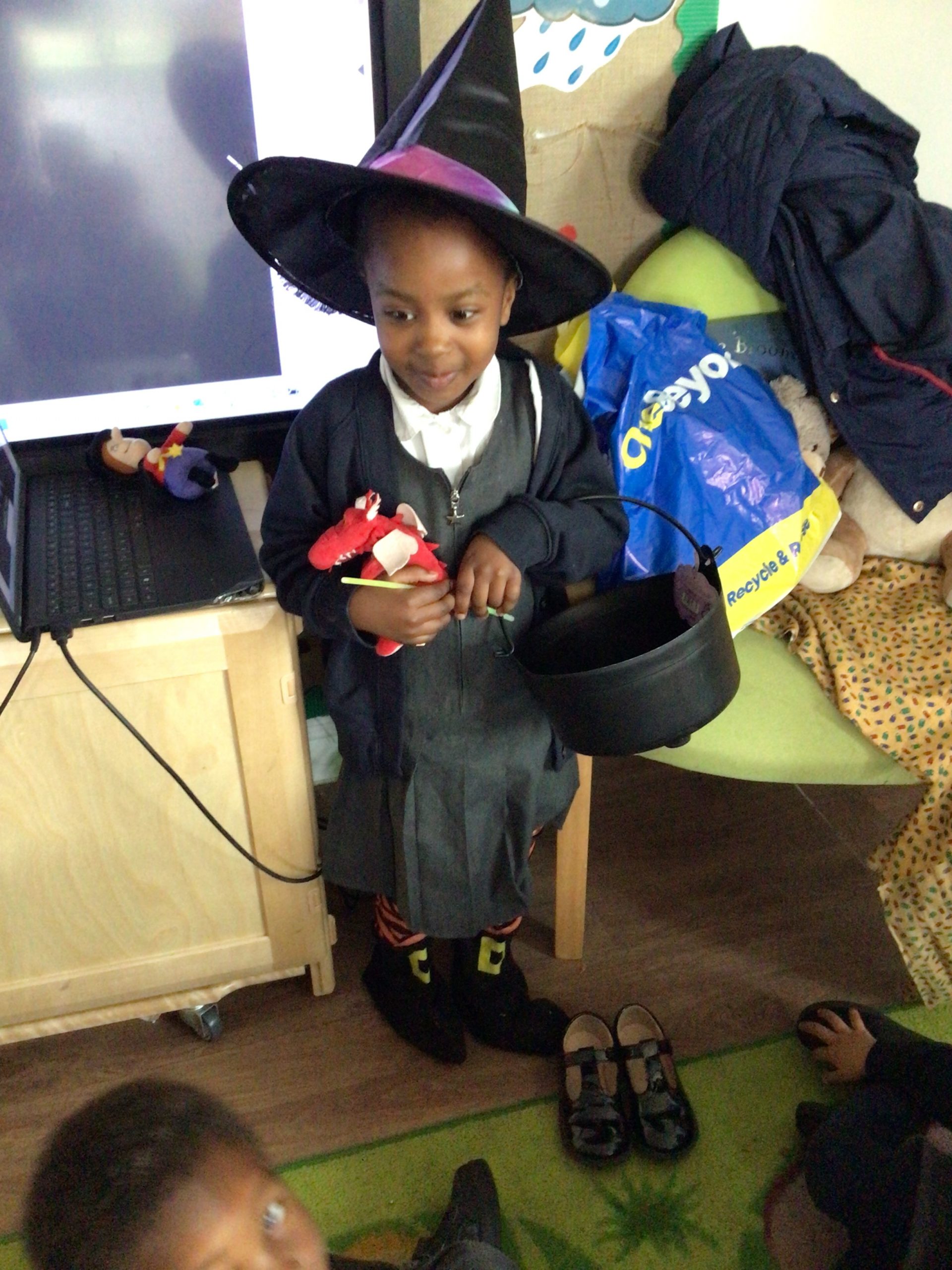
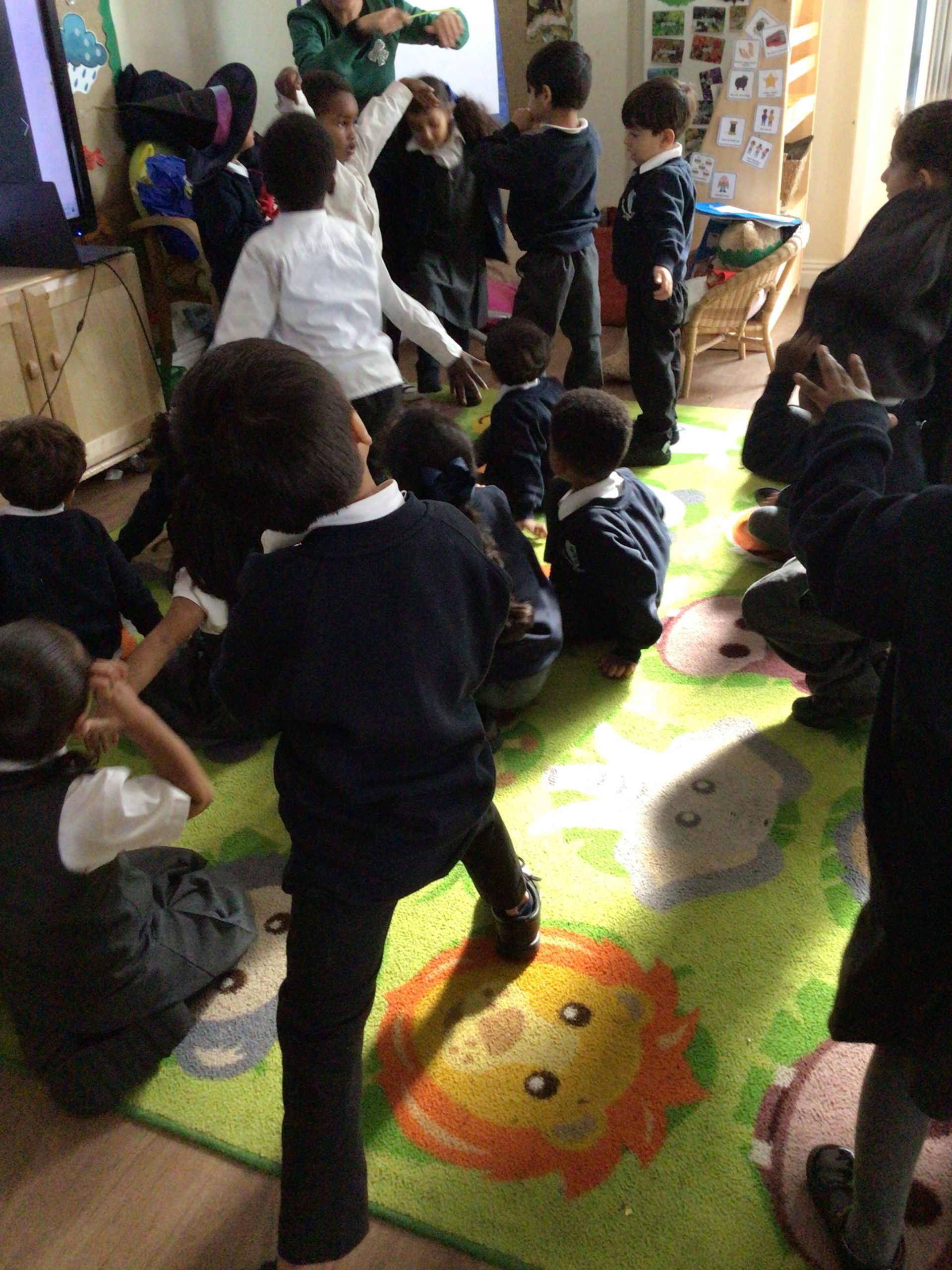
We had a fun time sharing the story of Room on the Broom in class.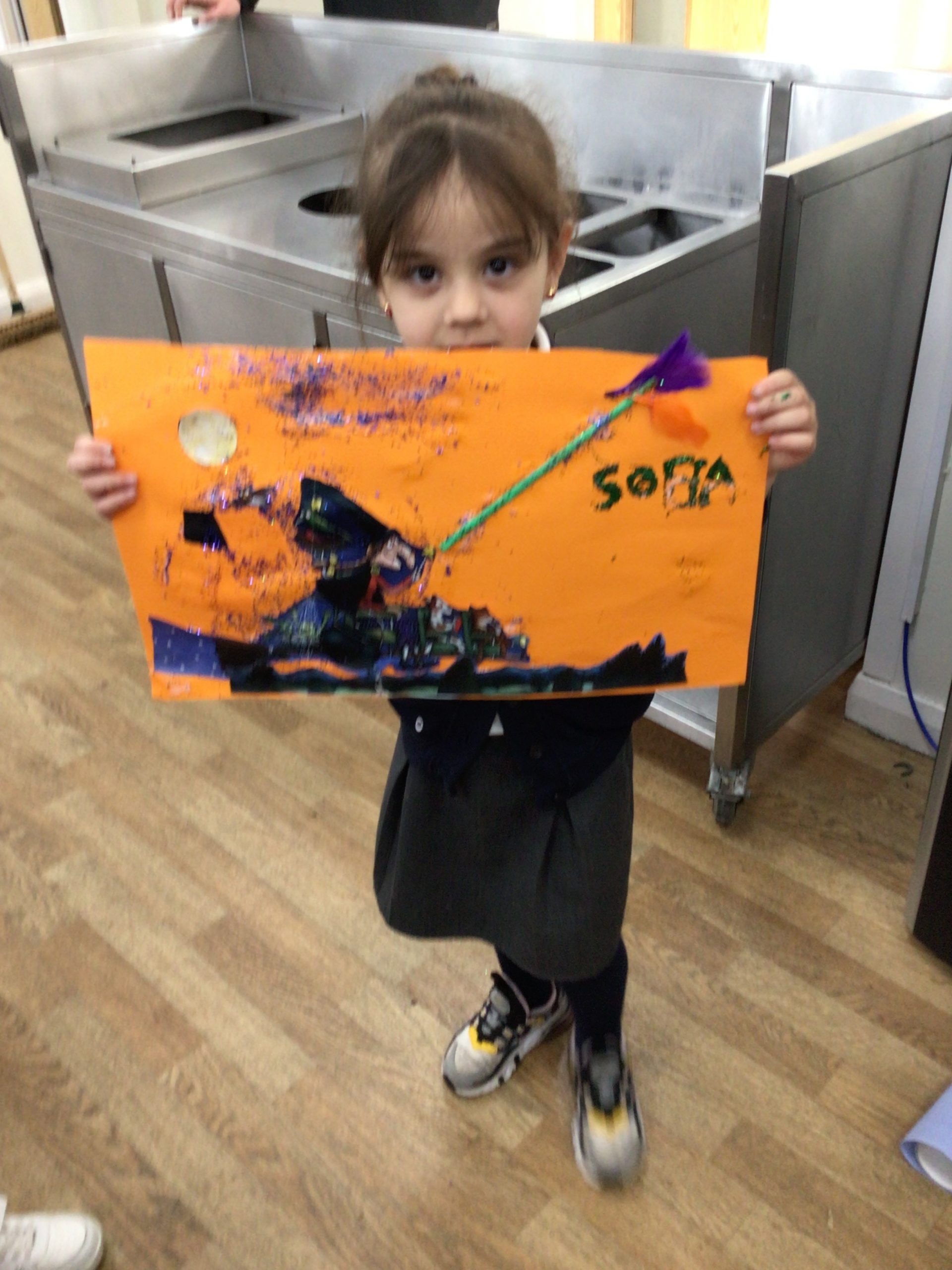 We re-enacted the story, ordered broomsticks by length, and created magical spells.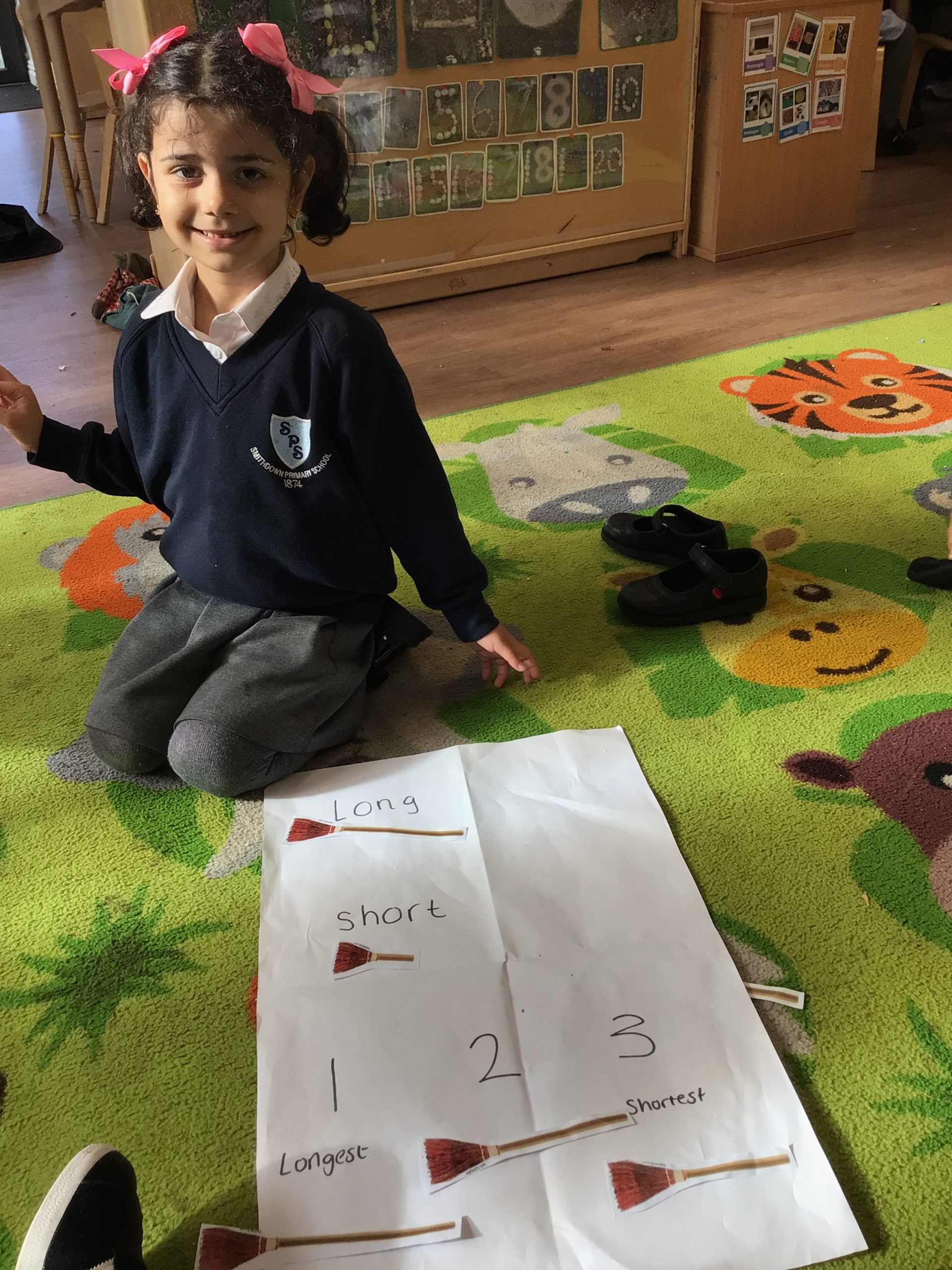
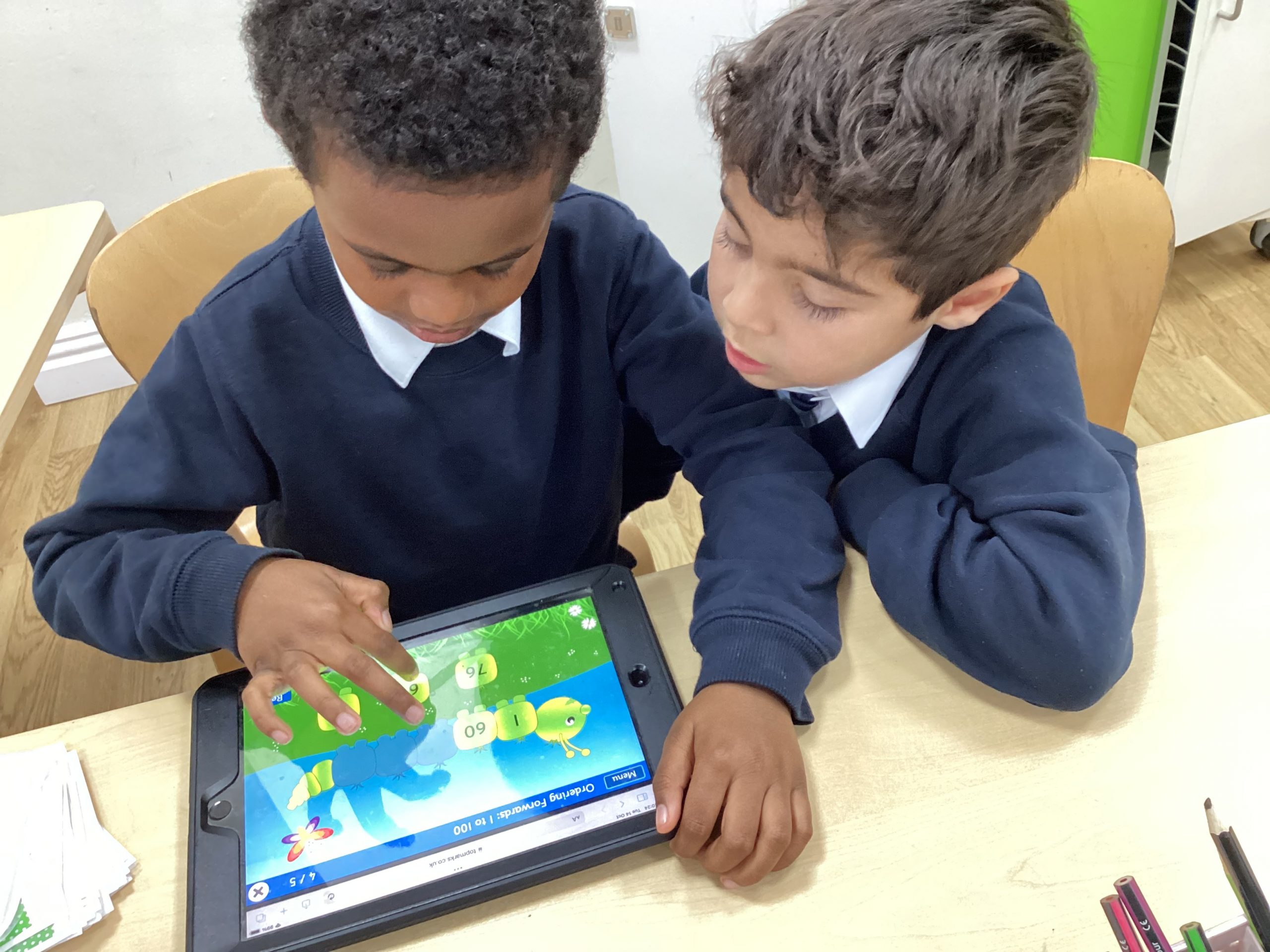
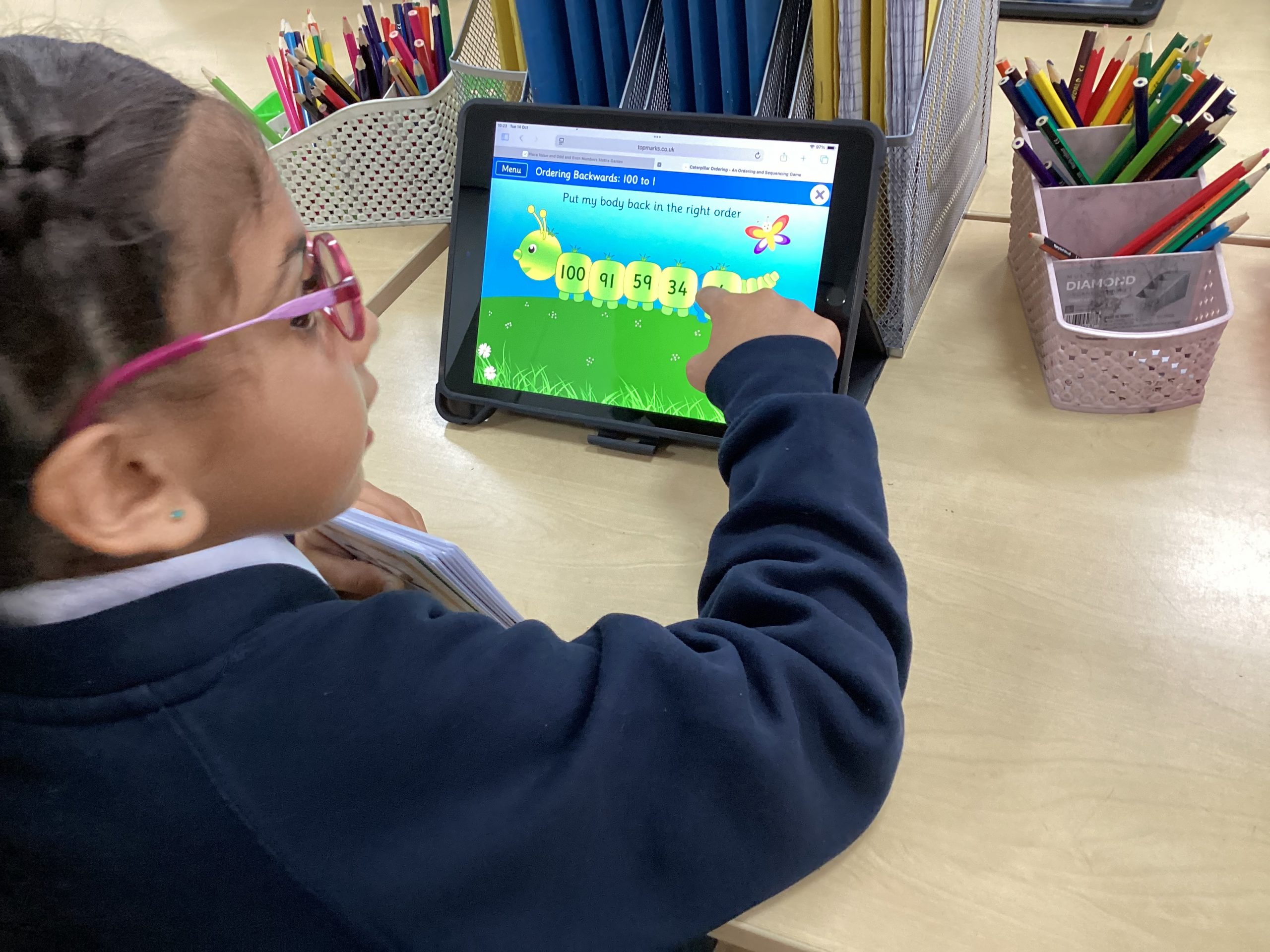
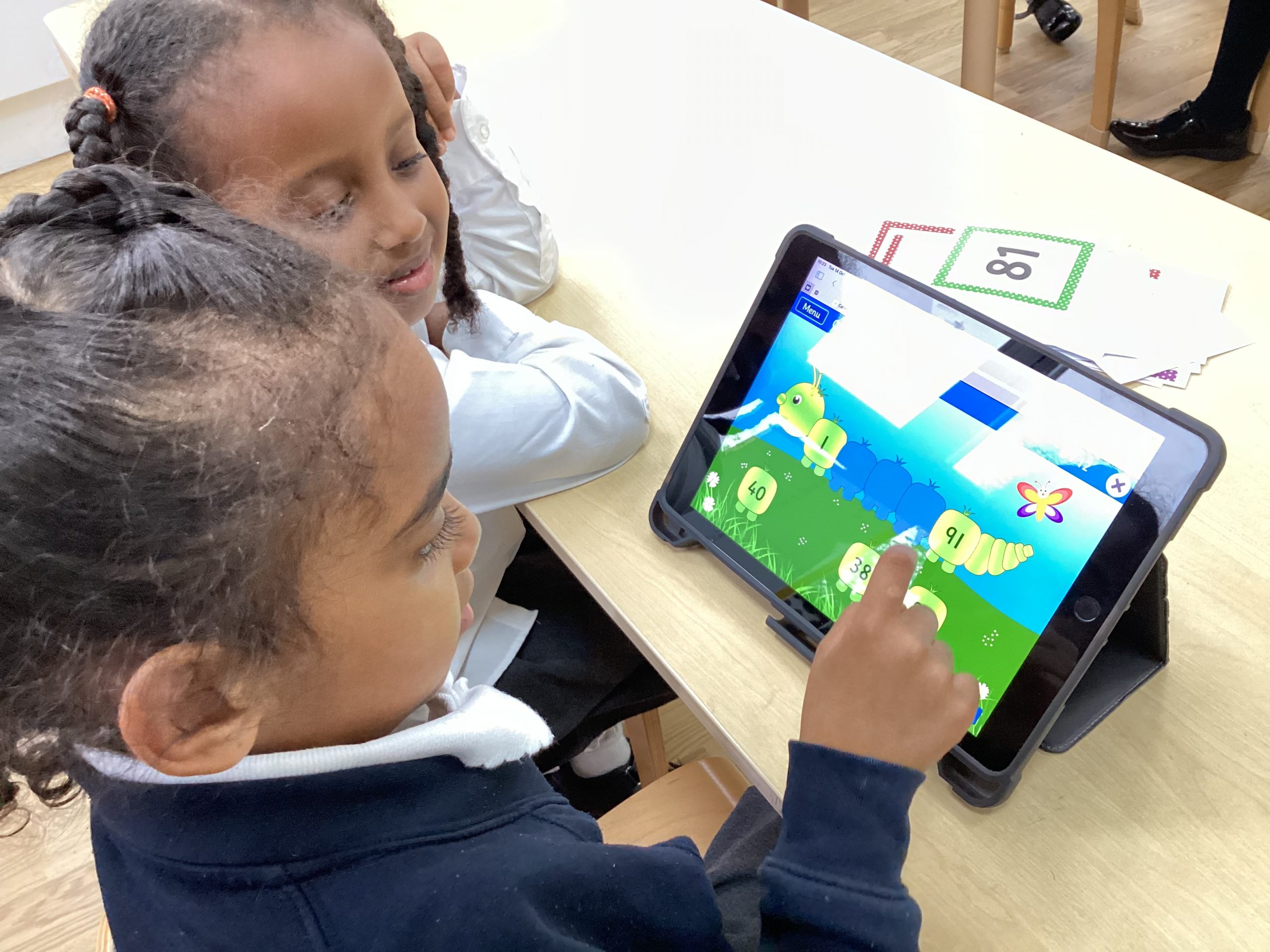
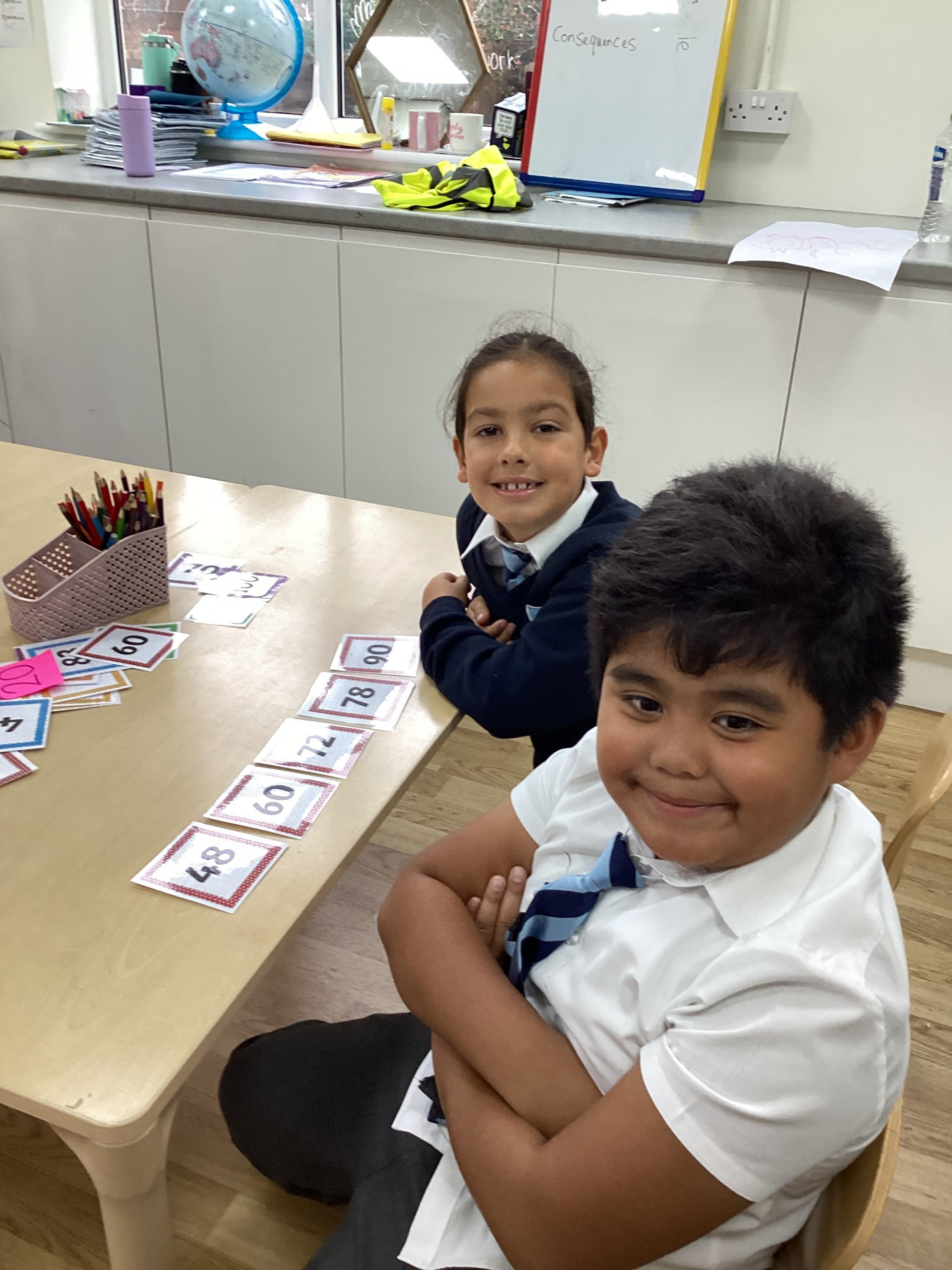
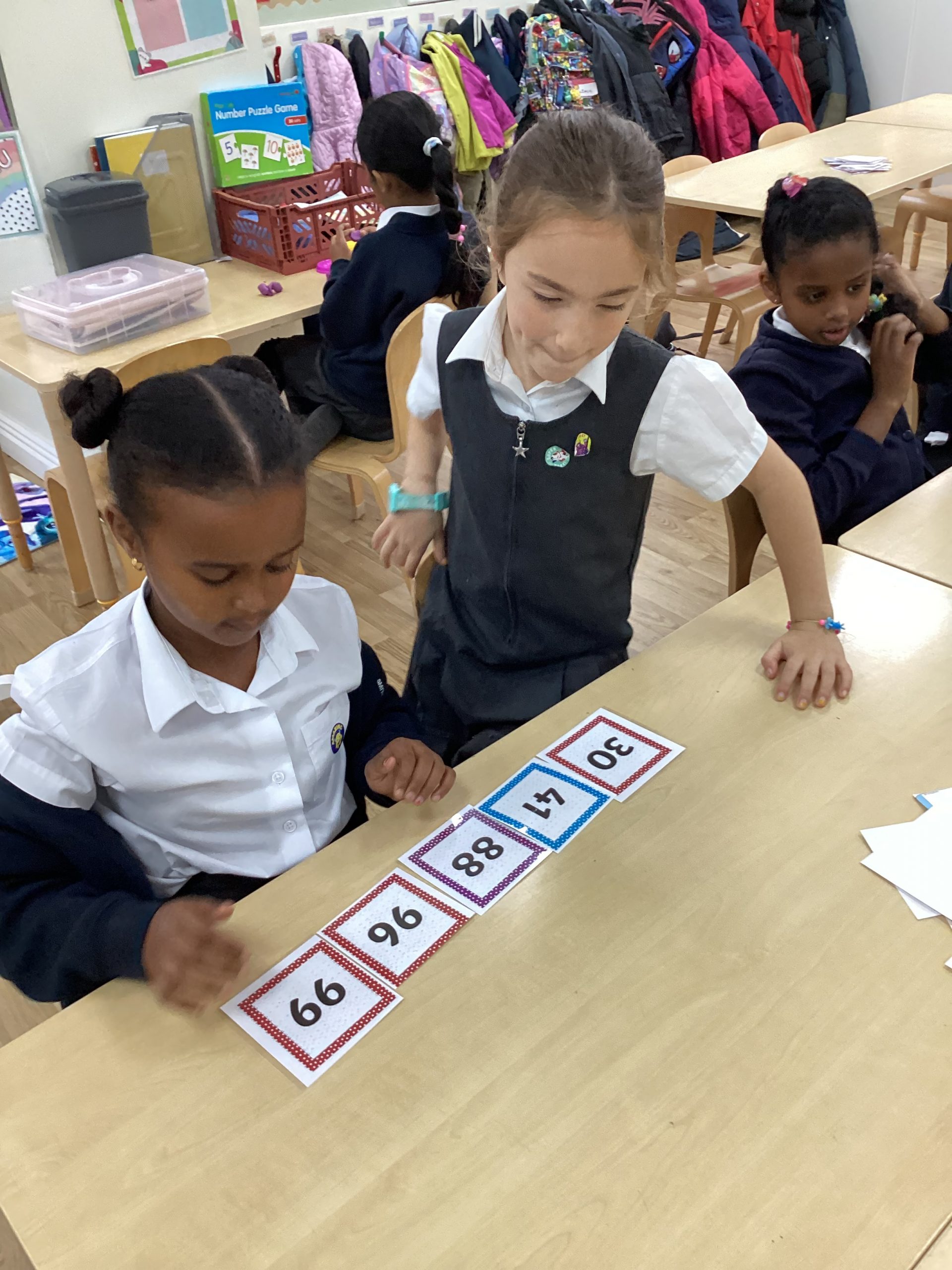
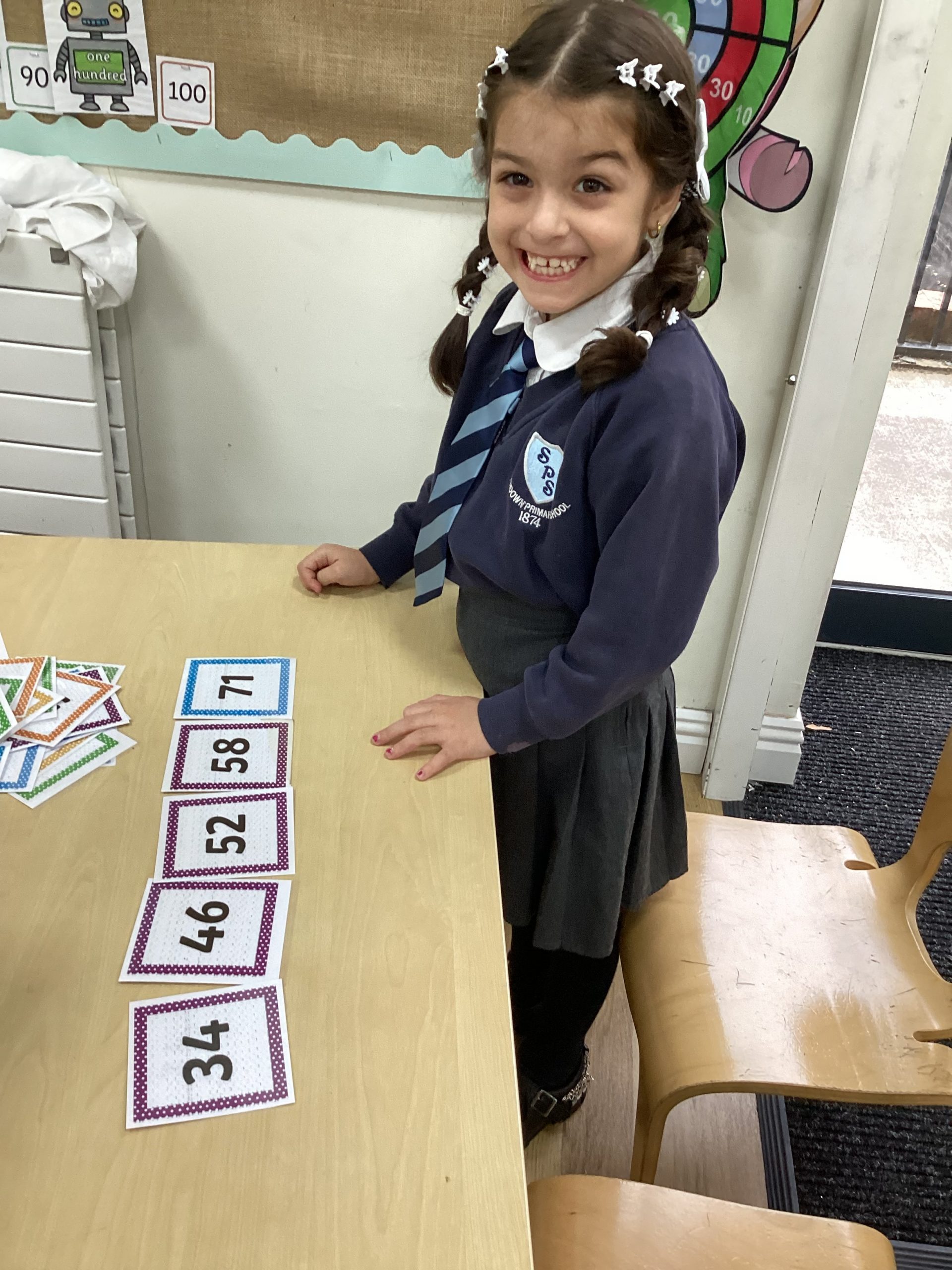
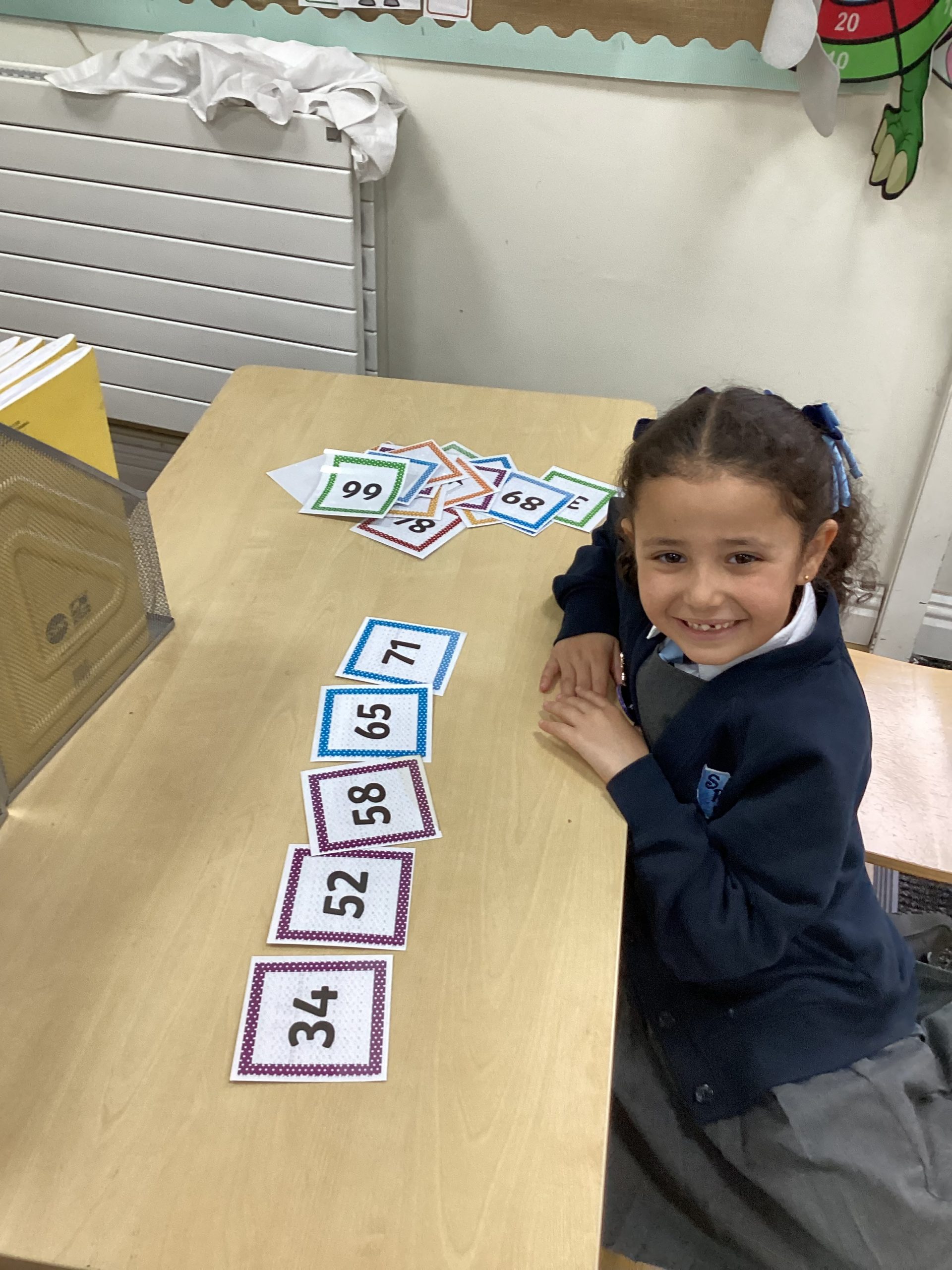
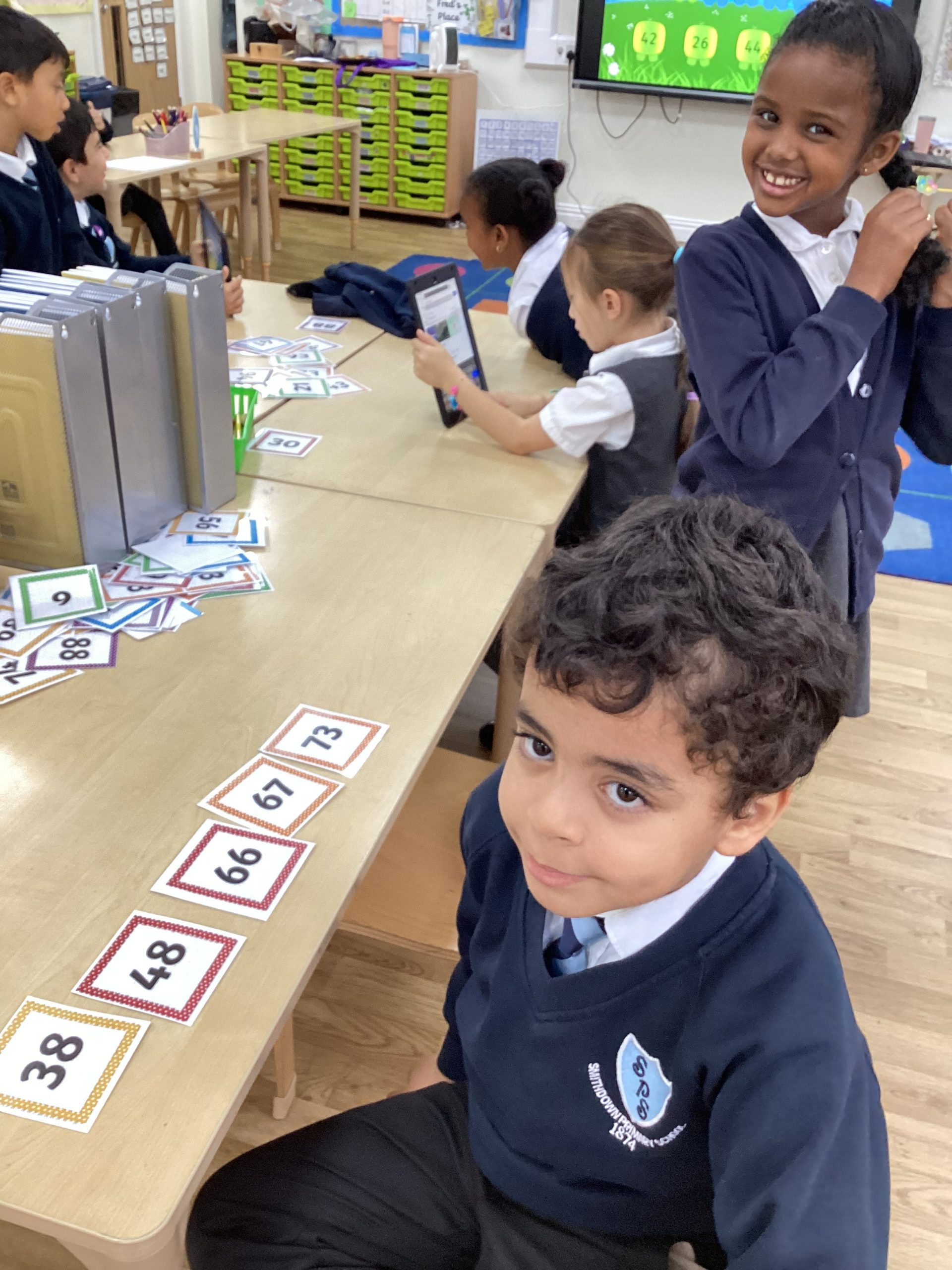
We have been busy in Year 2. We can order any given numbers from 1-100.
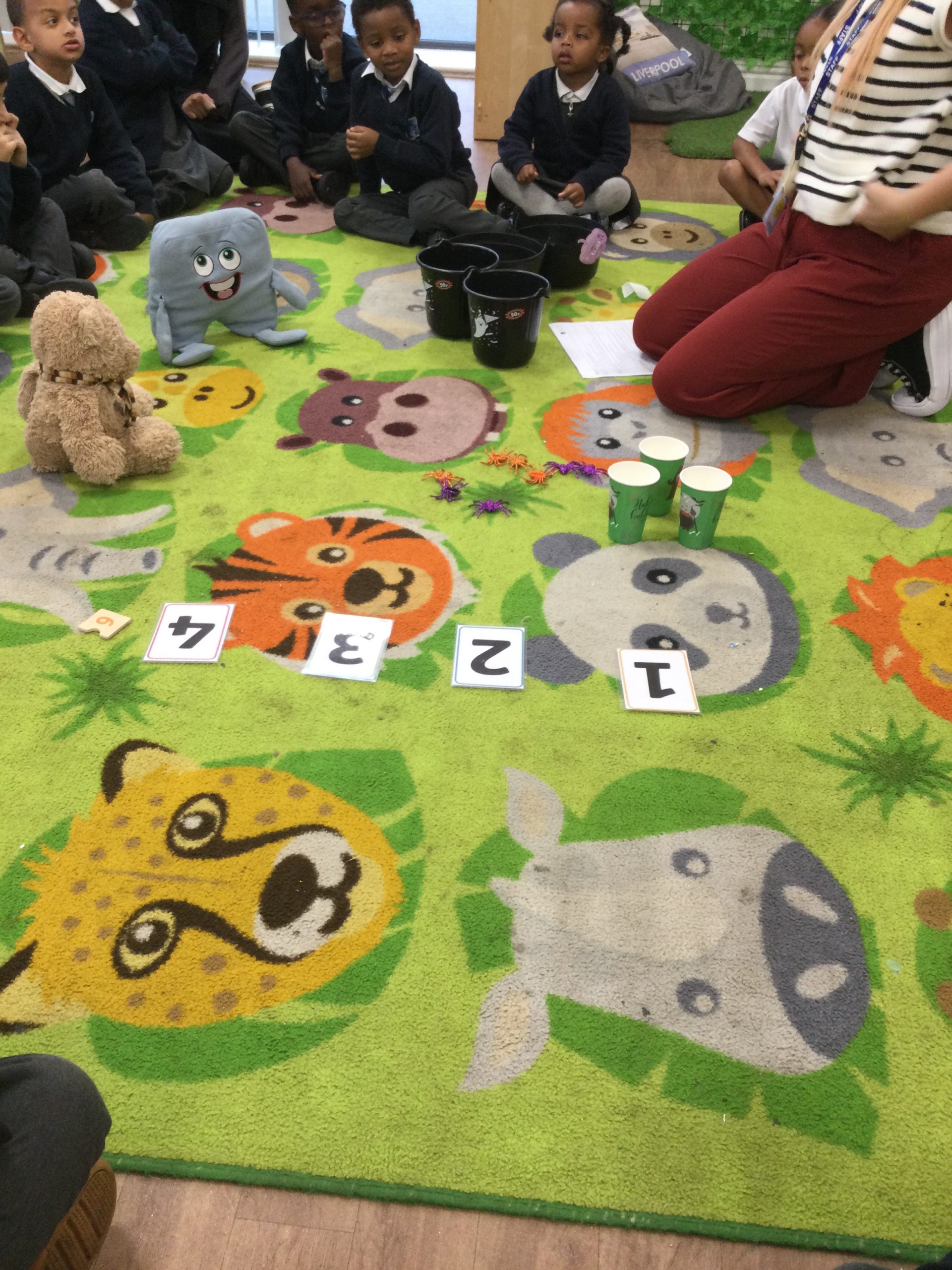
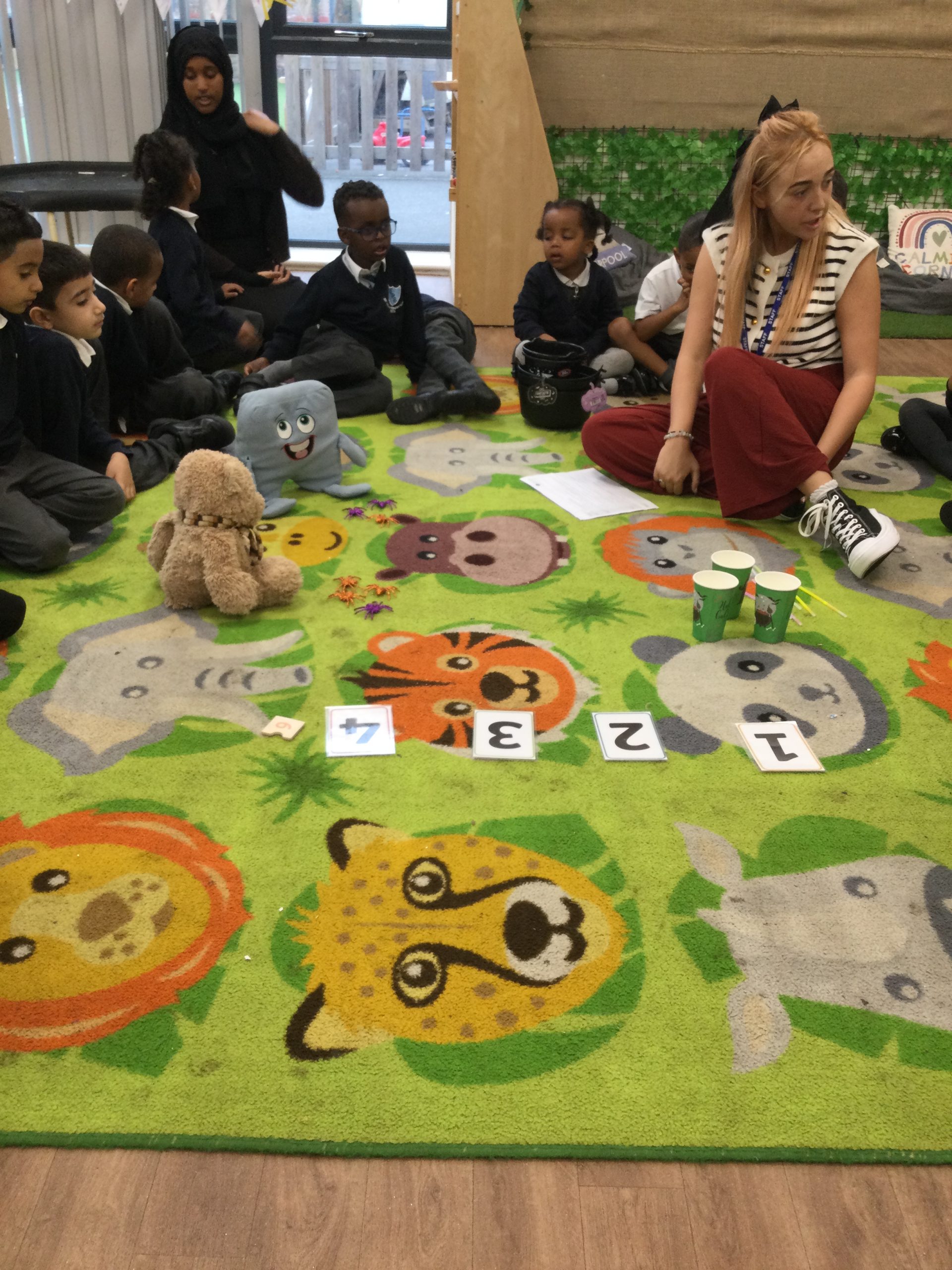
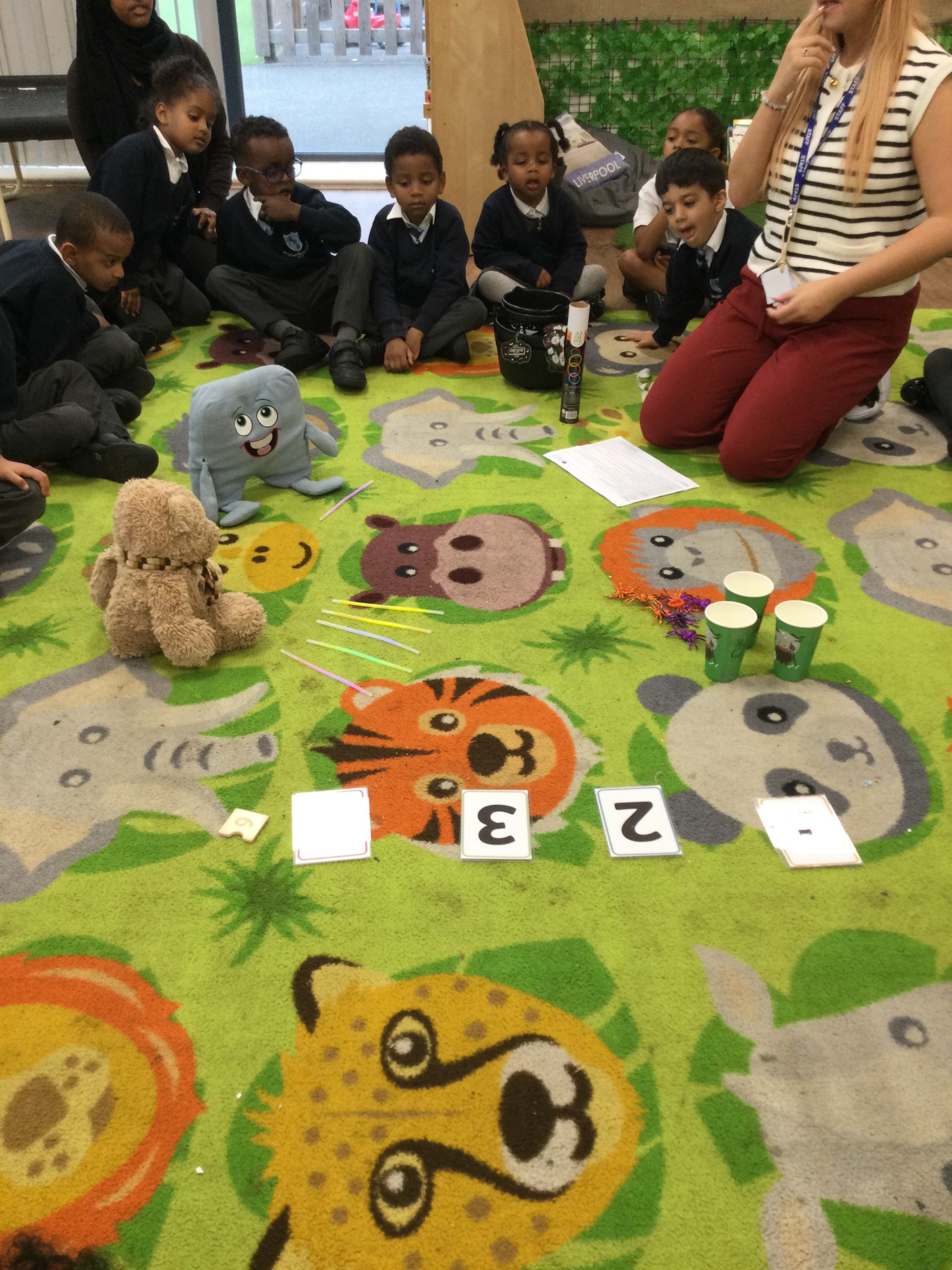
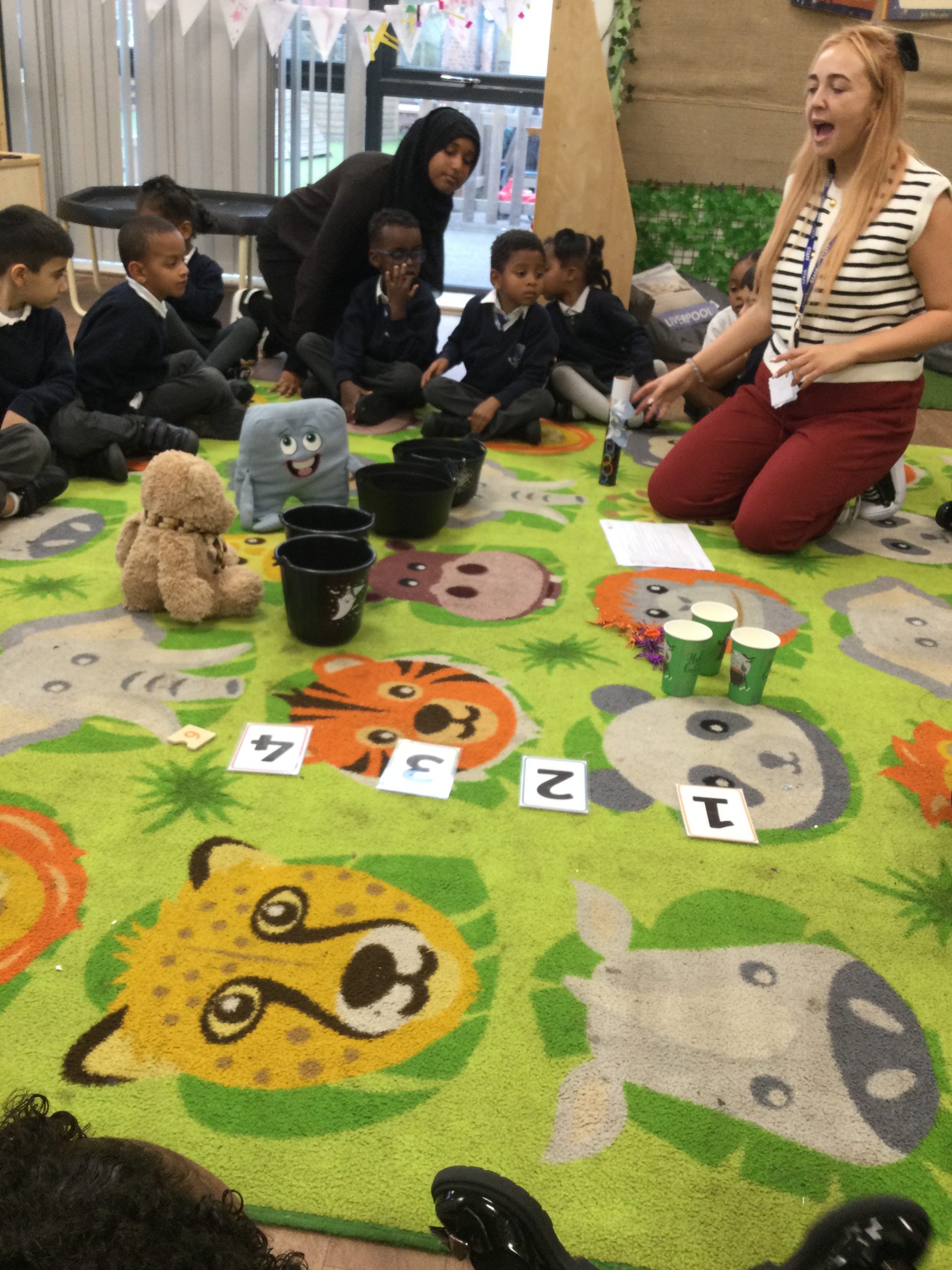
In reception this week the children have been working out who has “MORE” toys. We shared the toys with Teddy and Jigsaw Jennie, we counted how many each one had and then we worked out who had more and talked about who has less.
70
We were amazing today at partitioning 2 digit numbers into tens and ones.
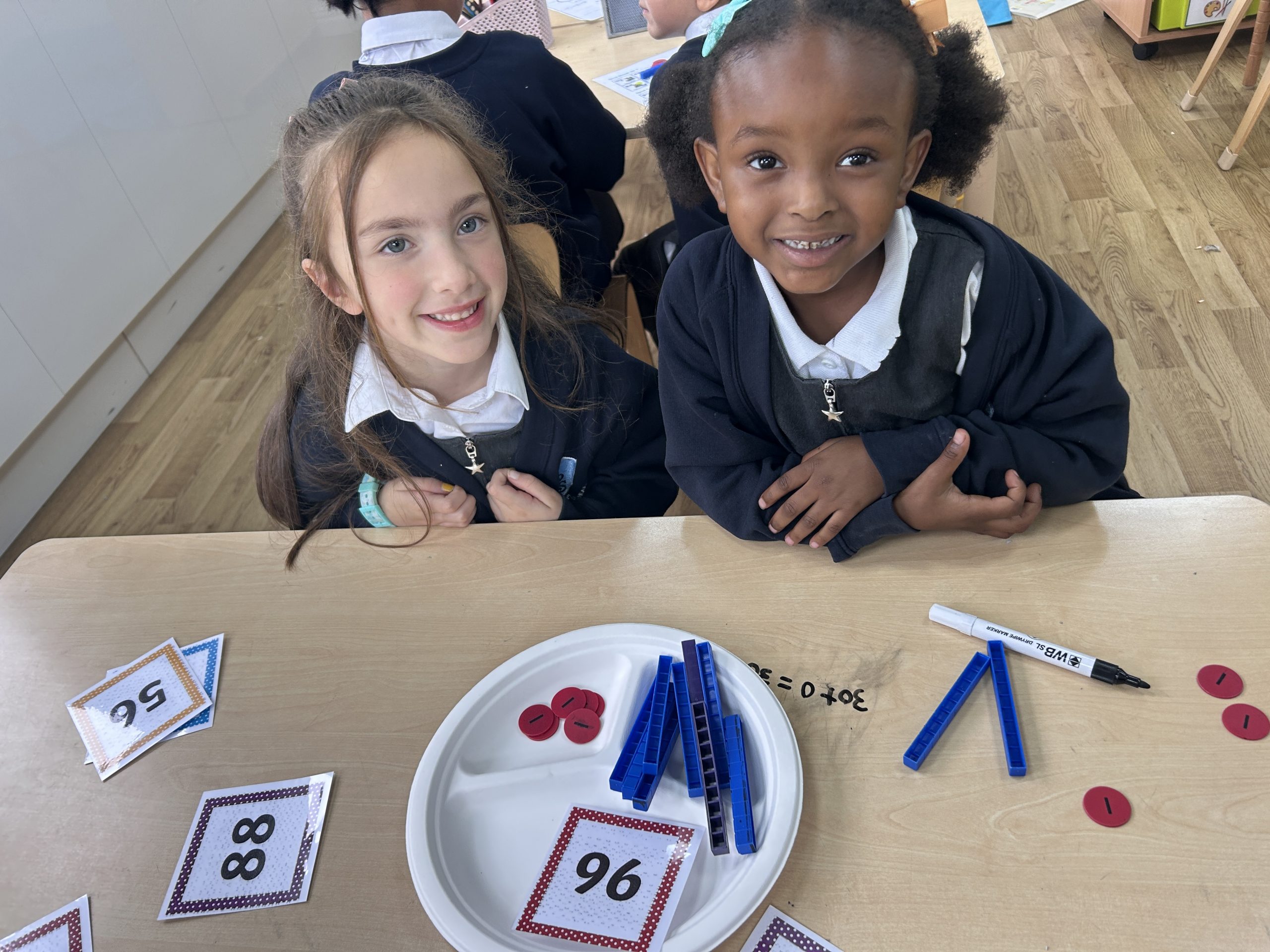
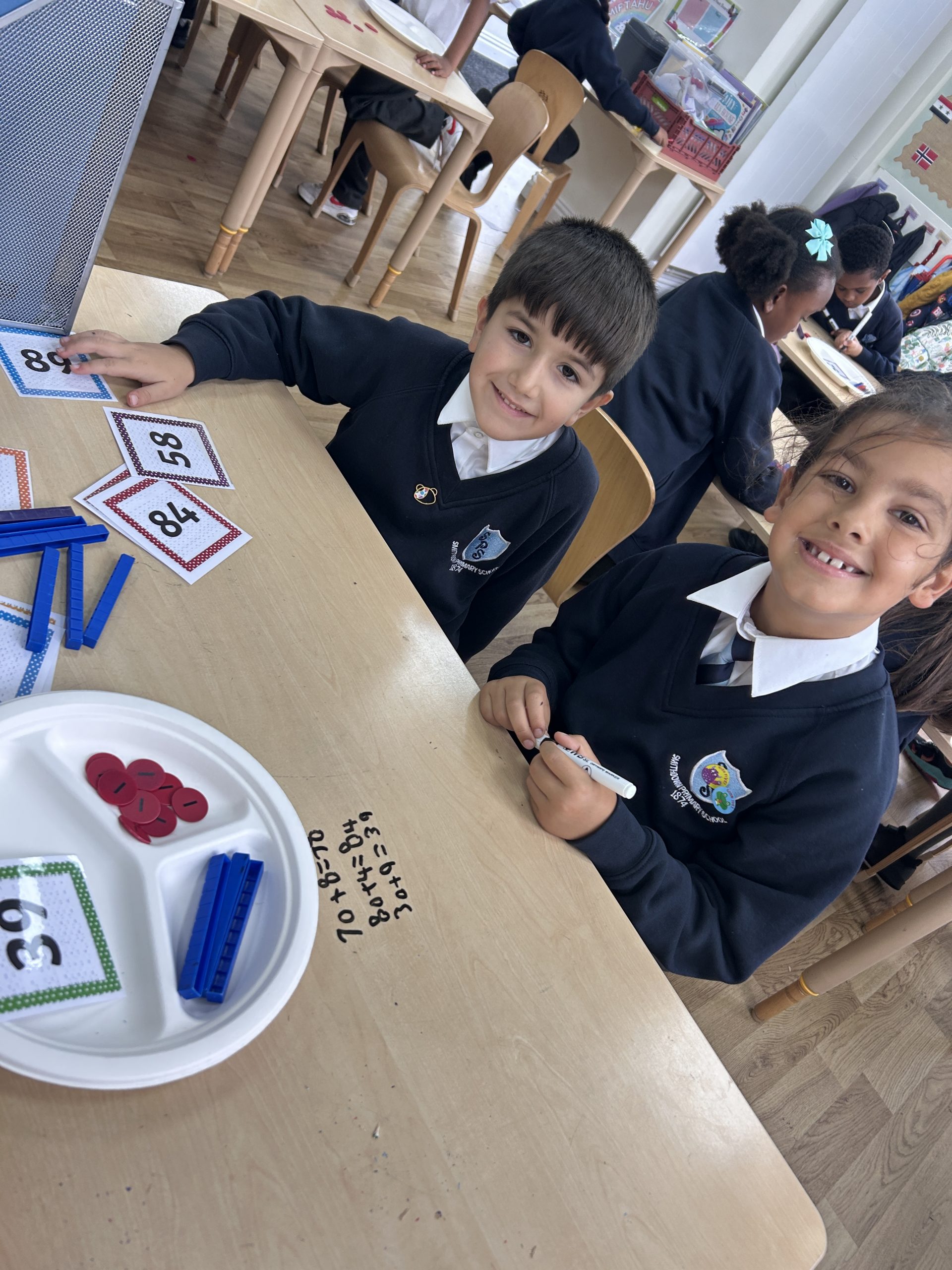
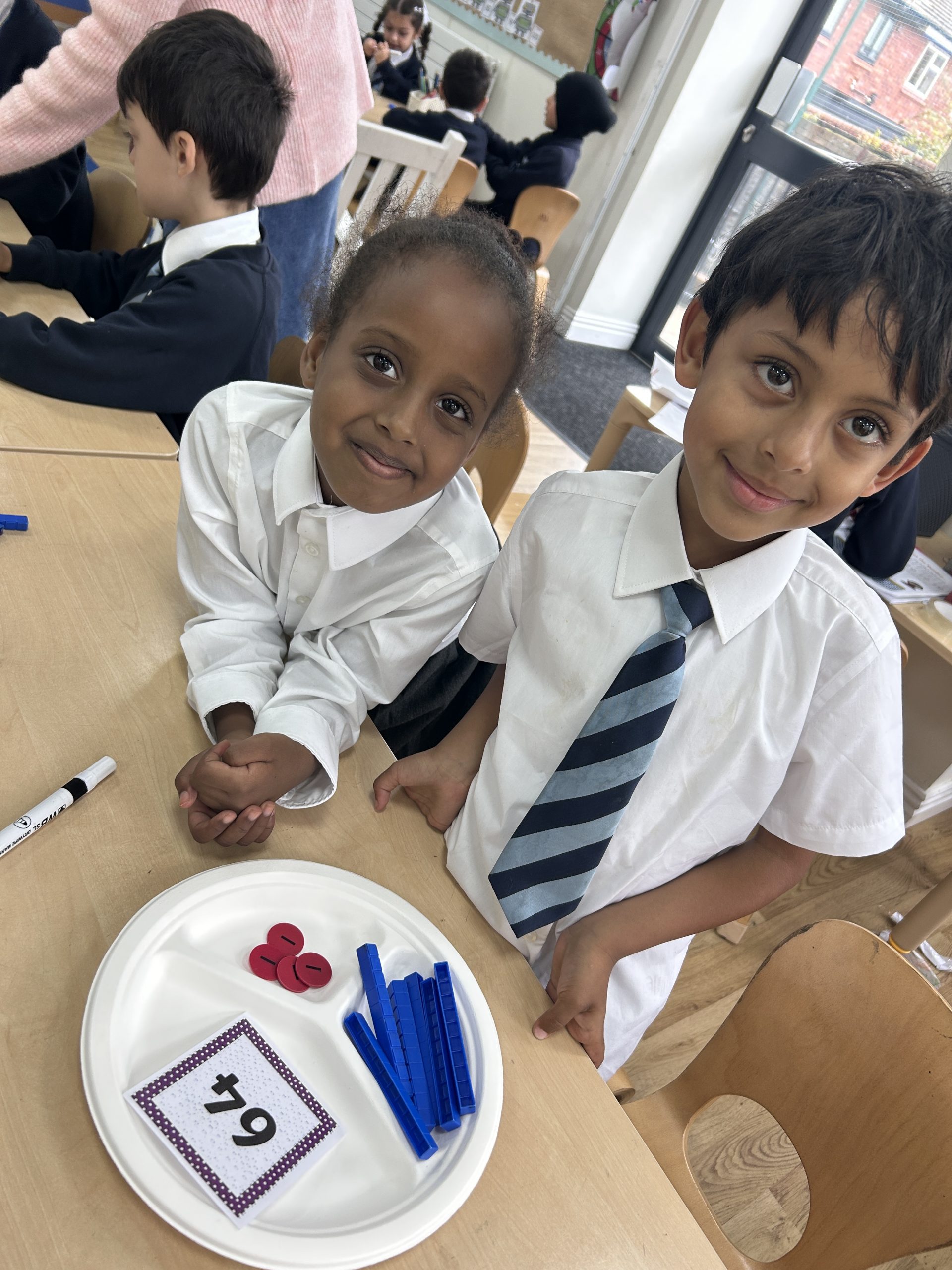
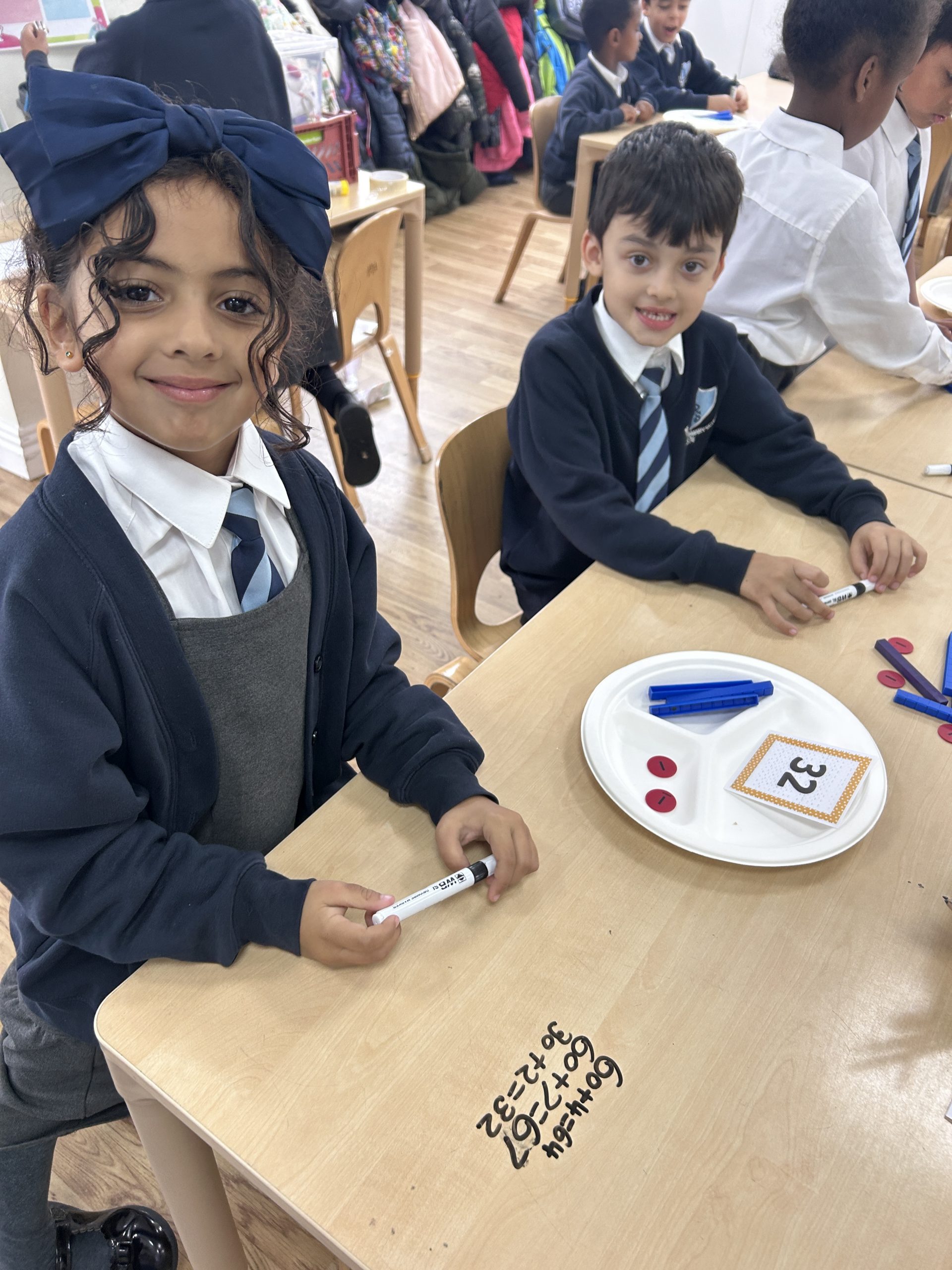
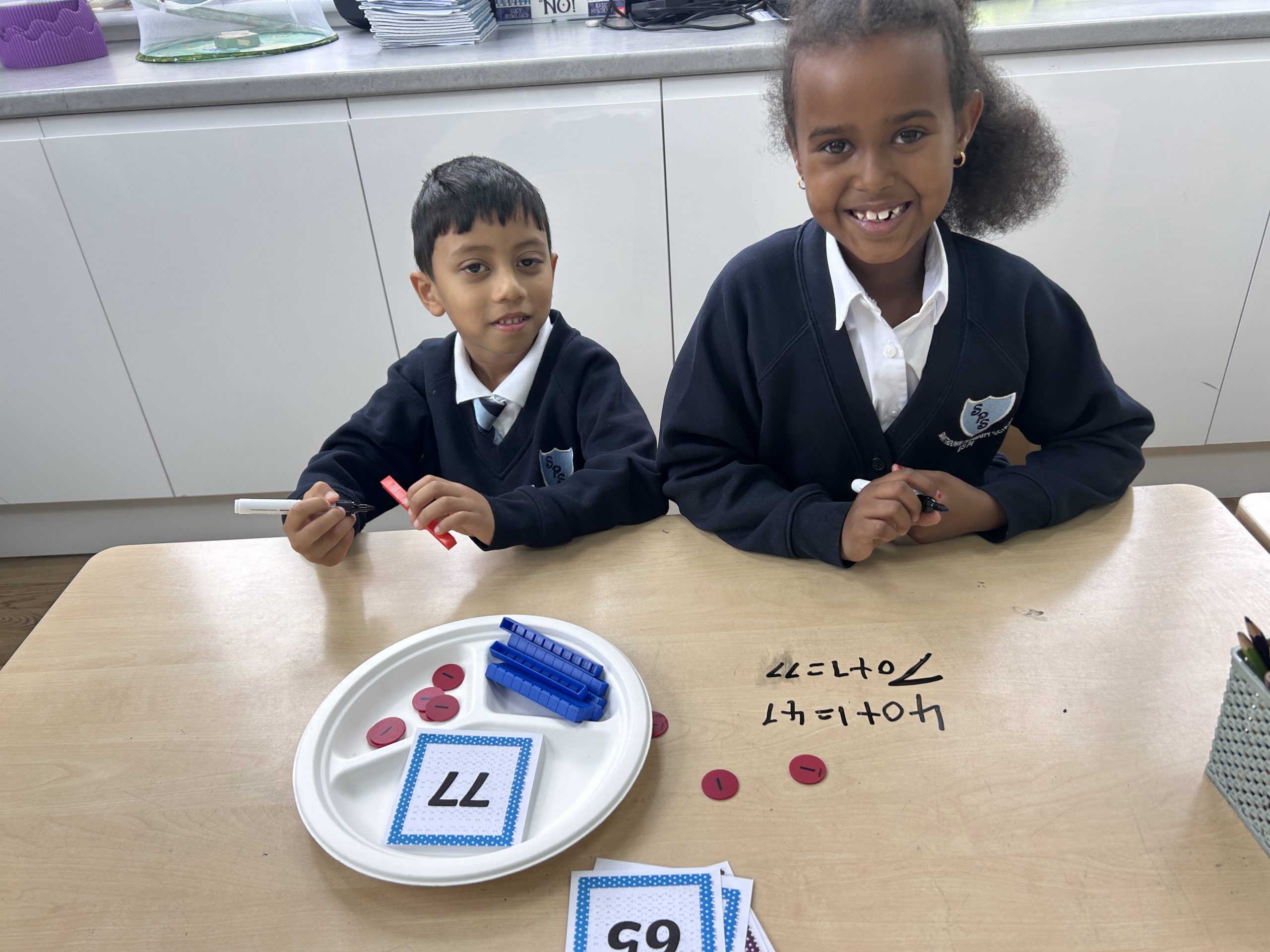
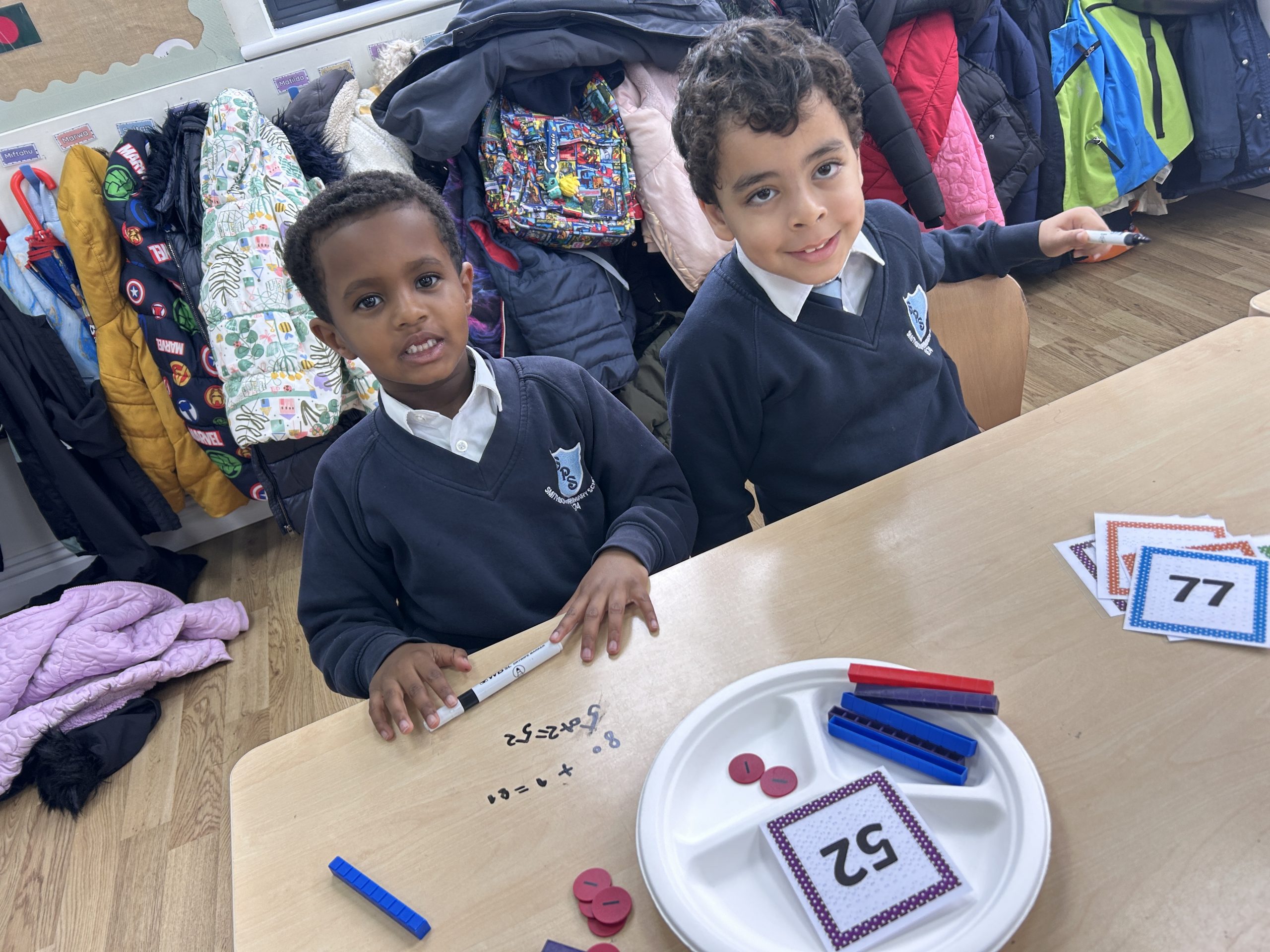
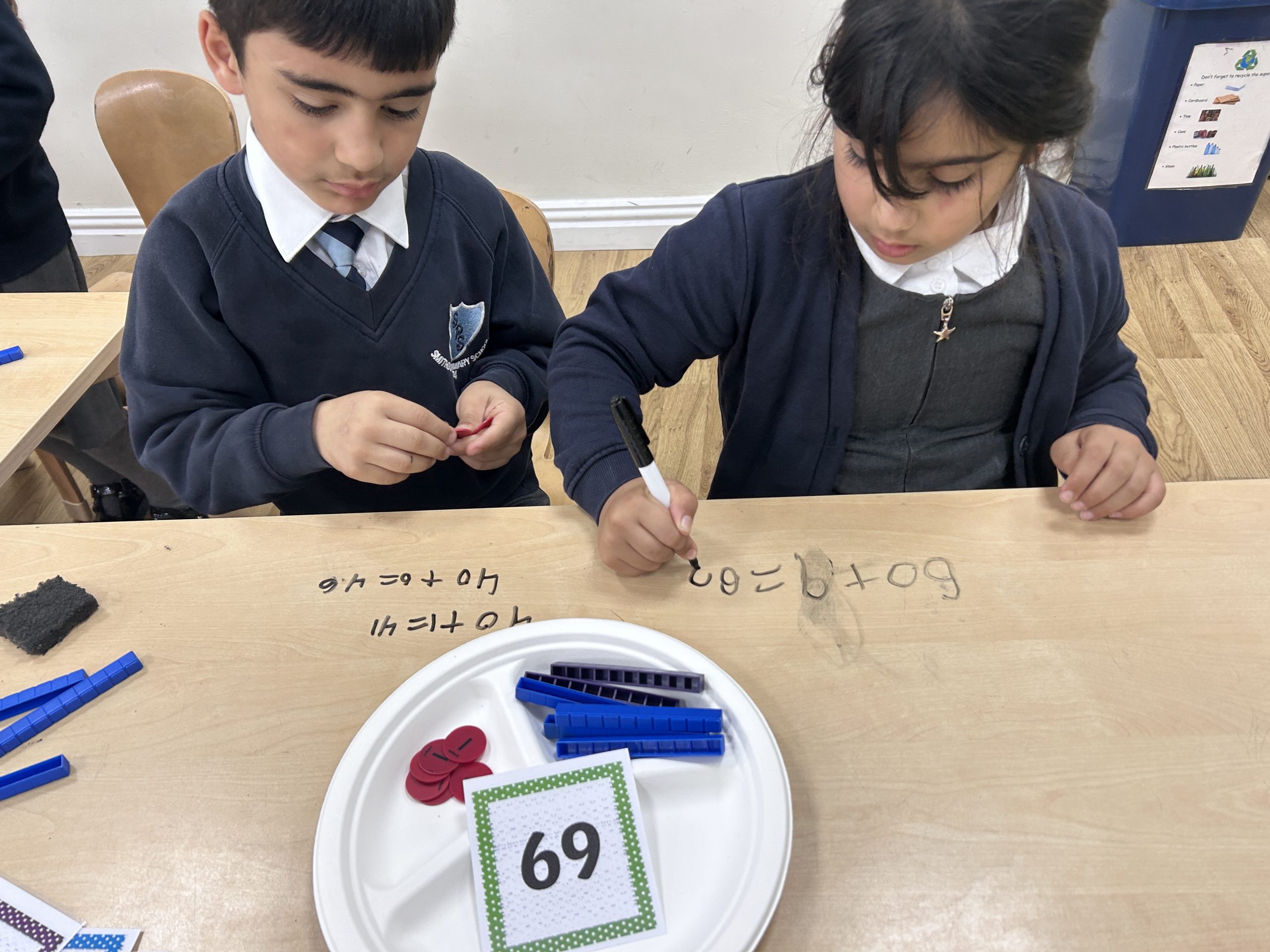
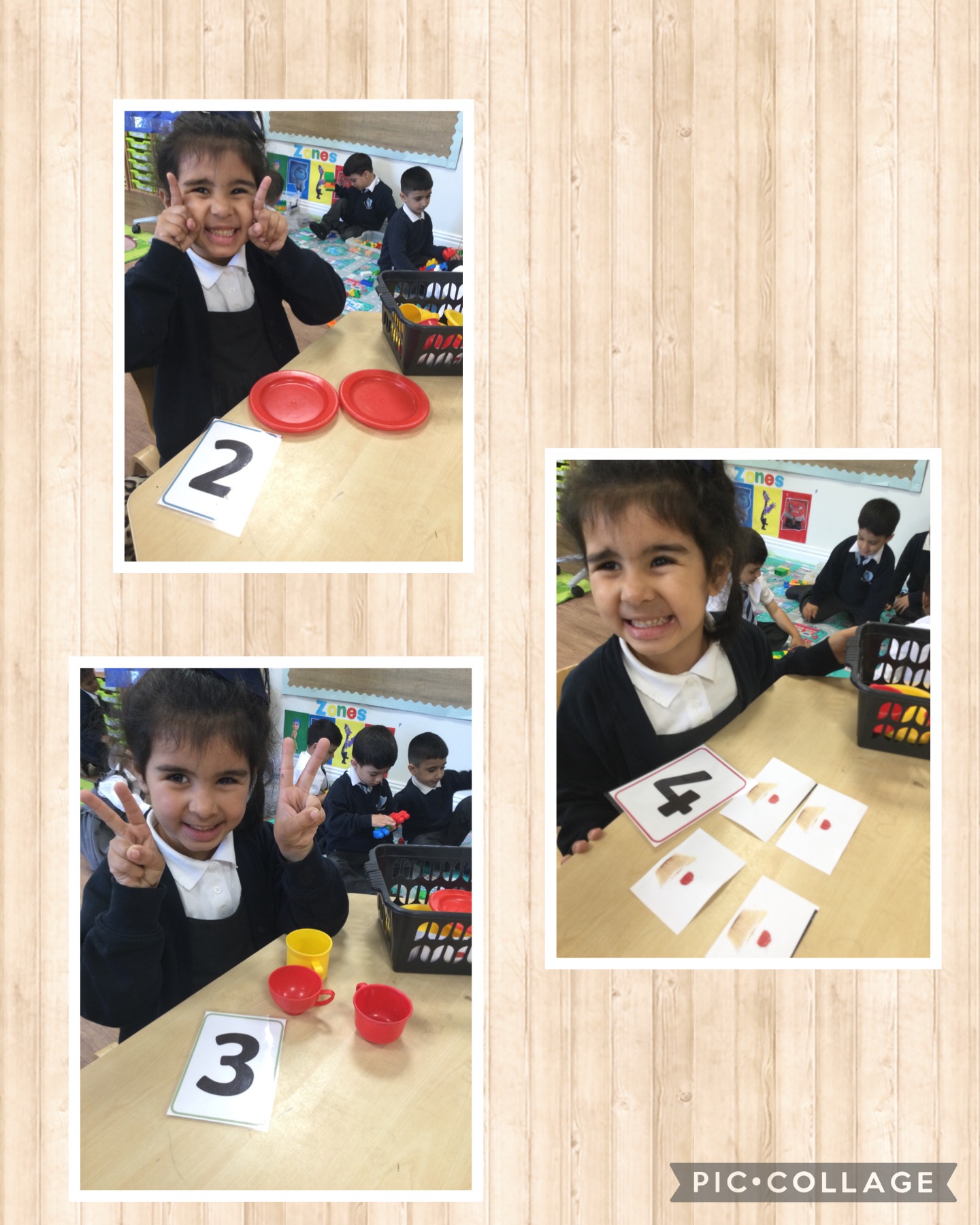
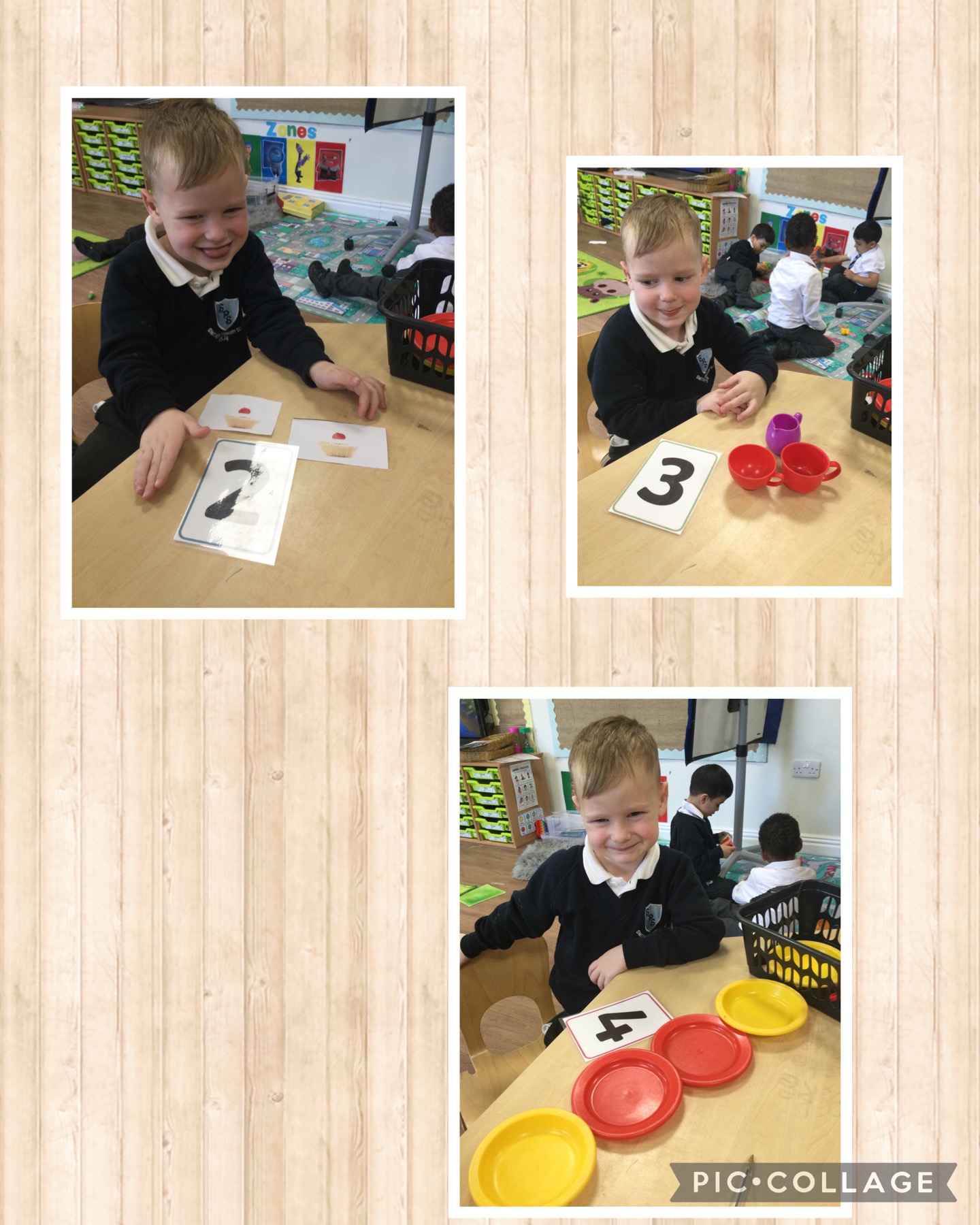
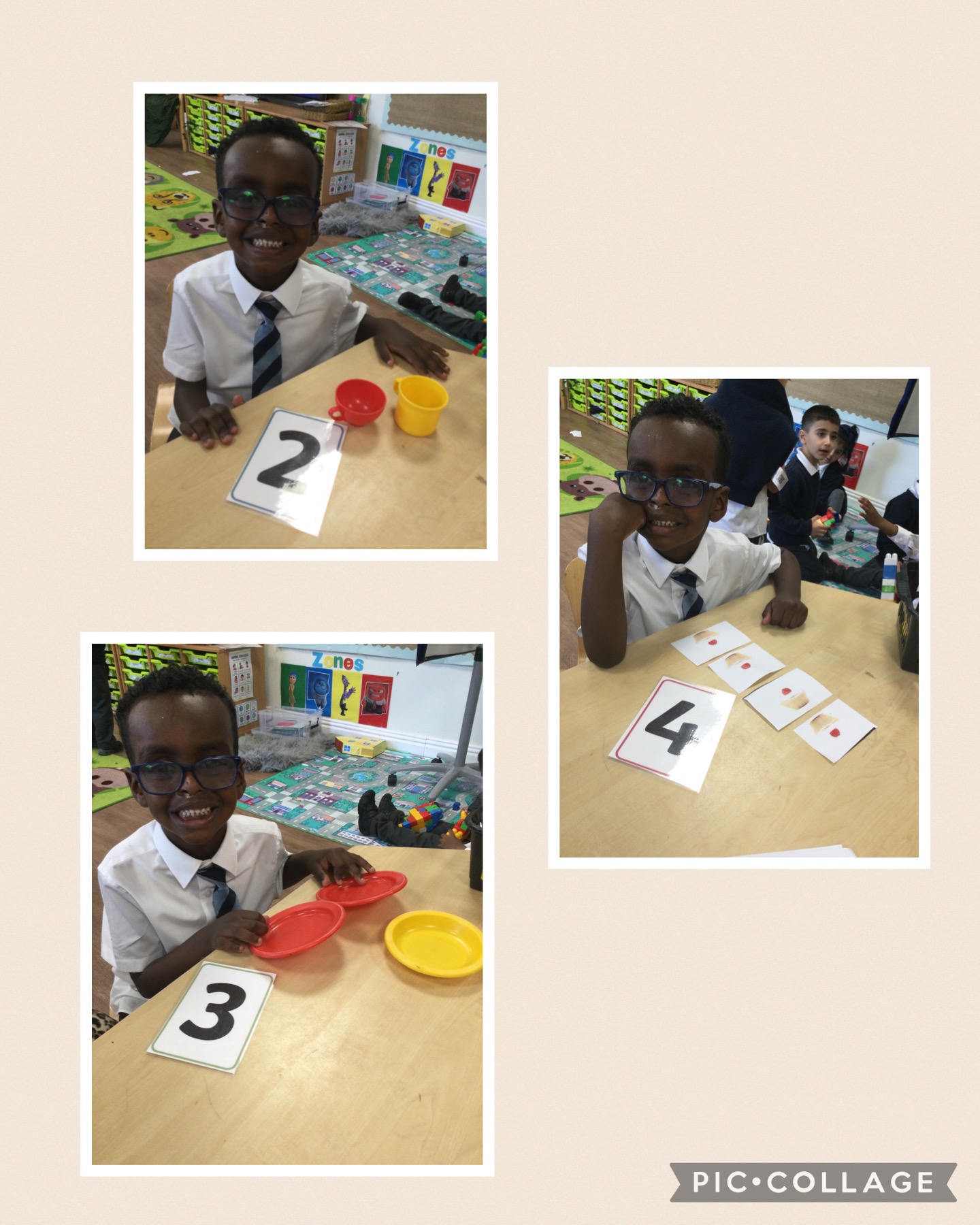
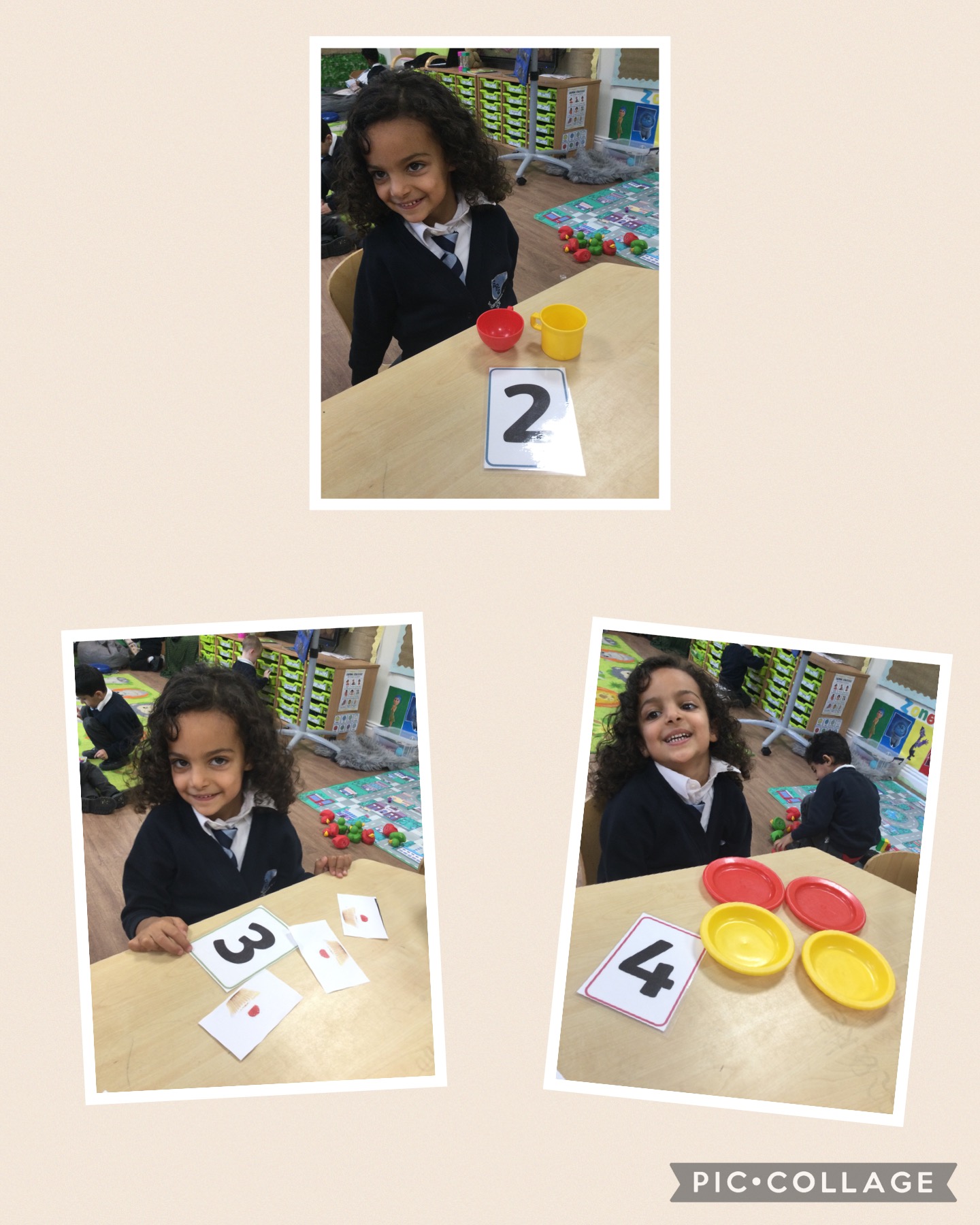
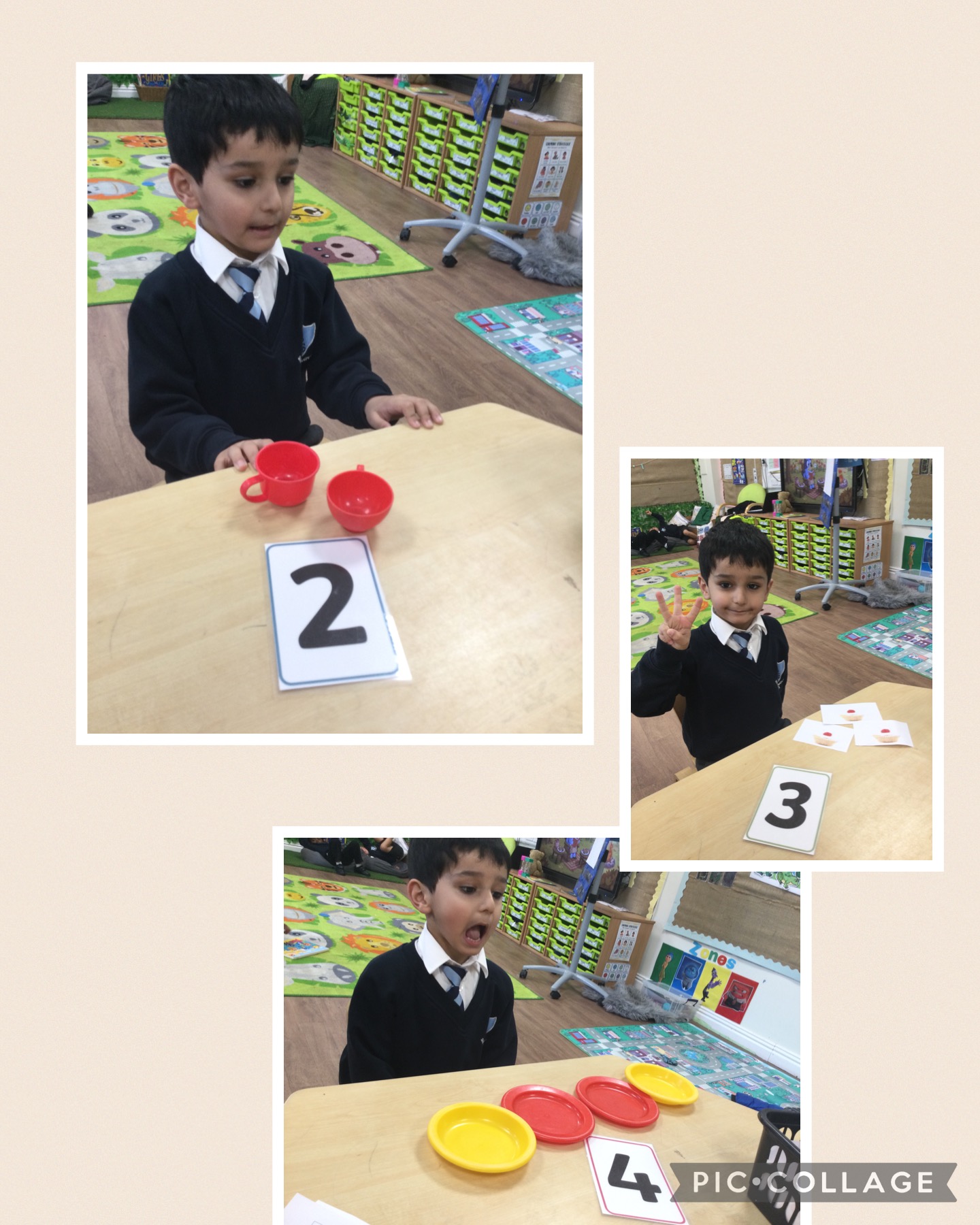
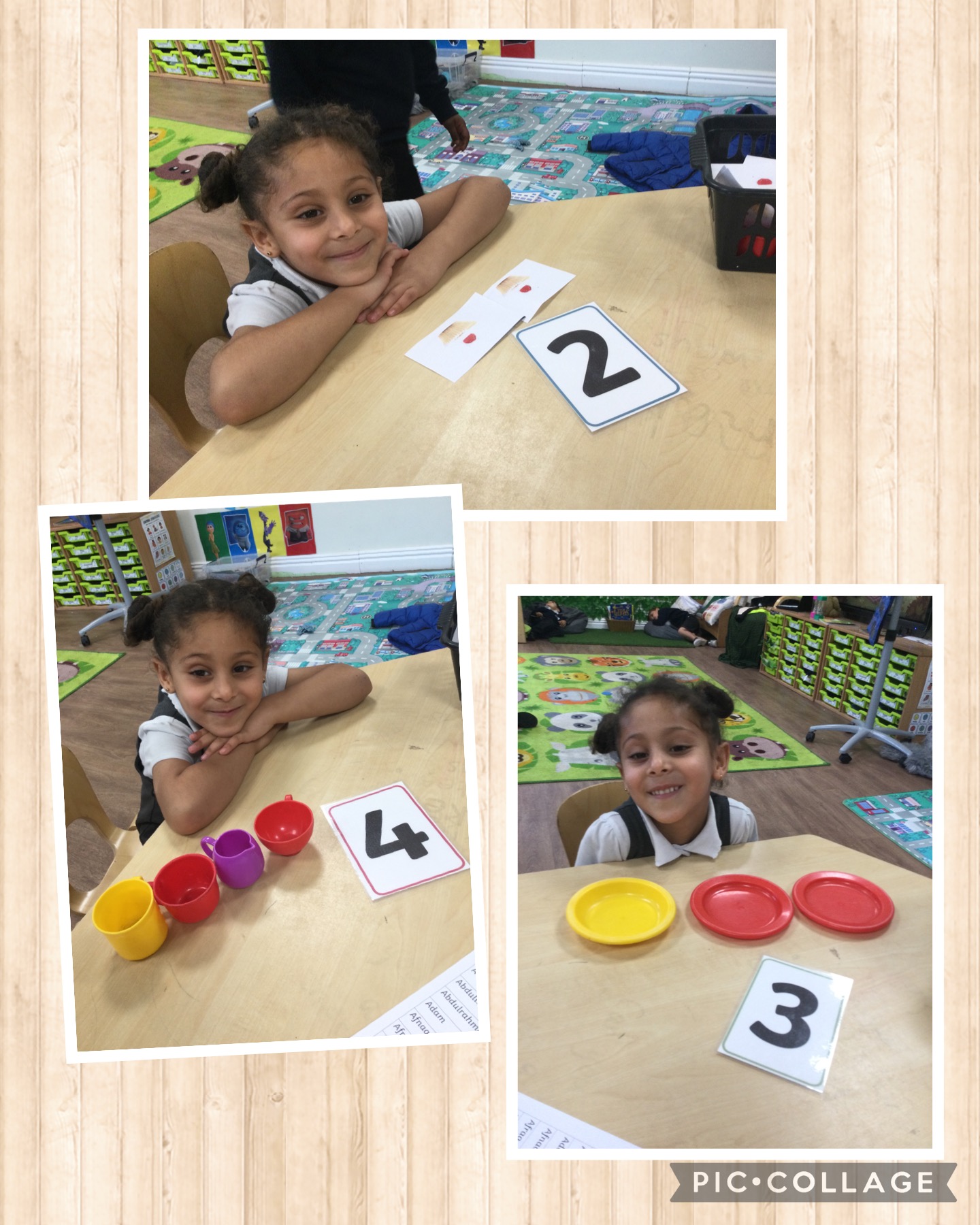
The children have been exploring how numbers are made of 1s 🧮
84
Today we built towers using different cubes and compared them using the ‘greater than’ ‘less than’ and ‘equal to’ symbols.
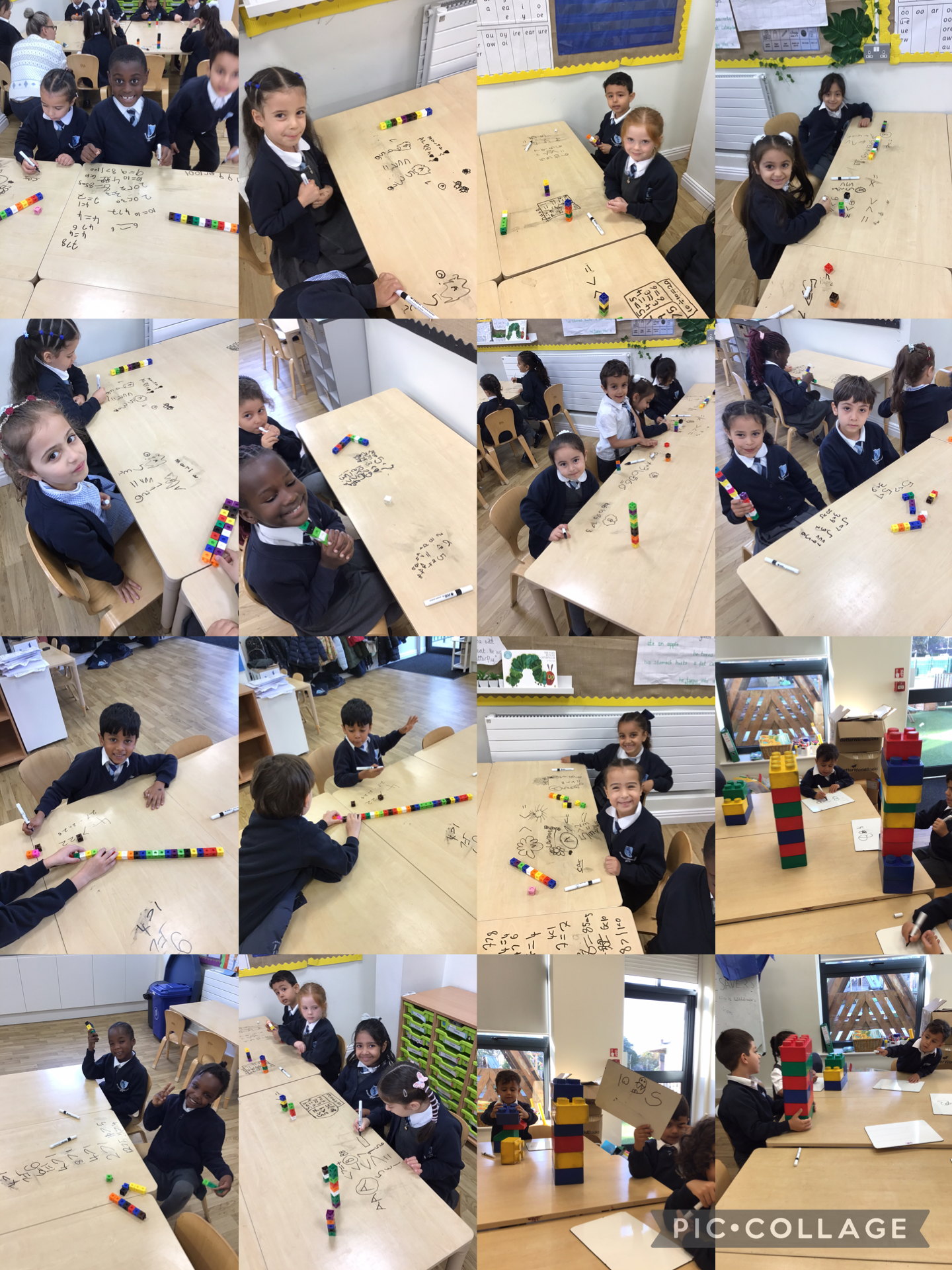
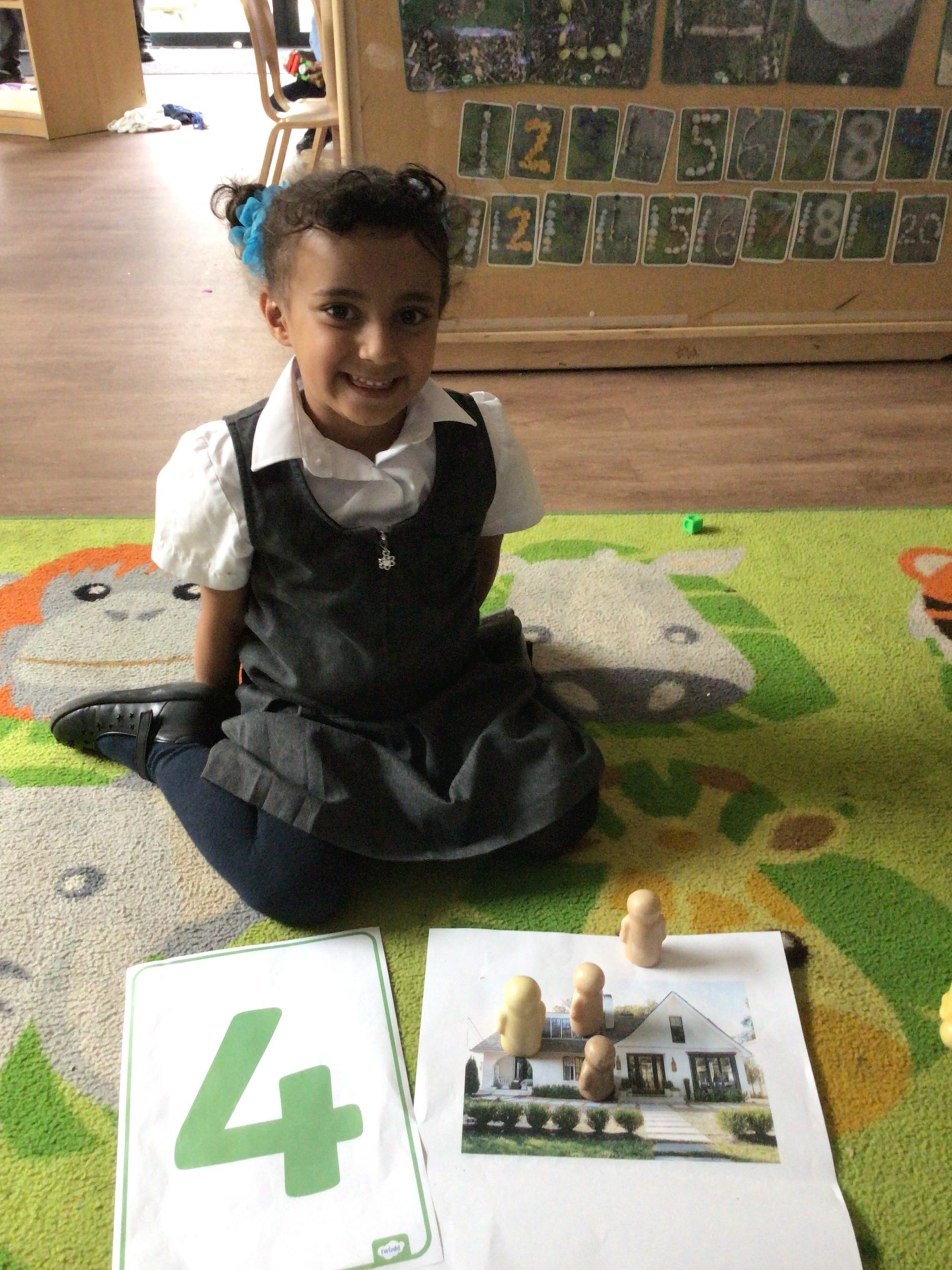
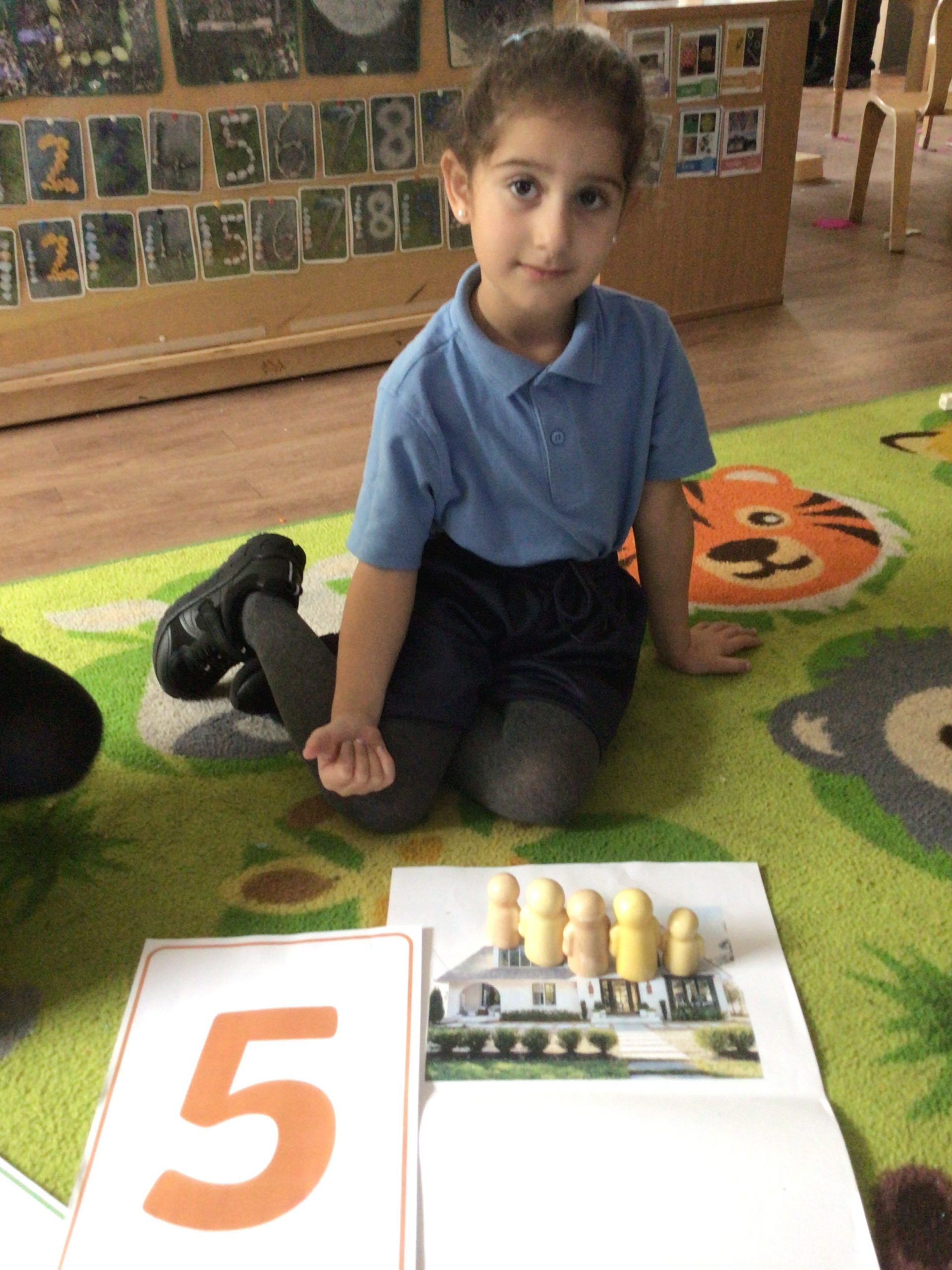
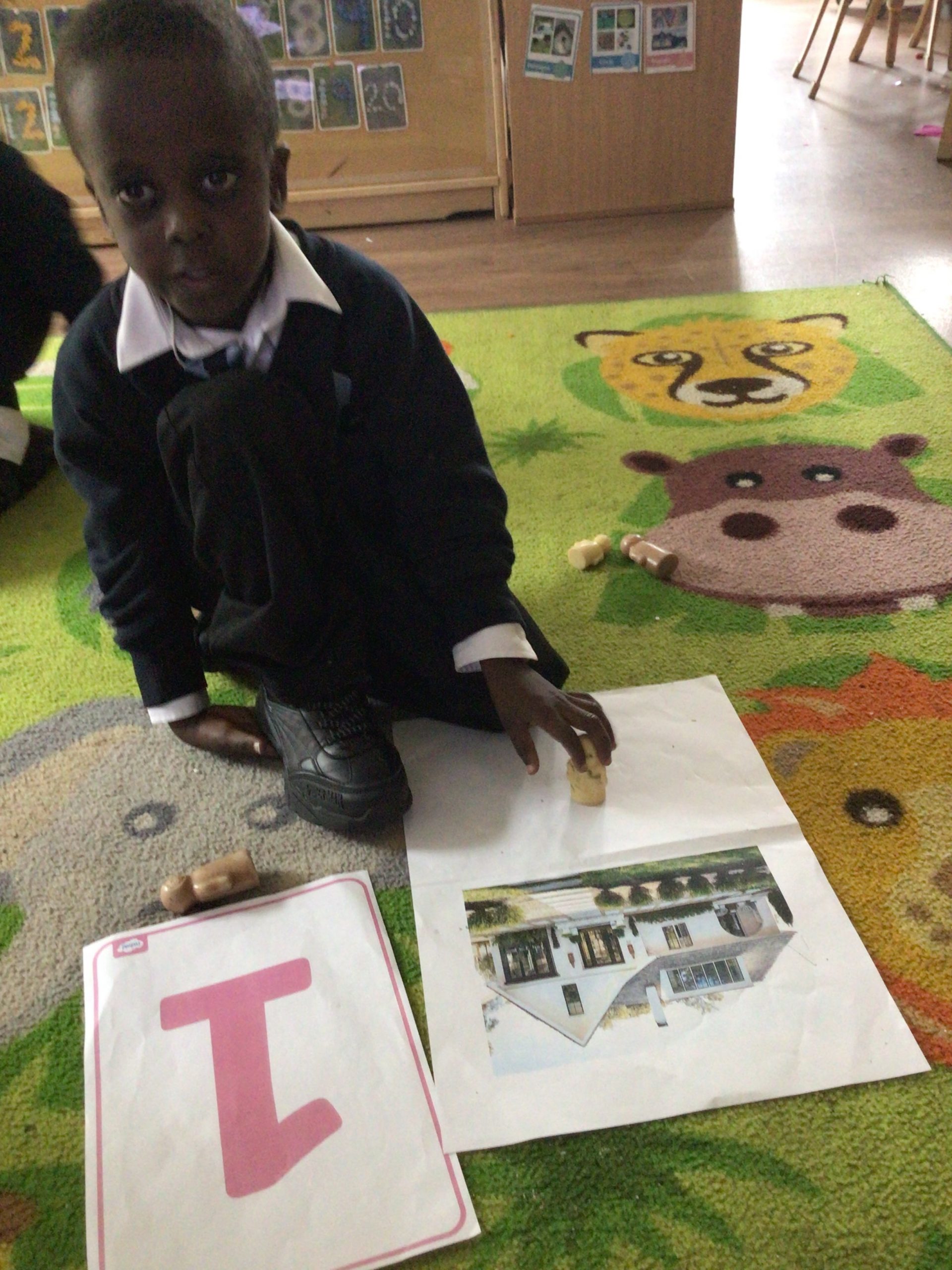
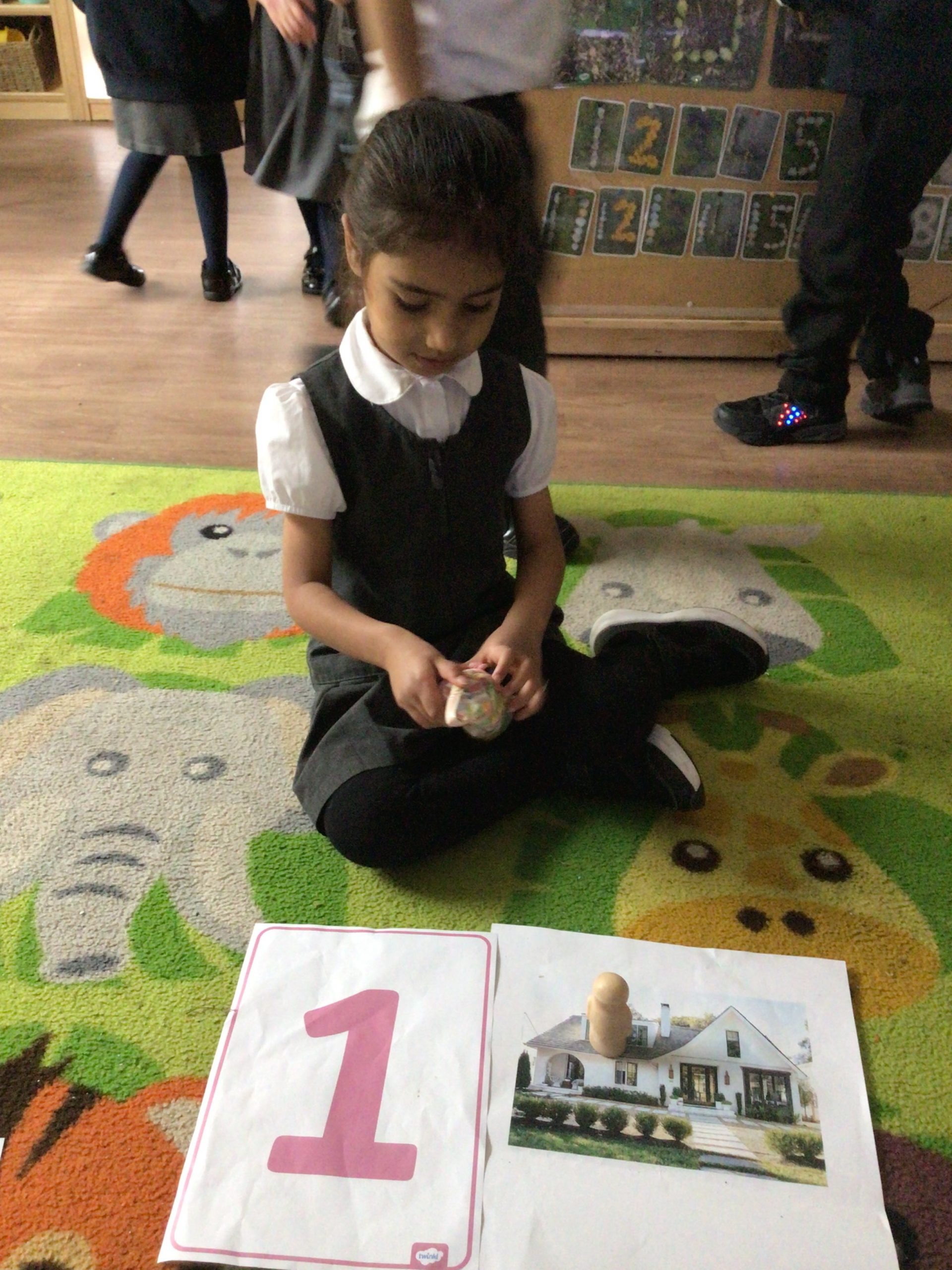
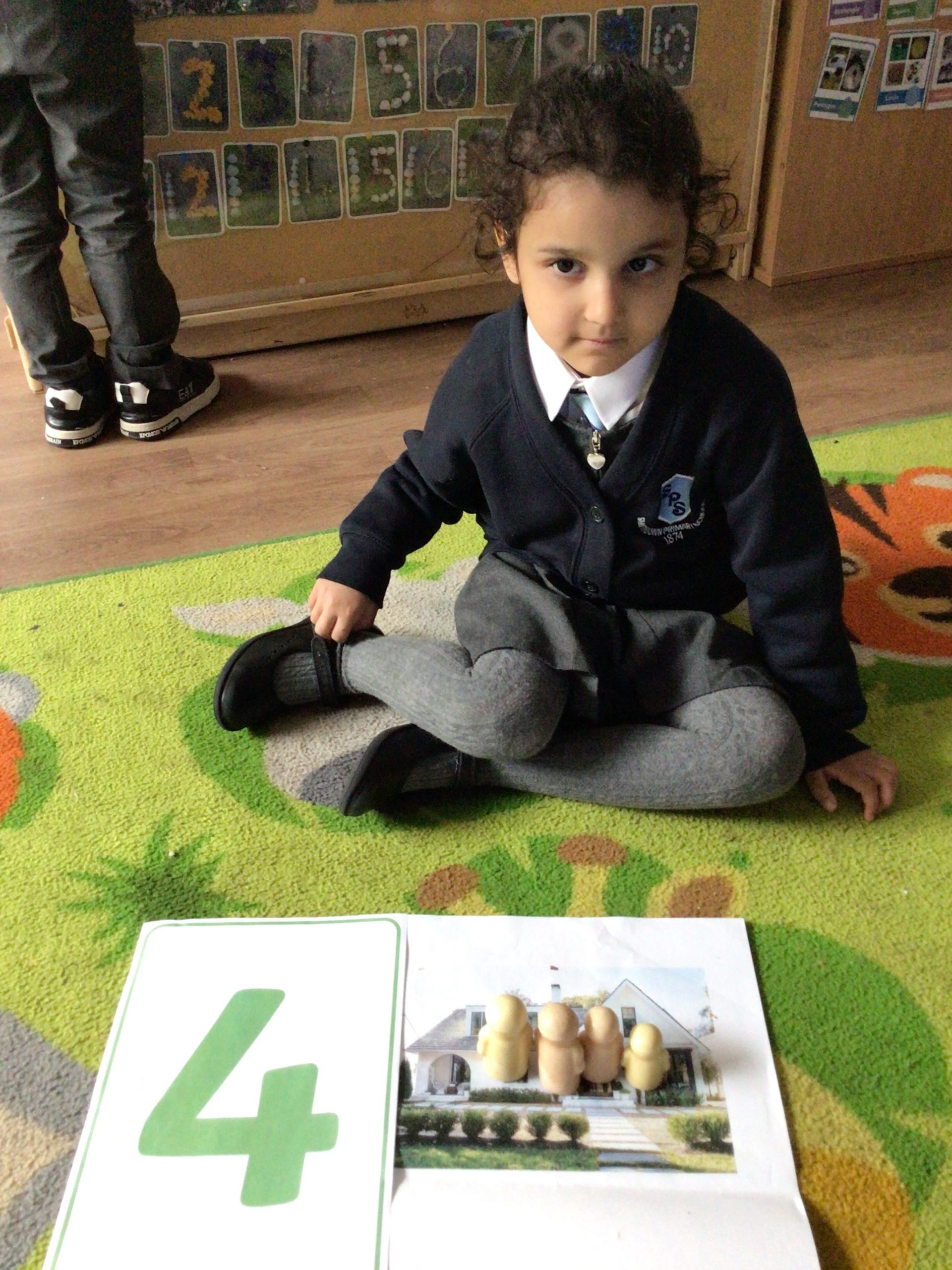
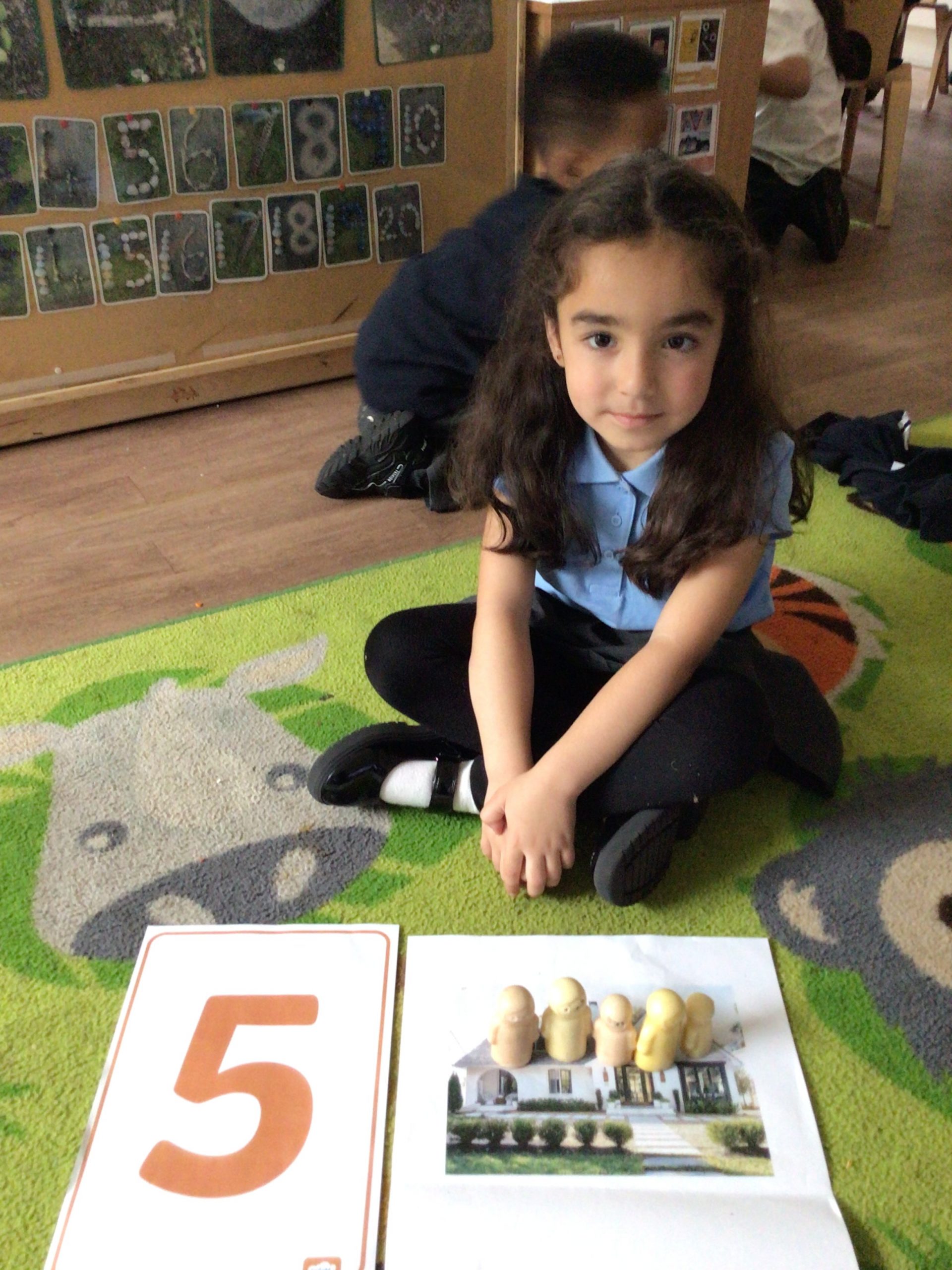
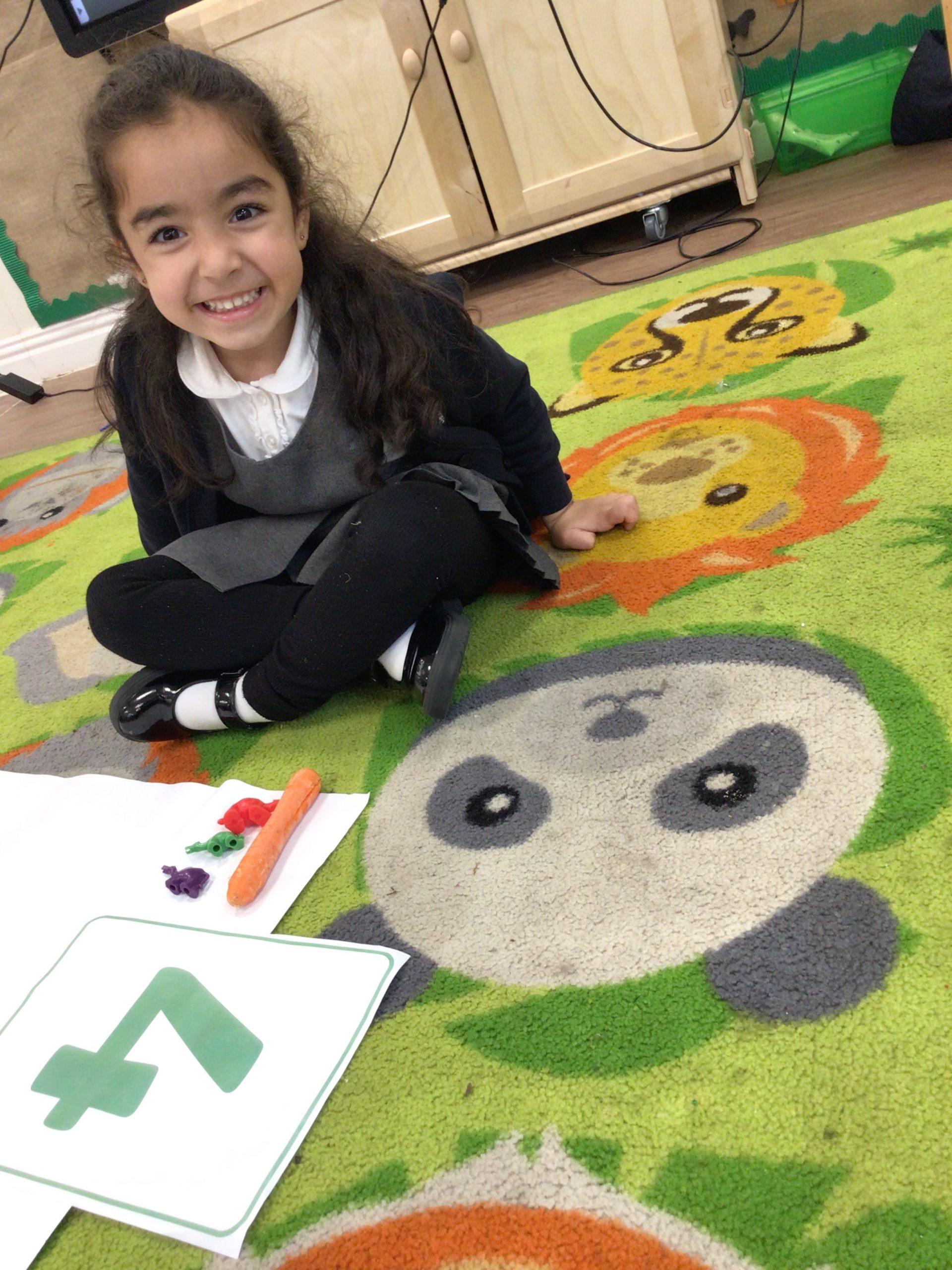
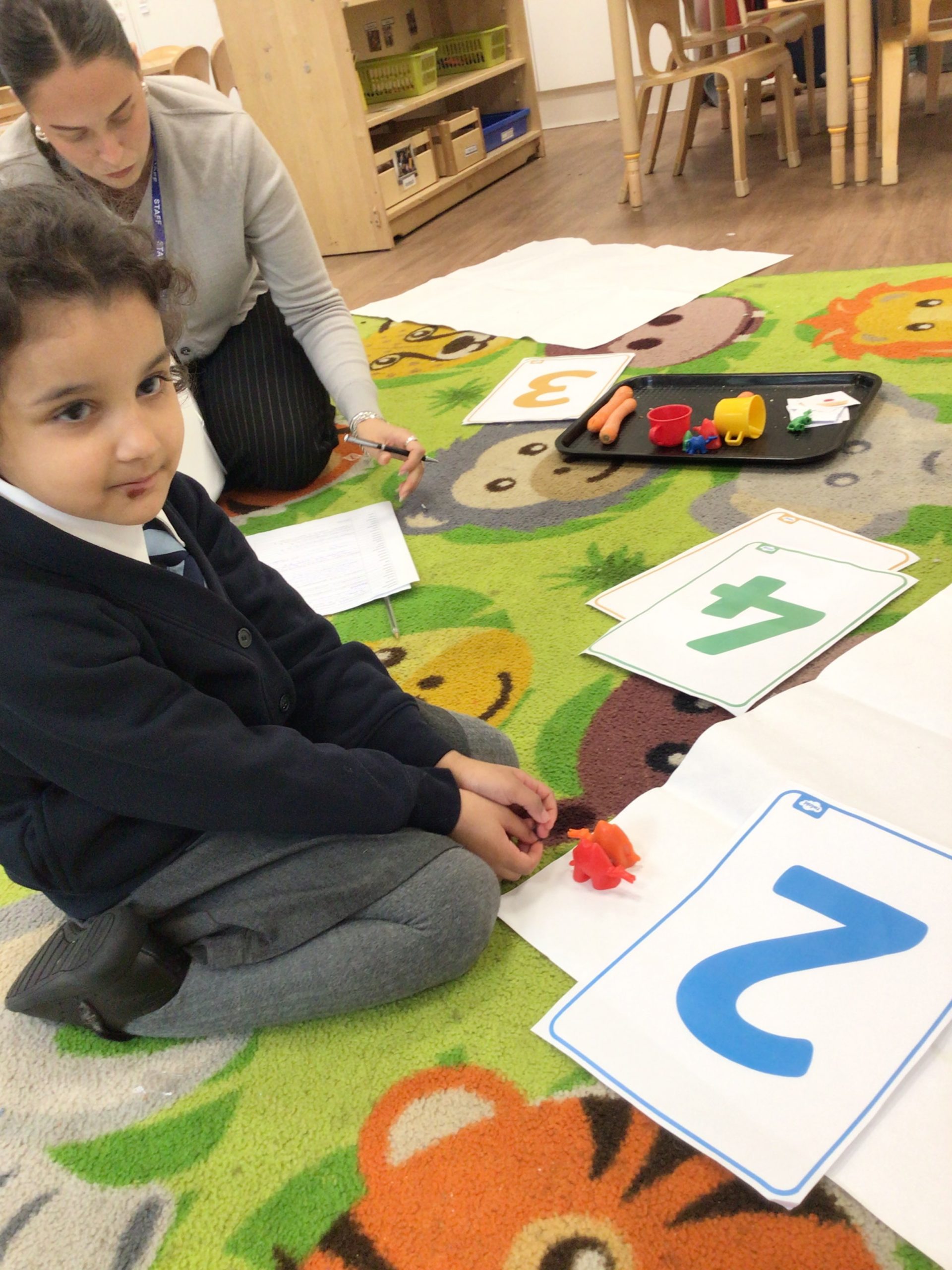
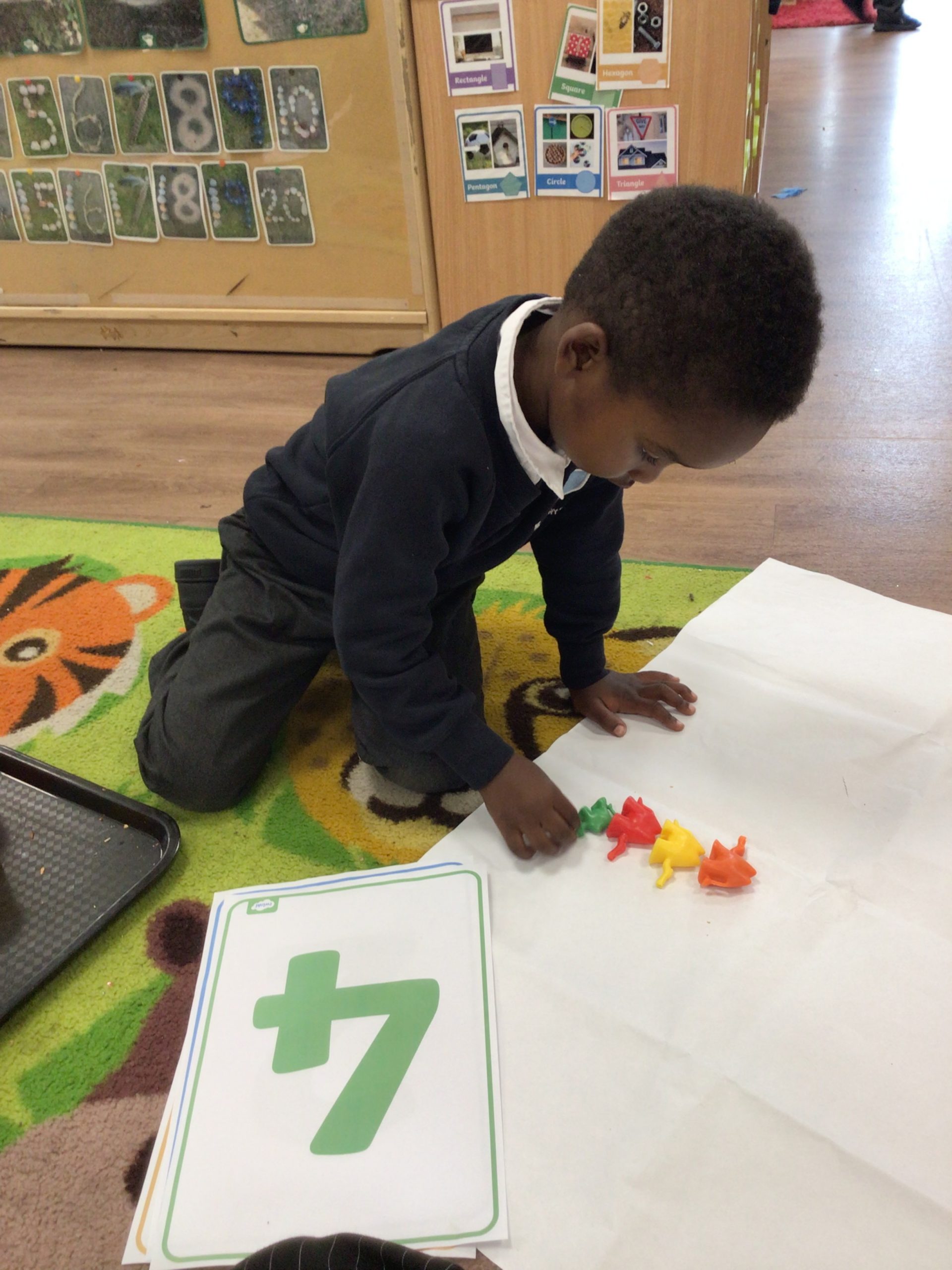
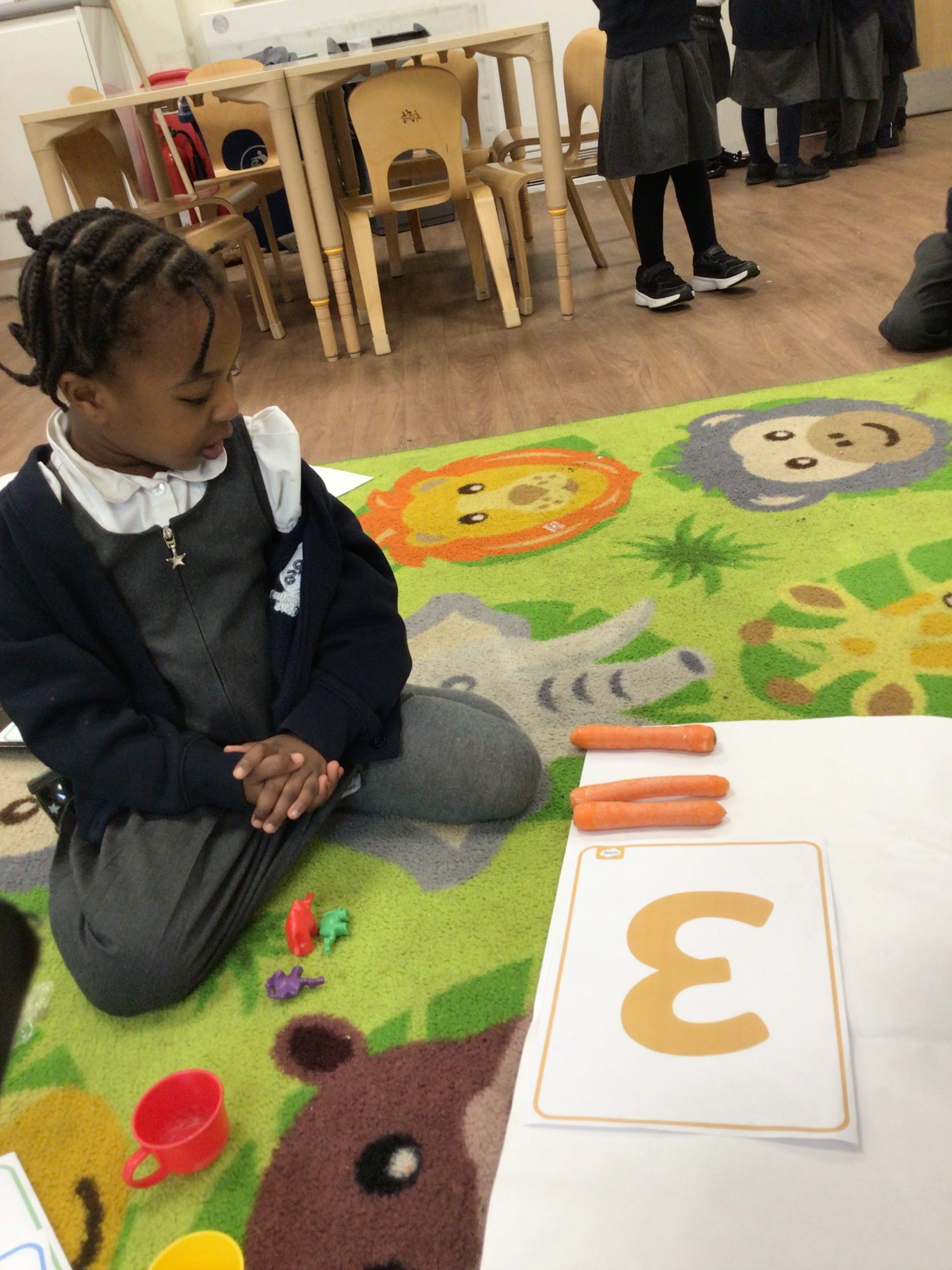
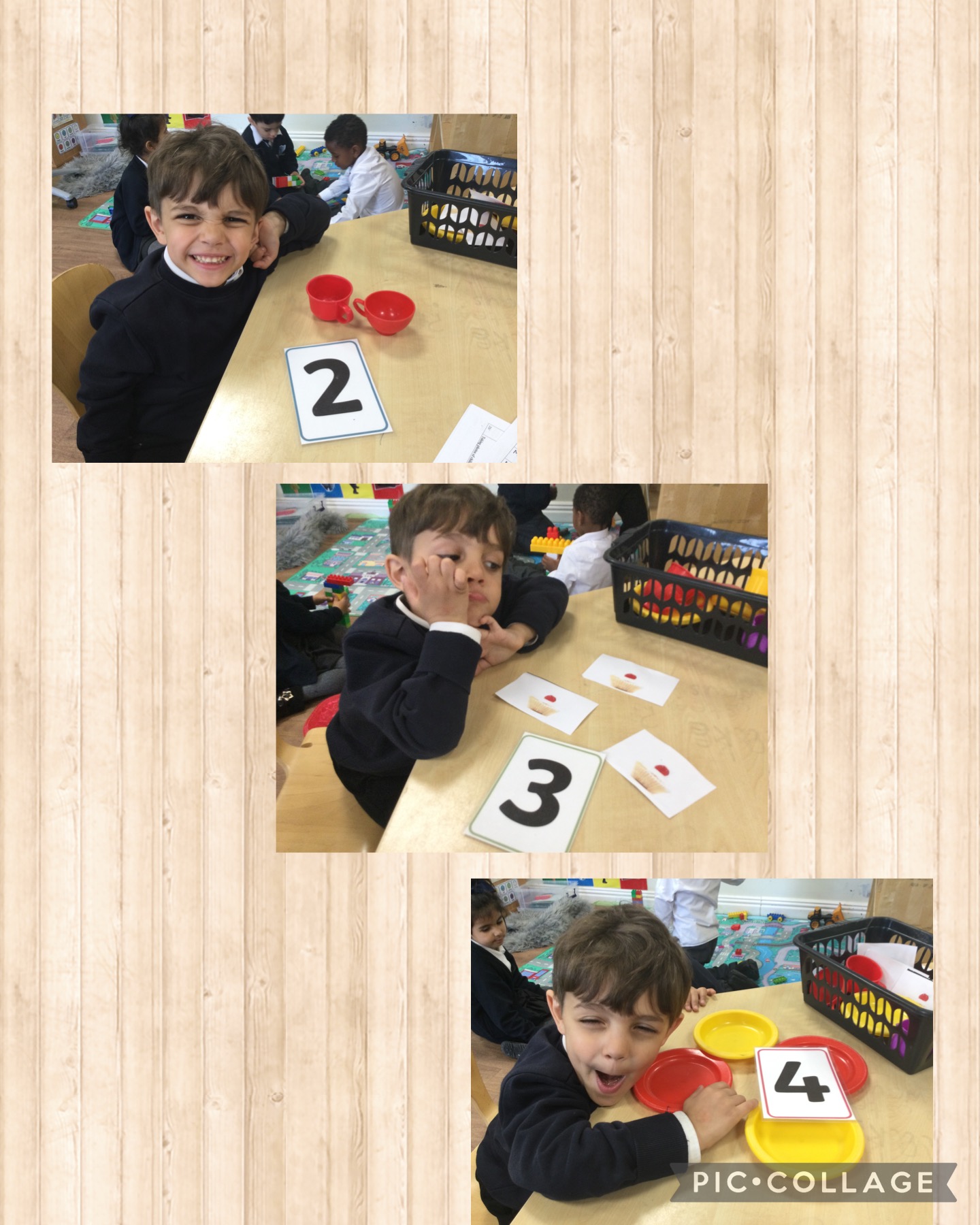
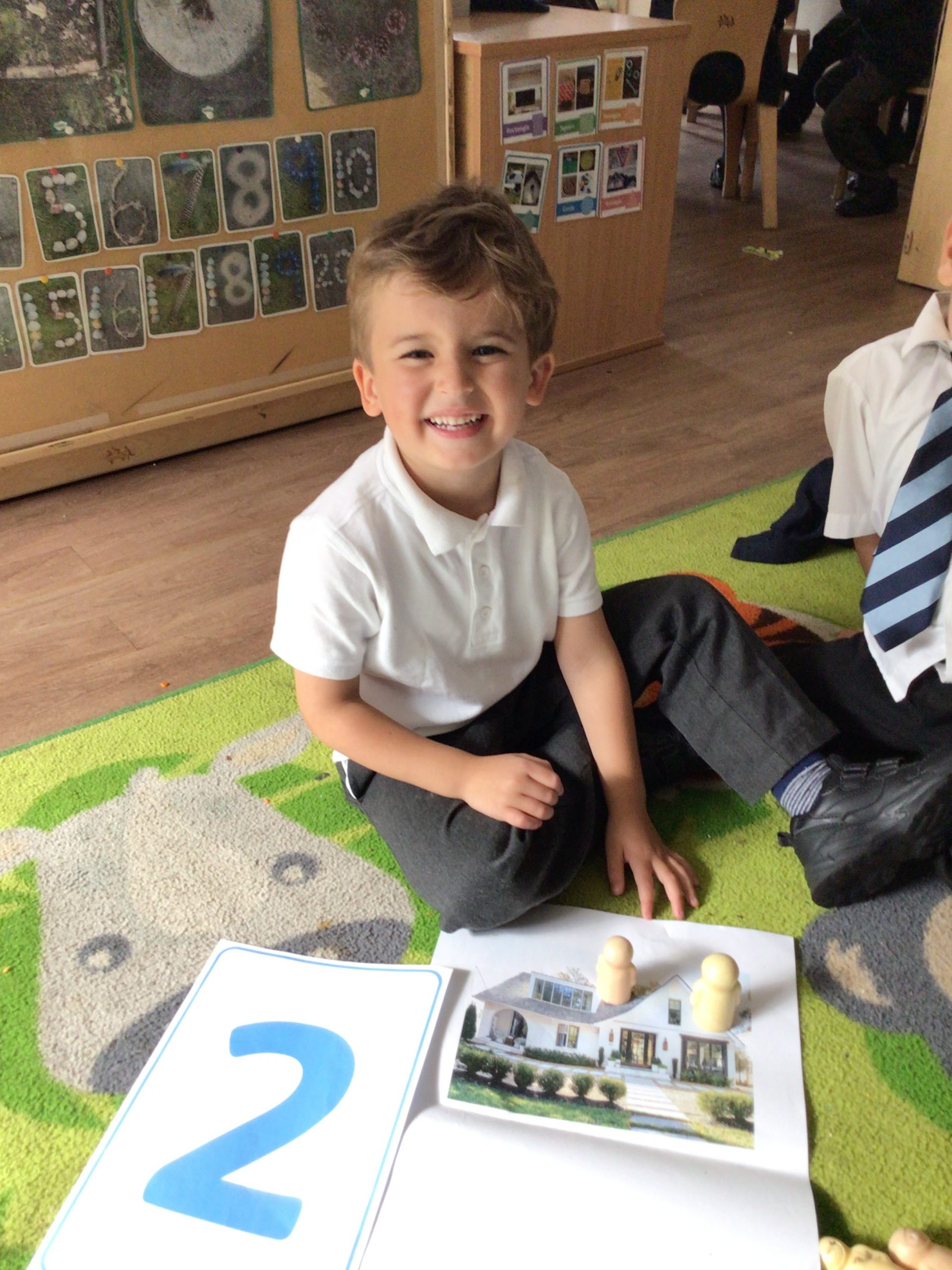 We had a great time practicing matching numbers to quantity up to 5.
Some boys and girls have worked incredibly hard to be more secure with numbers up to 10 and then 20. Using practical resources they were able to create 10 in different ways.
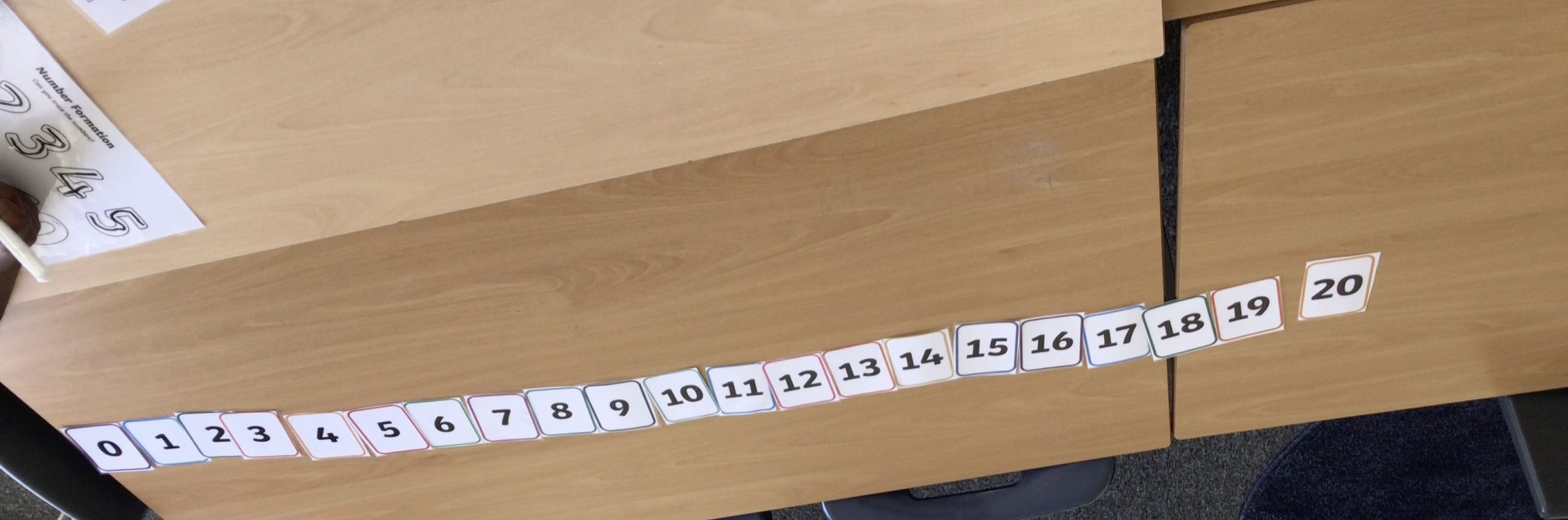
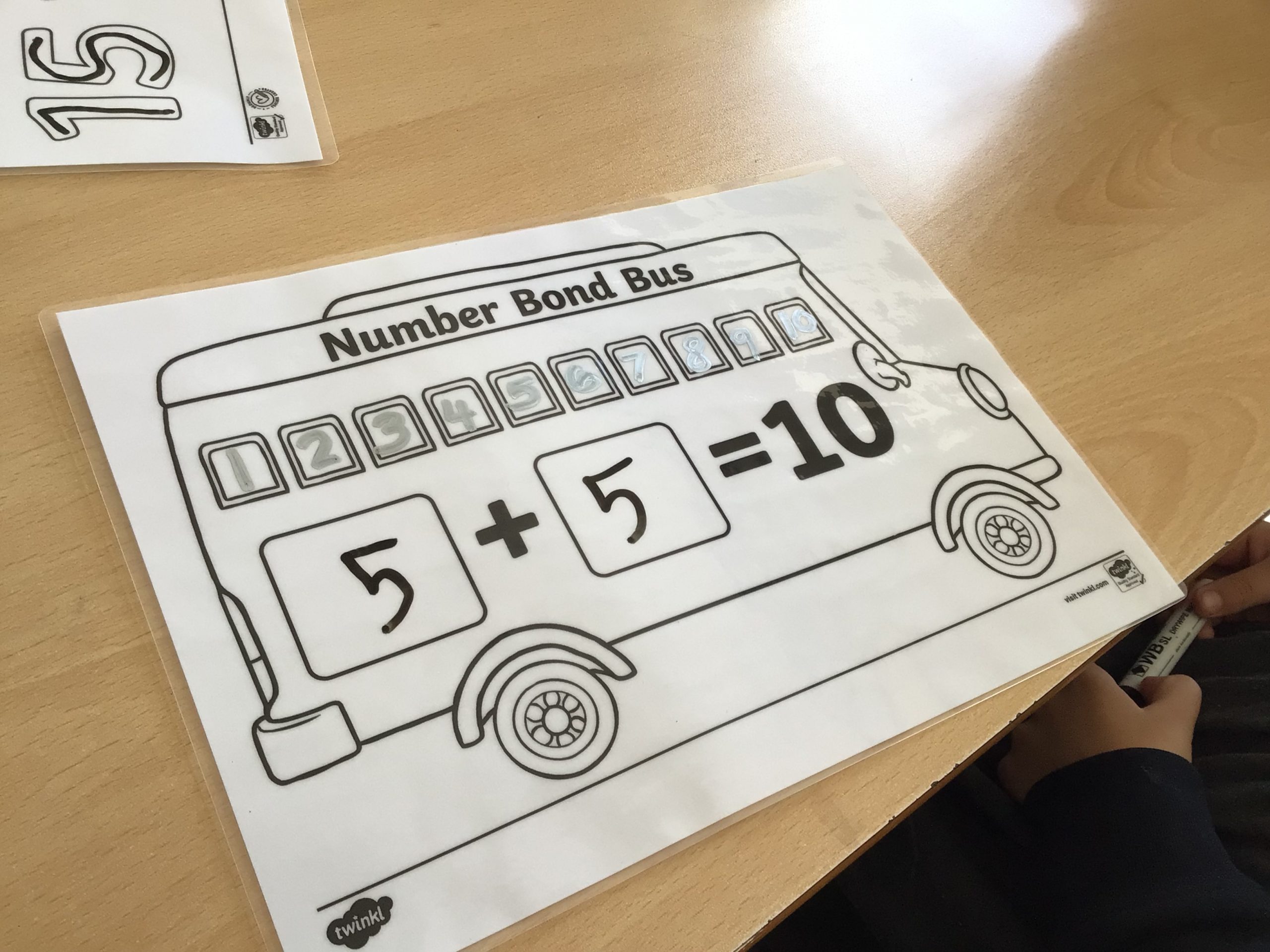
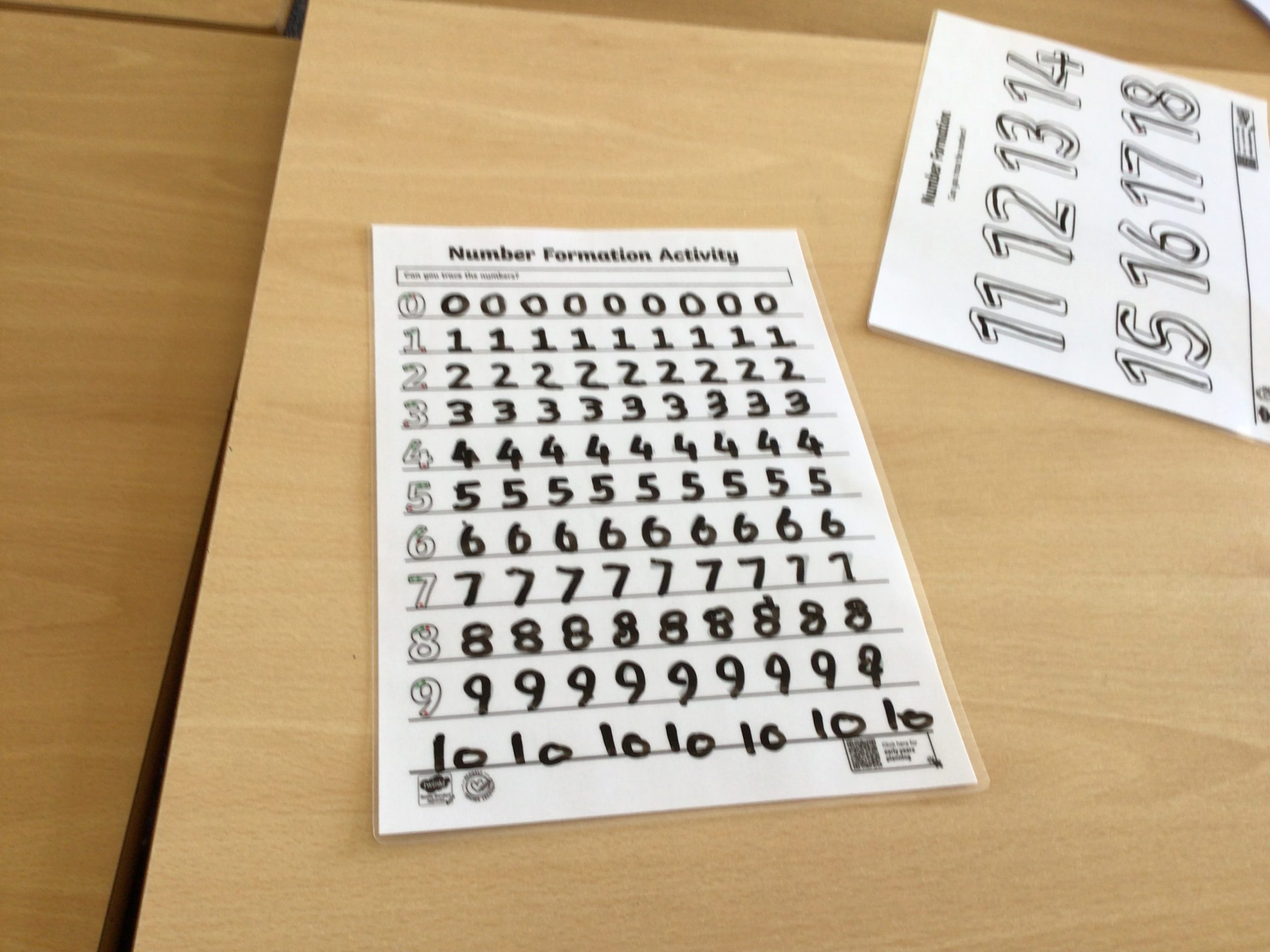
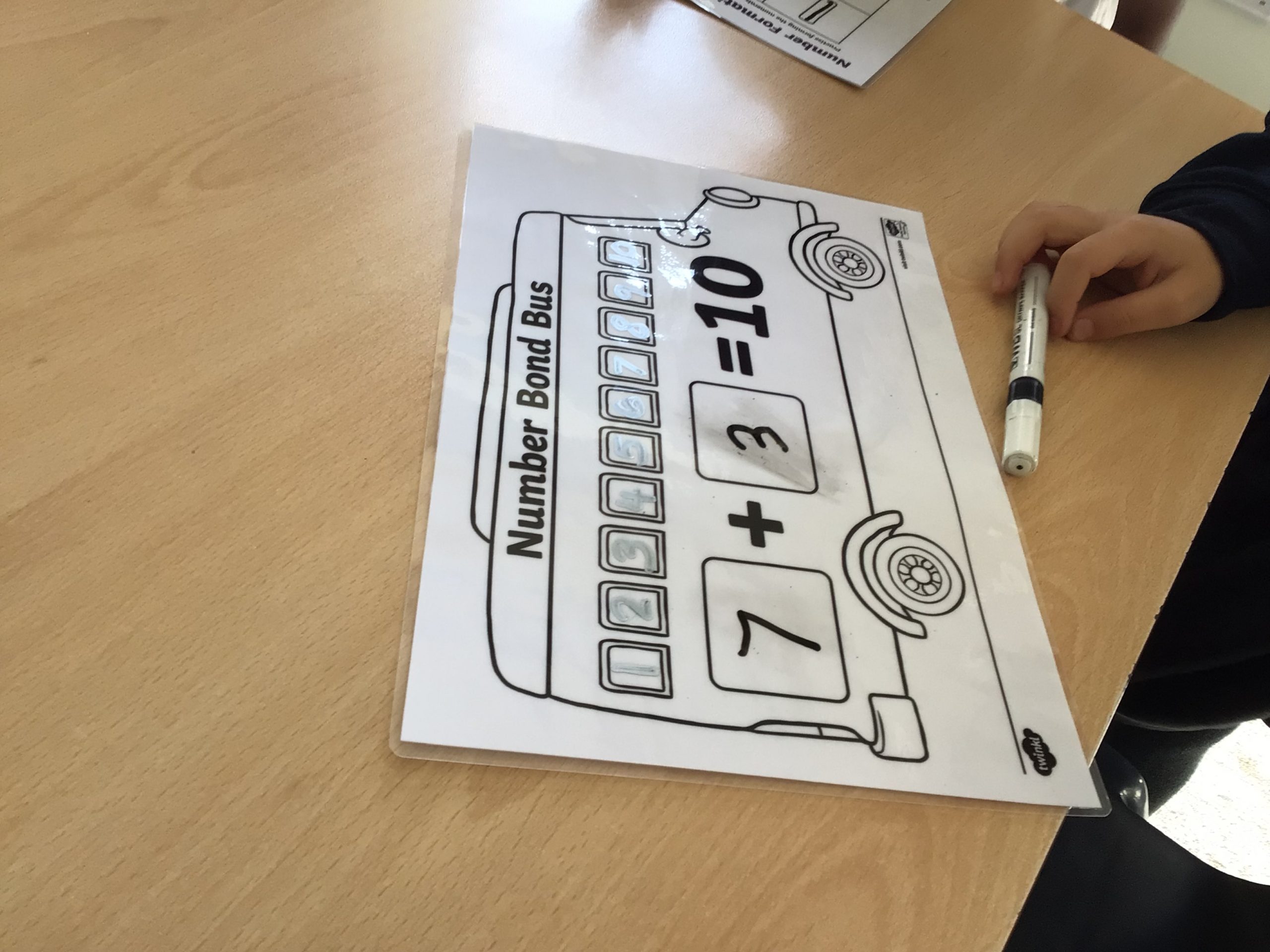
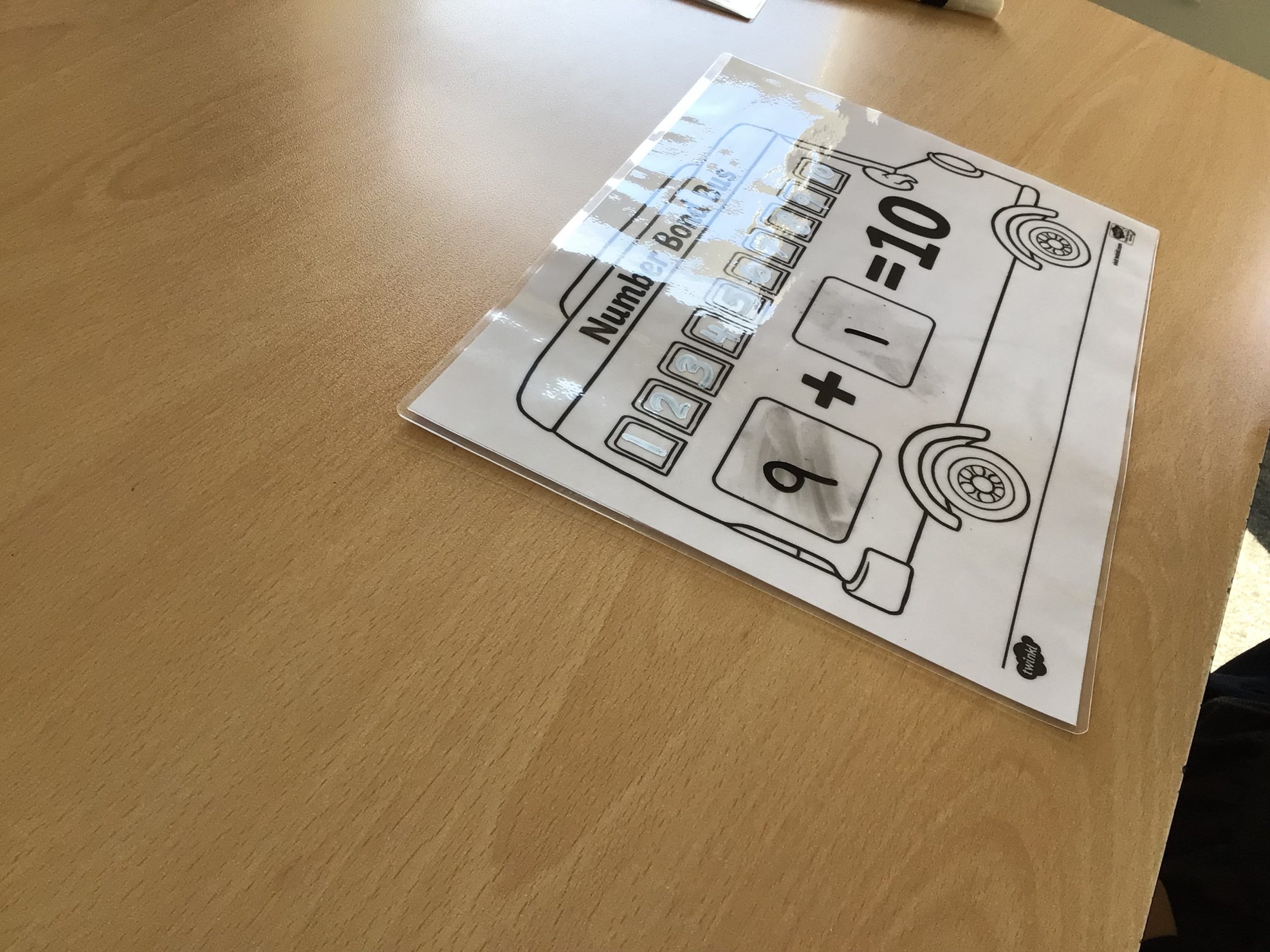
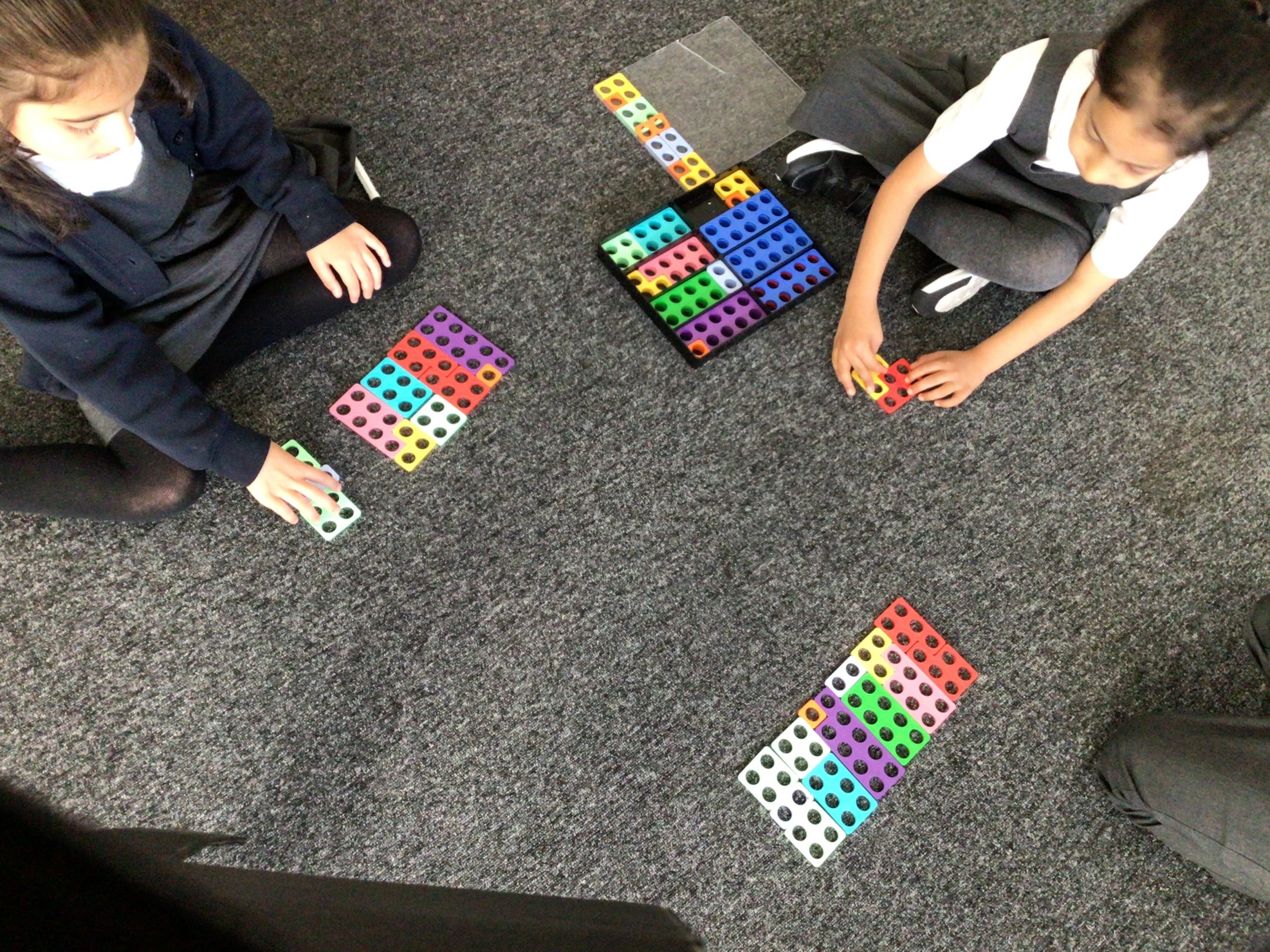
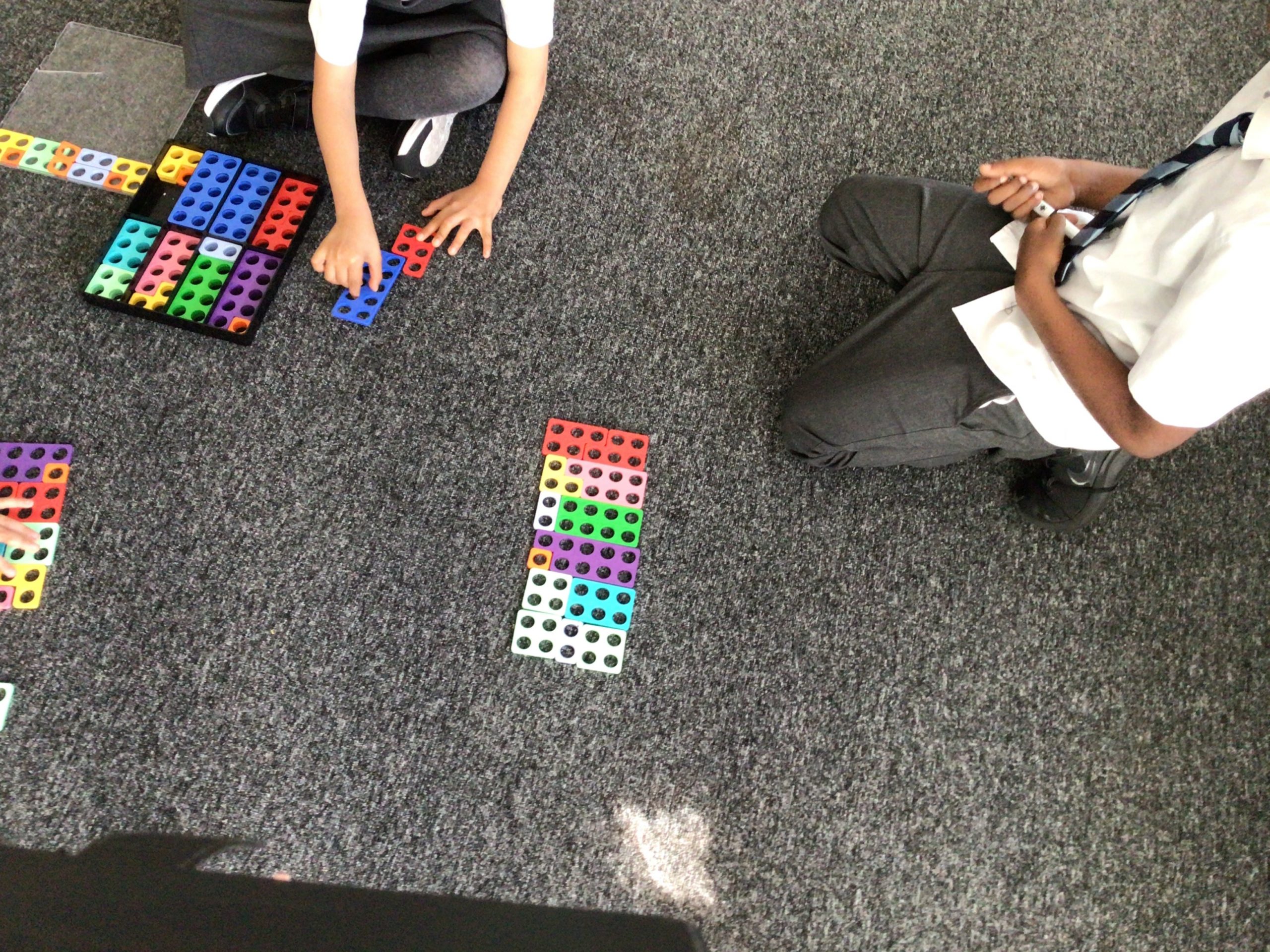
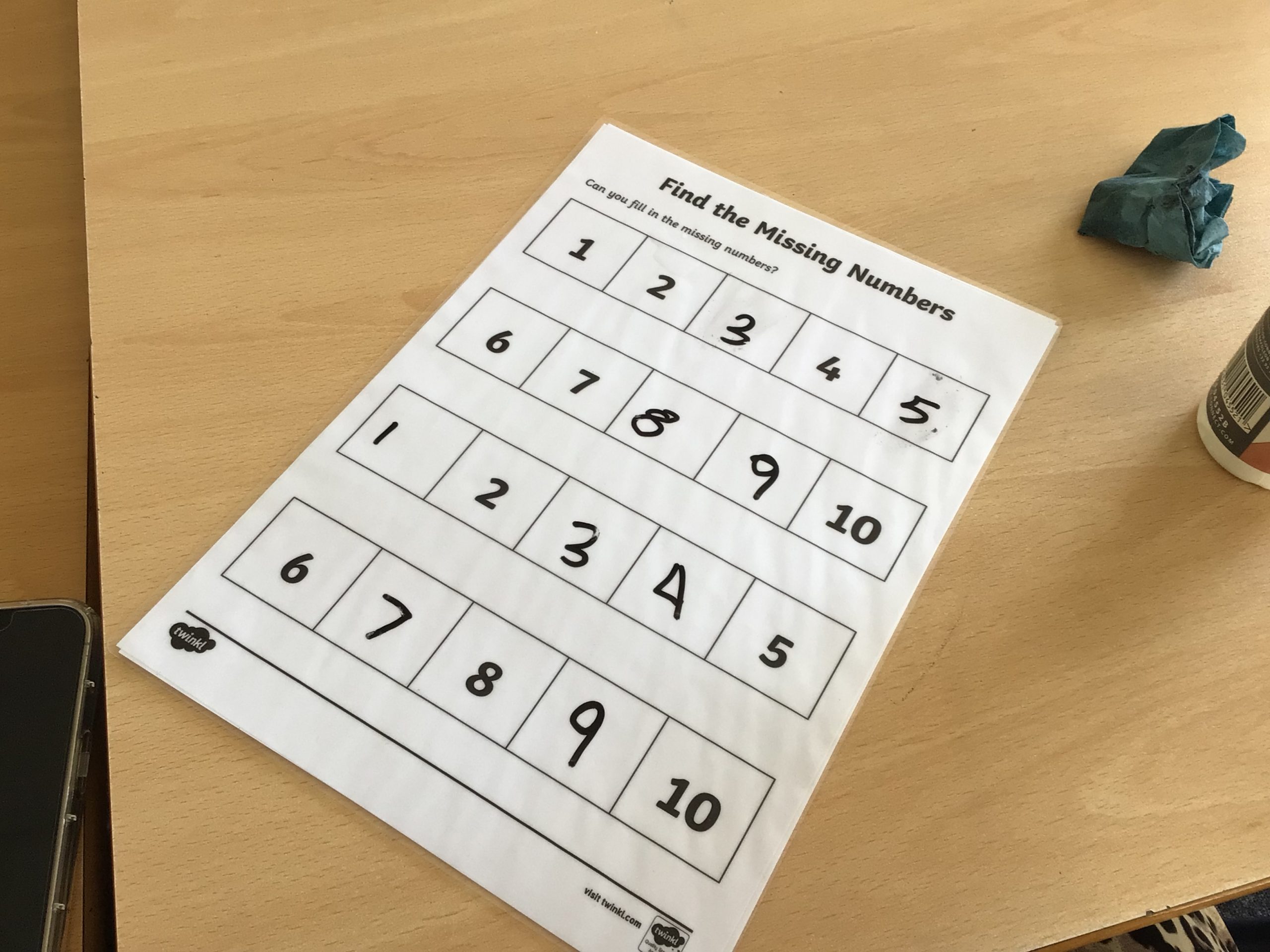
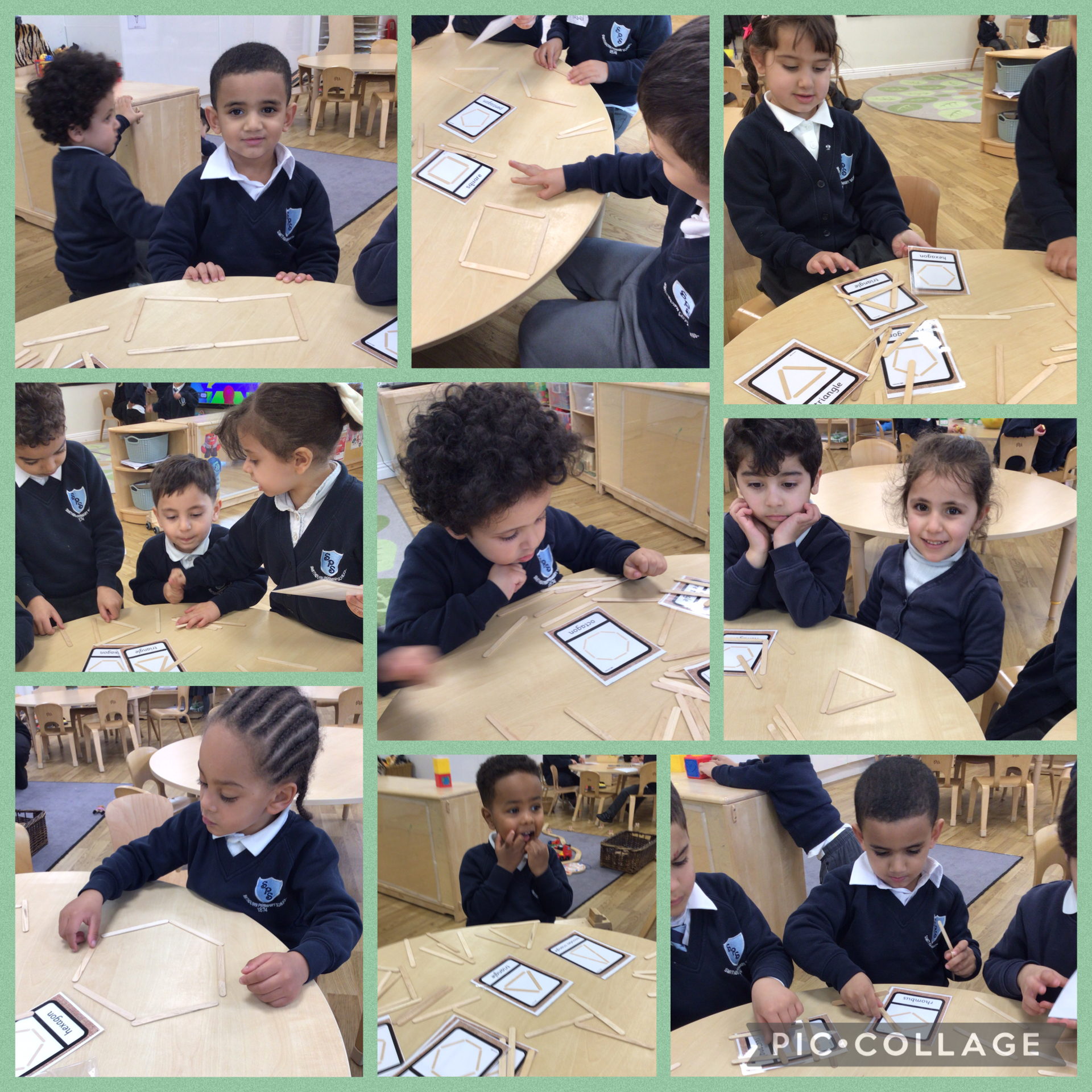
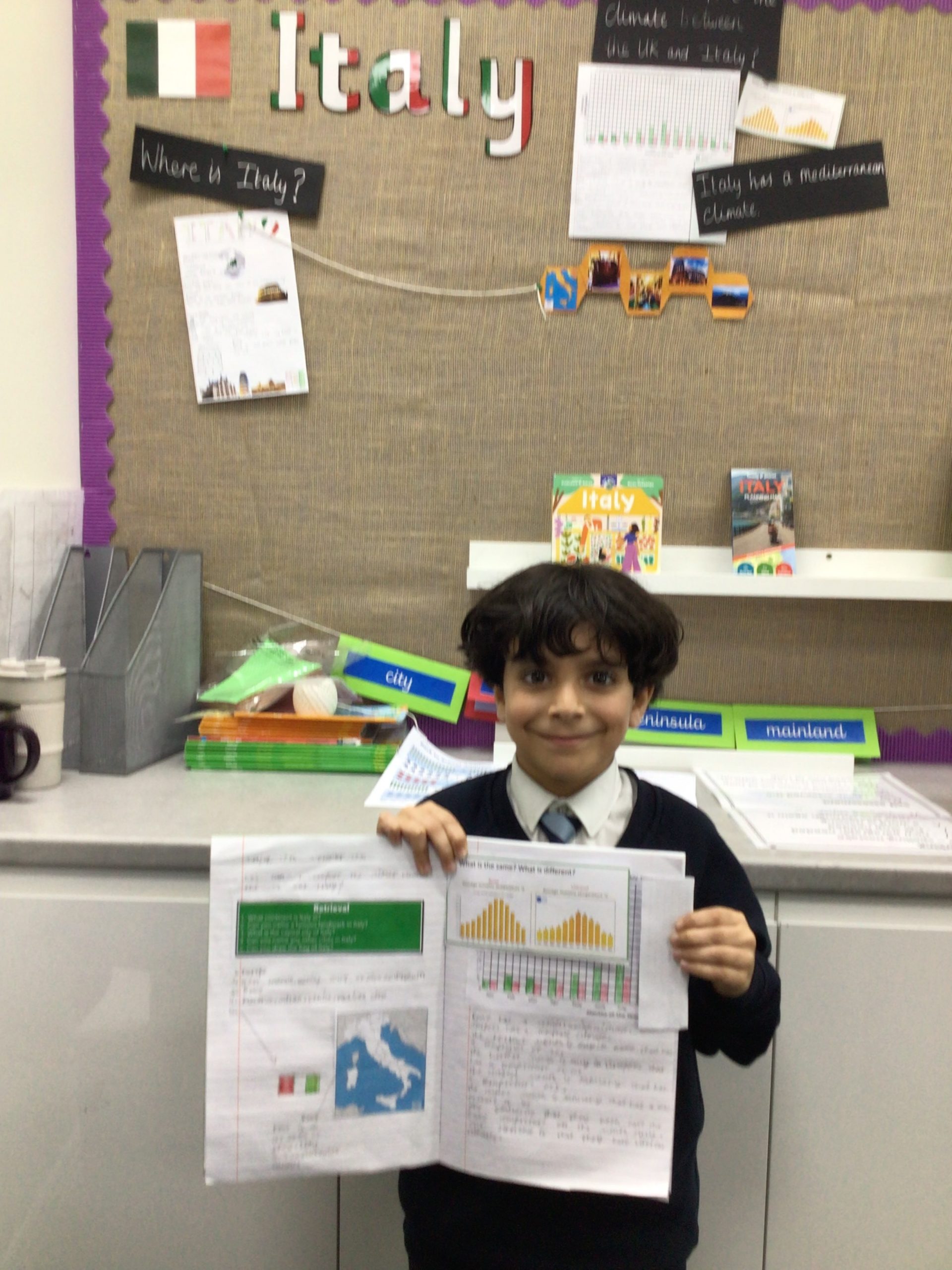
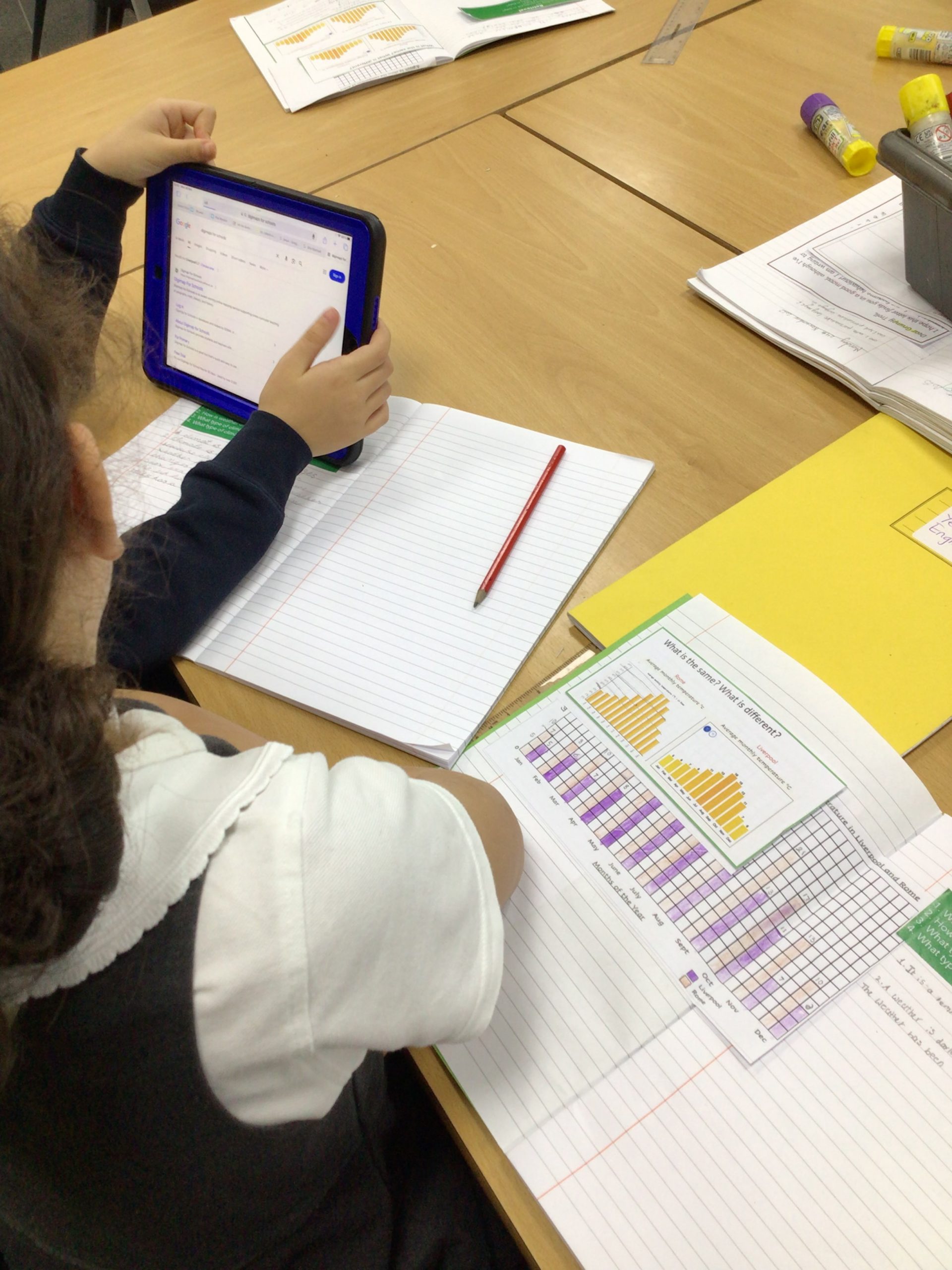
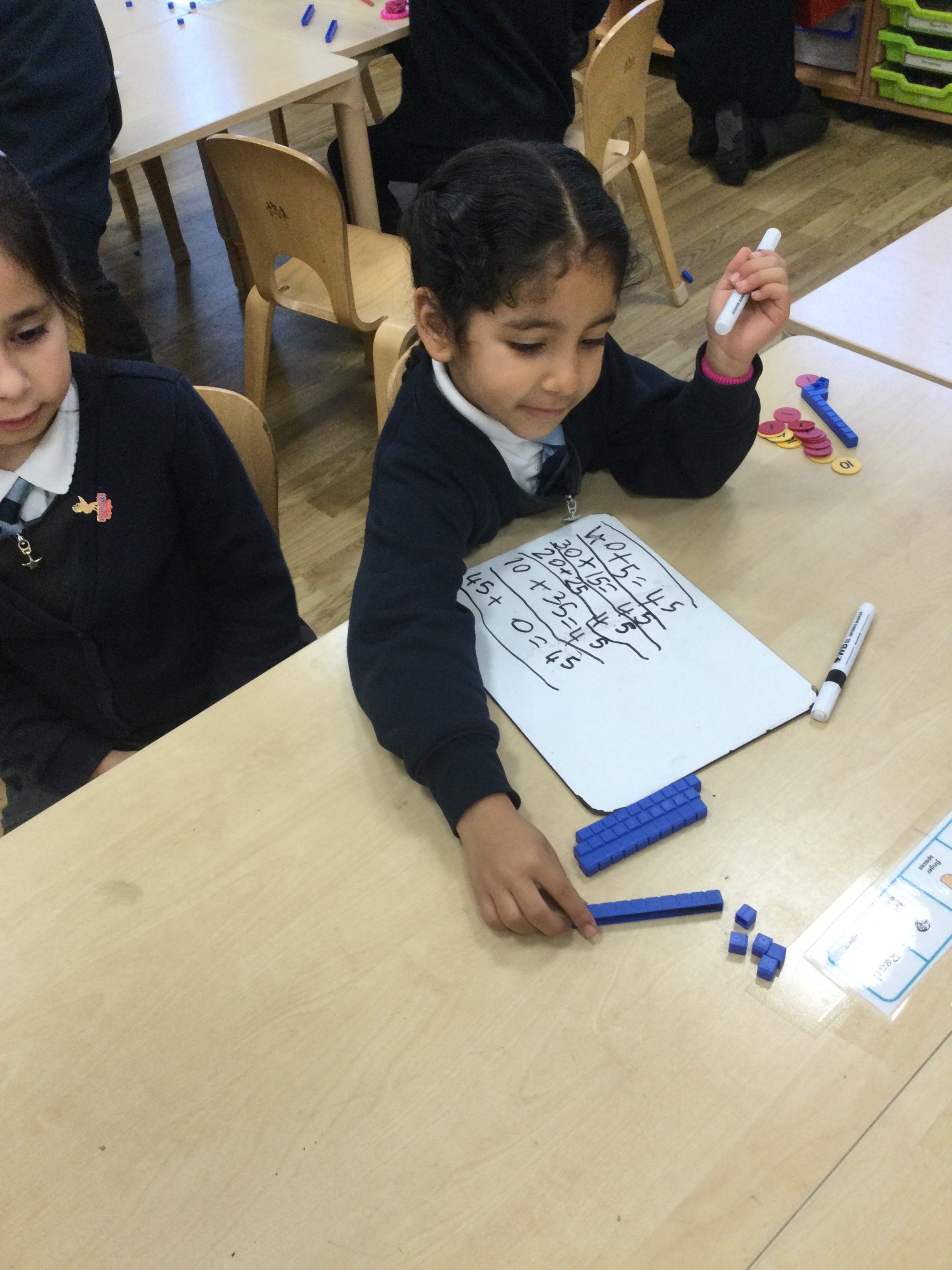
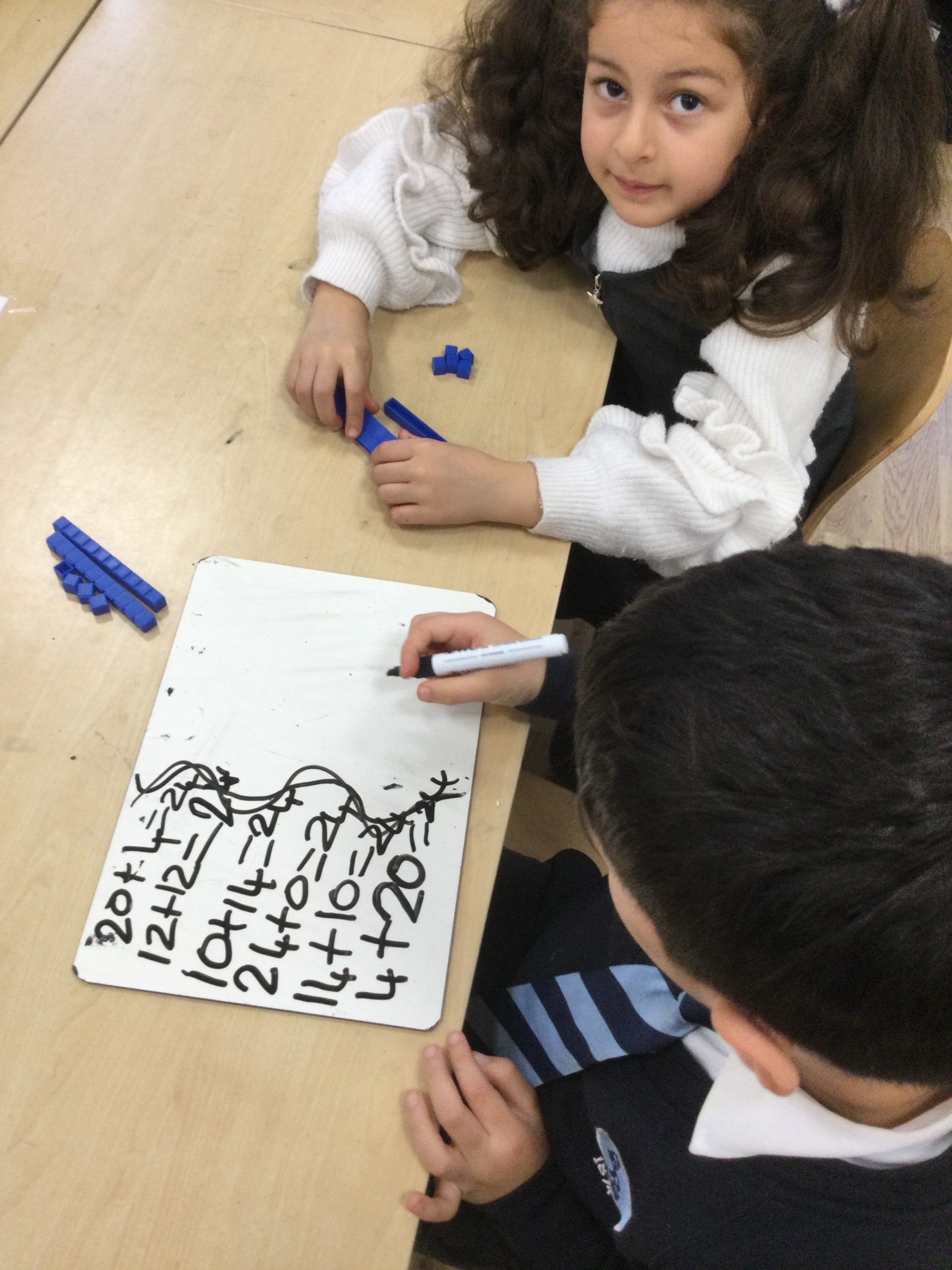
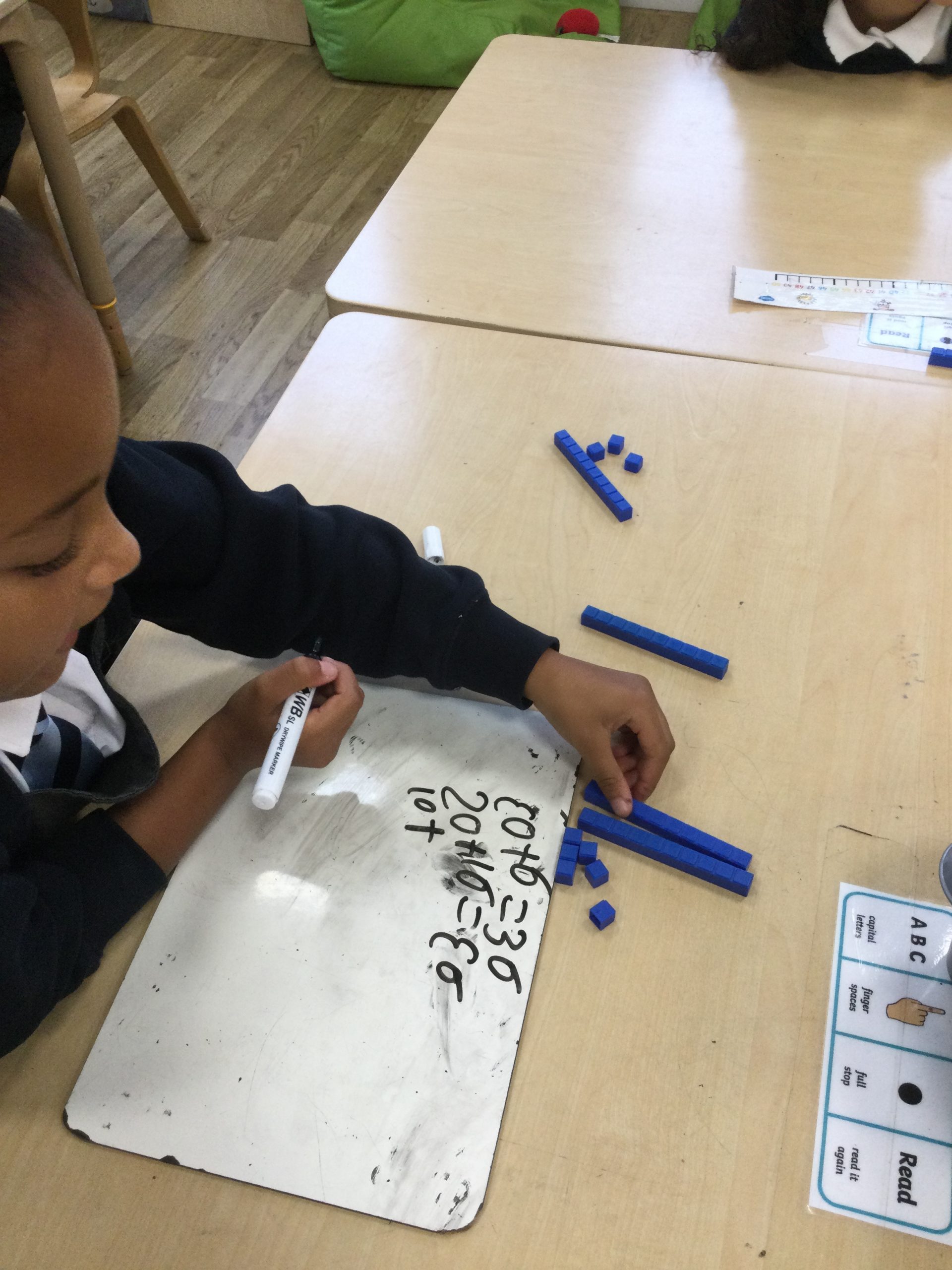
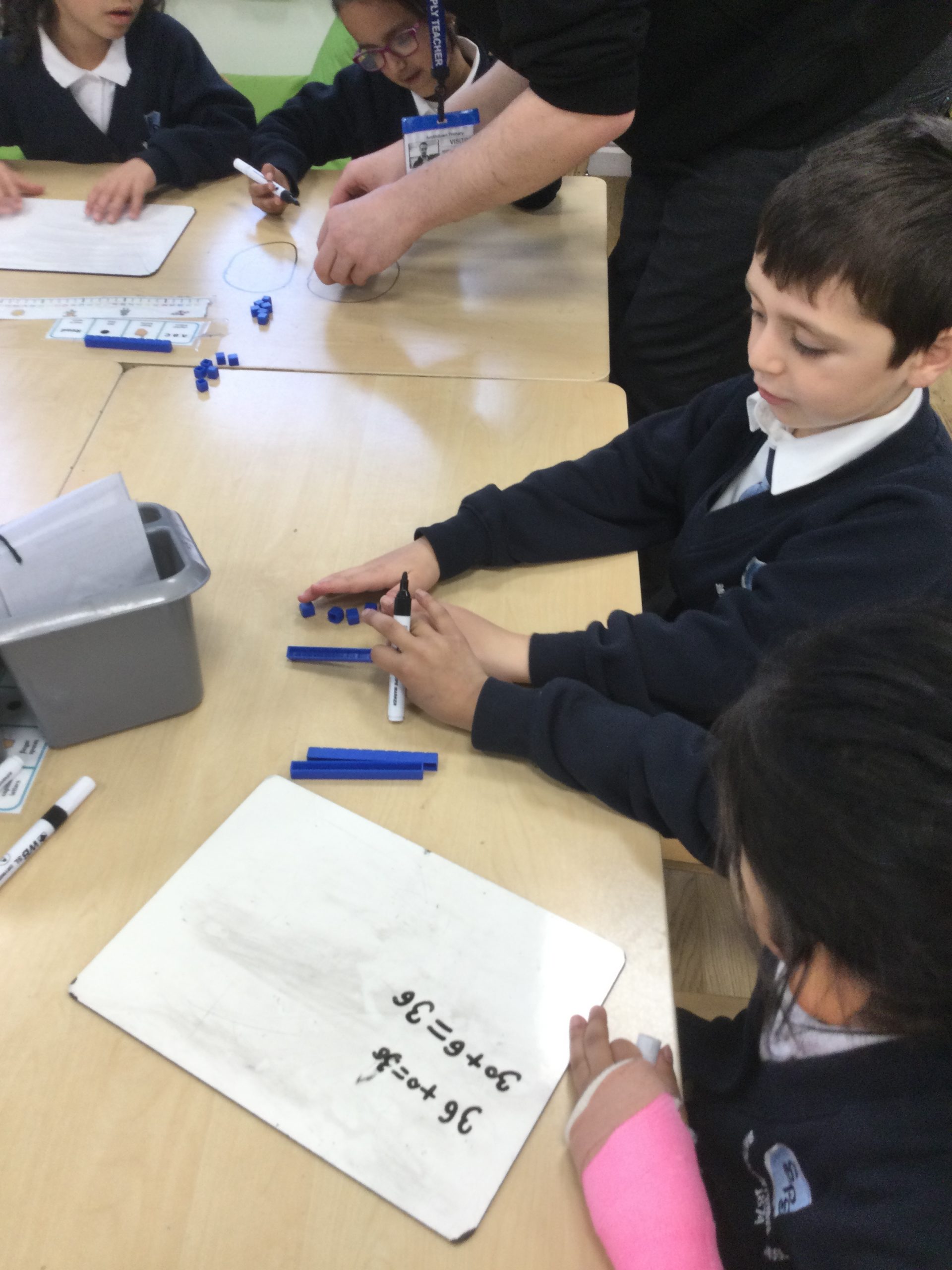
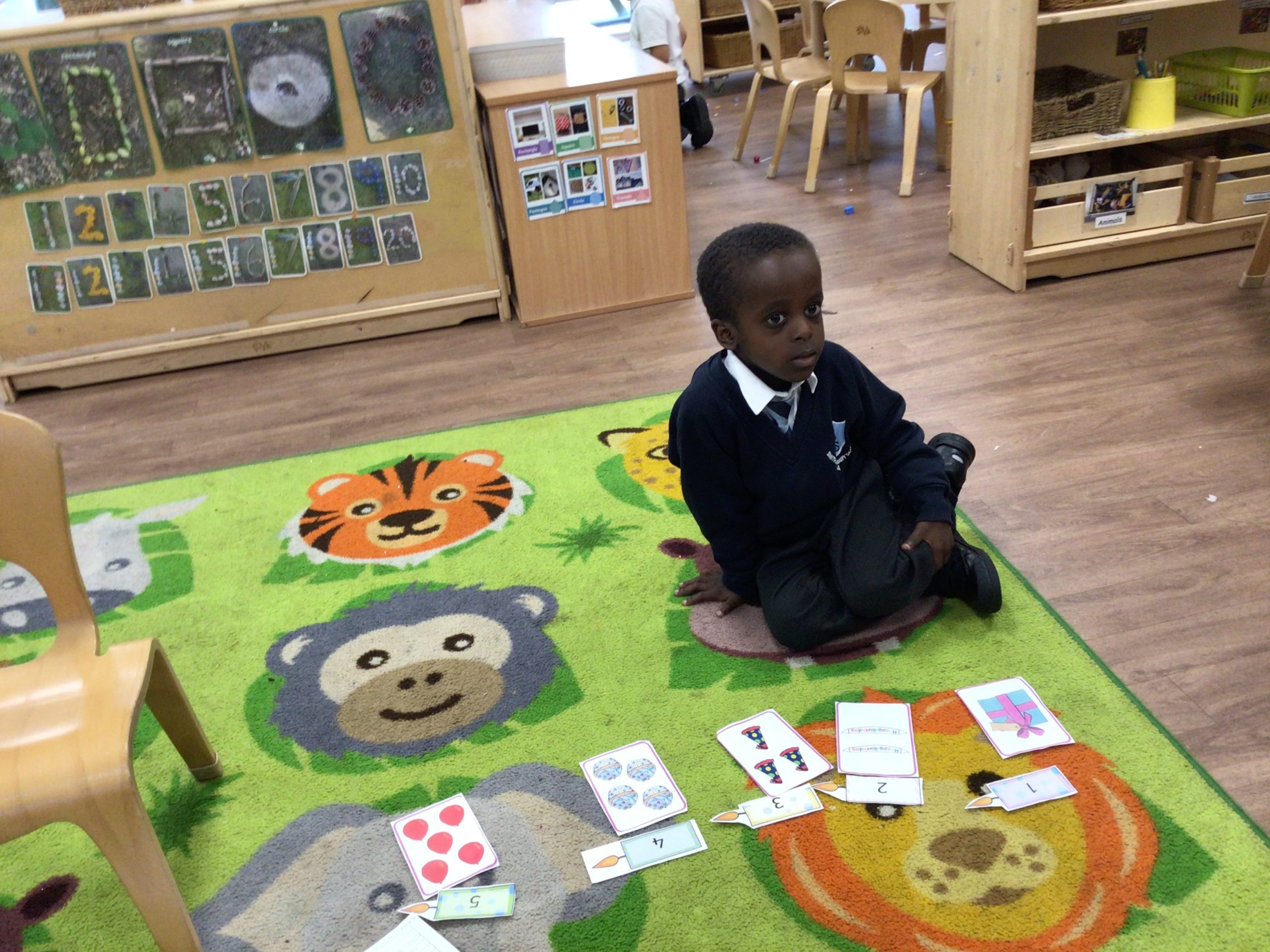
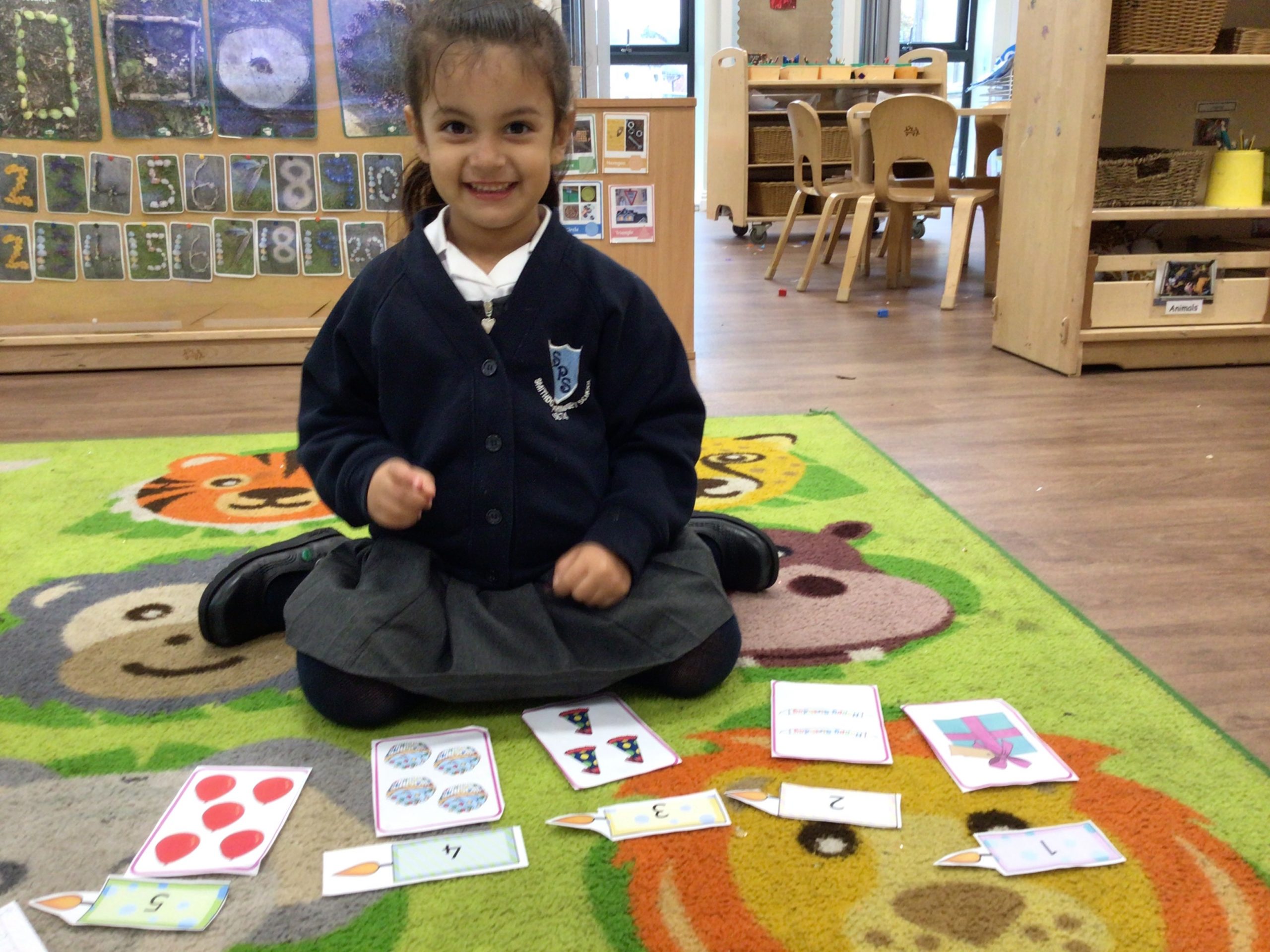
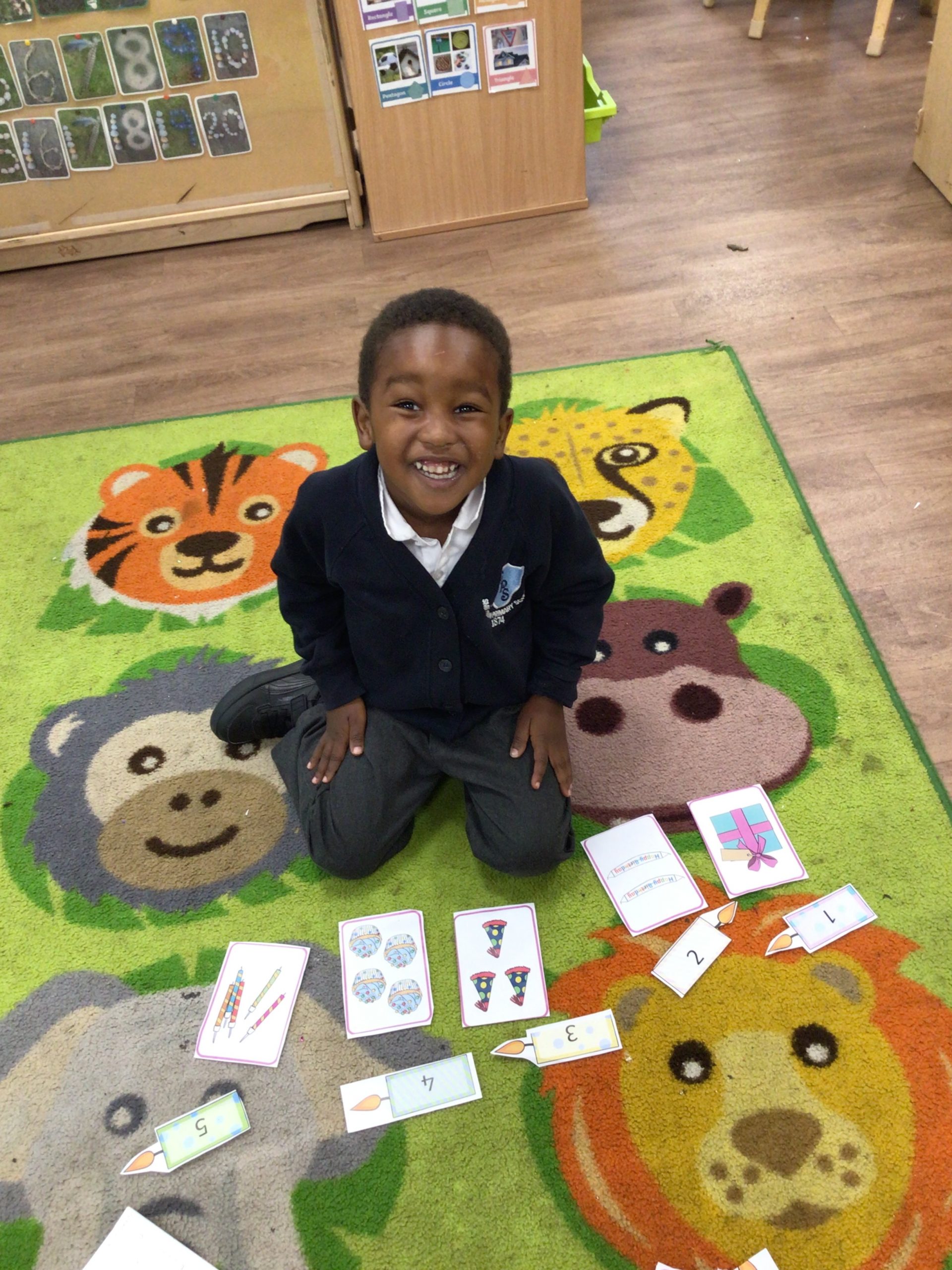
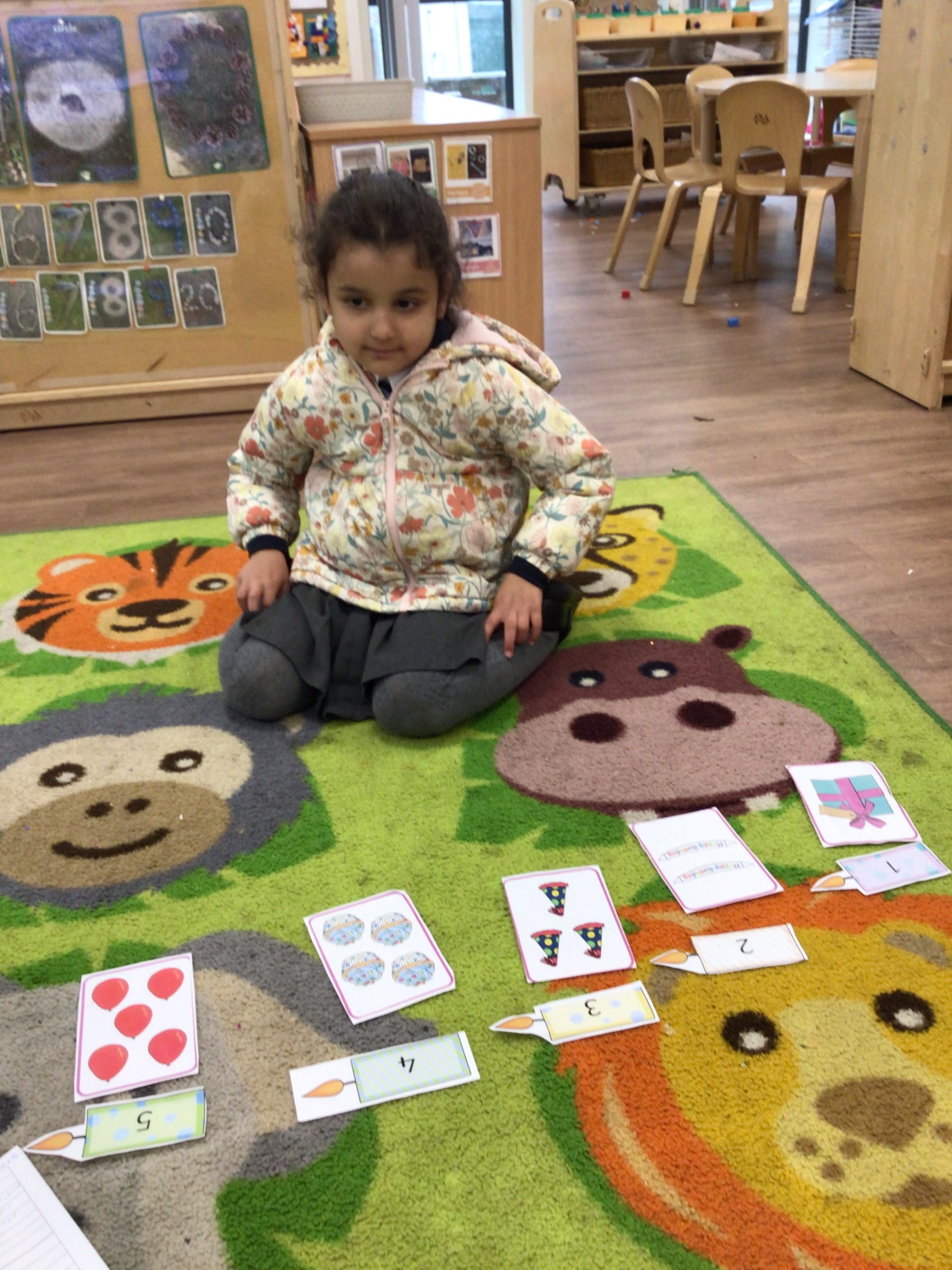
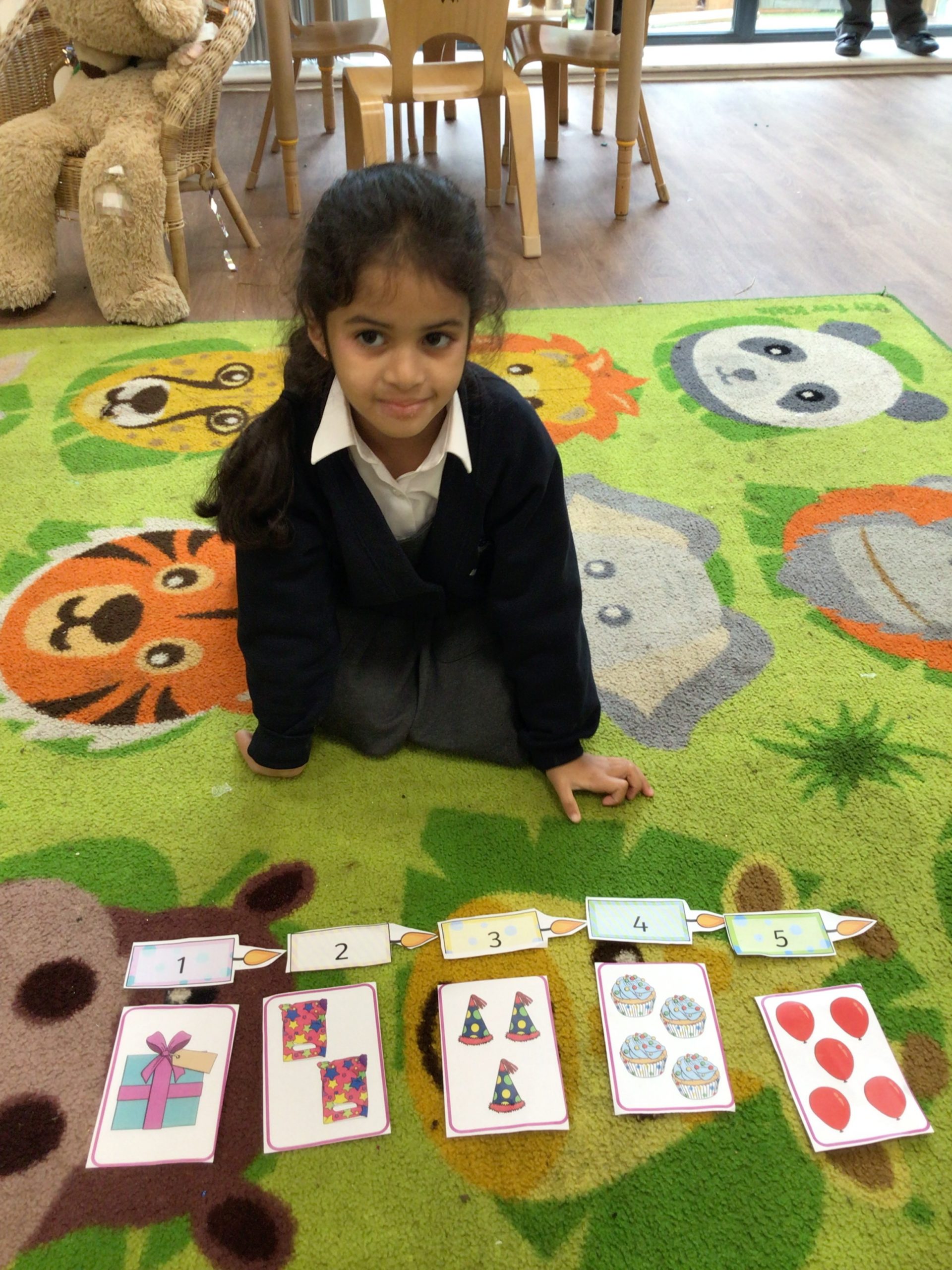
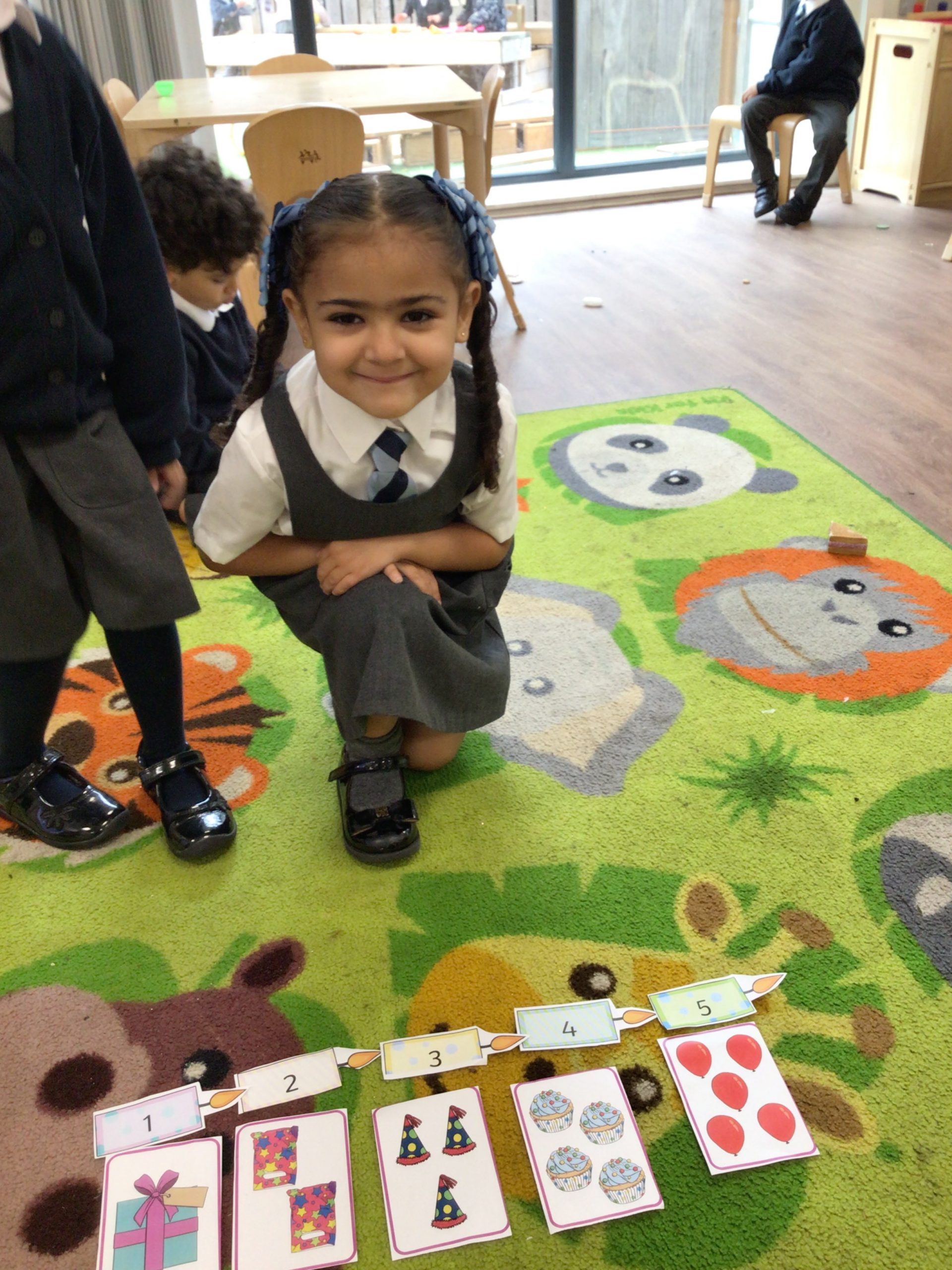
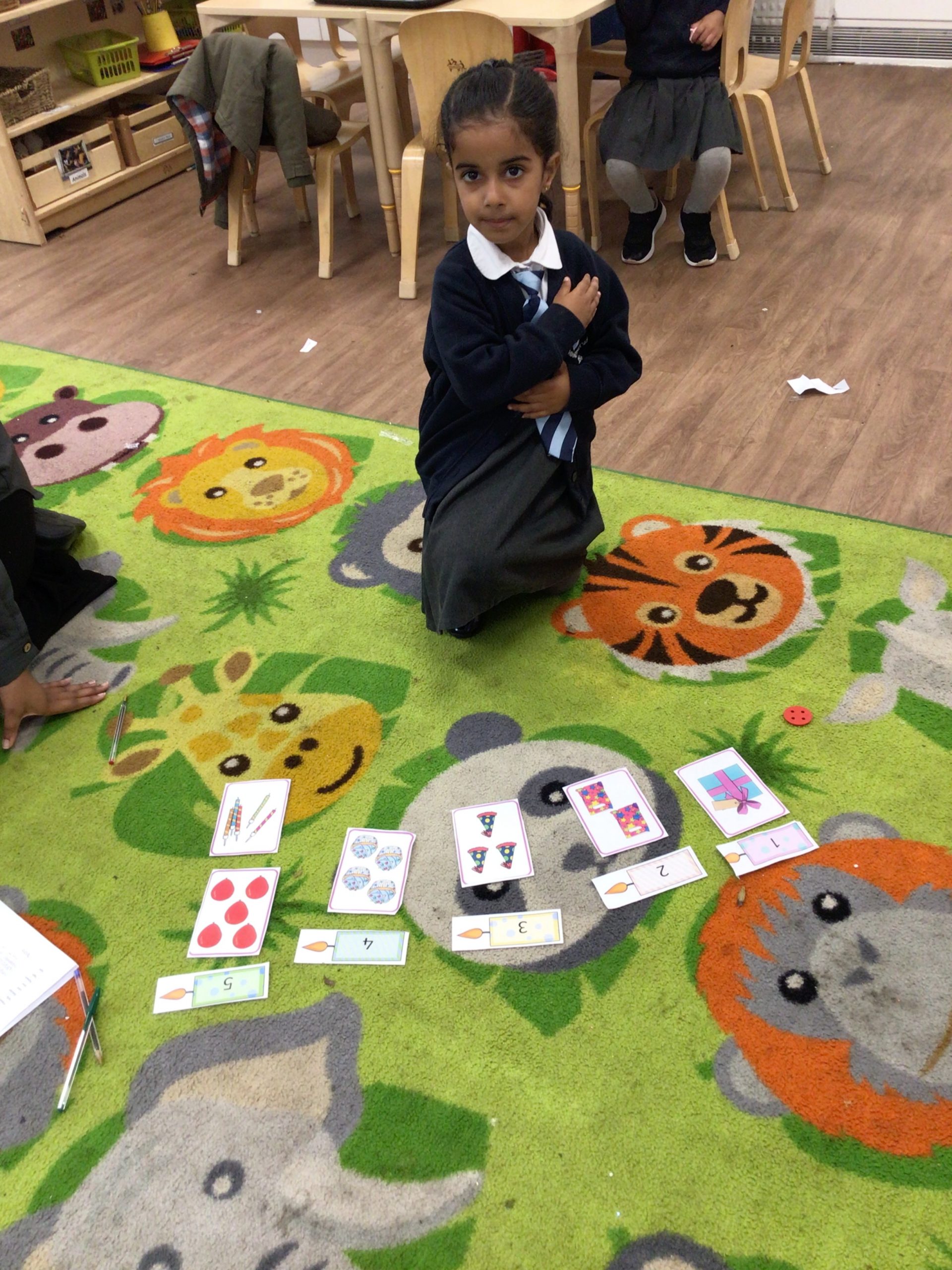
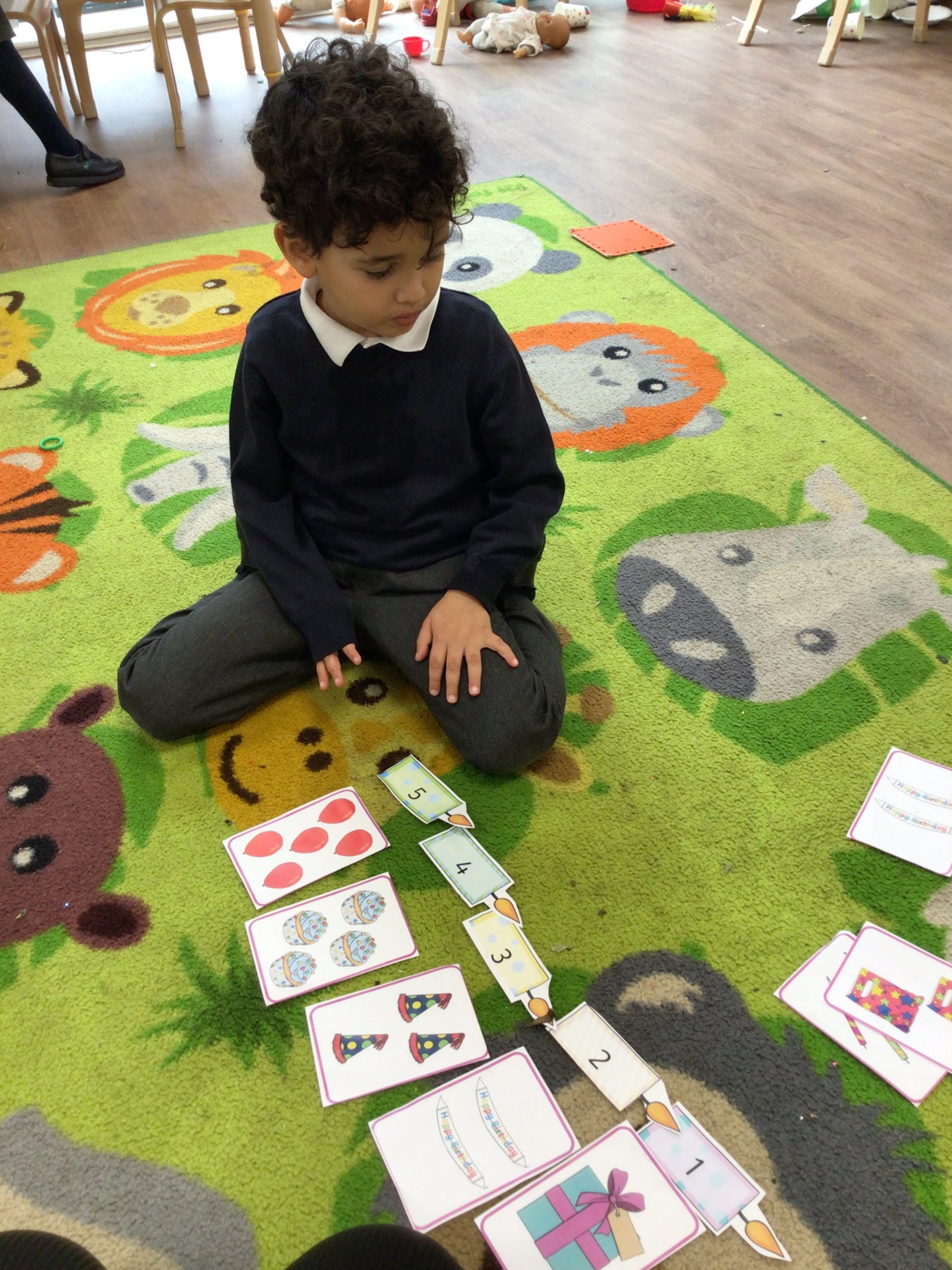
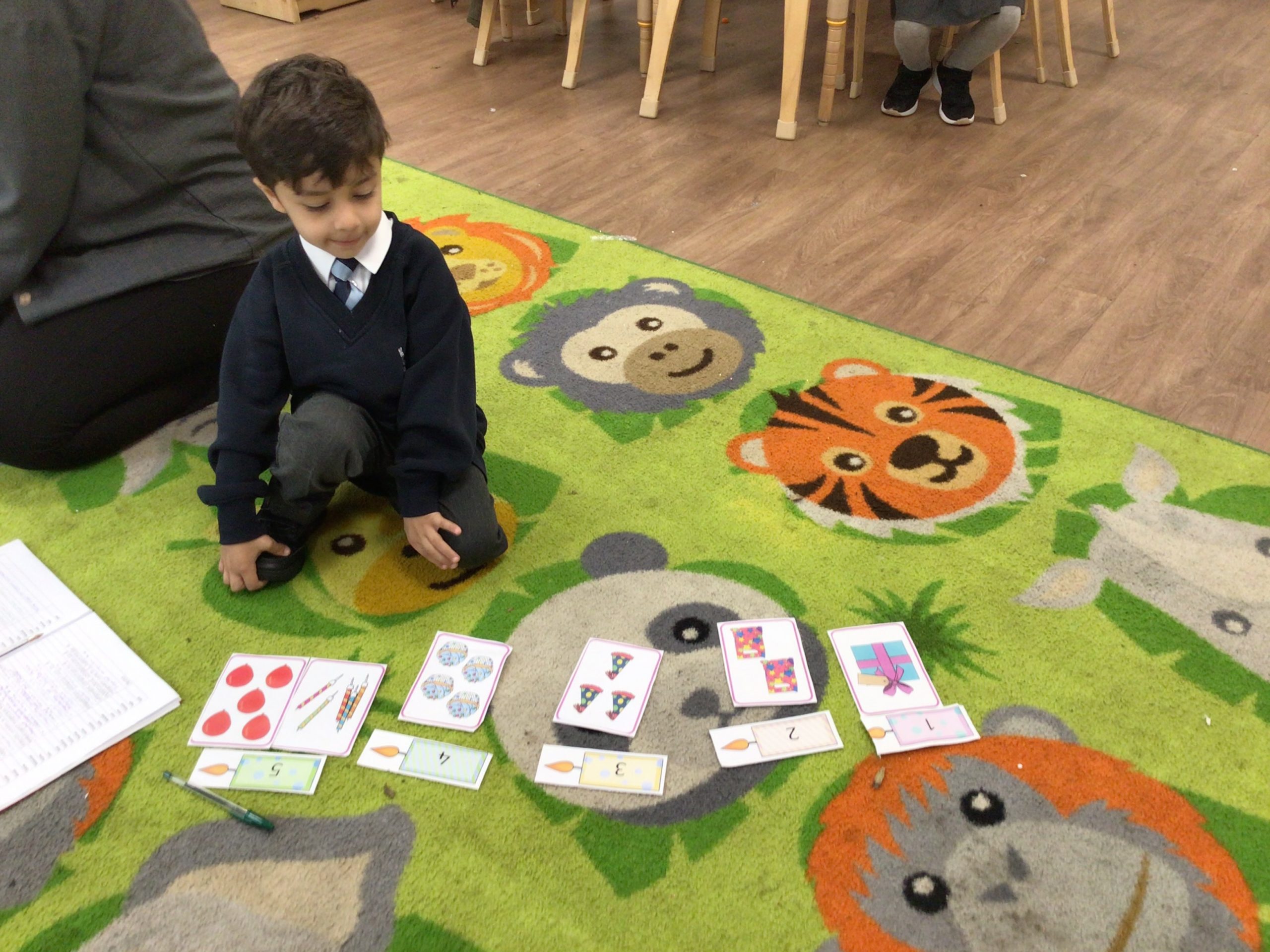
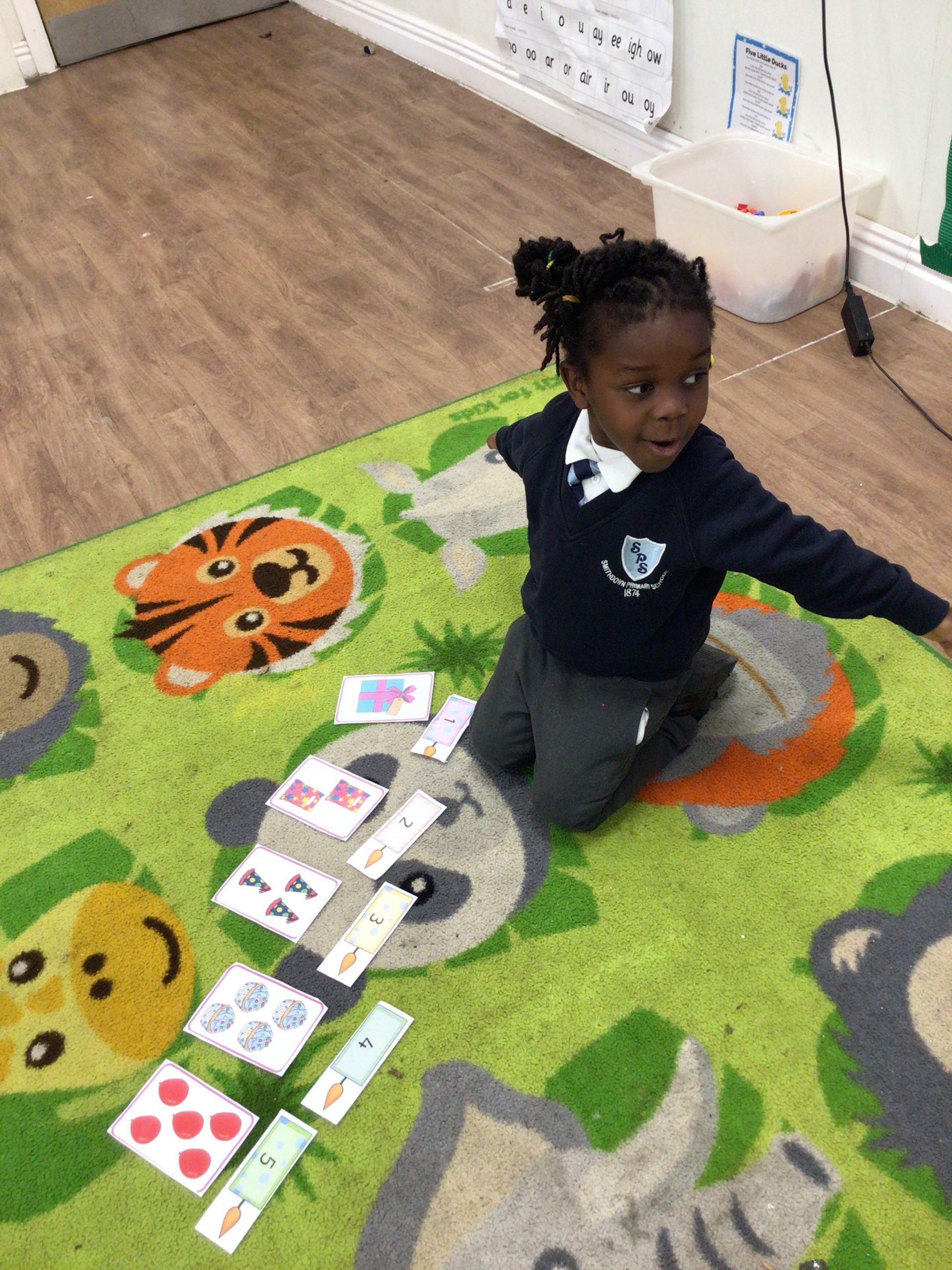
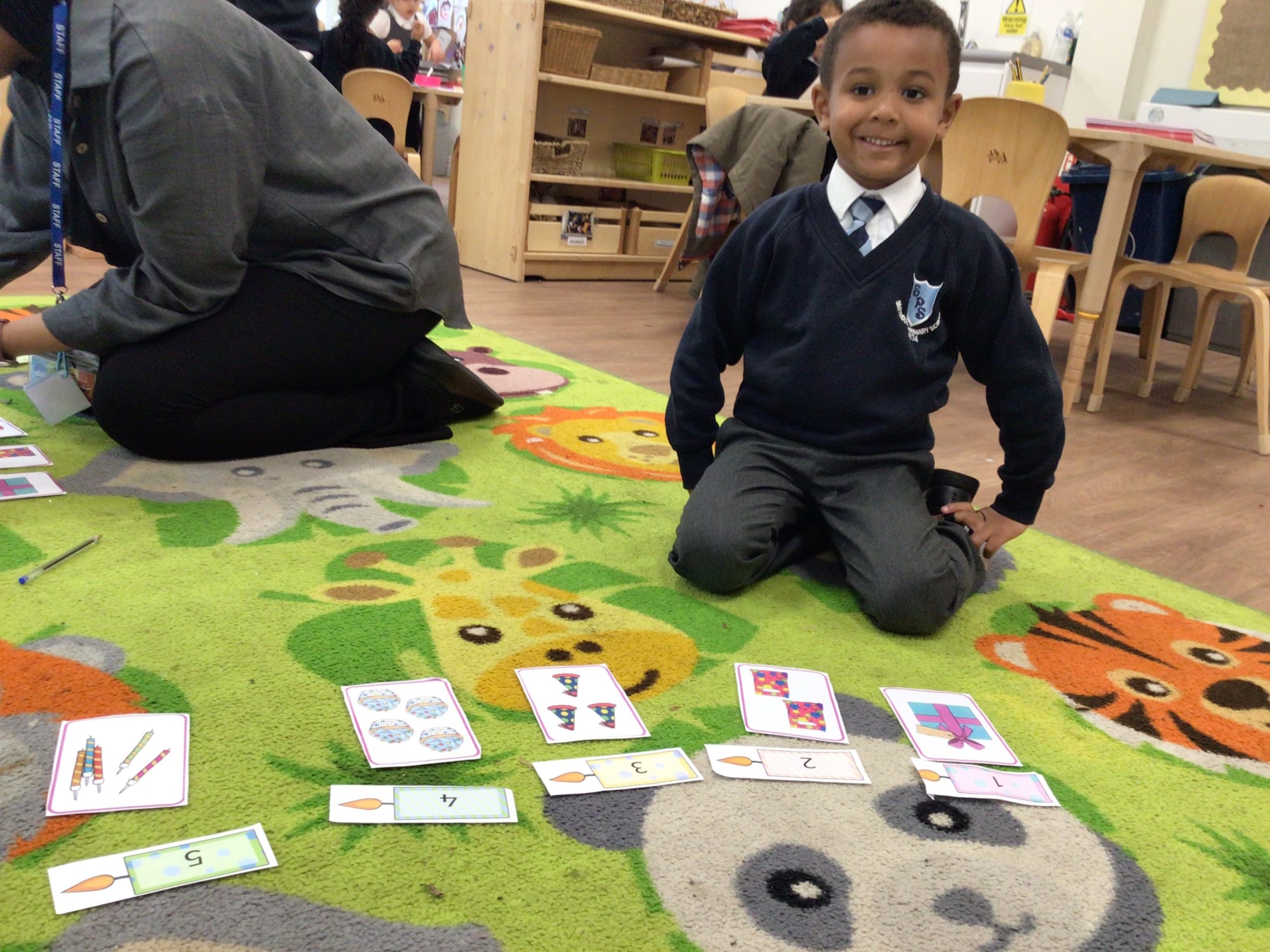
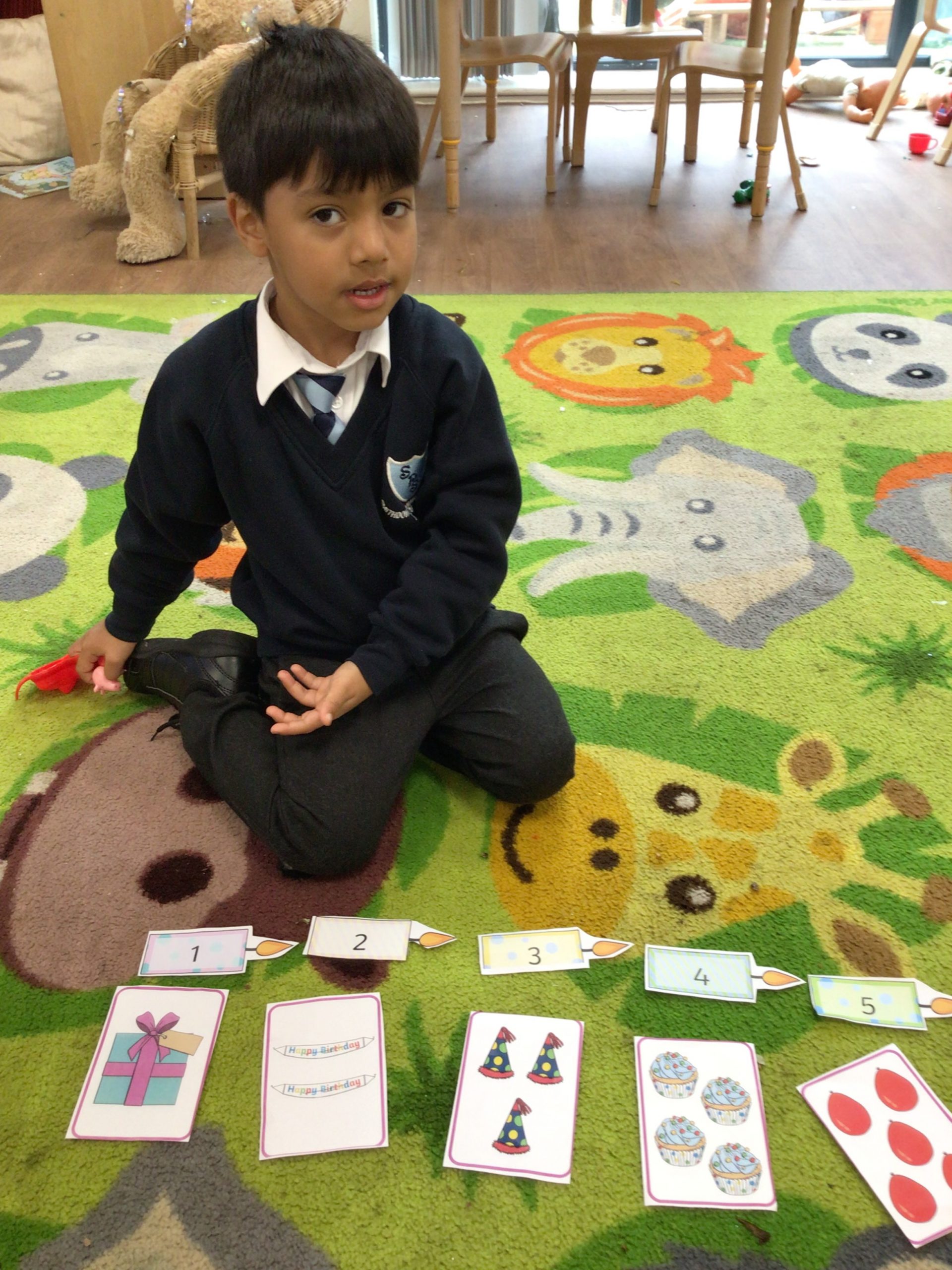
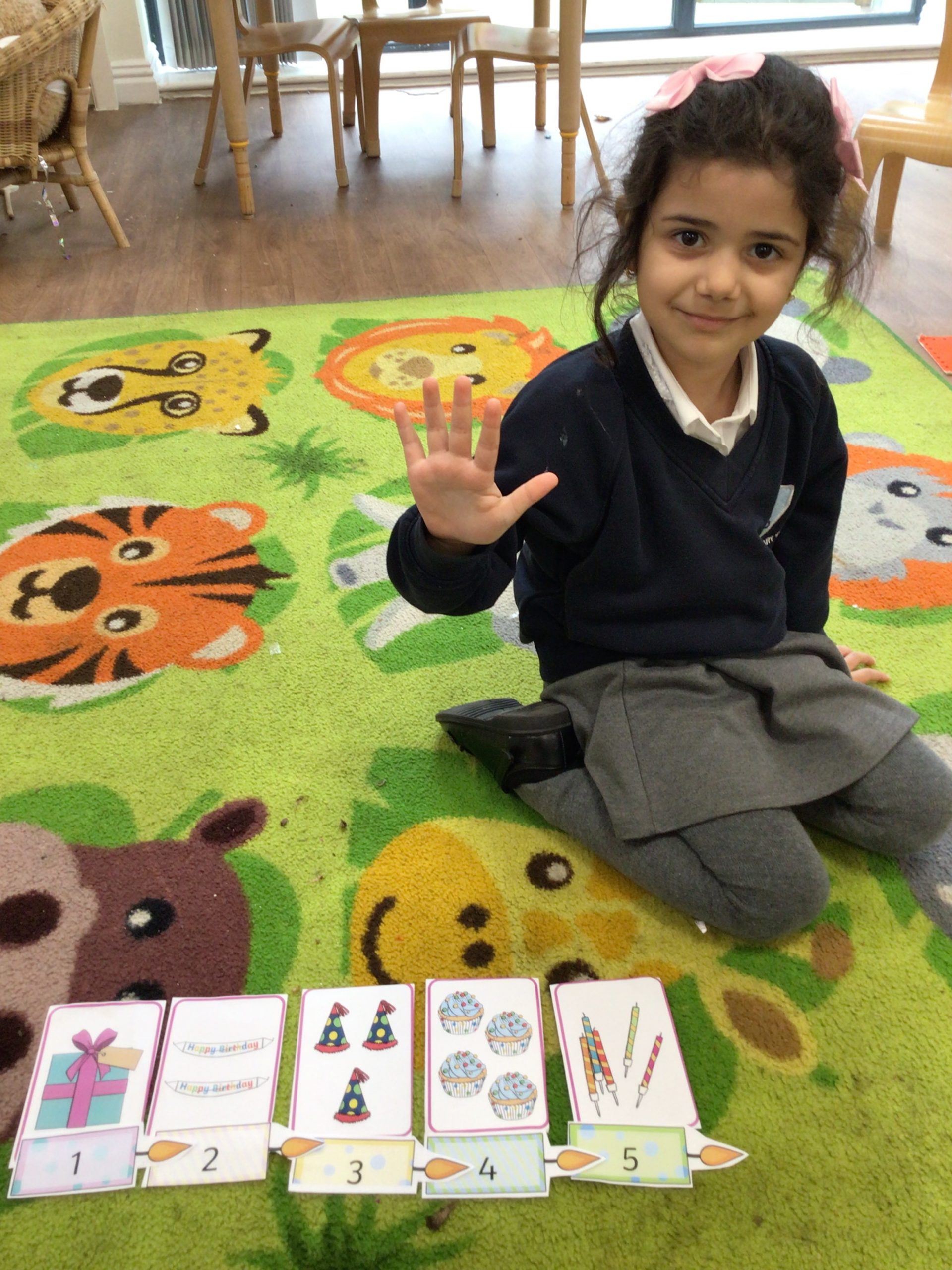
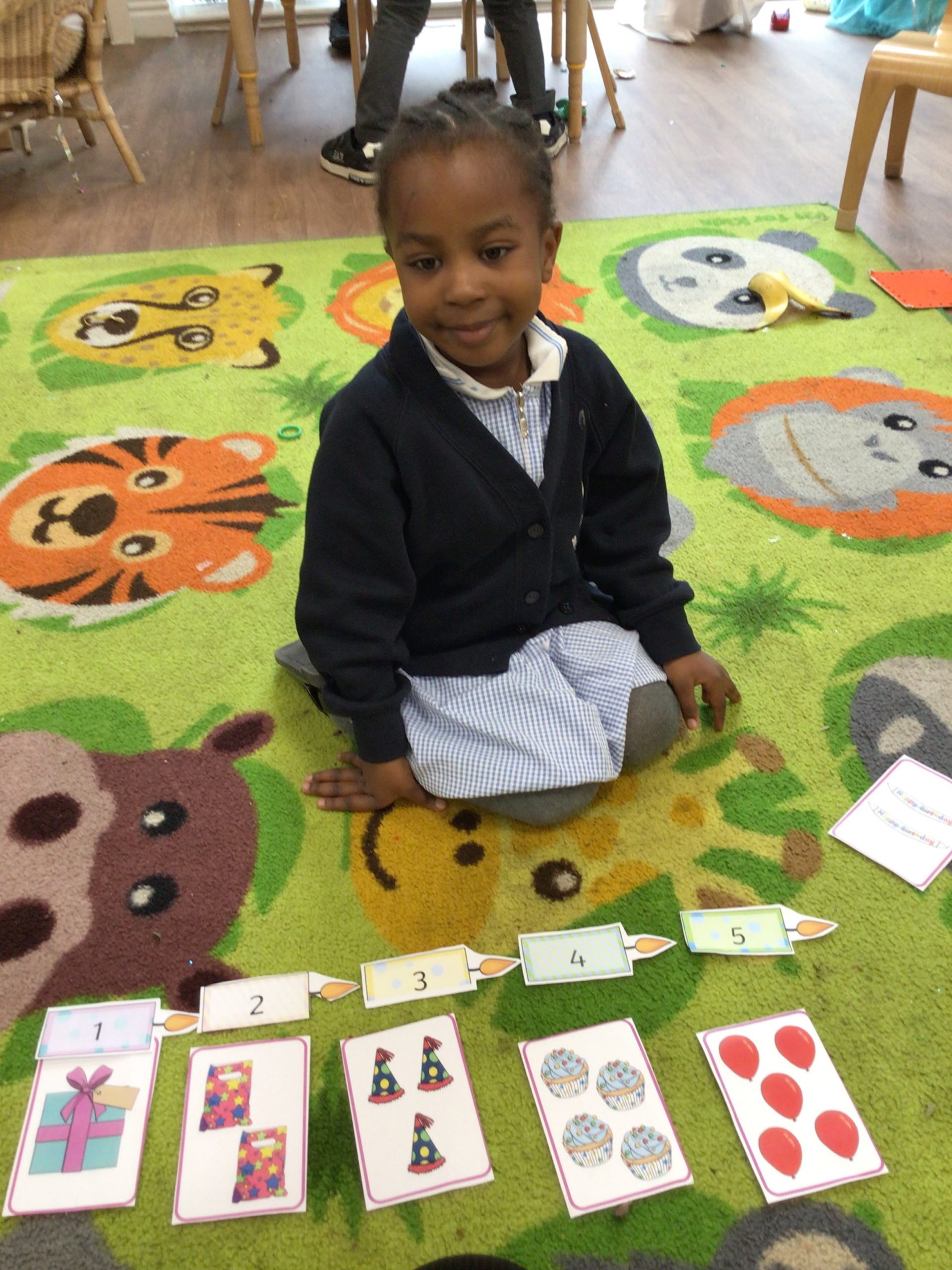
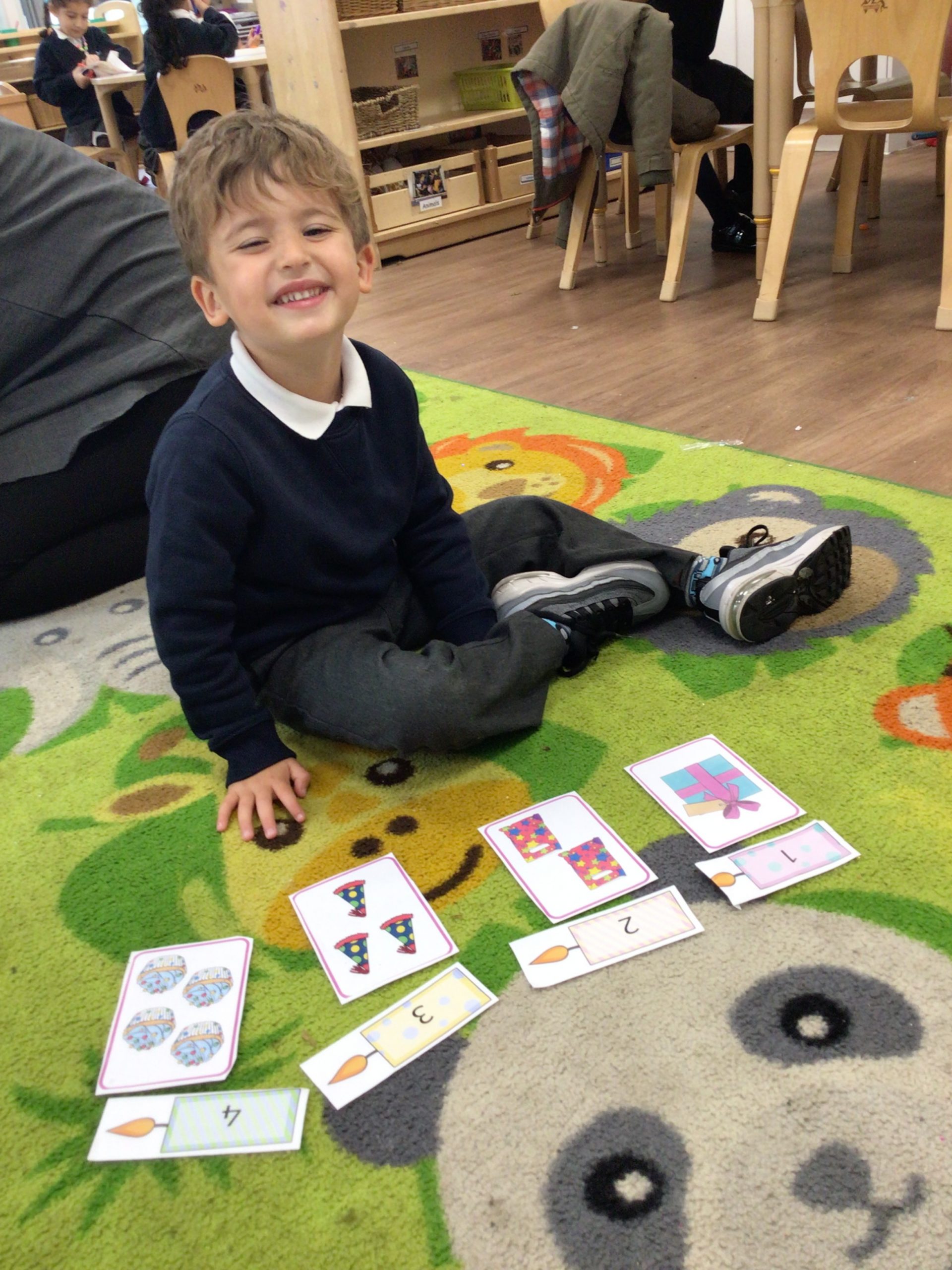
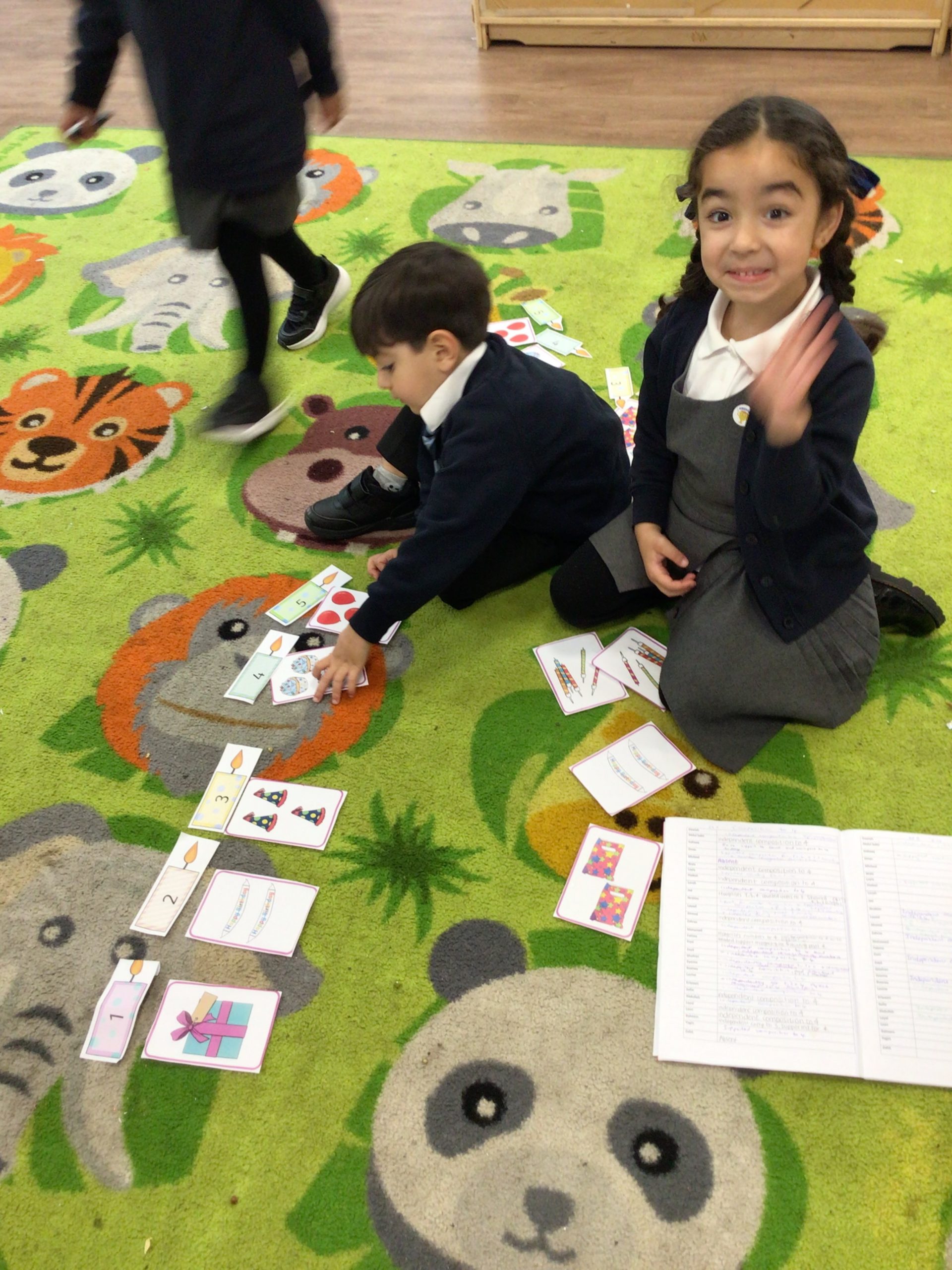
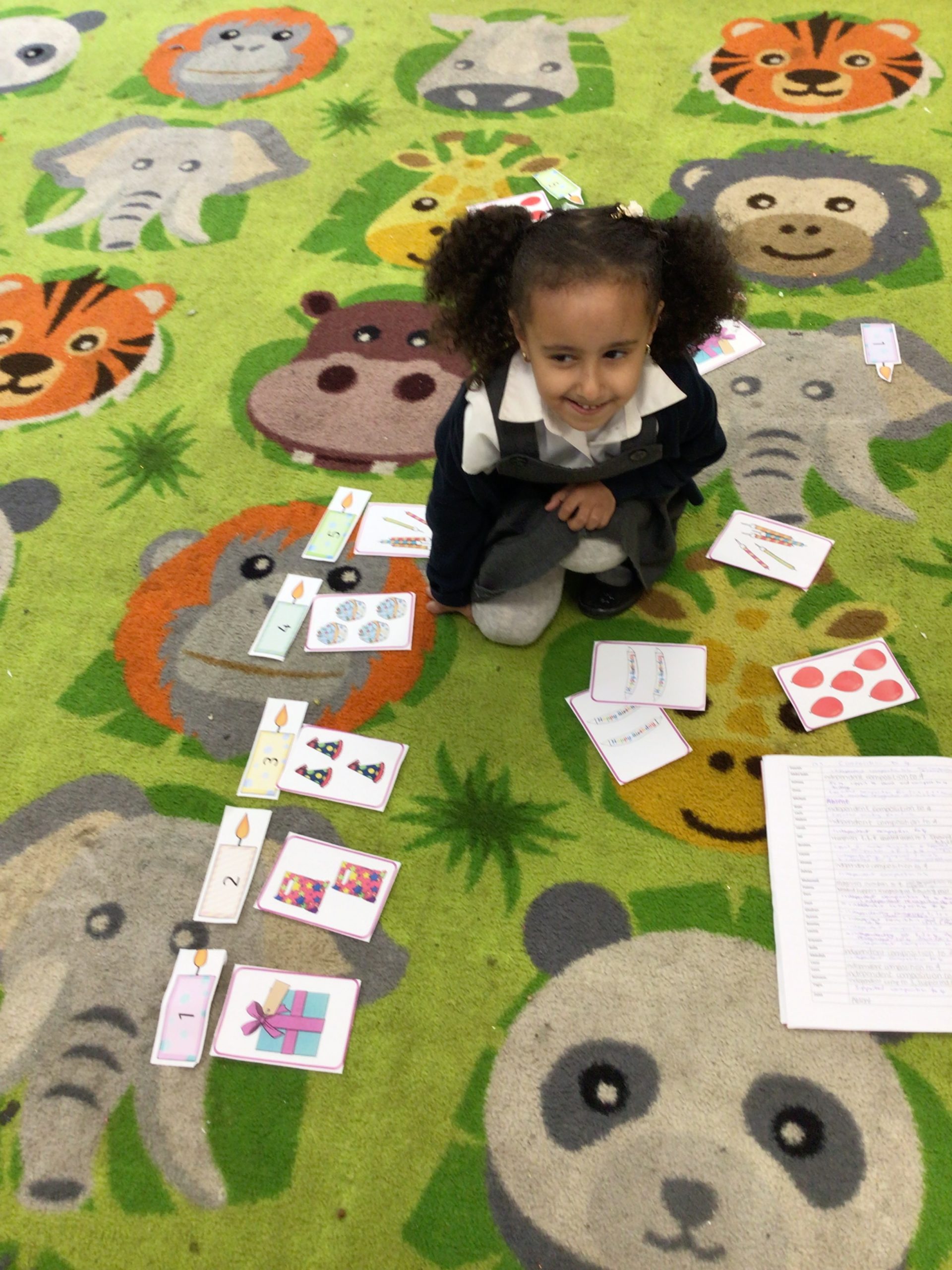
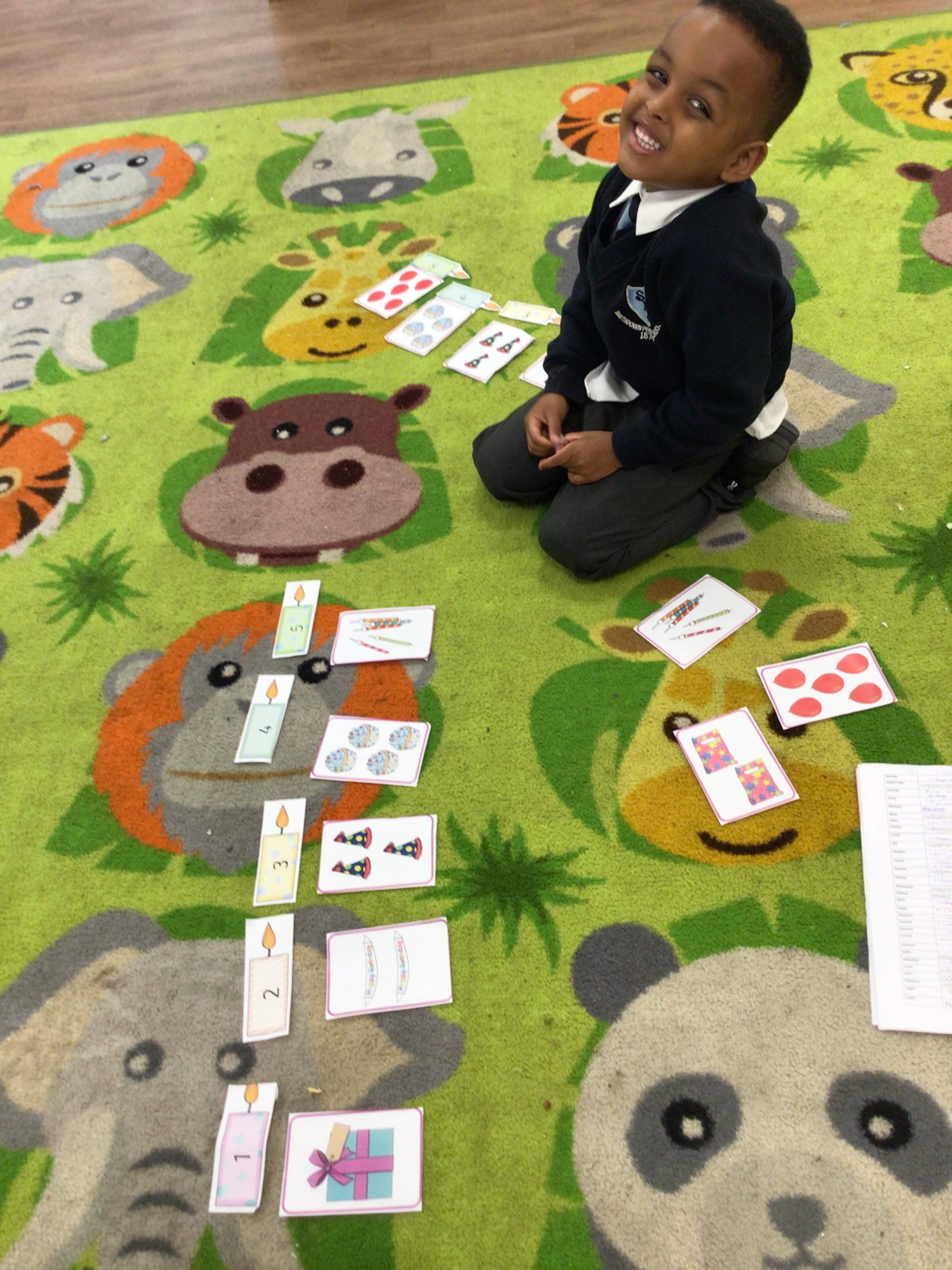
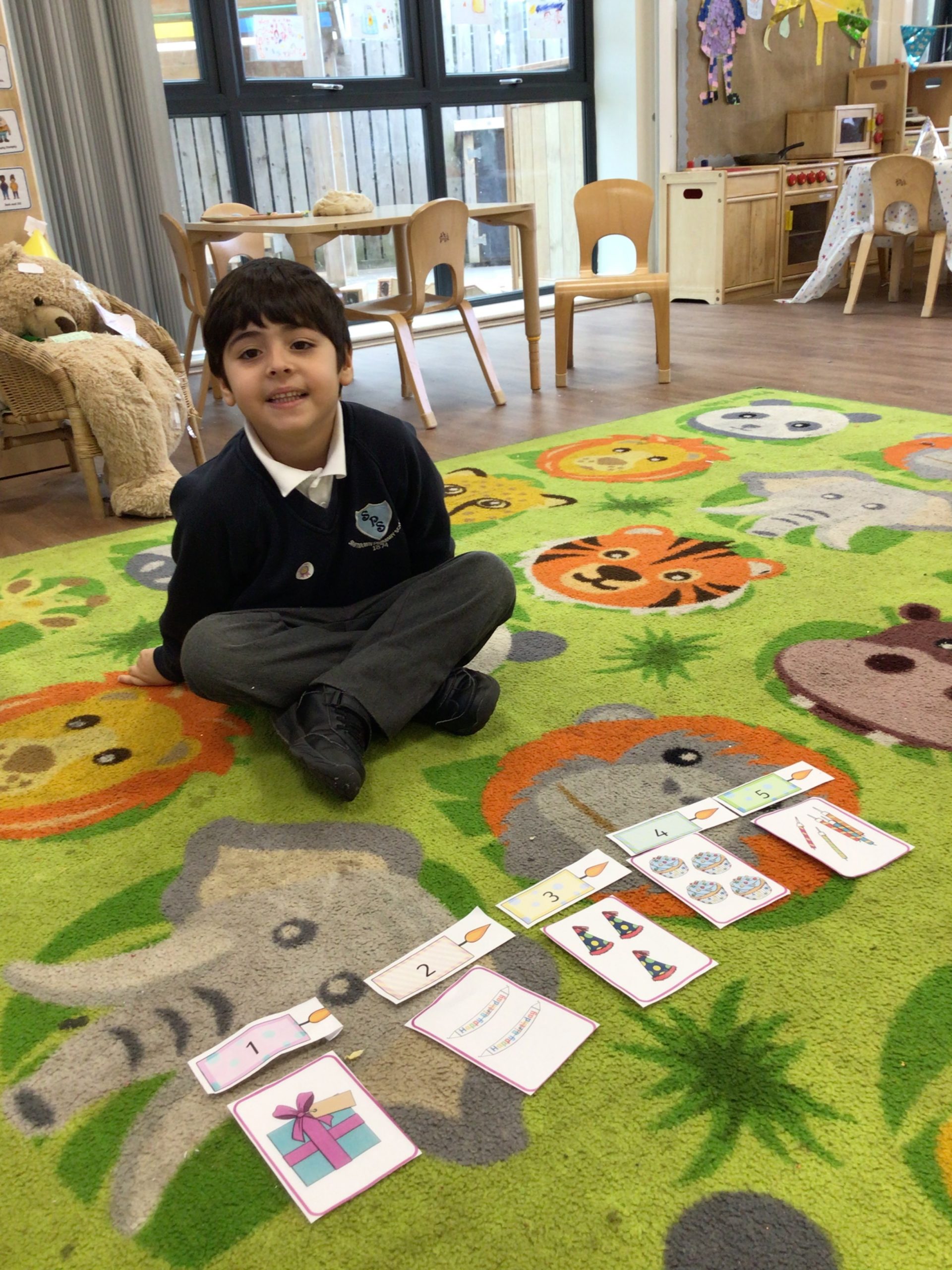
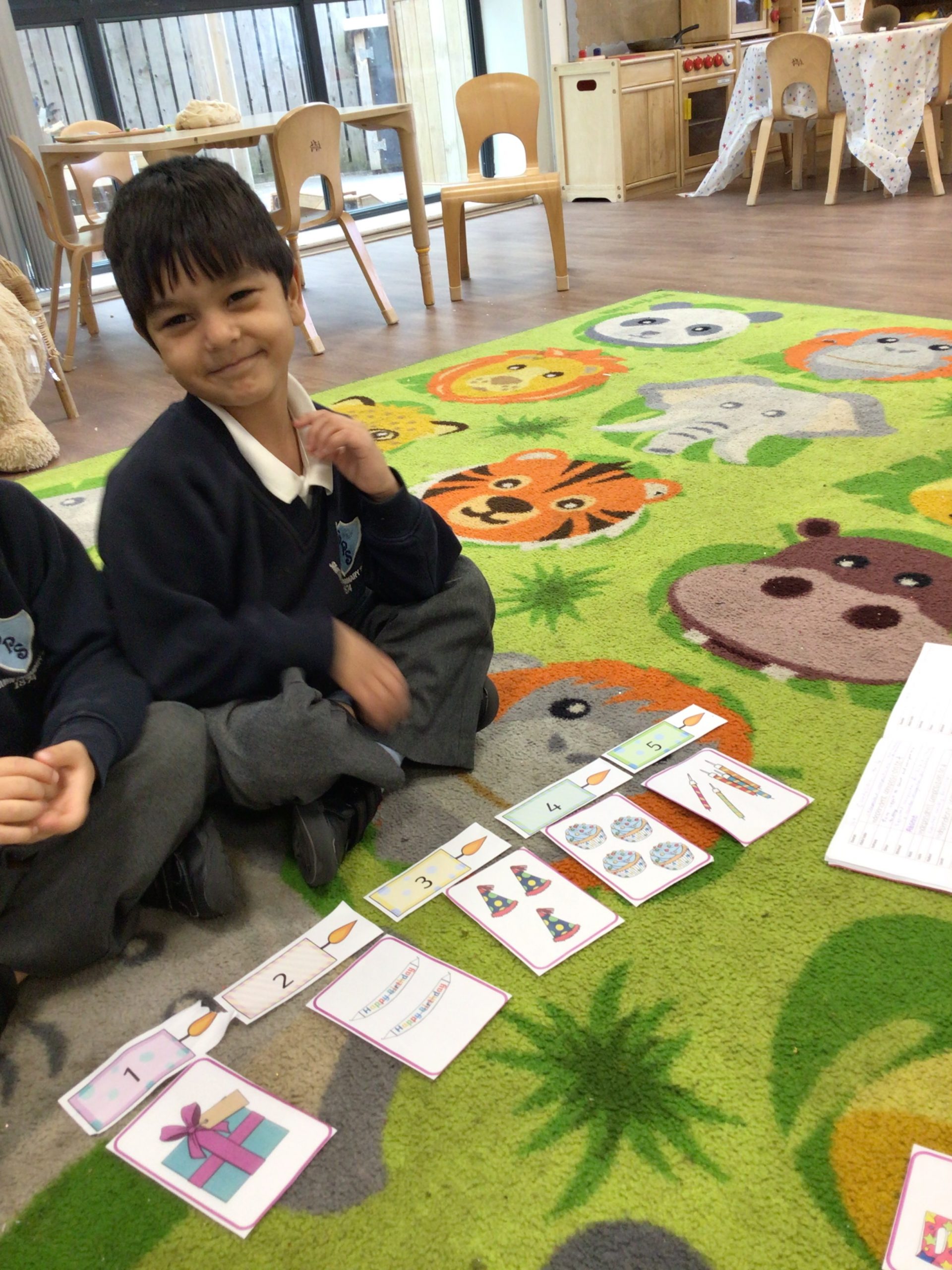
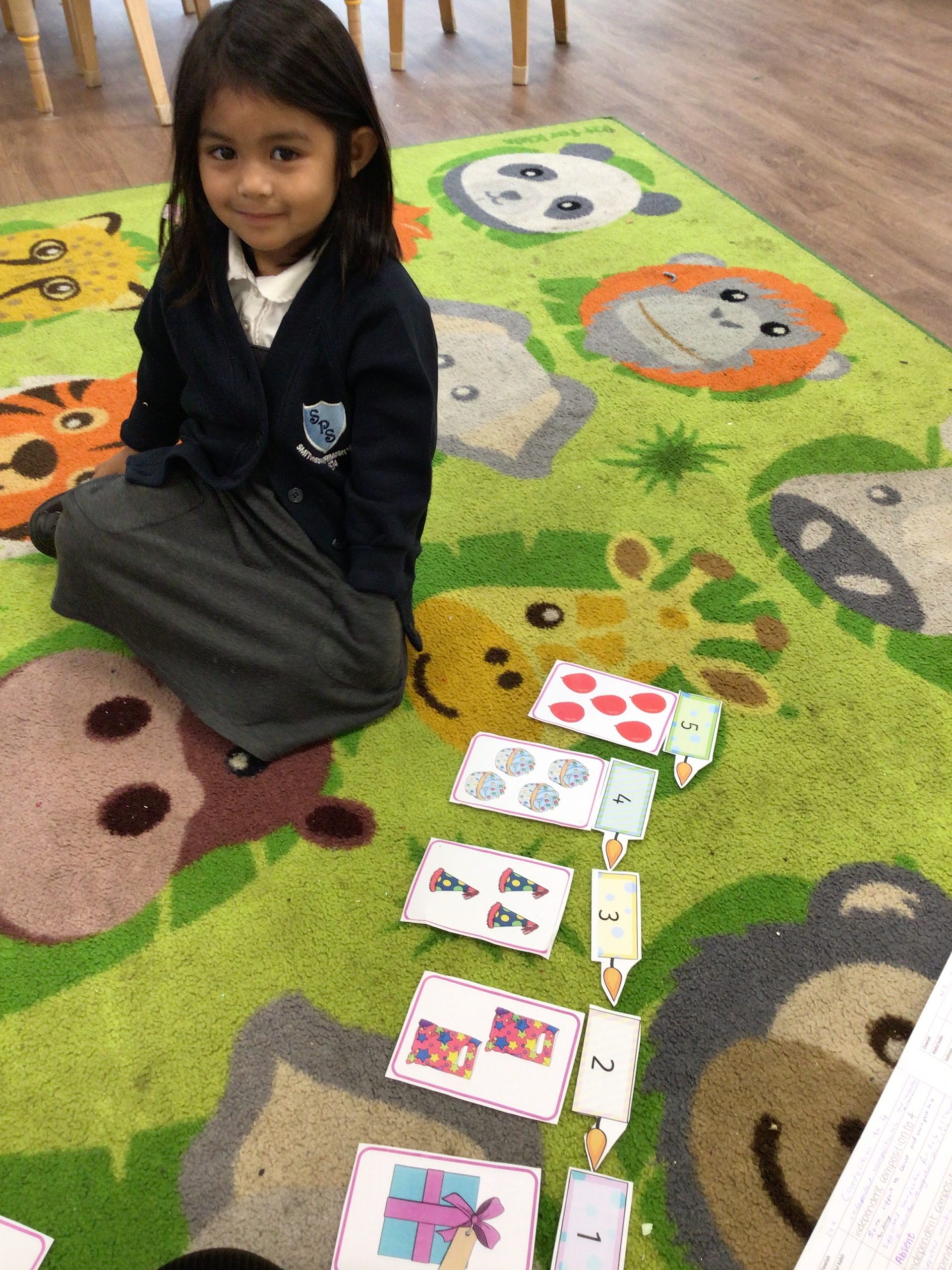 This week we have been looking at arrangements and deciding how many there are. We then matched arrangements to numbers.