Living Life to the Max!
09-06-2026
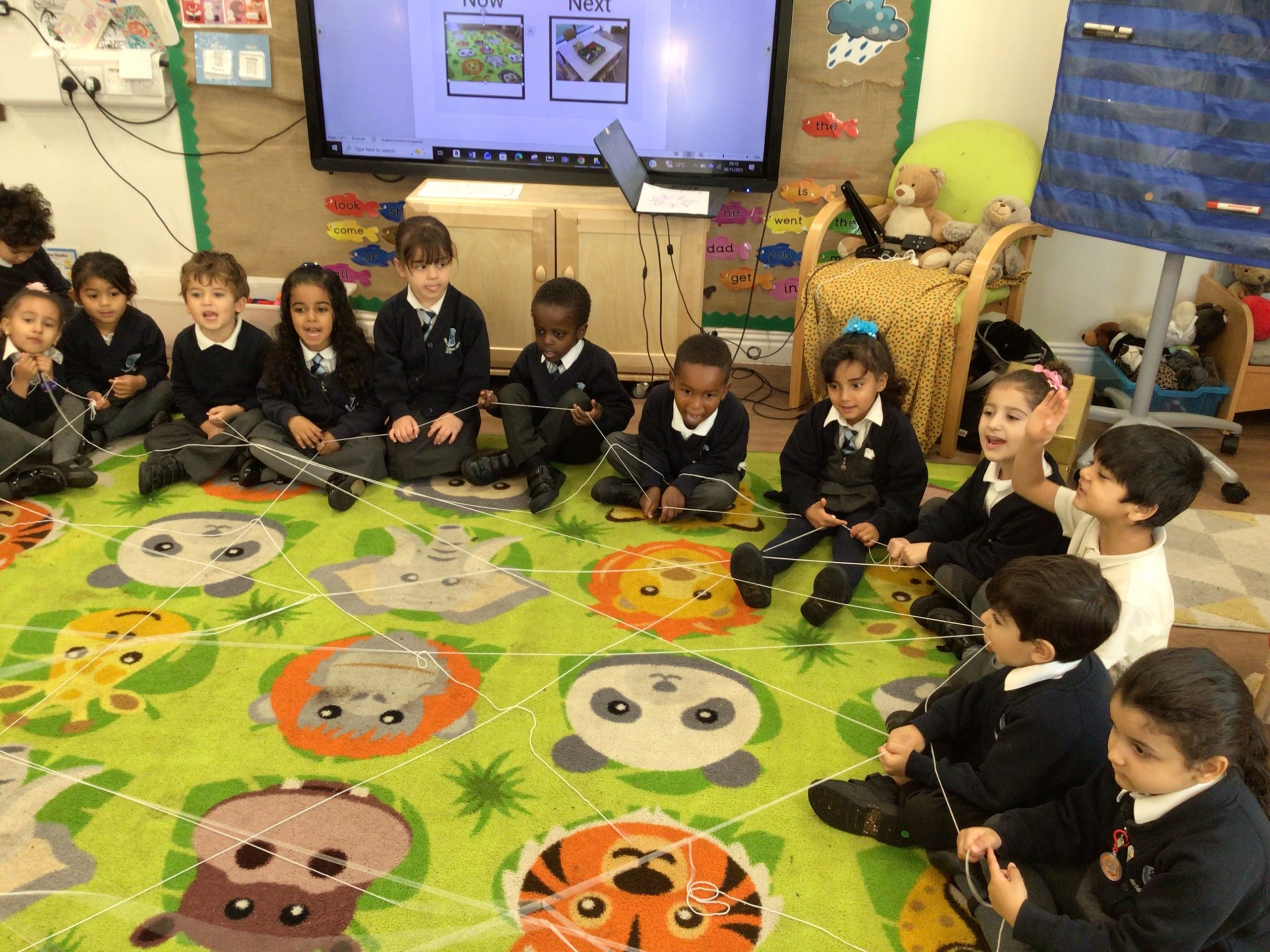
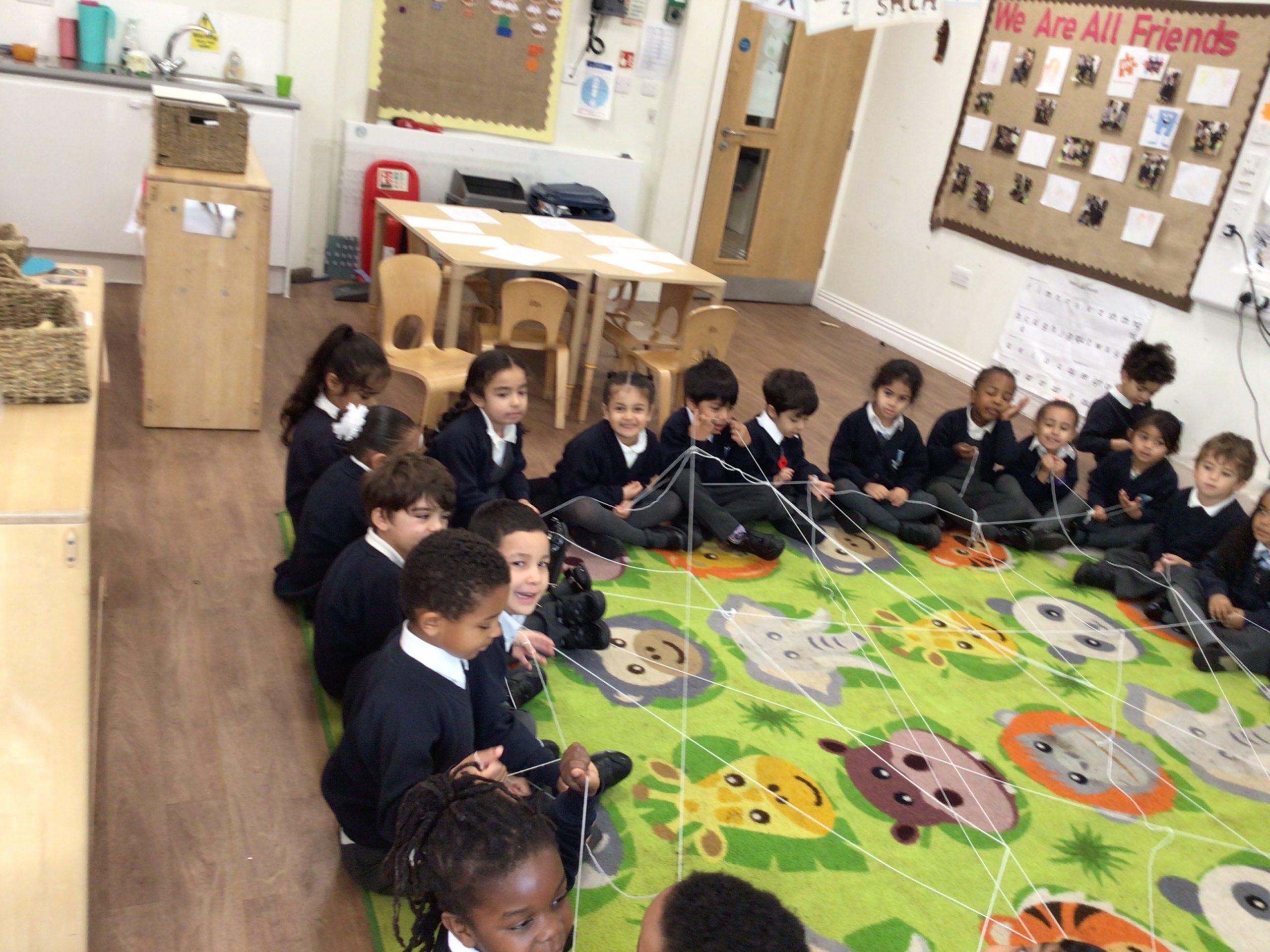
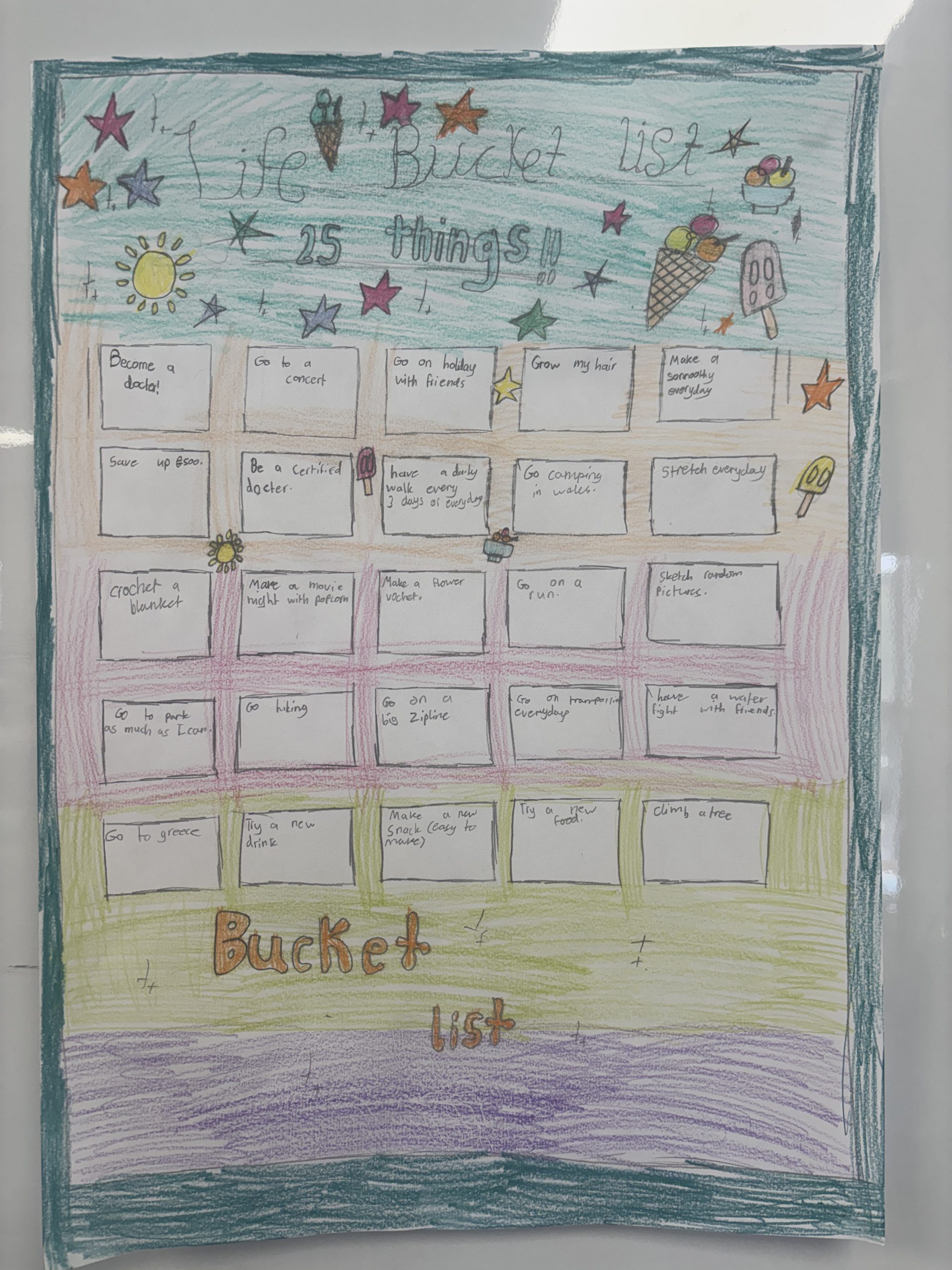
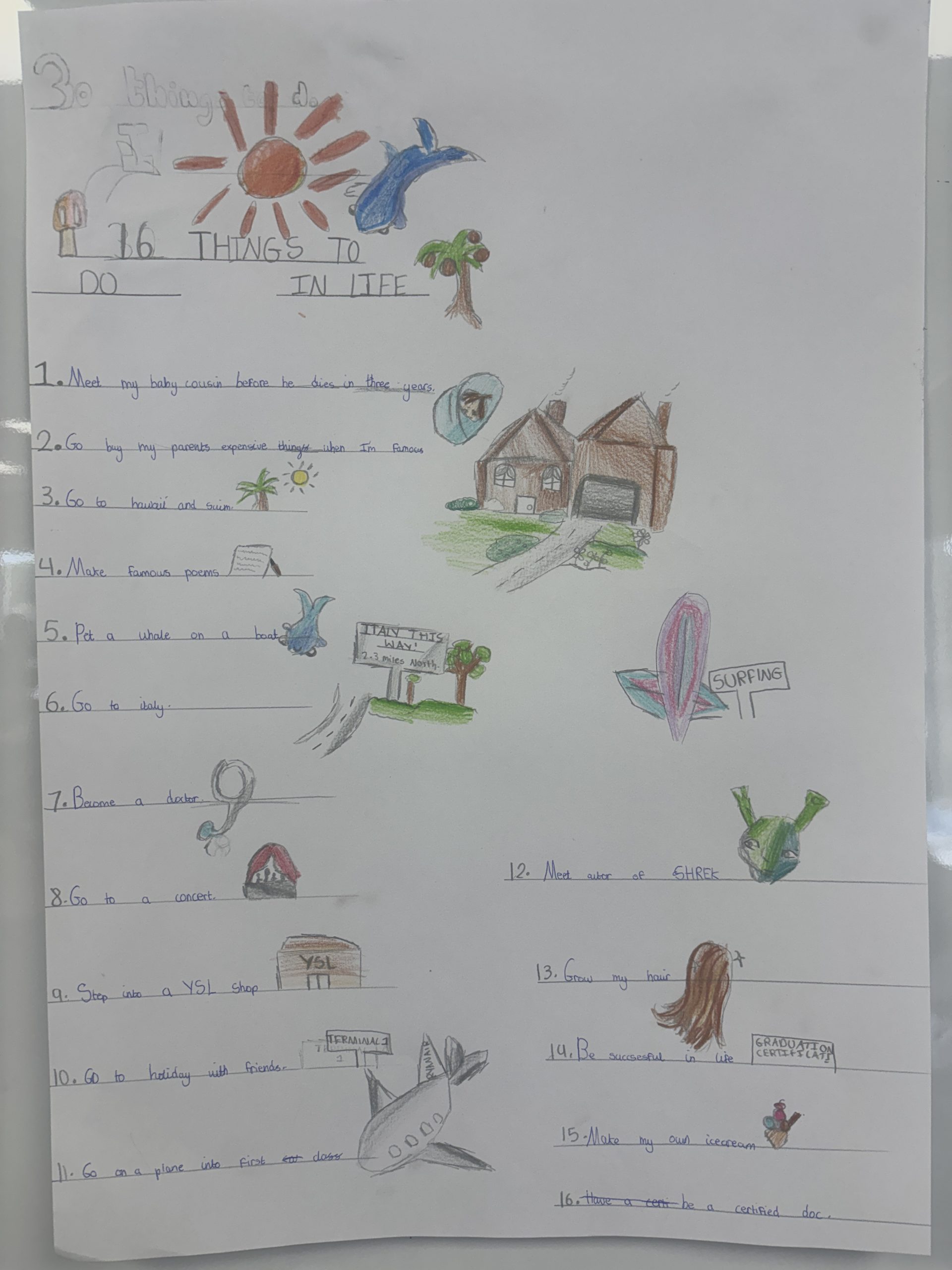
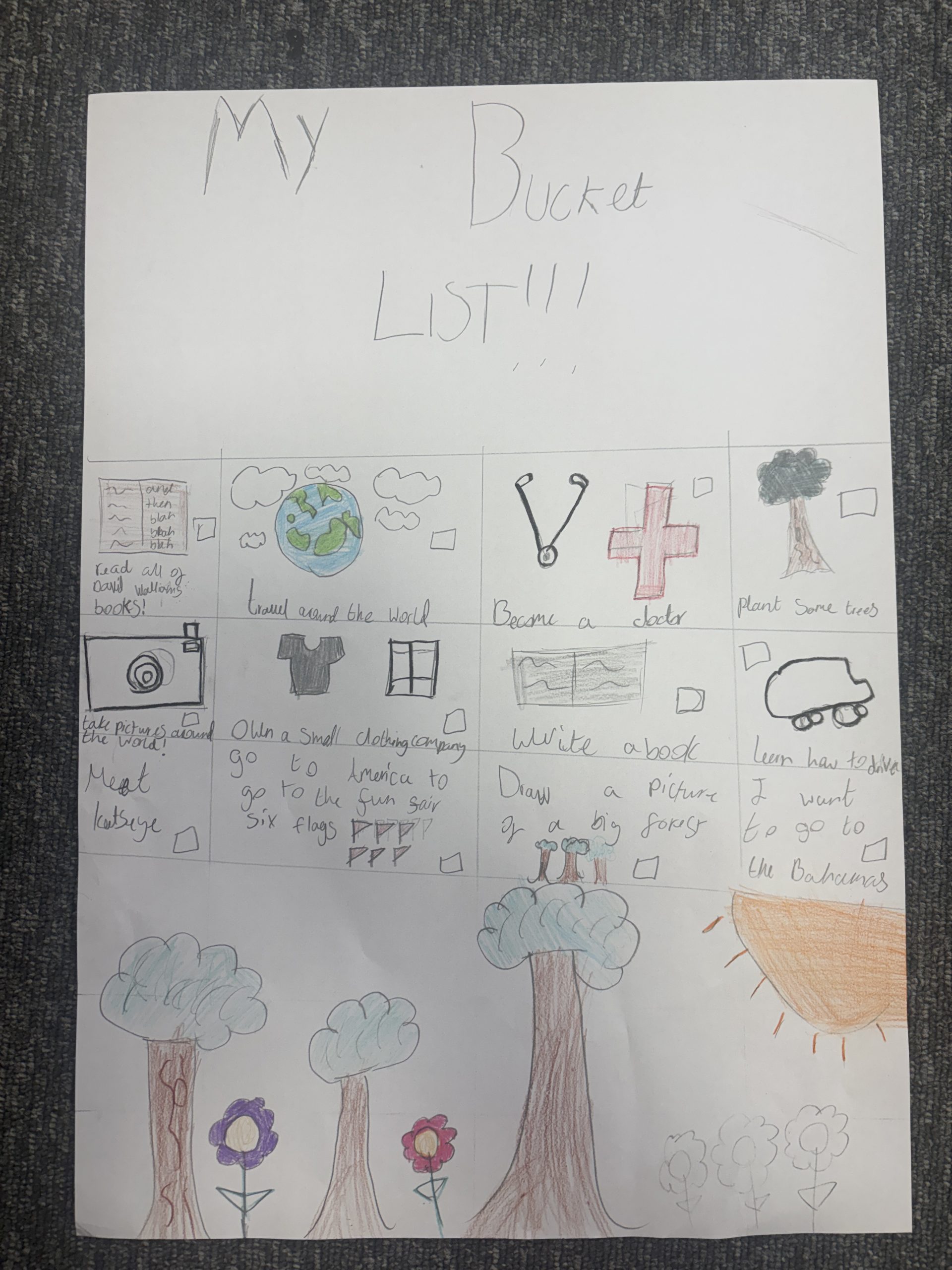
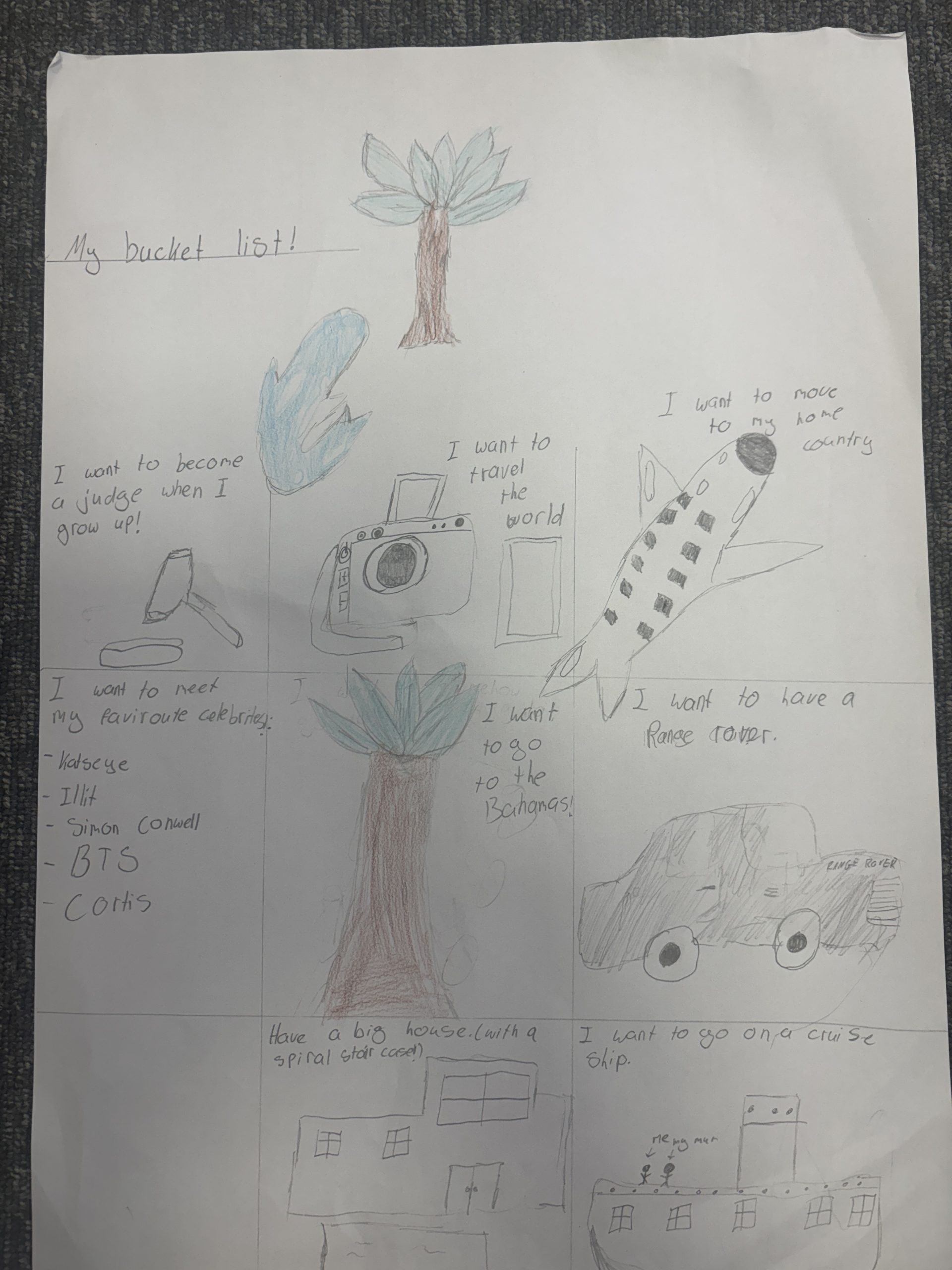
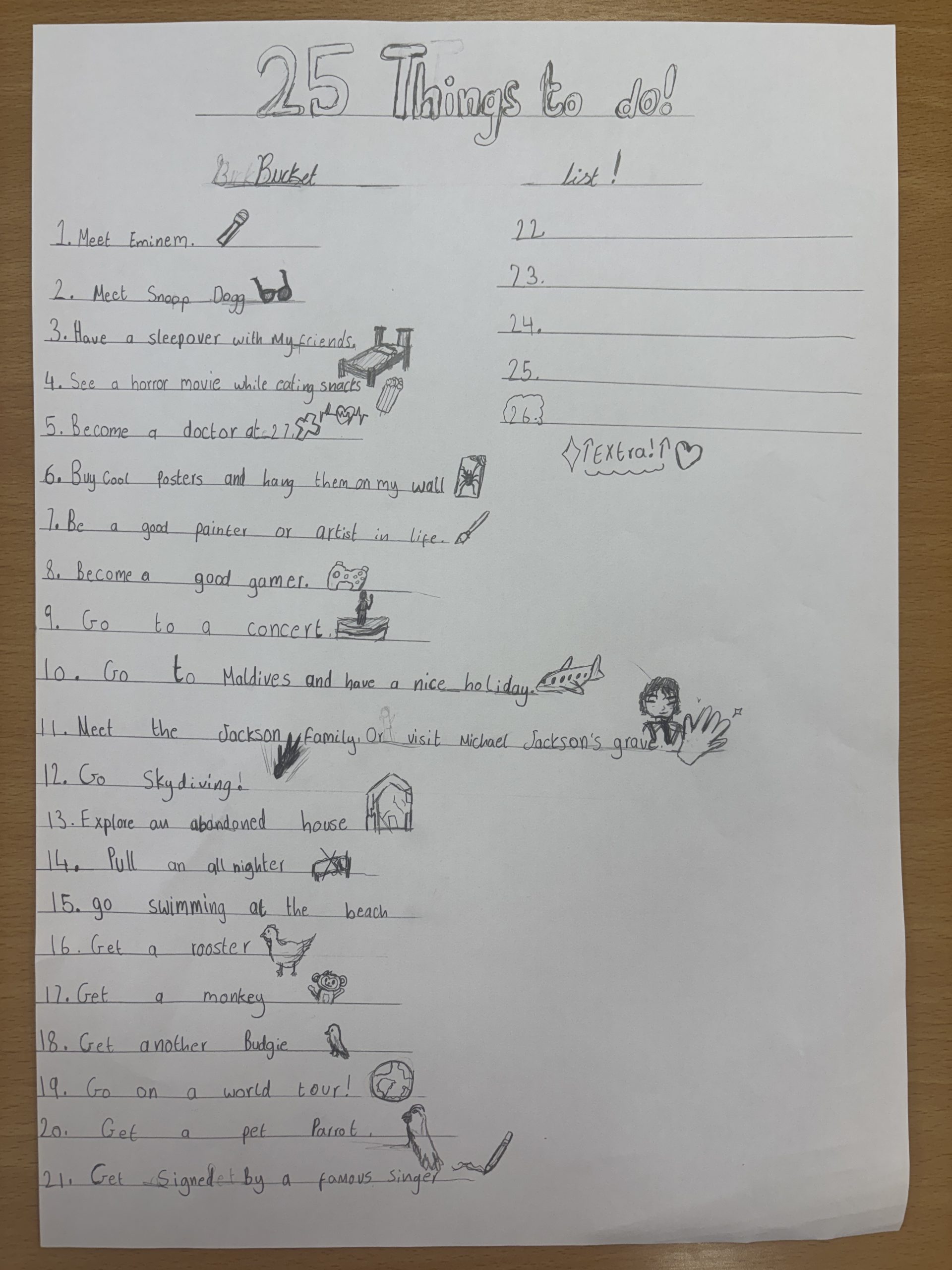
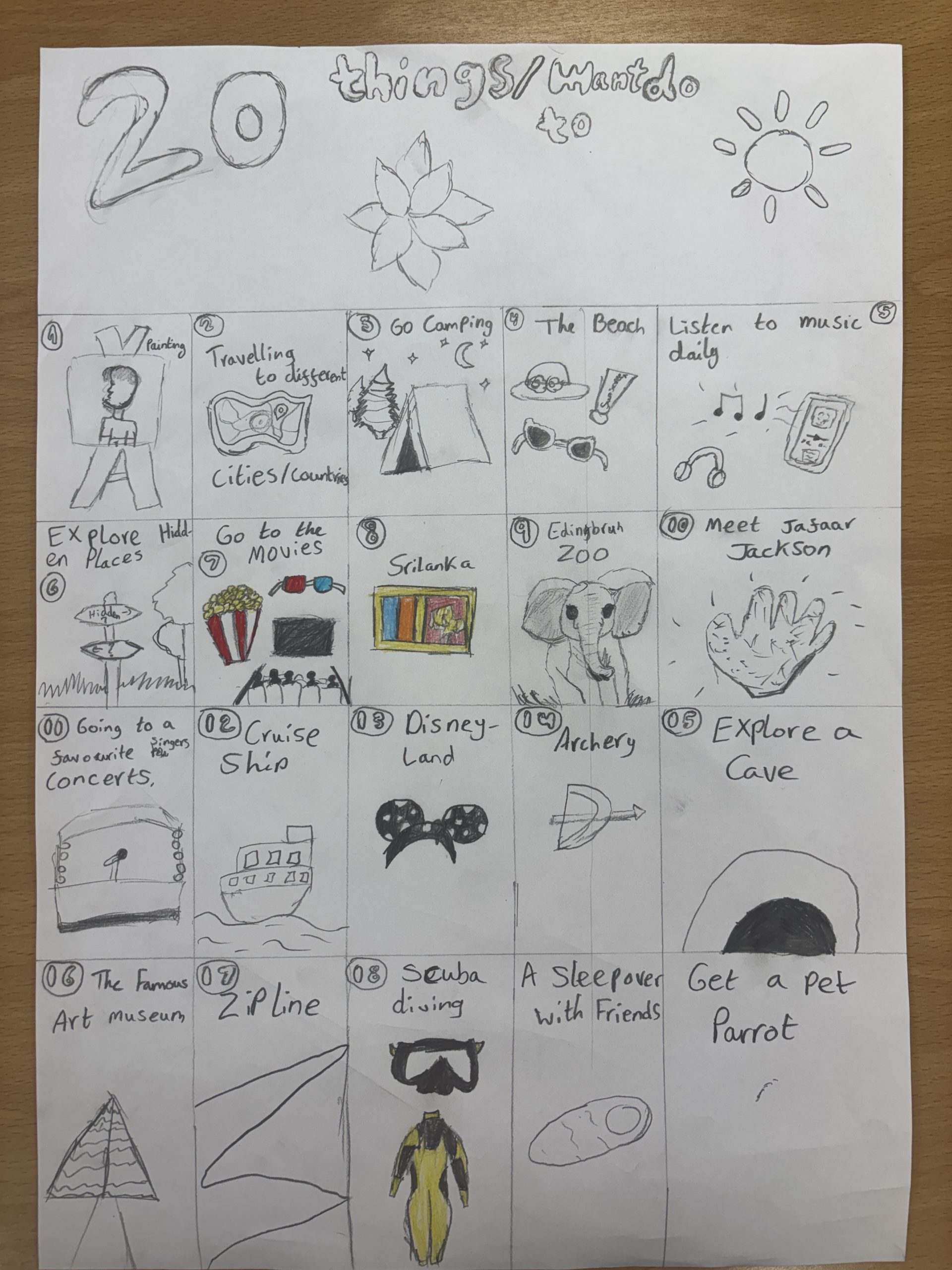
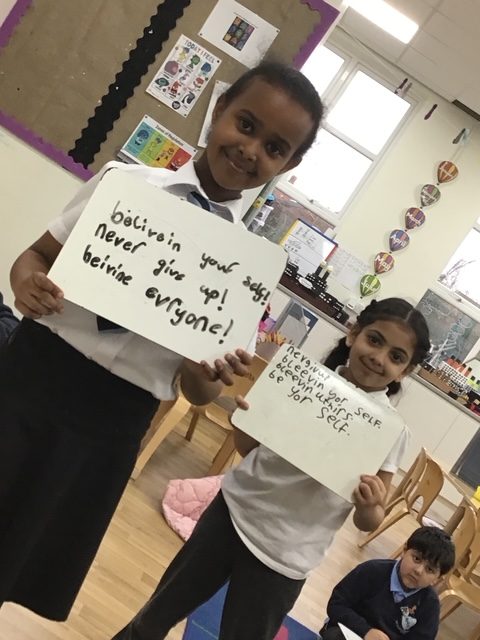
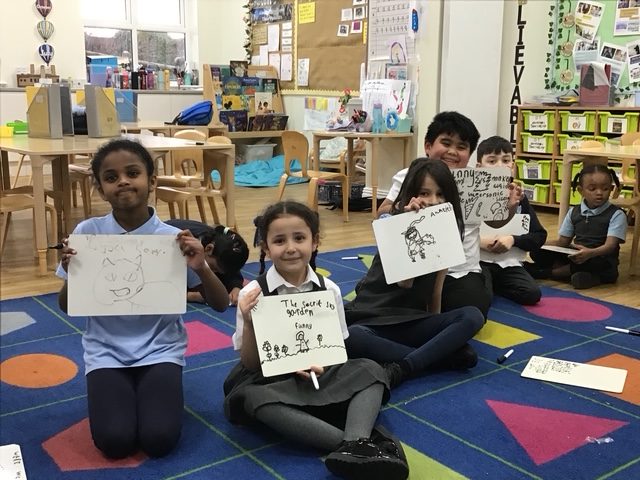
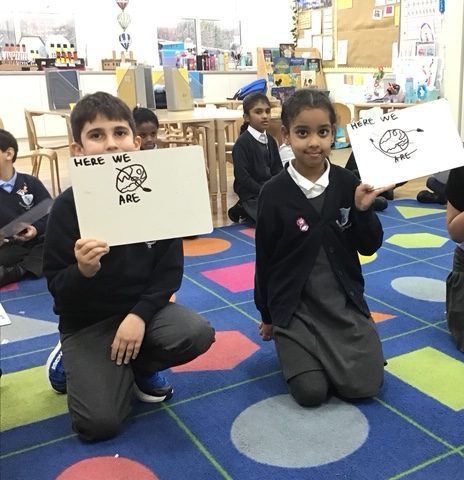
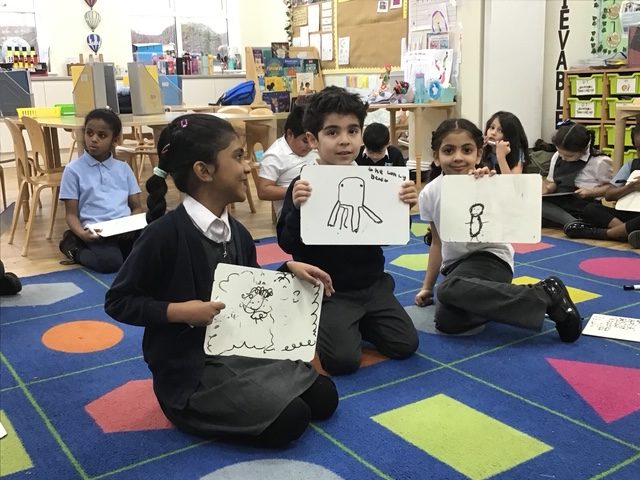
After designing our own pieces of paradise last time, we discussed living life to the full, and if we had the chance, what would be on our very own bucket lists?

At Smithdown Primary School, together we grow through understanding, respect and reflection. Our Religious Education (RE) curriculum is designed to celebrate diversity and promote tolerance, empathy and mutual respect for all people — regardless of faith or belief.
We aim to provide every child with a broad and balanced understanding of world religions and non-religious worldviews, supporting them to explore life’s big questions about meaning, values and identity. RE at Smithdown plays a central role in promoting pupils’ spiritual, moral, social and cultural development, helping them develop curiosity about the world and compassion towards others.
Our intent is for all pupils to:
Develop knowledge and understanding of a range of religions and beliefs, including Christianity, Islam, Judaism, Hinduism, Sikhism, Buddhism and non-religious perspectives such as Humanism.
Recognise the influence of religion on individuals, families and communities both locally and globally.
Reflect on their own beliefs, values and experiences in a safe and supportive environment.
Cultivate skills of critical thinking, respectful dialogue, ethical reasoning and empathy.
Appreciate how diversity and shared values contribute to life in modern multicultural Britain.
Religious Education is taught weekly across all year groups, following the Liverpool Agreed Syllabus, which provides a rich, progressive framework for exploring faith, belief and worldviews.
Our teaching approach is enquiry-based and experiential, encouraging pupils to ask “big questions” and explore answers through investigation, reflection and discussion.
Learning in RE is organised around three key strands that run throughout the curriculum:
Believing – exploring religious beliefs, teachings and sources.
Expressing – examining how beliefs are expressed through worship, celebrations, symbols and practices.
Living – understanding how beliefs influence daily life, moral choices, identity and community.
We bring RE to life through stories, artefacts, visits, visitors, drama, art, and music, helping children connect knowledge with experience. Lessons are inclusive and accessible, with adaptations made to ensure that pupils with SEND and EAL are fully supported and able to participate meaningfully.
Children also learn through cross-curricular opportunities, assemblies and themed events that promote British Values and interfaith understanding. Wherever possible, local links are made so that pupils can see how faith and belief are reflected in their own community.
Progression is carefully mapped across the school, building from early curiosity and awareness in EYFS to critical reflection and understanding by the end of Key Stage 2.
By the time pupils leave Smithdown Primary School, they:
Have developed a respectful understanding of a wide range of religious and non-religious worldviews.
Can articulate their own beliefs and values clearly and confidently, while showing empathy and respect for others.
Understand the importance of religion and belief in shaping culture, community and personal identity.
Recognise shared human values such as kindness, fairness and compassion.
Are prepared to live and contribute positively in a diverse, democratic and multicultural Britain.
We measure the impact of RE through:
Pupil voice – showing curiosity, engagement and thoughtful reflection.
Work scrutiny and lesson observations – demonstrating progression in knowledge, vocabulary and understanding.
Discussions and reflections – where pupils show respect, reasoning and a deepening appreciation of faith and belief.
Our RE curriculum helps pupils grow as inquisitive, reflective and open-minded learners, who understand that difference enriches our community and our world. Through RE, we nurture the values at the heart of our school motto — “Together We Grow.”

After designing our own pieces of paradise last time, we discussed living life to the full, and if we had the chance, what would be on our very own bucket lists?
We have been talking about our perfect places in RE, following which we designed our own little pieces of paradise!
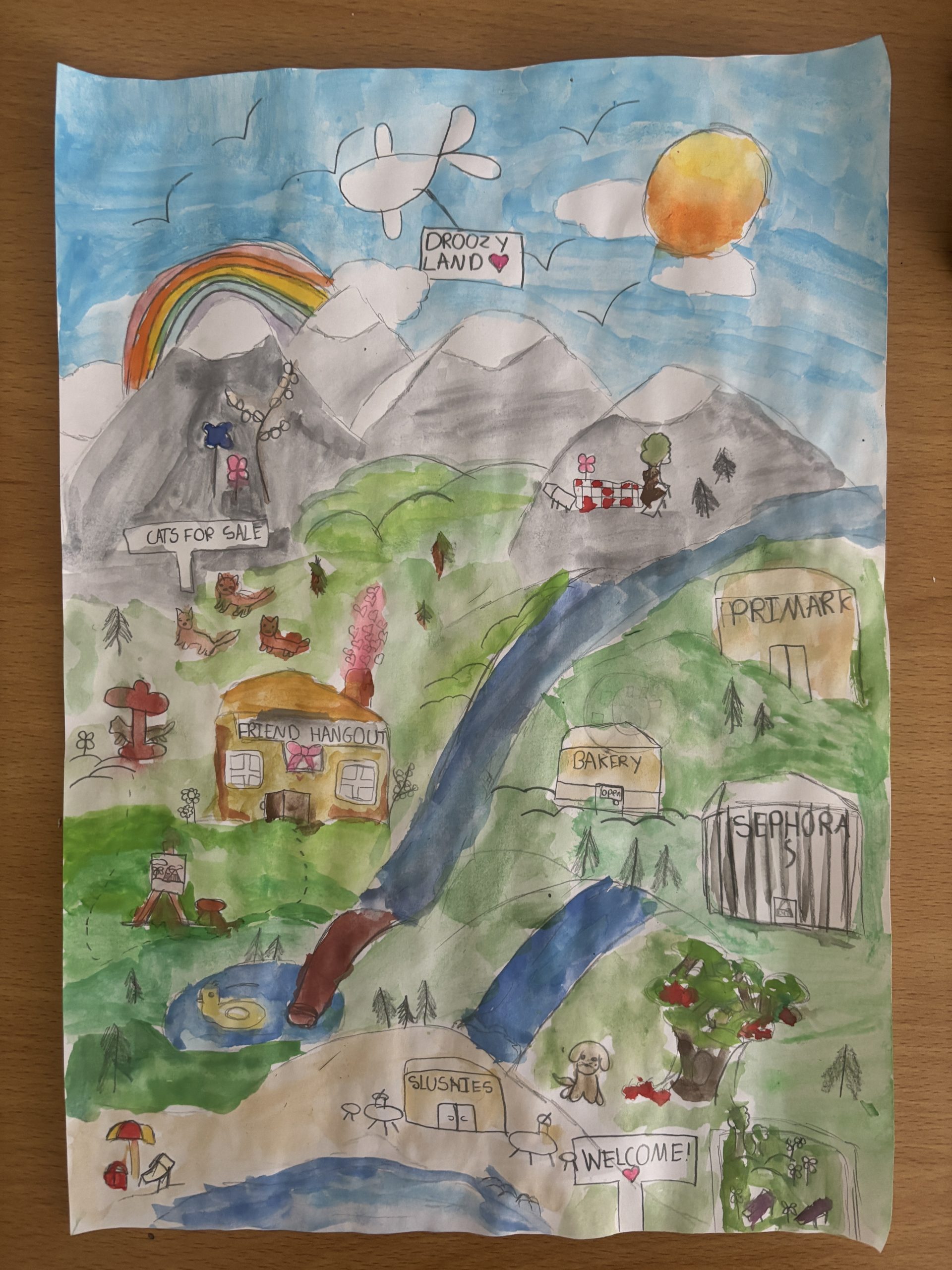
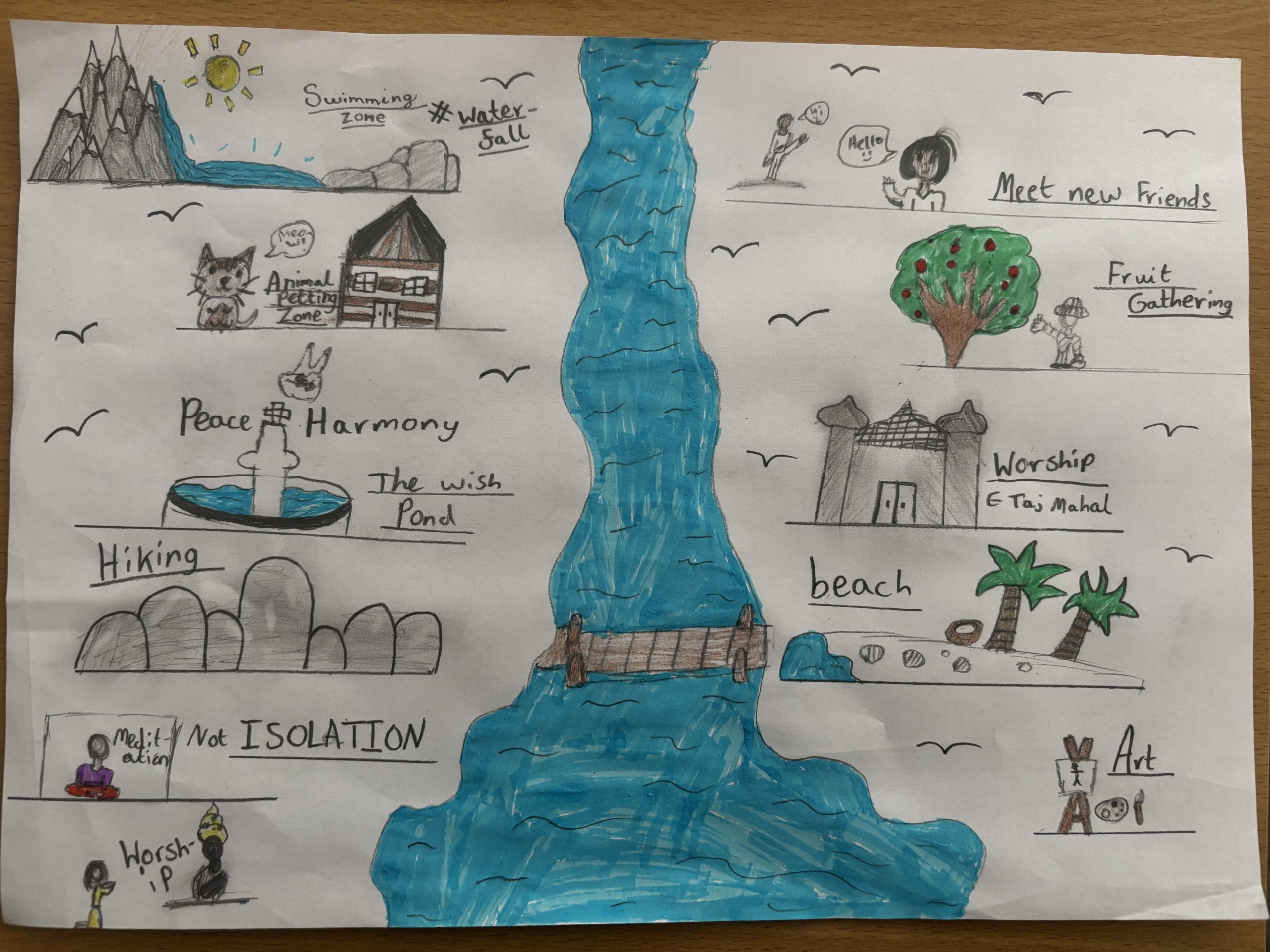
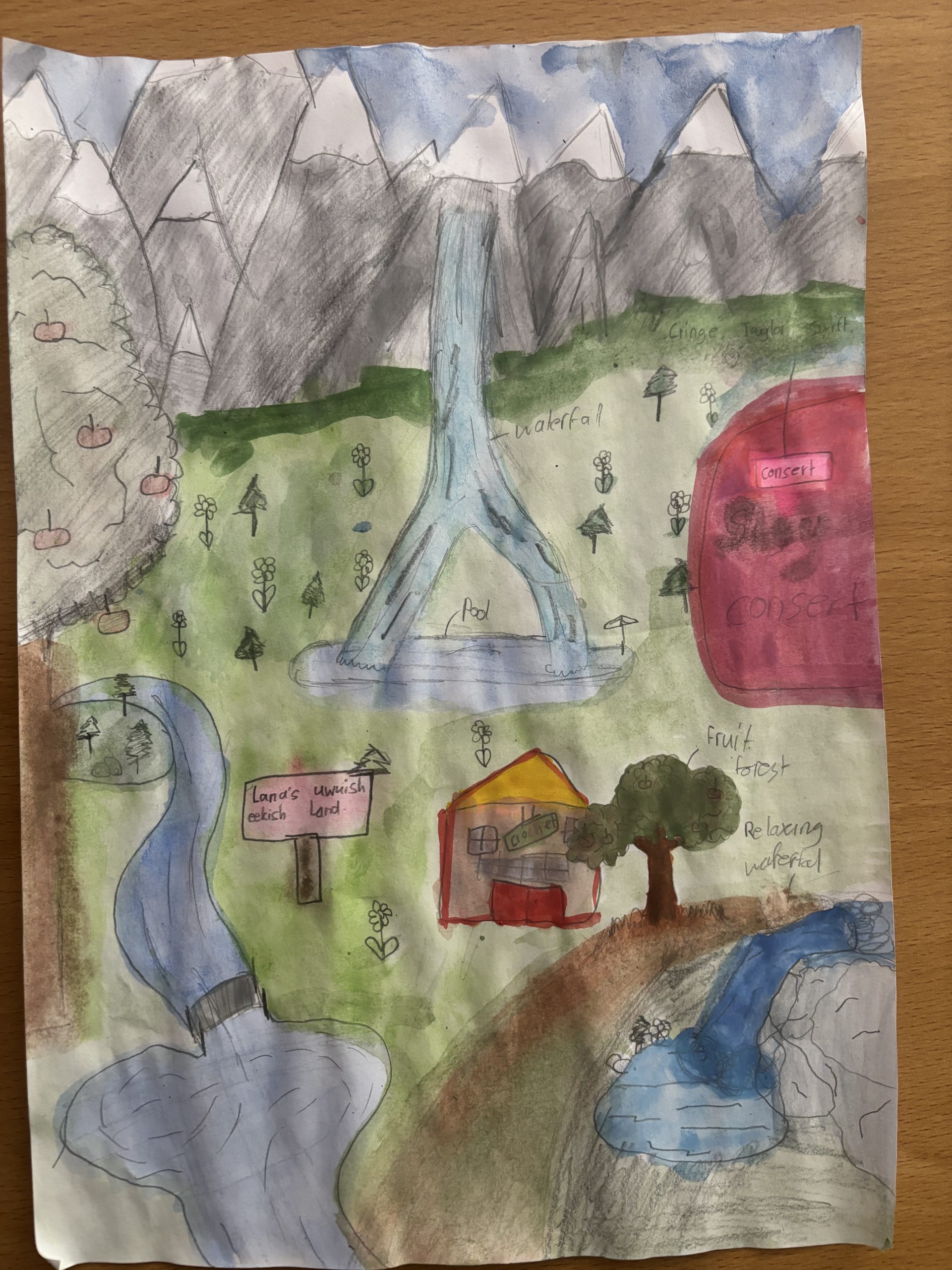
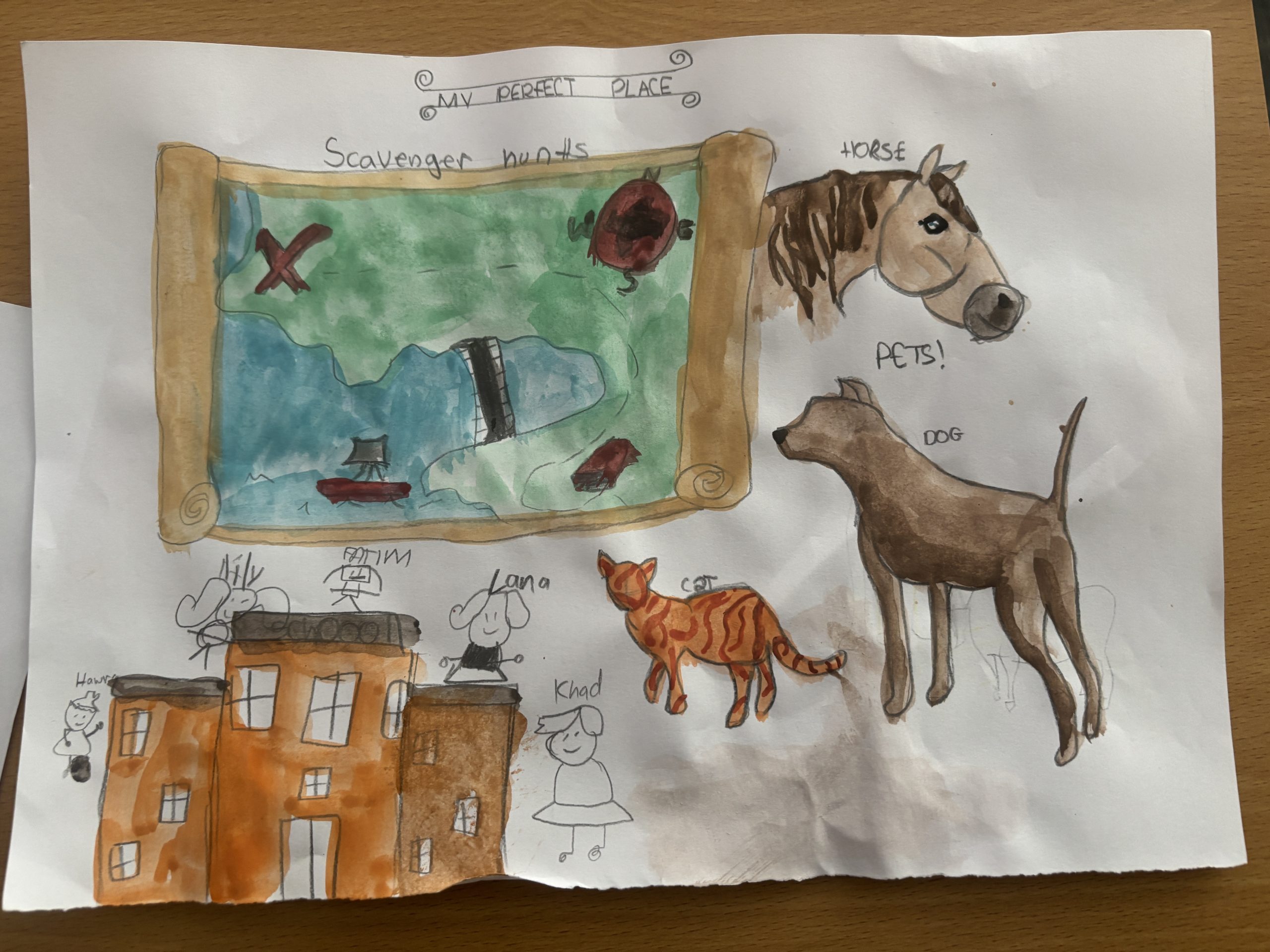
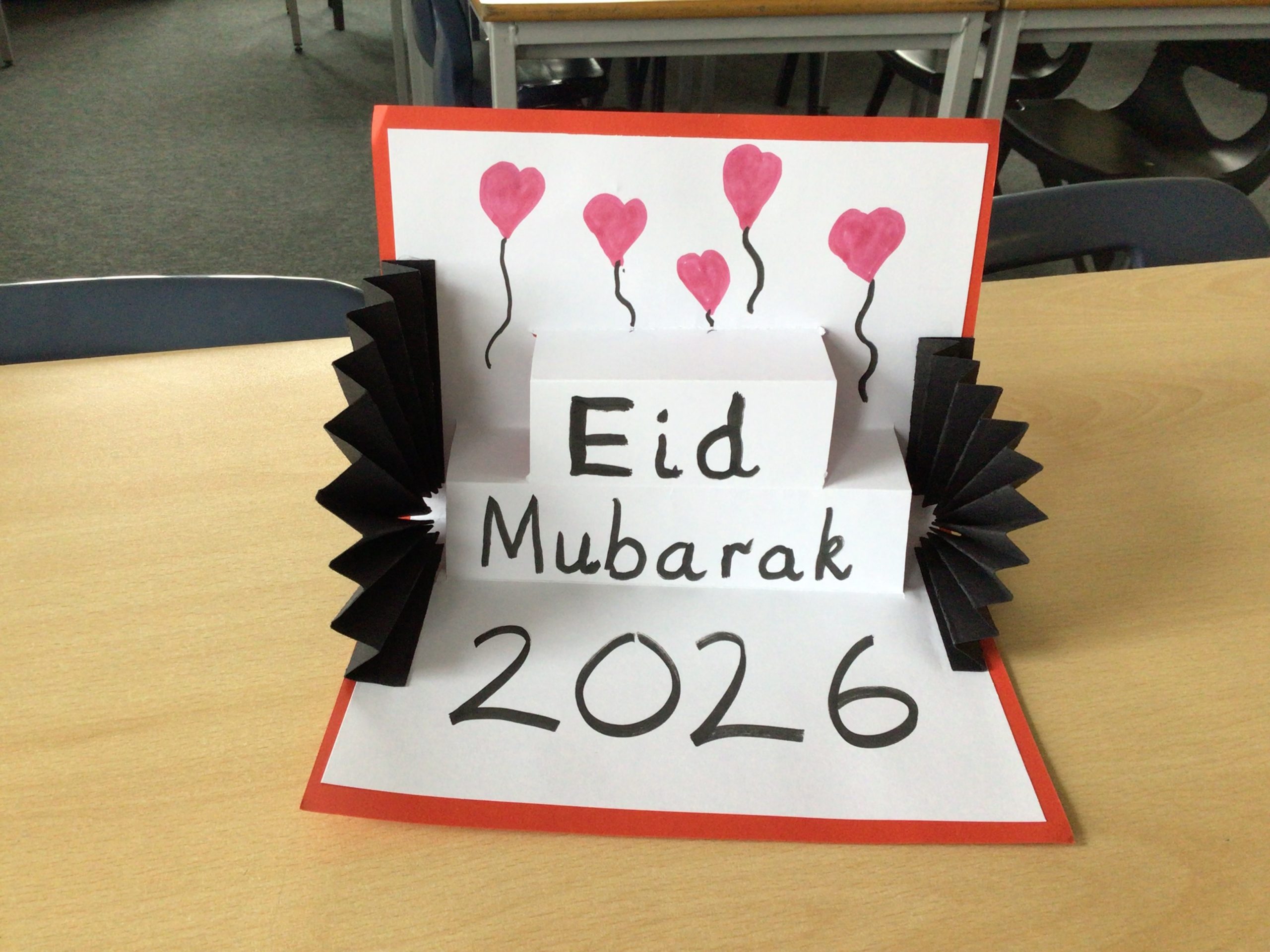
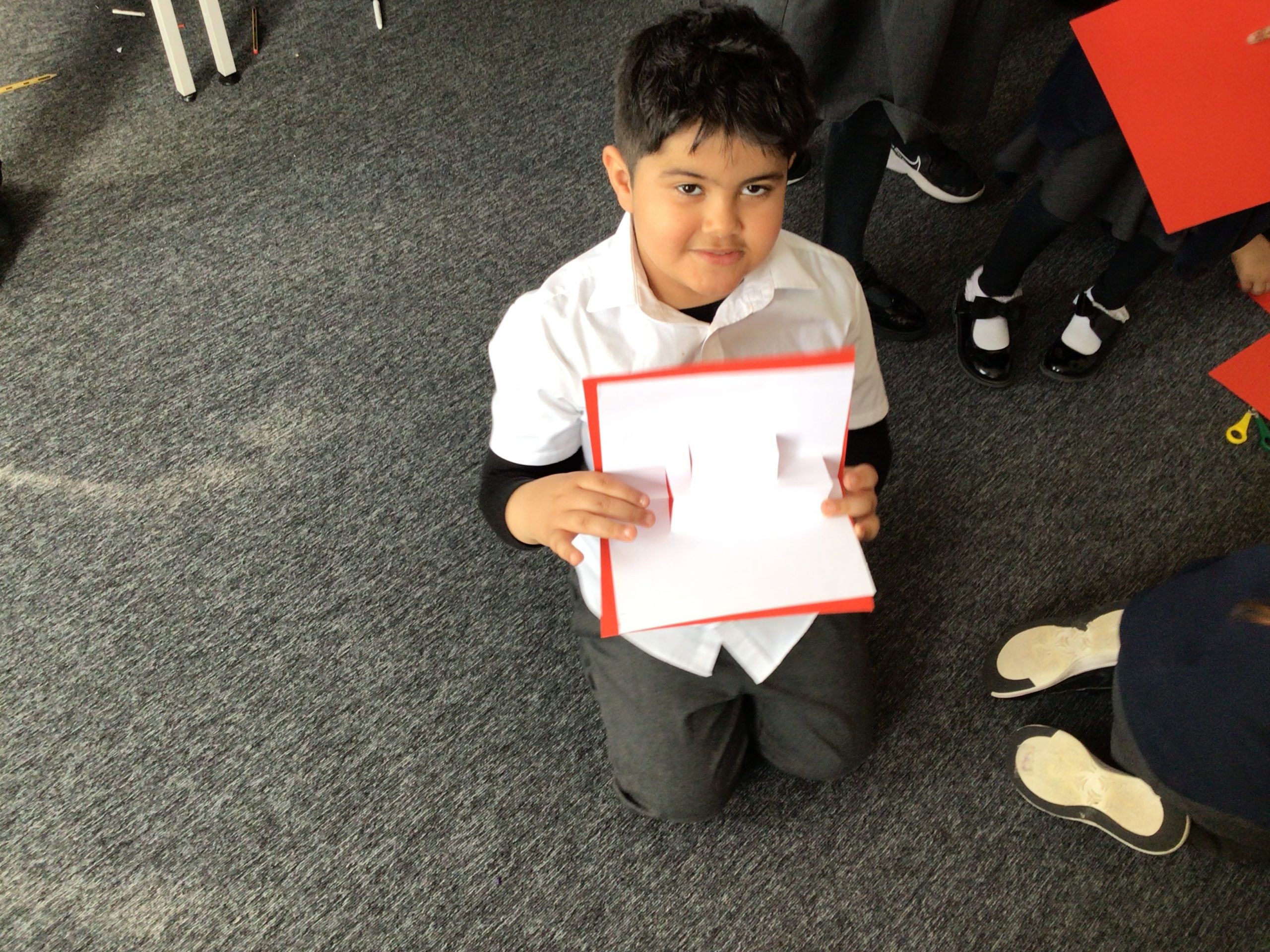
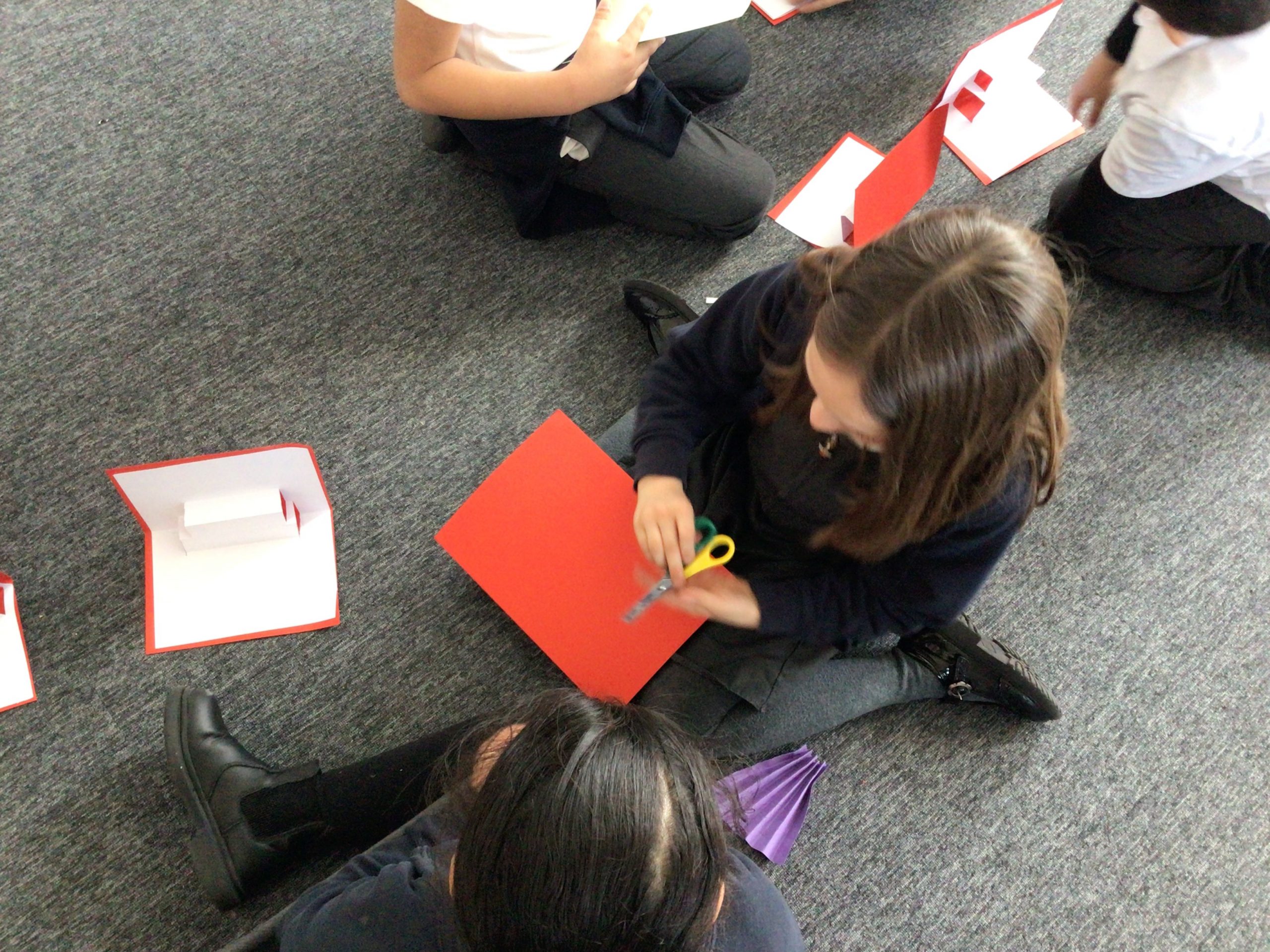
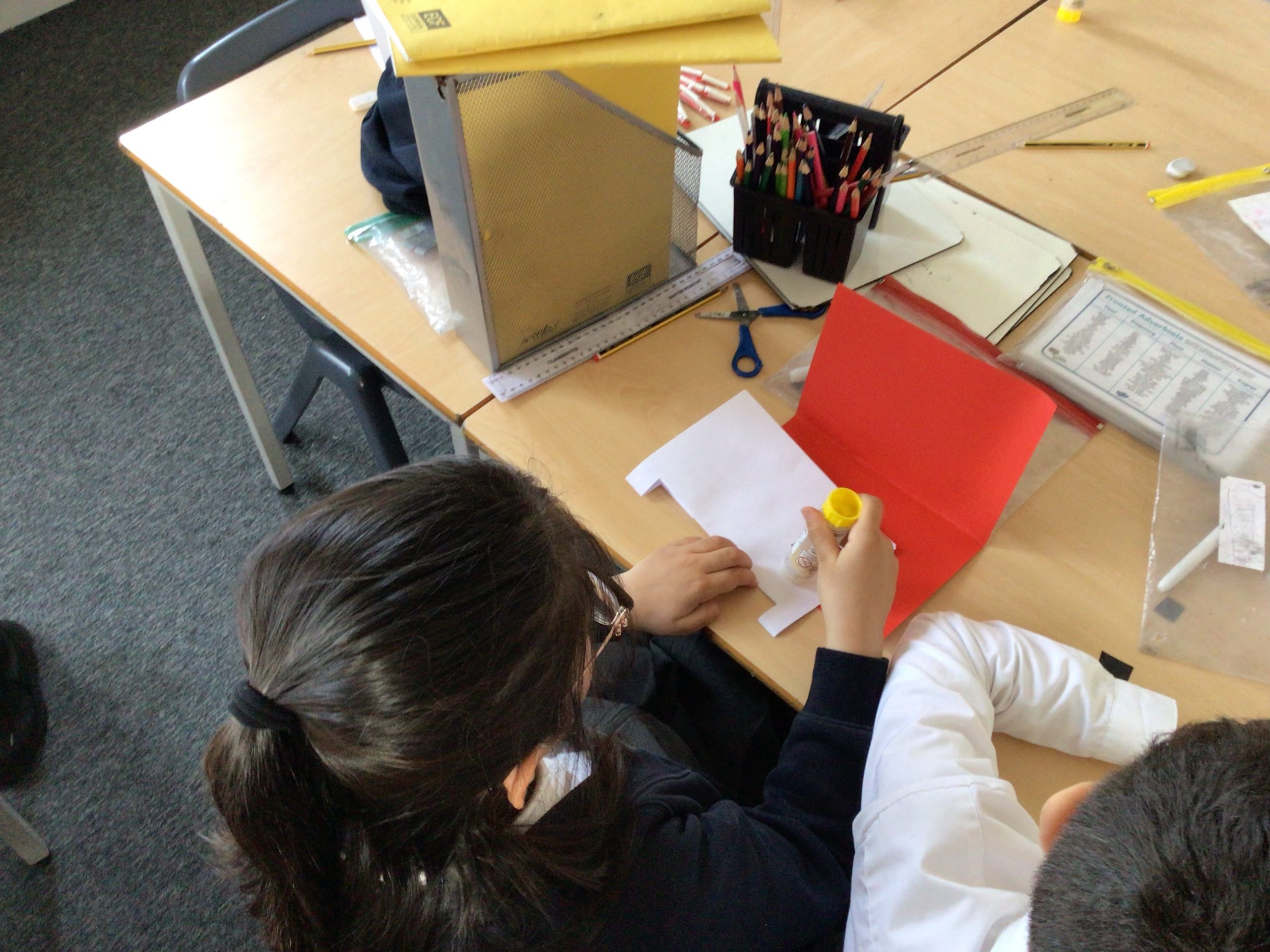
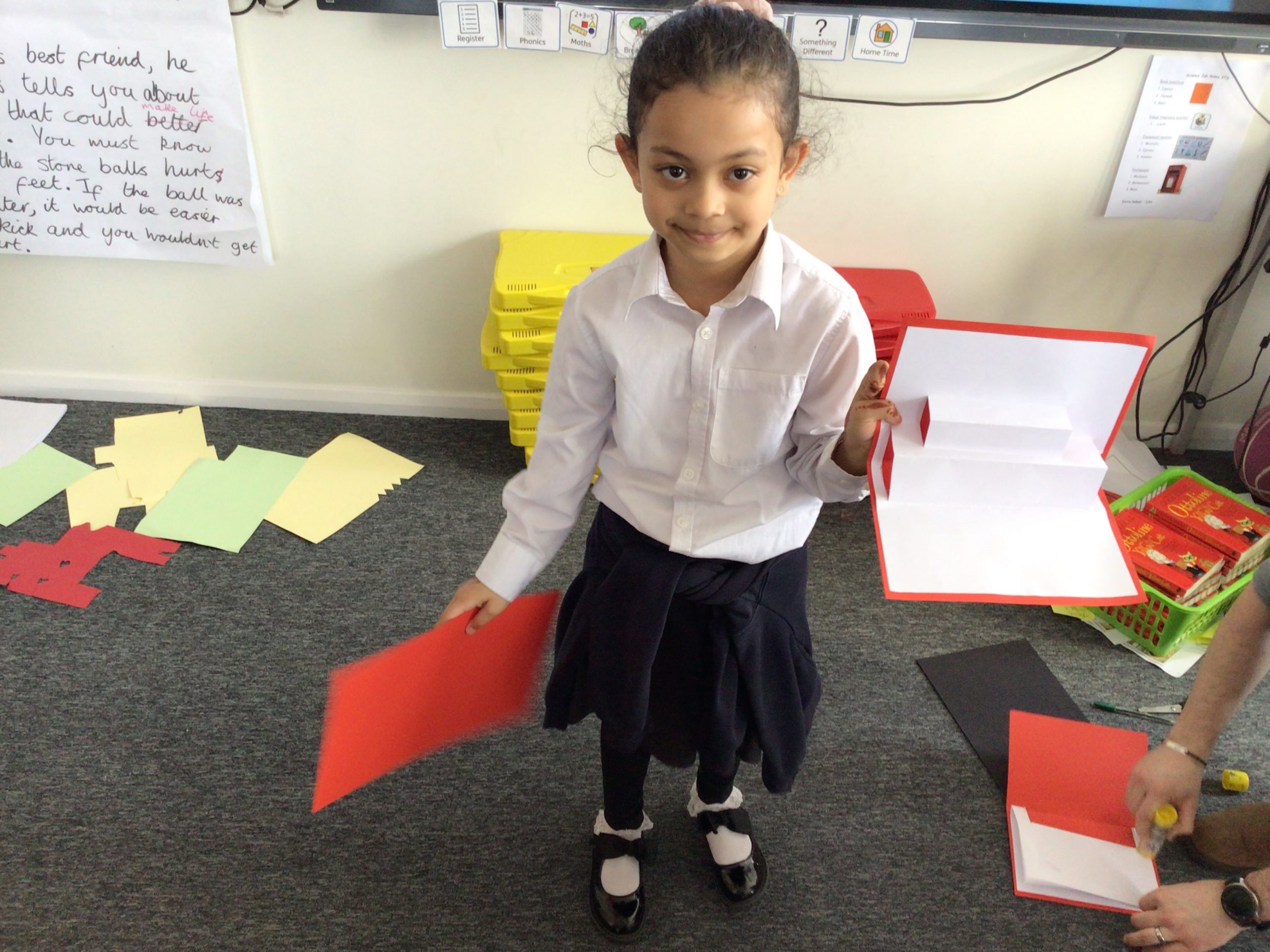
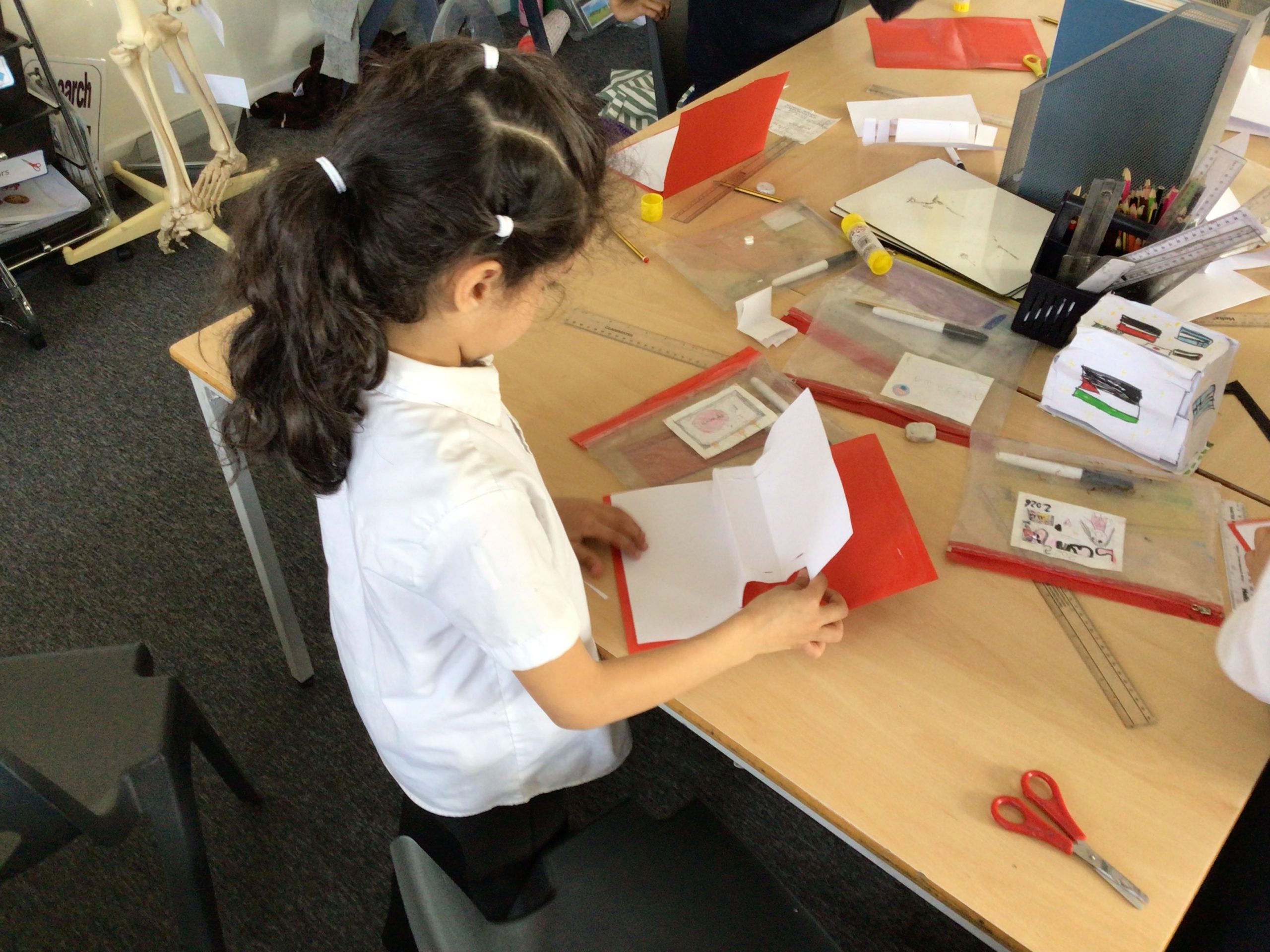
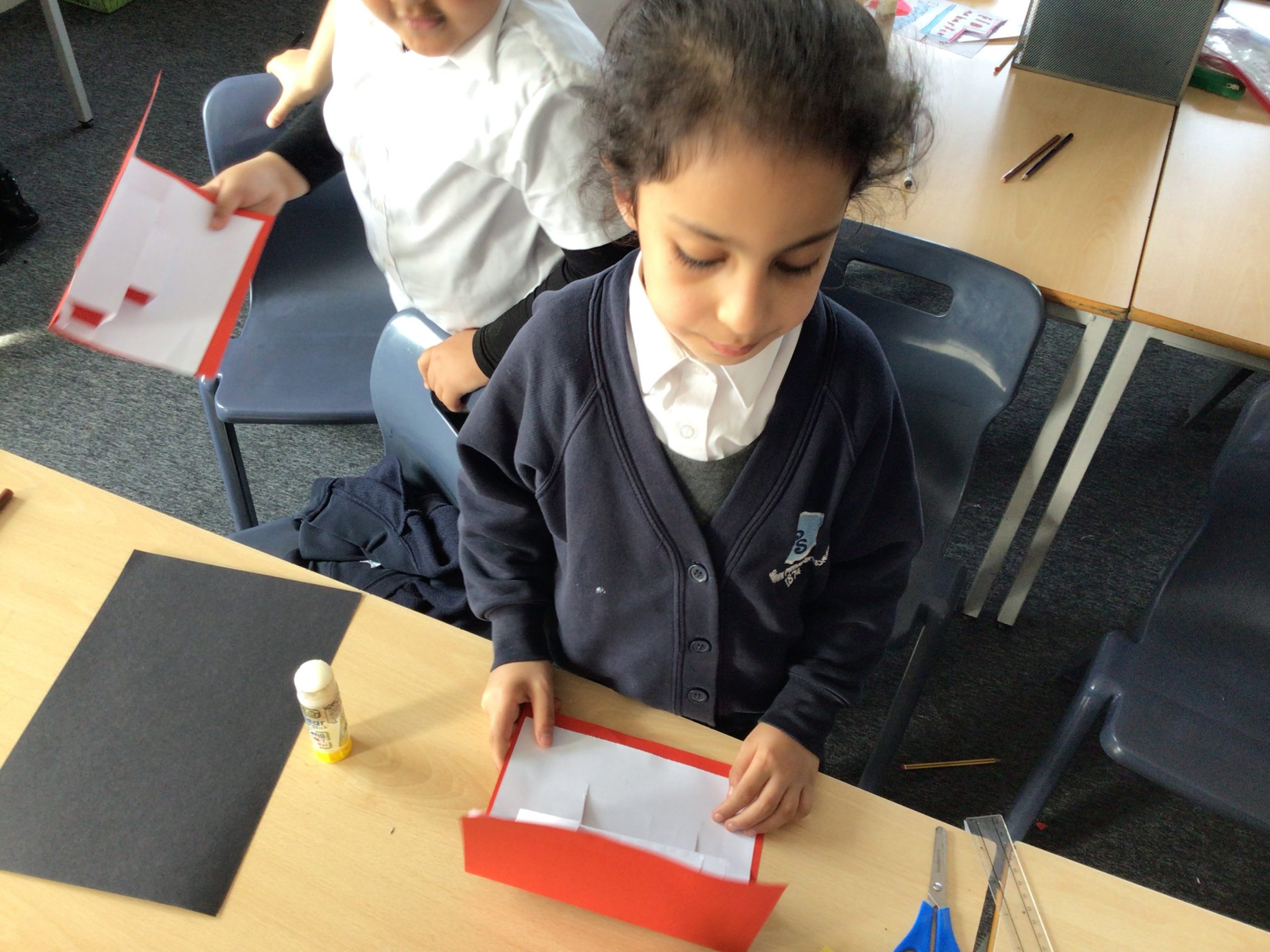
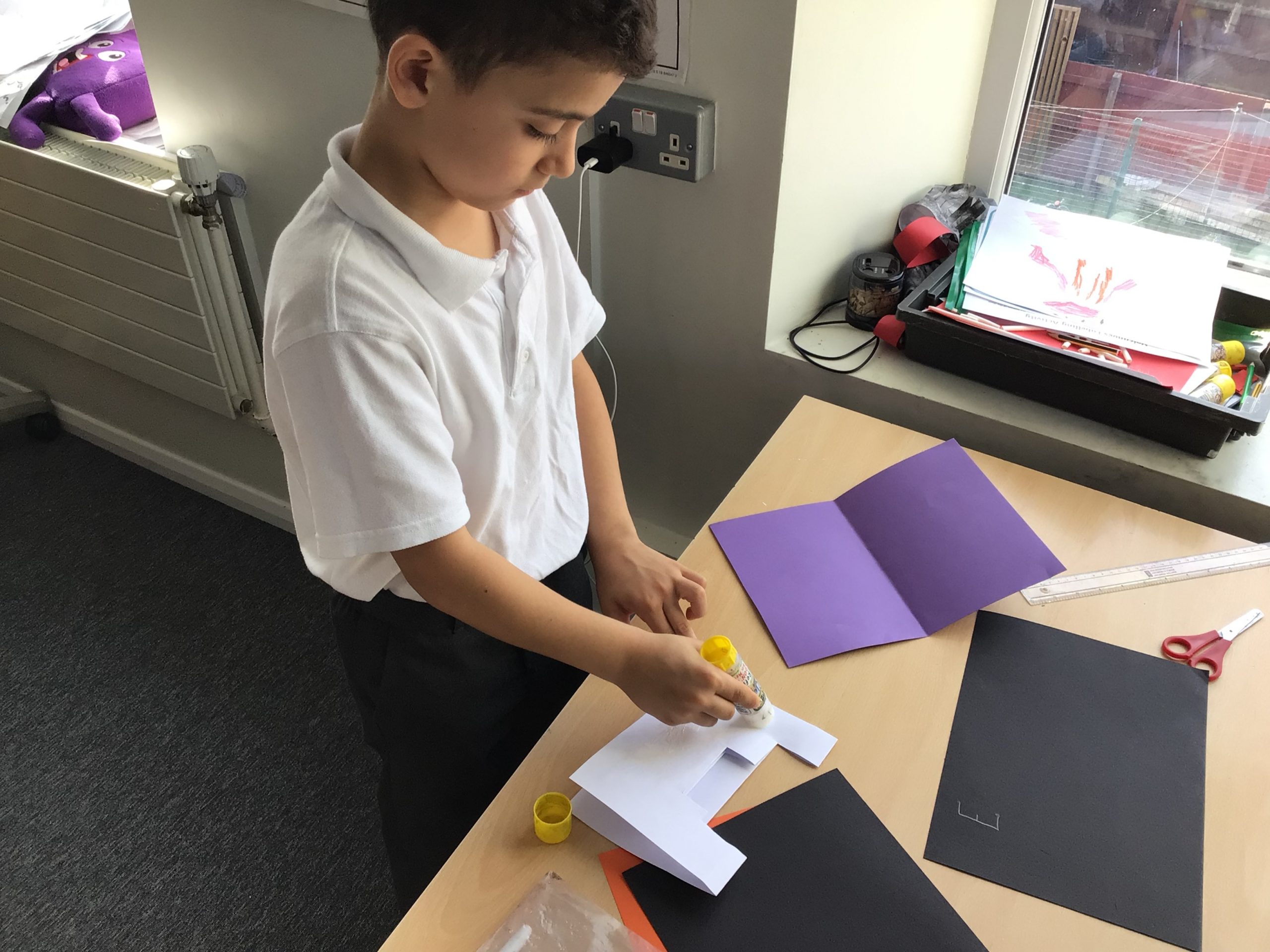
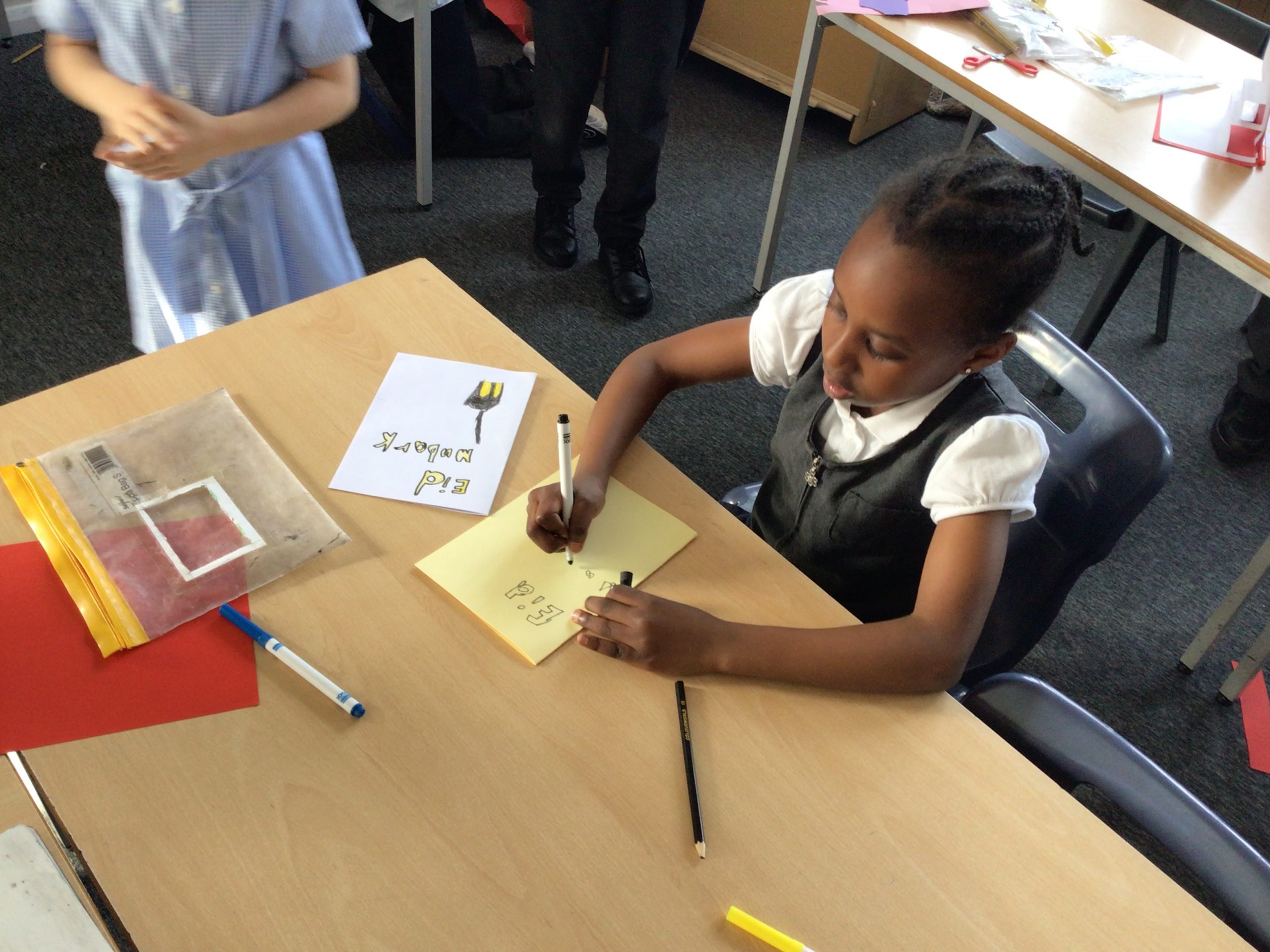
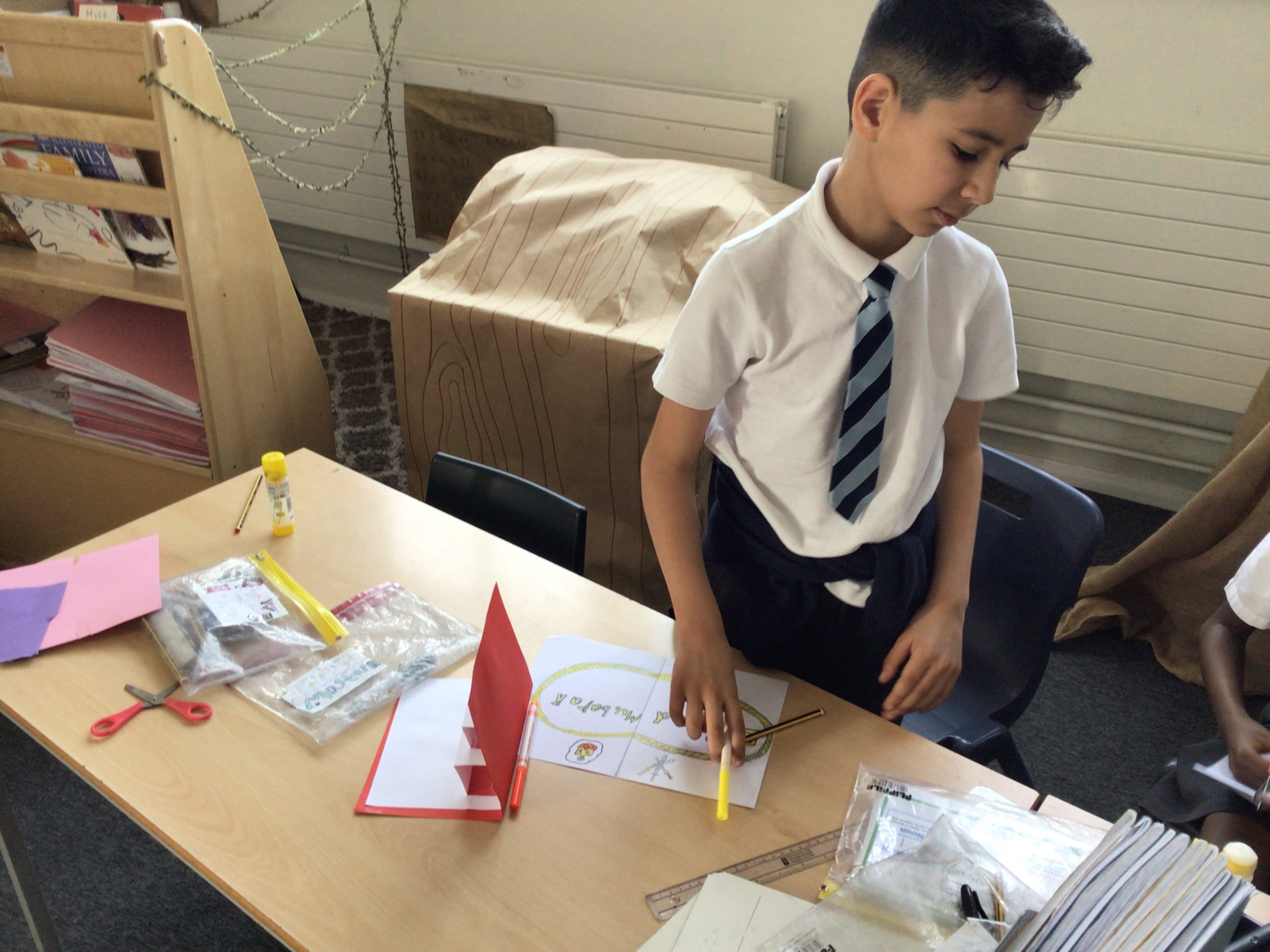
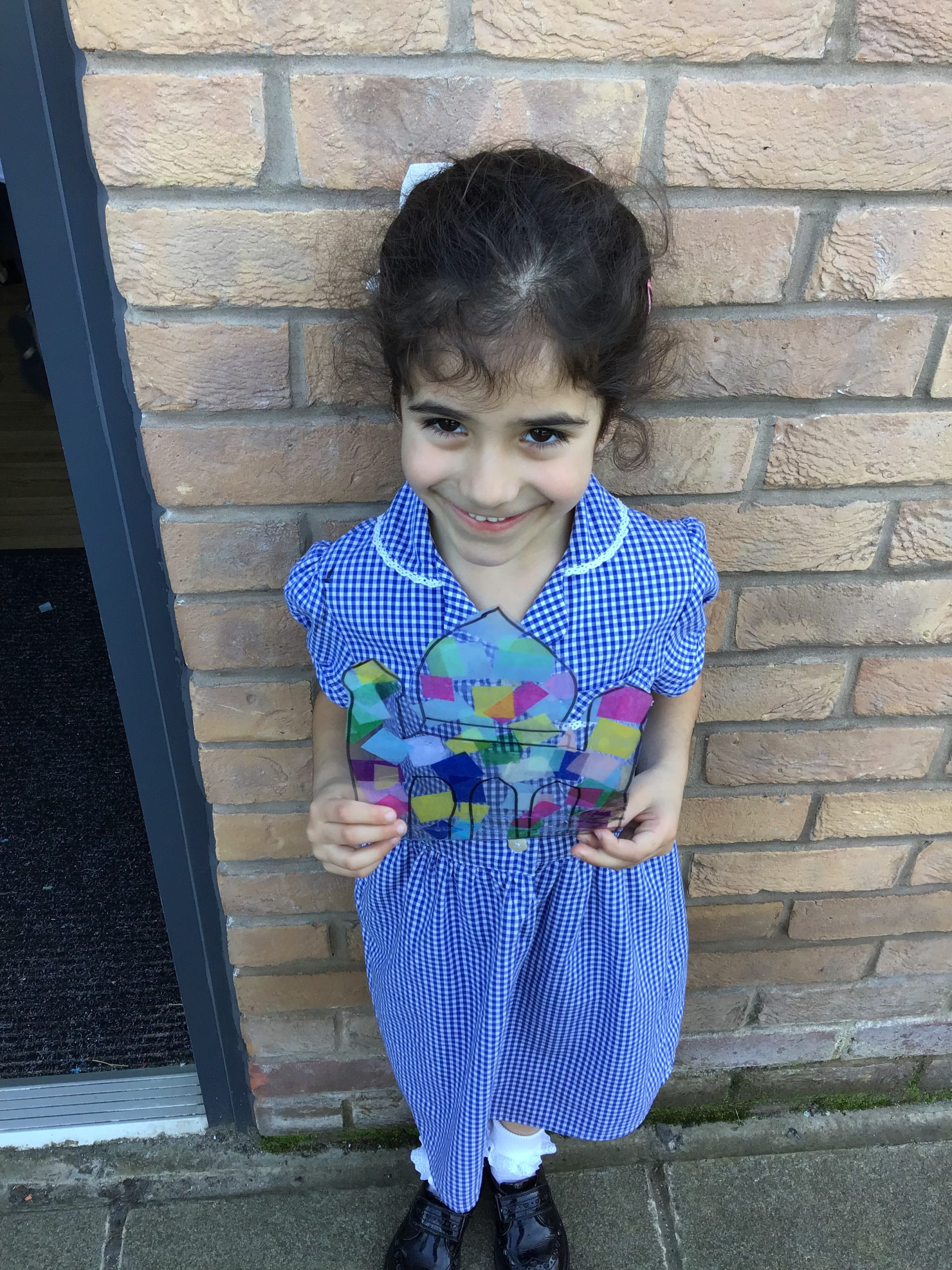
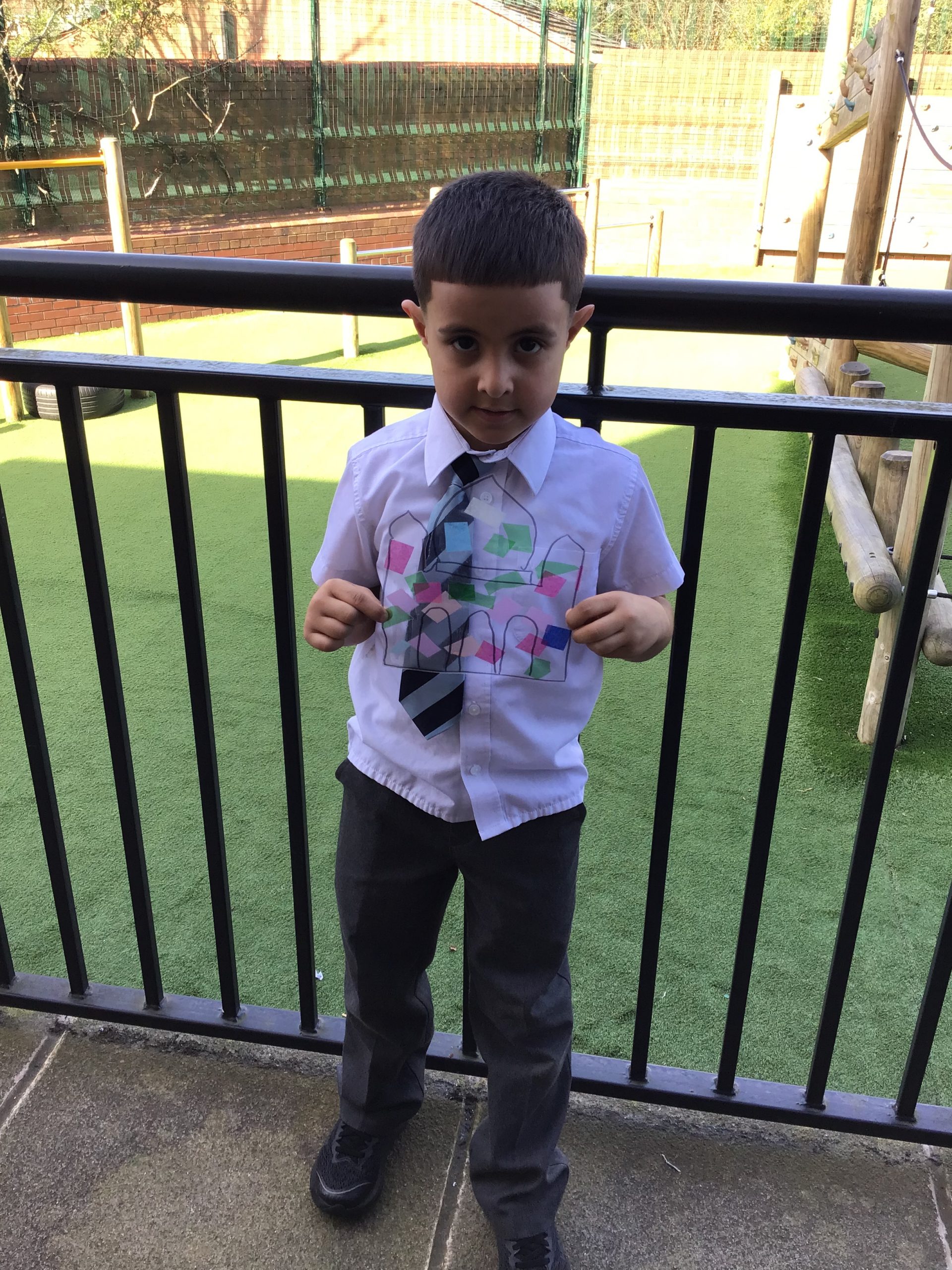
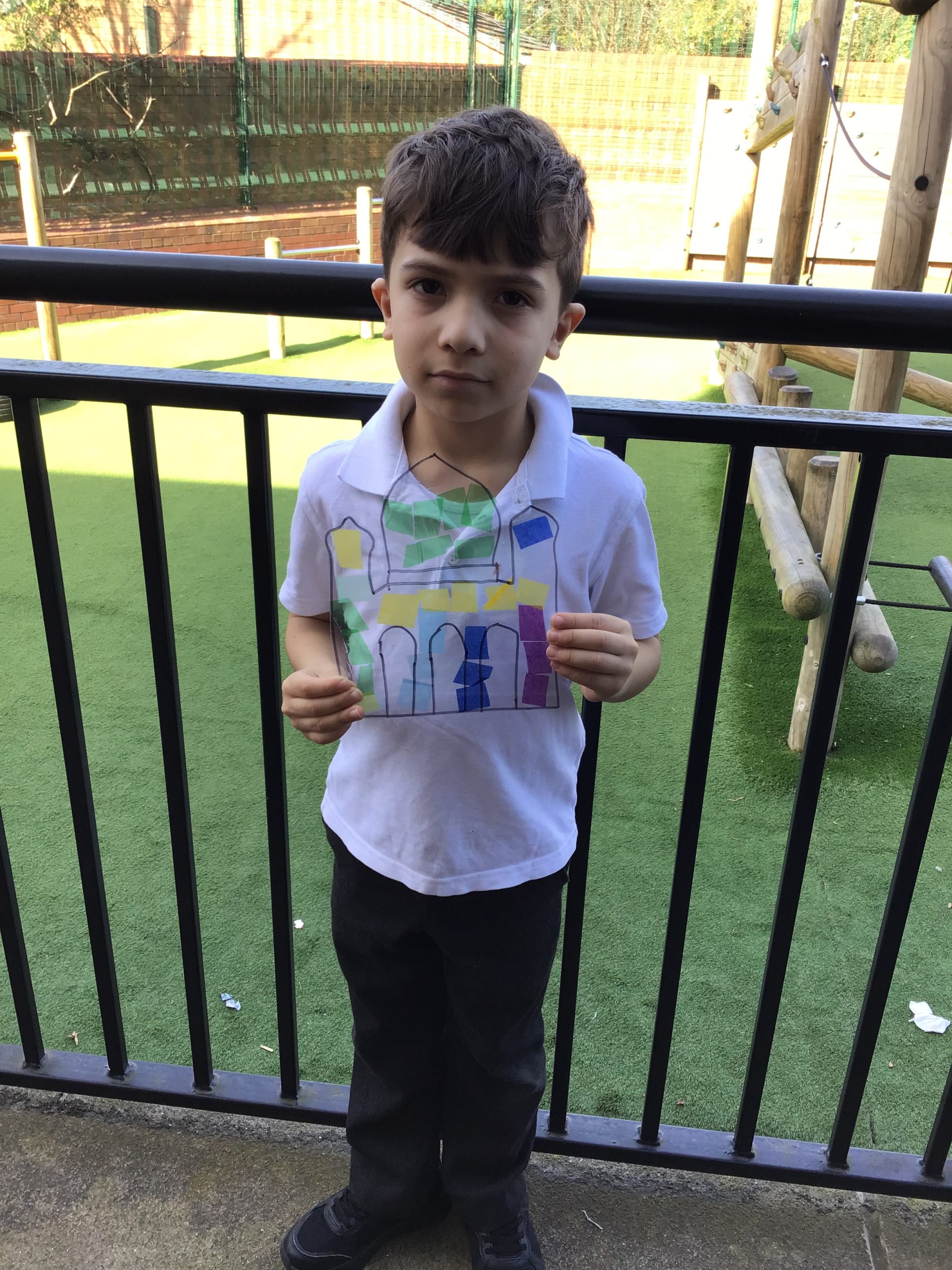
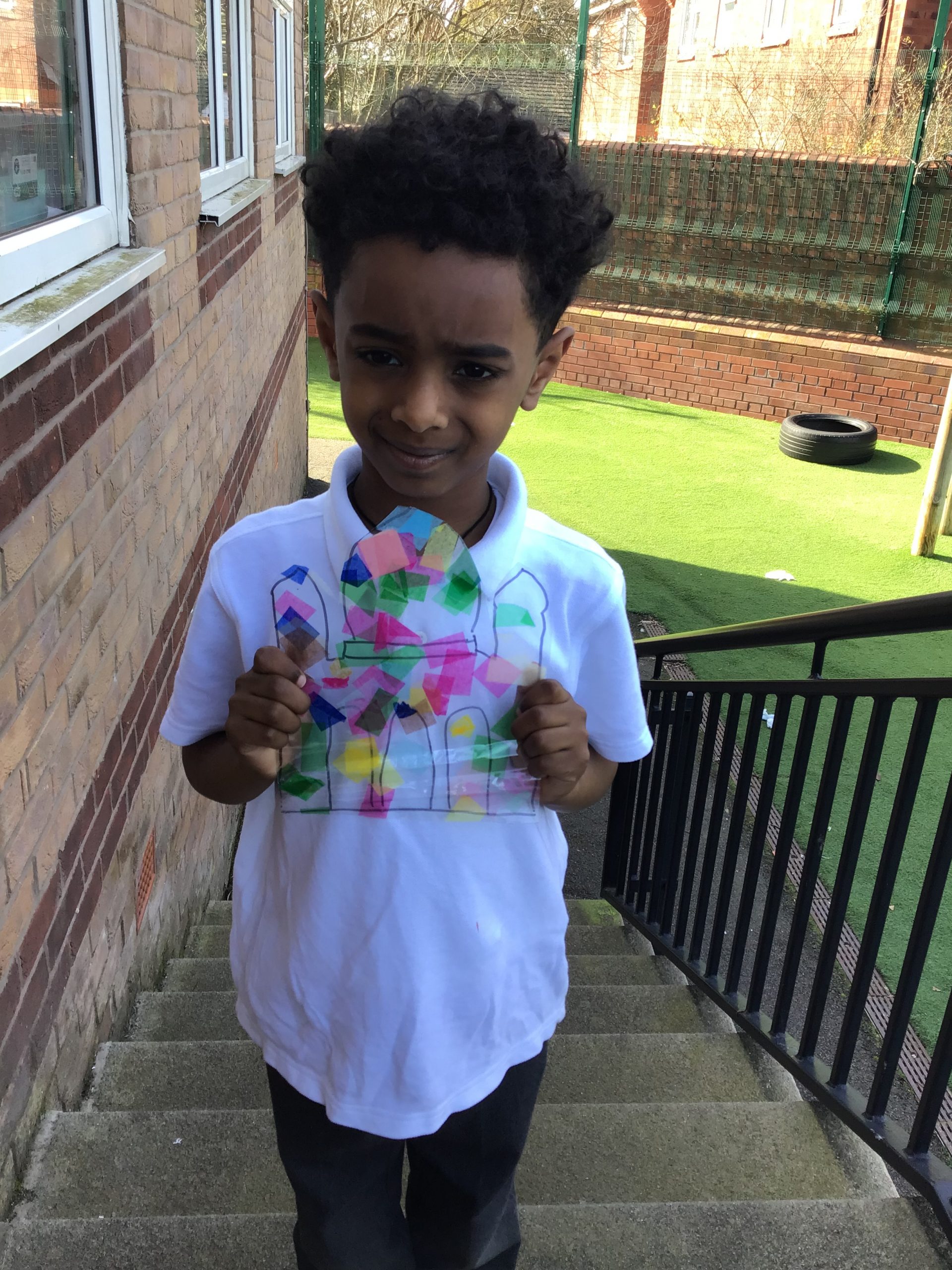
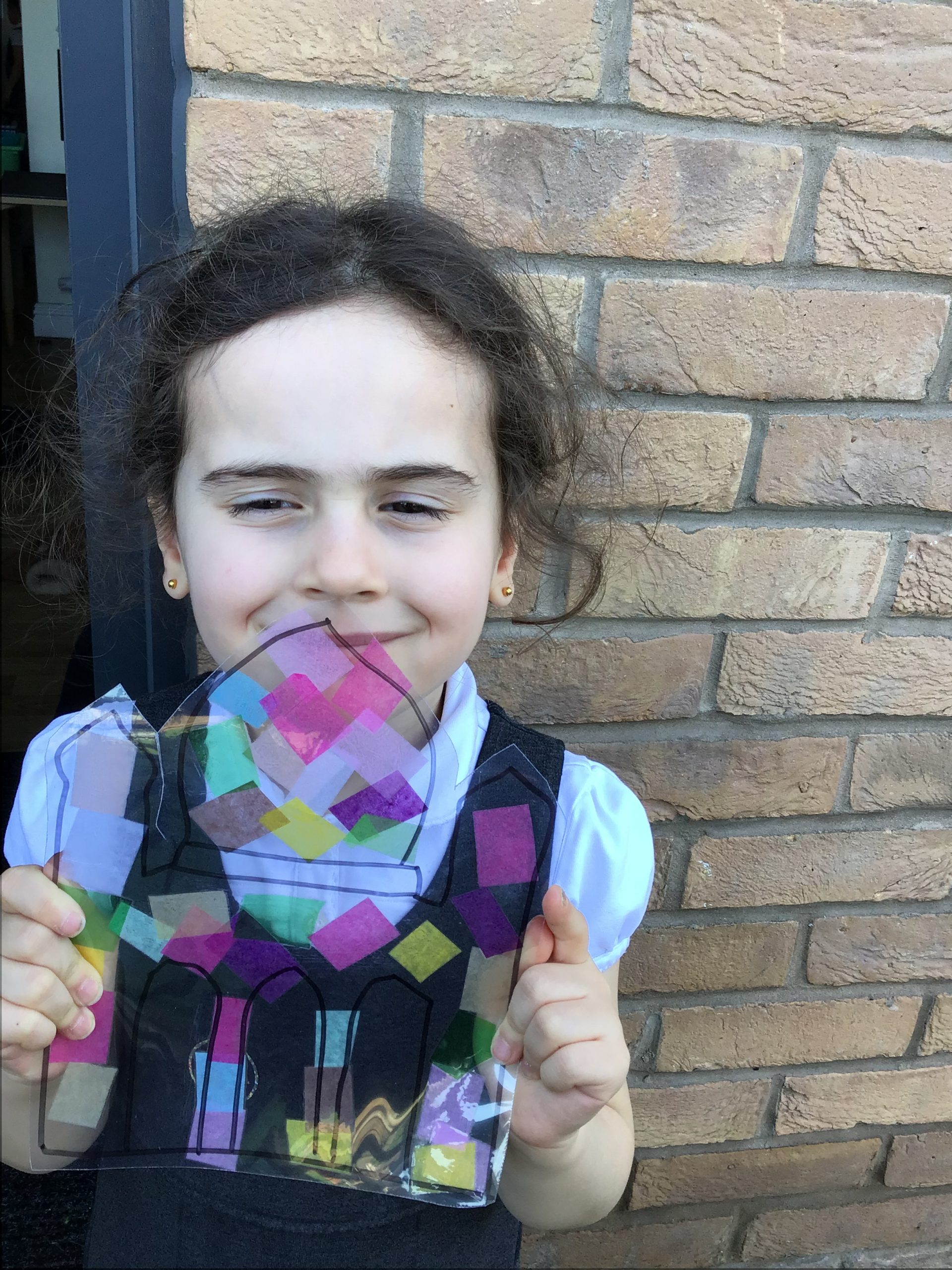
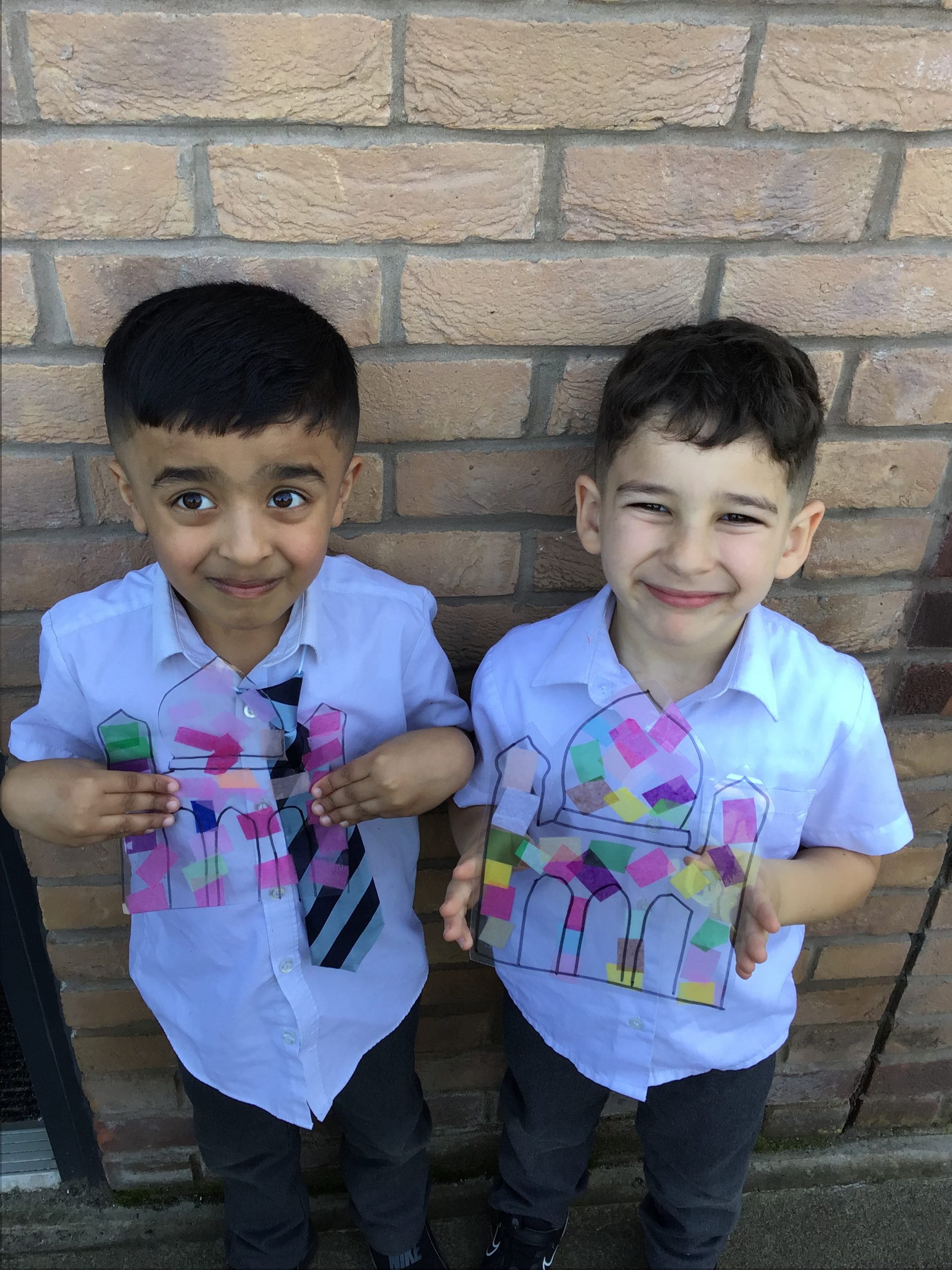
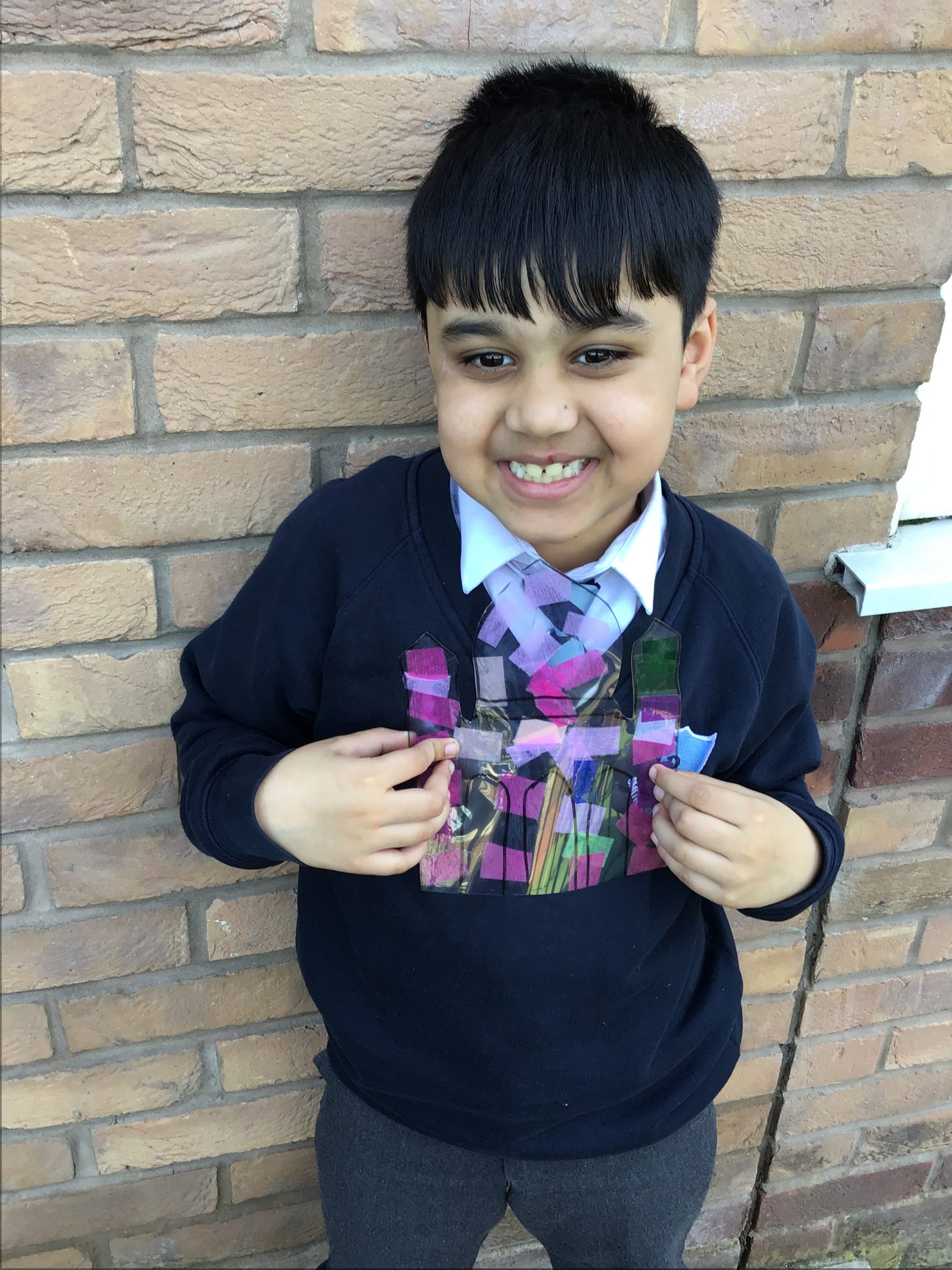
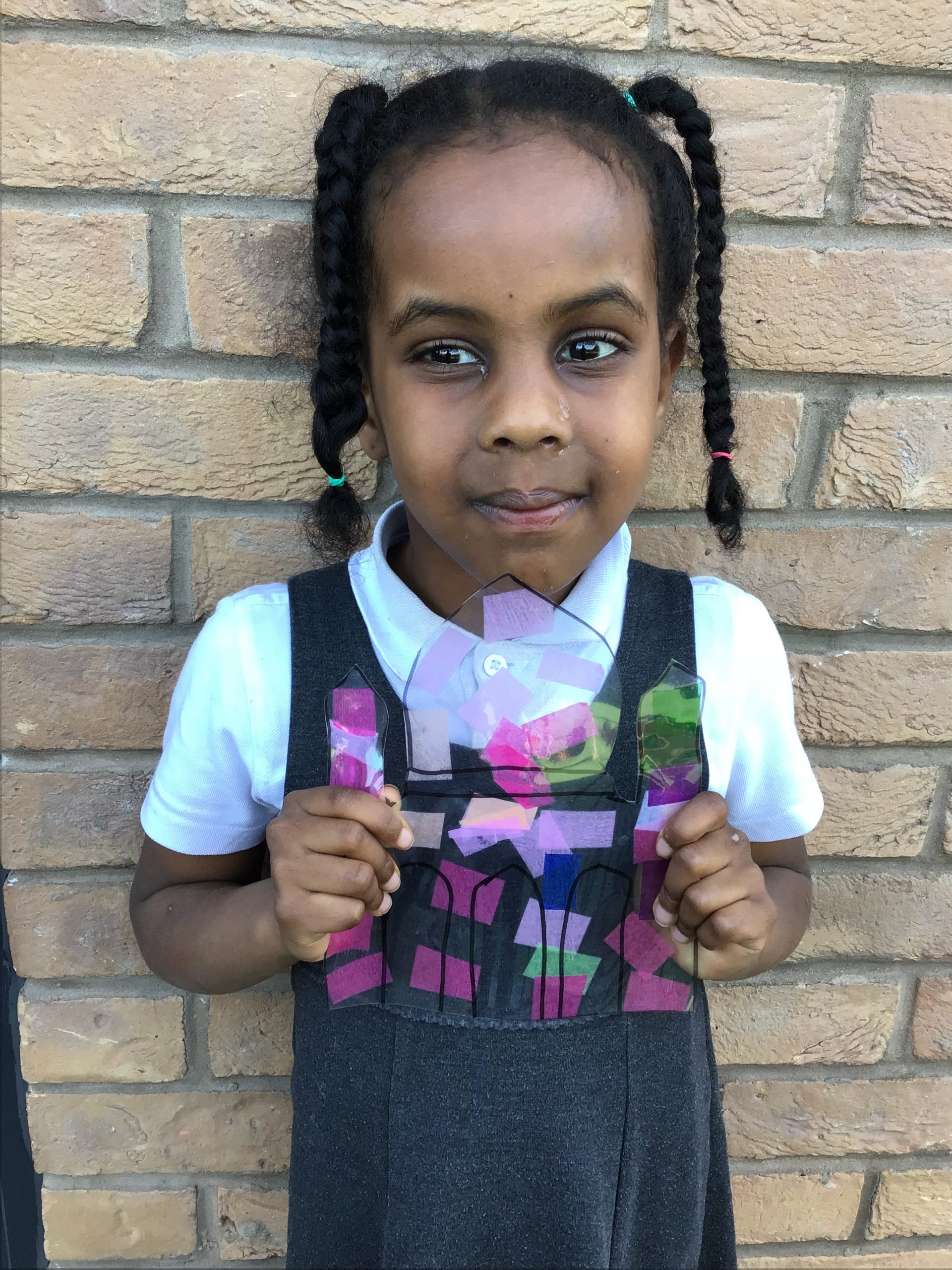
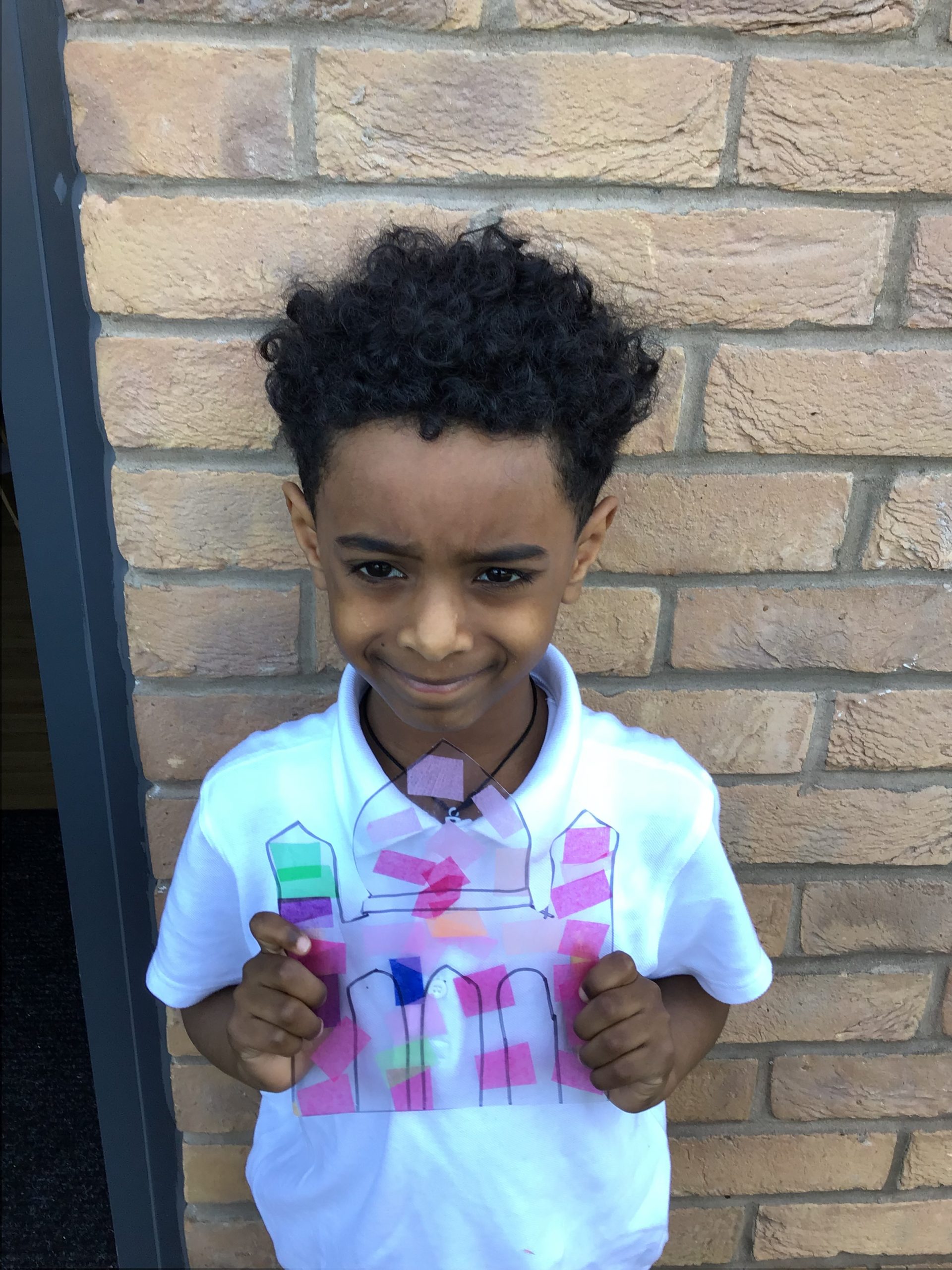
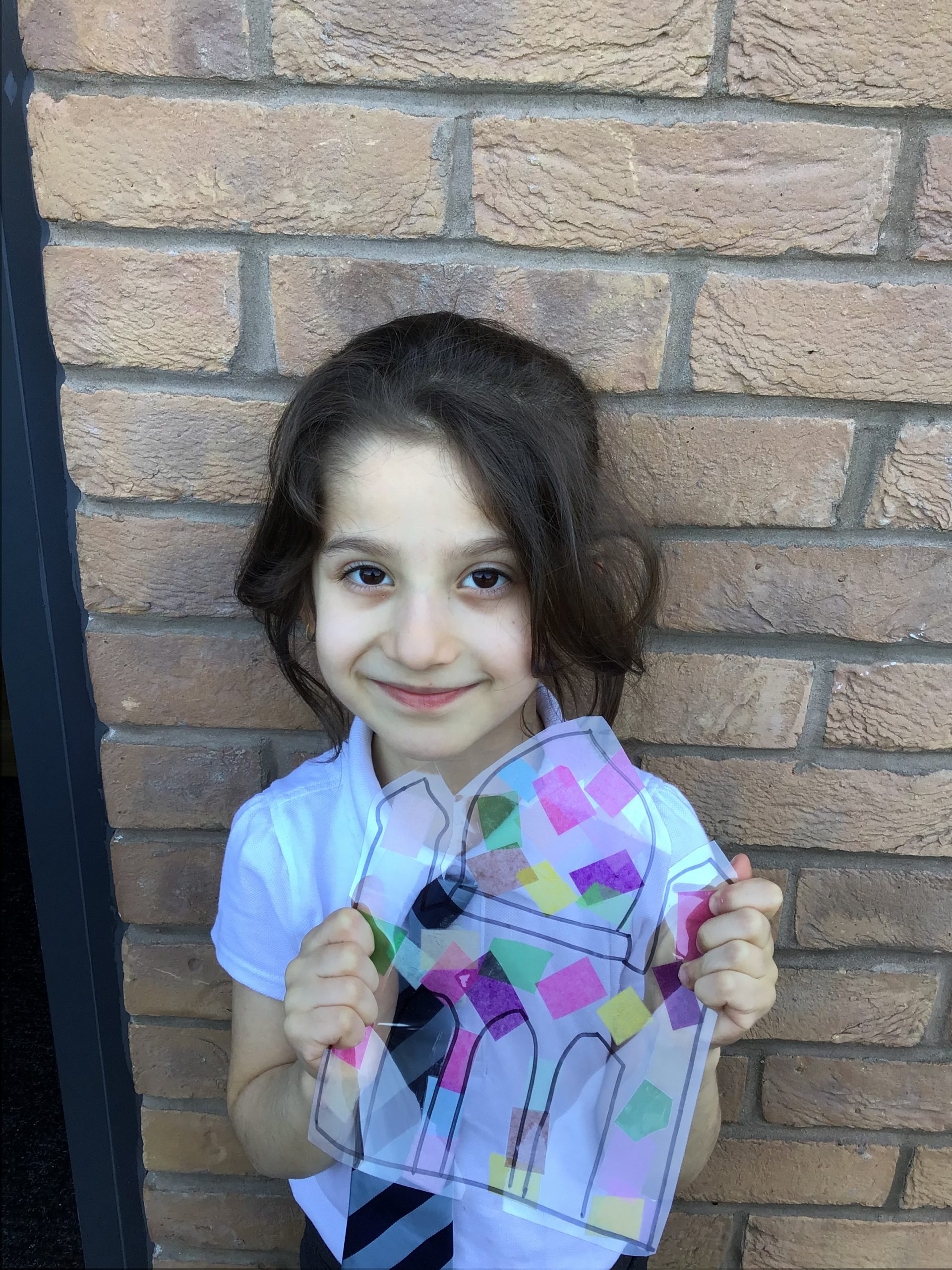
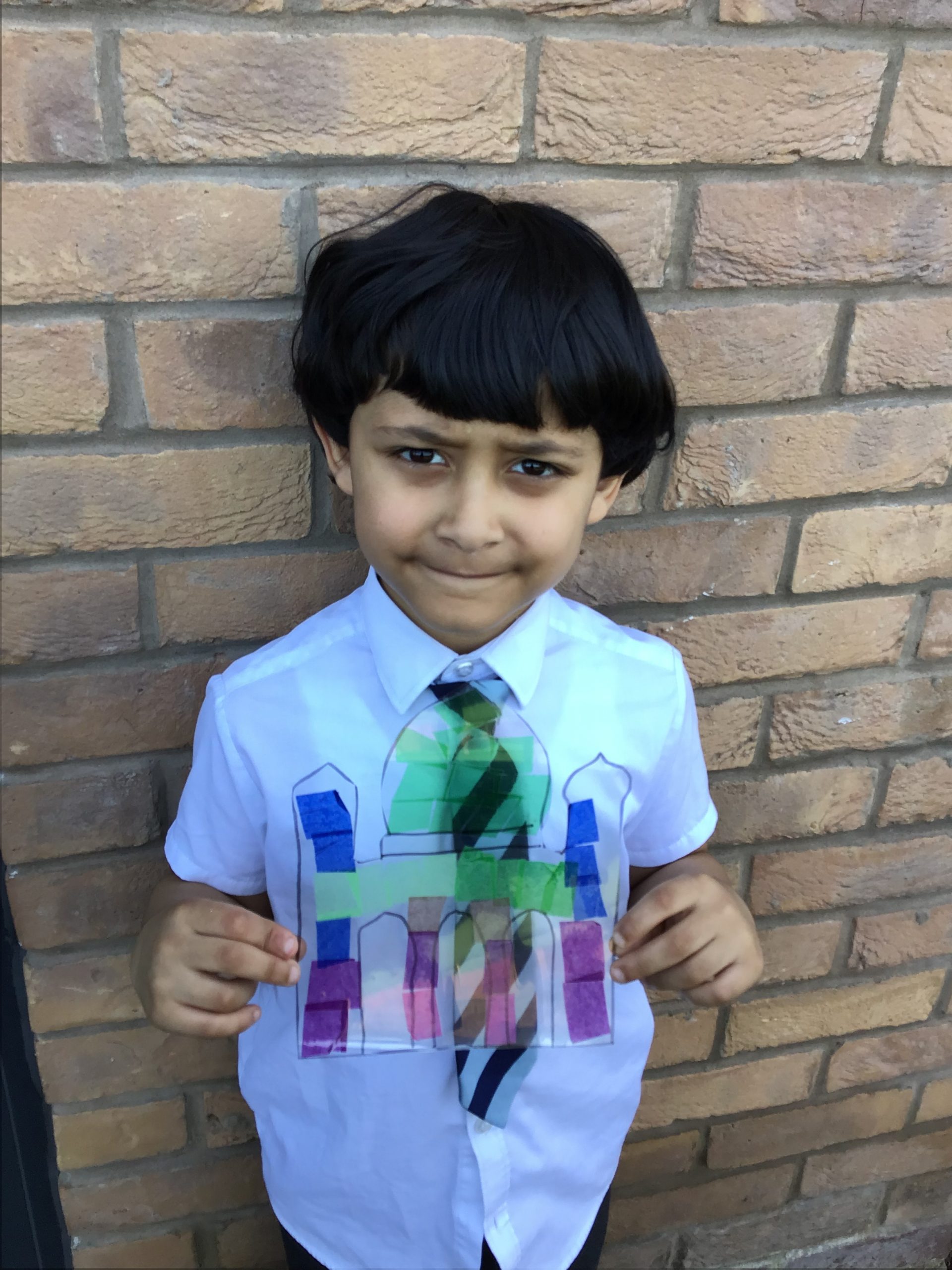
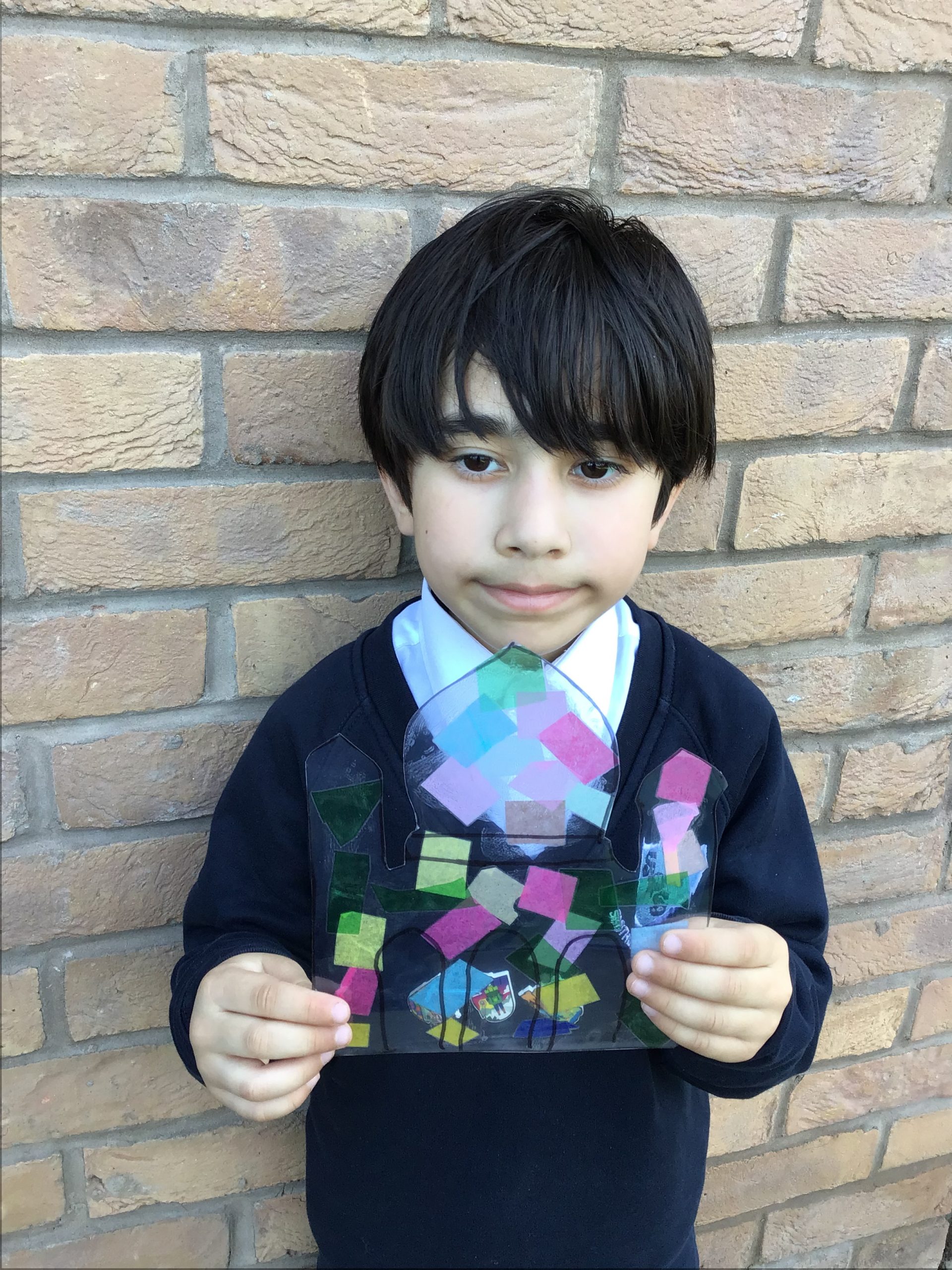
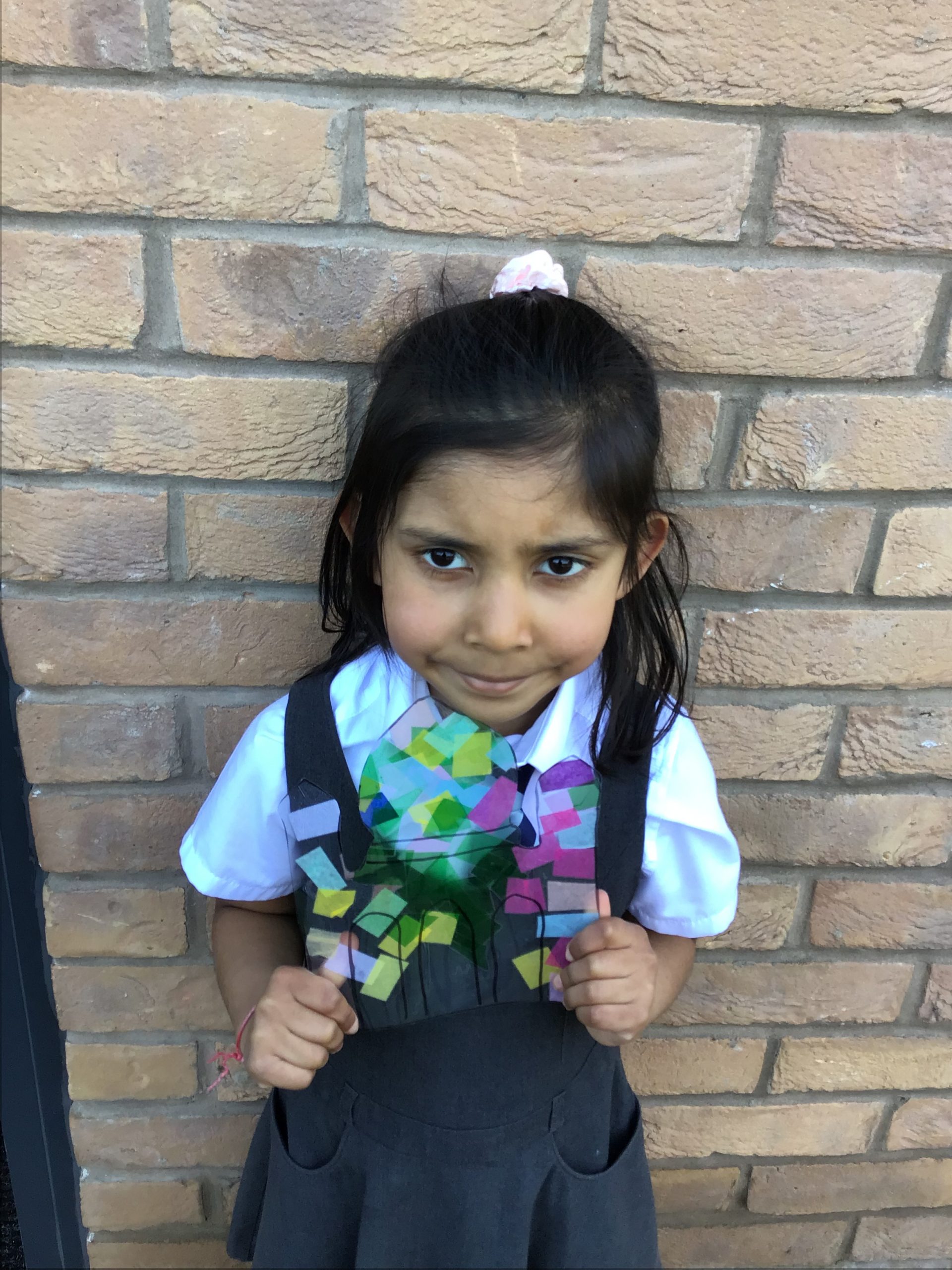
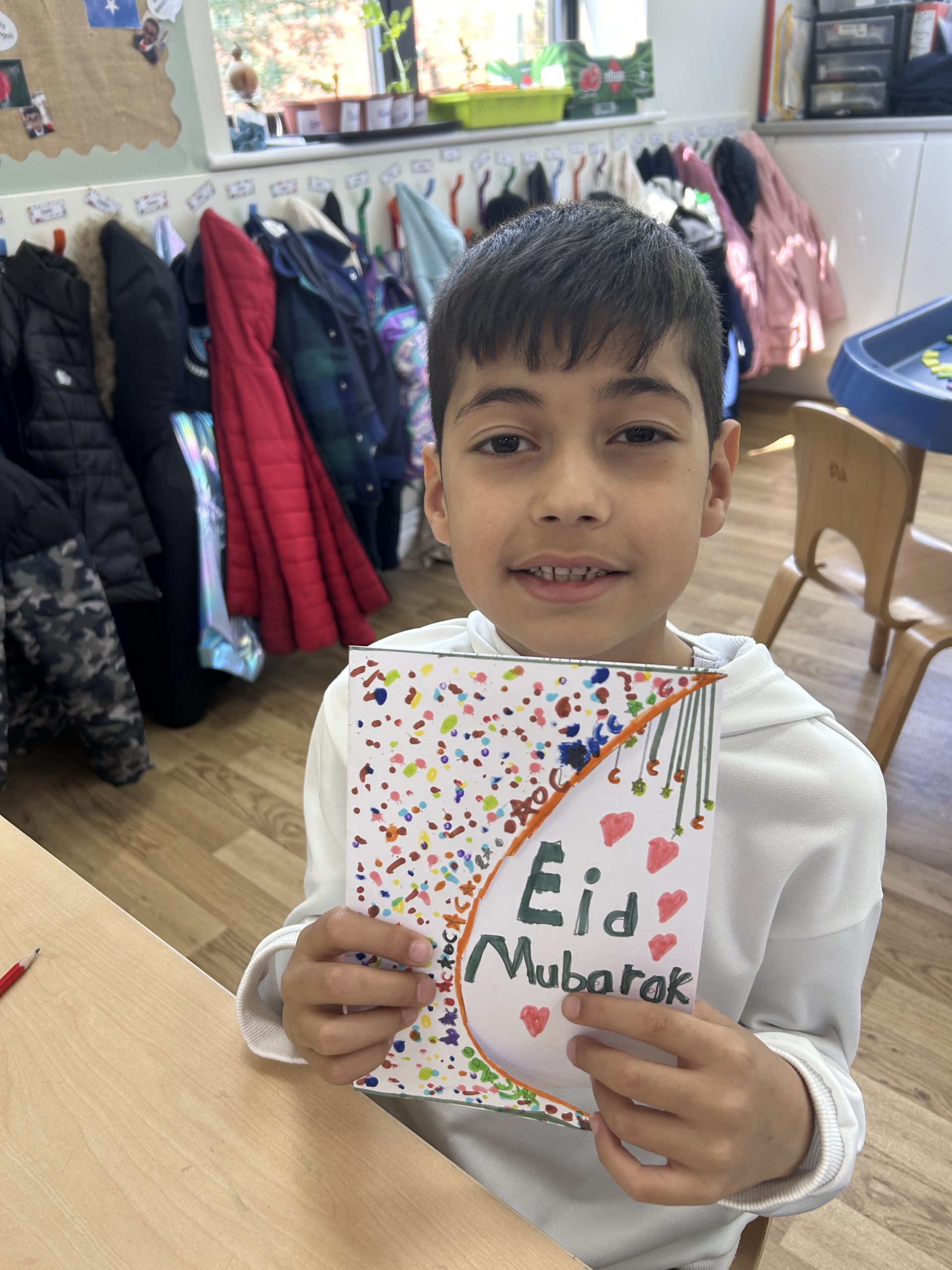
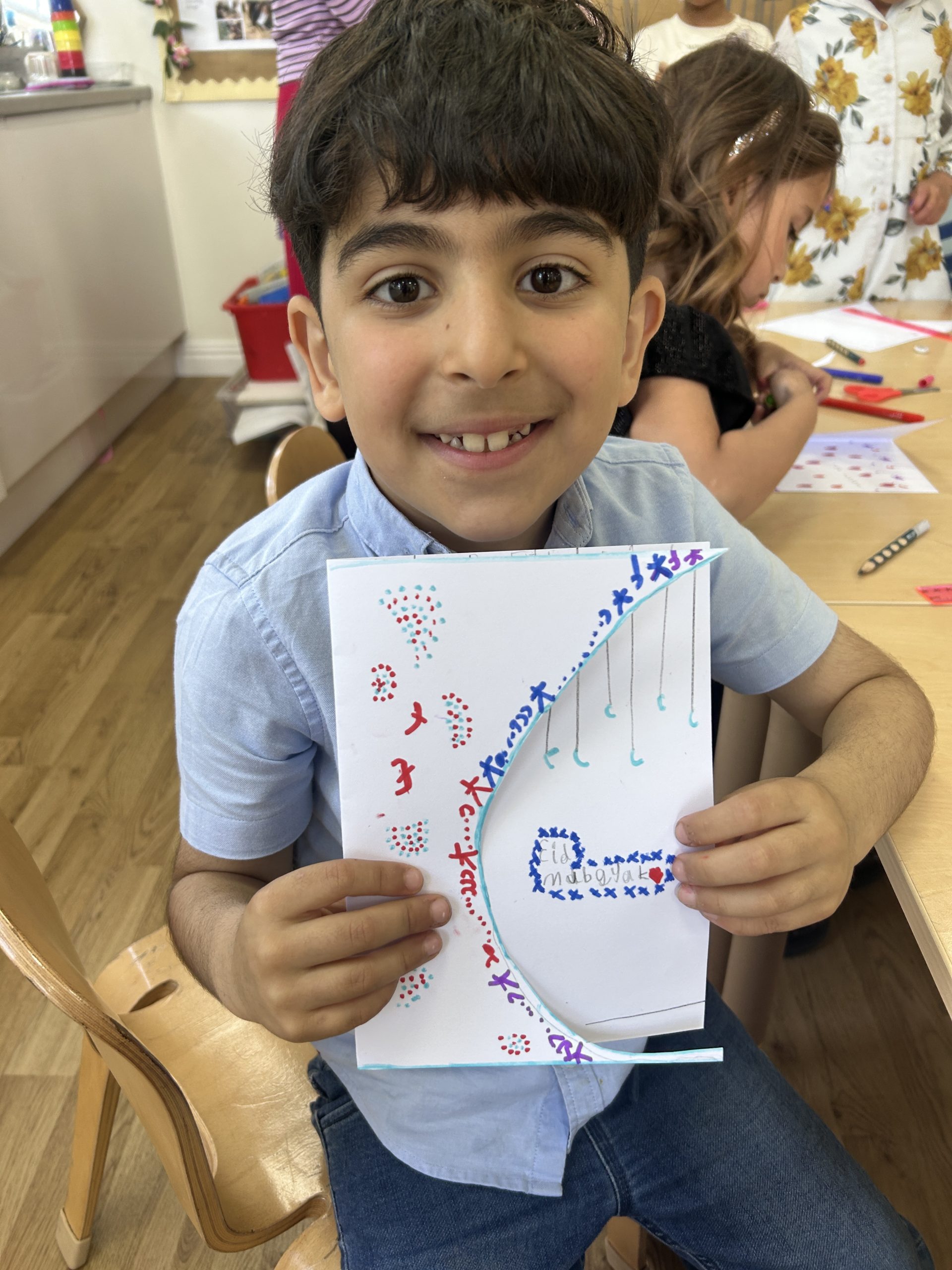
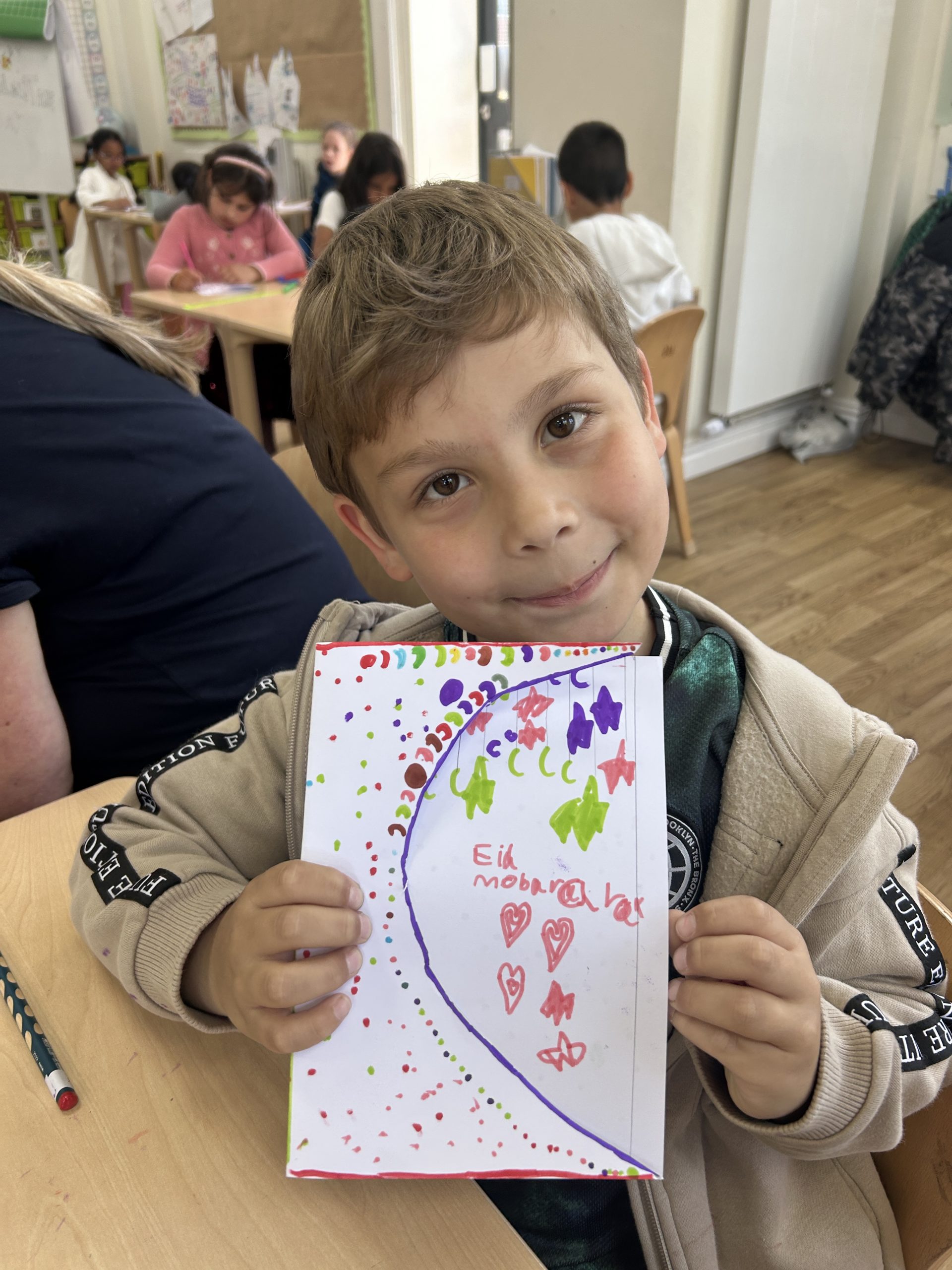
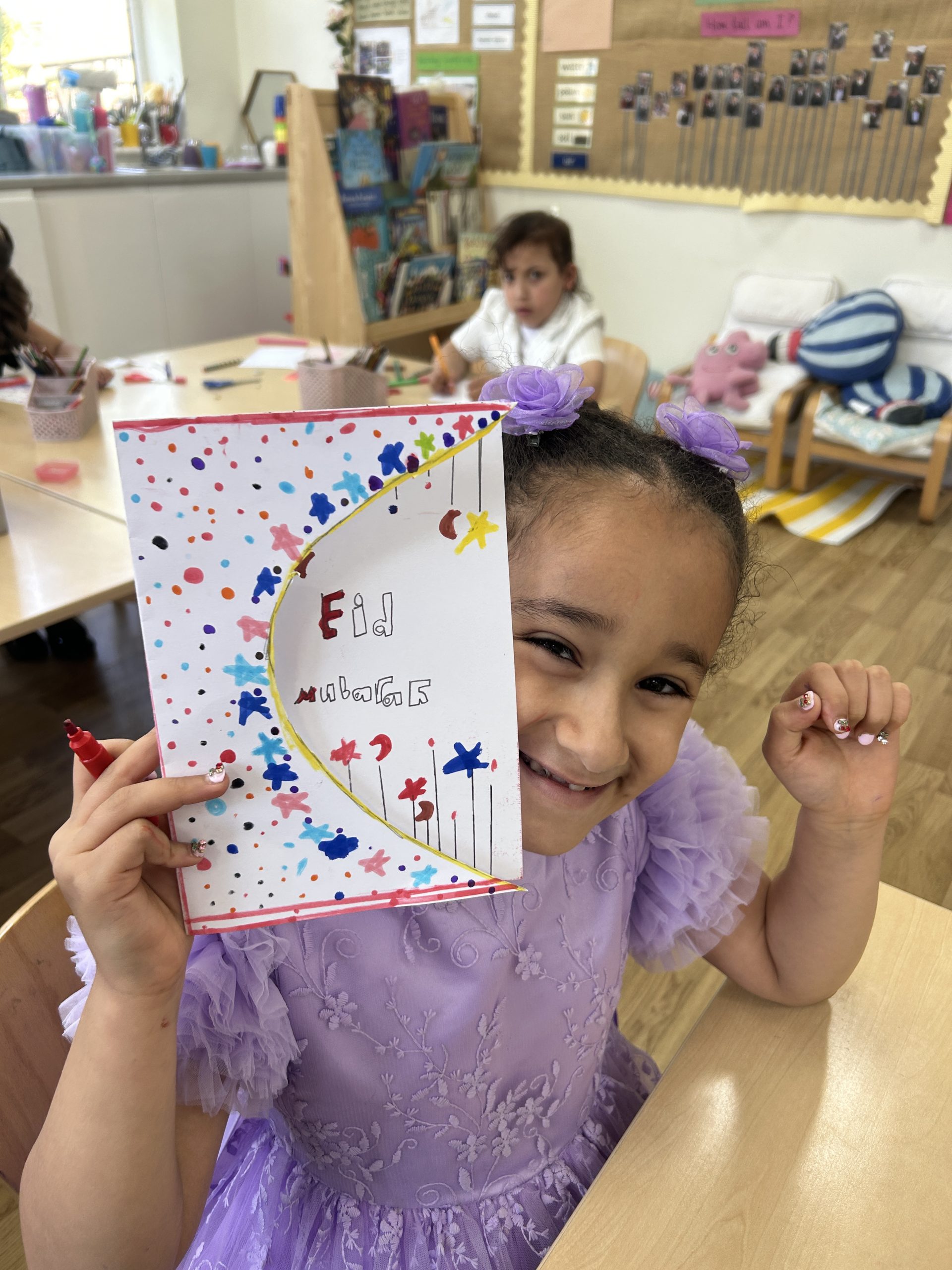
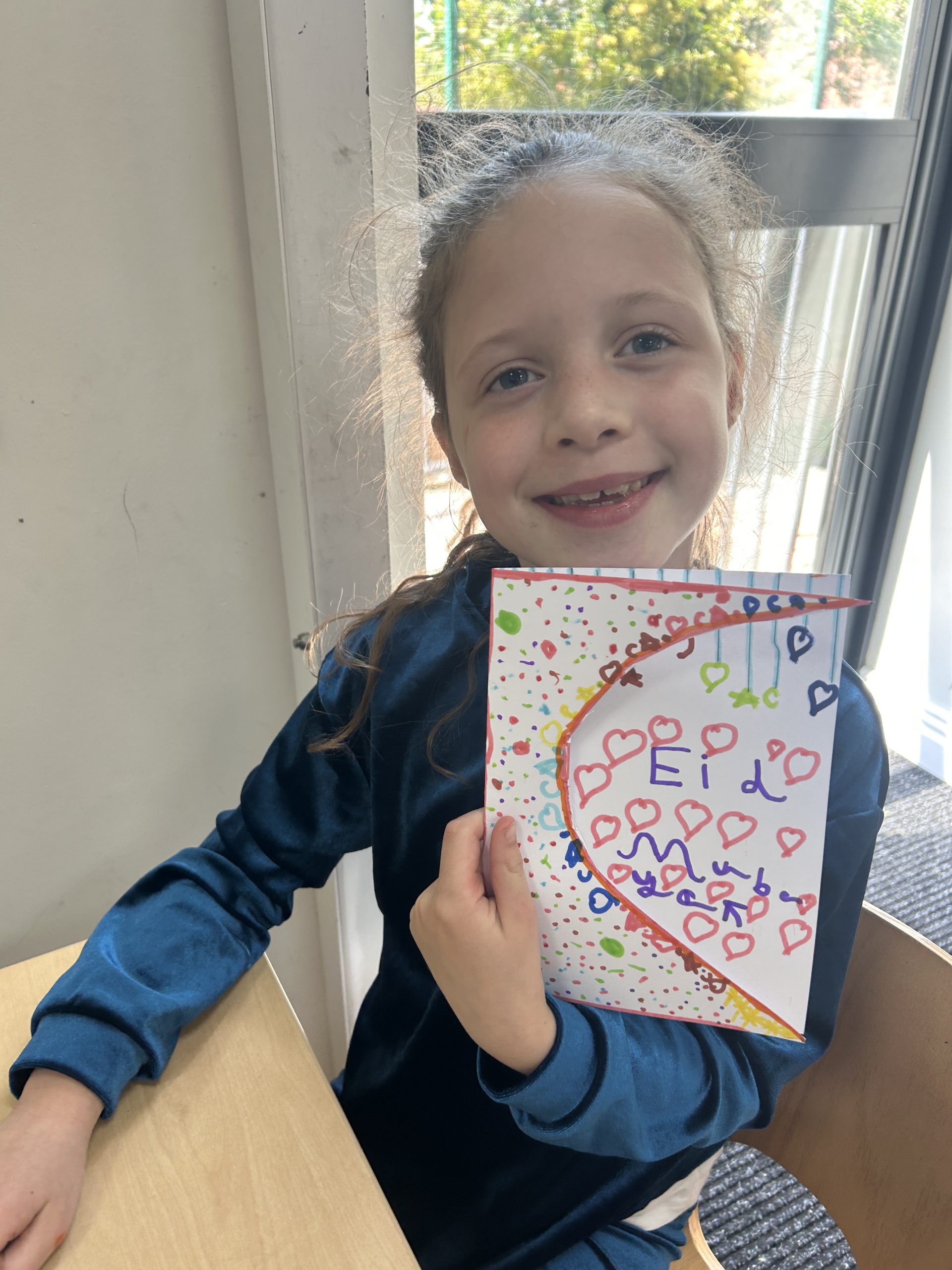
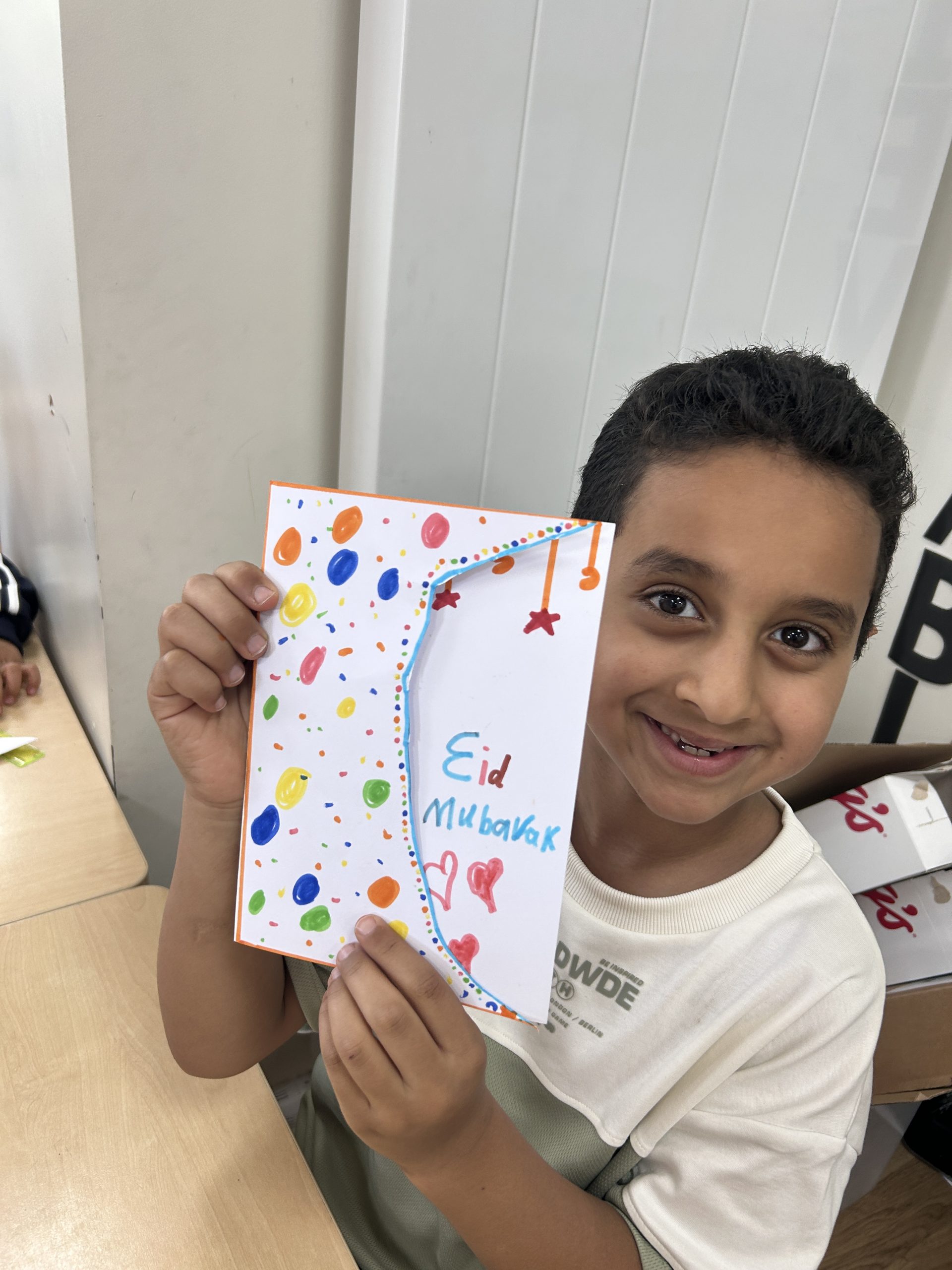
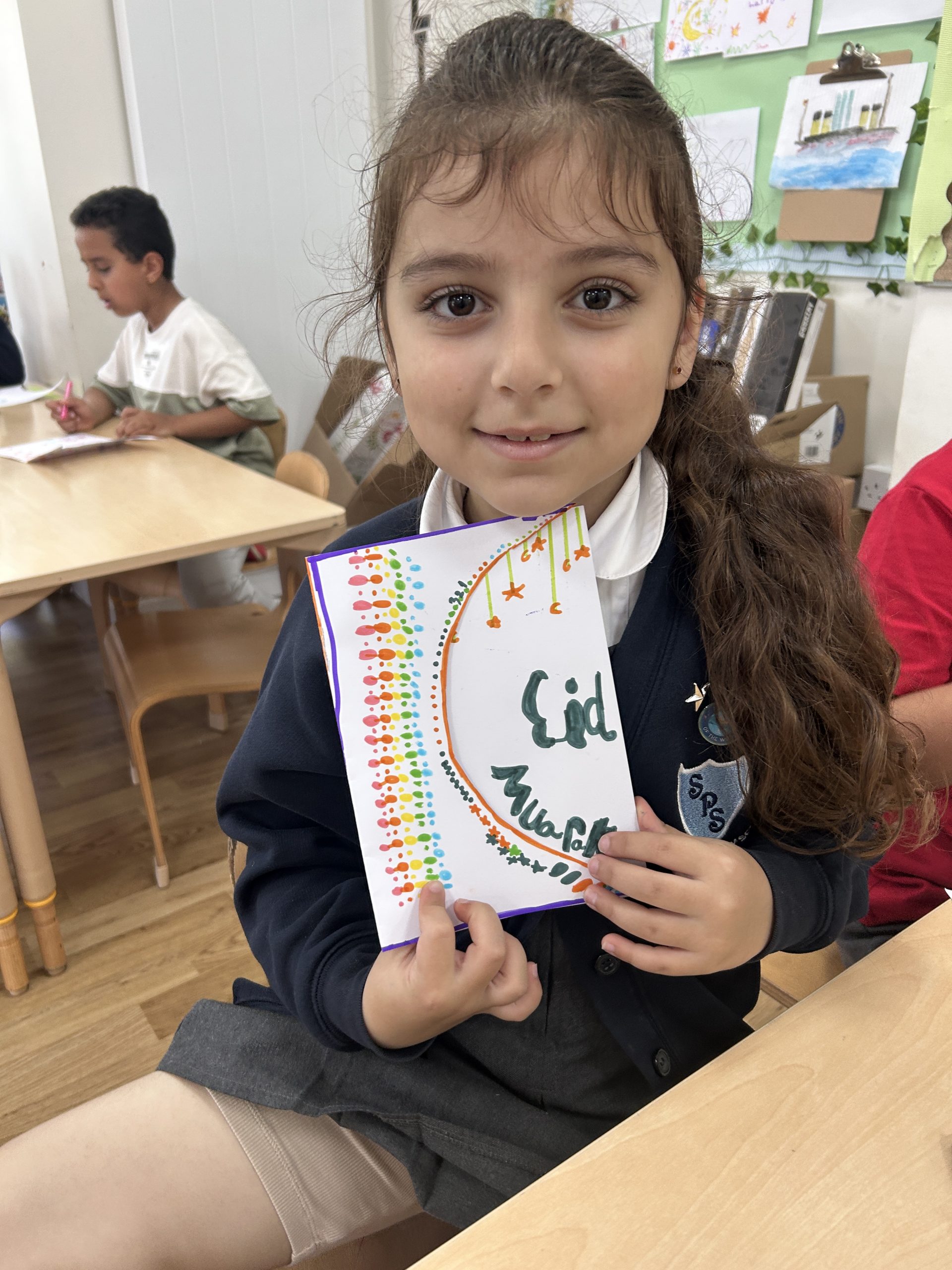
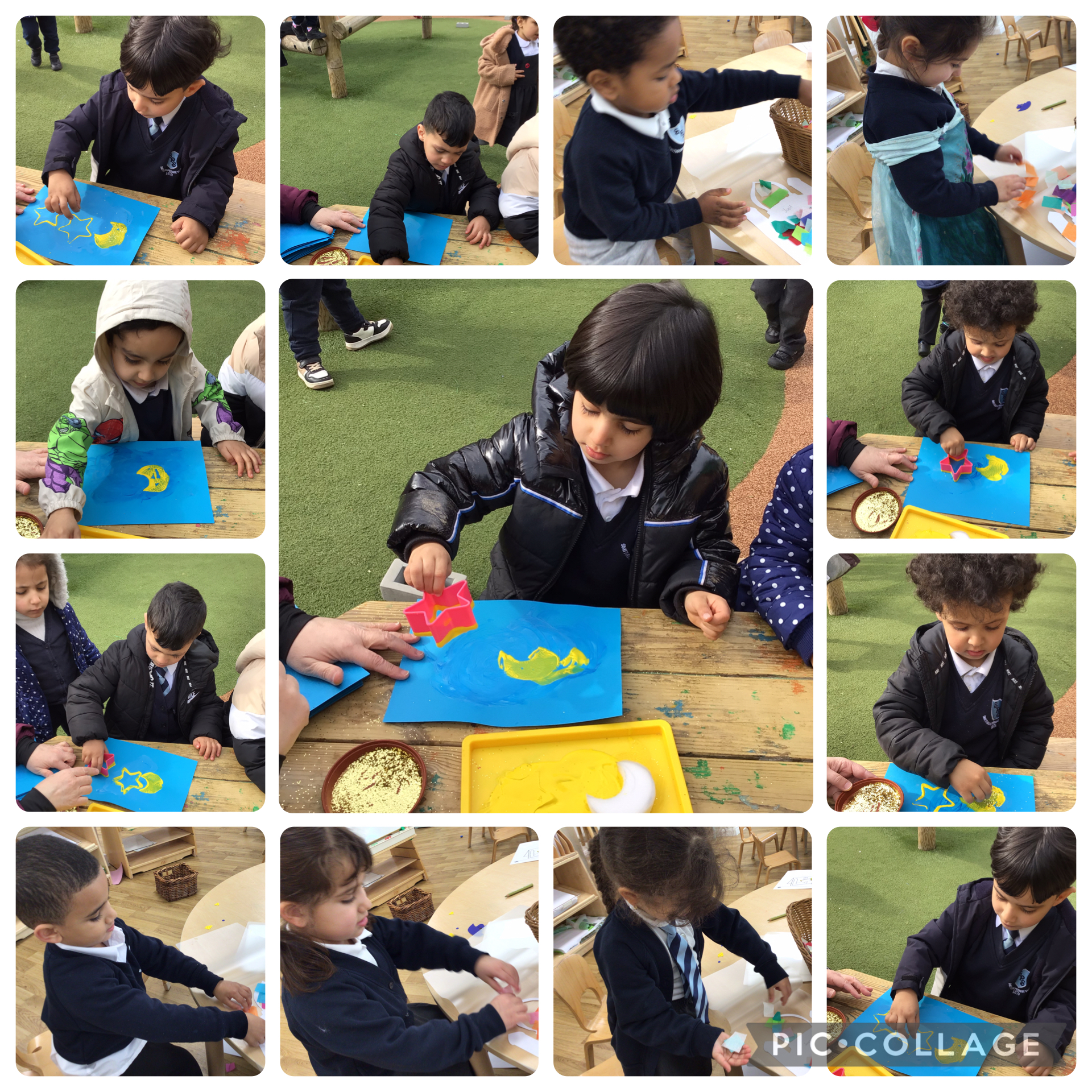
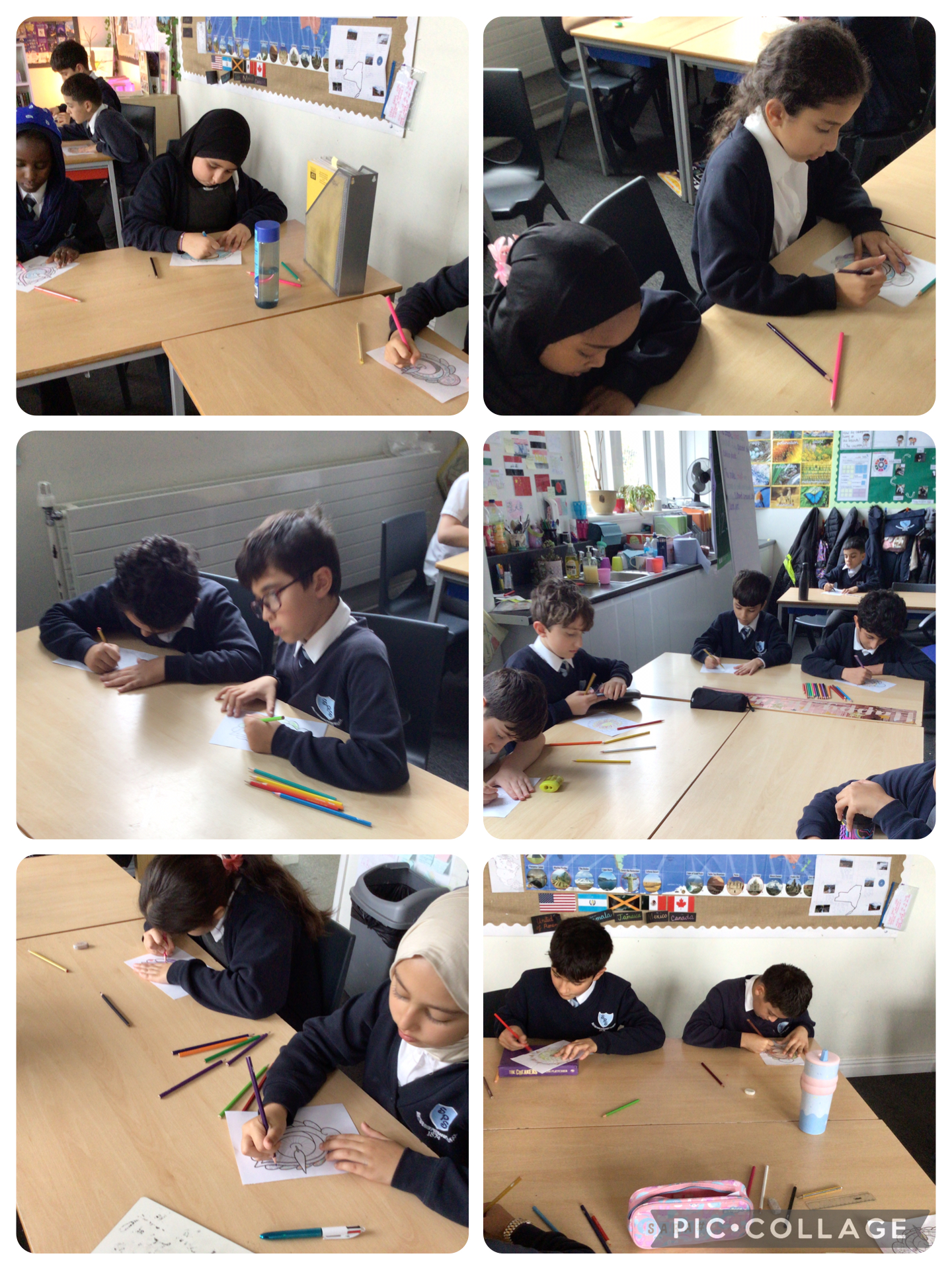
This morning we have been celebrating Eid with lots of different activities. We have made cards, decorated hands and drew different mosques. We hope you all have a lovely half term and Eid!!
!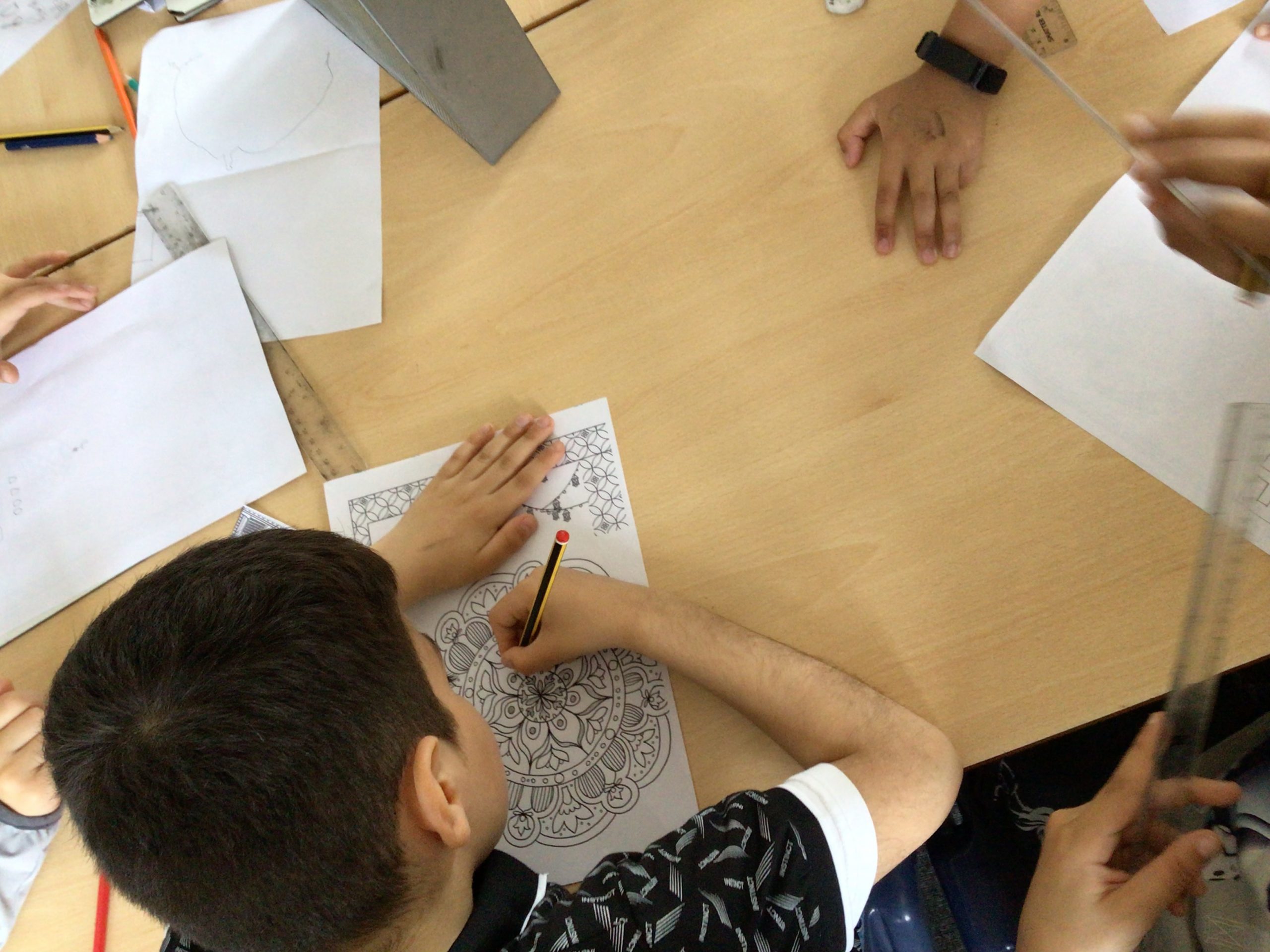
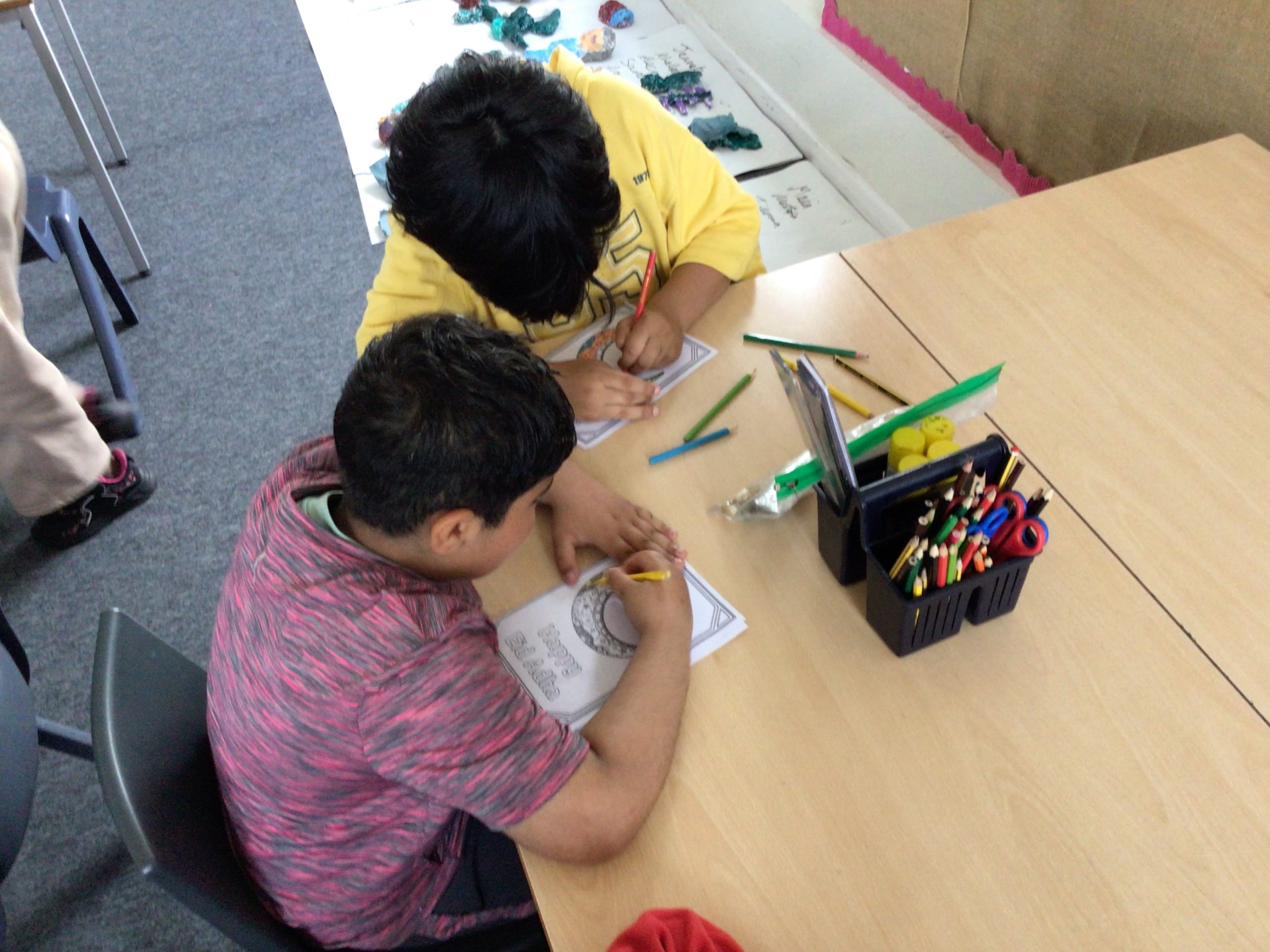
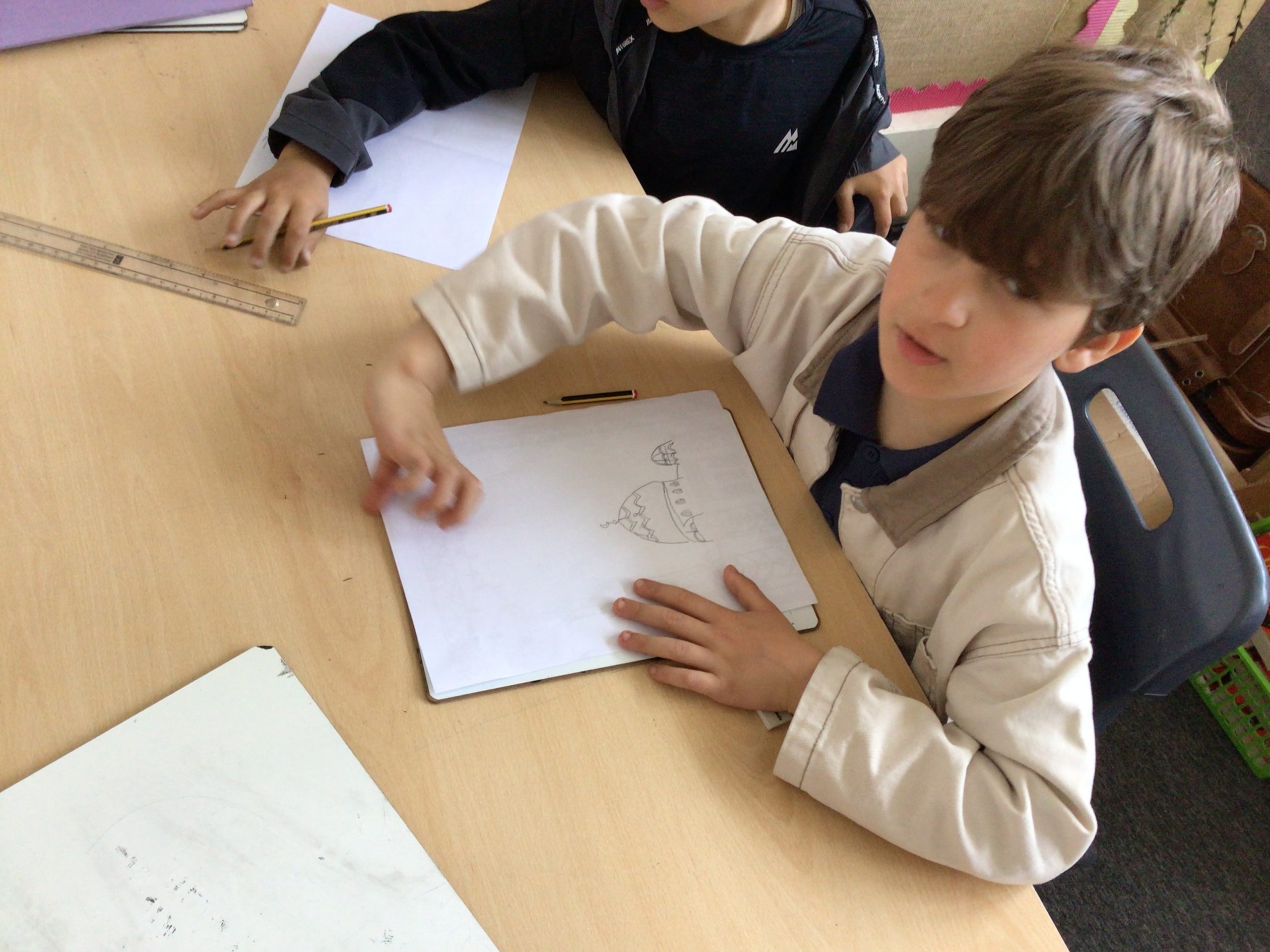
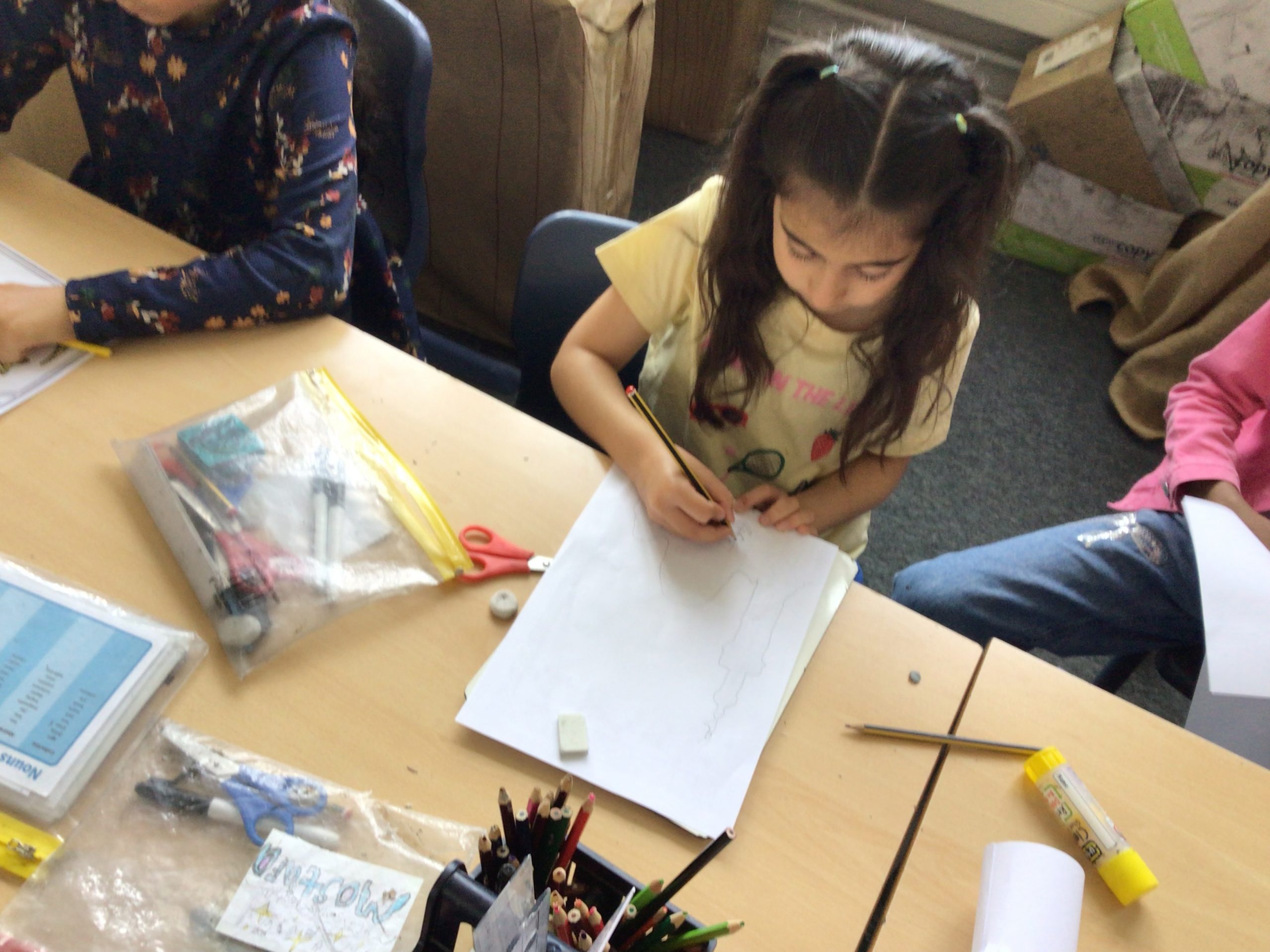
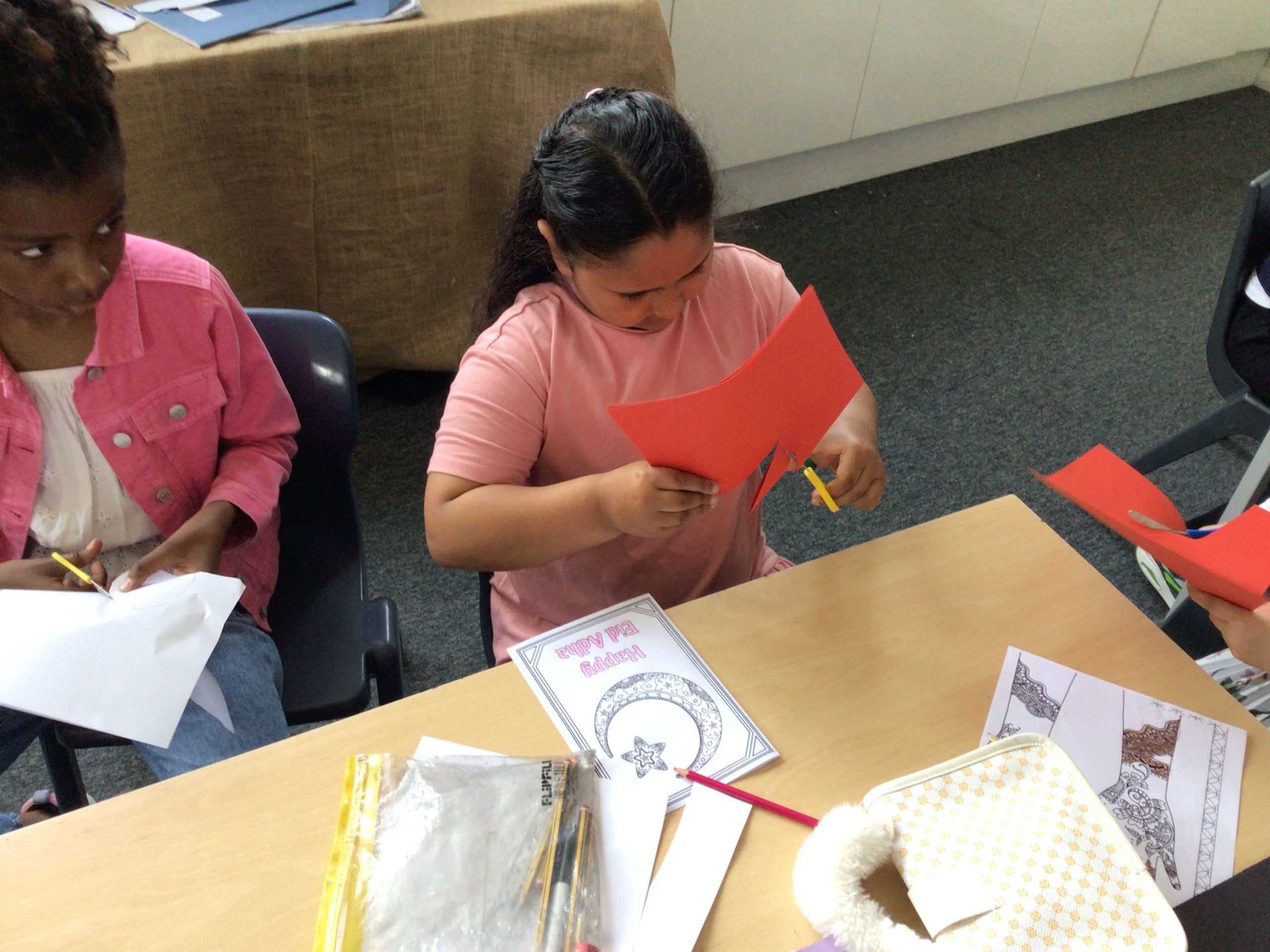
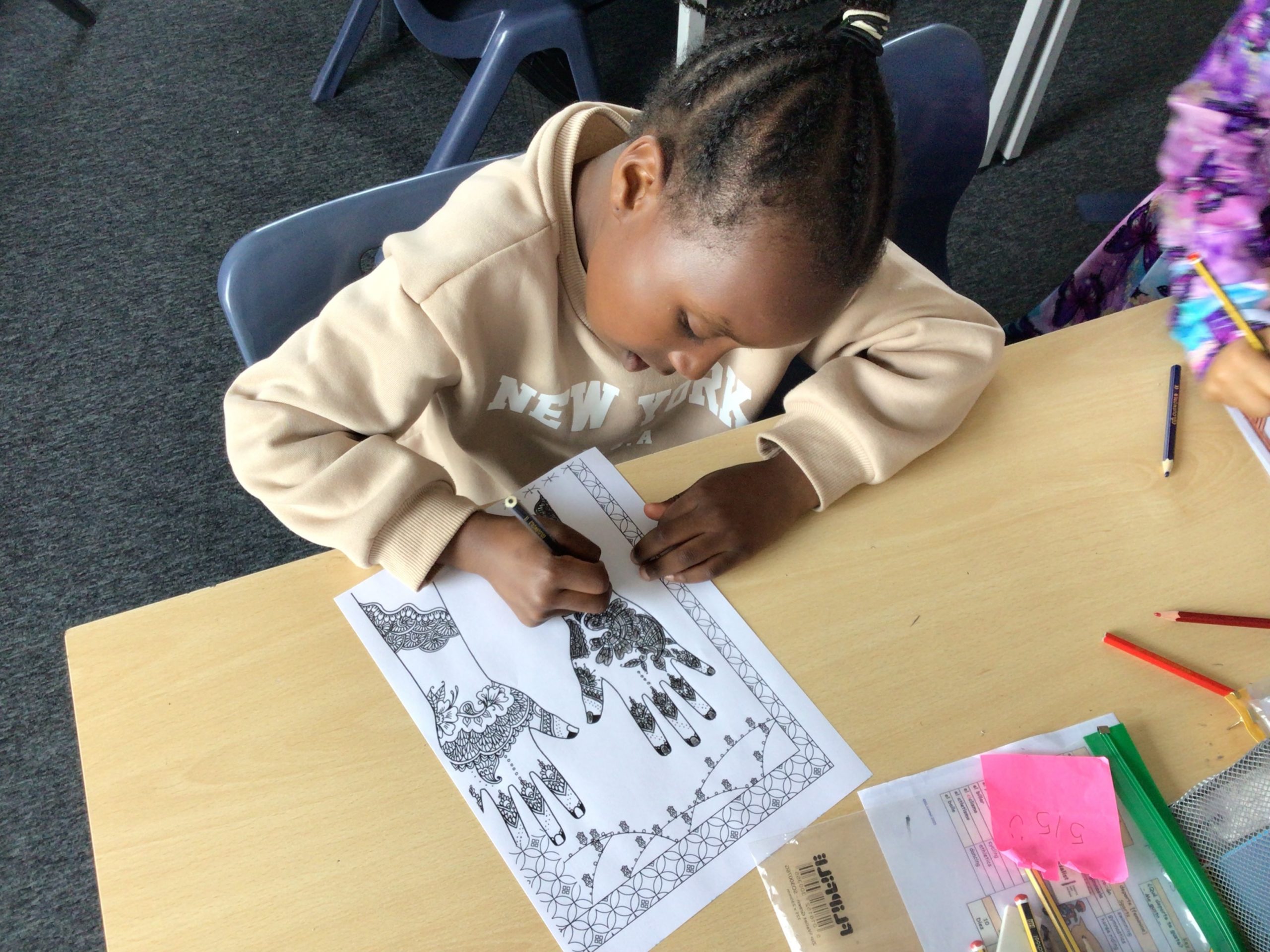
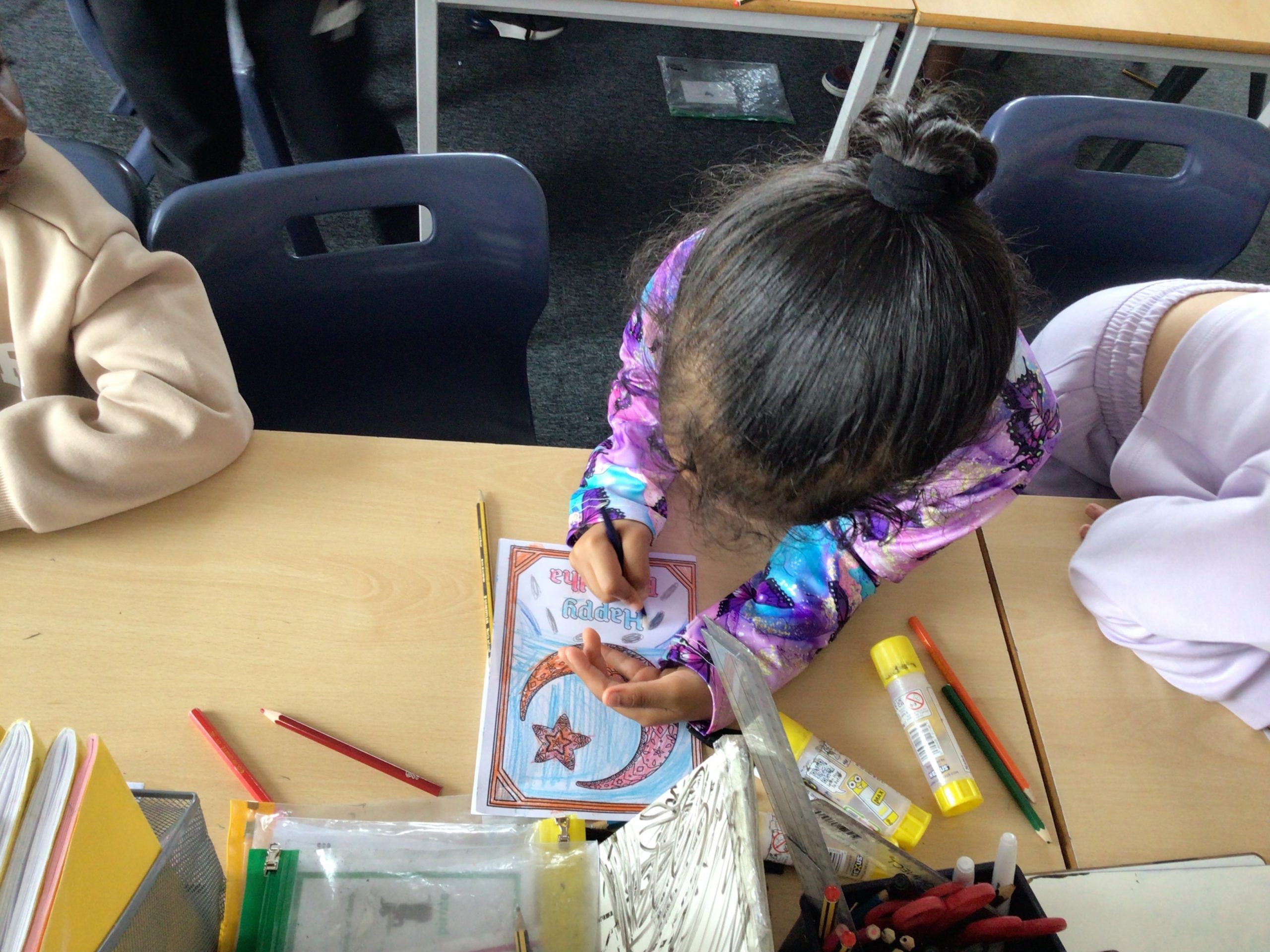
Yesterday, Year 5 enjoyed making Eid cards ready for celebrations tomorrow!
Eid Mubarak
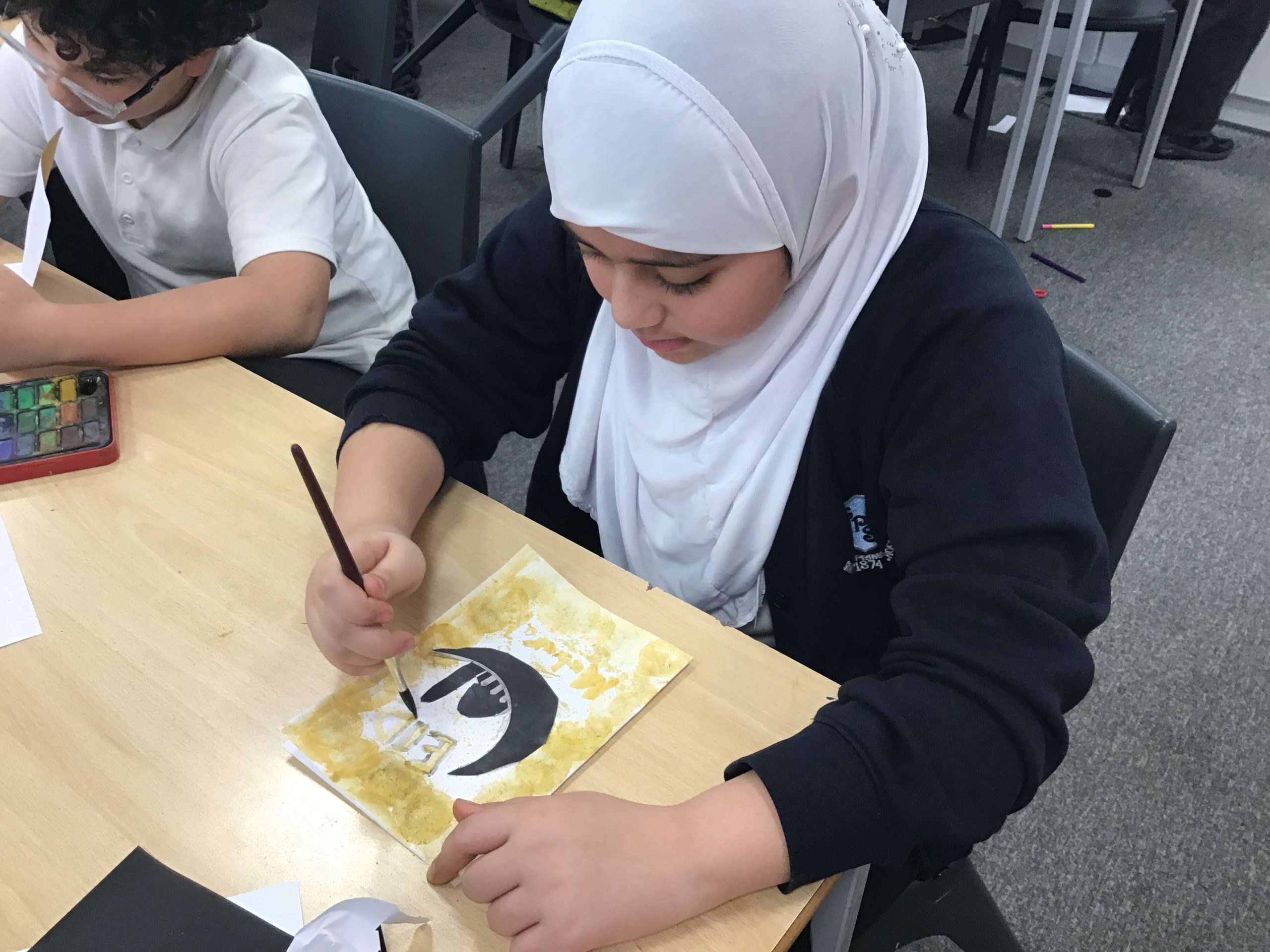
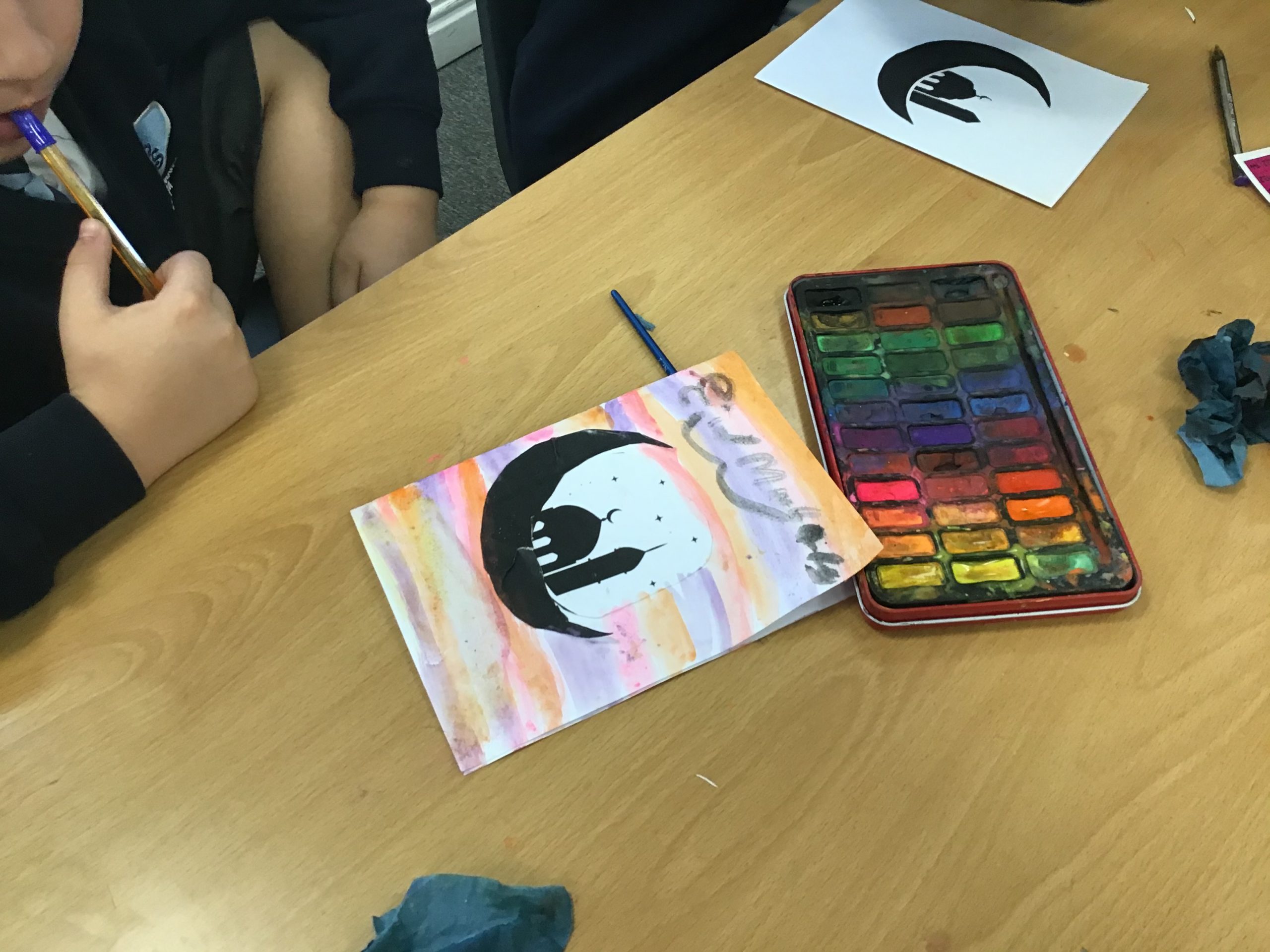
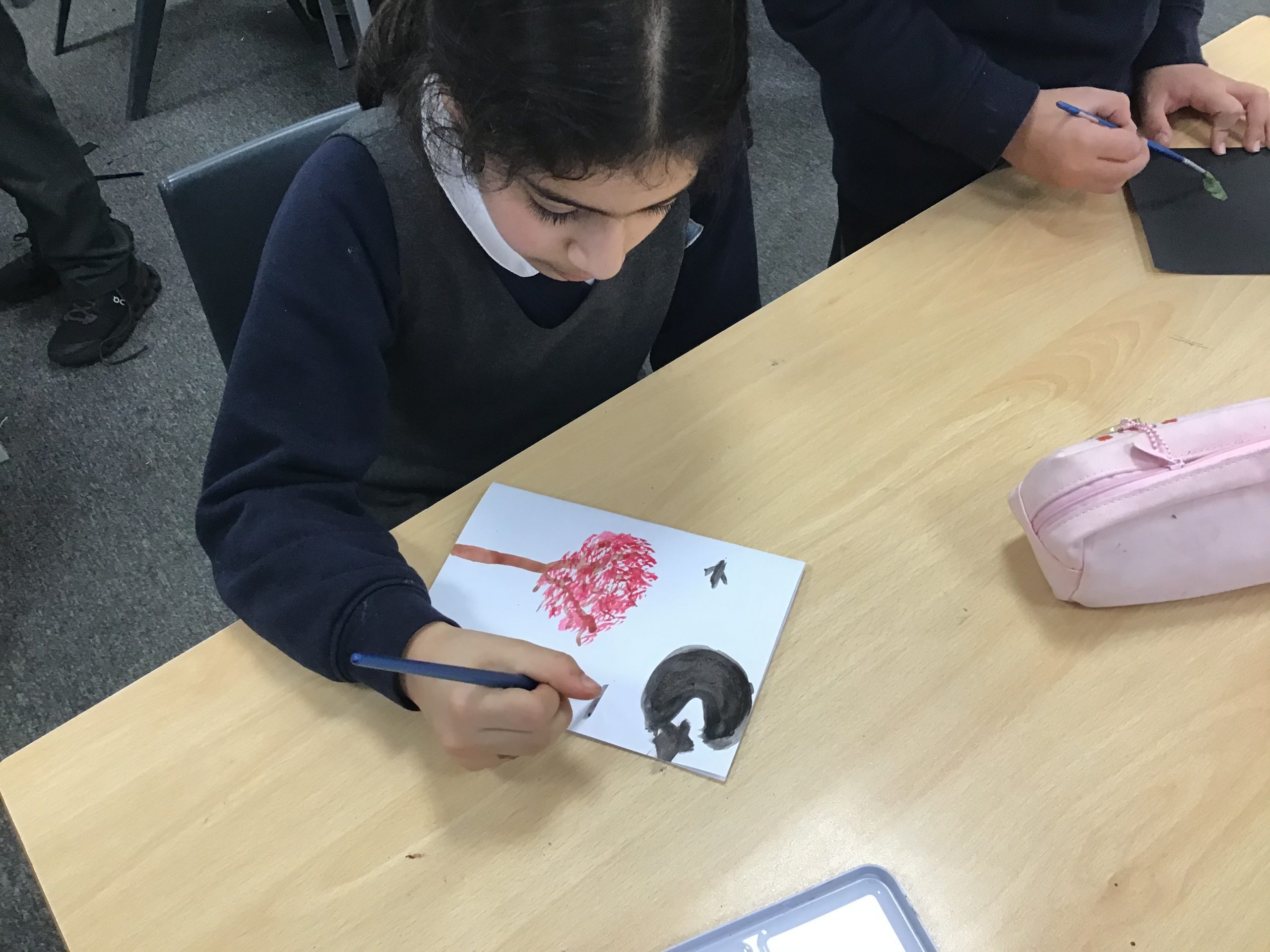
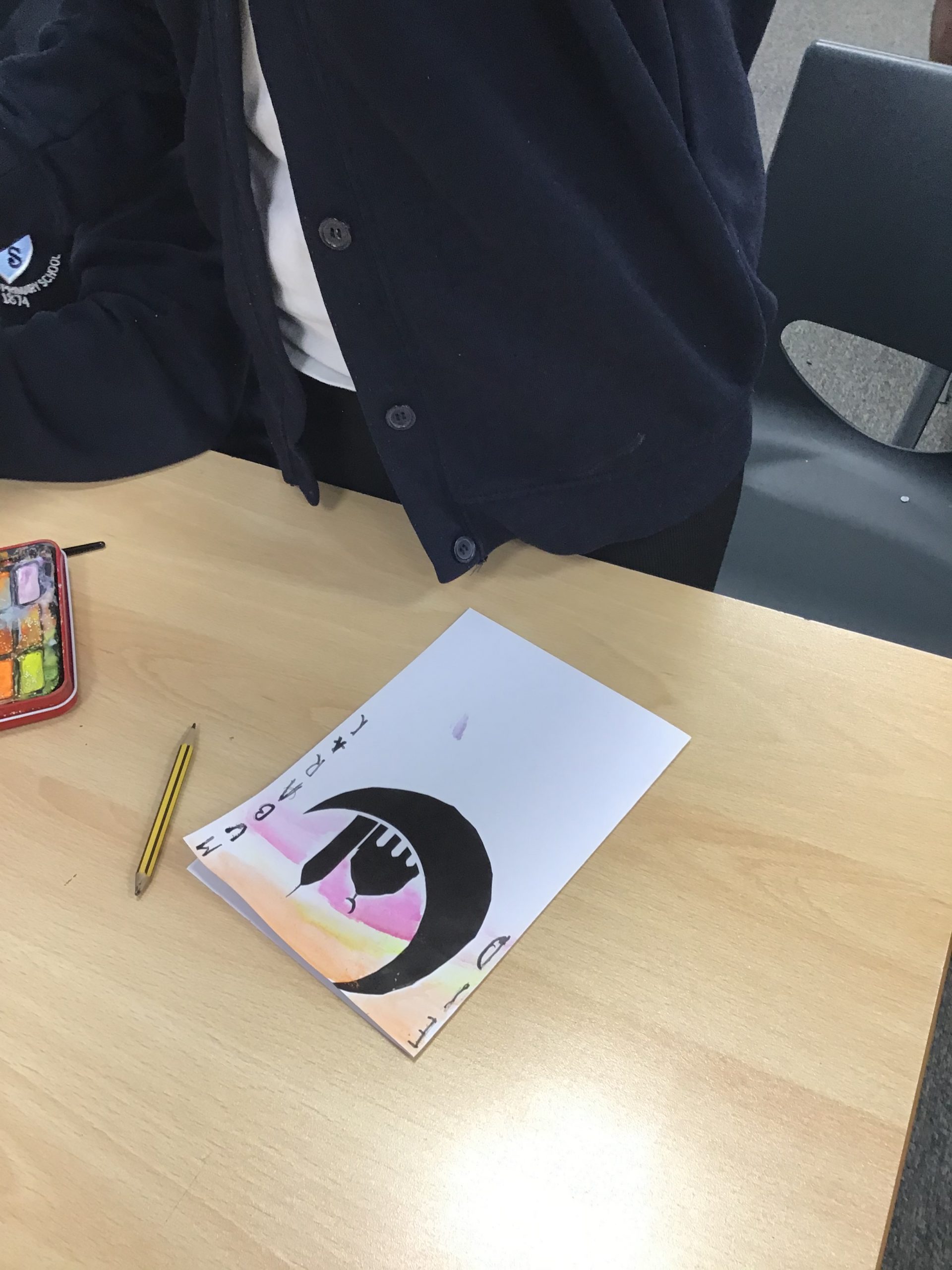
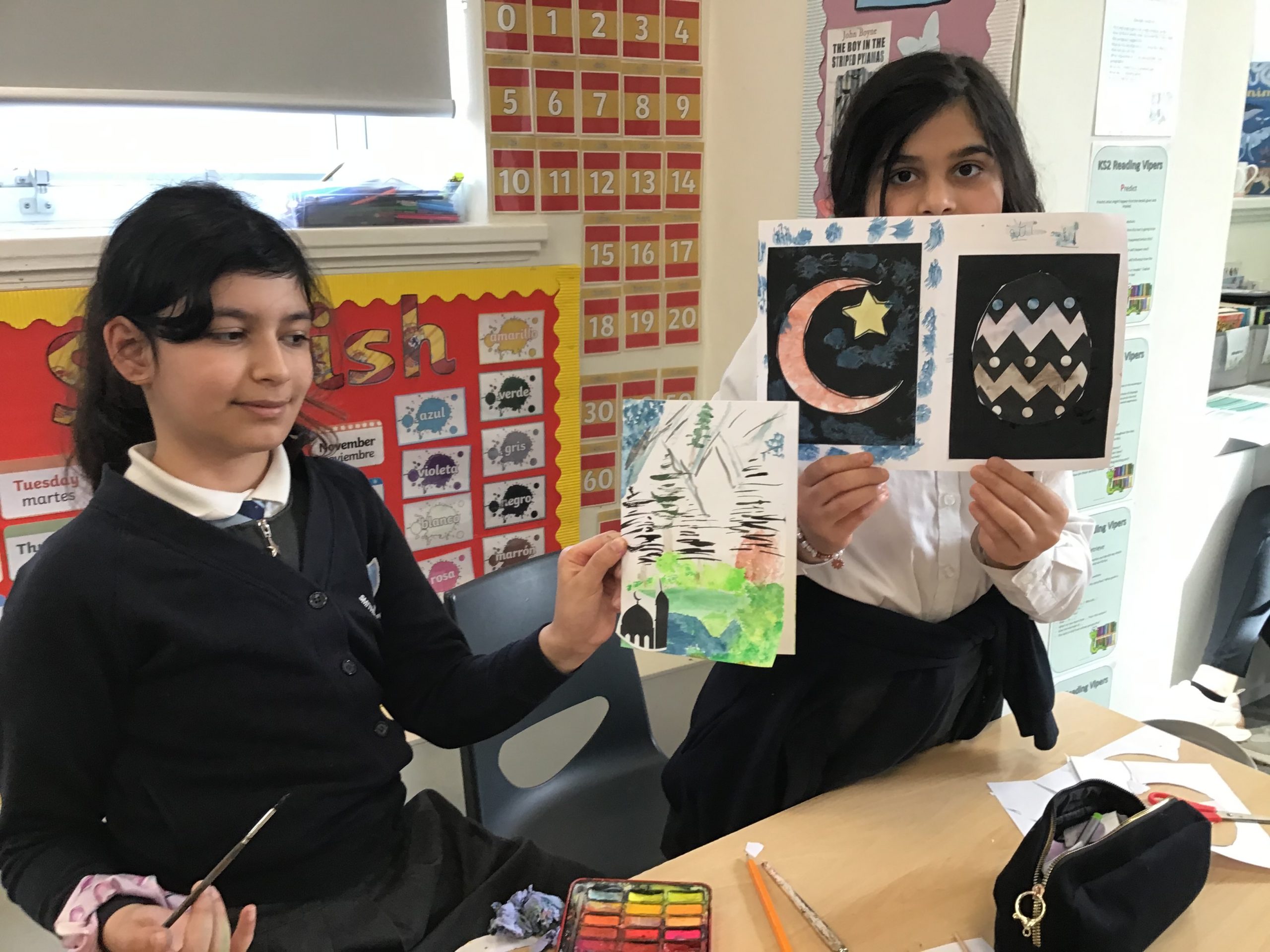
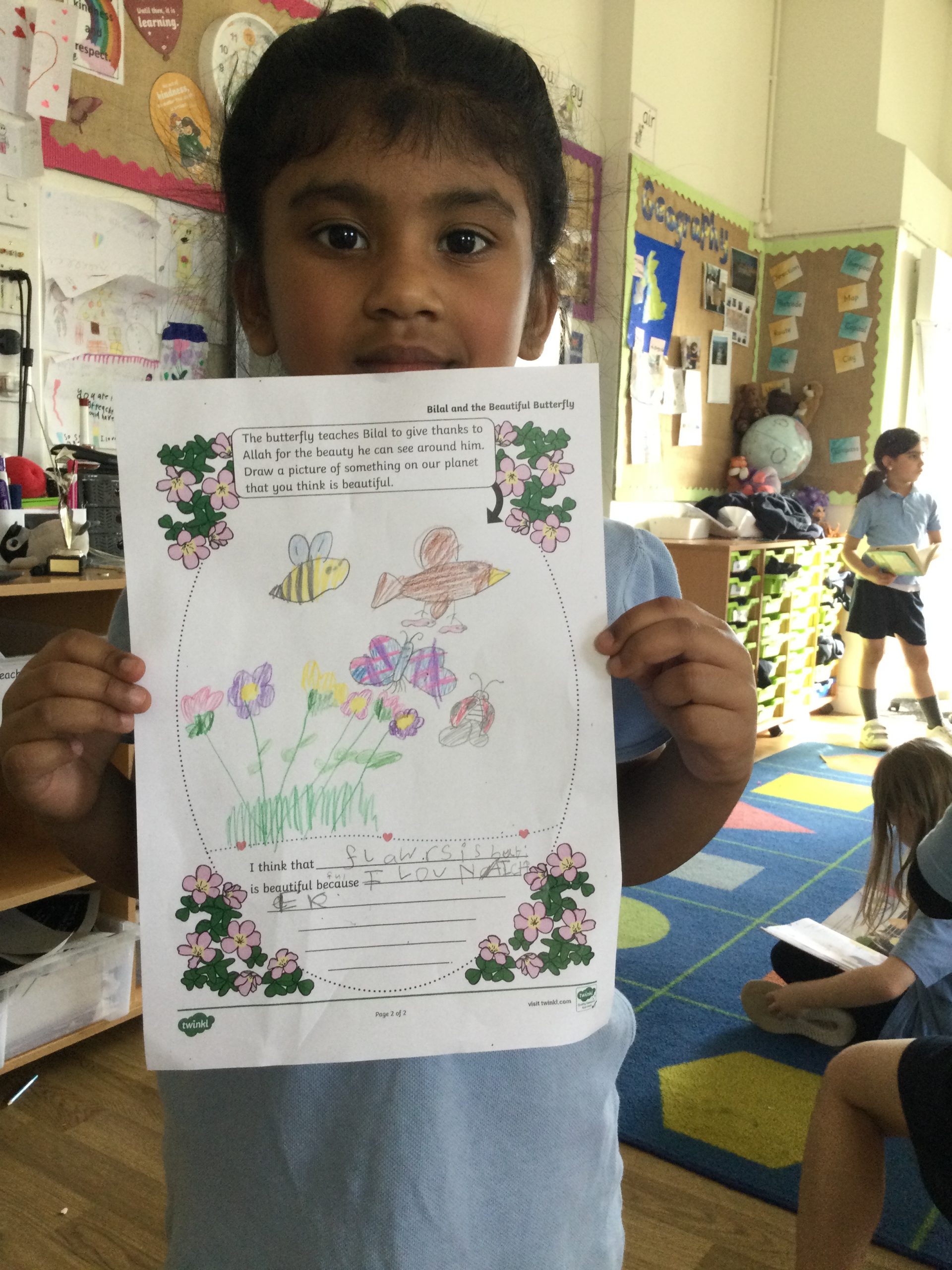
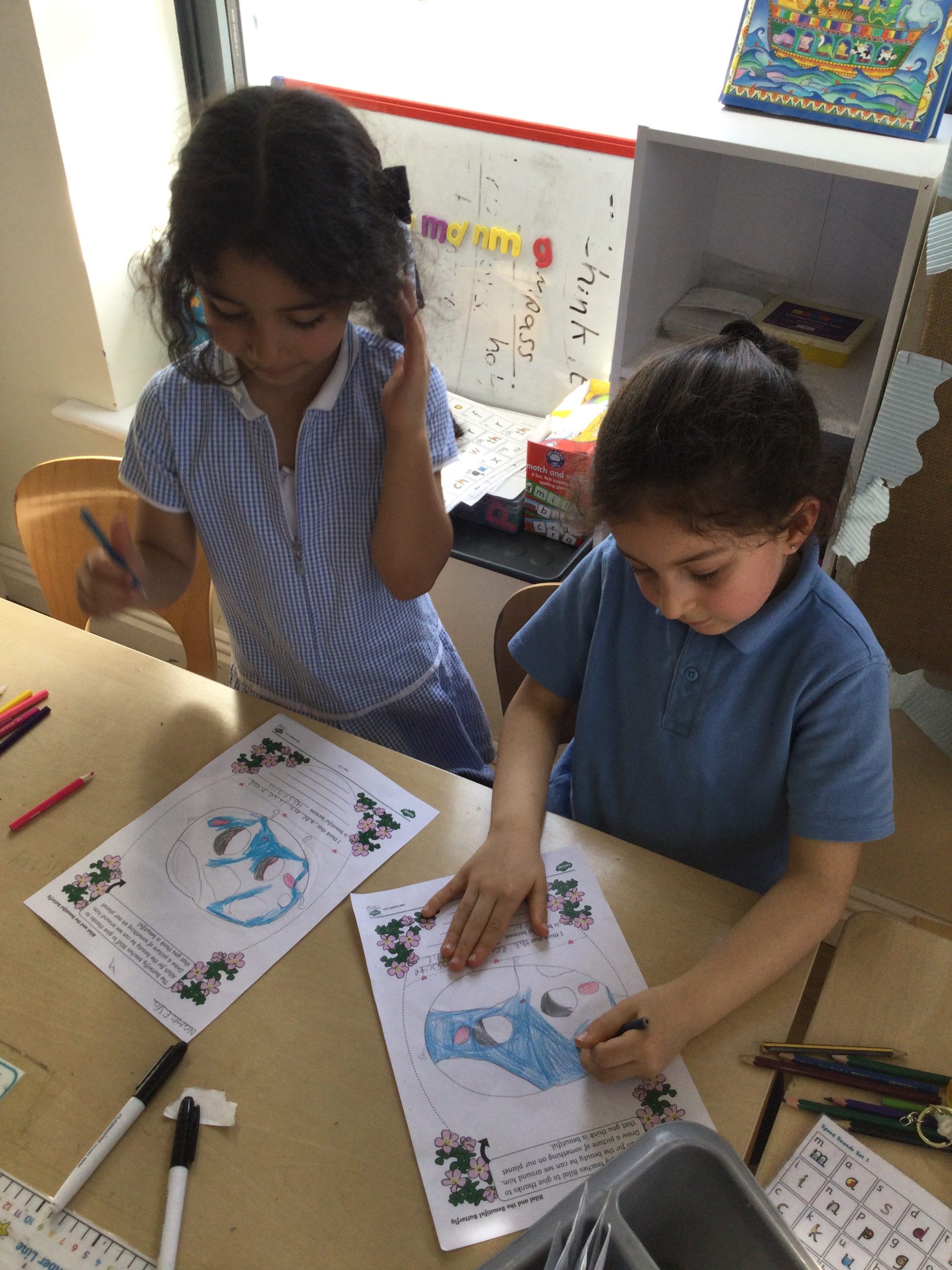
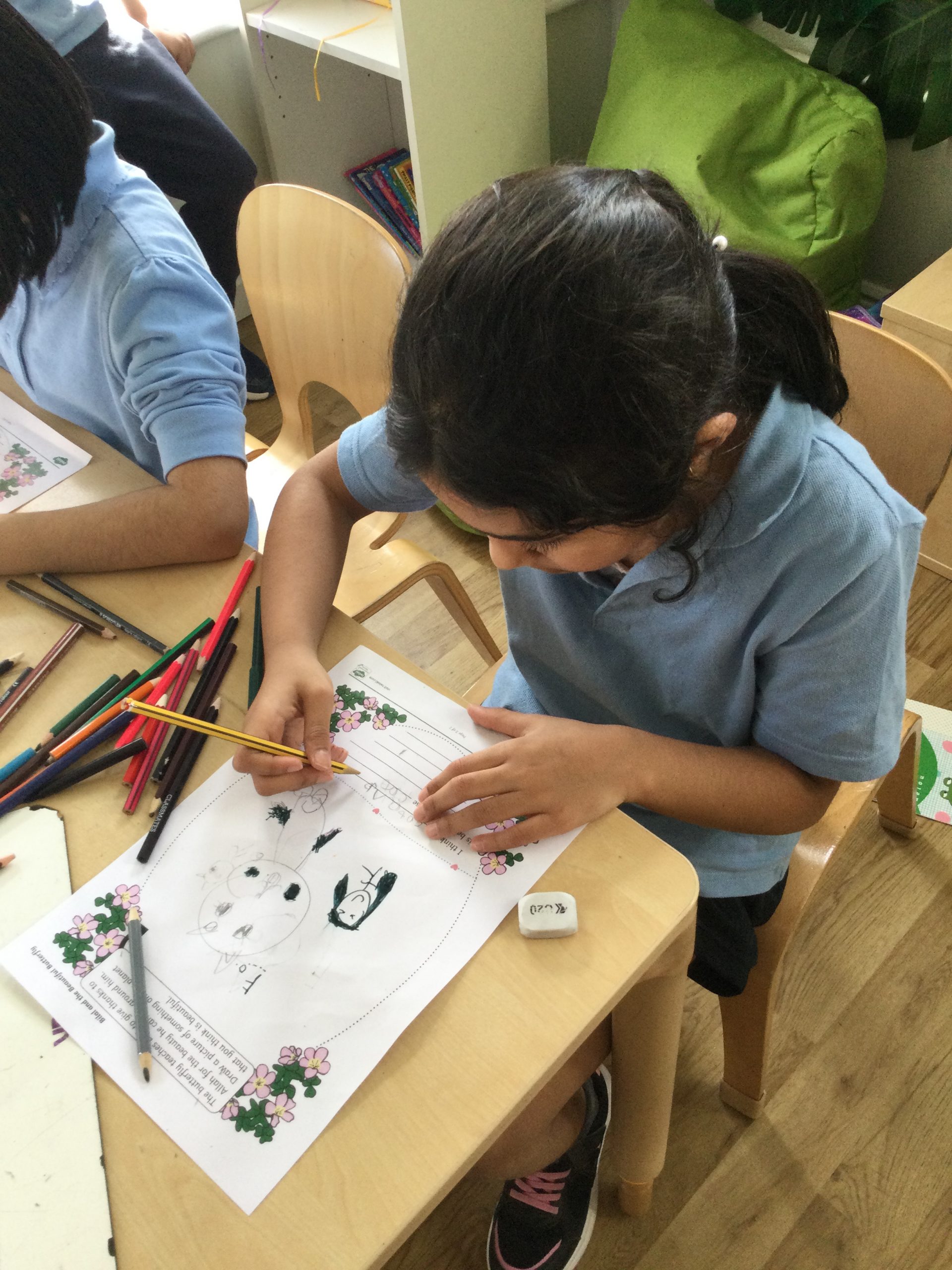
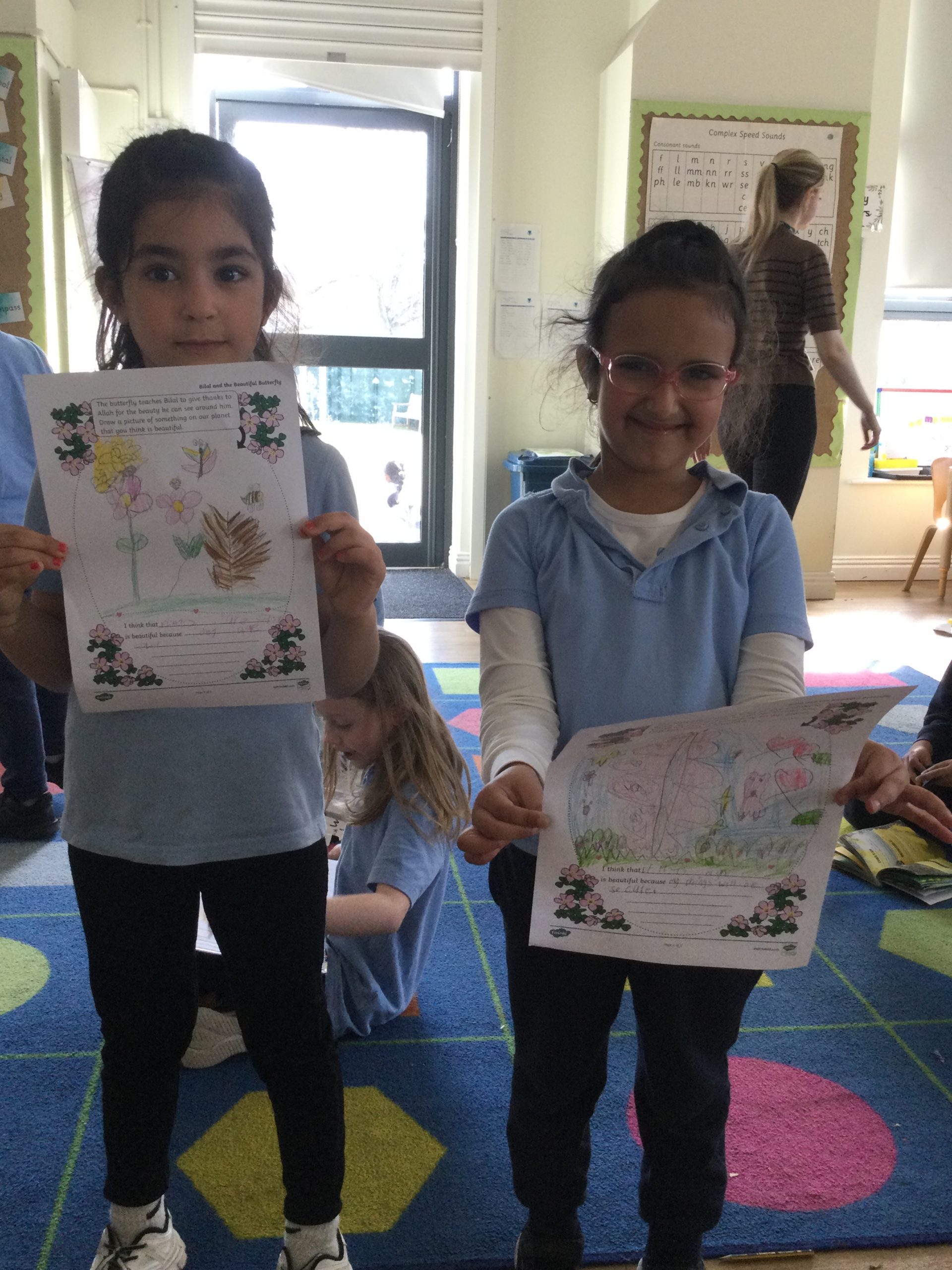
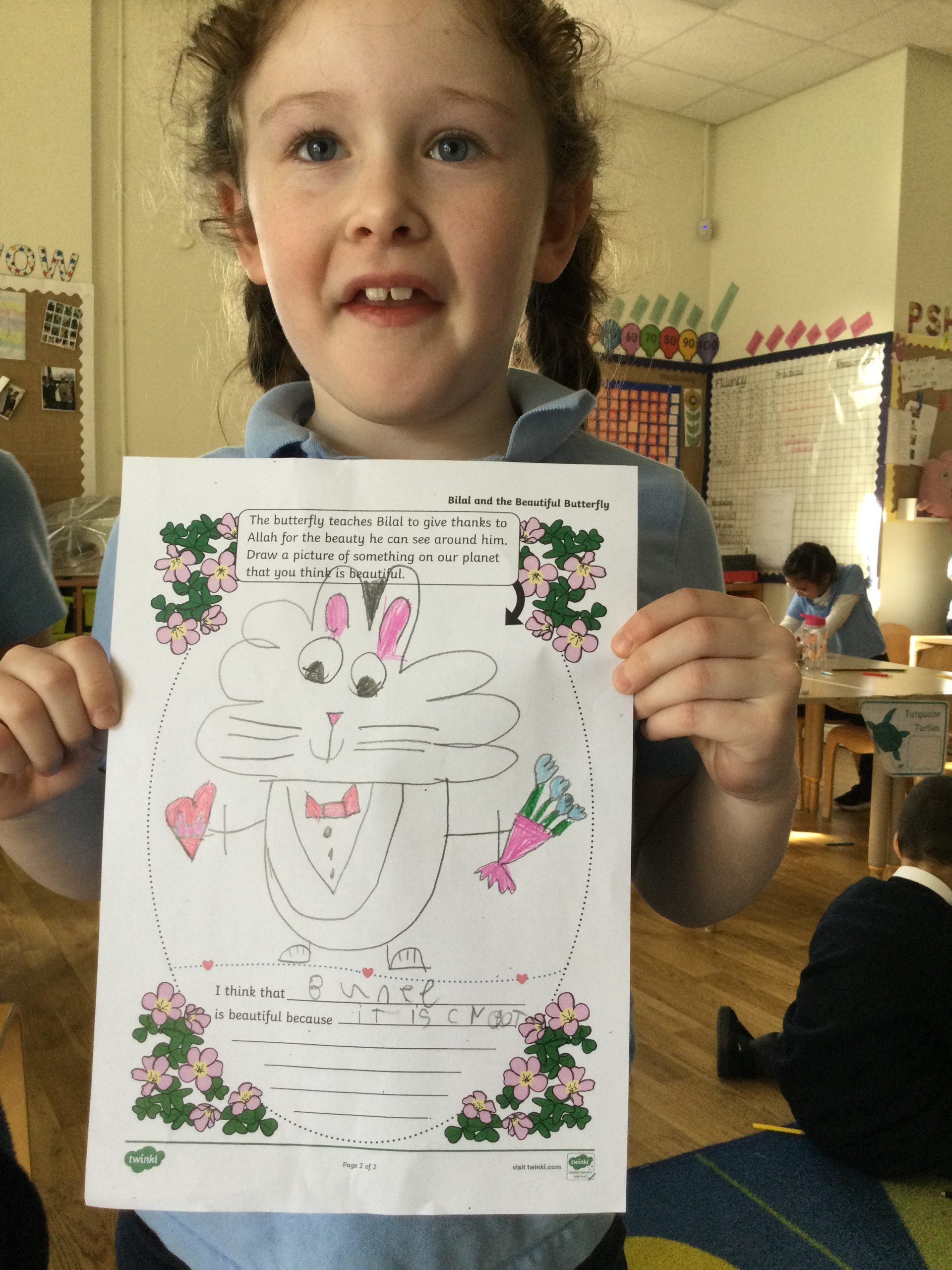
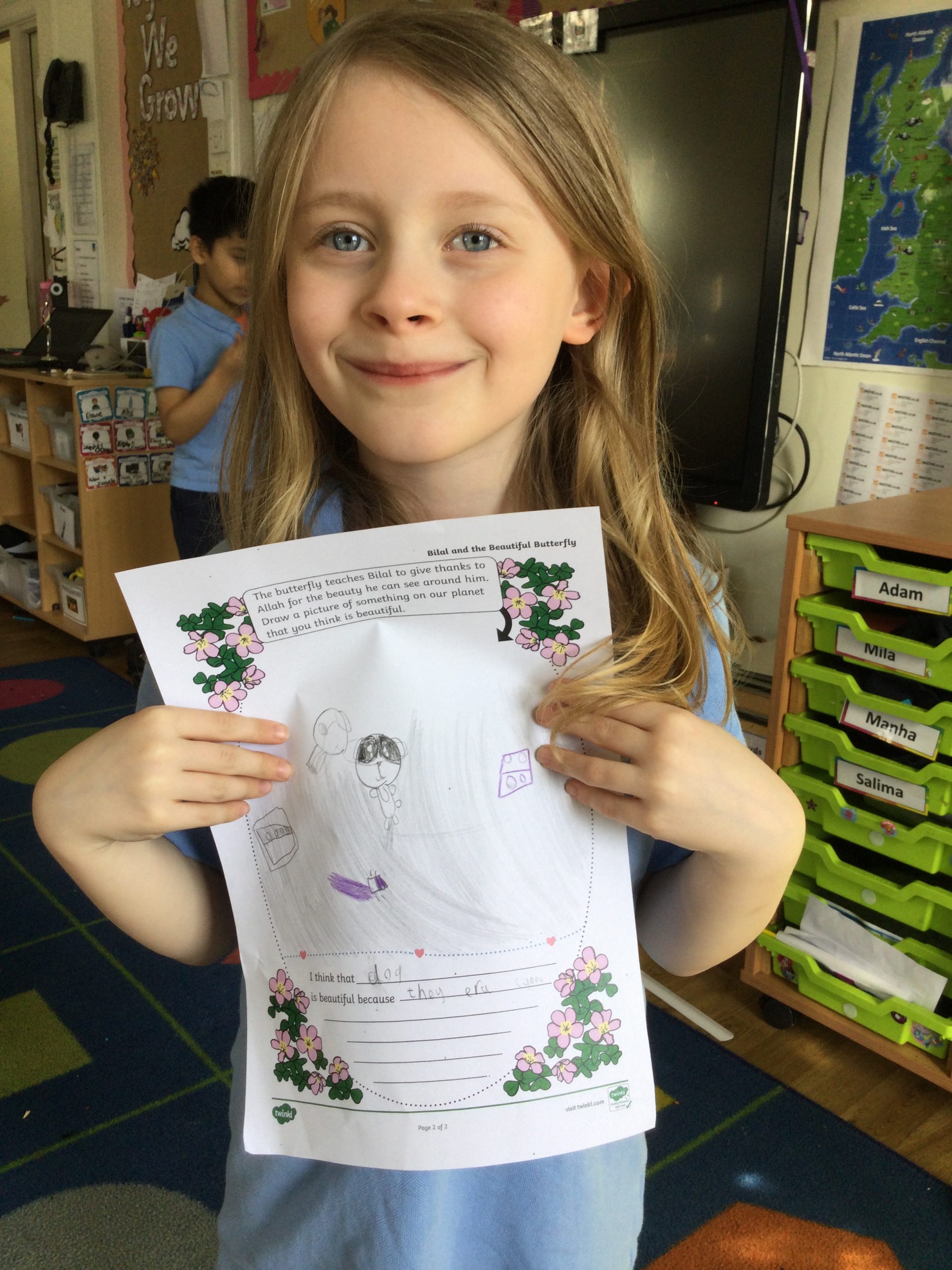
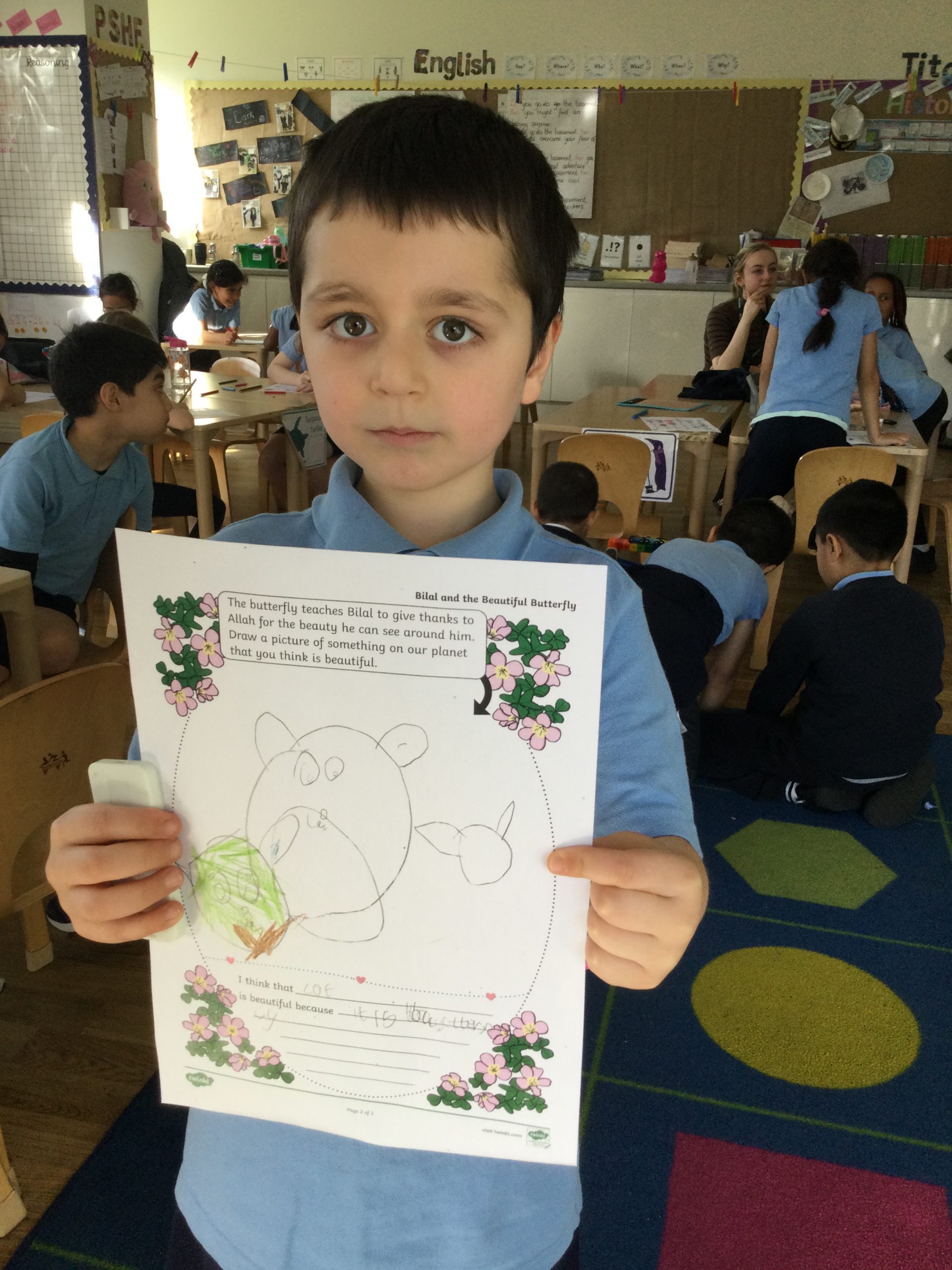
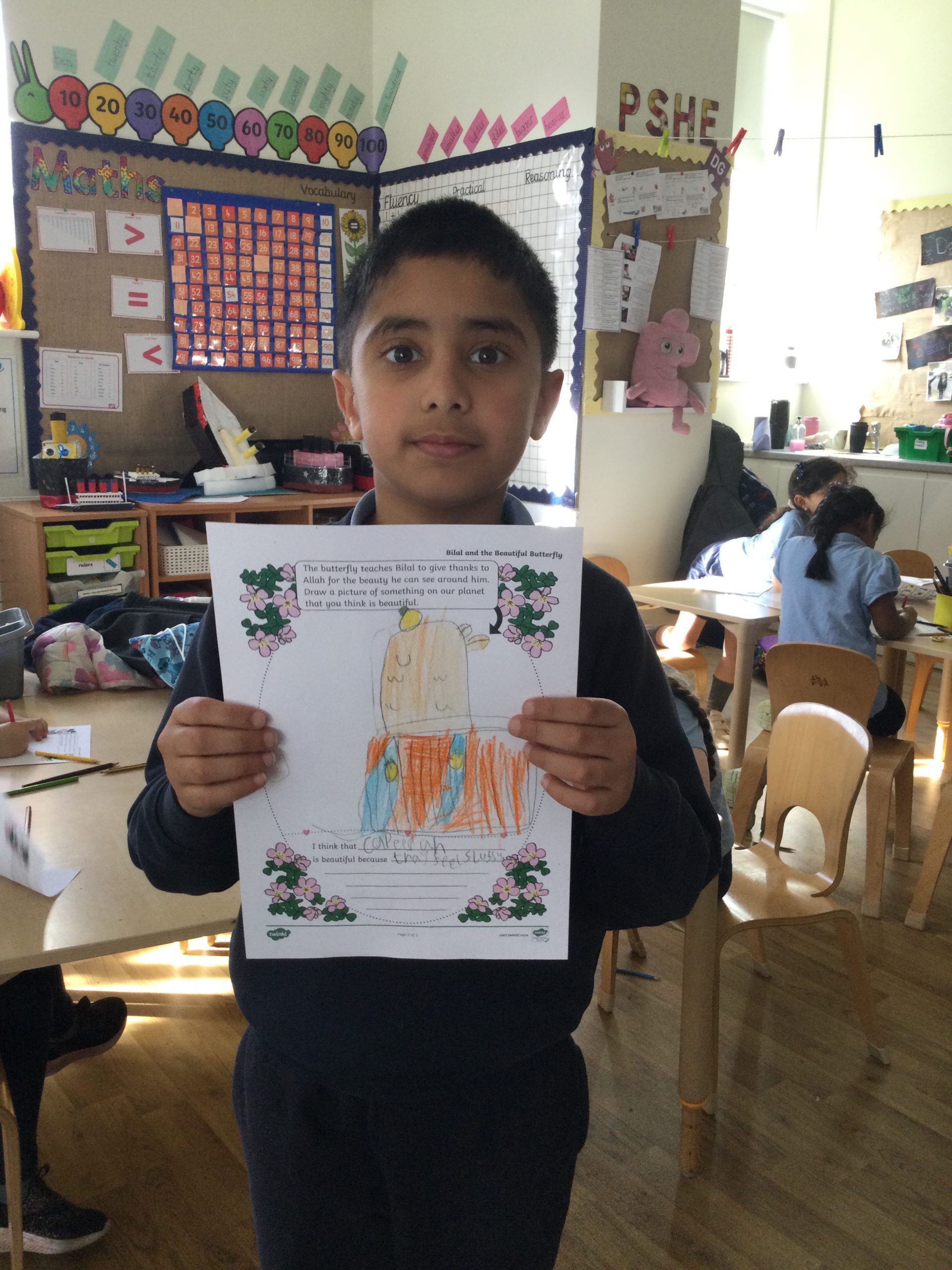
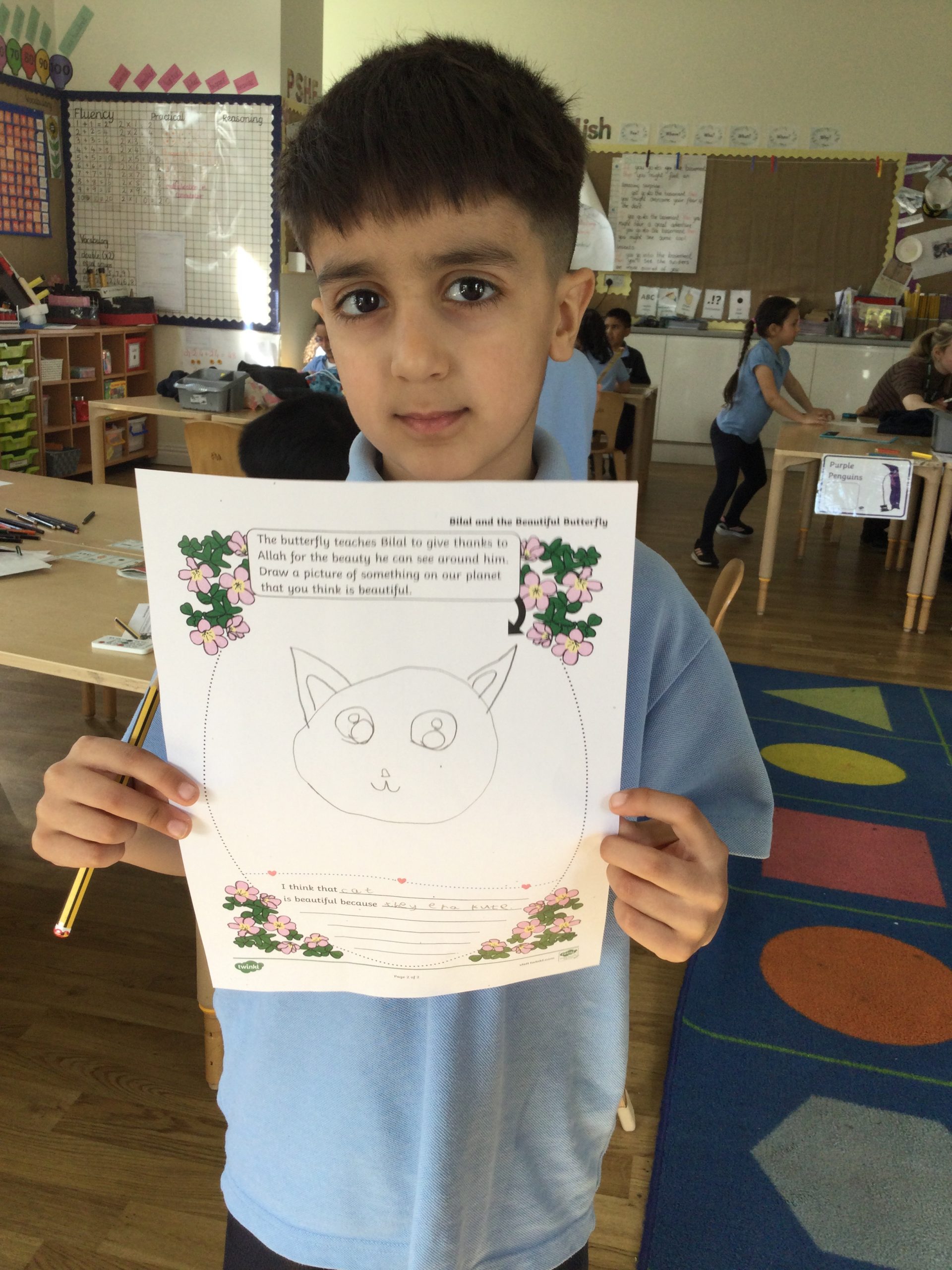
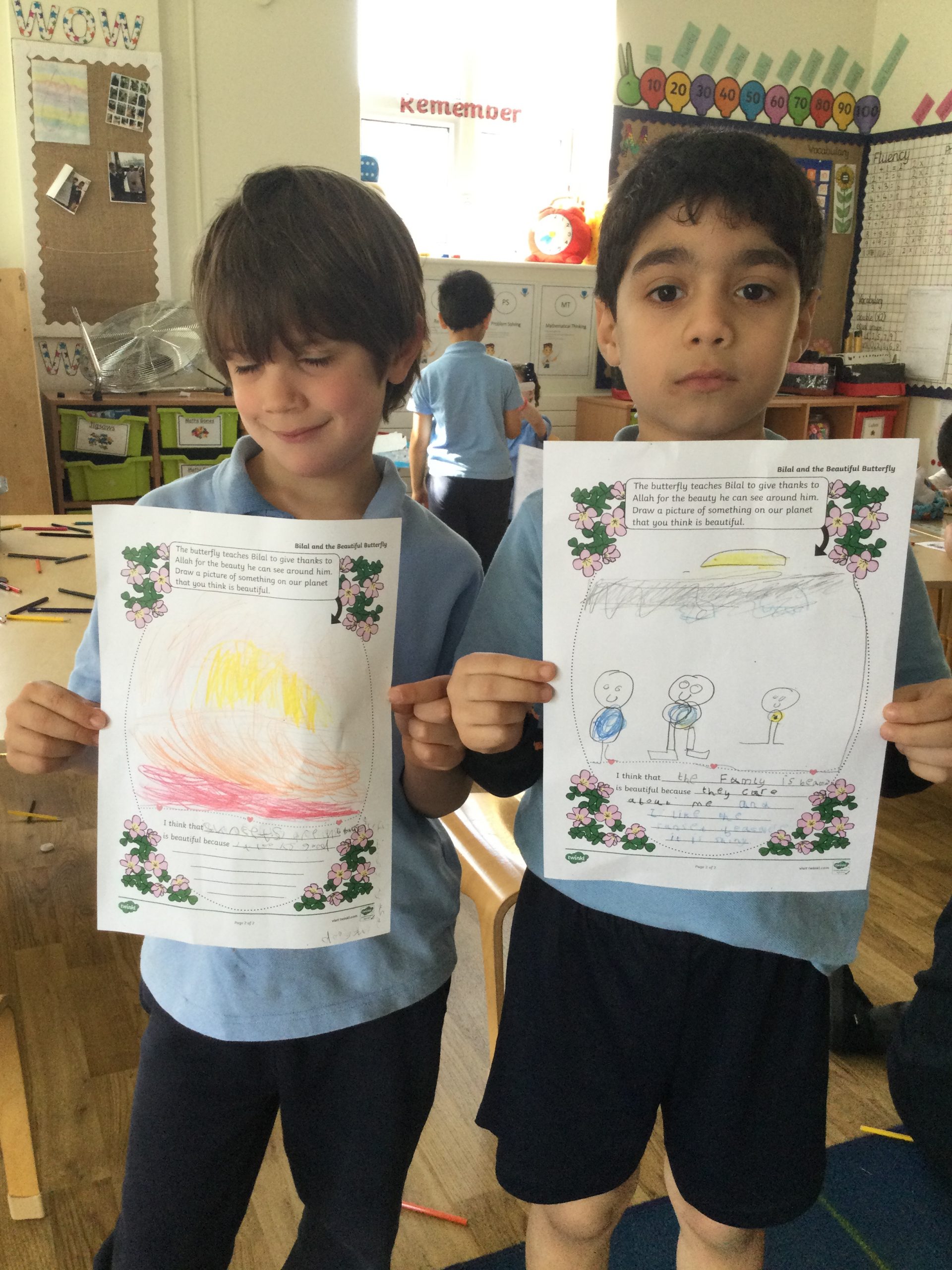
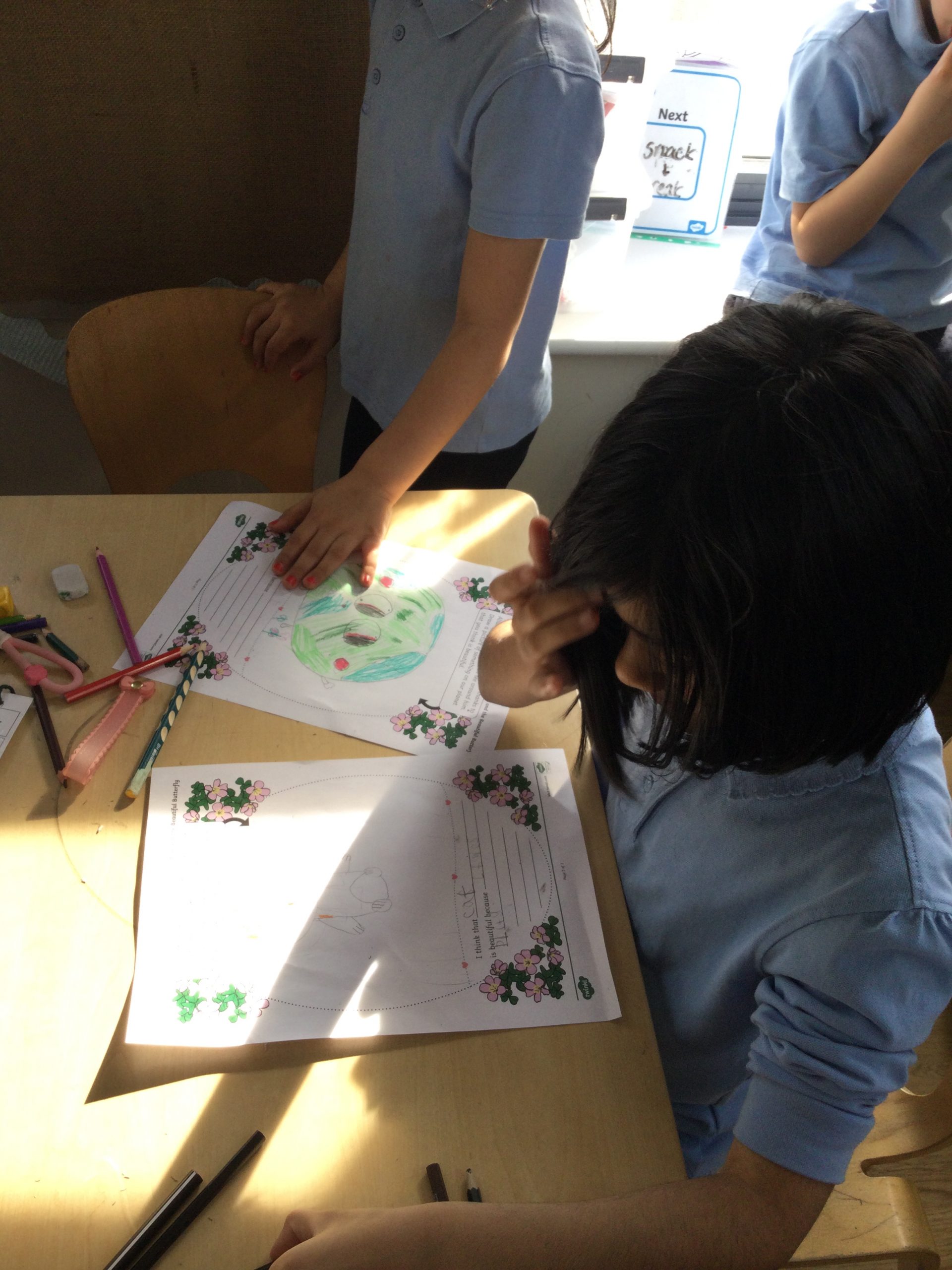
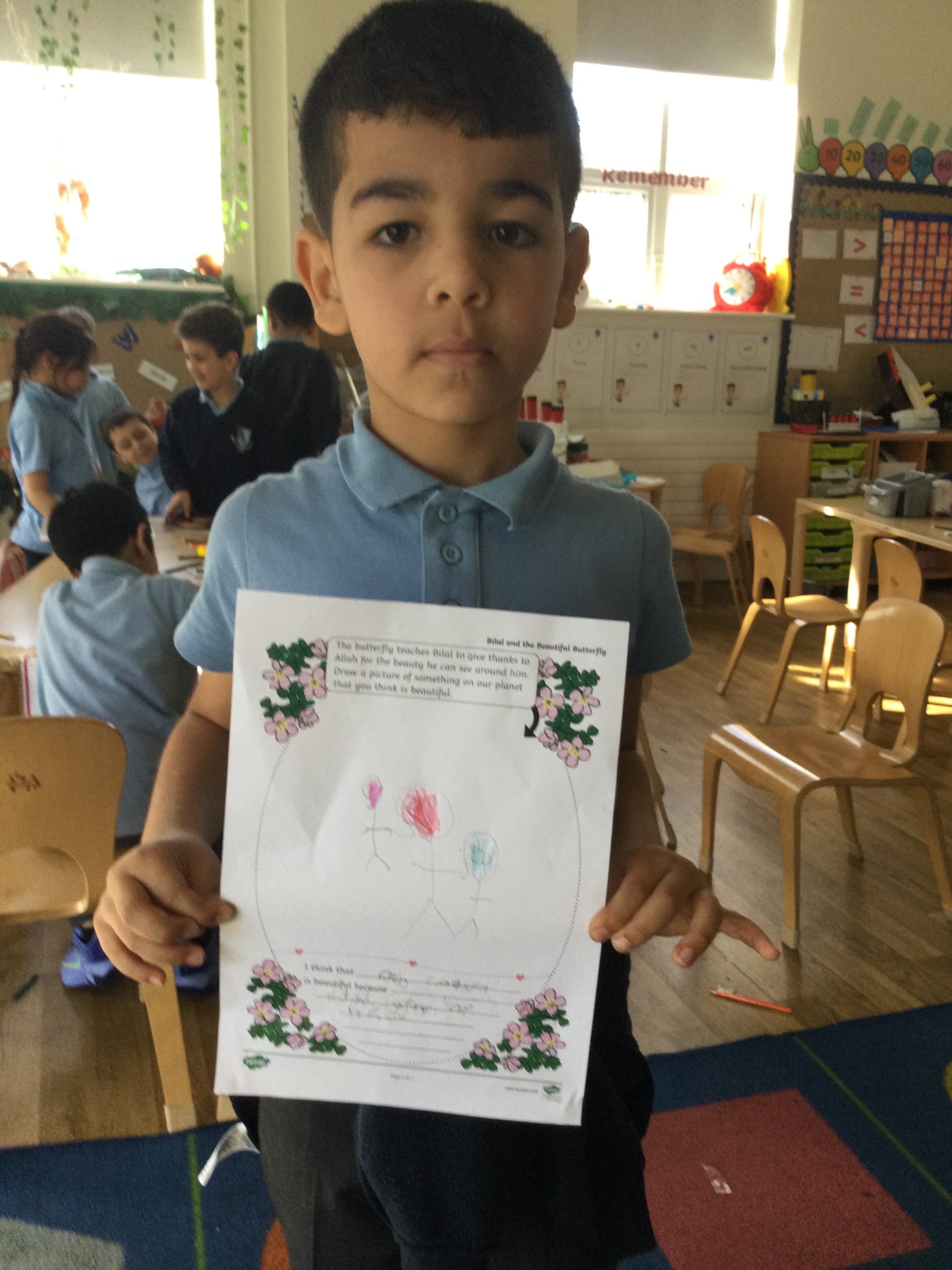
In RE we read the story of Bilal and the butterfly fro, the Quran. We then talked about the things in our world that we find beautiful and that we are thankful for.
We are preparing to celebrate Eid by making decorations and talking about how each family celebrates together.
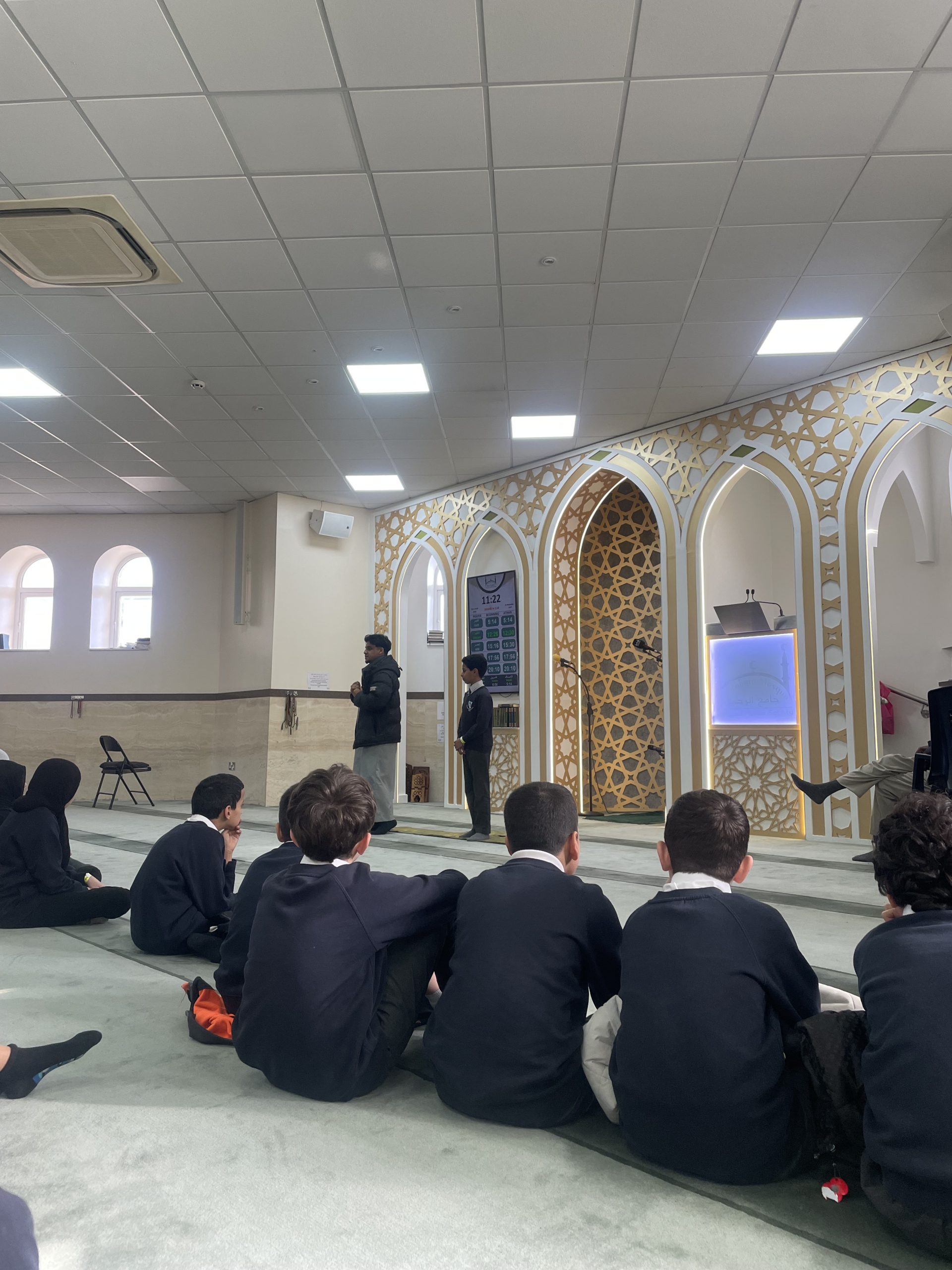
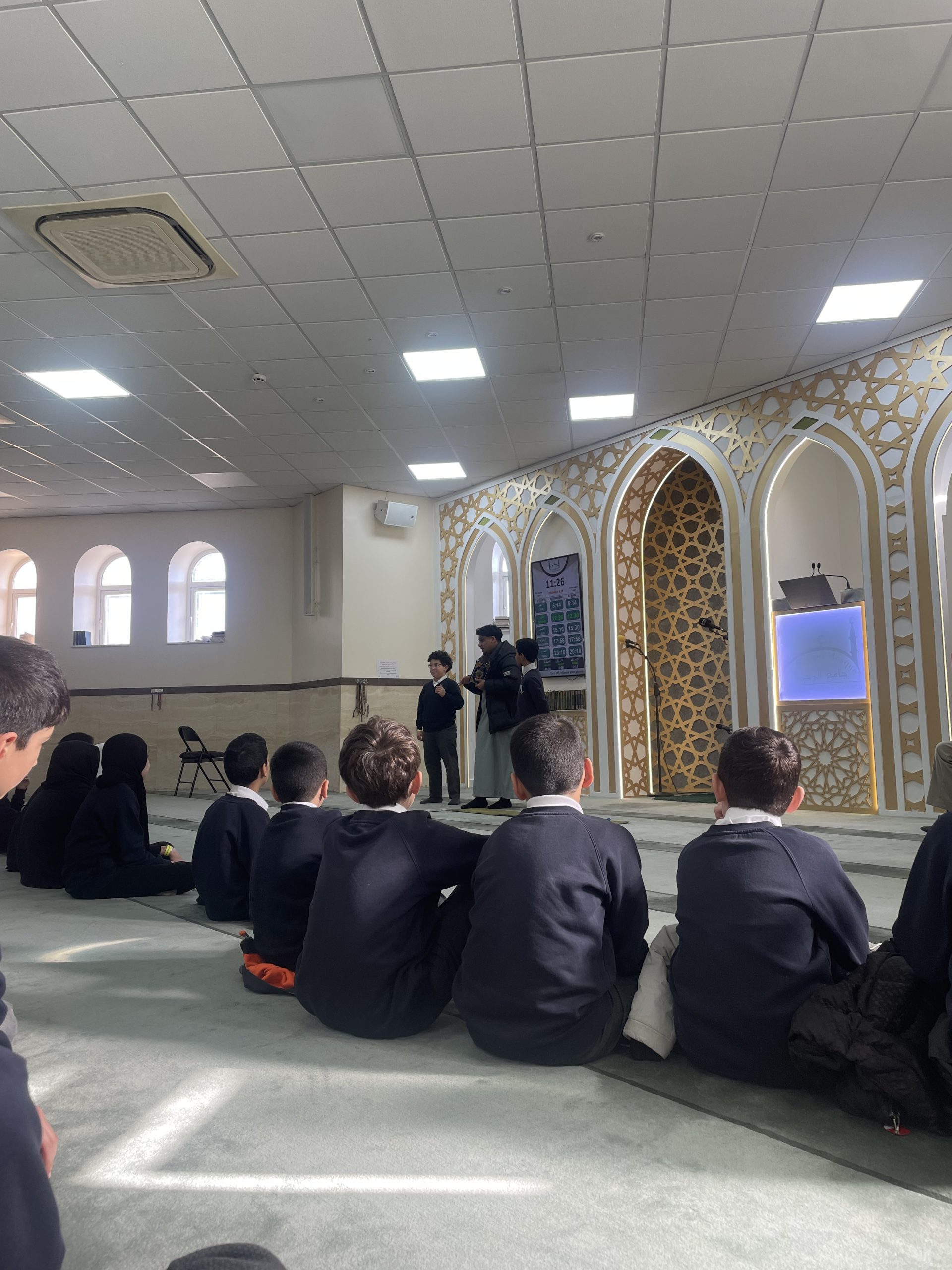
Yesterday, the children in Year 5 went to visit Al-Rahma mosque in Liverpool. We learnt all about the 5 pillars of Islam, features of the mosque and prayer. The children shared a lot of their own information and even demonstrated some of the prayers. 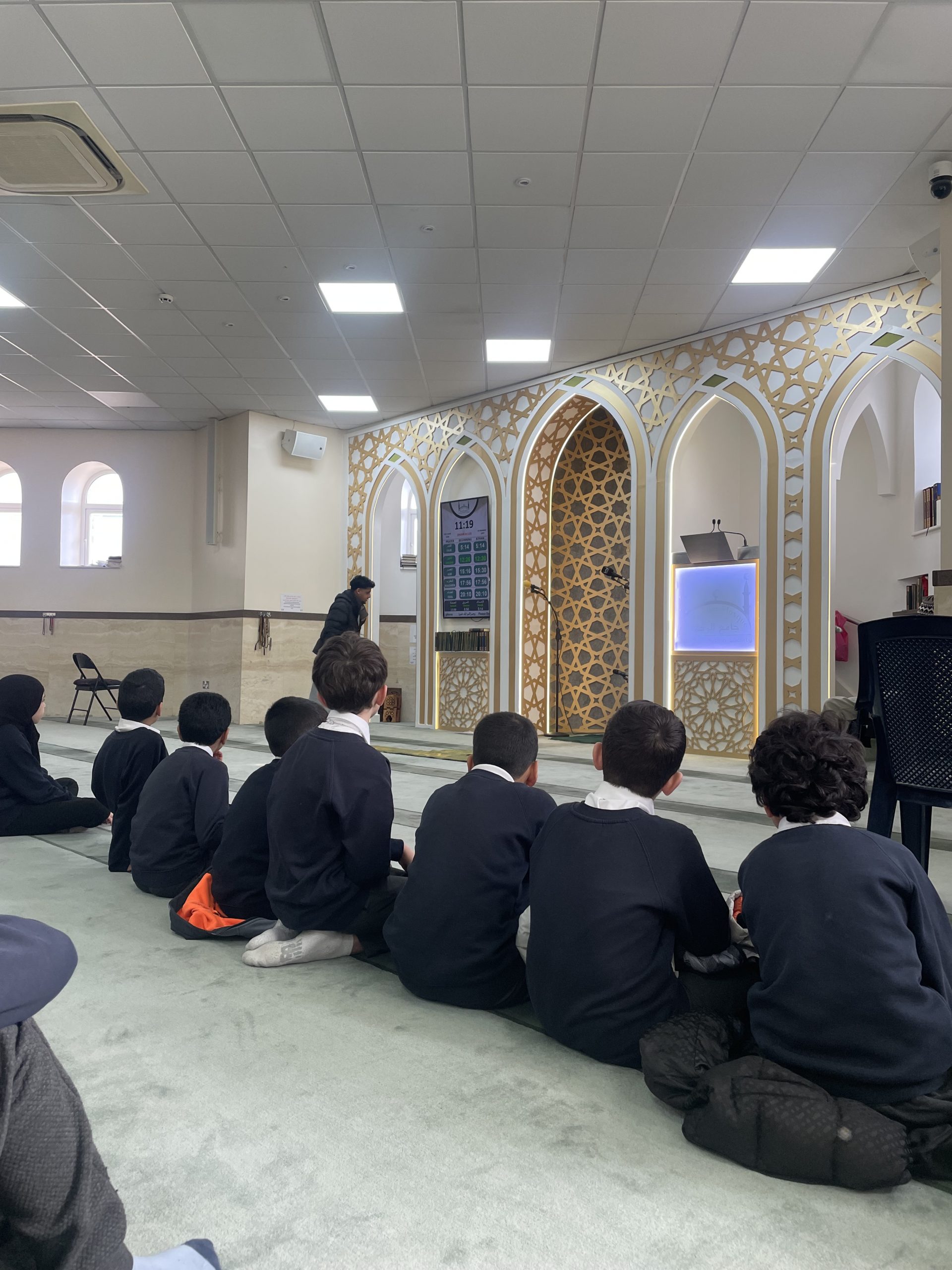
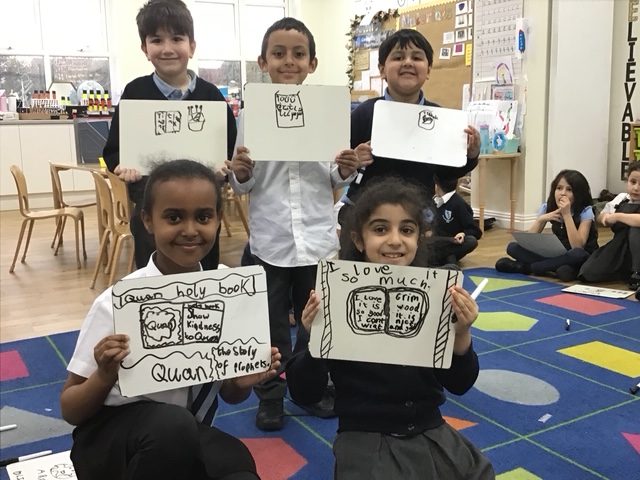
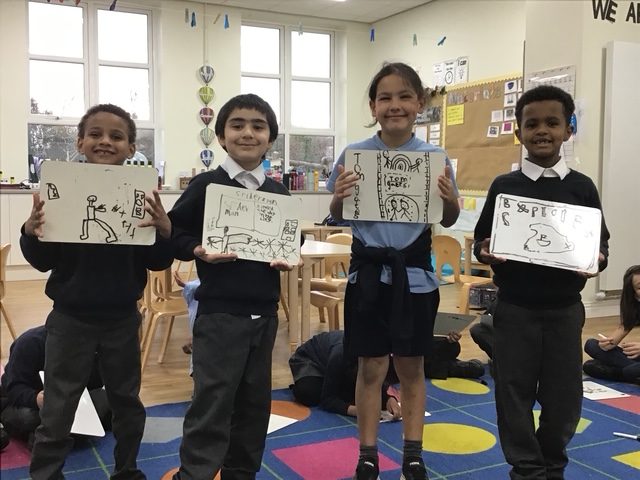
We started our new RE topic today – Sacred Books,
we started by thinking of our own favourite books and shared them with each other.
We then watched the parable of the two frogs and thought about what the special message was.
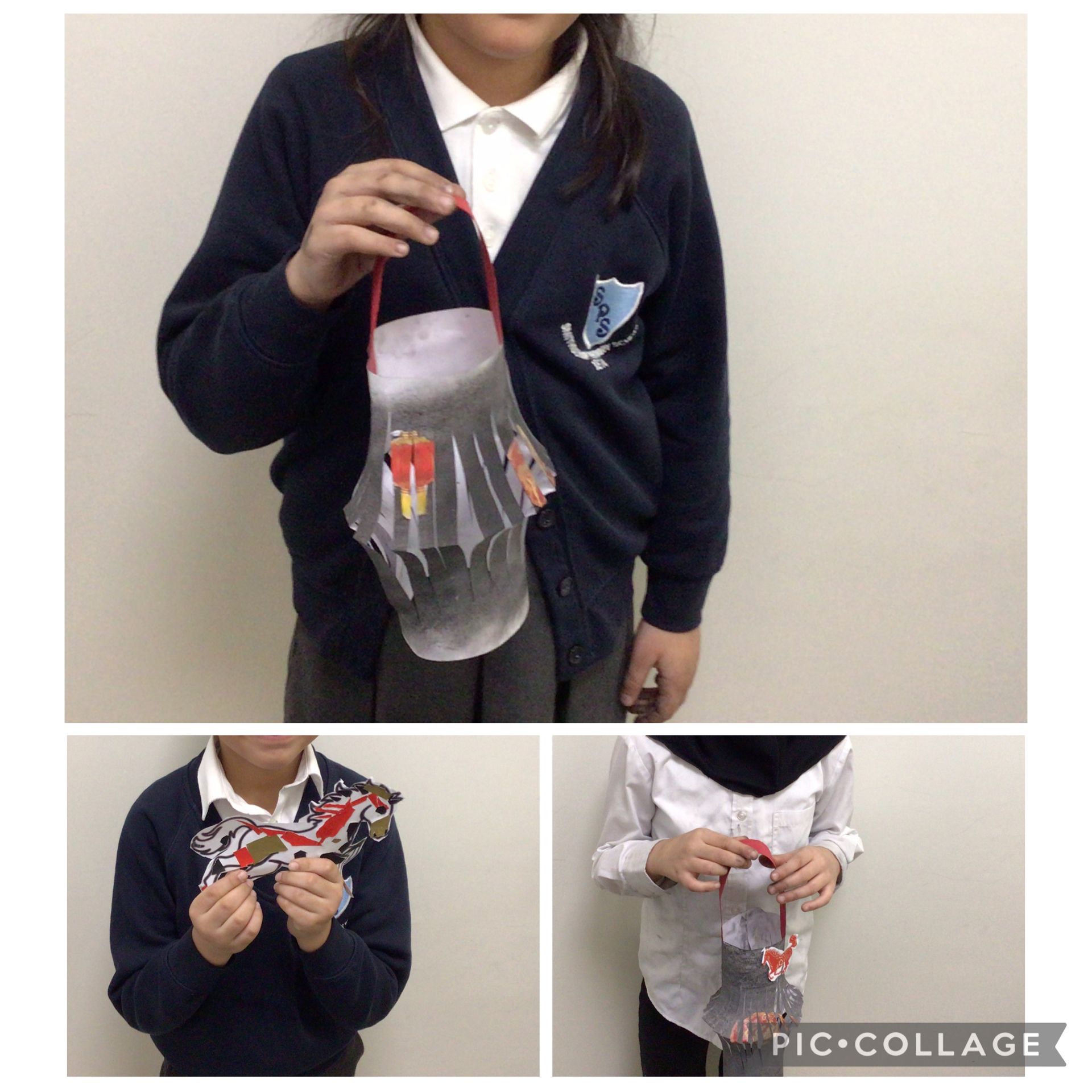
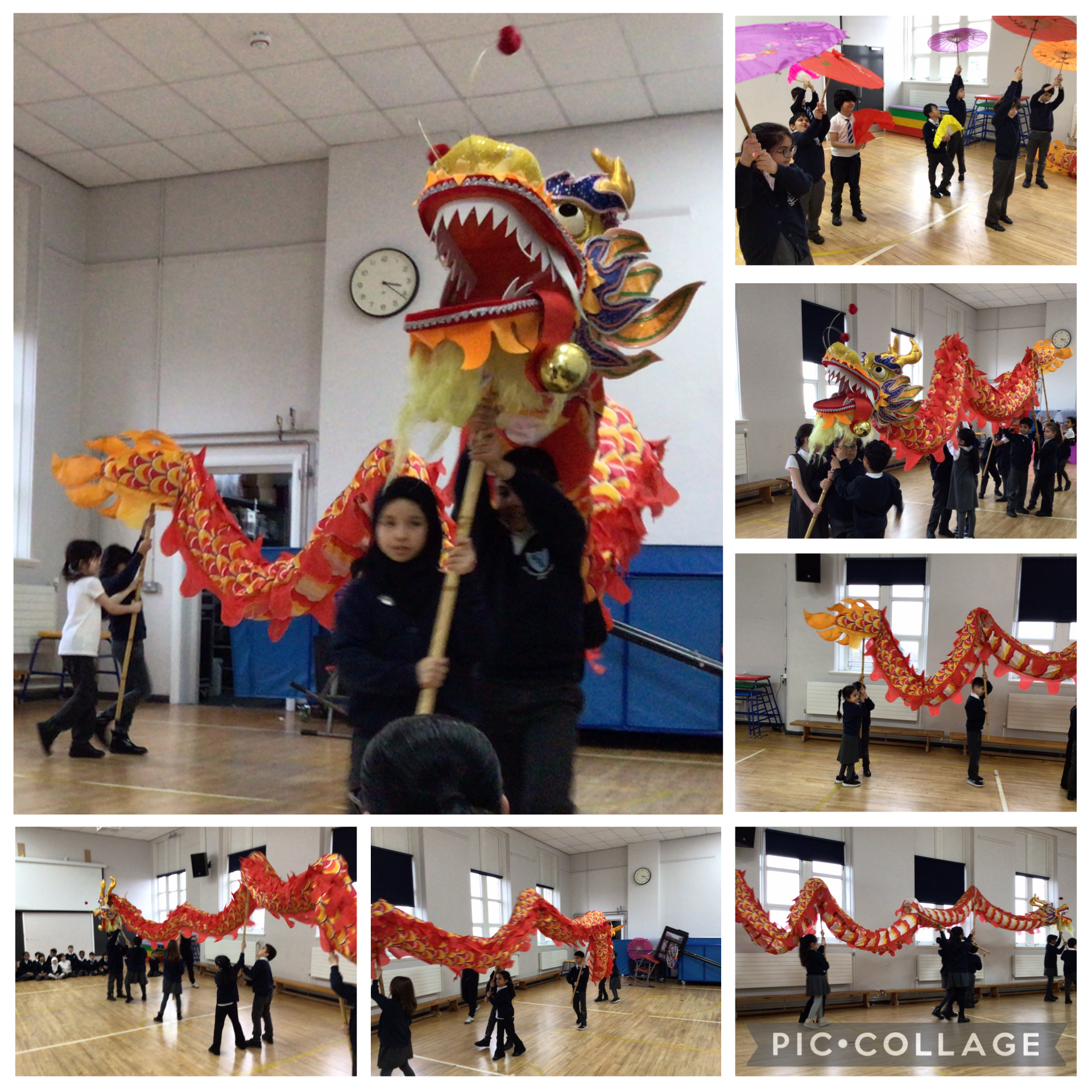
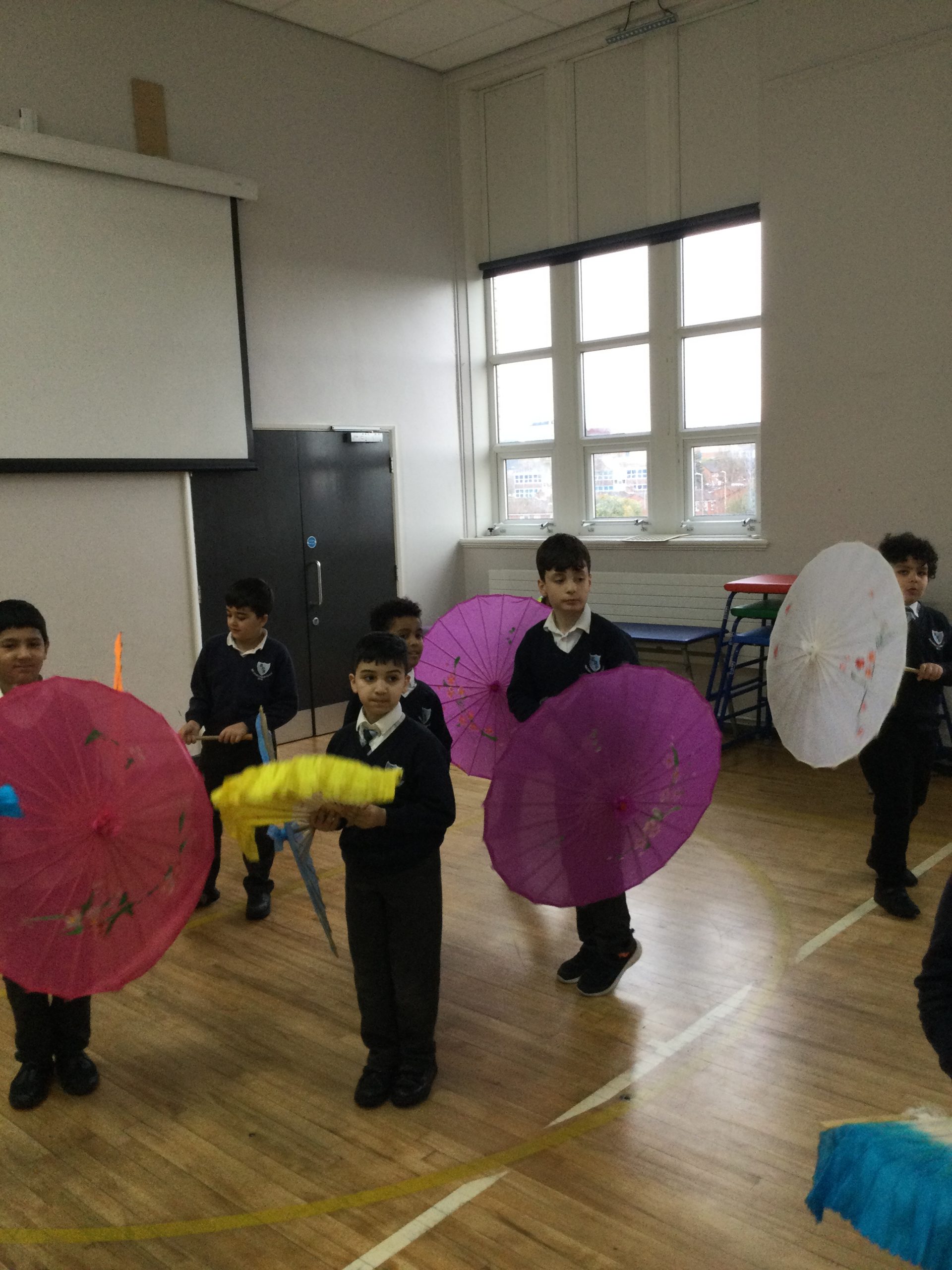
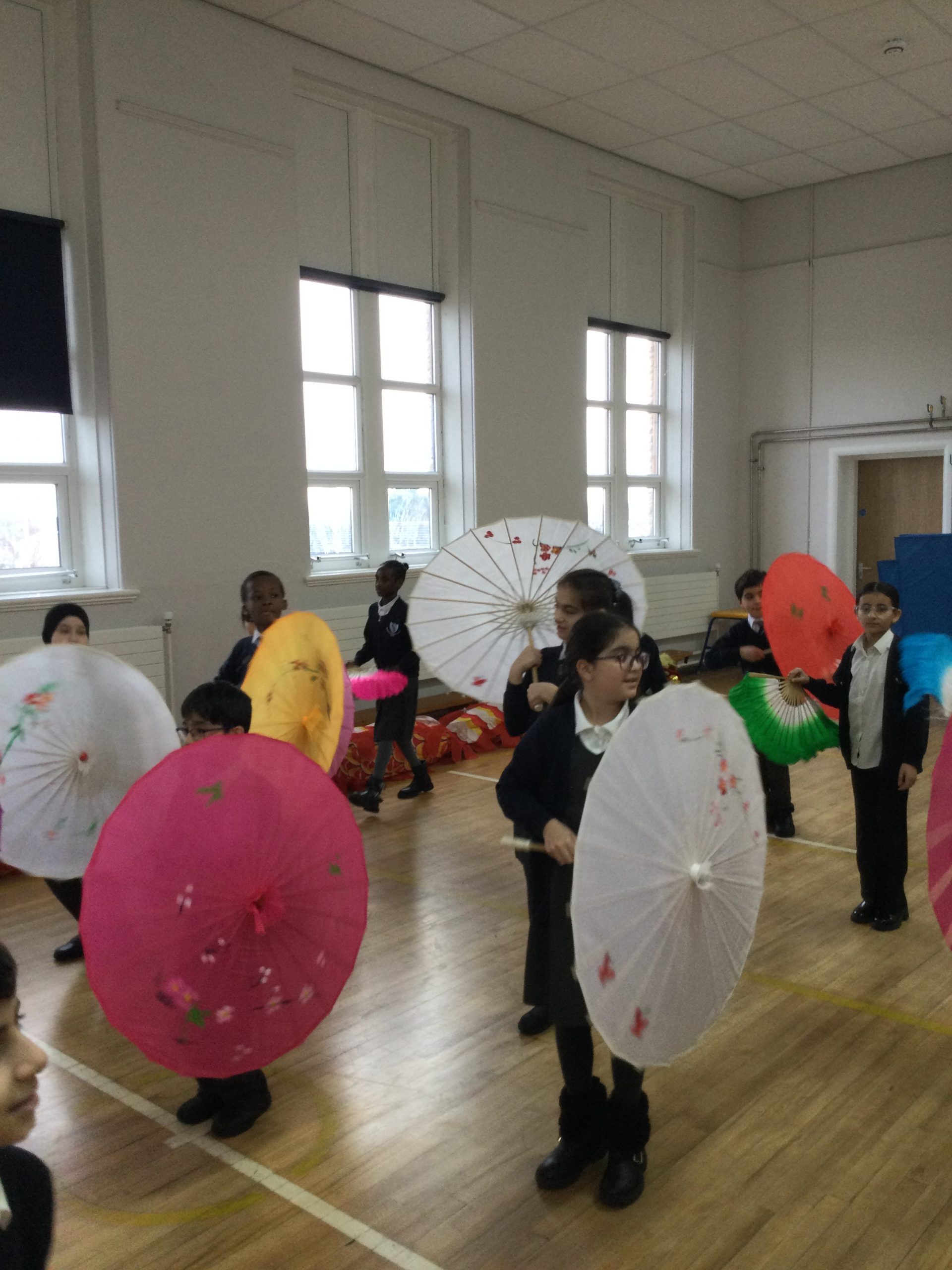
This afternoon we have has so much fun in our workshop. We have learned all about the dragon dance and different dances that are performed to celebrate the new year. We even got to have a go at it ourselves! We have also been looking at Chinese lanterns and designed our own for the celebration.
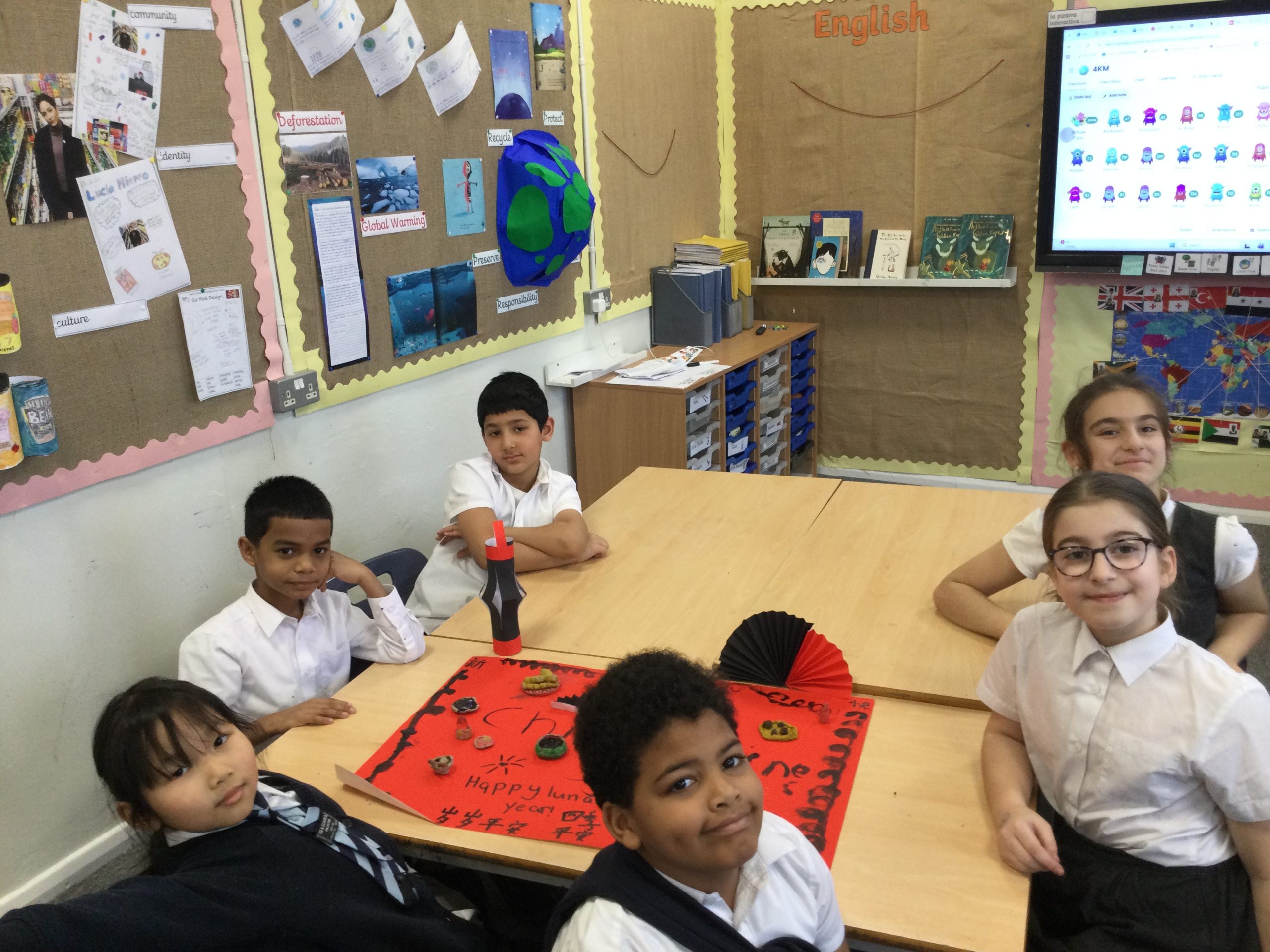
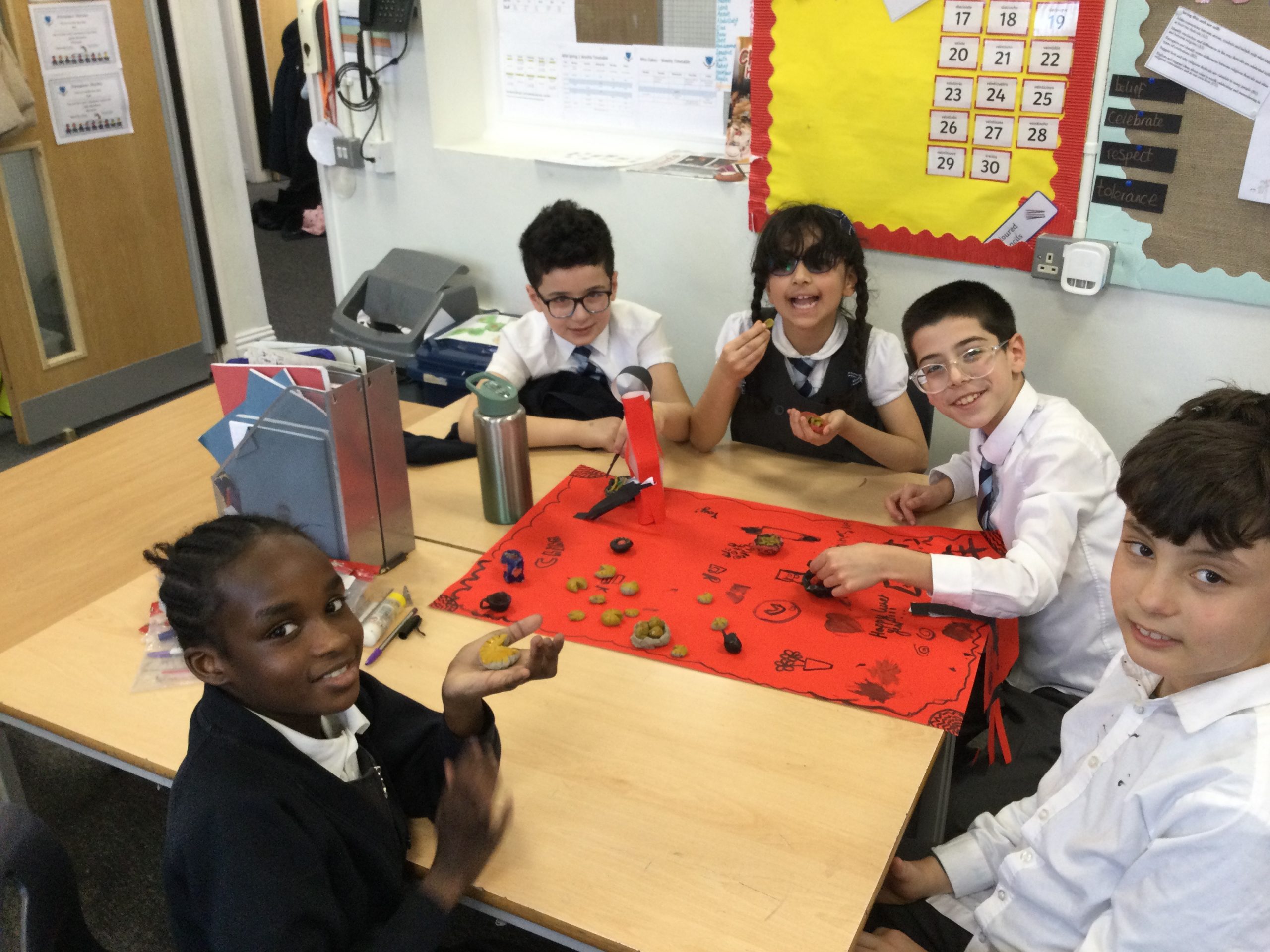
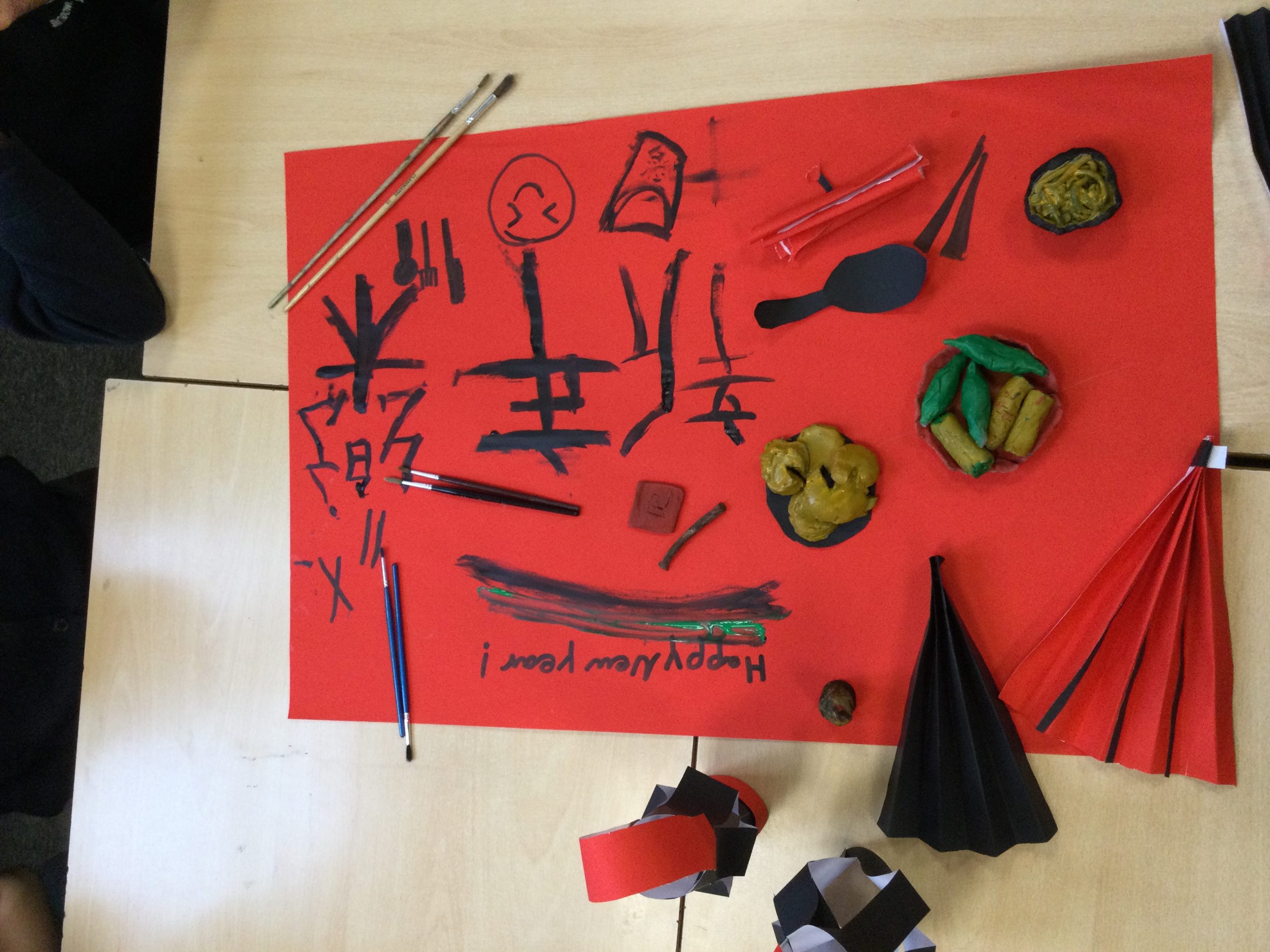
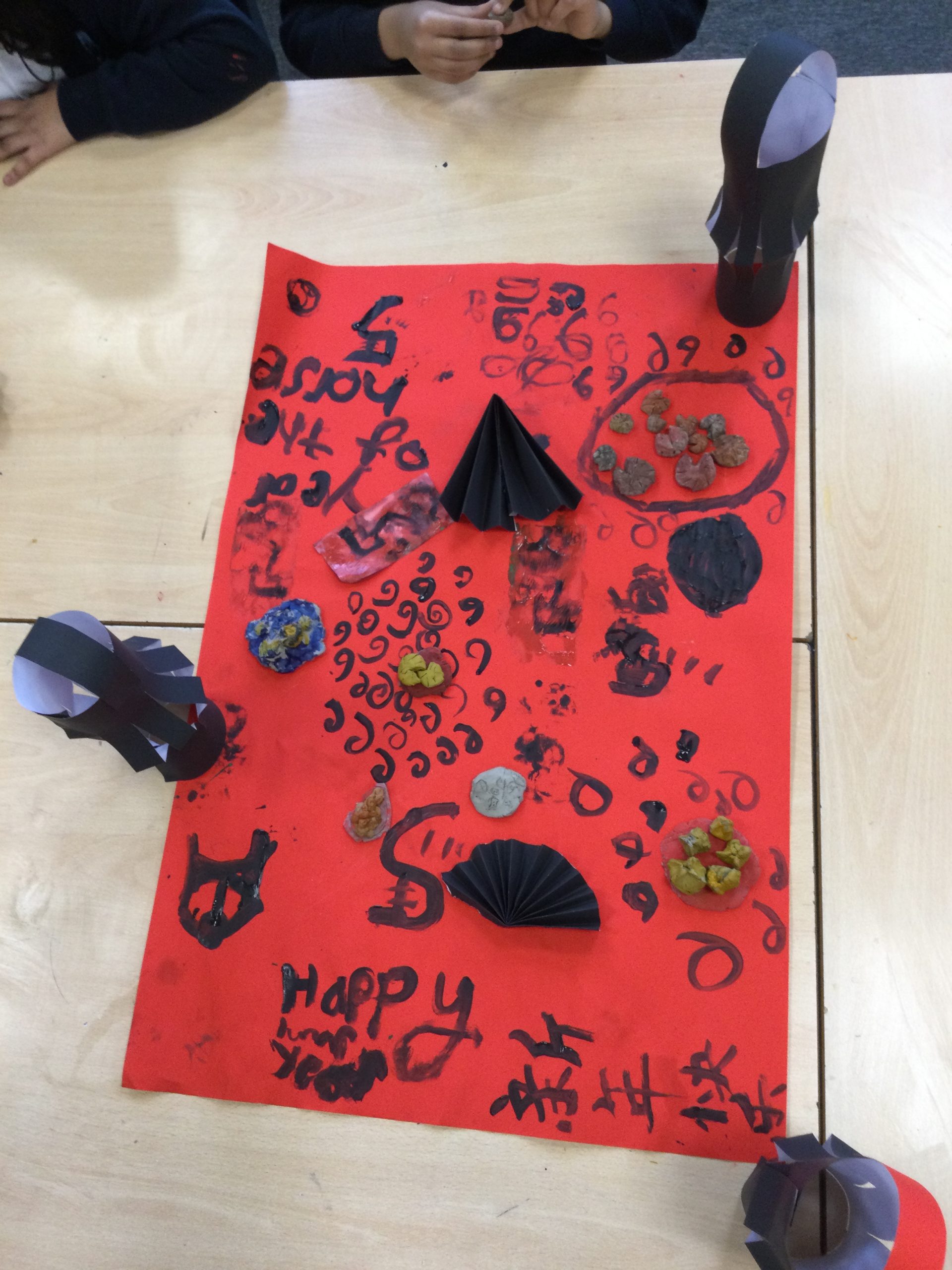
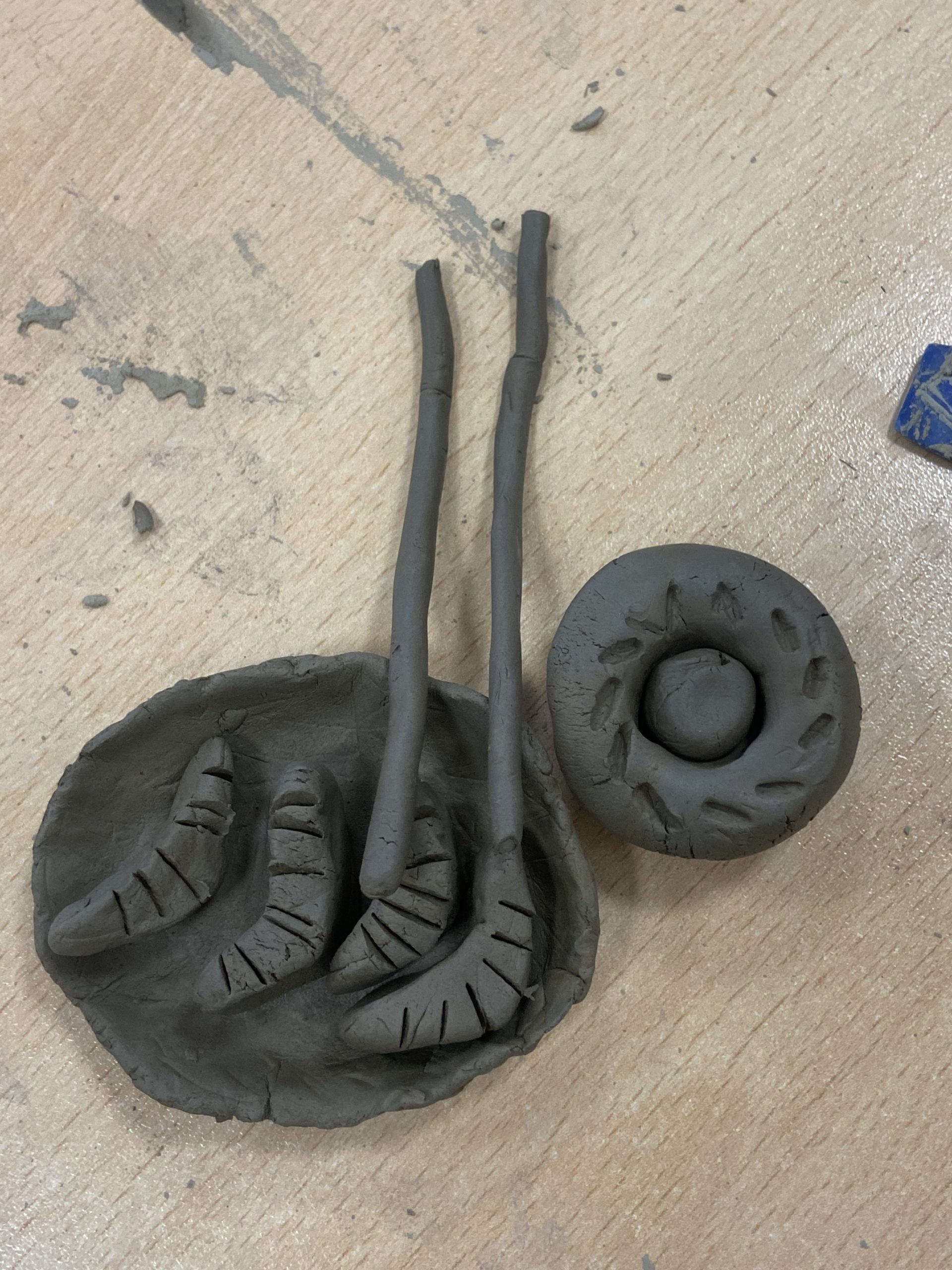
Last week, year 4 used clay to make Chinese food. This week, they painted these and created a Chinese New Year feast table. Creativity skills were put to the test and the children made lanterns and fans to add more detail to our table. 🧧🇨🇳🥡🥢🥠 The children then received their very own fortune from fortune cookies.
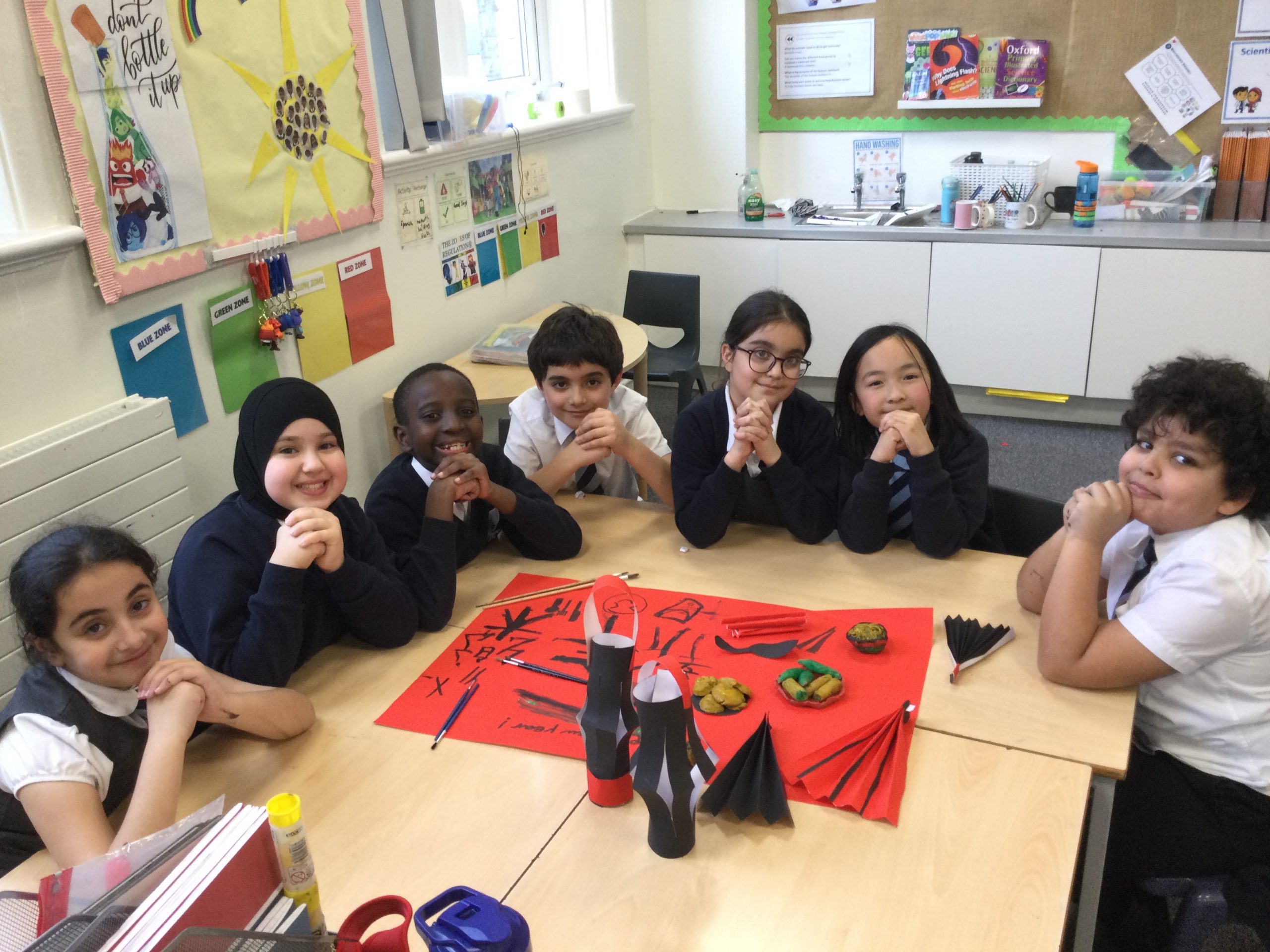
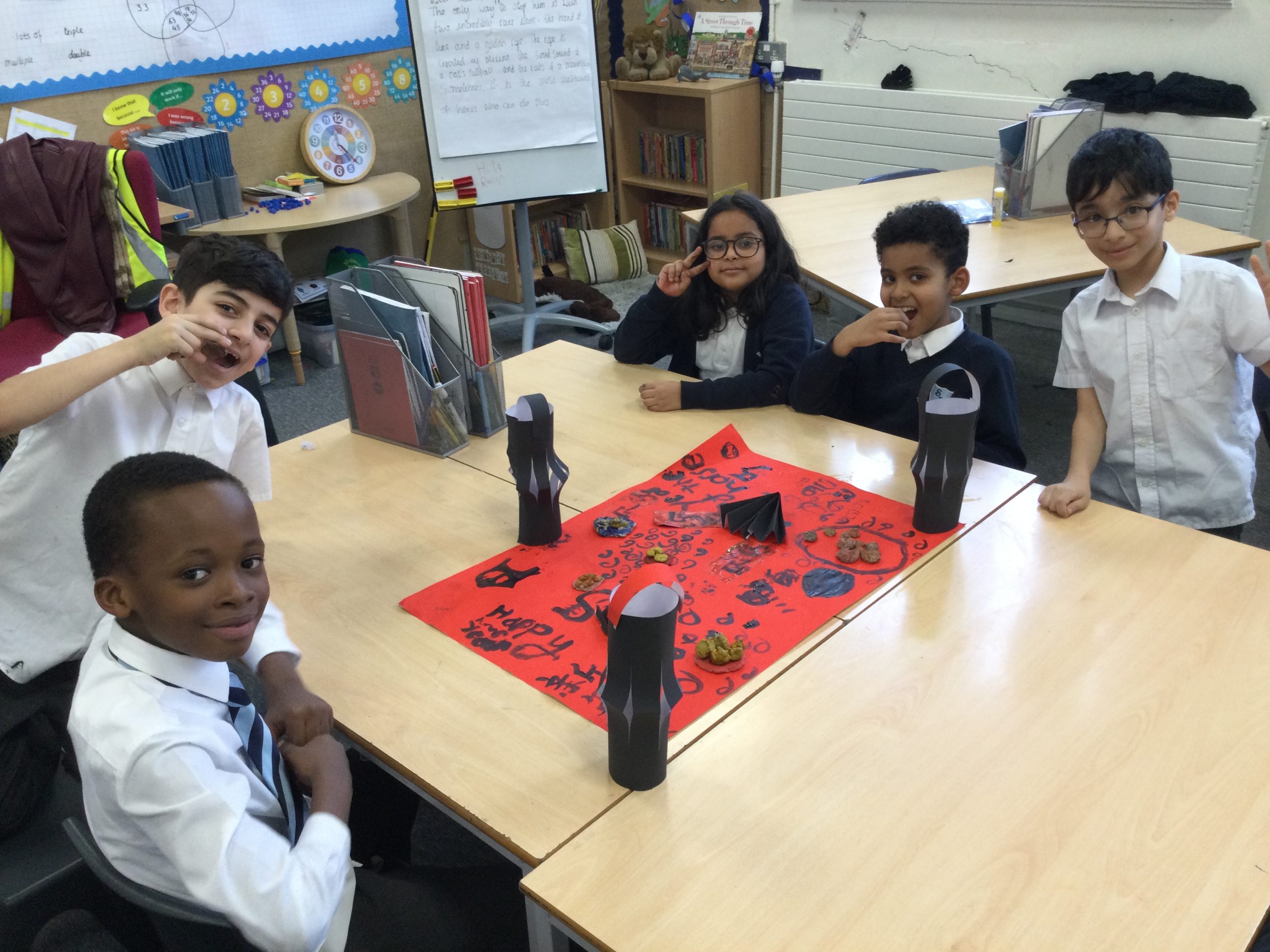
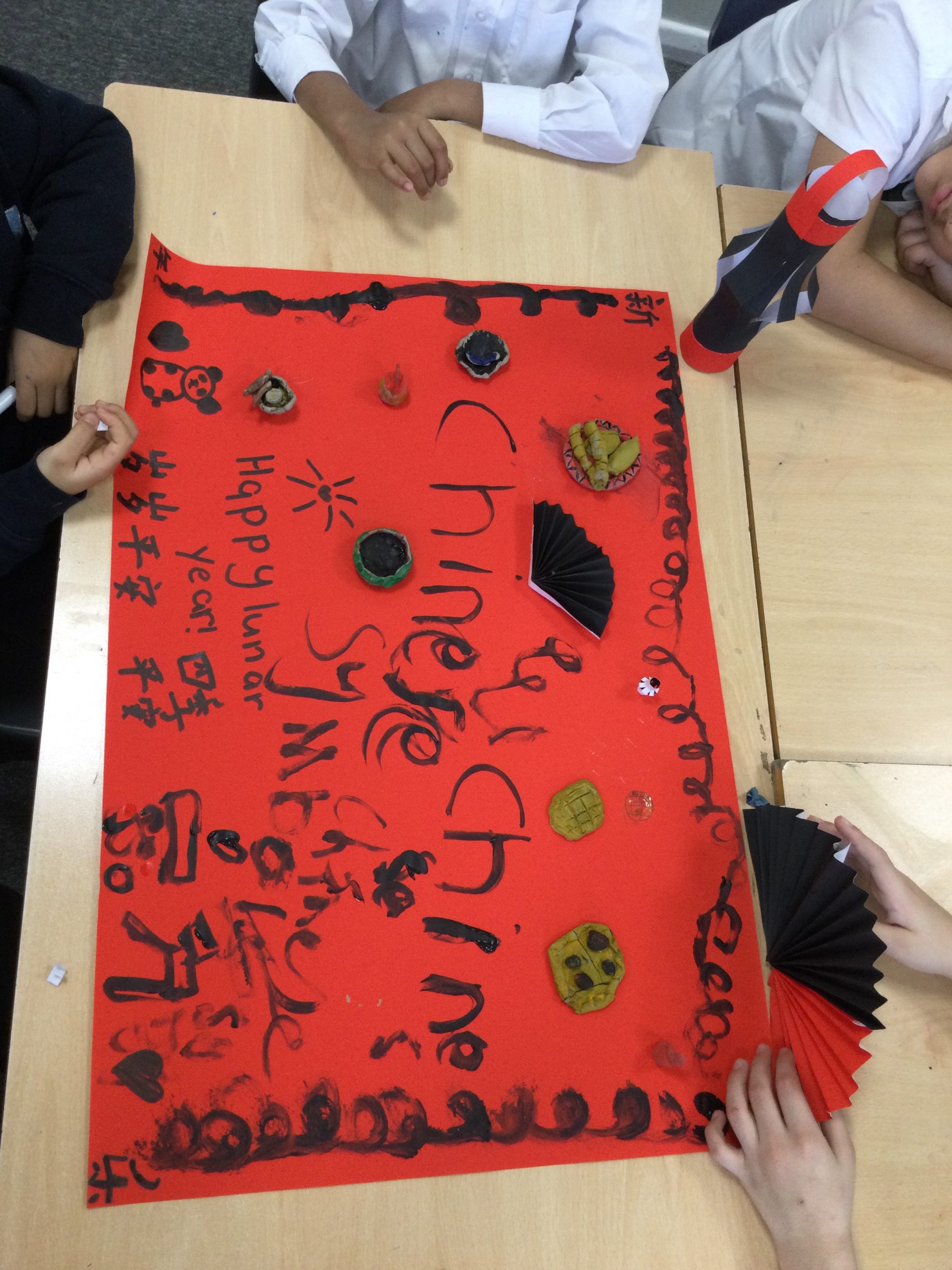
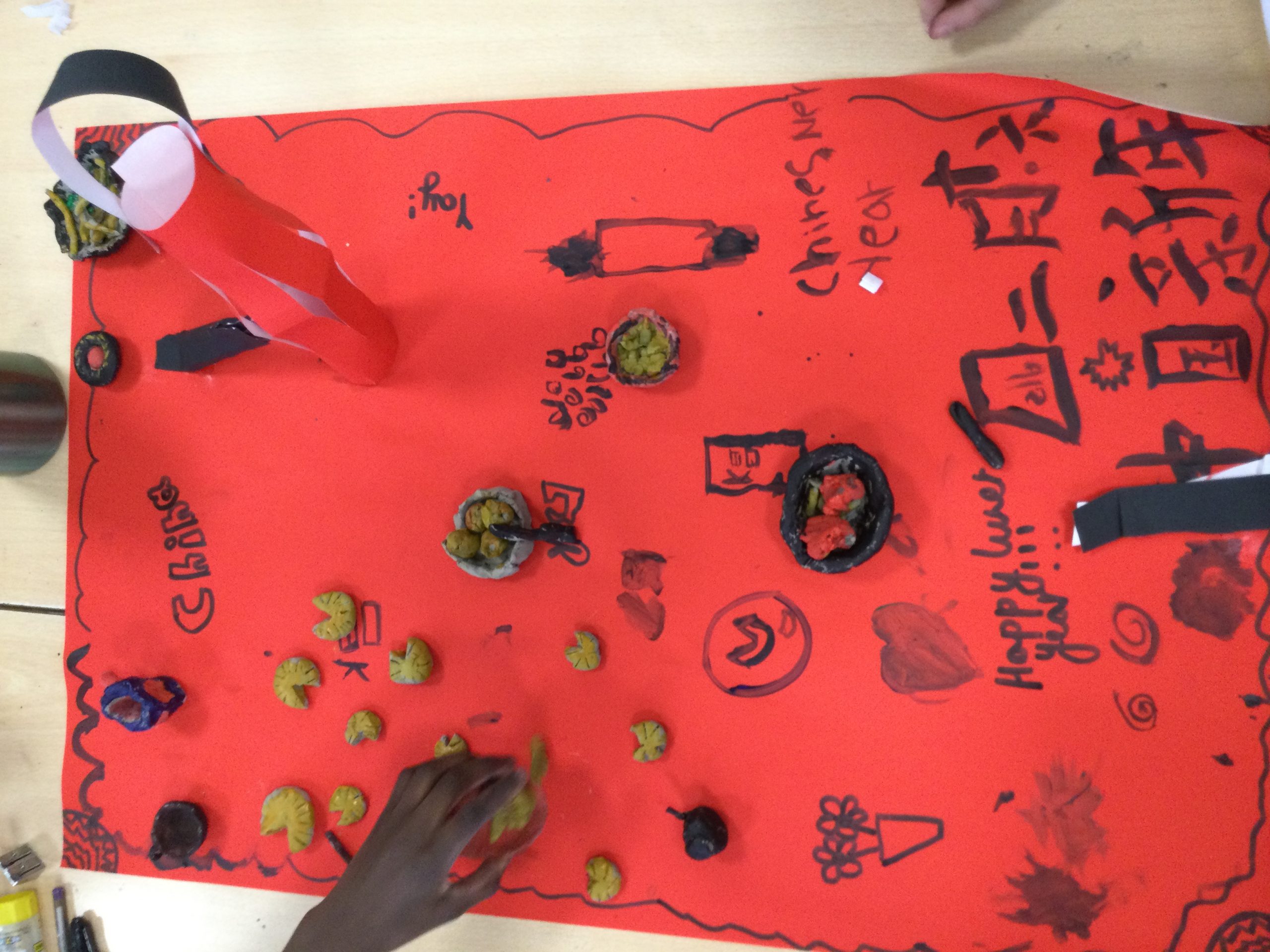
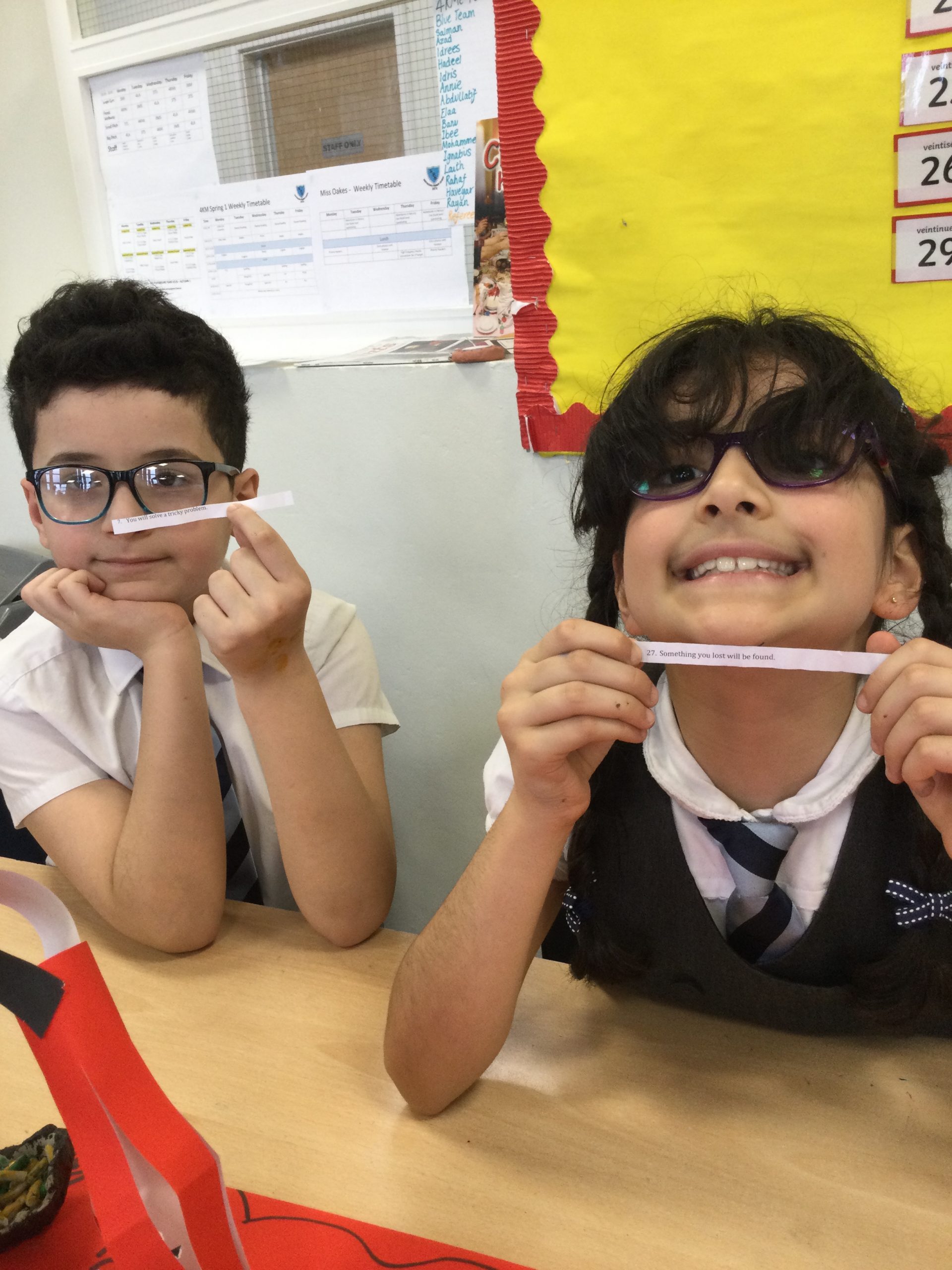
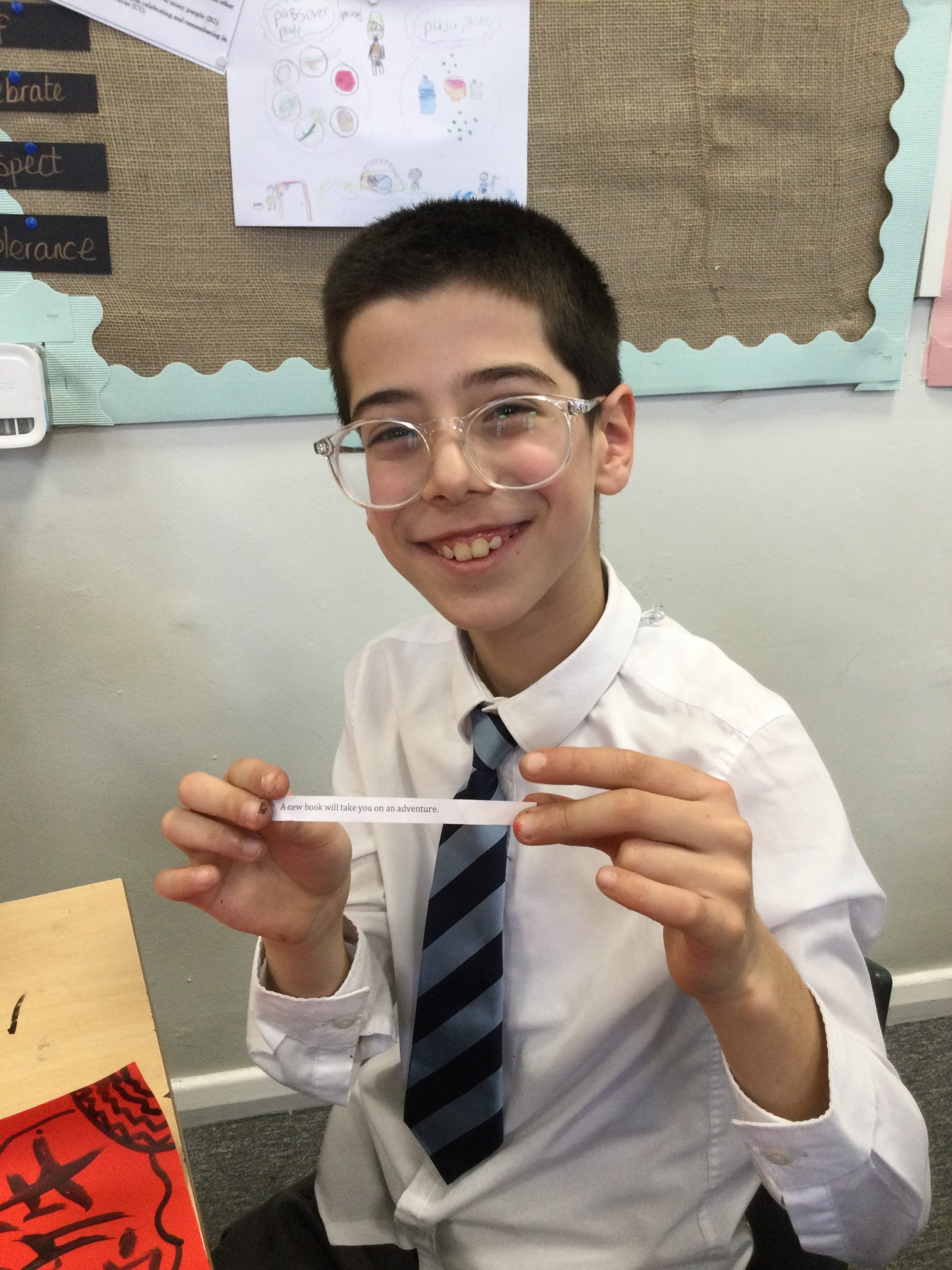
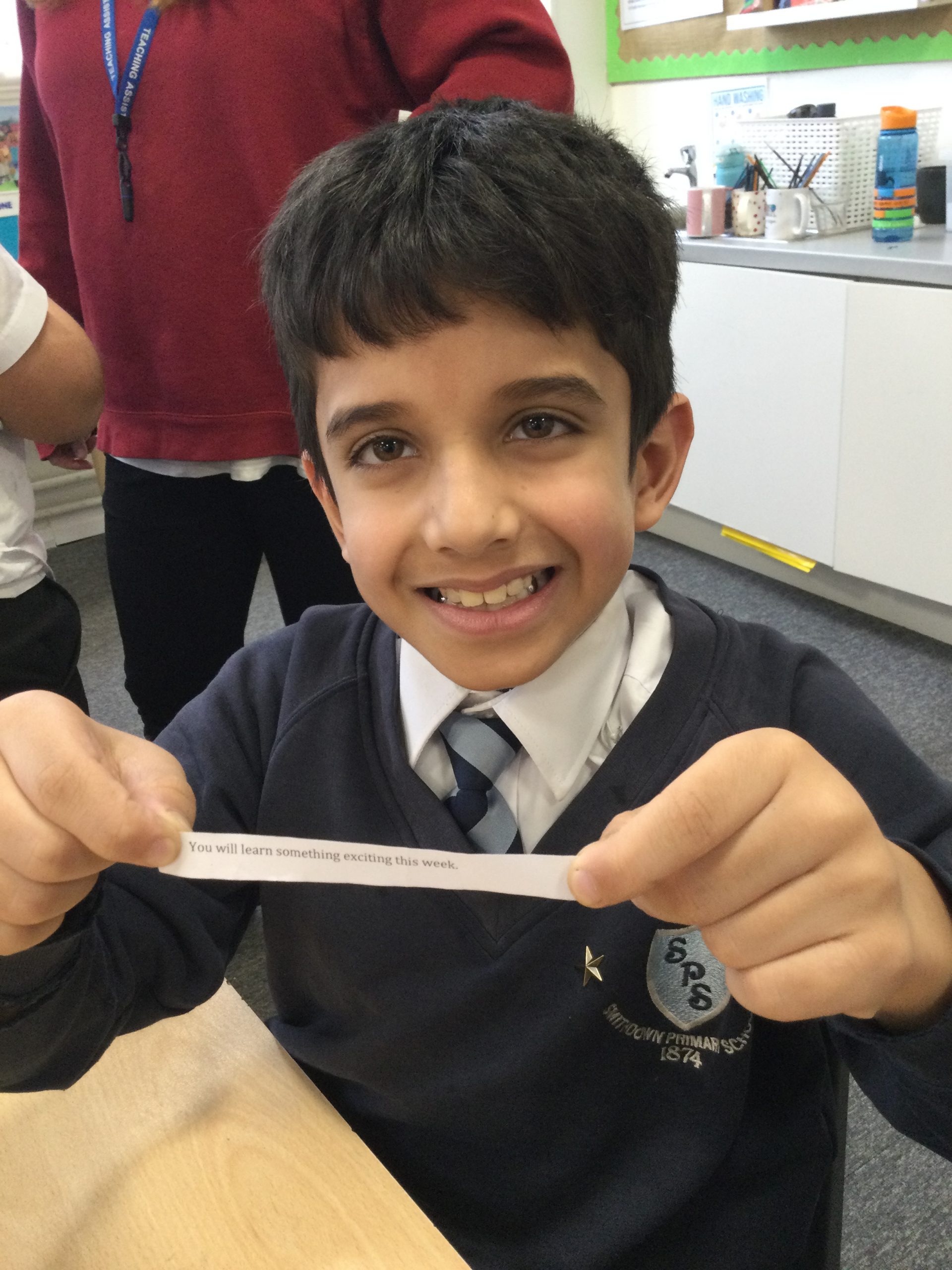
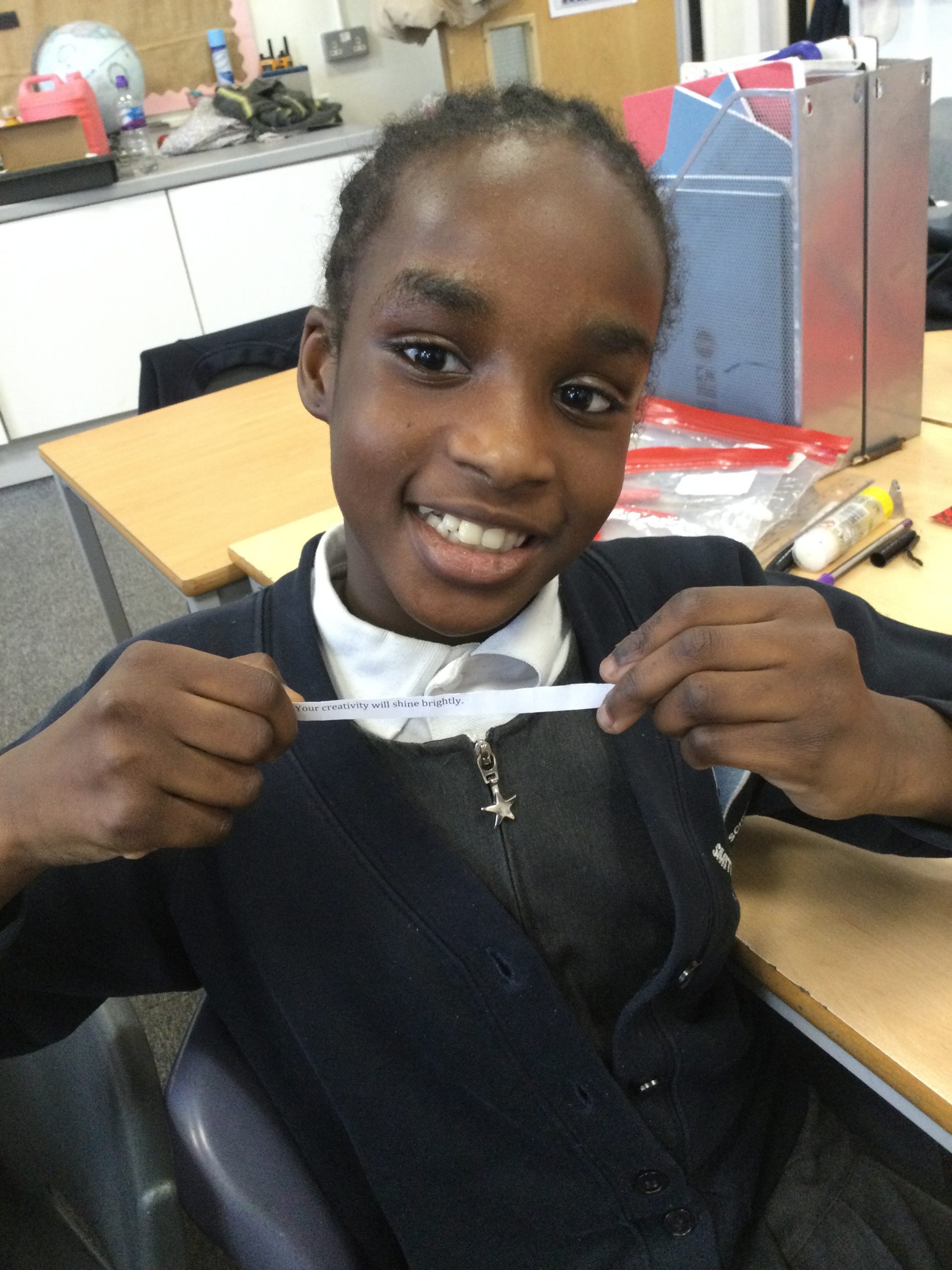
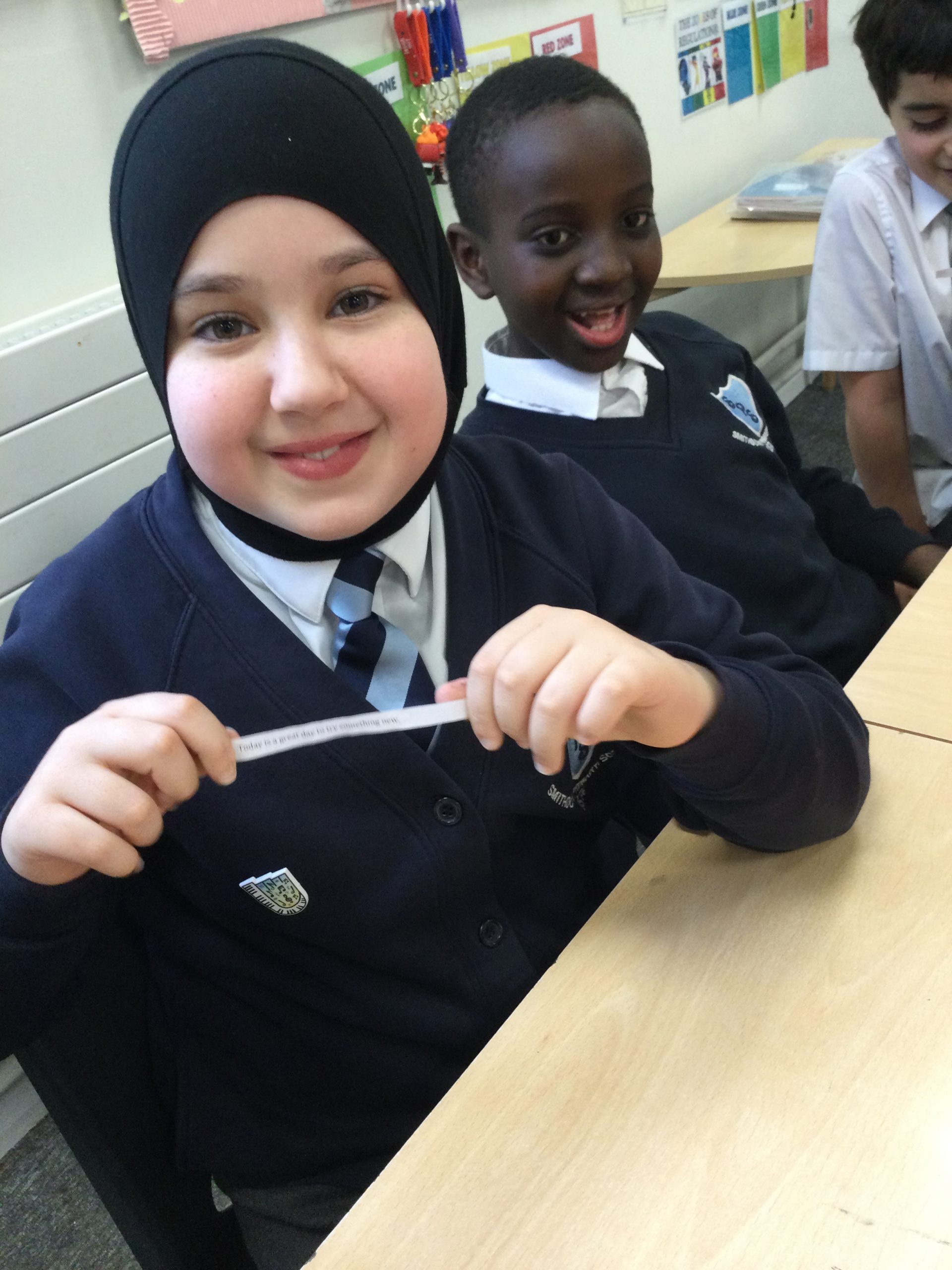
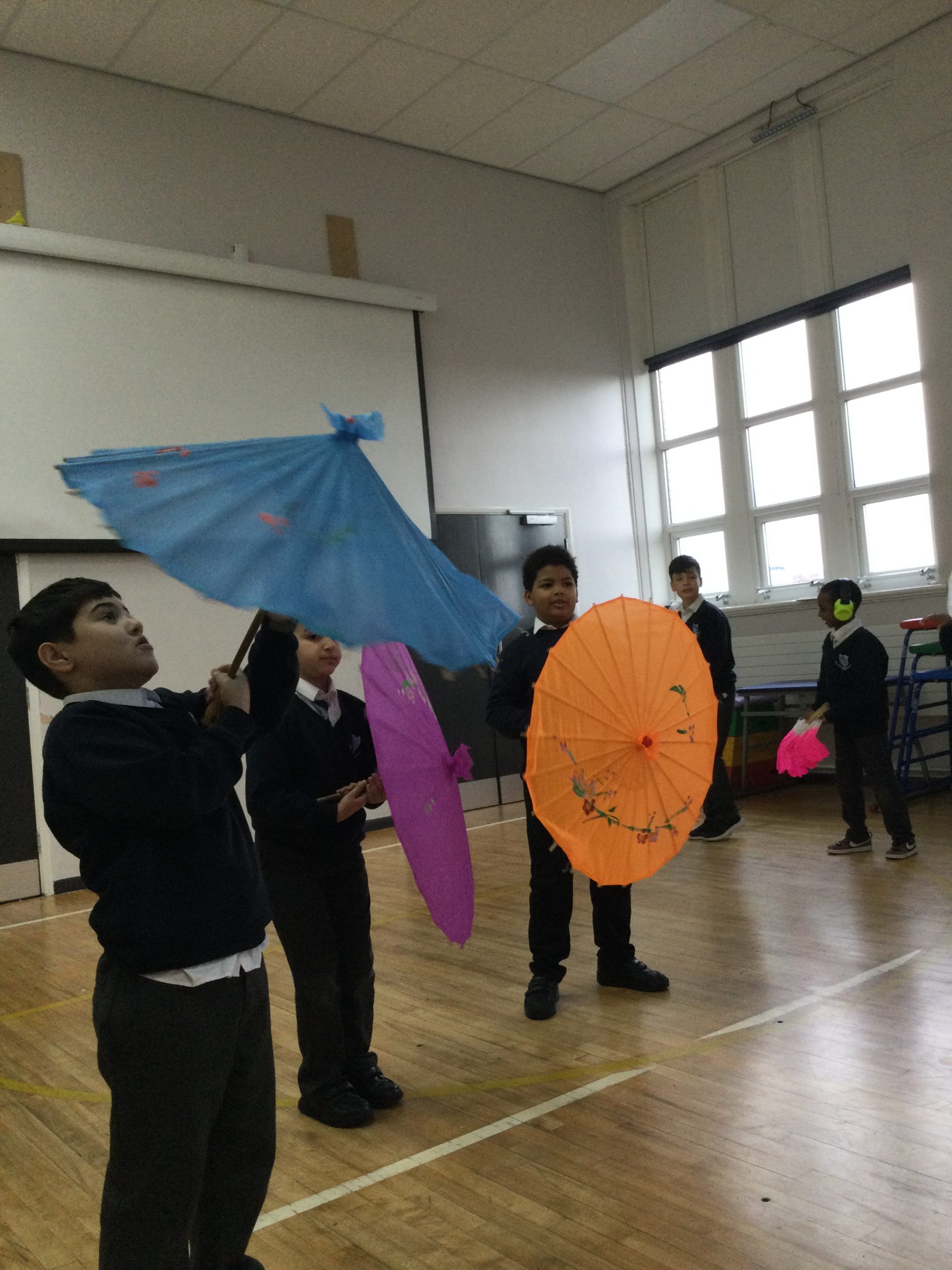
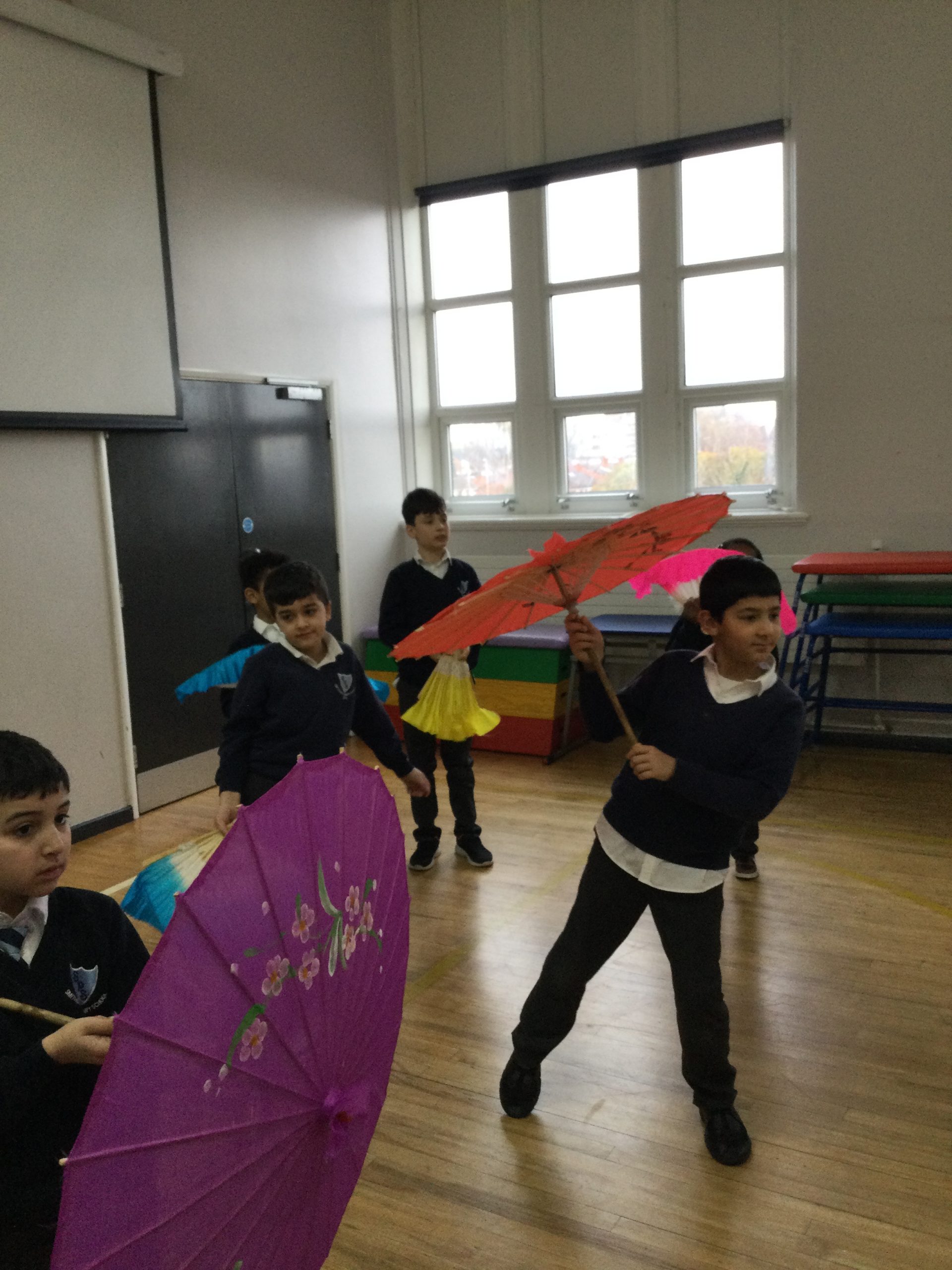
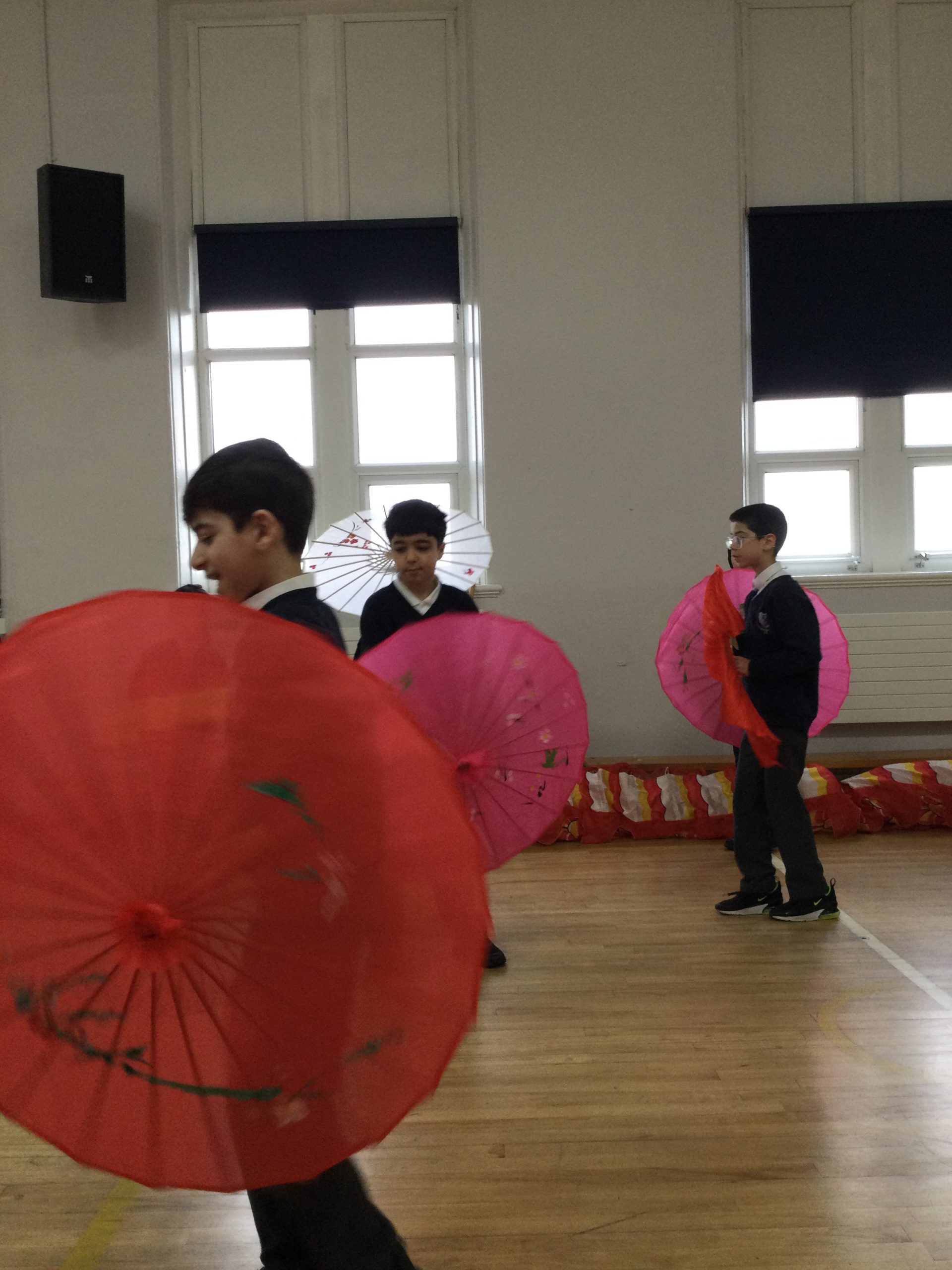
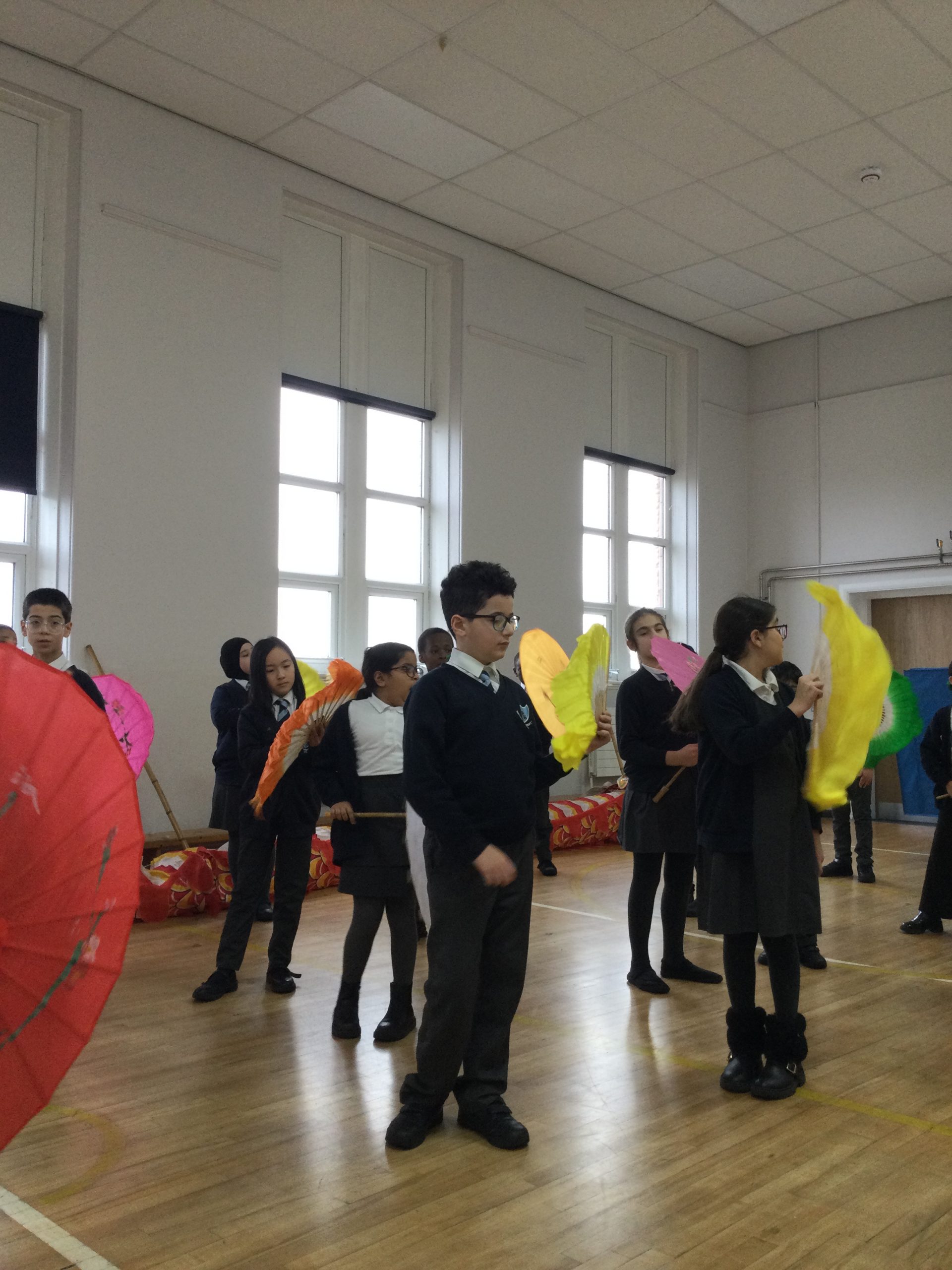
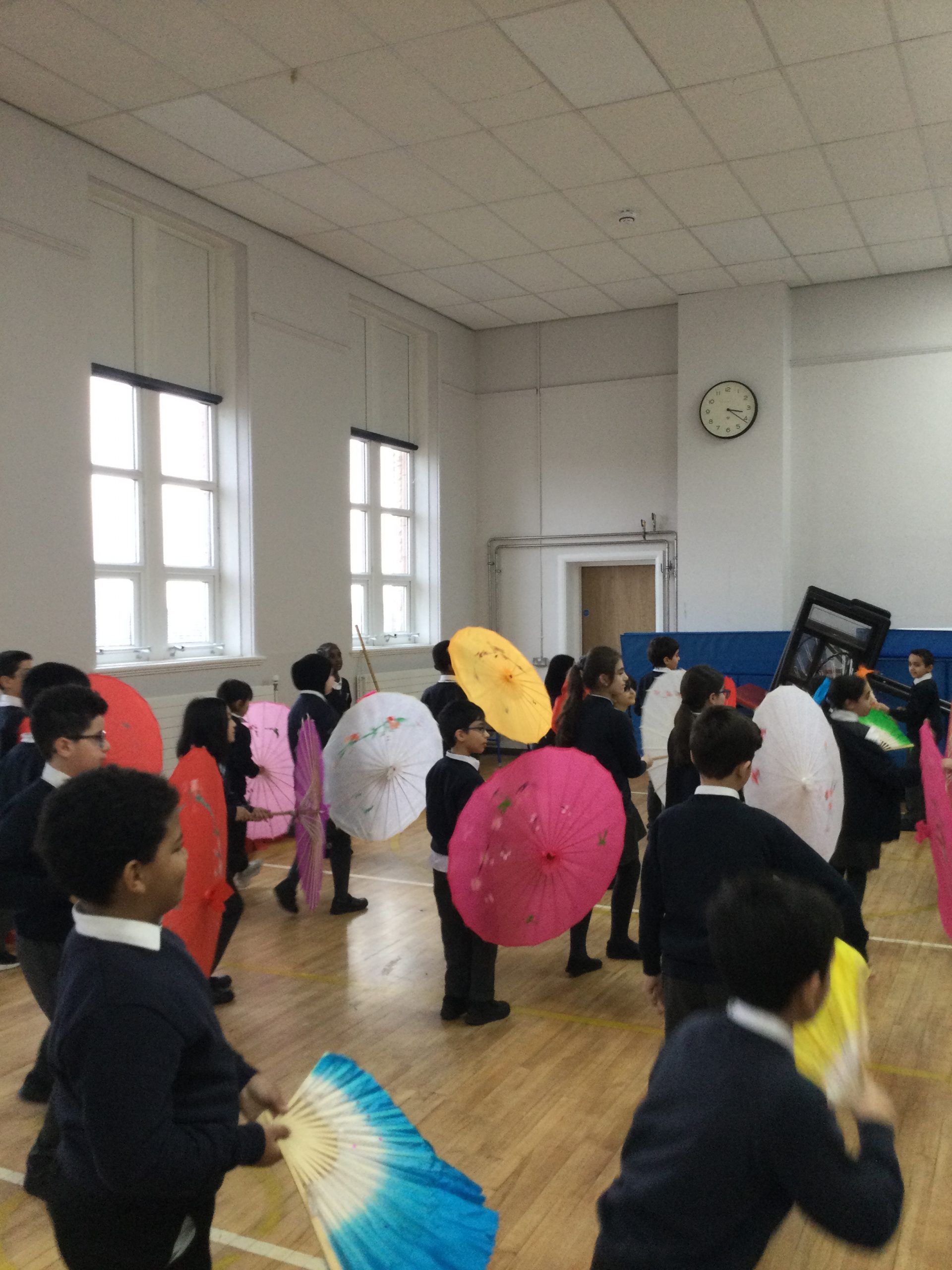
We were very lucky today to attend a Chinese New Year workshop where we practised a Chinese dance with fans and parasol ☂️ 🐉 🇨🇳
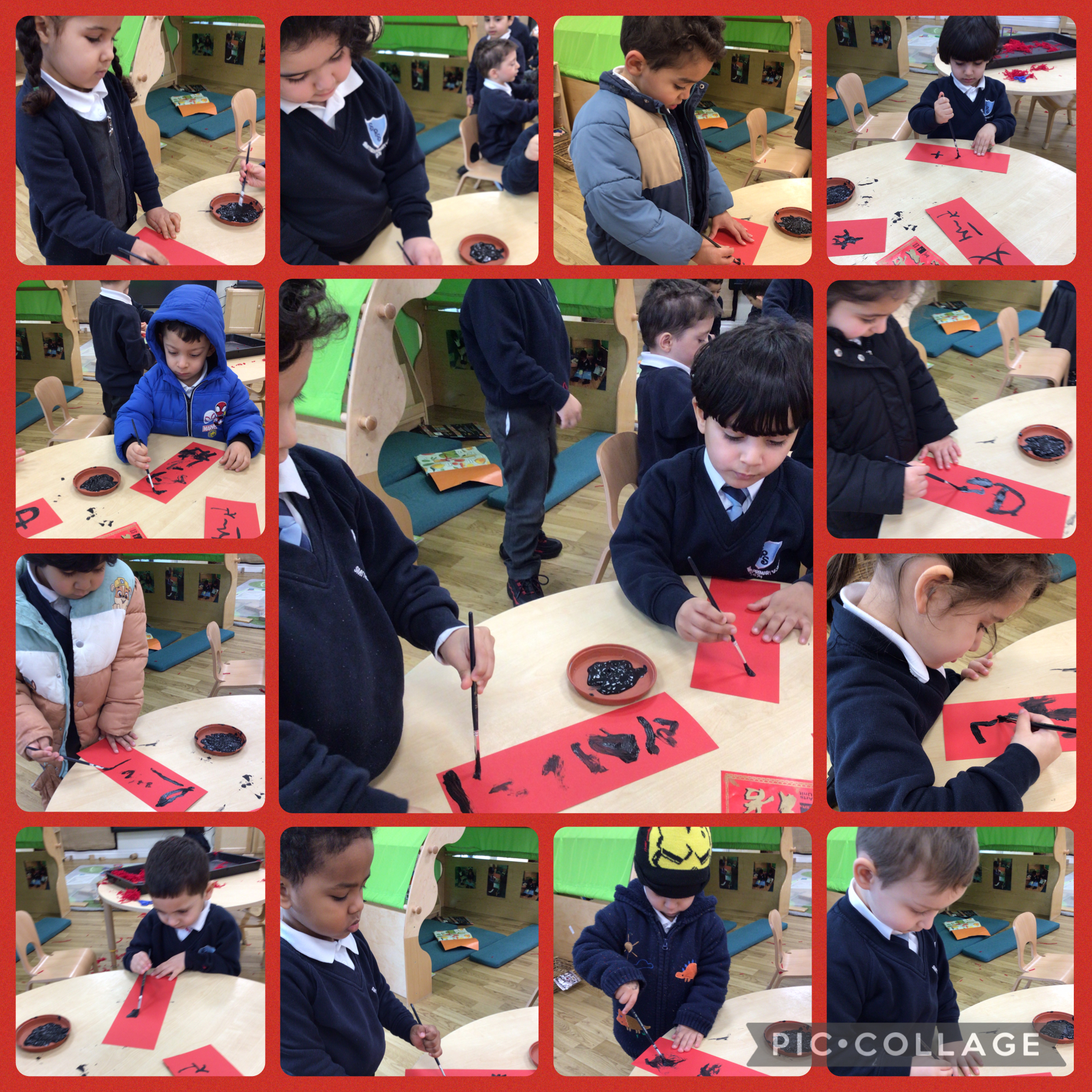
We have merged our art topic (festive feasts) and our R.E. topic (festivals and celebrations) to sculpt food out of clay to represent Chinese New Year. The children worked together to create a ‘feast’ on their tables and then showcased the skills learnt from this topic to create these foods. The children absolutely loved this. 🇨🇳🥠🥢
We will paint these next week once our clay has dried.
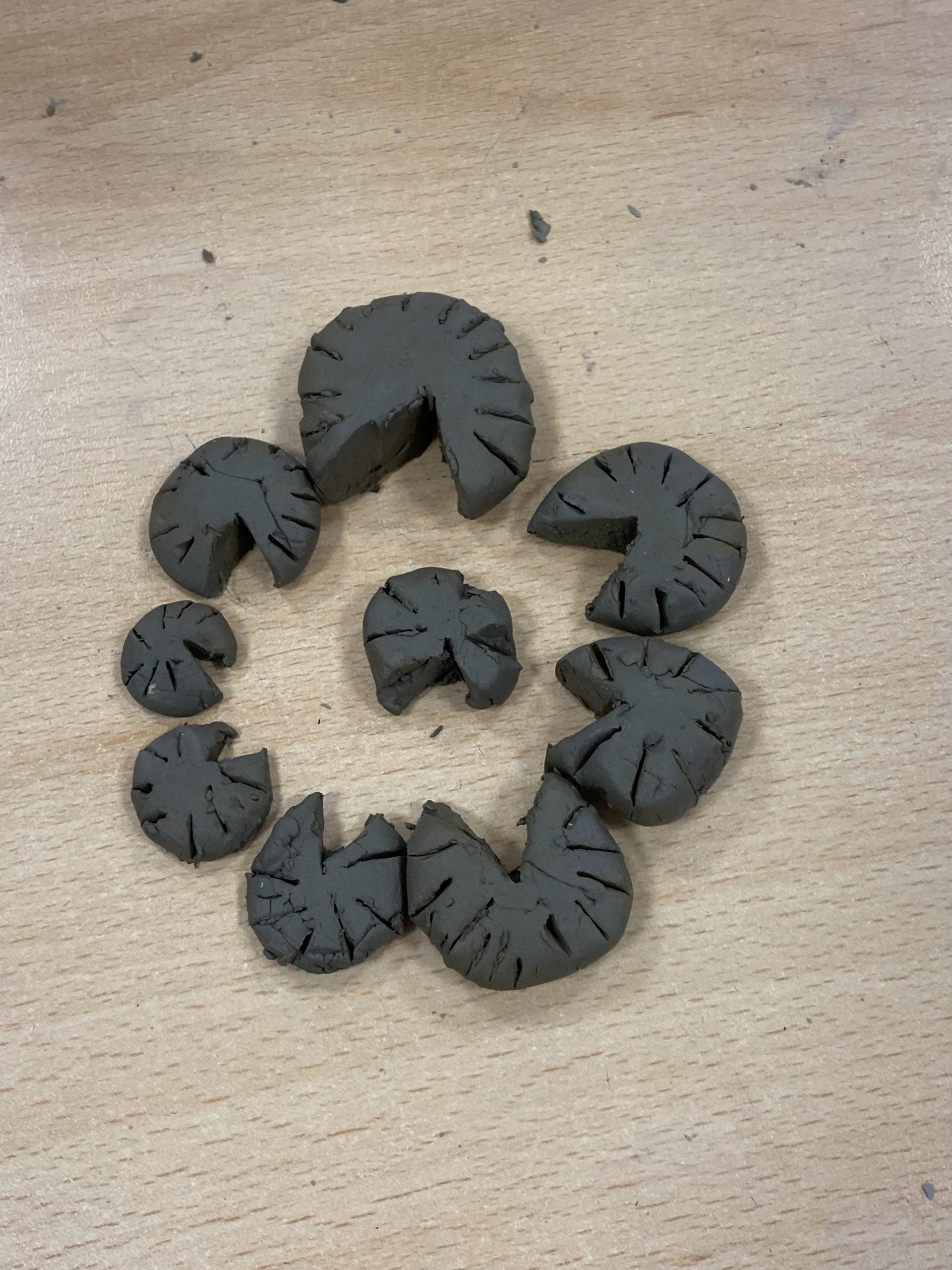
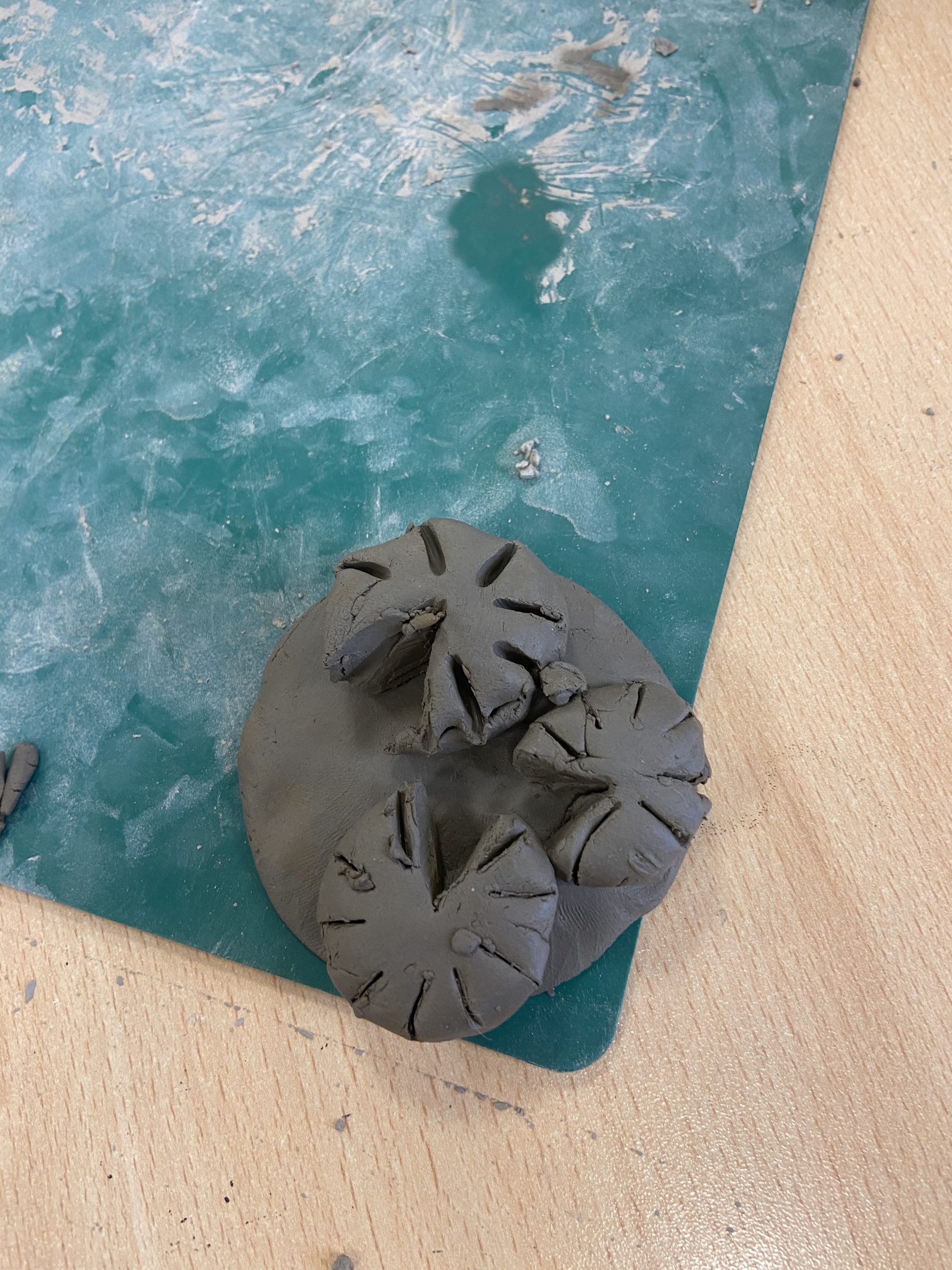
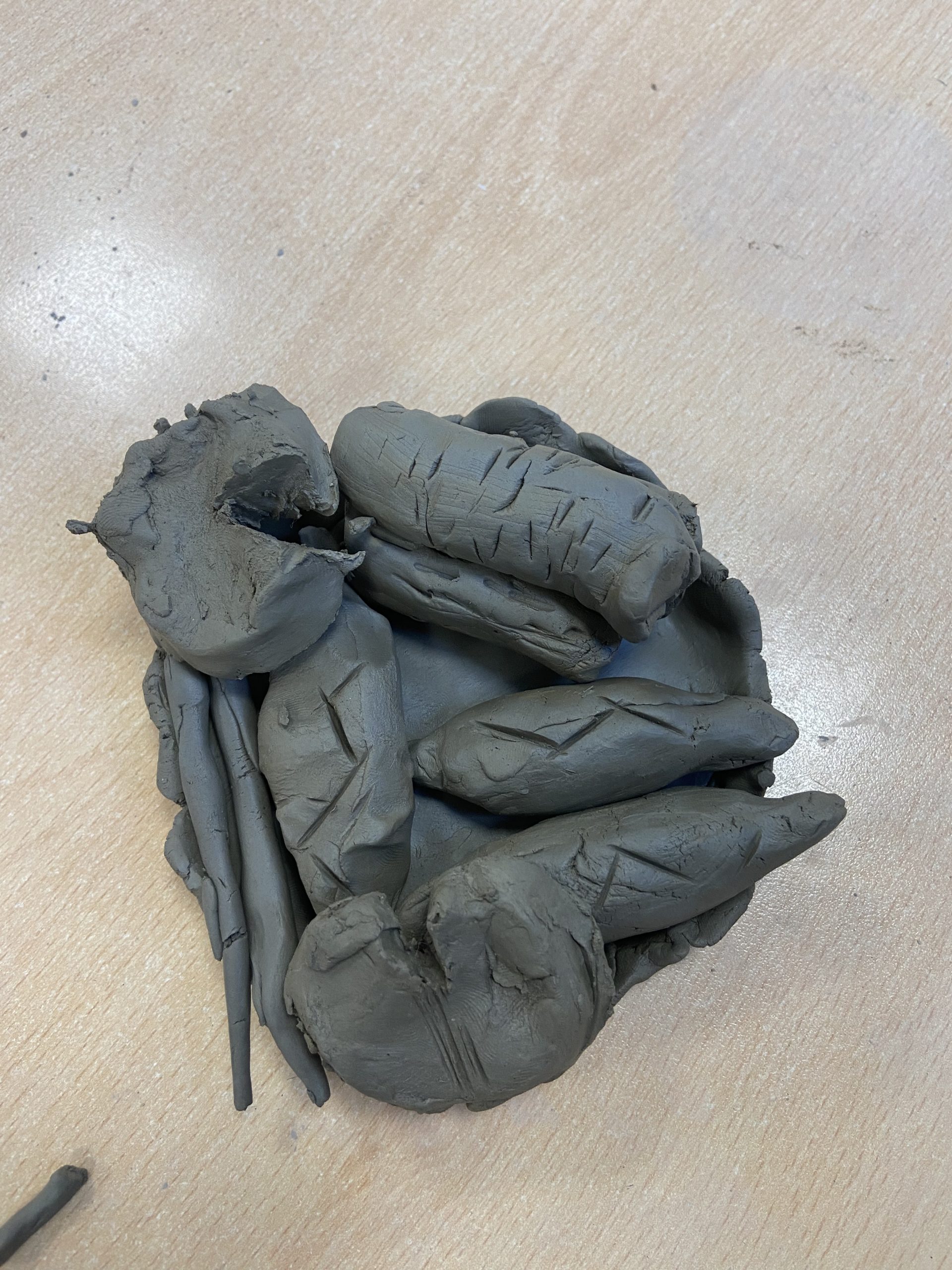
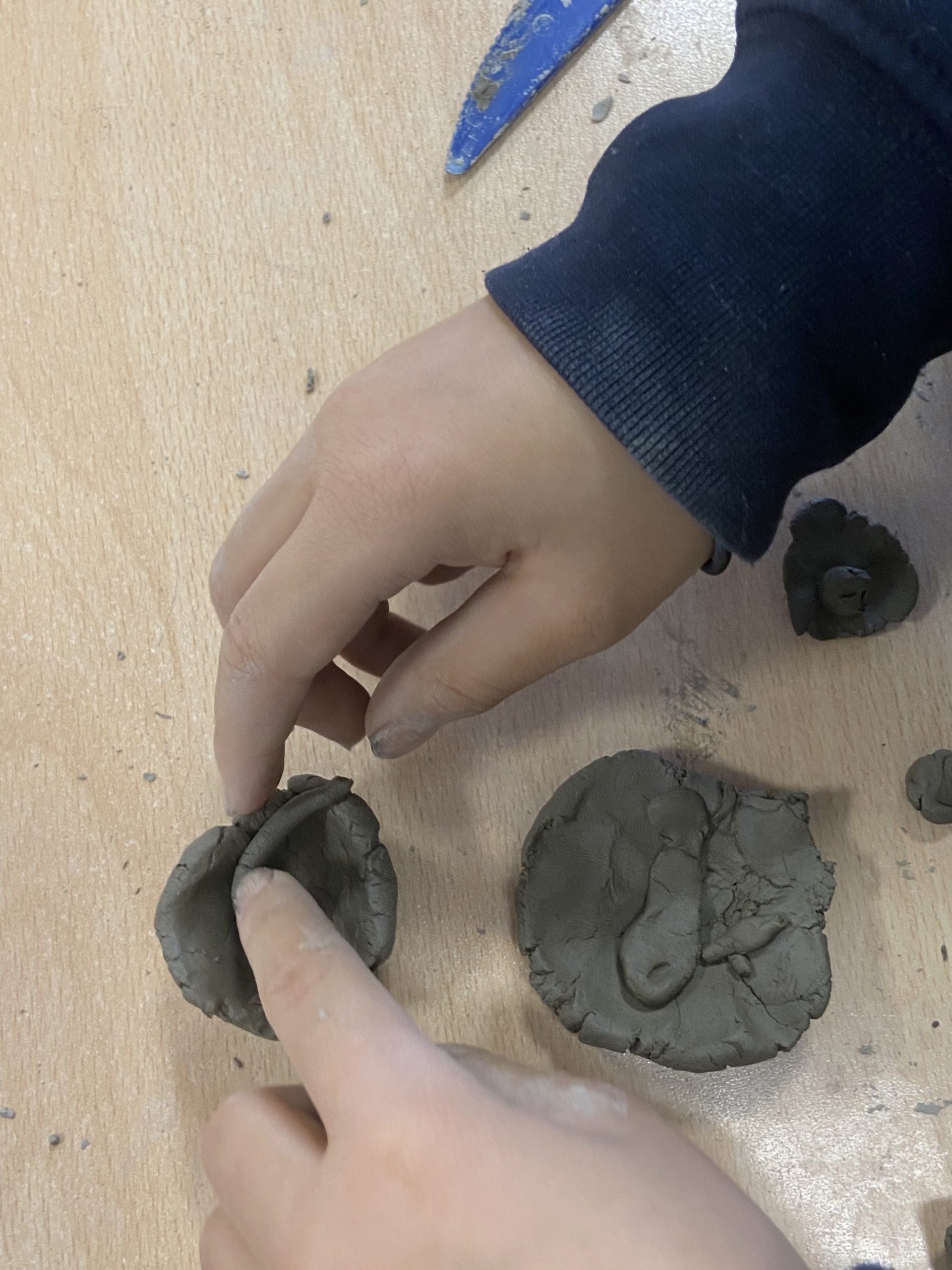
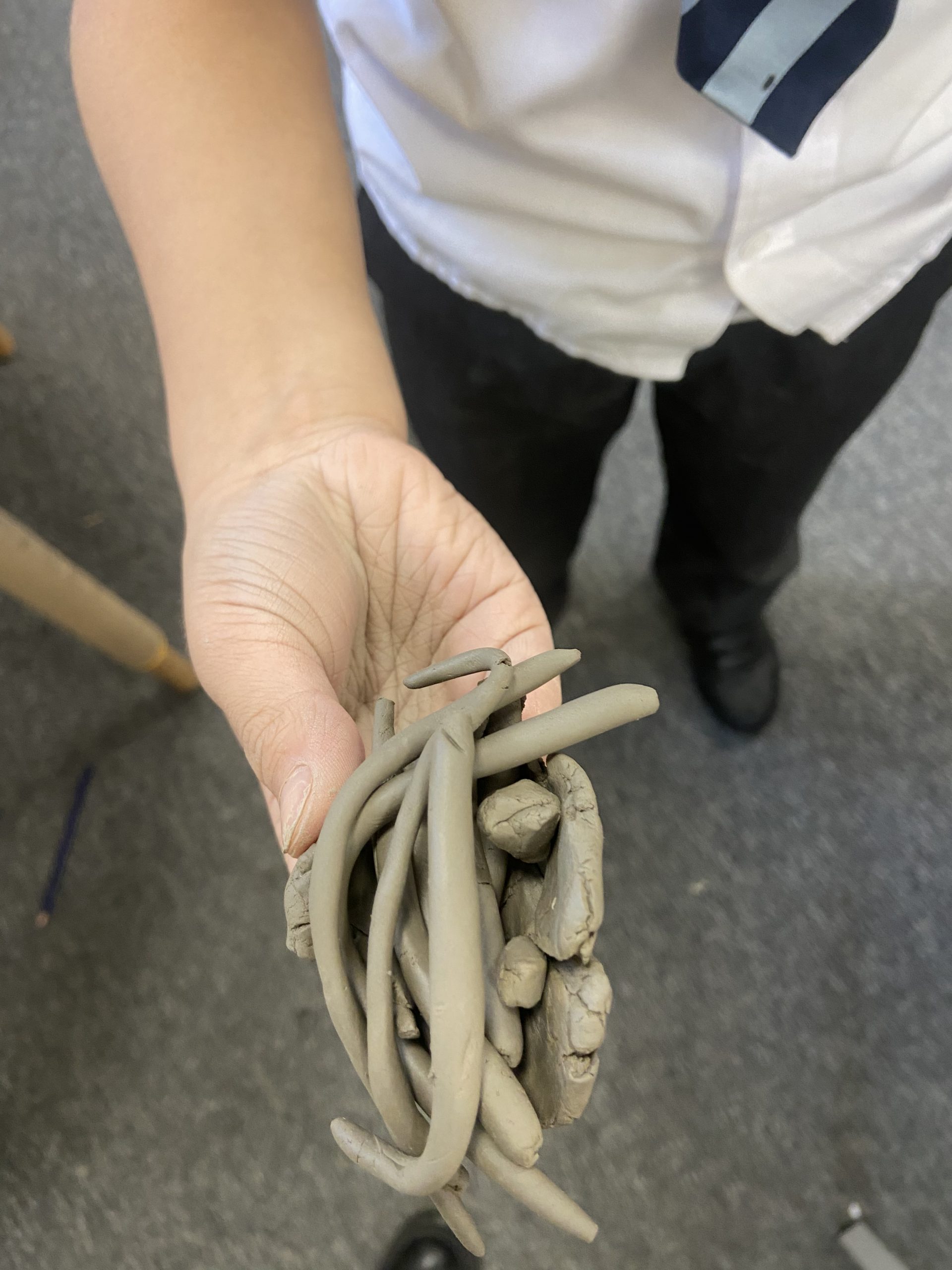
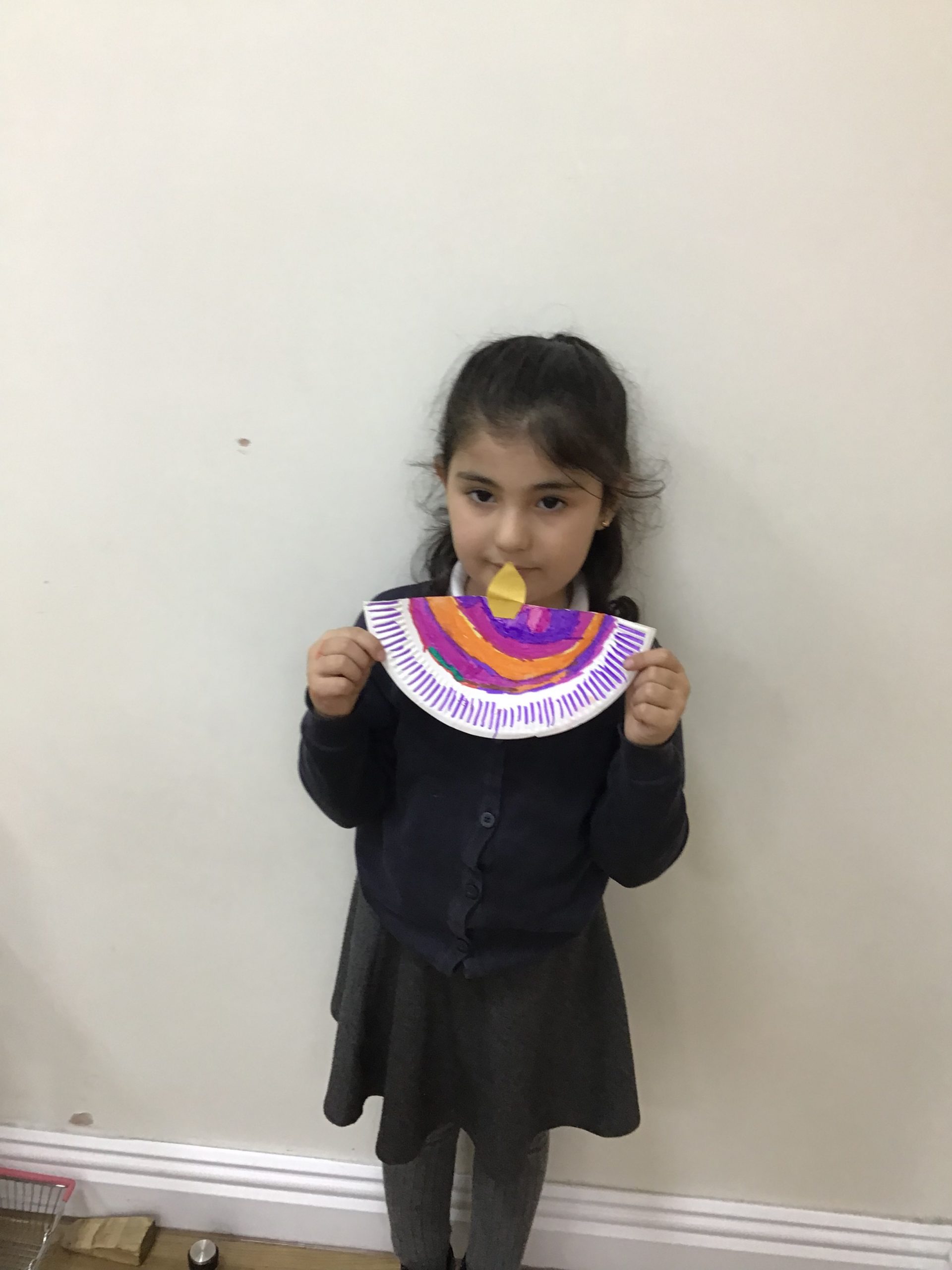
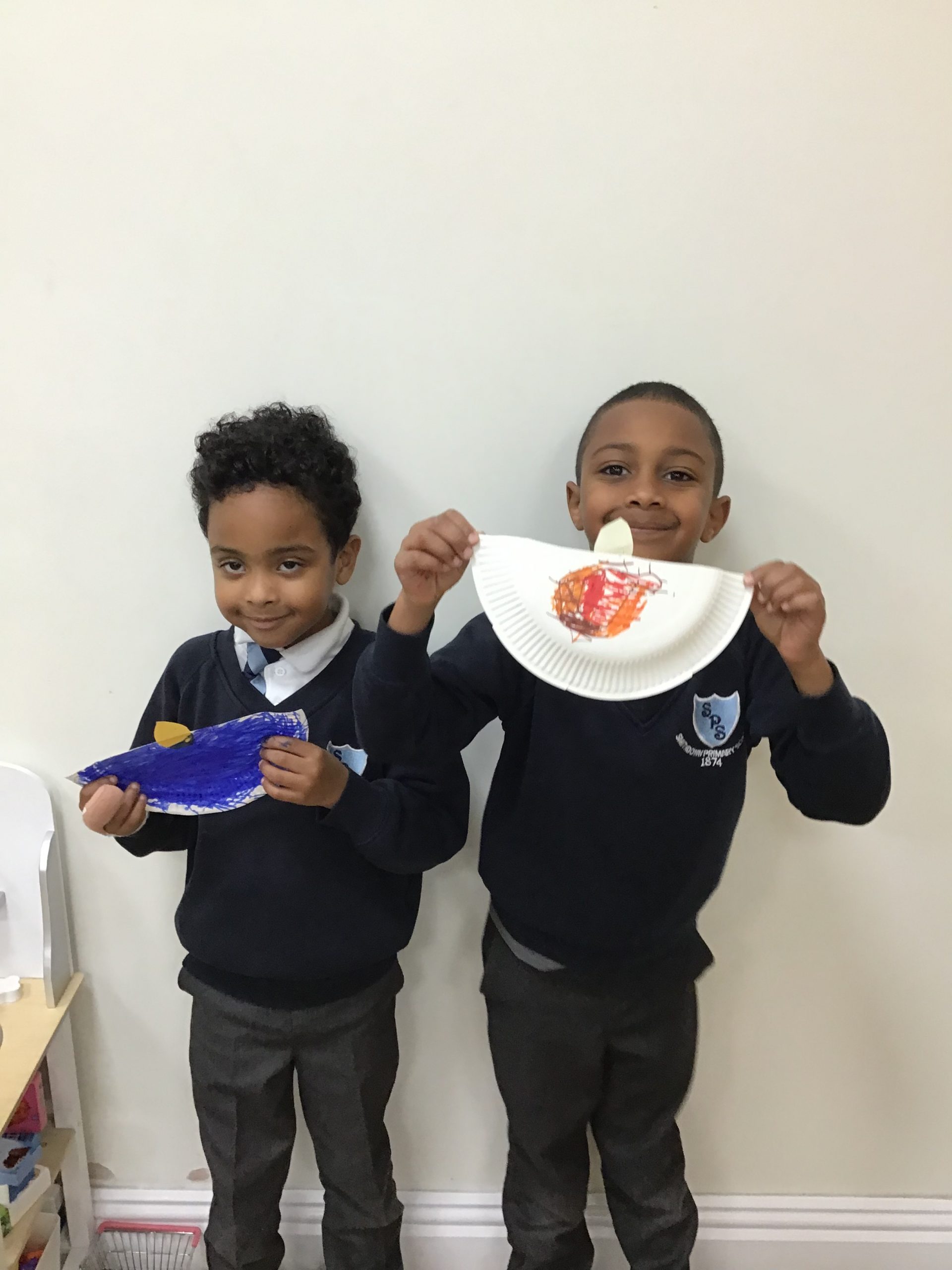
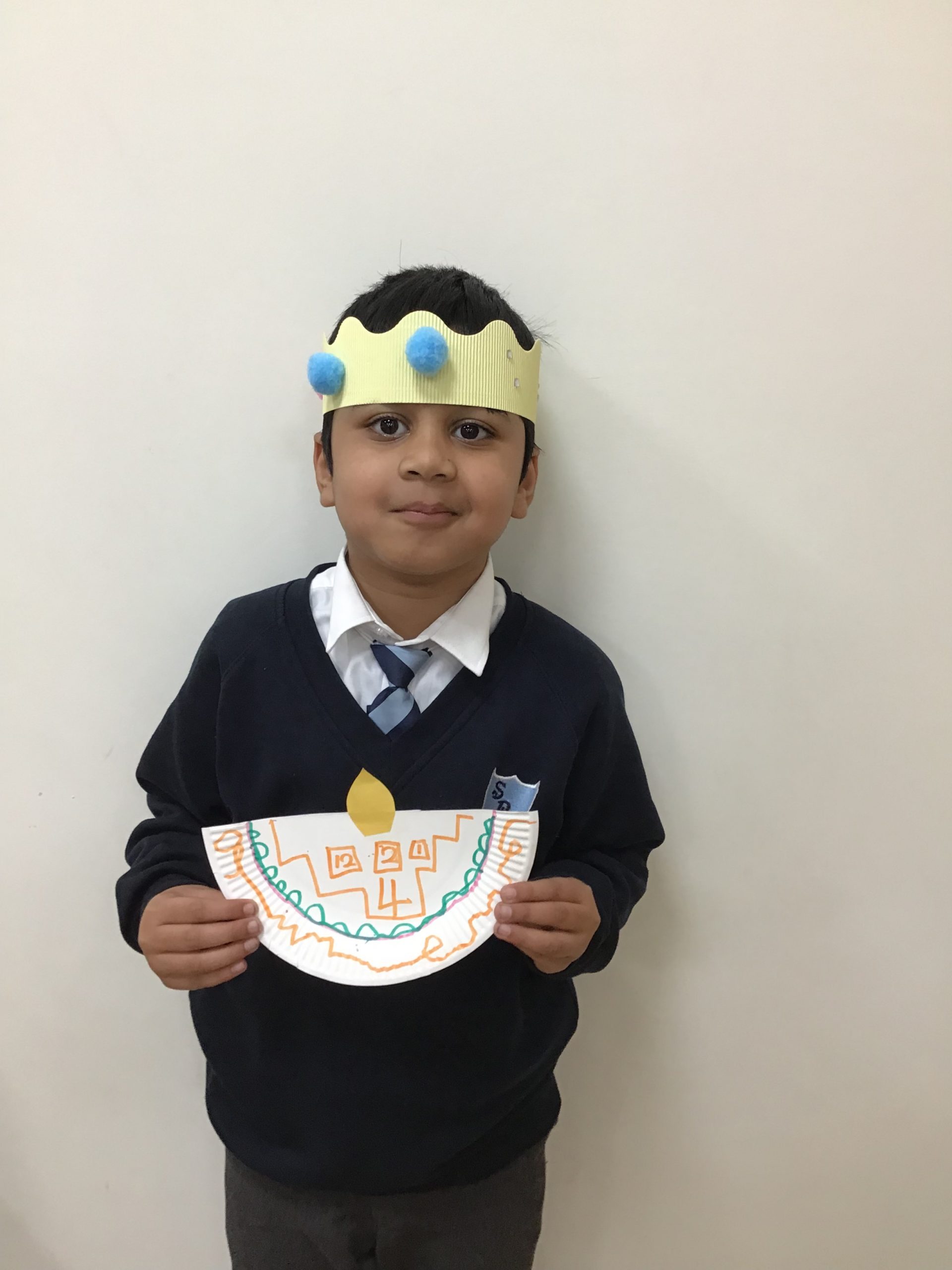
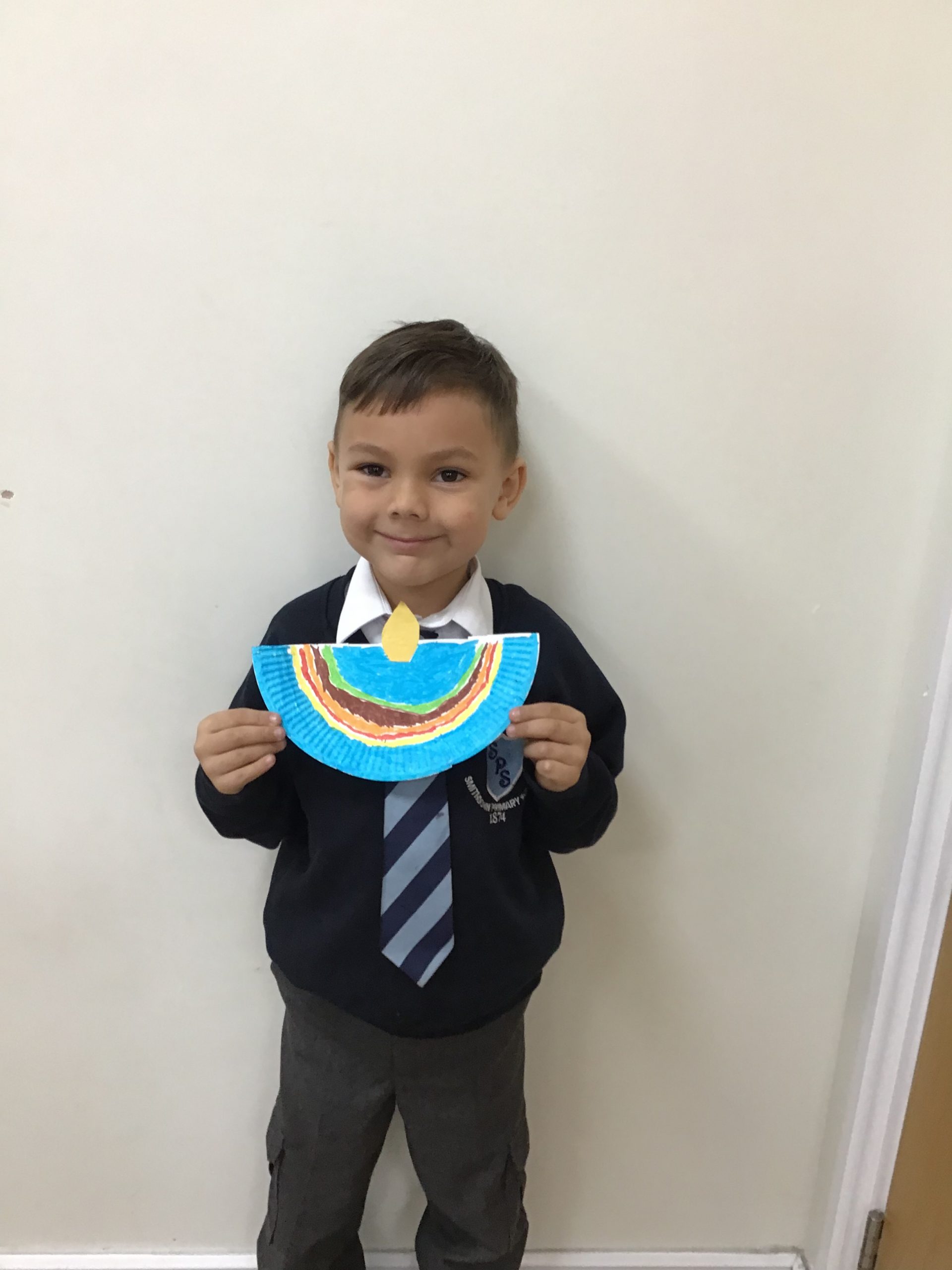
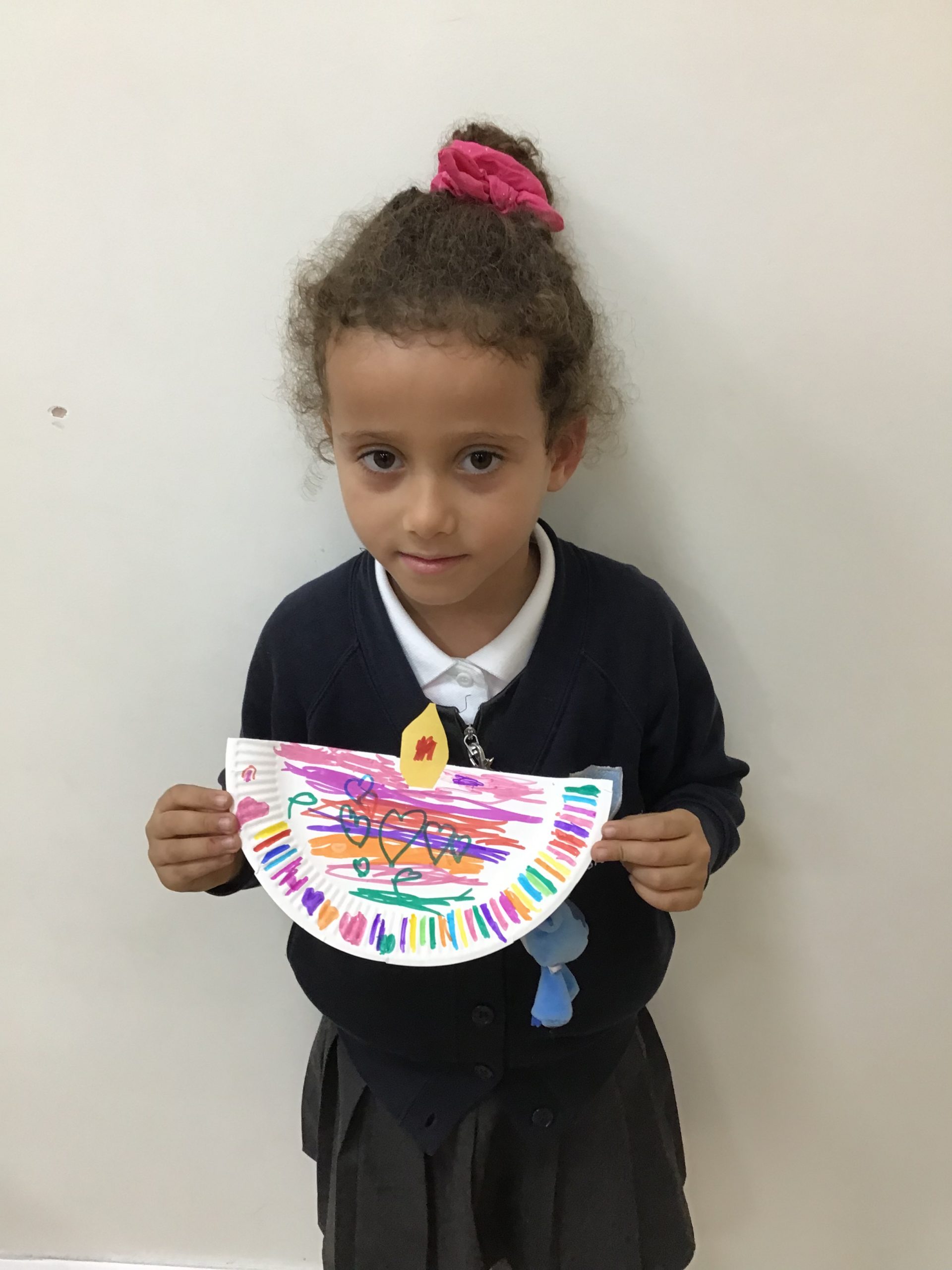
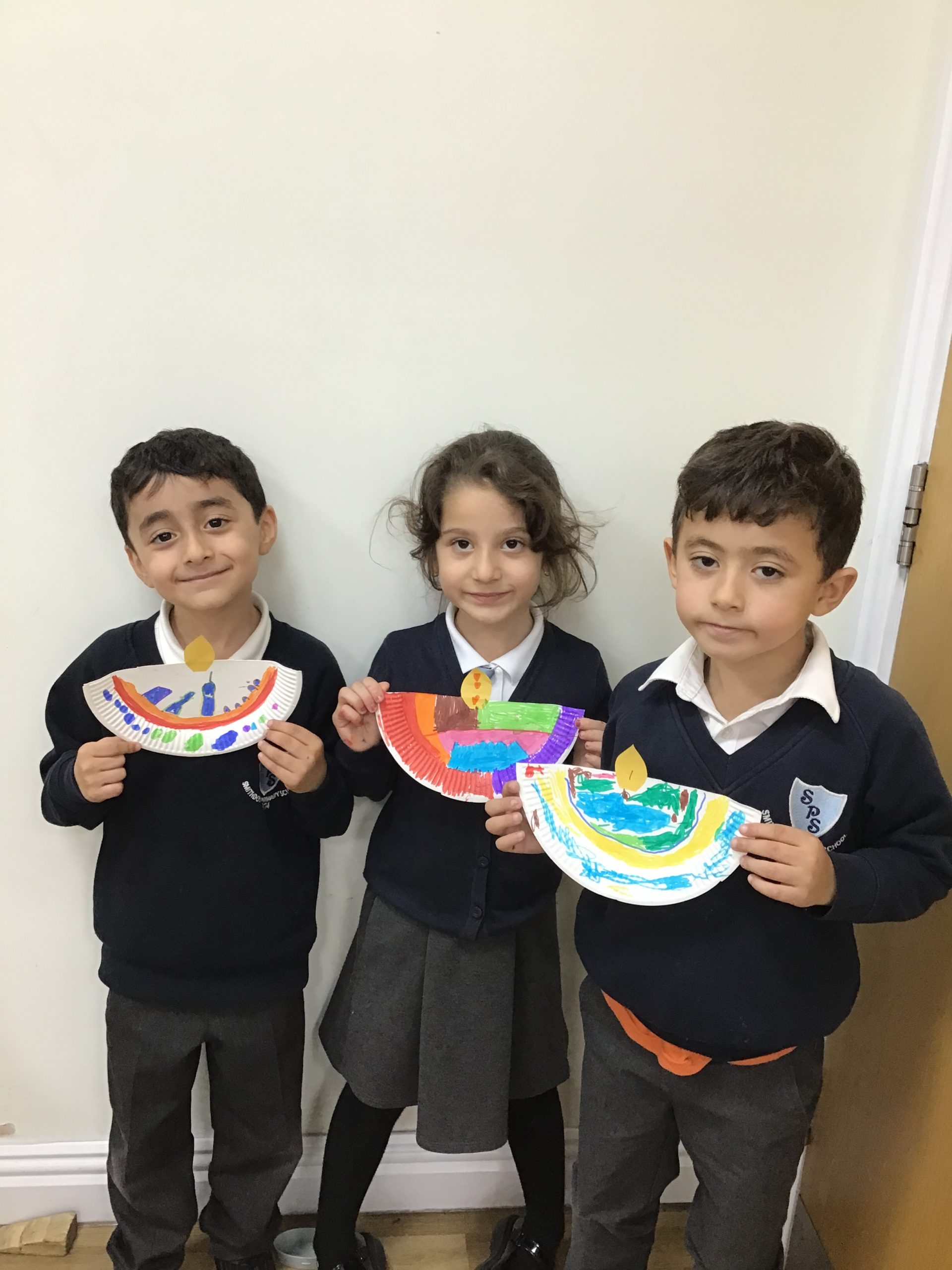
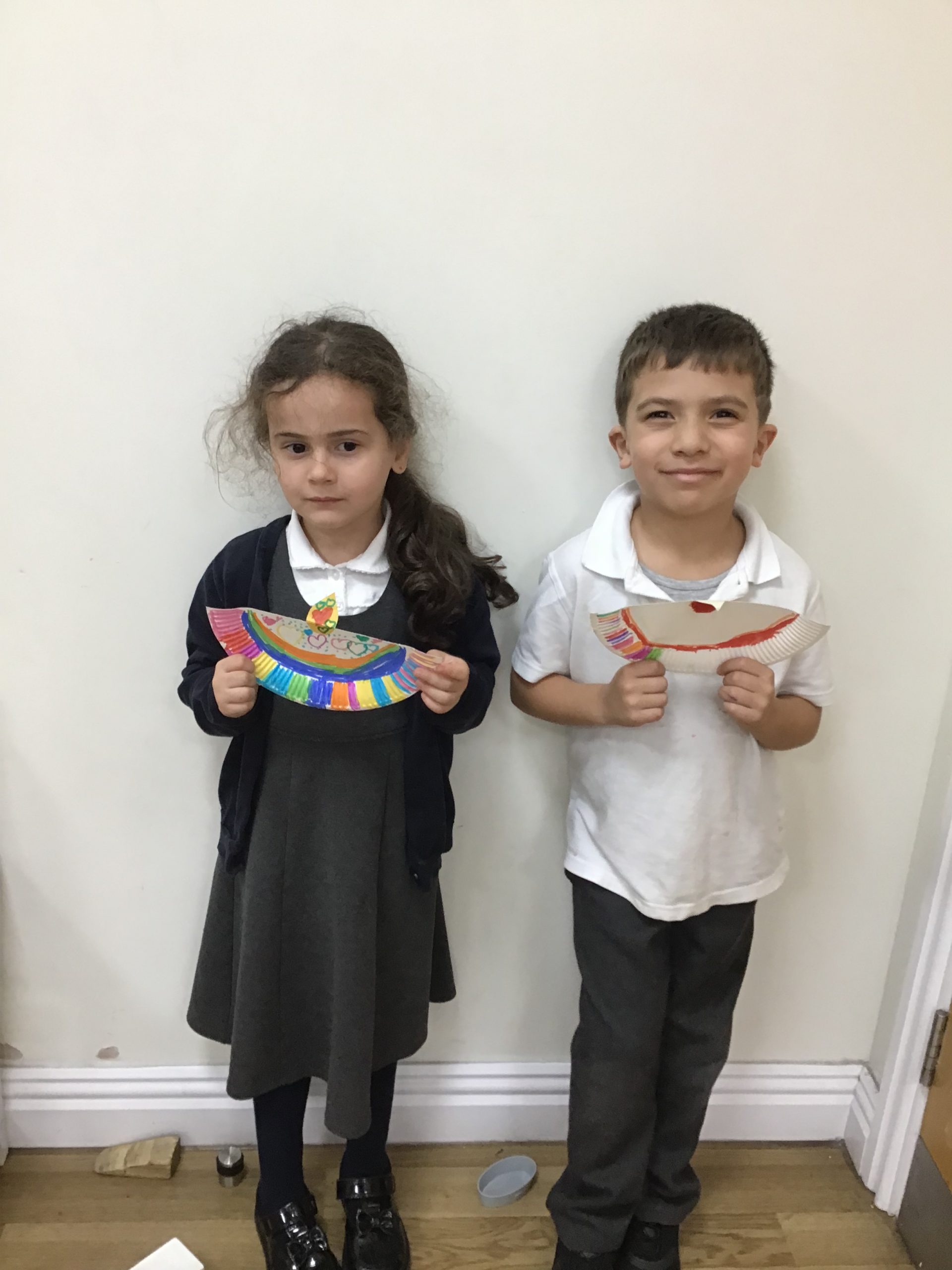
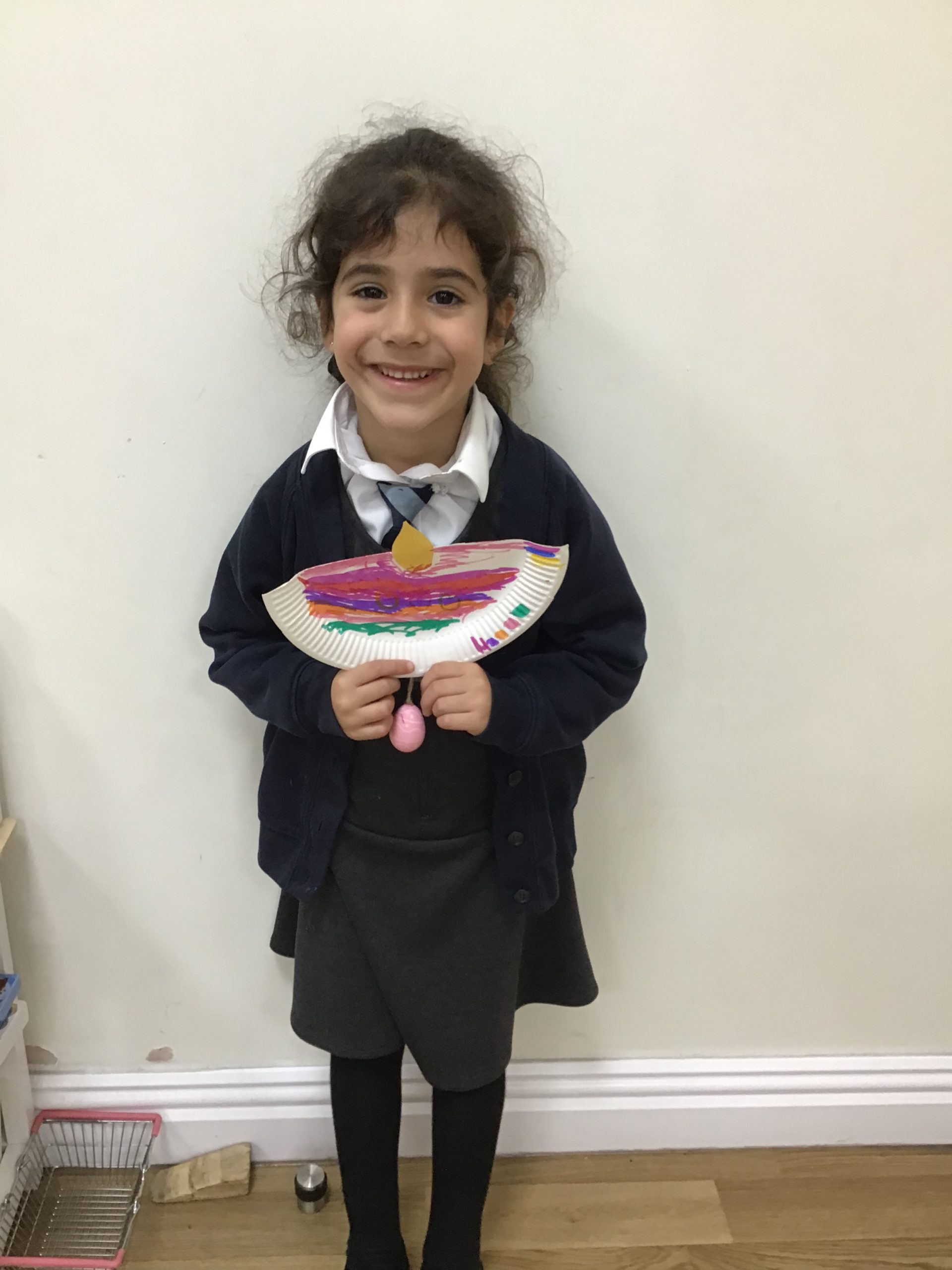
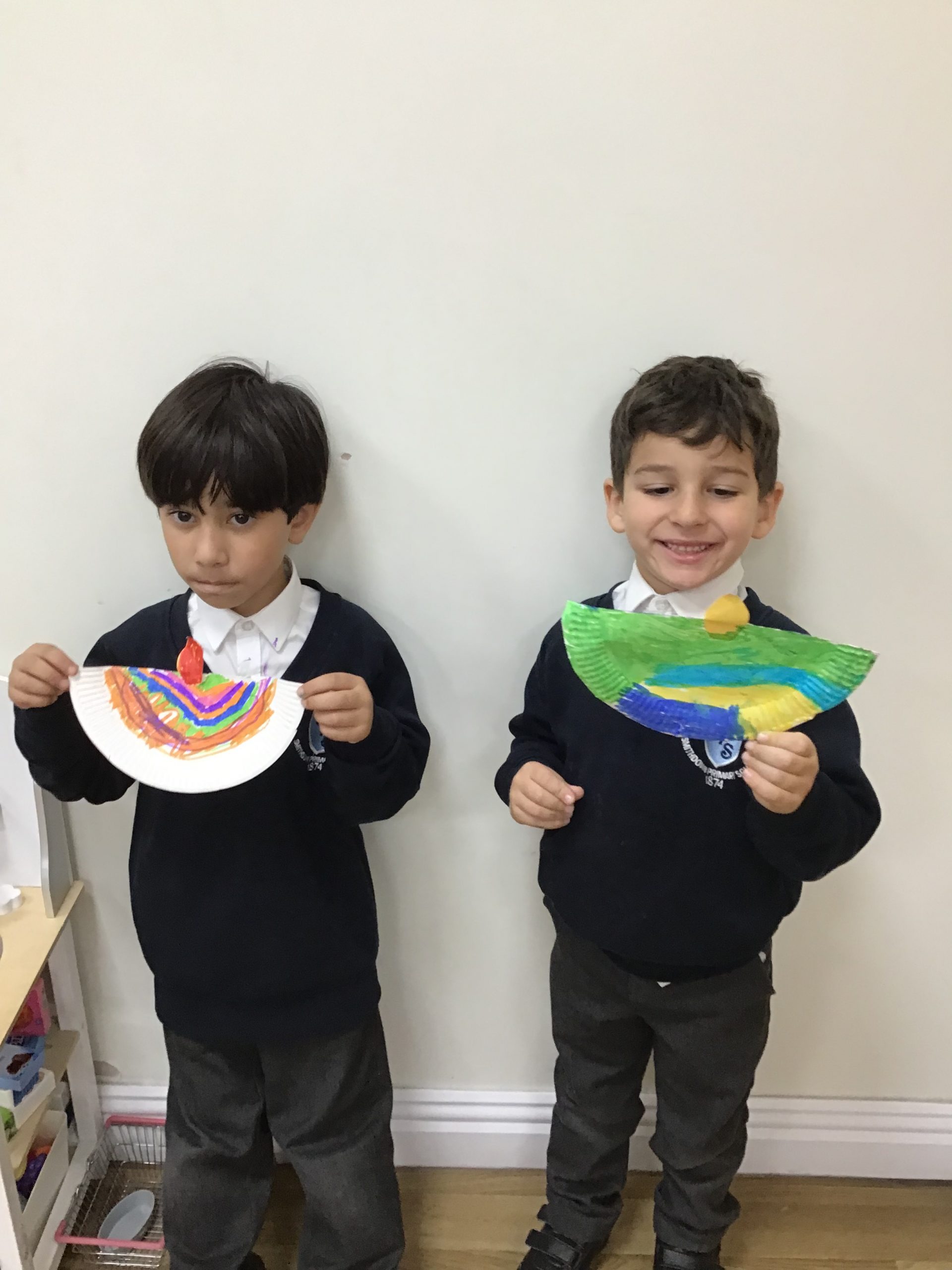
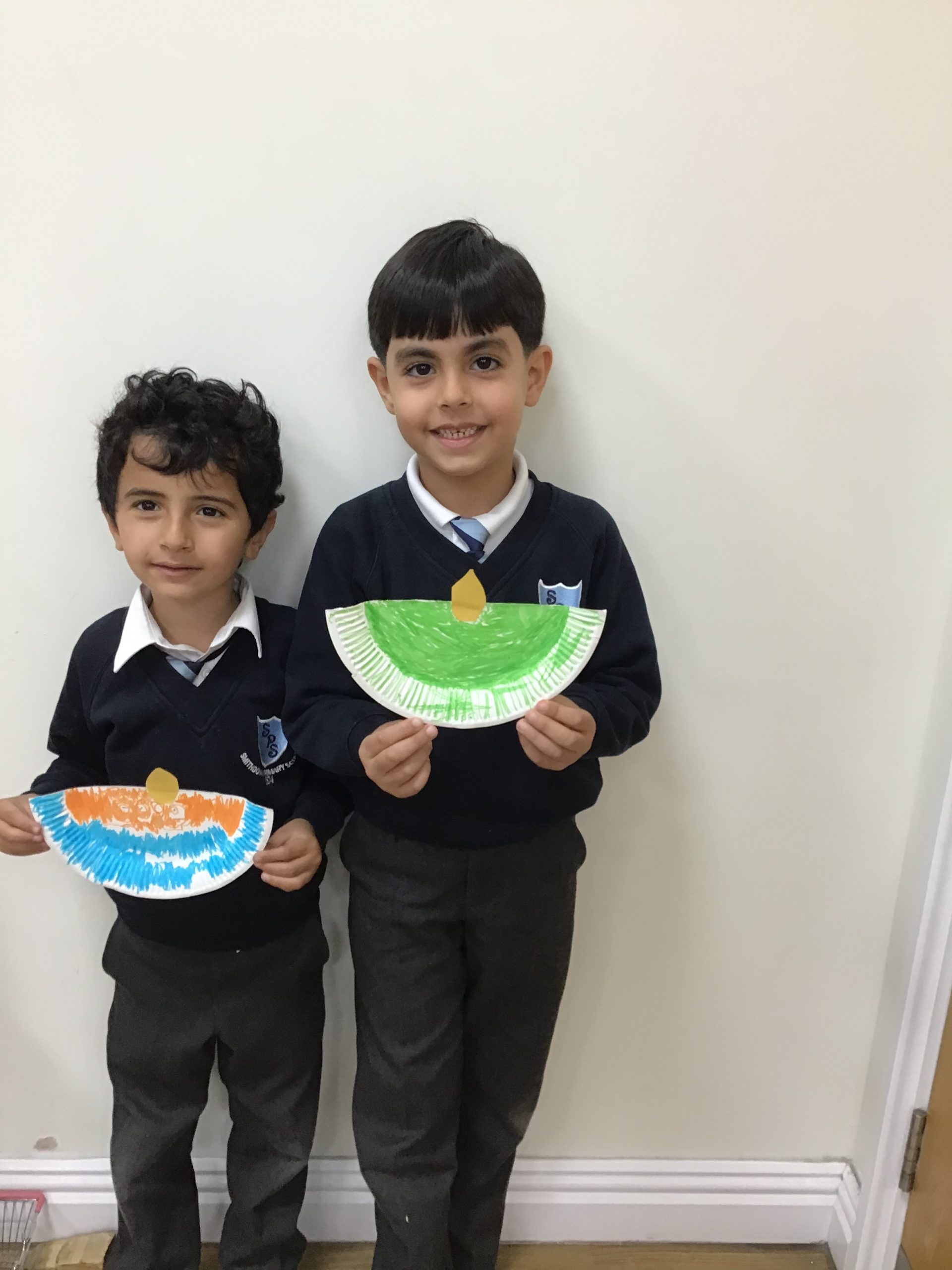
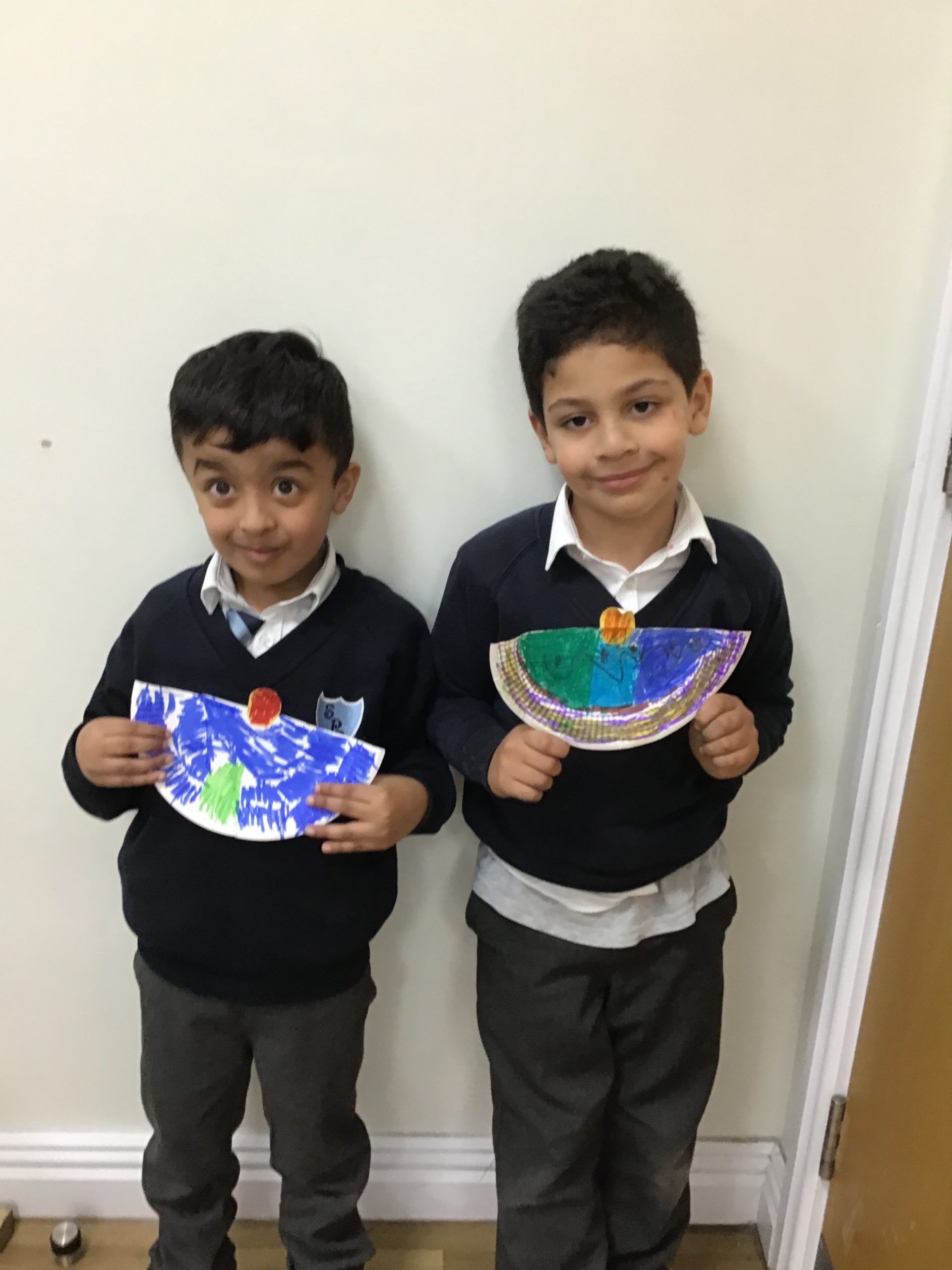
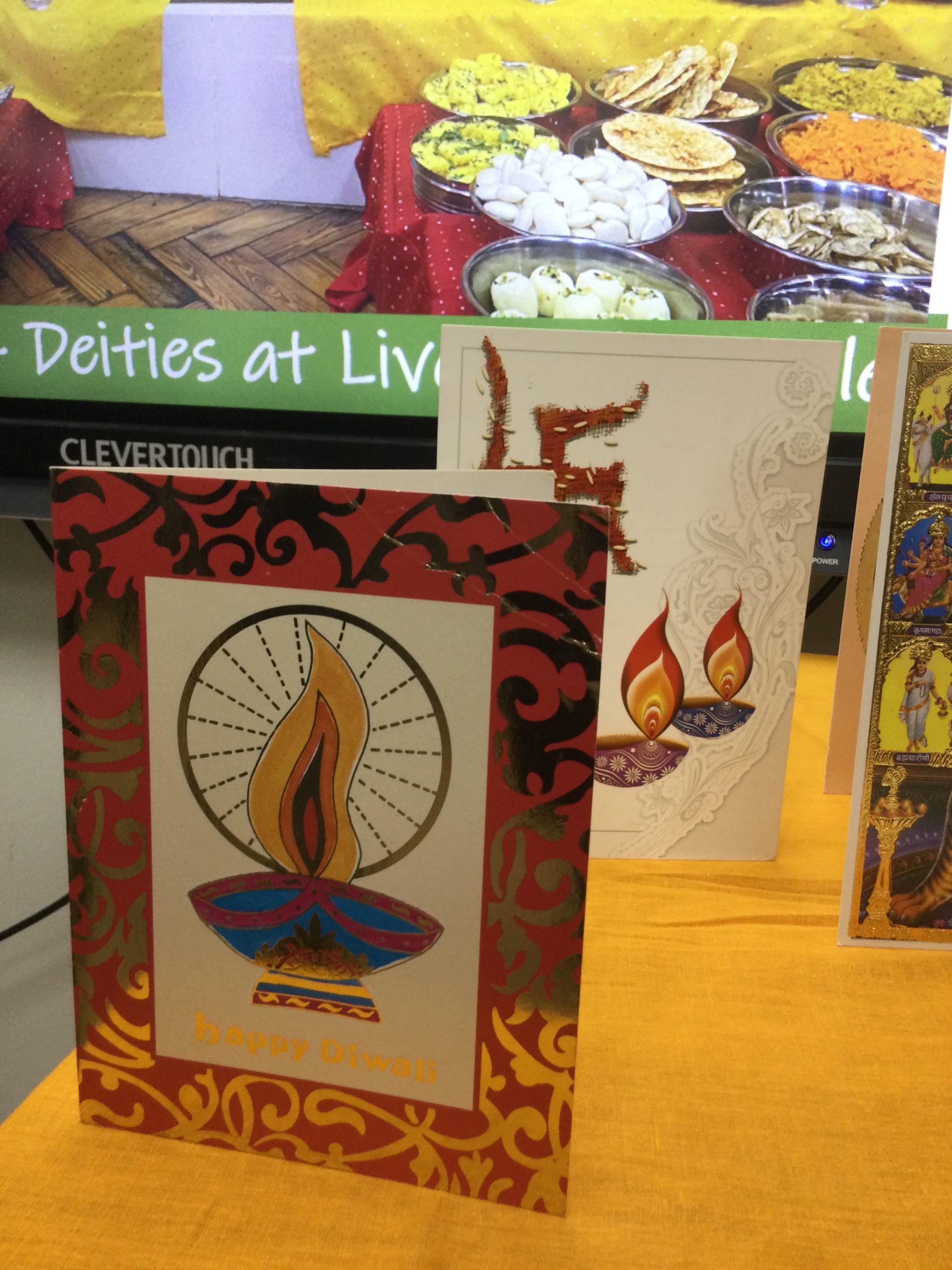
We had a great time making Diwa lamps, making Diwali cards, sharing the story of Rama and Sita, creating Diwali celebration food, tasting some of the foods that may be eaten during Diwali and watching the lighting of the Diwa lamps.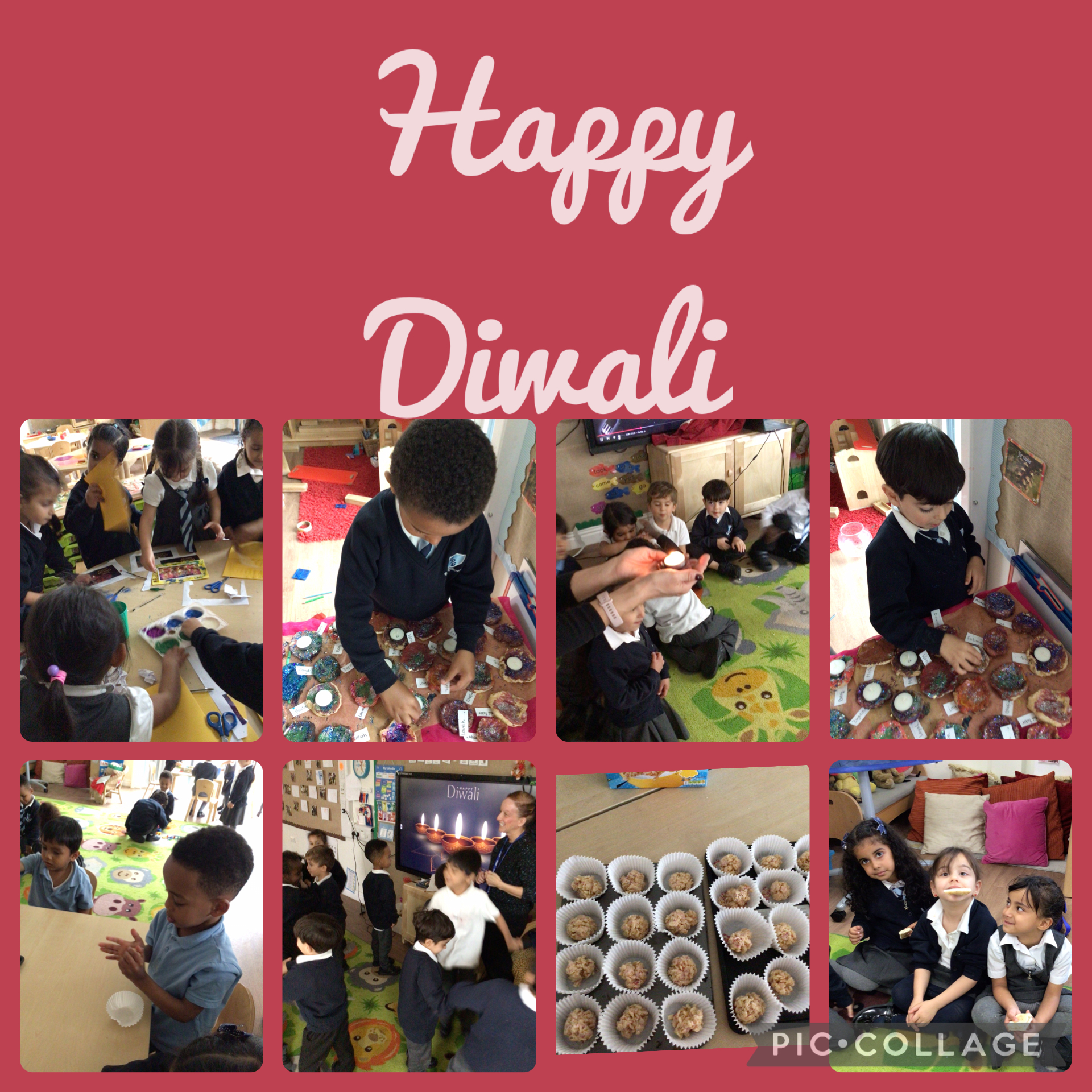
We made some special Diwali sweets, Diwali cards and shared some Diwali foods . Happy Diwali to everyone!
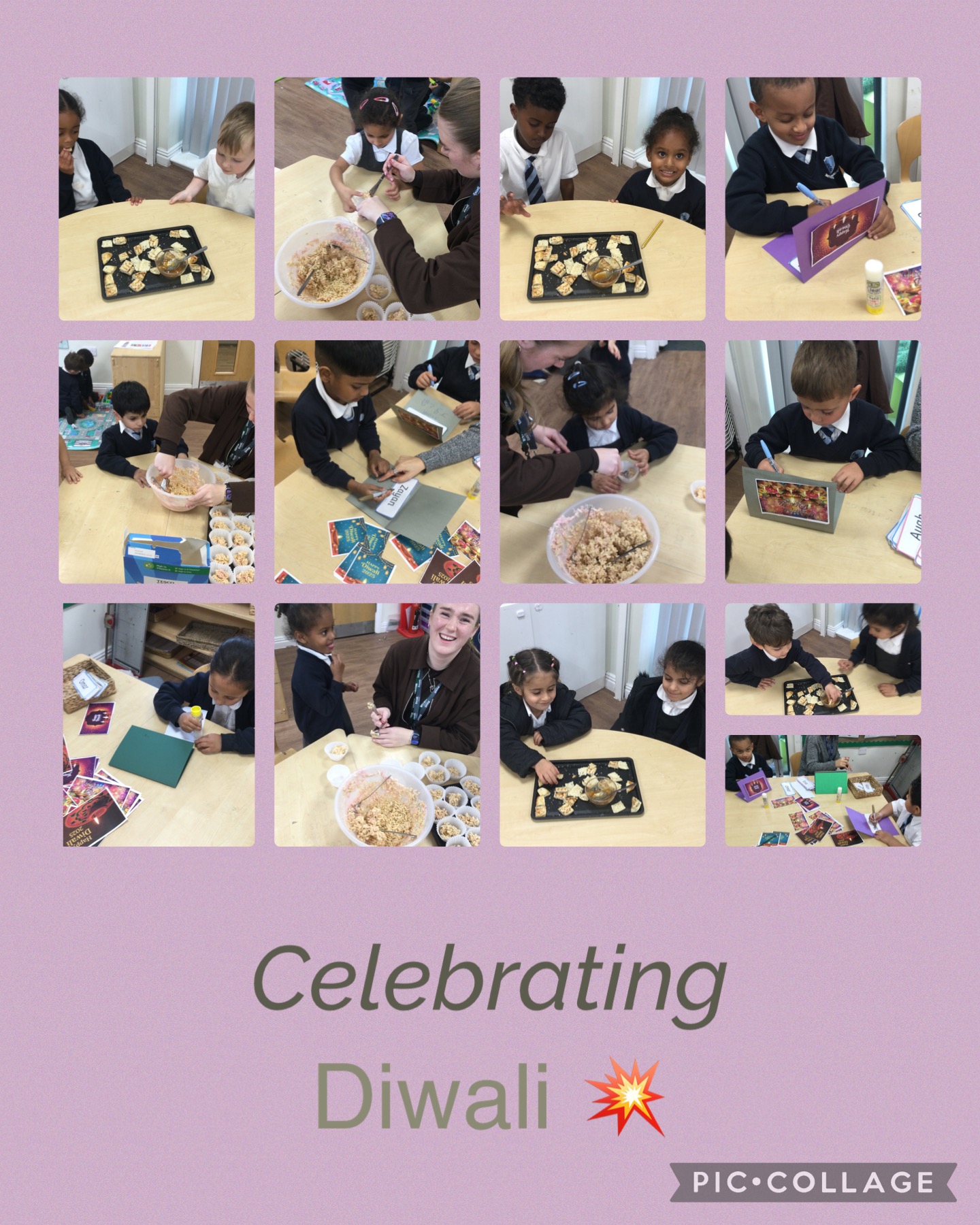
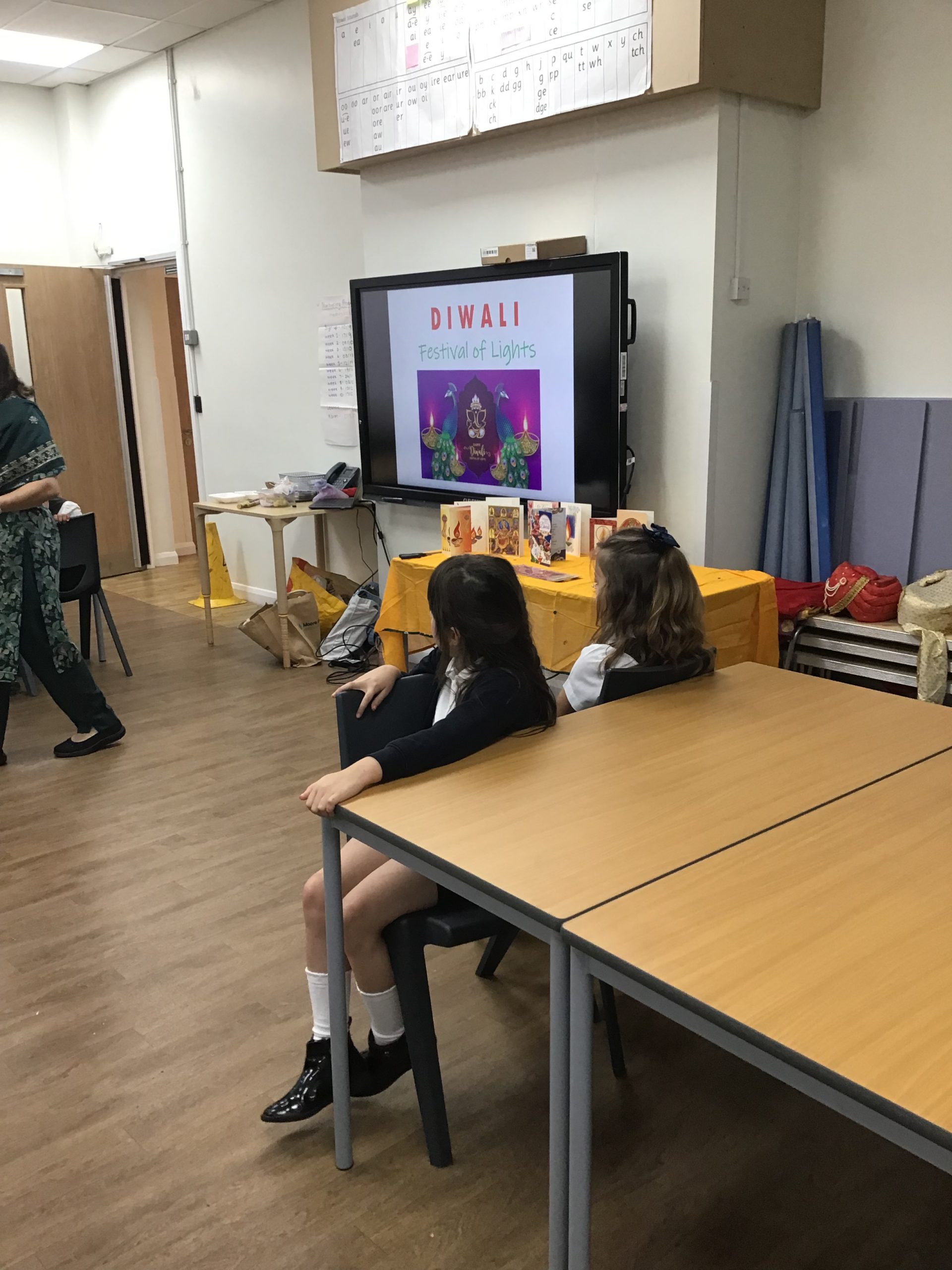
We have had a wonderful time learning about Diwali and more about the Hindu religion. We heard the story of Rama and Sita and why Hindus celebrate this important festival. We were even gifted some Diva lamps to decorate – which we loved! 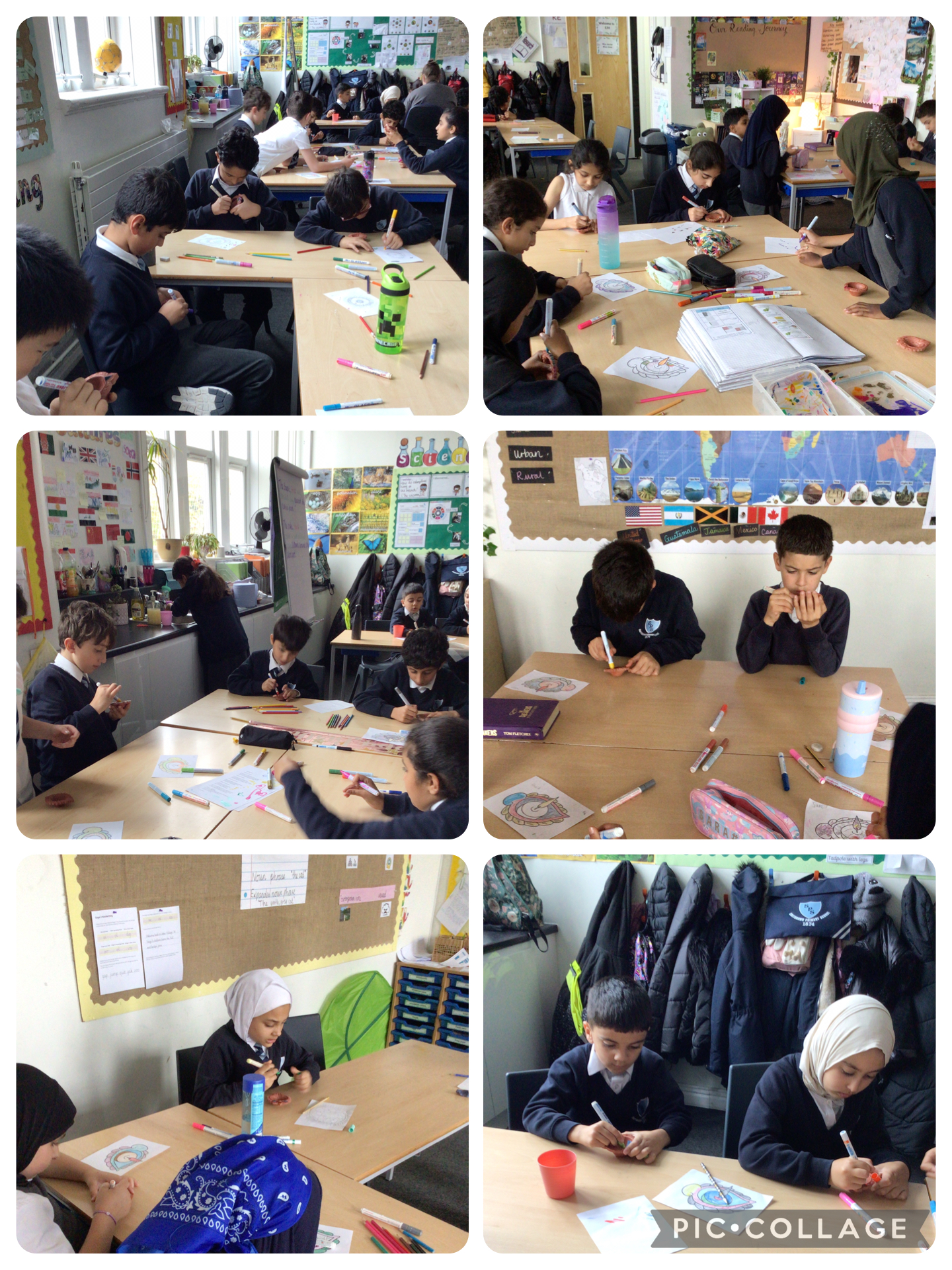
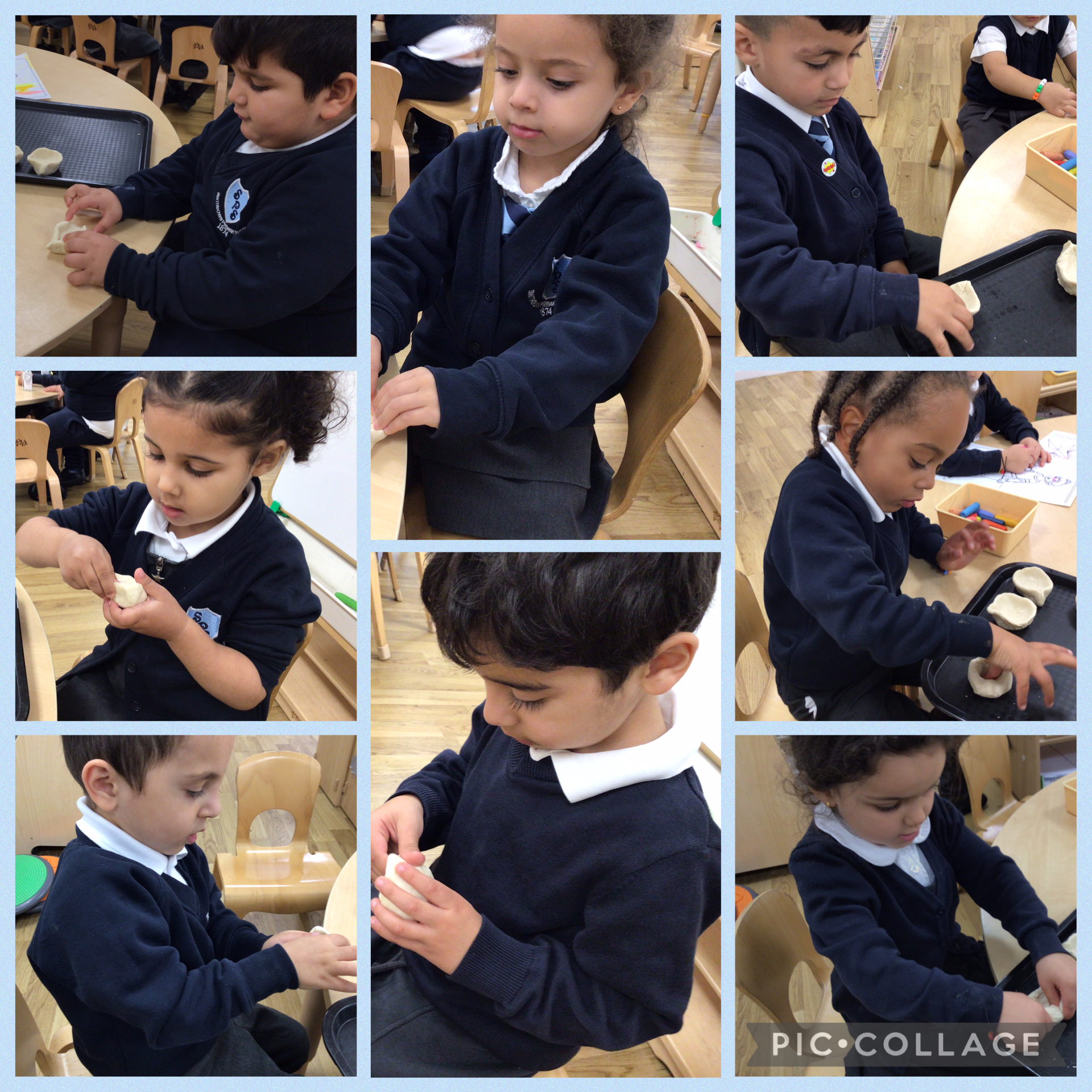
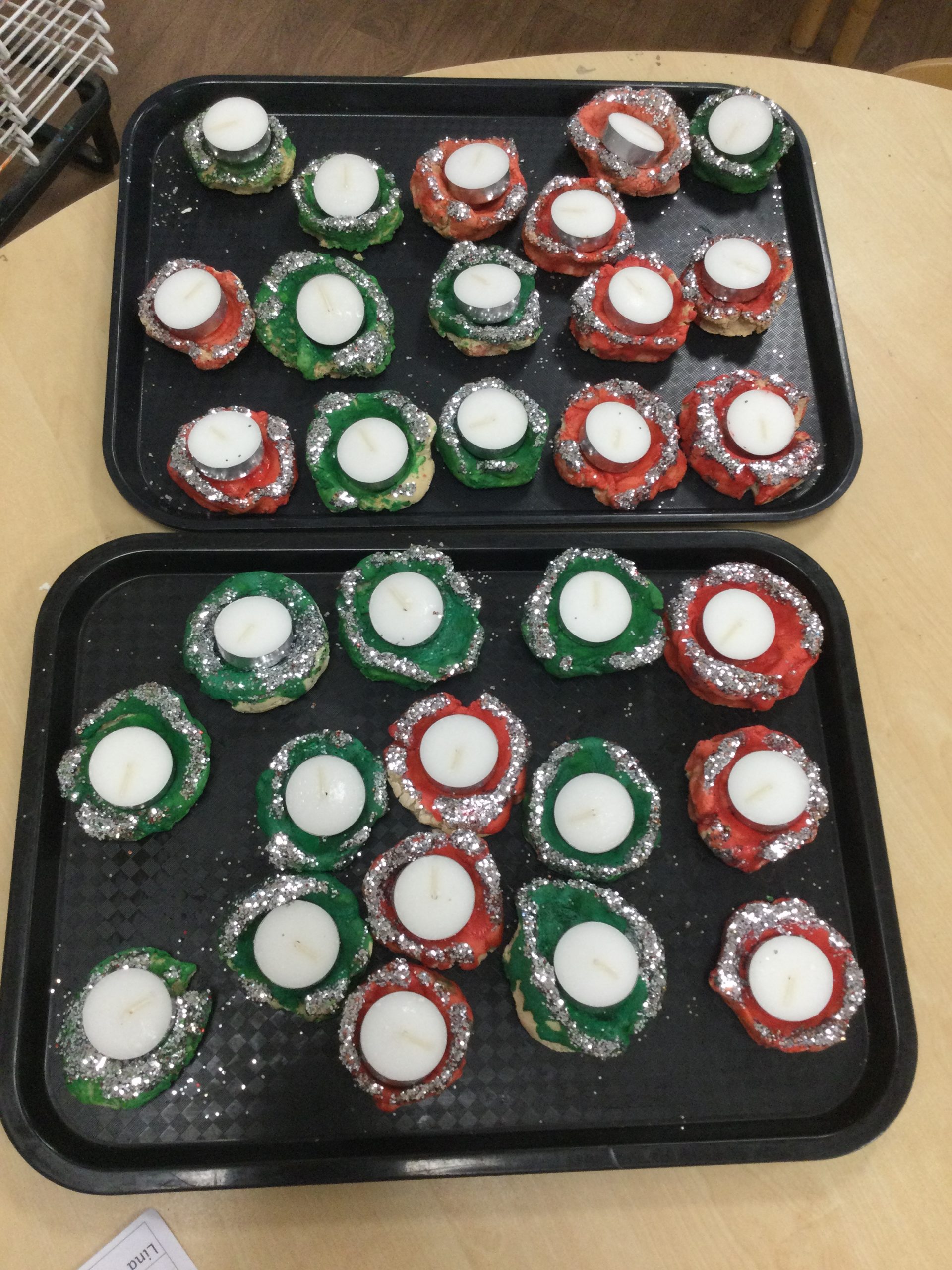
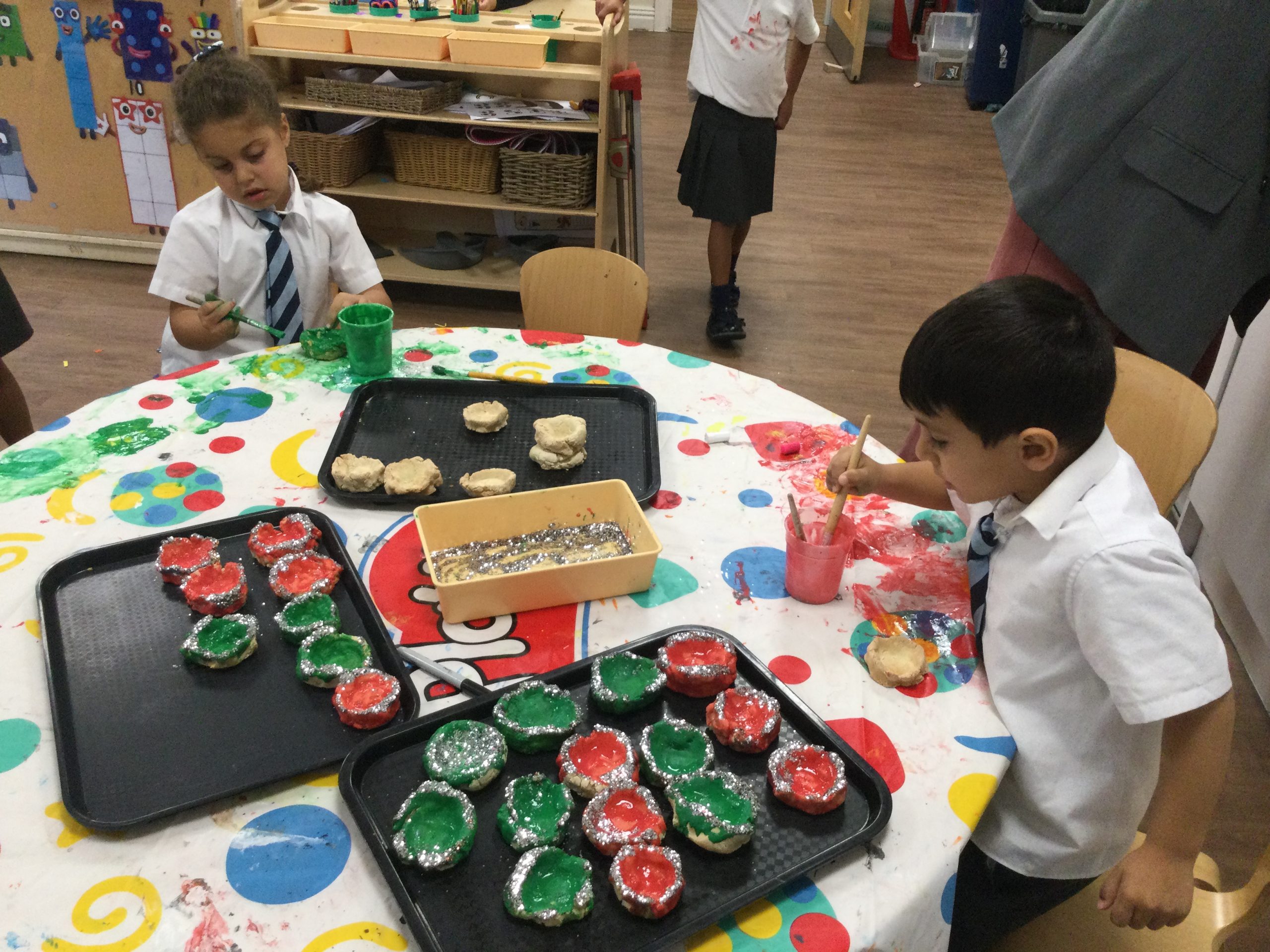
We have been leaning all about the celebration Diwali. We made Diwali lamps out of salt dough and decorated them with bright coloured paint and glitter. Don’t they look amazing!
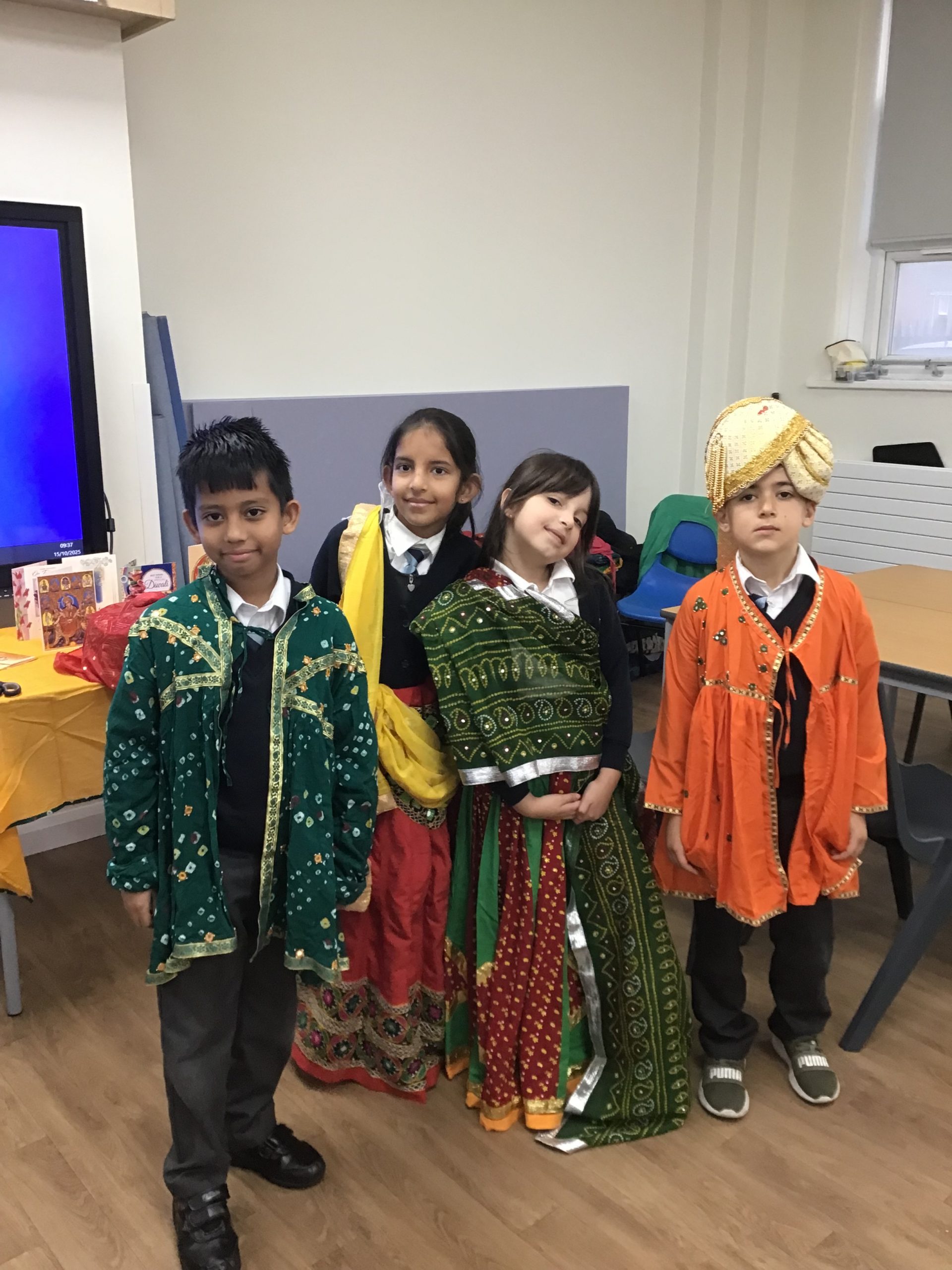
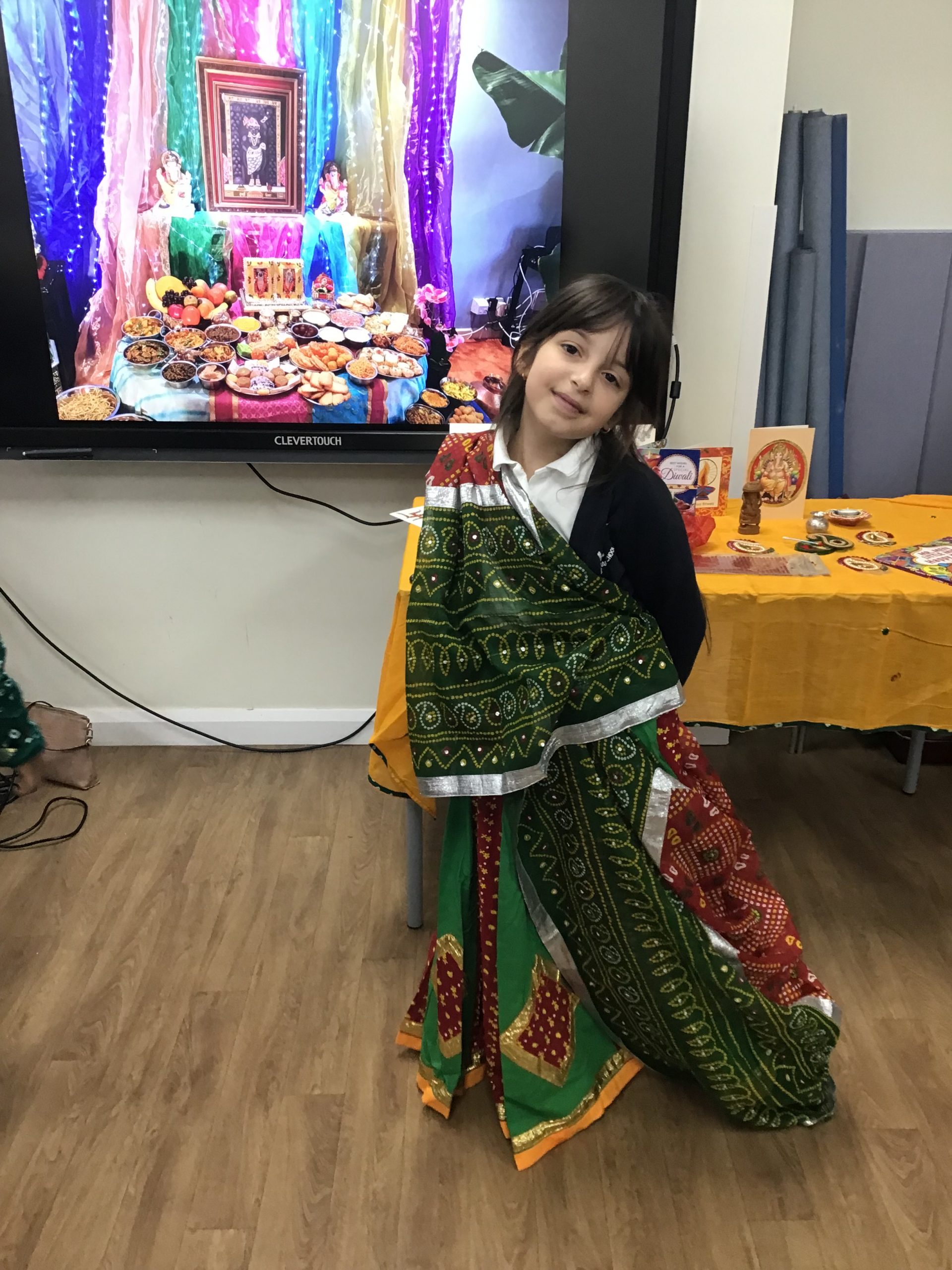
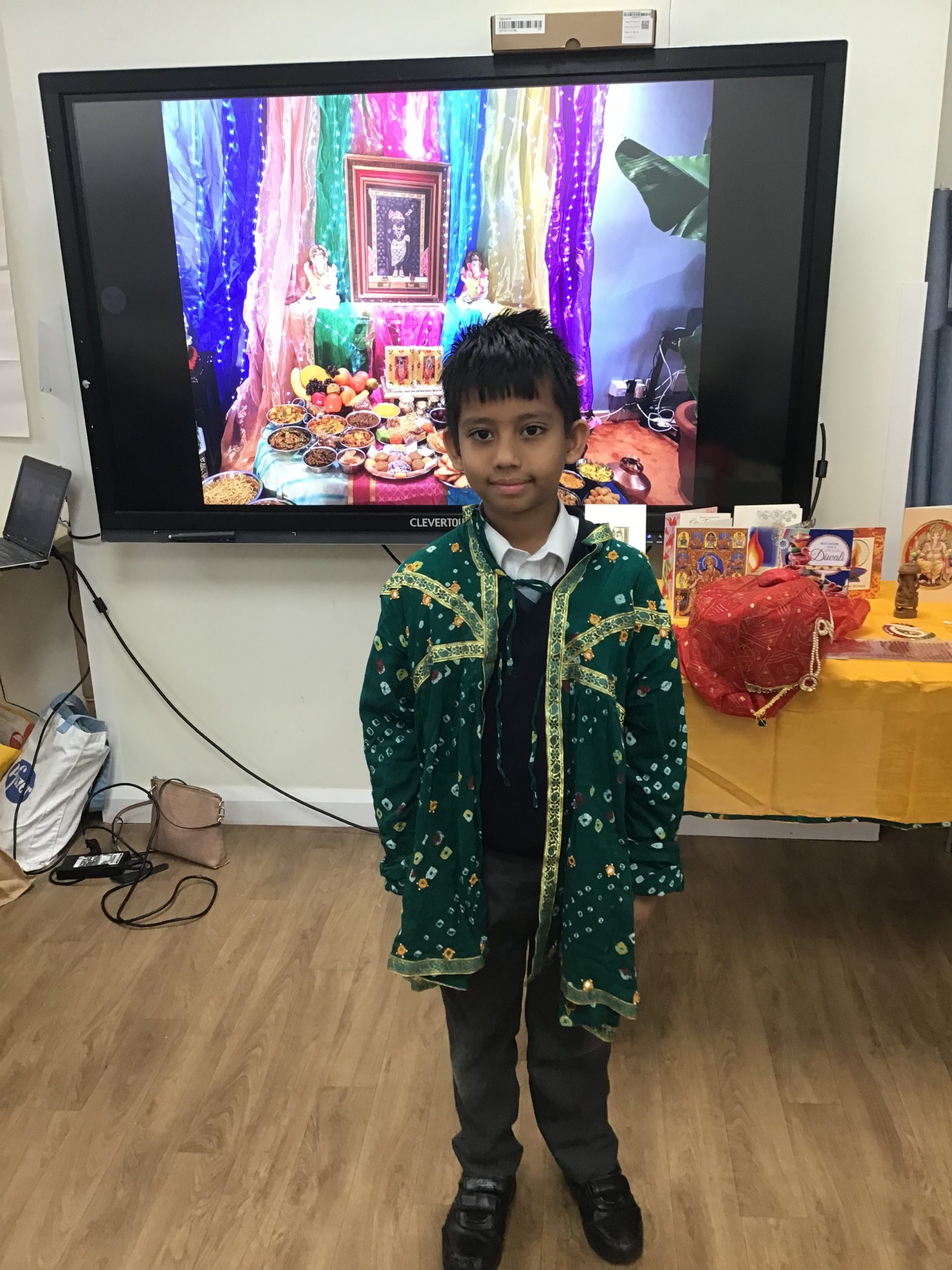
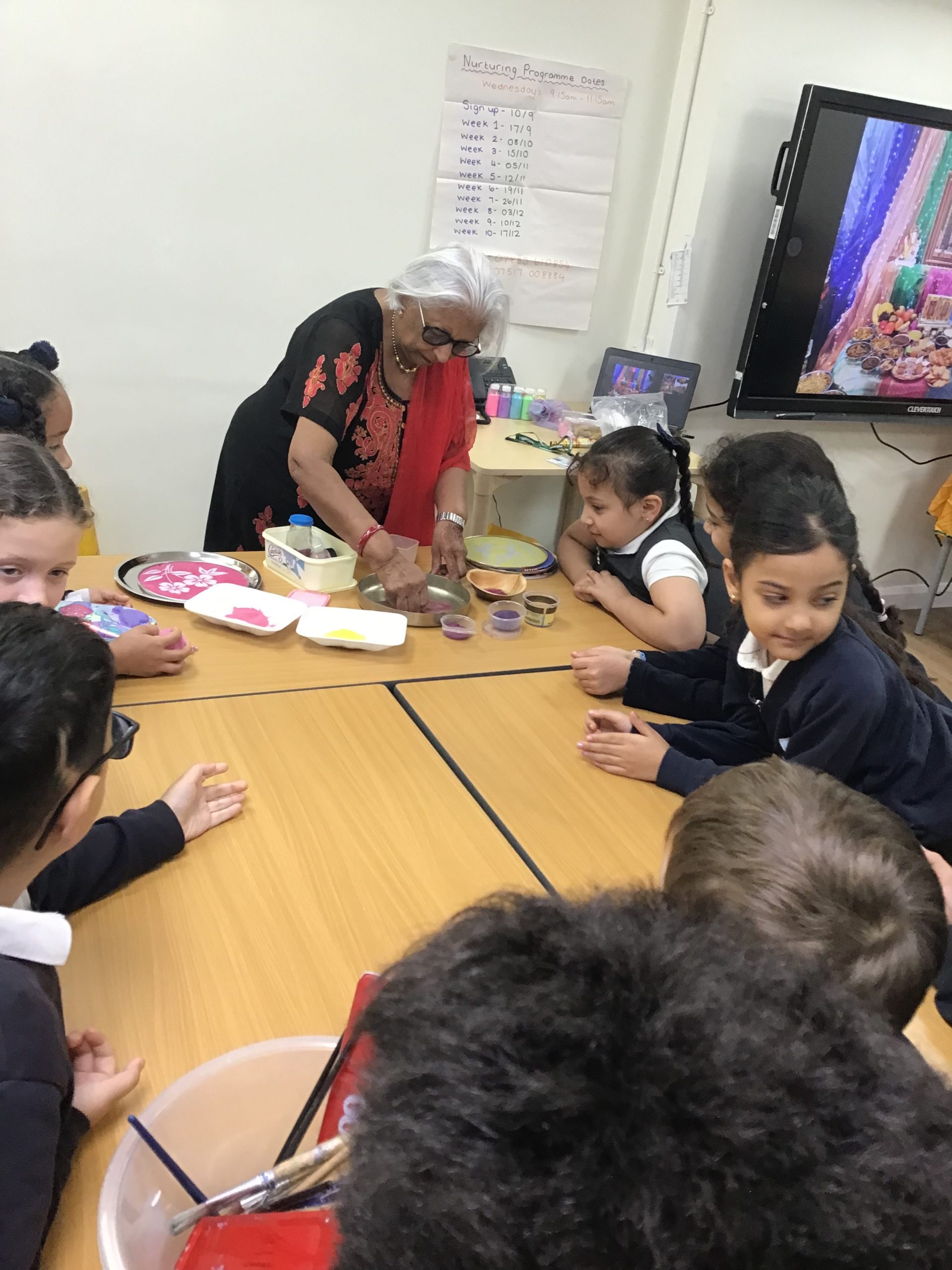
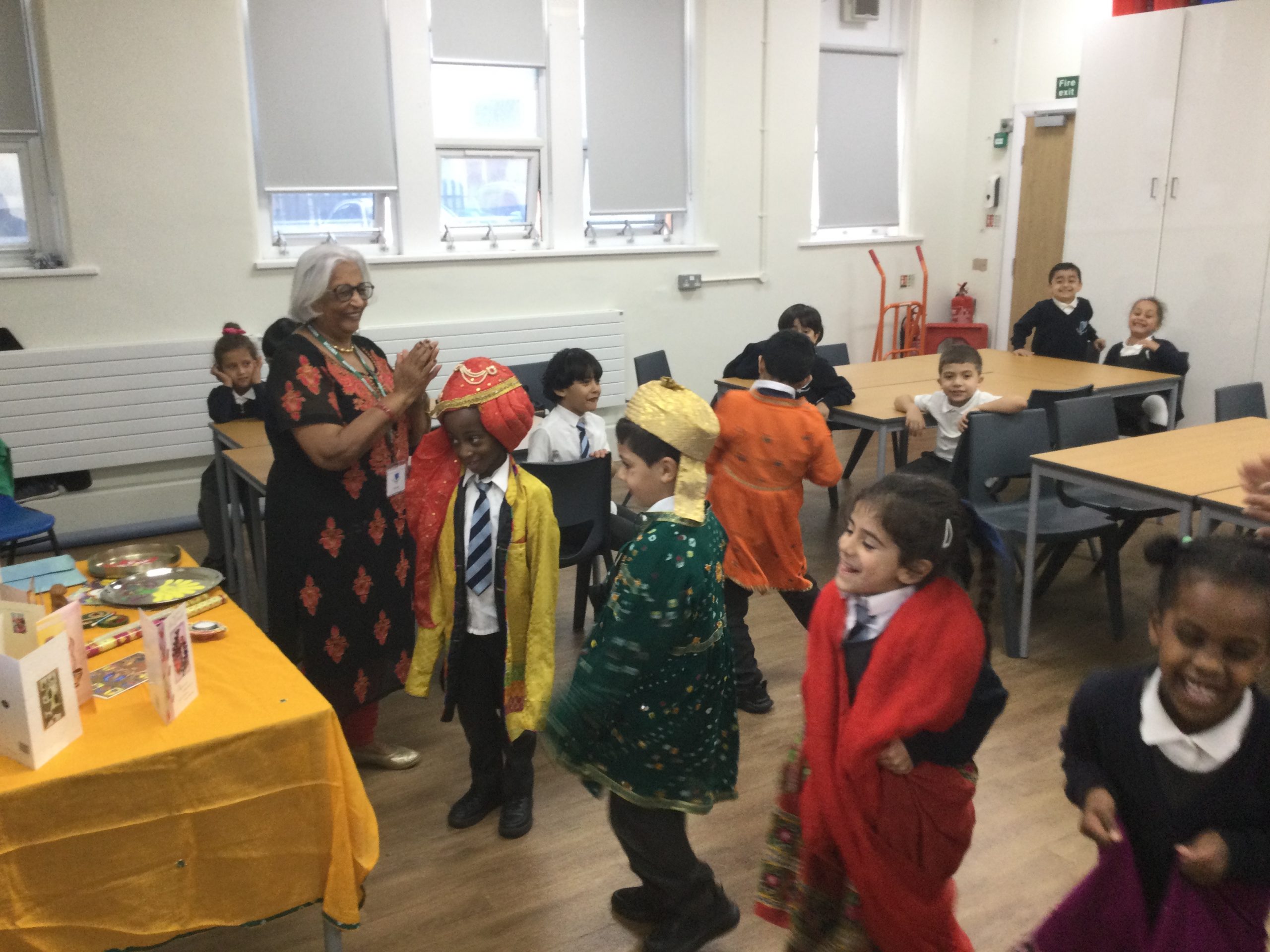
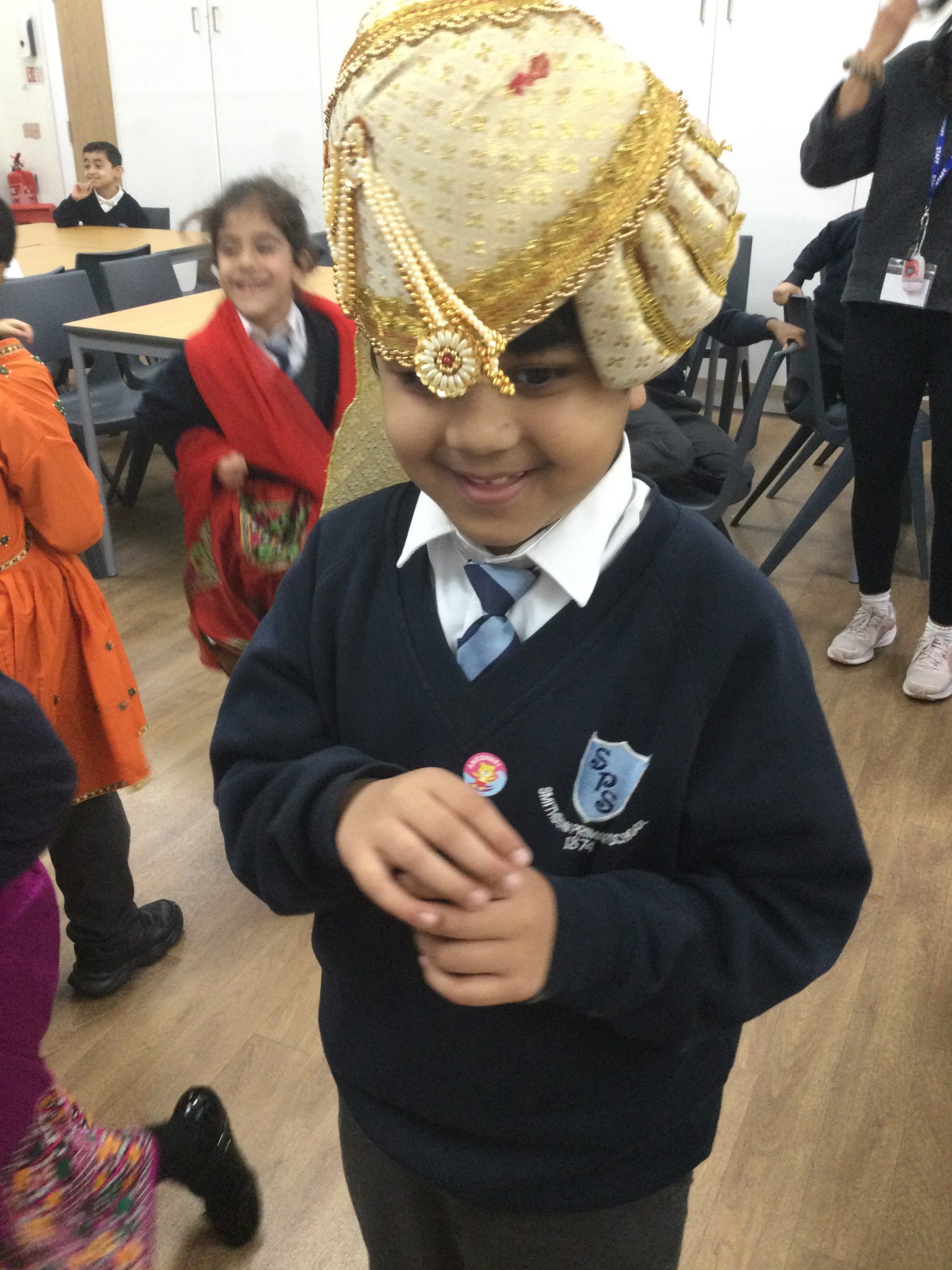
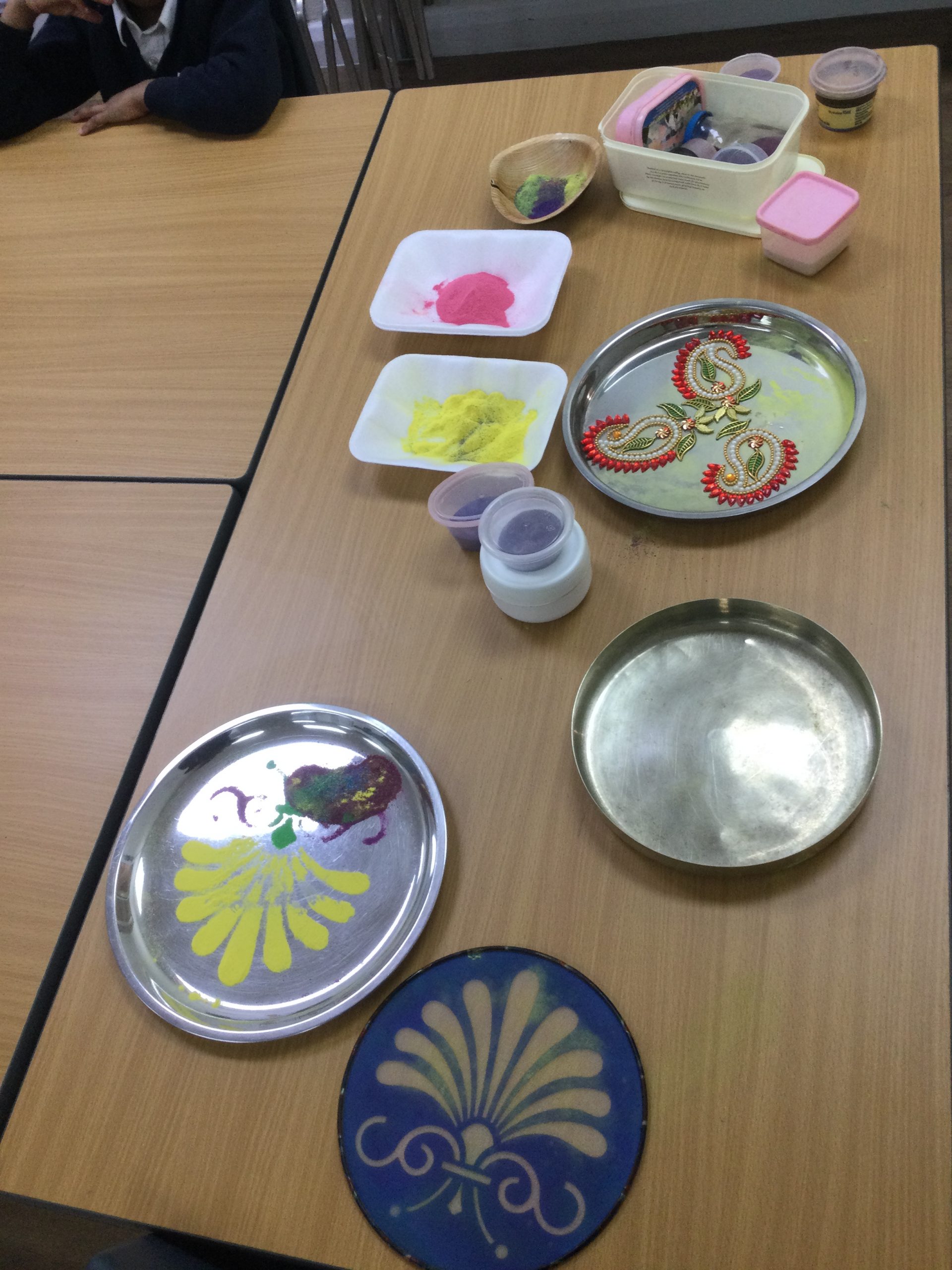
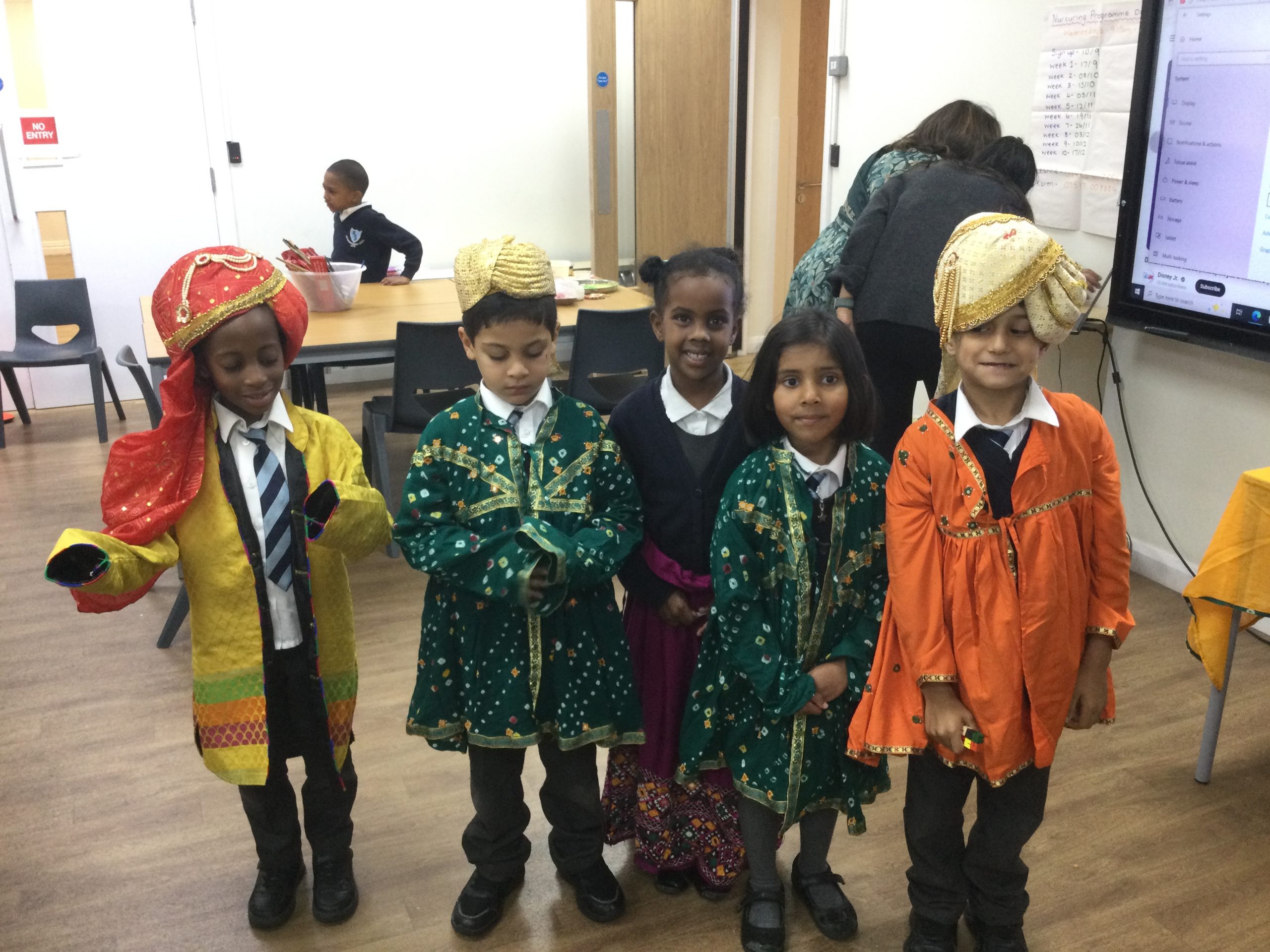
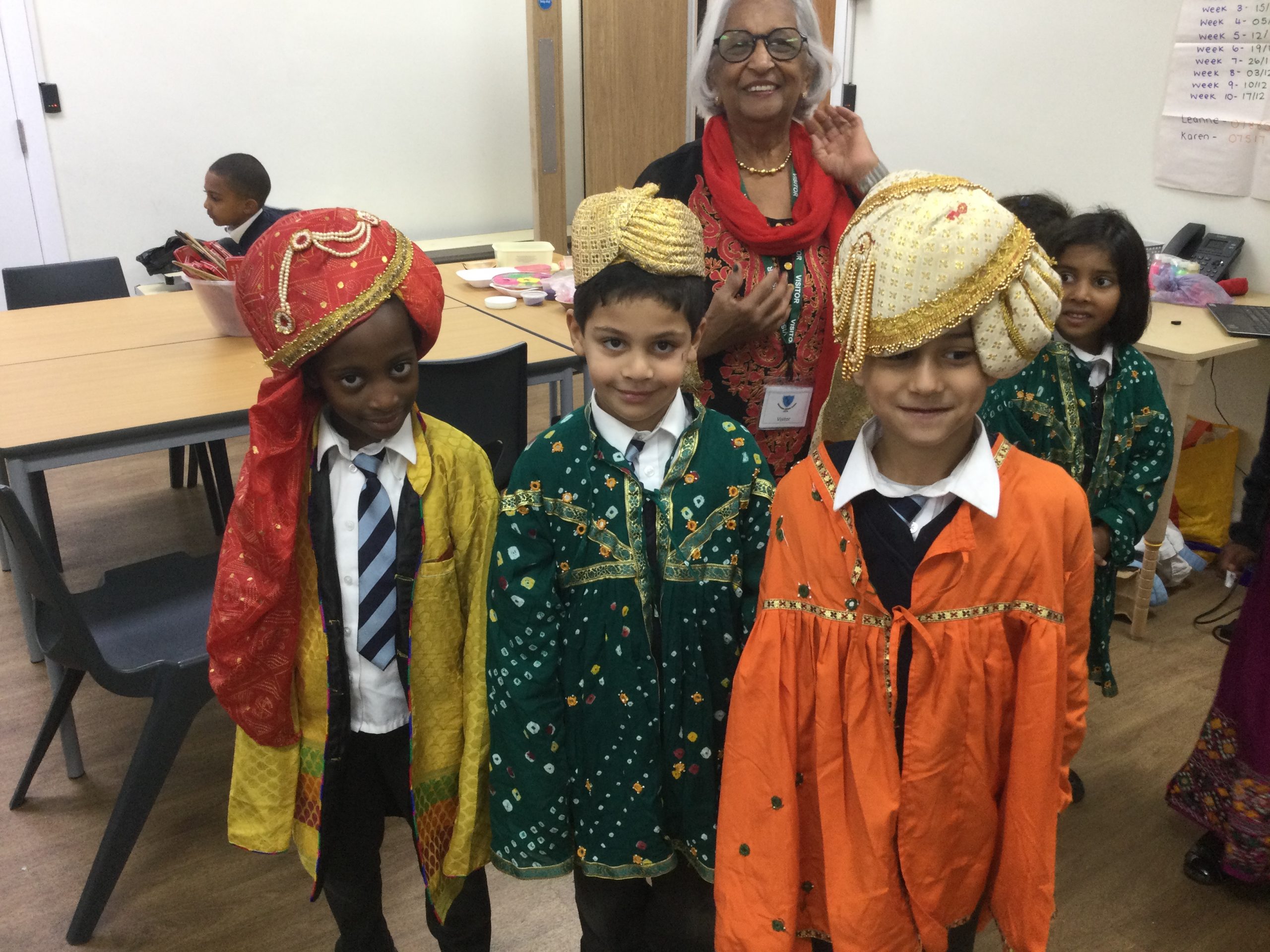
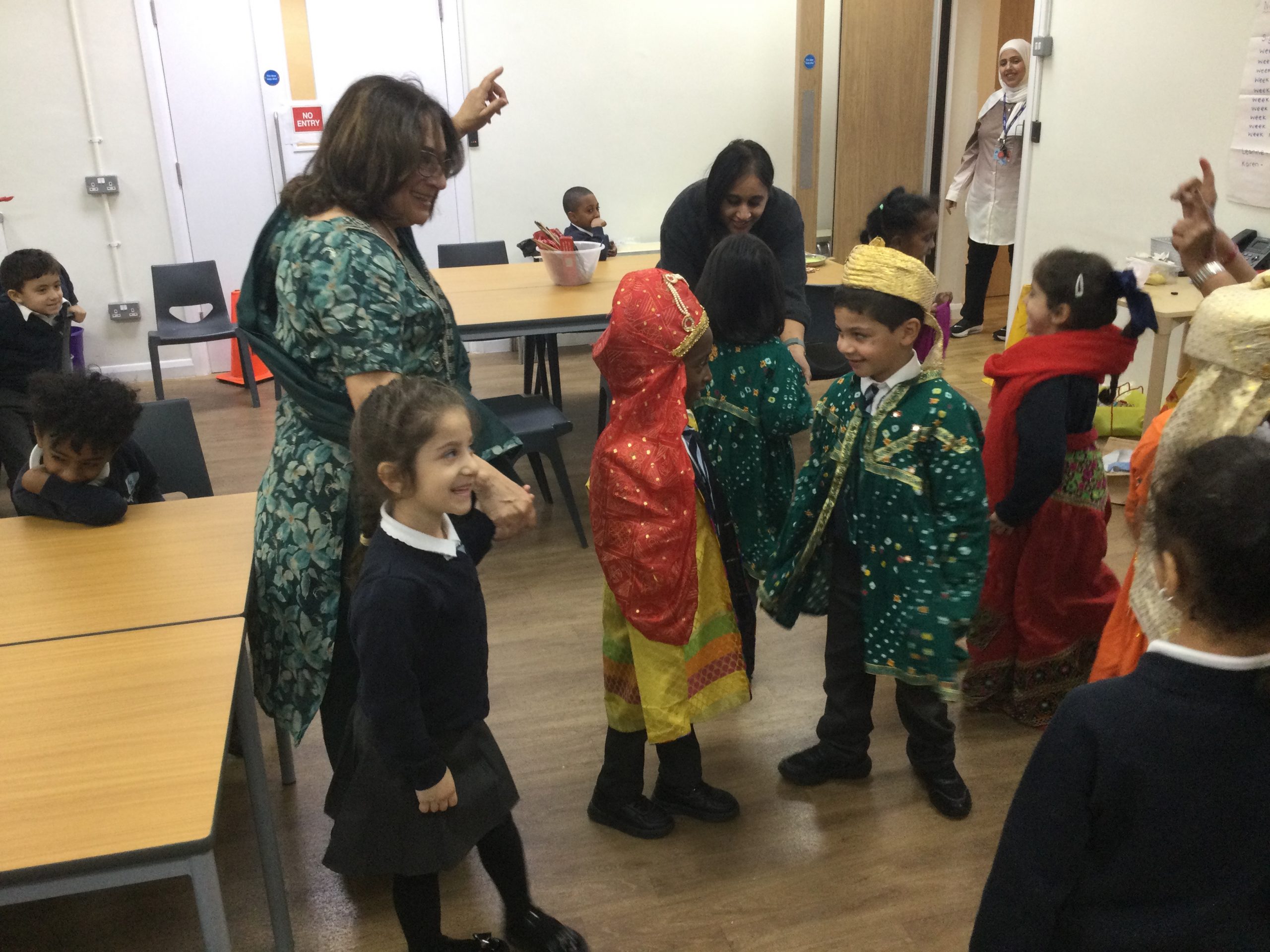
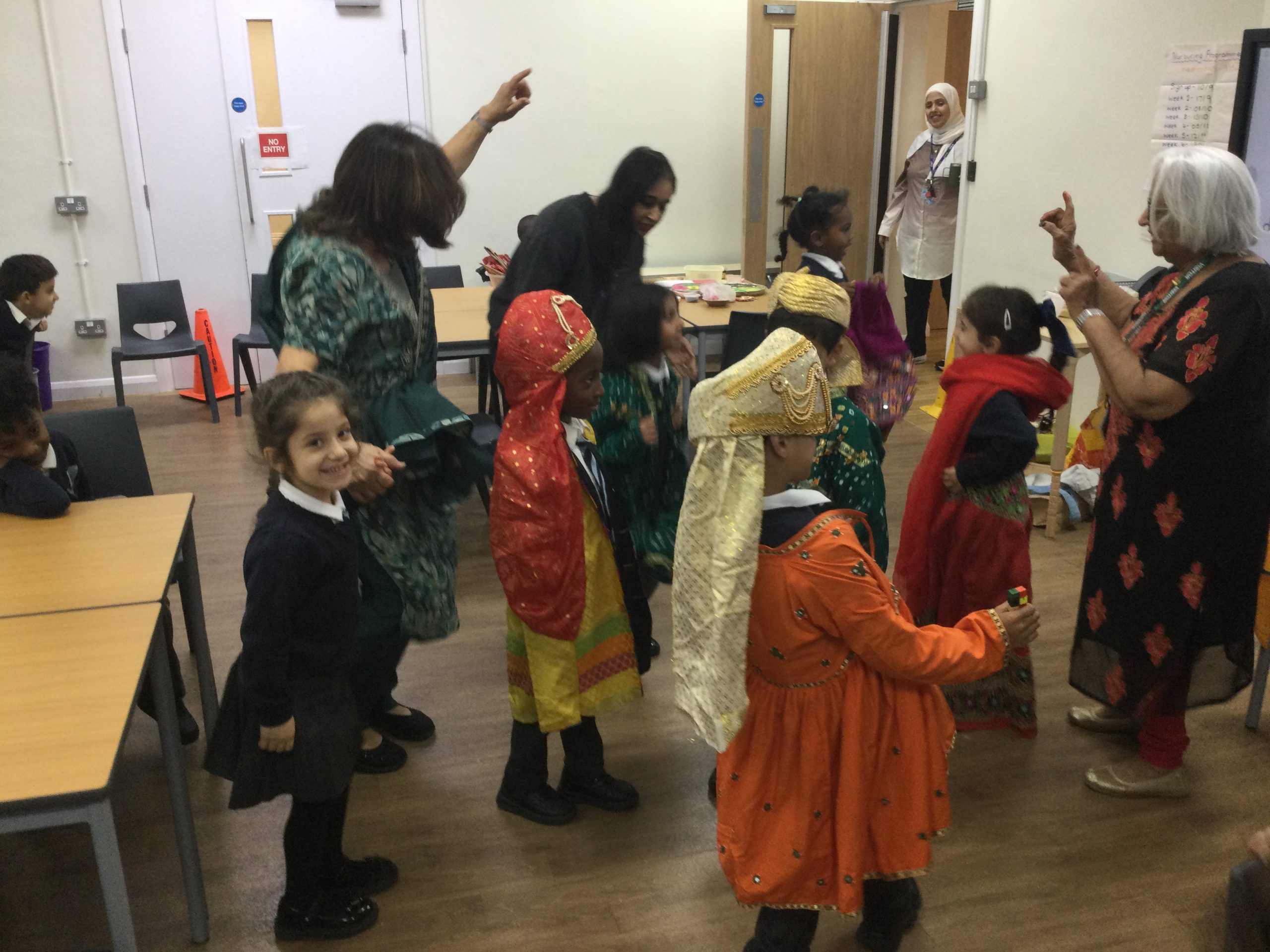
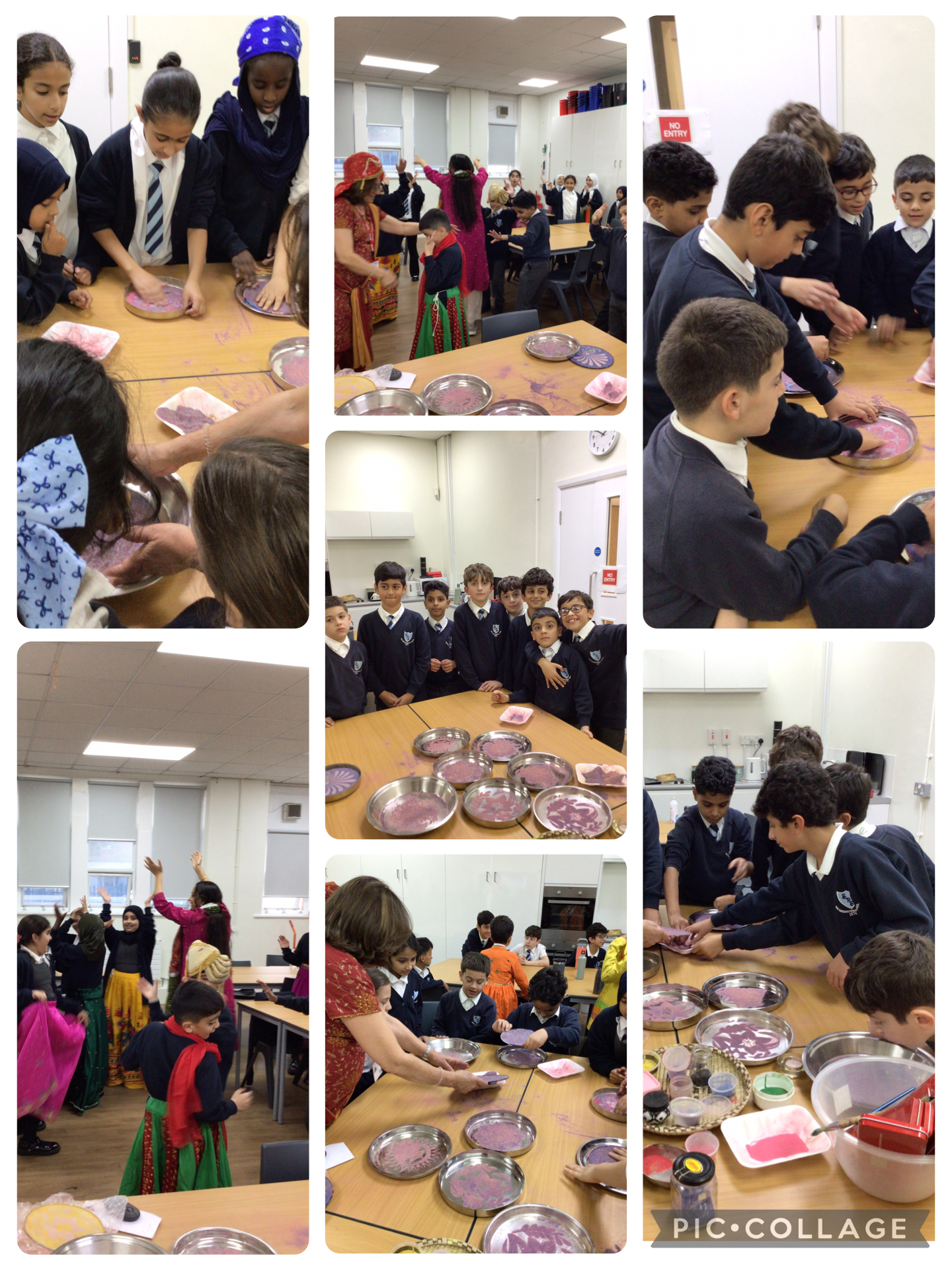
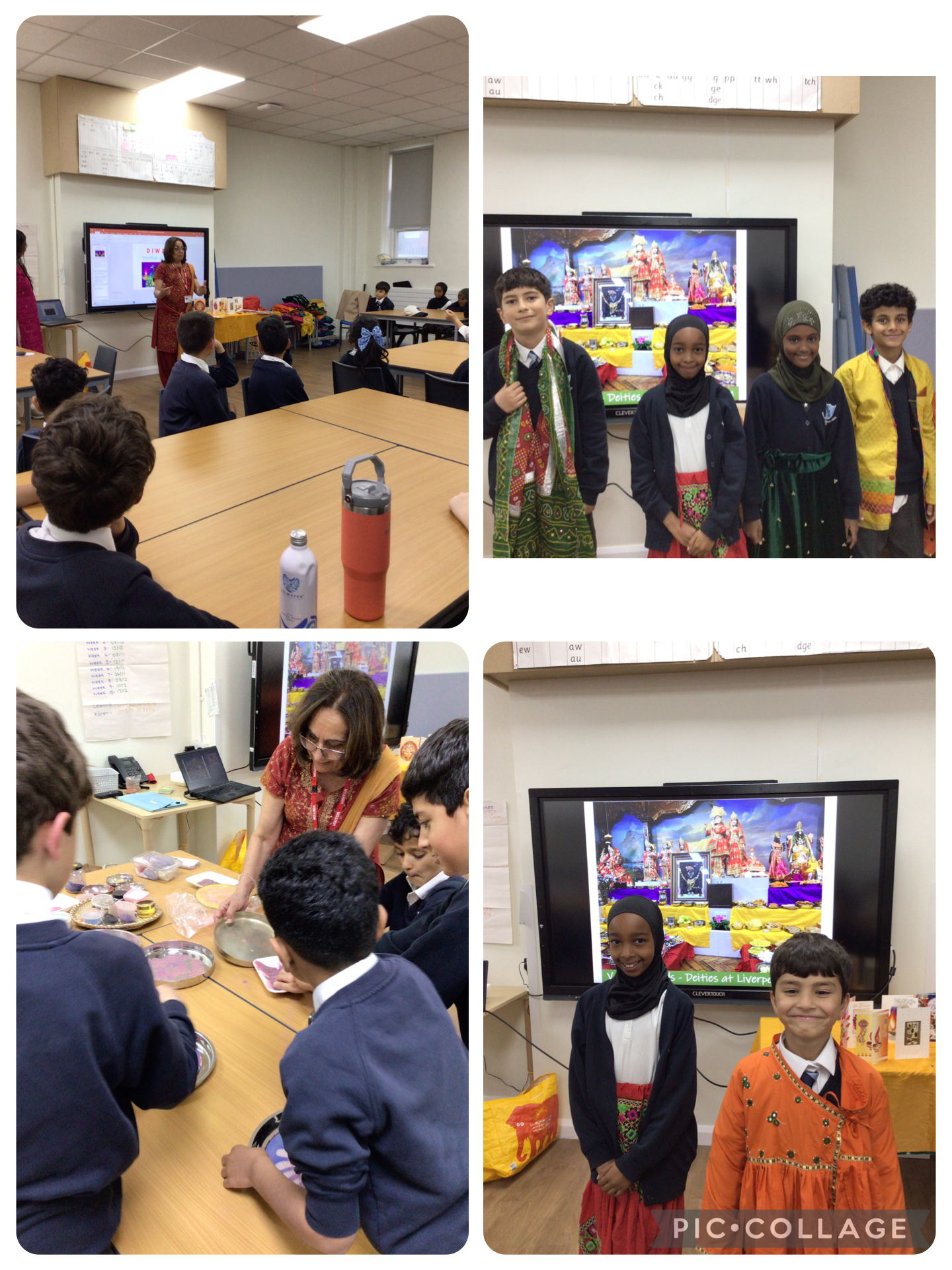
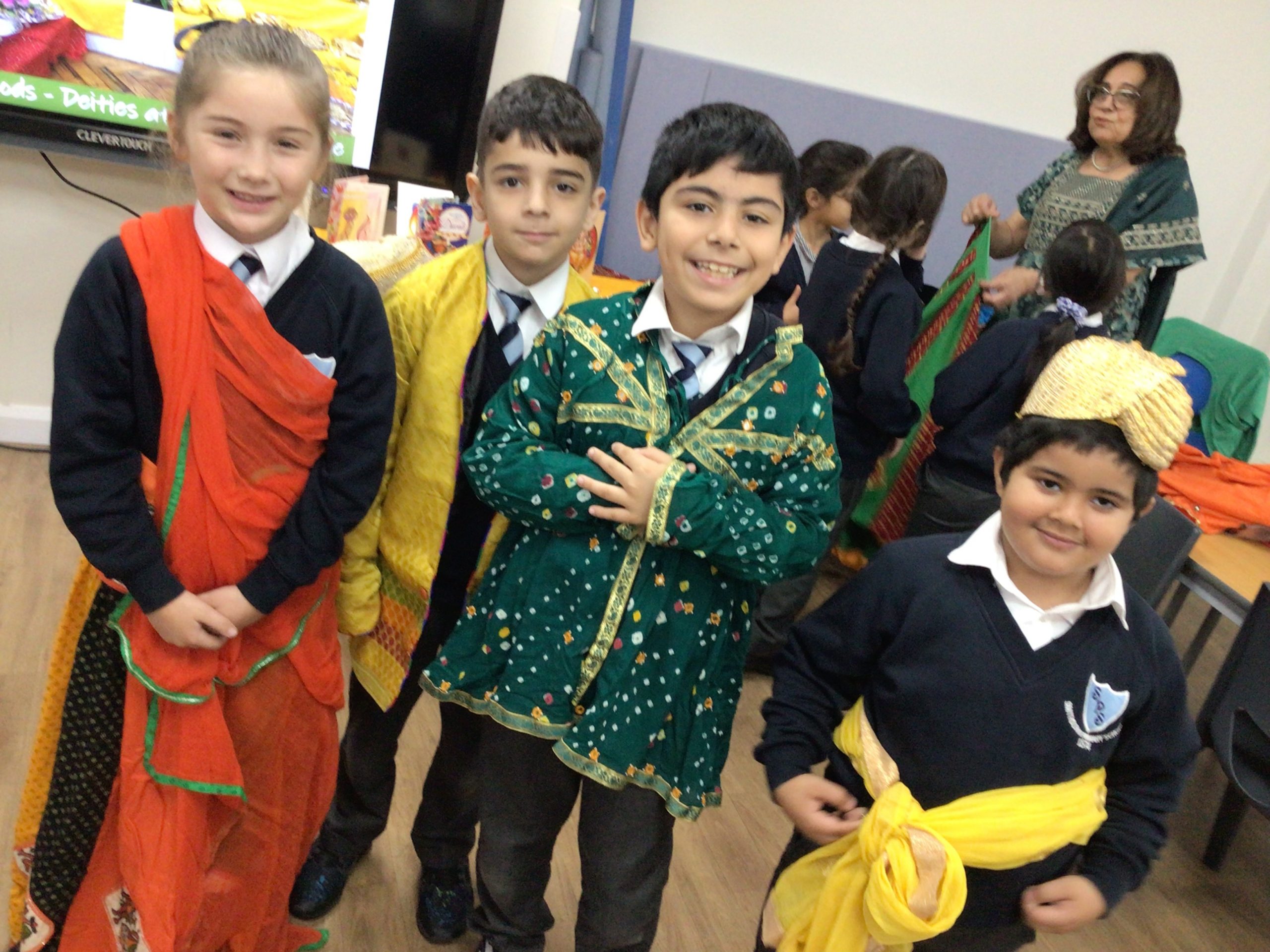
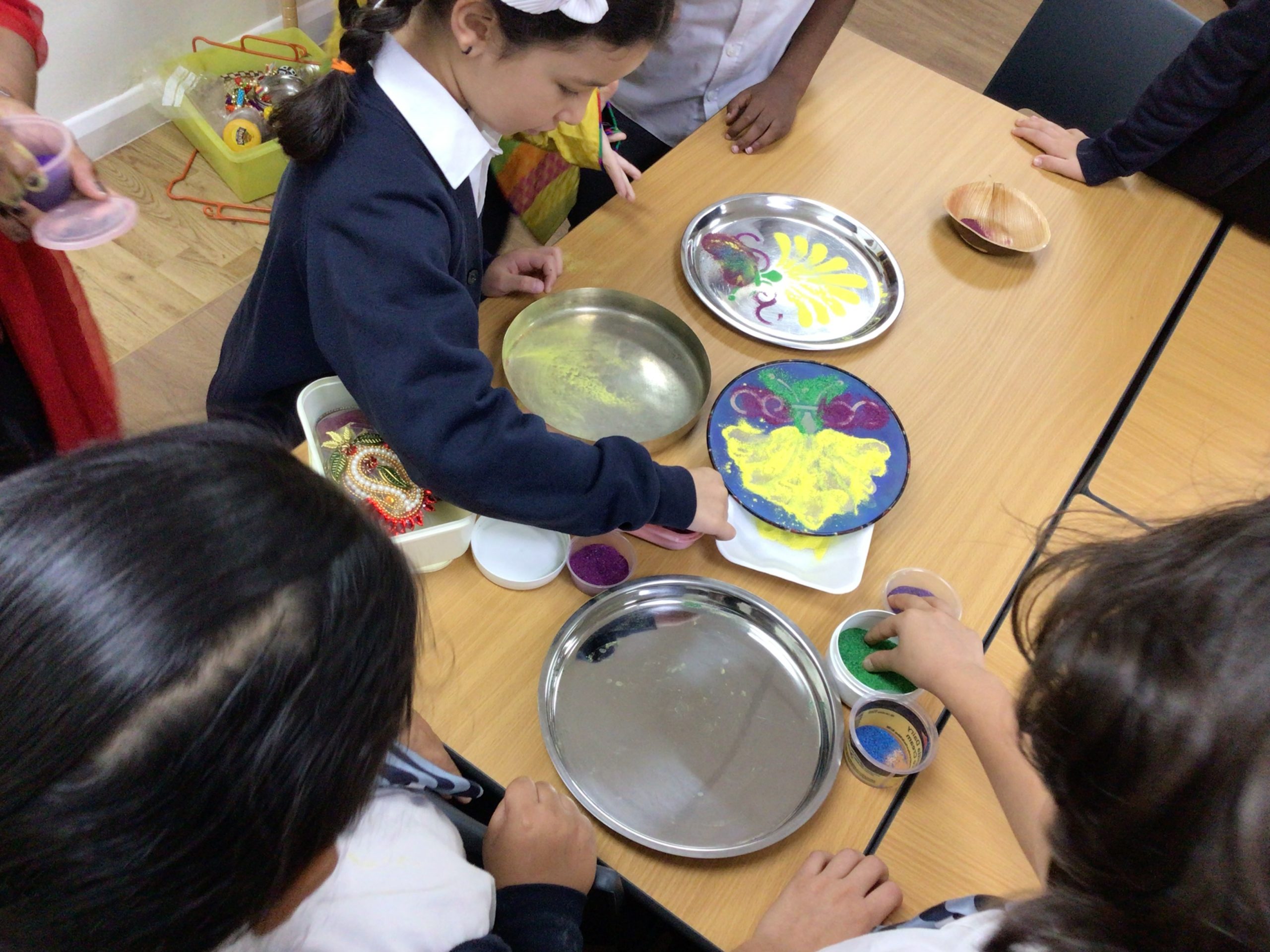
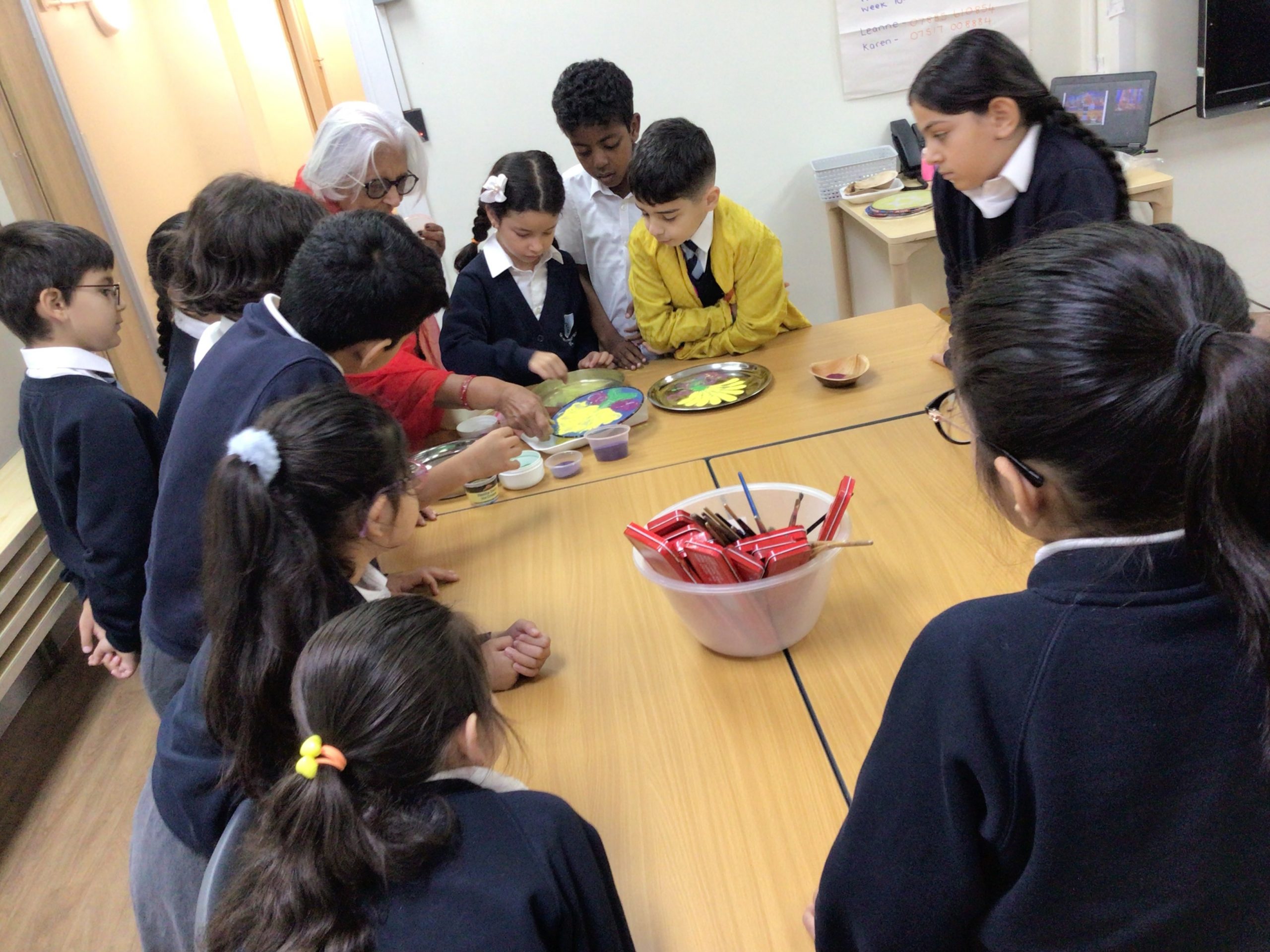
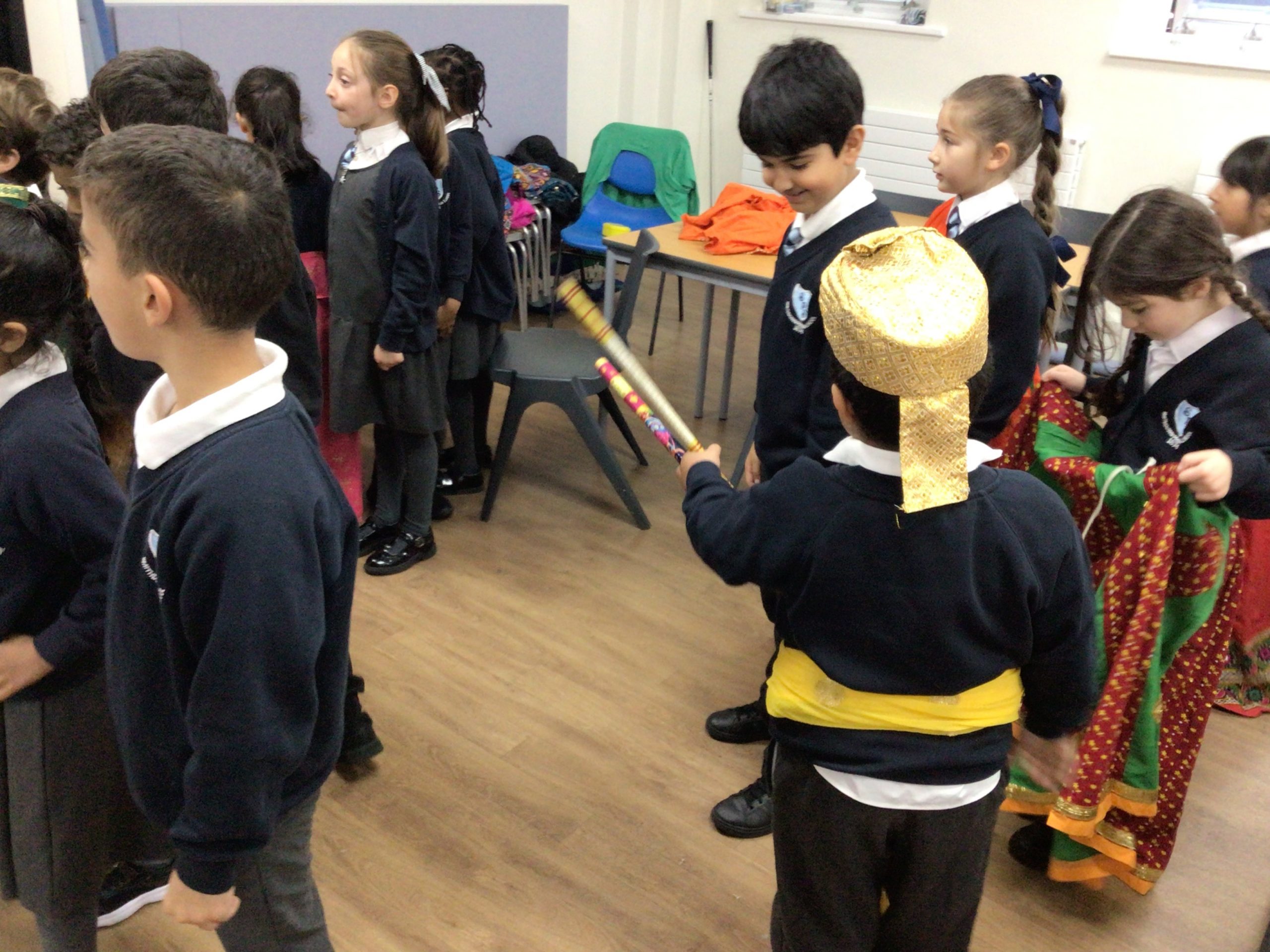
We really enjoyed our special workshop today learning all about the festival of Diwali. We listened to stories, made patterns, dressed up and danced!
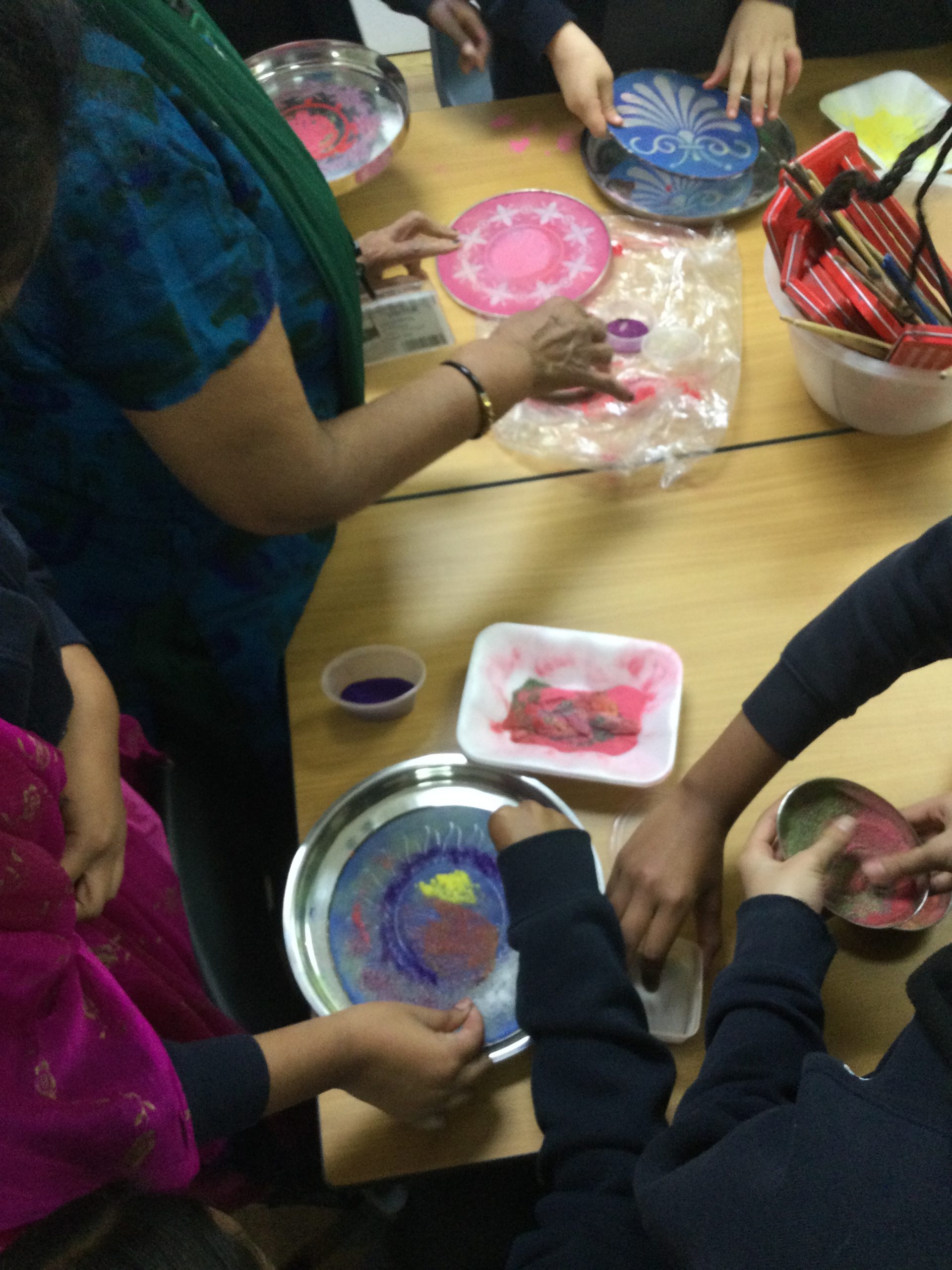
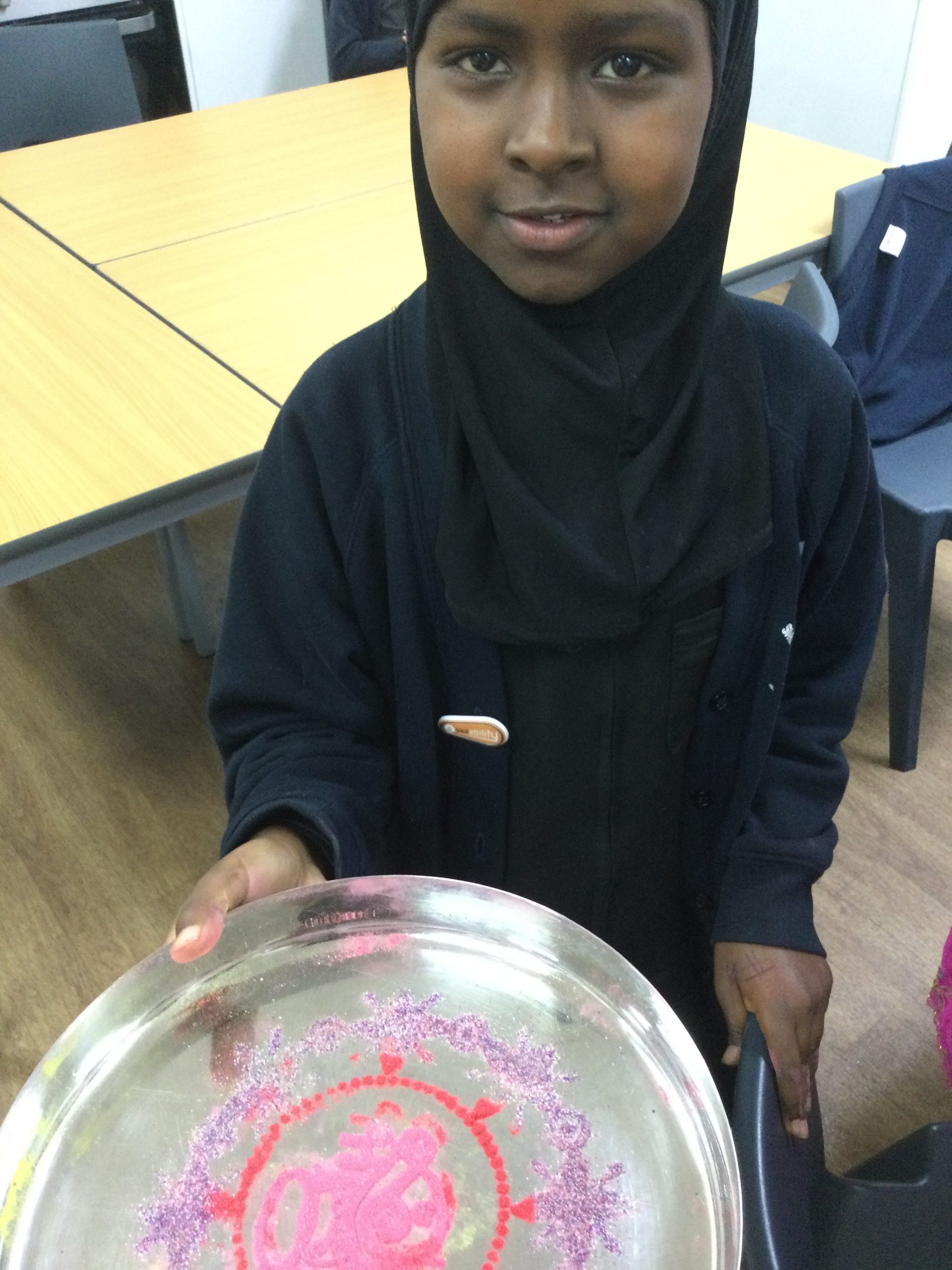
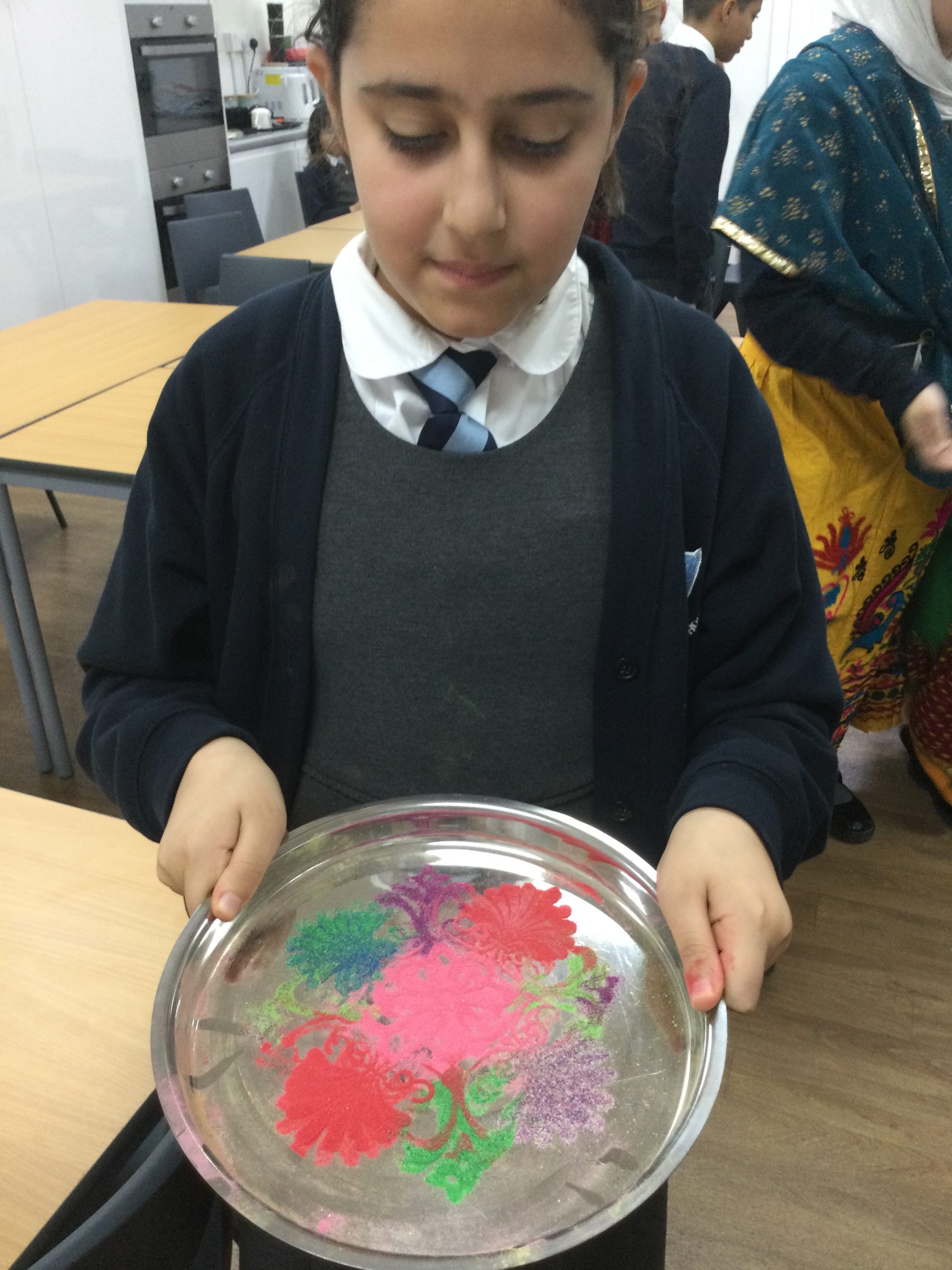
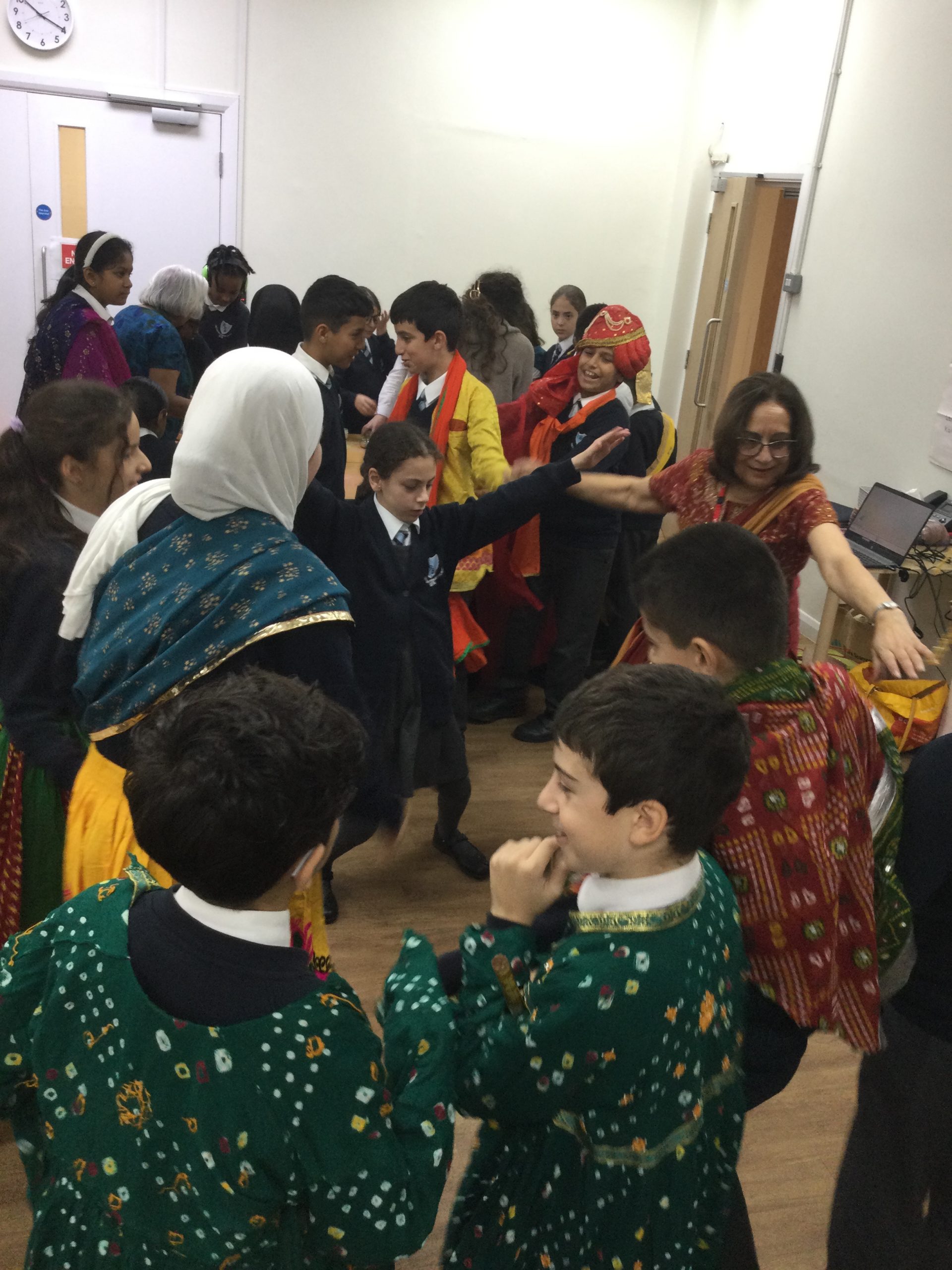
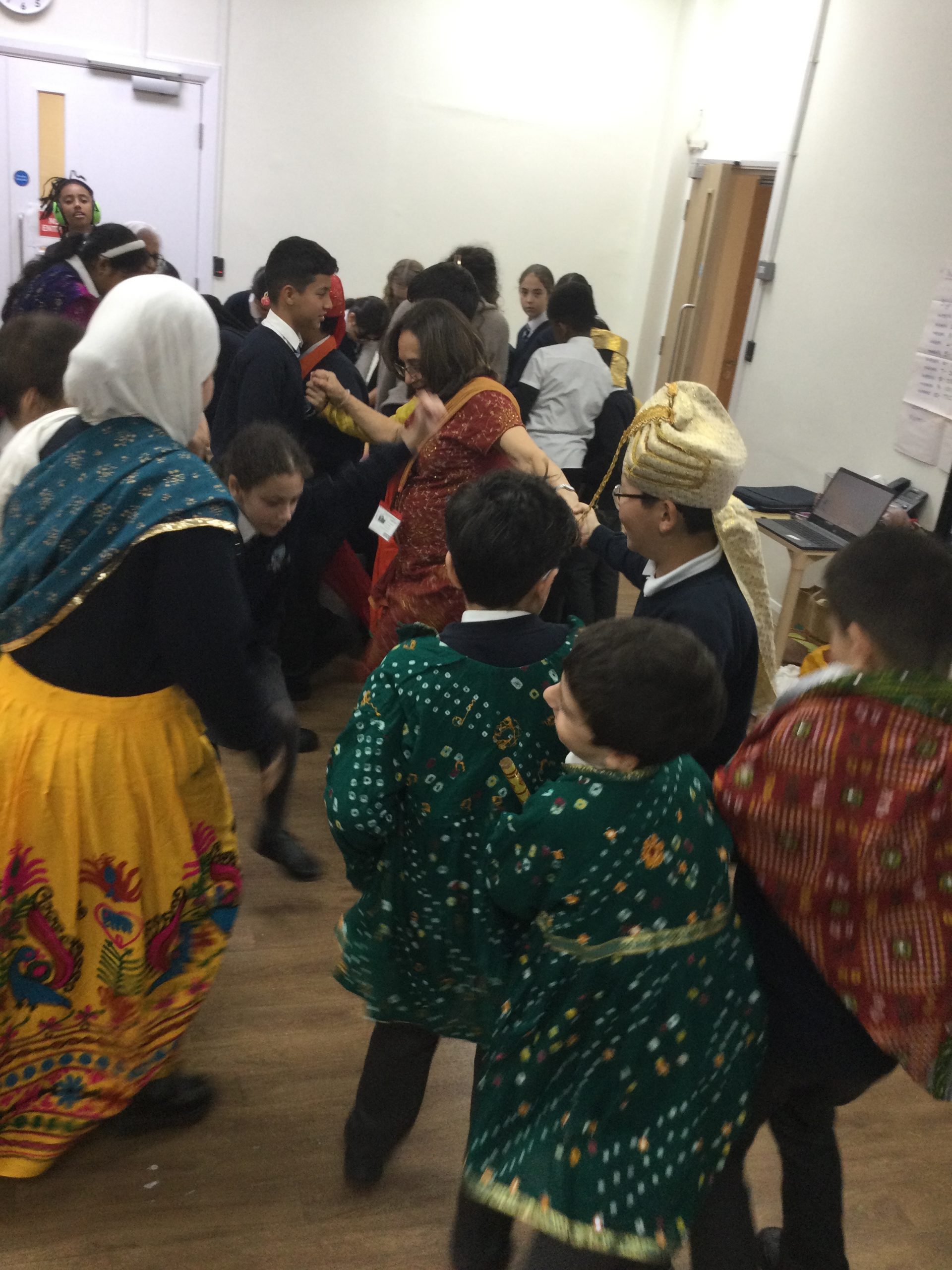
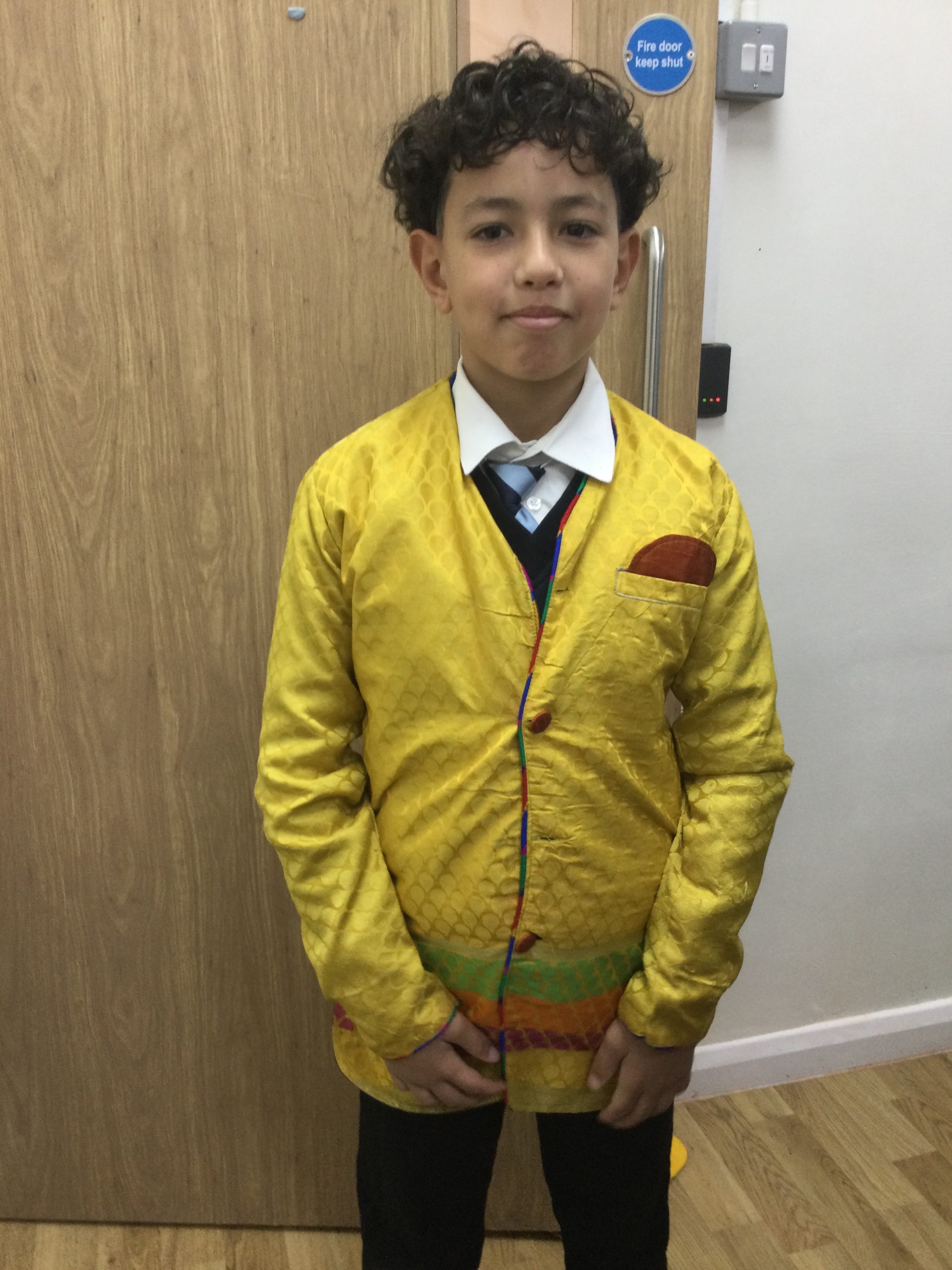
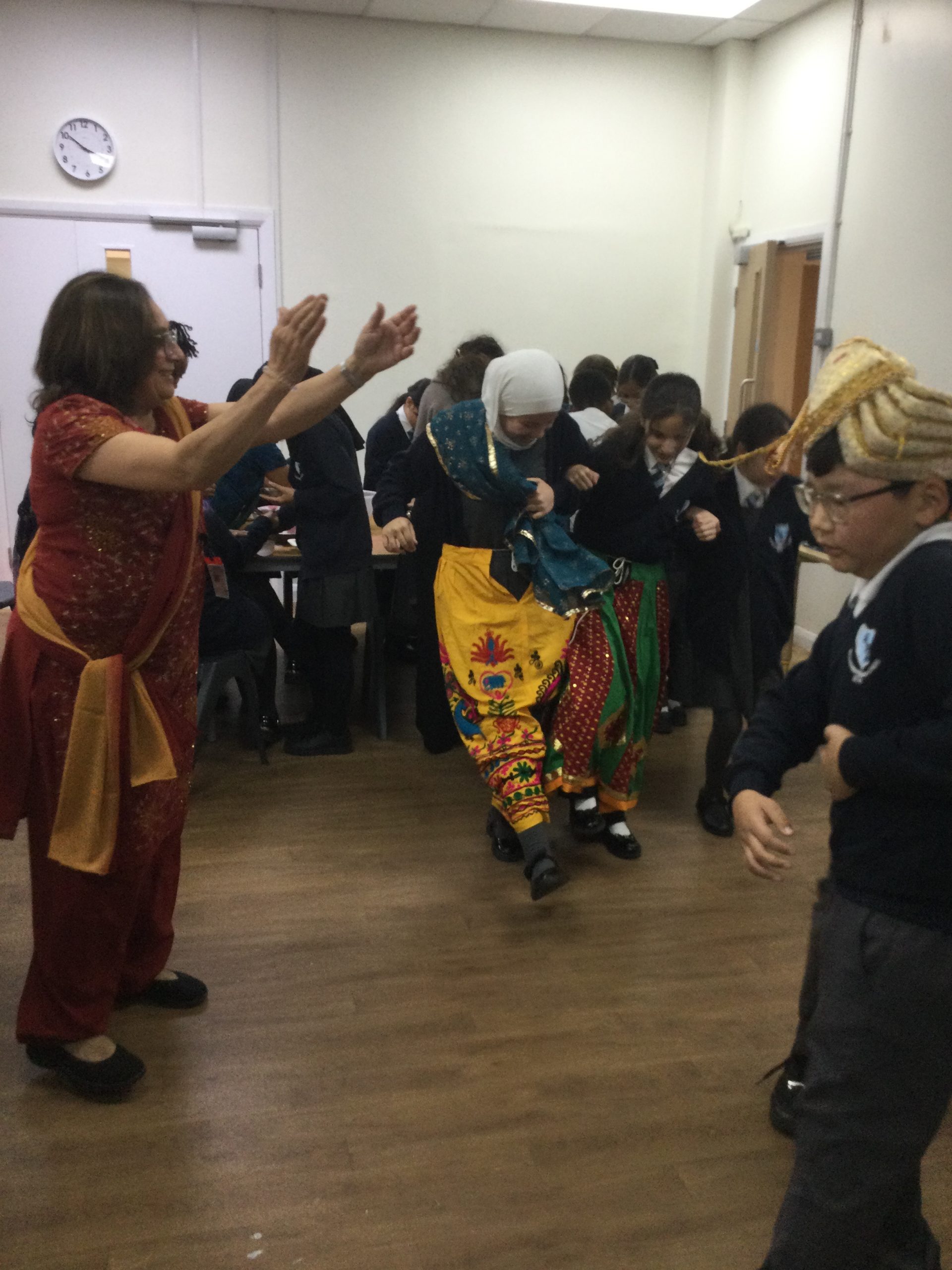
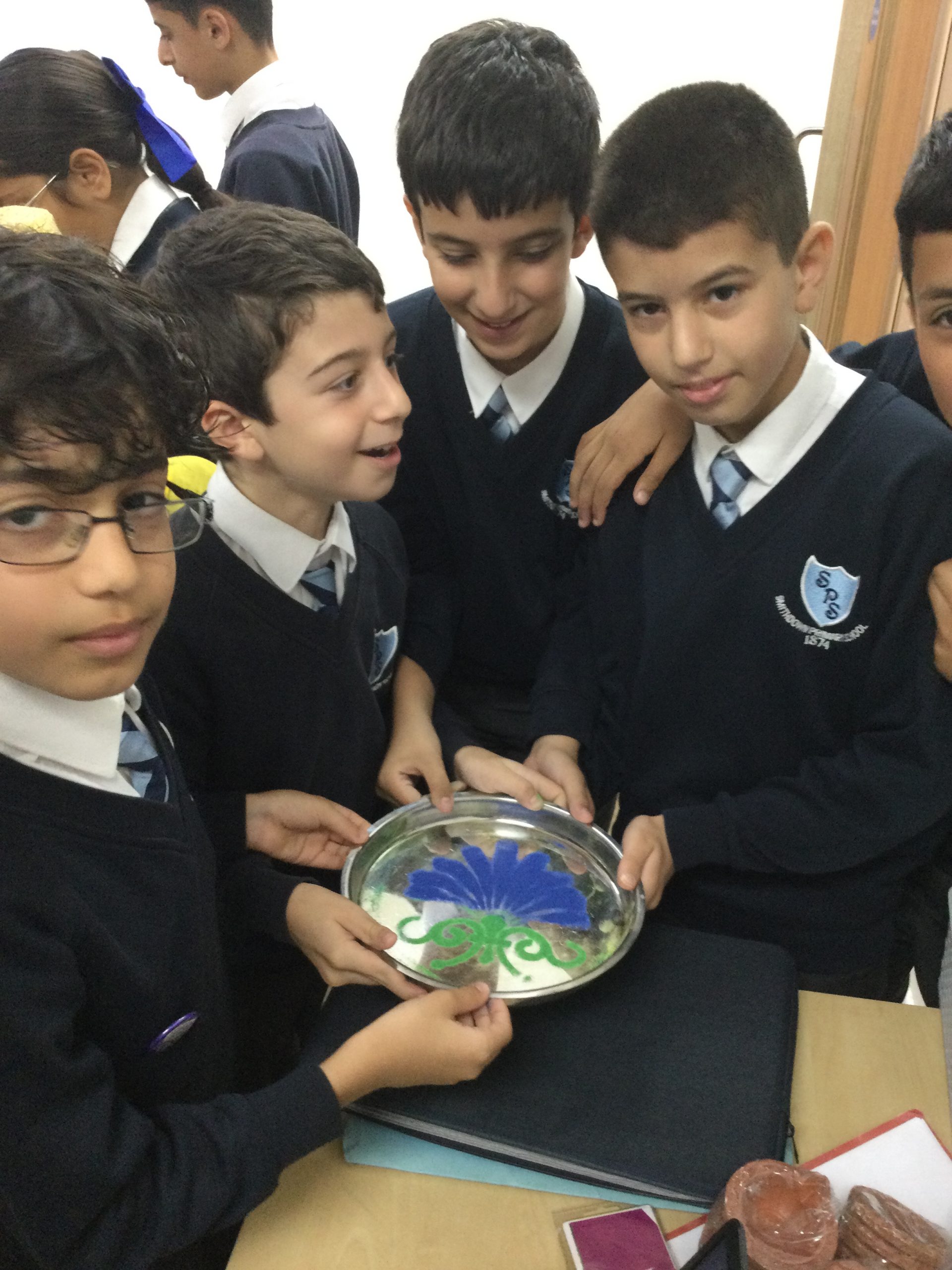
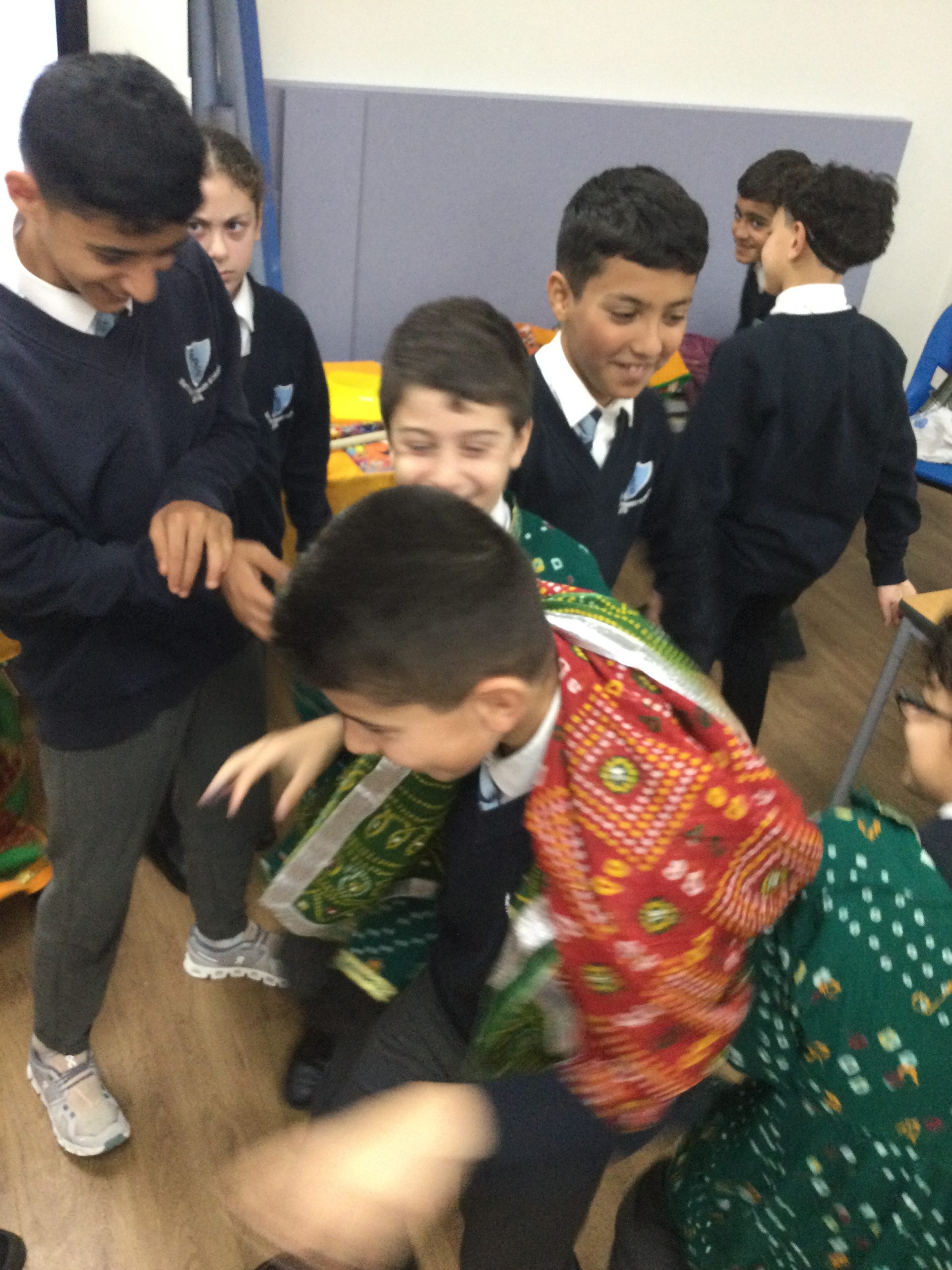
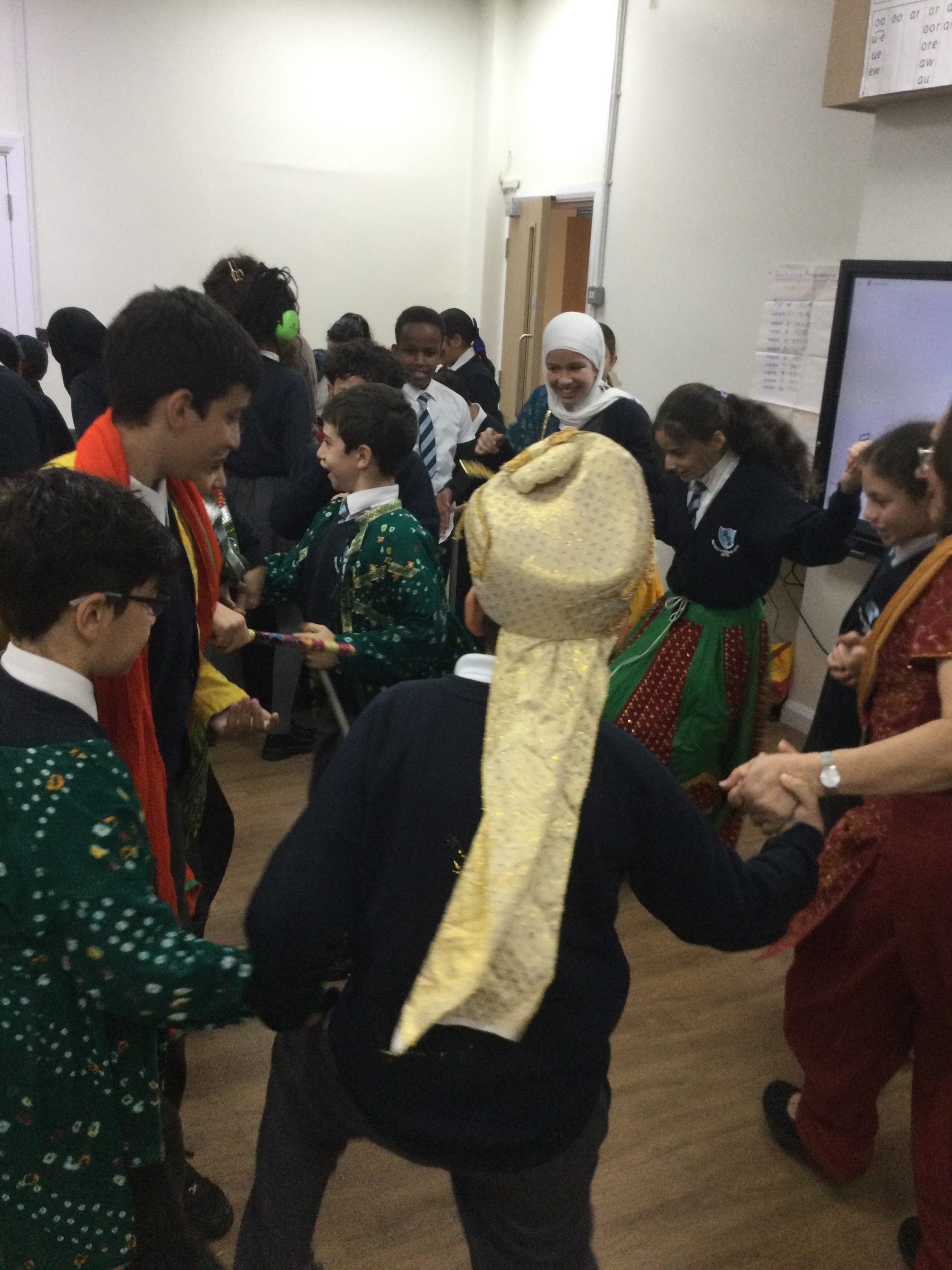
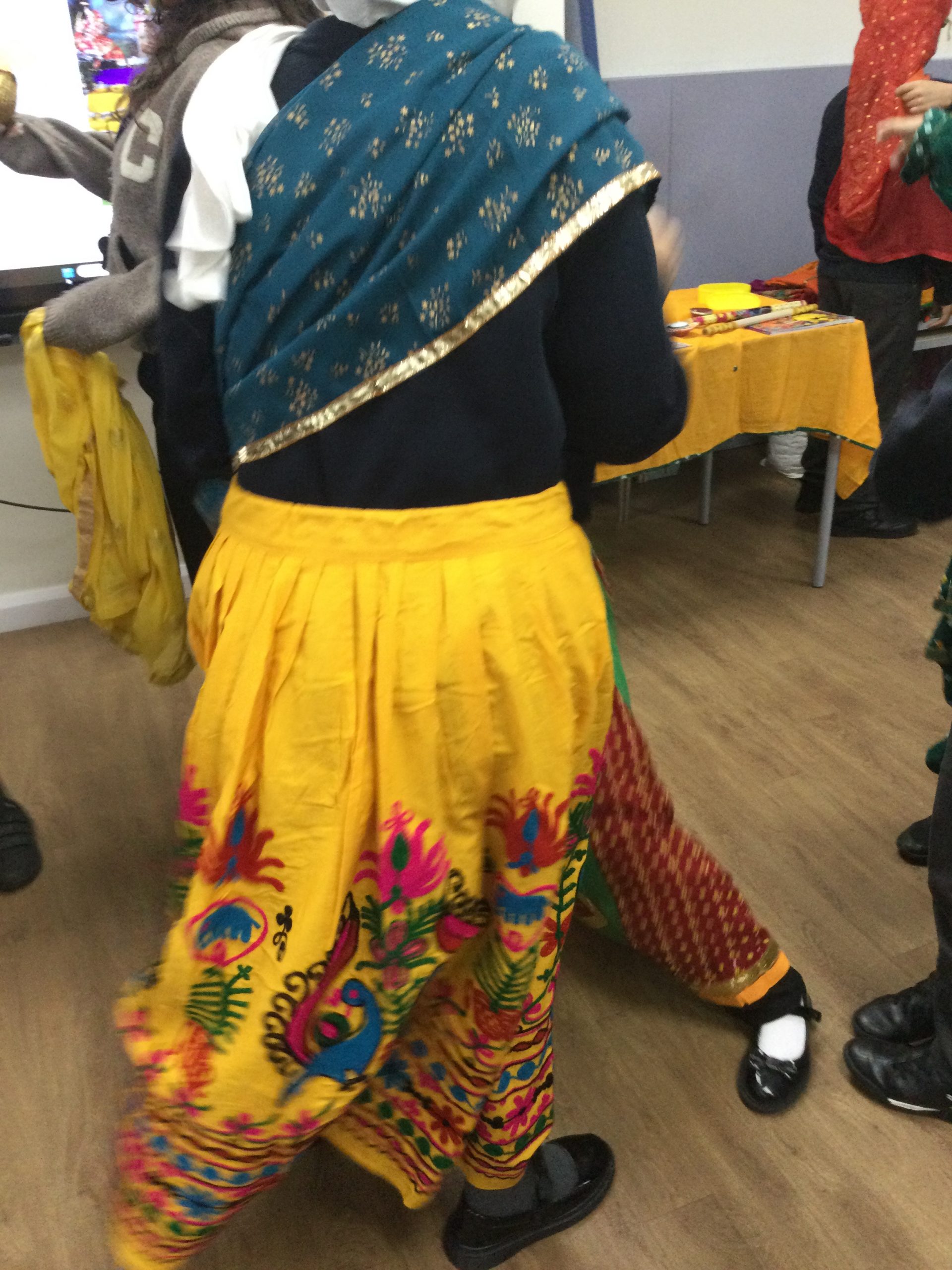
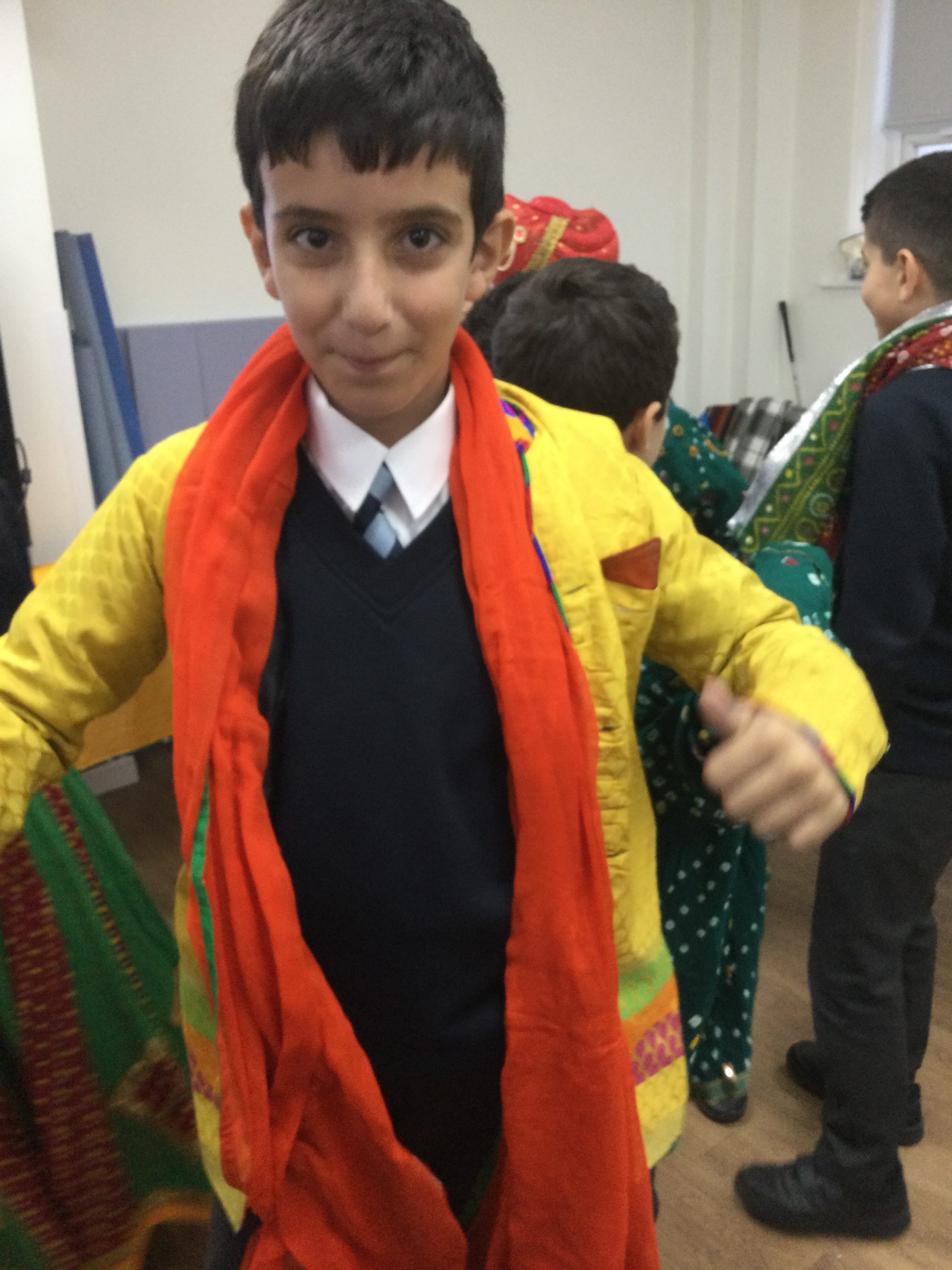
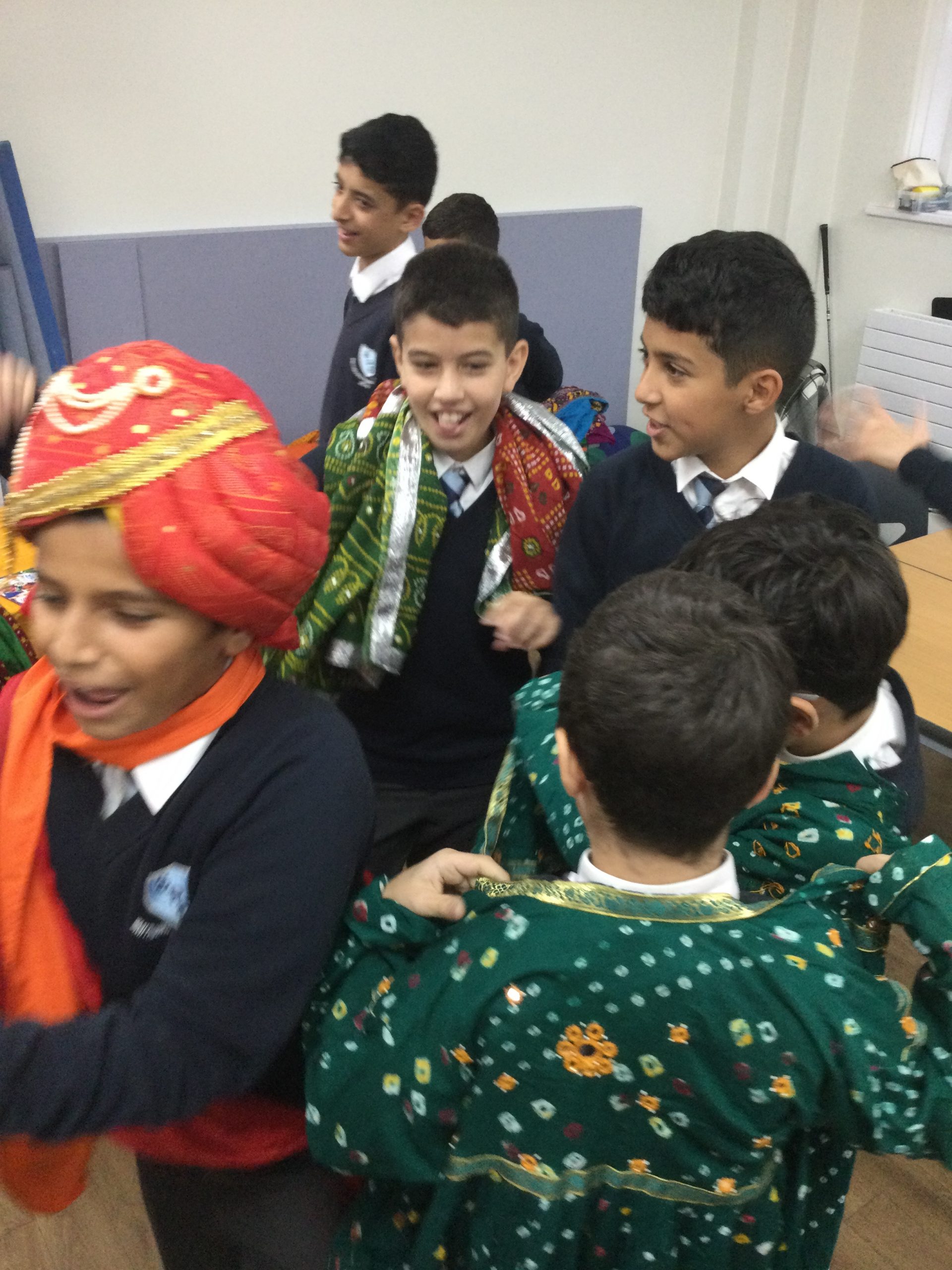
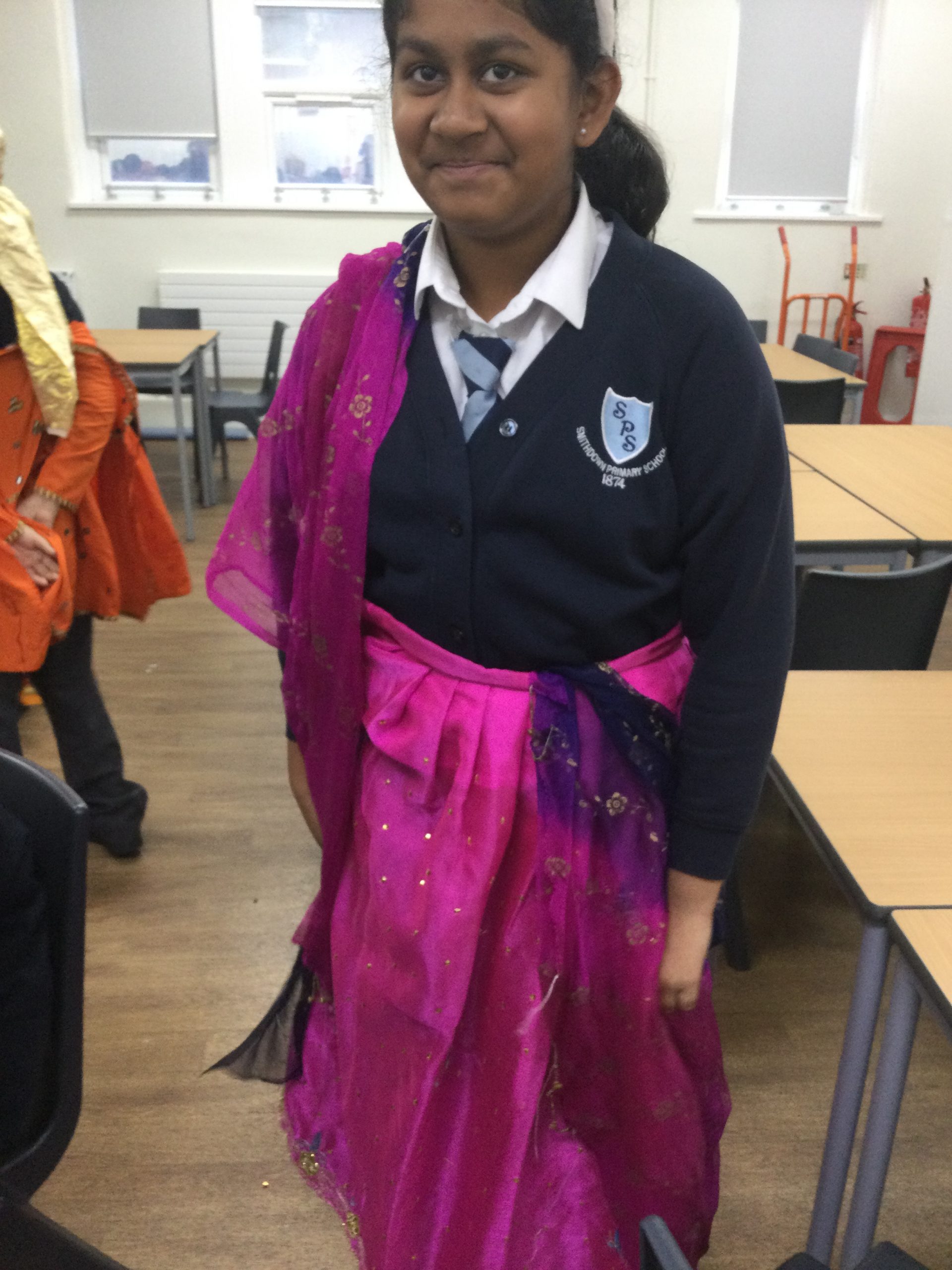
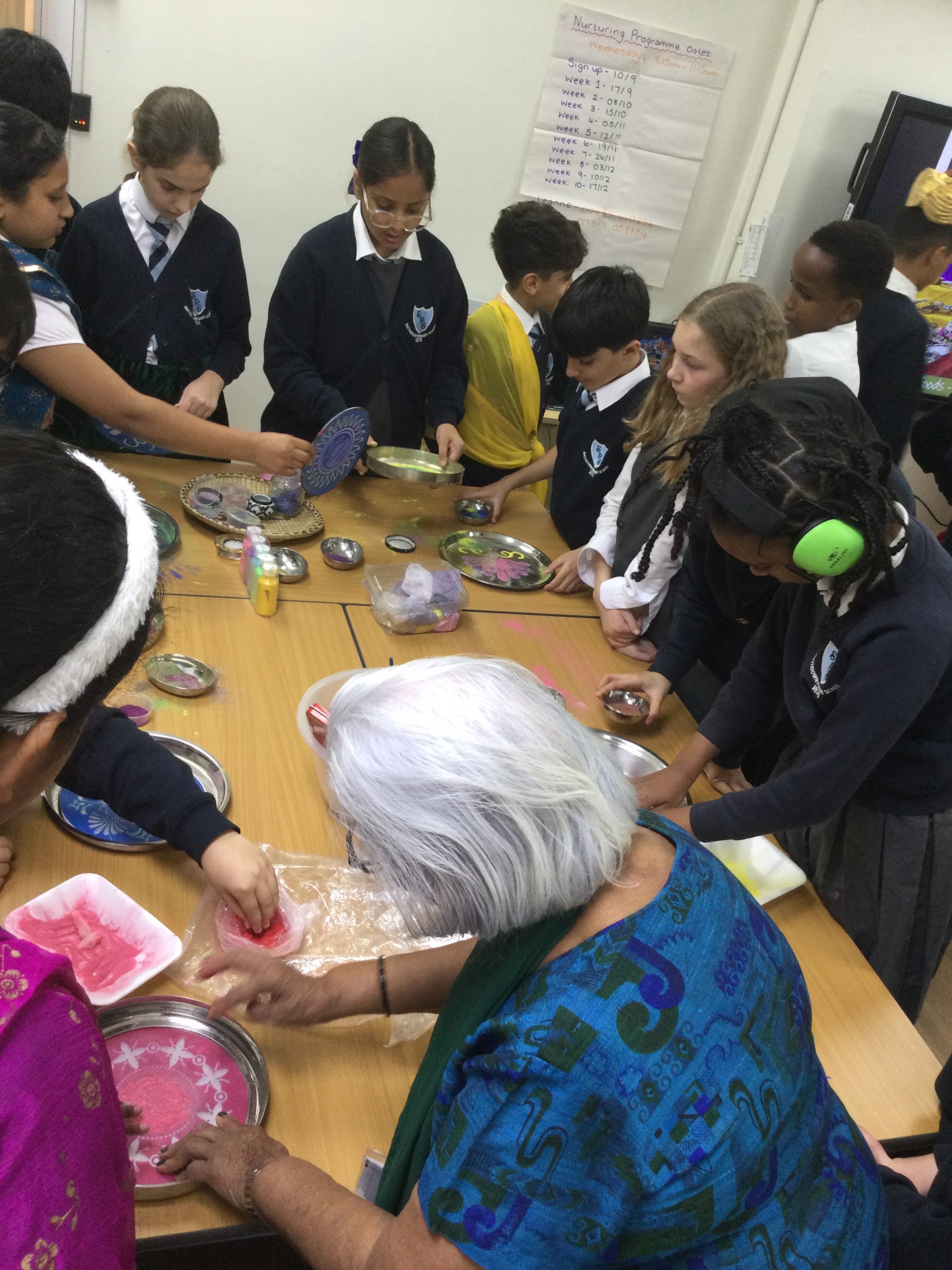
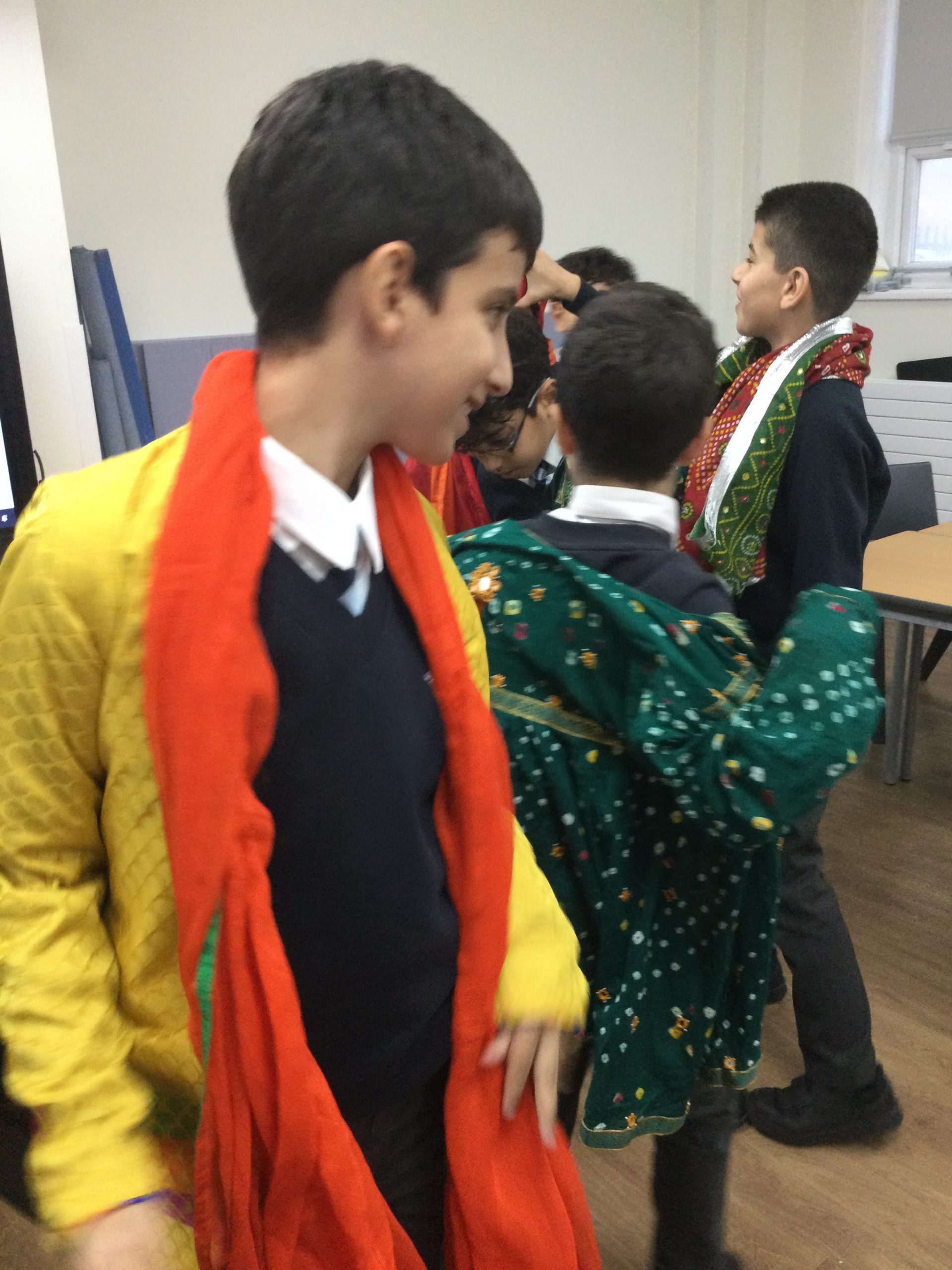
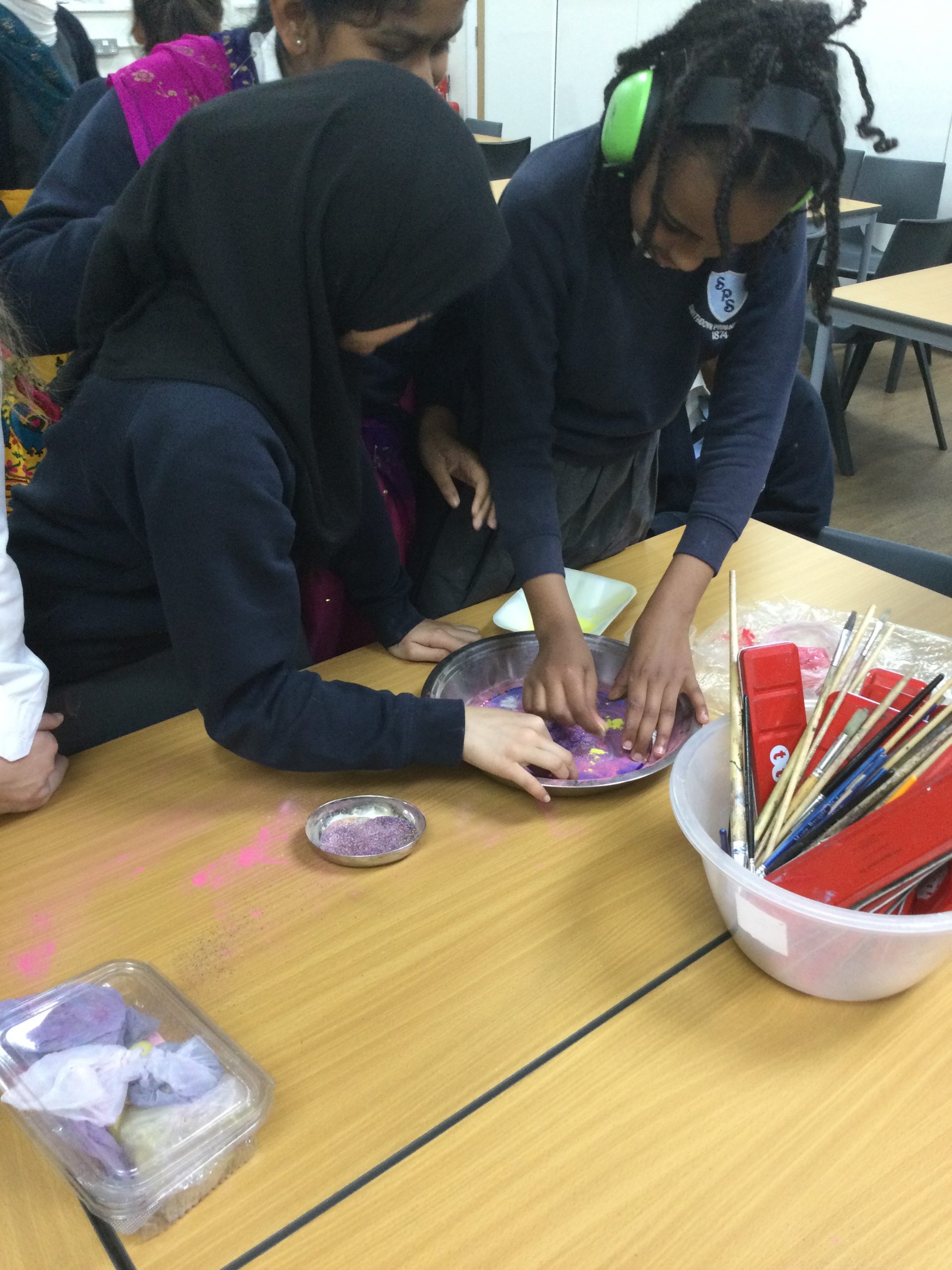
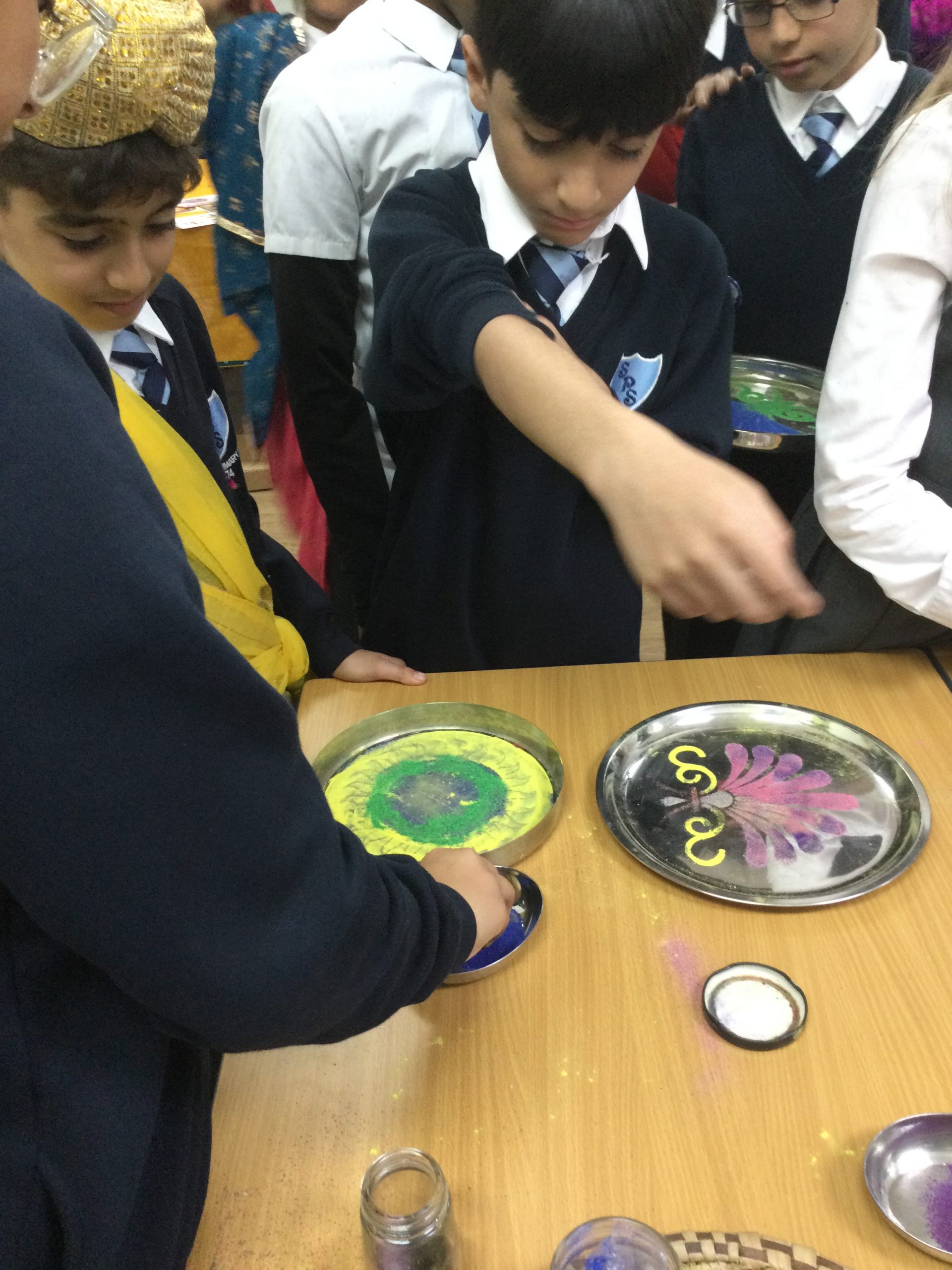
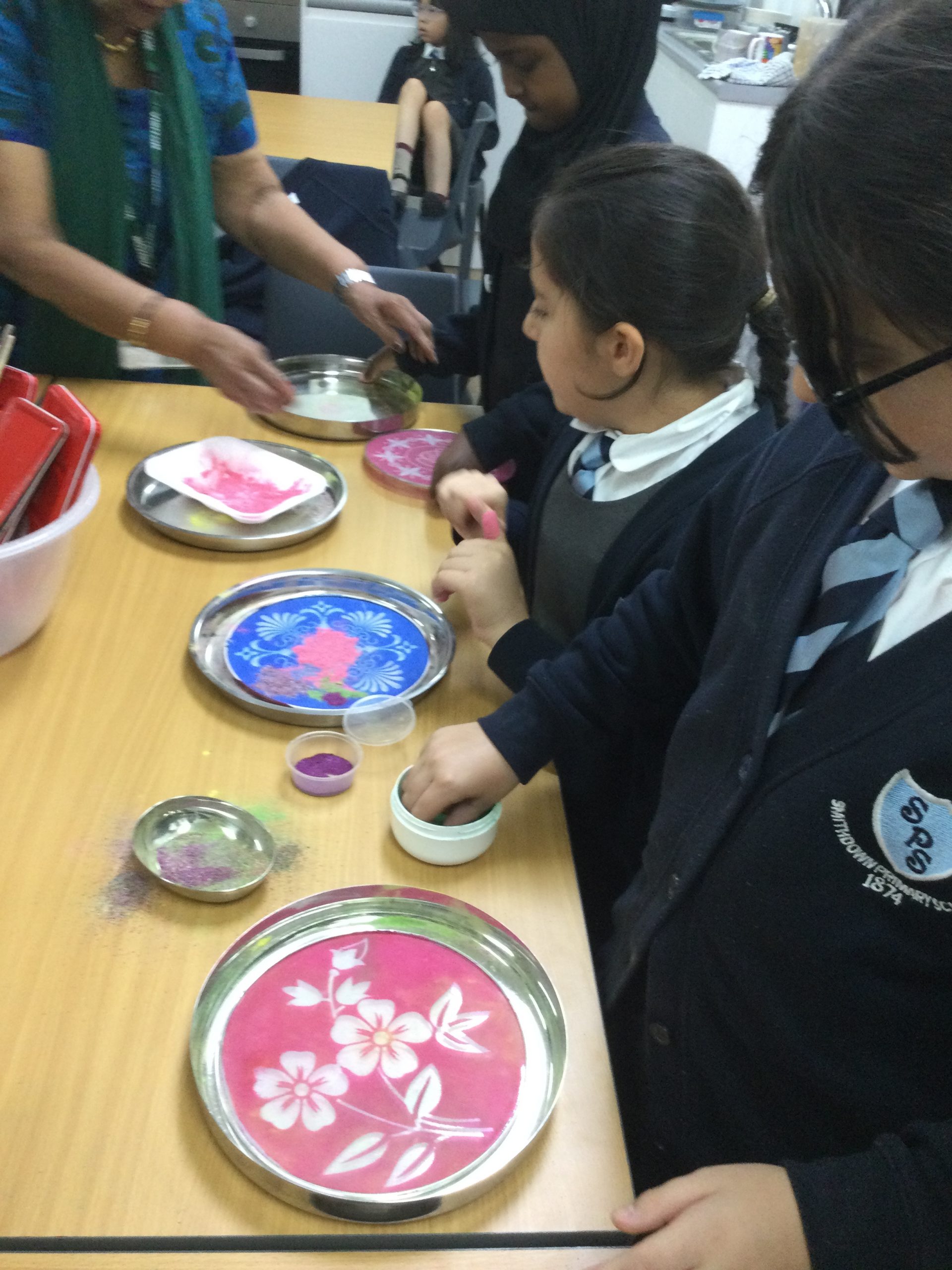
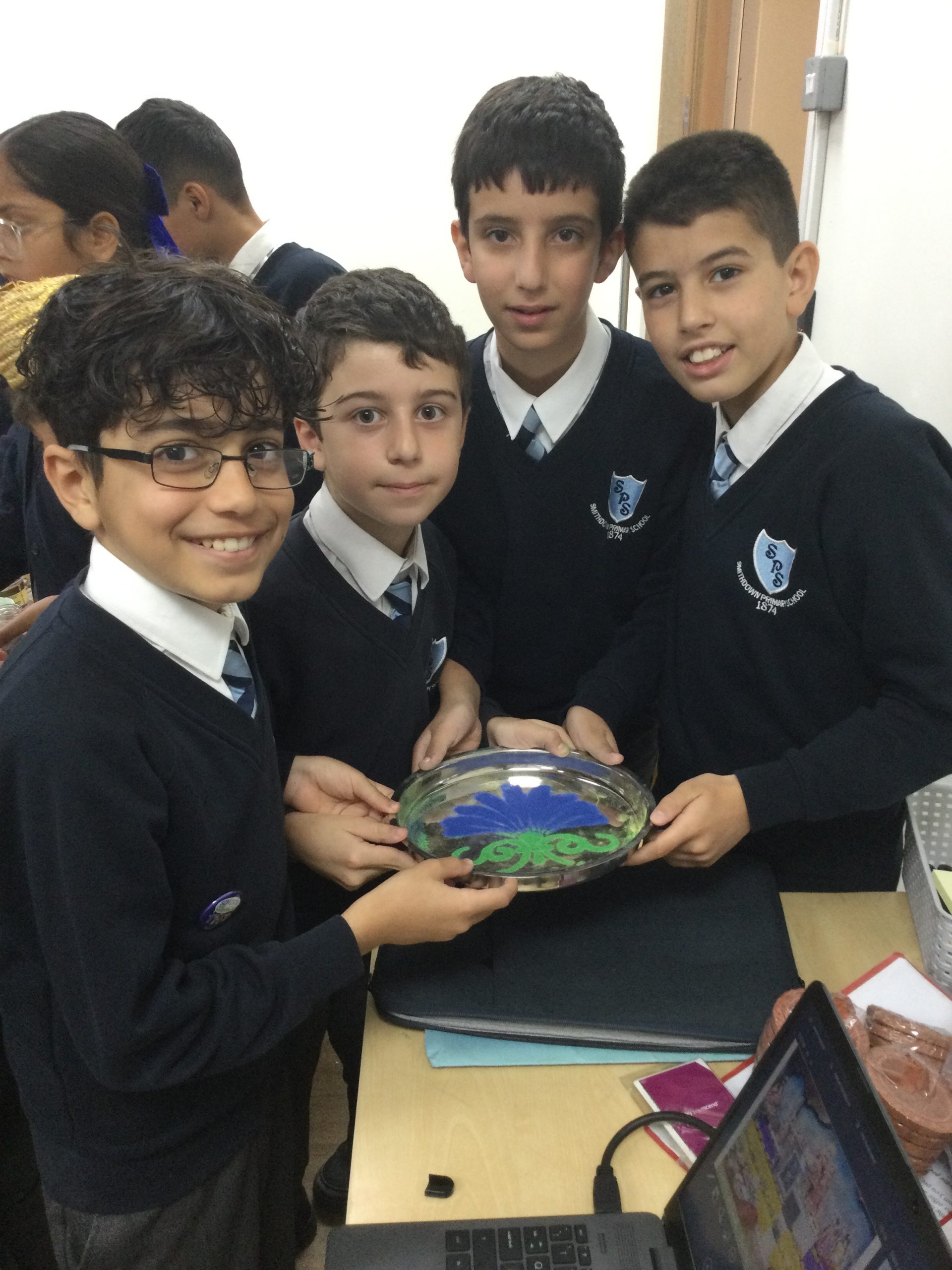
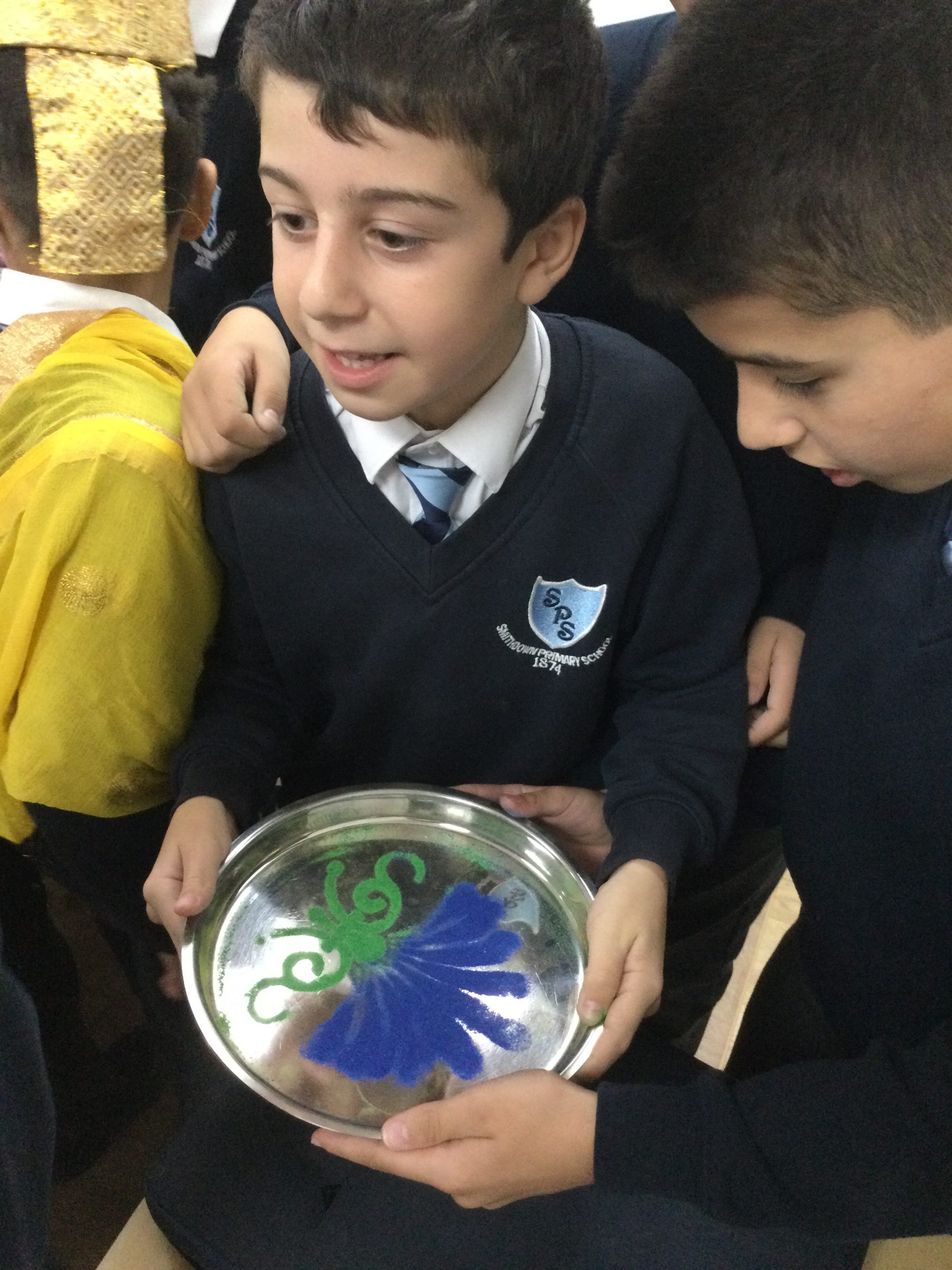
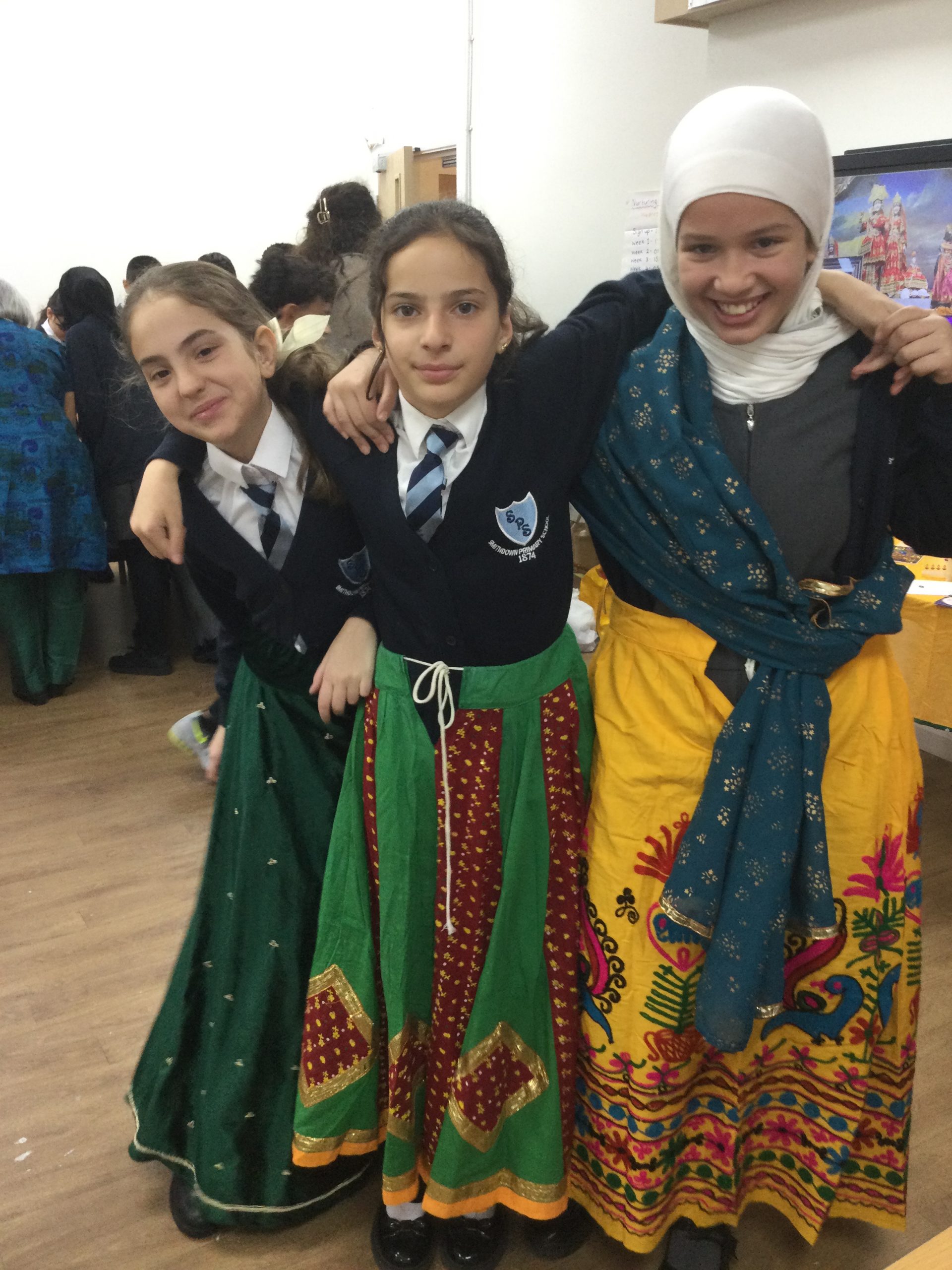
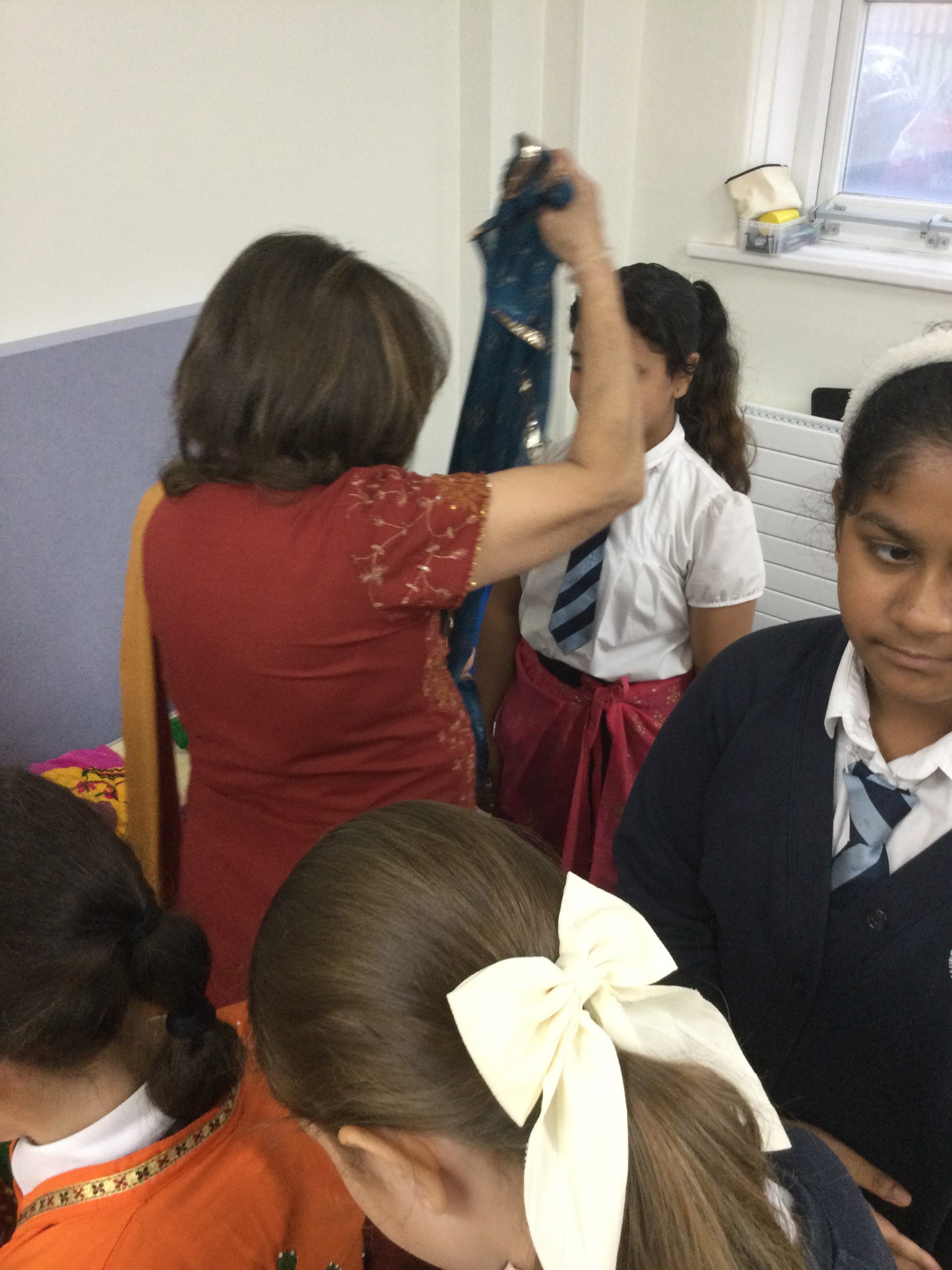
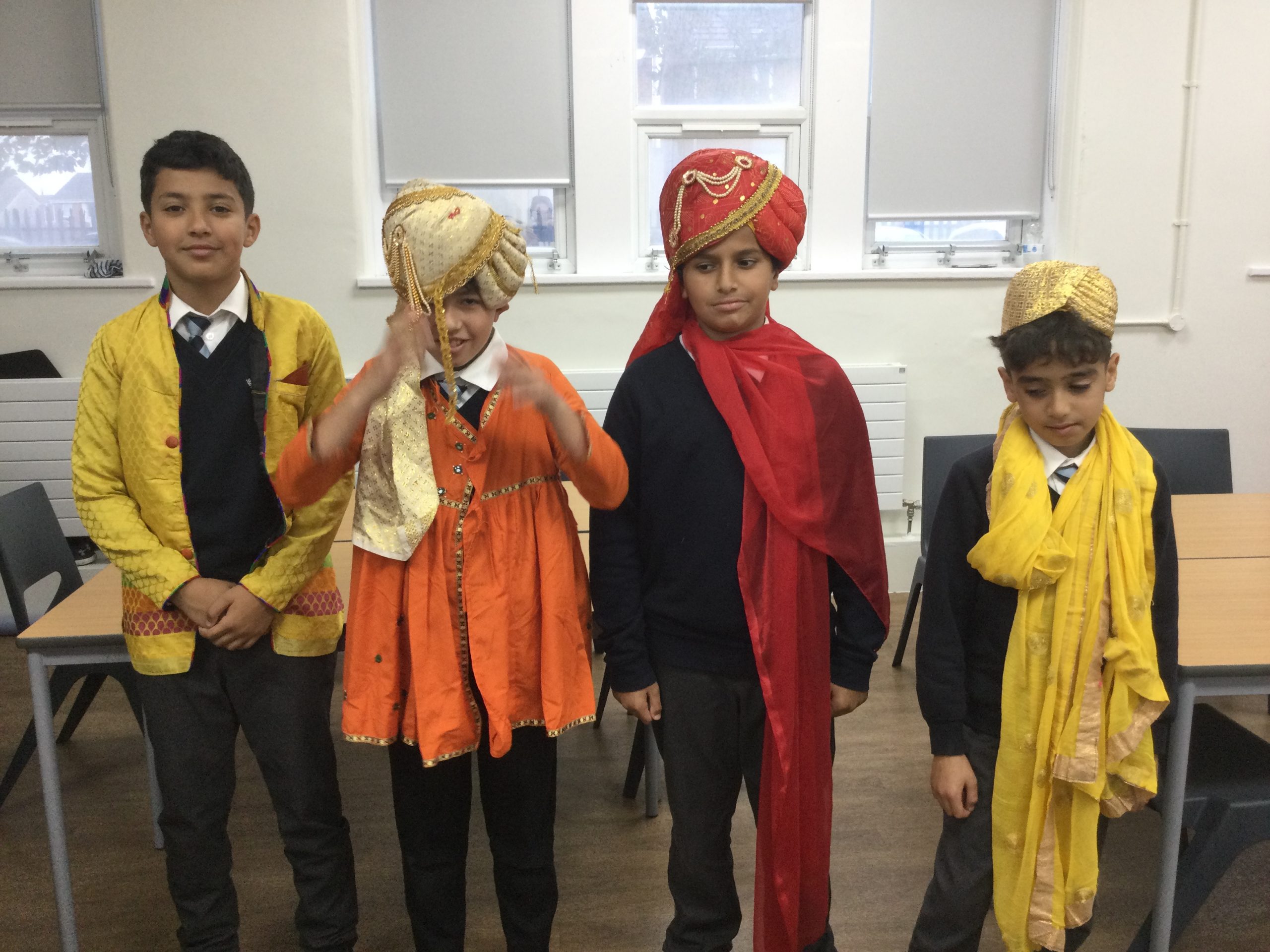
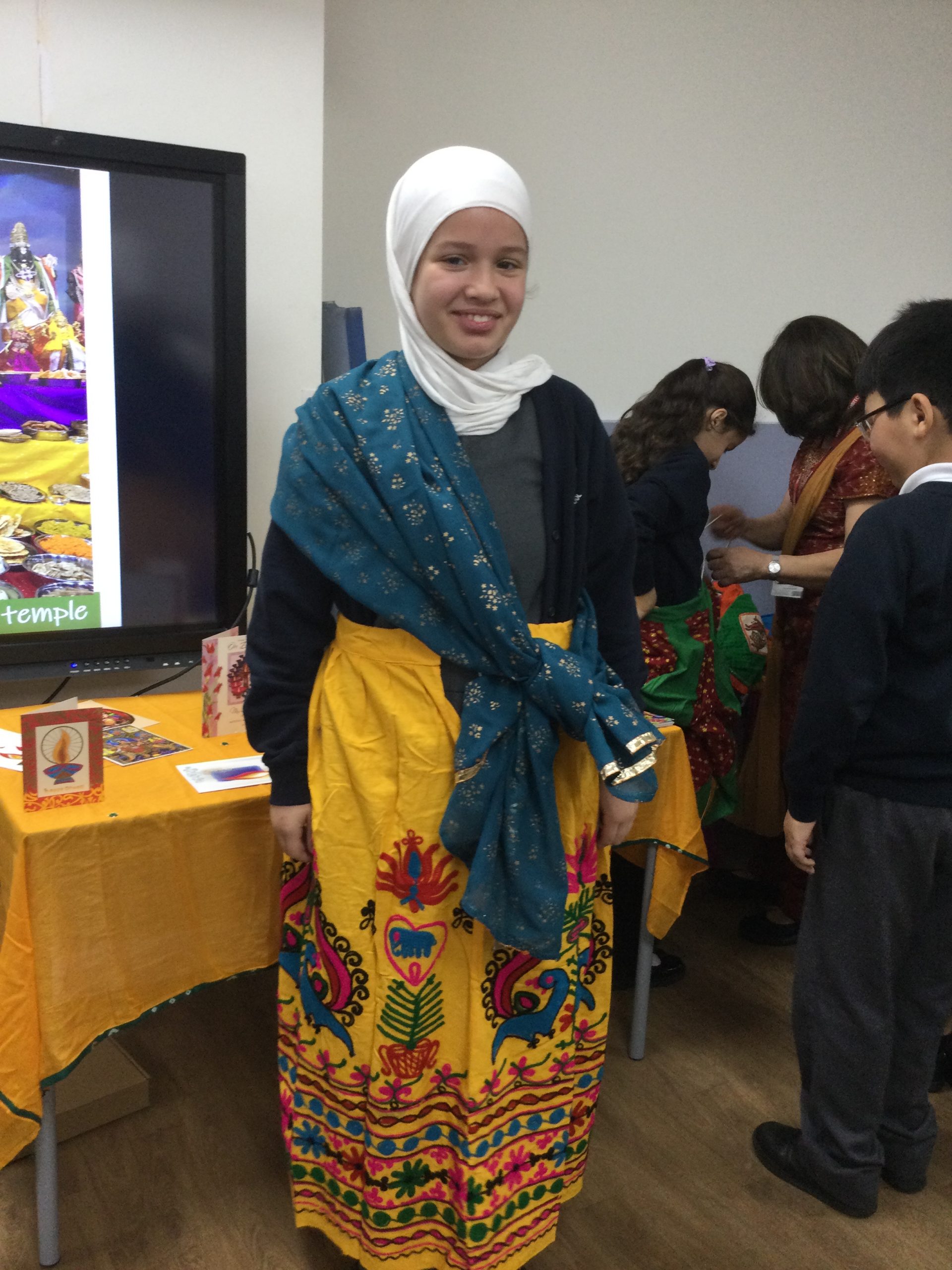
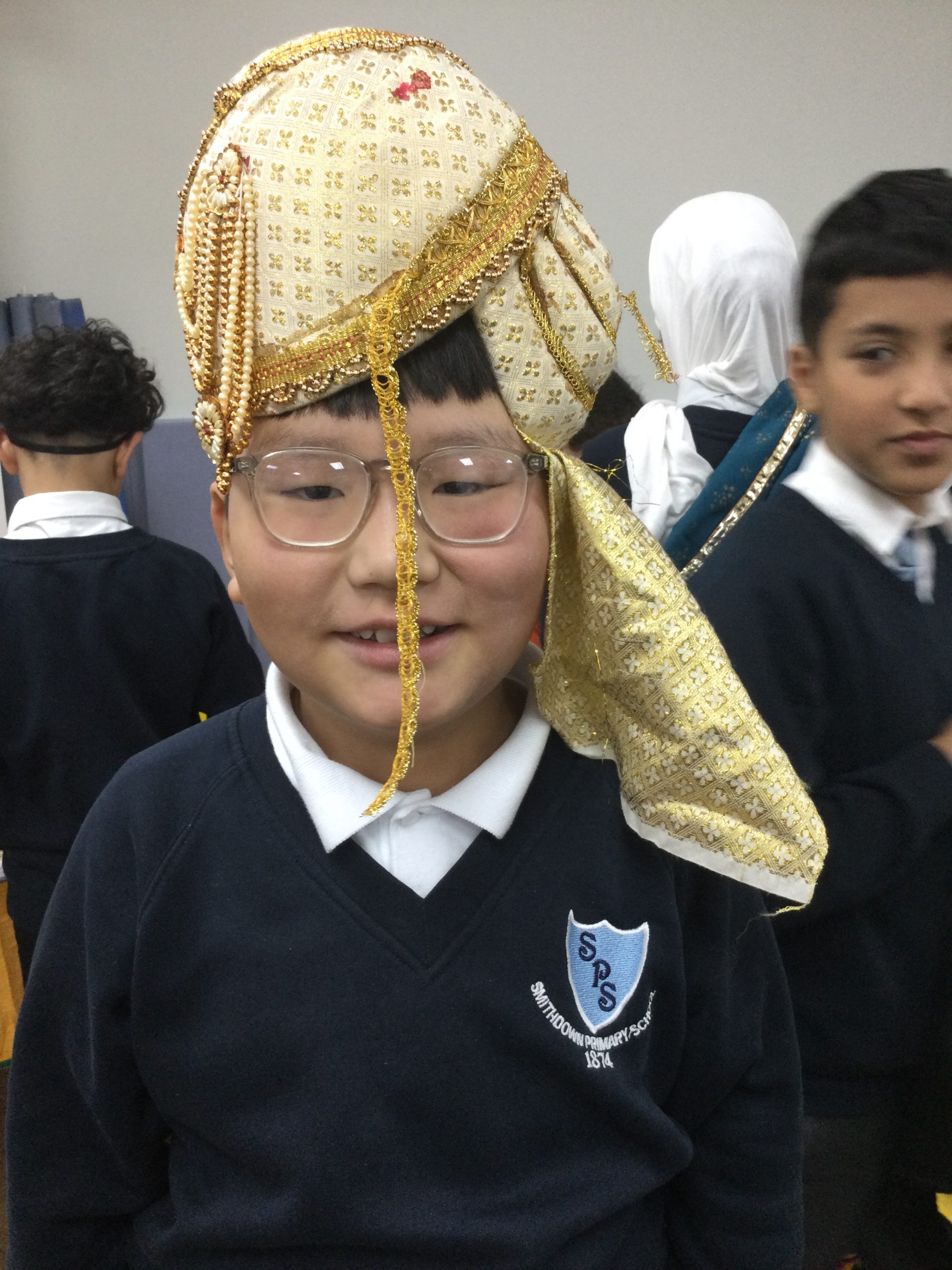
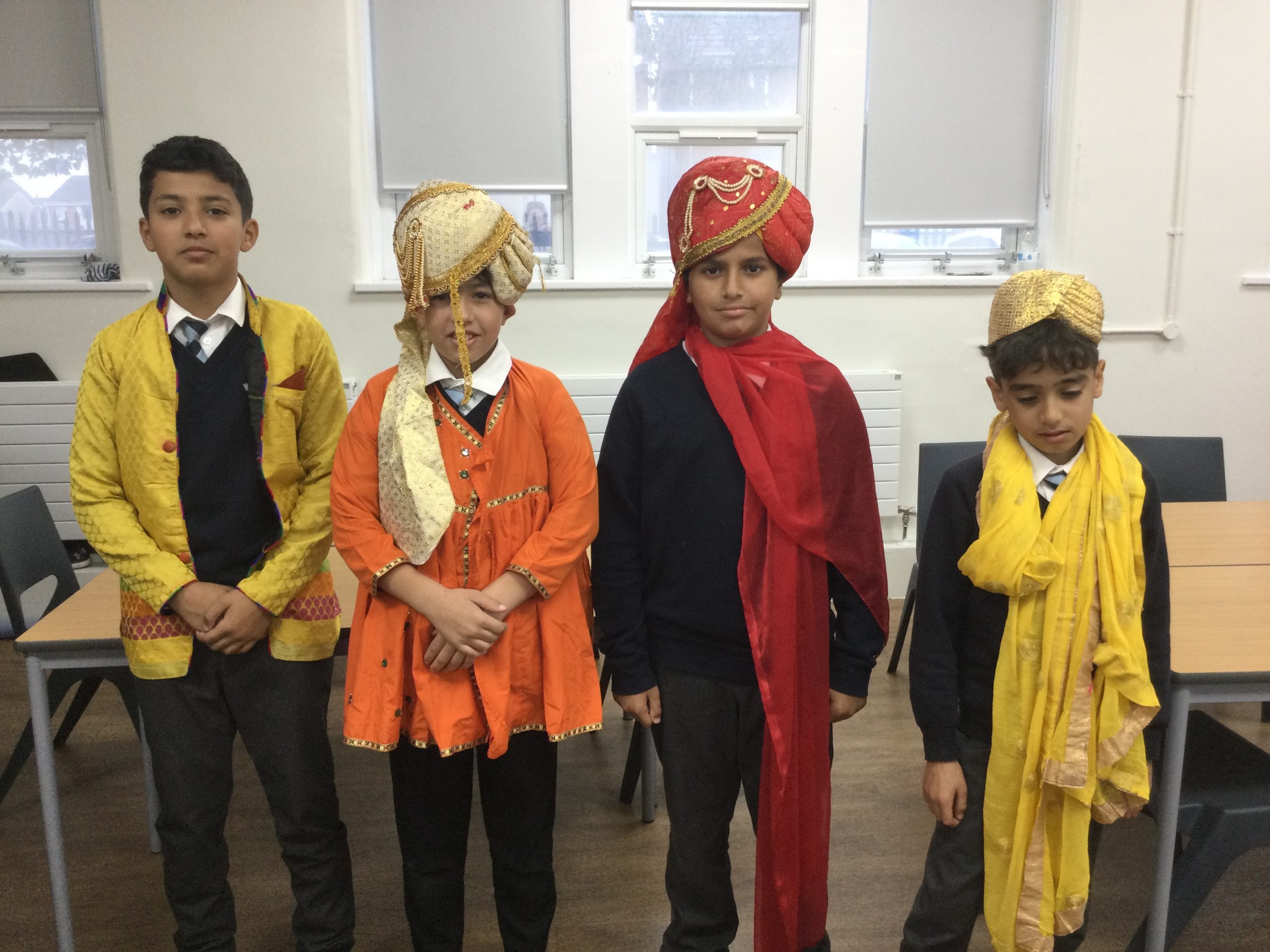
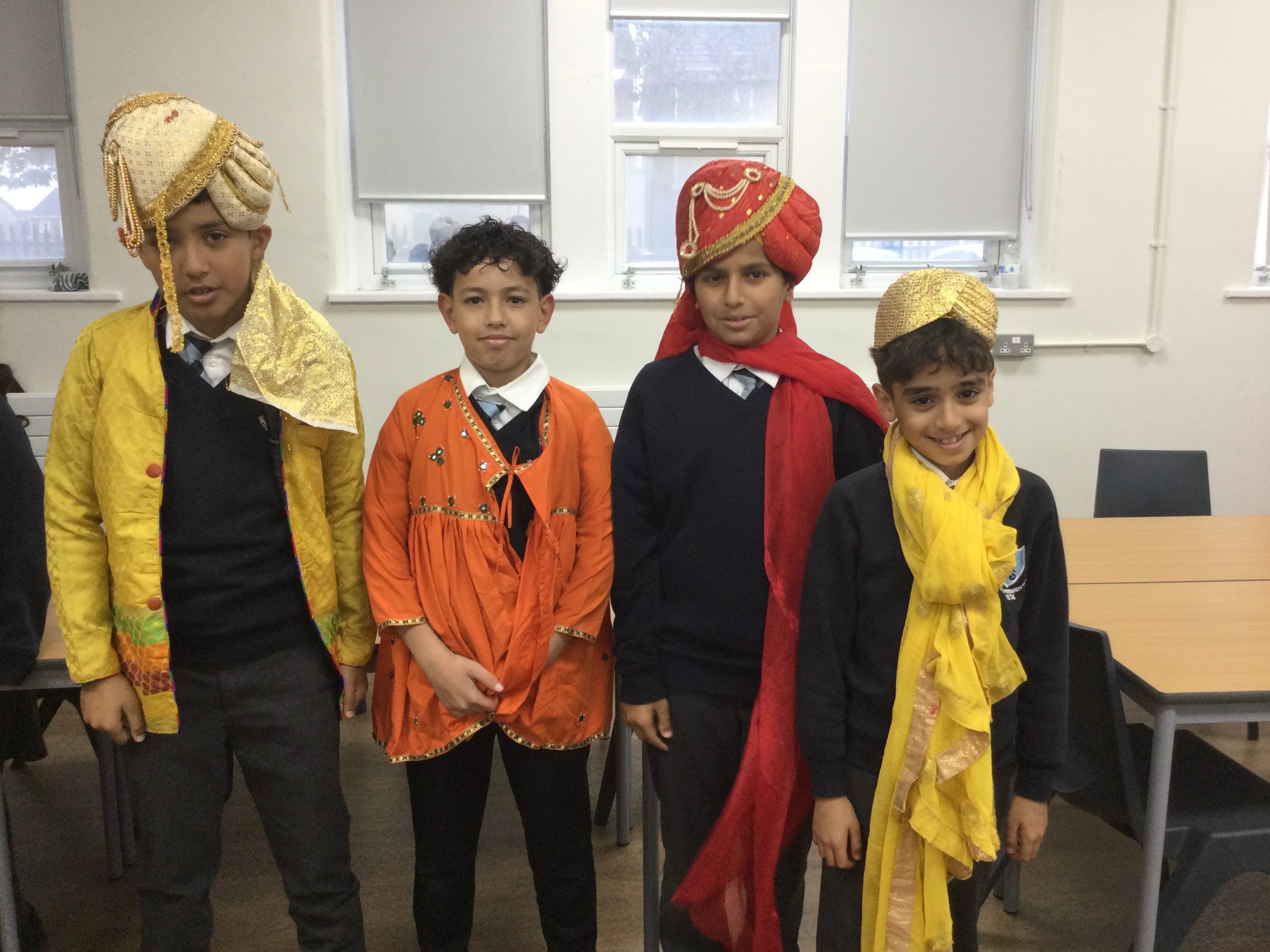
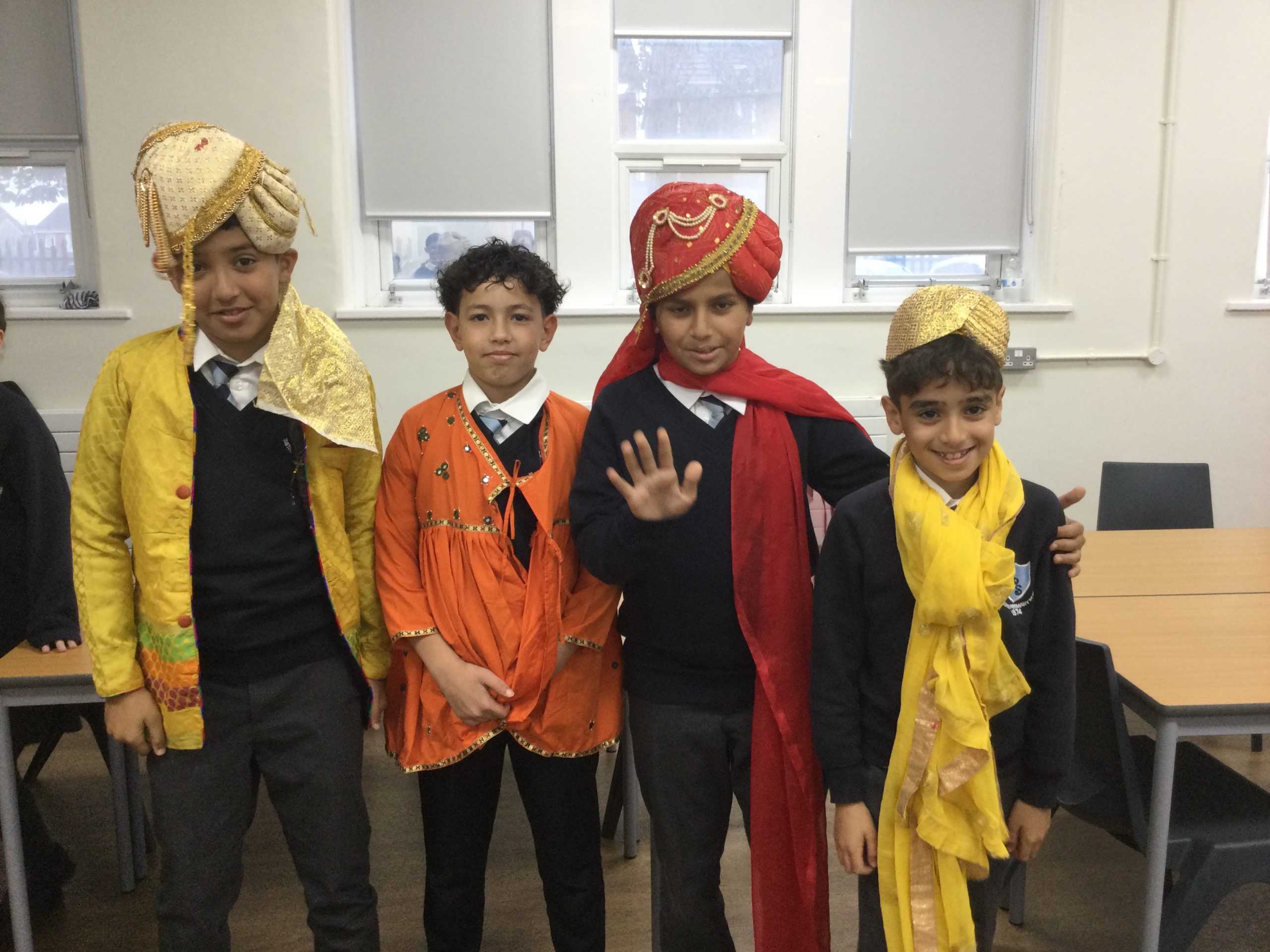
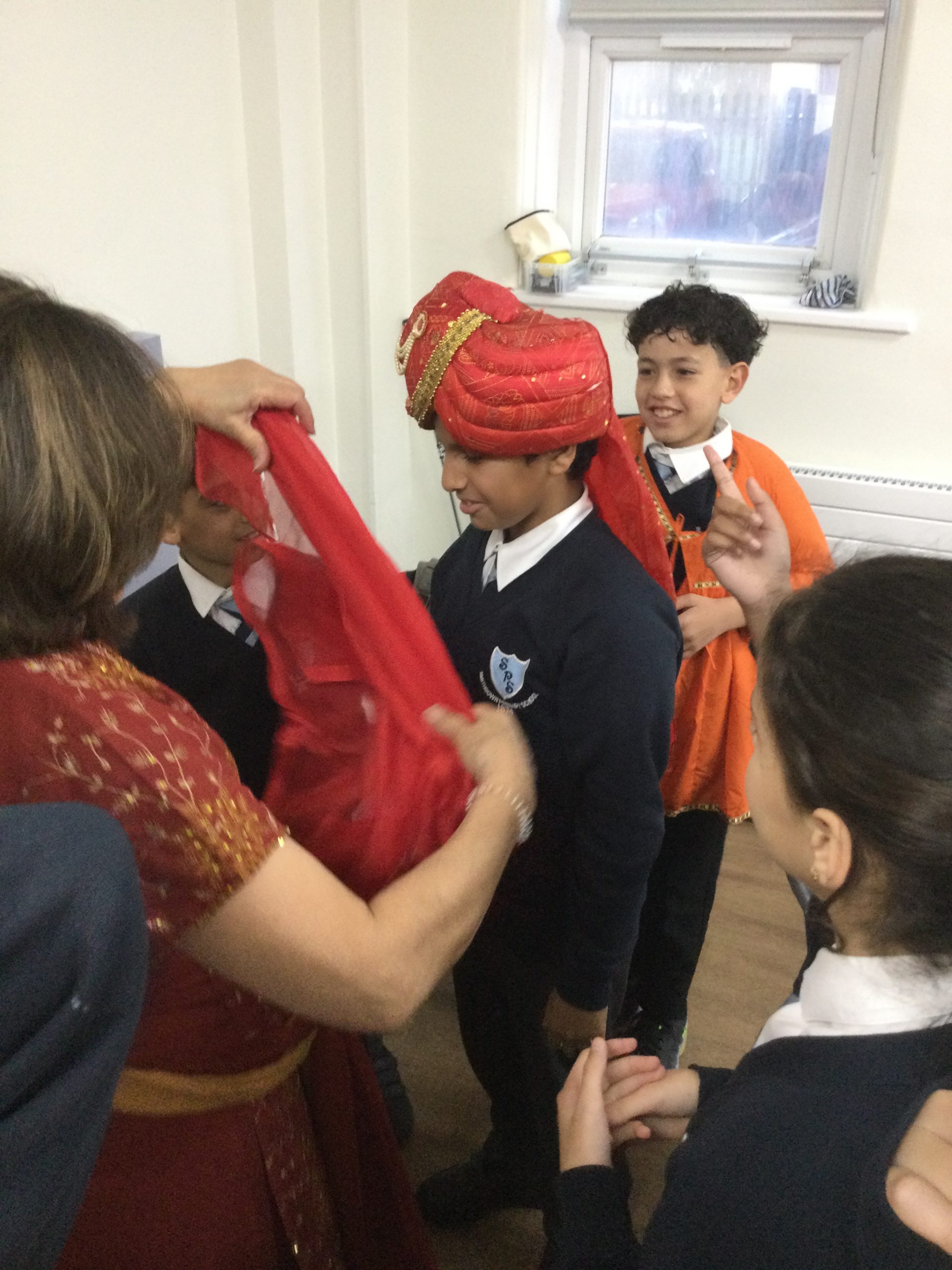
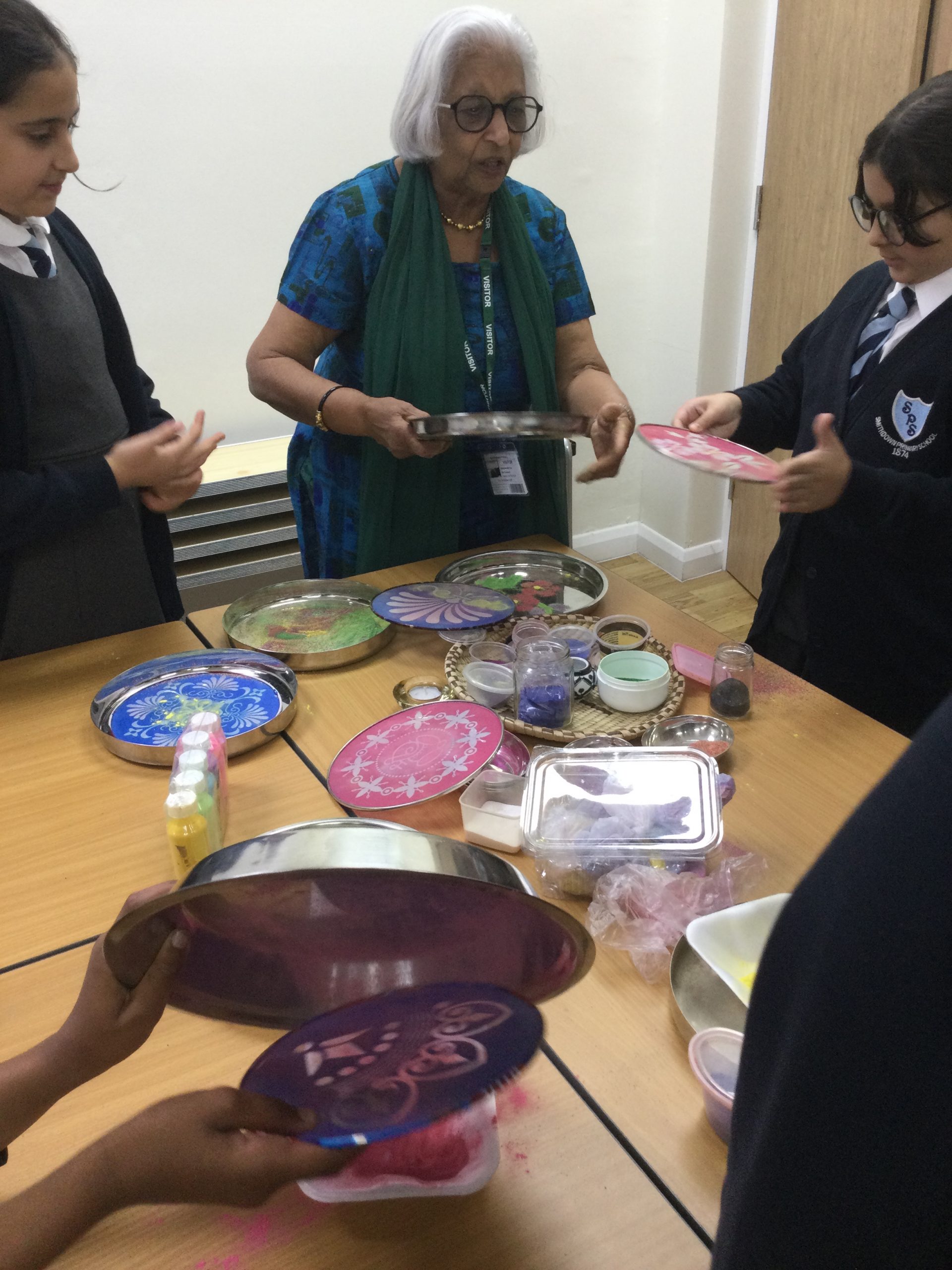
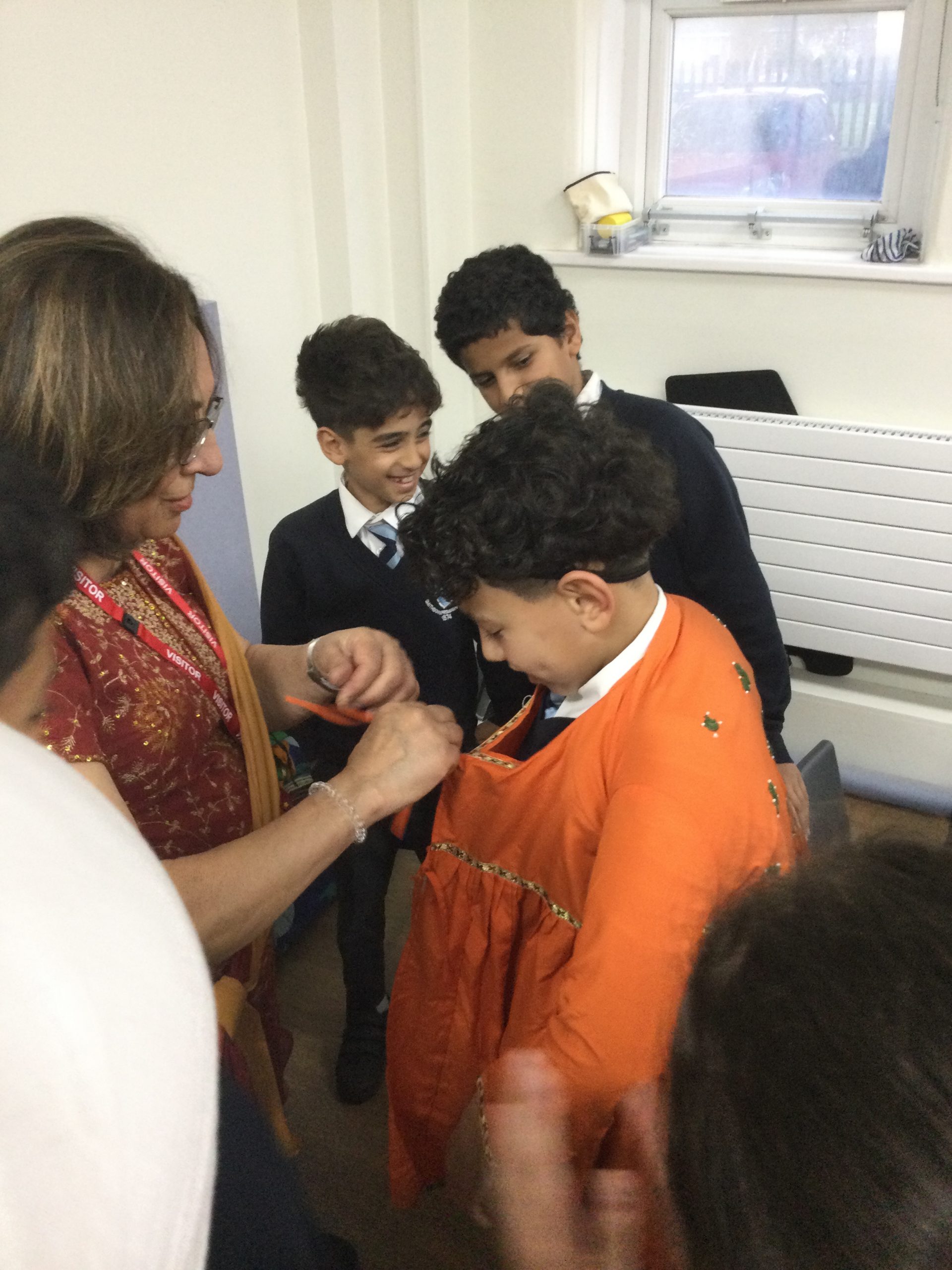
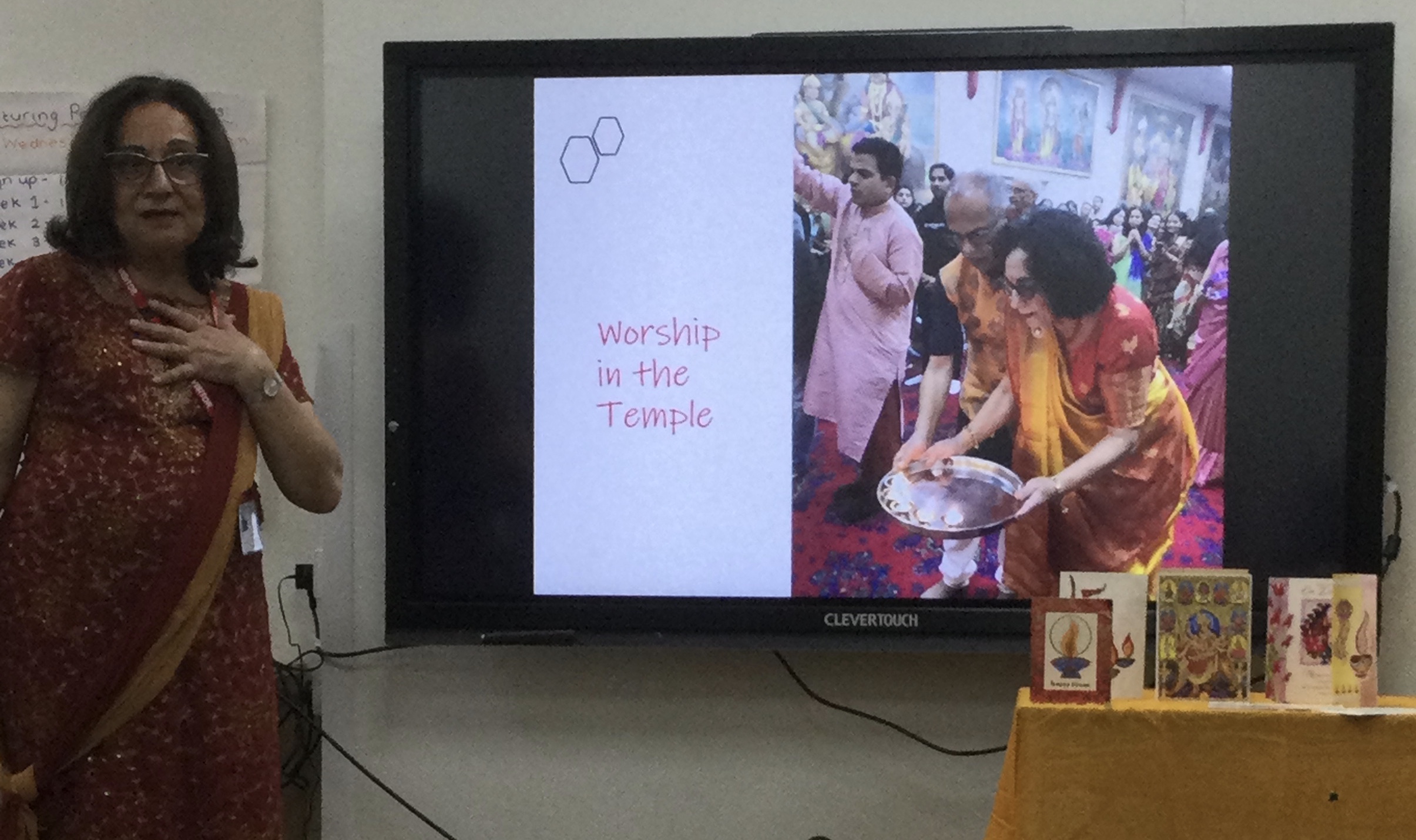
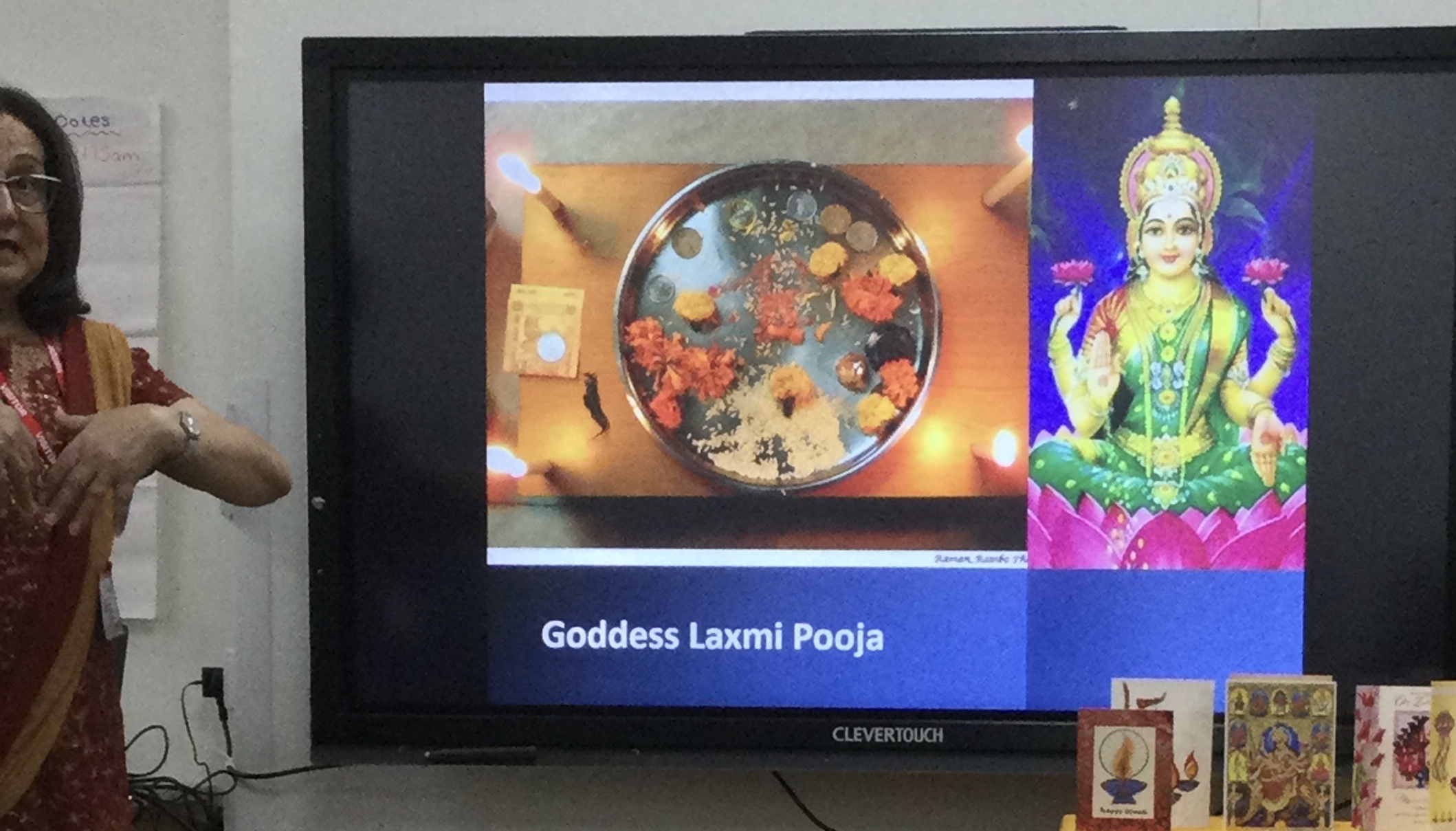
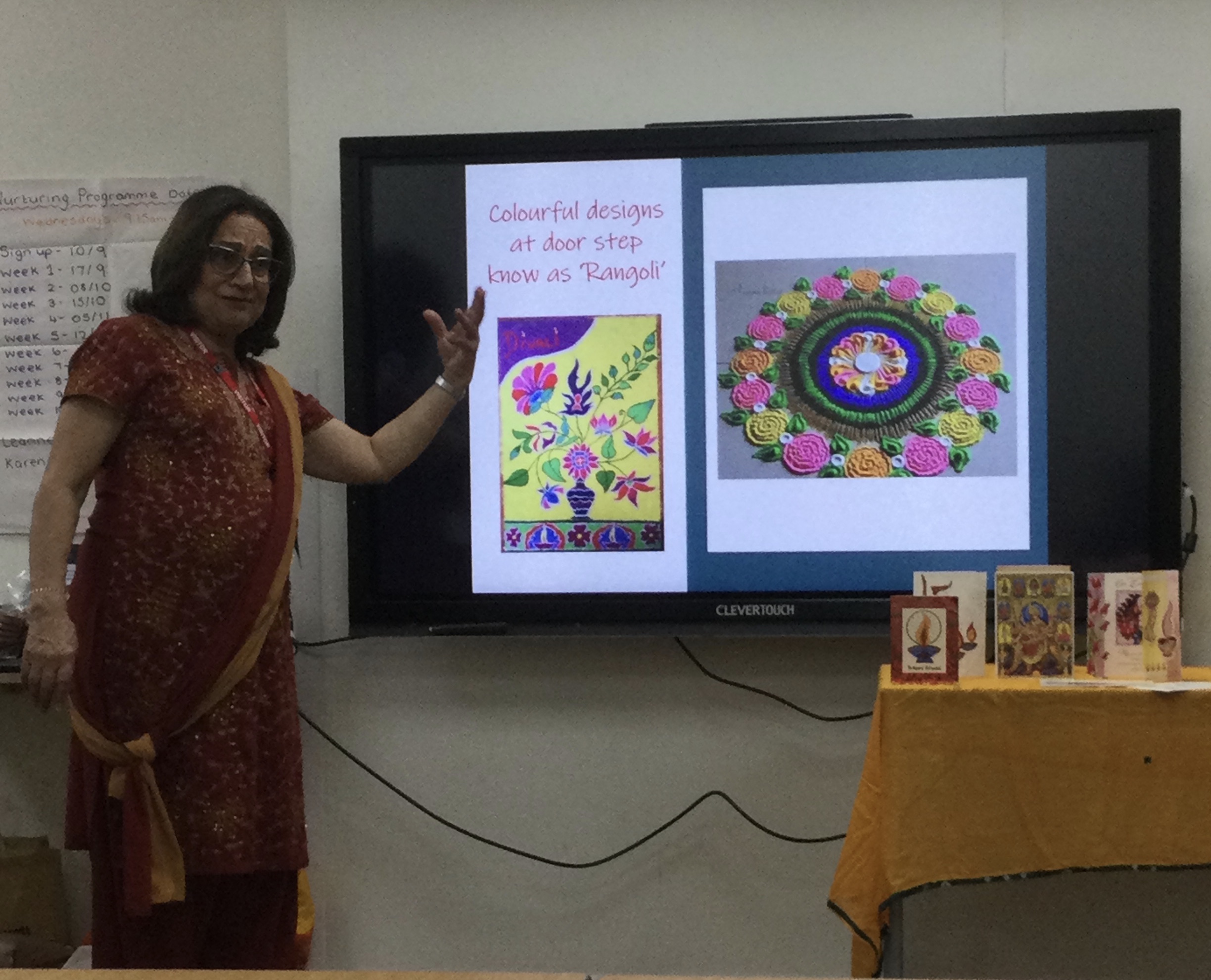
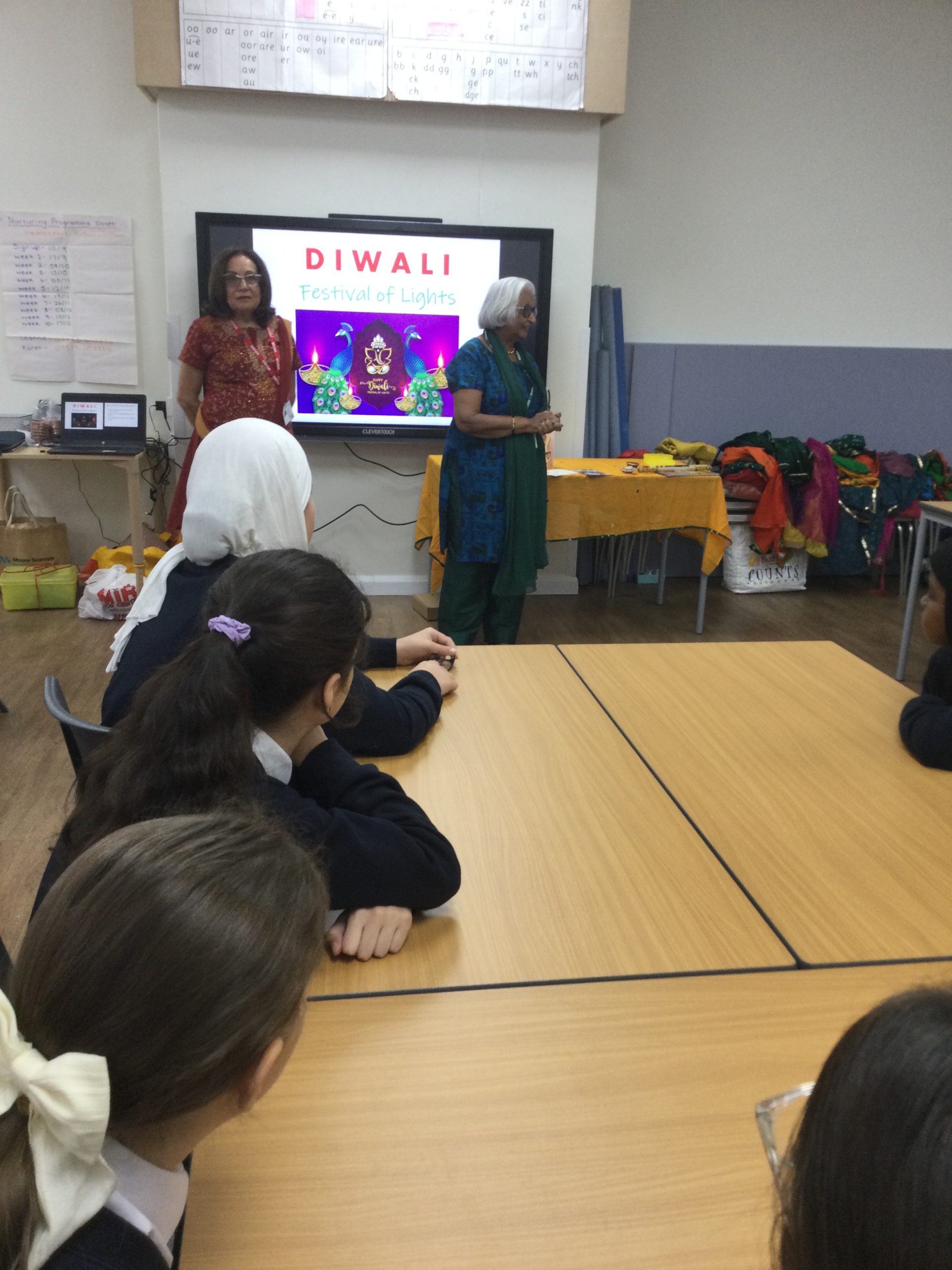
We loved our Diwali workshop today. Thank you to our special visitors.
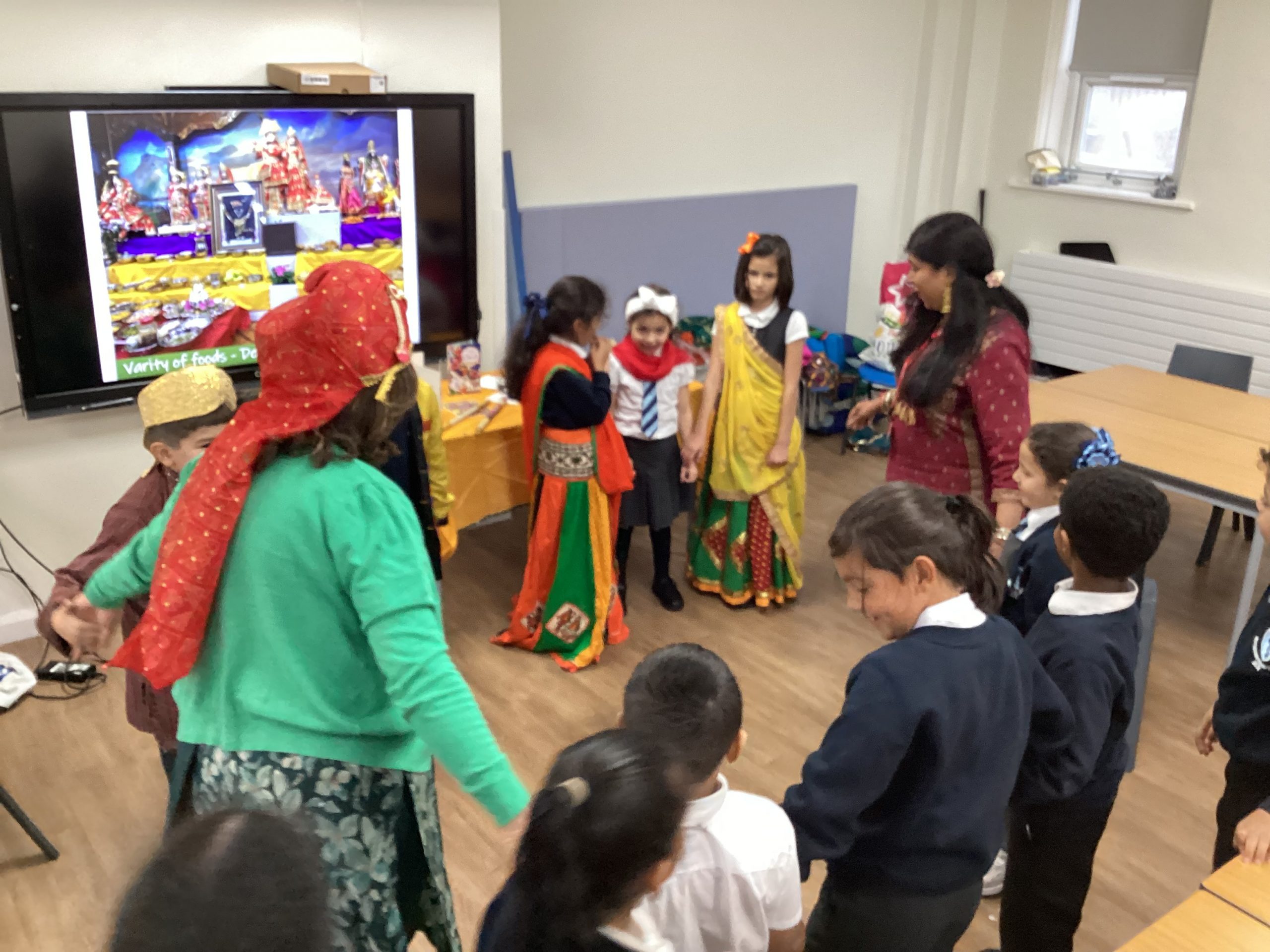
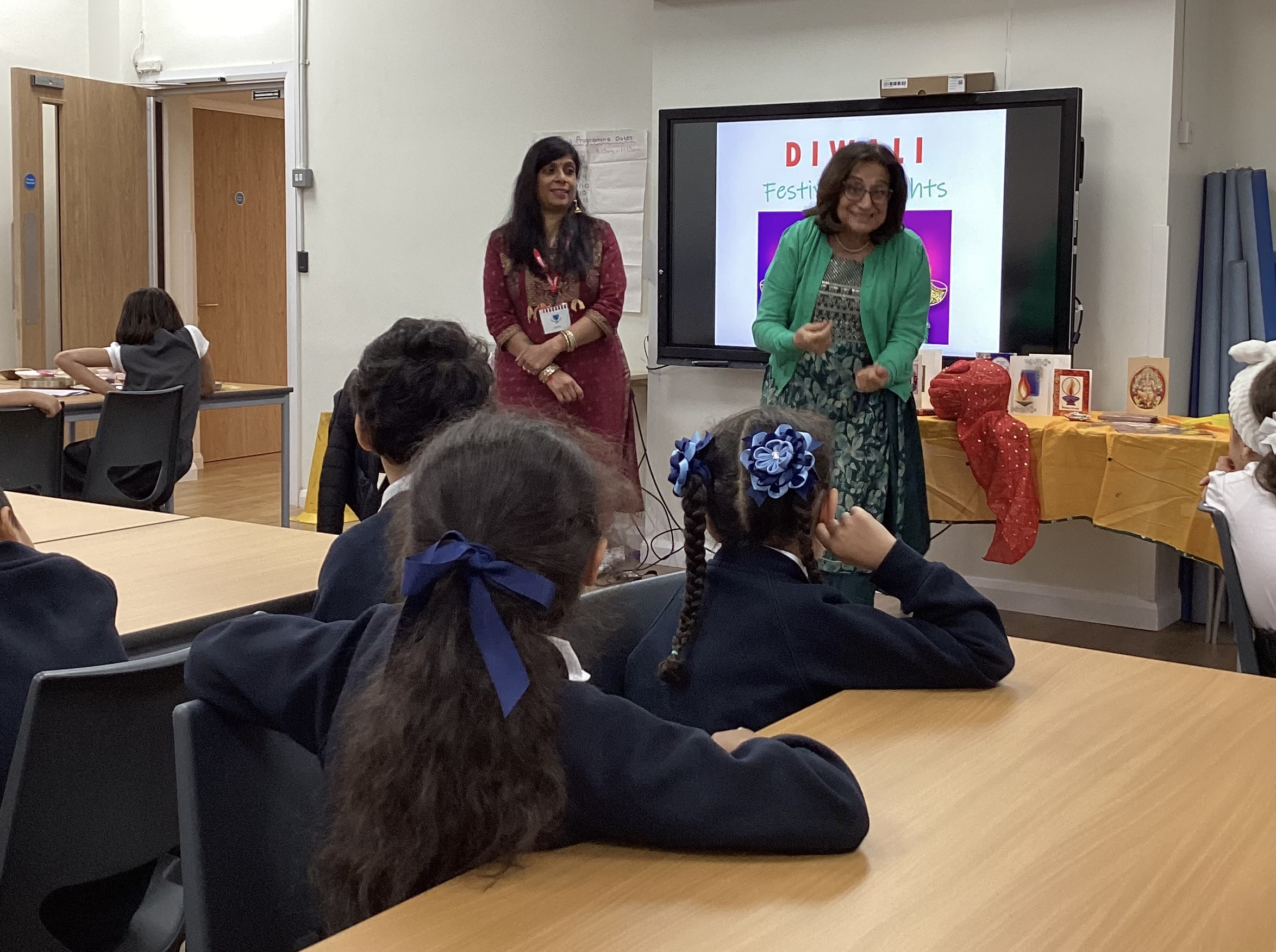
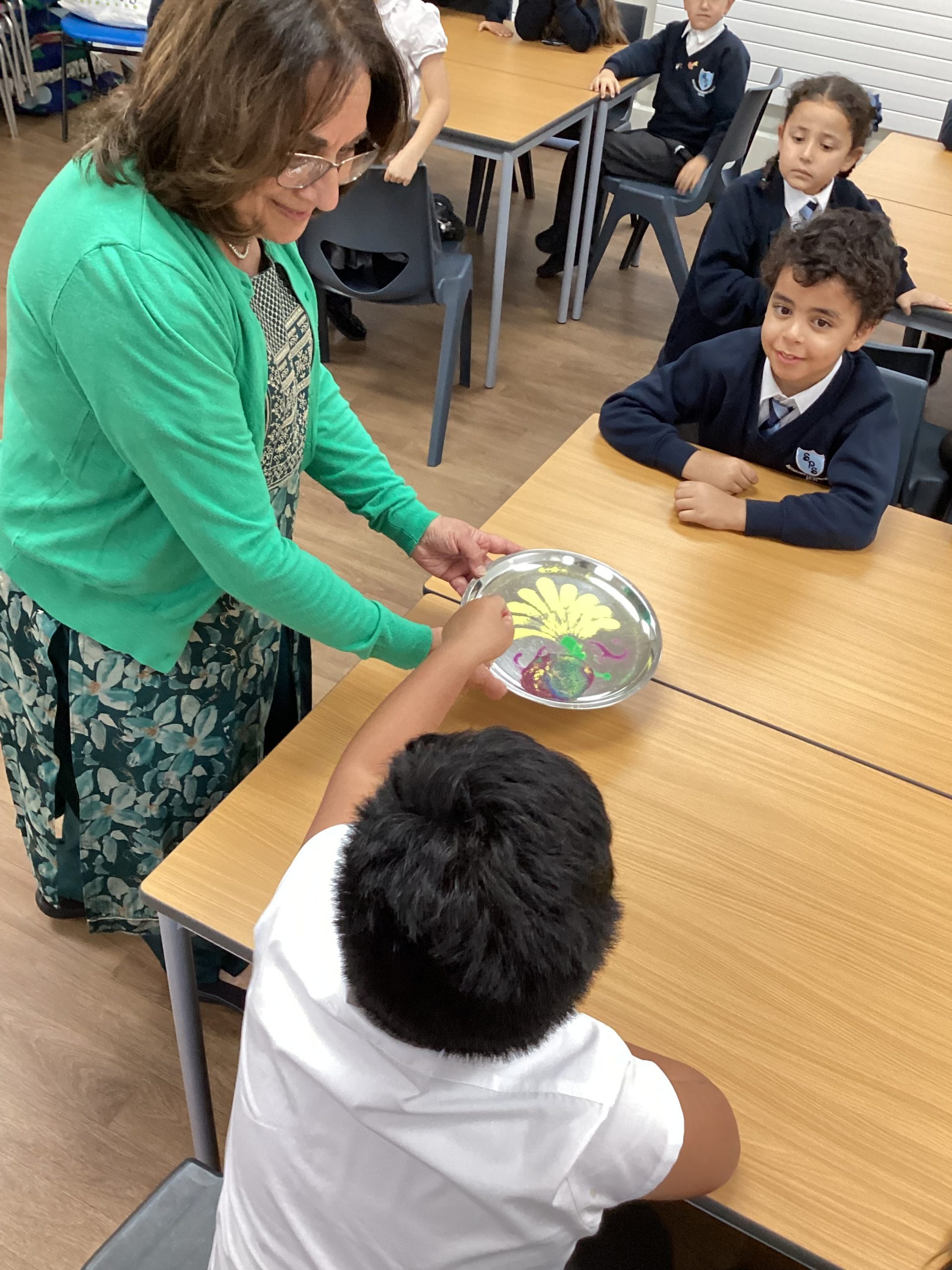
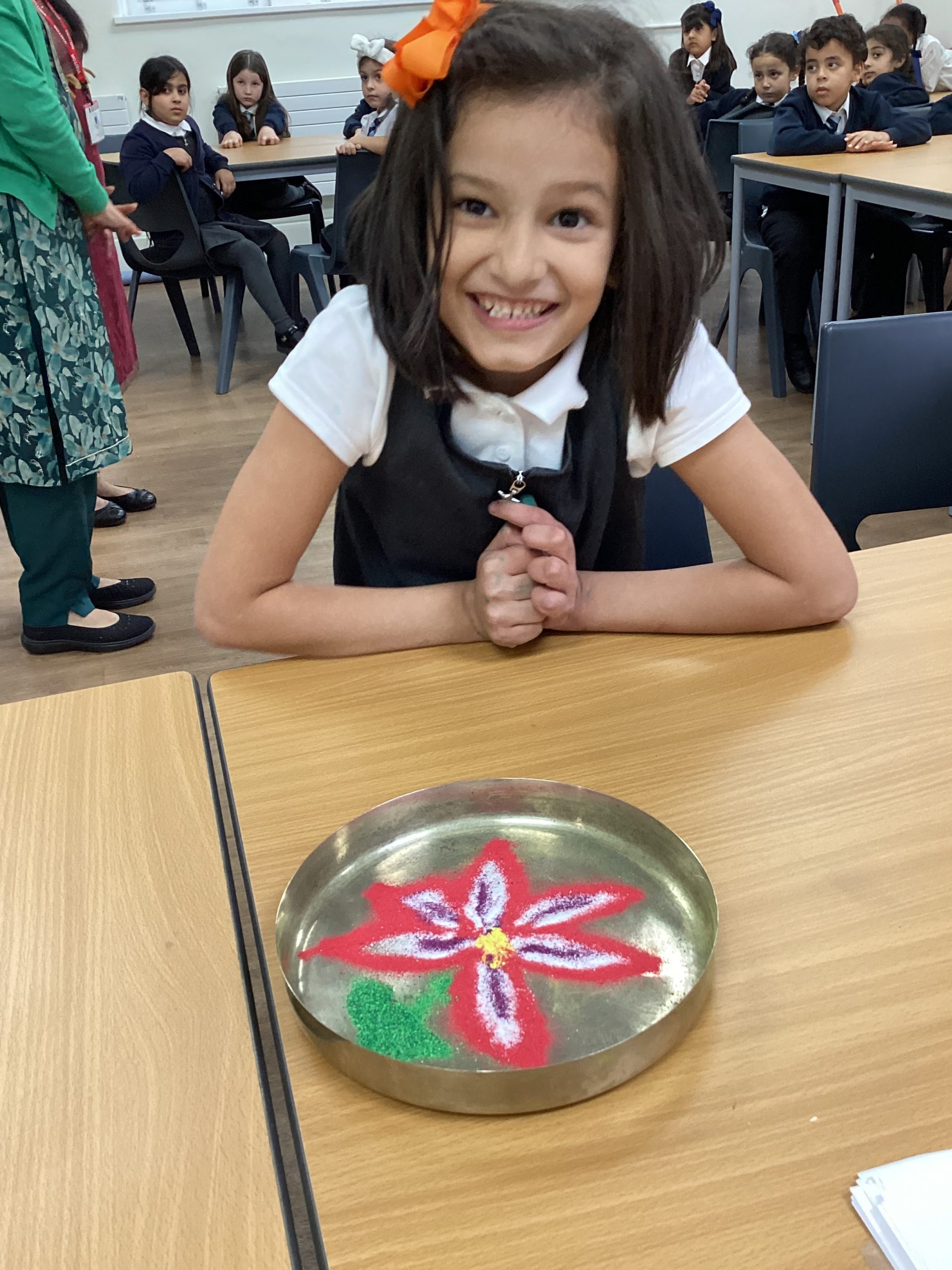
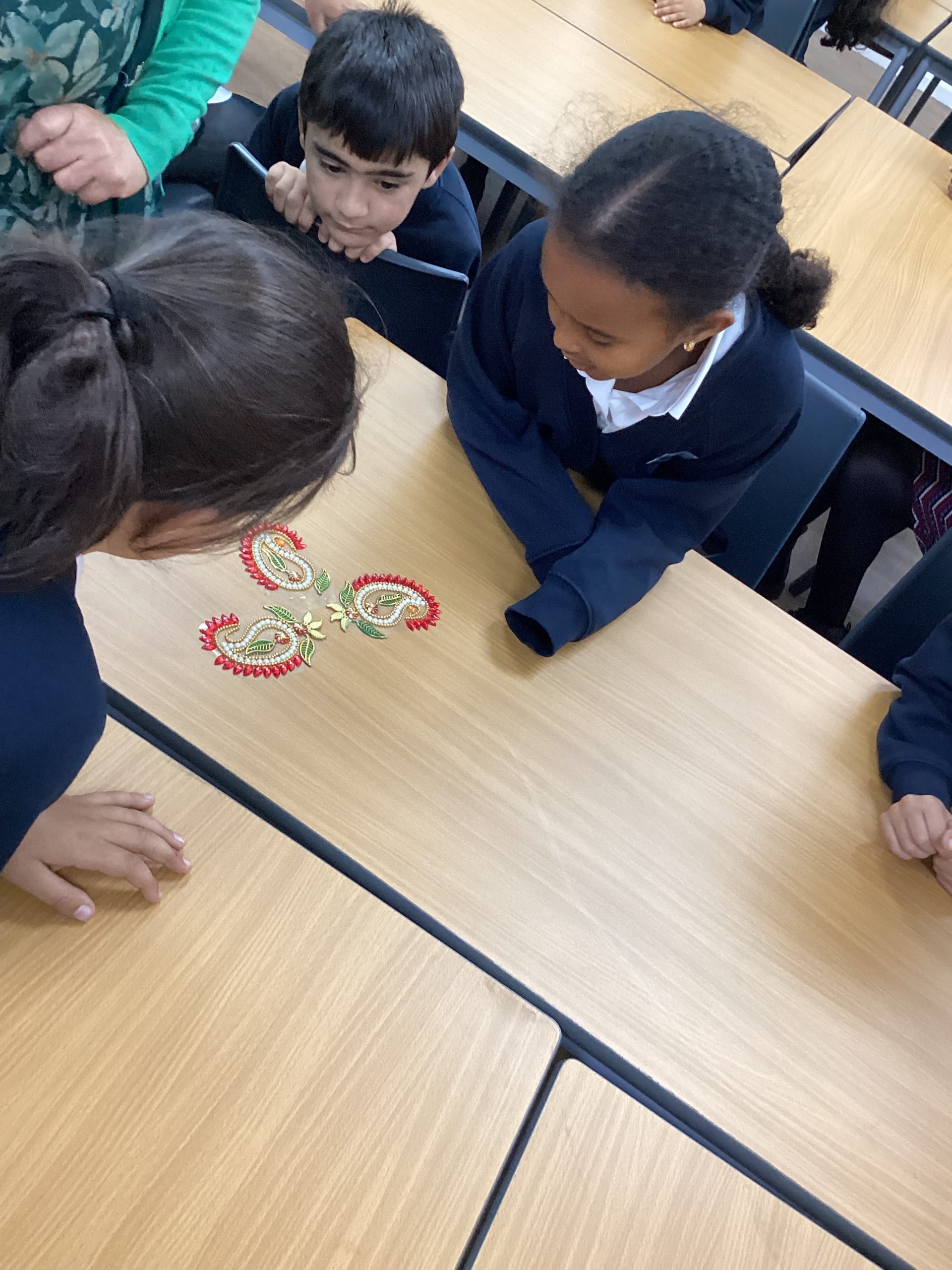
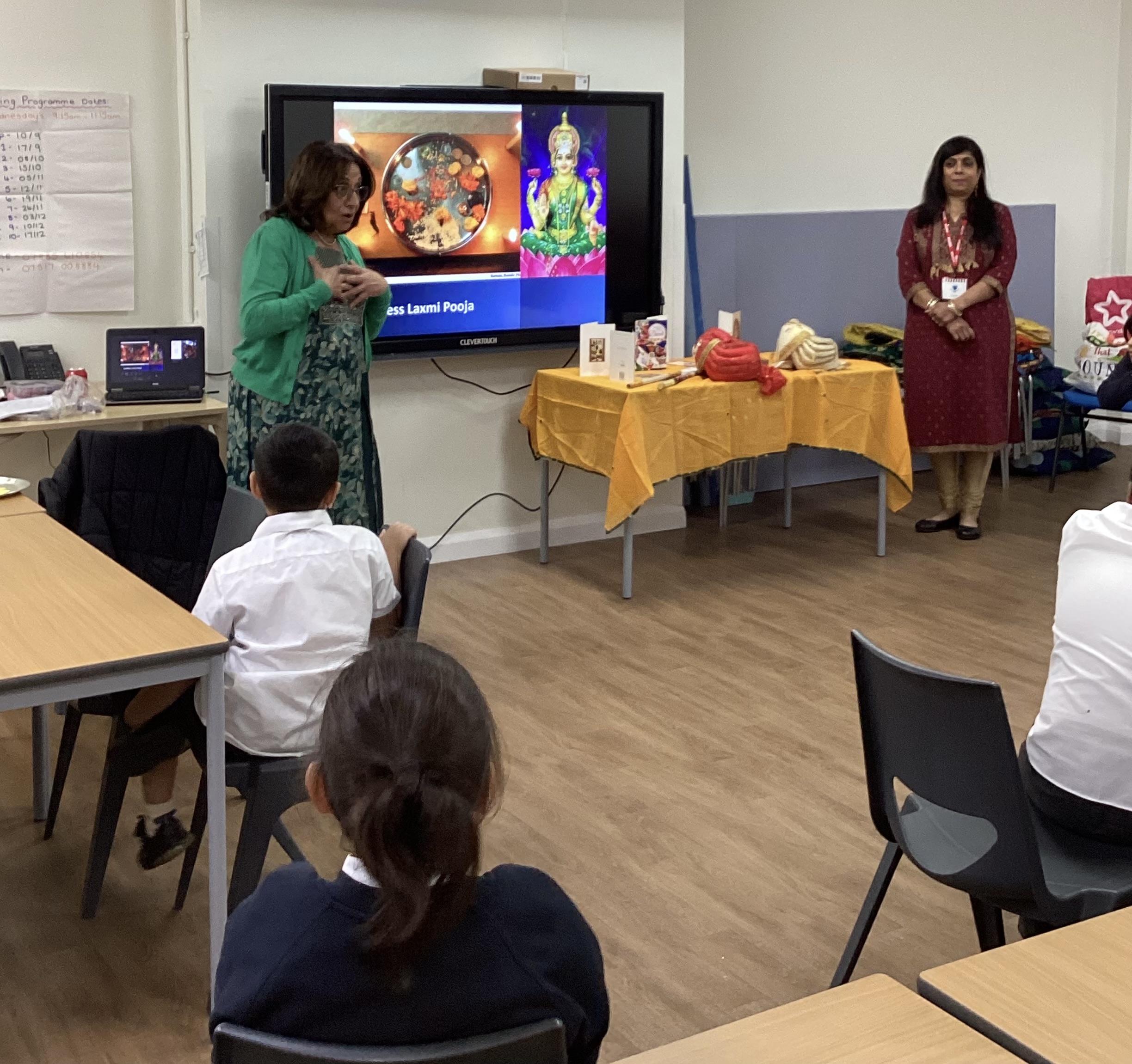
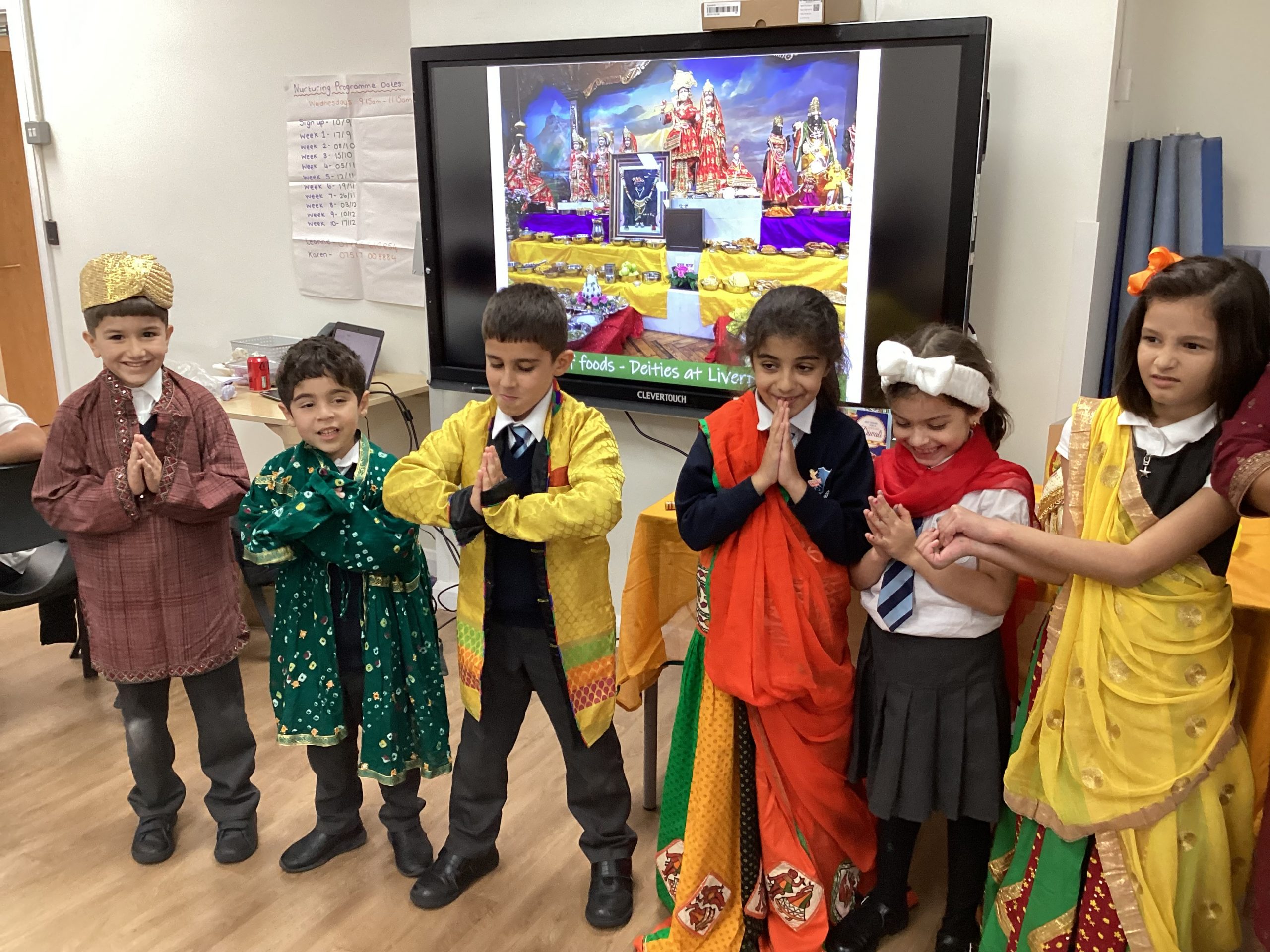
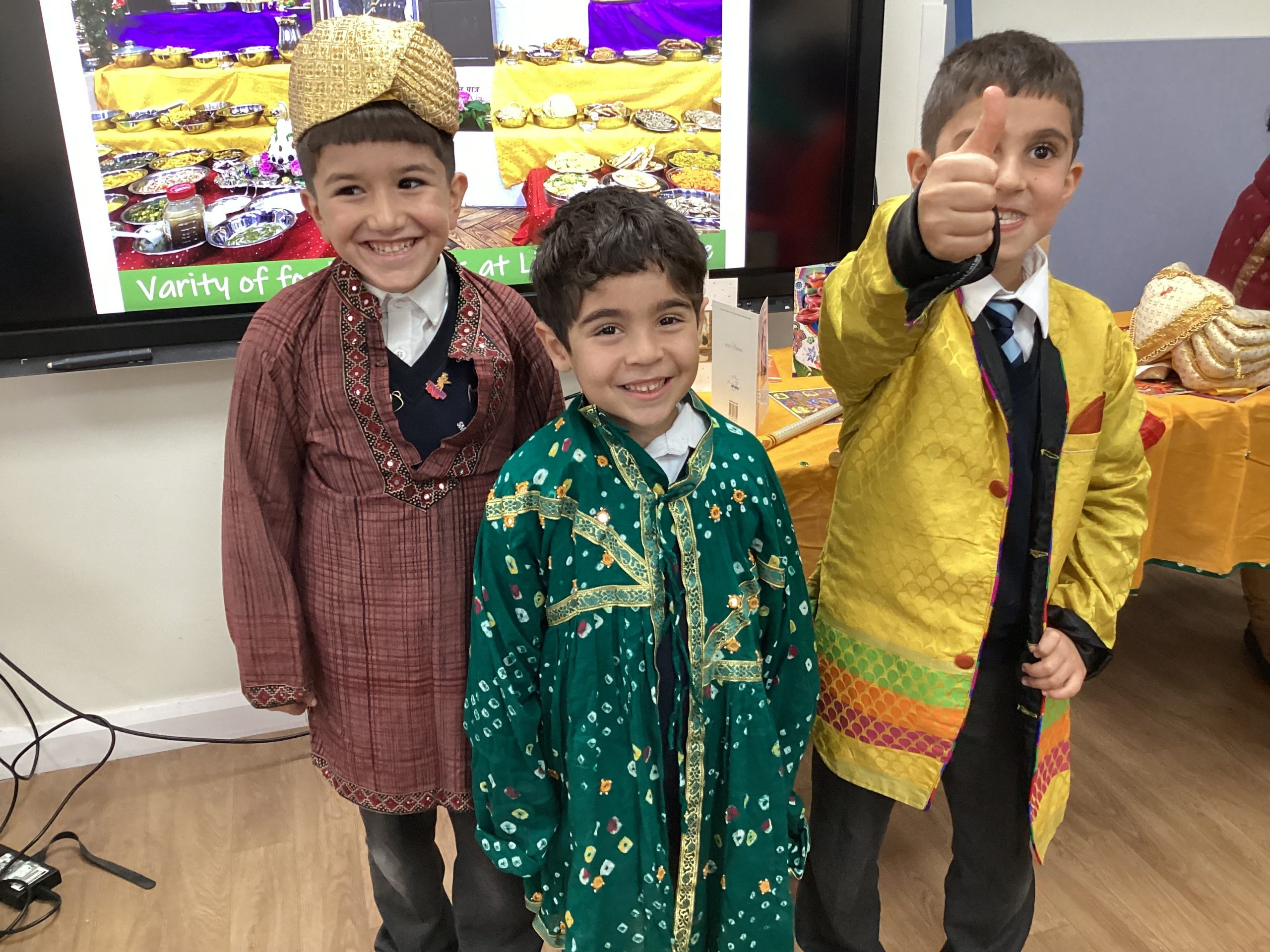
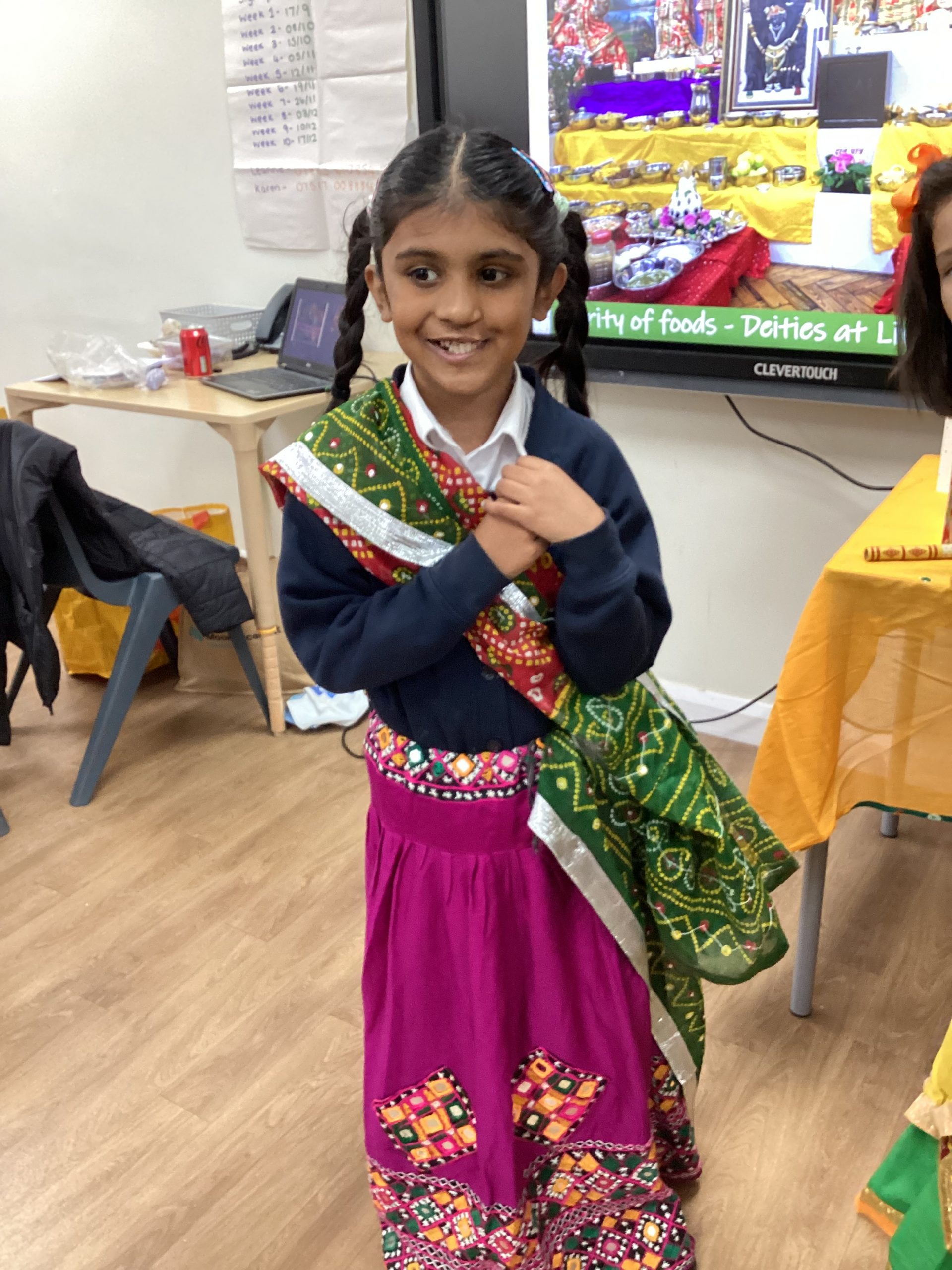
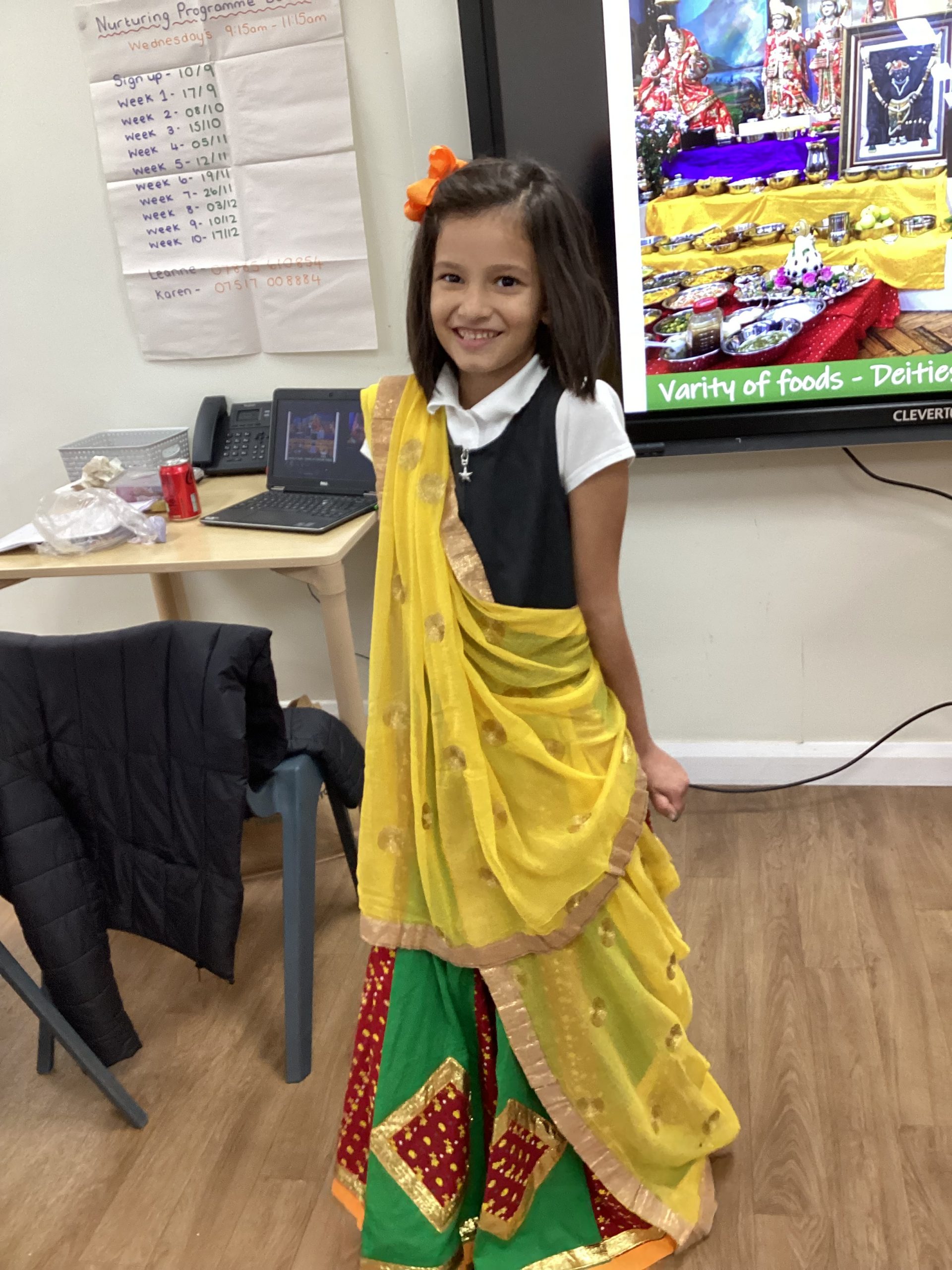
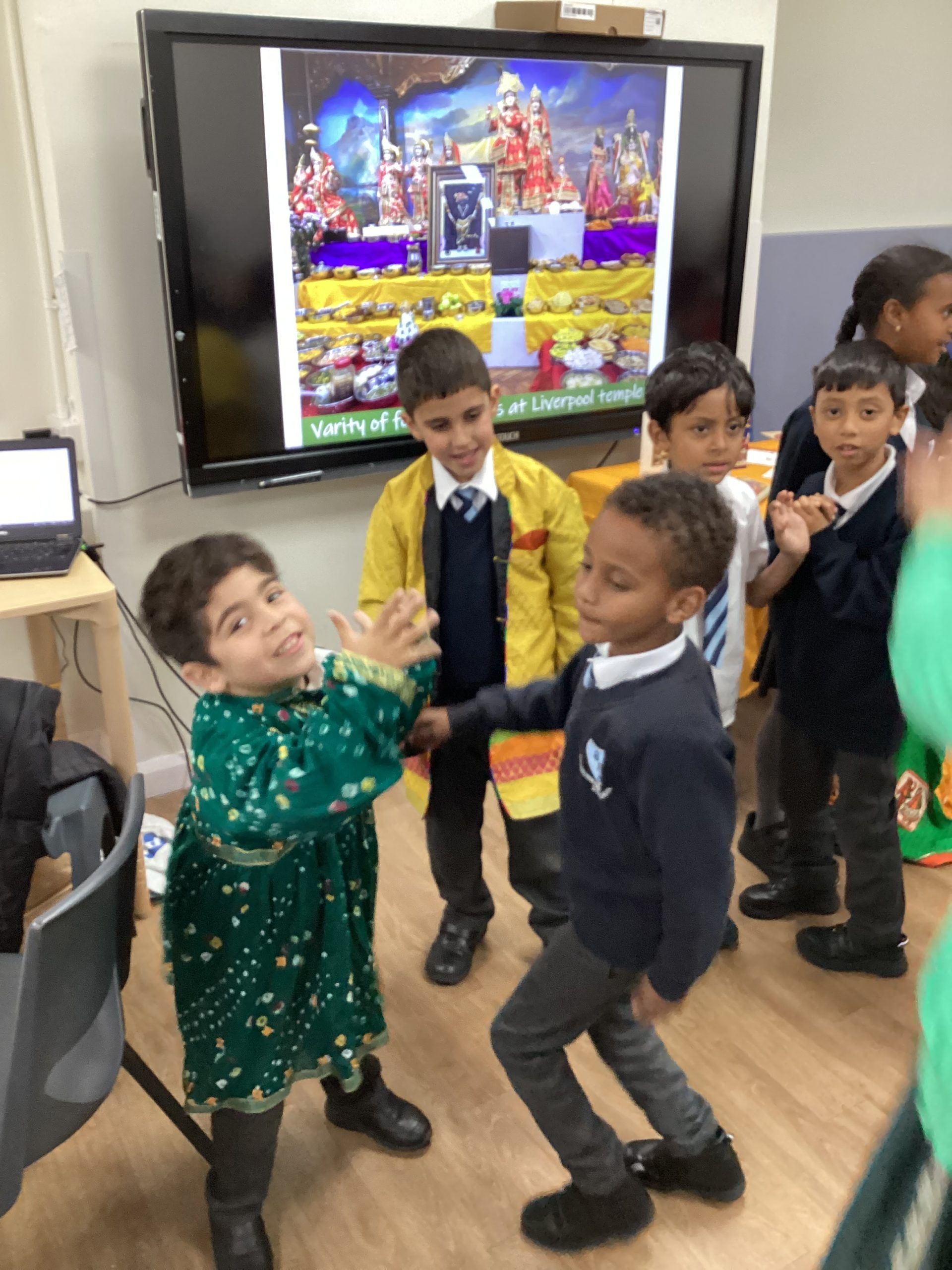
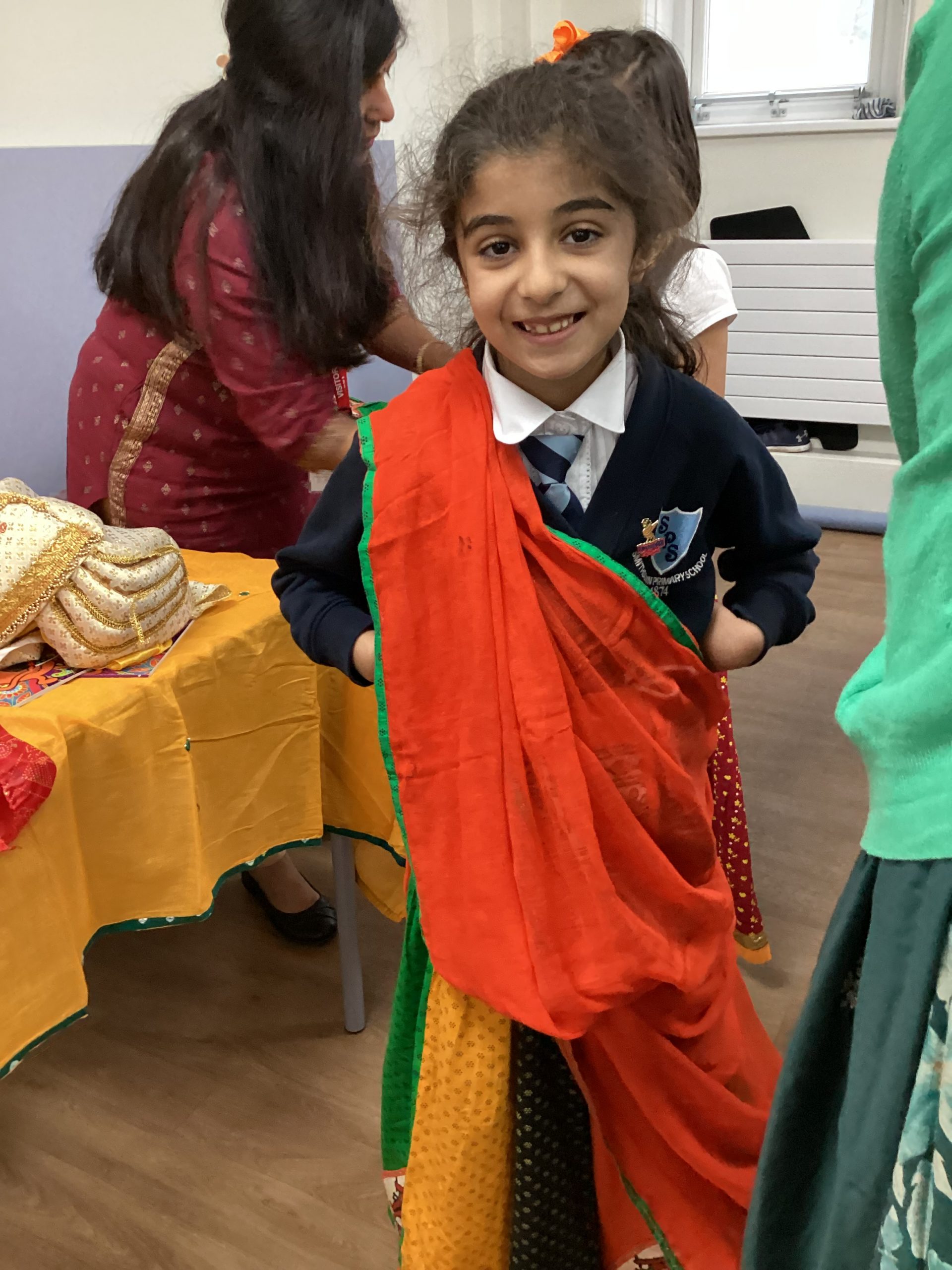
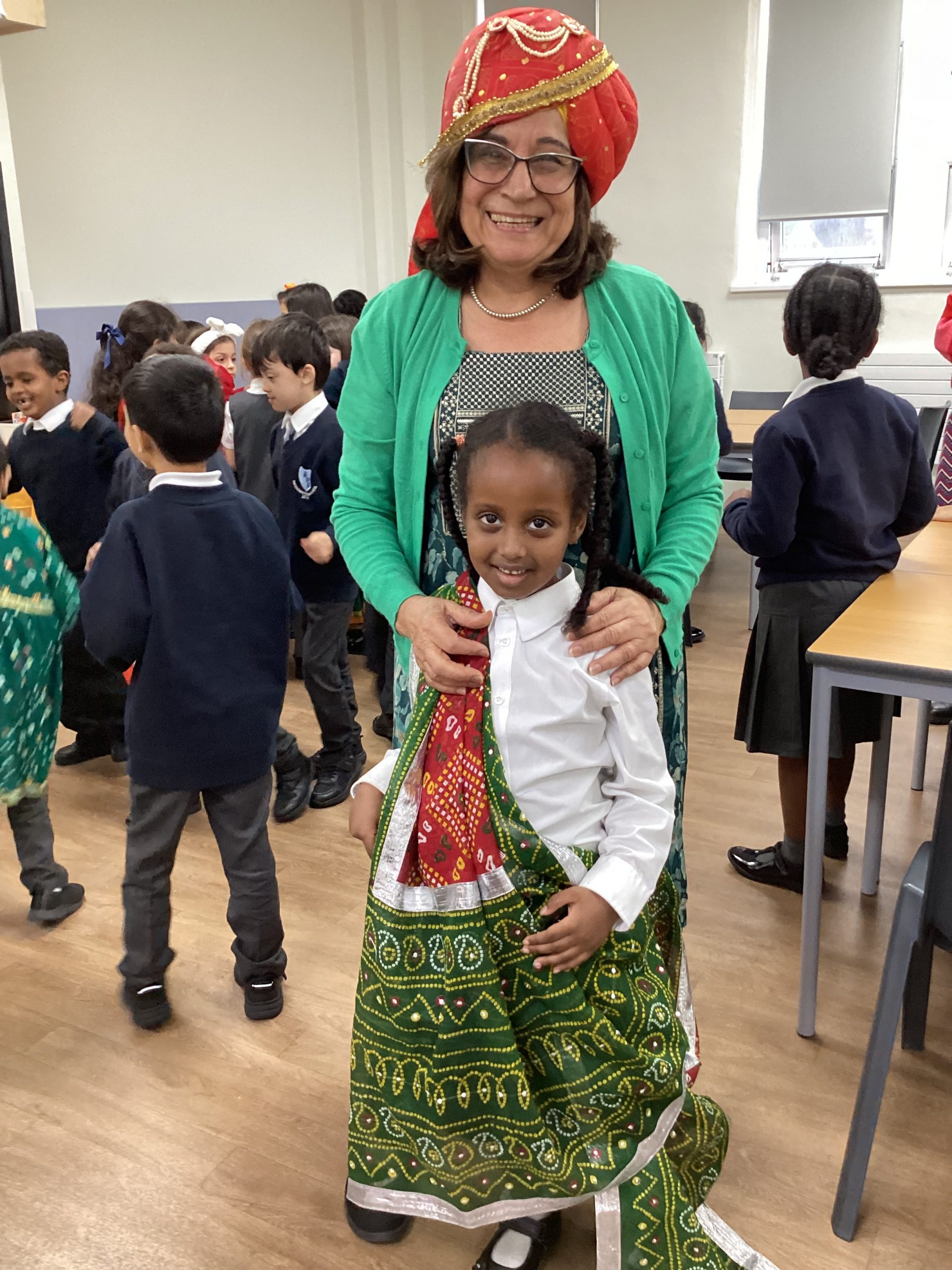
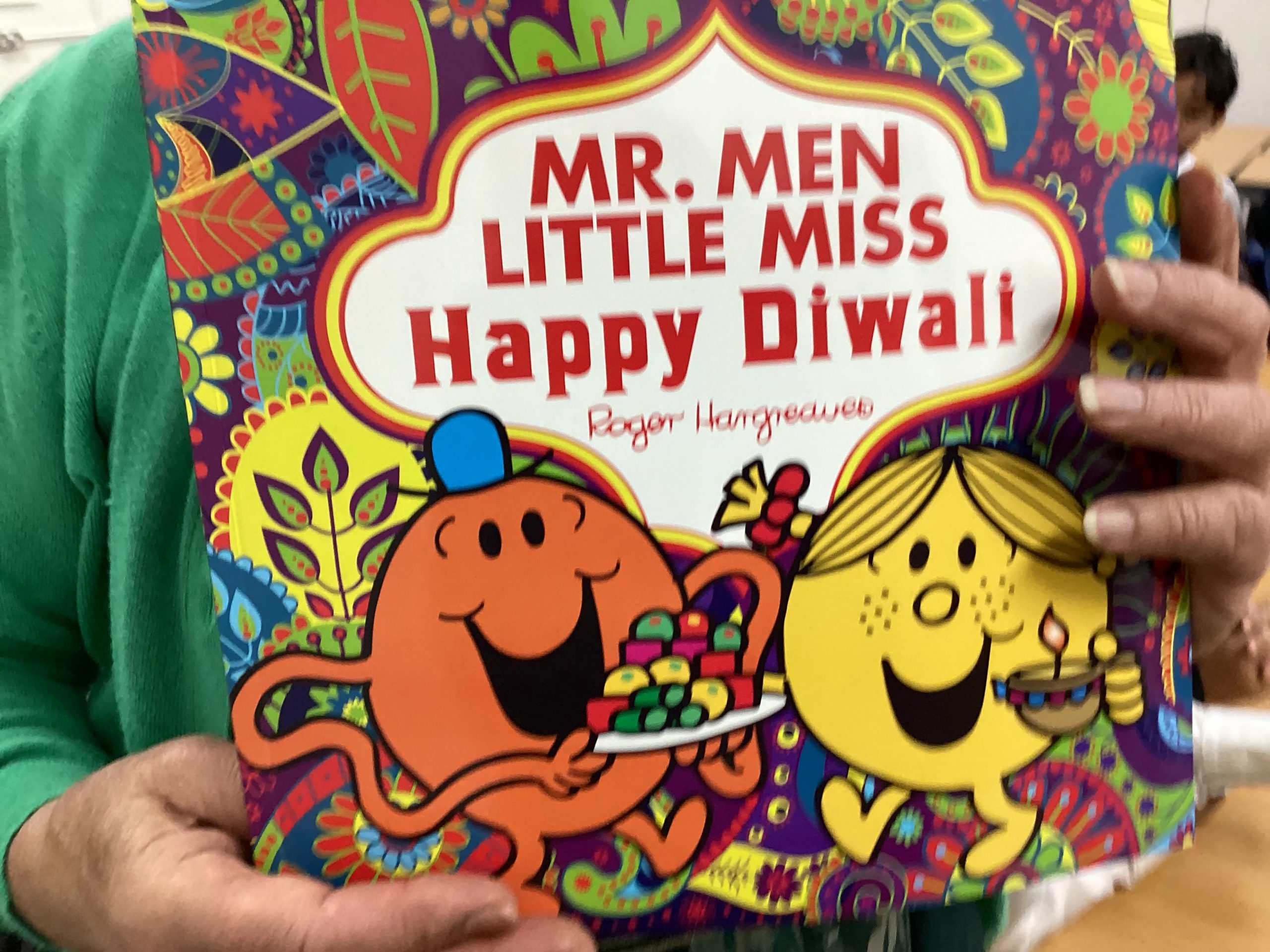
Year 2 had so much fun learning how Diwali is celebrated. We loved making Rangoli patterns and Dancing!
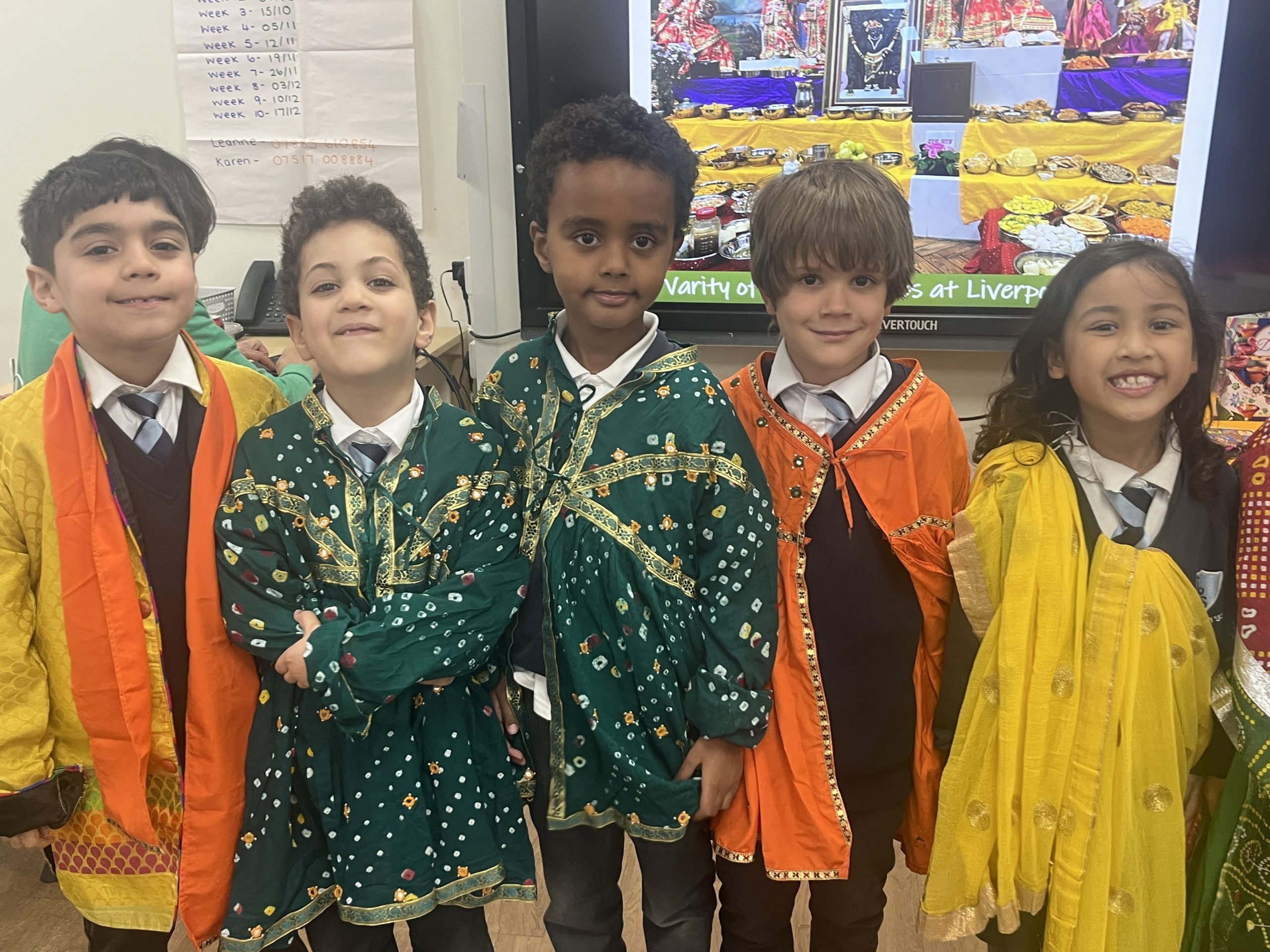
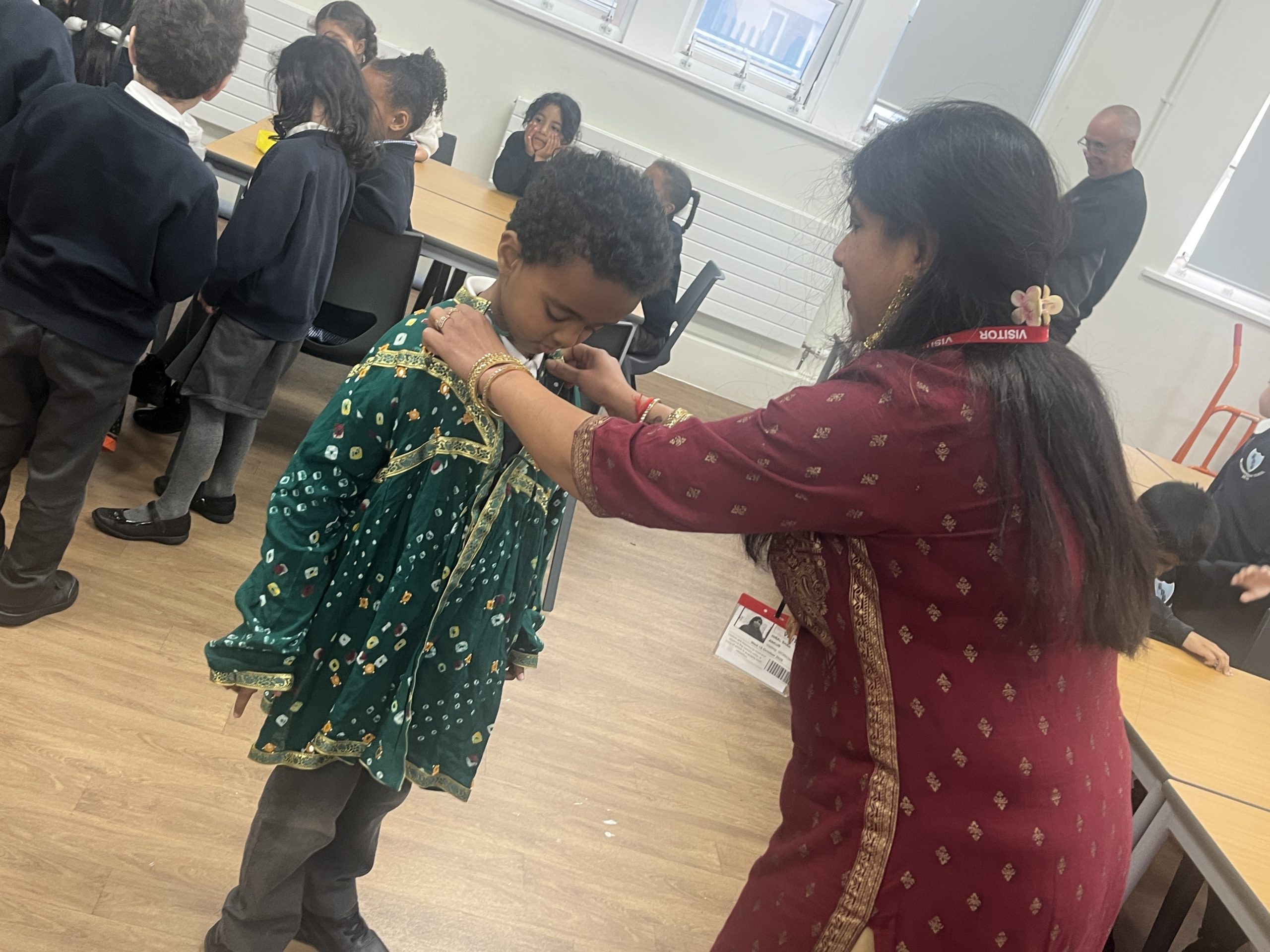
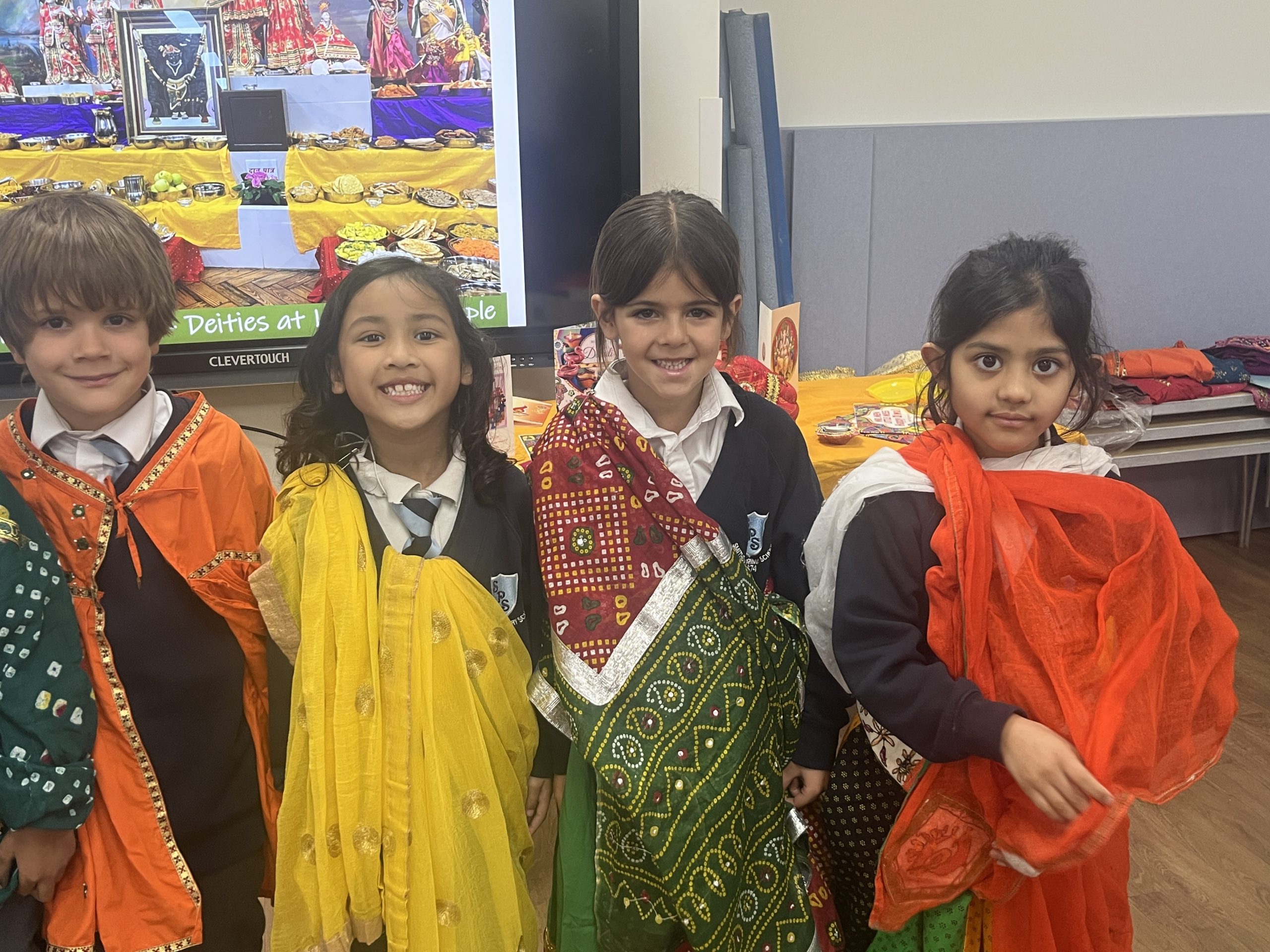
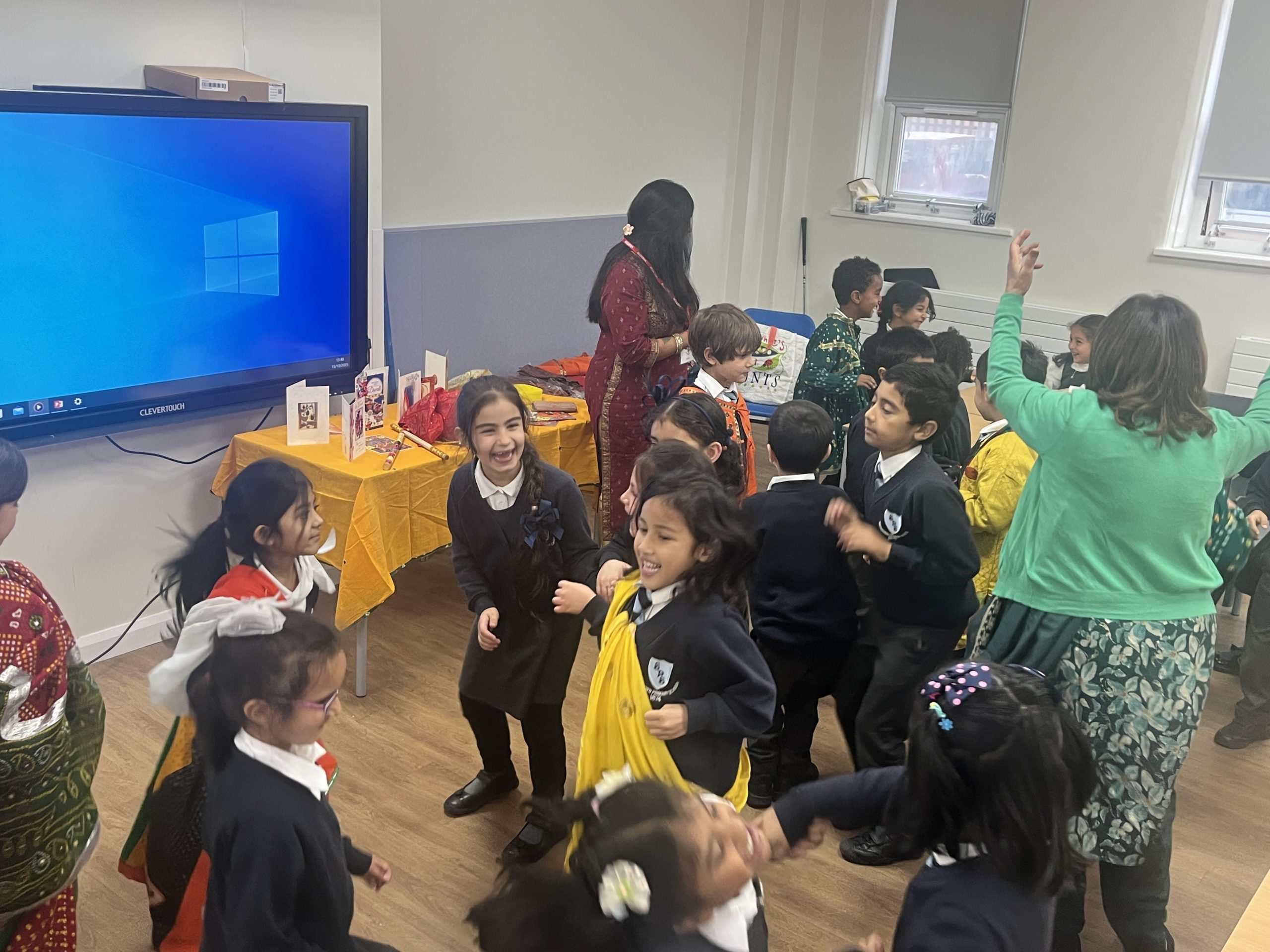
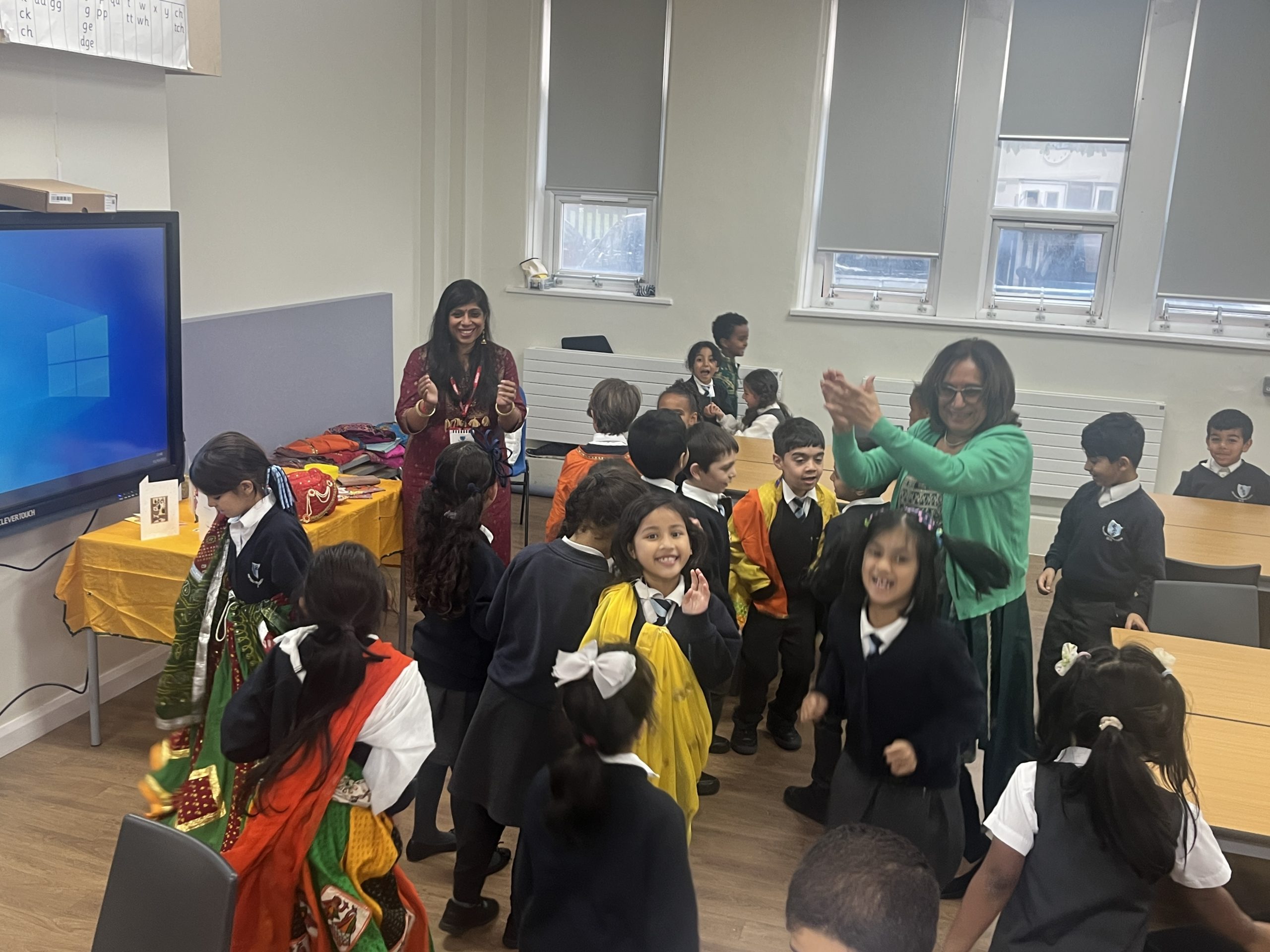
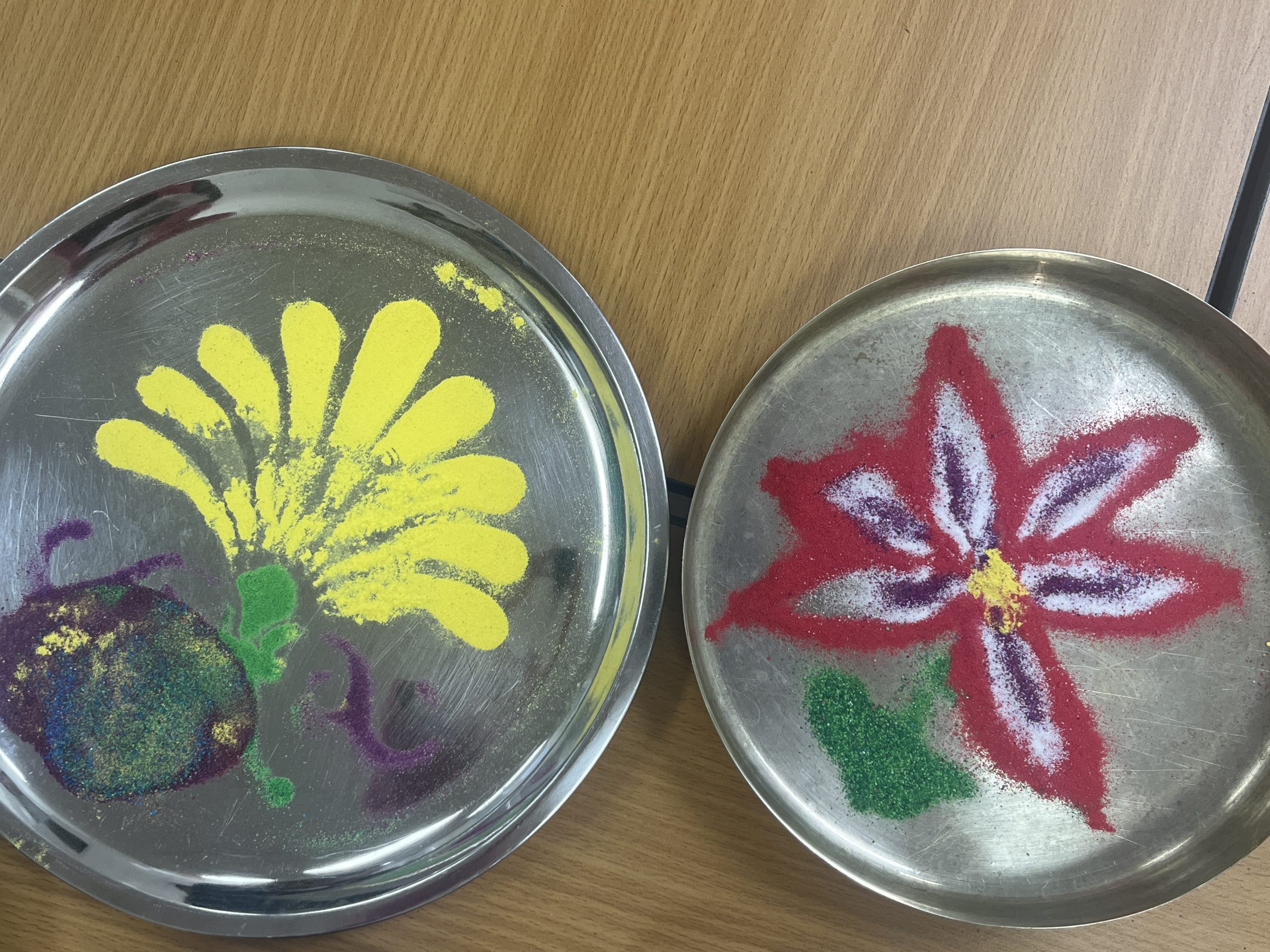
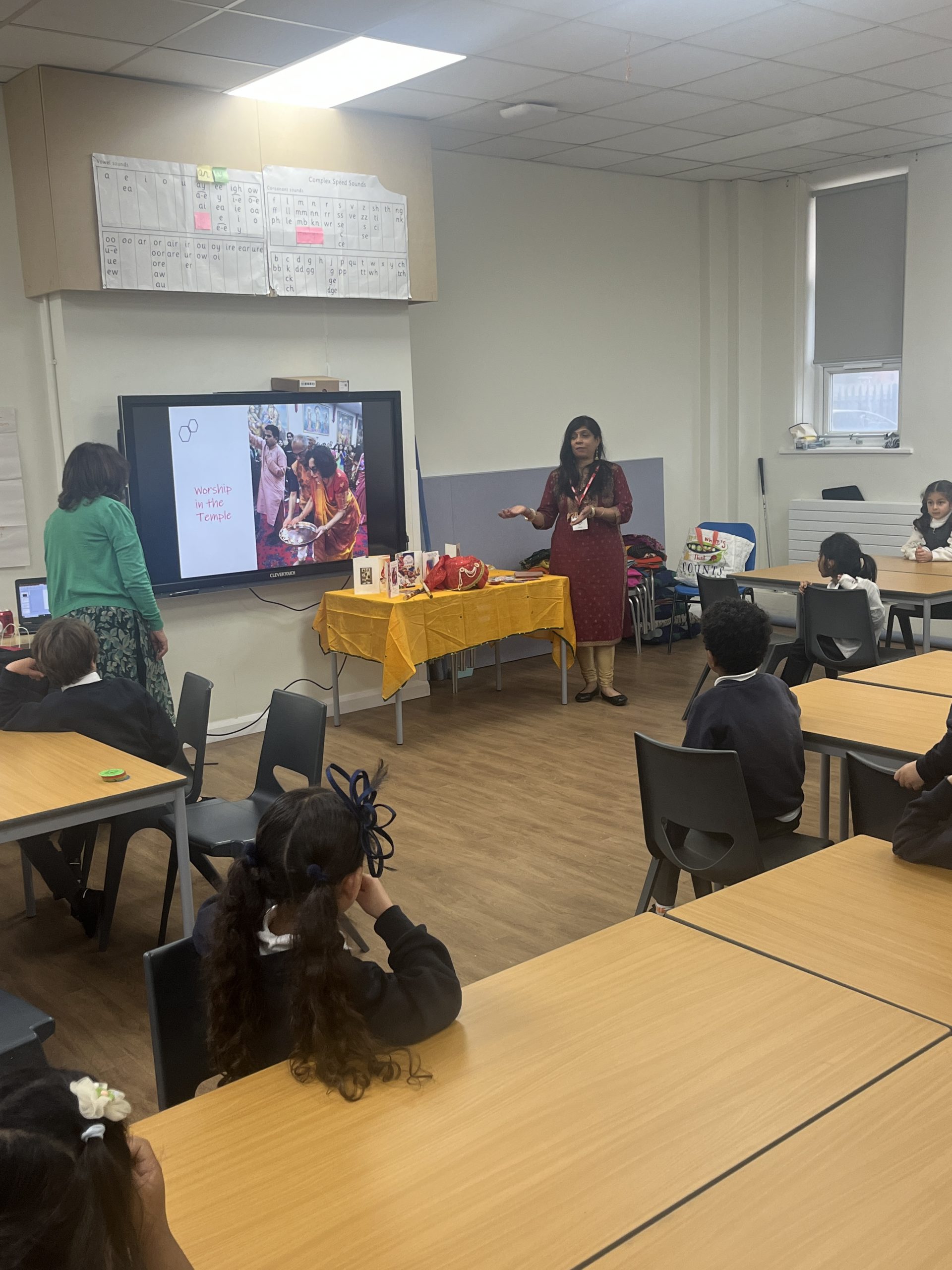
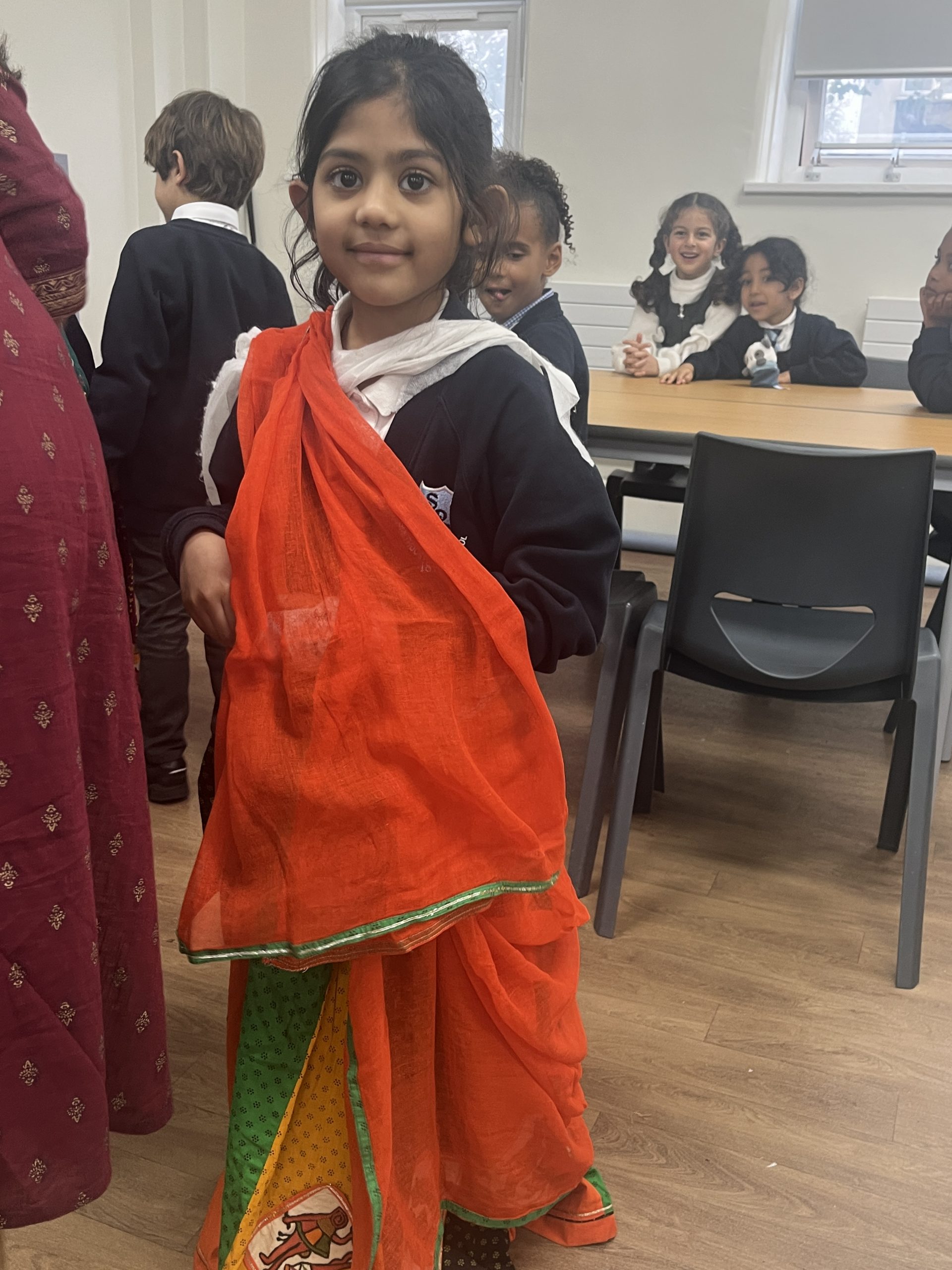
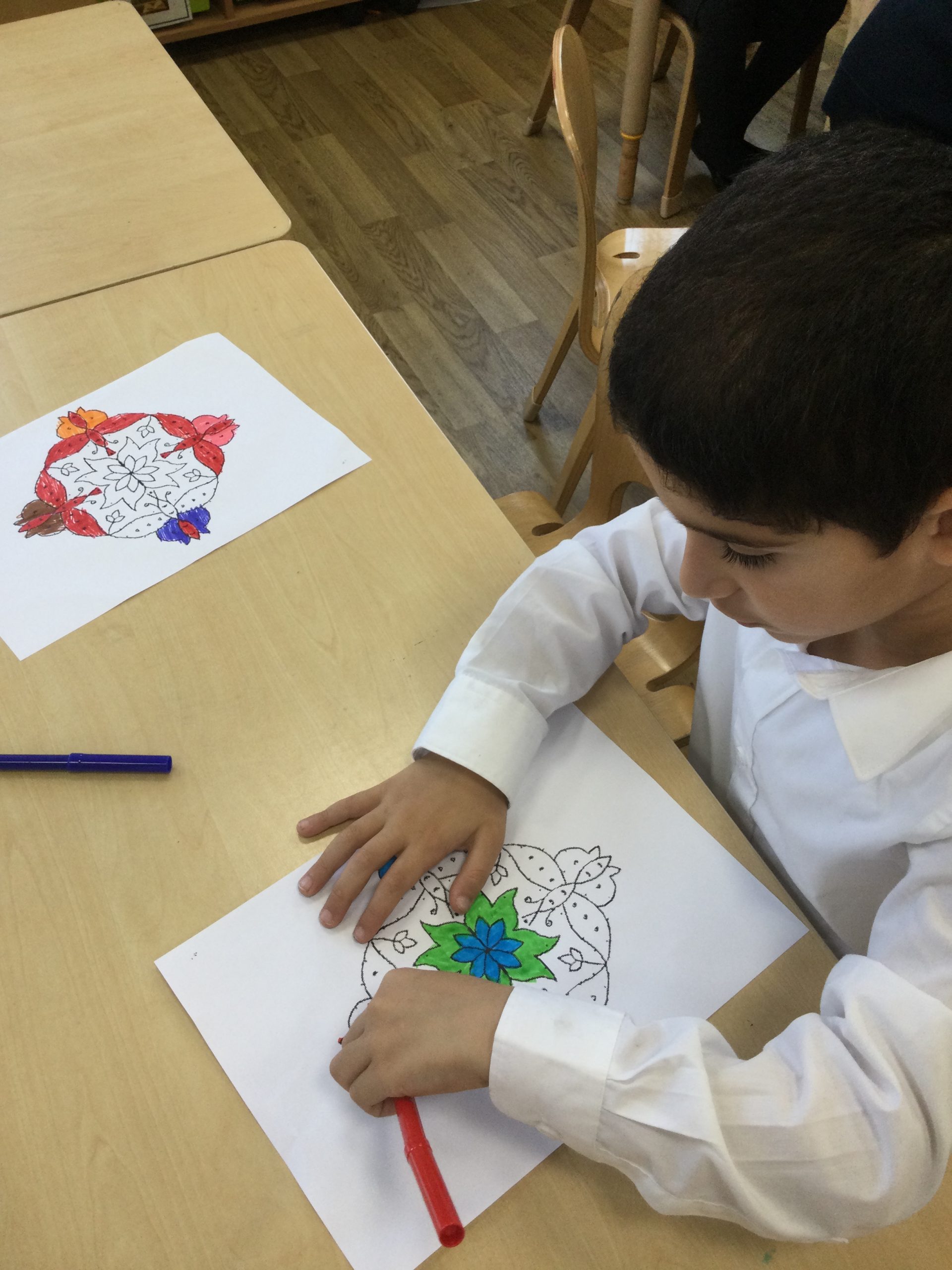
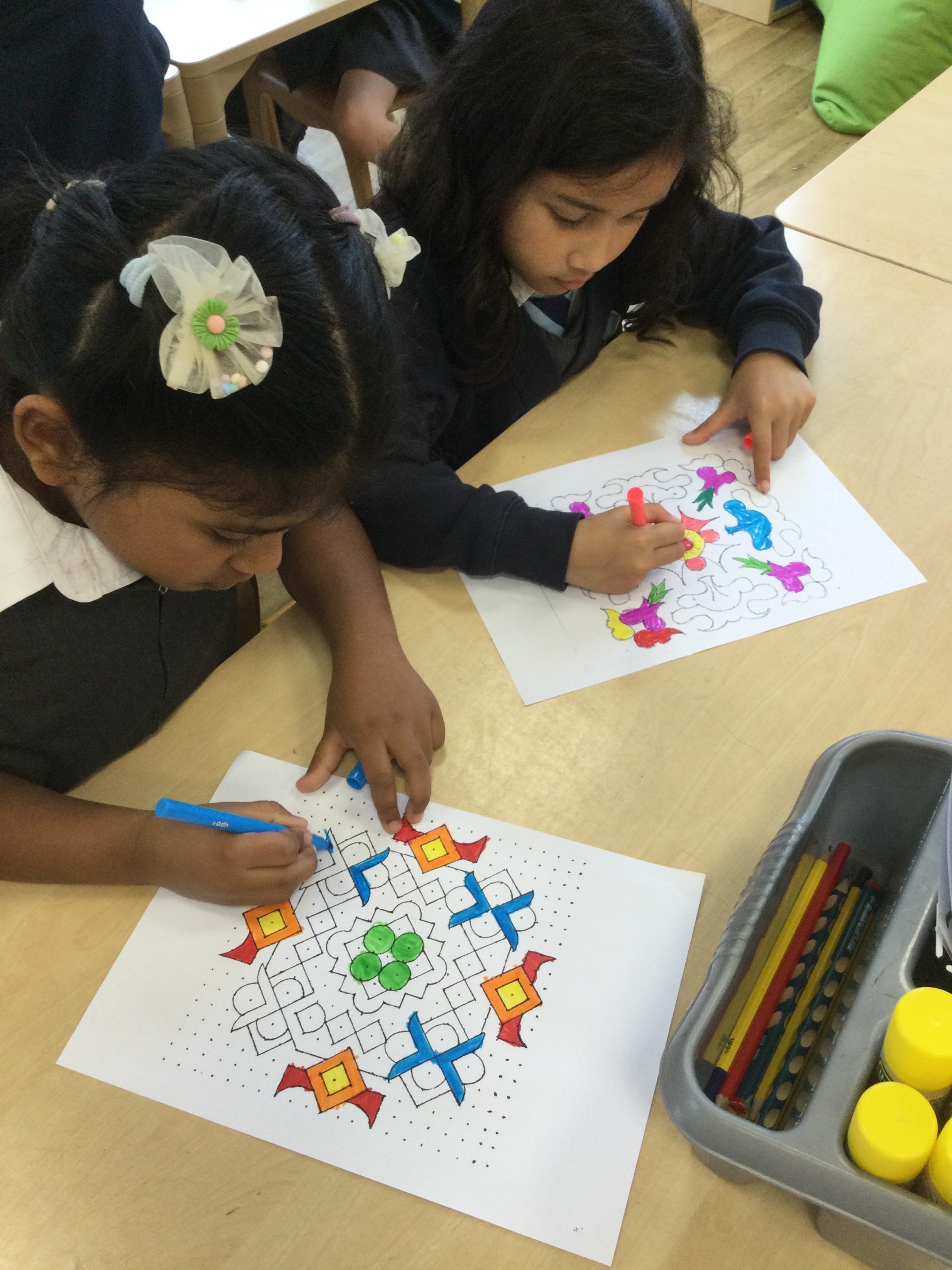
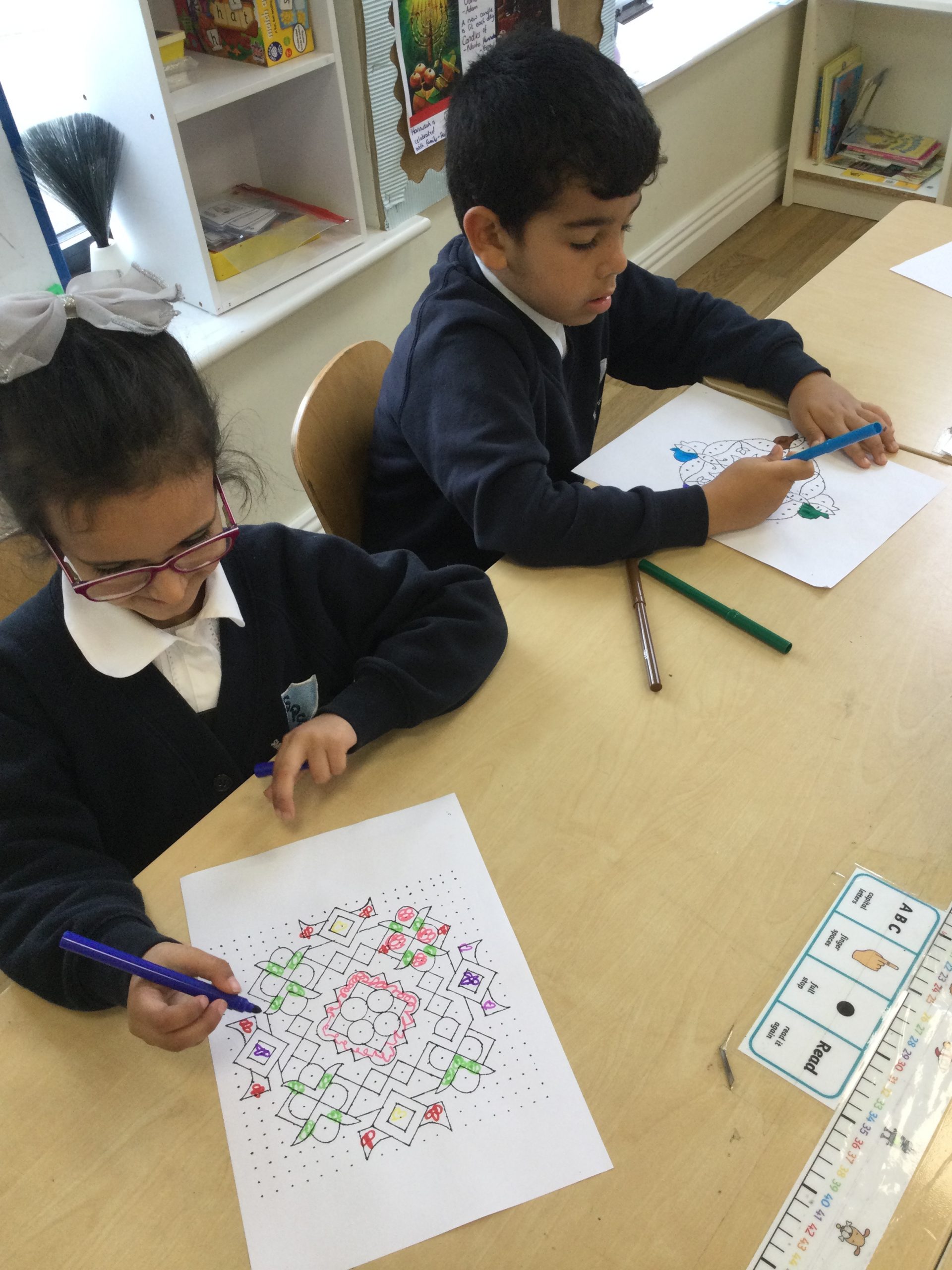
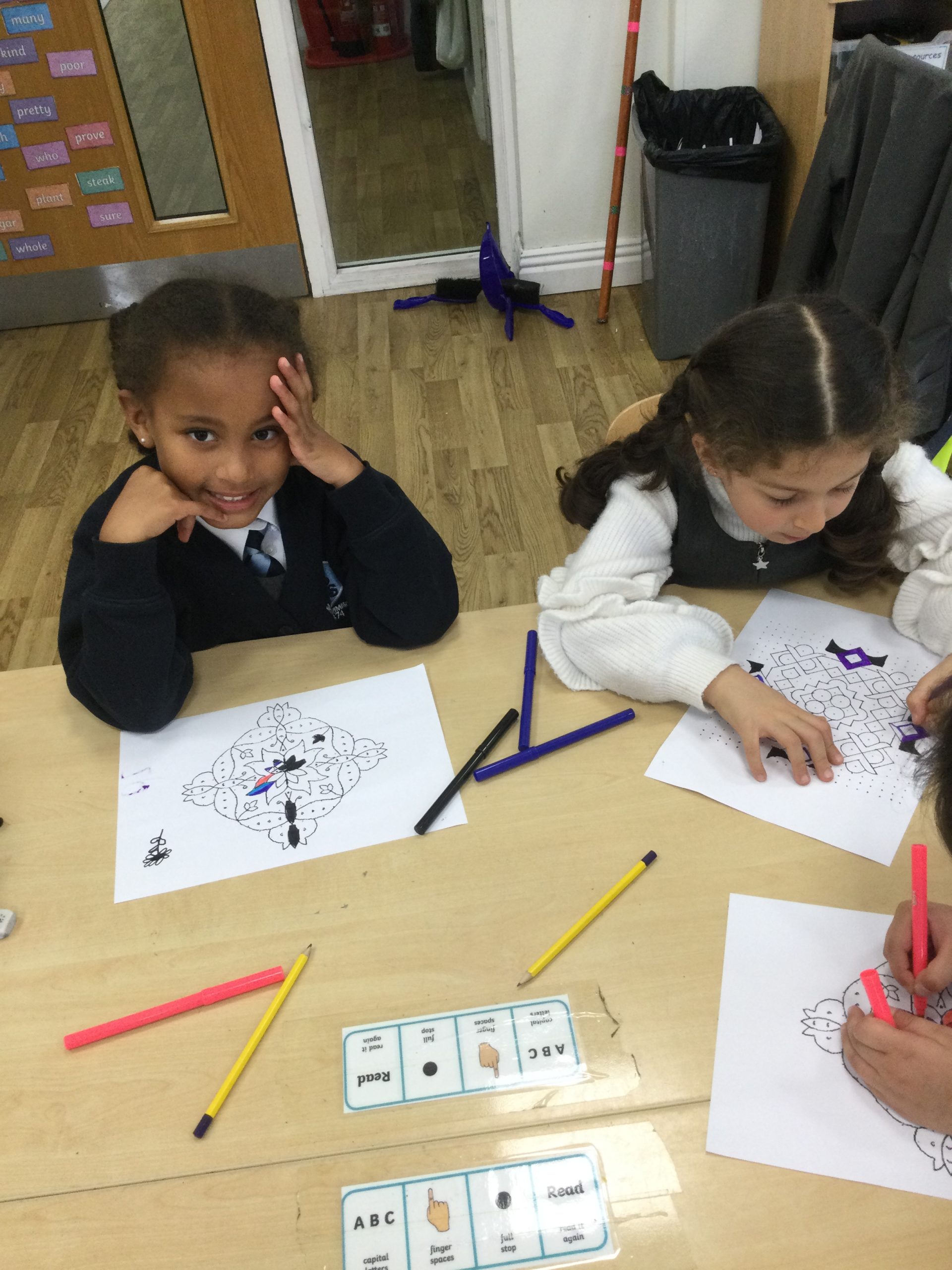
We had a wonderful workshop this morning to celebrate Diwali and reinforce the work we have already done in Hinduism. We listened to a story, danced and created lanterns.
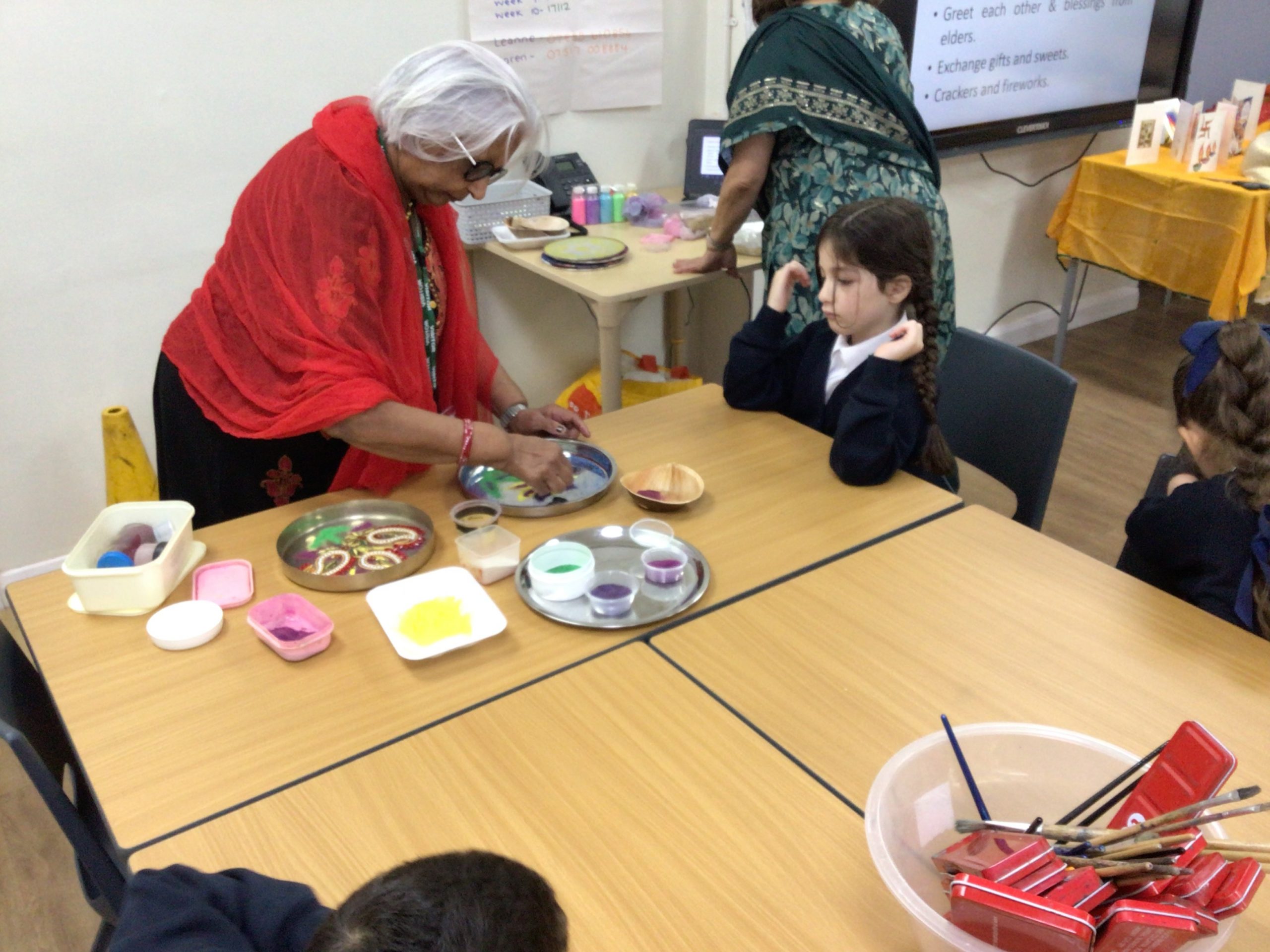
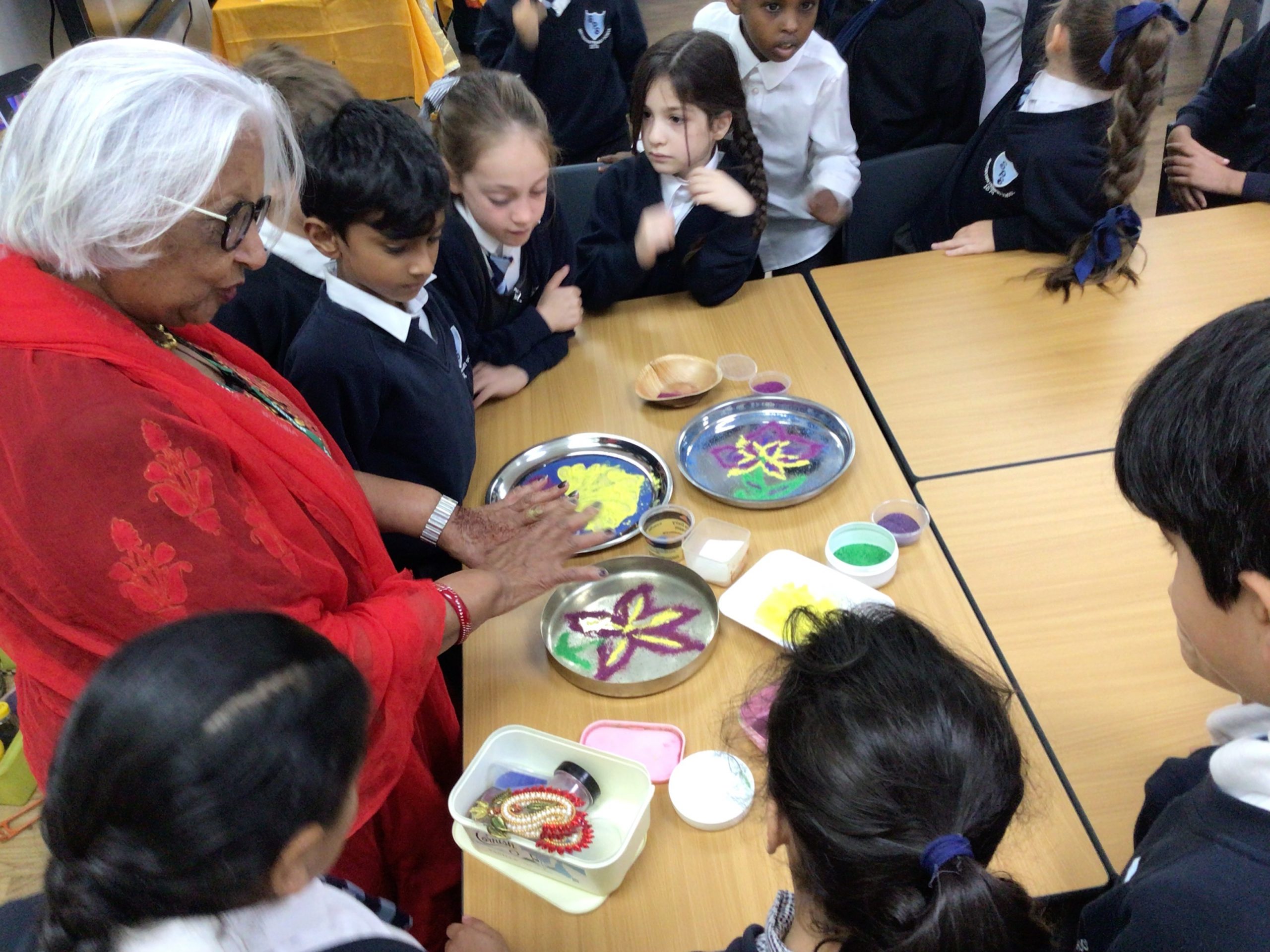
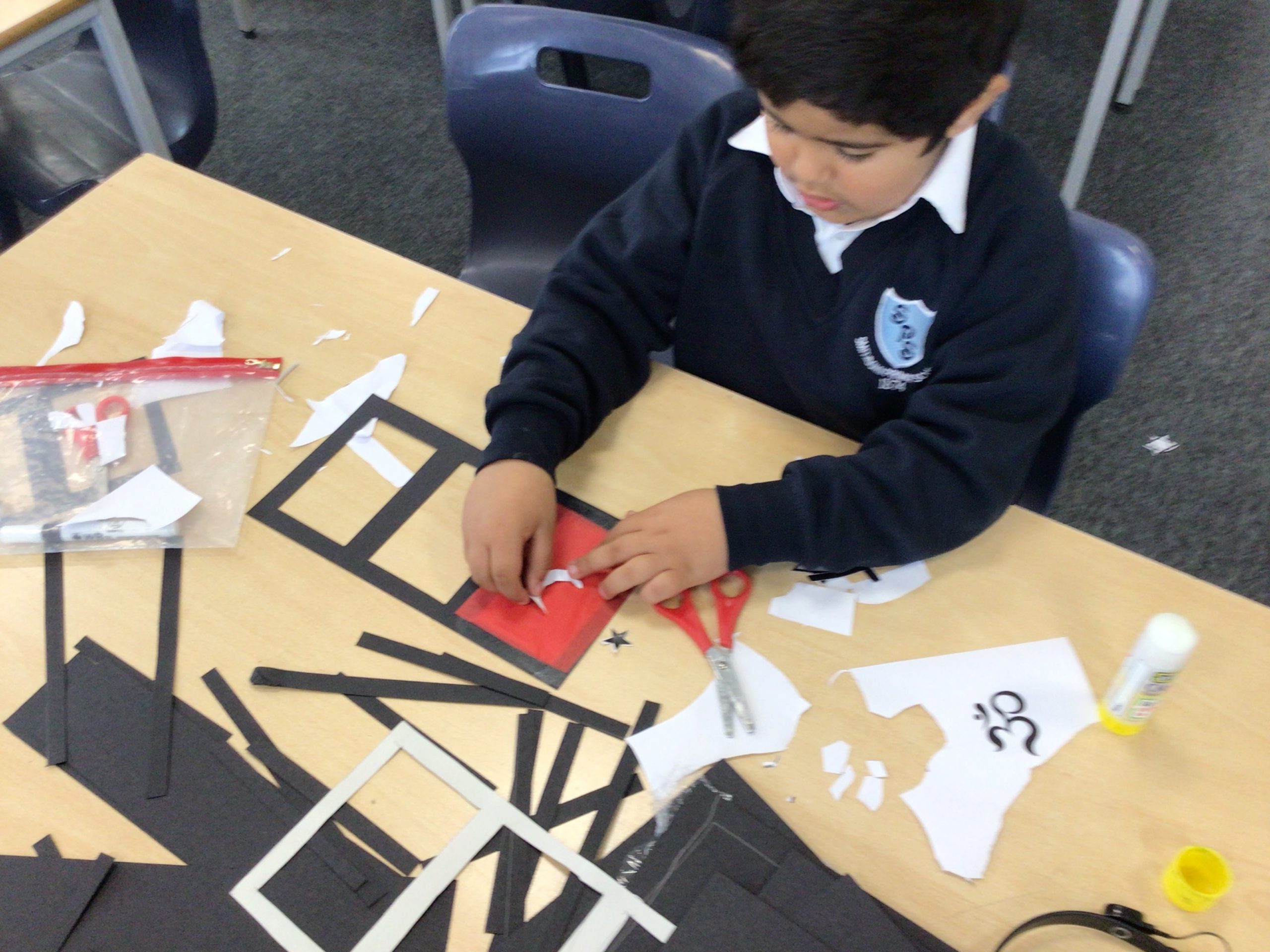
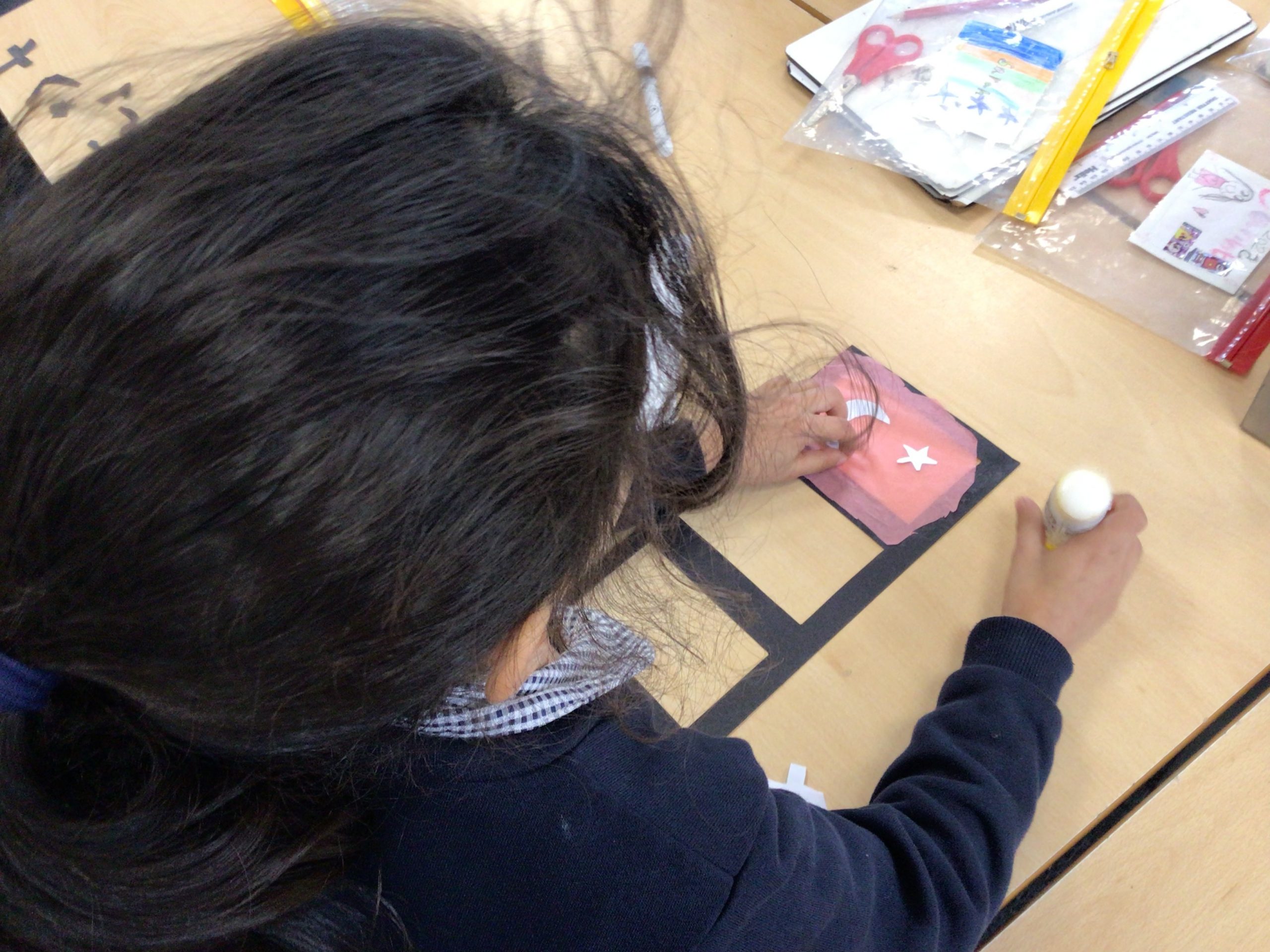
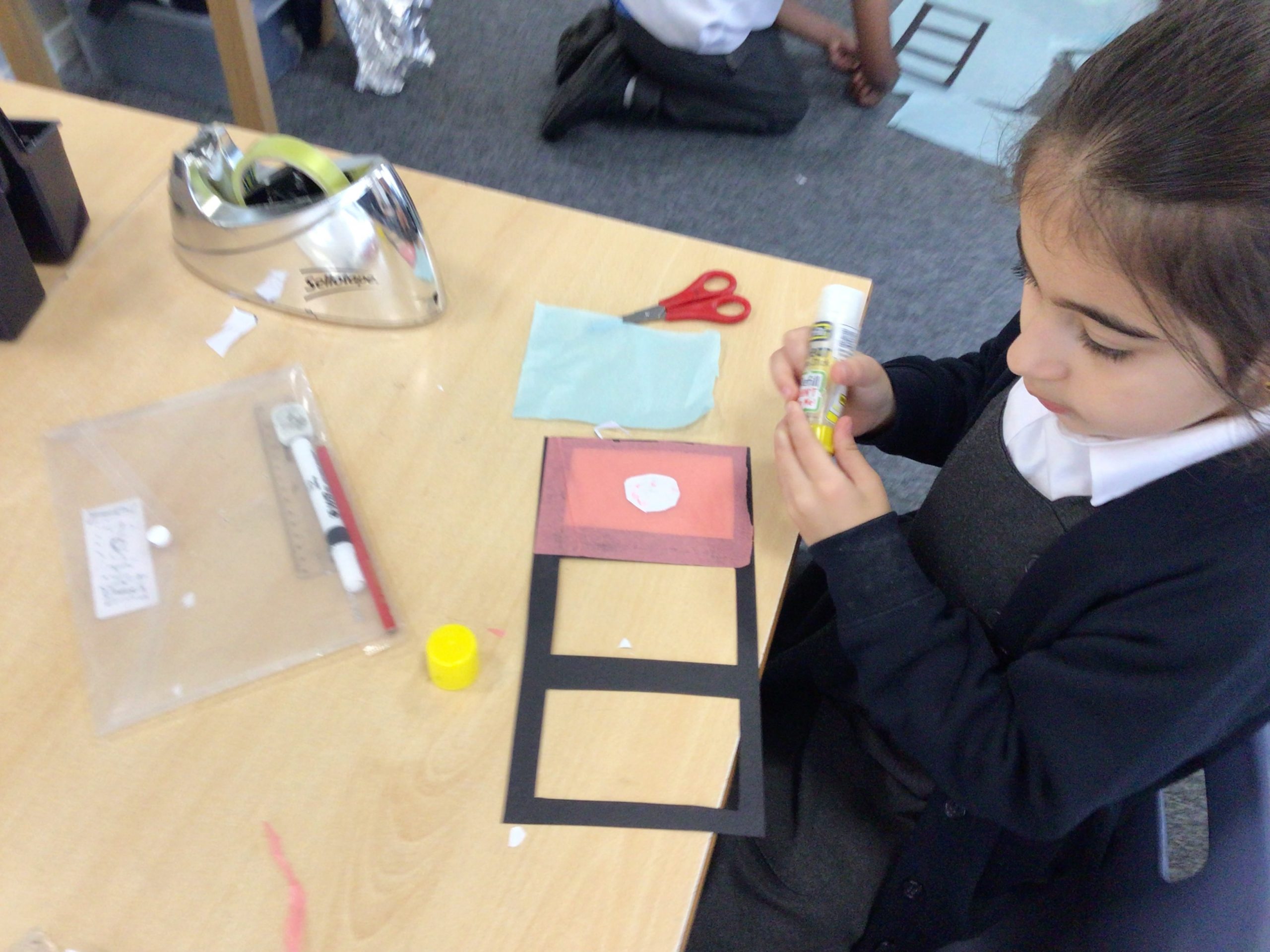
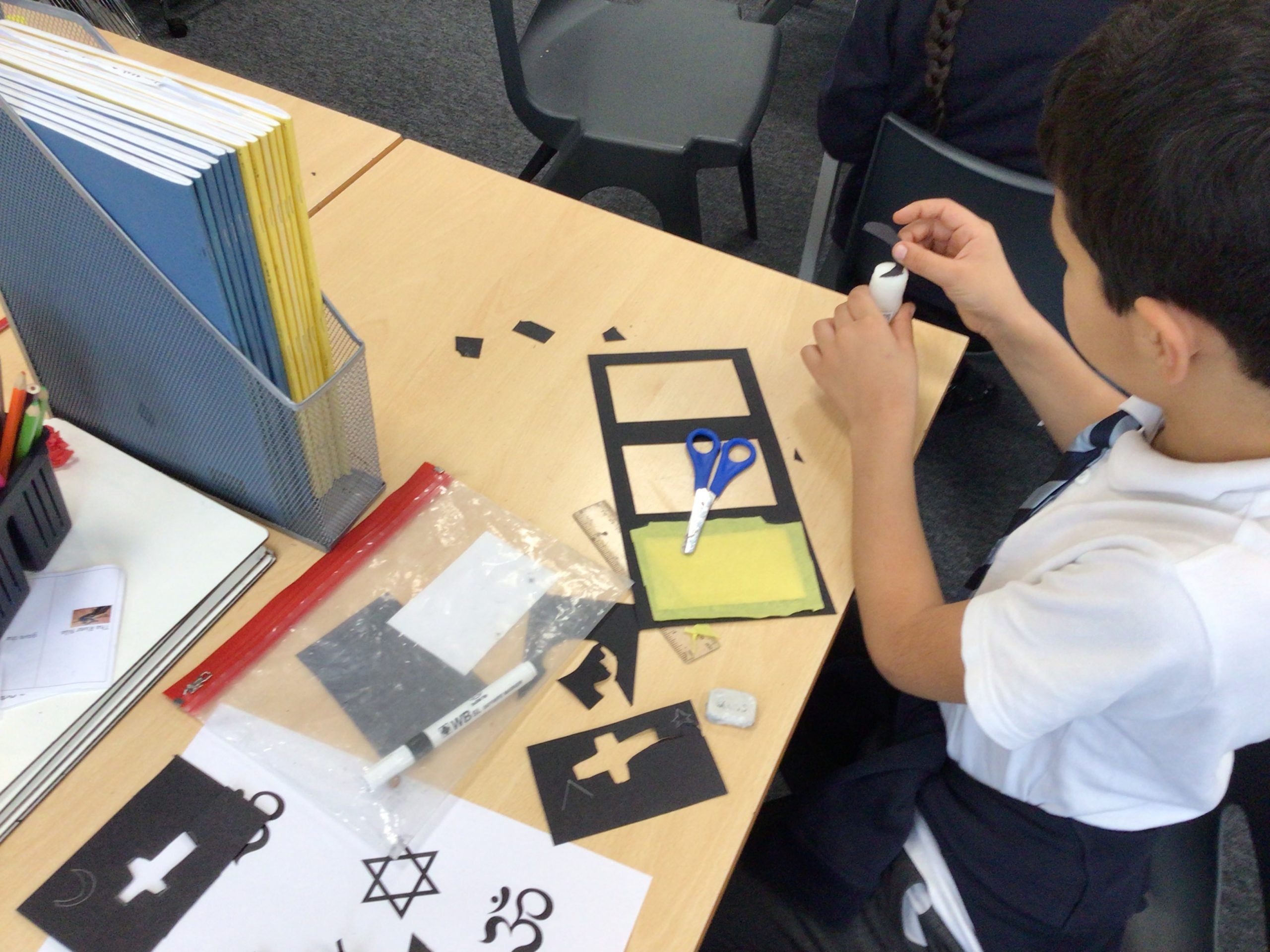
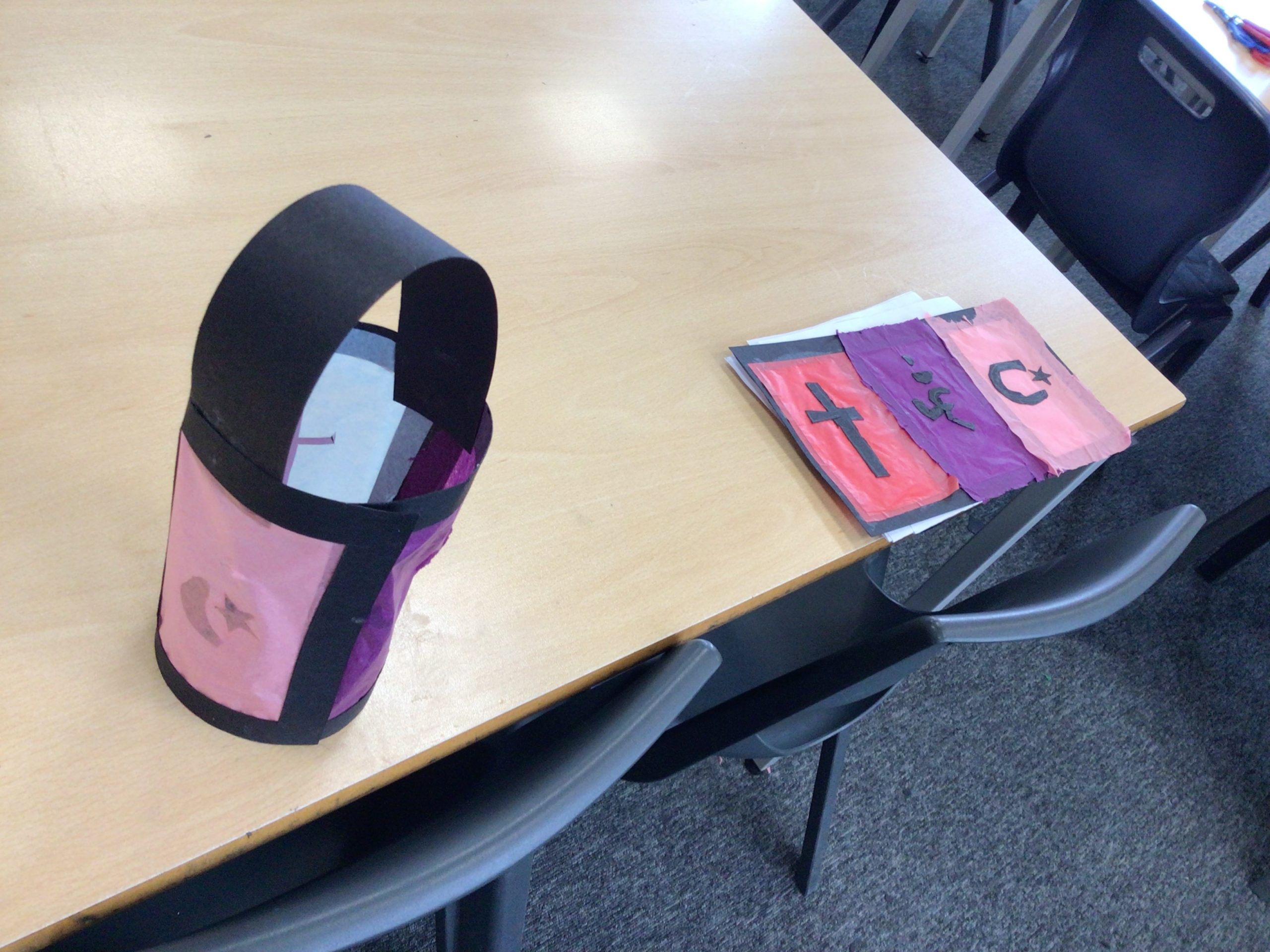
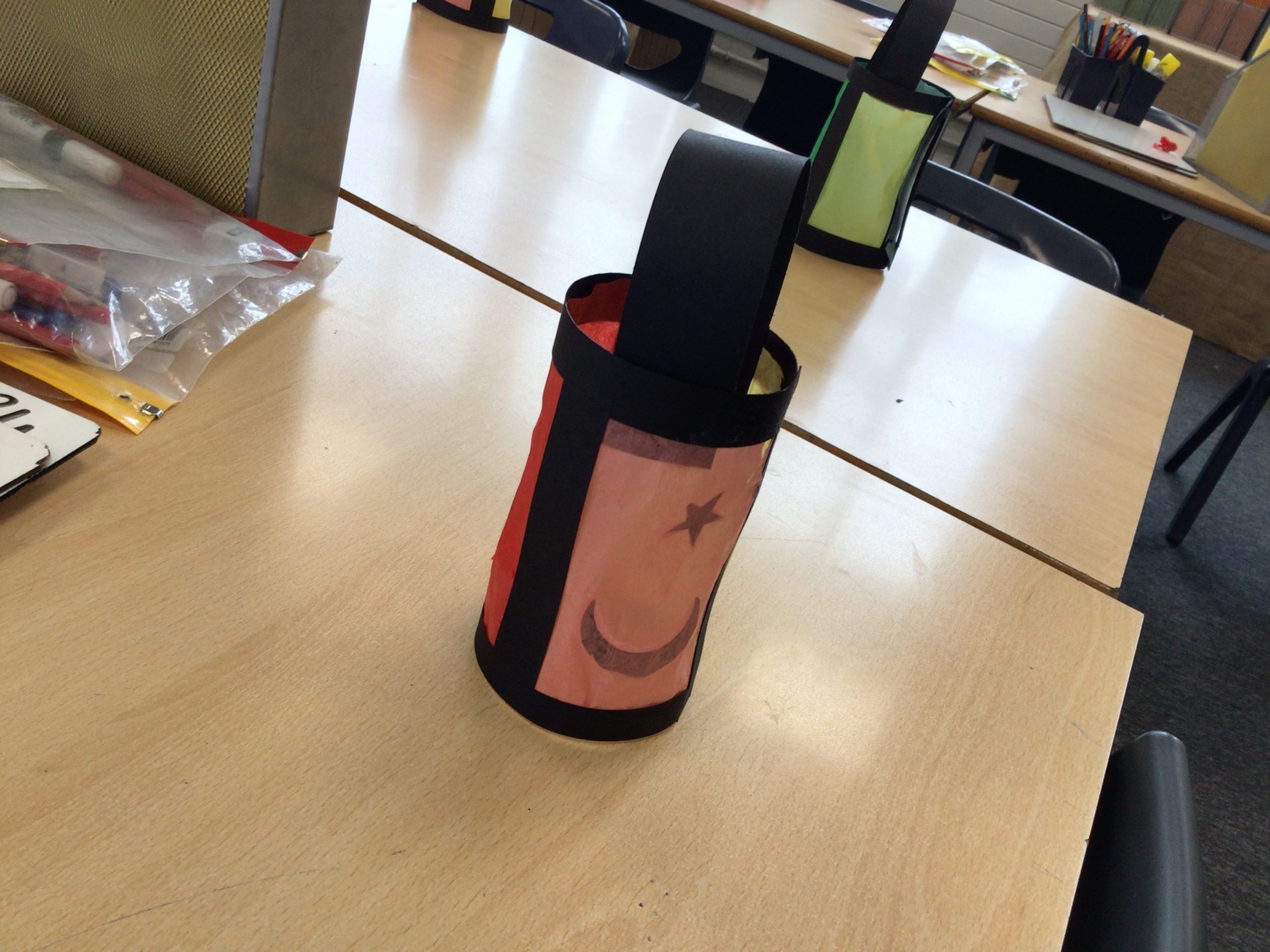
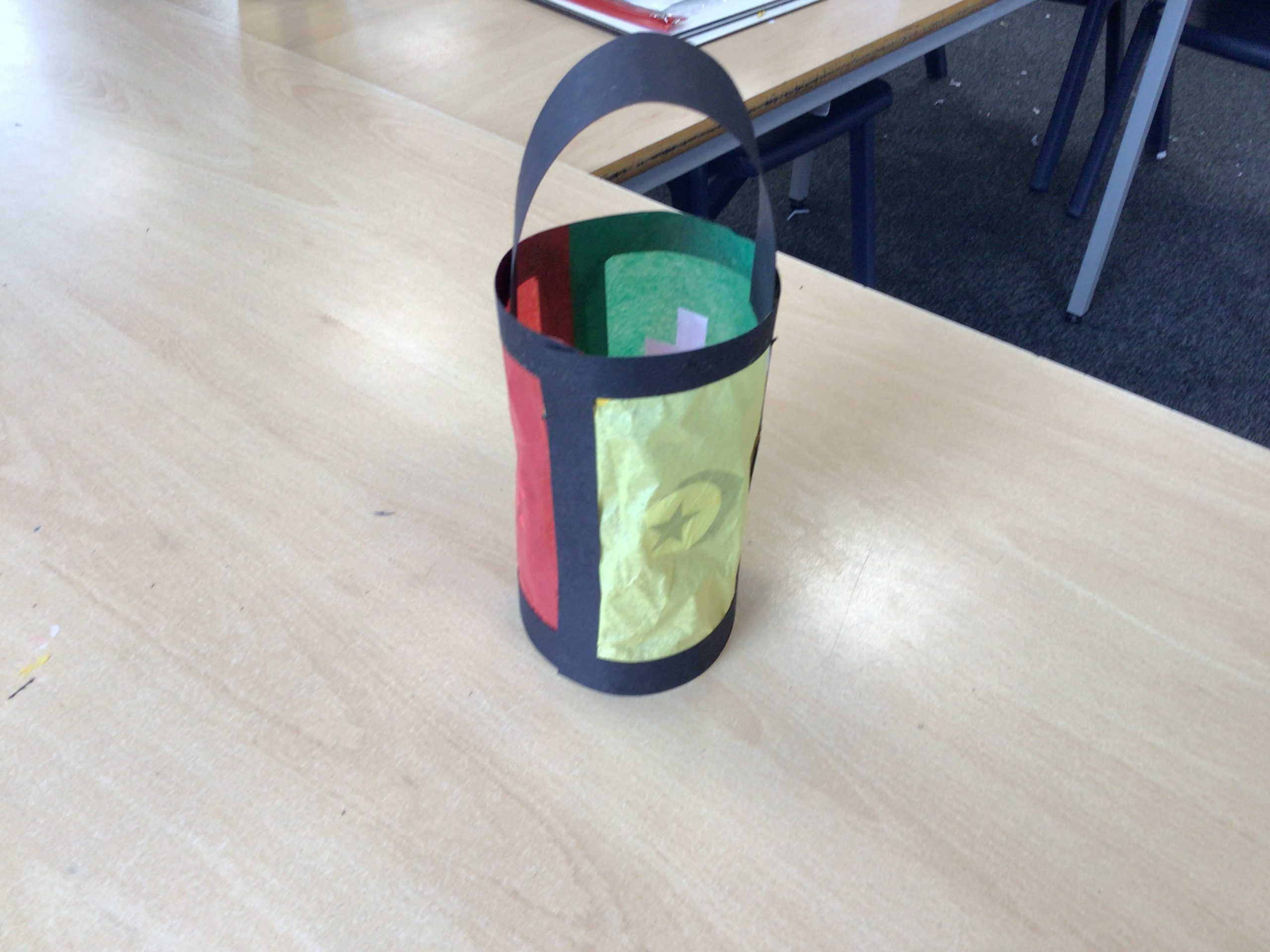
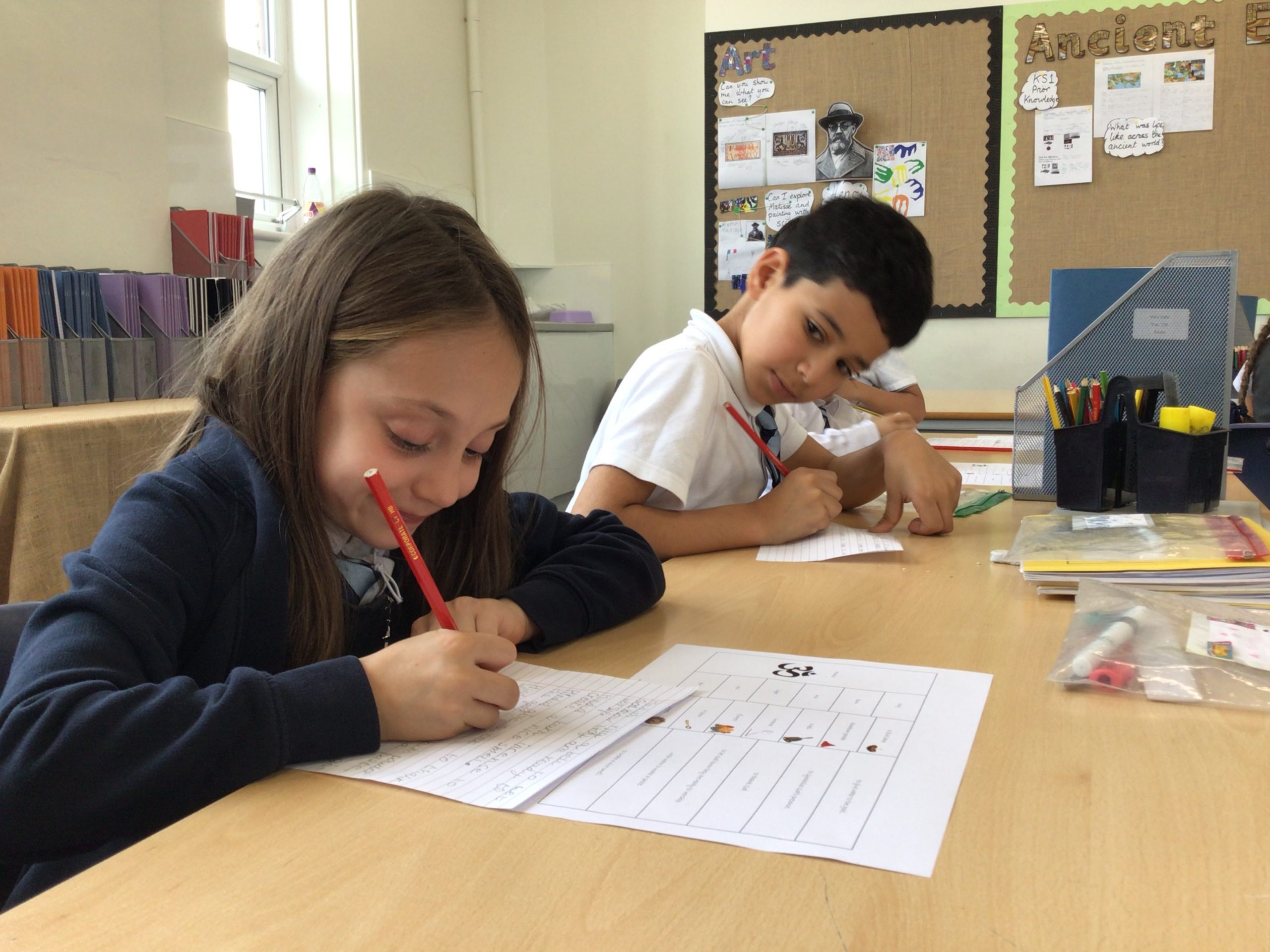
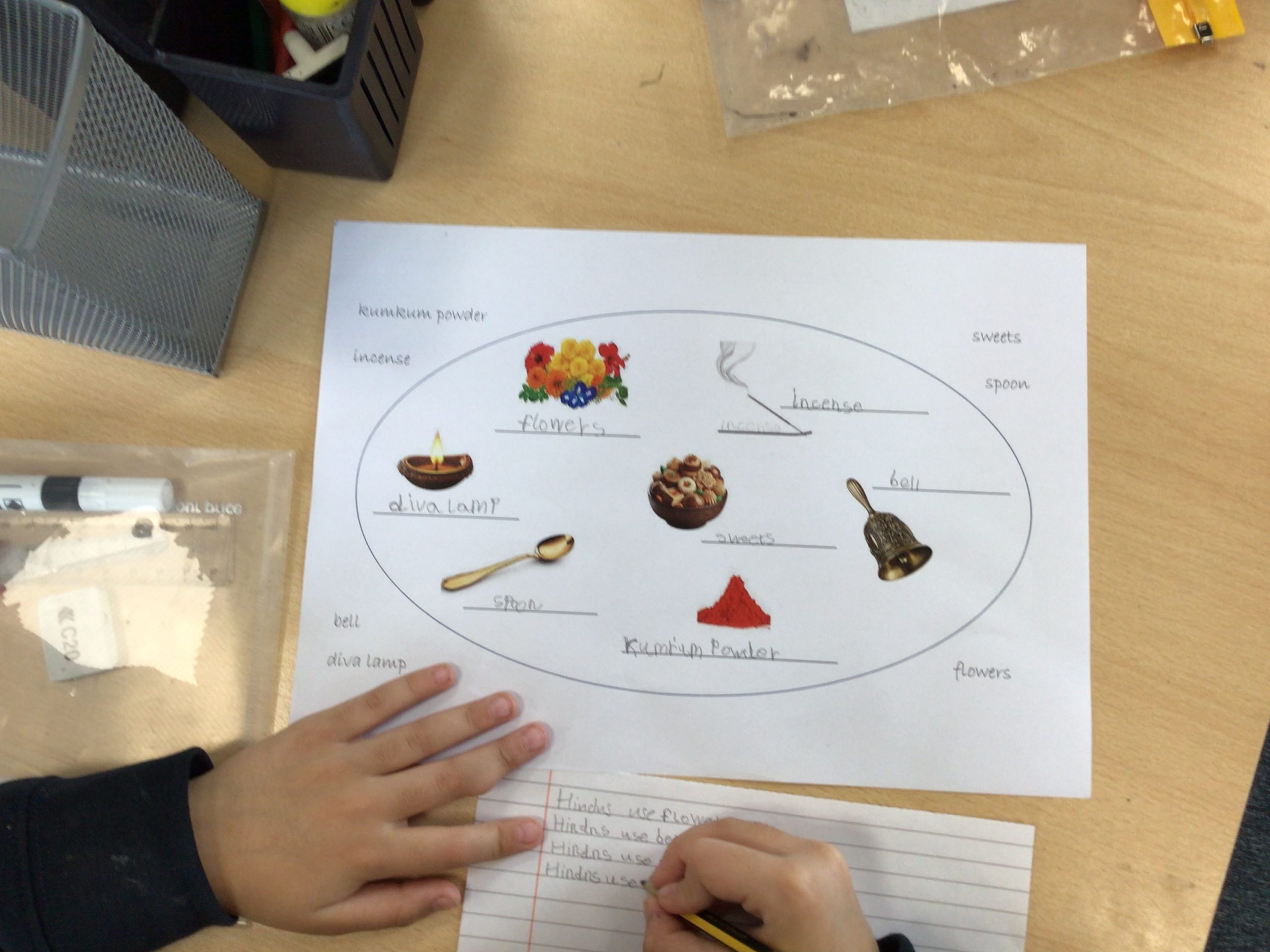
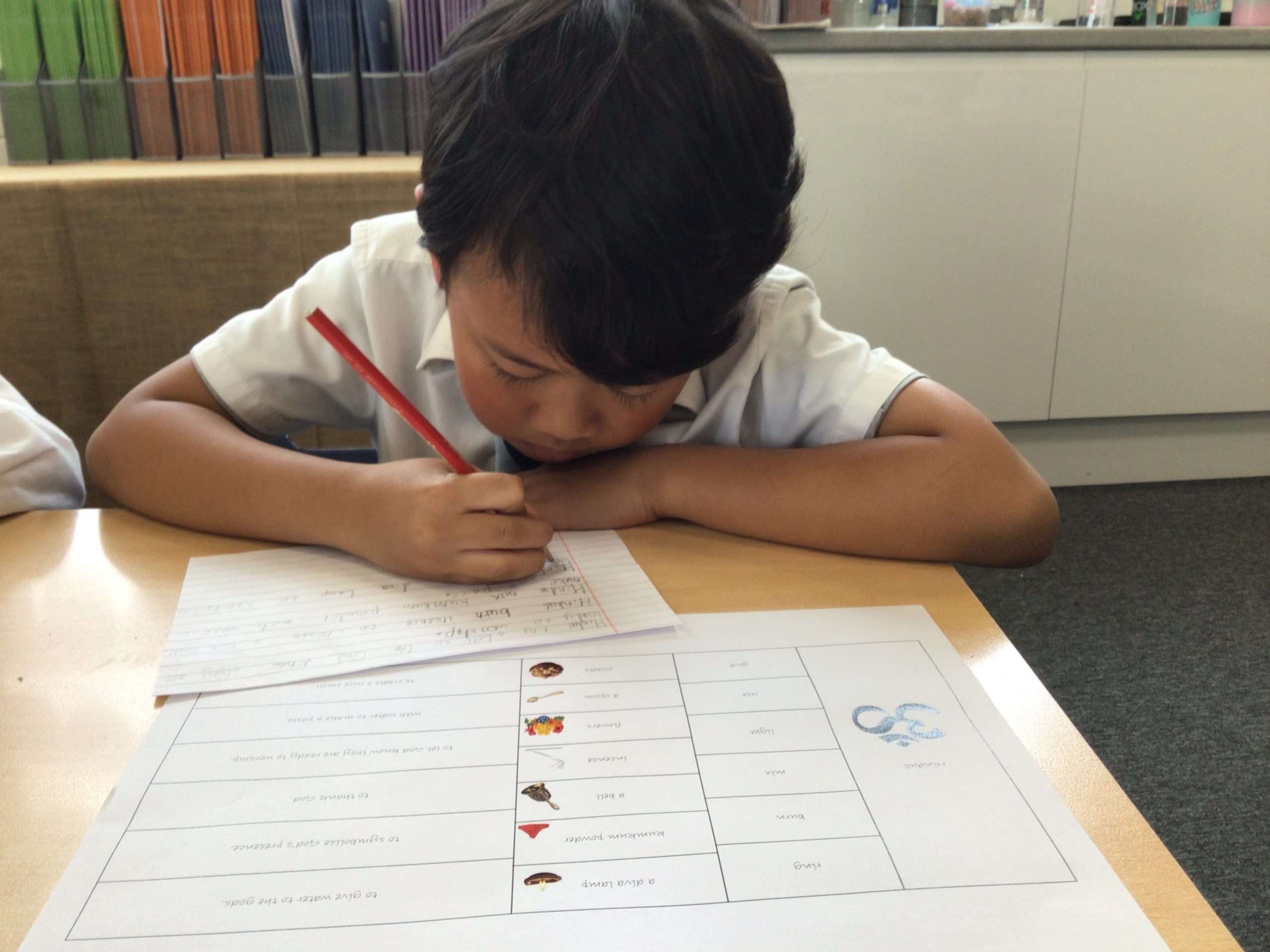
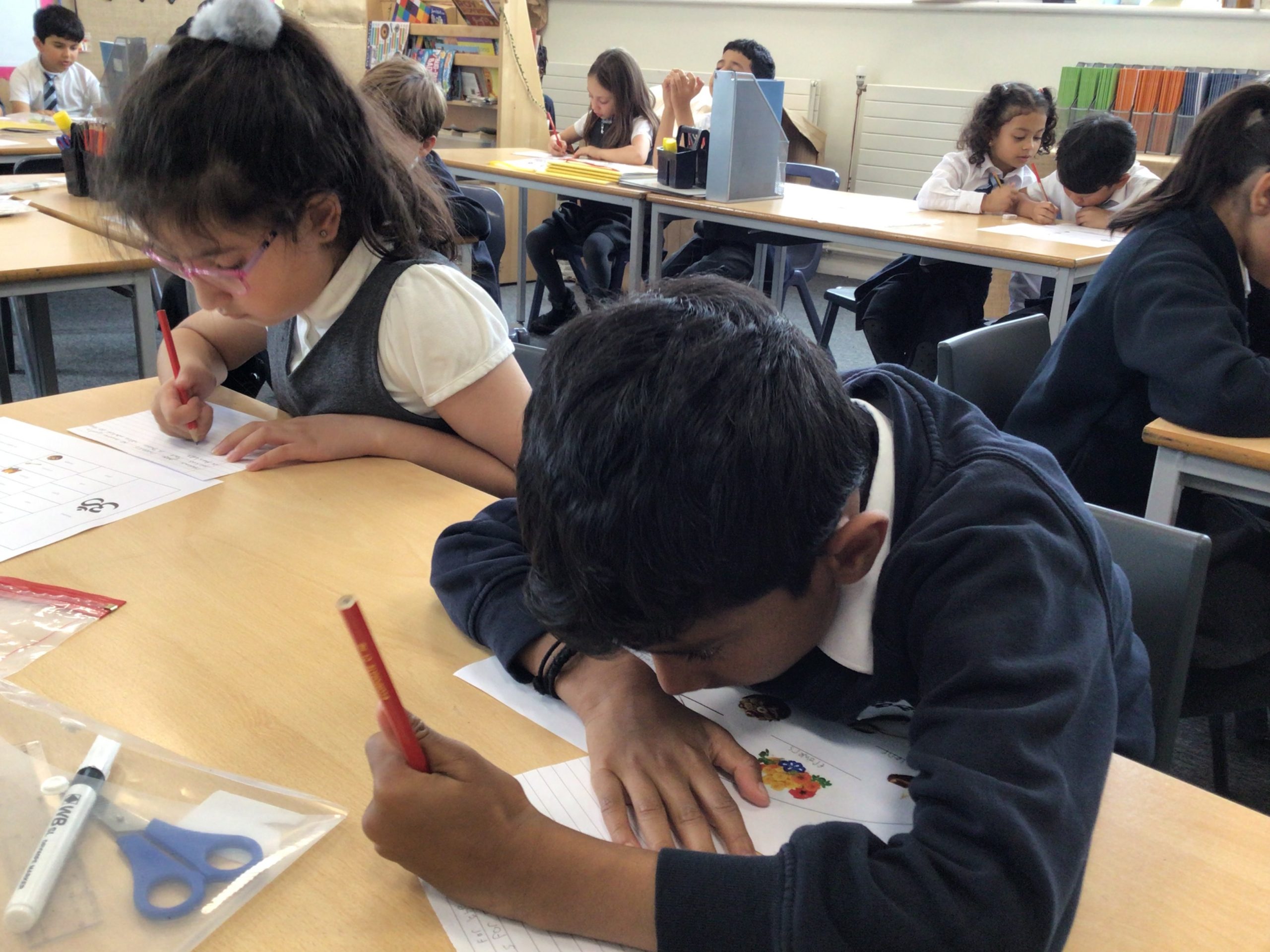
Today, we looked at items that are used to create a puja tray. We talked about why these items are important to Hindus and how they are used in daily worship. The children worked very hard and remembered lots of new words.